
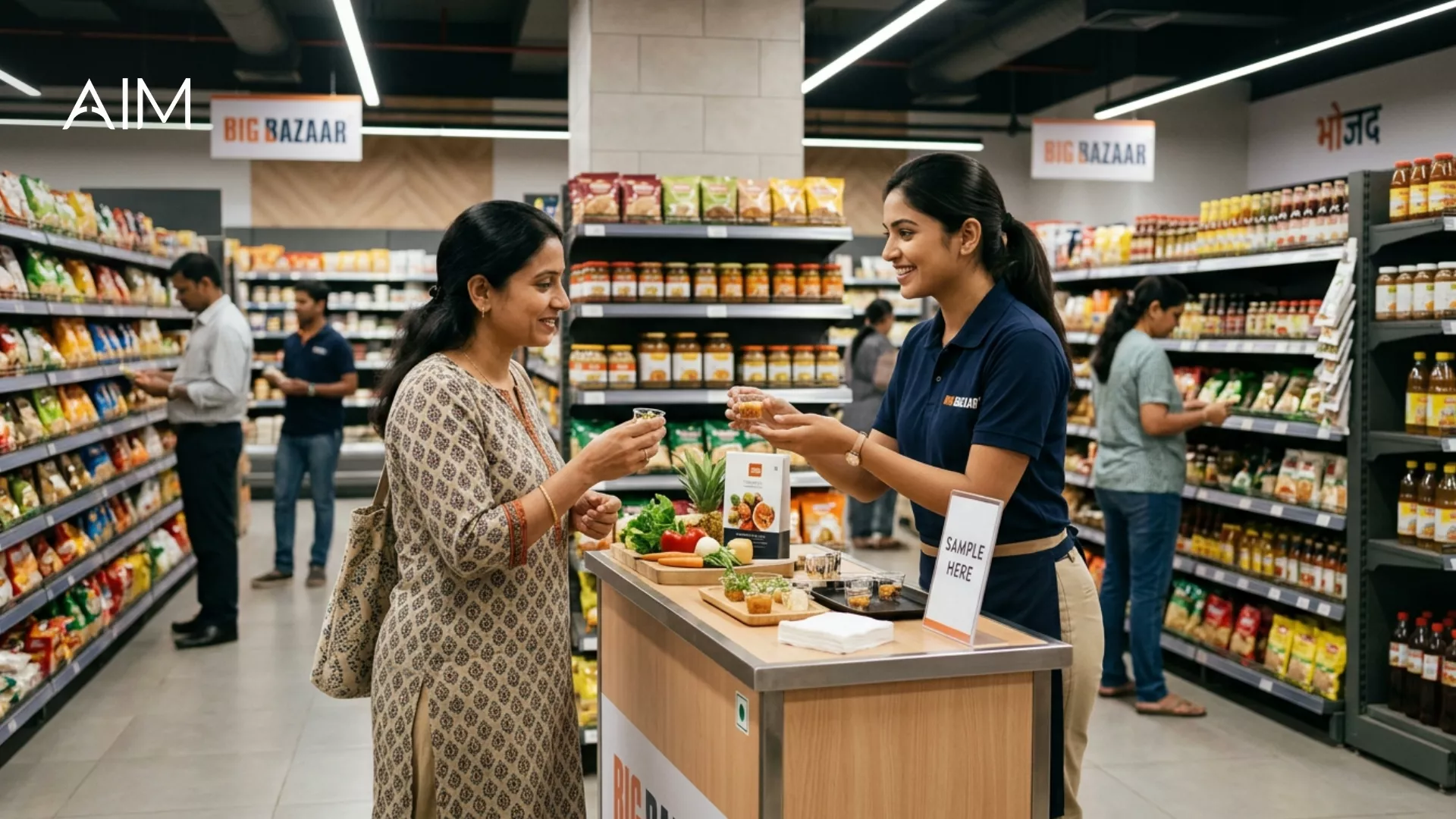


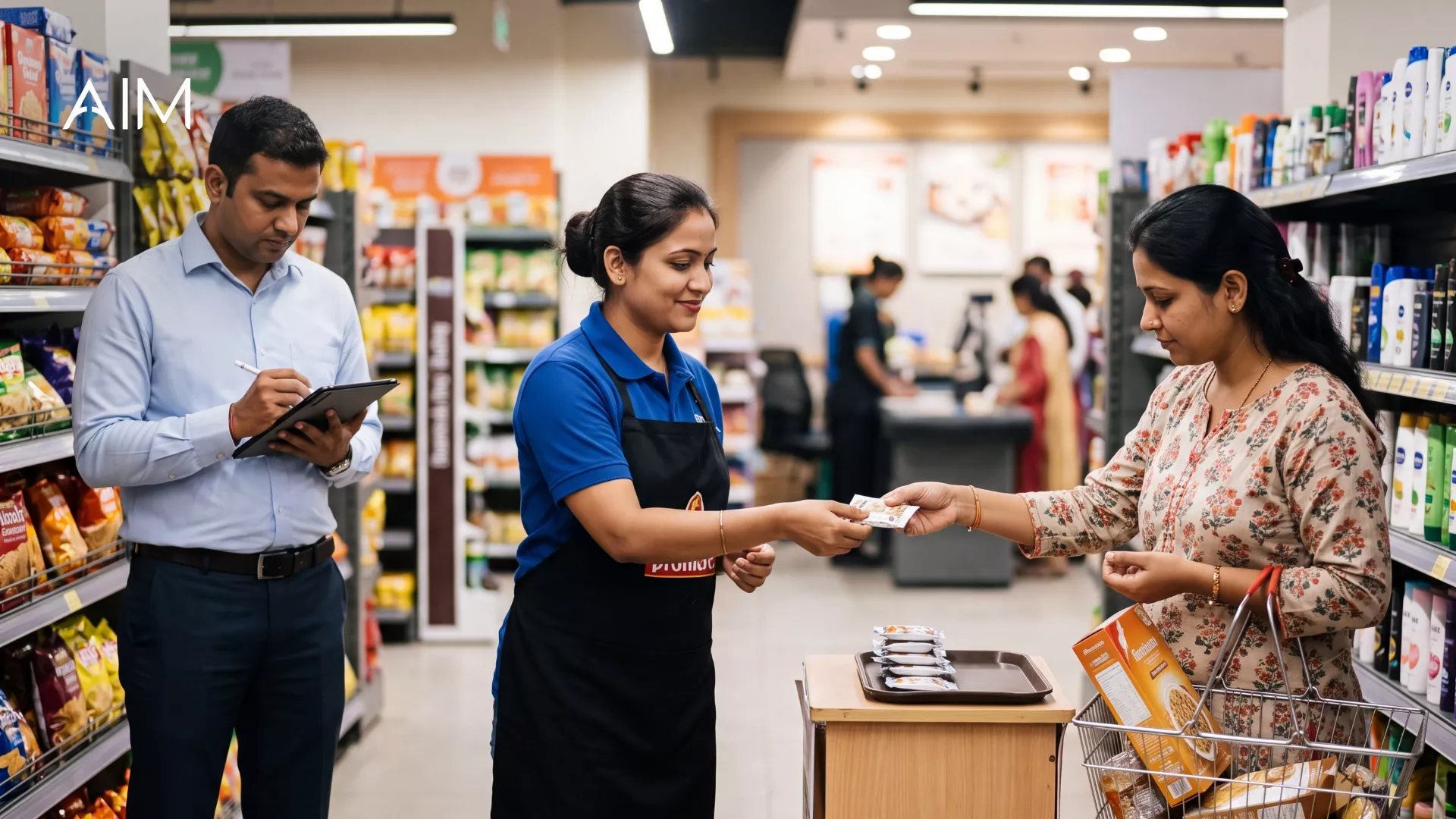
You have seen it a hundred times, and if you run a brand you have probably paid for it. A promoter in a store hands out samples all day, the tray empties, the footfall numbers look great, and yet the till barely moves. People took the sample, said thanks, and walked out with their usual basket. The trial happened. The sale did not. This is the quietest, most expensive failure in retail sampling, and it almost never gets diagnosed because the activity looked busy. Here is why shoppers take the sample and still walk out without buying, and what actually closes that gap.
Quick answer: why do shoppers take a sample but not buy?
Shoppers take a free instore product sample and still walk out because the sample was treated as a snack, not a purchase decision. The most common reasons are simple: the product was not easy to buy right there, nobody actually asked for the sale, the sample reached people who were never the buyer, and the trial gave no reason to switch from what they already use. A sample only converts when it reaches the right shopper, proves something they care about, and is followed by a clear, easy next step to buy. Miss any of those and you have funded a giveaway, not a sales activity.
The free-sample trap: a taste is not a decision
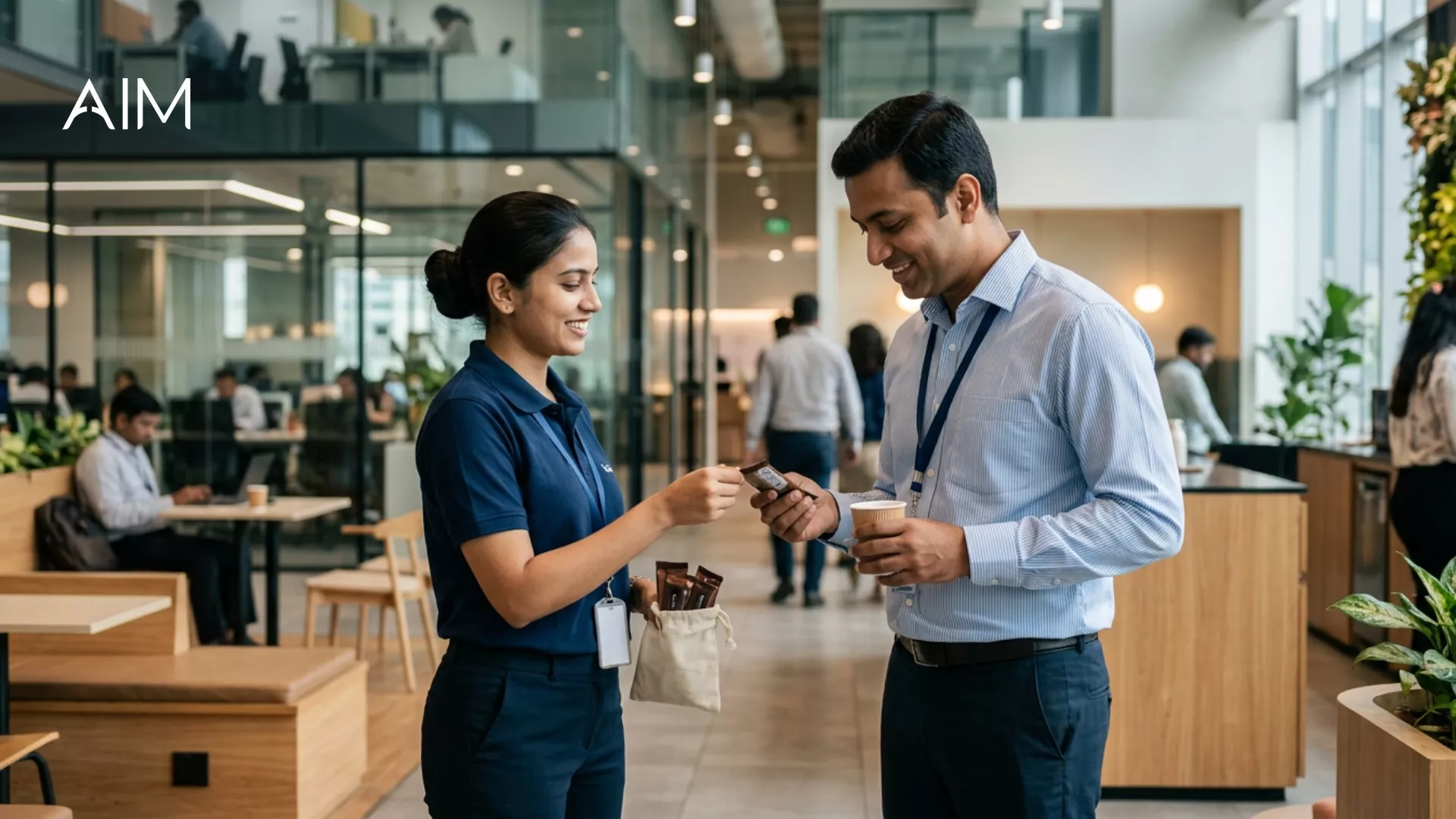
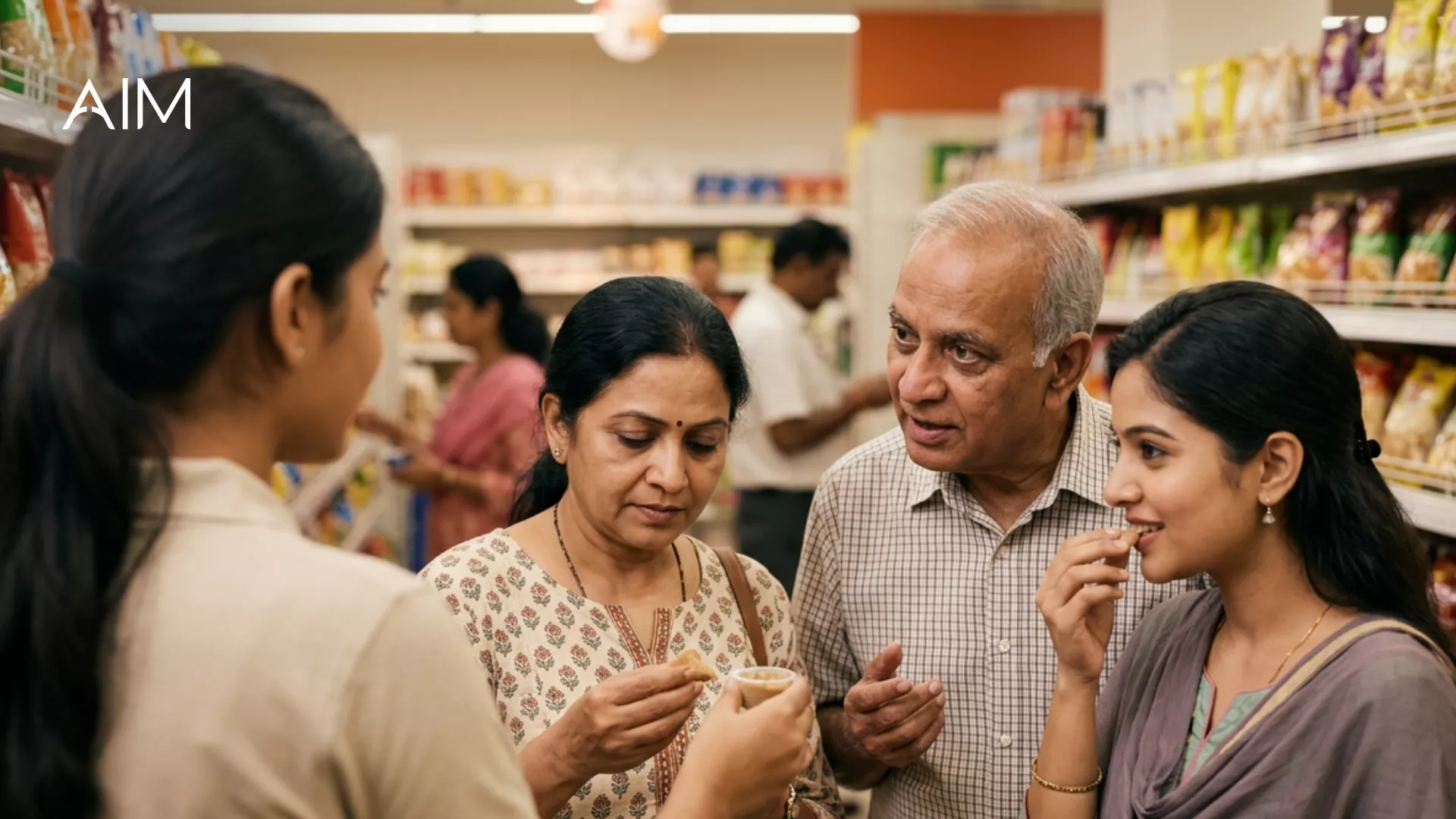
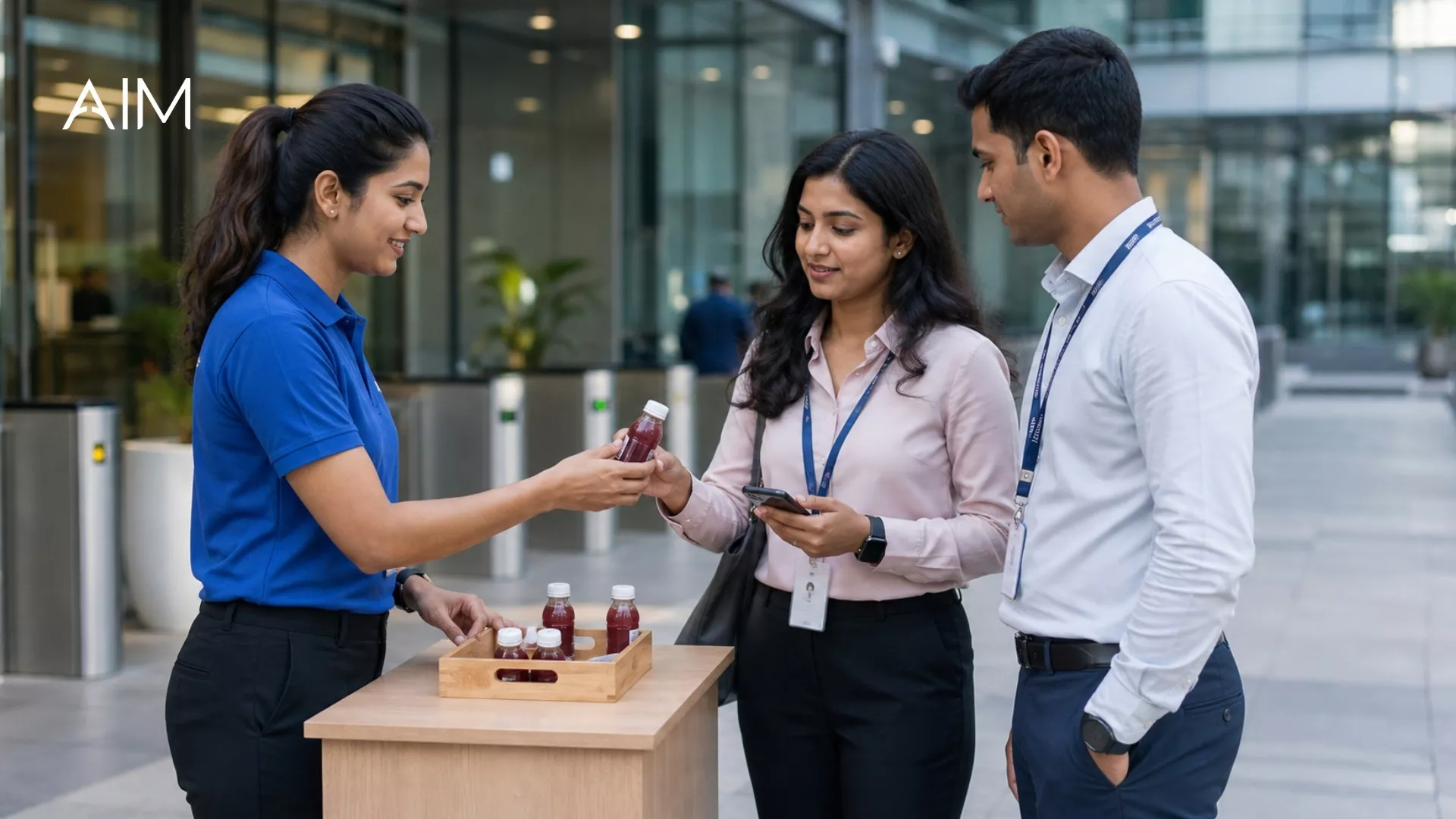
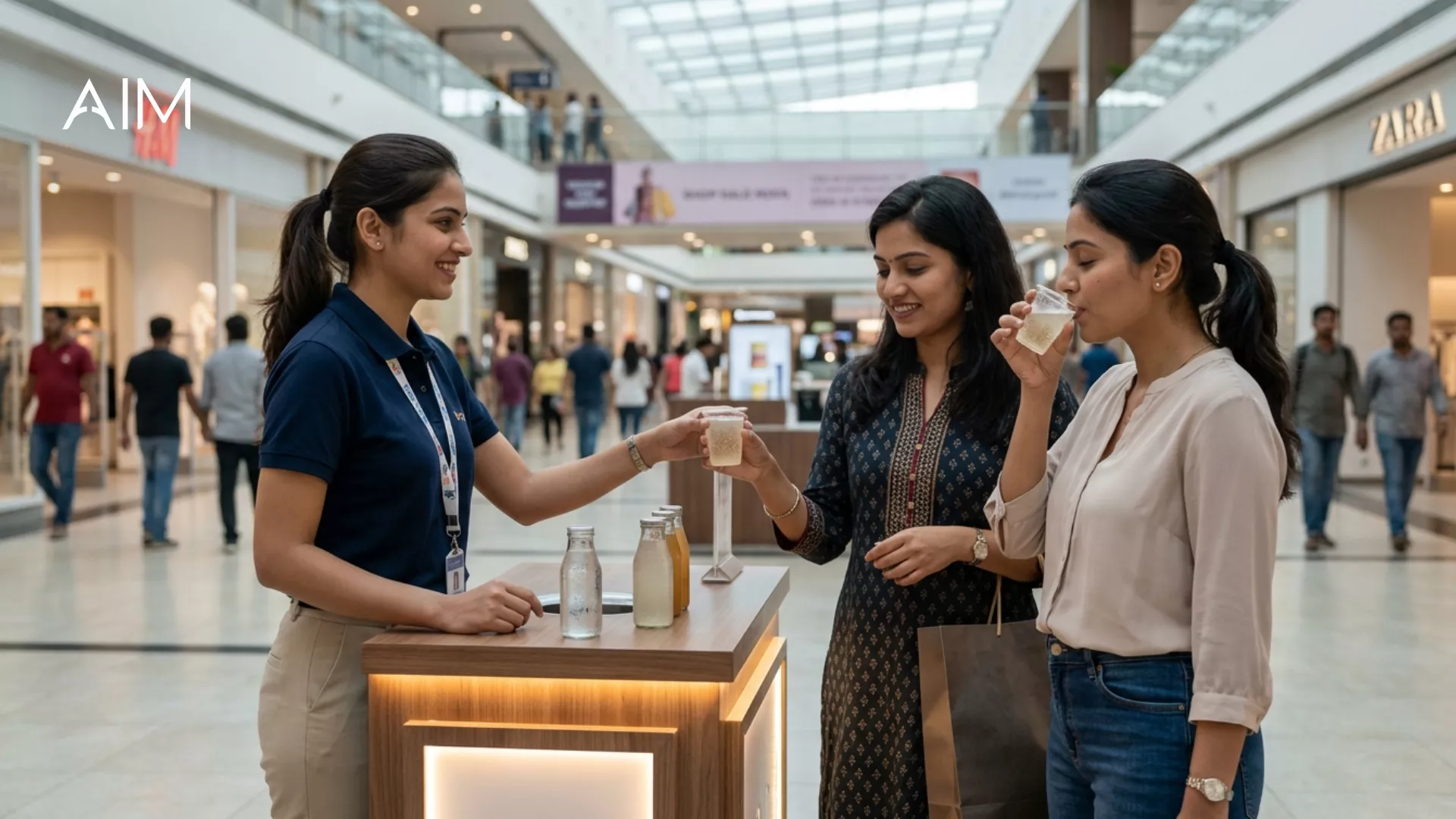
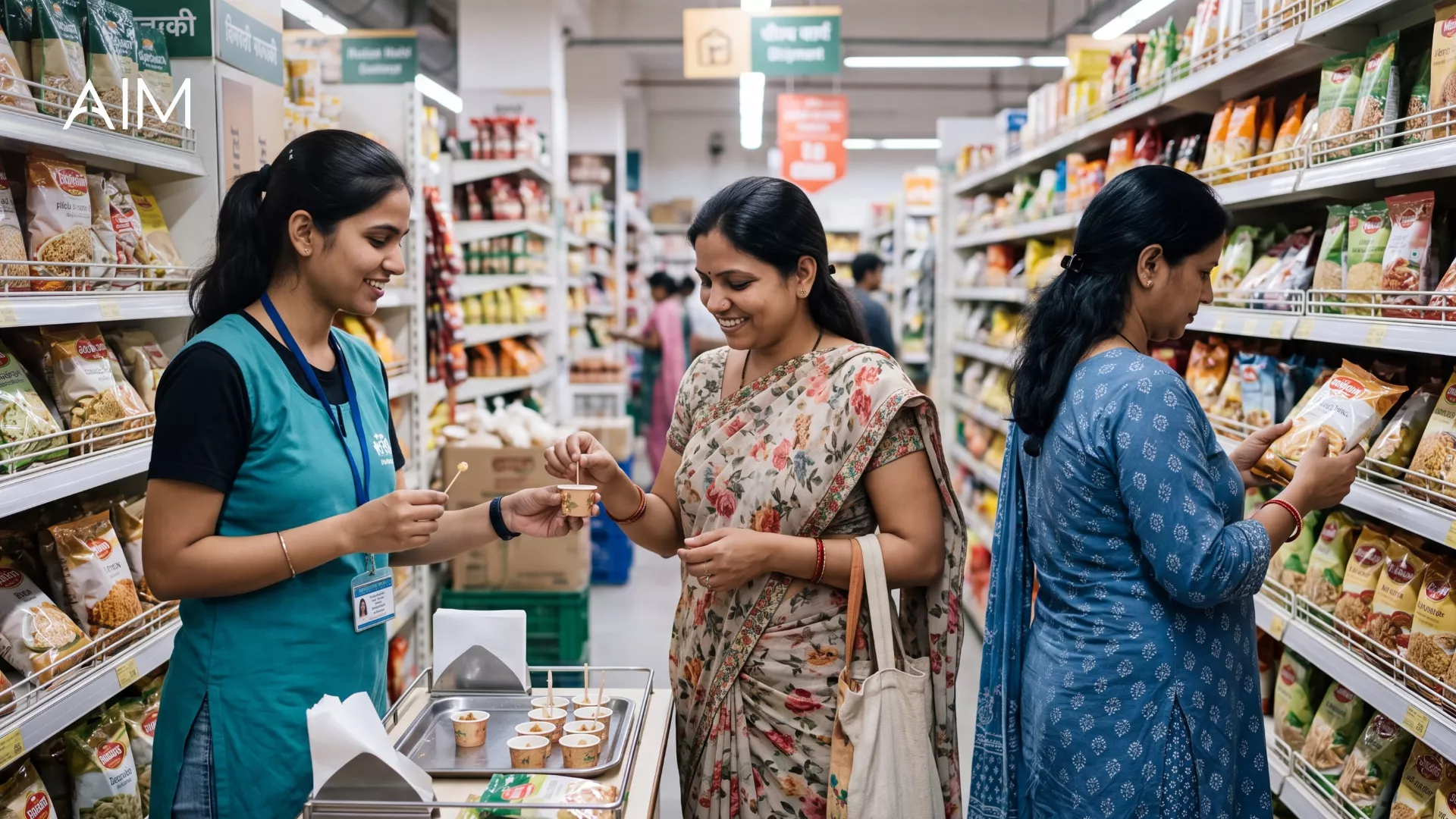
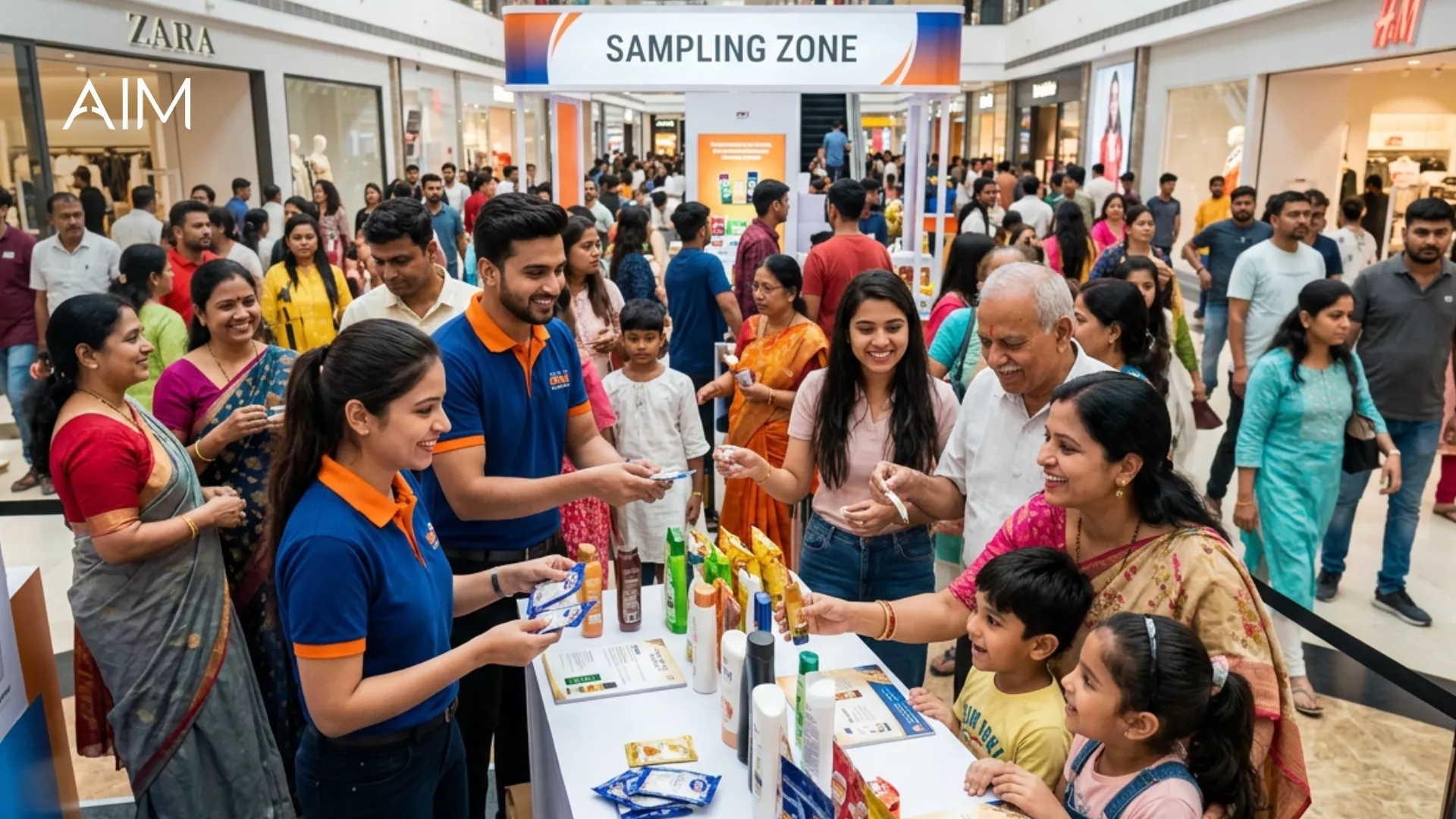
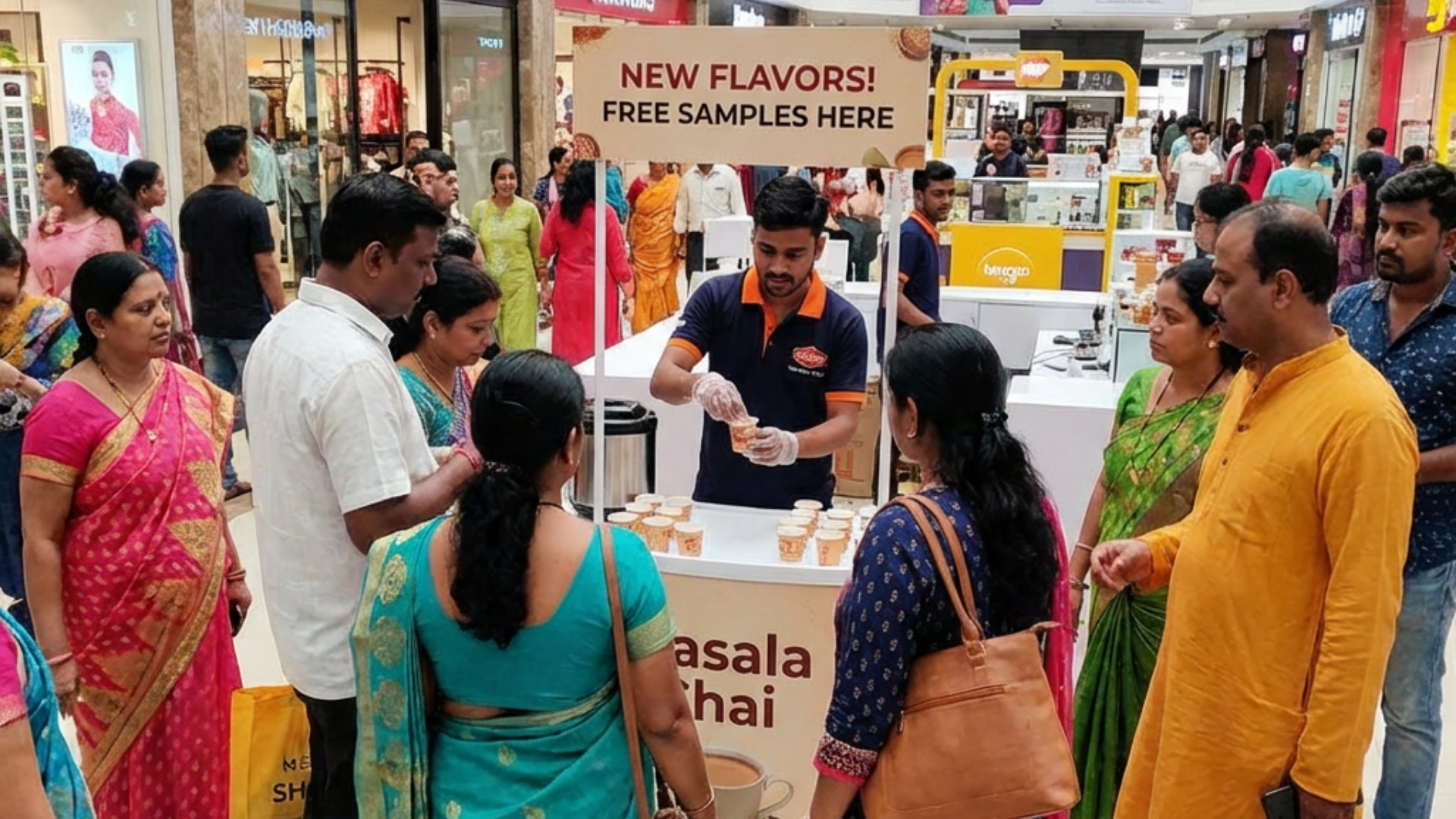
Start with the mindset of the person taking it. In India especially, a free instore sample is often received as a small courtesy, a nice bite or sip on the way through the store, with no thought of buying attached. The shopper is not being difficult. Nothing in the moment asked them to make a decision. They tasted, they enjoyed it or they did not, and they moved on. A sampling setup that just distributes, with a smile and a thank you, is training shoppers to treat the sample as free food. If the interaction never shifts from tasting to considering, the walk-out is not a surprise. It is the default.
The product was not easy to buy in that moment
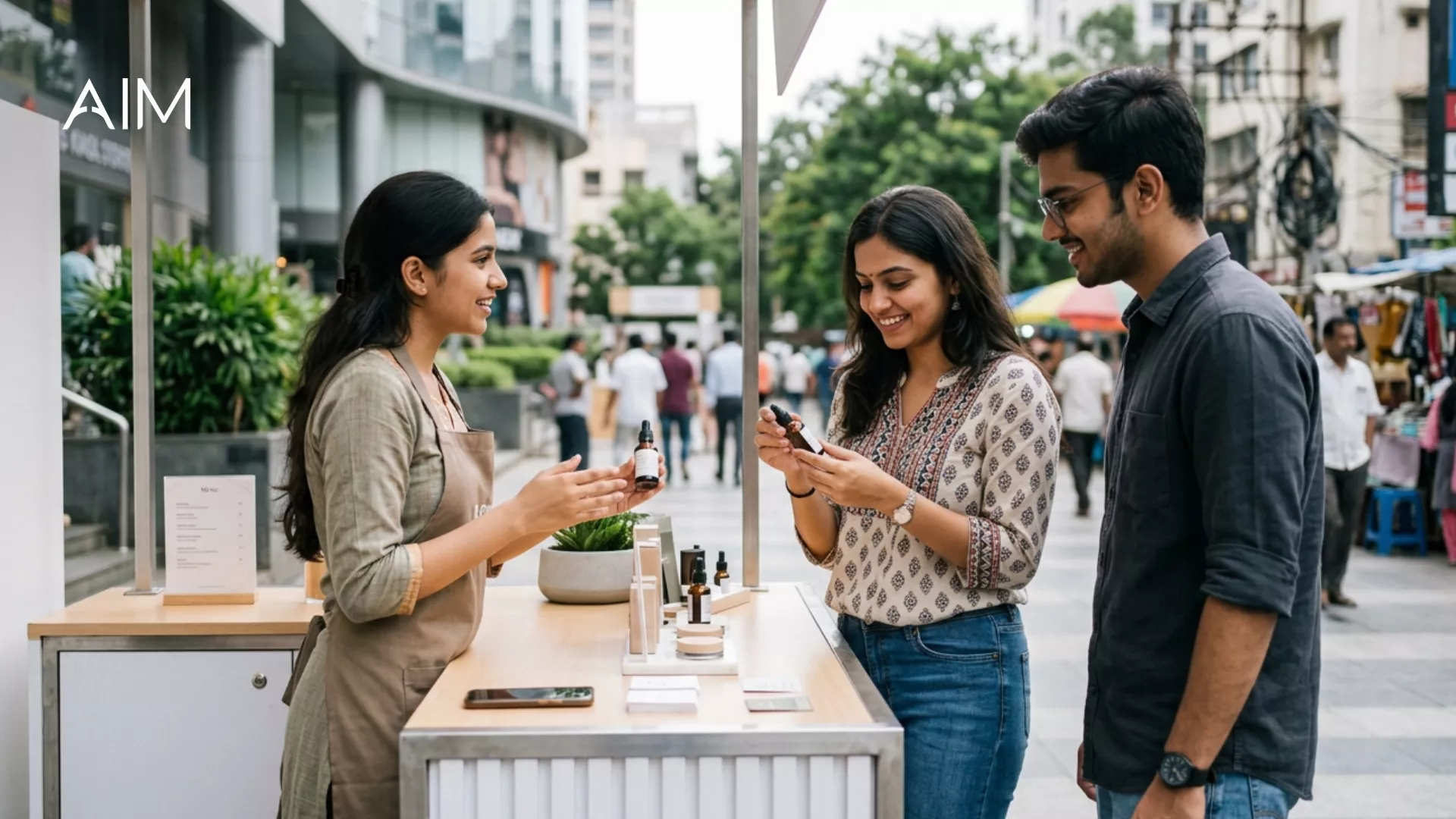
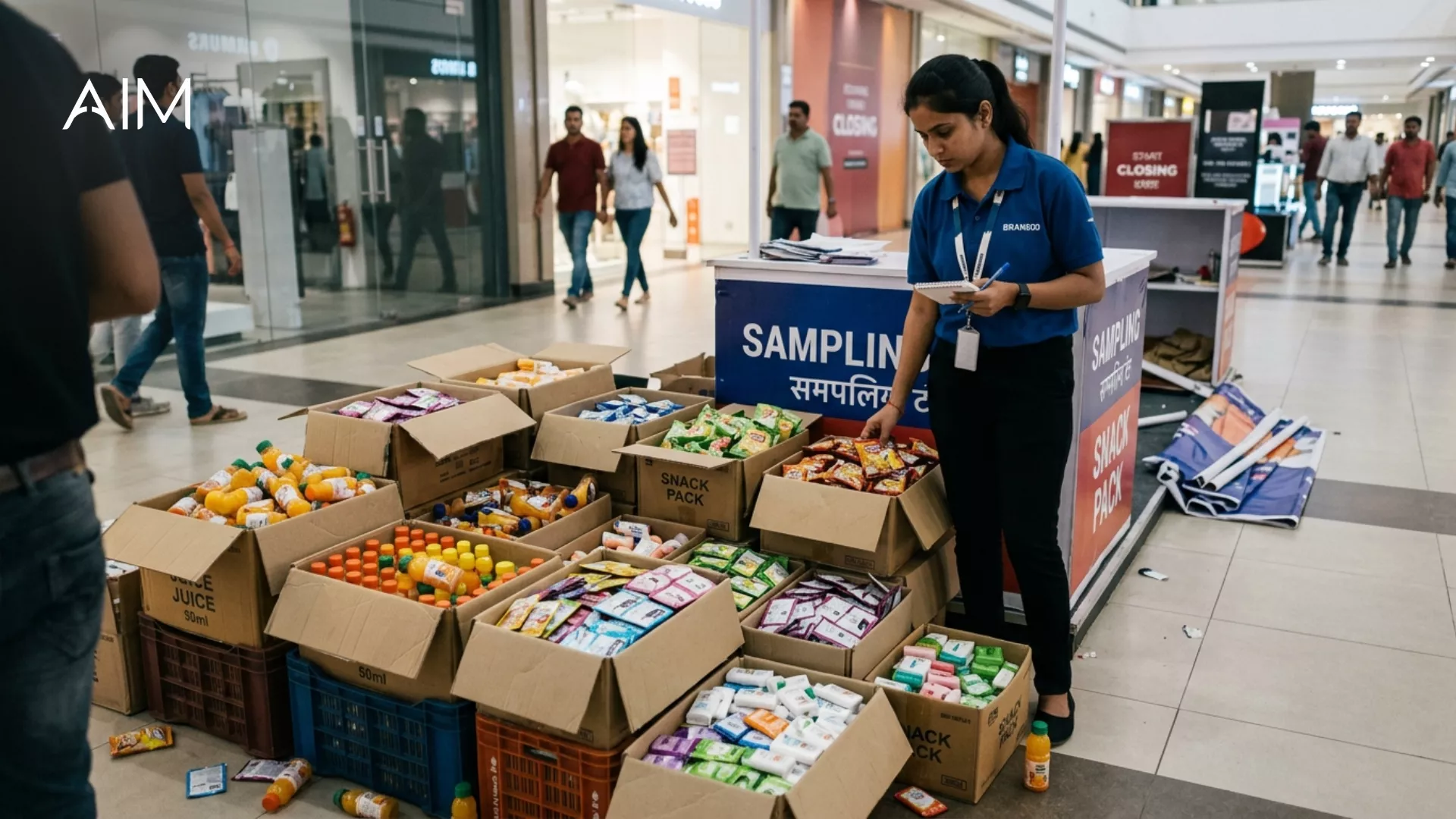
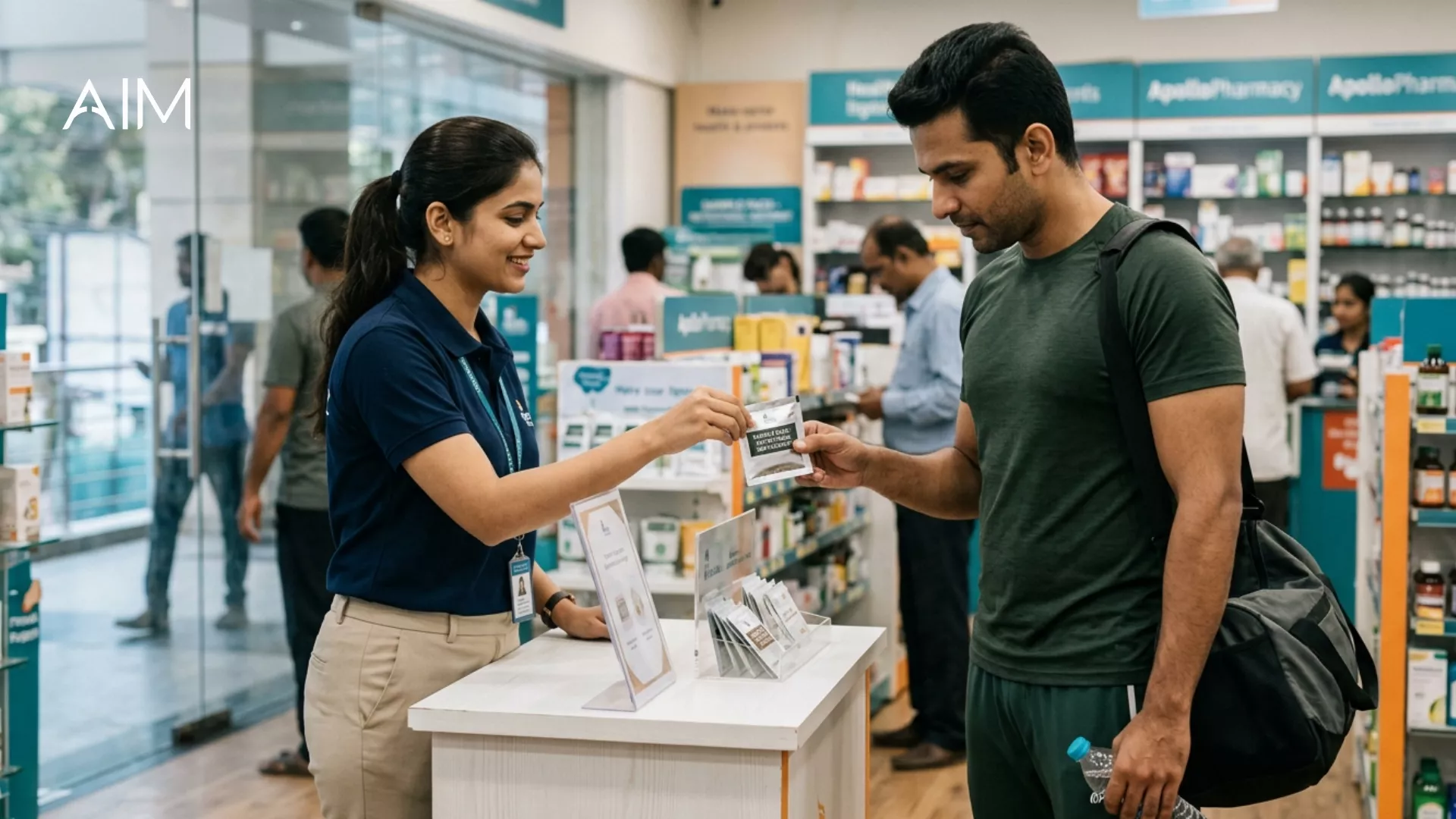
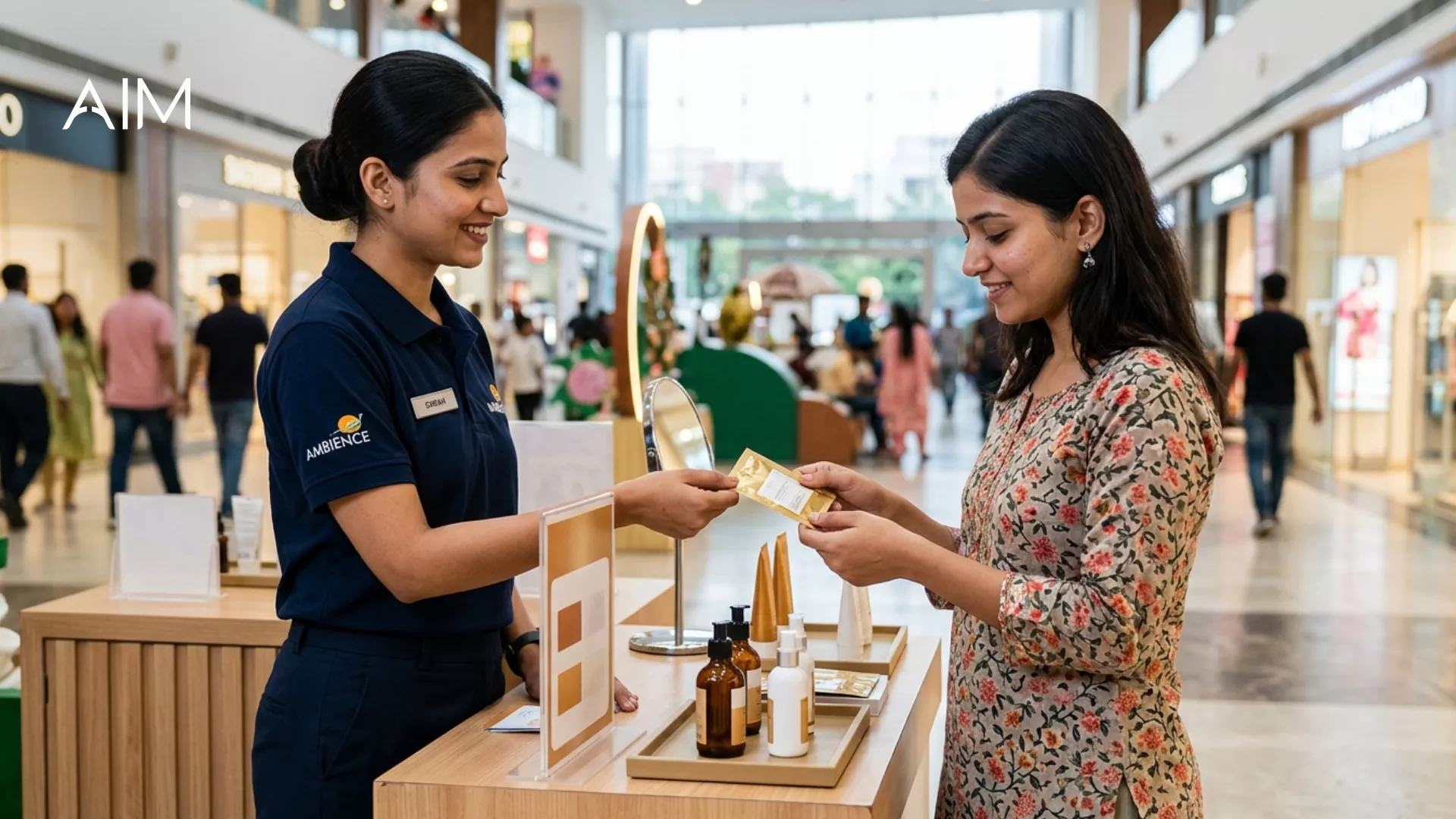
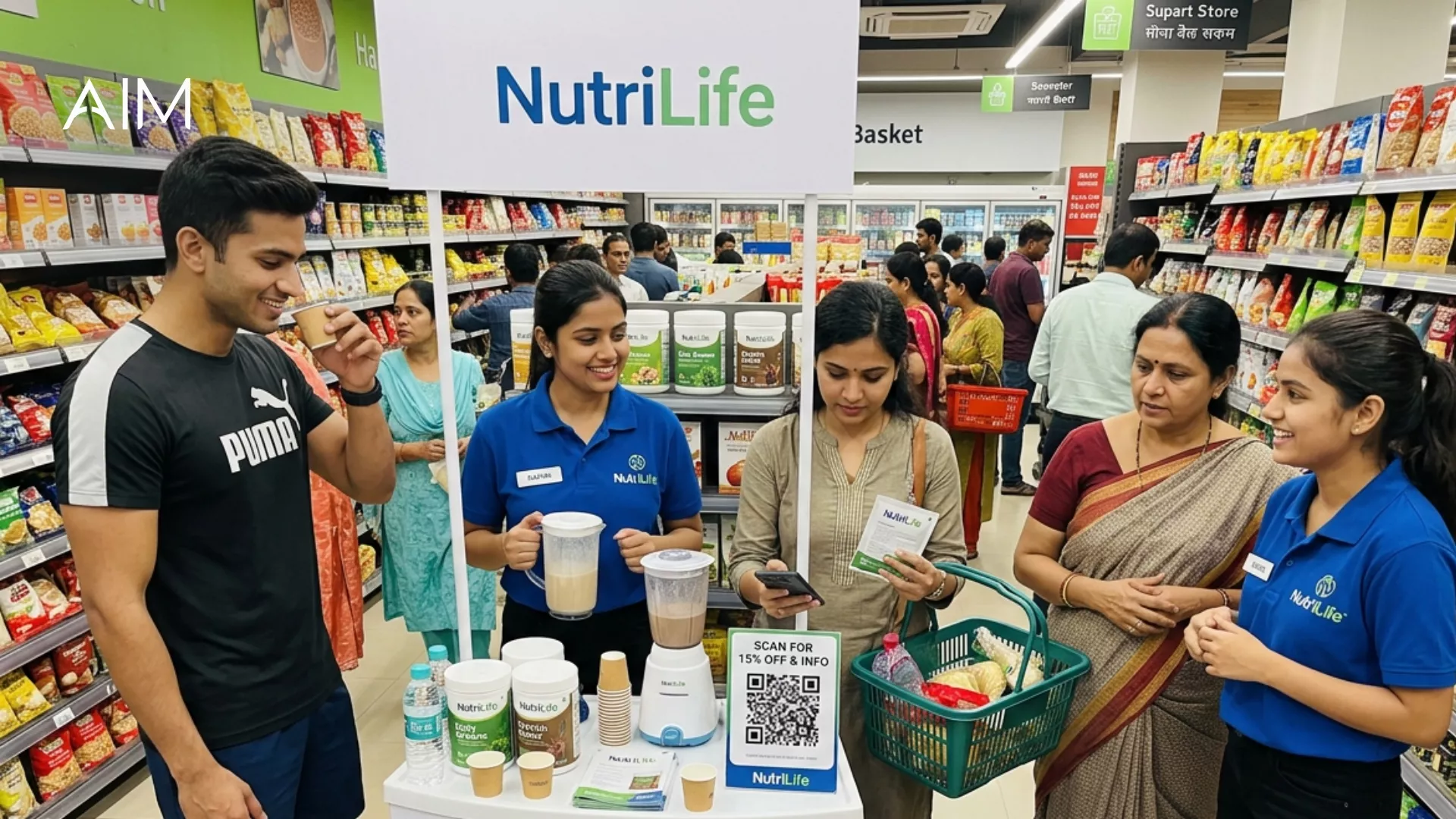
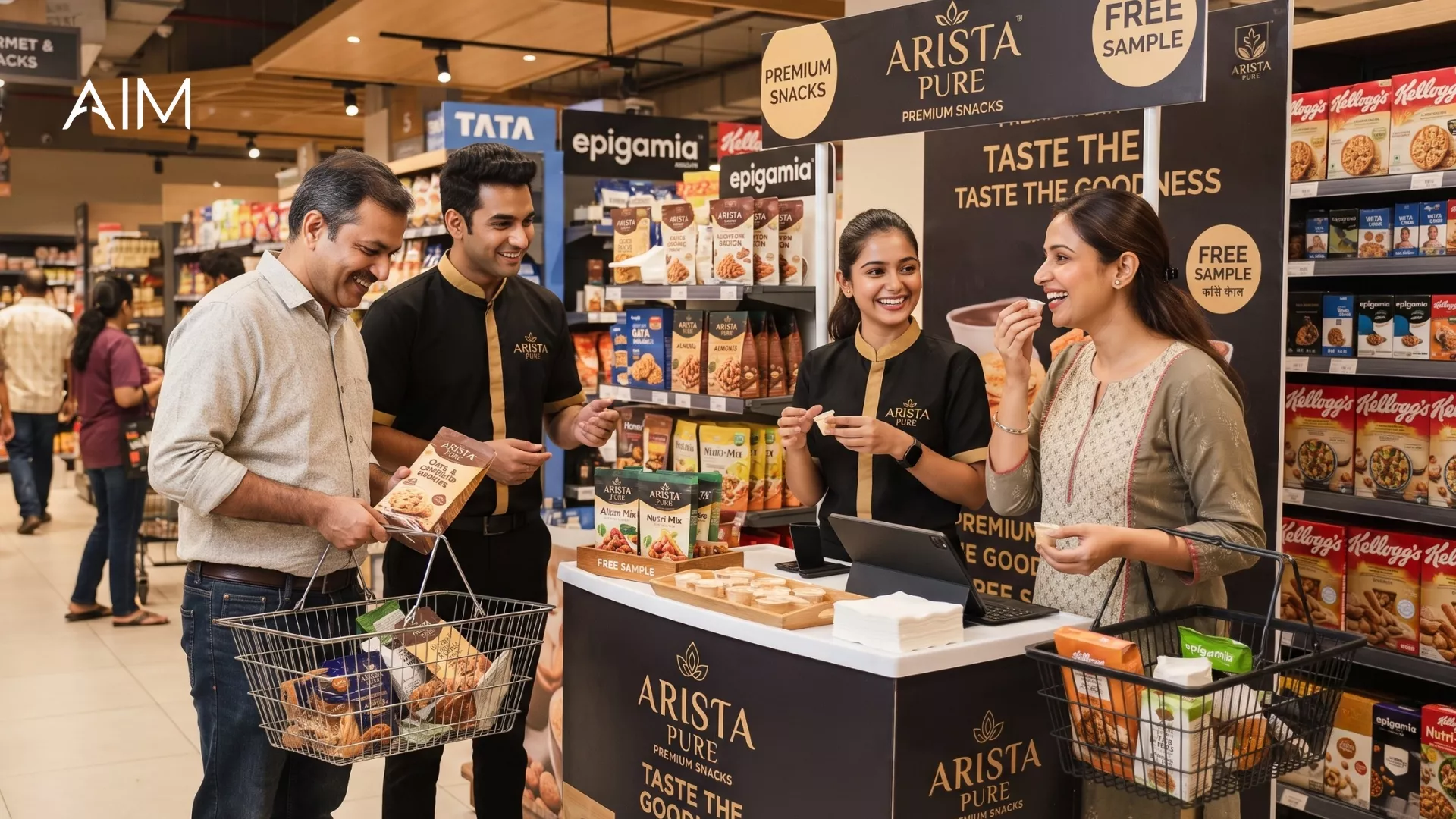
Here is the most avoidable reason of all. A shopper tries the product, likes it, and then cannot easily act on that feeling. The product is three aisles away, or out of stock, or the sampling table is nowhere near the shelf, or there is no pack in hand to drop straight into the trolley. Interest has a short shelf life. If buying takes effort right when the shopper is warm, the impulse cools before they reach the shelf, and by the time they get there they have forgotten or moved on. A sample that is not tied to an immediate, effortless way to buy is leaking most of the intent it creates.
Nobody actually asked for the sale
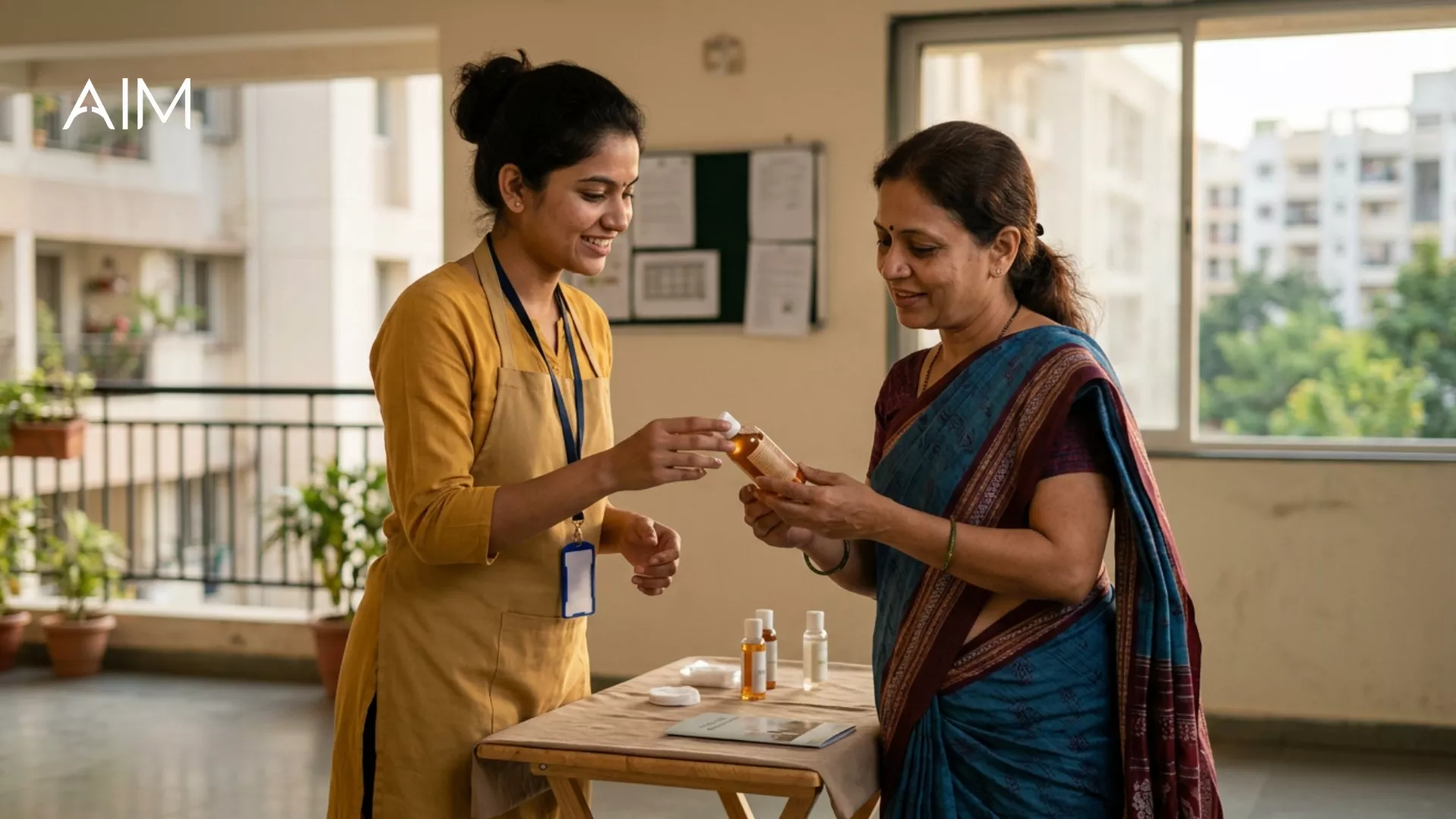
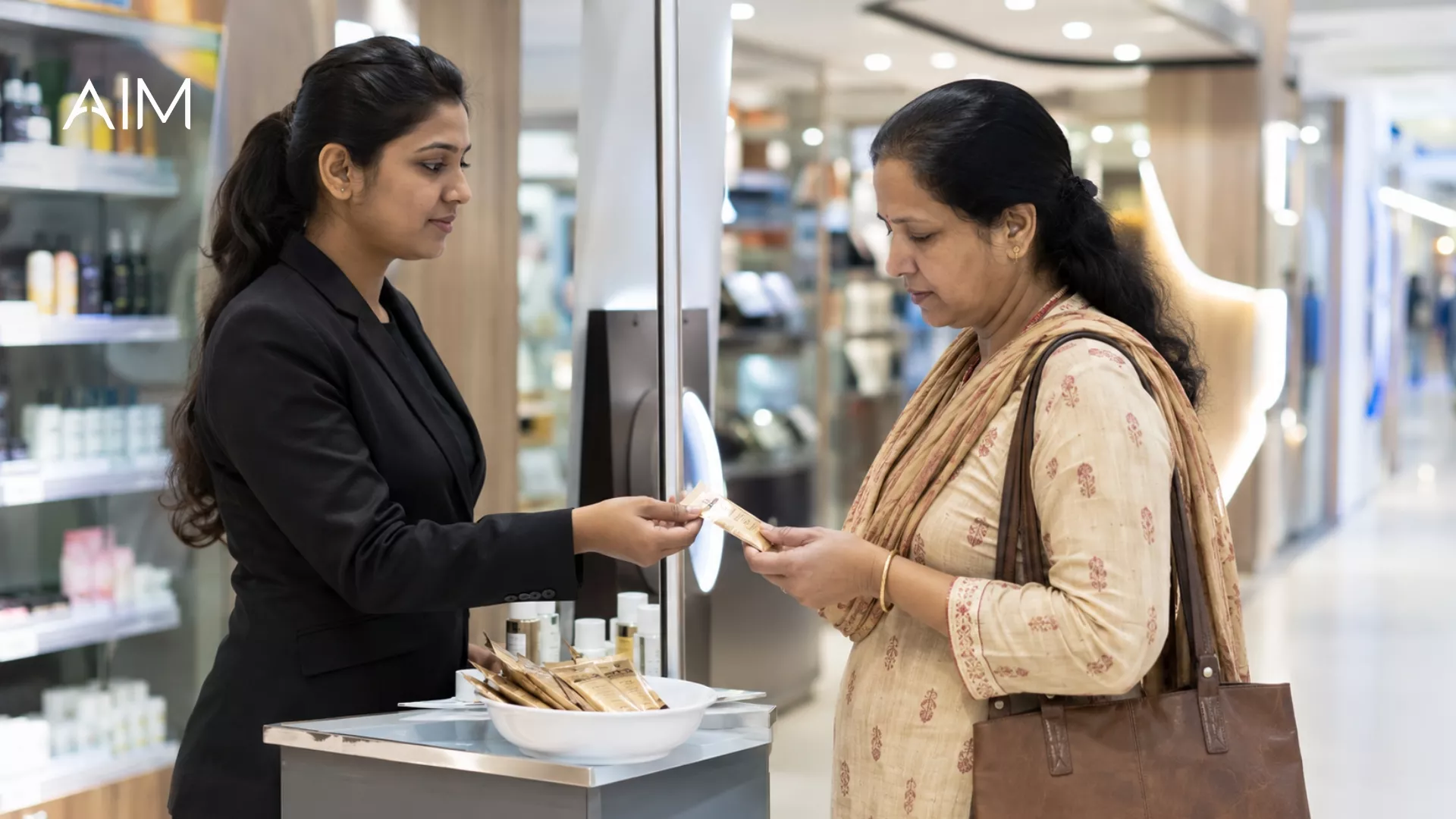
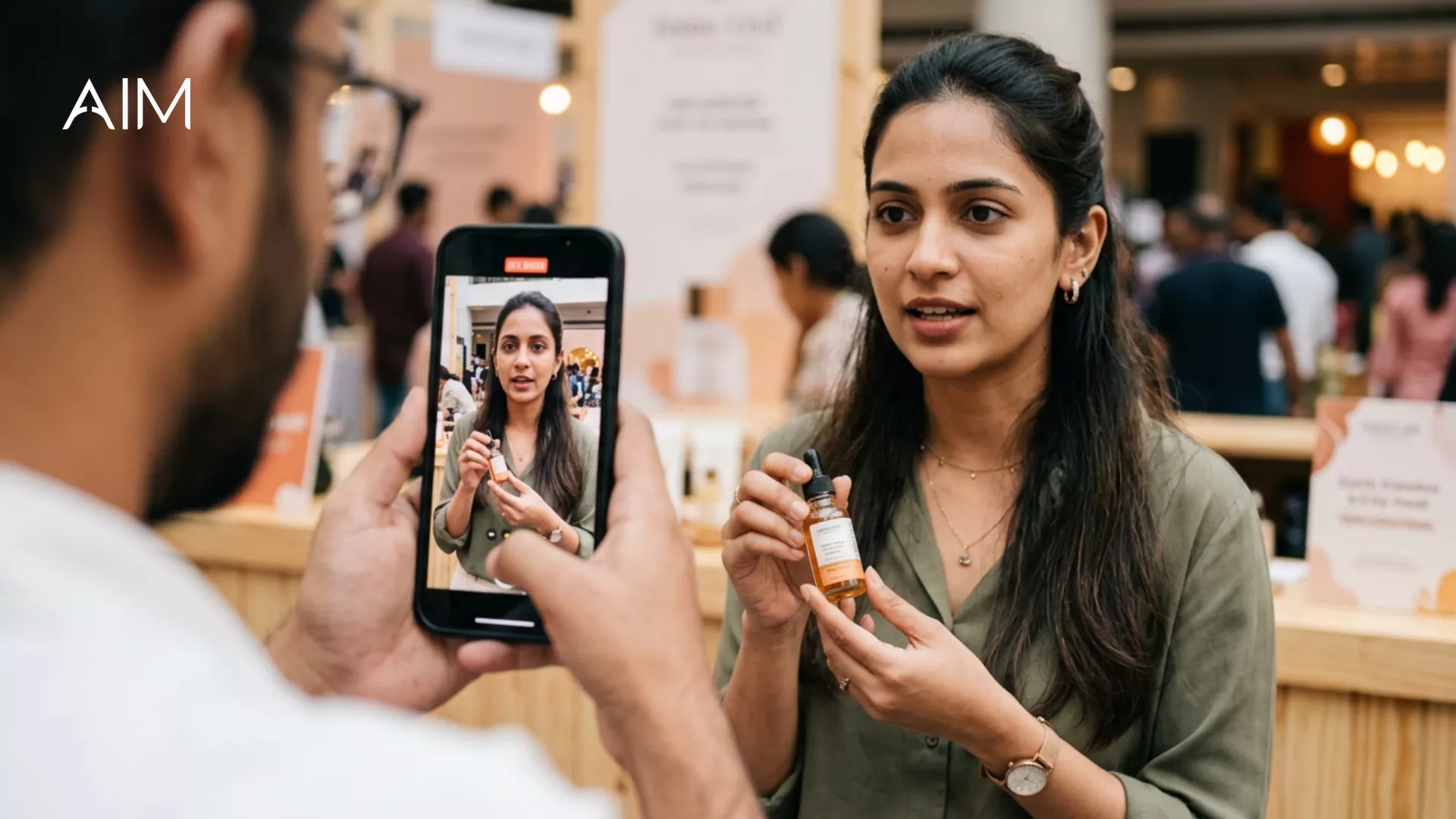
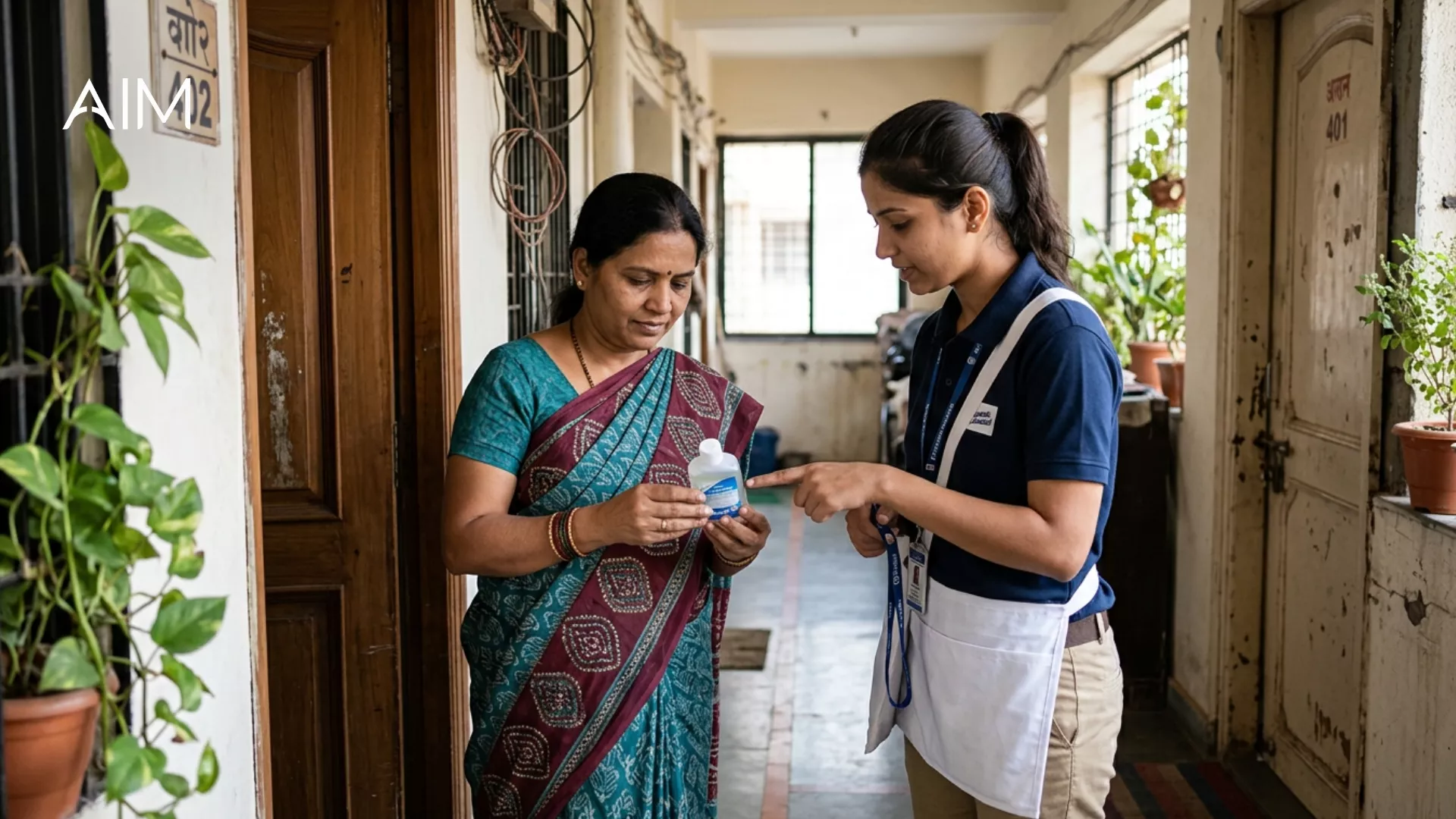
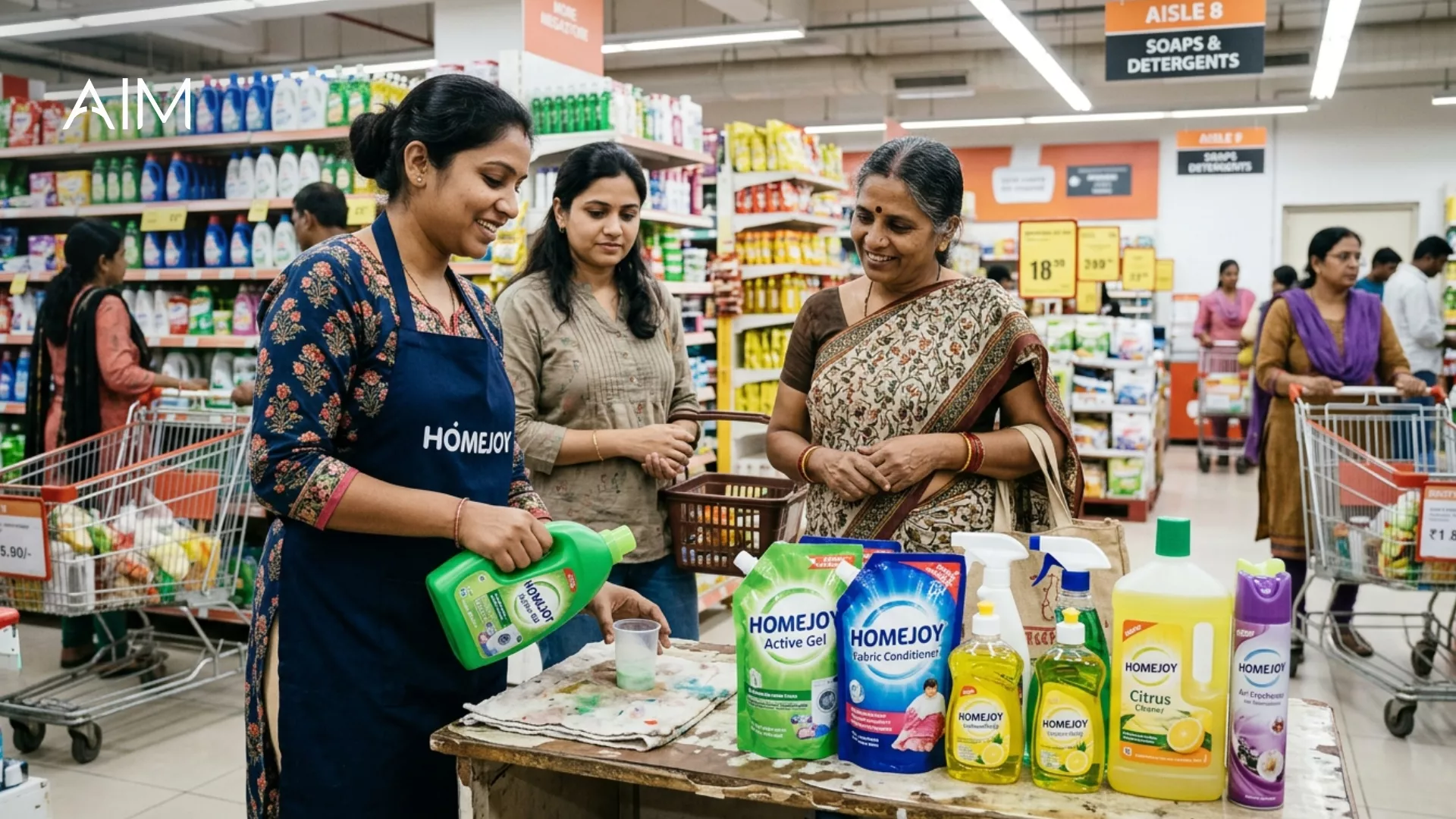
Sampling teams are often briefed to distribute, not to convert, and it shows. The promoter hands over the sample, recites a line about the product, and reaches for the next person. What is missing is the small, human ask: would you like to pick one up today, here is where it is, here is an offer if you buy now. That single step, moving the shopper from tasting to buying, is the whole job, and it is the step most often skipped. A sample handed out with no ask is a monologue. A sample that ends in an invitation to buy is a conversation that can close.
The sample reached the wrong shopper
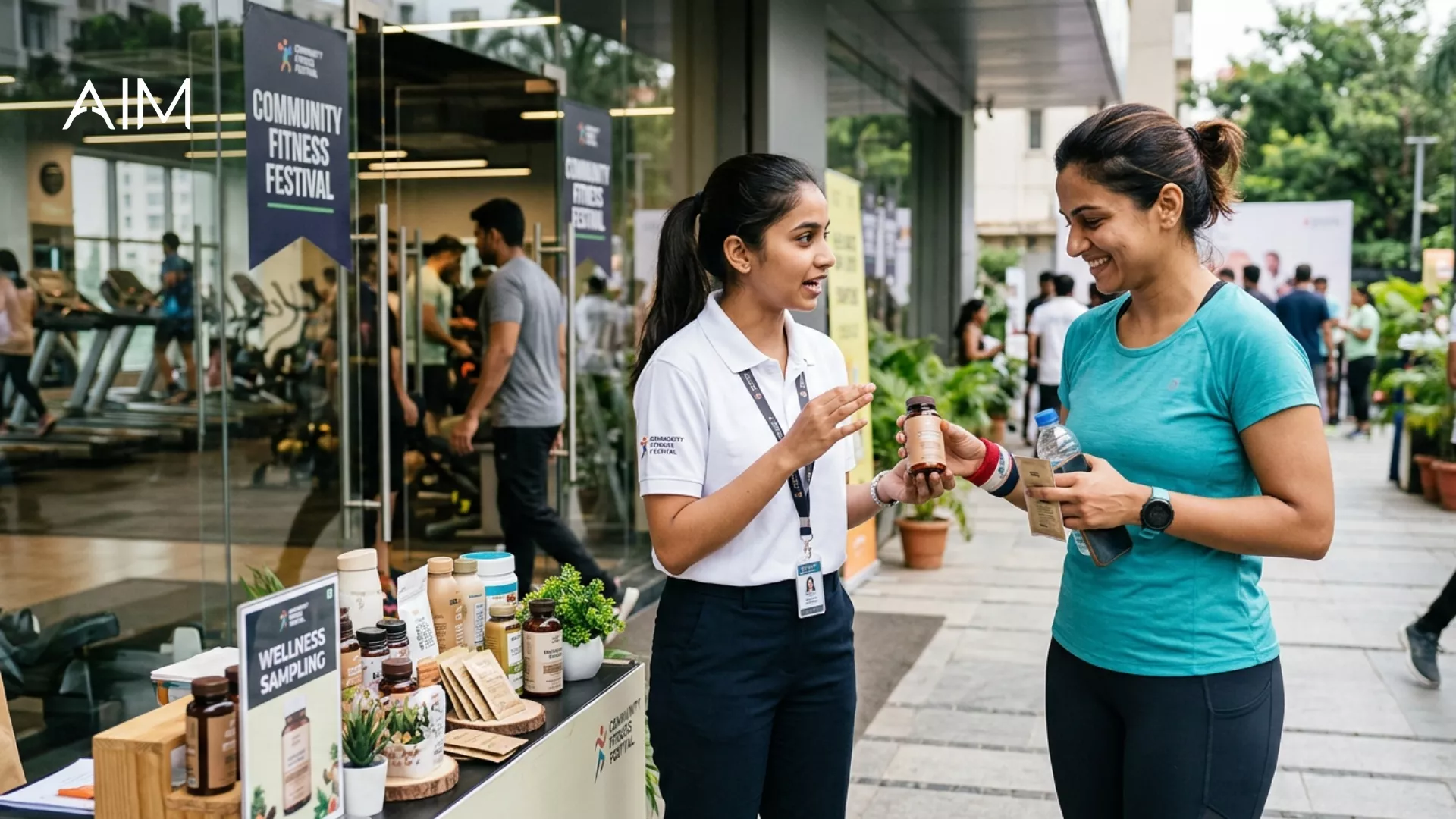
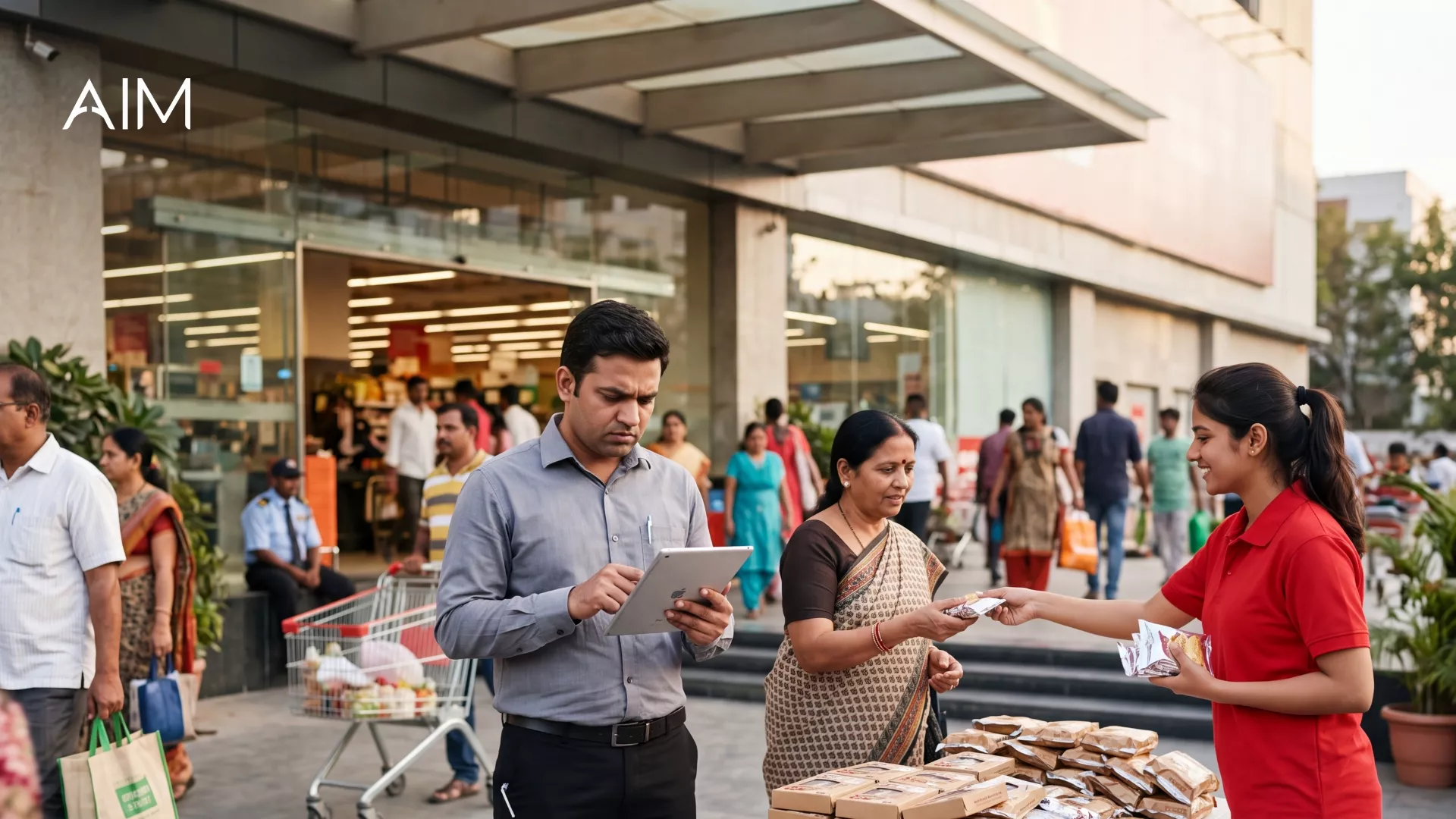
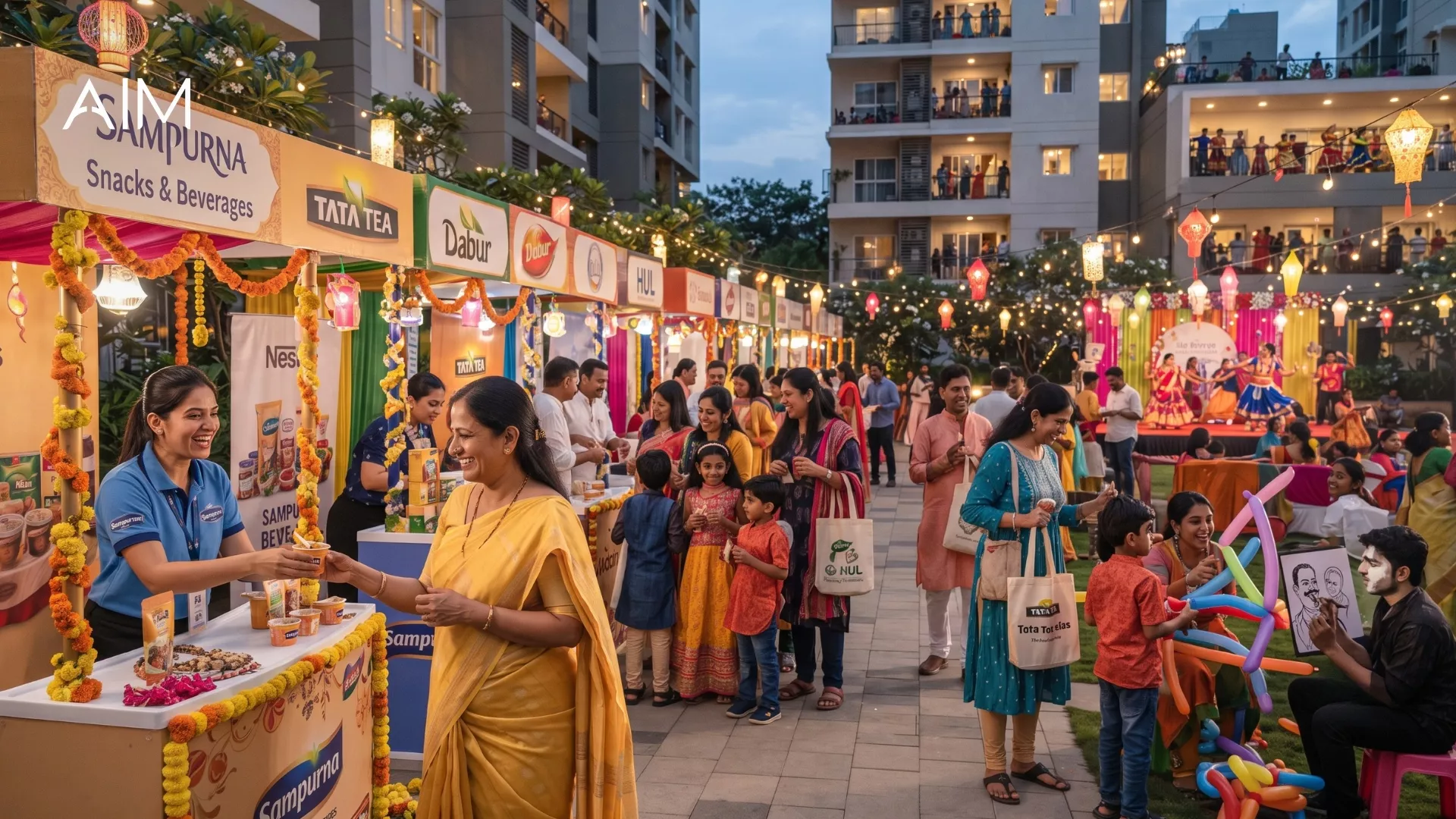
Some walk-outs were never going to buy, because they were never the buyer. Blanket instore product sampling hands the product to whoever is standing there, which means a large share goes to people outside the target: the wrong age, the wrong need, children collecting freebies, or shoppers who will never buy the category at all. Those samples cannot convert no matter how good the product is, and they quietly drag down the whole campaign's numbers. The fix is not more samples, it is tighter targeting, so the product reaches the shopper it was made for and the conversion rate is measured against real prospects, not passers-by.
The trial gave no reason to switch
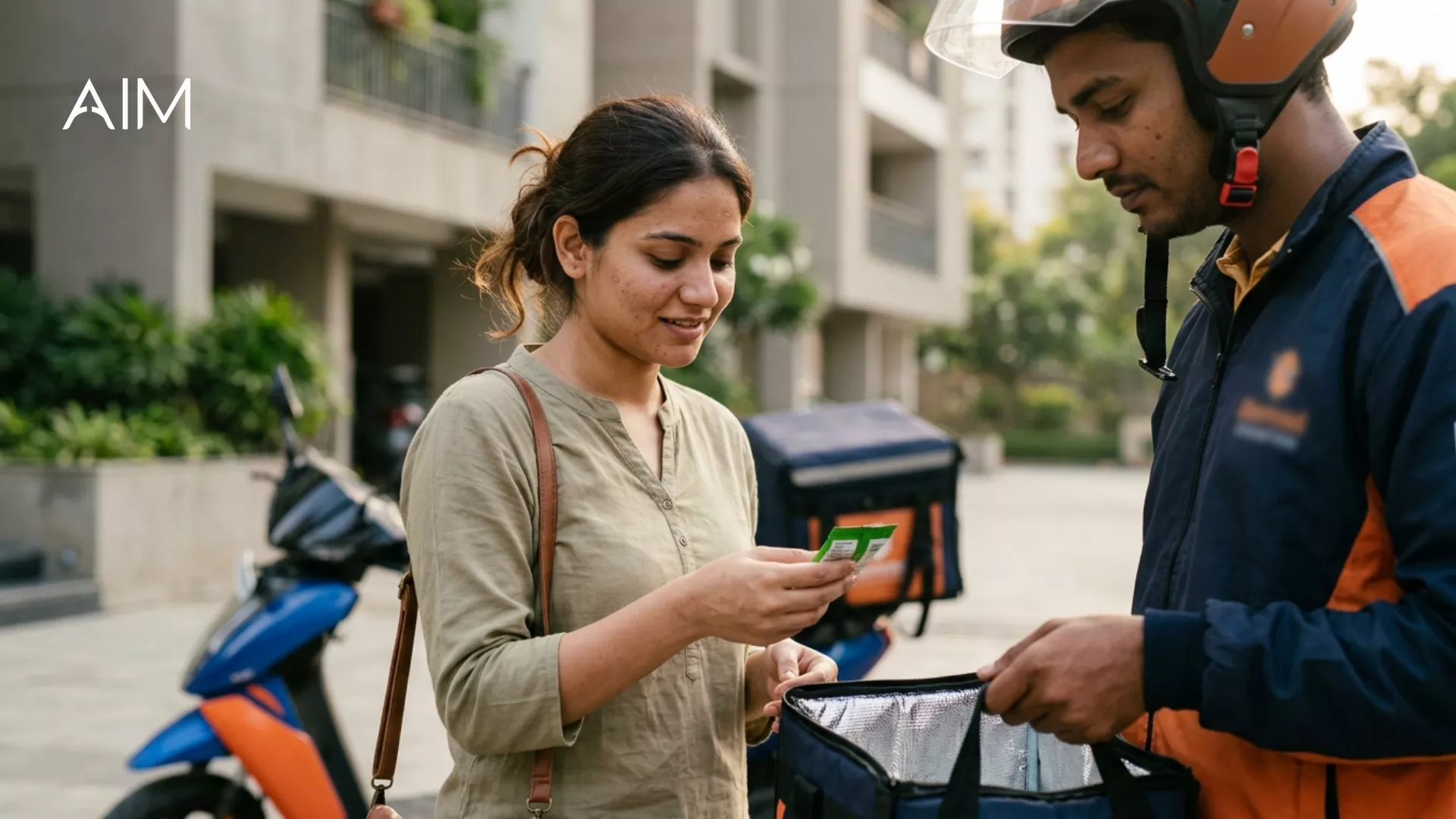
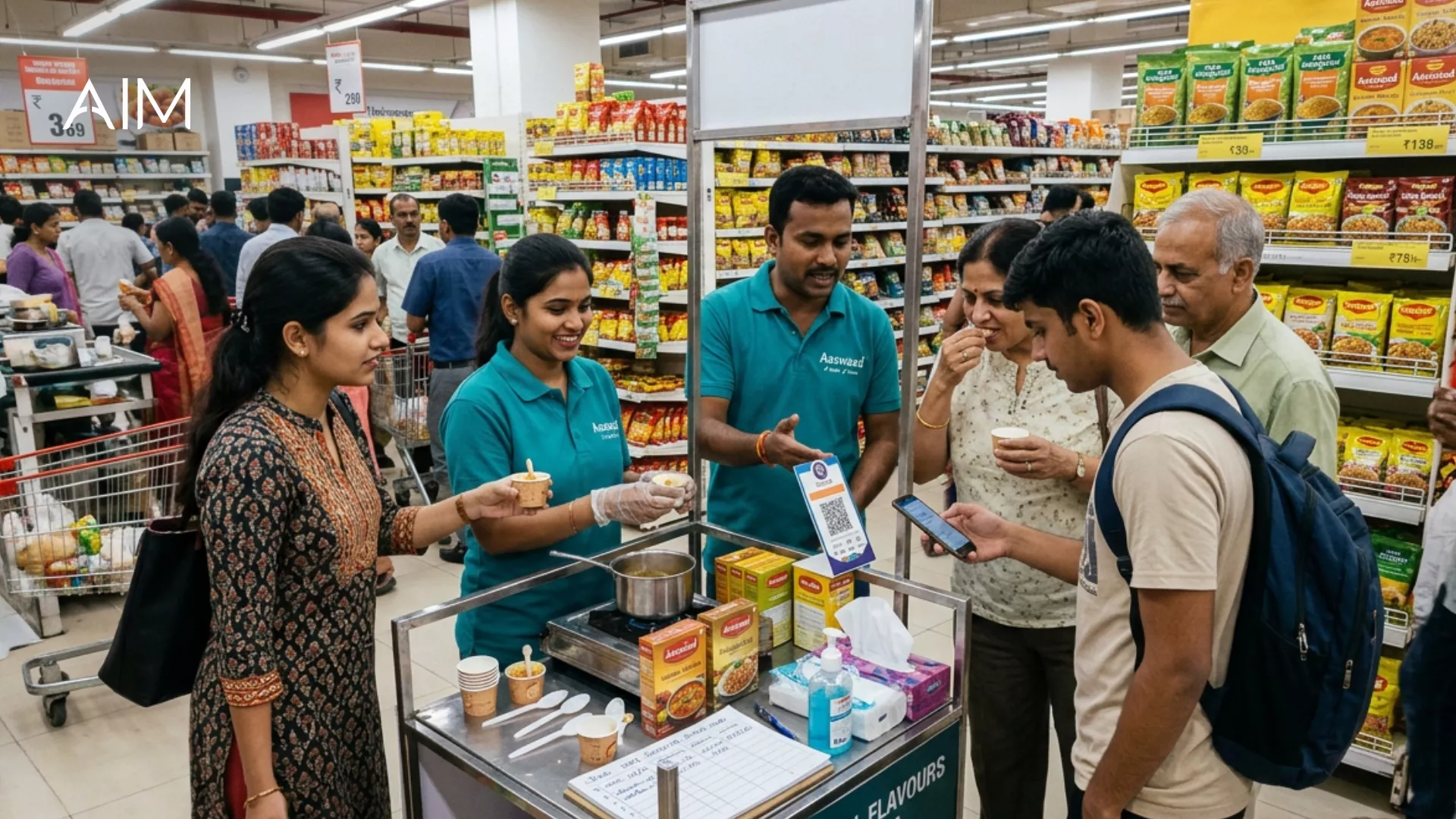
Even a right-fit shopper who enjoyed the sample often walks out, because liking a product is not the same as having a reason to change what they already buy. People are loyal to the familiar, and a pleasant ten-second taste rarely overcomes that on its own. The sample has to carry a reason to act now: a clear benefit over what they use, a launch offer, a discount that makes trying the full pack low-risk. Without that, the shopper files your product under nice and reaches for the brand they trust. Taste opens the door. A reason to switch is what gets them through it.
Timing and the shopper's basket stage
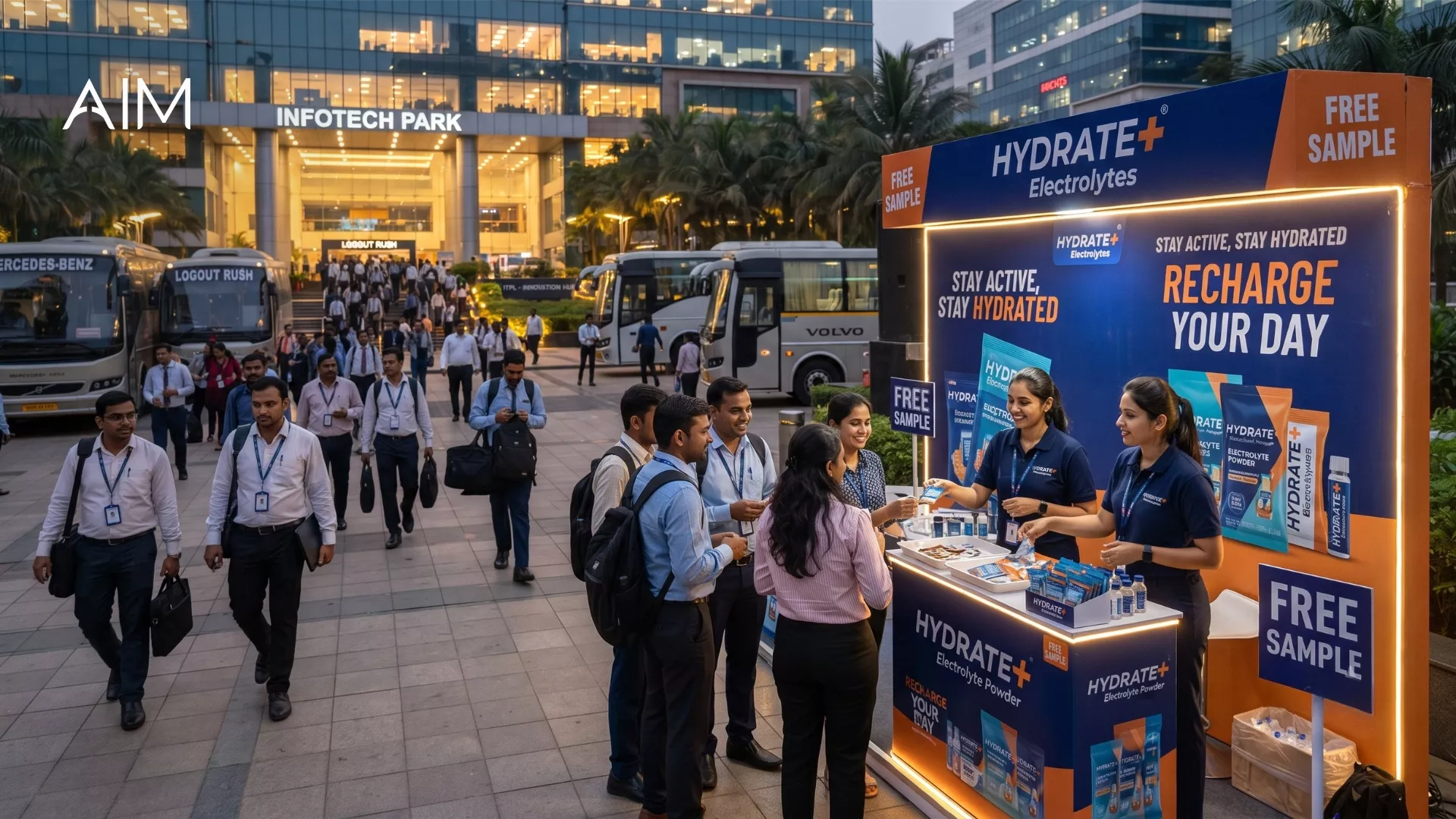
One quiet reason for walk-outs is when in the trip the sample lands. Catch a shopper on the way out, basket full and budget spent, and even a tempting sample rarely gets added, because the decisions are already made. Catch them early, near the category, while the basket is still open, and the same sample has somewhere to go. Sampling at the wrong point of the shopper journey wastes a good product on a closed wallet. Placing it where the shopper still has room and intent, near the aisle and early in the trip, is a small change that lifts conversion without a single extra sample.
How do you turn in-store samples into purchases?
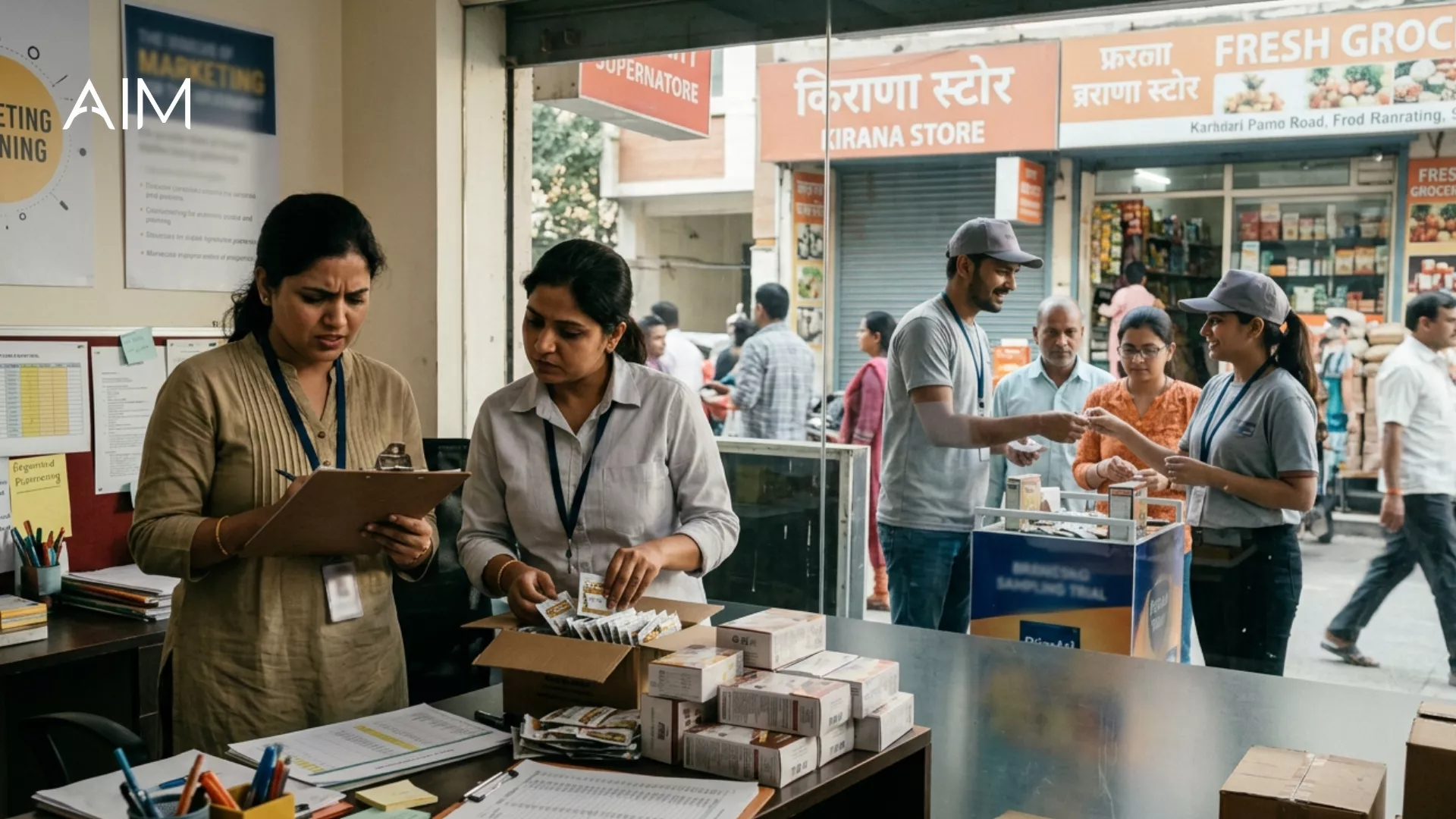
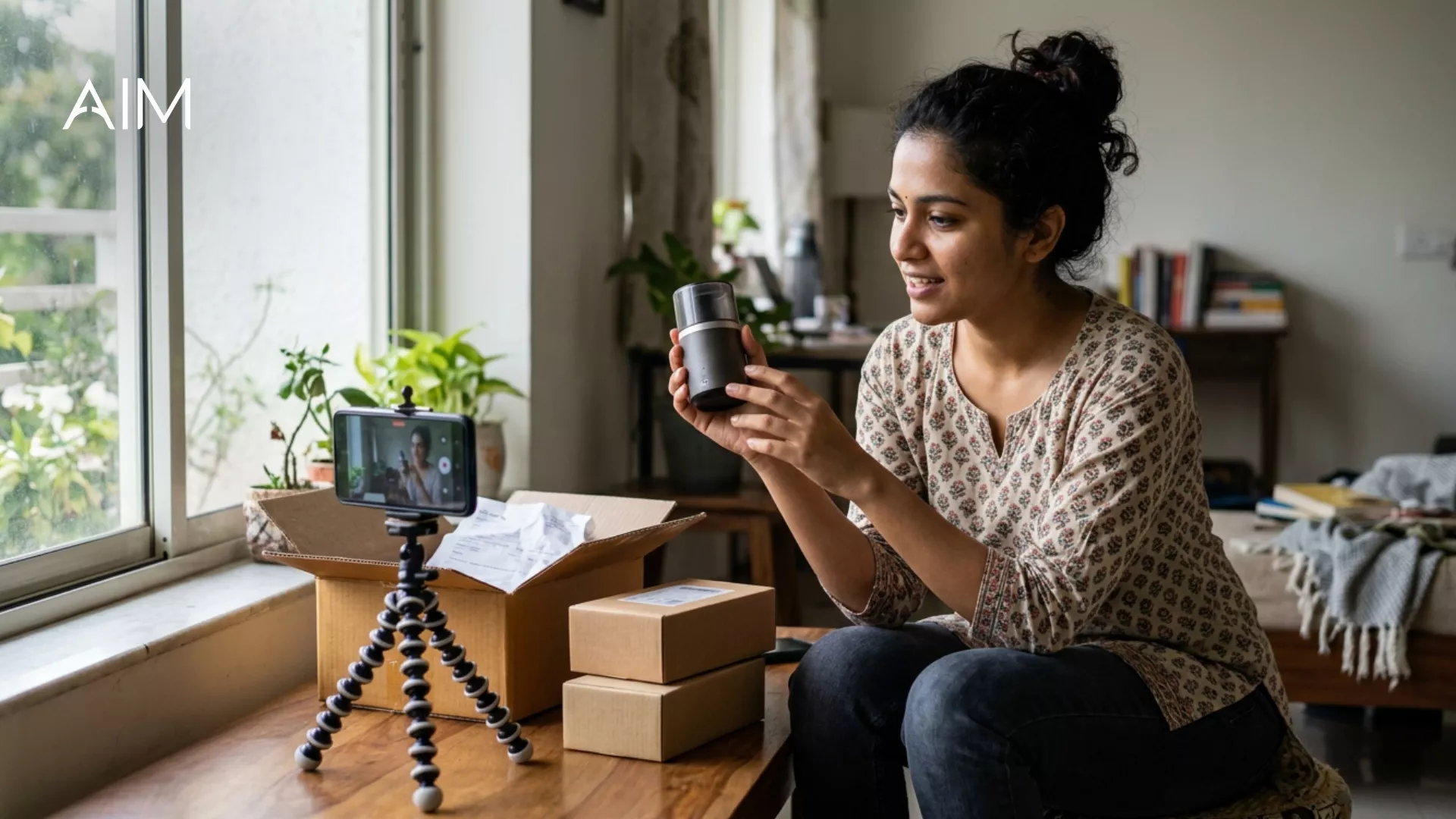
Every walk-out reason has a fix, and together they change the math of a campaign. Put the sampling point next to the shelf, with stock in reach, so a warm shopper can act in one step. Brief the team to convert rather than only distribute, ending each interaction with a clear ask and an easy way to buy. Give a reason to act now, an introductory offer or a benefit worth switching for. Target the sampling so the product reaches real prospects, not everyone with a free hand. And set expectations for products that need it, so a shopper knows what they are buying and why. None of this costs much more than a plain giveaway. It just turns the same spend into sales instead of goodwill.
How do you measure in-store sampling conversion?
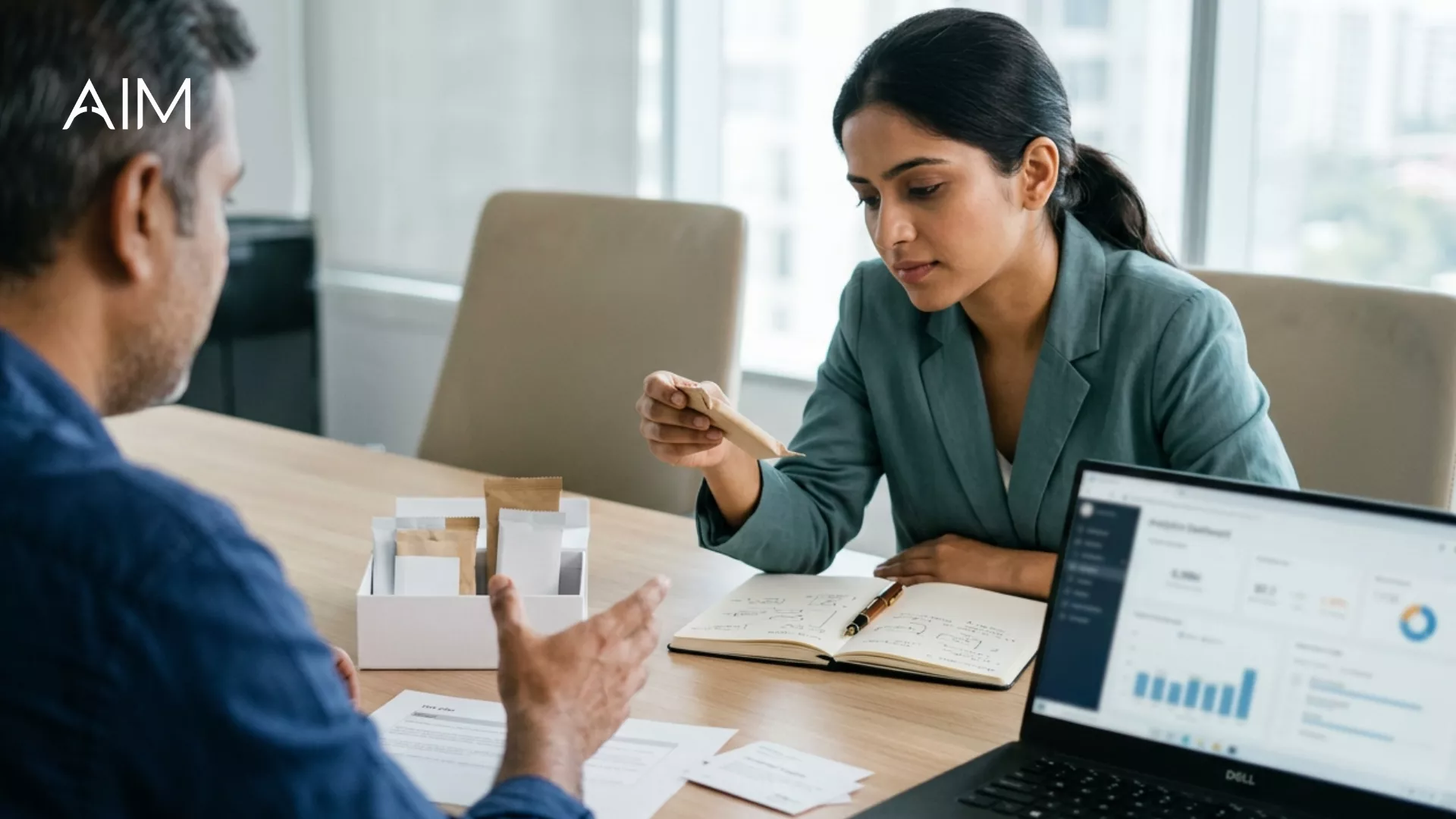
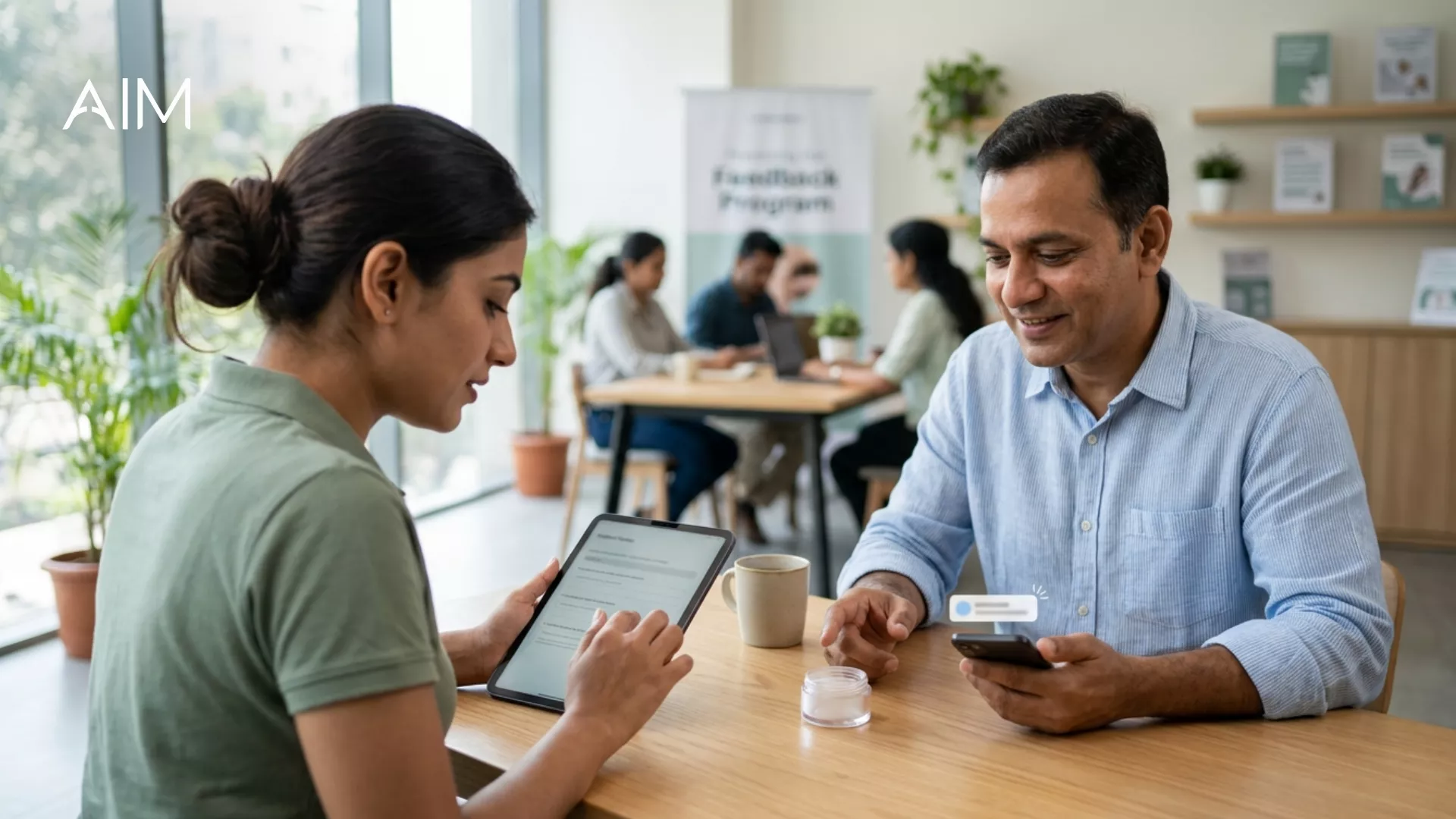
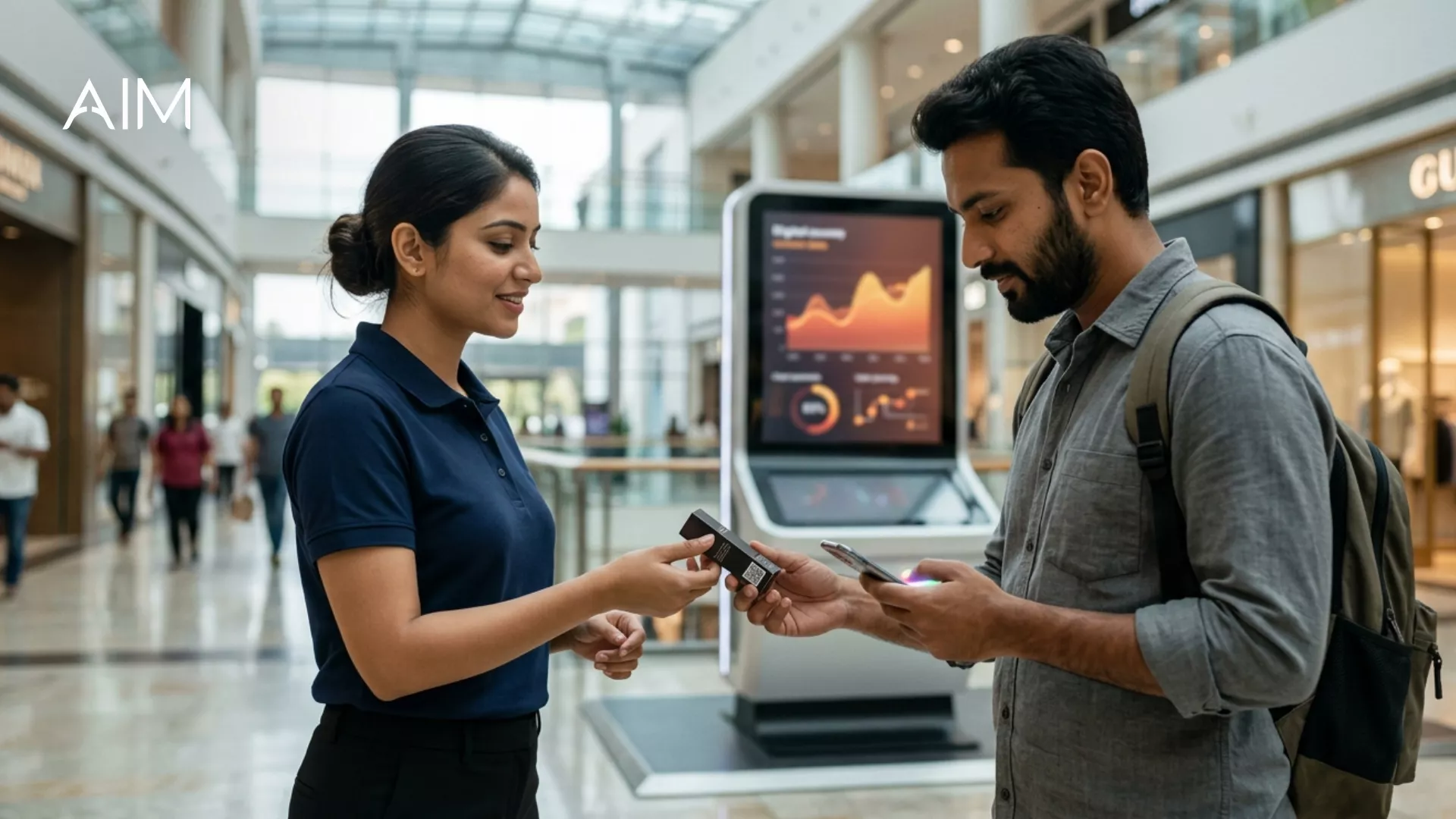
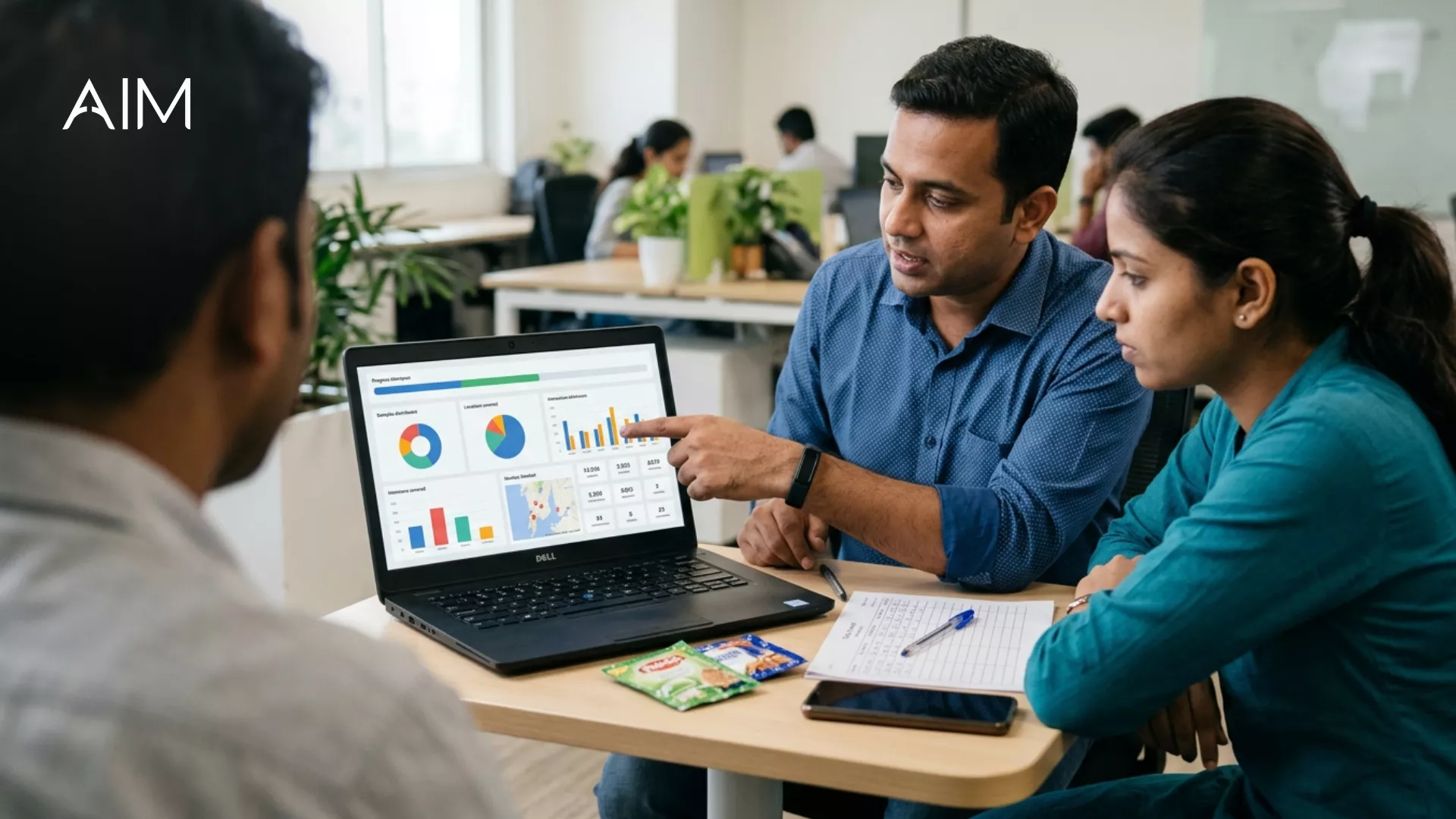
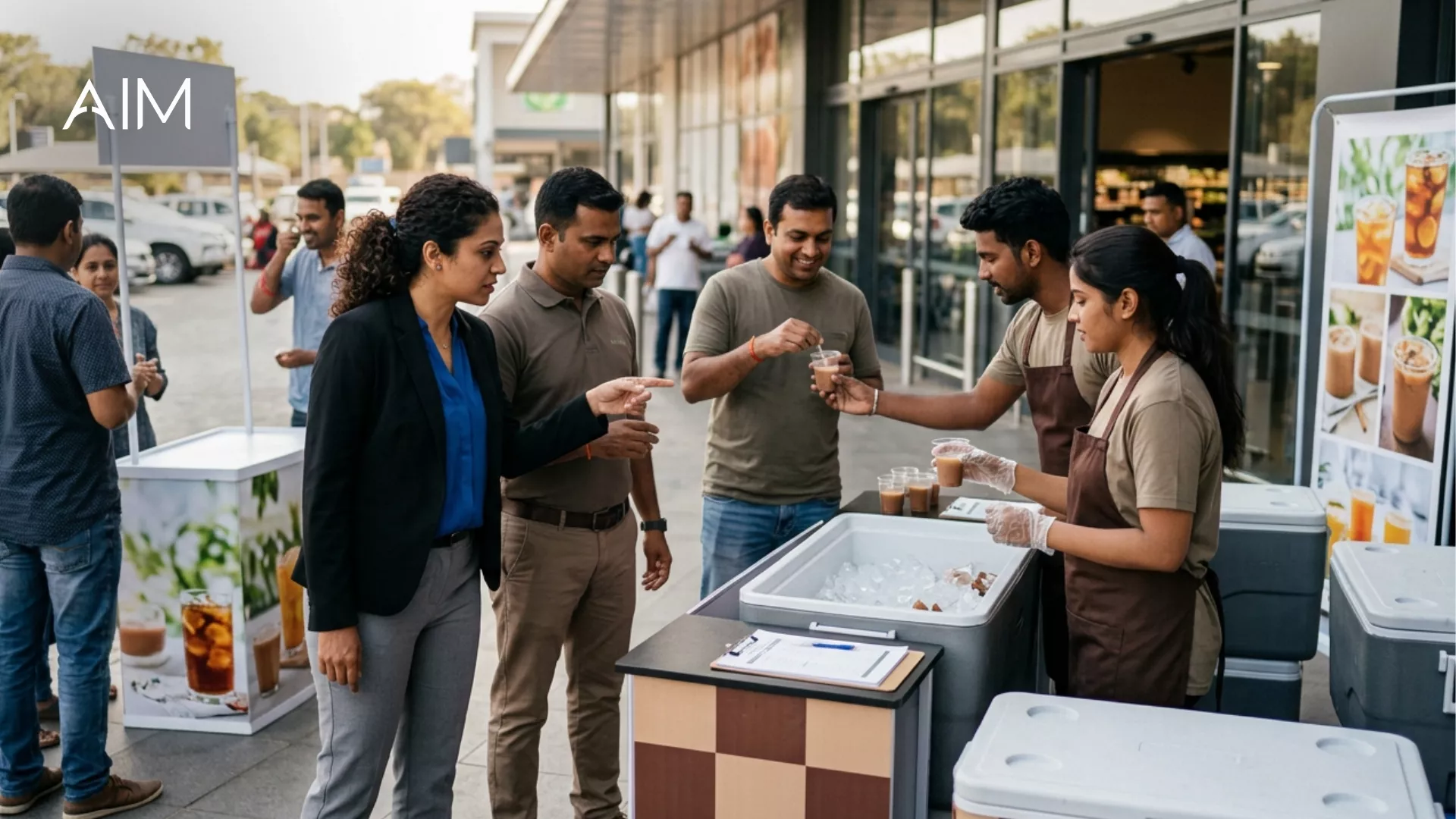
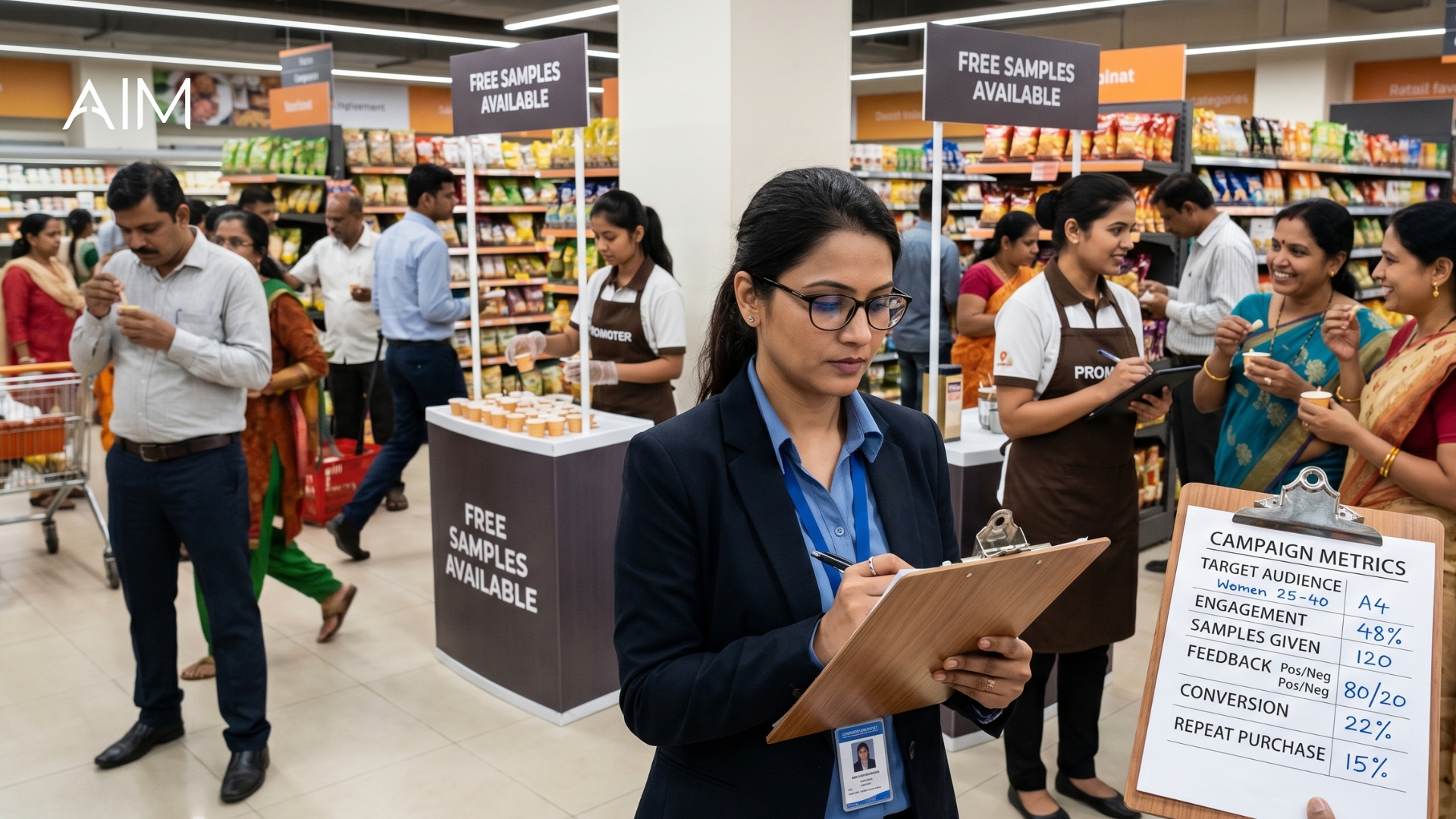
The reason walk-outs go undiagnosed is that most sampling is measured on samples handed out, which tells you nothing about buying. Measure the thing that matters instead. Track purchases made at the sampling location during the activity, rather than footfall alone. Use a code or a location-specific offer so redemptions can be counted and tied to the sample. Compare offtake in sampled stores against similar stores with no activity. And capture who tried, so you can see conversion among real prospects rather than everyone. This is how AIM approaches in-store sampling: reach the right shopper, tie the trial to an easy purchase and a reason to act, and track sample to sale, so the campaign is judged on buyers, not on an empty tray at the end of the day.
The busy activation that sells nothing is the real waste
A sampling activity that looks busy and sells nothing is more dangerous than an obvious failure, because it keeps getting repeated. The tray empties, the photos look good, the report shows thousands of samples, and nobody asks how many of those people actually bought. The brands that win at in-store sampling are the ones that treat distribution as the start of the job, not the end, and measure themselves on the till, not the tray. Get the shopper, the moment, the ask, and the reason right, and the same sample that used to walk out the door starts leaving in a shopping bag instead.





.webp)




.png)