
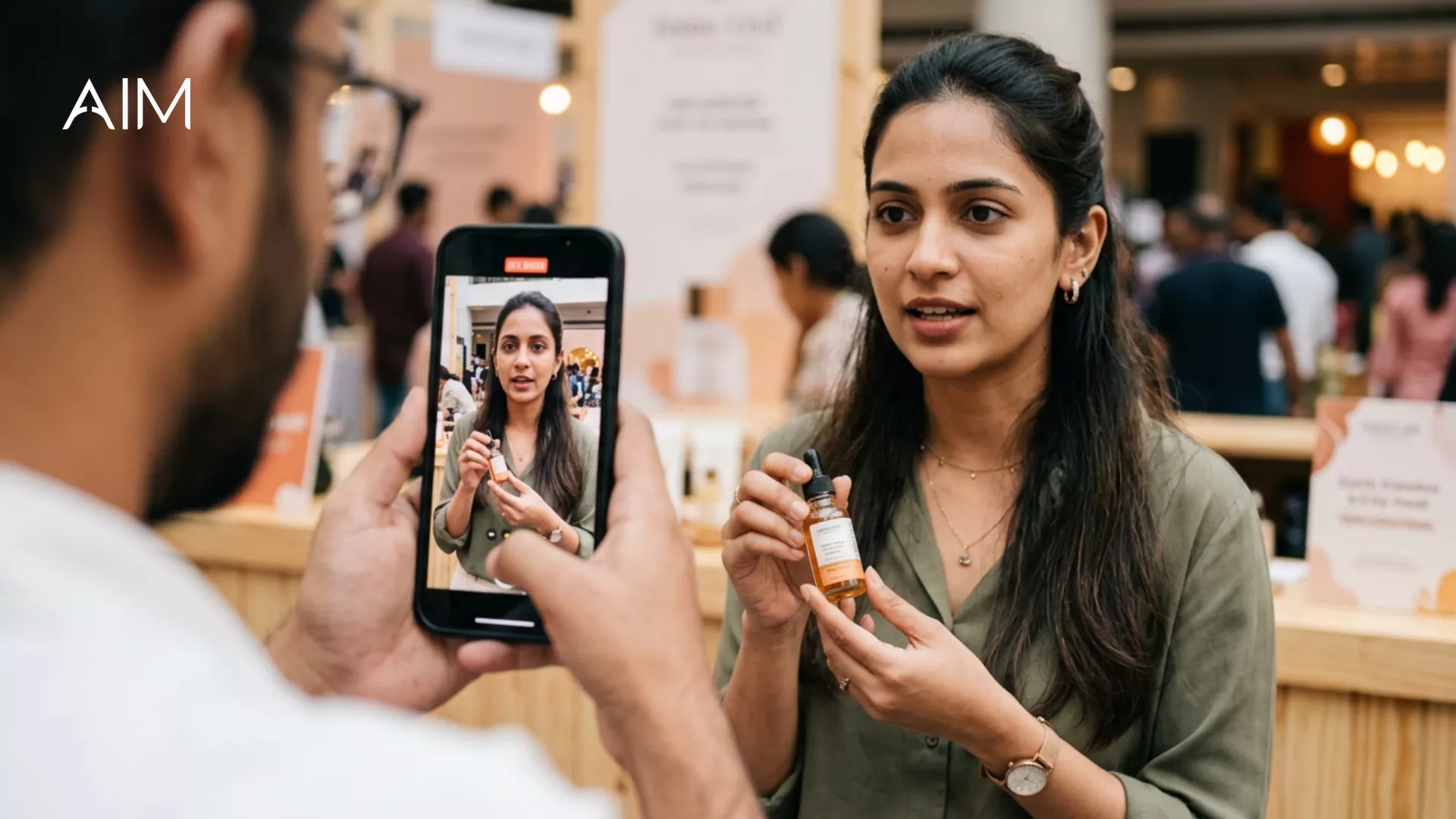


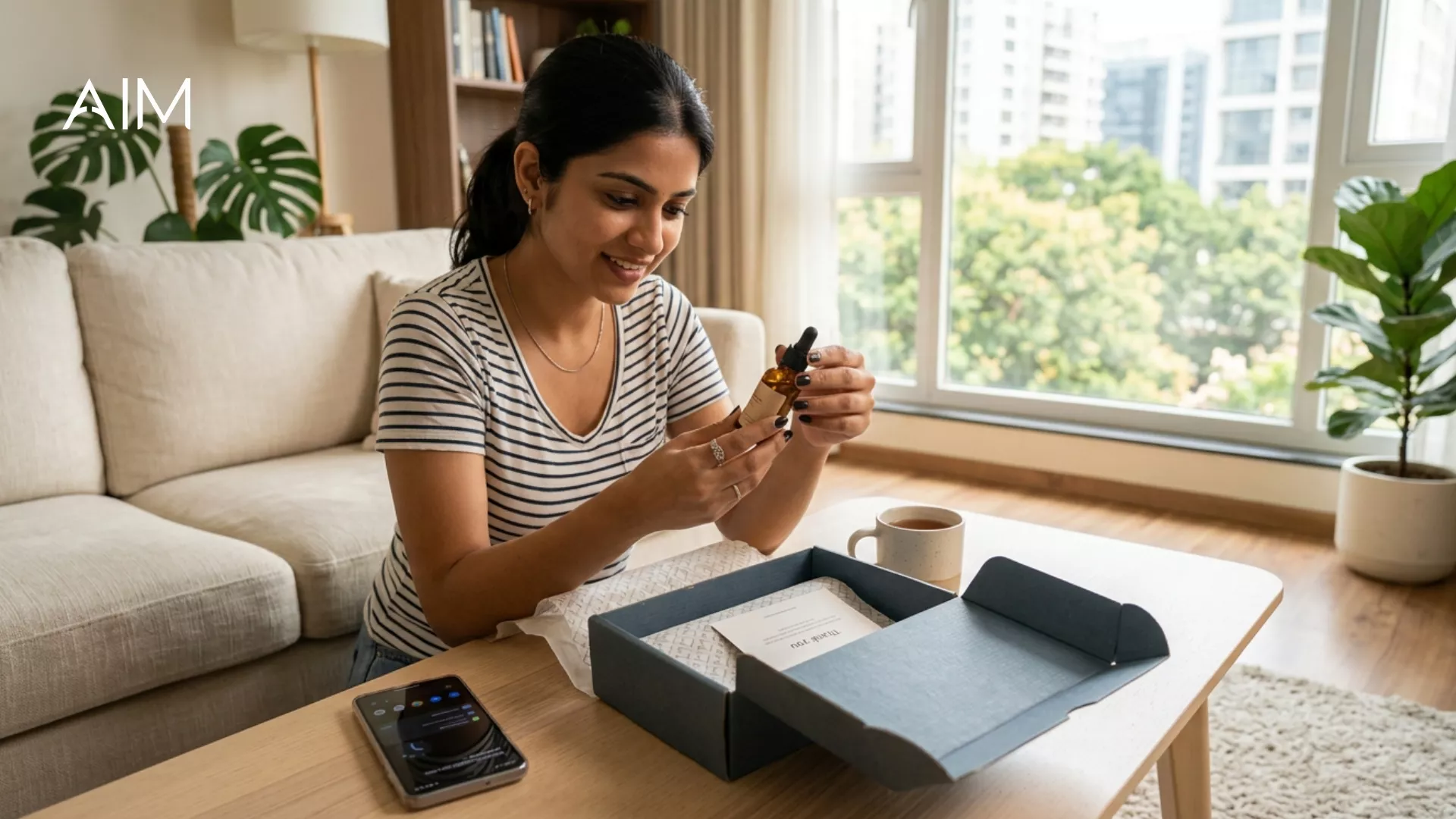
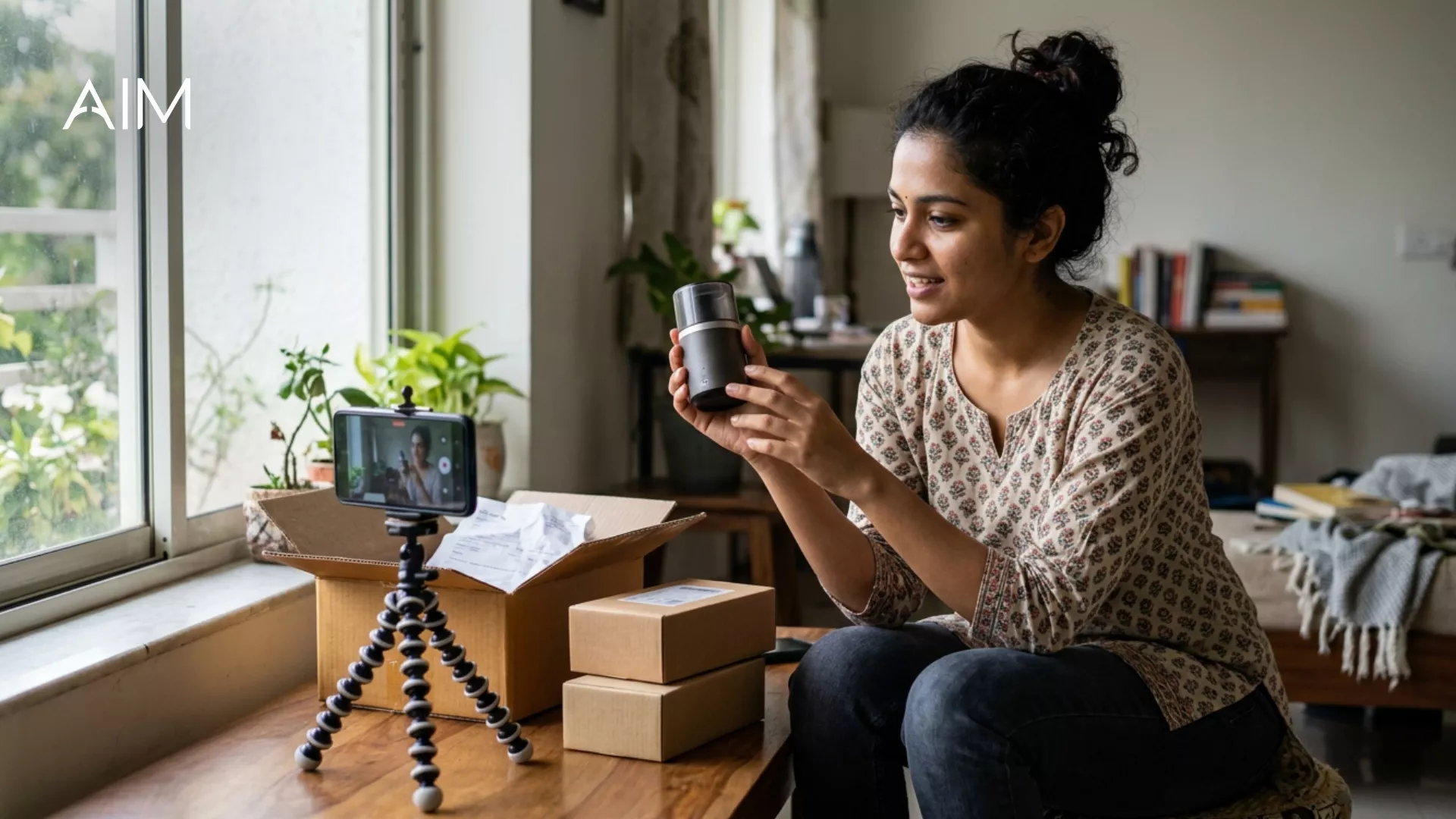
A beauty brand ships two hundred PR boxes to creators. The unboxings roll in, the reach numbers look enormous, the team screenshots the prettiest stories, and everyone feels good for about a week. Then the founder asks one question, and the room goes quiet. Did any of it actually sell? Nobody can say. There were views, saves, and a nice spike in followers, but not a single line connecting the boxes that went out to the money that came in. This is the quiet failure of most influencer sampling. It generates proof of attention and no proof of sales, and the two are not the same thing.
Quick answer: You track real sales from an influencer sampling drop by giving each creator a unique discount code or tracked link, connecting that code to your checkout and CRM, and following the buyer past the first order into repeat. Reach, likes, and saves measure attention, not revenue. The only way to know a drop sold anything is to build attribution before the boxes ship, because once the content is live you cannot go back and tag who bought because of whom.
Why influencer sampling hides its own results
The reason creator sampling is so hard to measure is that its most visible outputs are the least meaningful. Reach, impressions, and engagement are easy to screenshot and feel like results, so teams report them and move on. But a hundred thousand views with no attached purchase path is a hundred thousand strangers who watched someone else open a box. The gap between reach and revenue is where influencer budgets quietly disappear. Closing it is not complicated, but it does require deciding, before the campaign, that you will actually measure sales and building the plumbing to do it.
What real means here
Real sales means attributable purchases you can trace back to the drop, not a rise in impressions you hope was related. It means being able to say that this creator drove this many first orders, at this value, and that some of those buyers came back. It is a higher bar than most influencer reporting clears, and it is the only bar that lets you decide who to work with again. Everything below sales, the reach and the sentiment, is useful context, but on its own it cannot tell you whether the money you spent on product, shipping, and creator fees came back.
Set up tracking before a single box ships
Attribution is built at the start or not at all. Four things have to be in place before you pack the first box.
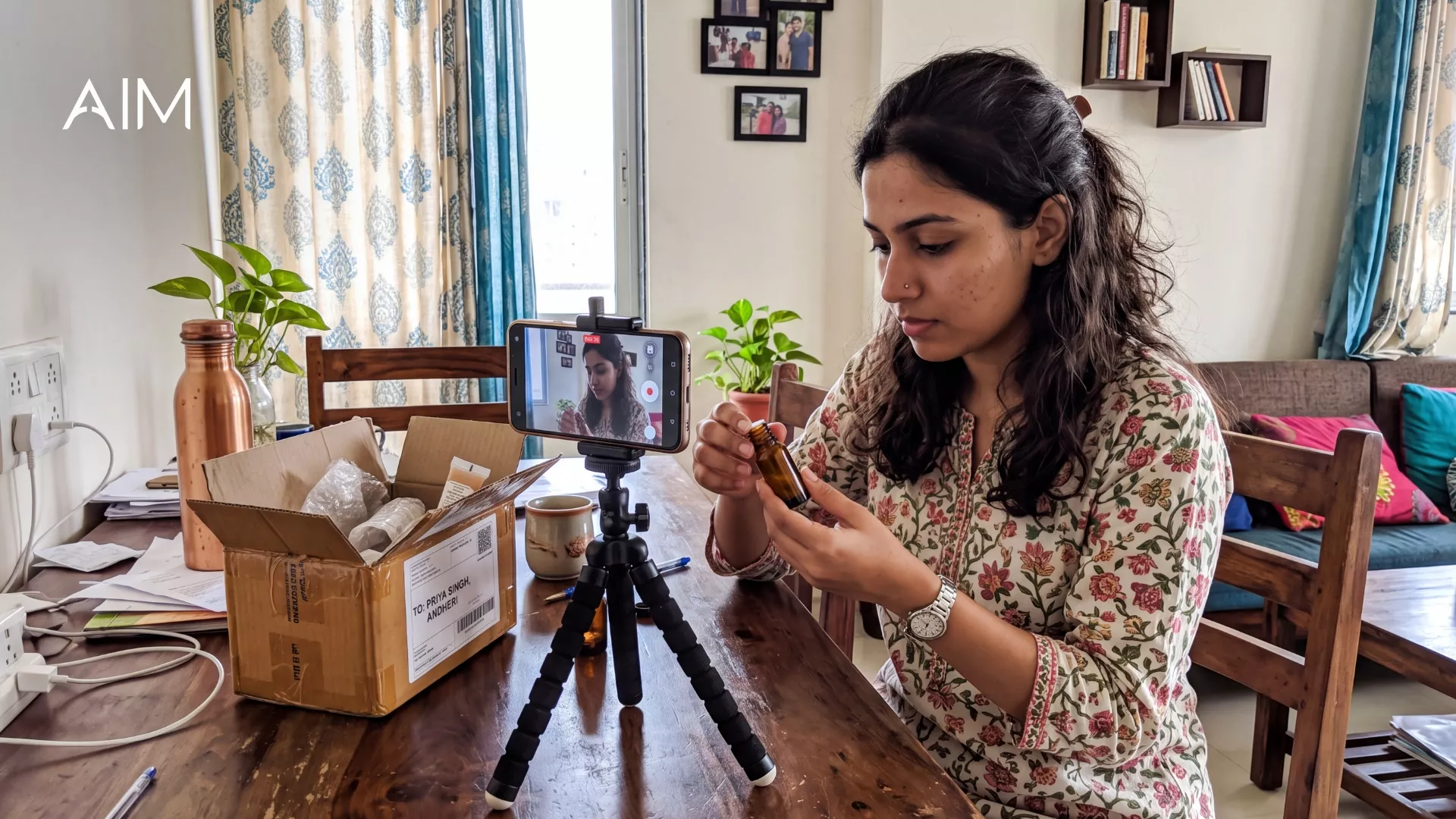
- One unique code or link per creator. Never a shared campaign code. If ten creators all push the same code, you learn that the campaign sold something but not who caused it, which is the one thing you actually needed to know. A distinct code or tracked link per creator is what makes the whole thing measurable.
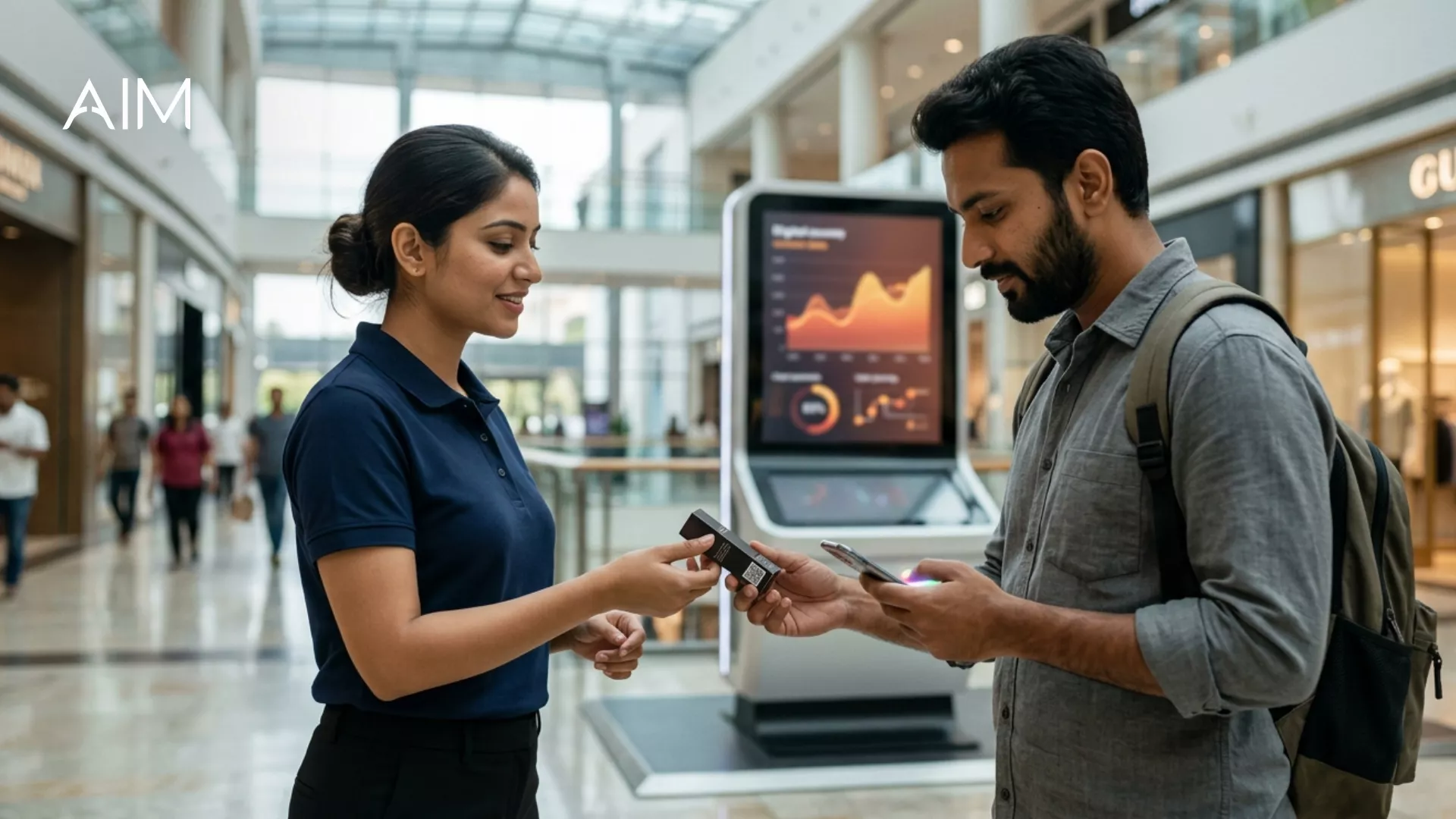
- A destination that captures. Send traffic to a landing page or a tagged product link with proper UTM parameters, so the click is recorded even when the buyer does not use a code. The destination should make buying easy and make the visit traceable.
- A first-order and repeat view. Connect the code to your CRM or store back end so you can see not only the first purchase but whether that buyer came back. Influencer-sourced buyers who repeat are worth far more than a one-time spike, and you can only see them if the link is wired to the customer record.
- Content usage rights. Agree up front that you can reuse the creator's content as paid ads. The sampling drop often produces its real return later, when a piece of authentic content becomes your best-performing ad, and you cannot do that if you did not secure the rights.
The methods, from weakest to strongest
Not all tracking is equal, and it helps to know what each method can and cannot tell you. A single shared discount code is the weakest, because it proves the campaign existed but hides which creator drove what. Unique promo codes per creator are a large step up and are enough for most brands. Affiliate or tracked links are stronger still, because they capture clicks and conversions even from people who did not use a code. Dedicated landing pages per creator or campaign sharpen it further. A post-purchase survey that simply asks how did you hear about us catches the halo that codes miss, the buyers who saw the unboxing, did not click, but searched you out later. The strongest setups combine several of these, a code and a link and a survey, so the buyers who slip past one method get caught by another.
Why a per-creator code changes everything
The single most valuable move in the whole process is giving each creator their own code. It turns a vague sense that the campaign helped into a ranked list of who actually sold. Suddenly you can see that three of your twenty creators drove most of the orders, that a mid-sized creator with a tight, trusting audience outsold a much larger one, and that a few boxes went to people whose followers never buy anything. That list is what makes the next campaign smarter and cheaper, because you stop spreading product evenly and start sending it to the creators who convert. Without per-creator tracking, every drop is a fresh guess.
Tracking beyond the first sale
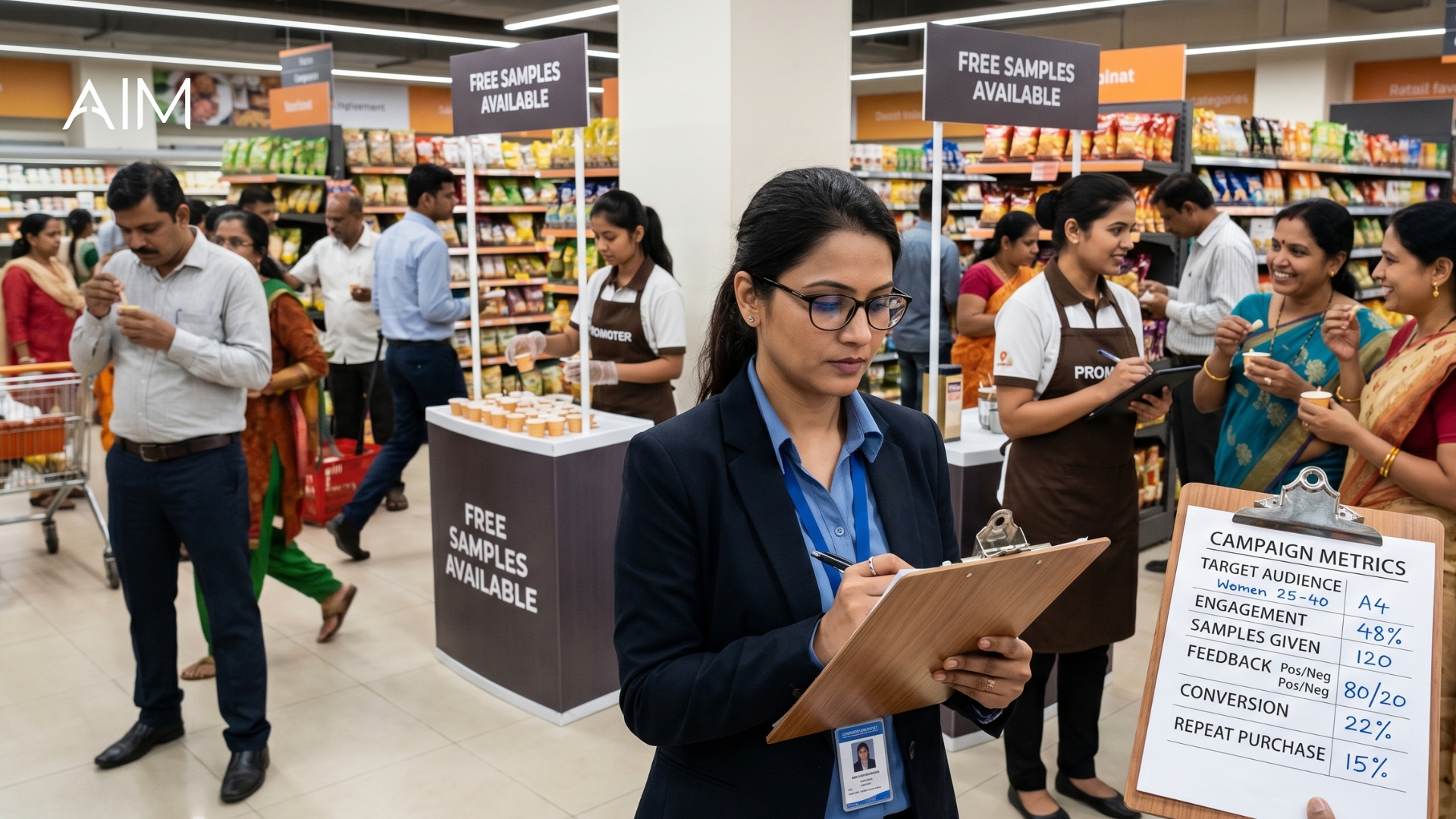
The first order is where most measurement stops, and it should not. In many categories the real value of an influencer-sourced buyer is in the repeat, so it is worth watching whether the people who bought through a creator code come back and buy again. If one creator brings buyers who reorder and another brings a rush of one-time discount hunters who never return, those two creators are worth very different amounts to you, even if their first-order numbers look similar. Following the buyer past the first sale is what separates a creator who drives revenue from one who just drives a spike.
What to do with creators who drove sales
Once the data names your winners, the strategy writes itself. Go back to the creators who actually sold, and build something repeatable with them rather than treating every campaign as a one-off scramble. Turn their best content into paid ads through whitelisting, so a post that already converted organically keeps working with budget behind it. Offer them a standing affiliate arrangement so they keep a reason to post. The point of tracking is not to grade a campaign that is already over, it is to compound what worked into a programme you run every month with the people who move product.
The honest limits
Tracking is powerful, but it is worth being clear about what it cannot do. Not every category converts on a code, and some drops mostly drive branded search and long-term awareness that shows up as a slow lift rather than a tagged order, which you have to read separately rather than dismiss. Attribution windows are imperfect, and a buyer who discovers you through a creator today might purchase weeks later through a different path. None of this is a reason to skip tracking. It is a reason to combine methods, watch the softer signals alongside the hard ones, and avoid the two opposite mistakes: claiming credit for sales you did not cause, and missing sales you did.
A simple before and after
Picture the same drop run two ways. In the first, twenty creators receive boxes, all pointing to one shared code and a homepage link. Sales rise a little that week, the code gets used a few hundred times, and nobody can say which creator caused what, so the next campaign is another even spread and another guess. In the second, each creator gets a unique code and a tracked link wired to the store back end. Two weeks later the brand can see that four creators drove most of the orders, that one of them brought buyers who have already reordered, and that six creators drove almost nothing. The second campaign cost the same to run. The difference is that it produced a decision, who to send product to next time, while the first produced only a feeling. That is the entire value of tracking, and it is available to any brand willing to set it up before shipping.
This is how AIM approaches influencer and digital sampling: every creator drop wired for attribution before it ships, unique codes and tracked links tied to real checkout data, and the buyer followed past the first order so you learn who drove revenue and who drove noise. Done this way, influencer sampling stops being a wall of screenshots and becomes a channel you can judge on sales, keep the parts that work, and run again with the confidence that you know exactly what it returned.














.webp)















.png)