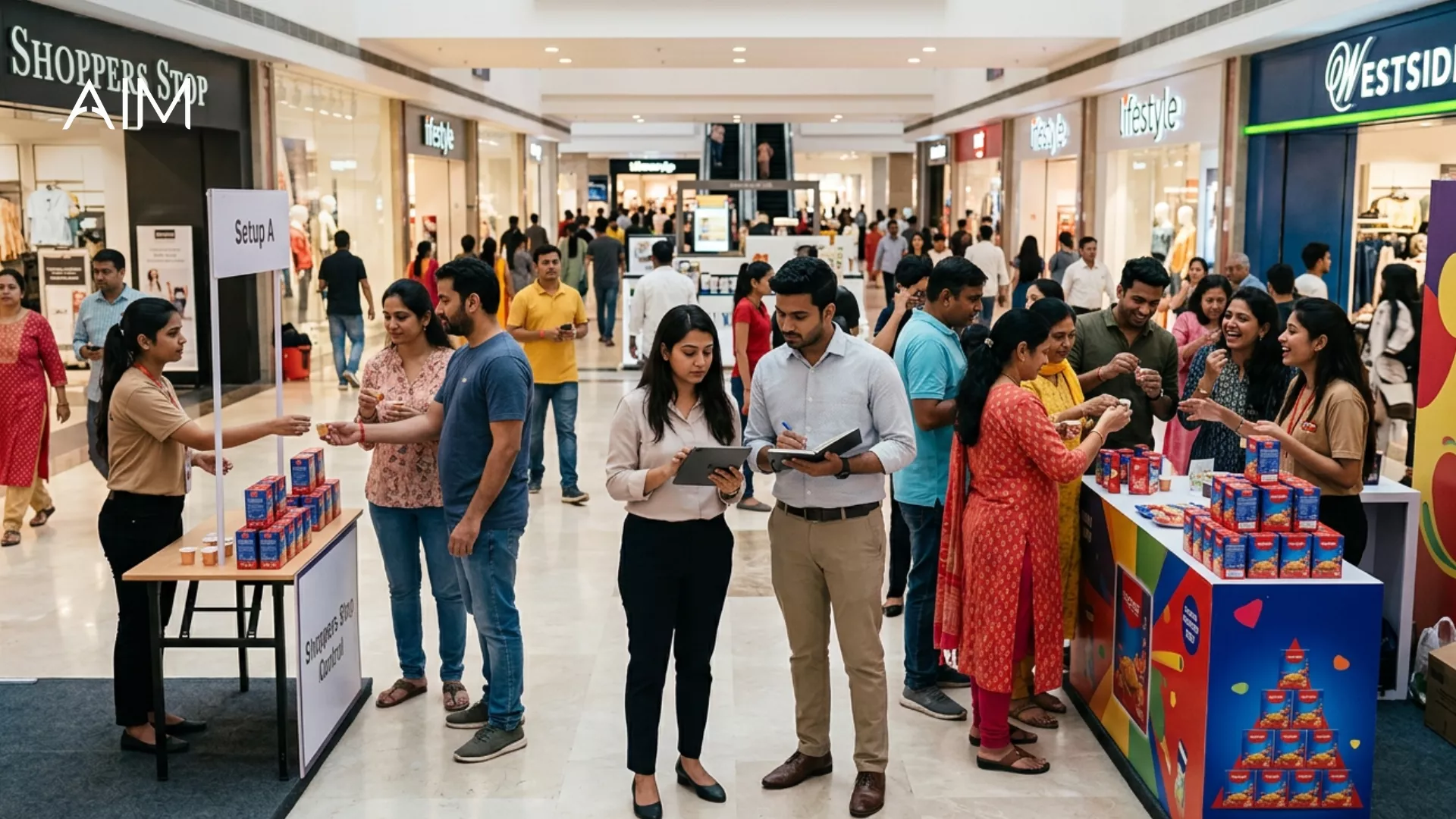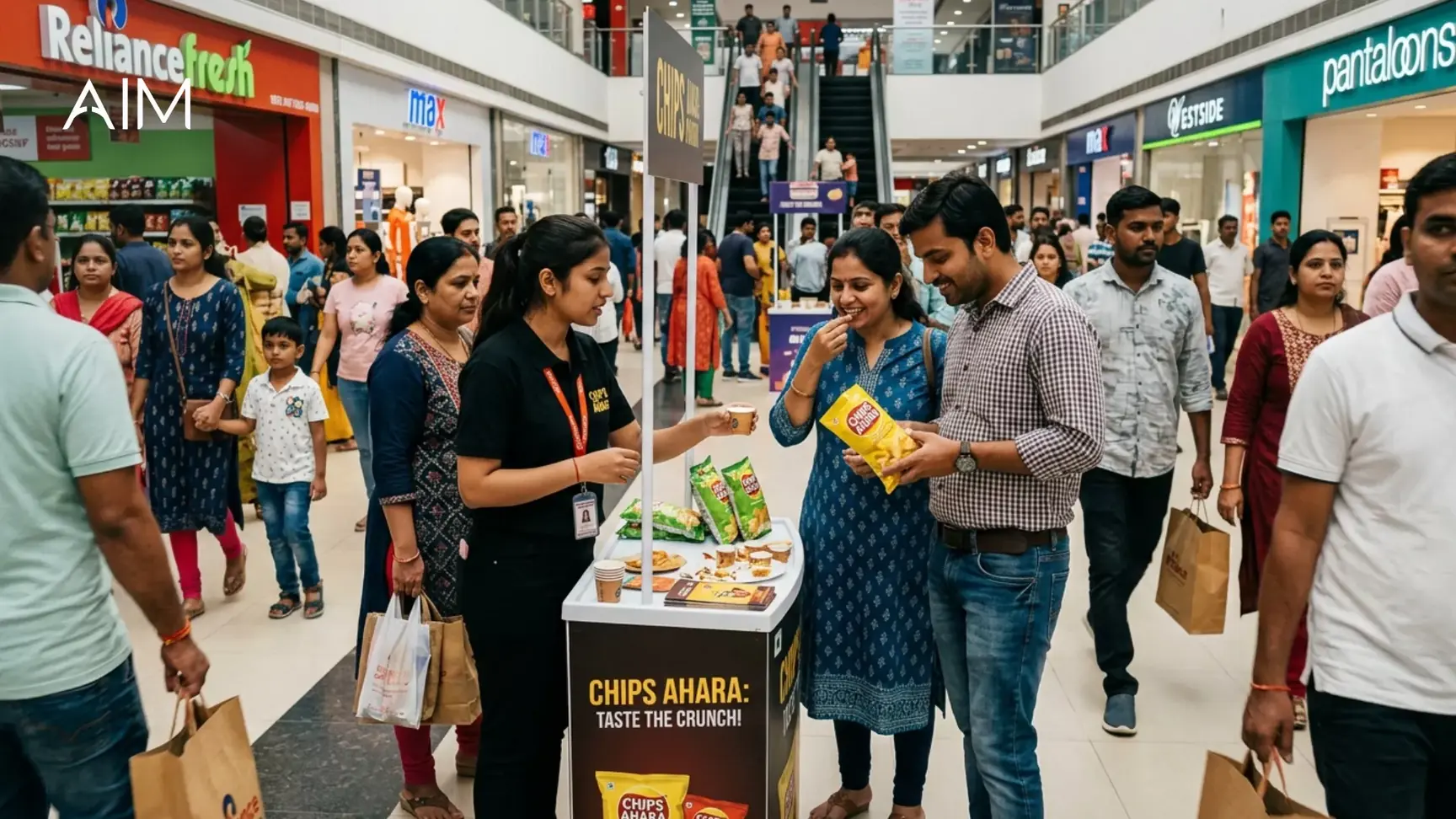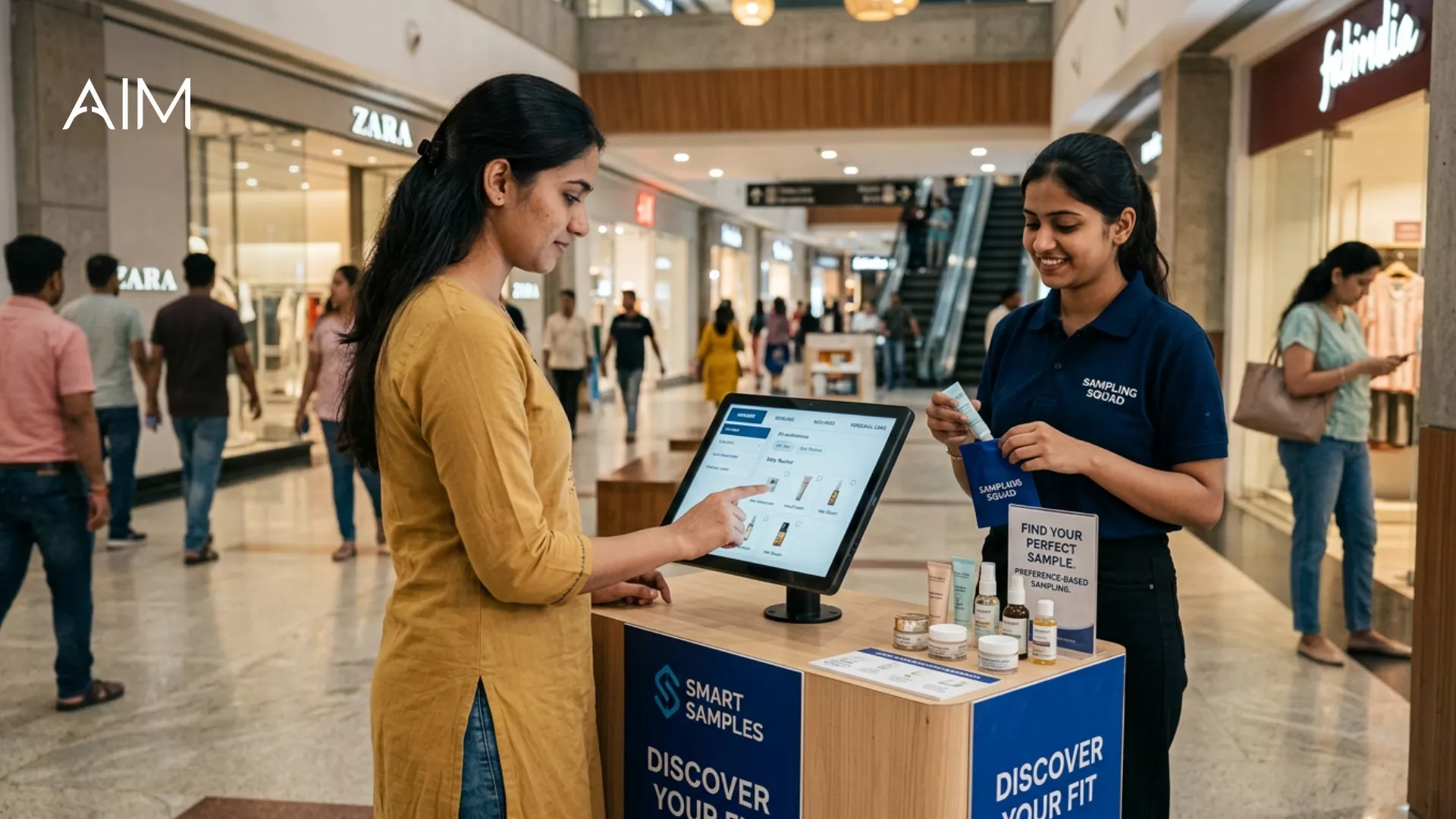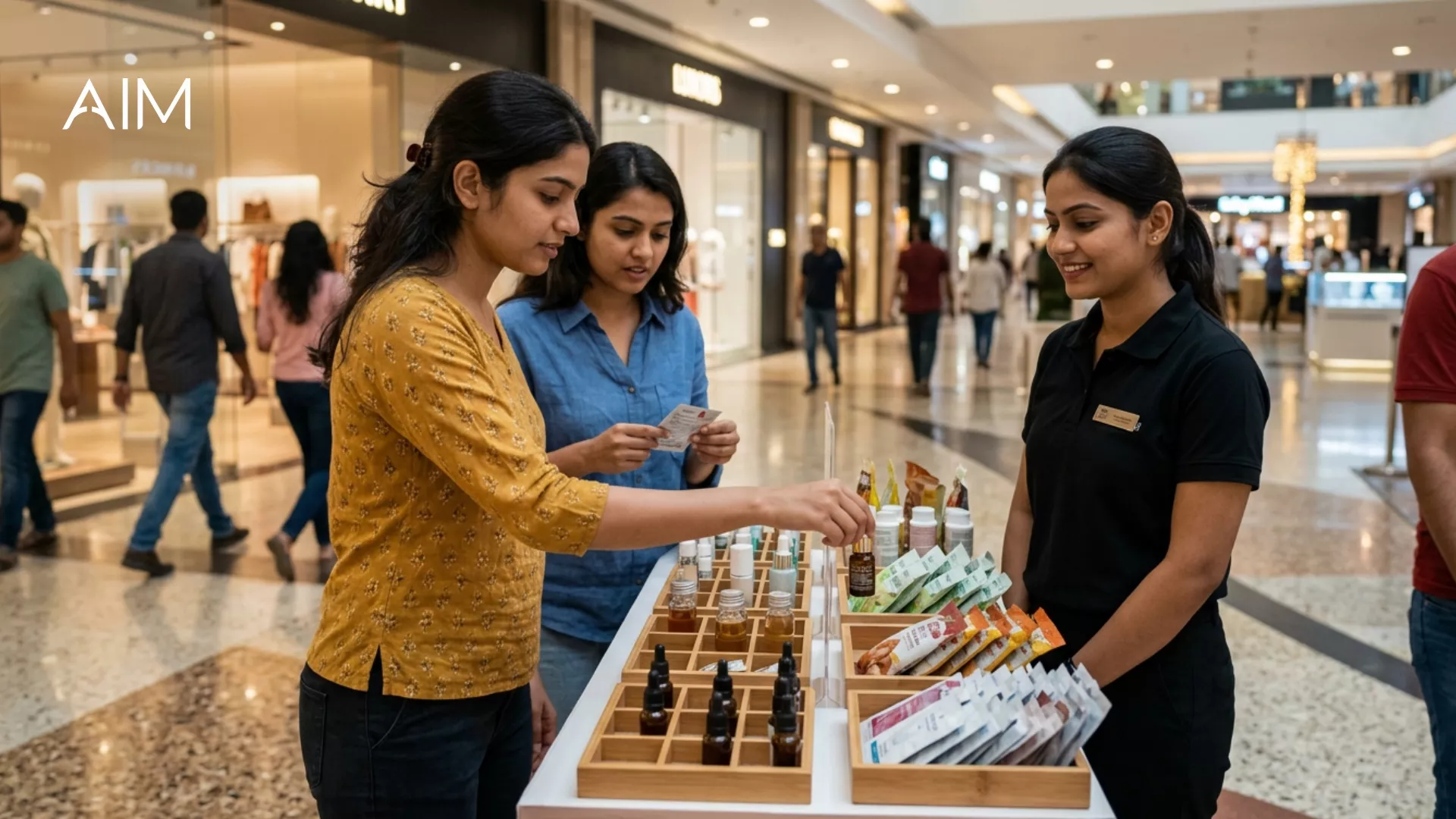


Men's grooming is one of the fastest-growing corners of personal care, and sampling is a natural fit for it: these are products that have to be felt, smelled and used to be believed. A beard oil, a face wash, a hair wax, a fragrance, a trimmer attachment, none of these sell on a label the way a familiar staple does. The texture, the scent, the result on his own skin or hair is the whole pitch. The man has to try it. But where you place that trial decides almost everything, because the men's grooming buyer is reached in very specific places and badly missed in the obvious ones. Choosing the right location is most of the battle, more so here than in almost any other category.
The mistake brands make is assuming men's grooming should be sampled the same way women's beauty is. It should not. Men shop differently, decide differently and respond to trials in different settings, and a sampling plan borrowed from mainstream beauty tends to land in the wrong place. The audience is different, the mindset is different, and most importantly the comfort level with trying a product in public is different, which together rule out several locations that work well for women's beauty.
Where do men's grooming products sample best?
The strongest locations share a feature: they reach men at a moment when grooming is already on their mind, or where trying a product feels natural rather than intrusive.
Salons and barbershops
This is the single most natural home for men's grooming sampling. A man in a barber's chair is already thinking about how he looks, already in a grooming mindset, and already trusts the person handling his hair and beard. A sample offered here, or used on him during the service, lands with context and credibility that no street handout can match. For beard, hair and skin products especially, the salon is very hard to beat. The barber is also a trusted recommender, and a product he has seen work can carry a weight with his regulars that advertising never will.
Gyms and fitness centres
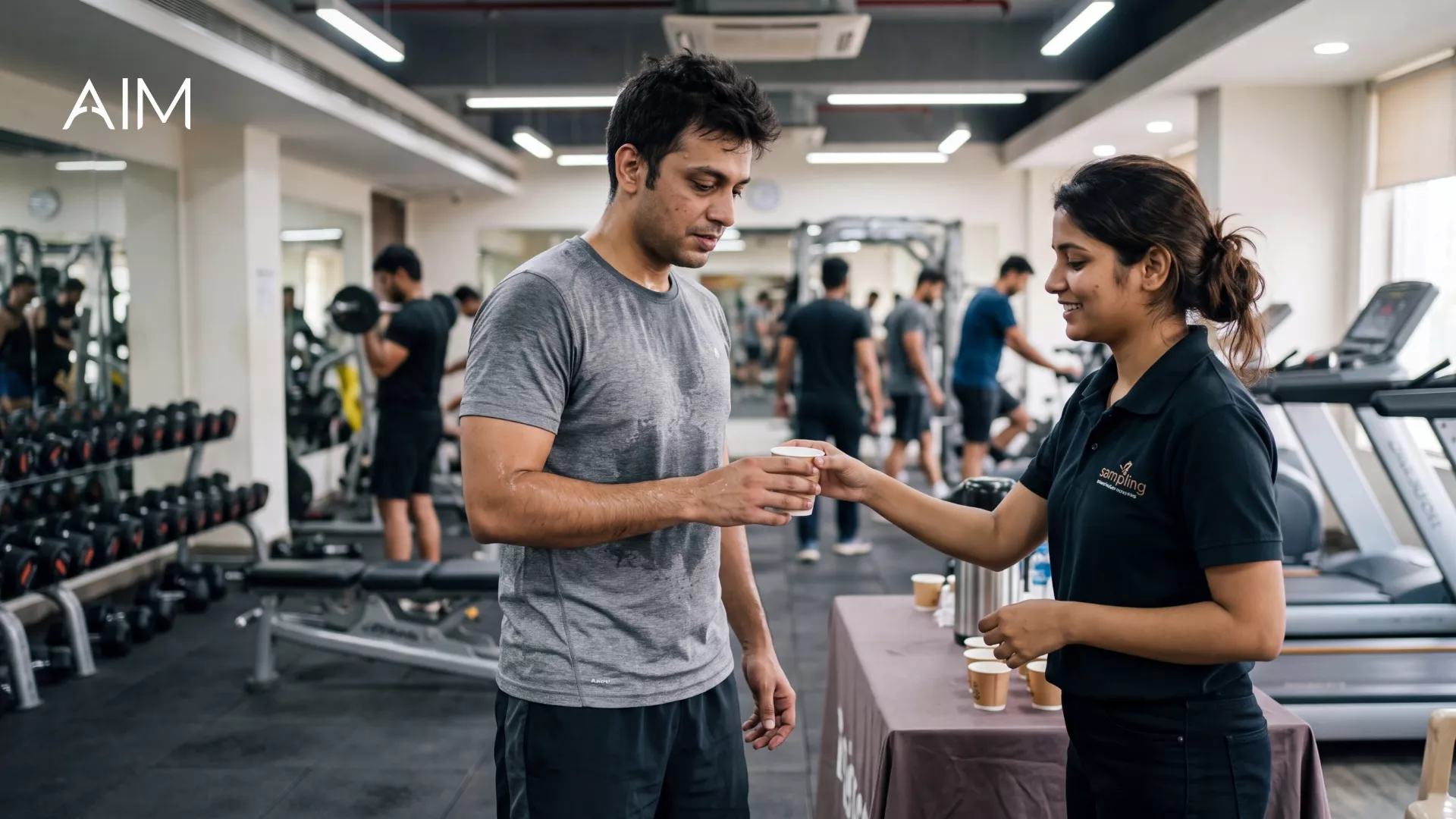
Men at a gym are thinking about their body, their appearance and their post-workout routine. Deodorants, body washes, face washes, energy and recovery products, and anything tied to sweat and freshness fit the setting perfectly, because the need is immediate and the man is already in a self-care frame of mind. The locker room and the post-workout moment are prime grooming trial territory. A man who has just trained is thinking about freshening up anyway, so a sample that meets that exact need is tried on the spot rather than carried home and forgotten.
Corporate and IT parks
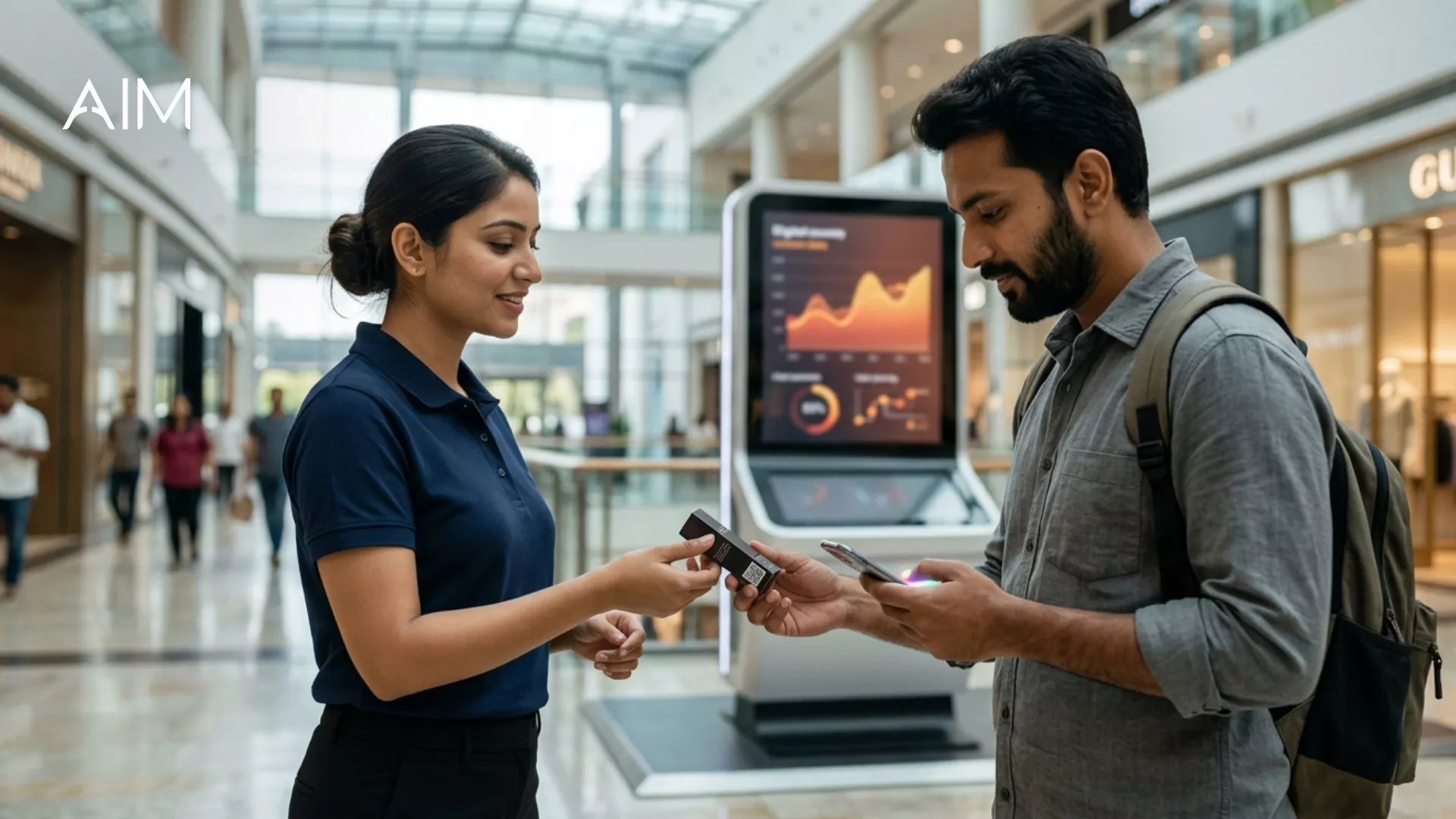
Working men care about how they present, and the office creates real grooming needs: looking fresh for meetings, managing a long day, a quick touch-up. Deodorants, face wipes, fragrances and quick-fix grooming products do well in corporate sampling, provided they can be tried on the spot or carried home easily. The professional setting gives the trial a reason. A grooming product that helps a man feel presentable for a meeting is solving a problem the workday itself created, which is the kind of relevance that gets a sample used the same afternoon.
E-commerce and quick commerce deliveries
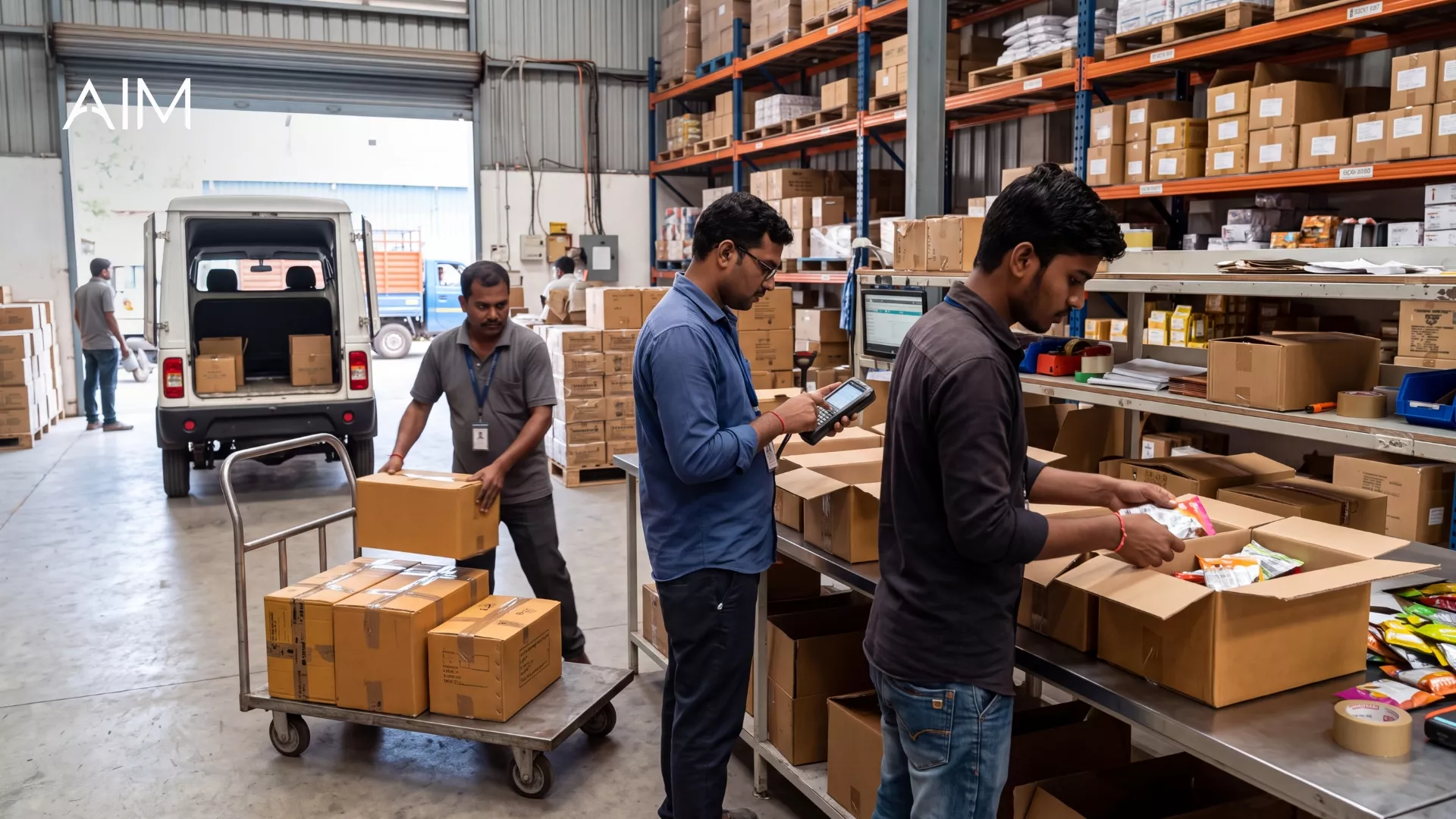
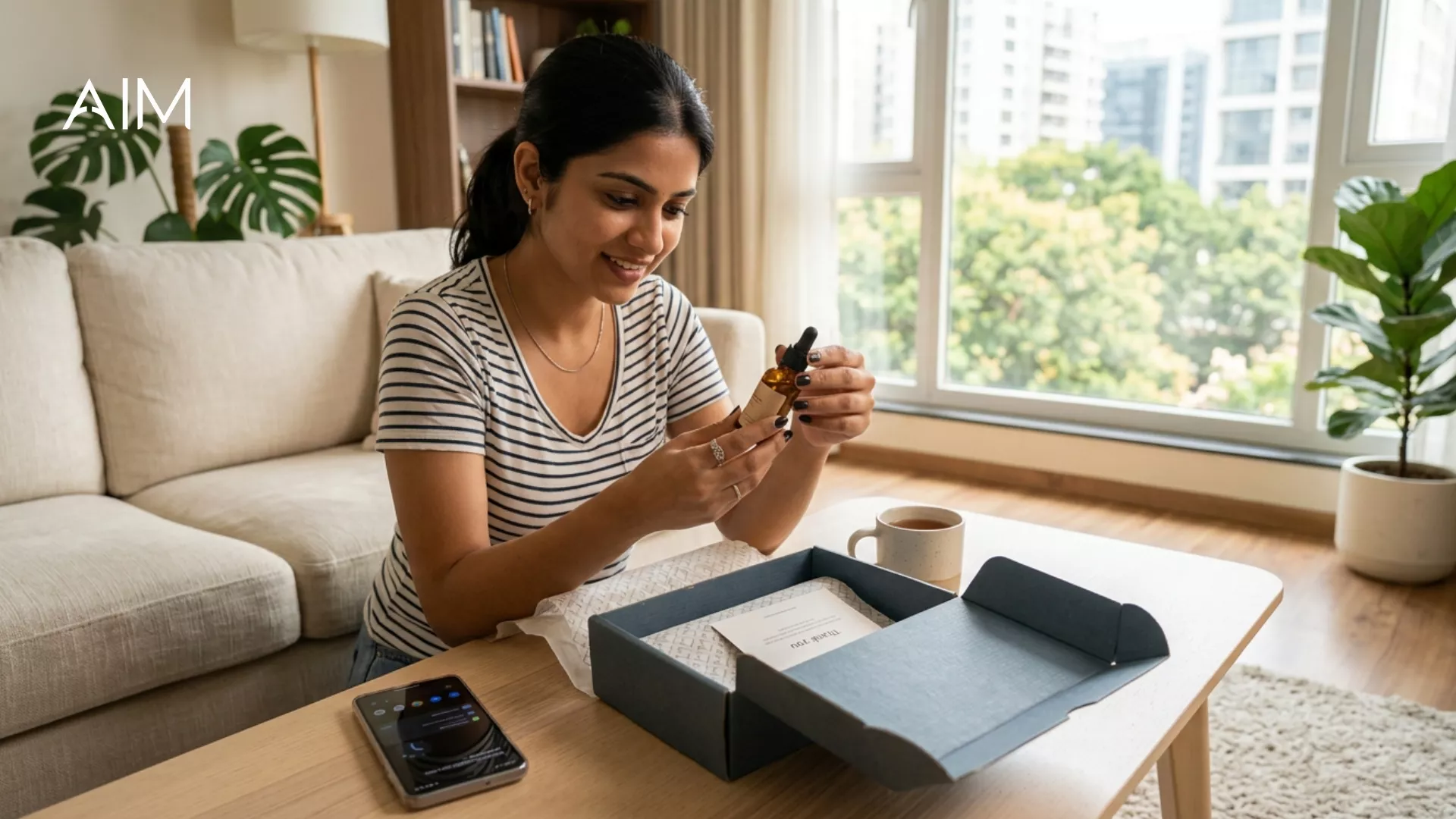
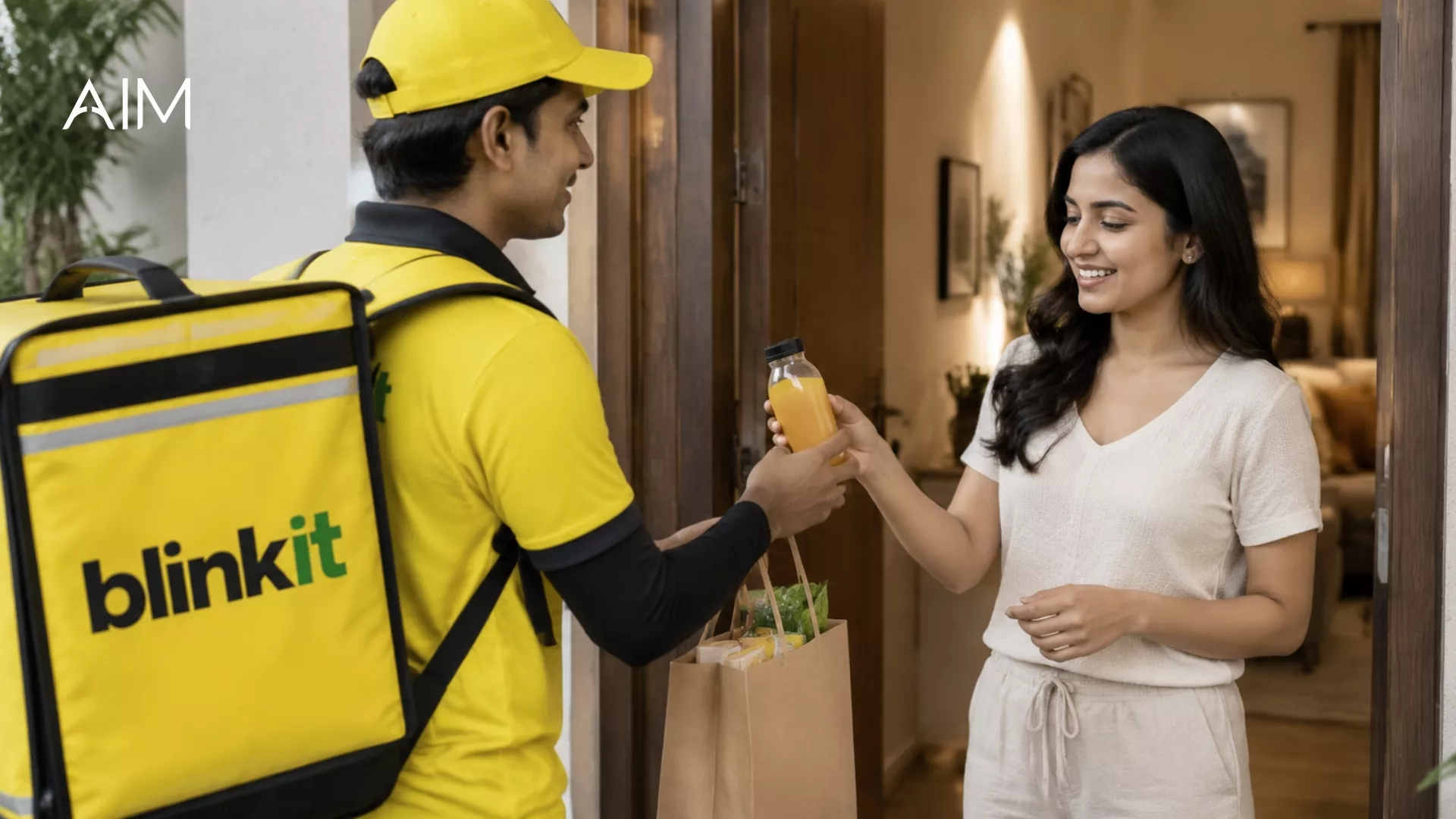
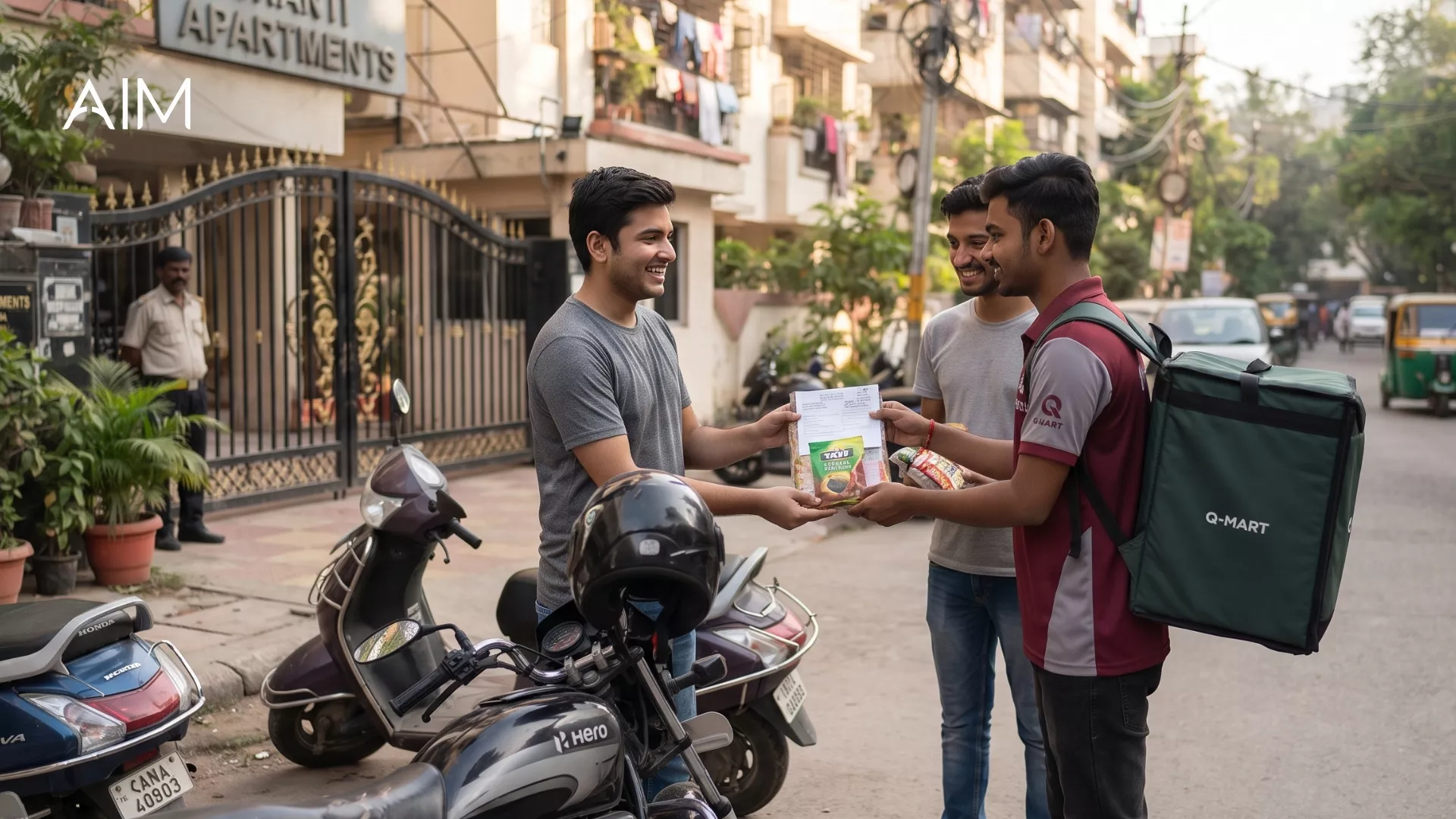
Many men buy grooming products online precisely because it avoids the awkwardness of shopping for them in person. A sample added to a relevant online order reaches the man privately, at home, with a product matched to what he already buys. This channel also reaches the large group of men who would never stop at a sampling counter but will happily try something that arrives in their order. Privacy is a genuine advantage in this category, and the delivery channel hands it to the brand for free, reaching men who would never engage with grooming in public.
Men's lifestyle and sporting events
Sporting events, auto and tech expos, and other male-skewed gatherings concentrate the audience and the mood. Men at these events are relaxed, open and surrounded by peers, which makes trying a grooming product feel social rather than self-conscious. When peers are trying the same thing, the awkwardness that suppresses grooming trials elsewhere largely disappears, and men engage far more openly.
Where does men's grooming sampling tend to fail?
Just as important is knowing where not to sample, because the obvious places are often the weakest.
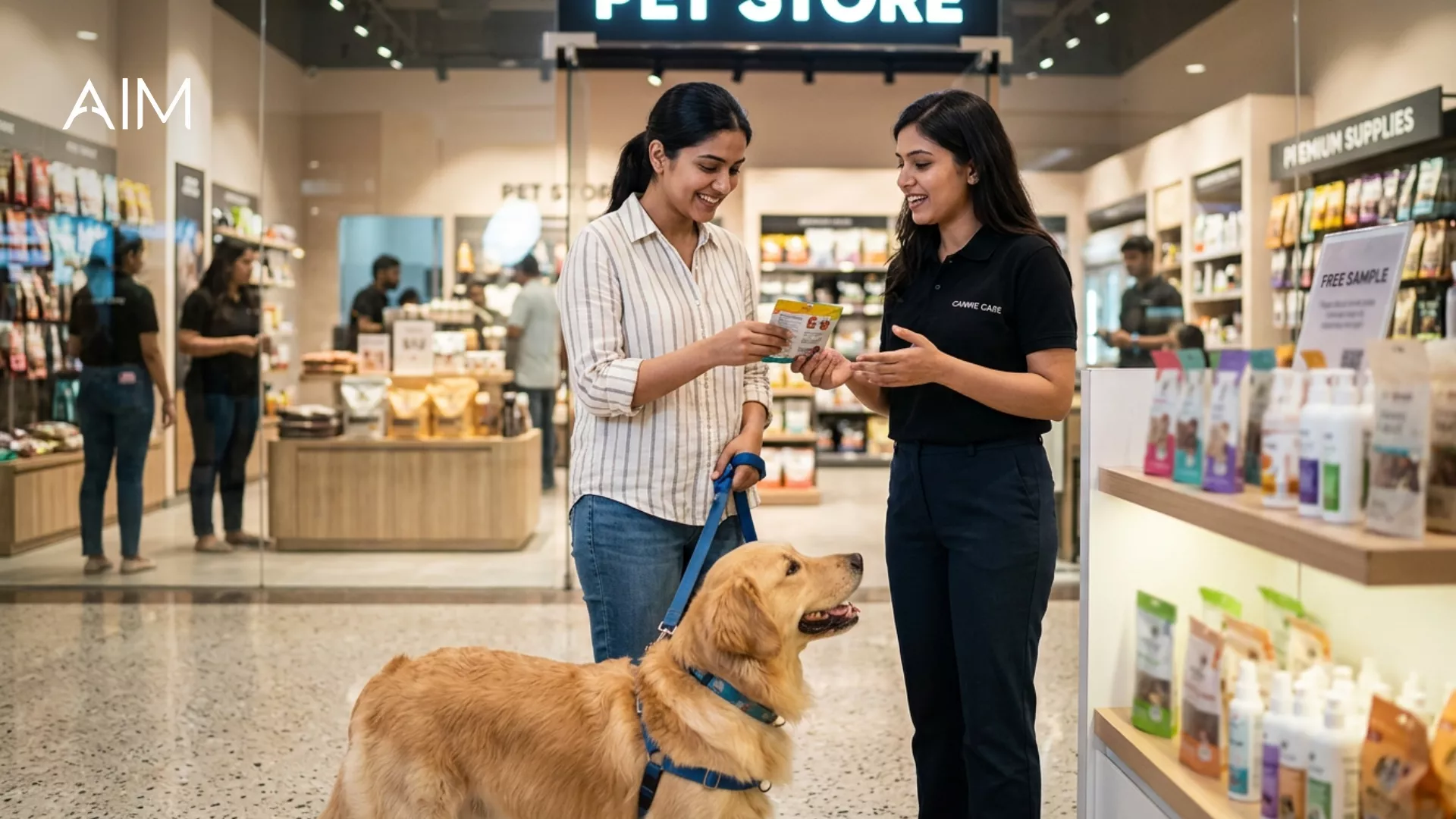
General beauty counters and women-skewed retail miss, because men are a minority of the footfall and often feel out of place engaging with grooming products there. The trial that would land in a barbershop feels awkward at a beauty aisle. Mainstream beauty events and female-dominated settings have the same problem: the audience is simply the wrong one, and the man who is present is often there for someone else. Footfall figures can look encouraging in these settings while the actual grooming trials stay near zero, which is how brands end up concluding that sampling does not work for men when the real problem was the place.
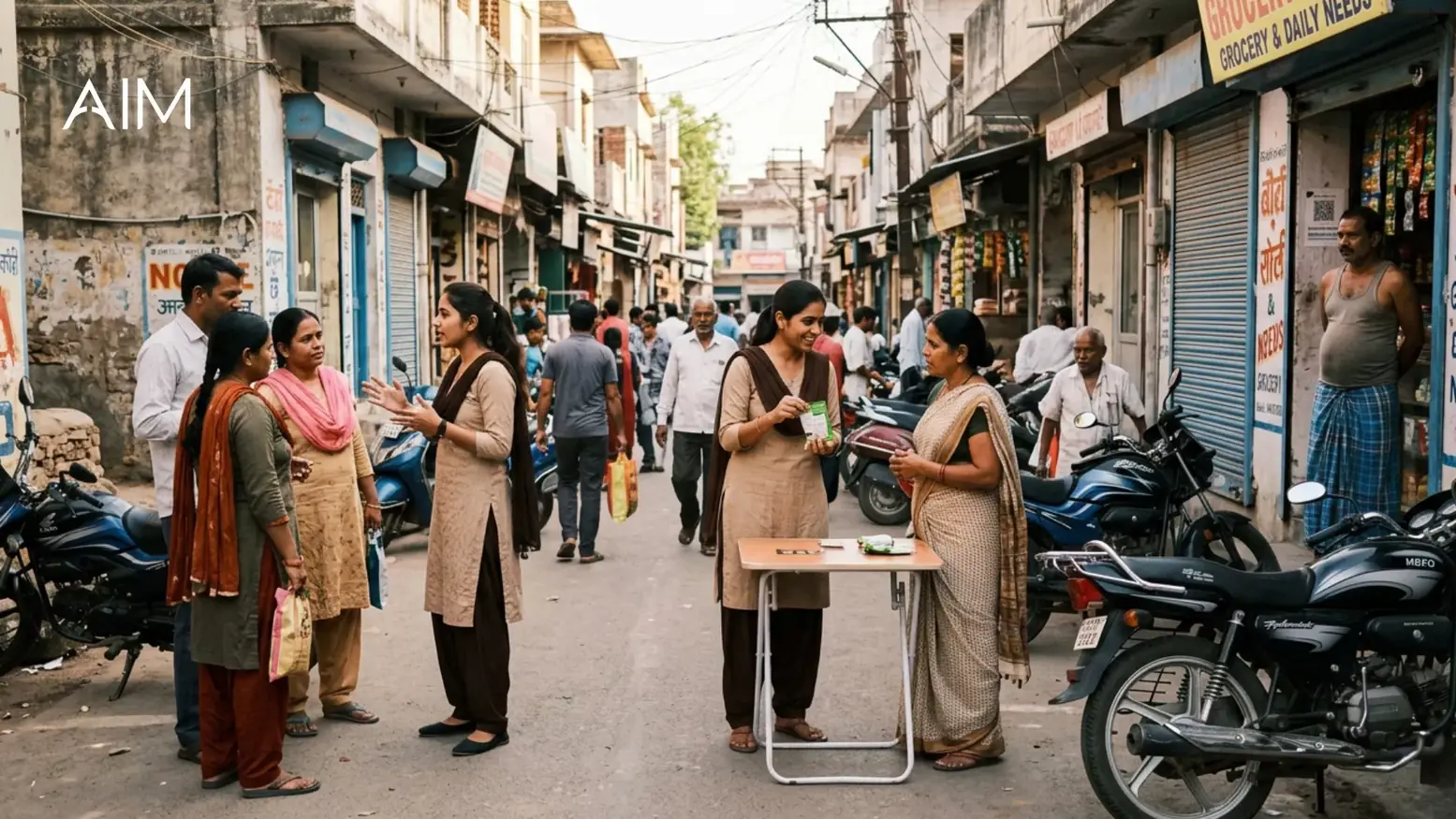
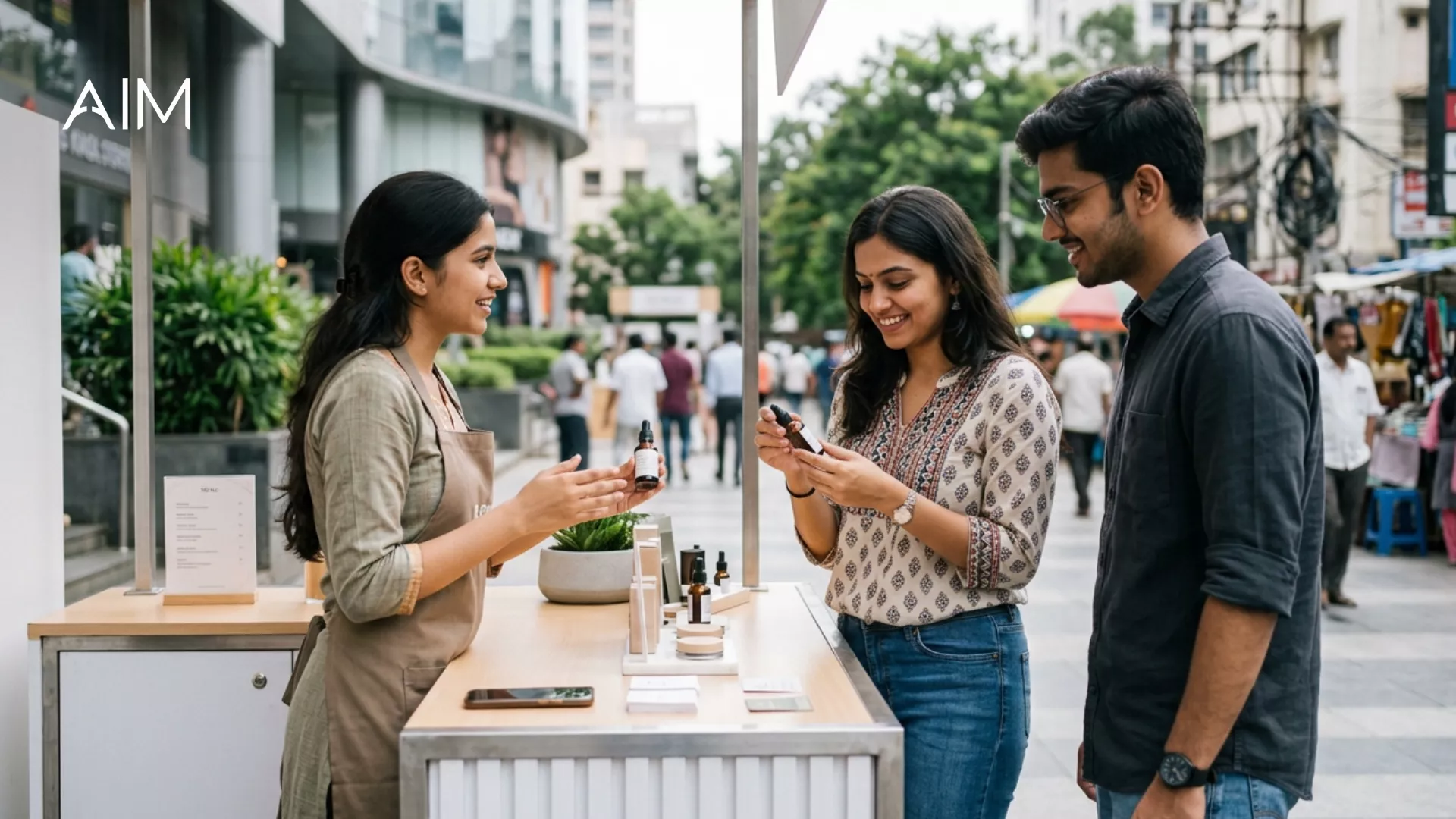
Random street and mall sampling without a grooming context also underperforms, because it catches men in no particular mindset and asks them to engage with an intimate product in front of strangers. Men are more self-conscious about grooming trials than brands assume, and a setting that creates that self-consciousness suppresses the trial. The location has to give the man a reason and the privacy or social ease to say yes.
Why does location matter more for men's grooming than for other categories?
Because men's grooming sits at the intersection of two things that make placement decisive: the products have to be experienced to be wanted, and the buyer is often quietly self-conscious about the category. A product that must be tried demands a setting where trial is easy. A self-conscious buyer demands a setting where trying does not feel exposing. Only a few locations satisfy both at once, and those are the ones where grooming is already the context, where the man is already thinking about it, or where the trial can happen privately. Miss those conditions and even a genuinely good product struggles to earn a fair trial. The man either never accepts the sample, or accepts it and never uses it, and in both cases the brand has paid to reach someone it never actually reached.
This is also why borrowing the women's beauty playbook fails. Women's beauty sampling can lean on dense beauty retail and beauty-focused events where the audience is engaged and unselfconscious. Men's grooming has no equivalent density in those same places, so it needs its own map of locations built around where men actually are and actually feel comfortable trying something.
How do you choose the right location for your grooming product?
Match the location to the specific product and the moment it serves. A beard or hair product points to barbershops and salons. A sweat or freshness product points to gyms. A quick-presentation product points to corporate settings. A private or considered purchase points to e-commerce inserts. And across all of them, favour settings where grooming is already the context and the man is already in the mindset, over high-traffic locations that offer footfall but no relevance. Reach plus the right mindset beats reach alone every time in this category. A barbershop that sees a modest number of men a day will convert more grooming trials than a crowded mall corridor, because every man in the chair is already a candidate and already at ease.
The question is never just how many men a location puts in front of you. It is how many men in a grooming frame of mind, comfortable enough to try, your product can actually reach there. A small, well-matched location will almost always out-convert a large, mismatched one, because in this category relevance and comfort do the work that raw numbers cannot.
A men's grooming campaign should start by mapping the product to the places where men are already in a grooming mindset and comfortable trying something: salons and barbershops for beard, hair and skin, gyms for freshness and body products, corporate settings for quick-presentation grooming, and e-commerce inserts for the private, considered buyer. The obvious but weak locations, general beauty retail and female-skewed settings, are to be avoided, because footfall without the right audience or mindset wastes the trial.
The product should decide the place, the setting supplies the reason and the comfort to say yes, and who tried is captured so the trial can be carried through to a purchase. Men's grooming rewards precise placement more than almost any other category, because the product must be experienced and the buyer must feel at ease, and only the right locations deliver both at once.