
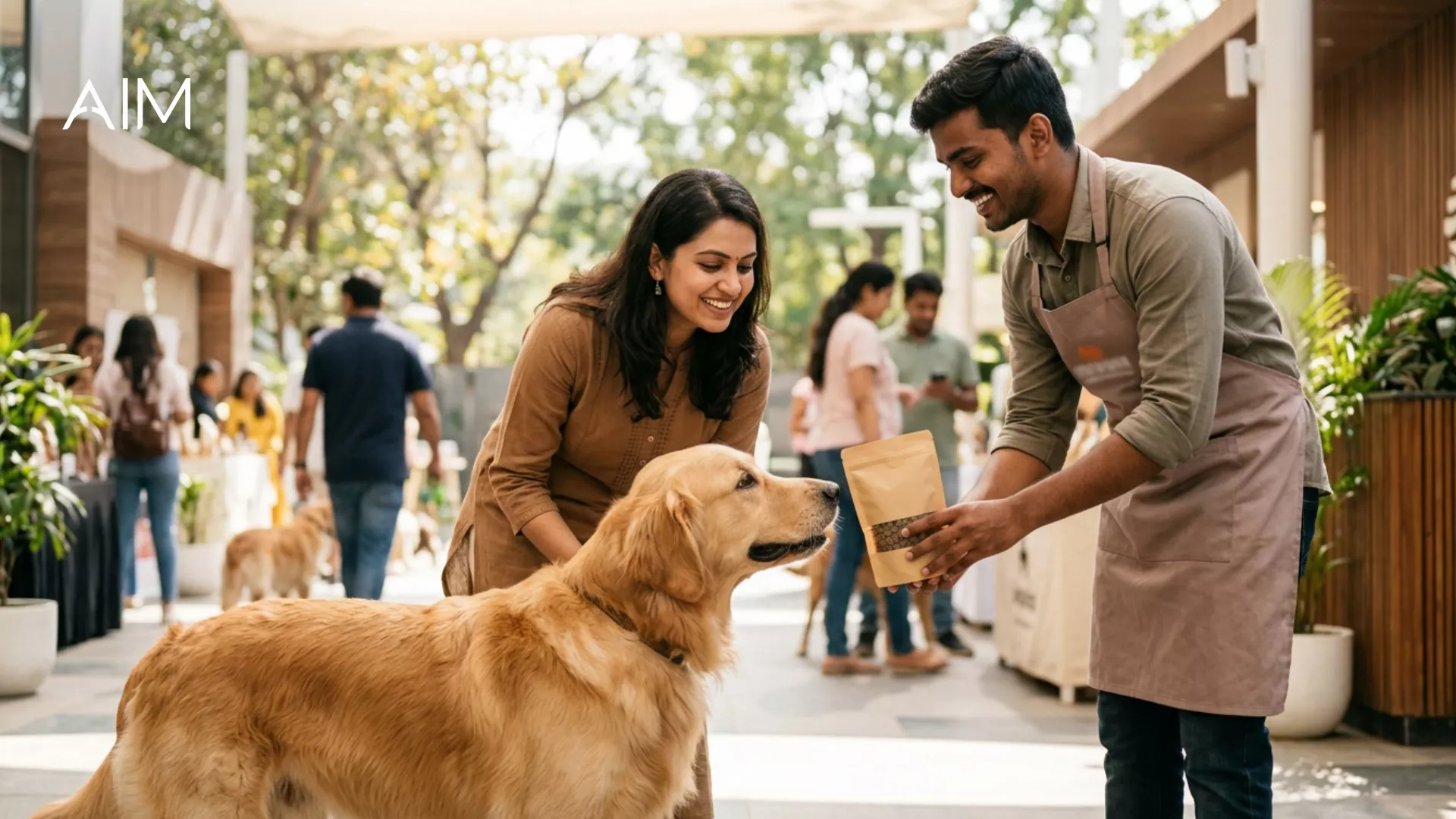


Hand a stranger a biscuit and most people will try it. Hand a pet parent a free food sample for their dog or cat and watch them turn the pack over, read every line, and quietly decide not to risk it. That hesitation is the real obstacle in pet sampling, and it has almost nothing to do with the product being good. A pet parent is making a decision for someone who cannot speak, whose stomach they will be cleaning up after, and whose trust they have spent months earning. Before they feed your sample, they have to trust you. Here is how to earn that trust, and why it decides whether a pet sample is ever opened.
Quick answer: how do you build trust in pet product sampling?
You build trust in pet product sampling by making the sample feel safe and credible before you ask the pet parent to use it. That means sampling through trusted settings like vet clinics, known societies, or a purchase they already chose, showing clear ingredient and safety information on the pack, telling the owner exactly how to introduce it gradually, and having a knowledgeable person, not a random promoter, hand it over. A pet parent feeds a sample only when the risk feels low and the source feels reliable. Get the trust right and the sample gets tried; get it wrong and it stays in the cupboard, however good the product is.
Why do pet parents hesitate to try a free sample?
Because the downside is theirs to deal with, not yours. If the sample upsets the pet's stomach, the owner spends the night cleaning up and worrying, maybe a trip to the vet. If it triggers an allergy or the pet simply refuses it, the owner has learned to distrust the brand. And unlike a human sample, the person deciding is not the one consuming, so they cannot judge it by tasting it themselves. They are making a careful decision on behalf of a family member who relies on them completely. Seen that way, the hesitation is not fussiness, it is responsibility. Any pet brand that treats the free sample like a giveaway has misread the entire relationship it is dealing with.
Trust is the real barrier, not price
It is tempting to think a free sample removes all friction, because it costs the owner nothing. But money was never the barrier in pet sampling. Trust is. A cautious pet parent is not weighing the price of a trial, they are weighing the risk to their animal, and free does nothing to lower that risk. This is why pet sampling behaves so differently from most categories. In a snack or a drink, free is enough to earn a try. In pet food, free is only the start, and the sample still has to clear a trust barrier that price never touches. Understanding that one distinction changes how the whole campaign is built, from where you sample to who hands it over.
Where the sample comes from decides whether it is trusted
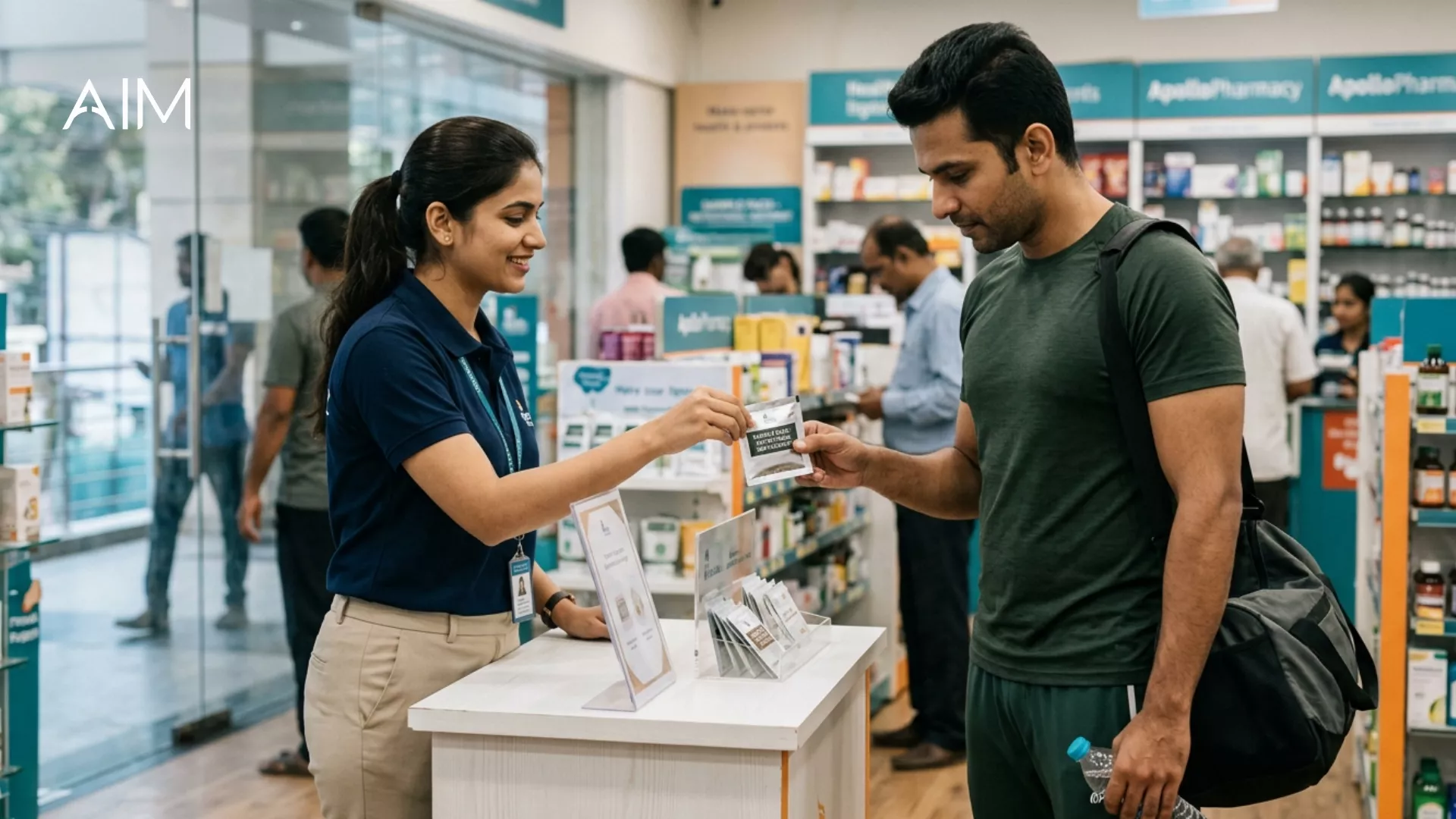
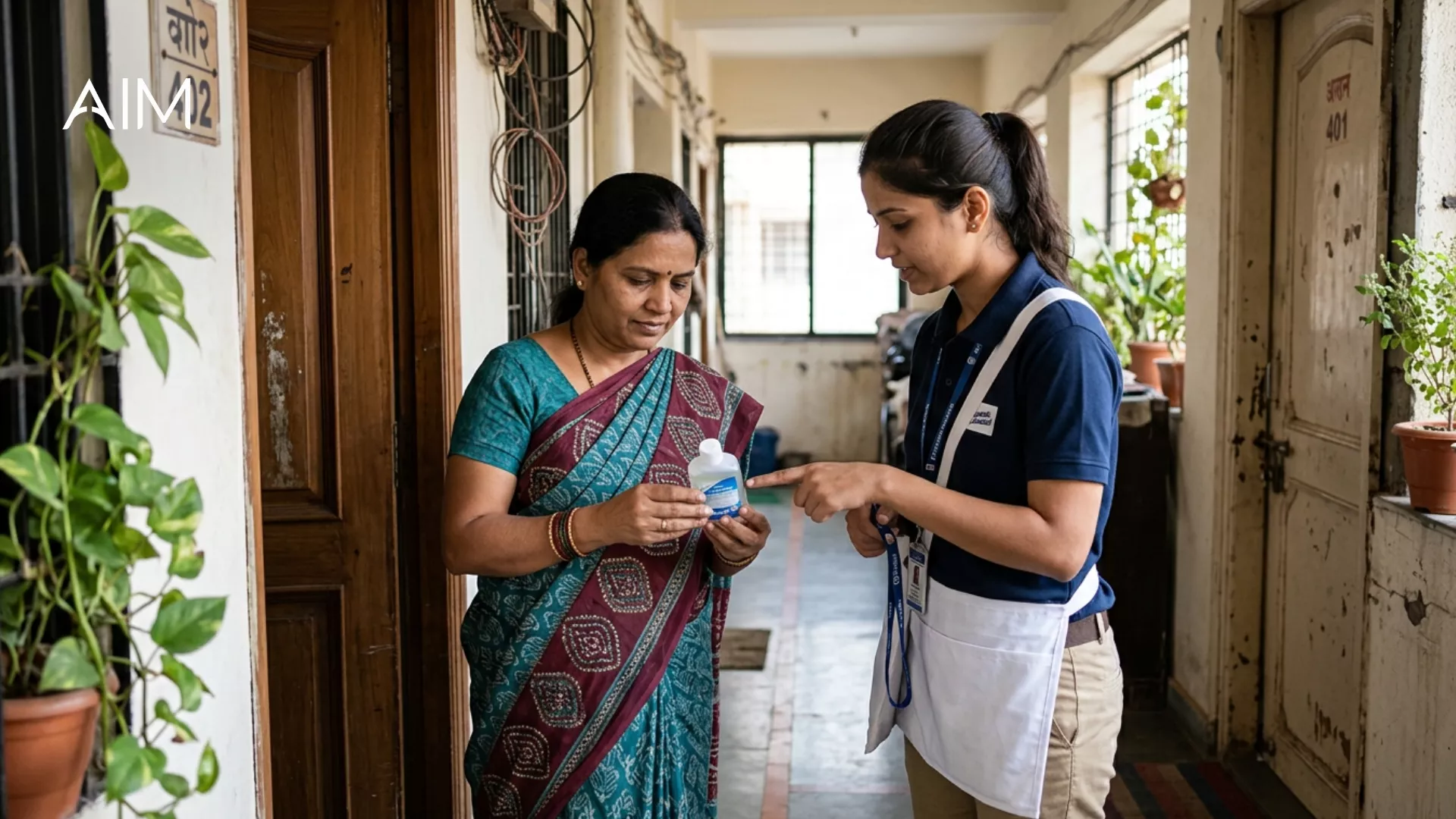
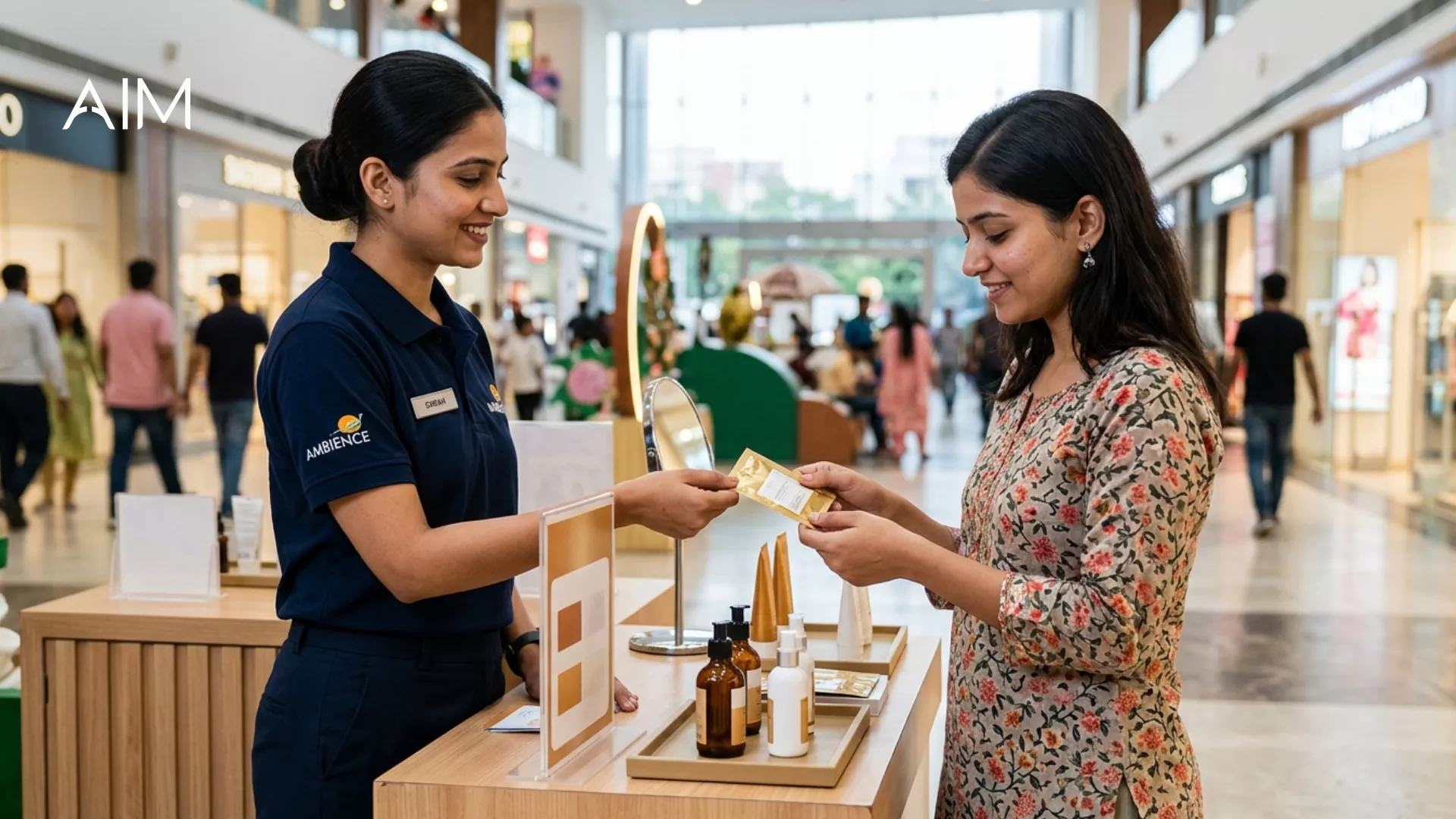
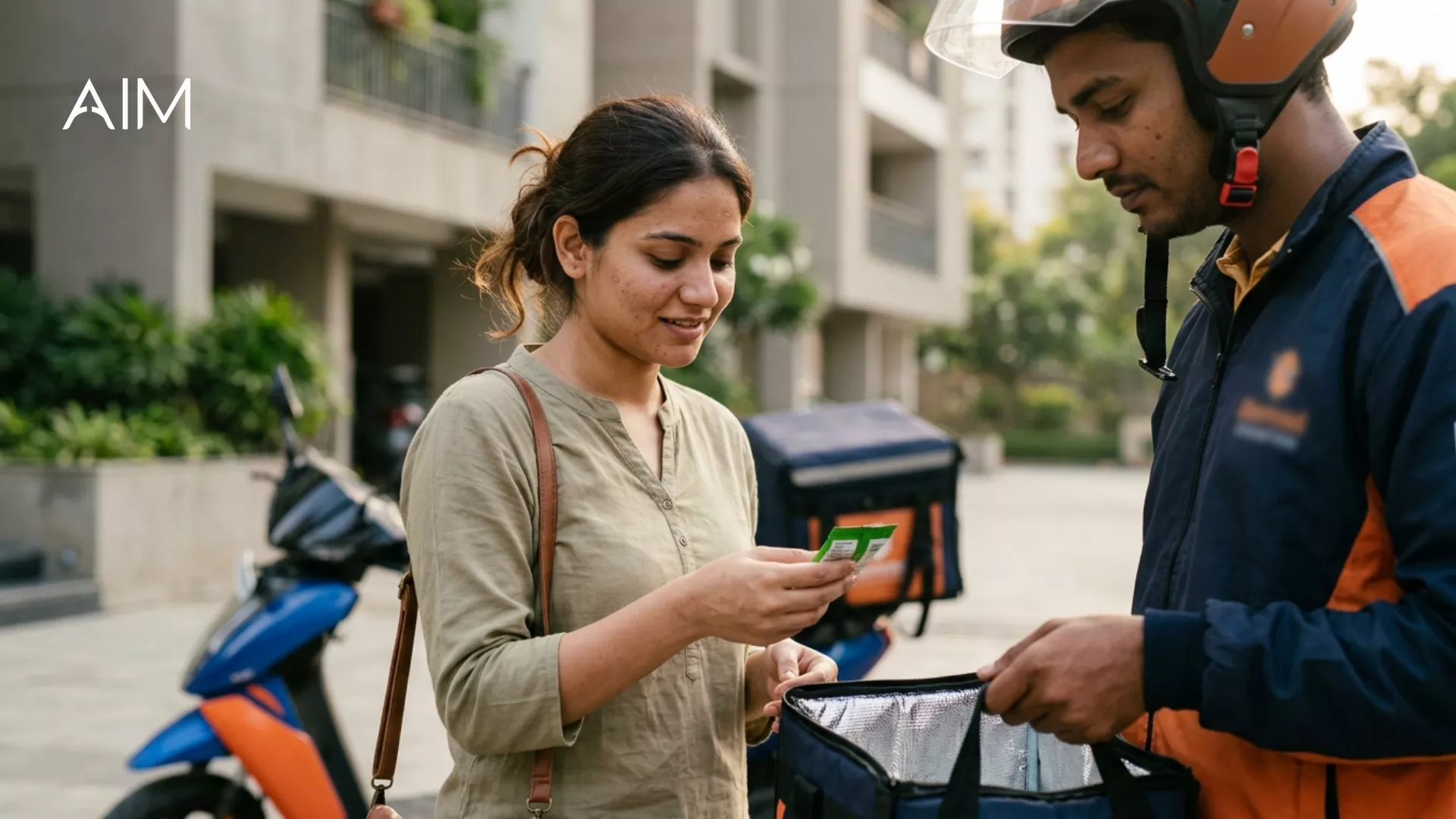
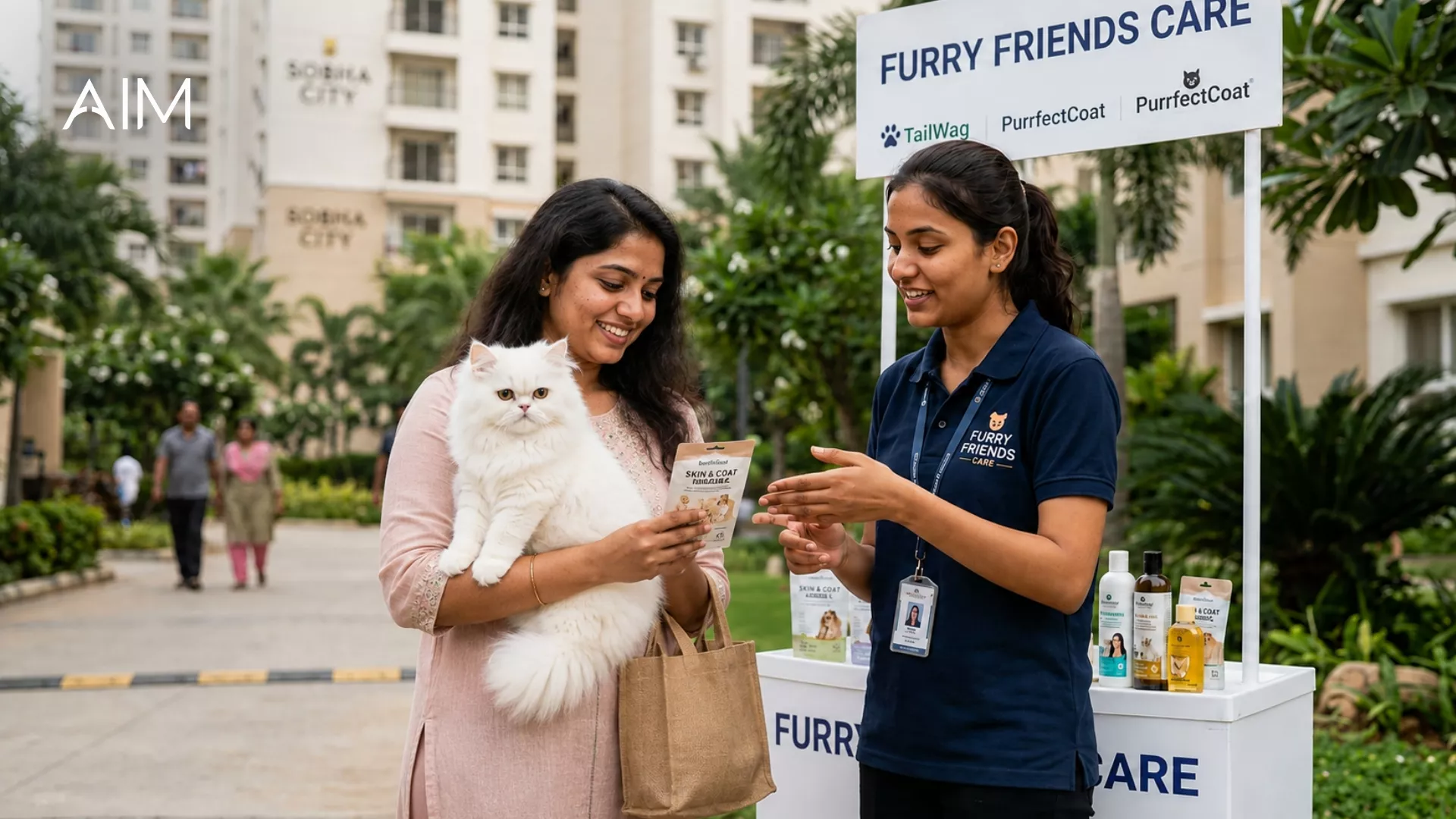
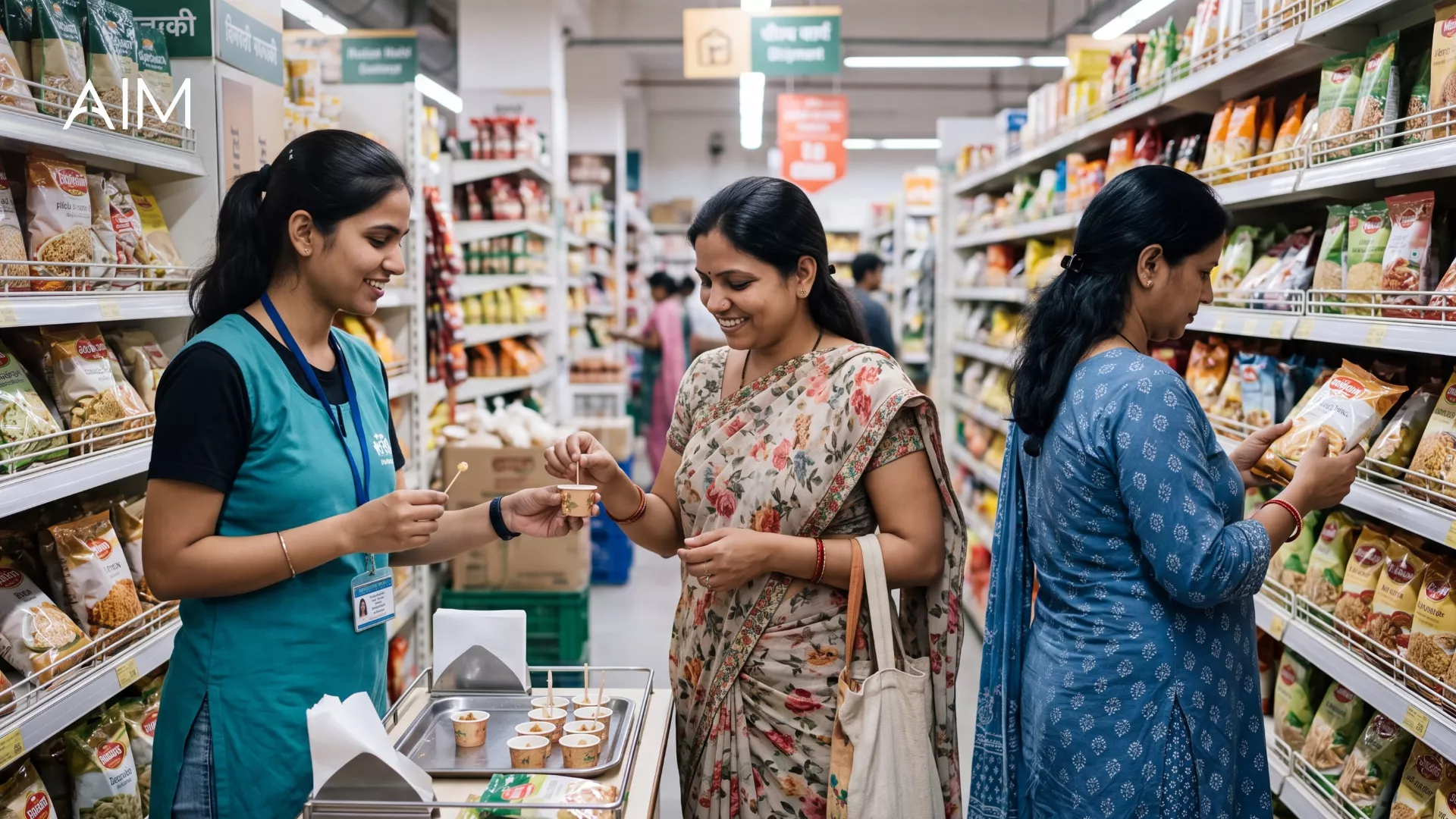
The single biggest trust signal is the setting the sample arrives through. A pack pressed into a hand on a street corner carries almost no credibility, because there is nothing behind it. The same pack handed over at a vet clinic, recommended within a known residential society programme, tucked into an order the owner already chose to place, or given at a trusted pet store carries the credibility of that source with it. A pet parent who would never feed a random street sample will happily try one their vet passed along, because the trust transfers. So the first trust decision in pet sampling is not what the pack says, it is where the sample is allowed to come from. Choose channels that lend their trust to the brand, and half the battle is won before a word is read.
What the pack has to say before an owner will use it
Once the setting earns the owner's attention, the pack has to close the trust gap. A pet parent reads pet food labels the way a careful person reads a medicine box, so the sample has to answer their questions before they arise. Clear ingredients, in plain terms, so they can check for anything their pet reacts to. A visible safety and quality signal, so the product feels made by people who take it seriously. The species, life stage, and size it is meant for, so they know it suits their specific animal. And an honest line on what it is for. A pack that hides or skips these reads as something to be wary of. A pack that answers them openly reads as a brand that respects the decision it is asking the owner to make.
Why the how-to-introduce message matters so much
Here is the reassurance most pet brands forget, and it is the one that prevents the worst outcome. Pets, cats especially, can react badly to an abrupt food change, and a stomach upset from a sudden switch is exactly the disaster a cautious owner fears. So the sample has to tell the owner how to introduce it gently, a little mixed with the usual food over a few days, rather than swapped in all at once. That single instruction does two things. It protects the pet, which protects the brand from being blamed for an upset. And it signals that the brand understands how pets actually work, which is itself a powerful trust cue. A sample that says use this carefully and here is how earns more confidence than one that just says try me.
Who hands over the sample changes everything
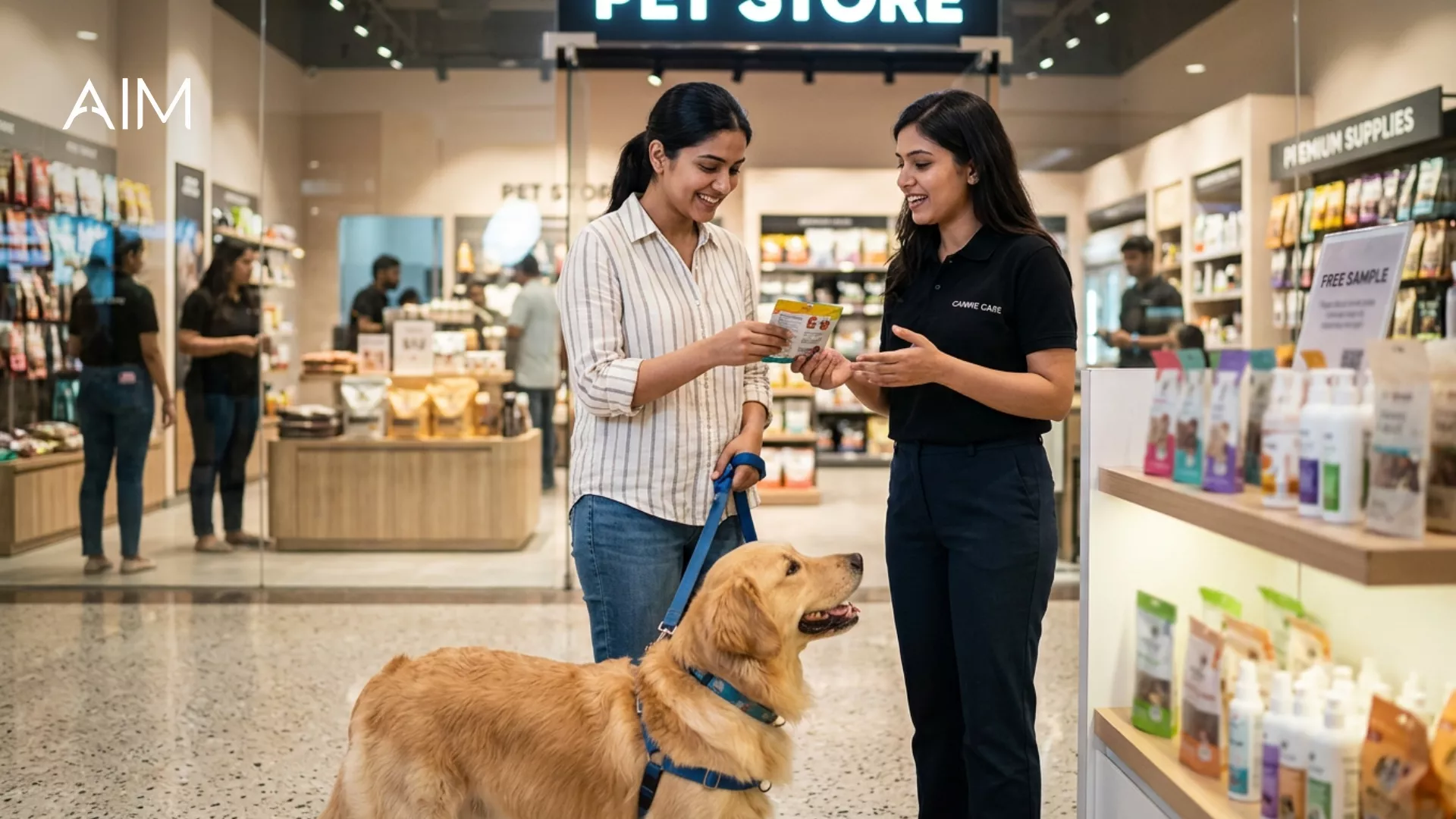
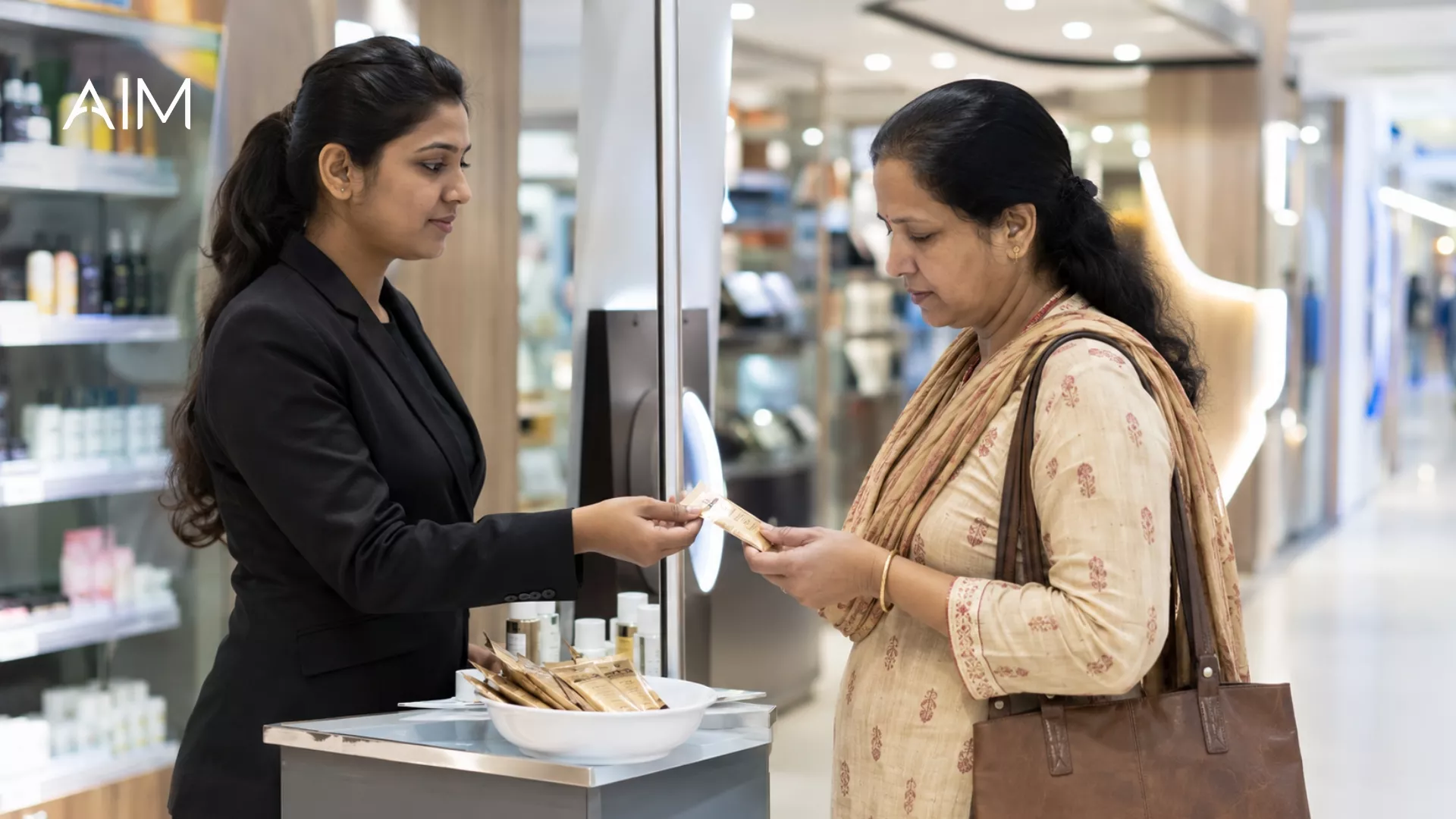
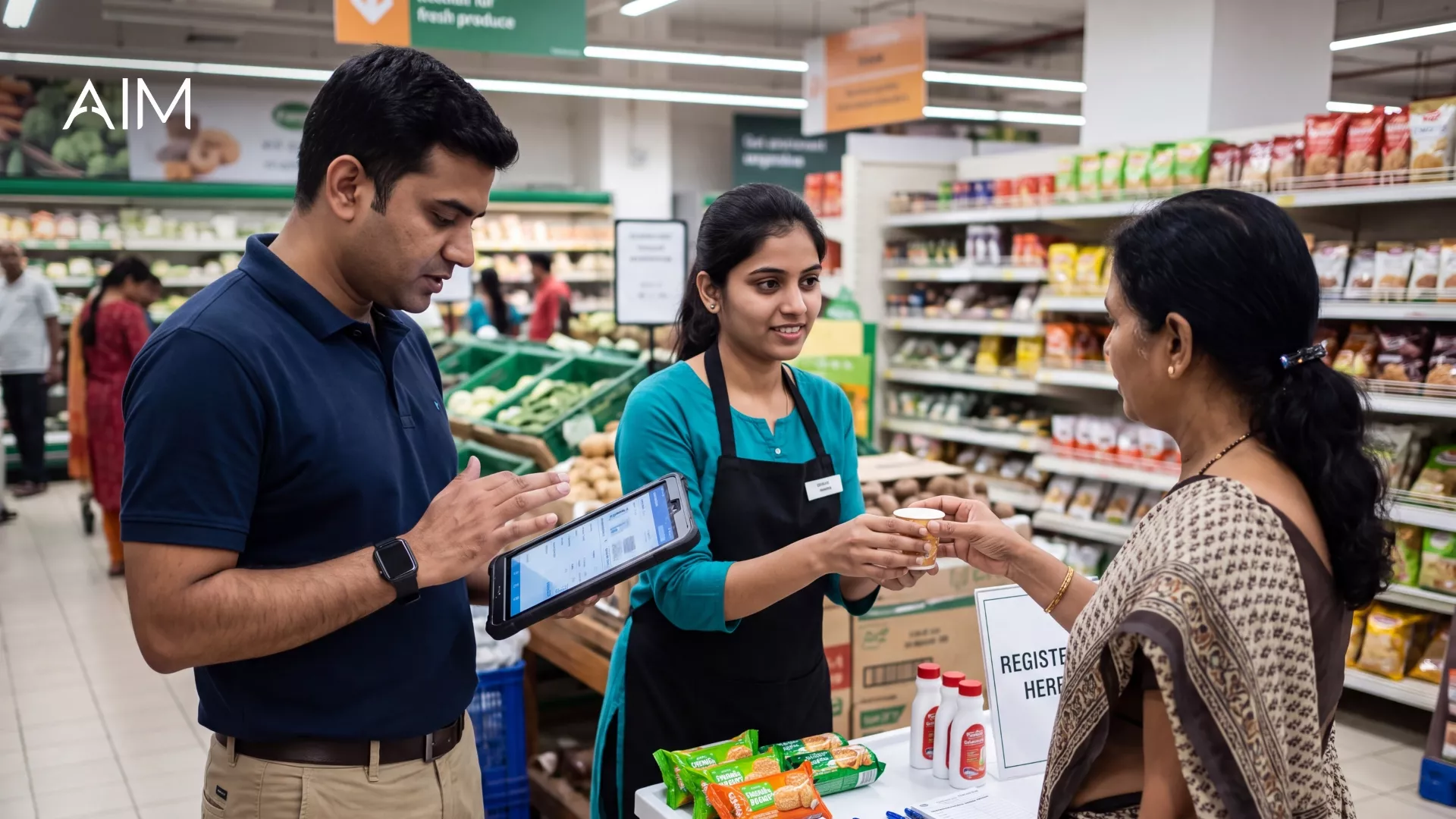
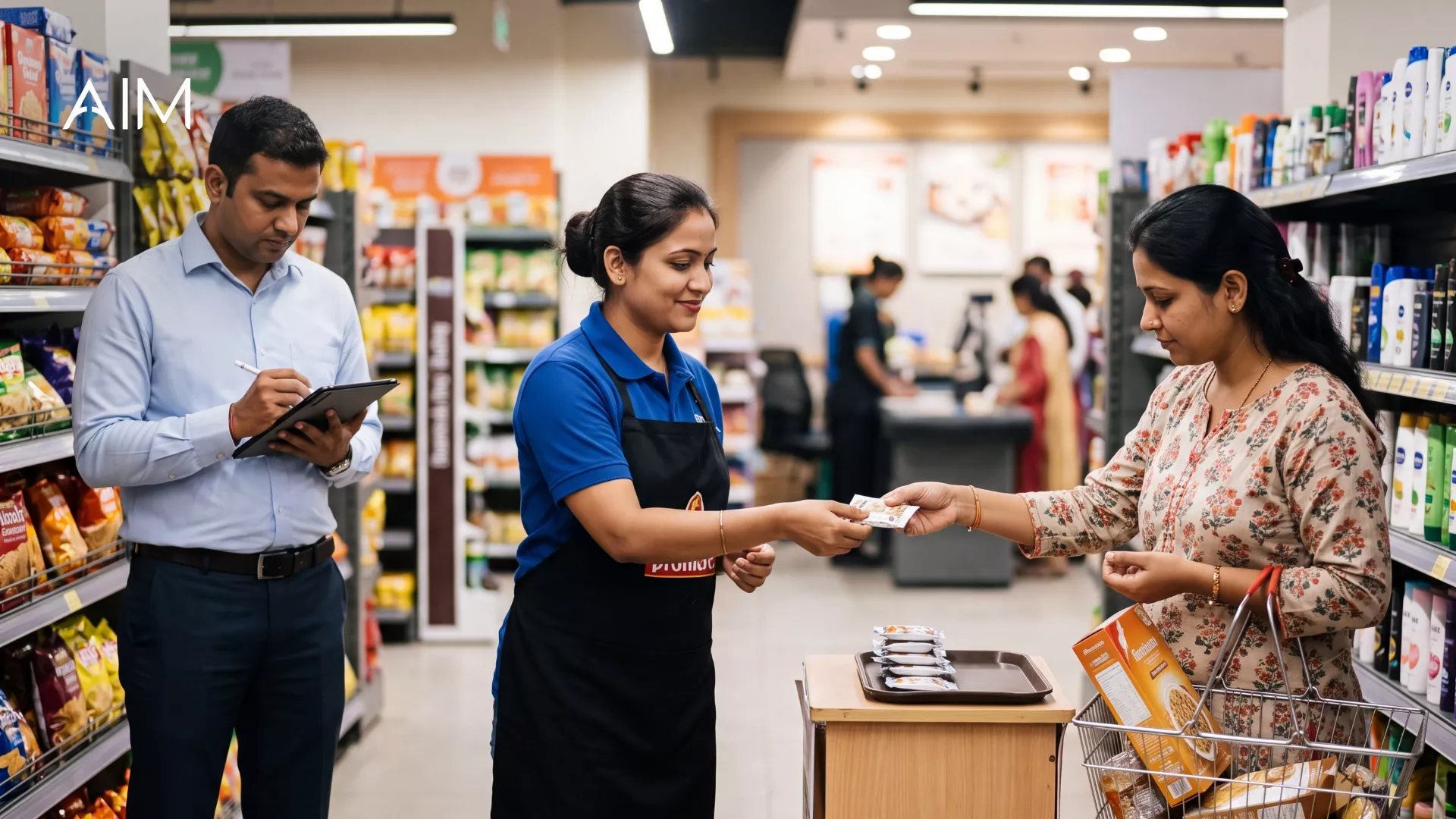
People trust people, and in pet sampling the messenger carries much of the trust. A knowledgeable person who can answer a quick question, is this okay for a small breed, is it alright for a senior cat, does far more than a promoter reading a script. When the sample comes with someone who clearly understands pets, the owner feels guided rather than sold to, and the sample feels vetted rather than dumped. In the right settings, a vet or store staff member endorsing the trial is the strongest signal of all. The lesson is that trust in pet sampling is human as much as it is printed, and staffing the activity with people who know the category is part of earning it.
How do you build trust into a pet sampling campaign?
Put together, trust in pet sampling is built deliberately, not hoped for. Sample through channels that carry their own credibility, vet clinics, known societies, trusted stores, and the orders owners already chose. Make the pack answer a careful owner's questions on ingredients, safety, and fit before they ask. Tell the owner how to introduce it gently, protecting the pet and the brand at once. Staff the activity with people who understand pets, so the handover feels guided. This is how AIM approaches pet sampling: reach real pet parents through trusted settings, give them the information and reassurance they need to feed a sample with confidence, capture who tried it, and track whether they came back to buy, so the campaign is built on earned trust and measured on real conversion. In pet sampling, you are not asking someone to try a product. You are asking them to trust you with a member of their family, and the sample only works once they do.










.webp)














.png)