
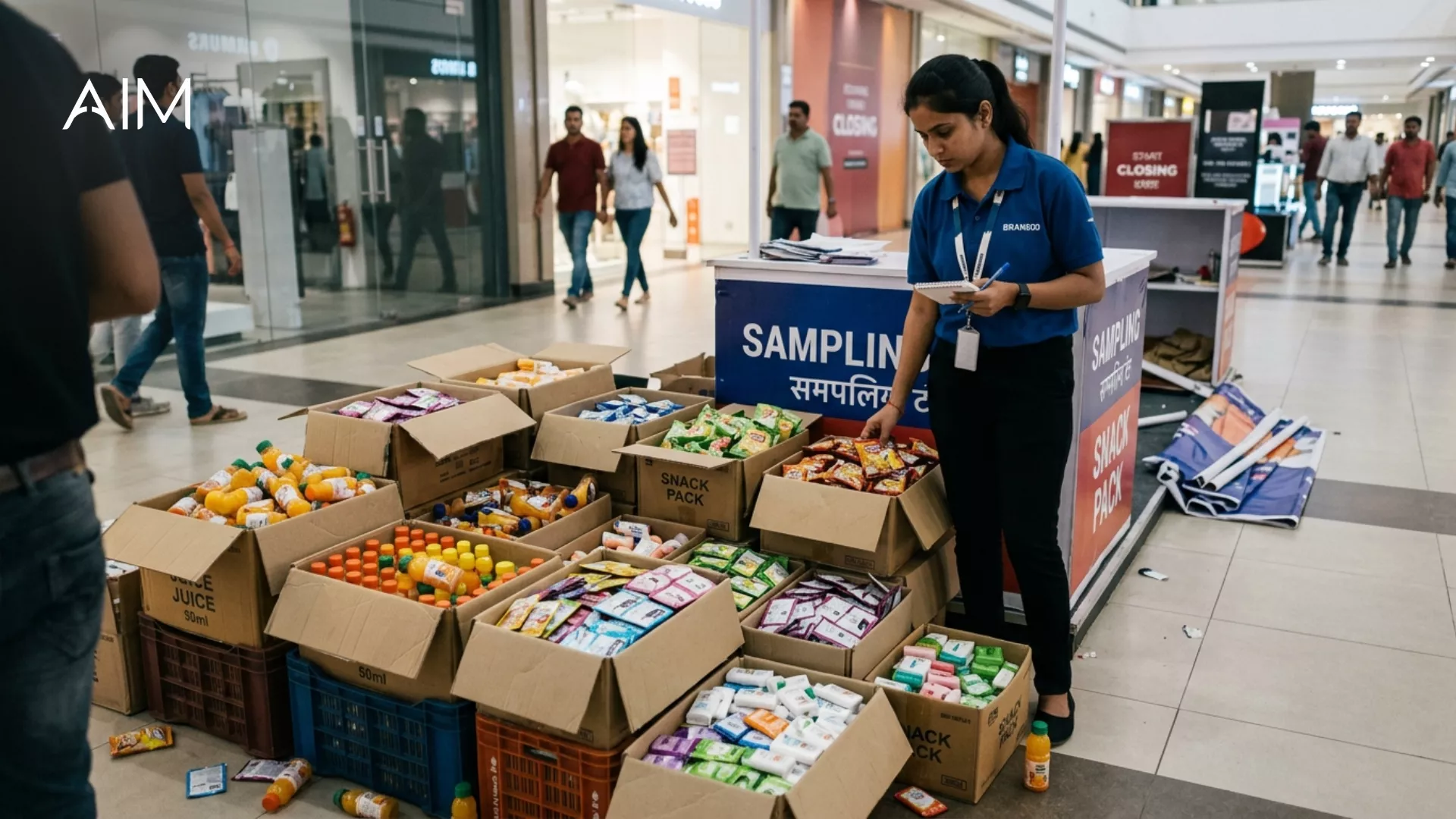


Walk behind the scenes after a big traditional sampling campaign and you find the part nobody photographs. The cartons of samples that never left the store room. The sachets swept into a bin at the end of the shift so the promoter could report an empty box. The pile of trial packs a security guard was handed to clear the last hundred units before packing up. The campaign report will say fifty thousand samples distributed, and it will be technically true. What it will not say is how many of those fifty thousand ever reached a real buyer, because in traditional sampling, a large share of what you pay for is quietly wasted, and the model is built so you never see it happen.
This is the uncomfortable heart of traditional product sampling. It optimises for how many samples go out, not for who receives them, so waste is not an accident of a bad campaign. It is designed into a good one. Understanding where the samples actually end up is the first step to stopping it. It is also worth saying what waste is not. A sample that reaches the right buyer and does not convert is not waste, it is trial doing its job, because some people try a product and decide it is not for them, and that is a legitimate outcome you learn from. Waste is the sample that never had a chance: the one handed to someone outside the target, dumped to empty a box, or lost before it was given, so it could not teach you anything even in principle. The distinction matters, because the goal was never a hundred percent conversion, which no channel achieves. The goal is to make sure the samples that did not convert at least reached people who could have, so every unit either wins a buyer or tells you something true.
Where do wasted samples actually end up?
Follow the samples that do not convert and they turn up in a handful of predictable places.
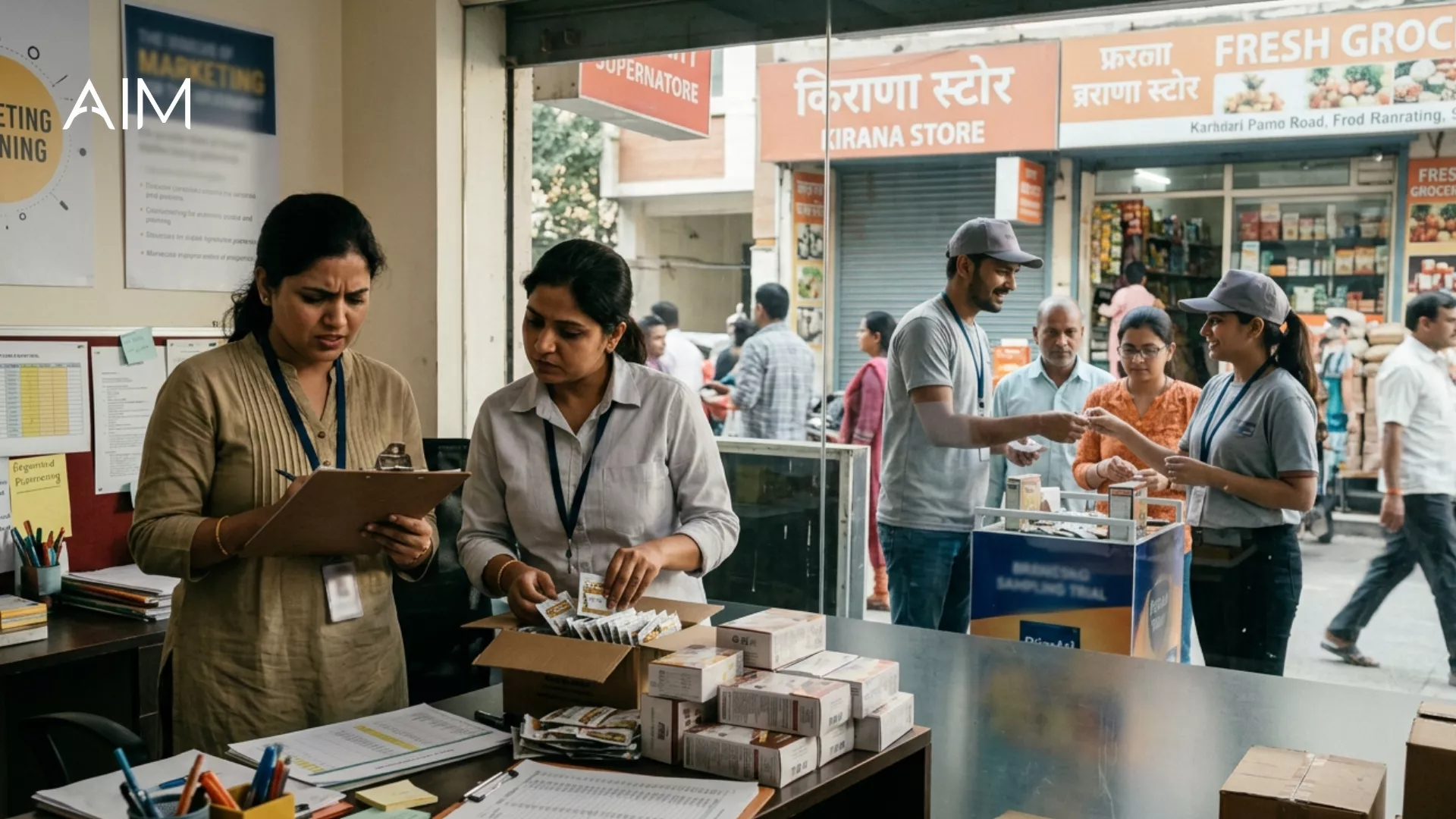
- In the bin at the end of the shift. Promoters are paid and judged on units handed out, so when the crowd thins and the target is not met, the easiest way to hit it is to offload the rest fast, to anyone, or into the nearest bin, and mark the box empty.
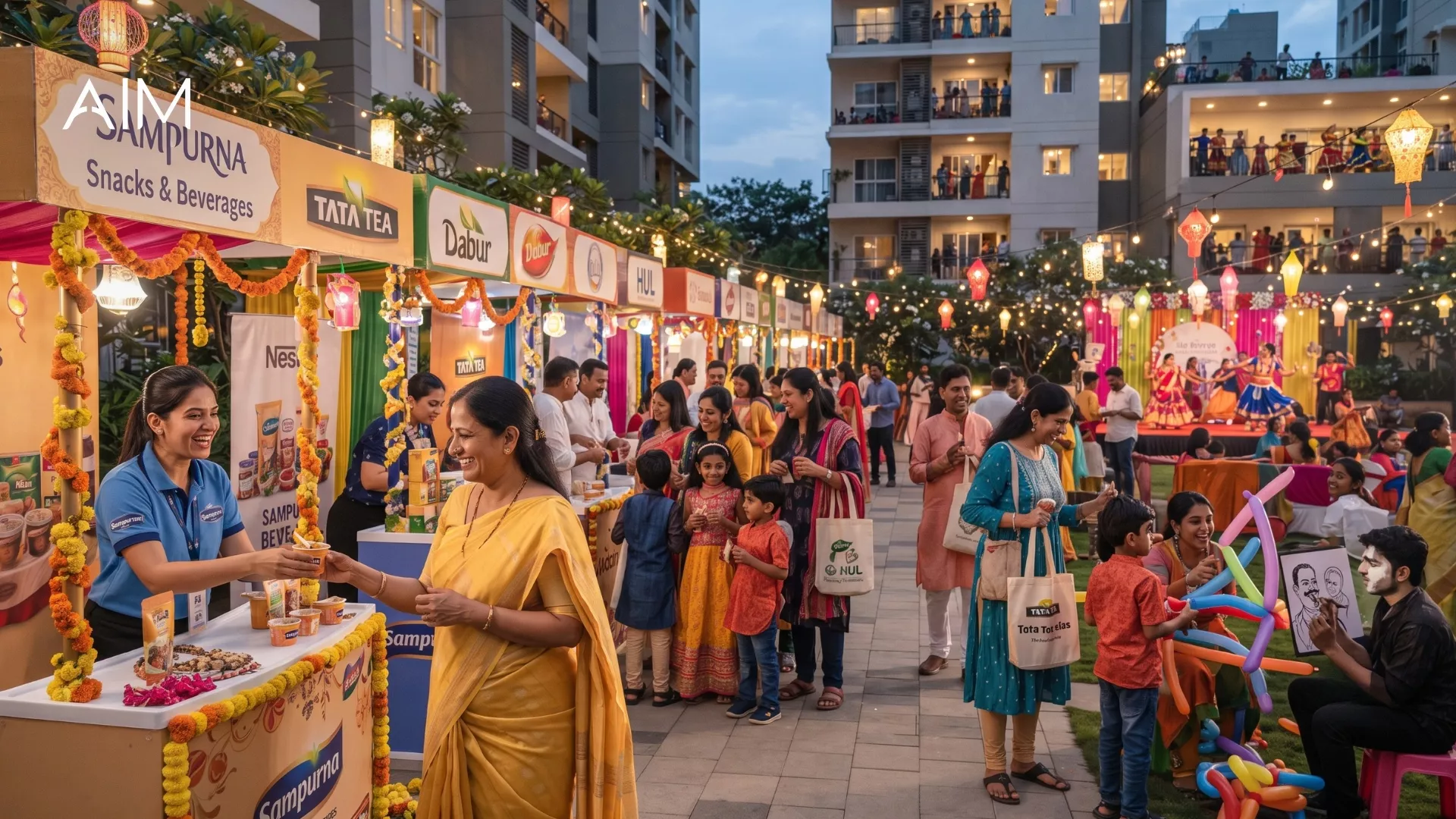
- In the freebie-seeker's bag. Every busy sampling spot attracts people who collect anything free as a habit, take three, and buy nothing. Some of it is used, some forgotten, and some resold in the grey market, which means you funded a parallel economy instead of trial.
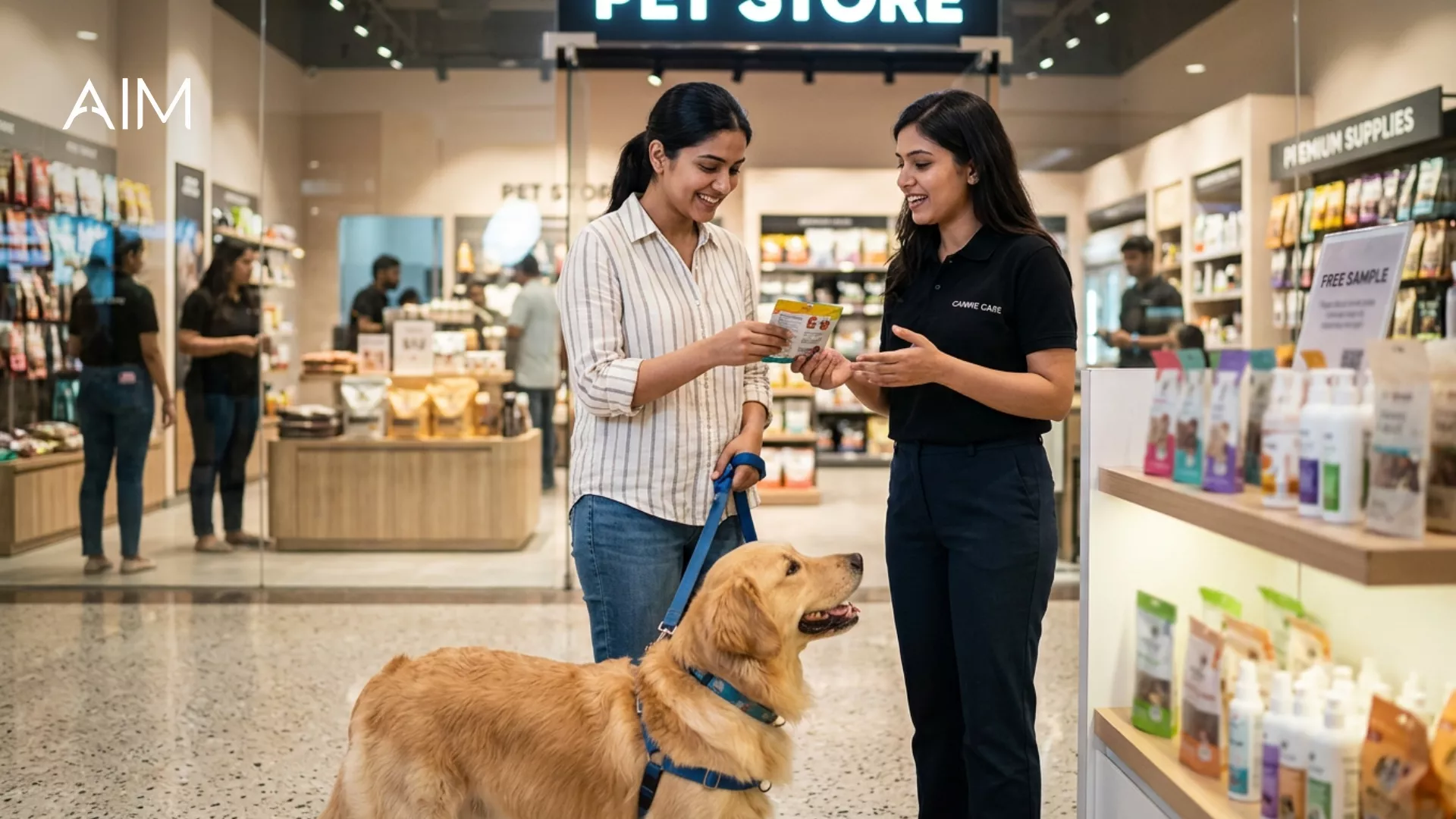
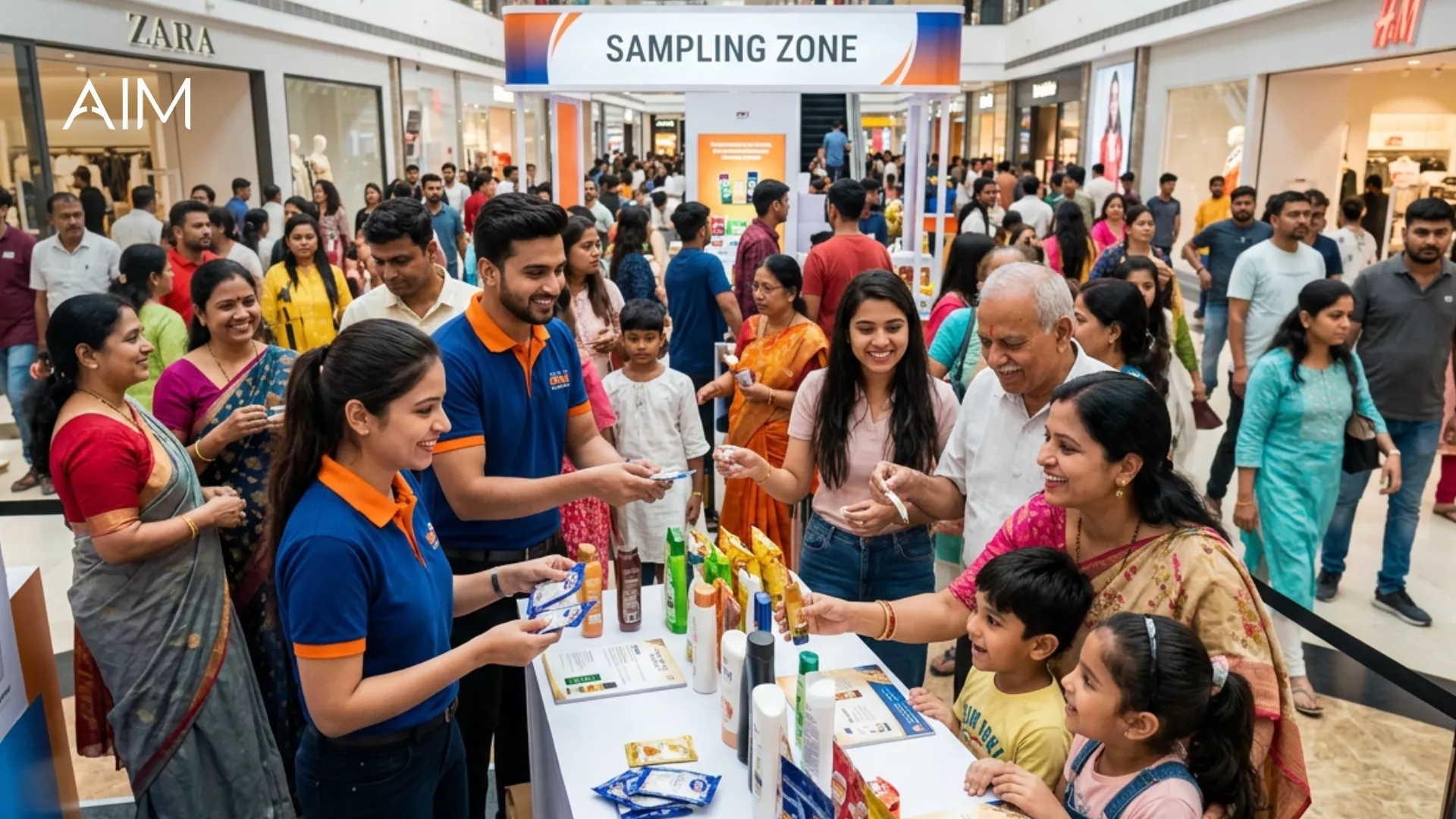
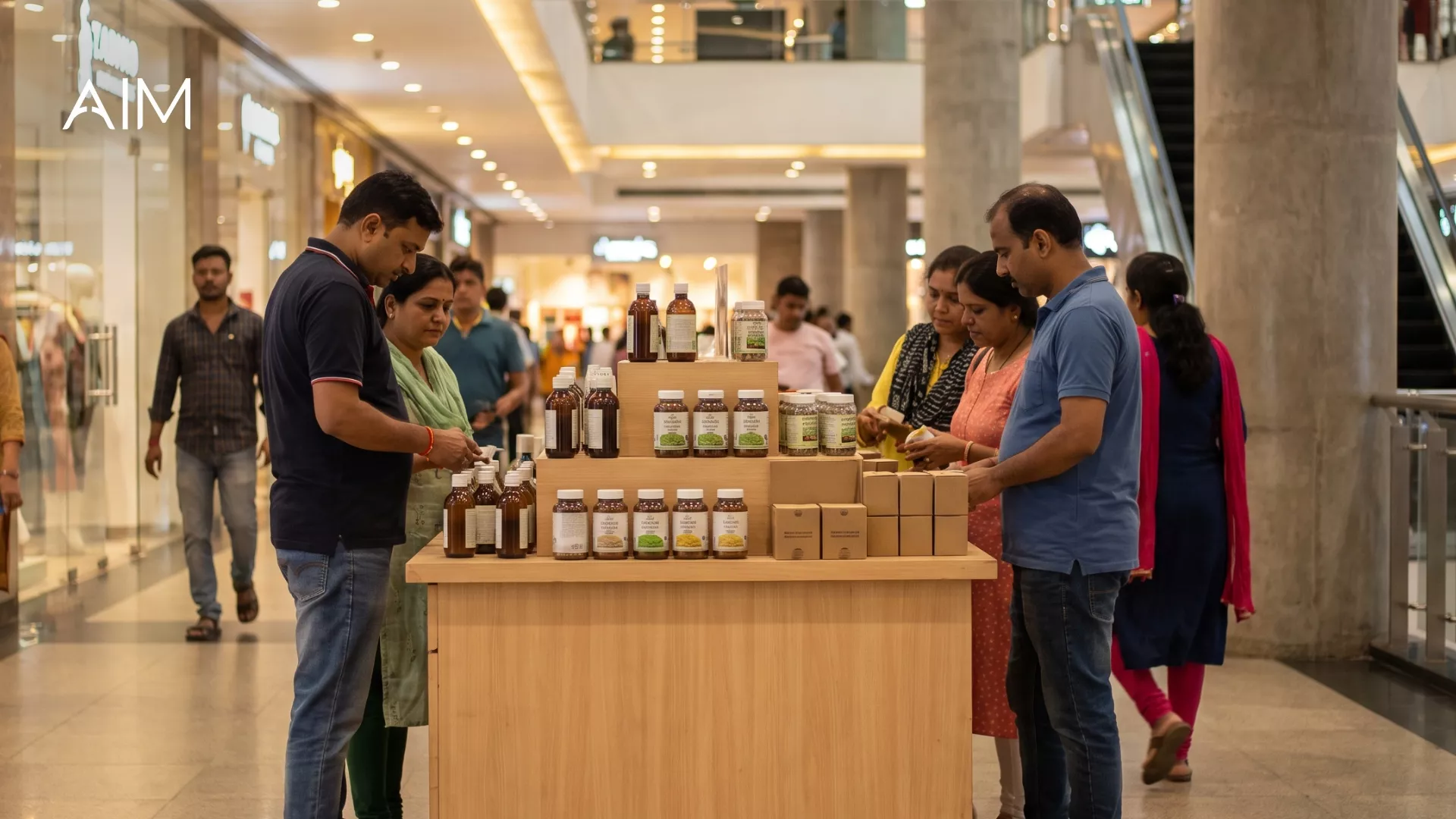
- In the wrong hands entirely. At a footfall spot most passers-by are not your buyer. The anti-ageing cream goes to a college student, the pet food to a household with no pet, the premium serum to someone who will never spend on it. The sample is used up and proves nothing.
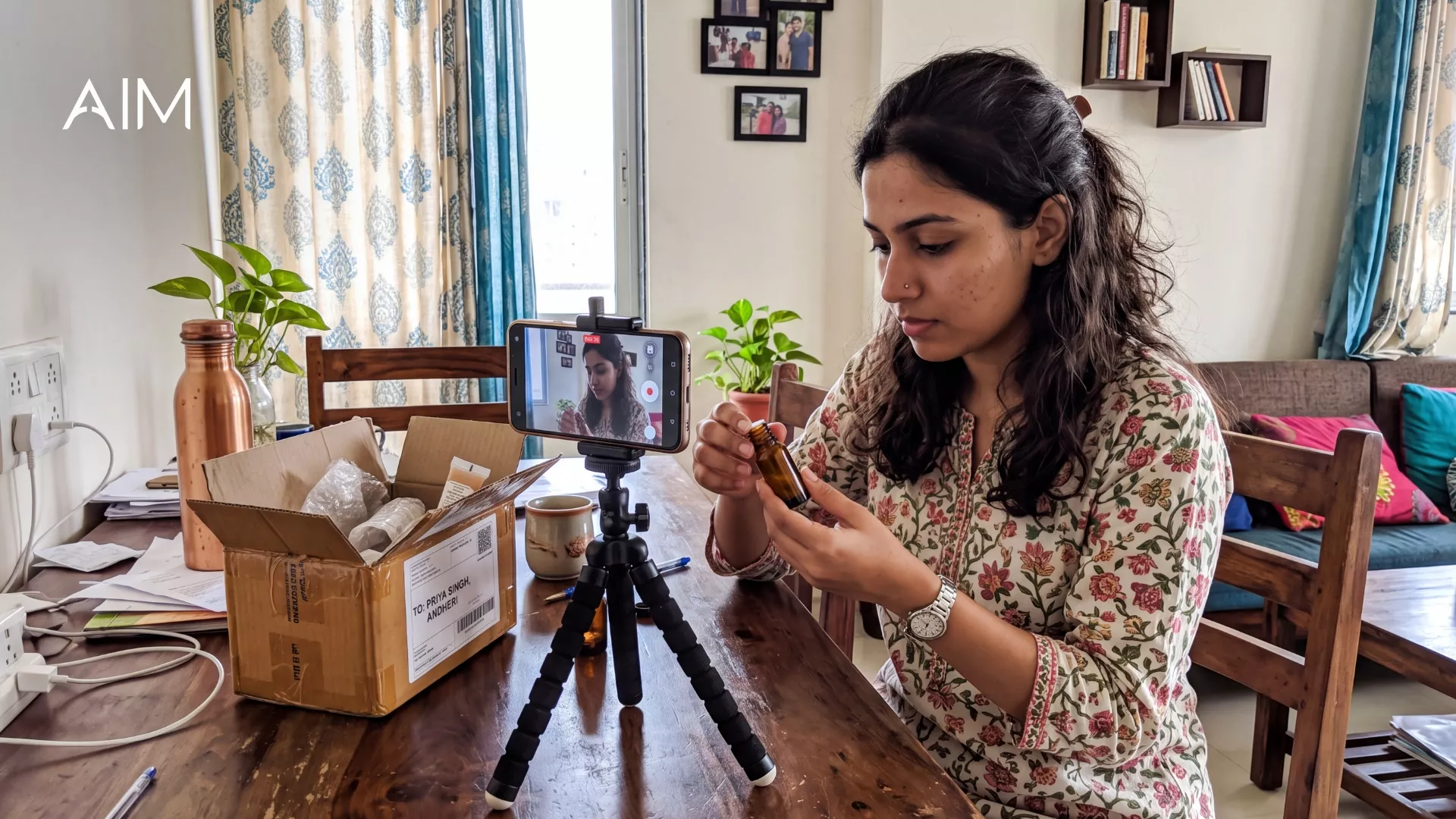
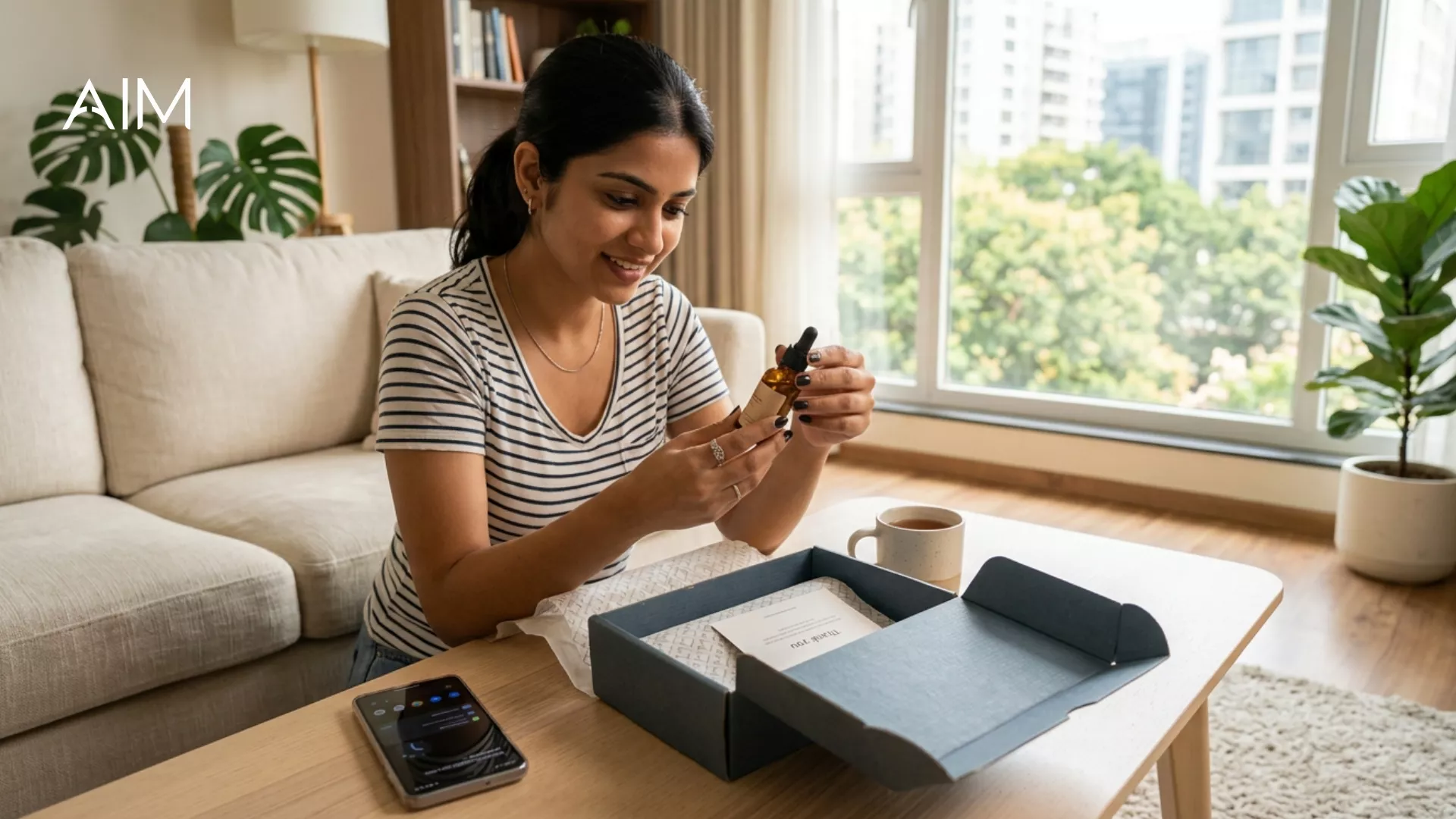
- In a drawer at home. Plenty of people take a sample politely, mean to try it, and never do. It sits in a drawer until it expires, a cost with no trial attached, and you have no way of even knowing.
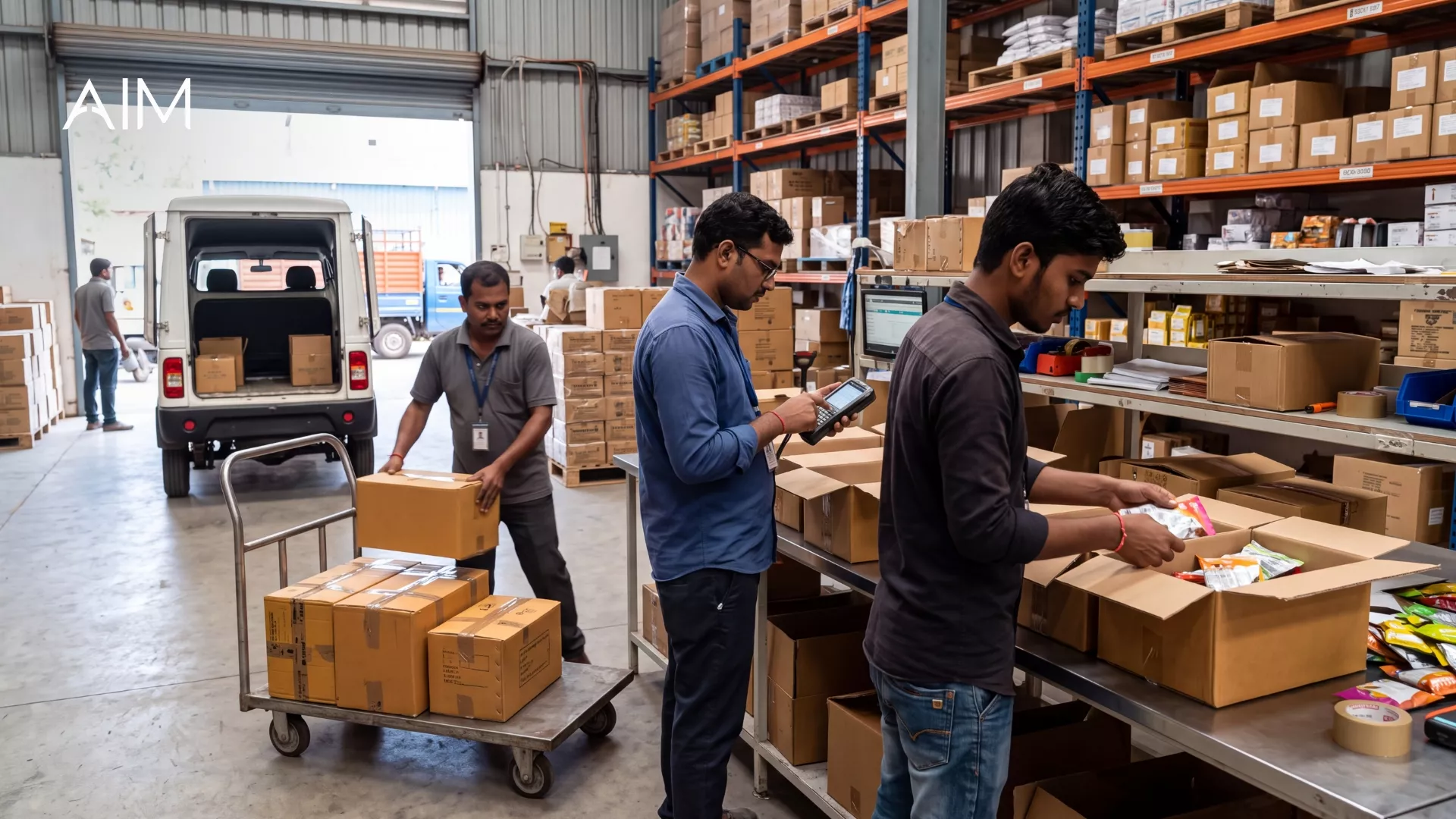
- In transit and storage. Before a single sample is handed out, some is lost to damage, leakage, expiry, and pilferage between the warehouse and the street, especially for perishables in Indian heat and monsoon.
Why traditional sampling wastes so much
The waste traces back to a single design flaw: the model rewards distribution, not conversion. When success is measured in samples handed out, every incentive points at emptying boxes quickly rather than placing samples carefully. Promoters are paid per unit, so they optimise for speed, not fit. There is no step that qualifies the person before the sample is given, so footfall decides who gets it rather than whether they are the right buyer. And because nothing is captured, no one can tell the difference between a sample that found a future customer and one that went in a bin. A system that cannot see waste cannot reduce it, and traditional sampling is built not to see it.
The hidden cost of a wasted sample
The obvious cost of a wasted sample is the unit itself, but that is the smallest part. Add the manpower that handed it over, the logistics that moved it, and the location that hosted the activity, and every wasted sample carries a full share of the campaign's cost, not only the product. Then there is the cost that hurts most and shows up latest: wasted samples poison your data. When thousands of samples go to people who were never going to buy, your trial-to-purchase rate looks weak for reasons that have nothing to do with the product, so a good product reads as a failure, and sampling itself gets blamed and cut. A wasted sample costs you far more than the sample. It costs you the truth about your own campaign. And that lost truth compounds, because a brand that misreads one campaign carries the wrong lesson into the next: it may cut a product that was actually strong, pour more into a channel that was actually weak, or abandon sampling entirely on the strength of a number that was never measuring the right thing. The wasted sample in the bin is a small, one-time loss. The wrong conclusion drawn from a campaign full of them is the expensive part, because it shapes decisions long after the samples are gone.
The number that hides all of it
Everything above is invisible behind one comfortable figure: samples distributed. It is the number traditional sampling leads with because it is large, easy to produce, and impossible to argue with. It is also almost meaningless. Fifty thousand distributed could mean five thousand real buyers or five hundred, and the report gives you no way to tell which. The distribution number is not a measure of success, it is a measure of activity, and confusing the two is exactly what lets the waste continue campaign after campaign. The moment you stop accepting samples distributed as the answer, the waste becomes visible, and once it is visible, it can be fixed.
Waste is designed in, not accidental
It is tempting to blame sample wastage on sloppy execution, a lazy promoter, a careless vendor, a chaotic day. Sometimes that is fair. But the deeper problem is that the traditional model produces waste even when everyone does their job well, because the job itself is defined wrongly. When the target is units handed out by the end of the day, a diligent promoter who empties the box to whoever is nearby has succeeded by the only measure the campaign ever gave them. The waste is not a failure of effort, it is the predictable result of measuring the wrong thing. This matters because it means you cannot fix wastage by pushing the field team harder or scolding a vendor. You fix it by changing what the campaign rewards, from how fast the box empties to how many qualified, captured, trackable trials it produces. Change the goal and the behaviour follows. Leave the goal as distribution and the waste comes back no matter who you hire.
How to stop sample wastage
Cutting waste does not mean sampling less. It means sampling with aim, and it comes down to a few changes.
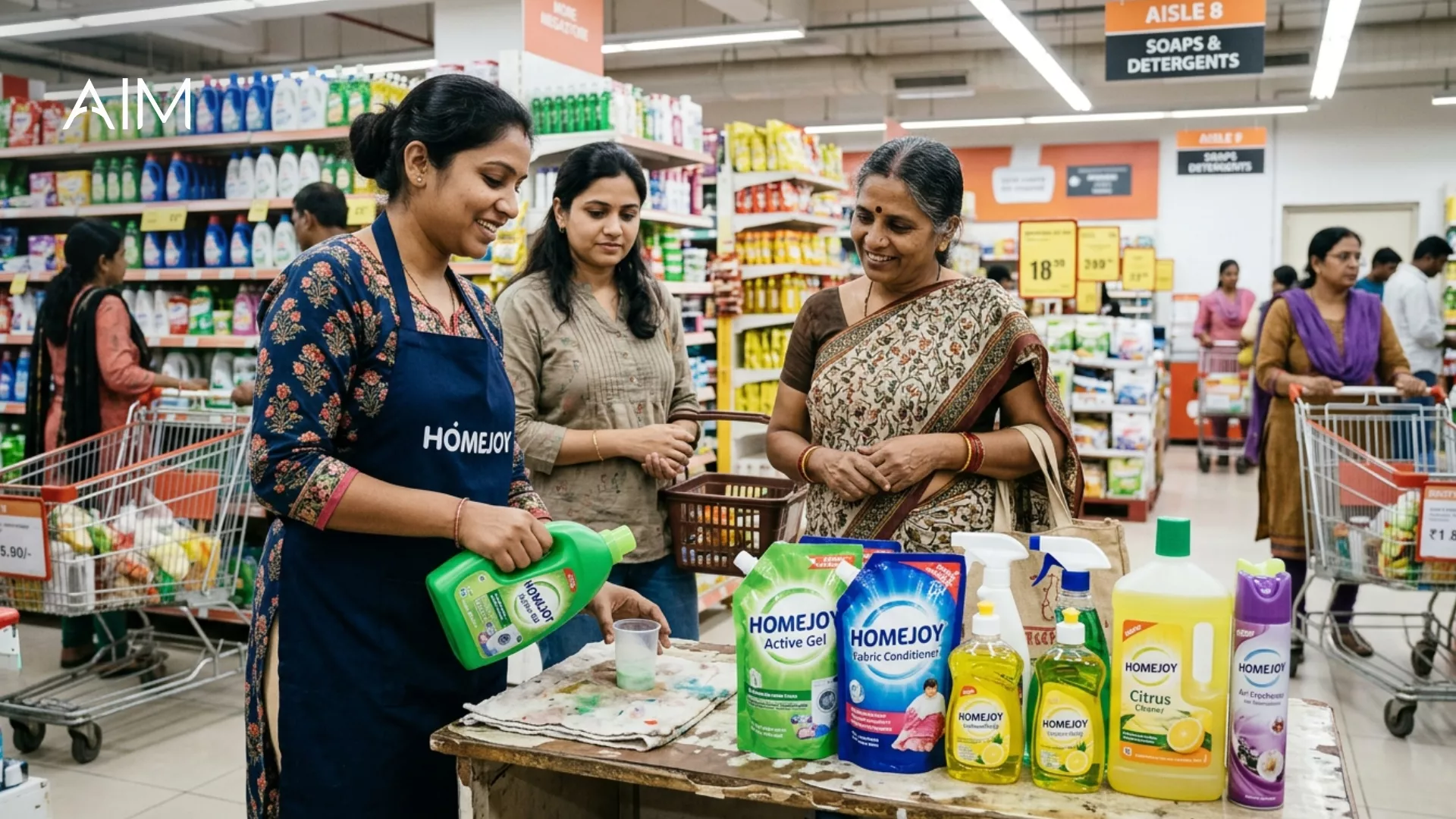
- Target before you hand out. Decide who the product is for and sample where those people actually gather, so fewer samples land on the wrong person by default.
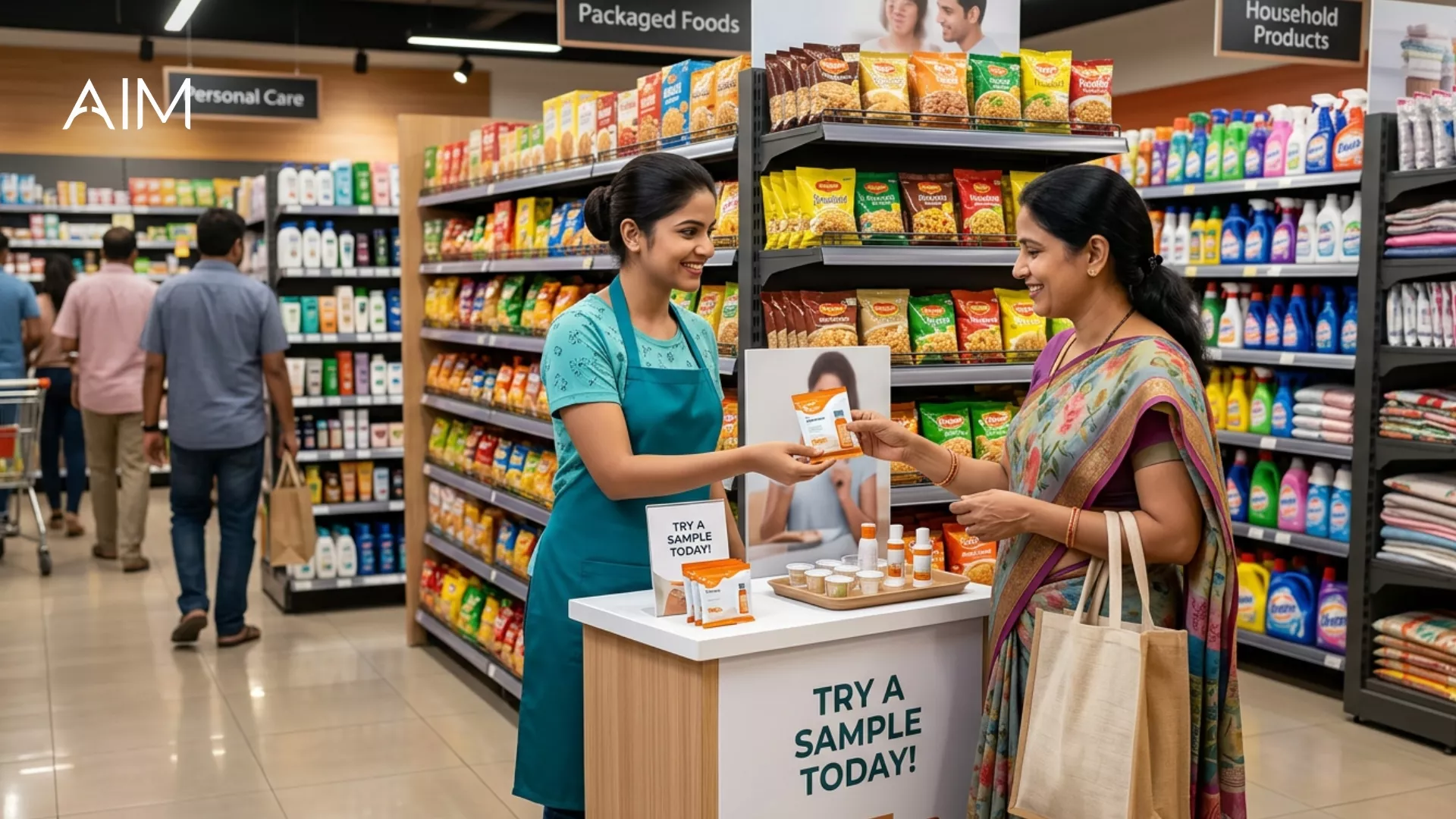
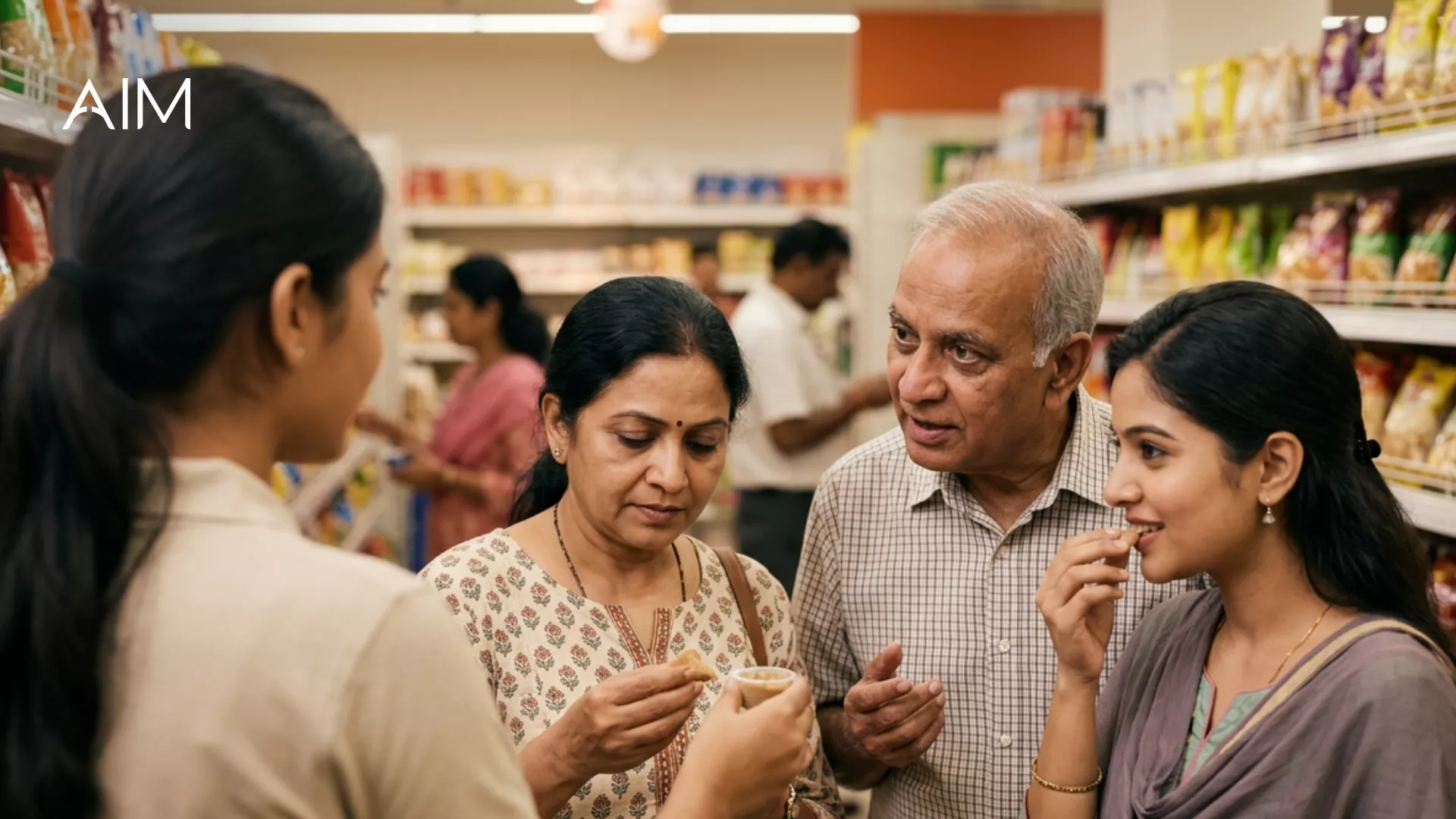
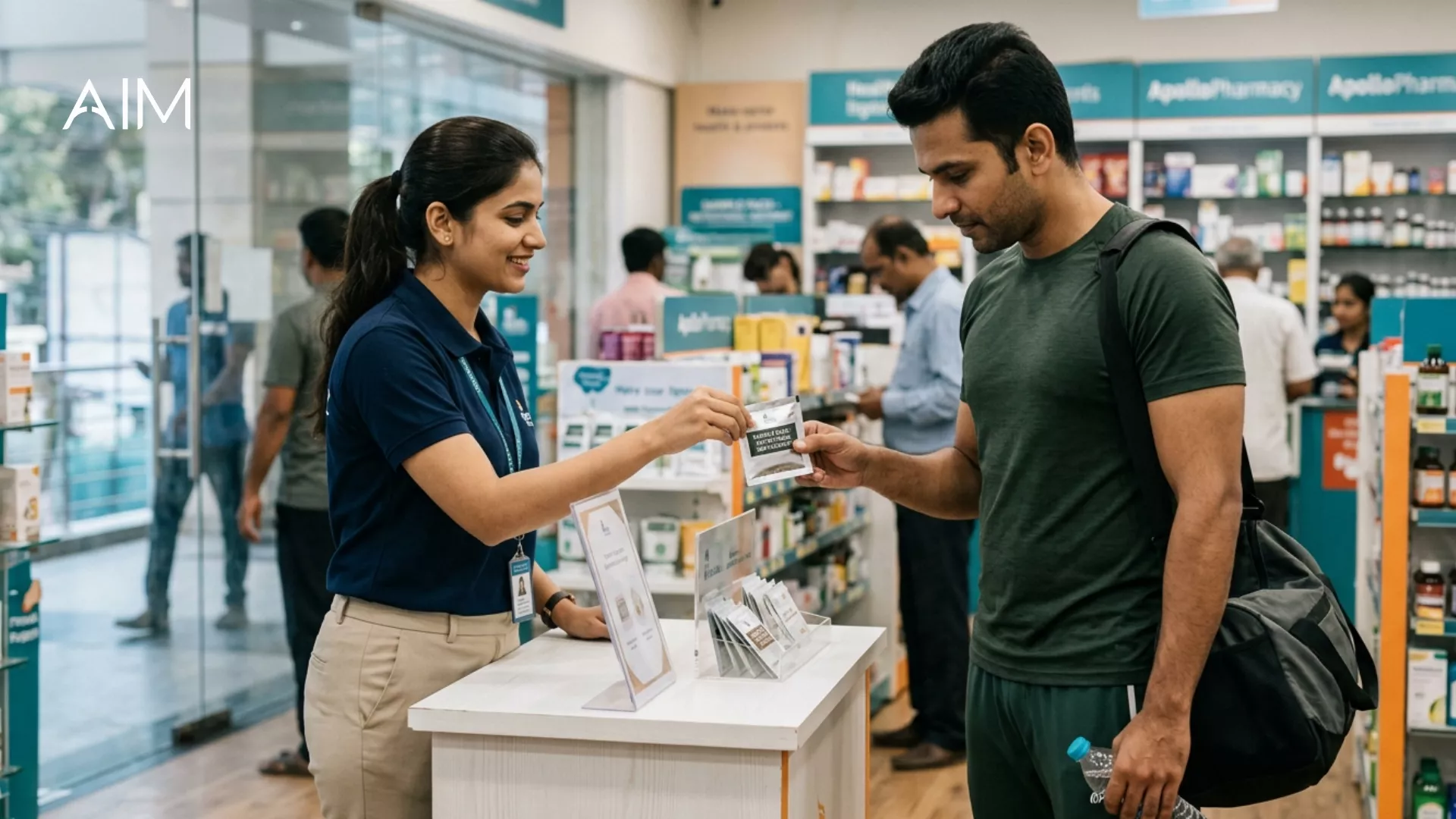
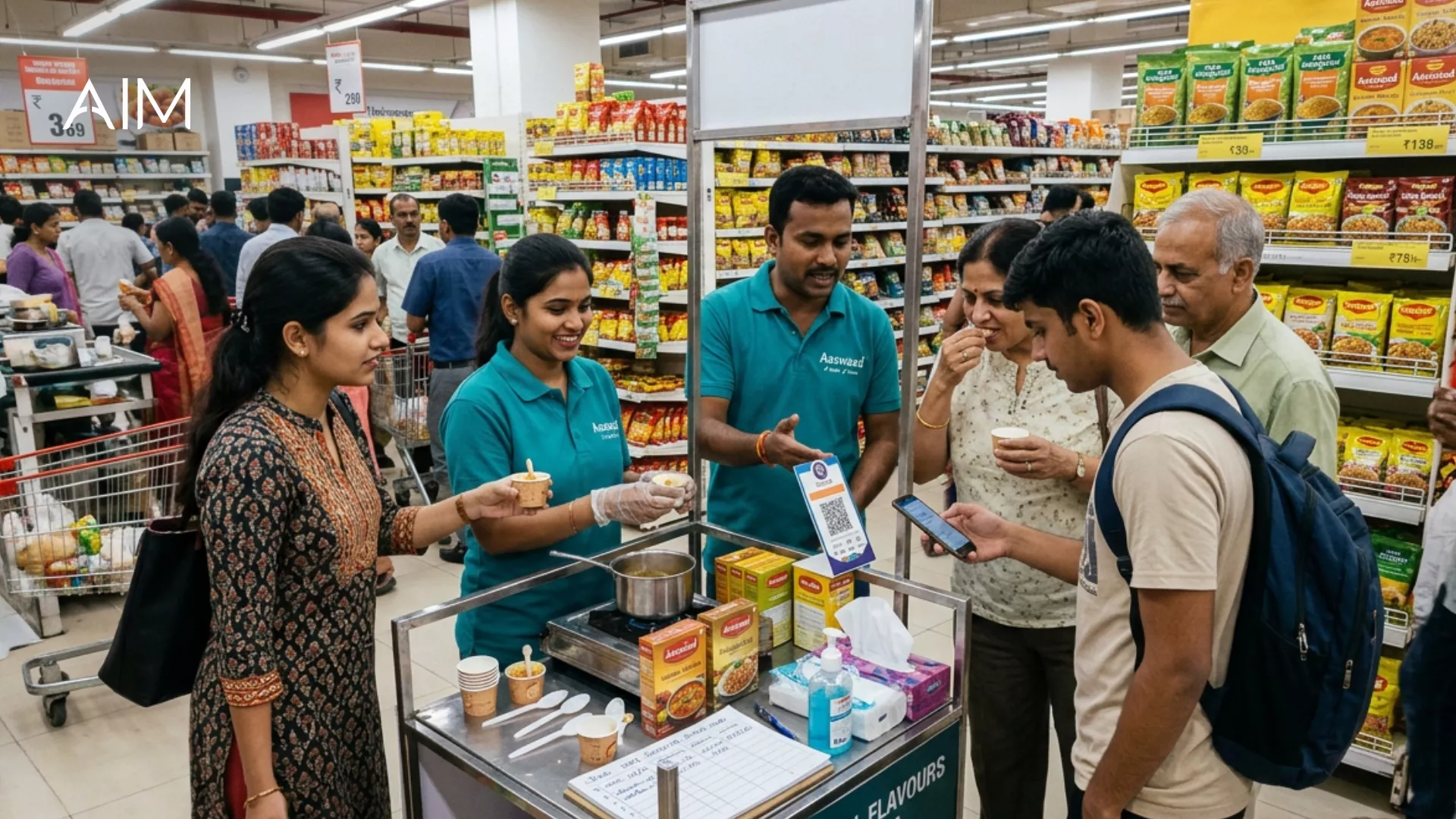
- Qualify the person at the point of trial. One quick check, skin type, household, category habit, before handing over confirms the sample fits, which is the single biggest lever on waste.
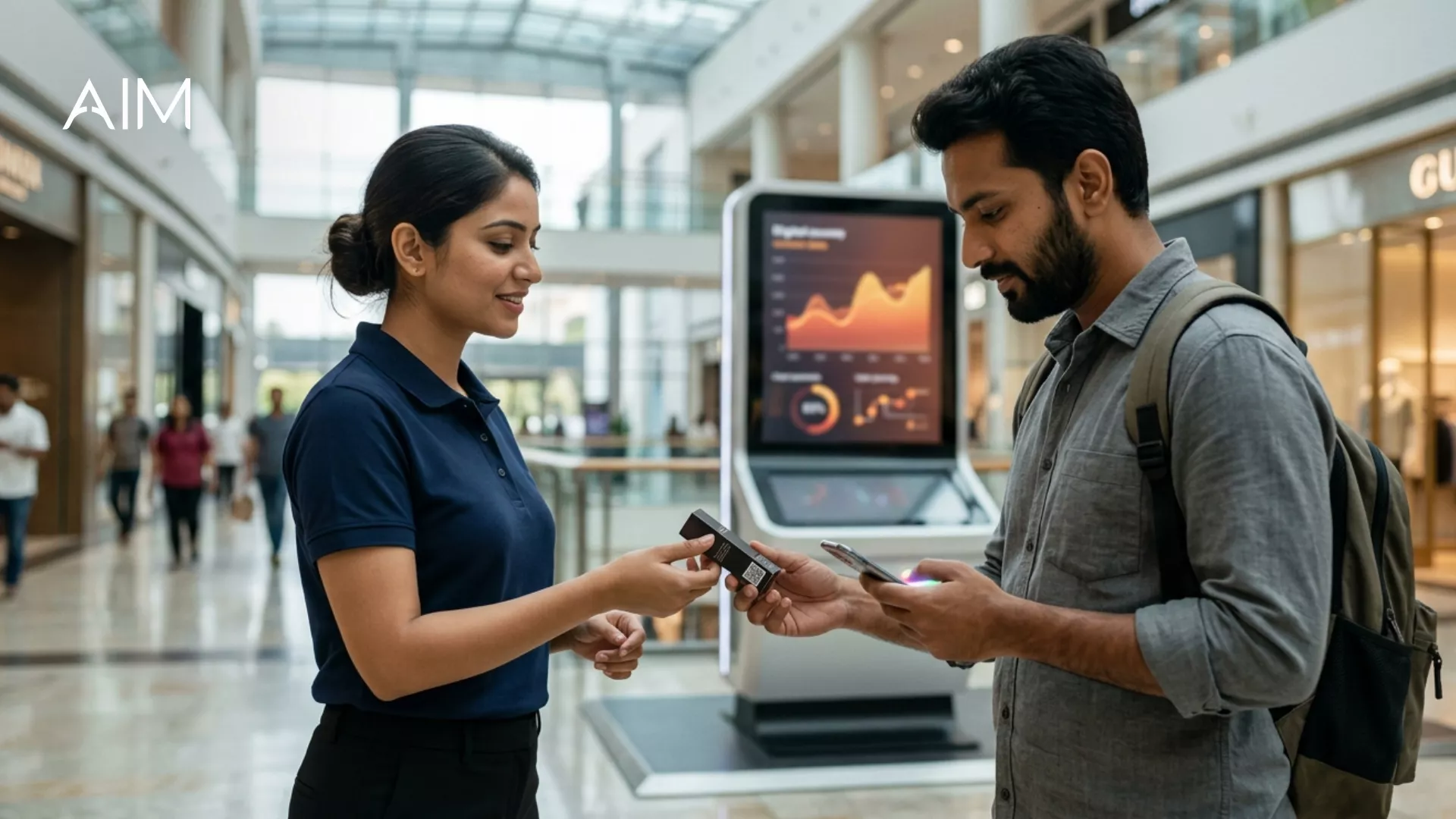
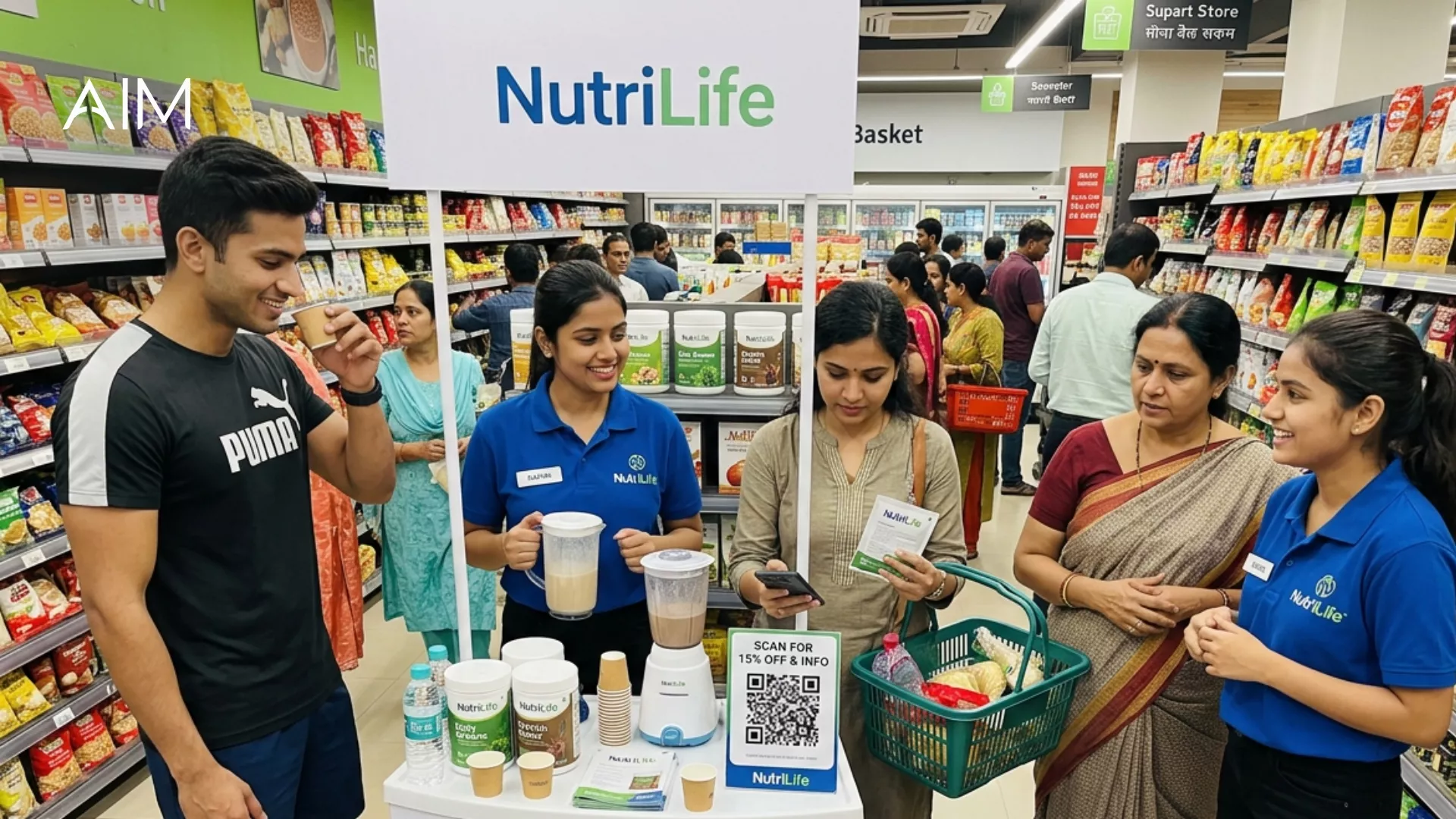
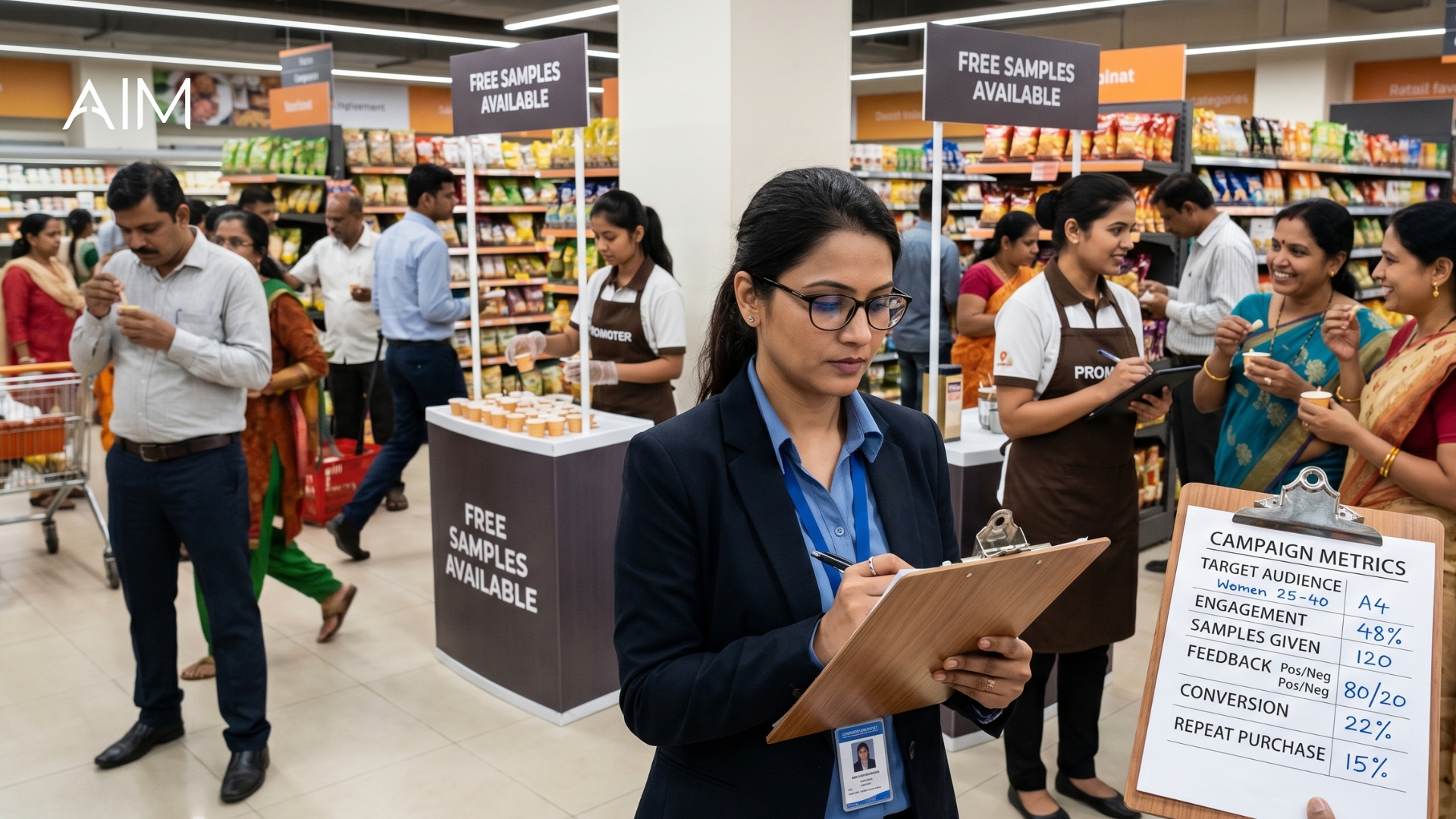
- Capture who took it. A quick opt-in or QR turns an anonymous handout into a known person you can follow, so a sample can never again vanish the instant it leaves the hand.
- Pay for outcomes, not offloading. Structure the campaign so the field team is rewarded for qualified, captured trials rather than for emptying boxes fastest.
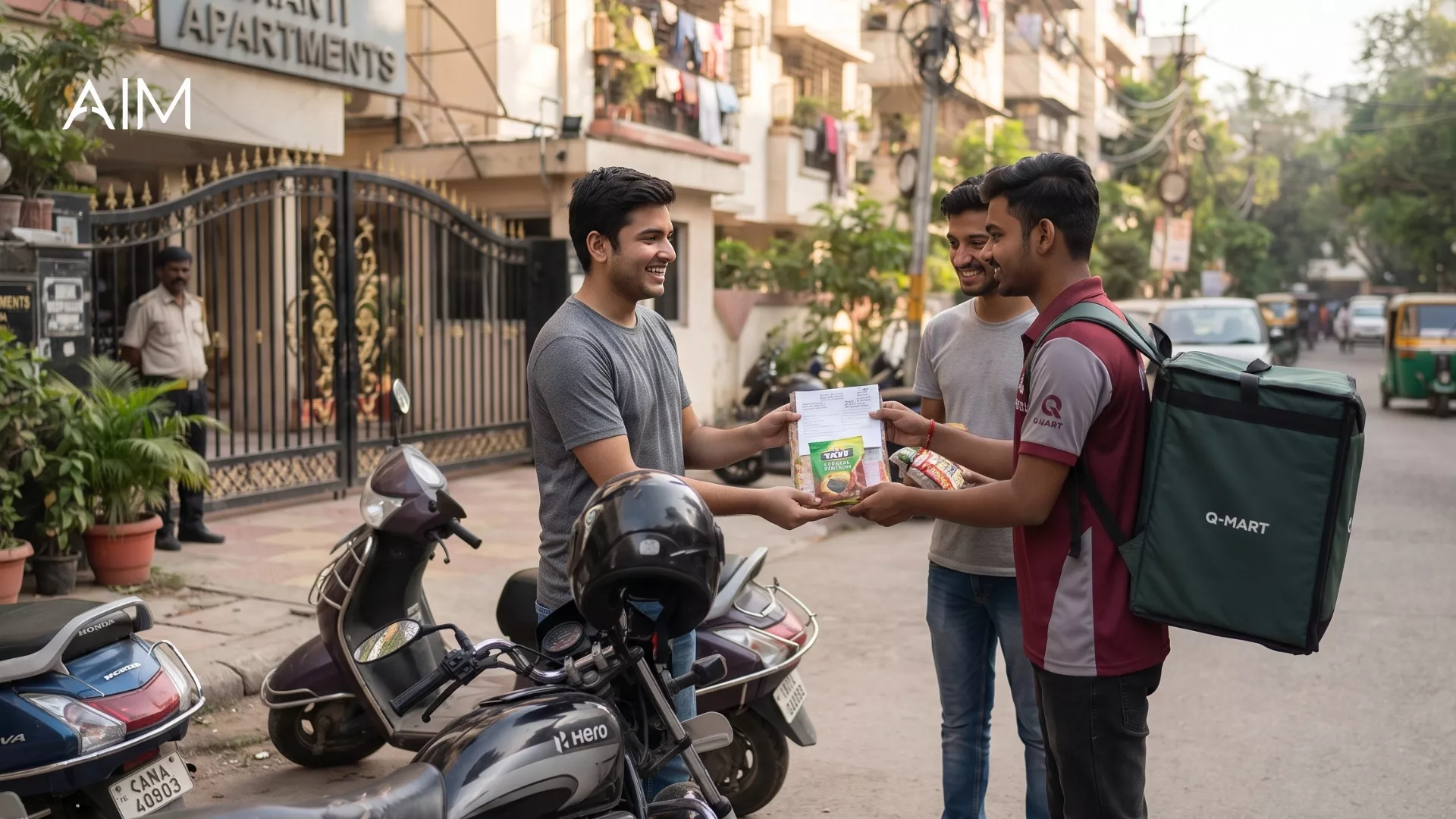
- Track the sample to a purchase. A code or link that follows the trial to a sale tells you which samples worked, so the next campaign puts more where conversion already happened.
Done this way, the pile behind the campaign shrinks to almost nothing, because almost every sample went to someone who could be reached, counted, and followed. That is how AIM approaches product sampling: fewer samples, placed on the right people, captured and tracked, so what you pay for actually reaches a buyer. The waste in traditional sampling was never inevitable. It was just never measured, and what gets measured is what finally stops going in the bin. For a brand, that is the entire shift in one line: stop paying for motion and start paying for buyers, and the pile behind the campaign shrinks on its own.

















.webp)

















.png)