
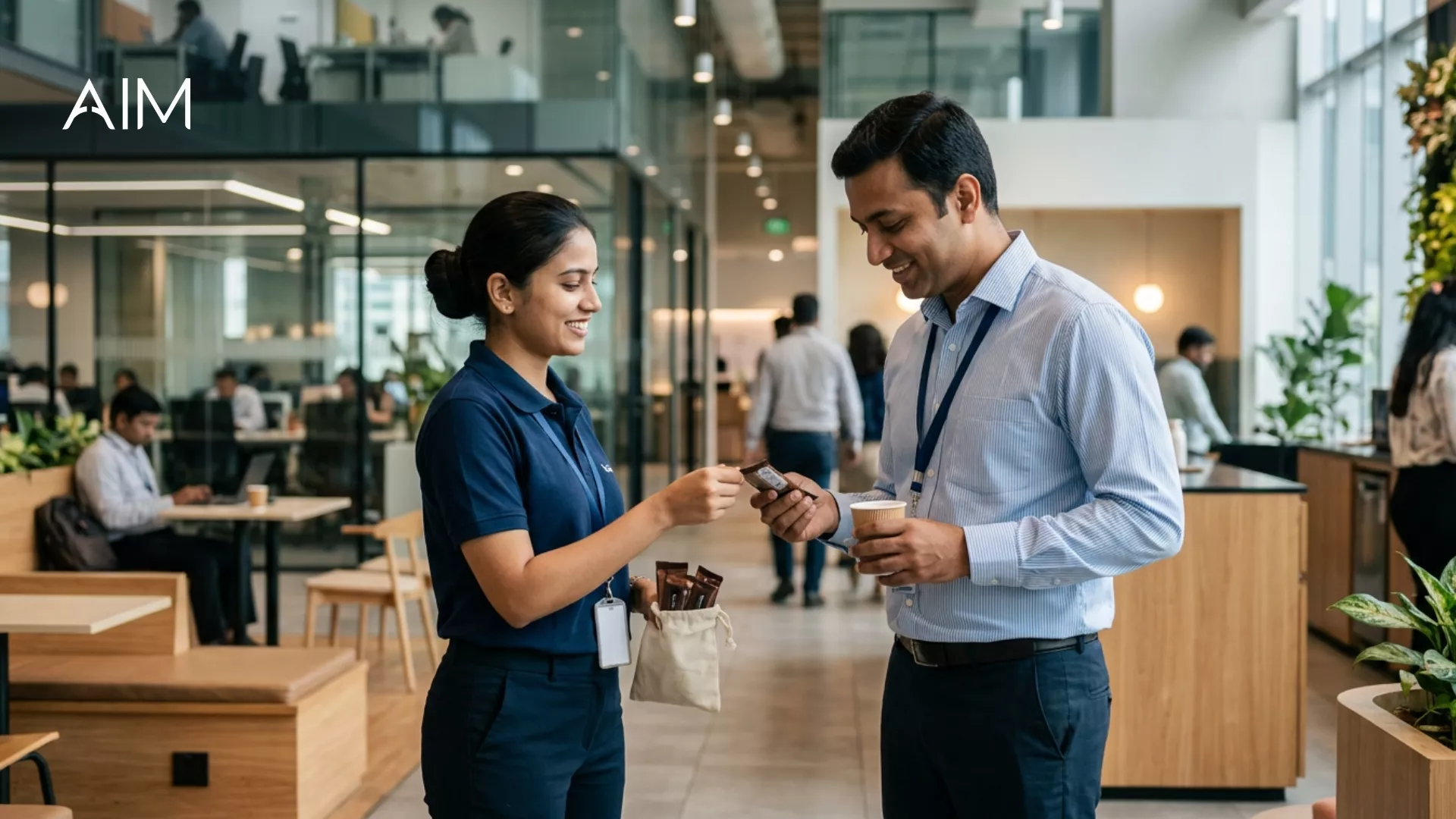


Two corporate sampling campaigns can be identical in every way, same product, same office, same field team, same budget, and return completely different results, for one reason alone: when they ran. A sample offered at lunch on a Wednesday lands on a relaxed, hungry, social employee with time to engage. The same sample offered at ten on a Monday morning lands on someone buried in catch-up and meetings, who waves it away. In a corporate sampling campaign, timing is a quiet but decisive lever, and most brands never think about it. Here is the best time and day to run a corporate sampling campaign, so your trial reaches employees when they are actually ready to receive it.
Quick answer: the best time to run a corporate sampling campaign is during natural break moments, the lunch break above all, plus mid-morning and mid-afternoon tea breaks, with entry and exit windows working well for take-home products. The best day is midweek, Tuesday to Thursday, avoiding Monday mornings and Friday evenings. Align the campaign with paydays or the start of the month and with the season or occasion that fits your product. But the single most important timing rule is to secure permissions early, because access, not the hour, usually decides whether a corporate sampling campaign happens at all.
Why Timing Matters in Corporate Sampling
Corporate and IT park employees are a captive, high-income, high-intent audience, which is exactly why they are worth sampling to, but they are also busy, focused, and often on deadlines. A sample only works if it reaches them in a moment when they are free and open to it, not when they are heads-down on work or rushing between meetings. Get the timing right and the same crowd that would ignore you at their desks will happily stop, try, and talk at a break. Get it wrong and even a great product and a great location underperform, because you interrupted people who had no bandwidth to engage. In corporate sampling, timing is not a detail around the campaign. It is part of the targeting.
The Best Time of Day to Sample
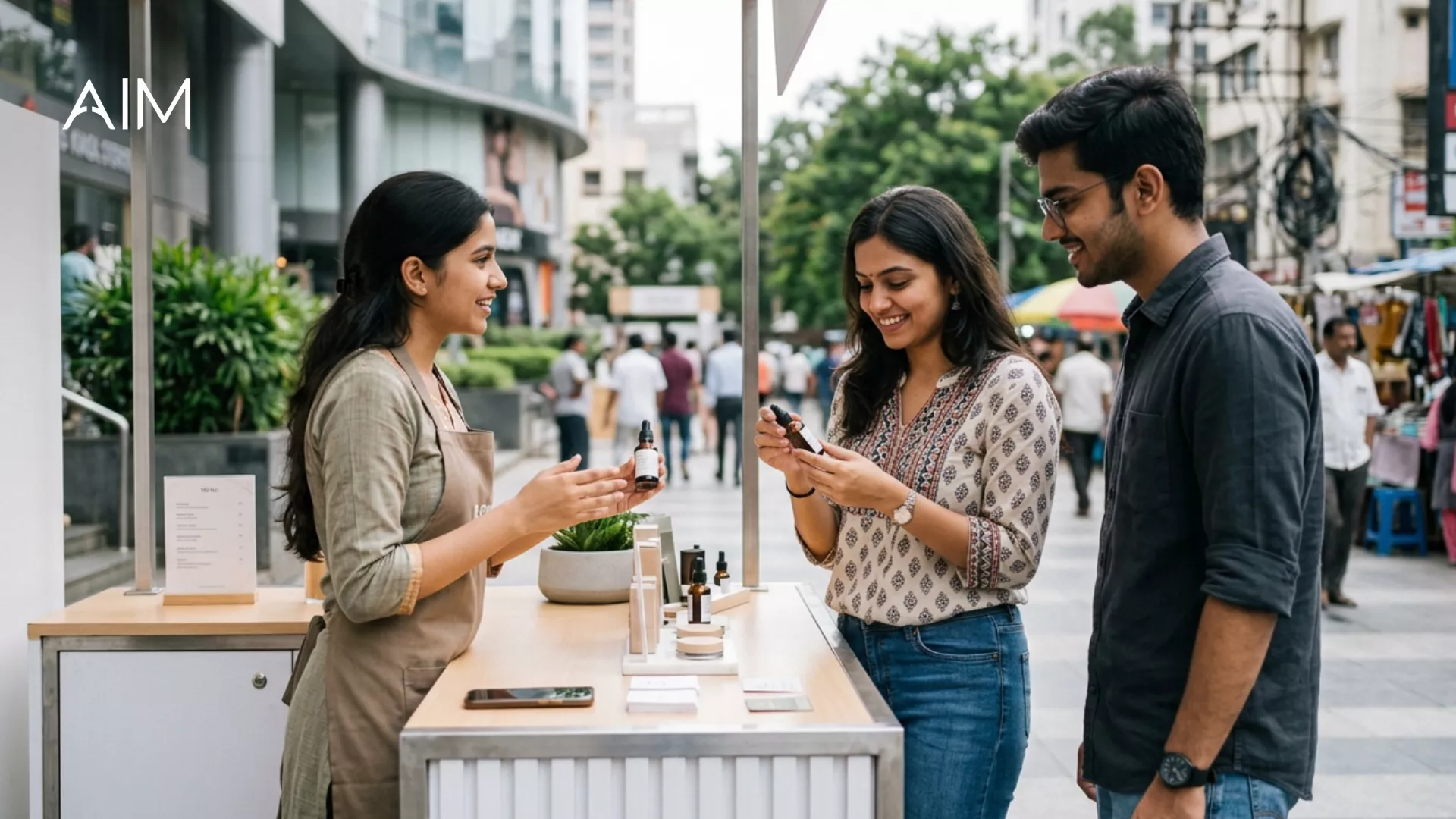
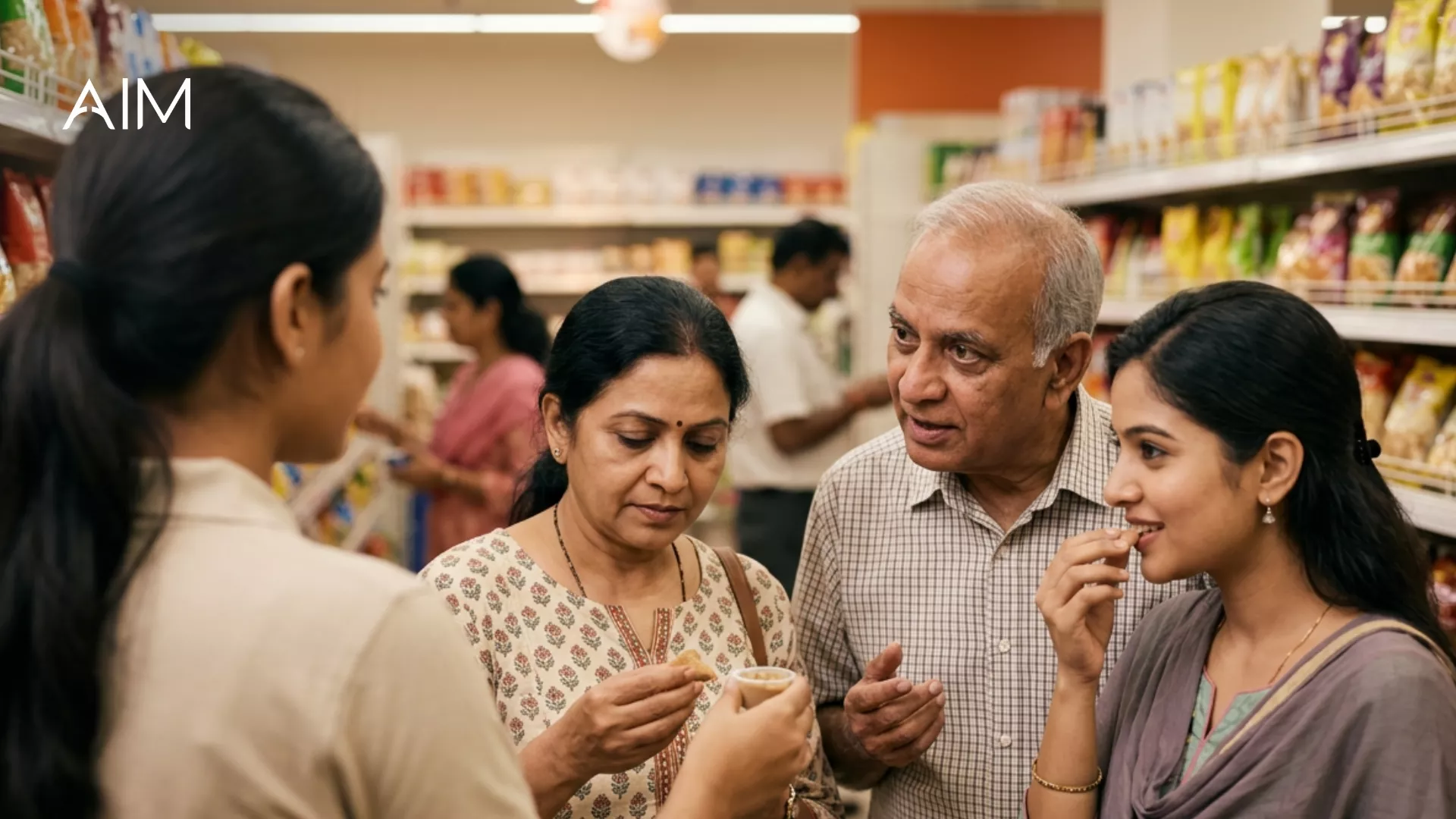
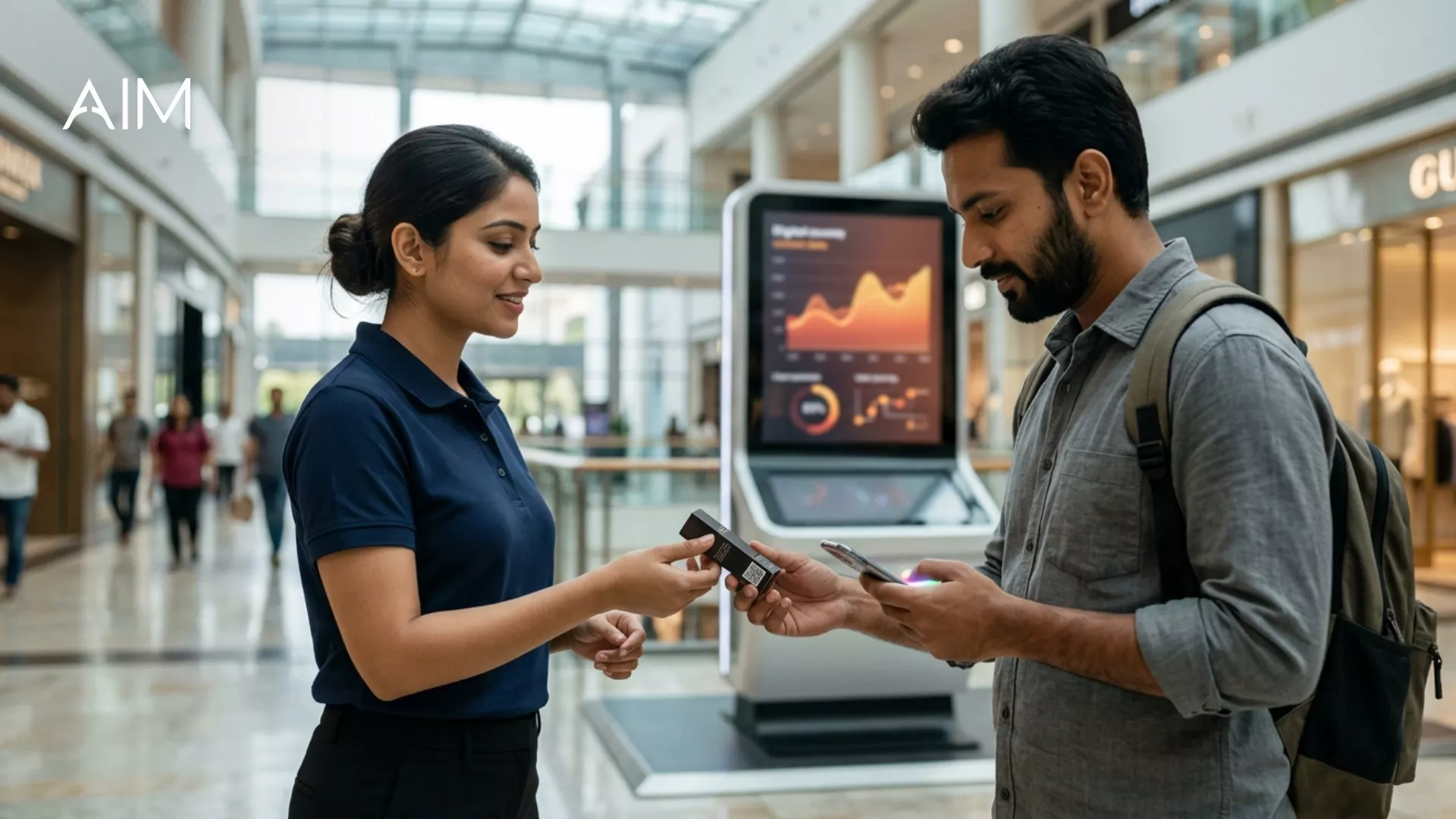
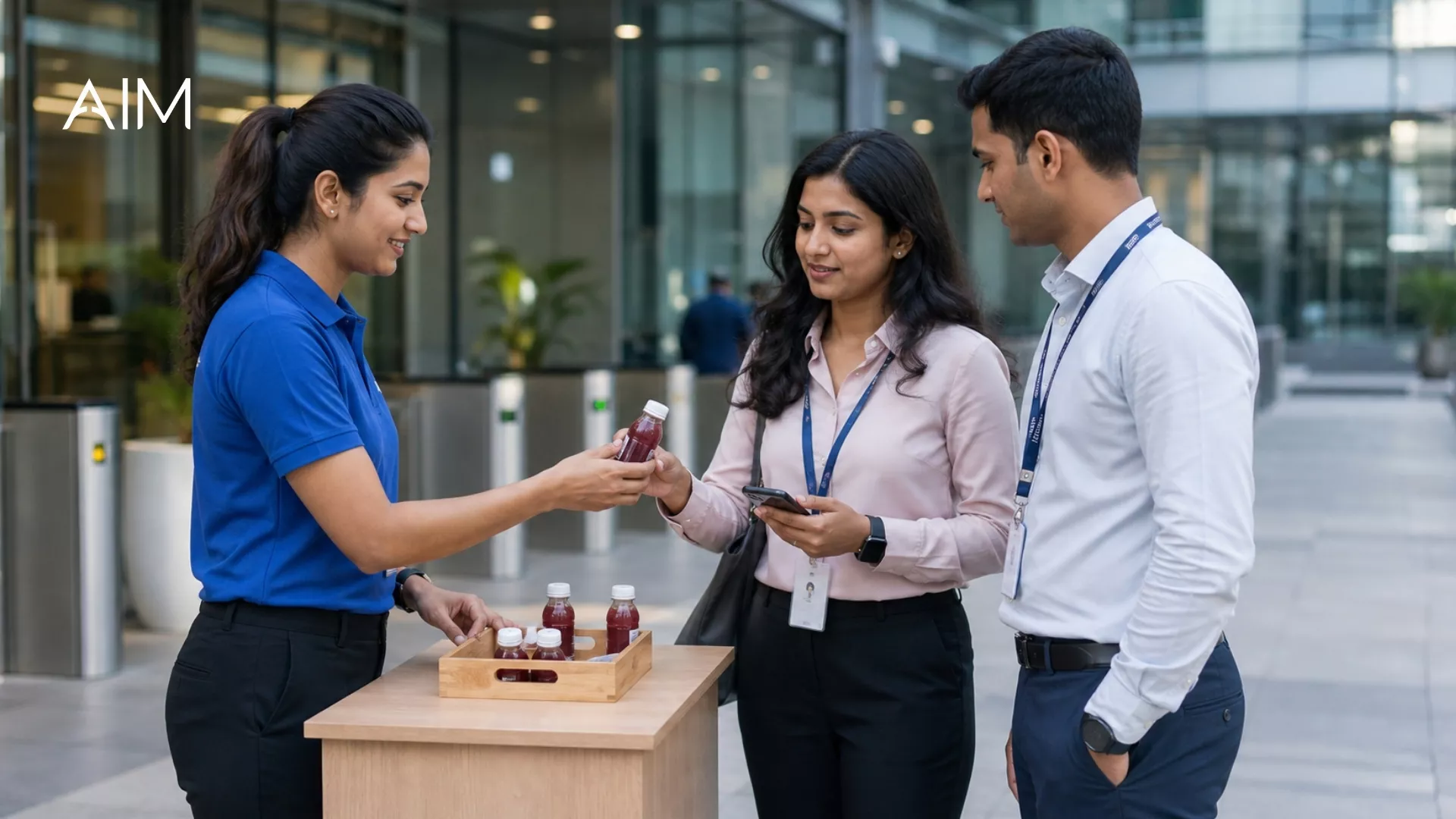
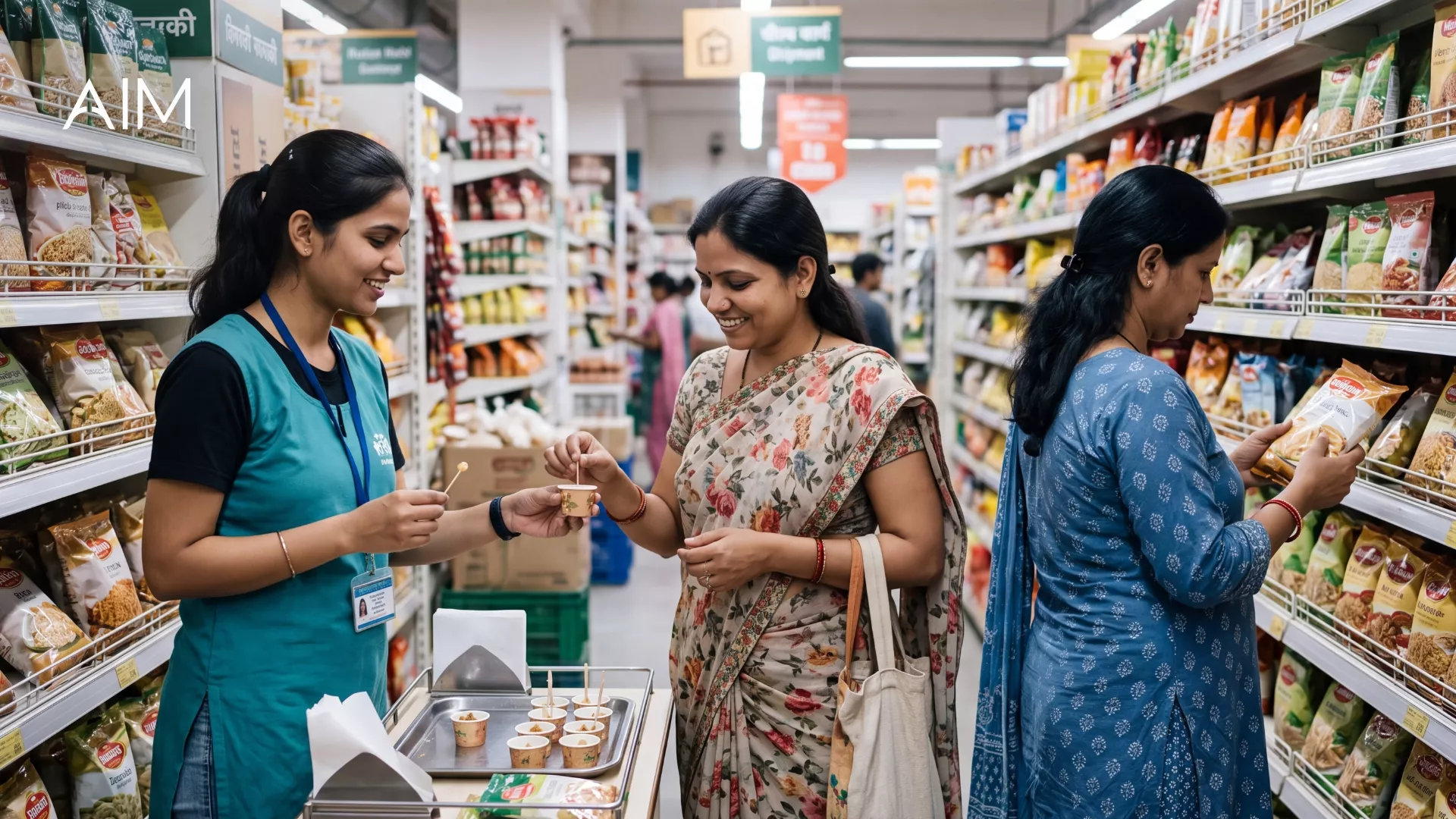
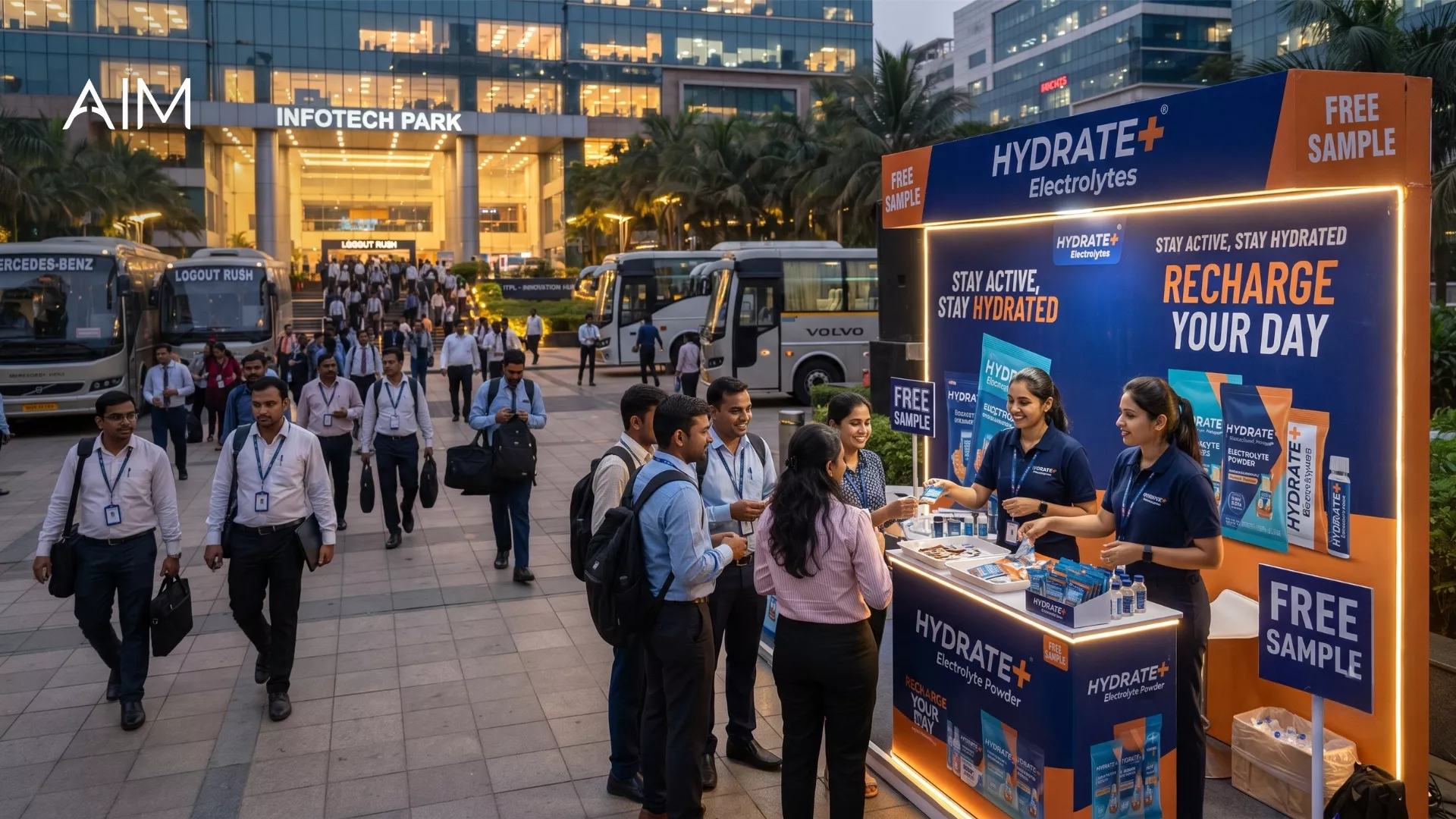
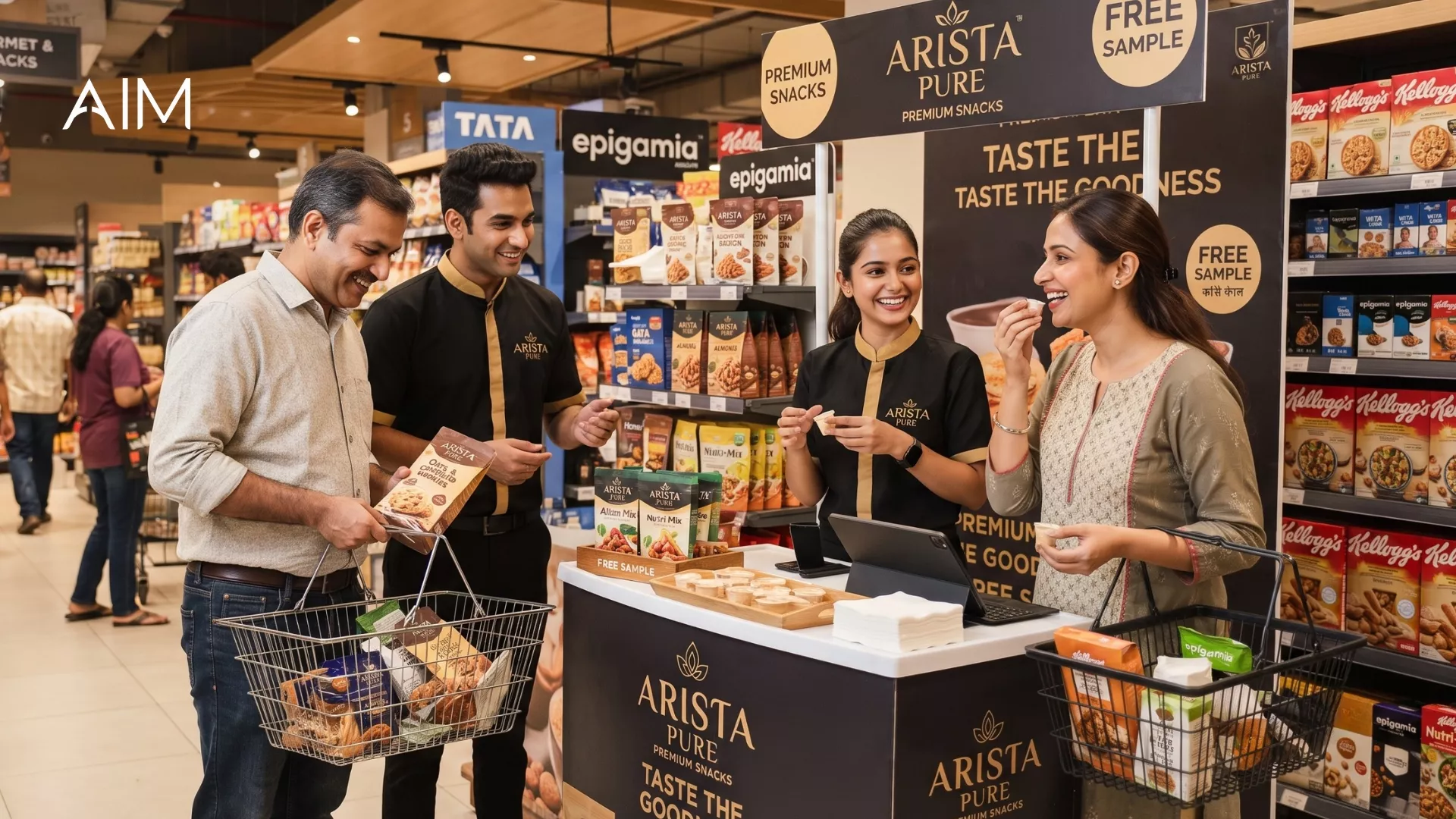
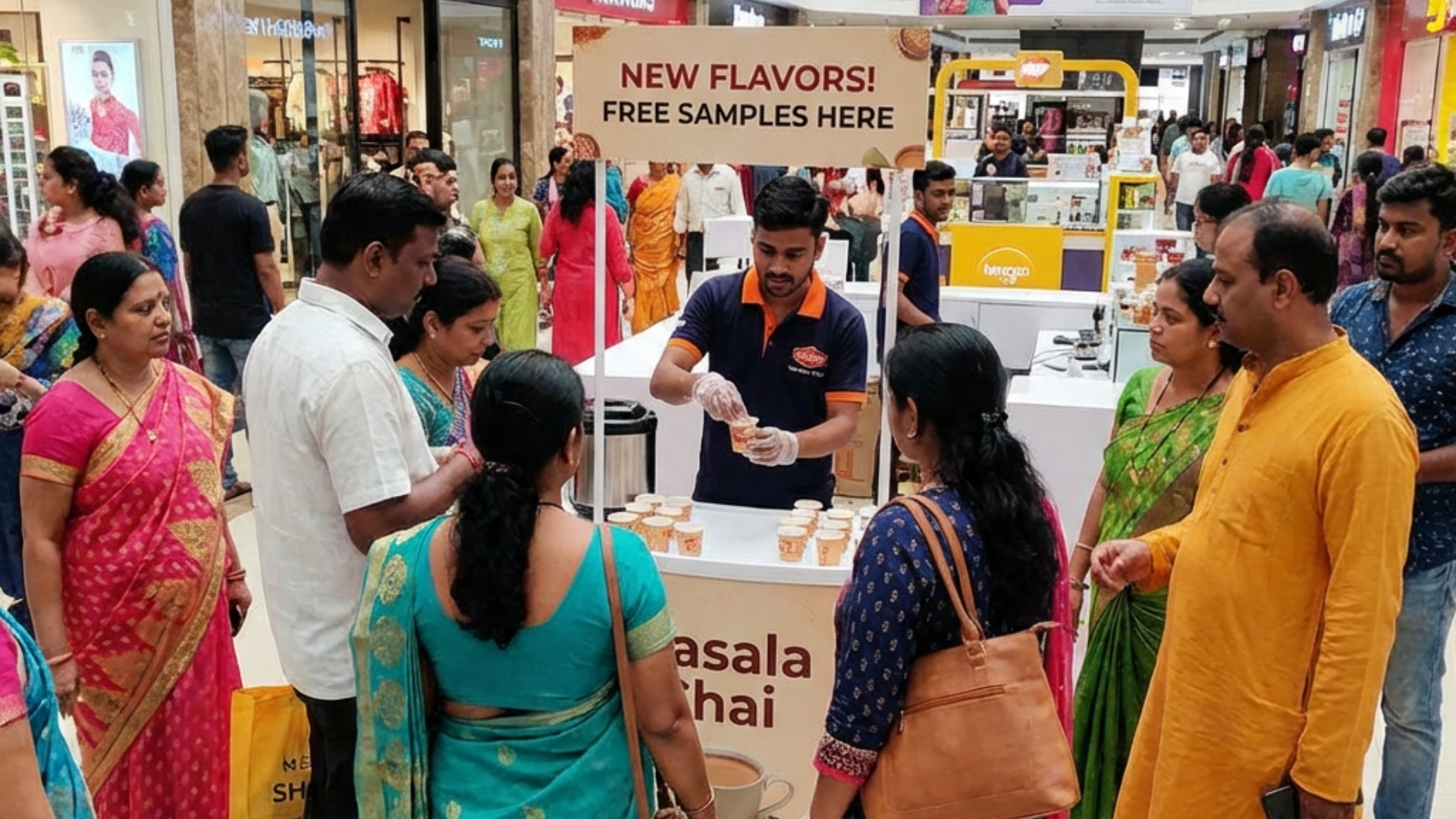
The lunch break is the single best window for a corporate product sampling campaign. Employees are relaxed, hungry or thirsty, social, and away from their screens, which is the ideal state to receive a trial and actually engage with it. Mid-morning and mid-afternoon tea and coffee breaks are the next best, short, predictable pauses when people are moving around and open to a quick sample. Entry in the morning and exit in the evening work well for personal or take-home products, because the employee can carry the trial home to use it properly. The windows to avoid are the deep-work hours, especially mid-morning peak focus time, when interrupting someone with a sample is unwelcome and conversion is low.
The Best Day of the Week
Midweek is the sweet spot for corporate sampling. Tuesday, Wednesday, and Thursday are the days employees are settled into the week, physically present, and in a steady rhythm, which makes them receptive to a break-time trial. Monday, especially Monday morning, is the weakest day, because people are catching up, planning the week, and stacked with meetings, so a sample is an unwelcome interruption. Friday, particularly the second half, is also weak, because attention drifts, many leave early, and attendance thins. If you have one day to run a corporate sampling campaign, make it a midweek one; if you have a few, keep them clustered from Tuesday to Thursday.
The Best Seasons and Occasions
Beyond the day and hour, the calendar matters. Sampling around payday or the start of the month meets employees in a more open, buying-ready mood, which helps if the trial is paired with an offer. Festivals and the run-up to them lift openness to new brands and gifting-related products. Seasonal fit matters too, cold and hydrating drinks land in summer, warm and comforting products in winter, and wellness offerings in high-stress periods. And company moments, town halls, wellness days, offsites, and internal events, can be strong tie-ins, because the activity is welcomed as part of something the employees are already gathered for. Matching the campaign to the right occasion multiplies the effect of getting the day and time right.
Timing by Product Type
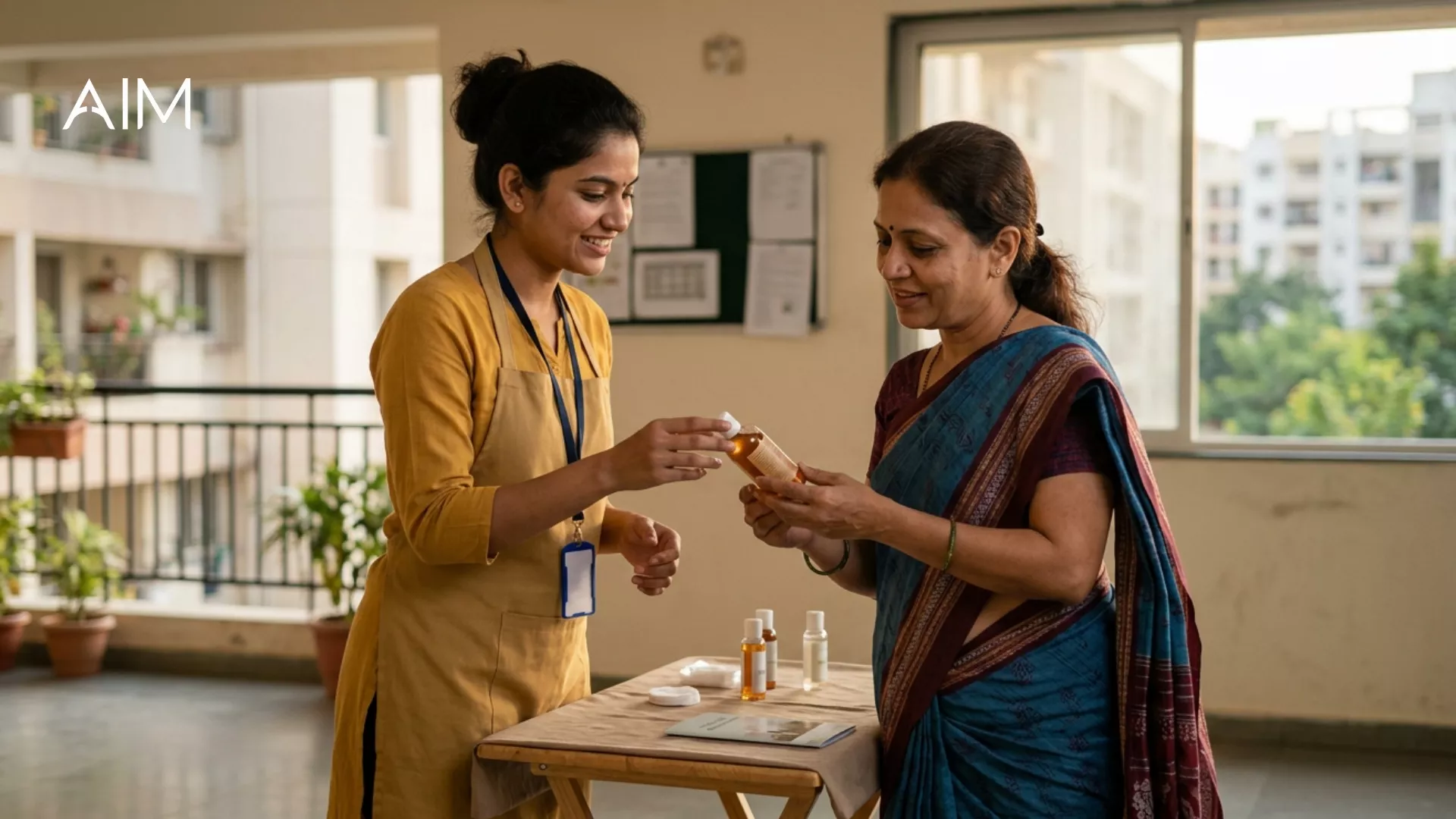
The best moment also depends on what you are sampling. Coffee, energy, and breakfast products fit the morning entry window, when employees are arriving and low on energy. Snacks, food, and beverages belong at the lunch break, when appetite and social mood align. Wellness, de-stress, and sleep products land well early in the week or during known high-pressure periods, when the need is most felt. Personal care and other take-home products suit entry or exit, so the employee can carry them home. Reading the natural rhythm of the workday and matching your product to the moment within it is what turns a well-timed campaign into a well-targeted one.
Time It Around Permissions
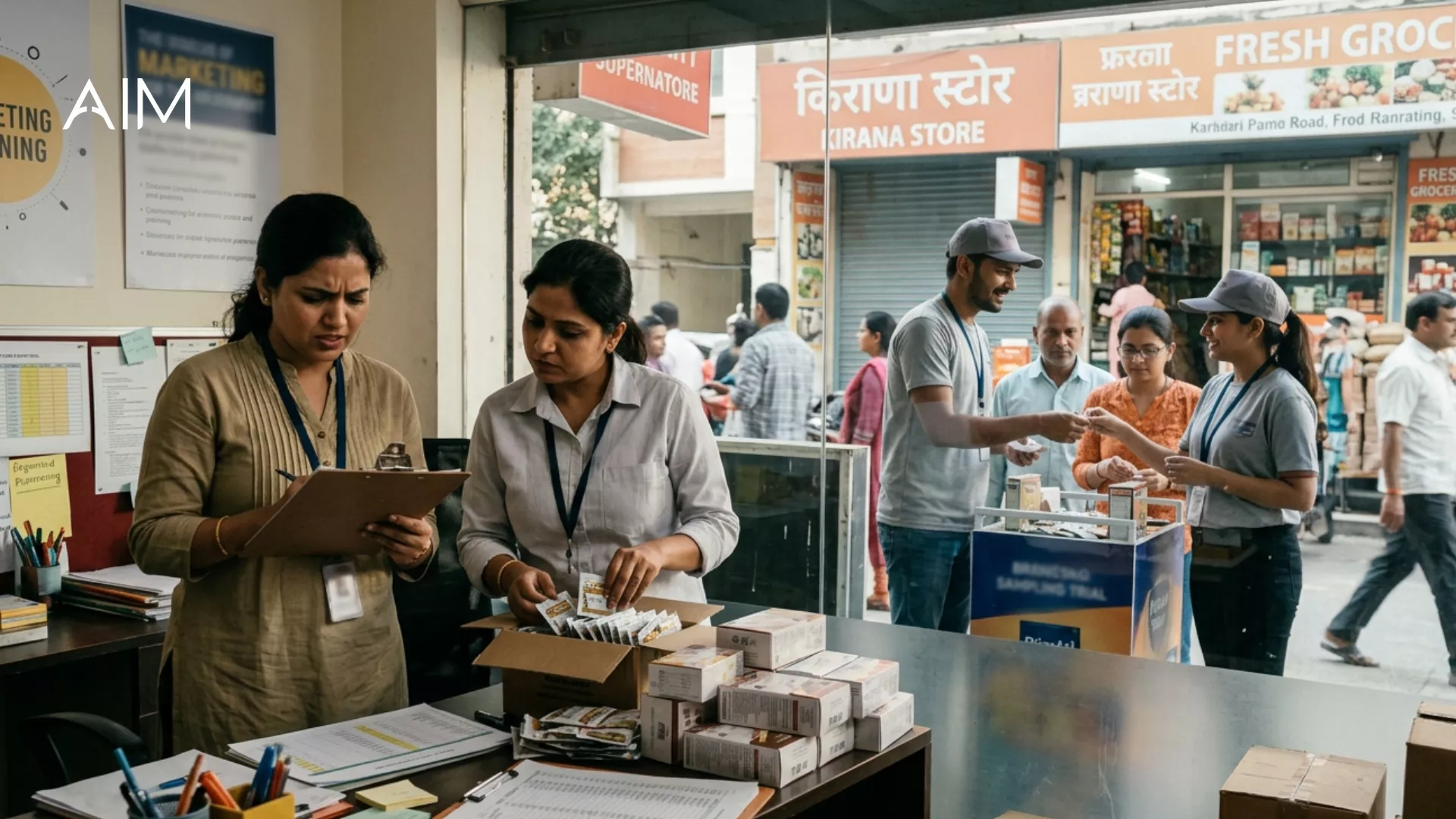
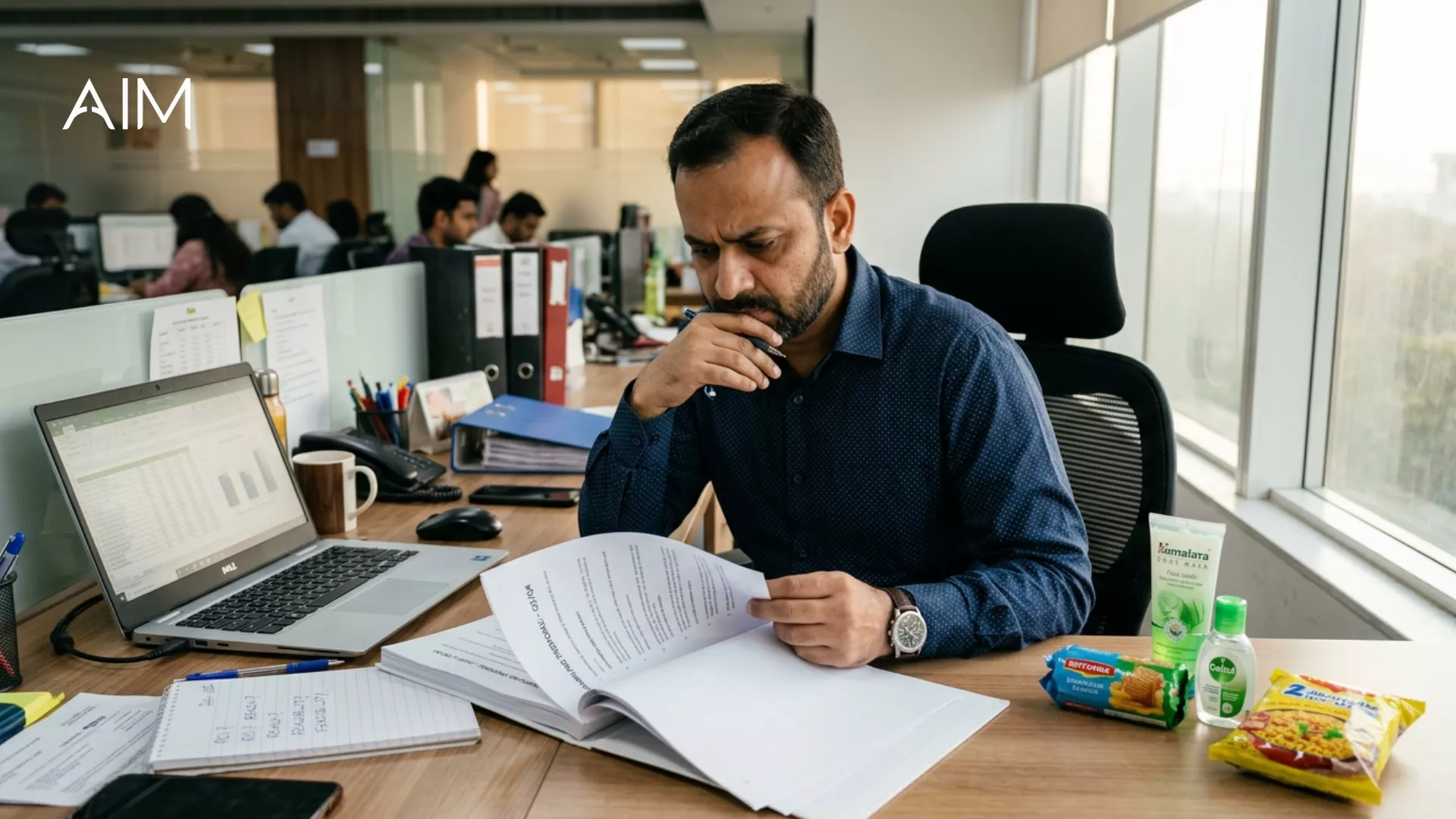
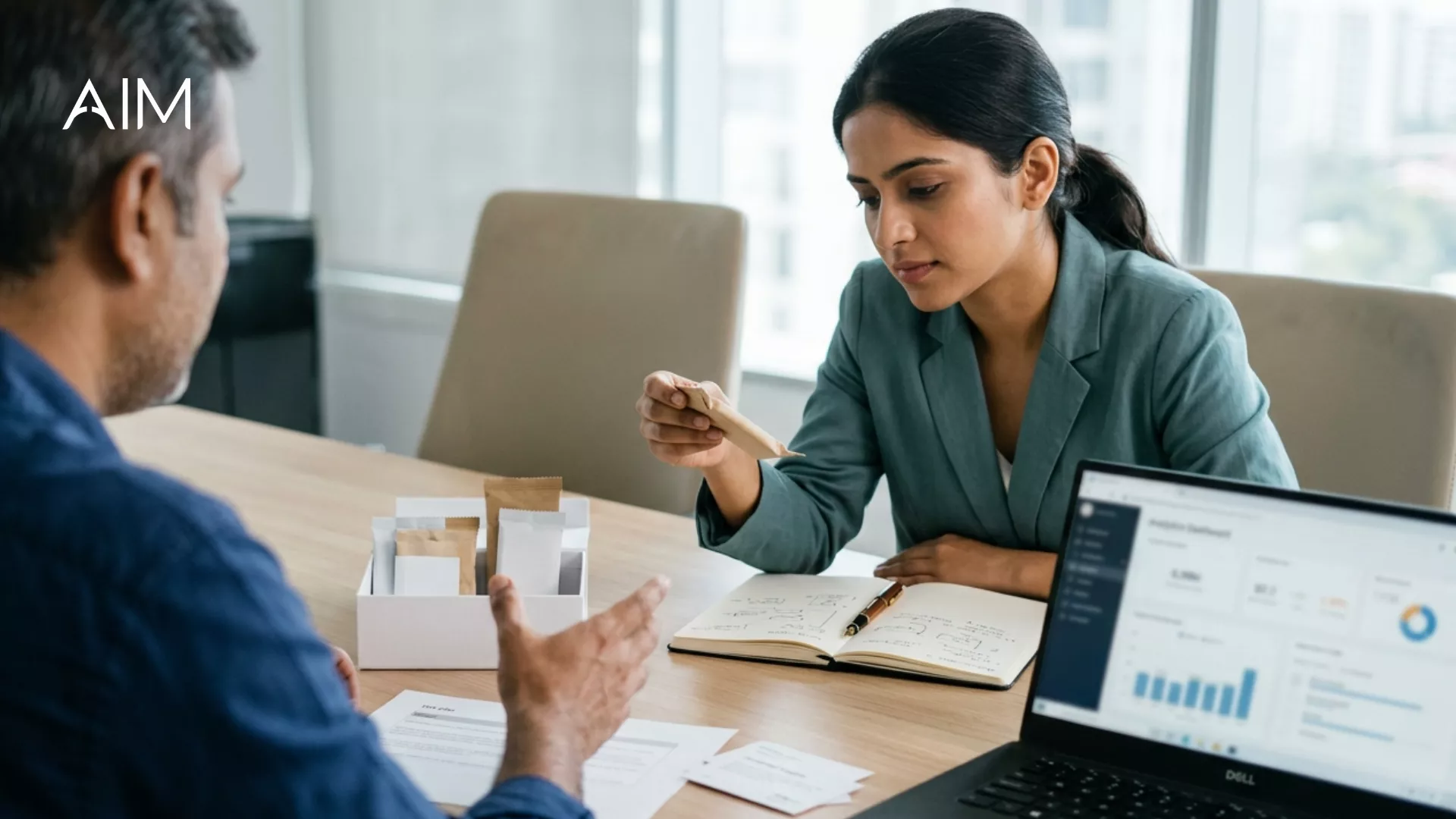
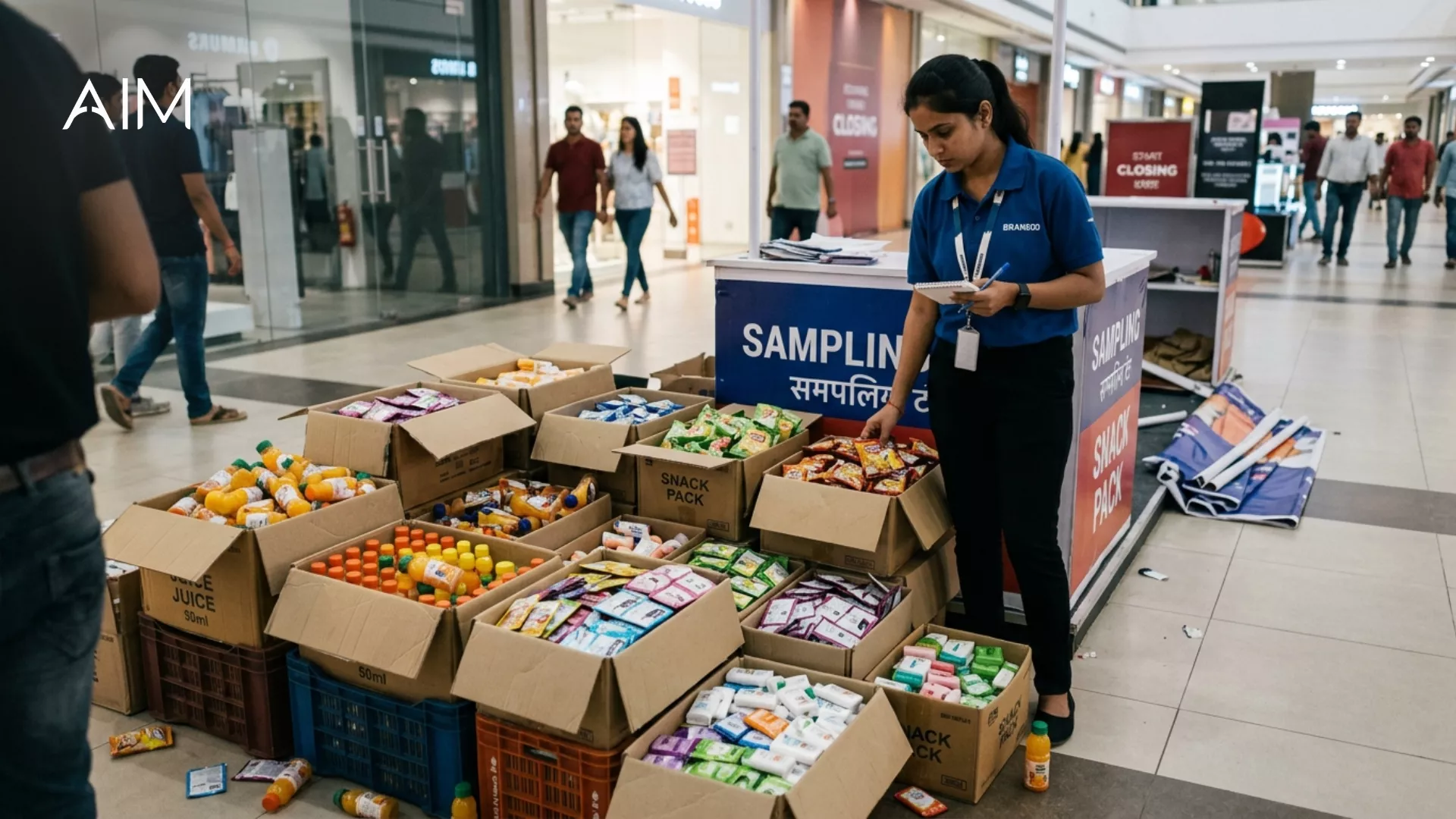
Here is the timing rule that outranks all the others: none of the perfect slots matter if you cannot get in. Access to a corporate or IT park campus has to be approved by the company and its facility team, and that approval takes time, often weeks, especially in large organisations or multi-tenant buildings. Brands that fixate on the ideal Wednesday lunch slot but leave permissions to the last minute end up missing their window entirely. So the practical sequence is to start permissions early, well before the creative and logistics are locked, and then choose the best day and time within the window you are granted. Timing the approval is as important as timing the activation, because access is what decides whether the campaign happens at all.
How to Measure the Right Timing
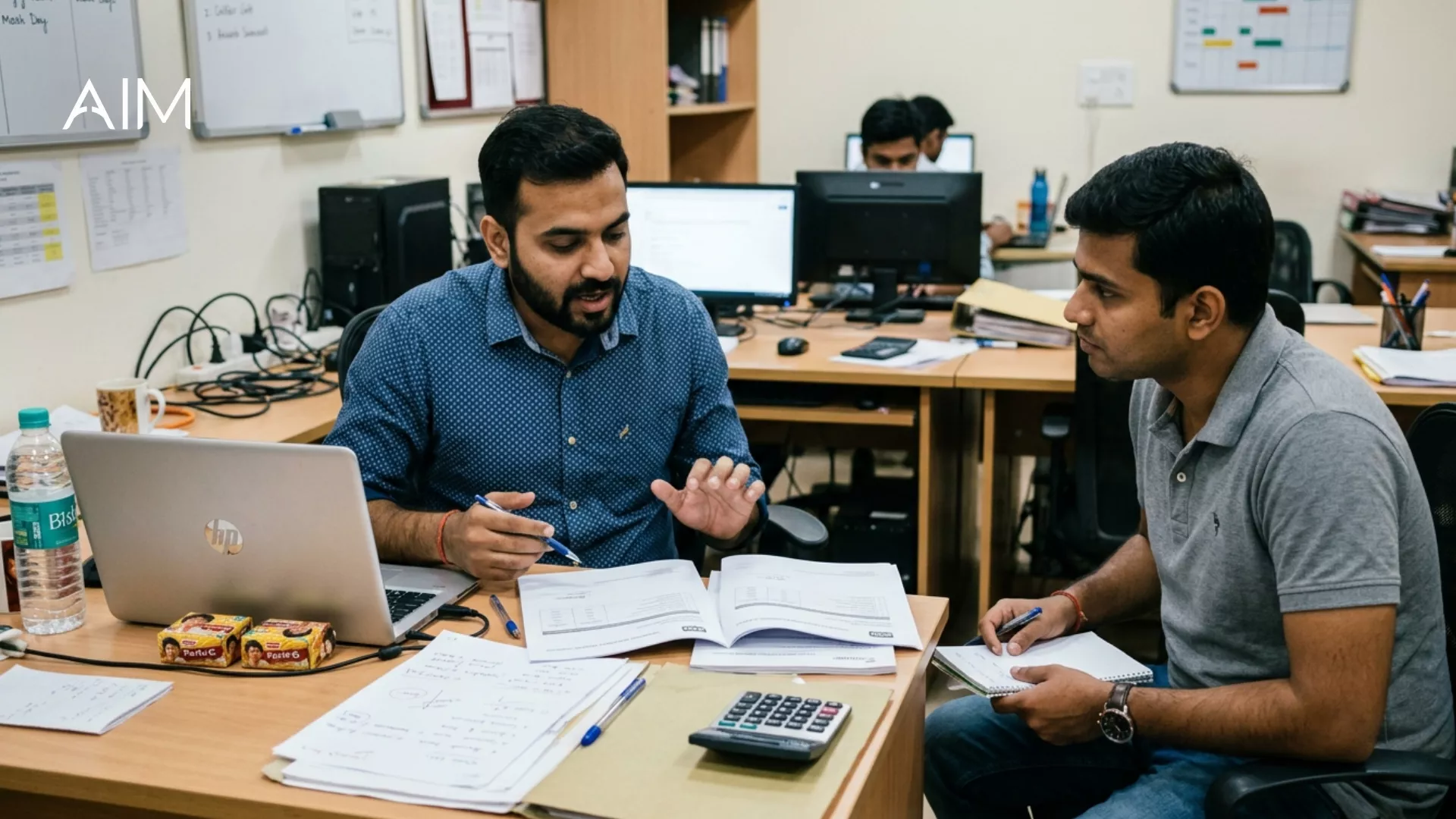
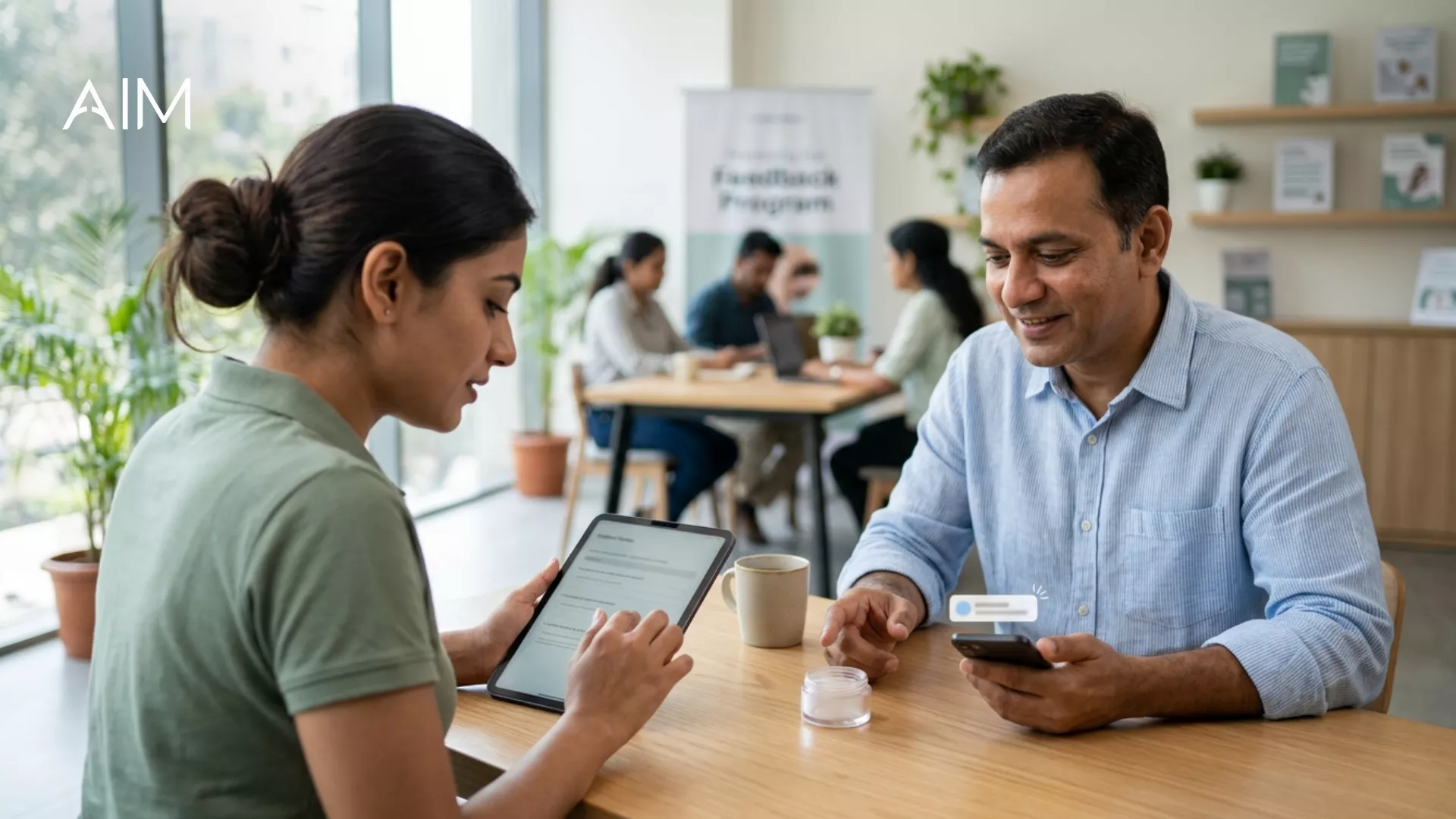
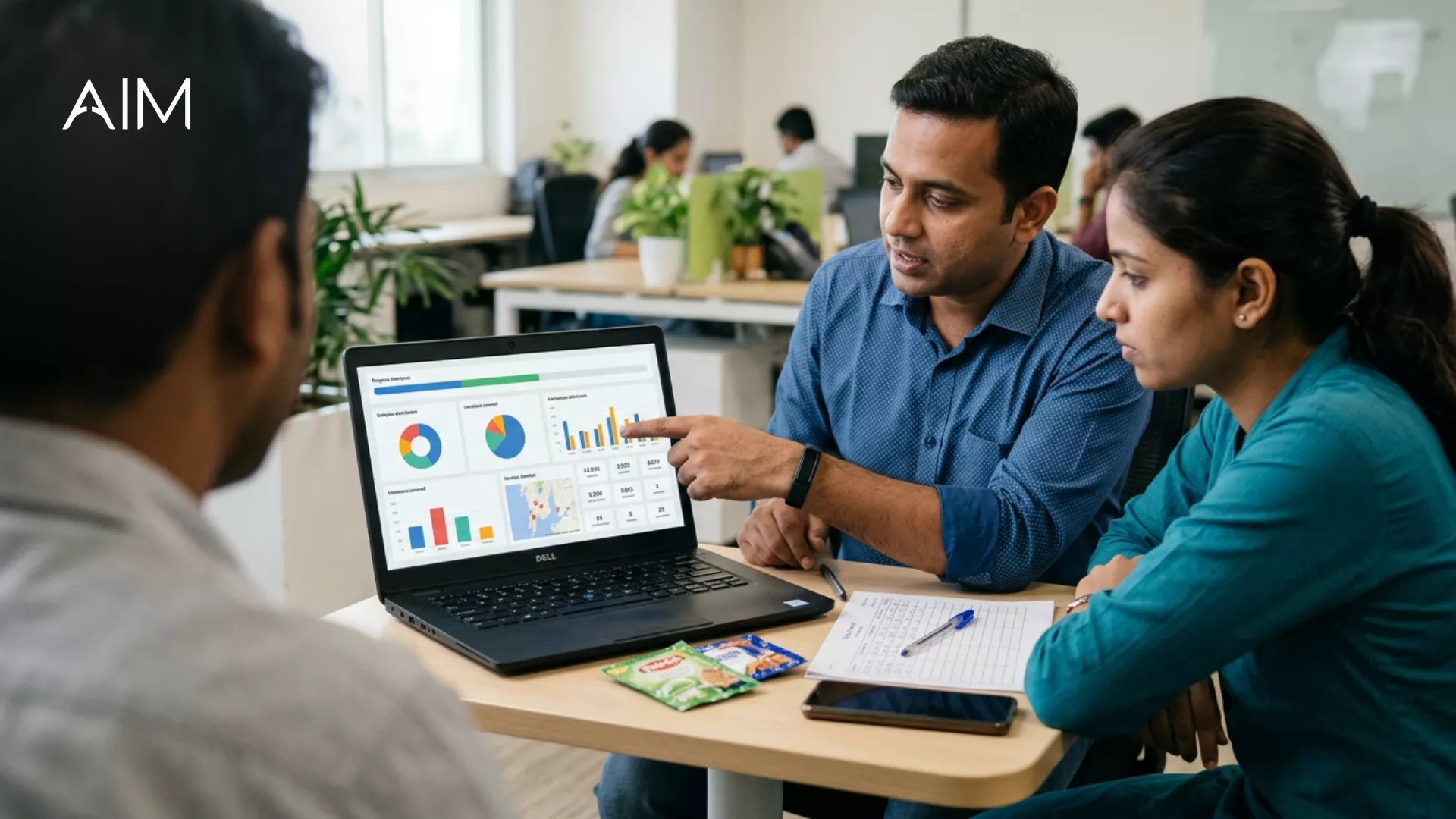
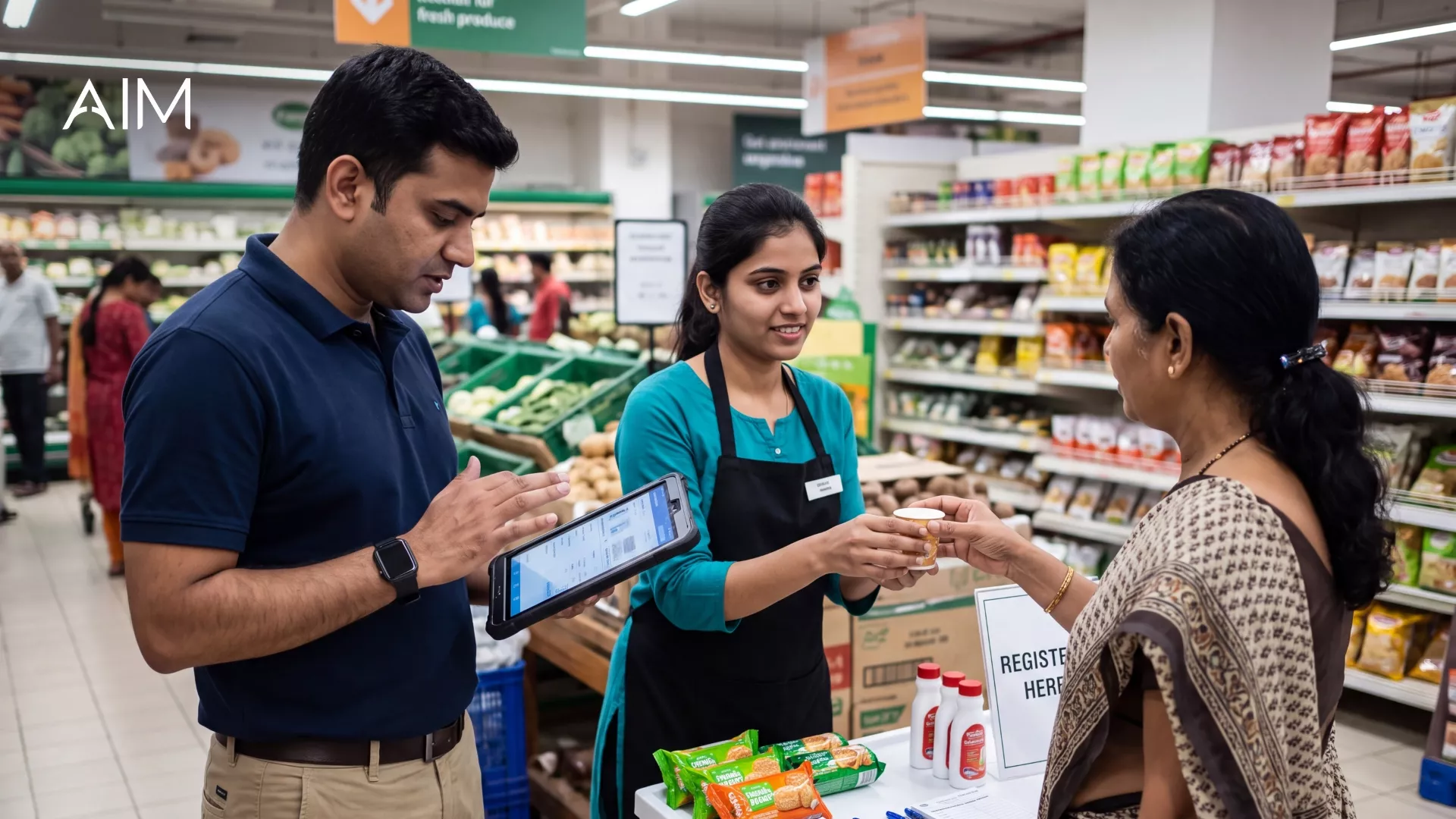
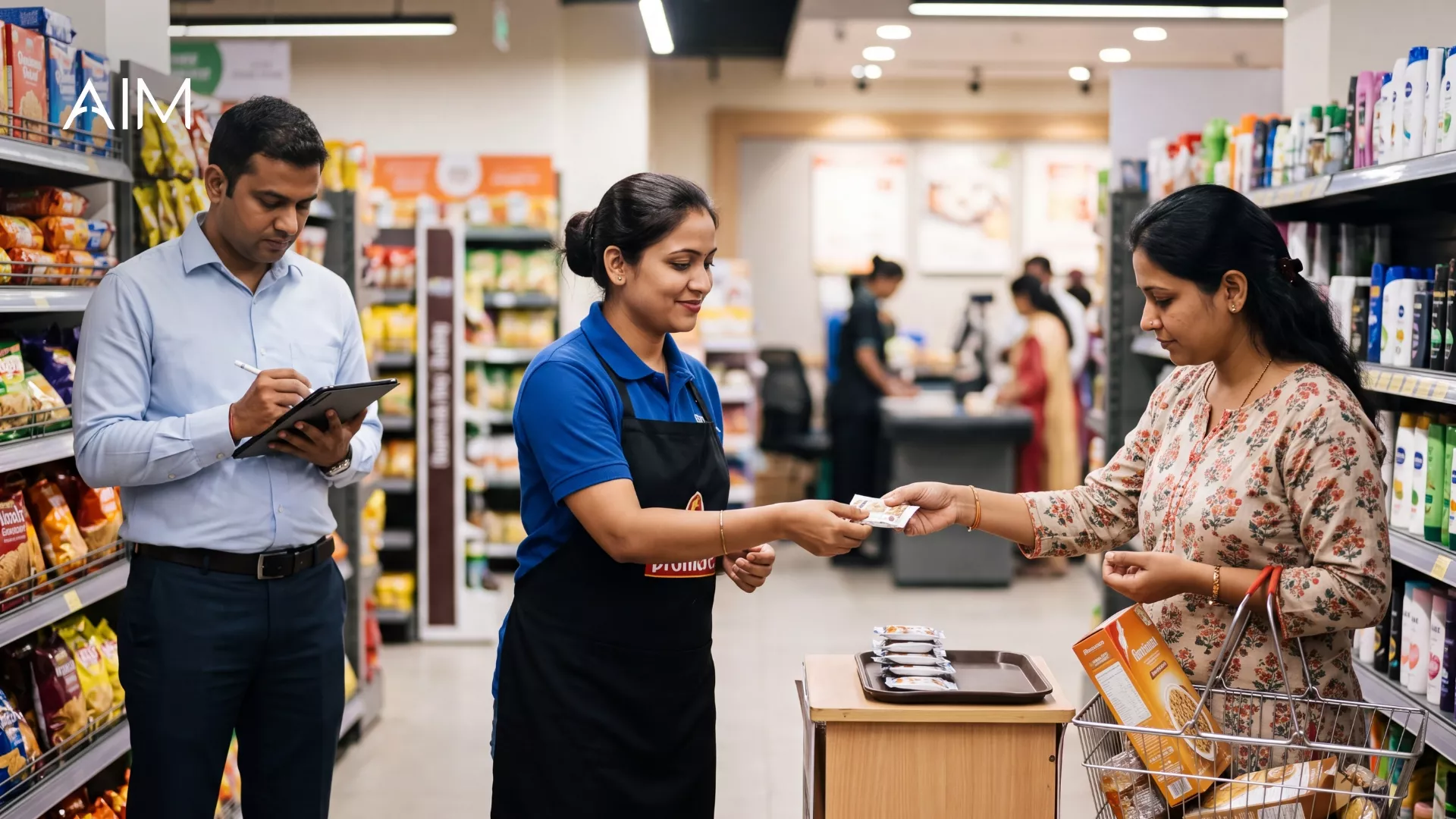
The best way to find your ideal timing is to test and measure it, which a well-run corporate sampling campaign makes possible. Capture who tried the product at each slot, and compare engagement and conversion across days and times, so you learn which windows actually delivered buyers rather than just busy tables. Over a few campaigns, patterns emerge, a particular break, a particular day, a particular season, that consistently convert best for your product and audience, and you can concentrate future budget there. This is how AIM approaches corporate and IT park sampling: not only choosing the right campus, but timing the activity to the break moments, days, and occasions when employees are most receptive, and measuring each slot so the timing gets sharper every time. The right product, in the right office, at the wrong moment, still underperforms. Get the timing right, and the same campaign works far harder.





.webp)









.png)