
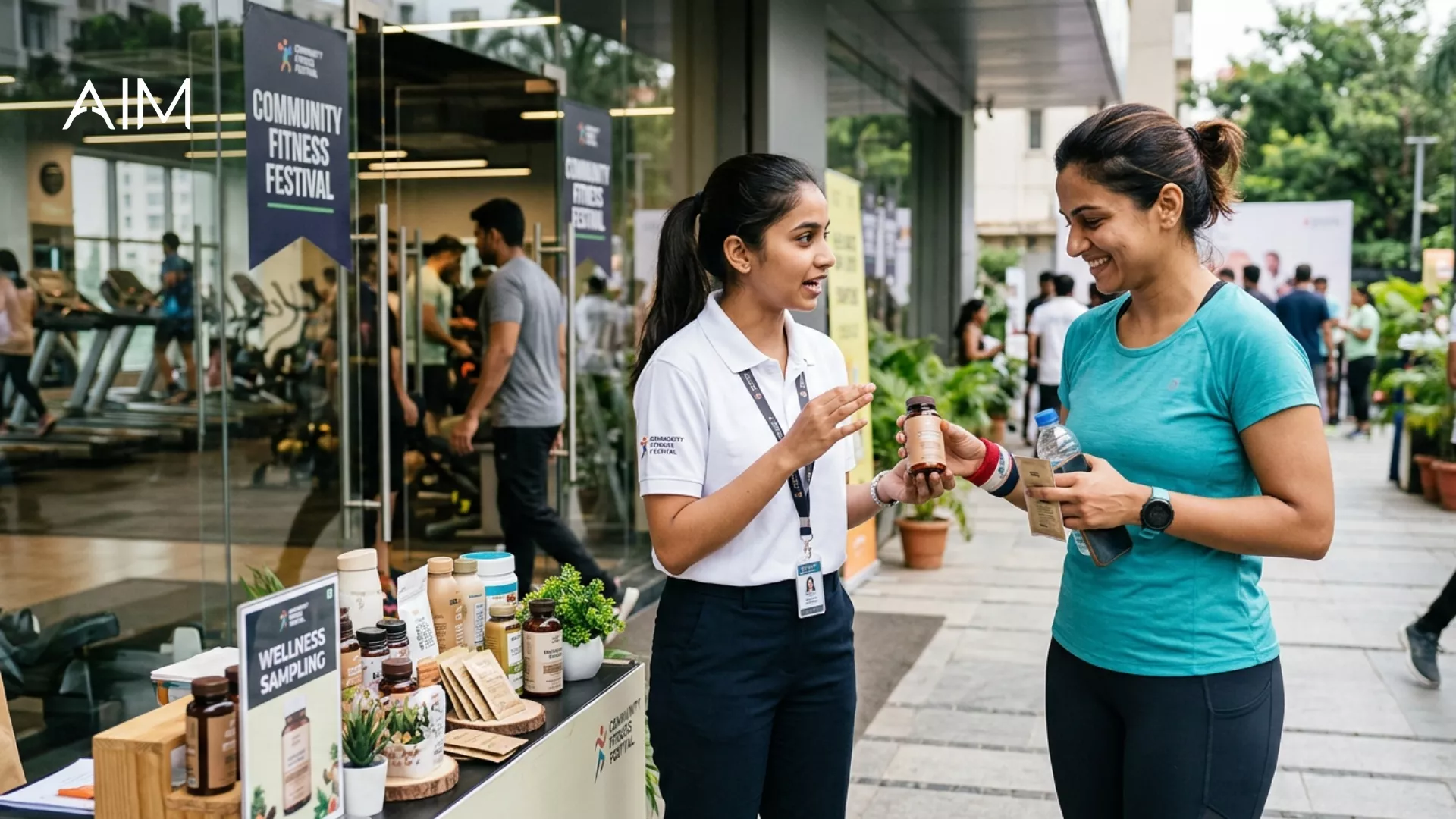


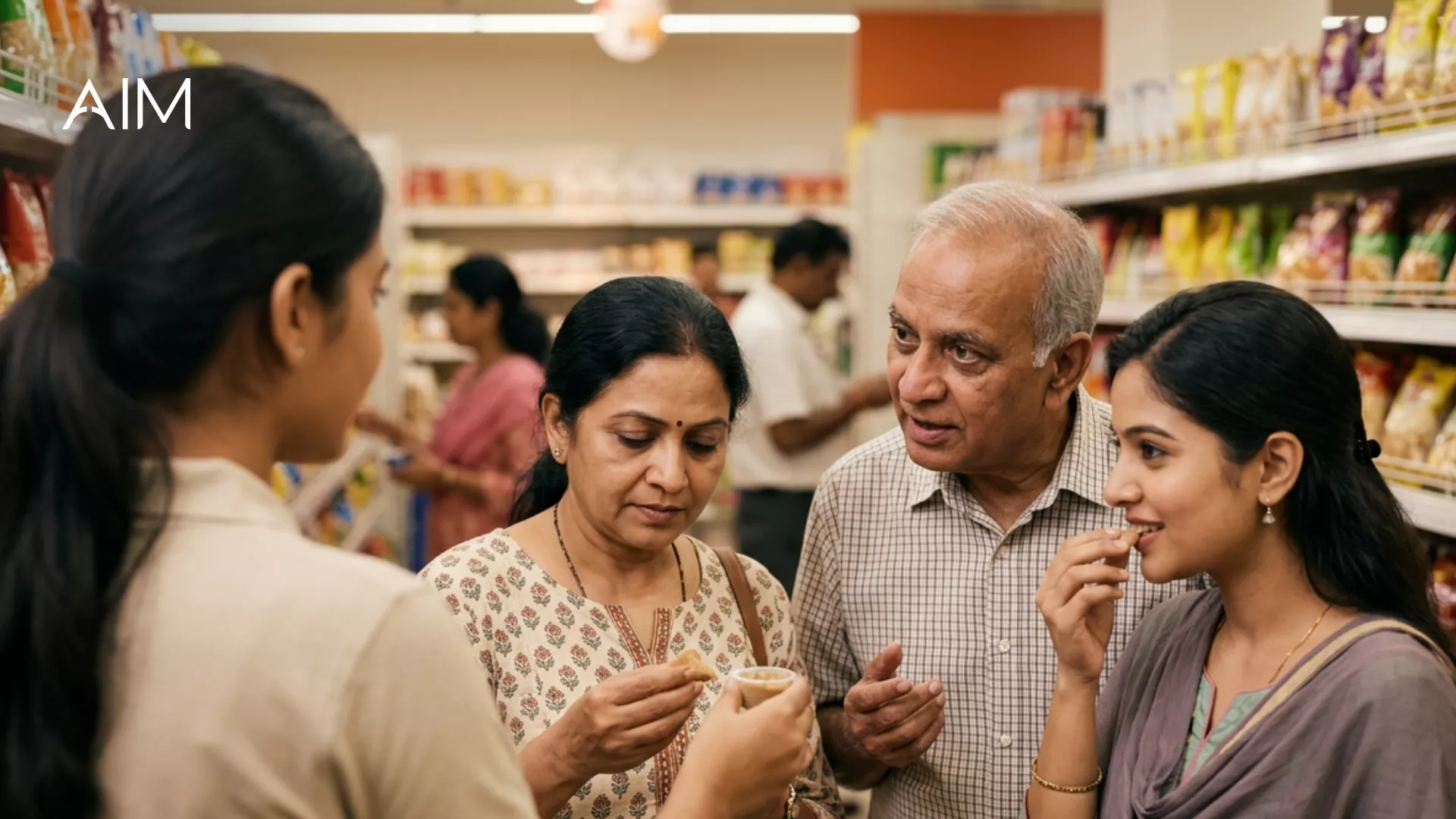
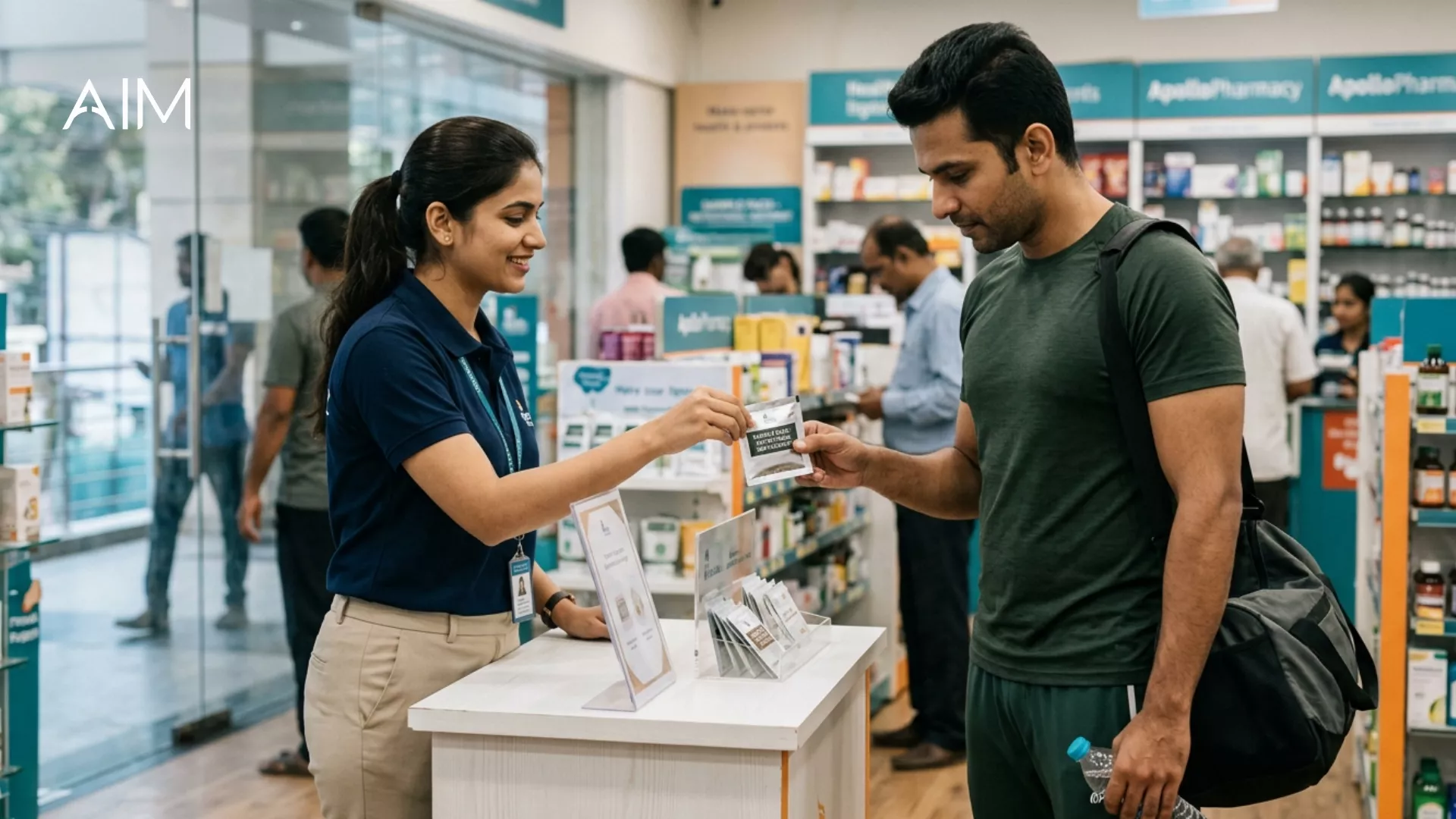
Picture the last time someone pressed a small foil sachet into your hand outside a store. A protein mix, a greens powder, a sleep aid, something. You took it to be polite, it sat in a drawer, and a week later you threw it out without opening it. That is the fate of most wellness samples, and it is rarely because the product was bad. It is because a sachet on its own tells you nothing. In wellness, the sample is the easy part. The story around it is what decides whether anyone actually tries the product, finishes it, and buys it. Hand over a bare sachet and you have handed over a puzzle with no instructions. Here is why wellness samples need a story, and what that story has to do.
Quick answer: why a wellness sample needs a story
Wellness product sampling needs a story because the benefit is invisible and delayed. Unlike a snack or a drink you judge on the first bite, a wellness product often does its work quietly over days or weeks, so a buyer who gets a plain sachet has no way to know what it is for, how to use it, what to expect, or when. Without that context the sample gets ignored or used wrong, and the trial proves nothing. The story, what the product does, why it helps, how to take it, and what to notice, is what turns a free sachet into a real trial that can convert.
Why a bare sachet fails in wellness
Think about what a sachet actually communicates on its own. A name, maybe a flavour, a list of ingredients most people cannot parse. For a chocolate or a soft drink that is enough, because the product proves itself the moment it hits your tongue. Wellness does not work that way. A magnesium powder does not announce itself. An adaptogen does not give you a hit you can feel in ten seconds. So the buyer is left holding something whose whole value is a promise they cannot verify by tasting it. Faced with that, most people do the rational thing and simply do not bother. The sachet is not rejected because it failed. It is rejected because it never got a fair chance to work, and nothing in the pack told the buyer why it was worth the effort.
The benefit is invisible, so the story has to carry it
This is the heart of it. In most categories the product carries the message. In wellness the message has to carry the product, because the product cannot speak for itself fast enough. That message is the story, and it is doing real work, not decoration. It tells the buyer what this is meant to help with, so they can connect it to a goal they already have. It explains, in plain terms, why it might work, which is what earns a cautious buyer's trust. And it gives them a reason to start today rather than later, which is usually the difference between a sample used and a sample lost. Take the story away and you are betting that a busy, slightly sceptical person will do your homework for you. They will not.
What a wellness sample story actually means
Story here does not mean a glossy brand film or an emotional tagline. It means four practical things the buyer needs before the sample is any use to them.
What it is for. One clear line that ties the product to a goal the buyer recognises, better sleep, steadier energy, easier digestion, whatever it honestly does. If they cannot place it against a need of their own, it stays in the drawer.
Why it helps. A short, honest reason the product works, in language a normal person understands. Not a claim they have to take on faith, and not a wall of pharmacology, just enough to make trying it feel sensible rather than risky.
How to use it. The exact, simple instruction. When to take it, with what, how much. Wellness products get used wrong constantly, on an empty stomach when they needed food, once when they needed a few days, and a wrong trial reads as a failed product.
What to expect, and when. This is the one almost everybody skips, and it matters most. Tell the buyer what they might notice and roughly when, so they are not judging a slow product by day-one standards and quietly deciding it did nothing.
Set the expectation or lose the trial
That last piece deserves its own moment, because it is where wellness sampling quietly dies. A buyer tries a sample once, feels nothing dramatic, and concludes it does not work. But many wellness products were never meant to do anything dramatic on day one. If the story does not set the timeline, the buyer sets their own, and theirs is almost always too short. So the story has to say, gently and honestly, that this is a product you give a little time, and here is what to watch for as you do. That single act of expectation-setting keeps a sample in play long enough to actually deliver, instead of being written off before it had a chance. Overpromise and you lose trust. Set no expectation at all and you lose the trial. The honest middle is the whole game.
The story is what makes them finish the sample
A wellness sample only works if it gets used enough to show something, and a bare sachet almost never does. A buyer who understands what the product is for, how to take it, and what to expect has a reason to use the whole thing across the days it needs. A buyer holding a mystery sachet uses it once, if at all. So the story is not there to make the sample look nicer. It is there to change behaviour, to move the sample from the drawer to the routine, because a sample that is not finished is a sample that proves nothing and sells nothing. In a category where the result depends on repeated use, the story is the thing that earns the repeated use.
Same sample, two different endings
Take one magnesium sachet and imagine it going out two ways. In the first, it is dropped into a goodie bag with nothing on it but a brand name. The buyer glances at it, has no idea it is meant for sleep or muscle recovery, does not know to take it at night, tries it once with no expectation, feels nothing, and forgets it. In the second, the same sachet carries one line saying it is for calmer sleep, a short note on taking it after dinner, and a sentence that says give it a few nights and notice how you wake up. Same product, same cost to make. One version proves nothing and the other gives the product a real chance to earn a buyer. The difference was never the sachet. It was whether a story went with it.
Where the story gets told
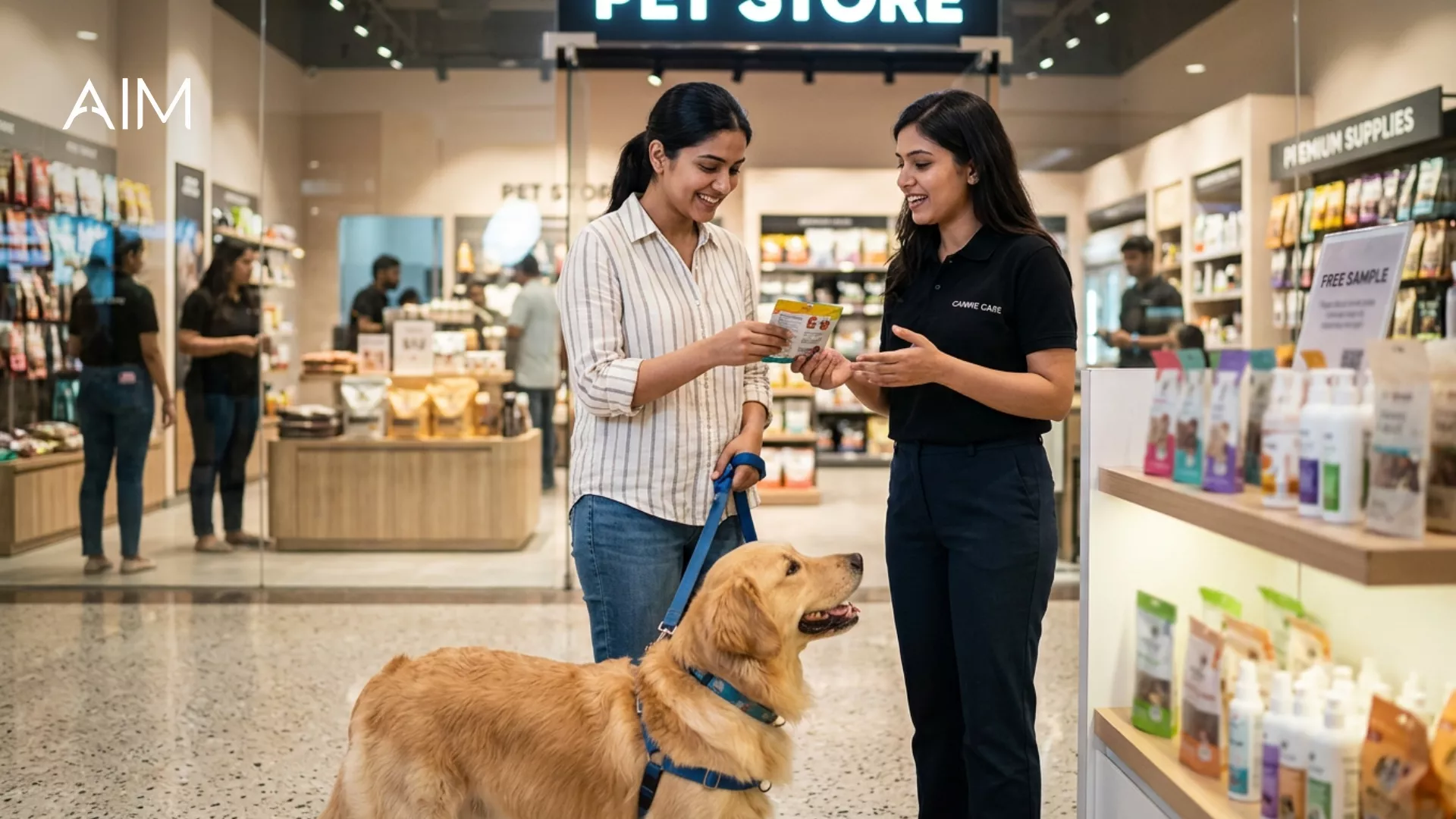
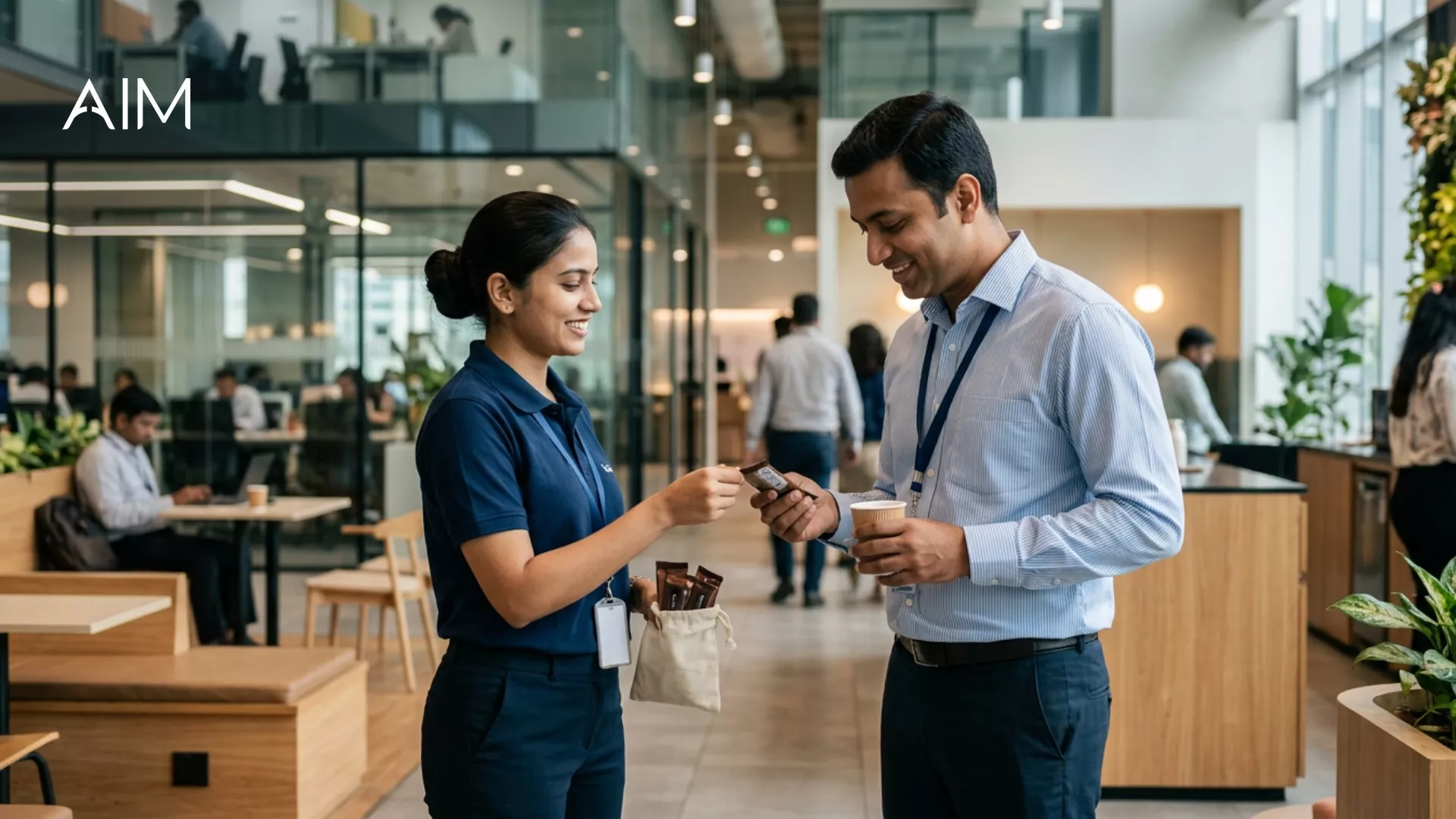
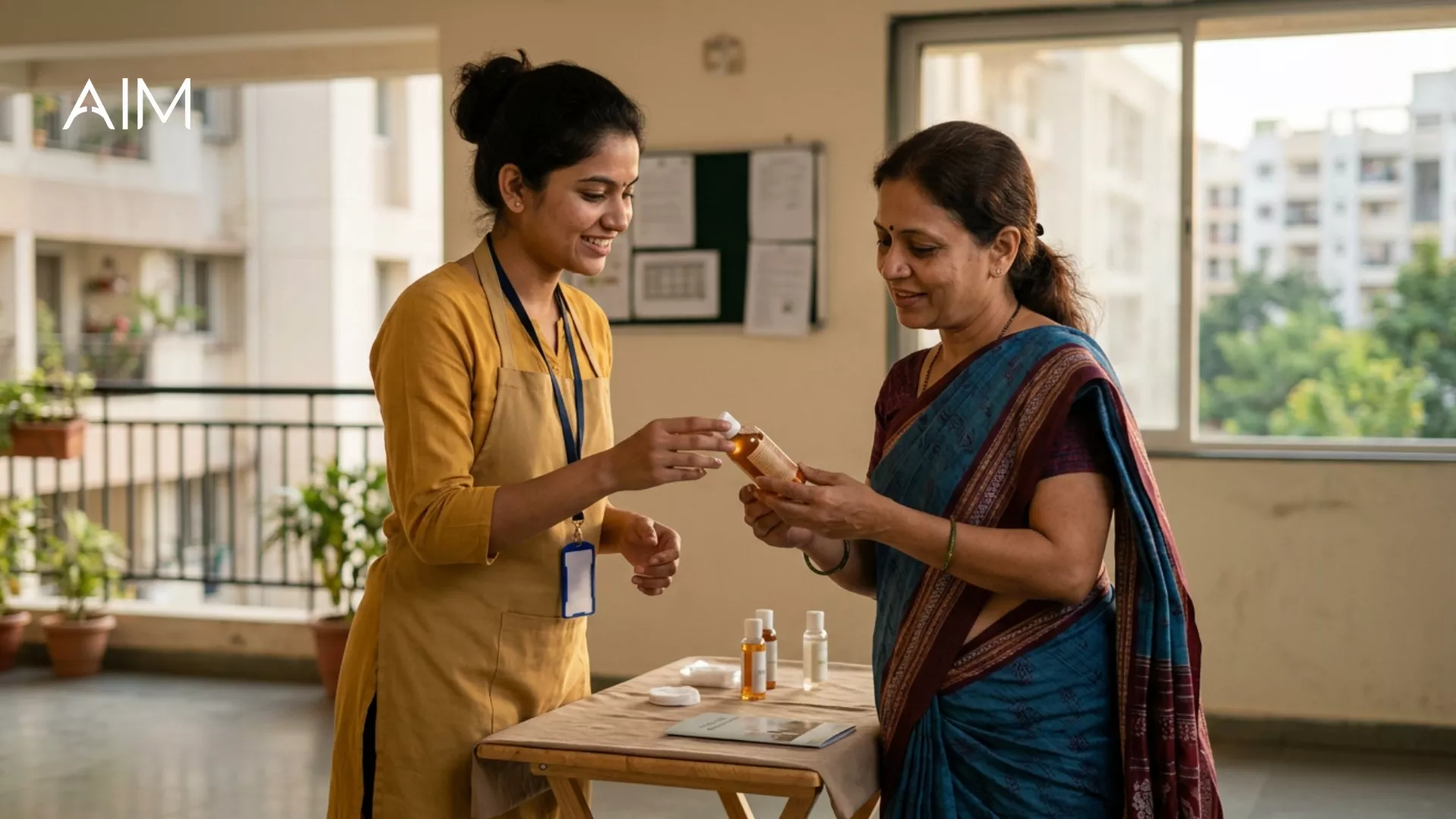
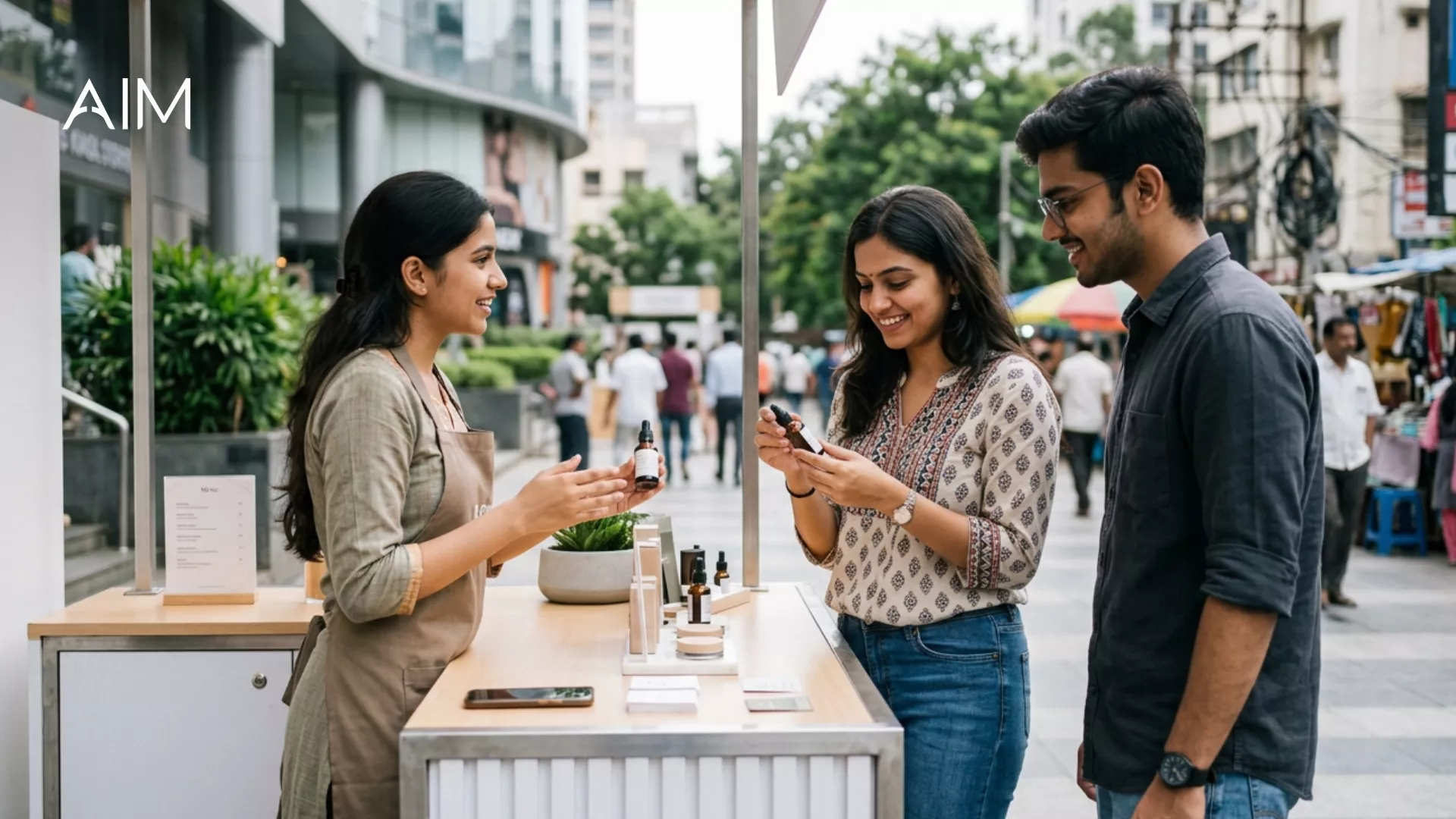
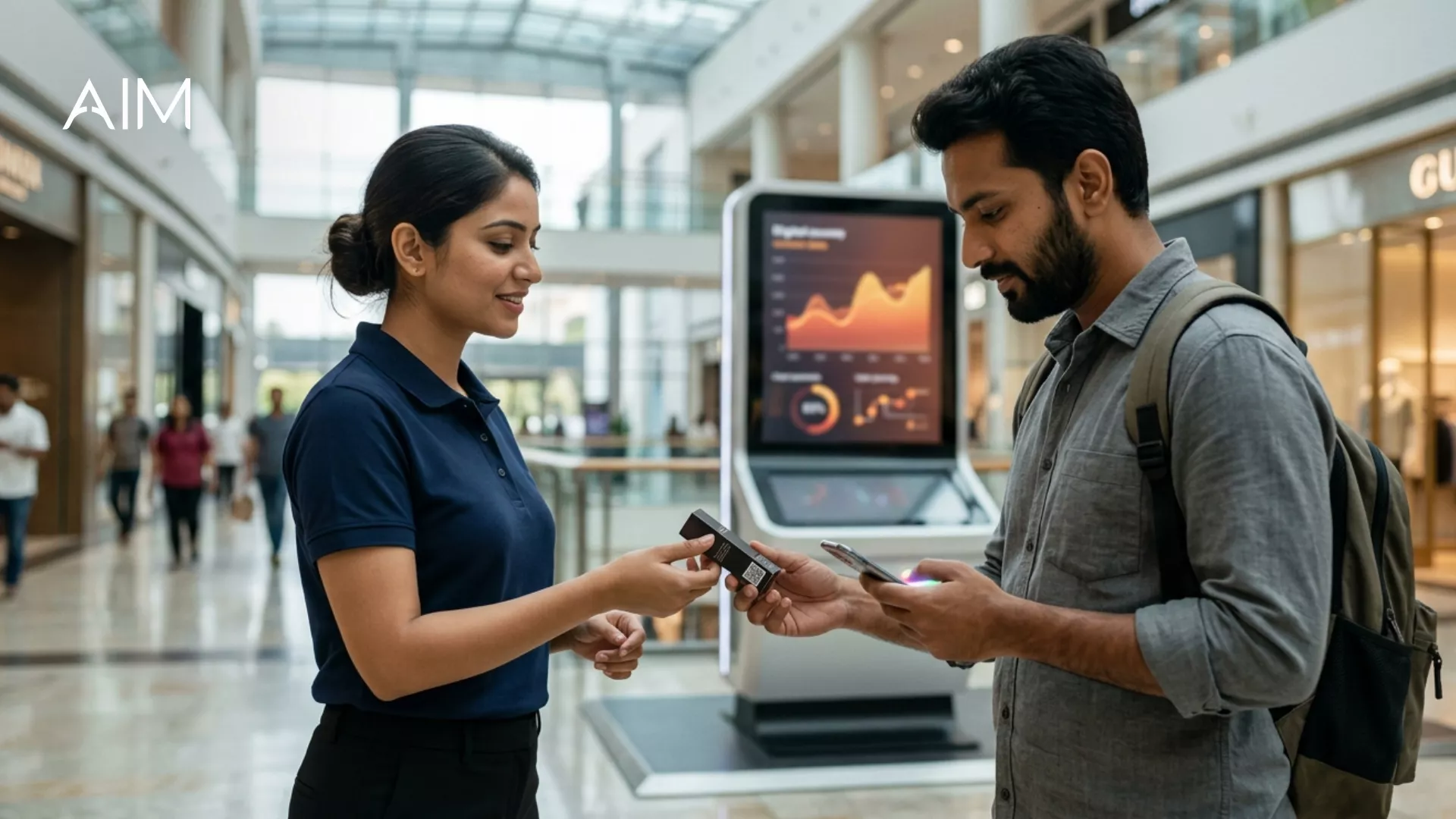
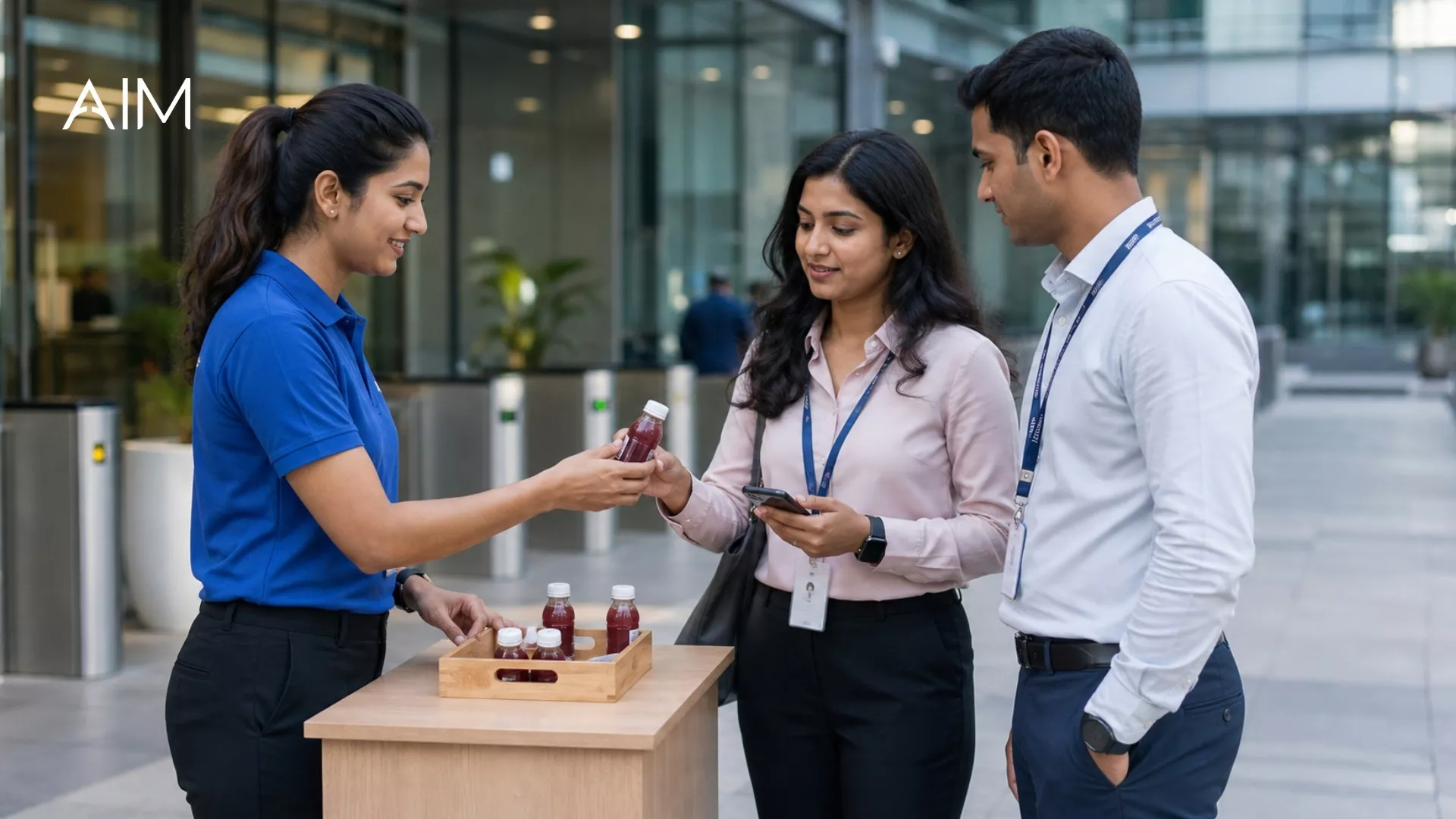
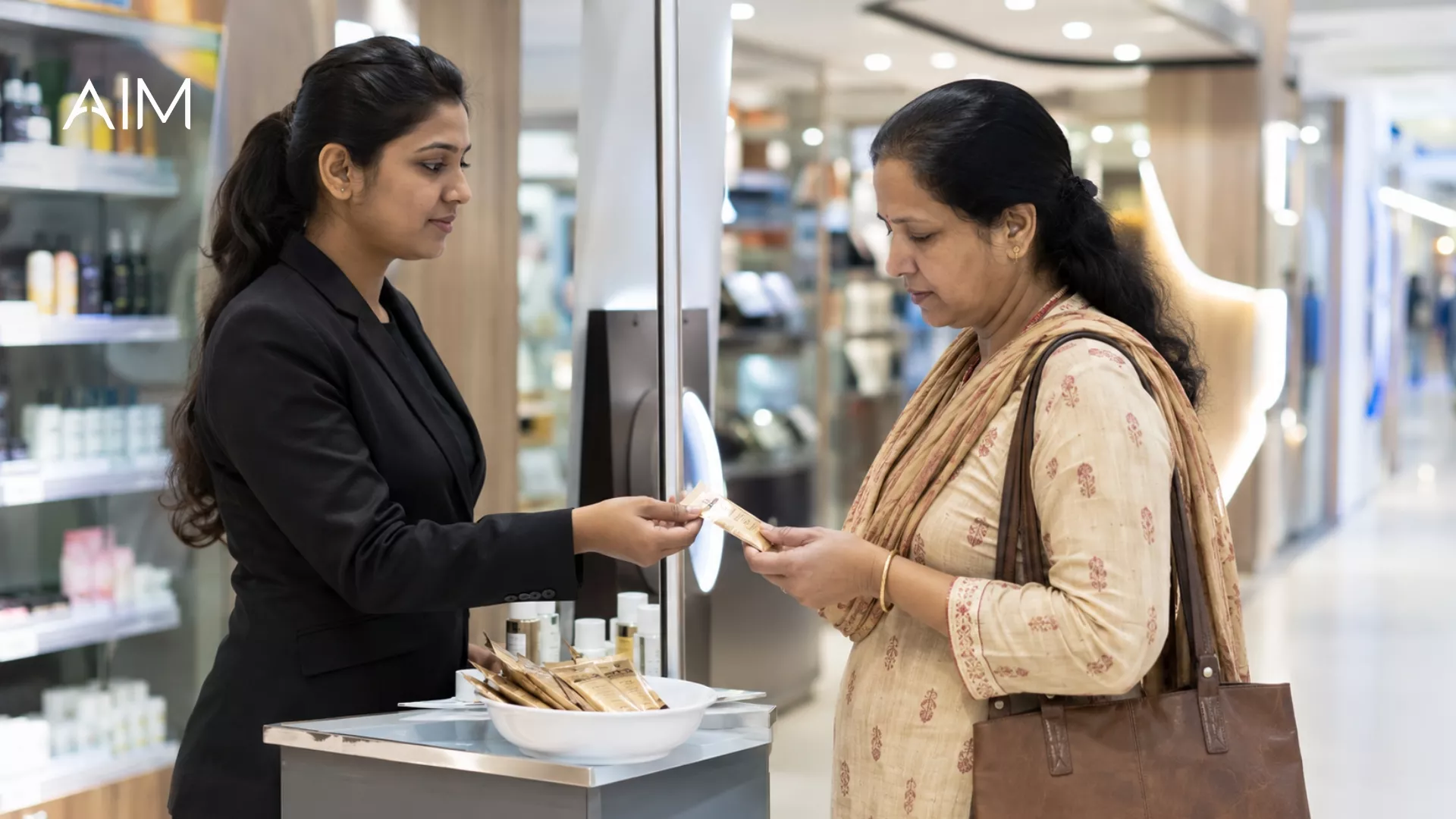
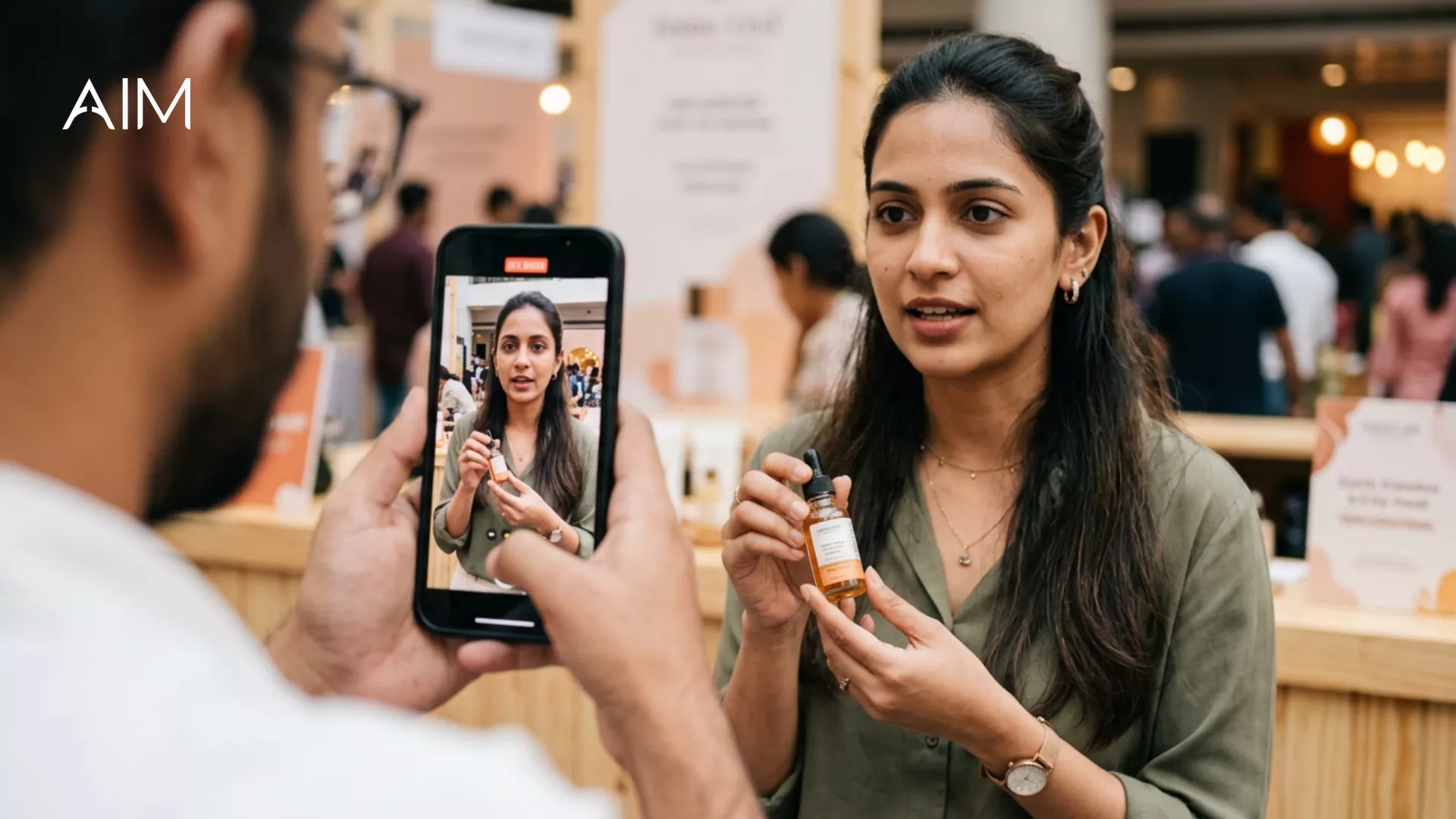
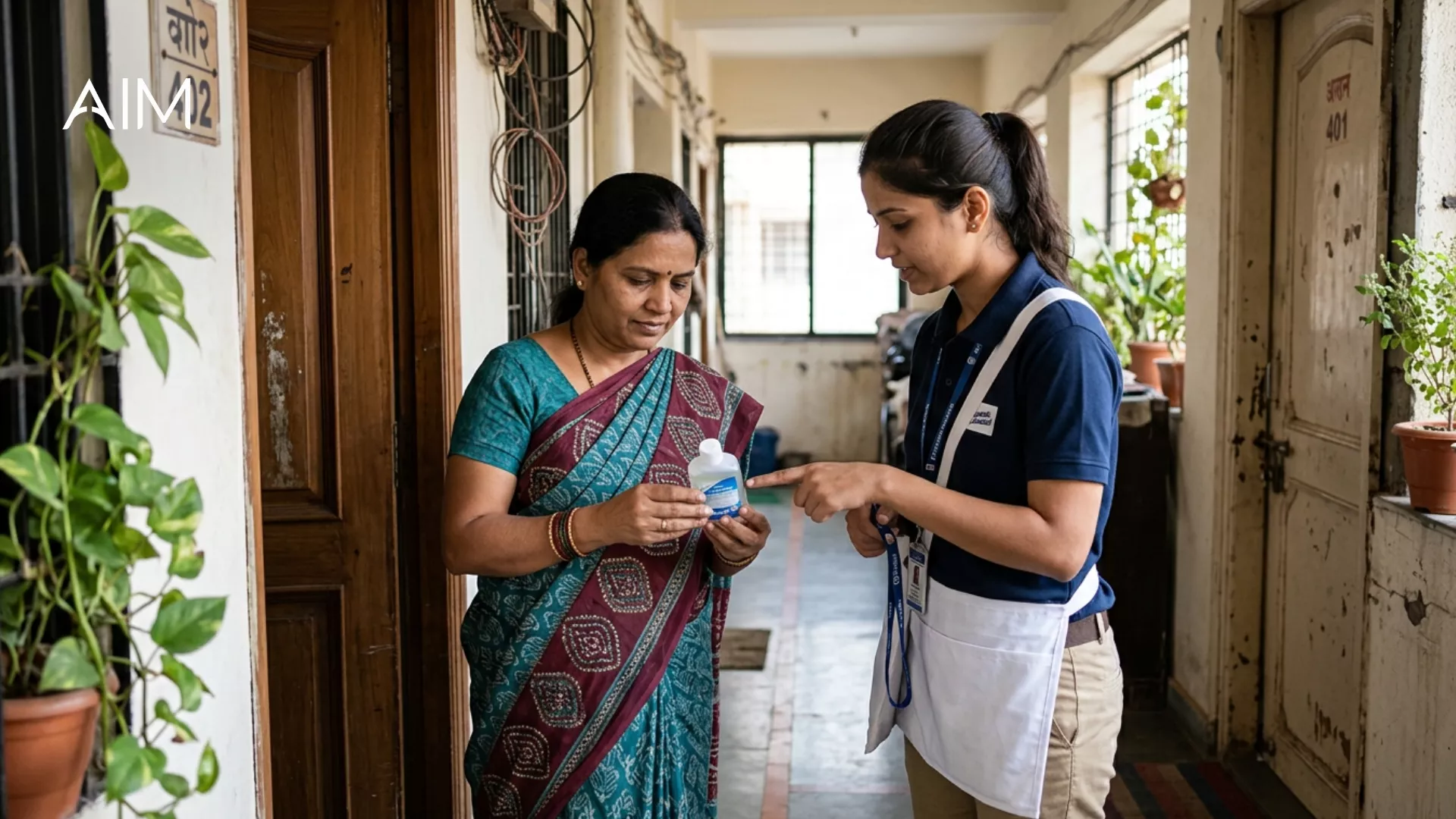
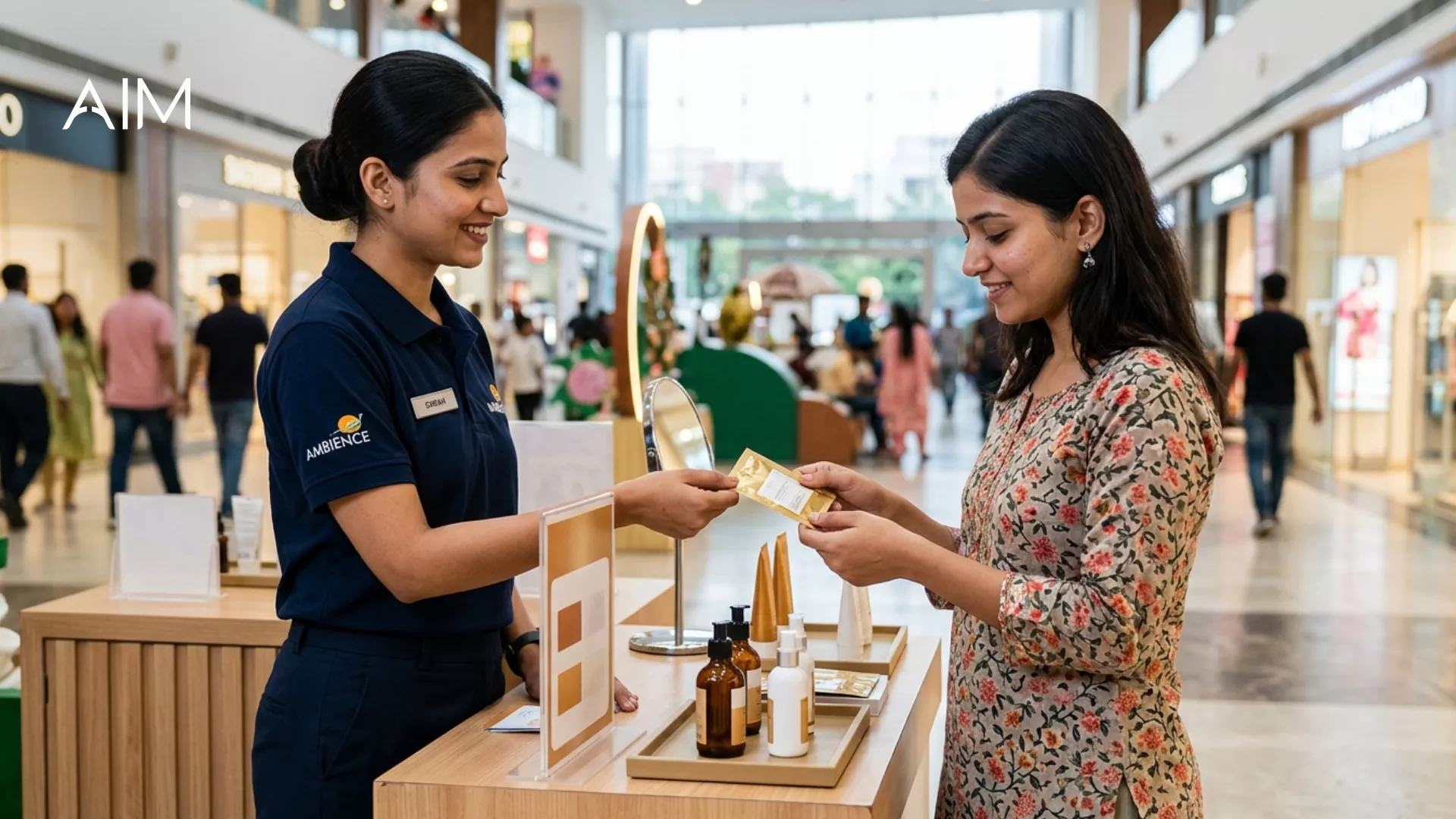
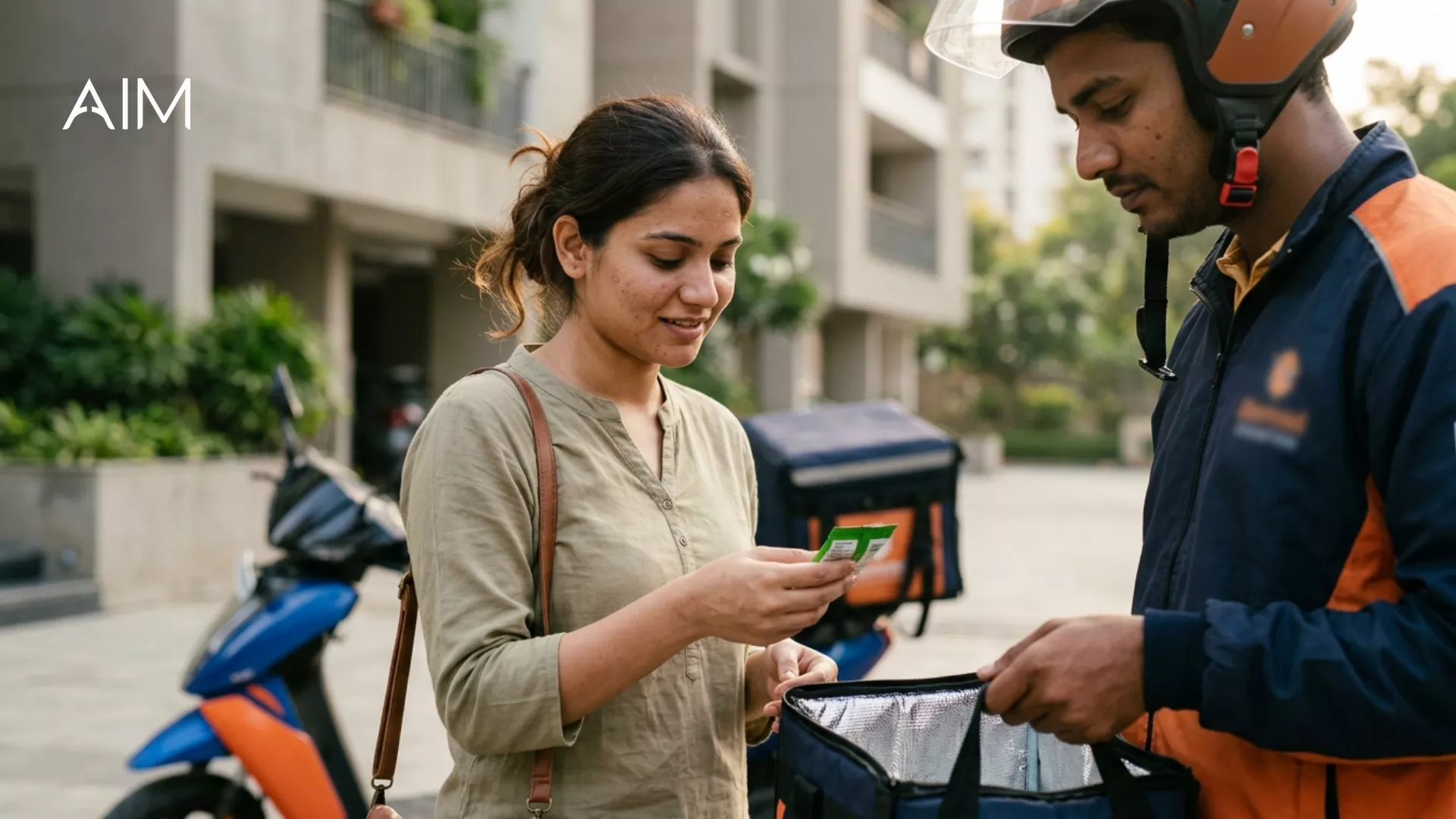
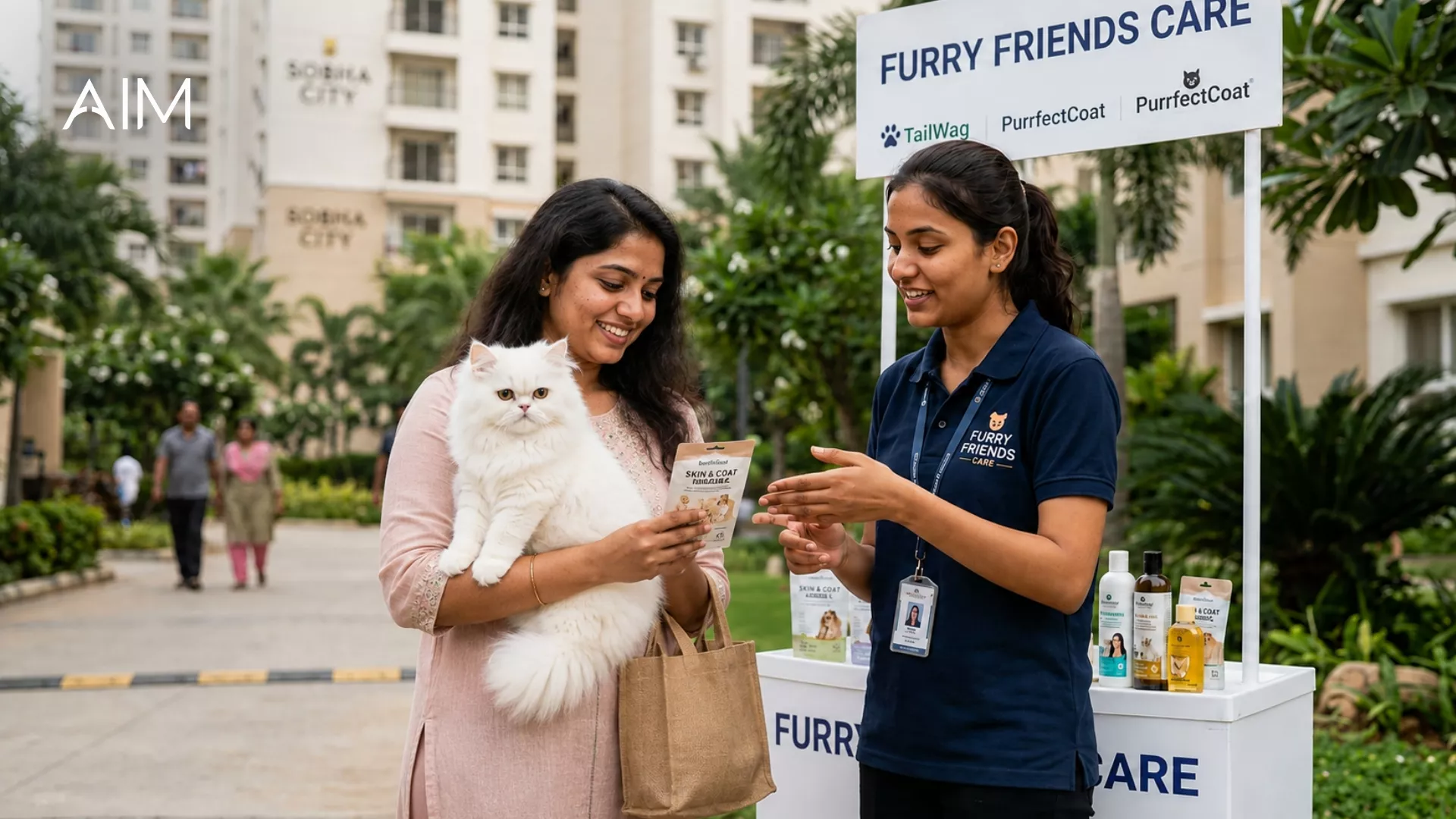
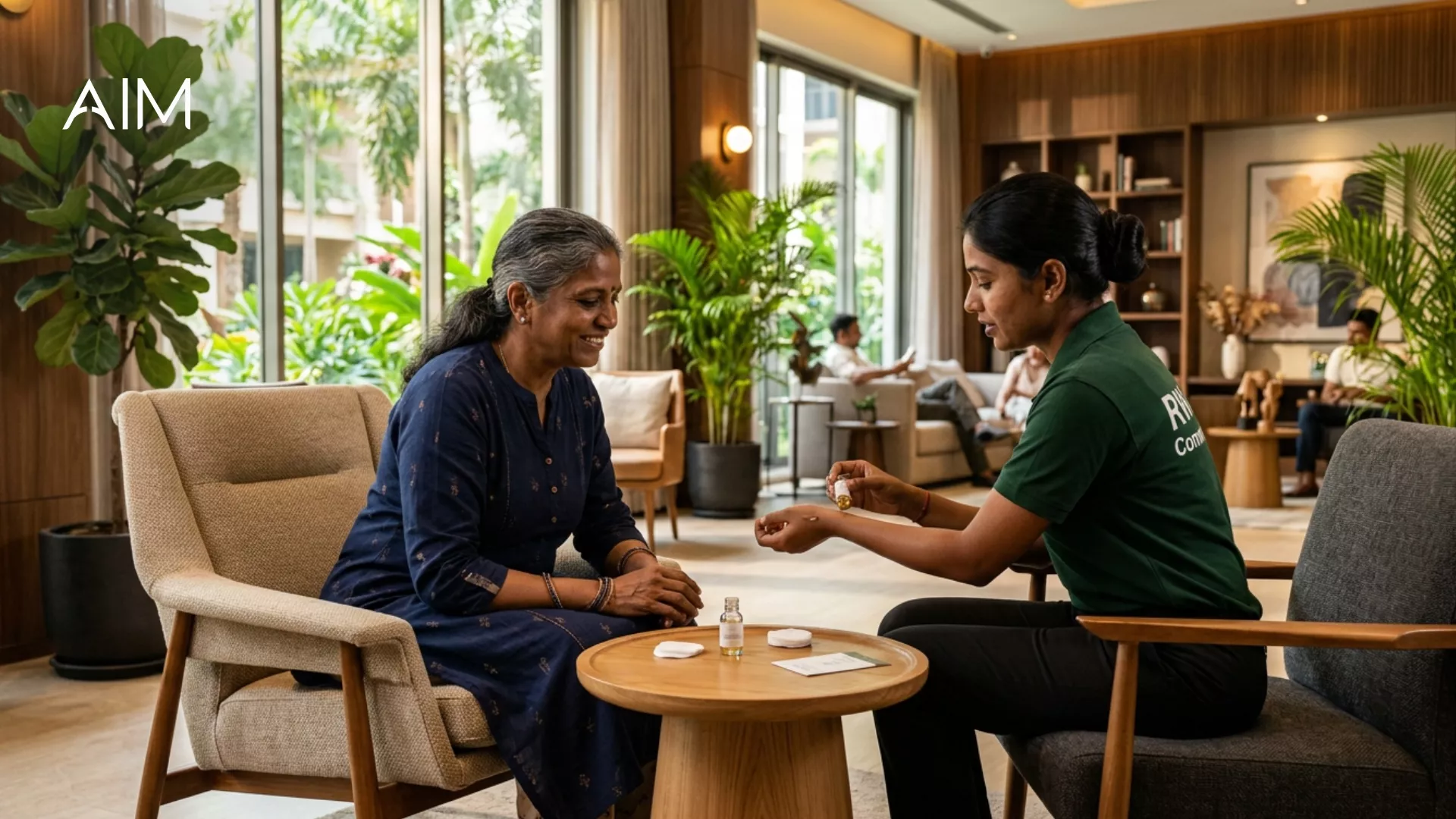
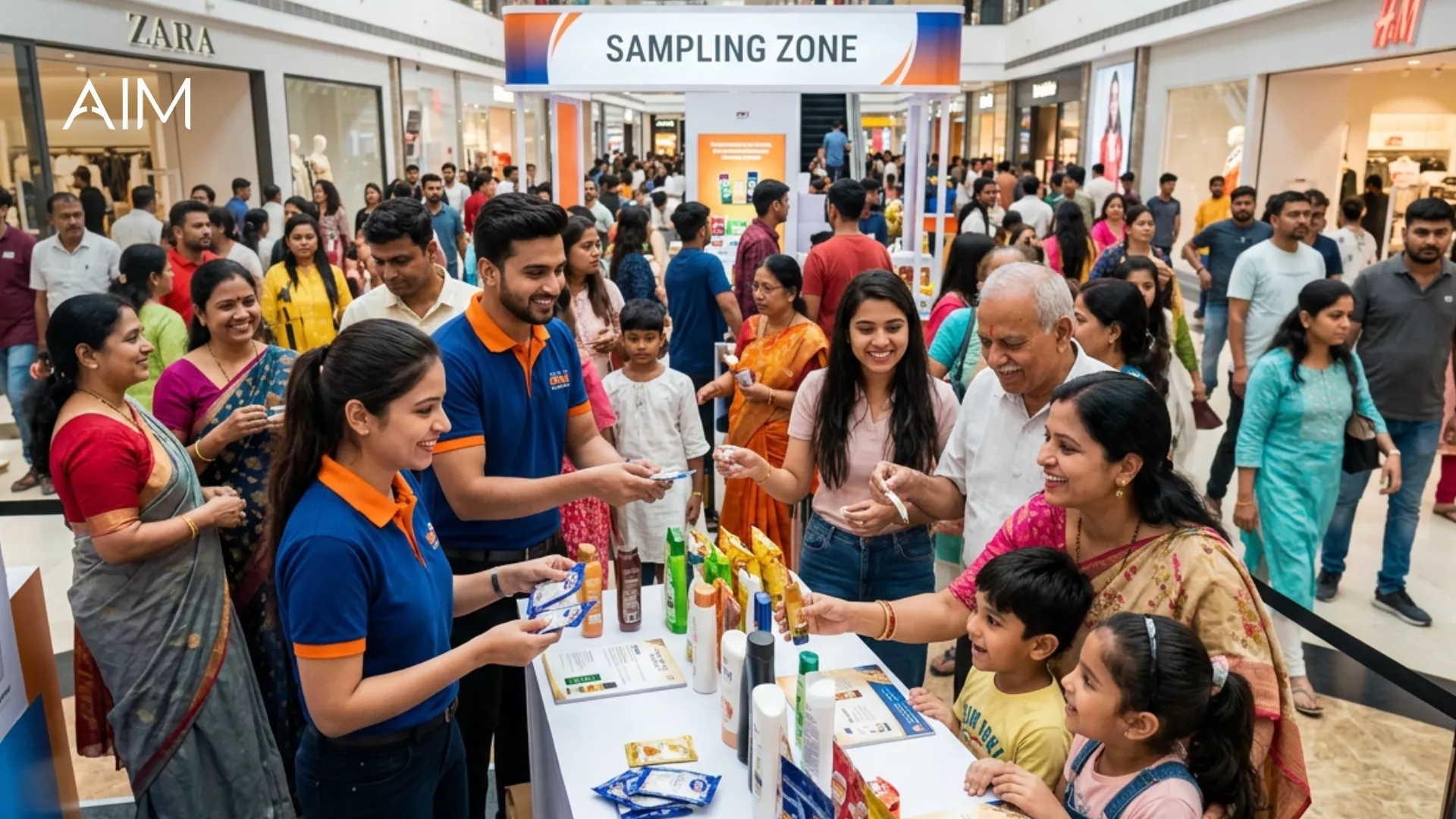
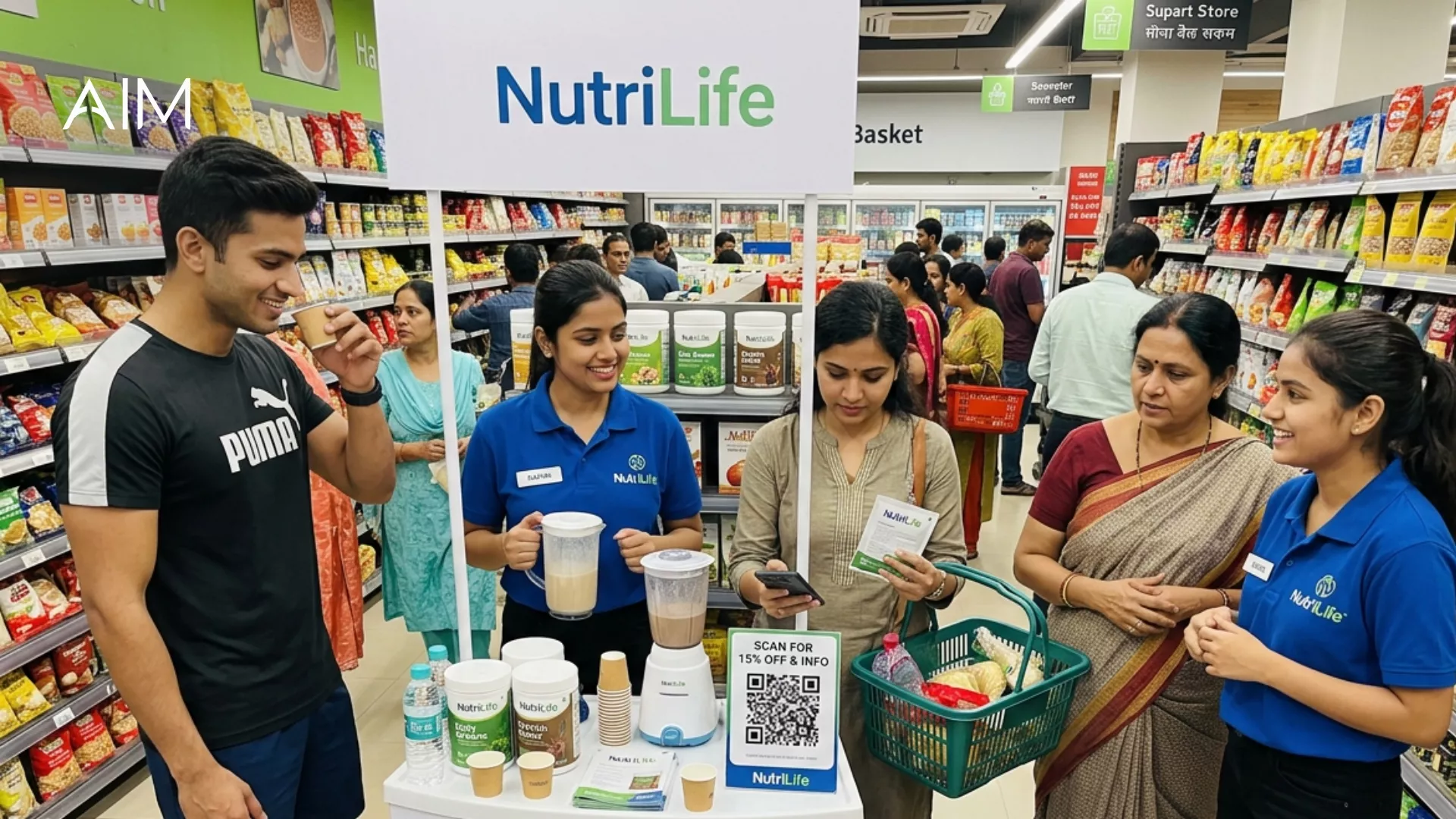
The good news is that the story does not need much room, it needs the right places. The pack itself can carry the one-line purpose and the how-to-use, so the basics travel with the sample wherever it ends up. A small insert or card can add the why and the what-to-expect without cluttering the product. A QR code can open a short page or video for the buyer who wants more, and double as the point where you capture who they are. And the person handing it over, when there is one, can say the single most important sentence out loud, what this is for and when they will notice it. None of this is expensive. It is just deliberate, and it is the part most sampling plans leave out because they treated distribution as the finish line.
Story first, then proof
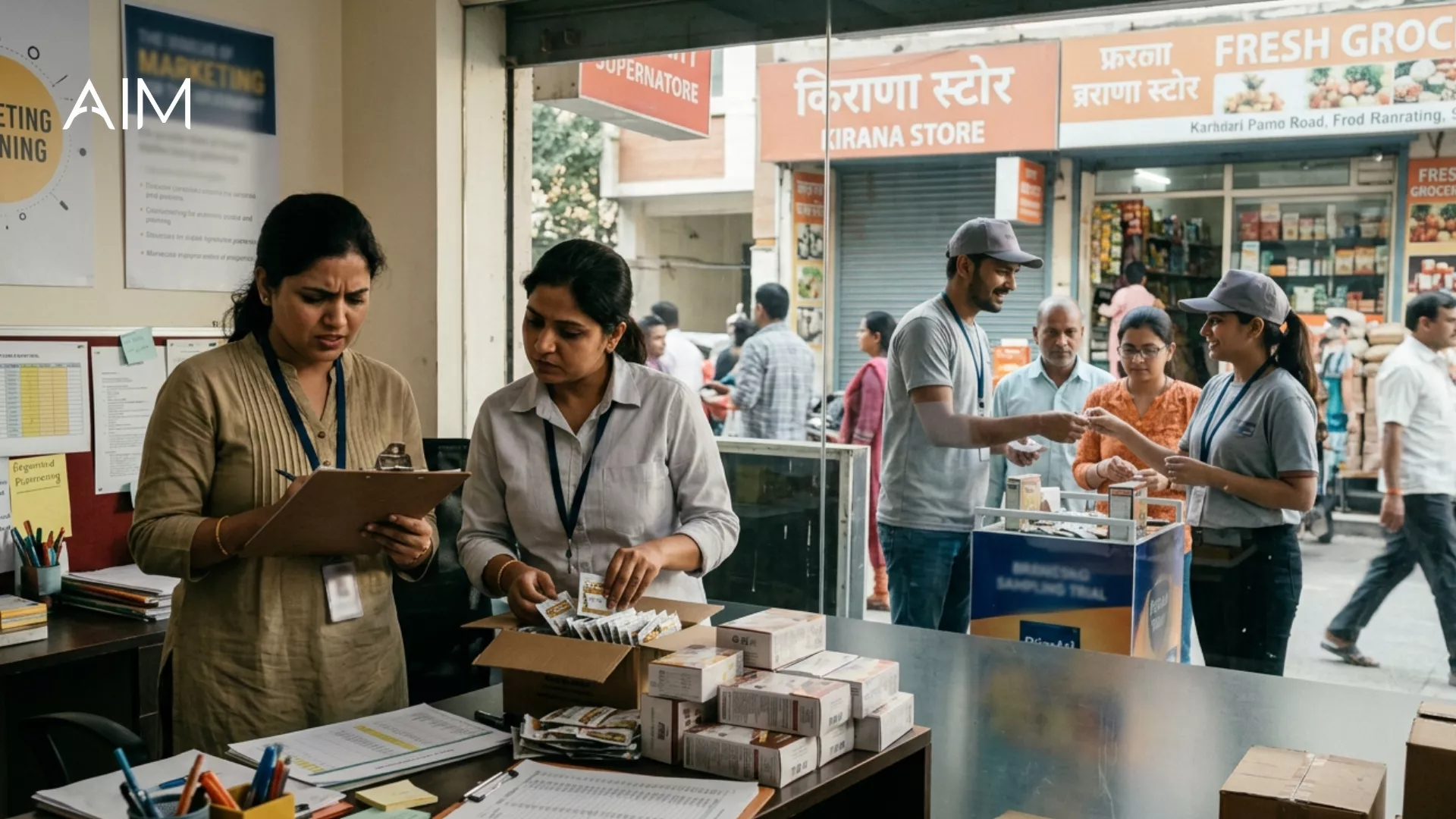
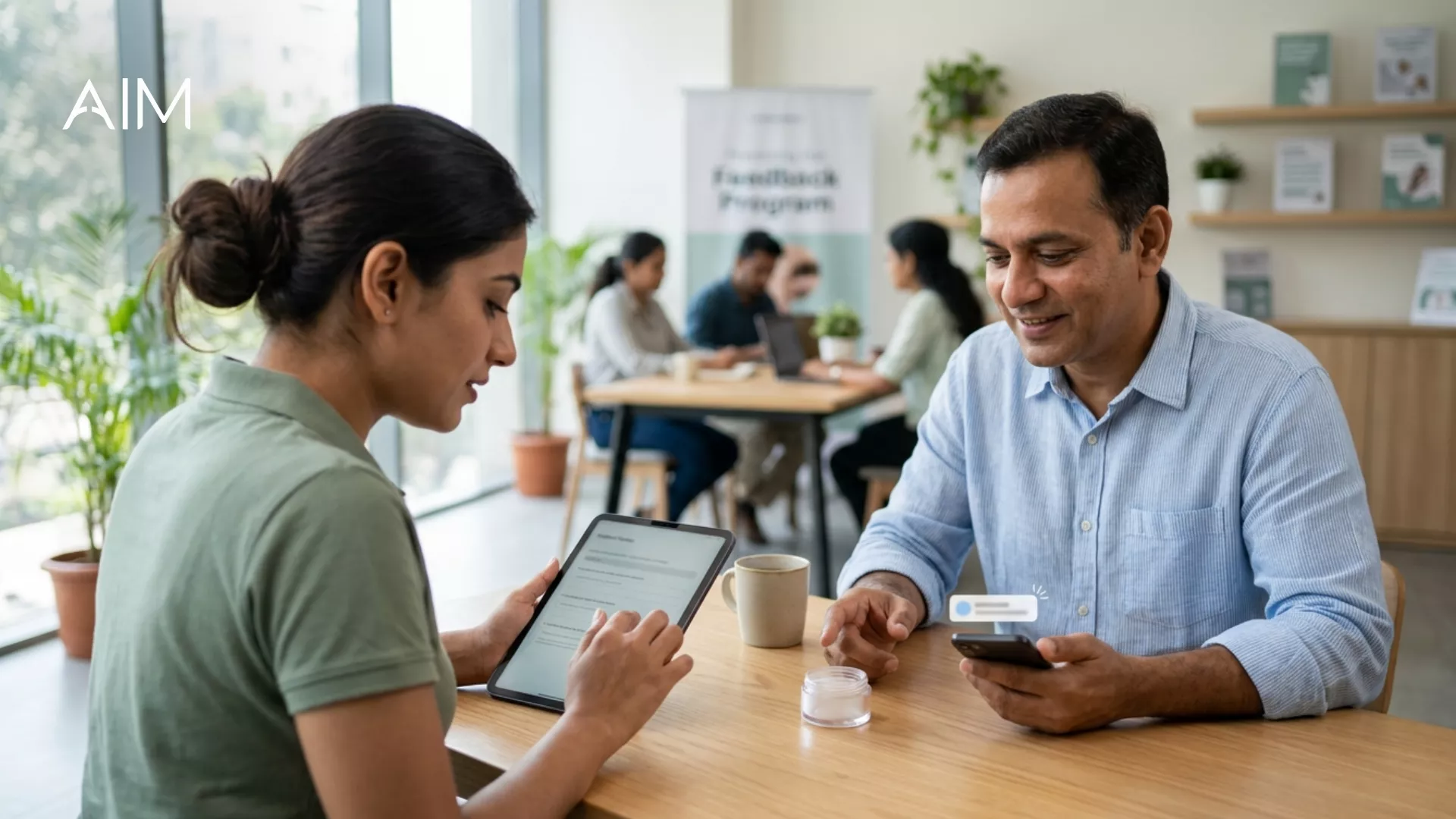
Here is where it comes together. The story gets the sample used properly. But you still need to know whether it worked, and that is the other half. This is how AIM approaches wellness sampling: pair the sample with the story that makes it get used, then capture who tried it and track whether they came back and bought or subscribed. The story earns the honest trial. The tracking tells you what the trial was worth. A sachet handed out with neither is just a cost with a nice logo on it. A sample that arrives with a clear reason to try it, a clear way to use it, and a clear sense of what to expect, backed by a way to measure the response, is the version of wellness sampling that actually turns triers into buyers. In wellness, you are not really giving away a product. You are giving away a reason to believe it, and the reason has to travel with the sachet or the sachet goes to waste.








.webp)







.png)