
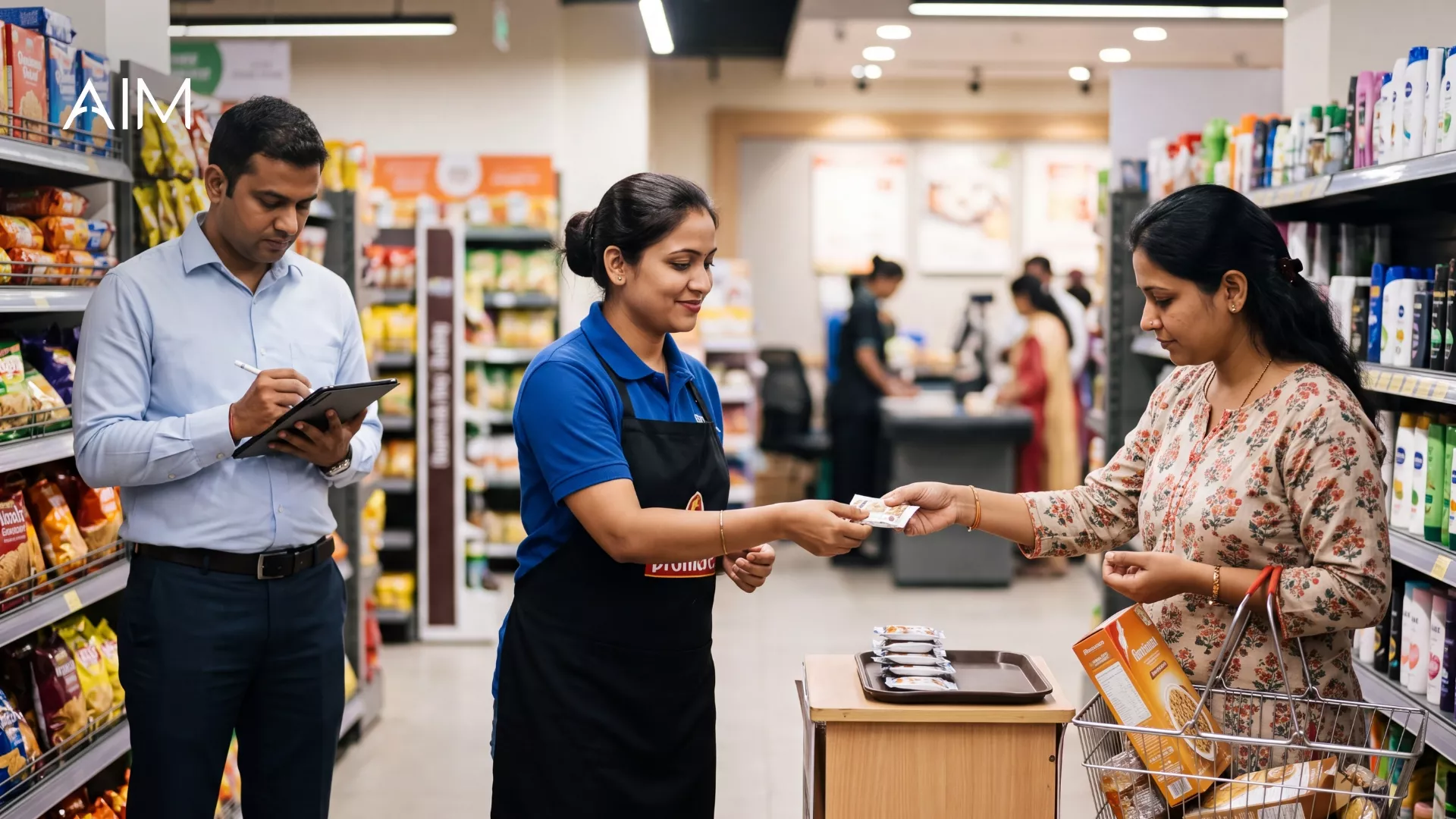


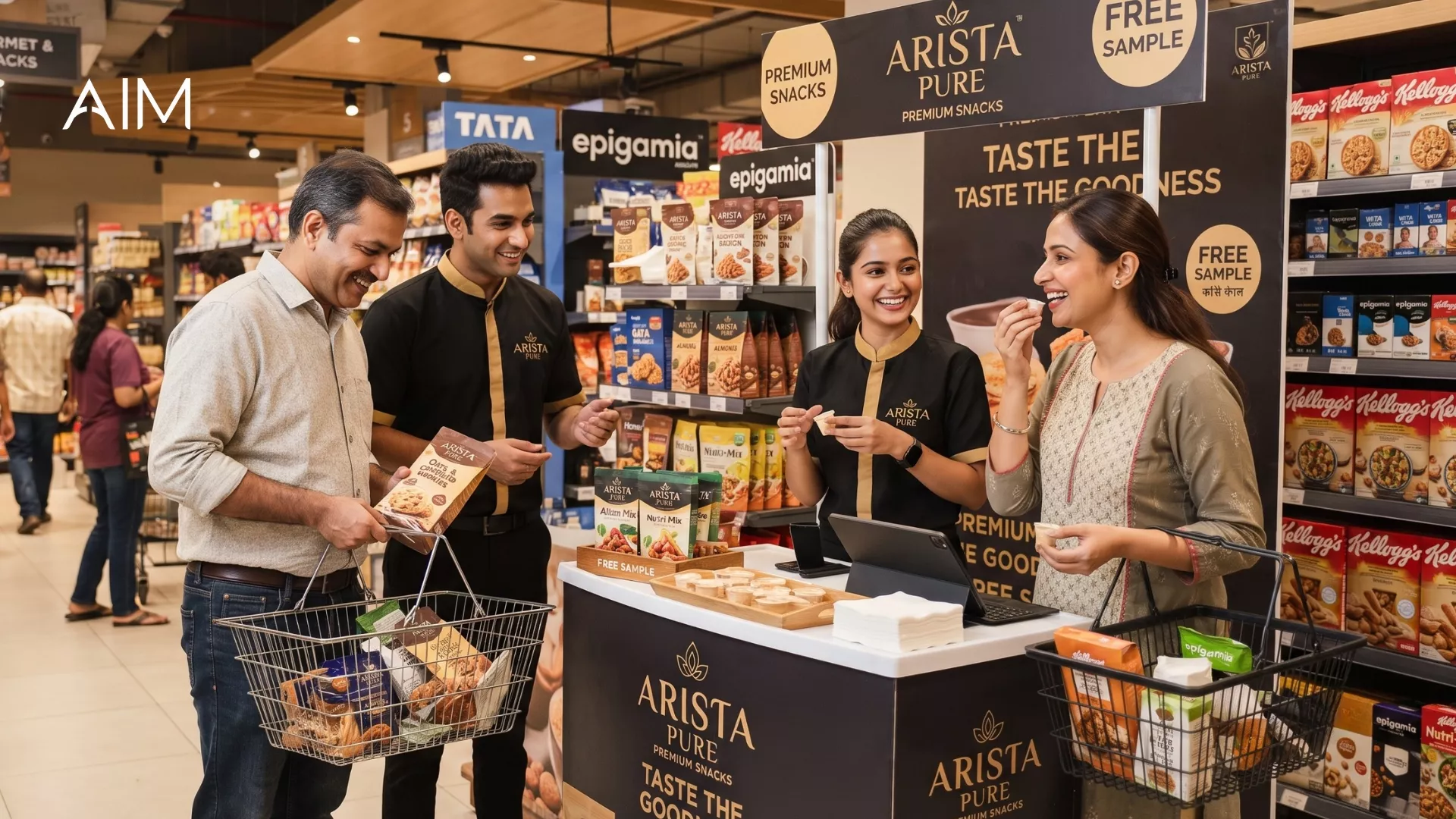
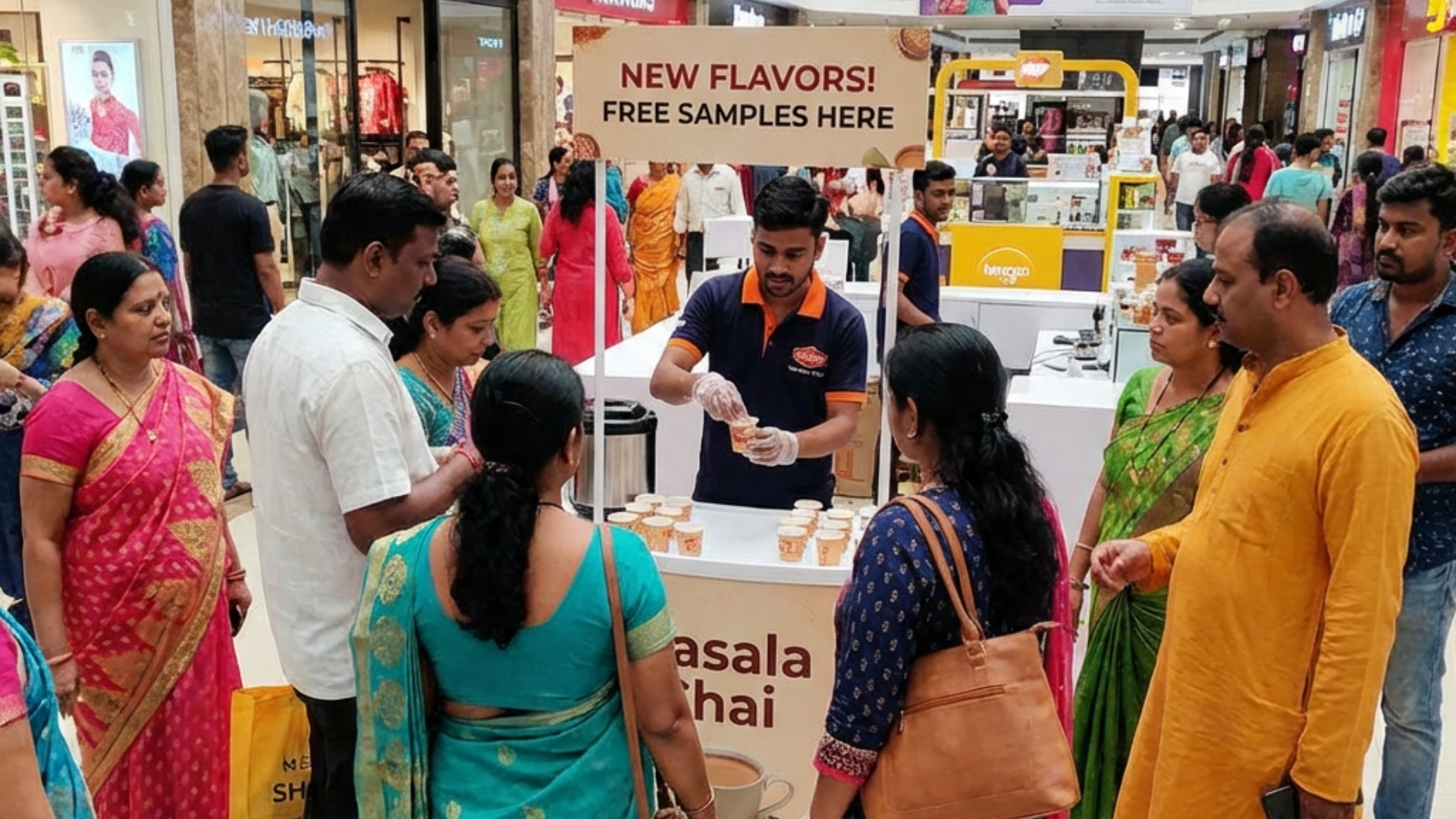
Ask most brands what their last sampling campaign achieved and you get one number: how many samples went out. Ask what those samples earned, how many people bought after trying, and the room goes quiet. That gap between handed out and bought is the single biggest blind spot in product sampling, and sample-to-sale tracking is what closes it. It is the difference between hoping a campaign worked and knowing it did.
Quick answer: sample-to-sale tracking is a way of following a product sample from the moment a person receives it all the way to whether they later buy the product. It works by capturing the person at the point of trial, usually through a QR code or a unique coupon, and tying that sample to a redemption or purchase. It matters because it turns product sampling from an unmeasured cost into a channel you can prove, optimise, and defend, measured in buyers rather than samples handed out.
What is sample-to-sale tracking?
Sample-to-sale tracking is the practice of connecting each product sample you give away to what the recipient does next, specifically whether they go on to buy. Instead of stopping at distribution, it follows the trial through to the till. Every sample carries something that identifies it, a QR code, a unique coupon, or a redemption code, so when the person engages or buys, the campaign can link that action back to the exact sample, location, and audience it came from.
In plain terms, it answers the one question traditional sampling never could: of all the people who tried the product, how many became customers? That is the whole idea. A sample is a small bet that trial leads to purchase. Sample-to-sale tracking is how you see whether the bet paid off, instead of guessing.
How does sample-to-sale tracking work?
It works in a chain, and each link has to hold or the trail breaks.
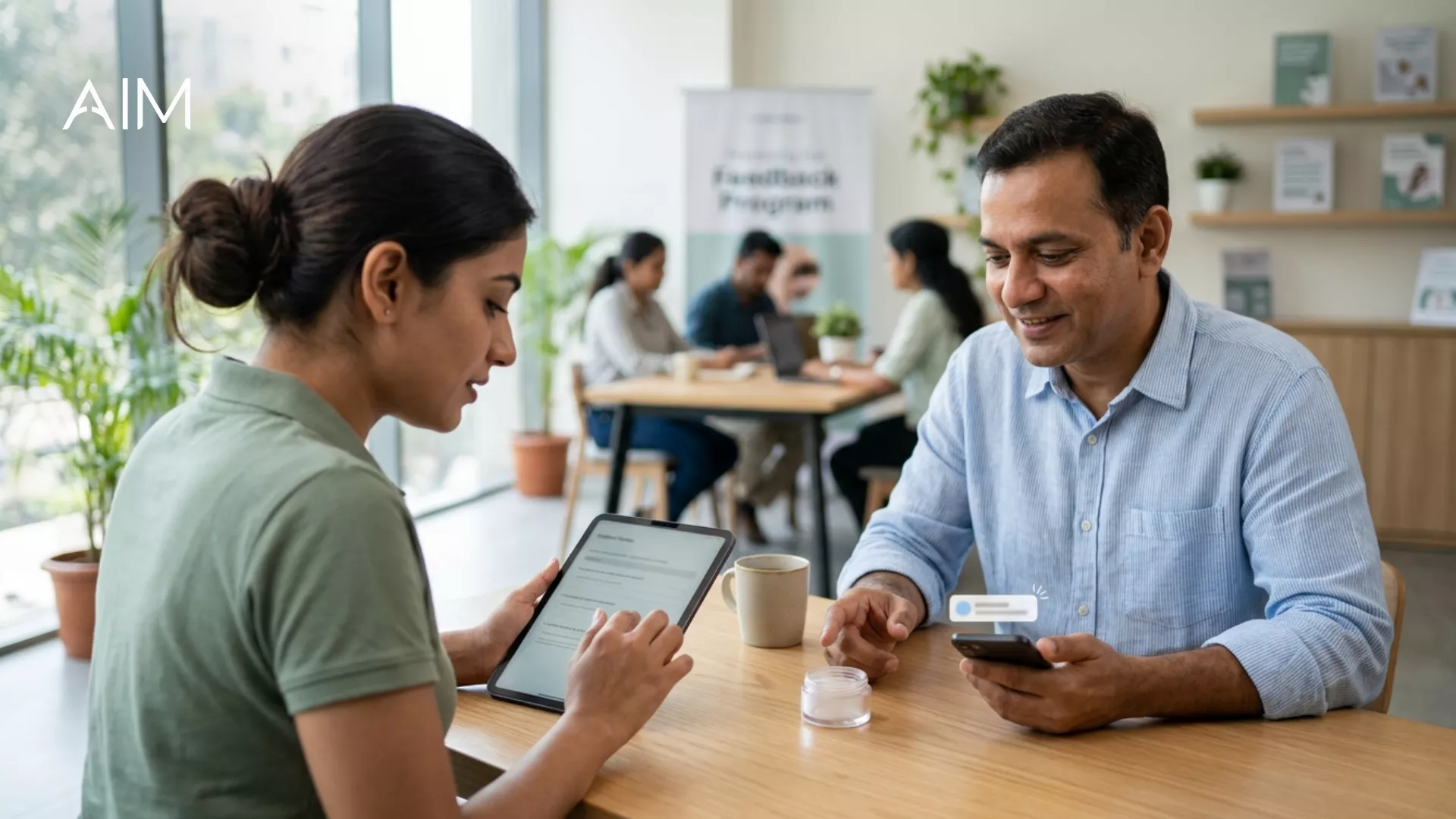
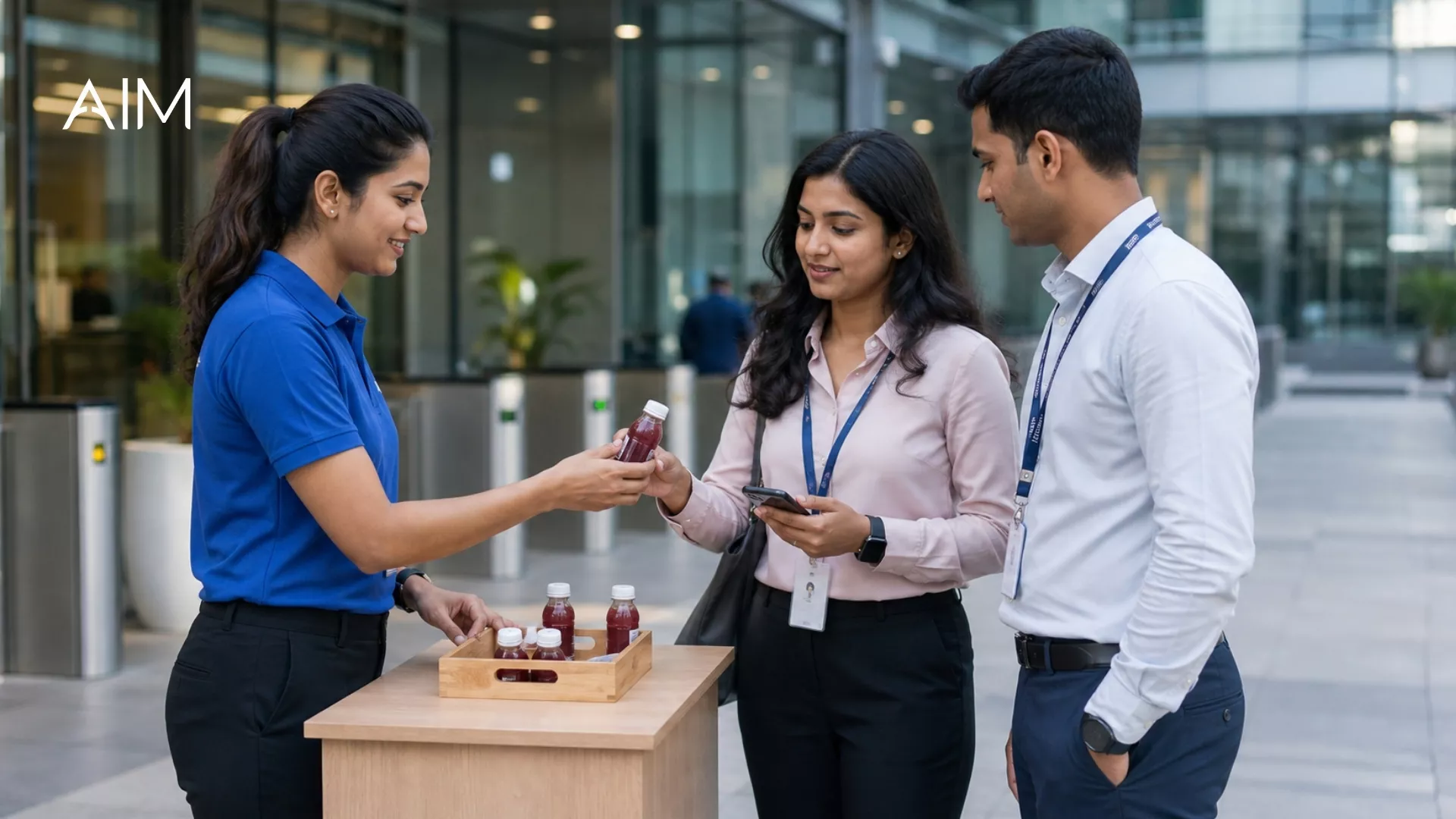
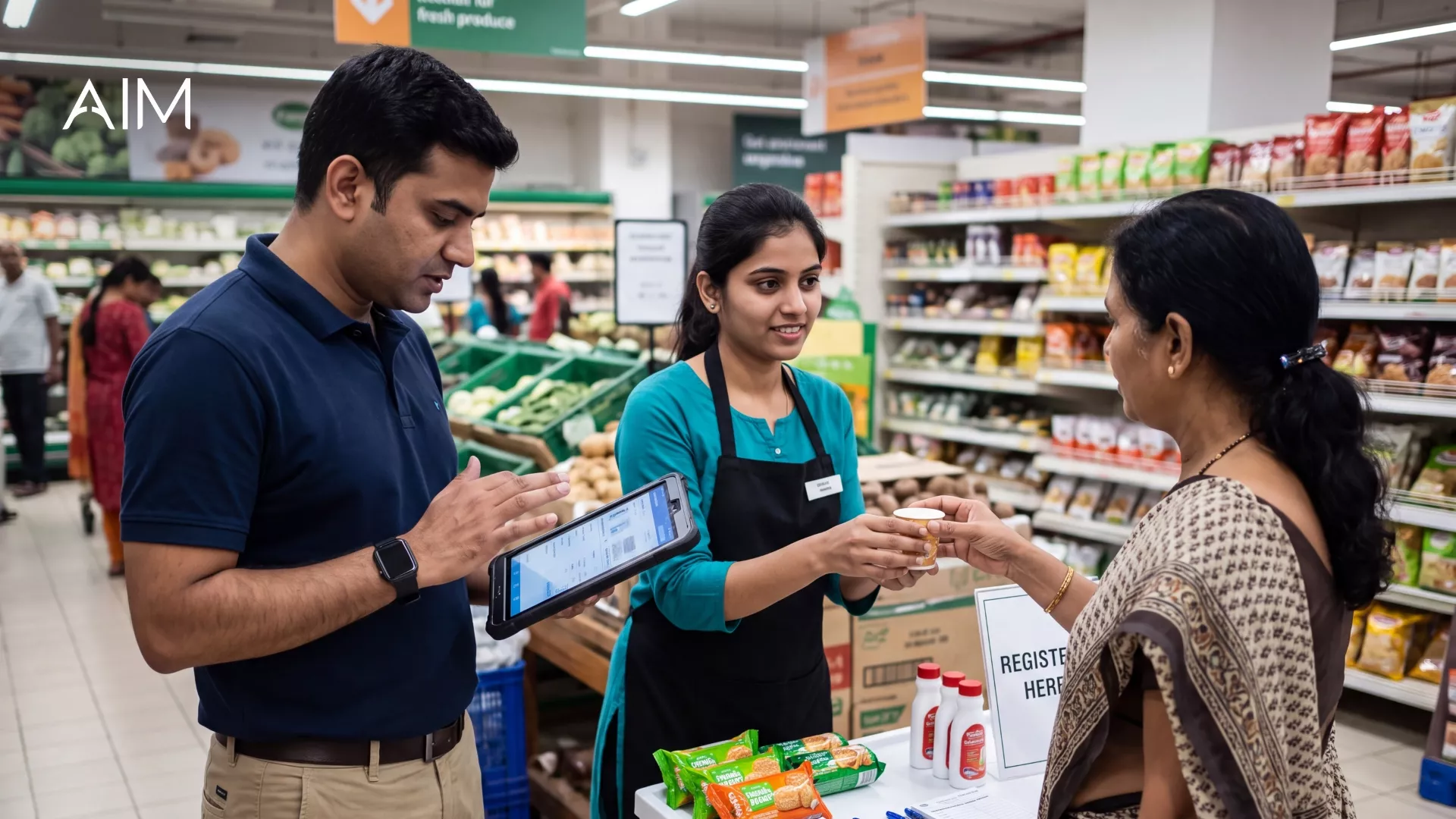
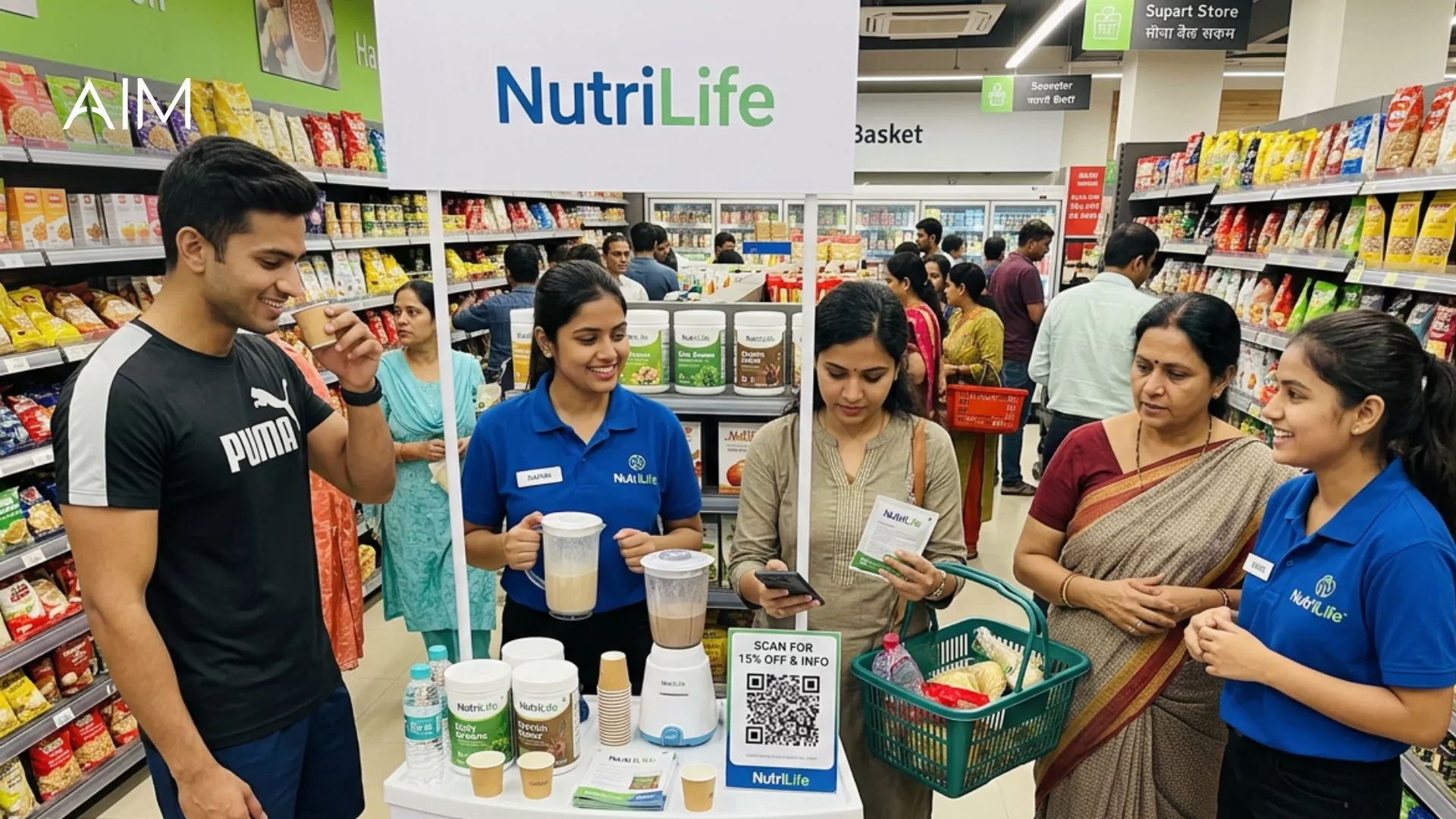
- Capture the person at trial. The moment someone takes the sample, a quick opt-in or a QR scan records who they are and, ideally, a detail or two that confirms they fit your buyer. This turns an anonymous handout into a known person.
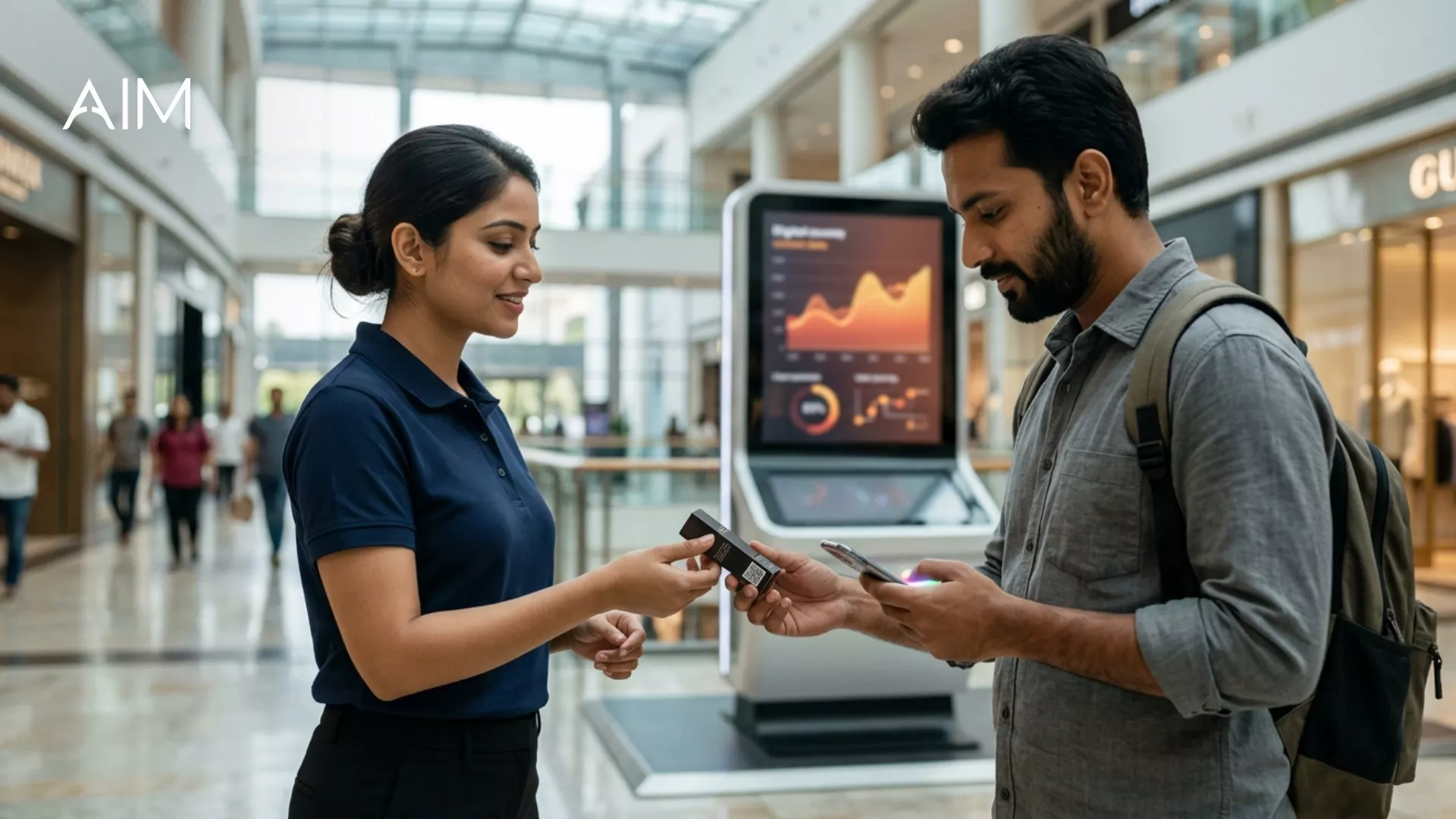
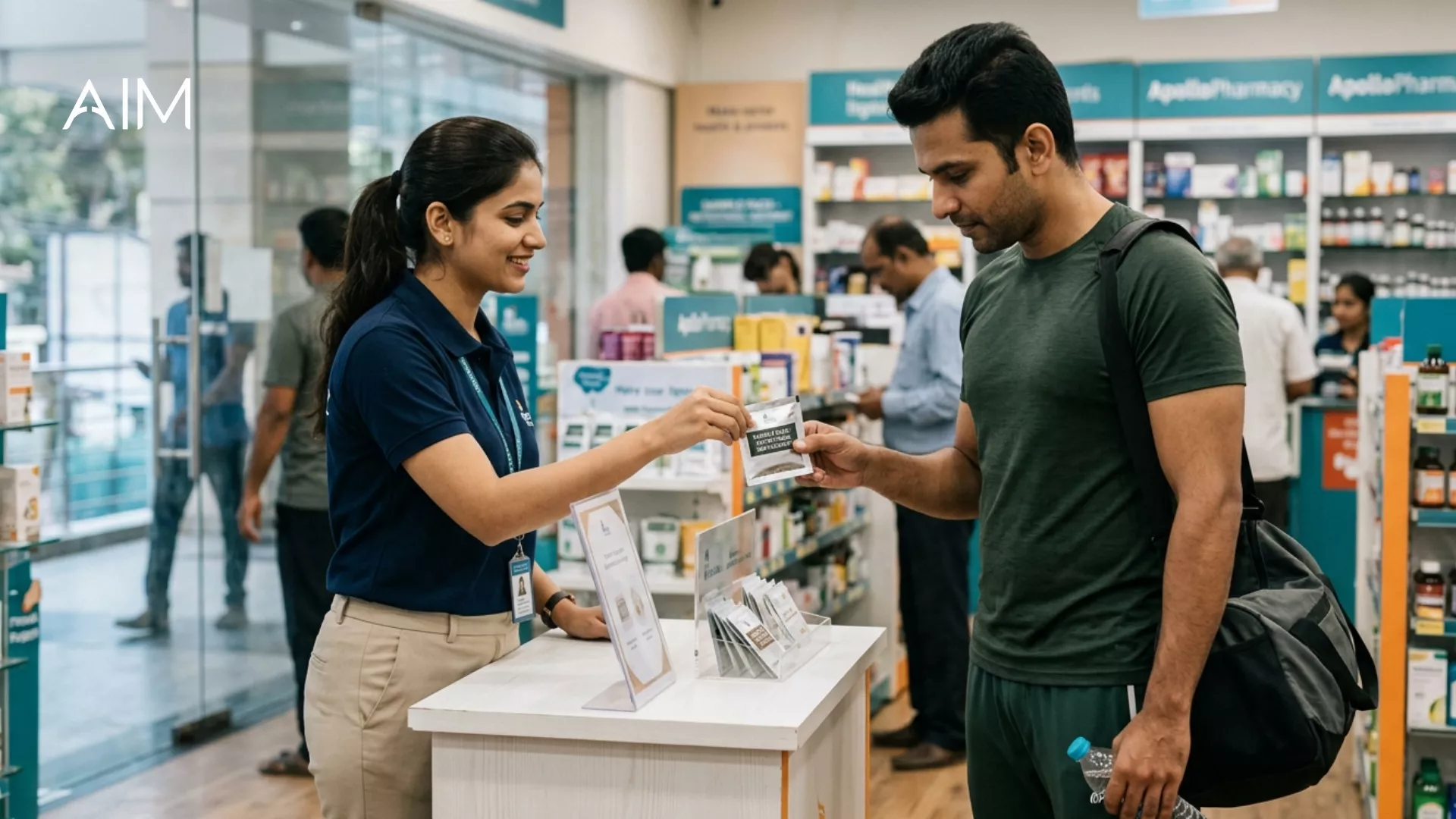
- Attach a trackable next step. Every sample carries a unique code or coupon, redeemable in store or online, so any future action can be traced back to that specific sample.
- Link the redemption to a purchase. When the code is used, the system connects that sale to the original sample, the location it came from, and the audience segment it belonged to.
- Measure the second purchase. For repeat-driven categories, tracking continues past the first buy to see who came back, because repeat is where the real value sits.
Done well, this runs quietly in the background of a campaign that, to the shopper, still feels like being handed a free sample. The person just tries a product. Behind the scenes, the brand is learning exactly what that trial produced.
Why does sample-to-sale tracking matter?
It matters because without it, sampling is spending you cannot account for. You put real budget into the market and get back a distribution number that proves activity, not results. Sample-to-sale tracking changes that in a few concrete ways.
- It answers the buyer question. When leadership asks what the campaign delivered, you can show buyers acquired, rather than samples handed out. That single shift changes how sampling is judged and funded.
- It gives you a real product sampling ROI. Tie samples to purchases and you can put a cost against each buyer acquired, and compare sampling honestly against your other channels. Guesswork becomes a number.
- It tells you what to repeat and what to cut. Tracking shows which locations, audiences, and formats converted and which drained budget, so the next campaign is planned on evidence instead of gut.
- It exposes the freebie problem. When you can see who actually bought, the serial sample-grabbers and off-profile takers stop looking like success, and you can design them out.
What can you measure with sample-to-sale tracking?
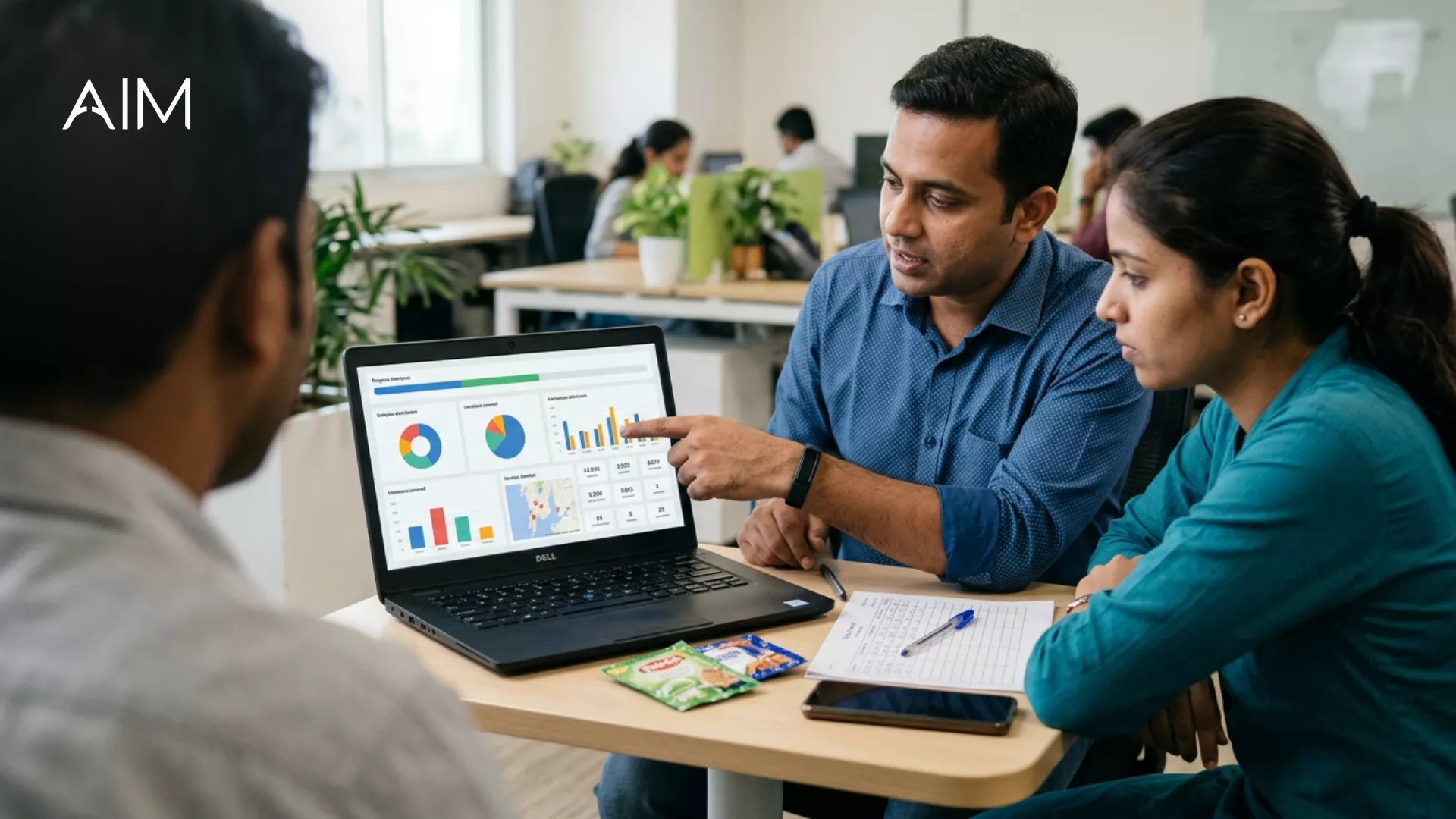
A tracked sampling campaign returns a funnel instead of a headline. Typically you can see how many samples reached people who fit your target profile, how many redeemed the coupon or code, how many made a first purchase, how many repeated, and which locations or audiences drove the best conversion. Instead of one flat number, you get a line you can read from trial to sale, segment by segment. That is the report you can take into a budget meeting and defend.
Sample-to-sale tracking vs traditional sampling metrics
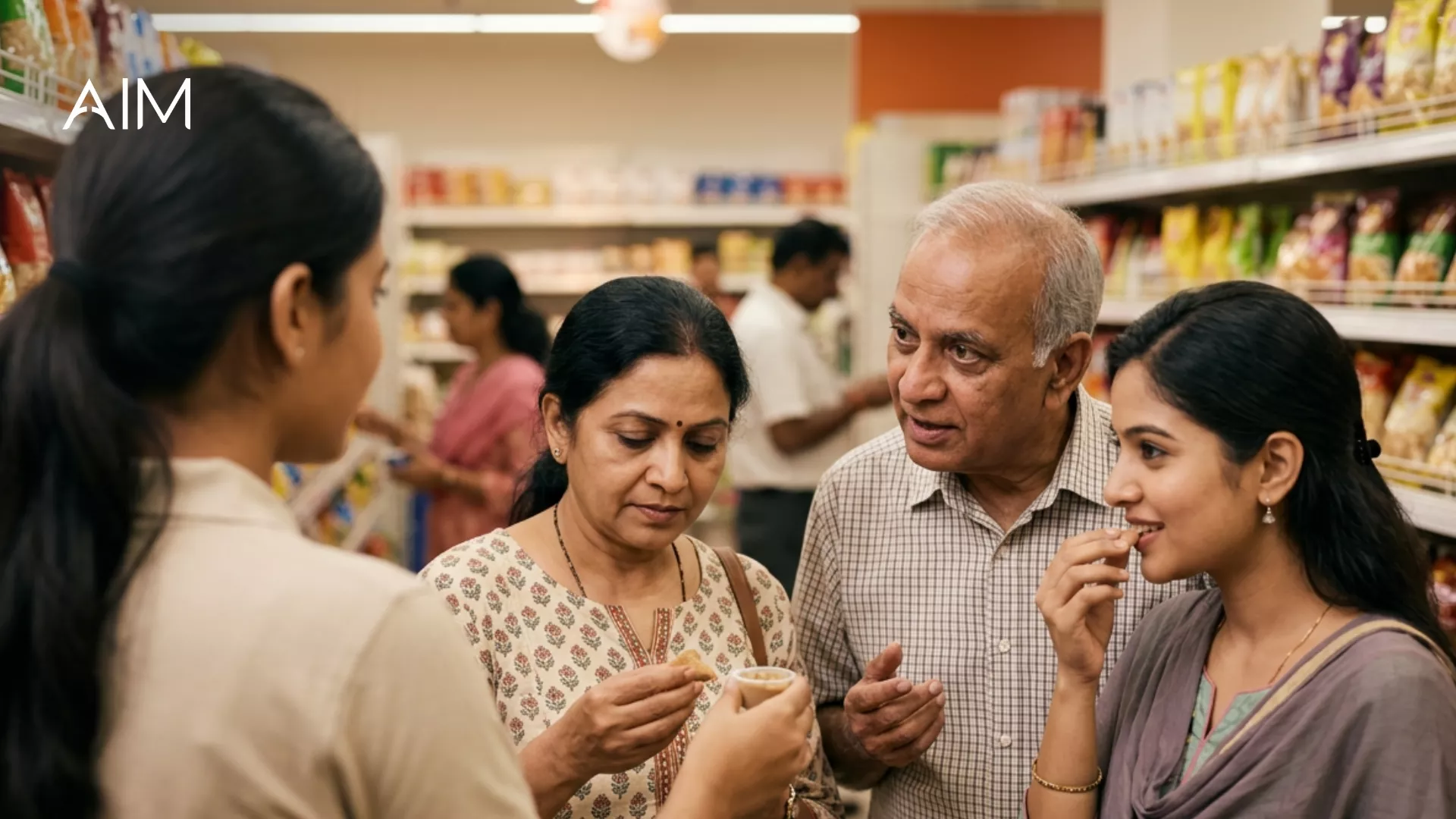
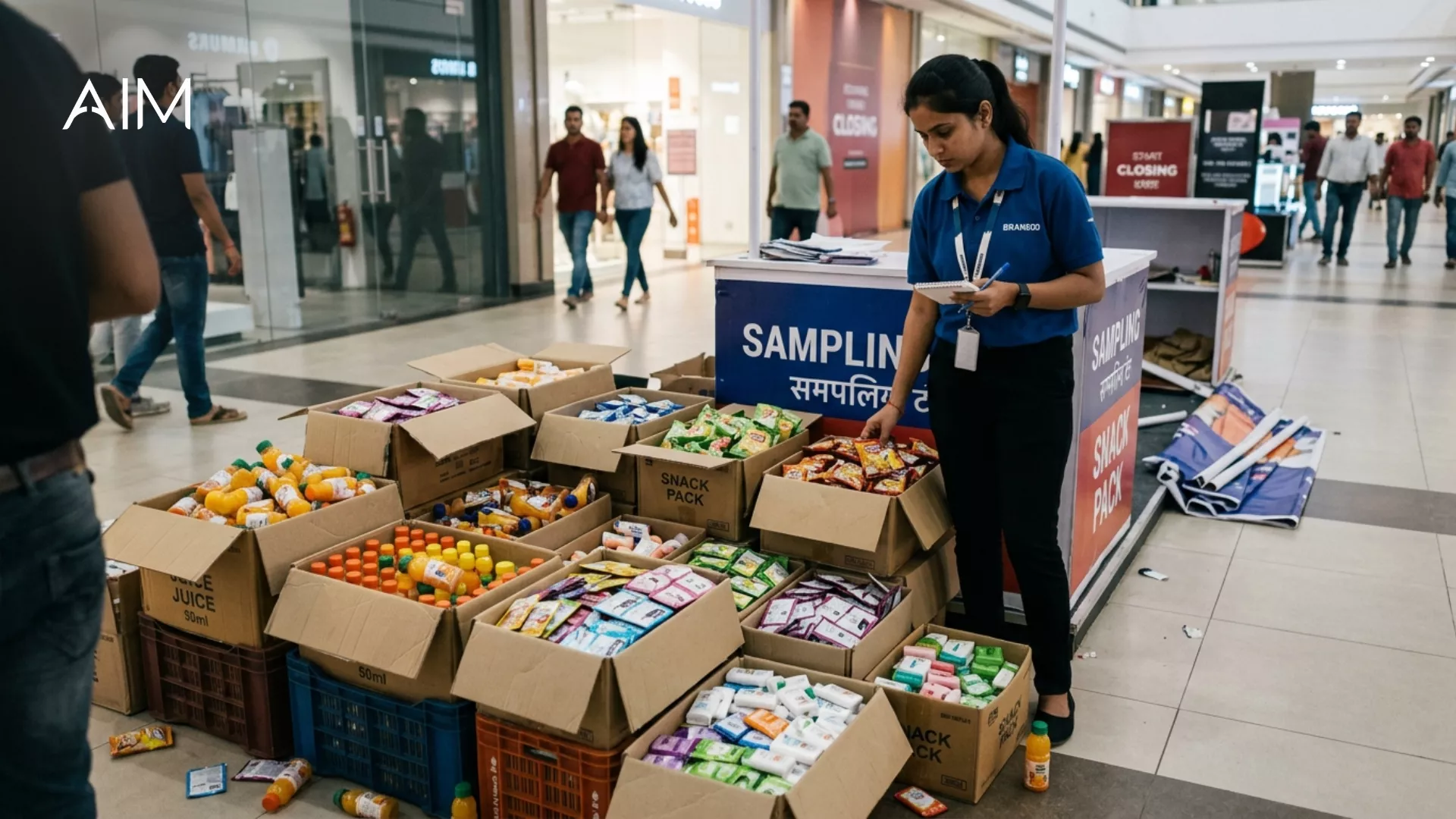
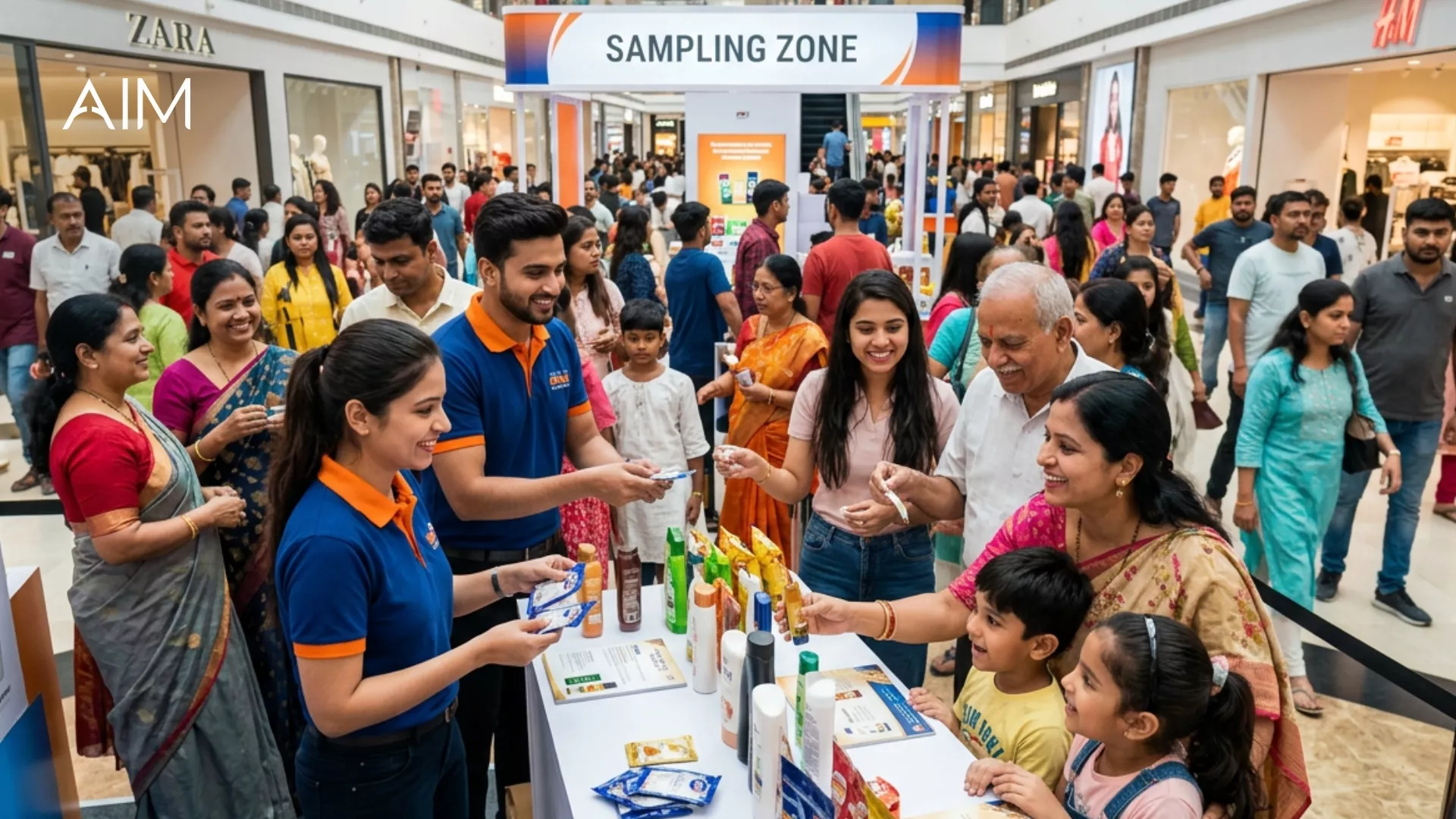
Traditional sampling measures effort. Samples distributed, footfall at the activation, photos from the day. All of it describes what the team did, none of it describes what the buyer did. It is the marketing equivalent of counting how many flyers you printed and calling it sales.
Sample-to-sale tracking measures outcome. It starts from the buyer and works backward, so the numbers describe what the campaign produced, not how busy it looked. The two can report on the same event and tell completely different stories. One says we handed out fifty thousand samples. The other says we acquired a measurable number of buyers at a known cost, and here is where they came from. Only one of those survives a serious review.
What do you need to set it up?
Sample-to-sale tracking is less about fancy technology and more about building three things into the campaign before it starts. First, a capture step at the point of trial, a QR or opt-in that records the person. Second, a trackable incentive, a unique coupon or code tied to each sample that gives the person a reason to buy and gives you a way to trace it. Third, a connection between that redemption data and your sales or CRM records, so the sample and the purchase can meet in one place, usually a dashboard.
None of this needs to slow the shopper down or make the sample feel like a form-filling exercise. The best setups are almost invisible at the table and completely visible in the report. The mistake brands make is treating tracking as something to bolt on afterwards. By then the trail is already cold. It has to be designed in from the first sample.
Who needs sample-to-sale tracking most?
Any brand spending real money on sampling needs it, but a few feel the absence hardest. New product launches, where the whole point is to learn whether trial converts before scaling. Categories with fixed quarterly budgets, where a mistargeted run cannot be re-run, so learning from the first one is everything. And repeat-driven categories like beverages, personal care, and supplements, where the first purchase is only half the story and the reorder is where the profit lives. If you cannot see the reorder, you are flying blind on the number that matters most.
The bottom line
Sample-to-sale tracking is what turns product sampling from a hopeful ritual into a measurable channel. It follows the sample past the handshake, past the redemption, all the way to the sale and the reorder, so you finally know what your sampling budget bought. At AIM, this is the core of how we run sampling, every sample targeted to a real buyer, captured at trial, and tracked to purchase, because a sample you cannot trace is a question you cannot answer. The brands that measure trial to sale stop debating whether sampling works and start deciding how much more of it to do. That is the whole reason the tracking matters.







.webp)














.png)