


A promoter hands out a single scoop of protein at a gym. The person mixes it and drinkss it and gets on with his day. Two weeks later he could not name the brand.
That is how most wellness sampling goes, and it is why so much of the budget disappears. A nutraceutical is not a chocolate. You cannot taste the benefit in one go. So the rules for sampling it are different from anything else in the basket. Here are the ones that matter.
Quick answer: Wellness and nutraceuticals product sampling works when you give a trial pack big enough to feel a difference, hand it to people already pursuing that health goal, do it in a setting they trust, and track the trial through to a repeat purchase. Single servings handed to a random crowd almost never convert.
How wellness and nutraceuticals product sampling is different
Three things make this category its own animal. The benefit is slow: a good wellness product shows up over days or weeks, not in a single dose, so one serving can never prove it. The buyer is invisible: you cannot look at a street and see who is chasing more protein, steadier blood sugar, or better sleep. And trust is the gate: people are careful about what they swallow, and rightly so, which means a stranger at a booth starts from zero.
Miss those three and you get the classic wellness campaign: a big crowd, a wall of selfies, and no second order. The do's and don'ts below all come back to those three facts. None of them are complicated. They are just the parts most campaigns skip because volume is easier to buy than fit.
The do's in wellness product sampling
Do give a trial pack, not a single serving
A wellness ornutraceuticals does not work in a day. Hand someone one scoop and they feel nothing, shrug, and go back to what they had. Give them a week or two of servings and the product gets a fair chance to do its job. This single change fixes more wellness campaigns than any creative ever will.
Do go where the health goal already lives
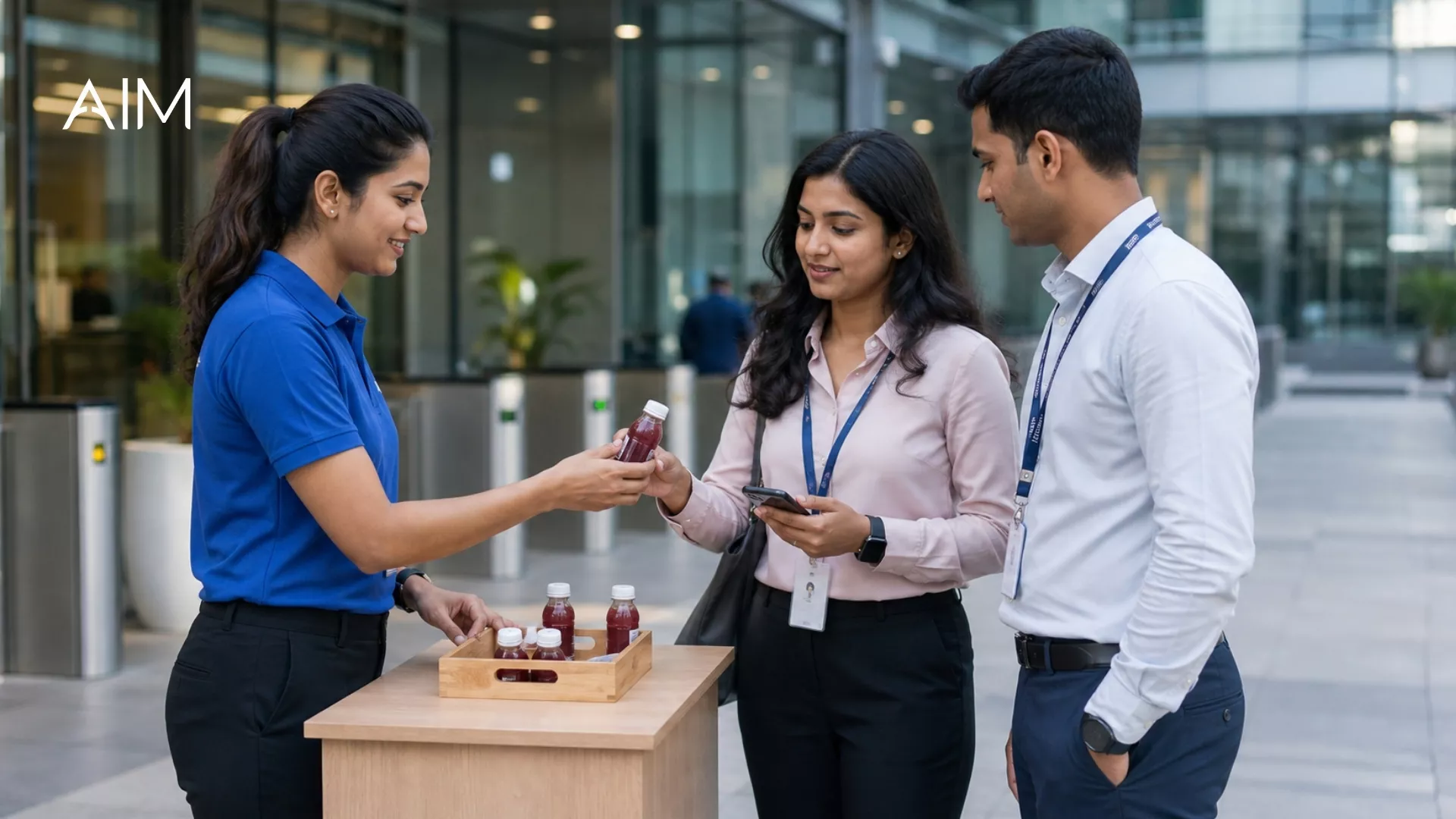
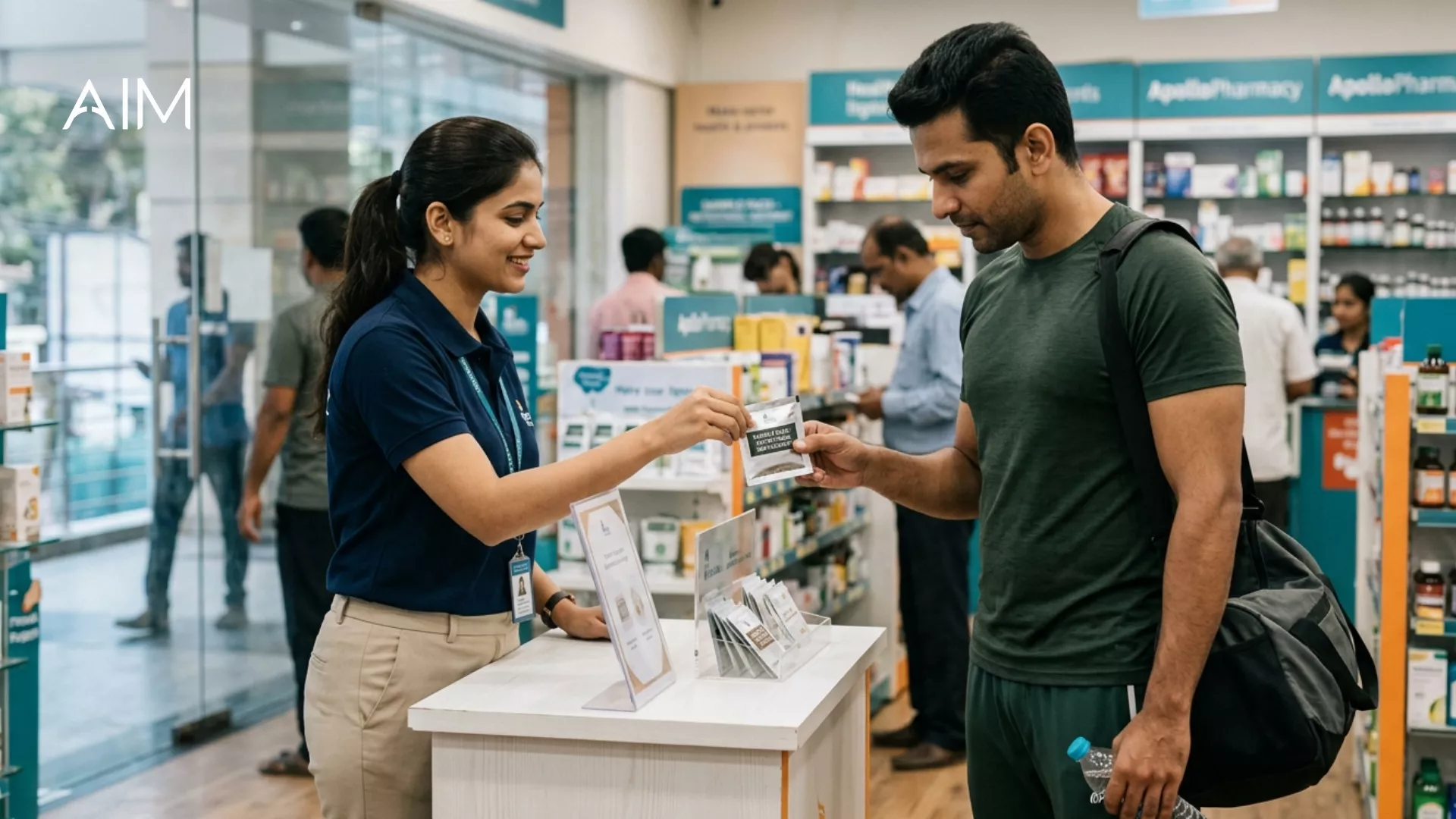
Since you cannot spot your buyer on a street, go where they gather around the goal. Gym floors for protein and performance. Pharmacies for immunity and daily health. Corporate wellness days for stressed, sedentary professionals. Diabetic clinics for sugar management. The goal is invisible, but it congregates.
Do borrow trust you have not earned yet
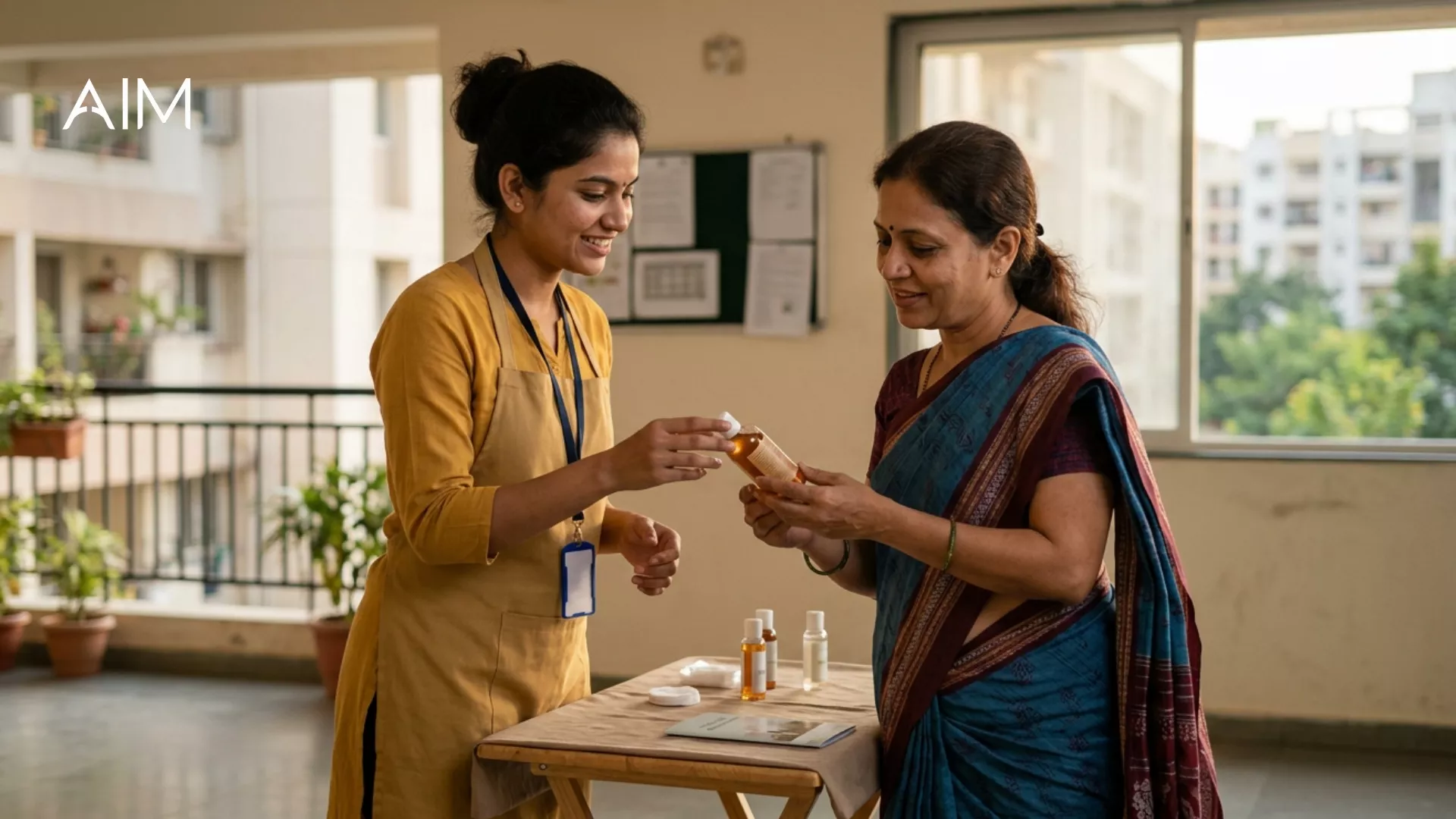
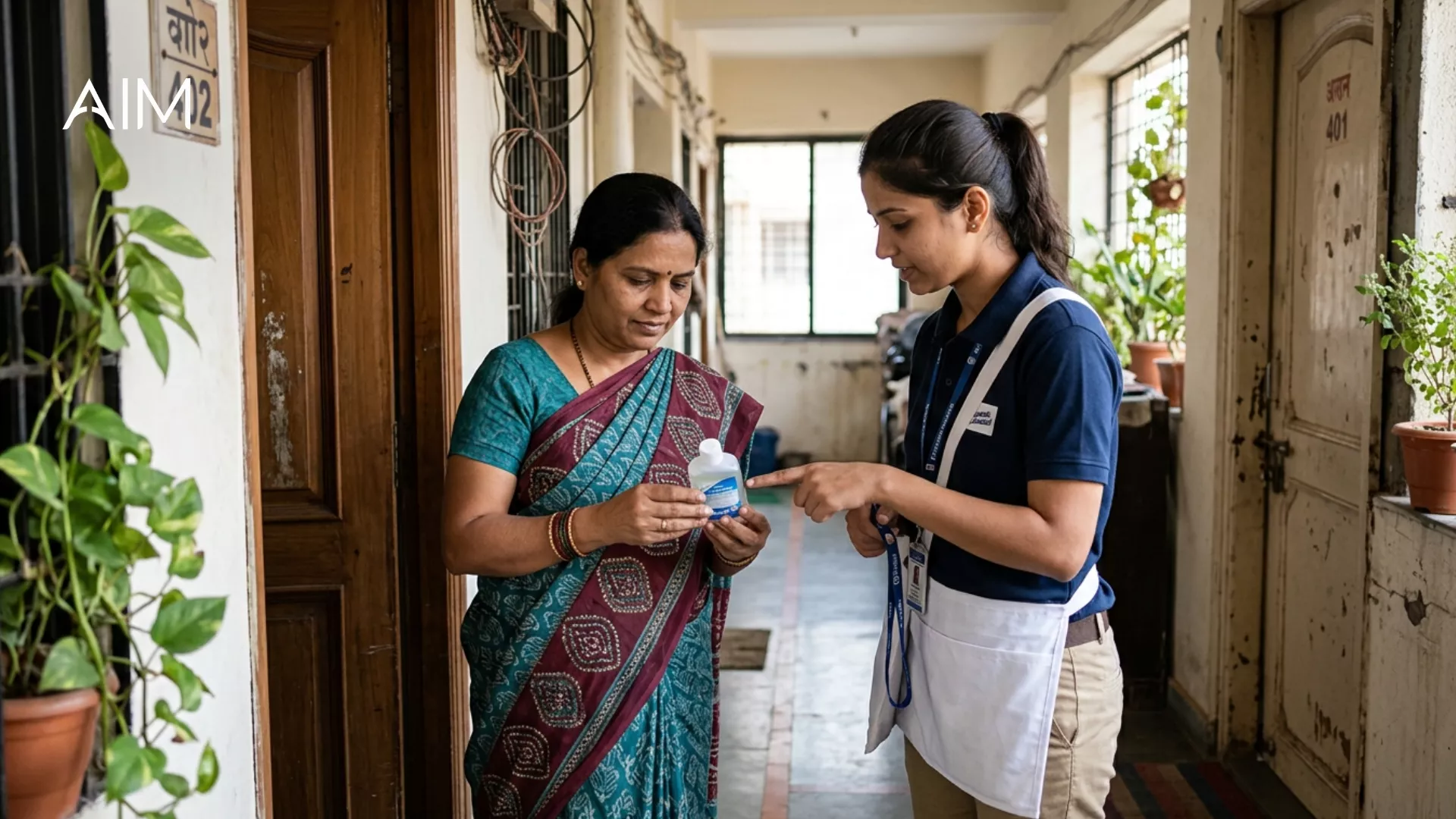
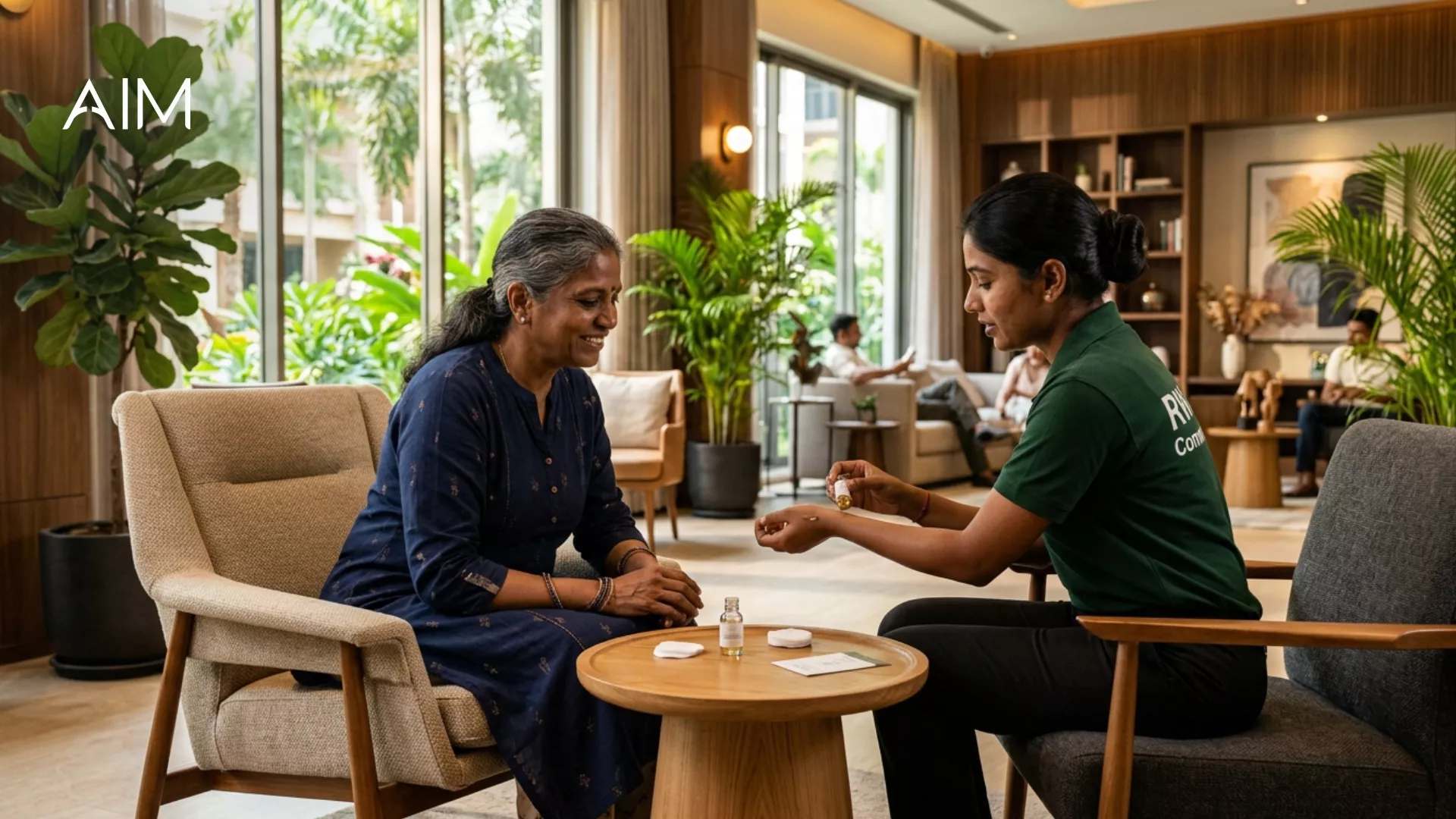
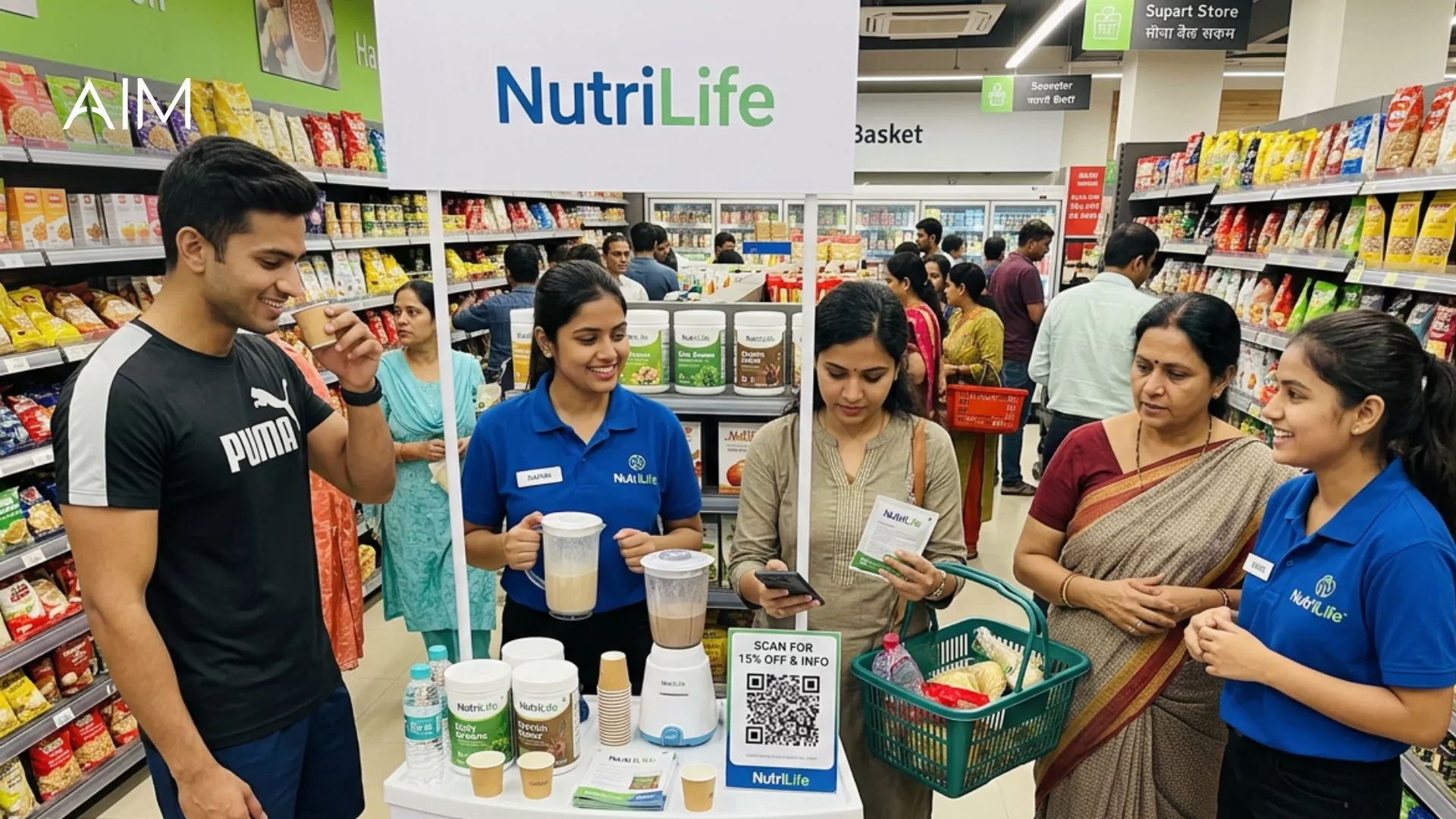
The same sachet lands very differently depending on who hands it over. From a stranger at a kiosk, it is suspicious. From a trainer, a pharmacist, or a dietician at a camp the office arranged, it carries weight. Sample inside a context that already has the credibility you are still building.
Do put the dosage on the pack, in plain words
A wellness product taken at the wrong dose or the wrong time underdelivers, and the customer blames your brand for their own mistake. Spell out how much, when, and with what. It is boring, and it is the cheapest insurance your trial has.
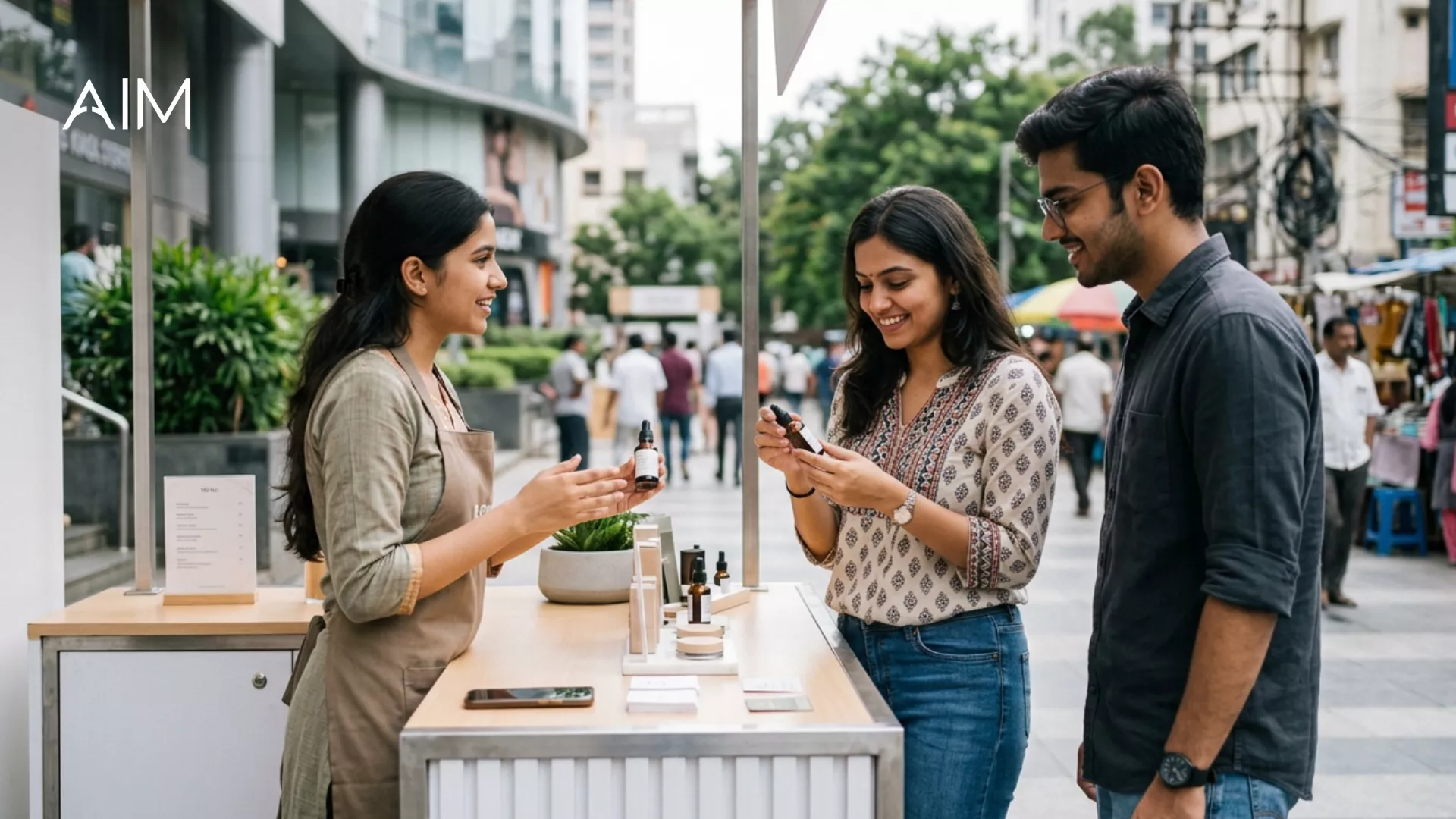
Do capture the person and give them somewhere to go
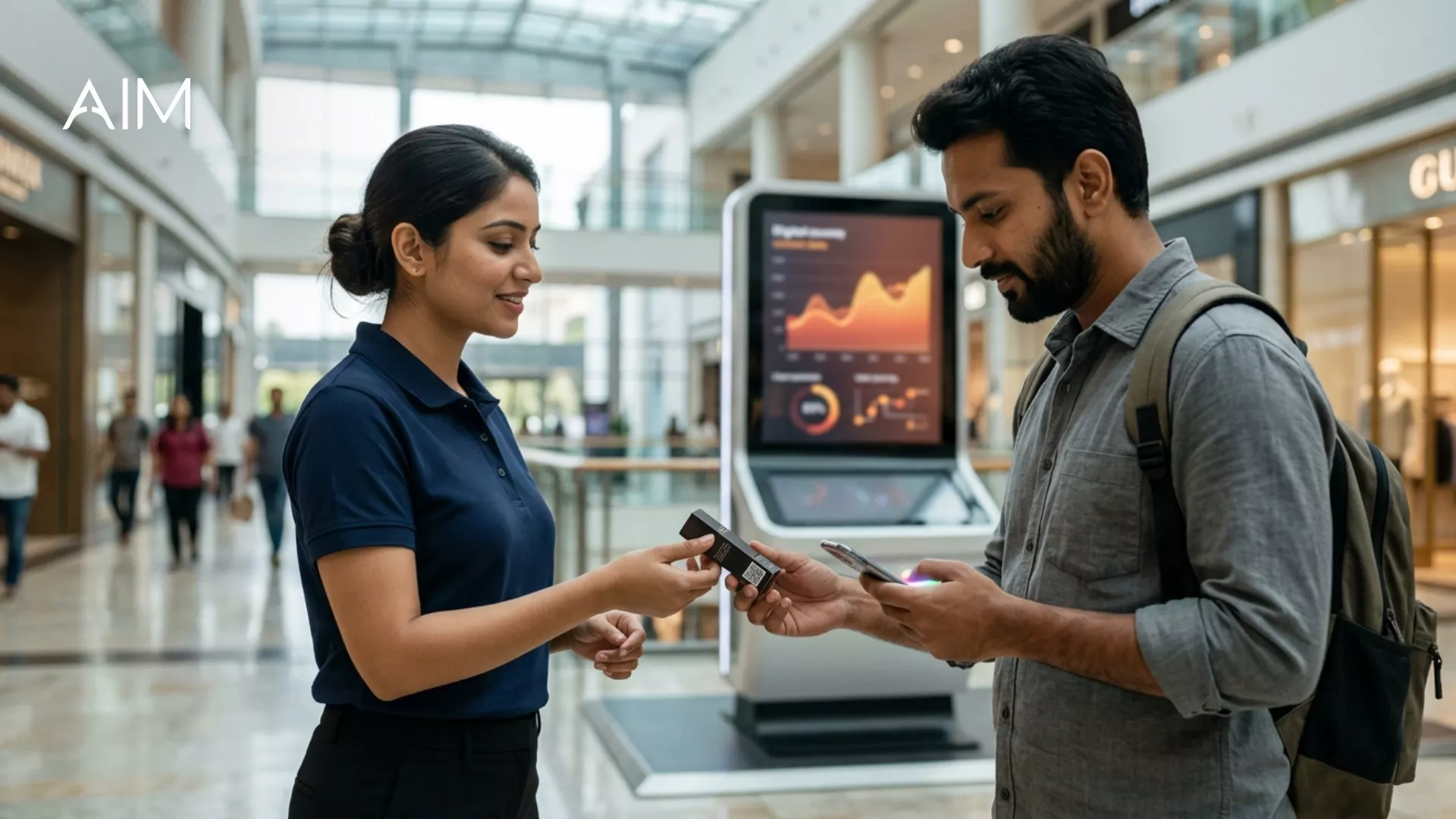
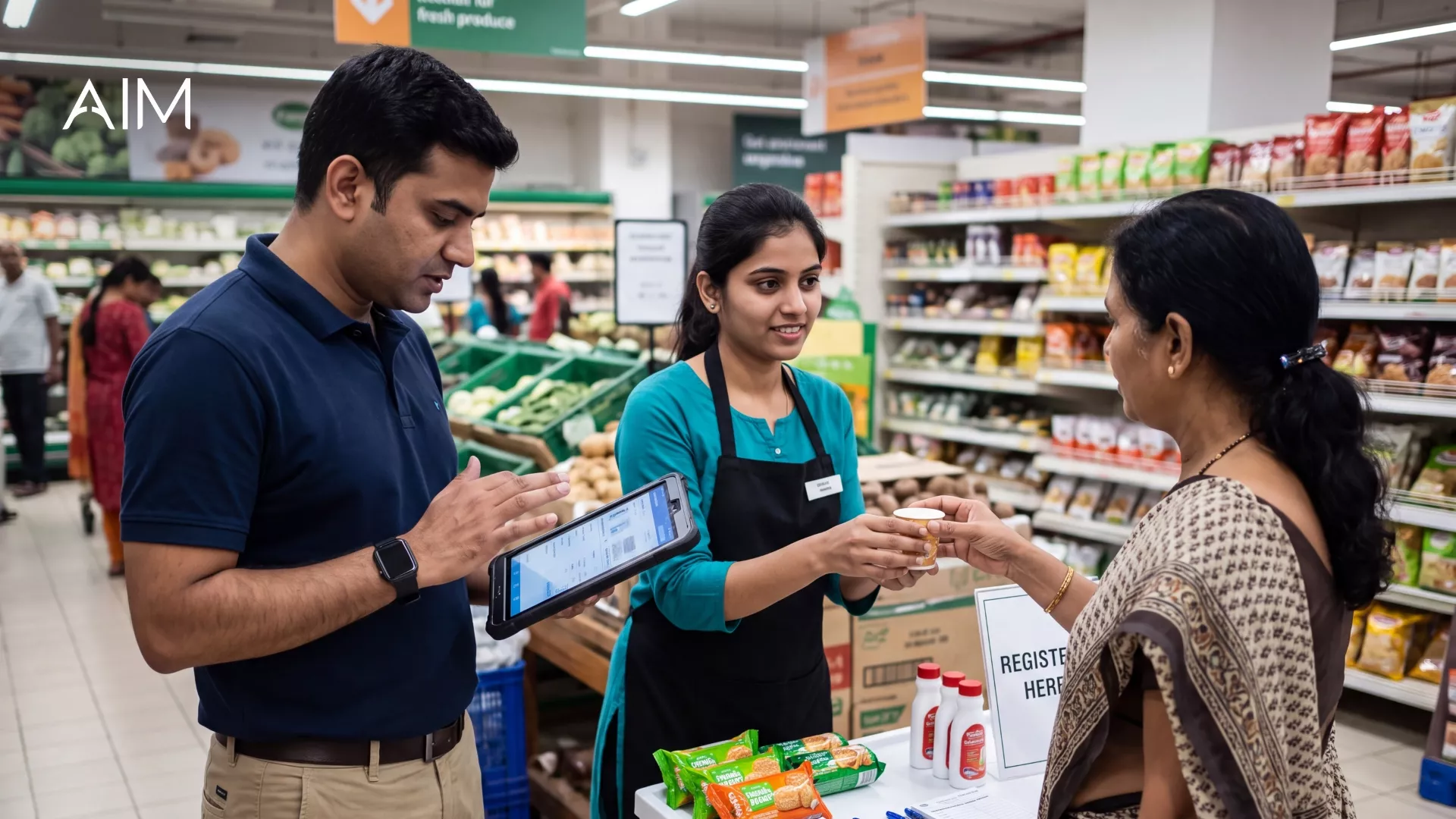
A QR, a quick opt-in, and a first-order or subscription offer attached to the trial. The business here is repeat purchase, not one tub, so a trial is only worth running if it can become a second order. If you cannot contact the person who tried it, you have run a giveaway.
Do check in during the trial, not after it
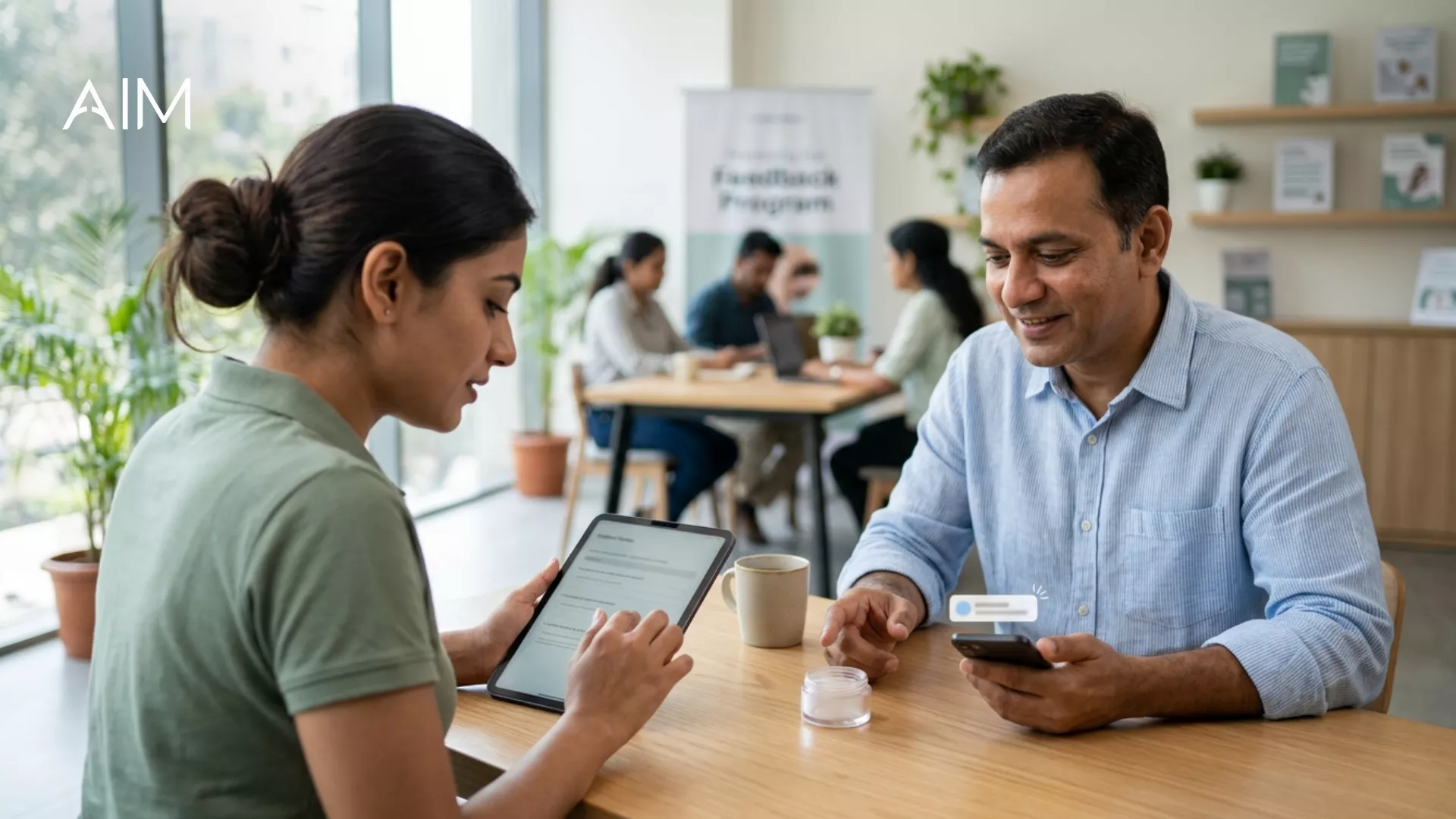
Somewhere around day four or five is when people quietly stop taking it. A short message then, how is it going, noticing anything, keeps them on it and tells you who is actually feeling something. That mid-trial nudge is where subscriptions are quietly won.
Do judge the campaign on the second purchase
Servings handed out is a comfort number. Repeat orders and subscription sign-ups are the honest one. If your report leads with distribution, you are measuring effort, not outcome.
The don'ts in wellness product sampling
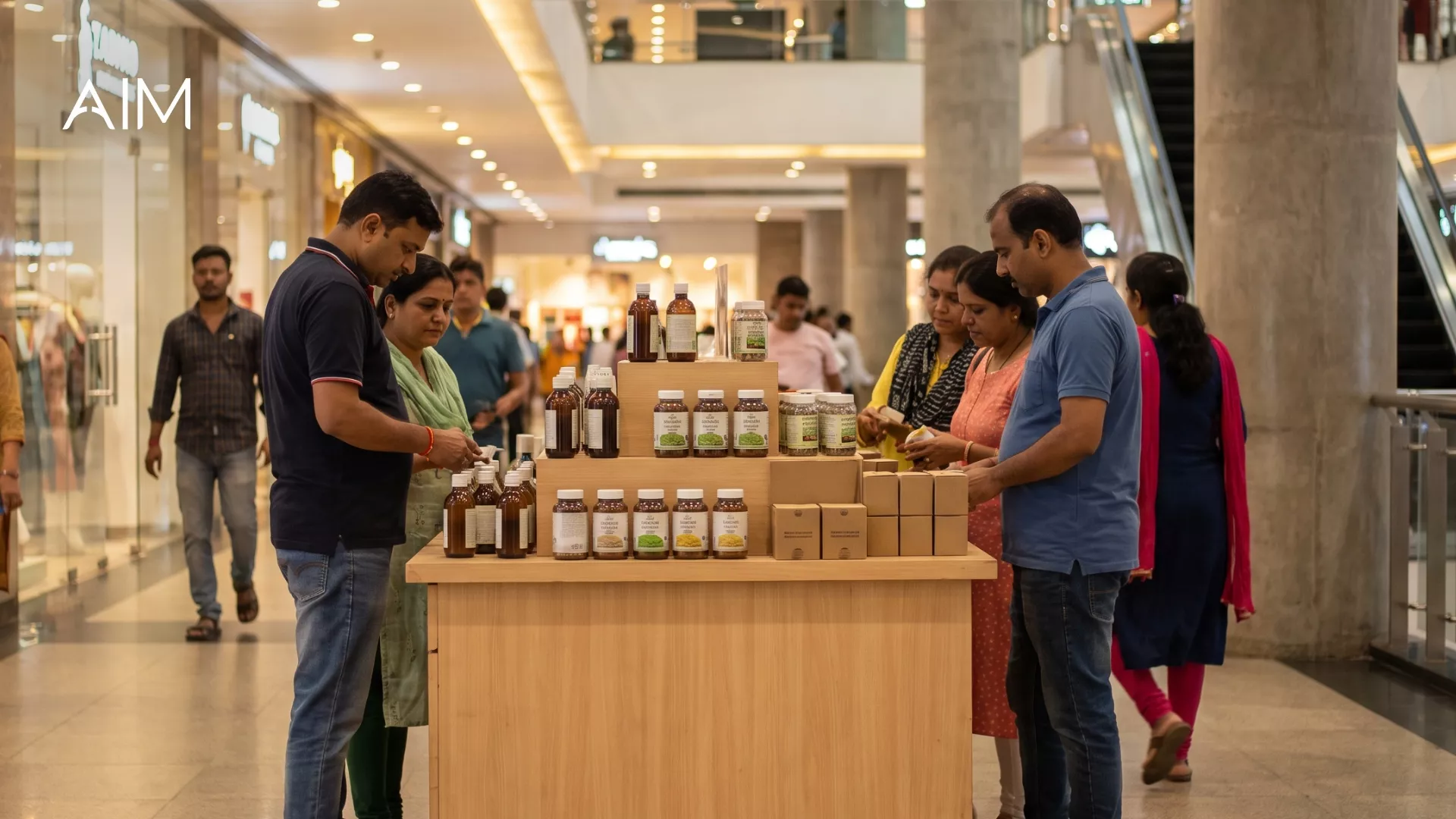
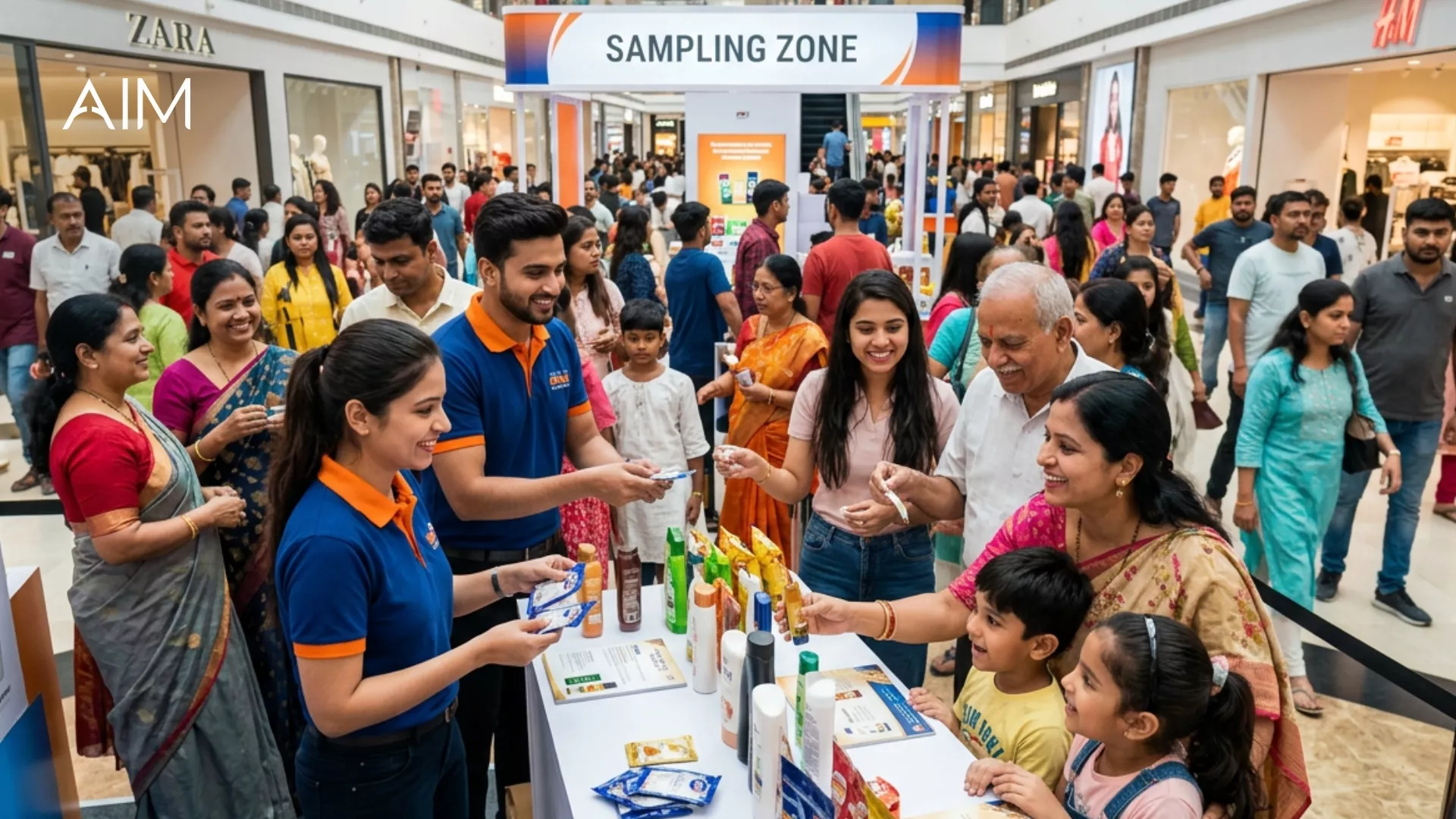
Don't scatter single servings at a mall
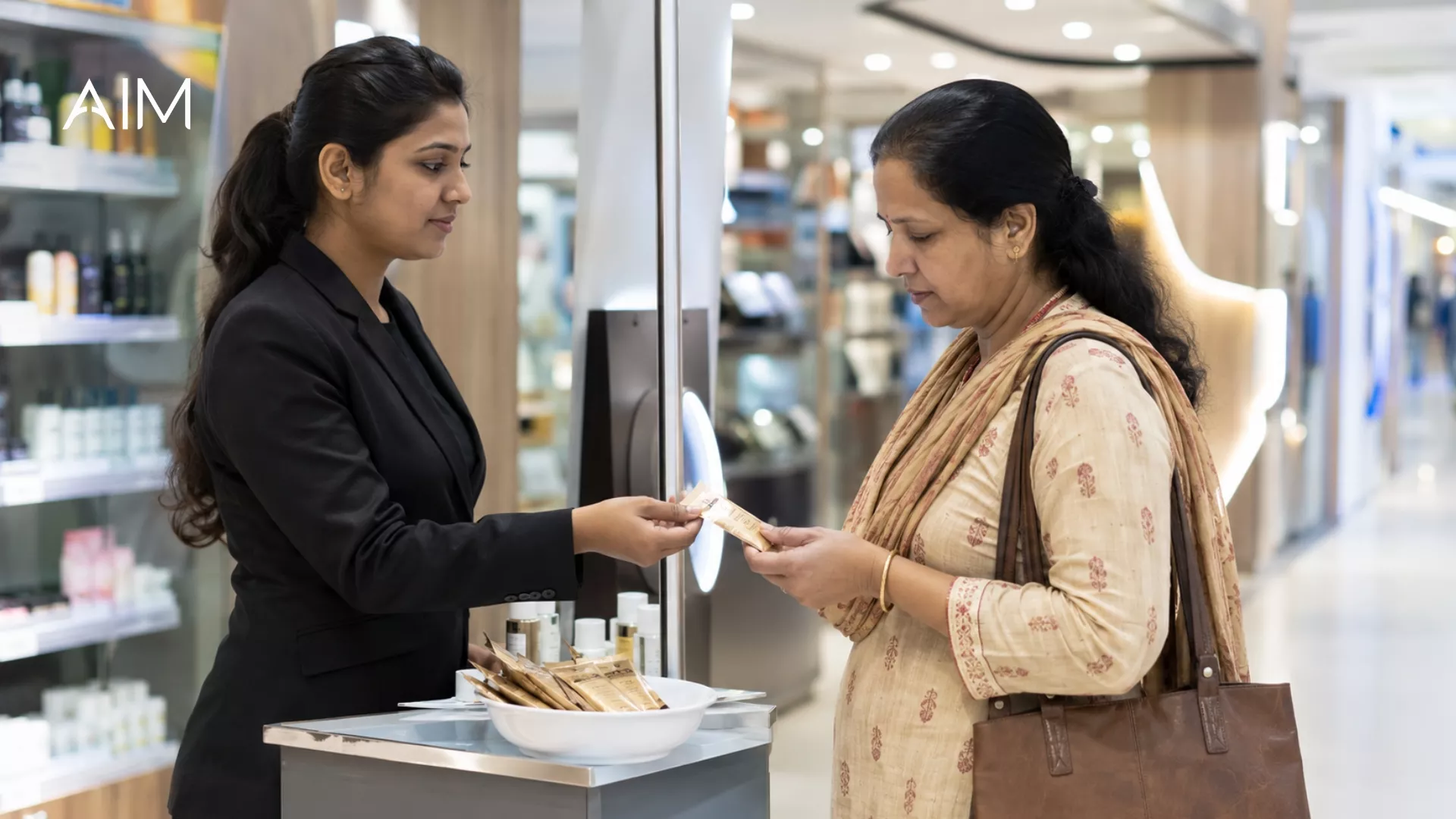
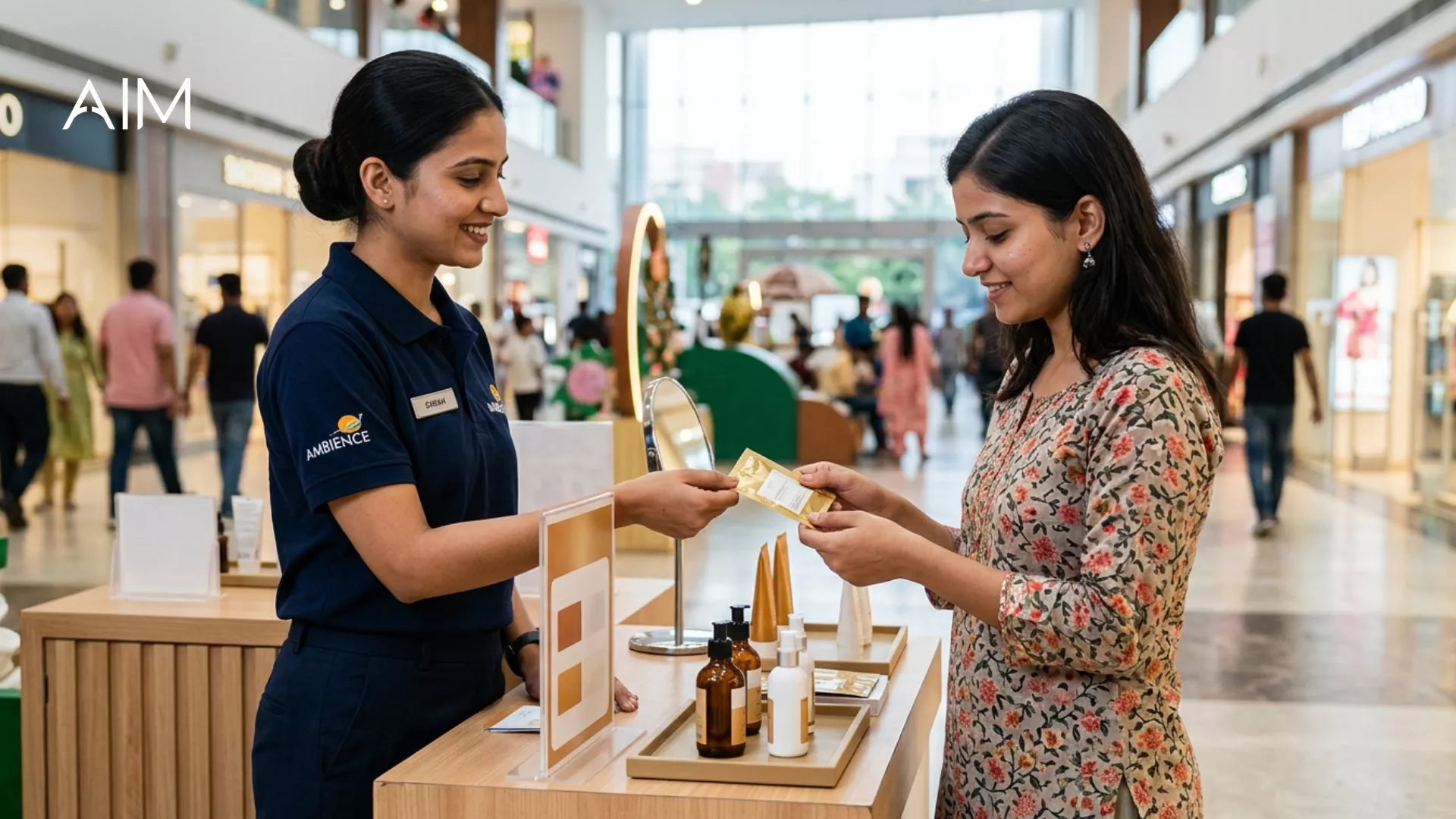
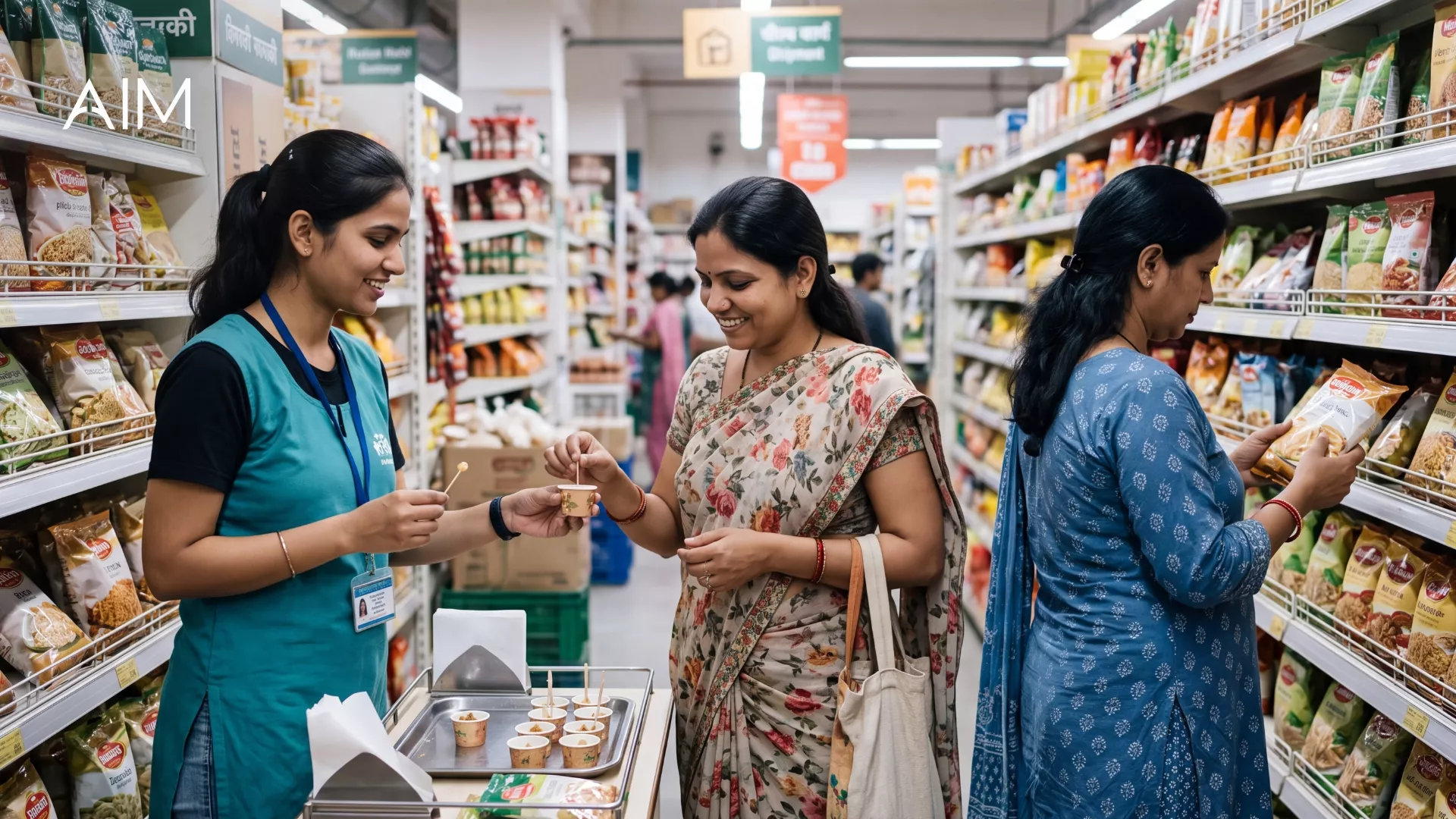
One sachet to a passing crowd is a snack, not a trial. Most of it goes to people who will never buy the category, and a fair share of it, genuinely, ends up as a keyring. High footfall is not the same as high intent.
Don't let anyone over-claim
This is a regulated category, for good reason. A promoter promising your product cures or guarantees anything is a compliance risk, and it does the opposite of what you want: cautious buyers trust an overclaim less, not more. Keep the language honest and inside the rules, always.
Don't chase the biggest crowd
Freebie-seekers are fast, they reach first, and they will happily skew your feedback data. Forty real lifters on a gym floor beat four hundred strangers in a mall atrium for a protein brand. Fewer of the right people wins.
Don't ignore safety and sensitivities
Allergens, medications, pregnancy, existing conditions. Make the ingredient list easy to read, and never push a sample on someone who hesitates. One bad reaction becomes a story that travels far faster than any campaign you paid for.
Don't declare victory at the booth
A crowd on day one, a smiling queue, a pile of selfies, none of it tells you whether a single person felt a difference in week three. The benefit is not instant, so the verdict cannot be either. Wait for the reorder data before you celebrate.
Don't skip the follow-up
Hand over a sample with no capture and no next step, and the trial evaporates the second the person walks off. You will have spent the money and kept none of the learning, which is the worst of both outcomes.
Don't report servings distributed
It is the number that flatters the room and hides a campaign that converted nobody. If that is your headline, someone has quietly stopped measuring the thing that matters.
A quick word on the format itself
Not every wellness product samples the same way. A protein or a shake demos well, because someone can taste and mix it on the spot. A capsule or a tablet cannot show anything at a booth, so for those the trial pack and the follow-up carry the whole load. A functional drink sits in between. Match the format of the sample to what your product can actually prove in the time you have with the person, and be honest with yourself about which one you are running.
How to measure a wellness sampling campaign
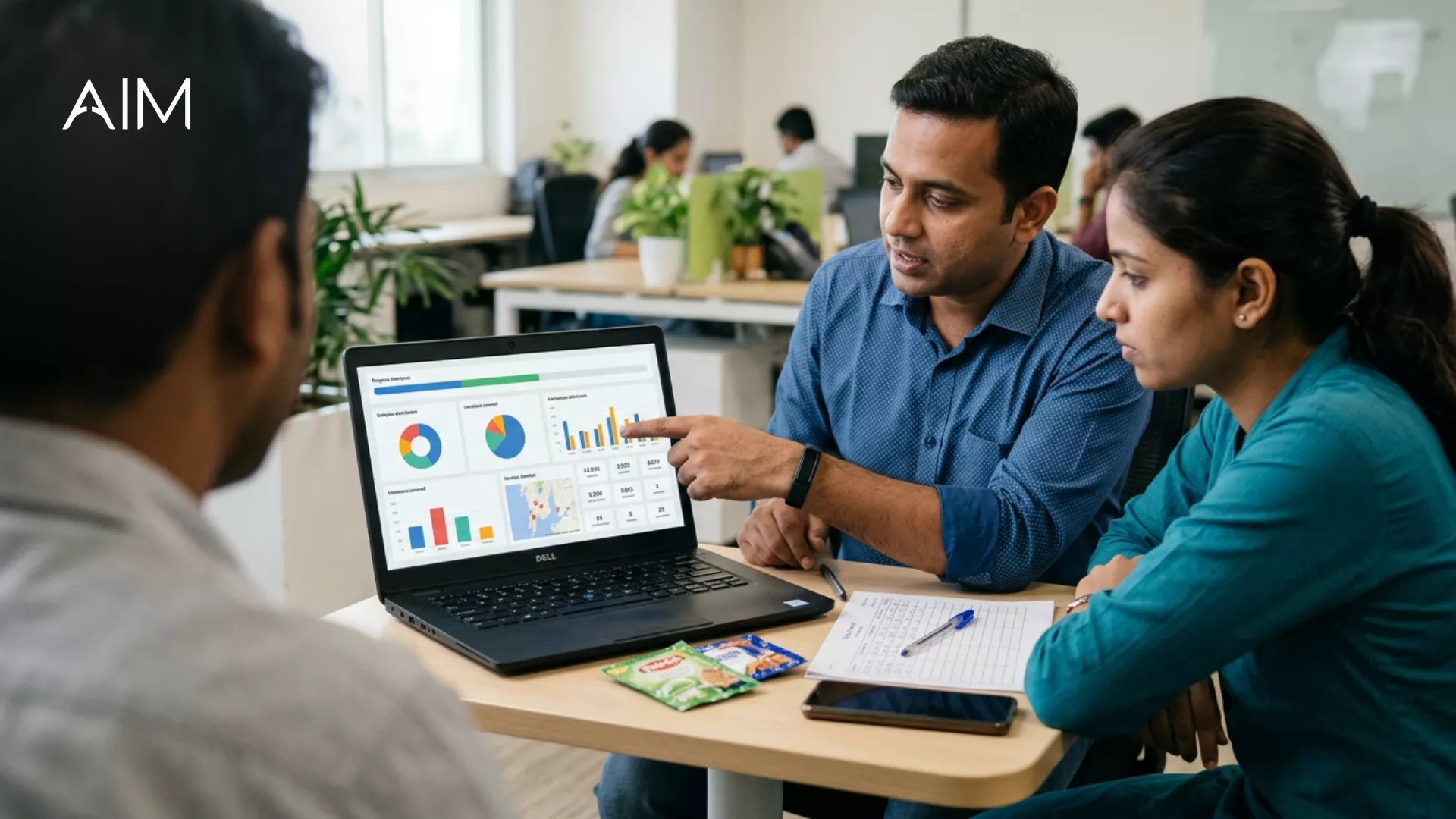
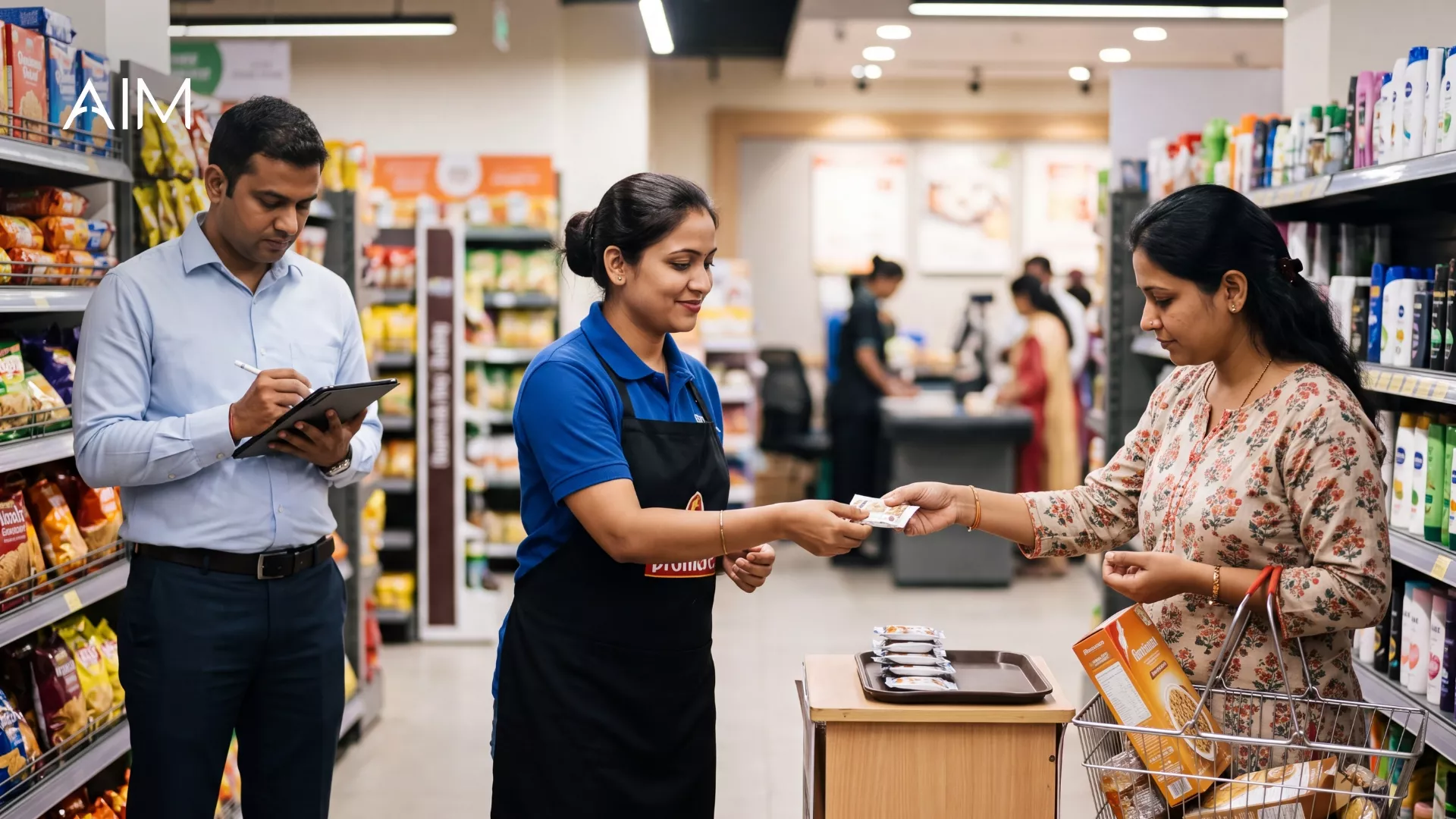
Keep it simple and honest. Track opt-ins at the trial, first purchases, subscription sign-ups, and repeat rate over the weeks after, all against what the campaign cost. That gives you cost per trial and cost per subscriber, which is the number a CFO will actually respect. Everything upstream of the second purchase is just activity dressed up as results.
How AIM does the job
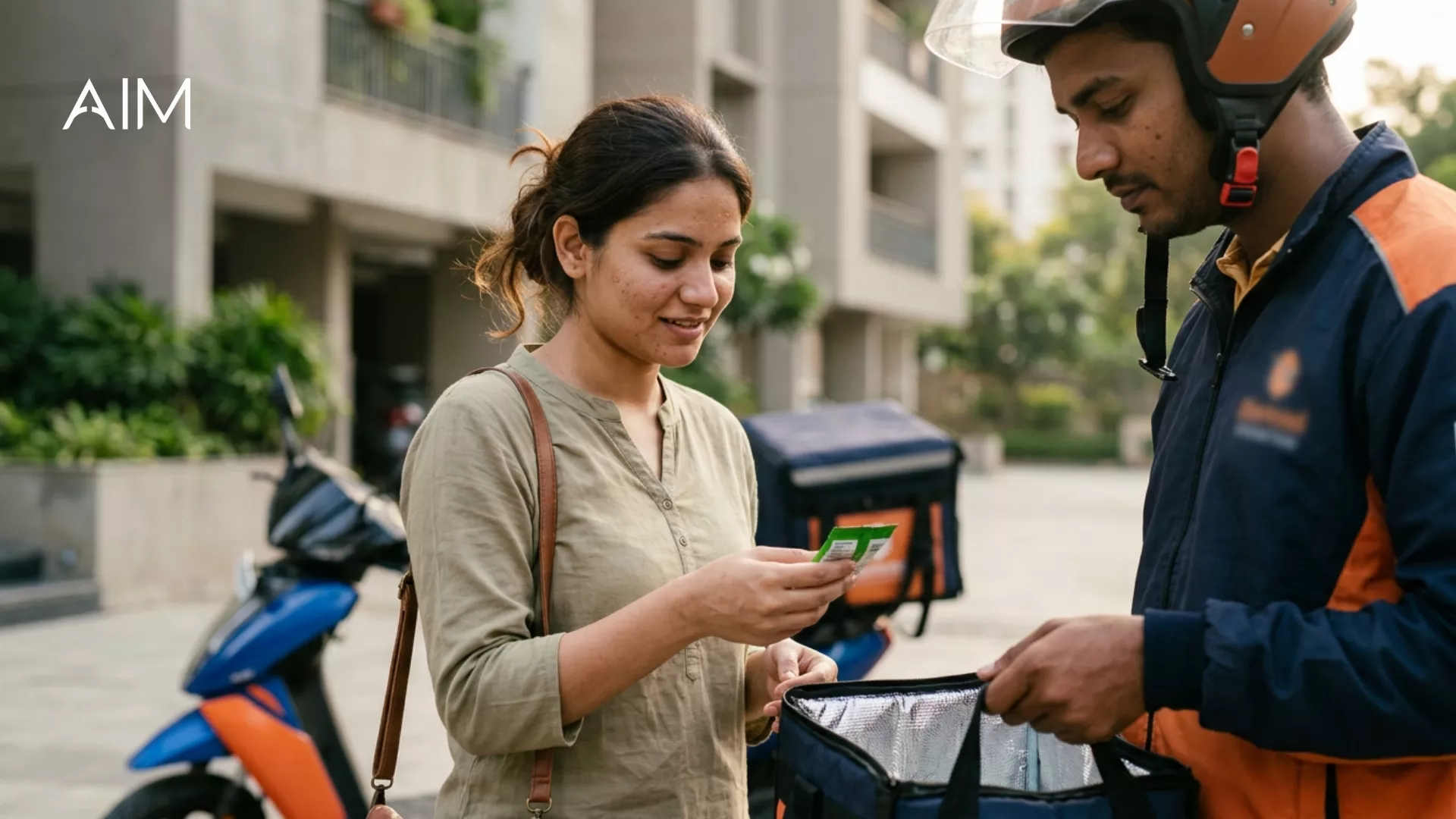
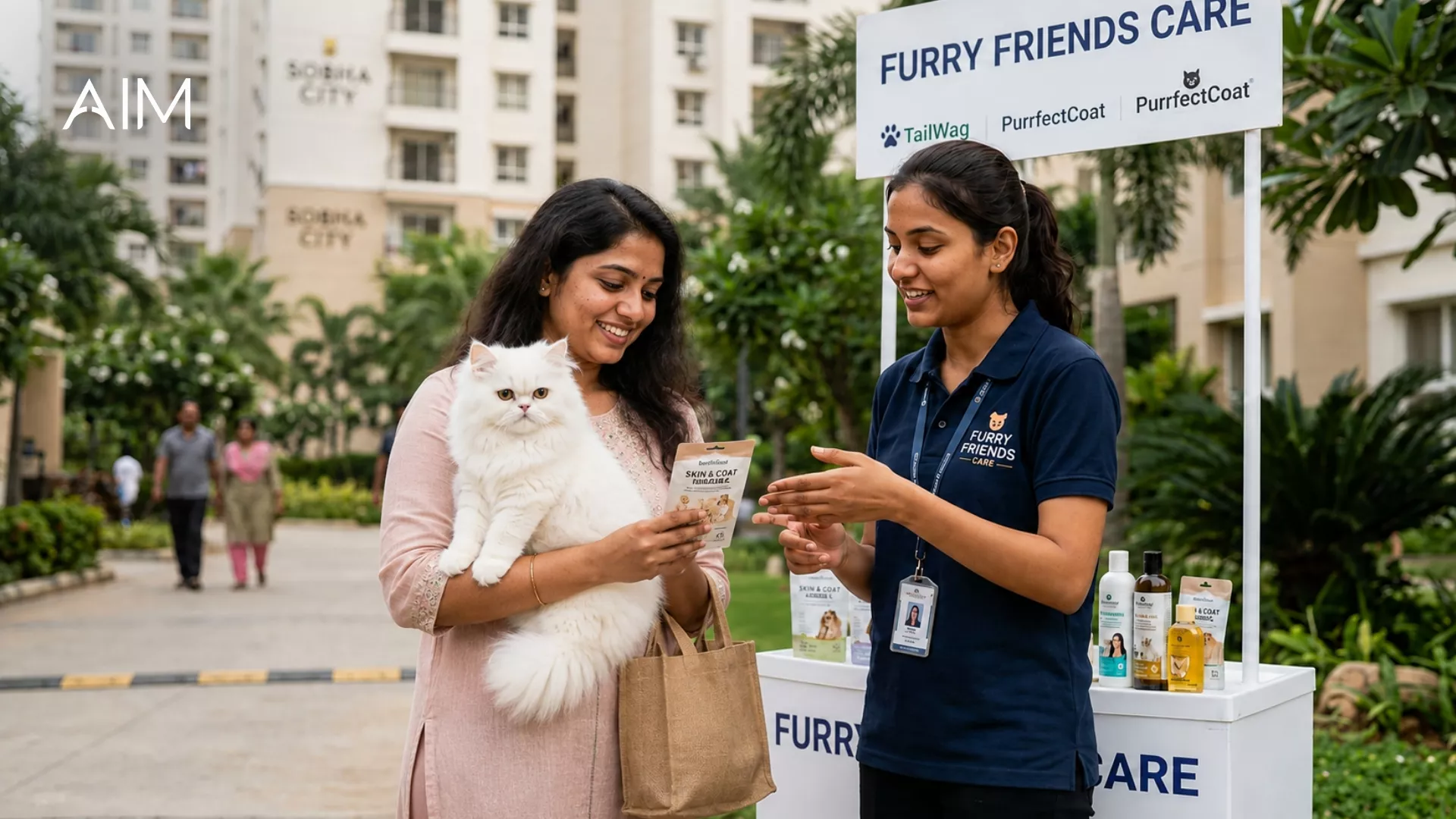
AIM runs wellness and nutraceutical product sampling services as a targeted, tracked channel: trial packs sized to show a real effect, sampling inside gyms, pharmacies, corporate wellness days, and e-commerce where your health seekers already are, a QR opt-in that captures each trier, and reporting that follows the trial to the subscription on a live dashboard. Tell AIM the health goal and the buyer you want, and we build the trial and the tracking around it.
Wellness and nutraceuticals product sampling is not hard because the product is weak. It is hard because the benefit is slow, the buyer is hidden, and the trust has to be earned. Respect those three, give people enough to actually feel something, and follow the trial to the reorder, and a category that usually leaks budget starts to compound instead. That is the whole shift: from a crowd that forgets you by evening to a set of people quietly taking your product every morning.







.webp)











.png)