
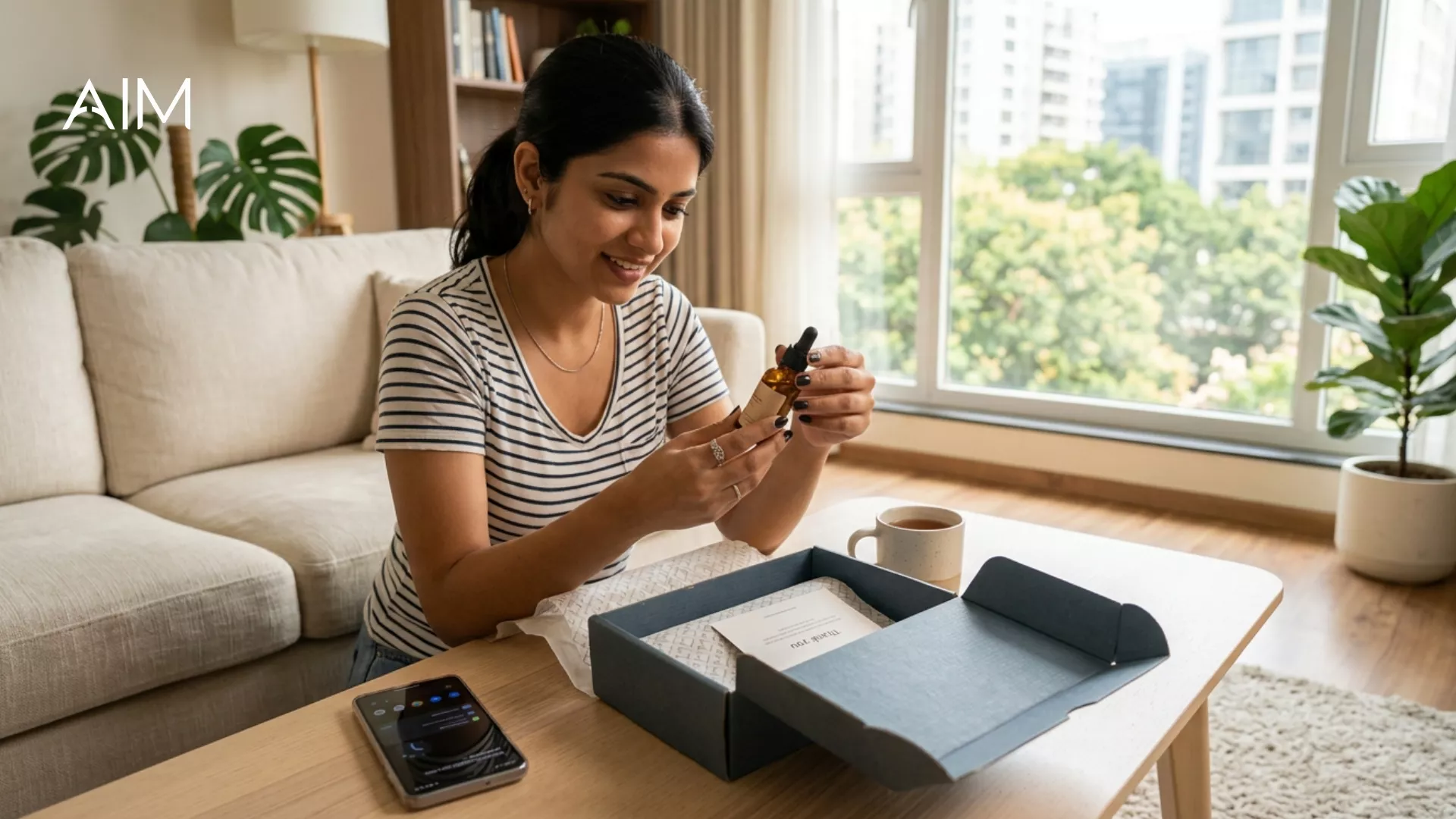


Every D2C founder knows the sting of a return. You paid to acquire the customer, paid to ship the product, and now you are paying to take it back, refund it, and write off a unit that may not be resellable. Returns are one of the most brutal drains on a D2C P&L, and most brands treat them as a logistics problem to be managed after the fact. But a large share of returns start much earlier, at the moment someone bought a product they had never touched, tasted, or tried. That is exactly the gap product sampling closes. Here is whether, and how, sampling can lower D2C return rates.
Quick answer: can product sampling reduce D2C returns?
Yes, sampling can lower D2C return rates when the returns are driven by mismatch, buying a product that turned out to be wrong on taste, texture, fit, shade, or expectation. A sample lets the customer experience the product before they commit to a full-price purchase, so the people who order have already confirmed they like it, which cuts the returns that come from disappointment. Sampling cannot fix returns caused by damage, delivery errors, or fraud. But for the large category of returns that are really buyer's regret, letting people try before they buy removes the reason the product came back.
Why do D2C brands get so many returns?
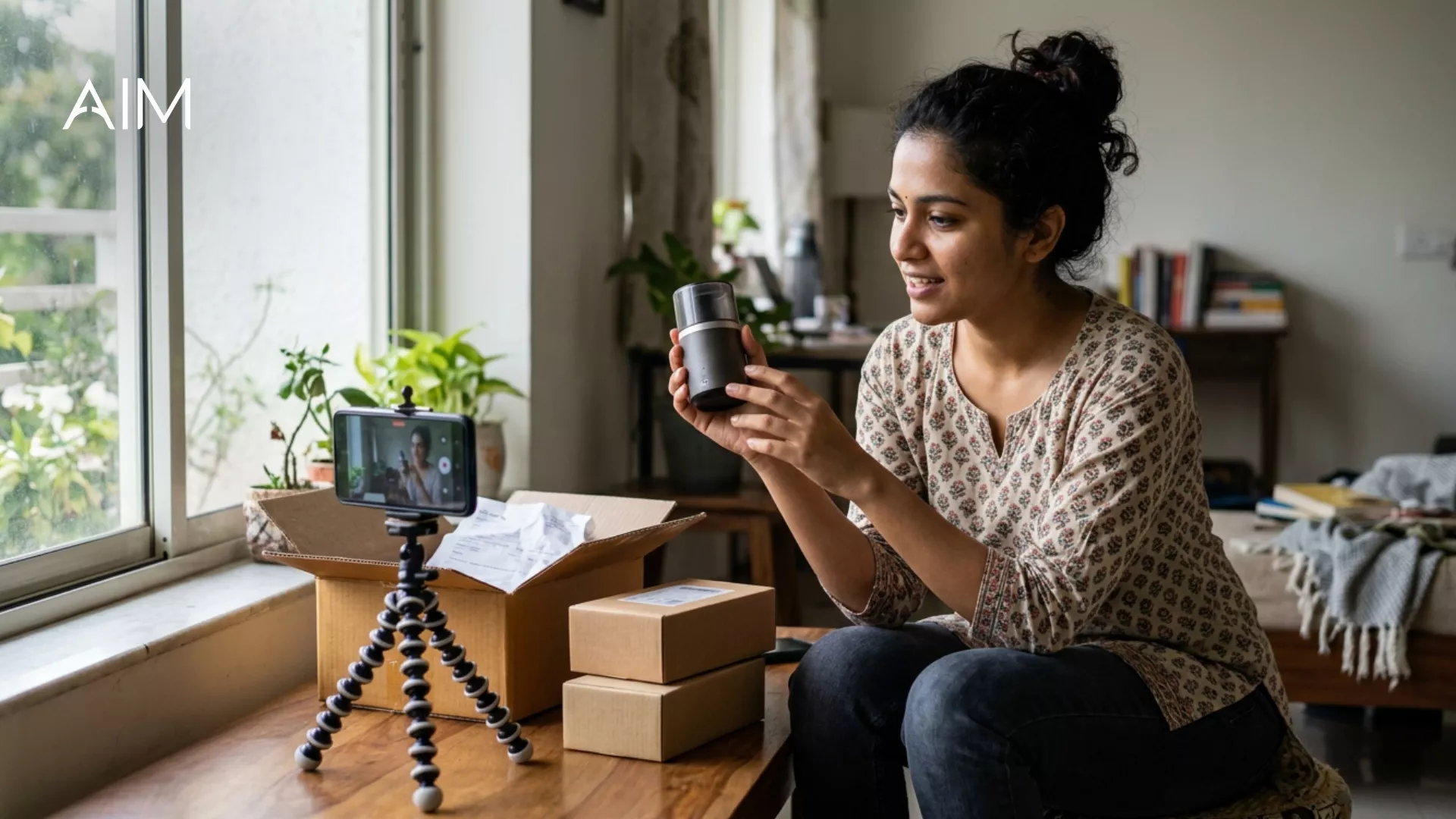
The core problem is that D2C asks people to buy blind. There is no shelf to pick up, no tester, no taste, no changing room. The customer commits real money based on photos, copy, and reviews, and then the product arrives and meets reality. Sometimes it matches. Often enough, it does not: the shade is off, the fabric feels cheaper than it looked, the flavour is not what they imagined, the supplement tastes awful, the fit is wrong. None of that is dishonesty, it is the unavoidable gap between a screen and a physical product. The return is the customer correcting a decision they were never equipped to make well in the first place. Remove the blindness and you remove much of the regret.
How does sampling lower returns?
Sampling attacks the problem at the source by moving the trial to before the purchase instead of after it. When a customer has already tried the product, the full-price order they place is a confirmation, not a gamble. Three things happen. The people who would have disliked it self-select out before spending, so they never become a return. The people who buy do so knowing what they are getting, so the product that arrives matches the expectation they formed from the sample. And the expectation itself is set correctly, because a sample tells the truth about taste, texture, and feel in a way a product page cannot. A confirmed buyer returns far less often than a hopeful one, and sampling is what turns hopeful buyers into confirmed ones.
Which returns can sampling fix, and which can it not?
Honesty matters here, because product sampling is not a cure-all. It works on the returns that come from the product being wrong for the person: taste and flavour disappointment in food, beverages, and supplements; texture, scent, or shade mismatch in beauty and personal care; feel and quality gaps in many D2C goods. These are the returns rooted in buying without trying, and they are often a big slice of the total. Sampling does little for returns caused by shipping damage, wrong items sent, delivery delays, sizing systems that are simply inaccurate, or deliberate misuse. So the real question for a D2C brand is what share of its returns are mismatch returns. The larger that share, the more sampling can move the number.
Sampling as a pre-purchase try for categories that need it
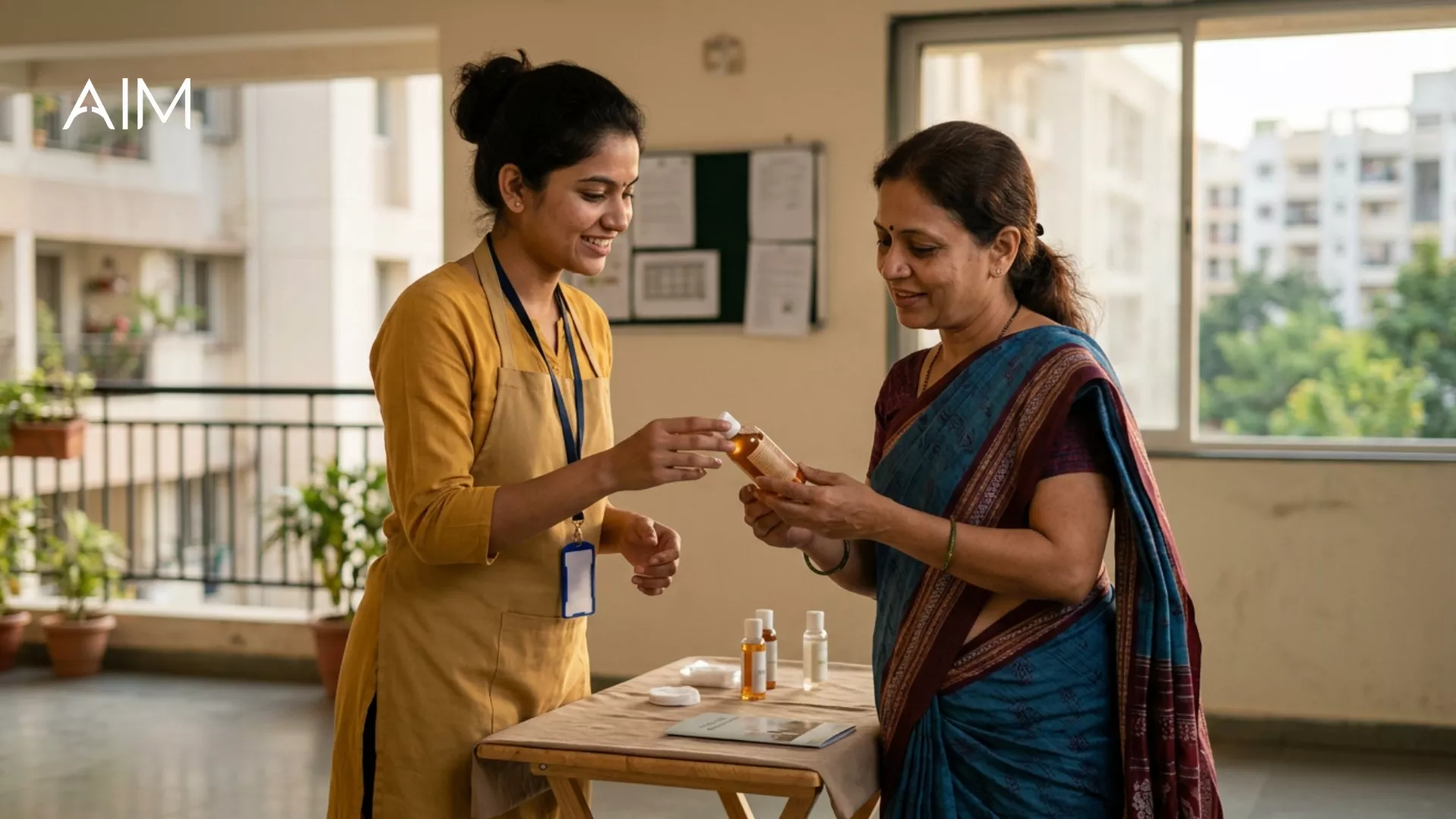
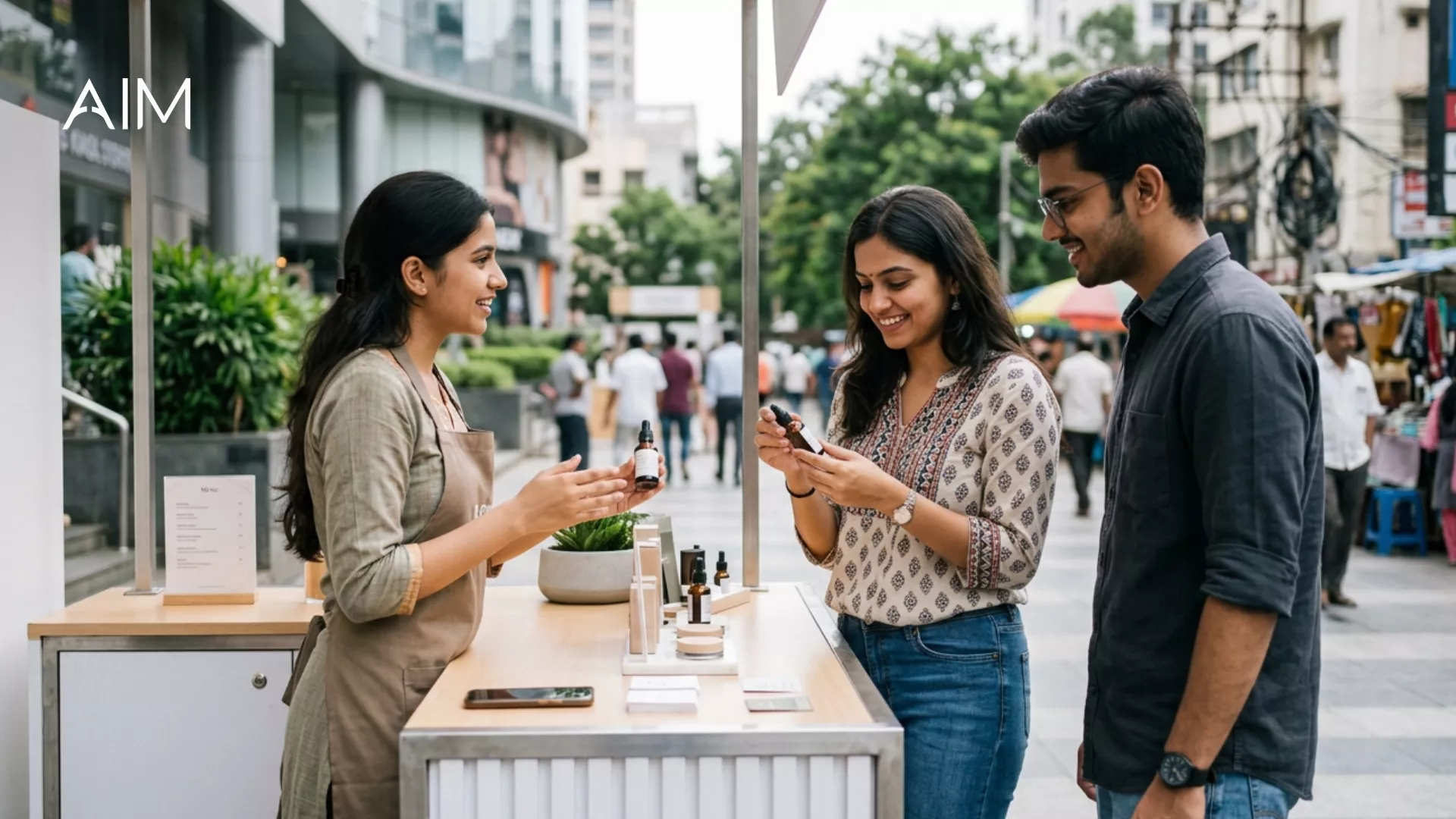
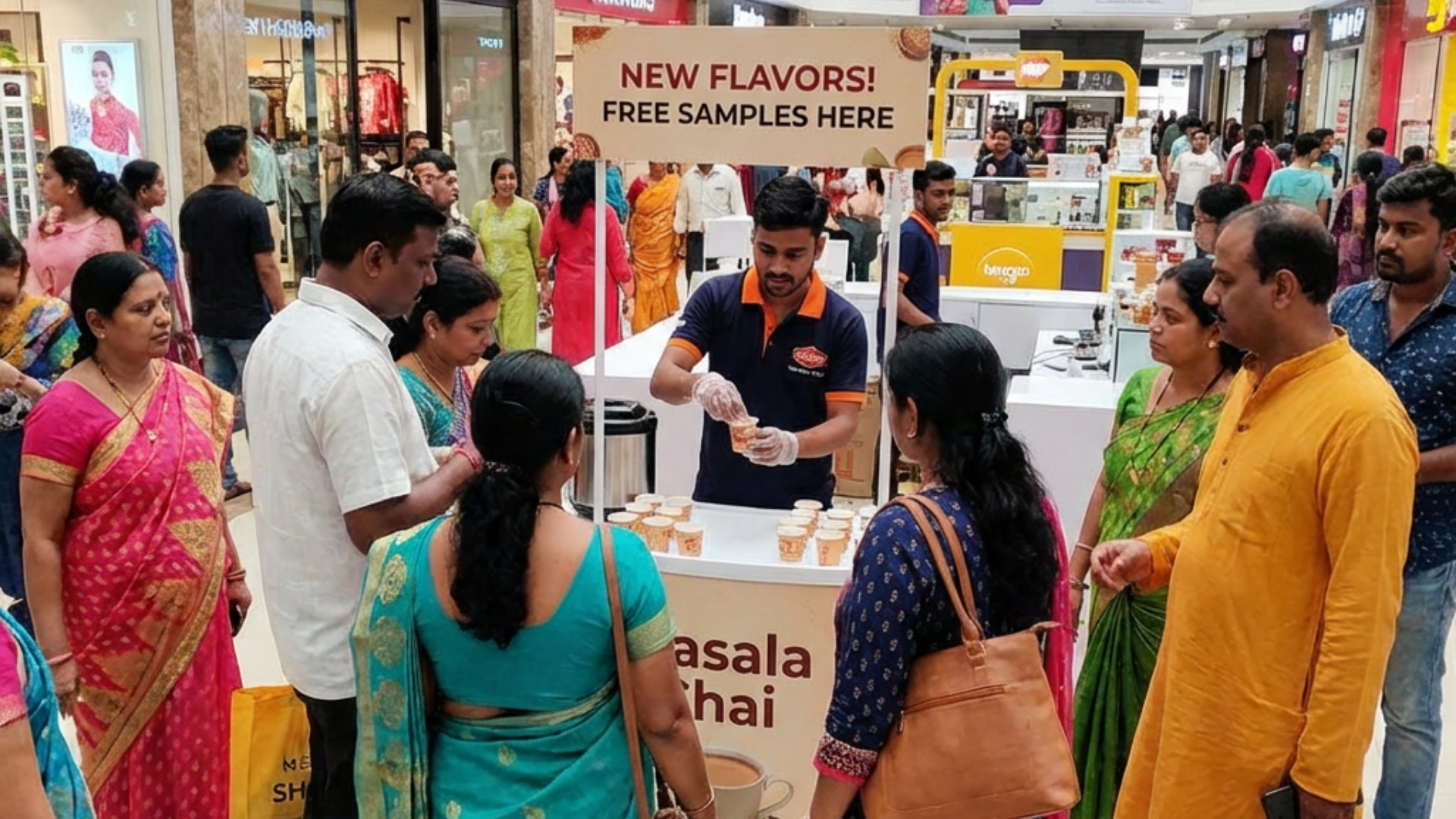
Some D2C categories are almost designed to generate mismatch returns, and those are where sampling pays back fastest. Food and beverages, where taste is everything and undescribable. Supplements and wellness, where flavour and tolerance decide whether the tub gets used or returned. Beauty and personal care, where shade, scent, and skin reaction cannot be judged online. Fragrances above all, which are impossible to sell honestly through a screen. For these, a small trial, a sachet, a mini, a sample size, lets the customer confirm the one thing the product page could never prove, and it converts the guess into a knowing purchase. The sample cost is almost always lower than the cost of a return, which is what makes this work as economics, rather than a nicer experience.
How data-driven sampling matches the right product to the buyer
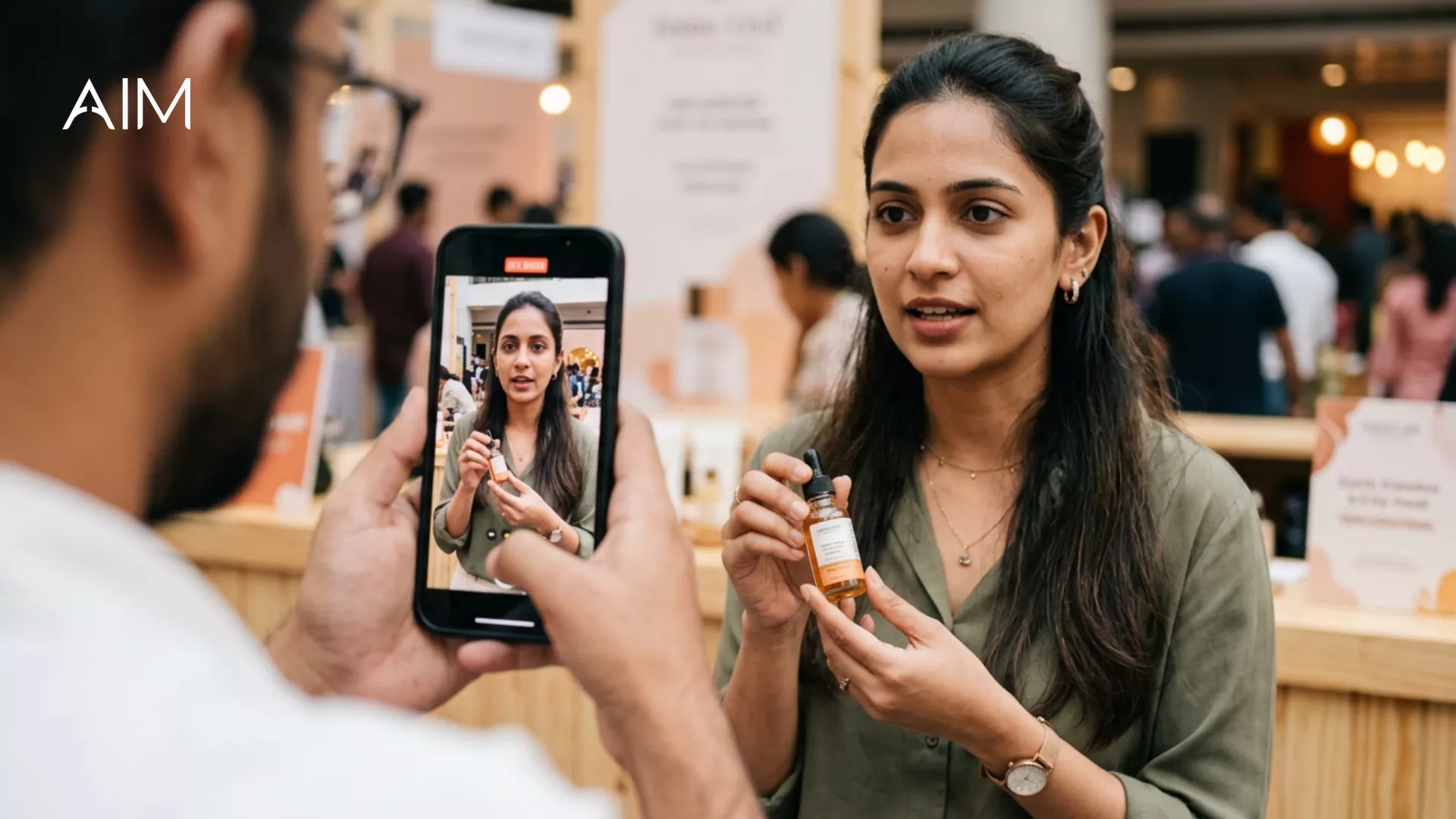
Random sampling reduces returns a little. Targeted sampling reduces them more, because many mismatch returns come from the right product reaching the wrong person. When a brand samples with a view of who the person is and what they are likely to want, it does two useful things at once: it steers each customer toward the variant, shade, or flavour that actually suits them, and it captures data that improves the next match. A customer guided to the right product by a sample is far less likely to send it back than one who guessed from a thumbnail. This is where sampling stops being a giveaway and becomes a returns-reduction tool, because the goal is not trial for its own sake, it is the right trial for the right buyer.
What sampling formats work for cutting D2C returns?
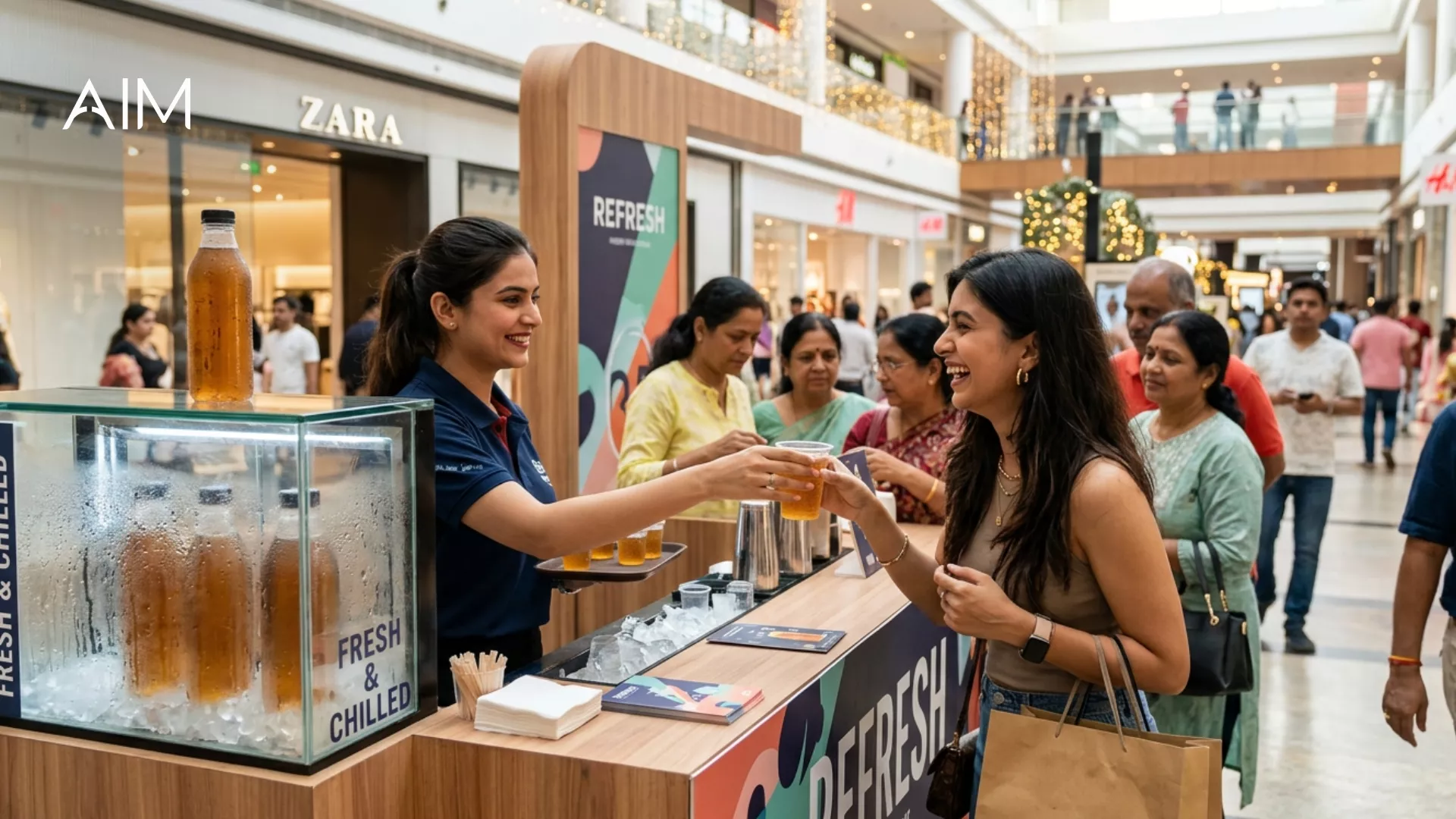
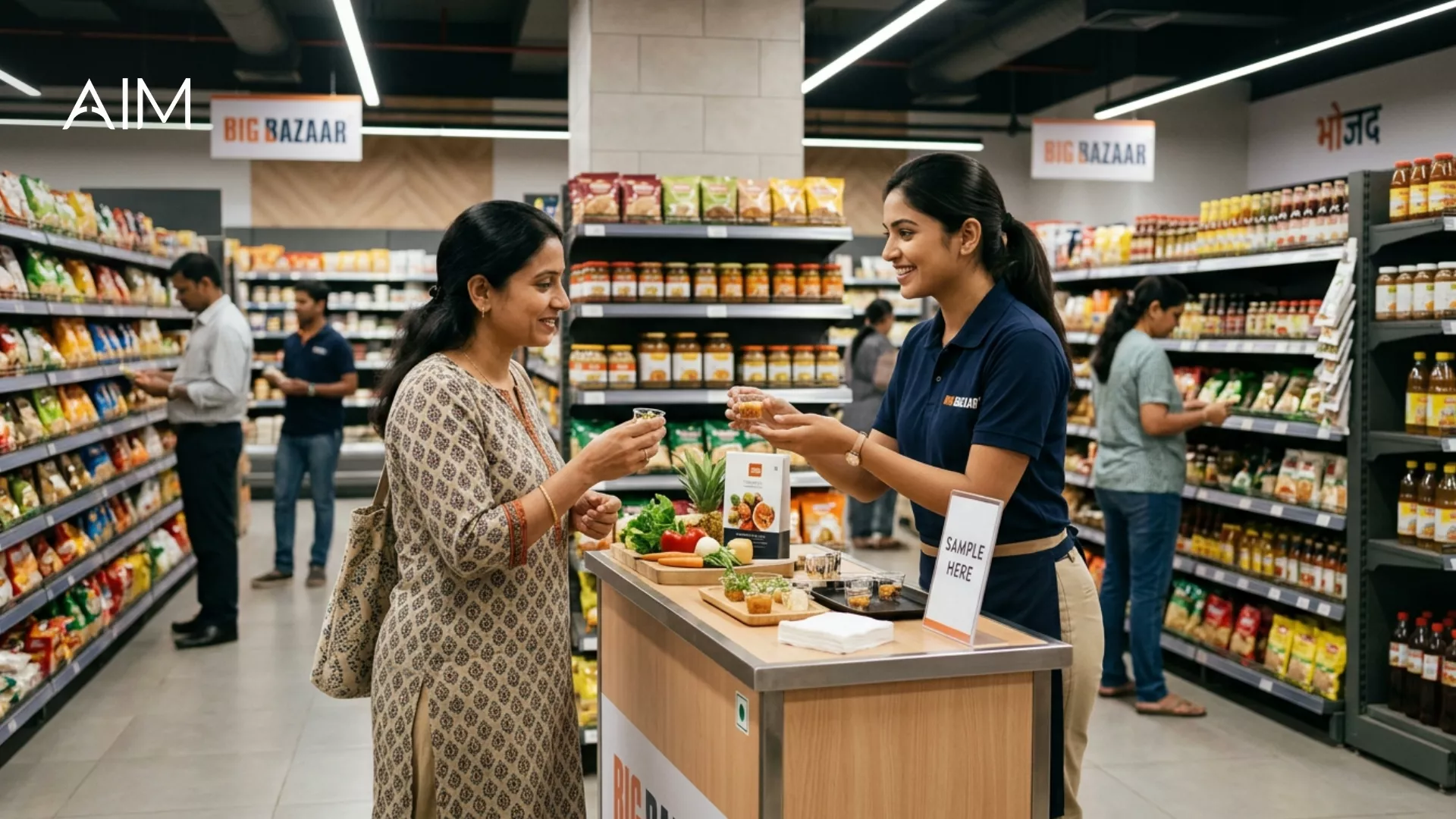
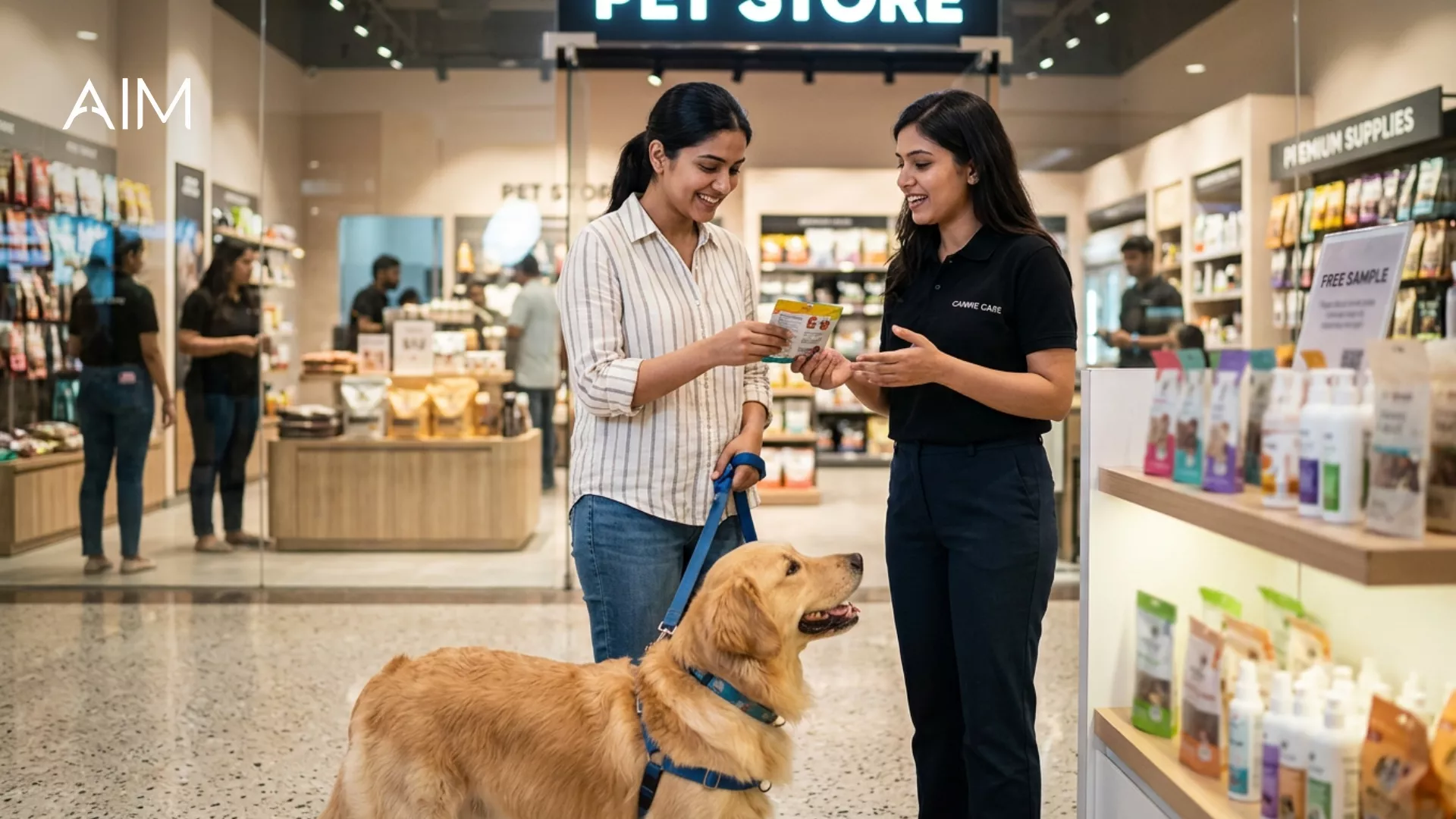
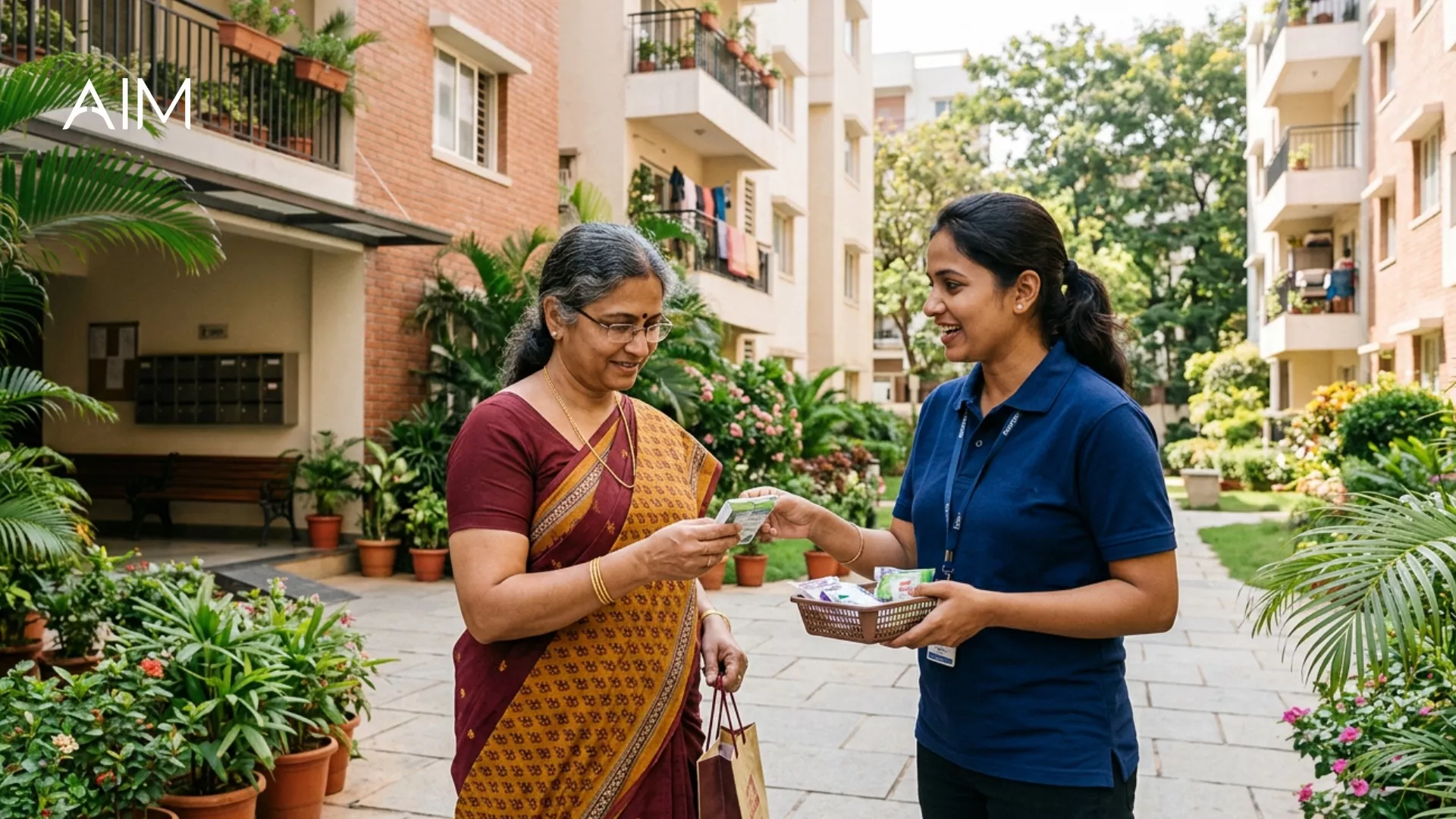
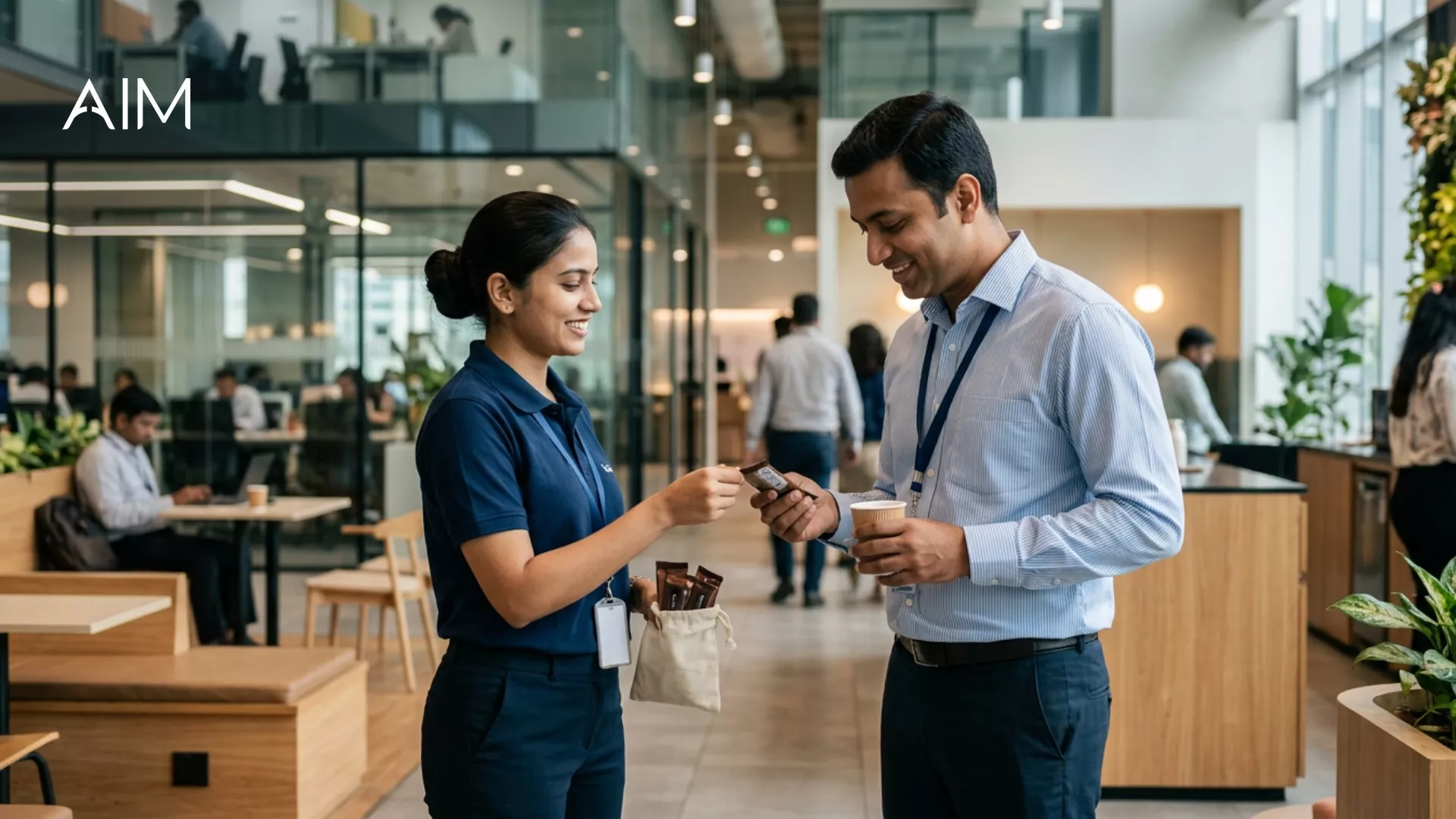
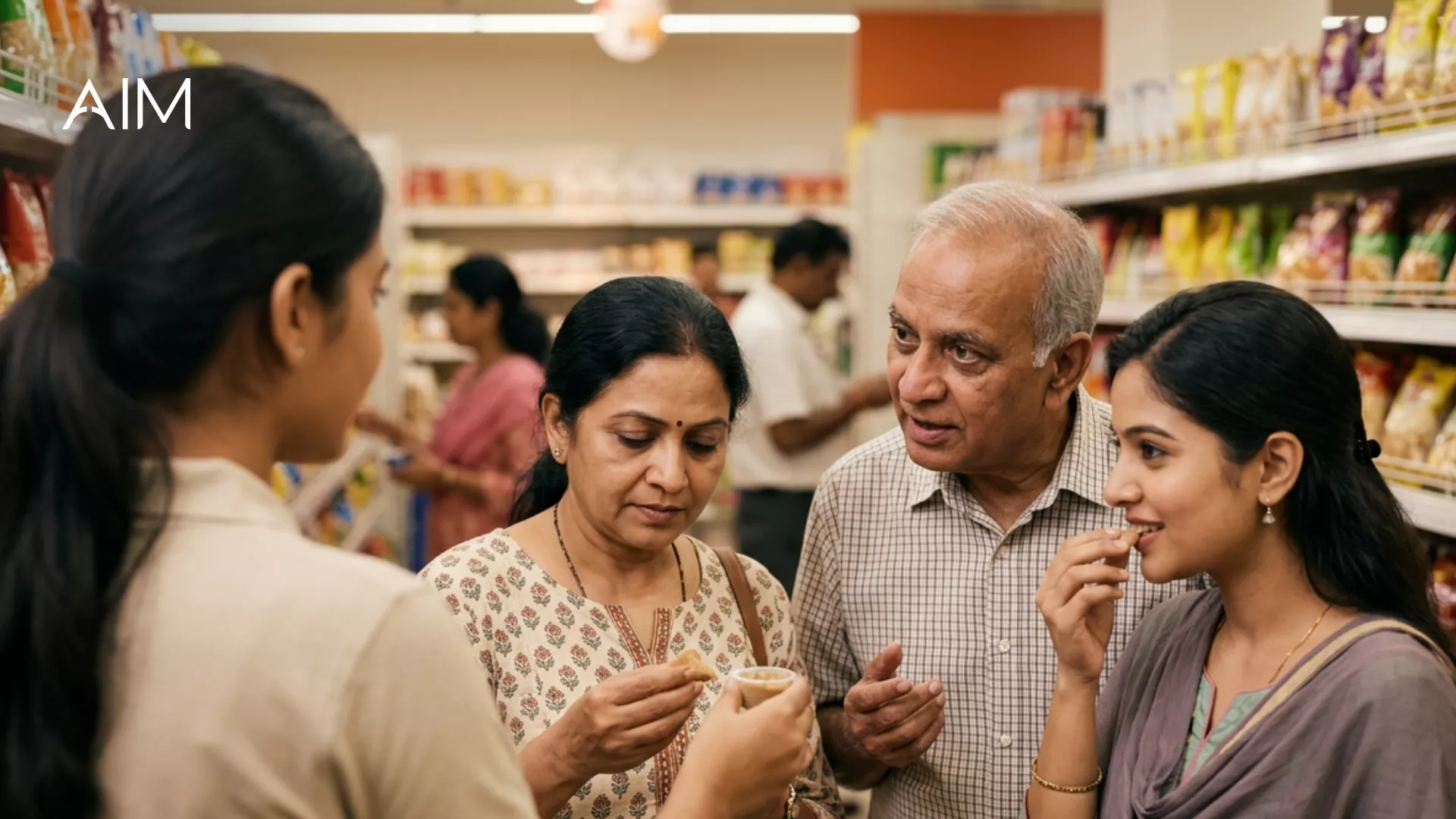
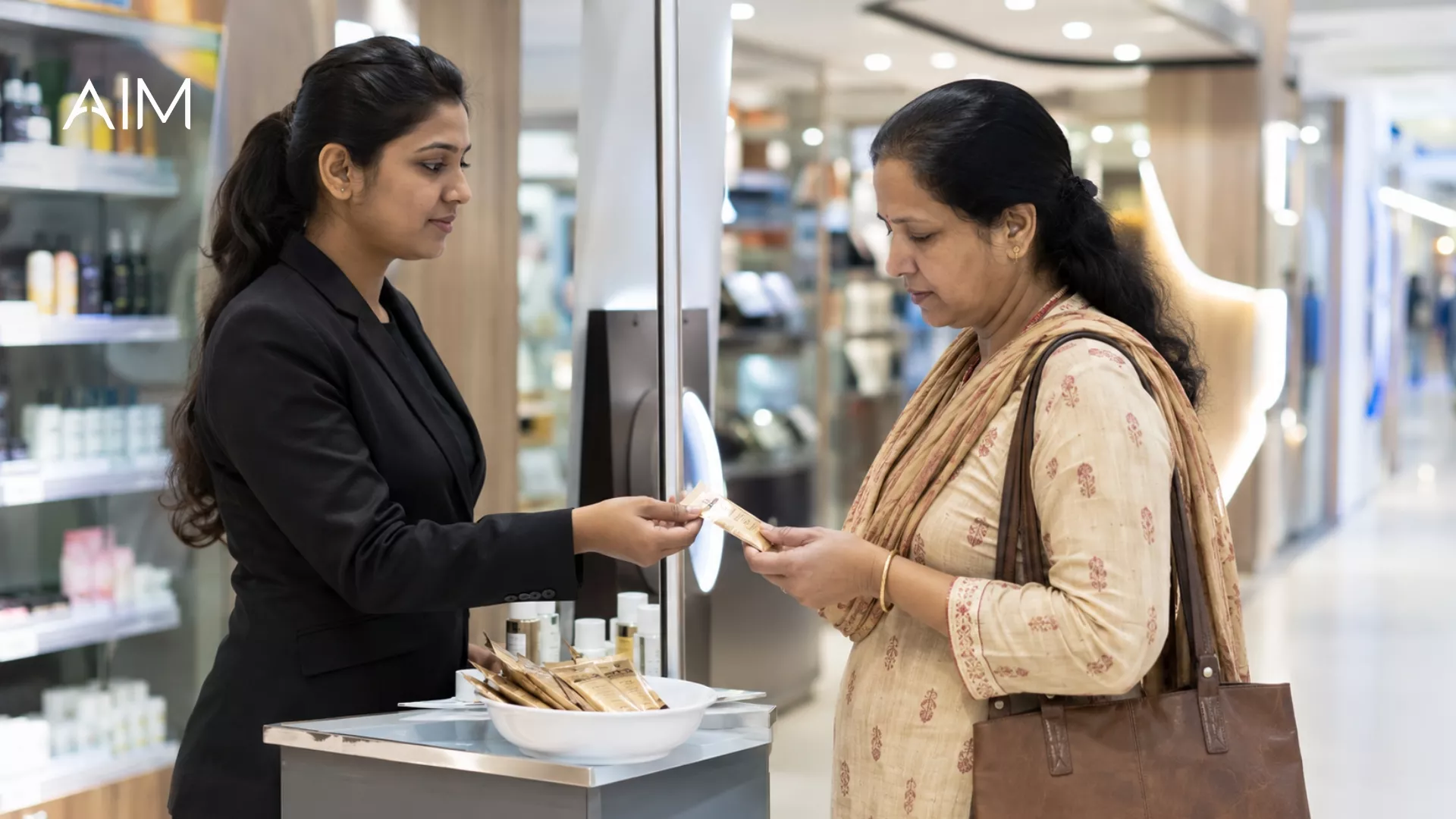
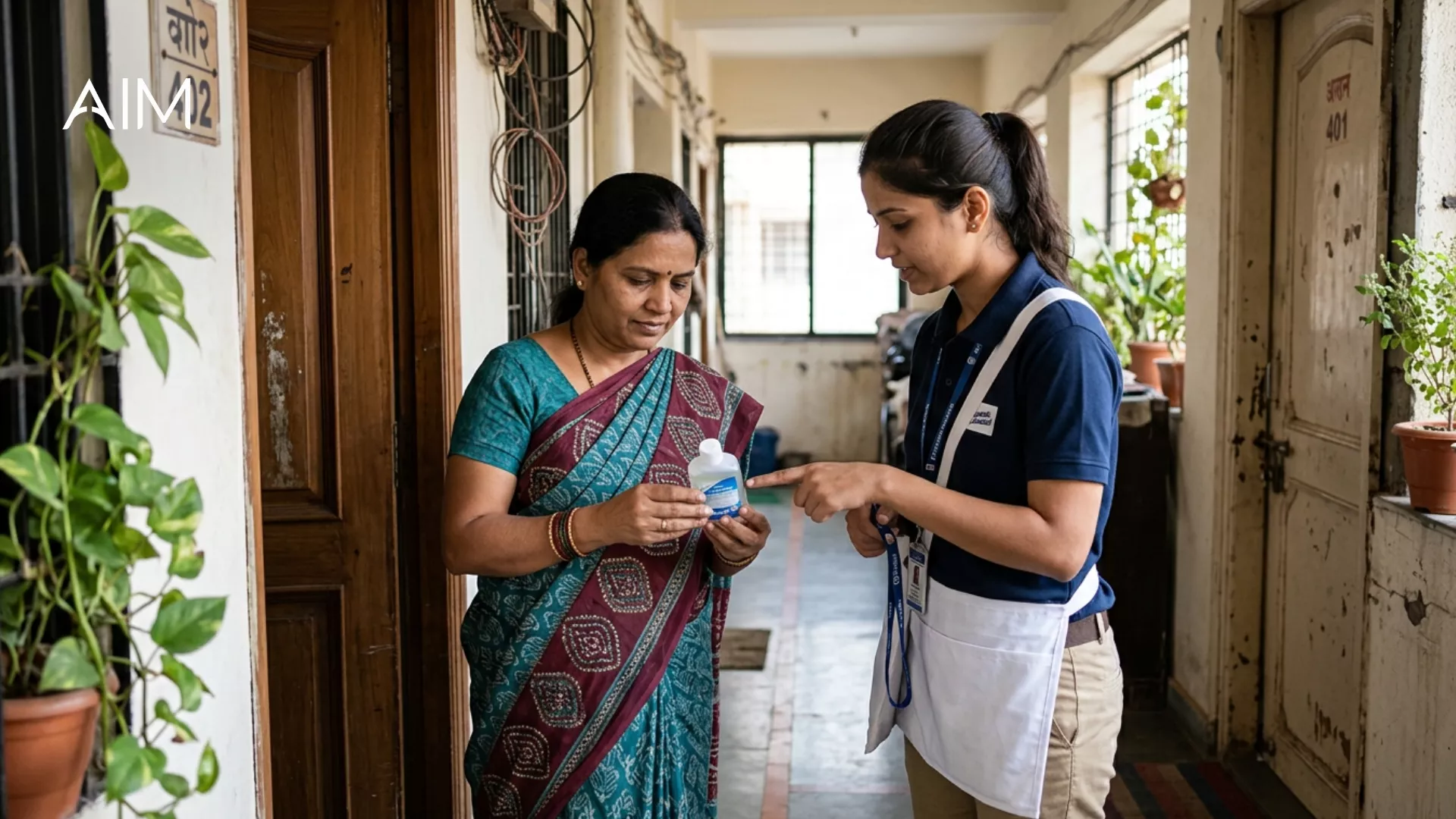
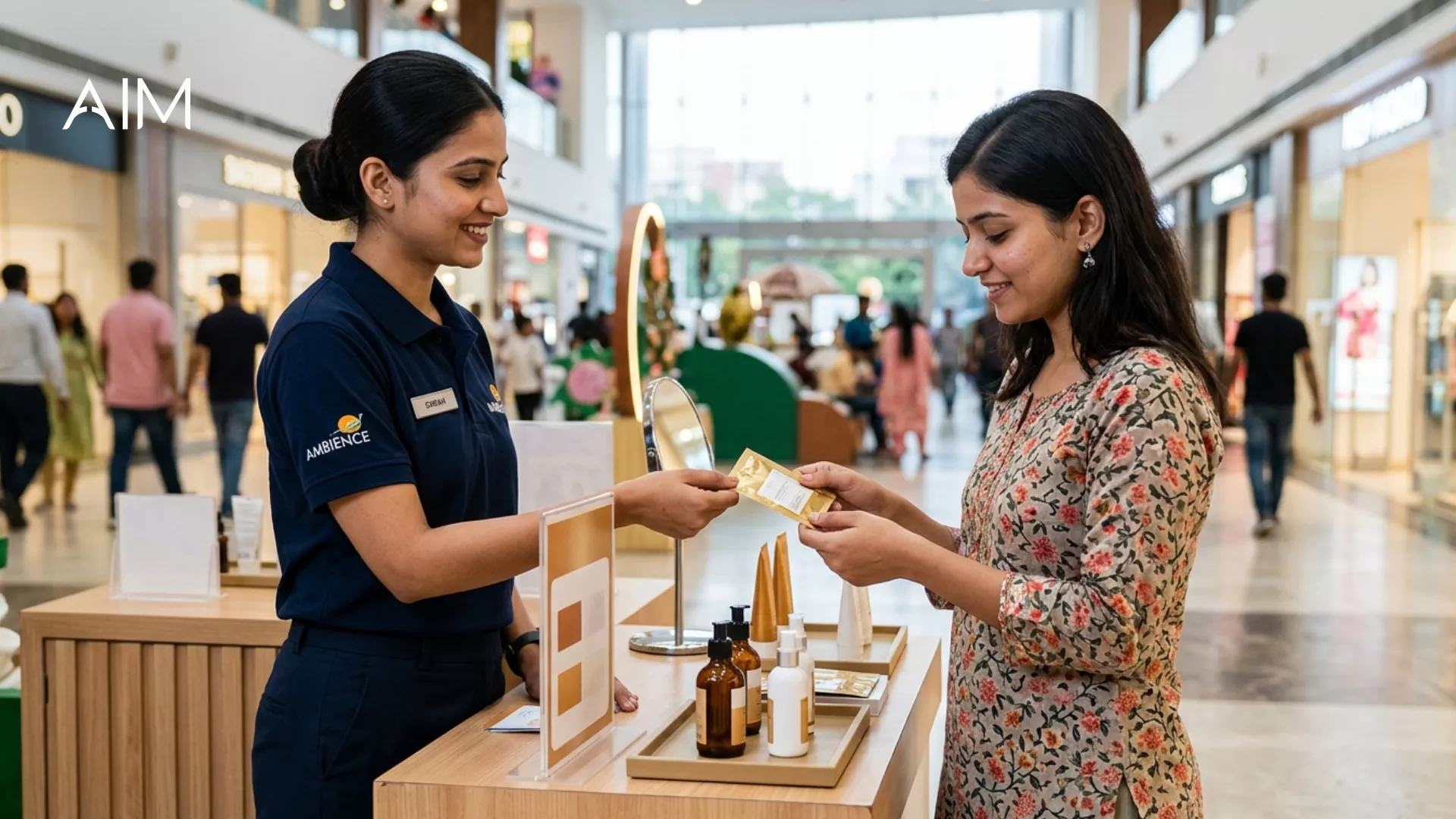
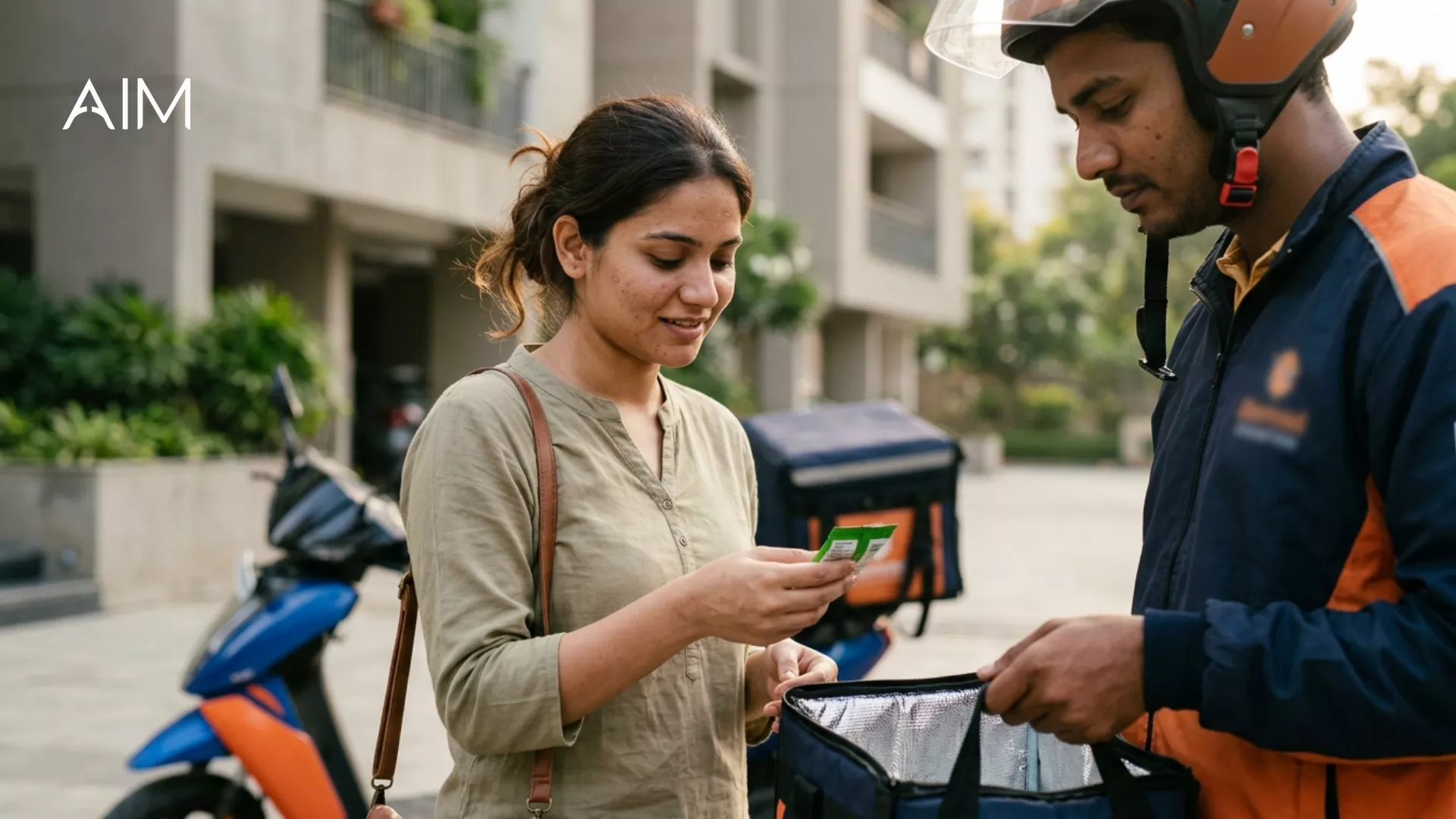
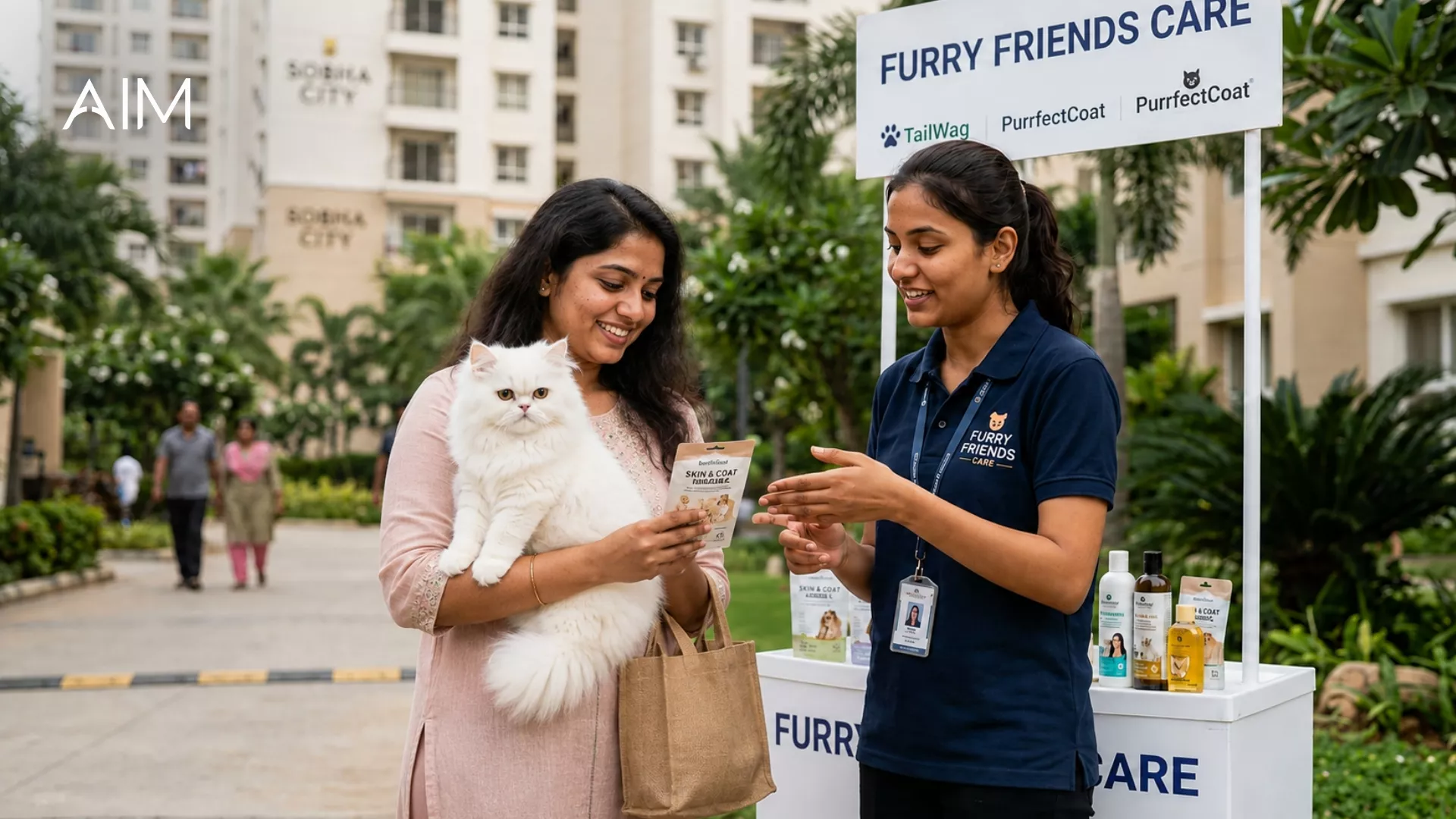
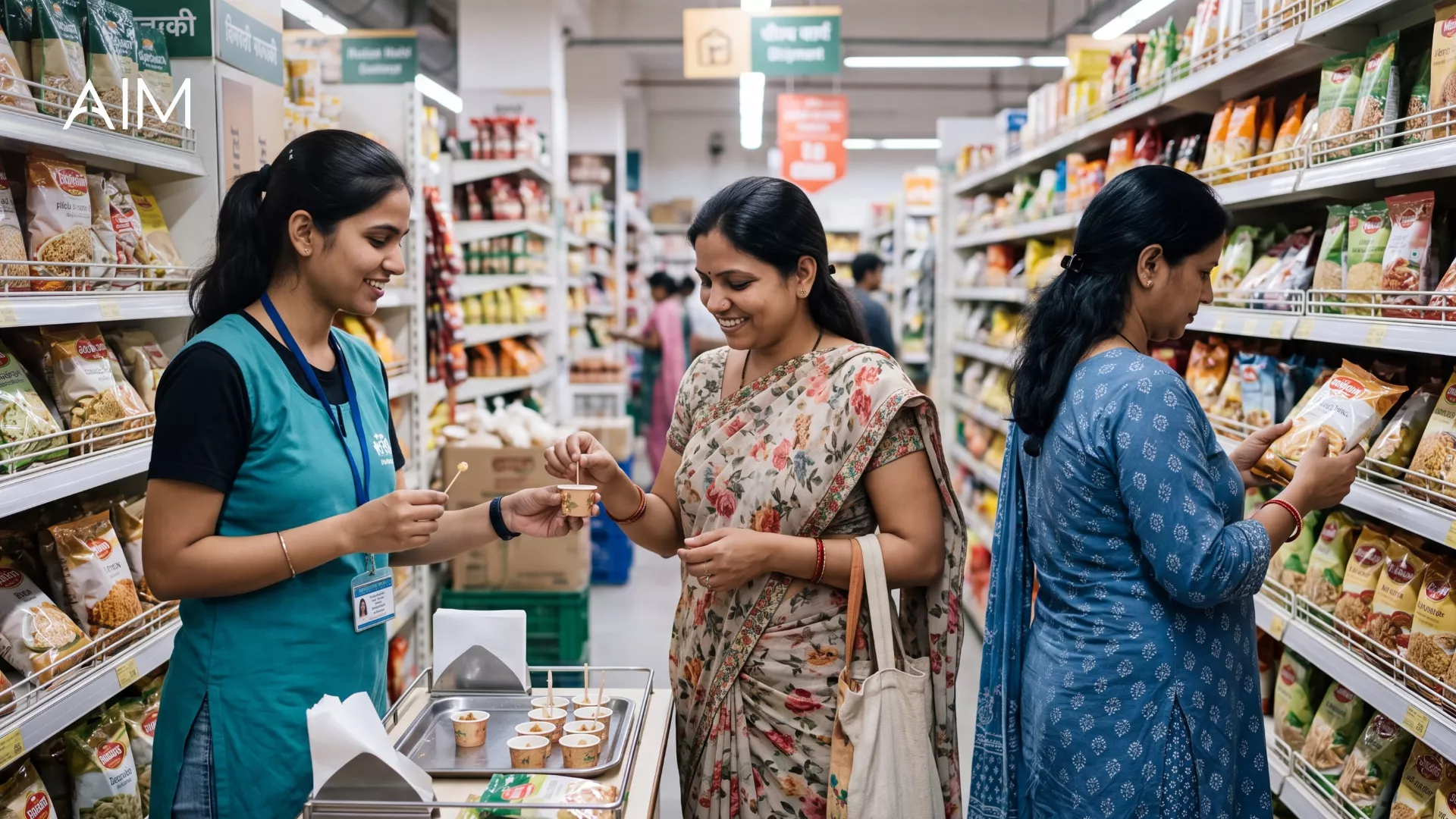
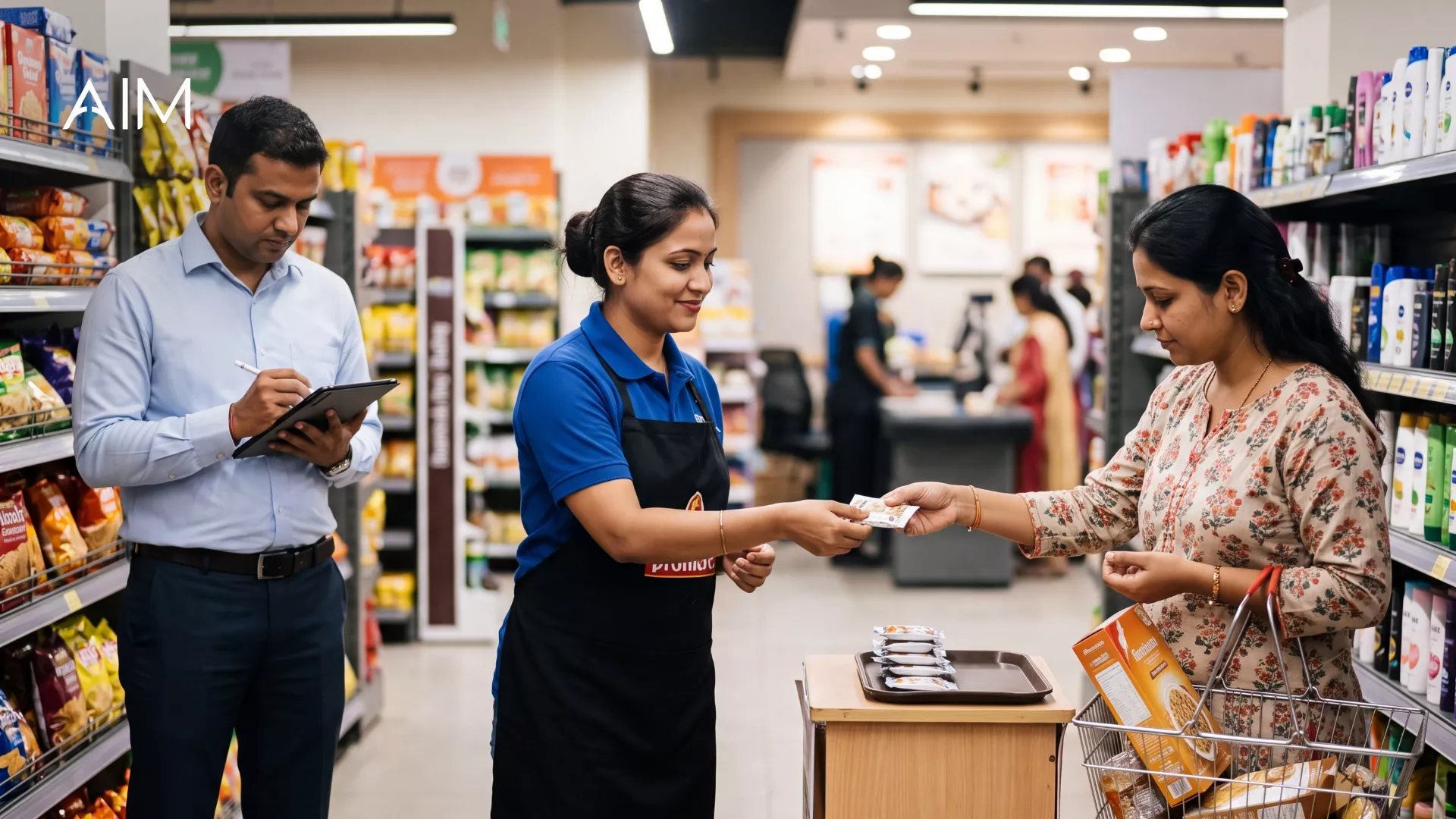
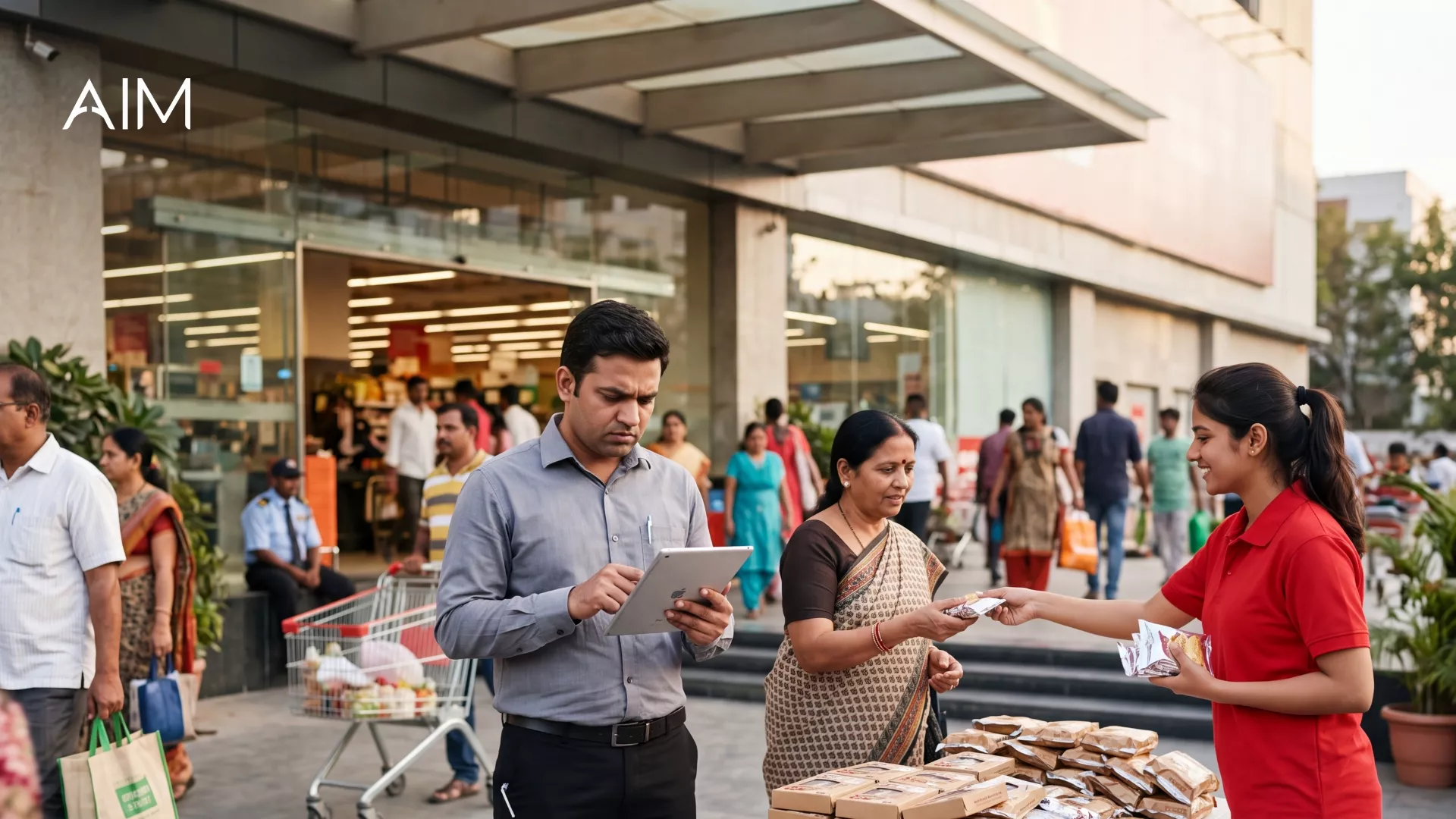
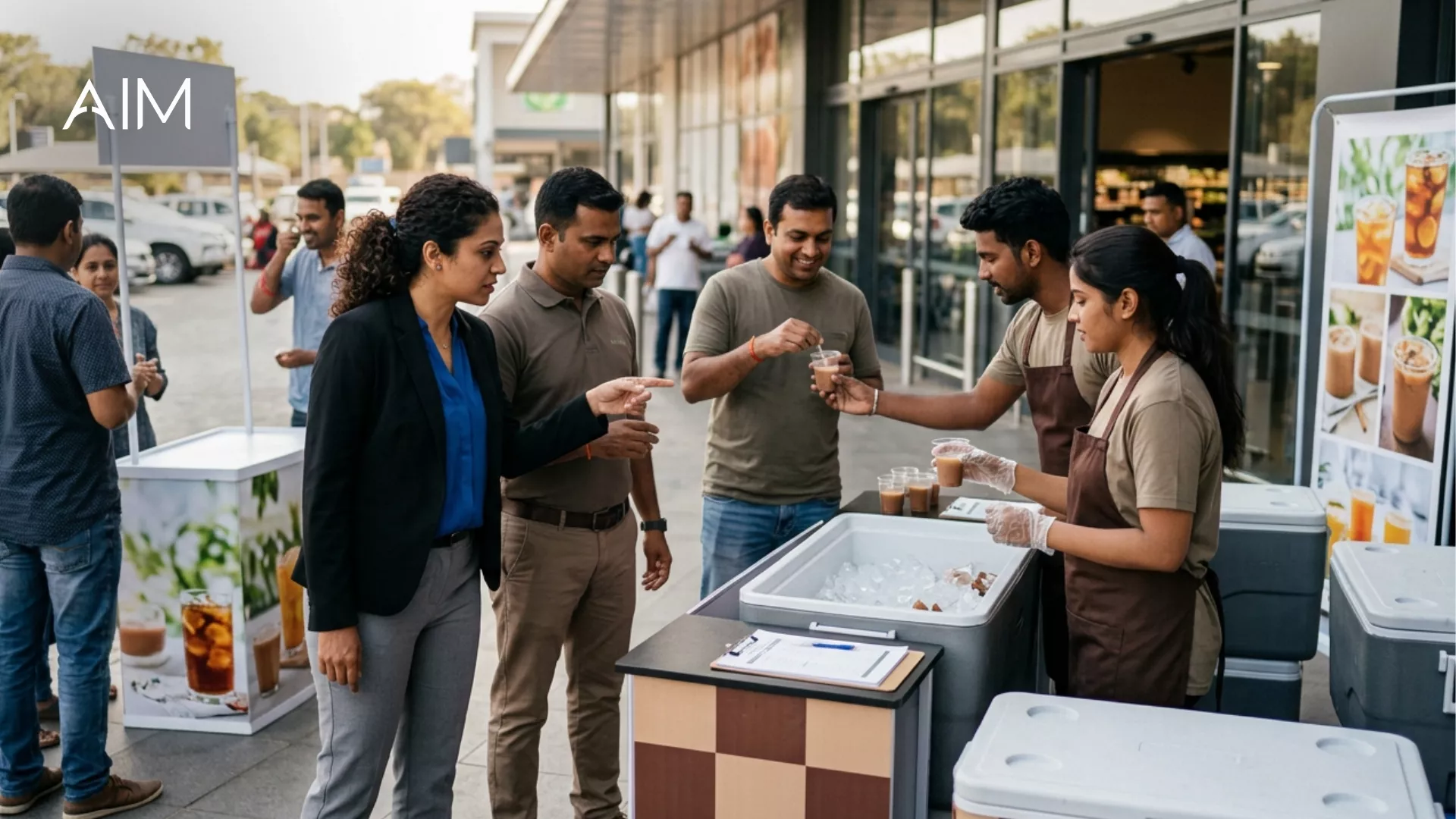
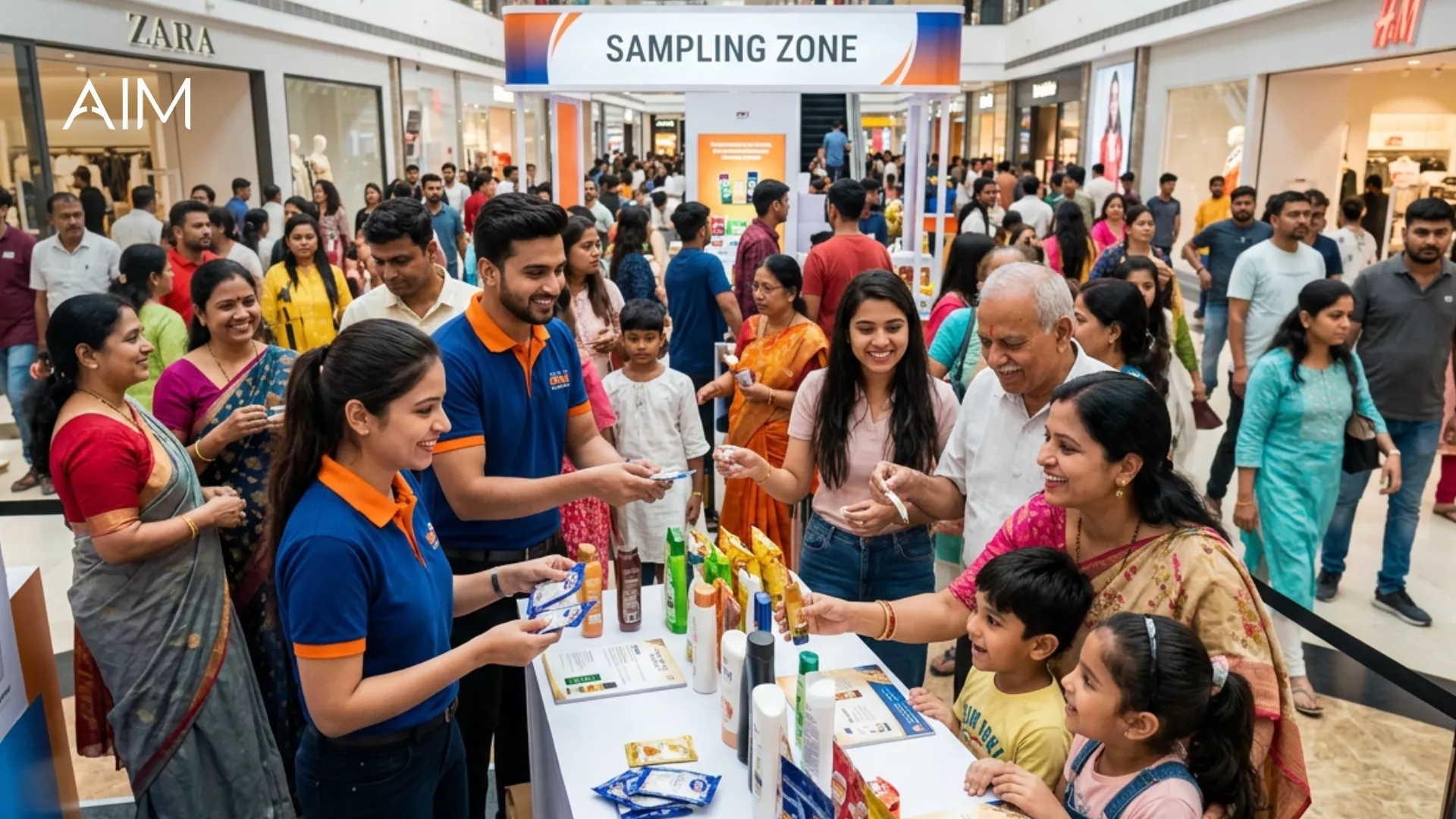
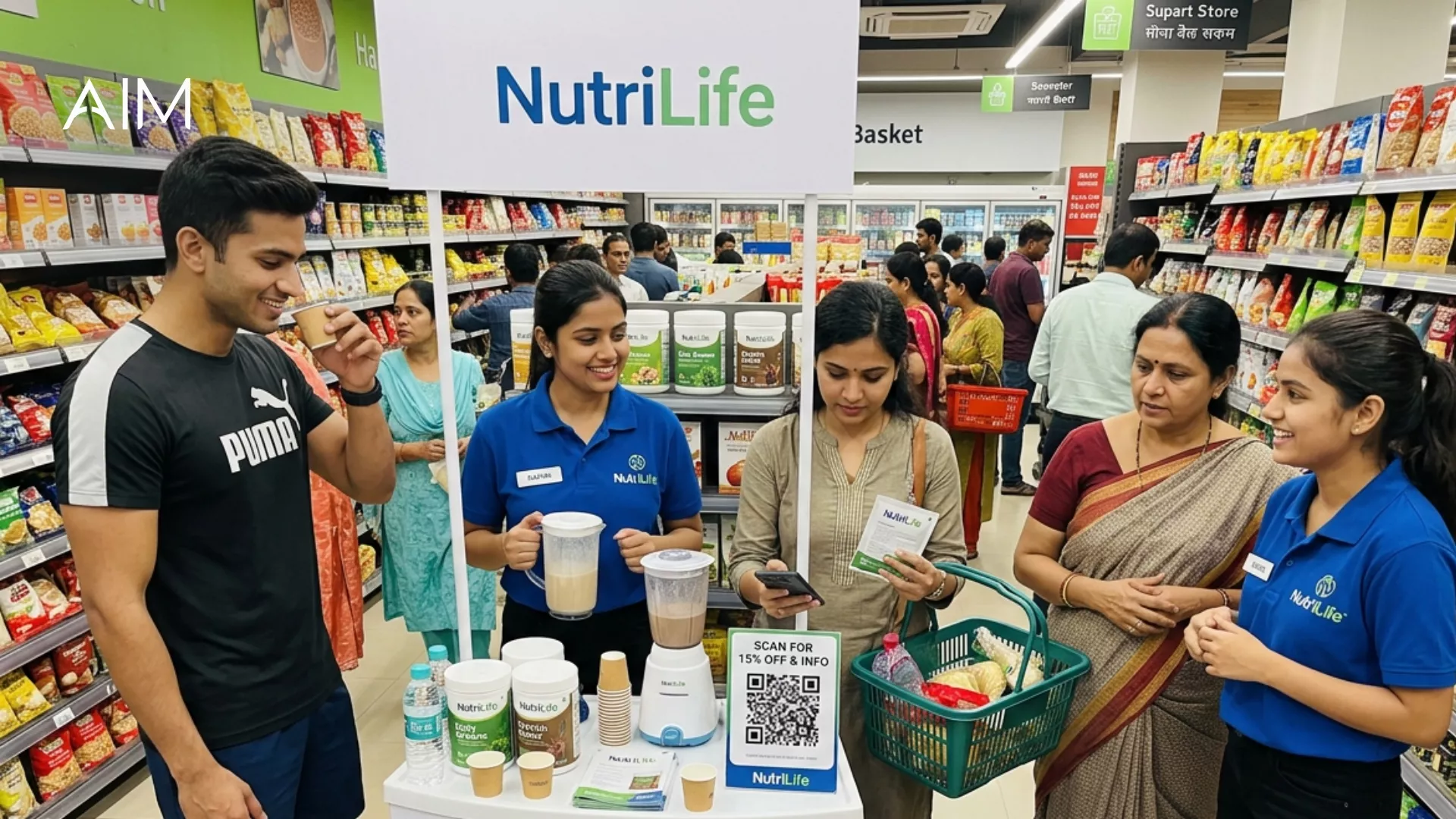
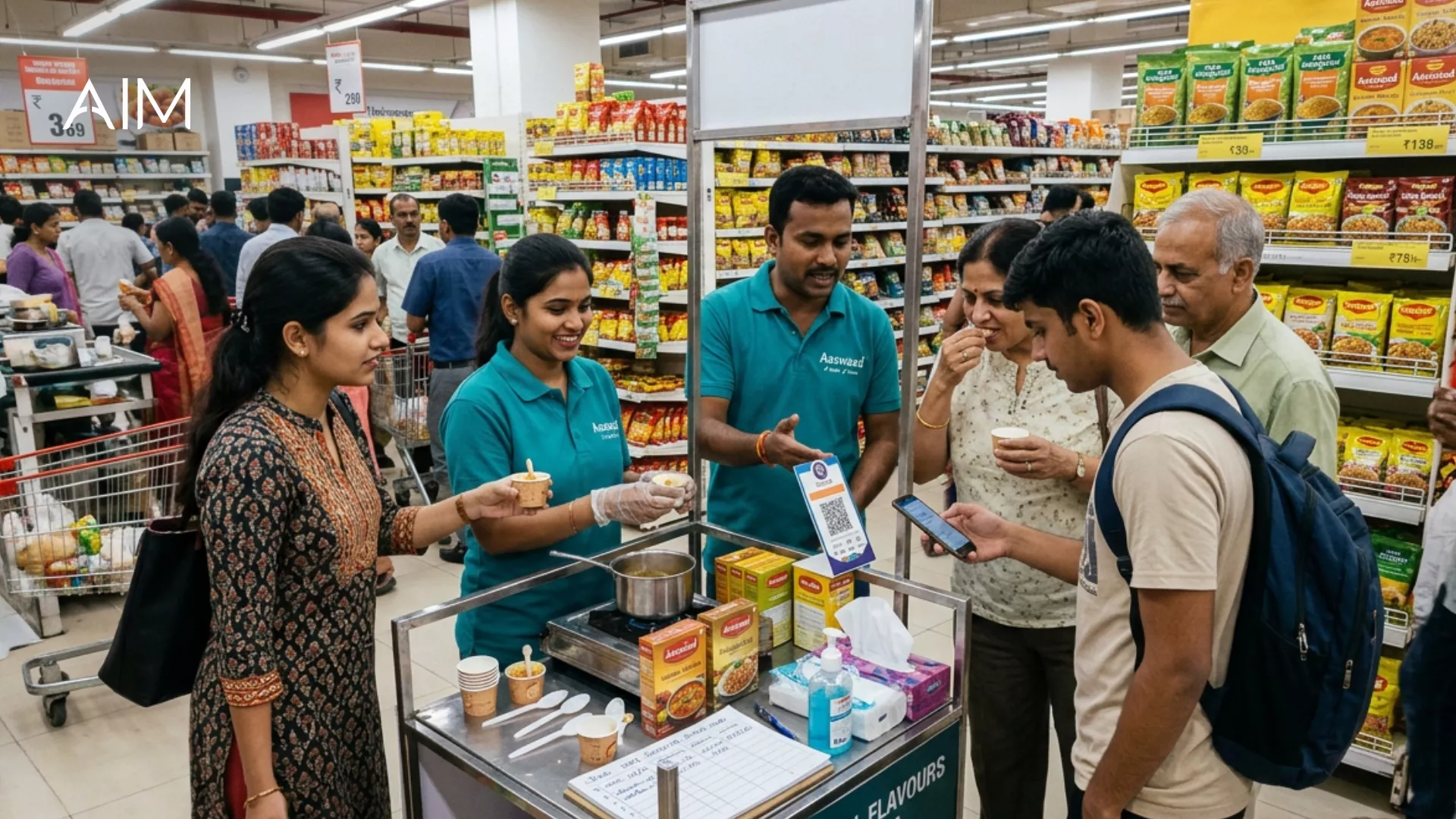
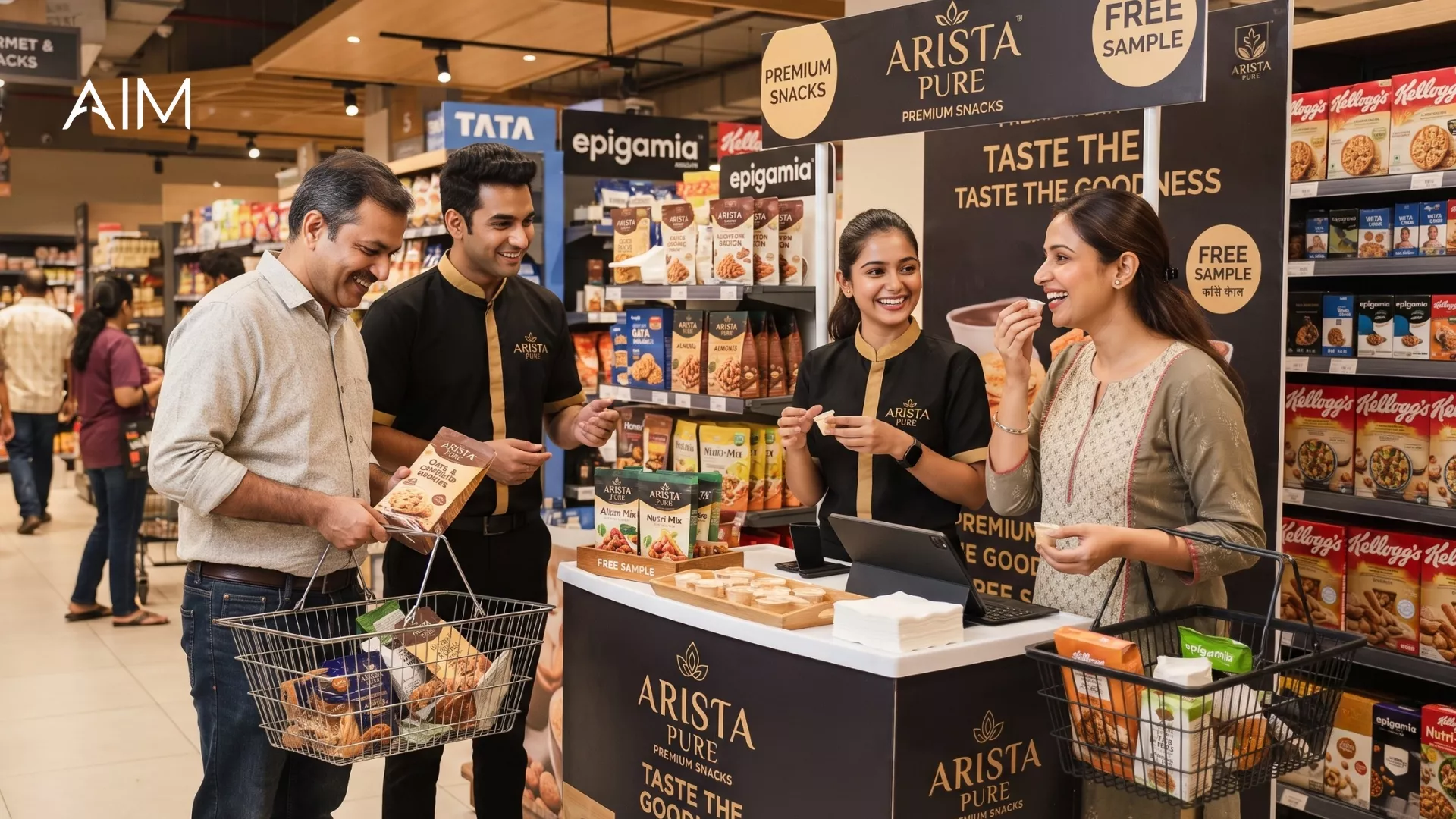
The trial has to reach the customer before the full purchase, which shapes the format. Sample-with-first-order lets a new buyer try adjacent variants and reorder the one that fits, cutting returns on the next purchase. Standalone trial packs or minis, sold cheap or given to qualified prospects, let someone confirm the product before the full-price commitment. Sampling through quick commerce and retail puts the product in hand in categories where people want to try before trusting an online order. And a try-before-you-commit motion, common in fragrance and beauty, turns the sample itself into the first step of the funnel. The right format depends on the category and the buying journey, but the logic is constant: put a real trial before the money, and the order that follows is one the customer is far more likely to keep.
How do you measure sampling's impact on returns?
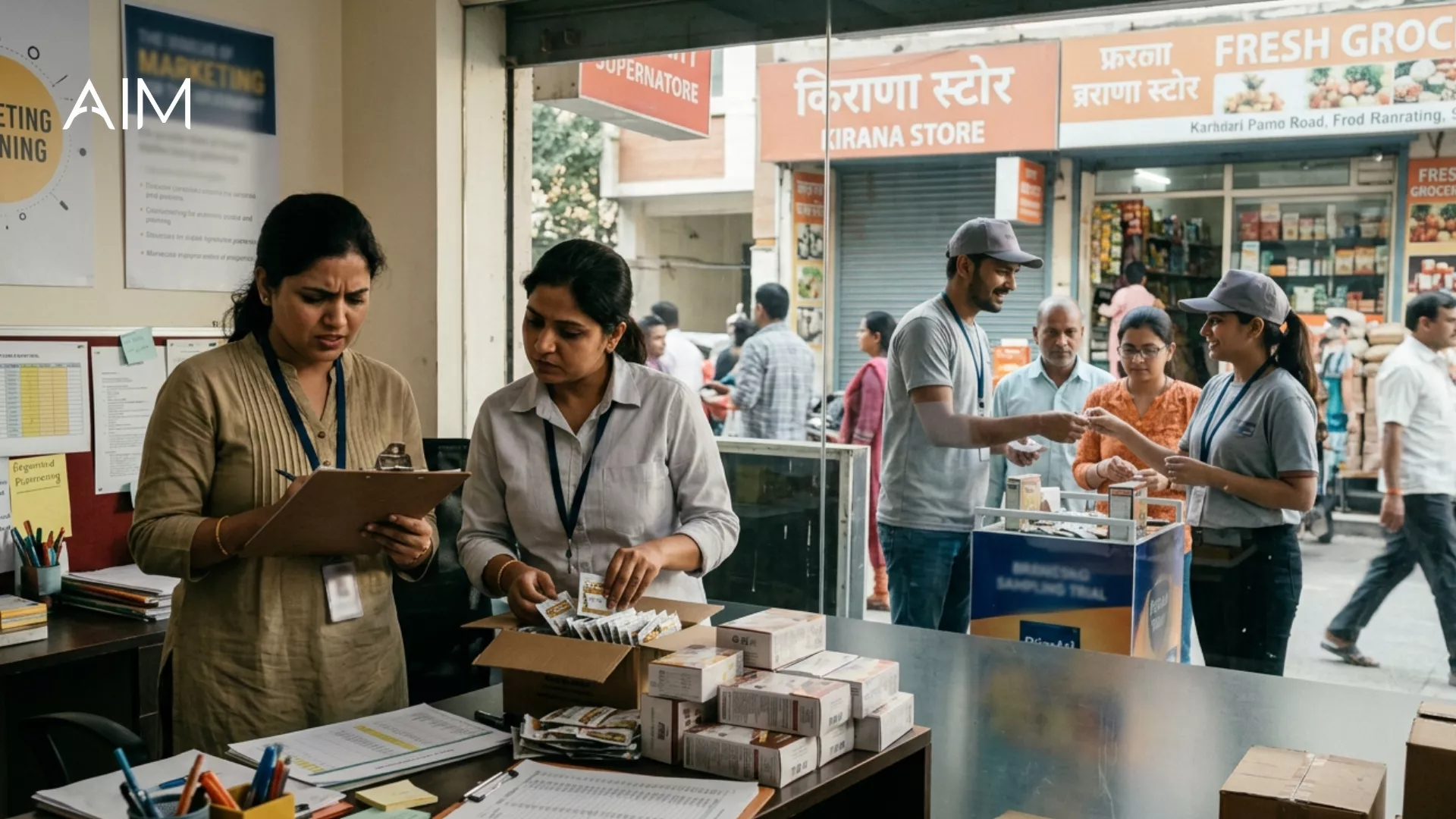
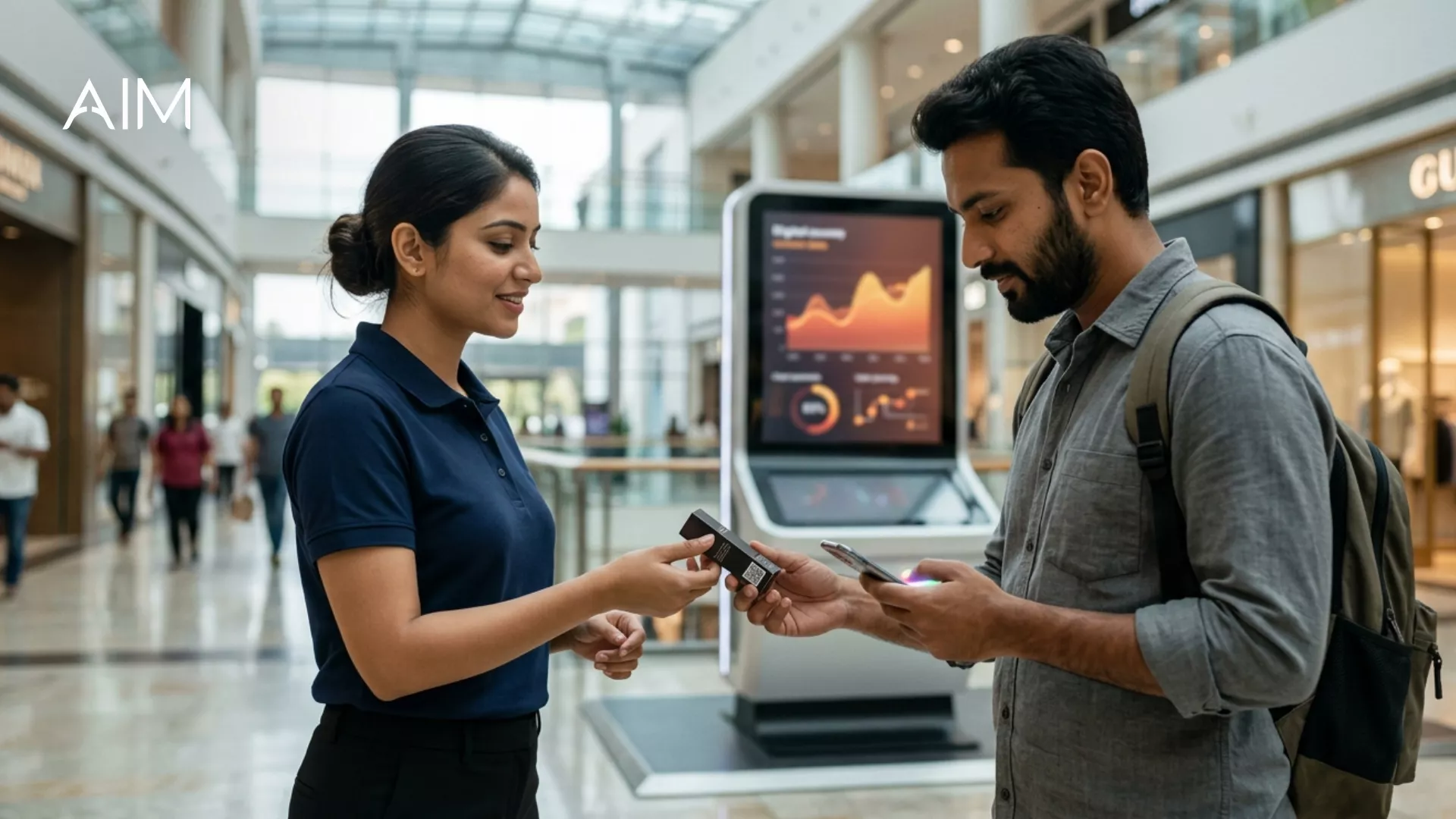
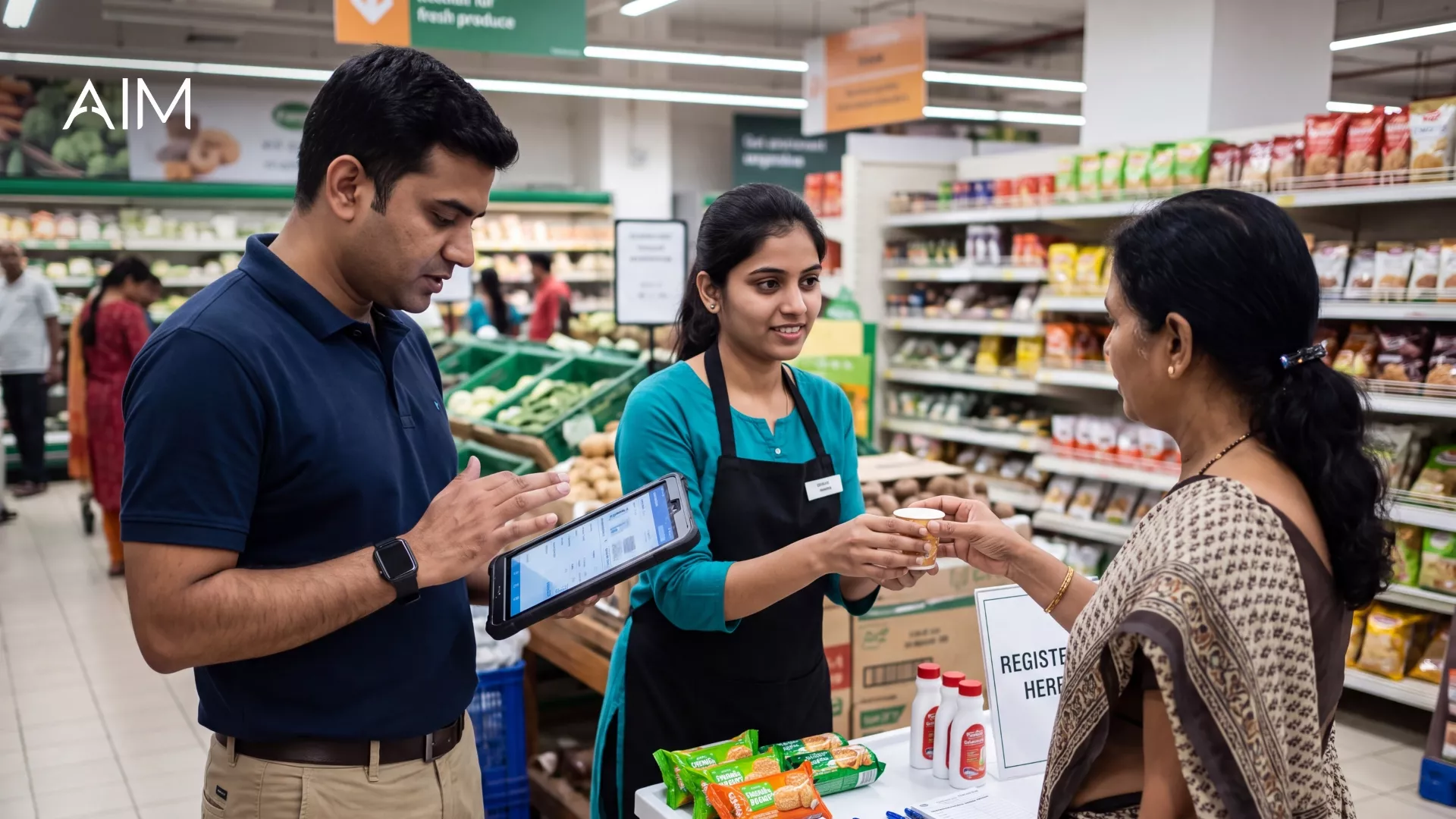
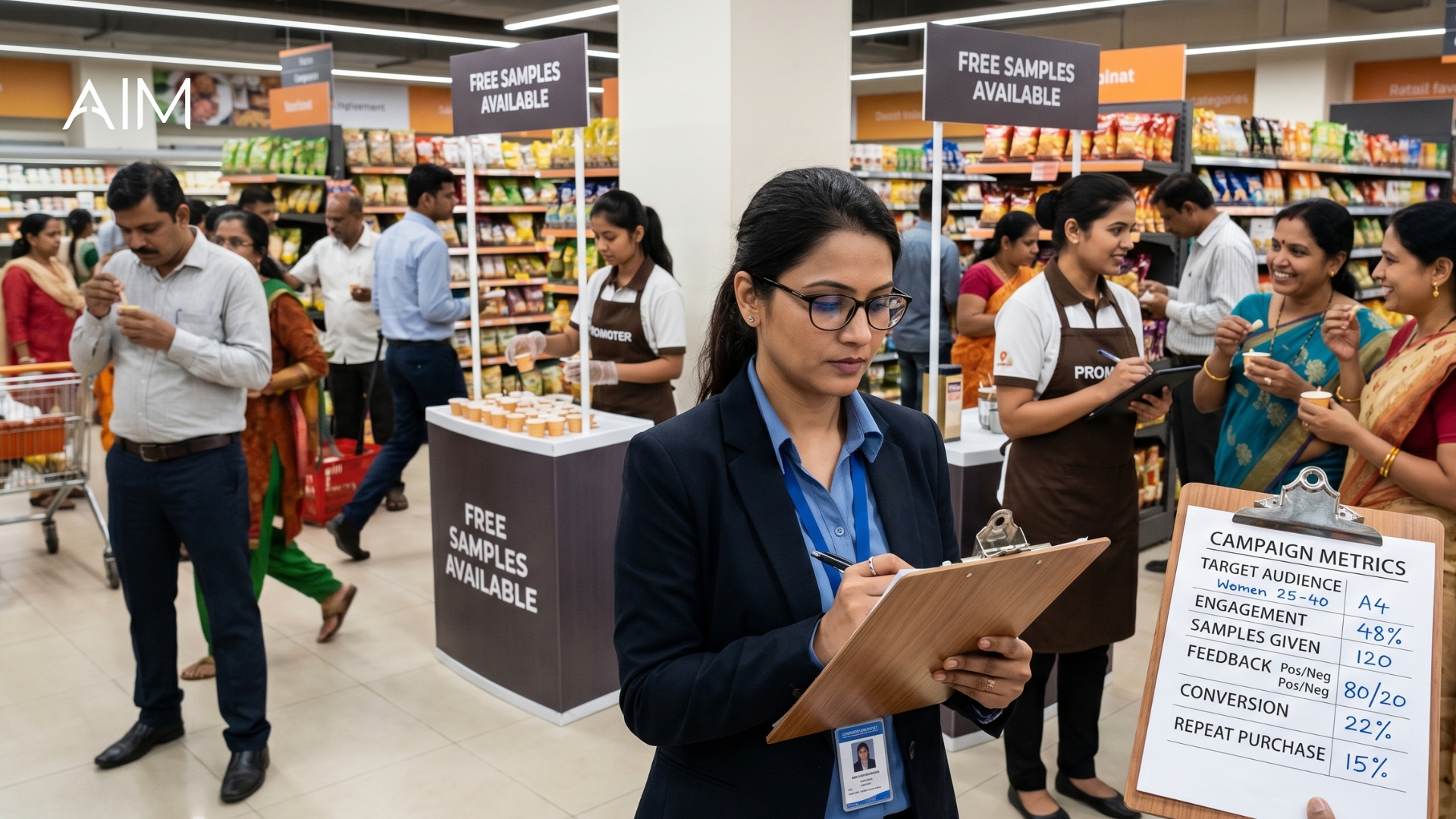
Treat it as a test, because the effect is measurable. Compare the return rate of customers who received and tried a sample before buying against those who bought cold, over the same period and category. Watch the return reasons, since sampling should visibly shrink the mismatch reasons while leaving damage and delivery reasons untouched. Weigh the sample cost against the fully loaded cost of the returns avoided, including shipping both ways, refunds, and write-offs, to see the real return on the activity. This is how AIM approaches sampling for D2C brands: sample the right product to the right buyer before the purchase, capture who tried, and track both what they bought and what they kept, so sampling is judged on returns avoided and customers retained, rather than trials handed out.
The cheapest return is the one that never happens
D2C brands spend enormous effort processing returns and almost none preventing them at the point they are born, which is the blind purchase. Sampling is one of the few levers that works on that root cause, letting the customer confirm the product before the money and the shipping and the disappointment are ever committed. It will not touch a damaged parcel or a wrong address. But for the large, quiet category of returns that are really regret in disguise, a taste or a trial before the buy is the difference between a customer who keeps the product and one who sends it back. In a model where every return erases the profit on several good orders, that is a lever worth pulling.








.webp)








.png)