

It is a fair question, and more brands ask it than product sampling agencies would like to admit. Sampling can look simple from the outside — buy the product, hire some people, hand it out — so why pay an agency margin to do something you could organise yourself? Sometimes you can, and should. Other times the DIY route quietly costs more than an agency ever would, because the hard parts of sampling, the ones that do not show up until you are in the middle of it, are invisible at the planning stage. Here is an honest look at in-house versus agency for product sampling, so you can decide which one actually fits your campaign.
What running a sampling campaign actually involves
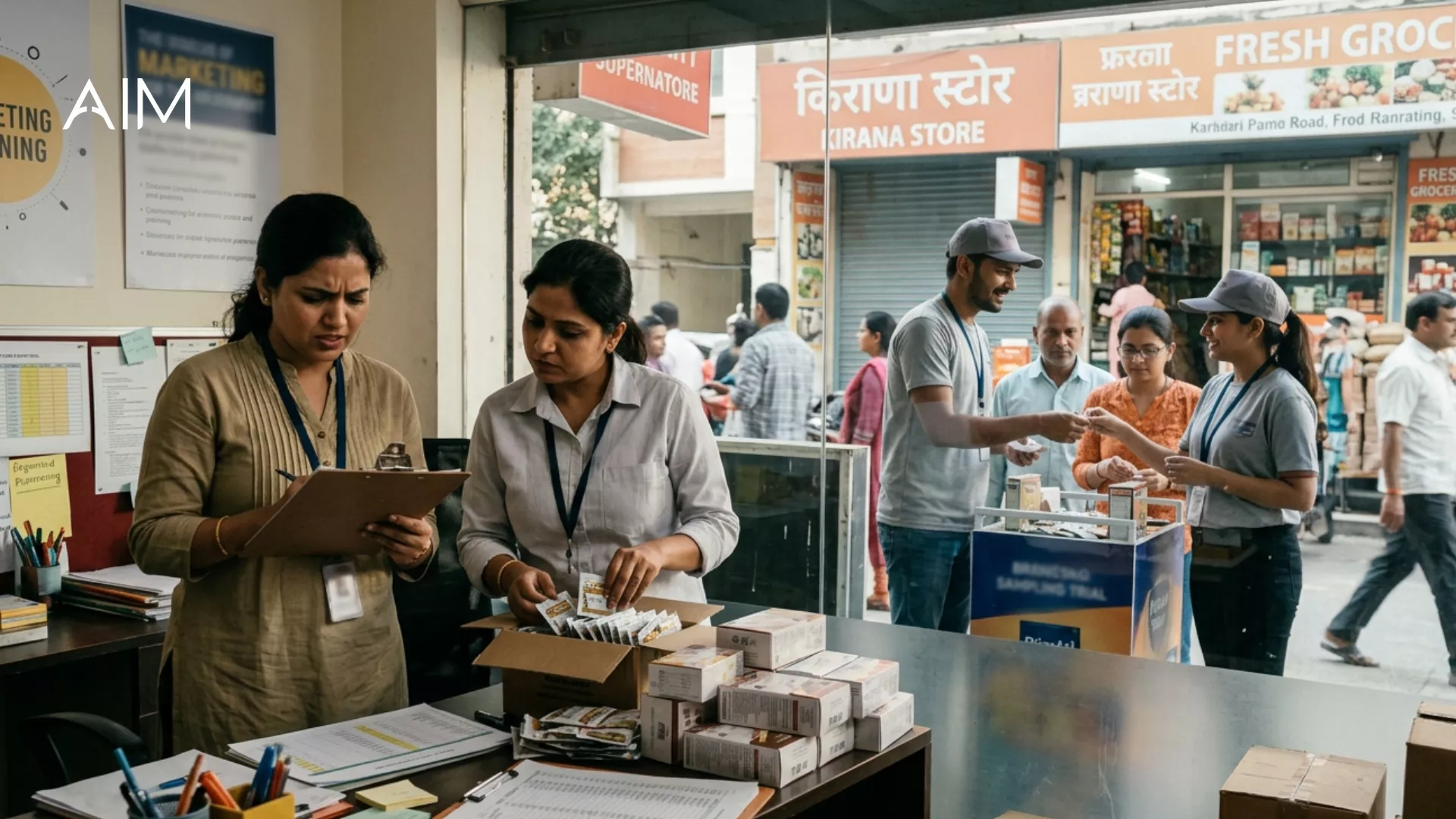
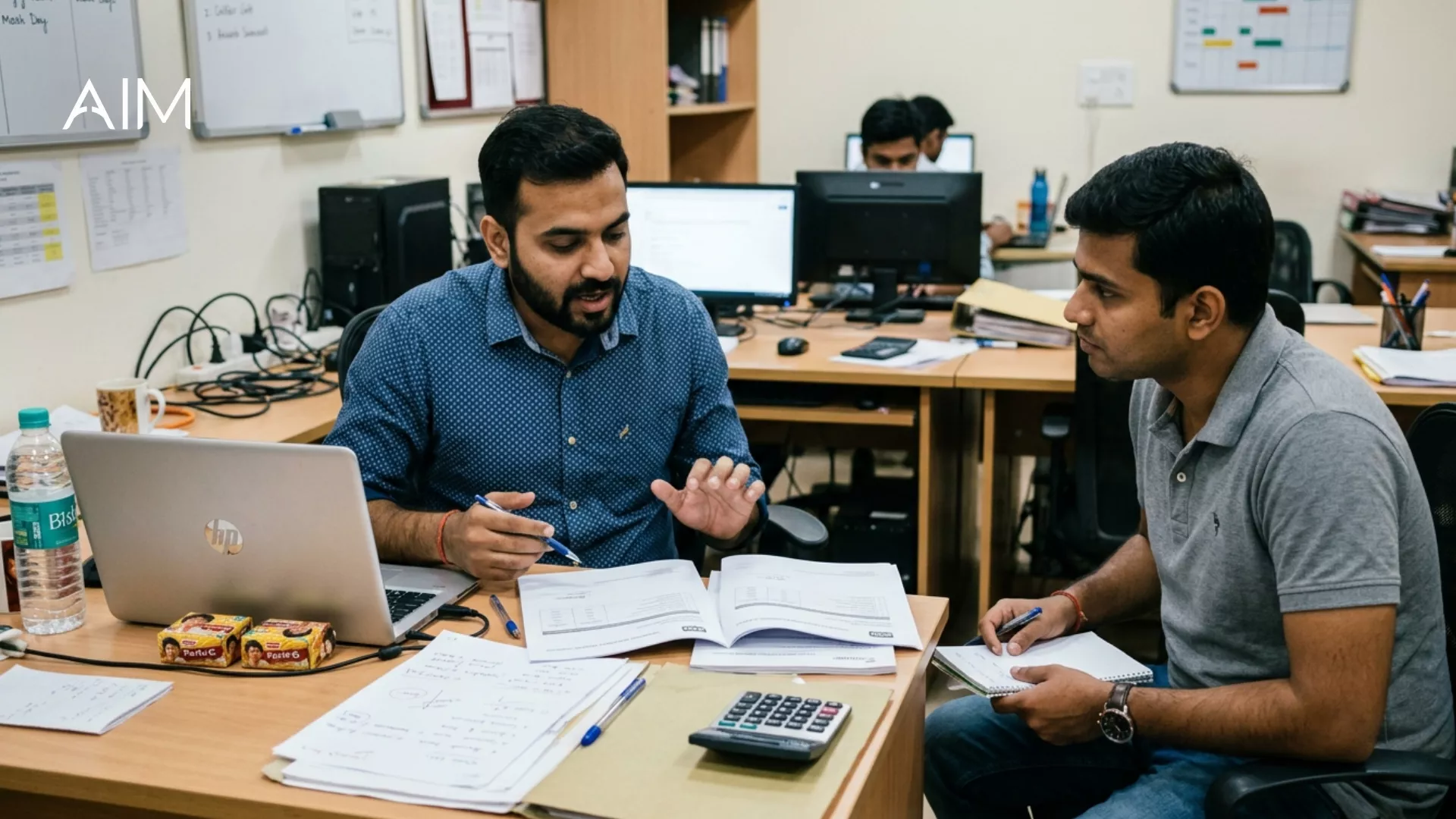
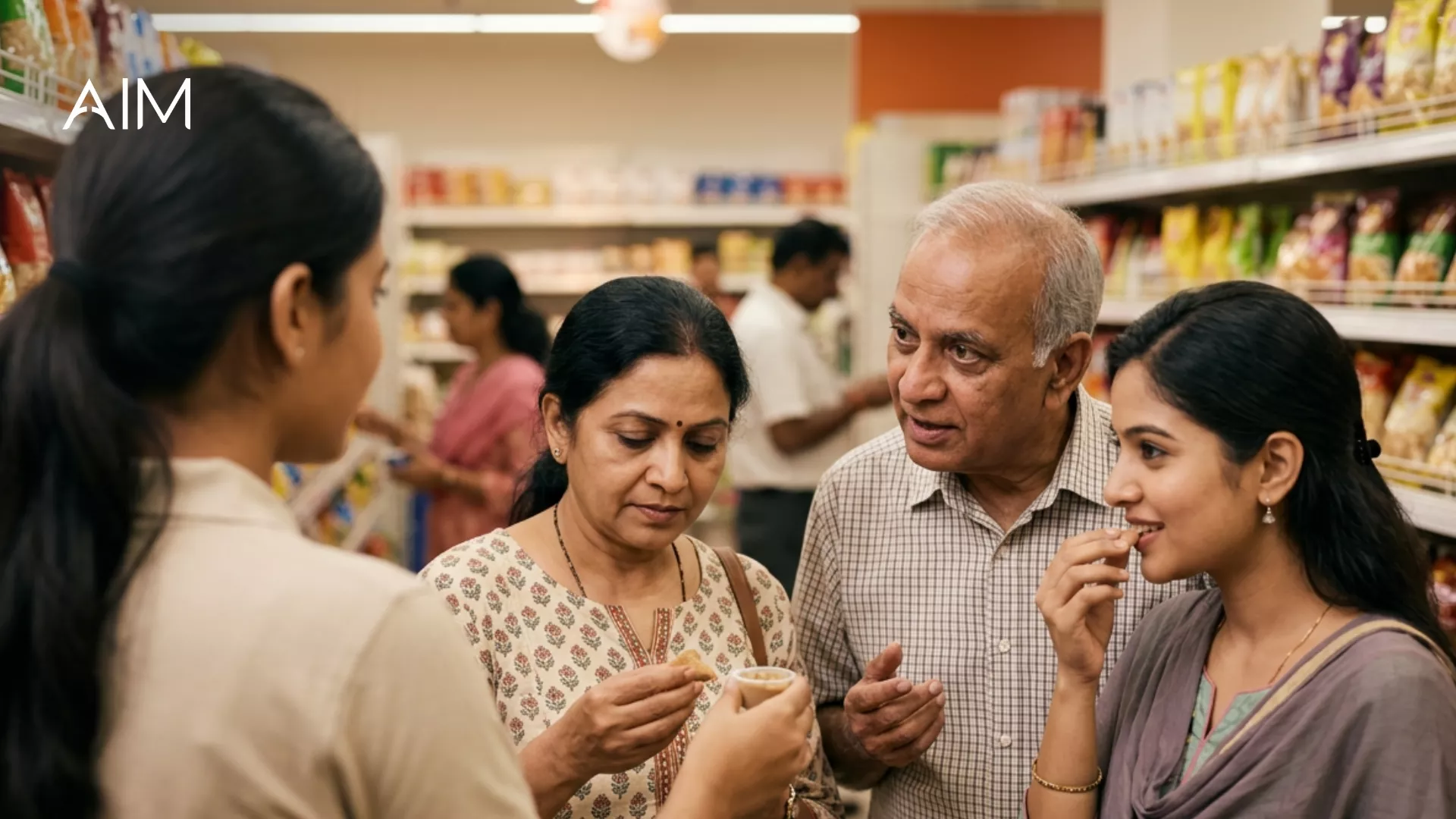
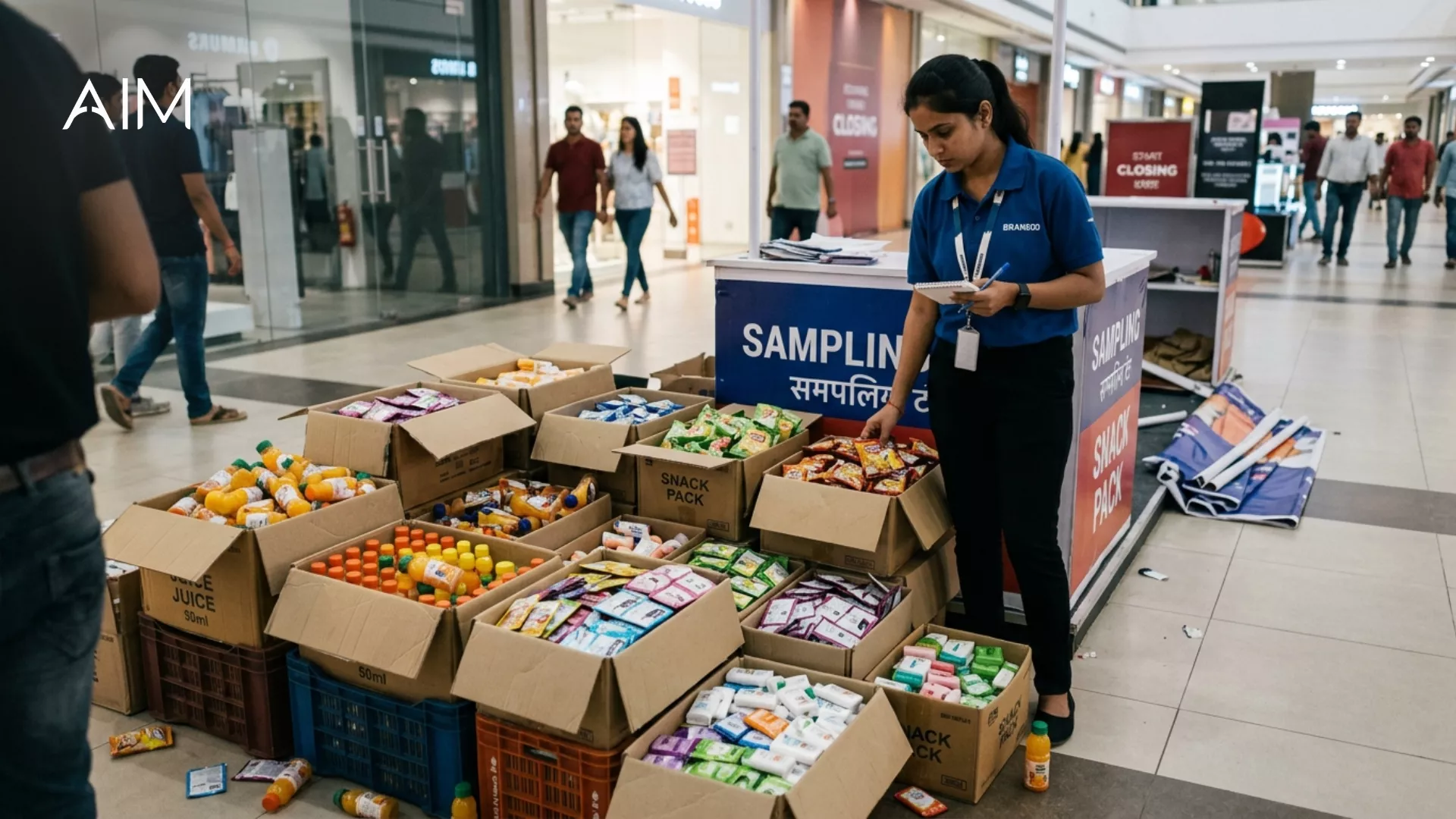
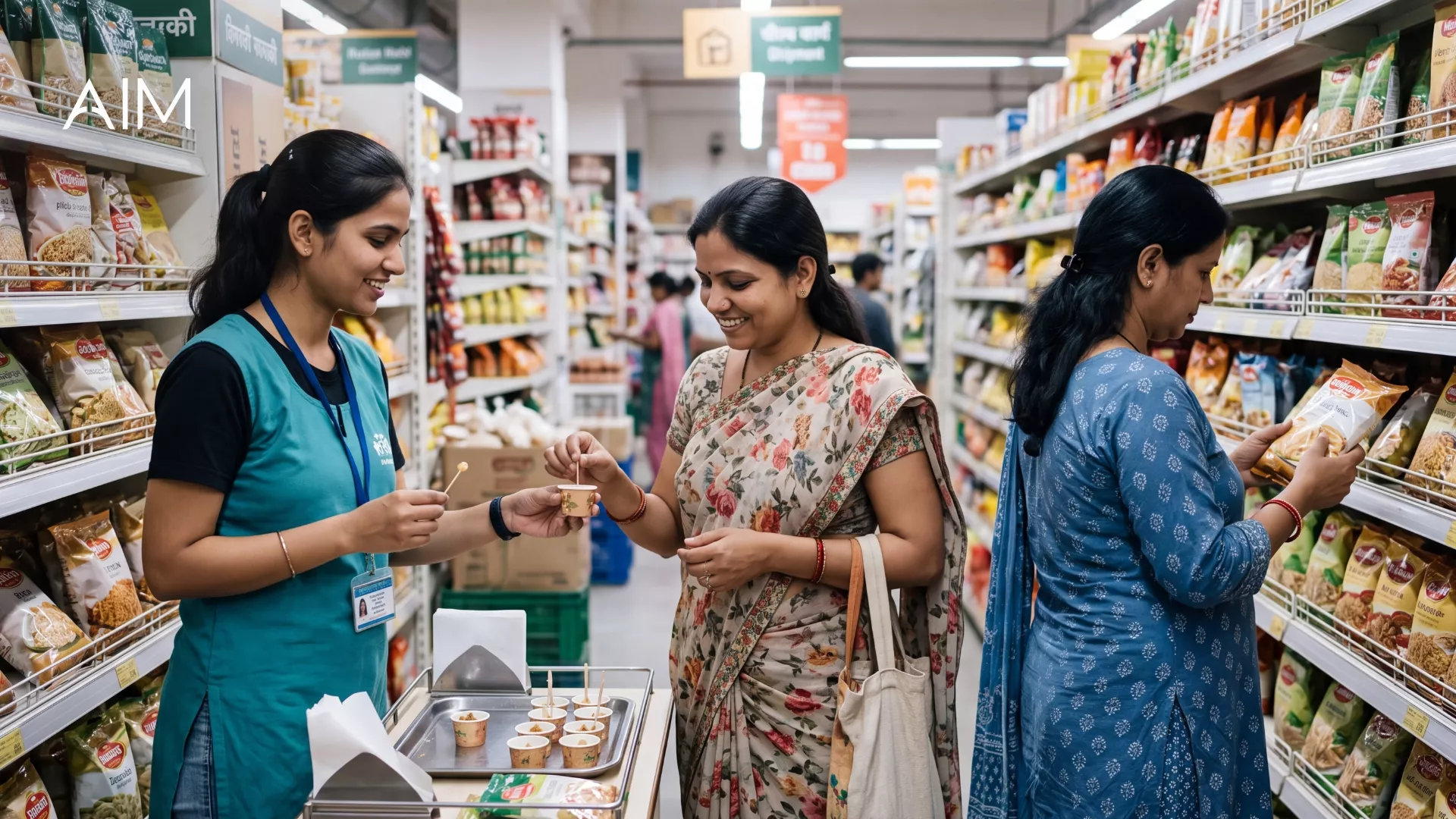
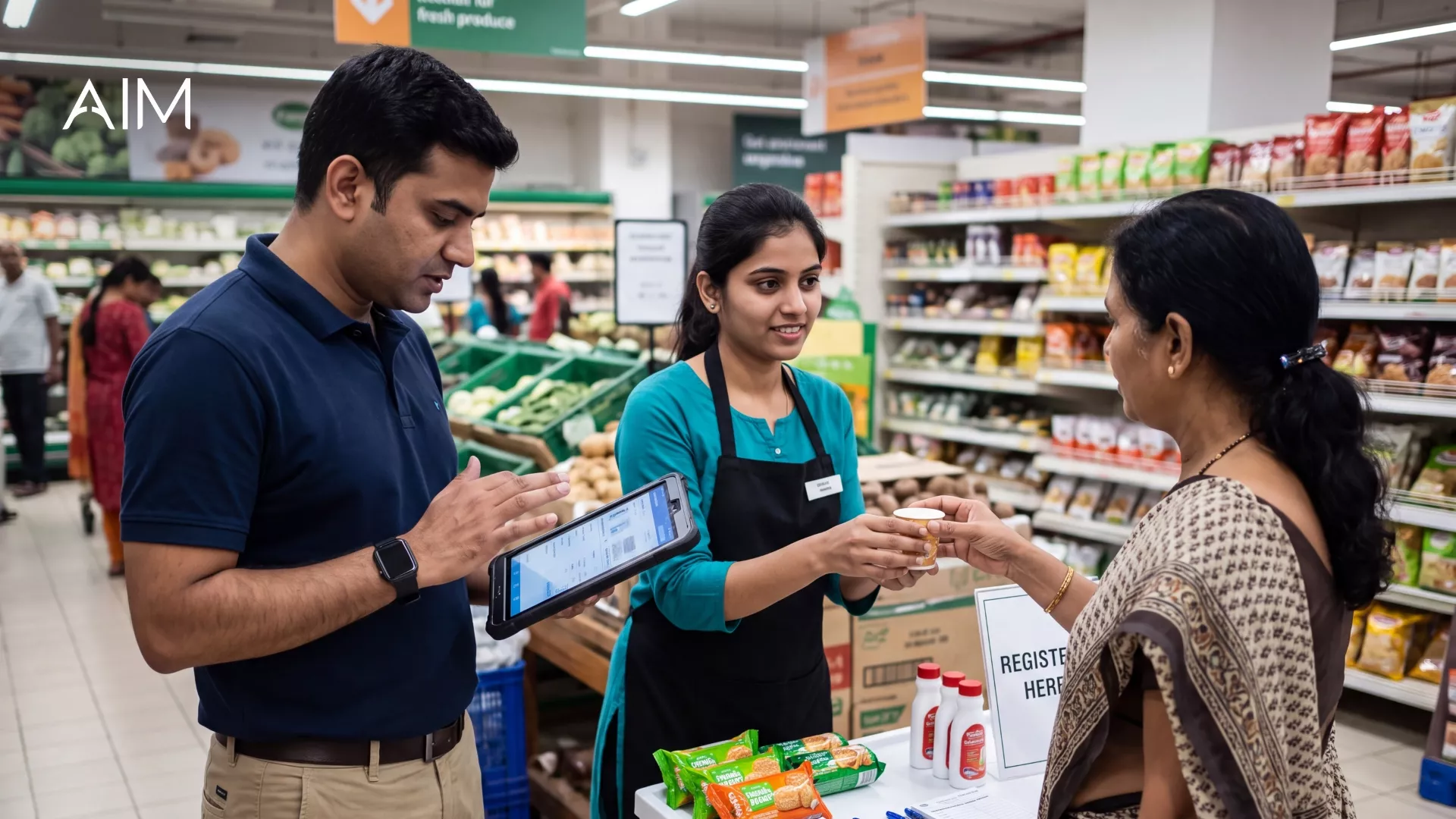
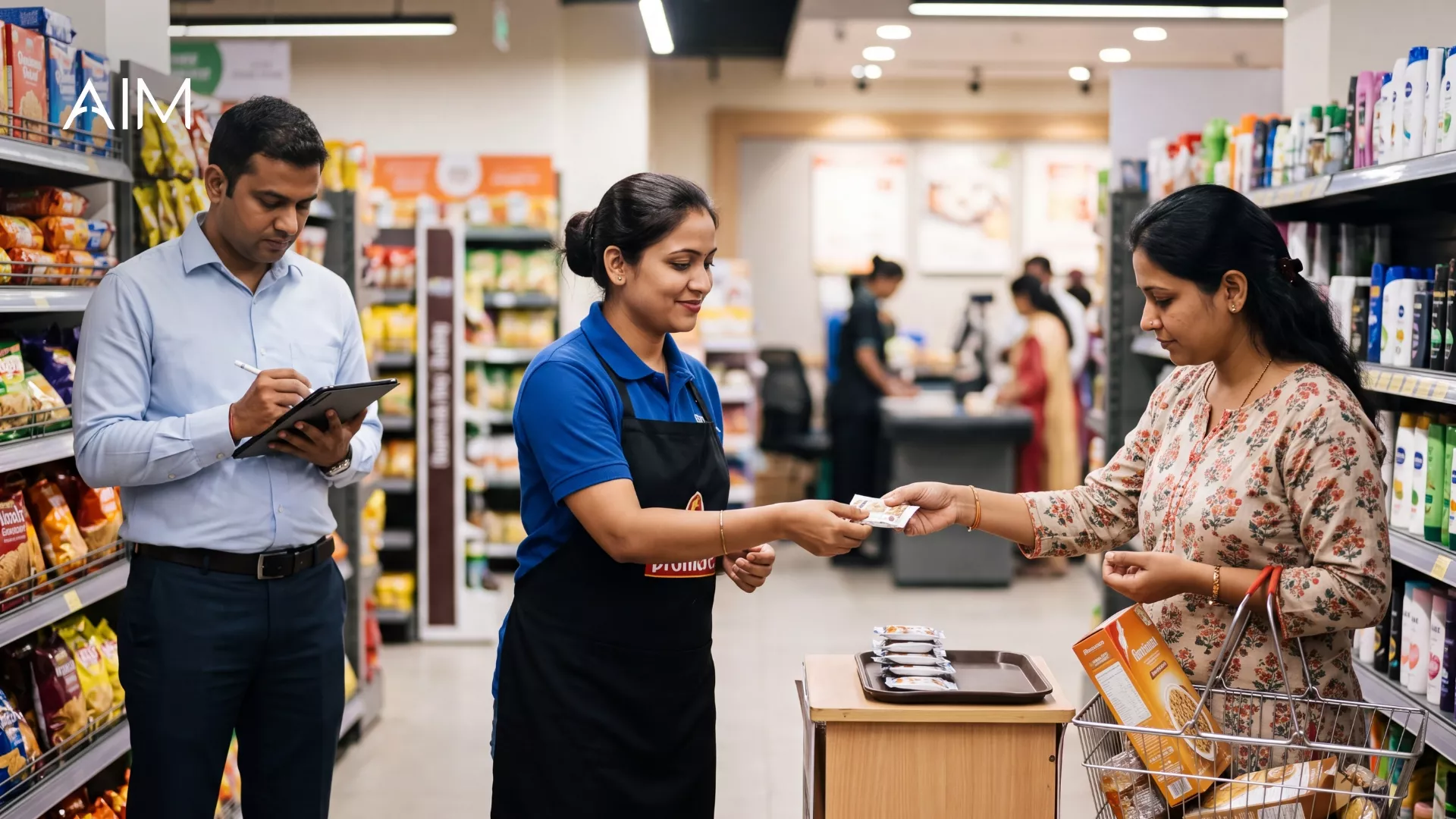
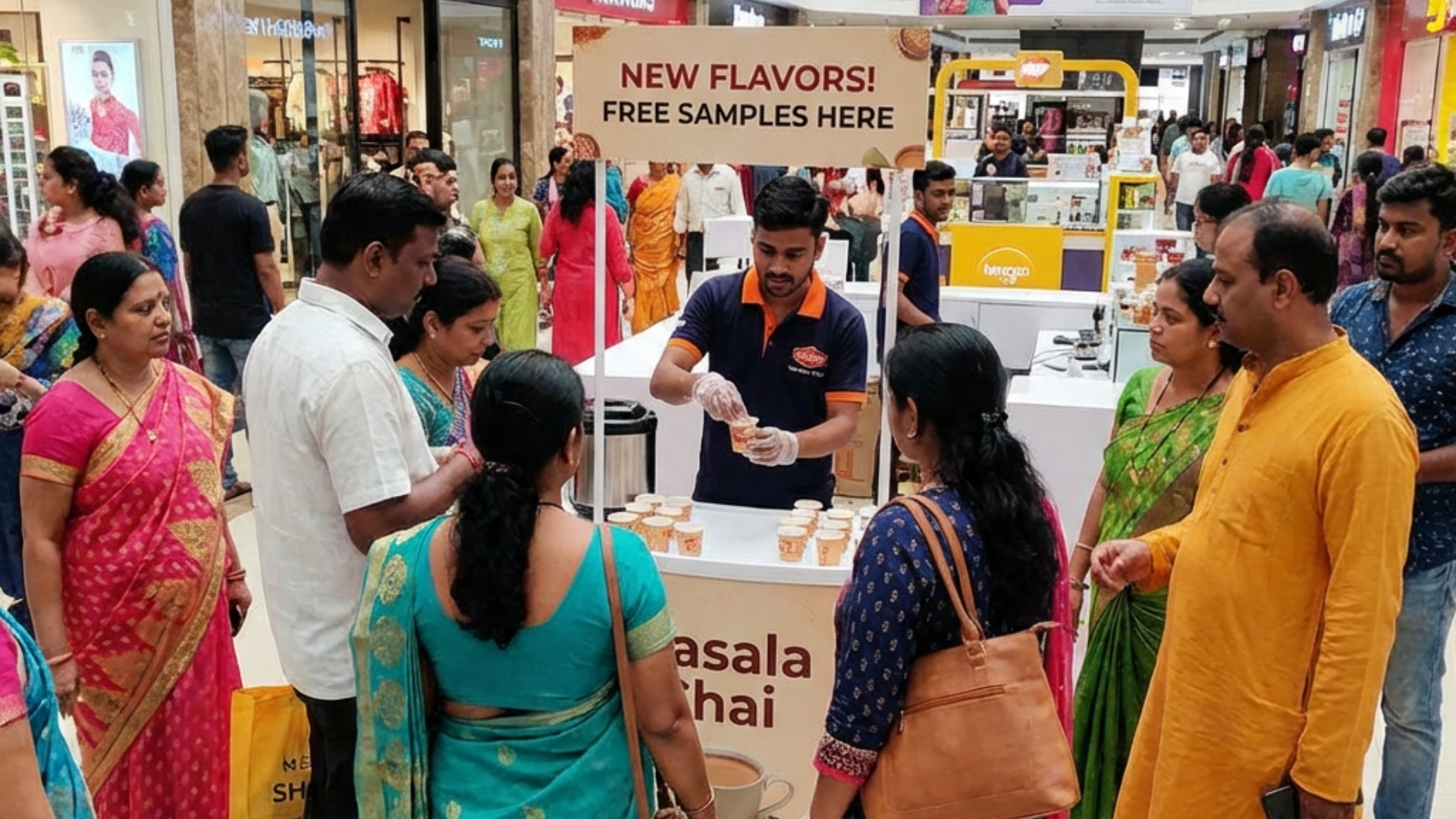
Sampling looks like handing out product, but that is the visible ten percent. Underneath sits planning and targeting, producing or sourcing the samples, storing and transporting them without wastage, recruiting, training, and supervising a field team, securing permission to access every venue, capturing who tried the product, tracking whether they bought, and pulling it all into a report you can use. Each of those is a small operation in itself, and together they are a logistics and people-management job as much as a marketing one. The brands that decide to run sampling in-house usually plan for the visible part and are ambushed by the rest, because the invisible ninety percent is where the effort, and the cost, actually lives.
In-house vs agency: the honest comparison
Neither option is better in the abstract; they suit different situations. On scale, in-house is fine for one city or a handful of locations, while an agency is built for multi-city, high-volume runs. On venue permissions, you are negotiating each one yourself in-house, against an agency's existing relationships and access. On the field team, in-house means you recruit, train, and supervise, while an agency's team is already trained, managed, and verified for you. On logistics, your team handles storage and transport in-house, while an agency has it handled, with wastage controlled. On capture and tracking, in-house means building the system yourself, while an agency has it built in, so the campaign is measurable from day one. On speed to launch, in-house is slow if you are starting from scratch, while an agency is faster because the machine already exists. And on cost, in-house looks cheaper on paper but hides your time and the gaps it leaves, while an agency is a fee, but one that covers the whole job.
The pattern is clear: in-house can win on a small, local, simple campaign where you have the people and the access, while an agency wins as soon as scale, permissions, field management, and measurement enter the picture, which is most serious campaigns.
When in-house makes sense
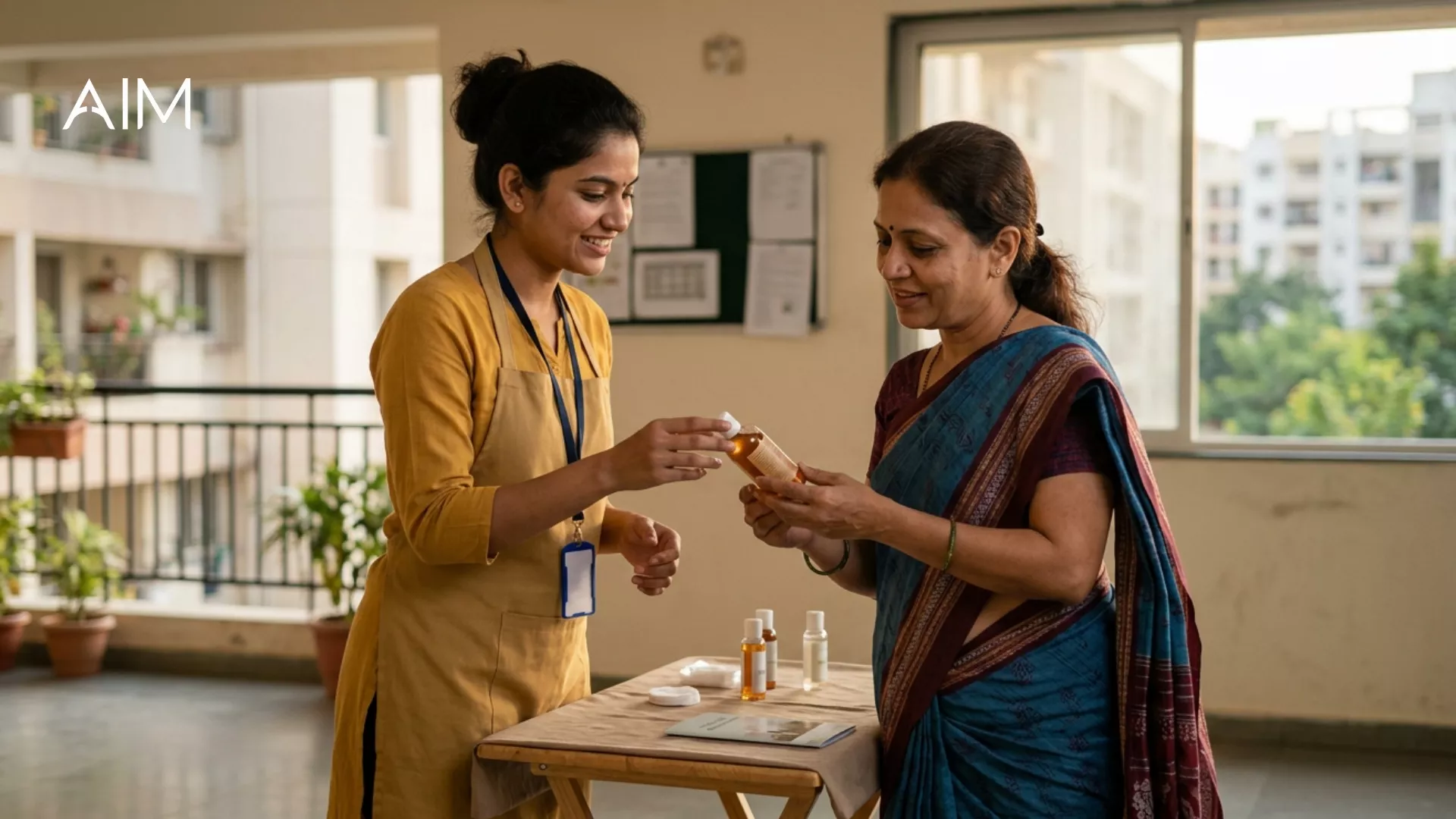
Doing it yourself is the right call in specific conditions. If the campaign is small and local — one neighbourhood, a single store, one event — you may not need an agency's scale. If you already have the manpower, a field or promoter team, or staff who can run the activity, you are not starting from zero. If you already have venue access — your own stores, a partner outlet, an event you are hosting — the hardest part is solved. And if it is a one-off with modest stakes, the overhead of hiring an agency may not be worth it. In these cases, keeping it in-house is sensible, gives you direct control, and avoids a fee for work you can genuinely do well yourself.
When an agency is worth it
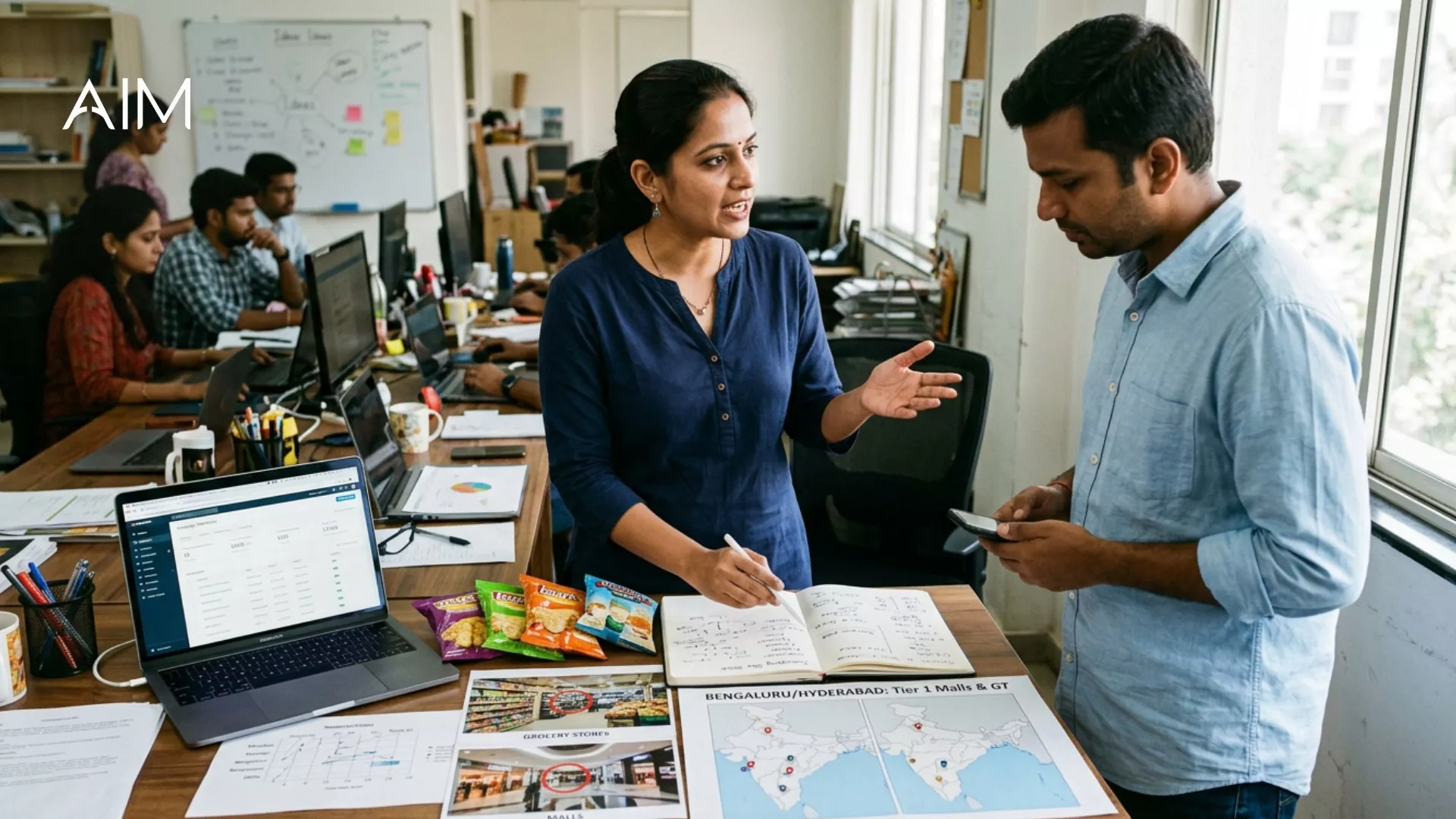
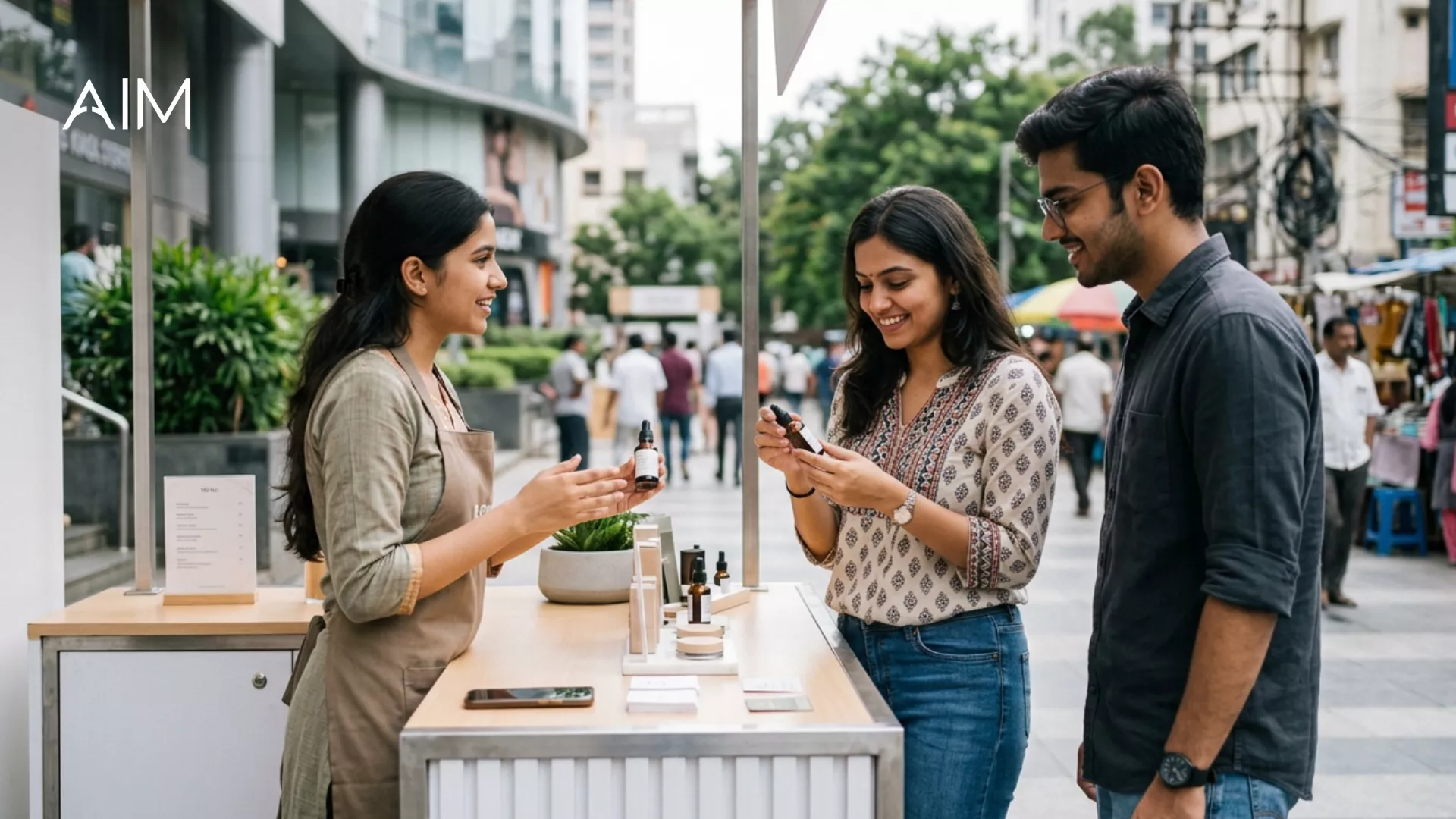
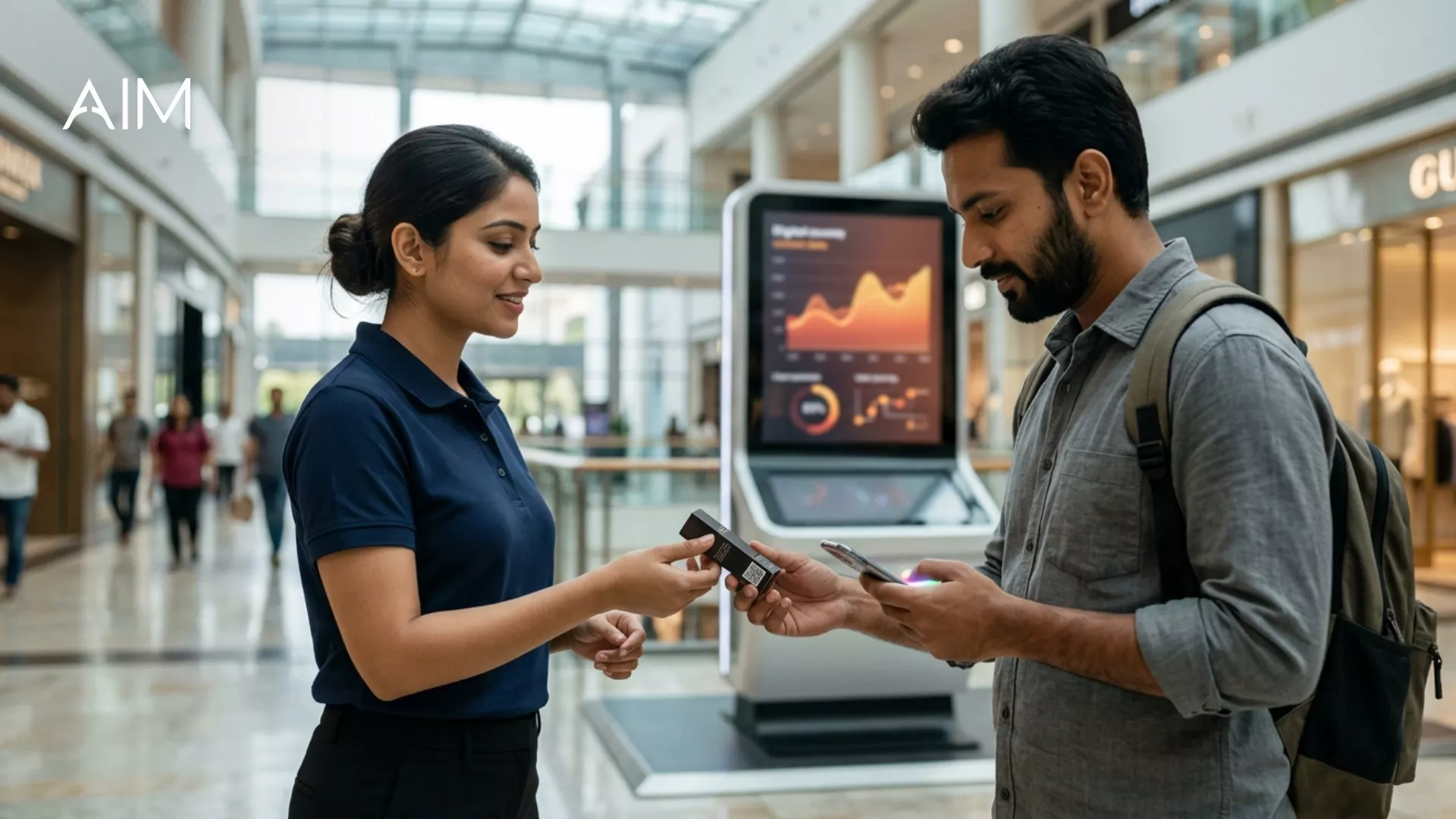
A product sampling agency earns its fee the moment the campaign outgrows a single, simple execution. Multi-city or high-volume campaigns need a machine you do not have and cannot build overnight. Venue permissions at scale — societies, malls, offices — are slow and difficult to secure cold, and an agency with existing access saves weeks and rejections. A trained, supervised, verified field team is hard to assemble for a short campaign and is where most DIY efforts quietly fail. And capture-and-tracking, the thing that makes sampling measurable, is a capability, not an afterthought, and building it yourself for one campaign rarely makes sense. When any of these apply, the agency is not a luxury, it is what turns an ambitious plan into one that actually happens, on time and measurably.
The hidden costs of doing it yourself
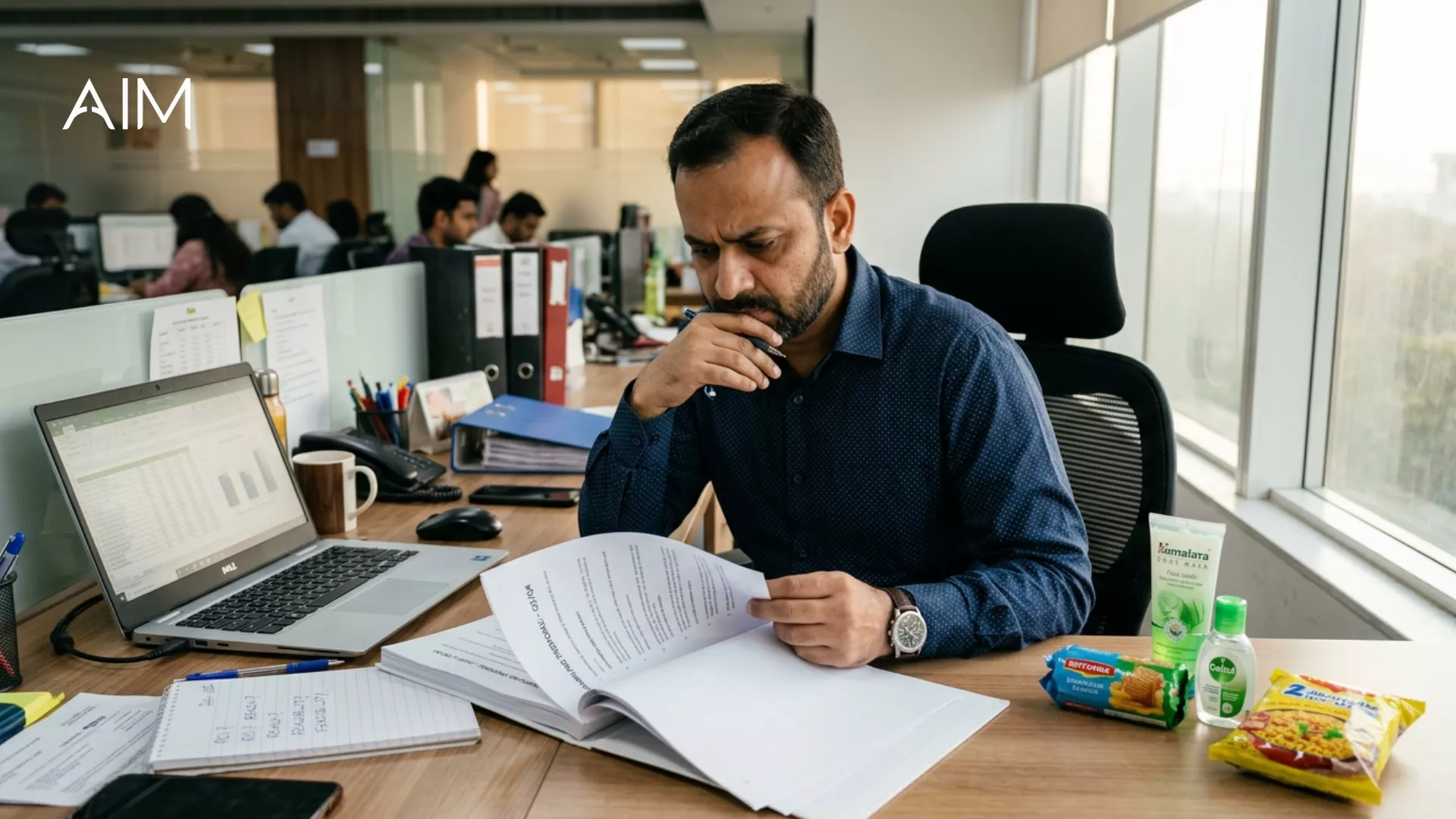
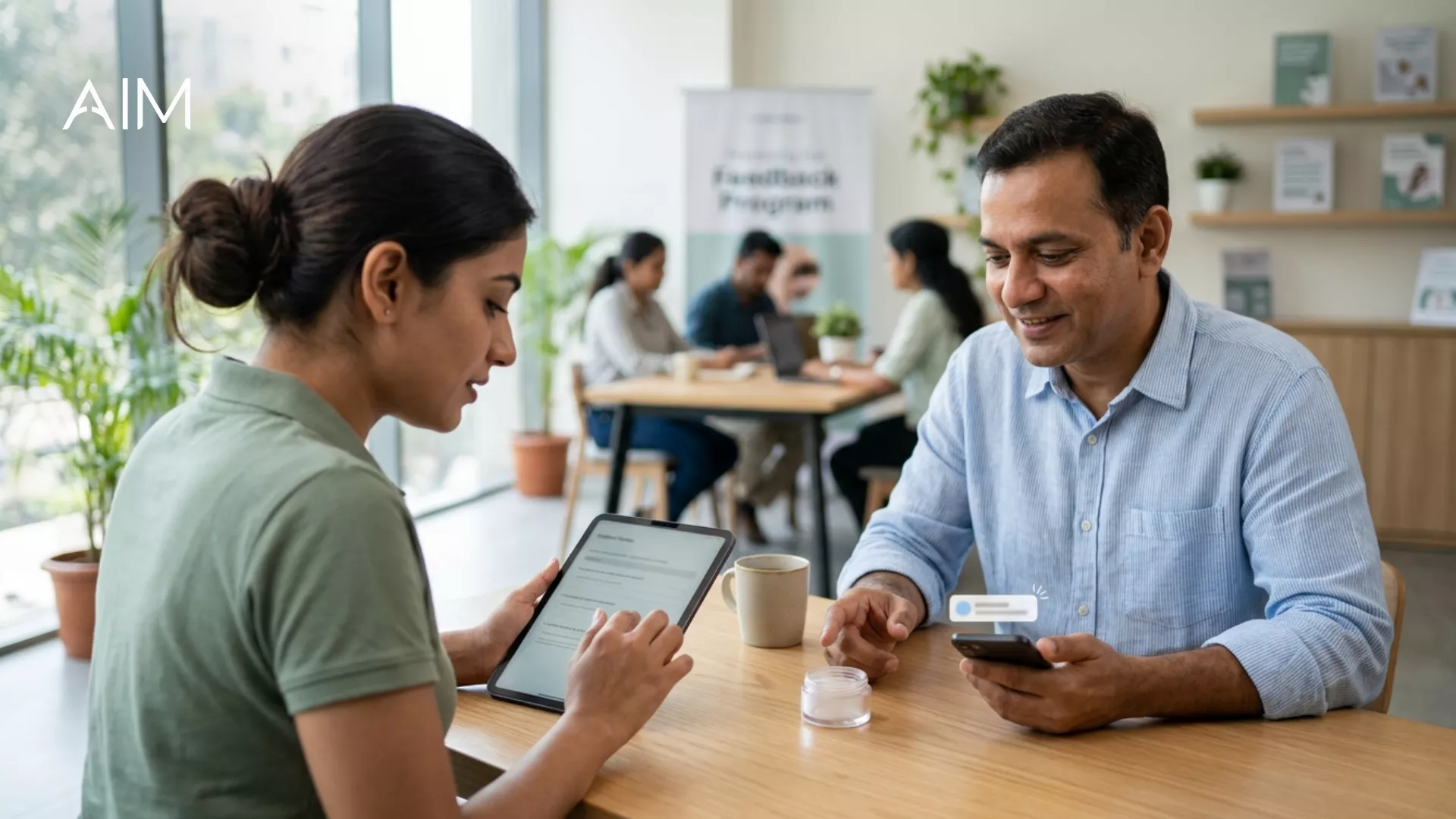
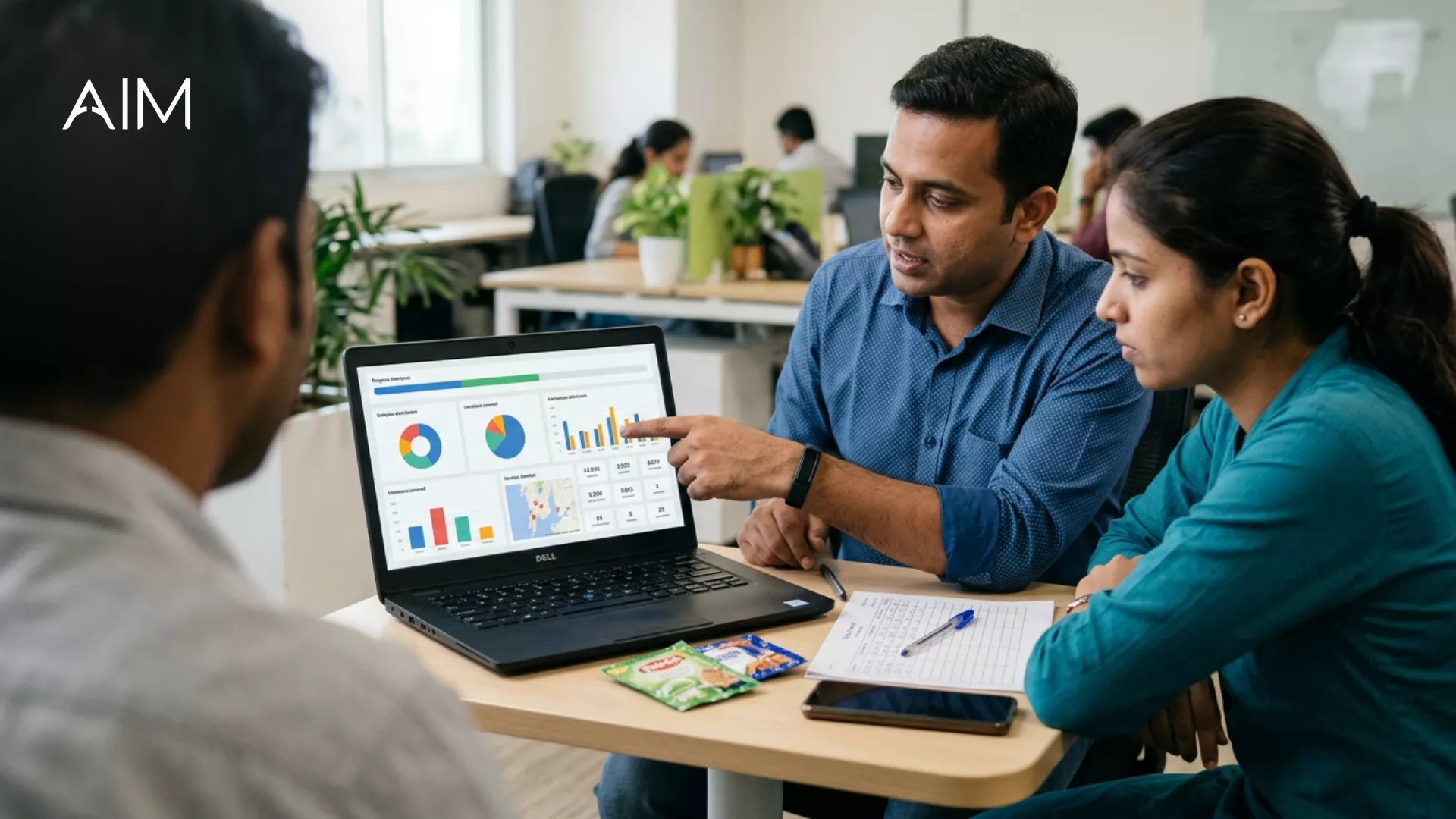
The reason DIY sampling so often disappoints is that its real costs are invisible on the spreadsheet. Your team's time is a cost, and sampling eats a lot of it. Every venue you cannot access is lost reach. Every untrained promoter is a weak or off-brand interaction with a customer. Wastage from poor storage and transport is product paid for and never used. And, most damaging, a campaign run without capture and tracking produces no data, so you cannot tell whether it worked, which means you cannot improve it or defend it. Counted honestly, in-house sampling is frequently not cheaper at all; it just moves the cost from a visible fee to invisible time, waste, and lost measurement. That is the comparison to make, not fee versus no fee, but total cost and result versus total cost and result.
The honest position is that AIM does not think every brand needs an agency for every sample. A small, local, one-off activity you have the people and access for is often best kept in-house. But the moment a campaign needs scale, permissions, trained teams, logistics, and measurement, the DIY route usually costs more in time and waste than an agency costs in fee, and delivers less. The right question is not whether you could run it yourself, but whether doing so would actually reach your buyer, on time, at a cost, and with proof, you can stand behind.




.webp)











.png)