


Home care is a category decided at home, by the person who runs it. The one who does the laundry, scrubs the kitchen, and restocks the cleaning shelf is the buyer you need, and everyone else who takes a sample is, politely, a waste. That single fact makes location the most important decision in home care sampling. A brilliant detergent sample handed to a college student at a mall does nothing; the same sample reaching a household decision-maker at her doorstep can start a switch worth years of repeat purchase. So the real question is not whether to sample home care, but where. Here are the best places to sample home care products in India, and how to choose between them.
Quick answer: The best places to sample home care products in India are residential societies and RWAs, inside quick-commerce and e-commerce orders, in and around modern trade and supermarkets, at community and society events, and in kirana-led local neighbourhoods. The right place depends on who your buyer is, but the principle is constant: home care sampling wins where the person who runs the home actually is, and near the restock moment, not at random high footfall where most hands do not belong to a household decision-maker.
Why does location matter more in home care sampling?
Because home care has a narrow, specific buyer and a habit-driven purchase. Unlike an impulse snack that almost anyone might buy, a detergent or floor cleaner is chosen by the household's decision-maker and then bought on repeat, defended by habit. So a home care sample has two jobs the location must support: it has to reach that specific person, and it has to reach them in a context where switching is plausible, ideally near the home and the restock cycle. Sample in the wrong place and you fail on both counts, handing product to people who do not make the household's cleaning decisions and who have no reason to act. Location, in home care, is not one factor among many. It decides whether the sample reaches a real buyer at all.
The best places to sample home care products in India
Five places consistently reach the home care buyer where a trial can actually land:
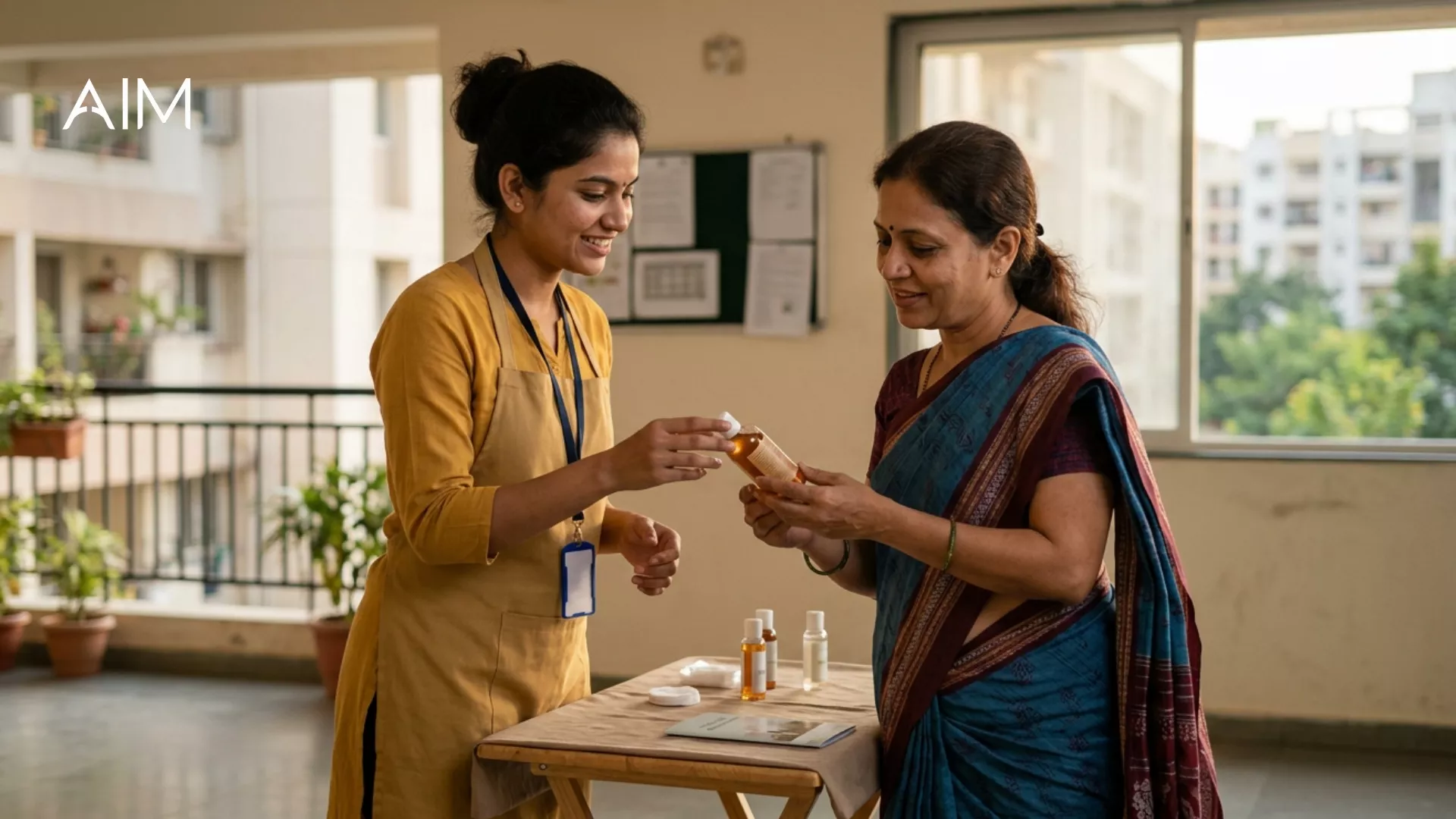
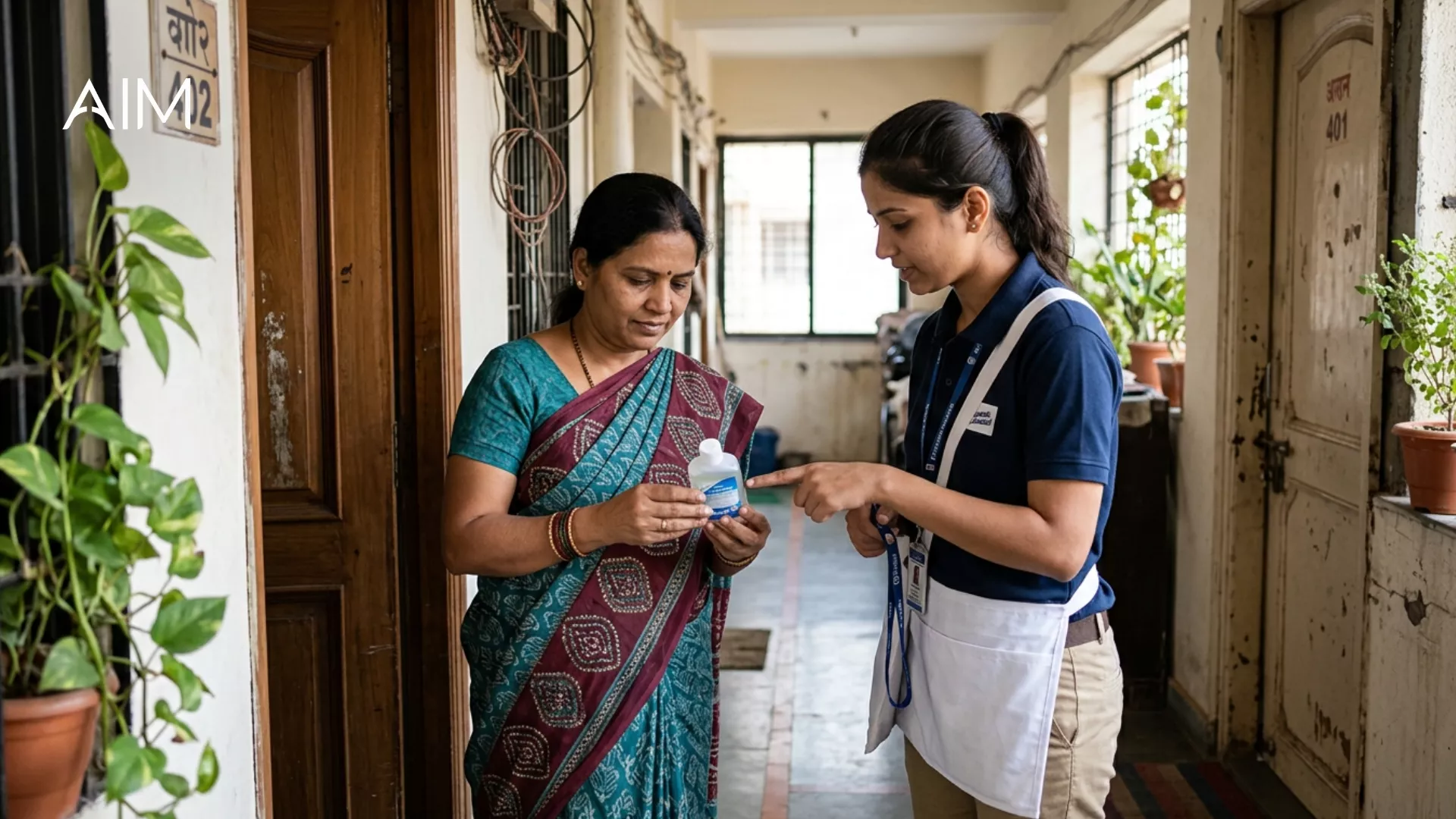
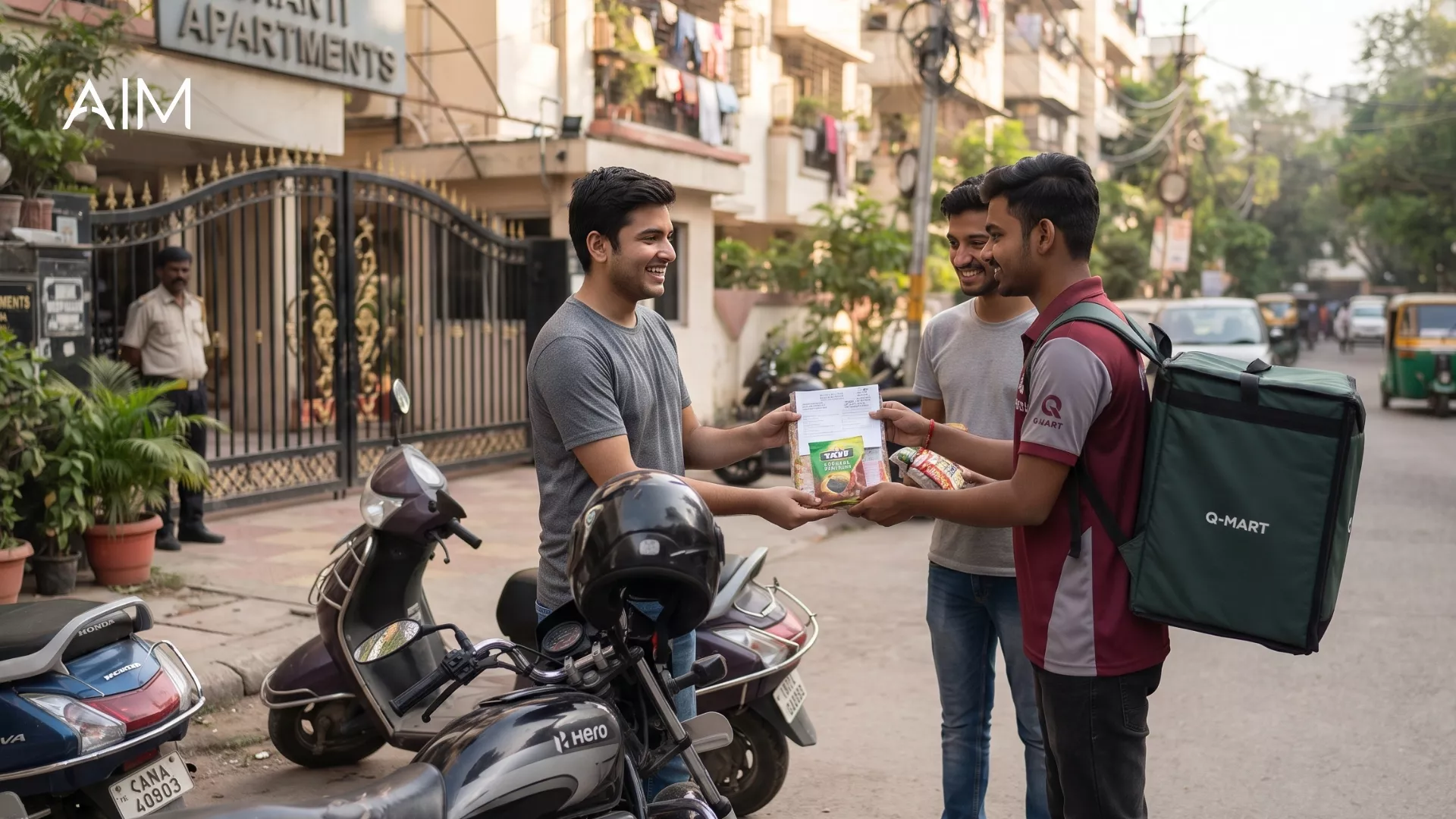
- Residential societies and RWAs. The closest you can get to the buyer at home. Sampling in gated communities and apartment complexes reaches household decision-makers in their own environment, by profile and life stage, which is why it is the backbone of home care sampling in urban India.
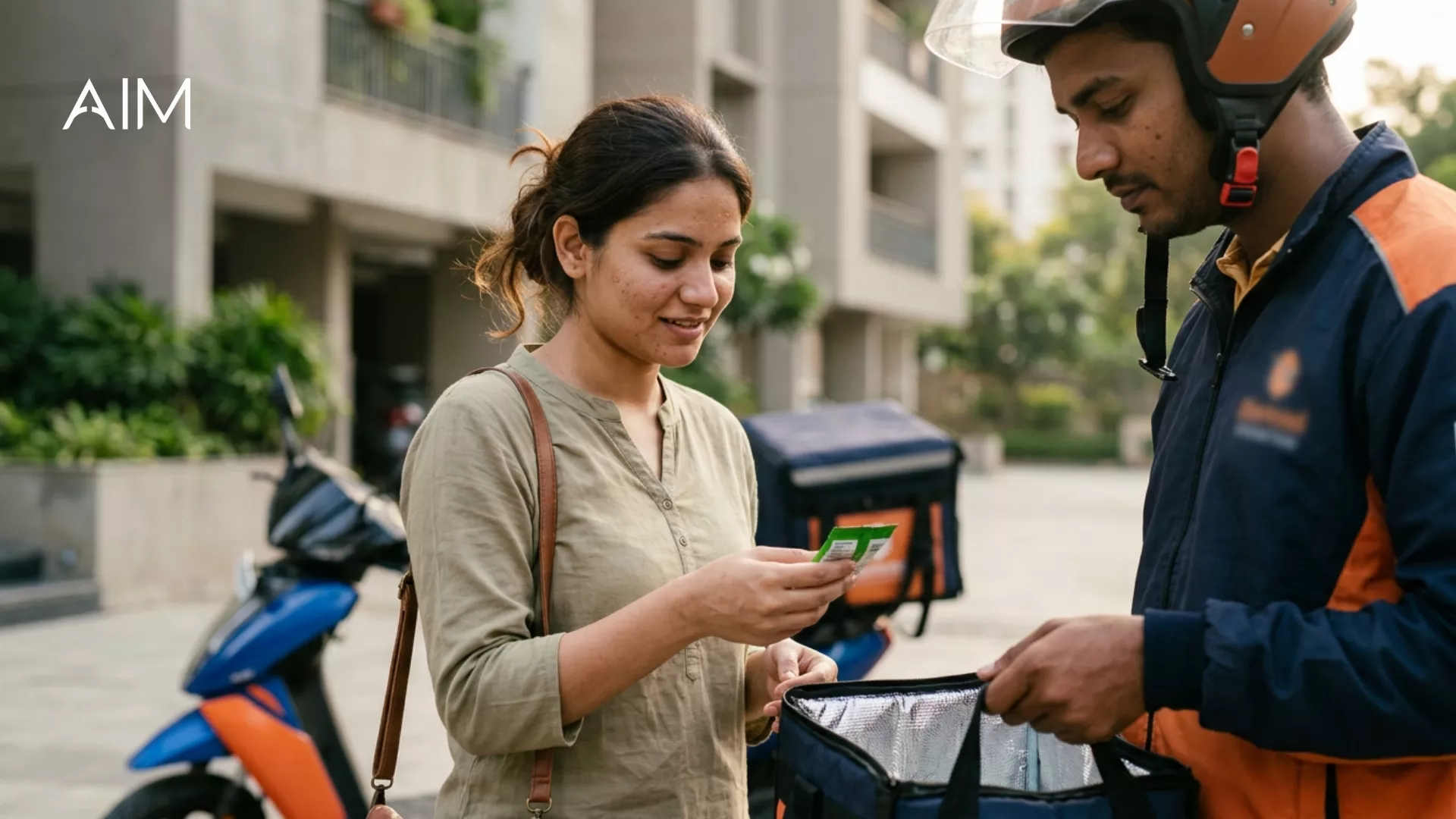
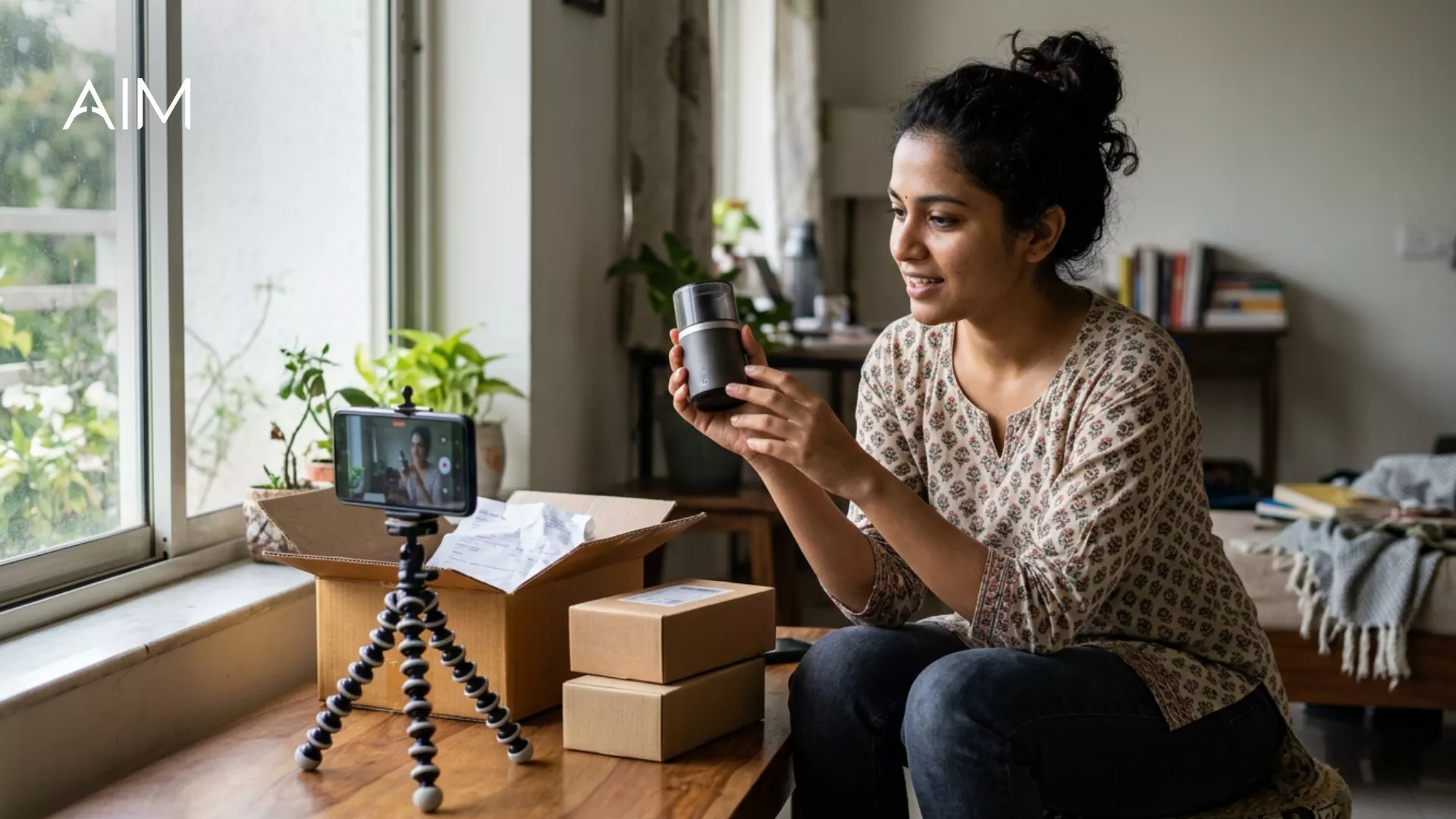
- Inside quick-commerce and e-commerce orders. Sample inserts placed in grocery and household orders reach the person restocking the home, matched to what they already buy, at the exact moment of replenishment, and the trial is trackable to a reorder.
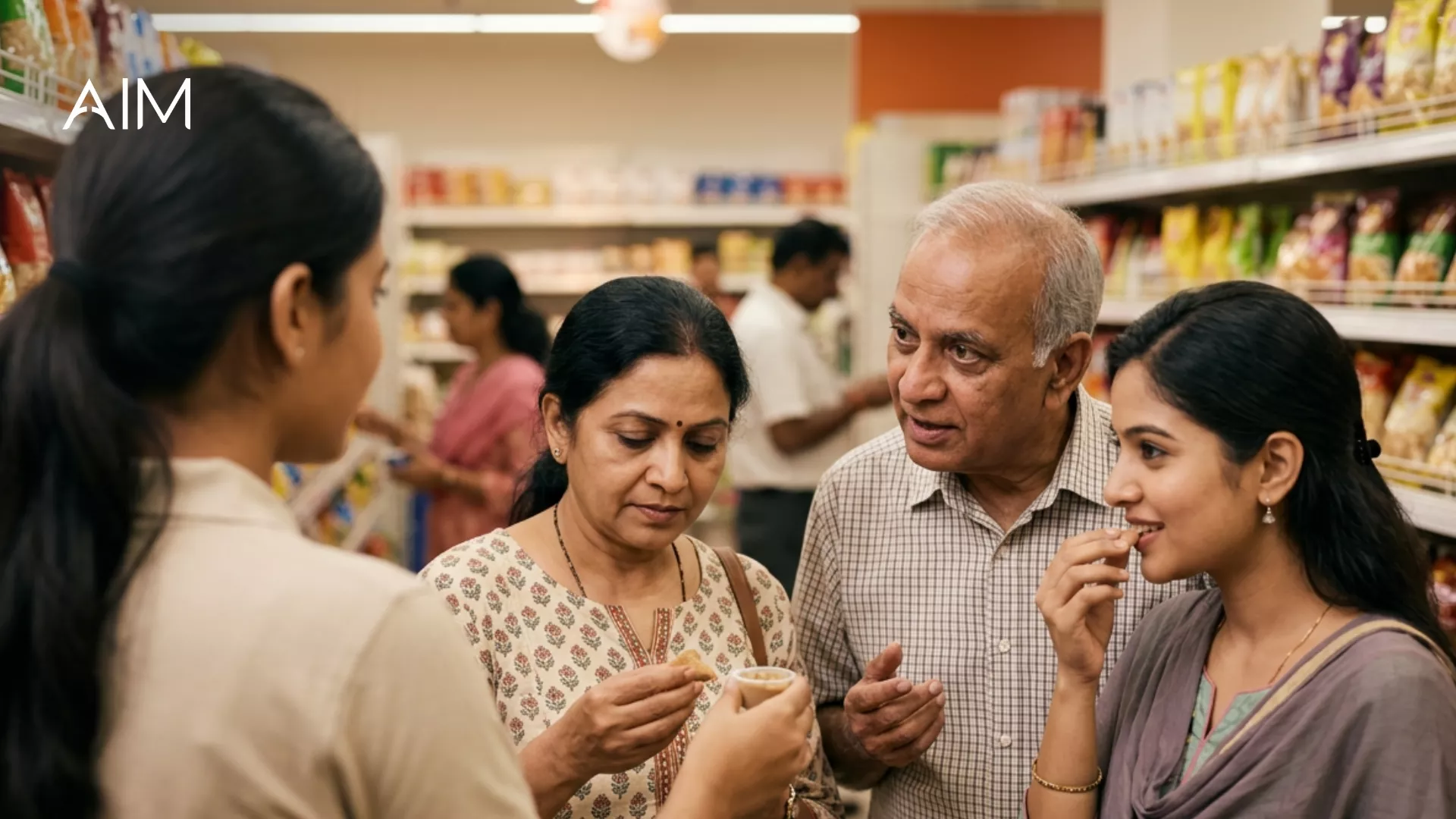
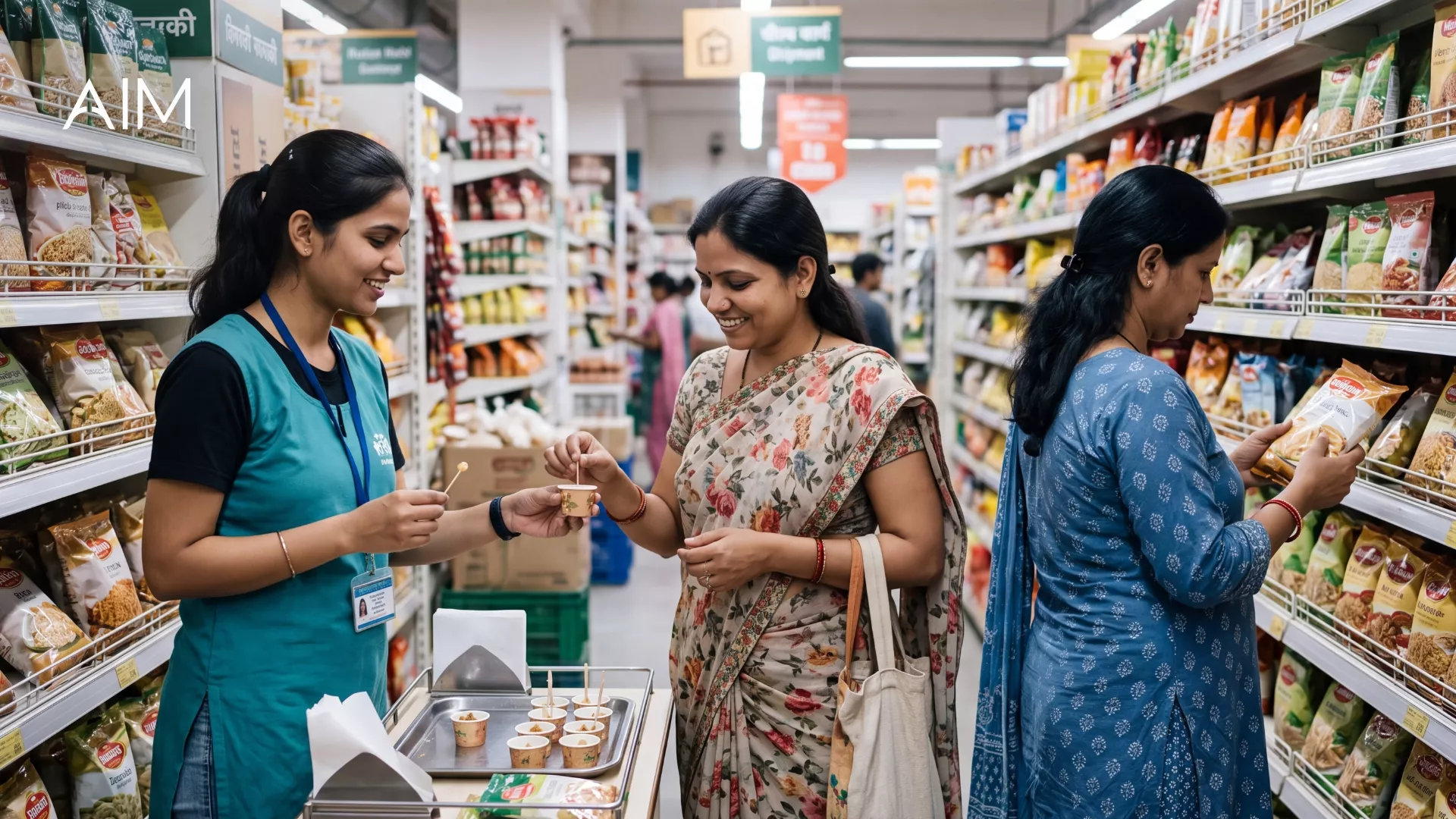
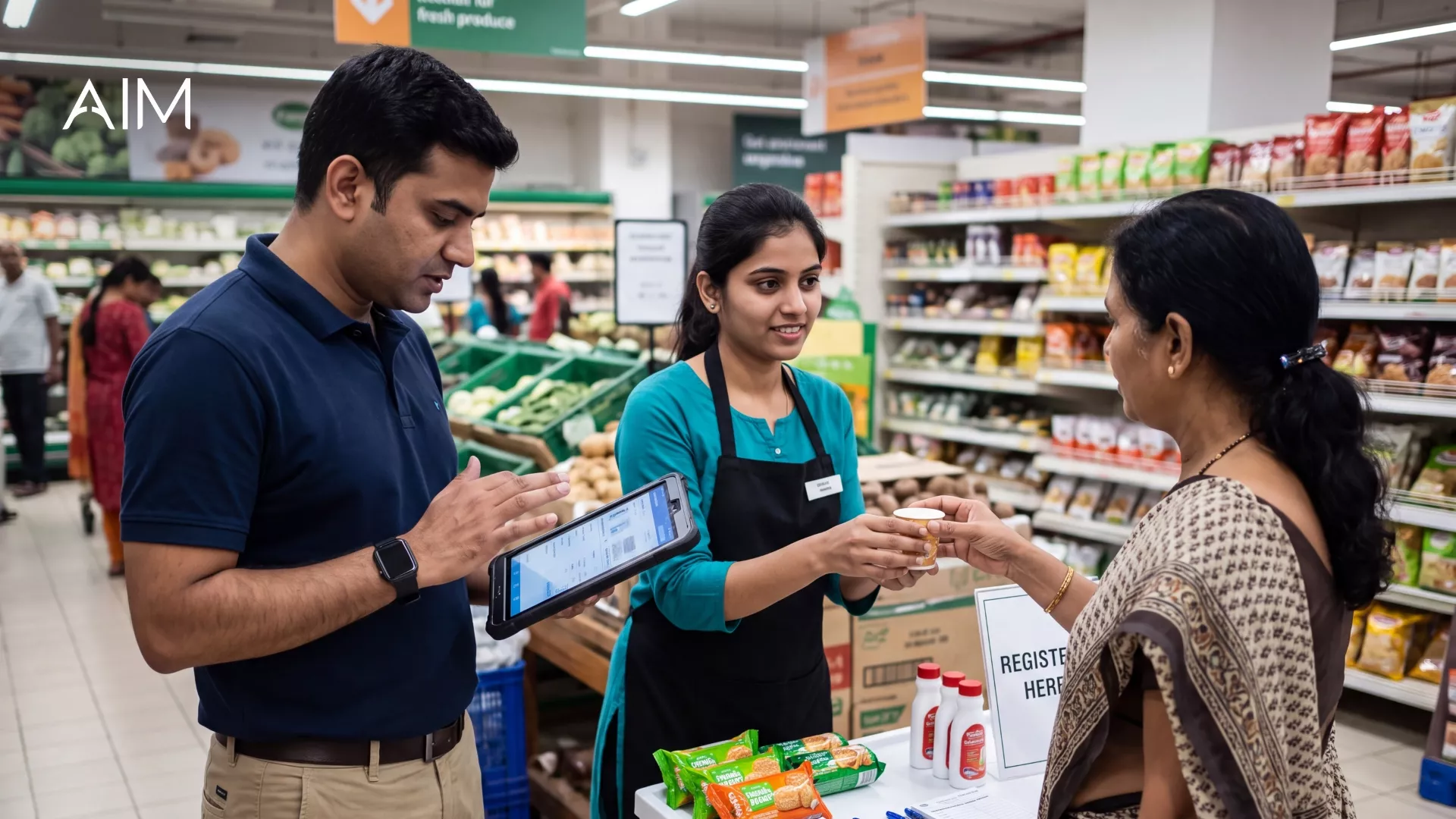
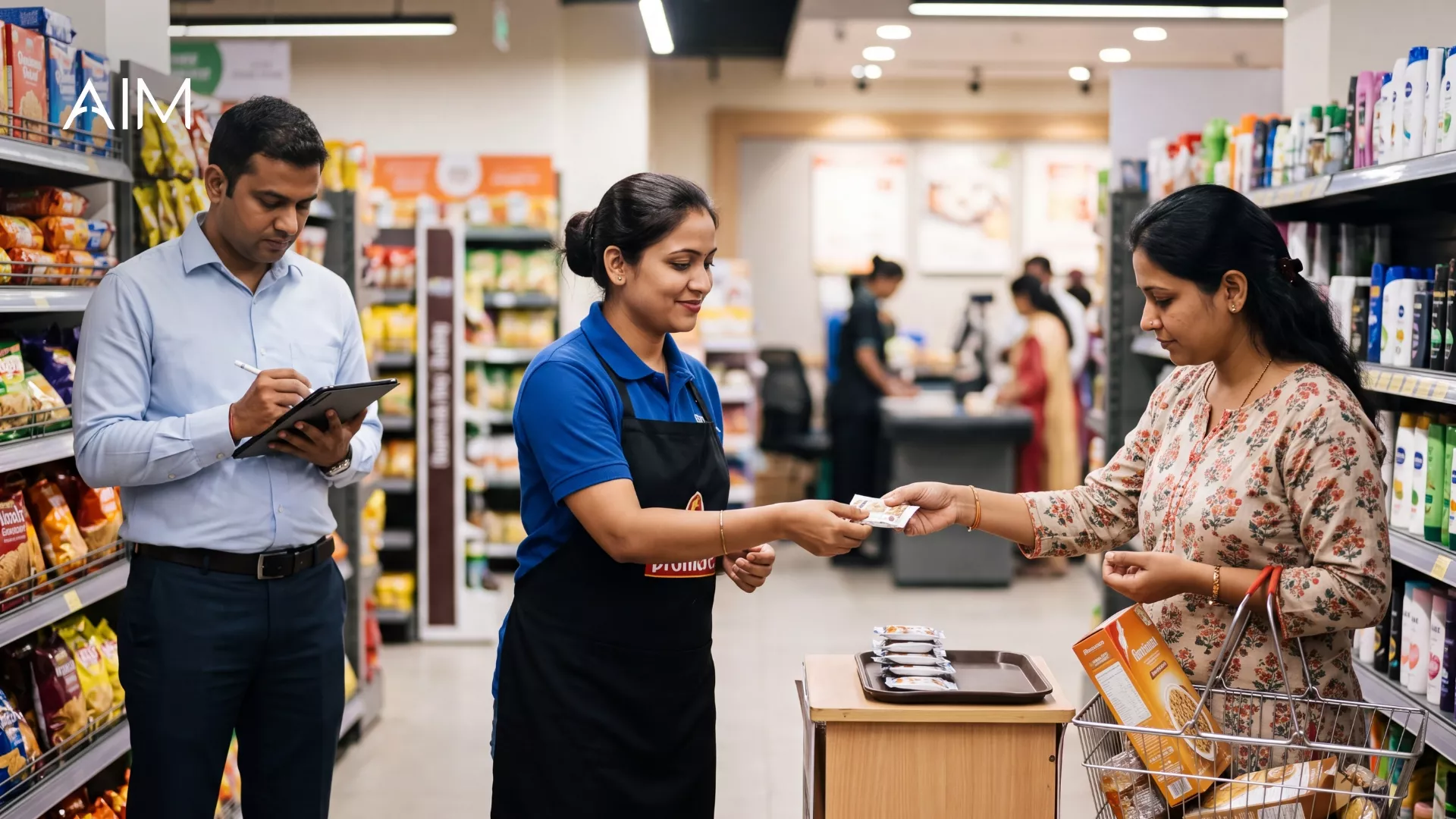
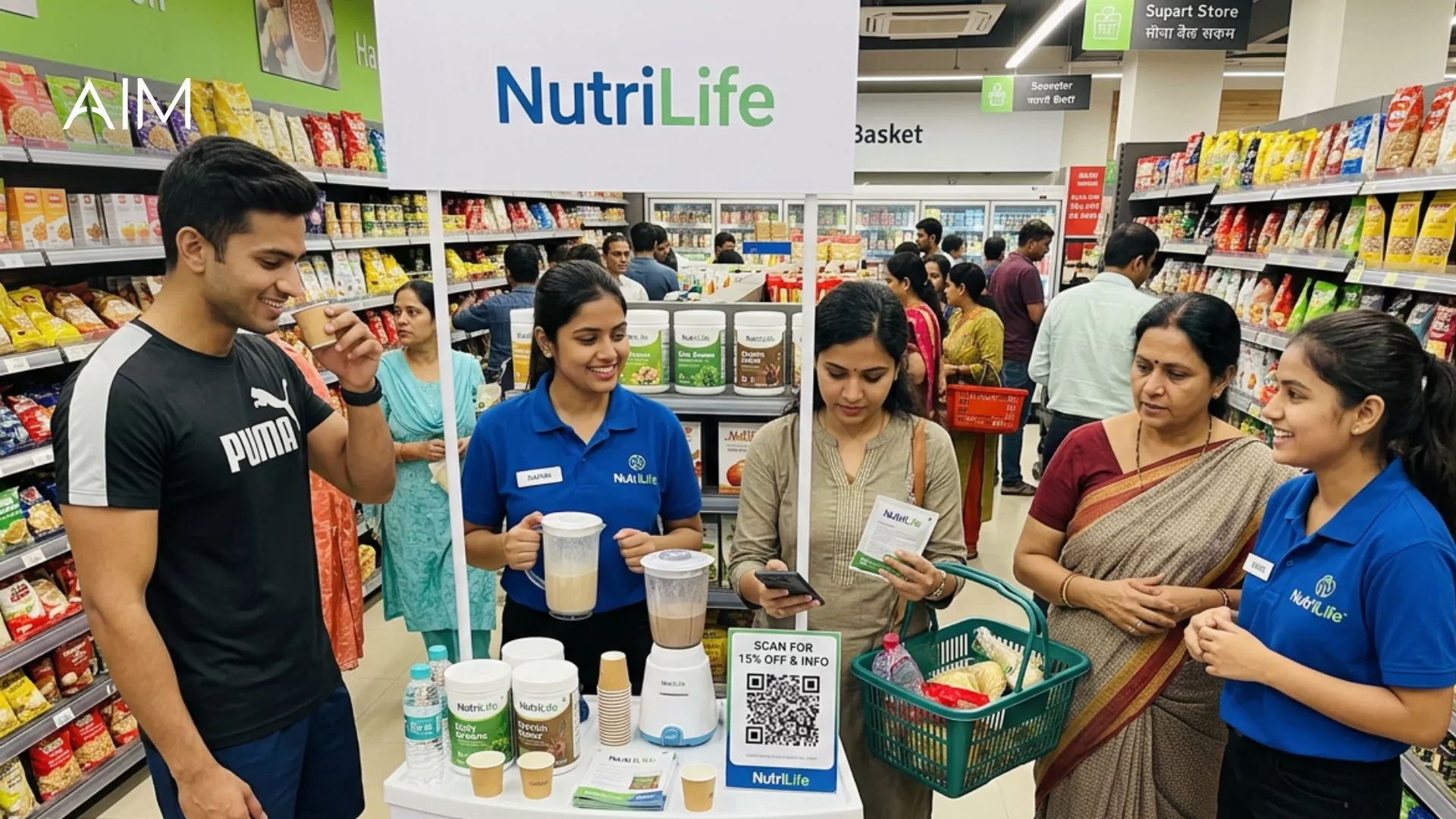
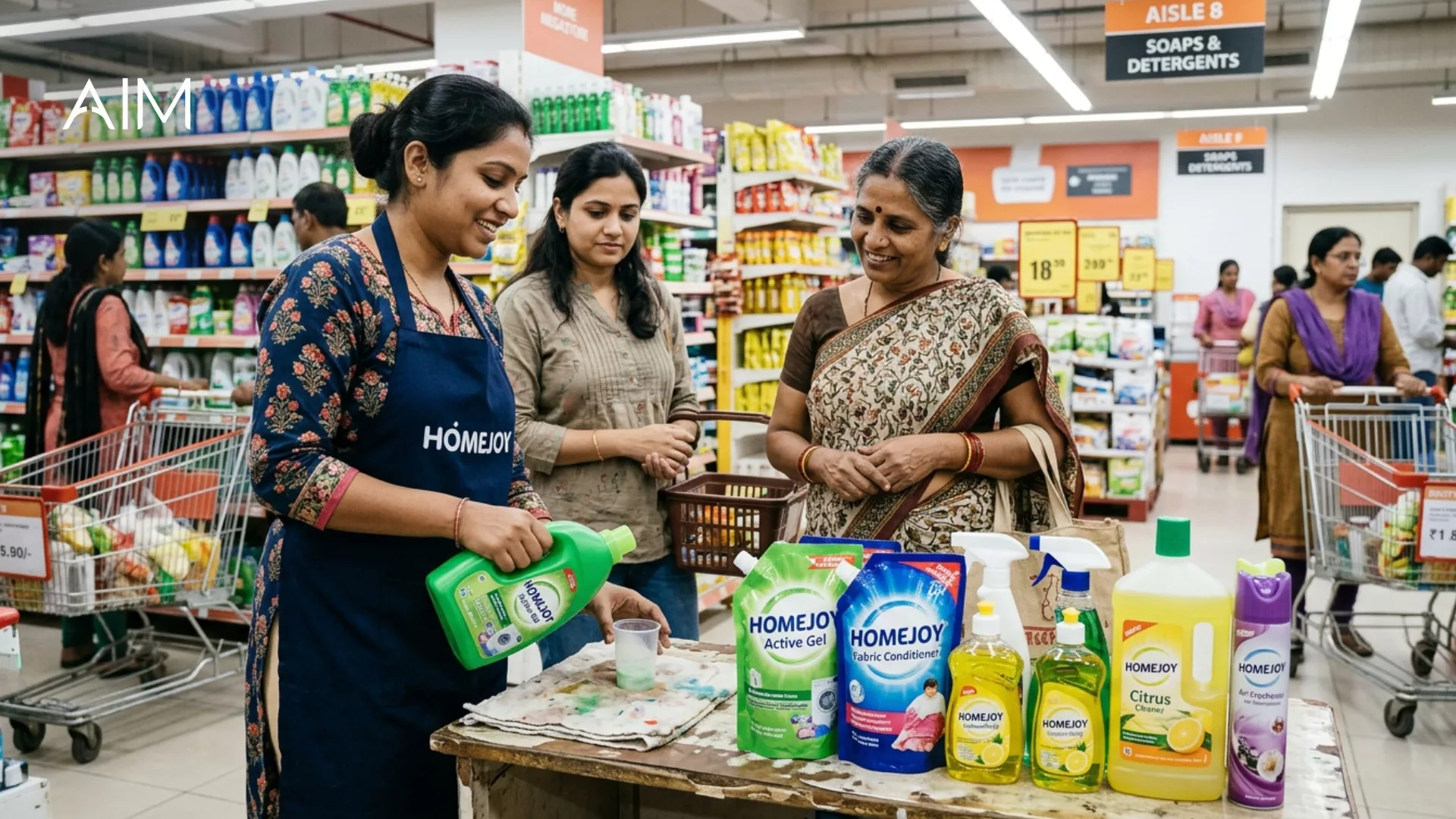
- In and around modern trade and supermarkets. Sampling at or near the store reaches shoppers actively buying household goods, in a buying mindset, close to the shelf where the switch can happen immediately.
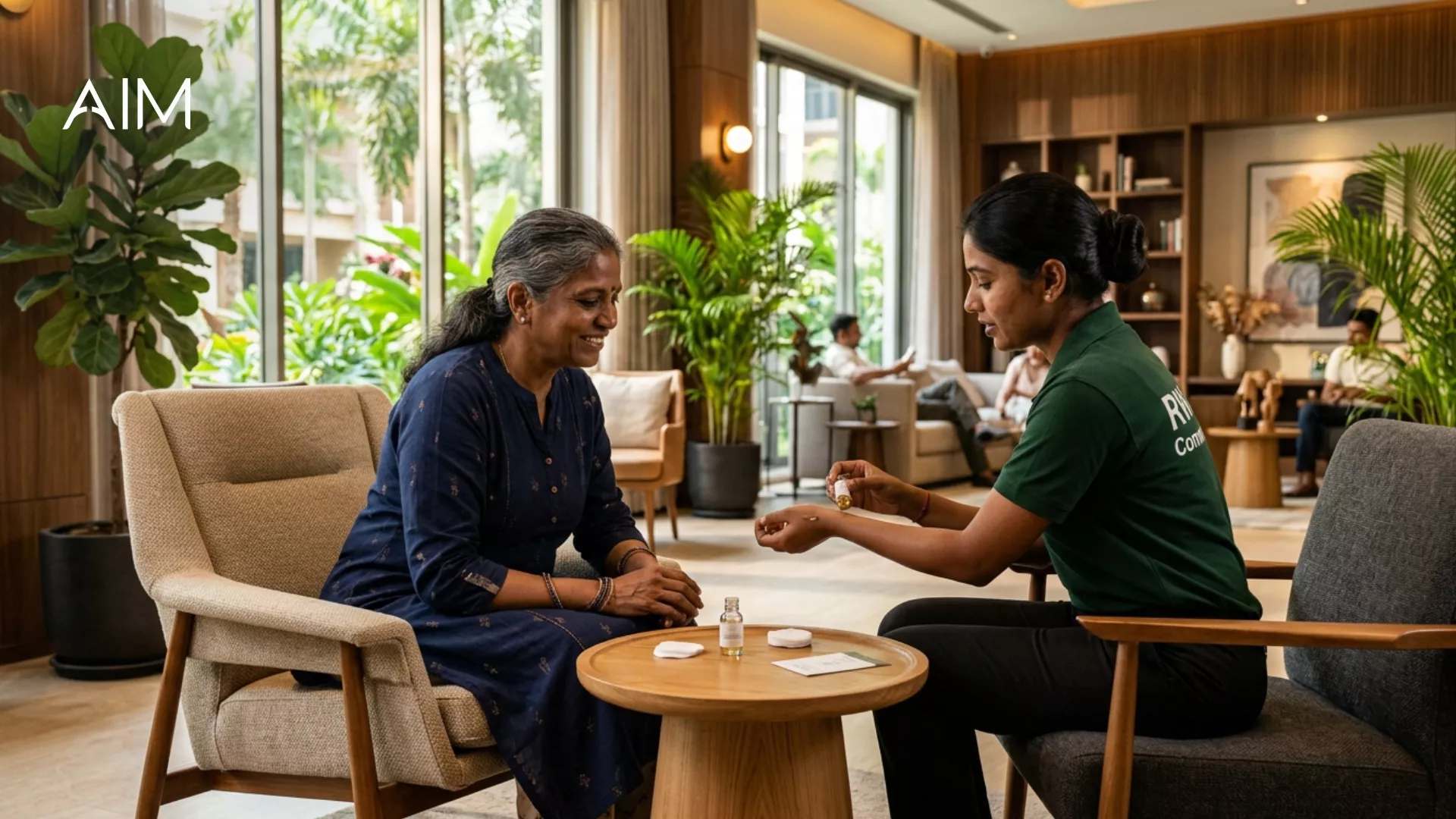
- Community and society events. Society fairs, resident gatherings, and local events reach households together, with the trust of a familiar community setting, which helps a home care brand feel endorsed rather than pushed.
- Kirana-led local neighbourhoods. In many markets the neighbourhood kirana is the restock point and a trusted local figure, so sampling through or around these outlets reaches habitual household buyers where they actually shop.
Which place fits which product and goal?
The best place depends on your buyer and your objective. For a mass or premium urban brand chasing switching among apartment households, residential societies and RWAs are usually the strongest, because they reach the decision-maker at home by profile. For a brand whose buyers have moved their restocking online, quick-commerce inserts reach them at the replenishment moment with built-in tracking. For driving an immediate switch at the point of purchase, sampling in and around modern trade puts the trial next to the shelf. For building trust and community goodwill, especially for a newer or premium brand, society events borrow the credibility of the setting. And for reaching habitual, value-driven households in smaller towns and local markets, kirana-led neighbourhoods meet them where they actually restock. Matching the place to the buyer is the difference between a sample that reaches a decision-maker and one that reaches a passer-by.
Where not to sample home care
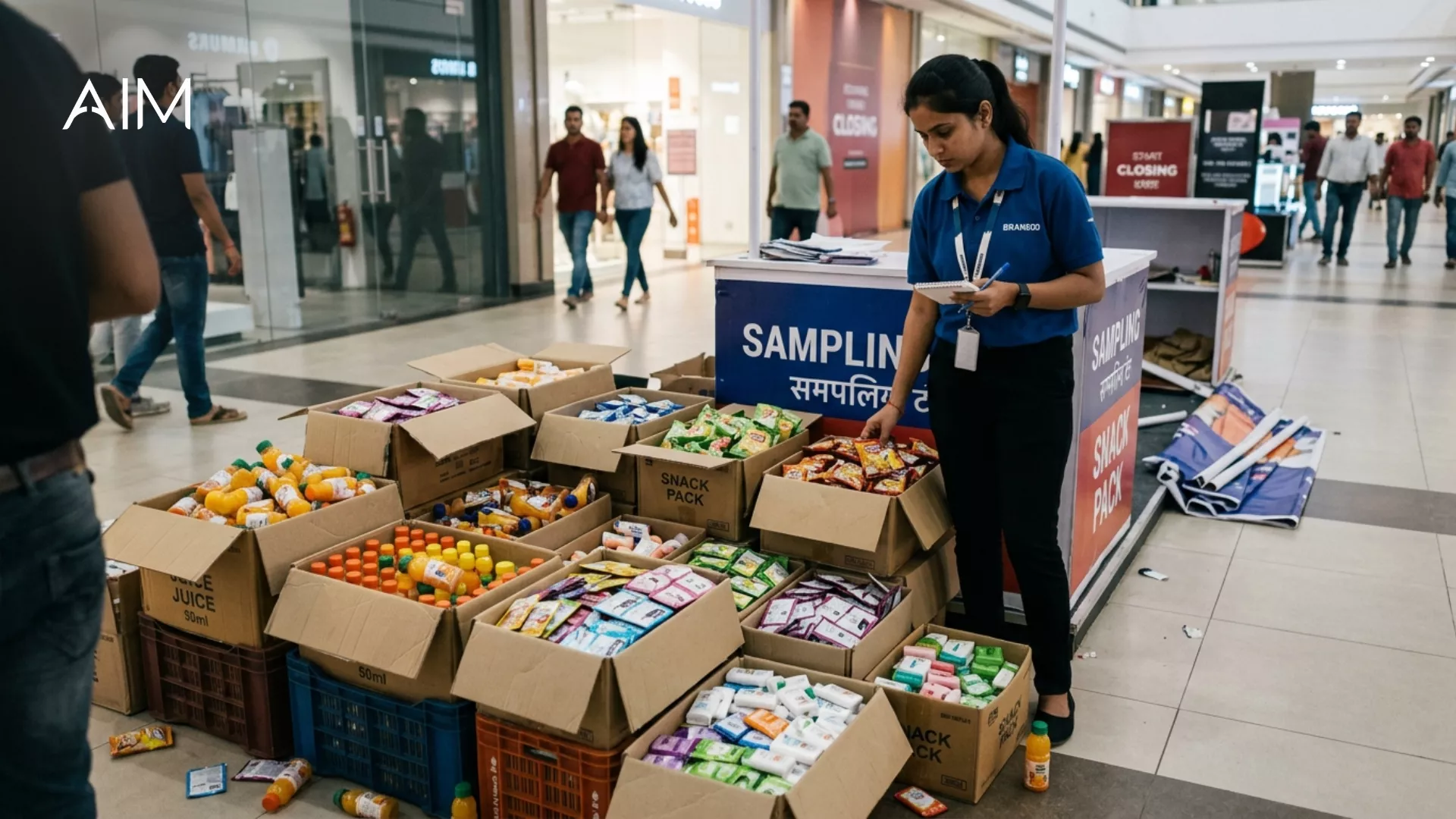
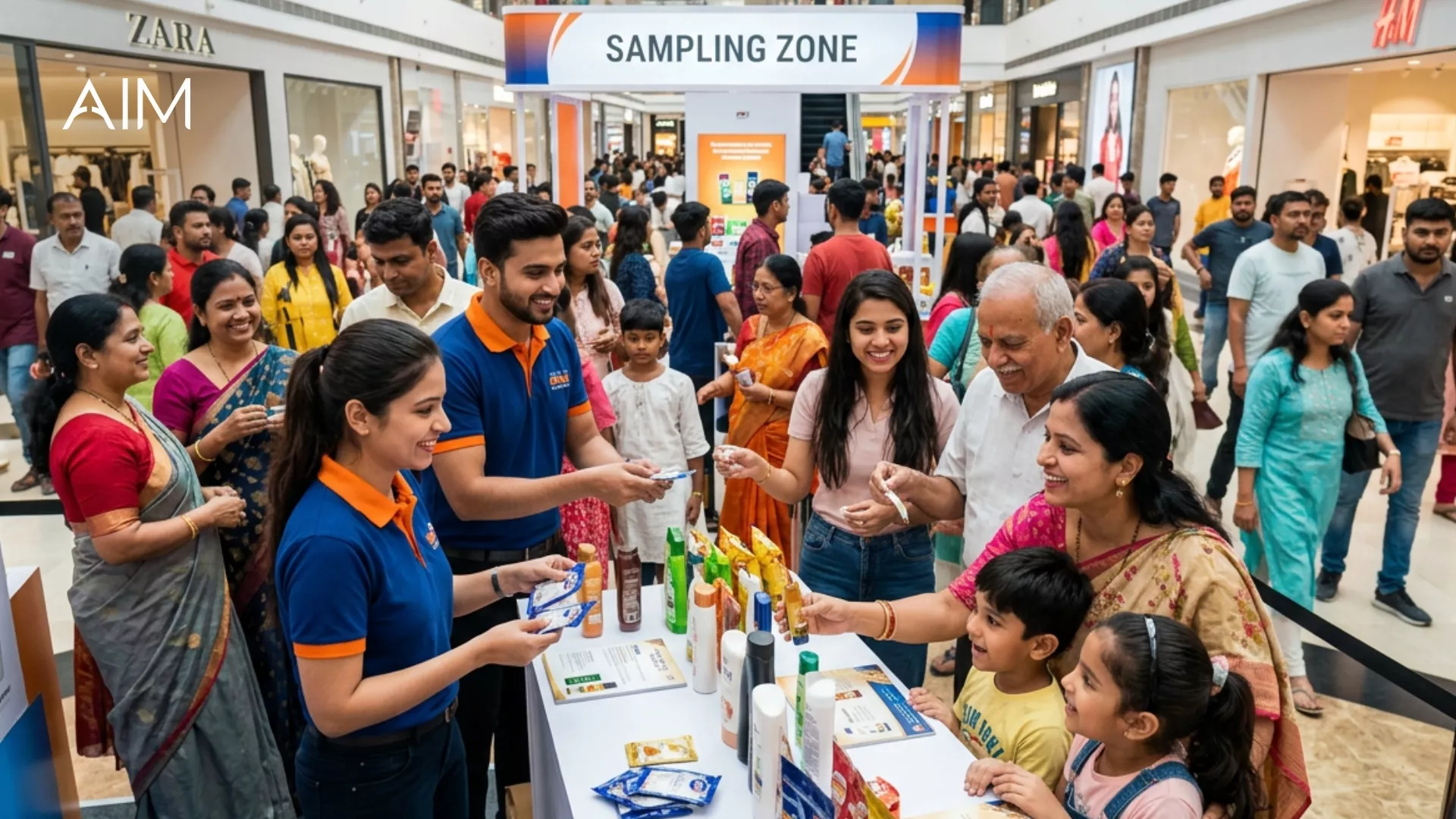
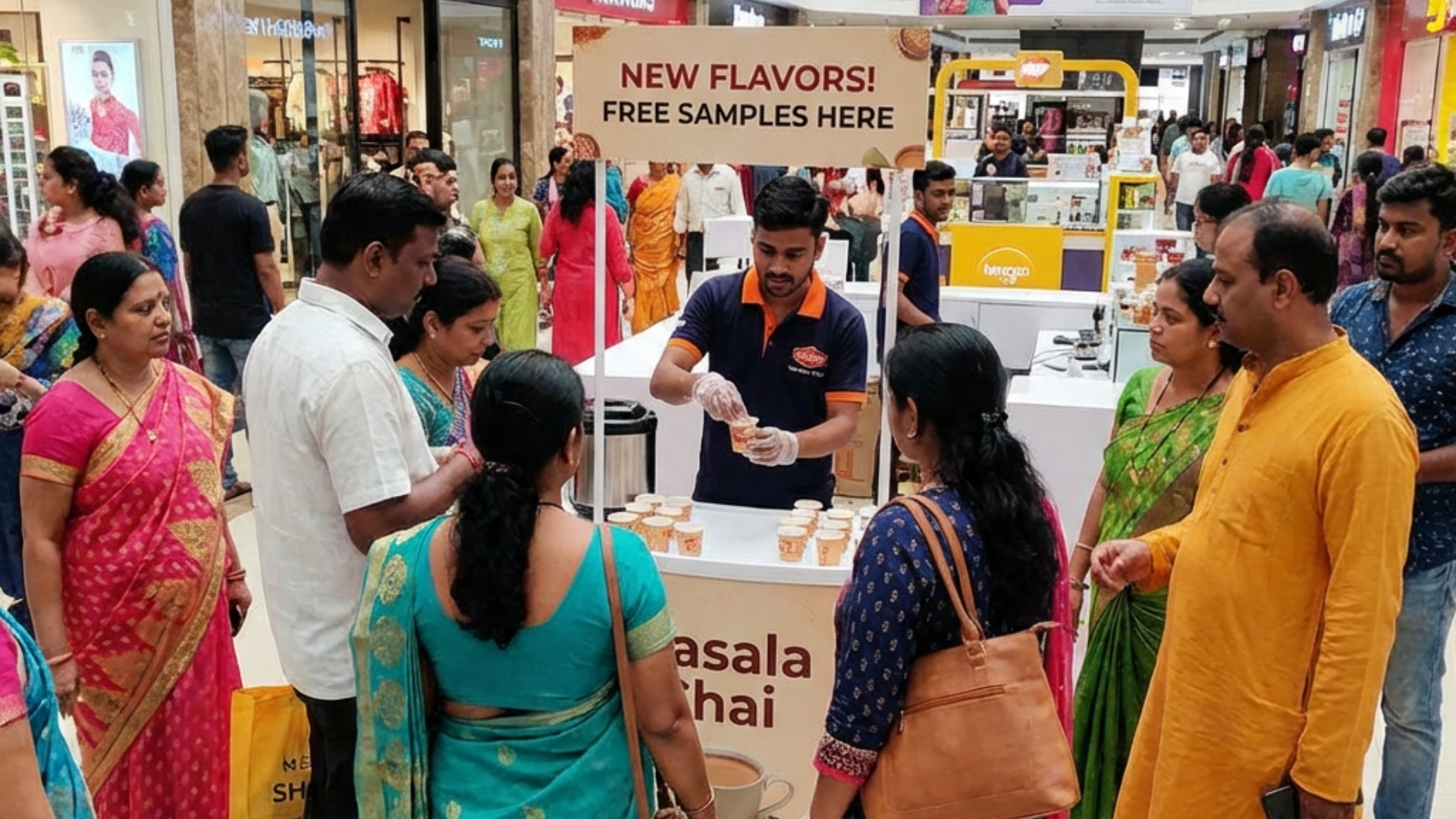
It is worth naming the places that look busy and convert poorly, because home care budgets are often spent there out of habit. Generic high-footfall spots with no household filter, a random mall concourse, a transit hub, a college gate, reach enormous numbers of people, very few of whom are the household decision-maker for cleaning products, so most of the sample is wasted on the wrong hands. Anywhere the buyer cannot connect the trial to their own restock, or take it home to use it properly, weakens the trial. And any location with no way to capture who received the sample leaves you with a distribution number and no idea whether a real buyer was reached. The test is simple: does this place concentrate people who run a home, near a moment when switching is plausible? If not, the footfall is a mirage.
The restock moment is the one to aim for
There is a timing dimension to place that home care brands often miss. Because cleaning products are bought on a cycle and defended by habit, the moment a household is most open to switching is when it is about to restock, when the old pack is running low and a decision is briefly live again. The best sampling places are not only where the household decision-maker is, but where she is near that restock moment: a quick-commerce grocery order being placed, a supermarket trip for the week, a society activation timed to the start of the month when households replenish. A sample that arrives with a week of product left in the cupboard is easy to set aside and forget; the same sample arriving as the old one runs out meets a buyer with a decision to make and a shelf to fill. Choosing the place, in other words, is partly choosing the moment, and the strongest home care sampling reaches the right person when the switch is actually on the table.
How do you choose, and measure, the right place?
Choose by working backward from your buyer, not forward from what is available. Define who runs the home you want to win, urban apartment household, small-town family, online-restocking metro buyer, and pick the places that concentrate that person near a switching moment. Then make the location earn its place with measurement: capture who took the sample, tie the trial to a purchase and a reorder with a code or link, and compare conversion across the places you tested, so the next campaign moves budget toward what actually worked. This is how AIM approaches home care sampling in India: choosing places by who runs the home rather than by raw footfall, sampling near the home and the restock moment, and capturing and tracking every trial, so a brand ends up knowing not only where it sampled, but which places delivered households that came back. In home care, the right place is not where the most people are. It is where the most homes are, and where a sample can turn into a habit. Get the place and the moment right, and home care sampling stops being a busy day at a gate and becomes a reliable way to win households that keep buying, month after month, long after the sample is gone, which is the only return a home care brand should actually care about.








.webp)




















.png)