
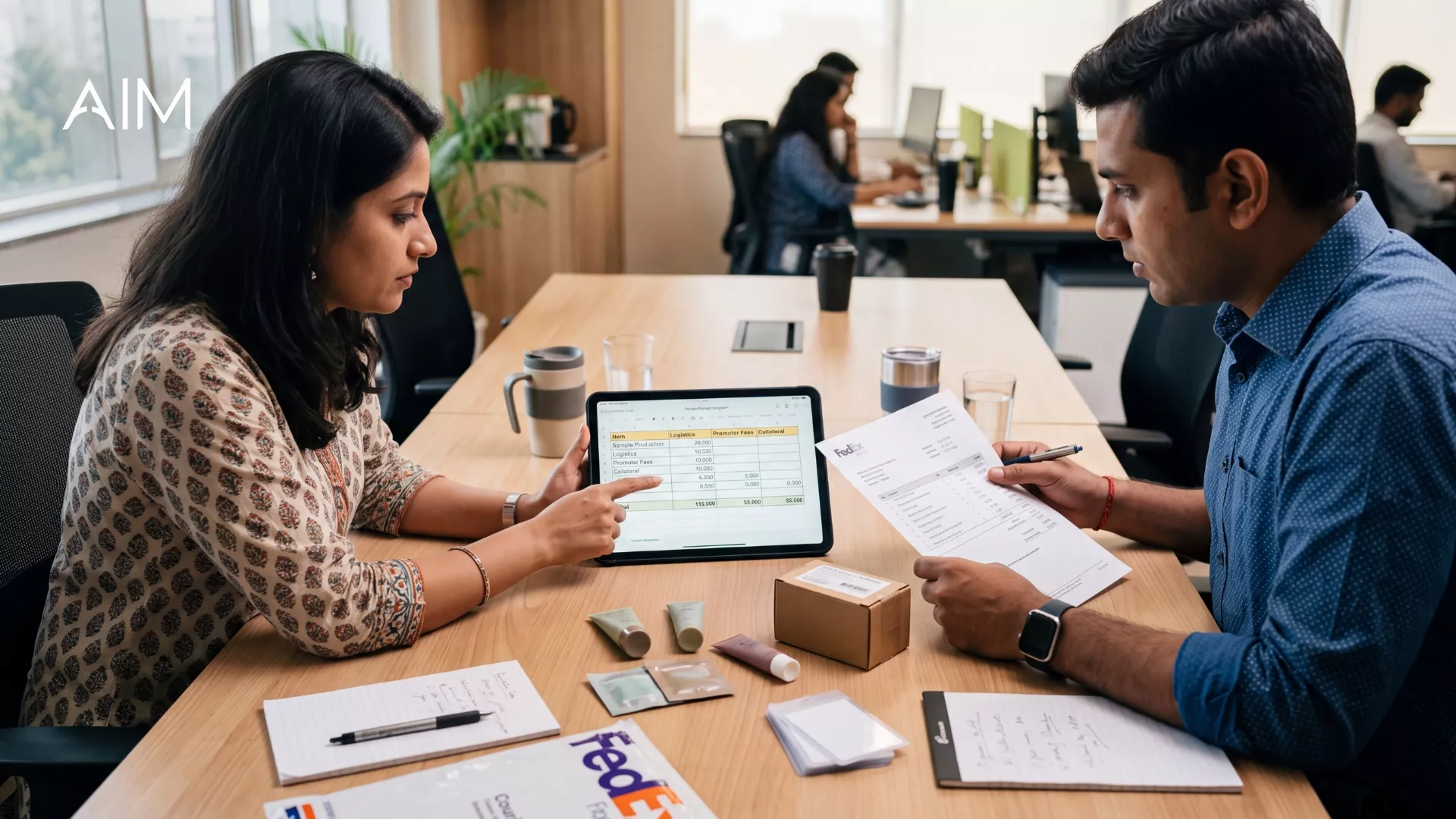


Two brands set the same sampling budget and get opposite results. One spends it all on a single big rollout, learns nothing until the money is gone, and discovers too late that the plan was wrong. The other spends a fraction on a small pilot first, finds out what actually works, and then puts the real budget behind a plan it has already tested. Same money, very different outcomes, and the difference is knowing when to pilot and when to roll out. Here is how to budget a sampling pilot versus a full rollout, so you spend to learn before you spend to scale.
What is the difference between a sampling pilot and a full rollout?
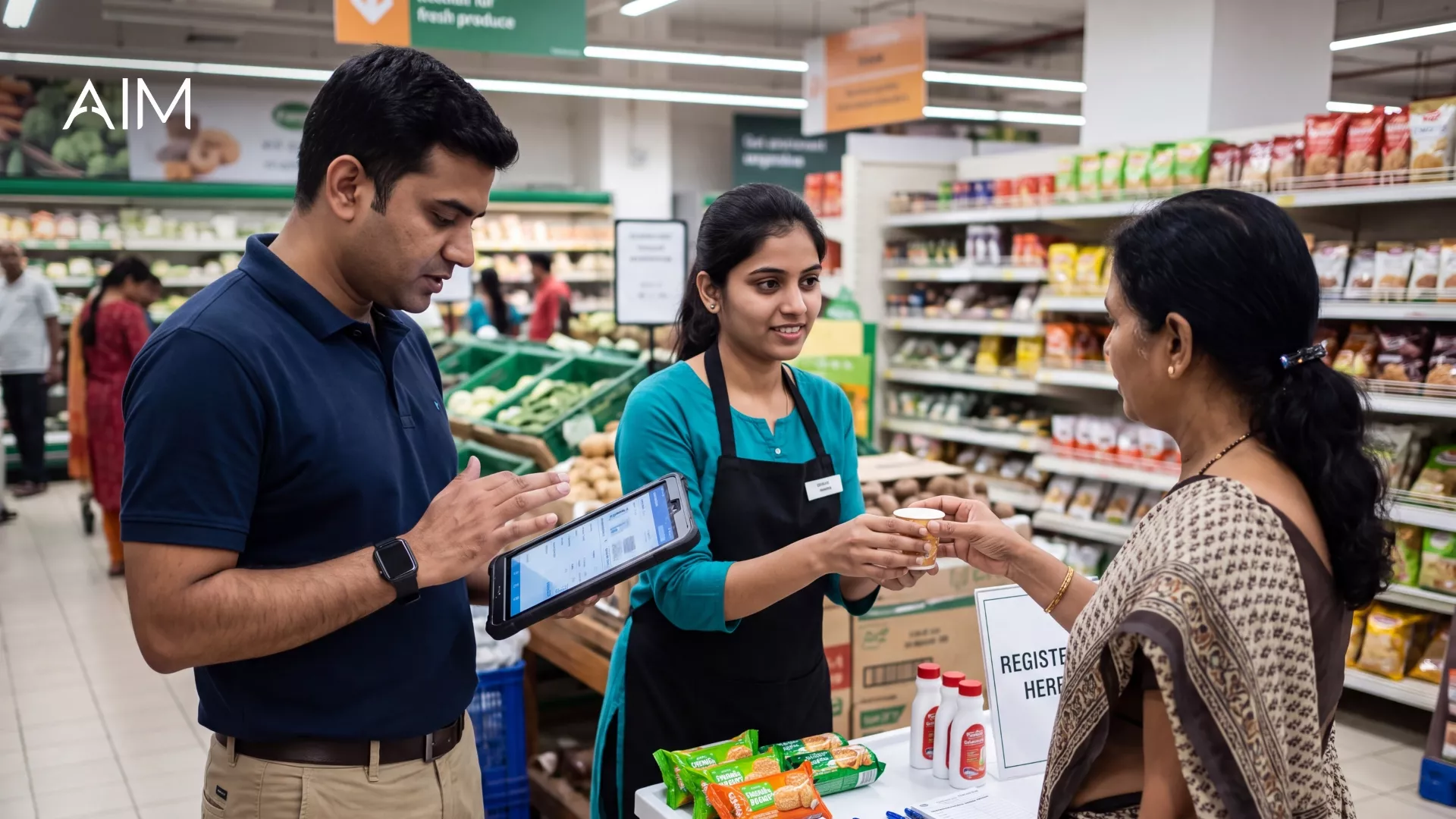
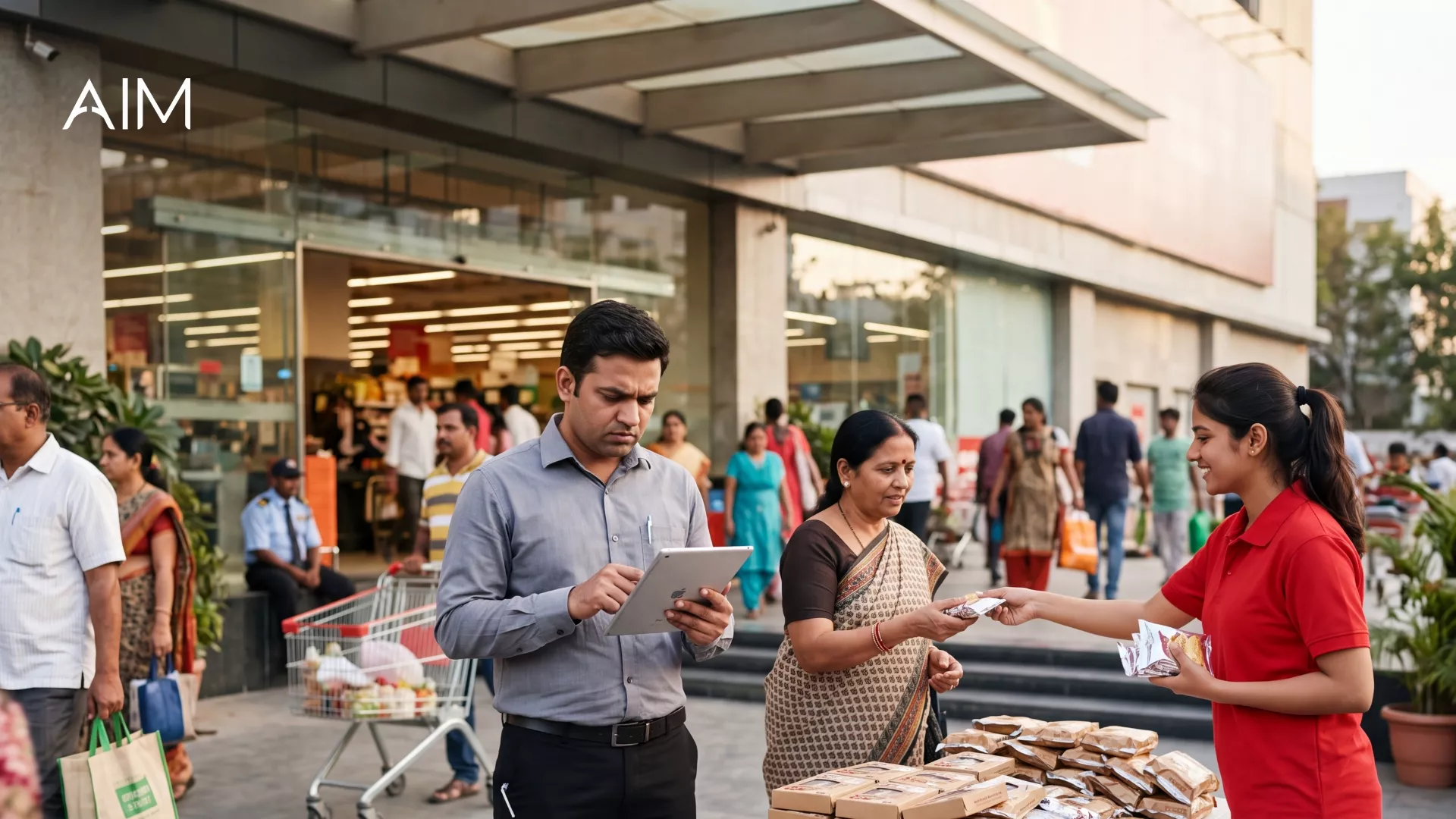
A sampling pilot is a small, deliberate test designed to answer questions: does this product get trial, who responds, which location and format convert, and what does product sampling cost to turn a sample into a buyer. A full rollout is the scaled campaign you run once those questions are answered, built to reach volume with a plan you trust. The pilot is about learning and the rollout is about earning. The mistake most brands make is skipping the first and treating a large rollout as the test, which means they pay full price to learn things a cheap pilot would have told them.
Why should you run a sampling pilot before a full rollout?
Because a pilot turns expensive assumptions into cheap facts. Before you commit a large budget, a pilot tells you whether your targeting is right, whether the sample size and format work, which channel converts, and what your real cost per buyer looks like. If something is off, and in a first campaign something usually is, you find out on a small budget instead of a large one. The pilot is insurance against scaling a mistake, and it is also a map, because the patterns it reveals tell you exactly where to concentrate the rollout. Skipping it does not save money. It just moves the learning to the most expensive possible moment.
How much should you budget for a sampling pilot?
A pilot should be big enough to produce a believable signal and small enough that losing it would not hurt. It does not need to be a fixed percentage, it needs to be large enough to reach a meaningful number of the right people in a couple of locations or channels, capture who tried, and track whether they bought. Too small and the results are noise you cannot trust. Too large and it stops being a pilot and becomes an un-tested rollout wearing a pilot's name. The goal is the smallest spend that still gives you a clear, trustworthy read on trial, conversion, and cost per buyer, because that read is the thing you are actually buying with the pilot budget.
What should a sampling pilot actually measure?
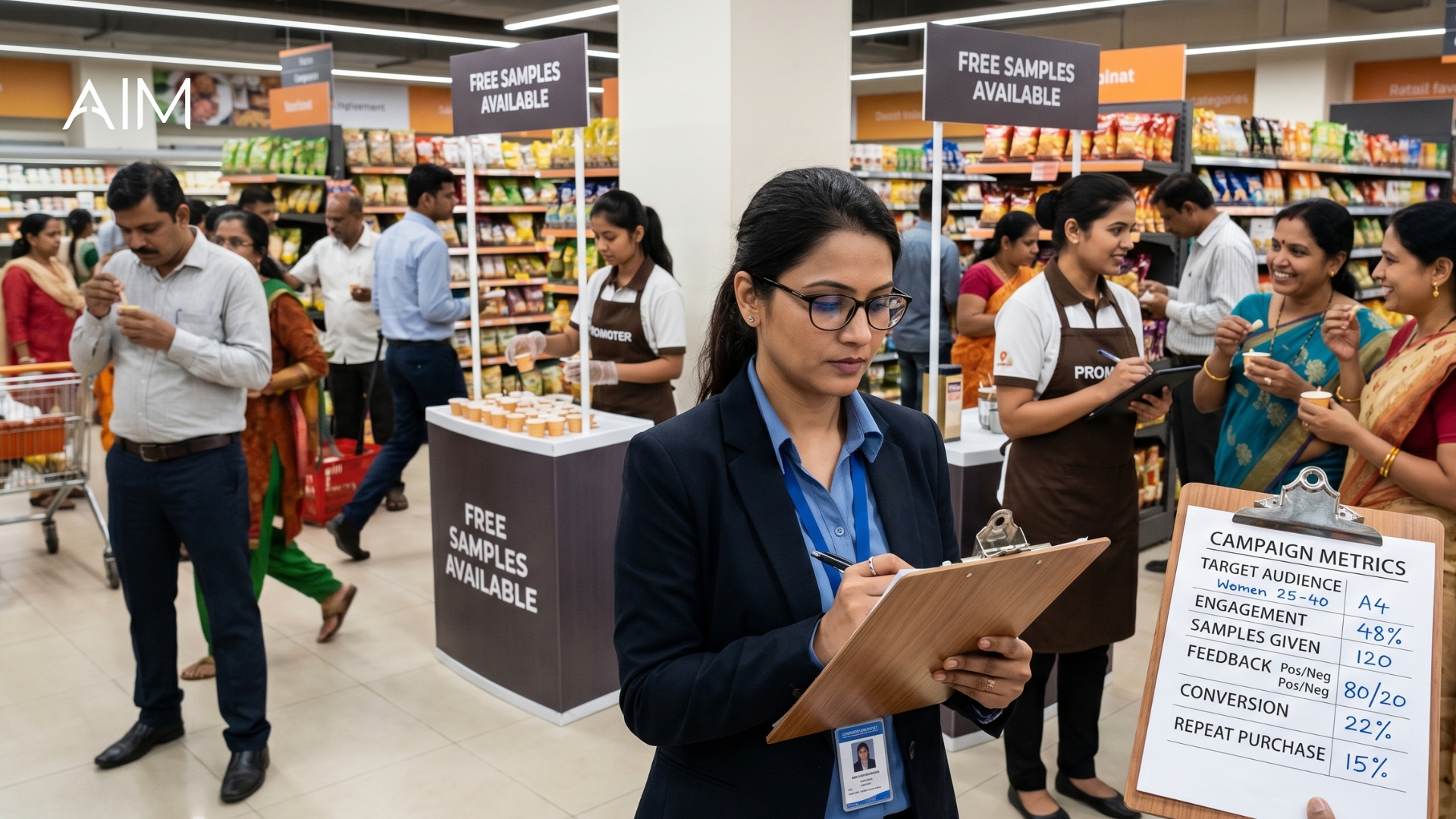
A pilot is only worth the money if it is measured properly, otherwise it is just a small rollout that also taught you nothing. The pilot should capture who received and tried the product, how many went on to buy, which location, format, or audience converted best, and what each buyer cost. Those numbers are the decision inputs for the rollout. They tell you whether to scale at all, and if so, where to put the weight and what to change. A pilot that reports only samples handed out has wasted its one job, which was to replace guesses with evidence before the big spend.
When should you scale a sampling pilot into a full rollout?
Scale when the pilot shows a cost per buyer you can live with and a pattern you can repeat. If the pilot converted well in defined conditions, the rollout is a matter of doing more of what worked, with the budget aimed at the audiences, locations, and formats that proved themselves. If the pilot converted poorly, the honest move is to fix the plan and test again, not to scale a weak result in the hope that volume rescues it. Volume does not fix a broken campaign, it multiplies it. The pilot earns the rollout, and a pilot that did not earn it is telling you something you need to hear before you spend the rest.
How should you budget a full sampling rollout?
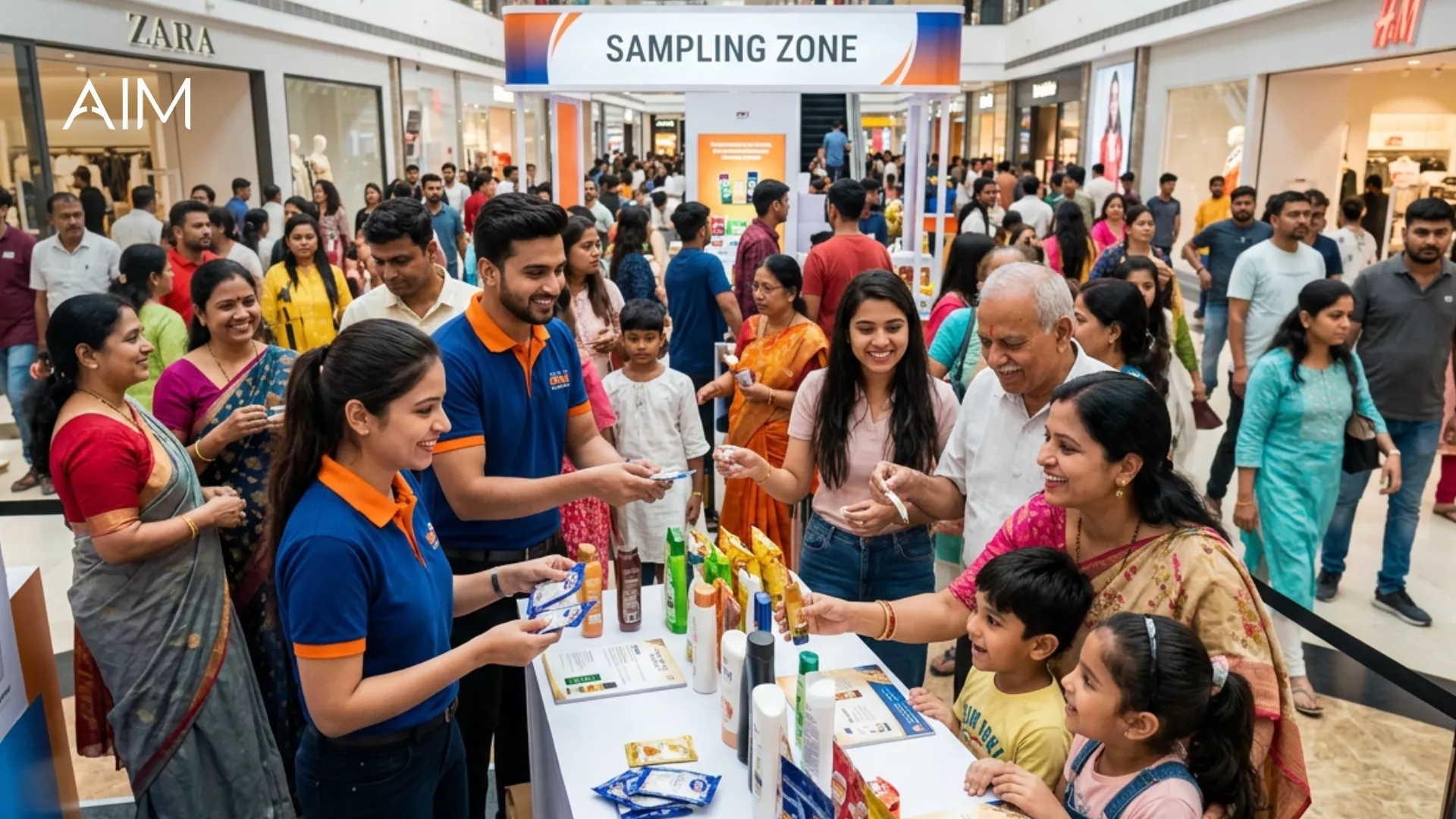
Once a pilot has proven the plan, the rollout budget is built around scaling the parts that worked, not spreading evenly across everything. Put the weight behind the audiences, channels, and locations that converted in the pilot, size the stock to the real demand pattern you observed, and keep enough measurement in place to confirm the results hold at scale. A rollout is not simply the pilot times ten. It is a concentrated bet on the winners the pilot identified, which is why a tested rollout almost always produces a better cost per buyer than an untested campaign of the same size. You are no longer paying to learn. You are paying to multiply something that already works.
What happens when brands skip the pilot?
They pay full price for lessons a pilot would have delivered cheaply. A brand that rolls out nationally without testing commits its whole budget to a plan nobody has proven, and if the targeting, the sample, or the channel is wrong, the mistake is now the size of the entire campaign. Worse, a large untracked rollout often cannot even diagnose why it underperformed, so the brand ends up with a big bill, a disappointing result, and no clear reason. The pilot exists precisely to prevent that, by making the first mistakes small and the lessons cheap. Skipping it is not boldness, it is paying premium prices for information that was available at a discount.
Does every sampling campaign need a pilot?
Not always, and it is worth being honest about when a pilot is overhead rather than insurance. If a brand has already run the same kind of campaign, to the same audience, through the same channel, and knows its numbers, it can often skip straight to a rollout, because the learning the pilot would provide already exists. The pilot earns its place when there is real uncertainty: a new product, a new audience, an untested channel, a market the brand does not know, or a big budget riding on assumptions nobody has checked. The rule of thumb is simple. The more unknowns and the larger the planned spend, the more a pilot pays for itself. The fewer the unknowns, the less you need one.
How does AIM structure pilot and rollout budgets?
AIM treats the pilot as the decision-making stage and the rollout as the scaling stage, and budgets each for its job. The pilot is sized to produce a trustworthy read on trial, conversion, and cost per buyer in a contained way, with capture and tracking built in so the numbers can be believed. The rollout is then shaped around what the pilot proved, concentrating spend on the winners and sizing stock to observed demand. The principle is consistent with how AIM runs sampling generally: spend to learn before you spend to scale, measure everything, and let the cost per buyer, not the sample count, decide how far to go.
Spend to learn, then spend to scale
The budgeting question is not really how much to spend on sampling. It is in what order to spend it. Money spent on a measured pilot buys knowledge, and knowledge is what makes the much larger rollout budget safe. Money spent straight into a big rollout buys a guess at full price. The brands that get the most from sampling almost always spend a little first to find out what works, then spend the rest on doing more of it. Pilot to learn, roll out to earn, and let the evidence from the first decide the size and shape of the second.















.webp)



















.png)