
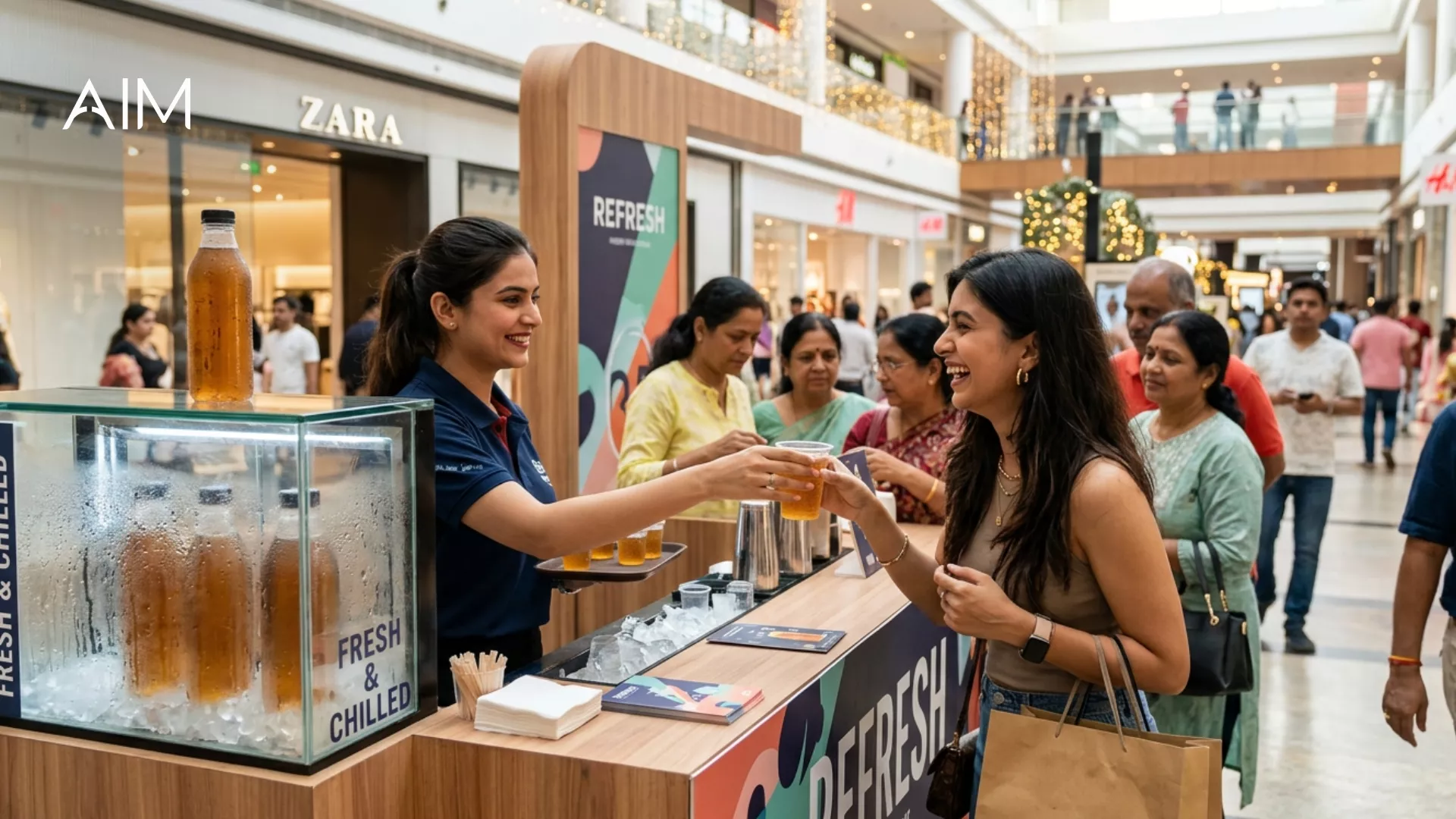


Hand someone a thimble of a new cold brew and they will taste caffeine and sugar and not much else. Hand them a full glass and you have poured away margin on a person who was never going to buy. Somewhere between those two is the amount that actually sells the drink, and almost nobody plans for it. In beverage sampling, the size of the pour is a strategic decision, not a logistics afterthought, and getting it wrong quietly caps how well the whole campaign converts. Here is how much of a drink to give in a sample, and why sip size decides the sale.
Quick answer: how much of a beverage should a sample be?
A beverage sample should be large enough to deliver the product's real experience and small enough to protect margin and urgency. A token sip is usually too little to judge taste, body, and aftertaste, so it undersells the drink. A full serving is usually too much, because it satisfies the thirst you wanted to convert and burns budget on non-buyers. The right size depends on the drink: a juice or soft drink needs a proper mouthful, a strong functional or energy drink needs only a small measured amount, and a hot beverage needs enough to taste warm. Match the pour to the product and the moment, then test it.
Why a tiny sip undersells the drink
A beverage is judged on more than first contact. Taste unfolds: the initial hit, the body in the mouth, the sweetness or bitterness, the aftertaste, whether you want a second sip. A thimble-sized sample cuts that story off after the first word. The person registers roughly sweet or roughly sour and nothing else, which is not enough to fall for a drink or to remember it an hour later. Worse, a stingy pour signals a stingy brand, and it makes the sample feel like a formality rather than an invitation. If the whole point is to let the drink prove itself, a sip too small to taste properly has already lost the argument.
Why too much sample quietly wastes the budget
The opposite error is just as costly and far less noticed. Pour a full serving and two things happen. First, you have spent real product cost on everyone who takes it, including the majority who were never going to buy, which pushes your cost per genuine prospect up fast. Second, and more subtly, you satisfy the very thirst you were trying to turn into a purchase. A person who has just downed a full glass of your drink has no reason to buy one now. They are done. A sample should leave the taster wanting the rest, not feeling they have already had it. Generosity that kills the urge to buy is not generosity, it is leakage.
What is the right sample size by beverage type?
There is no single number, because the drink decides. The useful way to think about it is by how the product delivers its experience.
Juices, soft drinks, and flavoured water. These need a proper mouthful, enough to taste the flavour fully and get the refreshment cue, because refreshment is the sell. Too little and the flavour does not land.
Energy and strong functional drinks. A small, measured amount is enough, because the taste is intense and the point is to signal the effect and the flavour, not to deliver a full dose on the spot. A large pour here wastes potent product and can even put people off.
Tea, coffee, and hot beverages. Enough to be tasted hot and aromatic, since temperature and aroma are half the experience. A lukewarm dribble misrepresents the product entirely.
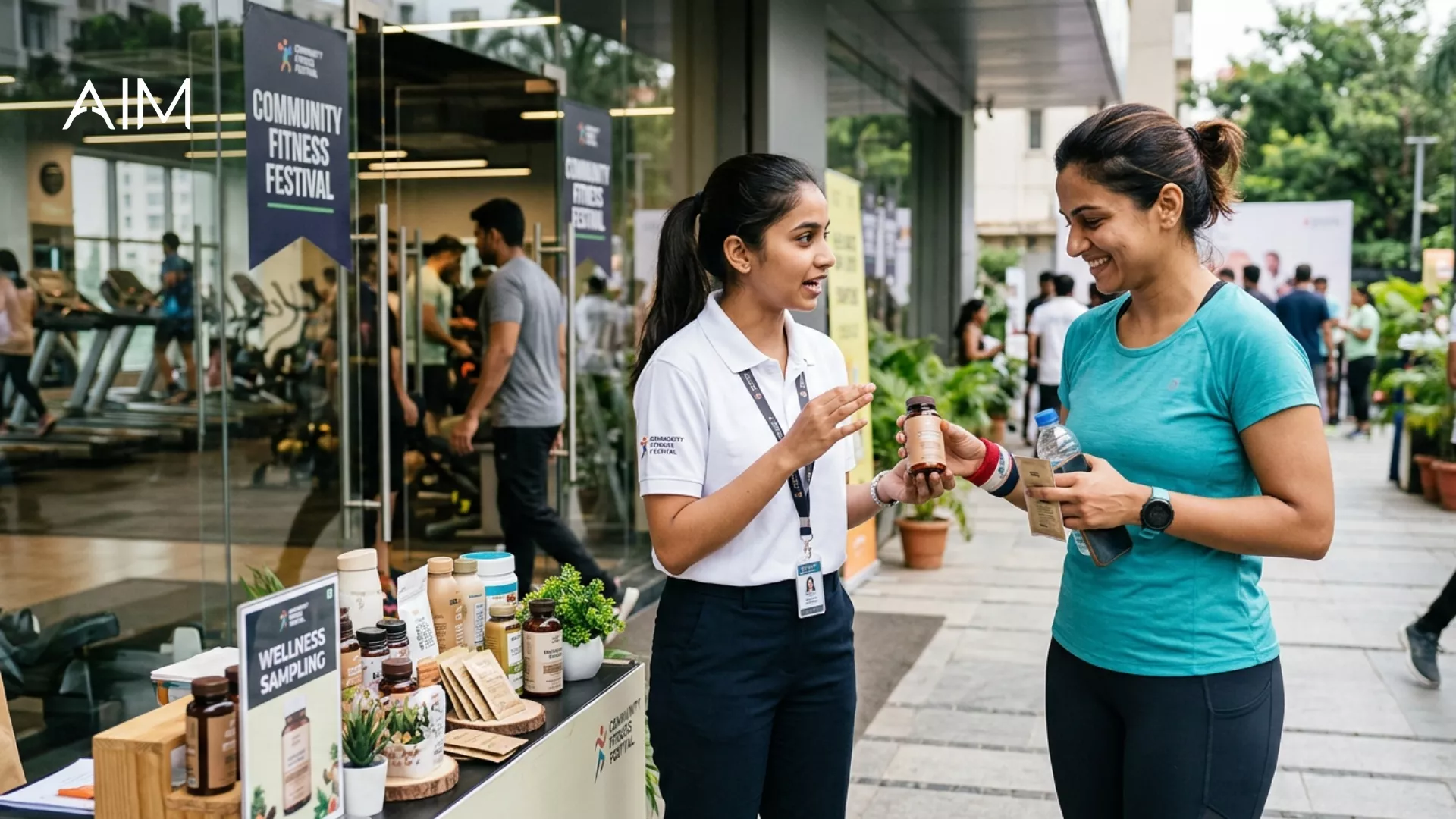
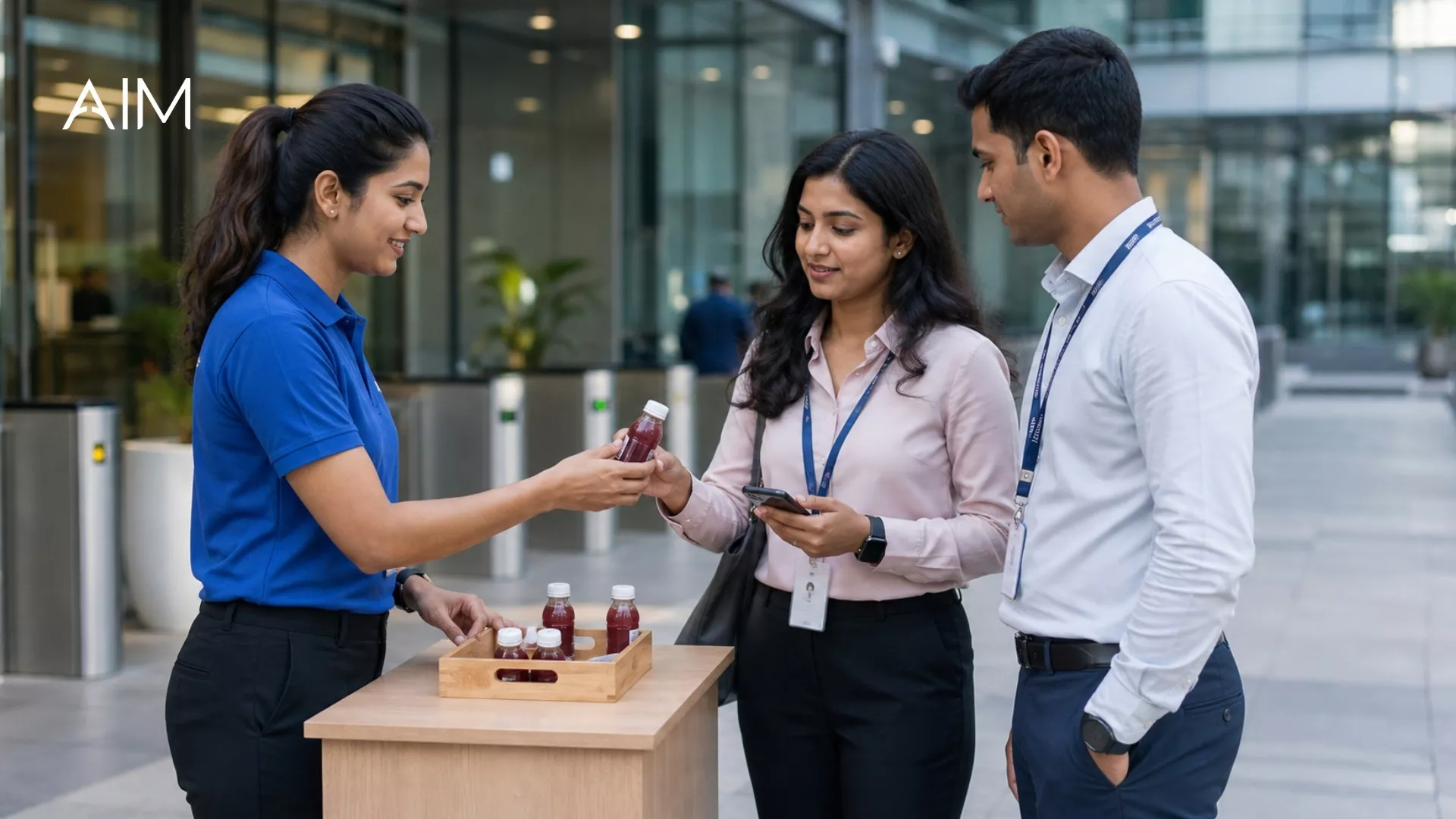
Health, wellness, and functional shots. A small honest taste, paired with a clear line on the benefit, because these are bought on what they do as much as how they taste, and one shot proves flavour but not function.
The principle under all of them is the same: give the smallest amount that still delivers the true experience of that specific drink. Not a fixed millilitre, a fit.
How sip size works with the buying moment
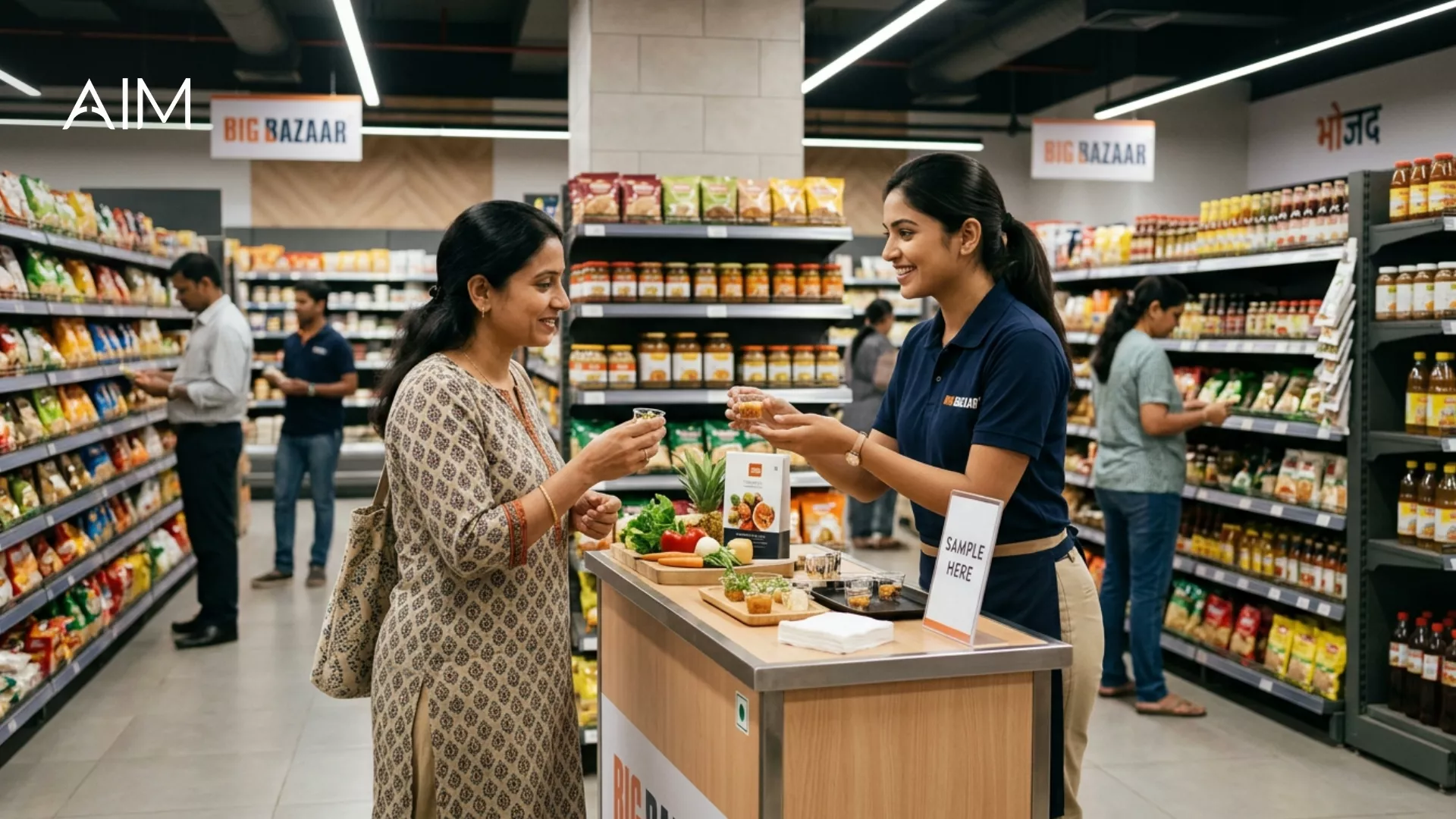
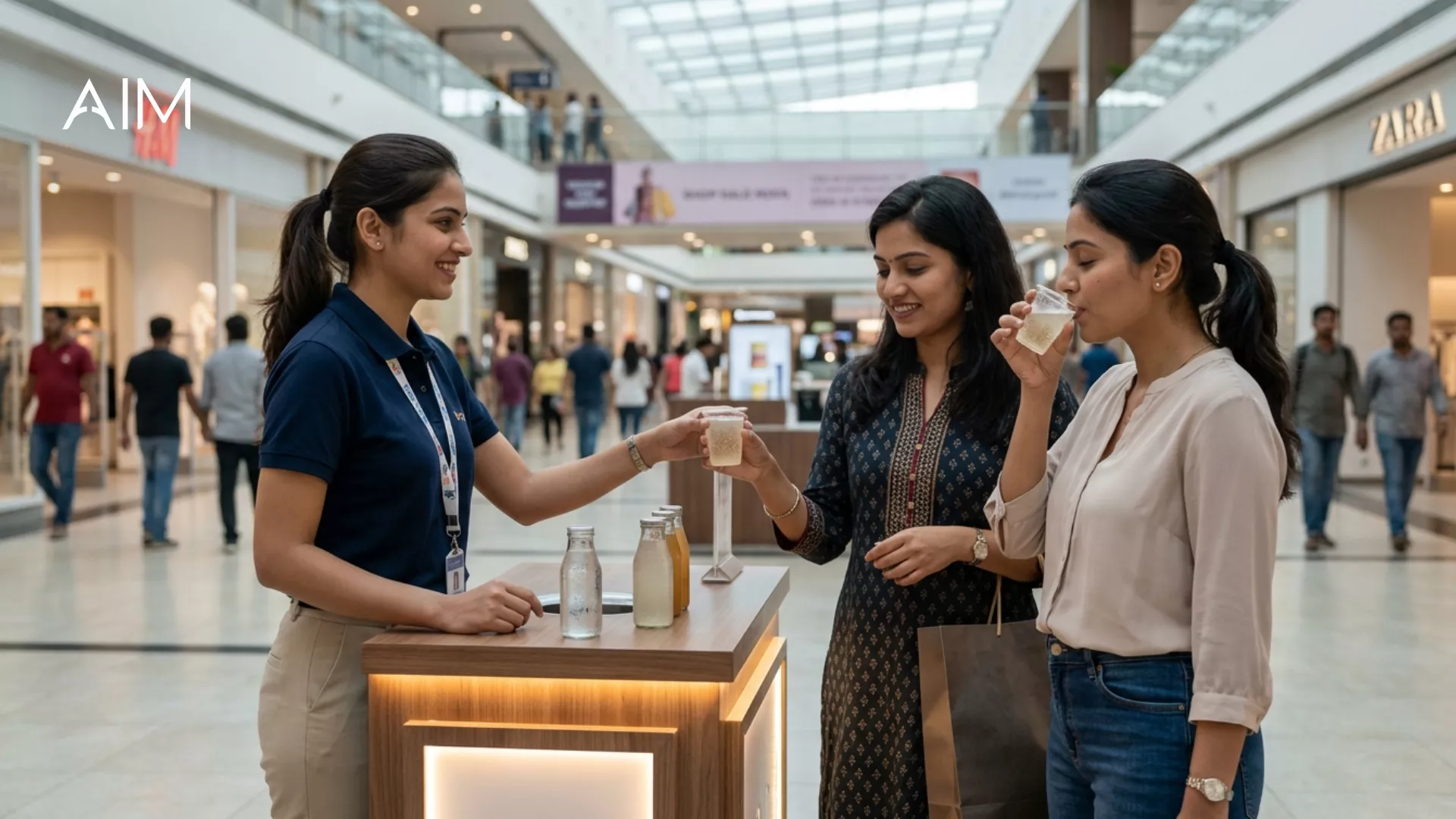
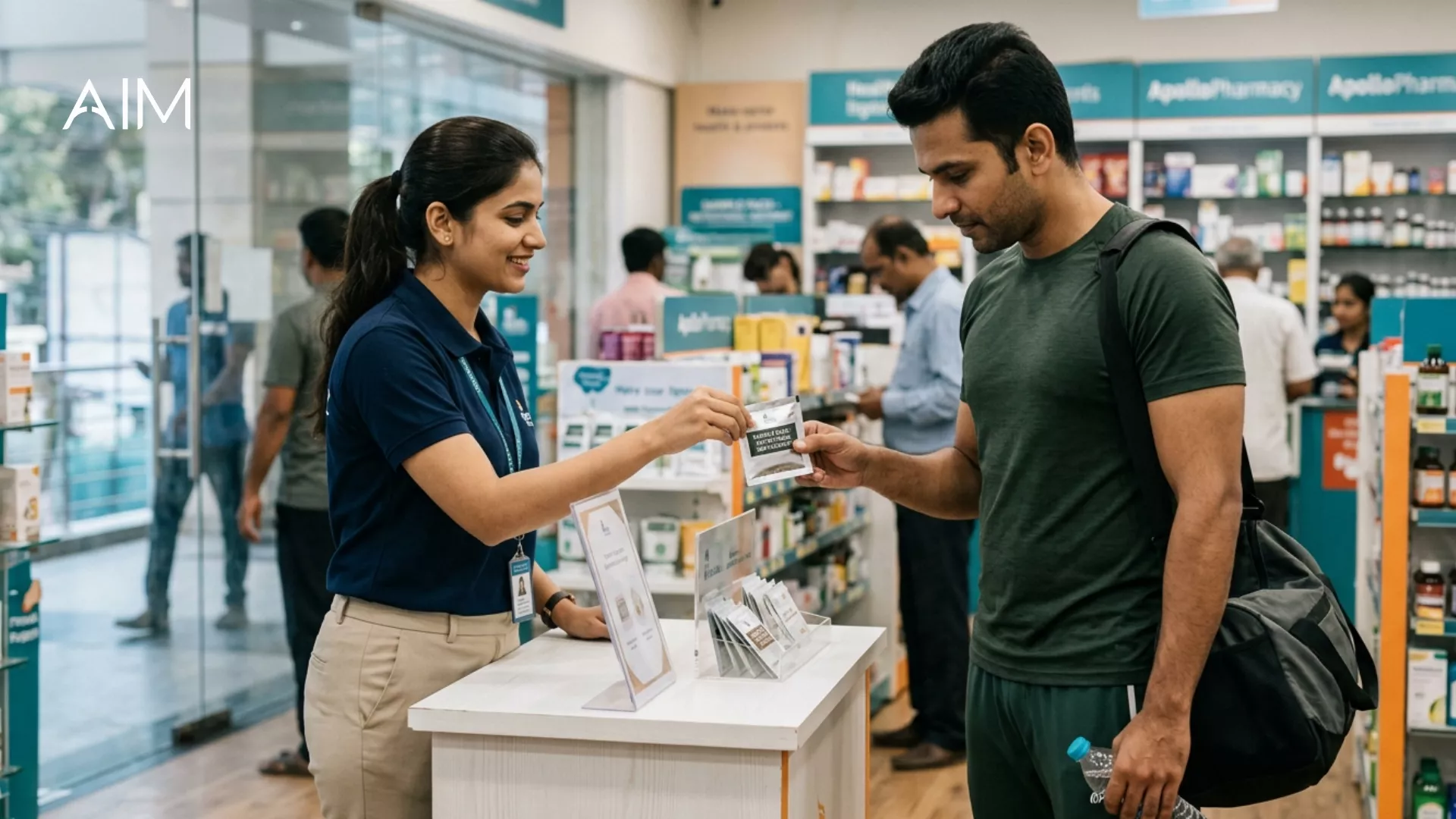
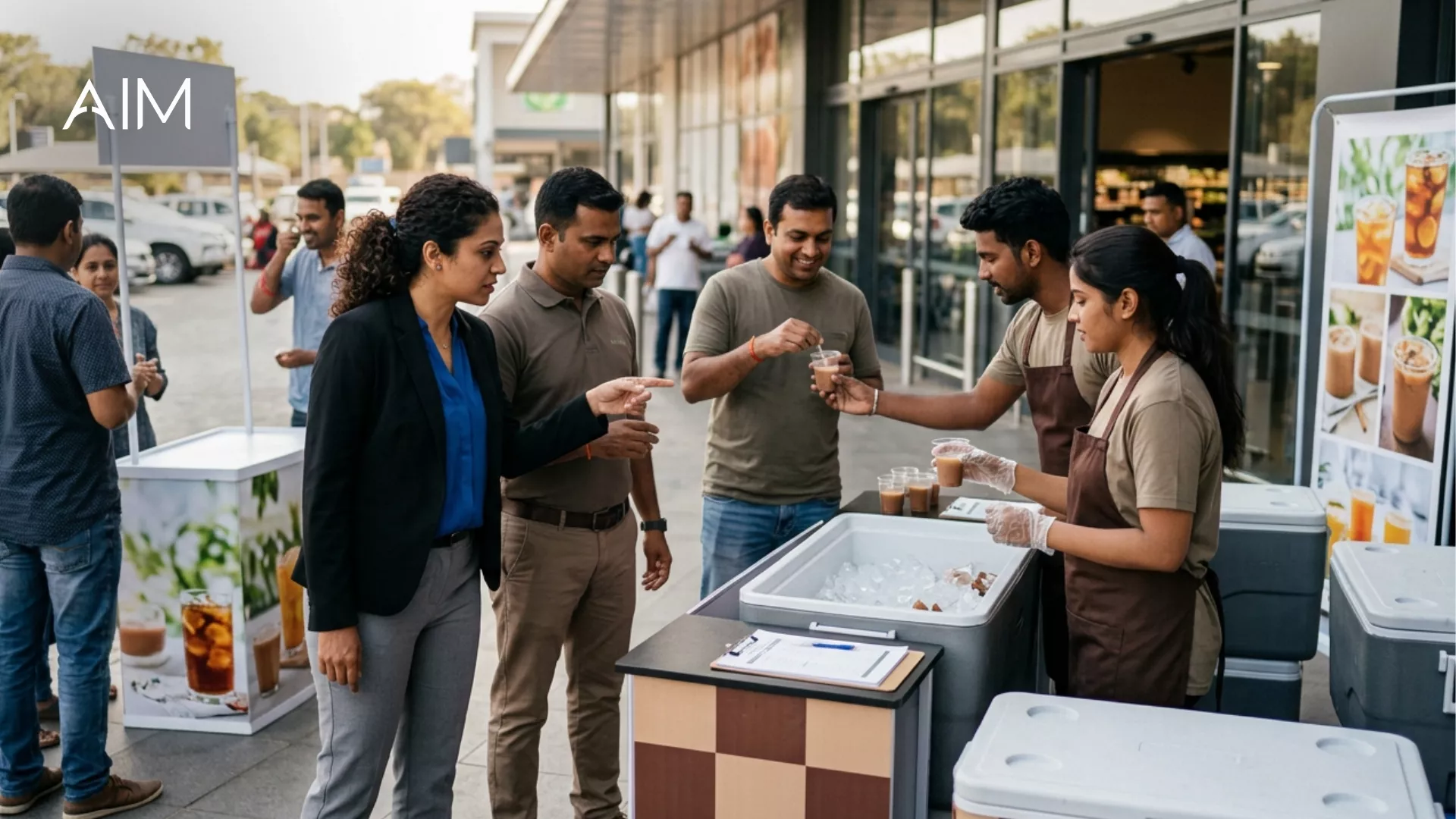
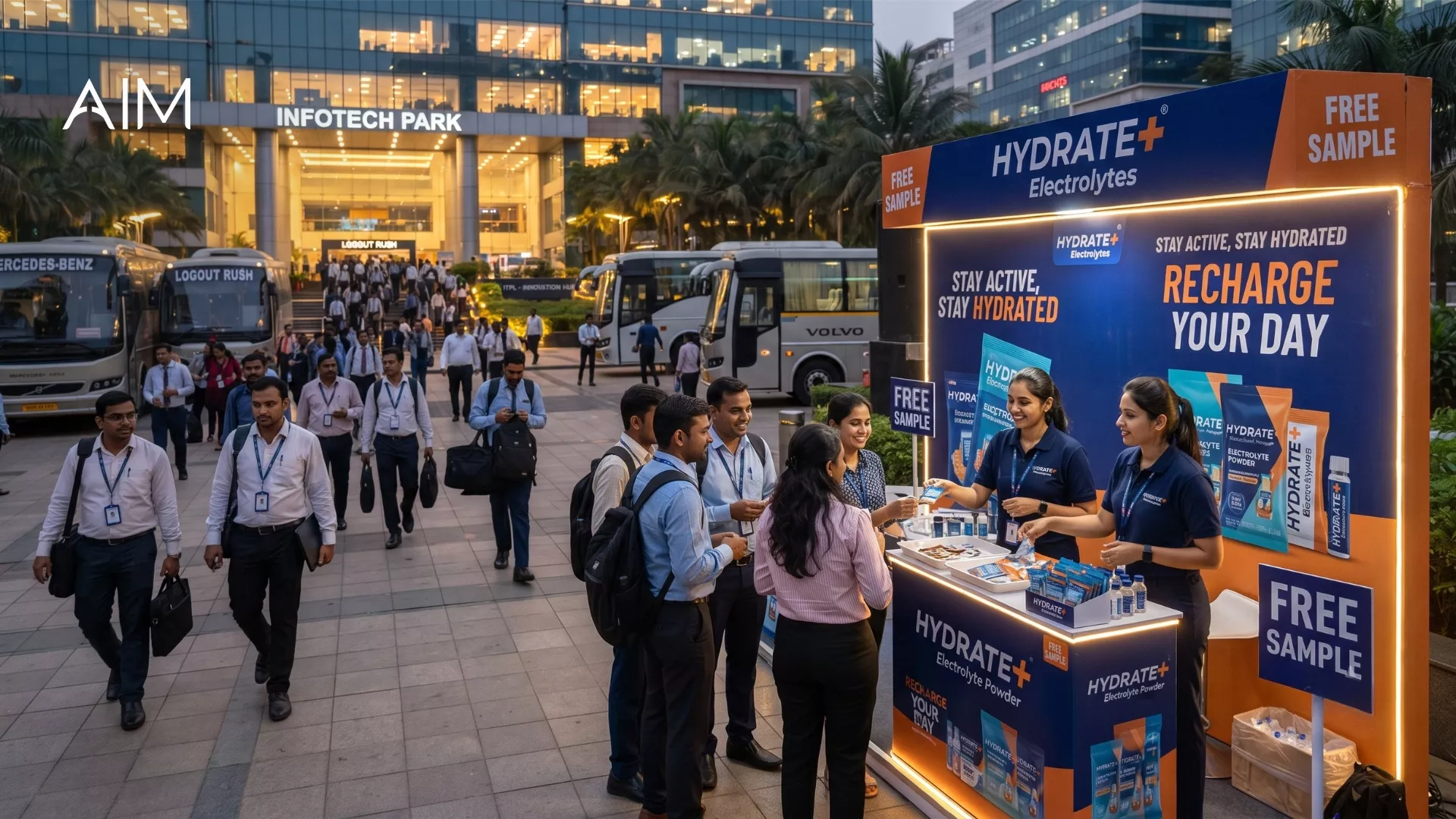
Size and setting have to agree. At a store or quick-commerce touchpoint, where the shopper can buy immediately, the pour needs to deliver enough to trigger a purchase that is one step away, and it should be tied to a pack within reach. At an event or a busy public sampling point, where nobody can buy on the spot, a slightly smaller taste plus something to carry the intent forward, a code, an offer, a place to buy, often works better than a large pour that is enjoyed and forgotten. The pour is about more than the drink. It is about what you want the person to do in the next sixty seconds. Match the size to the action available.
How sip size changes your cost per buyer
This is where sip size stops being a taste question and becomes a money question. Every millilitre you pour has a cost, and multiplied across thousands of samples, the difference between a right-sized taste and an oversized one is a large swing in spend. But the cheaper answer is not simply the smaller pour, because a sample too small to convince converts nobody and wastes the whole cost. The number that matters is cost per buyer, not cost per sample, and the right sip size is the one that produces the most buyers for the product poured. That is usually a considered middle: generous enough to sell, disciplined enough to protect margin and urgency. Find that point and the same budget produces more customers.
Format matters as much as volume
How you serve the taste shapes how much you need to pour. A clear cup shows colour and carbonation and makes a smaller pour feel complete. A sealed shot or a branded mini-pack travels well, controls hygiene, and lets the taster carry it to the moment they will actually drink it, which suits functional and wellness drinks. A warm cup with a lid protects a hot beverage's temperature and aroma. The wrong format forces you to over-pour to compensate, or ruins the experience of a right-sized taste. Pick the serving format first, and the right volume often follows from it, because the two decisions are really one.
The mistakes that waste a beverage sampling budget
A few sizing errors show up again and again. Pouring the same volume for every drink regardless of how it delivers its taste. Serving a hot beverage lukewarm because the batch sat too long, which misrepresents the product no matter the size. Giving so much that the thirst is satisfied and the sale disappears. And sampling a strong functional drink in a large pour that overwhelms rather than tempts. Each of these is a sizing or serving decision made without thinking about conversion, and each turns product cost into waste. Sizing the sample on purpose, drink by drink, is what separates a beverage campaign that pours to sell from one that pours to please.
How do you find the right sample size?
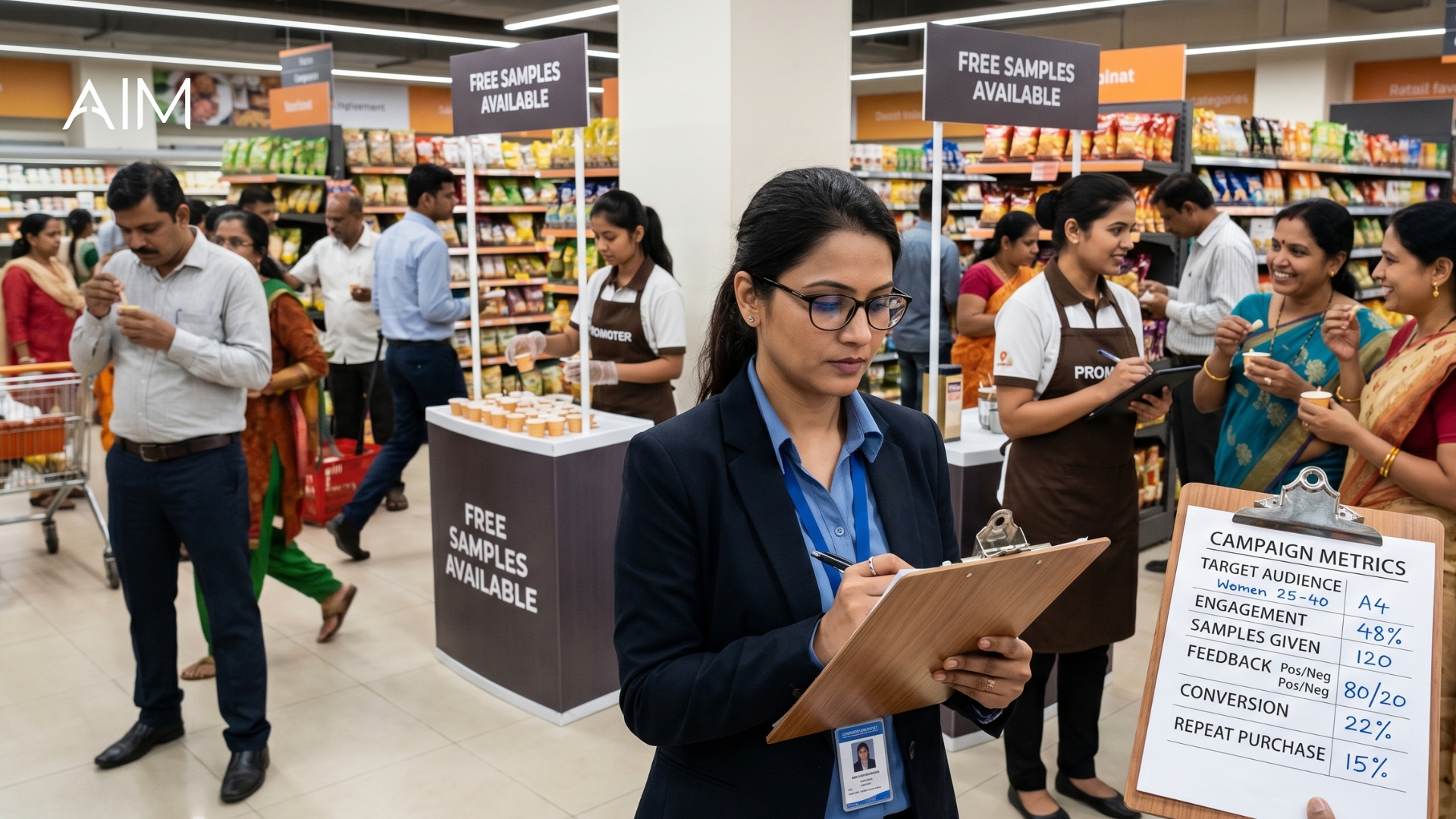
You test it rather than guess it. Run the sample at two or three different pour sizes across comparable locations and compare which one produces the most purchases, not the most smiles. Watch for the tell-tale signs of a wrong size: lots of takers and no buyers can mean the pour satisfies rather than tempts, while low engagement can mean the taste is too small to register. Factor in the product cost so the winning size is judged on cost per buyer. This is how AIM approaches beverage sampling: treat the pour as a variable to be set by the product, the moment, and the math, then capture who tried and track who bought, so sample size is tuned to sales rather than habit. In beverage sampling, the drink sells itself only if you pour enough of it to, and not a drop more.






.webp)





.png)