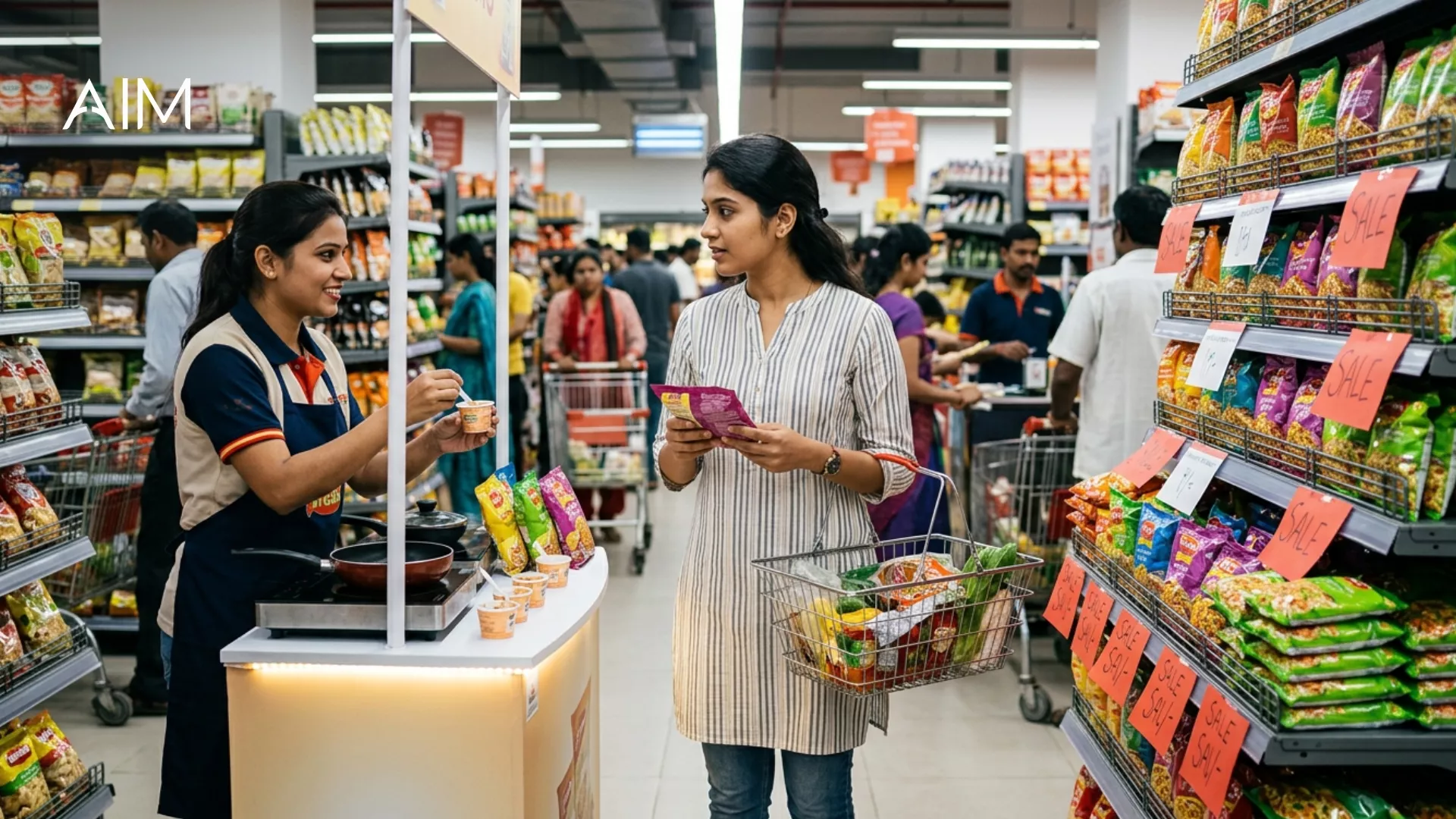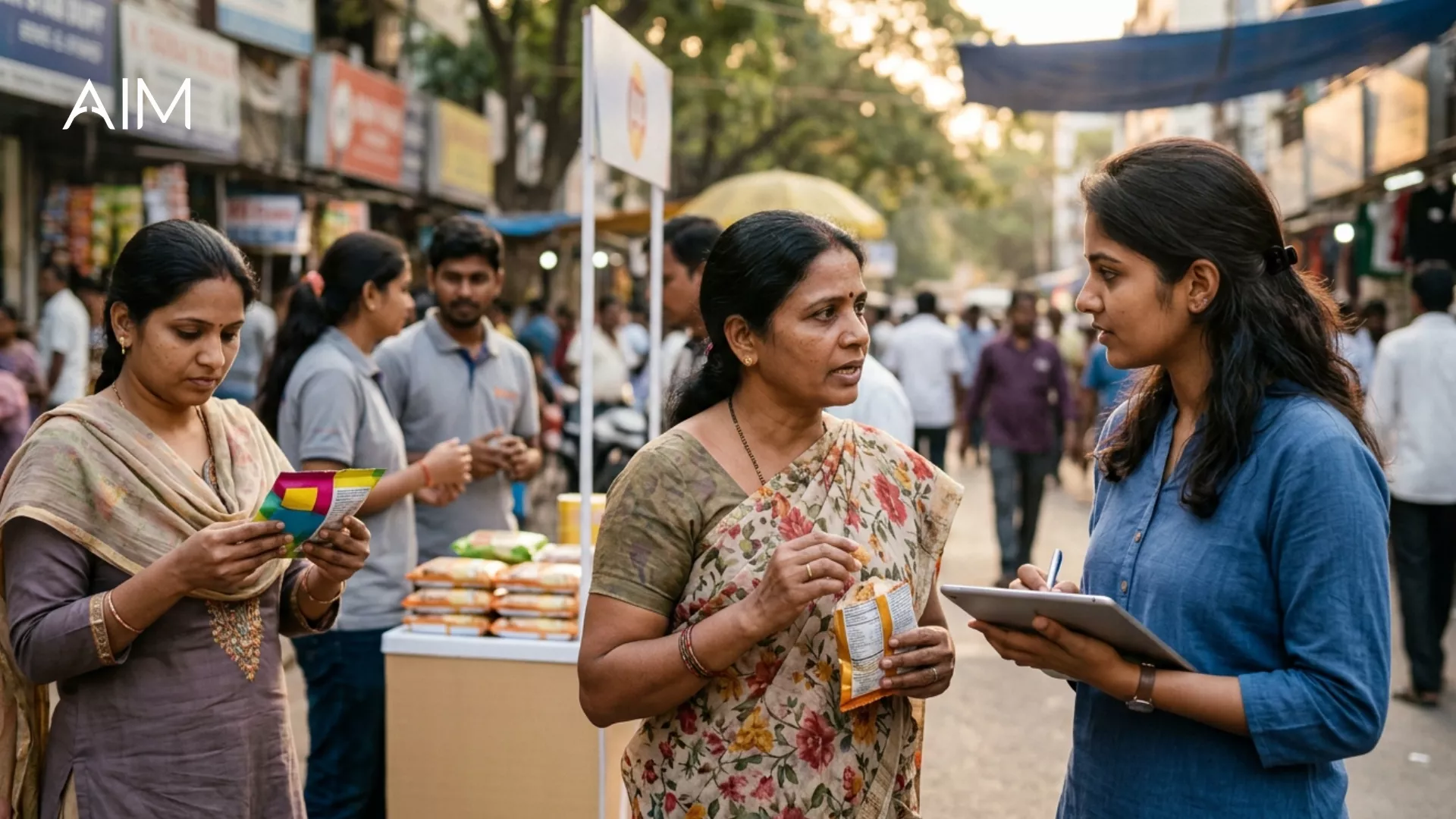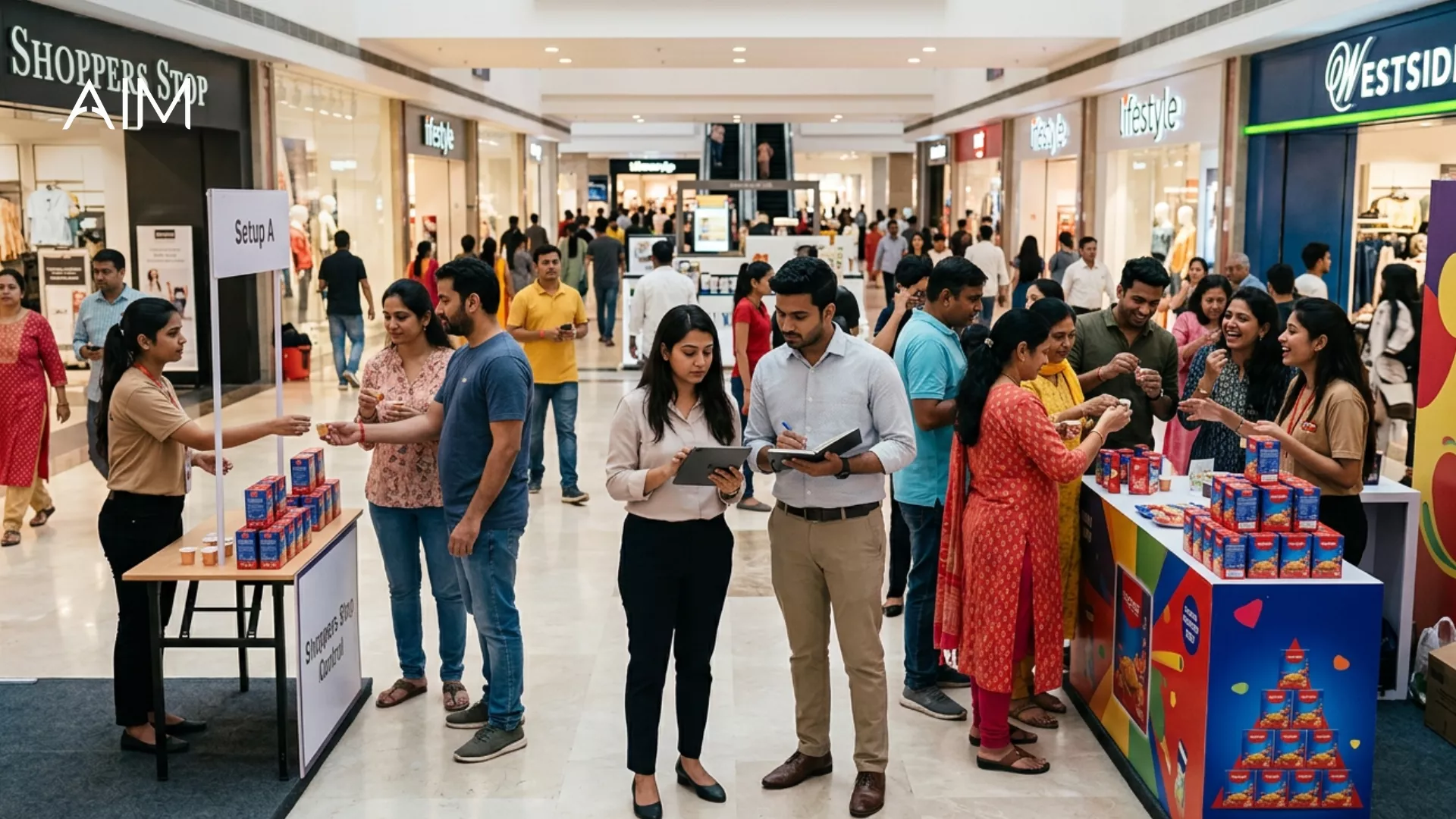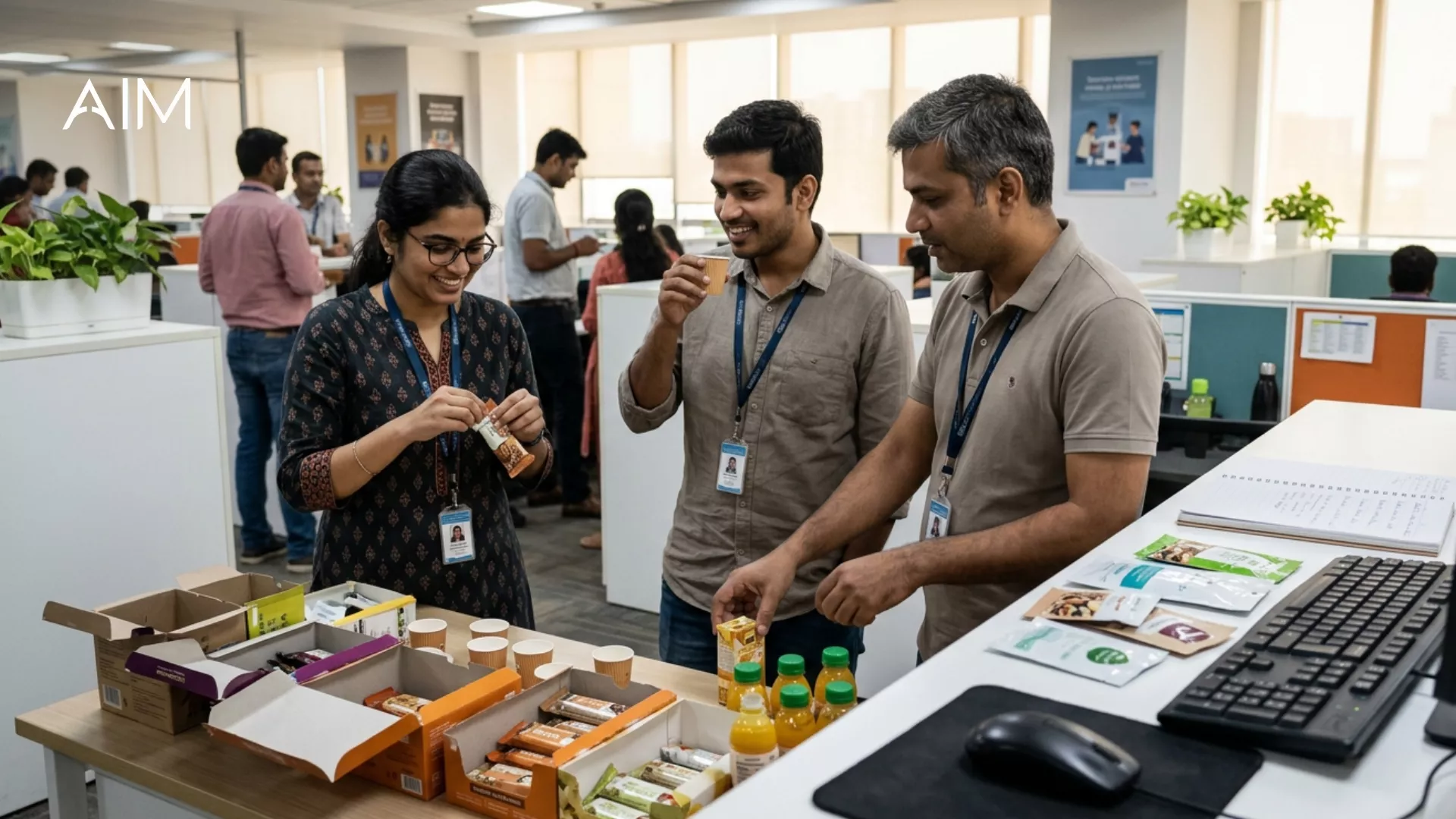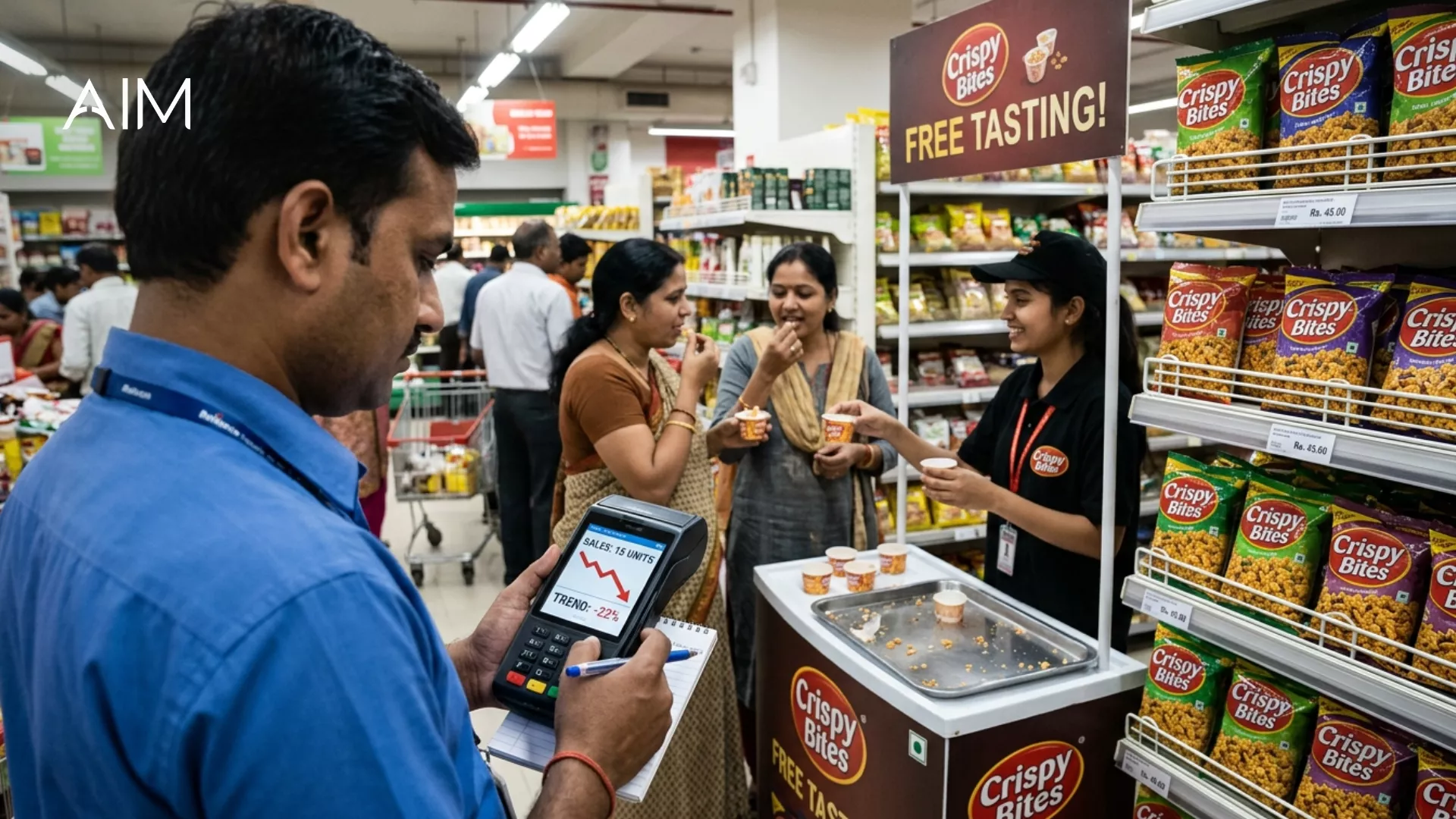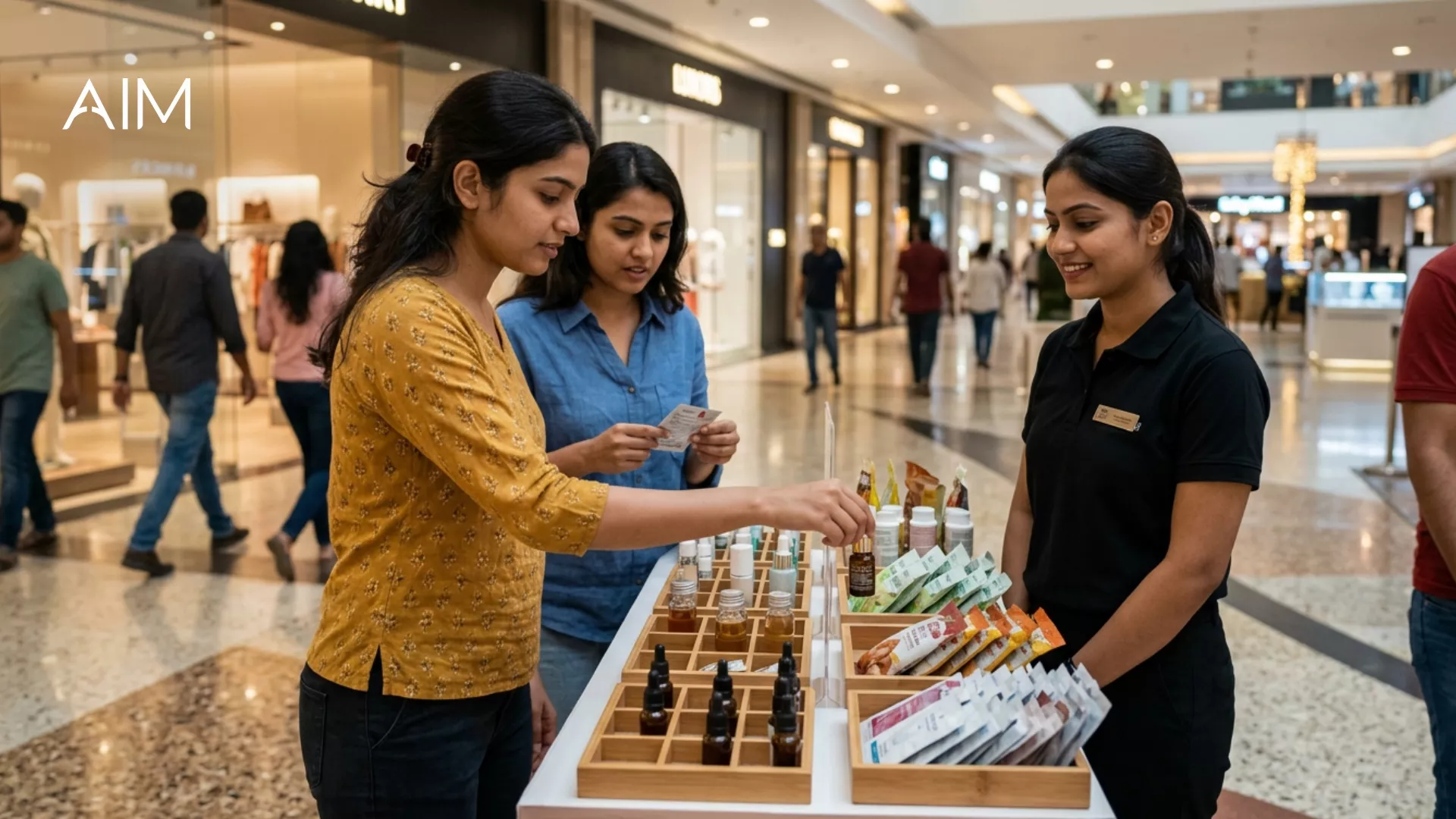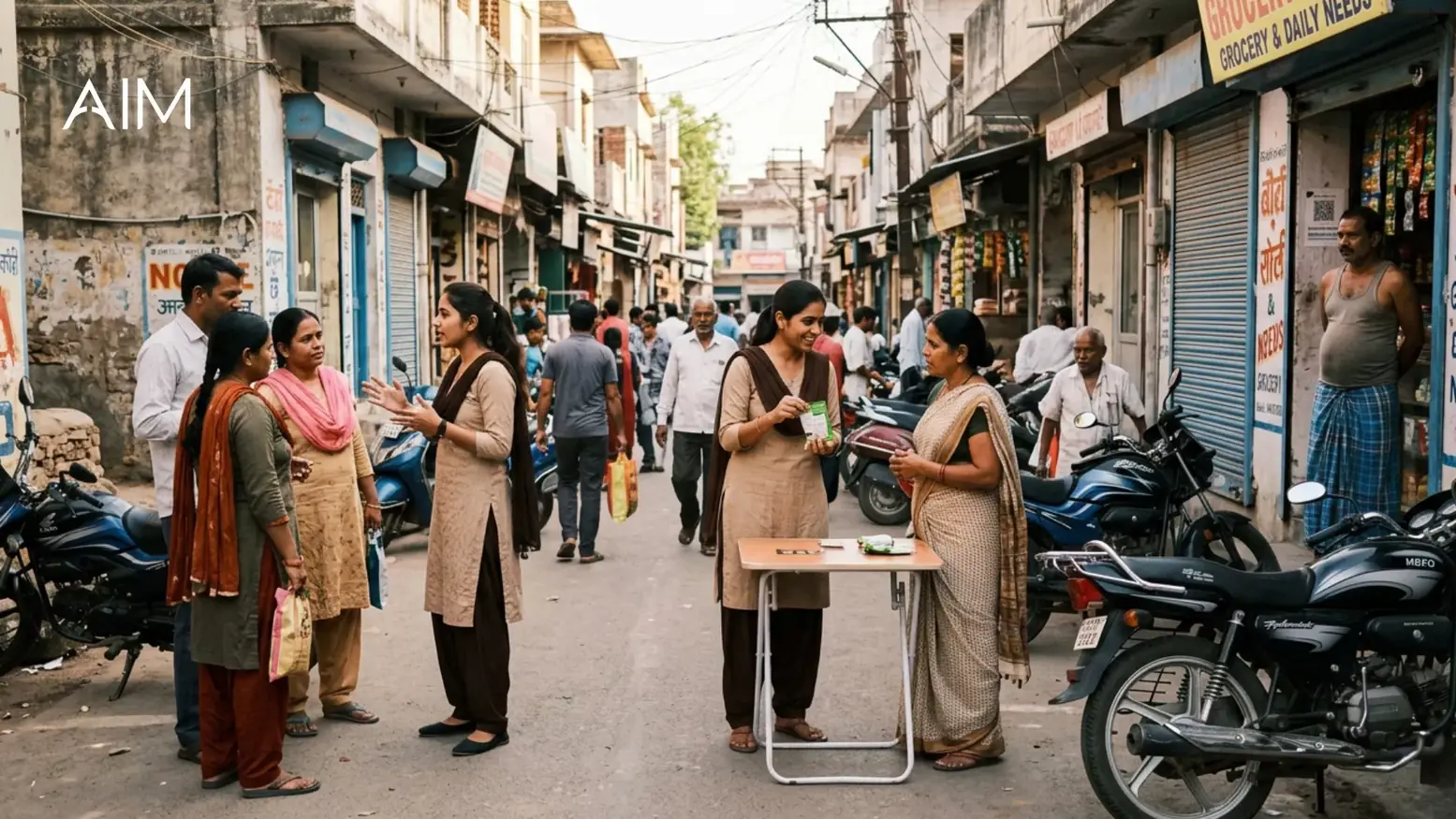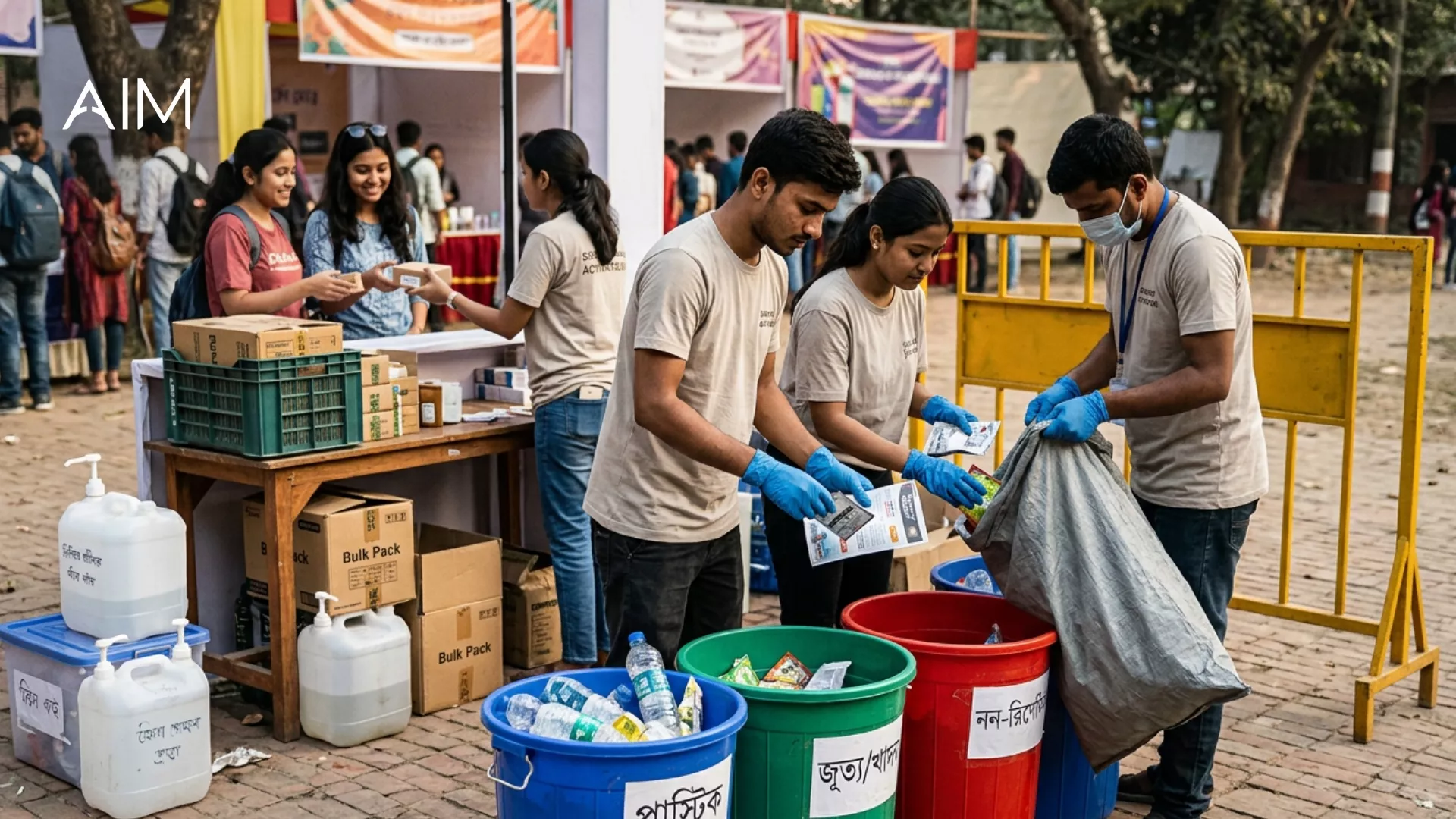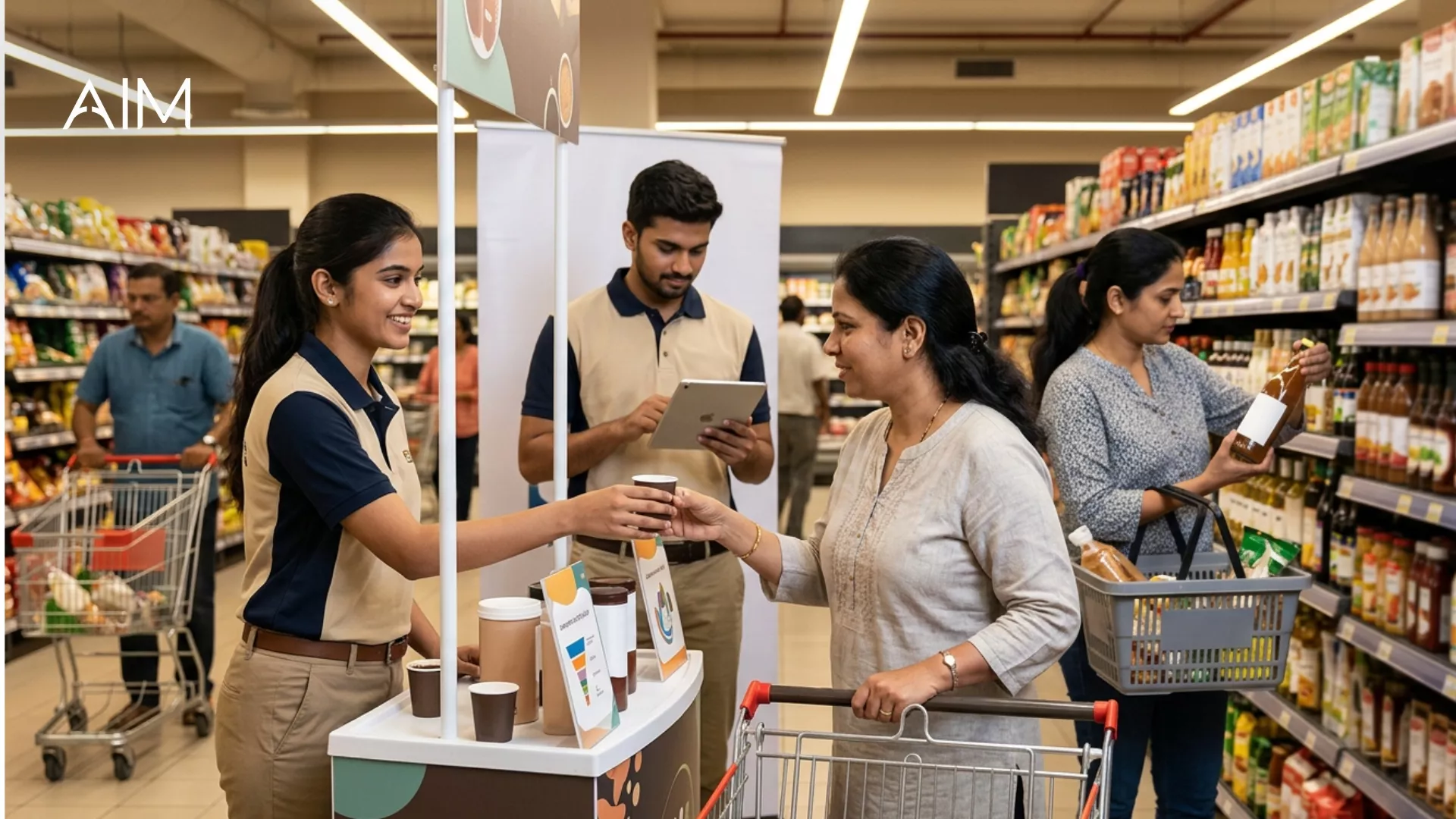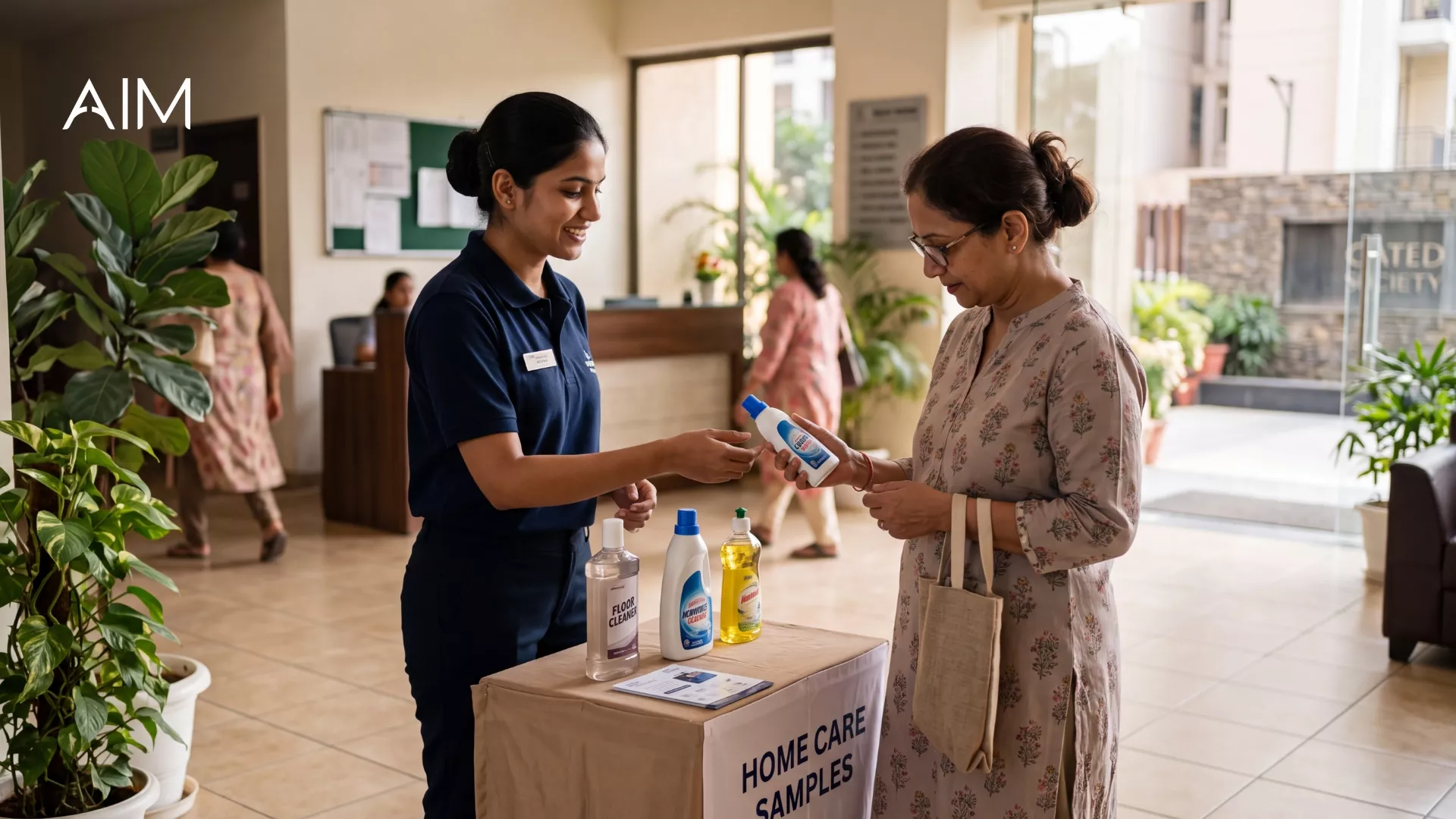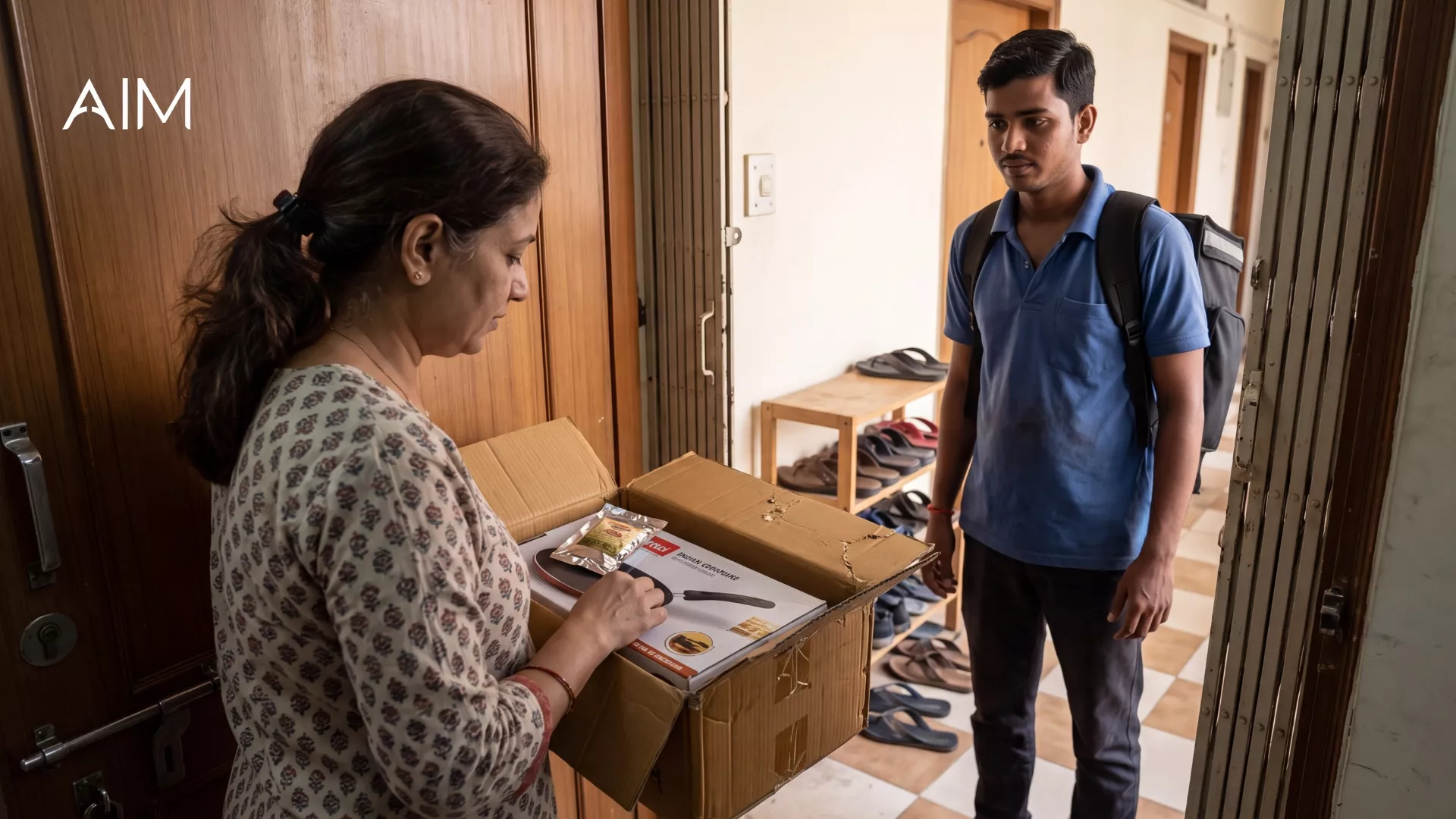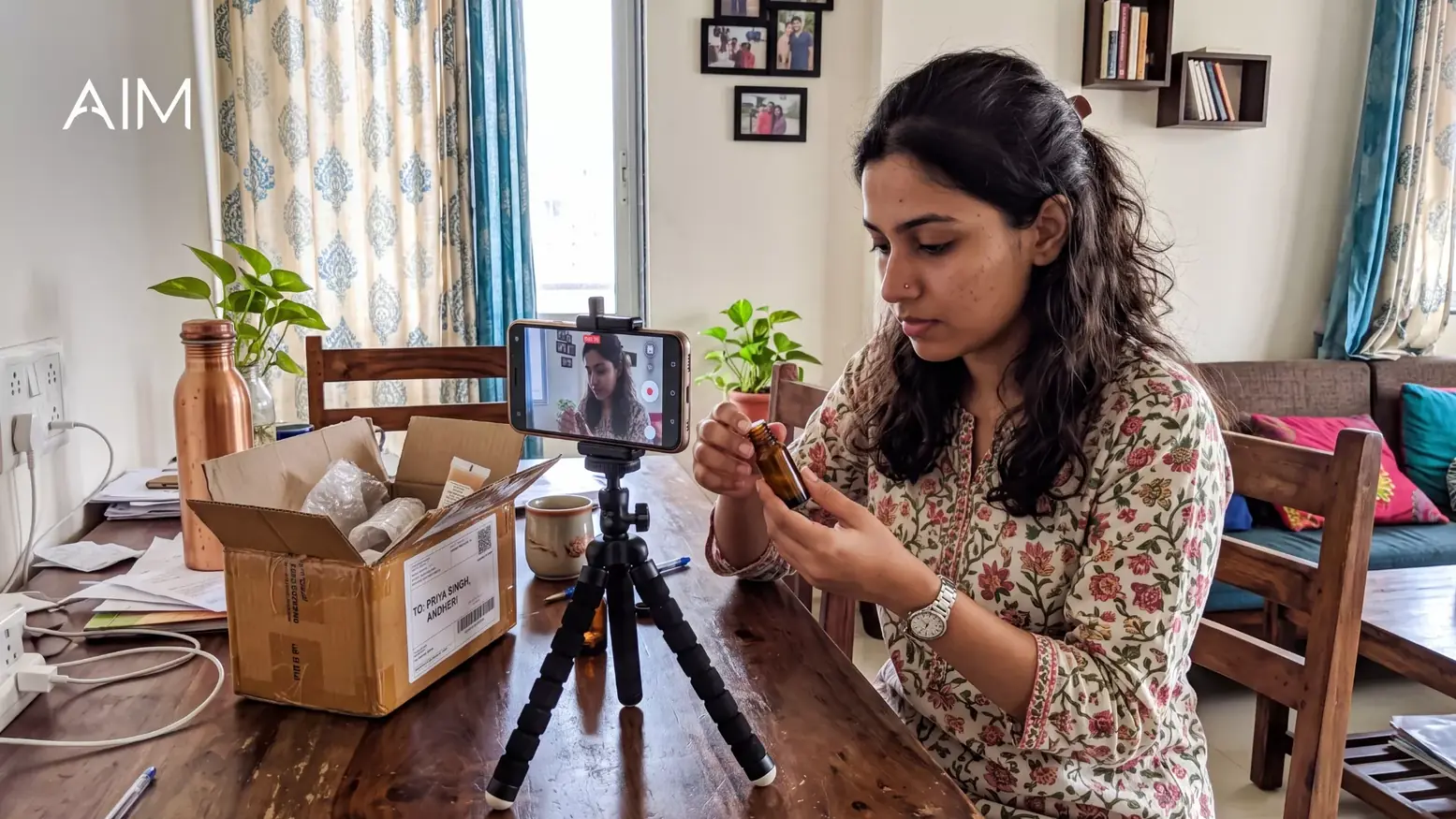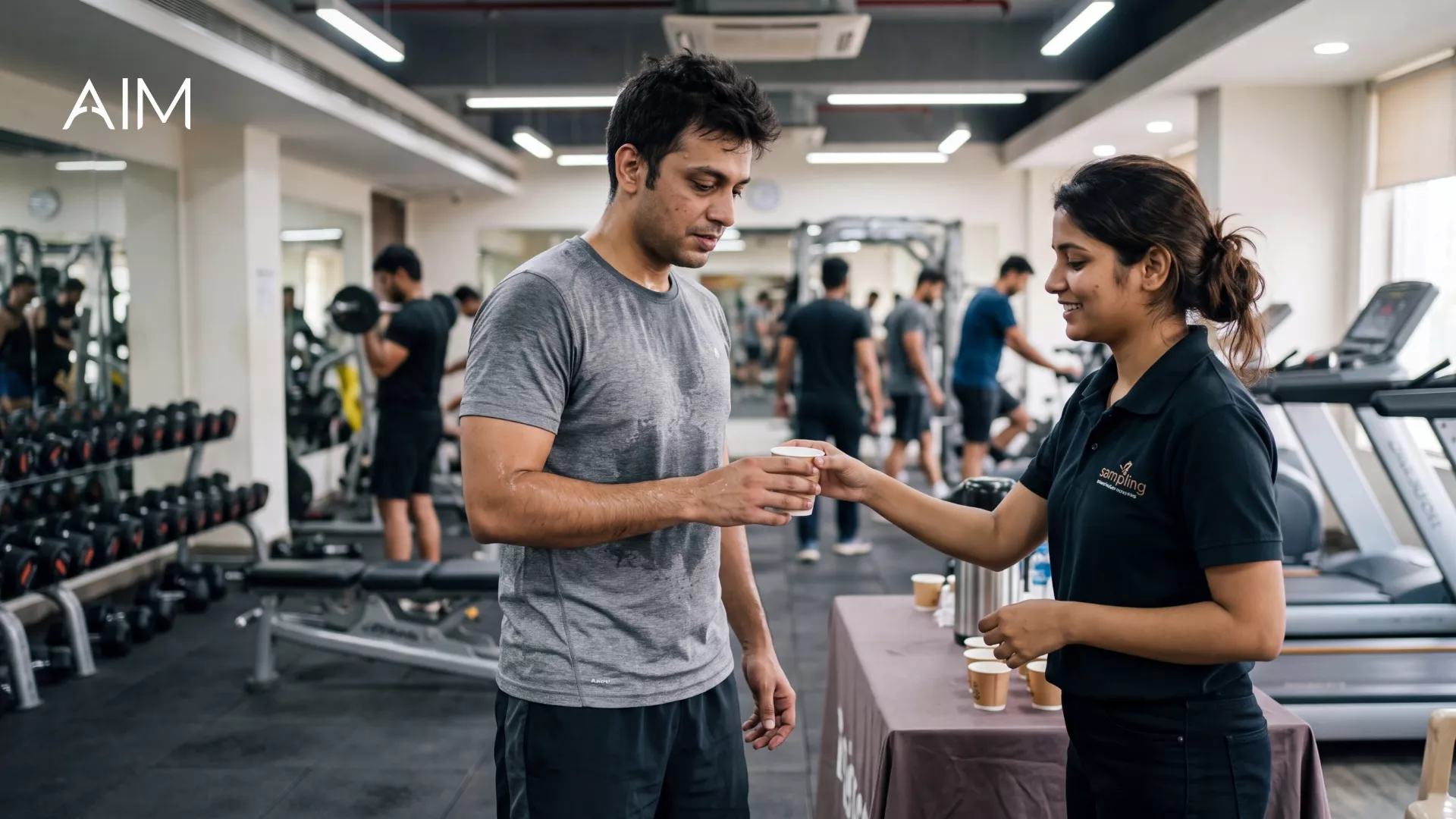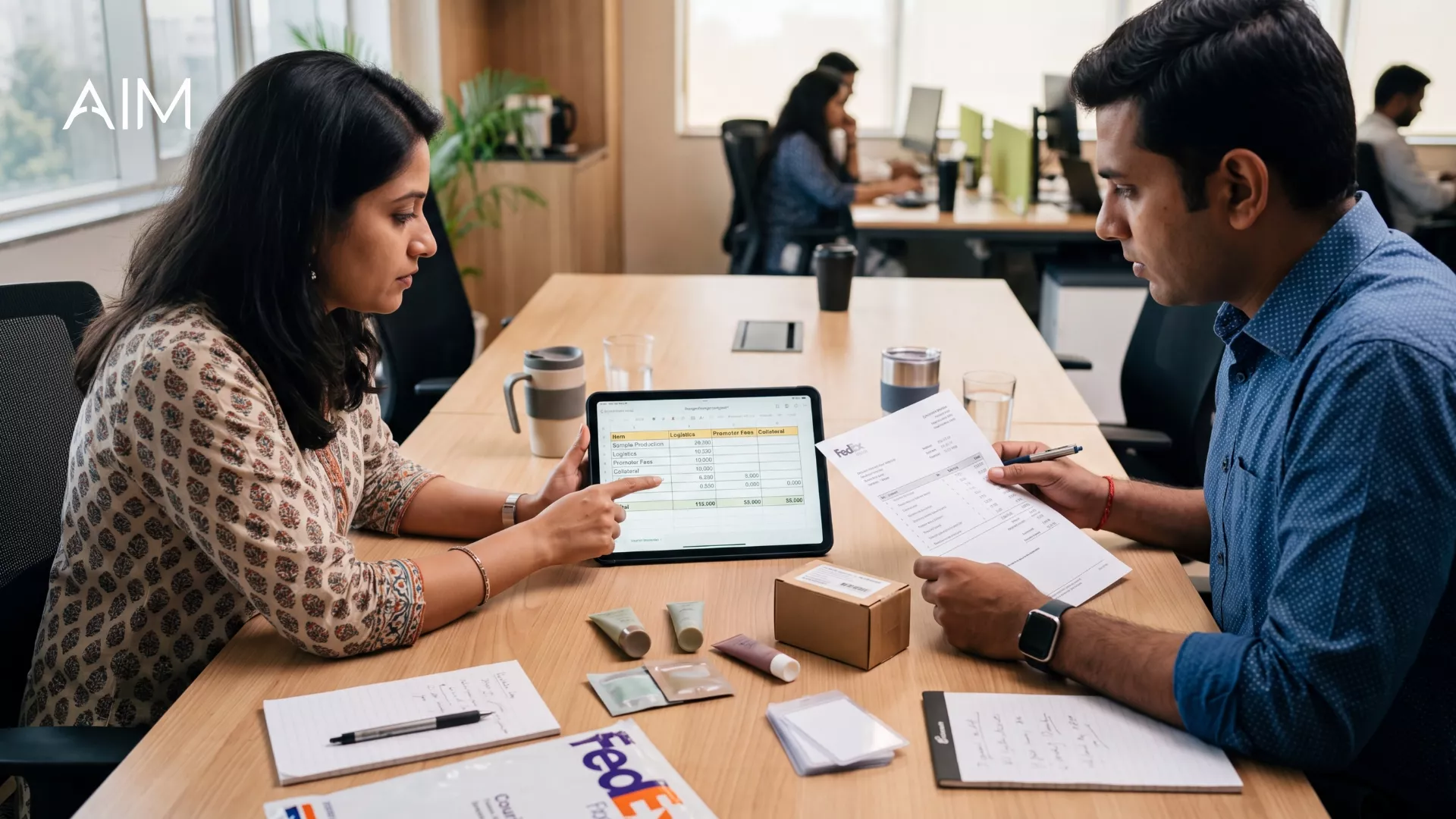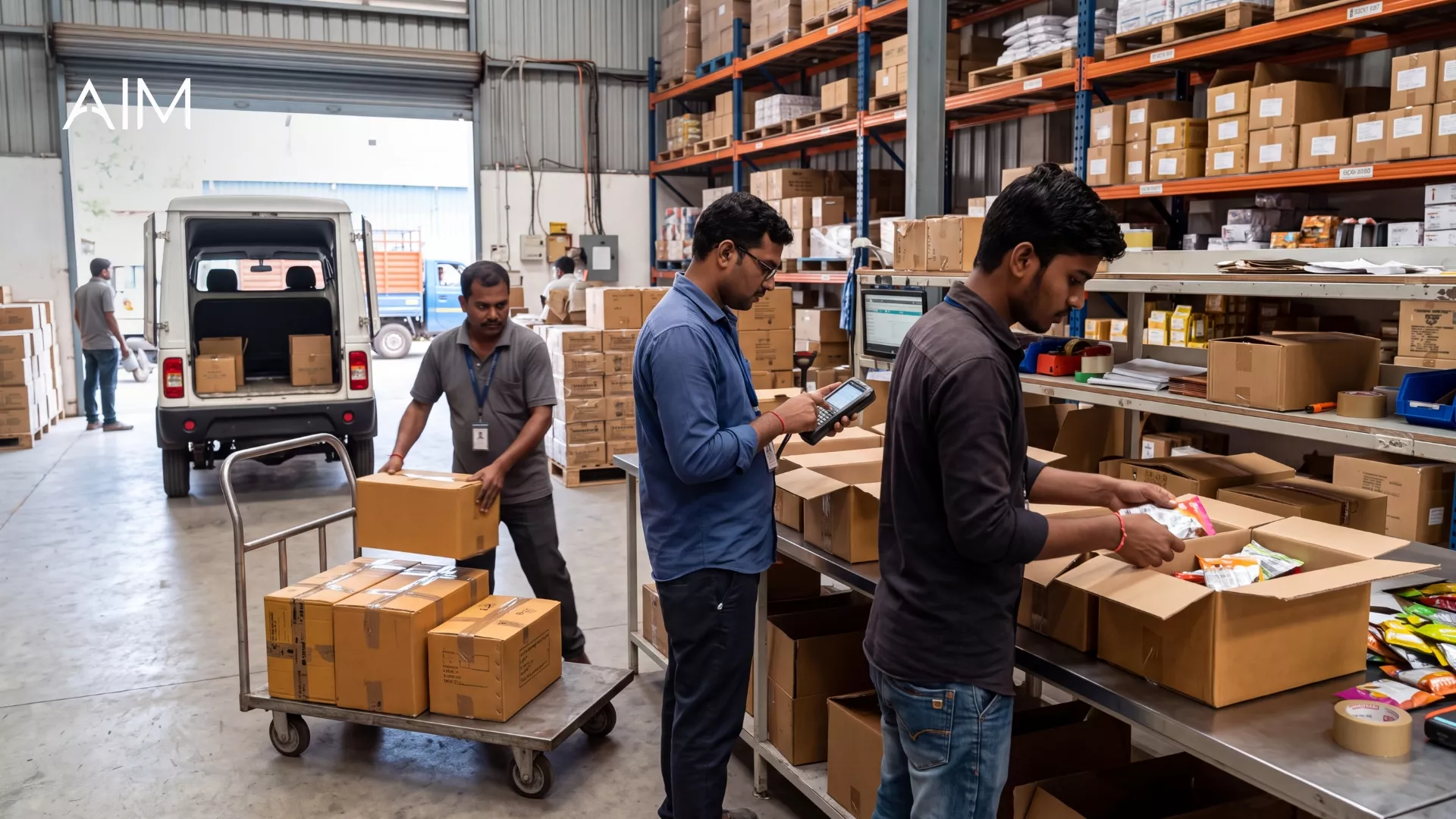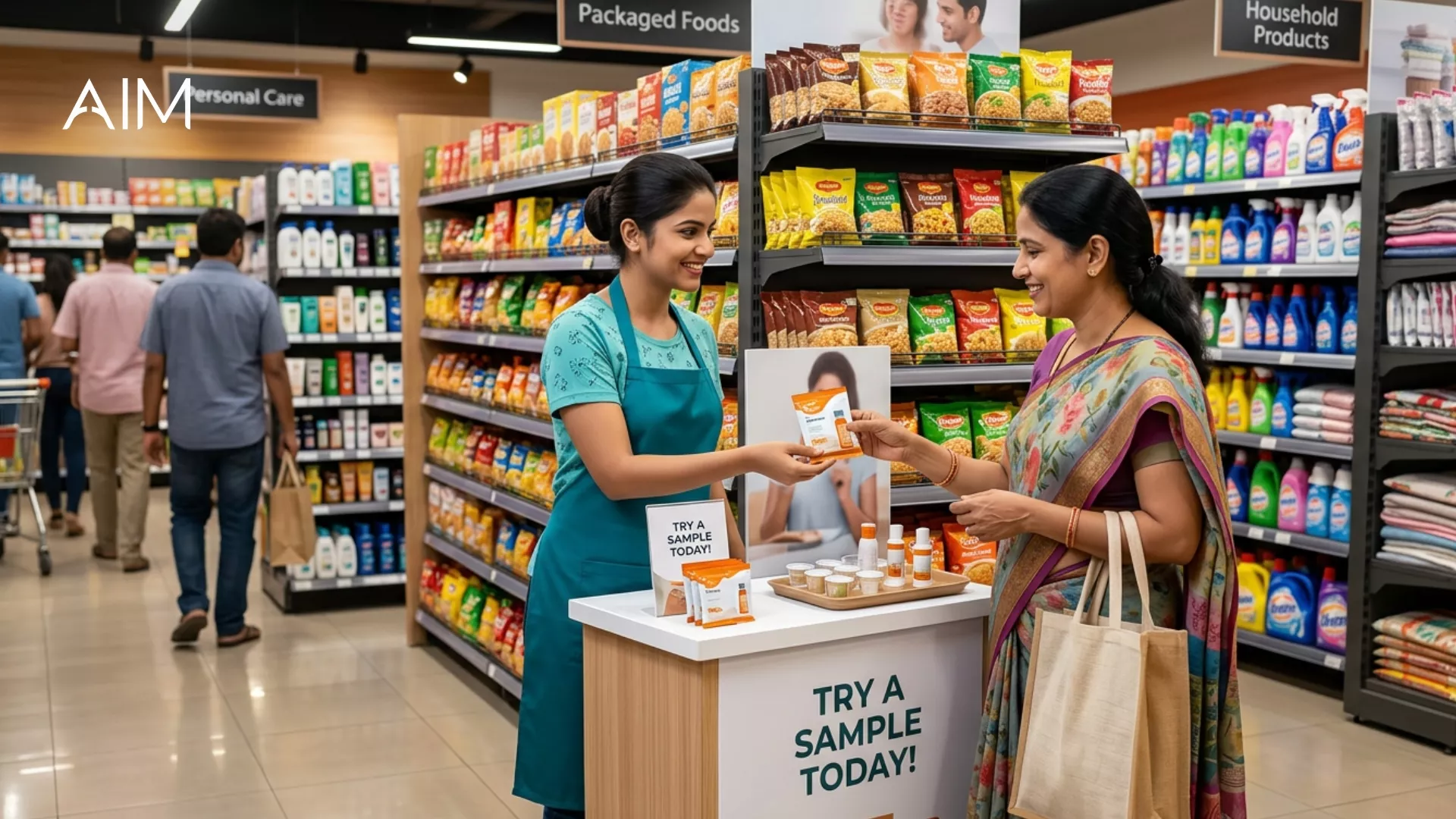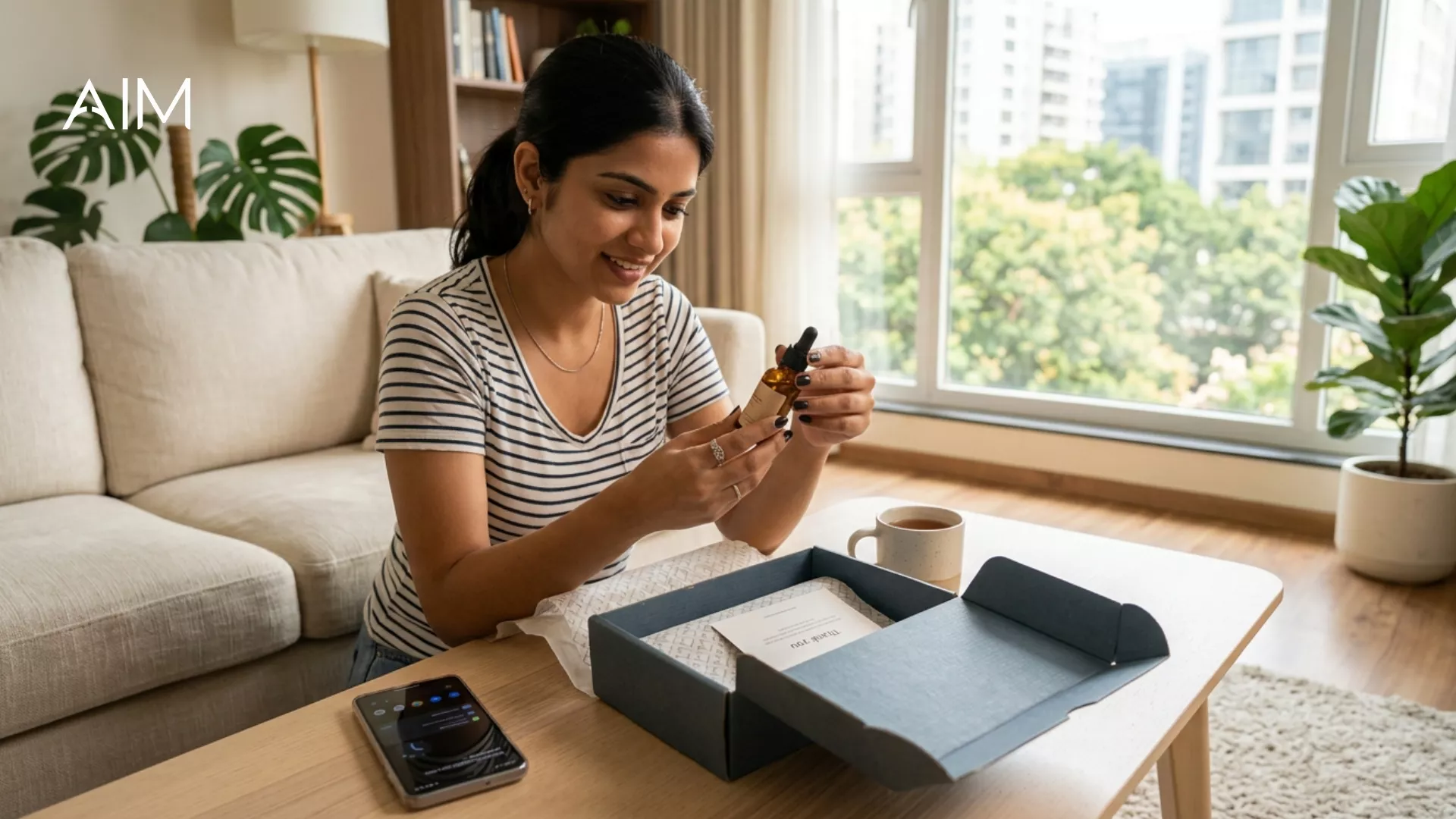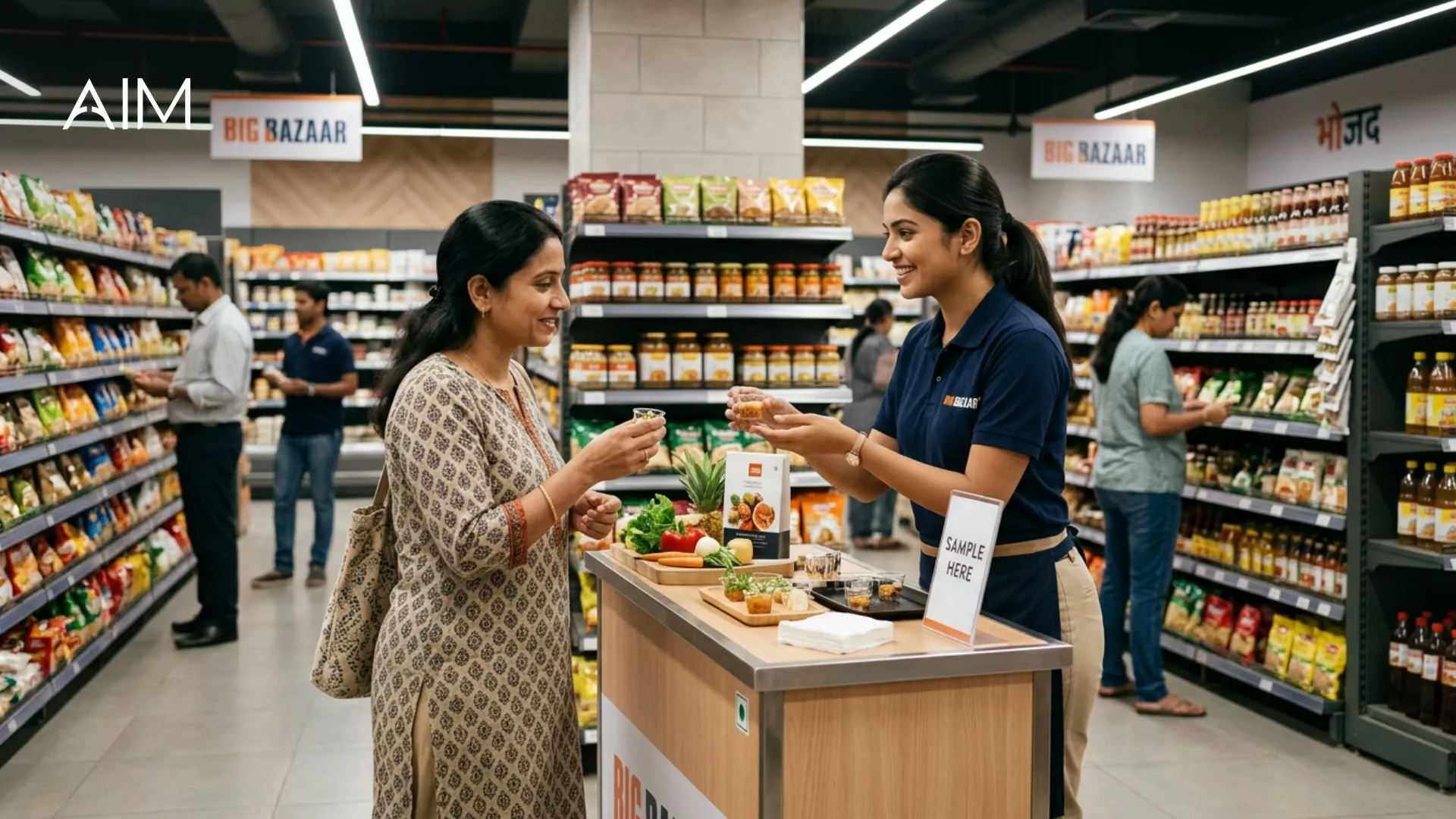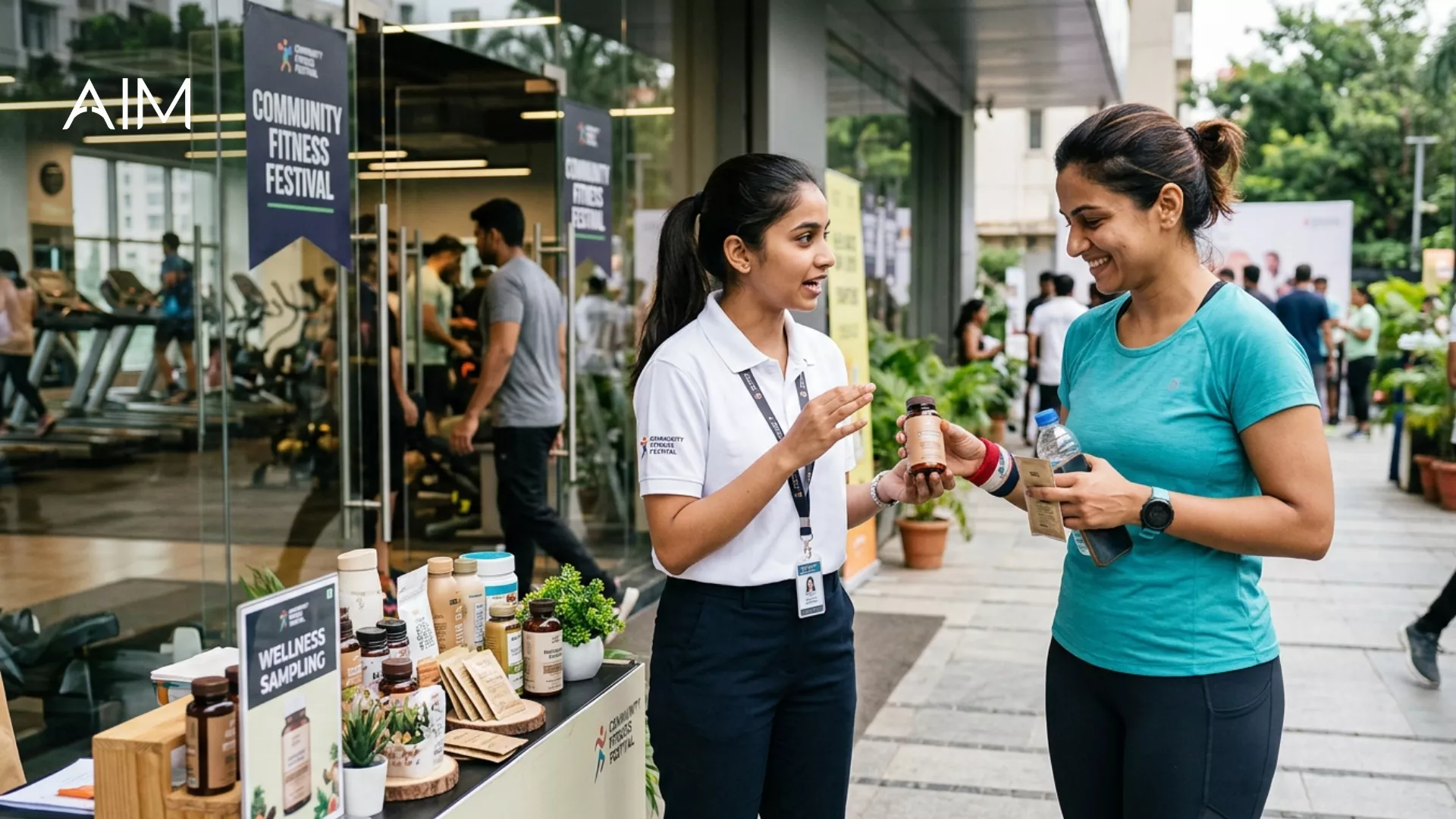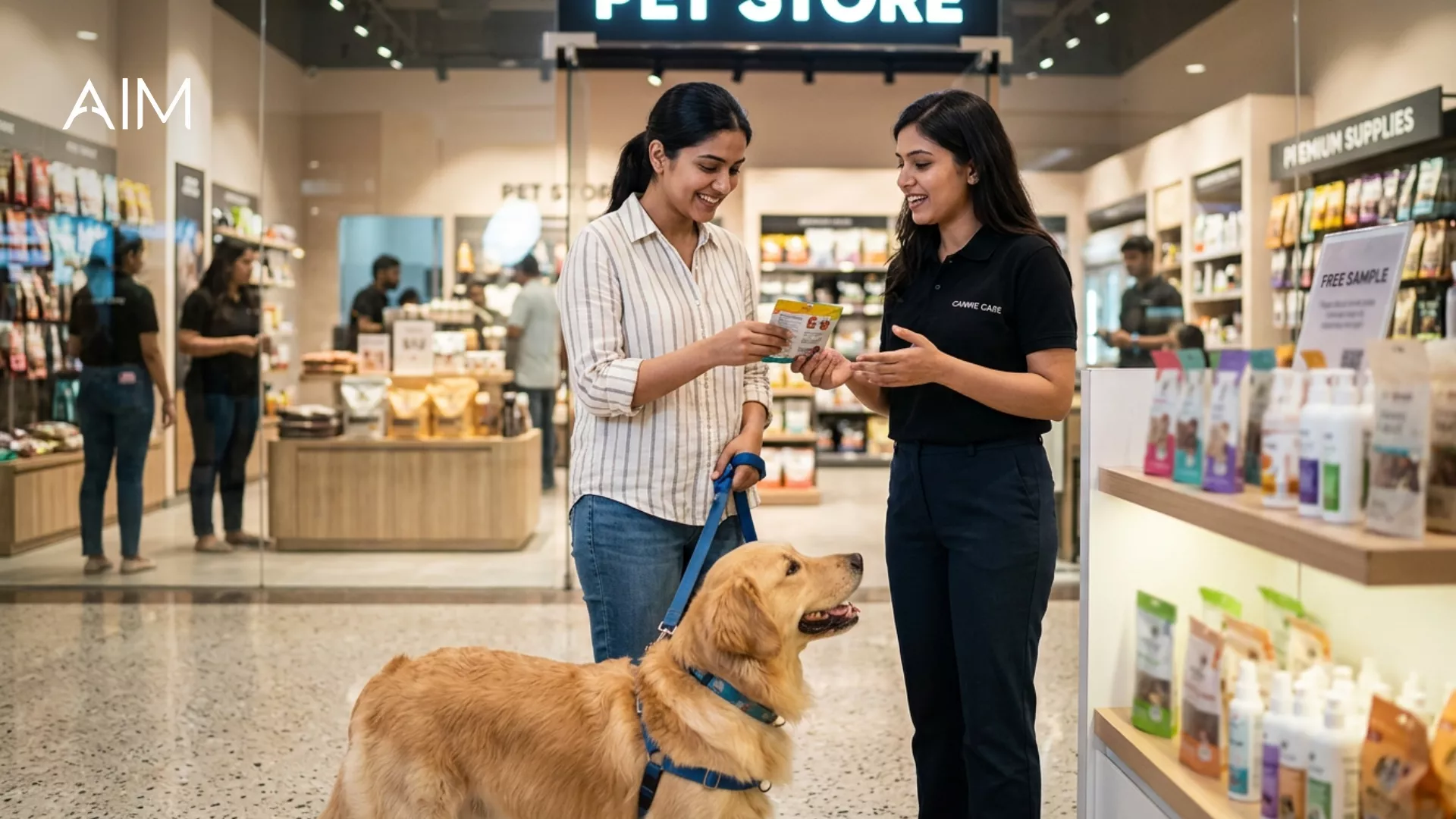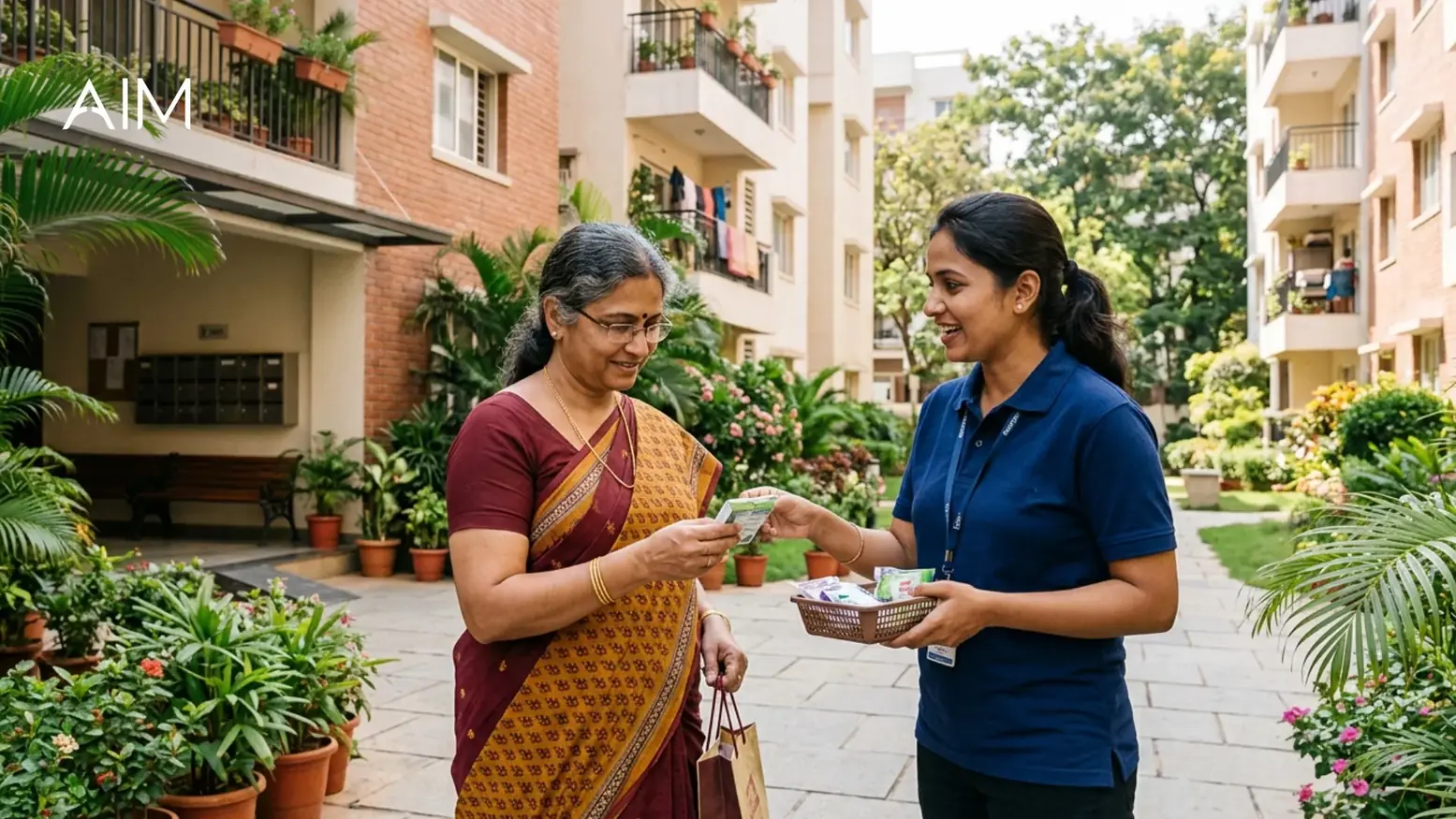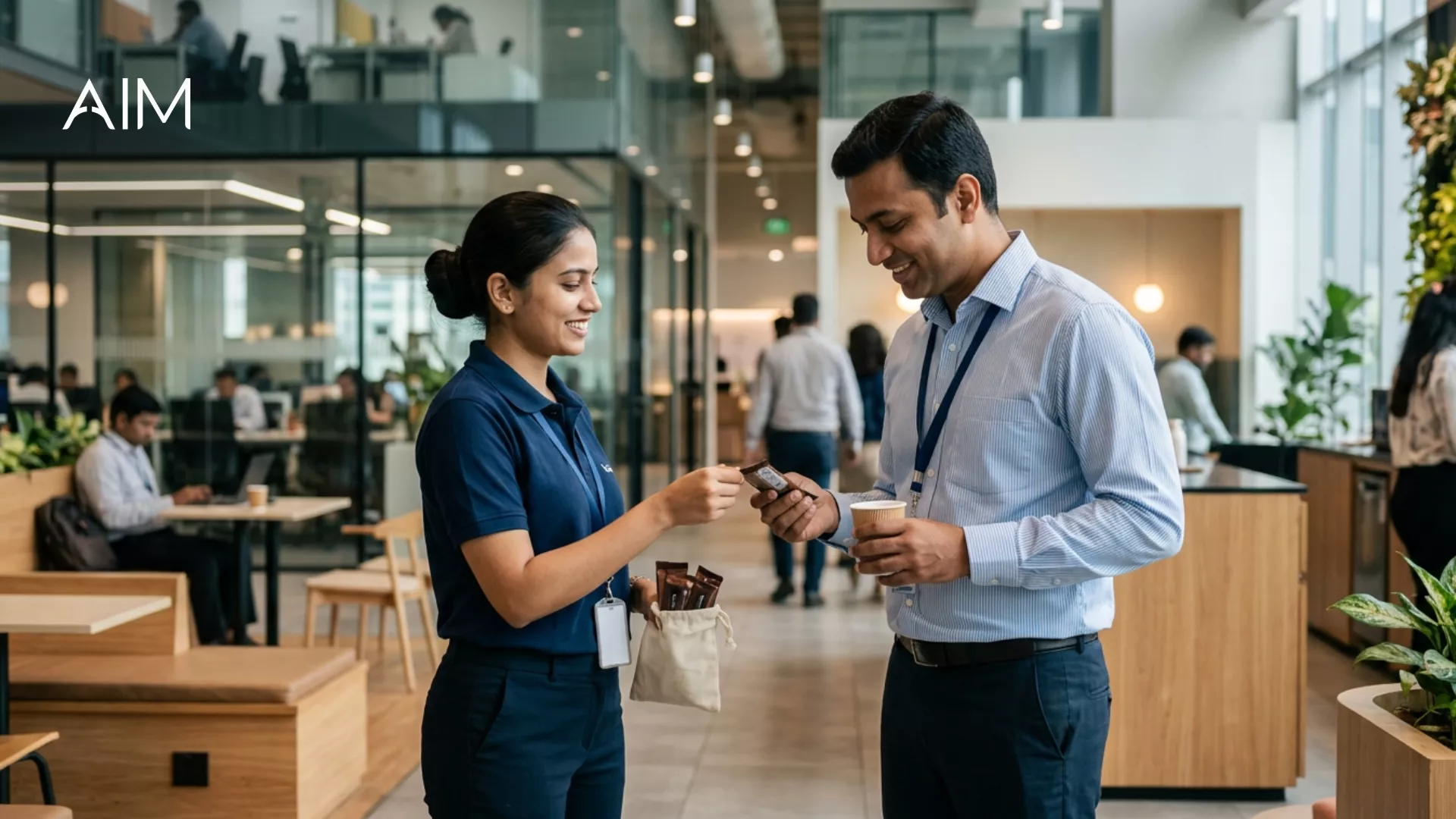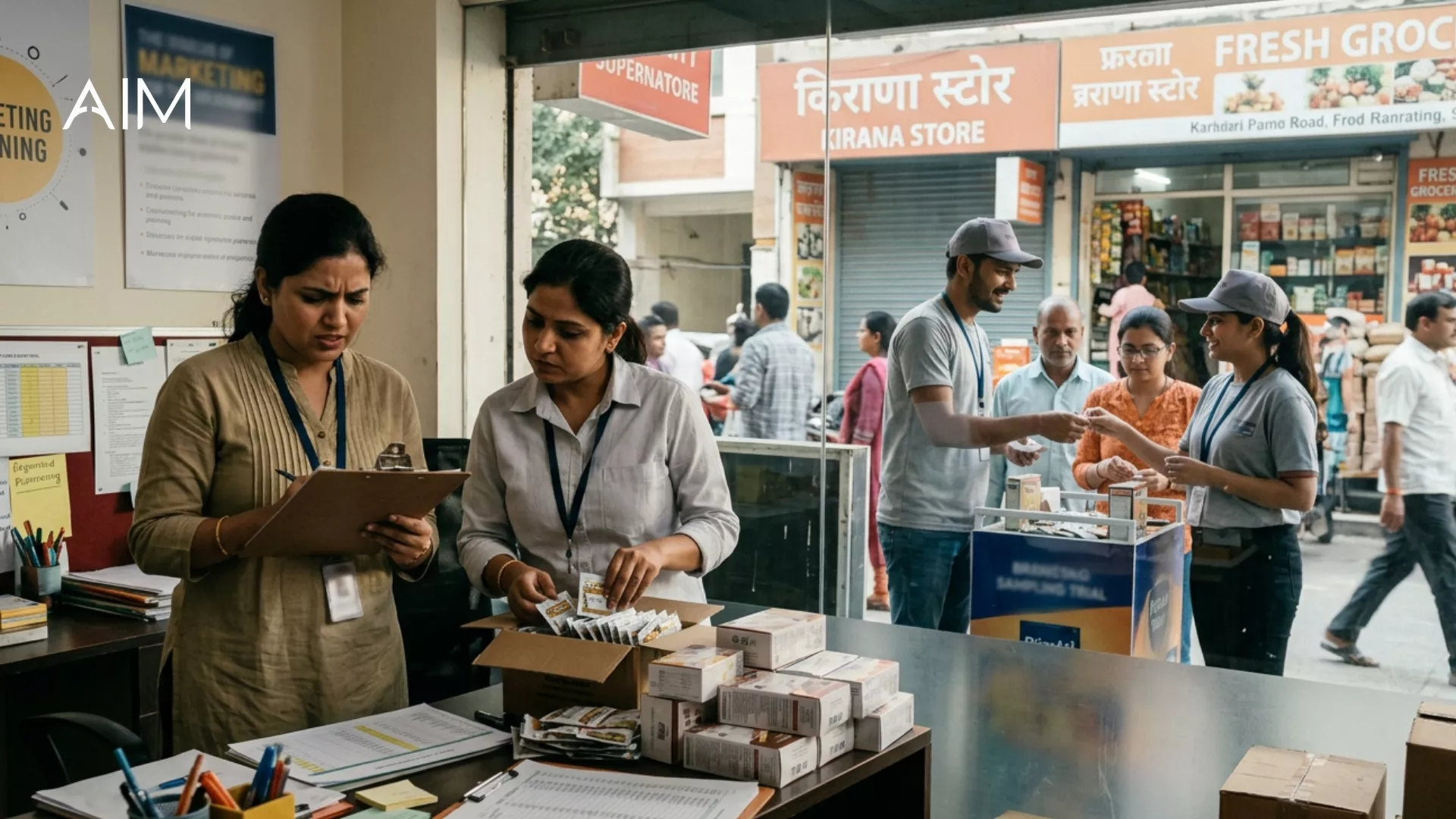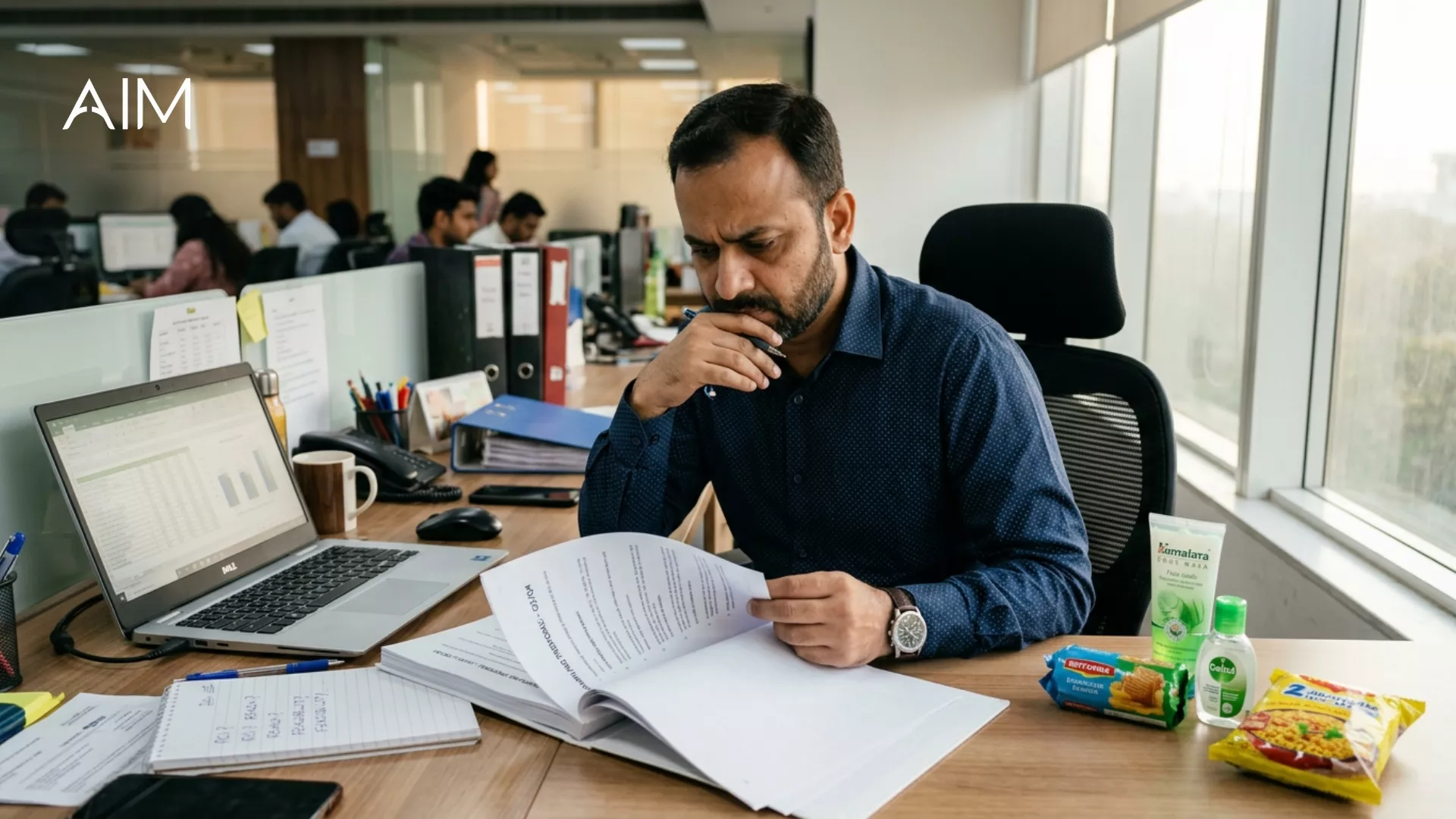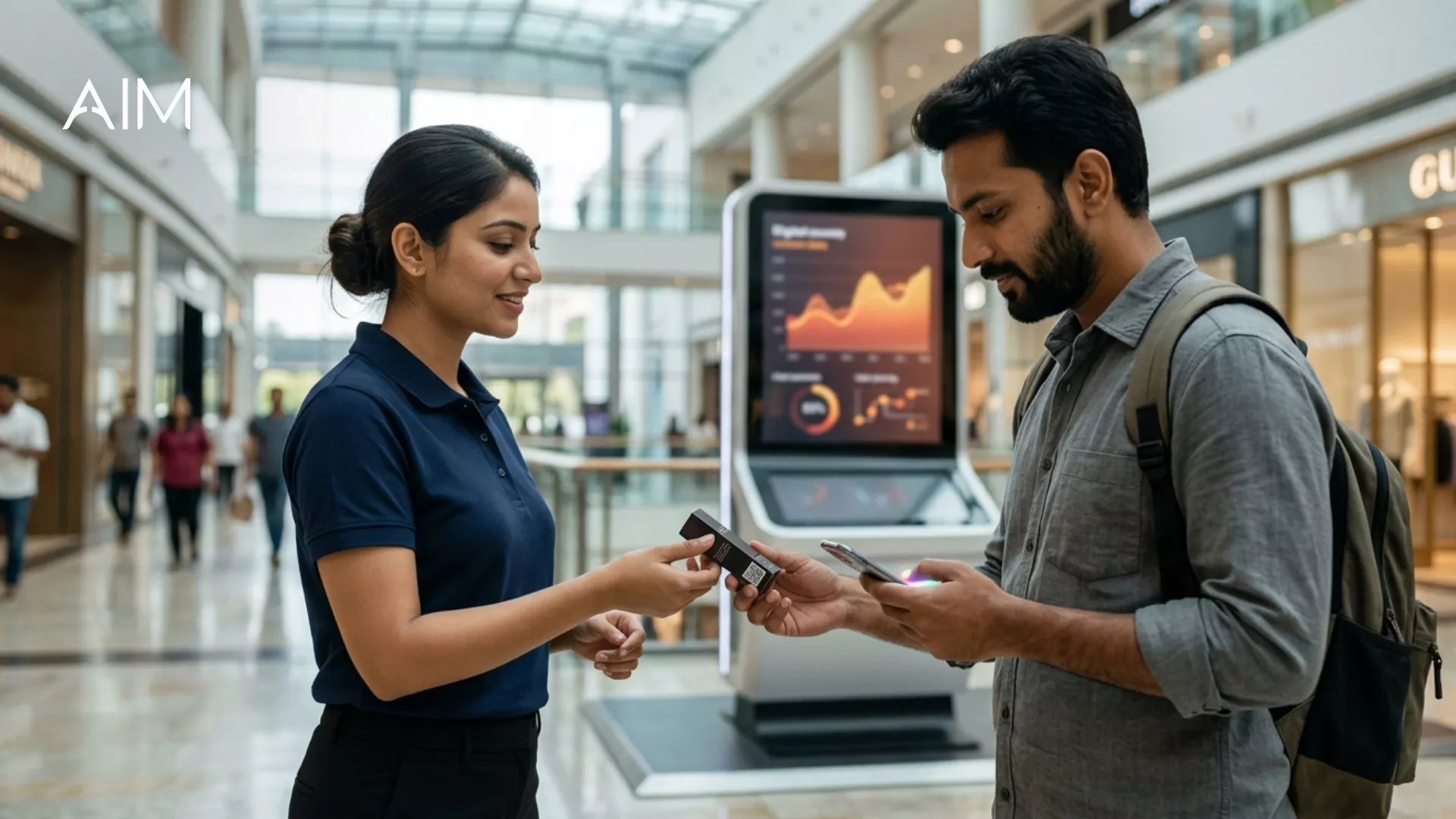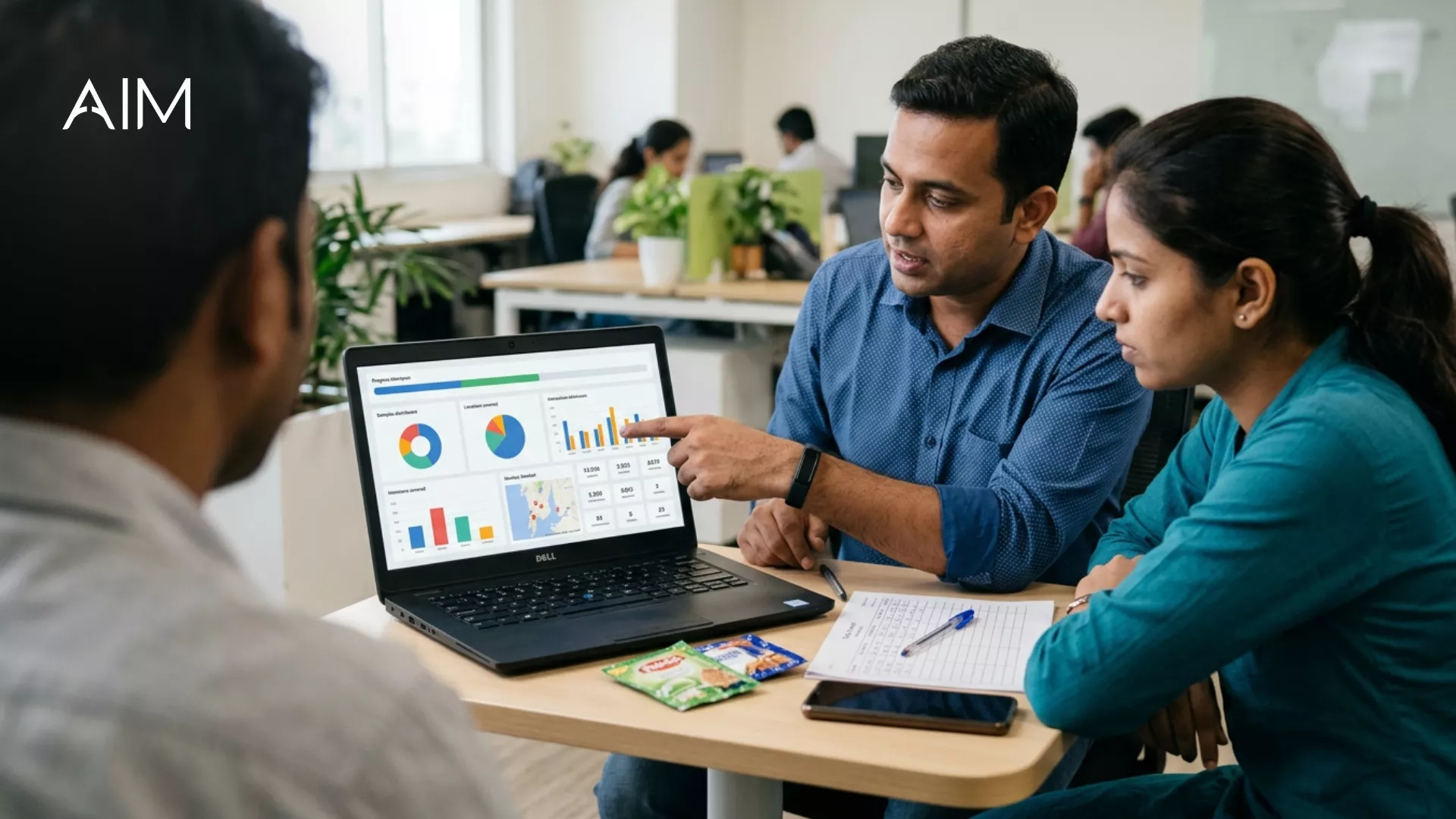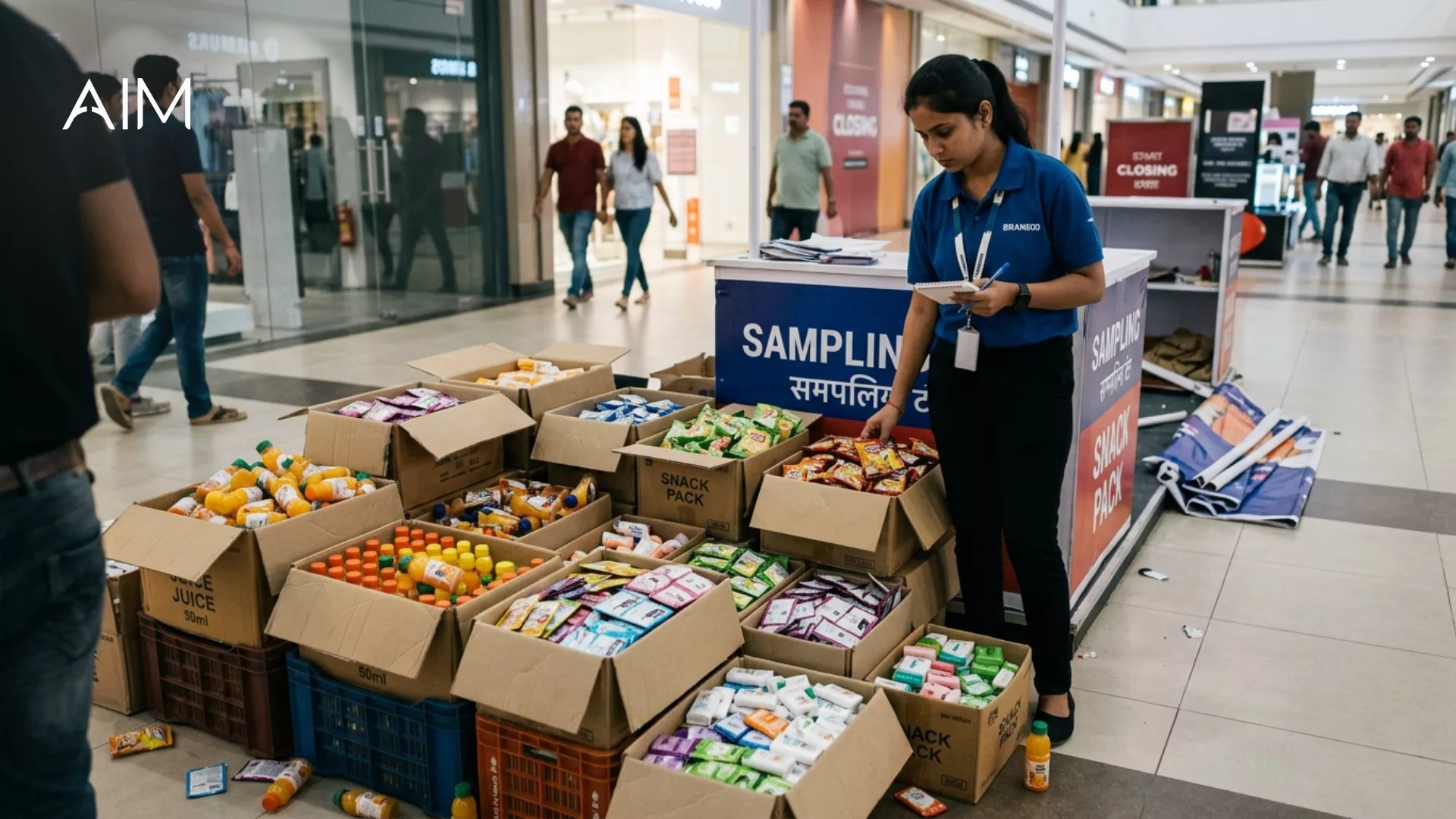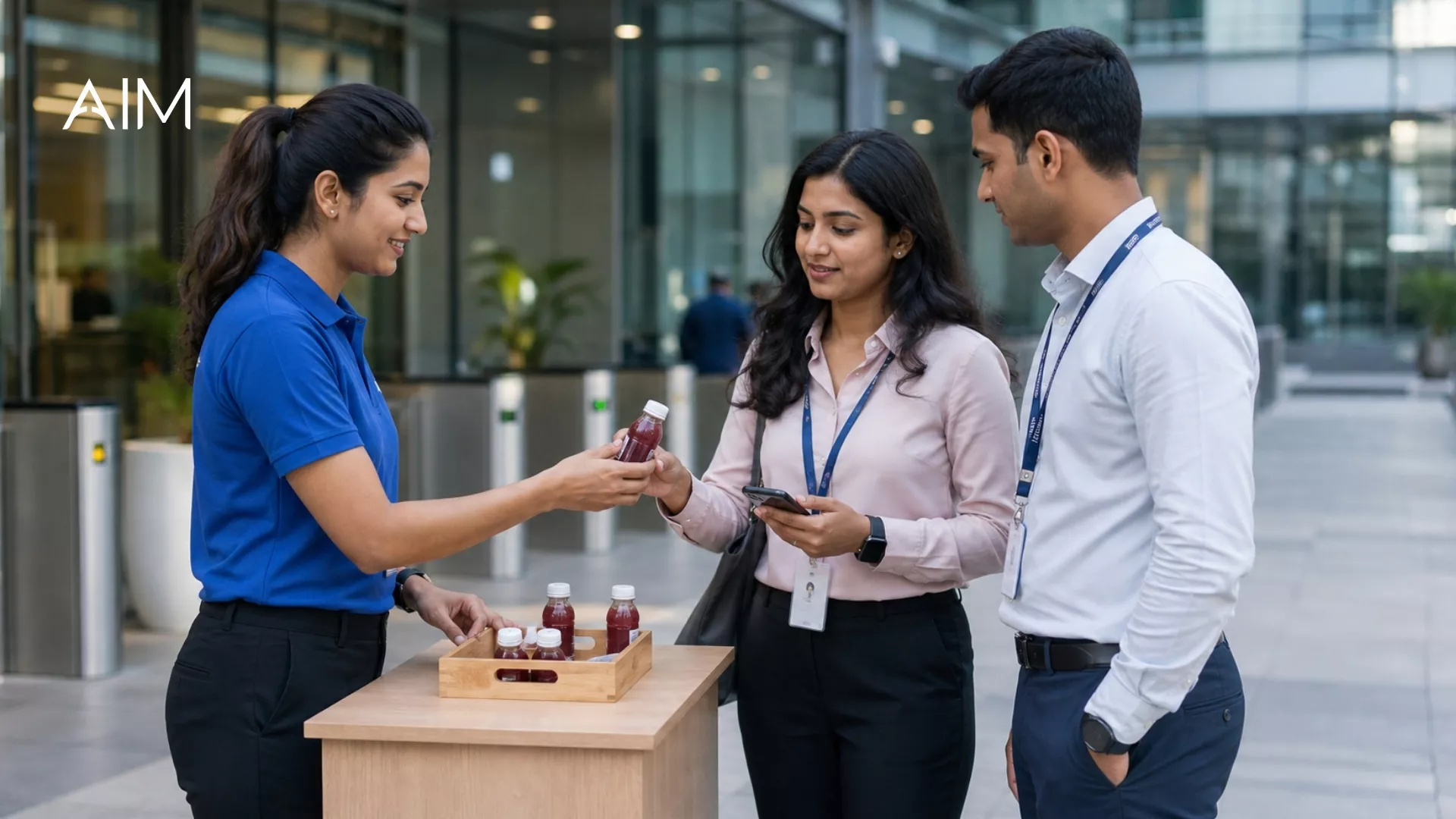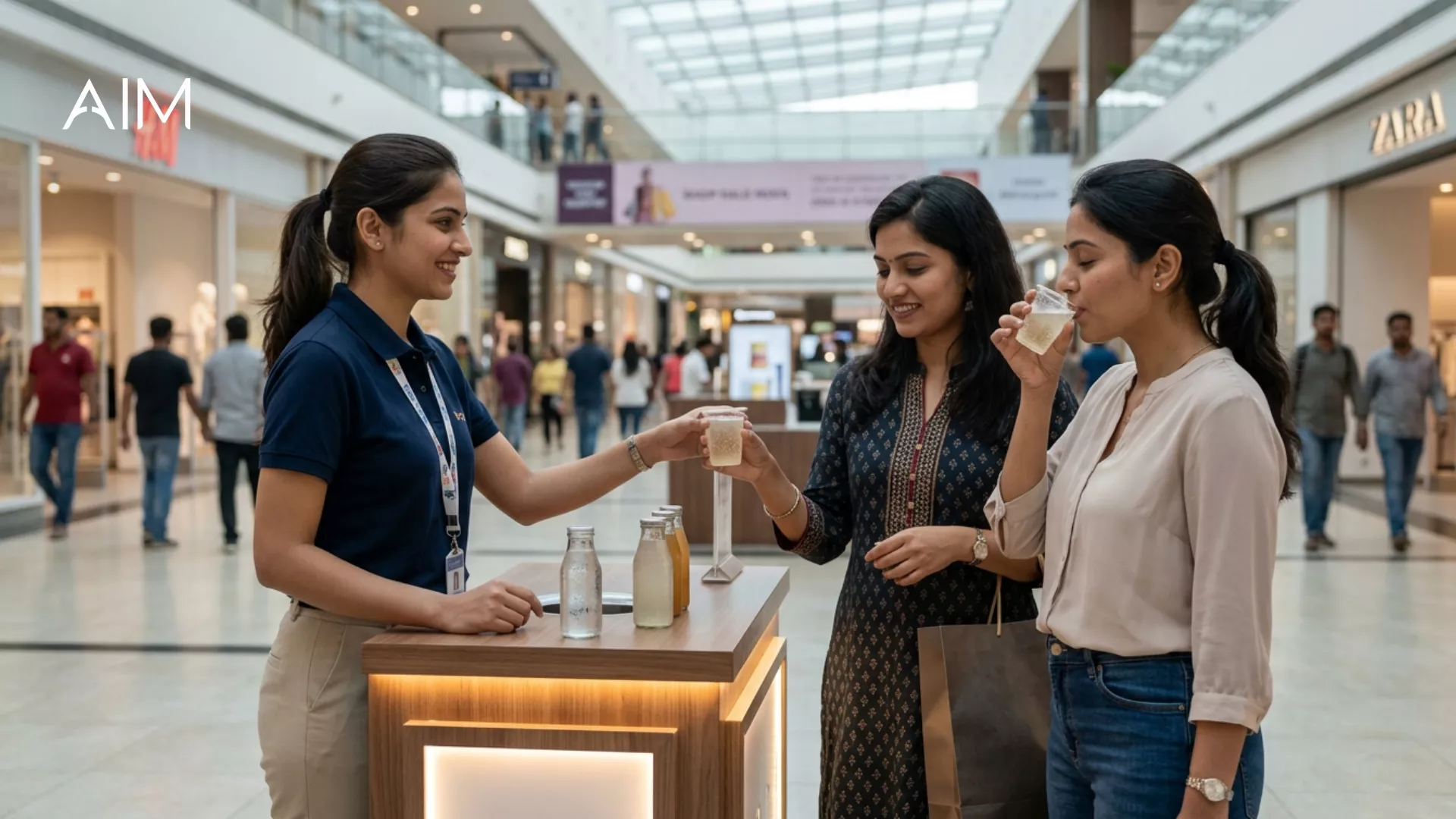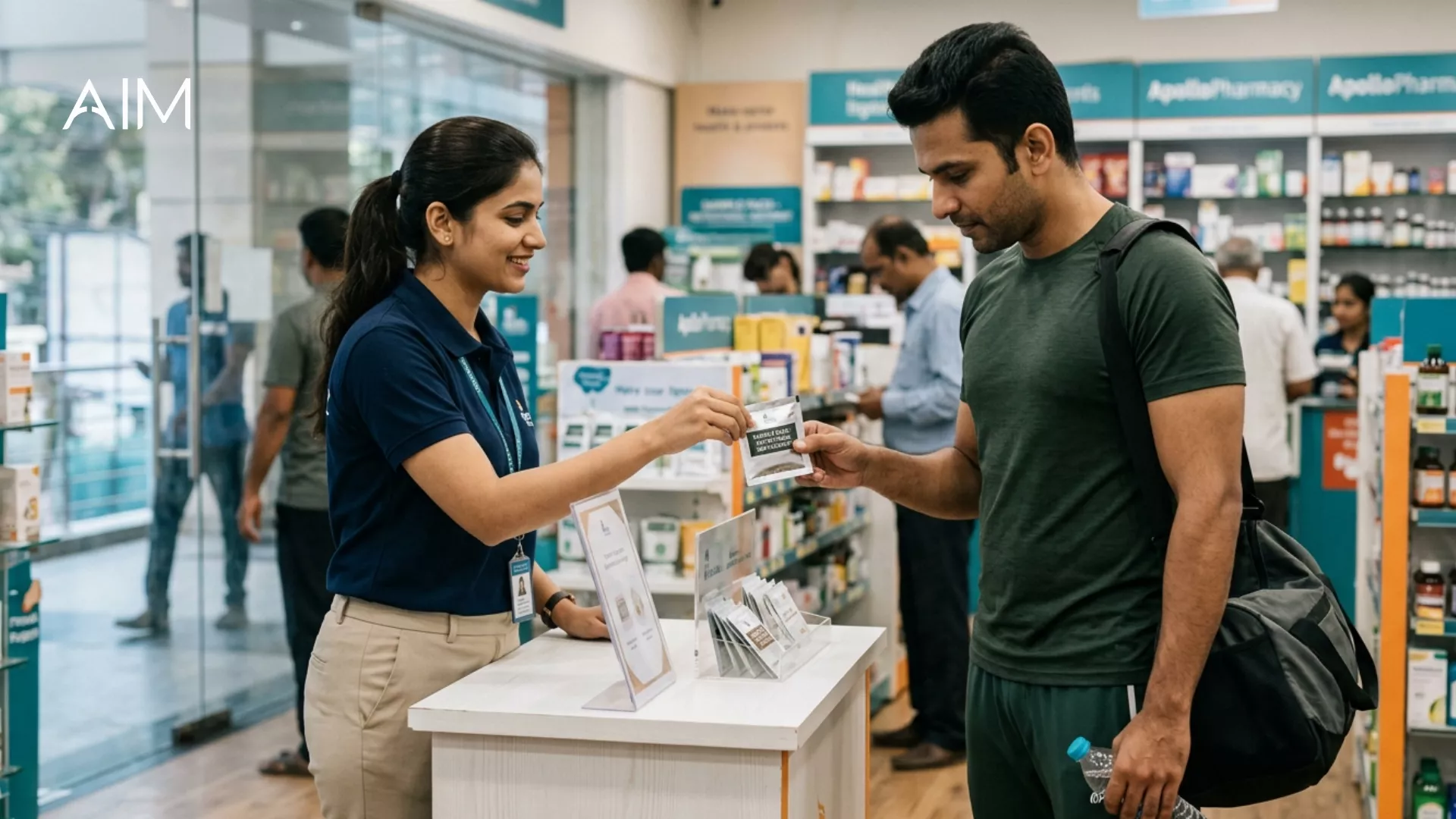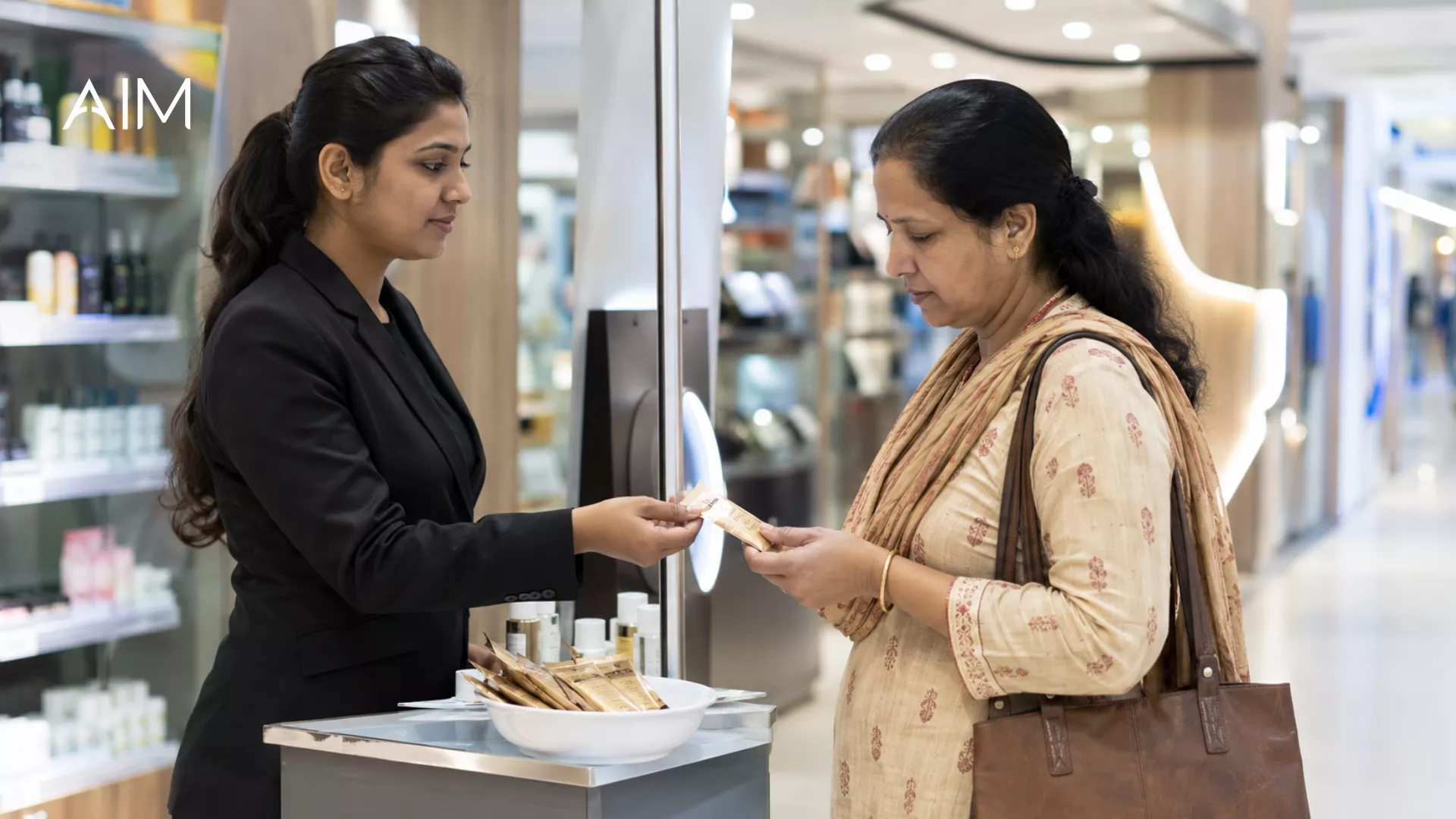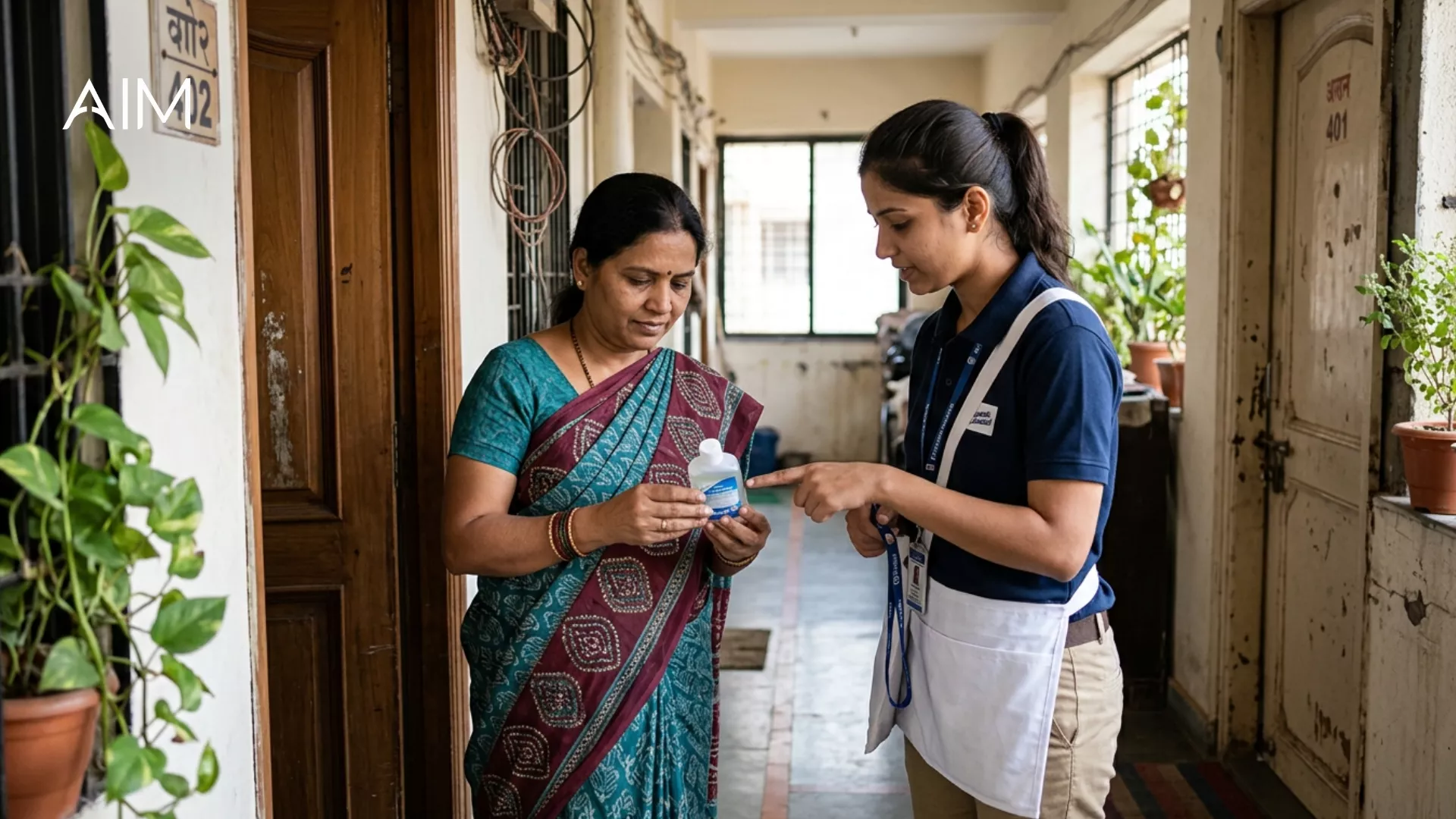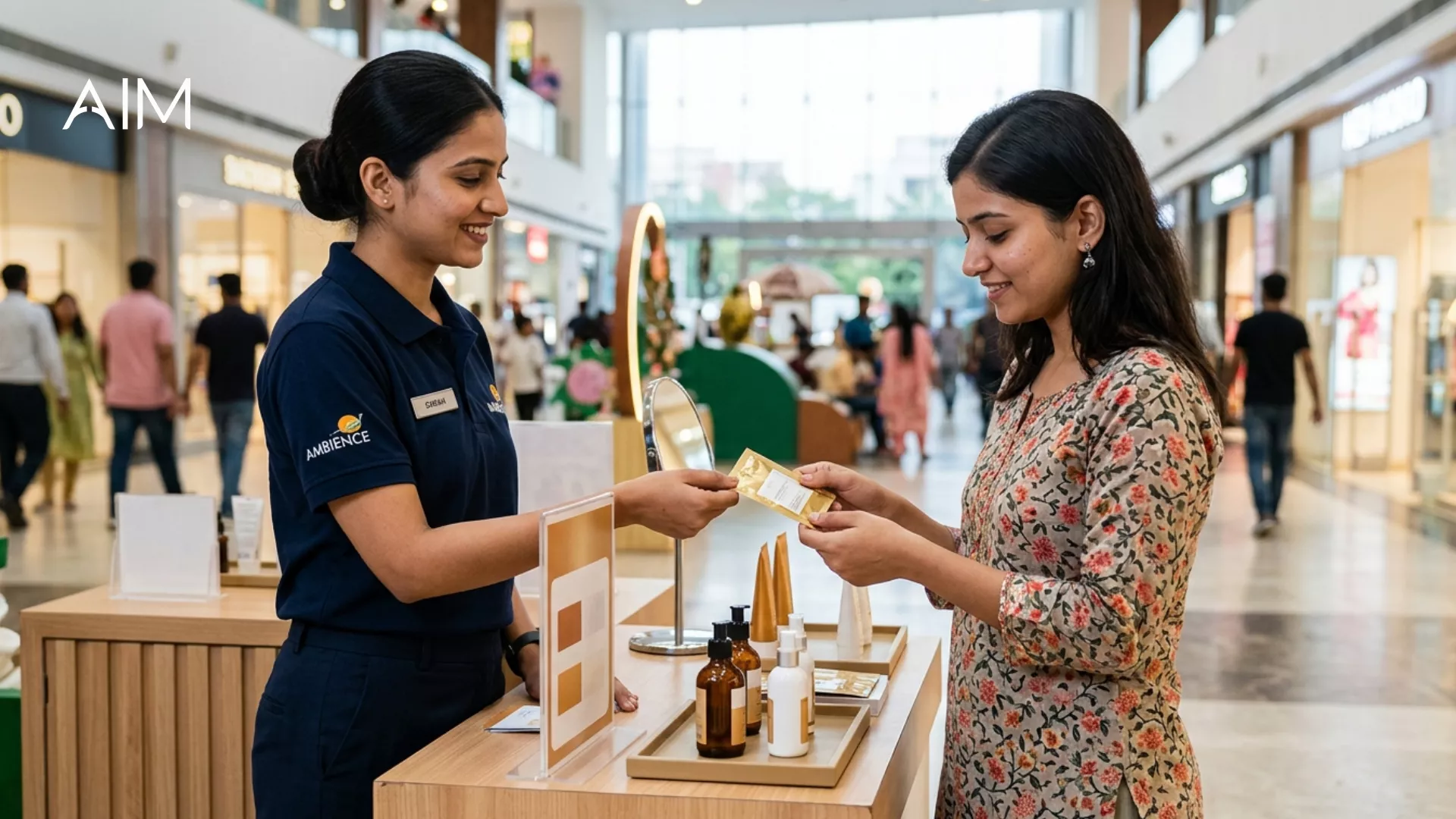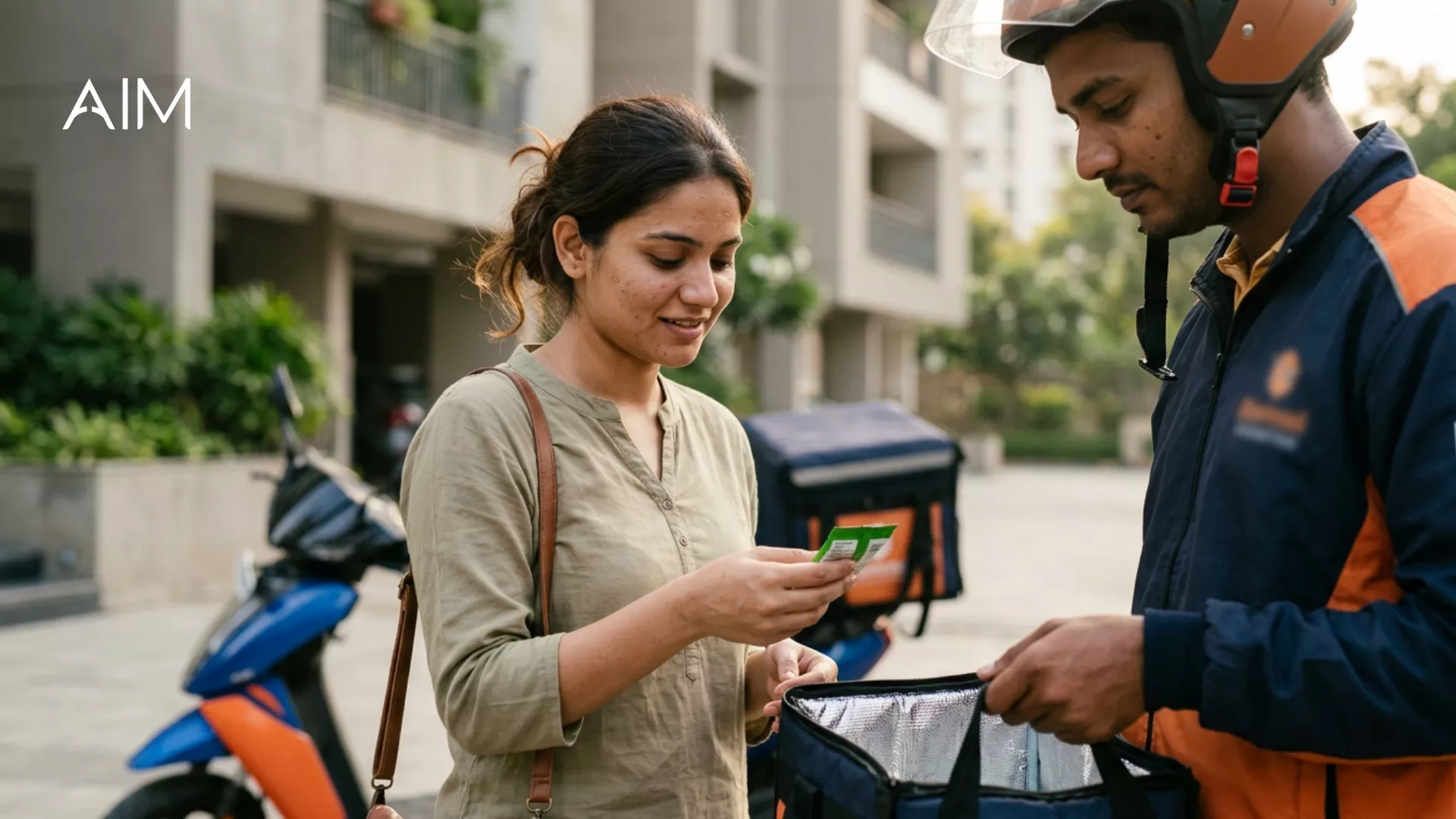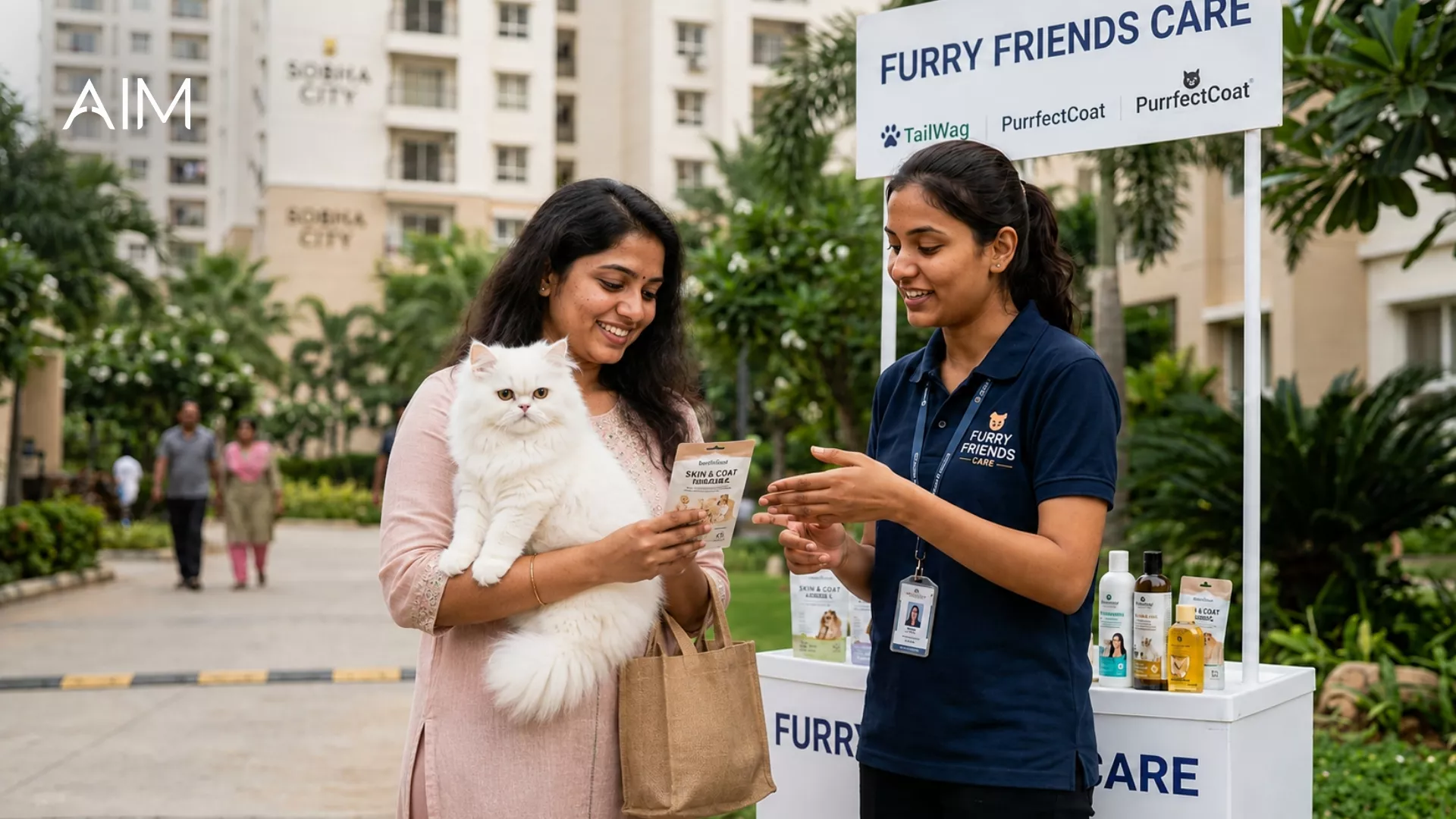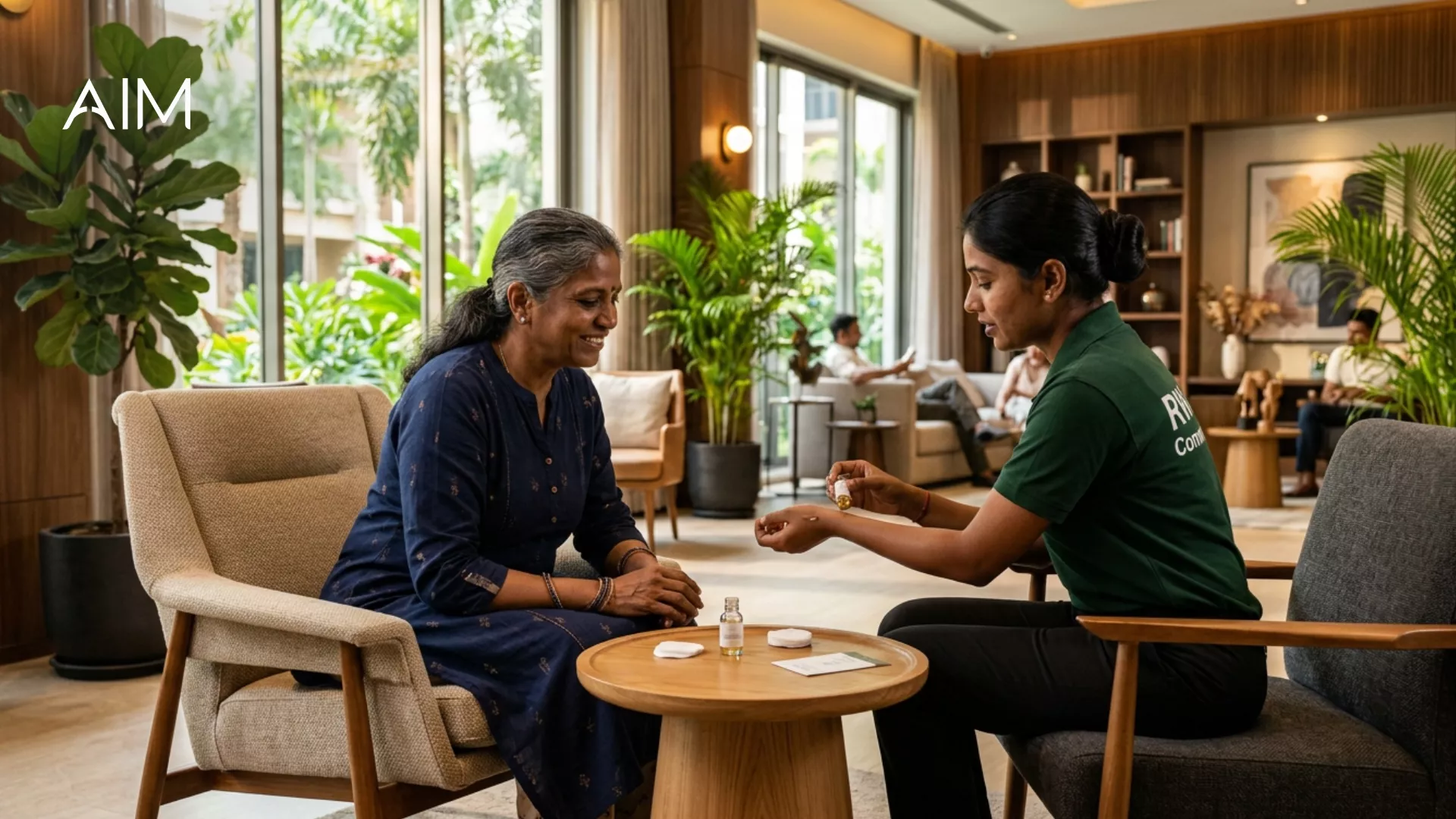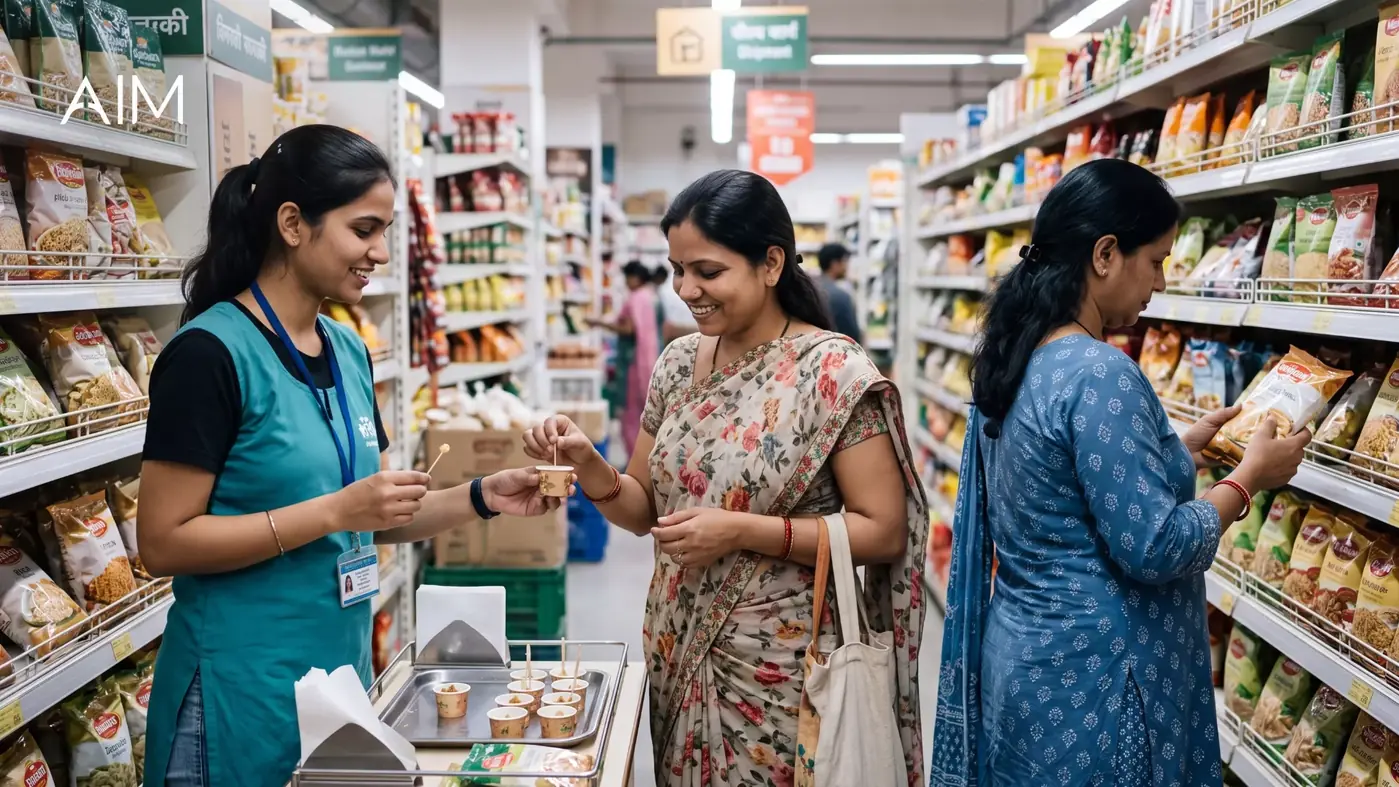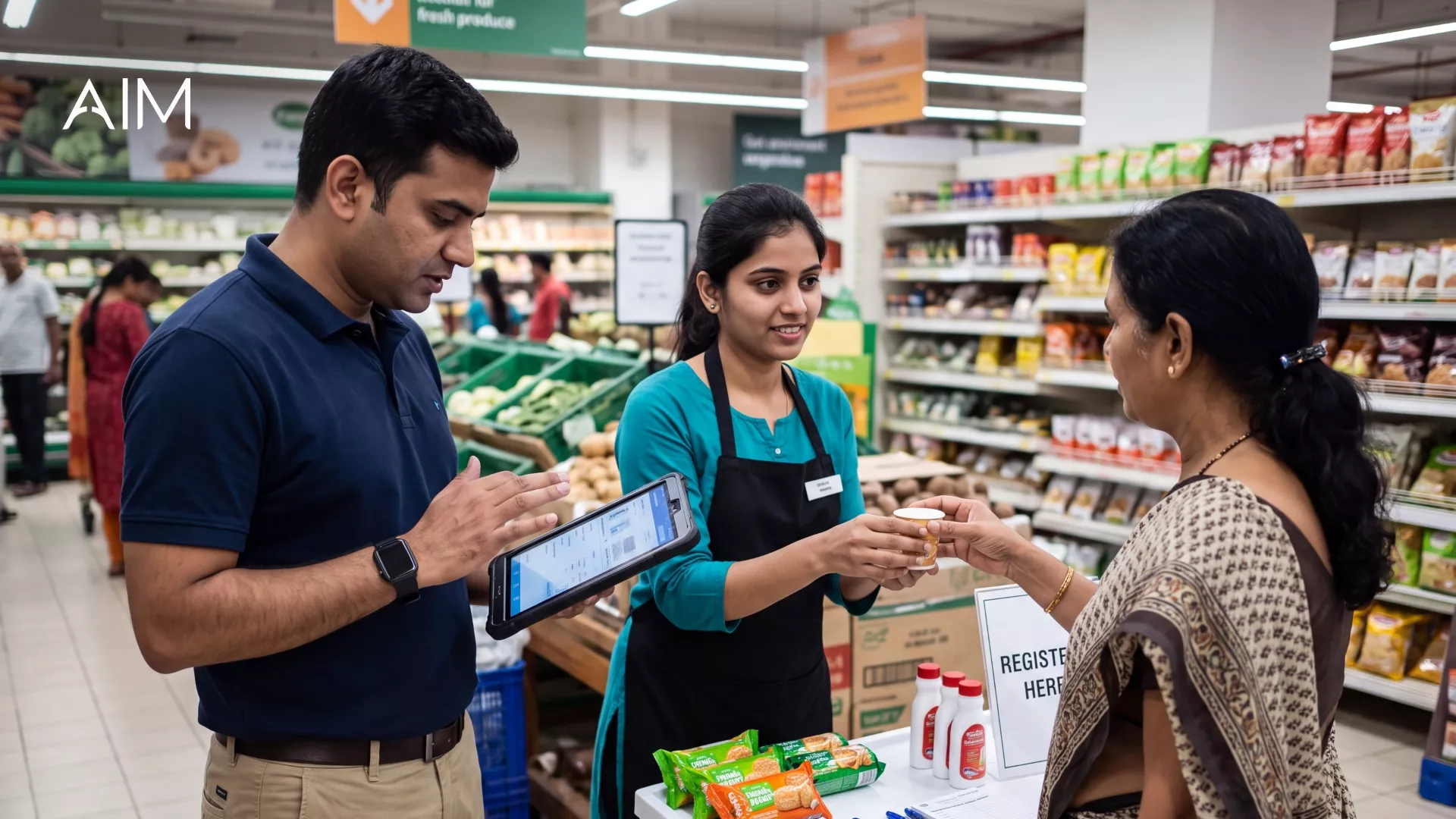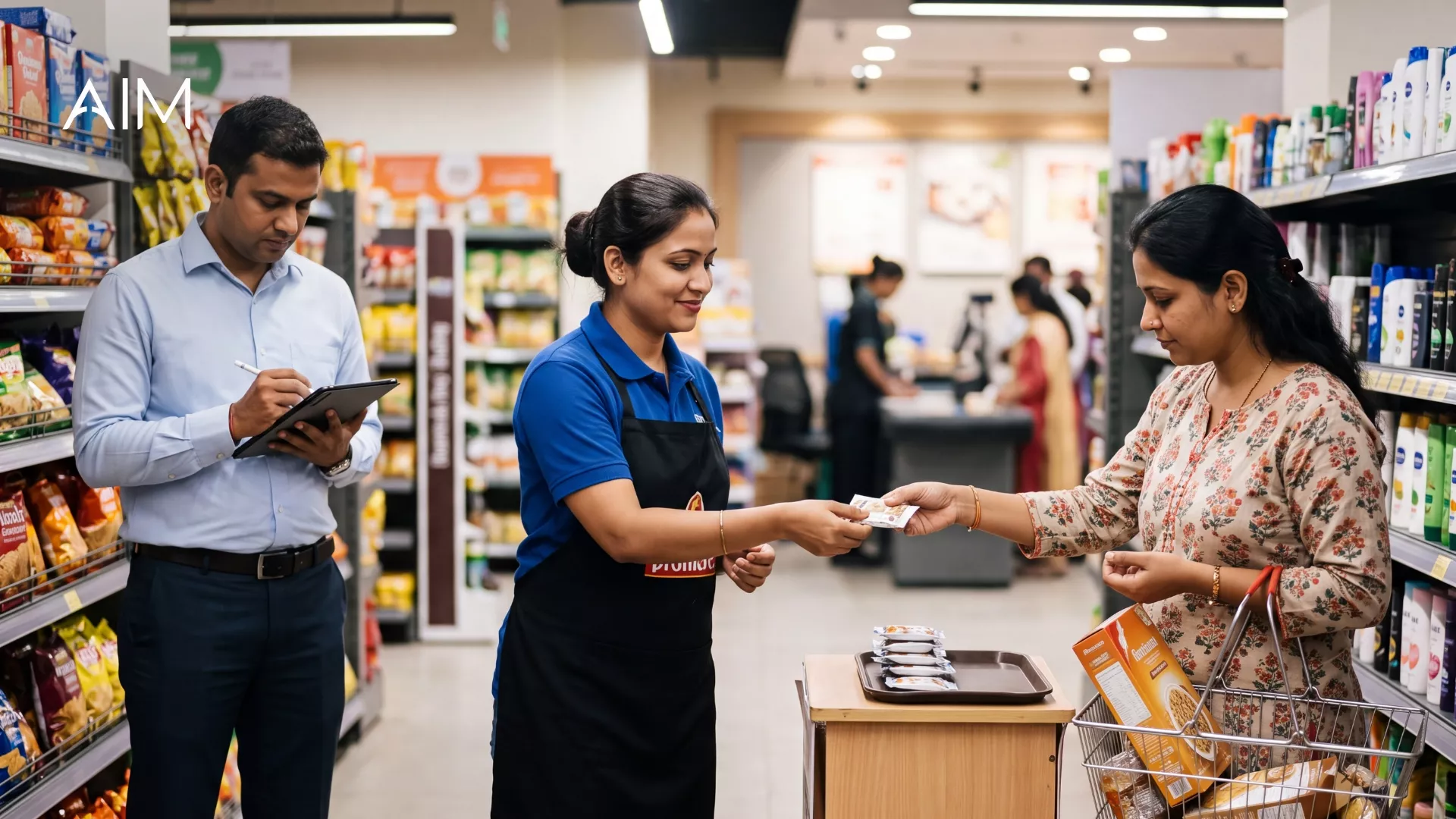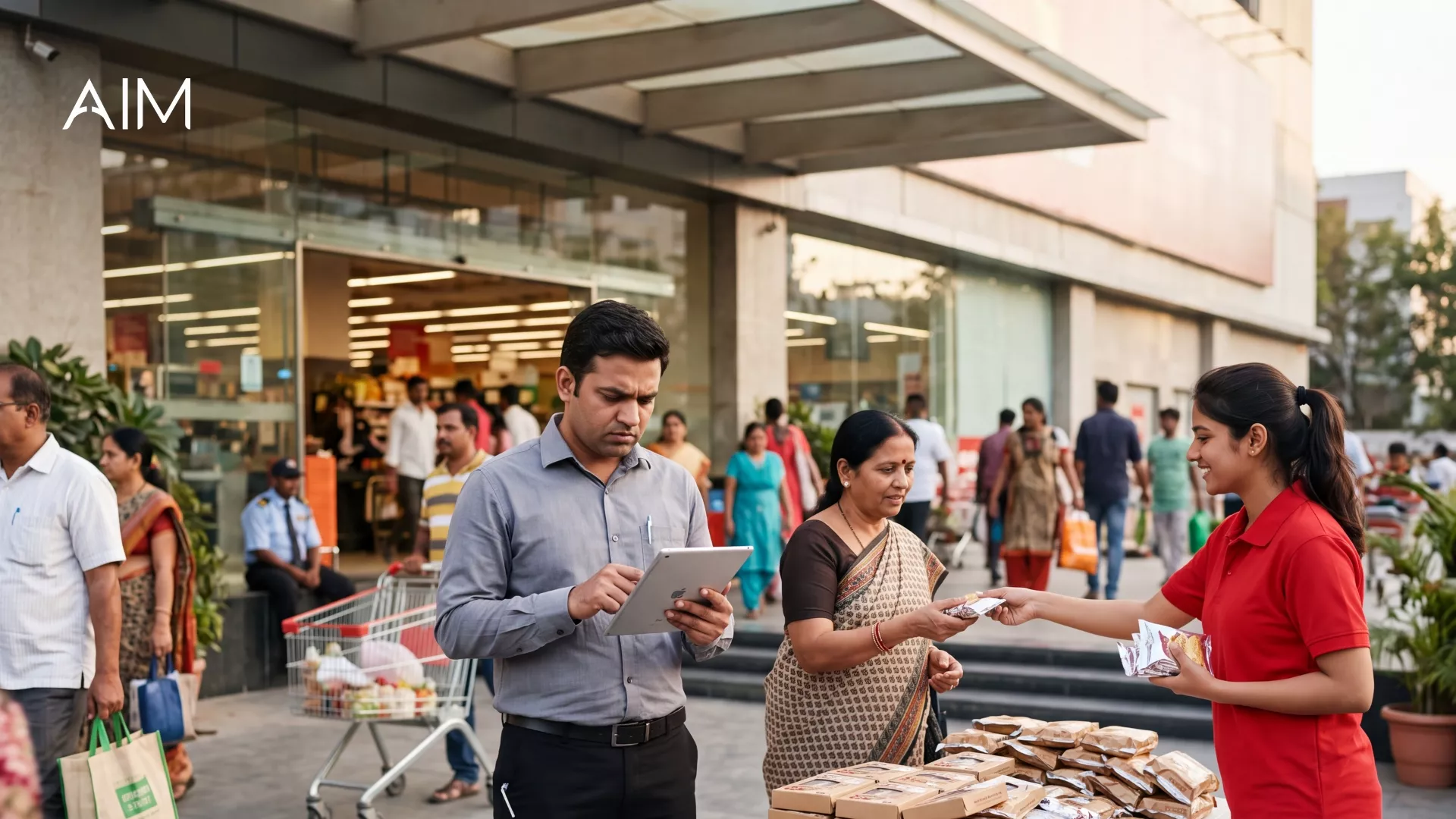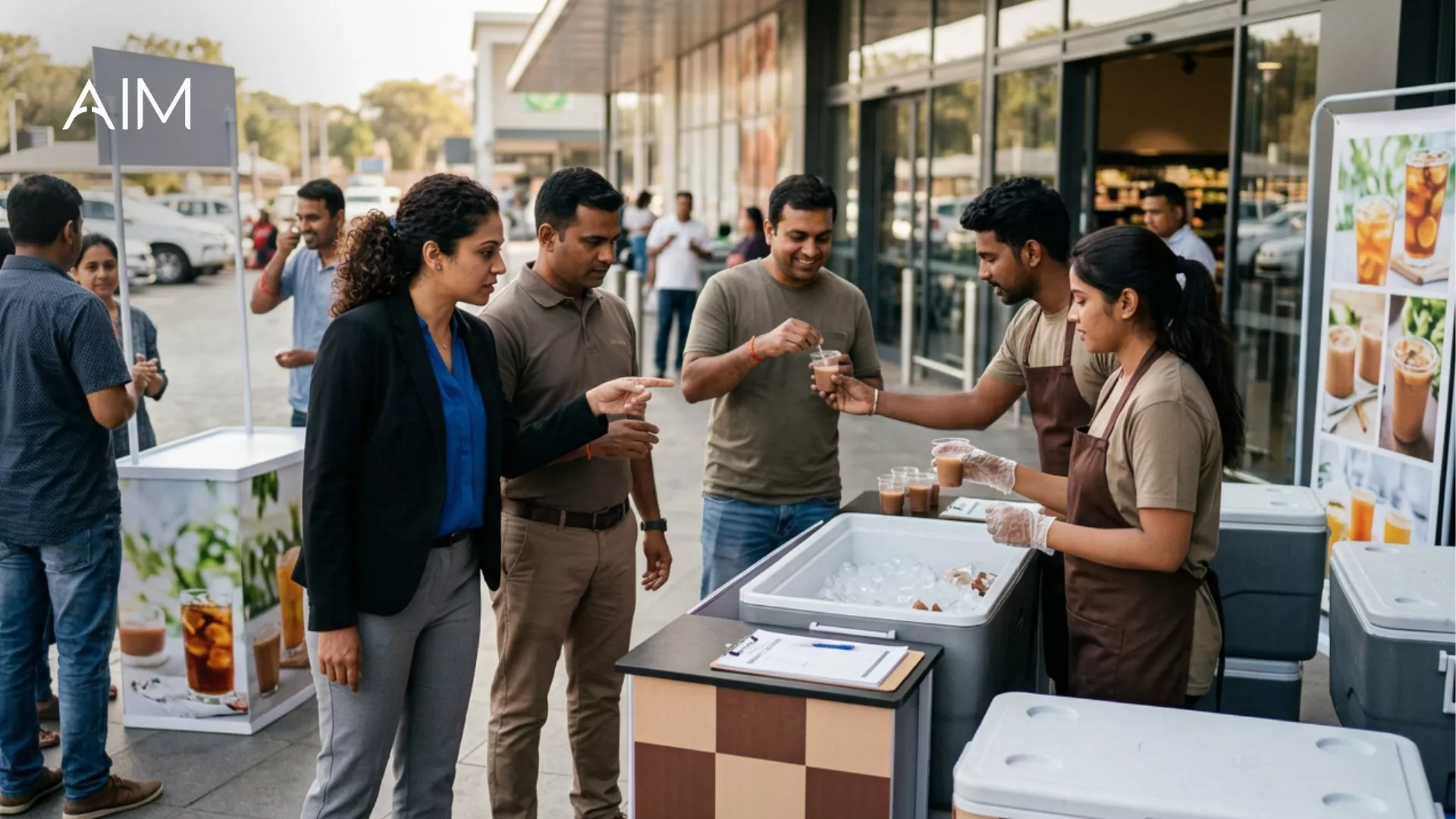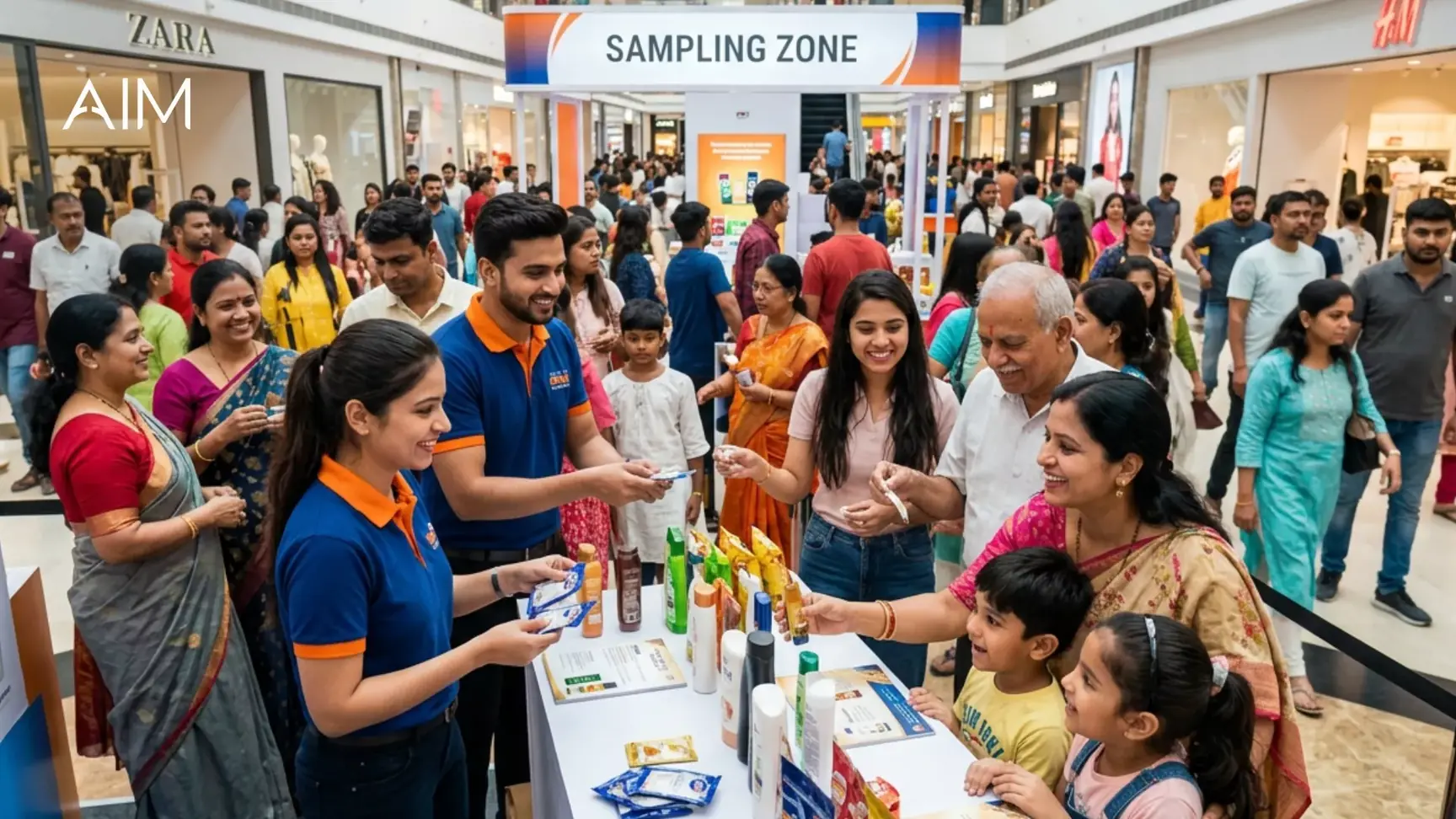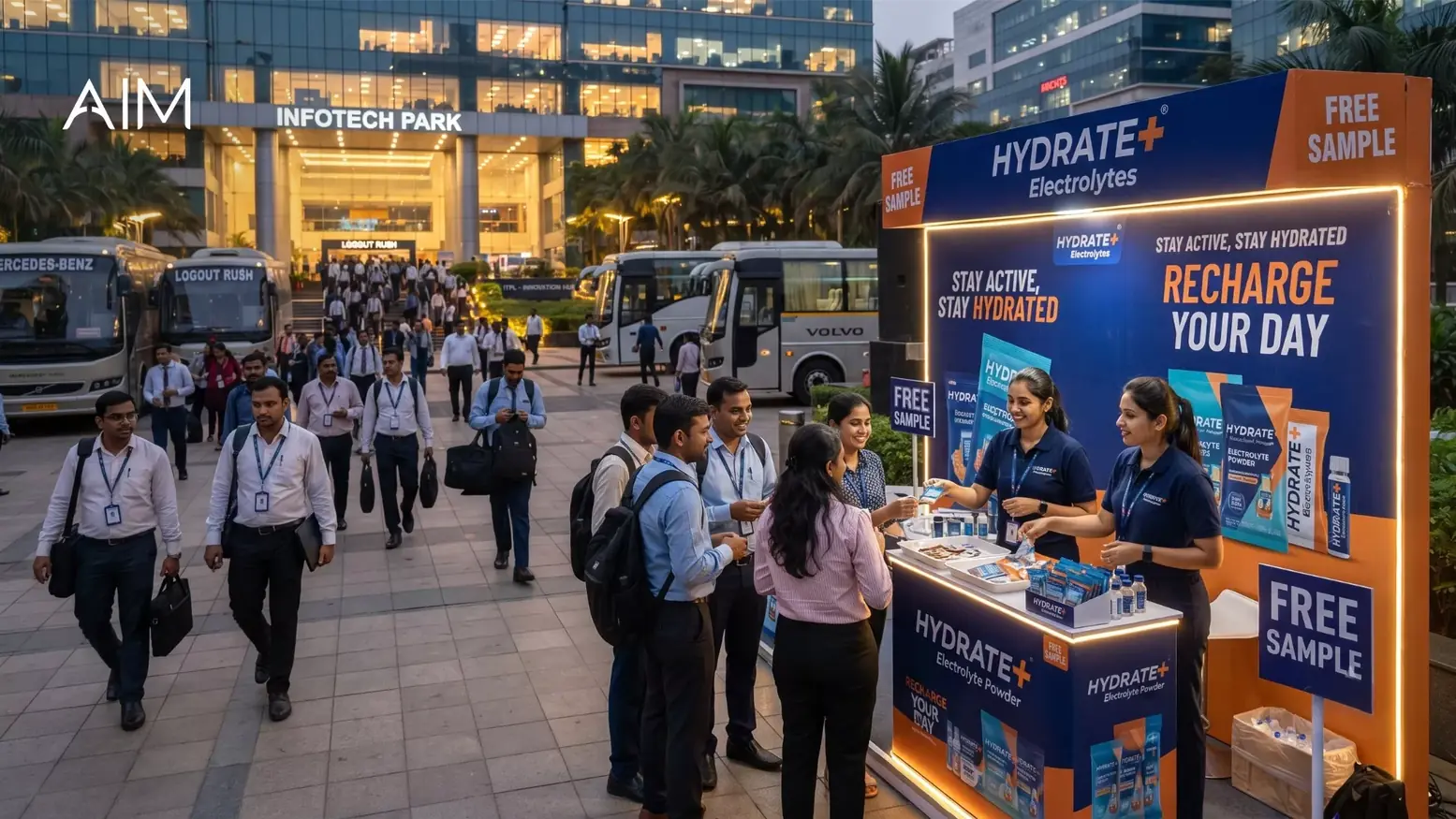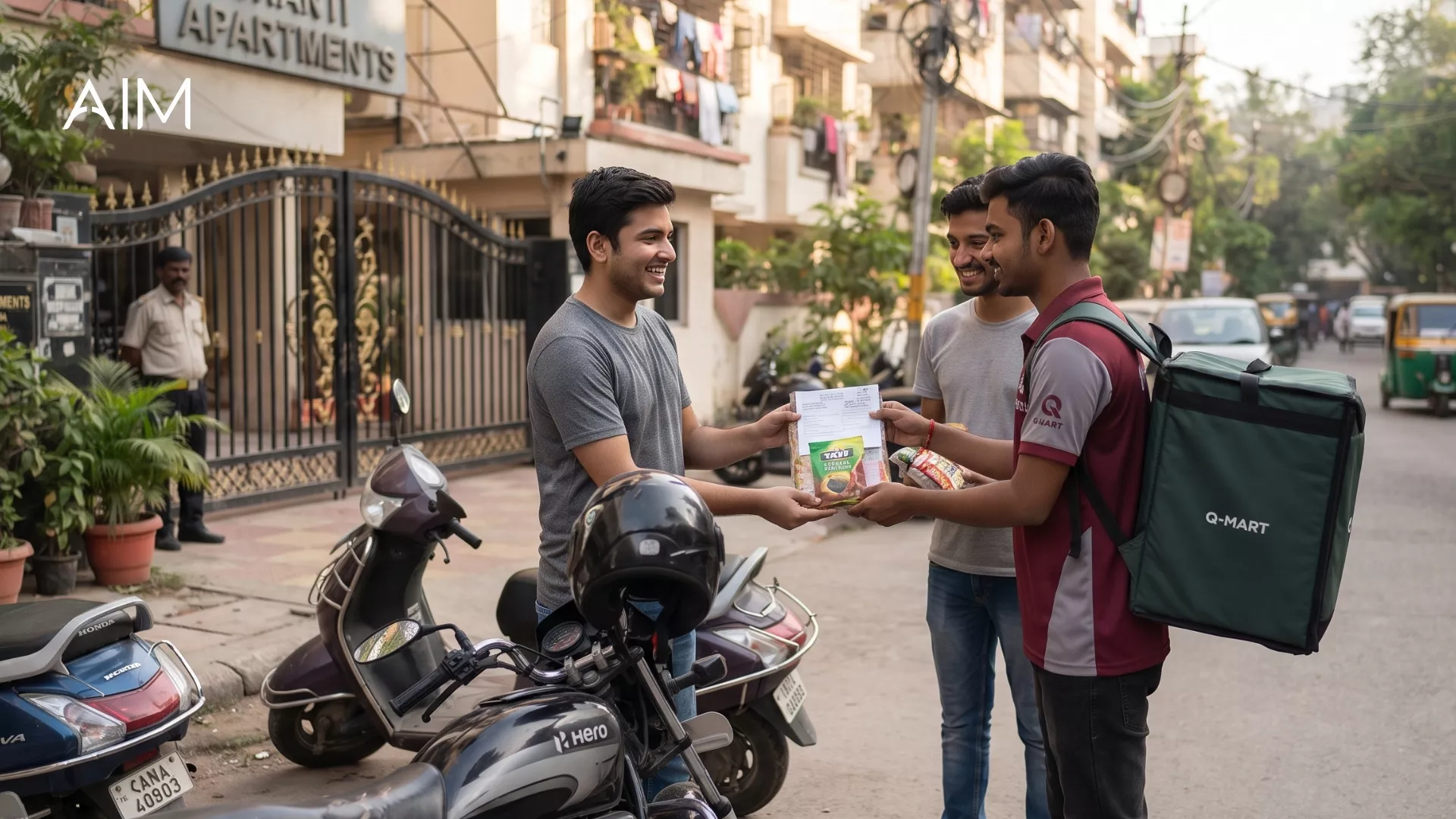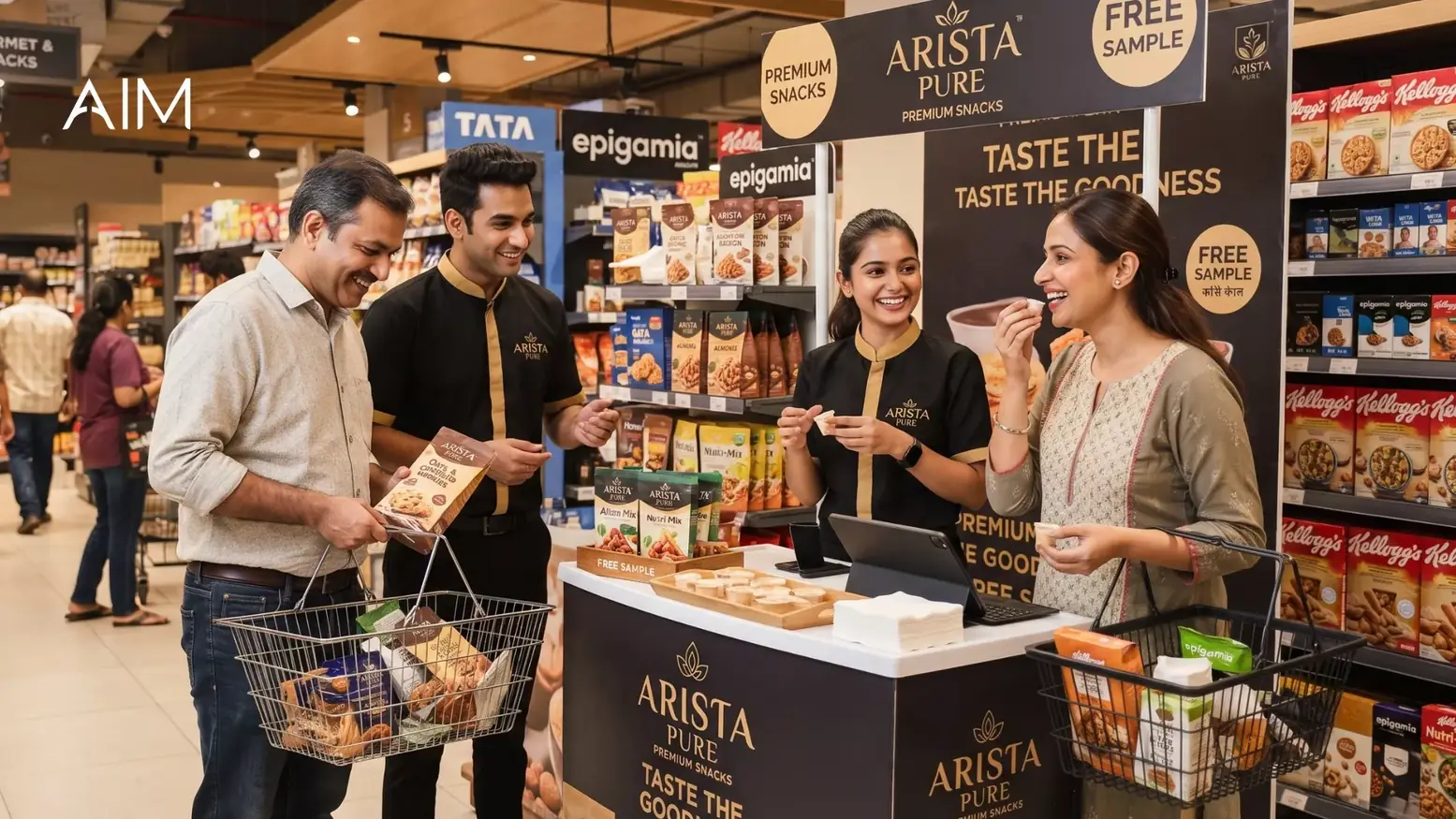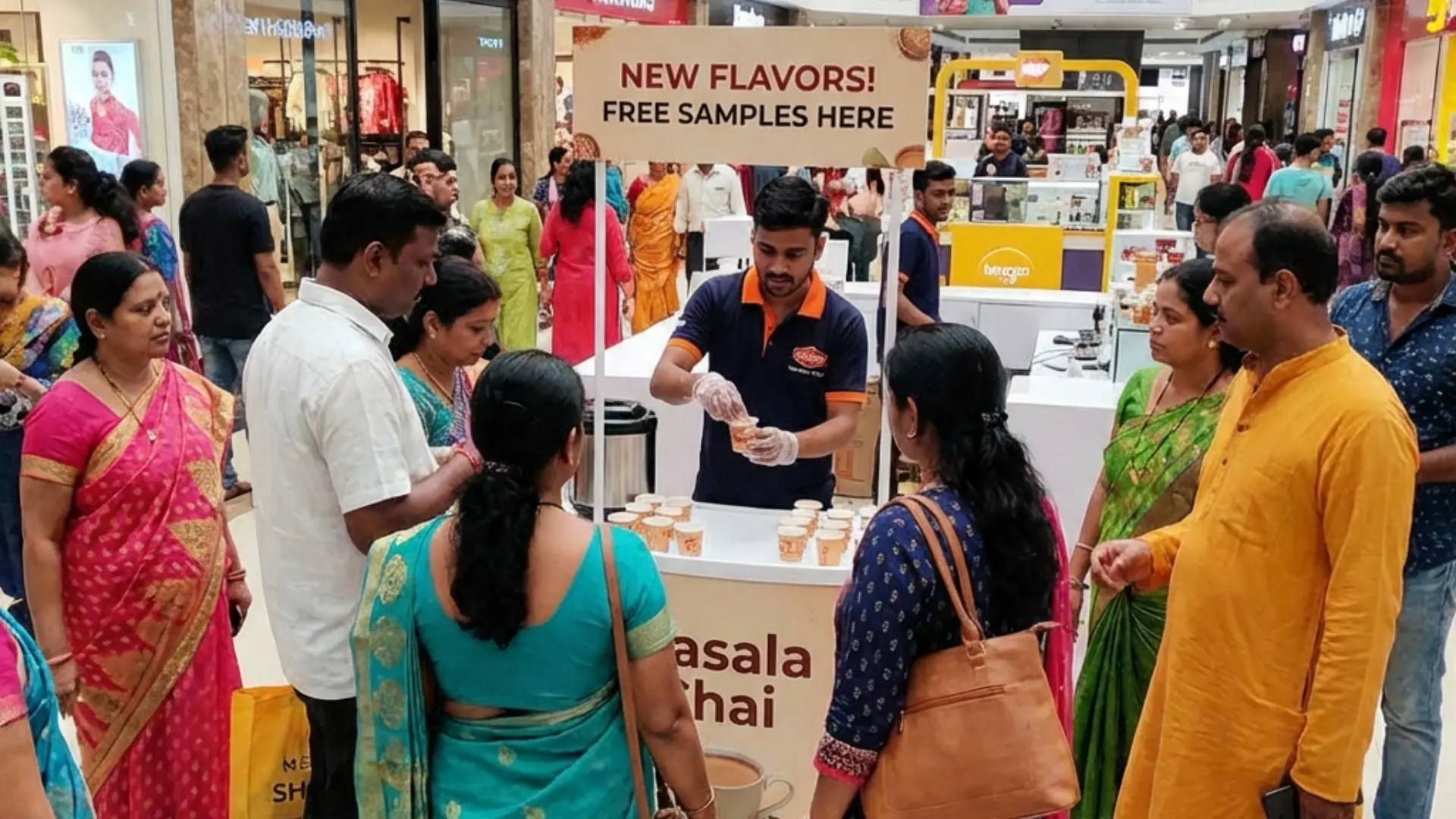
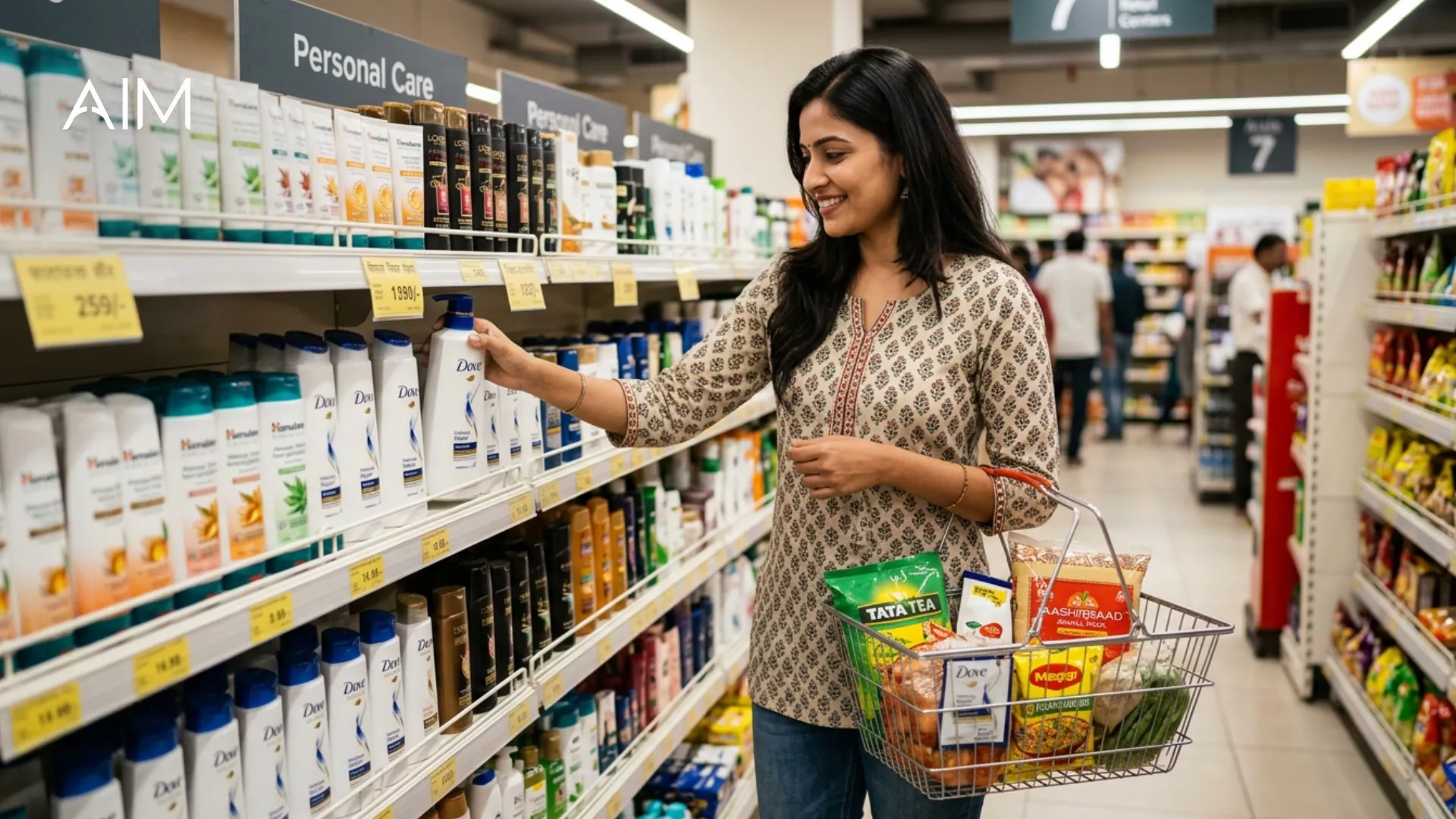


In fast-moving consumer goods, a single trial is worth almost nothing on its own. A person tries your biscuit, your detergent, your shampoo once, likes it, and then goes back to buying what they always bought, because habit is simply stronger than a single pleasant afternoon. The entire value of FMCG sampling lives not in that first trial but in the second, third and tenth purchase, the point at which the person has quietly switched and your product has become the one they reach for without thinking. That is where the money is, and it is a long way from a single sachet handed out on a Saturday. The hard part, and the part most sampling ignores, is the journey between the first free trial and that settled habit.
FMCG is a category built on repetition. People buy these products again and again, on a cycle, mostly on autopilot. Winning a single trial is easy. Dislodging the autopilot is the real work, and it does not happen by itself, no matter how good the product is. A brand that treats the sample as the finish line watches almost all of its trial interest evaporate back into the old habit within weeks. A brand that treats the sample as the first step of a deliberate journey is the one that actually converts. The difference between the two is not budget or product quality. It is whether anyone planned for what happens after the trial.
Why does one FMCG trial rarely create a loyal buyer?
Because a single use proves the product is good, but it does nothing to break the habit the person already has. FMCG purchases are governed by routine. The shopper has a brand they buy, a place they buy it, a moment they buy it, and most of that happens below conscious thought. One good trial creates a flicker of intent, but intent is fragile and the routine is strong. By the next shopping trip, the flicker has faded and the hand reaches for the usual pack. Routine is not a weak force to be overcome with a single good impression. It is a groove worn in over years, and one sample does not fill it in.
This is the central problem FMCG sampling has to solve. It is not whether people like the product; they often do. It is whether the brand can carry that liking across the gap between trial and the next few purchases, long enough for a new habit to form and replace the old one.
What does the journey from trial to repeat actually look like?
The path has a few distinct stages, and a brand has to support each one rather than hoping the person travels it alone.
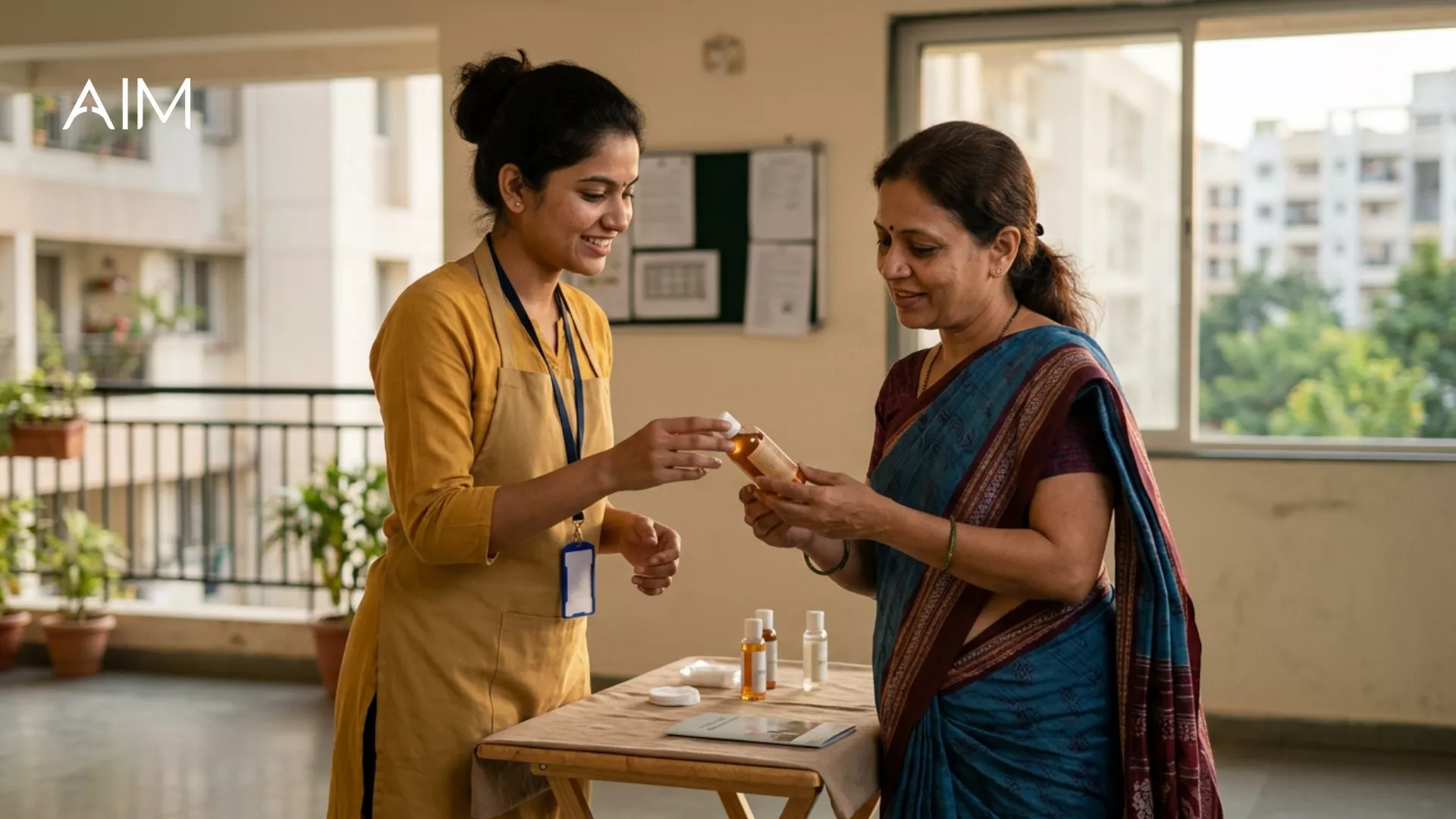
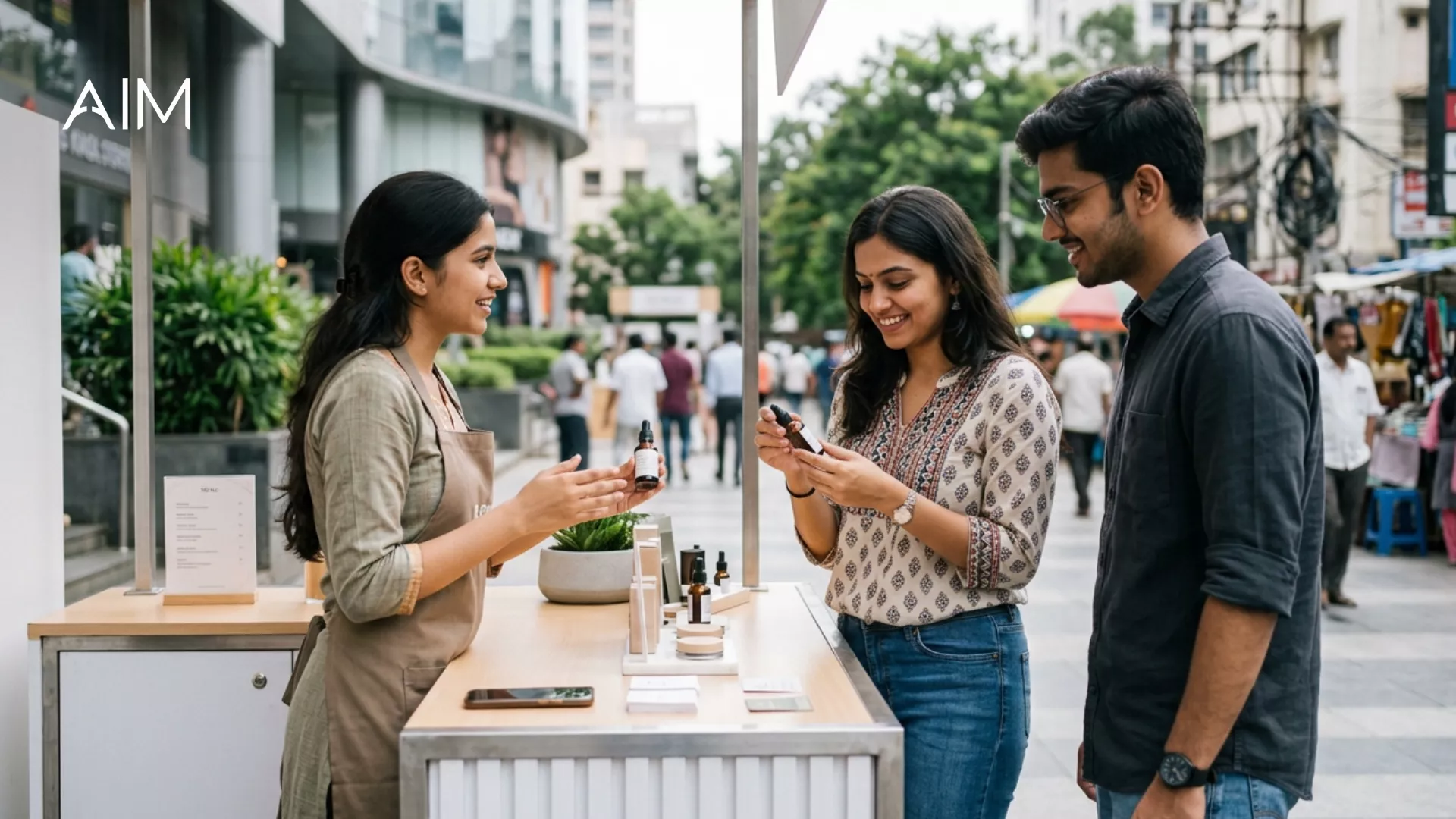
It begins with a trial good enough to register. The sample has to be large enough and used in the right way to genuinely show the product's benefit, rather than only hint at it. A trial too small or too casual to prove anything produces a shrug, not a switch. This first step is where a surprising number of FMCG campaigns quietly fail, by giving a sample so slight it cannot do its one job. A sachet with barely enough for one use, handed over with no guidance, asks the product to prove itself on almost nothing, and then the brand wonders why the trial did not convert.
Then comes the first purchase, and this is the most fragile moment of all. The person has to be moved from liking the sample to actually buying a full pack, and they have to do it against the pull of their existing brand. This almost never happens on its own. It needs a reason and a path: a compelling offer on the first purchase, a clear pointer to where the product is available, a prompt while the trial is still fresh in memory. Without that bridge, the liking never converts and the campaign ends with warm feedback and flat sales. This single gap, between liking the sample and buying the first pack, is where most FMCG sampling money is quietly lost, because it is the step brands most often leave to chance.
After the first purchase comes the vulnerable stretch toward habit. One purchase is not loyalty. The person is now a trier who has bought once, and they can still drift back to their old brand at any point in the next few cycles. This is where the brand has to stay present, with reminders, with a reason to buy again, with enough continued value that the new choice beats returning to the old one. The habit is not won at the first purchase; it is won somewhere around the third or fourth, when buying the new product has itself become the routine. Those early cycles are a window during which the person is genuinely up for grabs, and a brand that goes silent in that window usually loses them back to the familiar choice.
And finally there is the settled repeat, the point at which the person no longer thinks about it. They buy your product the way they used to buy the other one, automatically, as part of their normal shop, without a prompt or an offer needed to make it happen. That is the actual goal of FMCG sampling, and everything before it is just the work of getting there.
How do FMCG brands bridge the gap between trial and repeat?
The brands that convert do a few deliberate things that brands who stop at the sample never do. They capture who tried, so the person is known rather than anonymous and can be reached again. A trial that captures nothing leaves the brand with no way to carry the person forward, which is why anonymous mass sampling so rarely builds repeat; the people who tried simply vanish back into the crowd the moment they walk away. They attach a strong first-purchase incentive to the trial, so the leap from liking to buying is made as easy and as immediate as possible. They stay in contact across the vulnerable early cycles, with reminders and reasons timed to when the person would next be buying the category. And they measure the whole journey, tracking not how many samples went out but how many triers became first-time buyers, and how many of those became repeat buyers.
That last measure is the one that matters. In FMCG, the number worth watching is not trial and not even first purchase. It is the repeat rate, because repeat is where the margin and the lifetime value live. A campaign that produced many trials and few repeats has not succeeded; it has just distributed product. A campaign that produced fewer trials but a strong repeat rate has built something durable. A thousand forgotten trials are worth less than a hundred people who now buy the product every month, and the repeat rate is the only number that tells those two outcomes apart.
Why does measuring repeat change how you run the campaign?
Once a brand commits to measuring repeat rather than trials, the whole campaign reshapes itself. Reaching the right households matters more than reaching many, because only the right households will repeat. Sample size and quality matter more, because a trial that does not convince will never produce a second purchase. The follow-up stops being optional and becomes central, because repeat is built in the weeks after the trial, not in the moment of it. Measuring repeat forces every earlier decision to be made in service of the only outcome that pays, which is the person who keeps buying.
This is the shift from thinking of sampling as distribution to thinking of it as the first move in an acquisition sequence. The sample opens the door. The journey after it is what walks the person through. Brands that understand this stop asking how many samples they can afford to hand out and start asking how many repeat buyers they can afford to build, which is a completely different and far more useful question.
How to build repeat purchase into FMCG sampling
An FMCG sampling campaign should be designed backward from the repeat purchase, not forward from the sample. That means reaching the households most likely to become regular buyers rather than the largest possible crowd, giving a trial substantial enough to genuinely prove the product, capturing who tried so they can be carried forward, attaching a first-purchase incentive that makes the leap from liking to buying easy, and staying present across the vulnerable early cycles where the habit is actually won or lost. Throughout, the number that matters is repeat, not samples handed out, because in FMCG the repeat buyer is the whole point.
A trial is cheap to create and easy to forget. A habit is hard to build and worth far more, and the work of FMCG product sampling is the quiet, deliberate journey that turns one into the other.