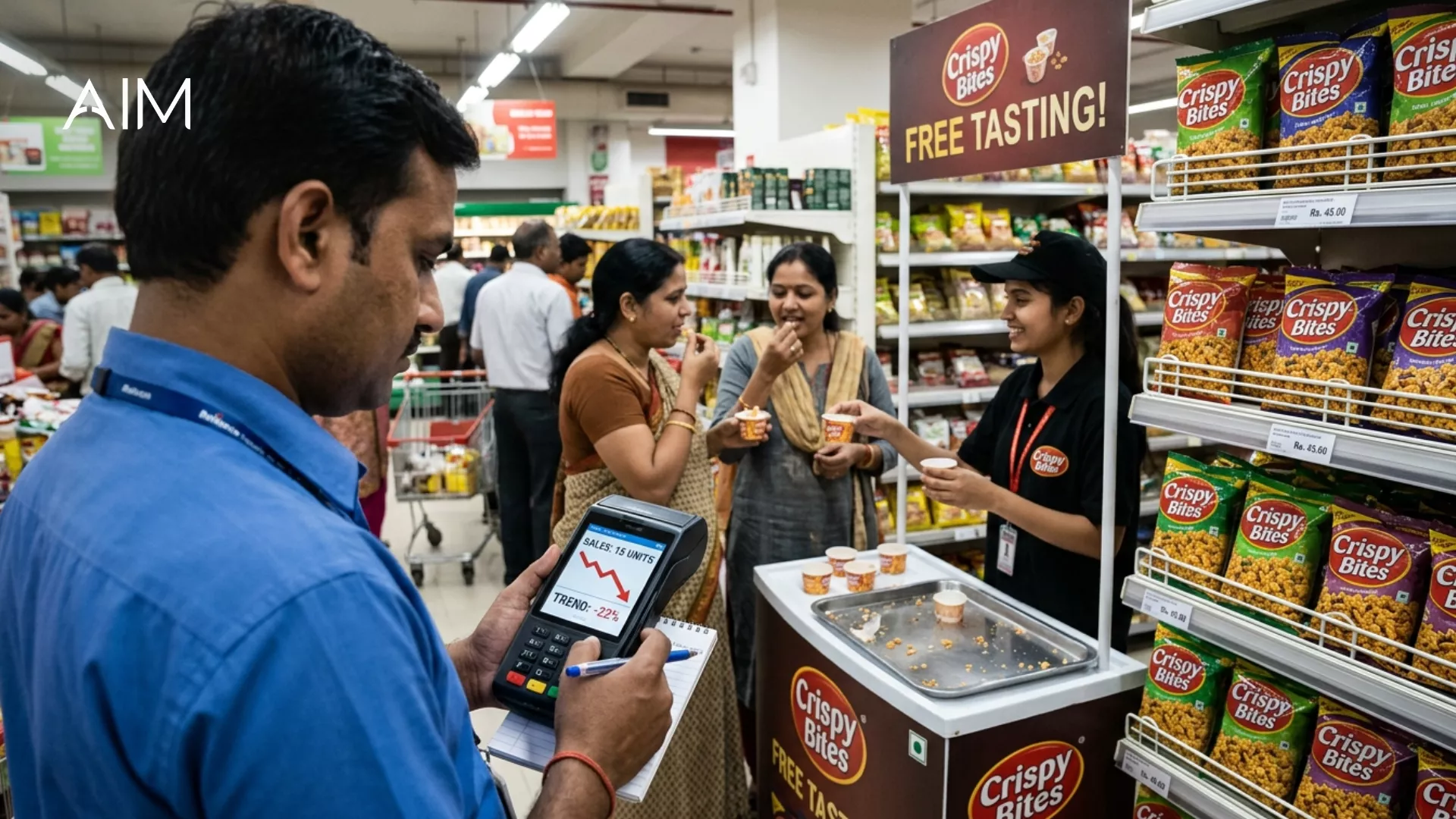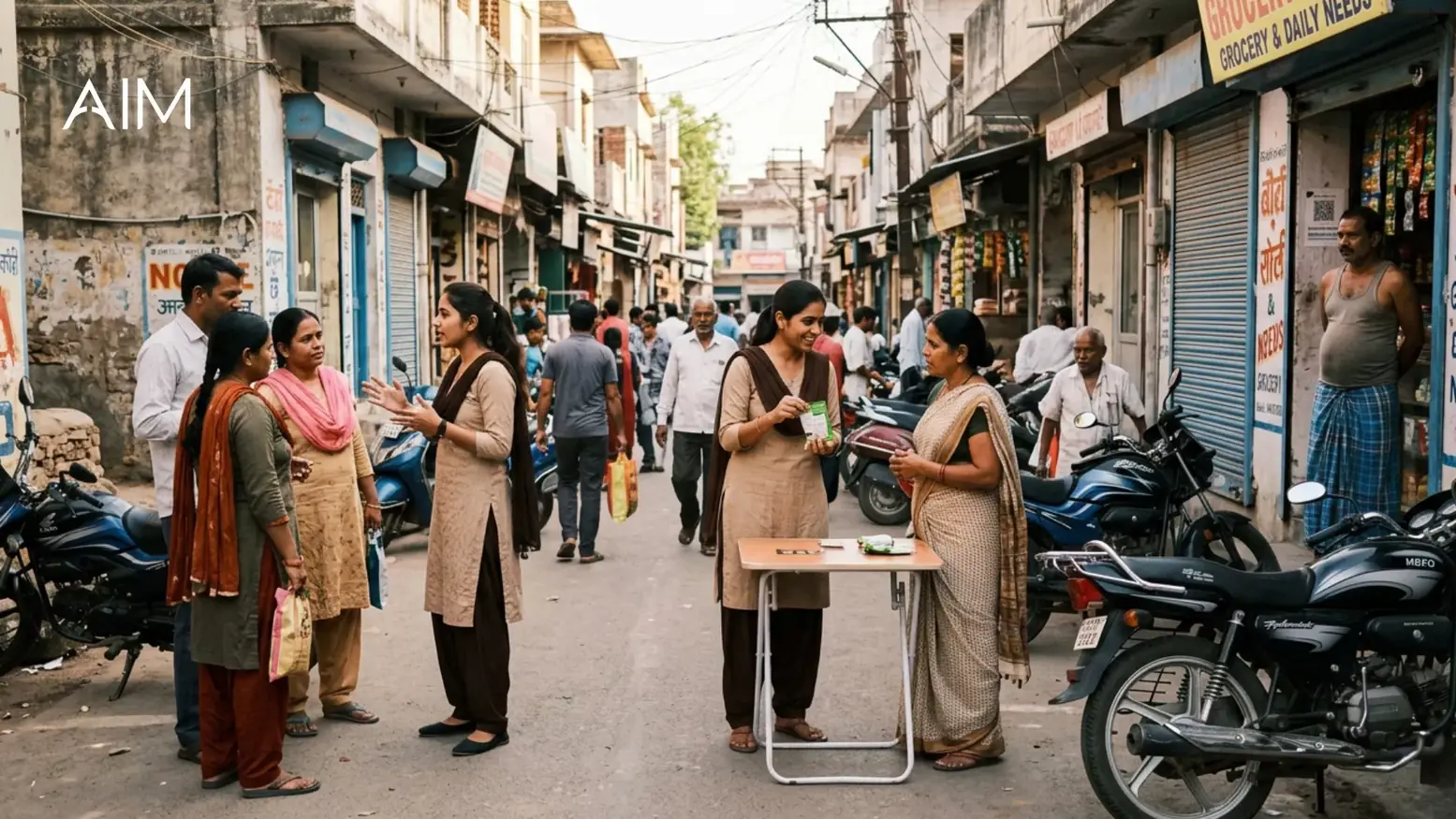
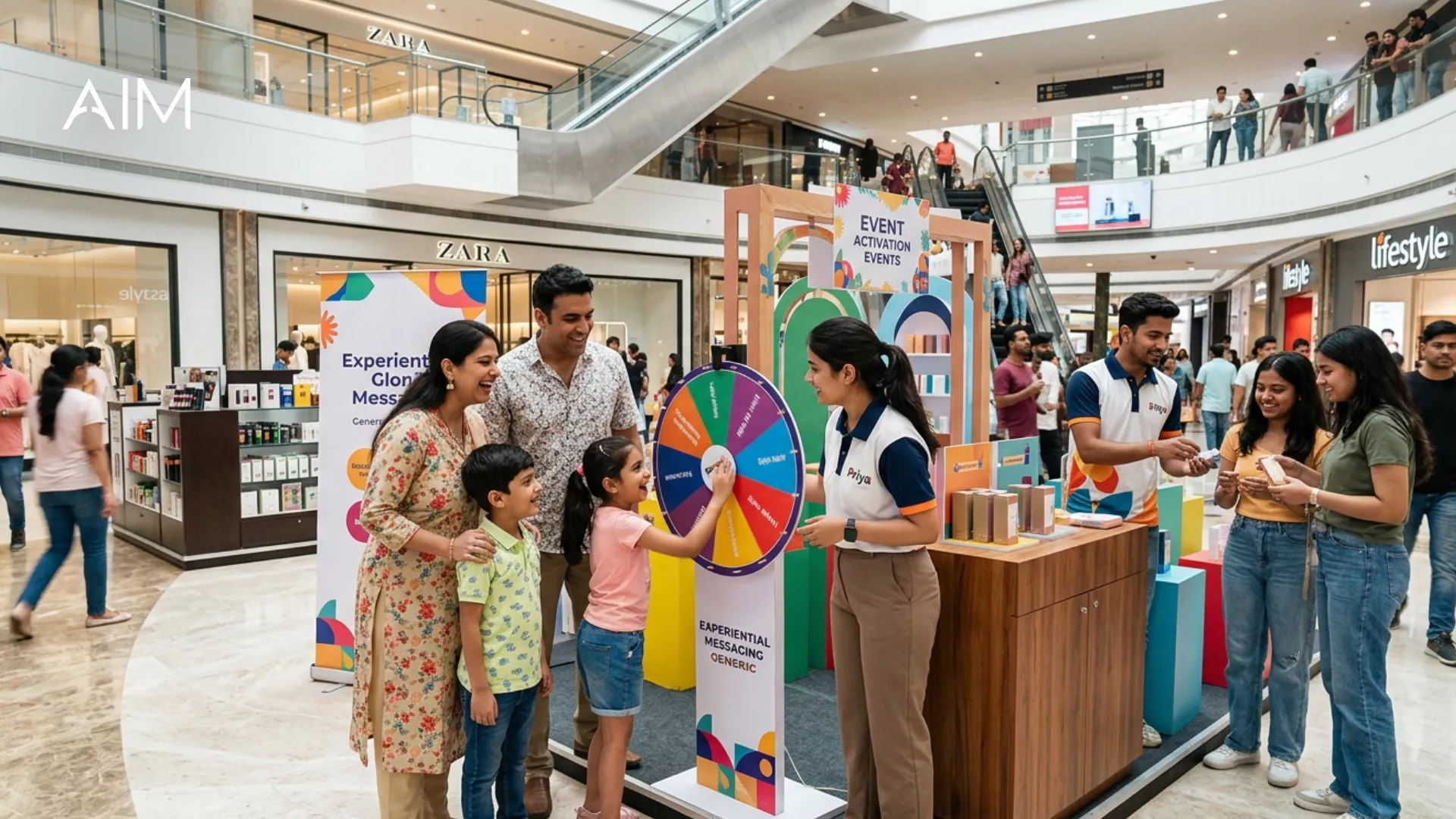


Walk through any busy mall on a weekend and you will see two very different ways brands try to use the crowd. One is a small kiosk or sampling counter, a person behind a table handing out product to whoever passes. The other is a full activation: a branded zone, a reason to stop, something to do, staff who engage rather than just distribute. They look related, and brands often treat them as the same spend at different sizes. They are not. A kiosk and an activation do different jobs, and knowing which one the moment calls for is the difference between renting expensive floor space and actually using it. Both have their place. The error is treating one as simply a bigger or smaller version of the other, when they are built to achieve different things entirely.
This matters because mall space is costly, and the instinct to save money by shrinking an activation down to a kiosk often quietly throws away the very reason you came to the mall in the first place.
What is the difference between a mall kiosk and a mall activation?
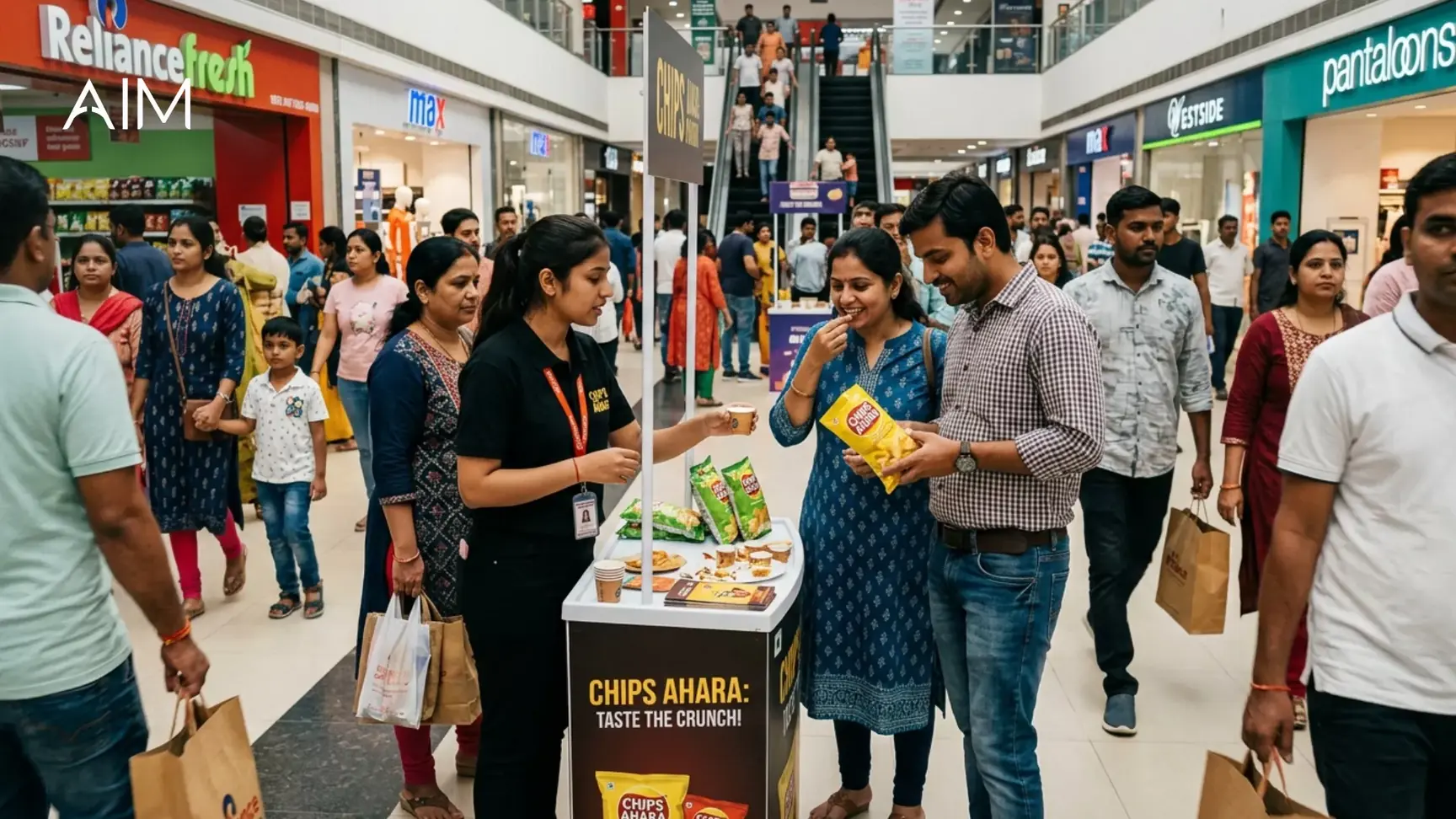
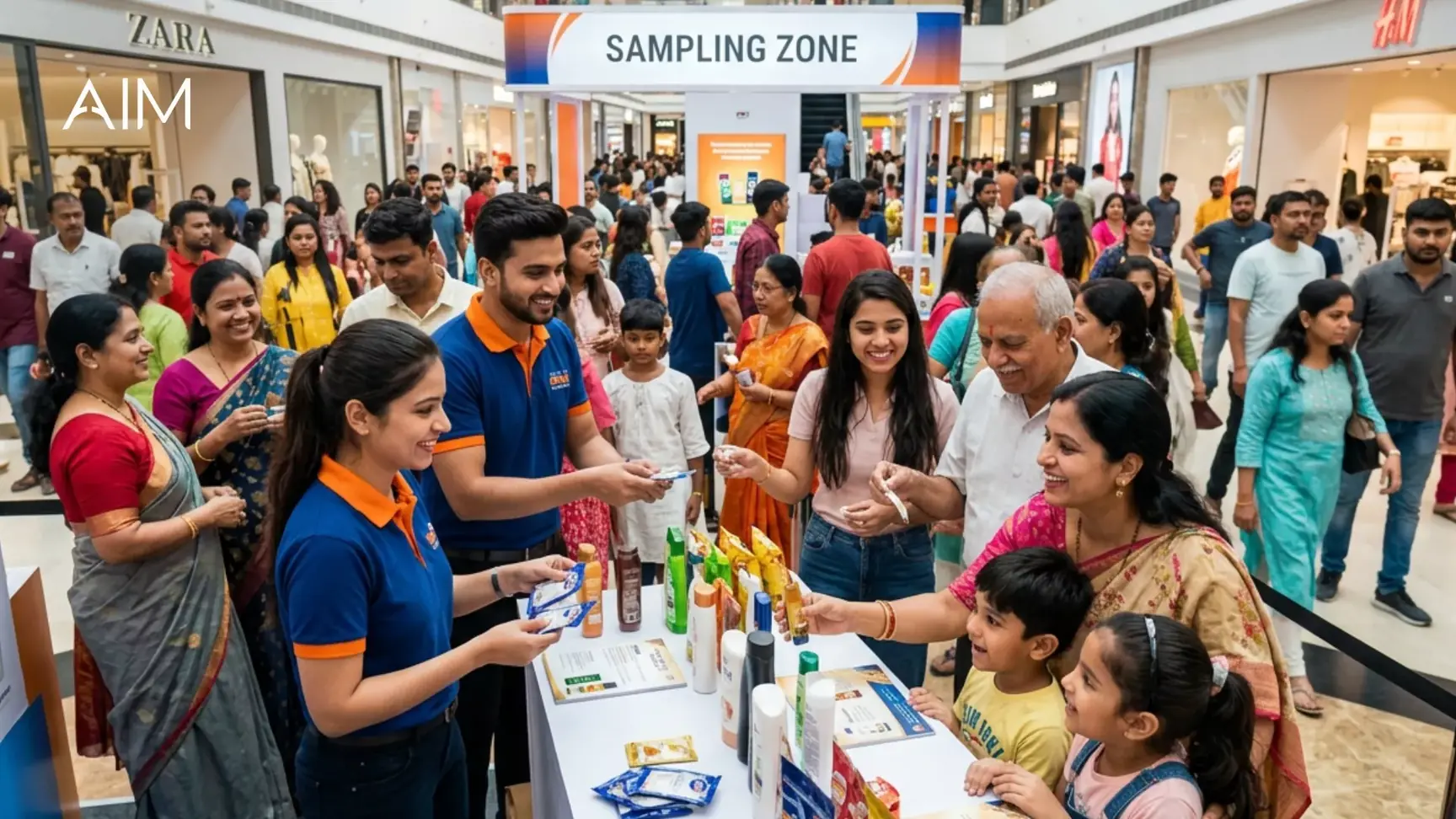
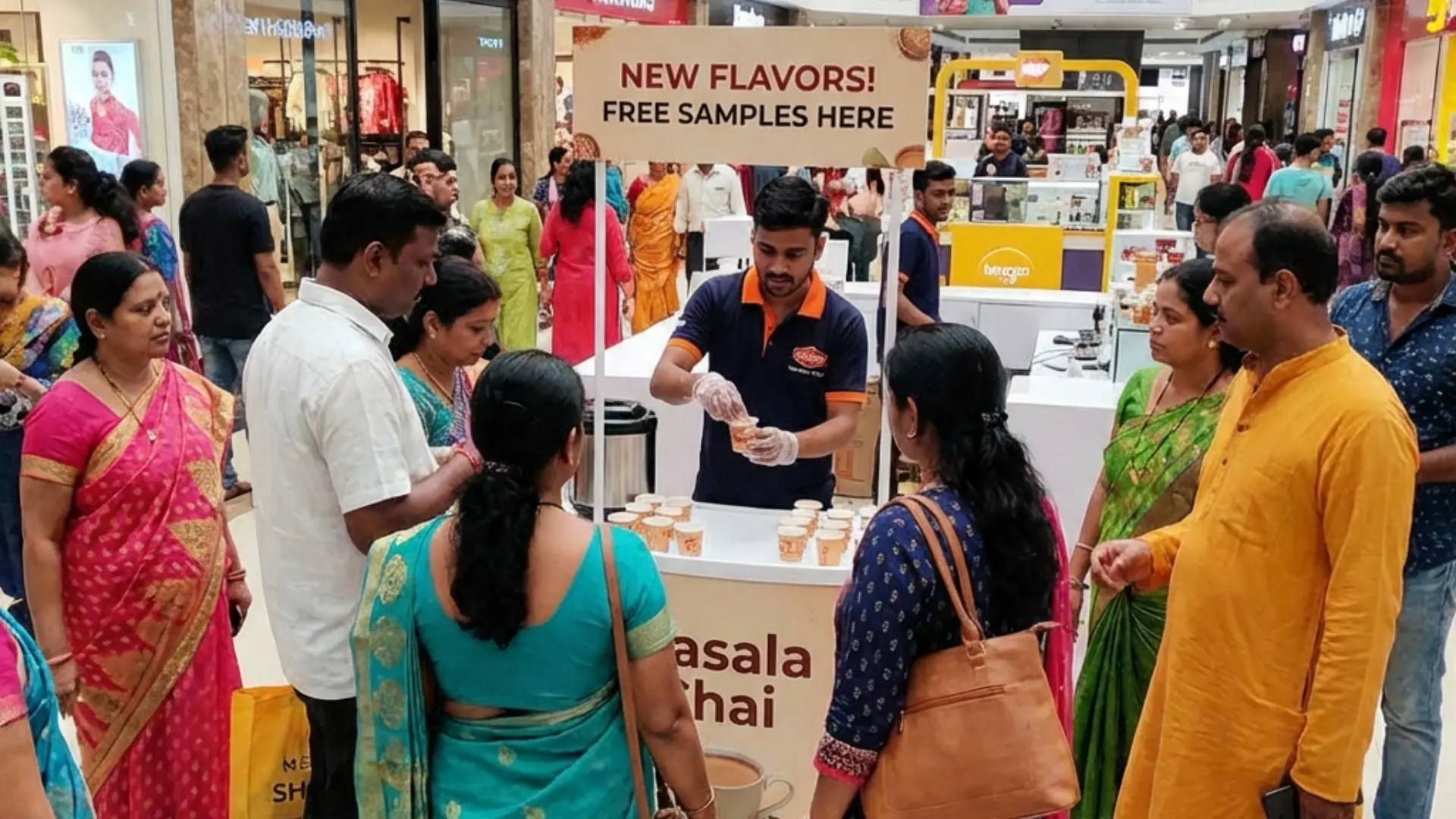
A kiosk is a point of distribution. It occupies a small footprint, usually a table or a cart, and its job is narrow: get the product into as many relevant hands as possible. It works on volume and proximity. An activation is an experience. It occupies a larger, designed space, and its job is to make people stop, engage, feel something about the brand, and leave with more than a sample. A kiosk interrupts a shopper for a few seconds. An activation invites them in for a few minutes. Those extra minutes are not a luxury; they are the entire mechanism by which an activation does more than a kiosk.
The simplest way to tell them apart is to ask what a person does at each. At a kiosk, they take and go. At an activation, they participate. That single difference in behaviour is what changes everything downstream. A person who only takes forms no real connection with the brand; the sachet is in their bag and the brand is already forgotten. A person who participates has given you something money cannot buy at a table: a few minutes of genuine attention, during which you can actually move them.
What can a mall activation do that a kiosk cannot?
An activation earns time and attention a kiosk never gets, and that time is where the real work happens. A few things become possible only once a person has stopped and engaged.
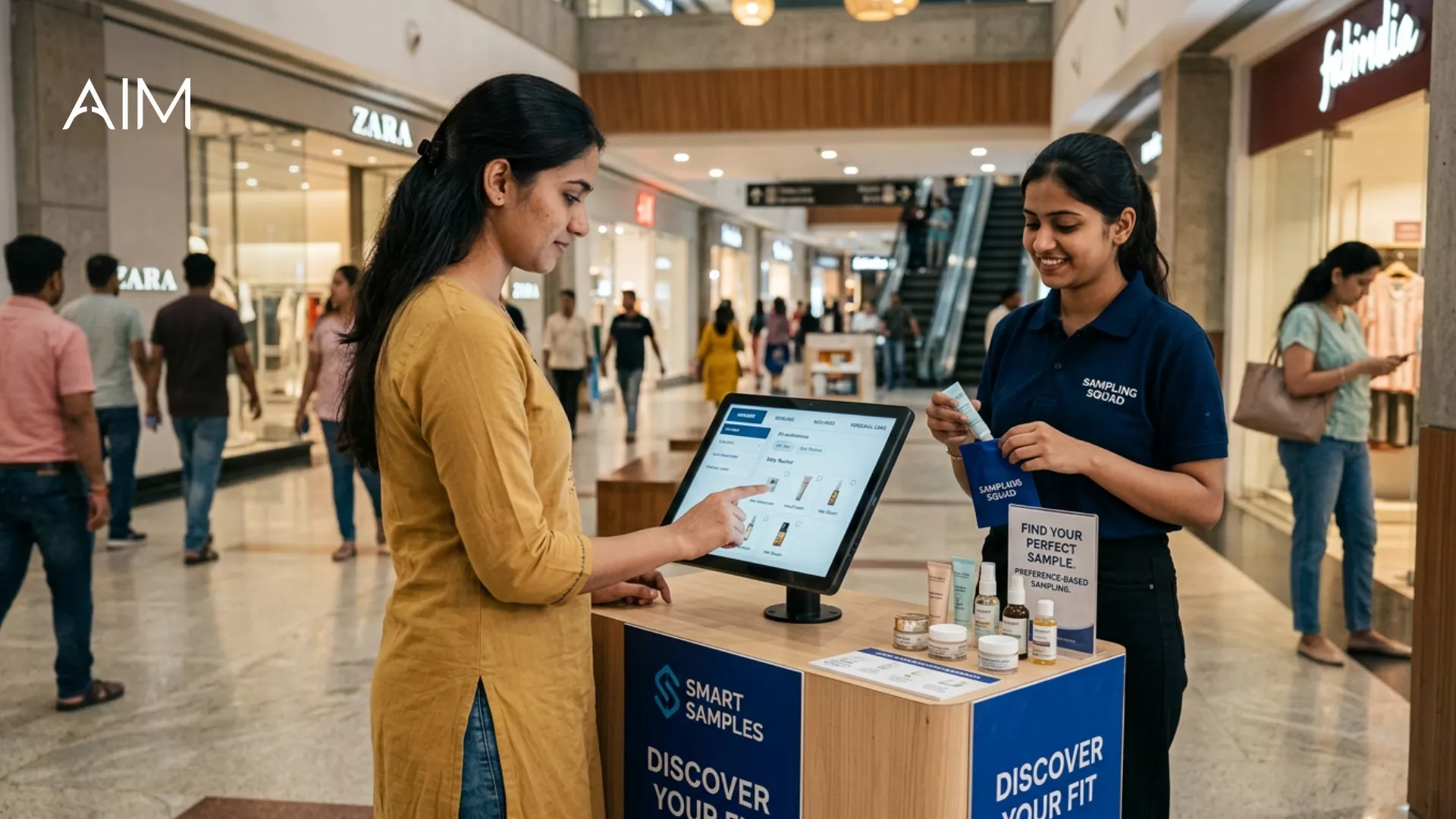
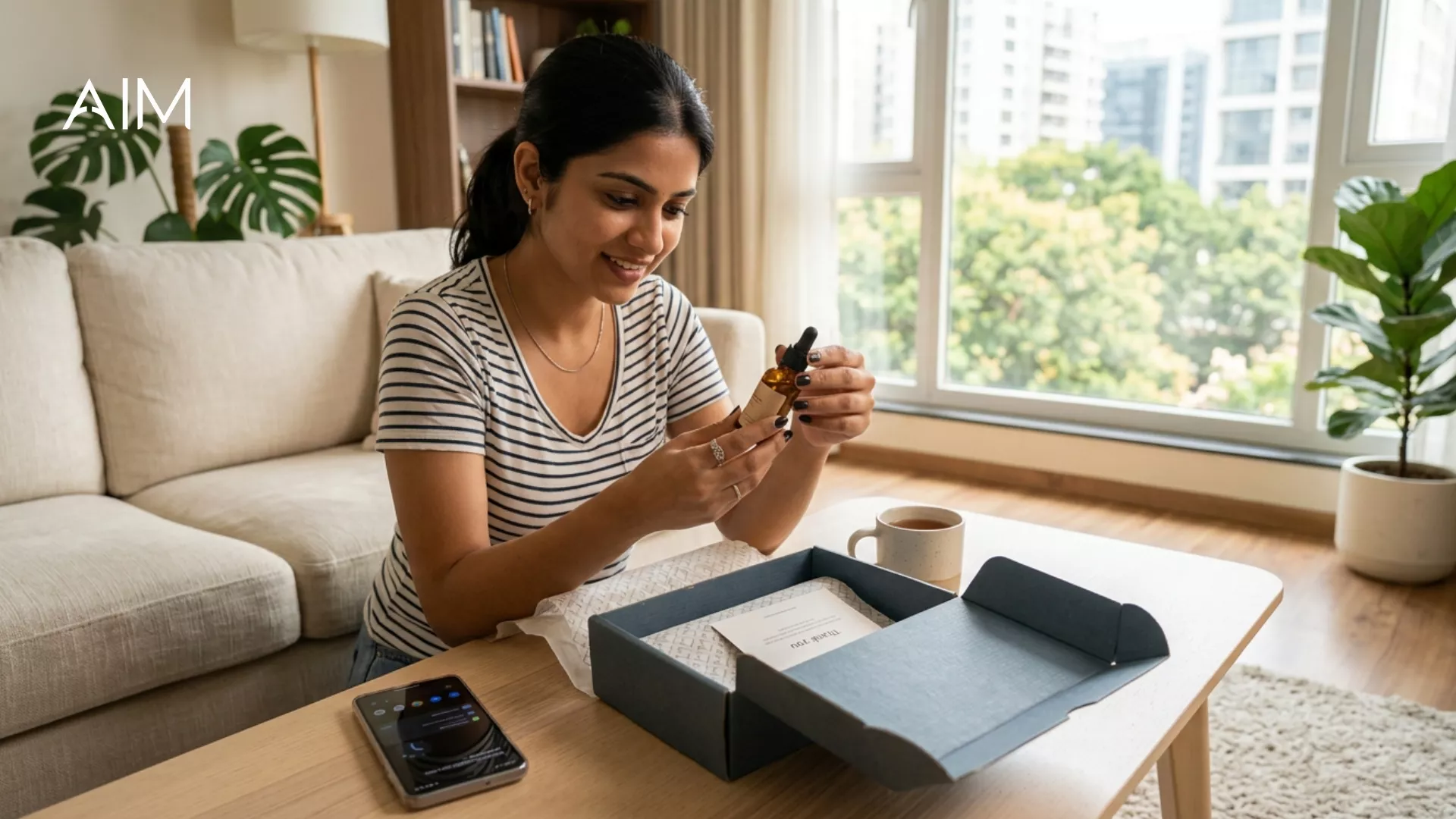
It can demonstrate, rather than only distribute. A kiosk hands over a sachet. An activation can show the product working, let the person try it properly, and answer the question that was holding them back. For anything that needs to be understood before it is wanted, this is the whole game.
It can create a memory, rather than only an impression. A few seconds at a table fades by the time the person reaches the car park. A few minutes inside a branded experience, doing something, lasts. People remember what they participated in far longer than what they were handed. That memory is what a brand is really buying when it pays for a mall presence, because recognition weeks later, when the person is actually shopping, is worth more than a forgotten sample taken on a Saturday.
It can produce content and word of mouth. An activation that is genuinely worth engaging with gets photographed, shared and talked about. A kiosk almost never does. The reach of a good activation extends past the people physically present, which a sampling table cannot match. One strong activation can be seen by many times the number of people who actually attended it, carried outward by the phones of the people who did.
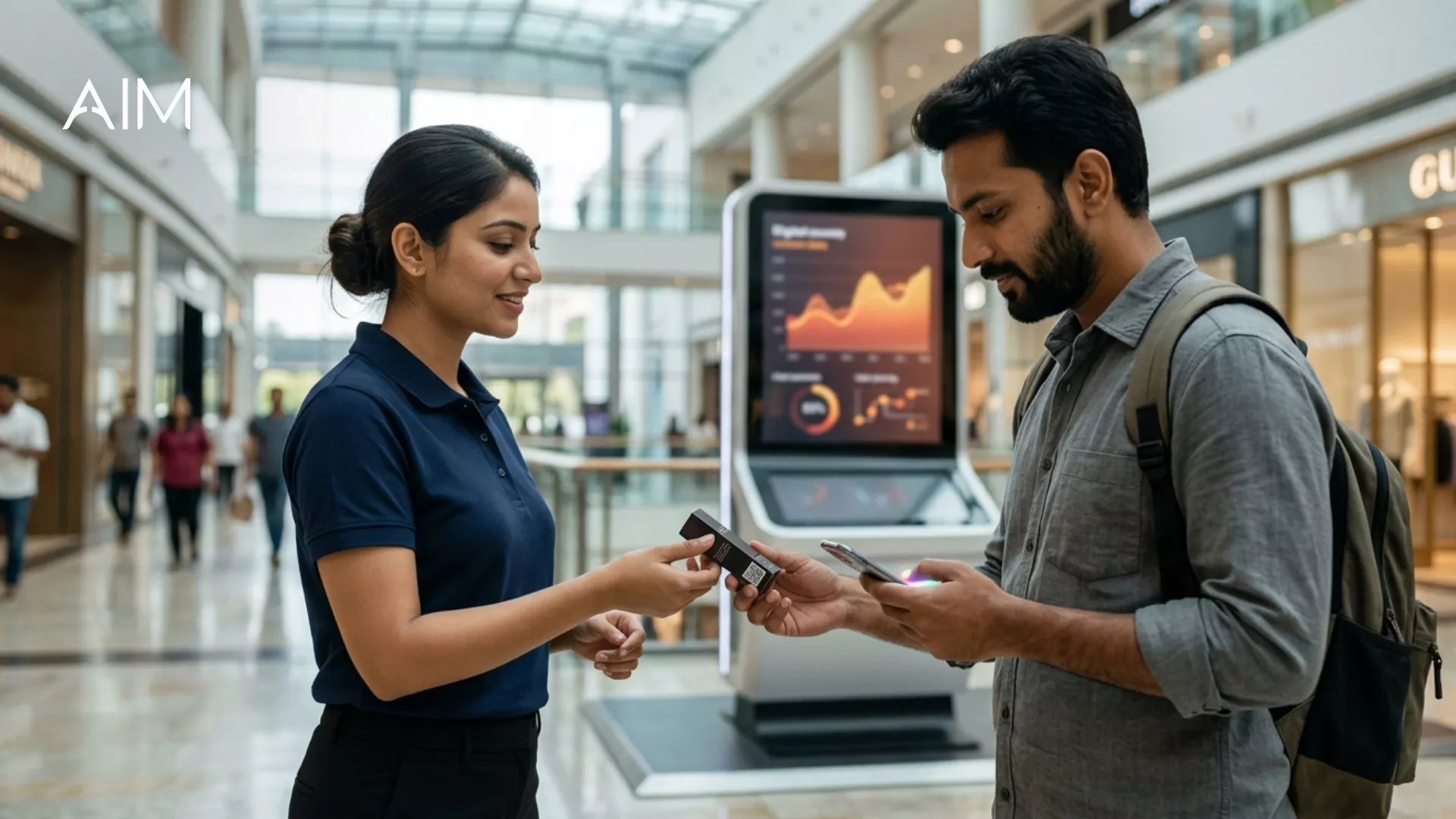
It can capture more, and better, data. Because the person has engaged, they are far more willing to share who they are, opt in, and become someone you can follow up with. A hurried kiosk interaction rarely earns that. And without that capture, there is no follow-up, which is where a great deal of sampling value is won or lost long after the person has left the mall.
When is a kiosk actually the better choice?
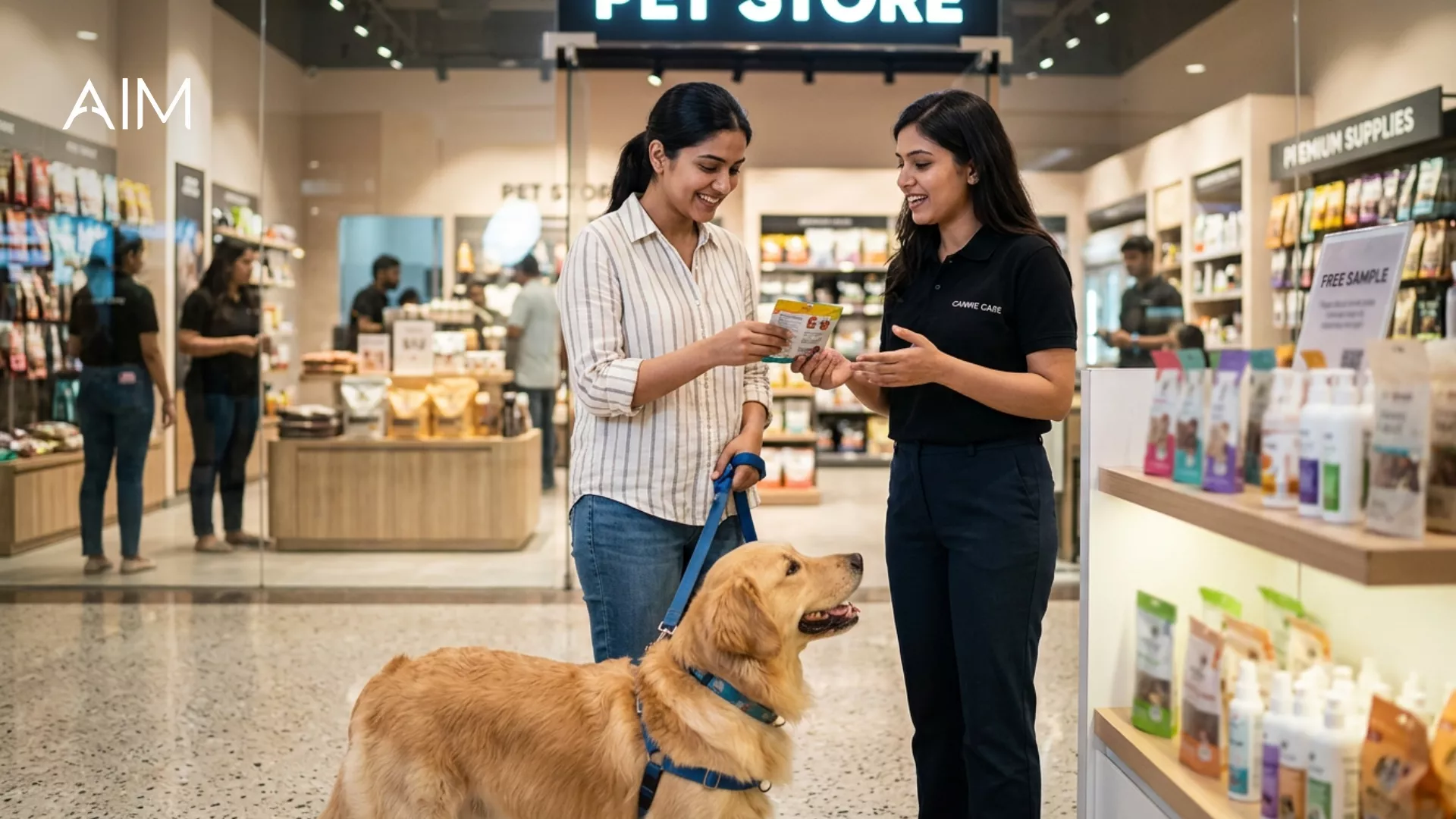
None of this makes an activation always right. A kiosk wins in plenty of situations, and pretending otherwise wastes money in the other direction. When the product is simple and self-explanatory, where a taste or a quick trial tells the whole story, the few seconds a kiosk offers are enough. When the goal is pure reach and trial volume rather than depth, a kiosk puts more product into more hands for less. And when the budget is genuinely tight, a well-placed, well-staffed kiosk beats a thin, underfunded activation that fails to feel like an experience. A weak activation is worse than a good kiosk, because it pays activation prices and delivers kiosk value.
The honest rule is that the format should match the job. If the product needs explaining, demonstrating or feeling to be wanted, an activation earns its cost. If it sells itself on a quick trial, a kiosk is the efficient answer. A premium skincare line, a new food product with an unusual format, a gadget, a service that needs a walkthrough, these reward an activation. A familiar snack, a drink, a everyday item that only needs tasting, these are kiosk territory, and paying activation rates for them is money spent on theatre the product never asked for.
How do you decide between an activation and a kiosk?
Three questions settle it most of the time. First, does your product need to be experienced to be understood, or does a quick trial say enough? The more explaining it needs, the more an activation is worth. Second, what do you want the person to leave with, a sample, or a memory and a relationship? If the answer is only a sample, do not pay for an activation. Third, is your budget enough to make an activation actually feel like one? If it is not, concentrate the money into a strong kiosk rather than spreading it into a weak experience.
Notice that none of these questions is about the size of the crowd. The mall gives you the crowd either way. What you are choosing is how deeply you want to engage the slice of that crowd who matter, and that depth is exactly what the activation buys and the kiosk does not. Reach is cheap in a mall. Depth is the thing you are really deciding whether to pay for.
Why do so many brands pick the wrong format?
The common mistake is choosing by budget first and job second. A brand decides what it wants to spend, then fits the format to the number, and ends up with a kiosk doing an activation's job or an activation starved of the budget it needed to work. The better order is to decide what the moment actually requires, then fund that properly, or wait until you can. Spending activation money badly is a worse outcome than spending kiosk money well. A product that genuinely needs demonstration will underperform at a kiosk no matter how good the location, and a simple product gains nothing from an expensive experience it never needed.
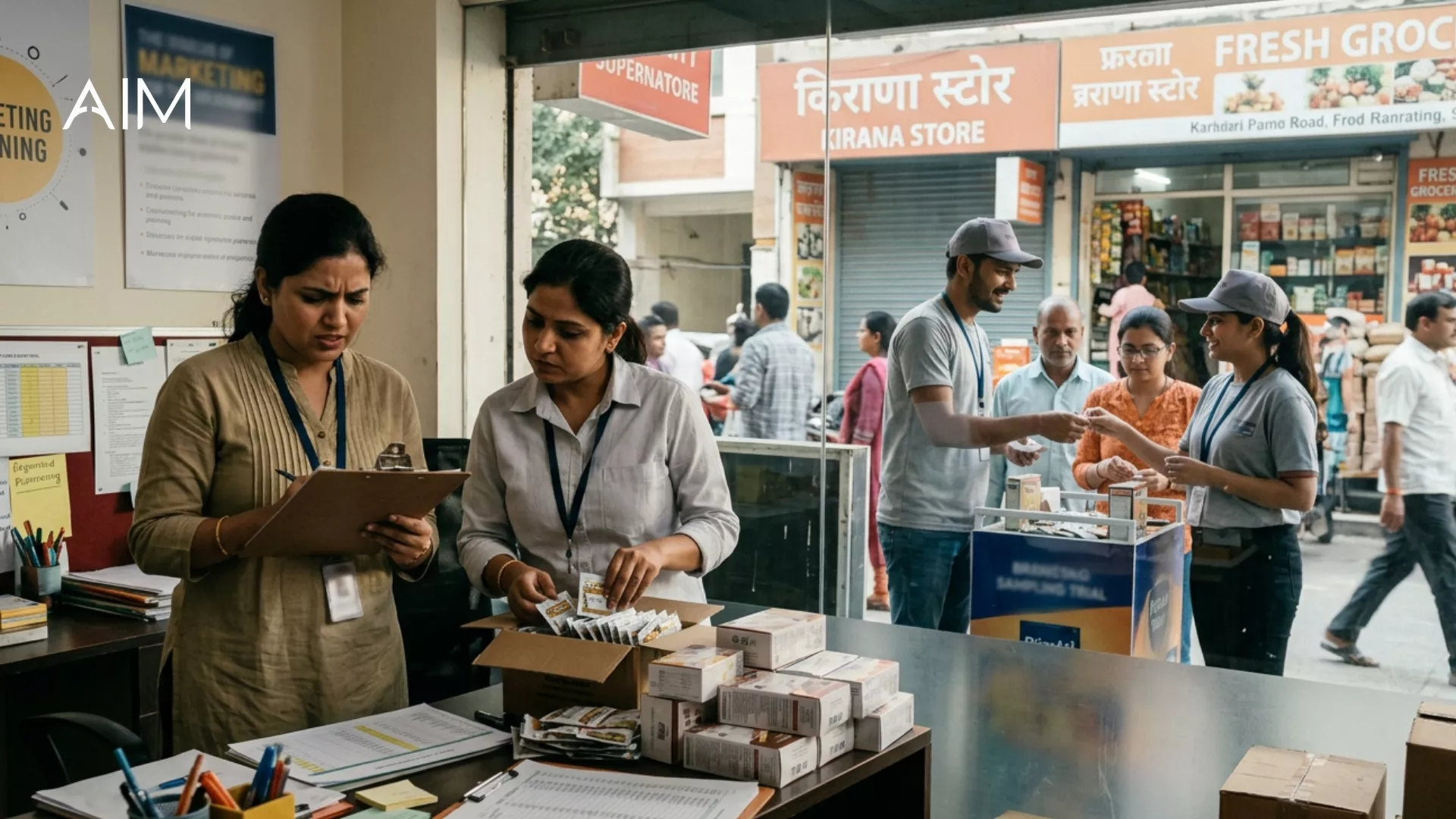
The other mistake is forgetting that both formats still need the fundamentals that make any sampling work: the right audience, a reason to buy, a way to capture who engaged, and a path to a purchase. An activation that is a beautiful experience with no next step is as wasteful as a kiosk that hands out product to a random crowd. The format decides the depth of engagement. It does not replace the discipline underneath. A mall is a place with a rare concentration of the right people in a spending mood, but concentration alone converts nothing. What you do with it, and how well the format fits the product, is what turns a crowded weekend into actual customers.
How AIM decides between a mall activation and a kiosk
At AIM, the format is chosen from the job, not the budget line. The starting question is what the product needs from the shopper to move them toward a purchase. If it needs to be felt, demonstrated or understood, an activation is designed to earn the minutes that make that possible, with engagement, data capture and a path to purchase built in. If a quick trial is genuinely enough, a kiosk is placed and staffed to convert as much of the right footfall as possible, without paying for an experience the product does not need. In both cases the same discipline applies underneath: reach the right people, give them a reason, capture who engaged, and connect the trial to a sale. The mall supplies the crowd. The format decides how much of that crowd you actually turn into customers, and the kiosk and the activation are simply two different answers to that question, each right for a different product and moment. The fundamentals that decide this are the same ones behind all effective in-store product sampling.