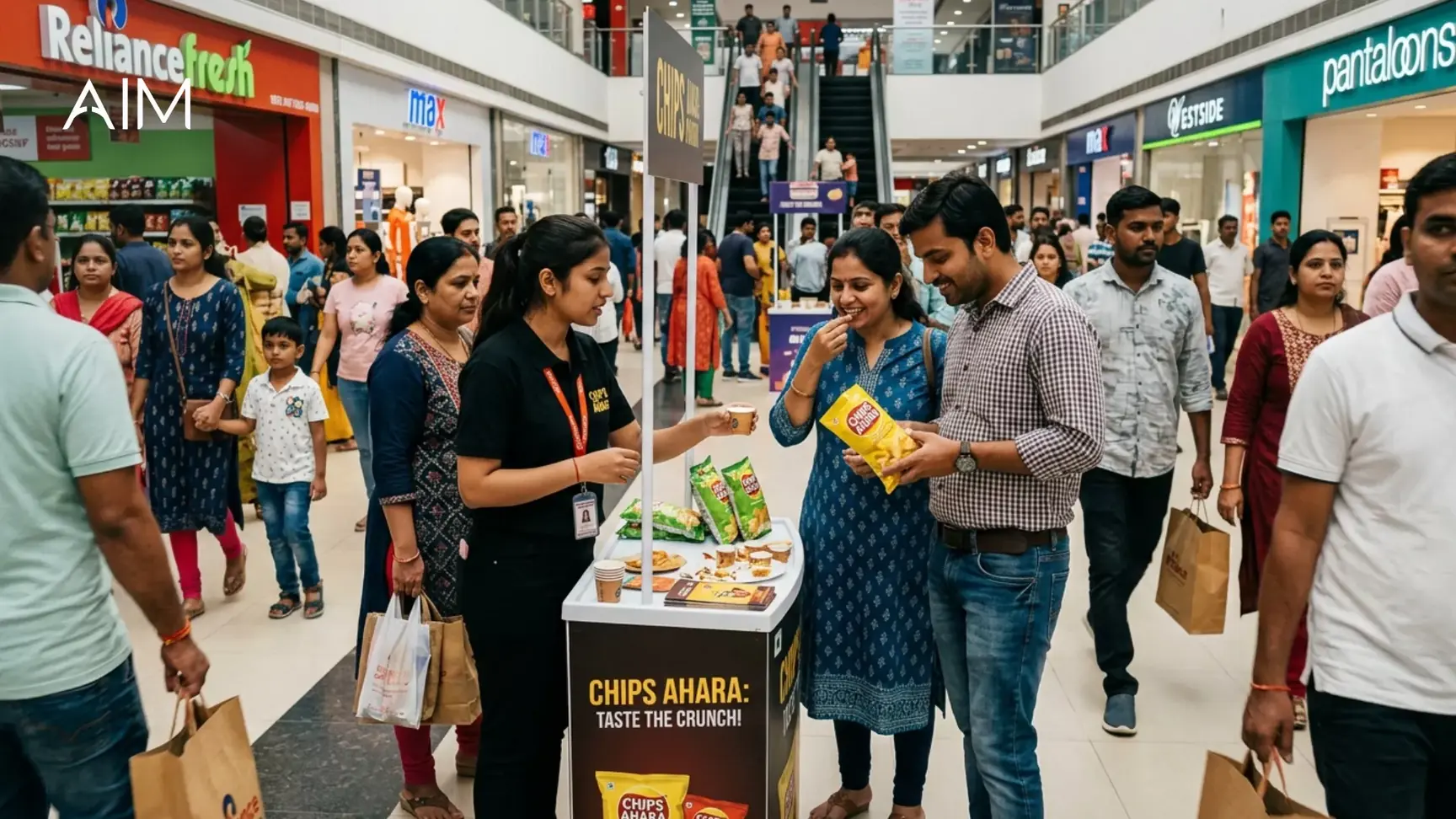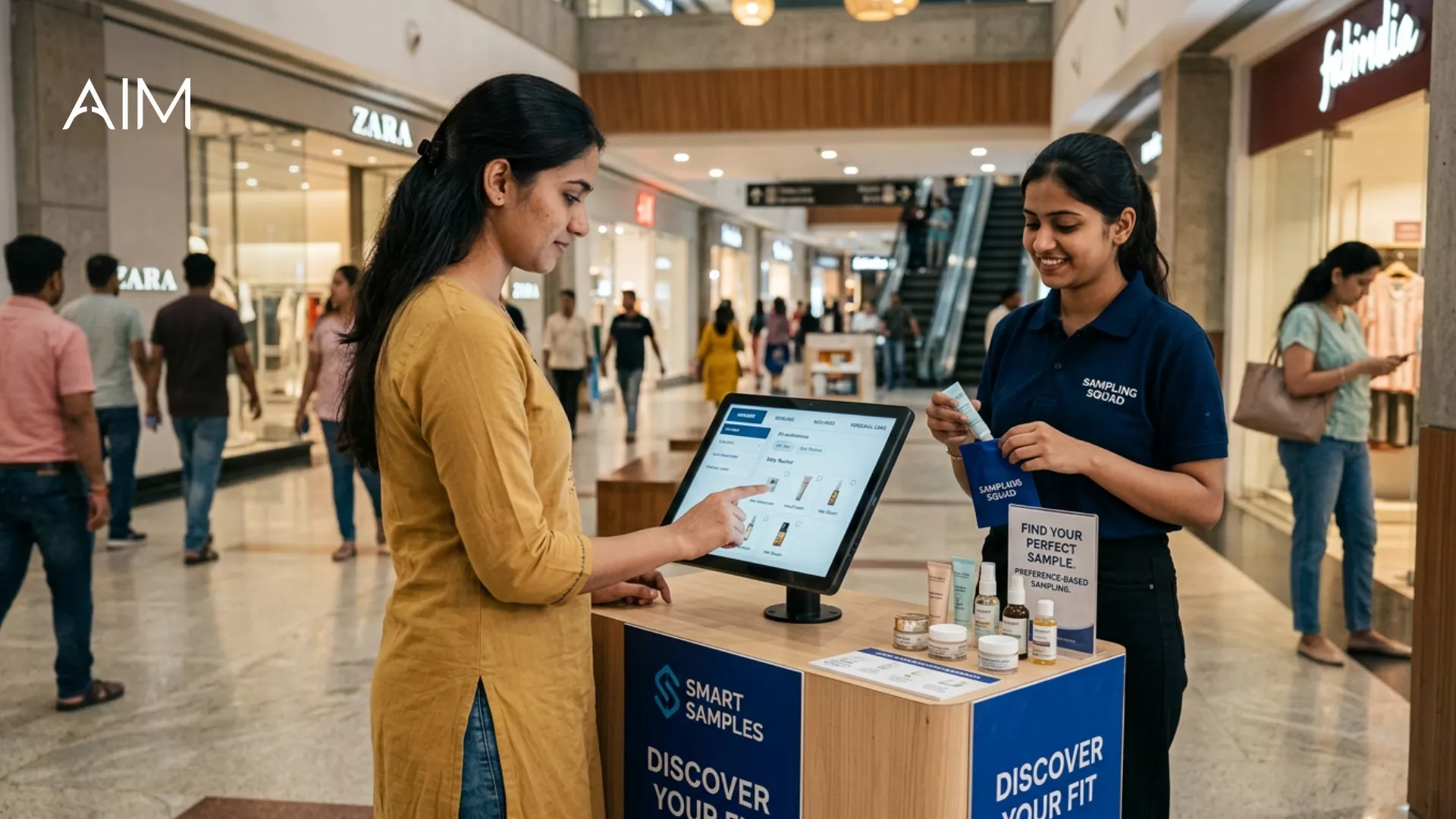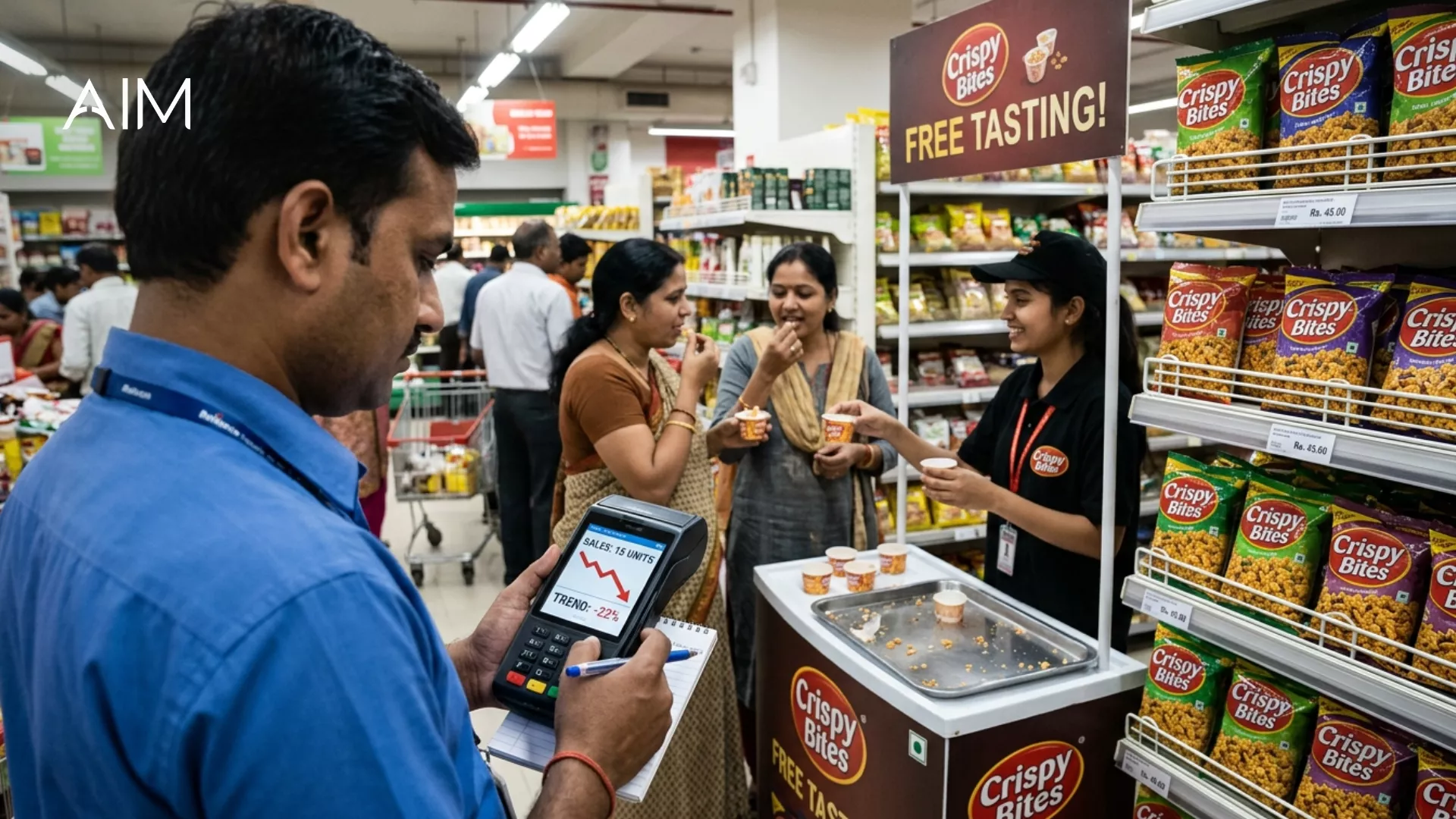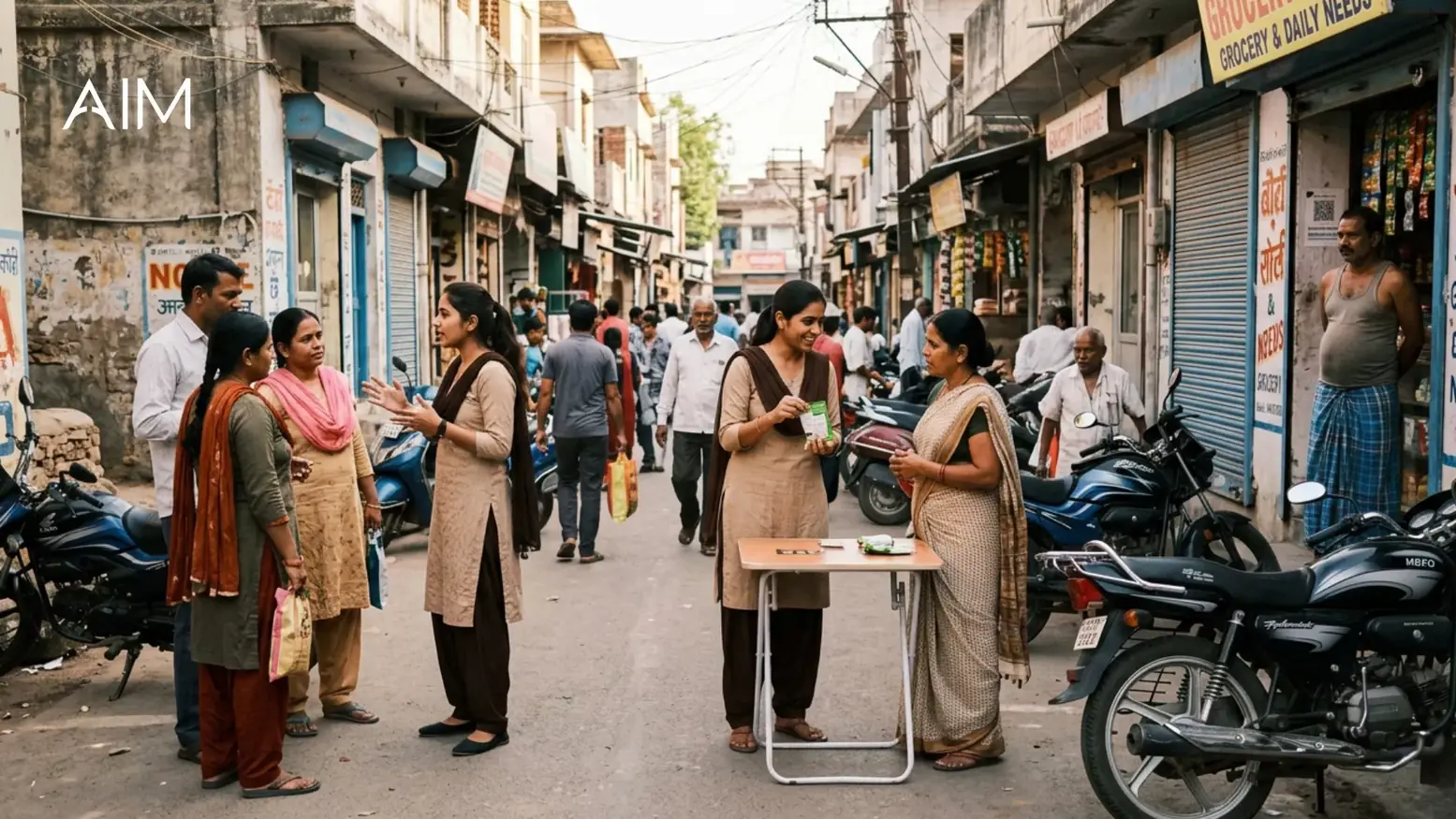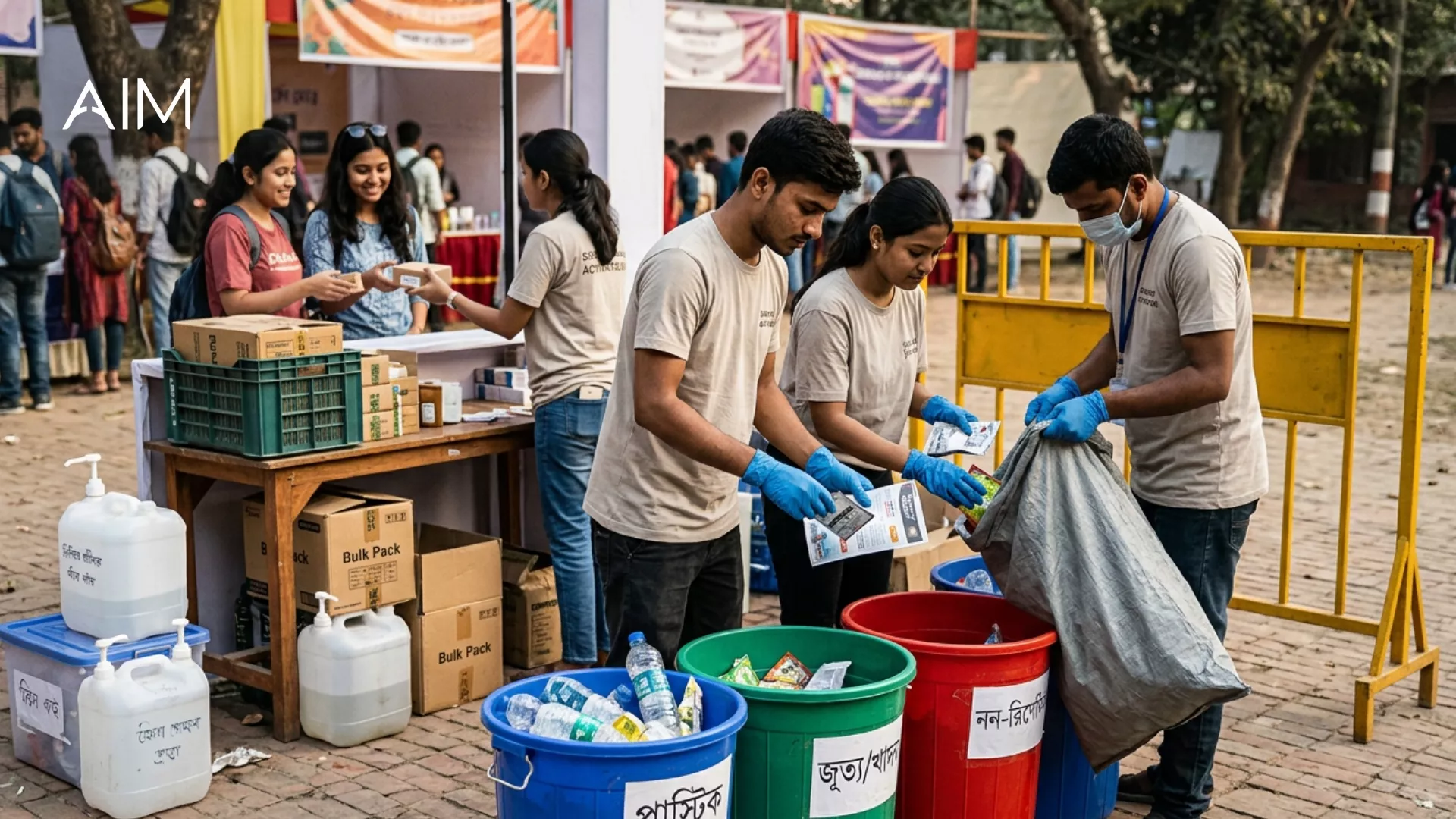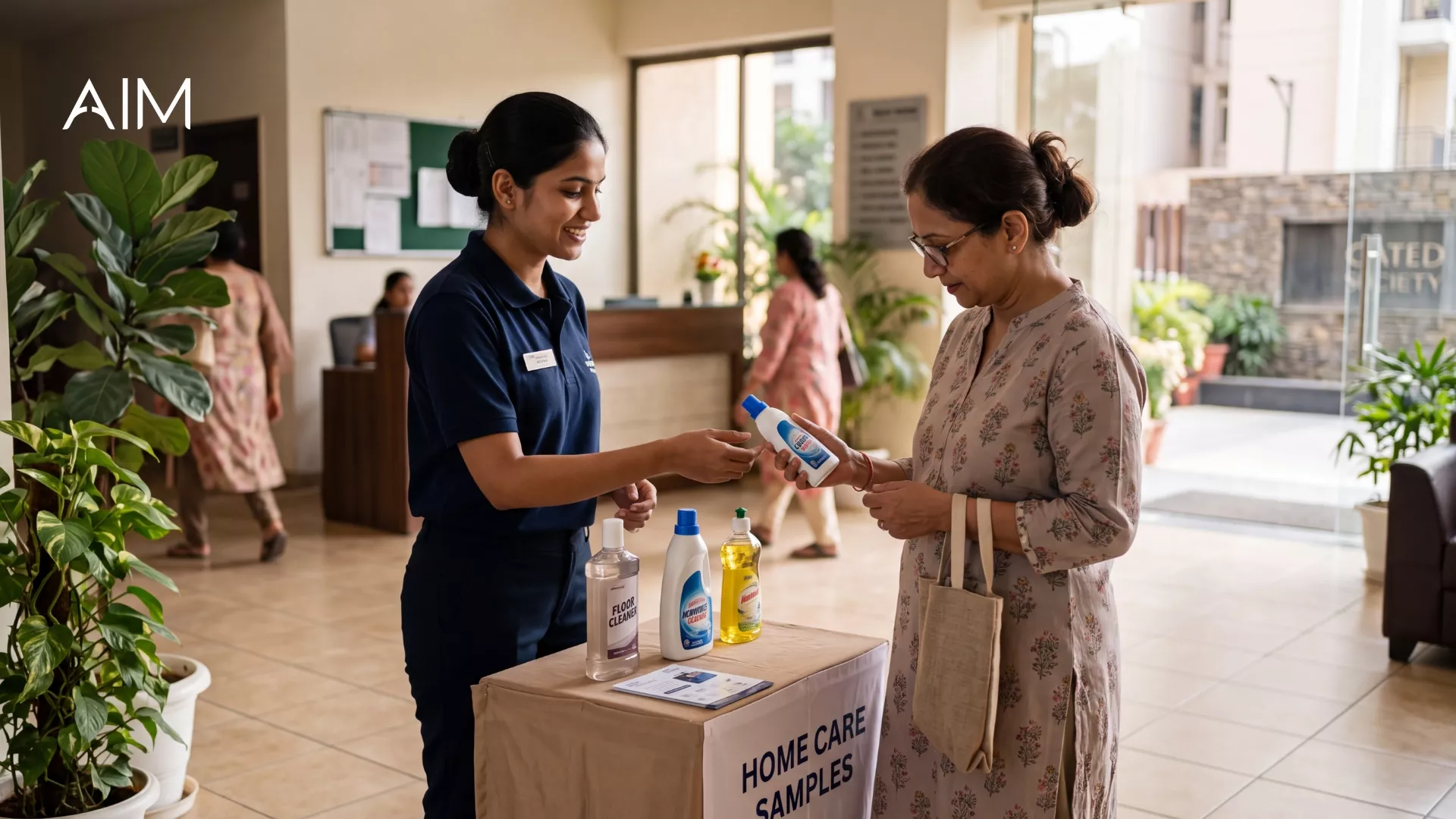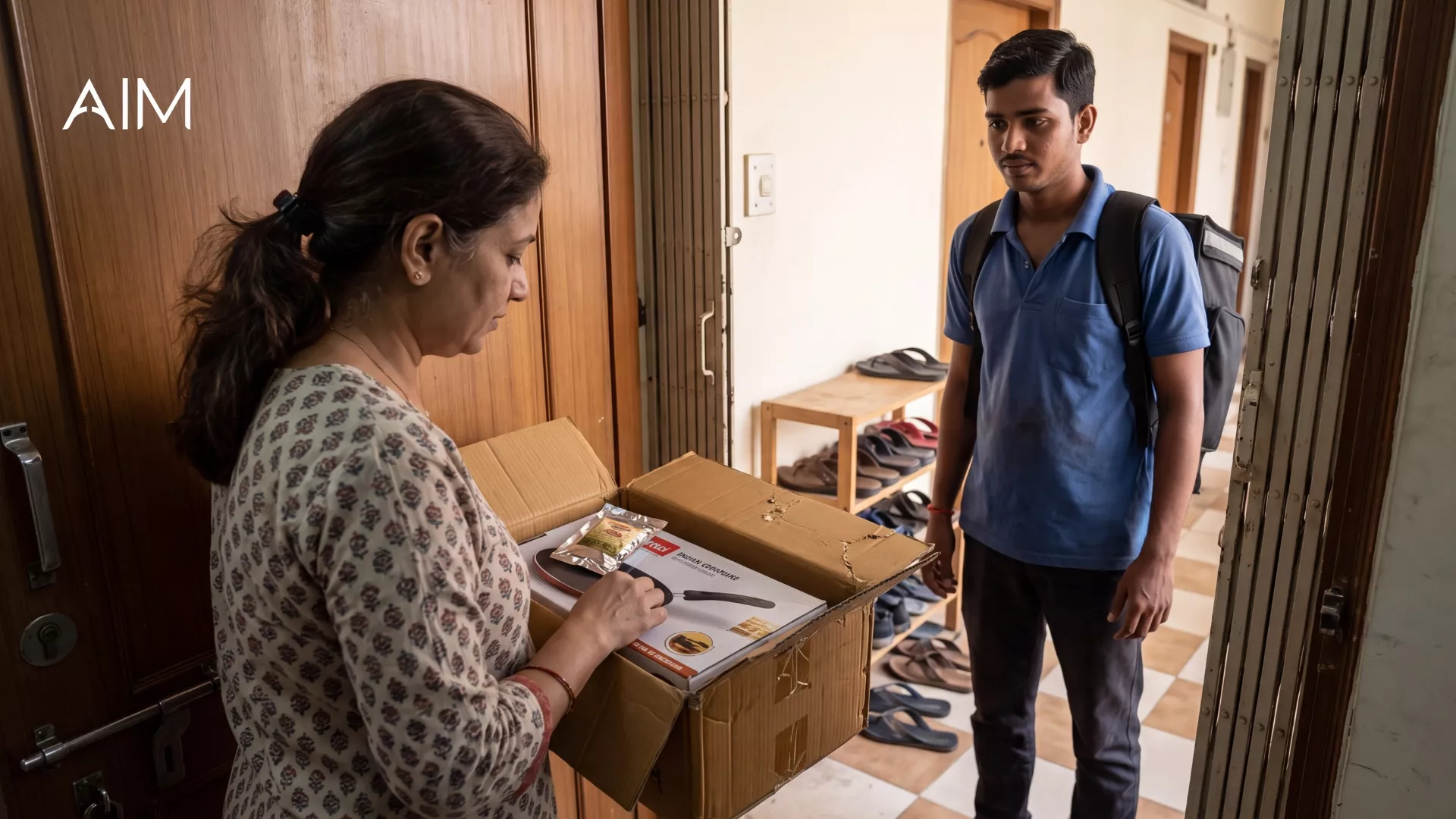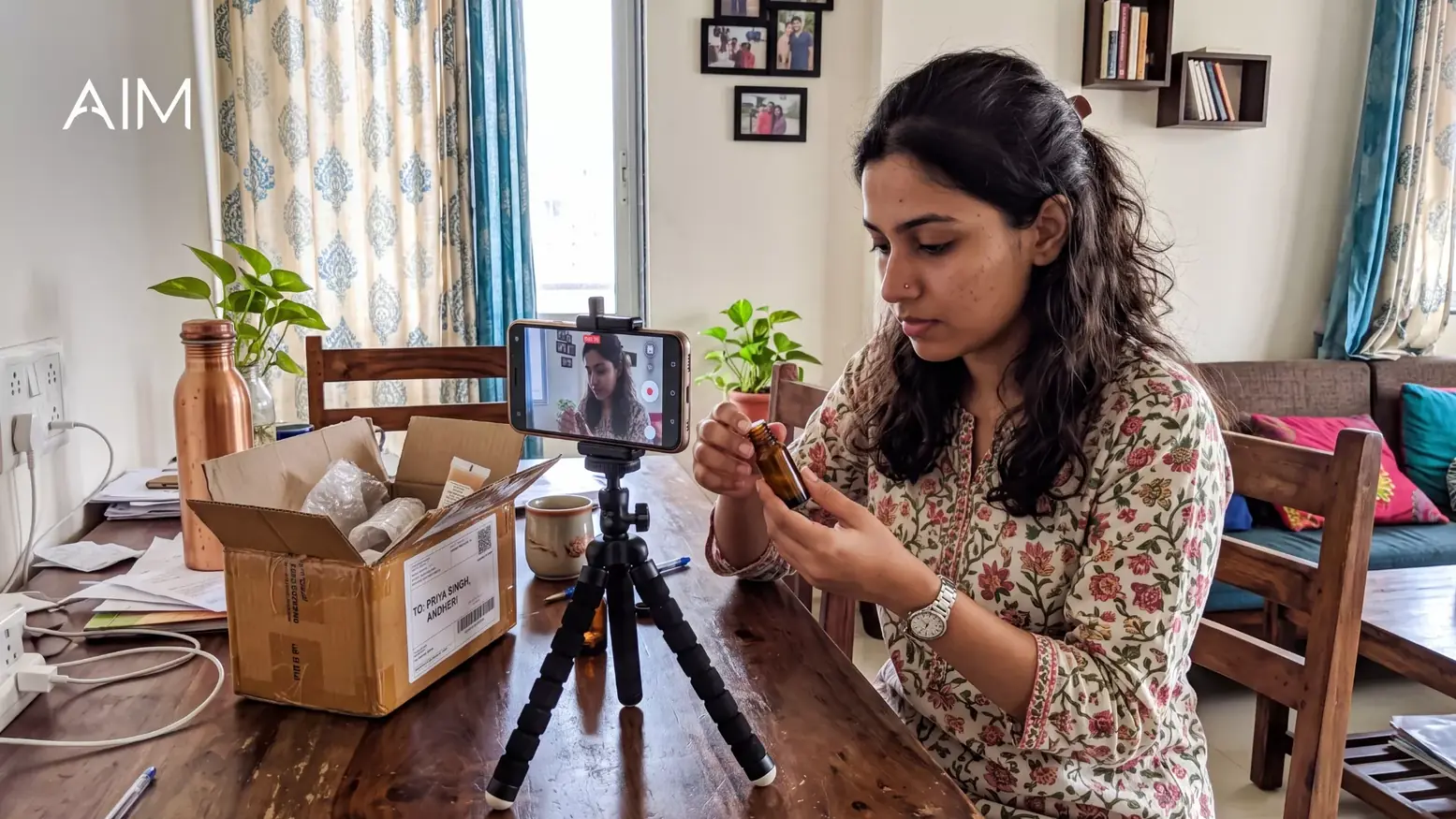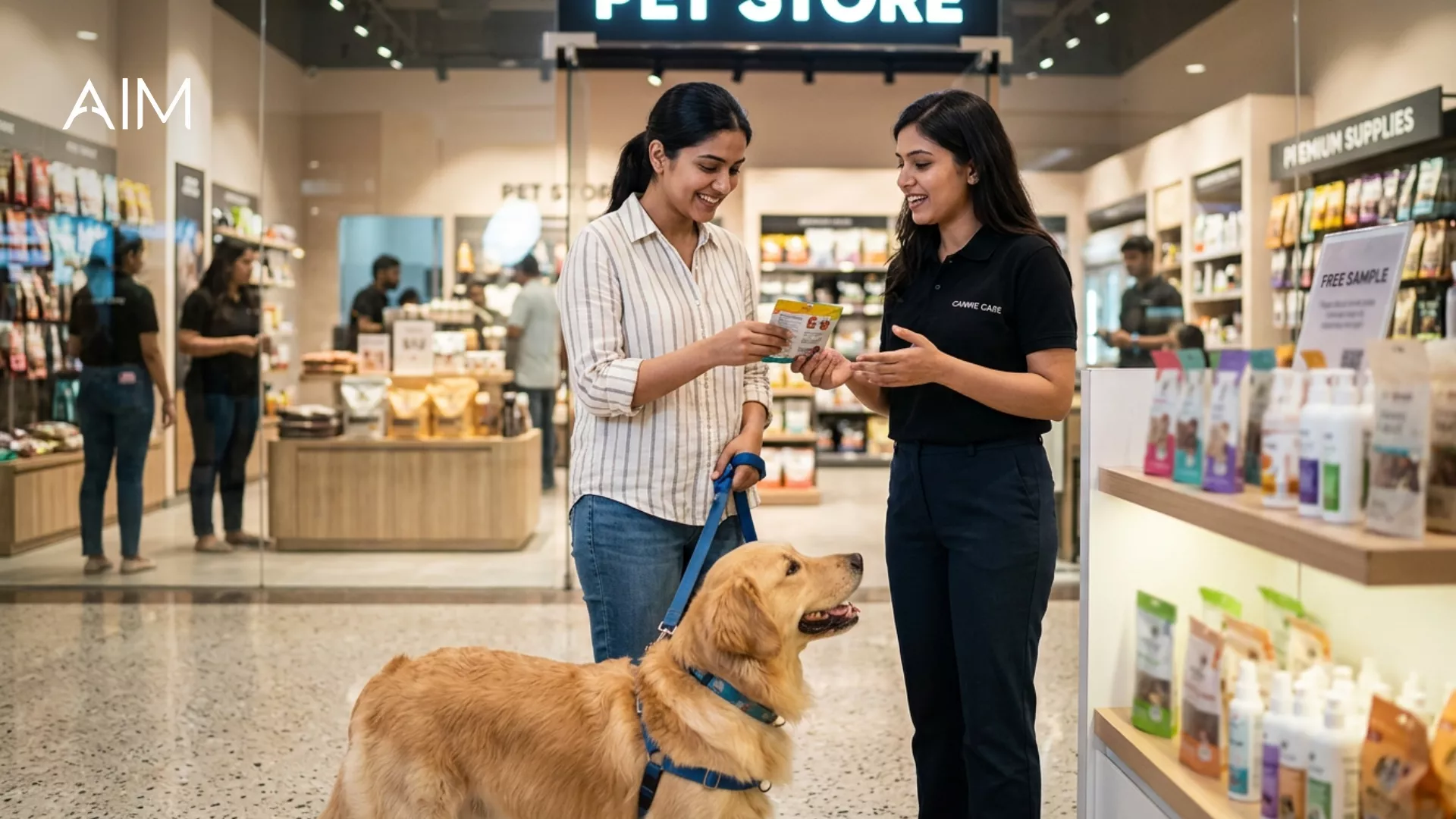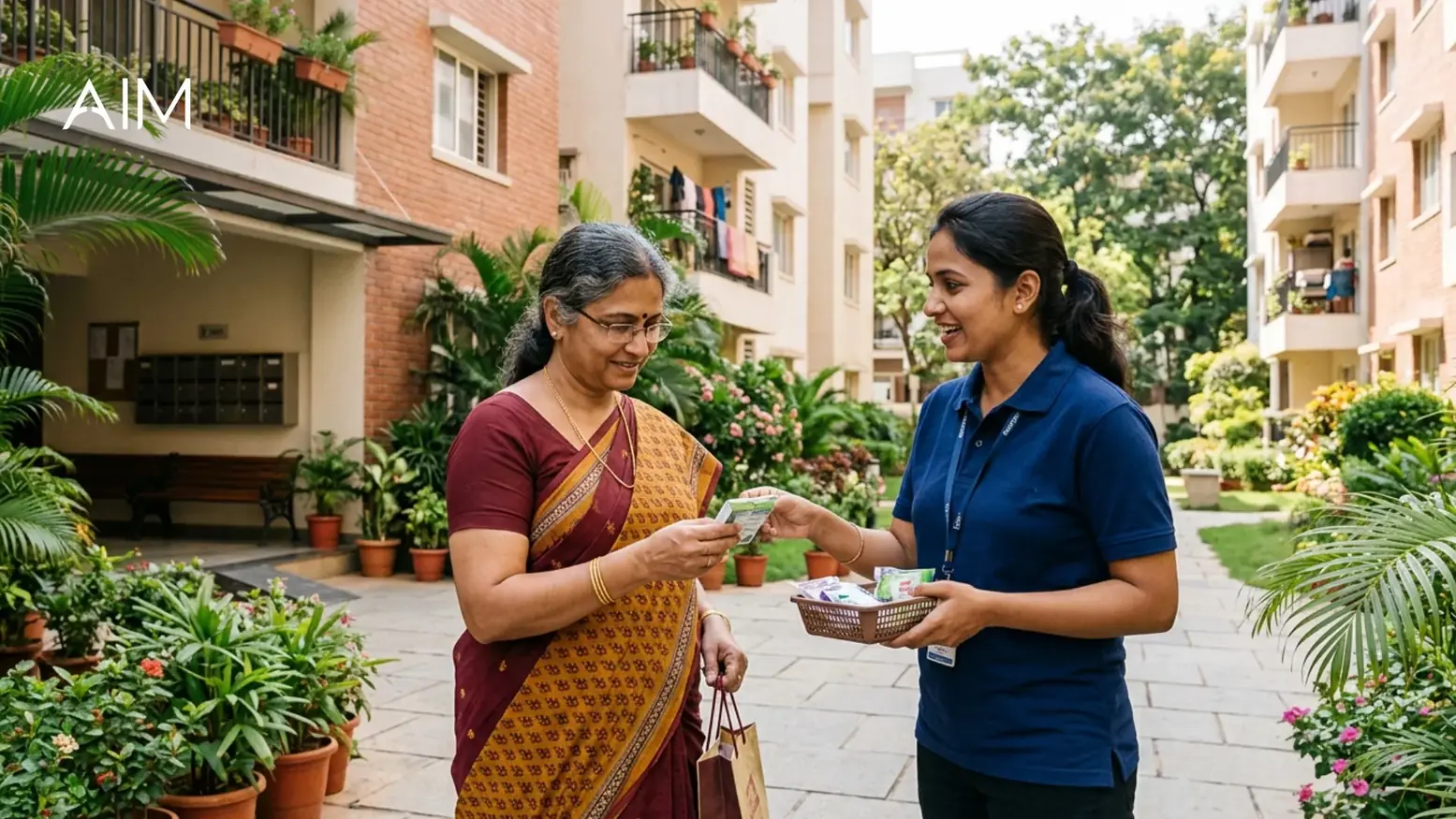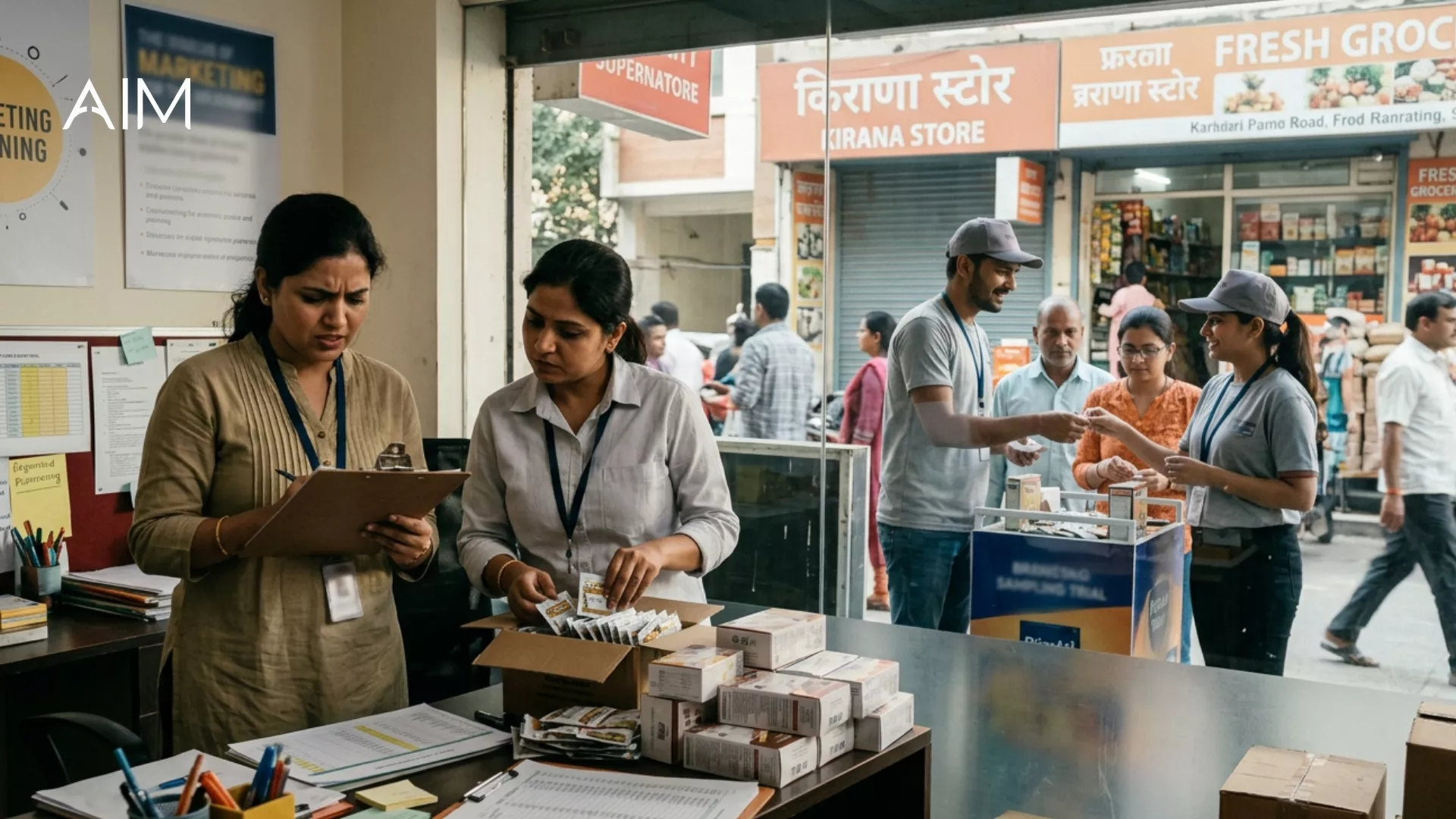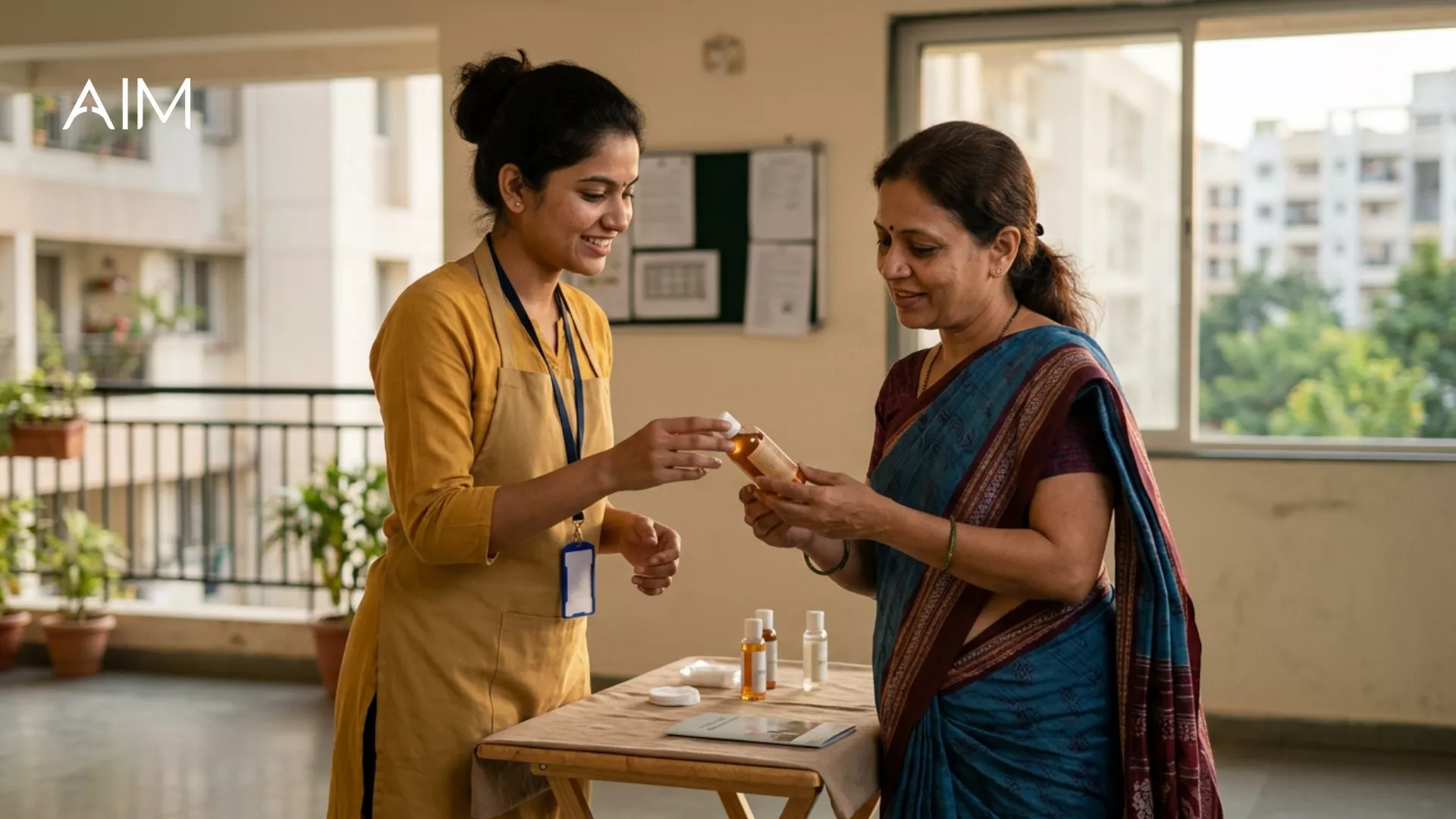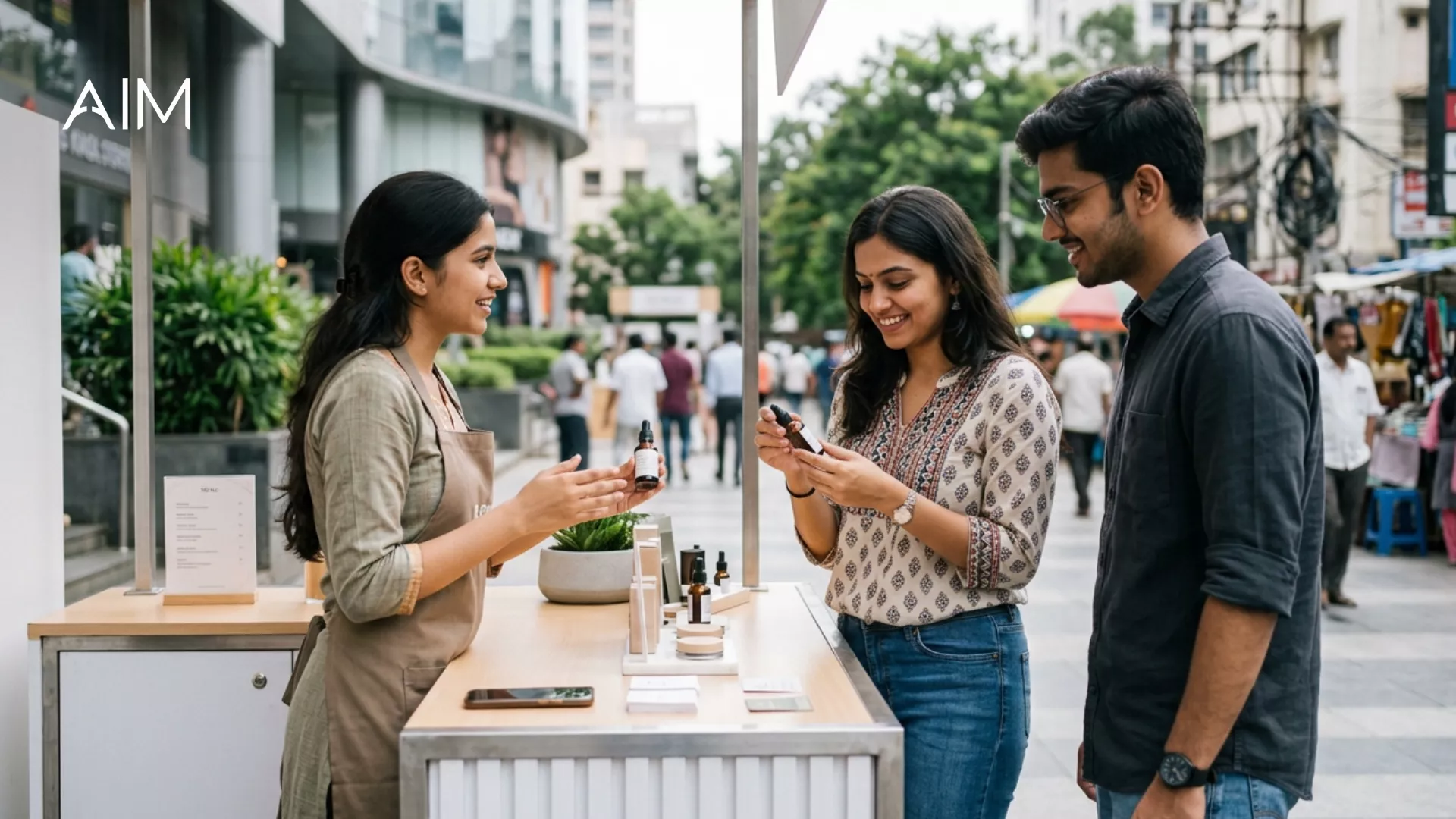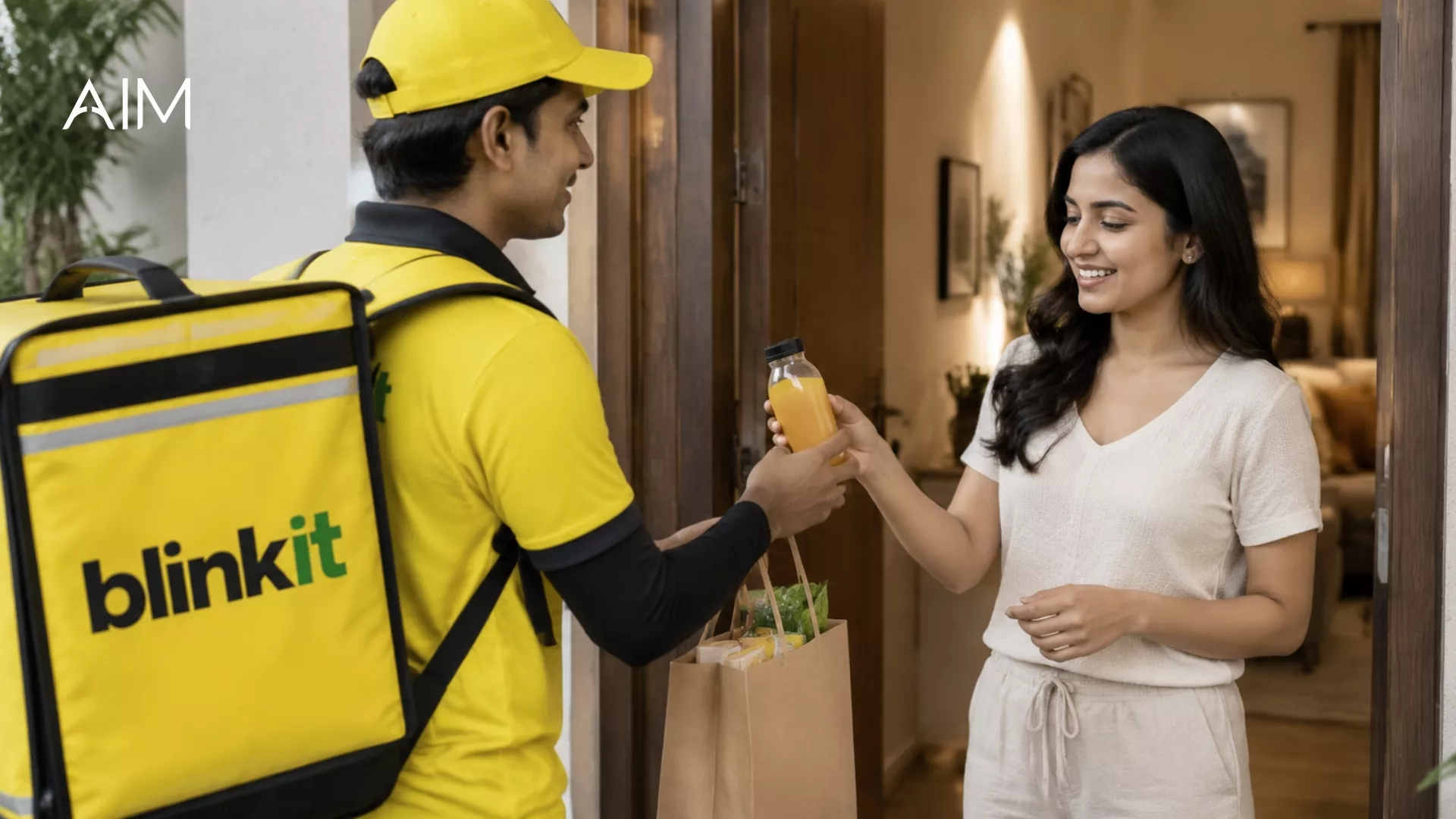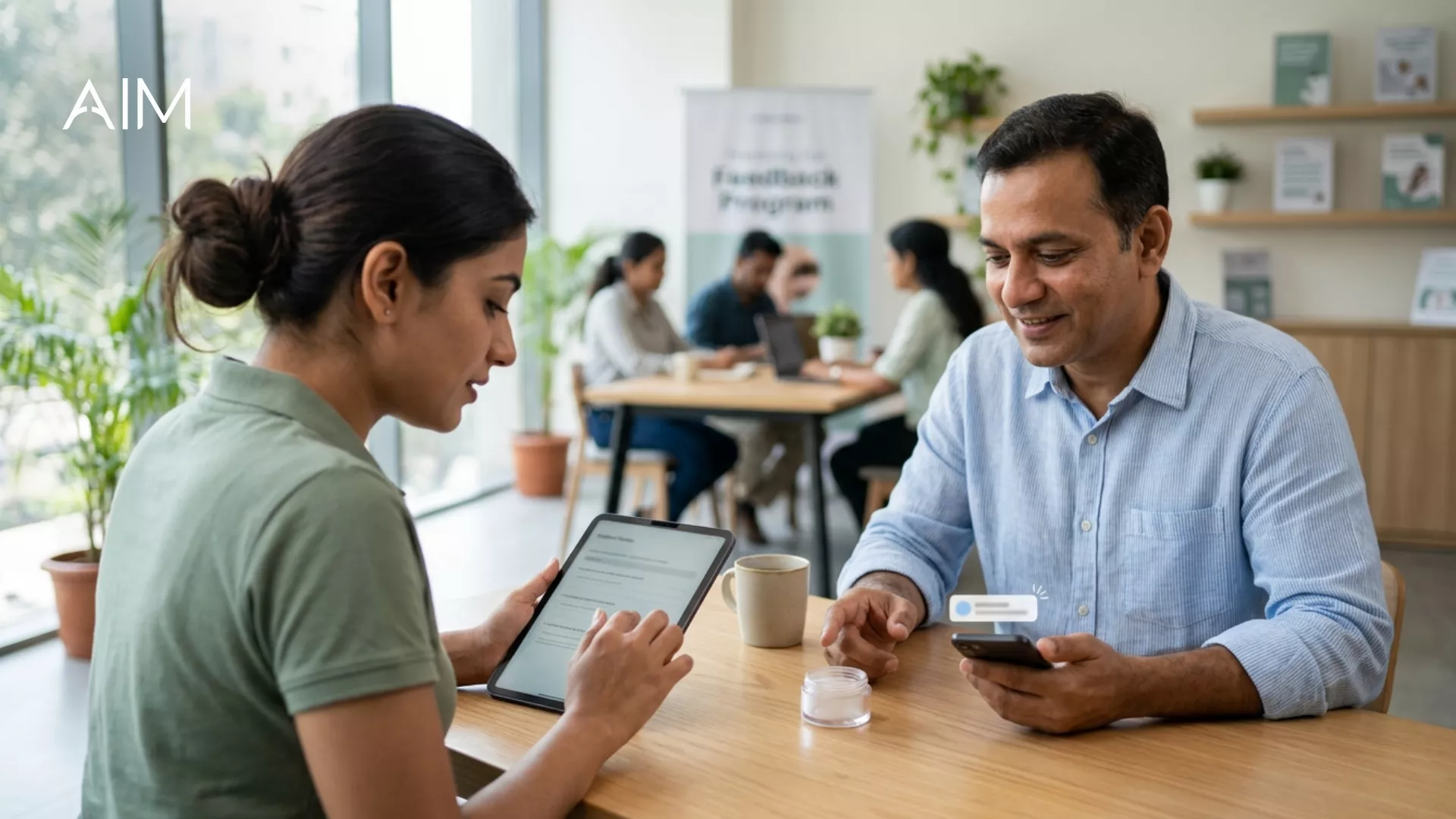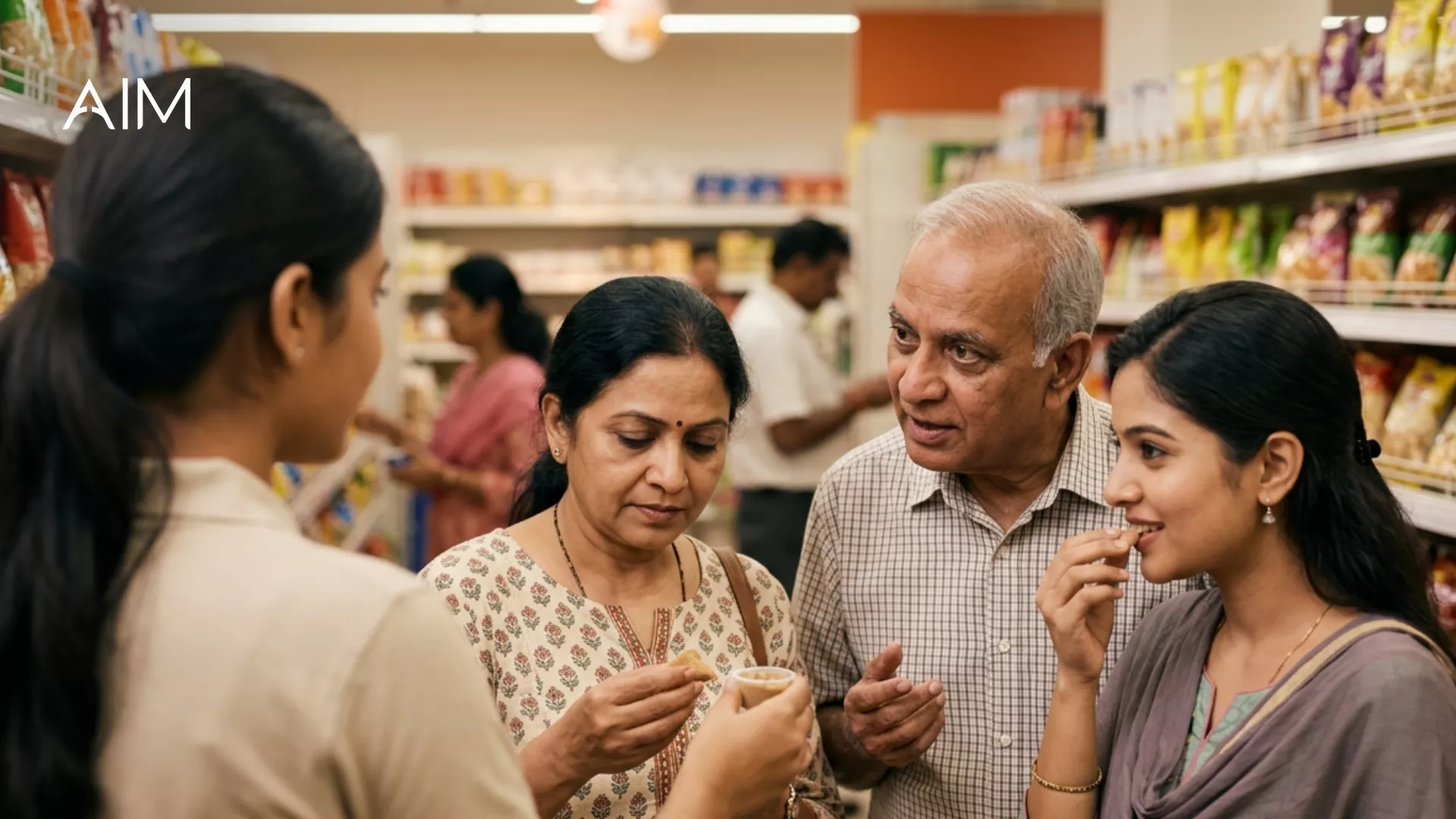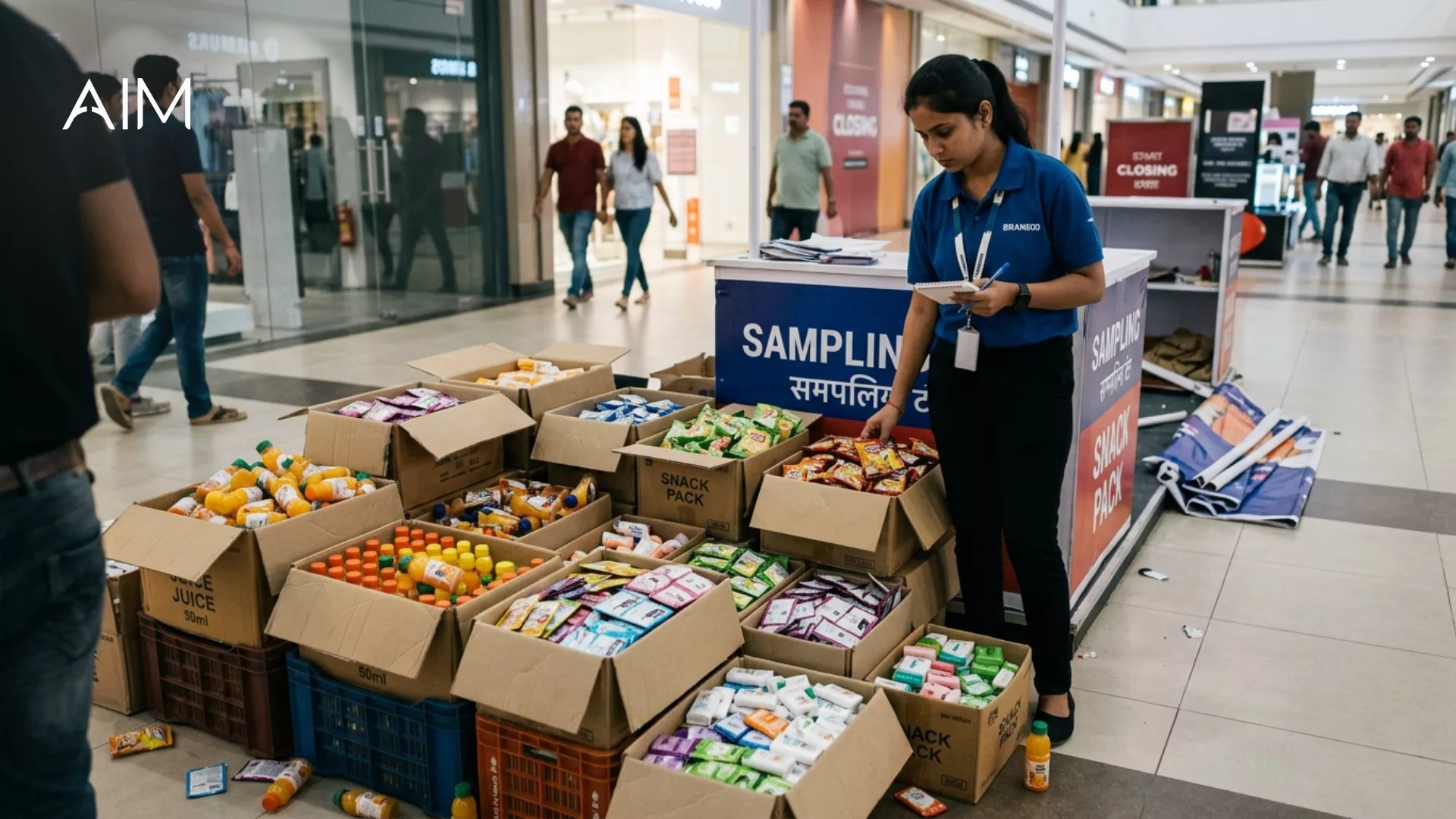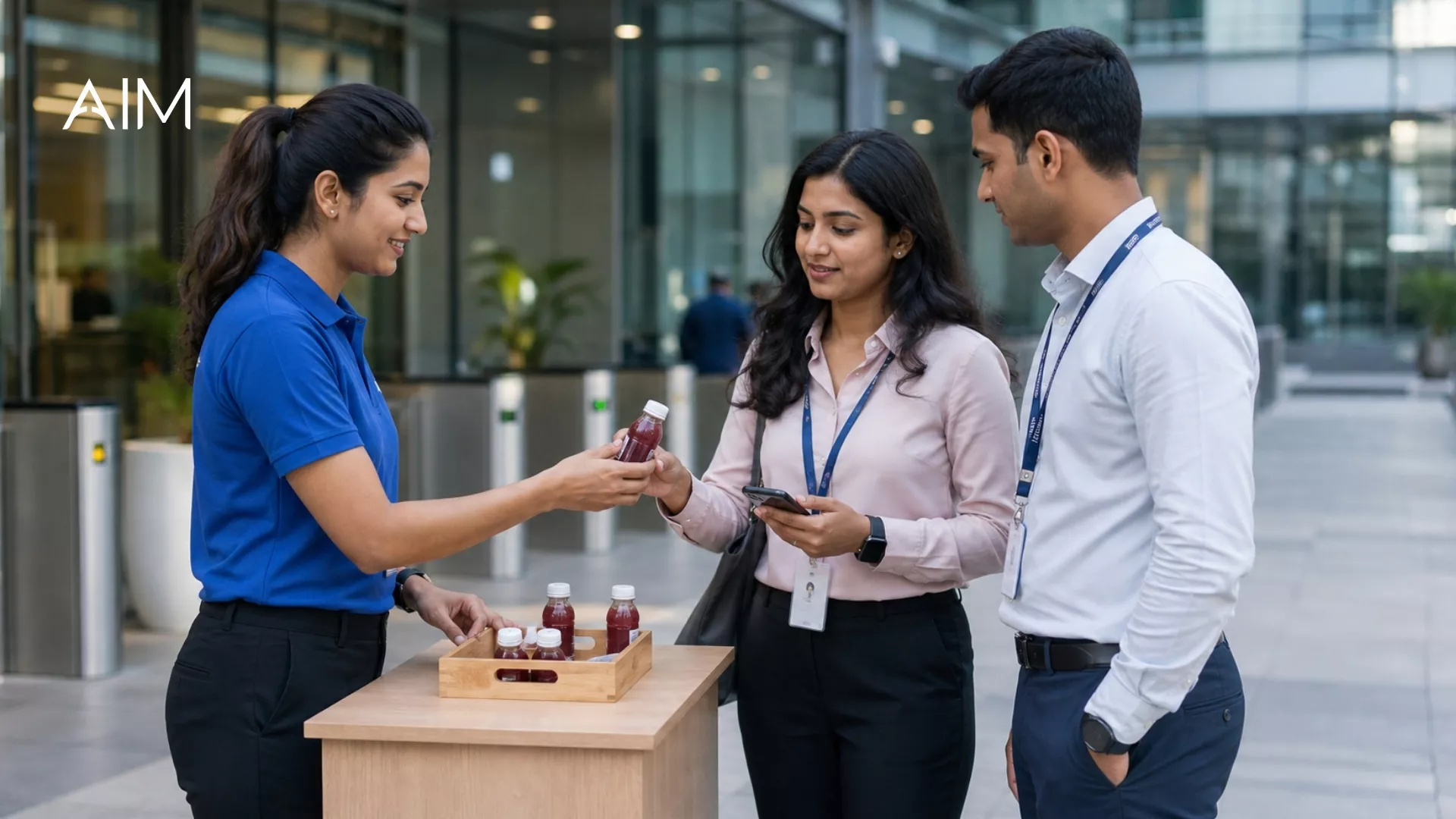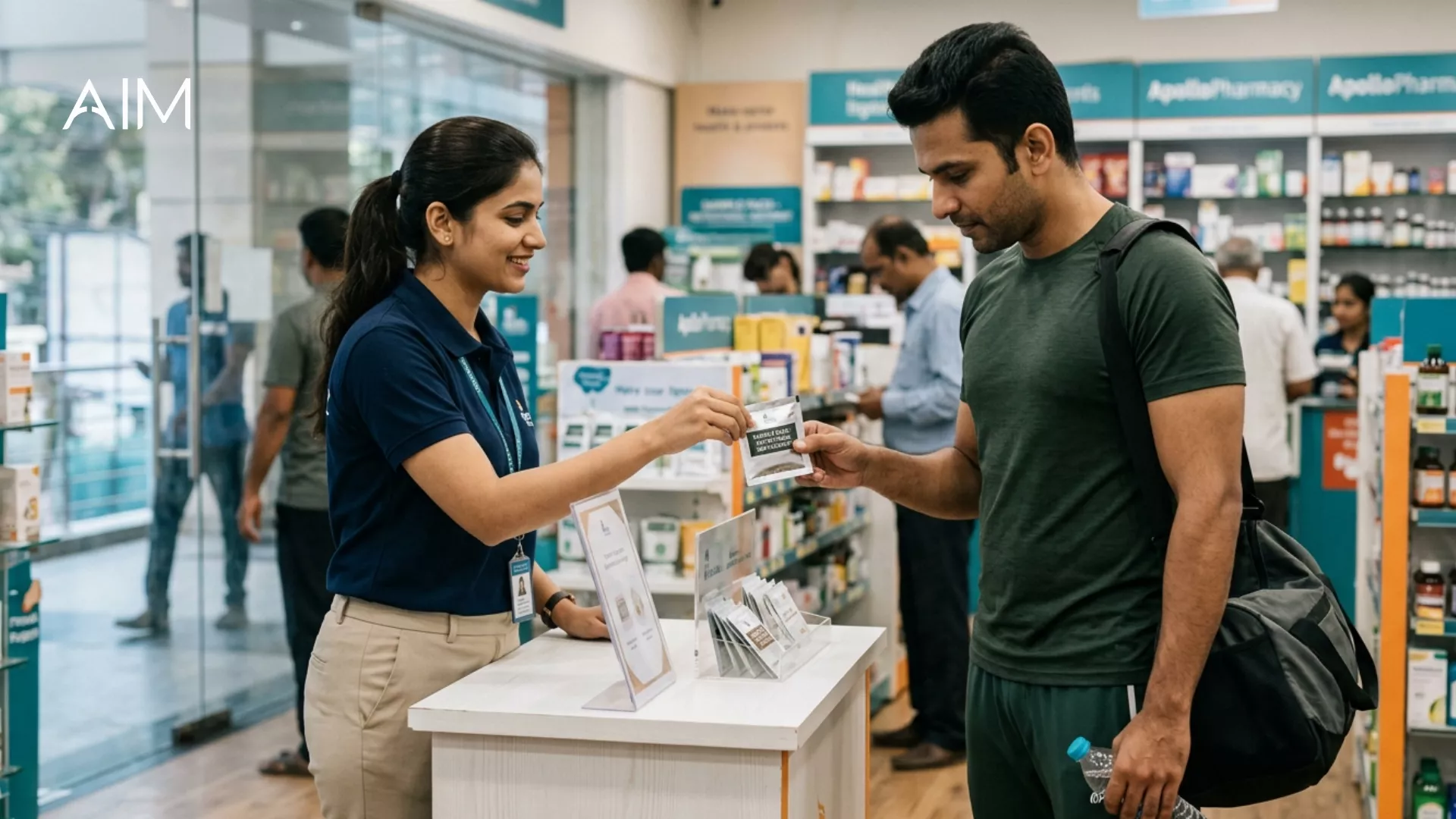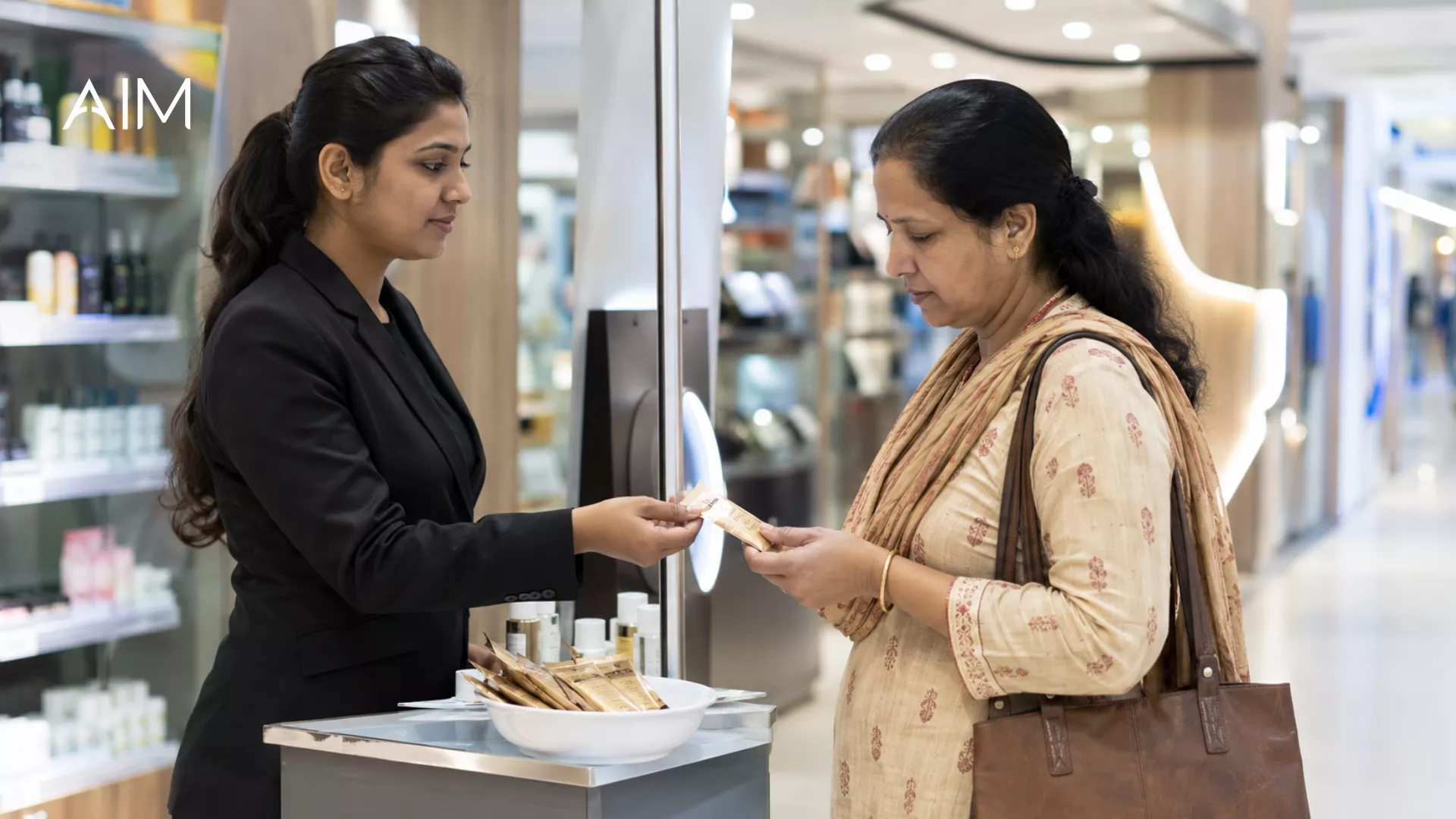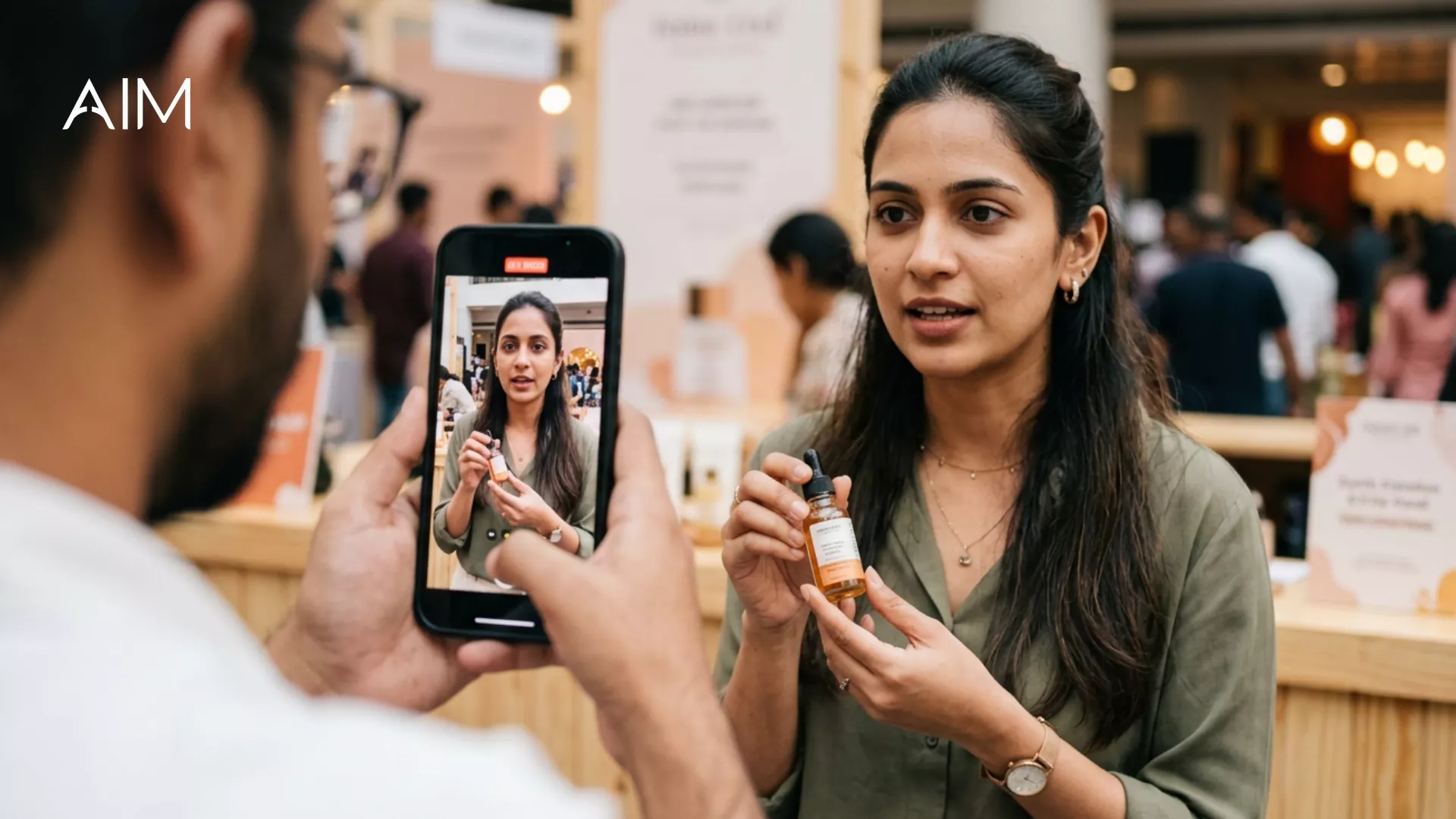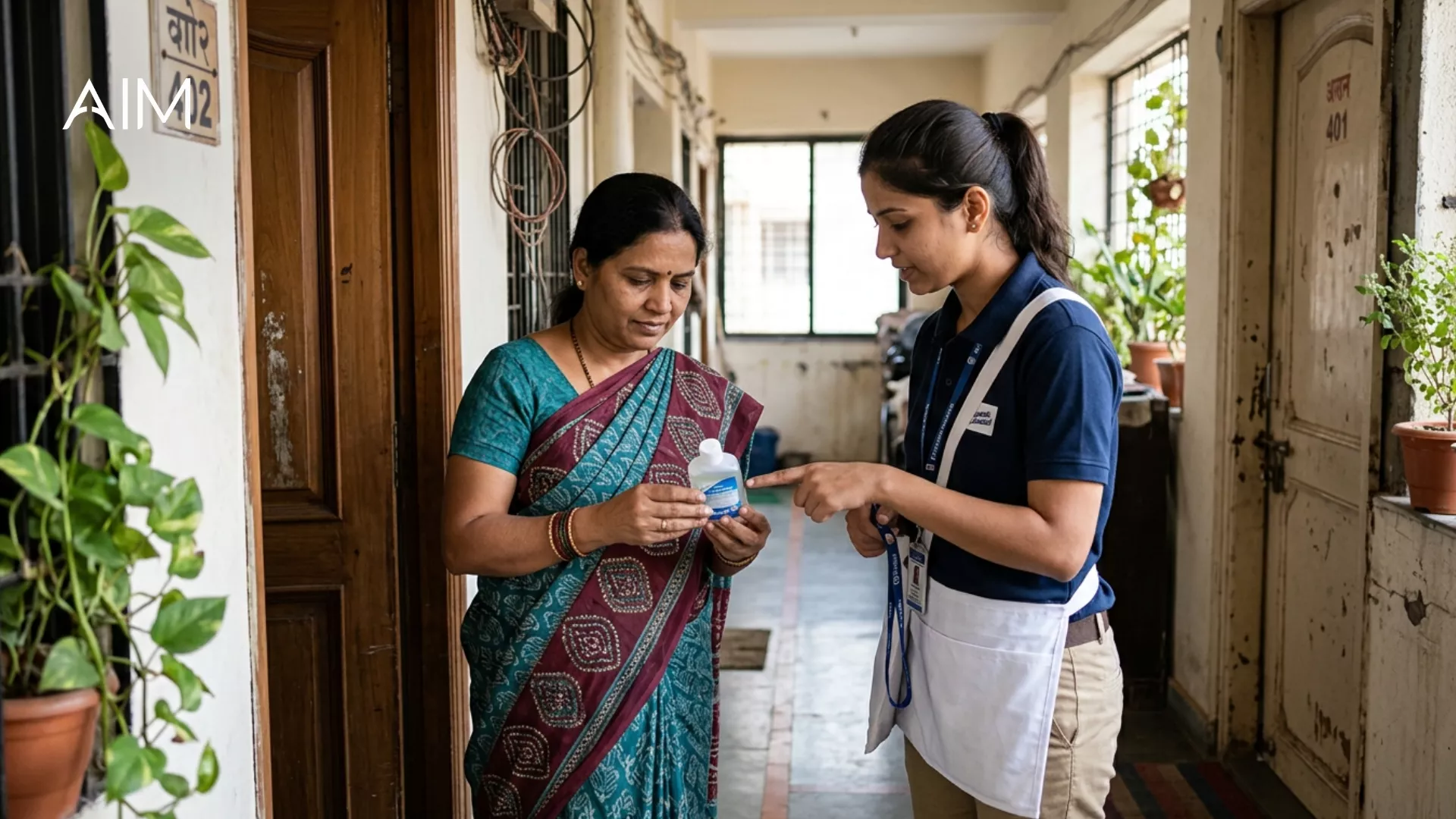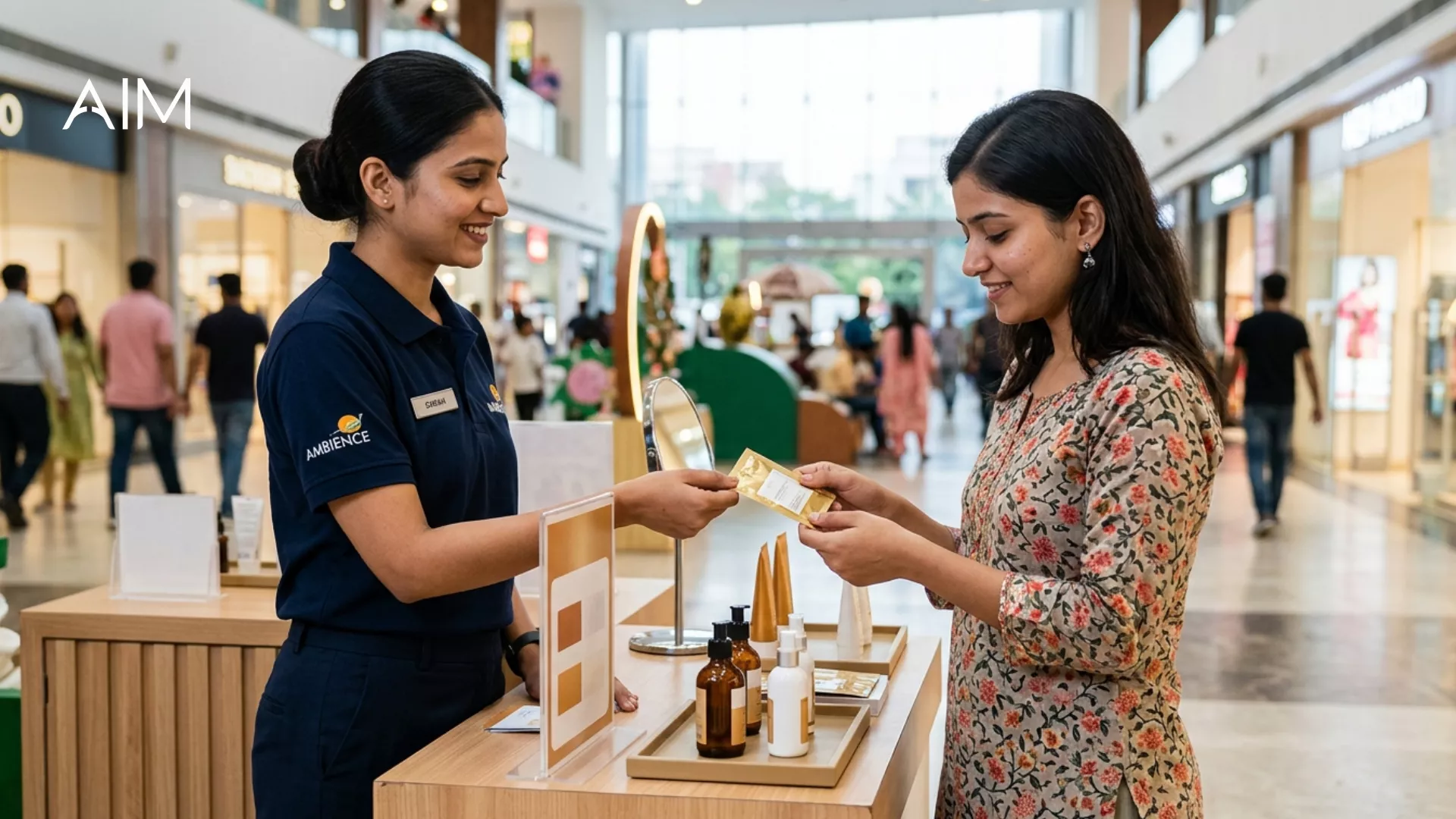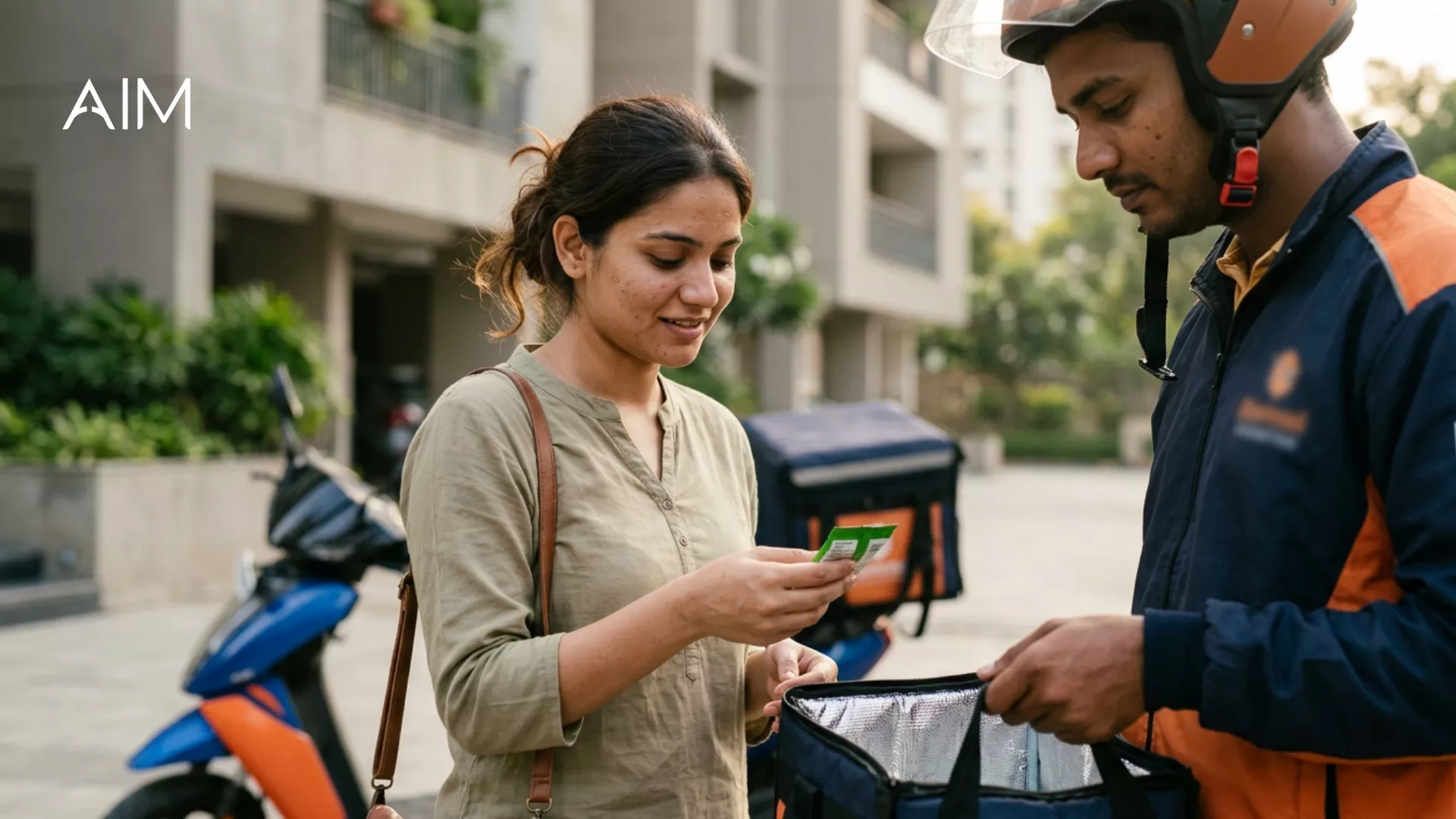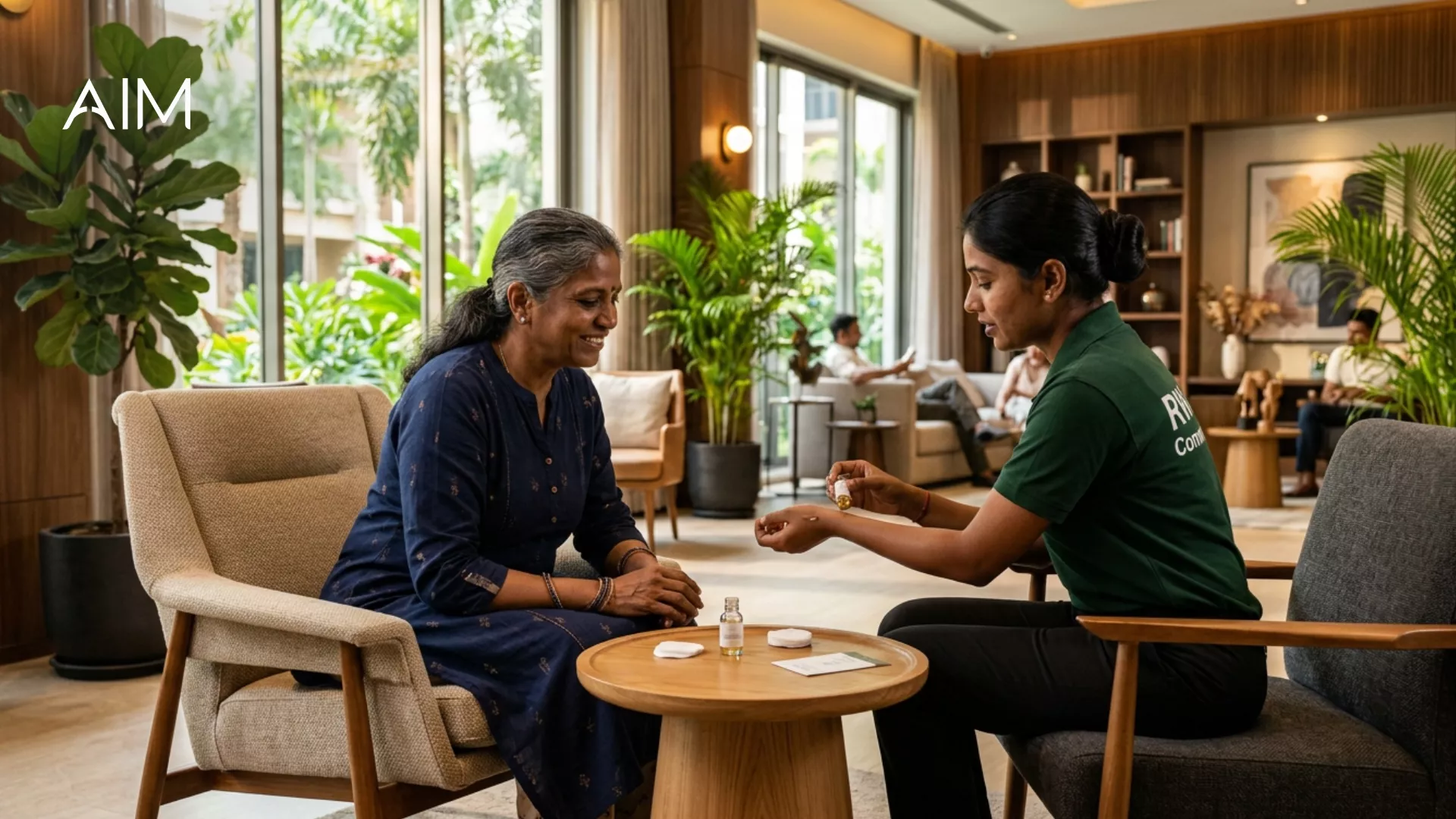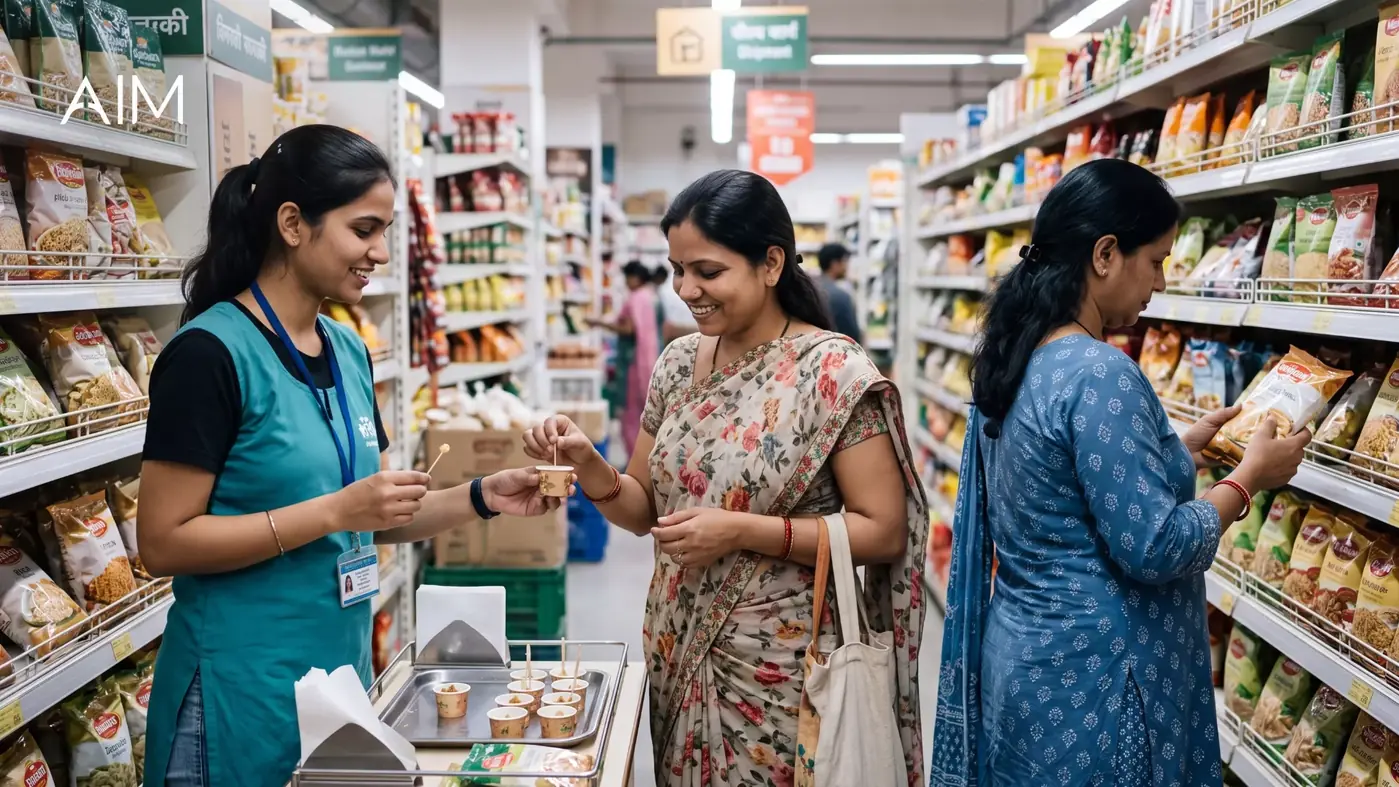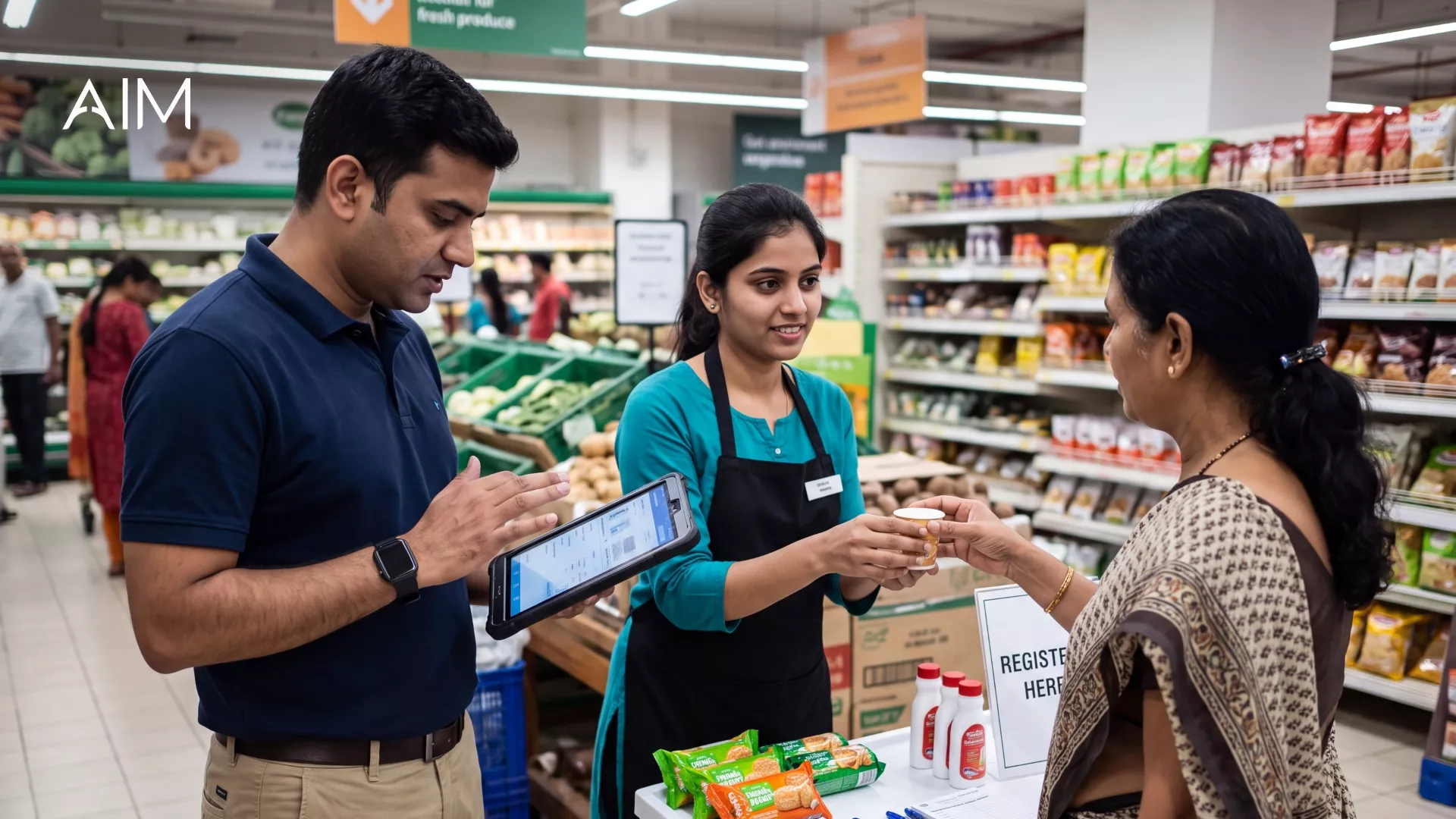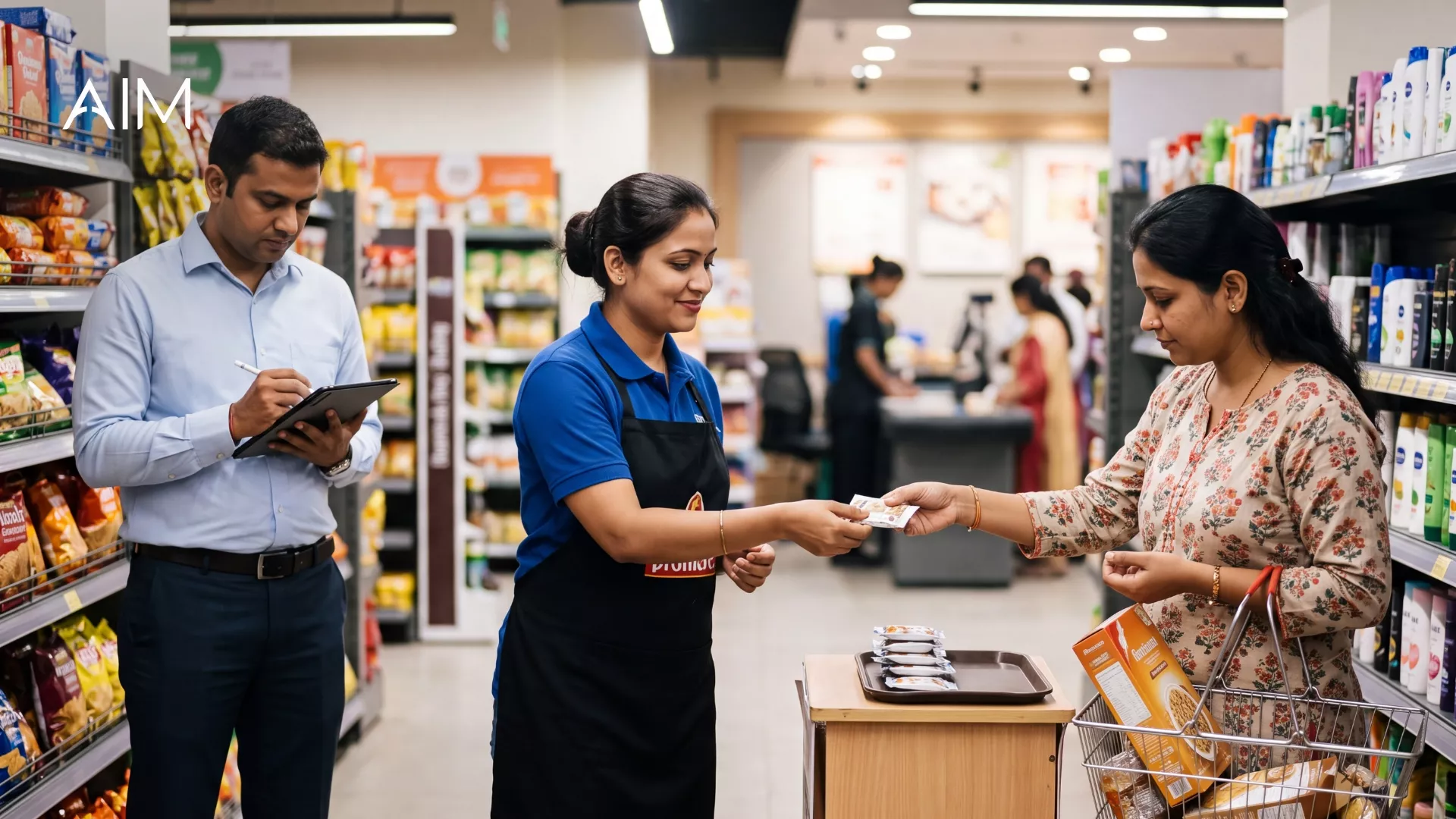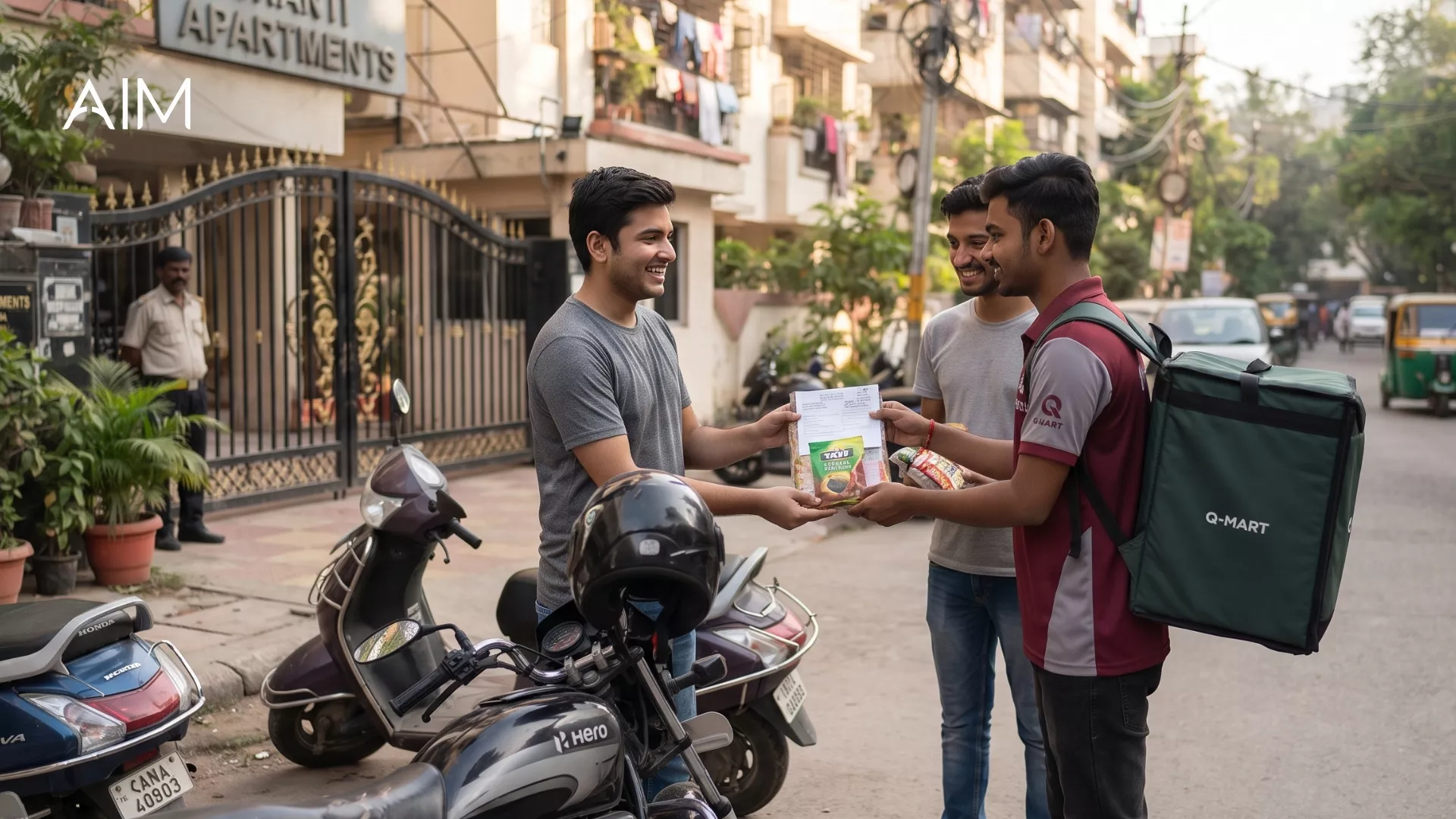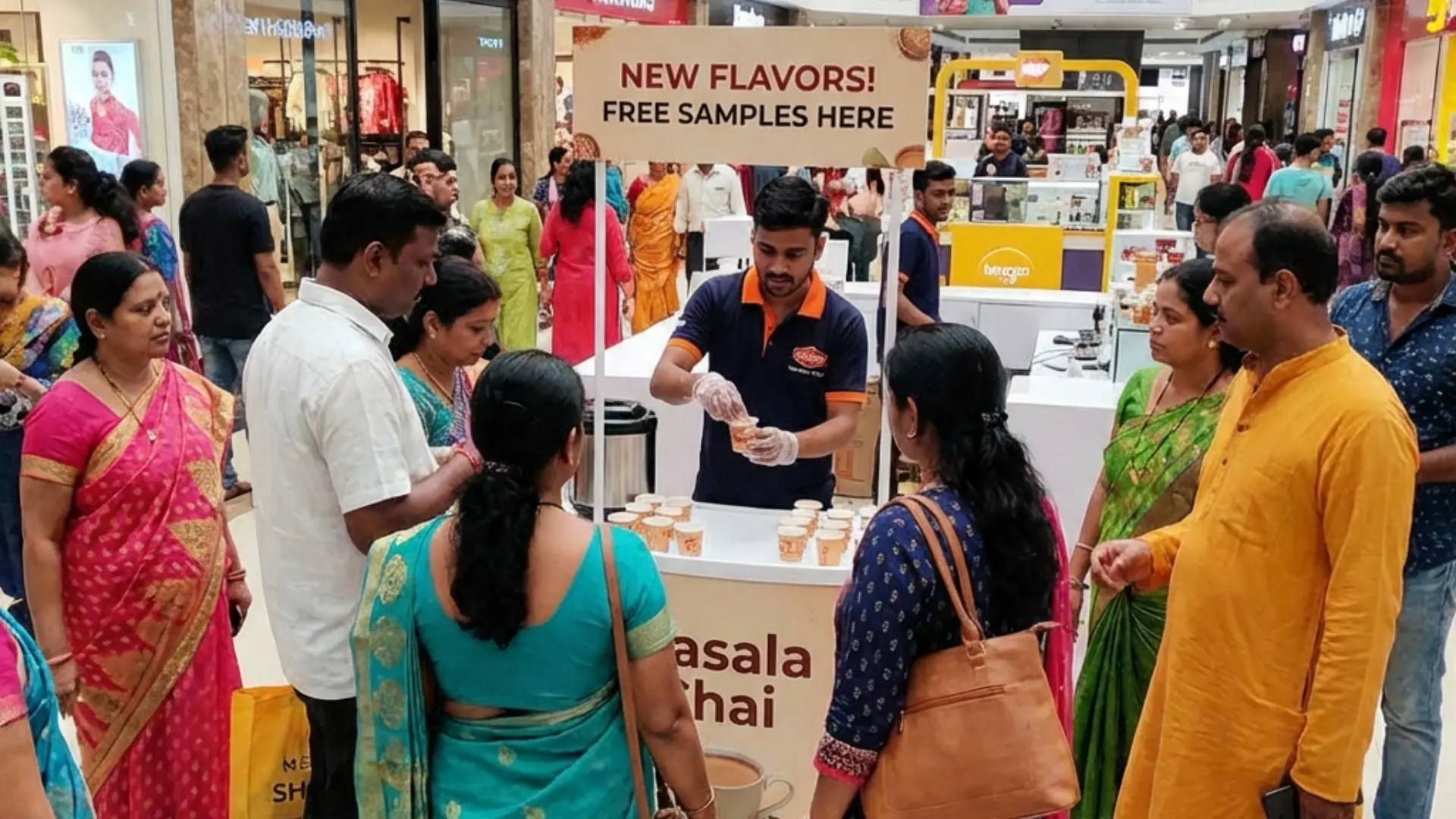
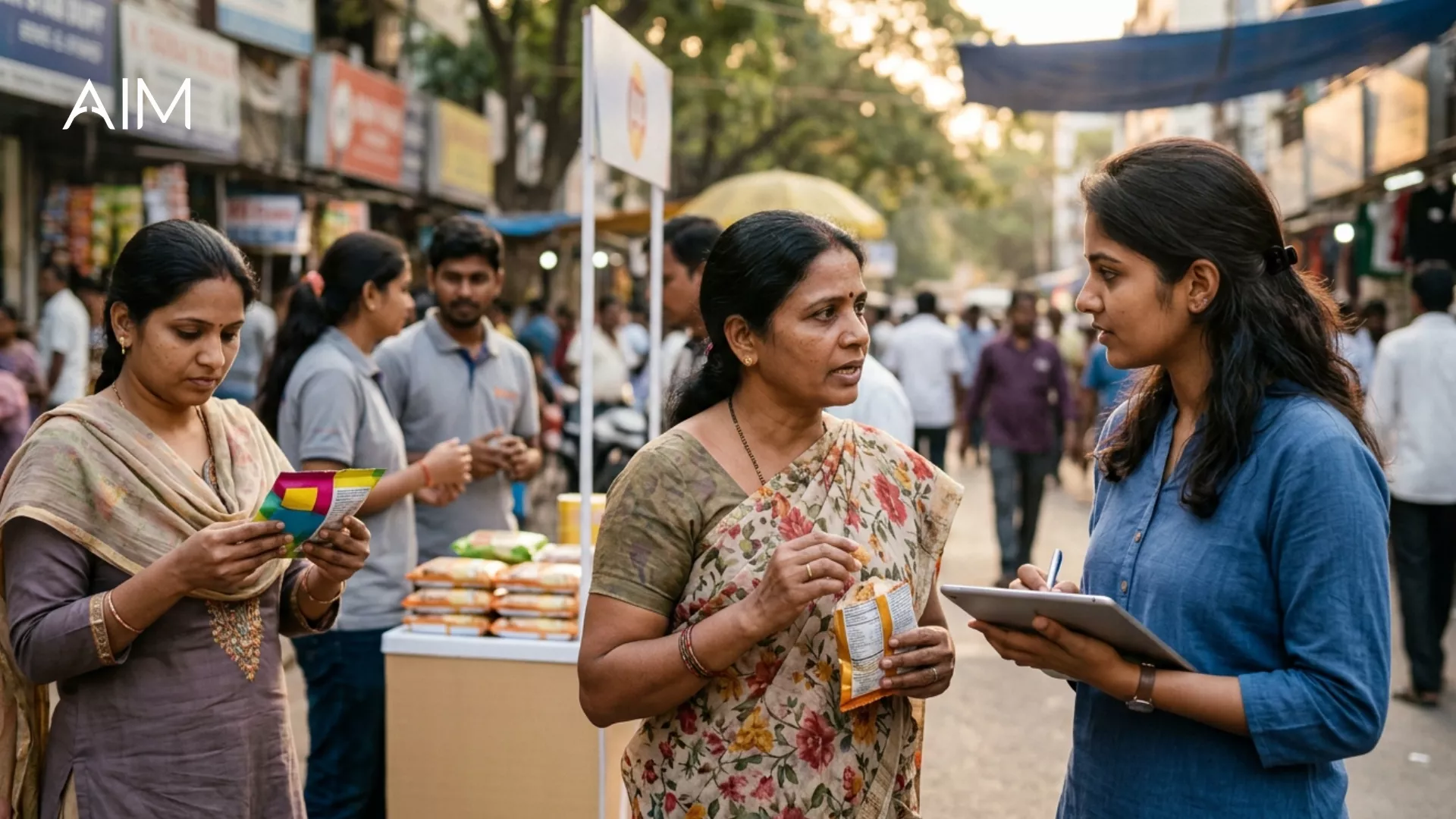


Brands run sampling campaigns to sell. That is the point, and it is the right point. But somewhere along the way, a sampling campaign quietly becomes one of the most honest pieces of market research a brand will ever run, and most brands throw that part away. They count the conversions, file the report away, and never notice that the campaign has just handed them a detailed, real-world education about their product, their packaging, their price, and the people they are trying to win. Sales are what a sampling campaign is for, and rightly so. They are not the only thing it produces, and treating them as such quietly wastes a resource you have already paid for. The campaign is talking to you about far more than revenue, if you are willing to hear it.
I have come to think of this as the hidden second return on sampling. You pay once and get two things: the customers the trials convert, and the truth about your product and market that the trials reveal to anyone watching closely. Brands collect the first and ignore the second, which is a little like paying for a meal and leaving half of it on the plate. The second return costs nothing extra to earn; it only costs the decision to pay attention to it.
Why is a sampling campaign also market research?
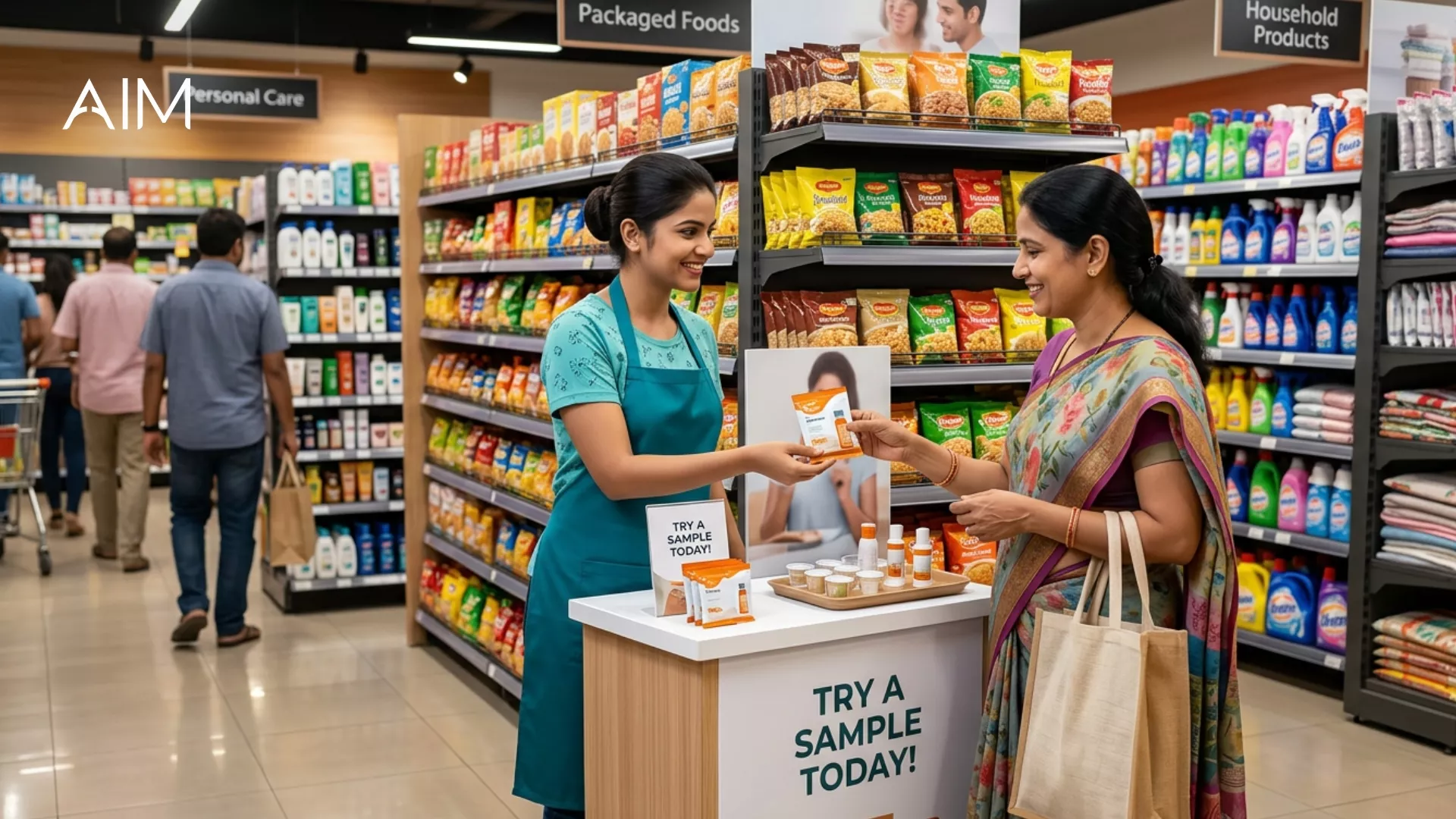
Because it puts your actual product in the hands of your actual target audience in the real world, and watches, in the real world, what they actually do with it. No survey, focus group or concept test can match that, because all of them ask people to imagine their behaviour instead of showing it. A survey asks people what they think they would do. A sampling campaign shows you what they actually do when they hold the real thing, in the real moment, with no researcher watching and no incentive to be polite. That gap between stated and real behaviour is exactly where most market research goes wrong, and sampling closes it by default. You are not asking people to predict themselves; you are watching them be themselves, which is the only reliable evidence there is.
Every trial is a tiny experiment whether you designed it as one or not. Someone encounters your product, reacts to it, weighs it against what they already use, decides, and either acts or does not, and each reaction is a small verdict on your product. Multiply that across a campaign and you have a large body of real reactions to learn from, if you are watching anything beyond the final sales number. The data is generated whether you capture it or not. The only choice is whether you keep it.
What can you actually learn from a sampling campaign?
Far more than whether people bought. The campaign is quietly answering questions you may not even have asked.
You learn who your product actually appeals to, which is often not who you assumed. The audience that converts best in a trial may be a segment you were not targeting, or an age, a context or a use case you had overlooked. Sampling surfaces your real buyer, as opposed to the one in your brand deck, because the people who respond are telling you something your assumptions could not. Discovering that a product you built for one audience is loved by another is the kind of finding that reshapes a whole marketing strategy, and it hides inside the conversion data of an ordinary campaign.
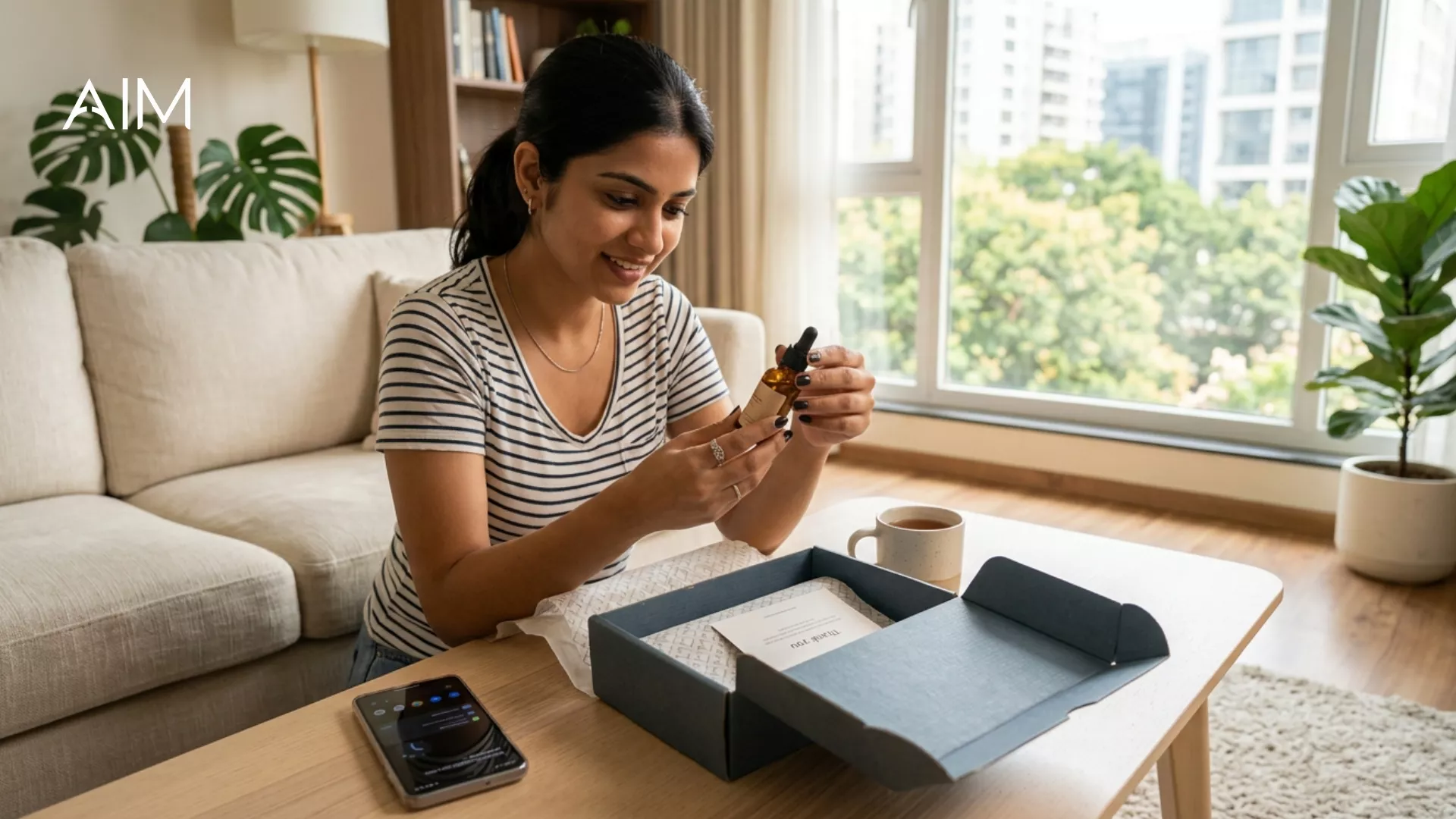
You learn what people think of the product itself, honestly. A trial produces real reactions to taste, texture, scent, effectiveness and format, from people with no reason to flatter you. That feedback is gold for product development, and it arrives for free inside a campaign you were running anyway. A product flaw that surfaces across many trials is a flaw worth fixing before you scale, and far cheaper to catch now than after a national launch built on it.
You learn where your product sits on price. Watching whether people convert, and at what offer level, tells you a great deal about what the market thinks your product is worth. If a trial converts easily only with a steep incentive, the market is telling you something about your price that no pricing survey would reveal as clearly. People's willingness to actually part with money, or their refusal to, is a far truer price signal than anything they say in the abstract.
You learn what objections stand between trial and purchase. The reasons people try and then do not buy are a precise map of what is holding your product back, whether it is price, availability, a competing habit, or something about the product itself. Those objections, gathered from real triers, are more useful than any amount of speculation about why sales are slow. A room full of people guessing at why a product is not moving is worth less than ten real triers telling you exactly what stopped them.
And you learn which channels and locations actually reach your buyer, because the trial performs differently in different places, and that difference is data about where your audience really is and where they are most ready to act. A channel that quietly out-converts the others is not only a better place to sample; it is a signal about where to spend the rest of your marketing too.
Why do brands miss all of this?
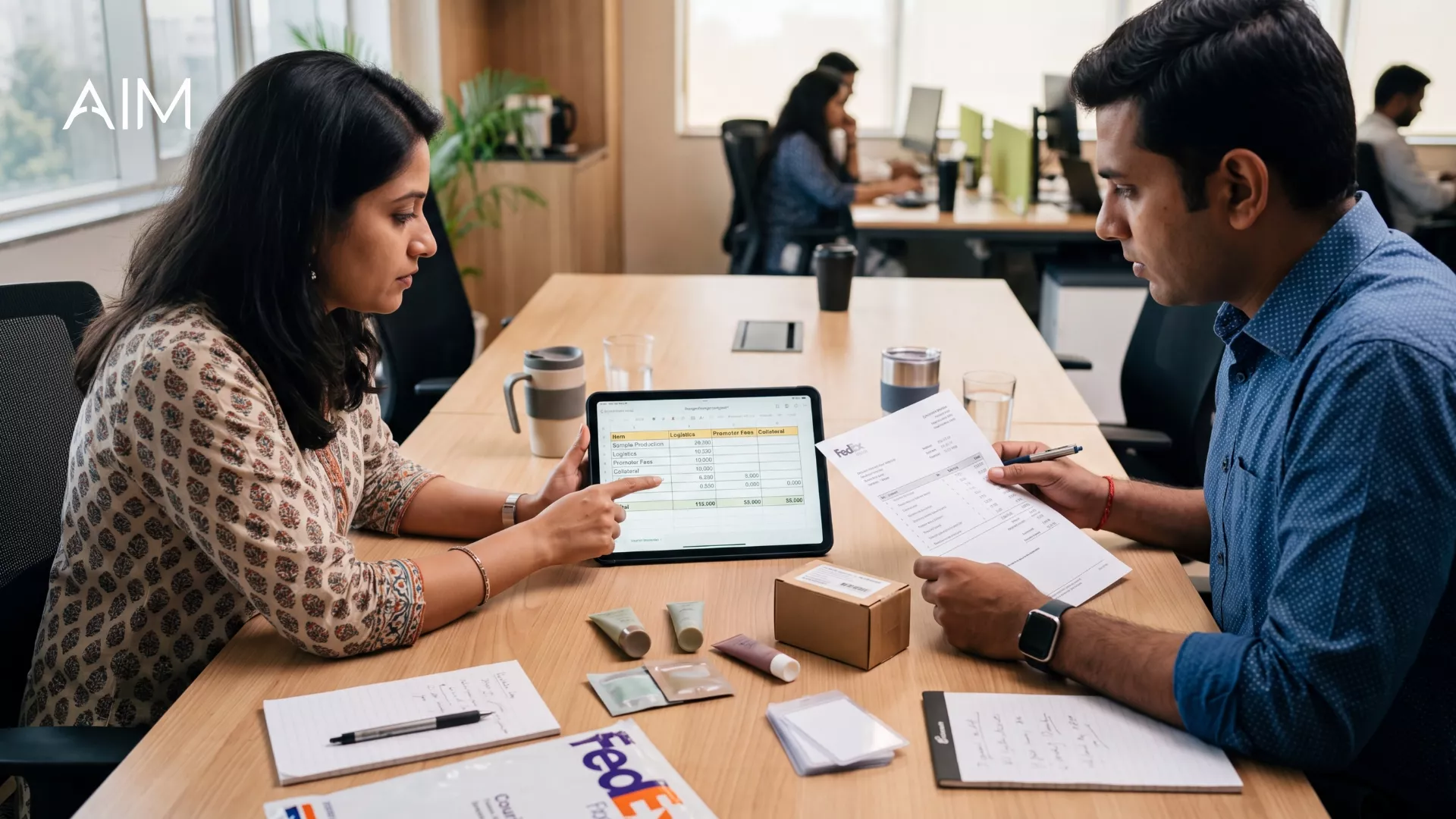
Because they define the campaign's success too narrowly and stop looking the moment they have a sales number. The report says how many converted, the campaign is graded, and everyone moves on. The reactions, the objections, the surprising segments, the price signals, all of it was there to be captured and was quietly let go, because nobody was assigned to notice anything except the conversion rate. What gets measured gets kept, and what nobody is responsible for noticing simply disappears when the campaign ends.
There is also a structural reason. Capturing the learning requires deciding, before the campaign, to capture it: to record reactions, to note who converted and who did not and why, to watch the differences across places and audiences. A campaign set up only to count conversions produces only conversions. The research value has to be designed in, or it evaporates the moment the trials end. There is no going back afterward to recover reactions nobody wrote down or objections nobody asked about; the window closes with the campaign.
How do you capture the research value of sampling?
You decide in advance that the campaign has two jobs, selling and learning, and you set it up to do both. Capture who tried and who converted, so you can see which segments respond. Gather genuine reactions to the product, beyond a plain yes or no, so you learn what people actually thought. Note the objections of those who tried and did not buy, because that is your map of what to fix. Compare performance across audiences and locations, because the differences are telling you where your buyer really is. None of this is expensive; it is mostly a matter of deciding to look, and building the capture into a campaign you are already paying to run. The cost is attention, not money, which is what makes ignoring it such a waste.
The brands that do this get two returns from one spend. They win the customers the campaign converts, and they come away understanding their product and their market better than before, and every future decision, from product tweaks to pricing to where and how they market, becomes sharper and better grounded in reality. The brands that do not are leaving half the value of every campaign on the table and calling it done. Over a run of campaigns, the brand that learns pulls steadily ahead of the one that only sells, because it is compounding understanding while the other is merely repeating.
How we treat product sampling as learning
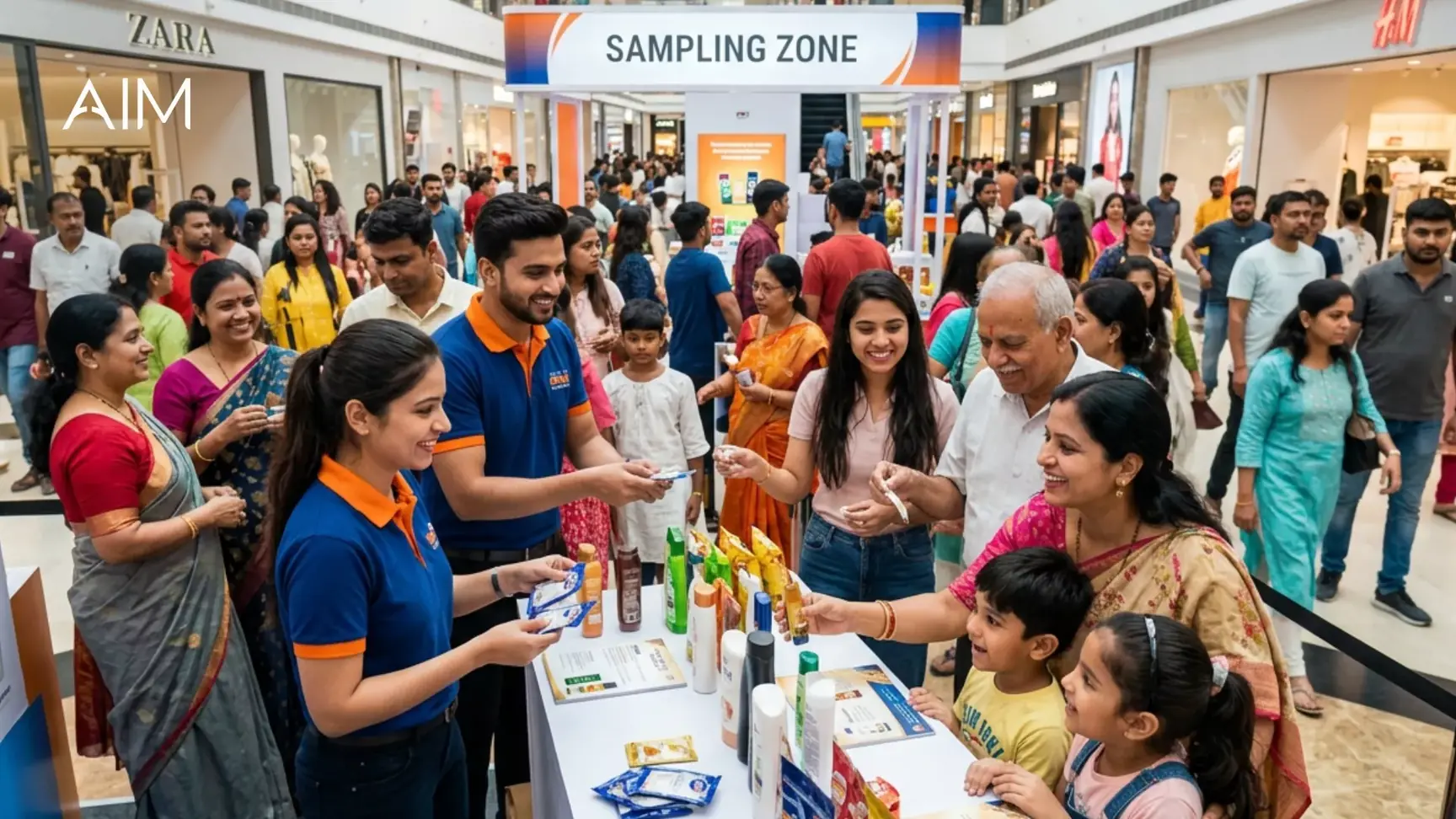
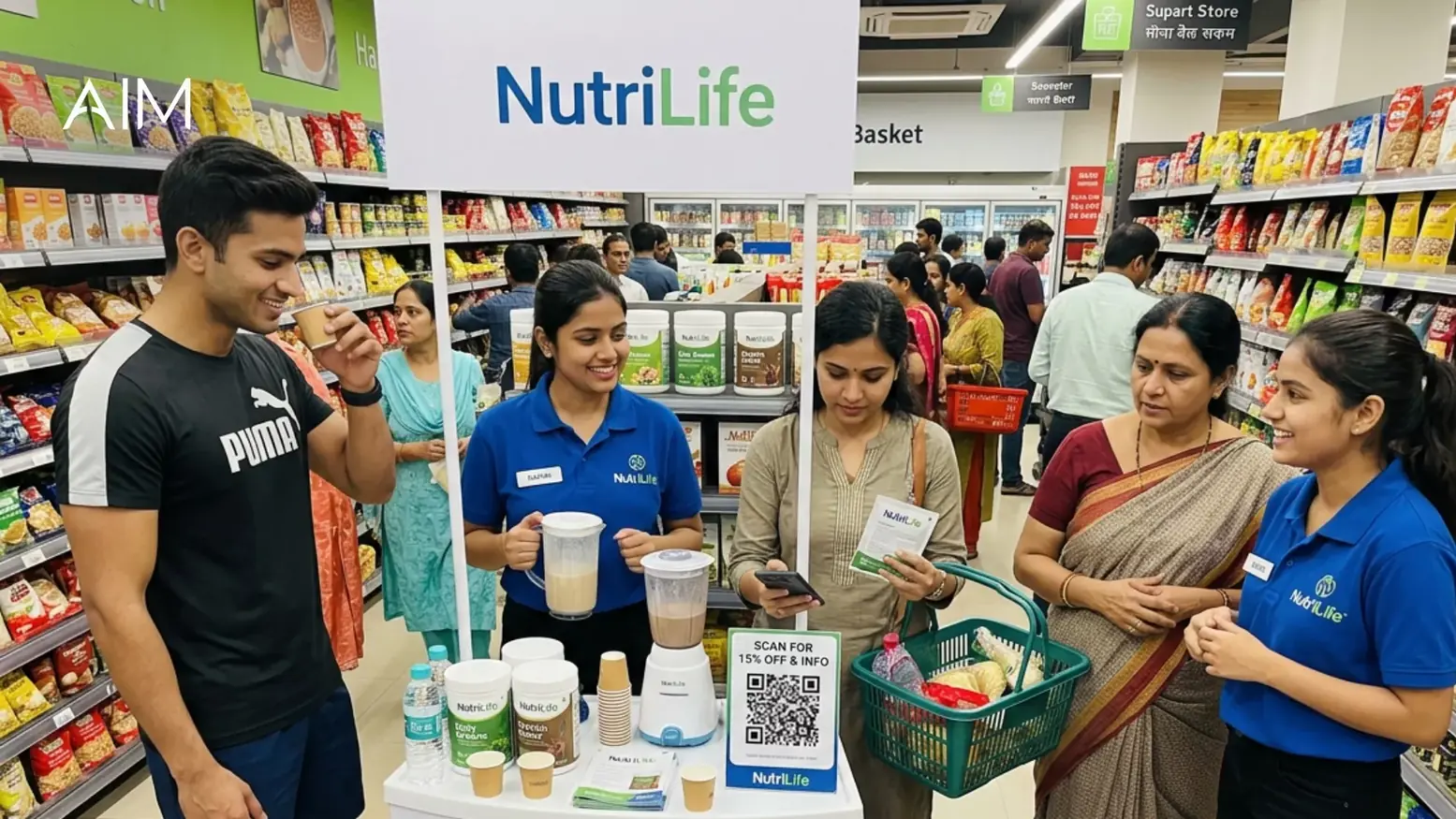
We set up a product sampling campaign from the start to return both sales and knowledge. Who tried and who converted is captured so the real responding audience becomes visible, genuine product reactions and the objections of non-buyers are gathered rather than discarded, and performance is compared across audiences and locations to show where the buyer actually is and what the market thinks the product is worth. The conversions remain the point, but the research that rides alongside them, who your product really appeals to, what people honestly think of it, where it sits on price, and what stands between trial and purchase, is treated as a second return worth collecting rather than an accident worth ignoring. Our product sampling services always teaches you something true about your product and your market. The only question is whether you were set up to listen. The brands that are get two returns for one spend; the brands that are not pay full price for half the value, every single time.