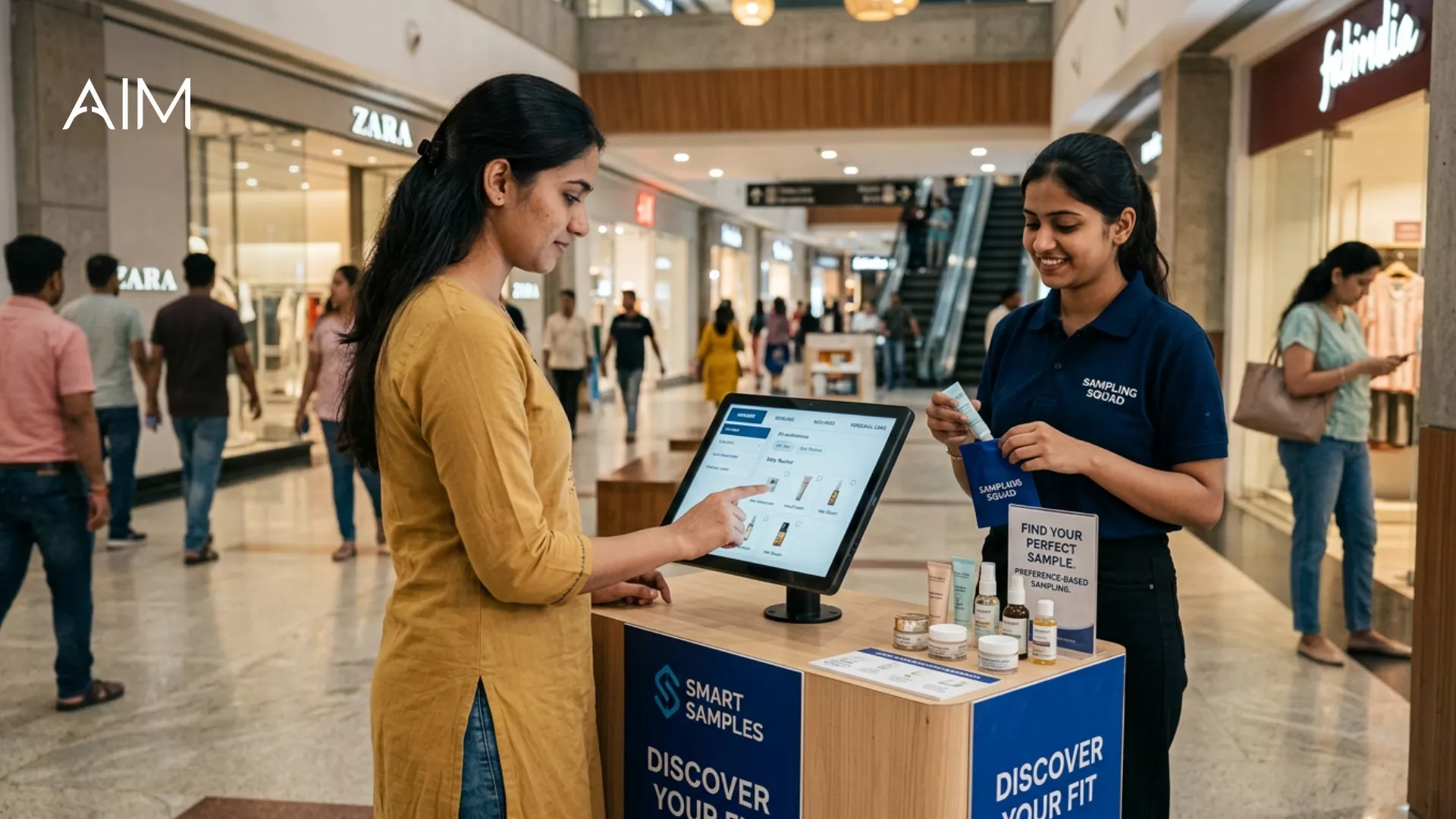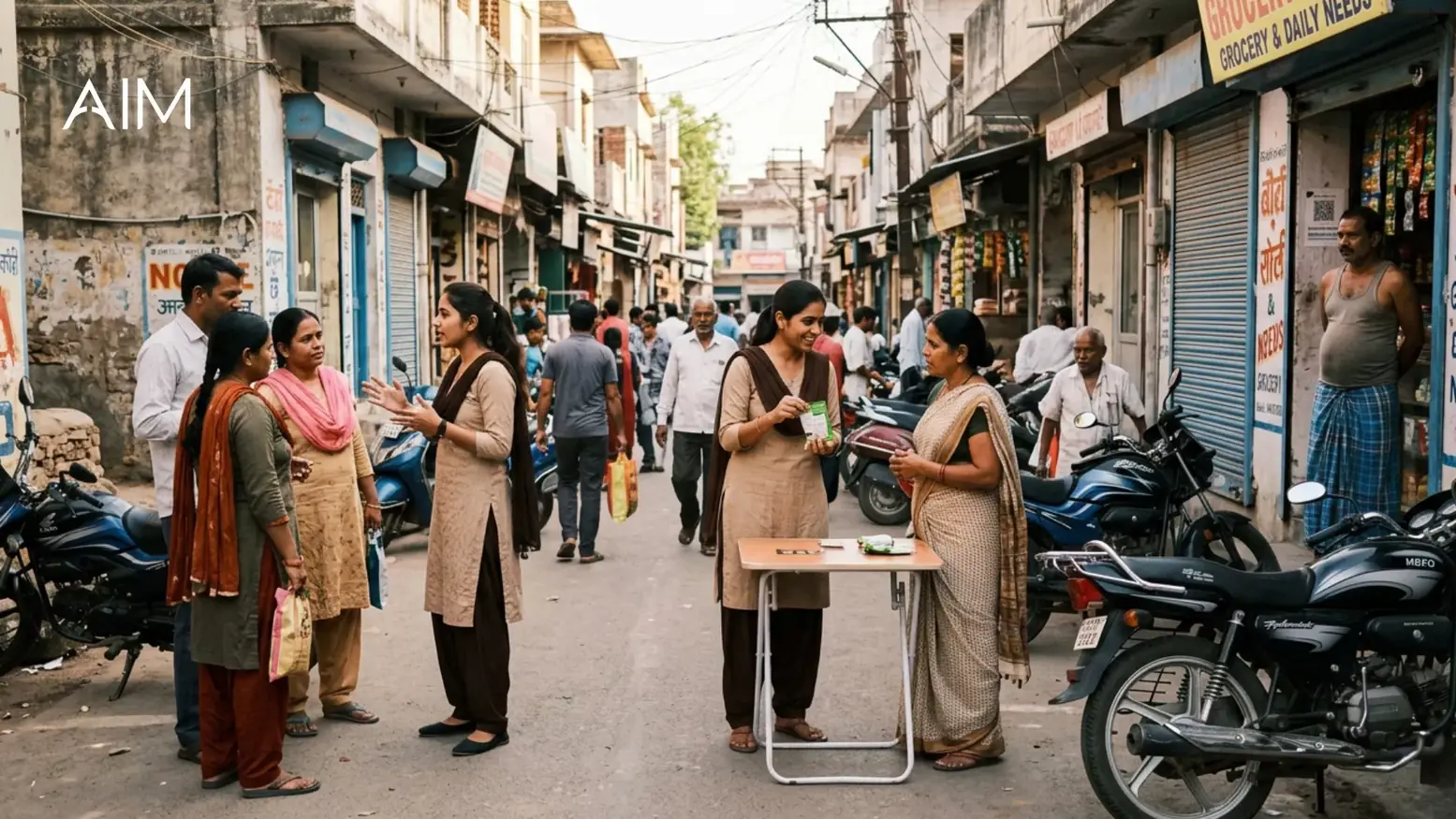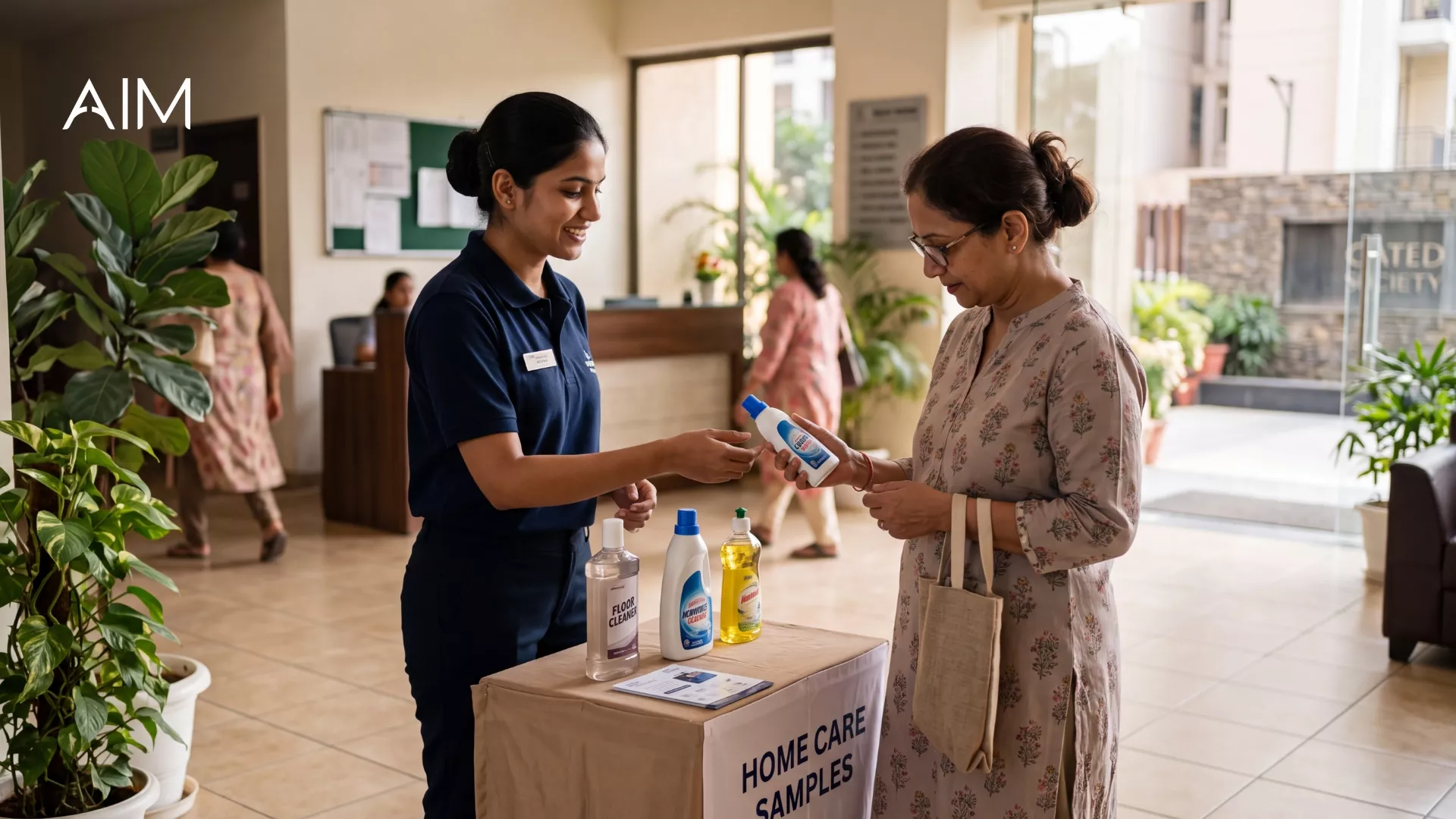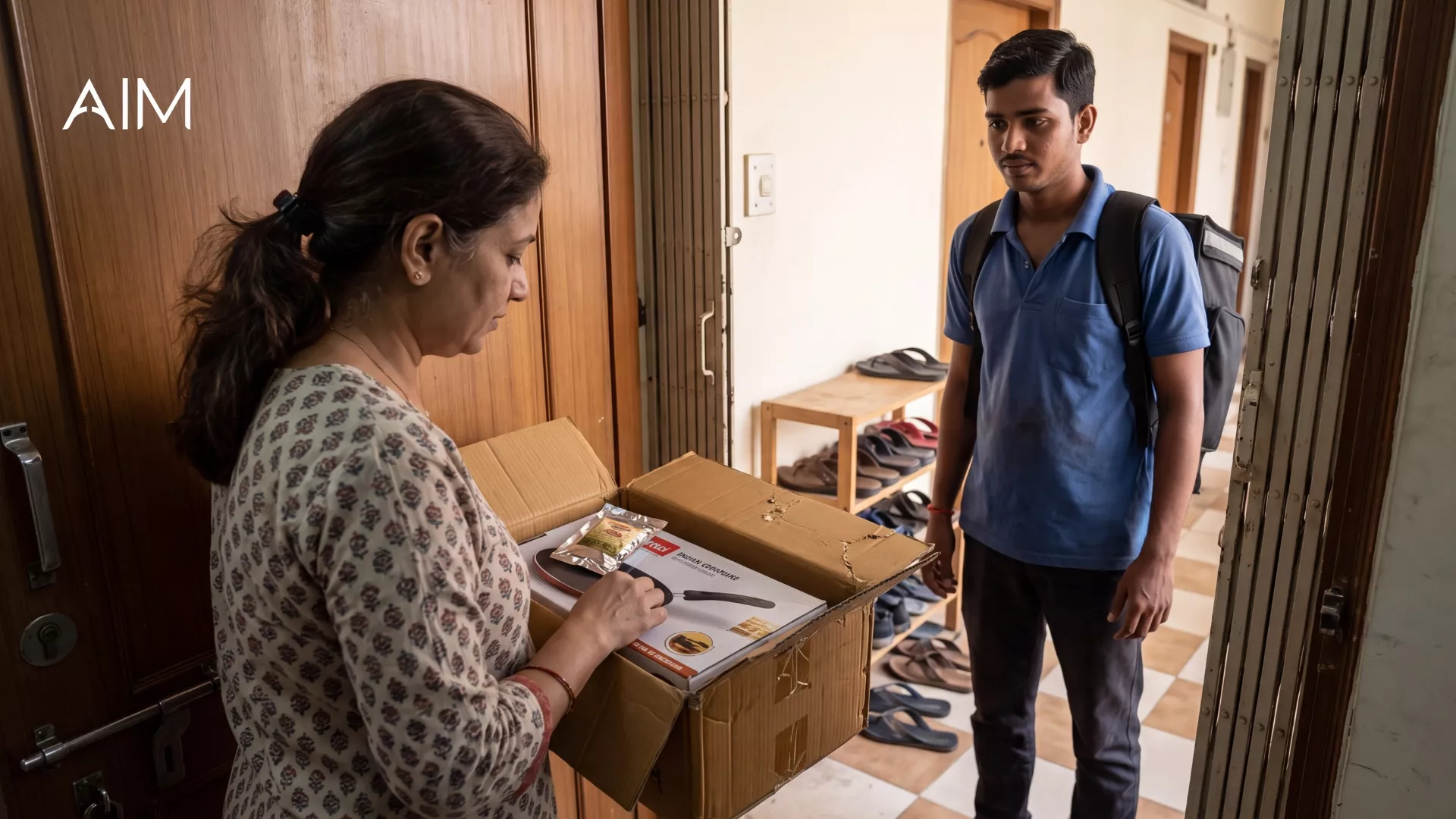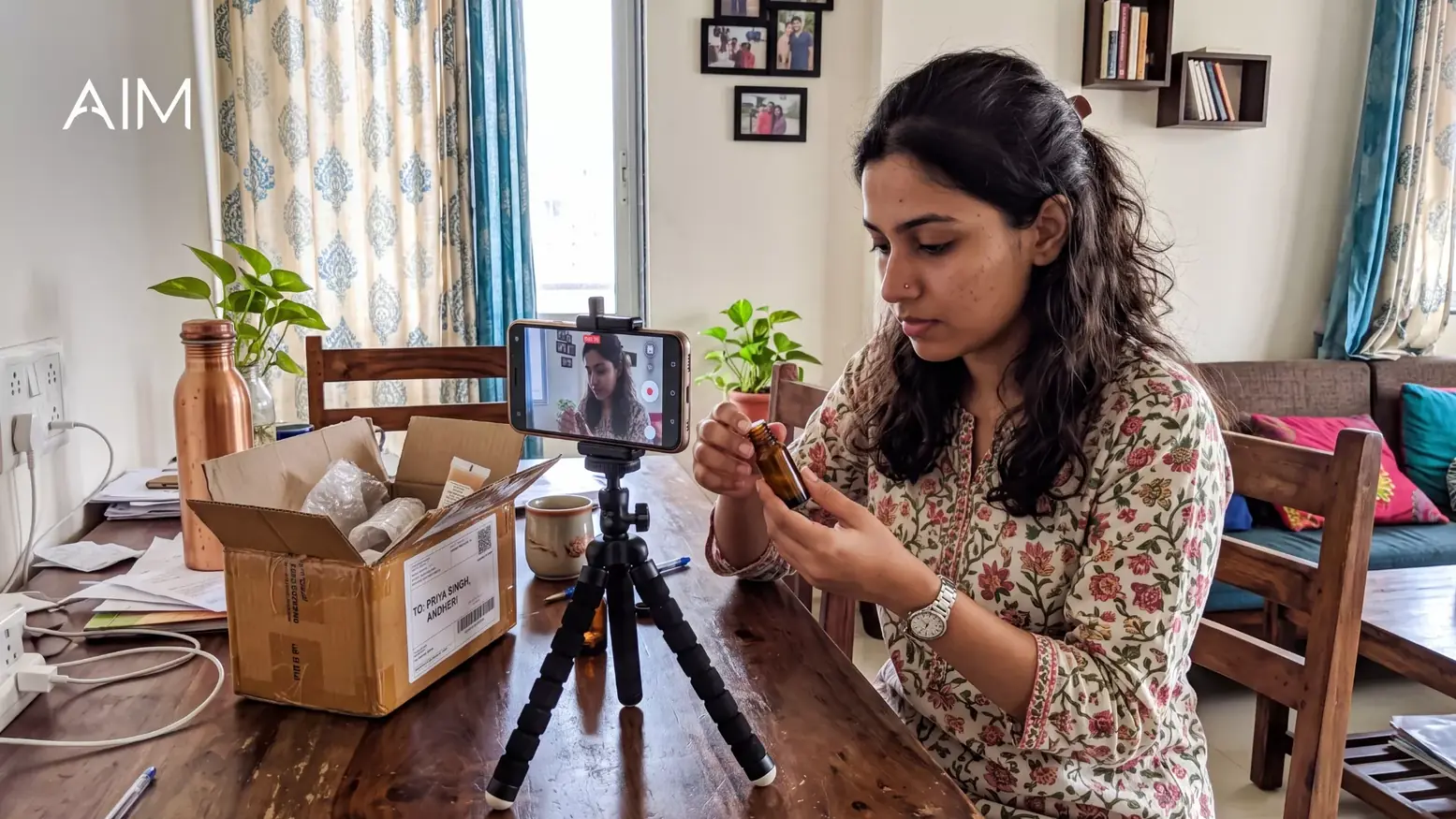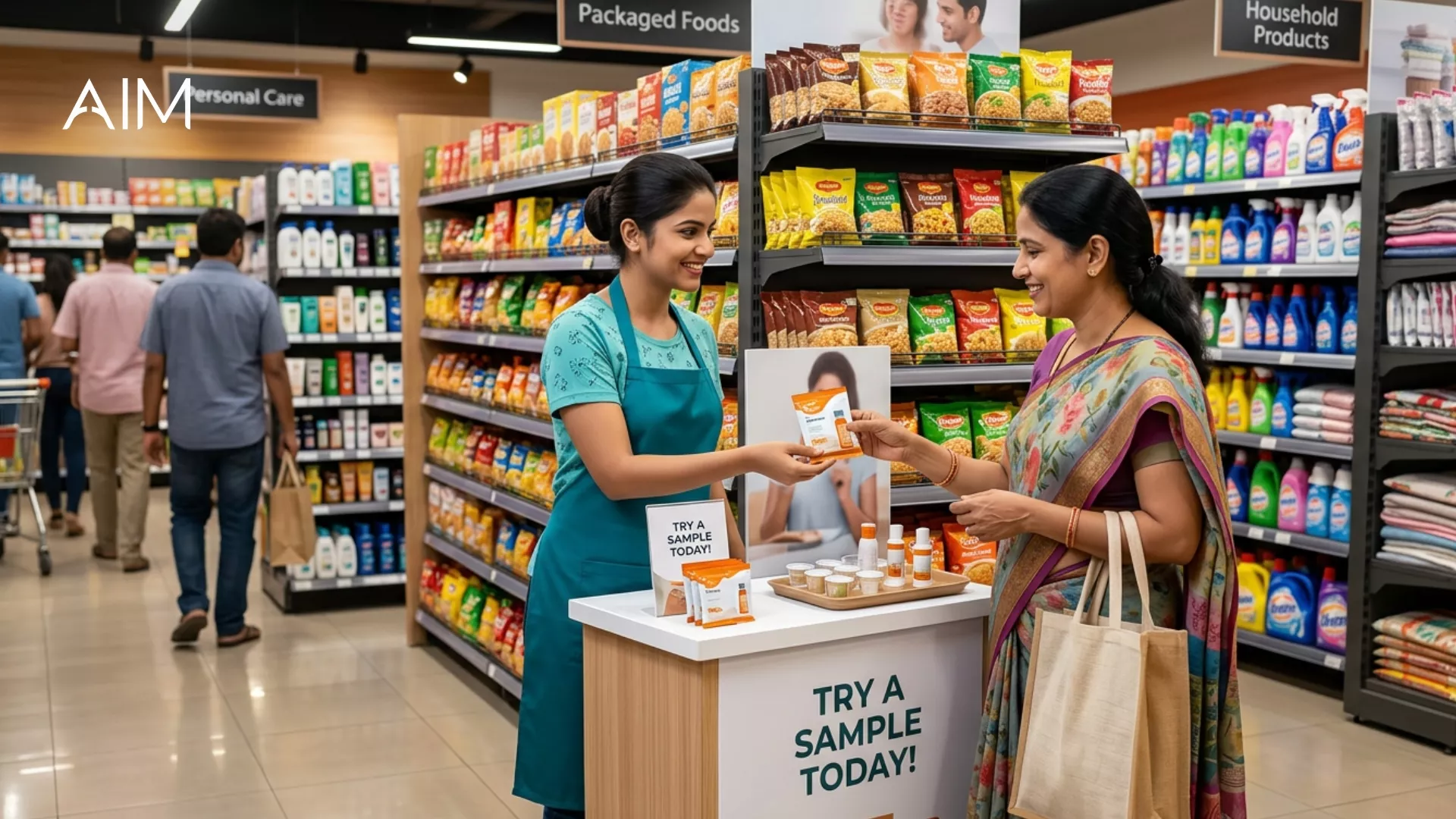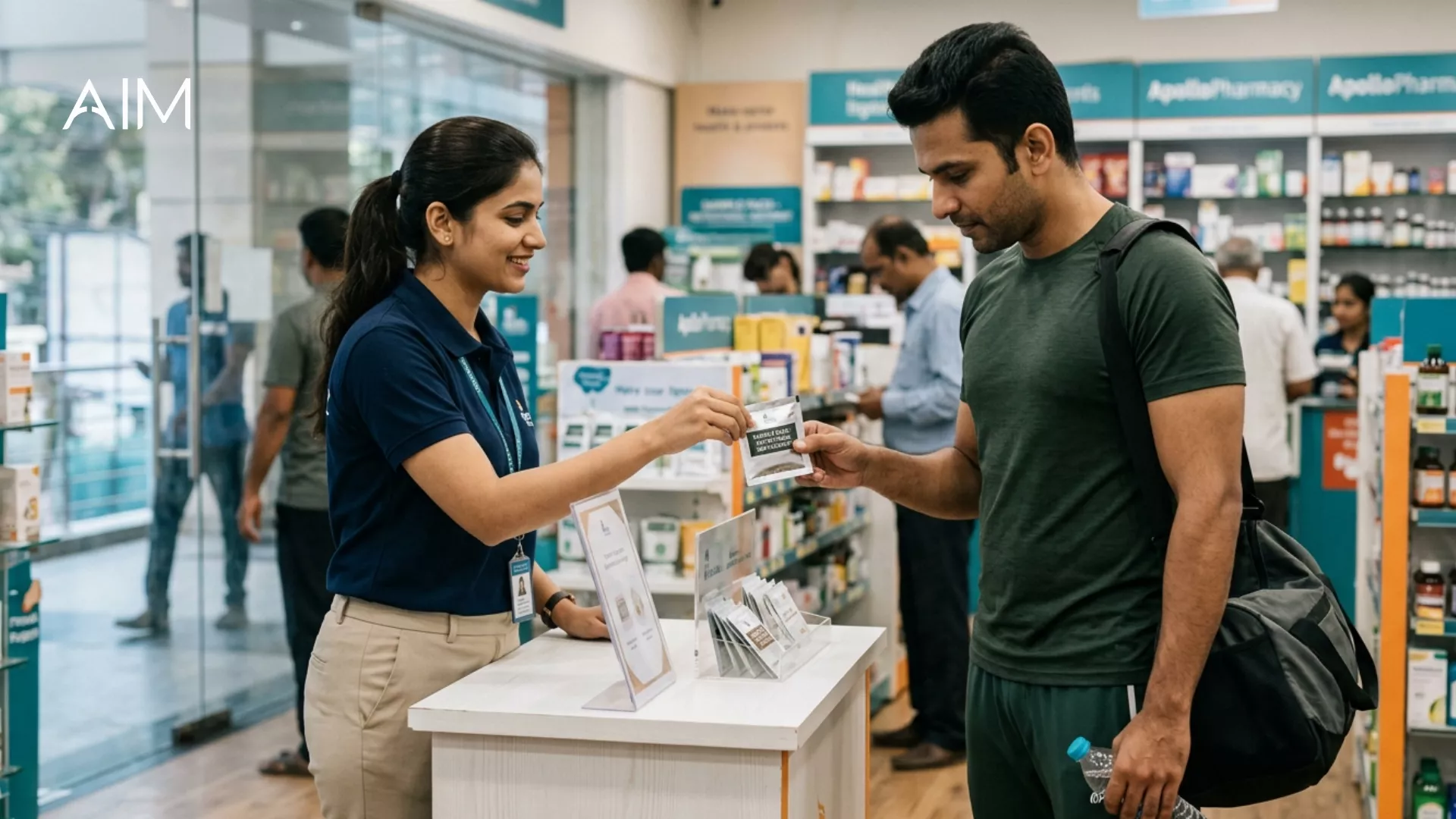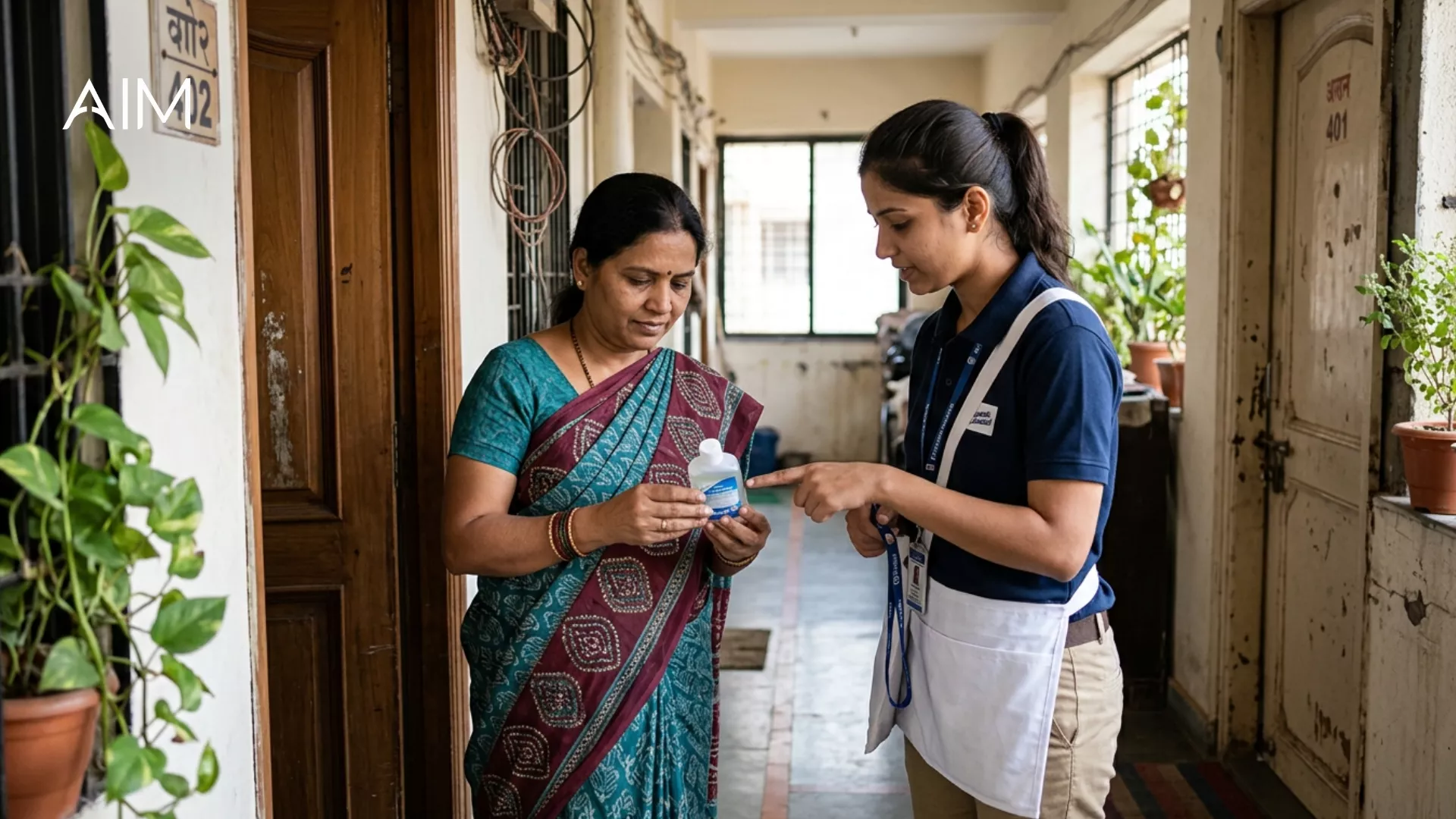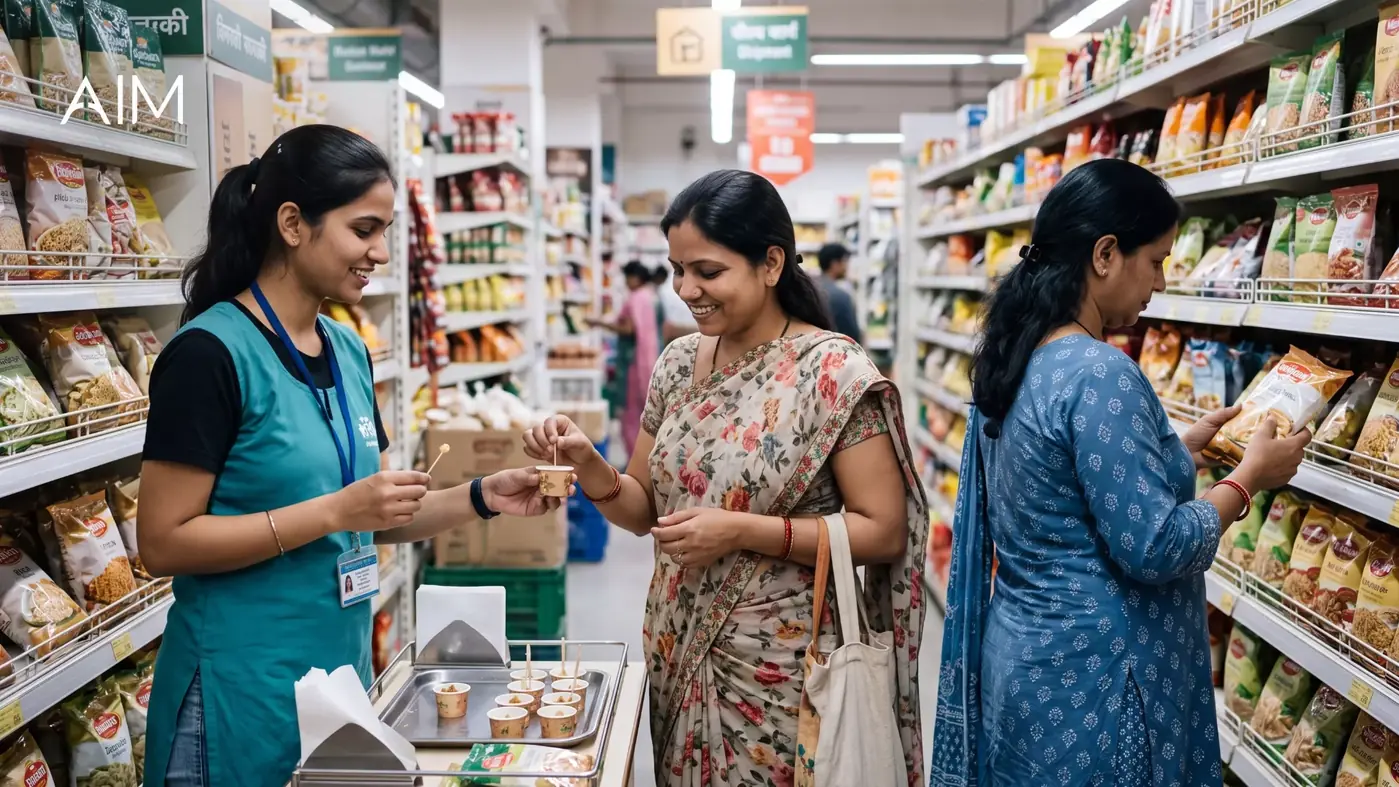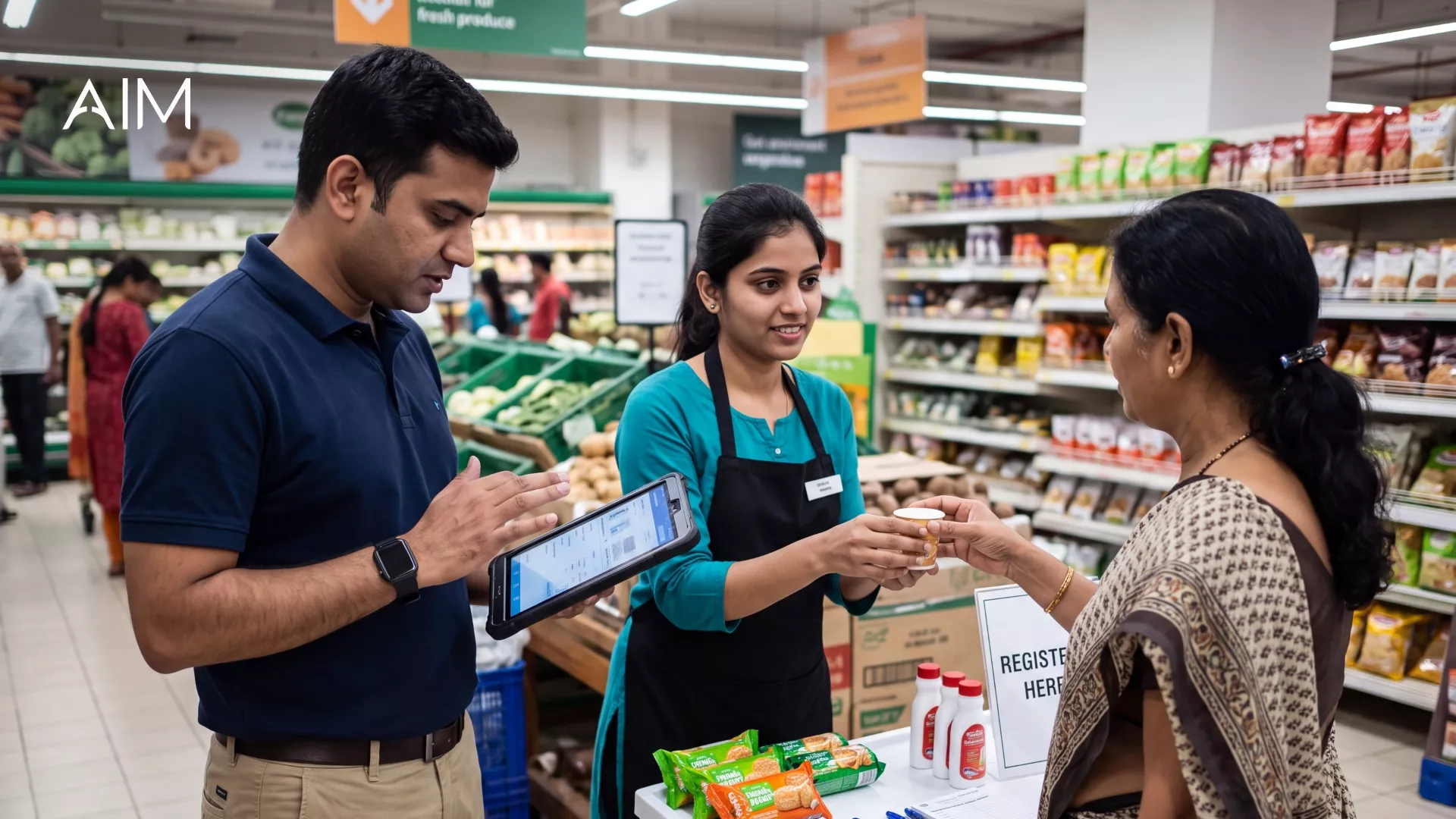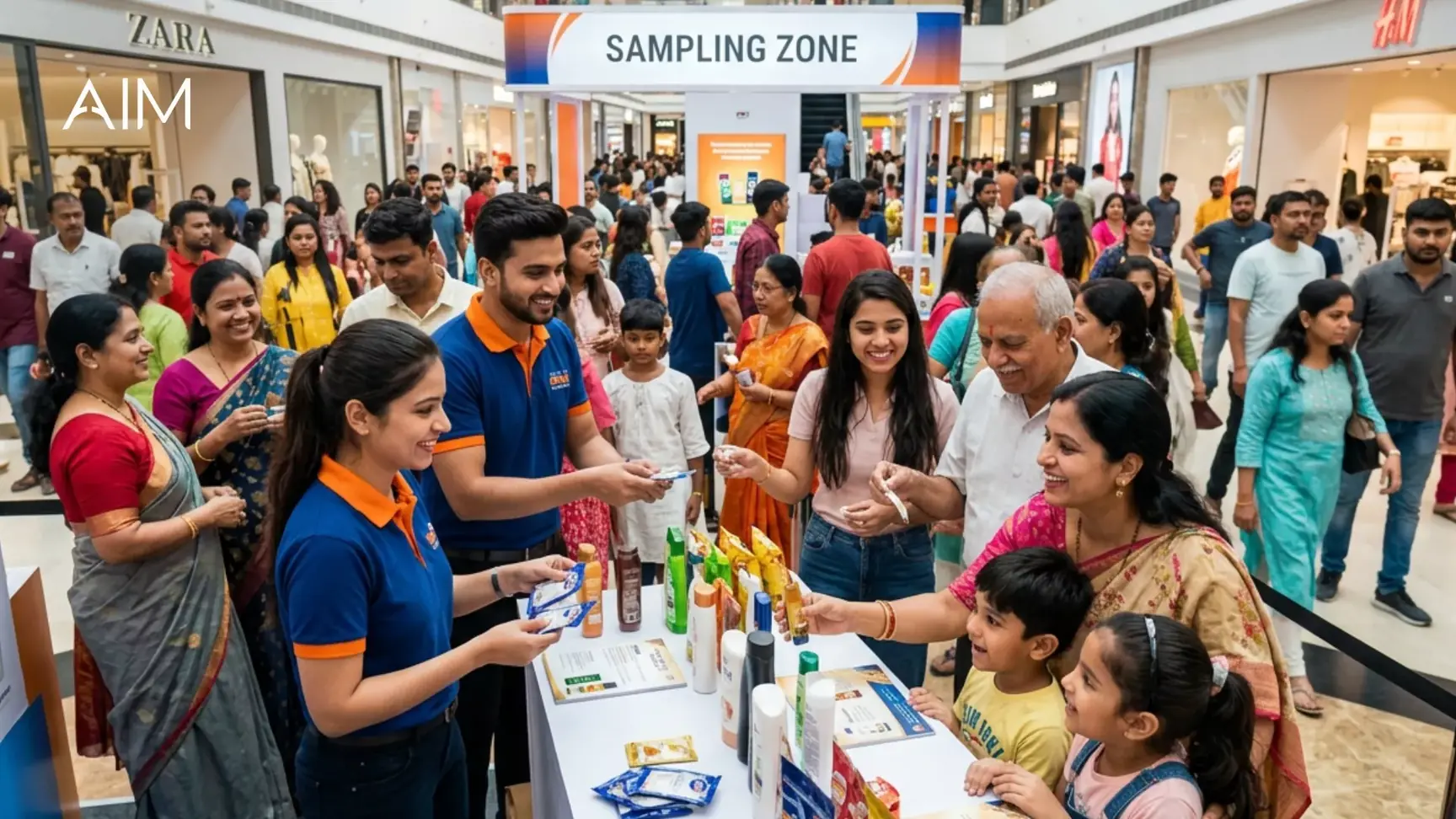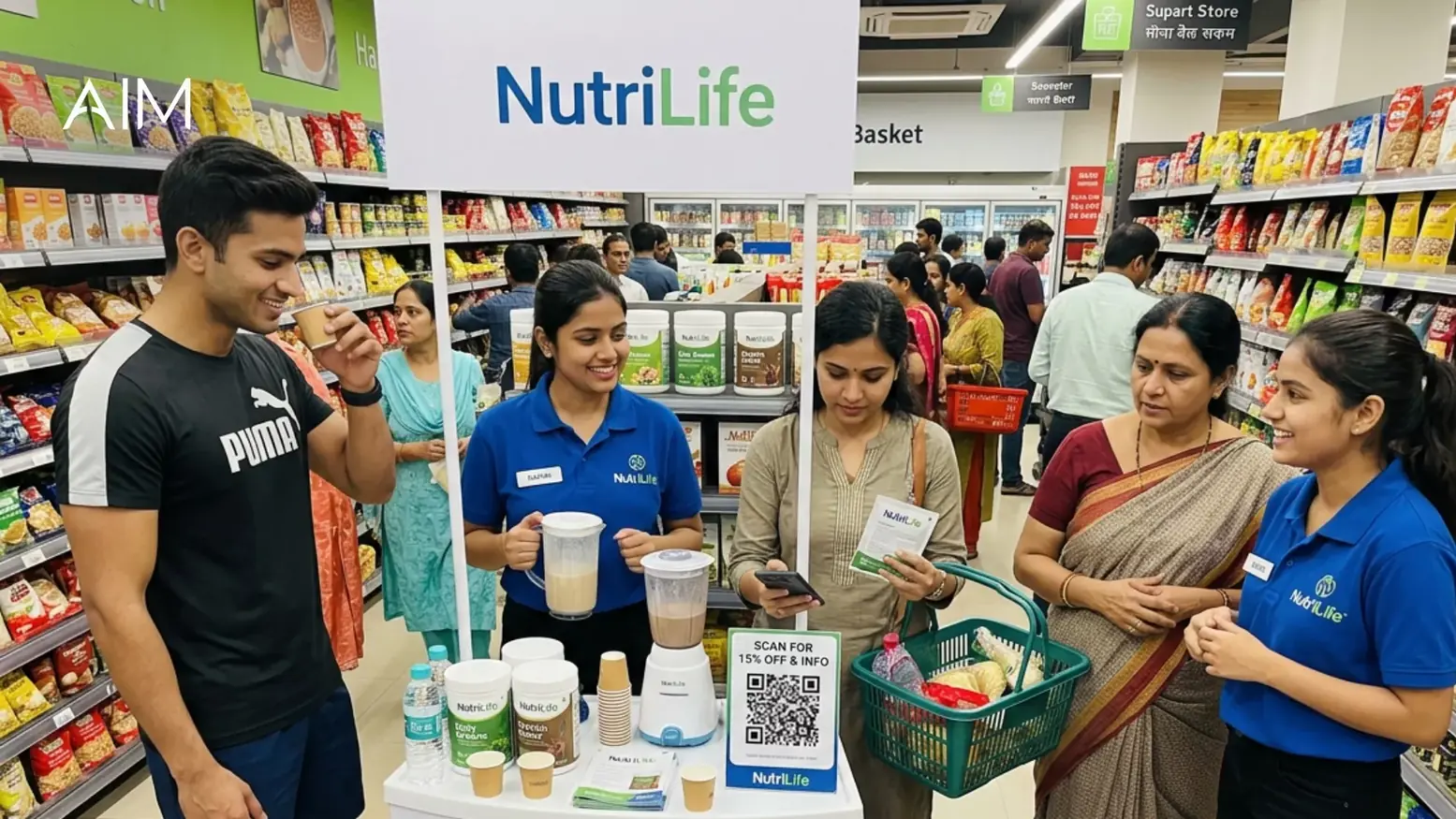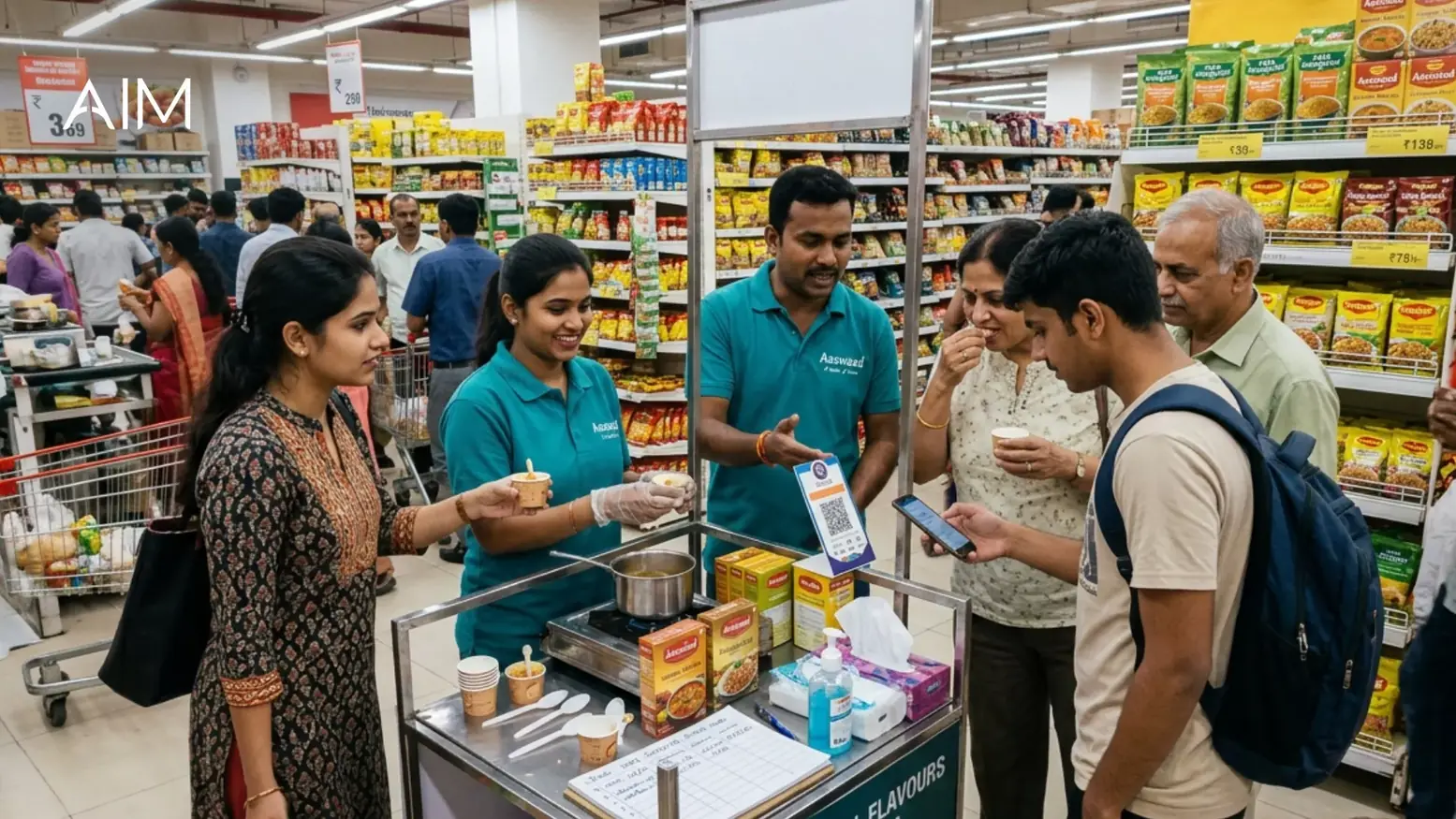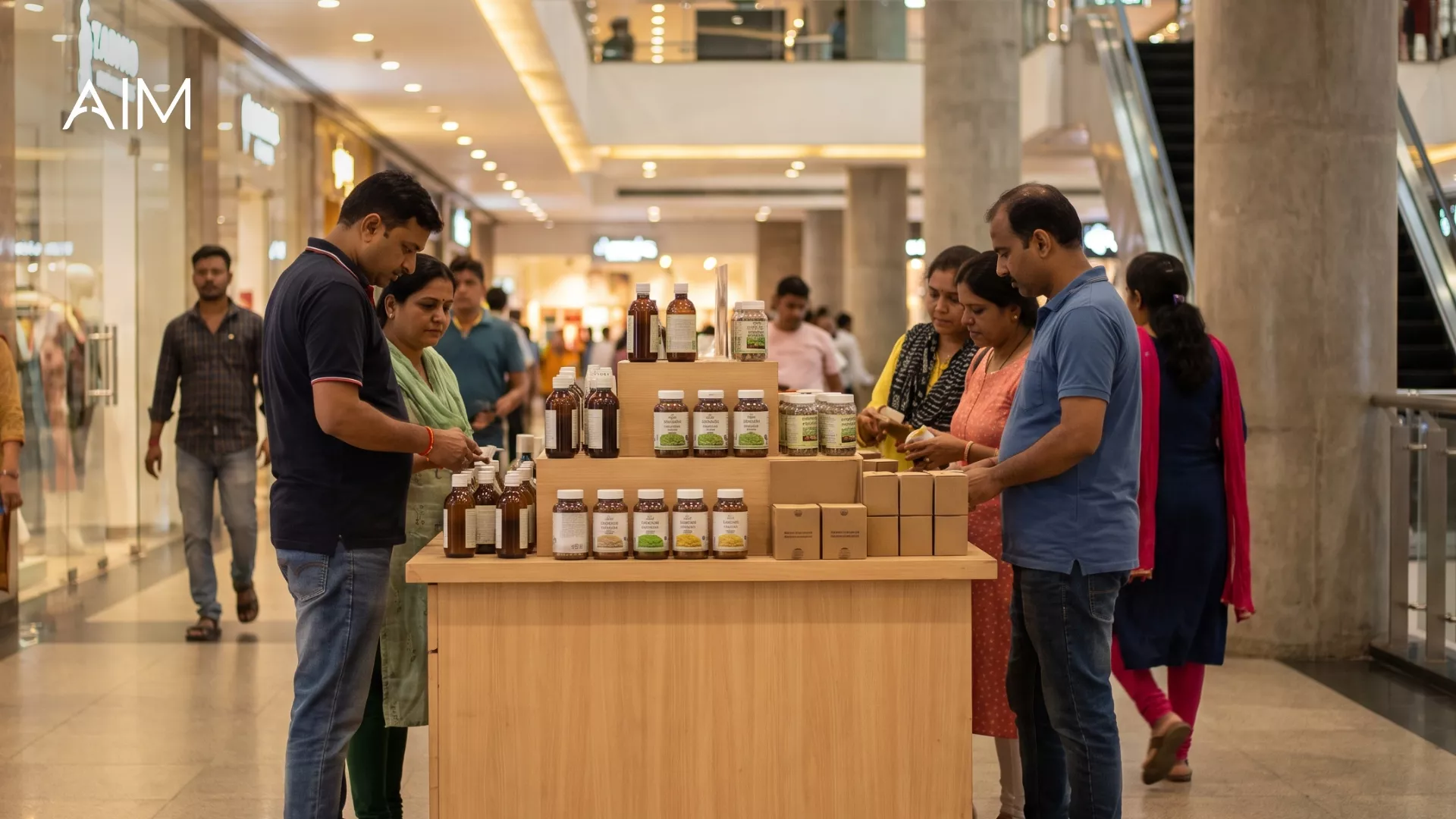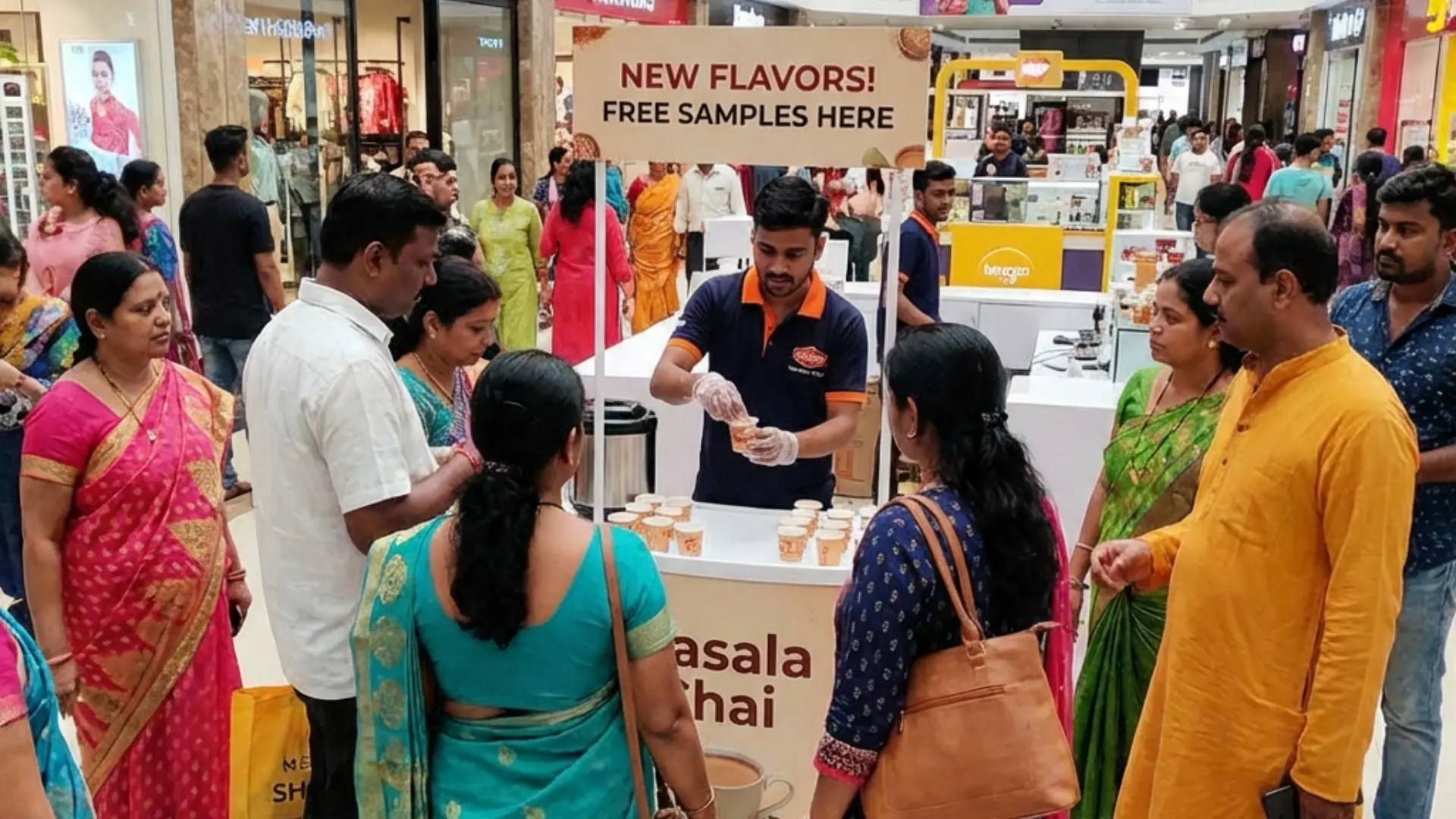
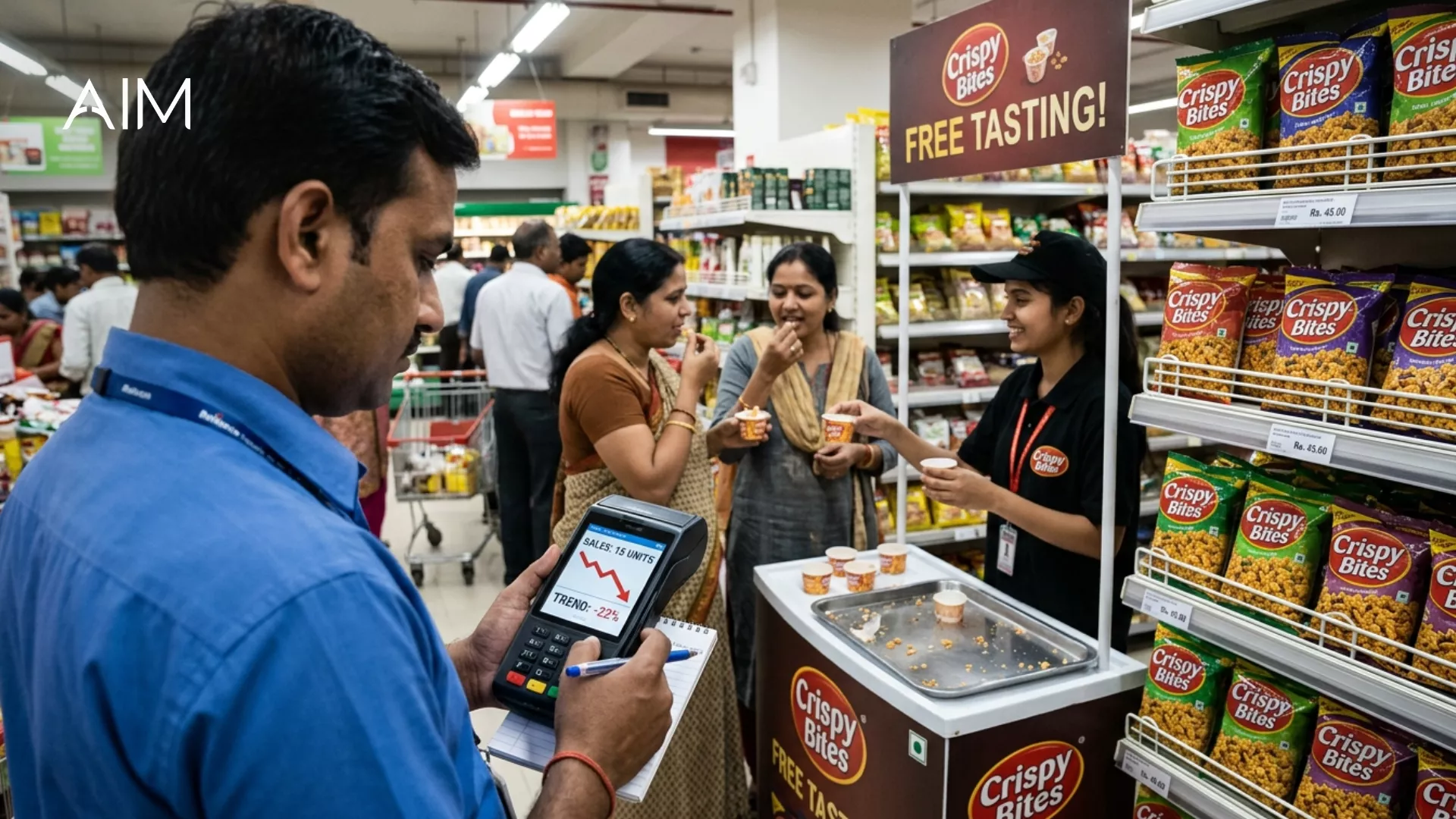


Here is a situation that quietly frustrates a lot of brand teams. The sampling campaign went well by every visible measure. The product reached the right people. The feedback was warm. Triers said they liked it. And then the sales line did what it was doing before, which is to say not much. The campaign worked and the sales did not move. Both of those things are true at once, and the gap between them is where most of the useful learning hides. A brand that treats this as a failure of the sampling misses the real story, because the sampling may have done its job perfectly and still left the sale stranded somewhere downstream.
The instinct is to blame the sample. The sample is usually the wrong thing to blame. Trial is only the first step in a chain that ends at a repeat purchase, and a break anywhere later in that chain produces exactly this symptom: a successful trial and a flat sales line. If you want to fix it, you have to look past the sampling at what happens after the person loves the product. That shift in attention, from the trial itself to everything downstream of it, is the whole game. The trial is rarely where the money is lost. It is lost in the quiet steps nobody set up to work: the shelf, the switch, the follow-through, the window you measured in.
Trial and purchase are two different events
A person trying a product and liking it is one event. That same person buying it, finding it, remembering it, choosing it over what they already use, is a completely different event, and it depends on conditions the sampling never controlled. A warm trial tells you the product is good and the targeting was right. It does not tell you the path to purchase was clear. When sales stay flat after a strong trial, the most likely explanation is not that people did not want the product. It is that wanting it was not enough to produce a purchase, because something between the trial and the till got in the way.
The most common break: they could not buy it
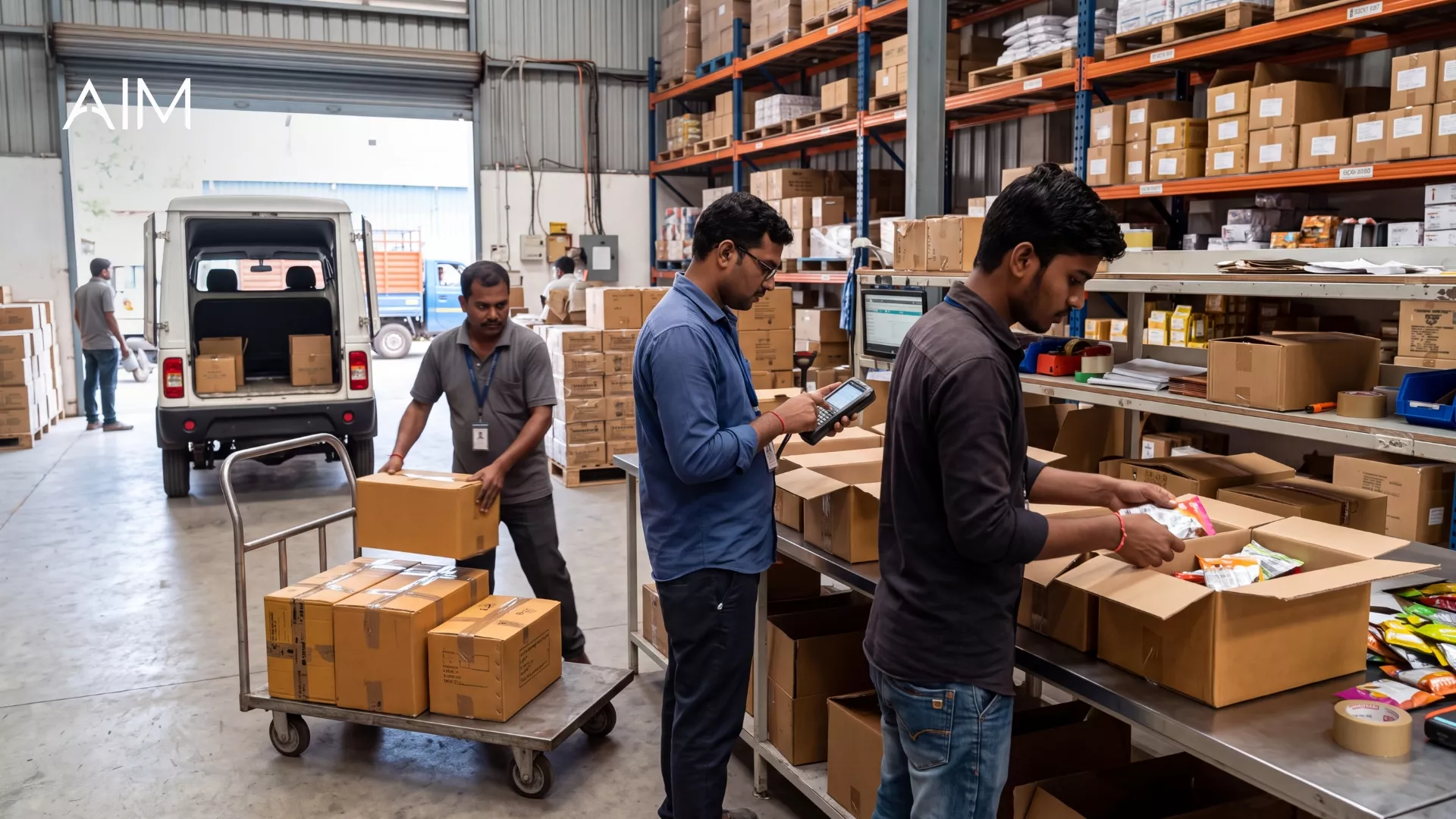
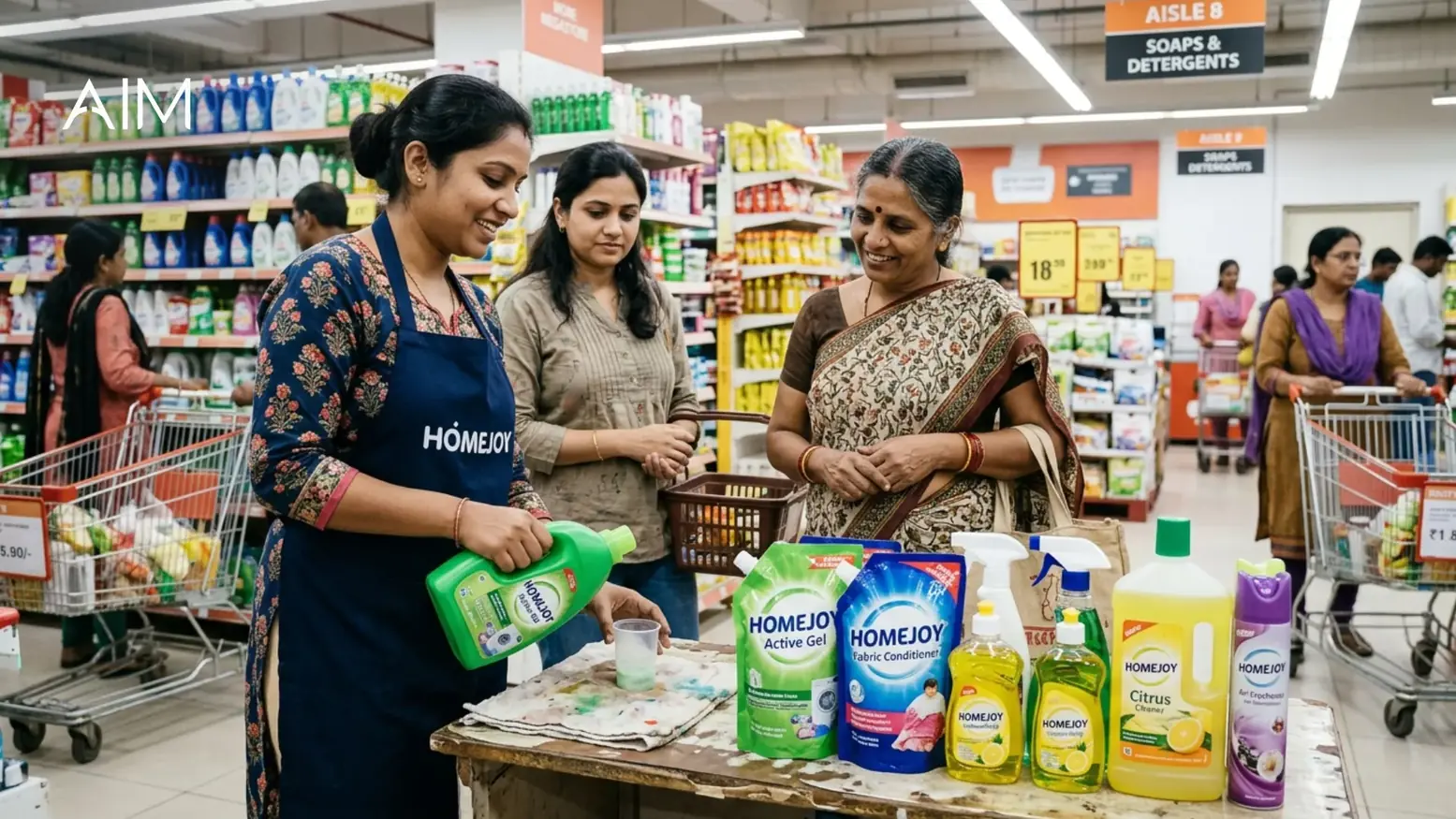
The single most frequent reason a successful product sampling fails to move sales is distribution. The trial created demand in a place where the product was not reliably available to satisfy it. A shopper tries, likes, and goes to buy, and the nearest store does not stock it, or stocks it erratically, or has it buried where they will not find it. The demand the sampling created expires on the shelf that did not have the product. This is not a sampling failure; it is a distribution failure that sampling exposed. The fix is not more sampling. The fix is making sure the product is present, findable and in stock everywhere the trial is likely to send a buyer, before the sampling runs, not after. This is why availability should be checked as a precondition of sampling, not discovered as an excuse afterward. A brand that knows its distribution is thin in the sampling zone can either fix it first or sample somewhere the product is actually buyable. What it should never do is pour trial demand into a market that cannot fulfil it and then wonder why the sales stayed flat.
The second break: the trial did not convert to intent
Liking a sample and intending to buy are not the same thing either. A person can enjoy a taste or a trial and feel no particular pull to change what they already buy. This happens when the sample demonstrates the product but never gives a reason to switch, or when the trial moment is so fleeting that it leaves no memory by the time the person is actually shopping. A trial that creates a pleasant experience but no intent to purchase will produce warm feedback and flat sales every time. The sampling worked as an experience; it did not work as a conversion event, because nothing in it bridged liking to buying. The difference is small to design and large in effect: a trial that ends with a clear reason to switch and a simple way to act on it converts at a different rate from one that simply leaves a good impression. If a campaign is built only to be enjoyed, enjoyment is all it will produce.
The third break: no path from the trial to the purchase
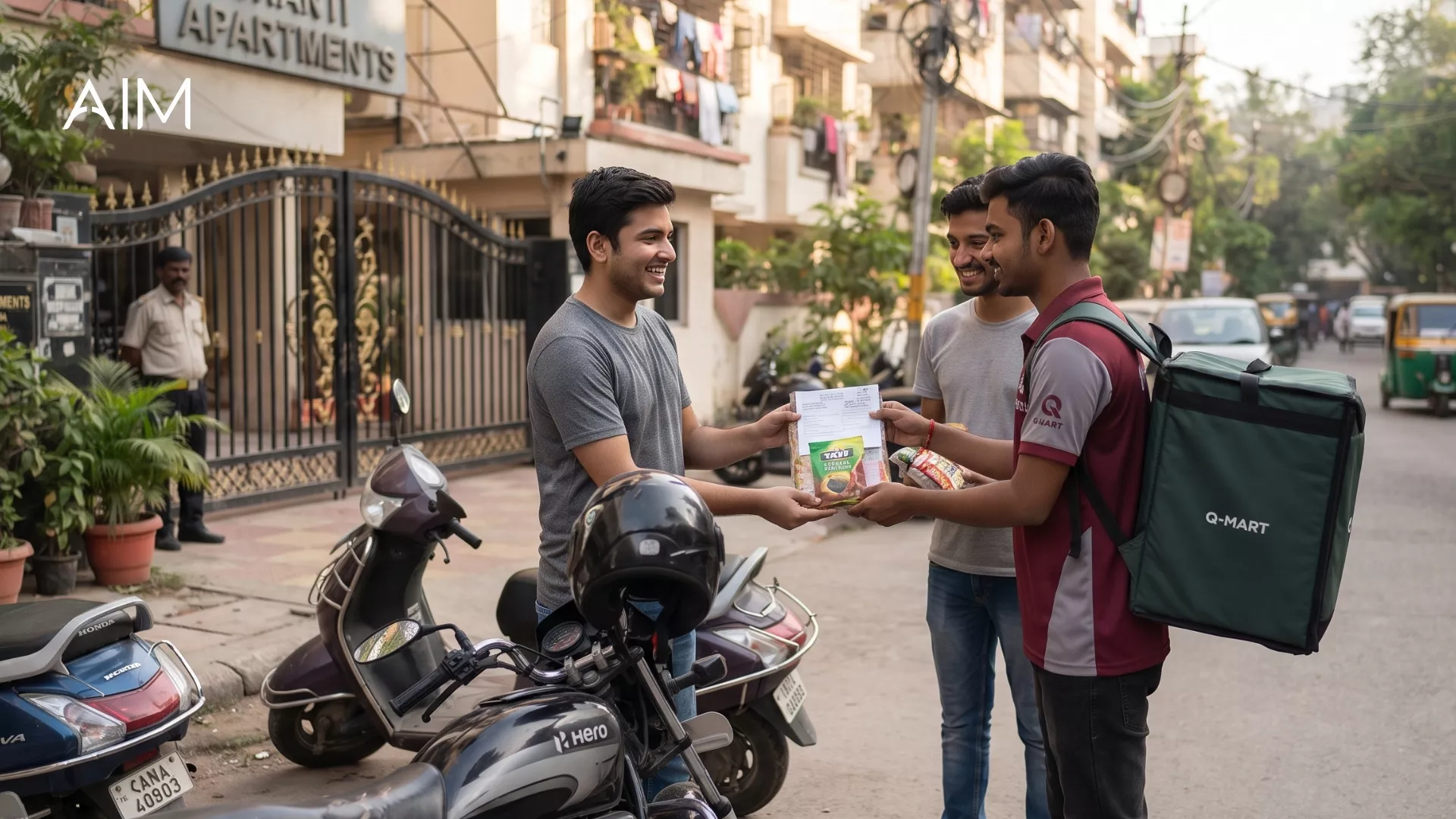
Even a person with genuine intent needs a path. If the trial ends and there is no prompt, no reminder, no offer, no easy next step, the intent has to survive on its own all the way to the next shopping trip, and most of it does not. Intent decays. The gap between the moment of trial and the moment of purchase is where good intentions quietly die, and a campaign that does nothing to shorten or bridge that gap leaves its own results to chance. The successful trial generated intent the campaign then failed to capture and carry forward.
The fourth break: you are measuring the wrong window
Sometimes the sales did move and the brand is looking in the wrong place or the wrong timeframe to see it. A trial today may convert to a purchase weeks later, in a channel the brand is not tracking, by a person the brand cannot connect back to the sample. Flat sales in the week after a campaign can hide real conversion that shows up later and elsewhere. If the measurement window is too short or too narrow, a sampling that genuinely worked can look like one that did nothing, and the brand draws exactly the wrong lesson from a campaign that actually succeeded. This is why the measurement window has to match the real purchase cycle of the category. A product people buy weekly converts fast; a product people buy once a quarter converts on a lag no seven-day report will ever capture. Reading the wrong window is one of the easiest ways to kill a working campaign on paper.
How to tell which break you are dealing with
The diagnosis matters because each break has a different fix, and treating the wrong one wastes the next budget. If sales stayed flat, start by asking where the product was available when the trial ran, because distribution is the most common culprit and the easiest to confirm. Then ask whether the trial gave people a concrete reason and an easy way to buy, which separates an experience from a conversion event. Then ask whether anything carried the intent from the trial to the purchase, because an unbridged gap bleeds results. And finally ask whether you measured long enough and widely enough to see conversion that happens later and elsewhere. The answer to those four questions almost always locates the break, and once you know which one it is, the fix is usually obvious and rarely involves sampling more.
Why this is good news, not bad
A flat sales line after a strong trial feels like a failure, but it is actually the most useful result a campaign can produce, because it tells you precisely where your real problem is. A campaign that both trialled well and sold well tells you nothing you can act on. A campaign that trialled well and sold nothing points straight at the broken link: your distribution, your conversion mechanic, your follow-through, or your measurement. That is a problem you can fix, and fixing it lifts not only the next sampling campaign but every channel that sends a buyer toward a purchase. The sampling did its job. It found the break for you.
How AIM reads a flat sales line
When a campaign trials well and sales stay flat, AIM treats it as a diagnosis, not a defeat. The work is to trace the chain from trial to purchase and find the break: whether the product was available and findable where the trial sent buyers, whether the trial gave a real reason and an easy way to buy, whether anything carried intent forward, and whether the result was measured over a window long enough to catch delayed conversion. That diagnosis is designed in from the start, because a sampling campaign that cannot tell you why sales did or did not move is only half a campaign. The point is not to declare the trial a success and stop. The point is to find out what sat between the trial and the sale, and fix it.
So before you conclude your sampling did not work, check whether it was the sampling that failed or the step after it. Most of the time the trial did exactly what it was supposed to do, and the sale got lost on the way to a shelf, a decision or a measurement that was never set up to catch it. Fix that step, and the next campaign will move the line the first one could not.