
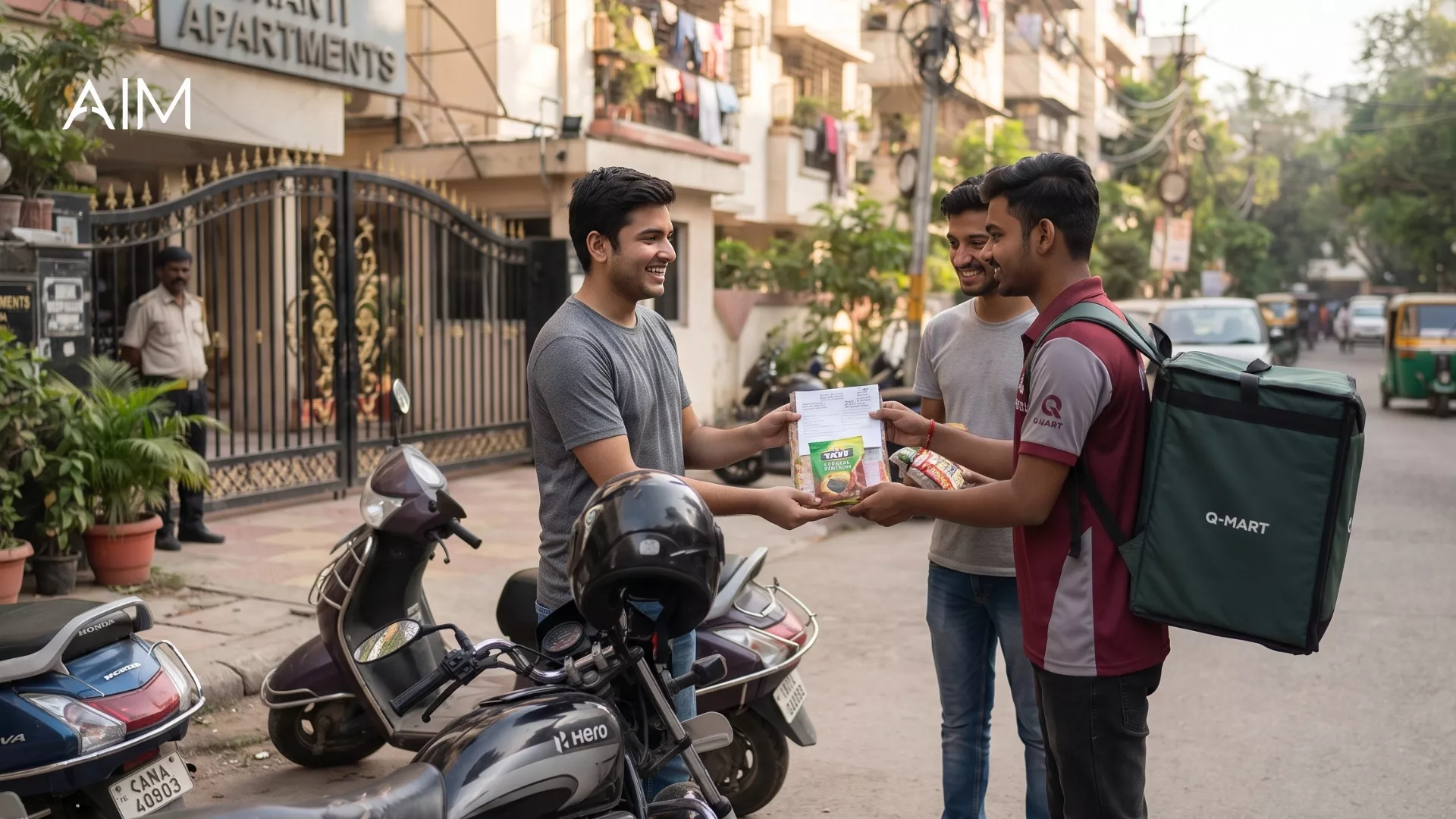


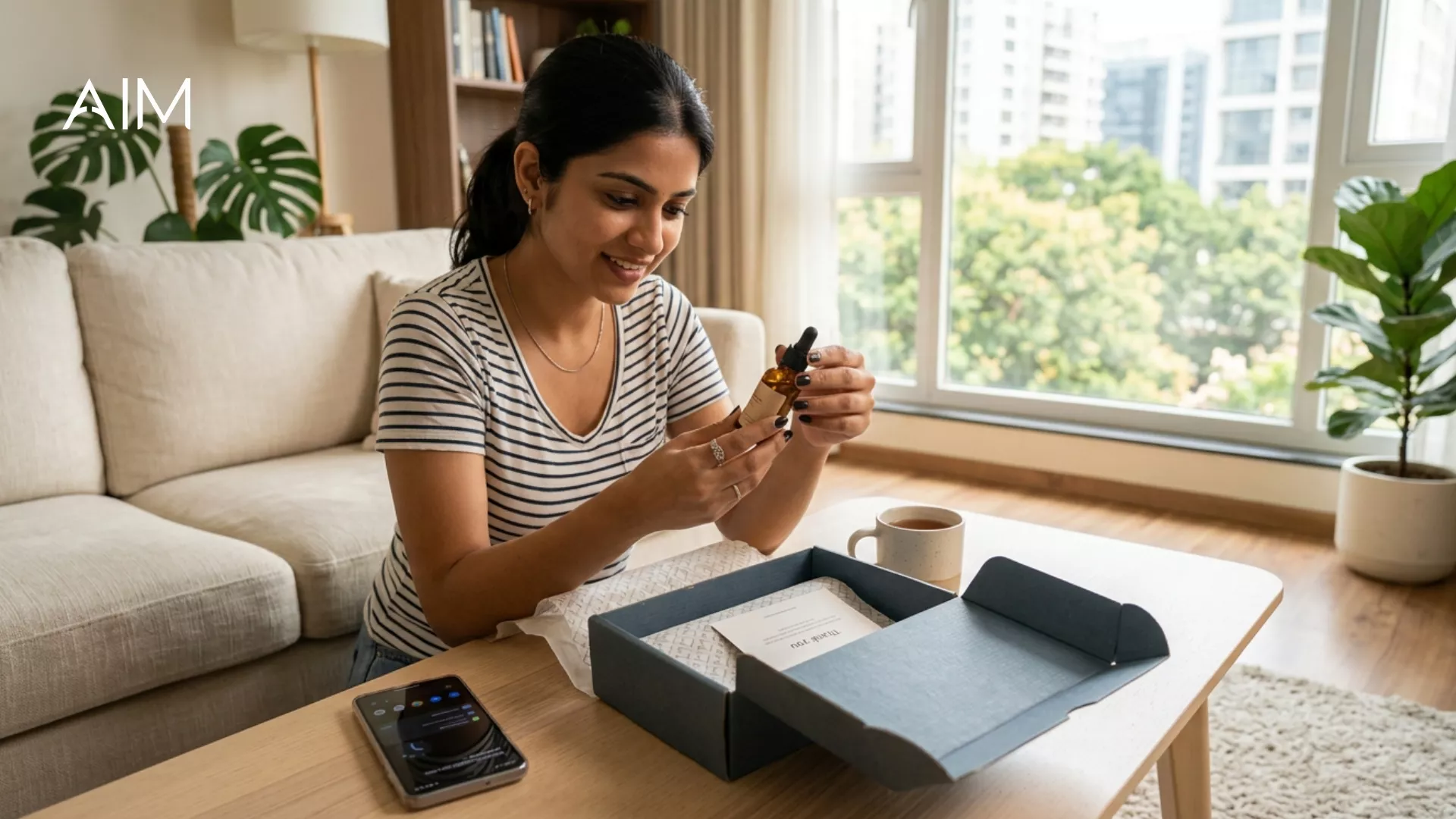
E-commerce and quick commerce product sampling drops a free sample straight into a customer's online order, so the trial arrives at their door alongside a purchase they already wanted. It is one of the fastest-growing sampling channels in India, because it reaches real buyers inside the platforms they shop on every week.
Here is how it works, from matching the sample to a shopper to tracking whether they came back and bought.
Quick answer: E-commerce and quick commerce product sampling is a method where brands insert product samples into orders placed on platforms like Amazon, Blinkit, Swiggy Instamart, BigBasket, Nykaa, and Zepto. Samples are matched to compatible shoppers, delivered with their order, and tracked through reviews, redemptions, and repeat purchases.
Why brands are moving to this channel
Two shifts make this channel matter now. First, a large share of Indian grocery, beauty, and wellness buying has moved to apps, and quick commerce has trained shoppers to expect a product at the door in minutes. Your buyer is already inside Blinkit, Zepto, and Amazon several times a week. Second, offline sampling struggles to prove itself, while an insert into a tracked order is measurable by design. Sampling where people already shop solves the two problems that have always dogged the channel: reaching the right person, and knowing what happened next.
How e-commerce and quick commerce product sampling works
A campaign runs in four steps:
- Pair. The sample is matched to shoppers whose past orders and profile fit your category, so it lands in a relevant basket rather than a random one.
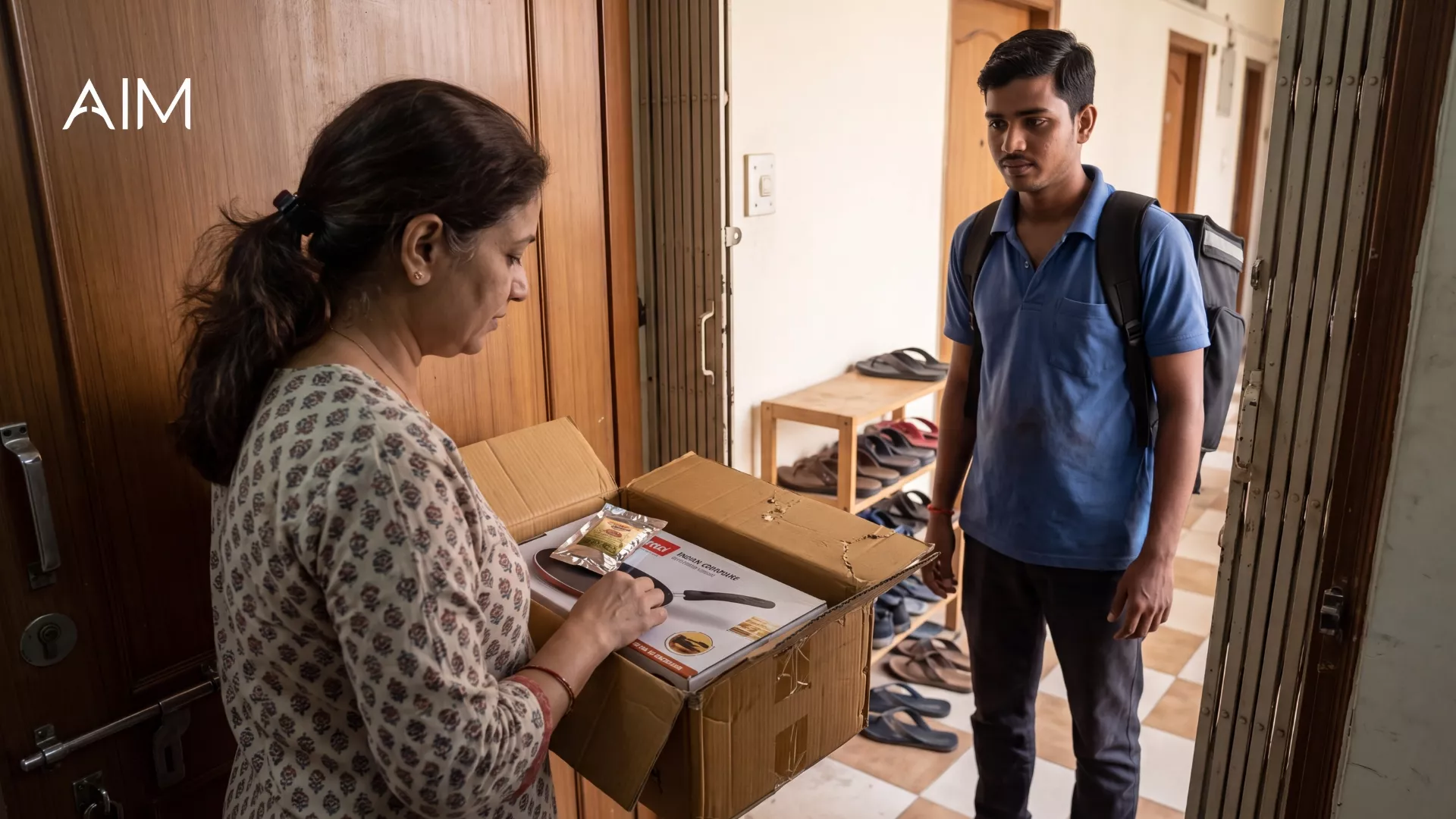
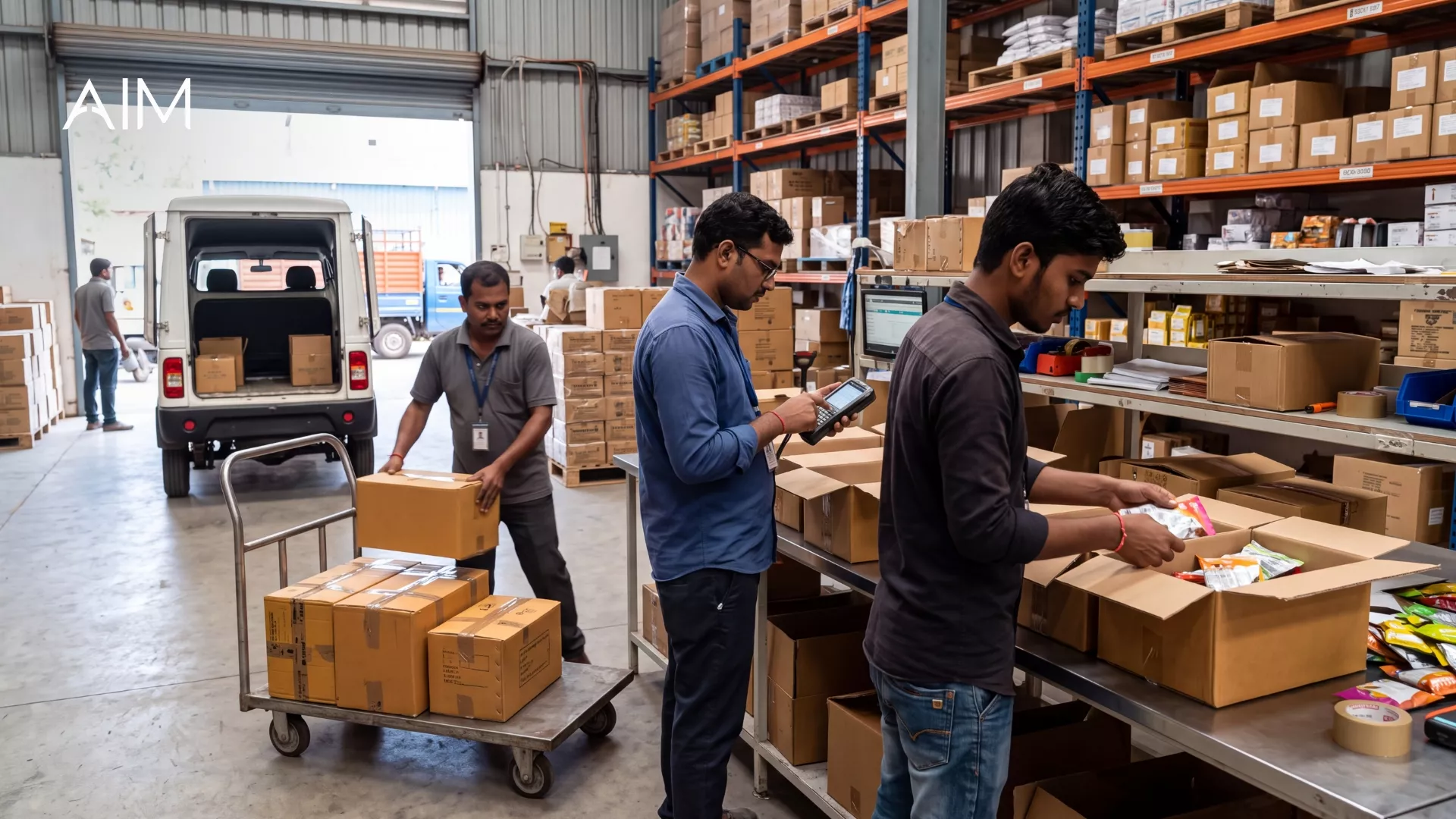
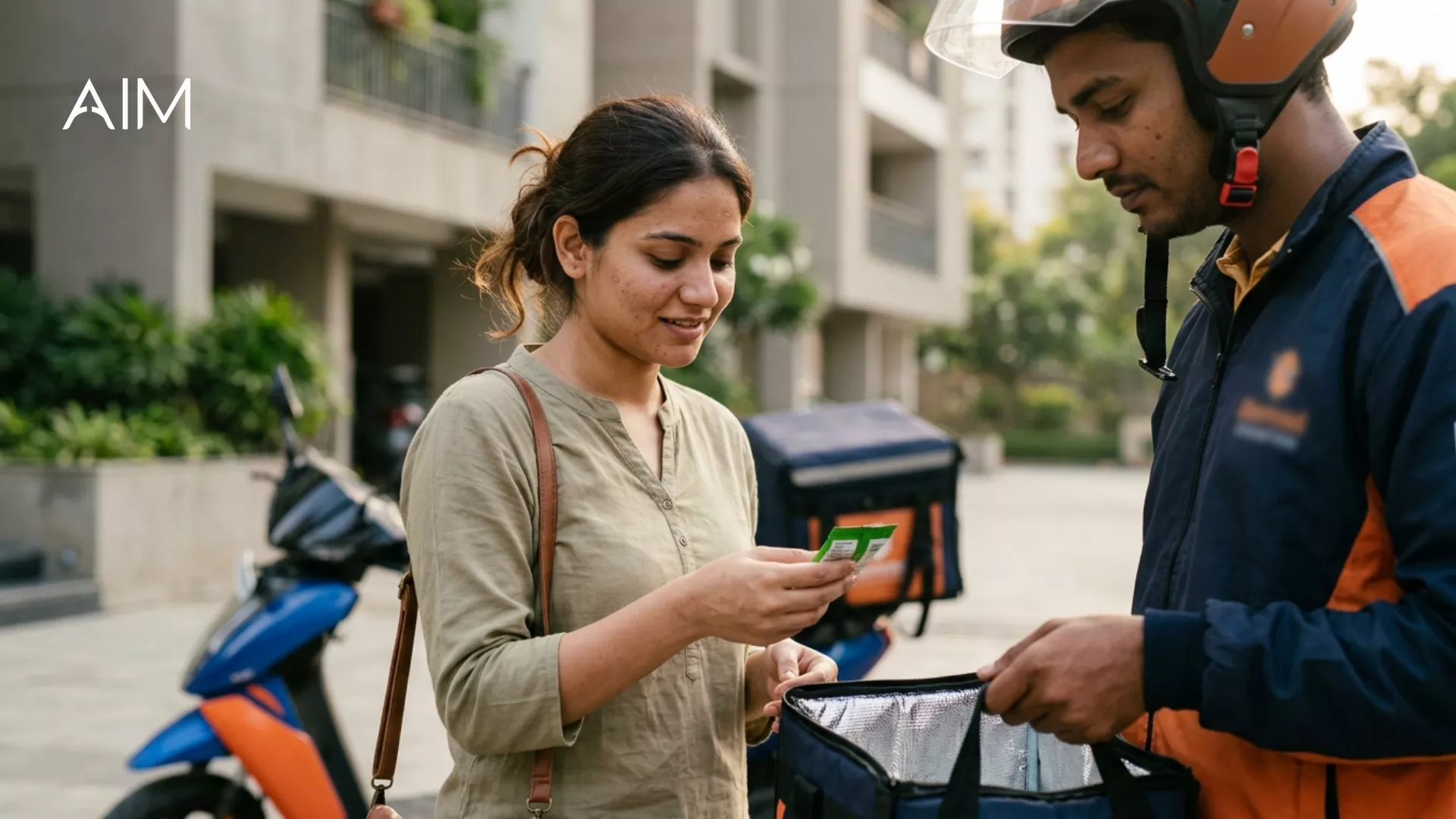
- Insert and deliver. The sample is added to those orders through the platform's fulfilment and arrives at the customer's door with what they bought.
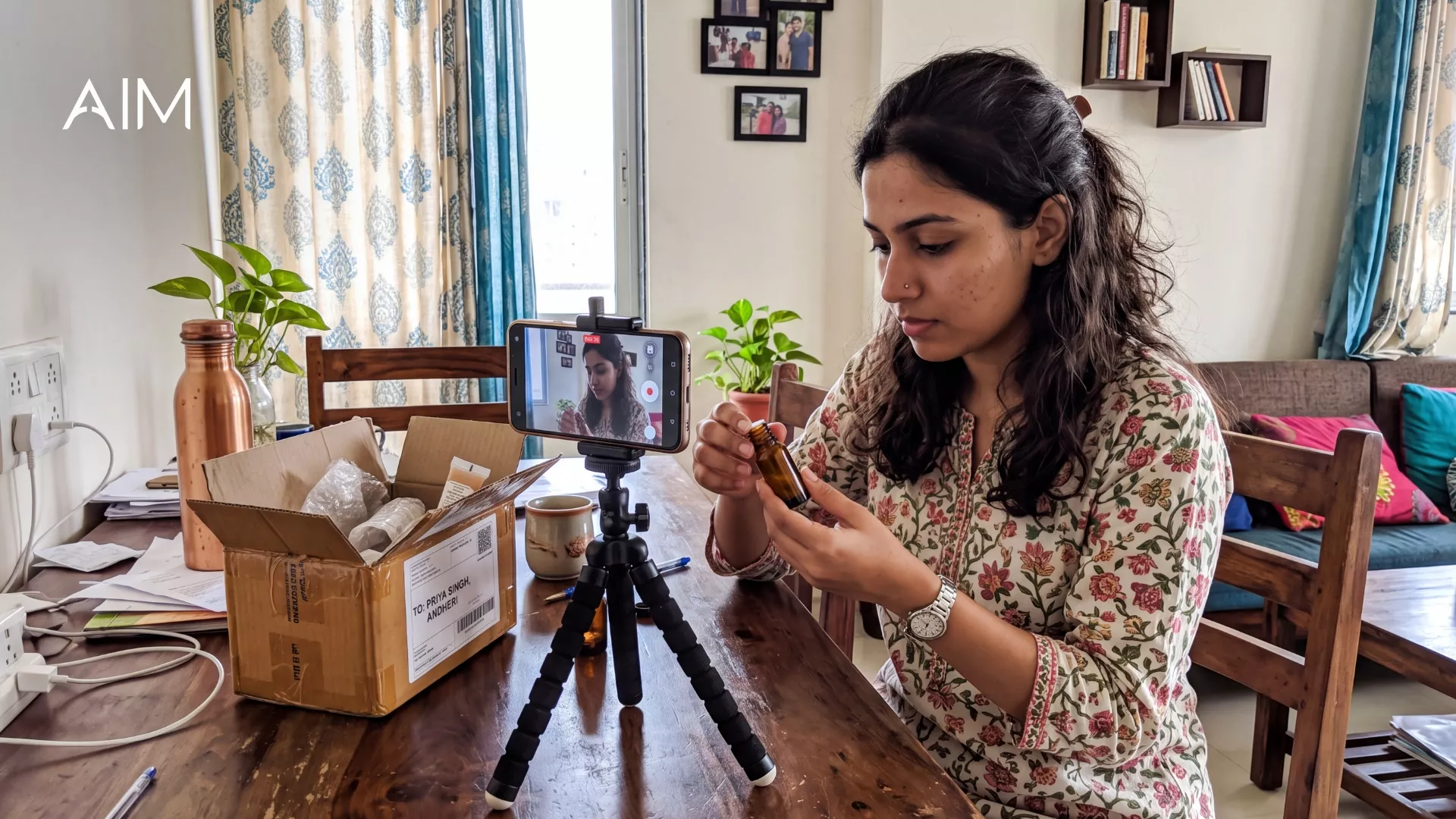
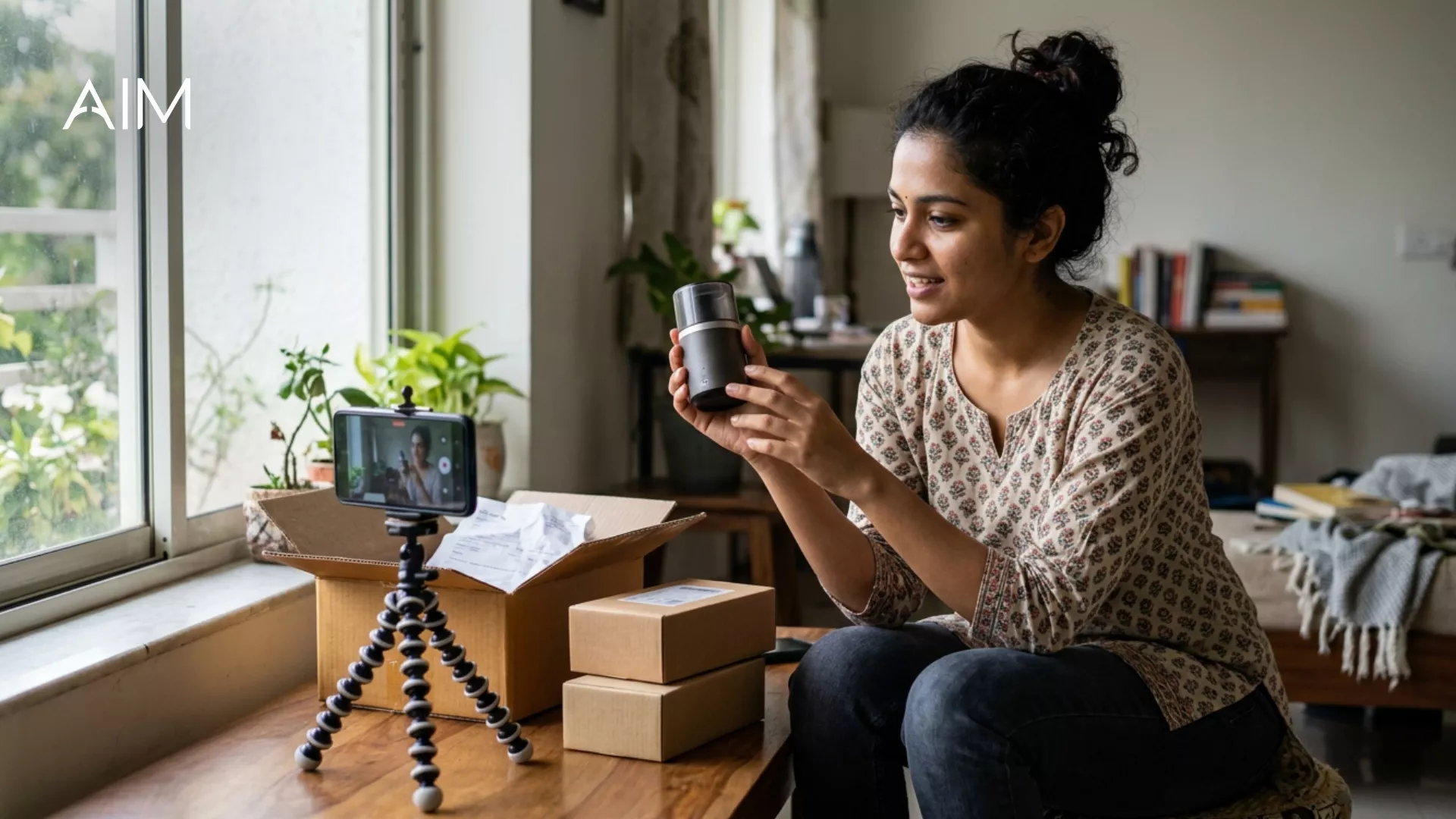
- Capture feedback. A prompt invites the shopper to rate or review the product, often within a day or two of delivery, while the trial is fresh.
- Track and retarget. Redemptions, reviews, and repeat purchases are recorded, and the shoppers who engaged can be reached again with an offer.
Which platforms can you sample on?
The channel spans two related worlds. E-commerce marketplaces like Amazon, Nykaa, and BigBasket handle planned, larger baskets. Quick commerce apps like Blinkit, Zepto, and Swiggy Instamart handle fast, impulse orders delivered in minutes. A sample in a grocery order on Blinkit reaches a different moment than one tucked into a Nykaa beauty parcel, so the platform you choose should match where your buyer shops for your category. Most brands start on one or two platforms where their category is strongest, then widen once the reorder data shows what works.
How samples are matched to the right shopper
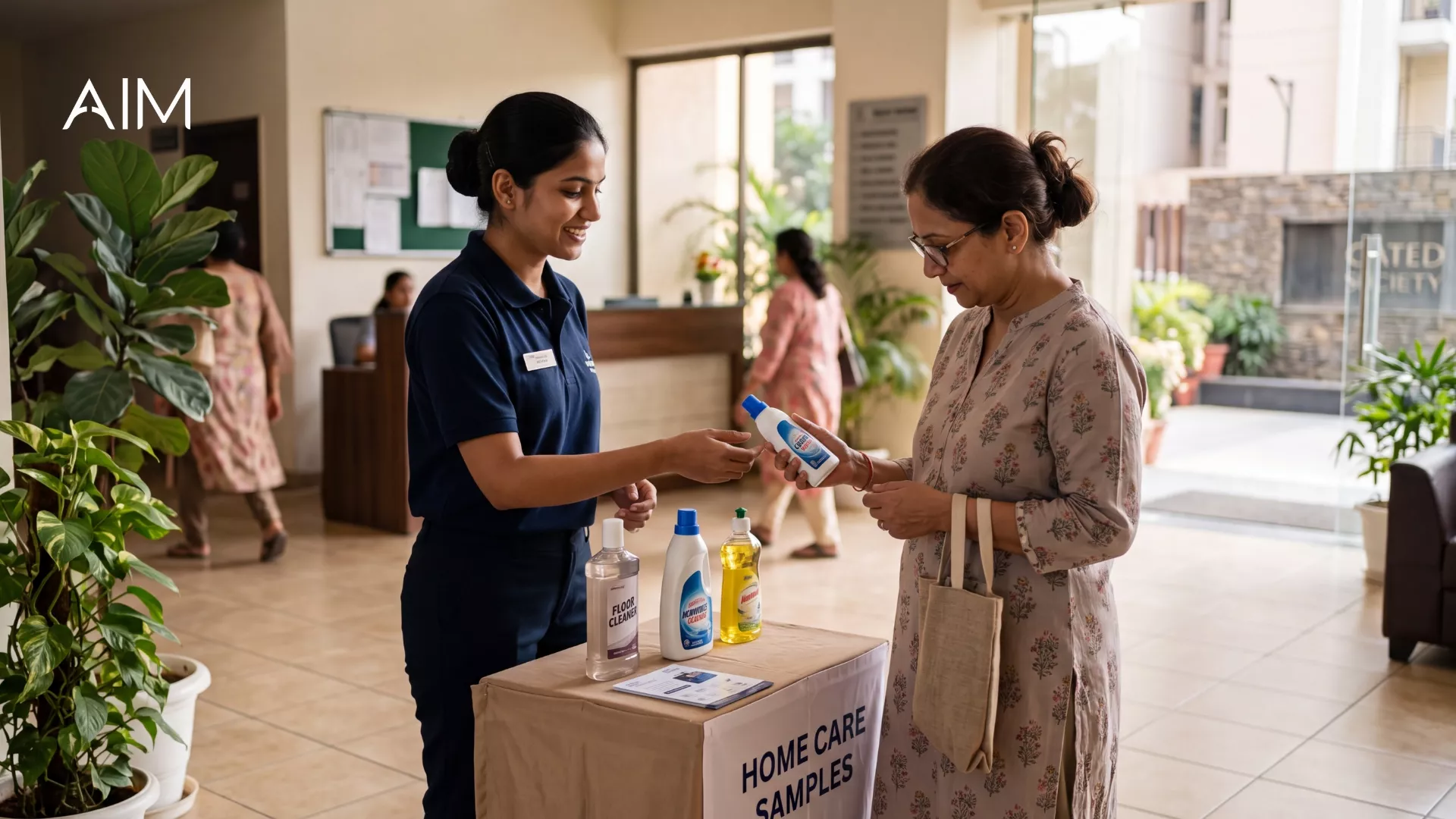
Targeting is the real value of this channel. Instead of handing a sample to whoever walks past a stall, the sample is paired to shoppers whose buying behaviour signals a fit: a protein sample into the order of someone who buys fitness and health products, a baby-care sample for a household ordering diapers. The pairing can go as narrow as the platform's data allows, down to buyers of a specific category or a competing product, which is targeting no stall or hoarding can match. Matching the sample to the basket is what separates a trial that converts from free product sent to people who will never buy the category.
How to measure e-commerce and quick commerce sampling
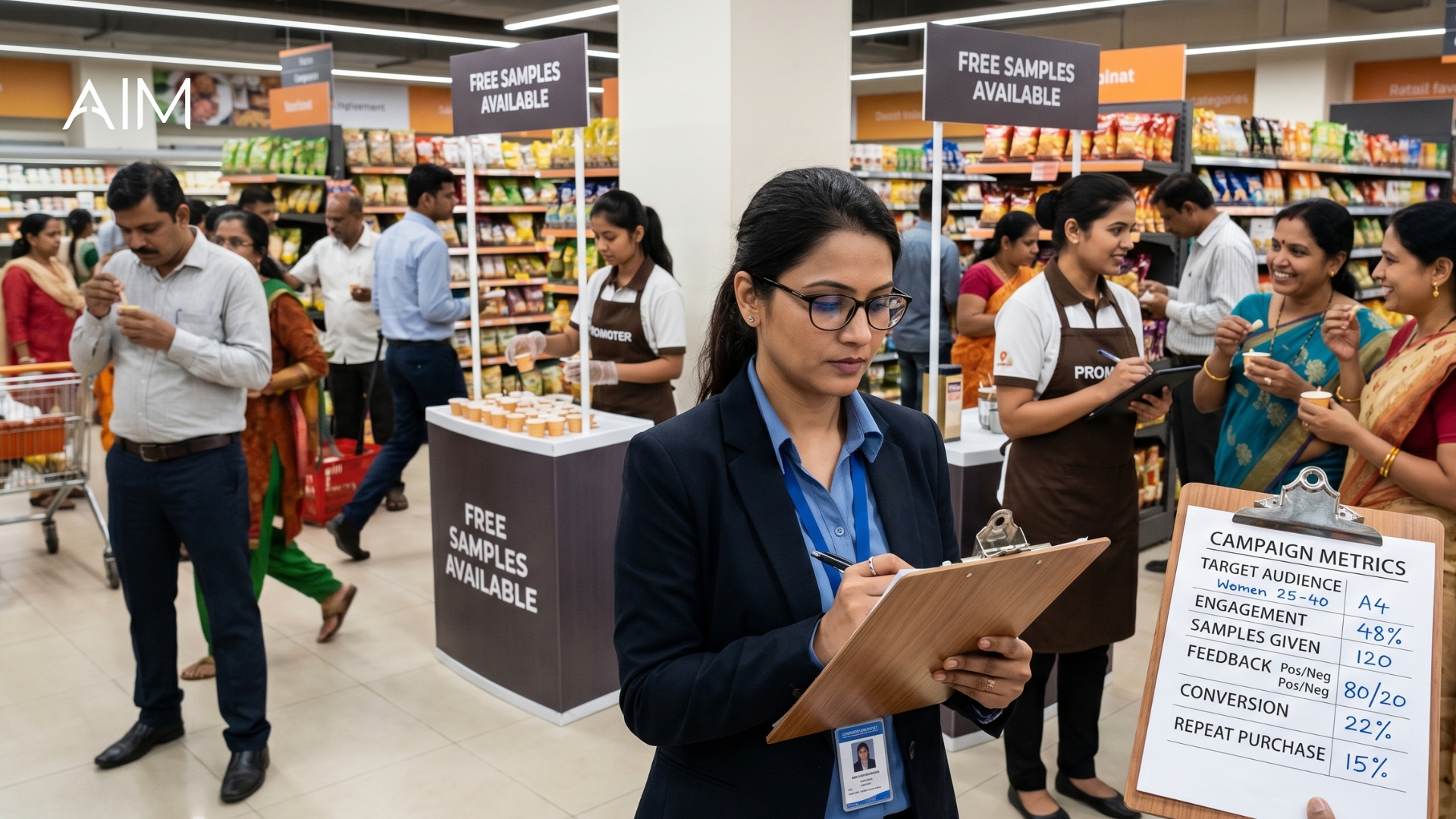
Because everything happens through a tracked order, this is one of the most measurable forms of sampling. Watch conversion (how many sampled shoppers bought the full product), review and rating volume, cross-sell into your other products, and repeat orders in the weeks after. The reviews are a bonus in themselves, because a wave of fresh ratings lifts how the product page performs for every future shopper who lands on it. In one campaign for a D2C nutrition brand across four platforms, sampling roughly 80,000 orders drove about a 25% increase in repeat orders within 90 days. Set the goal, then read the reorder curve.
What you need to plan a campaign
Two practical things shape the plan. First, volume: platforms usually need a minimum run, often somewhere between 10,000 and 25,000 samples, to make insertion worthwhile. Second, time: a campaign typically takes two to three weeks to set up, covering platform coordination, sample logistics, and the pairing rules. Your sample also has to survive shipping and carry a clear next step, so plan a small offer on it, a first-order discount or a bundle, and a coupon or QR code, to give the trial somewhere to go. A pilot on a single platform is the cleanest way to prove the numbers before a wider rollout.
E-commerce product sampling where your customers already shop
E-commerce and quick commerce product sampling works because it removes the two weakest points of traditional sampling: the wrong audience and the missing measurement. The sample reaches a shopper who already buys the category, arrives with a purchase they wanted, and is tracked from delivery to reorder. It is not a replacement for in-store or on-ground sampling, but for a brand that sells online, it is often the most efficient way to buy a first trial and a shot at the reorder. Done well, the same campaign also seeds fresh reviews, feeds your retargeting, and shows which platform and which shopper are worth scaling next.
AIM runs e-commerce and quick commerce product sampling across the major platforms: shopper pairing by data, insertion through platform fulfilment, feedback capture, and reporting from sample to repeat purchase on a live dashboard. If you sell on Amazon, Blinkit, Zepto, or Nykaa, tell AIM the buyer you want to reach and the reorder you want to drive, and we will build the pairing, the run, and the tracking around it.











.webp)











.png)