
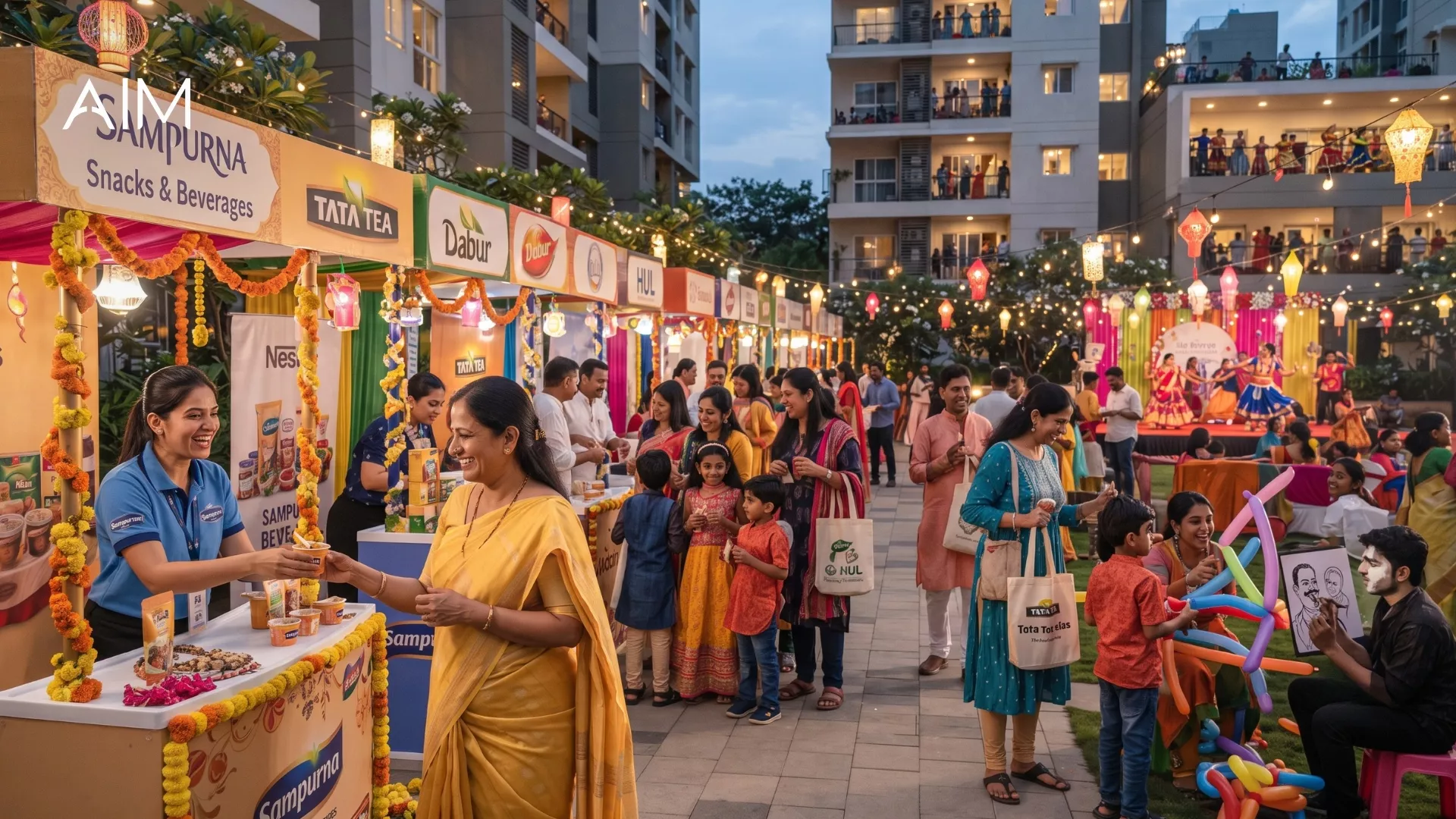


Residential societies are one of the best places a consumer brand can sample. The product goes straight into the home, the whole family sees it, and a good experience travels from one flat to the next by word of mouth. Few channels get you that close to a real kitchen before a purchase, and fewer still come with a built-in group of neighbours who talk.
Which is exactly why the mistakes hurt. RWA and society product sampling looks simple, so brands and agencies treat it carelessly, and the budget leaks through avoidable errors. Here are nine of the most common, and how to fix each one.
Why societies are worth the effort
A residential society hands you three things a mall aisle cannot. First, the product reaches the actual home, where the buying and the cooking happen, not a distracted shopper passing a stall. Second, you reach the whole household: the person who decides, the person who cooks, and the children who ask for the repeat. Third, a society is a closed network, so when one flat likes something, the neighbours hear about it in the lift and the resident WhatsApp group within days.
That combination of home context, family reach, and built-in word of mouth is why society sampling can outperform higher-footfall channels on trial and repeat purchase. It is also why a careless drive is such a waste. A sloppy campaign costs more than a sale. It burns a high-trust environment you cannot easily buy your way back into, because the committee remembers, and so do the residents.
Mistakes in RWA and Society Product Sampling Campaigns
Let's understand the common mistakes many brands do while conducting society and RWA product sampling campaigns in India.
Mistake 1: Leaving the samples with the security guard
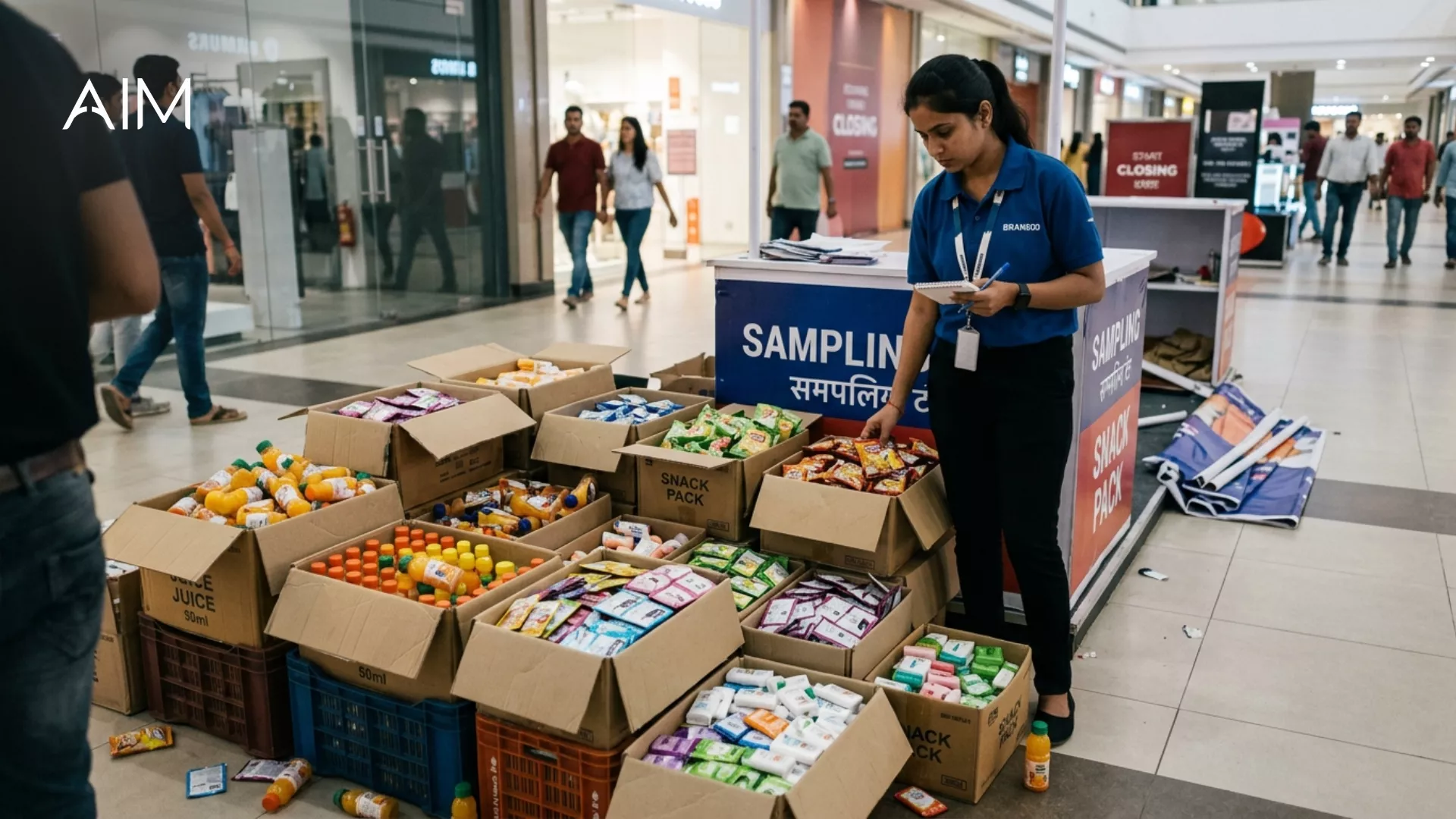
The most common mistake is also the laziest. A carton of samples gets dropped at the gate, the guard is asked to hand them out, and the team leaves. By evening the box is half gone, nobody knows to whom, and most residents never saw it. That is abandonment, not sampling.
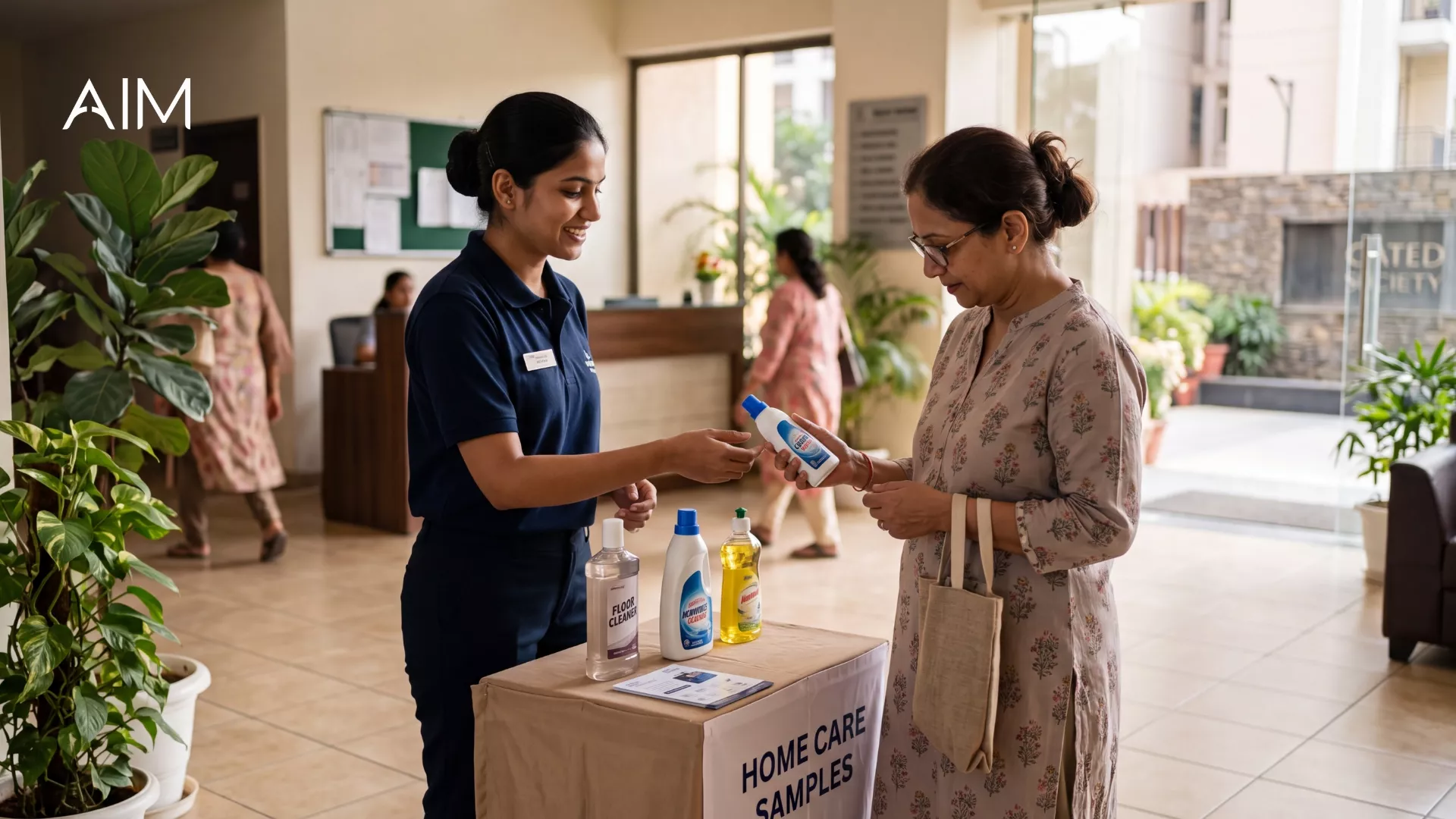
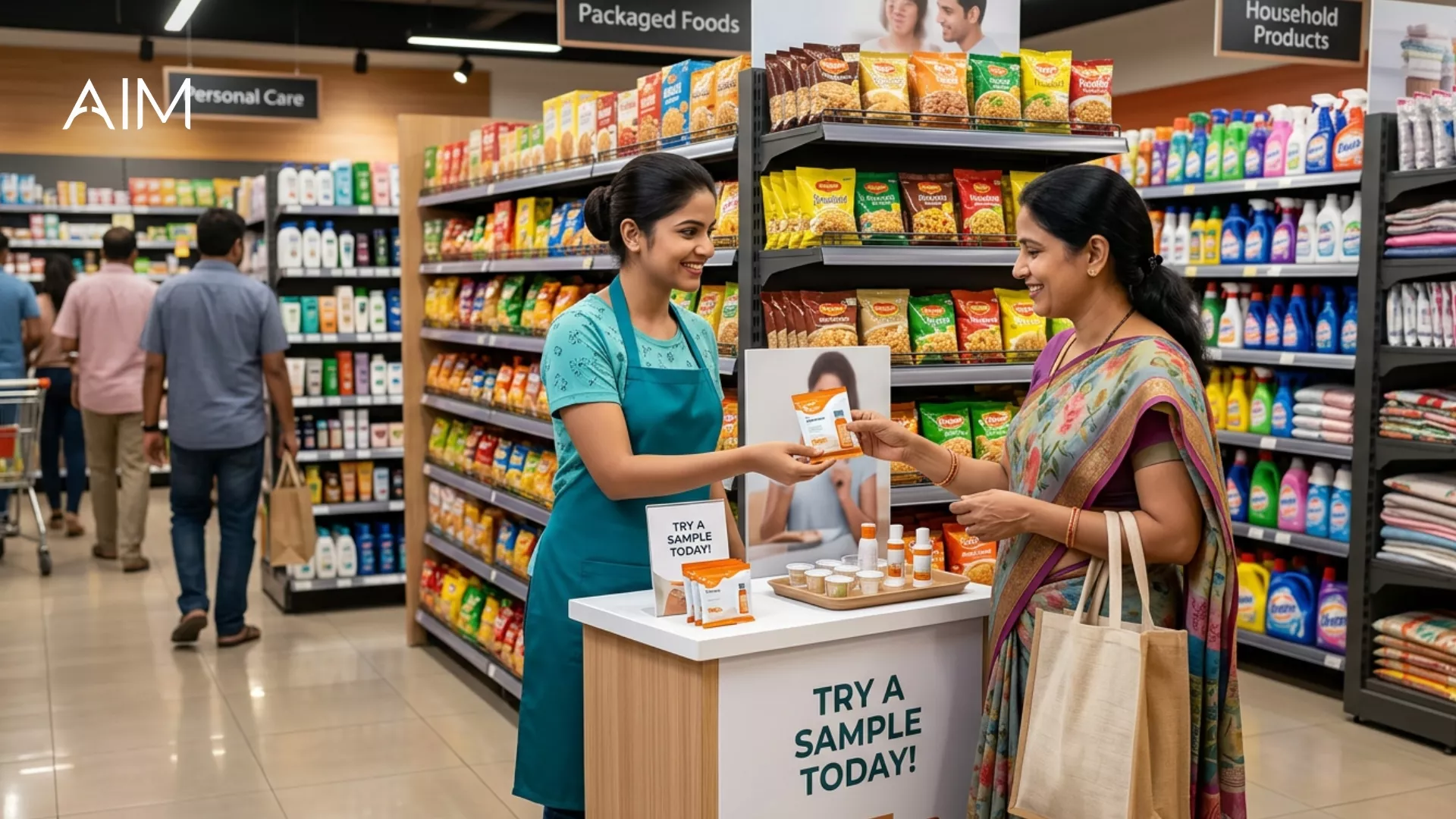
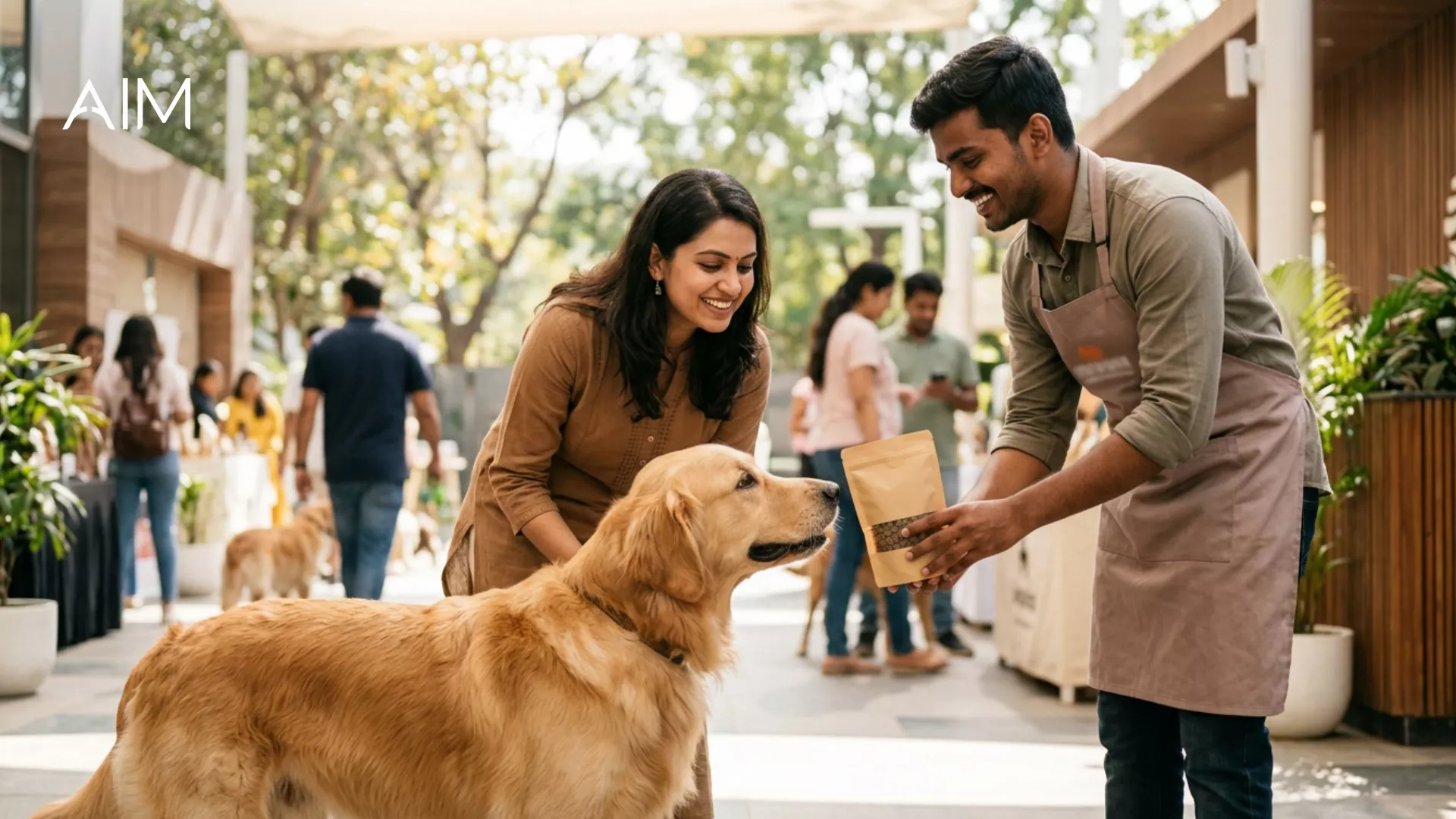
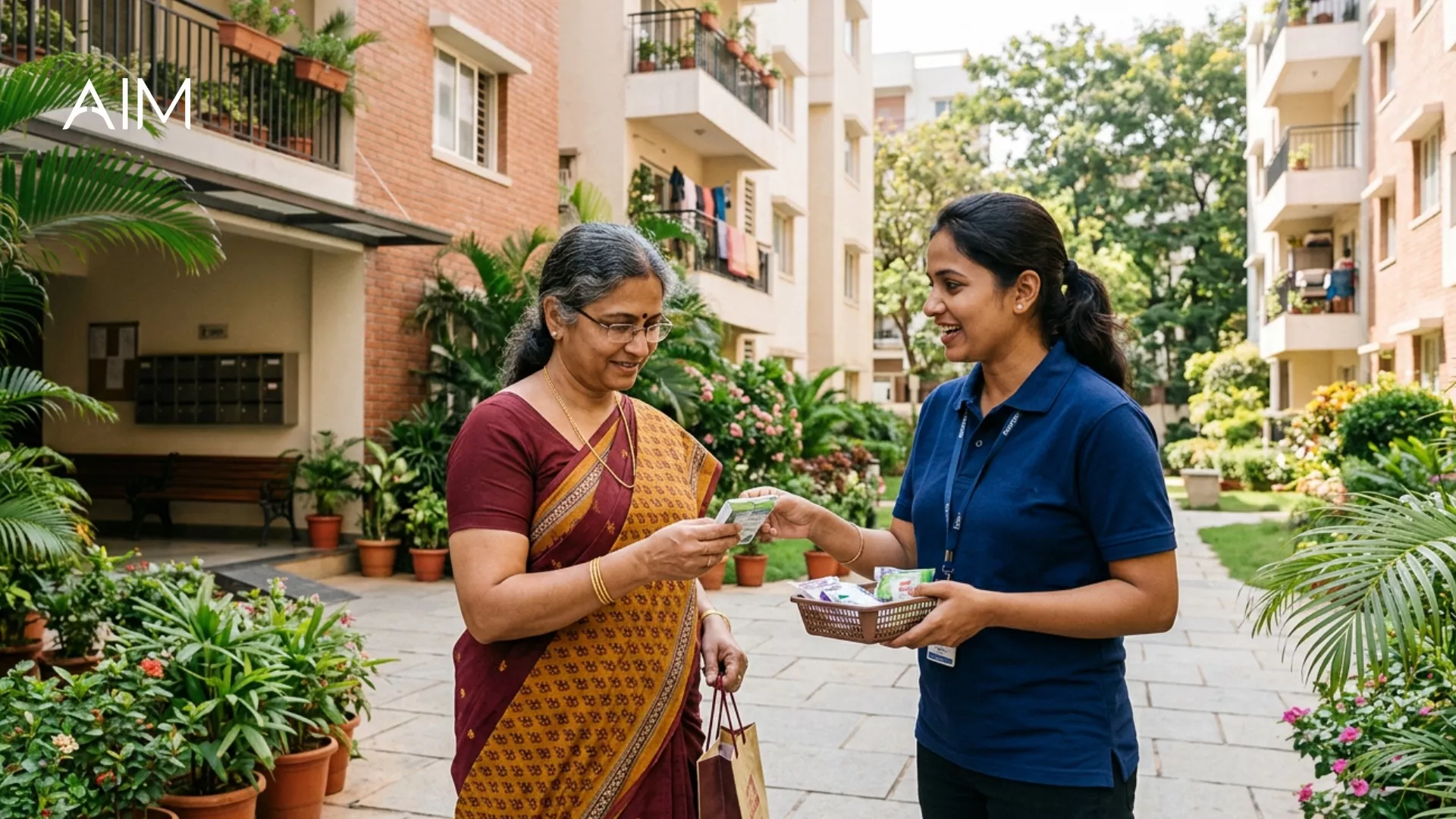
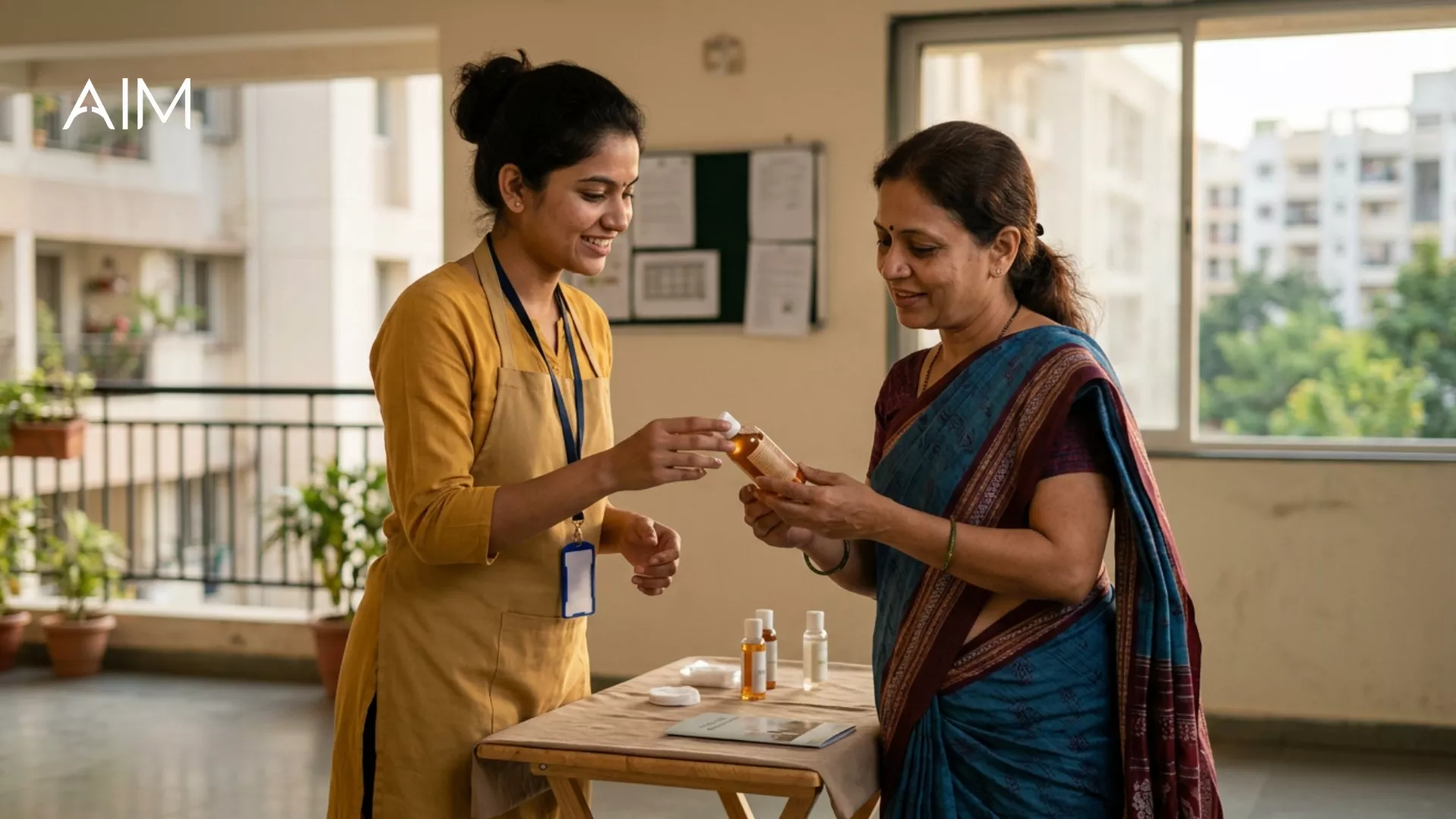
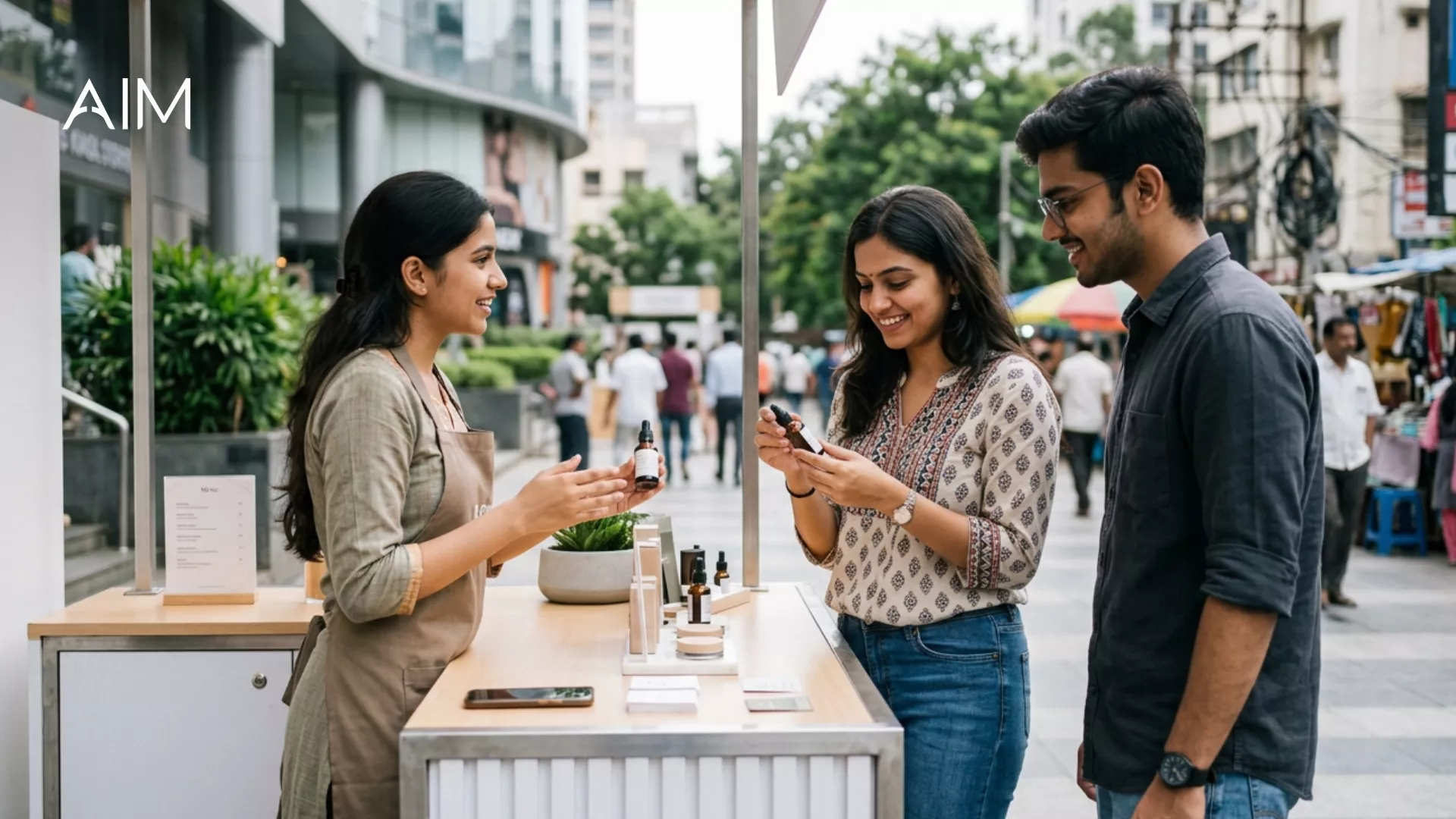
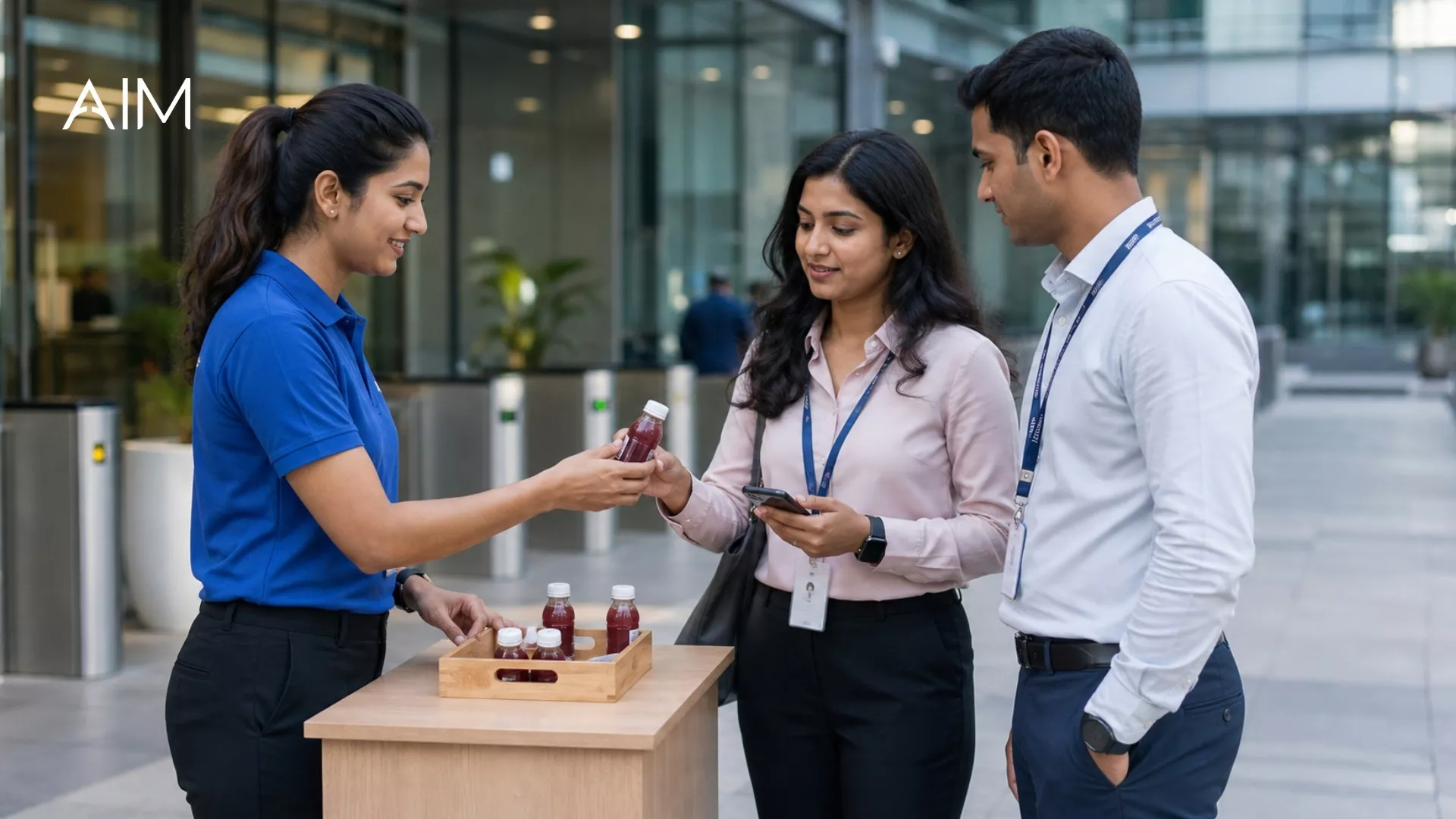
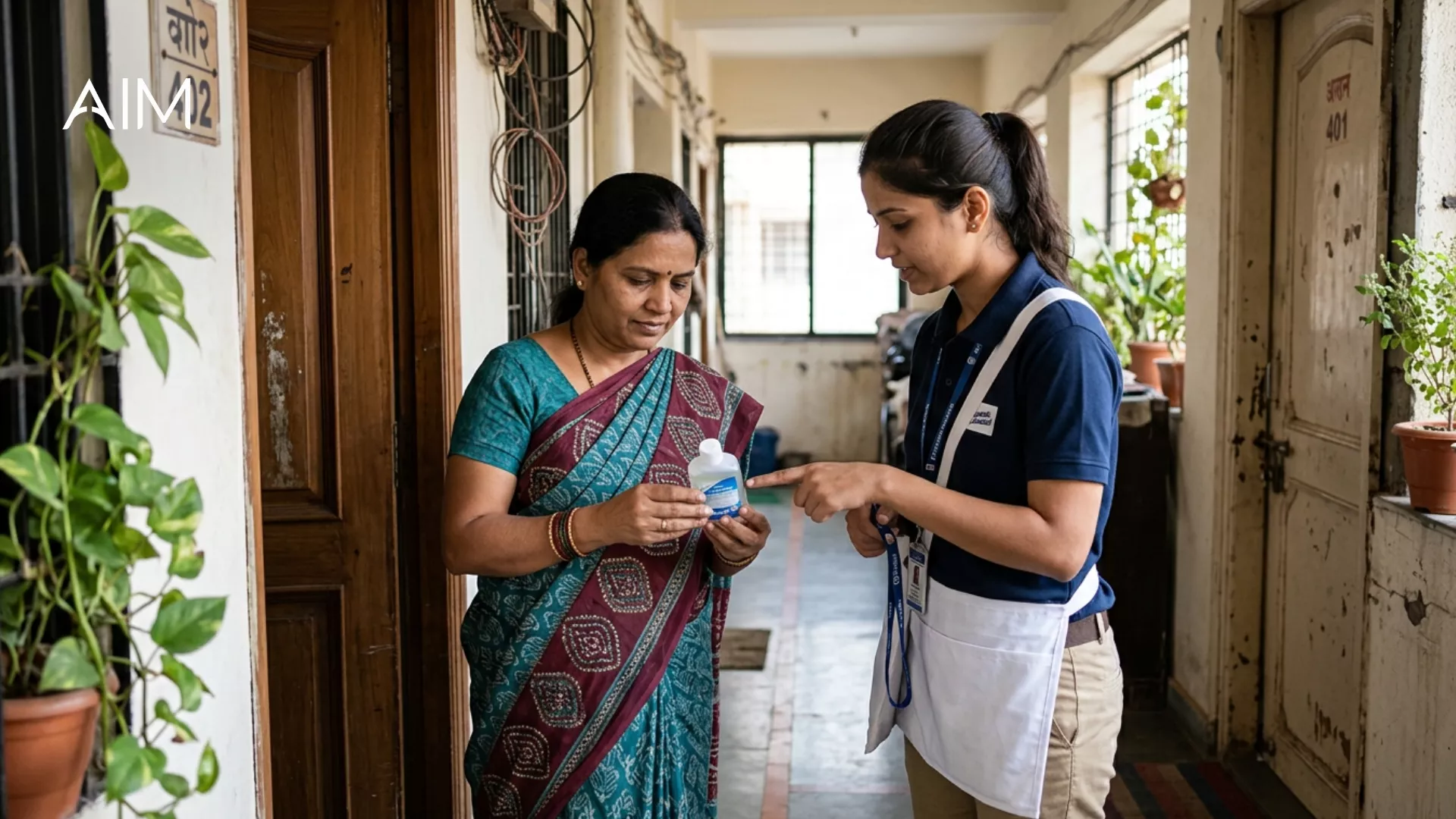
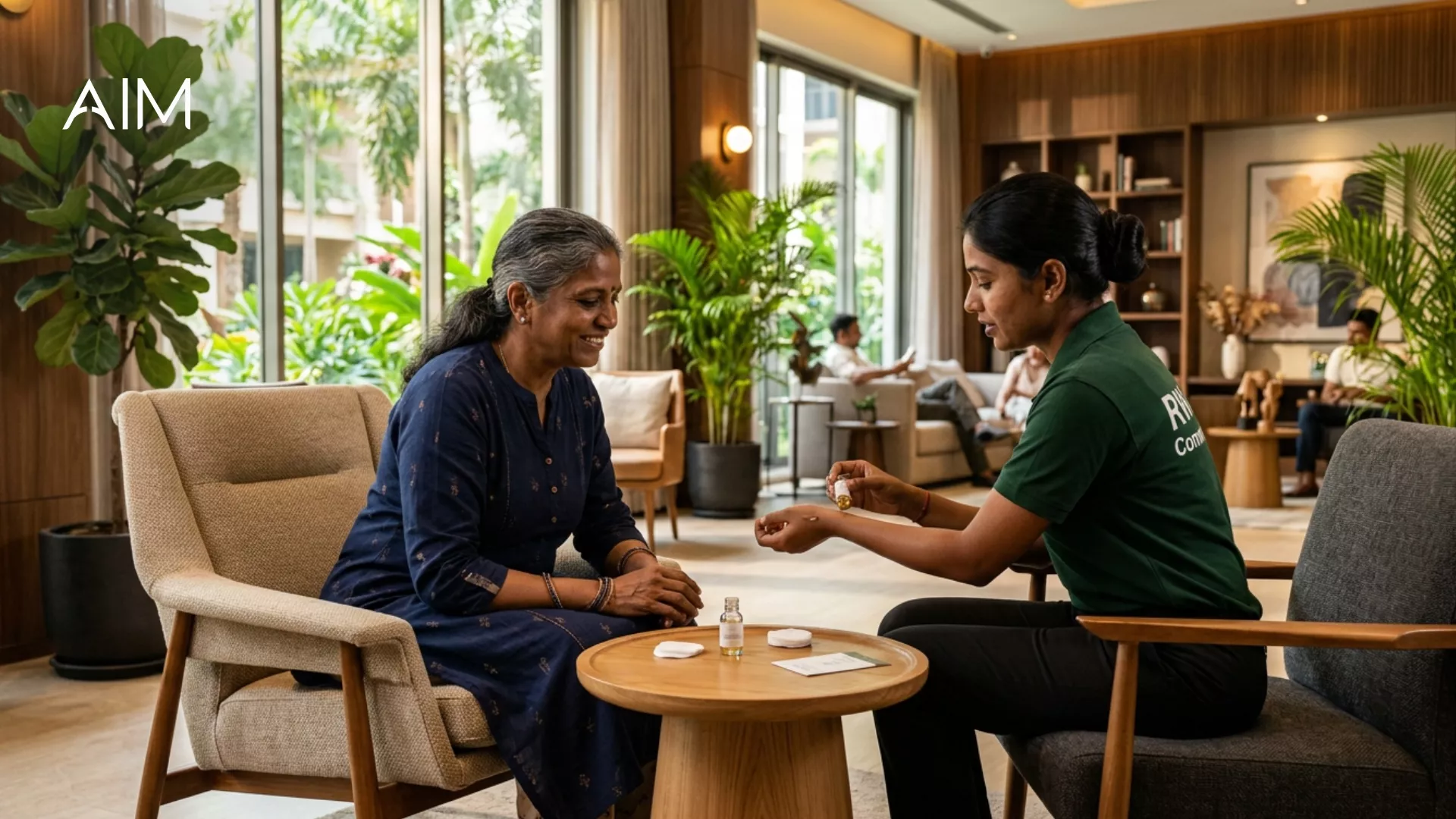
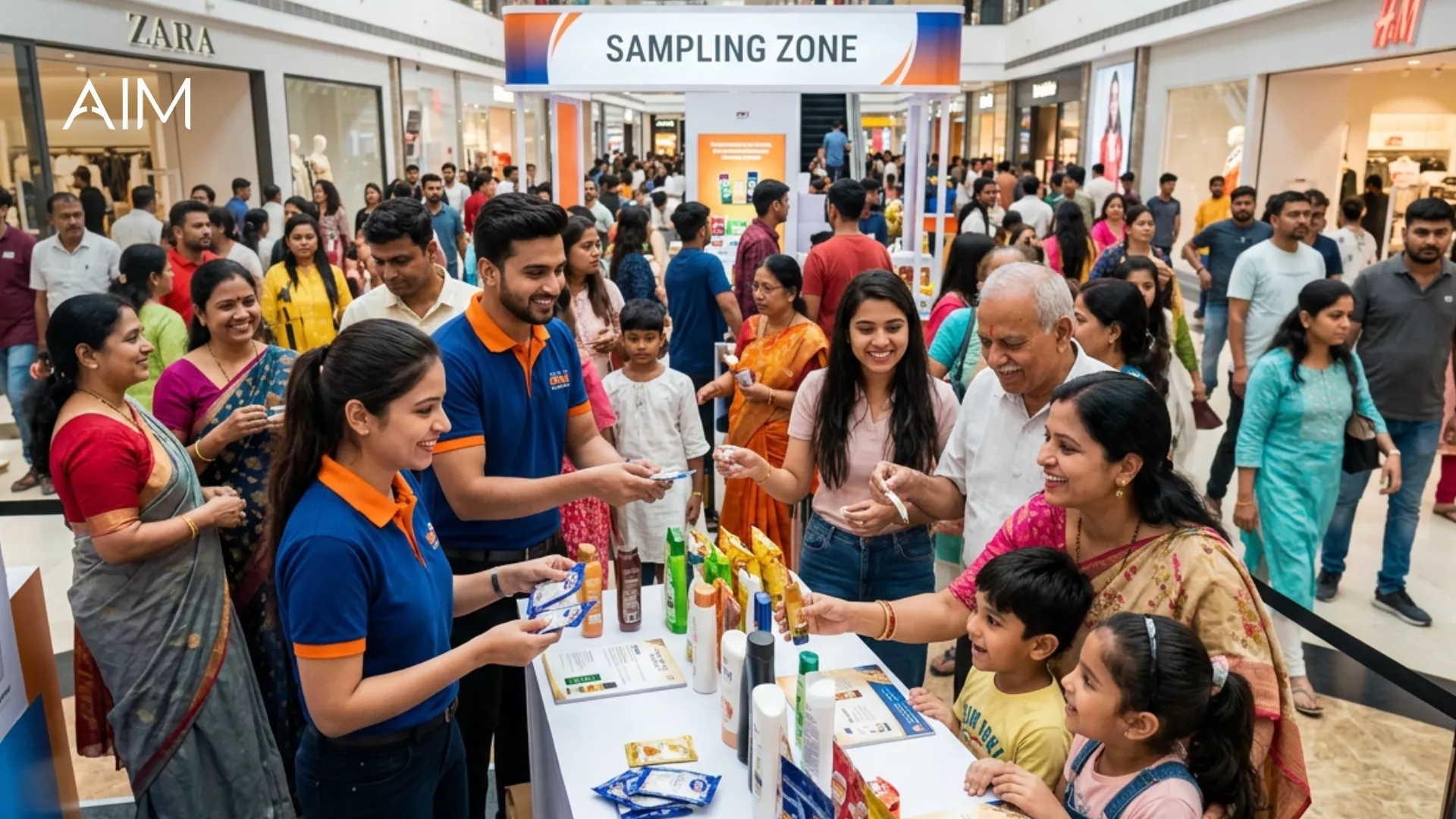
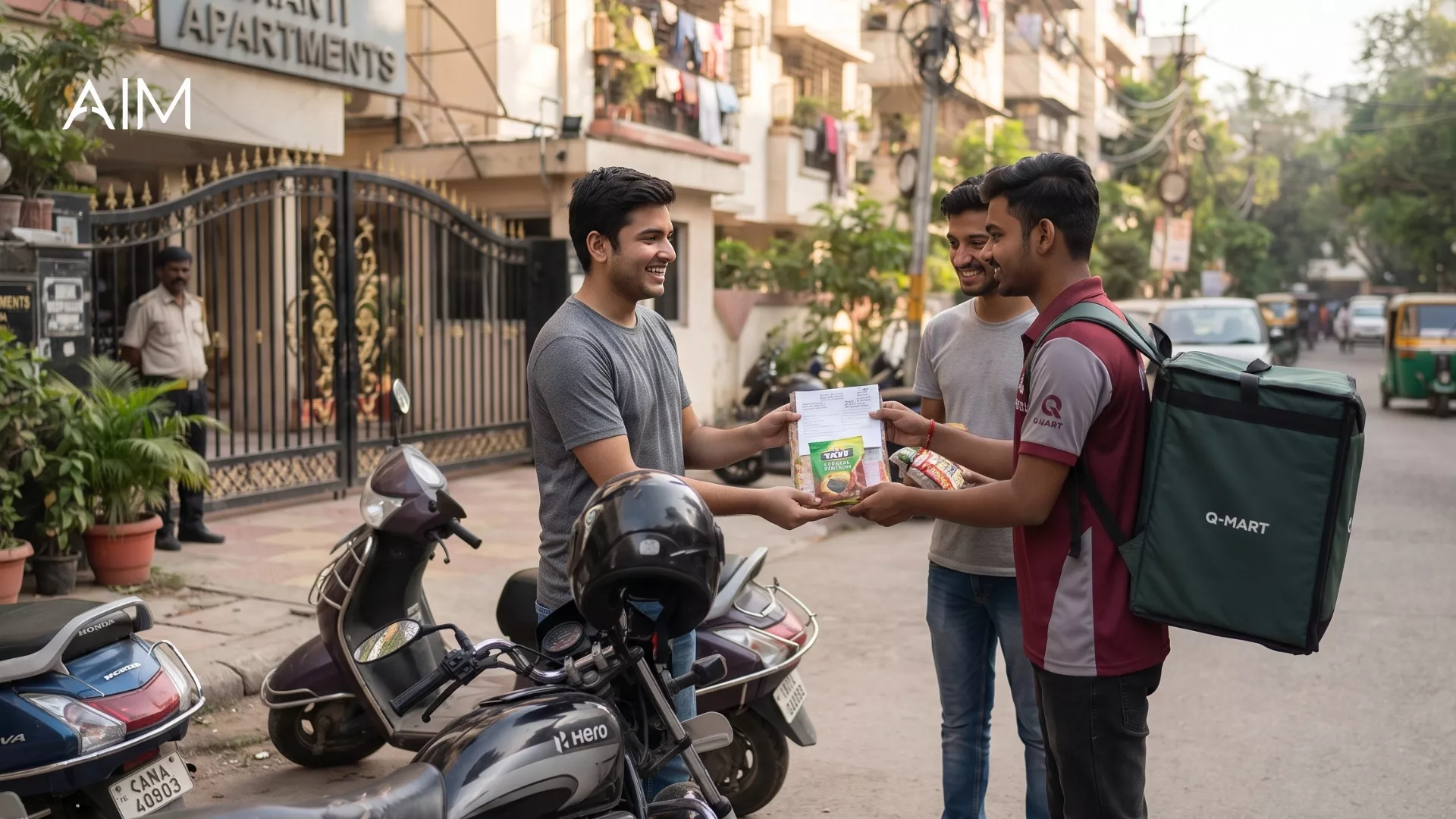
The fix: Put a trained brand ambassador inside the society, going door to door or running a manned courtyard stall, so the product reaches a resident's hand with a few words about what it is and why to try it.
Mistake 2: Skipping the RWA approval
Sneaking a team in without the committee's permission is a fast way to get your promoters stopped at the gate, your brand blacklisted from the society, and residents irritated before they have even seen the product. Societies run on trust and rules, and the committee controls both.
The fix: Get formal RWA or committee approval before the date, agree on timing and conduct, and budget for the permission cost, often around ₹50,000 to ₹65,000 per society depending on its profile and location.
Mistake 3: Sampling the wrong society
A premium ₹300 product handed out in a value-conscious cluster, or a baby-care range dropped into a society full of retirees, wastes every single sample. The society was busy; it was just the wrong busy. The building looks equally full from the outside; the difference is entirely in who lives inside it. Reach without fit is not reach that matters.
The fix: Match the society's demographics to your target before you book: income level, age mix, family stage. Pick for fit, because the right twenty societies will beat a random sixty.
Mistake 4: Showing up when nobody is home
Run a weekday-morning drive in a society of working families and you will sample empty corridors and house help, and miss the person who actually decides what the household buys. Timing quietly decides who your sample reaches.
The fix: Match the clock to the audience. Evenings and weekends for working families, mornings for homemaker-led households. When your buyer is home is when the sample is worth handing over.
Mistake 5: Handing out samples with no way to follow up
No QR code, no opt-in, no phone number. The sample leaves your hand and vanishes into the building. You cannot measure how many tried and bought, you cannot reach anyone again, and you cannot prove the campaign did anything. It becomes a giveaway with a headcount.
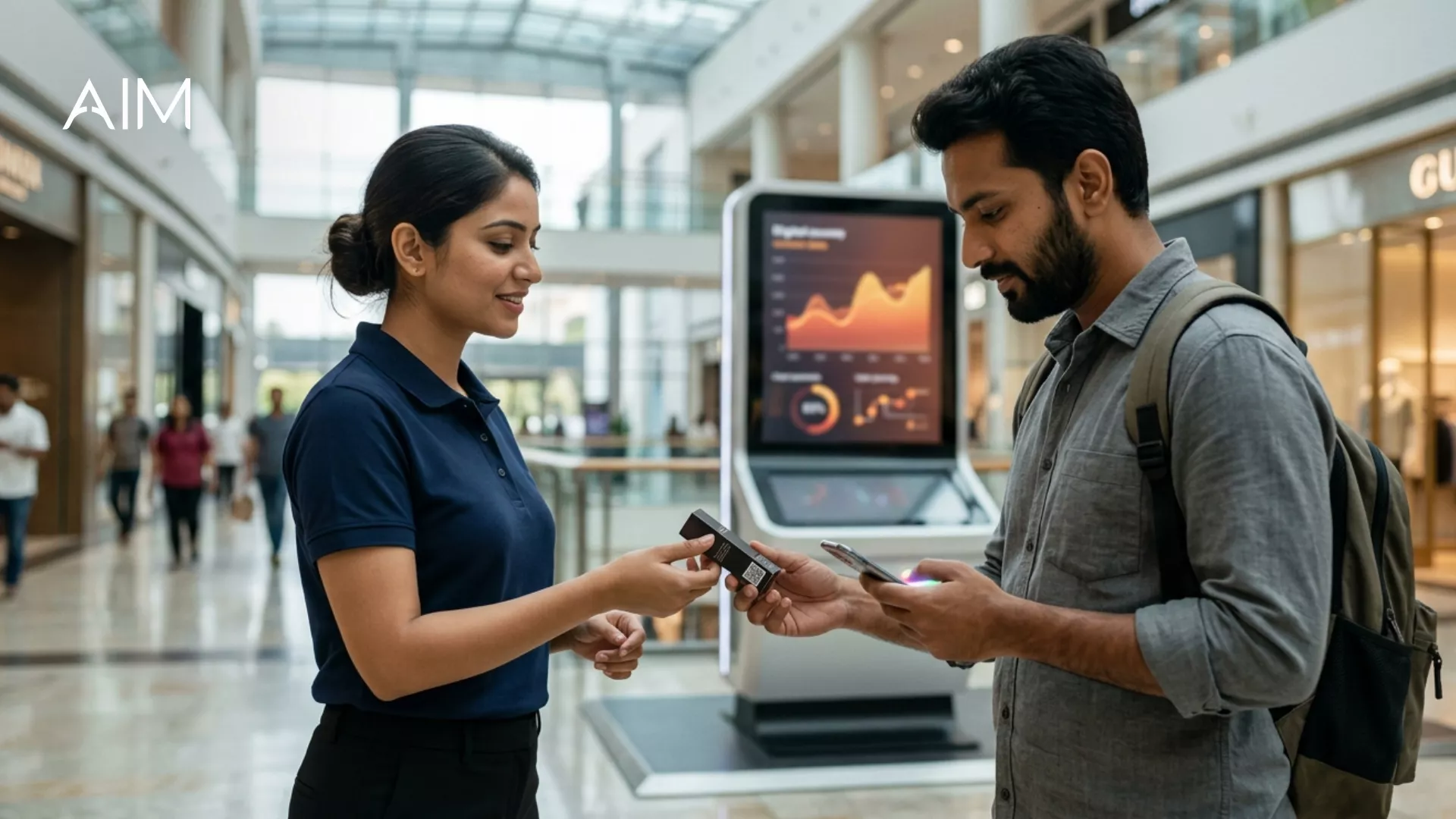
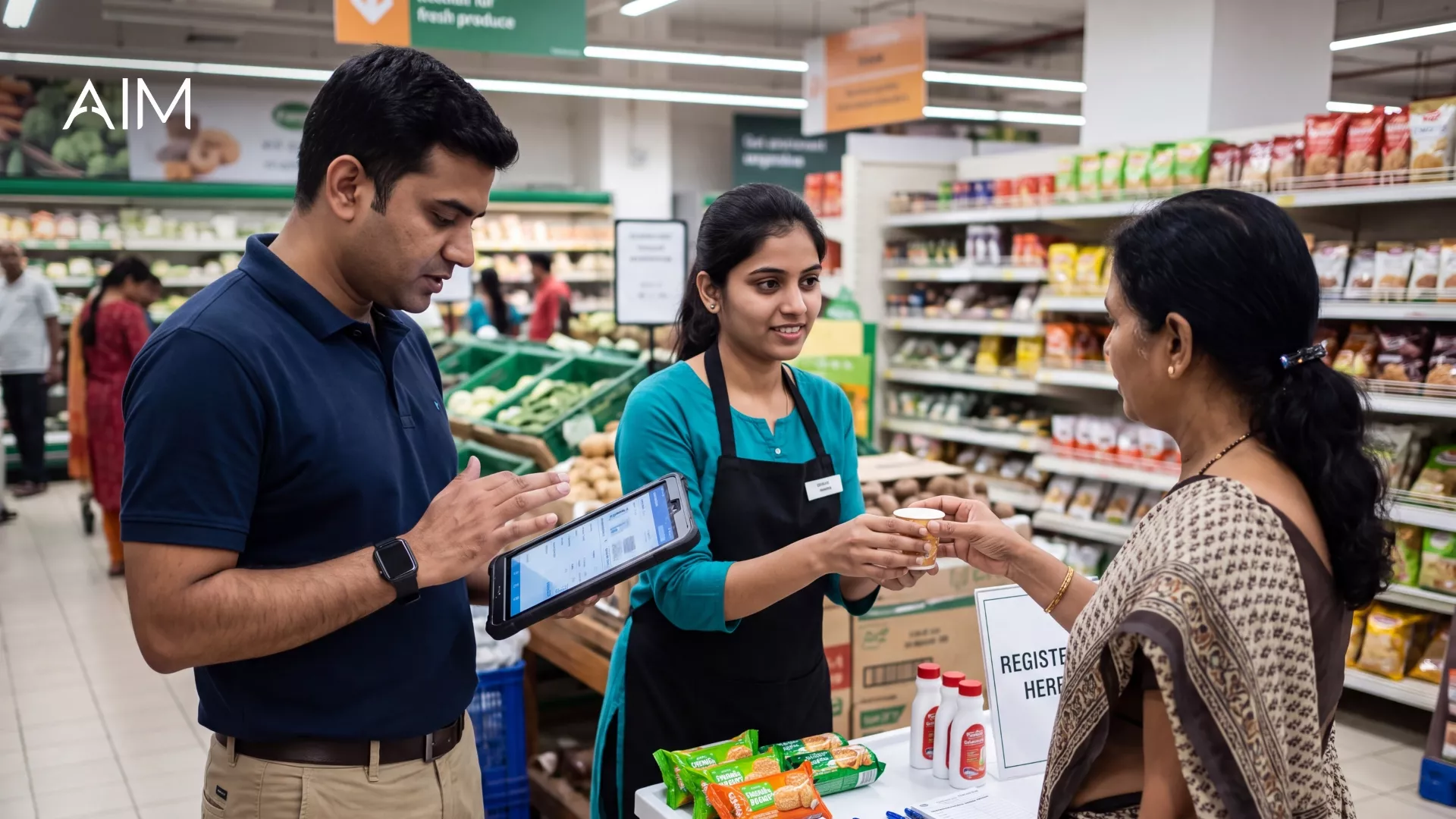
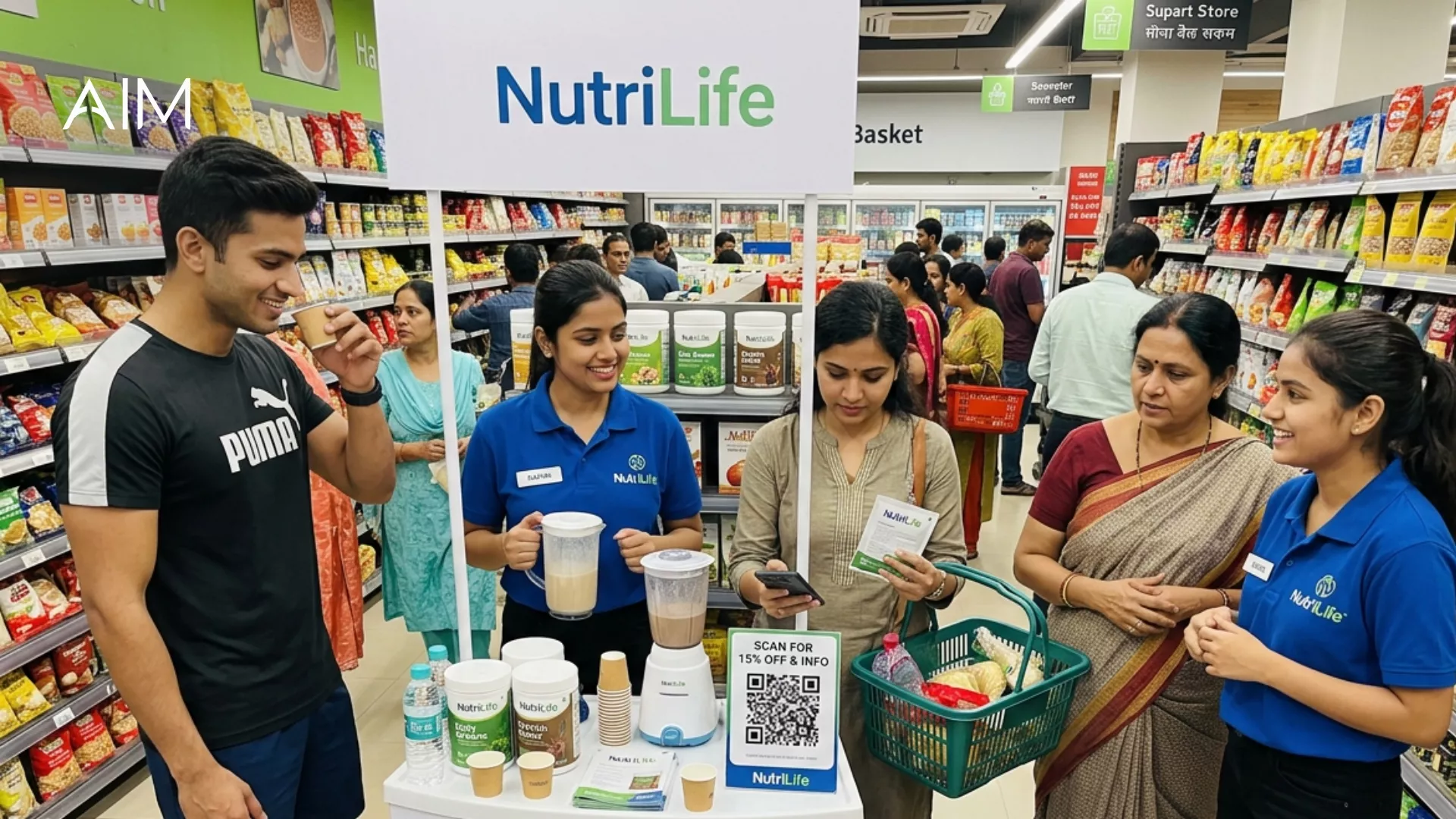
The fix: Capture a quick opt-in at the door, a QR code into a short WhatsApp flow, so each sample becomes a contactable, trackable person you can follow to purchase and retarget later. That one opt-in is the difference between a campaign you can prove and a campaign you can only photograph.
Mistake 6: Under-staffing and under-training the promoters
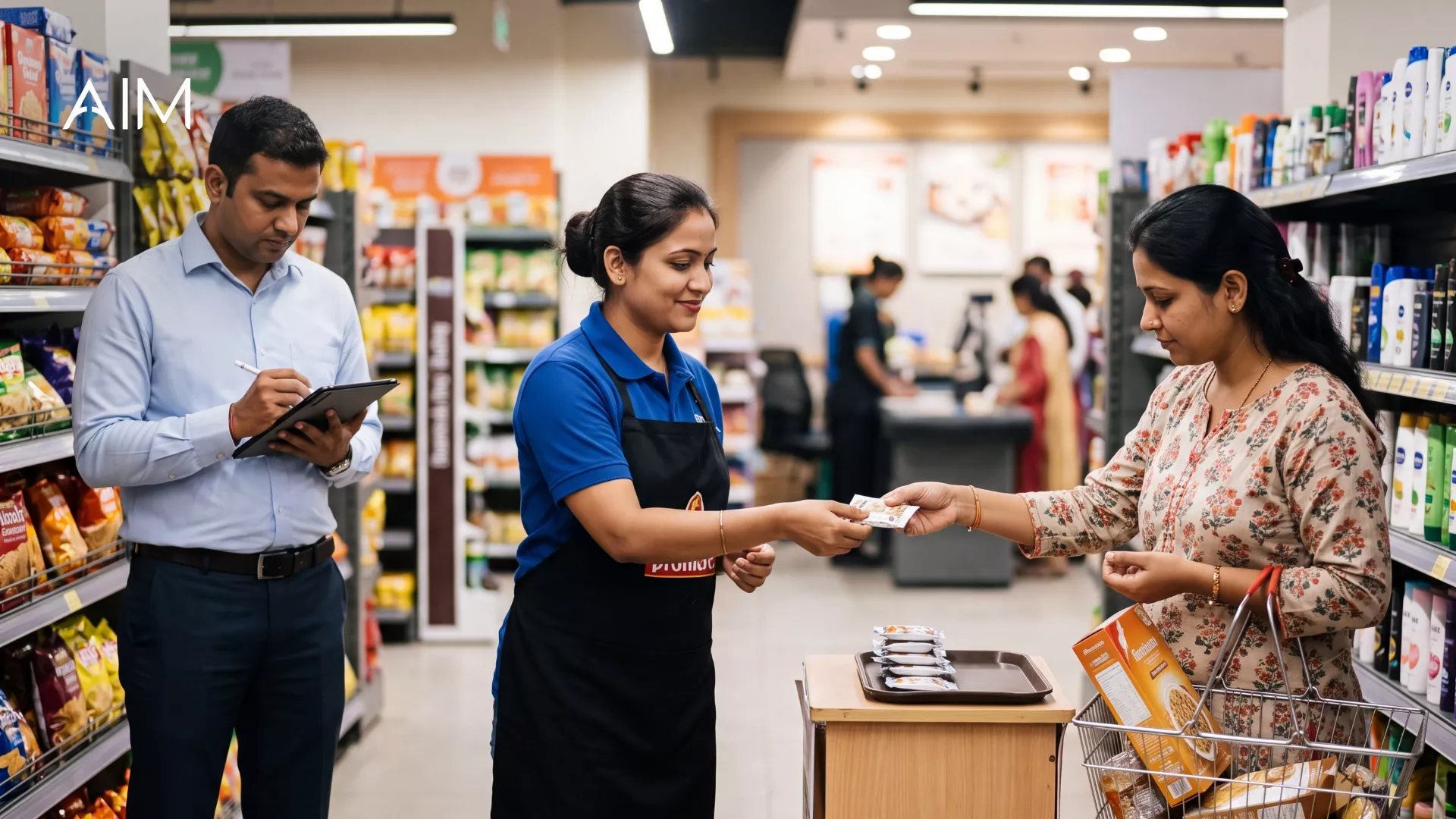
One promoter for a six-hundred-flat tower, or ambassadors who cannot answer a simple question about the product, will sink a good campaign. On ground, the promoter is your brand for that thirty-second interaction. A tired or clueless one makes even a strong product feel cheap.
The fix: Staff to the size of the society, train the team on the product and the pitch, and supervise with live reporting through the day, so problems get caught while the campaign is still running.
Mistake 7: One-and-done, with no coupon or feedback
The real power of society sampling is repeat purchase and word of mouth. Families try the product together, neighbours compare notes, and one good sample can turn into several buyers. Handled well, a single society can seed a small wave of trials that keeps moving after your team has left. Dropping the sample and driving away throws all of that away.
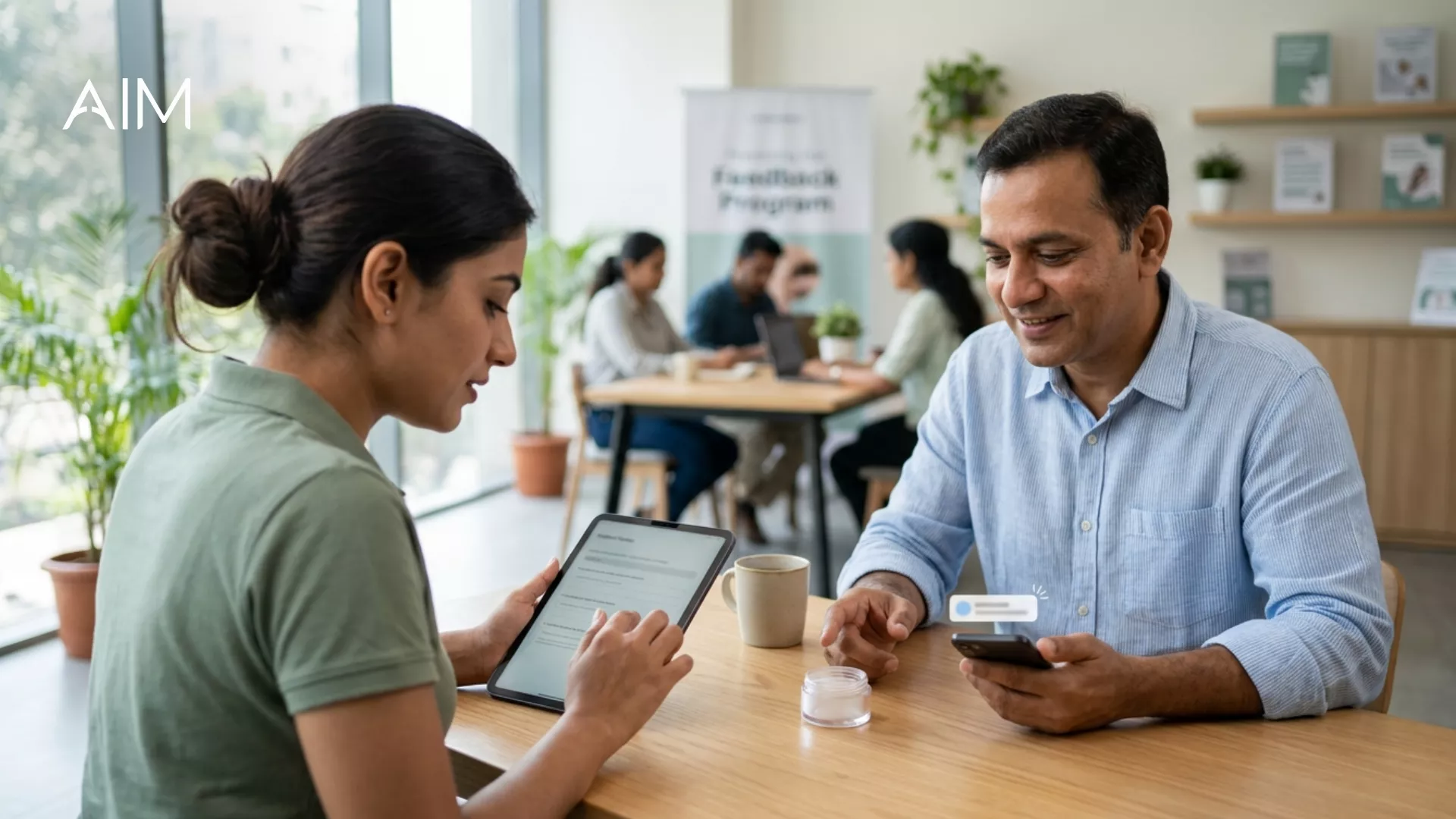
The fix: Attach a coupon or a redemption path, collect quick feedback while you are there, and retarget the households that engaged. A society is a network, and a good sample travels through it when you give it a reason to.
Mistake 8: Wet sampling without the logistics
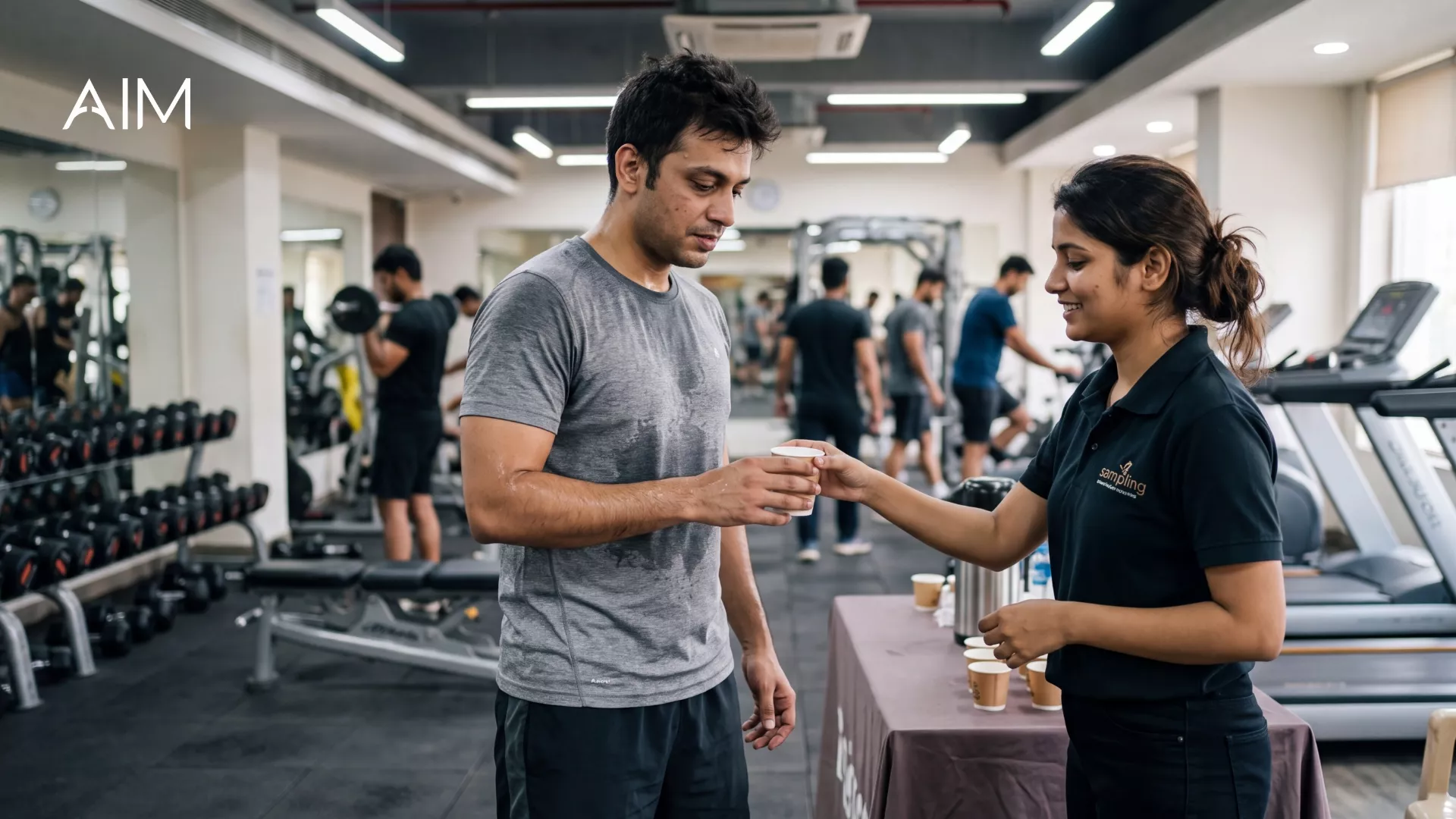
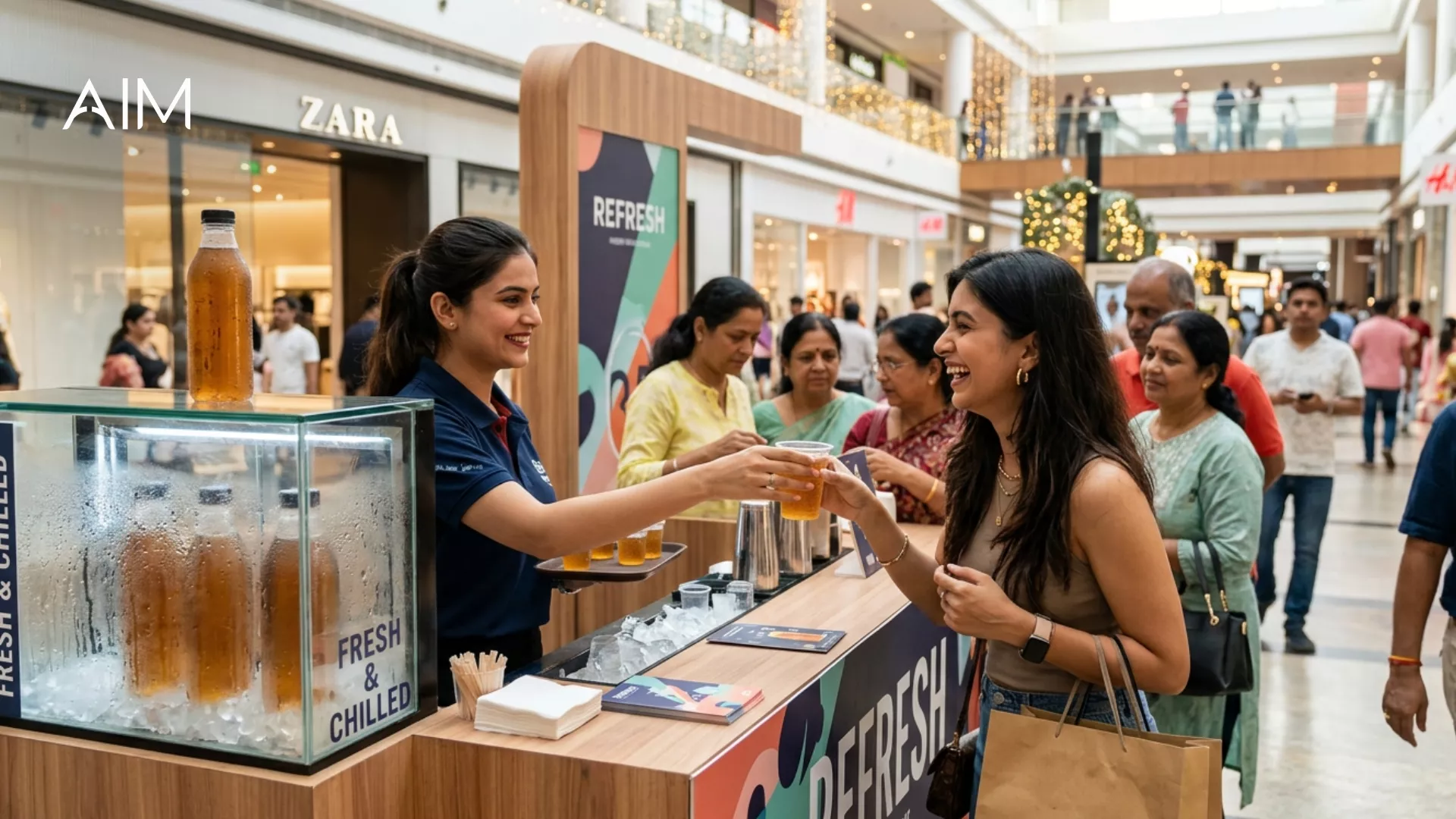
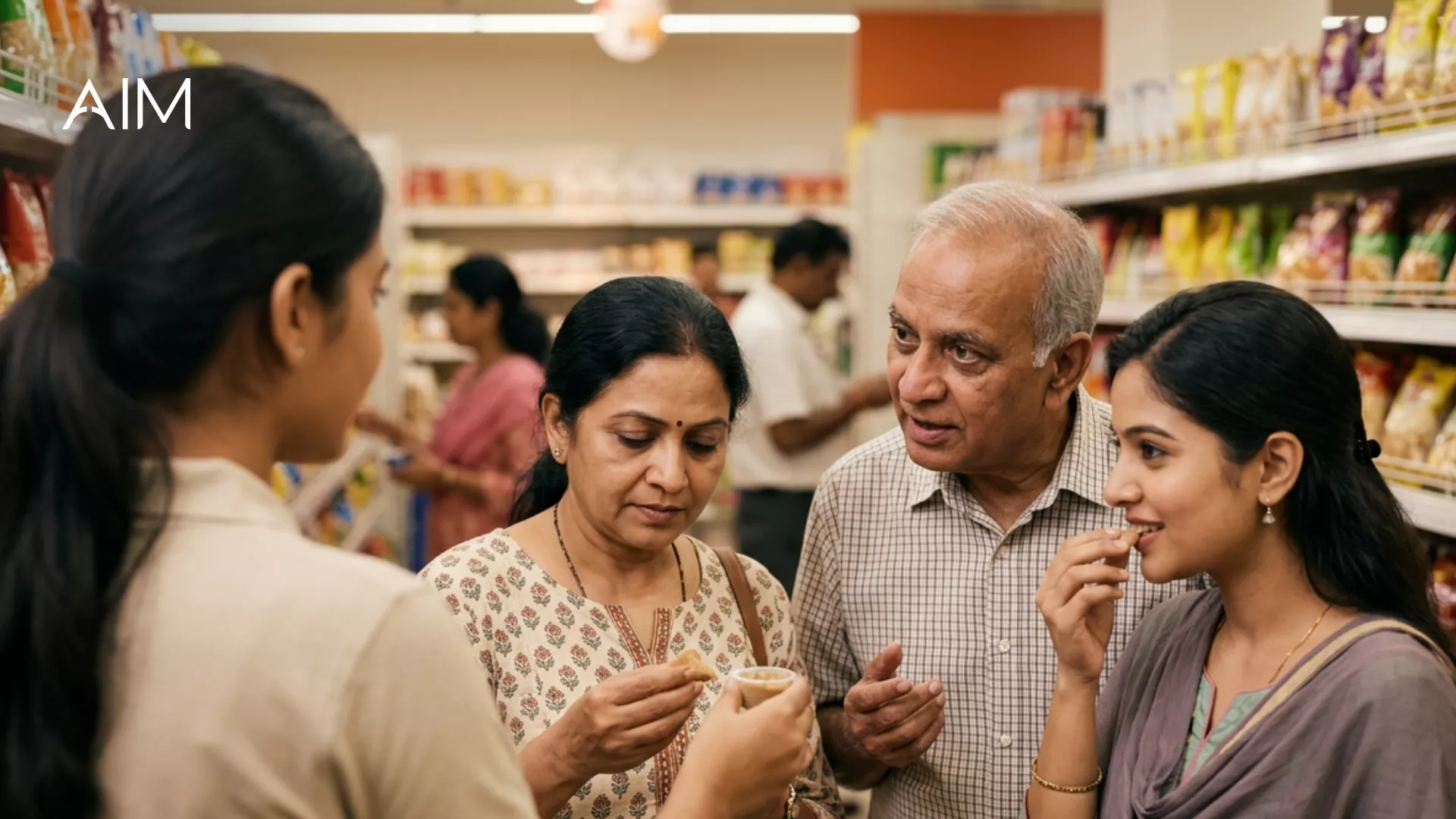
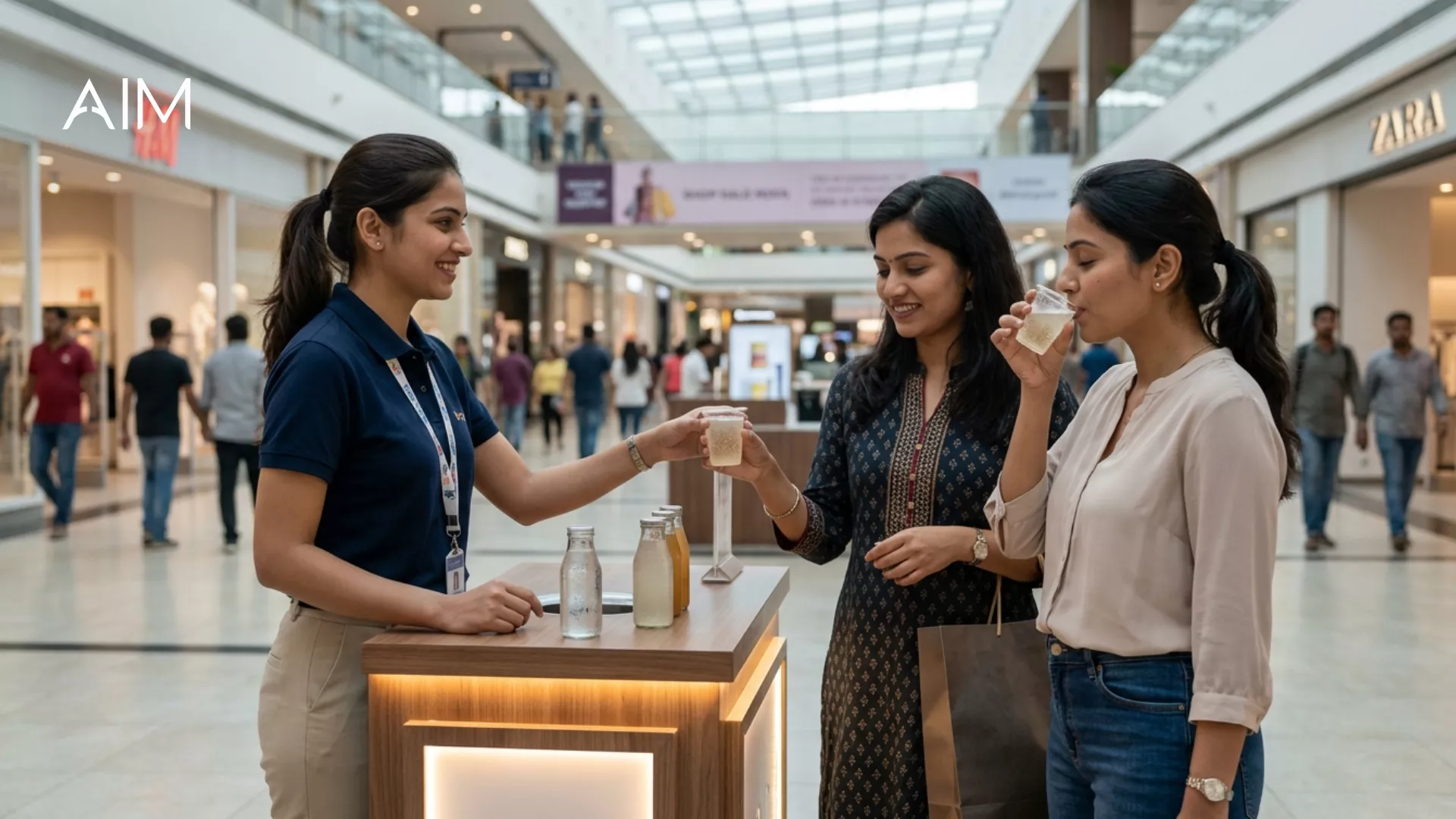
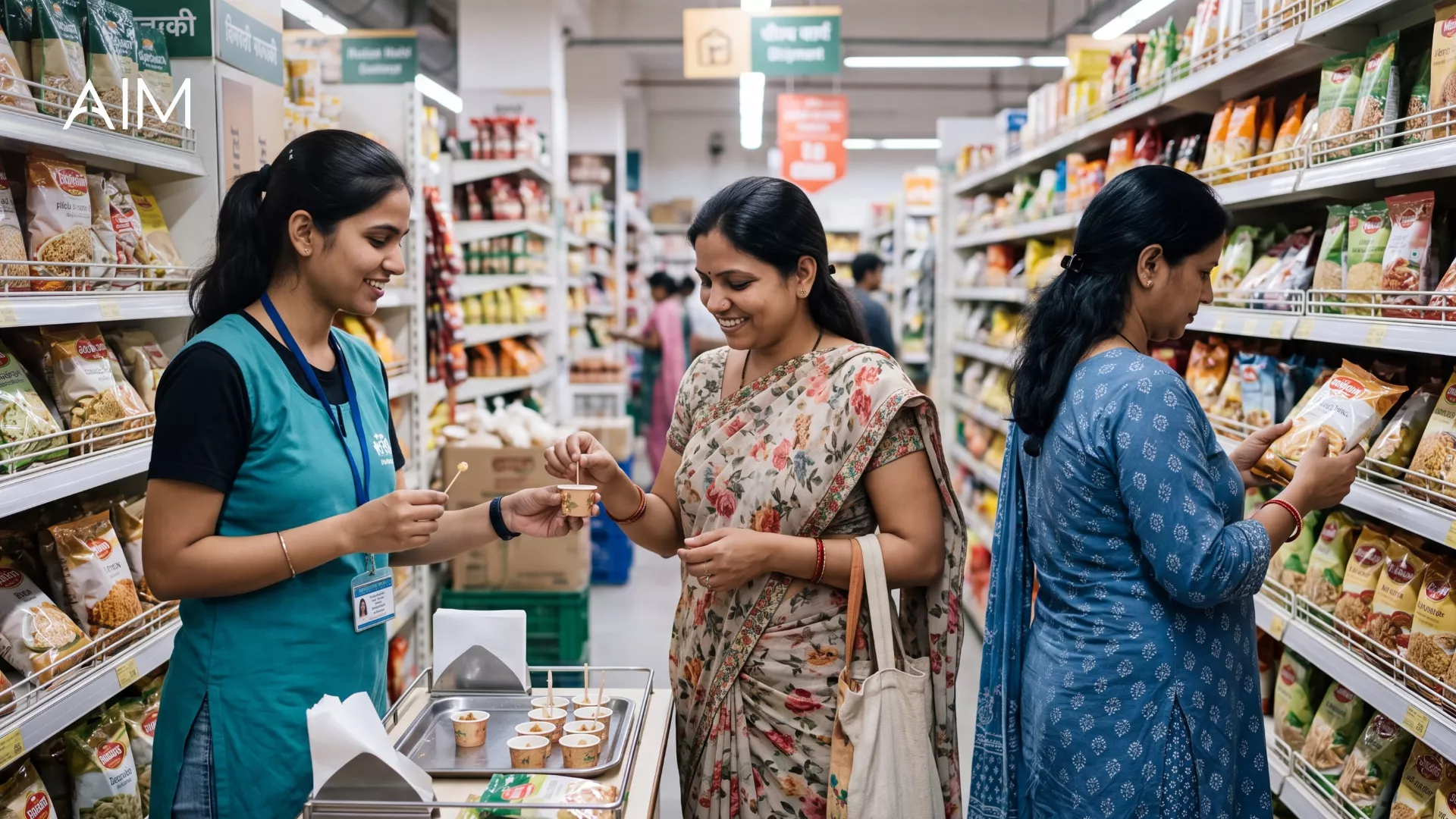
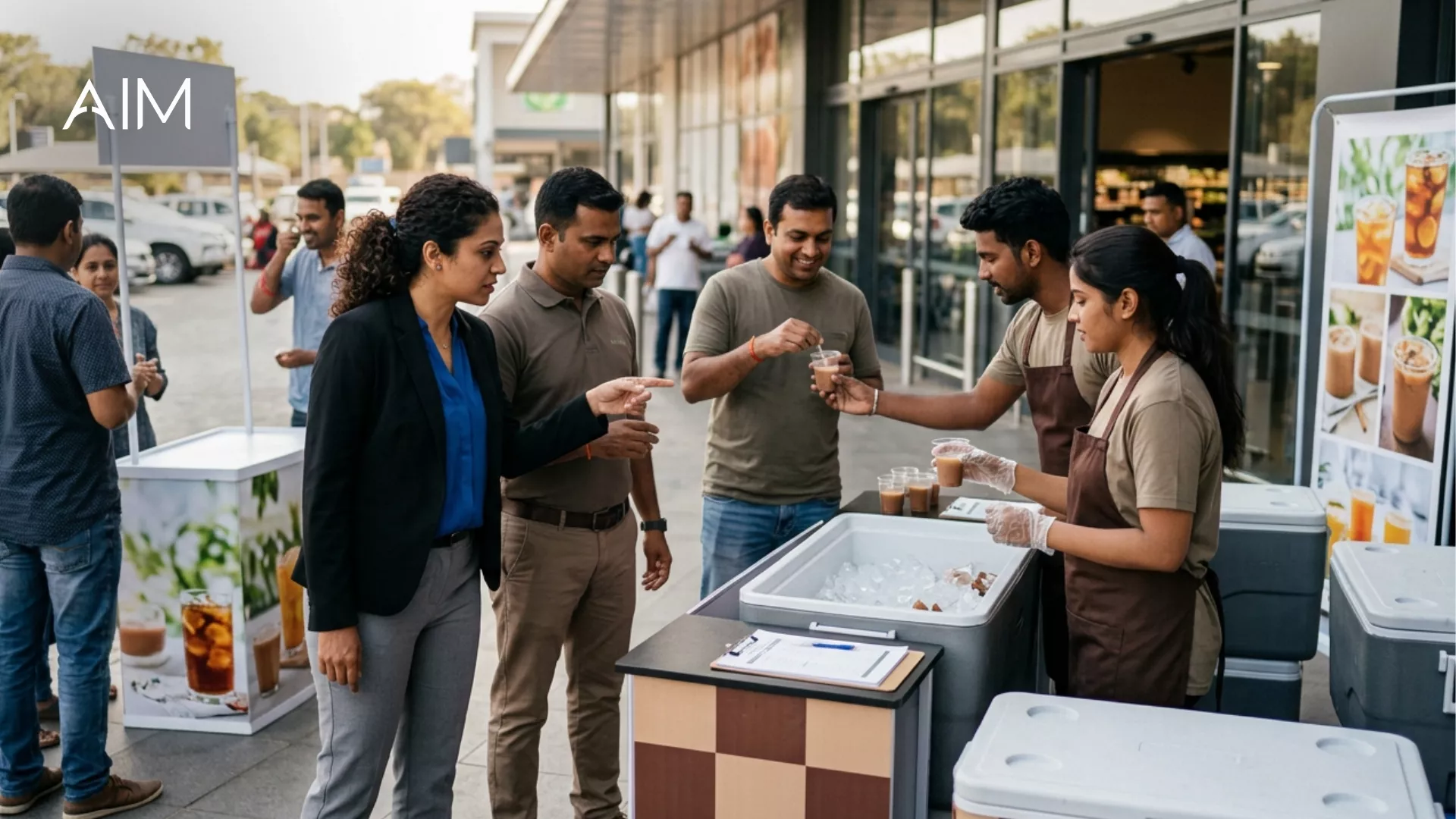
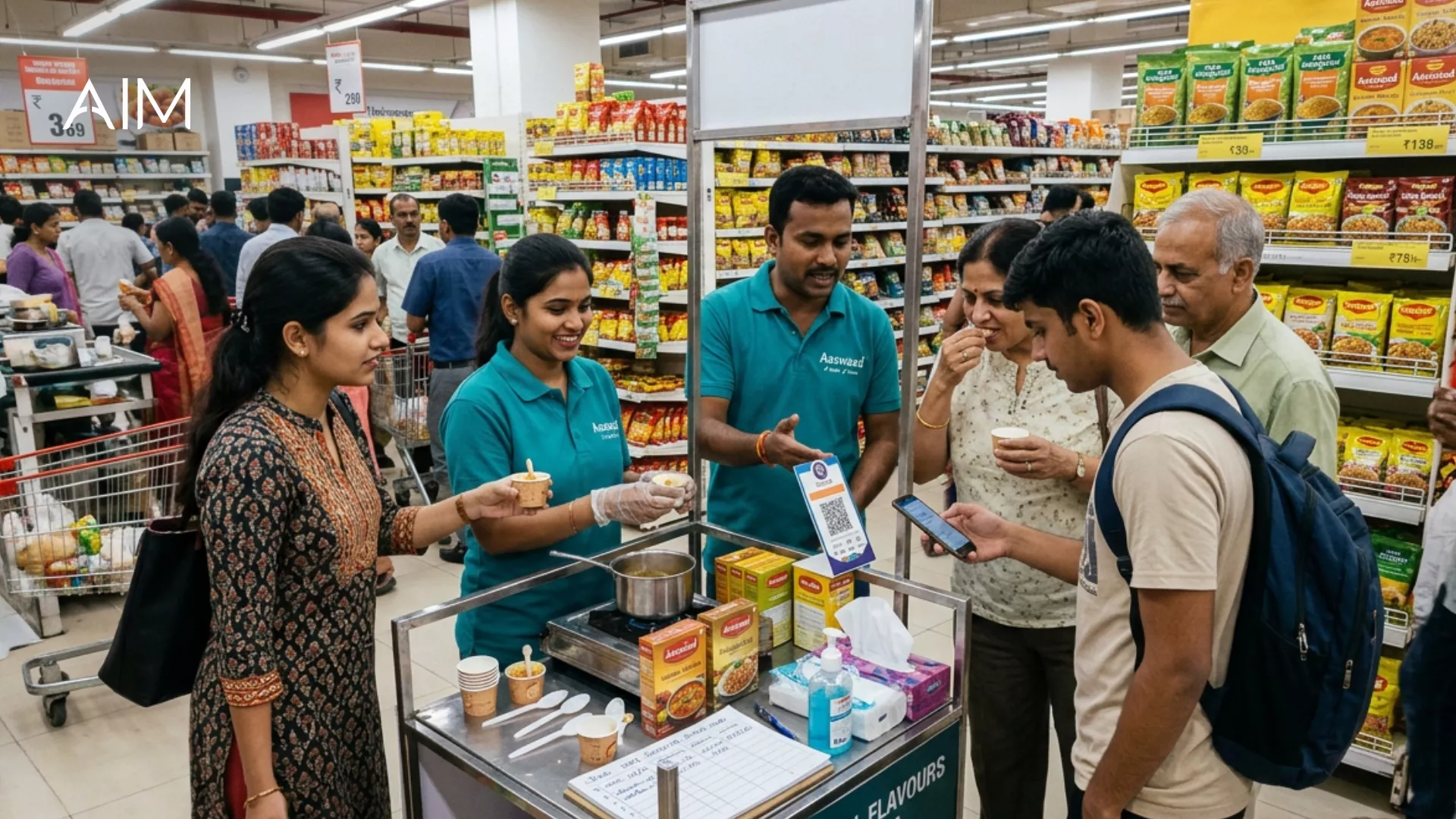
For food and beverage brands, wet sampling in a society, a freshly made or chilled taste, converts beautifully, right up until the freshness or the hygiene slips. A warm drink that should be cold, or a snack prepped without a clean setup, does more damage than no sample at all.
The fix: If the product needs to be served fresh, plan the prep, the cold chain, and the hygiene before the date. Serve it the way you would want a customer to taste it the first time, or do not serve it at all.
Mistake 9: Reporting societies covered instead of buyers created
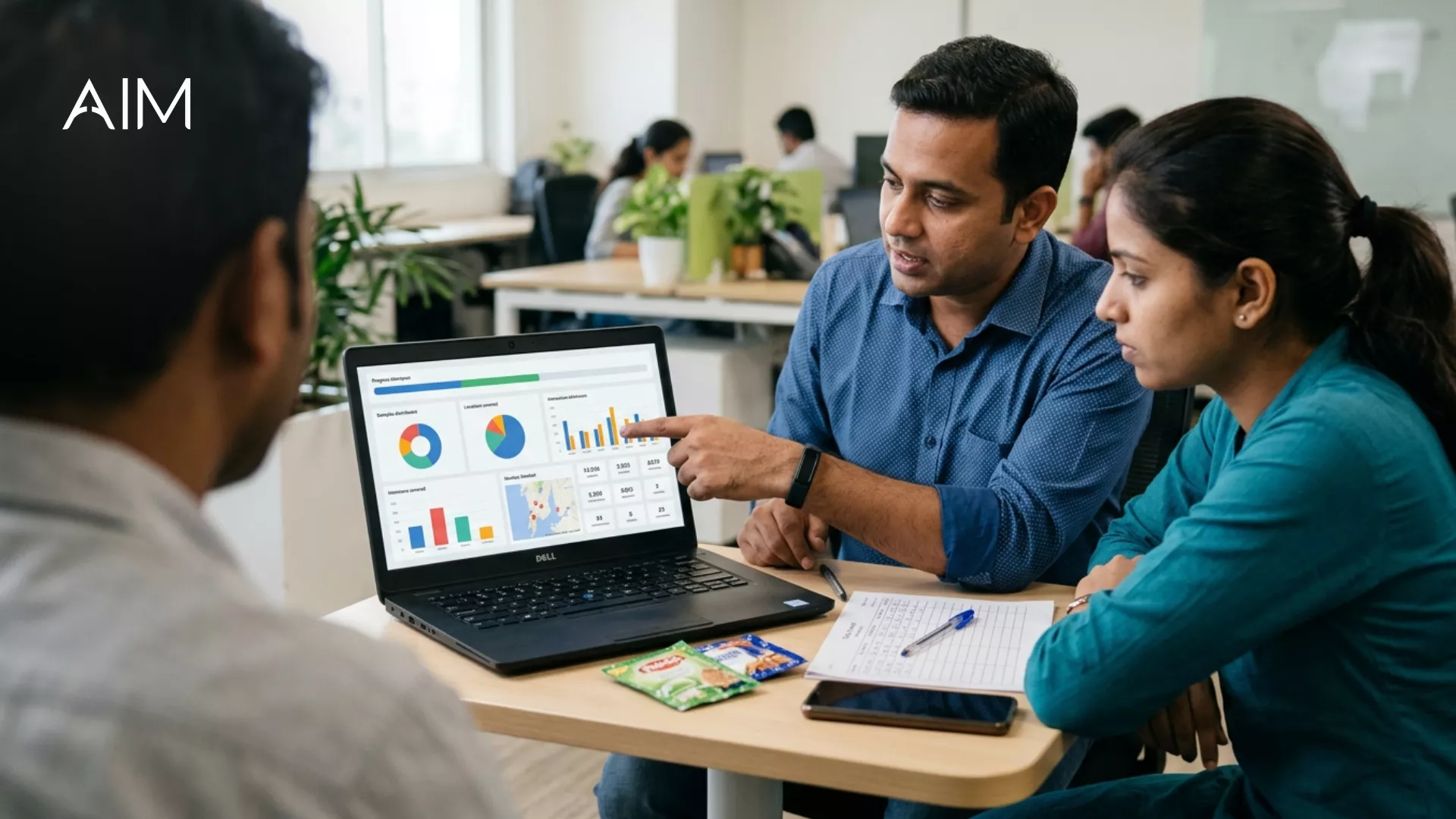
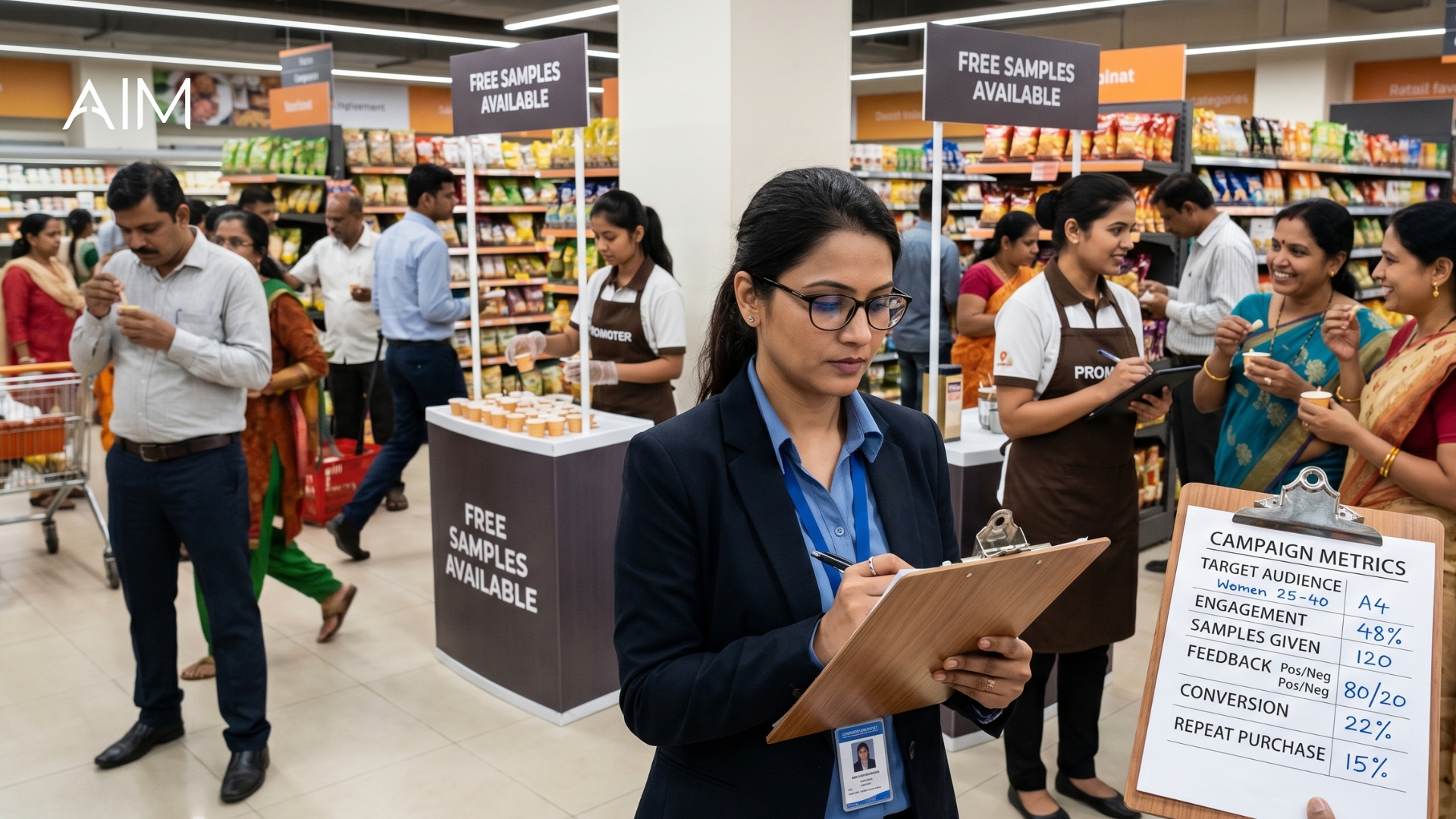
Fifty societies, a lakh families reached. It reads well in a deck and tells you almost nothing. Reach is not trial, trial is not purchase, and a big coverage number can hide a campaign that sold nothing. Coverage is the number an agency reports when it does not have a better one. Counting the gates you entered is not the same as counting the buyers you made.
The fix: Judge the campaign on sample-to-purchase, coupon redemptions, repeat rate, and feedback by society. Those are the numbers that survive the question your CMO will actually ask.
What good RWA product sampling looks like
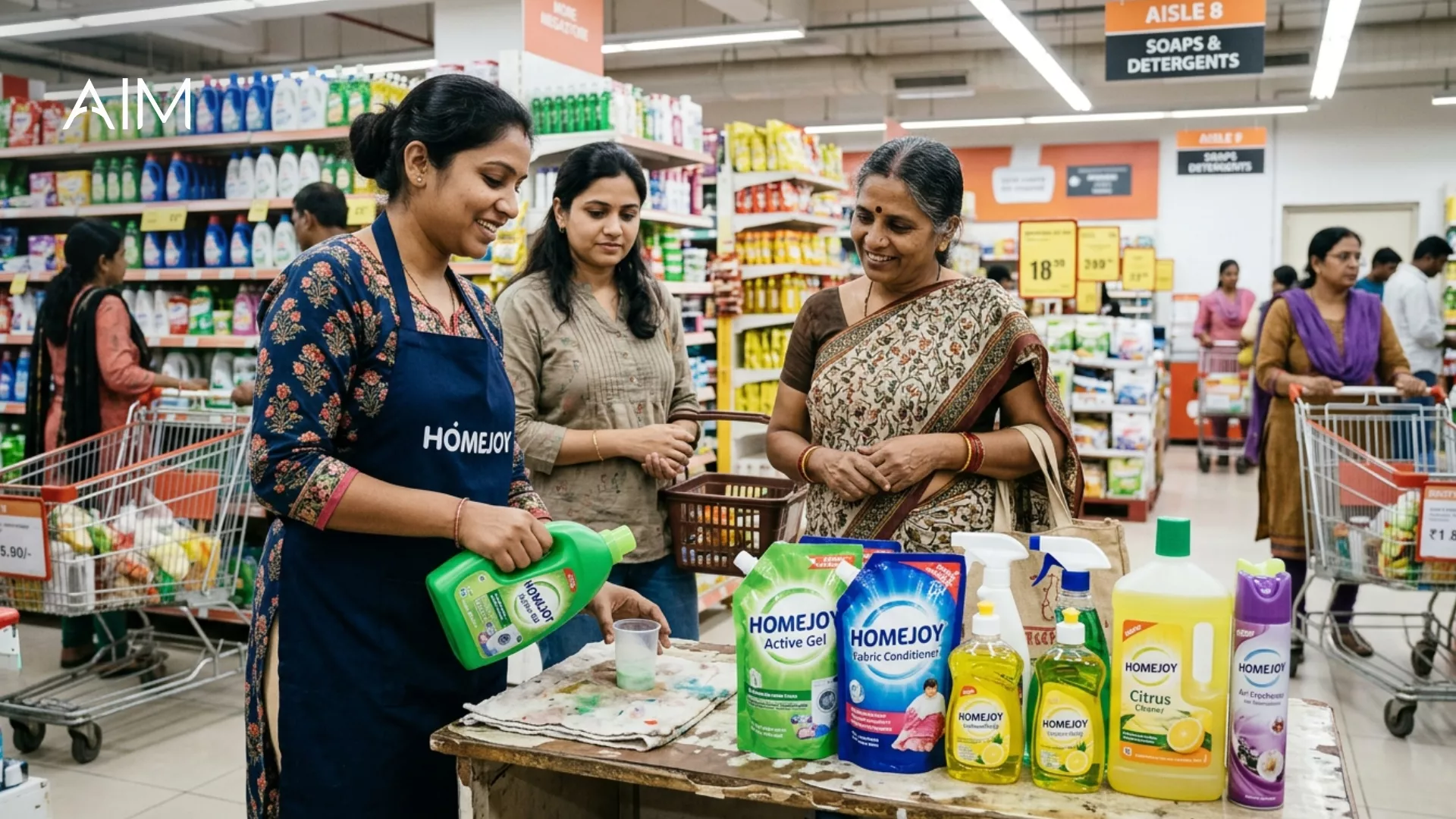
Done properly, the results make the argument. In one home-care campaign run across about forty societies, the sample-to-purchase rate climbed from under a fifth to roughly half over six weeks, because the samples reached category users in the right societies and every one was tracked. That is what RWA sampling can do when it is treated as controlled market learning instead of free distribution.
None of this is complicated, but it is deliberate. Map the right societies, secure the approvals, put trained people on the ground at the right hour, capture every sample as a contact, and follow up with a coupon and a feedback loop. Miss one of those steps and you are back to leaving a box at the gate with the guard.
A residential society is the closest your product will get to a real kitchen before someone decides to buy. Treat it like a giveaway and you waste that access. Target it, staff it, track it, and follow up, and it becomes one of the highest-trust trial channels you have.





.webp)






.png)