
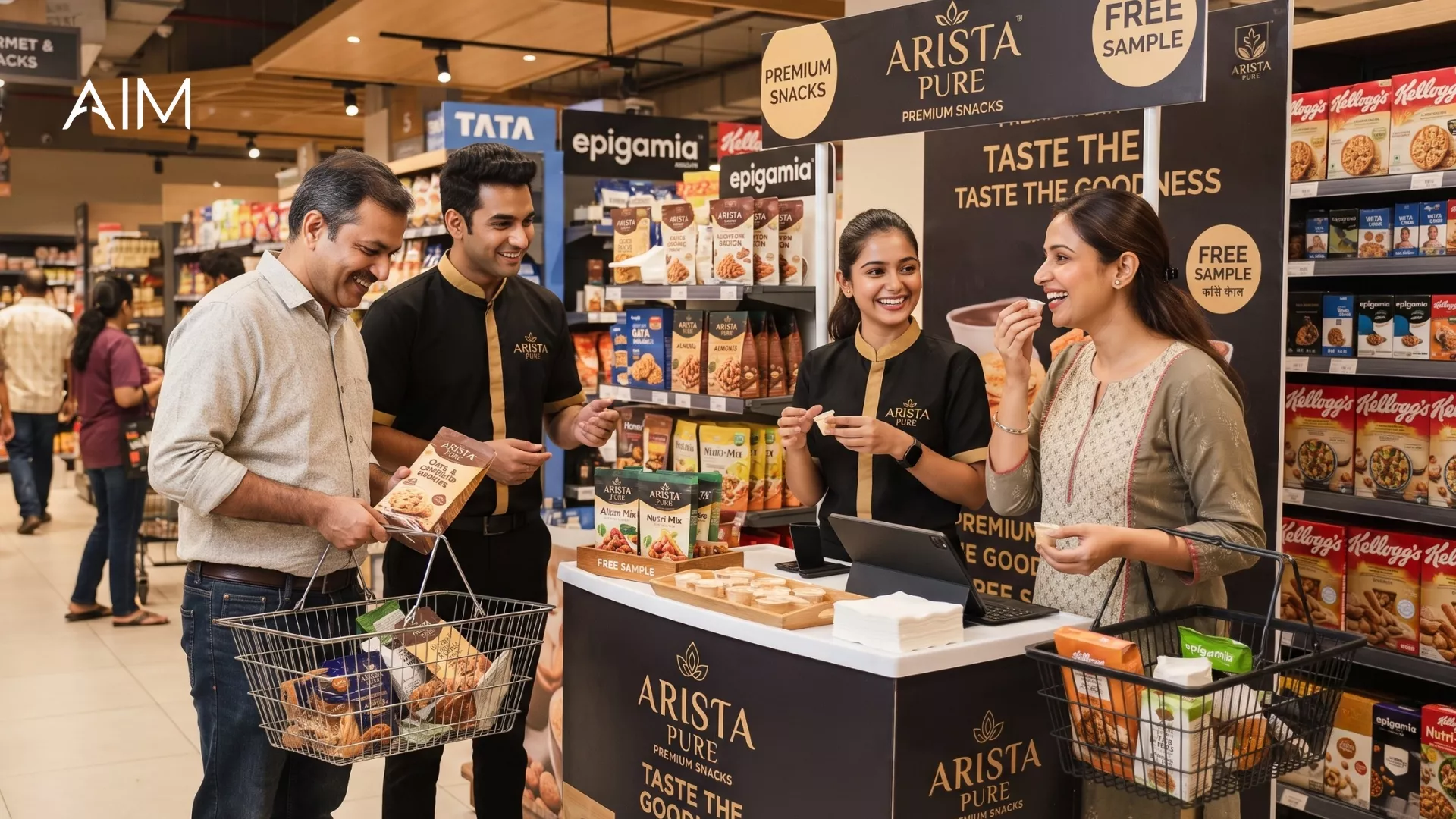


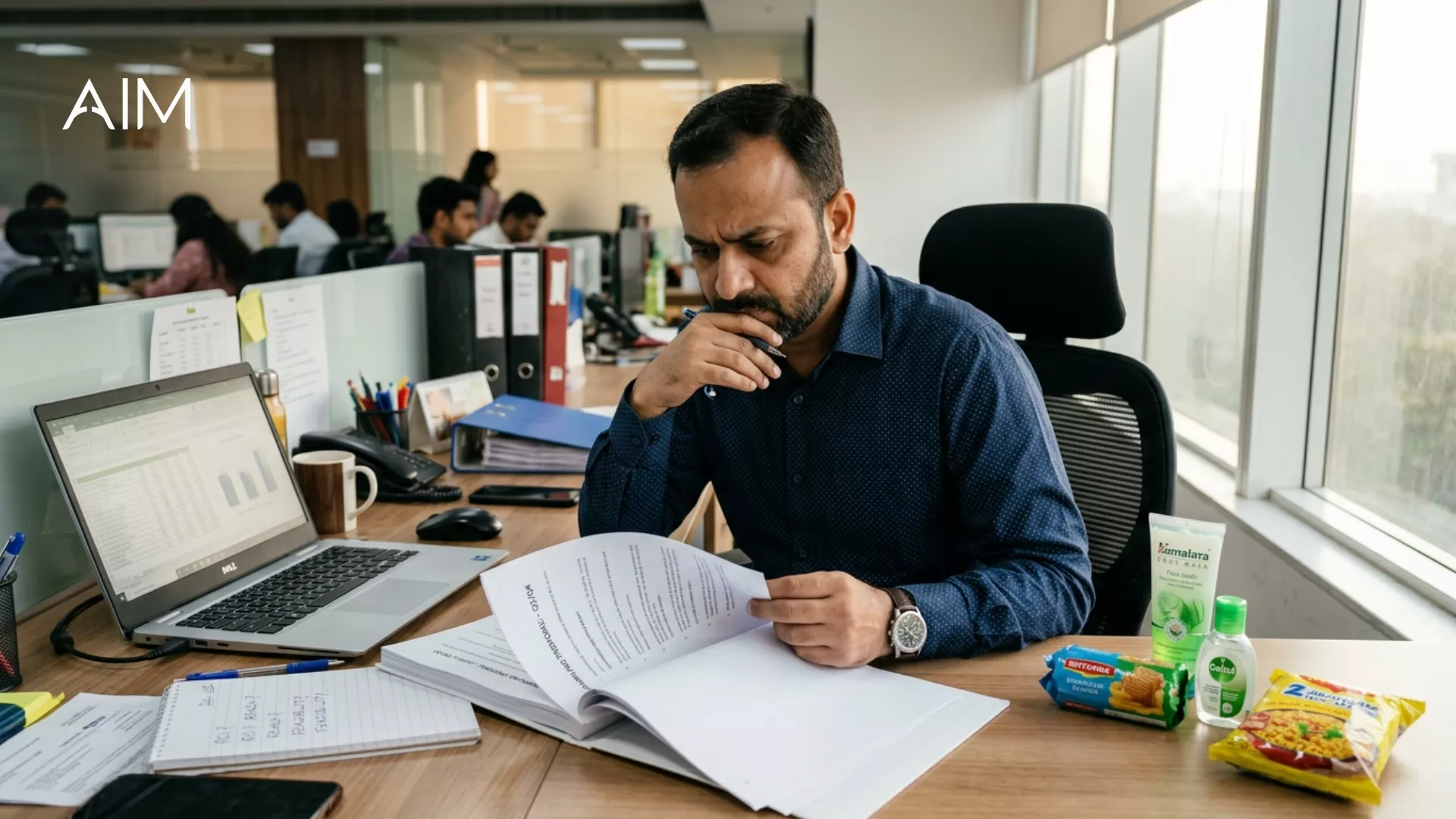
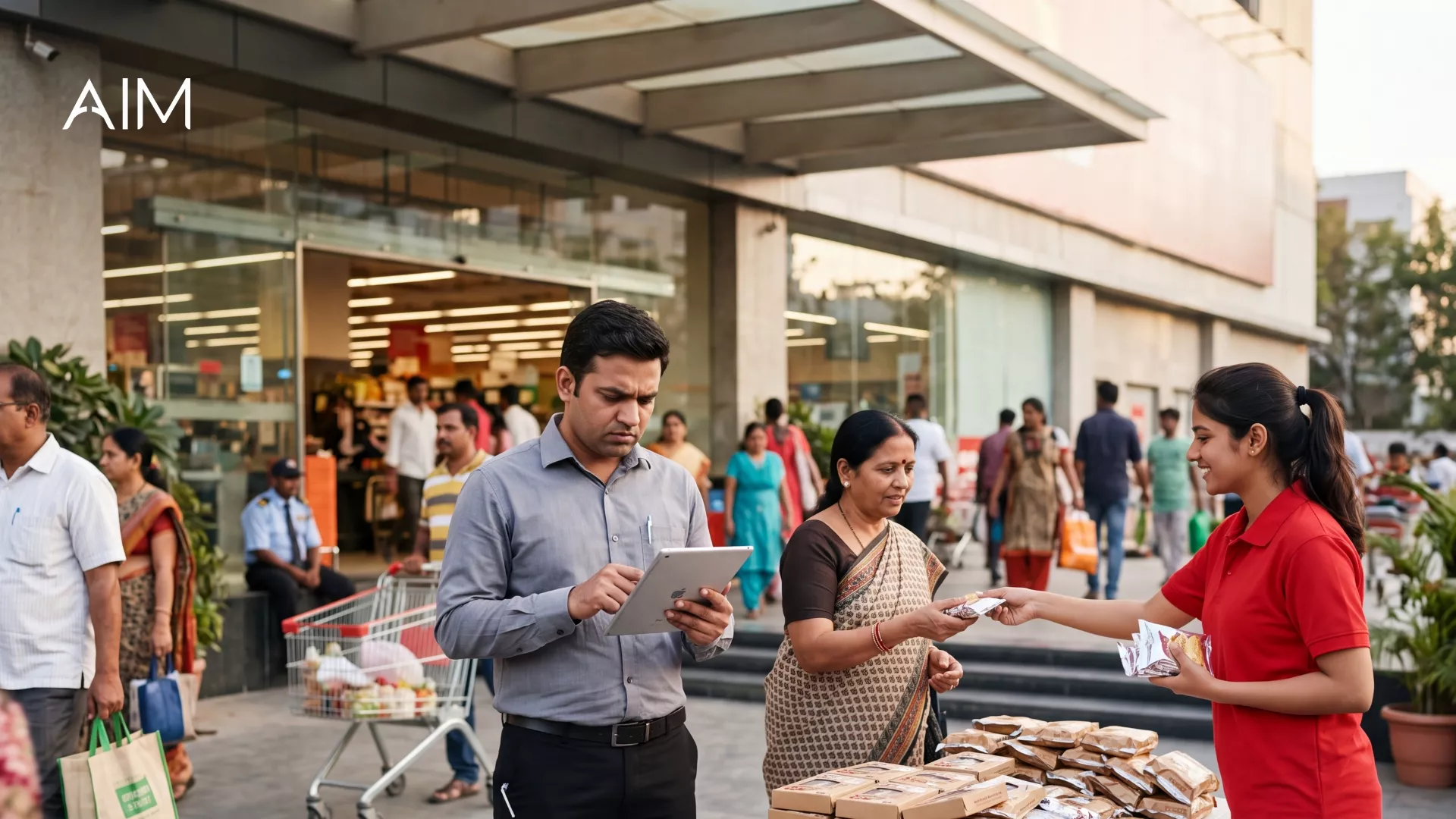
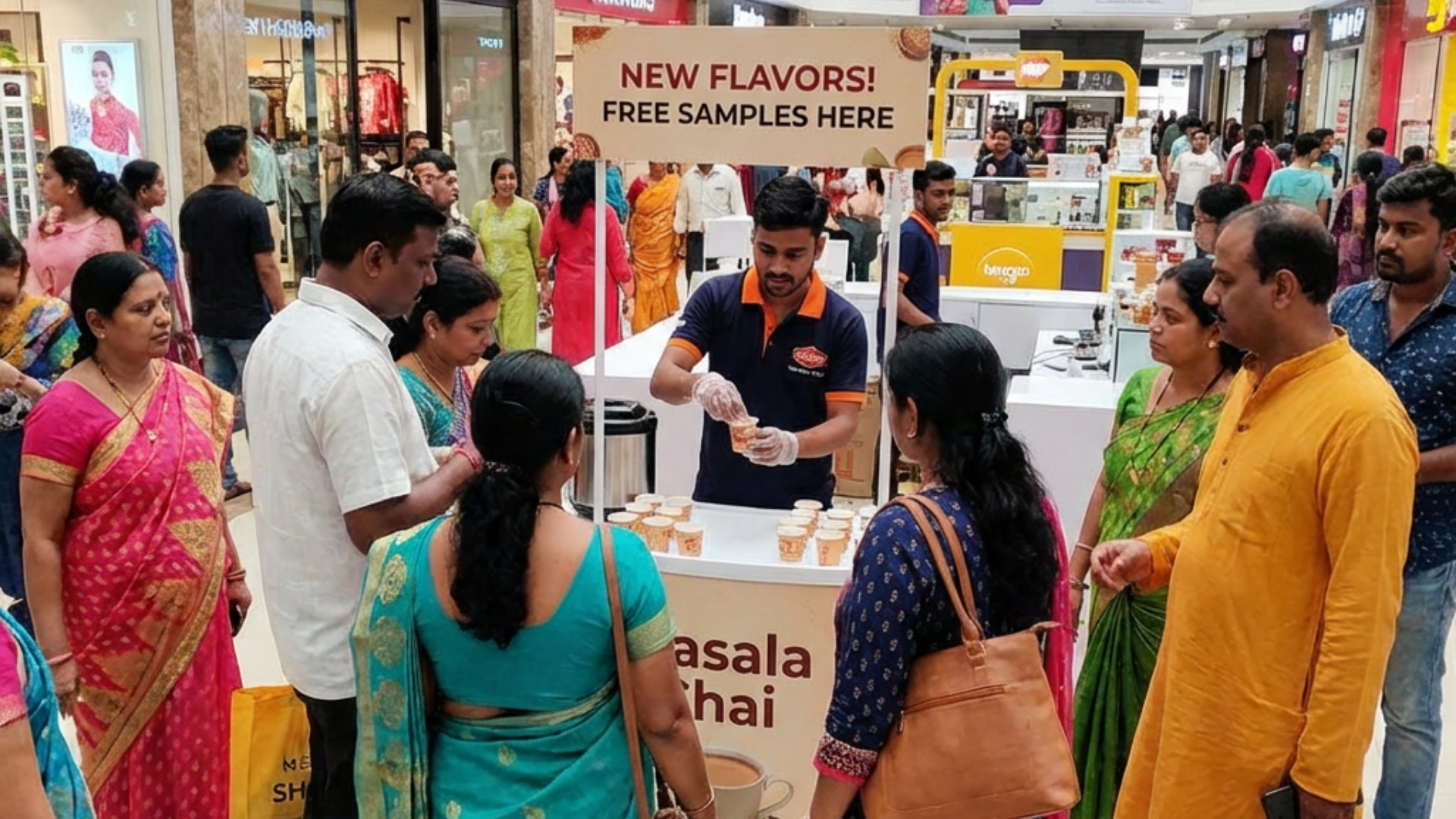
Picture the review meeting after a big FMCG product sampling drive. The marketing head has a folder full of activation photos. Smiling promoters,branded kiosks, a good crowd, 50,000 samples gone in a week. Then the CMO asksone question: how many of them bought? And the room goes quiet.
That silence is the real problem with most product sampling in India. Not the cost. Not the effort. The fact that the one number that actually matters,how many samples turned into buyers, was never set up to be captured in the first place.
'Samples distributed' is an activity, not a result
50,000 samples distributed feels like an outcome. It isn't. It's activity. A distribution number tells you the product left your hands. It says nothing about whose hands it landed in, whether those people even buy your category, or what they did next.
You can hit that number and still move zero units off the shelf. And when you report it as if it were a result, you quietly train your leadership to measure the wrong thing, which makes next year's campaign just as blind.
Why good sampling money turns into free distribution
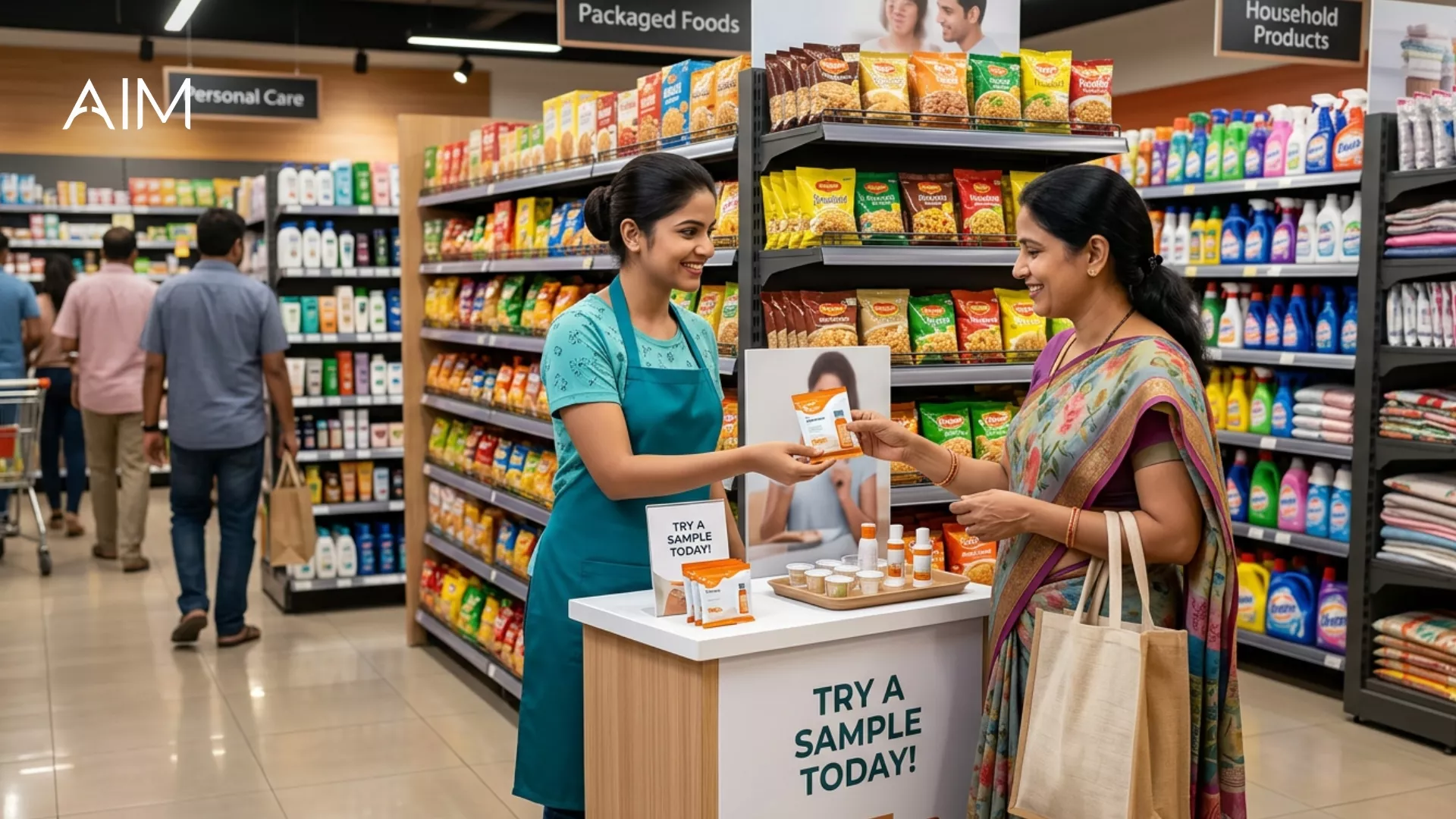
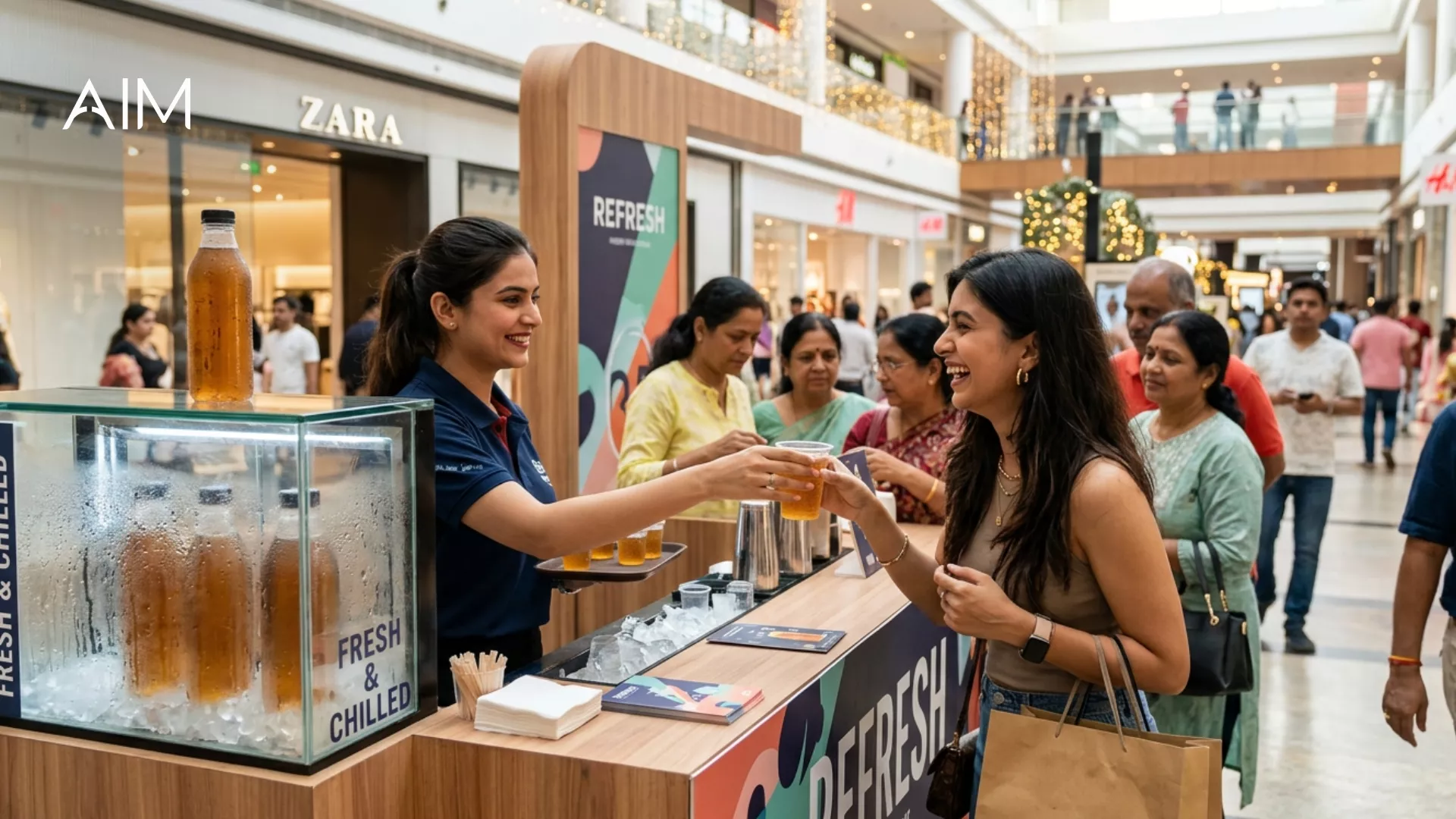
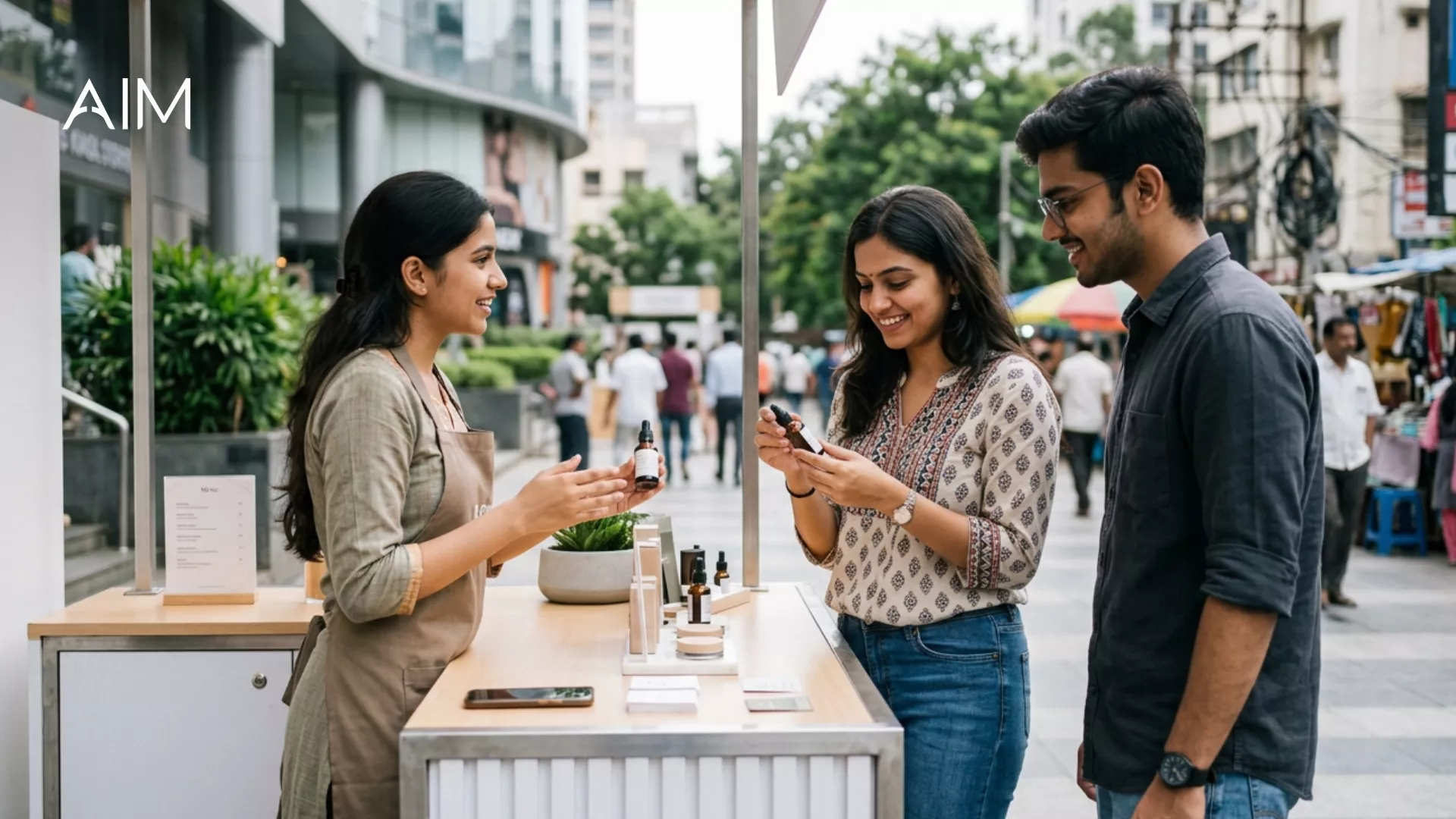
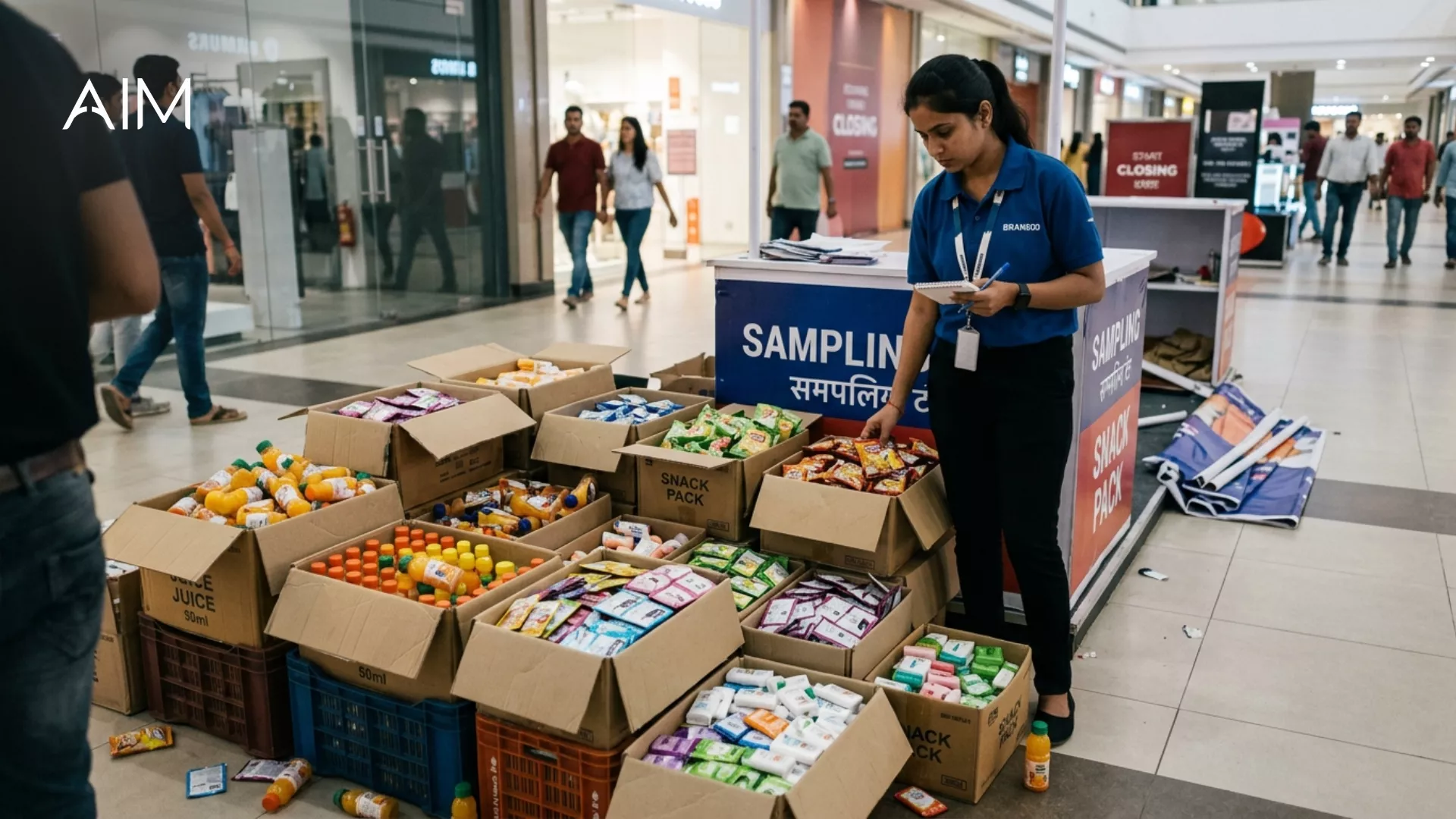
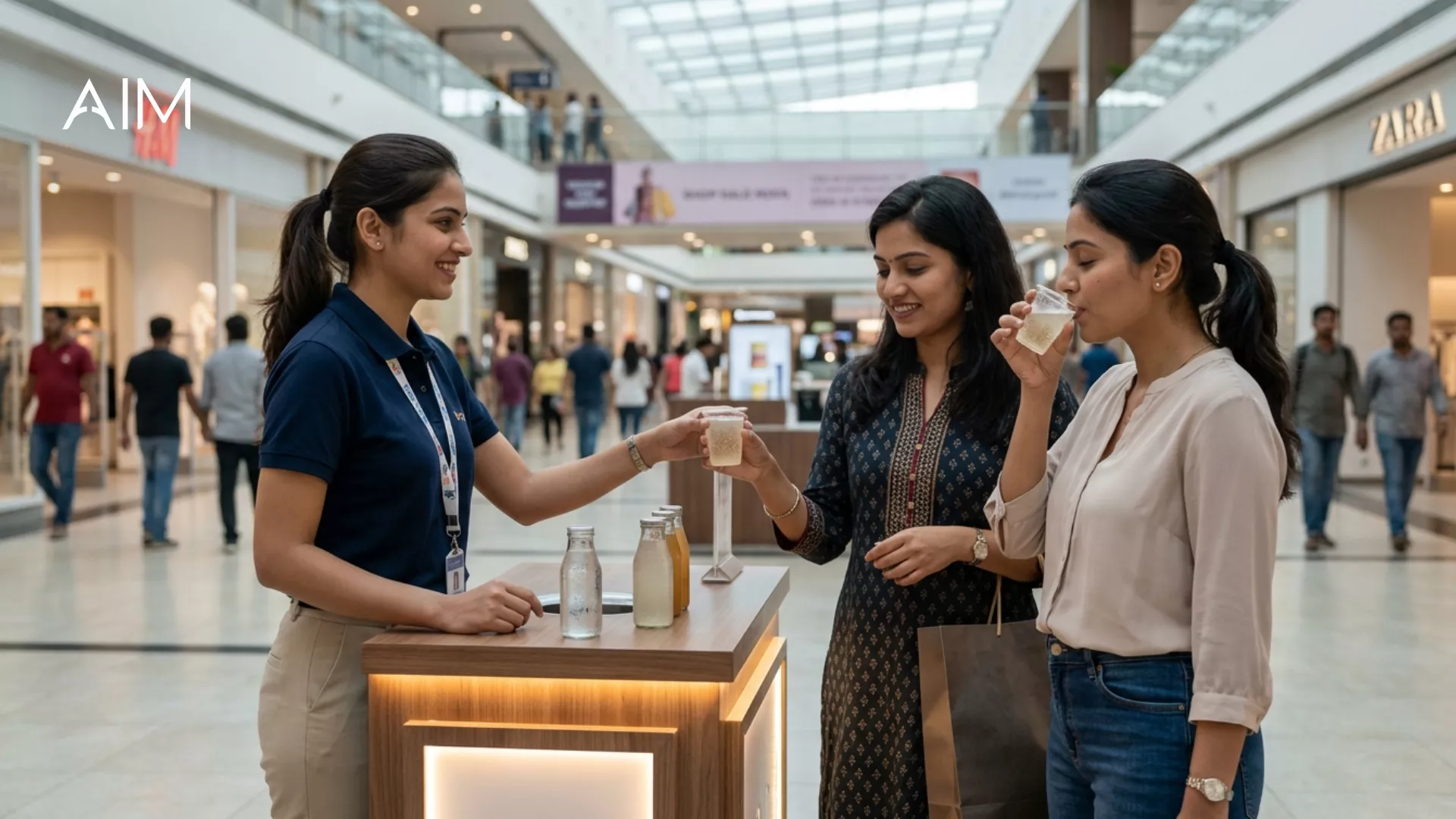
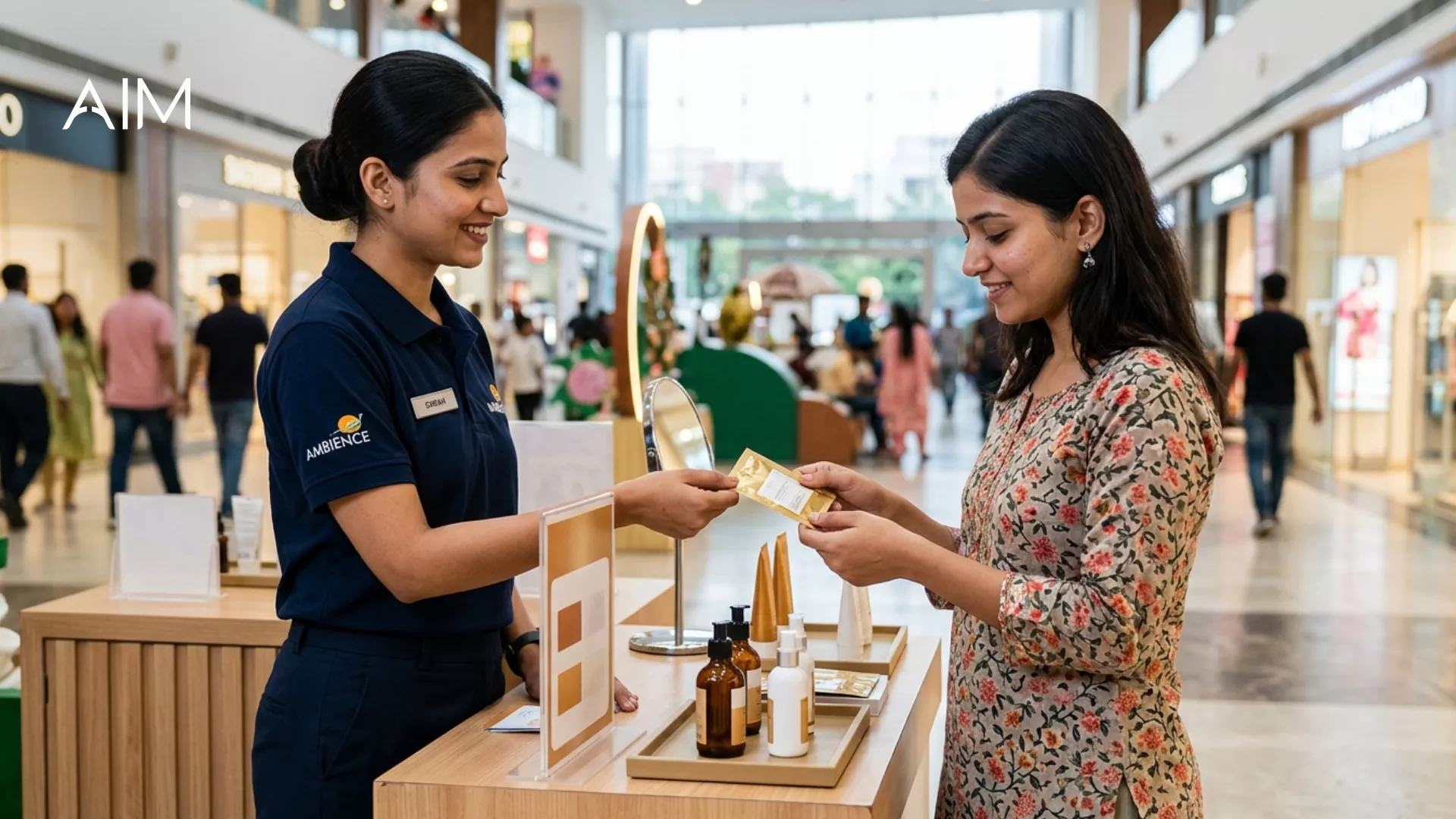
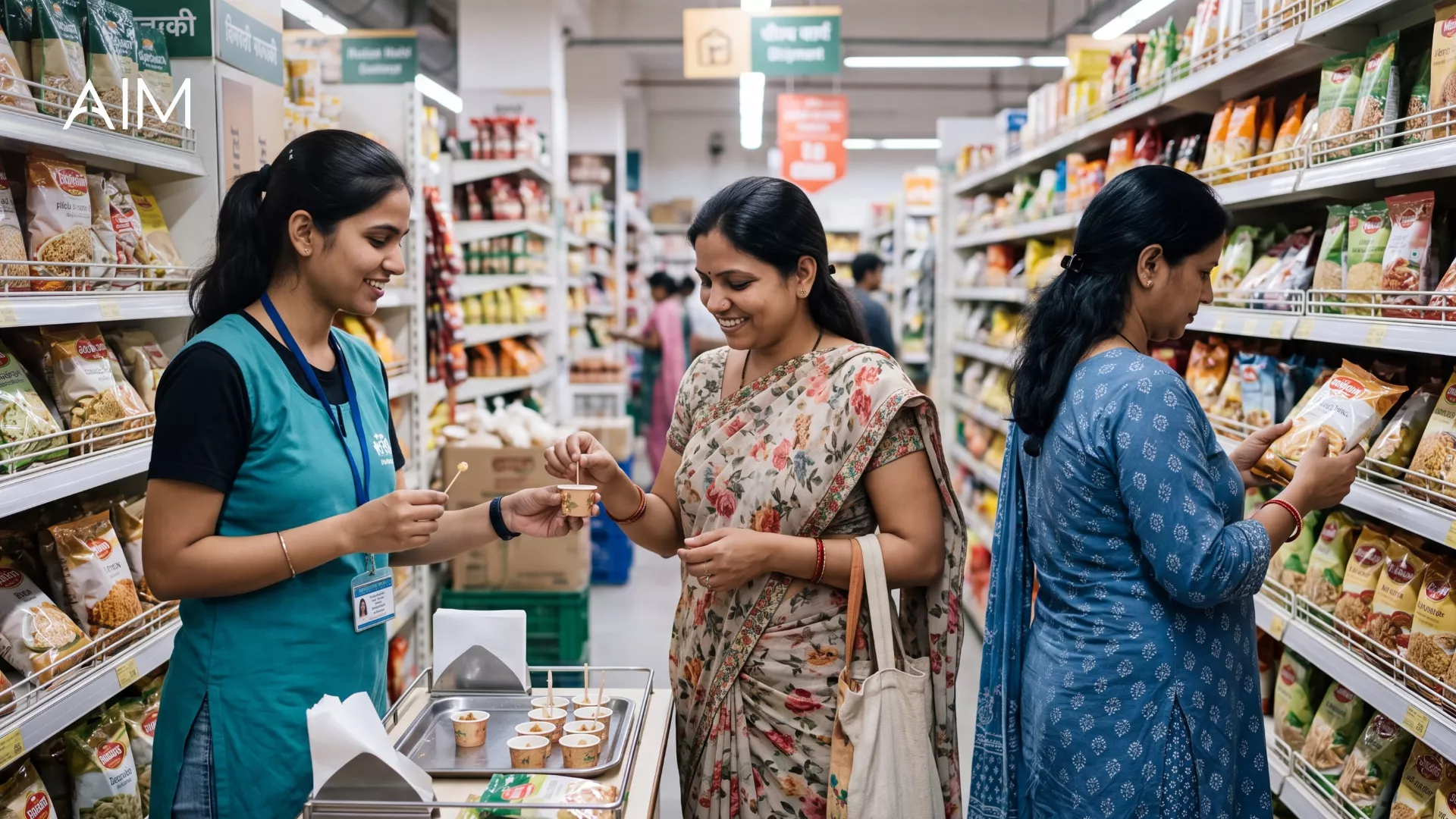
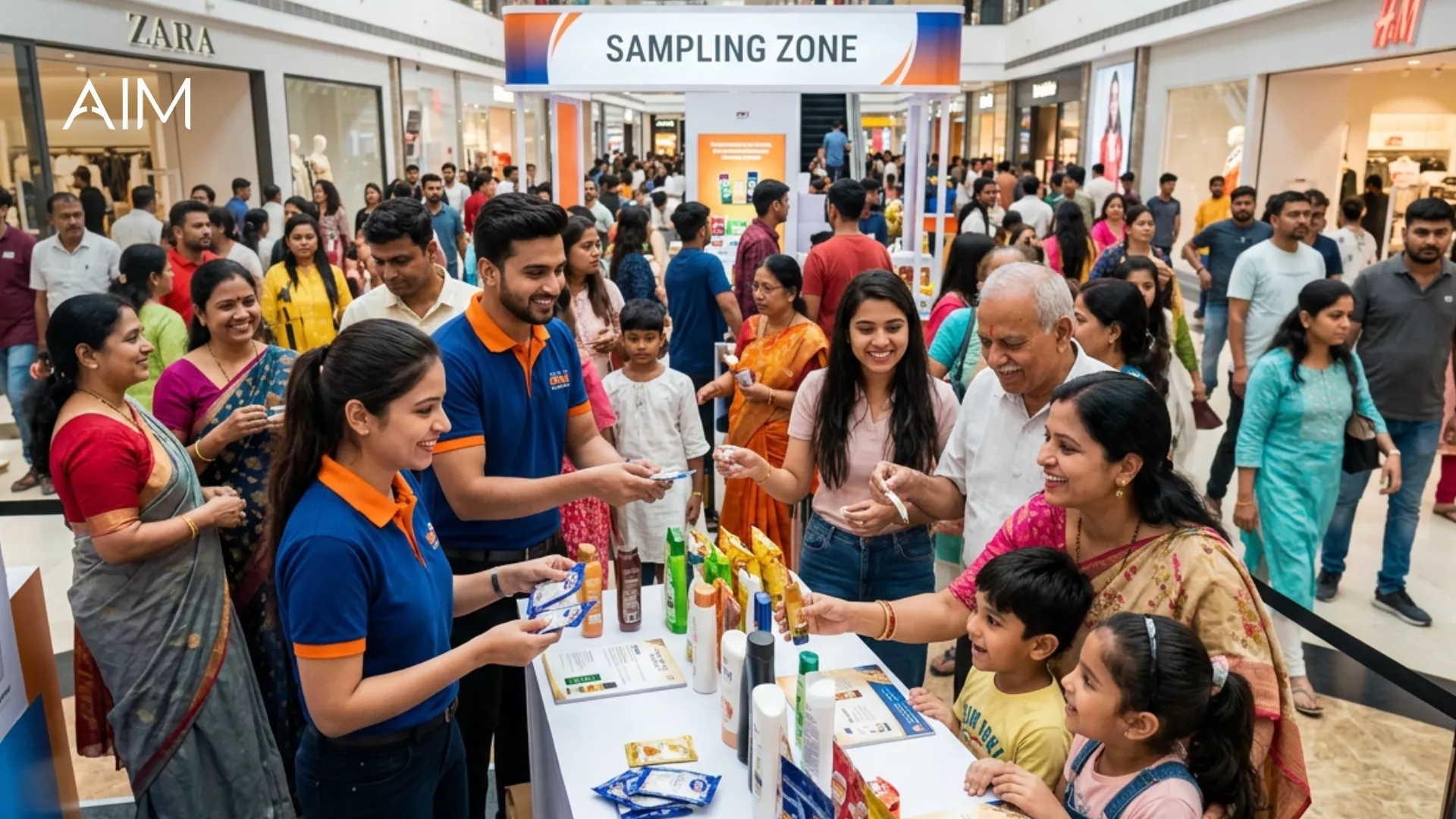
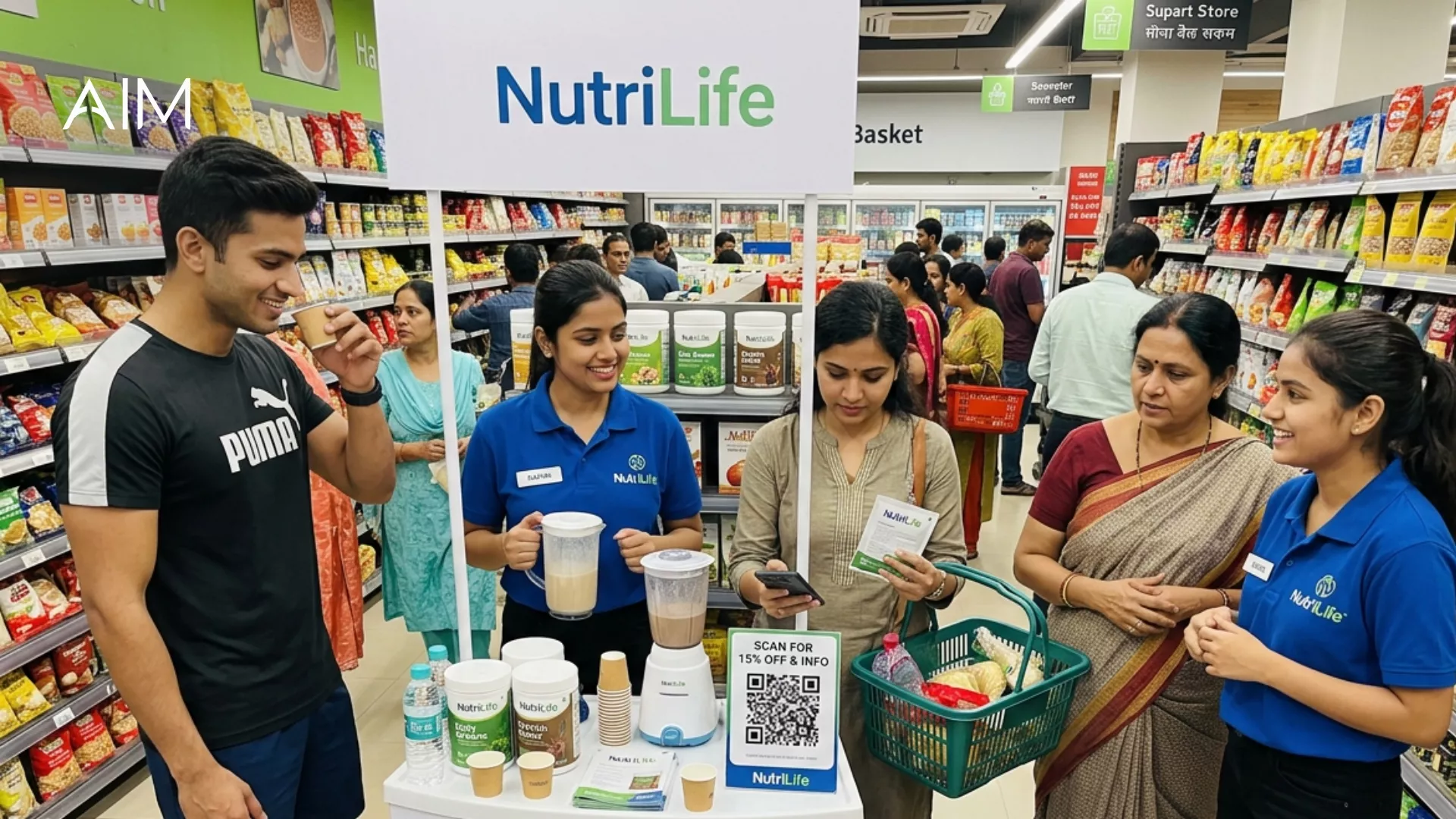
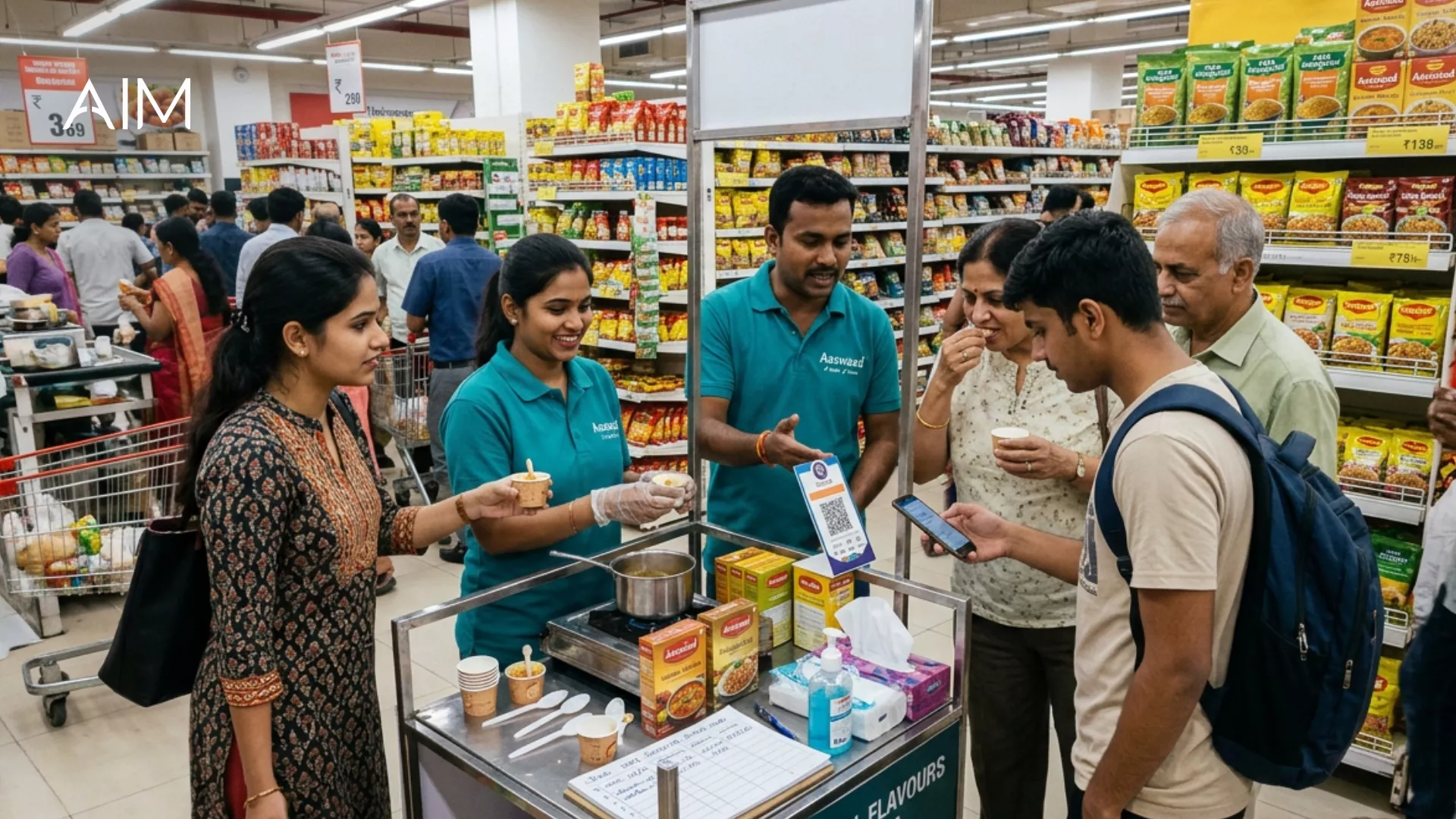
Mass FMCG product sampling optimises for the wrong thing: volume and footfall. Pick the highest-traffic mall, push out the maximum count, get the photos. The trouble is who reaches for a free sample first.
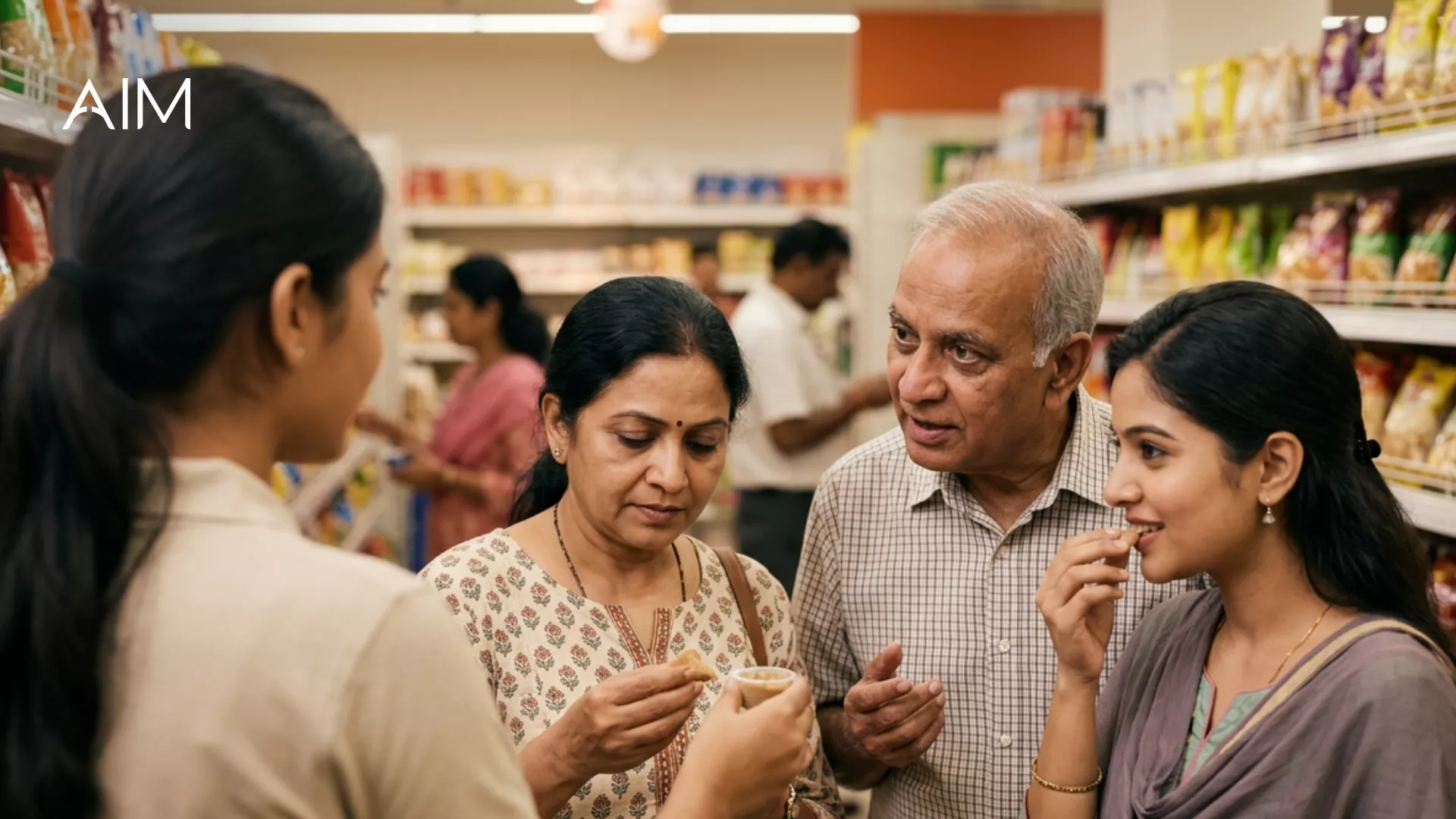
It's the freebie-seekers. The person collecting their sixth sachet. The kid stocking up for the family. The passer-by who won't buy your category at any price. They're fast, they're cheerful, they fill your count, and not one of them is your buyer.
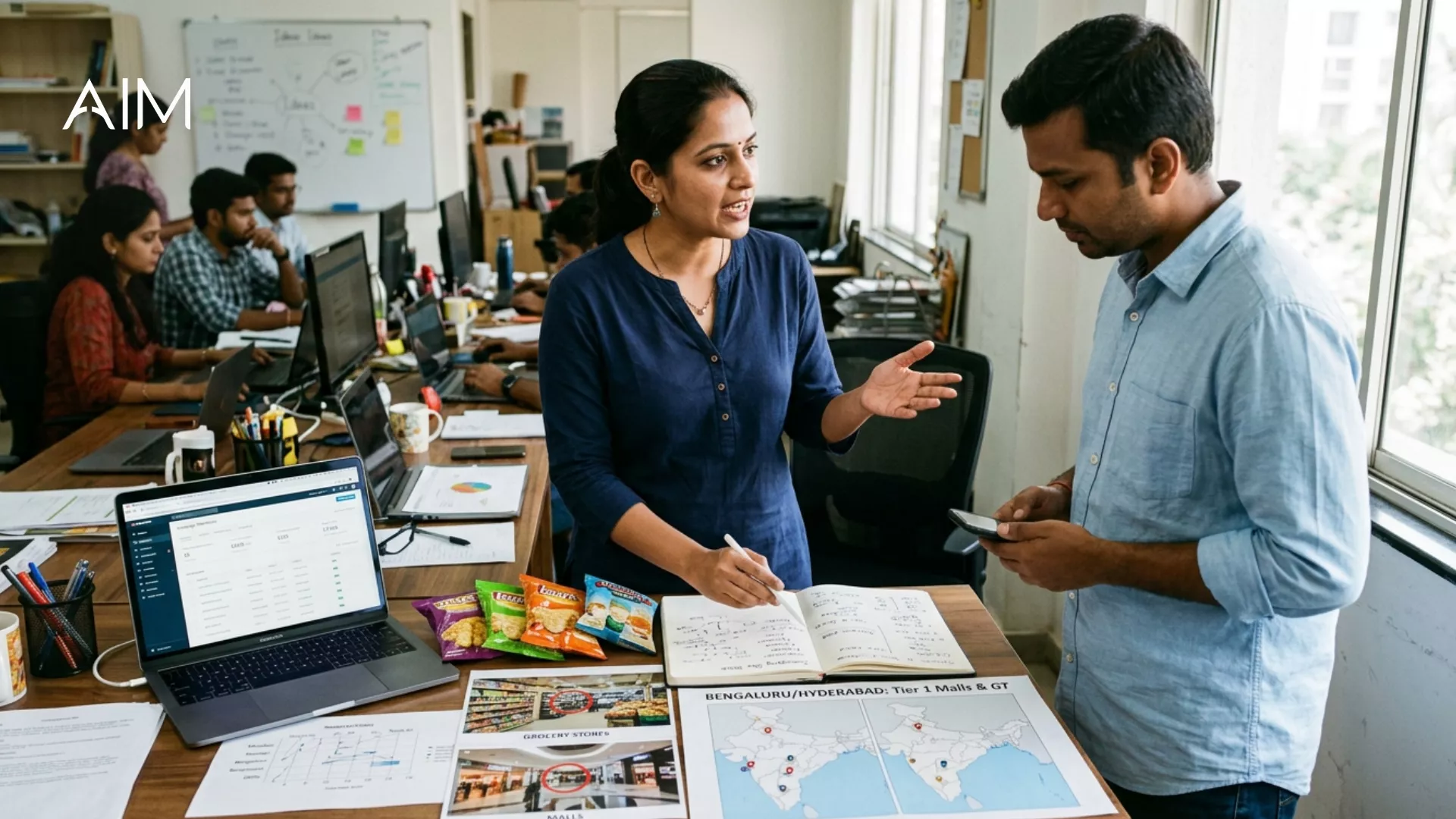
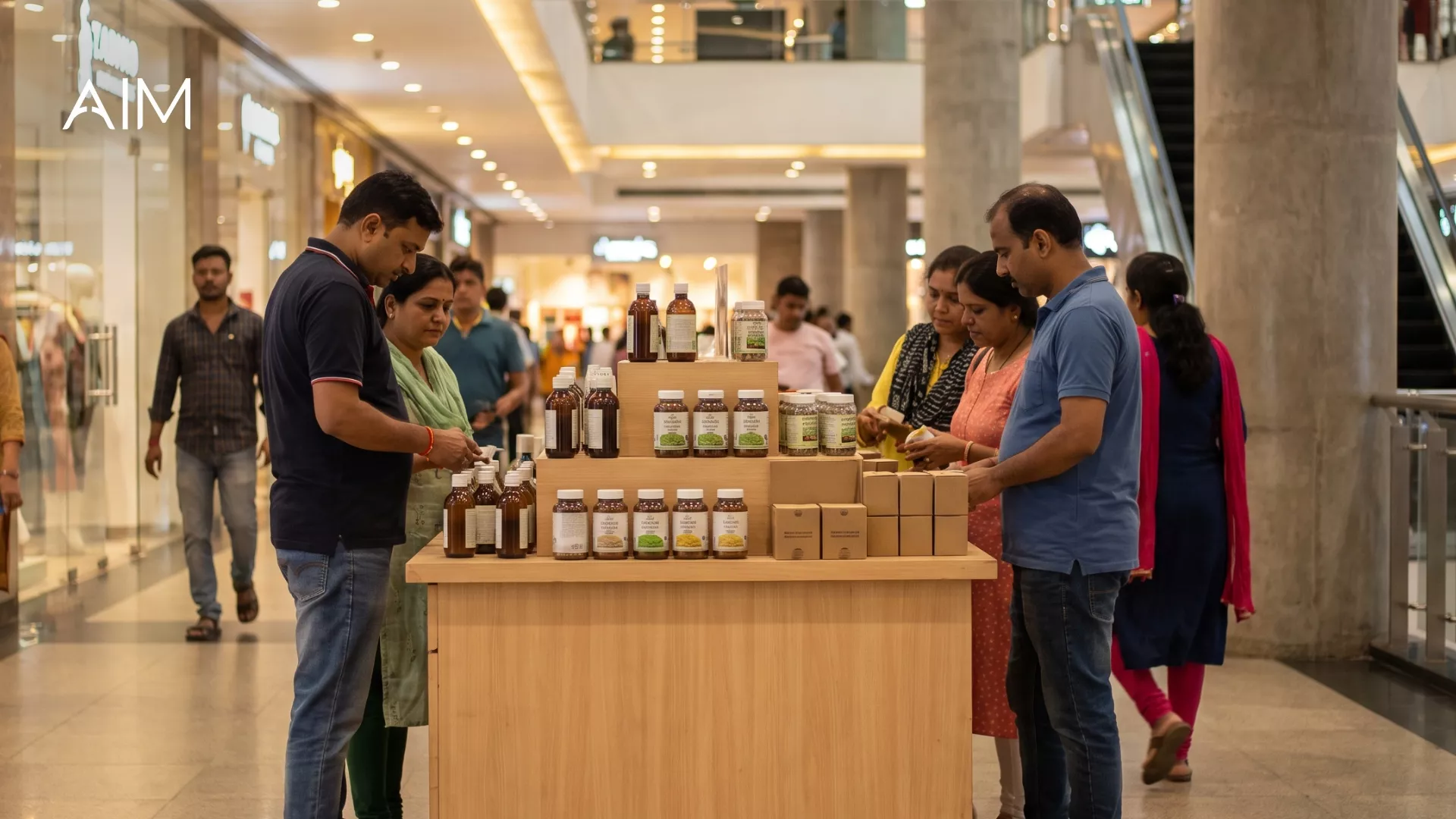
And it isn't only who reaches first. It's where you set up. Modern-trade footfall rarely maps cleanly to your real buyer. A location that works in Bengaluru can flop in Lucknow, because the price sensitivity and the shopper are different. Choose the catchment on gut, and you can miss your buyer by a few kilometres and a whole income bracket.
Footfall does not mean impact. A crowded location with the wrong crowd is still the wrong location. This is why I treat product sampling as controlled market learning. Every sample you hand out should teach you something about a real potential buyer. If it can't, it was wasted.
The number nobody set up to capture
Here's where the budget leaks: between "handed out" and"bought," most campaigns capture nothing. No identity on the person who took the sample. No way to reach them again. No link to a purchase. So when the CMO asks the buyer question, there's no answer, because the campaign wasnever built to have one.
If you can't tie a sample to a person, and that person to a next step,you don't have a sampling campaign. You have a give away with good photography.
What it looks like when samples find buyers
The fix isn't to sample less. It's to sample on purpose. Three things change everything:
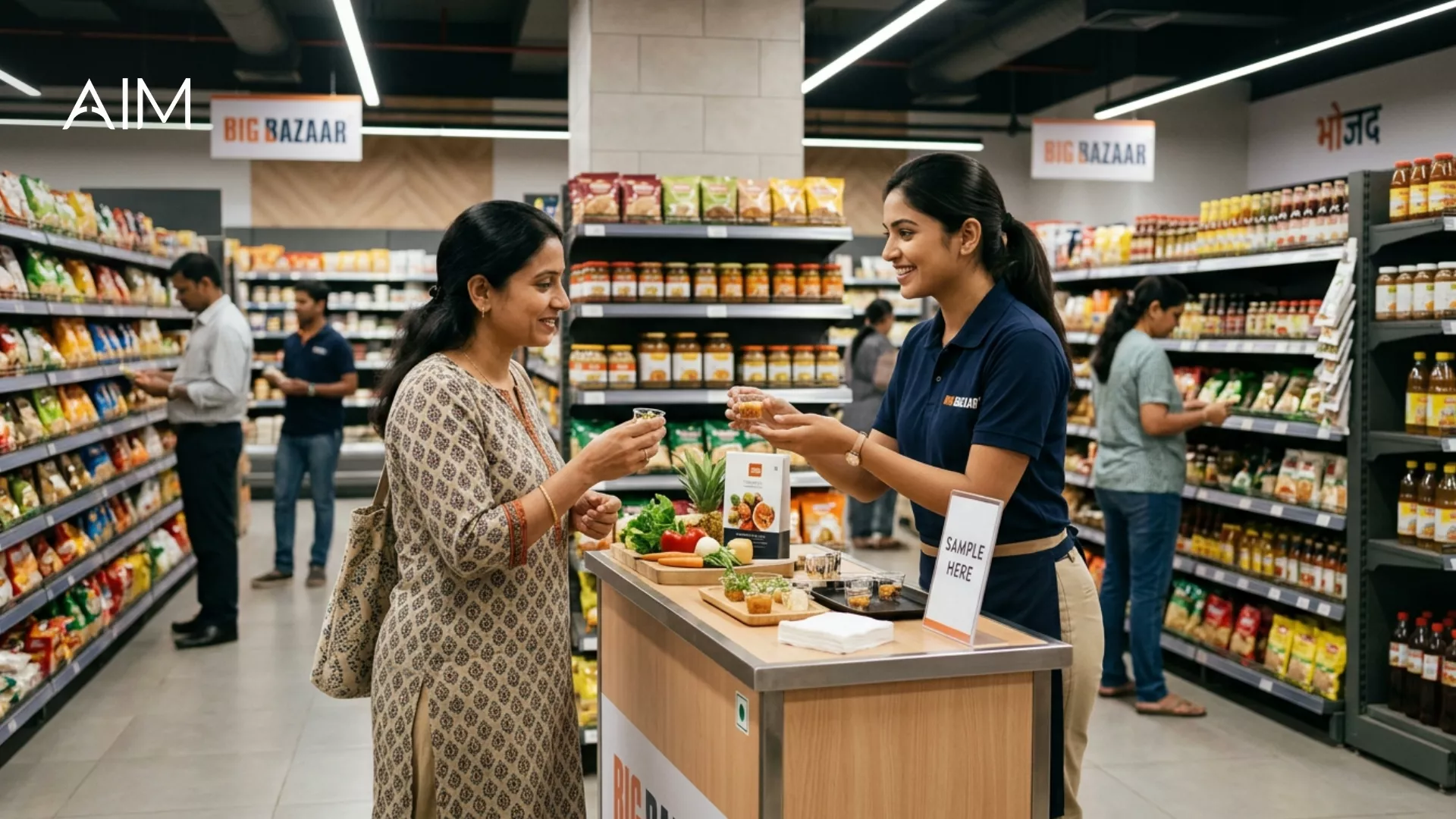
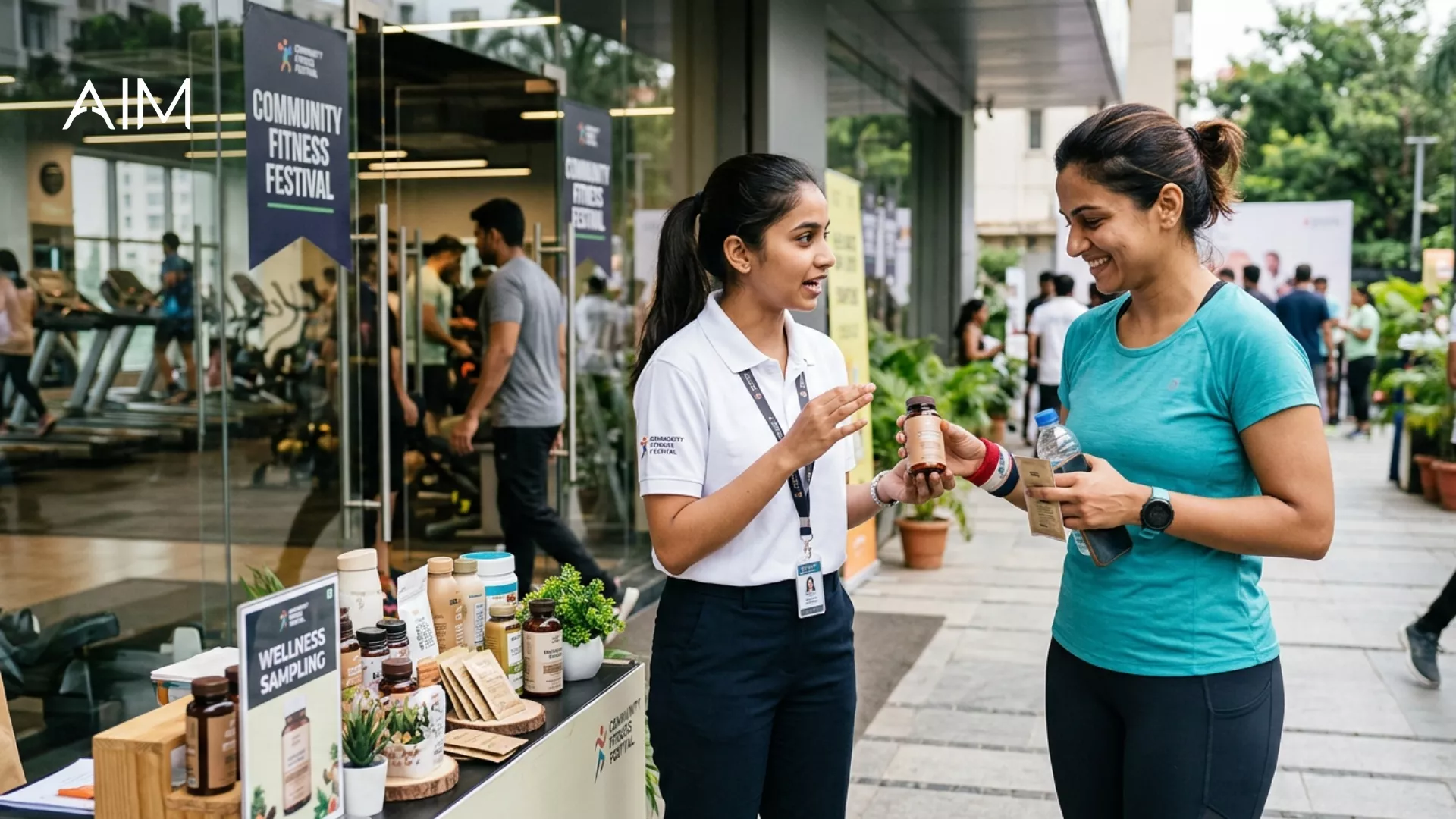
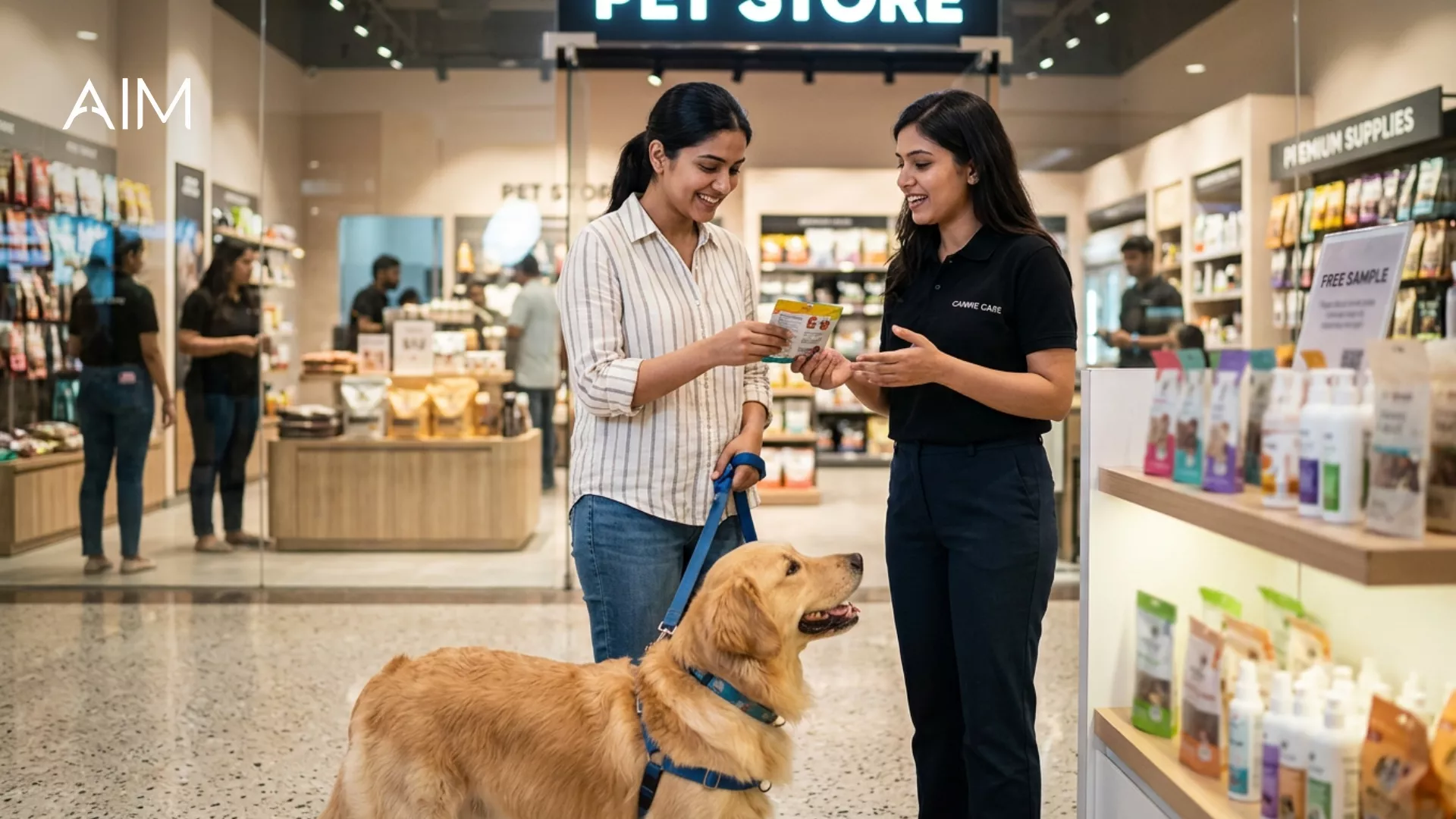
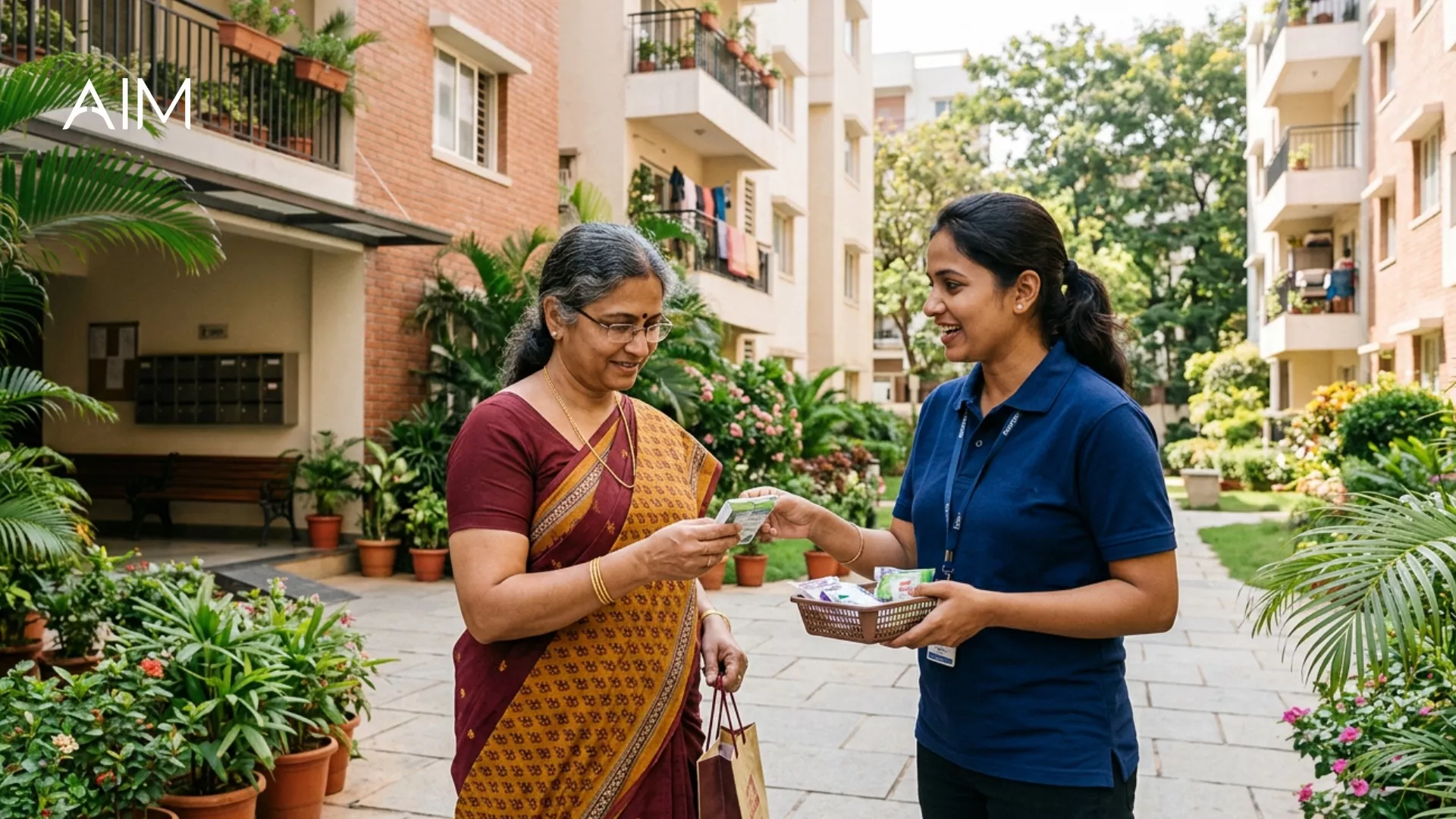
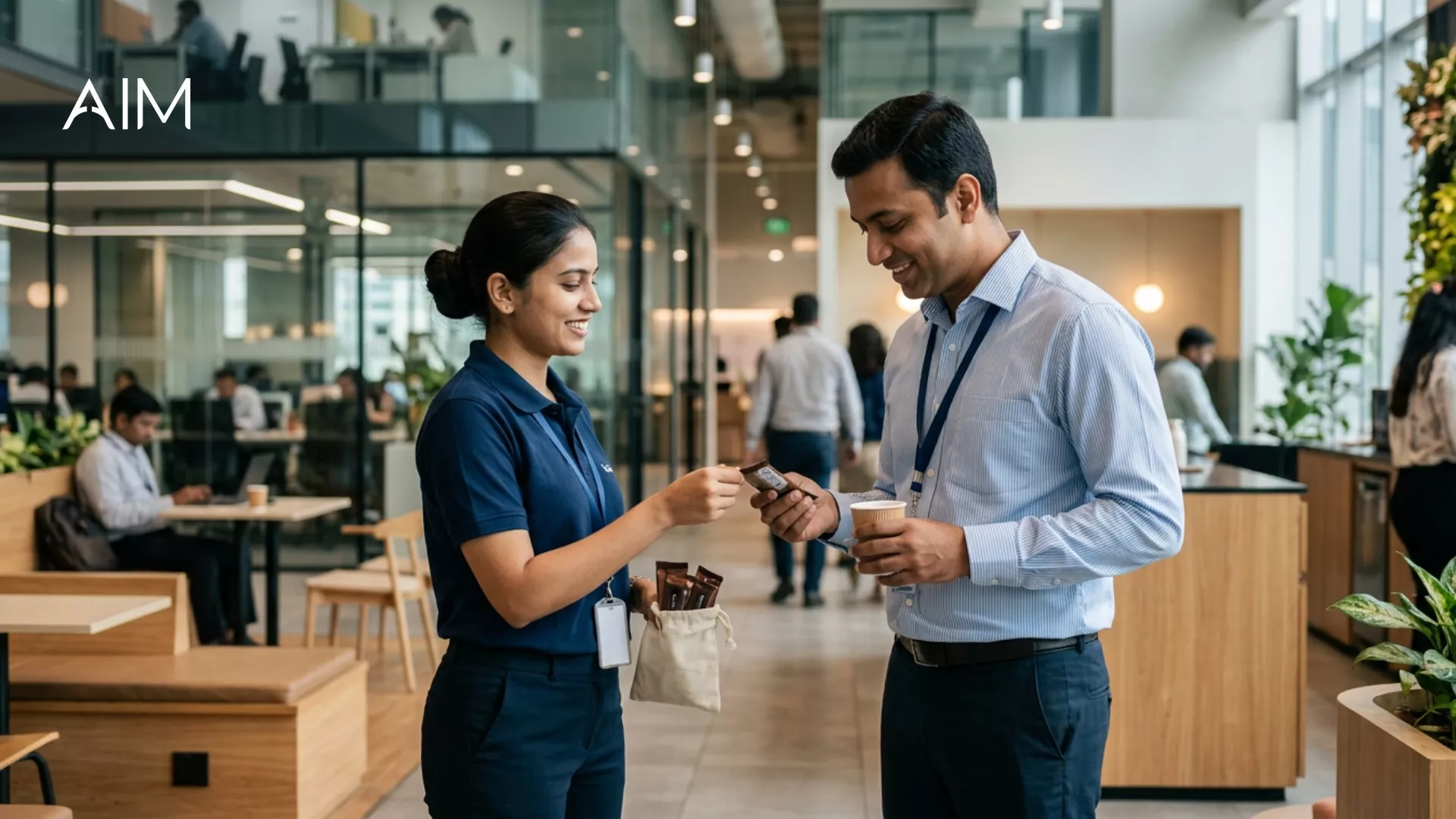
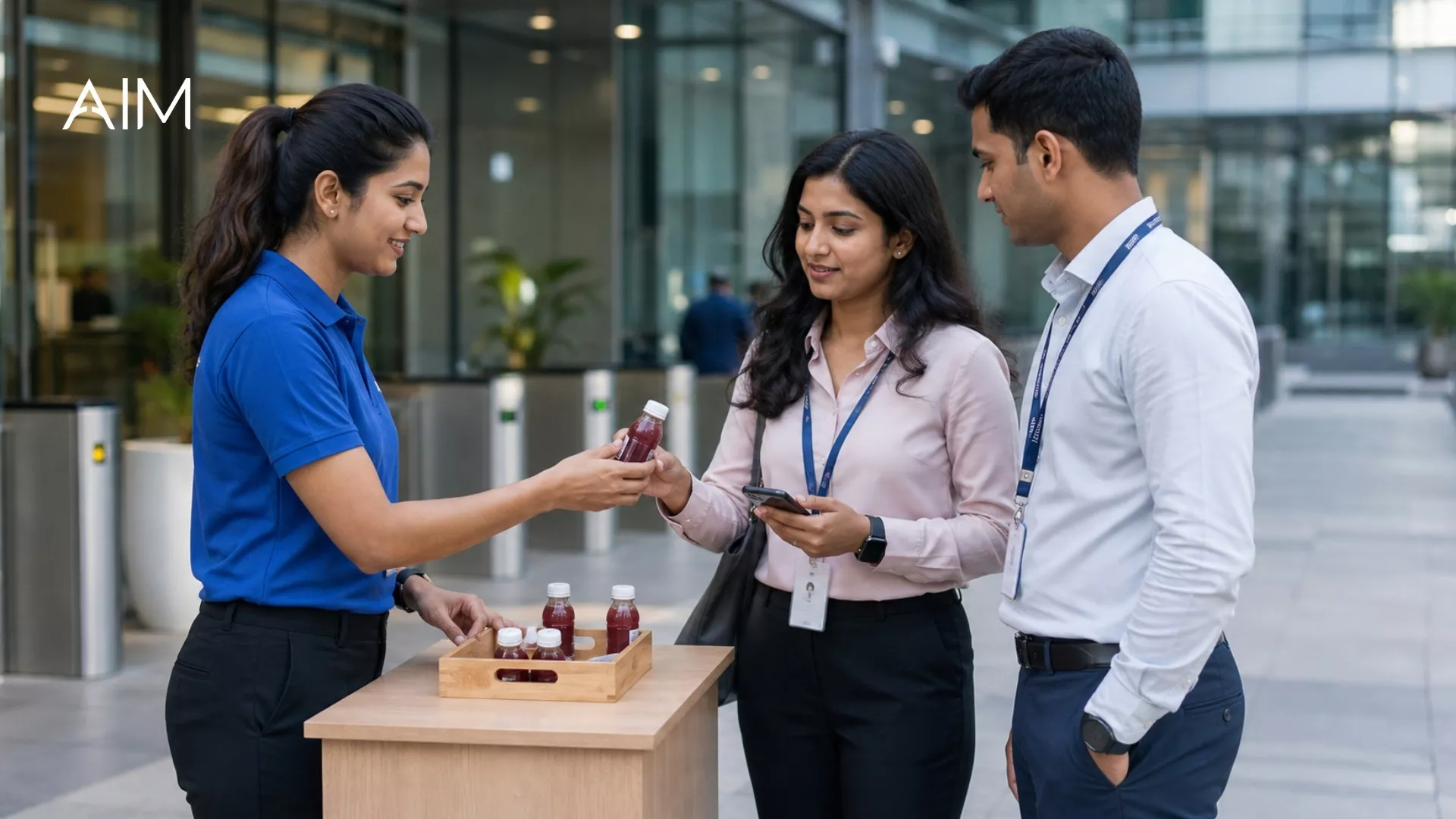
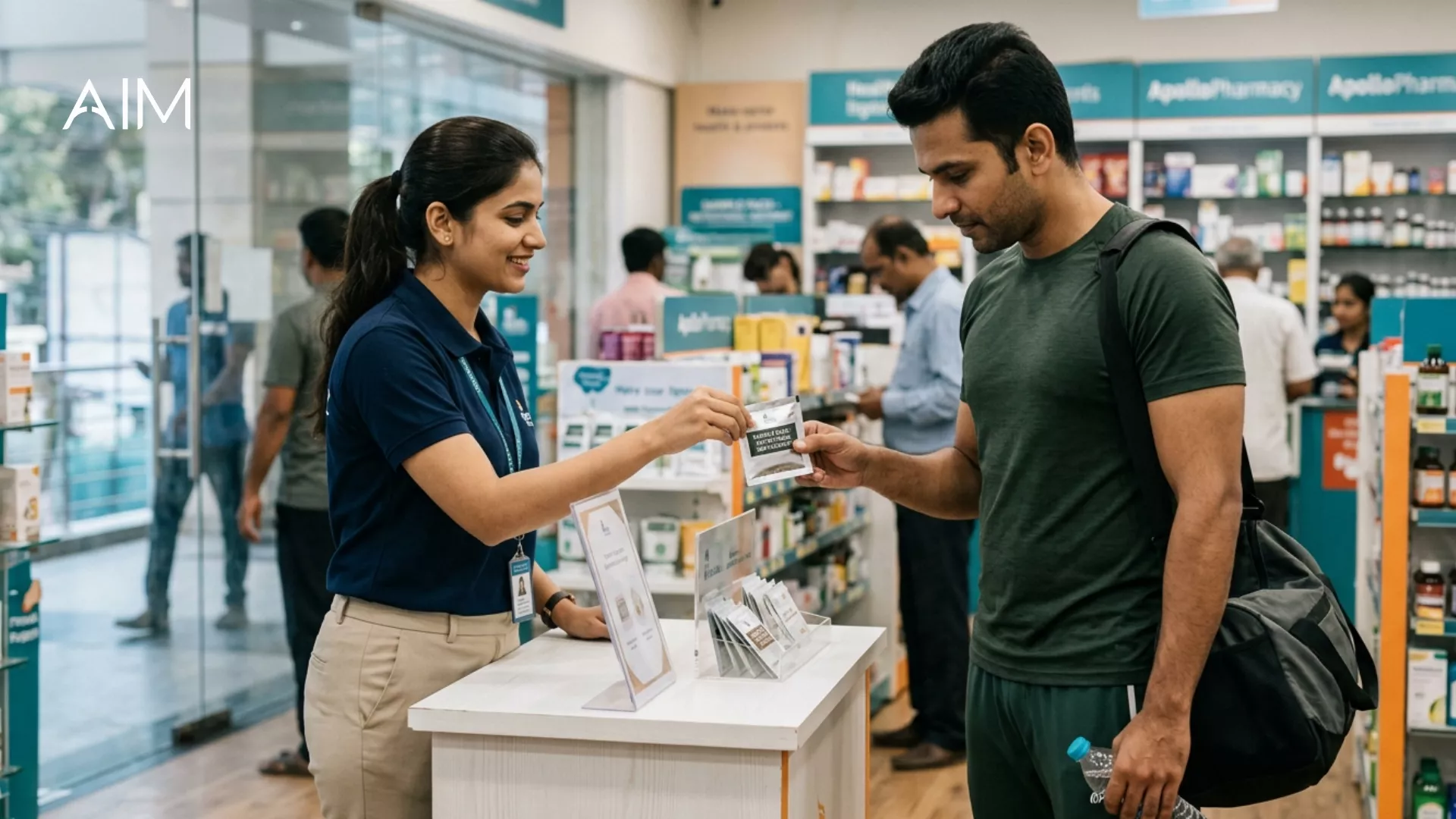
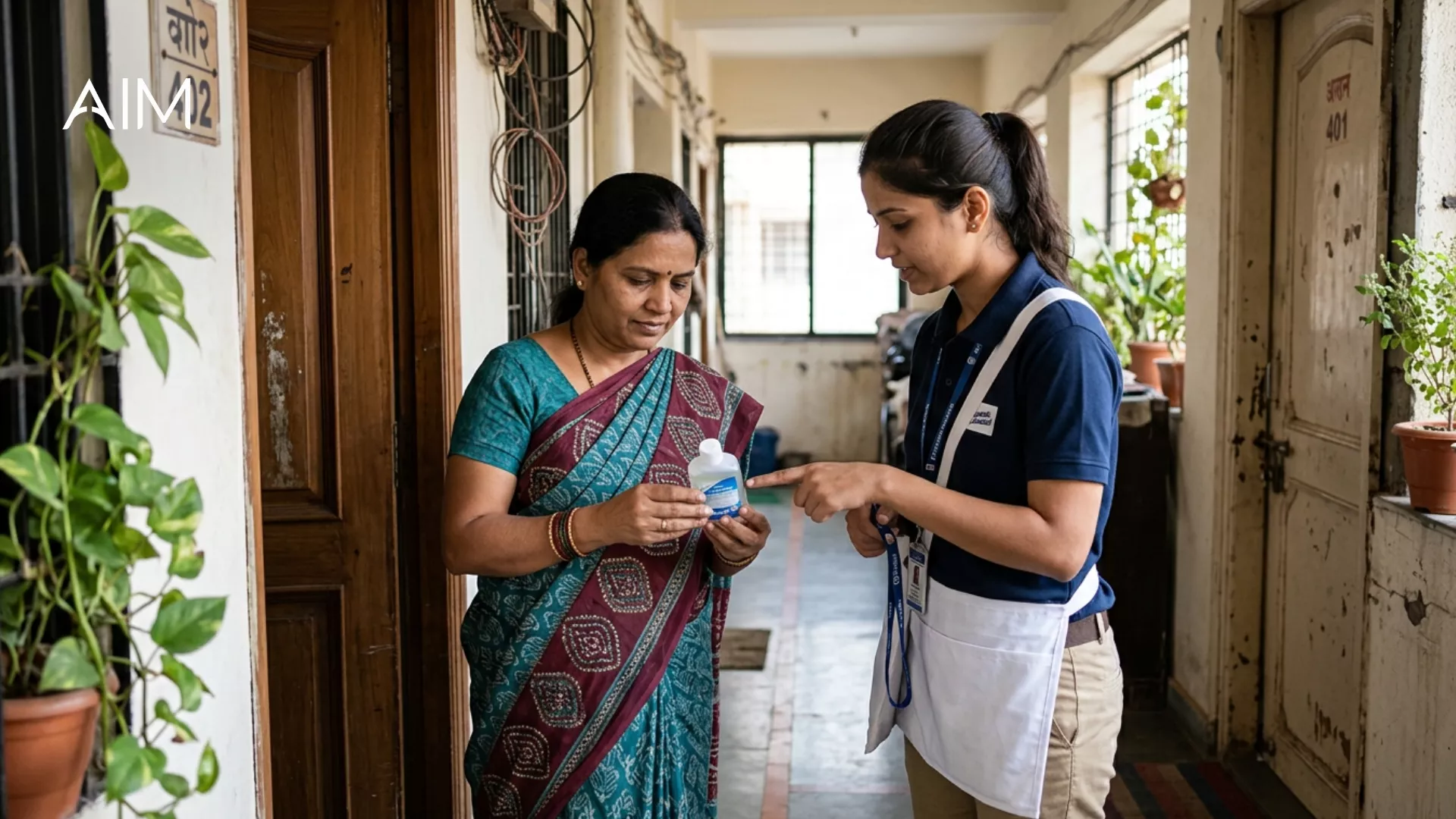
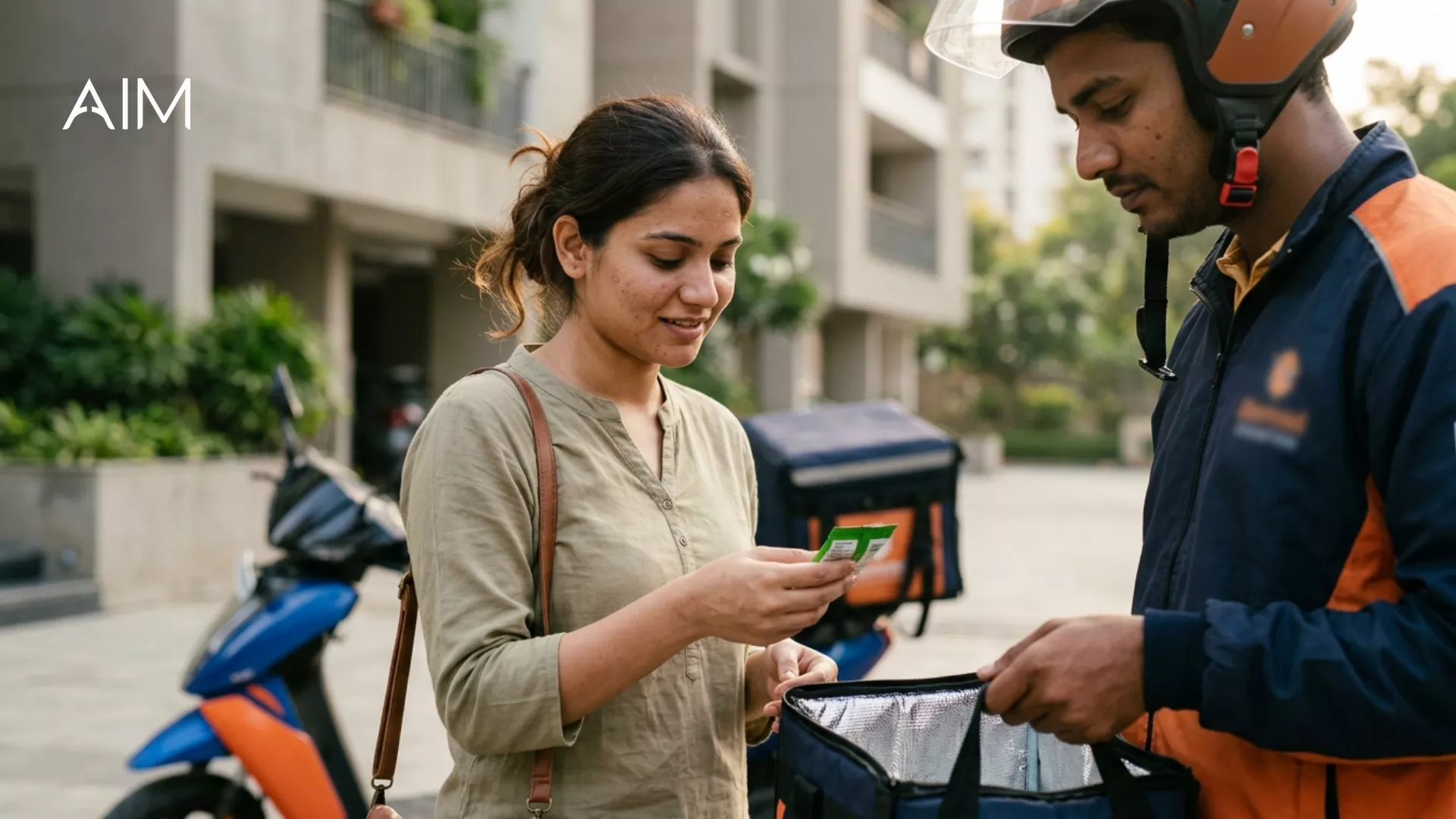
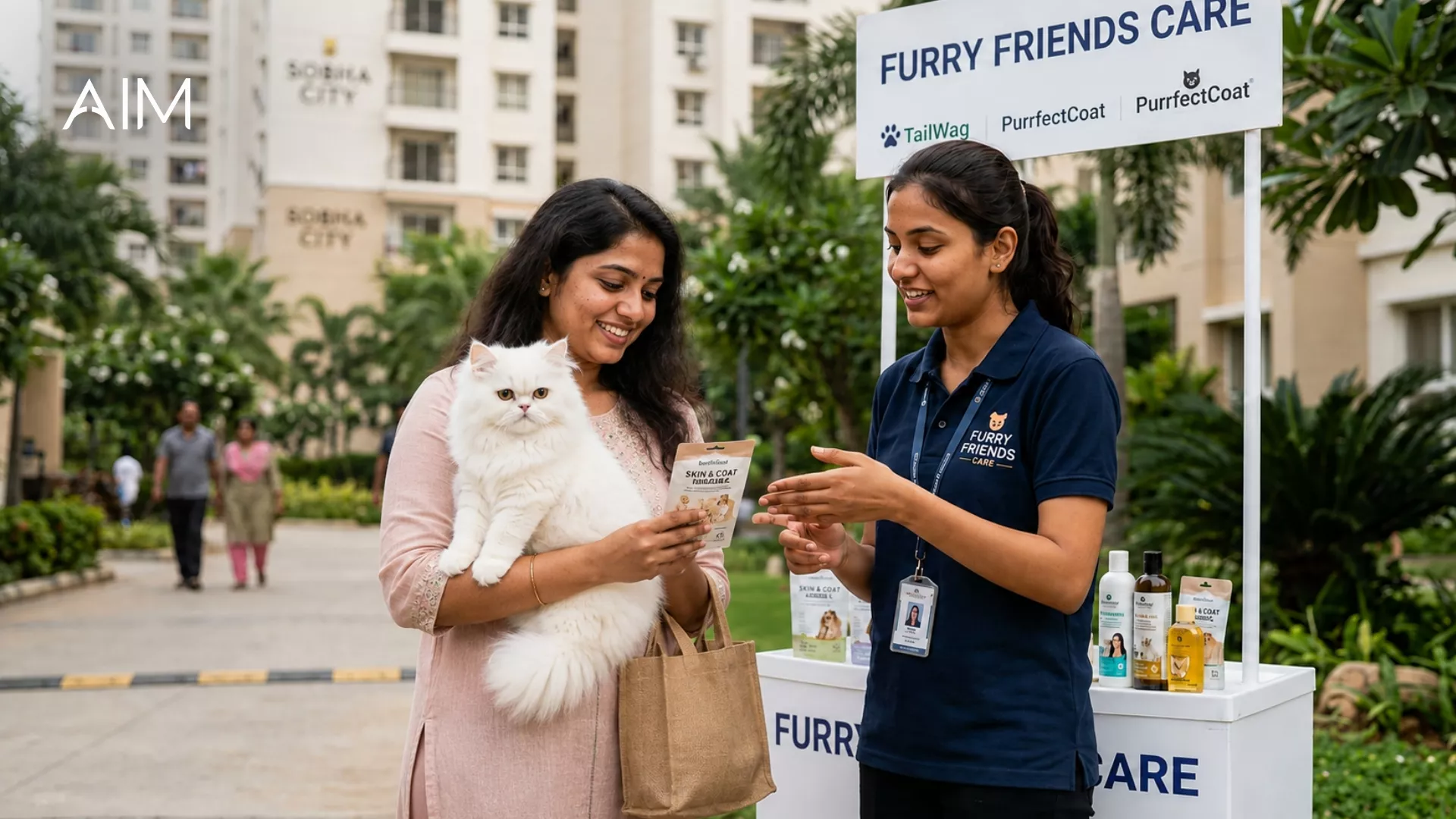
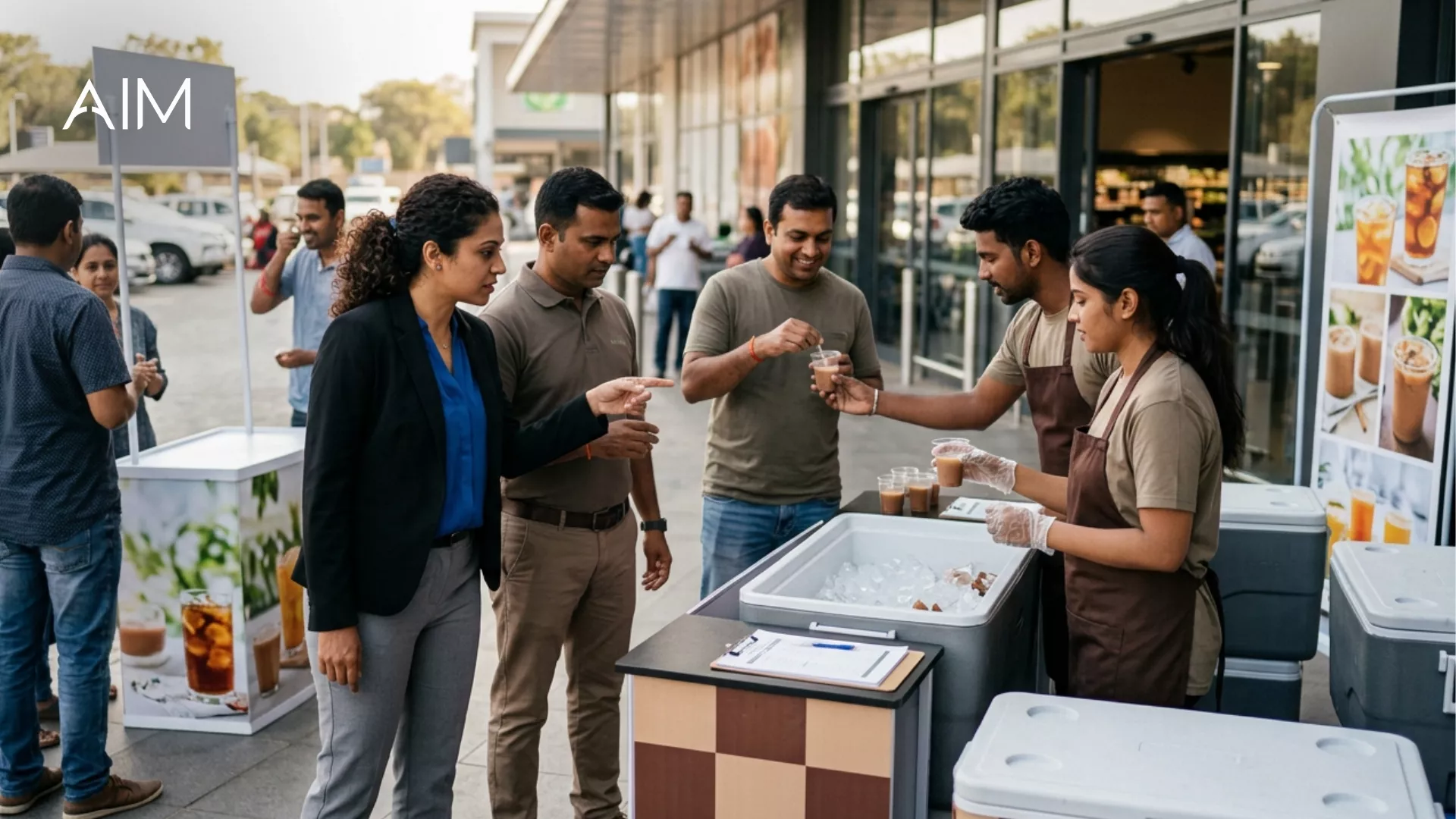
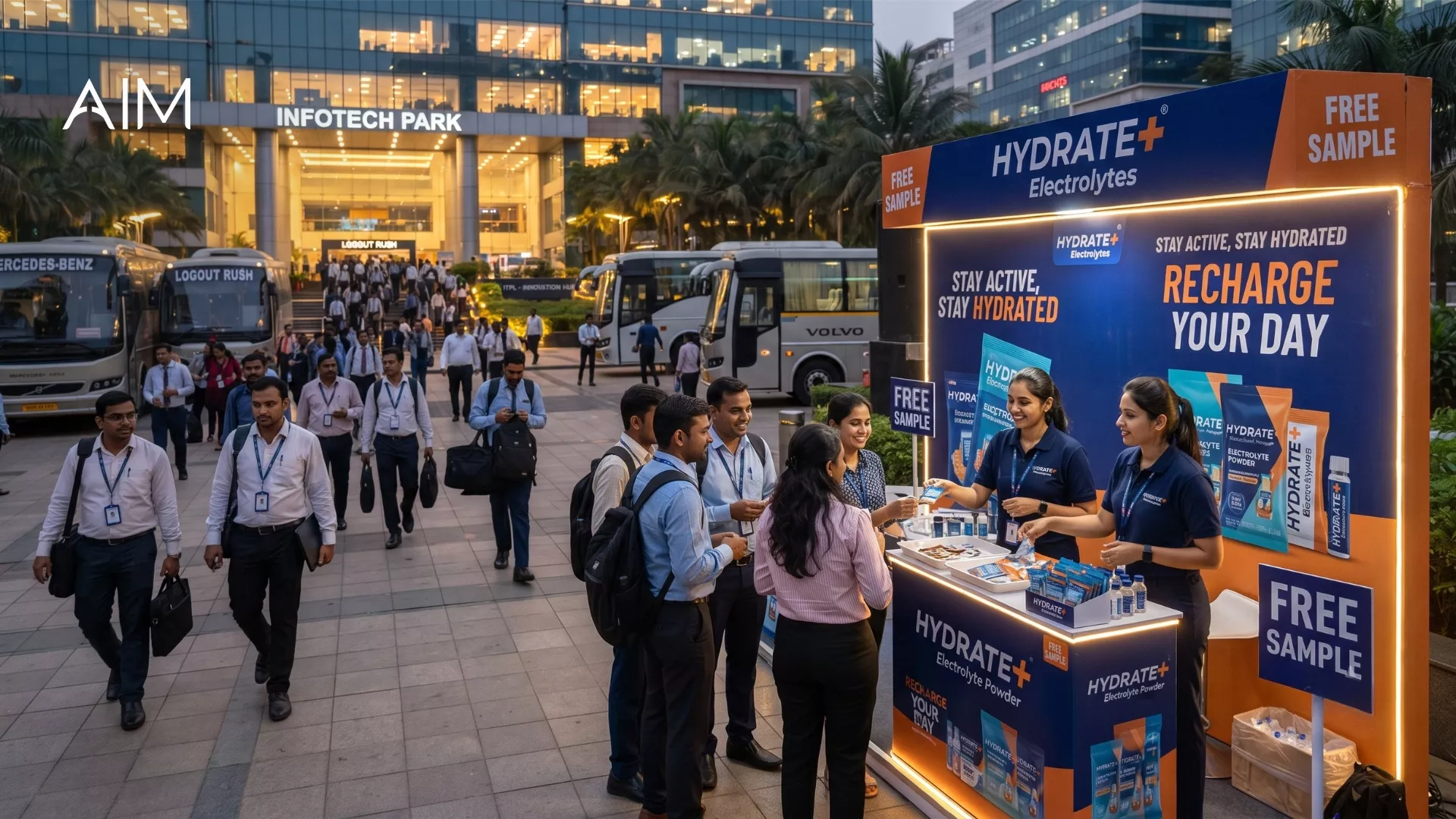
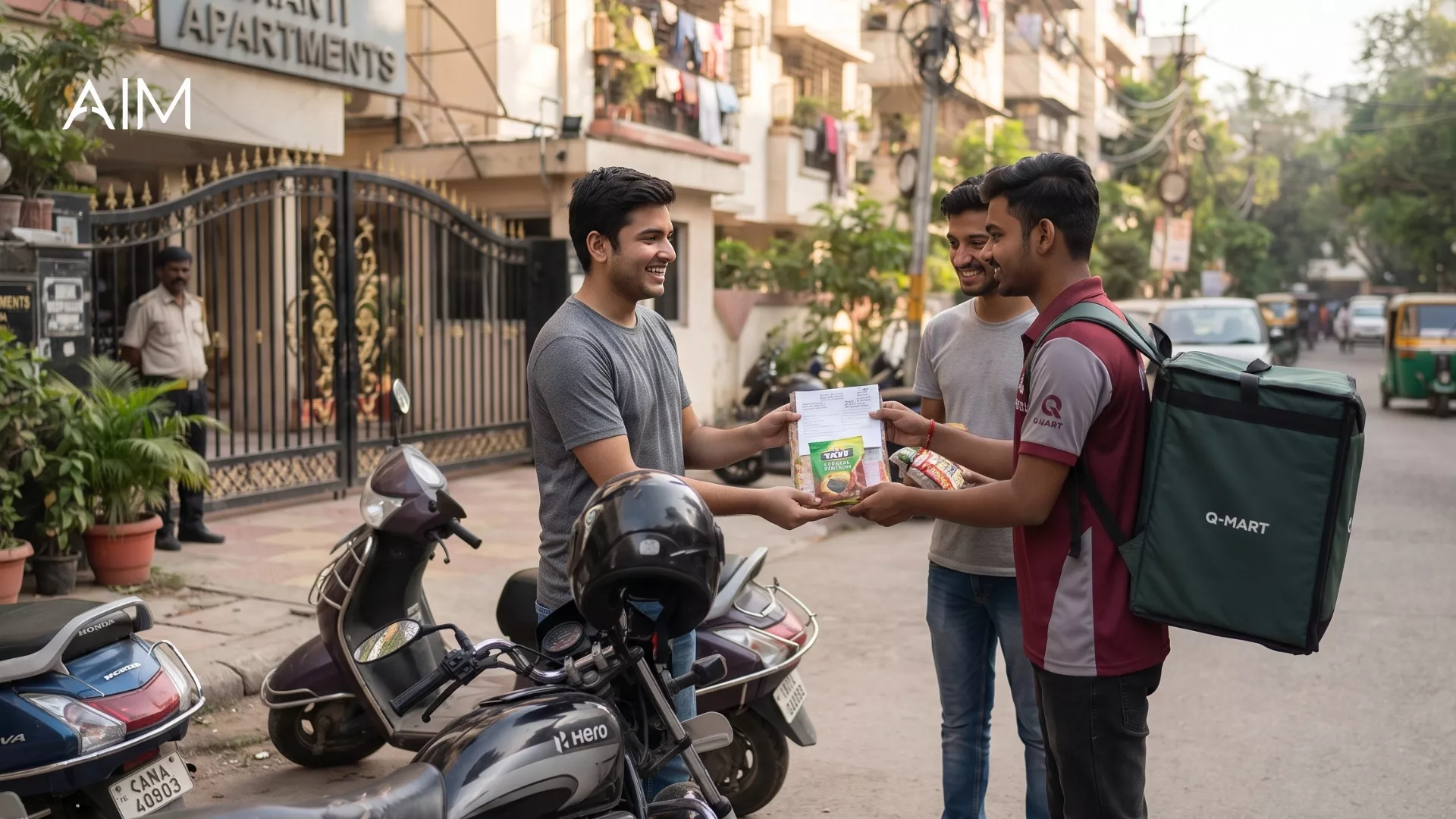
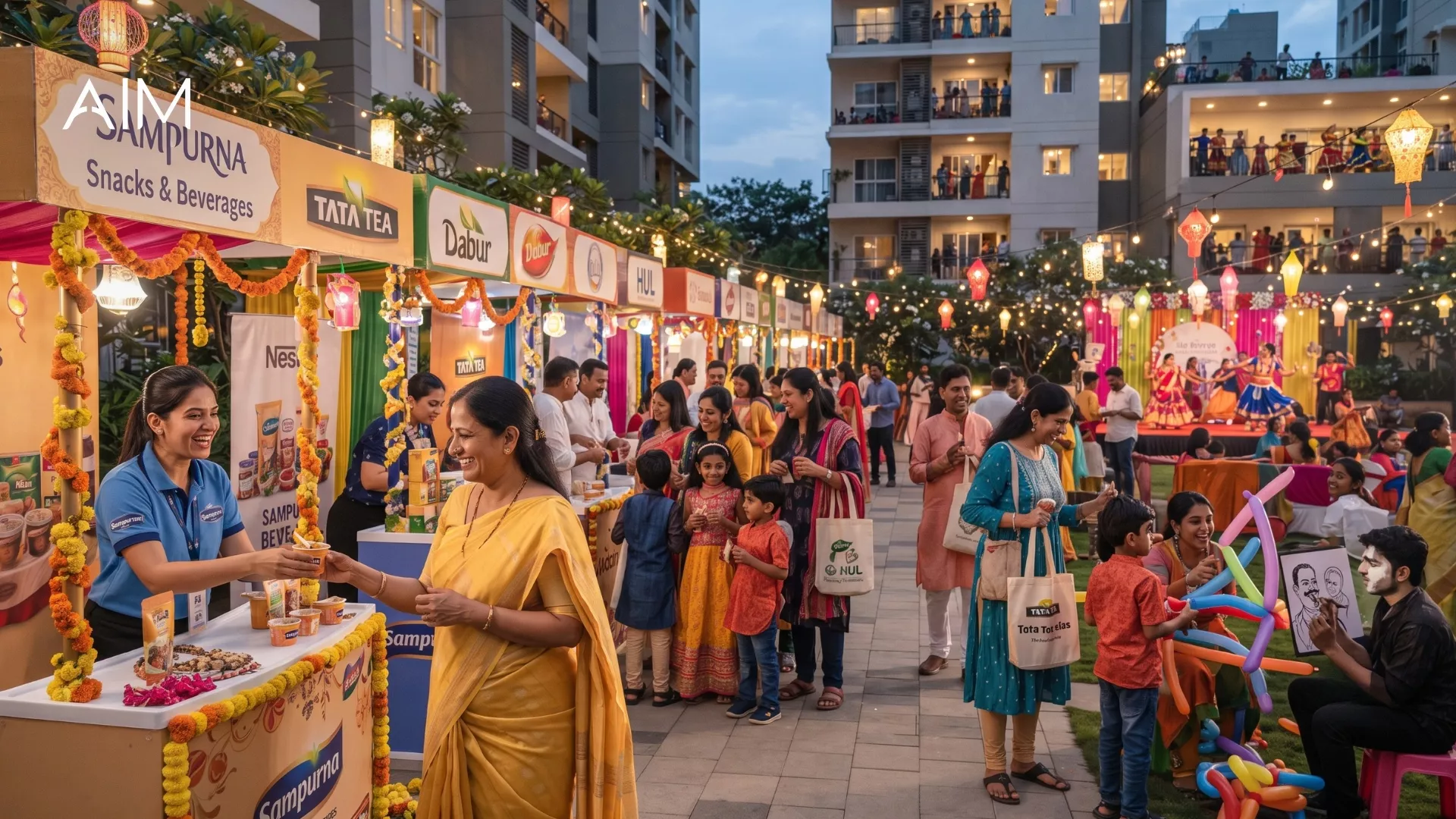
• Decide who the sample is for, before you print it. Category users, young mothers,lapsed buyers, whatever your brief says. Then choose channels that actually hold those people, modern trade, a specific set of societies, IT parks, or ane-commerce insert, instead of defaulting to the biggest mall.
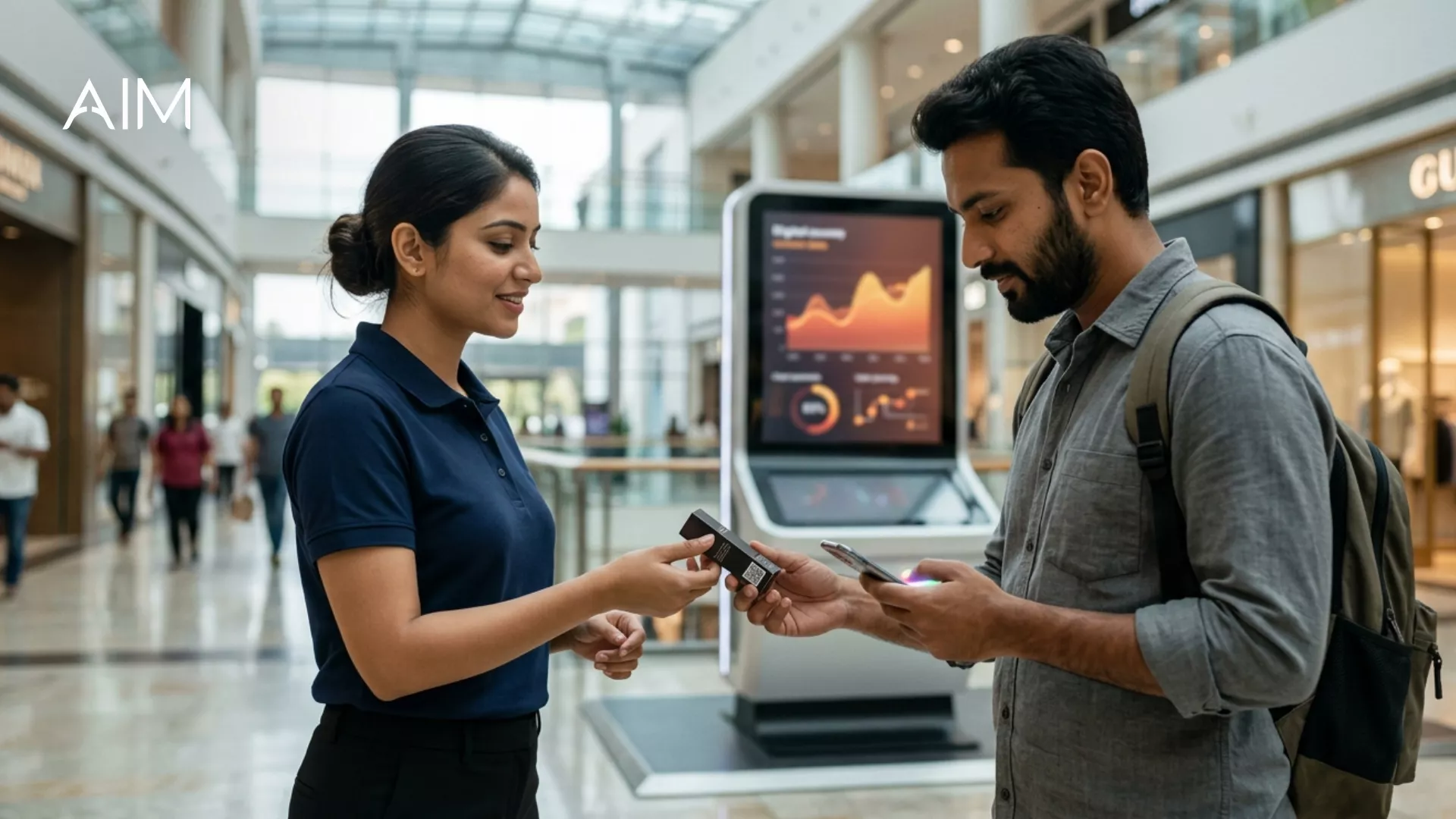
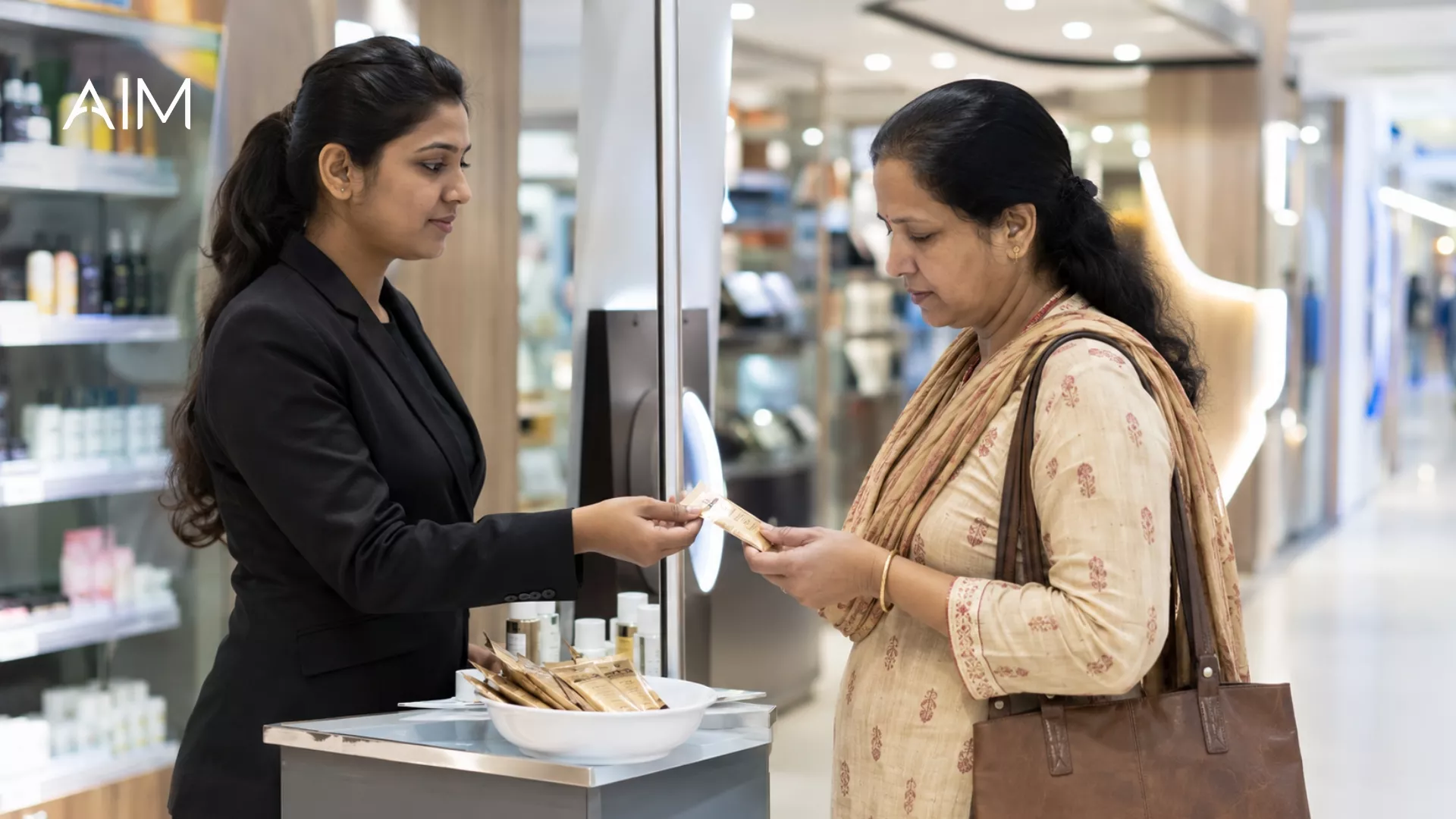
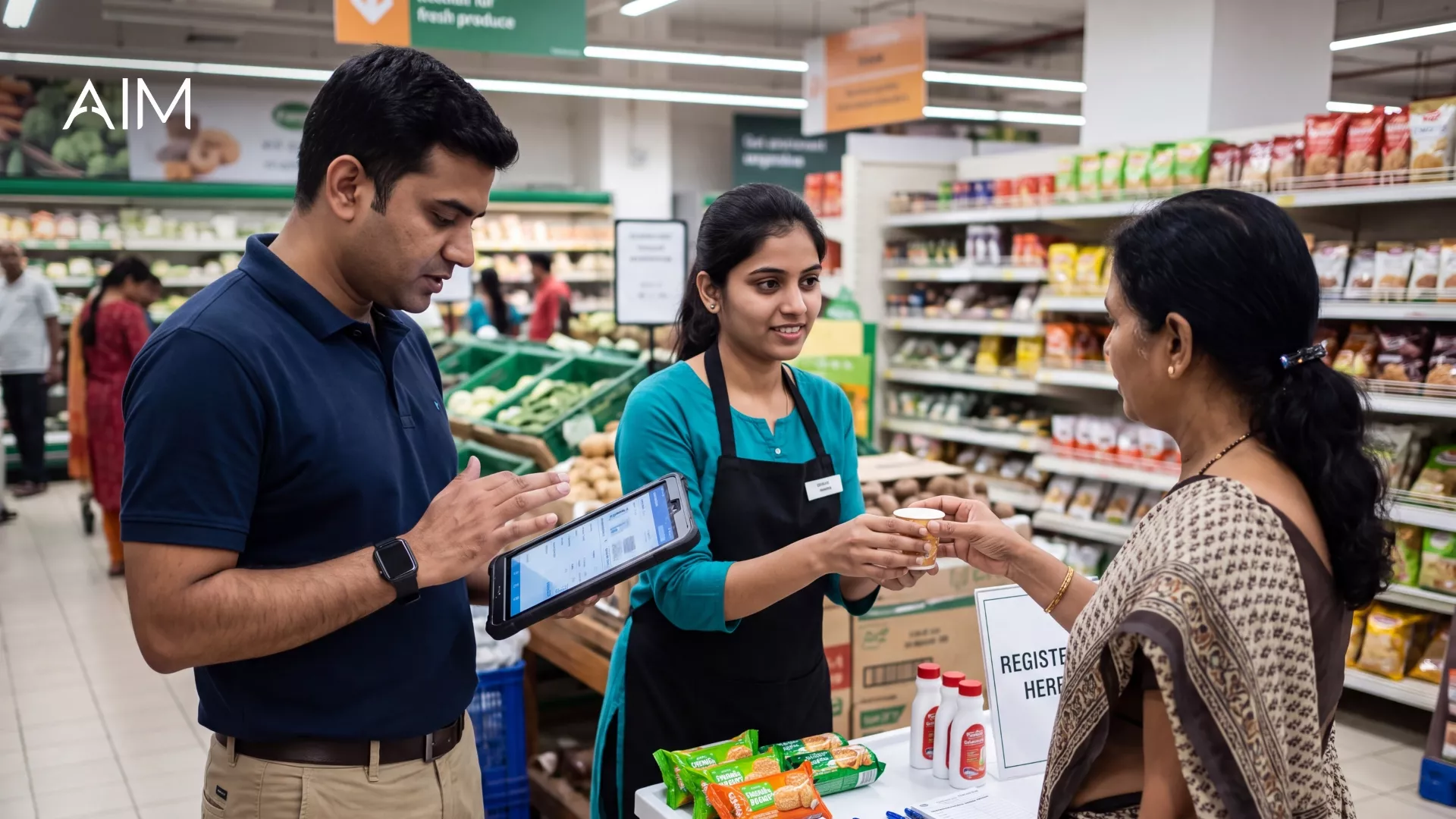
• Qualify the person at the moment they take the sample. A quick opt-in, a QR scanand a question or two, tells you whether this is a real category buyer in your target, and screens out the serial grabber taking their sixth.
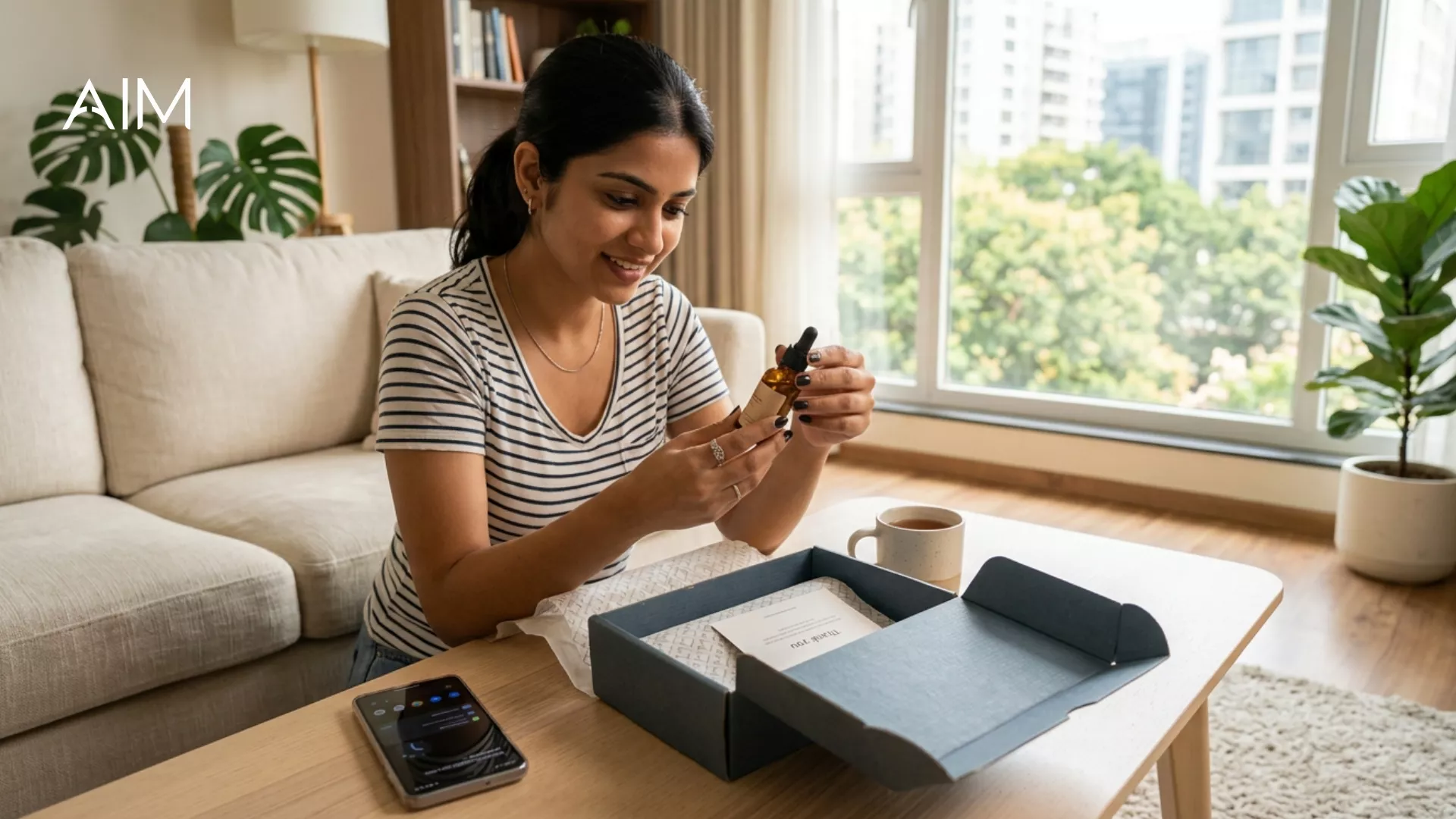
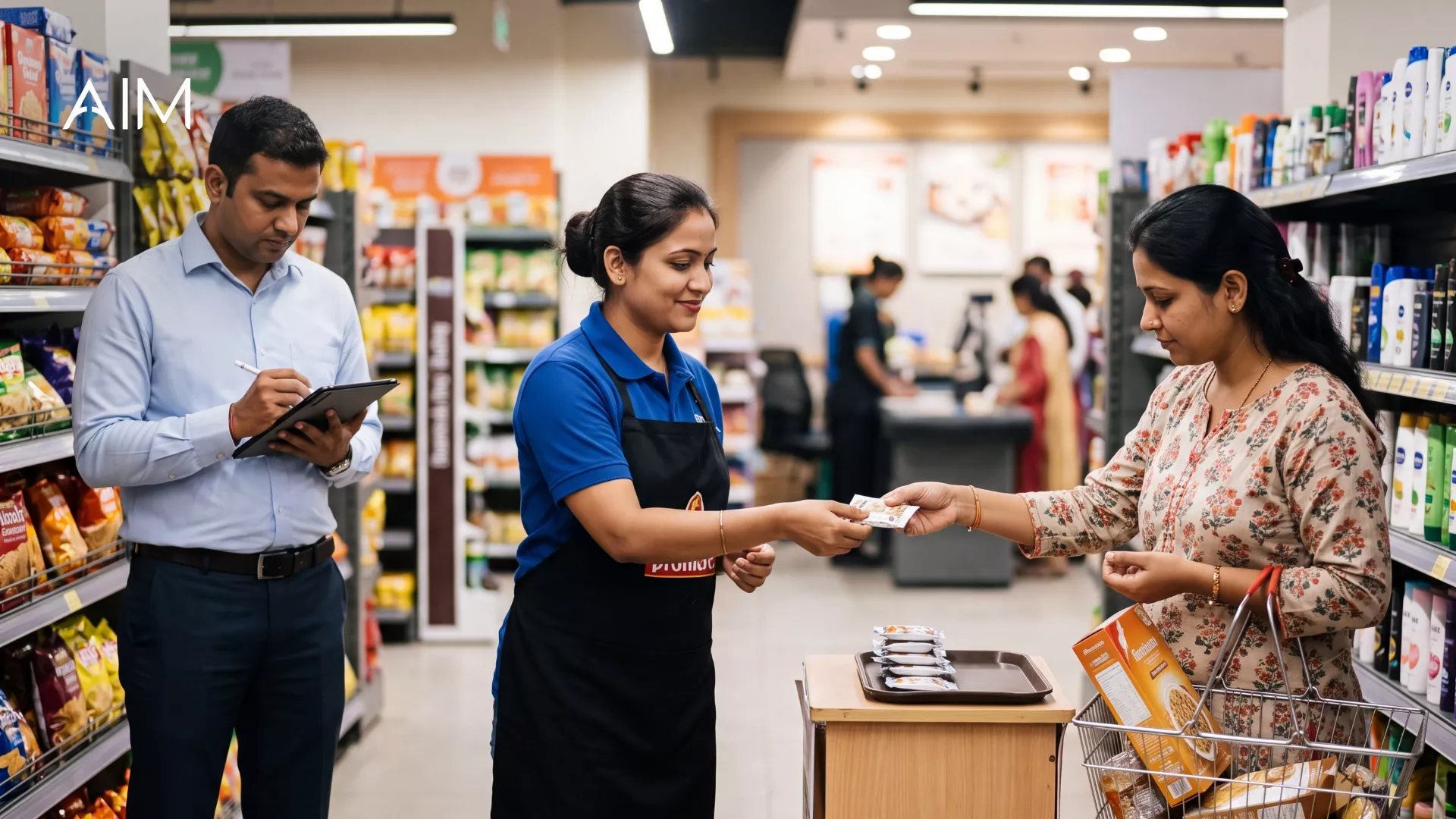
• Tie the sample to a next step. A coupon, a code, a redemption path, so you can follow that person from trial to purchase, online or in store, and finally see your product sampling ROI.
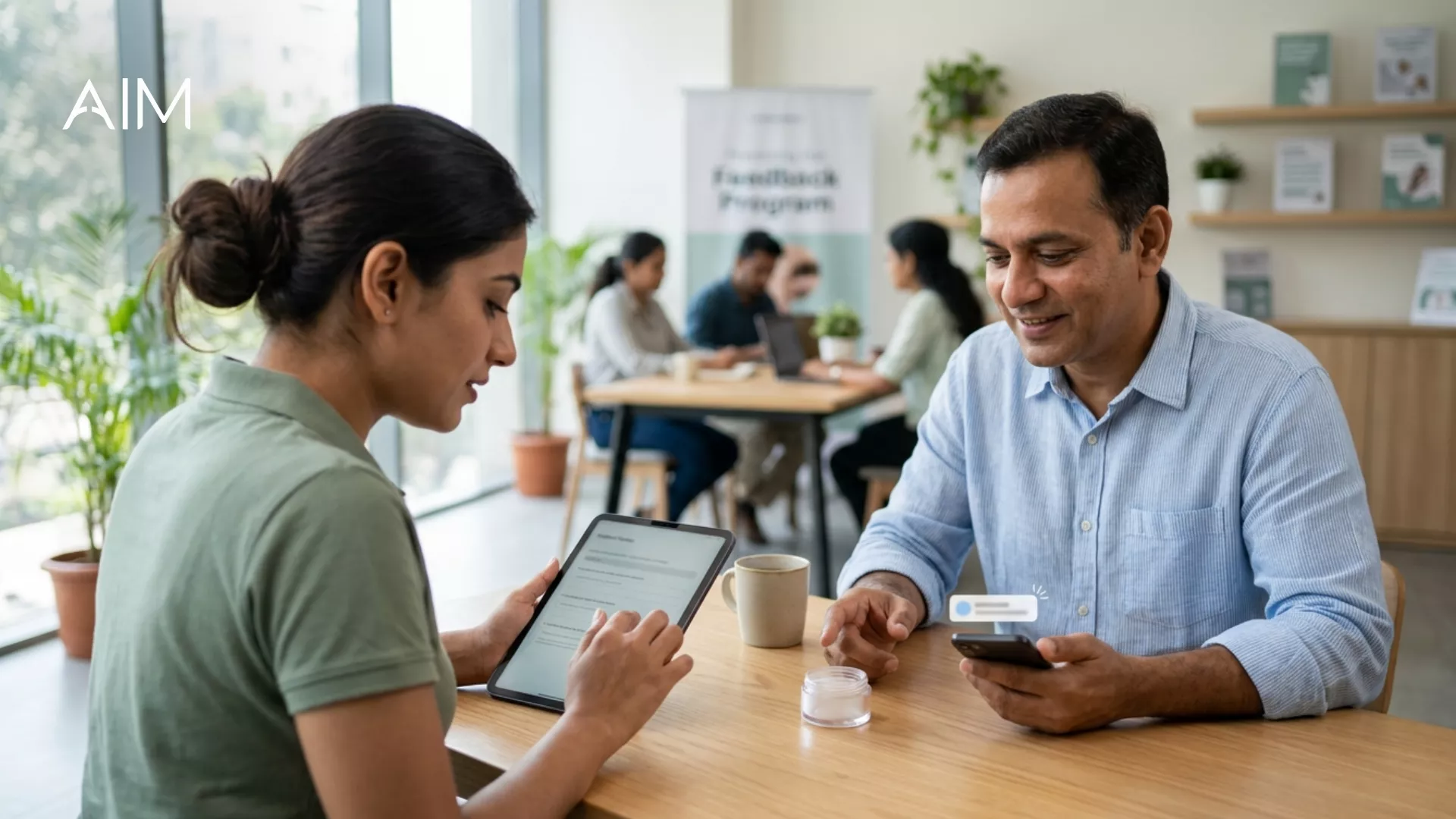
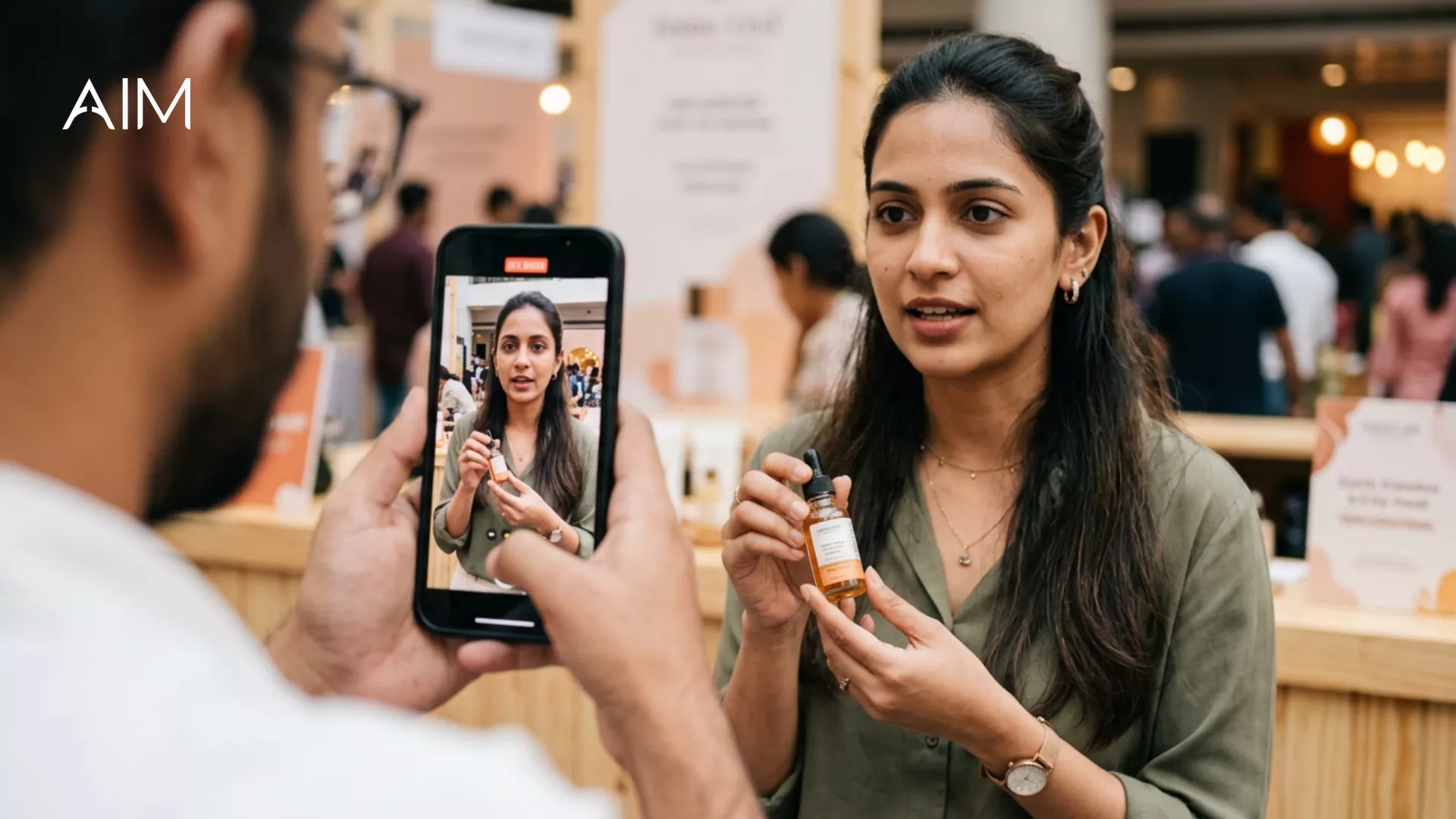
Then close the loop. Collect feedback, spot the good matches, retarget them, drop the noise. A sampling campaign with no feedback and no couponing is only half a campaign, the half that makes photos.
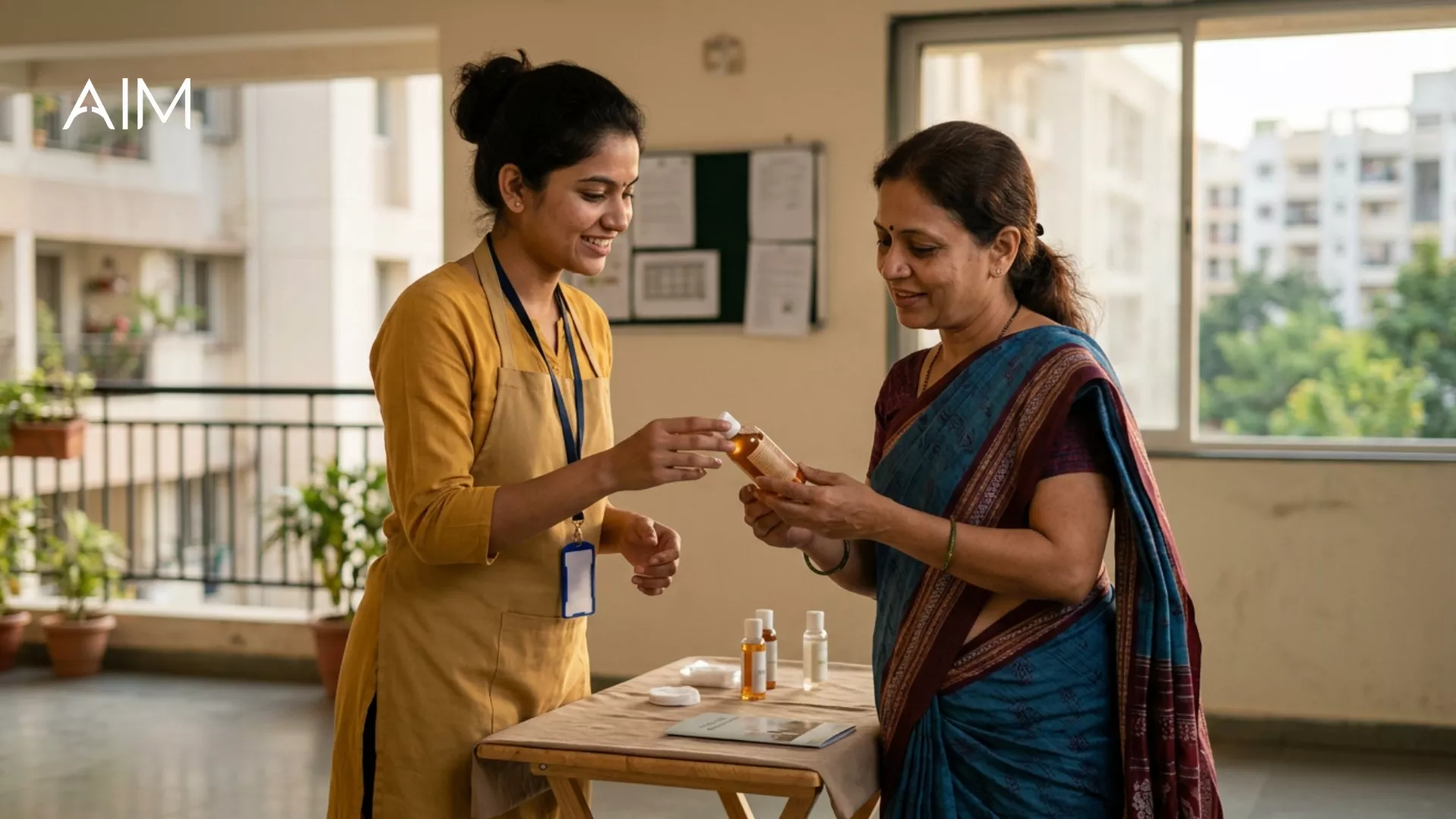
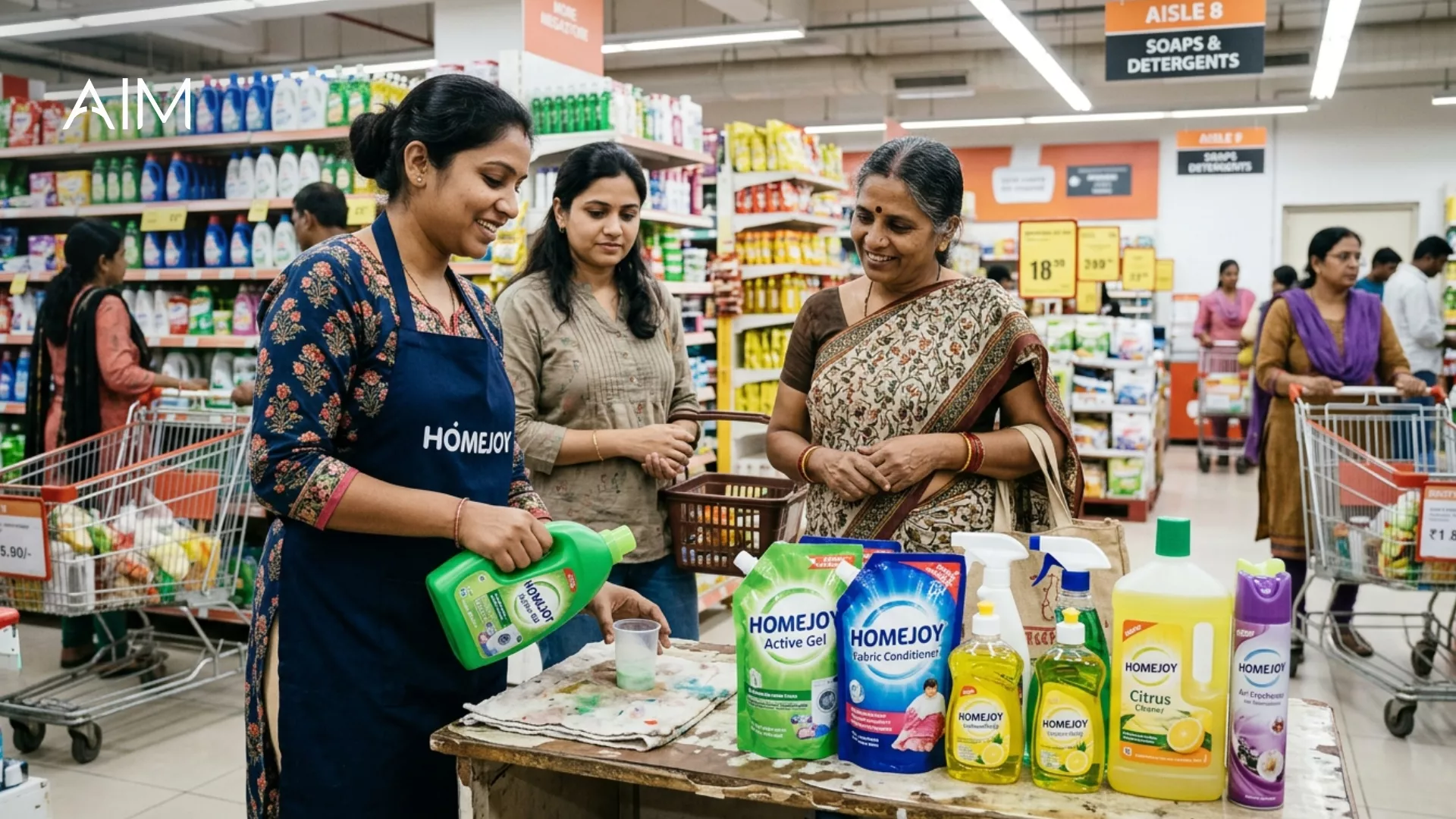
This isn't theory. In one home-care sampling campaign we ran across about40 societies, the sample-to-purchase rate climbed from under a fifth to roughly half over six weeks. Nothing magic happened. We stopped handing the product to whoever walked past and started putting it in the hands of people who actually used the category, then tracked who bought.
"But sampling is an awareness play"
I hear this a lot: sampling is top-of-funnel, so you can't measure it like a performance campaign. Awareness is a fair objective. Unmeasurable is a different claim, and it isn't true. You can run for awareness and still qualify who you reach, still tie a coupon to it, still learn which audience actually responded. Reach is worth paying for when it reaches the right people. Cheap reach to the wrong crowd isn't efficiency. It's leakage.
The report that should replace the photo folder
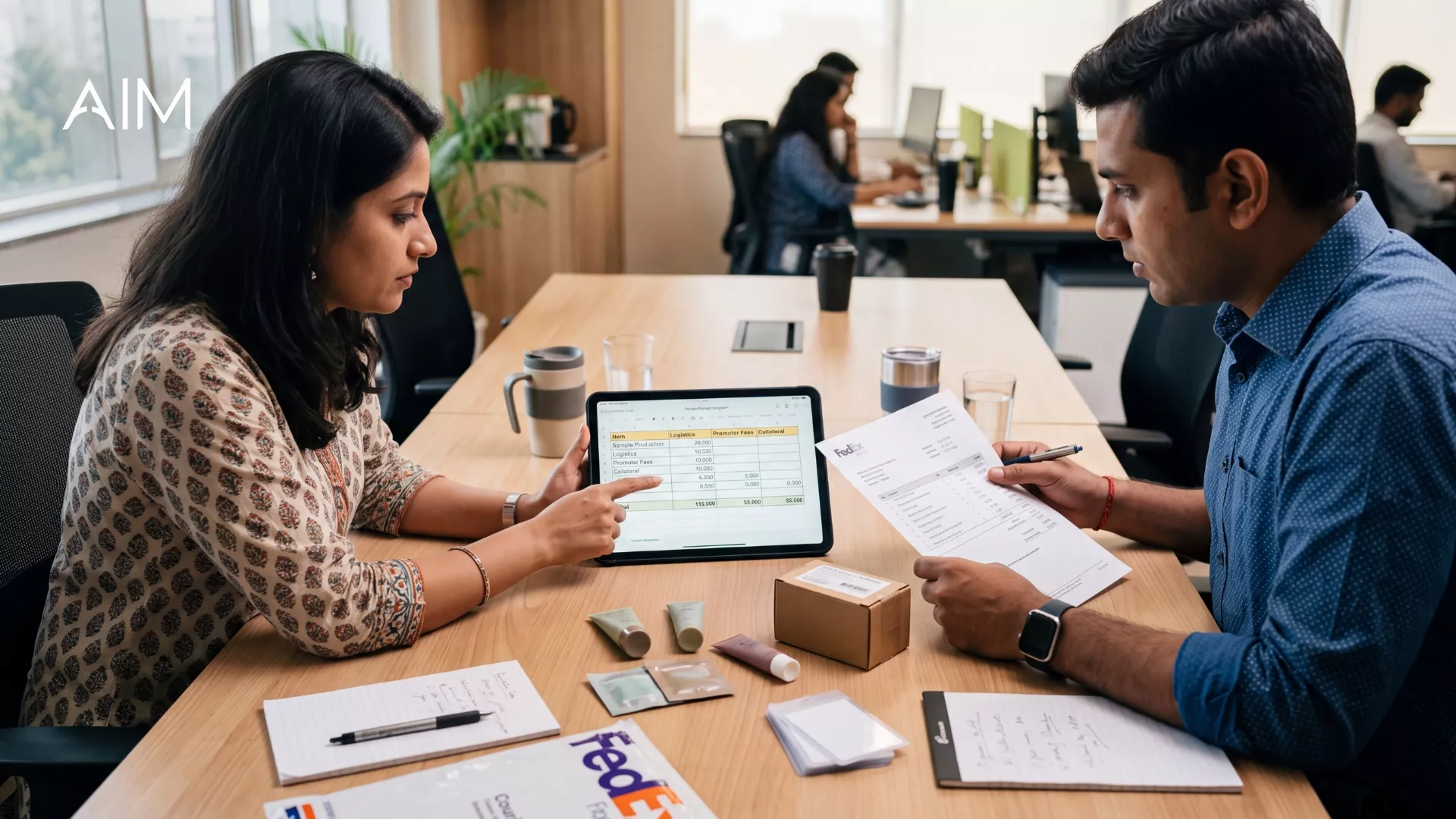
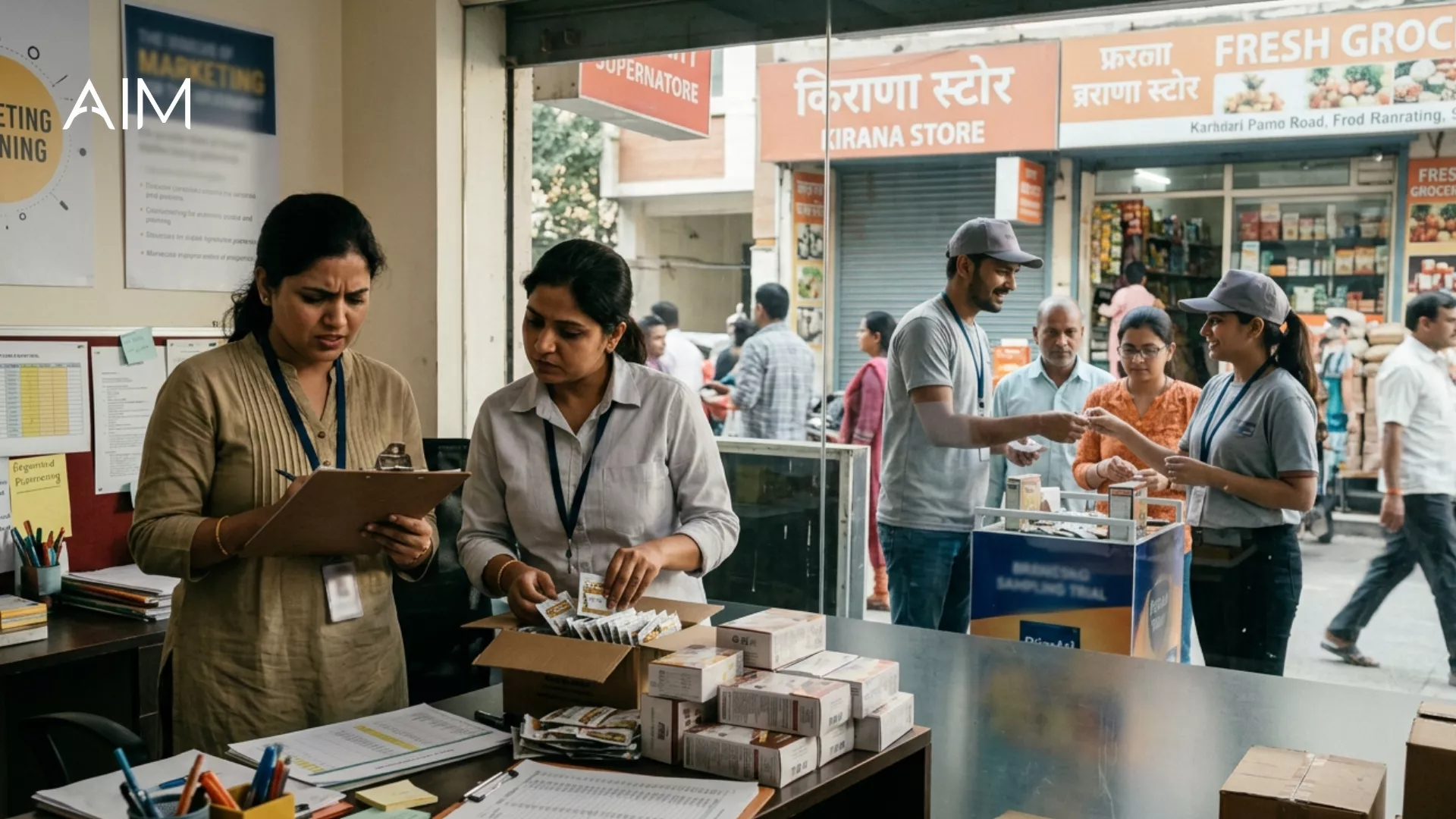
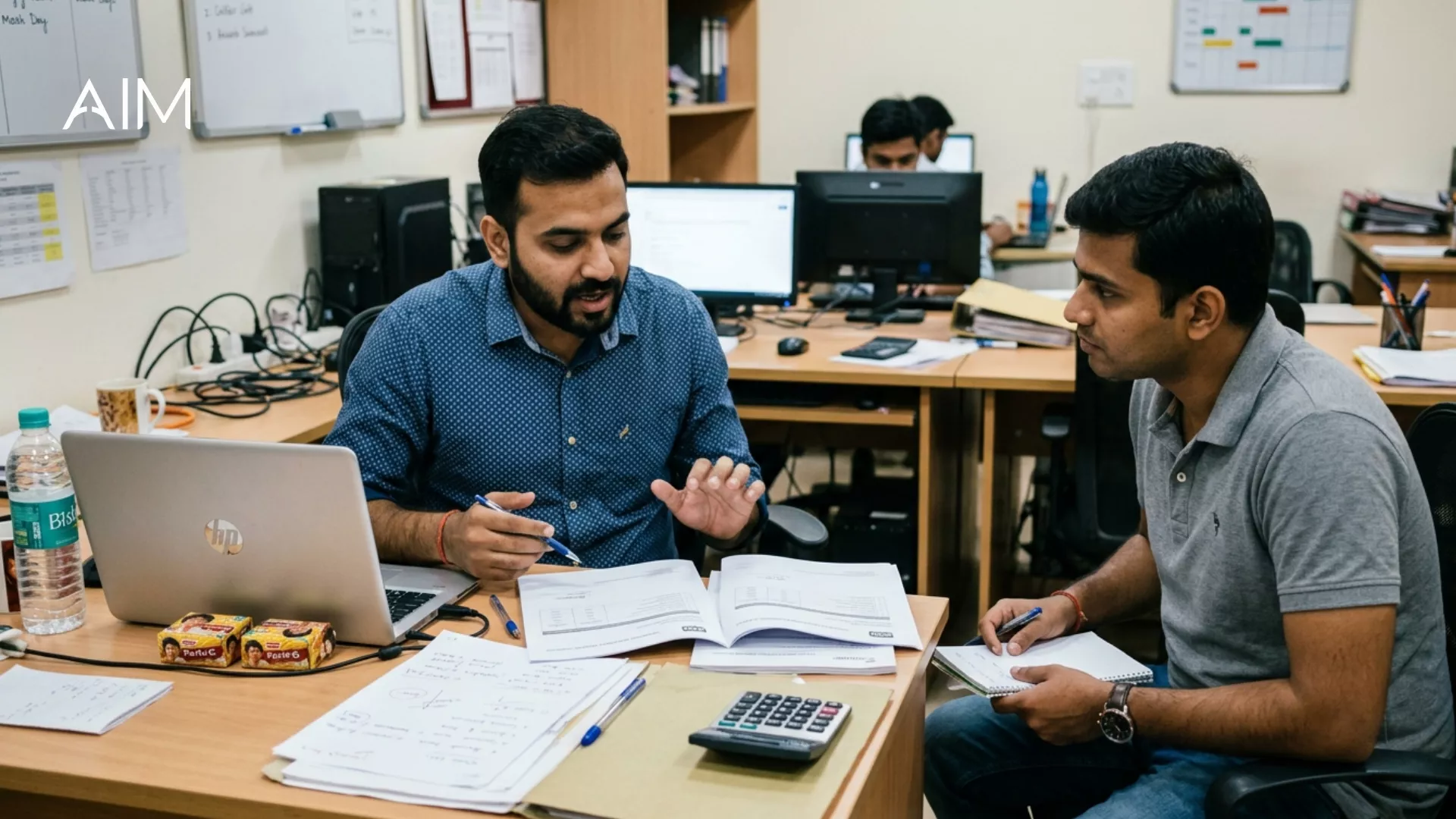
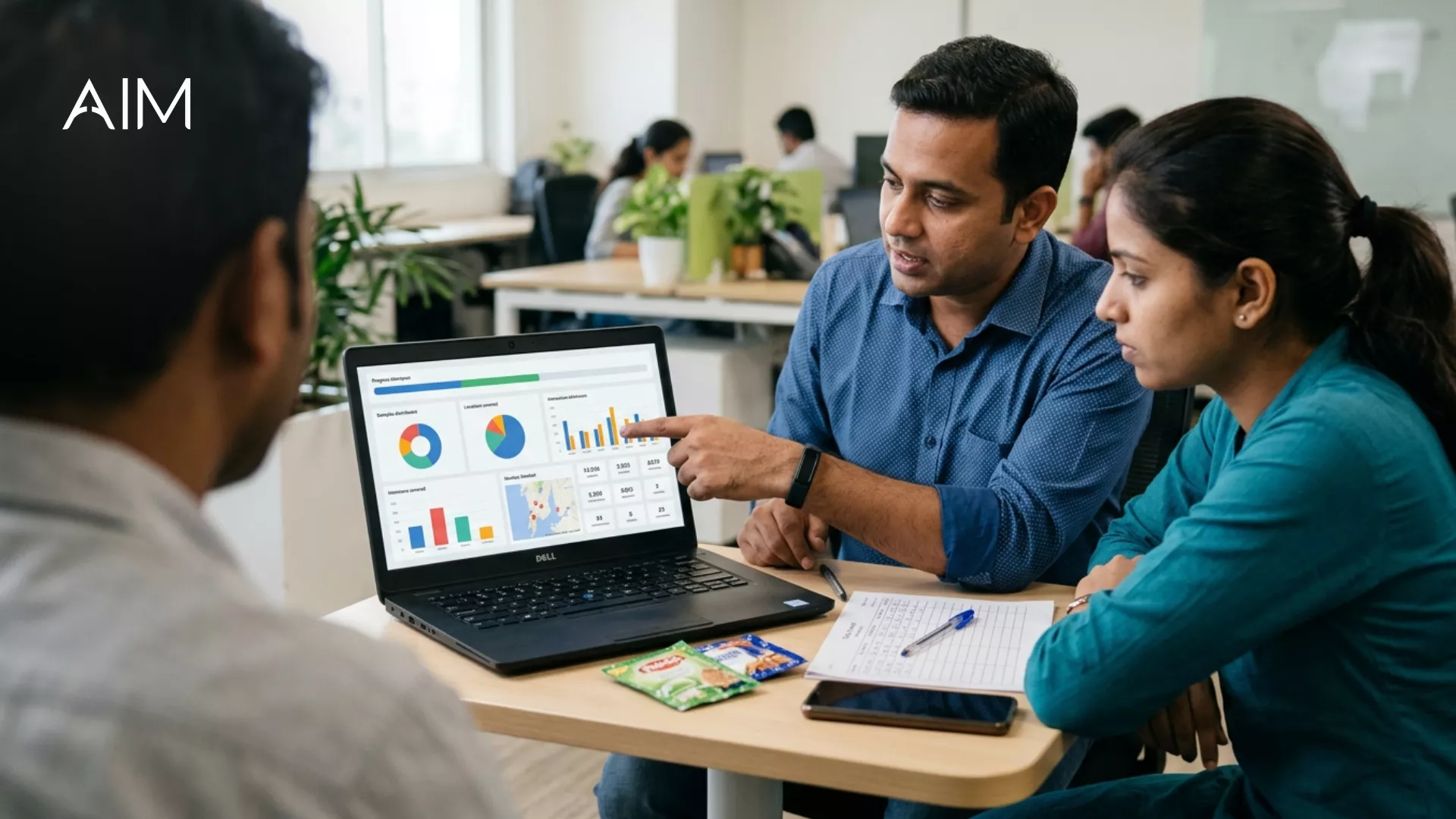
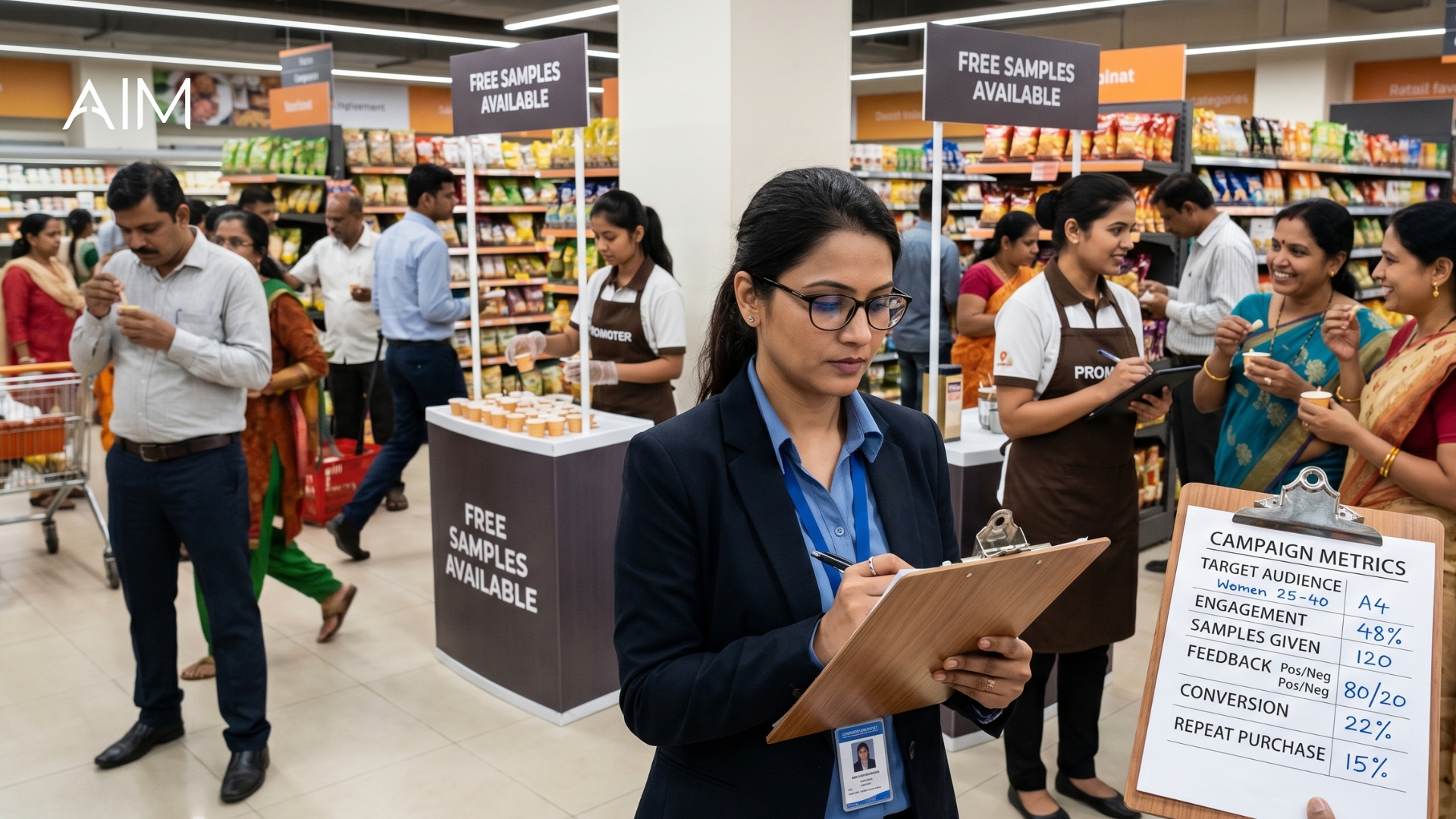
After a targeted FMCG product sampling campaign, the numbers you want on a single page are simple: how many samples reached people in your target profile, how many redeemed the coupon, how many bought, what they told you, and which locations converted best. That's a report you can take to the CMO."We distributed 50,000" is not.
Distribution numbers look impressive in a deck. Qualified trials build the business. One of them survives the buyer question. The other one goes quiet.
What to do before your next FMCG product sampling campaign?
Don't open with "how many samples can we hand out." Open with two questions: who exactly do we want to try this, and how will we know if they bought. Get those right and the sample count stops being the headline.
Fifty thousand samples will always make a good photo. Fifty thousand of the right samples, tracked to purchase, make a business case. Only one of those is worth paying for.


.webp)




.png)