


What is product sampling?
Product sampling is a marketing method where a brandgives a free trial of a product to potential customers.
The goal is not “free distribution.”
The goal is trial → trust → purchase.
Think of it like this:
- Ads make people curious
- Sampling makes people believe
Why brands do product sampling?
Because some products are hard to sell with words alone.
If someone feels the texture, tastes theflavour, or sees the results—even once—buying becomes much easier.
Sampling works best when:
- The product is new
- The product is premium (people need a reason to trust it)
- The category needs “experience” (beauty, food, pet care, wellness)
Types of Product Sampling
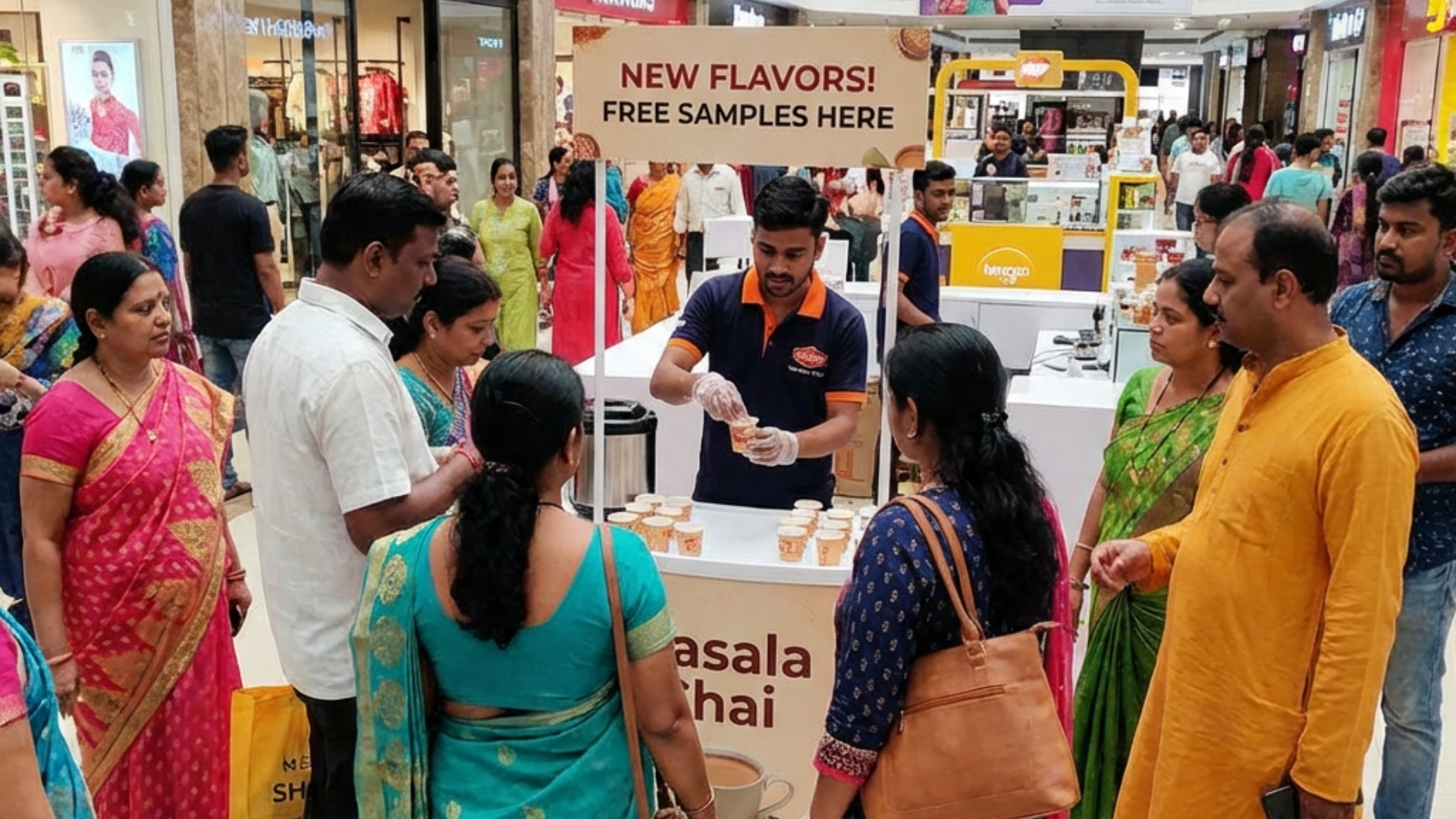
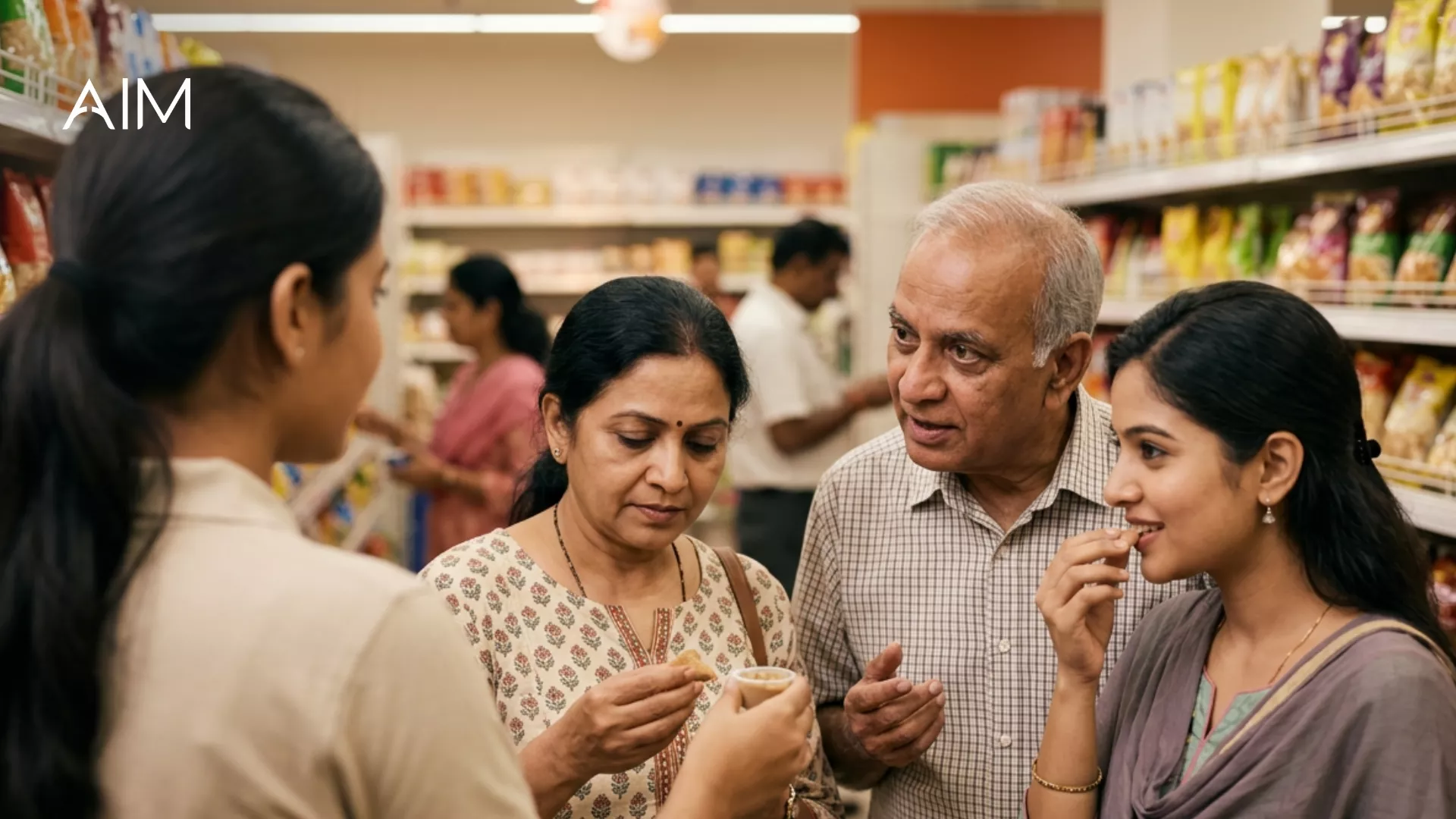
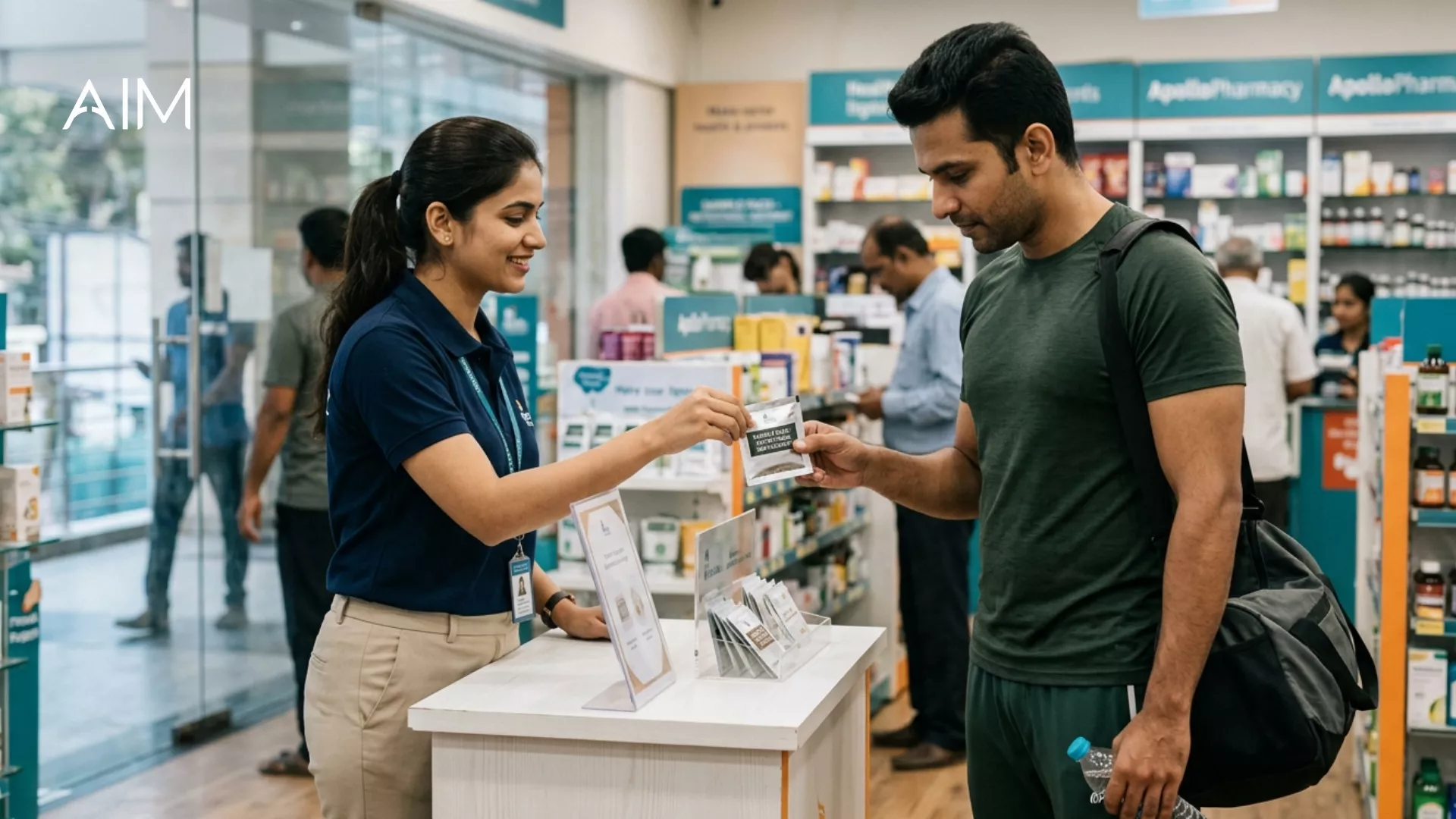
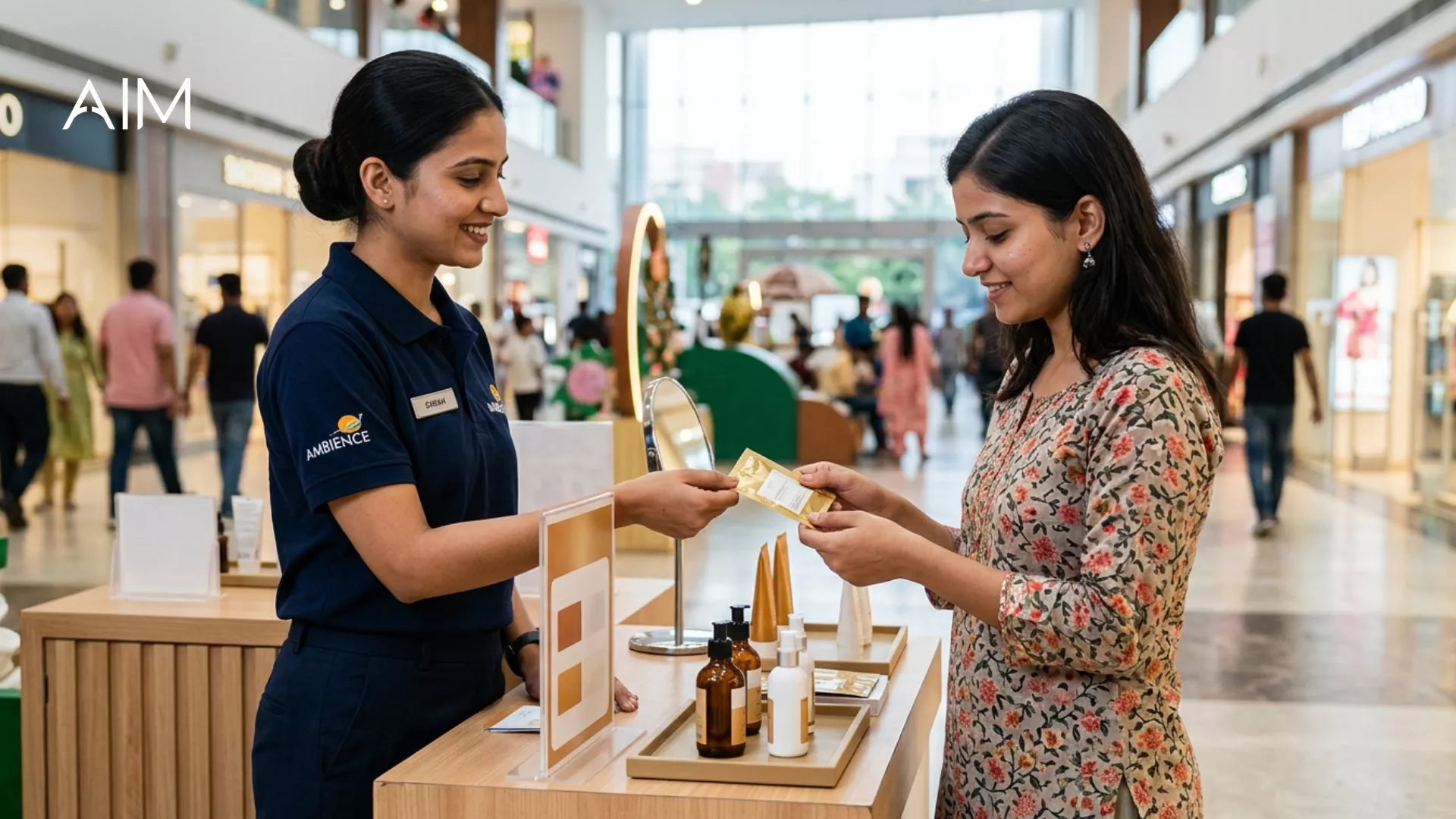
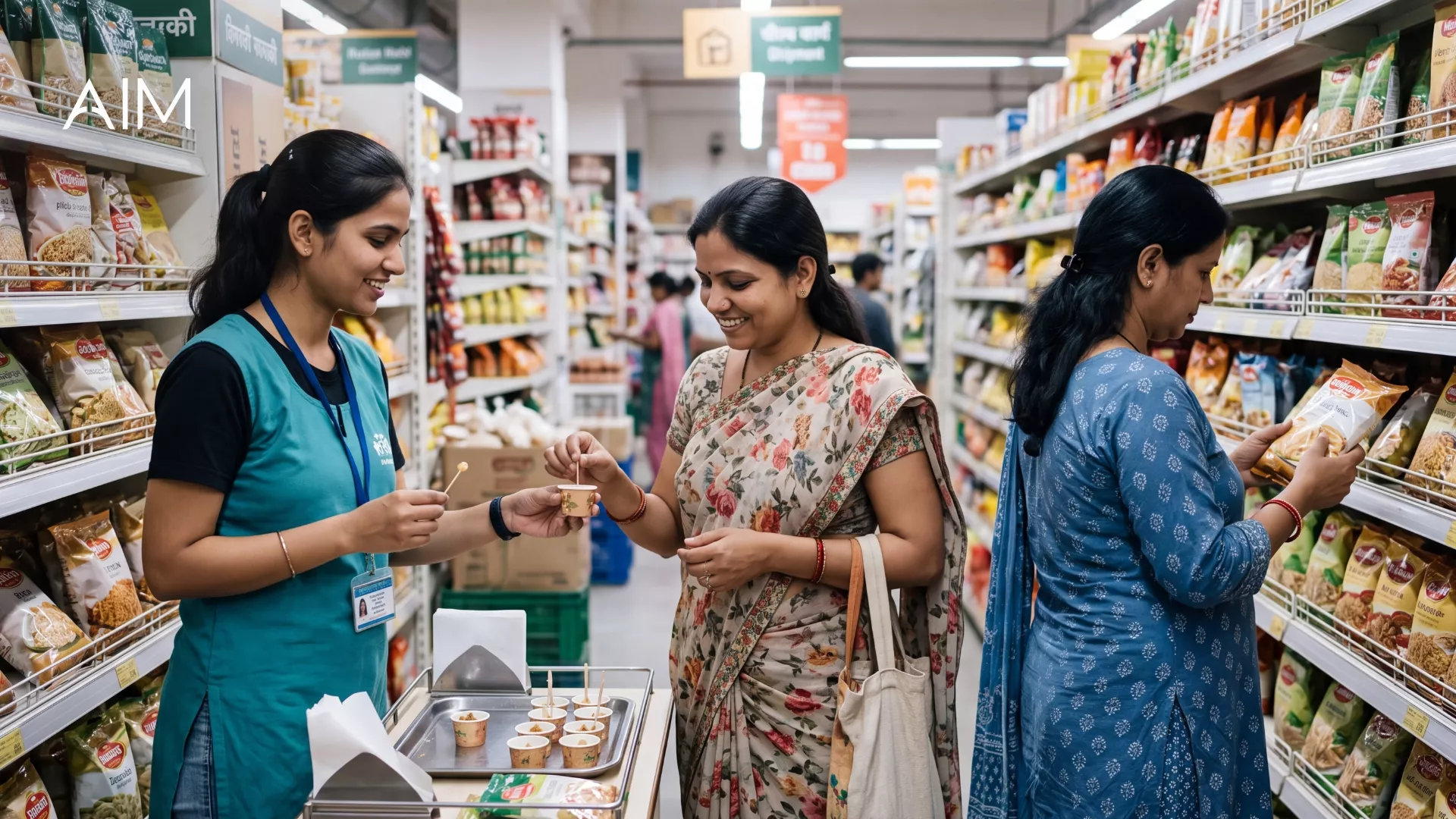
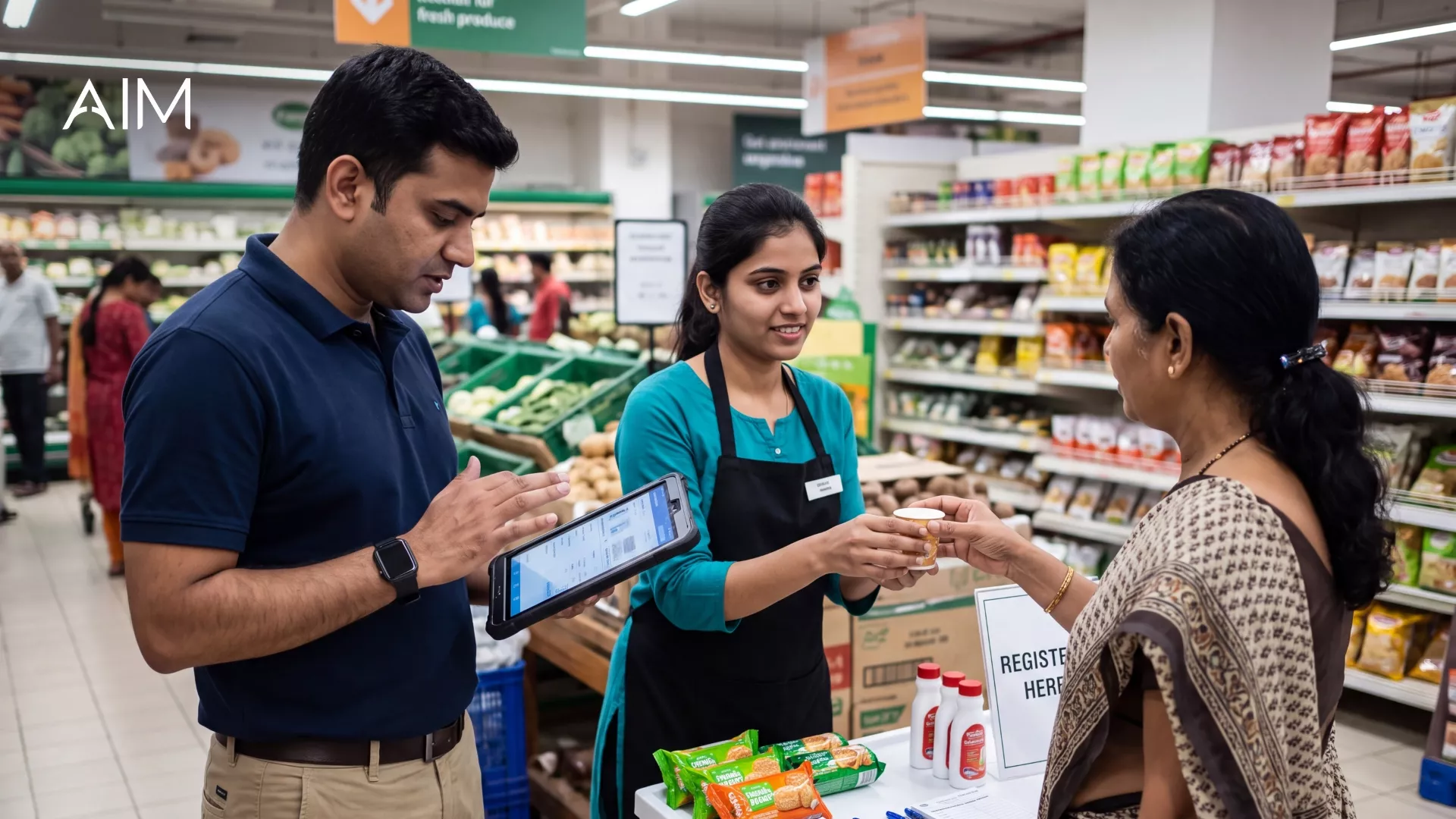
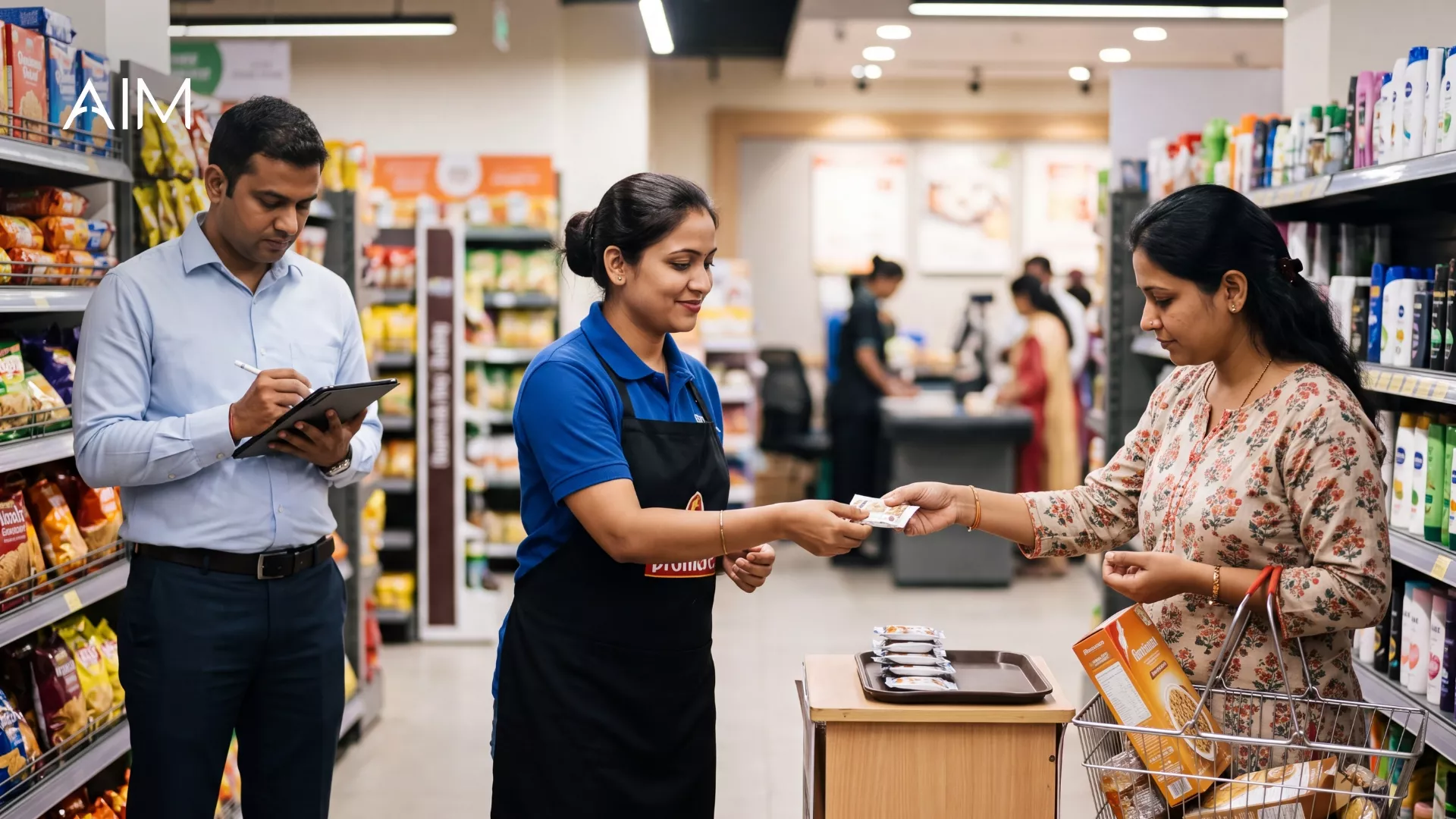
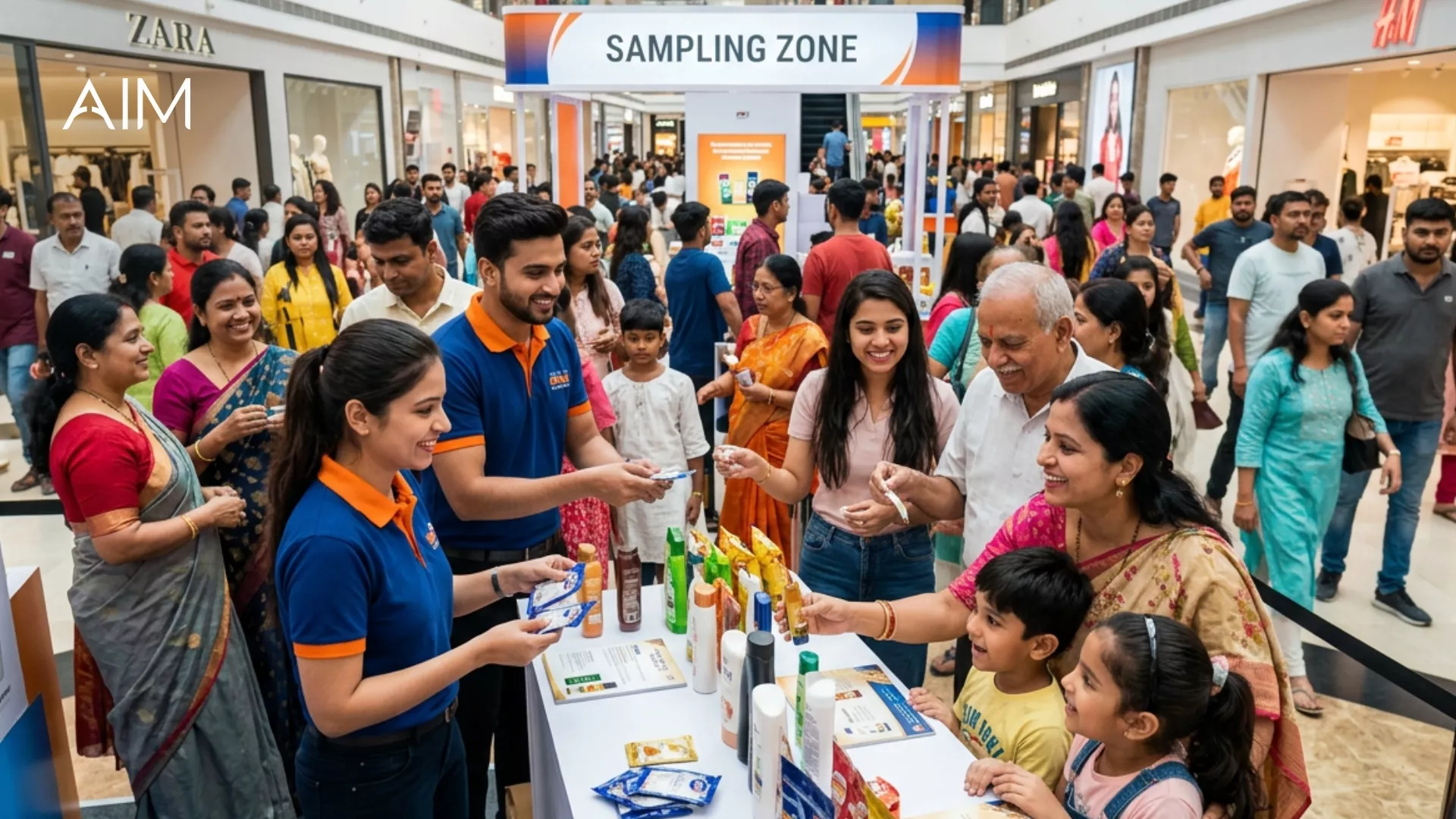
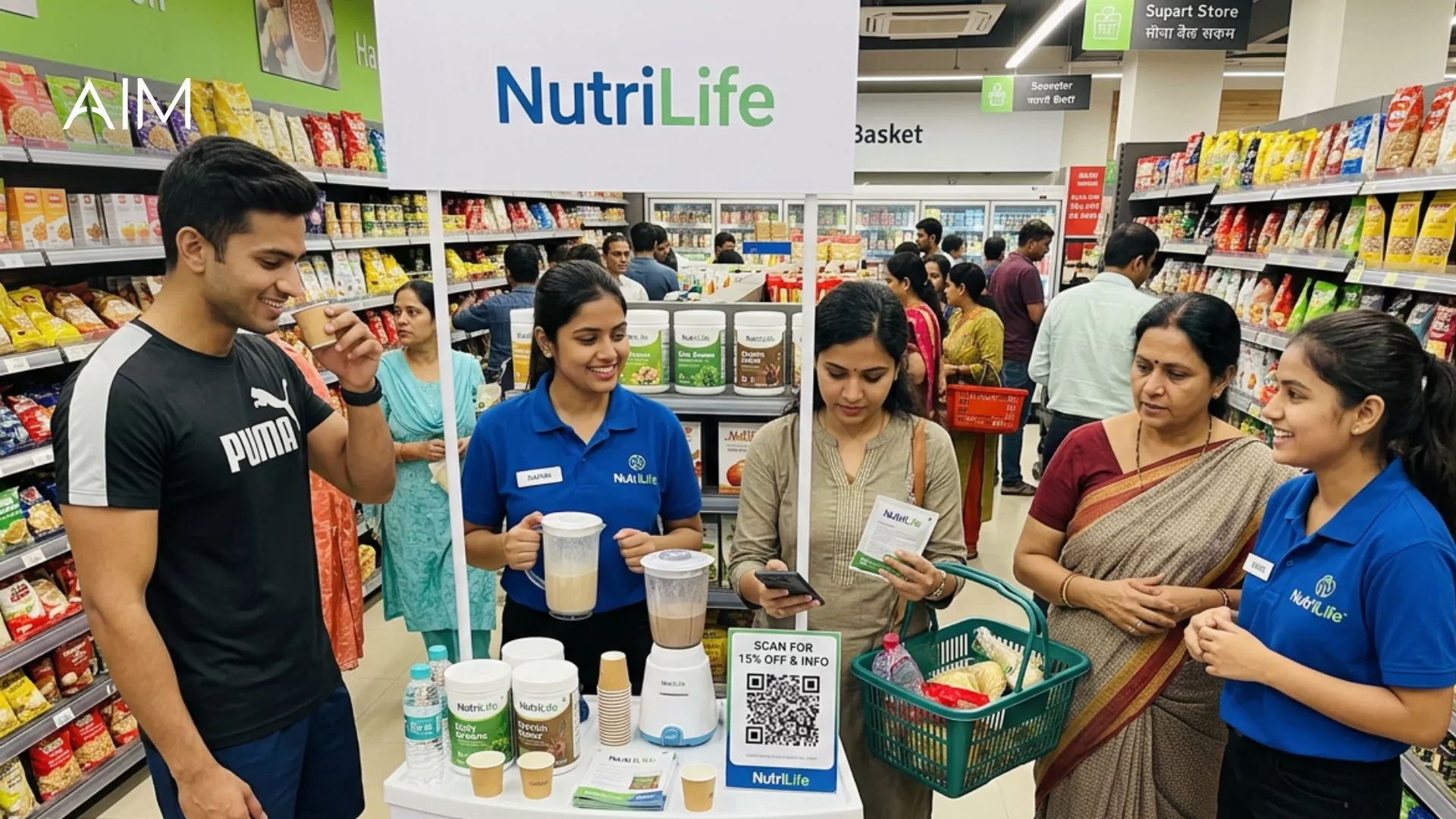
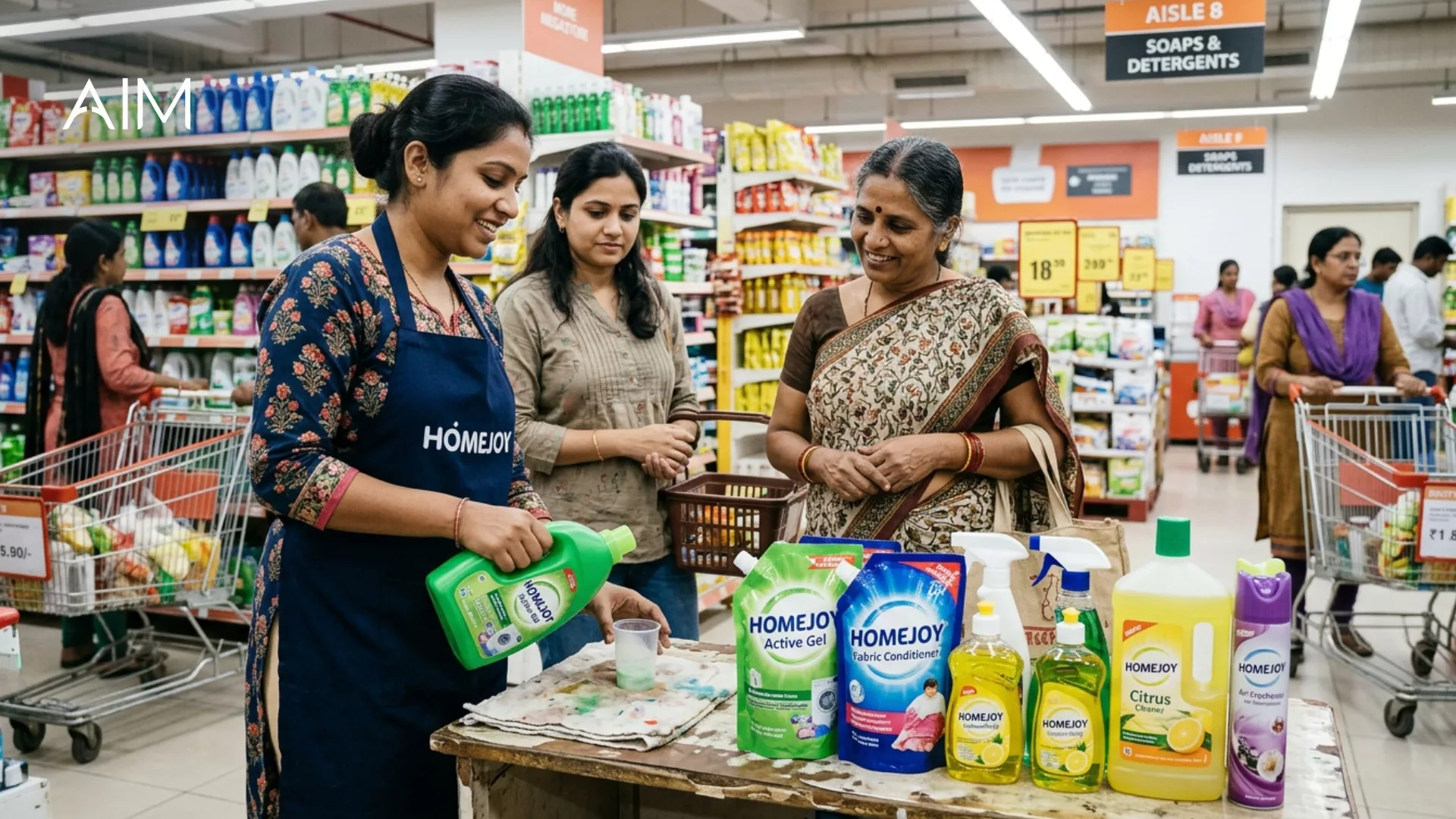
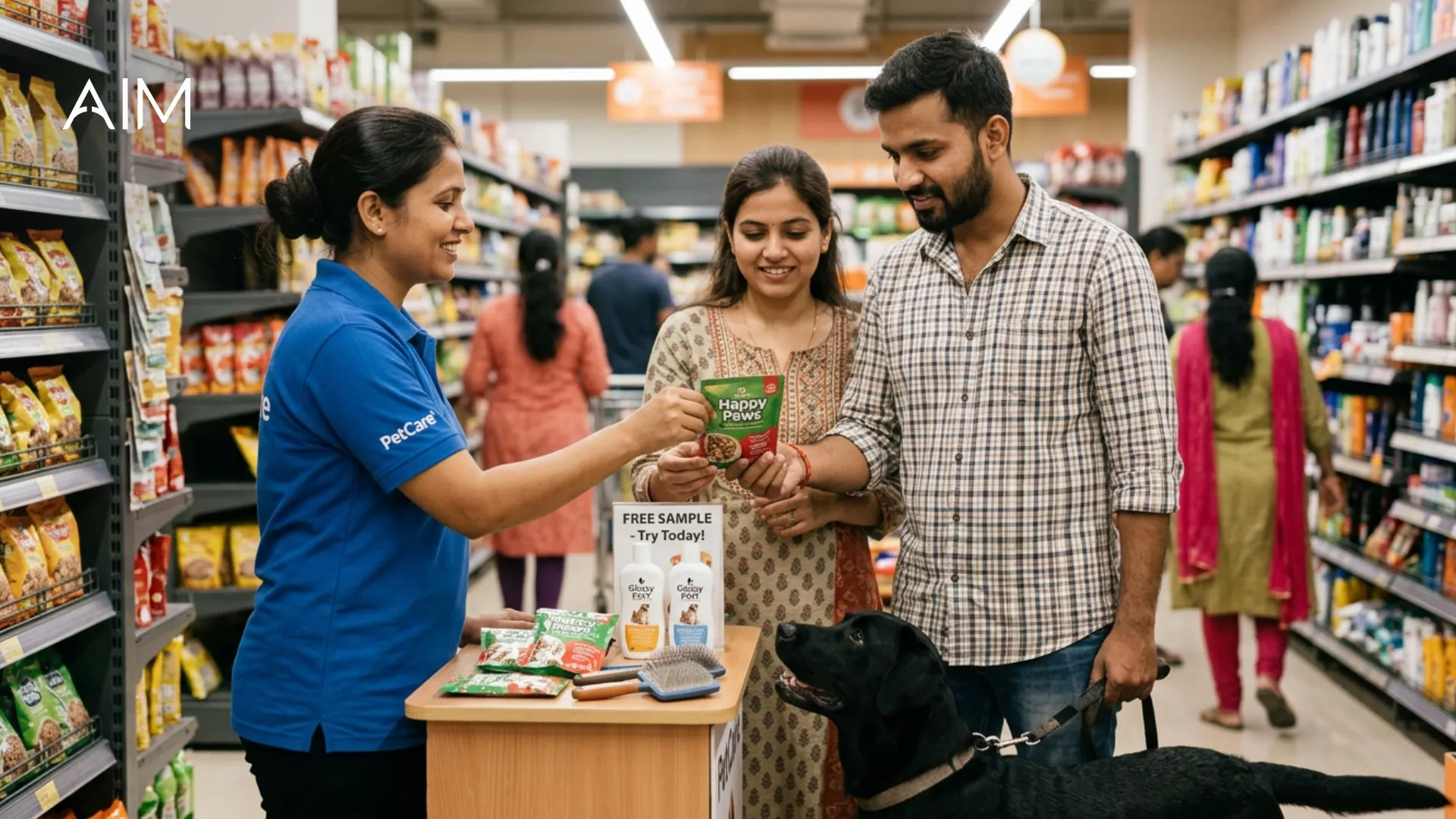
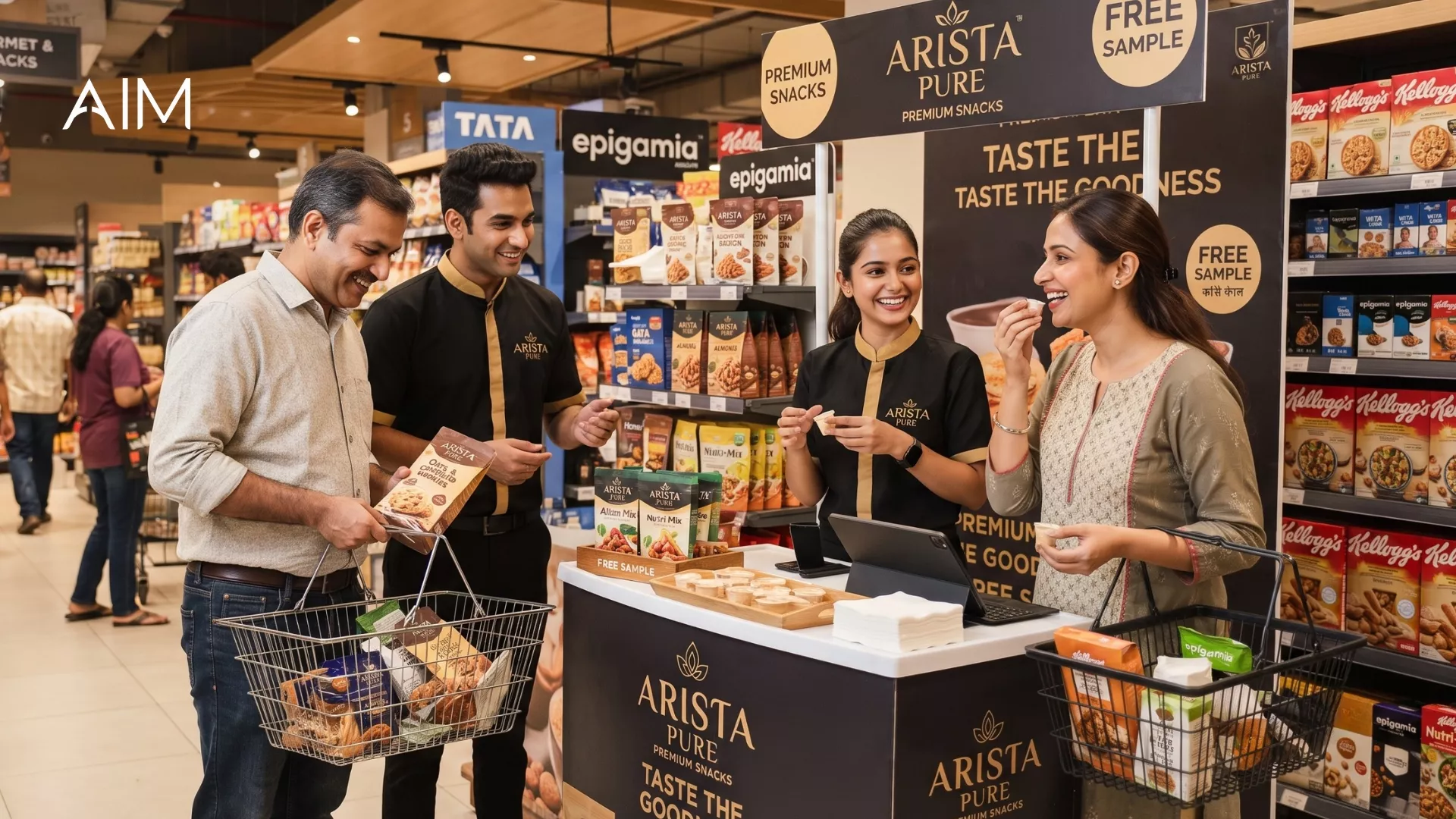
In-Store Sampling
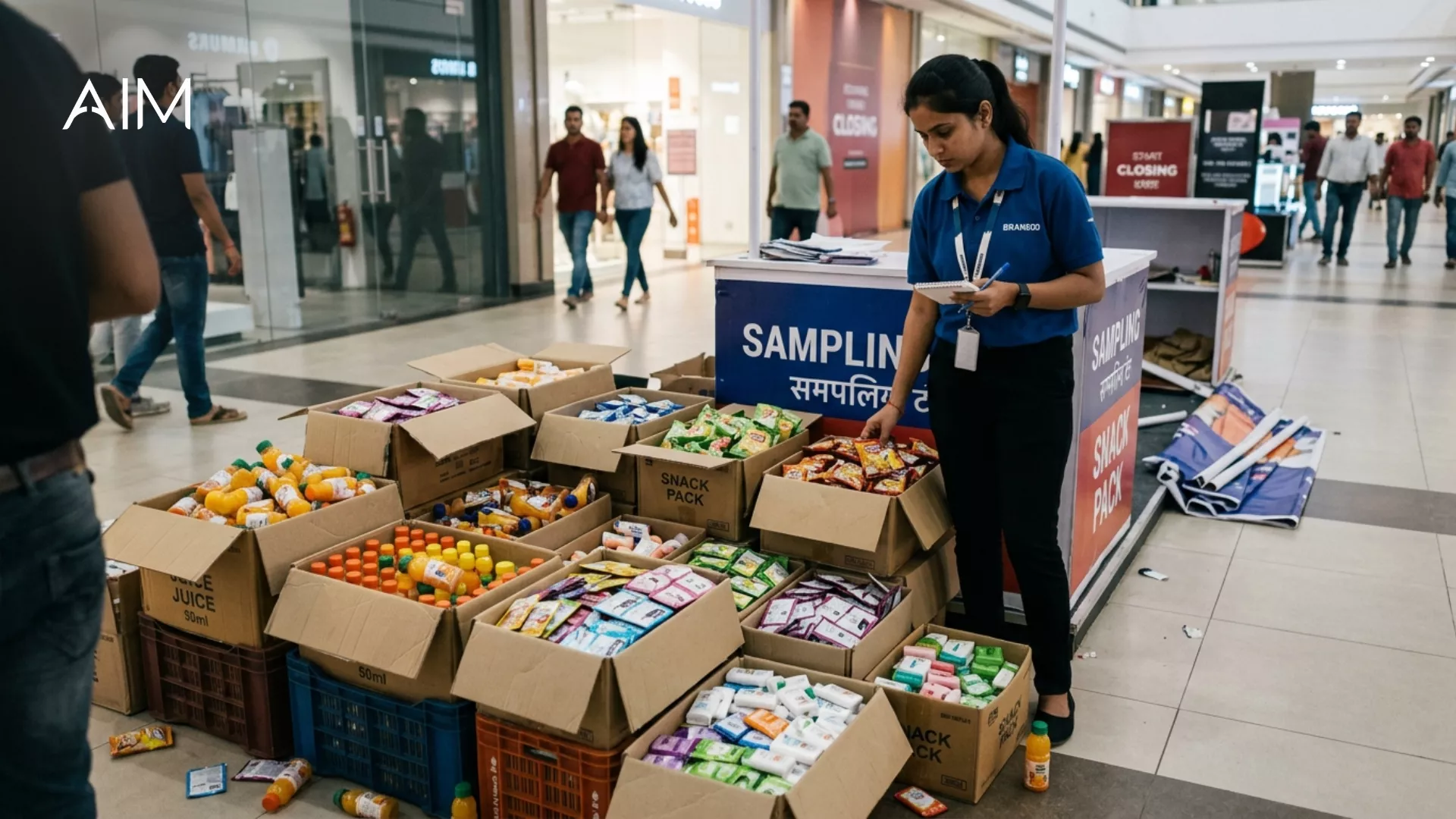
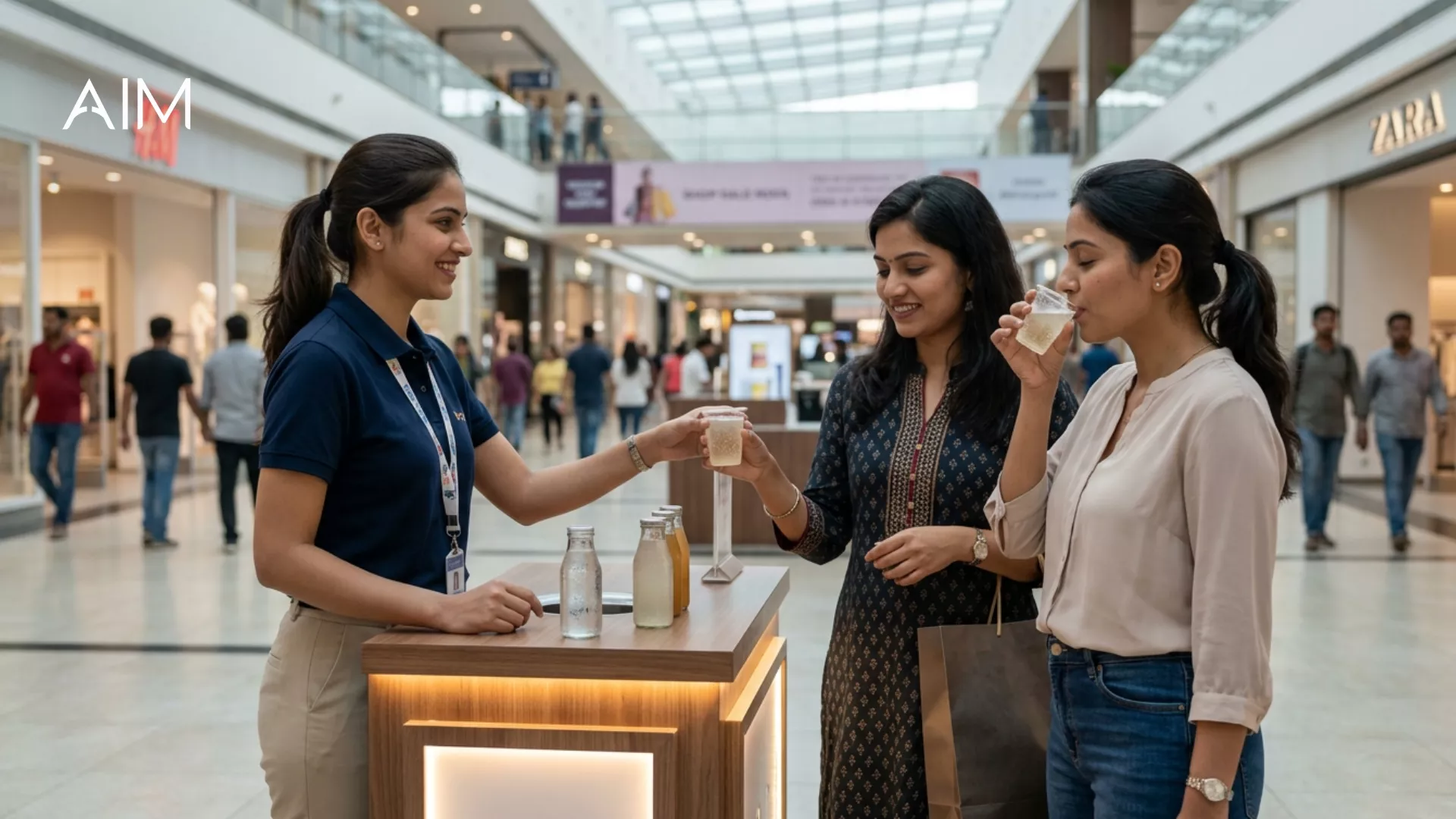
In in-store-product sampling, a promoter offers samples at
- supermarkets
- modern trade stores
- specialty retail outlets
Best for: snacks, beverages, personal care, home care
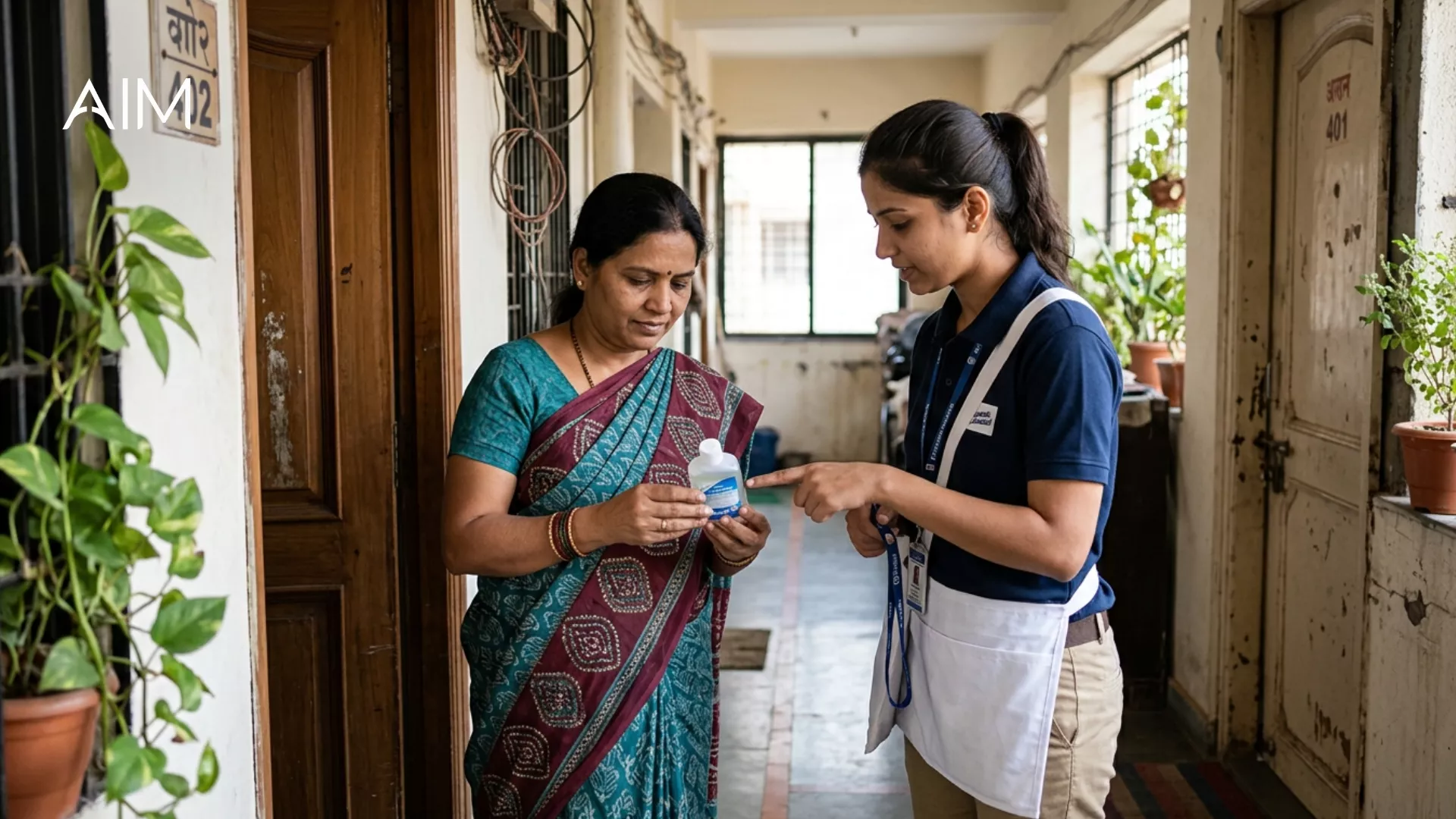
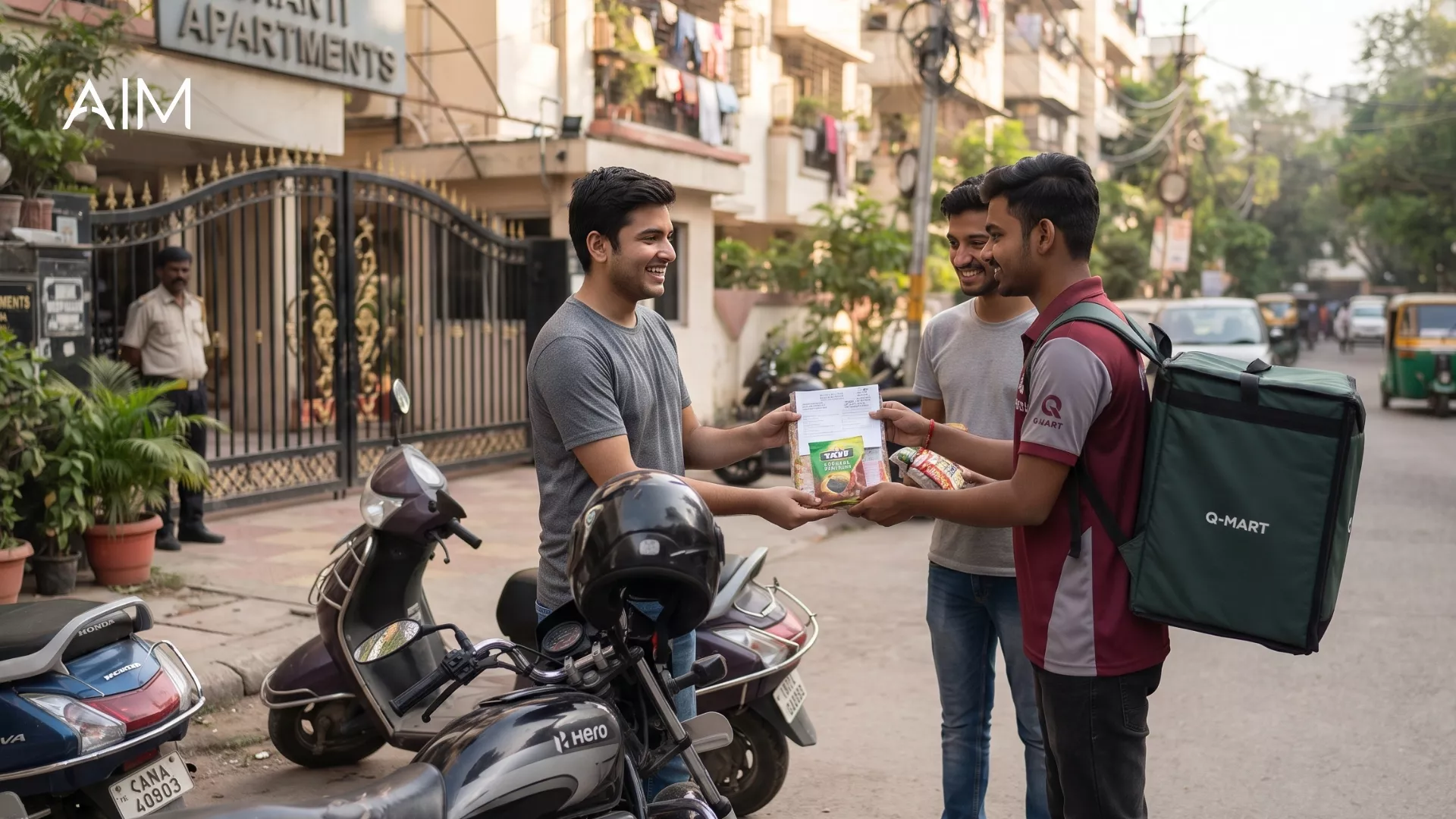
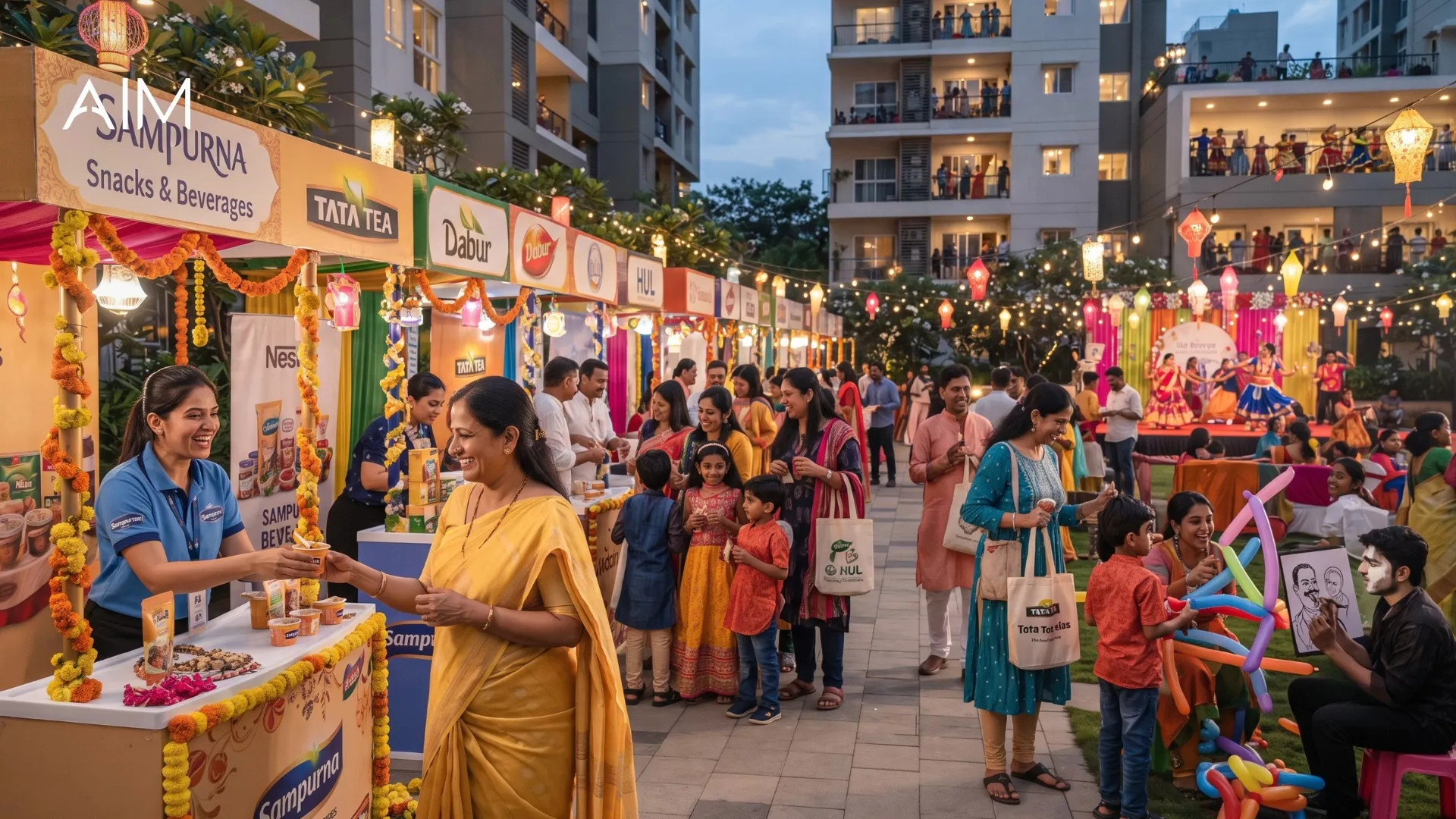
Door-to-Door Sampling
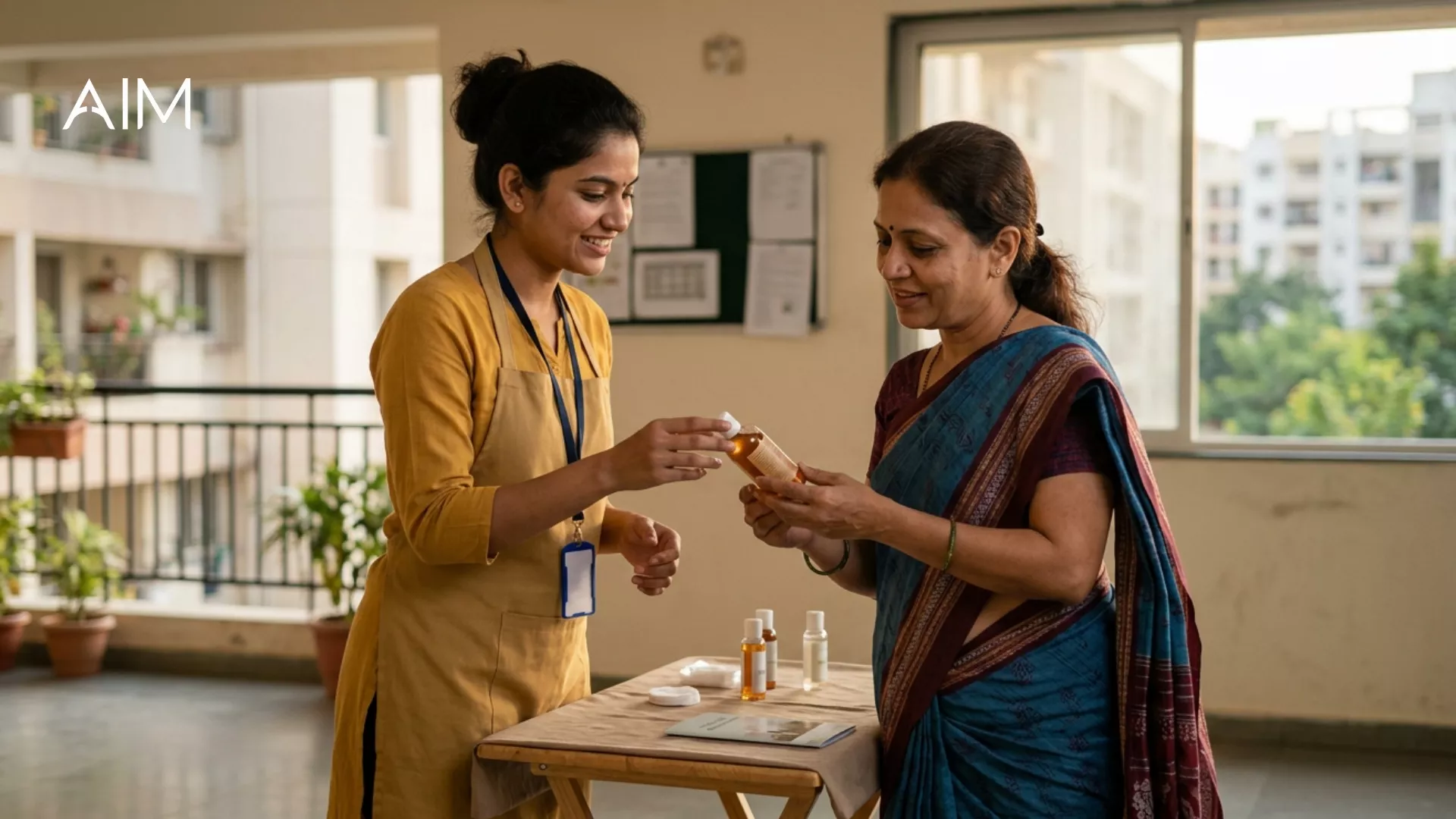
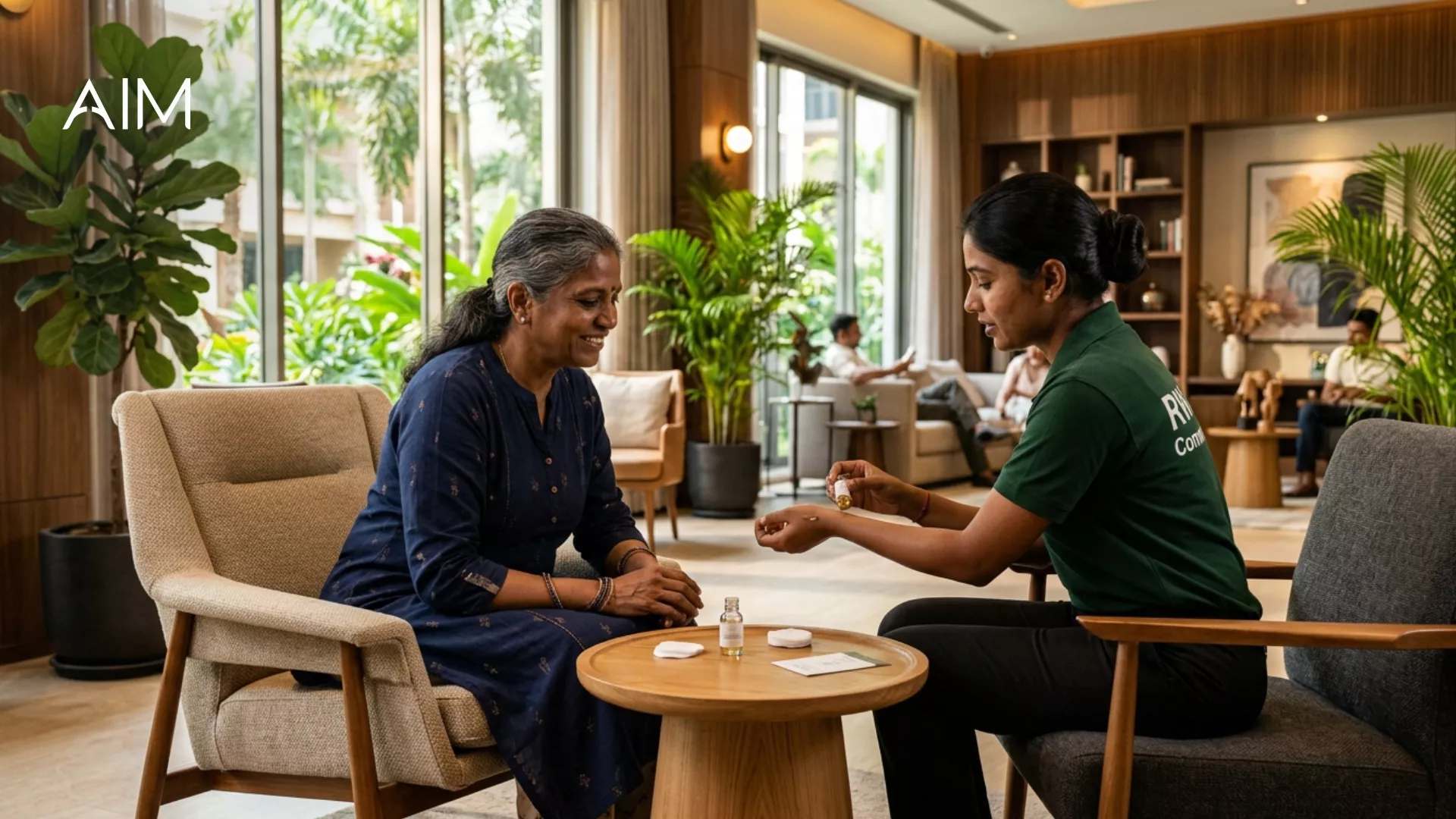
During door-to-door or RWA product sampling, samples are distributed in:
- apartments / gated communities
- RWAs
- housing societies
Best for: FMCG, D2C trials, household products
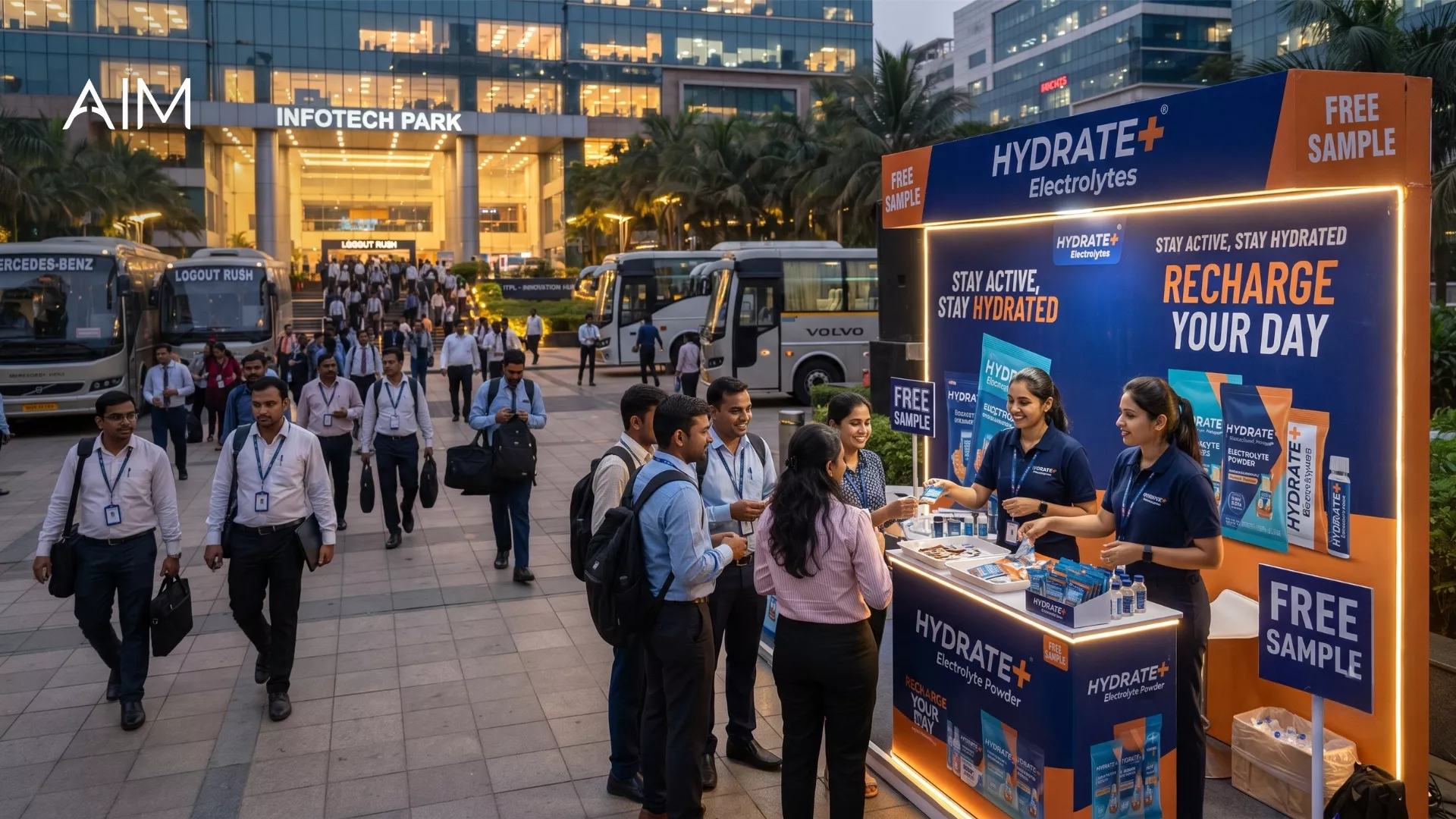
Event Sampling
Samples at:
- marathons
- college festivals
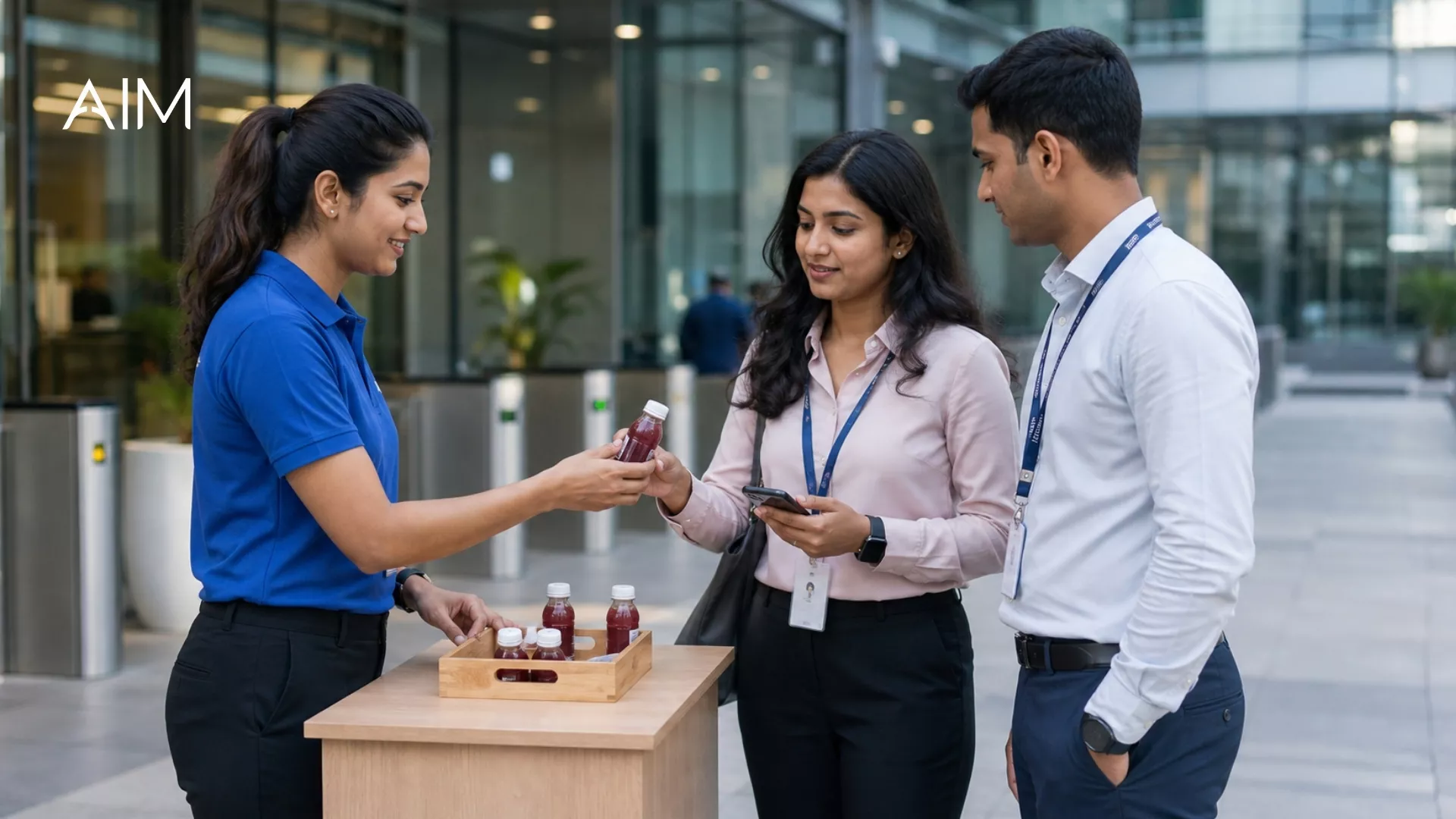
- corporate parks
- expos
Best for: energy drinks, skincare, wellness,convenience foods
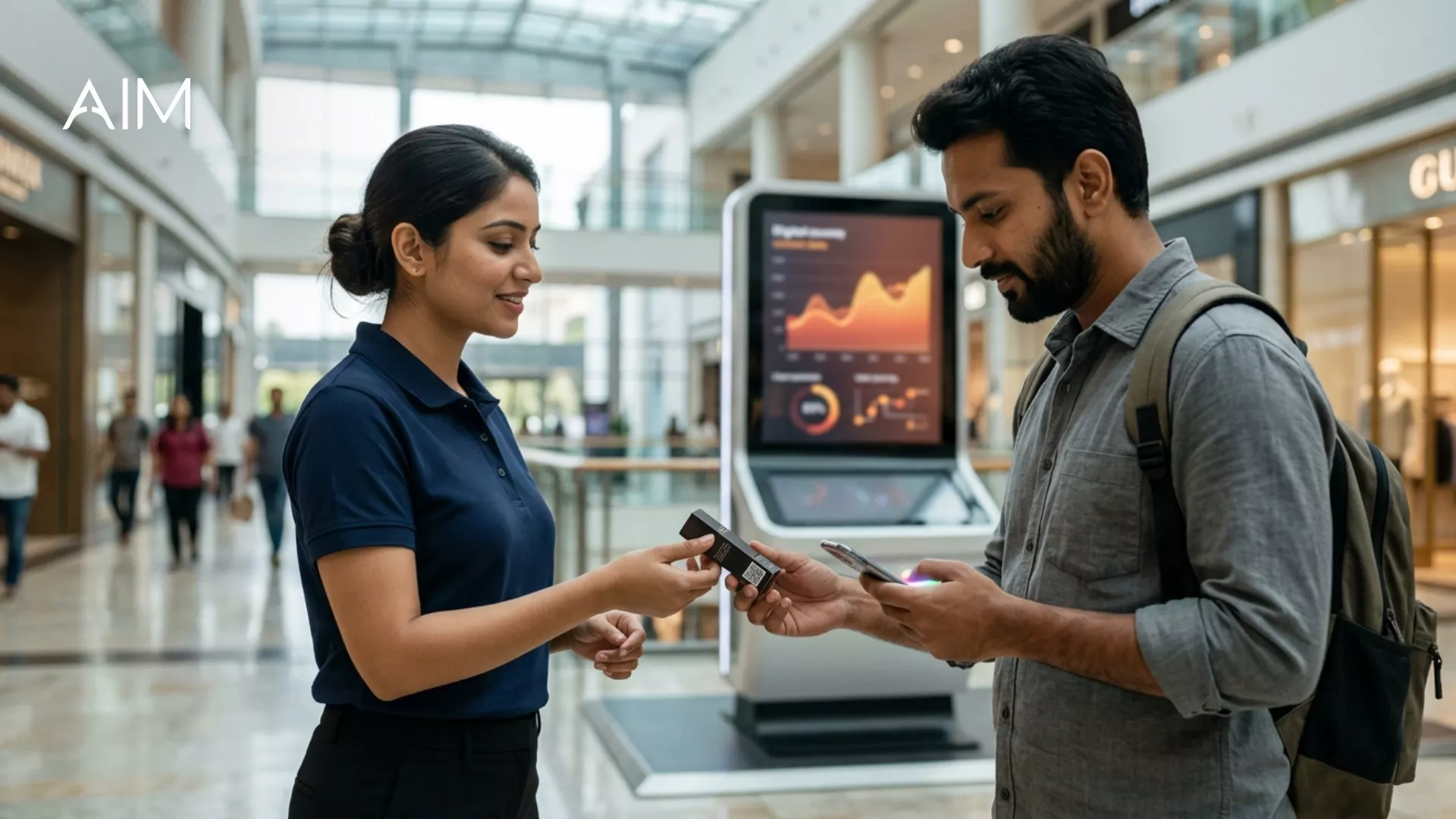
Digital Sampling (opt-in)
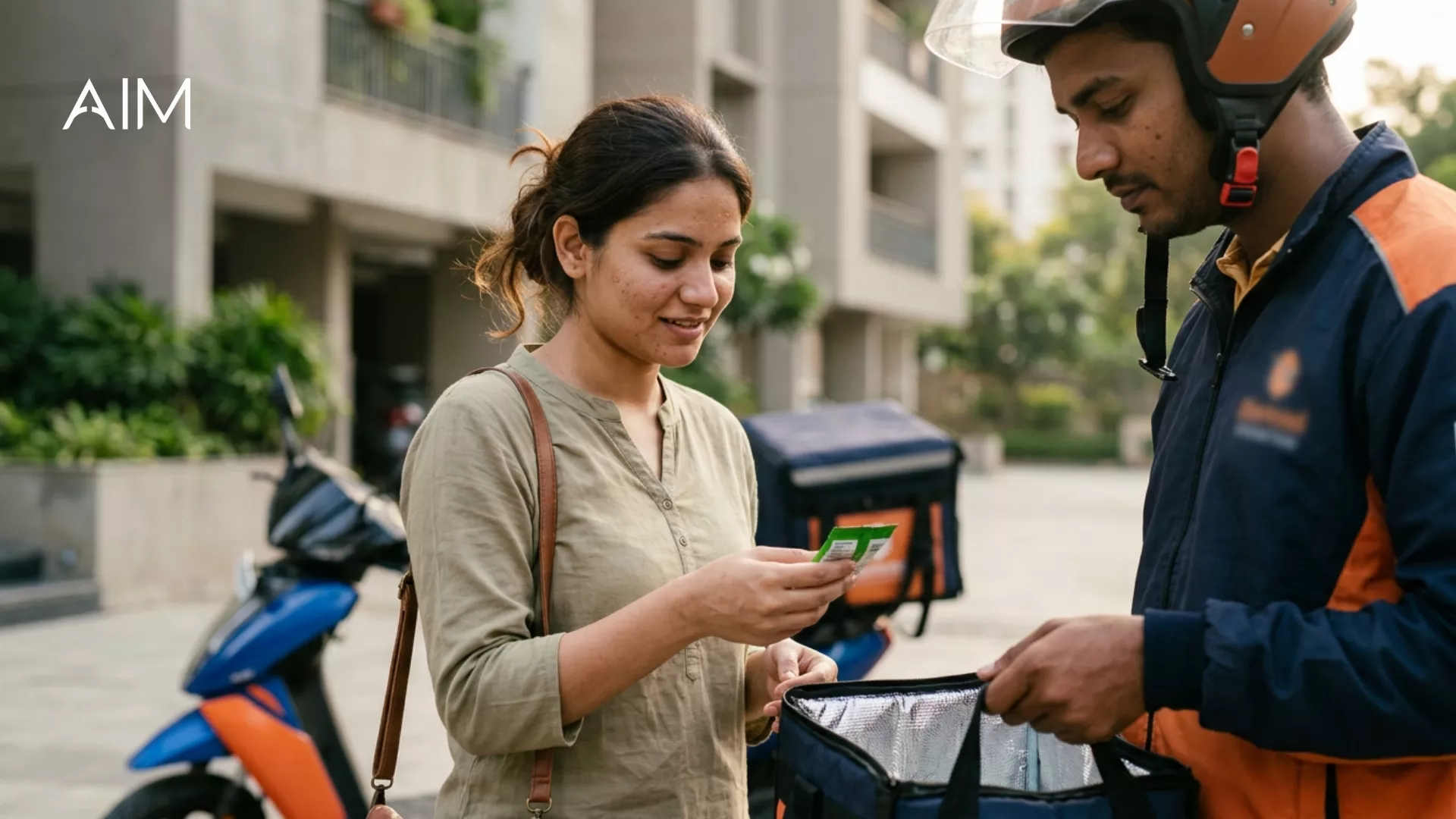
In digital product sampling, people see a link/QR that says “Get a free sample.”
They opt in, and the sample is shipped (or delivered through a nearbytouchpoint).
Best for: D2C, beauty, premium FMCG, launches
In-Pack Sampling
A sample is placed inside another product’s packaging(bundle/partnering).
Best for: cross-selling, new SKU trials
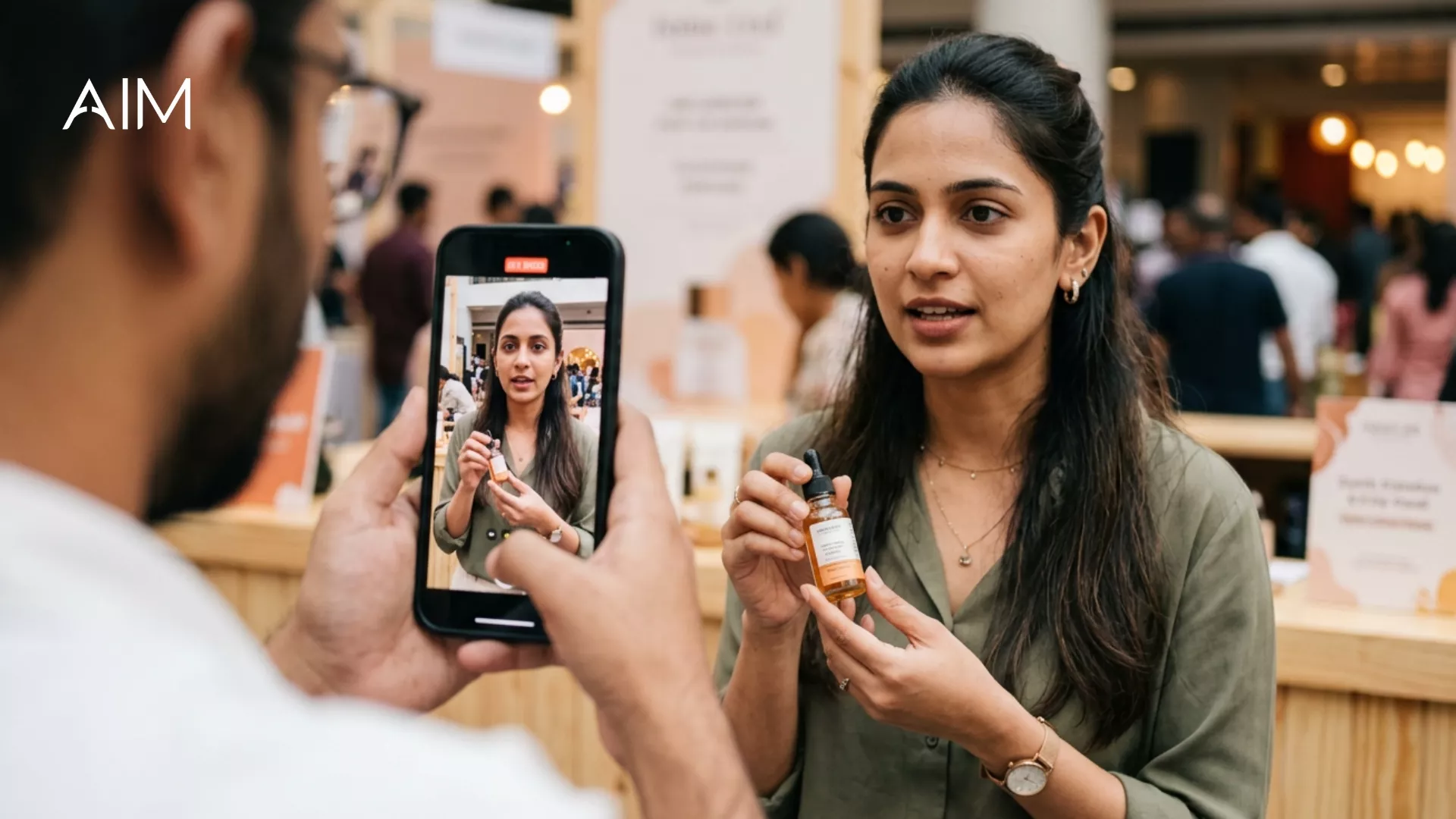
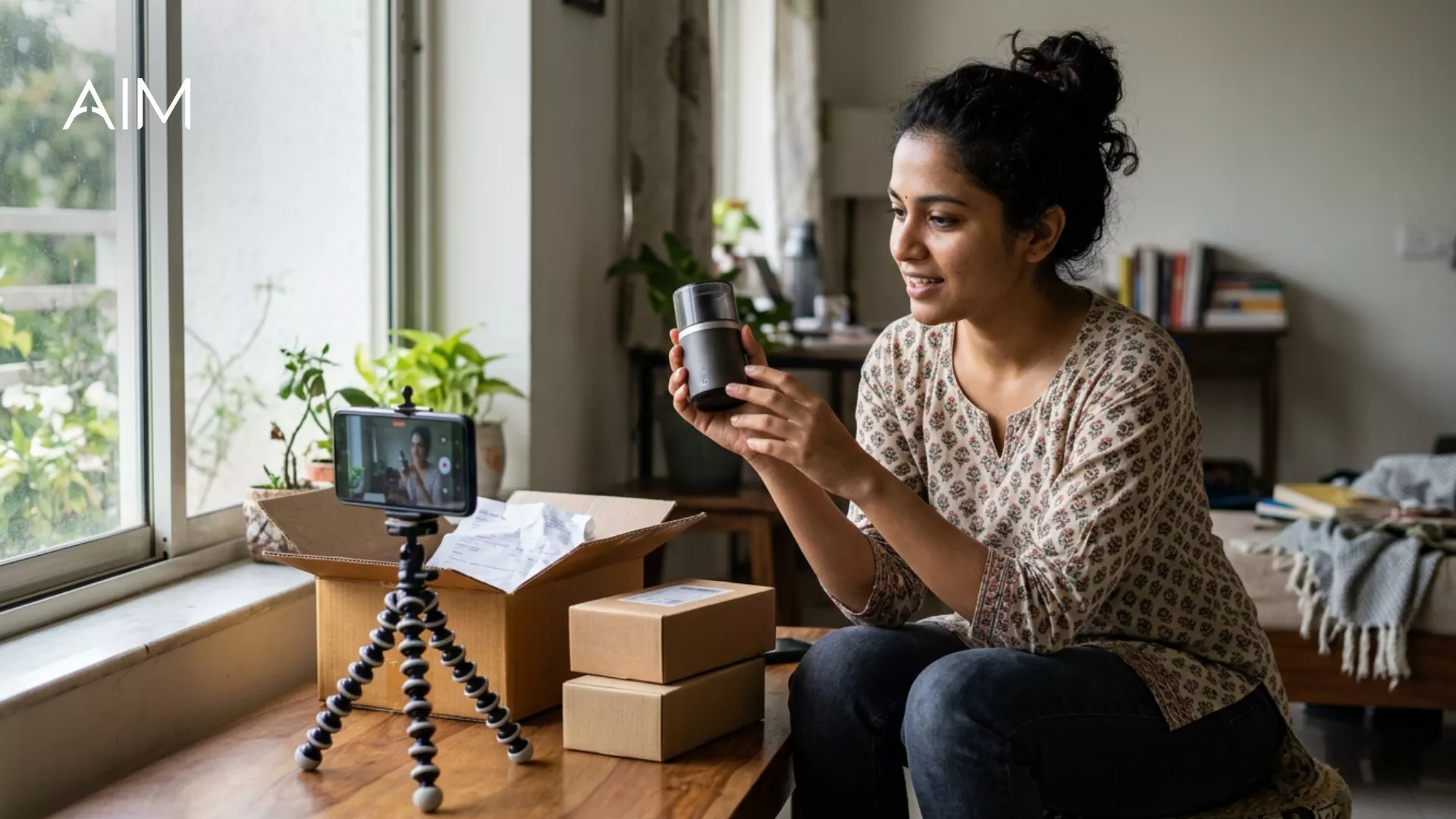
Influencer/PR Sampling
In digital and influencer product sampling, samples are sentto creators so they can try and talk about it.
Best for: beauty, personal care, pet care, premium foods
Benefits of Product Sampling
Faster Trust
People trust experience more than claims.
Higher Conversion
Trying removes the “what if it’s not good?” fear.
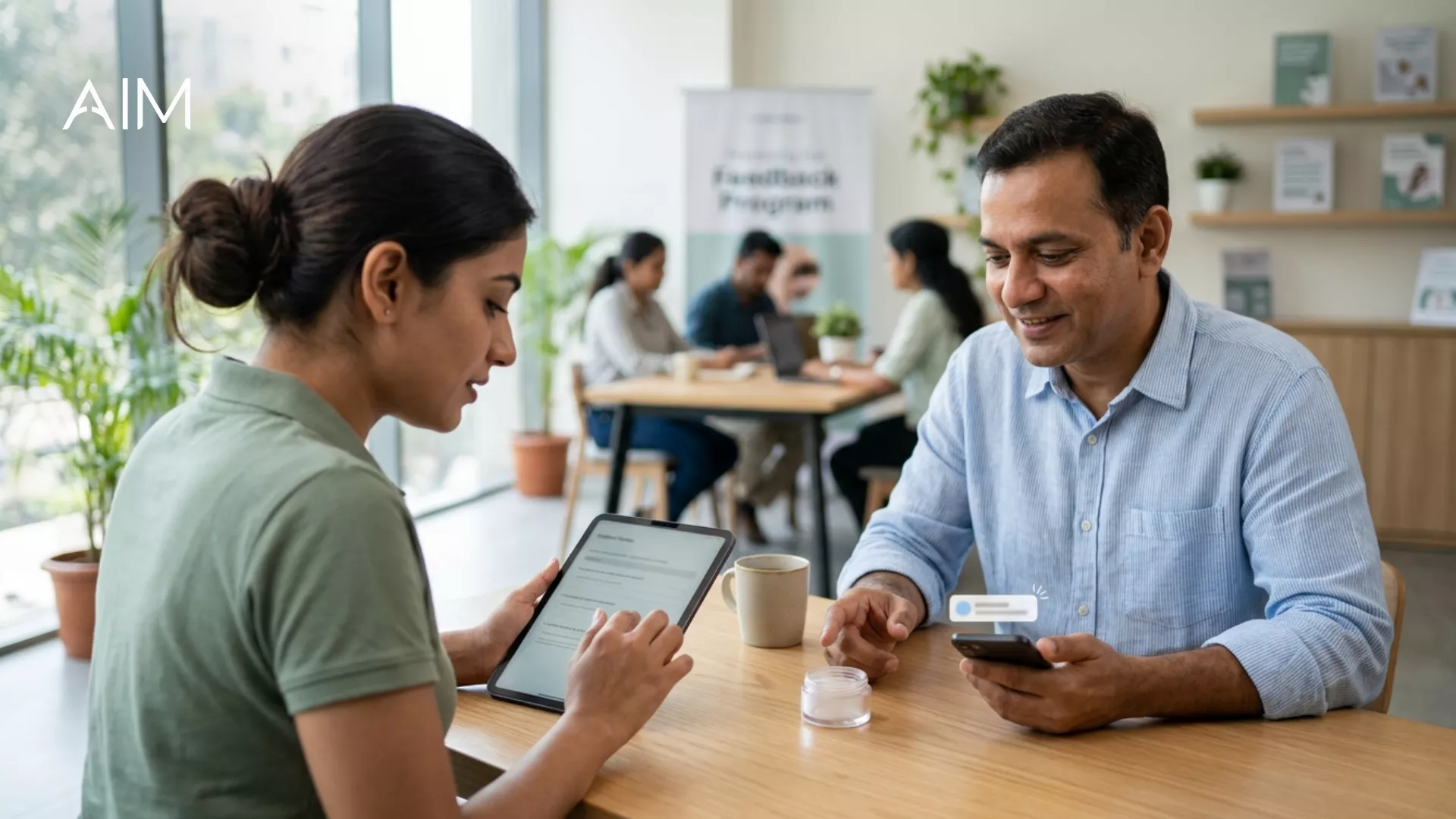
Better Product Feedback
You learn what people like, hate, and want to improve theproduct.
Stronger Word-of-Mouth
A good trial often creates:
- WhatsApp sharing
- Family recommendations
- “You should try this” moments
Better Repeat Purchase (when you follow up)
The sample creates the first win.
The follow-up creates the habit.
Real-World Product Sampling Examples
Here are common examples you see in India and globally:
- Snack tasting counters in supermarkets
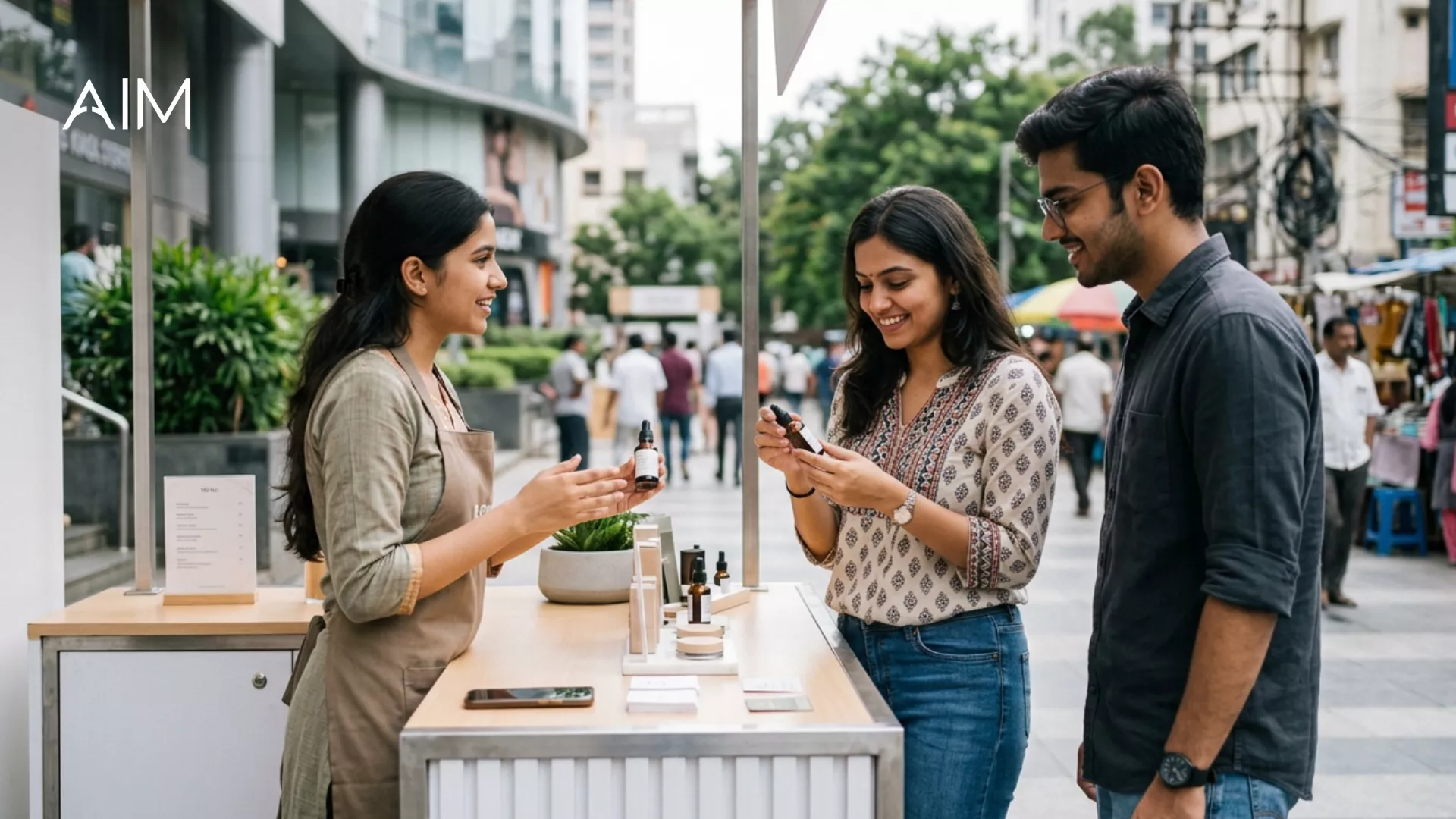
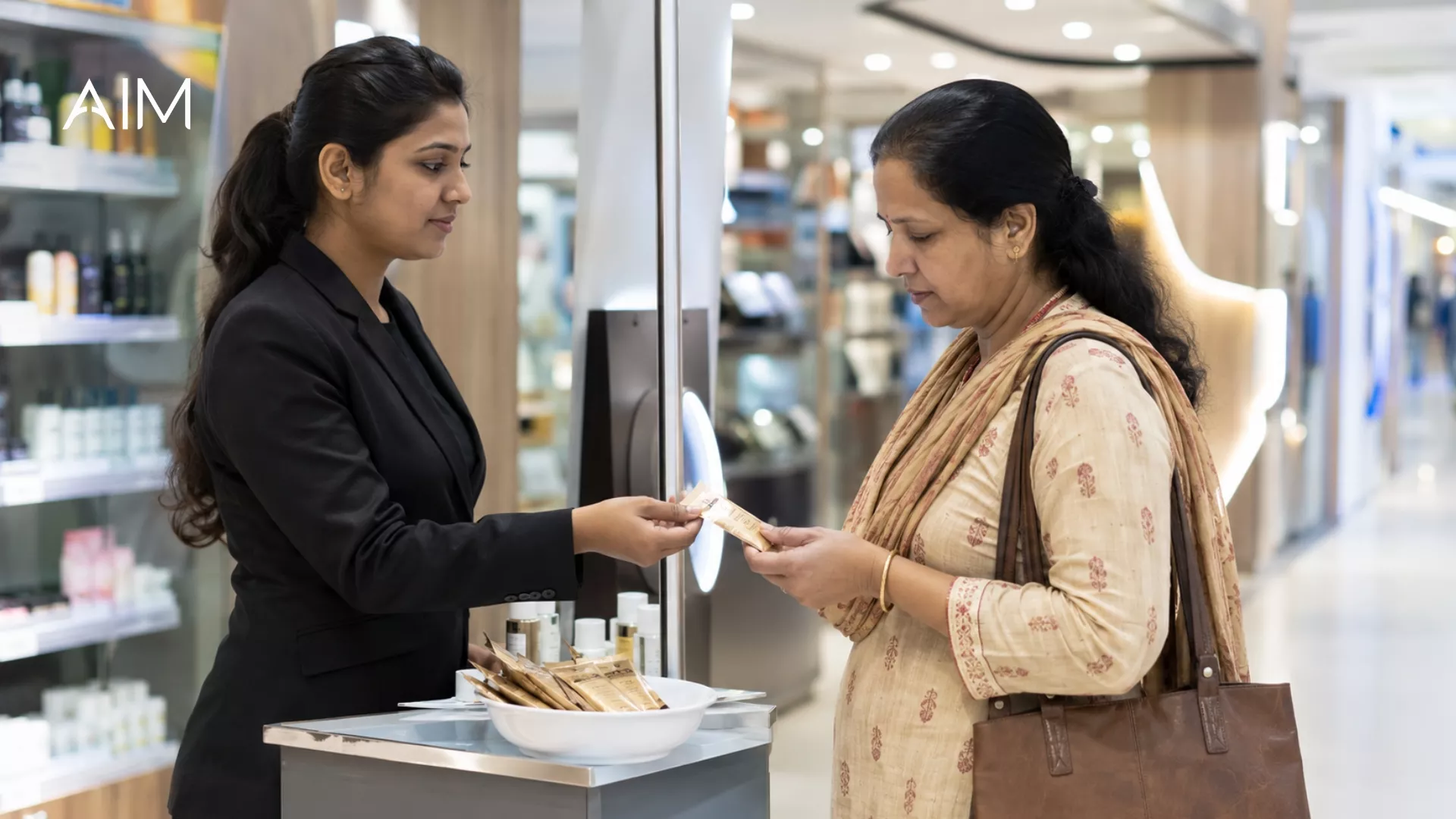
- Mini shampoo/serum sachets handed out at salons or events
- Coffee or beverage tasting at retail stores
- Trial-size skincare kits sent after an online “request sample” form
- Baby care samples through clinics/hospitals
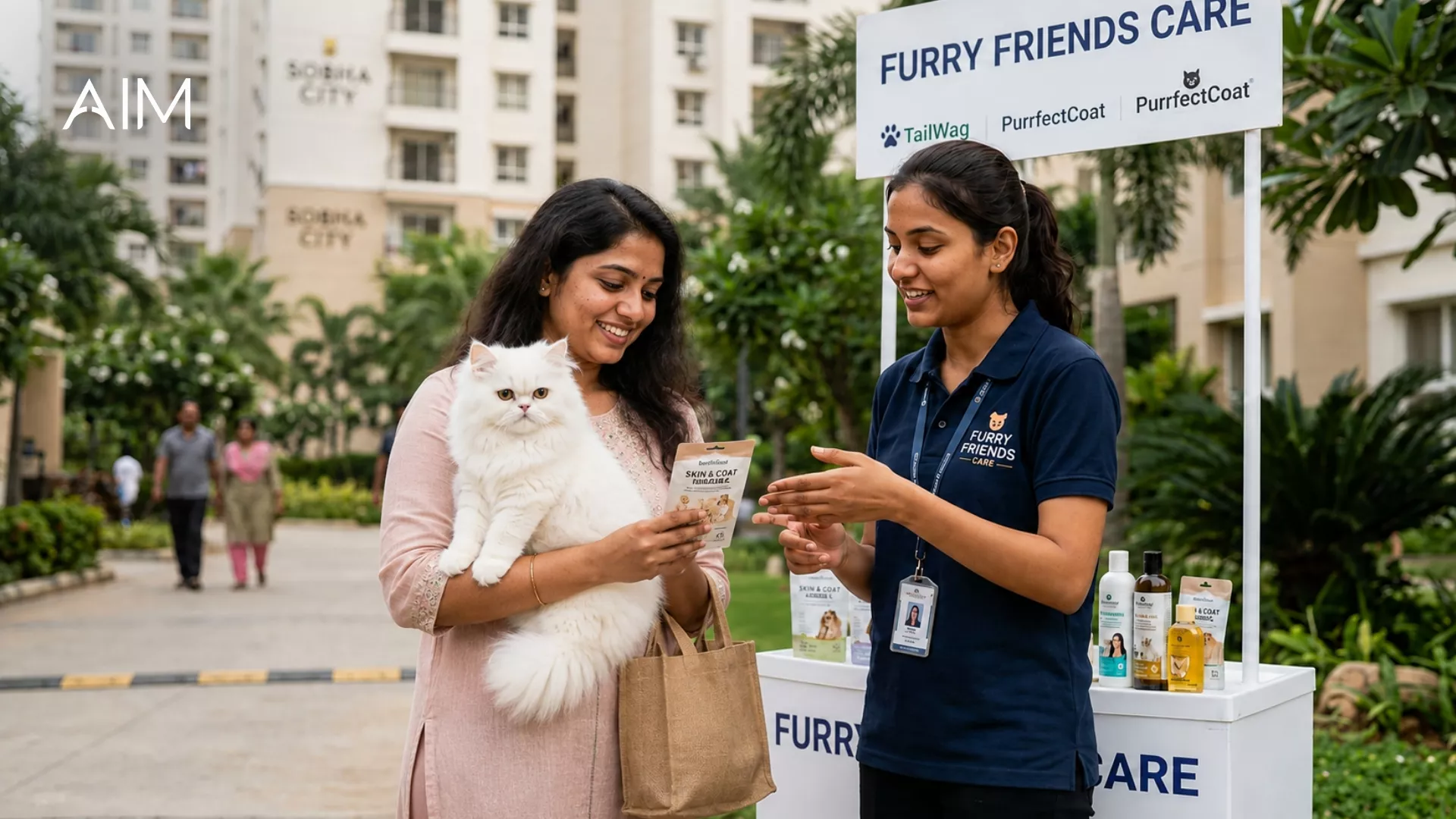
- Pet food trials given to verified pet parents
- Subscription boxes that include mini products for discovery
The pattern is the same: try once → decide faster.
When does product sampling work best?
Sampling gives the best ROI when:
You have a clear target audience
Random distribution = waste.
Focused distribution = results.
Your product has a “wow moment”
Taste, fragrance, visible result, convenience,comfort—something that makes people go “oh nice”.
You have a strong next step
A sample without follow-up is like a movie trailer with nomovie link.
Good next steps:
- coupon/voucher
- store locator
- WhatsApp reminder
- limited-time offer
- reorder link
You can measure what happened after the sample
This is the big one.
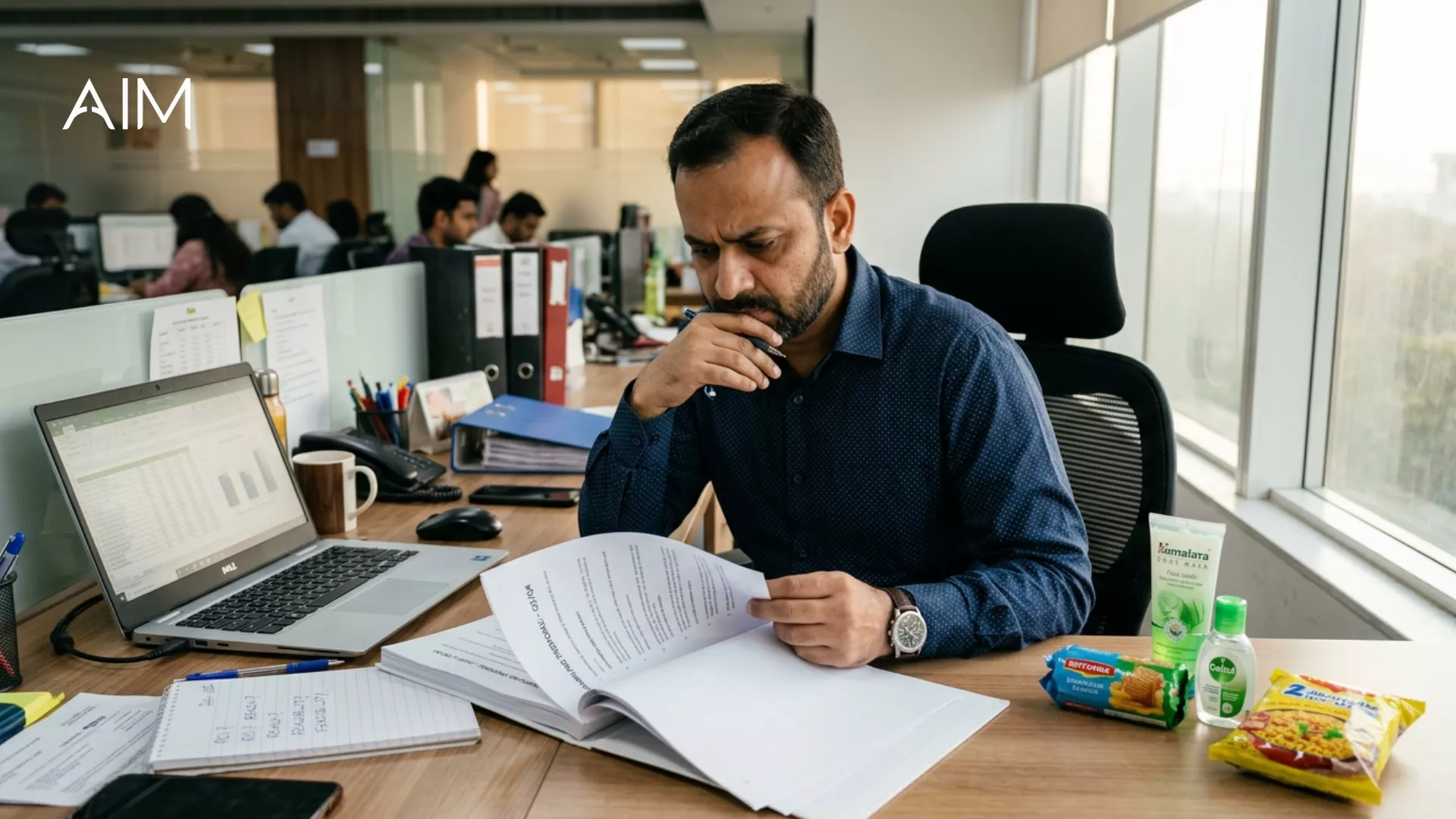
If you can’t track outcomes, sampling looks like an expense forever.
Common Mistakes Brands Make with Sampling
Mistake 1: Measuring “samples distributed” as success
That’s activity. Not outcome.
Mistake 2: Giving samples to the wrong people
Freebie hunters ≠ future buyers.
Mistake 3: No consumer data capture
If you don’t capture who tried it, you can’t follow up.
Mistake 4: No follow-up
People forget. Life moves on. Follow-up is what converts.
Mistake 5: No link to sales
If you can’t show leadership what you got, budgets get cutnext quarter.
How to measure product sampling ROI
You don’t need complicated math. Start with these:
- Opt-ins / trials: how many real people requested or accepted the sample
- Qualified reach: did the sample go to your target audience
- Feedback rate: how many responded
- Coupon redemption: how many took the next step
- Purchase rate: how many bought within 7/15/30 days
- Repeat rate: how many bought again
Even tracking 3–4 of these changes everything.
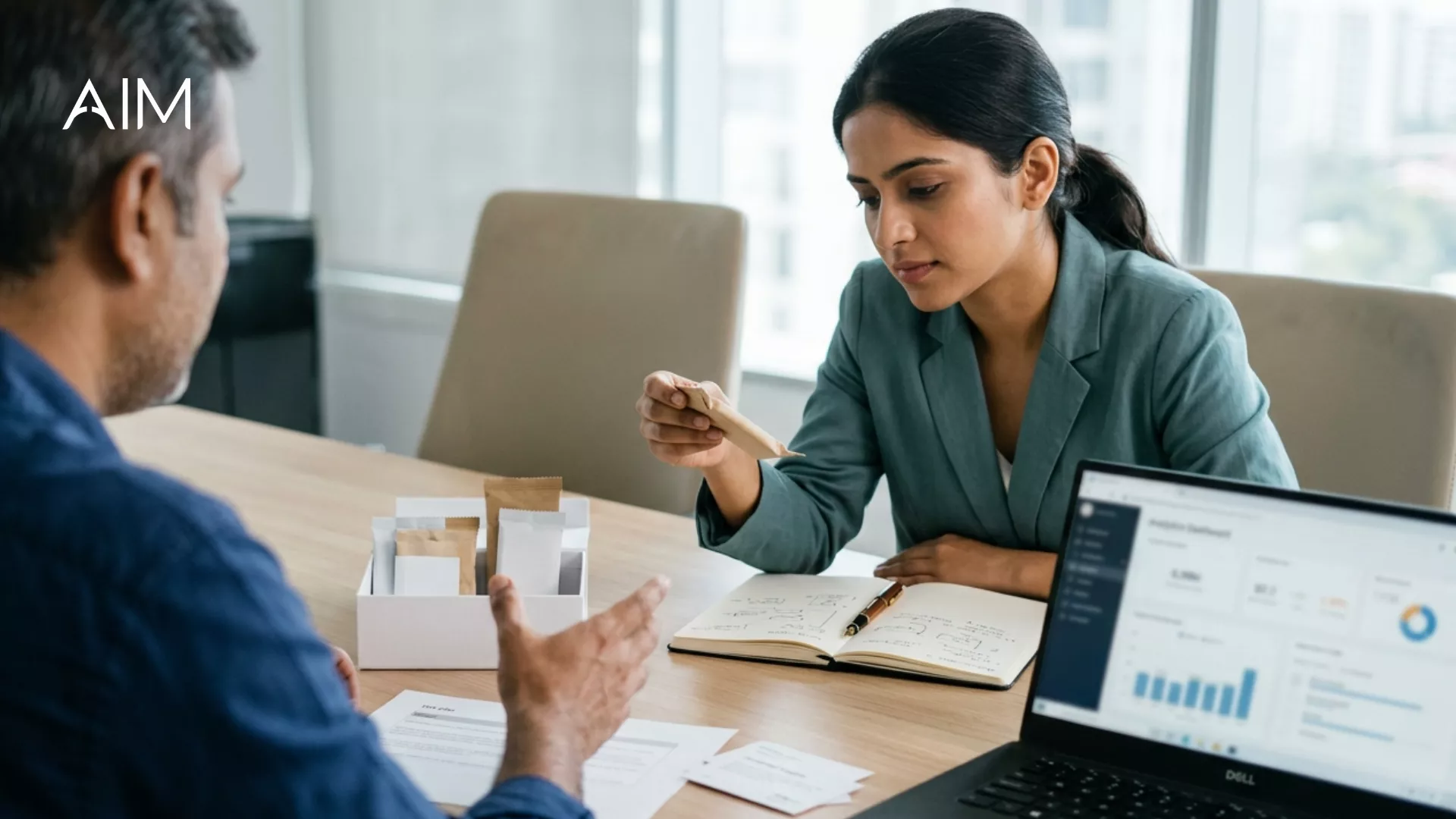
A Smarter Way: AIM’s “Opt-in Sampling”
Traditional sampling often looks like: “distribute andhope.”
AIM runs opt-in product sampling, where:
- consumers scan a QR / click a link to request a sample
- a backend engine validates & qualifies prospect
- samples go only to interested, relevant users
- feedback + coupon journeys drive purchase
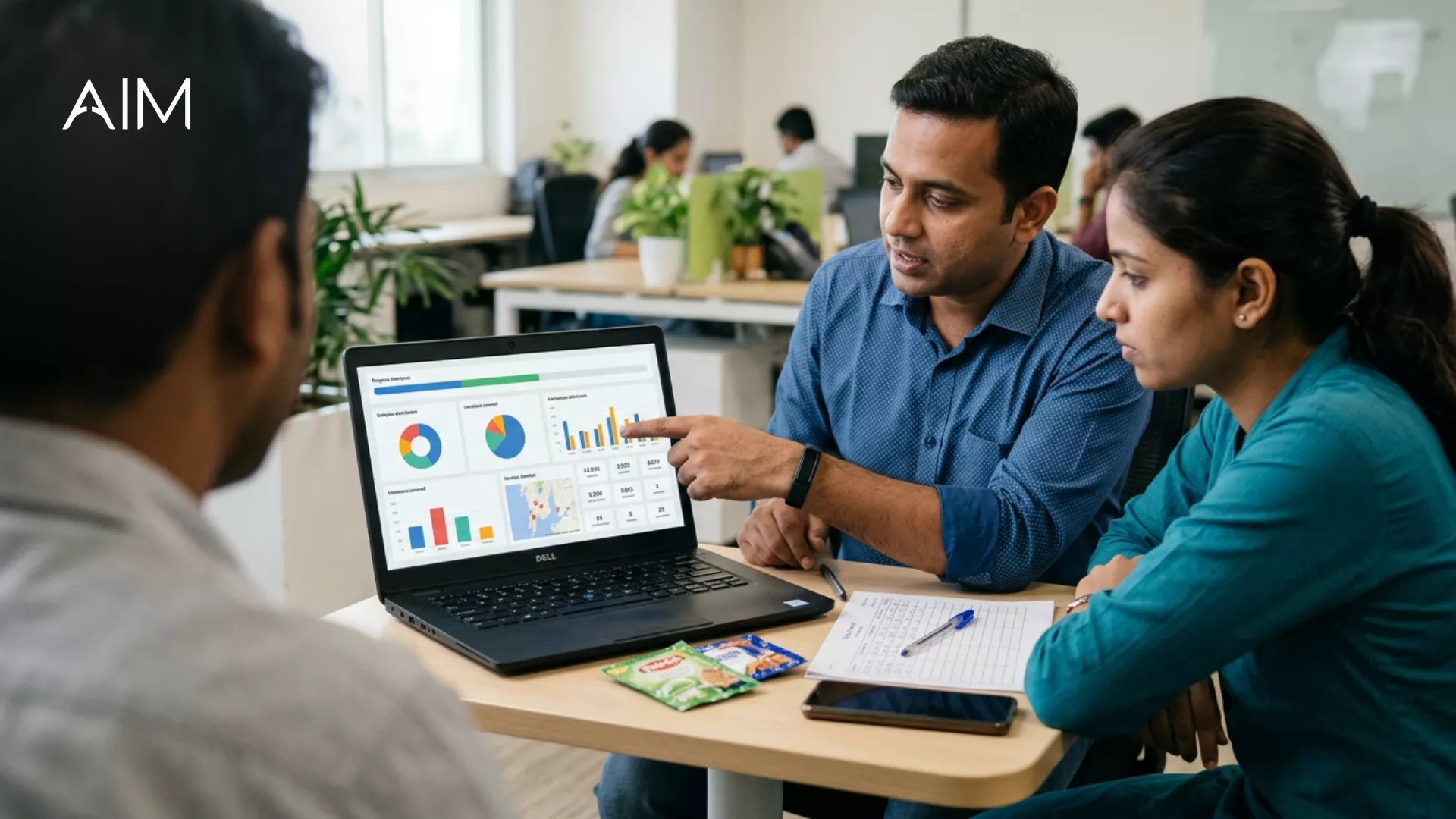
- brands get a dashboard with real-time data
This reduces wastage and makes sampling measurable—notguesswork.
Quick Checklist for Planning Your First Product Sampling Campaign
- What is the goal? (trial / awareness / launch / conversion)
- Who exactly is the target audience?
- Which touchpoint fits them best? (store/RWA/digital/events)
- What happens after the sample? (feedback + offer + retarget)
- How will you track results? (data + coupon + purchase)





.webp)





.png)