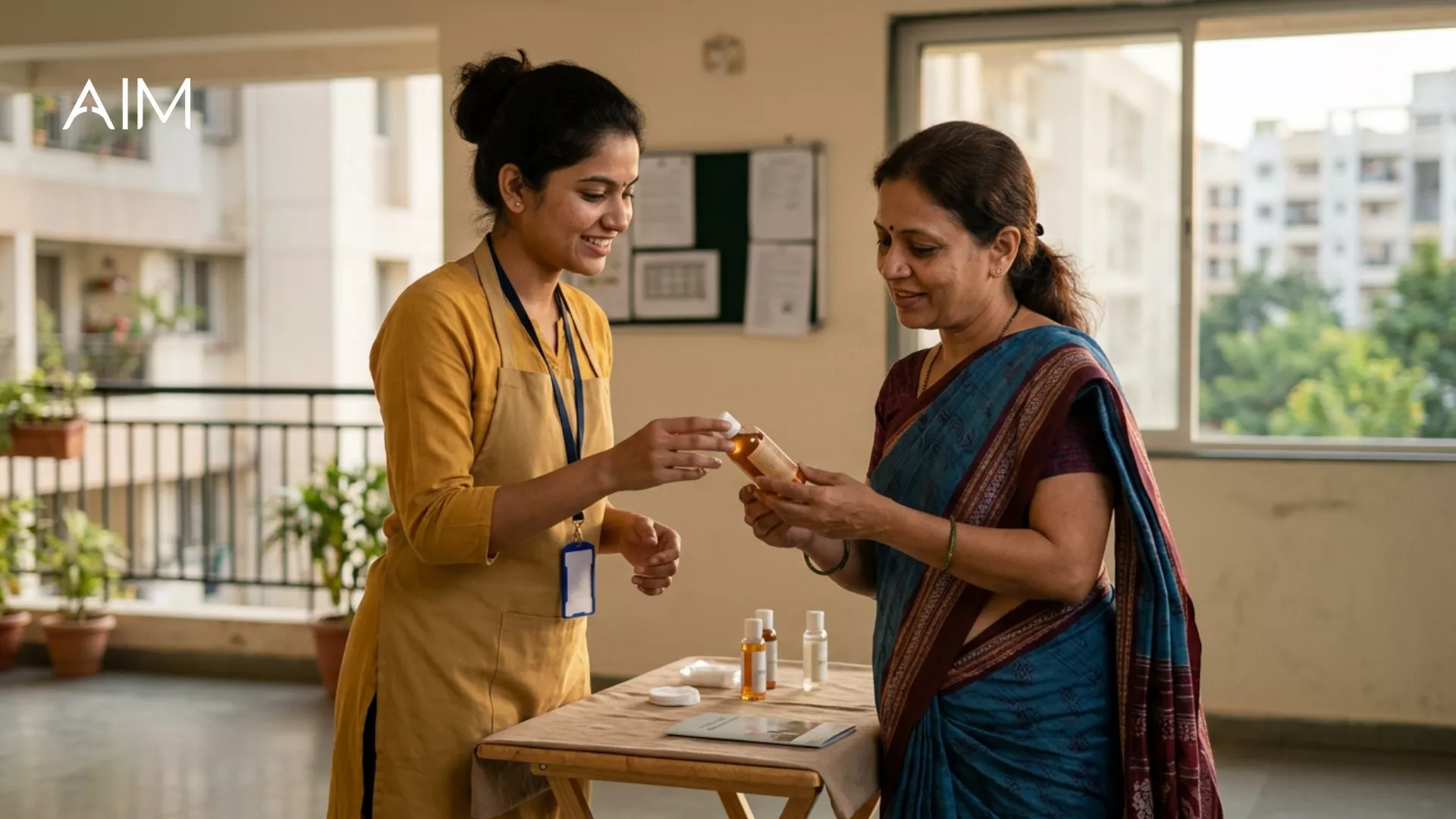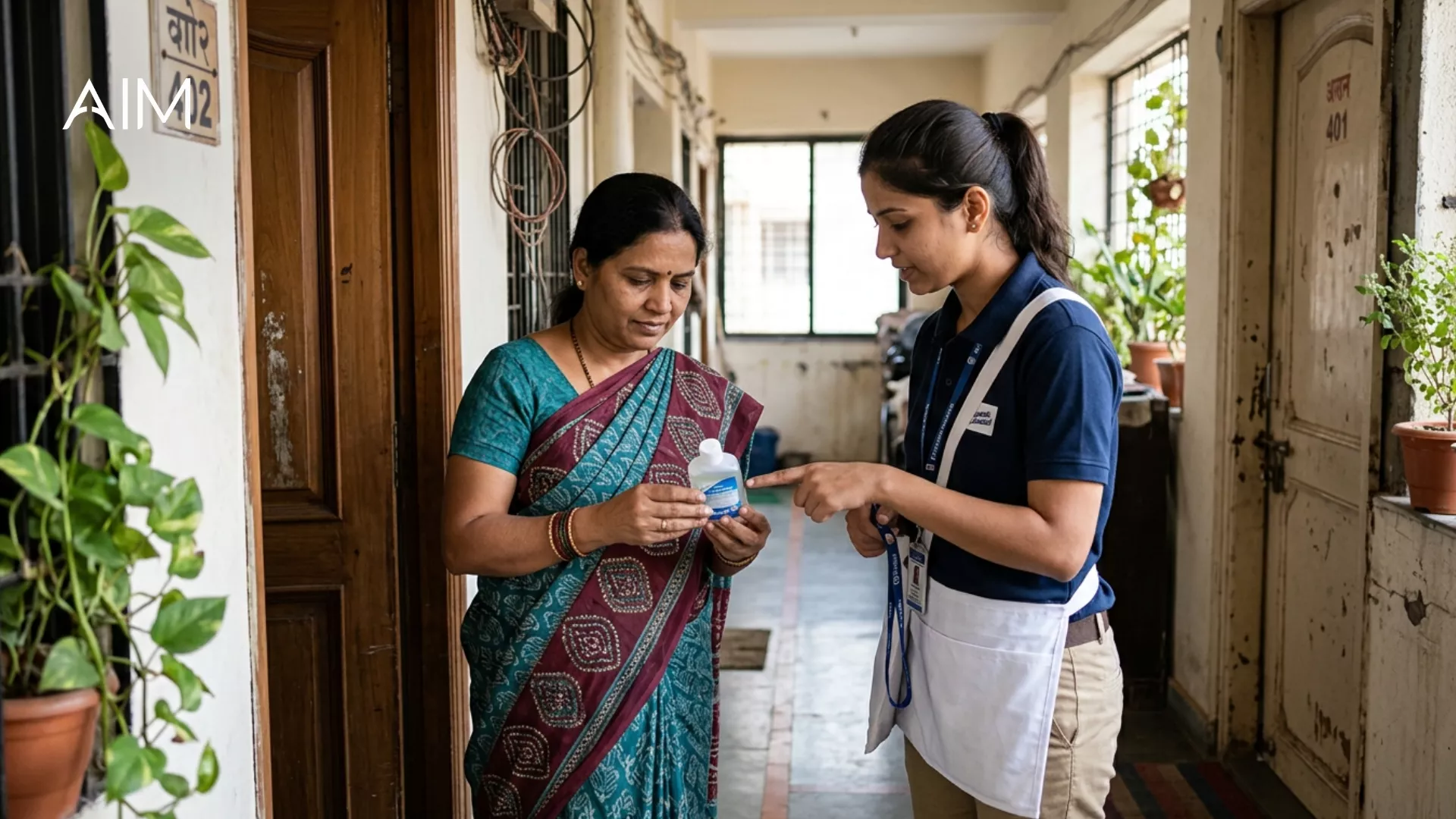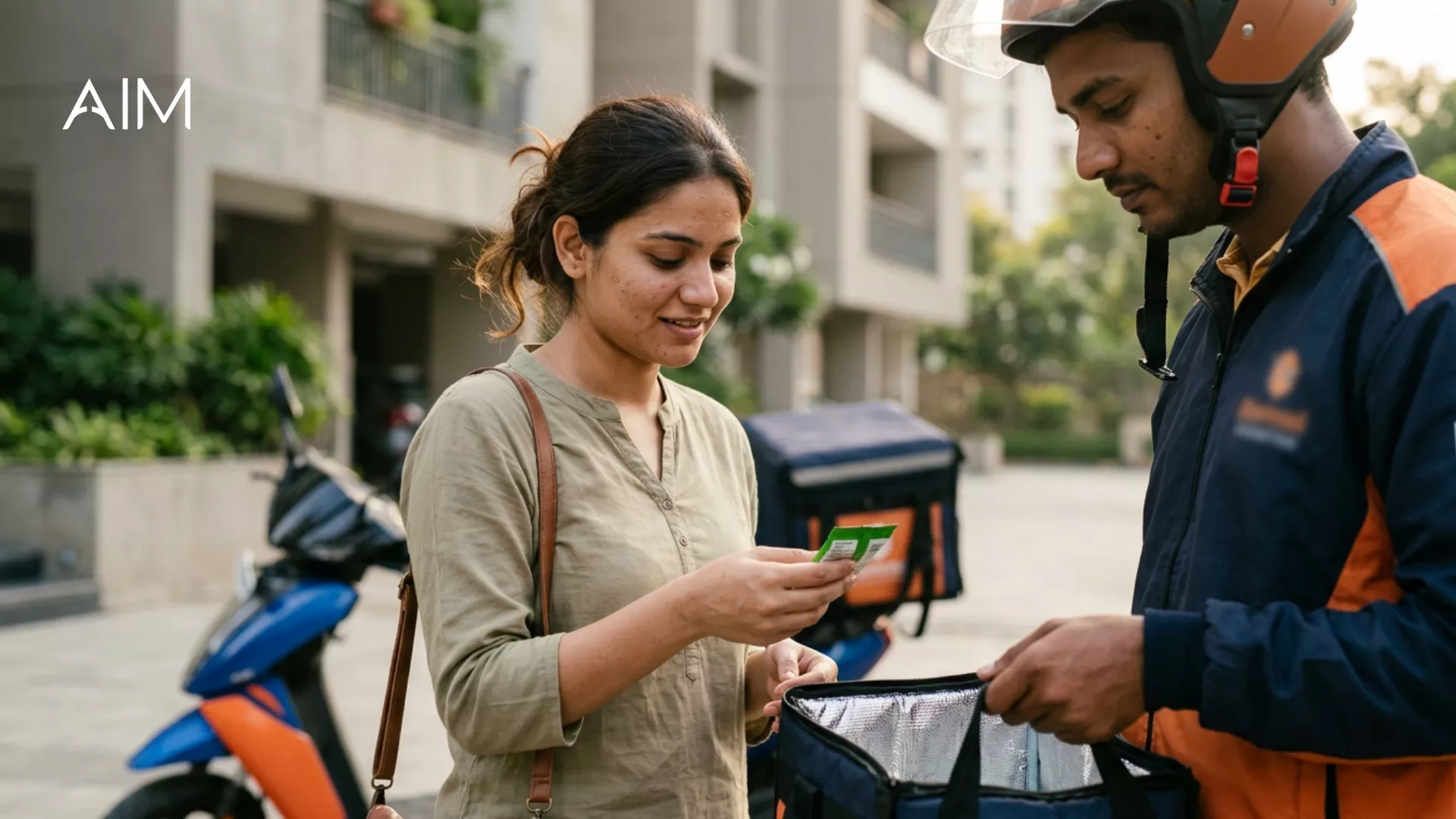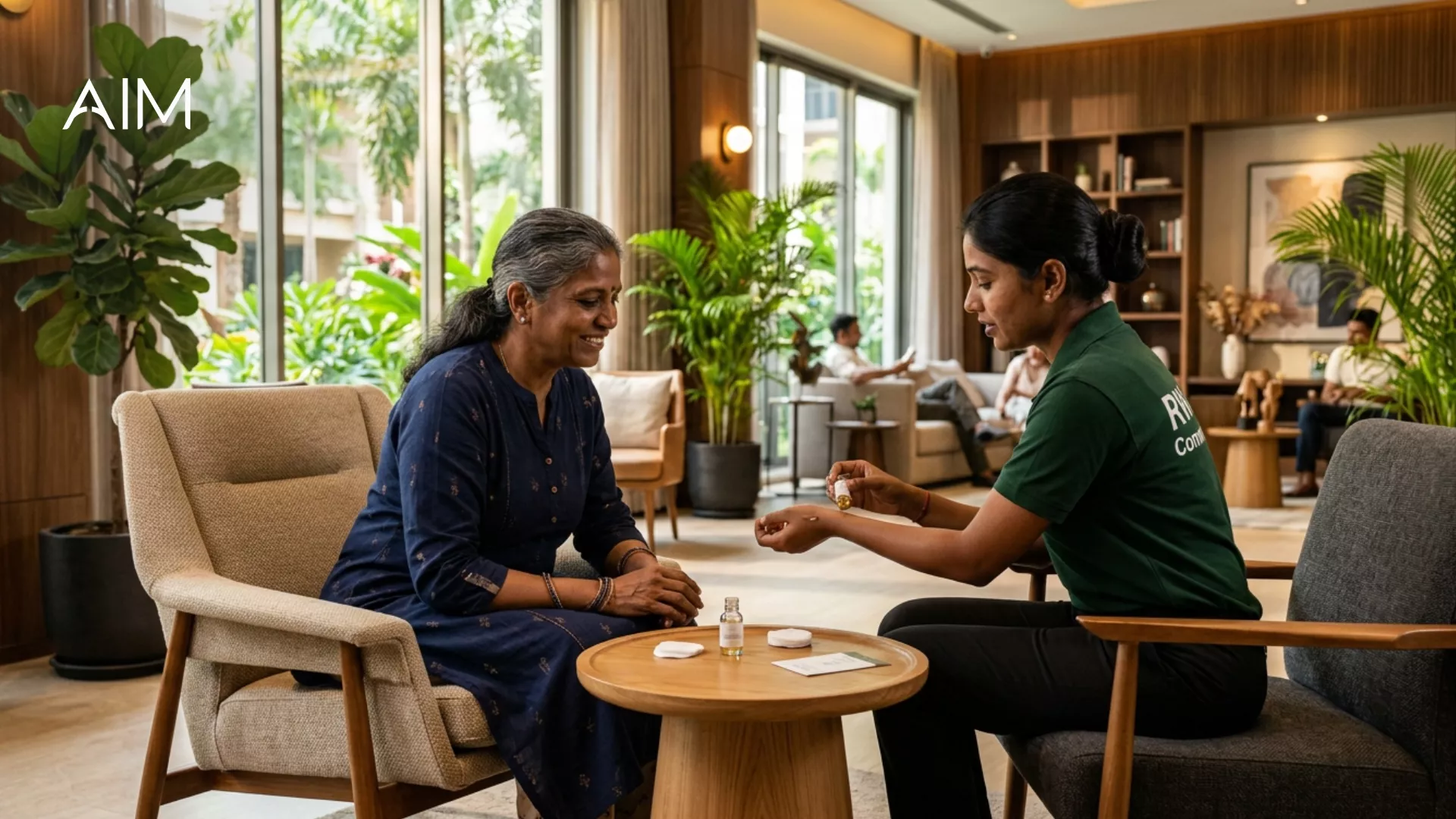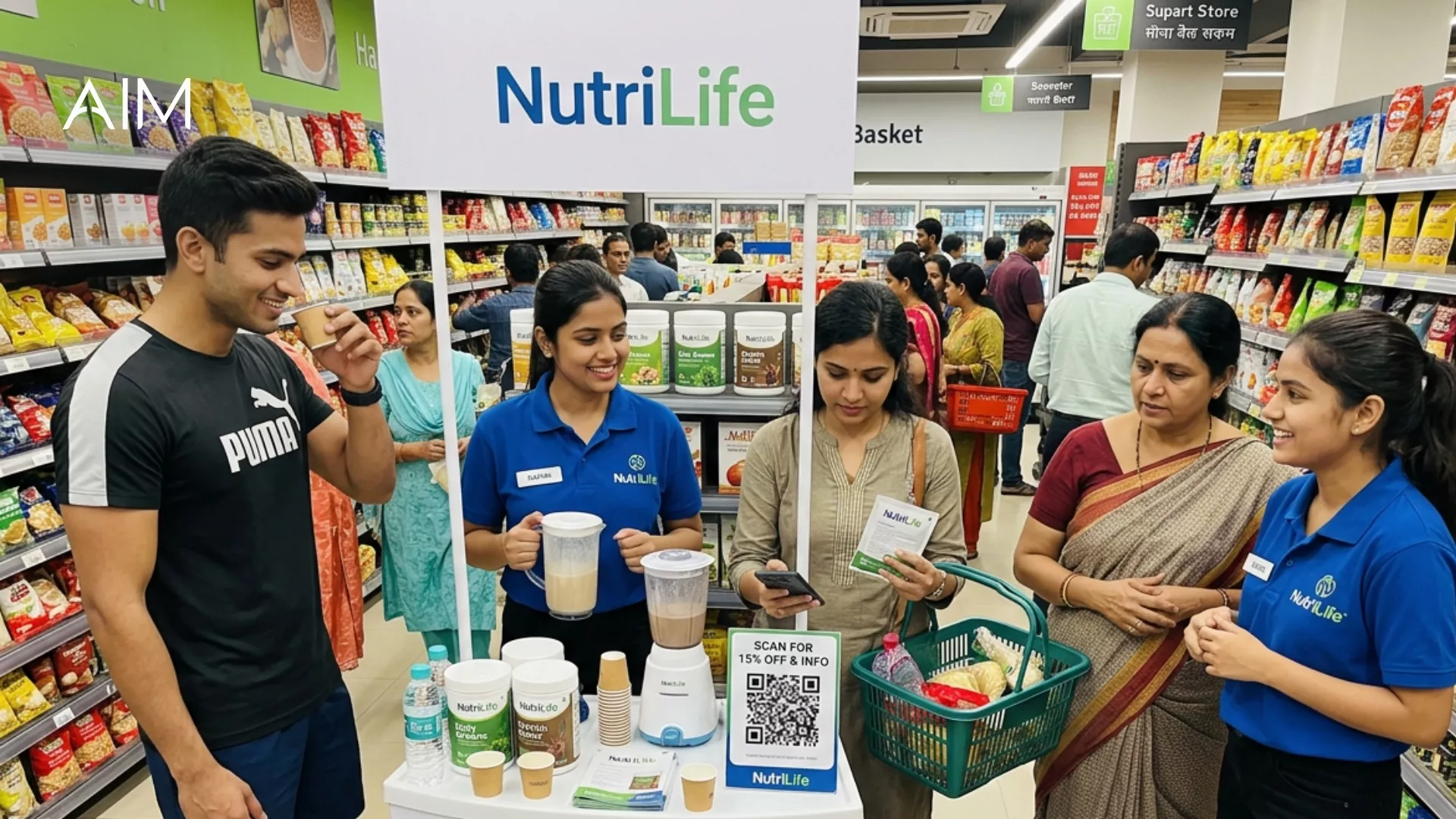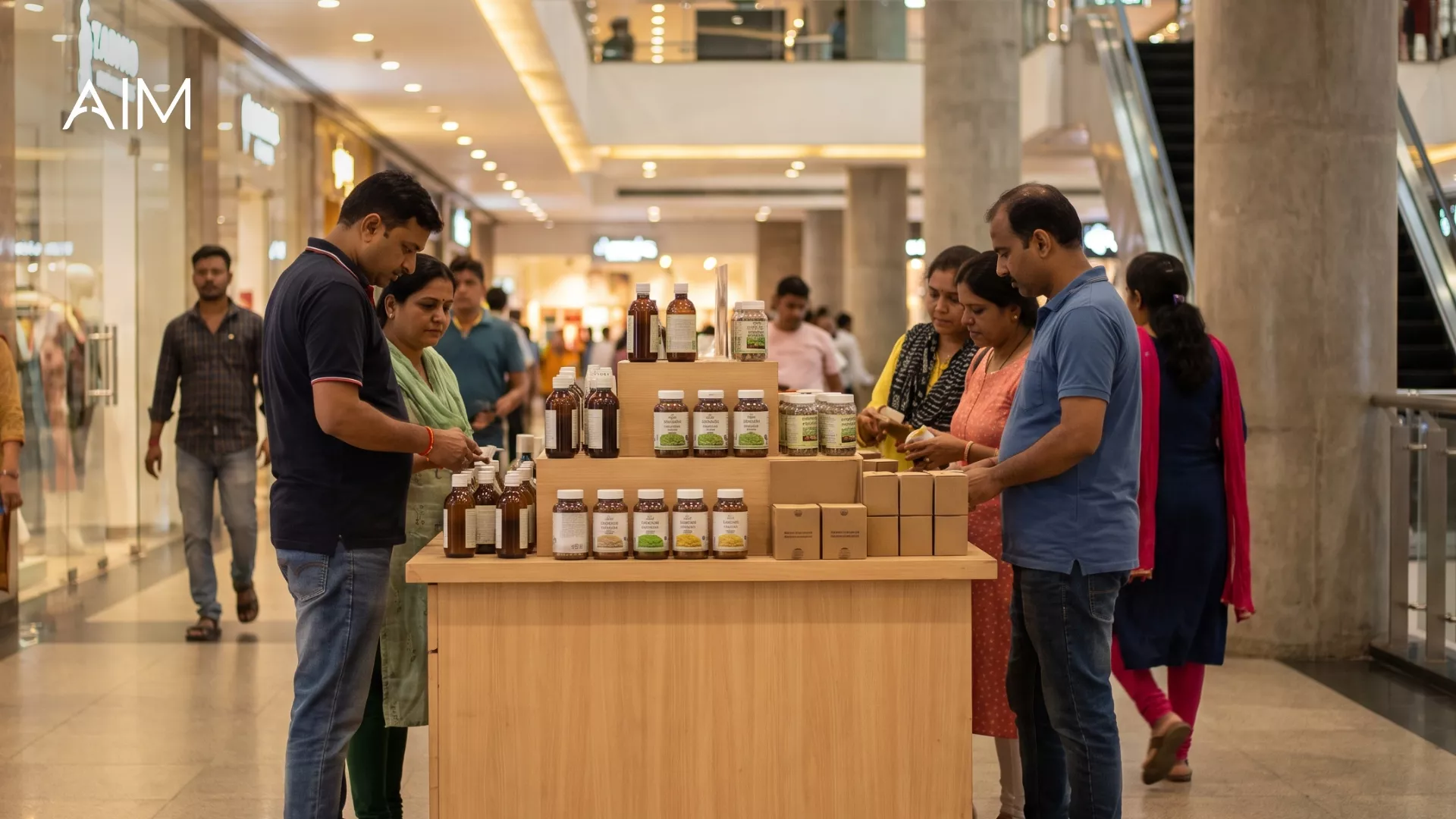



Residential societies are the closest a brand can get to its buyer. Sampling in an RWA or gated community reaches household decision-makers at home, by profile and life stage, in a trusted, everyday environment, which is exactly why society sampling is the backbone of so many campaigns in urban India. There is just one problem: the gate is literally locked. Unlike a street or a mall, you cannot simply set up a table. Someone has to let you in, and that someone has every reason to be careful. So the real question in RWA sampling is not about the samples at all. It is how you get the society to say yes. Here is how brands actually get permission to sample inside an RWA or gated society.
Quick answer: To get permission to sample inside an RWA or gated society, you approach the Resident Welfare Association's managing committee, usually the secretary or president, and the estate or facility manager, submit a written request, offer clear value to residents, agree any access or space charge the society sets, give advance notice, and commit to clean, safe, non-disruptive execution. The society itself grants access, not any government body, so the permission is a relationship with the committee, and an agency with existing society relationships secures it far faster than a brand approaching cold.
Why Society Permission Is the Hard Part
A gated society is private, secured, residential property, and the people who run it are protecting something personal: the safety, privacy, and peace of the families who live there. That makes the RWA committee cautious by default about letting an outside brand in, which is exactly as it should be. So the challenge in society sampling is rarely the creative or the product. It is access. Most RWA product sampling campaigns that fail do not fail at the table, they fail before the table is ever set up, at the point where the society says no or simply never replies. Understanding the permission process, and respecting why the gatekeepers are careful, is what turns a locked gate into an open one.
Who Gives Permission in an RWA?
The first mistake brands make is asking the wrong person, usually the security guard at the gate, who has no authority to approve anything. Permission in an RWA runs through a small set of people. The managing committee, typically the secretary or president, is the primary decision-maker and the yes you most need. The estate or facility manager controls the practical side, the space, the timing, the logistics, and the on-ground rules. Security handles entry and movement on the day, once approval is granted. And in newer or builder-managed complexes, the management company or builder may also need to sign off. Knowing which of these you need, and starting with the committee rather than the gate, is half the job.
How to Get RWA Sampling Permission
Getting a yes is a process, and doing it in the right order makes all the difference.
- Reach the right contact first. Identify and approach the managing committee or the estate manager, not the guard, because a request to the wrong person stalls before it is ever considered.
- Submit a formal written request. A clear, professional proposal, what you want to do, where, when, for how long, reassures the committee and gives them something concrete to approve.
- Lead with resident value. Frame the activity around what residents get, a useful trial, a treat, an experience, because the committee cares about its residents, not your reach.
- Agree the charges and terms. Many societies set an access or space fee, so settle the cost and the terms upfront and get them documented.
- Give enough notice. A rushed request is an easy no, so approach well ahead and let the committee consider it on its own timeline.
- Confirm logistics and hygiene. Be specific about setup, cleanliness, safety, and how you will leave the space, so the society can picture a smooth, tidy activity.
Handled this way, the request is easy to approve, and easy to approve is what gets you through the gate.
What RWAs Look For
Committees say yes when a request is low-risk and good for residents, so it helps to see the activity through their eyes. They look for clear resident benefit, something that makes the activity feel like a plus for the community rather than an intrusion. They look for safety and hygiene, especially for anything involving food or families. They look for reassurance that the activity will not disturb residents or create a mess. They look for a reputable, professional brand and team they can trust on the premises. And many expect a fair access charge or a small community contribution in return. Meet these, and permission stops feeling like a favour and becomes a straightforward, mutually beneficial yes.
Why Brands Get Rejected
Most RWA rejections are avoidable, and they trace back to a handful of mistakes. Approaching the wrong person, usually the guard, so the request never reaches the committee. Offering no clear value to residents, so the society sees only disruption. Giving too little notice, which signals risk and leaves no time to consider. Appearing likely to disturb residents or create safety or mess concerns. And failing to agree charges or terms, which stalls the conversation. Each of these is fixable, and fixing them, right contact, resident value, notice, a clean plan, and agreed terms, turns most refusals into approvals.
Do You Need a Fee or Agreement?
For most society sampling, permission is granted through the RWA's internal approval and a written agreement or consent, not a government licence, because you are on private property with the owner's permission. Many societies charge an access or space fee for brand activity, which varies by society, location, and duration, and is best treated as part of the campaign cost. What you do need in writing is clear consent covering the space, the timing, the charges, and the responsibilities of each side, plus compliance with the society's own rules on security, hygiene, and conduct. Anything involving food or beverages carries its own hygiene requirements. Getting all of this documented protects both the brand and the society and prevents confusion on execution day.
Whose Job Is It, Yours or the Agency's?
This is worth settling before a campaign begins, because the assumption gap causes real delays. Brands often assume the agency will secure society access; some agencies assume the brand will. When neither owns it, the campaign stalls at the gate. A good sampling agency treats society permissions as core to the job, because it already has relationships with RWAs and managing committees, knows who to approach and how, and can secure access faster and more reliably than a brand starting cold. So the honest answer is that getting RWA permission should usually be the agency's responsibility, confirmed in writing, and this is exactly the work AIM handles for brands: approaching the right committee, framing the activity around resident value, agreeing the terms, and securing the written consent, so a society sampling campaign actually gets inside and runs cleanly. In RWA sampling, the samples were never the hard part. Getting through the gate is, and that is the part worth getting right.