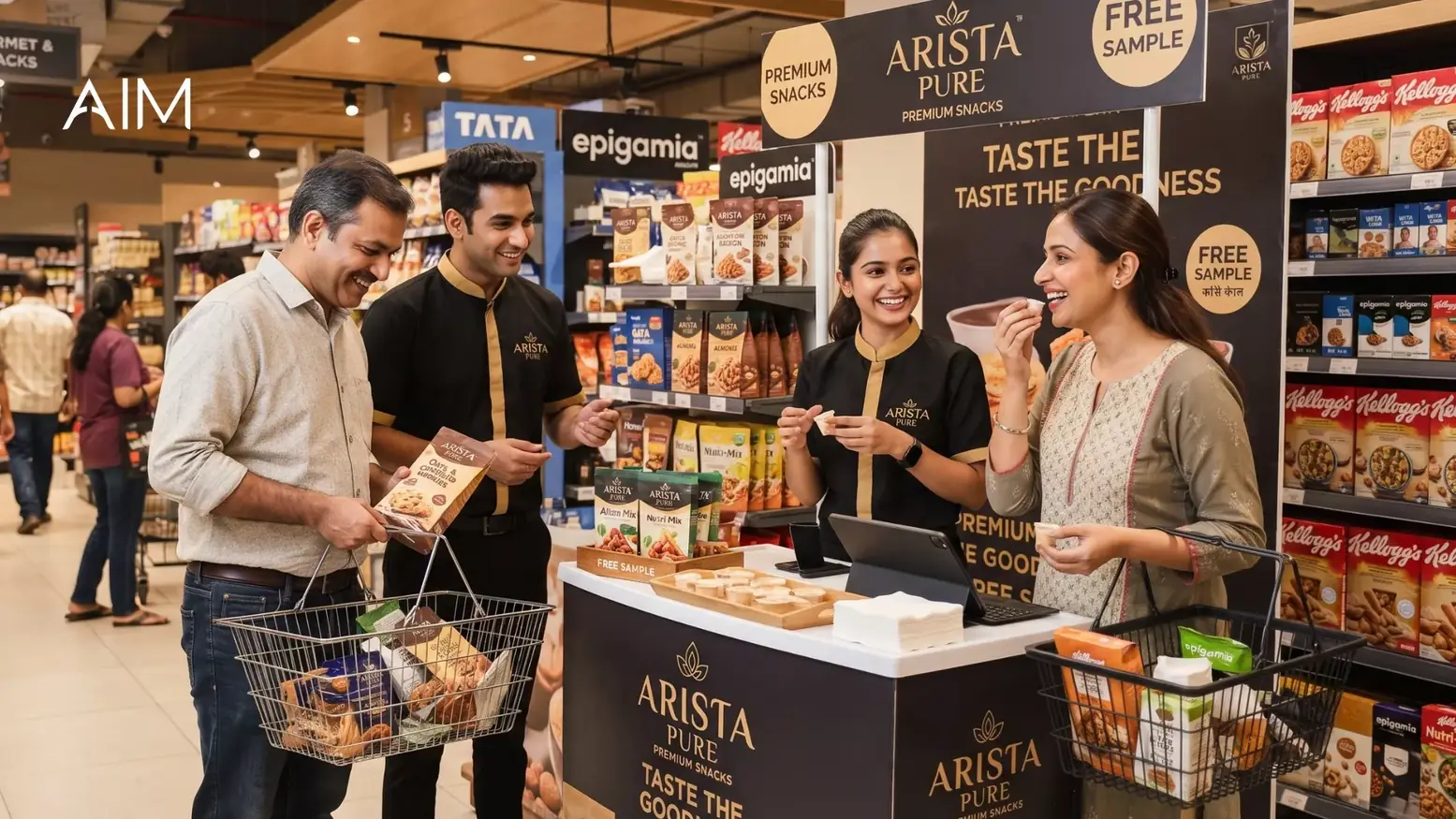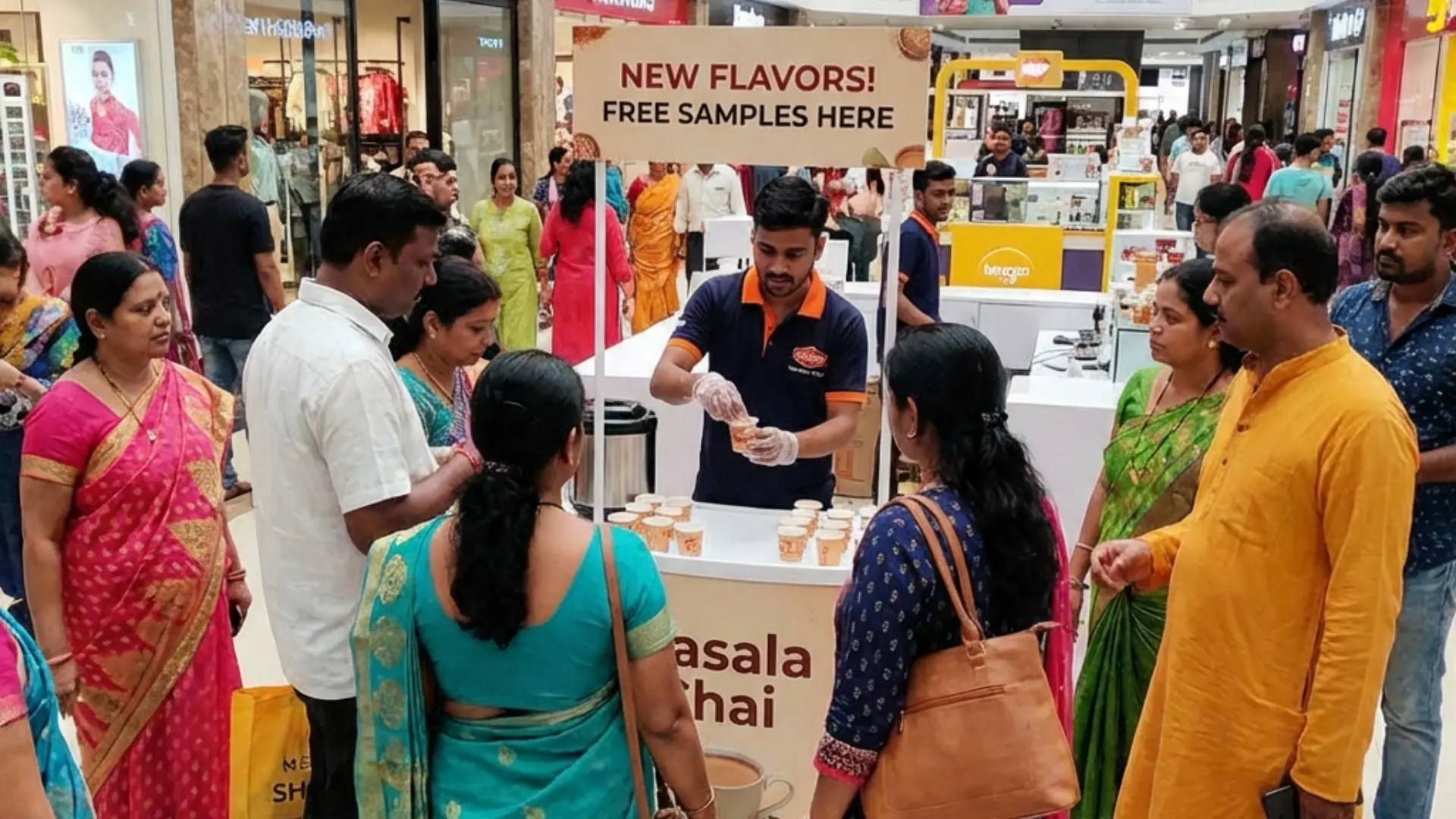
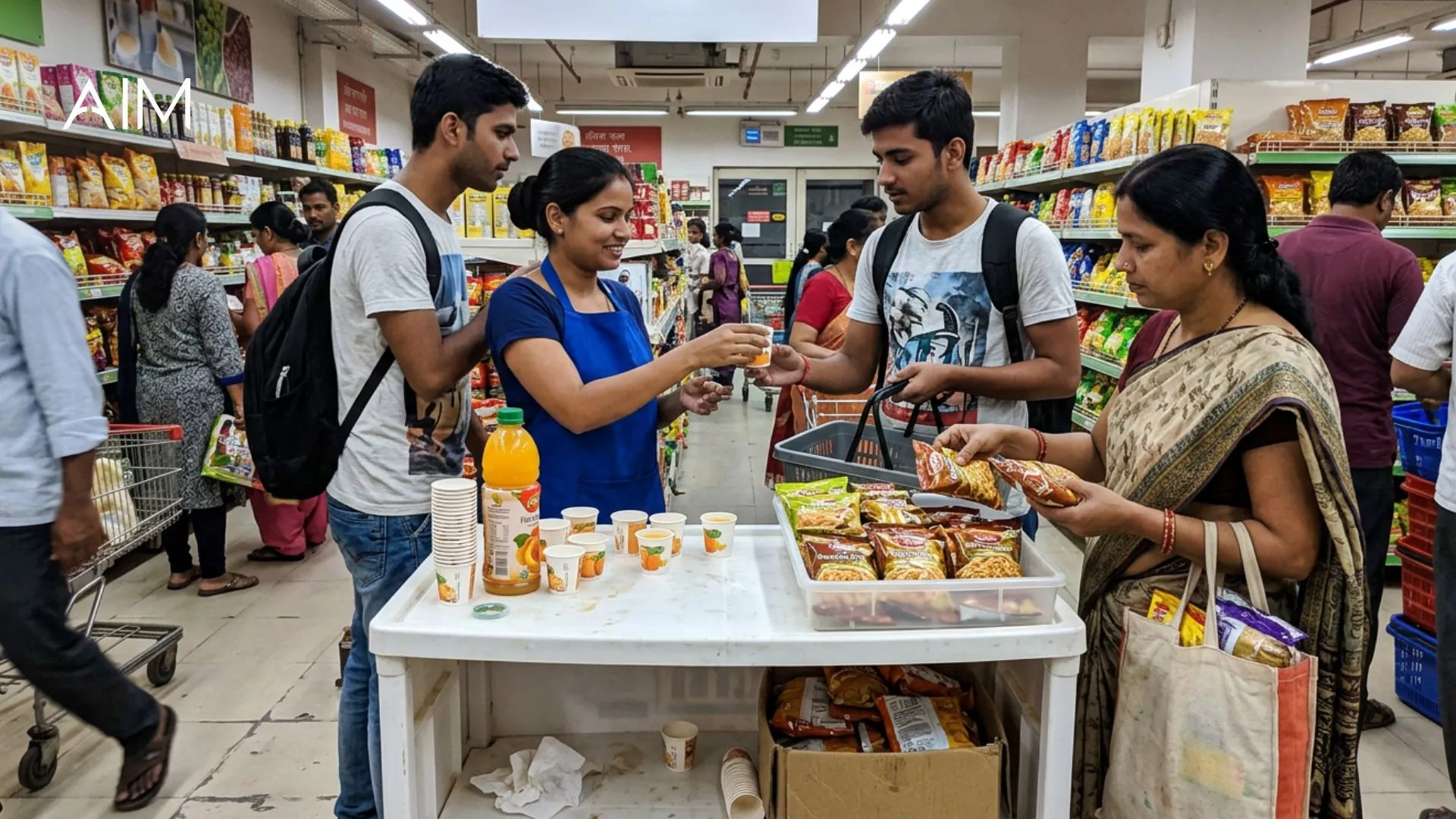


An FMCG brand decides to sample, and the first question on the table is almost never the right one. It is usually how many samples and which city. The question that actually shapes the campaign comes before that, and most briefs skip it: wet or dry. Those two words decide what the sample proves, where it can run, what it costs, and whether the trial even makes sense for the product. Pick the wrong one and you can run a flawless campaign that was never going to work, because the format fought the product from the start.
So before the volume and the locations, settle the format. Here is what wet and dry sampling actually mean, which FMCG products suit each, and how to choose without guessing.
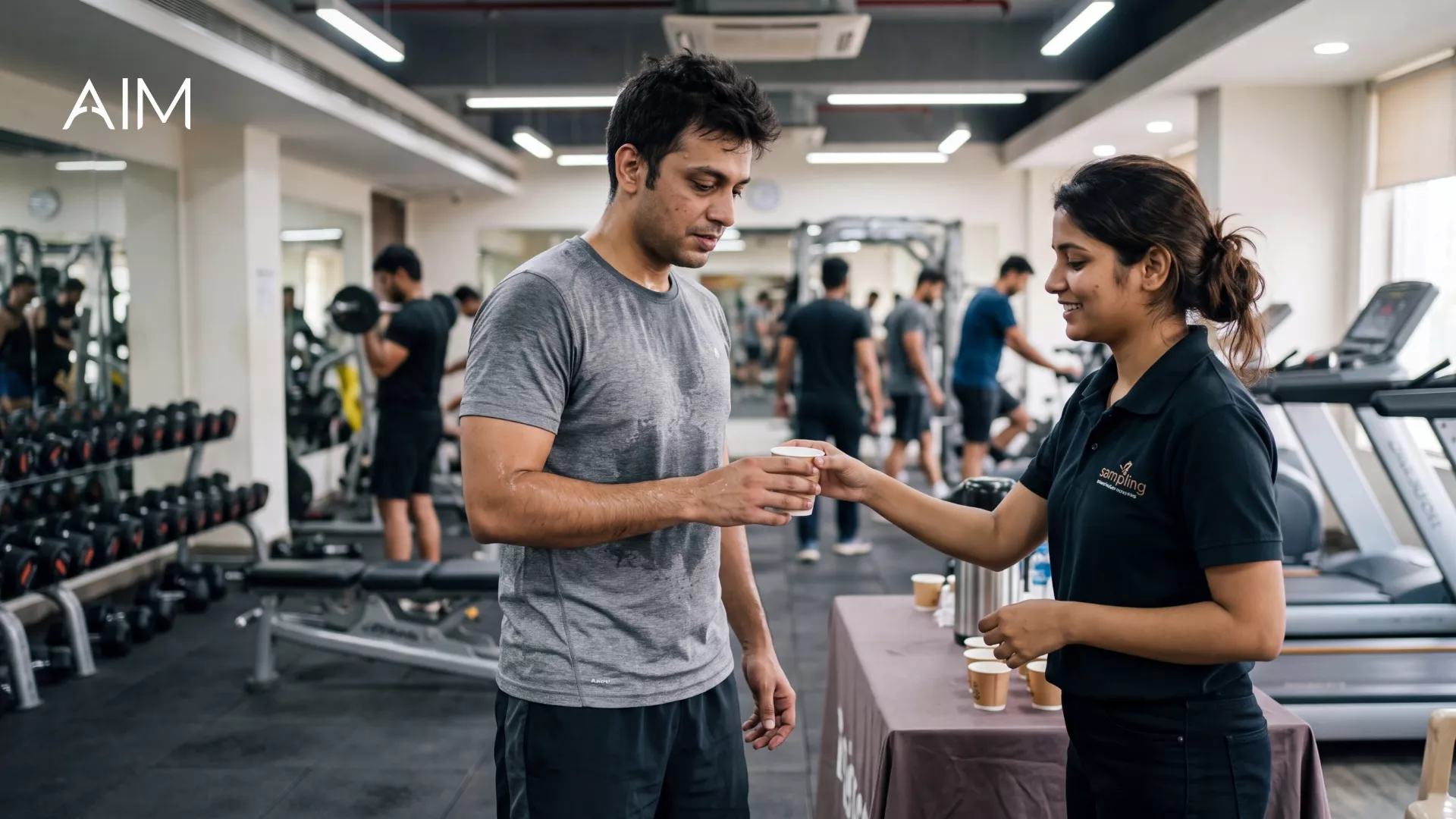
Quick answer: Wet sampling means the product is prepared and served fresh on the spot, a poured drink, a cooked bite, a dab of cream applied on the hand, so the customer experiences it in its real, ready state. Dry sampling means handing over a sealed sample, a sachet, a mini pack, a trial unit, for the customer to use later at home. Wet suits products judged on an immediate sensory hit that needs to be served correctly. Dry suits products that are used over time, travel home, or need no preparation. The choice follows how your product is actually experienced, not how big the campaign looks.
What is wet sampling?
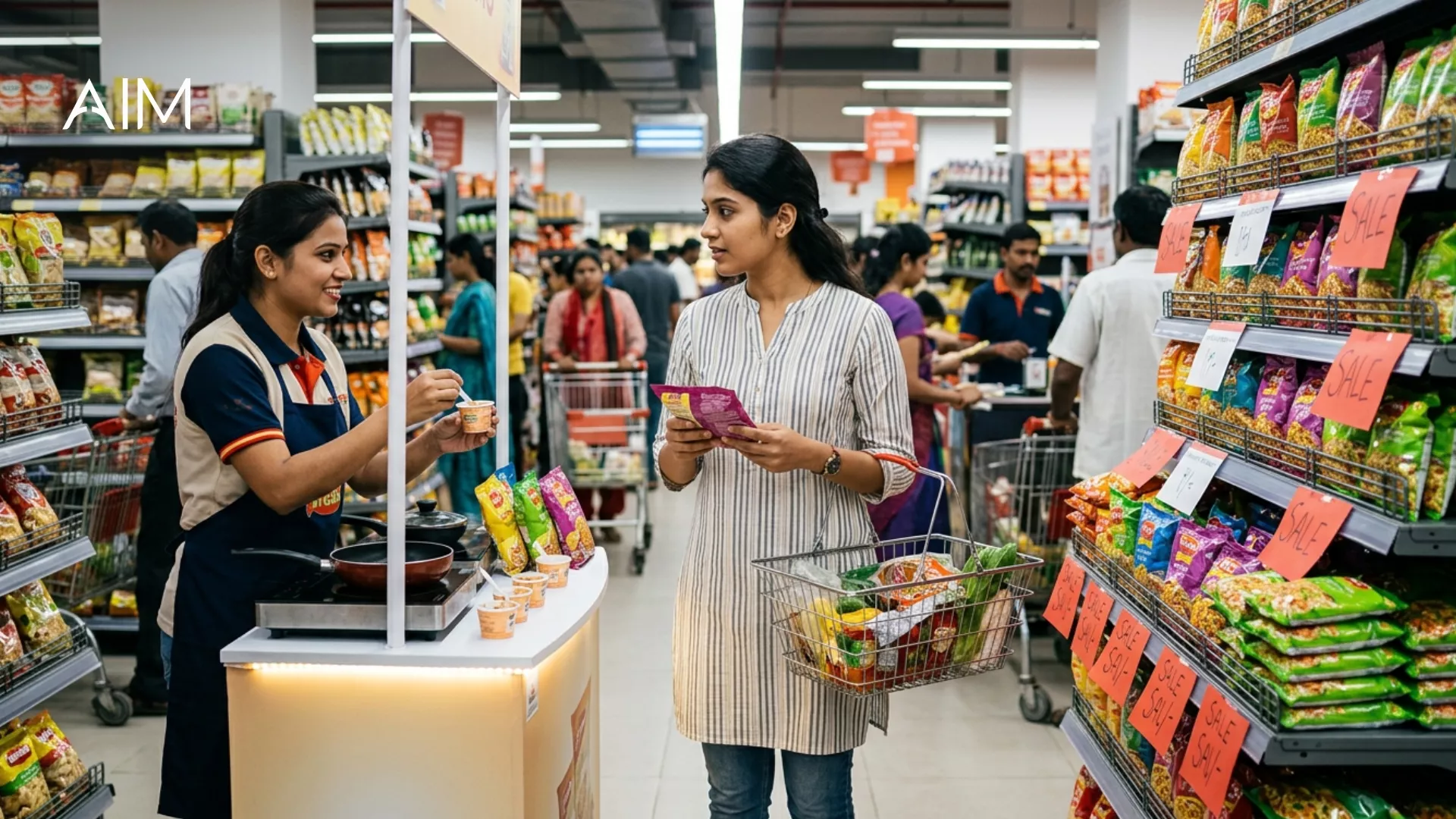
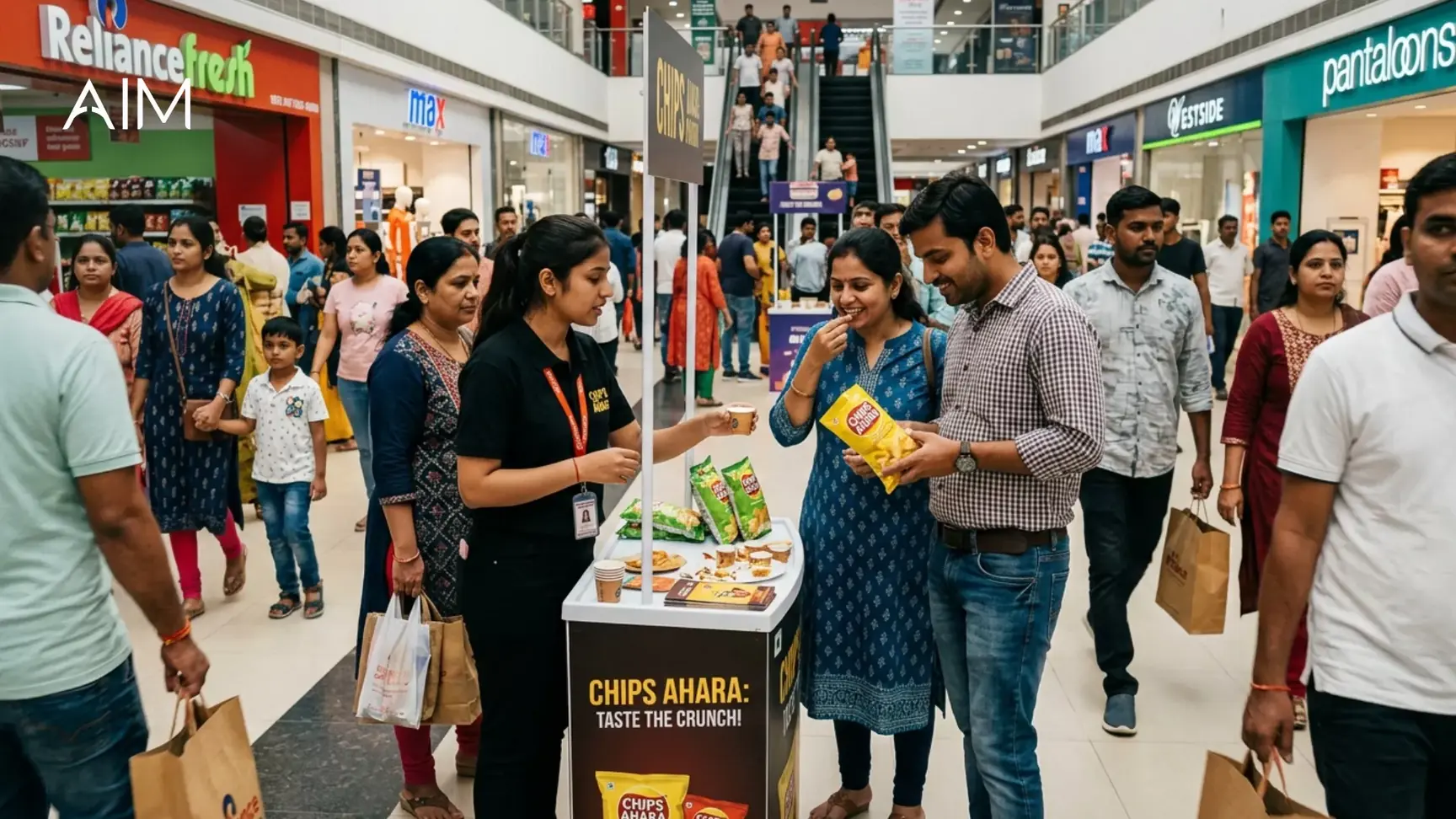
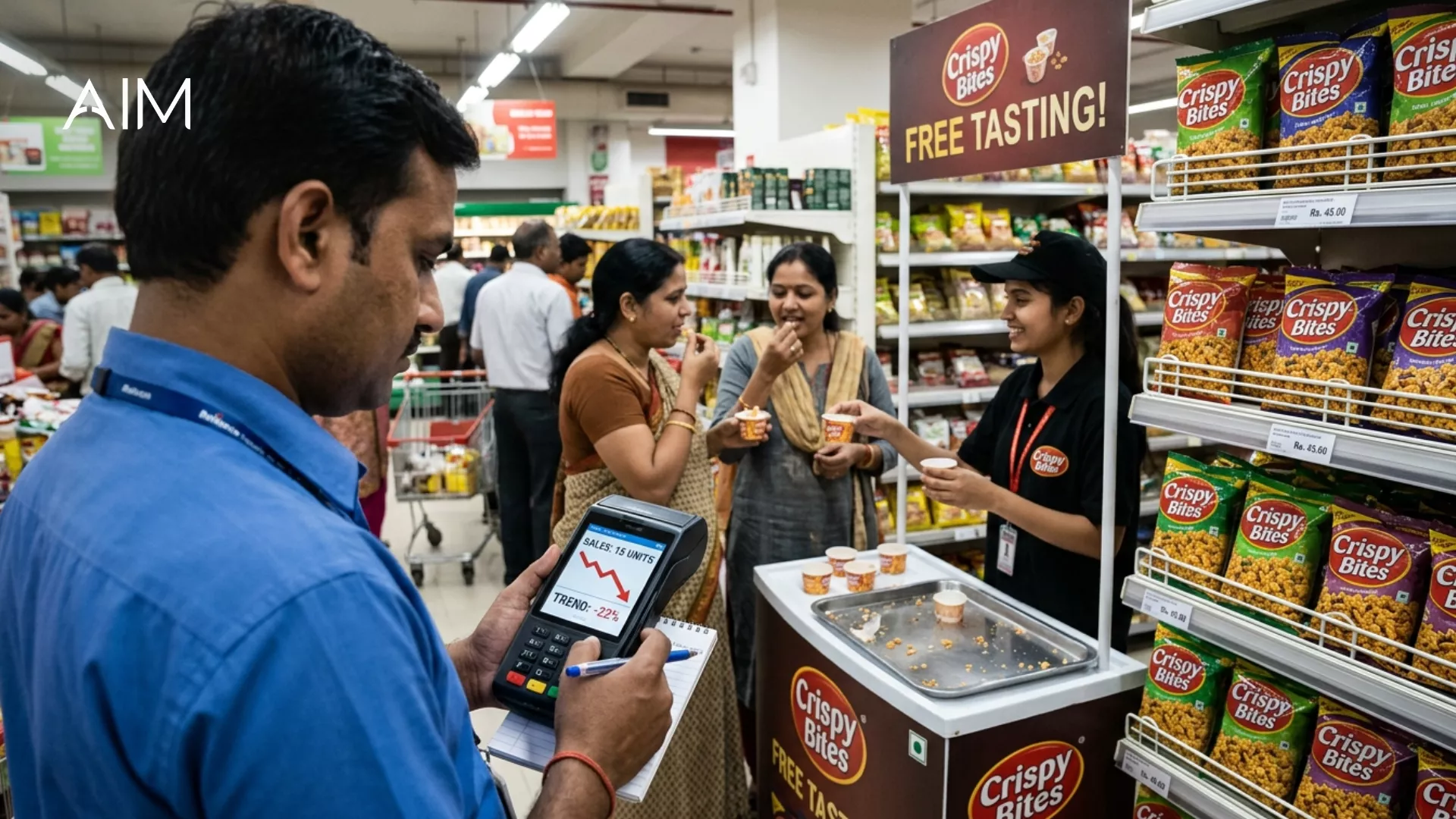
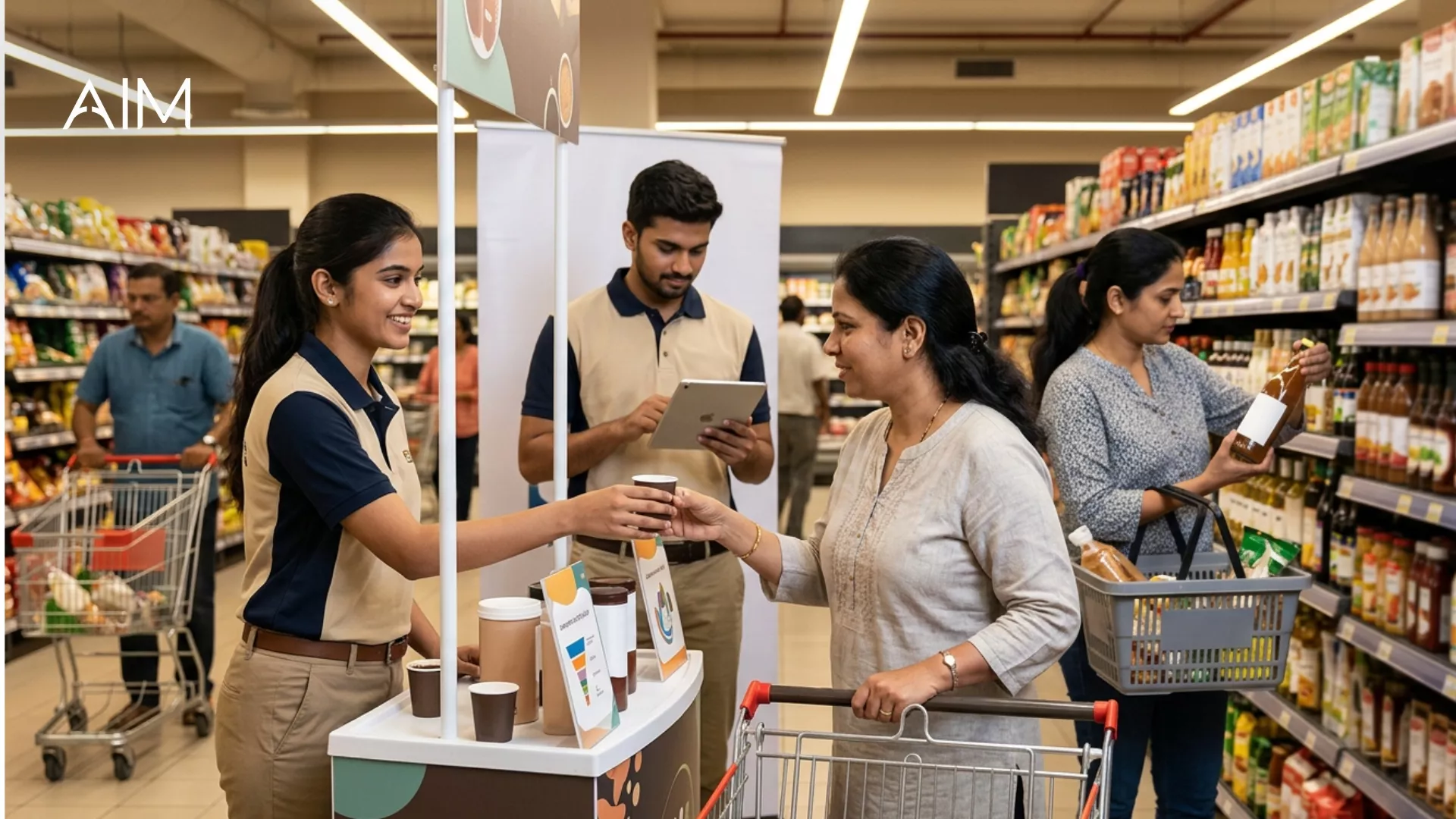
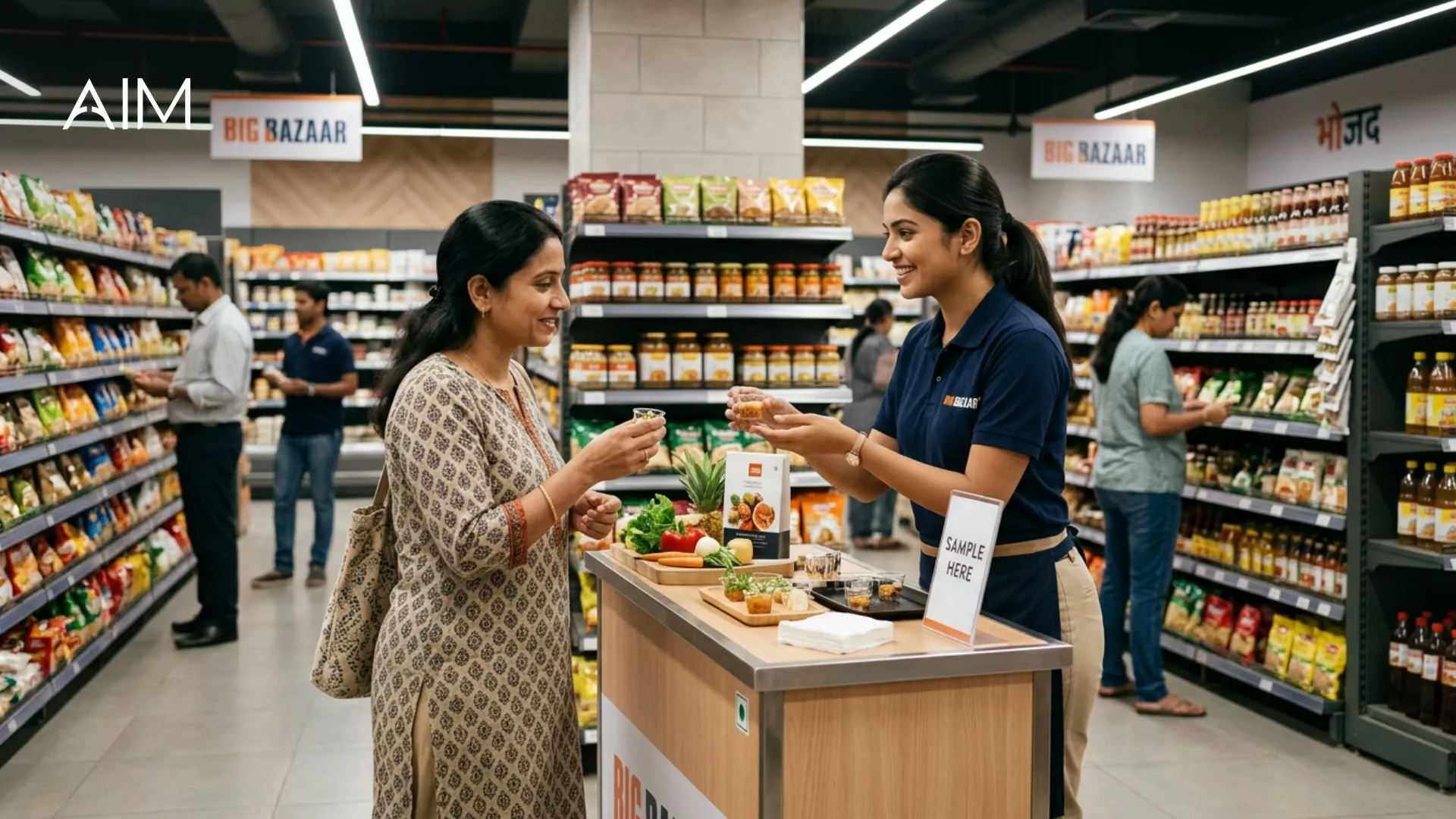
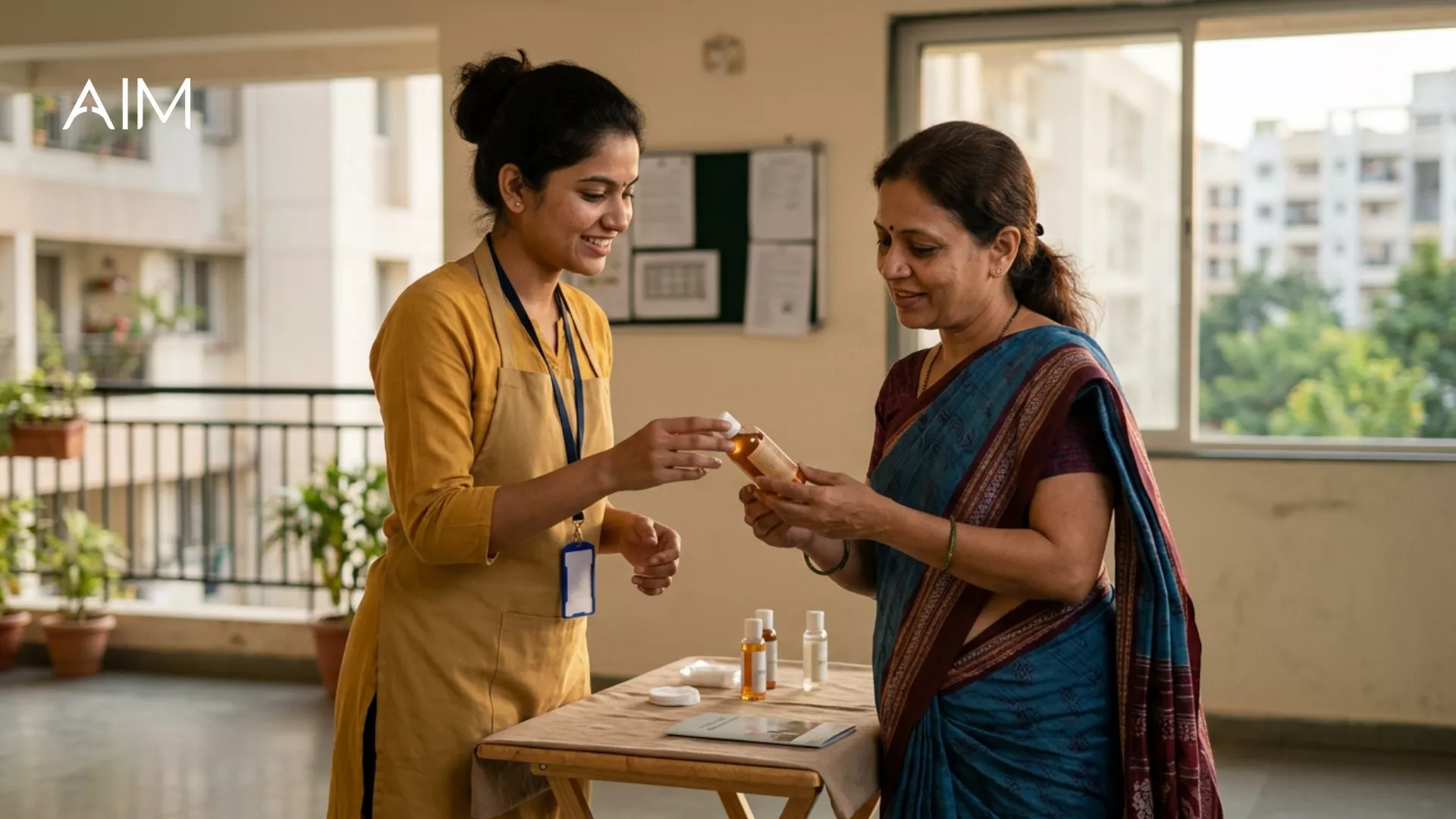
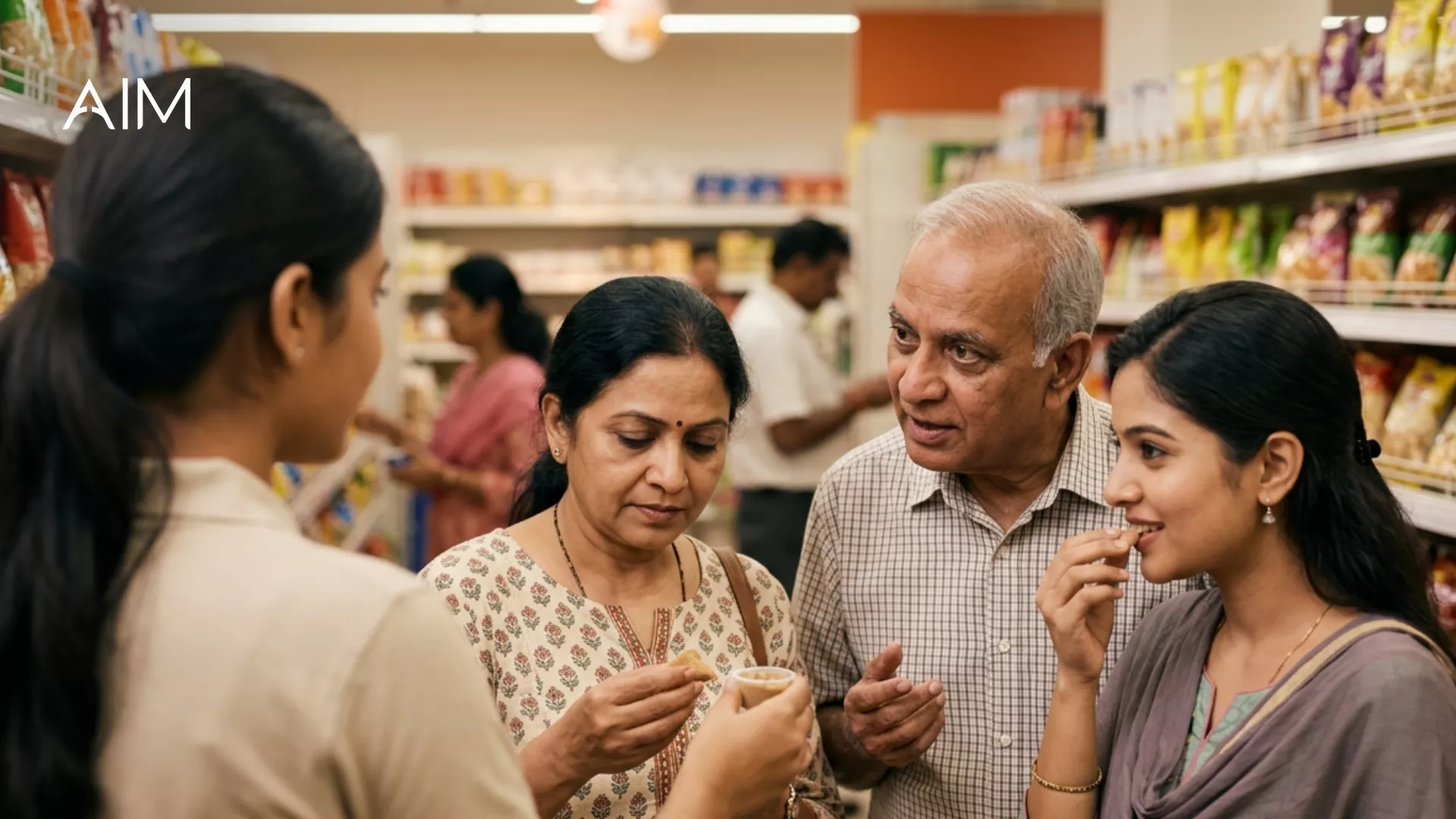
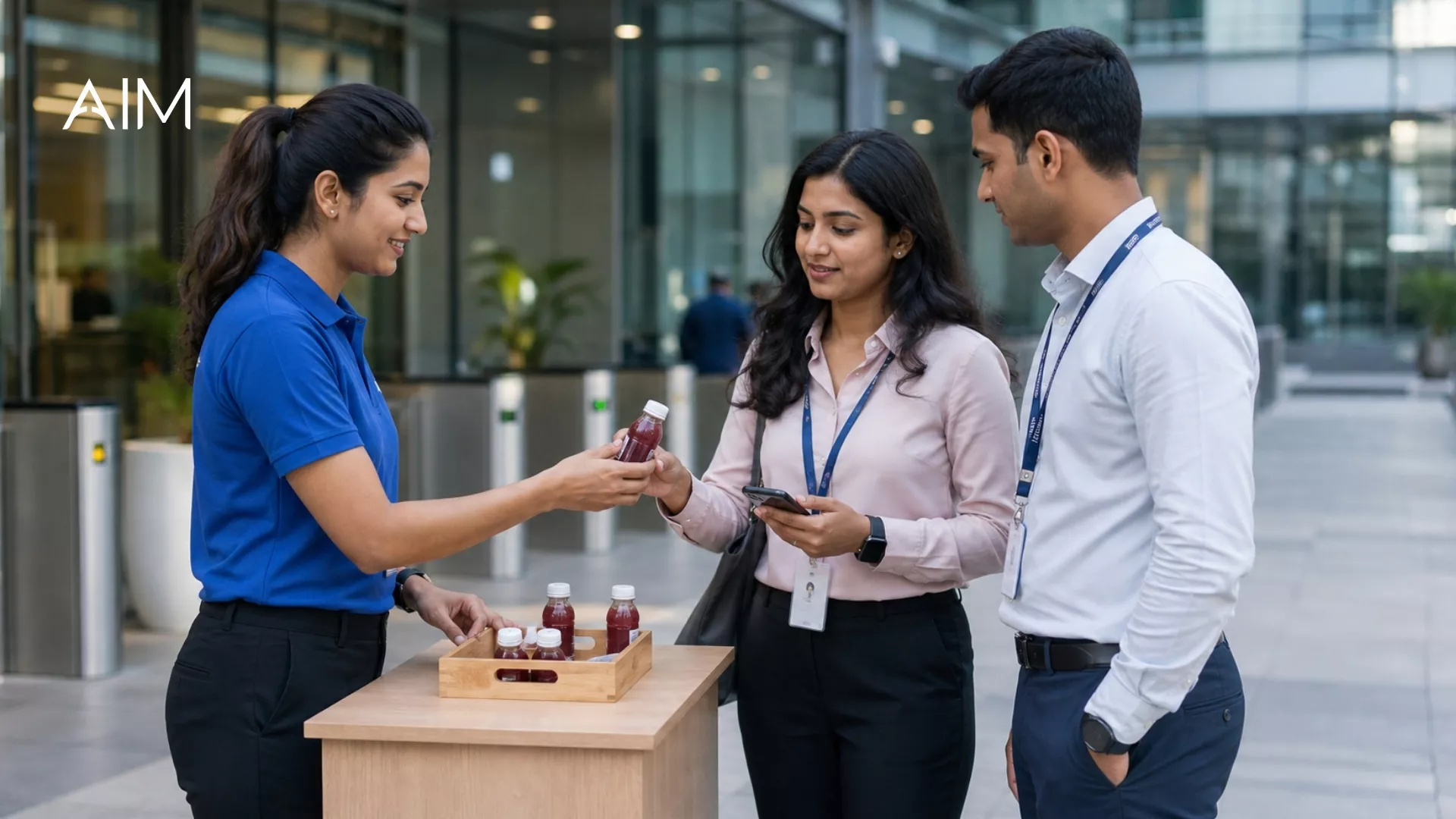
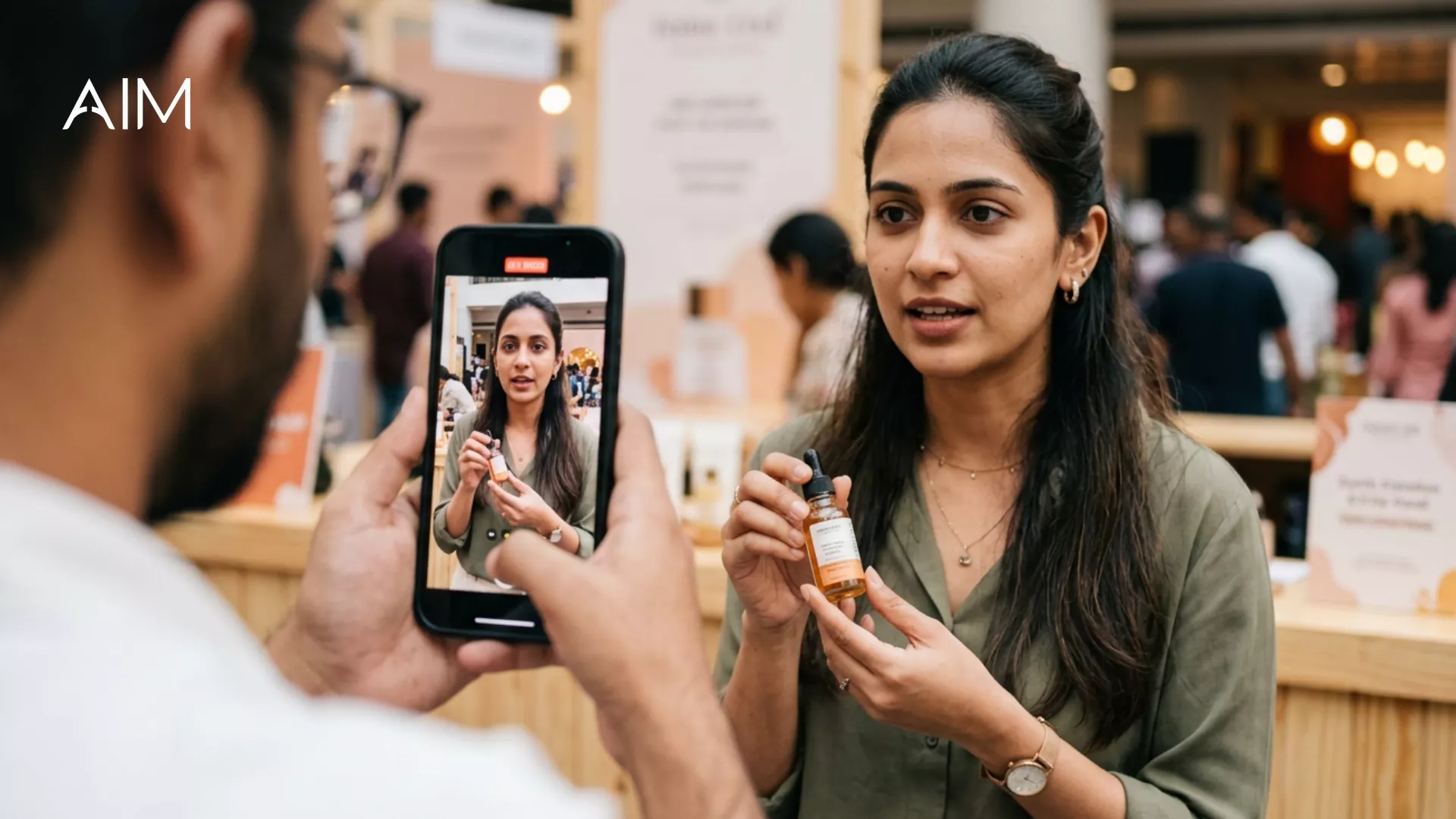
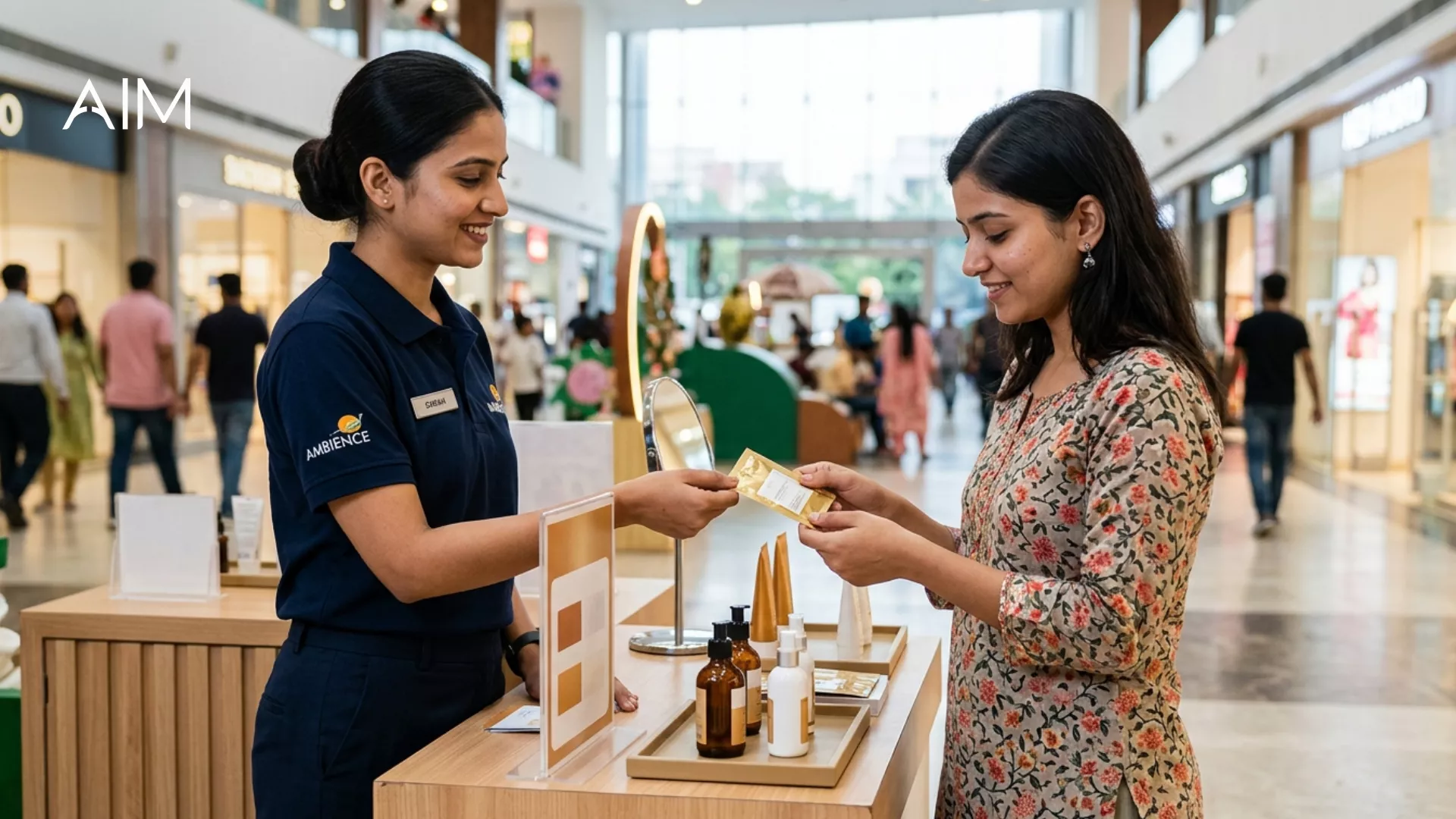
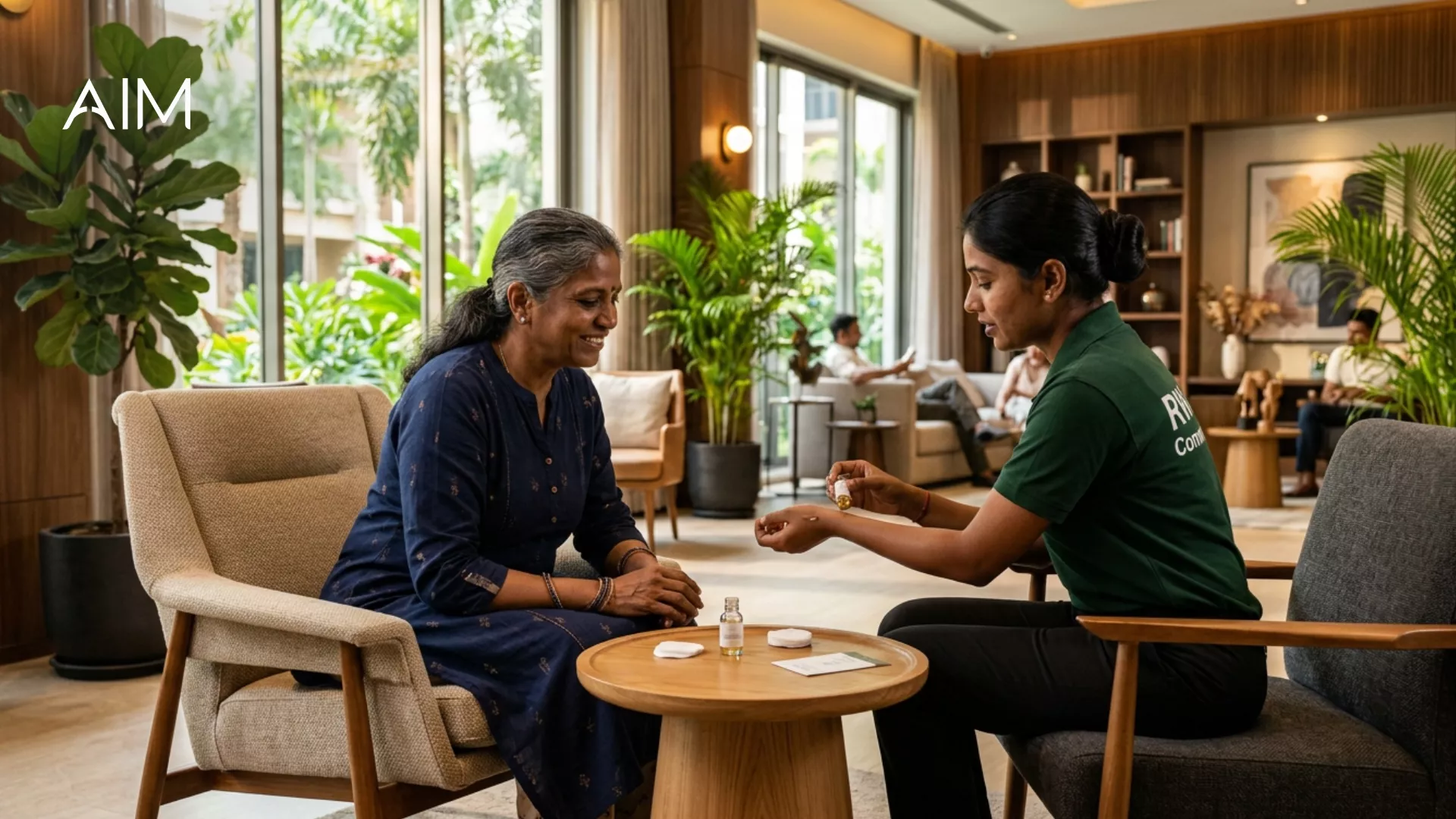
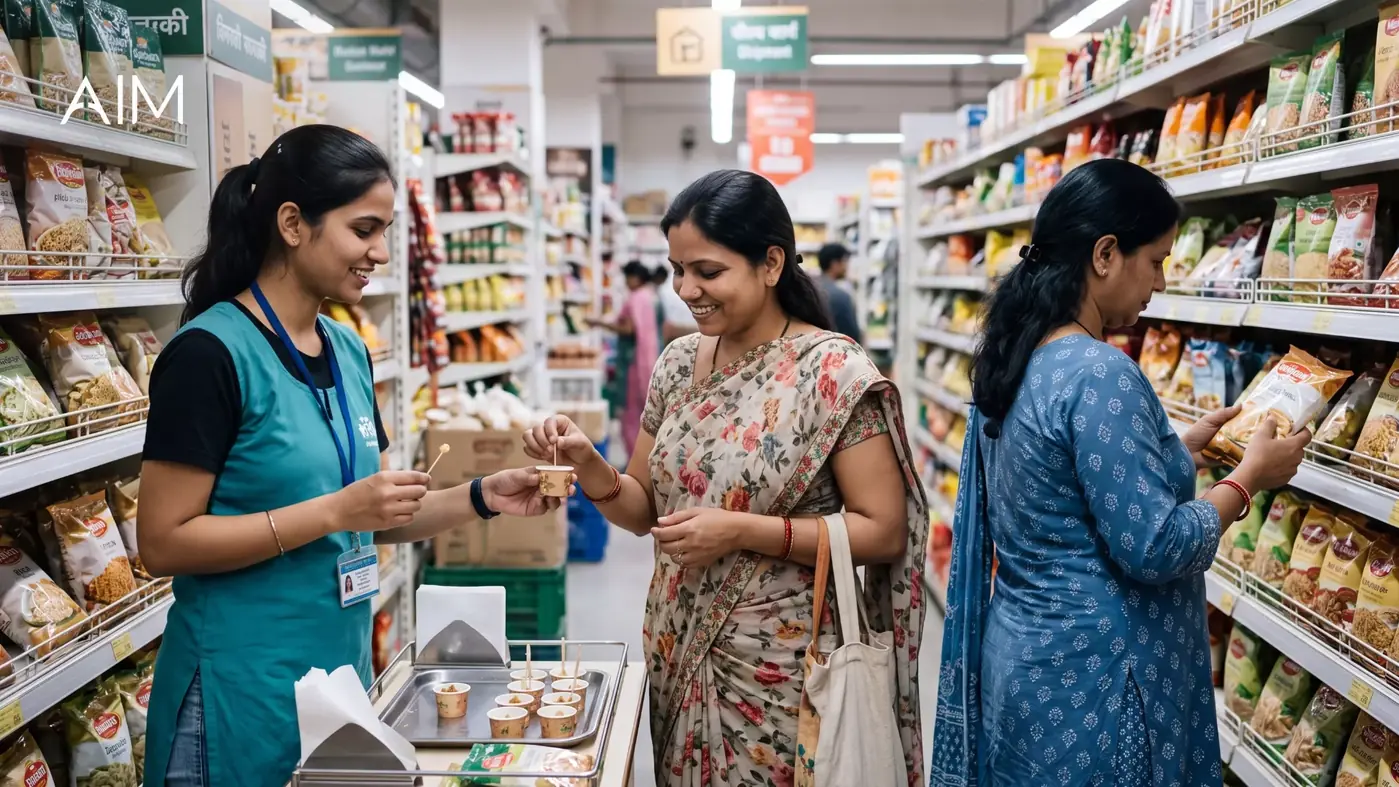
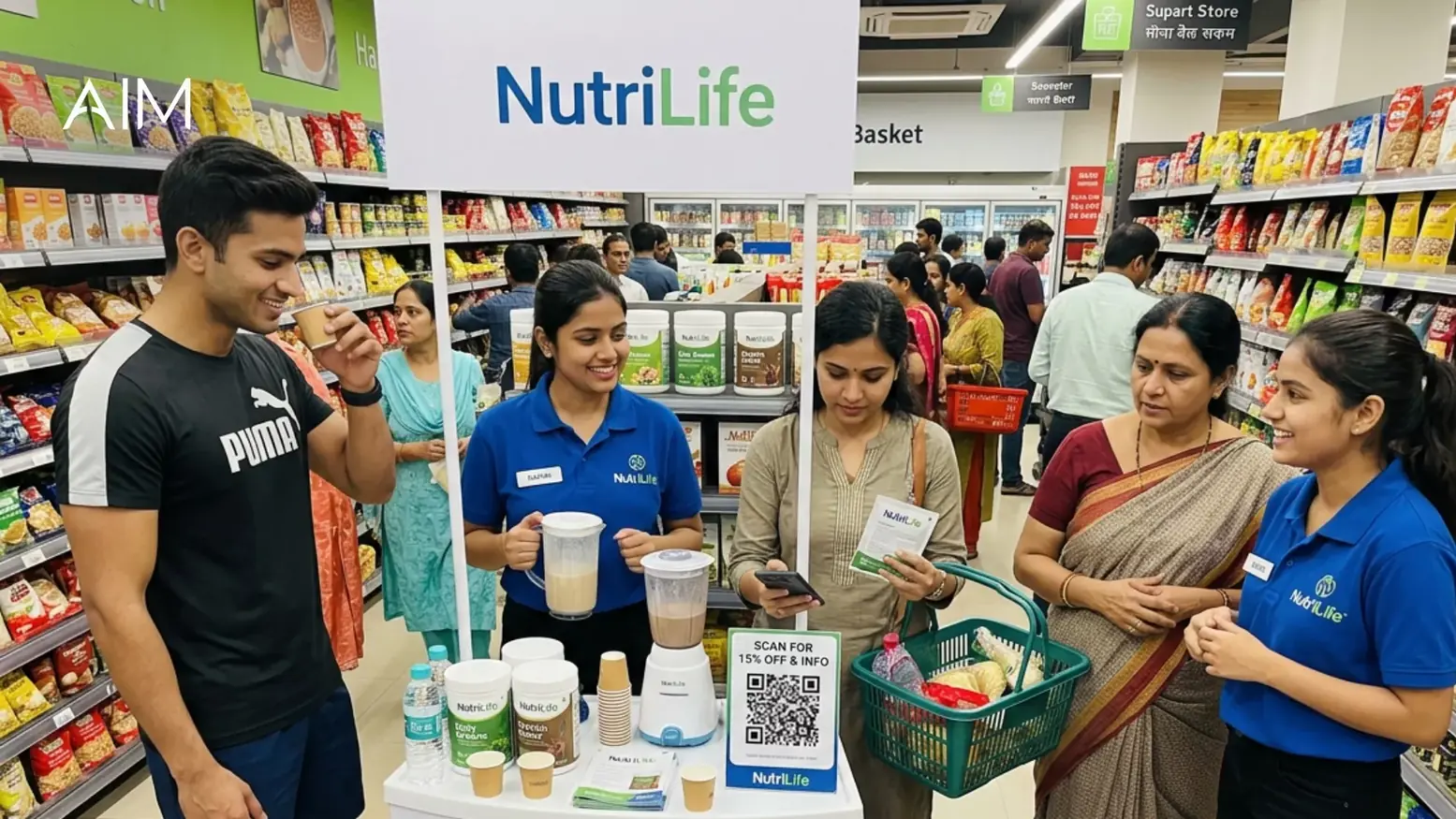
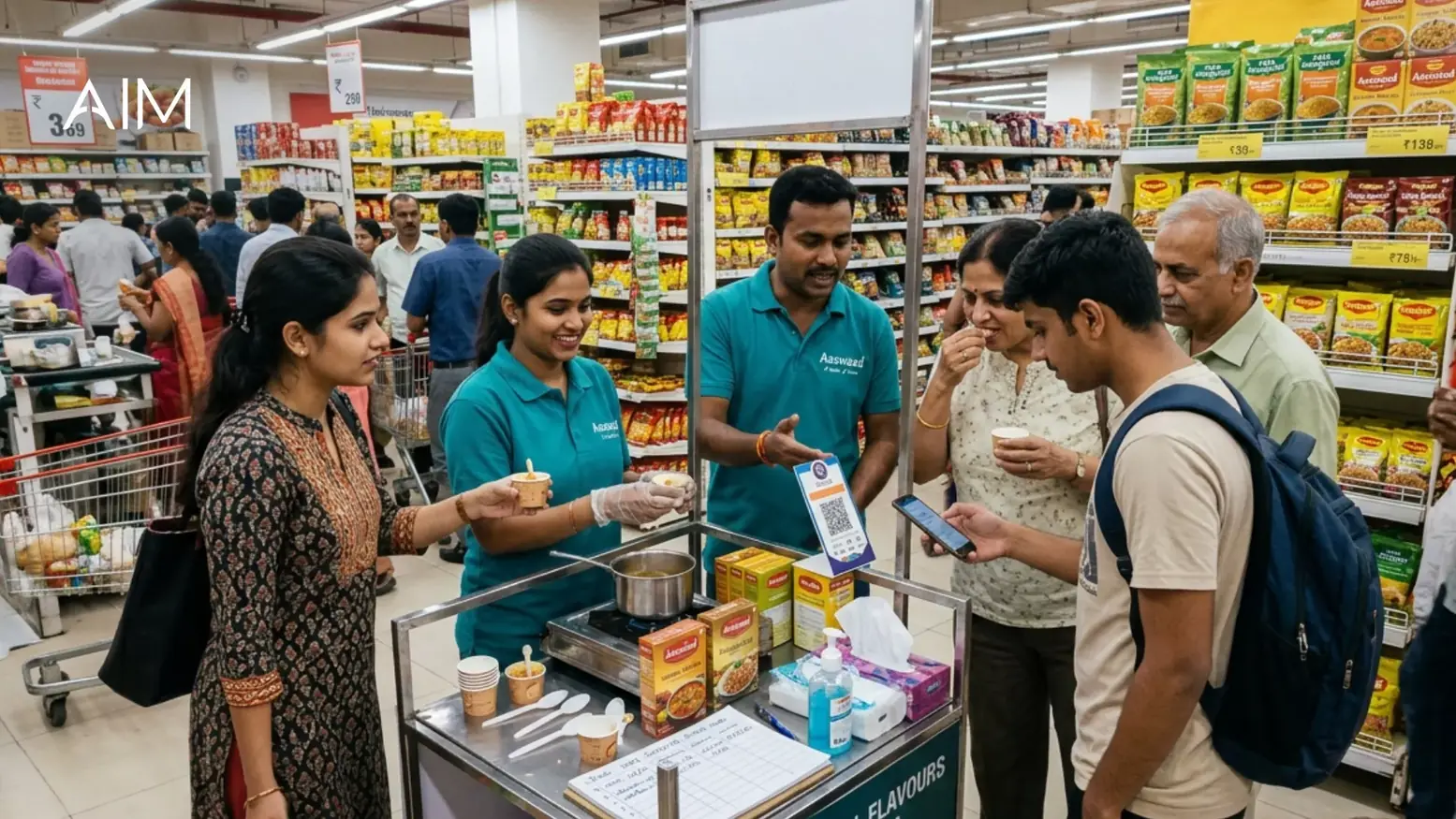
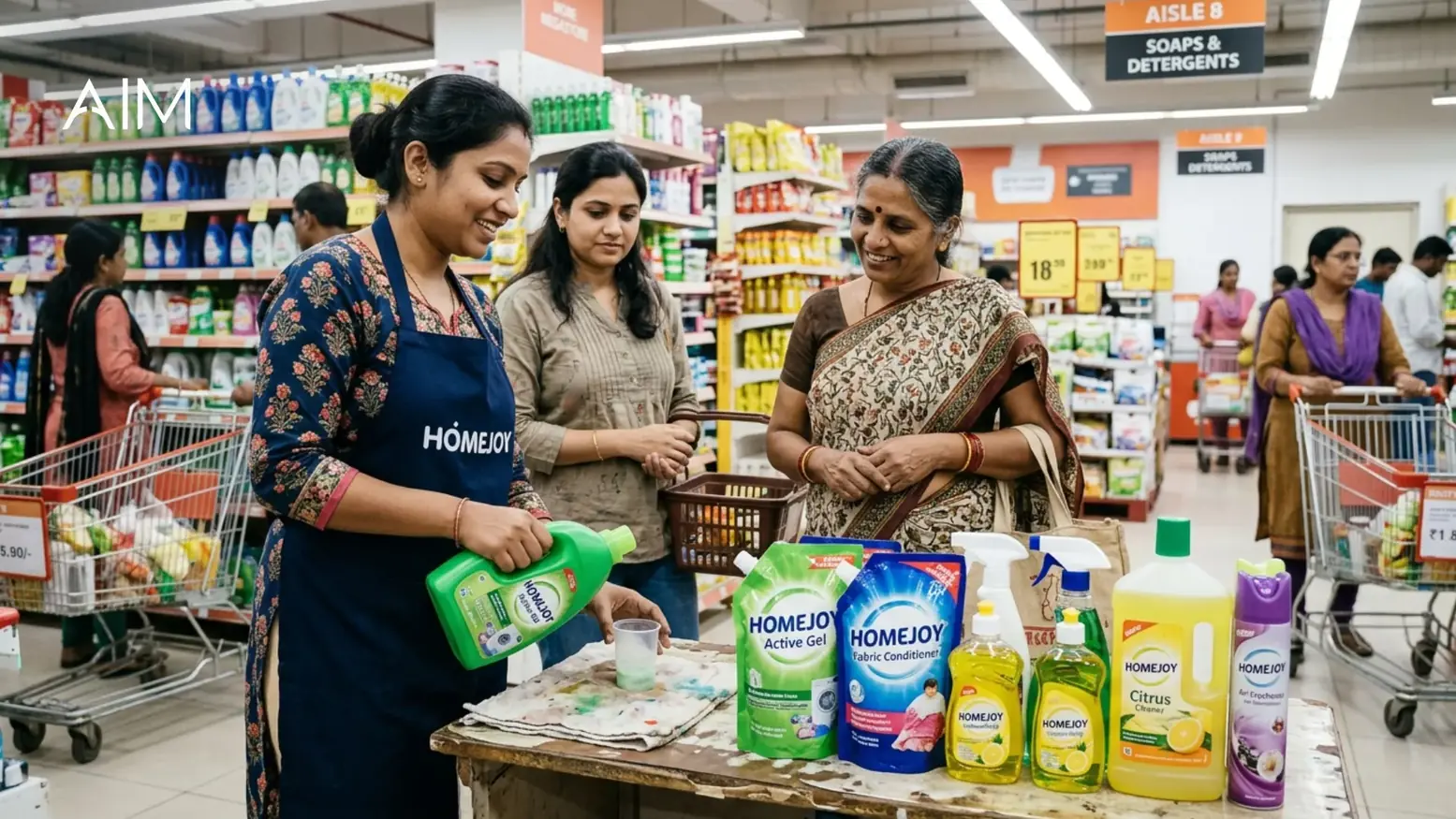
Wet sampling is when the sample is made ready and given in its live, usable state, right there at the point of trial. A beverage poured chilled into a cup. A snack cooked or plated and handed over warm. A shampoo or a face wash lathered on the spot. A floor cleaner demonstrated on an actual patch of floor. The defining feature is that the brand controls the moment of experience, and the customer judges the product exactly as it is meant to be used, not as a promise they will test later.
That control is the strength of wet sampling. You decide the serving temperature, the portion, the preparation, the first impression. For a product whose whole case rests on that first sensory moment, this is the only honest way to sample it, because a product served wrong tastes like a worse product, and the customer blames the brand, not the serving.
What is dry sampling?
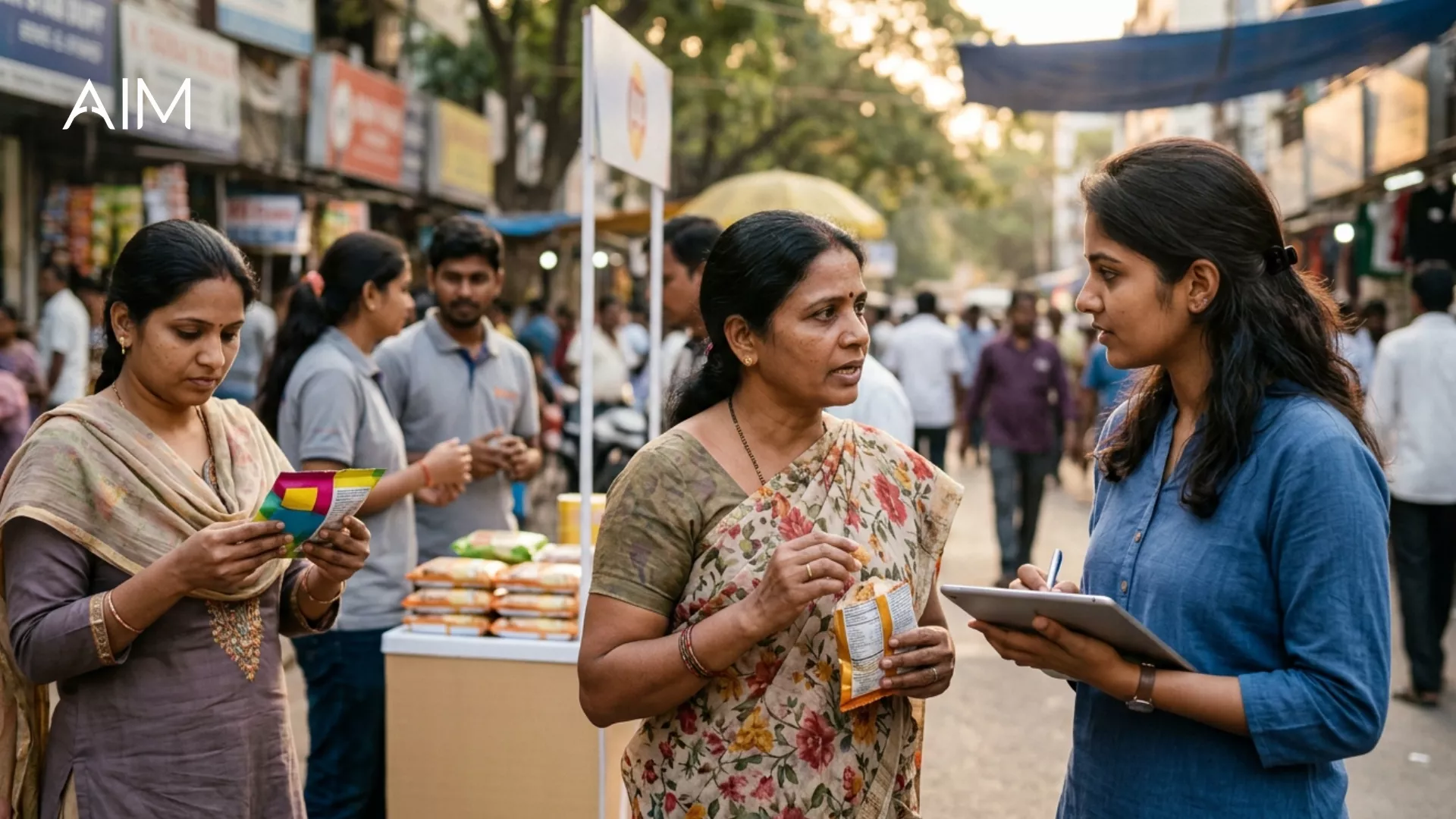
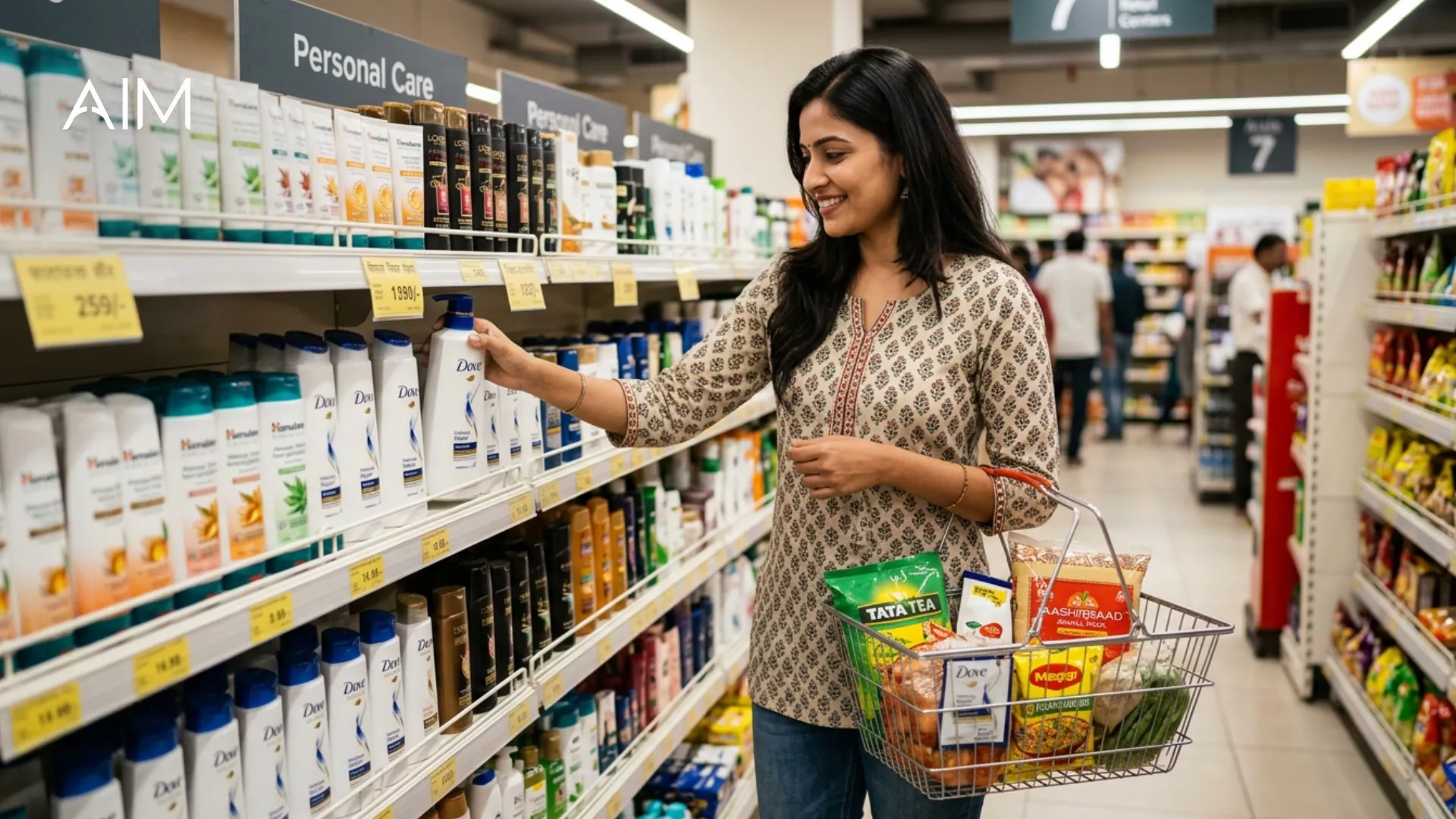
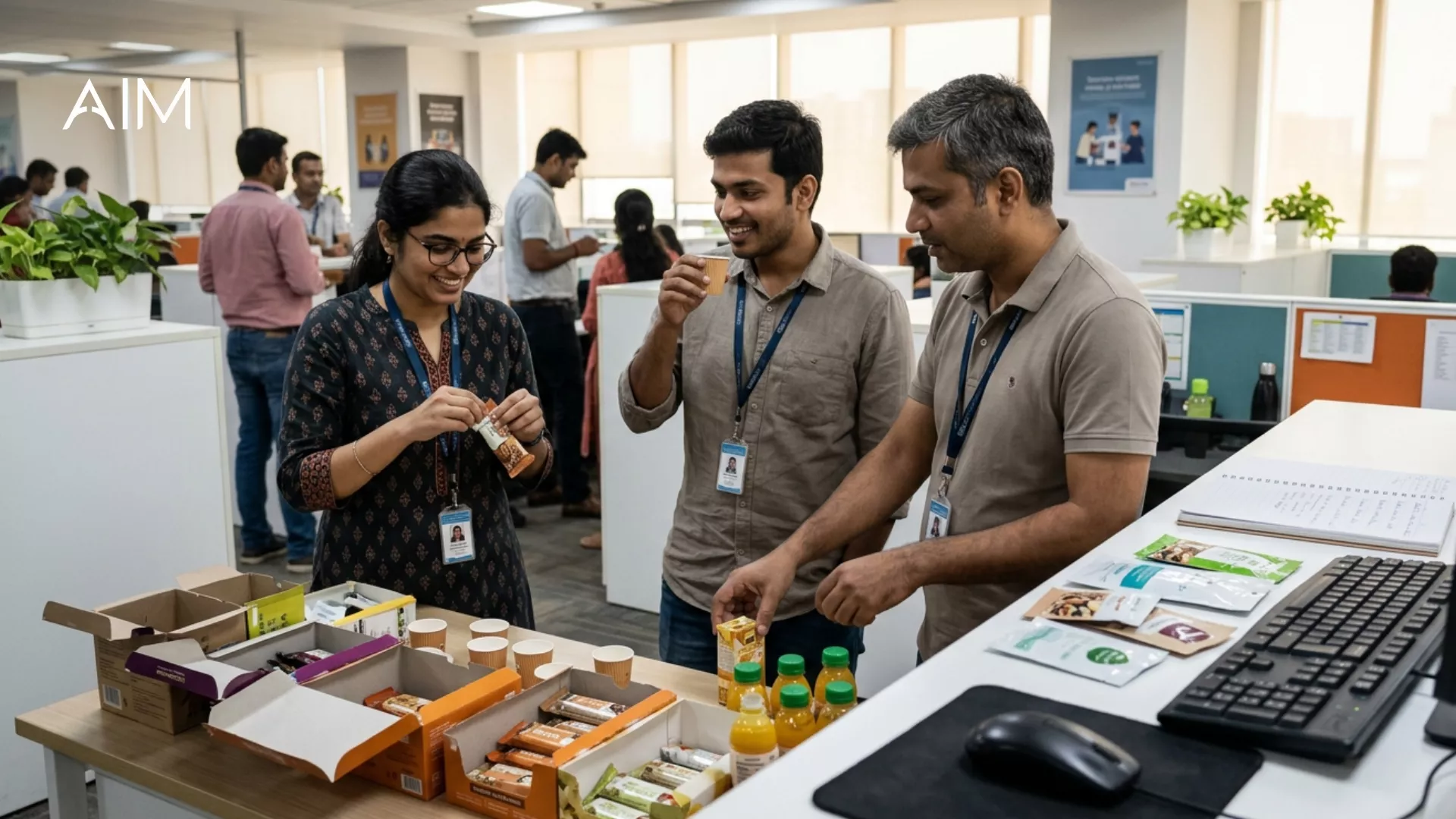
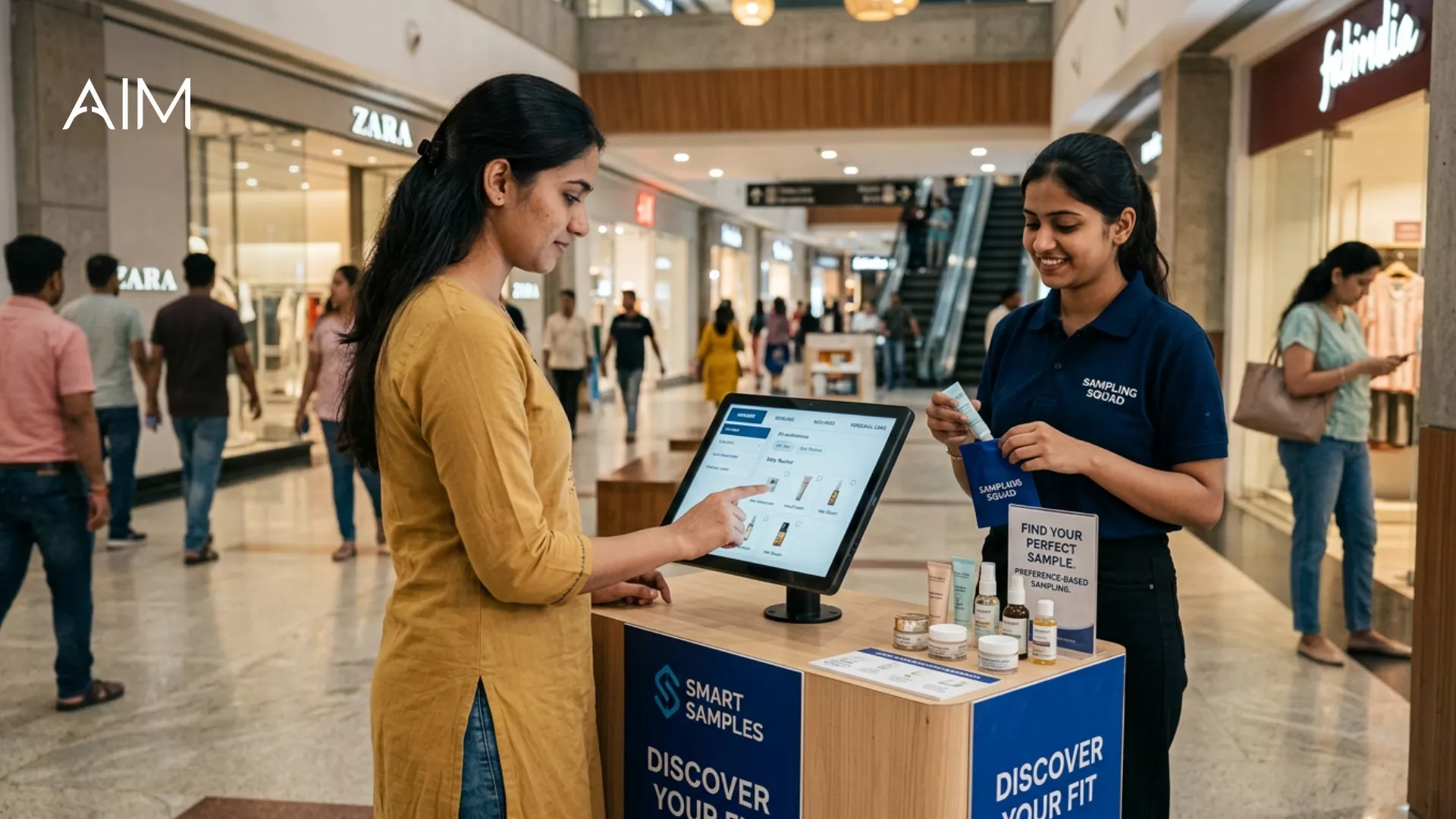
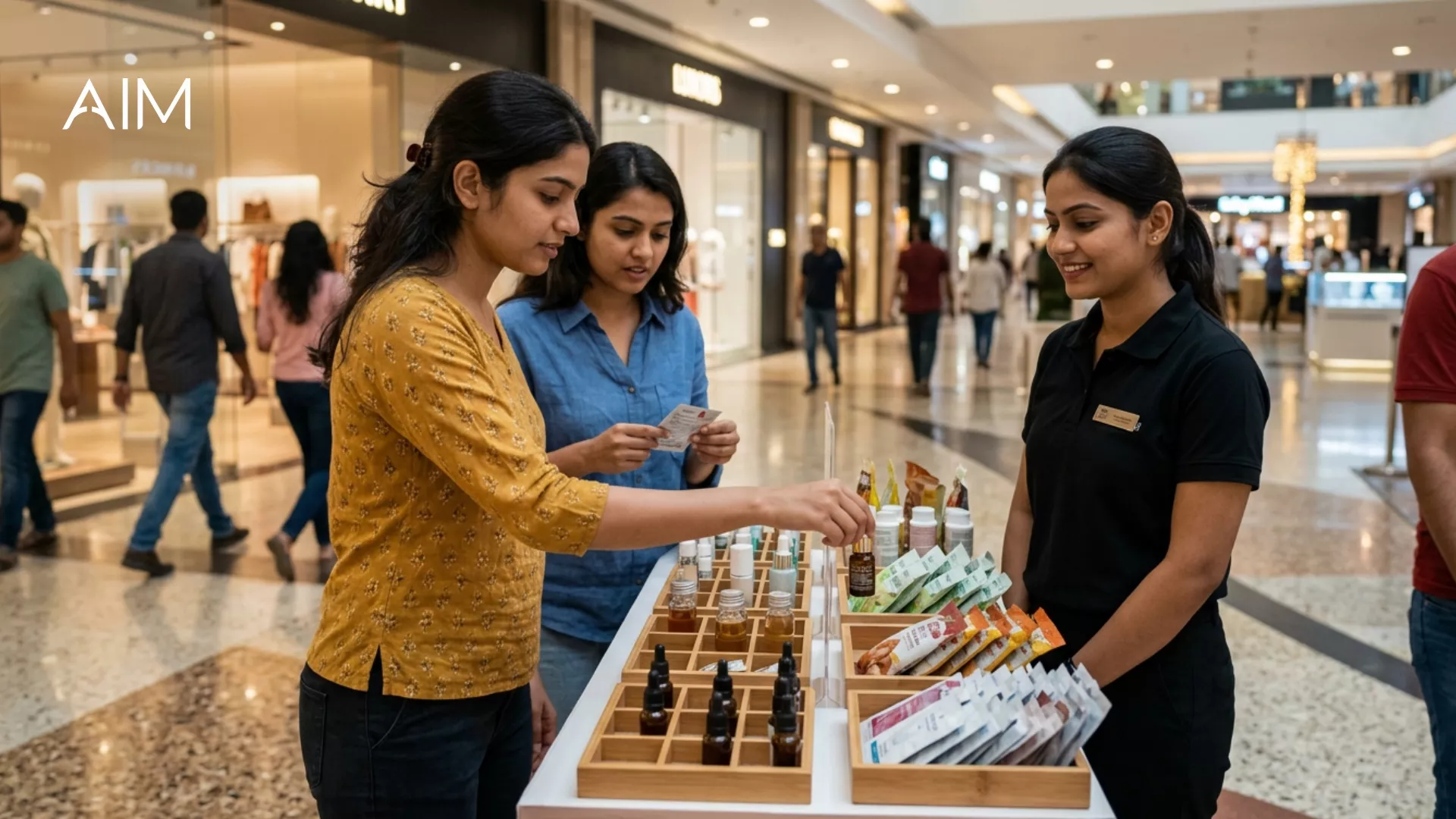
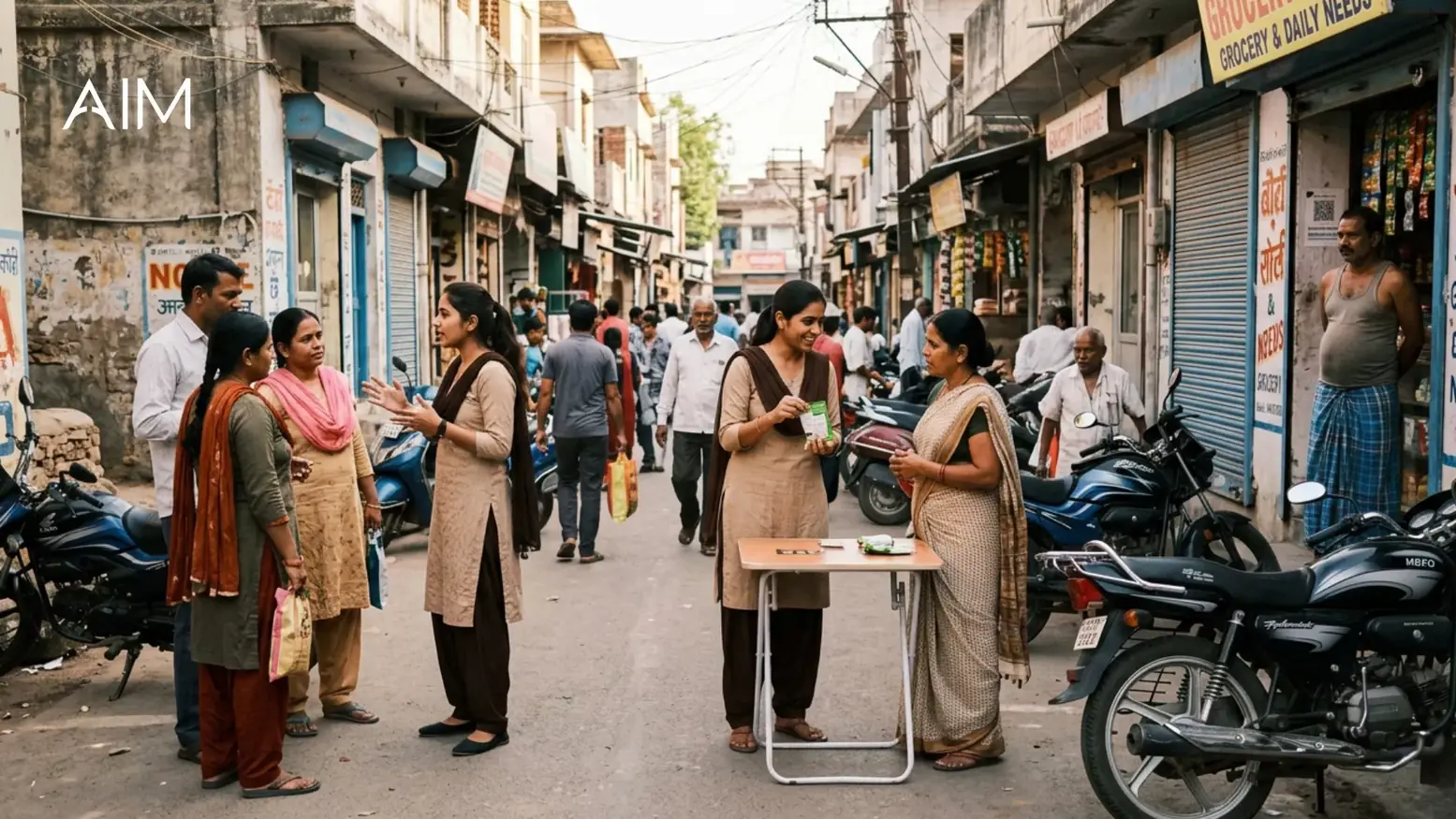
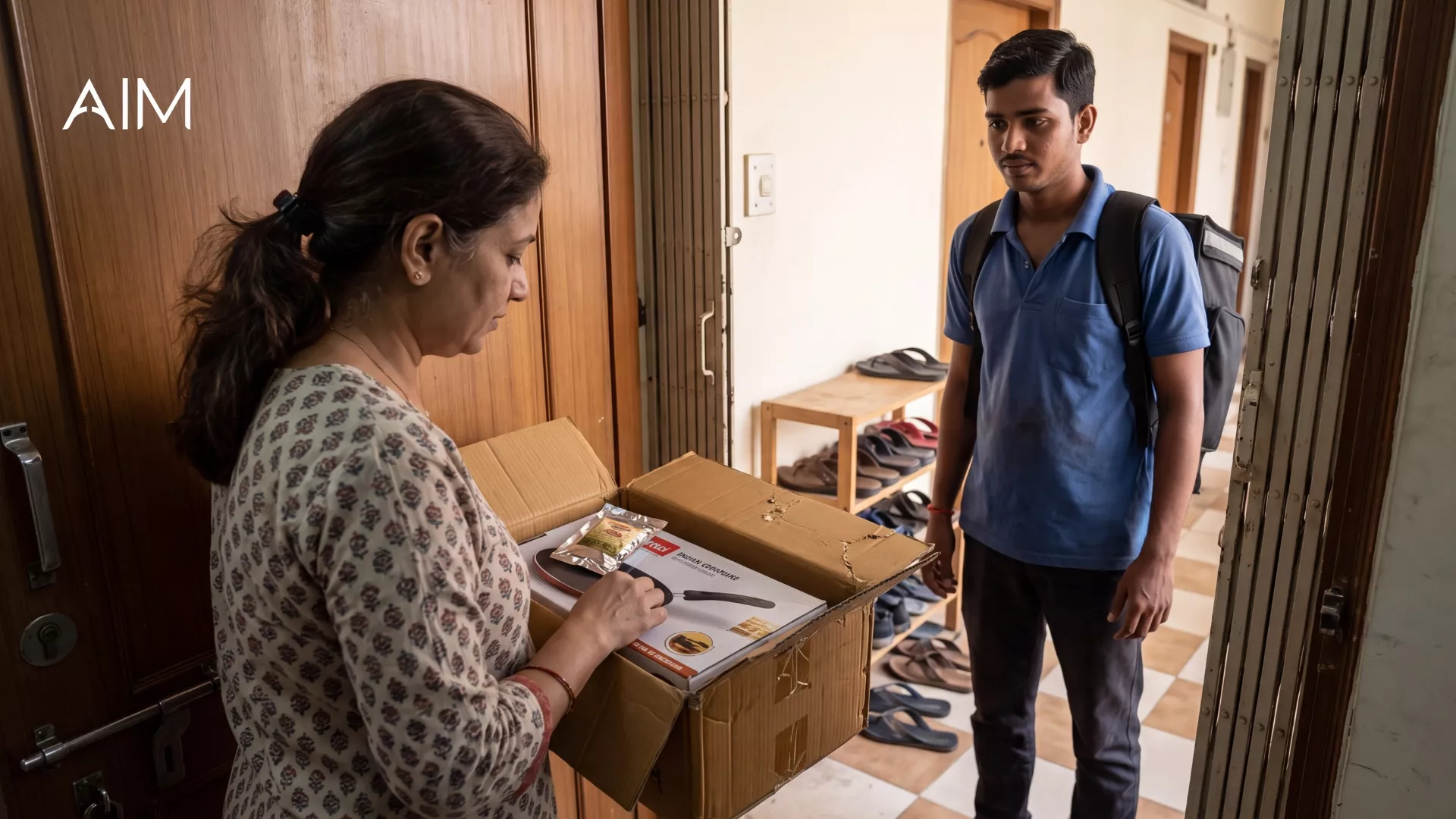
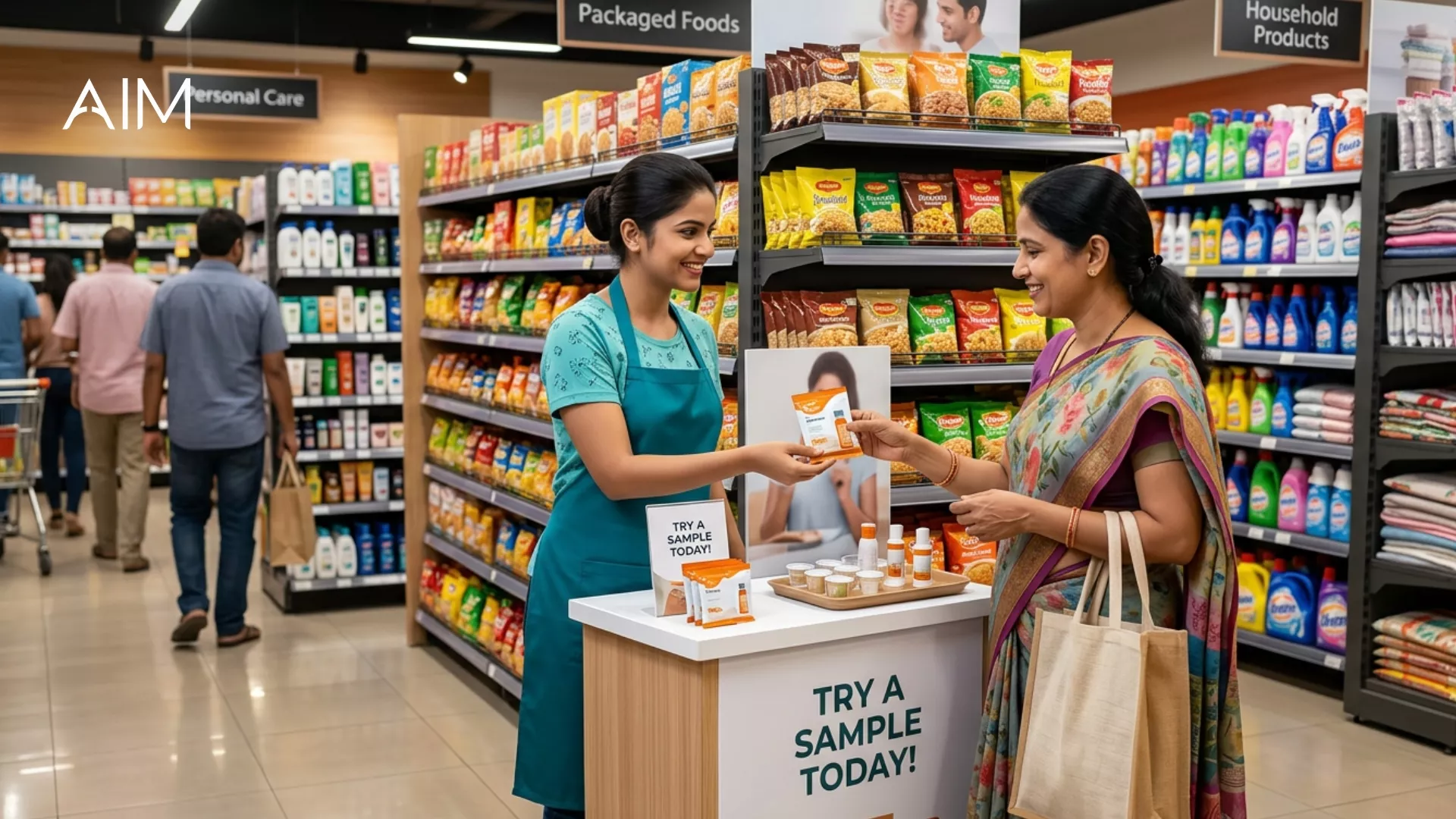
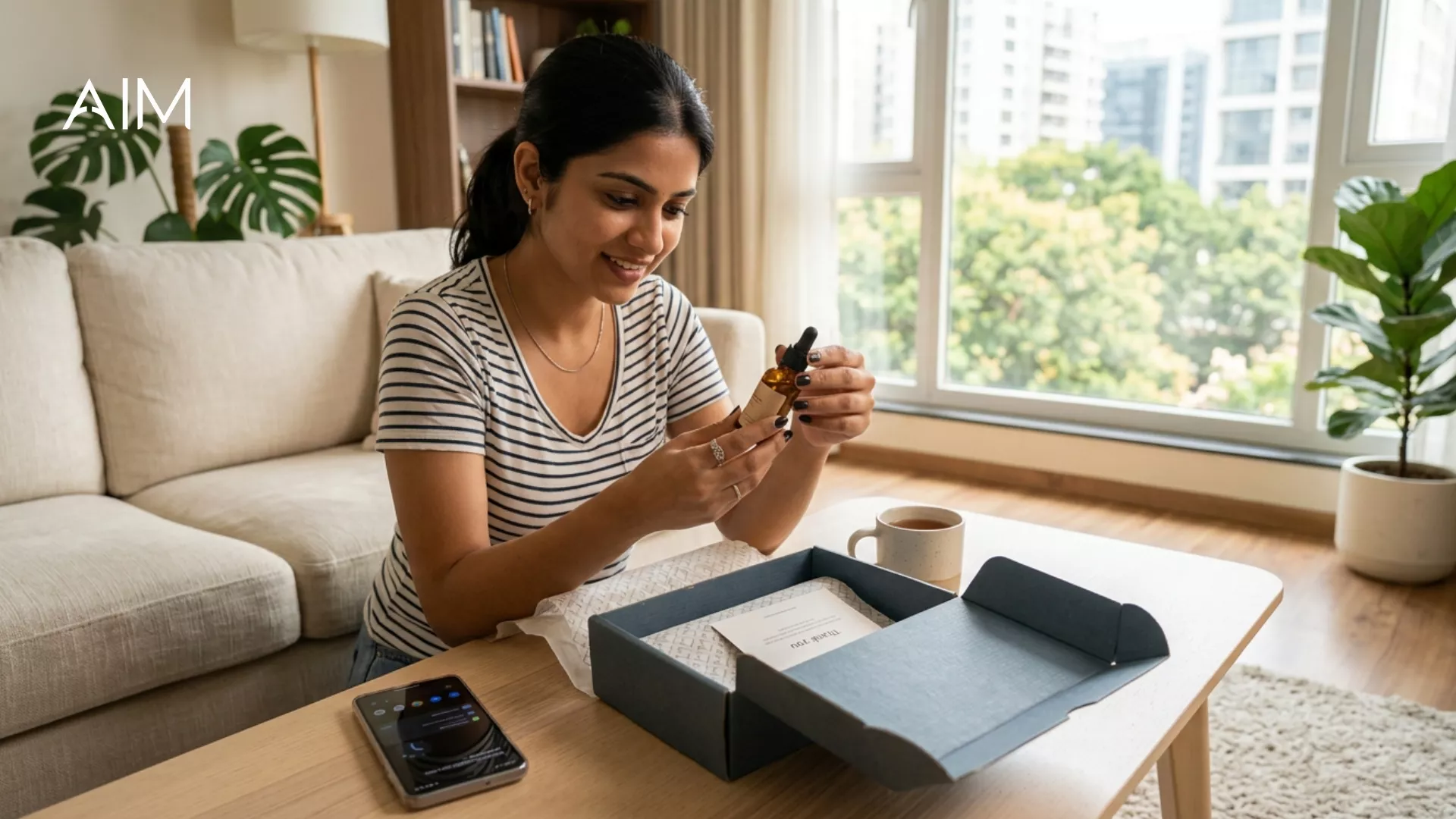
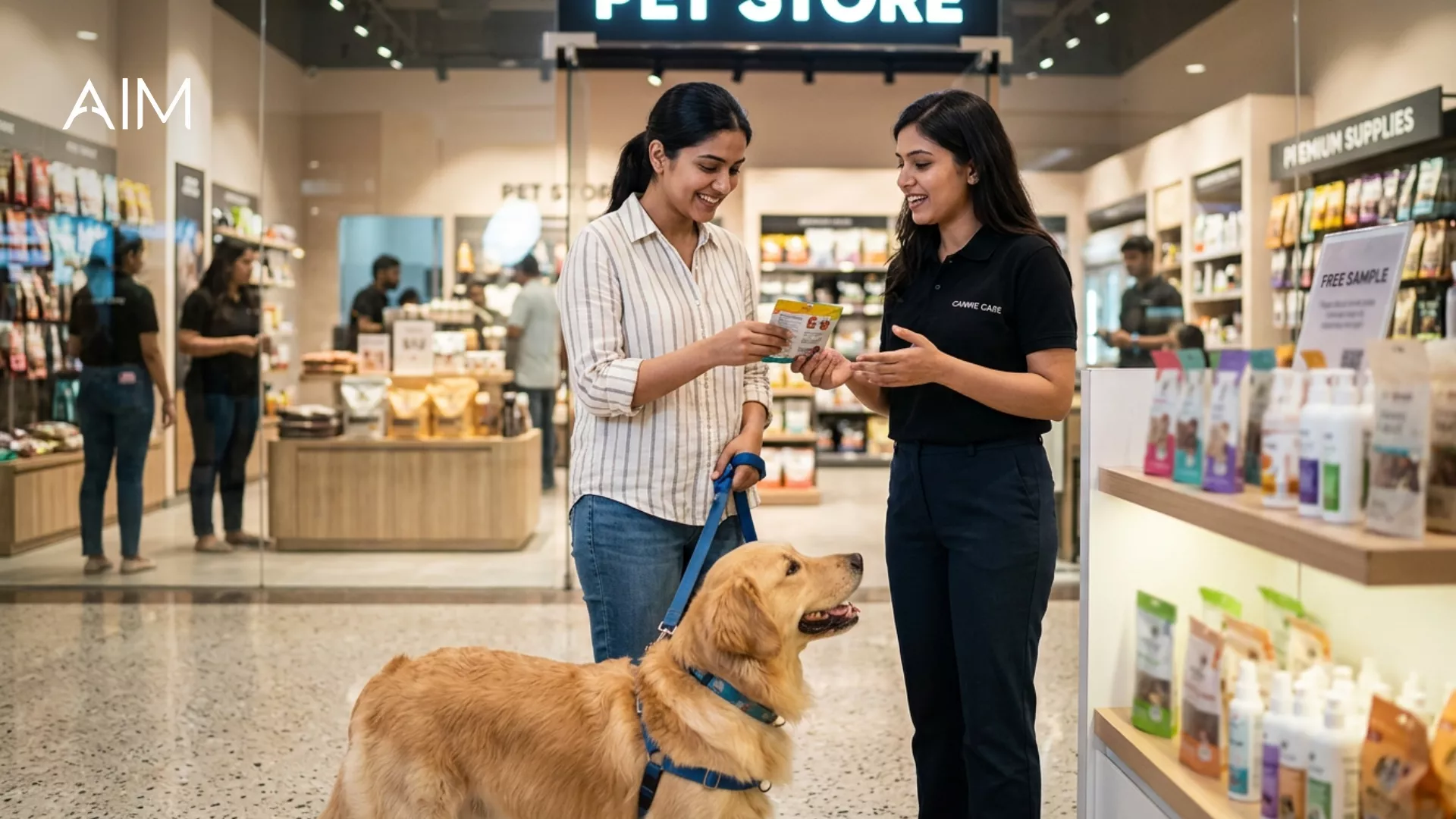
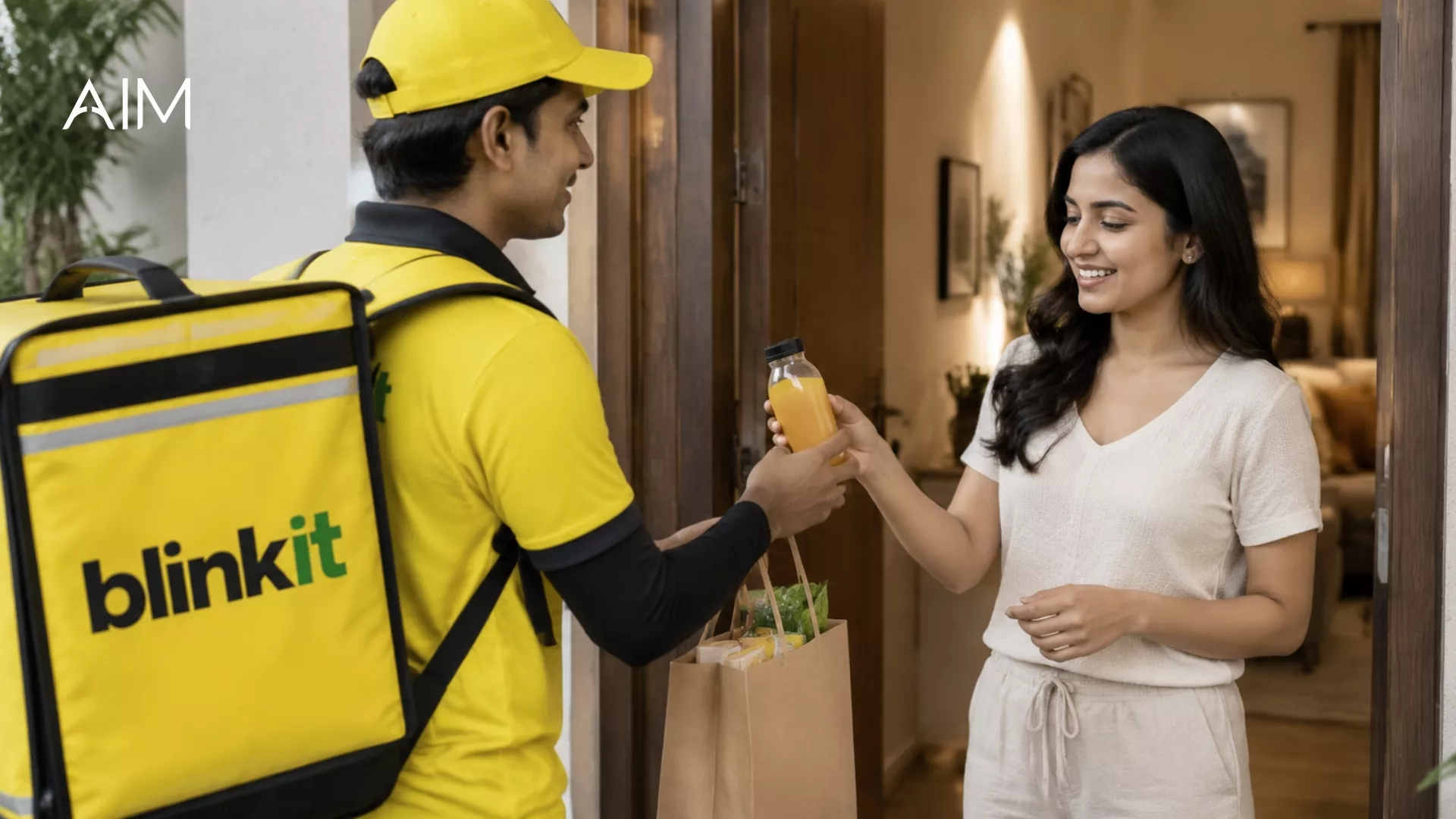
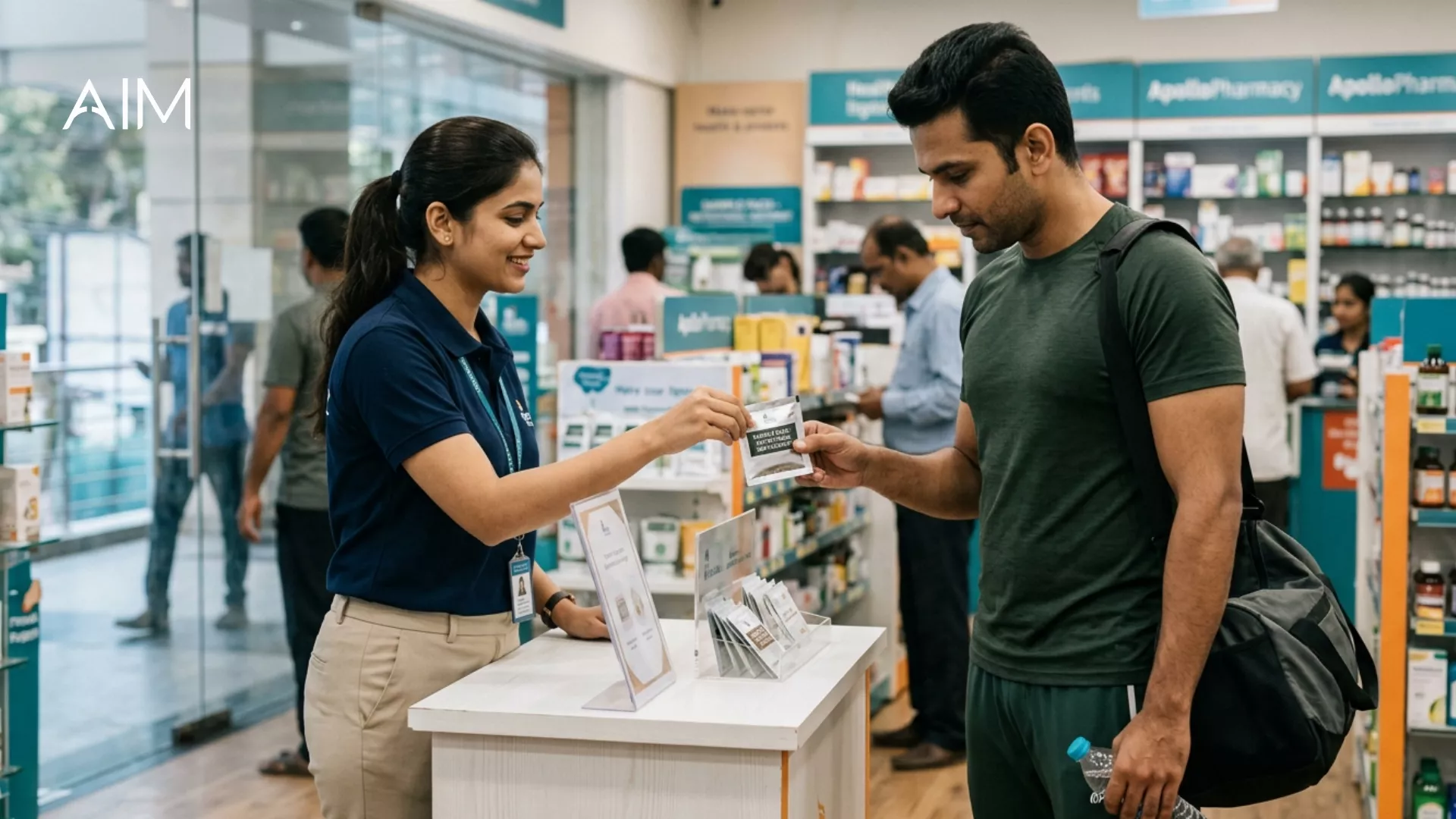
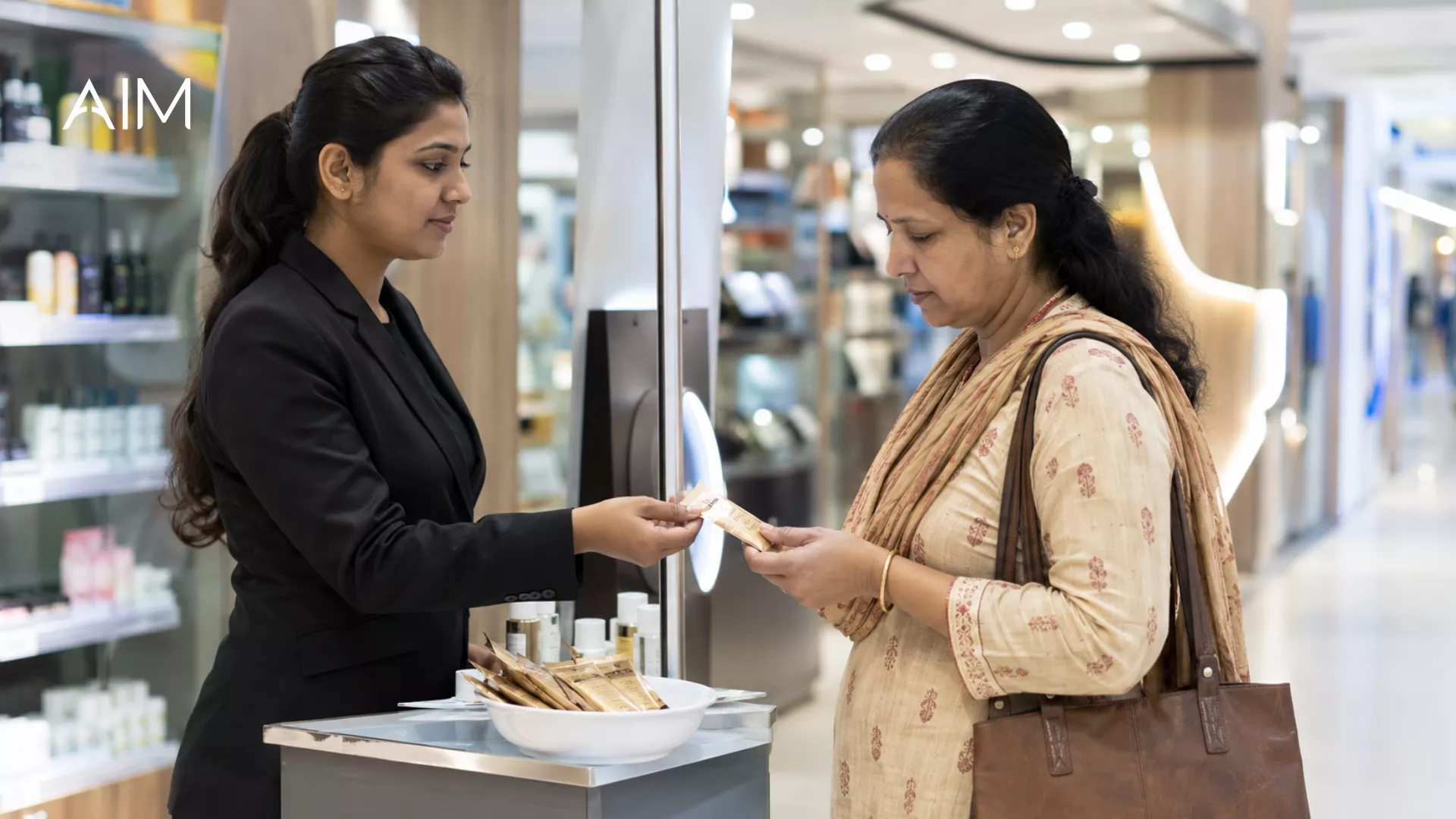
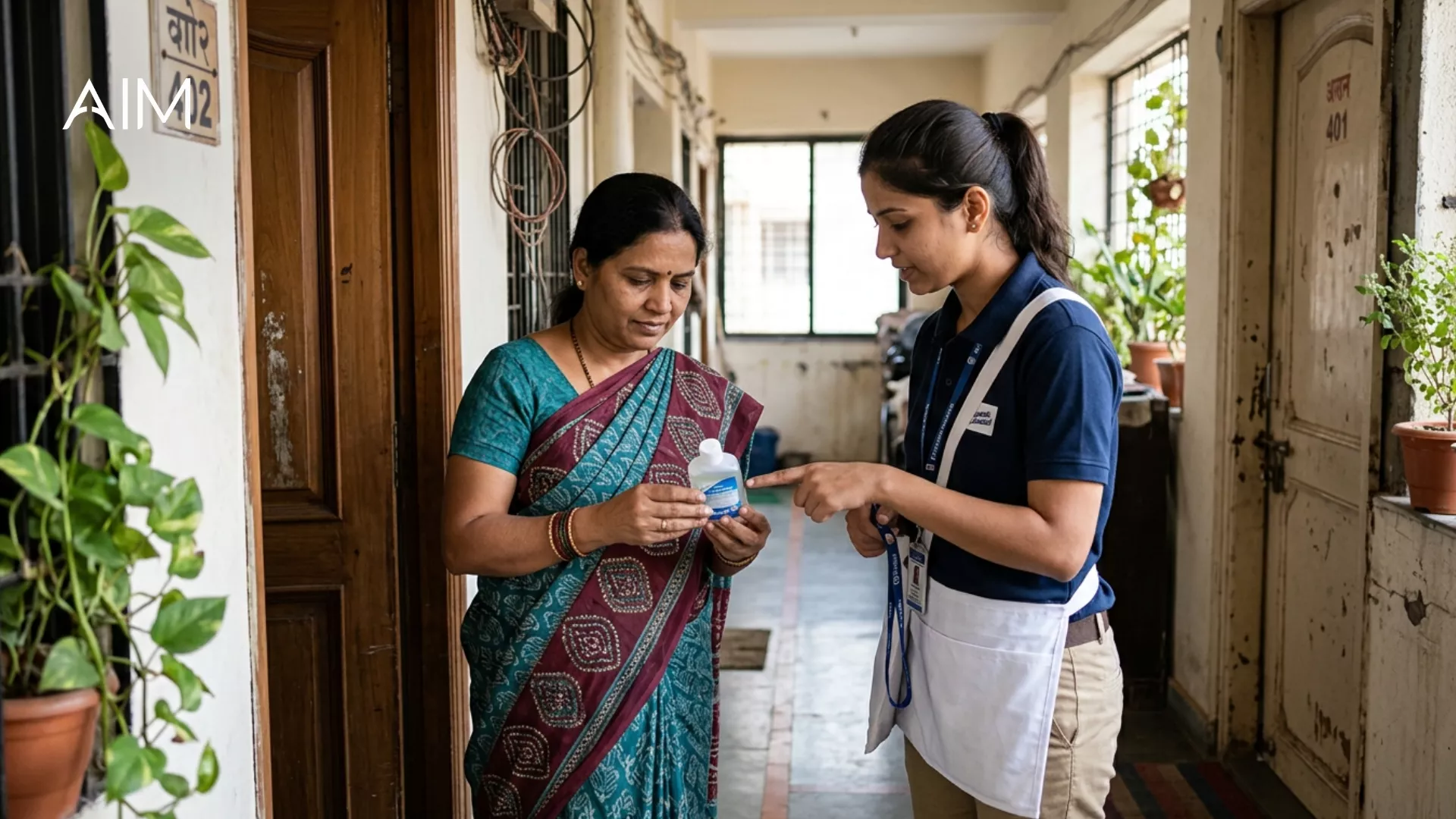
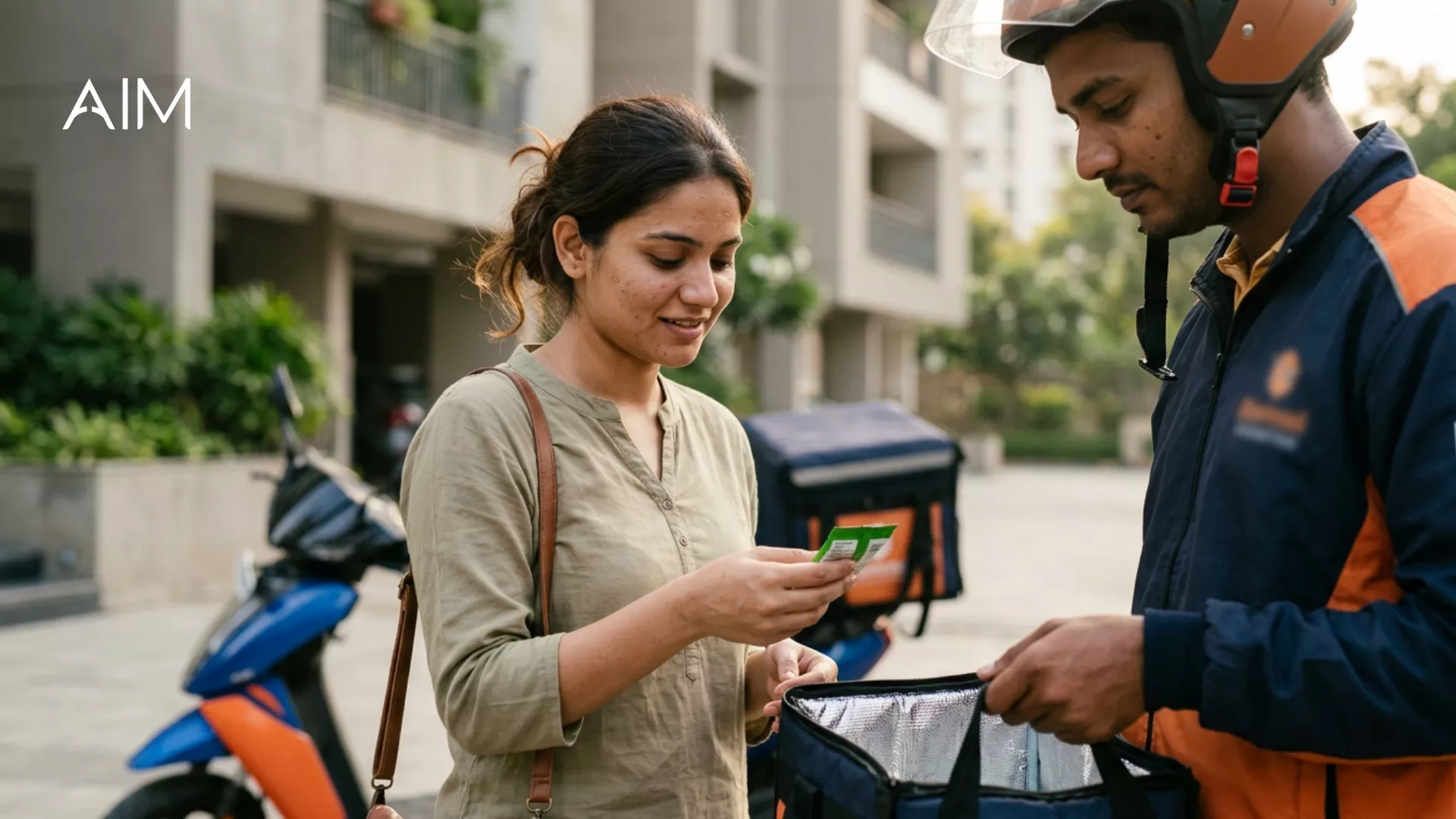
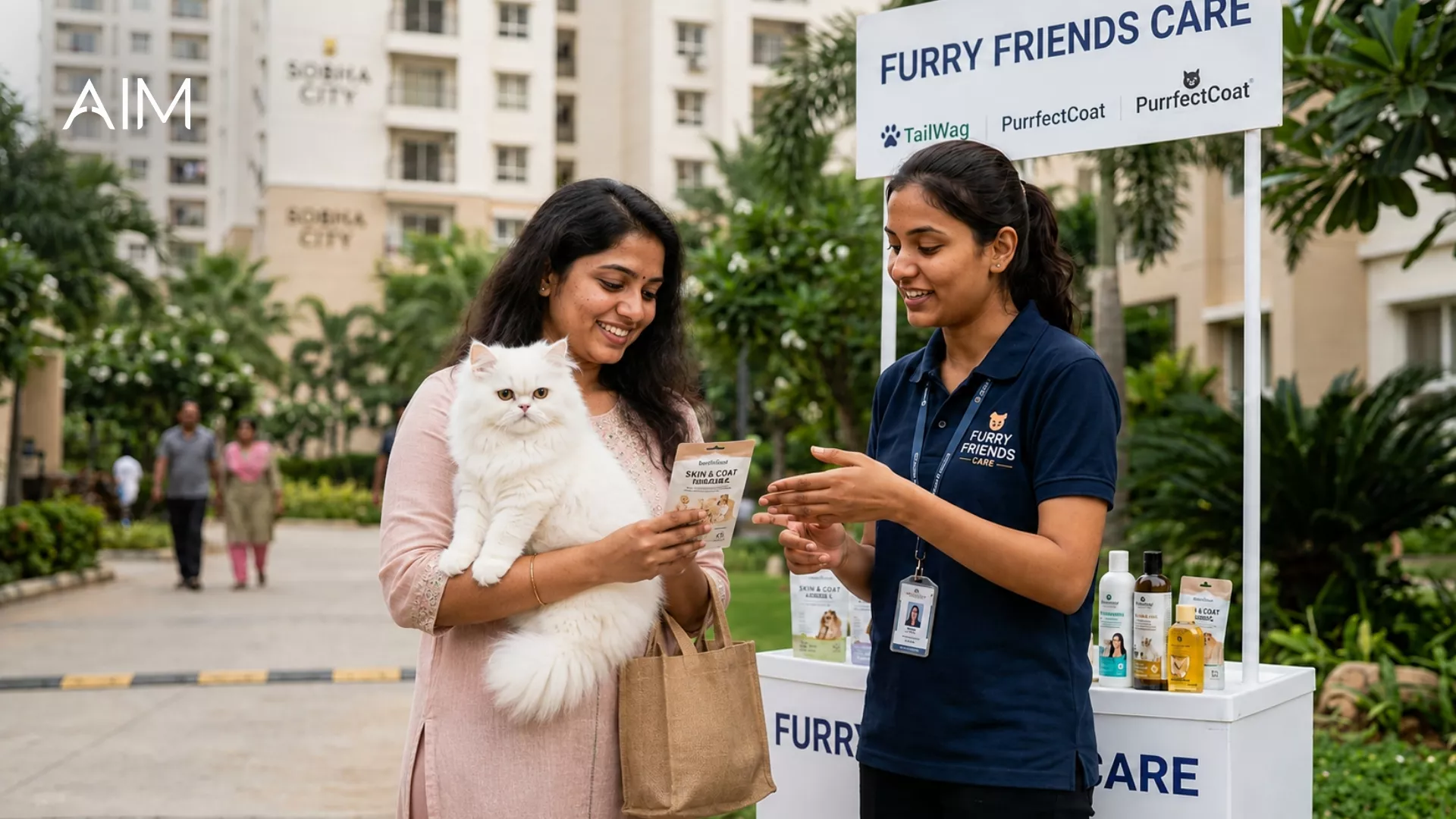
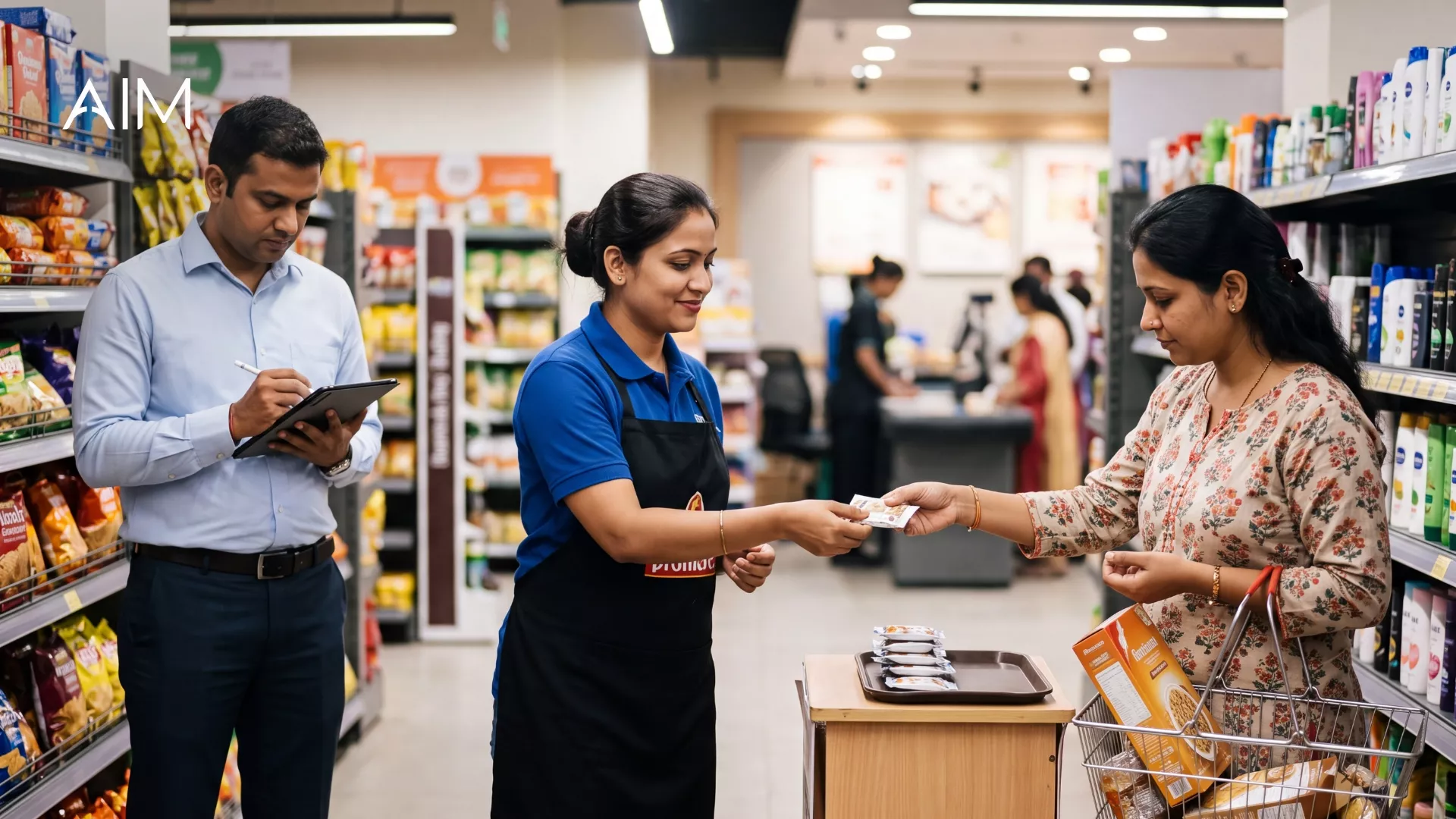
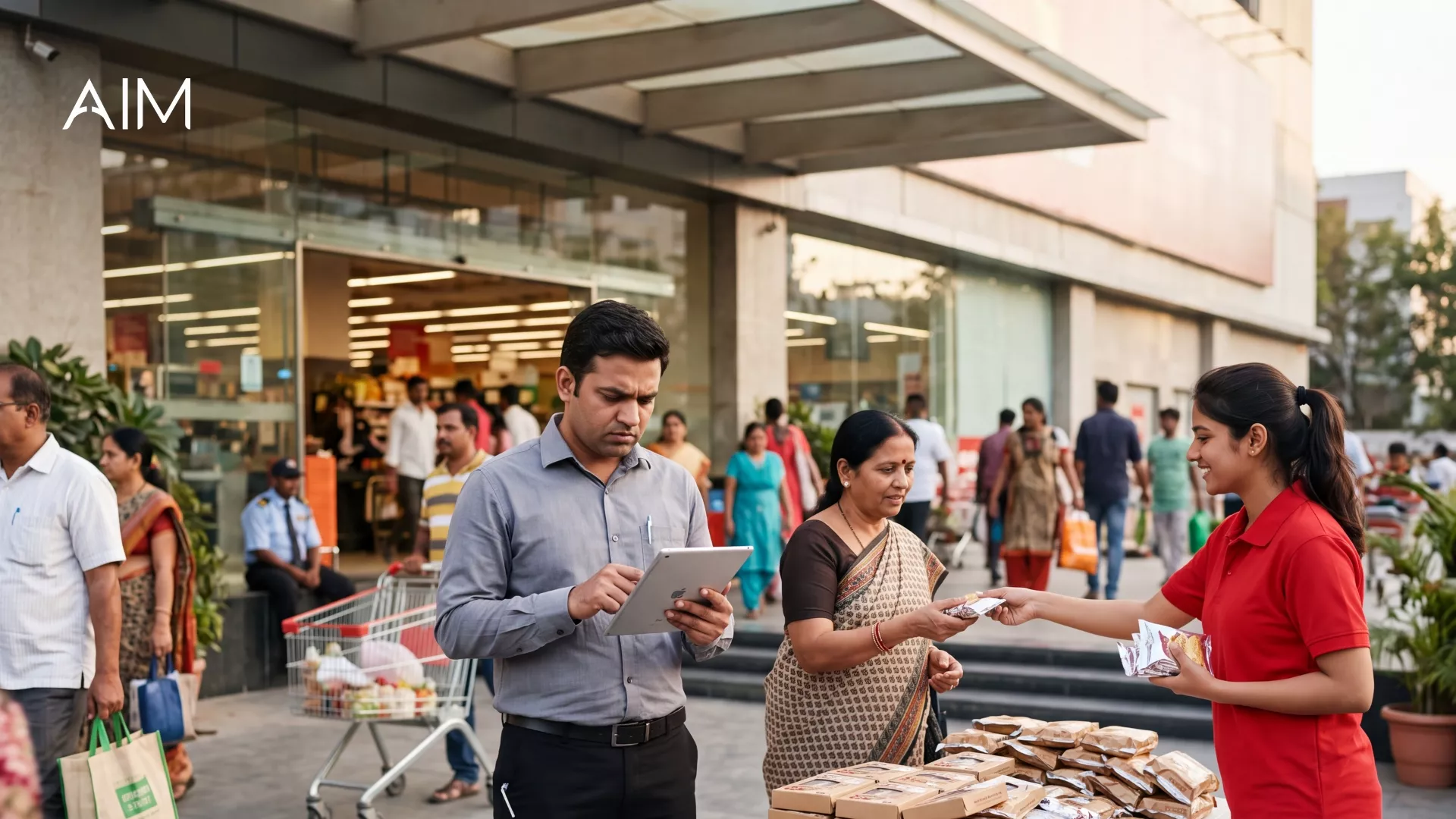
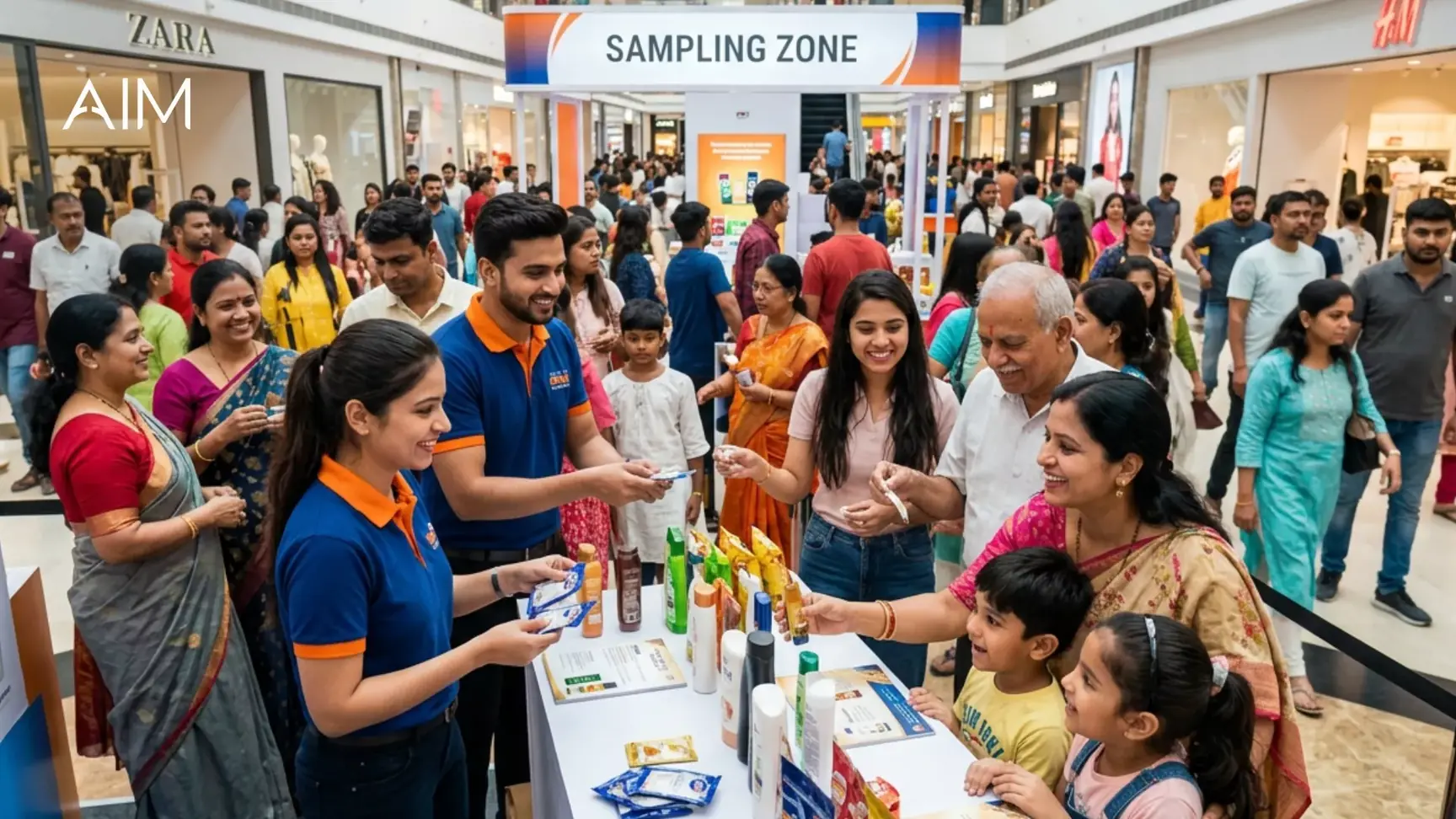
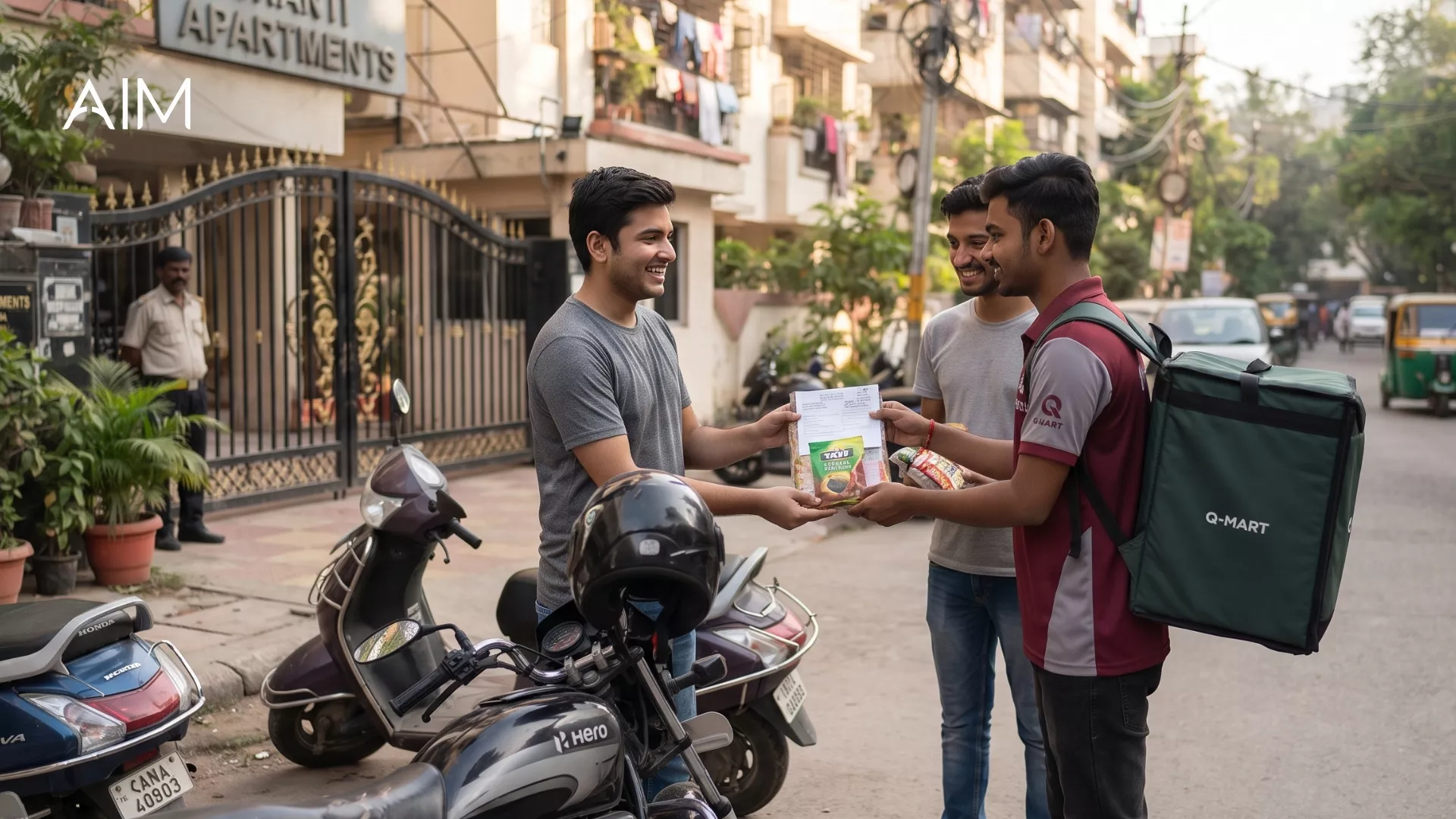
Dry sampling is handing over a sealed, packaged sample for the customer to use later, in their own time and place. A detergent sachet dropped at a doorstep. A biscuit mini pack handed at a store. A trial-size shampoo slipped into an order. The brand gives up control of the exact moment of trial, and in return gets reach, speed, and the ability to let the product be experienced where it is actually used, at home, over days.
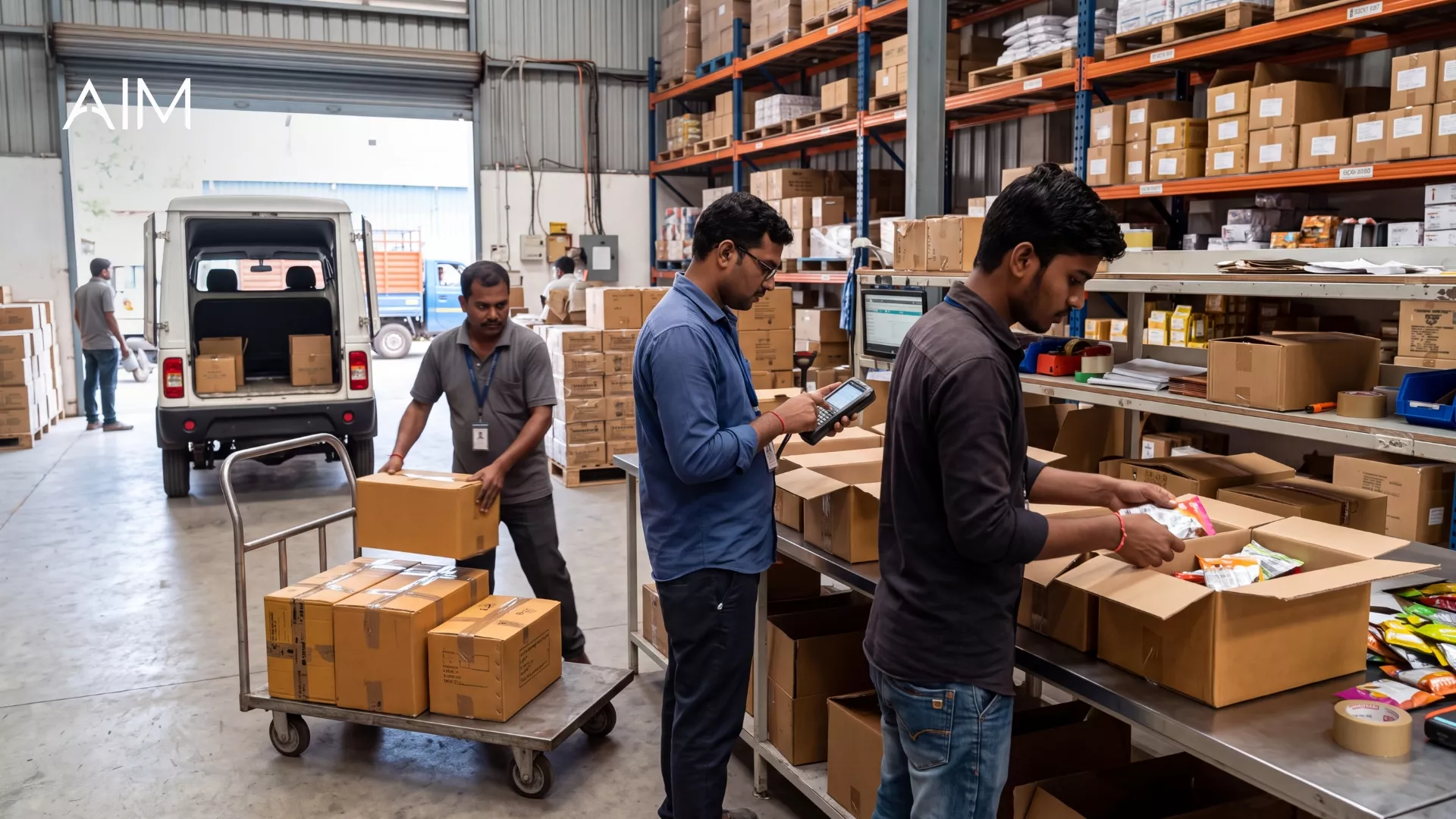
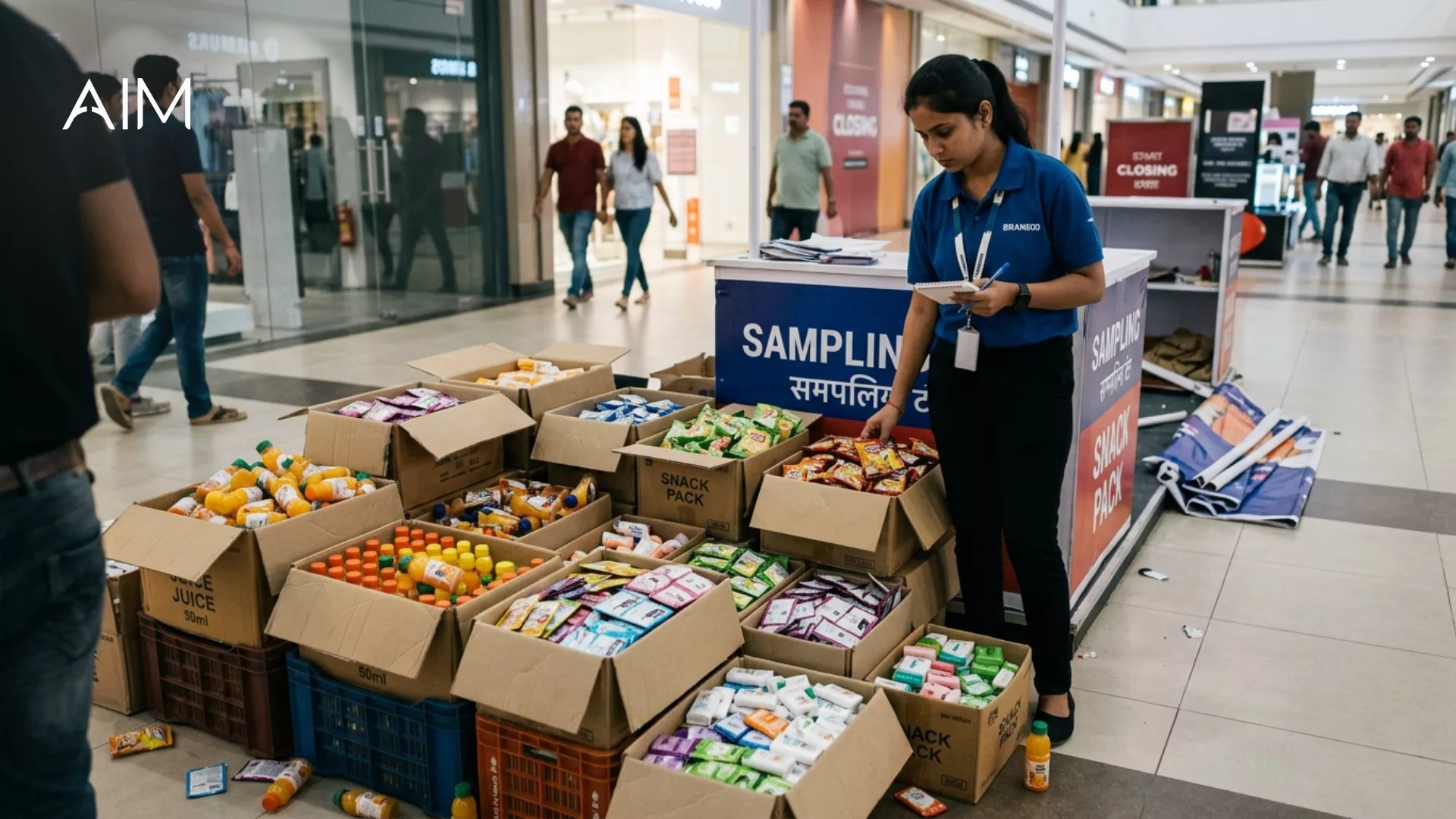
Dry sampling travels. It scales. It needs no stove, no chiller, no promoter preparing each unit, so you can put far more of it into far more hands for the same effort. The trade is that you are trusting the customer to try it properly, and some never will, which is a real cost the format carries.
Wet vs dry: the real difference
The cleanest way to hold the difference is this. Wet sampling buys you a controlled, high-quality trial of a few, because every unit takes preparation and a person to serve it. Dry sampling buys you a scaled, lower-control trial of many, because every unit is sealed and self-serve. One is depth, the other is breadth.
Wet is slower, costlier per sample, and tied to a location and a promoter, but it guarantees the product is experienced at its best. Dry is faster, cheaper per sample, and travels anywhere, but it gambles on the customer trying it right, or trying it at all. Neither is better in general. They are built for different products and different jobs, and the mistake is treating them as interchangeable because both are called sampling.
Which FMCG products suit wet sampling?
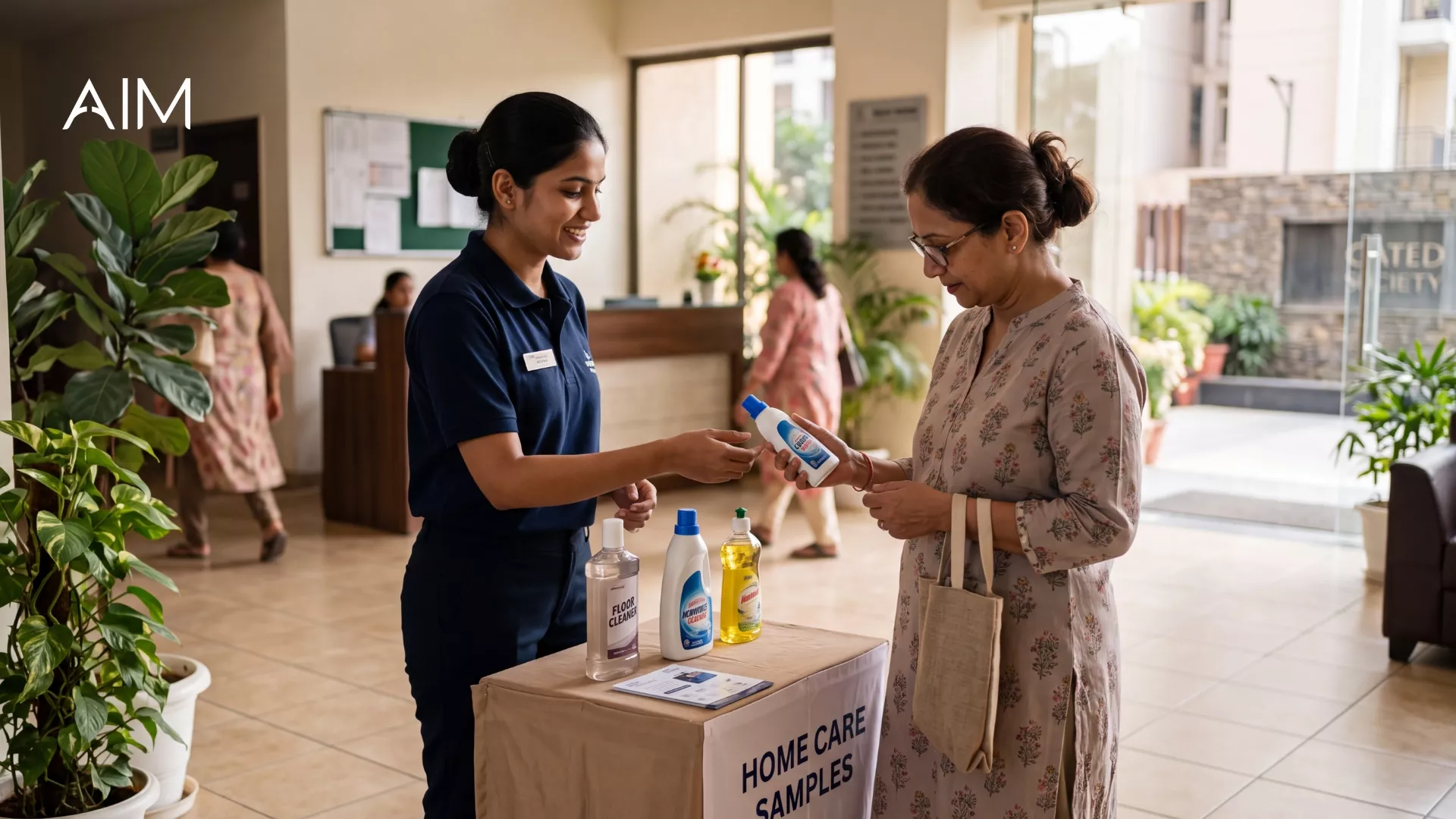
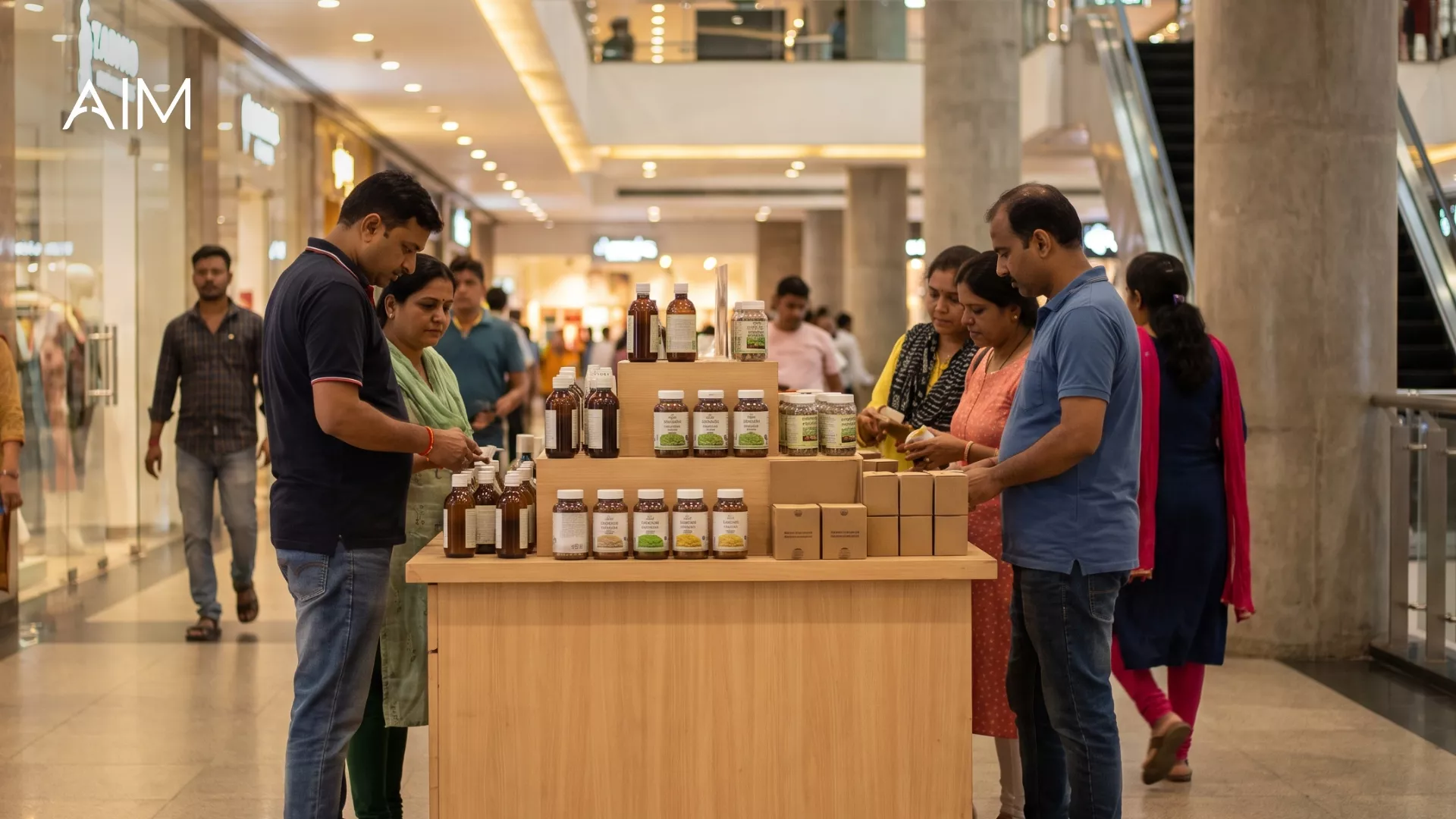
Wet sampling earns its higher cost when the product is judged on an immediate sensory moment that has to be served correctly to land. Beverages that must be poured and chilled to taste right. Freshly cooked or prepared foods where warmth, texture, and aroma are the sell. Personal care products like a face wash or a shampoo whose feel and result are best shown in use. Home care products where a live demonstration proves a performance claim a sachet never could.
The common thread is that the product cannot be trusted to a sealed pack and a hopeful customer, because the experience depends on how it is served. If serving it wrong would misrepresent the product, and if the first impression is the whole sale, wet sampling is worth what it costs.
Which FMCG products suit dry sampling?
Dry sampling fits products that are used over time, need no preparation, and travel home without losing anything. Detergents and dishwash, where the real test is a full wash the customer does themselves. Packaged snacks and biscuits that taste the same from a sealed pack. Everyday personal care like soaps and sachet shampoos used in the normal routine. Anything where the honest trial happens at home, over days, not in a ten-second moment at a table.
For these, wet sampling would be wasted effort and money, because there is no serving to control and no sensory moment to stage. The product just needs to reach the right household in a sealed pack, with a reason to try it and a way to buy more. Dry sampling does that at a scale wet never could.
What does each cost, in directional terms?
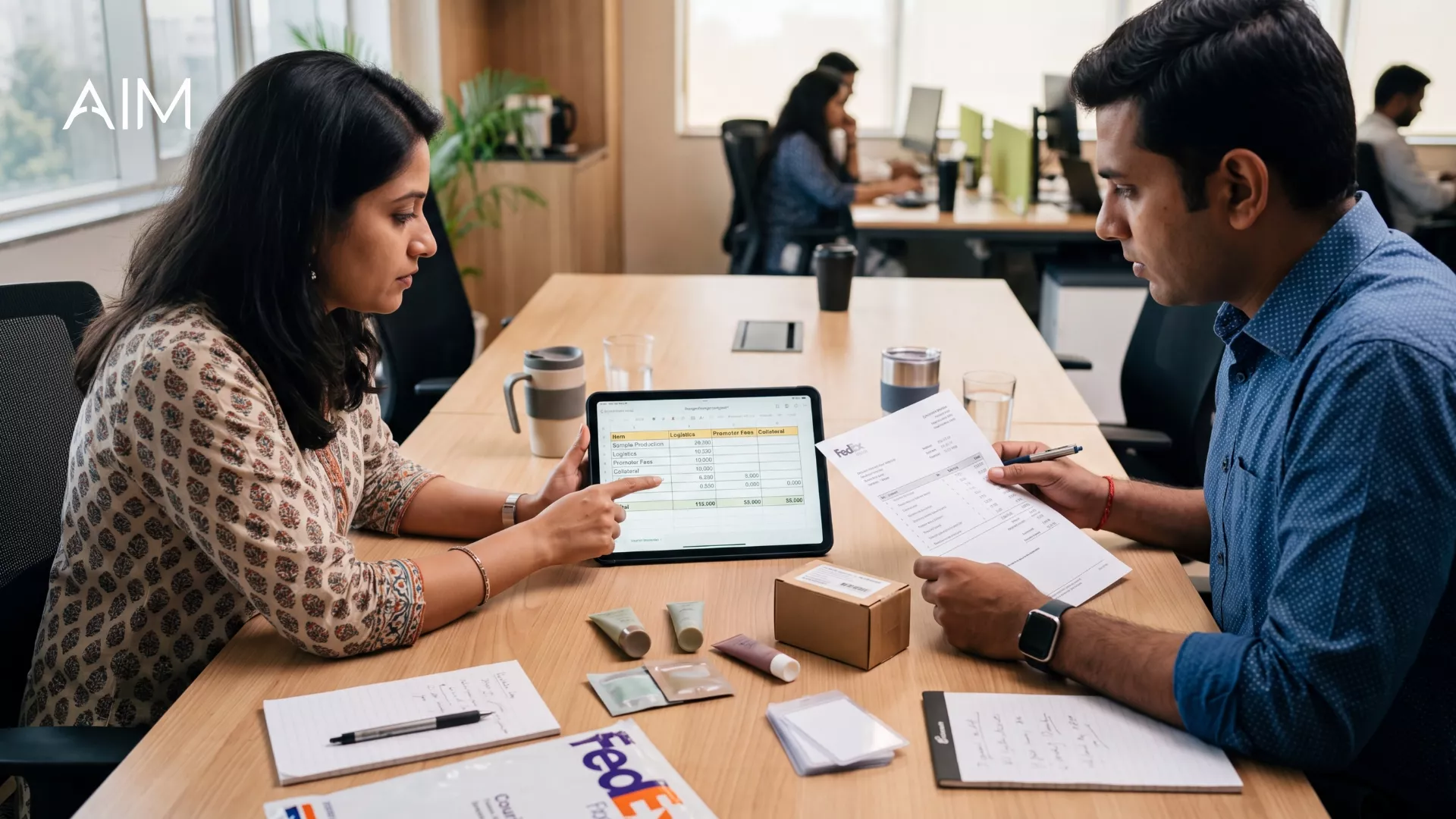
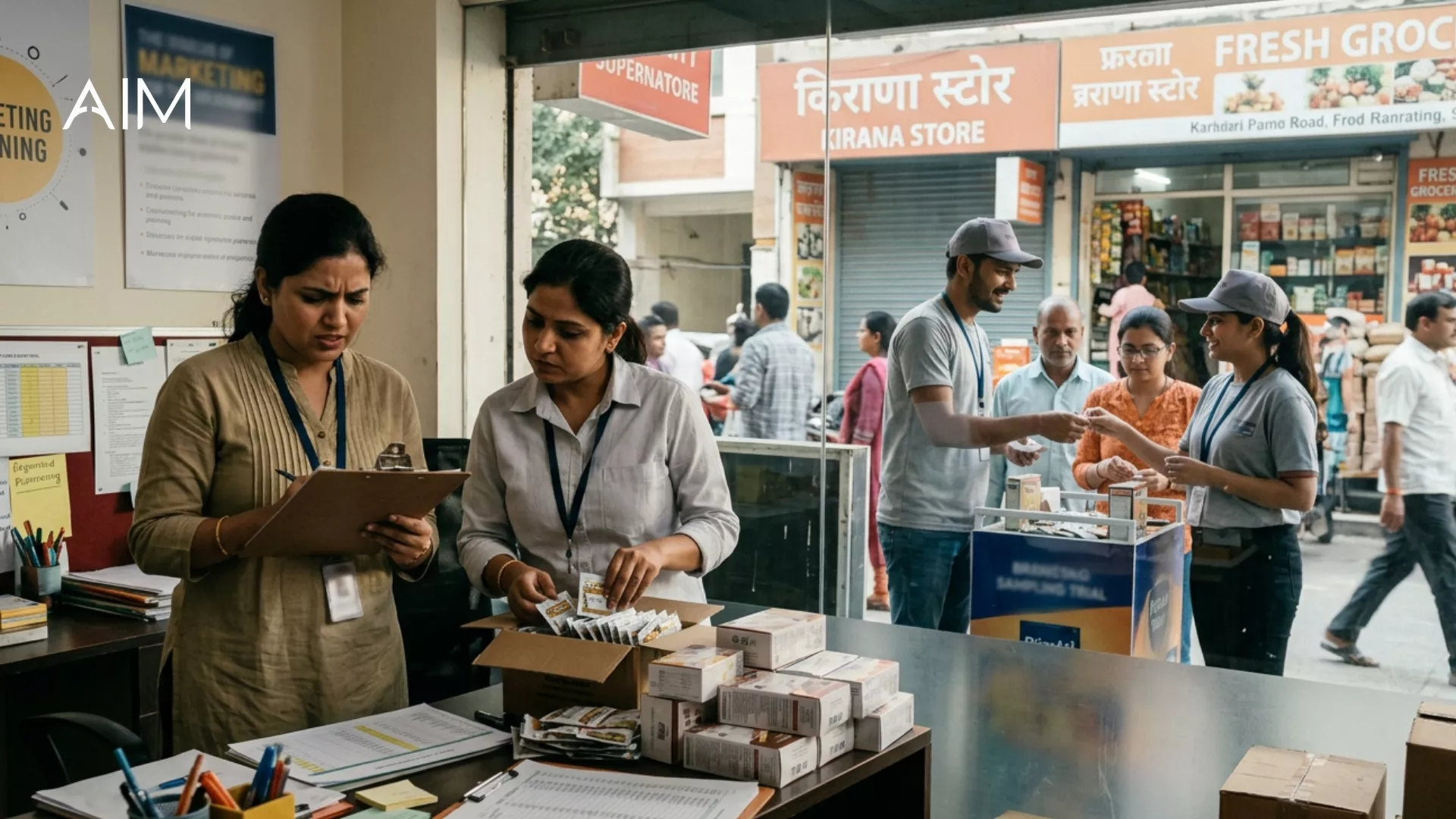
Wet sampling costs more per sample and reaches fewer people, because each unit needs preparation, equipment, and trained staff to serve it, and the setup ties you to specific locations. Dry sampling costs less per sample and reaches far more people, because the units are sealed and self-serve and can be distributed widely with less manpower. Treat these as directions, not a rate card, because the real number depends on your product, the channel, the volume, and how much you build in capture and tracking.
The number that matters is not cost per sample but cost per buyer the format actually produces. A cheap dry sachet that reaches the wrong home and is never opened is not cheap. An expensive wet trial served to a stream of real buyers in the right place can be the better deal. Price the format against the buyers it converts, not the units it hands out.
How to decide between wet and dry
Ask one question first: is your product judged on an immediate sensory moment that has to be served correctly, or on use over time at home? If the first, lean wet, and accept the higher cost and smaller reach as the price of a trial that represents the product honestly. If the second, lean dry, and use the reach and travel of a sealed sample to put the product in the right households with a reason to buy again.
Plenty of FMCG brands end up using both, wet where the sensory moment decides the sale and dry where the product proves itself at home, matched to the channel and the buyer in each case. What they do not do is pick the format by habit or by what looks impressive, then wonder why the trial did not convert. The format is a decision about how your product is actually experienced, and getting it right is most of the campaign before a single sample is served.
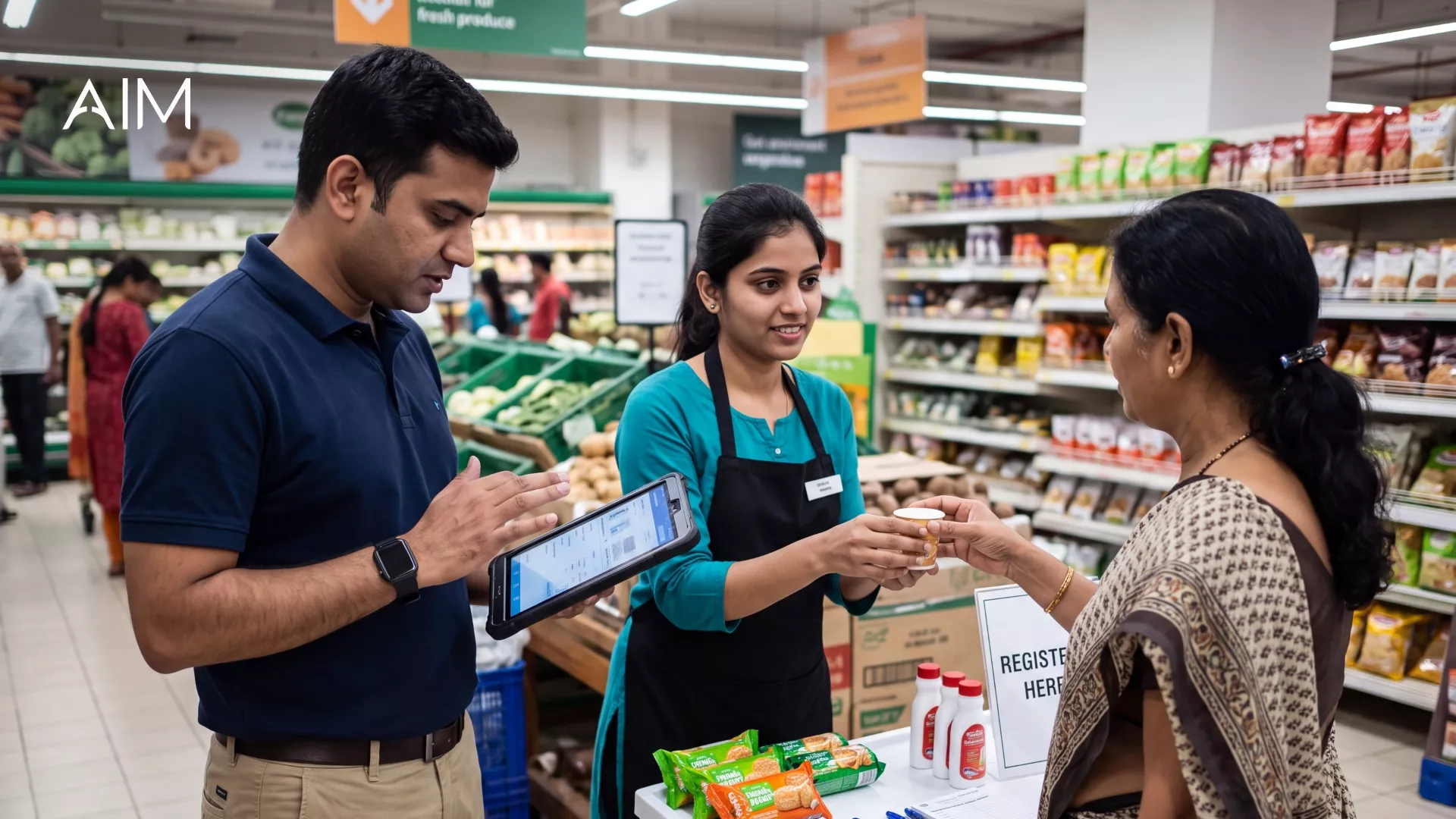
Whichever way you go, the discipline that makes sampling pay back is the same: reach the right buyer, let the product be experienced the way it is meant to be, capture who tried it, and follow the trial to a purchase. Wet or dry is the first honest choice in that chain, and it is the one most briefs skip straight past.
Can you use both in one campaign?
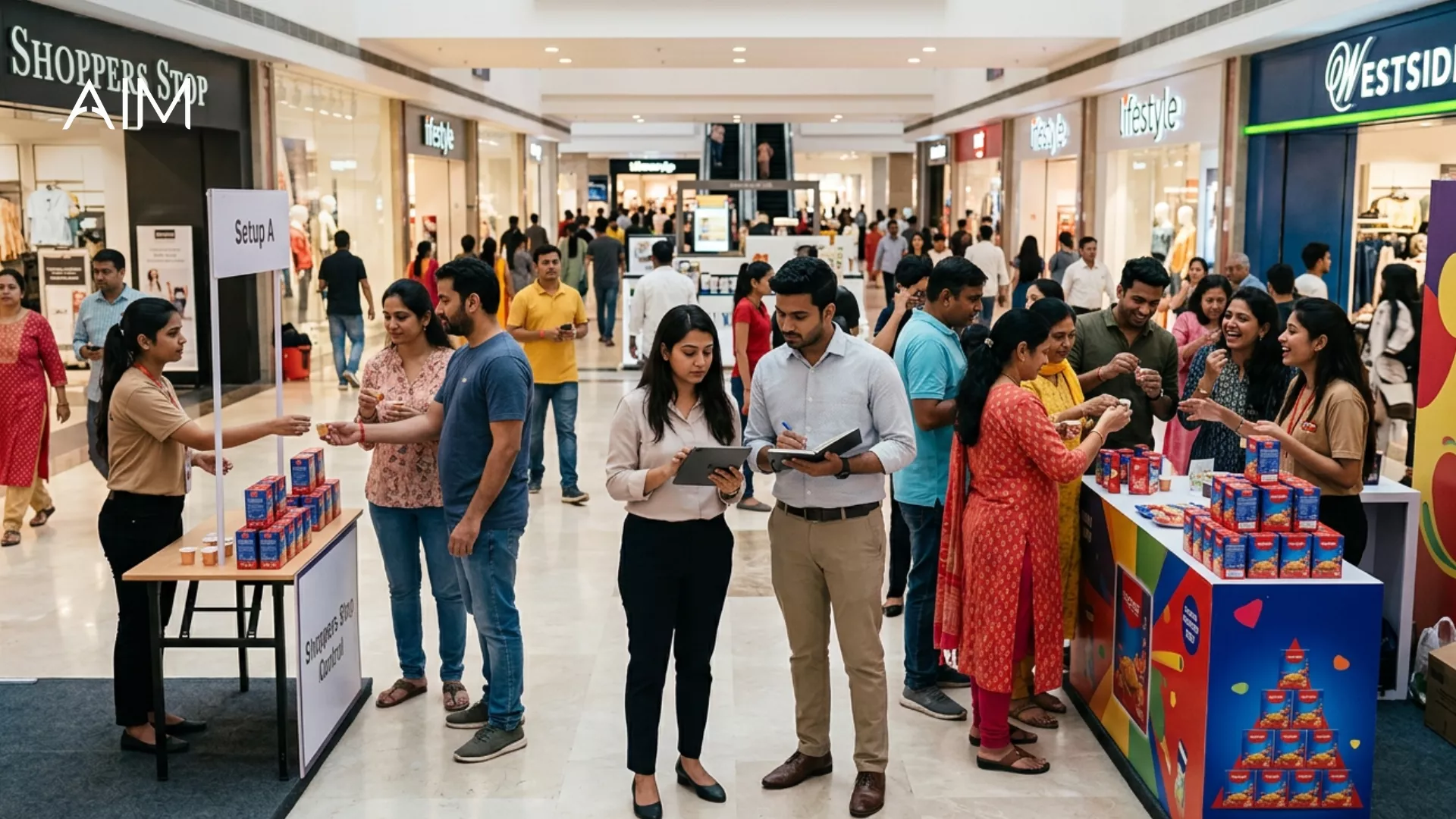
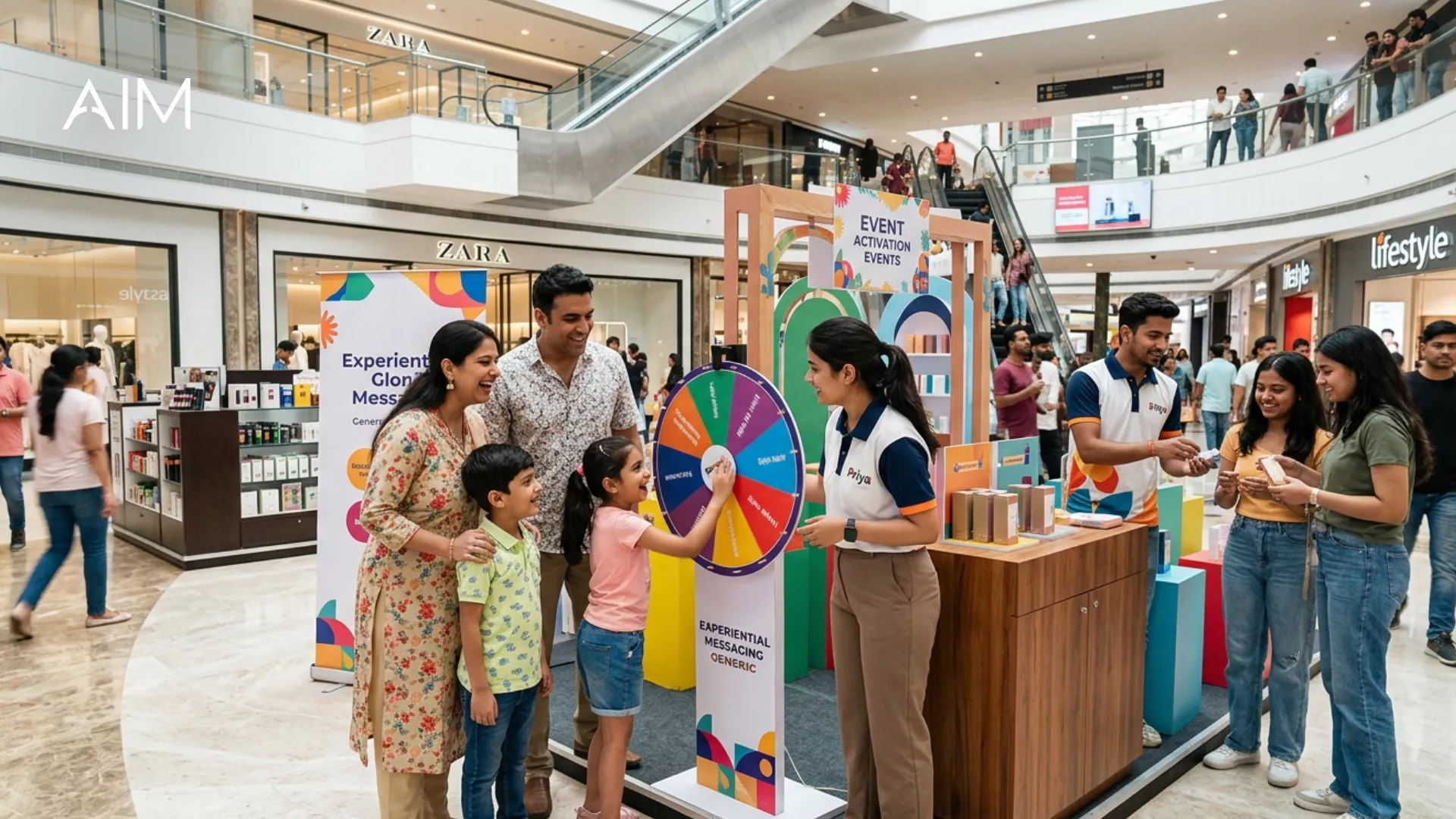
Often the smartest FMCG plan is not wet or dry but both, used for the jobs each does best. A brand launching a new drink might run wet sampling at a few high-value locations, where a served, chilled pour makes the strongest first impression and creates the hero moments, and back it with dry sampling across many more points to carry reach into homes and neighbourhoods the wet setup could never cover. The wet trial wins the quality of impression. The dry trial wins the spread. Together they give a launch both depth and breadth without pretending one format can do the other's job.
The discipline is to be deliberate about which format is doing which job, and to measure each on its own terms, the conversion quality of the wet trial and the reach and reorder of the dry one, rather than blurring them into a single sample count. Used on purpose, the combination covers the whole task. Used by accident, it just doubles the spend.
The mistake to avoid: choosing format by budget
The most common error is picking the format by what the budget allows rather than what the product needs. A brand with a product that genuinely needs a served, controlled trial, but a tight budget, defaults to dry because it is cheaper per sample, and then wonders why the sealed sachet did not convince anyone of a product whose whole case was in how it is served. The format was wrong, and no amount of volume fixed it. The honest move in that situation is to run a smaller wet campaign that actually represents the product, rather than a larger dry one that misrepresents it. Fewer right trials beat many wrong ones. Let the product decide the format first, then size the campaign to the budget, not the other way around.