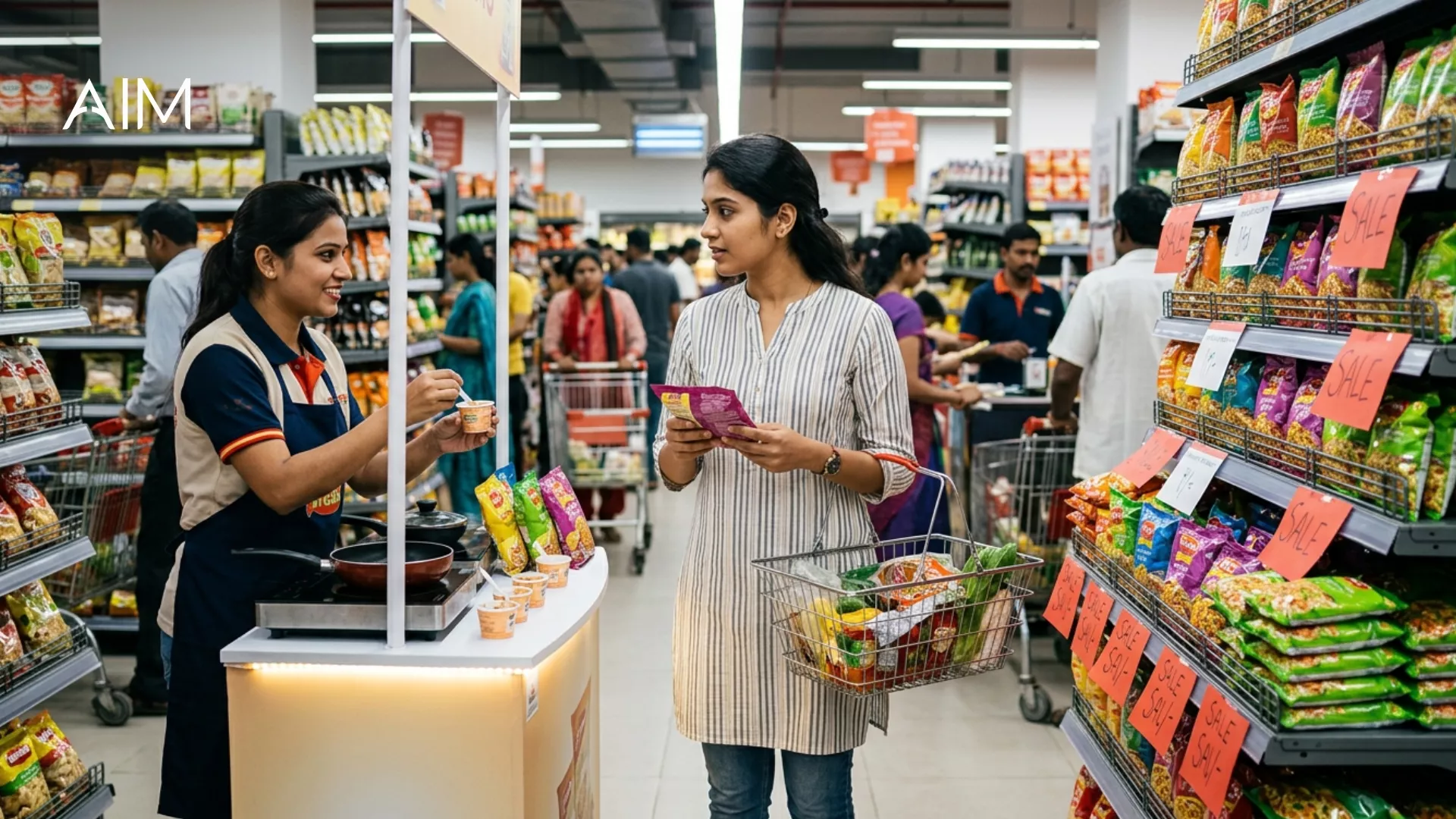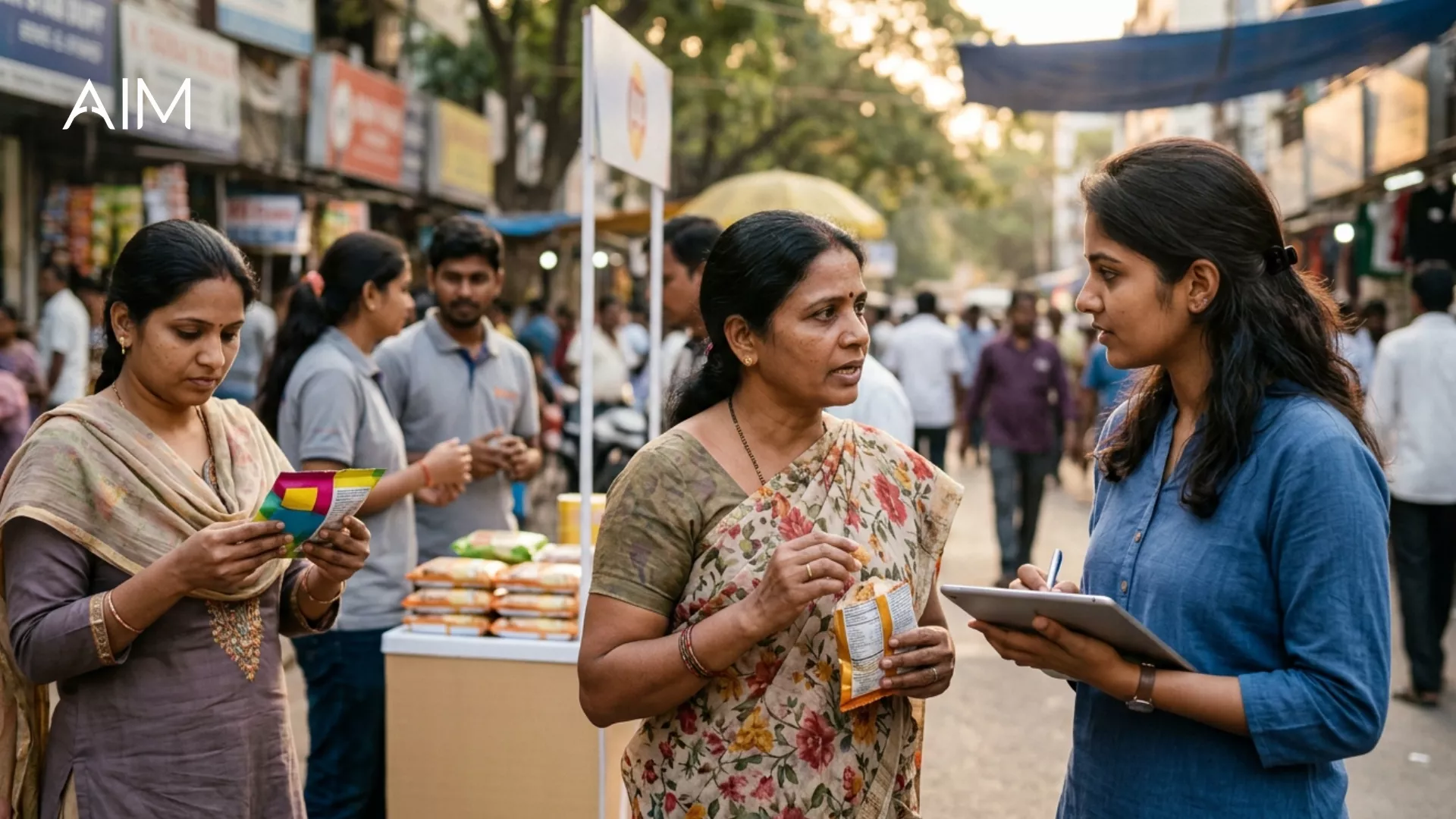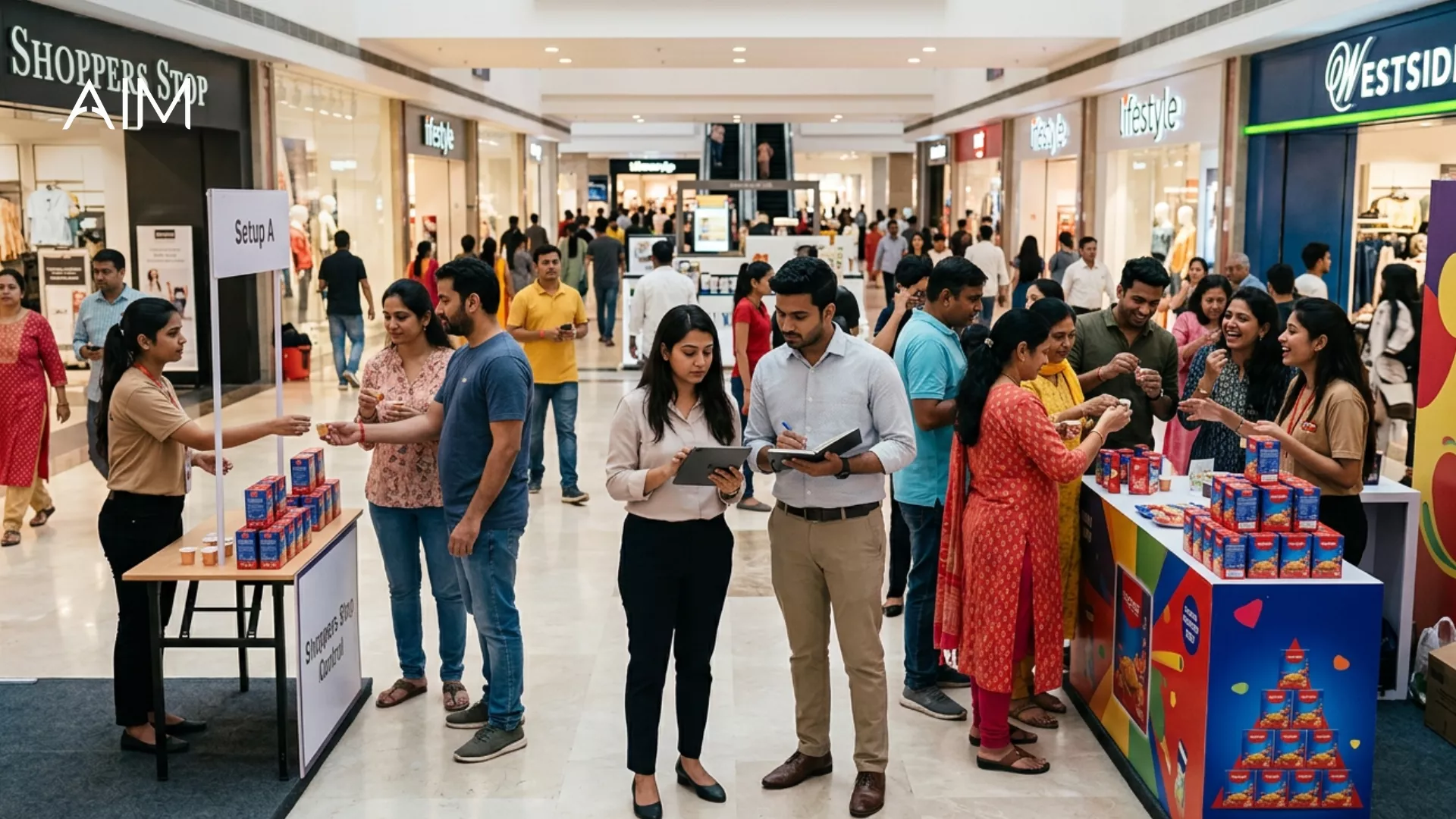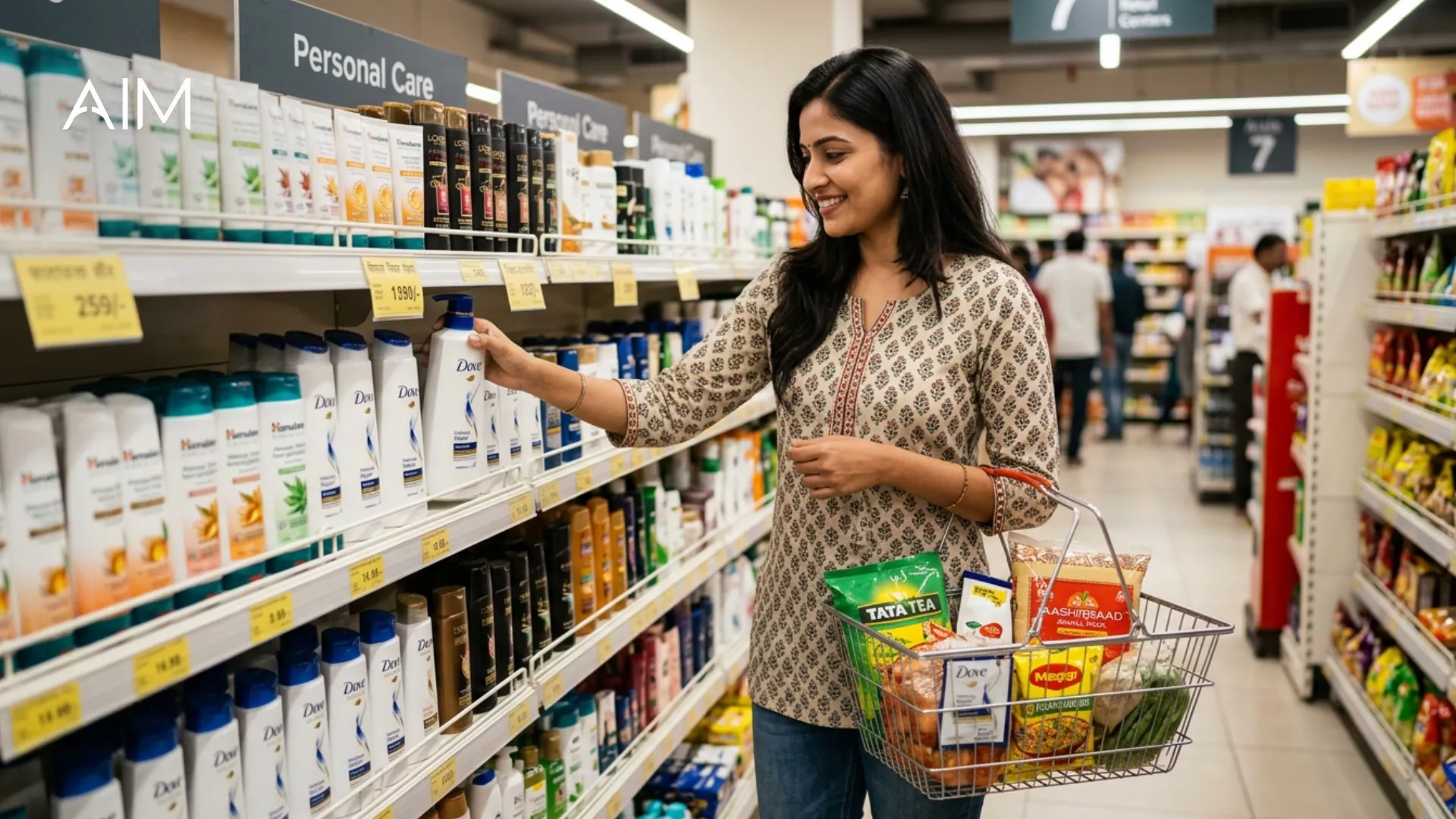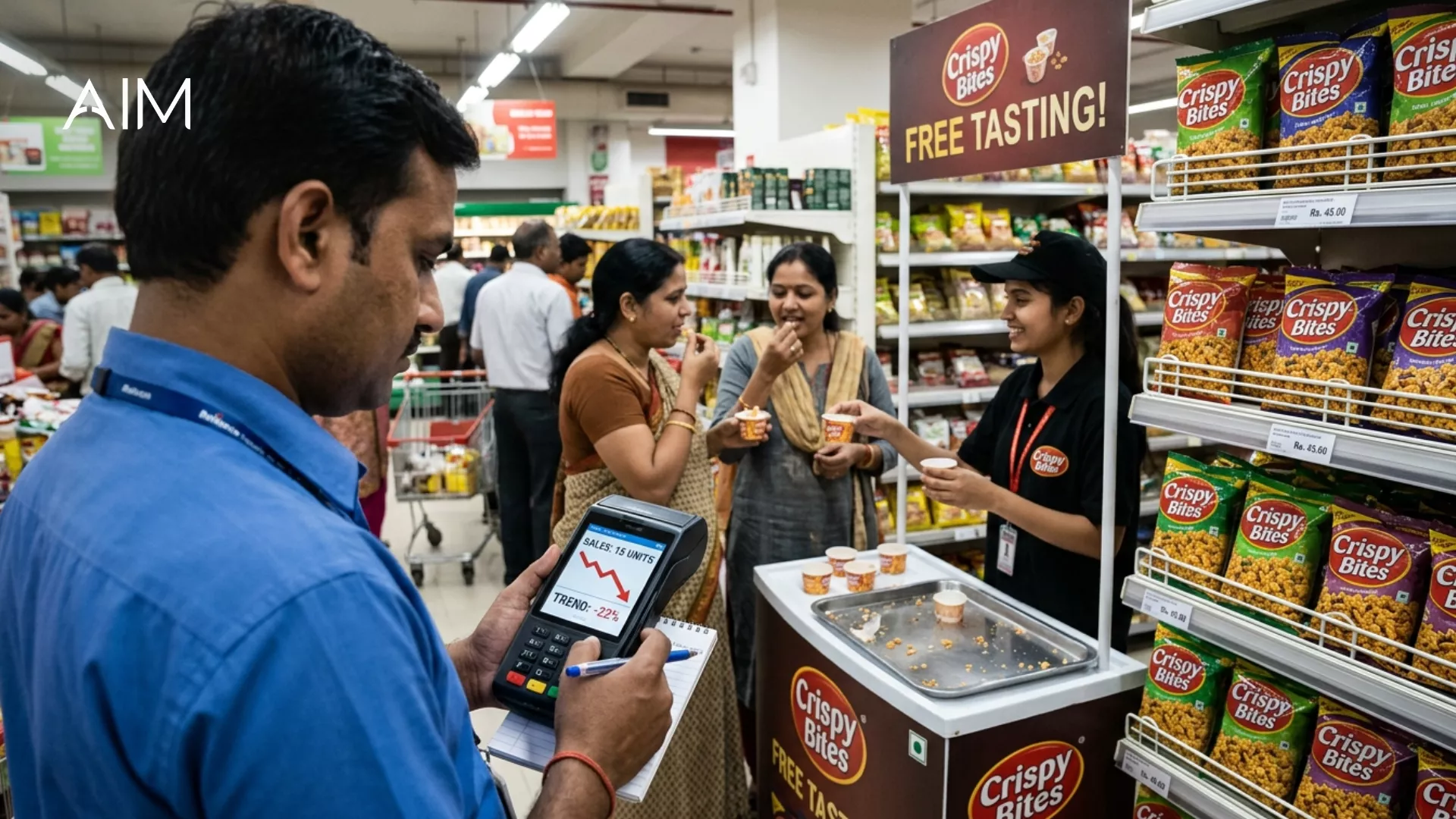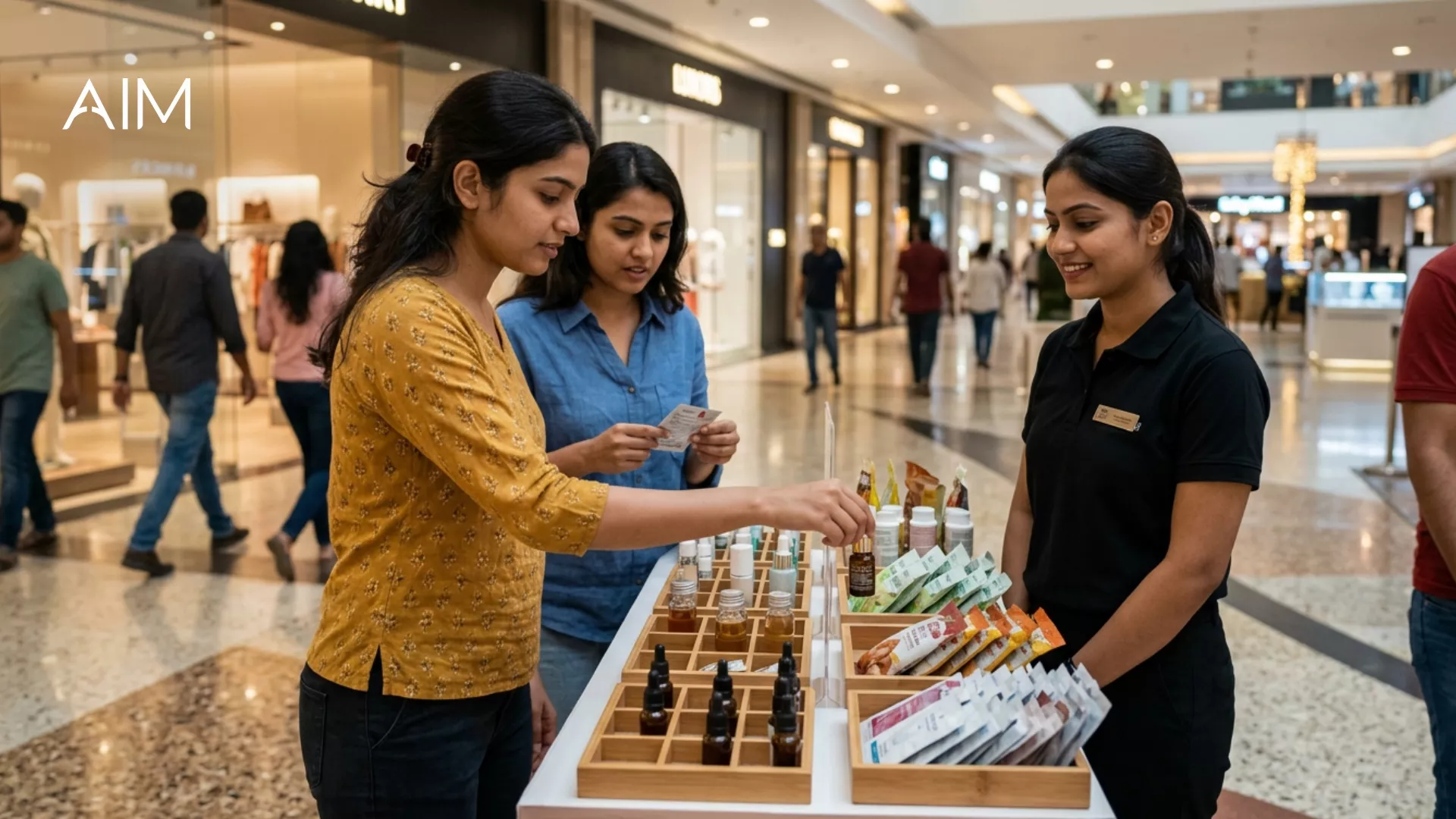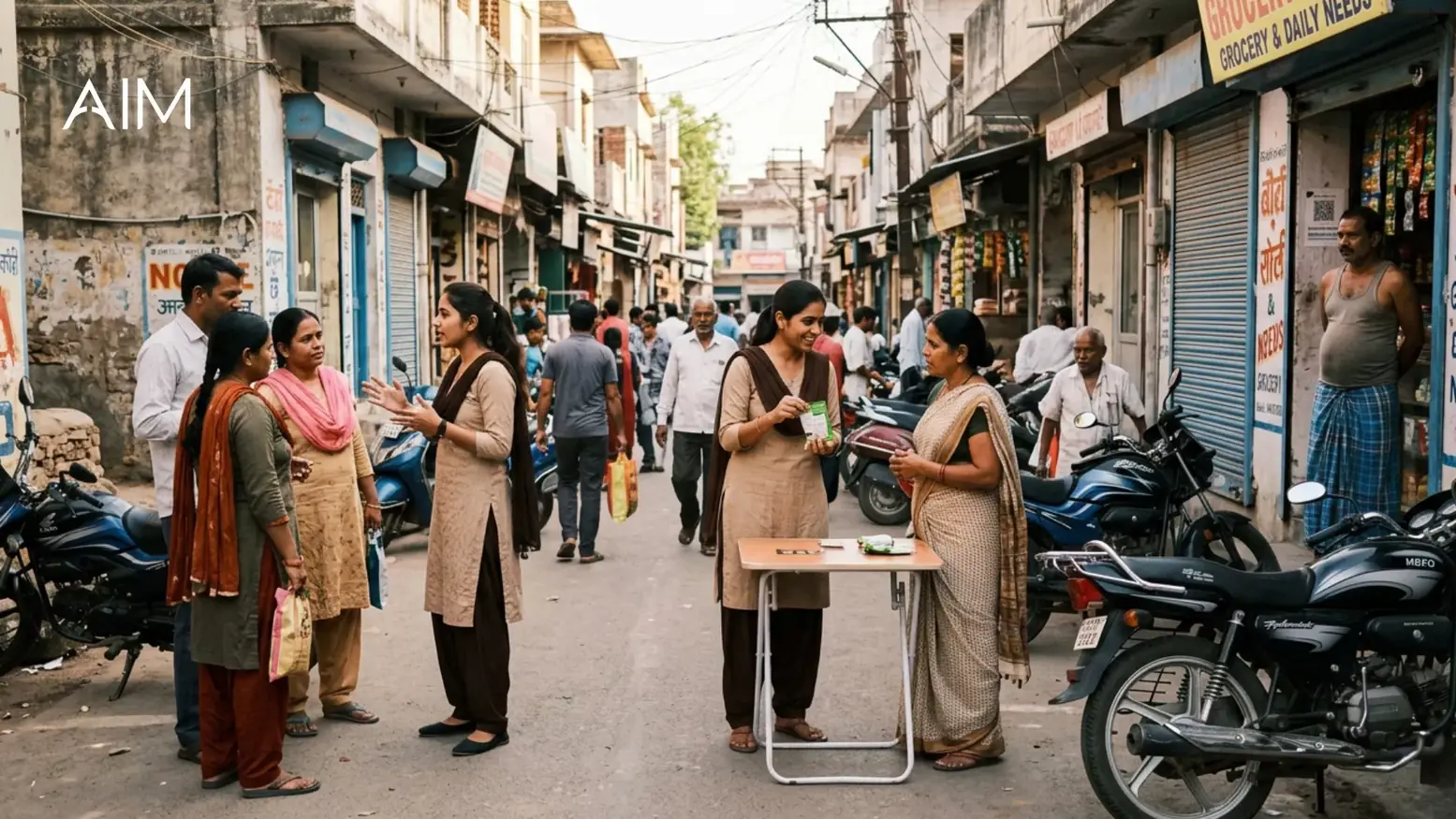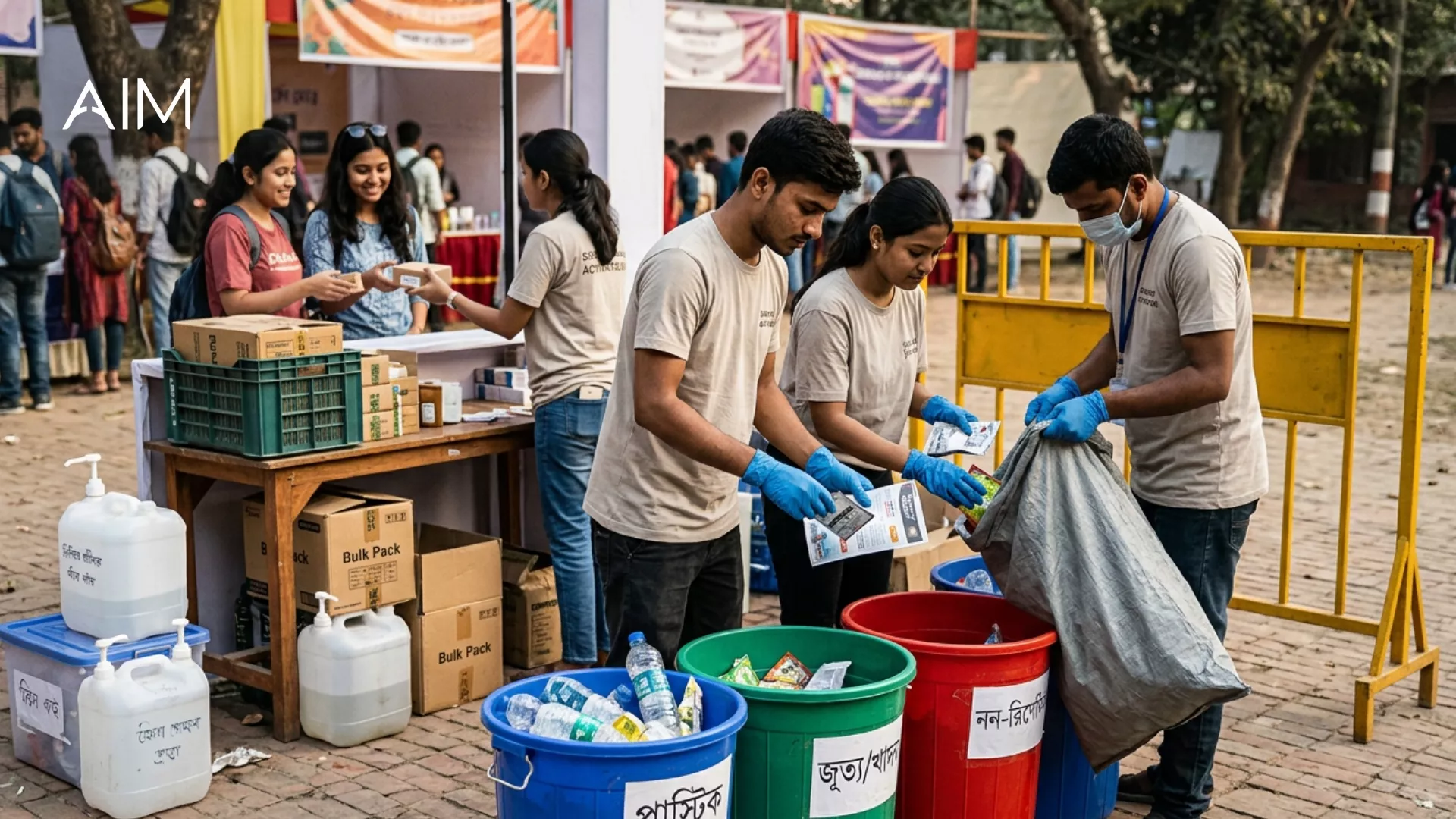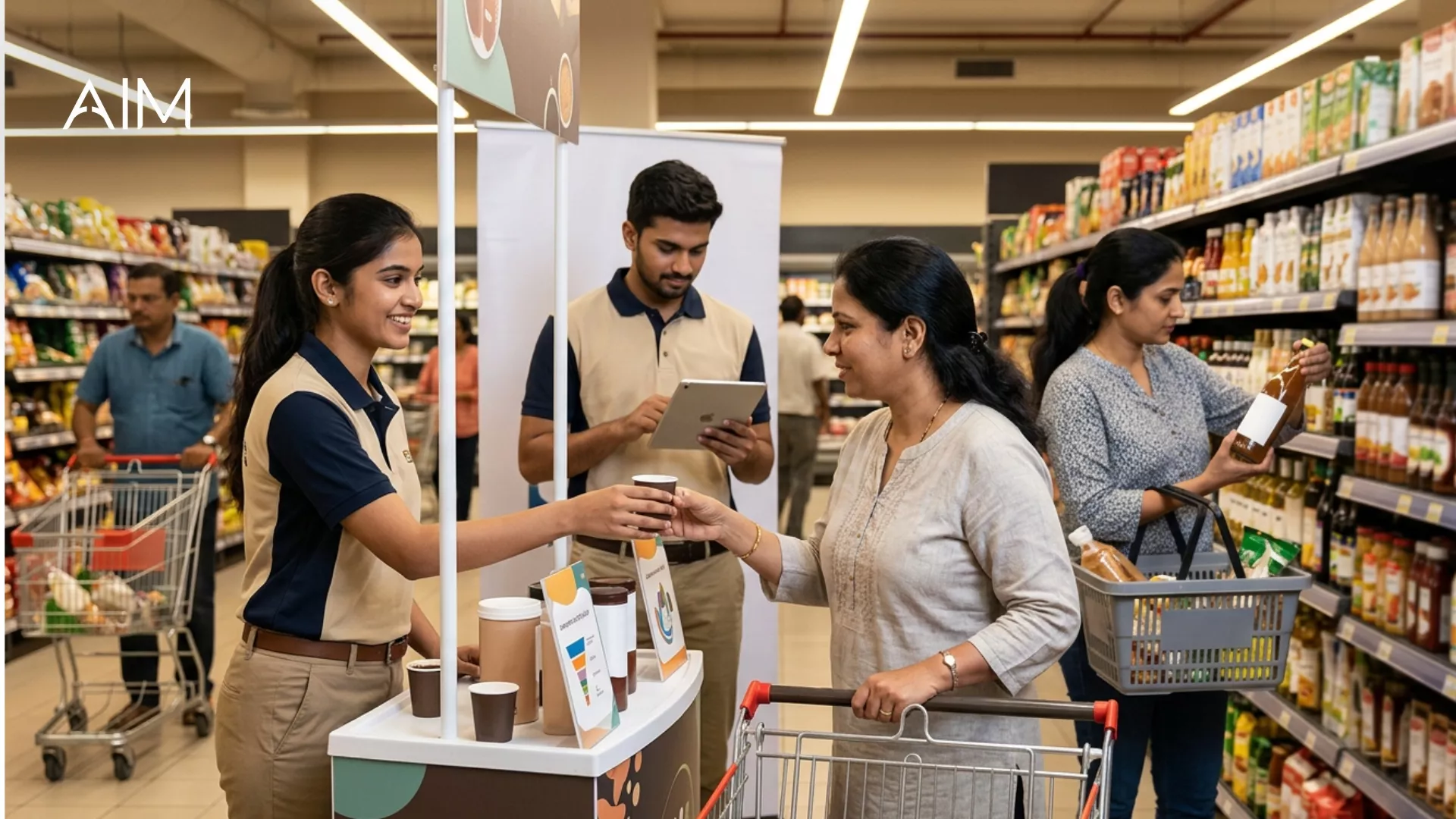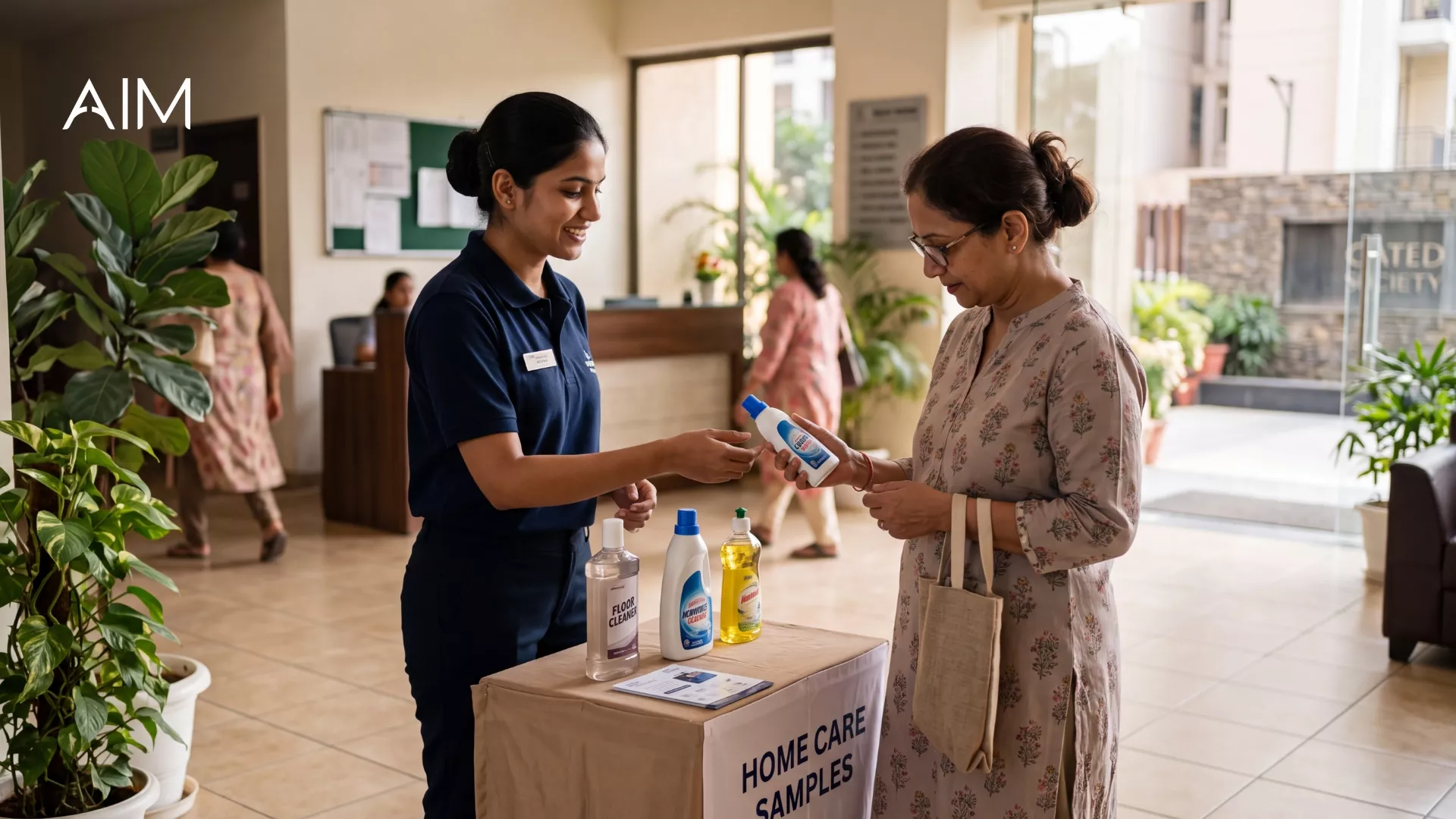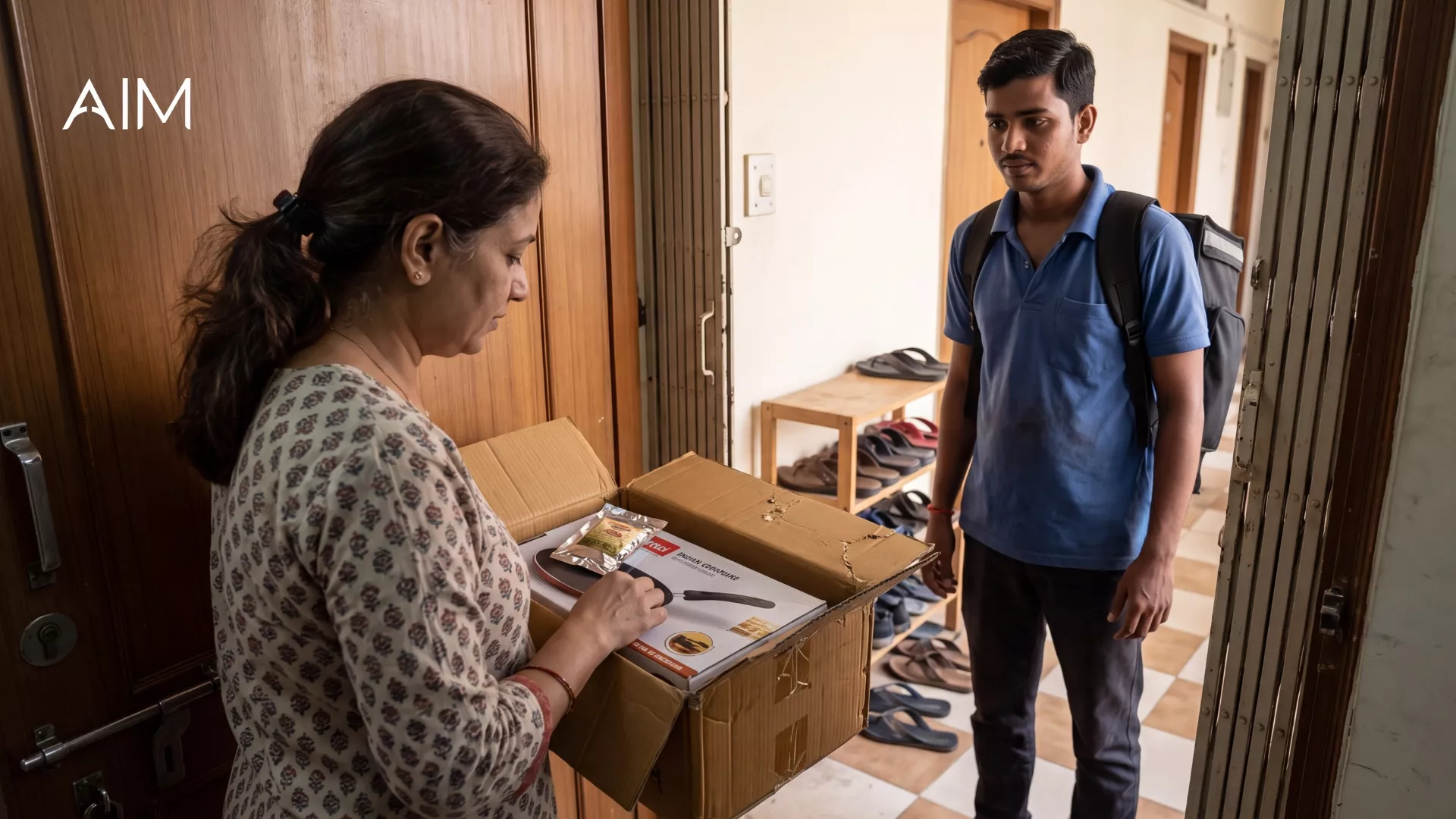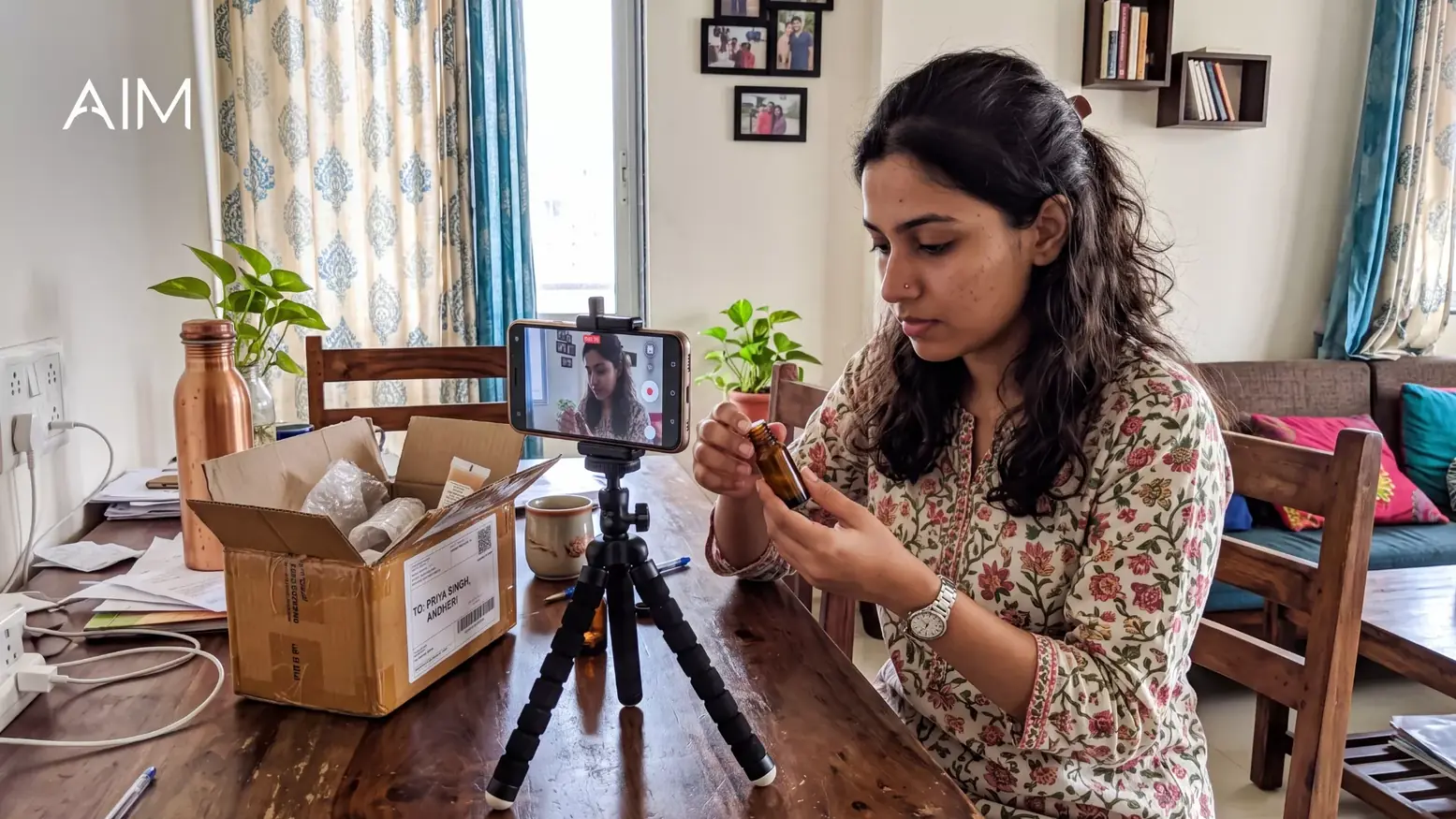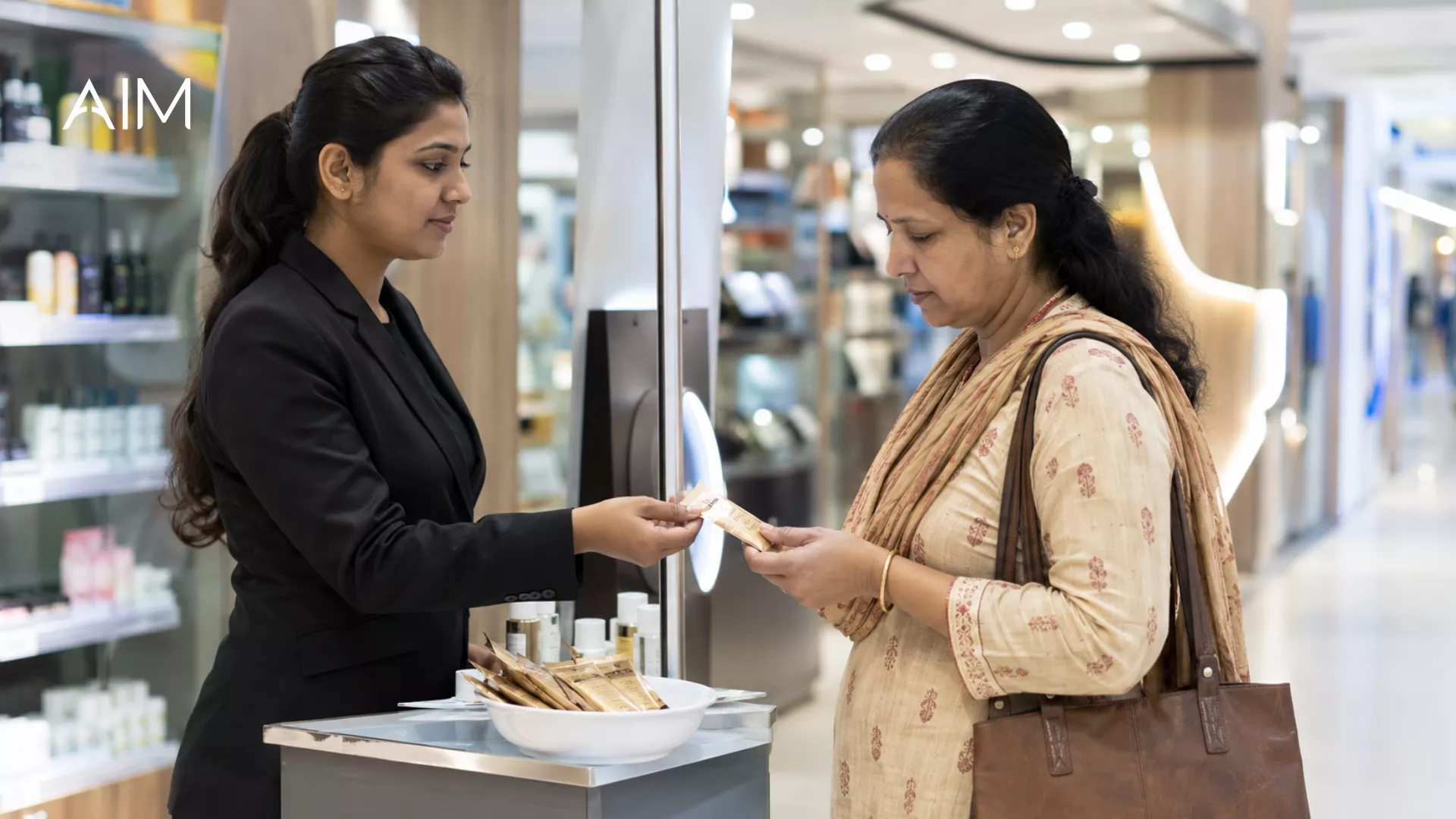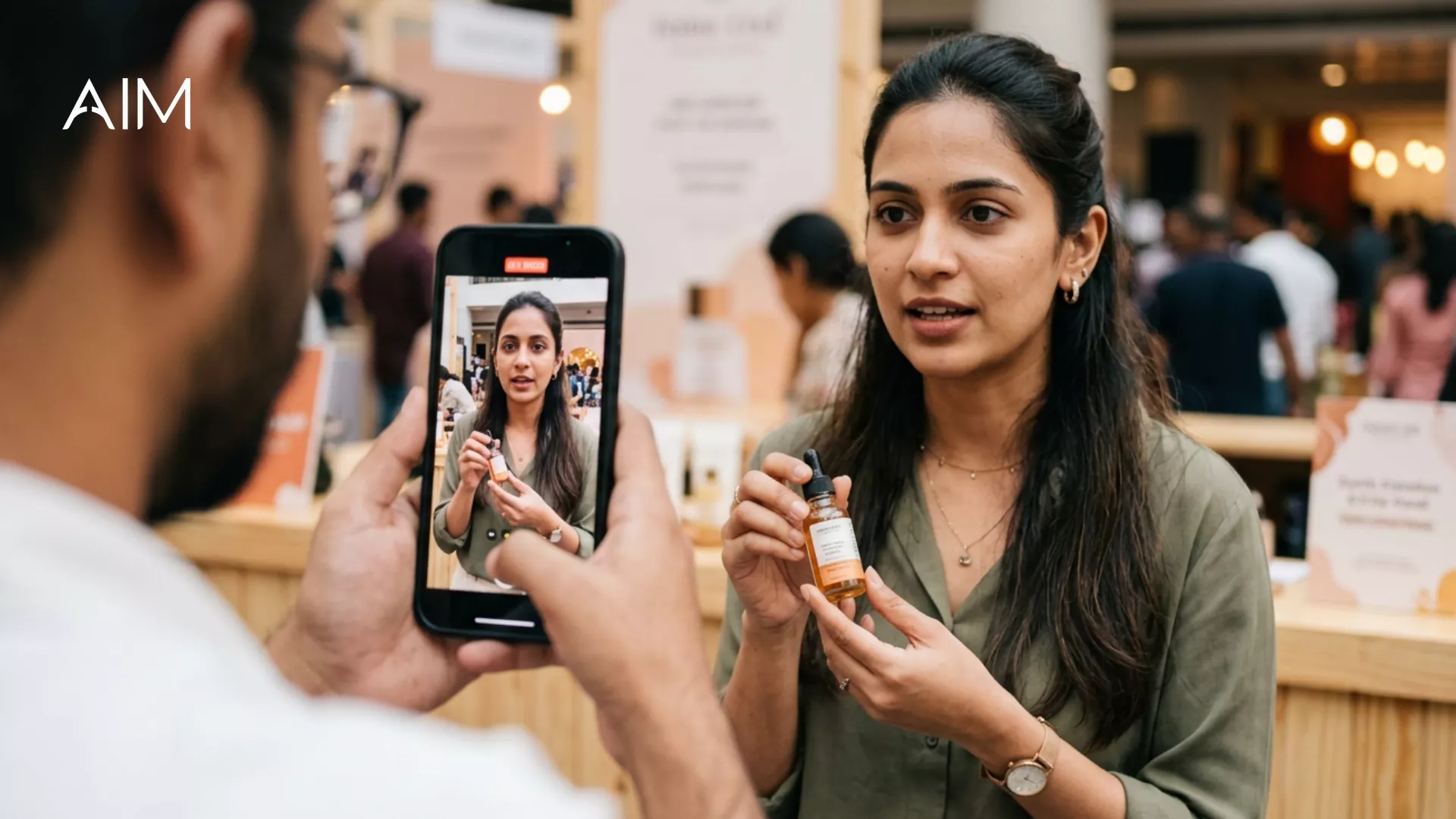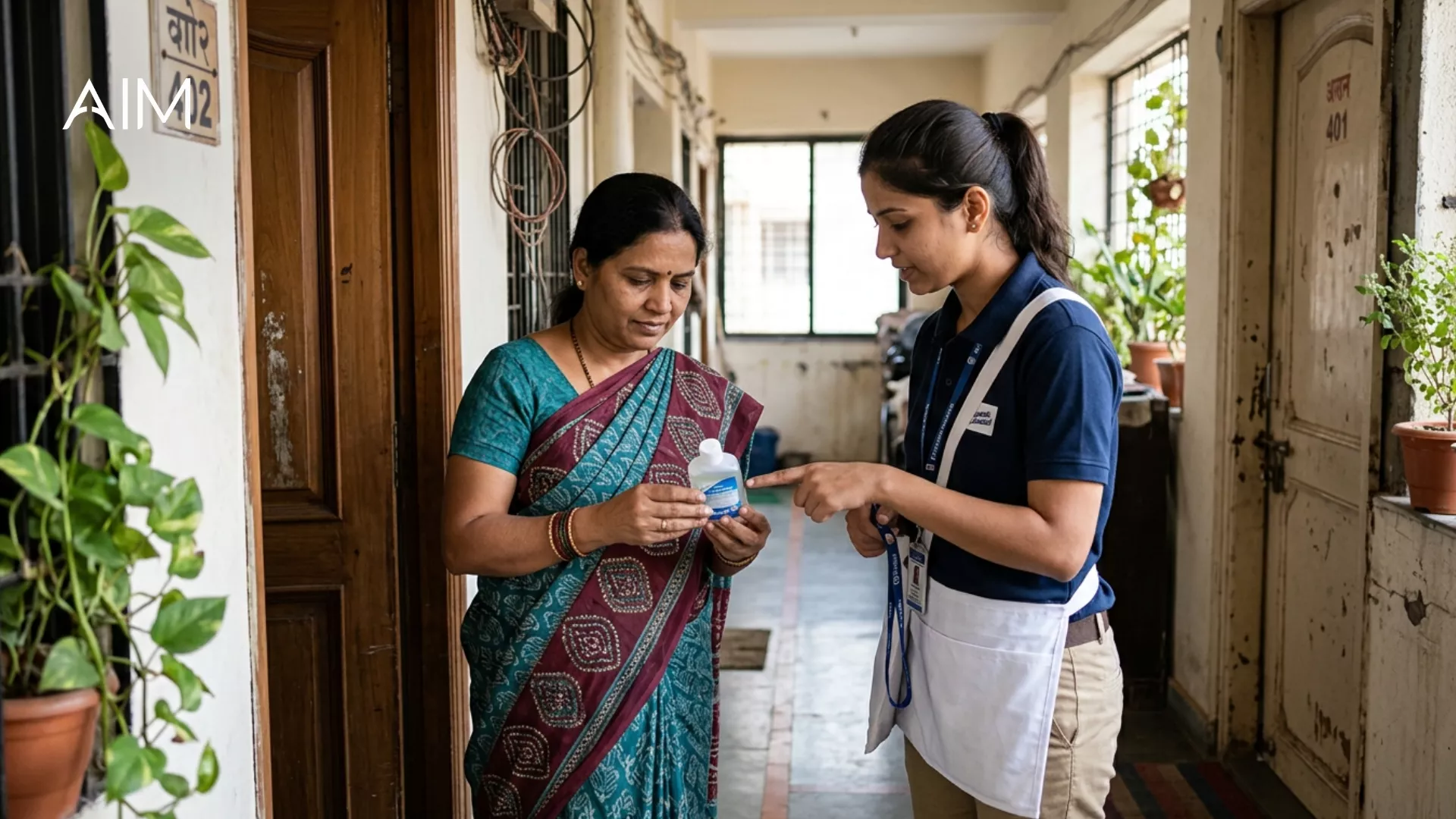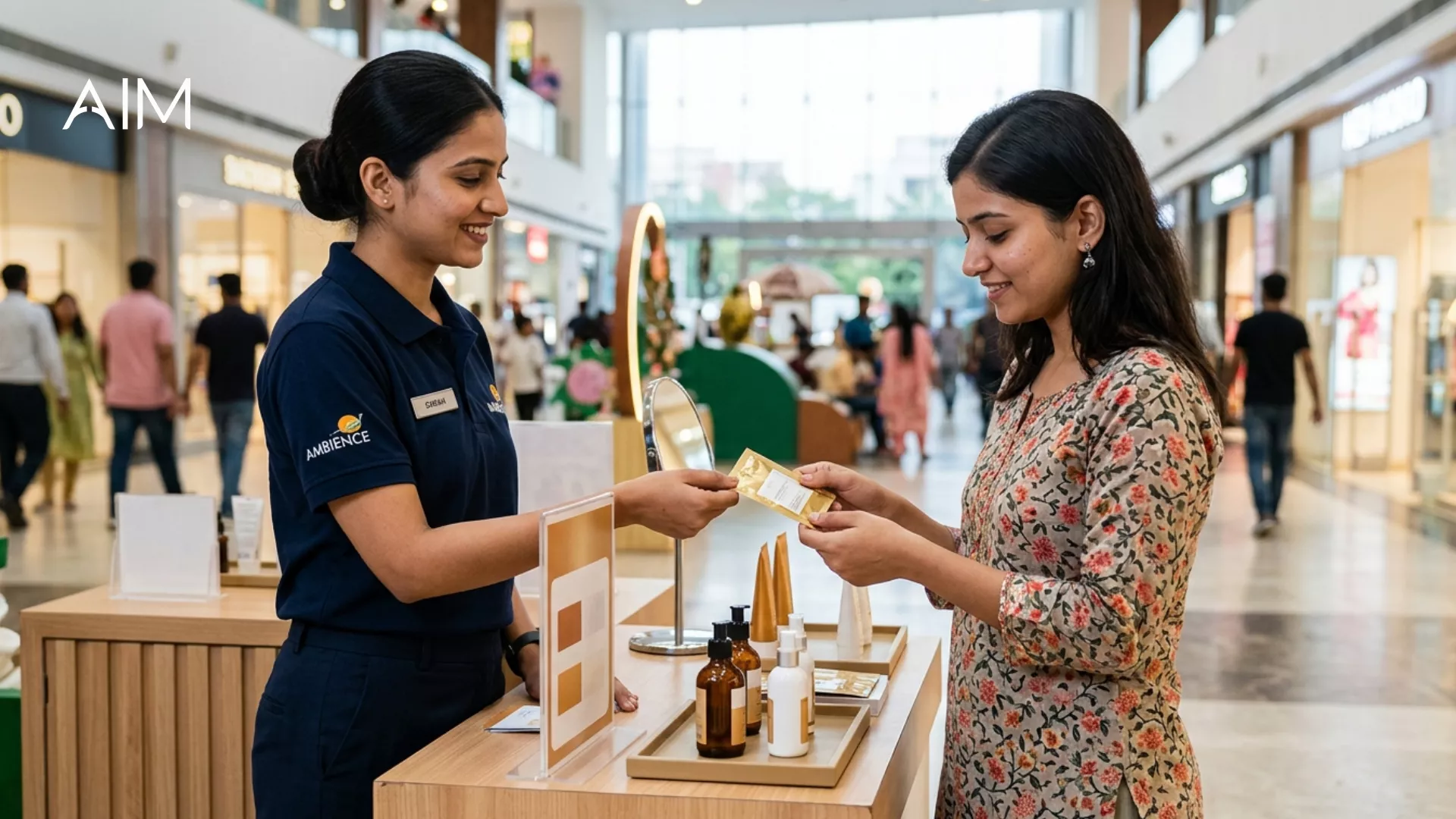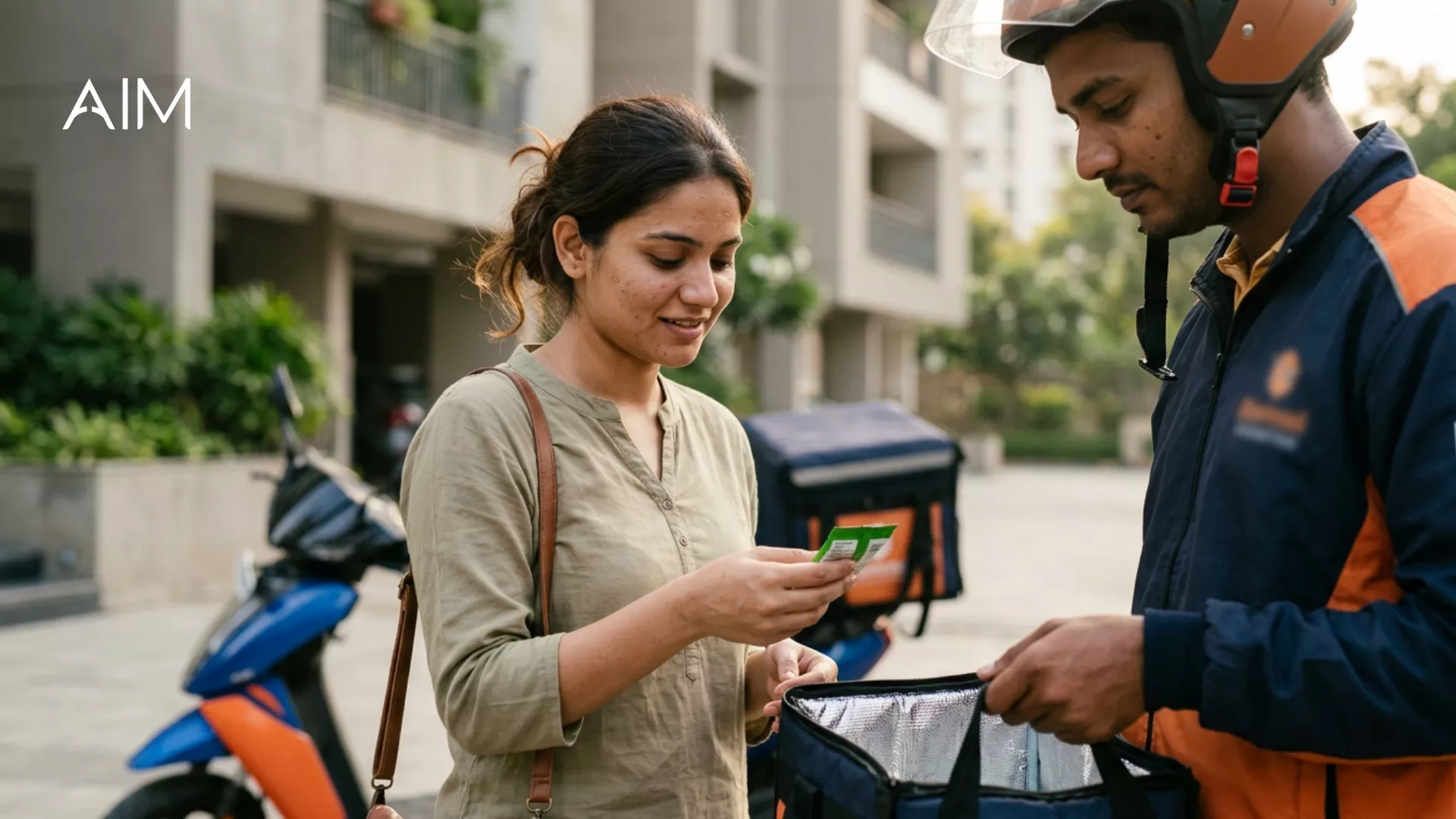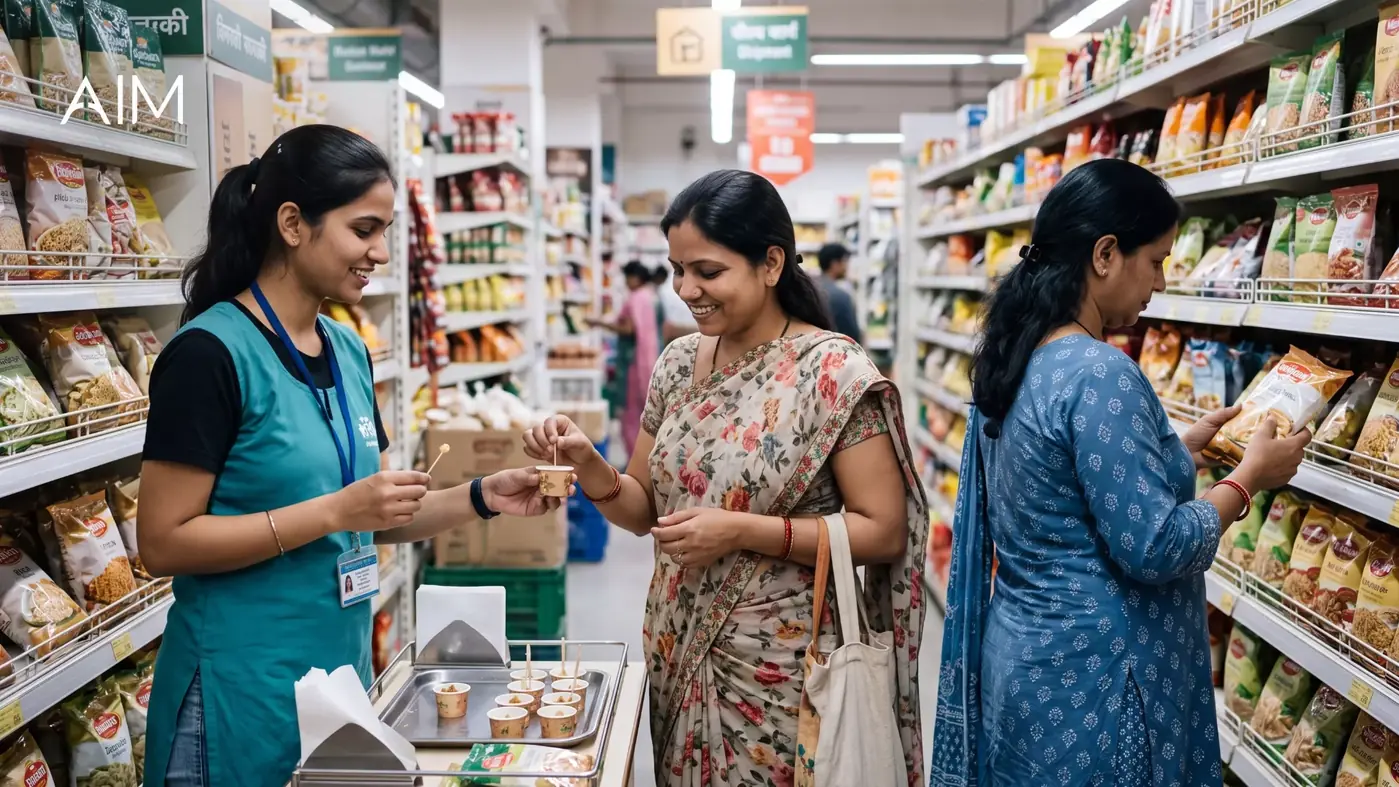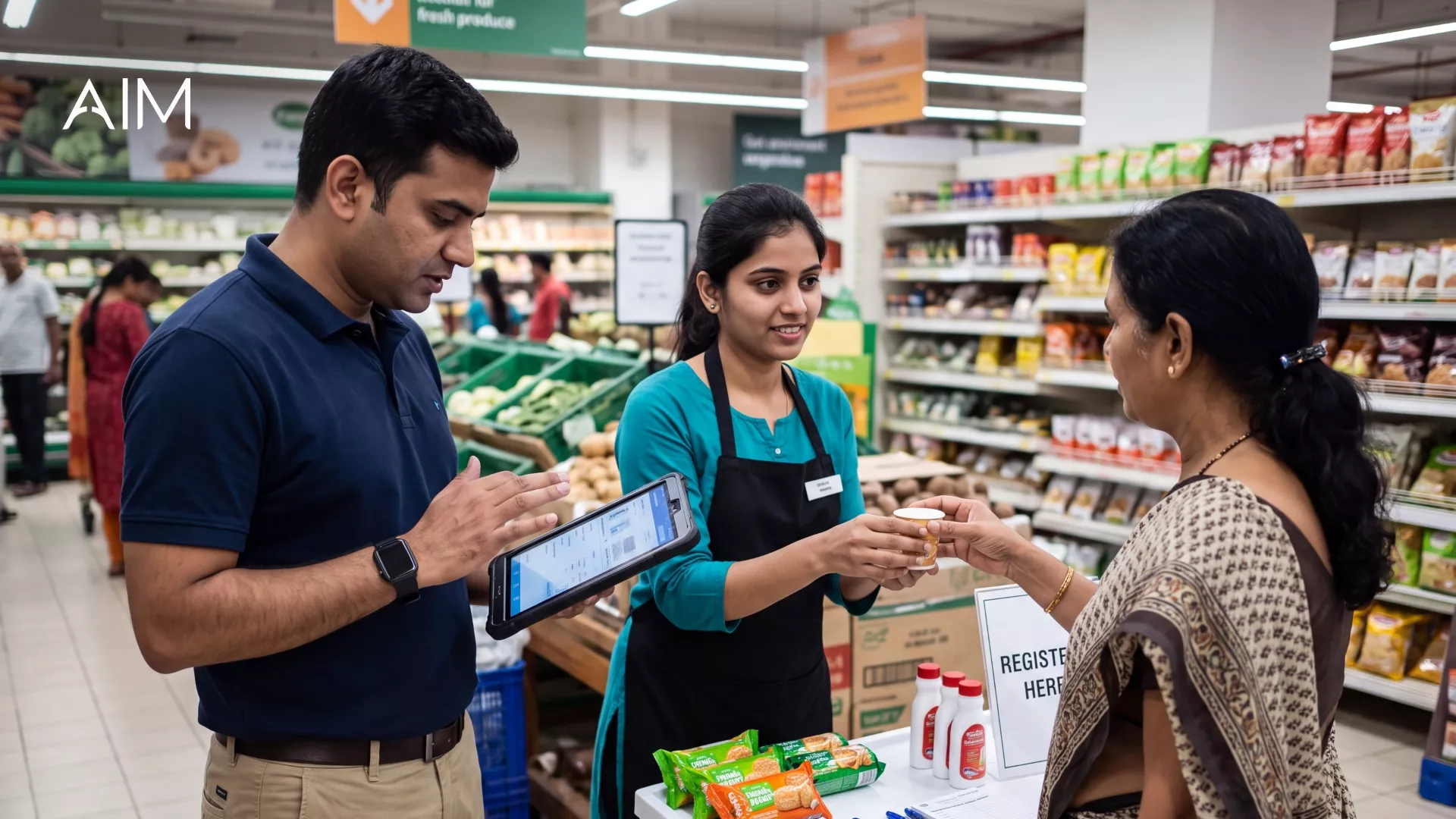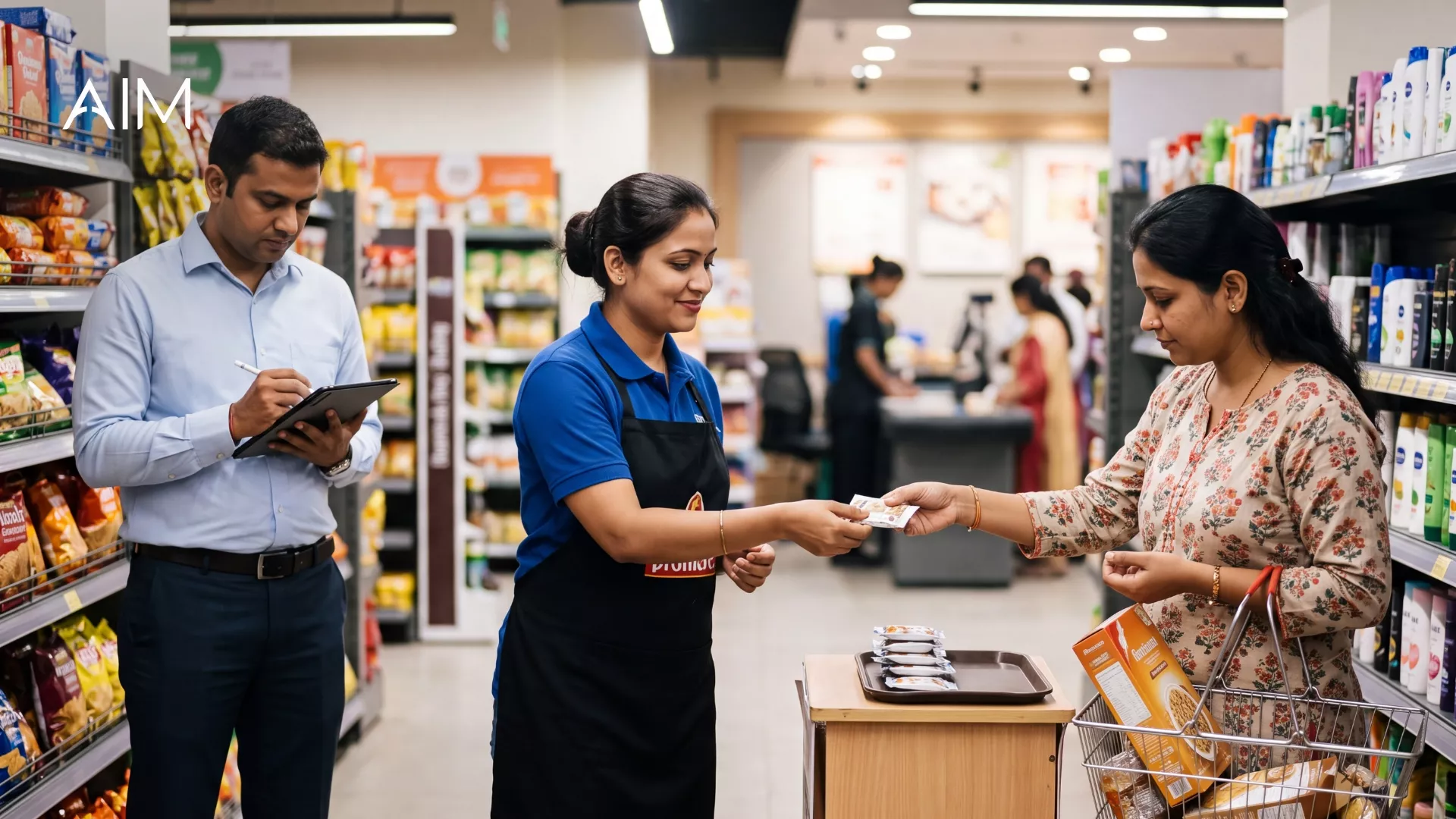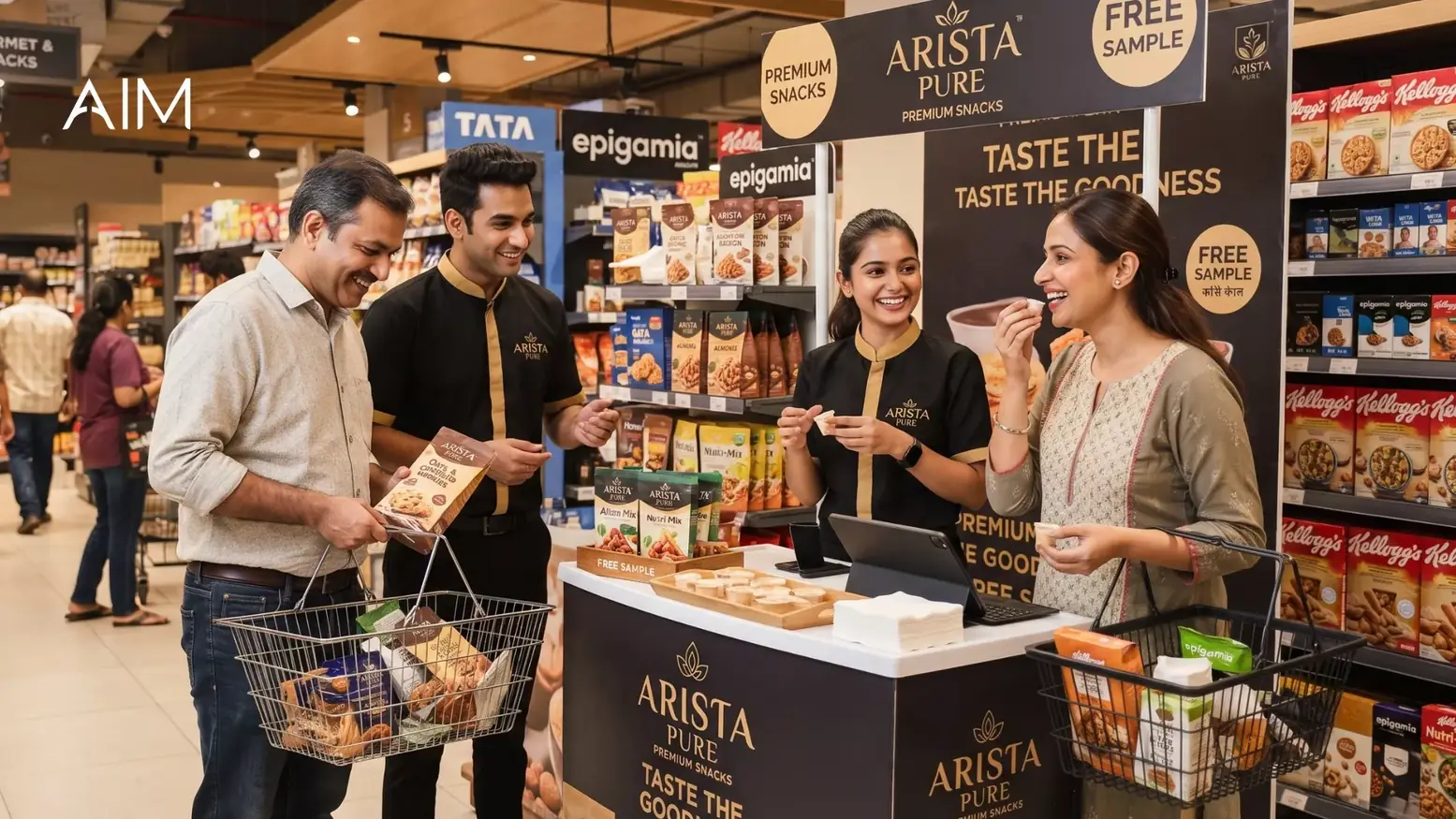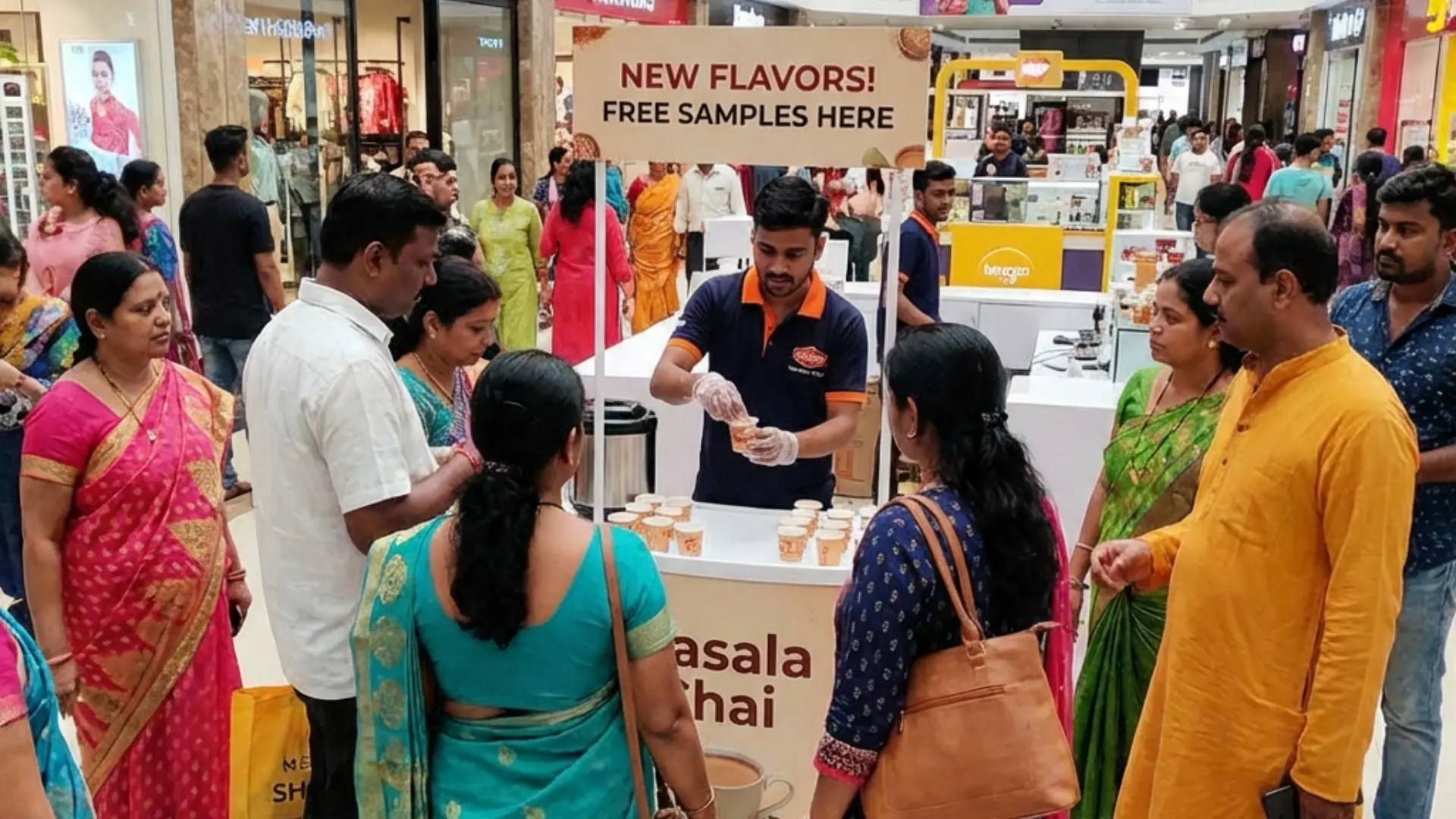
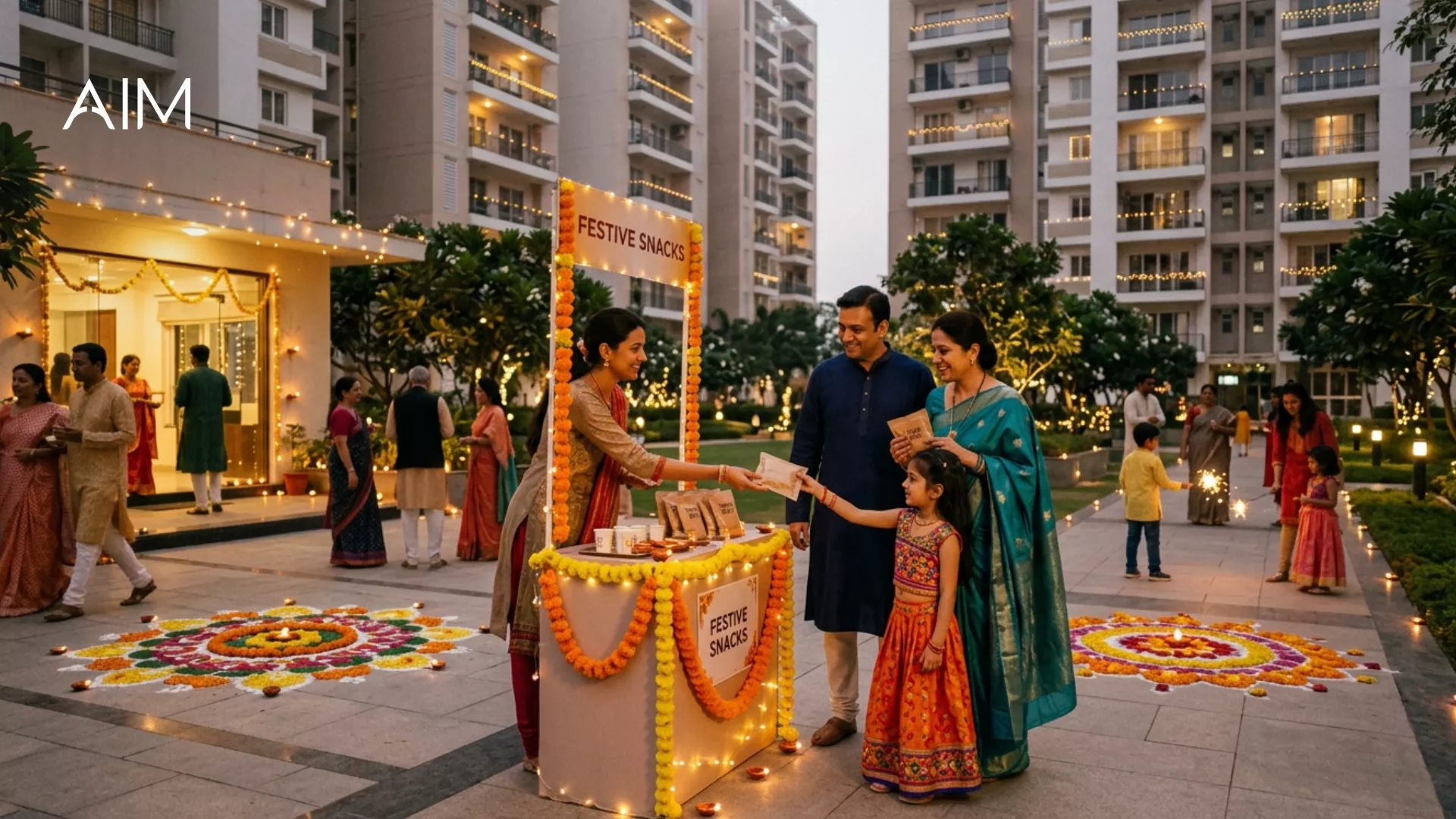


Every year, as the festive season approaches, brands ask a version of the same question: should we push our society sampling campaigns into the festival weeks, when everyone is buying, spending and celebrating? The instinct says yes. More money is moving, more goodwill is in the air, and households are stocking up. But the festive season is also crowded, expensive and chaotic, and a campaign that lands at the wrong moment of it can be worse than one run in a quiet month. The honest answer is that festive society sampling can be the best timing of your year or the most wasteful, depending on how well you understand what is actually happening inside those gates. The season is not a single thing. It is a run-up, a peak and a wind-down, and each behaves differently for a brand trying to earn a trial inside a home.
Why does the festive season look so attractive for society sampling?
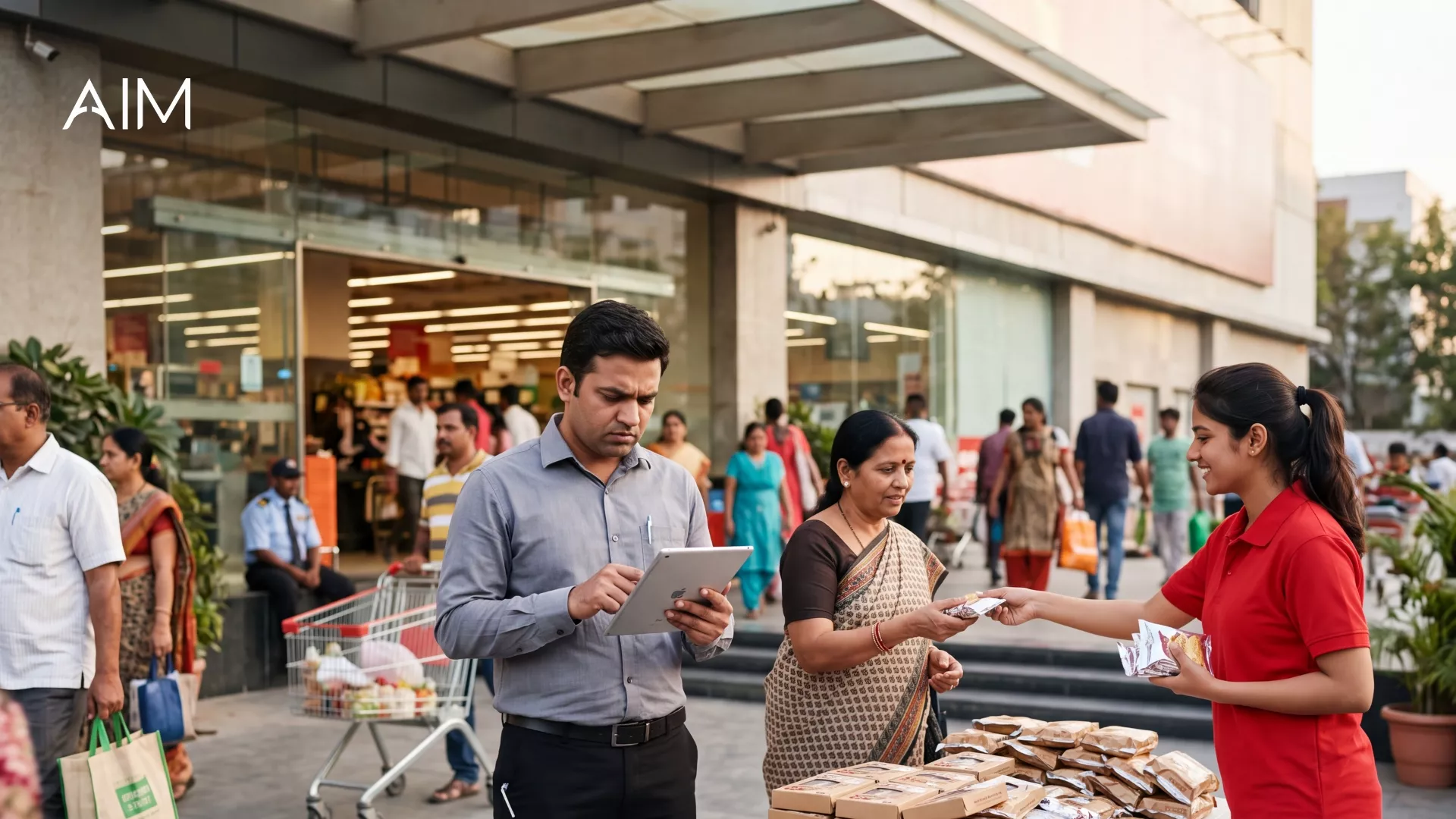
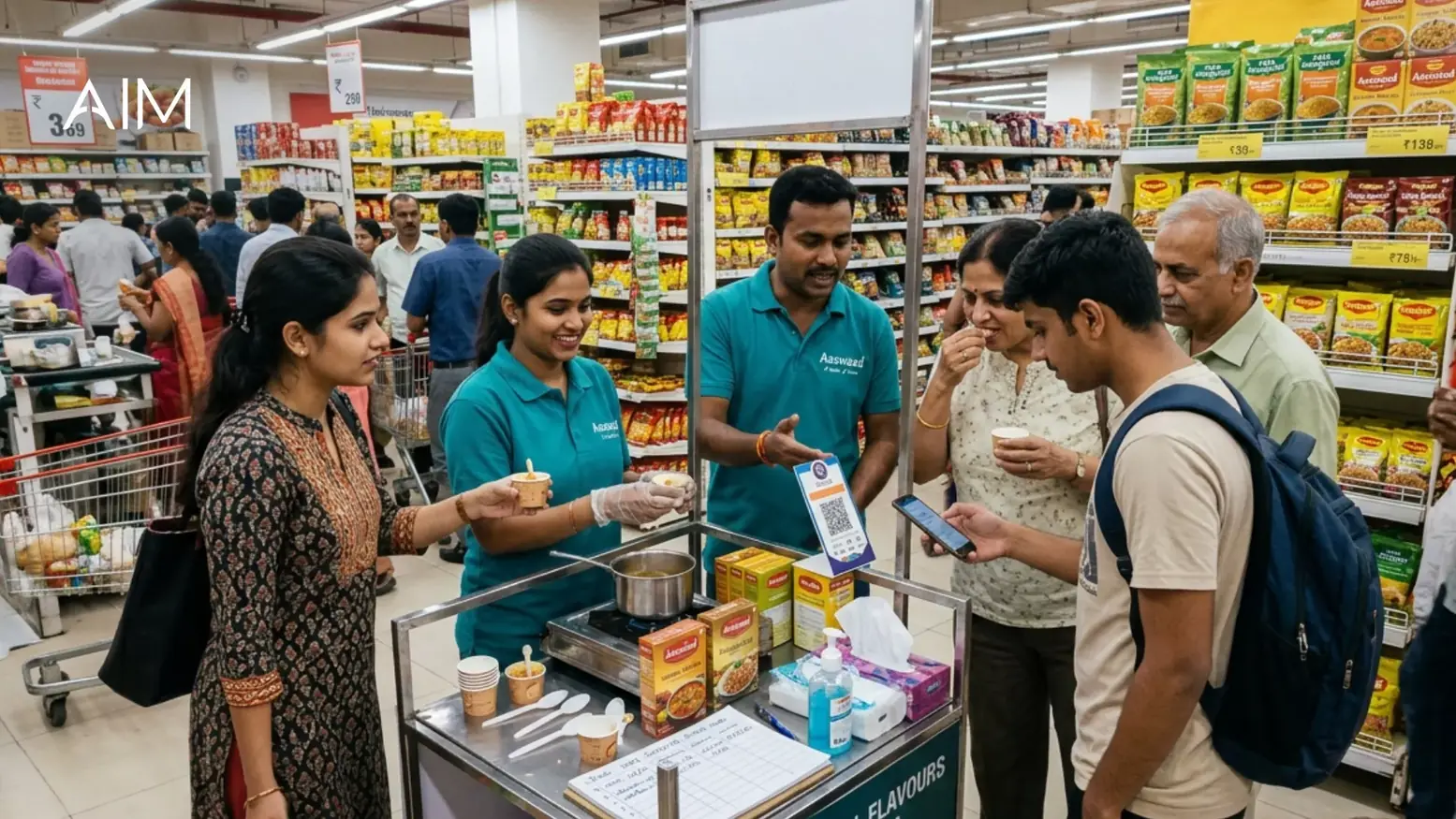
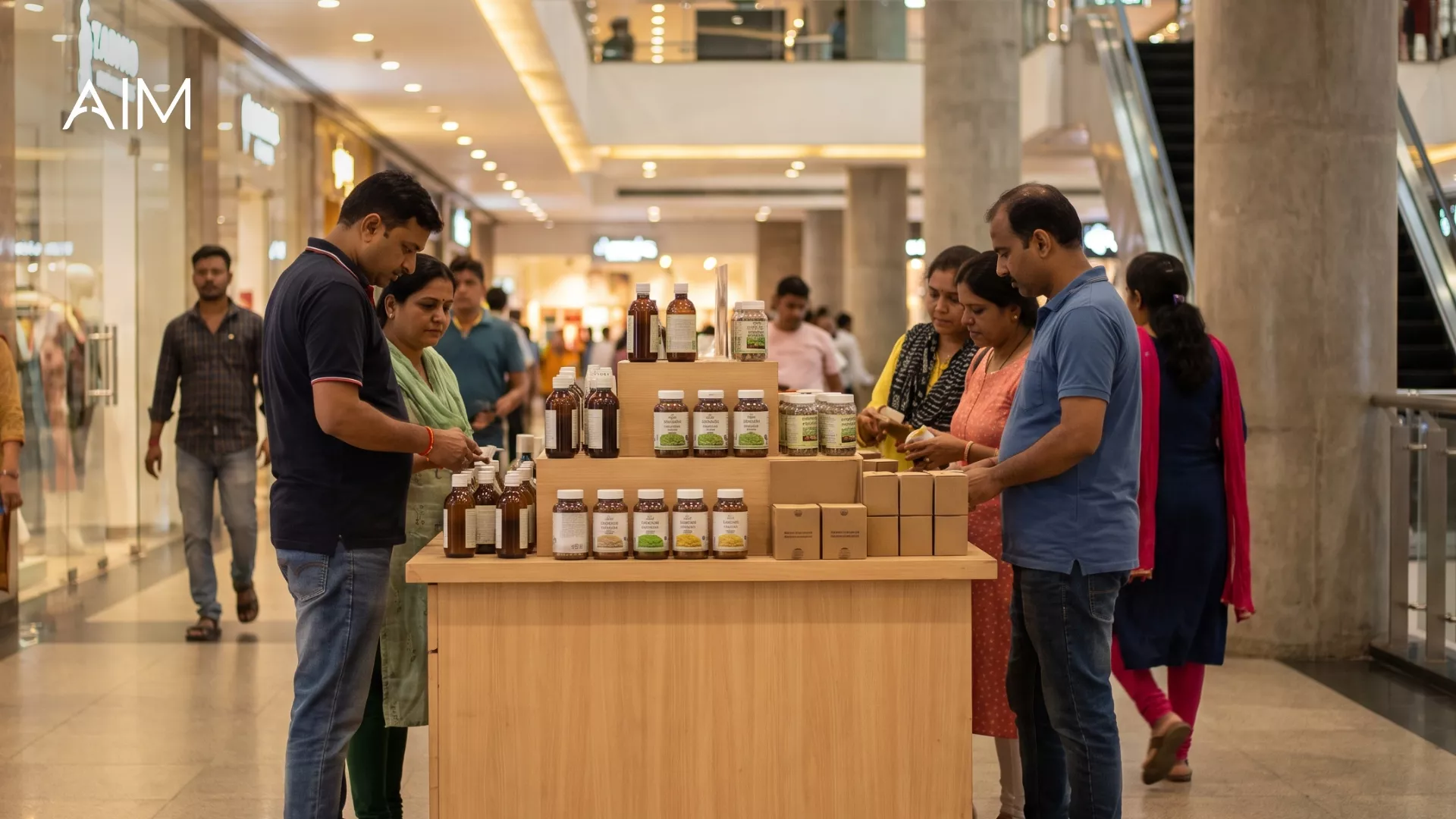
The appeal is real and worth naming. During festivals, households are in an active buying mode rather than a routine one. People are purchasing gifts, sweets, cleaning supplies, new clothes, food for guests, and a long list of things they would not buy in an ordinary week. Pantries get restocked, homes get cleaned and refreshed, and people prepare to host, which pulls a wide range of everyday products into the basket. Budgets loosen. The mood is generous and open, and people are more willing than usual to try something new. A sample that arrives when someone is already shopping with intent is far more likely to be tried than one that lands in a flat, nothing-happening week. The festive household is primed to consider new products in a way it rarely is the rest of the year, which is a genuine advantage if your product fits what they are considering.
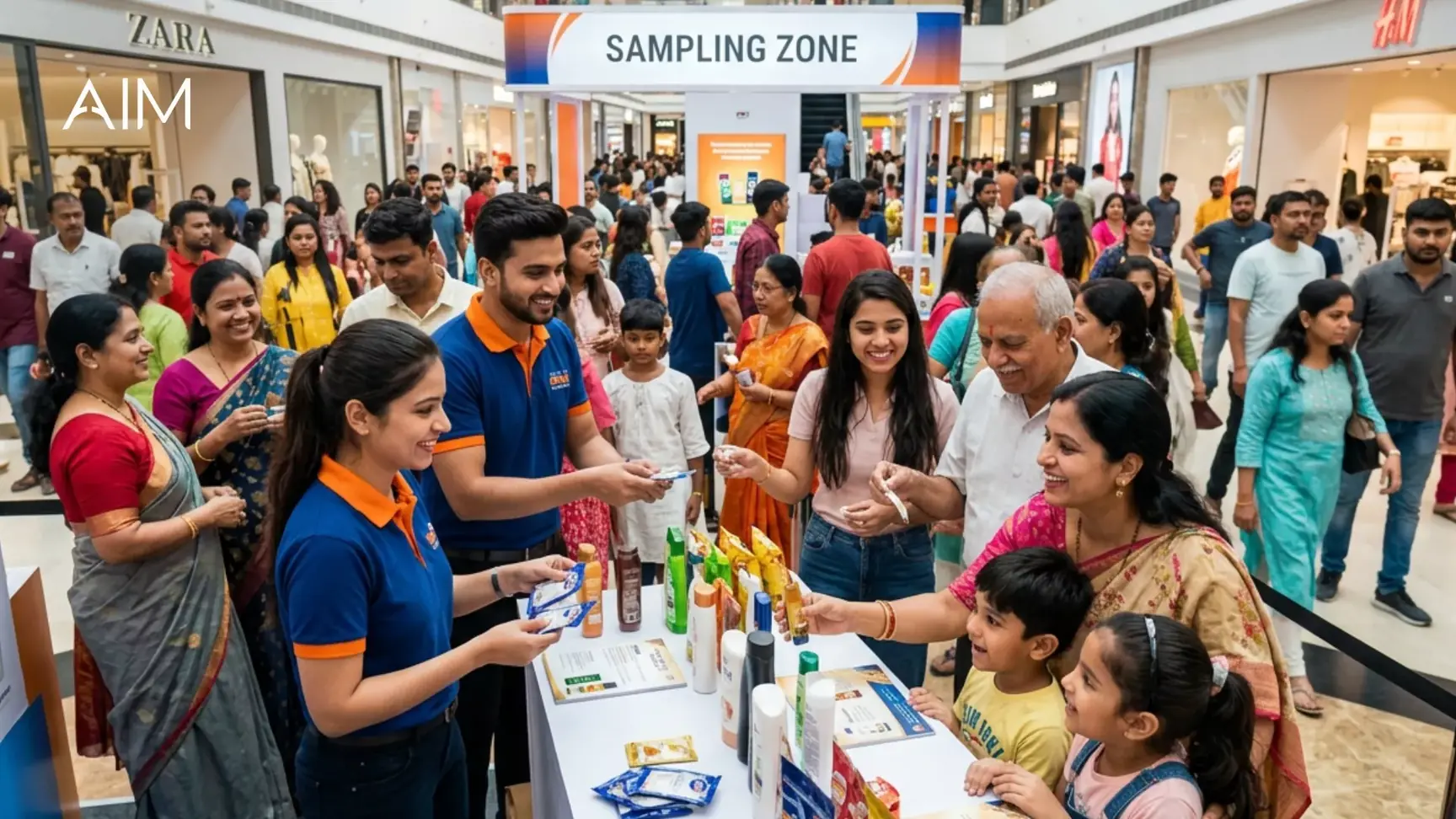
There is also a social dimension inside societies during festivals. Neighbours interact more, communities host events, and word travels faster. A product that lands well in a few homes can spread through a society in days rather than weeks, carried by the heightened social contact the season brings. In an ordinary month a sample spreads slowly, one quiet conversation at a time. In the festive weeks, when people are already gathering and talking, a product that impresses can become a small topic of its own, which is reach you did not pay for.
What makes festive society sampling risky?
The same things that make the season attractive also make it dangerous. Because everyone is buying, everyone is also selling. Your sample arrives into a flood of other brands, offers and messages, all competing for the same attention and the same festive wallet. The clutter is extreme, and a sample that would stand out in a quiet month can vanish in the festive noise.
Attention is also divided in a specific way during festivals. People are busy, distracted, hosting, travelling and managing a hundred small tasks. A household in the middle of festival preparation may accept your sample and never actually try it, because there is simply no room in the day. The trial you paid for gets postponed until the product is forgotten.
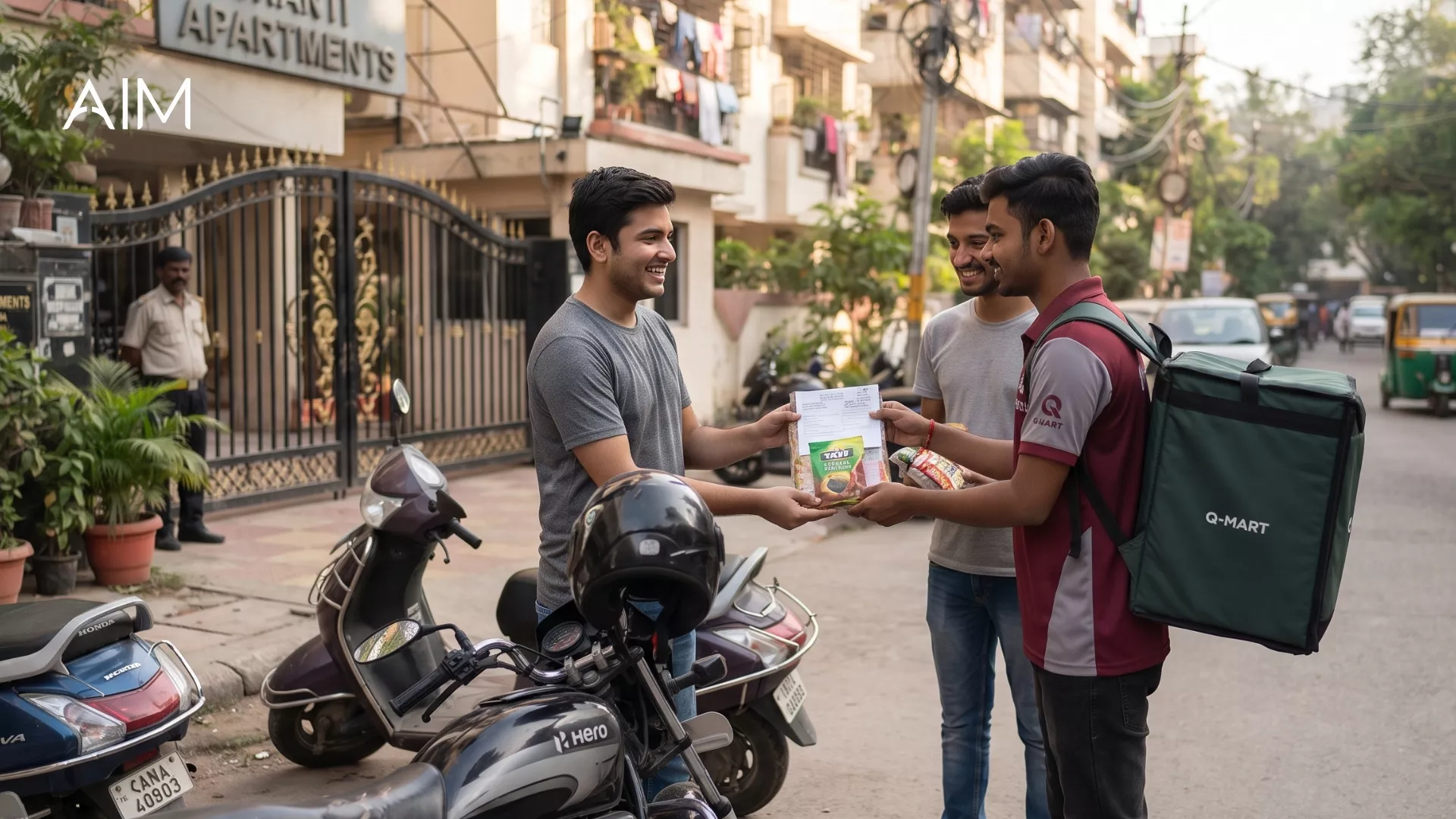
And access itself gets harder. Societies are often stricter during festivals, with more events, more rules, and committees more protective of residents' time. Getting clean permission to run a campaign inside a society can be more difficult in the festive weeks, not less. Committees that would happily approve a campaign in a quiet month may turn it down during festivals simply because residents are already busy and the calendar is full.
When does festive society sampling actually work?
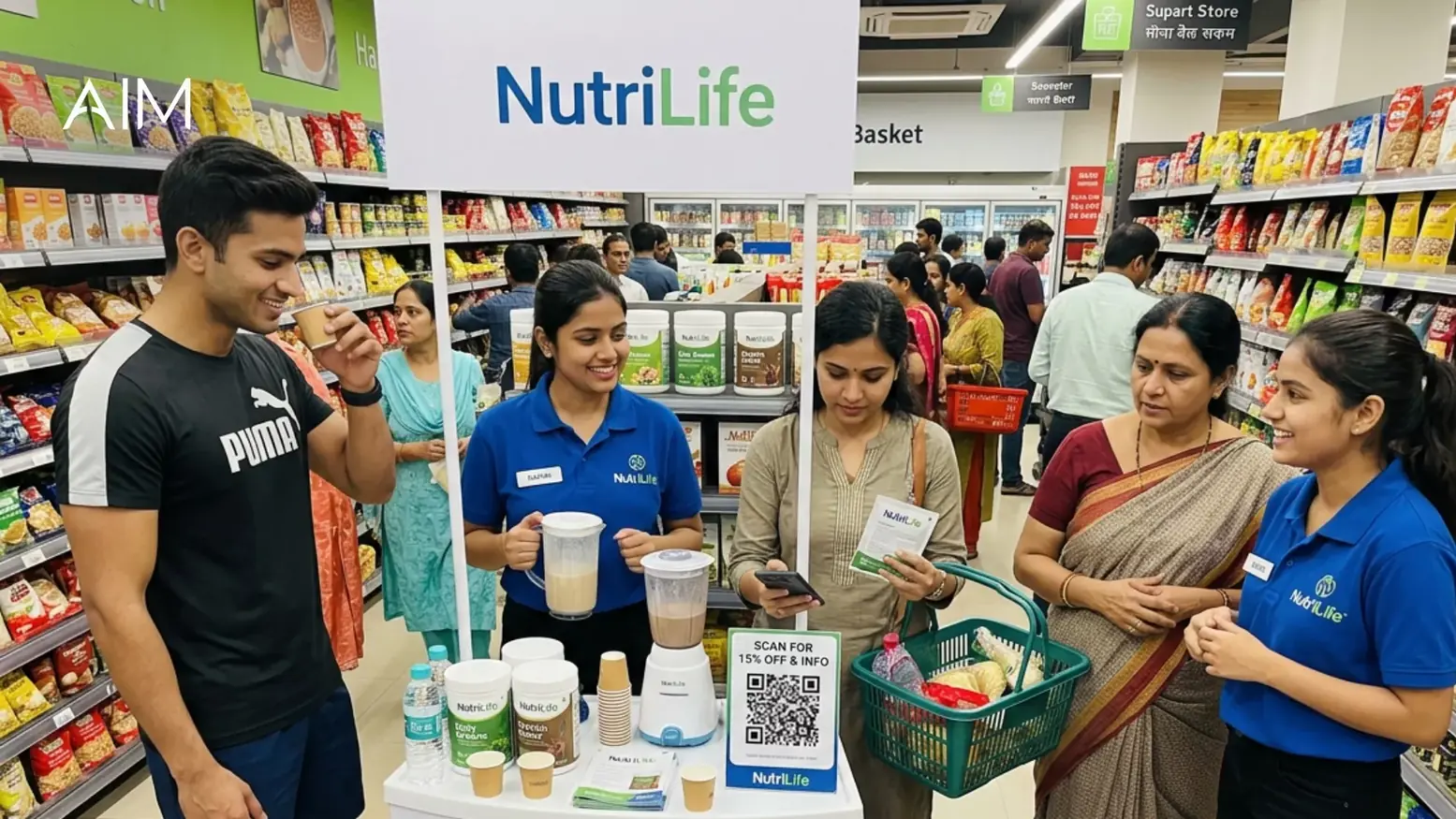
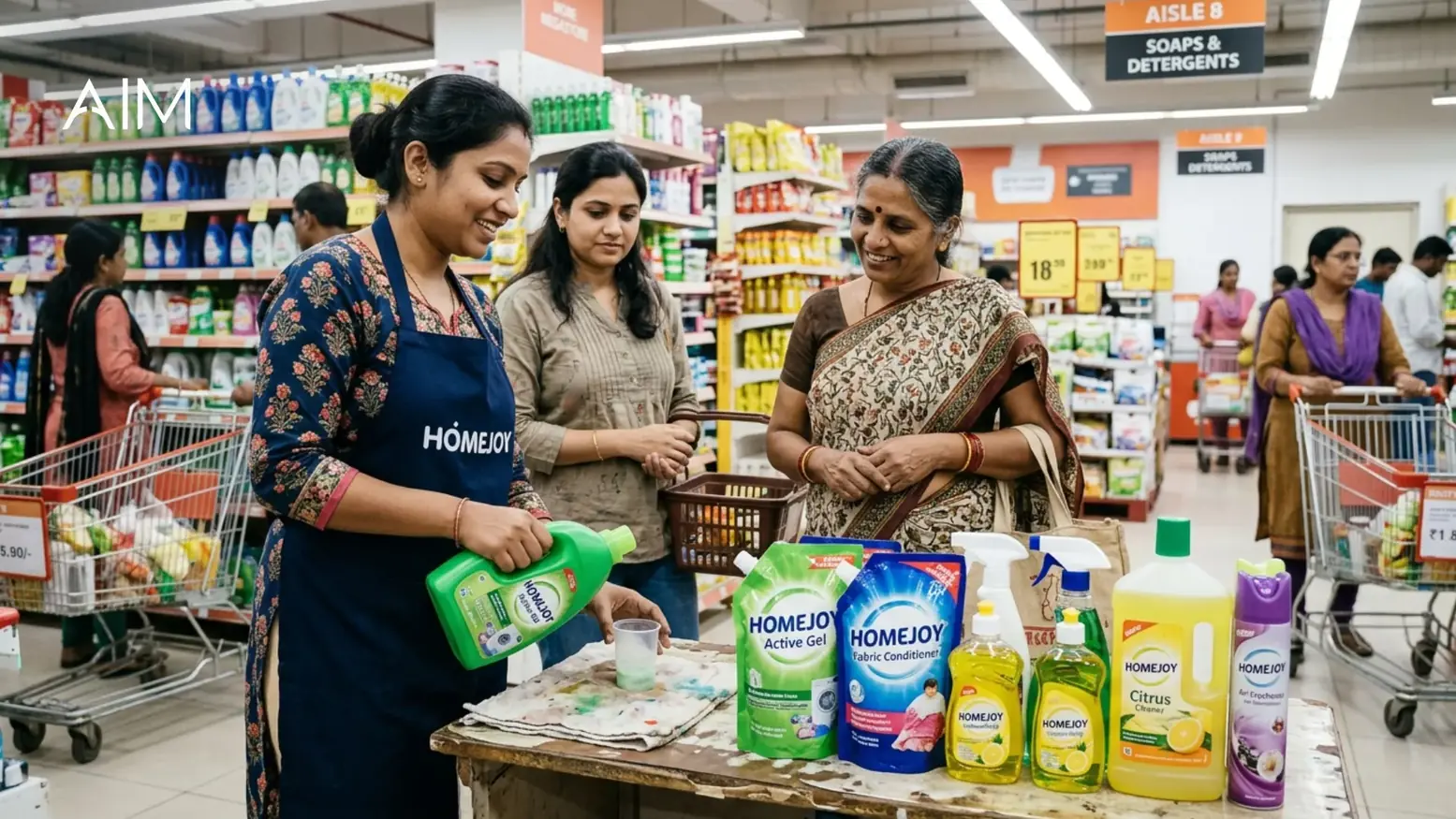
It works when your product genuinely fits the festive moment and the household's festive needs. A cleaning product, a home care item, a food or beverage for guests, a personal care product people want to look good with, a gifting-adjacent product: these ride the season naturally, because the household is already thinking about exactly the need your product serves. The sample feels timely rather than intrusive. Timing a trial to a need the household already has is most of what makes any sample welcome, and the festive season creates a dense cluster of exactly those needs for the right categories. A guest-ready snack offered the week before a festival is help, not interruption.
It also works when you time it to the run-up rather than the peak. The days and weeks before the main festival, when people are preparing and buying but not yet overwhelmed, are often the sweet spot. The buying intent is already high, the clutter is lower than at the peak, and the household still has the time and attention to actually try what you give them rather than setting it aside. Landing on the busiest day of the festival itself is usually the worst choice, not the best. On the peak day the household has no capacity left, the clutter is at its maximum, and your trial competes with the celebration itself for a sliver of attention that simply is not there.
When should you avoid sampling in societies during festivals?
Avoid it when your product has nothing to do with the season, because it will be drowned out by the products that do. A trial that could have stood out and been properly tried in a quiet month gets lost and wasted in the festive crush. The season does not add value to a product that does not fit it; it just adds competition.
Avoid it, too, when you cannot handle the operational reality. Festive logistics are harder, staff are stretched, societies are stricter, and the chaos can compromise execution. A campaign that would run cleanly in an ordinary month can fall apart in the festive rush, and a poorly executed trial does more harm than no trial at all, because a bad first experience of a product is harder to undo than no experience. The household that tried your product in a rushed, messy festive handout and was underwhelmed is now harder to win than one that never tried it.
And avoid treating the festive season as a reason to sample without the usual discipline. The excitement of the season tempts brands into spraying product broadly, assuming the mood will do the converting. It will not. The same rules apply: the right households, a reason to buy, capture of who tried, and a path to purchase. The festive season raises the stakes on getting those right, because you are paying more to compete harder. If anything, the festive season demands more discipline than a quiet month, not less, because the cost of a wasted sample is higher when every sample costs more attention to earn.
How should you plan a festive society sampling campaign?
If the fit is right, a few decisions make the difference. Choose the run-up window over the peak, so you catch buying intent while attention is still available. Pick societies where your target household actually lives, rather than chasing the biggest or most festive-looking communities. Secure permissions early, before the festive crowding makes access harder. Match the sample and the offer to the festive need the household has right now, so the trial feels timely. And build in the follow-up, because festive goodwill fades fast once the season ends and the household returns to routine.
The question is never simply festive or not festive. It is whether your product belongs in the festive conversation, whether you can reach the right households inside it, and whether you can execute cleanly while everyone else is also competing for the same homes. Answer those three honestly and the decision usually makes itself. A product that fits, reached in the run-up, with clean execution and real follow-up, can make the festive season the strongest sampling window of the year. A product that does not fit, forced into the peak because the calendar said so, will quietly burn budget no matter how festive the mood.
How we stand out in festive society sampling
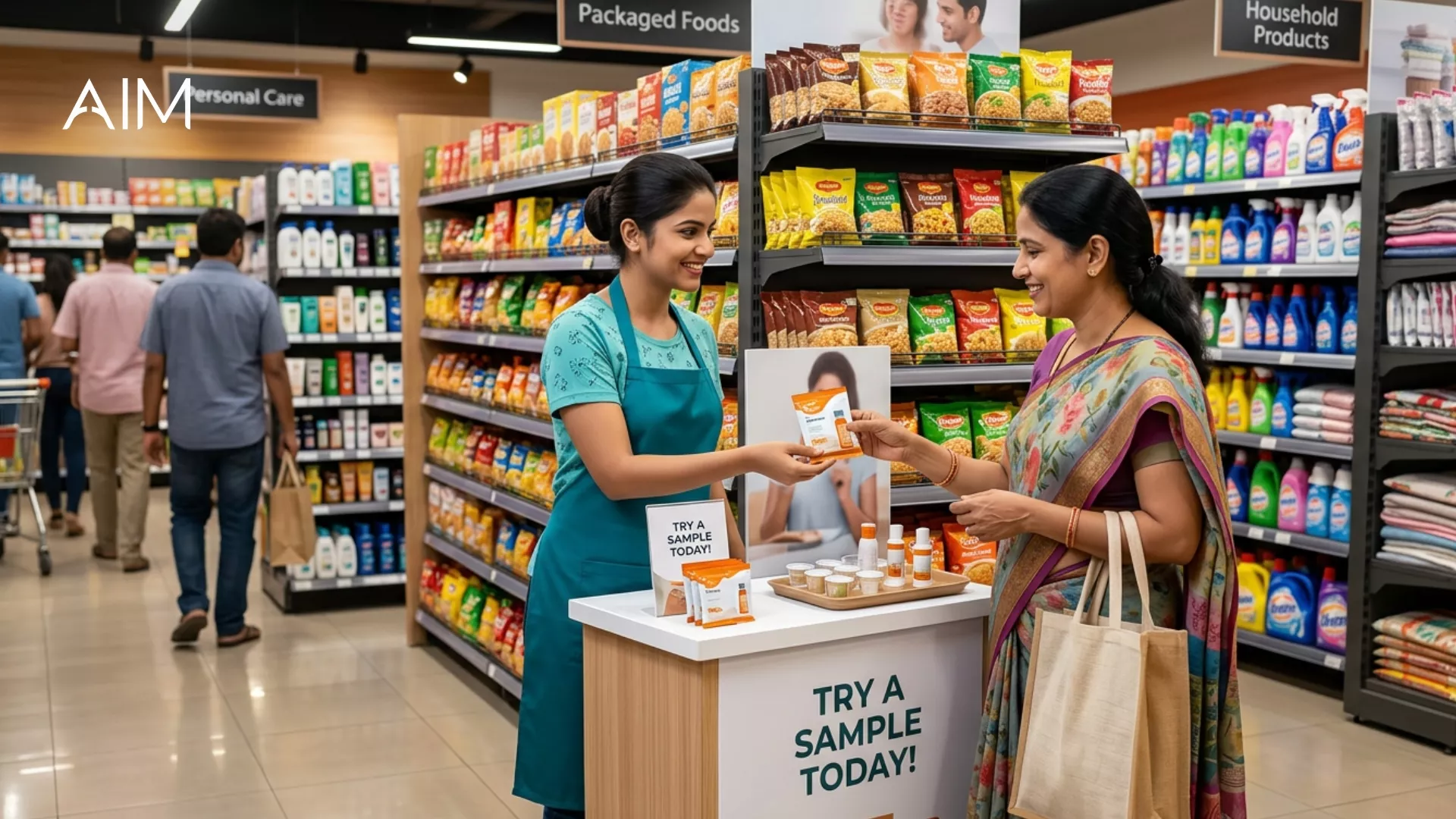
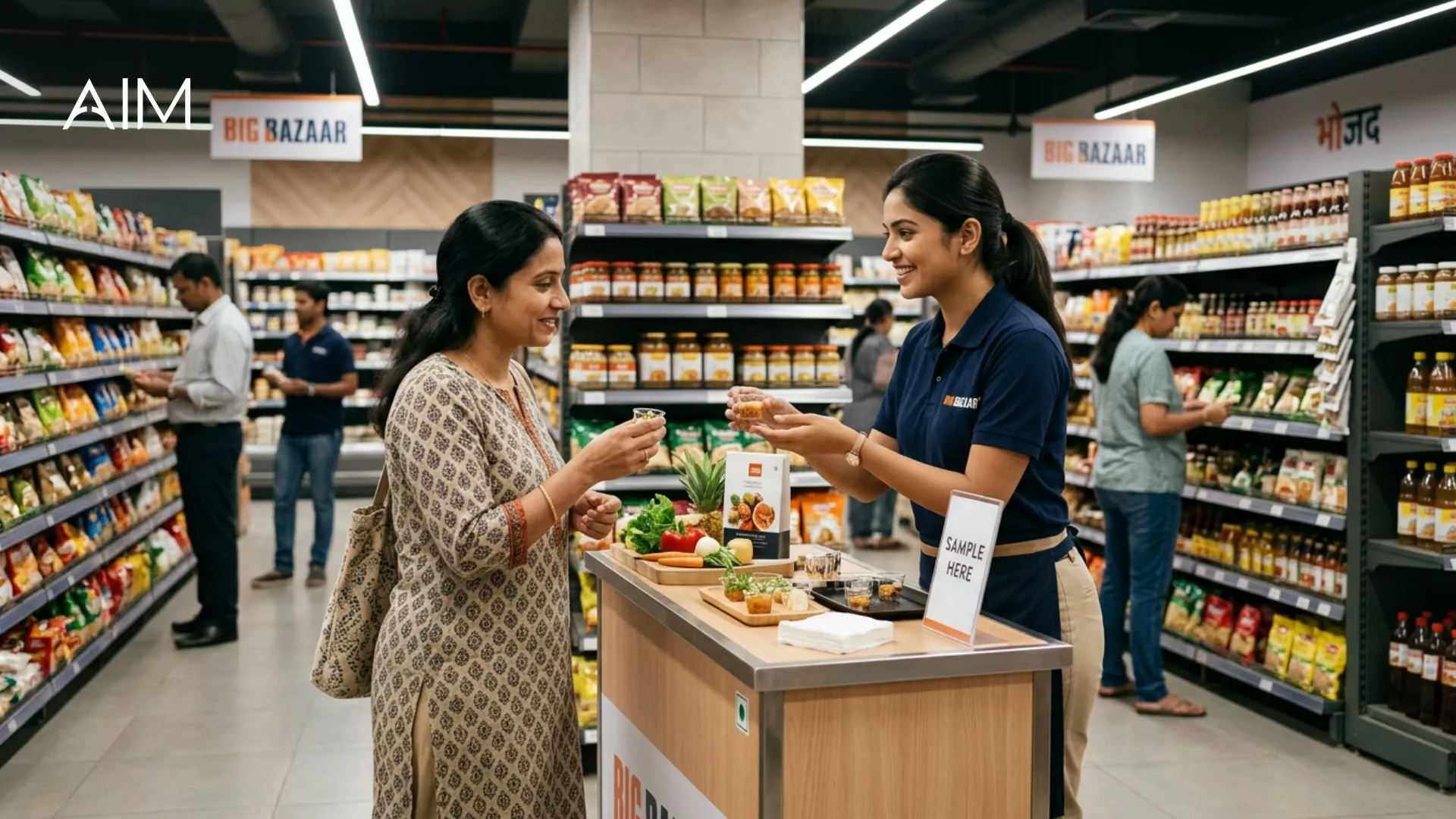
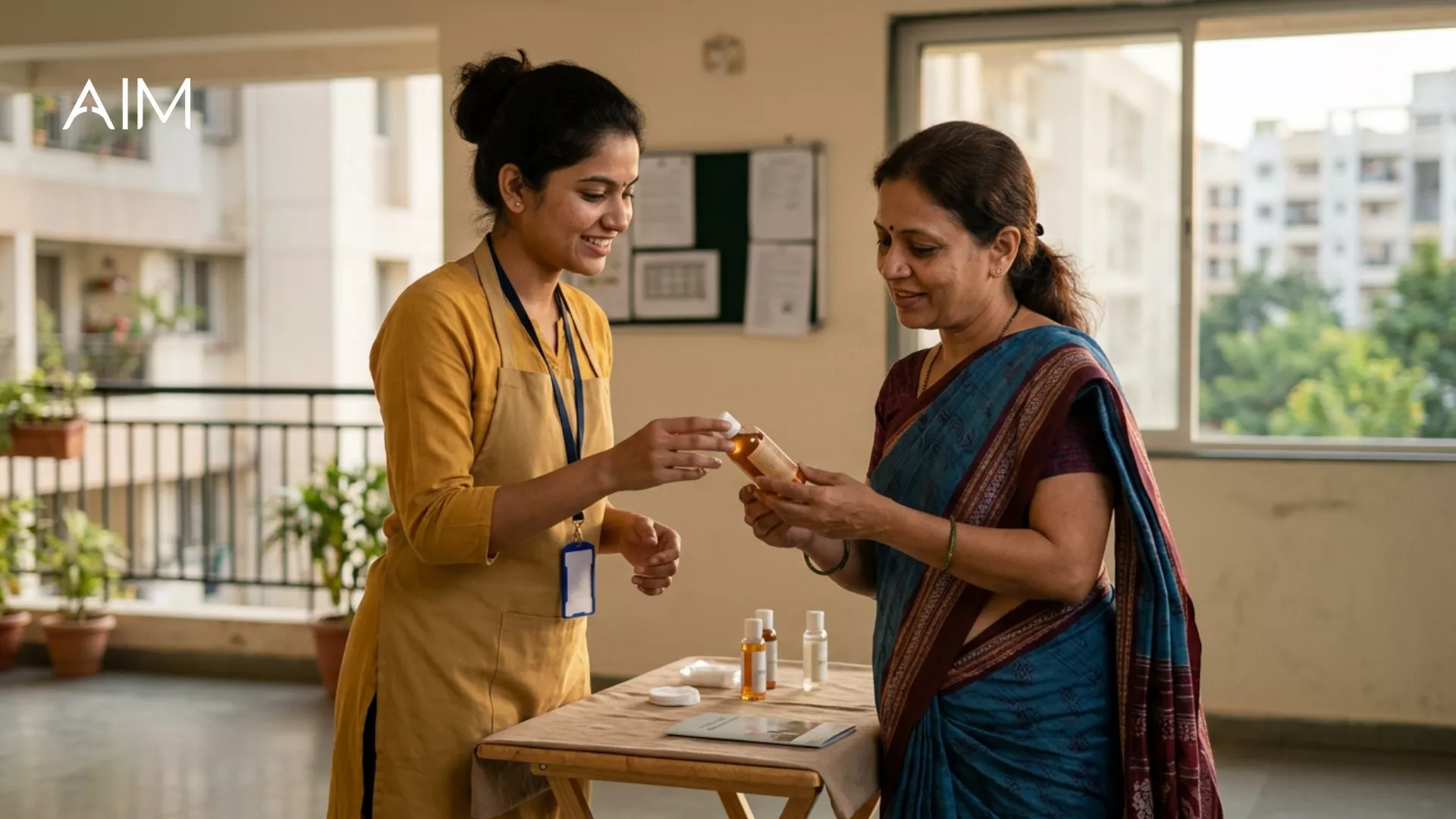
Our festive society product sampling starts with an honest fit check, not the calendar. If the product genuinely serves a festive household need, the campaign is planned around the run-up rather than the peak, so it catches buying intent before attention is swallowed by the busiest days. Societies are chosen by where the target household actually lives, permissions are secured early before festive crowding tightens access, and the sample and offer are matched to the need the household has in that moment. Who tried is captured, and the follow-up is built in before festive goodwill fades. If the product does not fit the season, AIM will say so, because running a mismatched product into the festive crush is one of the easier ways to waste a sampling budget. The festive season is a powerful window for the right product, reached the right way, and an expensive distraction for the wrong one.