
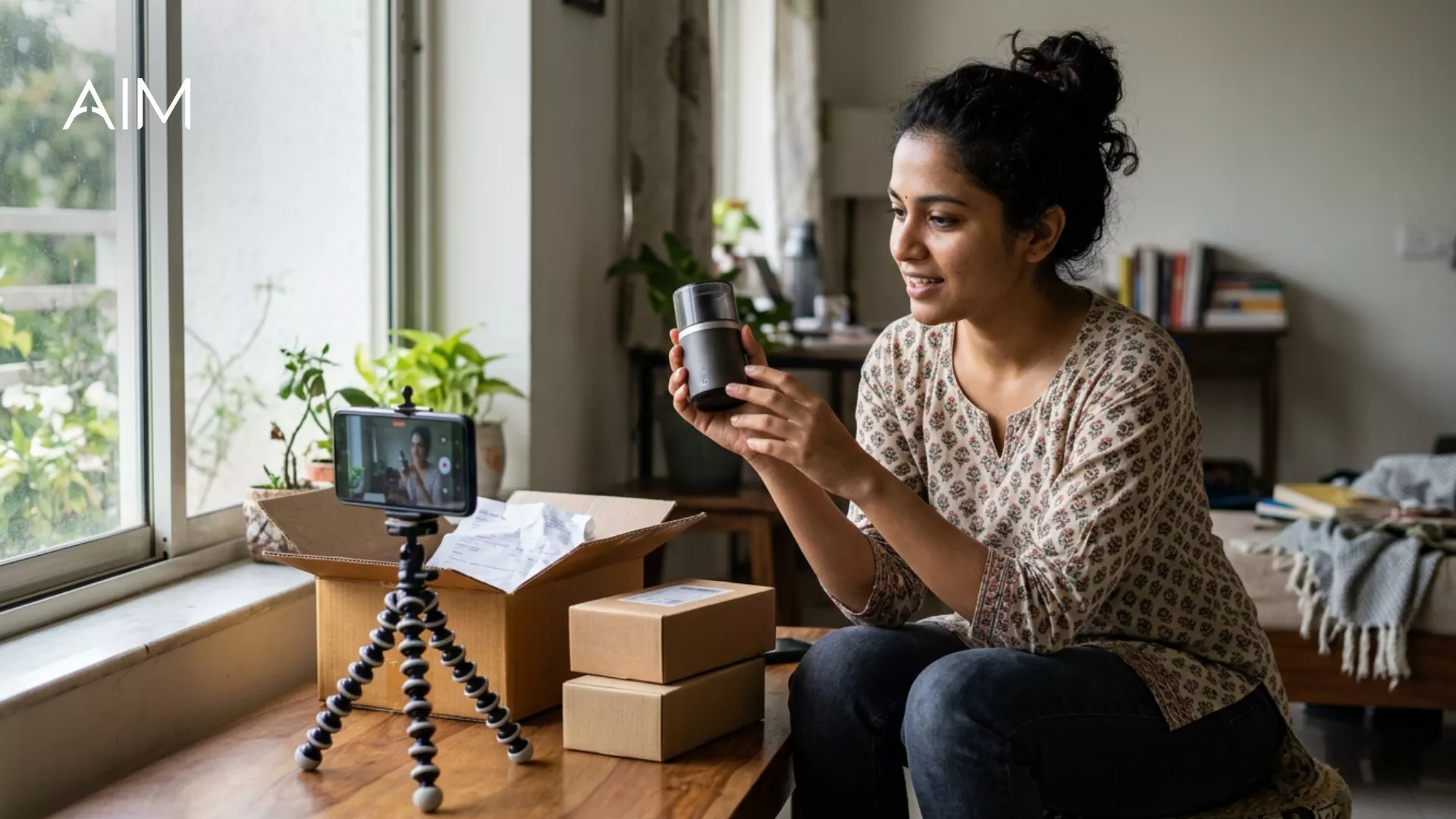


Most brands run influencer seeding the same way they run a giveaway. Pull a list of creators, ship a hundred pretty boxes, and hope. A few weeks later, some posts trickle in, most do not, and nobody can say whether any of it sold a single unit. The product went out. The learning did not come back.
Seeding done well looks different. It is a targeting exercise, not a mailing list. The question is never how many creators you can reach. It is which handful actually sit in front of your buyer, and whether you set the drop up so you can see what it did.
Quick answer: influencer product sampling means sending your product to creators so they try it and share it with their audience. You seed the right creators by matching their audience to your buyer, checking real engagement over follower count, confirming category fit, and tracking each drop with a unique code or link so you can see reach, content, and conversions. Seed for audience match and measurement, not for follower totals.
What is influencer product sampling?
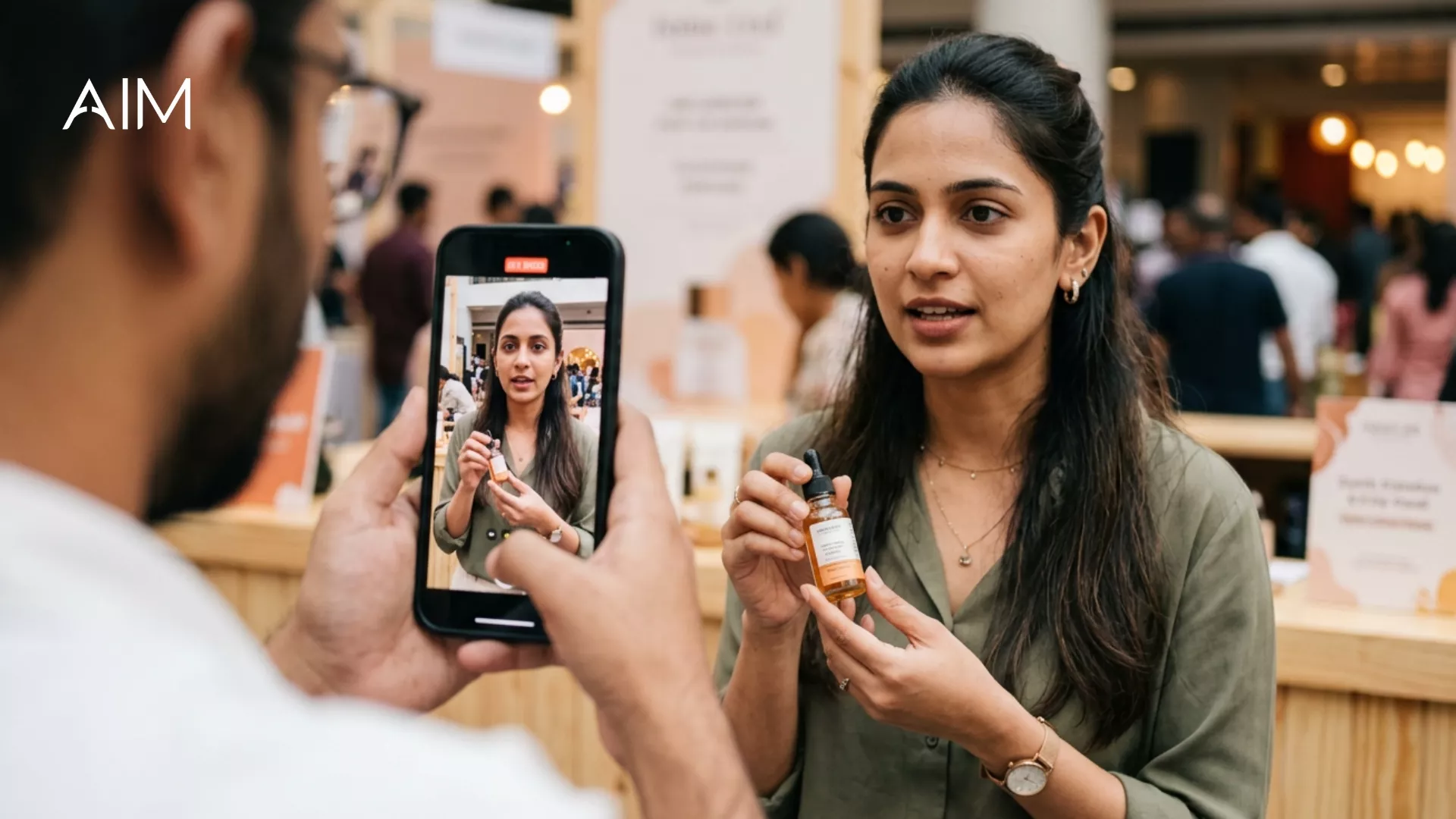
Influencer product sampling, often called seeding, is the practice of sending your product to content creators for free so they can try it and, if they choose, share it with their followers. It sits between classic product sampling and influencer marketing. Like sampling, it puts the real product in a real hand. Like influencer marketing, it borrows the trust a creator has built with an audience. Done right, one honest post from a creator your buyer already follows can carry more weight than any ad, because it reads as a recommendation, not a message from the brand.
The catch is the word right. Seeding only works when the creator sits in front of the people you are trying to reach. Send the product to the wrong audience and you have paid for content nobody who matters will see.
Why is follower count the wrong way to pick creators?
Because followers are a reach number, and reach is the vanity metric of this whole channel. A creator with half a million followers whose audience is spread across the country, half of them inactive, can do less for a regional skincare brand than a creator with fifteen thousand followers who are all women in one city, actively asking her what serum to buy. The big number feels safer. It usually is not.
What you are really buying is relevance and trust. A smaller creator whose audience matches your buyer, and who actually replies to comments and gets asked for recommendations, will move more product than a large account whose audience is broad and passive. Follower count tells you how many people might scroll past. It says nothing about how many will listen.
How do you choose the right creators to seed?
This is where the campaign is won or lost, before a single box ships. A few things matter more than the follower total.
- Audience match first. Look at who actually follows the creator, not the creator alone. Age, location, gender, interests. If your buyer is a young mother in a metro, the creator's audience should be full of them. A great creator with the wrong audience is still the wrong creator.
- Real engagement over size. Check whether the comments are real conversations or just emojis. Do people ask this creator for recommendations? Do they act on them? An account with steady, genuine engagement beats a bigger one running on autopilot.
- Category fit and credibility. A creator known for skincare carries weight when she talks skincare. The same creator promoting a protein powder convinces no one. Seed people whose niche makes your product a natural fit, so the post feels like something they would have said anyway.
- Content quality and honesty. Look at how they talk about products they were sent before. Creators who give honest, specific takes build more trust than those who gush about everything. That honesty is exactly what makes their recommendation worth something.
- A spread, not a single bet. Seed a mix, a few mid-sized creators for reach and a wider set of smaller, tightly matched ones for depth. A single big name is one roll of the dice. A well-chosen group is a pattern you can read.
How do you seed so you can actually measure it?
Here is the part most seeding skips, and it is the part that turns a giveaway into a campaign. Before the boxes go out, build in a way to see what each one did. Give every creator a unique discount code or a trackable link. Now a sale can be traced back to the exact creator who drove it, and you learn which audiences convert, instead of only which posts look nice.
Ask for the content rights up front, so the honest posts and photos you get back can live on your own product page and ads long after the campaign. Set a light, clear brief, what the product is, what makes it different, and total freedom on how they say it, because a scripted post reads as an ad and loses the trust you seeded for. Then watch the drop like a media buy: which creators posted, what reach and engagement each earned, and which codes turned into orders. That last number is the one that decides whether you seed that creator again.
What are the most common influencer seeding mistakes?
The first is spraying by follower count and calling it a strategy. The second is expecting a post in return for a free product, which creates resentment and stiff, obligated content, when the honest move is to send it as a genuine gift and let the good ones choose to share. The third is over-scripting, handing a creator a caption to copy, which strips out the one thing you came for, their real voice. The fourth is shipping and forgetting: no codes, no links, no rights, no follow-up, so a campaign that could have taught you exactly which audiences buy teaches you nothing at all.
And one more that quietly hurts in India: ignoring disclosure. Gifted products that lead to posts need to be marked as such under the advertising rules here. It protects the creator, the brand, and the trust that makes the whole thing work in the first place.
Does influencer product sampling actually drive sales?
Yes, when it is seeded for match and built to be measured, and for a simple reason. A recommendation from someone your buyer already trusts removes the doubt an ad cannot. The buyer is not being sold to. They are being told, by a person they follow, that the product is worth trying. That is close to the most persuasive thing in marketing. But the lift only shows up if the creator sat in front of the right audience and you had a code or link in place to catch the sale. Seed the wrong people with no tracking, and it will feel like sales did not follow. What really happened is the recommendation reached the wrong room and nobody was counting.
Where seeding fits
Influencer product sampling is at its best when a brand needs trust and social proof more than raw trial volume, a launch that needs reviews on the product page, a category where people ask friends before they buy, a new market where nobody knows you yet. Pair it with sampling that captures first-party buyers and you get both, the honest word of a trusted creator and the data to prove what it did. Seed the right few, give them room to be honest, and track every box. Do that and seeding stops being a hopeful giveaway and becomes one of the sharpest trial channels a brand has.






.webp)












.png)