


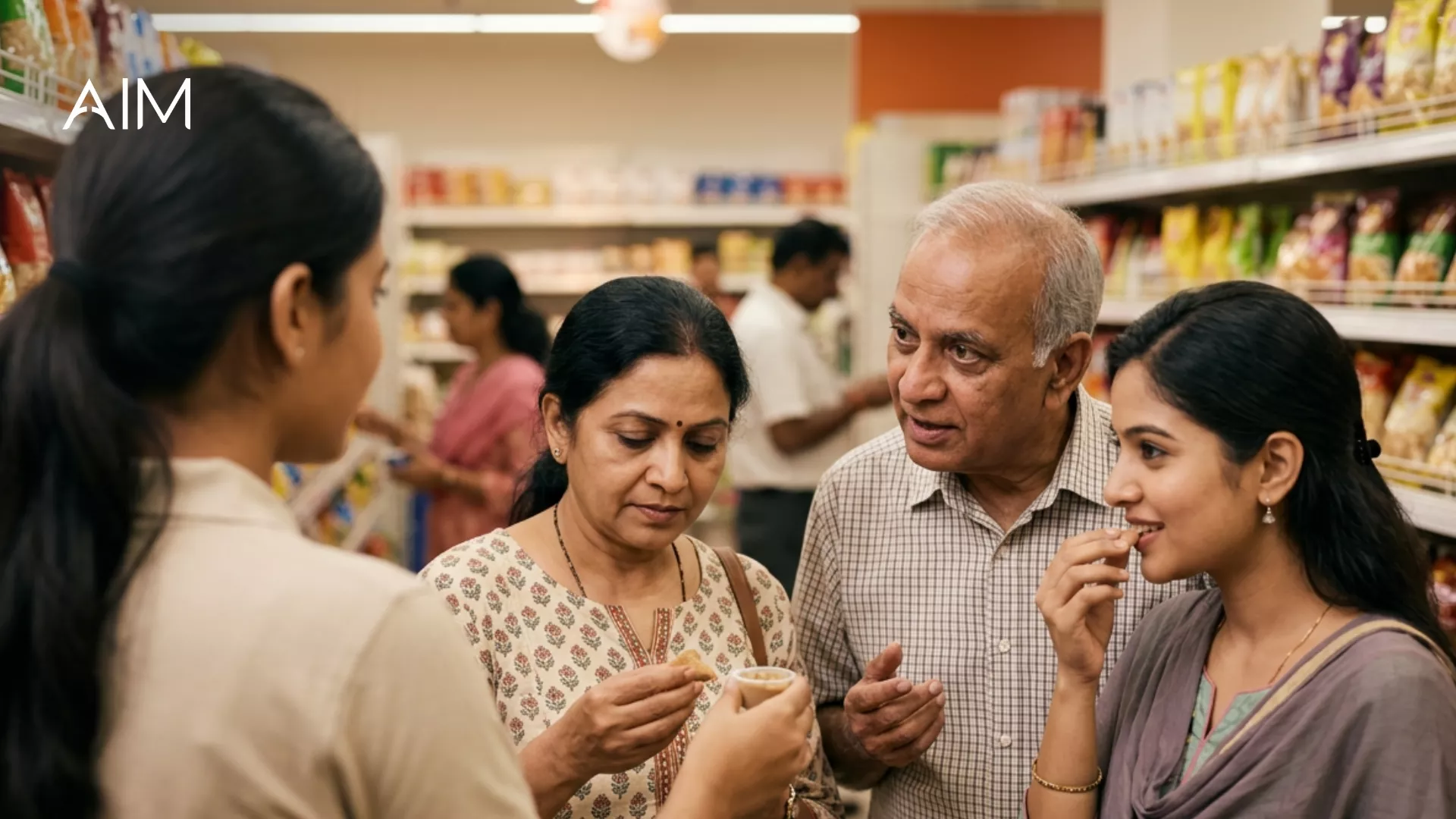
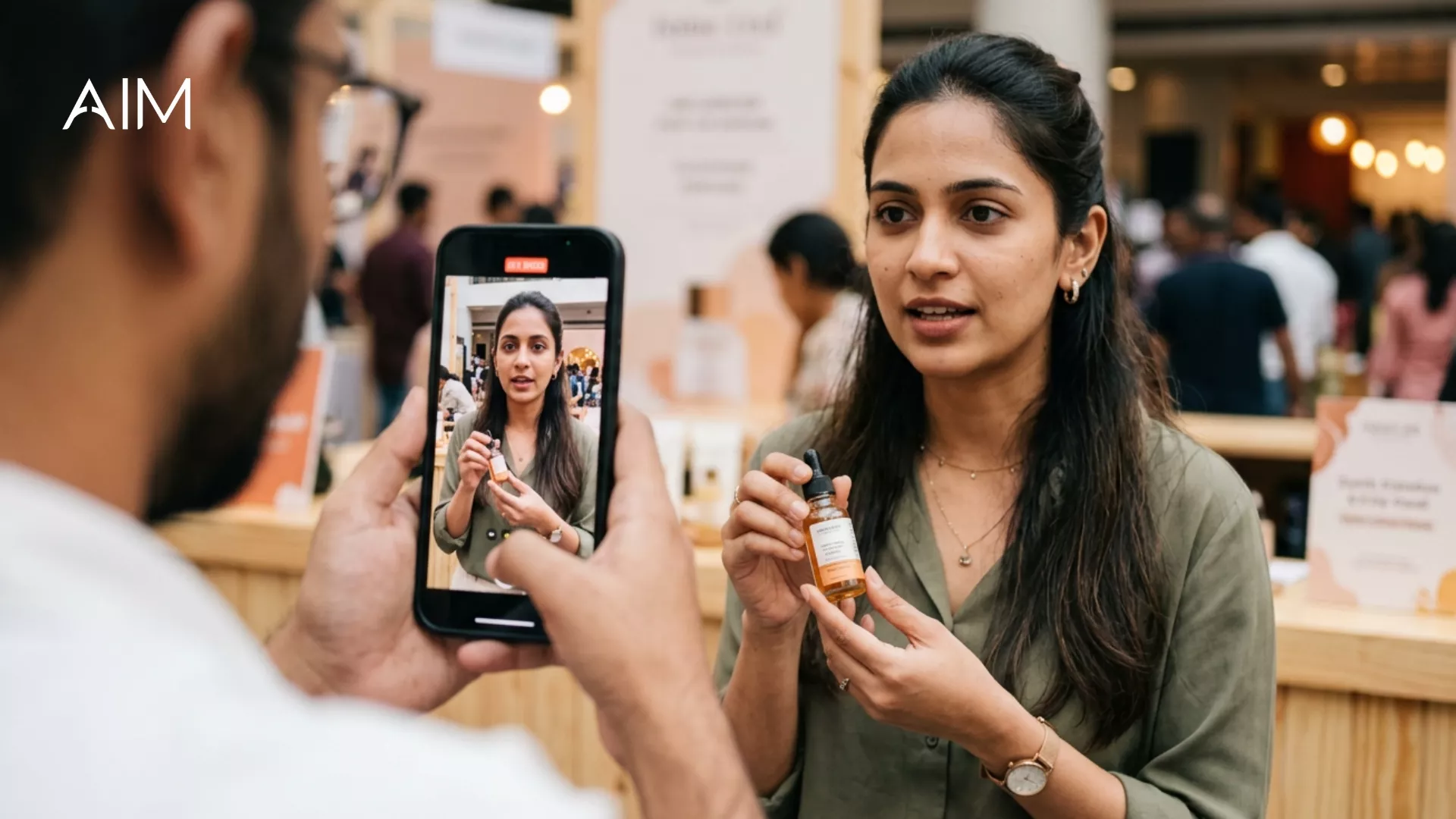
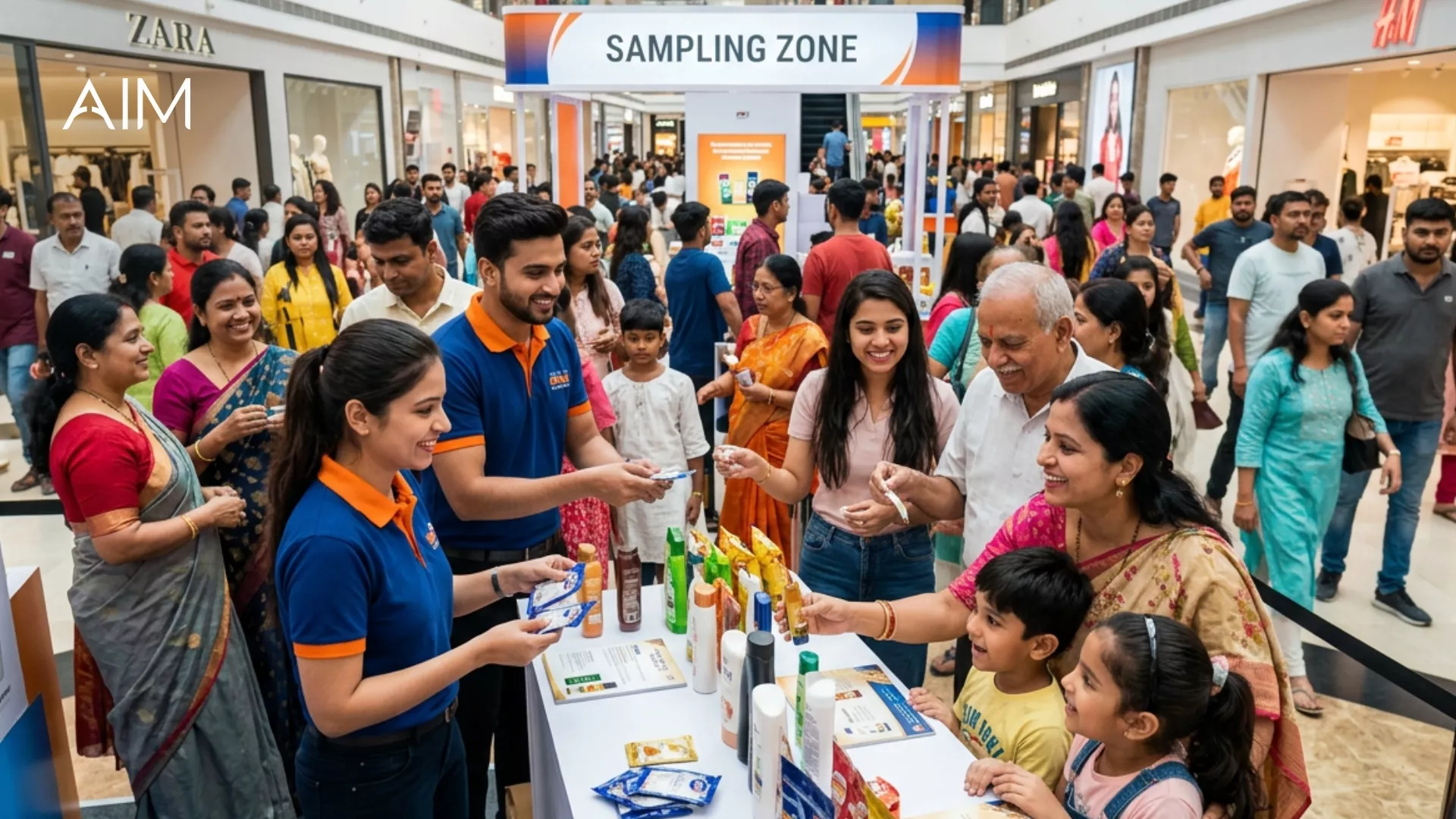
A D2C founder I know spent three years buying growth on Meta and Google. It worked, right up until it did not. The cost to acquire a customer crept up every quarter, a privacy update knocked a hole in her tracking, and her ad looked identical to nine competitors selling the same thing. So she did something that would have sounded backward in 2020. She put ten thousand samples of her product into real people's hands.
She is not nostalgic, and she is not alone. D2C brands, the most digital businesses we have, are quietly moving budget back into physical product sampling. Here is why, and why it is not the return to blind giveaways it might sound like.
D2C brands are returning to physical product sampling because digital acquisition has grown expensive, harder to track after privacy changes, and crowded to the point of sameness. Sampling gives a real product trial, builds trust, and, done with QR opt-ins and sample-to-sale tracking, feeds first-party data back into the funnel. It is measurable now, and that is what makes it work for data-native brands.
What changed: digital stopped being cheap
For a decade, a D2C brand could simply buy its way to growth. Performance ads were cheap, the targeting was sharp, and every rupee was trackable. That era is over. Acquisition costs have climbed year on year as more brands crowd the same auctions. Privacy changes broke much of the attribution that made the channel feel scientific. And the feed itself is saturated, so your ad now competes with a hundred near-identical ones for a shopper who has trained herself to scroll past all of them. None of this means digital is dead. It means digital on its own is no longer enough, and the cheapest customer is not always found online. Ask any founder what their blended CAC did over the last two years and watch their face.
What a physical sample does that an ad cannot
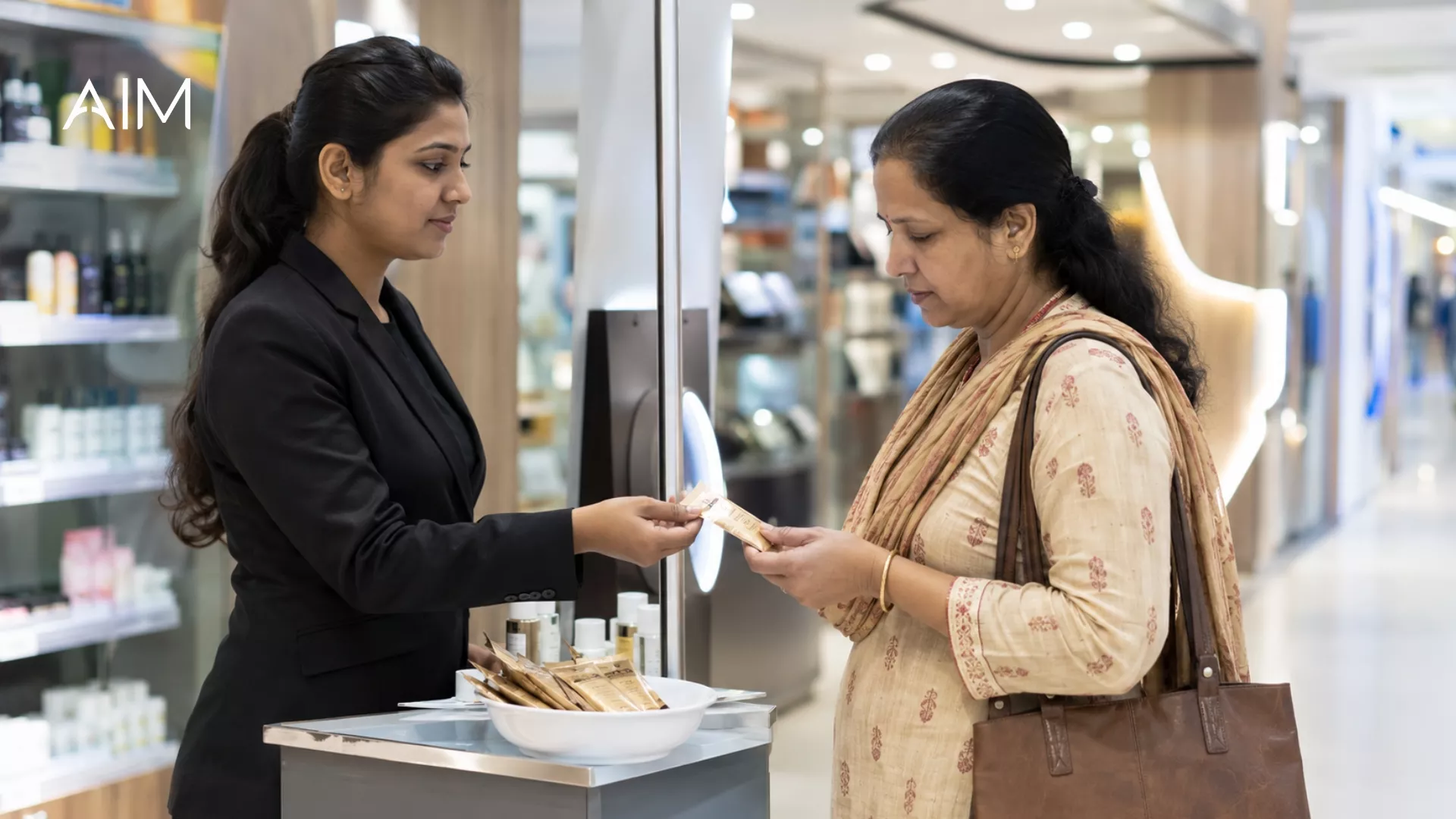
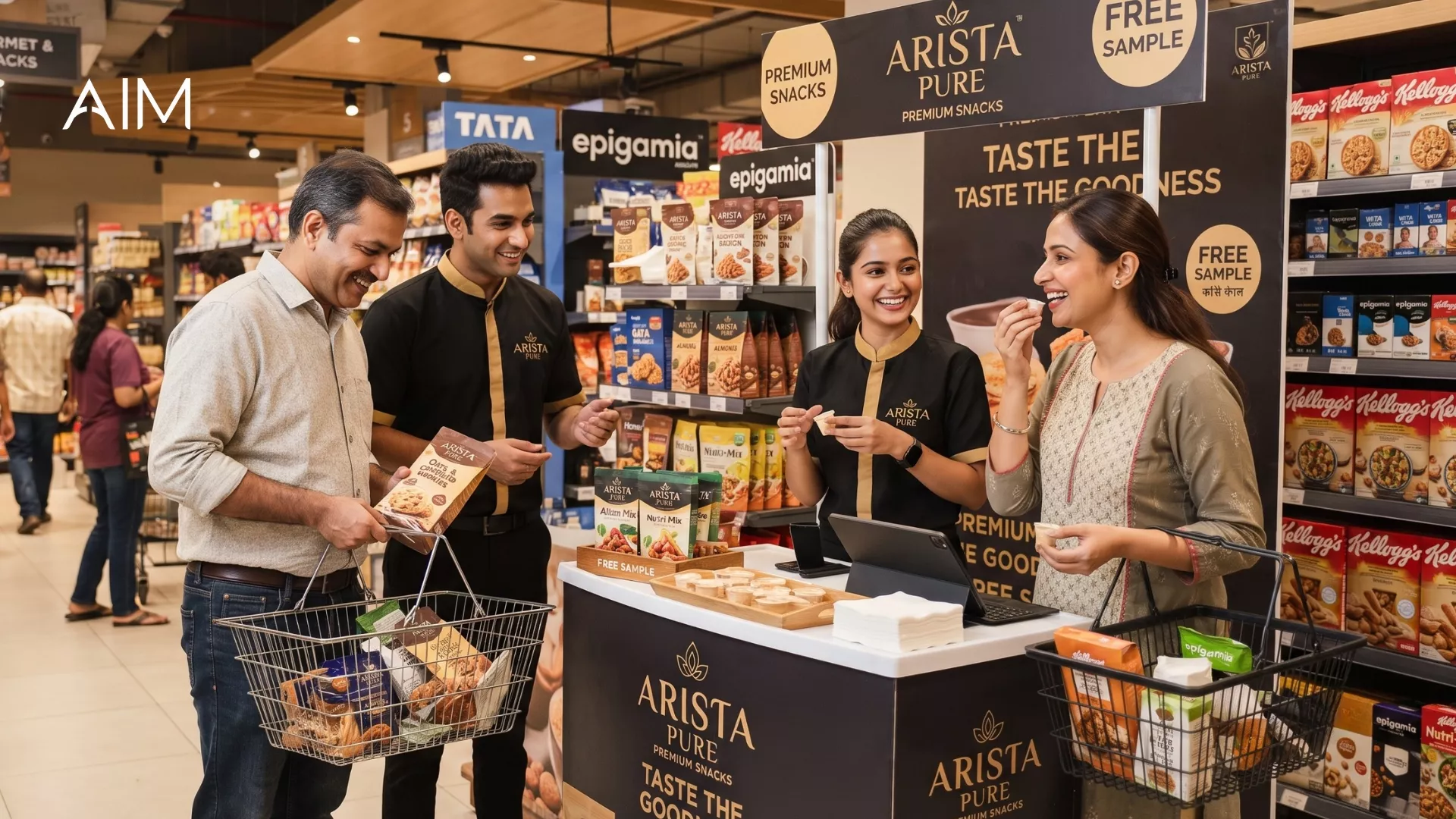
An ad can show your product. It cannot let someone hold it, smell it, taste it, or use it, and for a huge range of D2C categories, beauty, food, wellness, home care, that first physical experience is the entire sale. A screen asks a stranger to trust a claim. A sample lets the product make the claim itself.
It also does something ads increasingly struggle to. It puts a real, consenting person in front of you at the exact moment of trial, someone you can capture and talk to again. In a world where third-party data is drying up, a sample handed to the right person is a first-party data event you actually own.
This is not the blind sampling of the past
Here is the part that matters, and the part that separates this from the sachet drops of twenty years ago. Old-school sampling was a guess. You handed product to a crowd and hoped. A D2C brand would never accept that, because these companies grew up measuring everything they do.
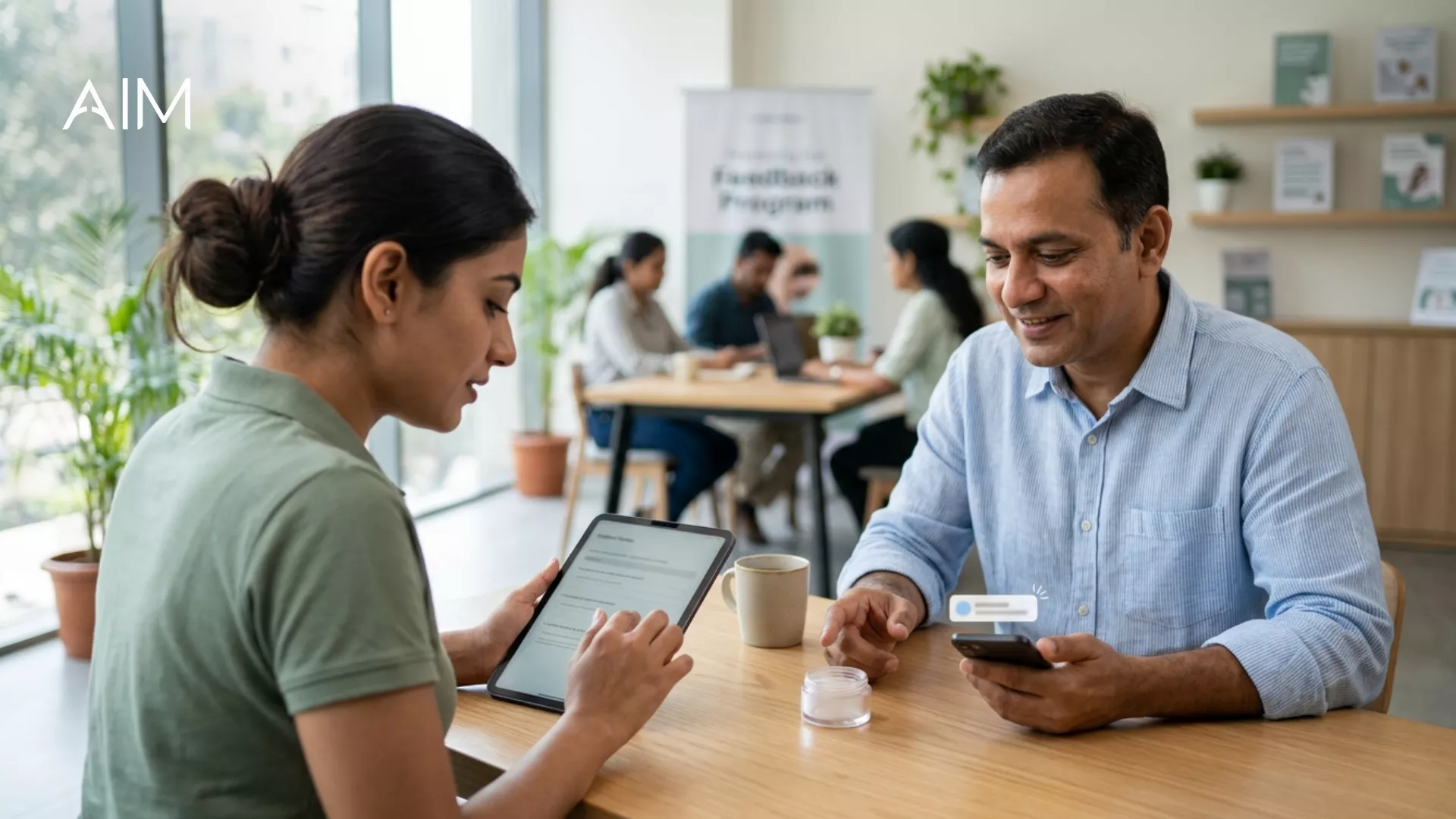
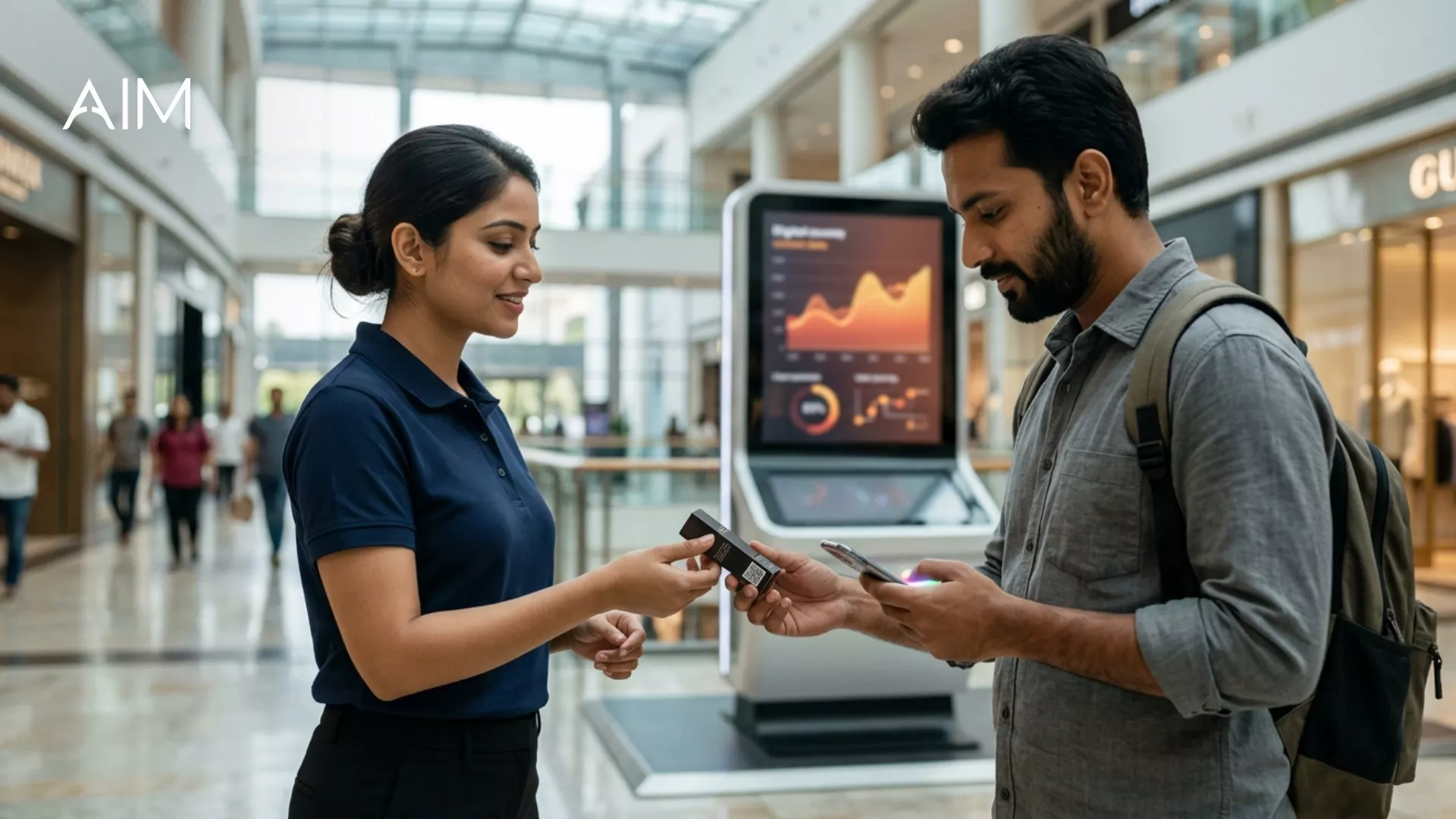
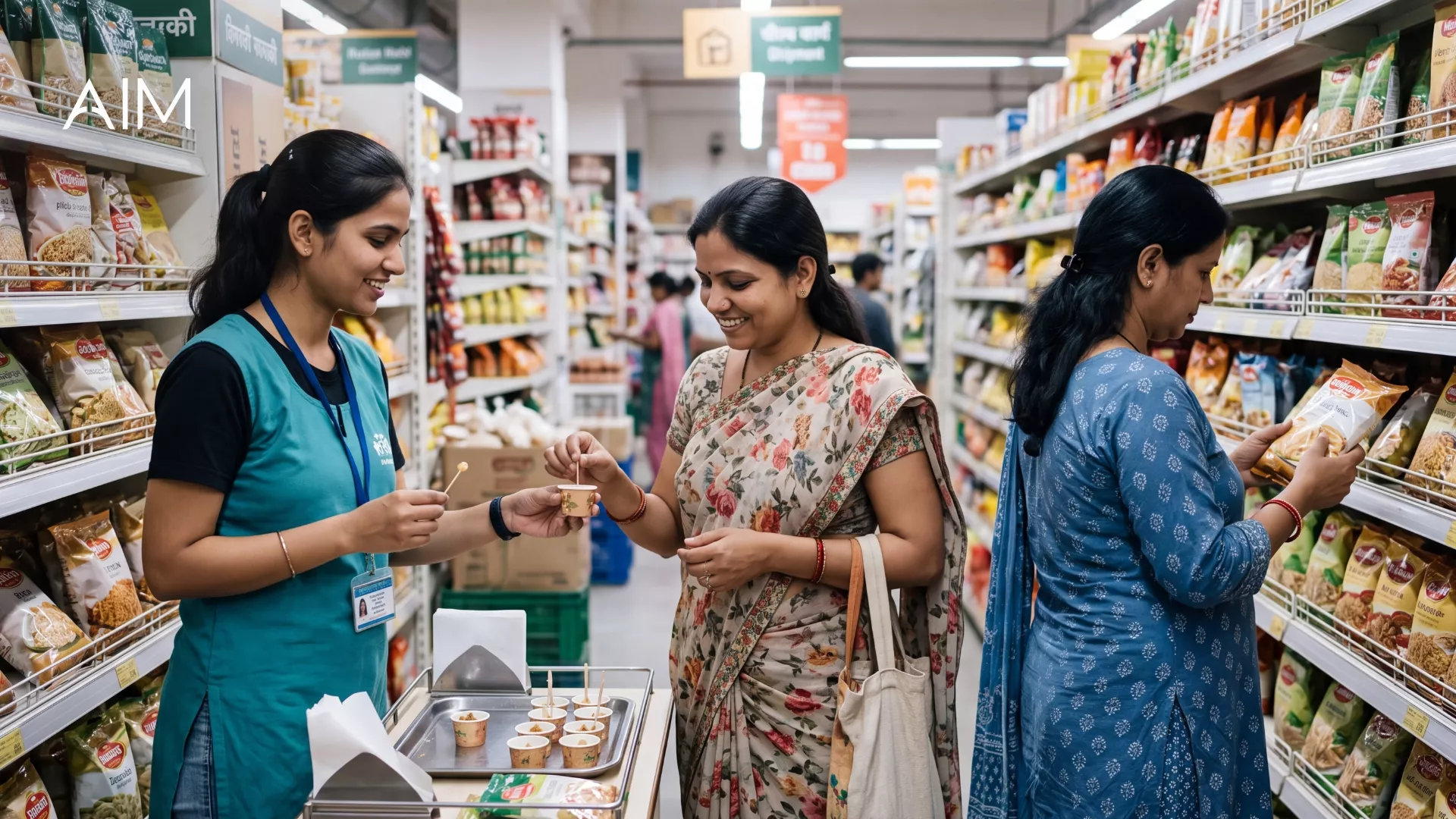
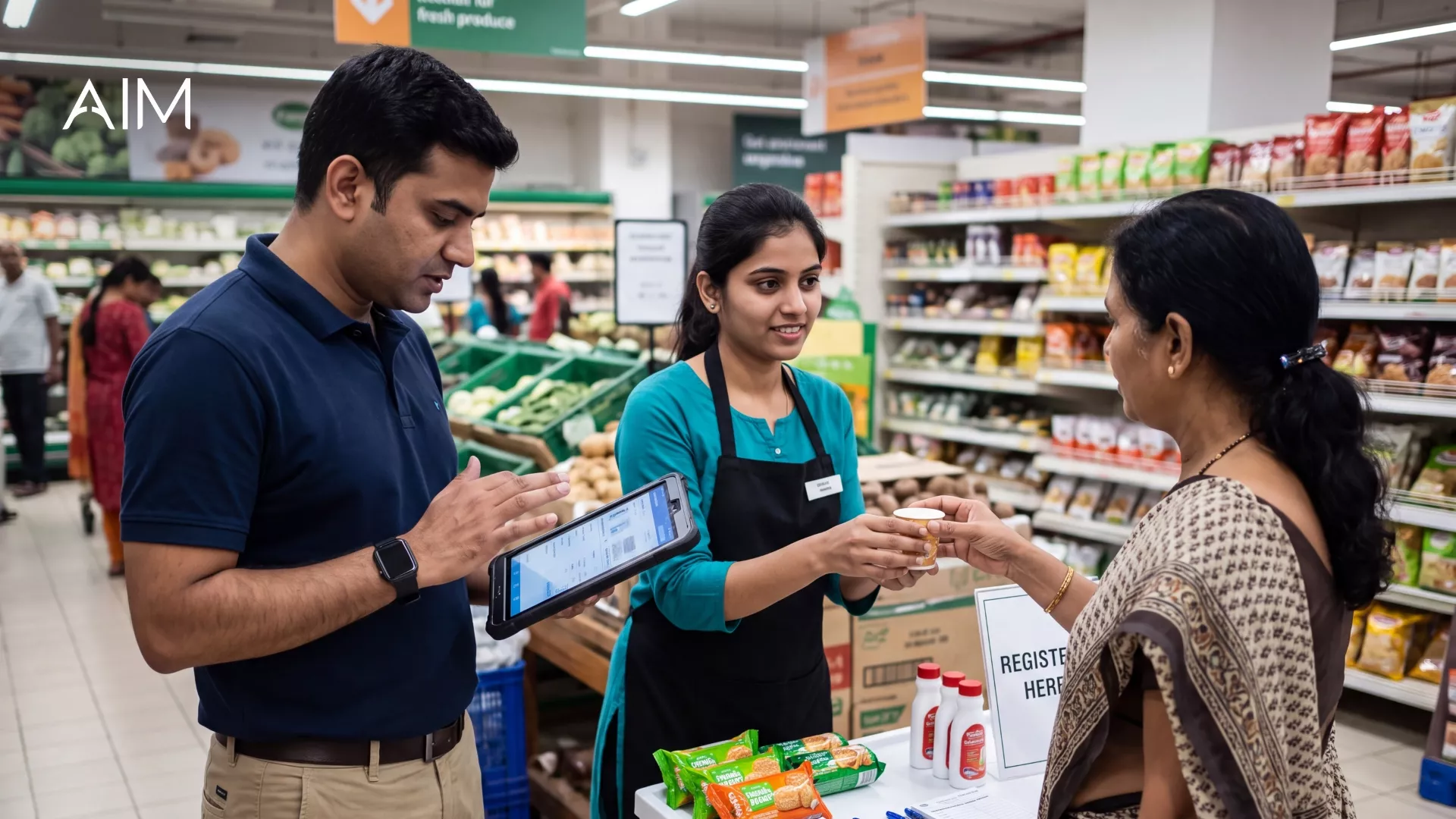
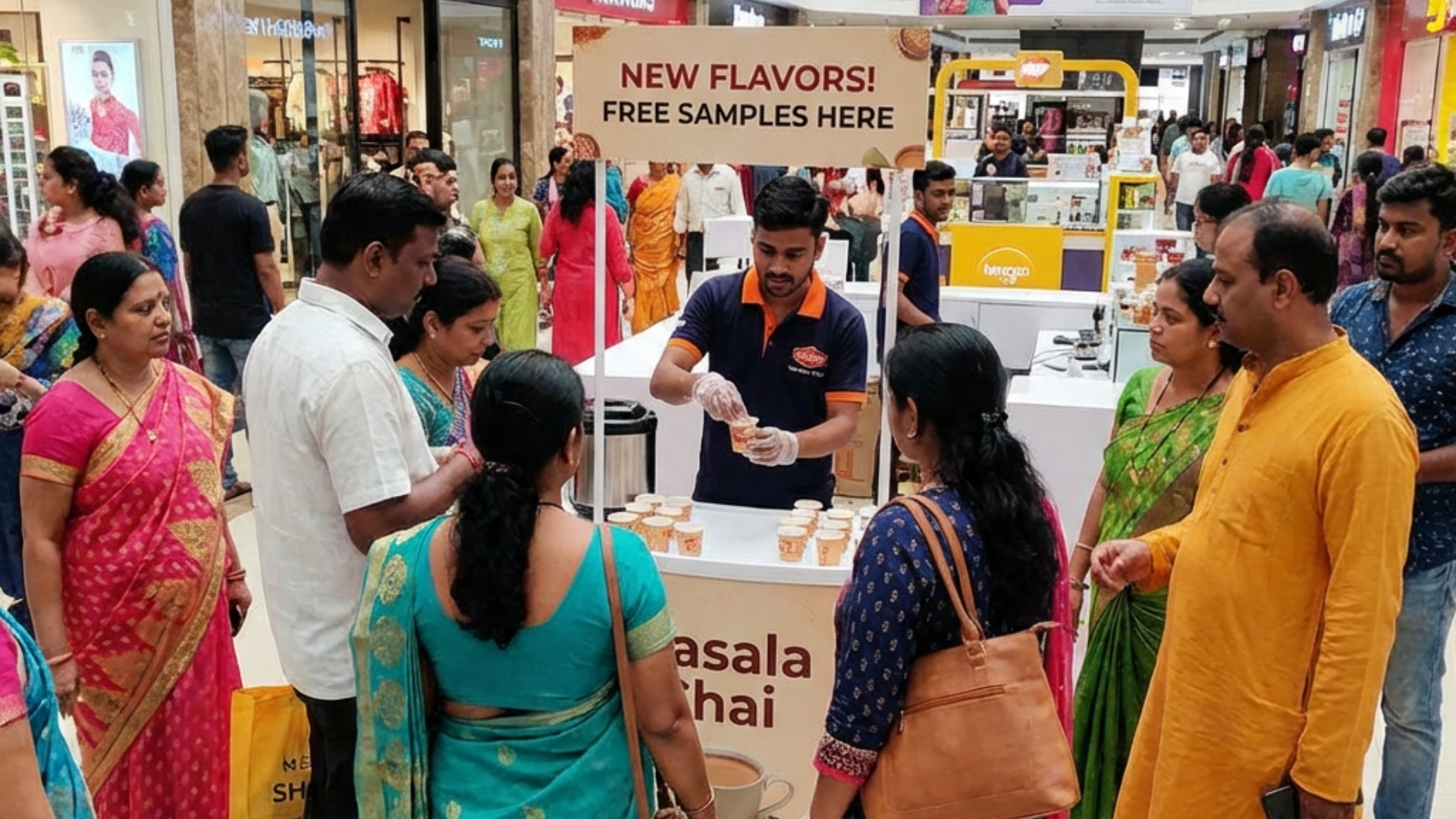
So the sampling they are adopting is built like a performance channel. It is targeted to the right audience, captured with a QR opt-in at the point of trial, and tracked from that sample to the first order and the repeat. The sample is not the end of the interaction. It is the start of a tracked journey, the same way a click is. That is the whole reason a numbers-driven brand can put budget here without flying blind.
Which D2C brands benefit most
Not every D2C brand needs this. If your product is bought purely on price and never needs to be experienced, digital may still be your cheapest route. But if the sale depends on taste, texture, scent, skin feel, or actually using the thing, sampling earns its place. Food and beverage, beauty and skincare, wellness and supplements, home and personal care, pet products: these are categories where one real trial does more than a dozen impressions. The more your product has to be felt to be believed, the more a sample outperforms an ad.
It also suits the launch moment. A new D2C brand nobody has heard of is asking for a lot of trust from a cold ad. A sample lowers that bar to almost nothing, because the shopper risks nothing to try it.
Where D2C brands are sampling now
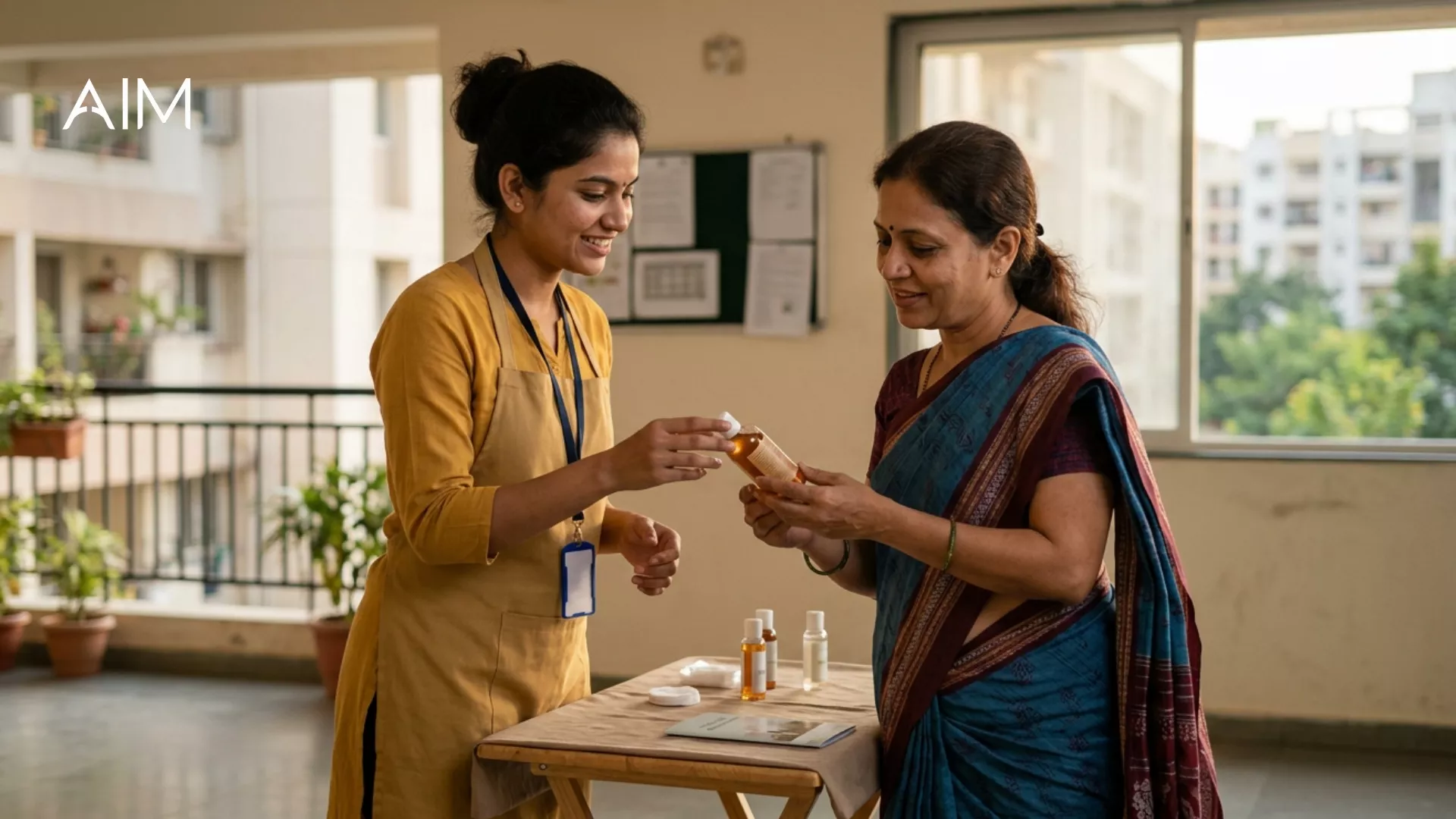
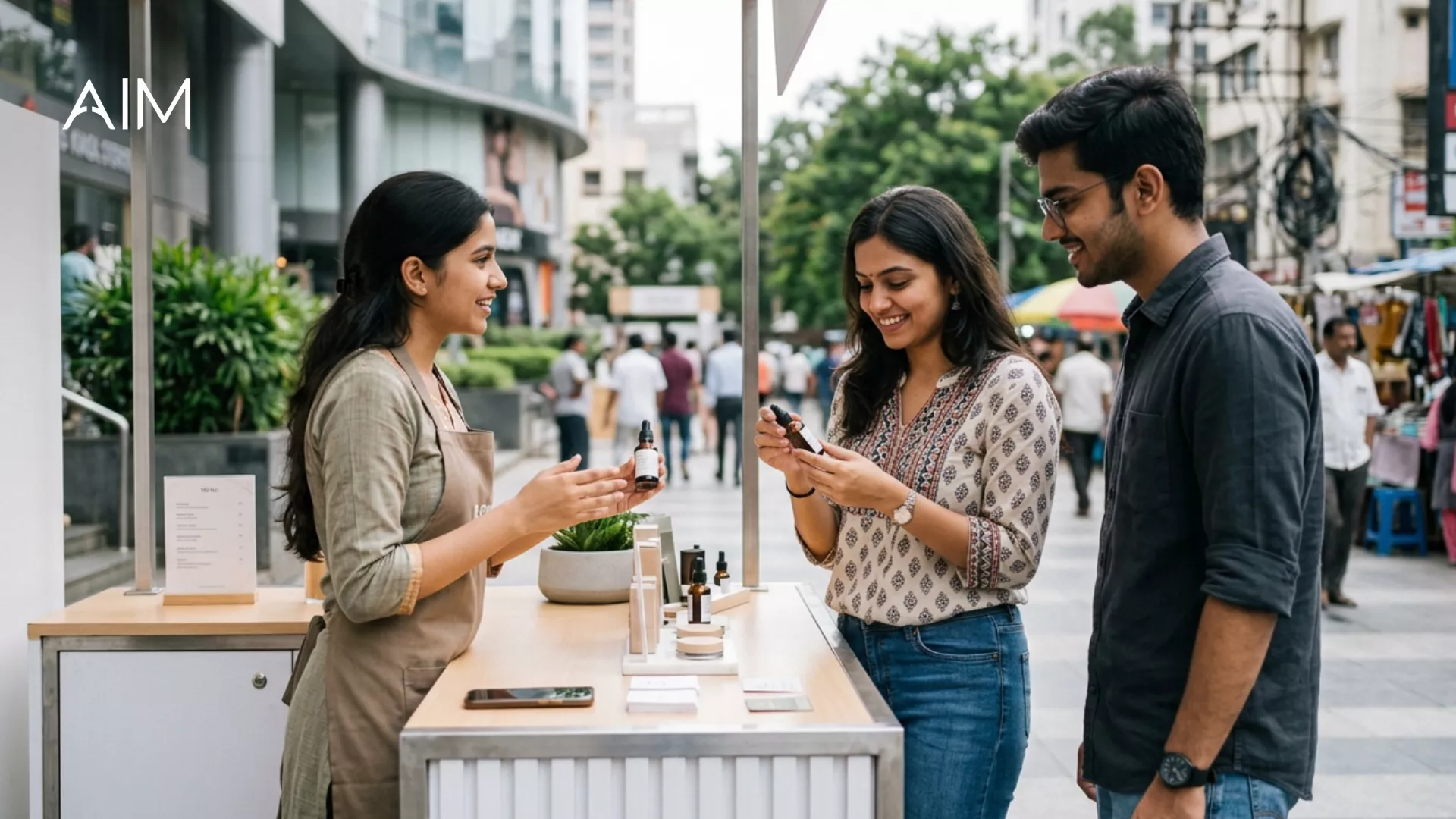
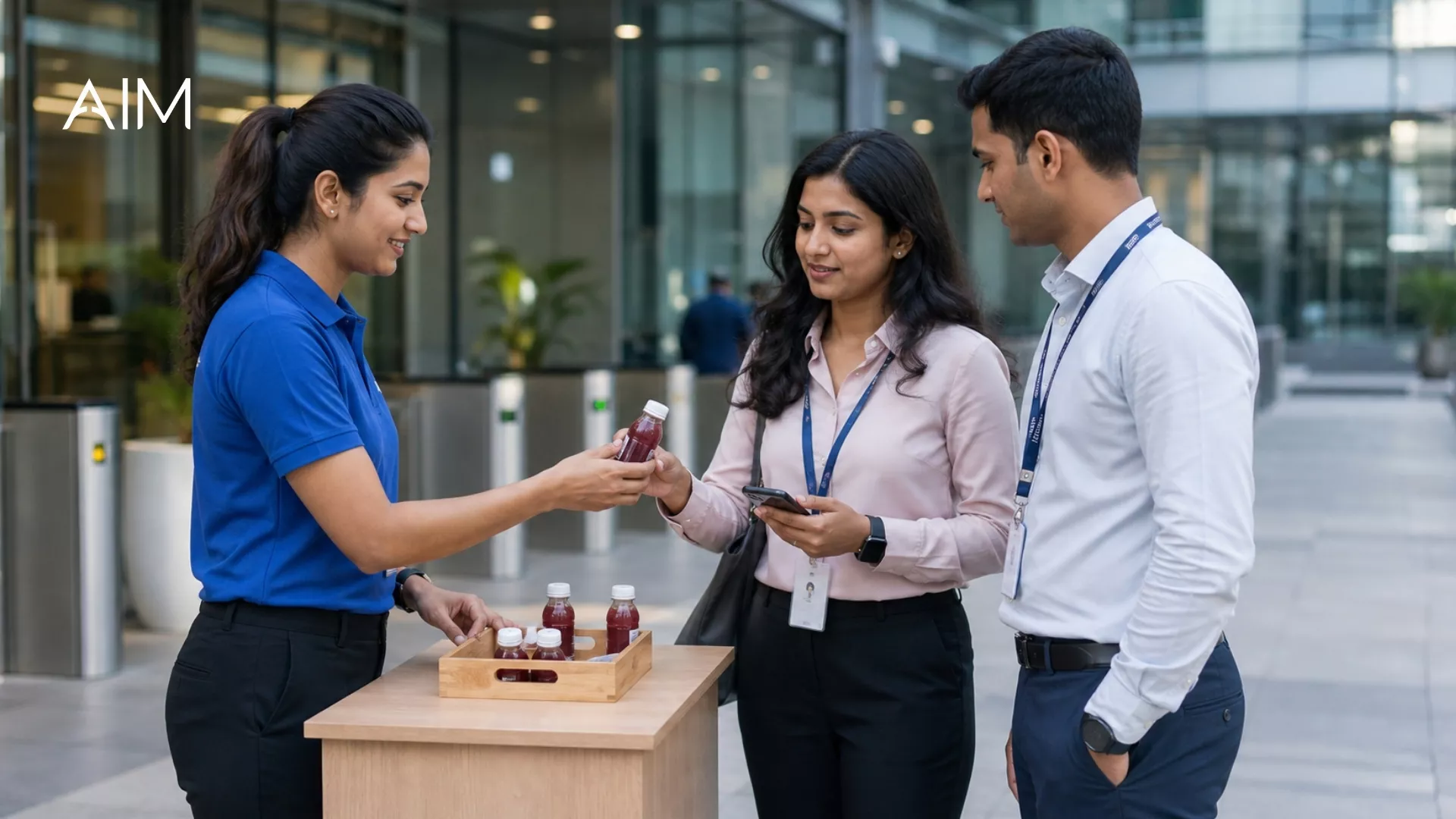
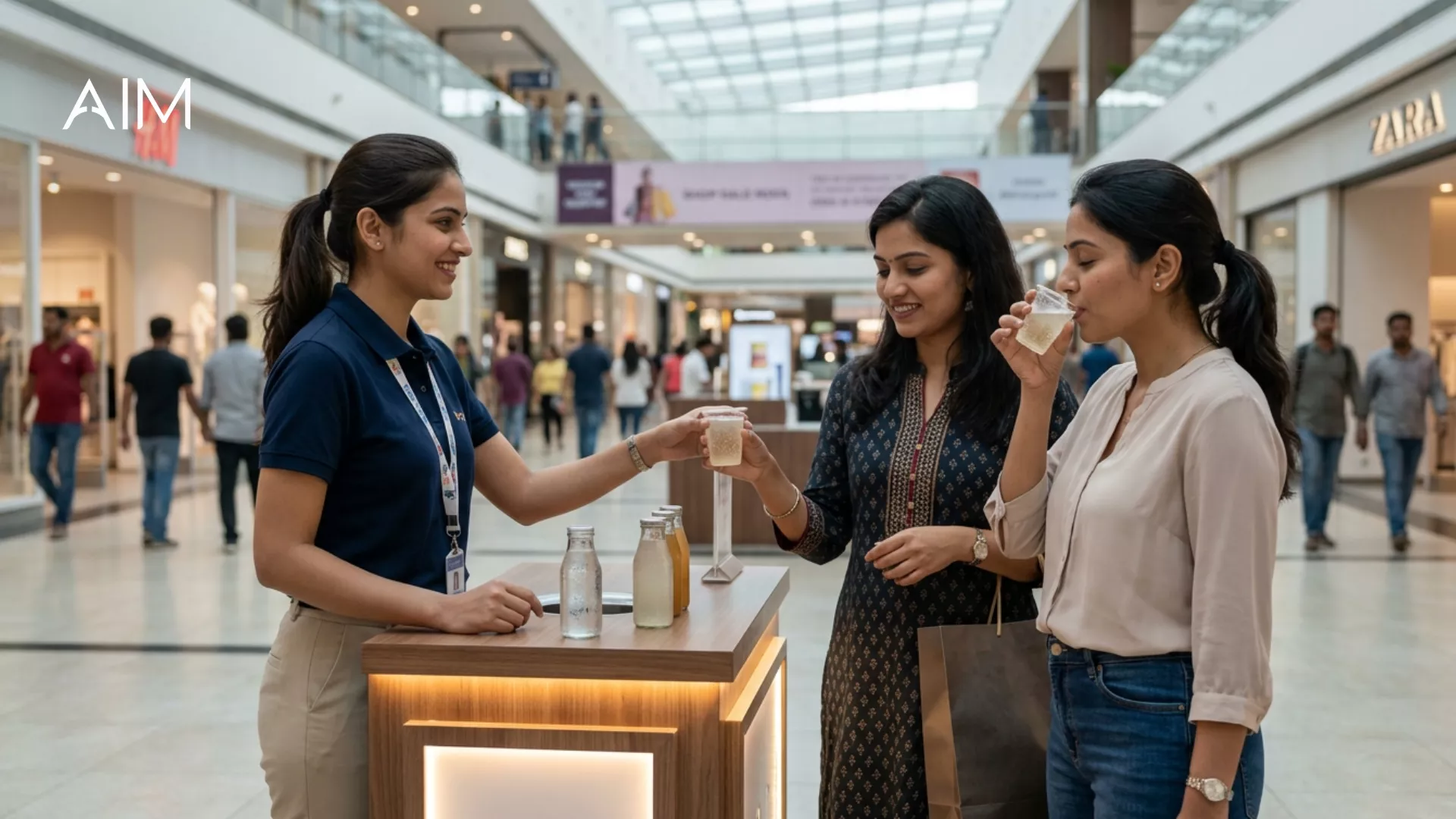
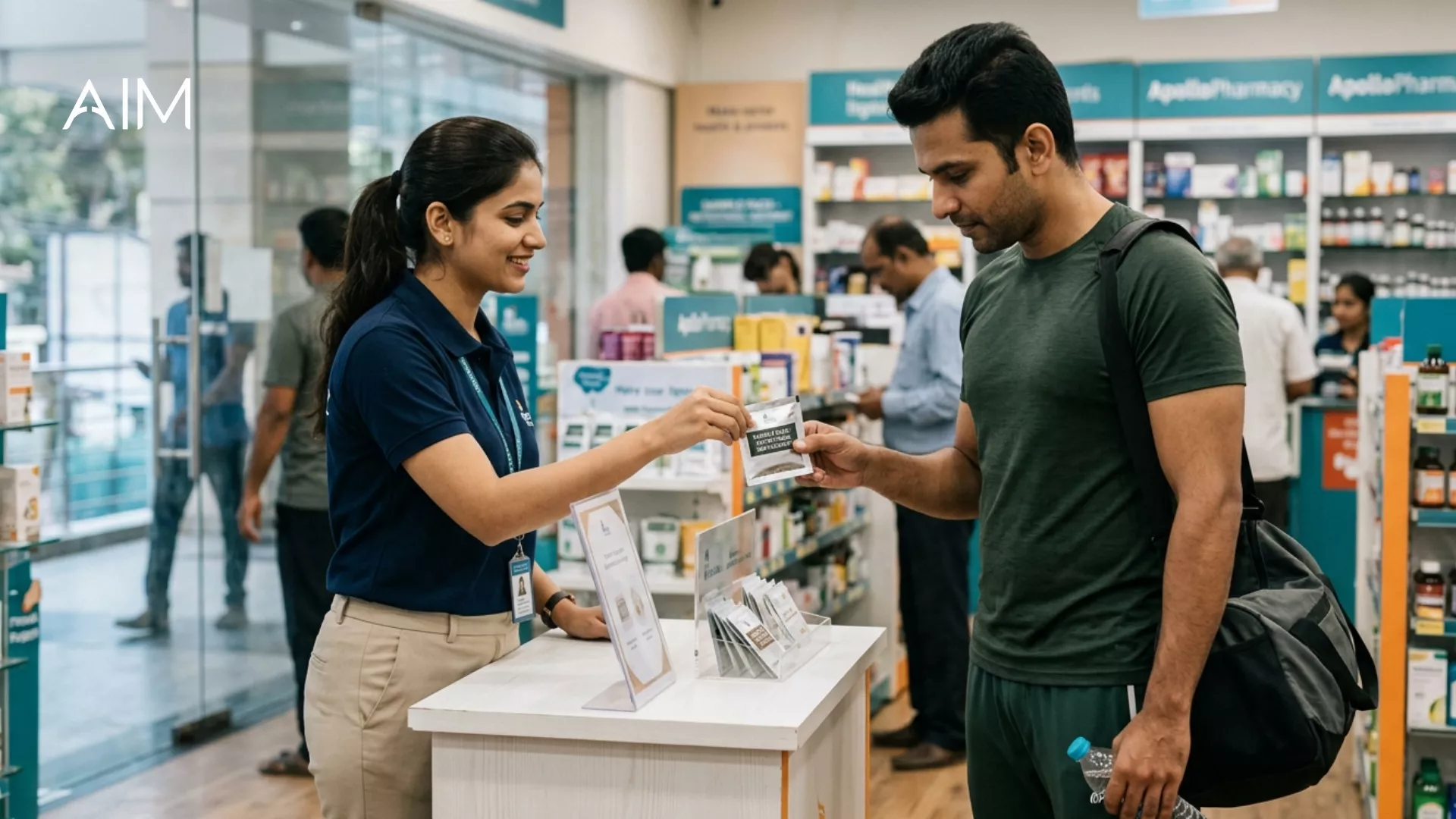
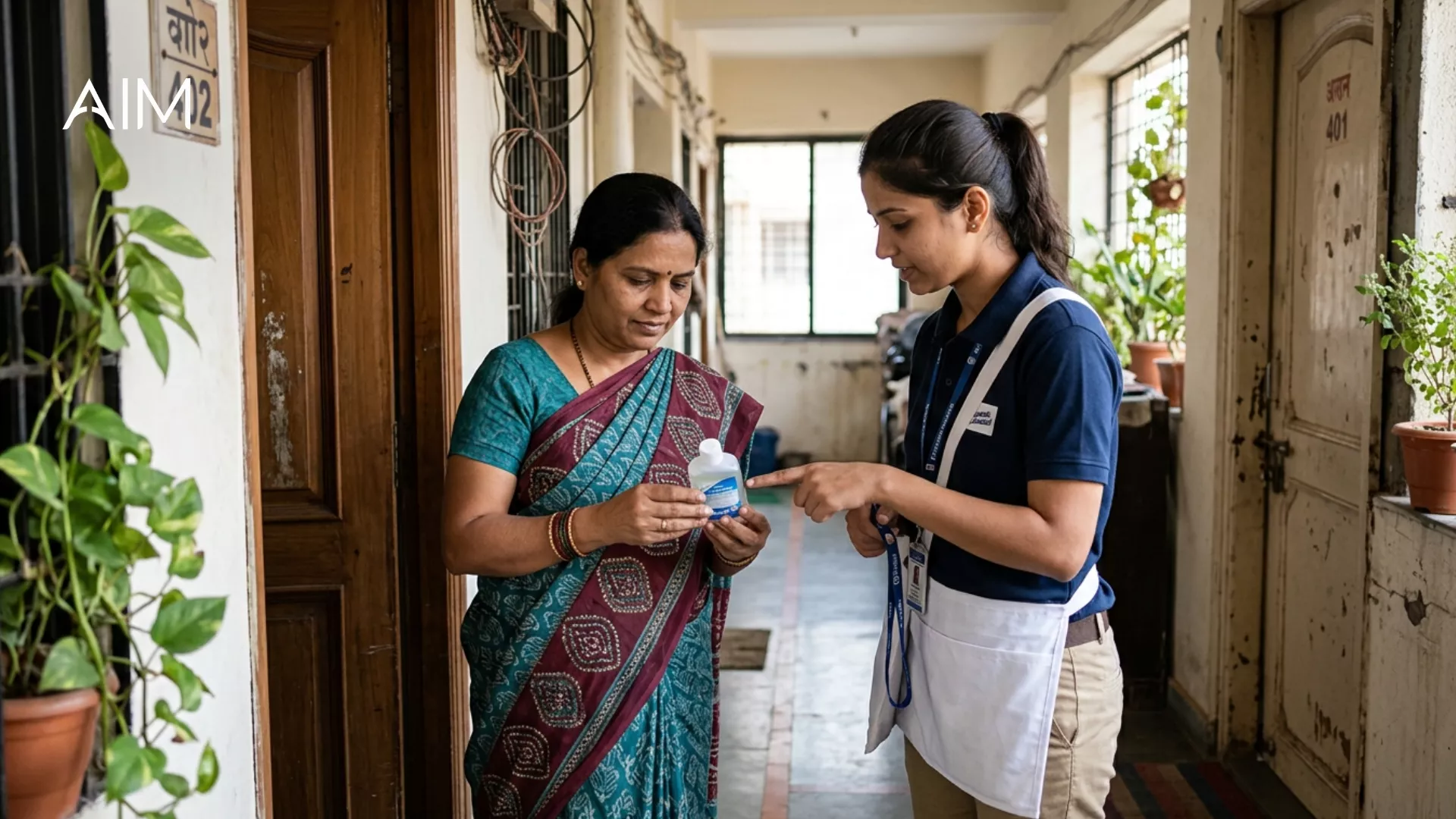
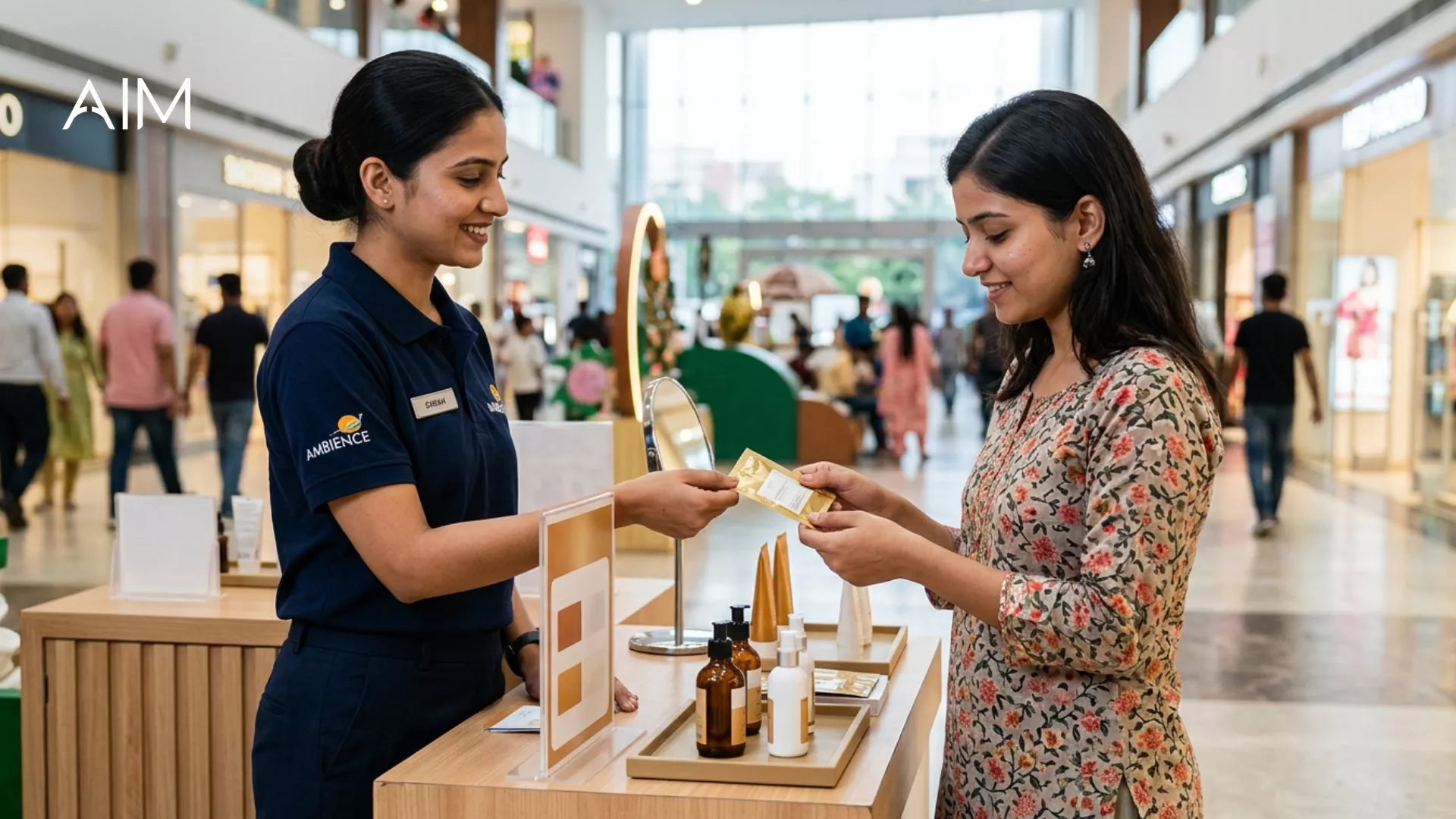
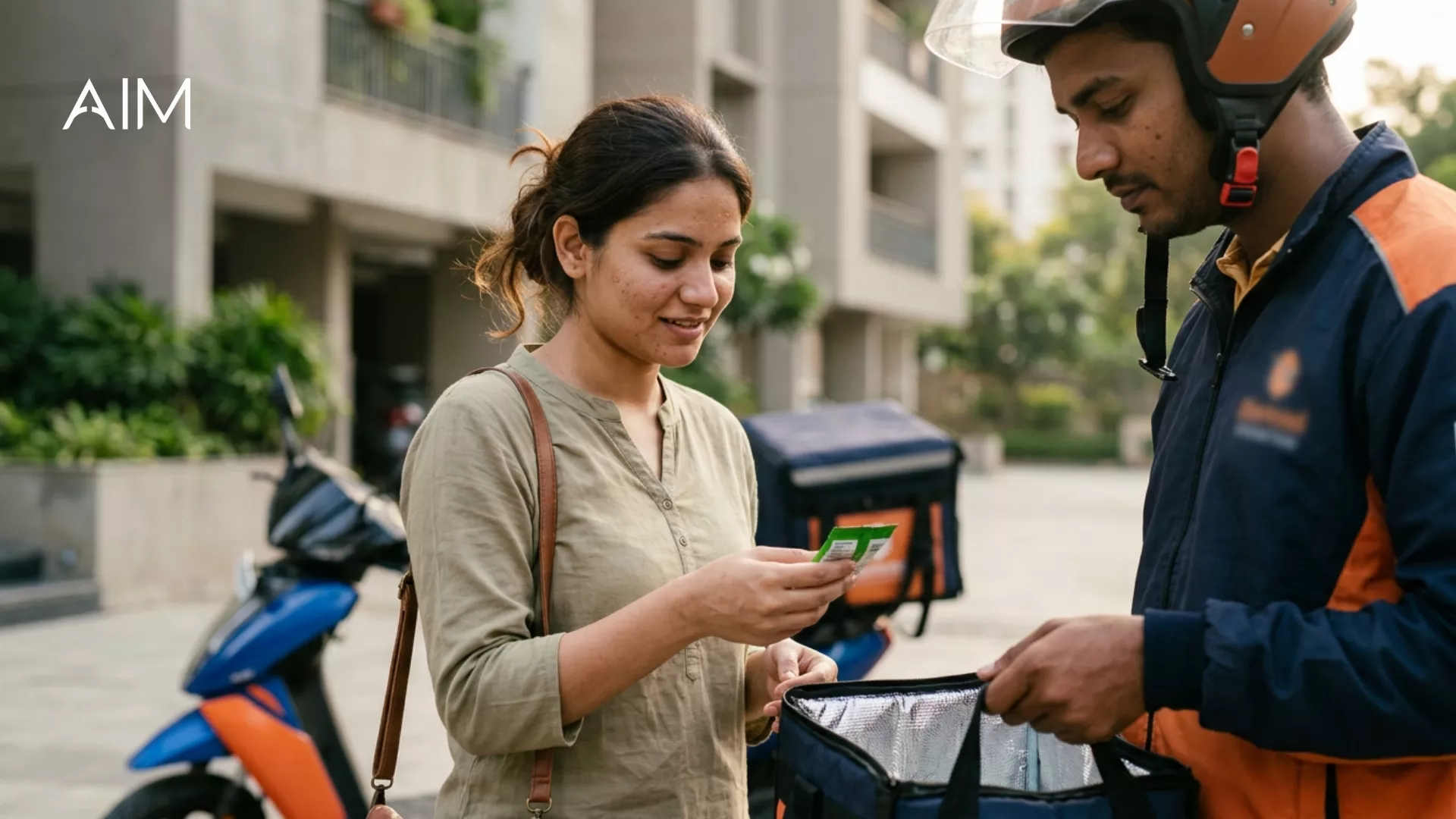
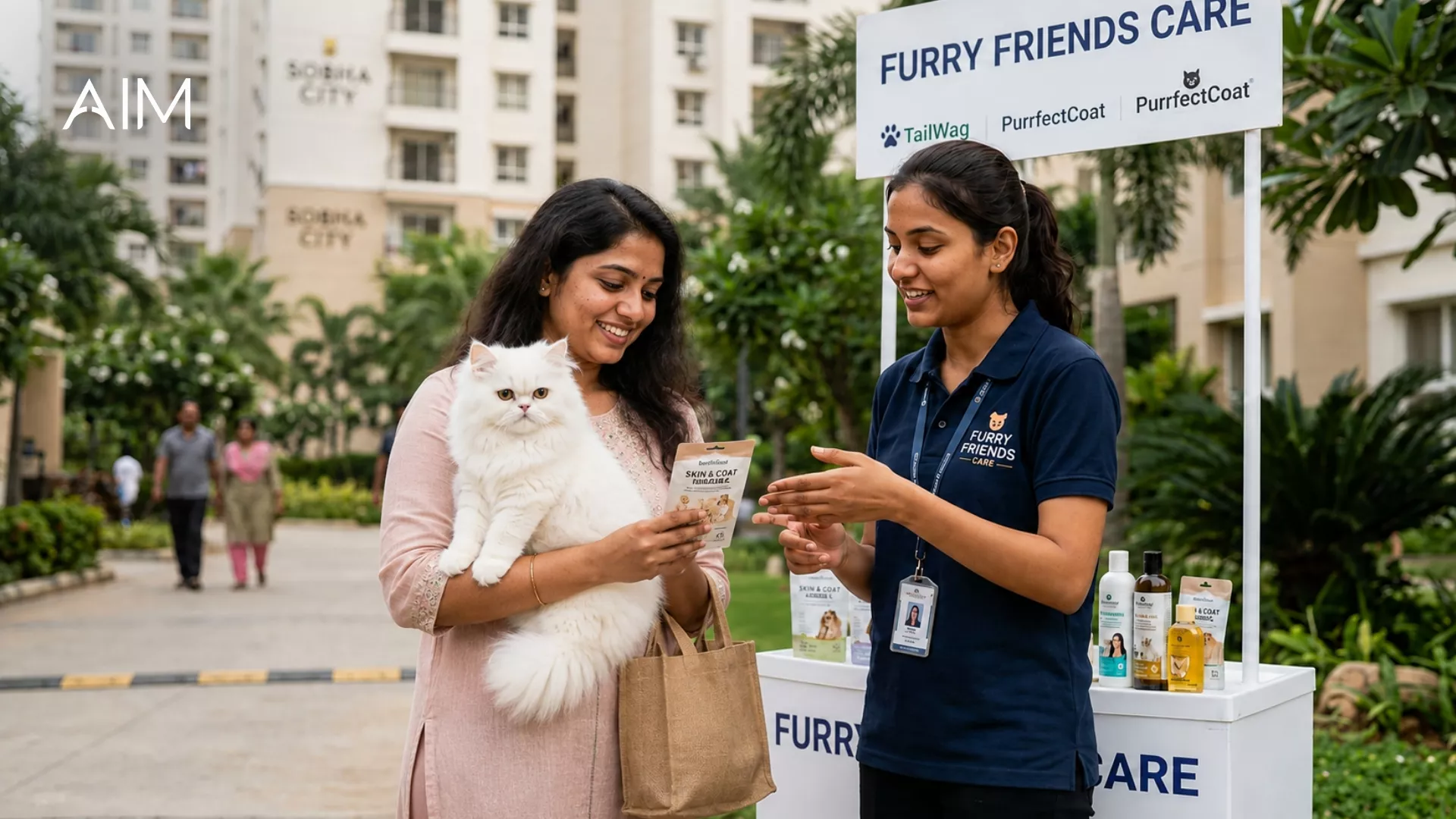
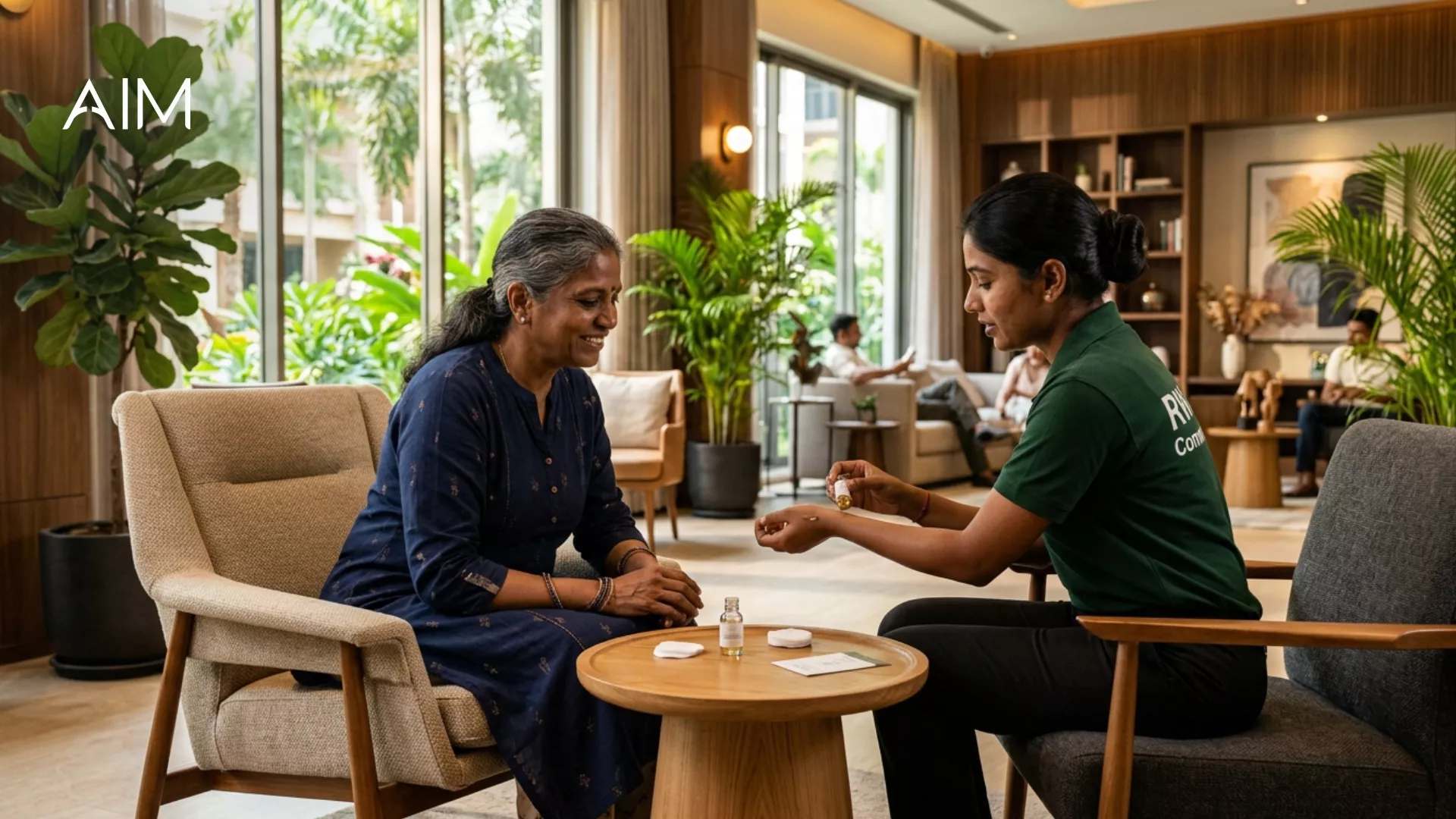
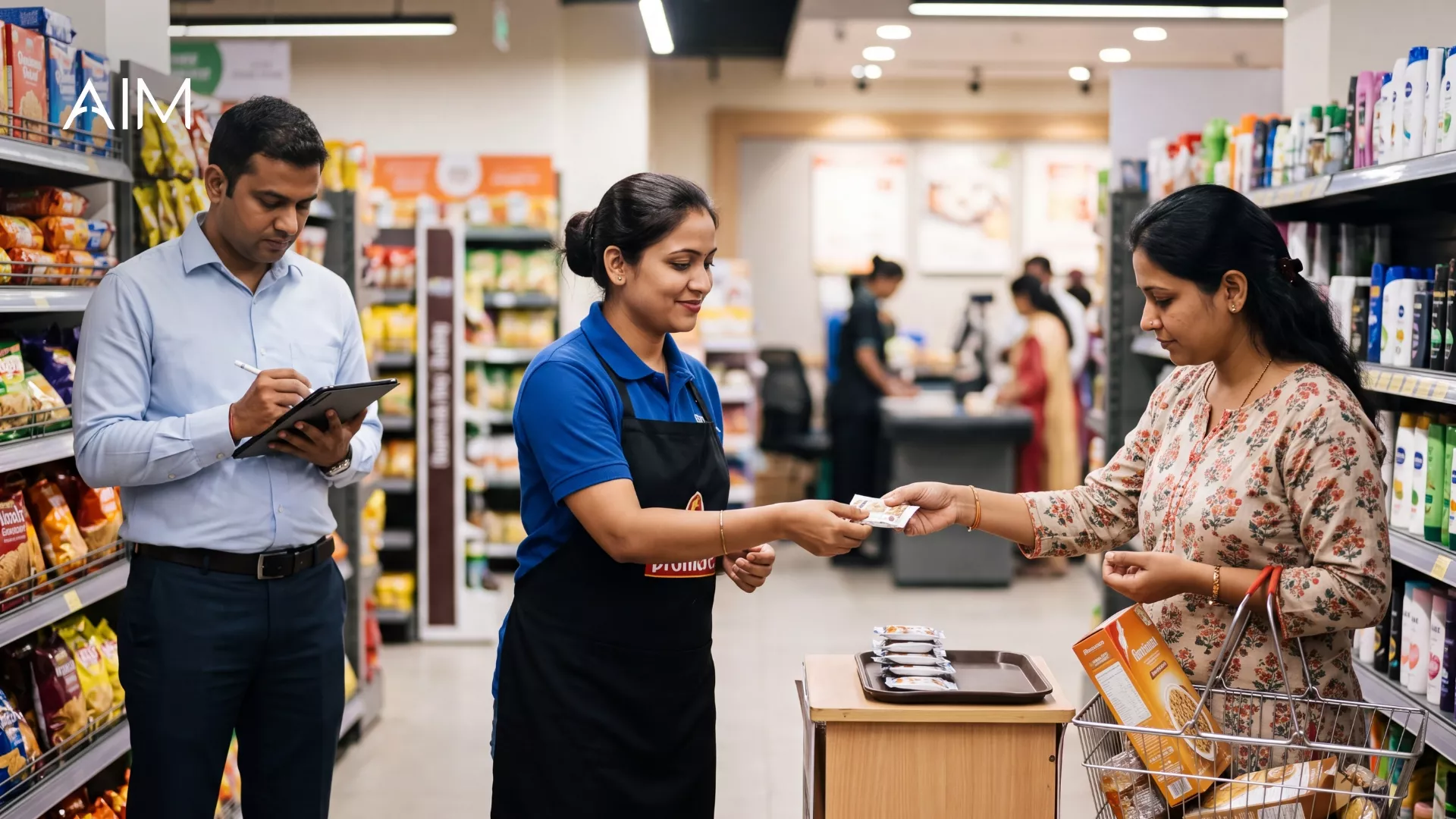
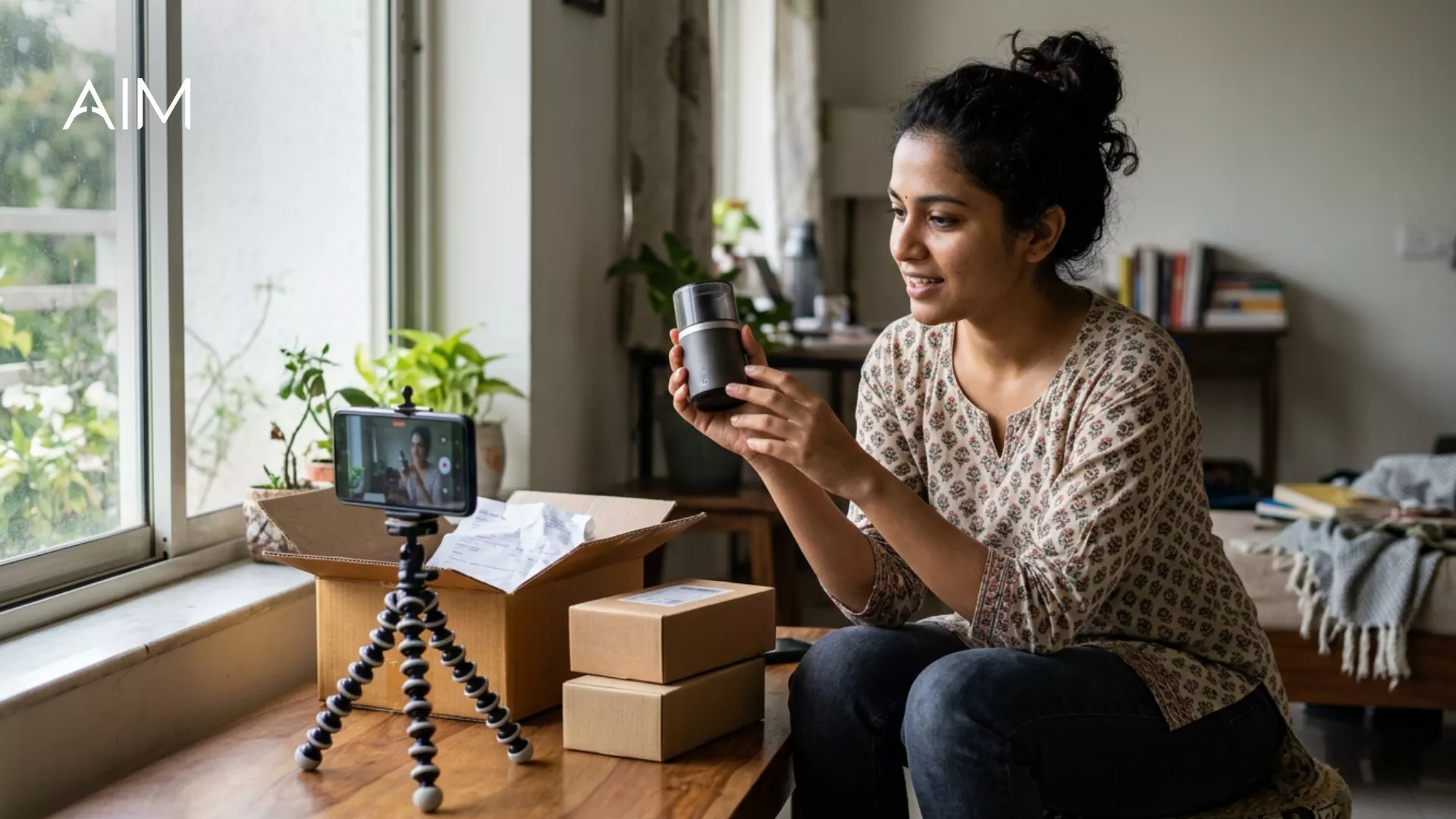
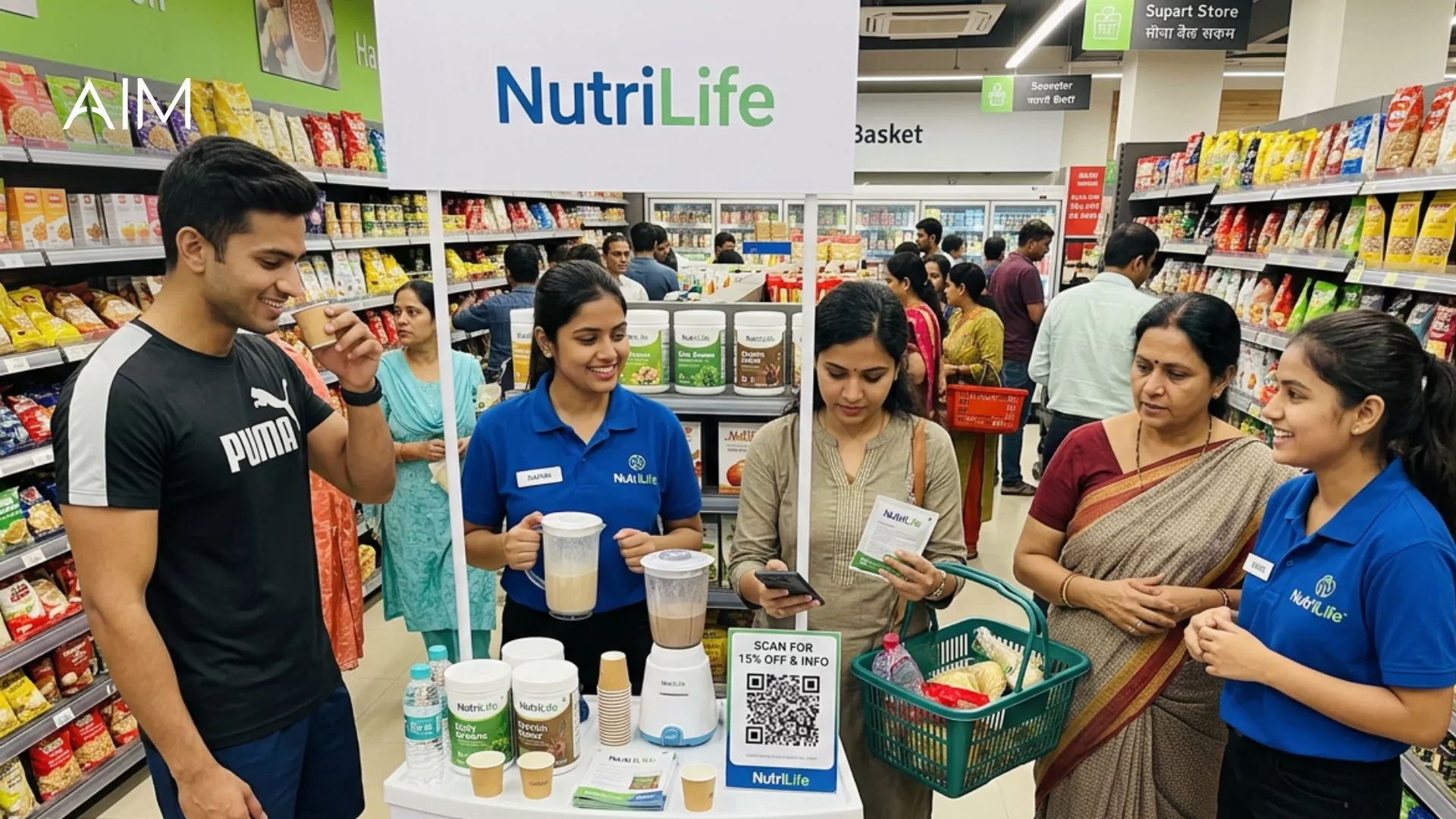
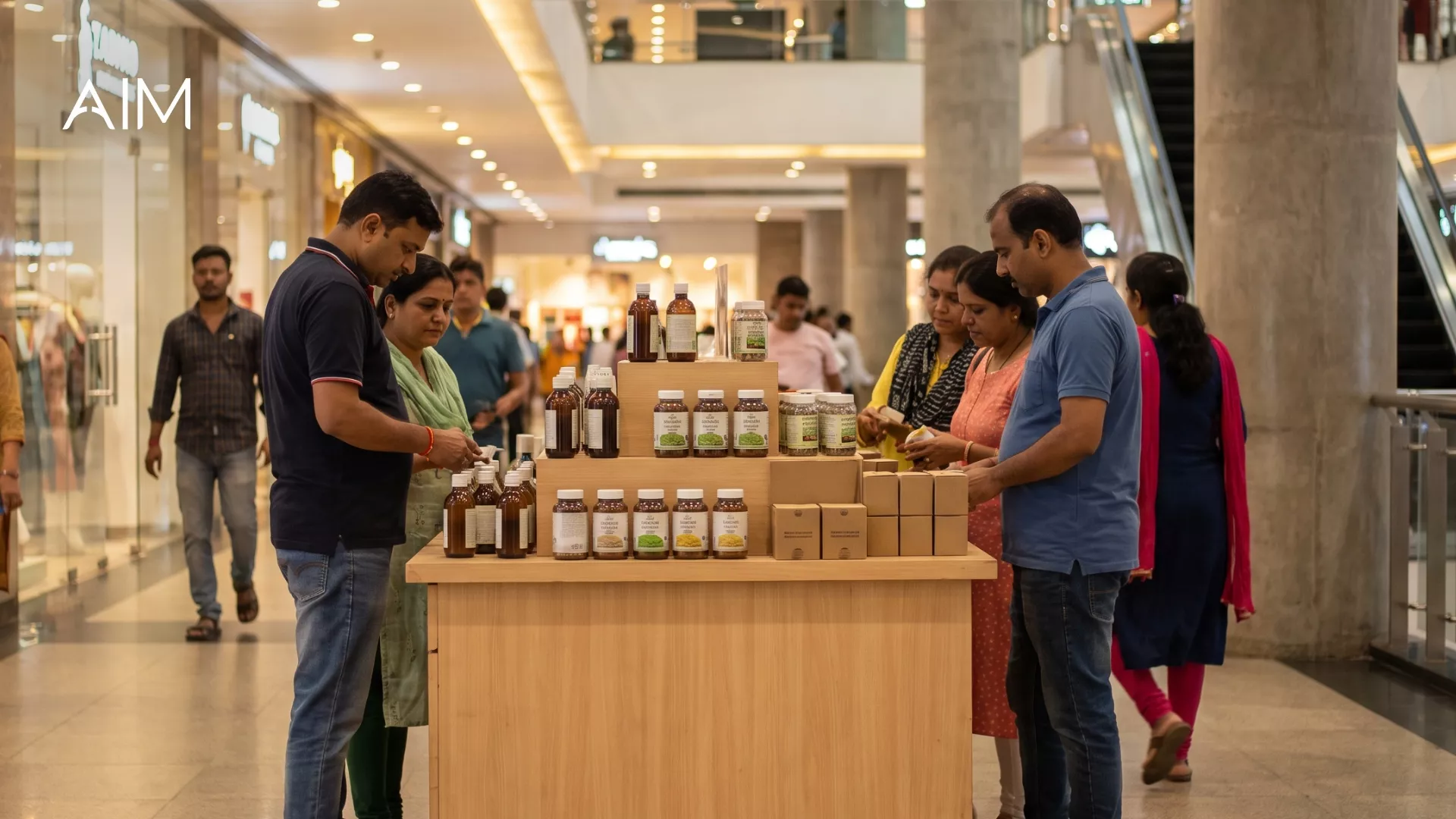
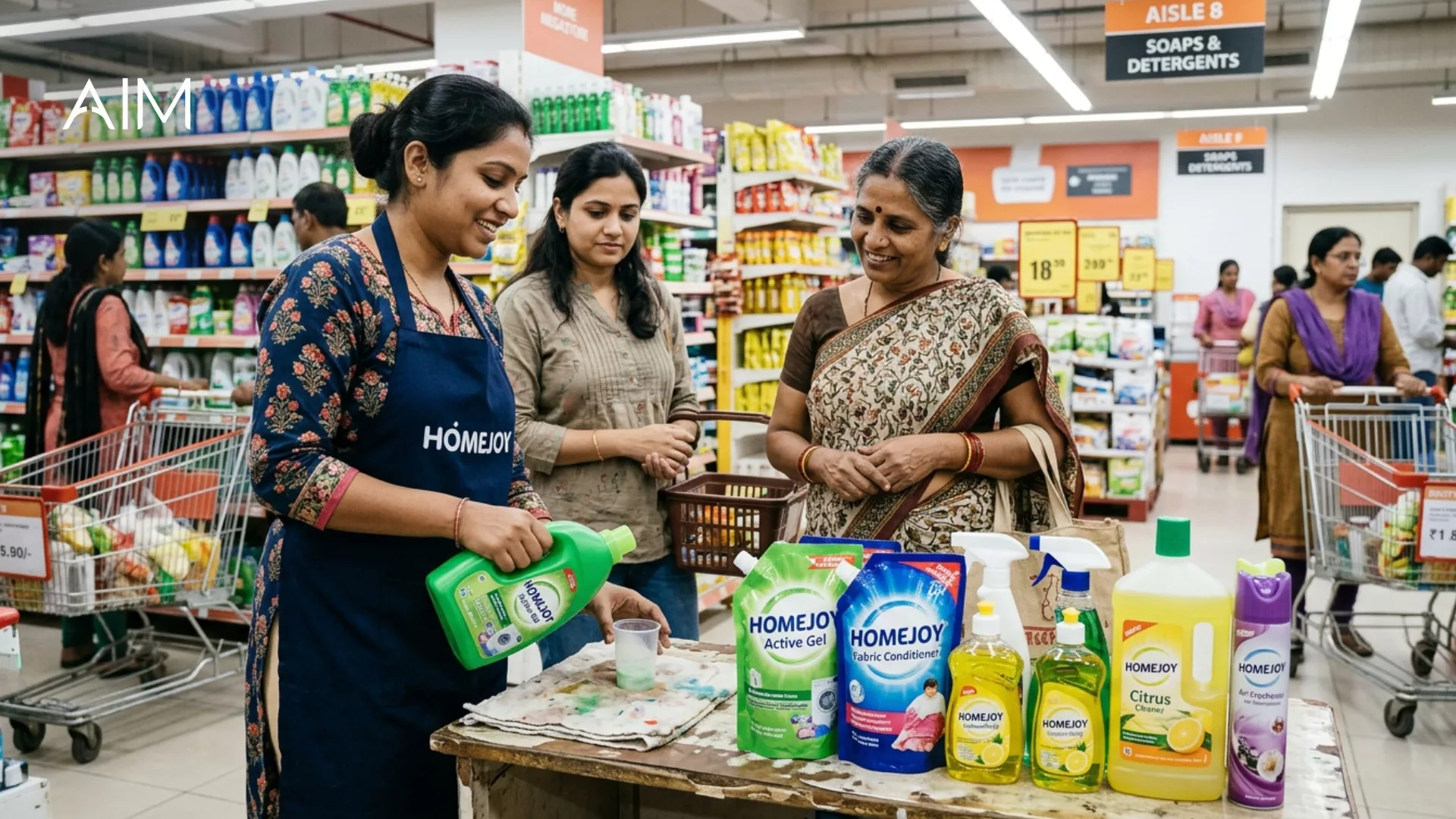
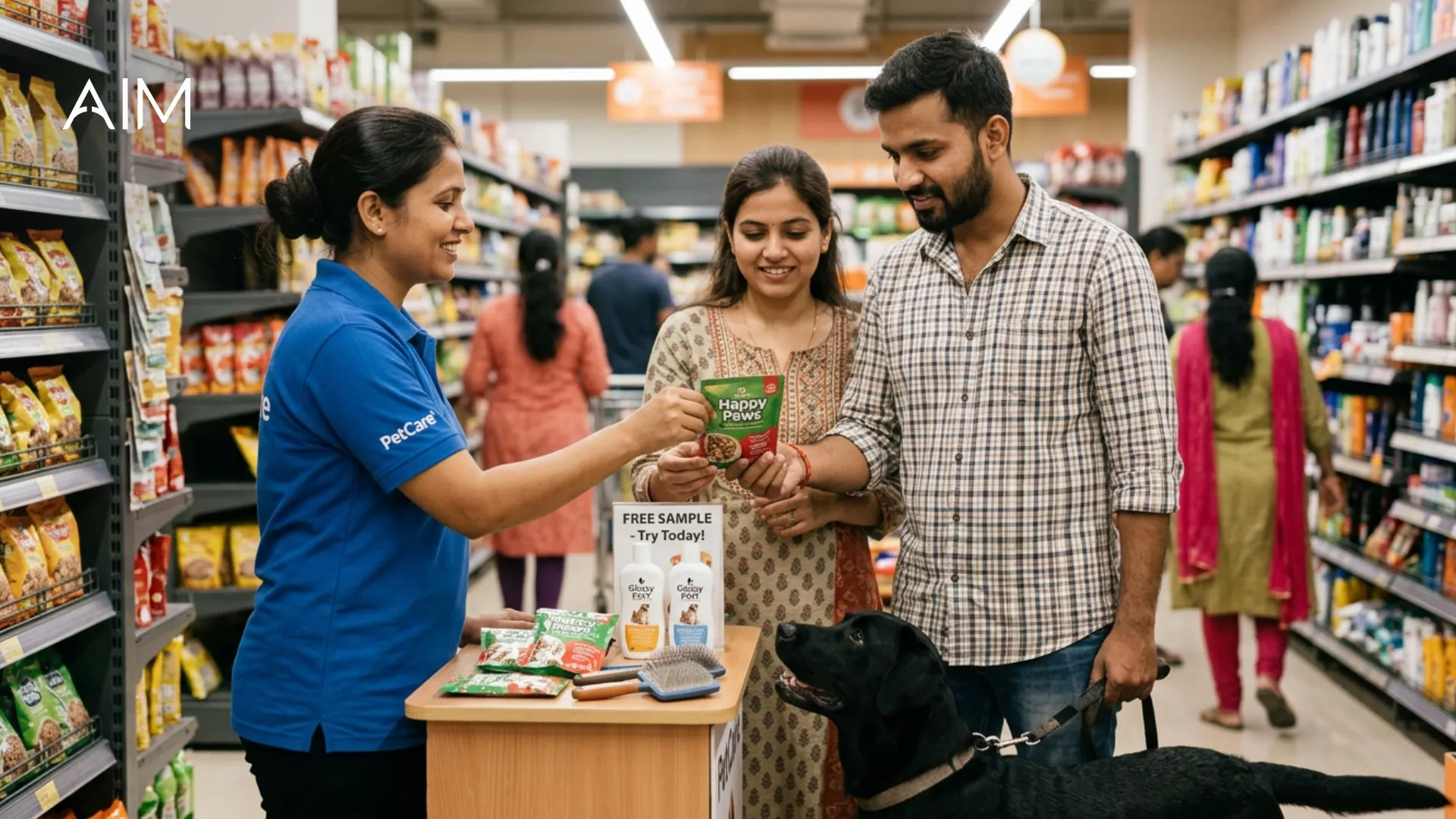
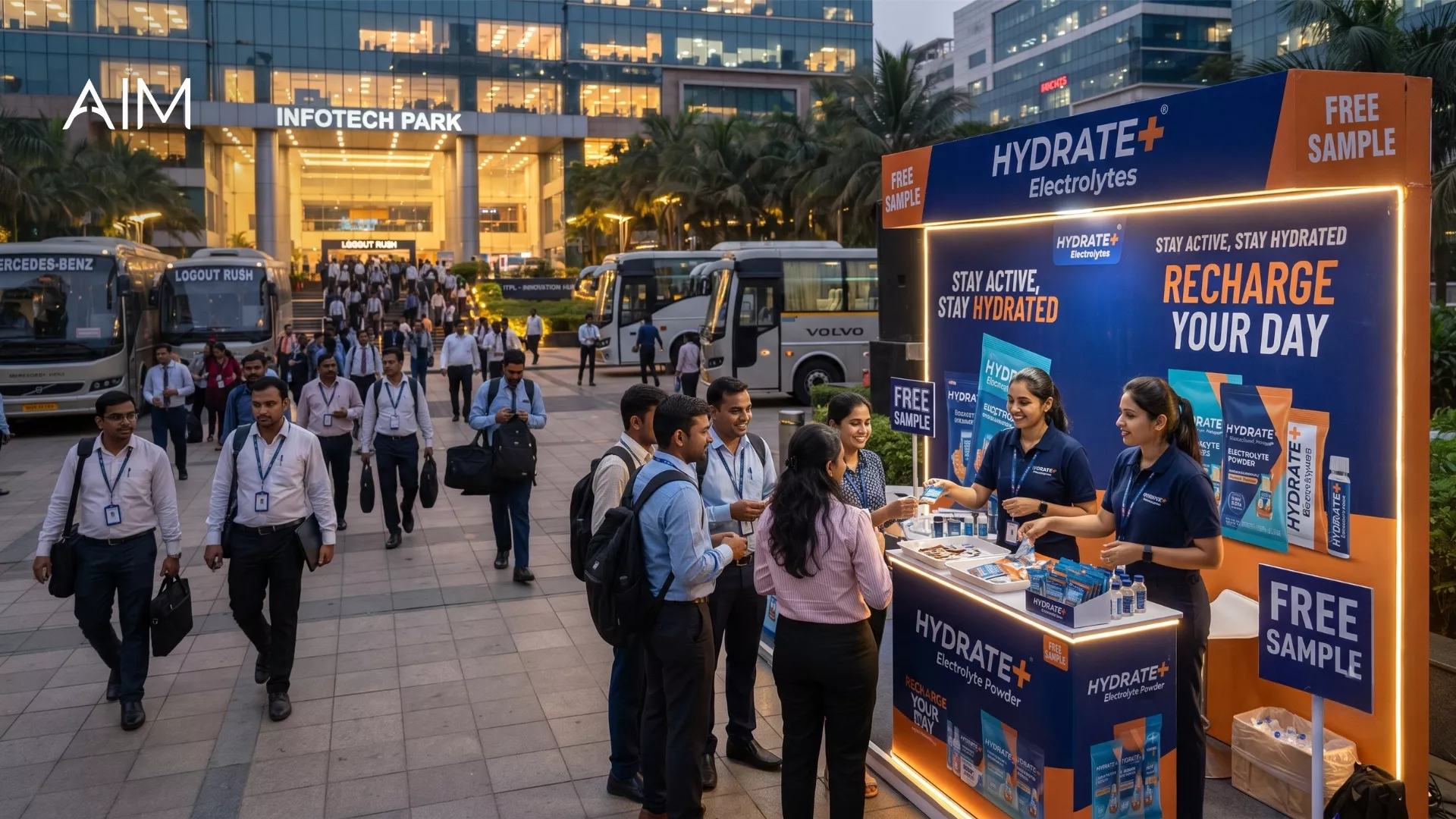
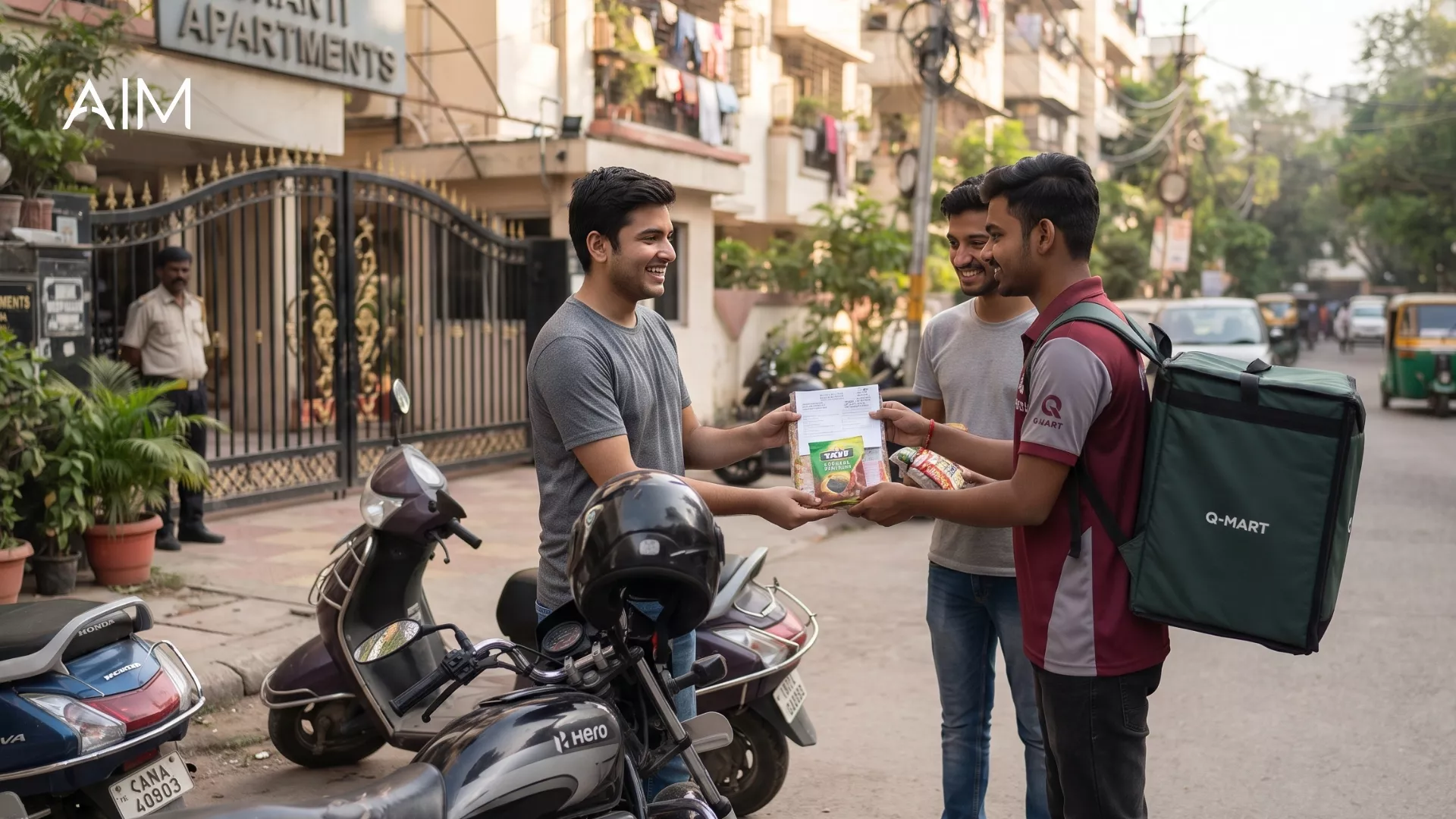
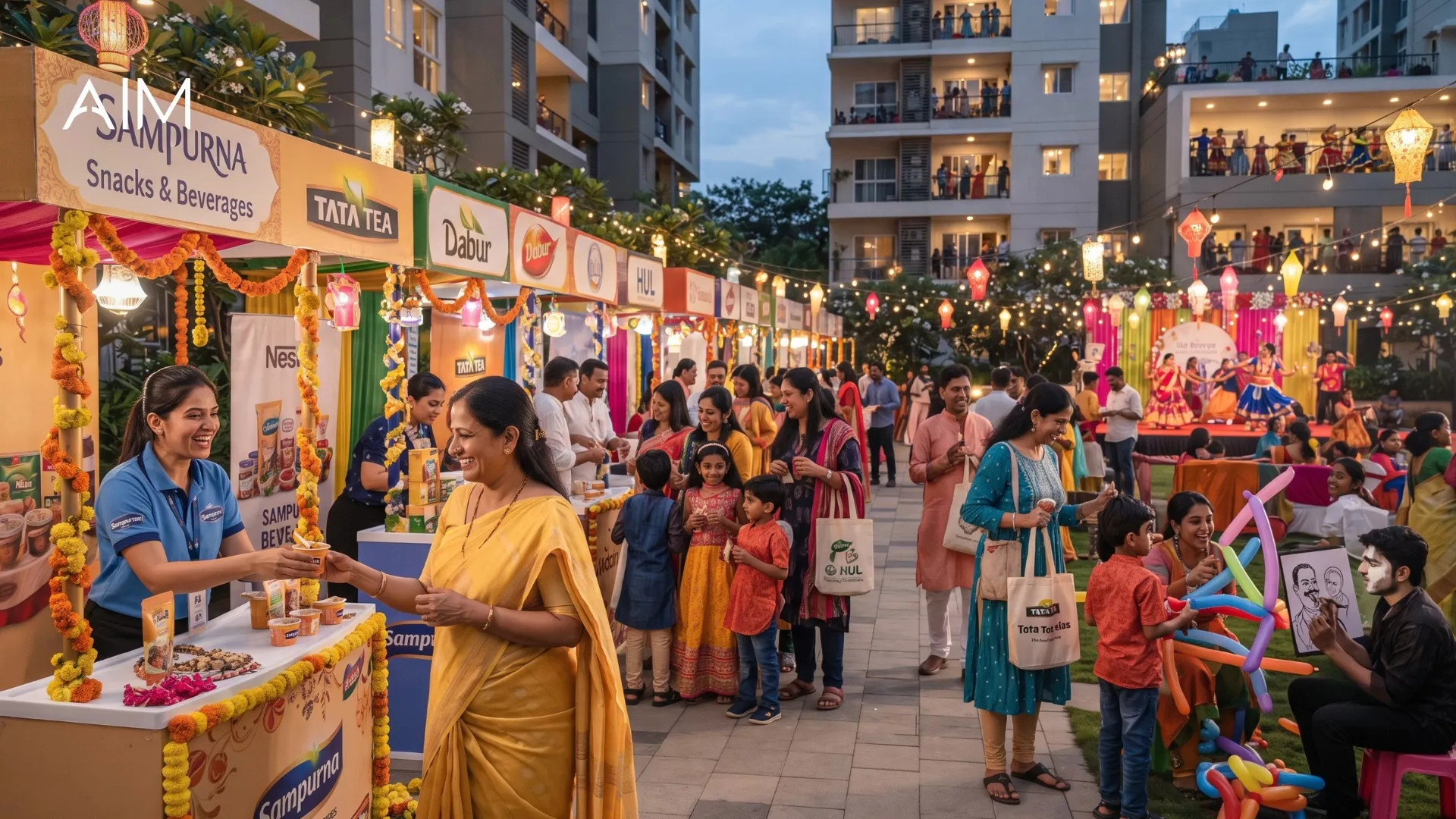
The channels have grown up too. E-commerce and quick-commerce inserts drop a sample into the order of a shopper already buying the category. Residential societies reach households and travel through neighbour word of mouth. Gyms, events, and corporate days reach specific interest groups. Each one can be targeted, each can be tracked, and each puts the product in a hand instead of on a screen. The right mix depends on where the brand's buyer actually spends time. A skincare brand and a protein brand should not be sampling in the same rooms, and the good news is they no longer have to guess which rooms are theirs.
The catch: measure it, or you have just reinvented waste
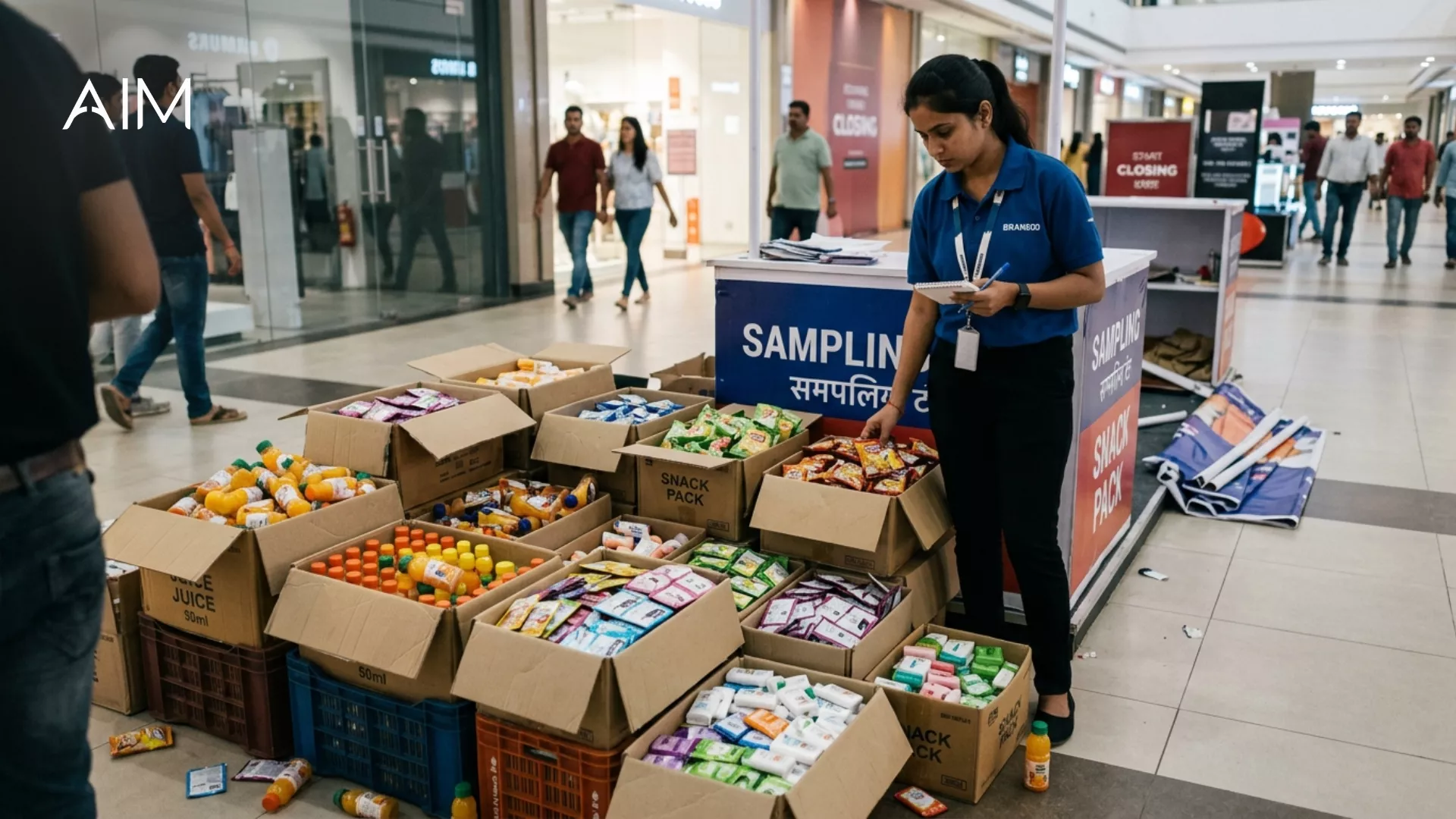
There is a way to get this badly wrong, and it is to treat physical sampling the way FMCG treated it for forty years: push out volume, count packs, report reach. A D2C brand that does that has swapped a measurable-but-pricey channel for an unmeasurable one, which is the worst trade available. You would not run a Meta campaign with the pixel switched off. Do not run a sampling campaign with the tracking left out.
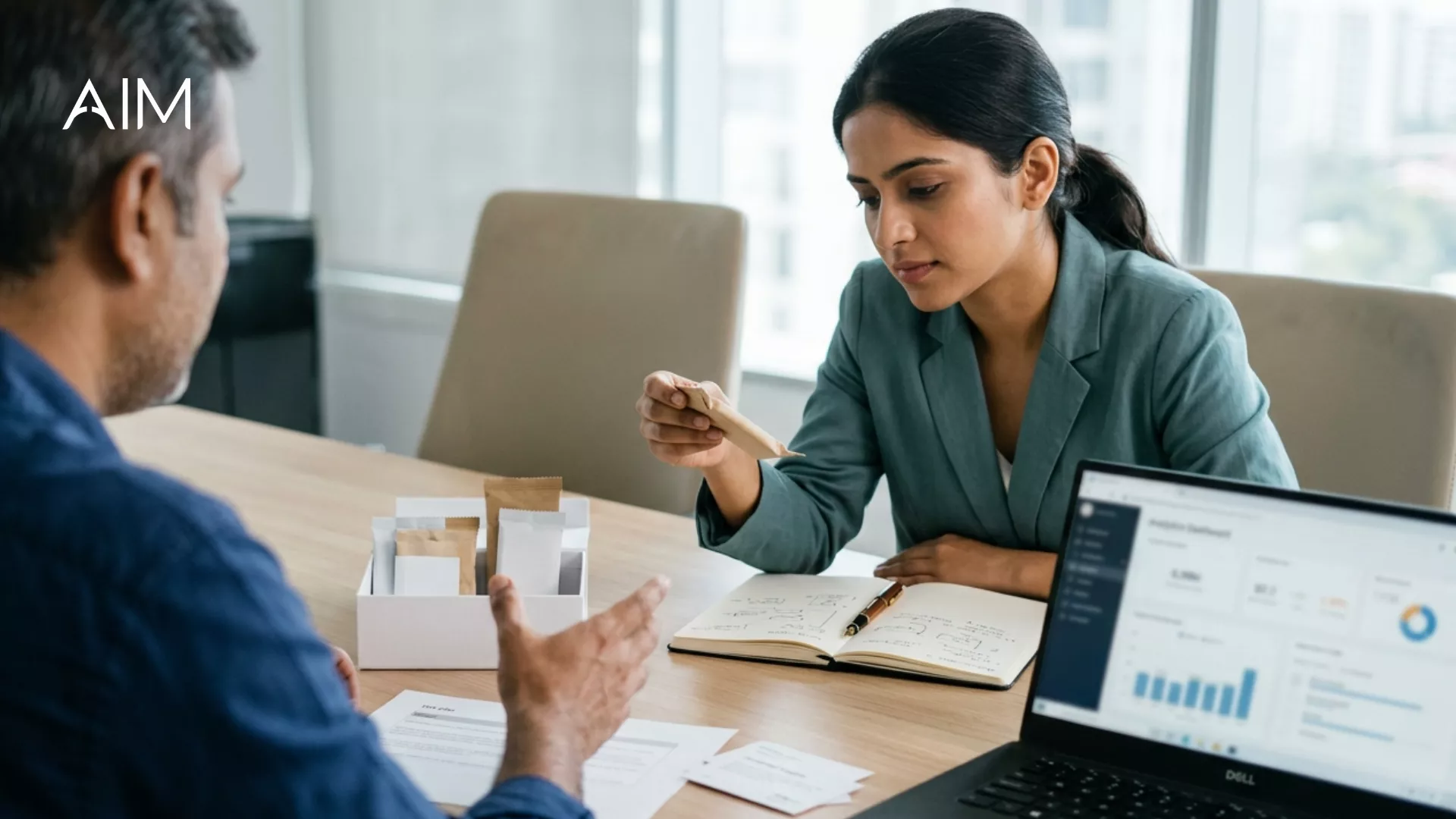
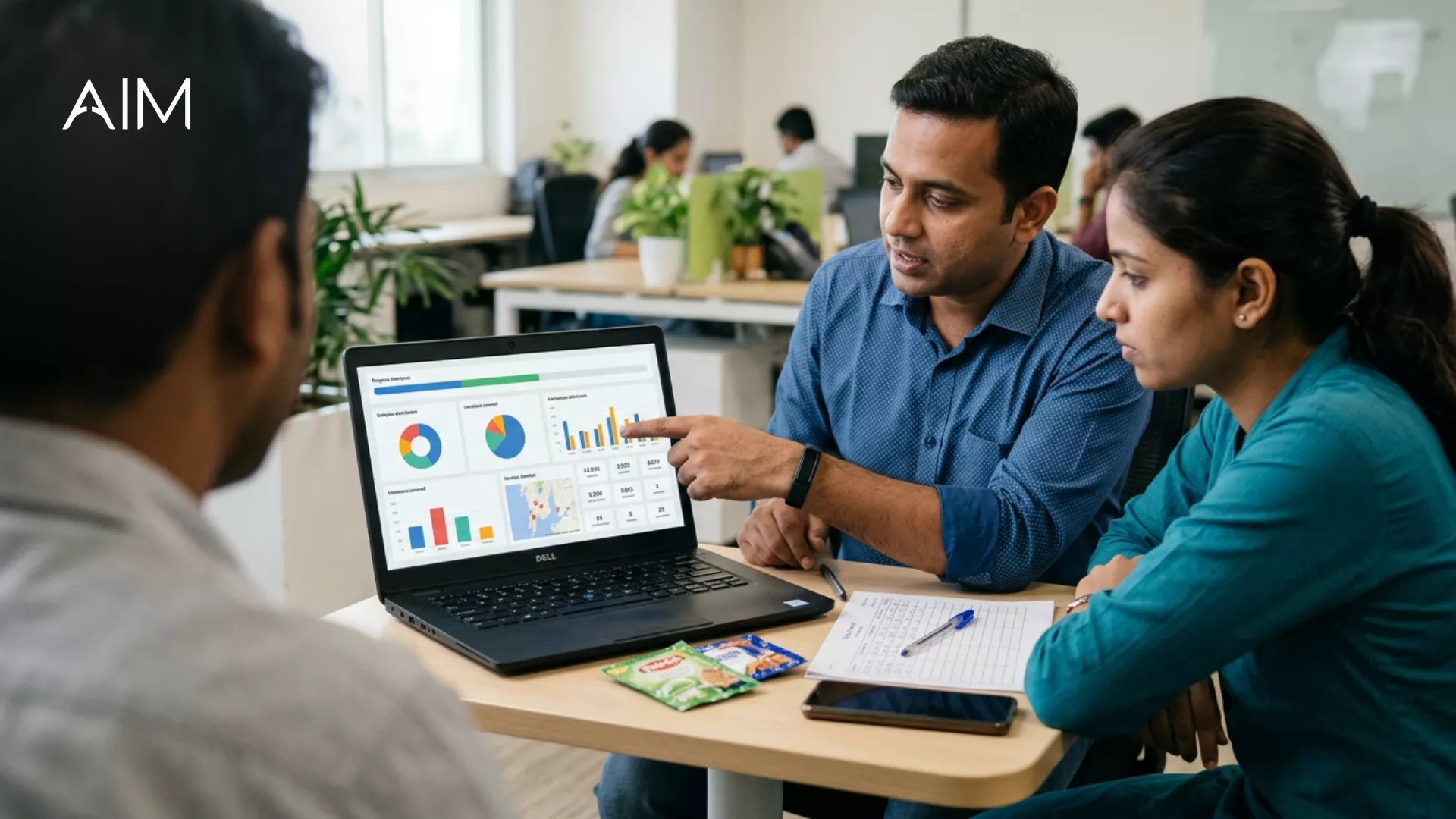
The entire point is that sampling can now be tracked. Capture the person, tie the sample to a code, watch the first order land. If you cannot connect the trial to a purchase, you are not doing the modern version. You are doing the old one with a nicer logo on the sachet. I have seen a brand run both versions six months apart and only the tracked one survived the next budget review.







.webp)





.png)