
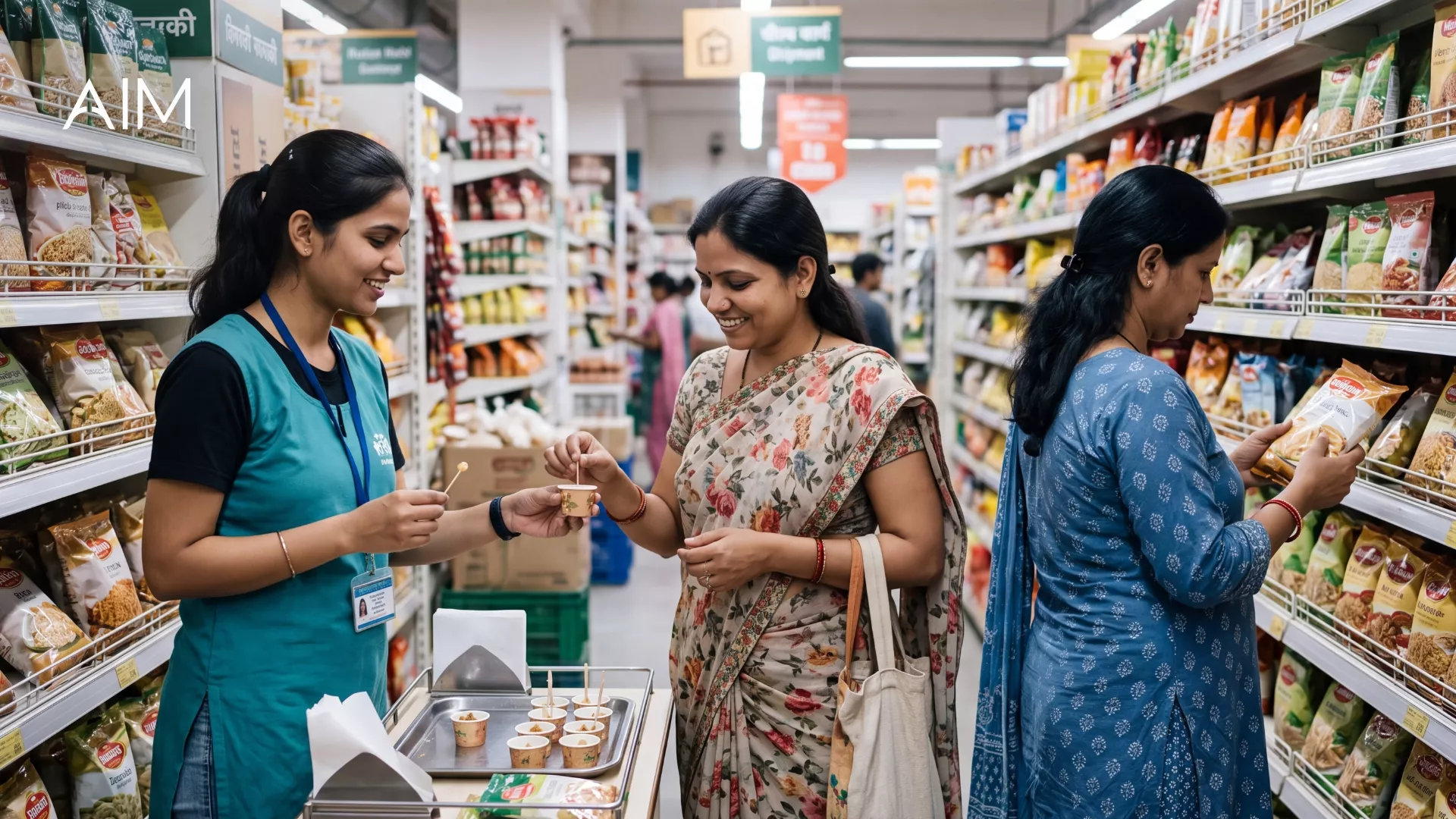


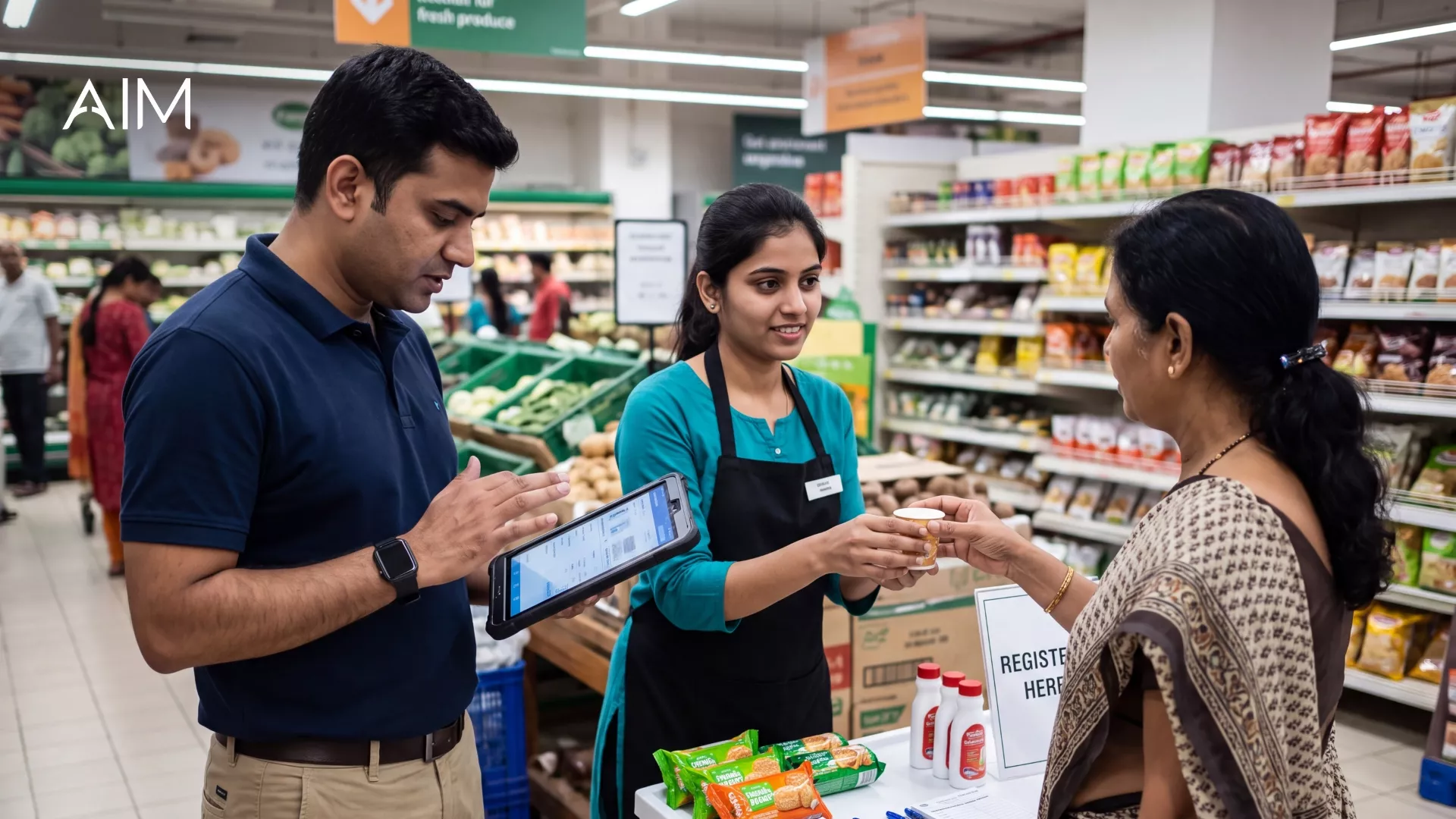
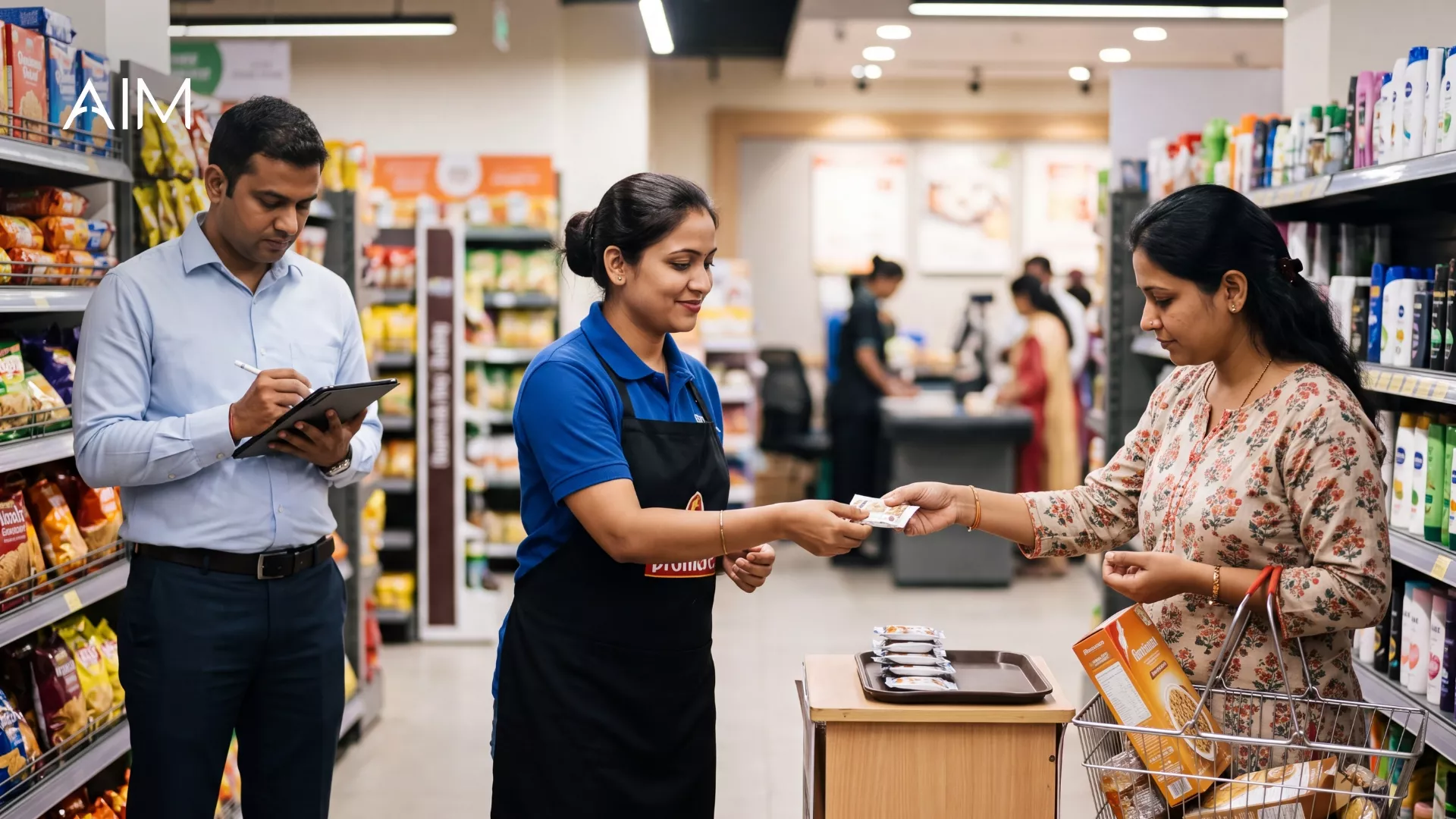
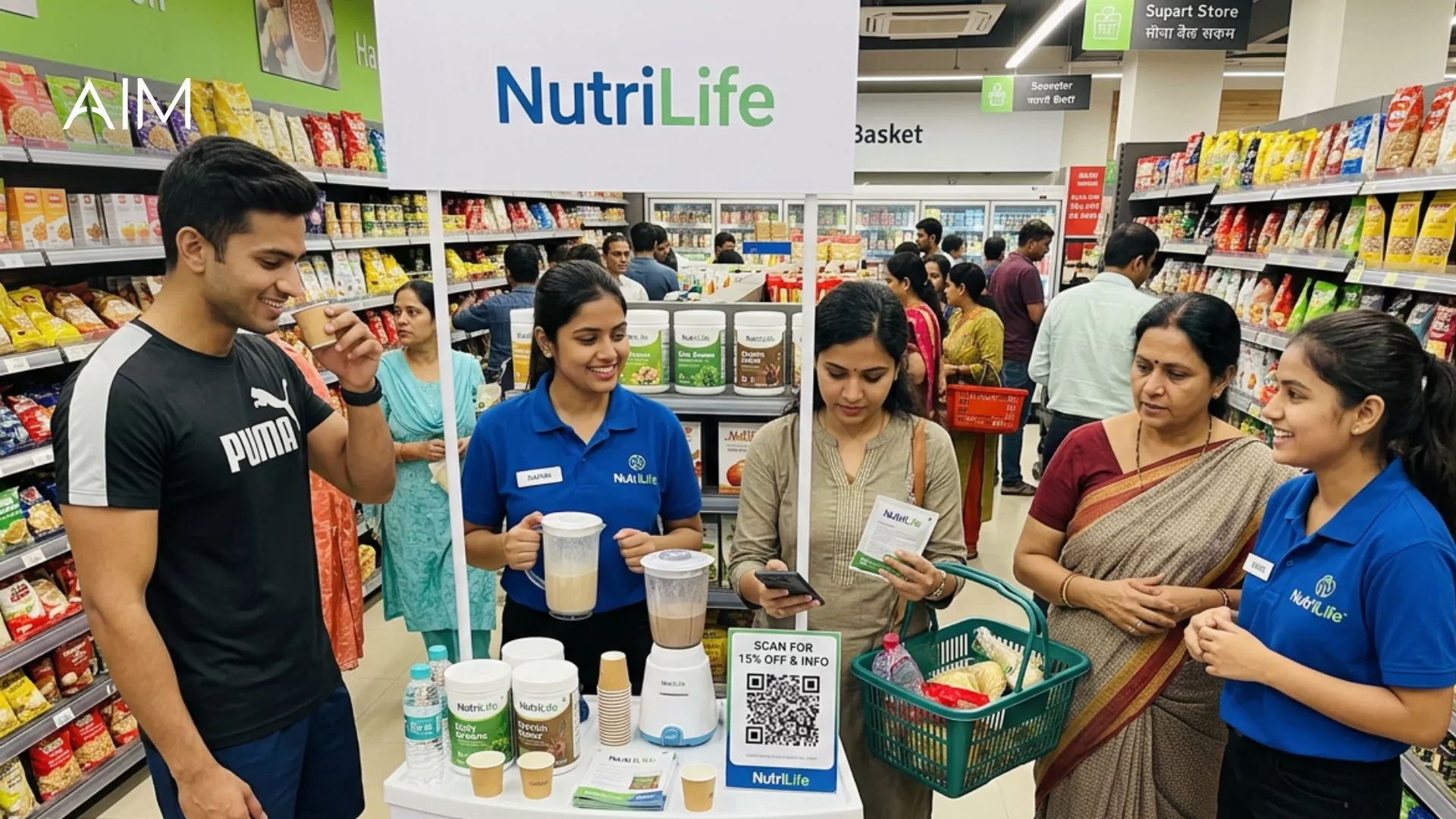
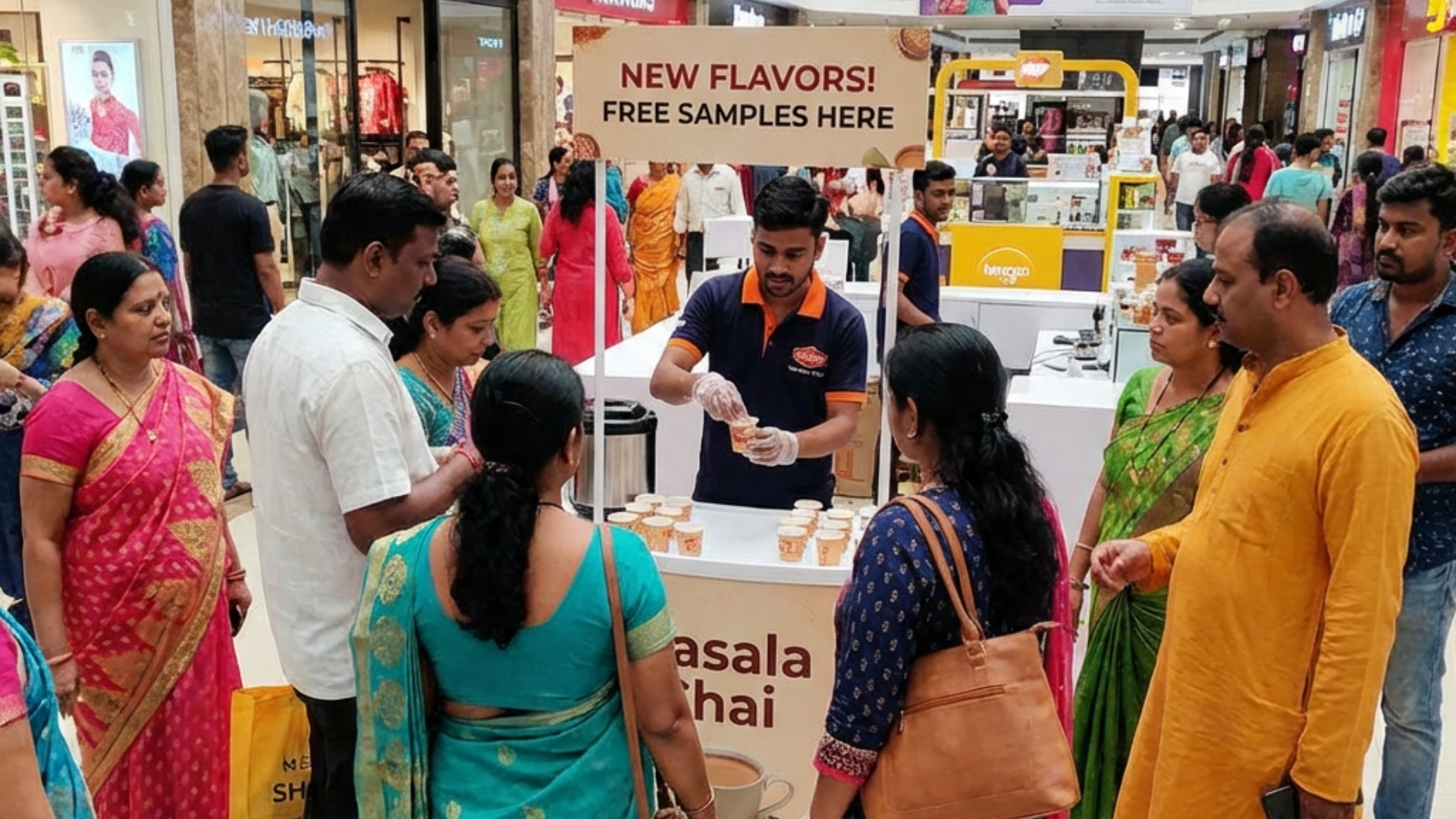
In-store sampling is the default setting for most brands. Book the promoters, set up the table in a busy supermarket, hand out the product. Sometimes that is exactly right and the sales lift is immediate. Other times it is the wrong room for the product, and a great sample quietly fails because it was tried in a place it was never going to convert. The honest answer is that in-store sampling suits some products beautifully and suits others poorly, and knowing which is which saves a lot of wasted budget.
Quick answer: Products that are decided at the shelf, prove themselves in seconds, and travel well sample best in-store, food, beverages, snacks, confectionery, and quick-verdict personal care. Products whose benefit takes days to show, that need a niche or hard-to-spot buyer, or that need explaining or trust, sample better elsewhere, through residential, e-commerce inserts, gyms, clinics, events, or influencer seeding. Match the product to the place where its buyer decides.
What makes a product a good fit for in-store sampling?
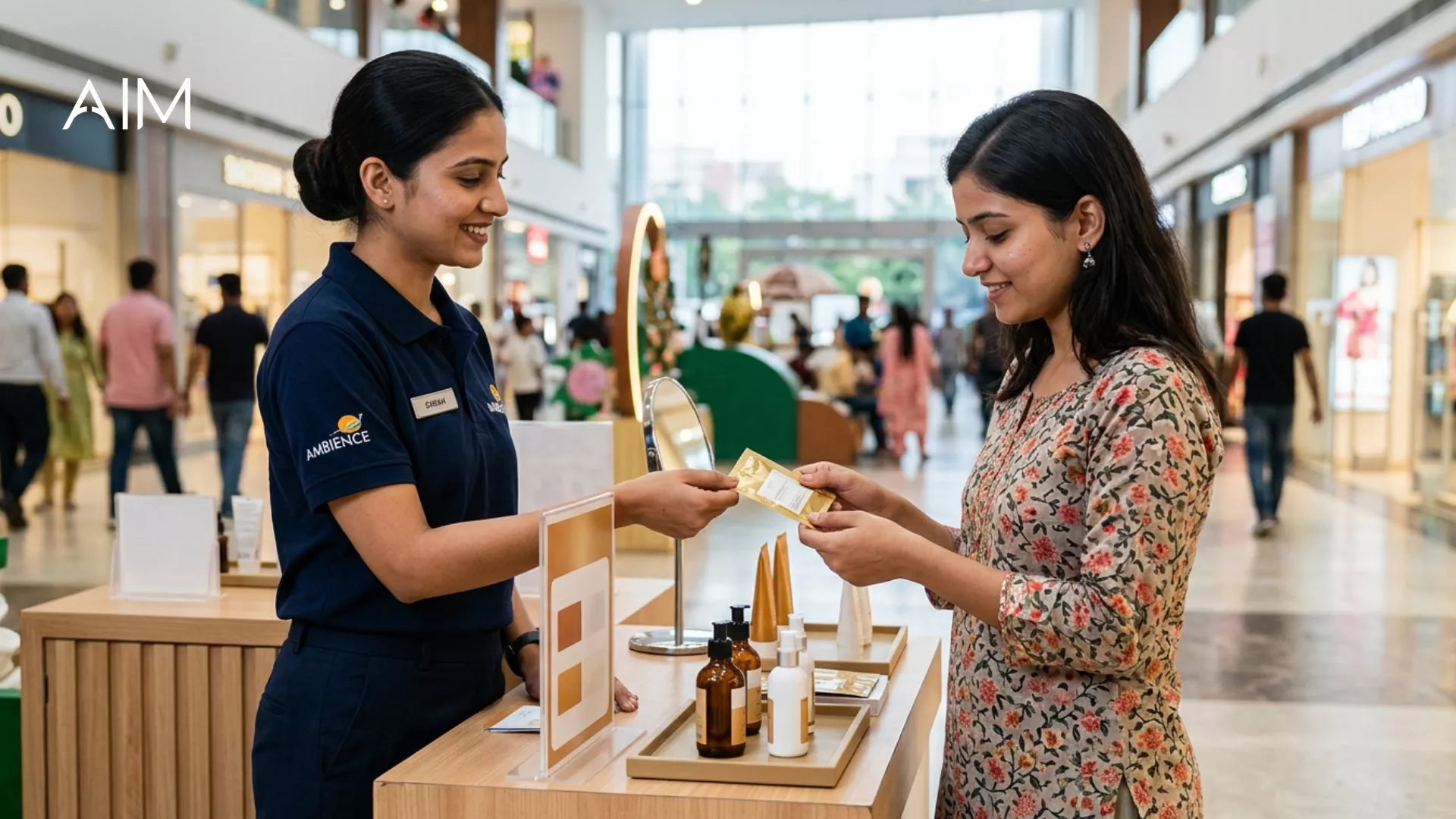
Three things decide it. First, the decision happens at the shelf, the shopper is choosing then and there, so a trial can tip them into the trolley. Second, the product proves itself fast, a taste, a smell, a feel that lands in seconds, because nobody in a store is waiting a week to judge a sample. Third, the product travels well, it can be sampled safely and cheaply in a store aisle without spoiling, melting, or needing a full demo setup. When a product ticks all three, in-store sampling is hard to beat, because the trial and the shelf are in the same place and the purchase is one step away.
When a product misses one of those, in-store starts to strain. And when it misses two, in-store is usually the wrong choice, no matter how busy the store is.
Which products sample best in-store?
These are the categories where the aisle is the ideal room.
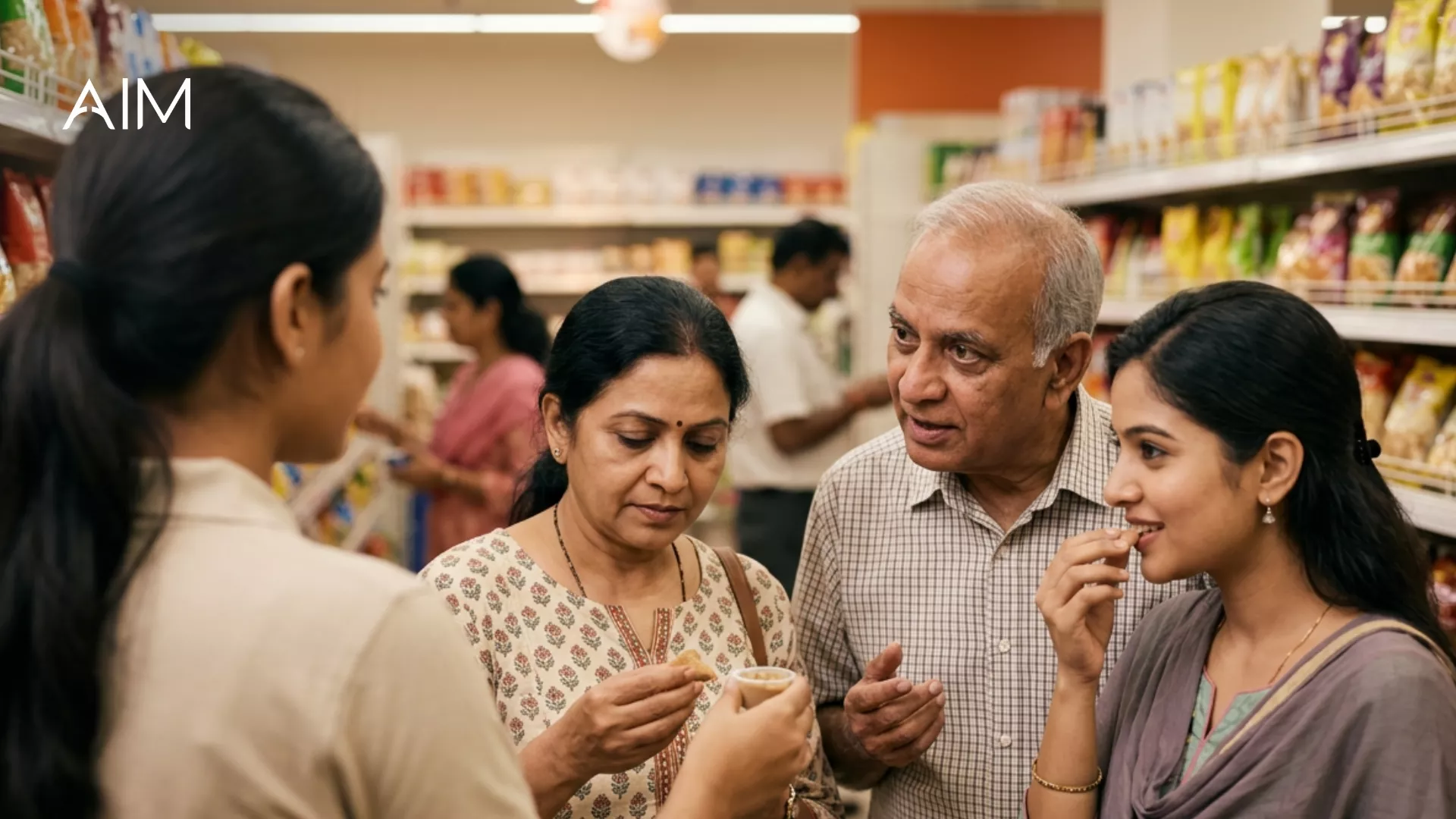
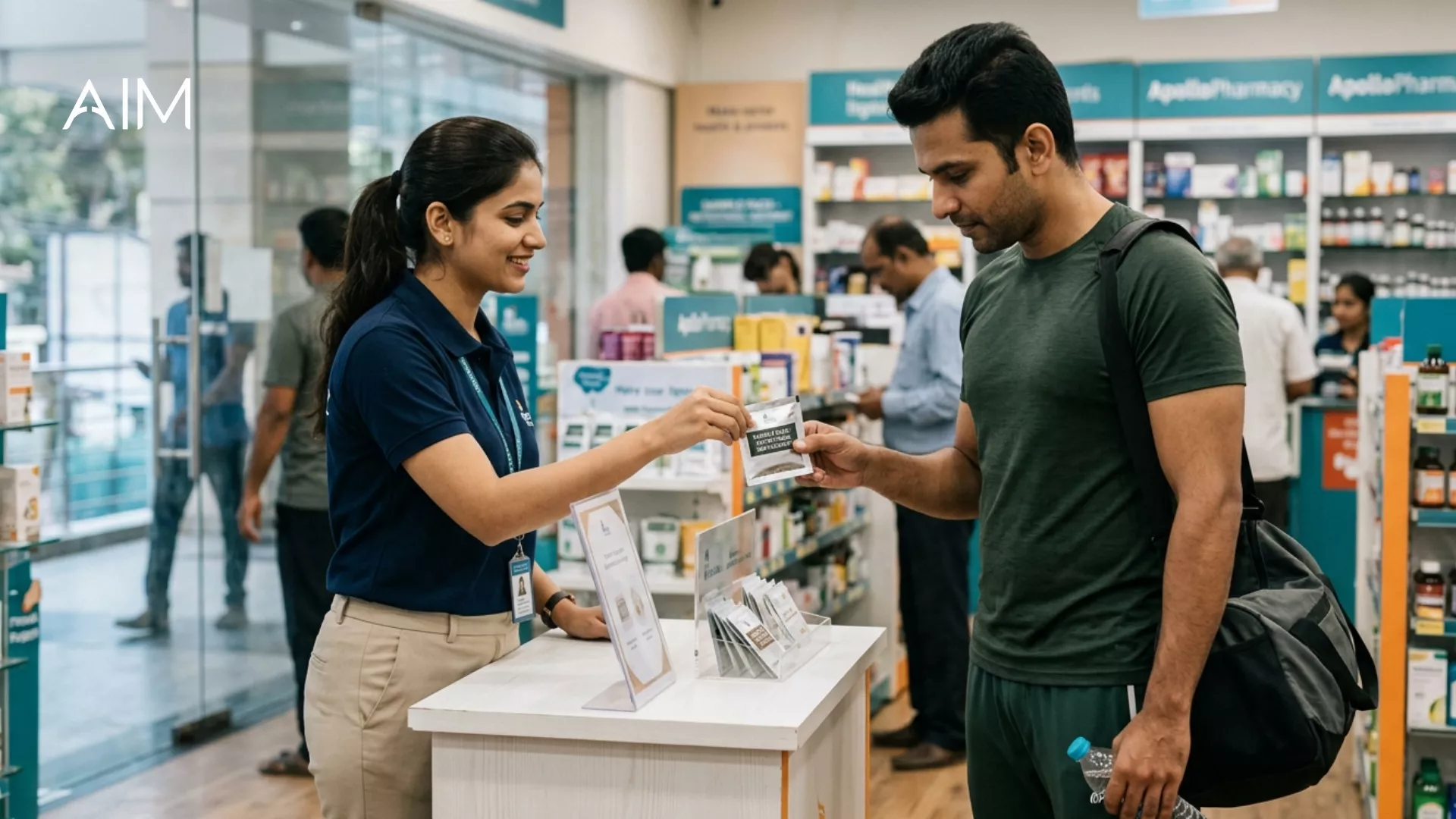
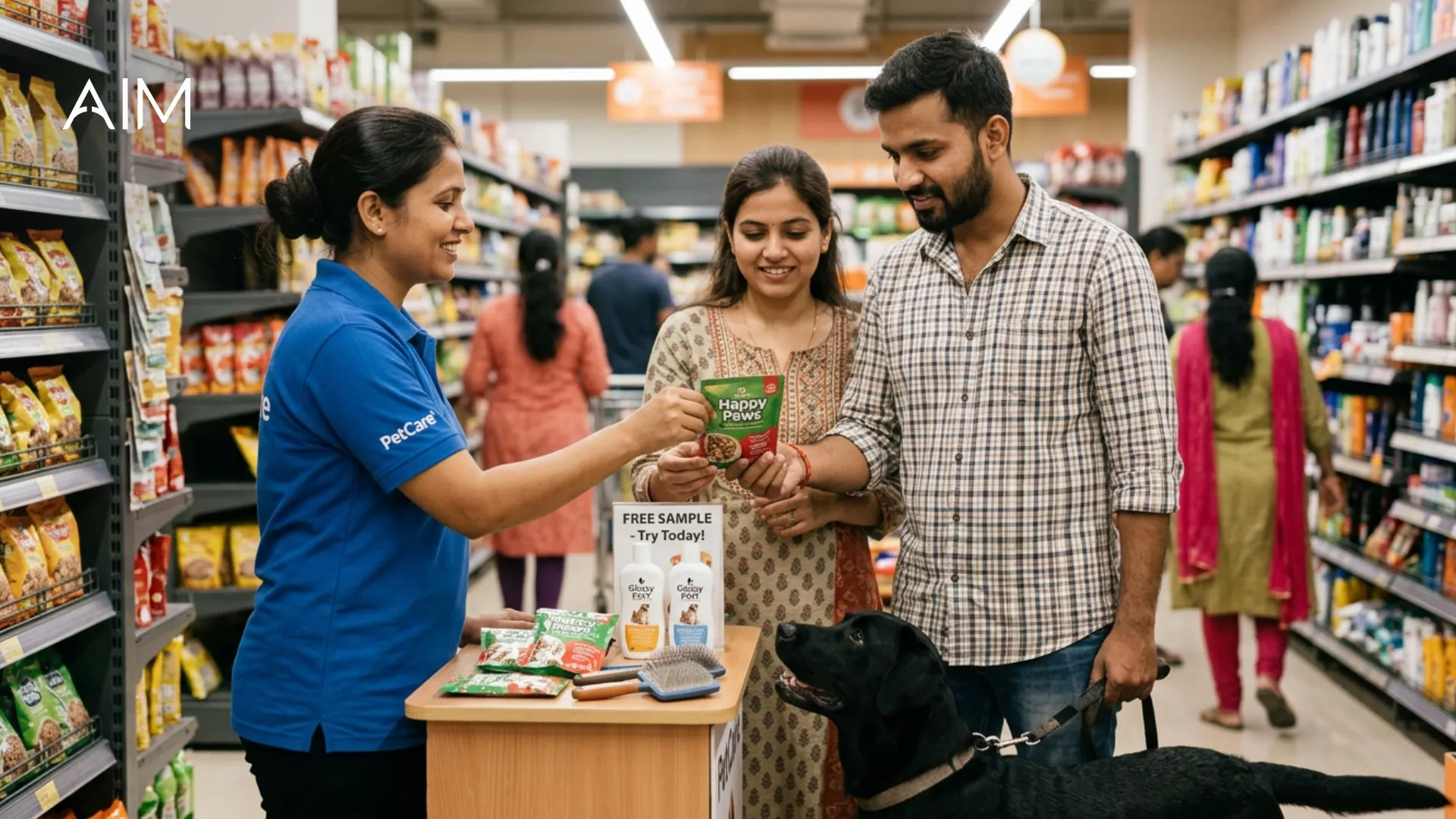
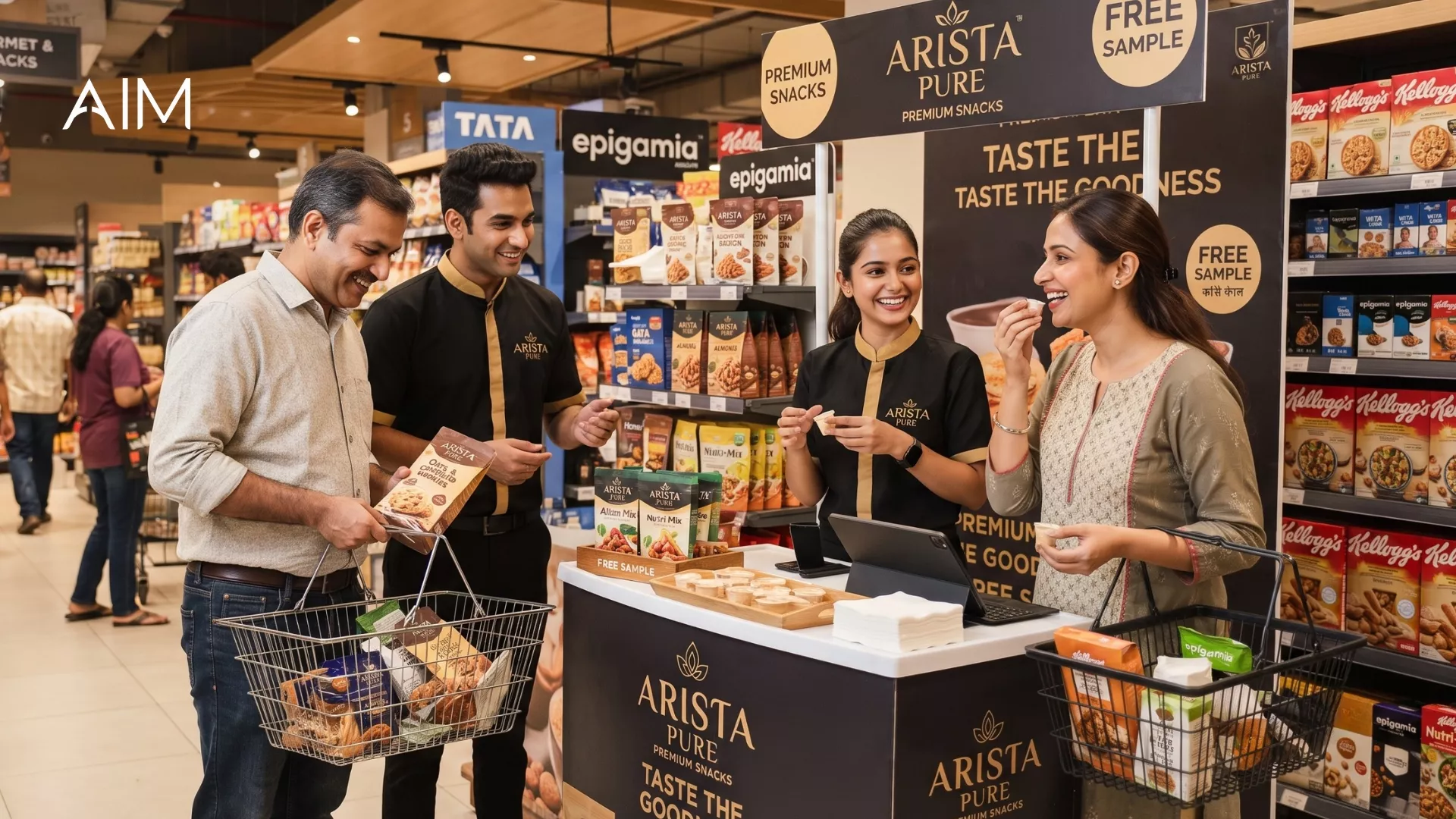
- Food and snacks. A bite decides it. Namkeen, biscuits, ready-to-eat, spreads, and packaged snacks convert fast in-store because the taste is the whole pitch and the product is right there to buy. This is the classic home of in-store sampling for good reason.
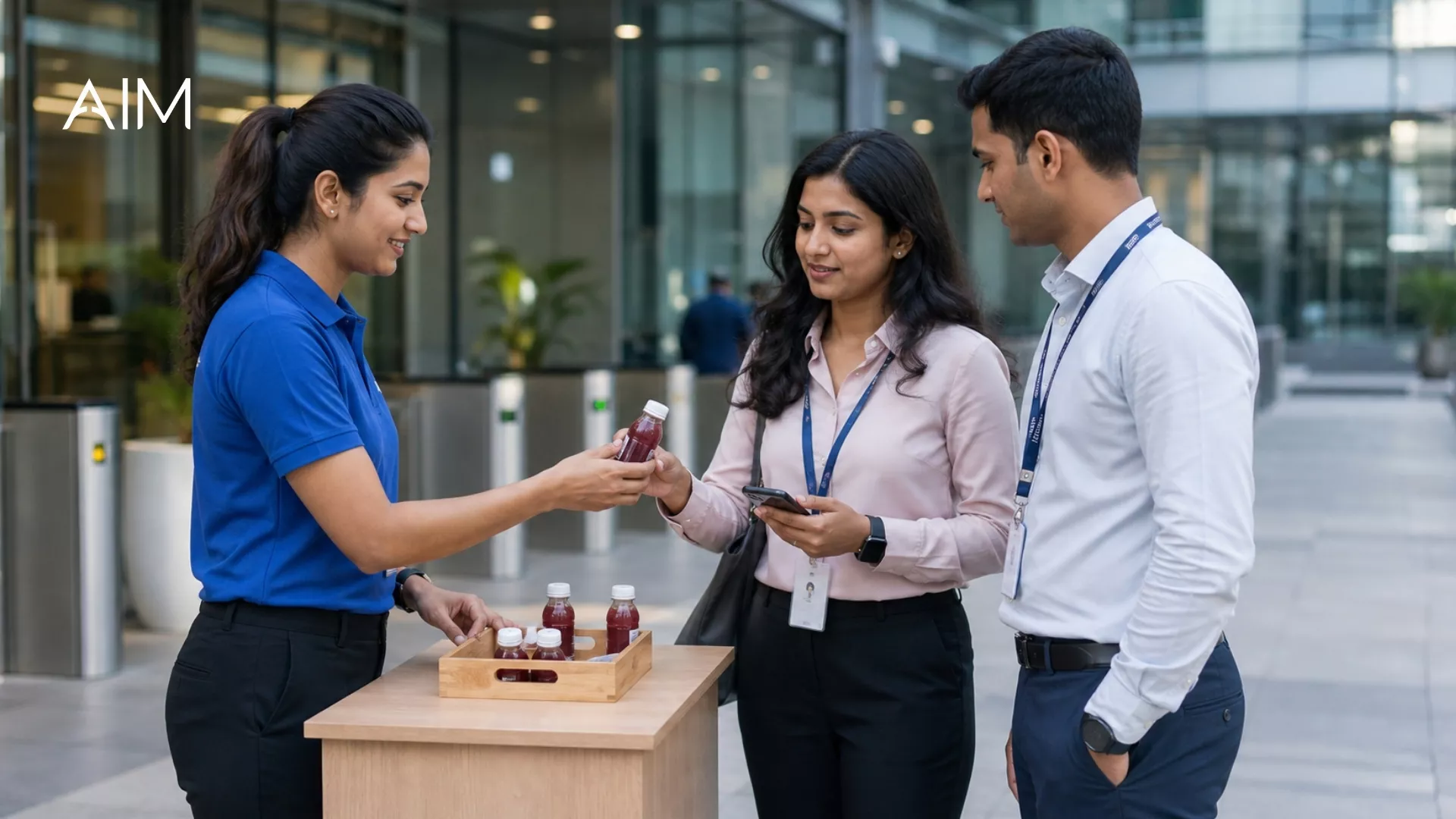
- Beverages, in the right store moment. Soft drinks, juices, flavoured milk, and health drinks work well when the store setting matches a drinking moment, a hypermarket on a hot afternoon, a cash-and-carry with families shopping. One sip, one decision.
- Confectionery. Chocolates and candy are pure impulse and pure taste. A sample at the shelf turns a maybe into a pickup, especially near the checkout where impulse peaks.
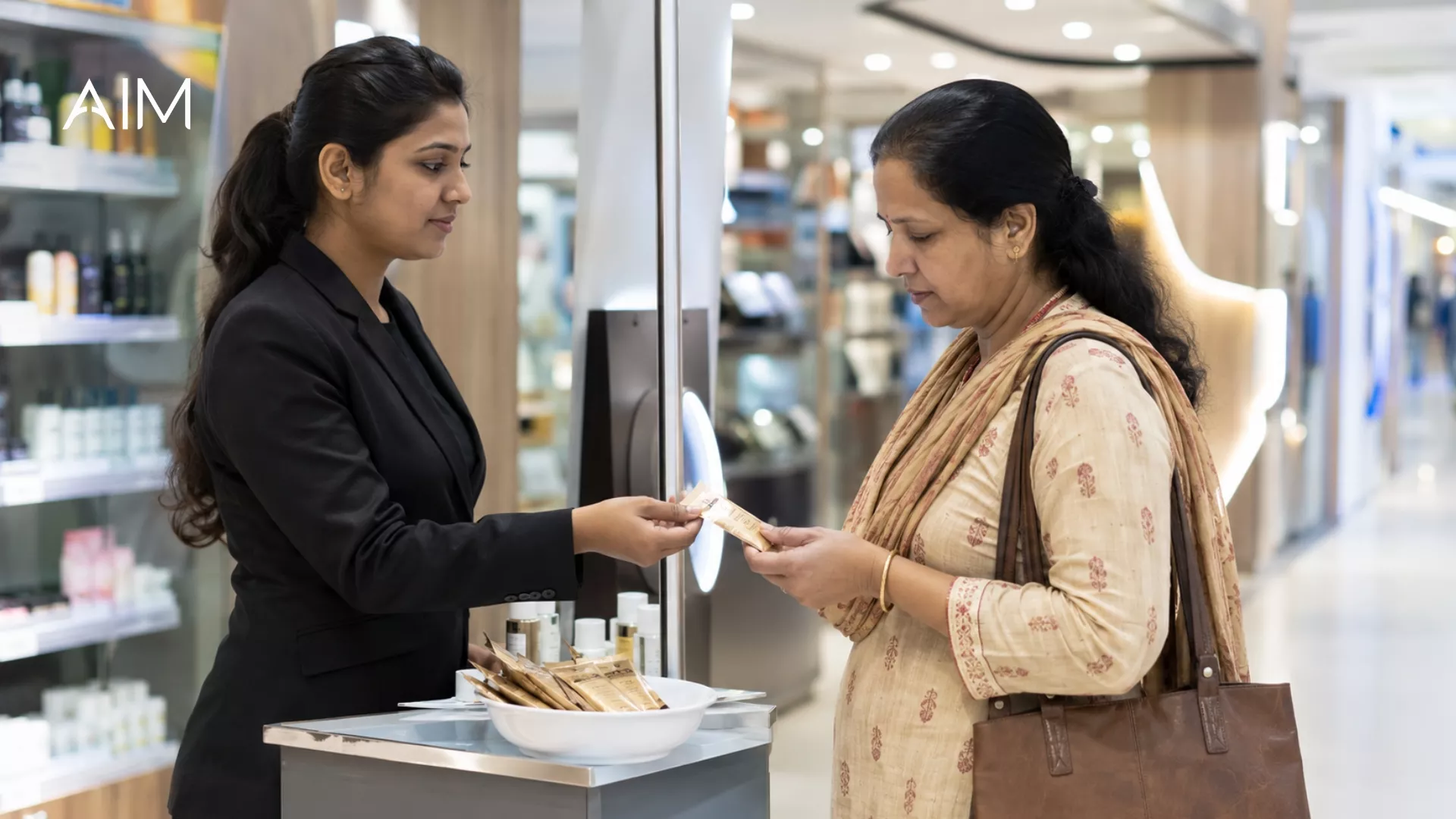
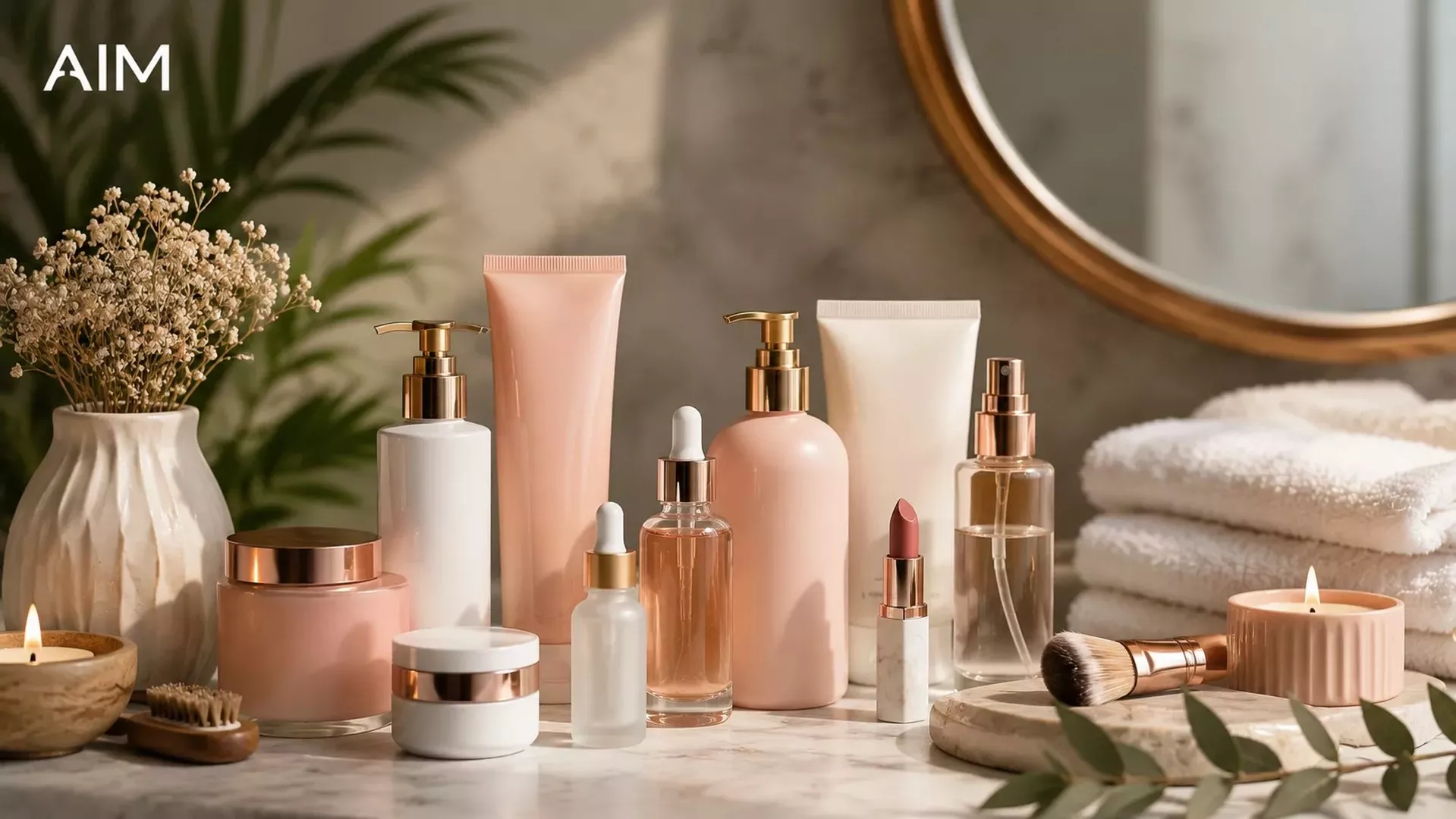
- Quick-verdict personal care. Products whose appeal is instant, a fragrance, a hand cream texture, a shampoo scent, sample well in-store because the shopper can judge the sensory hit on the spot, even if the full benefit comes later.
- New variants of a known product. When shoppers already buy the brand and you are launching a new flavour or format, in-store sampling is powerful, because you are catching a proven buyer at the exact moment they are choosing within your category.
Which products should sample elsewhere, and where?
For these, the store is the wrong room, and forcing them into it wastes the trial. Here is where they belong instead.
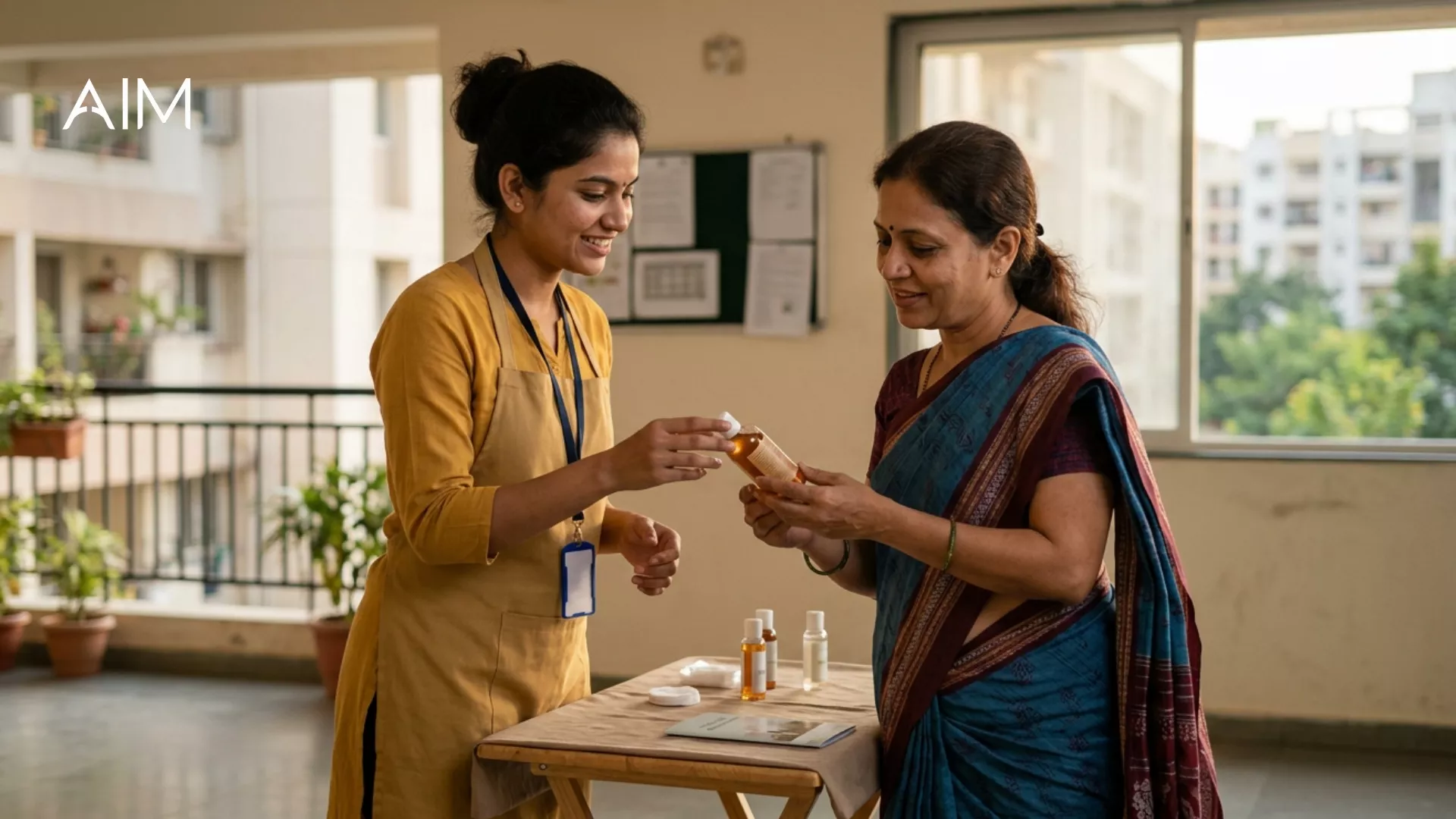
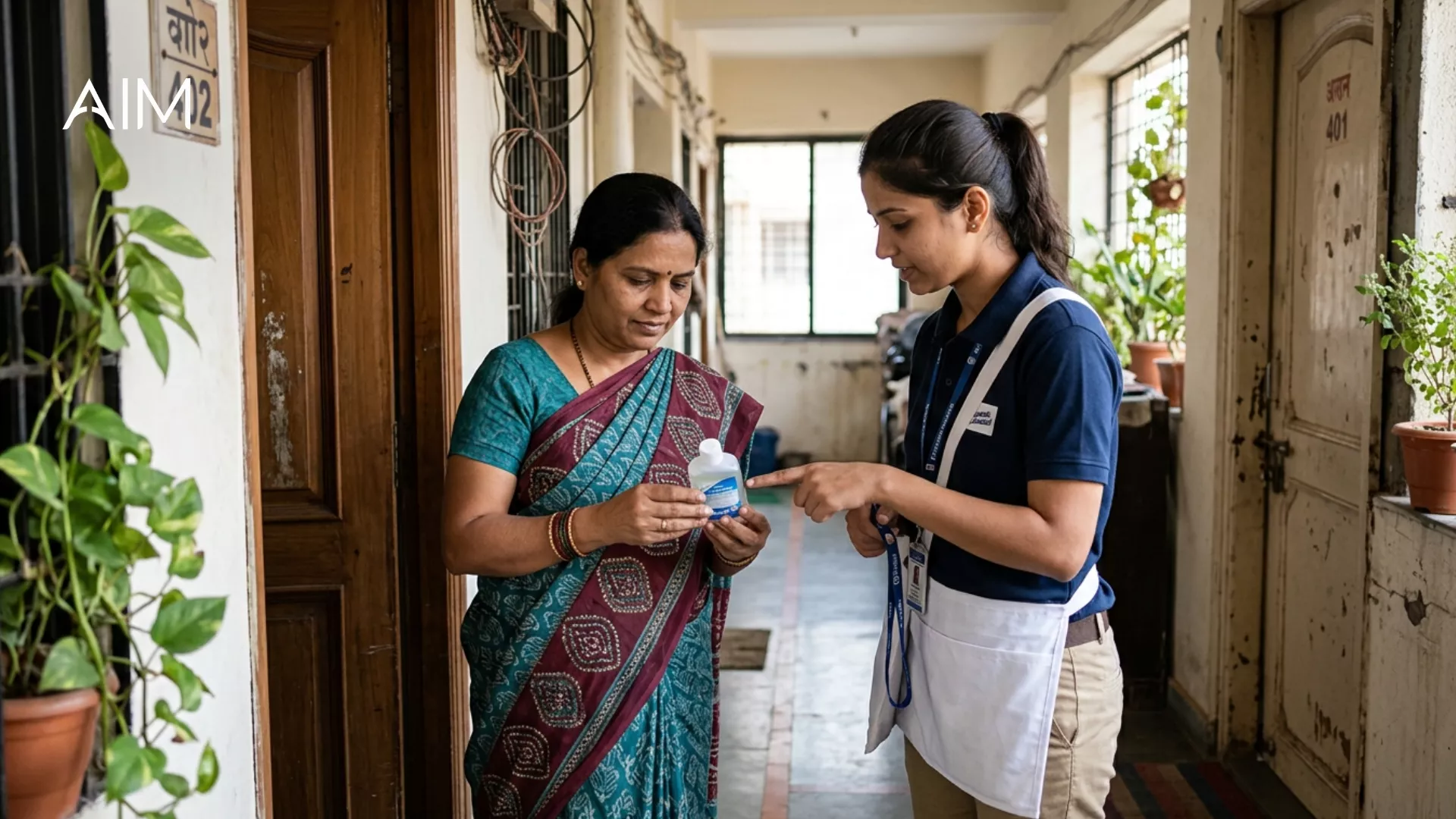
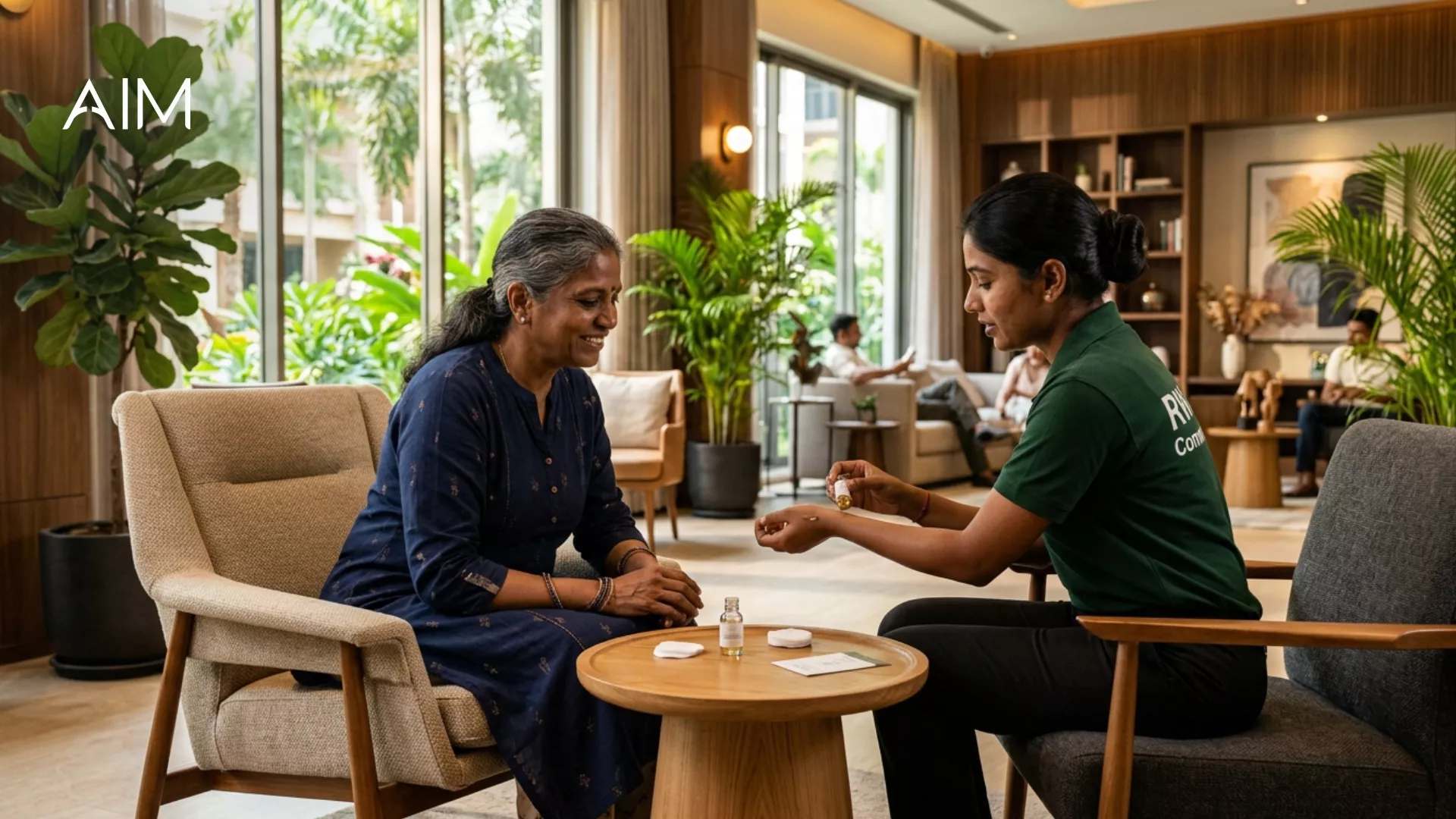
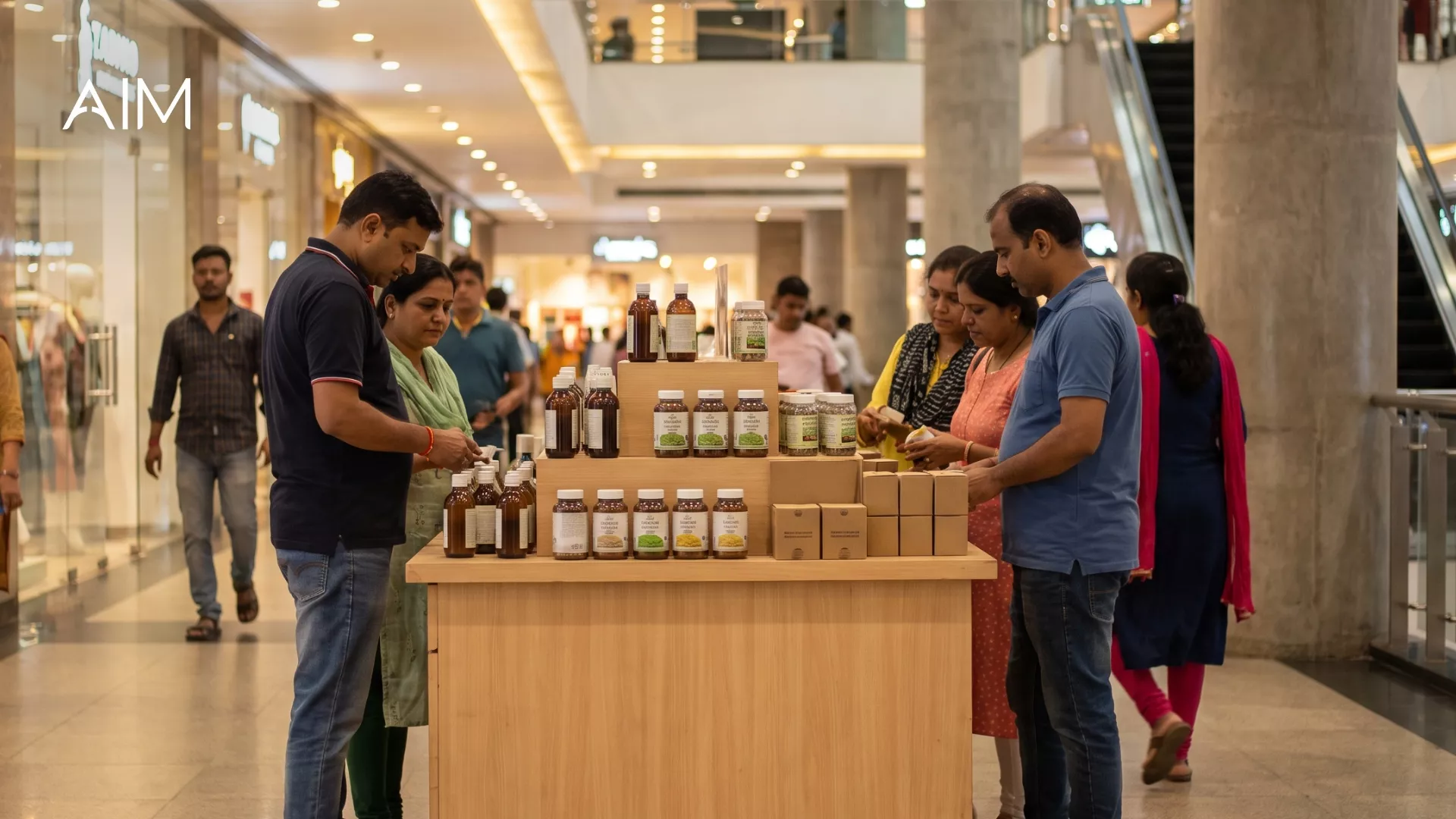
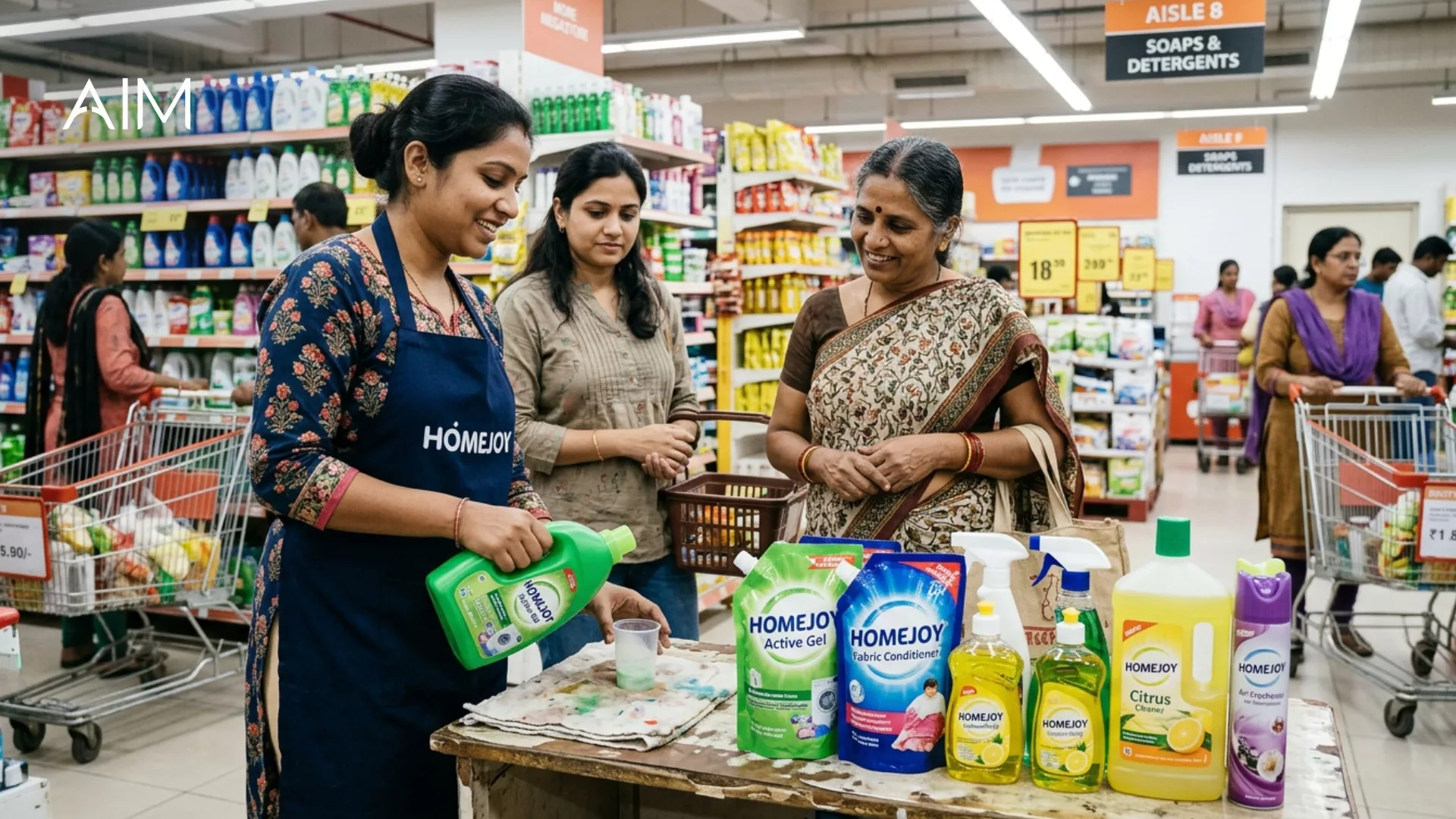
- Products whose benefit takes days: sample at home. Skincare, supplements, detergents, and haircare cannot be judged from one in-store use. They need a real trial window, so residential and society sampling, or an e-commerce insert that arrives with enough product to last, works far better than a single dab at a table.
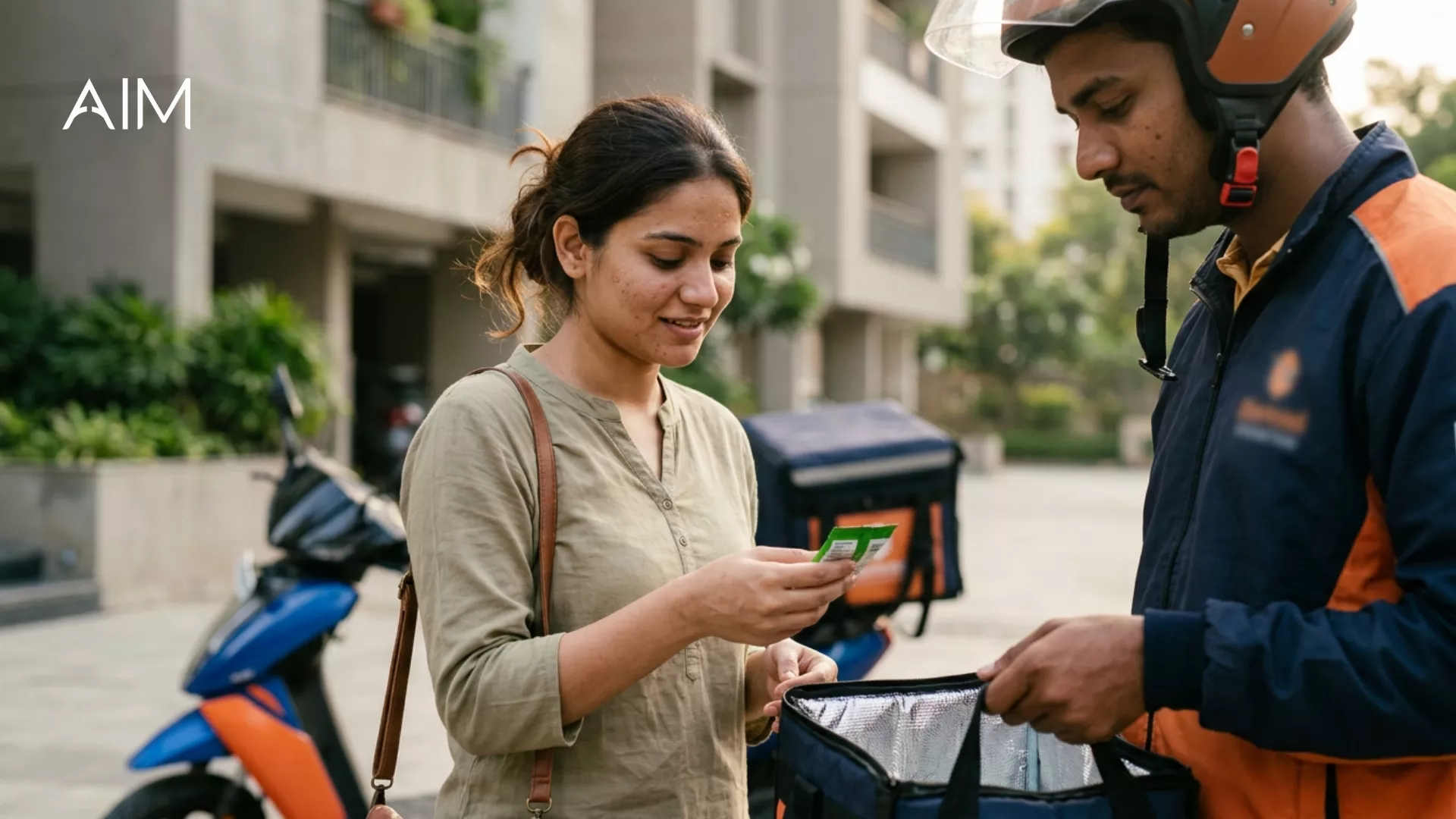
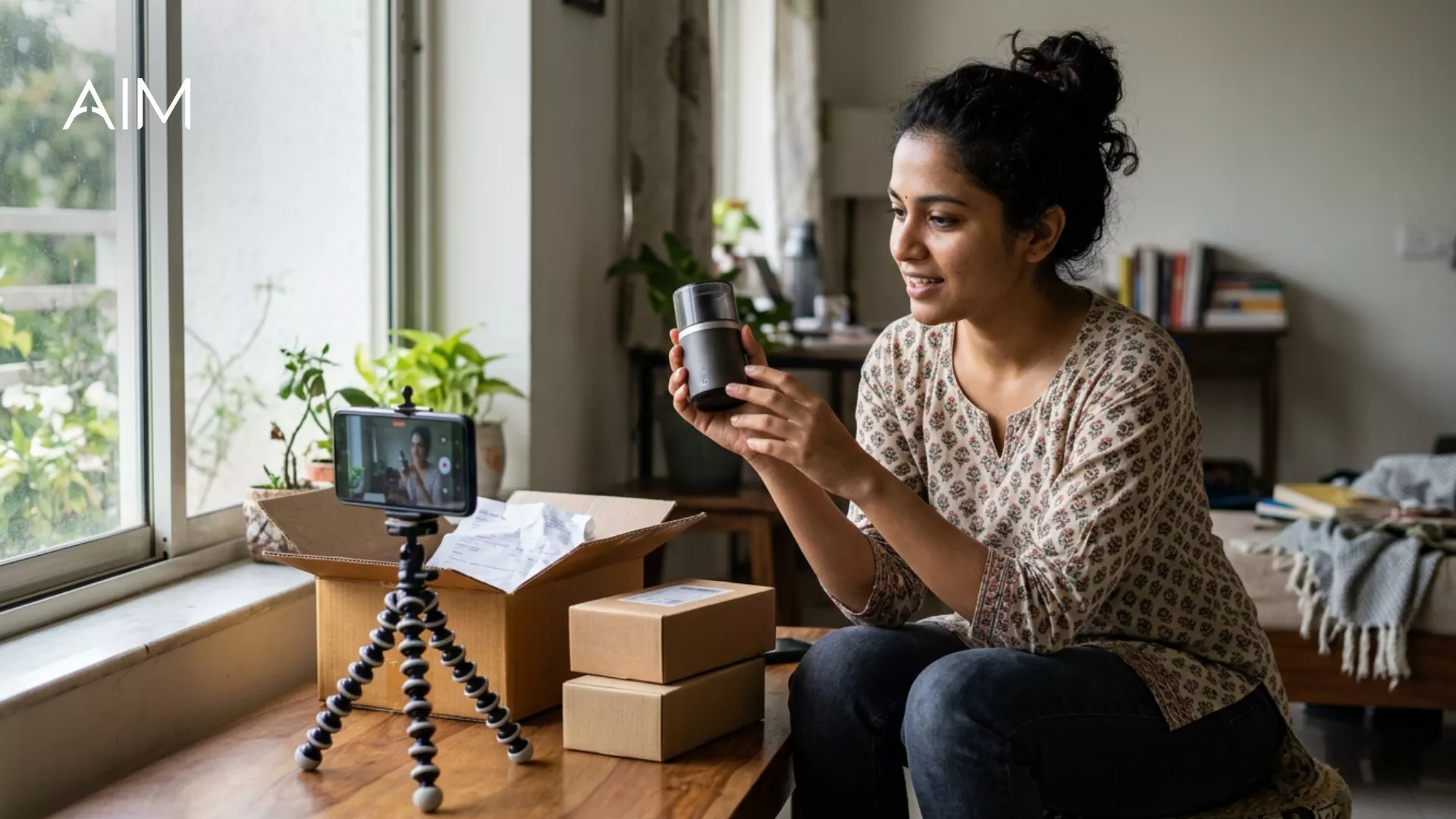
- Niche or hard-to-spot buyers: sample online or by profile. If your buyer is specific and invisible in a general store crowd, a diabetic-friendly food, a premium pet product, a new-mother range, in-store sprays your budget across the wrong people. E-commerce and quick-commerce inserts matched to the basket, or targeted residential sampling, reach them far more precisely.
- Active and health products: sample where the need is live. Energy drinks, electrolytes, protein, and functional foods convert at gyms, sports complexes, and running events, where the body is primed and the buyer is already health-minded, not in a general grocery aisle.
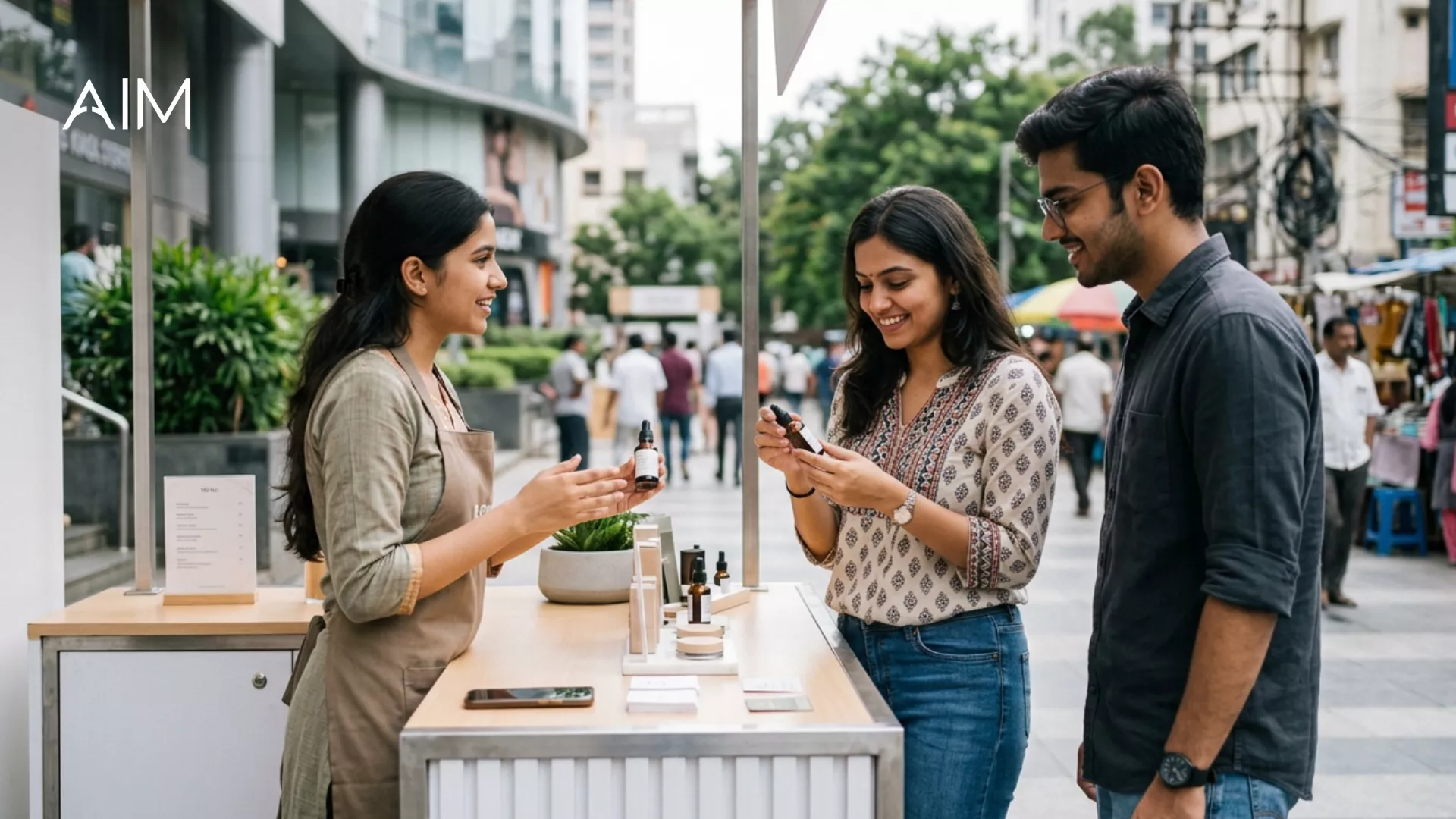
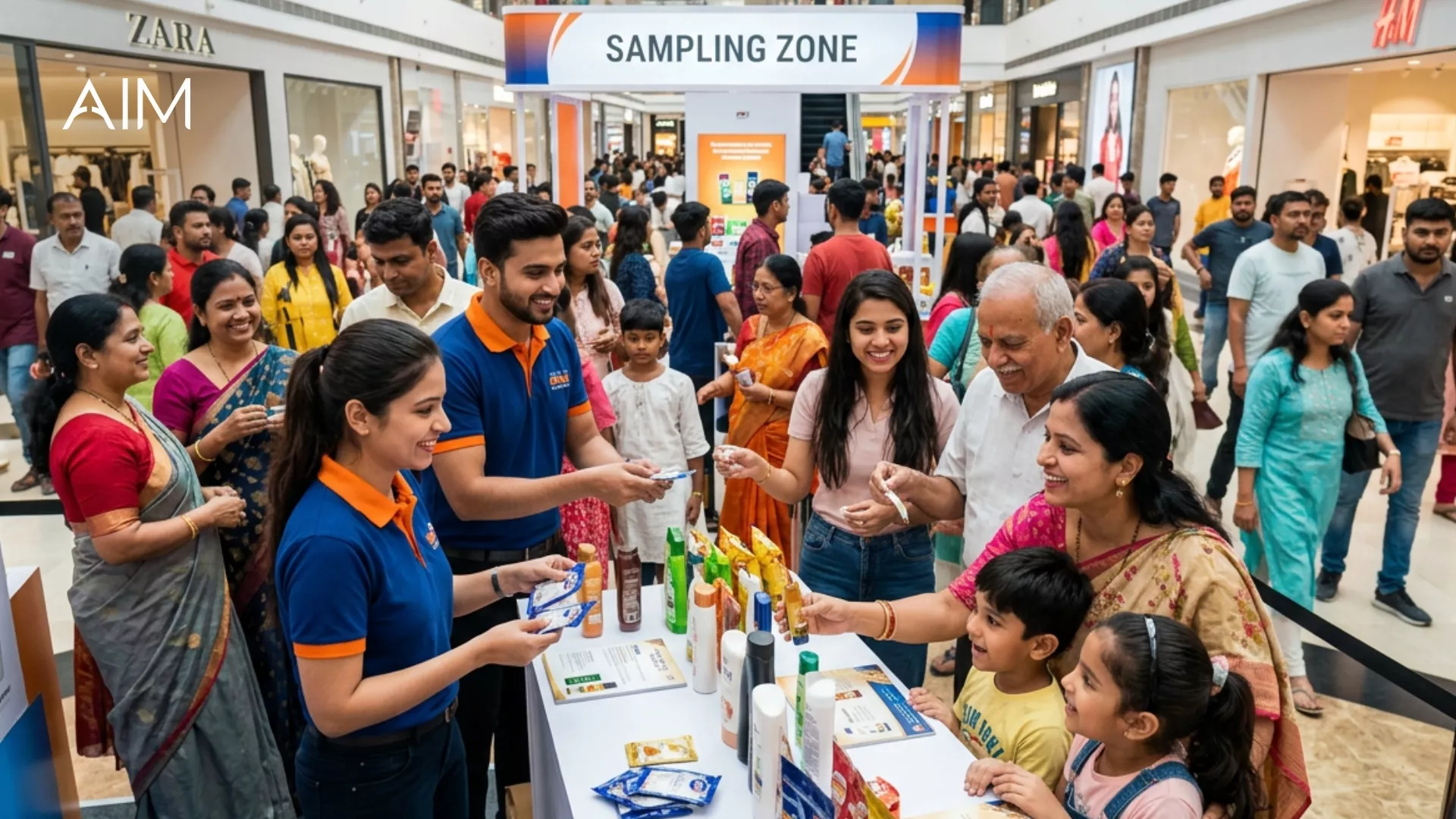
- Products that need explaining or a demo: sample experientially. Anything that needs a how-to, a device, an appliance, a complex format, sample at an event, an experience zone, or a canopy activation where there is time and space to demonstrate, not a crowded aisle where nobody stops to learn.
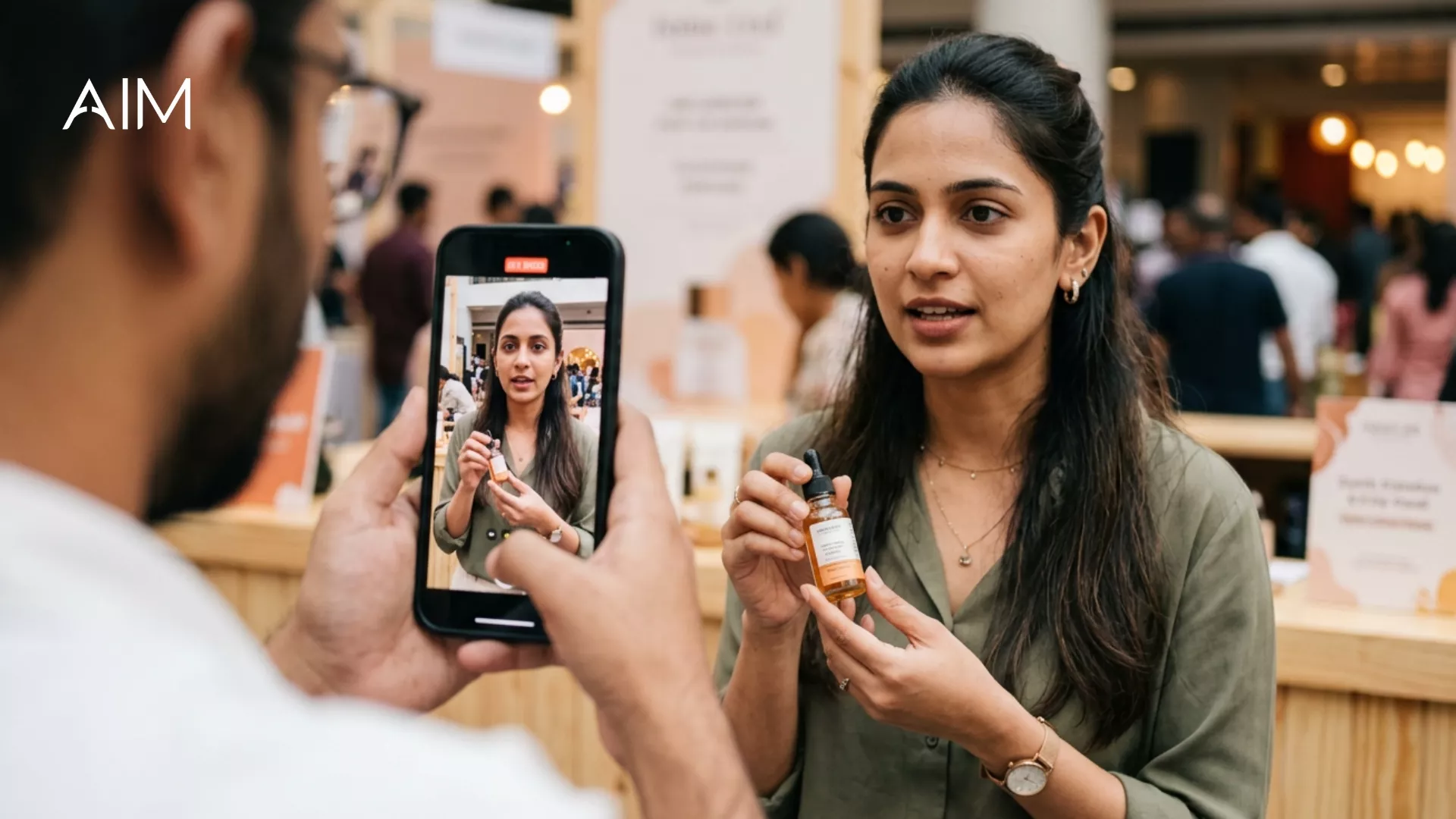
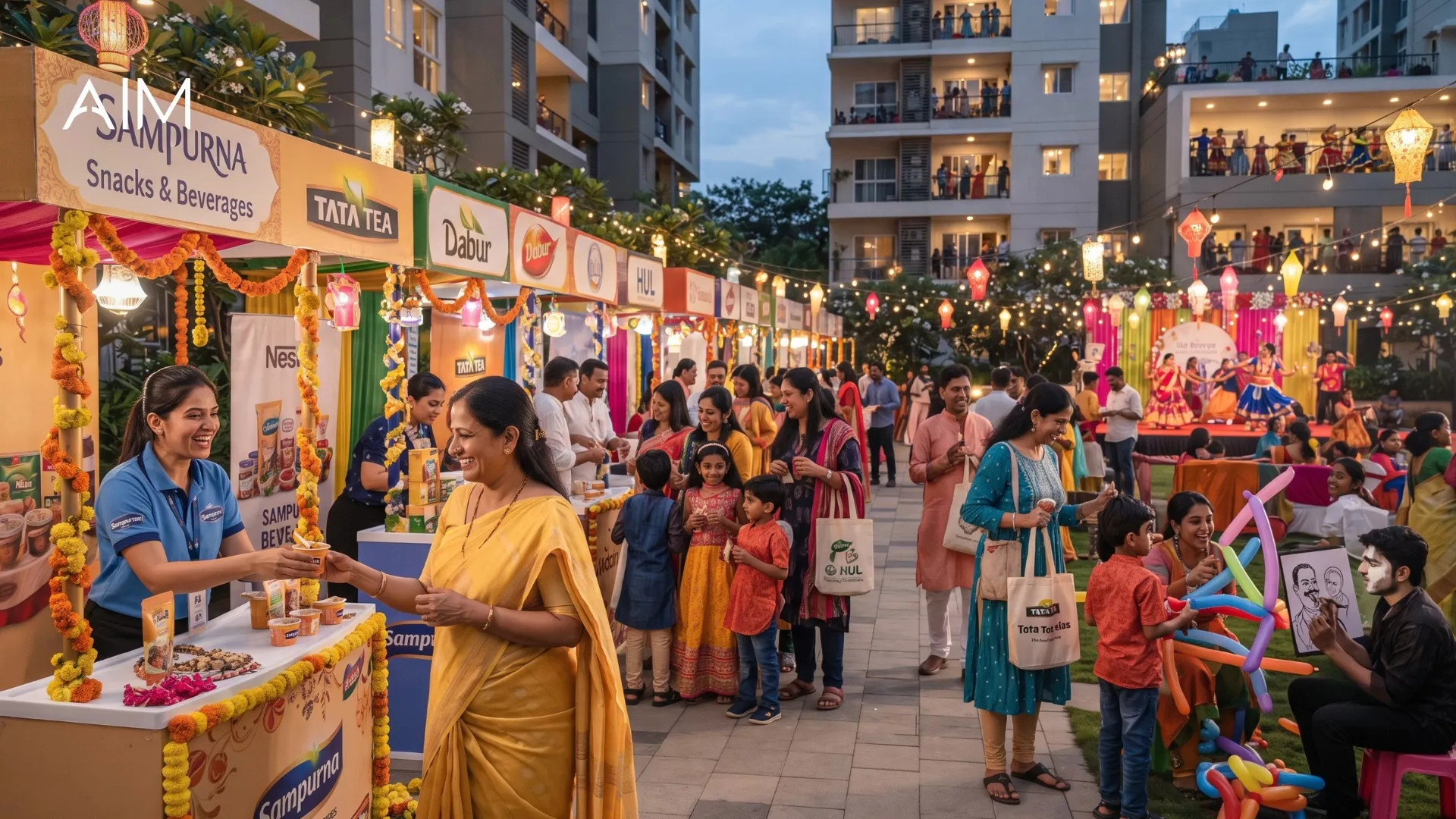
- Premium and social products: sample through events and creators. Premium sodas, mocktails, and lifestyle products that sell on aspiration and social proof do better at festivals, gatherings, and through influencer seeding, where trying is social and reviews spread beyond the person who tried.
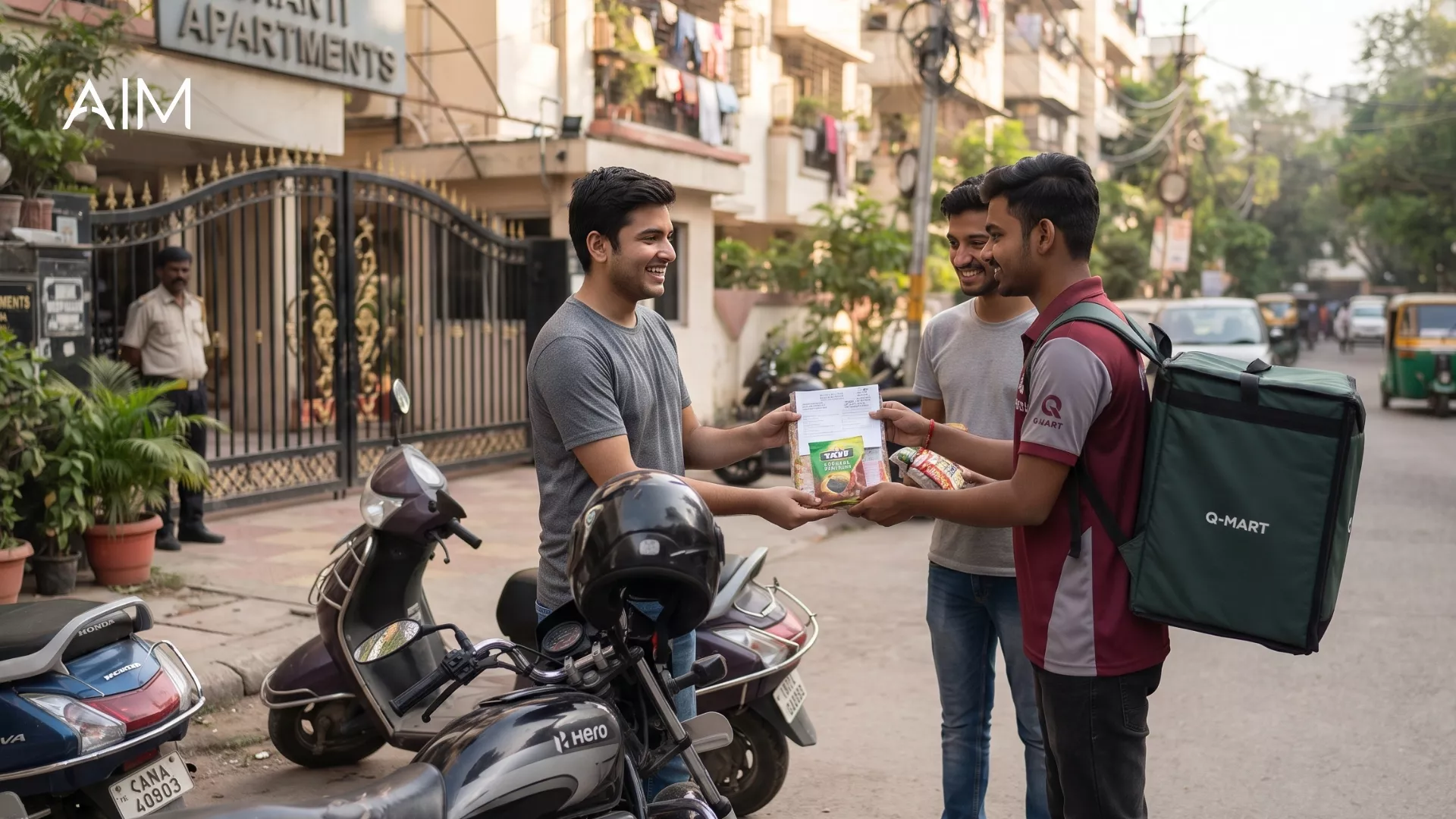
- Household staples bought by families: sample at the doorstep. Home care, packaged staples, and baby care reach the actual decision-maker at home through residential sampling, where the product will be used, rather than in a store where the sample is a distraction from the trolley.
The mistake of sampling everything in-store
The reason so much sampling budget leaks is that in-store became the reflex. It is familiar, retailers understand it, and a busy store feels like proof. So brands push products into the aisle that had no business being there, a serum judged from one dab, a supplement that needs three weeks, a niche health food handed to a general grocery crowd. The store was full, the samples went out, and the sales line never moved, because the product was tried in a room where it could never win. Choosing the wrong room is quieter than choosing the wrong product, but it costs just as much.
The questions that decide the right room
If you strip it back, four questions tell you whether a product belongs in-store or elsewhere. Does the buyer decide at the shelf, or somewhere else? Does the product prove itself in seconds, or over days? Is your buyer easy to spot in a general store crowd, or hidden inside a niche? And does the product need explaining, or does it speak for itself? Answer those honestly and the right channel usually names itself. In-store sampling is not a default, it is a choice, and it is the right choice only when the product and the buyer both live at the shelf.
Can a product use both in-store and other channels?
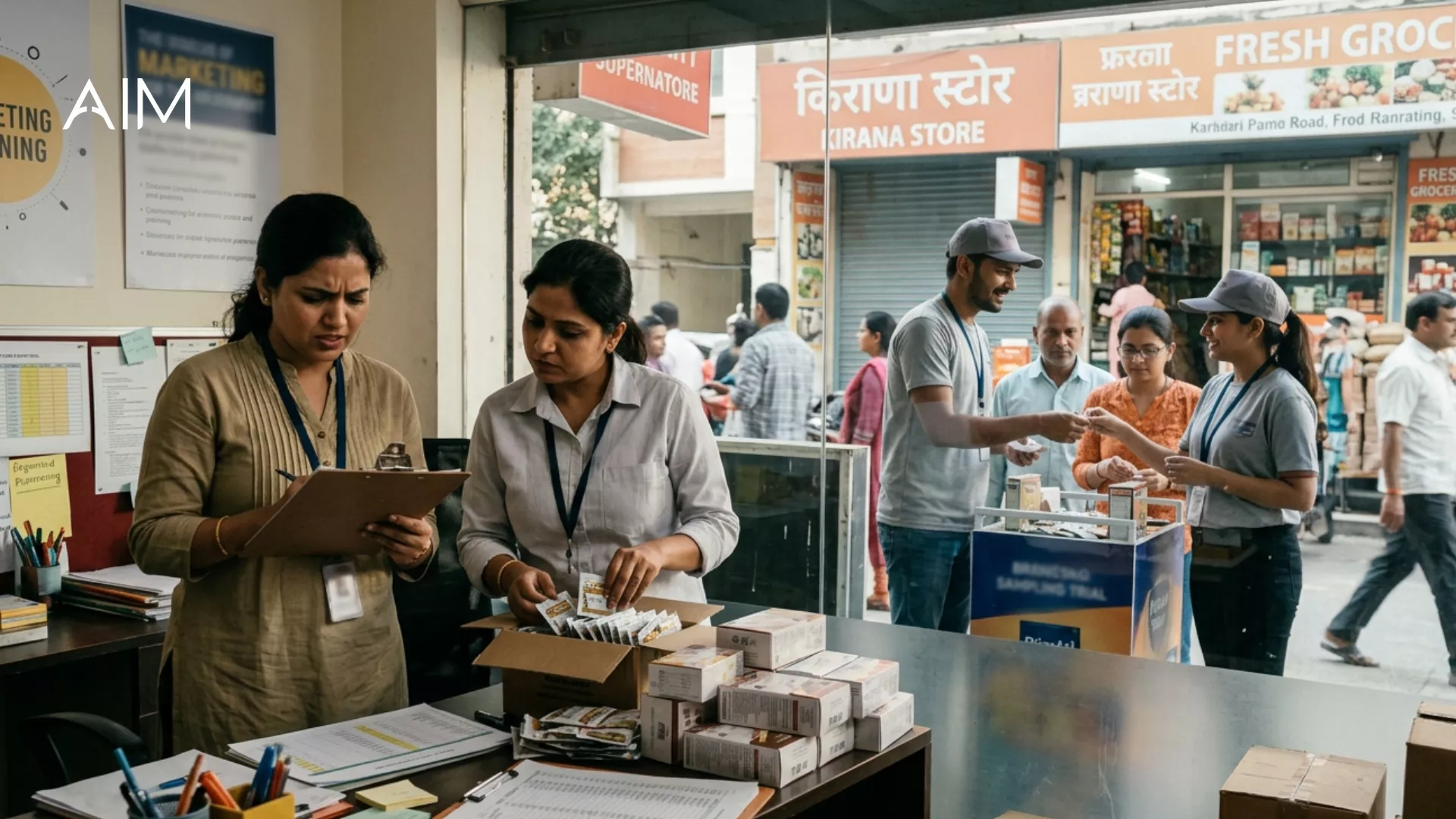
Often, yes, and the smartest campaigns do. A snack brand might sample in-store for impulse trial and run e-commerce inserts to reach online shoppers who never walk the aisle. A skincare brand might use in-store only for a quick-verdict product like a face wash while sending its serum through residential sampling that allows a proper trial window. The mistake is treating in-store as the automatic answer for everything. Match each product, and each format within a range, to the place where its buyer actually decides. That is how a sampling budget stops leaking and starts converting.
None of this changes the one rule that runs under all of it. Wherever you sample, capture the person and track whether they bought. In-store or elsewhere, a sample you cannot trace is a question you cannot answer. The room decides whether the trial lands. The tracking decides whether you ever know.







.webp)











.png)