
.webp)


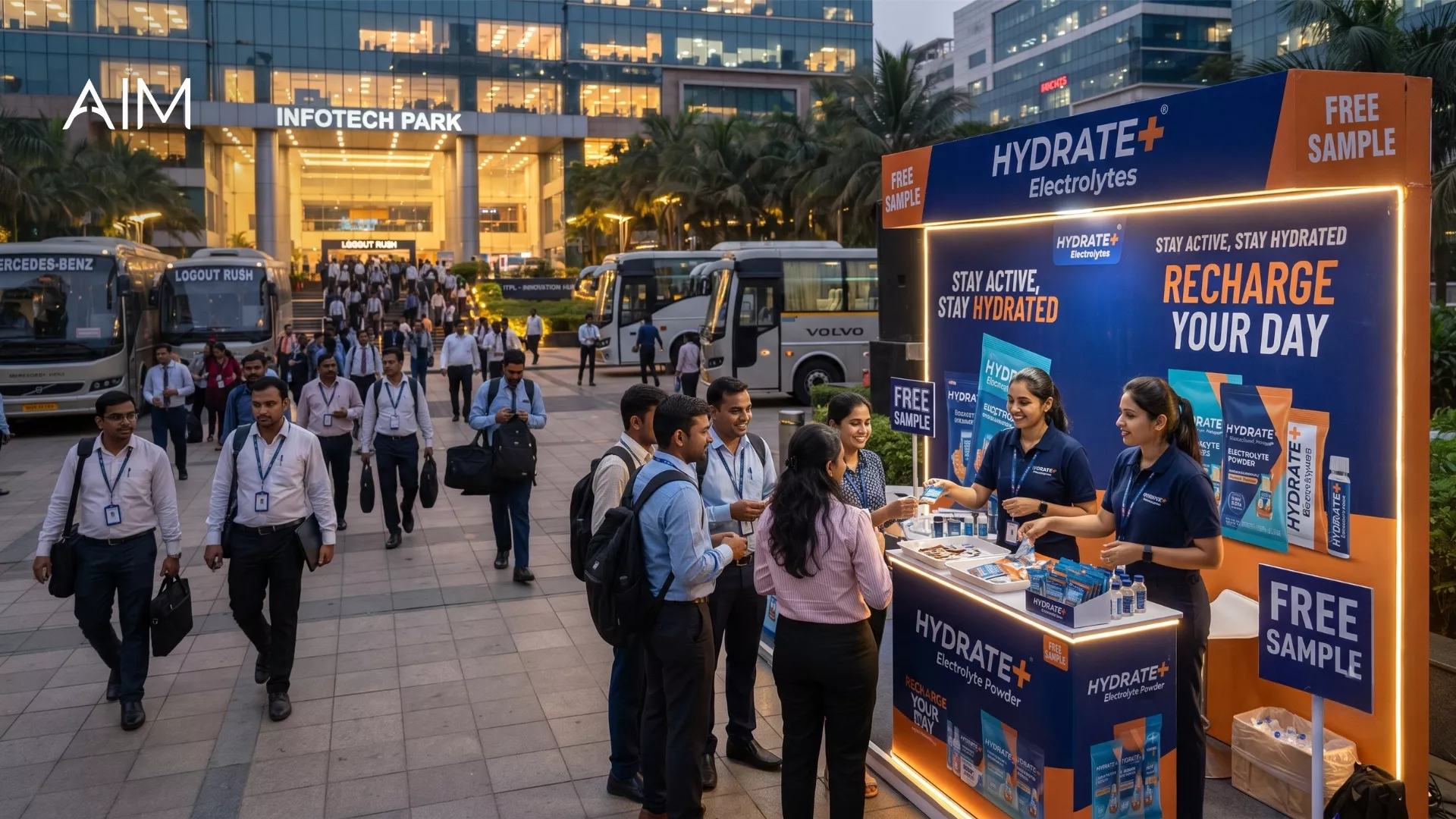
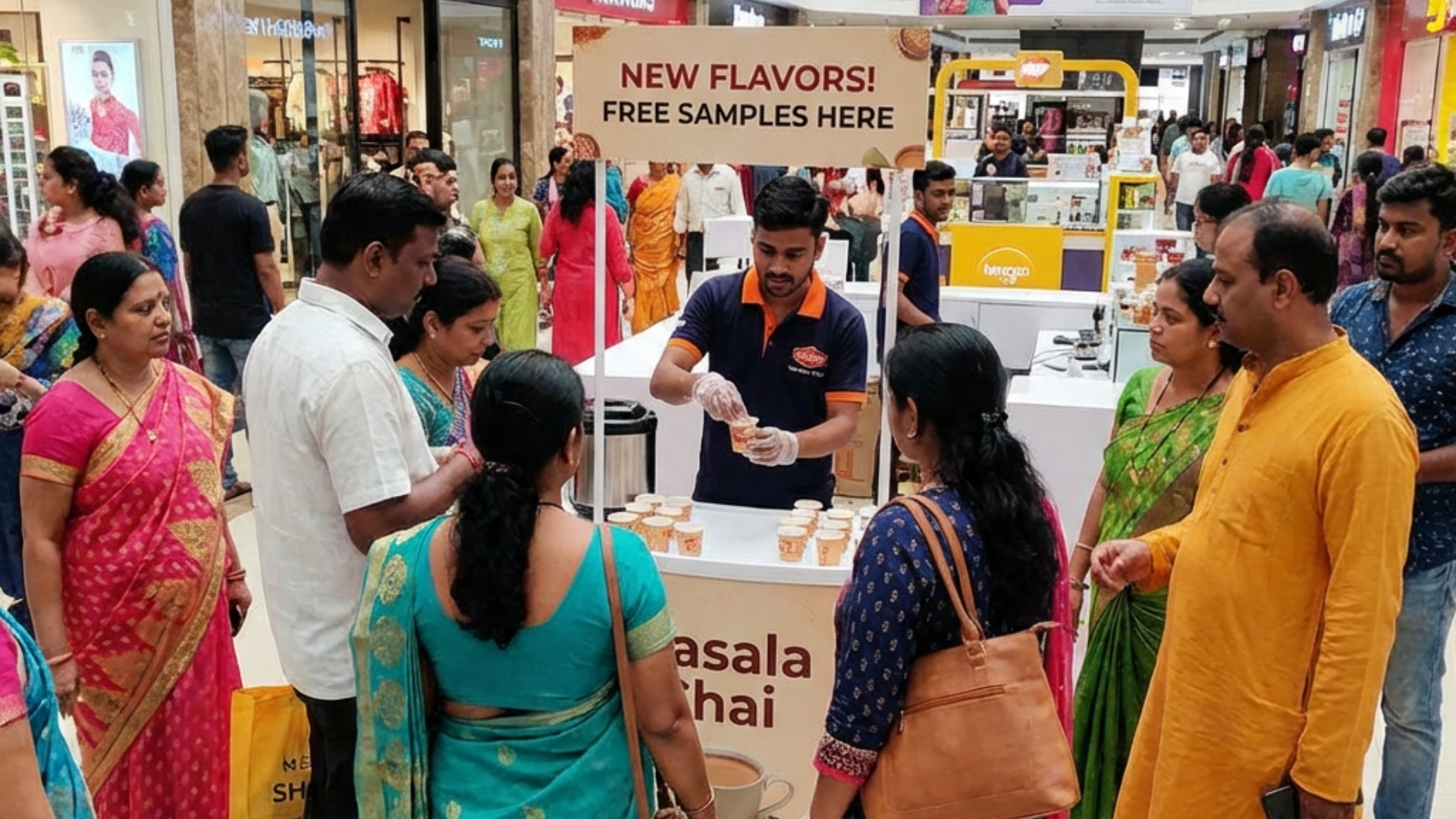
Beverage sampling used to be simple to picture. A promoter, a cooler, a tray of little chilled cups, and a busy spot where thirsty people walked past. The whole thing rested on one moment: the sip. Then a large share of drink buying moved onto quick commerce, and that moment vanished. There is no promoter in a ten-minute delivery, no chilled cup, no tray, and crucially no way to taste the drink before it arrives. So a fair question follows: how do you sample a beverage on quick commerce, where the one thing beverage sampling always depended on is gone? Here is how it actually works, and why it can still convert.
Quick answer: You sample a beverage on quick commerce mainly through sample inserts and sample-with-purchase, placing a trial of your drink into the orders of people already buying the category, matched to their basket, with a code that tracks the trial to a first purchase and a reorder. You cannot recreate the in-person sip, so instead you reach the right buyer at home, in a real moment of thirst, make the single serve genuinely enjoyable to try, and make the full purchase one tap away. Done this way, quick-commerce beverage sampling trades the live tasting for precise targeting and measurable trial.
What does sampling a beverage on quick commerce mean?
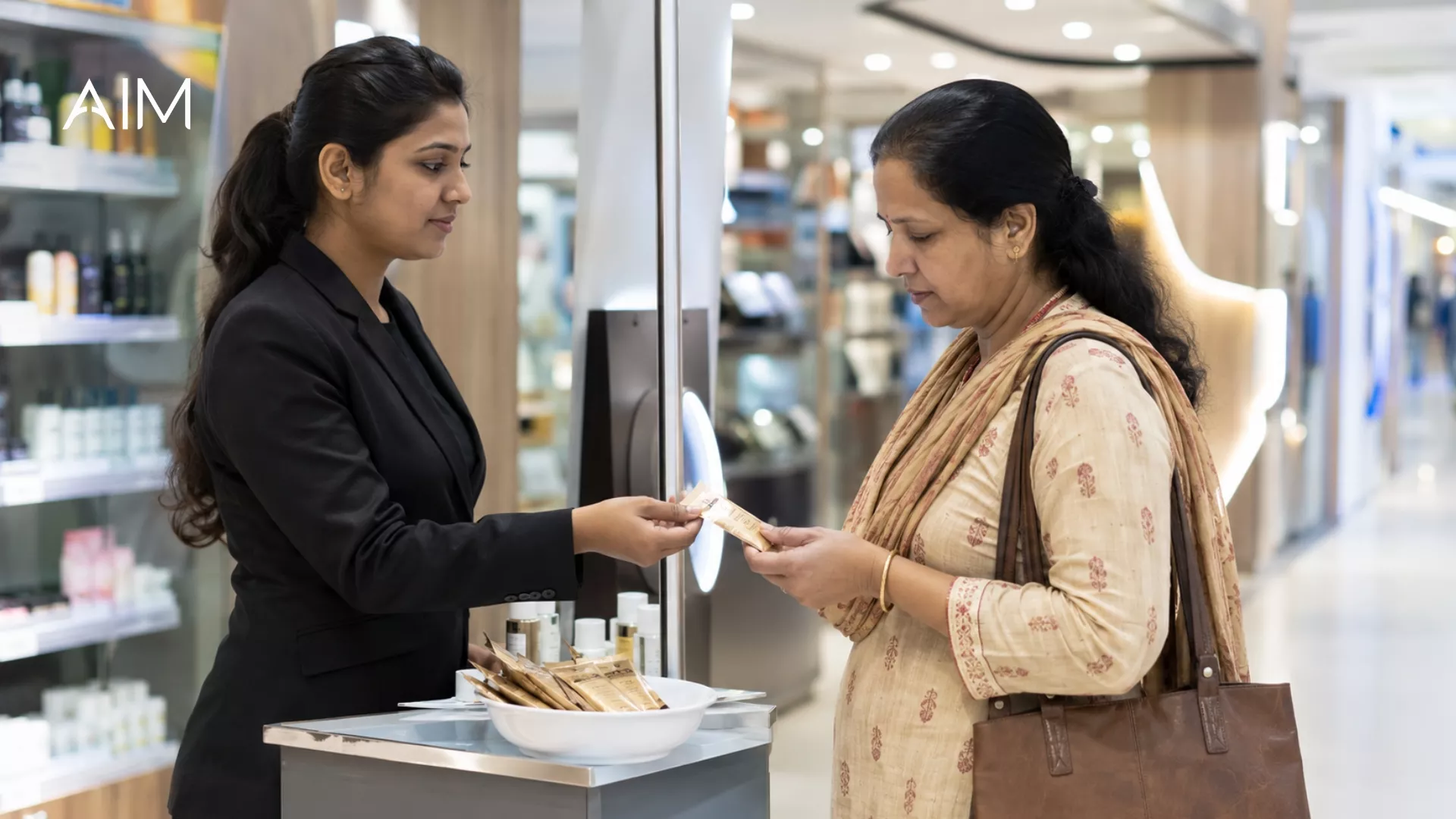
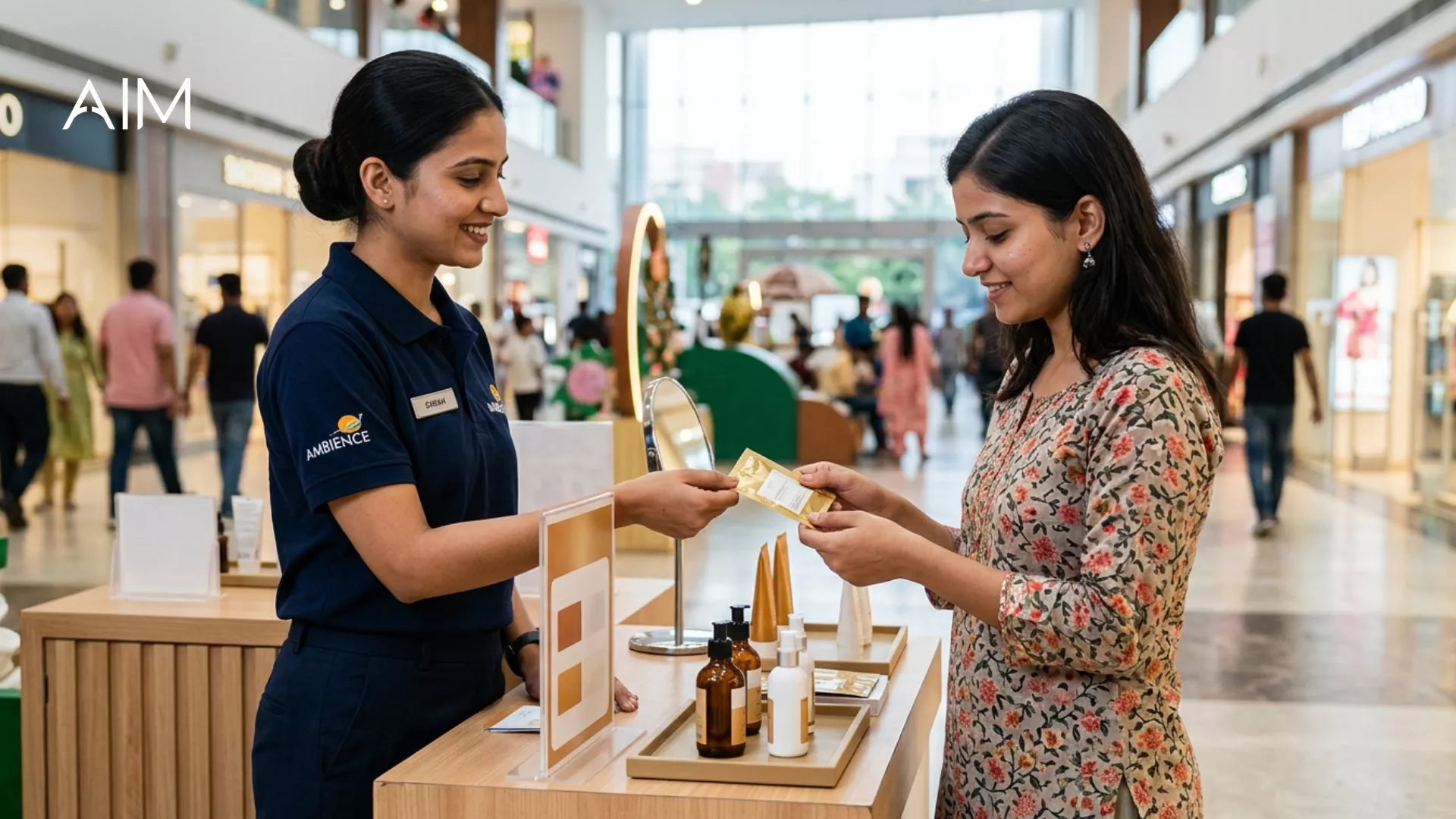
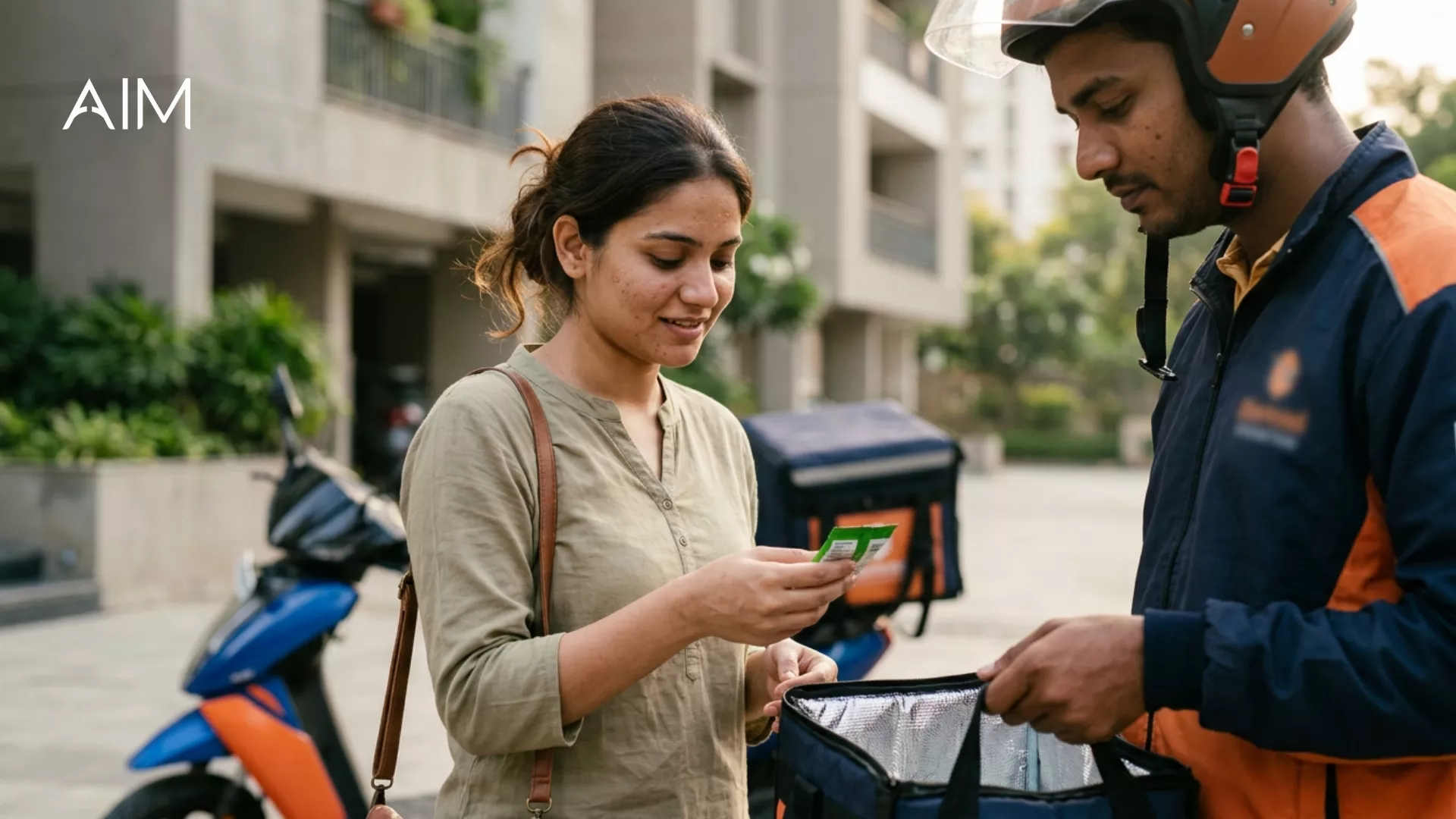
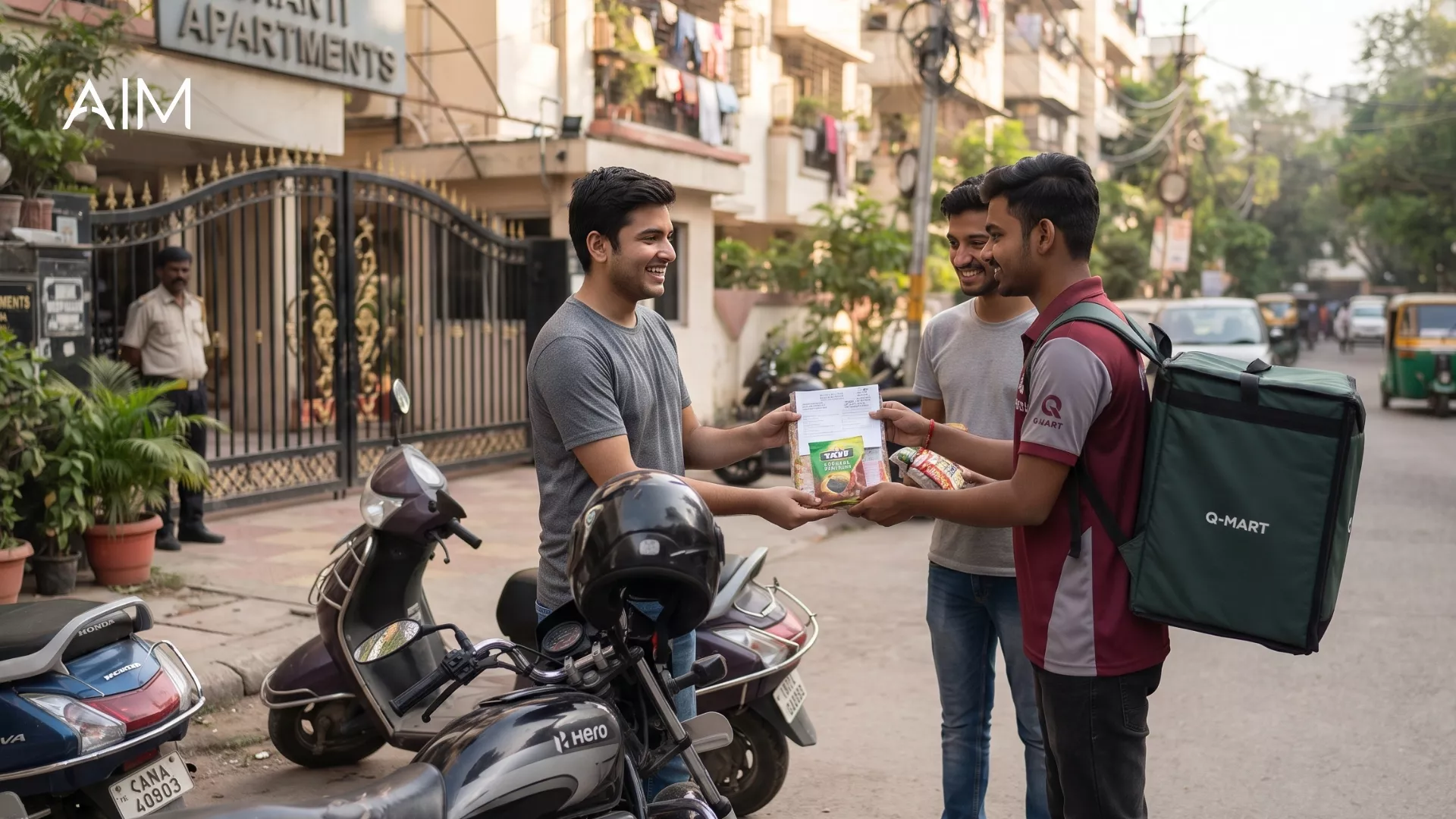
Quick-commerce beverage sampling means getting a trial of your drink to a shopper through a fast-delivery platform rather than through a promoter on the street. In practice it takes two main forms. The first is the sample insert, where a single-serve trial of your beverage rides along inside someone's order. The second is sample-with-purchase, where a relevant order, say a snack or grocery basket, triggers a free trial of your drink. Both share the same logic: instead of hoping a thirsty stranger walks past a table, you place the drink into the basket of someone already shopping the category, and let them try it at home, in their own moment. It is beverage sampling relocated from the pavement to the delivery bag.
Why is beverage sampling on quick commerce so hard?
Because the format removes the three things traditional beverage sampling relied on. There is no live sip, so the buyer judges the drink on their own, at home, without the promoter framing the experience. There is no temperature control at the point of trial, so a drink built to be enjoyed ice-cold might be opened warm from a shelf. And there is no human to explain, persuade, or answer a question in the moment. These are real constraints, and pretending otherwise leads to disappointment. But they are constraints of the old sampling playbook, not of trial itself. Quick commerce takes away the staged sip and gives back something traditional sampling never had: the ability to reach the exact buyer, at home, matched to what they already drink, and to actually track what the trial did next.
How do you sample a beverage on quick commerce?
The method is about reaching the right basket and making the trial easy to love. The essentials:
- Use sample inserts matched to the basket. Place your single-serve trial into orders that signal category interest, a cold coffee trial with coffee and snack baskets, a health drink with a wellness order, so the drink reaches someone predisposed to like it.
- Use sample-with-purchase on relevant orders. Trigger a free trial of your drink when a complementary or category-adjacent order is placed, so the trial lands with a buyer already in the right mindset.
- Make the single serve genuinely enjoyable. Since there is no promoter to stage it, the pack has to do the work: the right serve size, a clear, appetising design, and a simple serving suggestion, chill it, add ice, best over the rocks, so the buyer recreates the intended experience at home.
- Make the full purchase one tap away. Pair the trial with a code or link that lets the buyer reorder the full product on the same platform instantly, while the taste is fresh, because the whole advantage of quick commerce is that buying is frictionless.
- Incentivise a rating or review. Ask the trier for feedback or a rating in exchange for a small reward, which both surfaces insight and seeds social proof on the platform where the next buyer will decide.
How do you make the trial land without a live sip?
This is where quick-commerce beverage sampling is won or lost, because the pack and the moment have to do what a promoter used to. Design the trial to be self-explanatory and appetising, so opening it feels like a treat rather than a mystery. Give a serving instruction that recreates the intended experience, since a drink meant to be ice-cold tastes wrong warm, and a simple chill it first line protects the sip you cannot control. Choose a serve size big enough to give a fair, satisfying taste, not a token sip that proves nothing. And time and target the insert so it arrives with a buyer likely to be in a drinking moment, a cold drink with a summer grocery run, a functional drink with a wellness basket. You are not replacing the sip, you are engineering the conditions for the buyer to give themselves a good one.
How quick-commerce sampling compares to street sampling
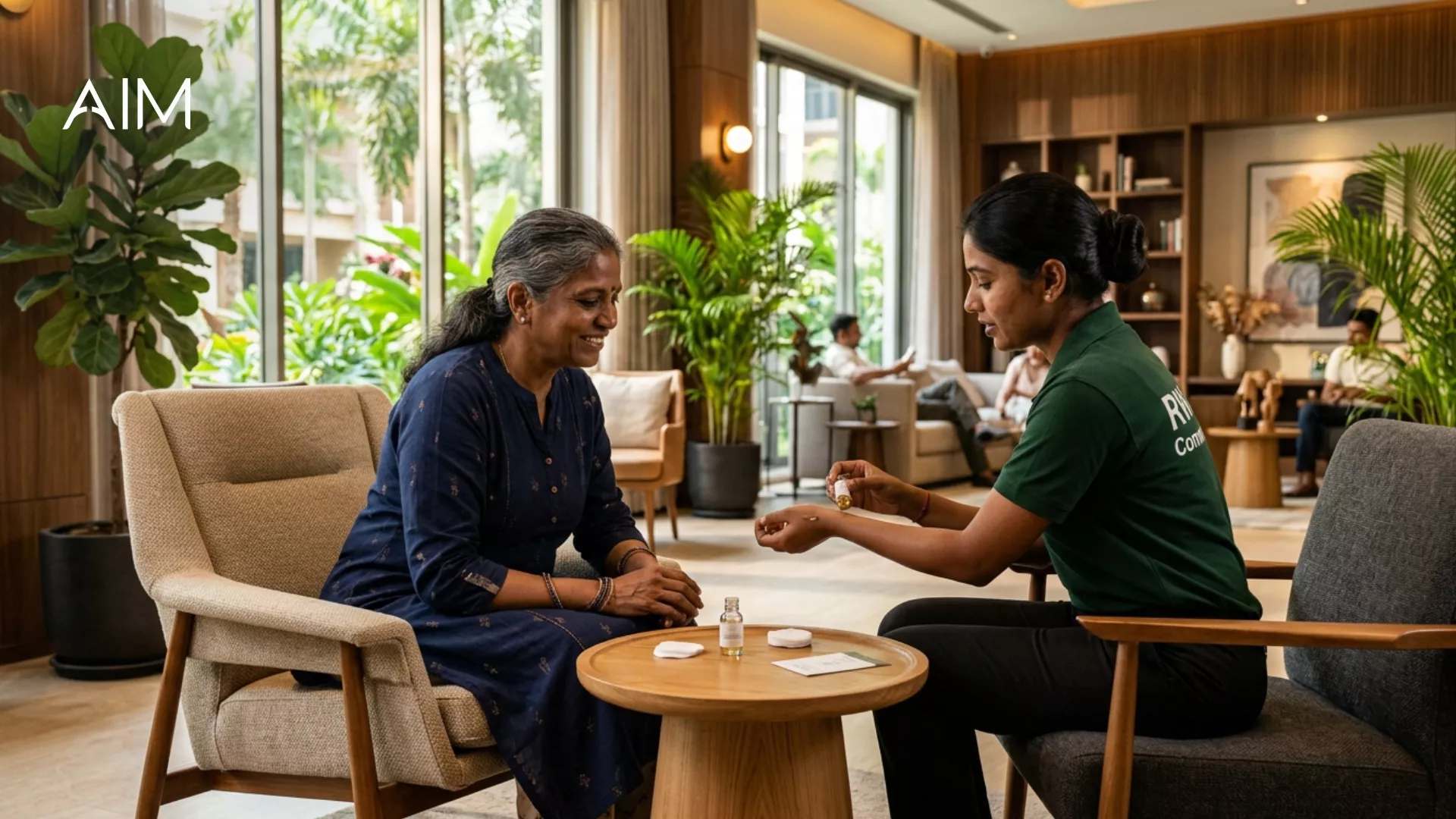
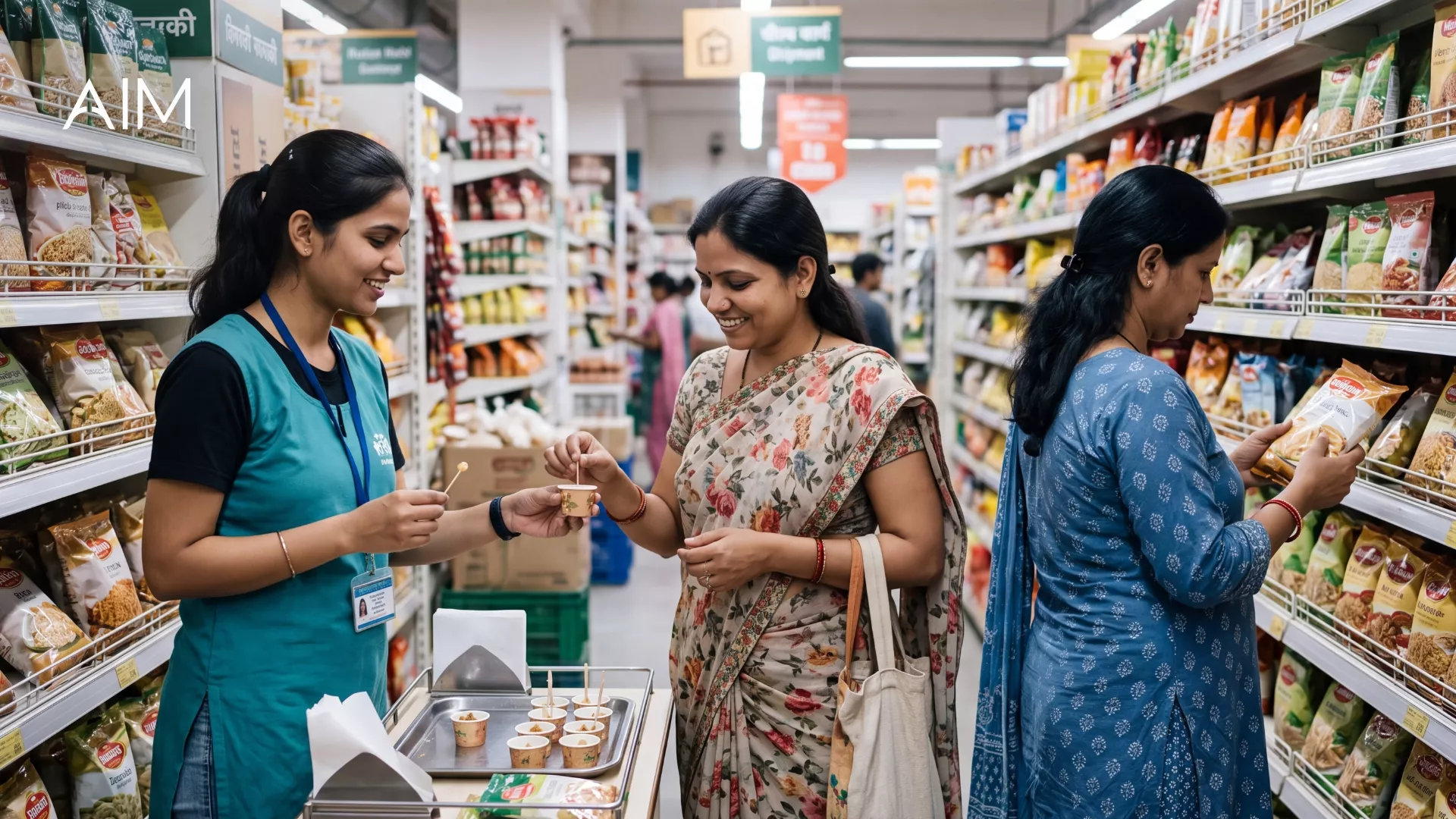
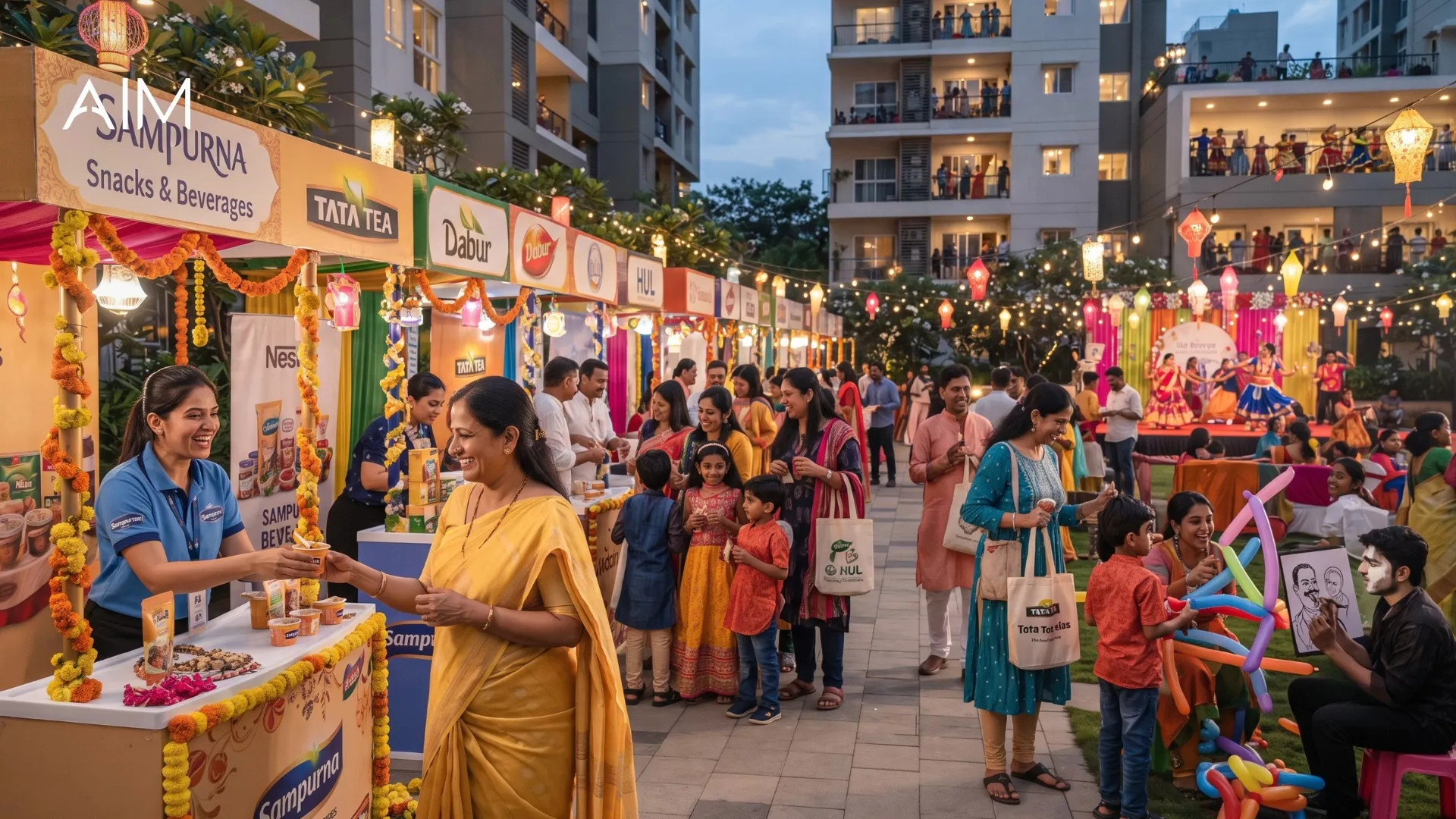
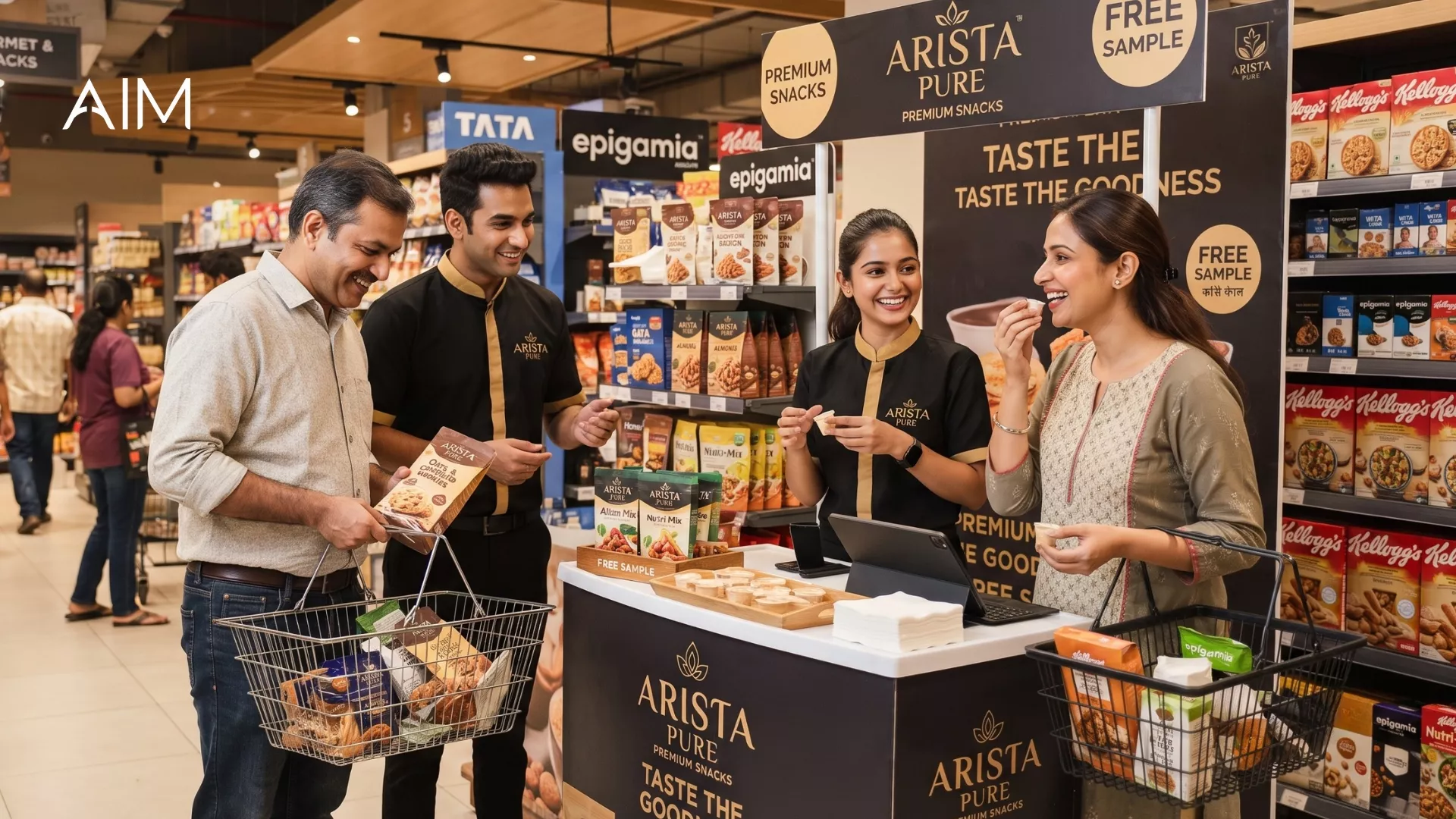
It helps to be honest about the trade rather than pretend one format simply beats the other. Street and in-store beverage sampling still owns the live sip: a promoter can serve the drink cold, at its best, and read the buyer's face in real time, which is powerful when the sip is the whole sell and the location matches your buyer. What it cannot do is tell you who those people were or whether any of them bought. Quick-commerce sampling gives up the staged sip and gains everything the street lacked: it reaches a named, category-buying household at home, matched to their basket, and it tracks the trial to a purchase. So the two are not rivals so much as tools for different jobs. Use on-ground sampling where a controlled, cold sip in the right place is decisive, and use quick commerce where precise targeting, reach into the home, and measurable trial matter more than staging the taste. Increasingly, the strongest beverage plans use both, the street for the sip and quick commerce for the data and the reorder.
Which beverages fit quick-commerce sampling?
The fit is strongest where the buyer already shops the category on quick commerce and the drink can travel and be enjoyed at home. Everyday and functional beverages, cold coffees and teas, health and wellness drinks, juices, soft drinks, energy and hydration drinks, and new D2C beverage brands whose audience is urban and online, all sit naturally here, because their buyers order exactly these categories on fast delivery. It is a weaker fit for drinks that genuinely must be served fresh or on-premise to be judged fairly, or whose buyers rarely shop online. The honest test is whether the drink can survive the trip and still deliver a fair sip at home, and whether your buyer is actually on the platform in the first place.
How do you measure quick-commerce beverage sampling?
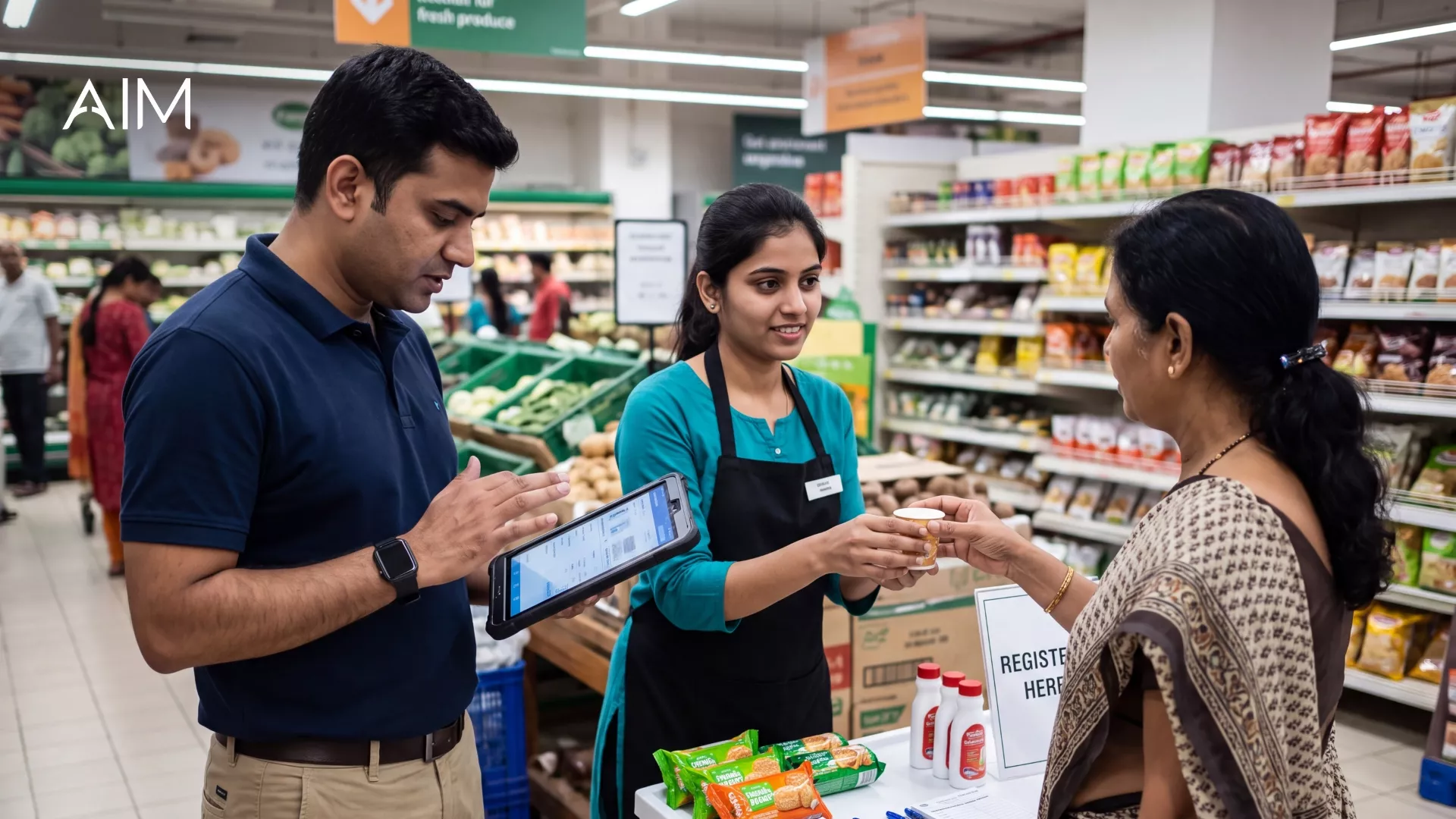
This is the quiet advantage that offsets the lost sip. Because the whole thing is digital, quick-commerce beverage sampling is measurable in a way street sampling never was. Each insert or sample-with-purchase can carry a code or link, so you can follow who tried the drink to a first purchase and, in a repeat-driven category, to a reorder. You can see which baskets and which cities converted, and move the next round toward what worked. You can read ratings and reviews the trial generated. Instead of a promoter's headcount, you get a funnel: reached, tried, bought, repeated. That is how AIM runs beverage sampling on quick commerce: the trial placed into the right basket, the pack built to deliver a fair sip at home, the reorder made frictionless, and the whole thing tracked, so a brand knows not how many cups it poured, but how many buyers the trial actually won.

















.png)