


Brands obsess over where to sample and who to reach, and then launch whenever the plan happens to be ready, and the when gets treated as an afterthought. Yet the same campaign, run in the right month, can convert far better than it would have two months earlier or later, because a sample only works when it meets a person at a moment they care about the category. Timing is a lever most brands leave untouched. Here is how to think about the best time of year to run a product sampling campaign, and why the answer is never just whenever you are ready.
Why does timing change how a sample performs?
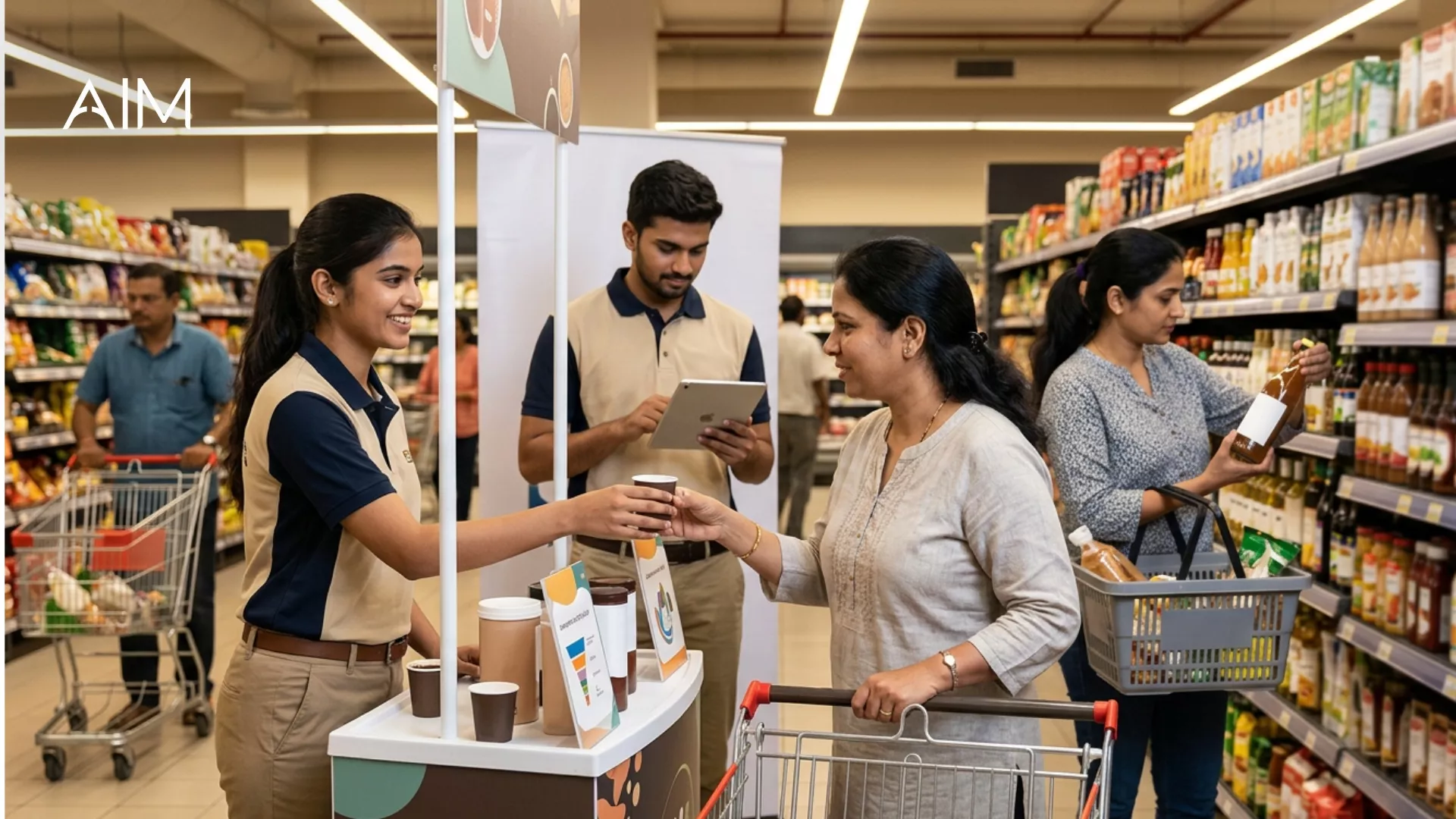
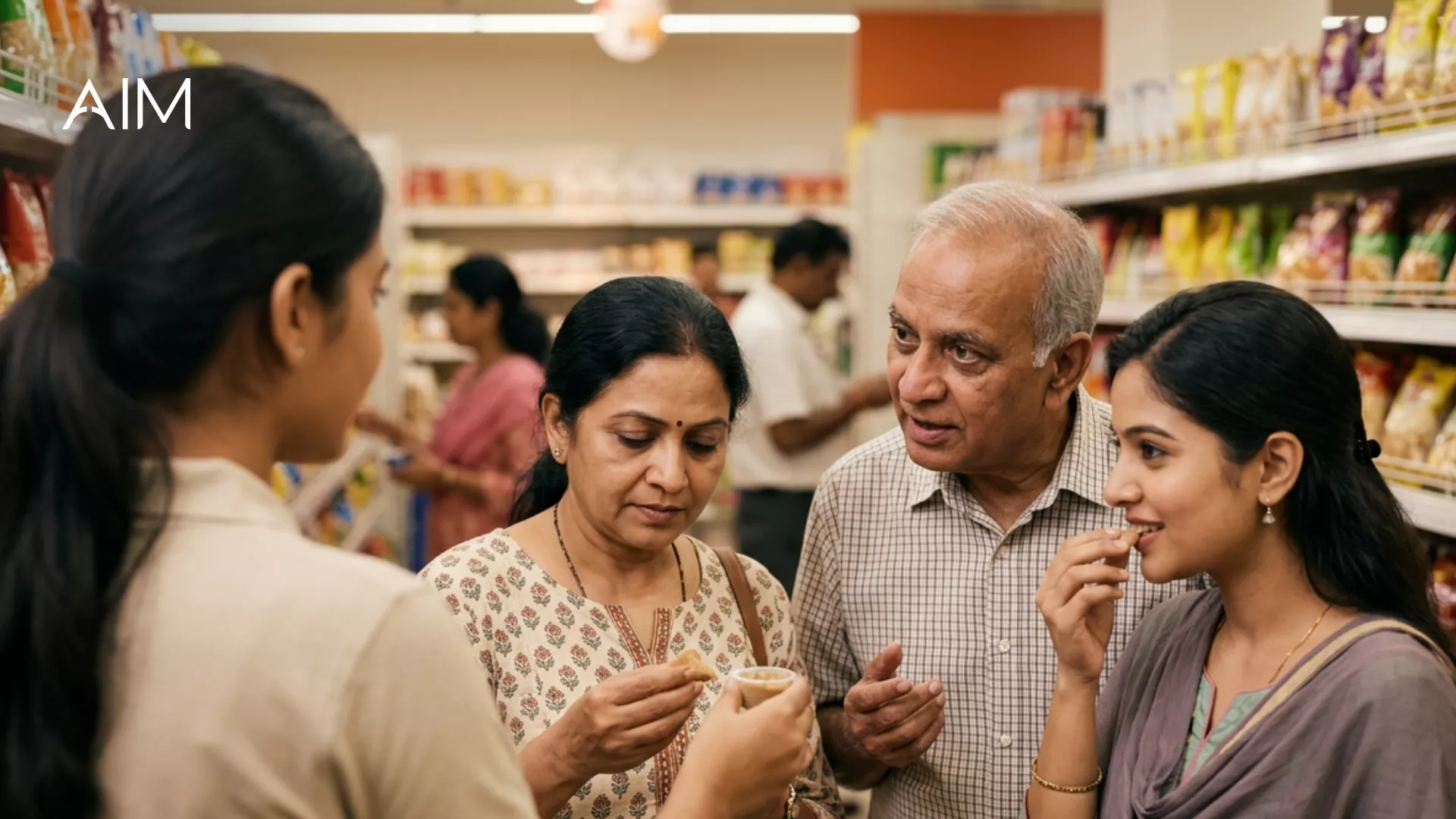
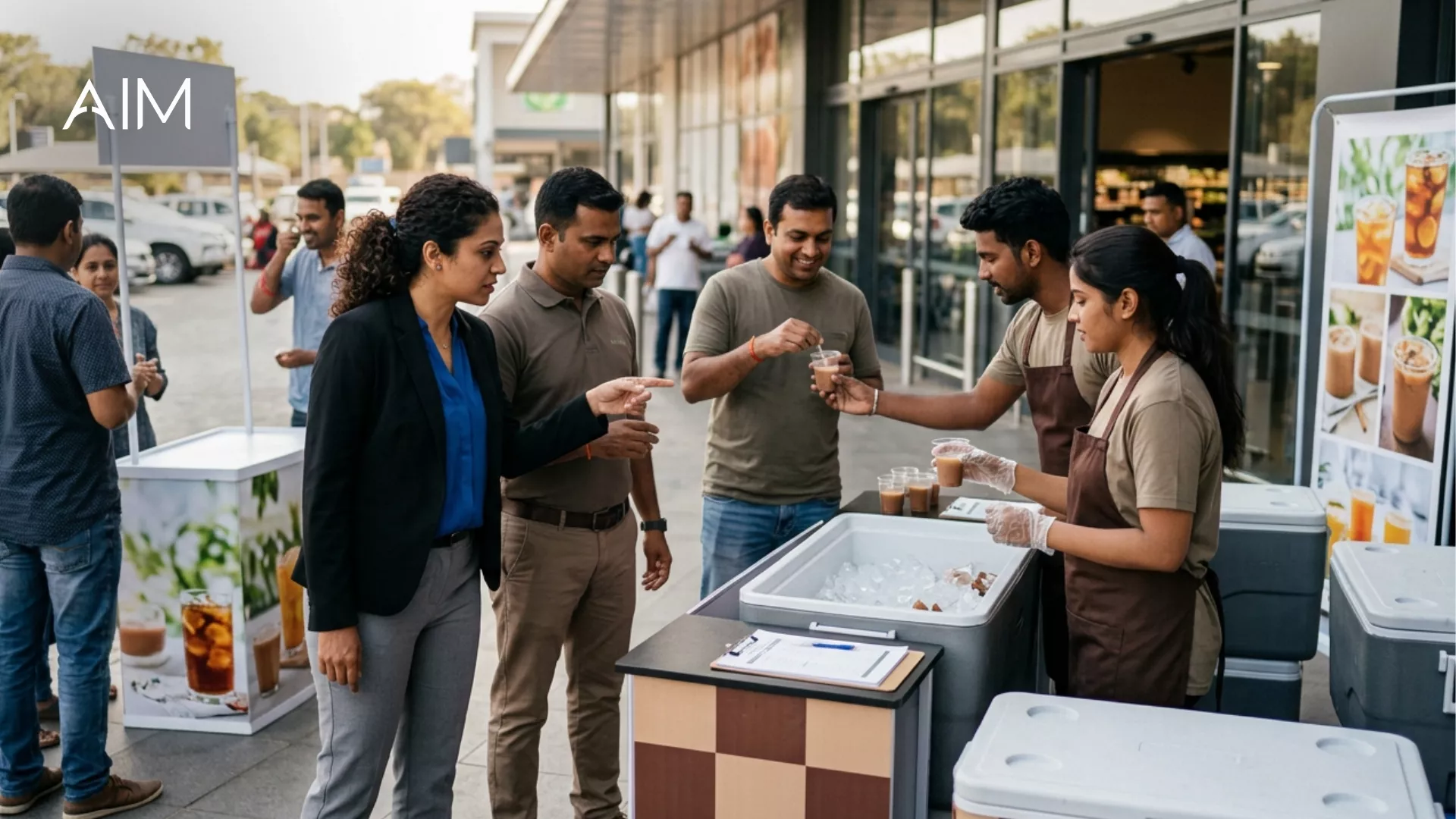
A product sample converts when the person who receives it has a live reason to care about that category. That reason rises and falls through the year. A cold beverage sampled in peak summer meets real thirst; the same drink sampled in the monsoon meets indifference. A wellness product sampled in the new-year resolution window meets intent; sampled in a sluggish month it meets a shrug. The product did not change. The buyer's readiness did. Running a product sampling campaign in the season when demand for the category is naturally climbing means the sample lands on people already leaning in, which is the cheapest conversion advantage there is.
What are the seasonal windows that matter in India?
A few patterns repeat across the Indian year and are worth planning around. The festive stretch is the big one: the months around the major festivals bring heightened spending, gifting, home refreshes and a general openness to new brands, which suits food, home care, personal care, gifting and premium products. Summer drives demand for cold beverages, hydration, cooling and skin products. The new-year window favours wellness, fitness and self-improvement categories, when resolutions make people receptive. Back-to-season moments, the start of an academic year, a wedding season, a harvest season in agri markets, create their own demand spikes for the relevant categories. The skill is knowing which of these windows your category actually rides.
How does the category decide the right window?
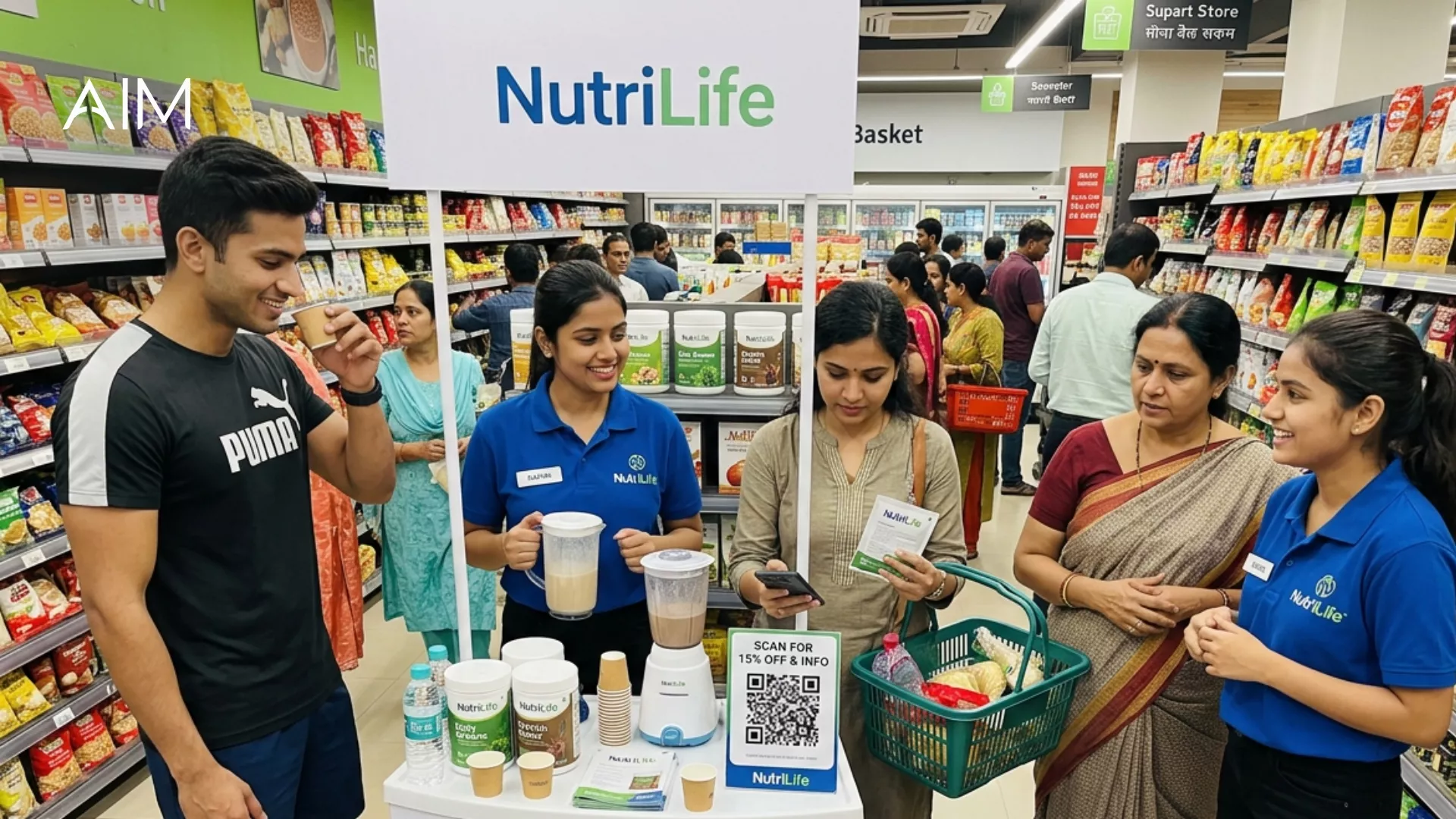
There is no single best month for sampling, because the right time is category-specific. The question to answer is simple: when does demand for this product naturally peak, and when are buyers most open to trying a new one? For a seasonal product, sample just as the season begins to build, so the trial converts into purchases across the whole season rather than at its tail. For a gifting-relevant product, the run-up to the festive and wedding periods is prime. For a habit product like a supplement or a health food, the resolution window gives a reason to start. Map your category's demand curve across the year first, and the sampling window usually names itself. A quick test helps: picture the week your sample reaches someone and ask whether that person is likely to be thinking about the category at all that week. If the honest answer is no, the window is wrong no matter how good the plan around it is.
Should you sample before the peak or during it?
This is the detail that separates a well-timed campaign from a merely seasonal one. The instinct is to sample at the height of the season, when everyone is buying. Often the sharper move is to sample just before the peak, so the trial, the experience, and the decision to adopt all happen while the buyer still has the whole season ahead of them to keep buying. Sample a summer drink in the first hot week, not in the last, and a convert buys it for months rather than days. Sample a festive product a little ahead of the rush, and you are the brand already chosen when the spending starts. Being early to the season beats being loud in the middle of it.
When should you avoid running a sampling campaign?
Timing also means knowing when not to sample. Avoid the dead months for your category, when demand is at its lowest and even a good trial meets no intent to act on it. Avoid clashing with a period when your audience is distracted or absent, a long holiday when the target market has left the city, an exam season for a student audience, a lean financial stretch when discretionary spending is tight. And avoid sampling into a moment the product cannot serve, a cold drink in winter, a heavy comfort food in peak summer. A campaign run in the wrong window is not only less effective; it can convince a brand that sampling does not work, when the real problem was only the month.
How do festivals and events change the plan?
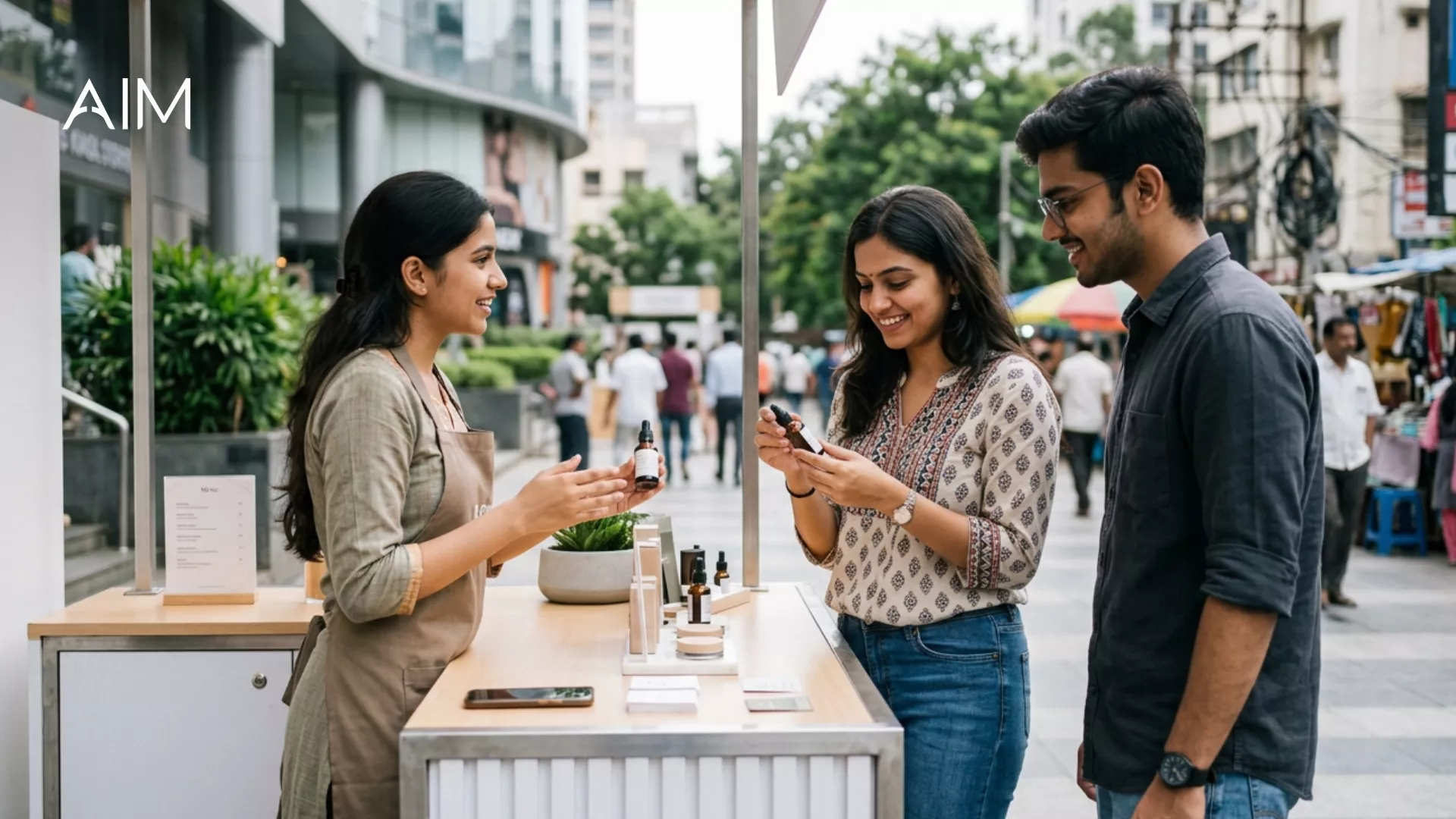
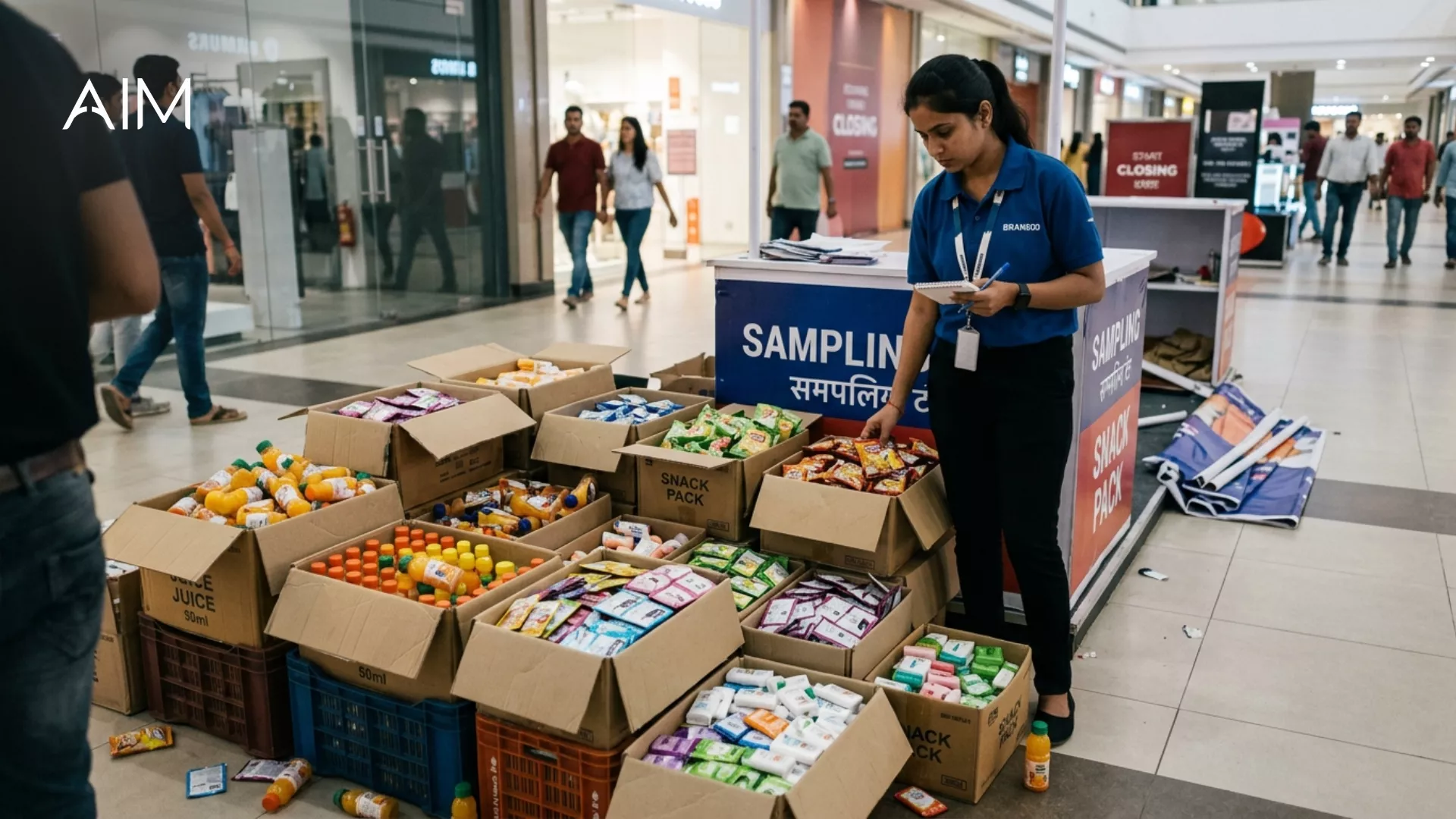
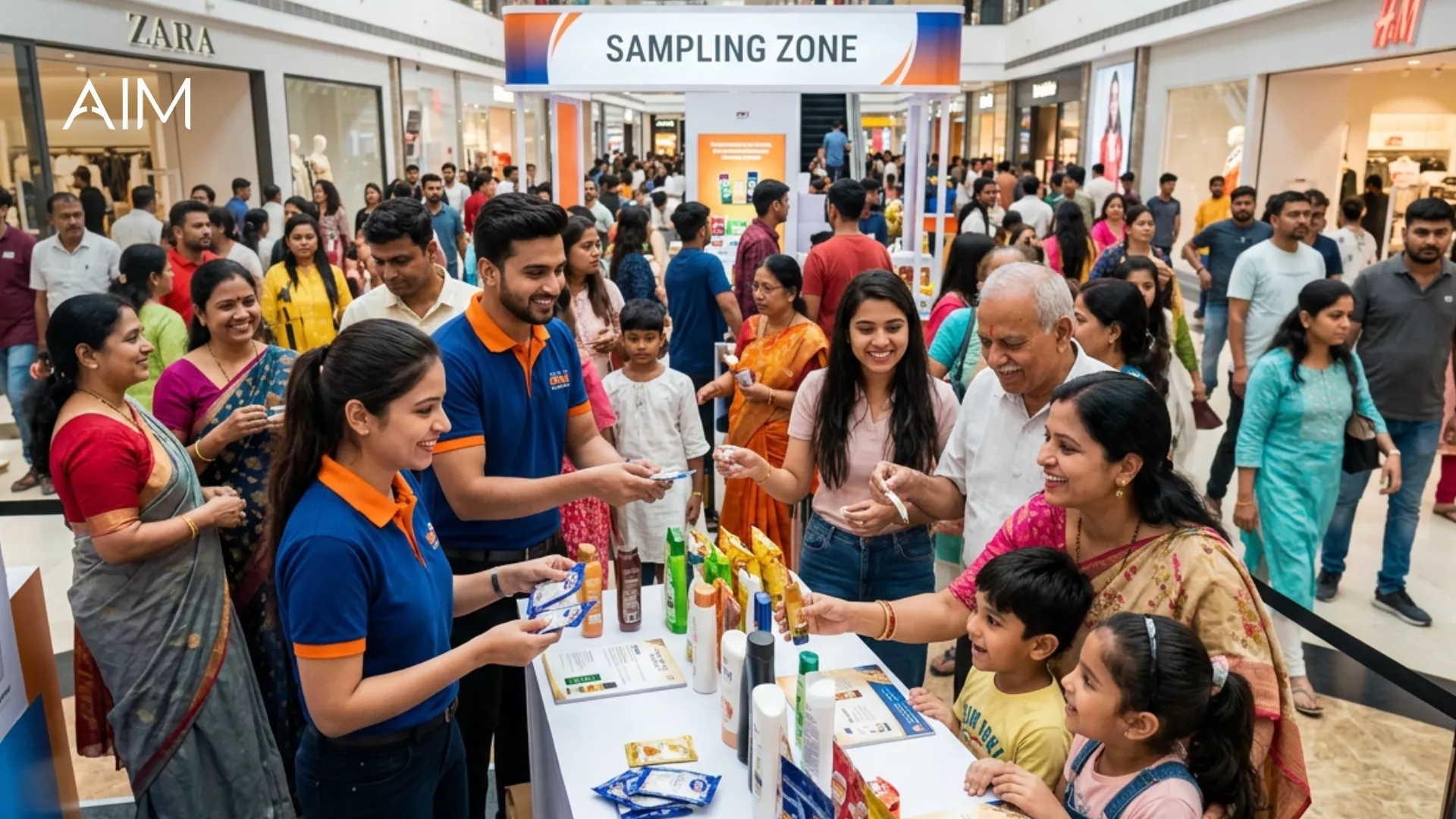
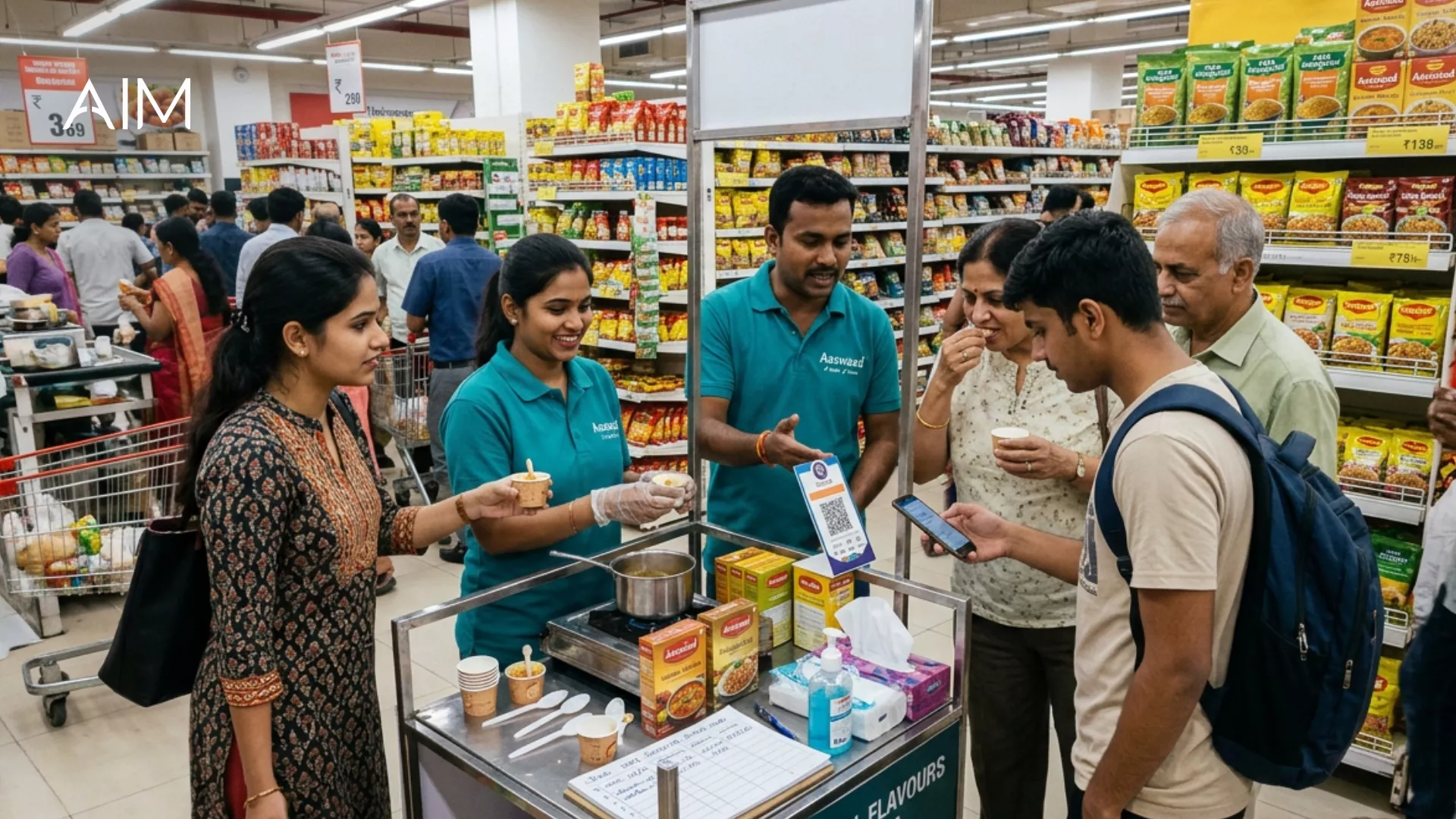
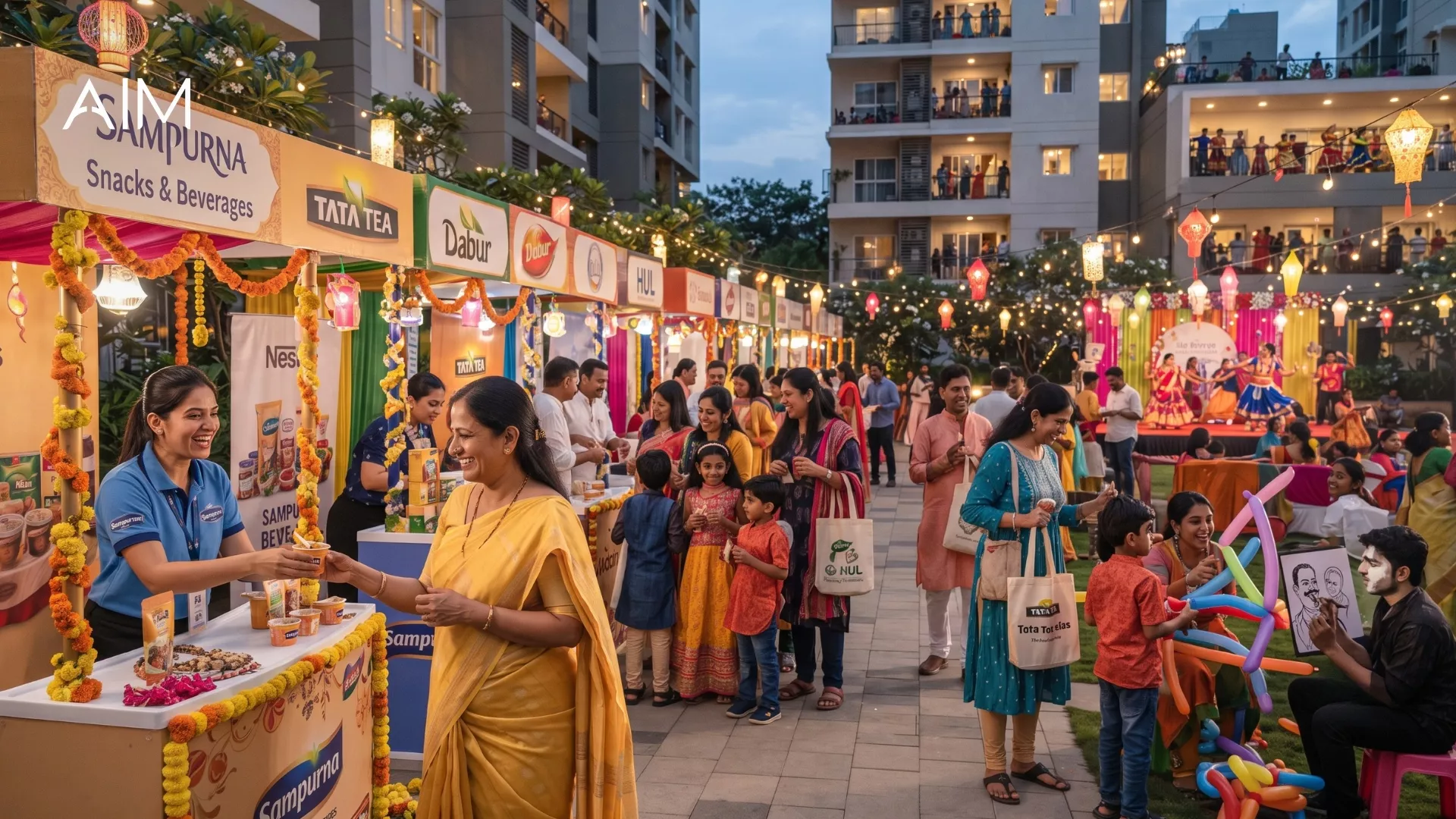
Festivals and large local events concentrate attention, footfall and spending, which makes them powerful sampling moments, but they come with a catch. Everyone else is competing for the same attention, so the cost of space rises and the clutter is heavy. The brands that win festive and event sampling do two things: they book and plan well ahead, because prime access gets taken early, and they make sure the product genuinely fits the occasion, so the sample feels relevant rather than like one more thing pushed in a crowded moment. A festival is a crowd with its wallet open. It rewards the brand that arrives prepared and relevant, and swallows the one that turns up late and generic.
How do you build a year-round sampling calendar?
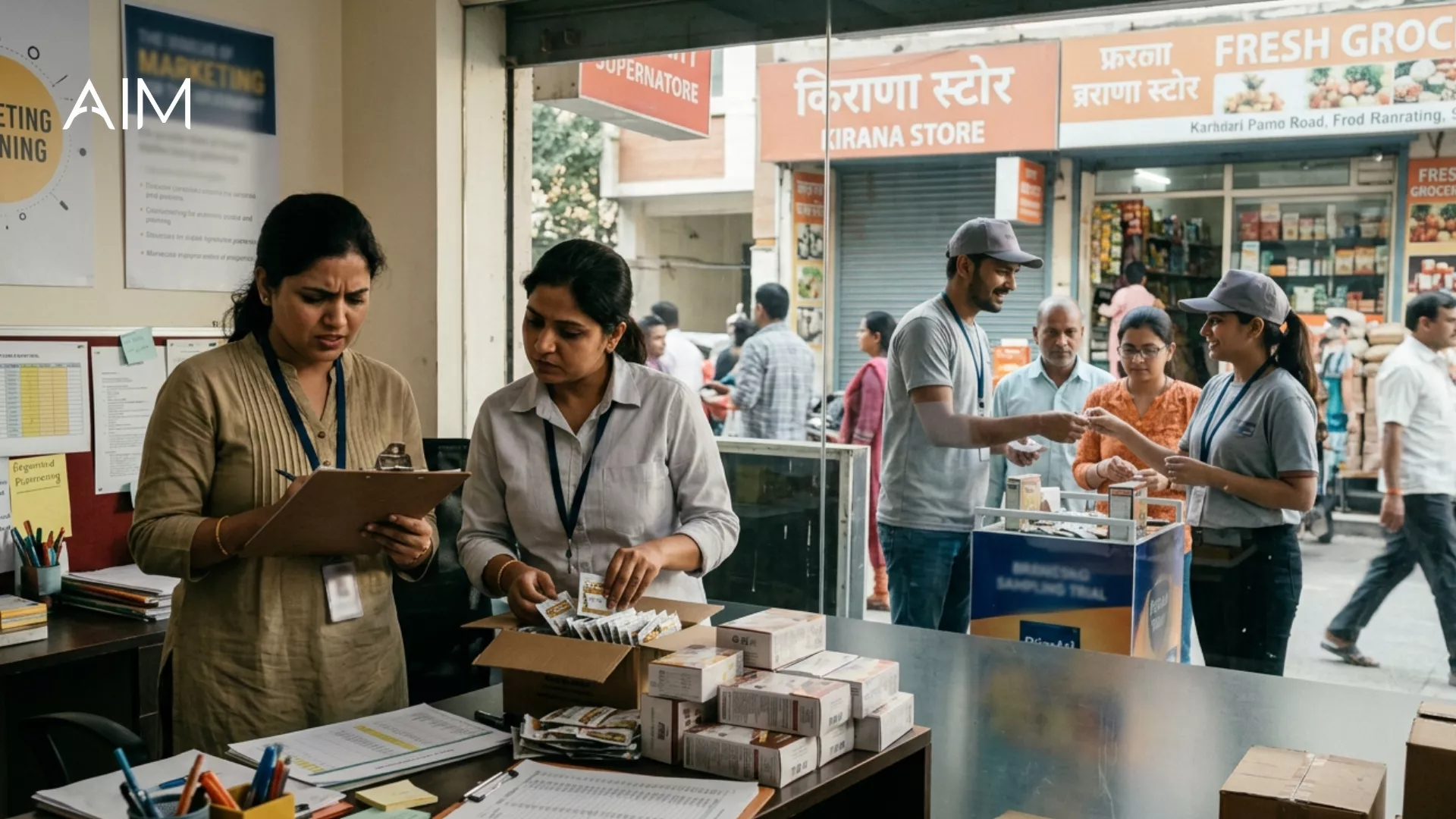
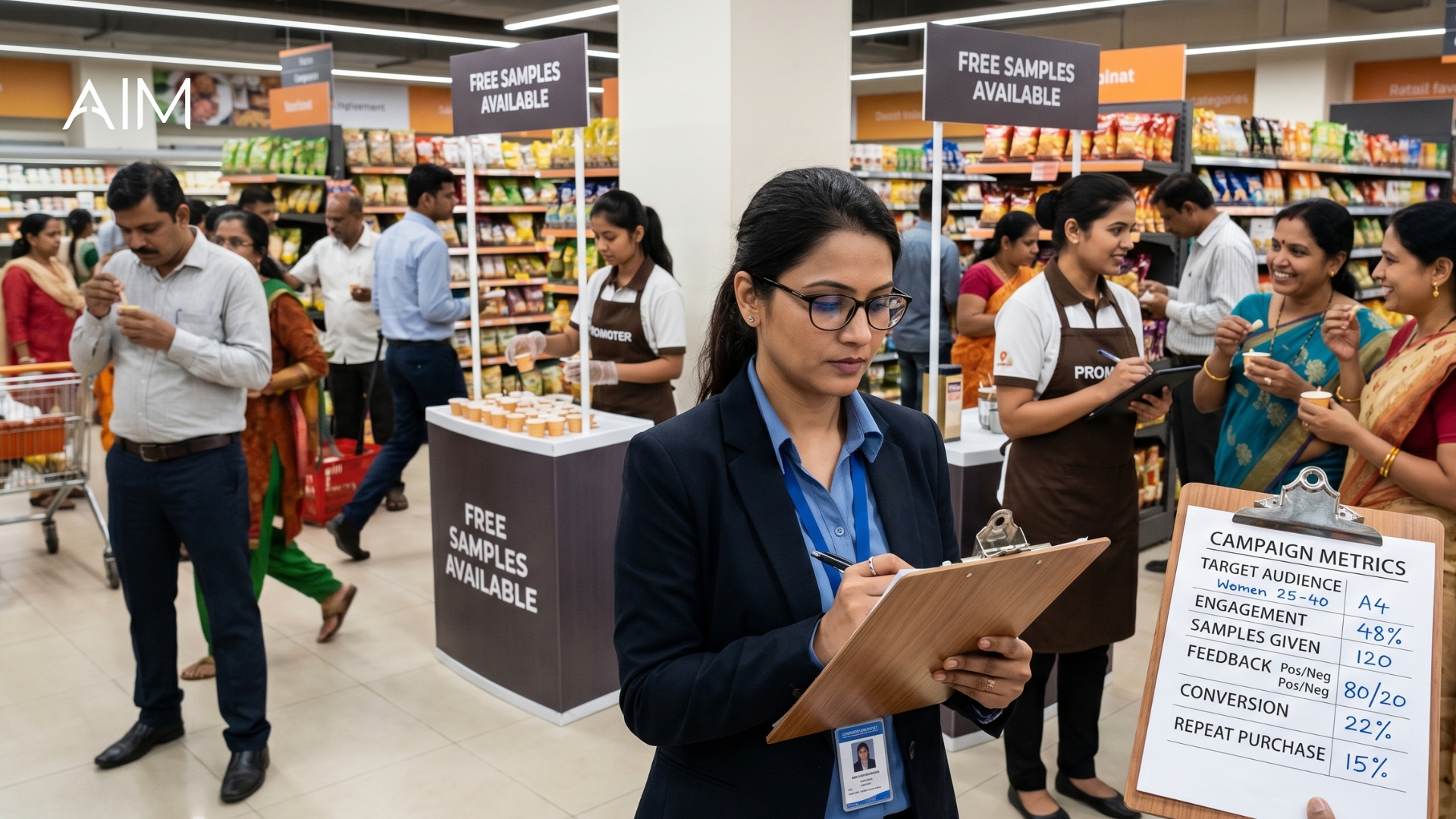
The strongest approach is to stop treating sampling as a one-time event and start treating it as a calendar. Map your category's demand across the twelve months, mark the peaks and the dead zones, align the main campaigns to the windows where demand and openness are both high, and plan the lead time so you are ready just before each window rather than scrambling into it. A calendar also lets you learn: run in a window, measure what converted, and use that to time the next year better. Over time the brand stops guessing when to sample and starts knowing, which is how timing turns from an afterthought into an advantage. The calendar also stops the common trap of sampling simply because budget is available at quarter-end, a reason that has nothing to do with whether the buyer is ready.
How AIM approaches the timing of a sampling campaign
AIM's product sampling services is planned with the same care as where and to whom. That means mapping the category's real demand curve across the year, aligning the campaign to the window where the buyer is most ready, favouring a start just ahead of the peak so a convert buys through the whole season, avoiding the dead months and the moments the product cannot serve, and planning festive and event runs early enough to secure relevant access. And because every campaign is measured, each run teaches the brand how to time the next one better. The goal is simple: put the sample in the right hands in the right month, so the timing works for the campaign instead of against it.
The right month is part of the strategy
Where you sample and who you reach decide a lot, but when you sample quietly decides the rest. A sample that meets a buyer at a moment of real interest converts; the same sample in a flat month is wasted. Read your category's year, sample just ahead of its peaks, avoid its dead zones, and treat the calendar as part of the plan rather than an accident of when the campaign was ready. Get the timing right and everything else in the campaign works harder, because the hardest part of conversion, a buyer who already wants the category, the season did for you.













.webp)











.png)