
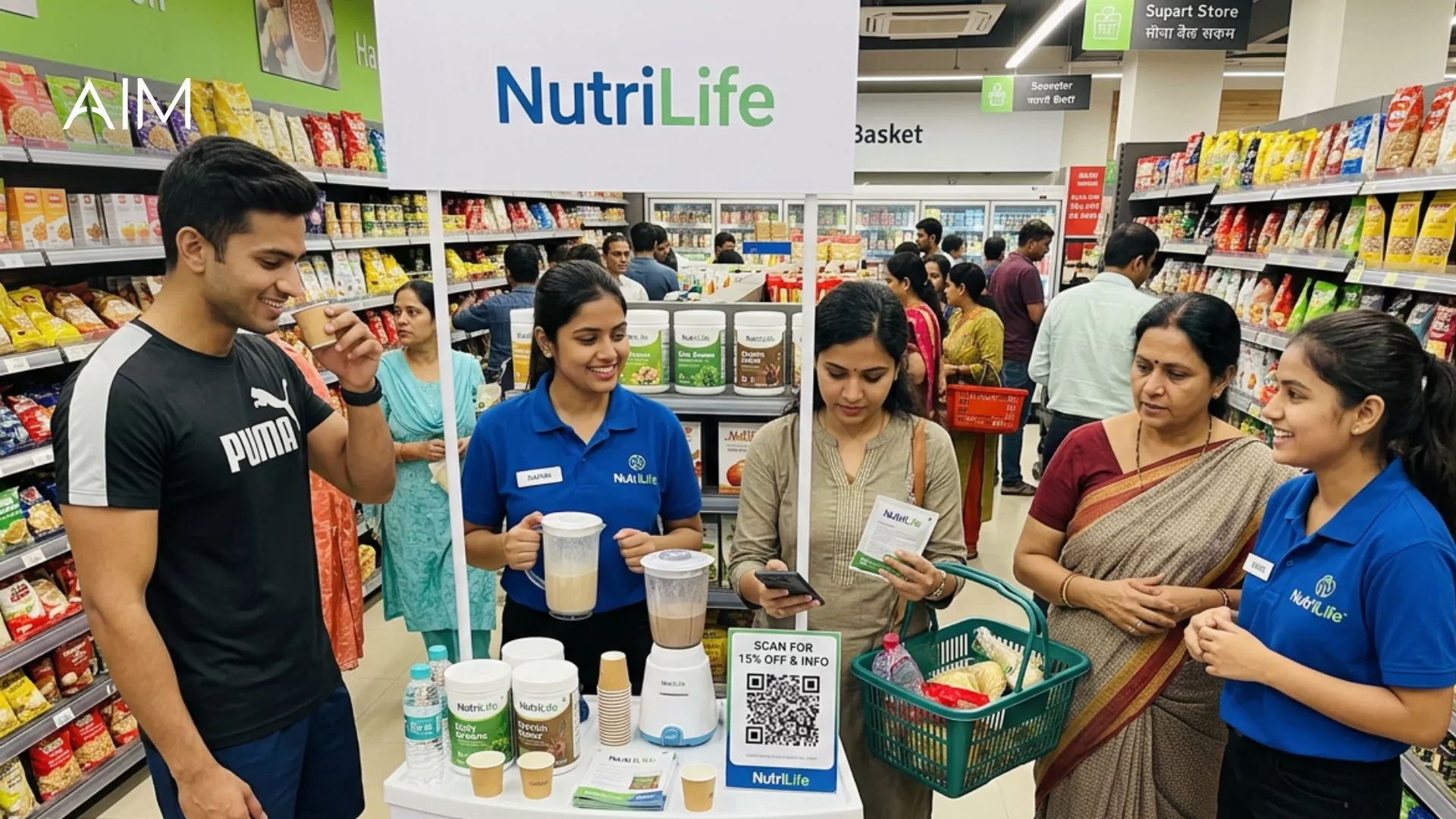


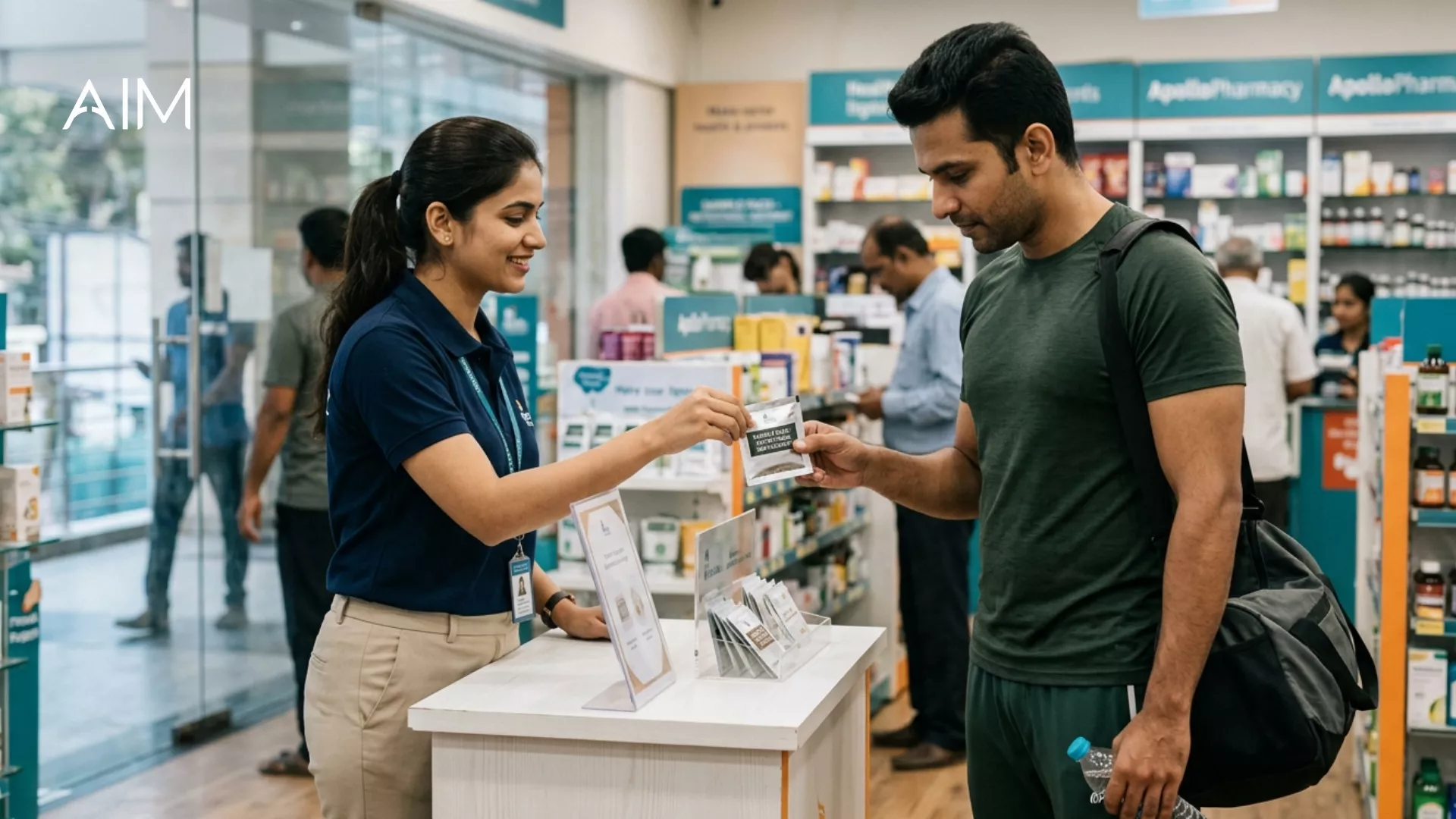
A protein sample gets handed out at a gym. The member takes it home, mixes it once after a workout, drinks it, and waits to feel something. Nothing happens, because nothing was ever going to happen from one scoop. That sachet's job was to sell a habit, and you cannot feel a habit in a day. By the weekend it is at the bottom of the gym bag, and the brand has paid for a trial that proved the opposite of what it wanted.
This is the quiet failure at the heart of supplement product sampling, and it is almost always a design problem, not a product problem. Here is why one serving never sells, and what actually does. It is one of the most fixable mistakes in sampling, once you stop thinking in sachets and start thinking in weeks.
Quick answer: one serving of a supplement never sells because the benefit builds over days or weeks, not in a single dose. The person feels nothing on day one, decides it does not work, and quits. Effective supplement product sampling gives a trial pack long enough to feel a difference or form a routine, reaches people already pursuing that health goal, follows up during the trial, and tracks the reorder.
Why one serving never sells in supplement sampling
The first reason is simple biology. Most supplements work by accumulation. Creatine takes weeks to saturate. A gut-health formula needs time to shift the microbiome. A vitamin corrects a shortfall gradually. Whatever the mechanism, a single dose produces no sensation a person can point to, so the honest verdict after one serving is always the same: I did not feel anything. They are right. There was nothing to feel yet.
The second reason is what the mind does with that non-event. People try a supplement hoping for a signal, more energy, better sleep, a flatter stomach. When day one delivers nothing, they file the product under does not work and move on. You are fighting an instant-gratification instinct with a slow-acting product, and one serving hands that instinct an easy win.
The third reason is that supplements are a habit business, and one sachet cannot start a habit. The benefit, when it arrives, comes from taking the product every day. A single serving never even begins the routine that would have produced the result. You gave someone a taste of a thing that only works as a practice, then wondered why the practice never started.
What 'enough' actually looks like
So how much is enough? Enough to outlast the honeymoon and reach the moment something changes. That length depends on the product. A pre-workout you might feel in a single session, so a couple of servings can genuinely work. Most everything else needs a real window: a week for some, two to four for many. Size the trial to when your product actually starts to show, not to a sachet count that happens to fit the budget.
A trial that ends before the benefit begins is worse than no trial at all, because now the customer has personally confirmed, from their own experience, that your product does nothing. You did more than miss a sale. You manufactured a sceptic. And a sceptic who tried it is far harder to win back than a stranger who never did.
A bigger sample is not the whole fix
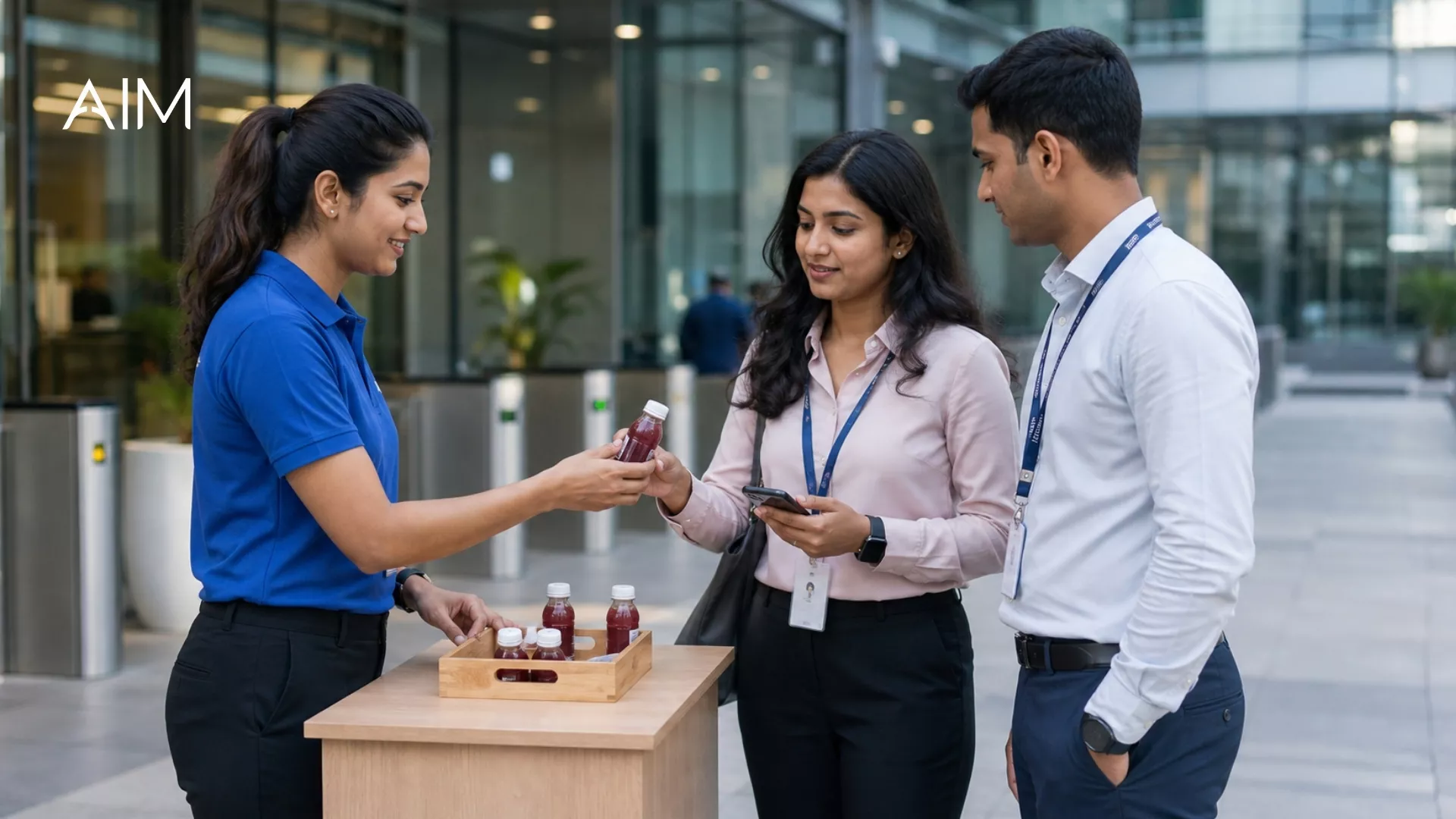
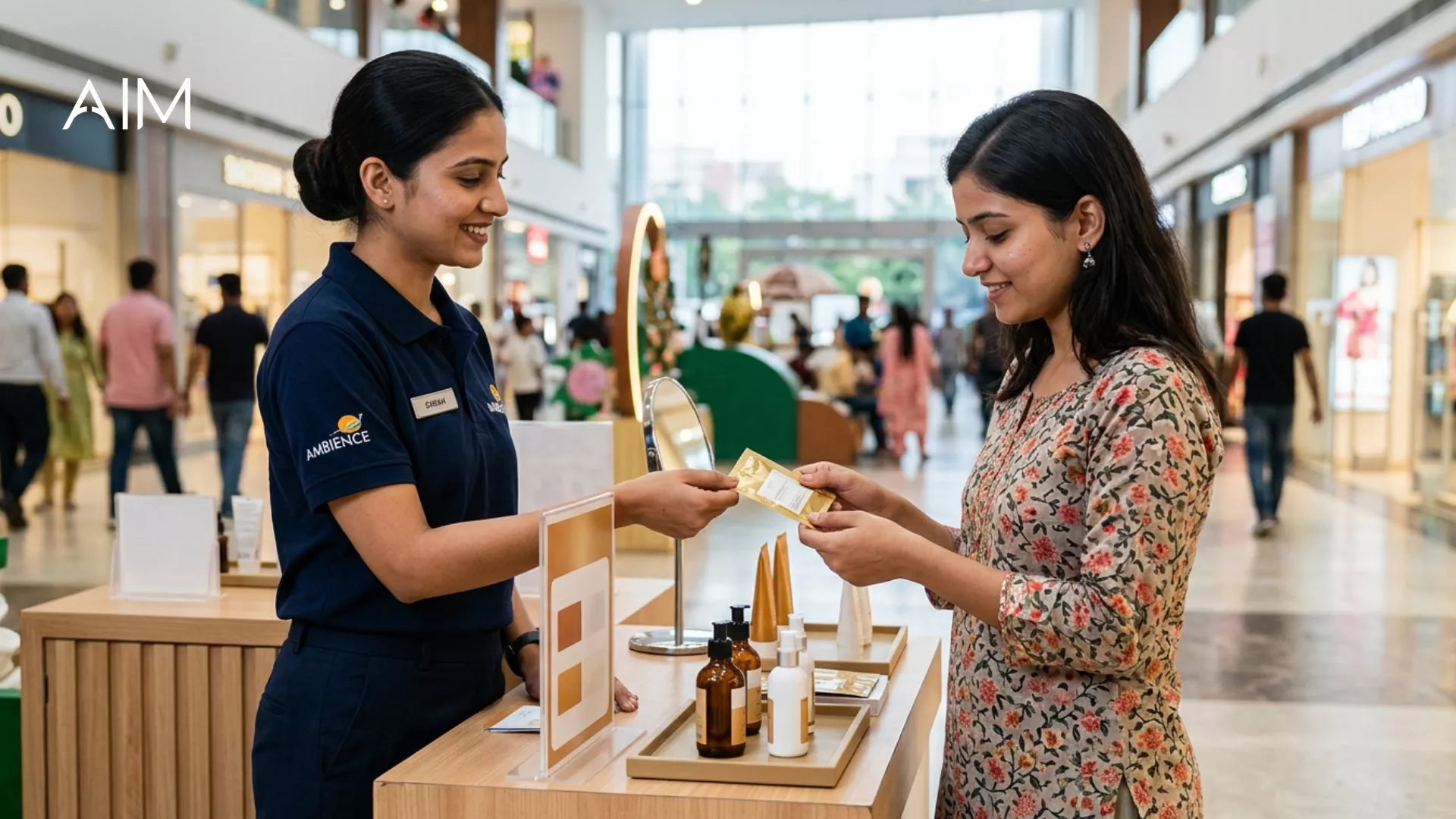
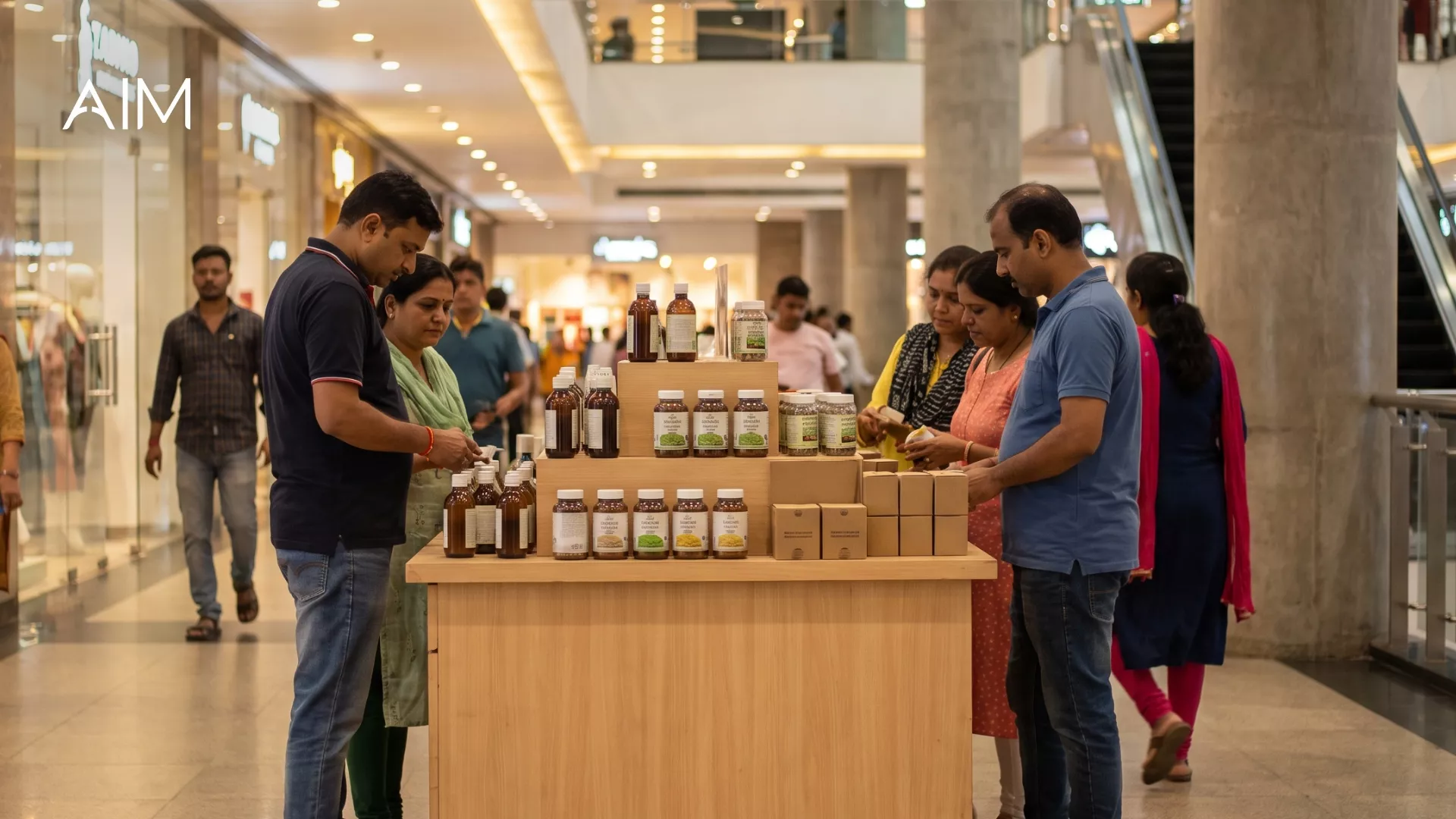
A trial pack alone is not a magic switch. Hand a two-week supply to the wrong person and you have simply wasted more product per head. The size fixes the biology. It does not fix the aim. The trial still has to reach someone who actually wants the outcome your product delivers: a lifter for protein, a frequently-ill office worker for immunity, someone bloated after every meal for gut health. That health goal is invisible from the outside, so you sample where it gathers, gyms, pharmacies, clinics, wellness days, rather than at a random crowd.
The follow-up is where supplements are won
Here is the piece almost everyone skips, and it is the one that decides the campaign. With supplements, the drop-off is silent. Nobody announces that they have stopped. They just get busy, forget for a day, then two, and the tub sits there.
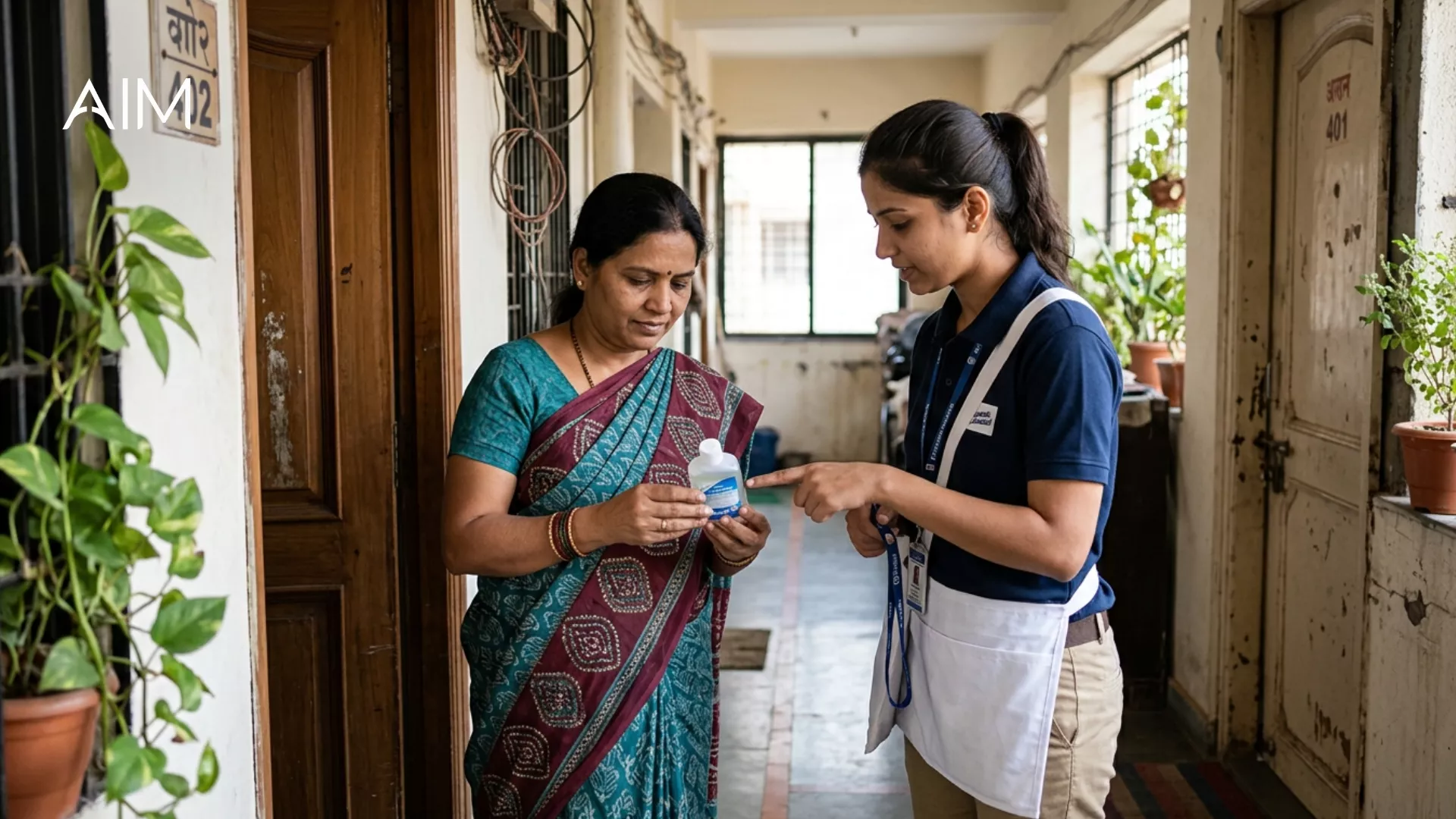
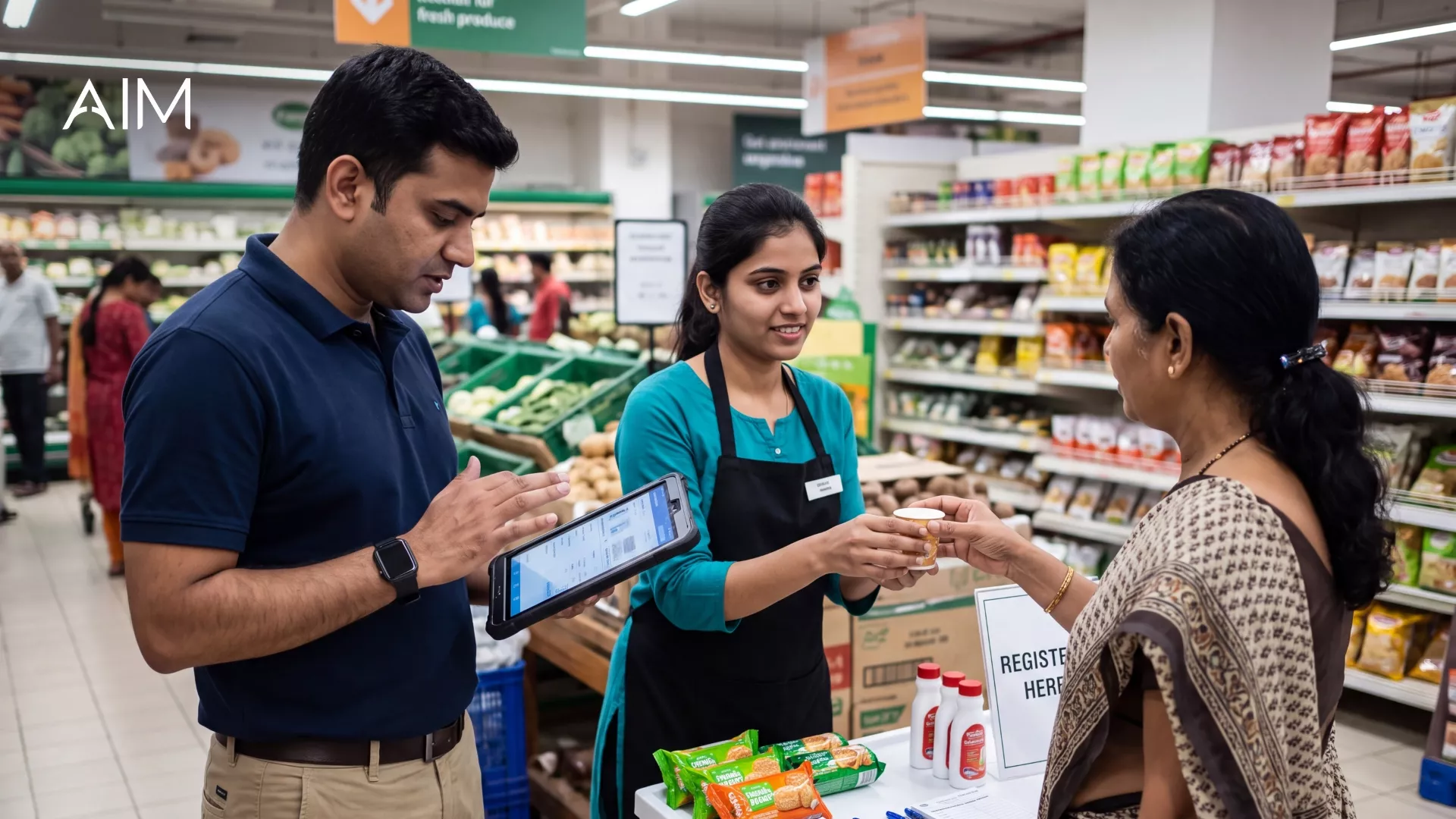
Somewhere around day four or five, with no nudge, most trials quietly die. So the follow-up is not admin. It is the campaign. A short message at the right moment, how is it going, noticing any change, stick with it, carries a trier past the exact point where they would otherwise have drifted off. It also tells you, in real time, who is starting to feel something and is ready to be offered a subscription. Skip the follow-up and even a generous trial pack leaks away one forgotten morning at a time. We have watched the same trial pack convert far better because someone messaged the trier on day four, and far worse when nobody did.
Measure the reorder, not the serving
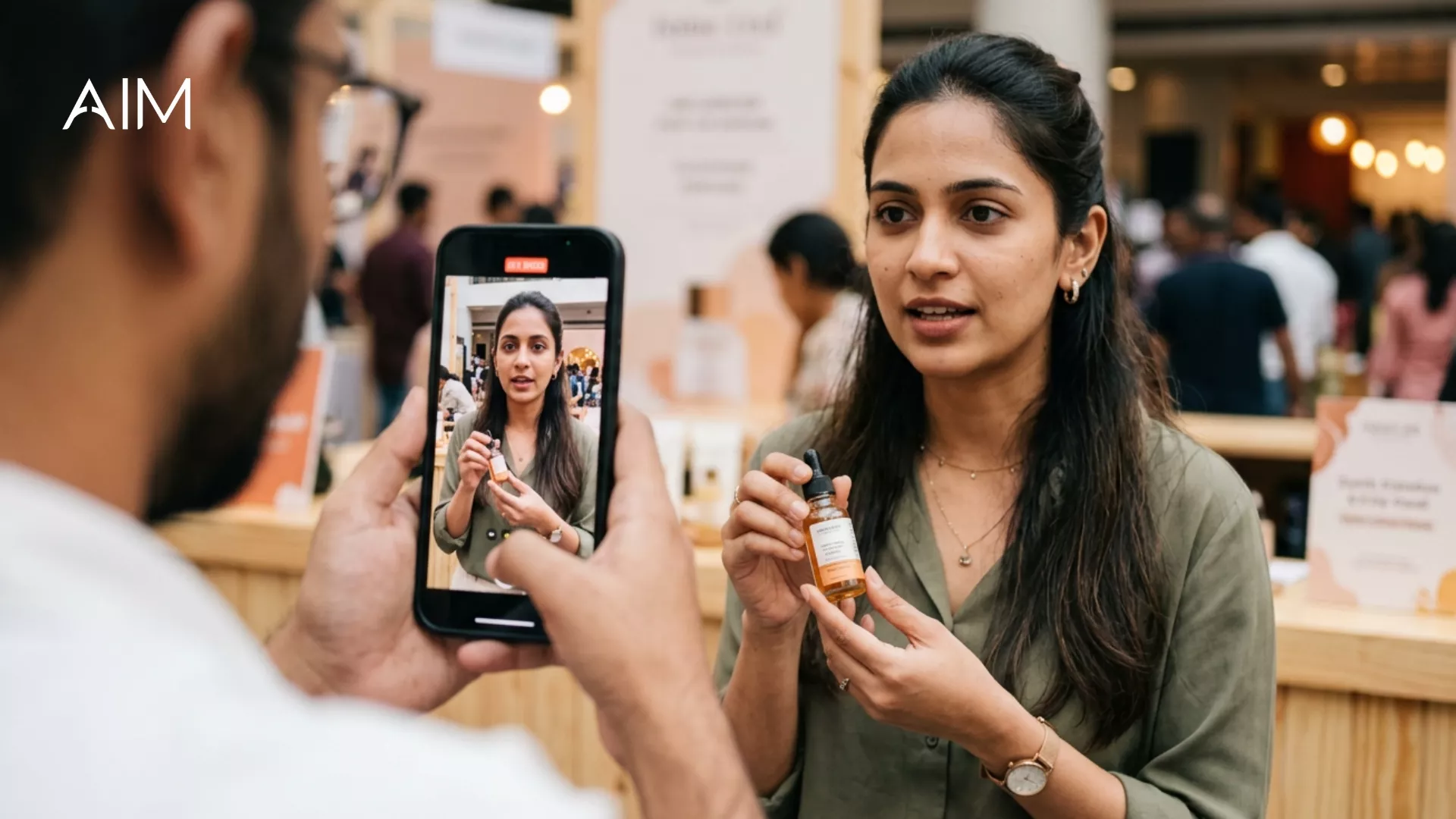
Because the model is repeat purchase, the only number that means anything is the second one, ideally a subscription. Servings distributed tells you what you spent. Subscriptions started tells you what you earned. Capture each trier with a quick opt-in, tie the trial to a first-order or subscription offer, and watch the reorder rate over the weeks that follow. That is supplement sampling ROI. Anything you measure before the reorder is just motion dressed as progress. A CFO understands cost per subscriber. Nobody was ever moved by servings handed out.
Why brands keep handing out single servings
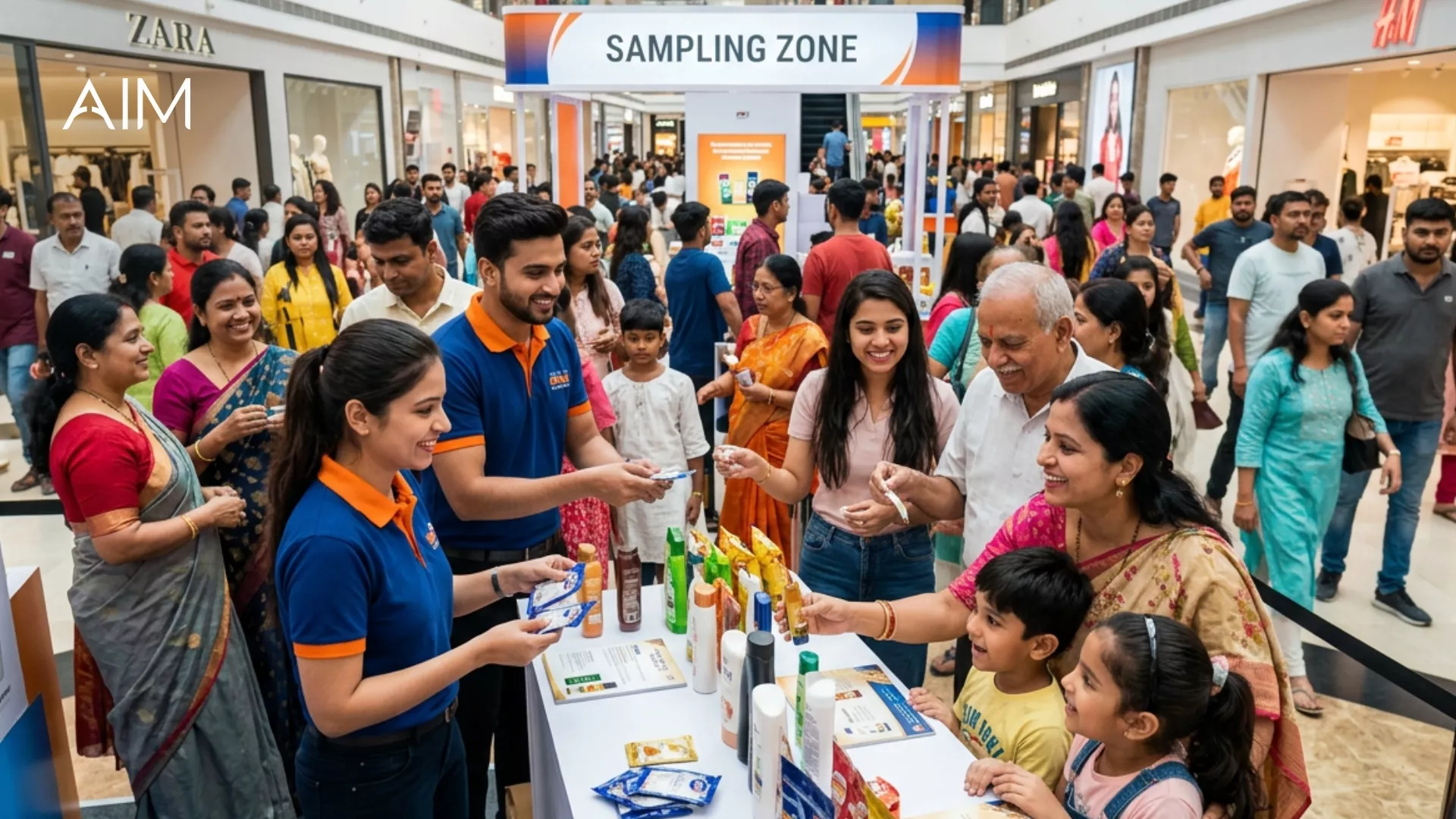
If single servings fail this reliably, why are they still the default? Because they look cheap on a spreadsheet. A trial pack costs more per head, so the easy call is to buy more single sachets and reach more people for the same money. It feels efficient. It converts nobody. The cheaper sample is almost always the more expensive campaign, because you have paid to create thousands of people who now believe your product does not work. In this category, fewer and longer beats more and shorter every single time.
Where AIM fits in supplement product sampling
AIM runs supplement and nutraceutical sampling as a trial, not a serving: trial packs sized to show a real effect, sampling inside gyms, pharmacies, corporate wellness days, and e-commerce where your health seekers already are, a QR opt-in that captures each trier, a follow-up sequence across the trial window, and reporting that tracks the reorder and the subscription on a live dashboard. Tell AIM the health goal and the buyer, and we build a trial that gives your product long enough to prove itself.
One serving never sells because you cannot feel a habit in a day, and a supplement is a habit. Give people enough to reach the point where something shifts, aim it at the person who actually wants that shift, hold their hand through the first week, and count the subscriptions, not the sachets. Do that, and the sample stops being a giveaway that quietly proves your product does nothing, and becomes the first day of a customer who takes it every morning. That is the difference between a sampling line that gets cut and one that gets scaled.







.webp)






















.png)