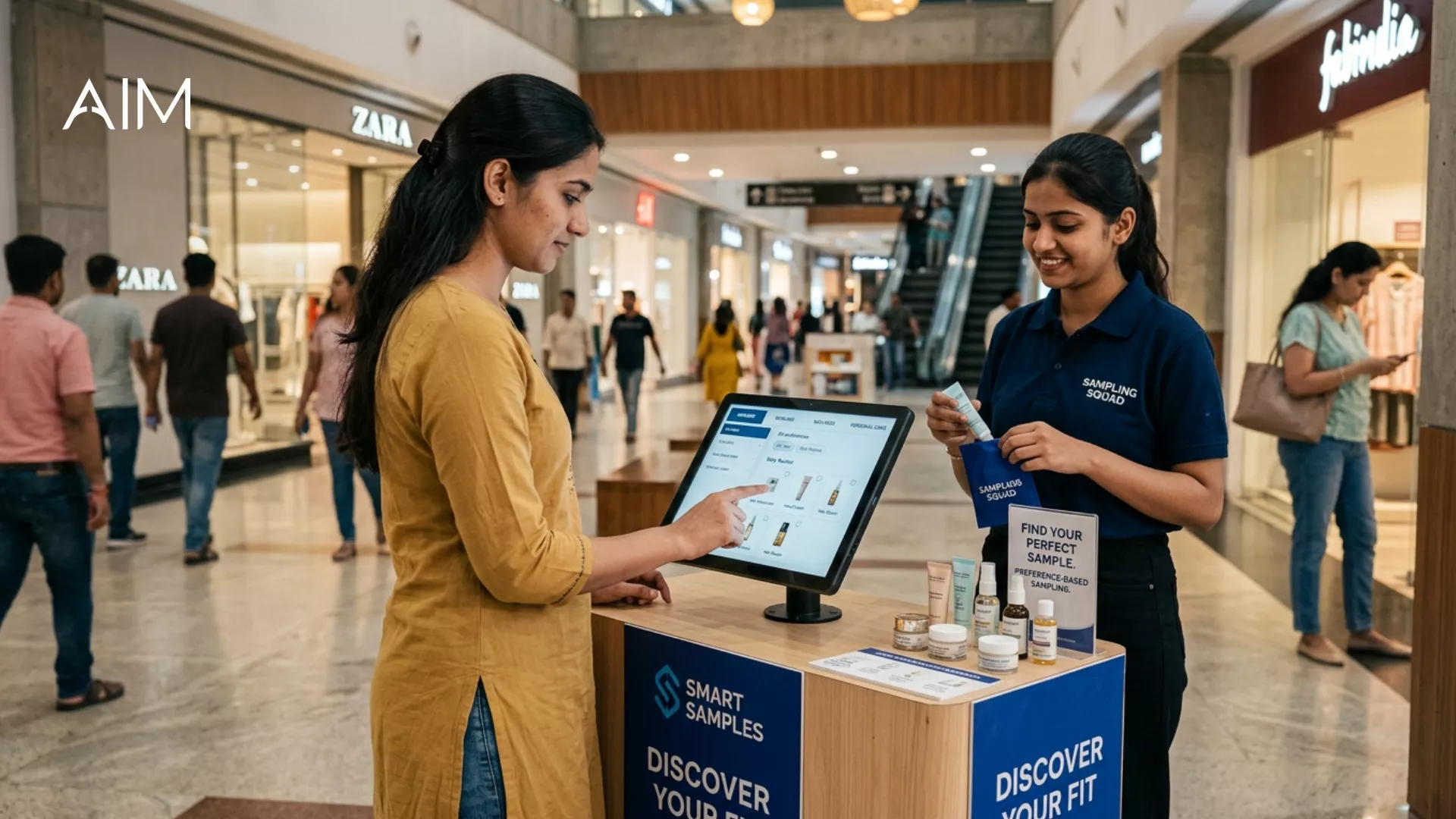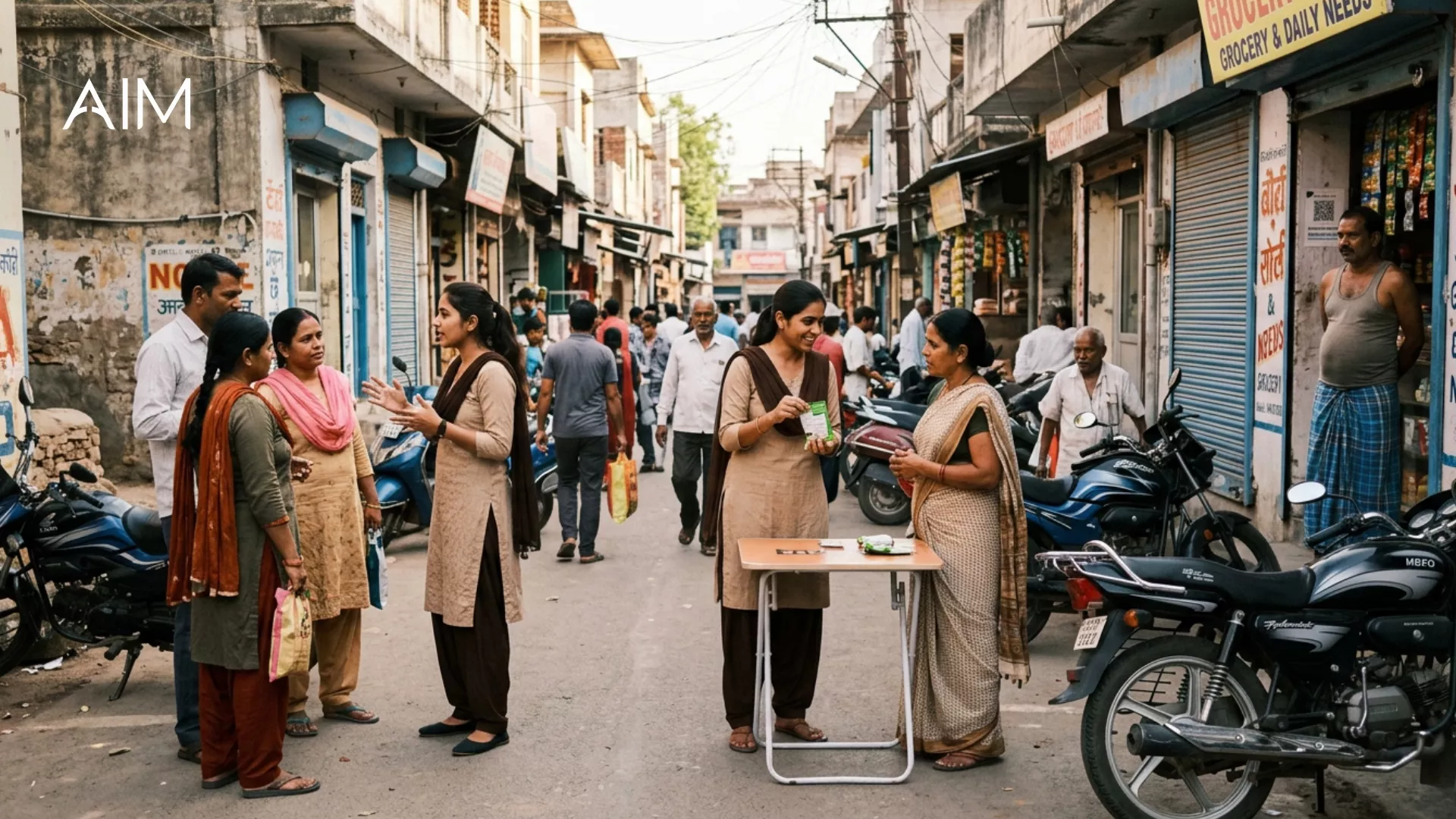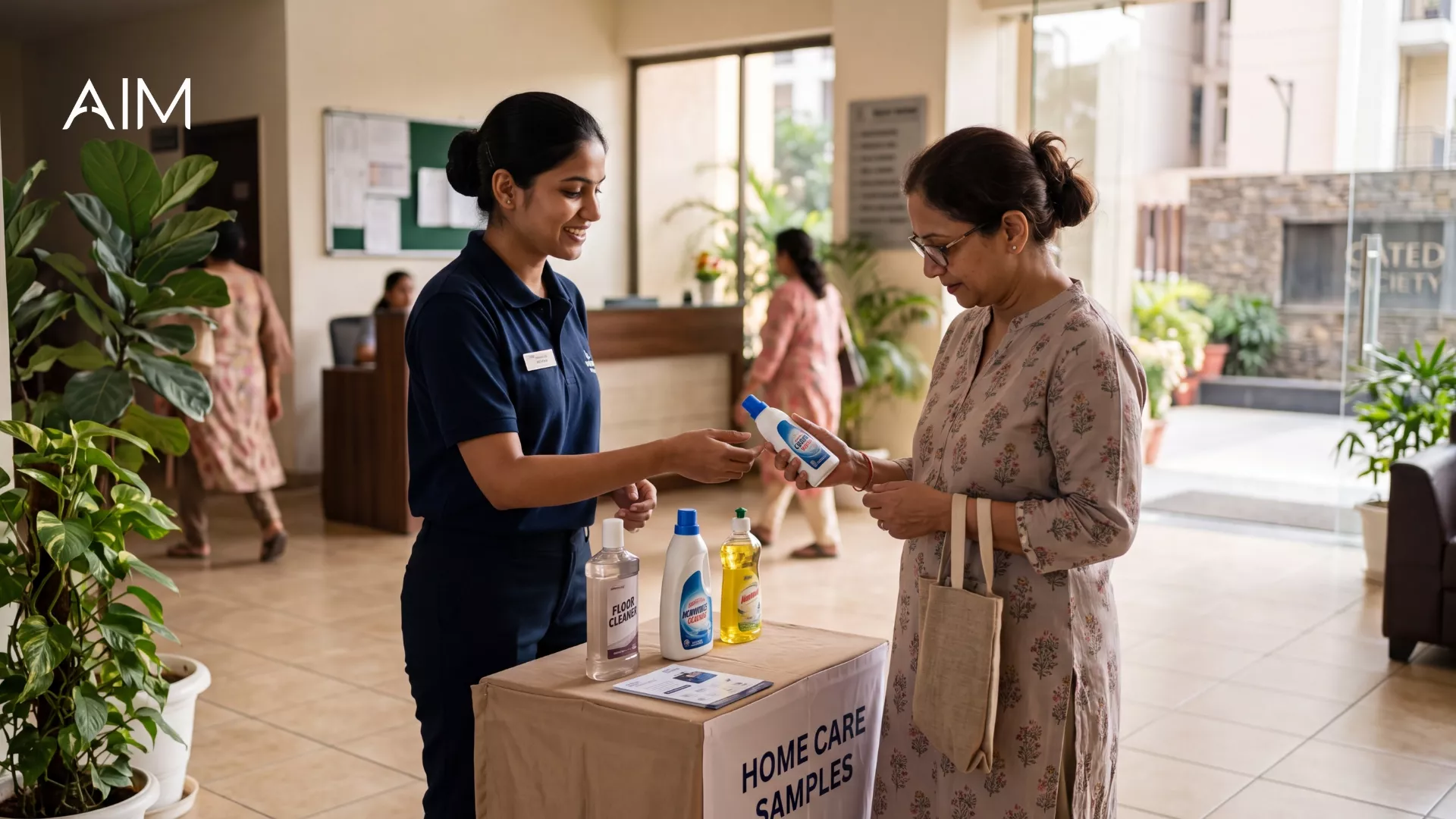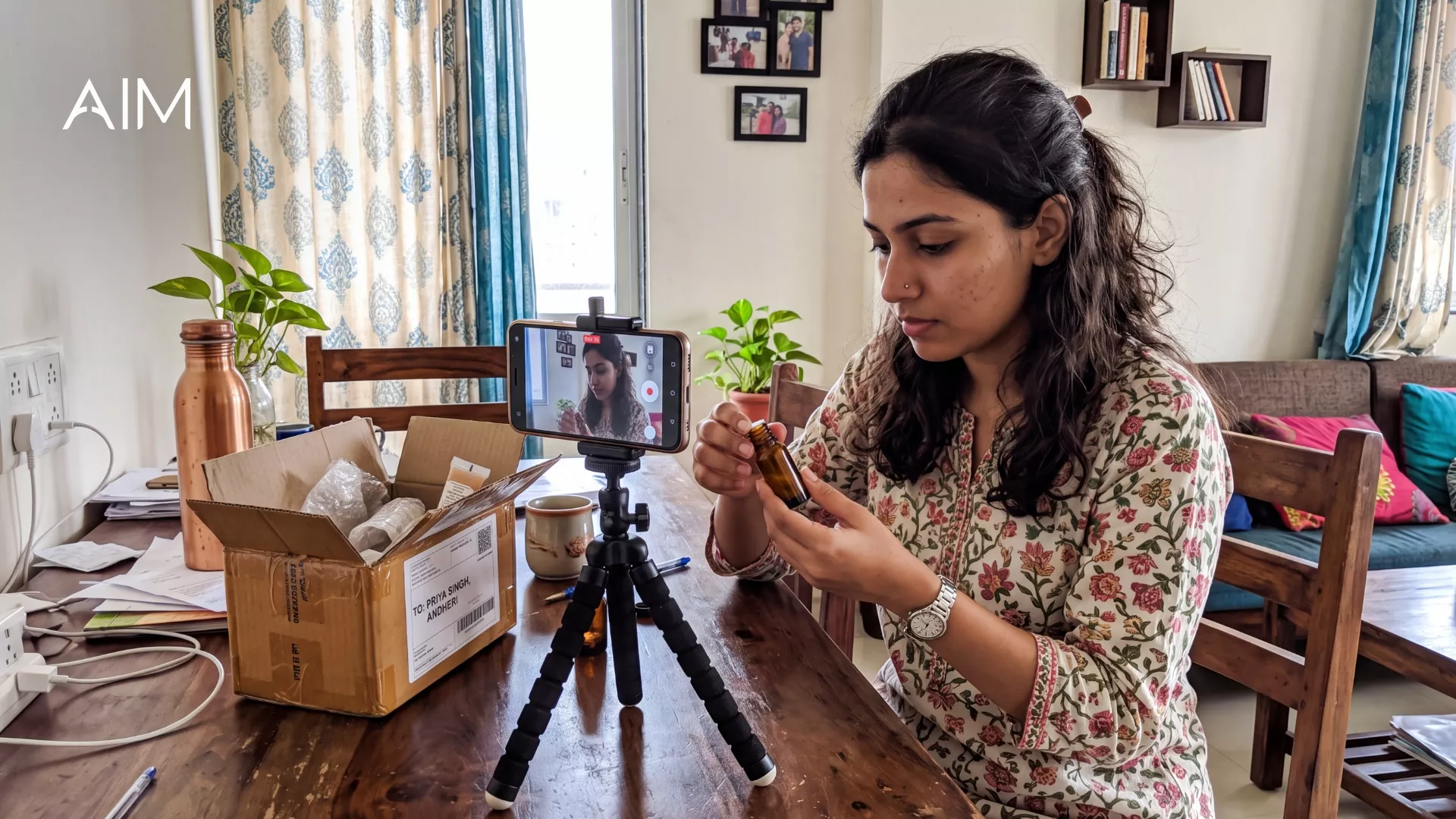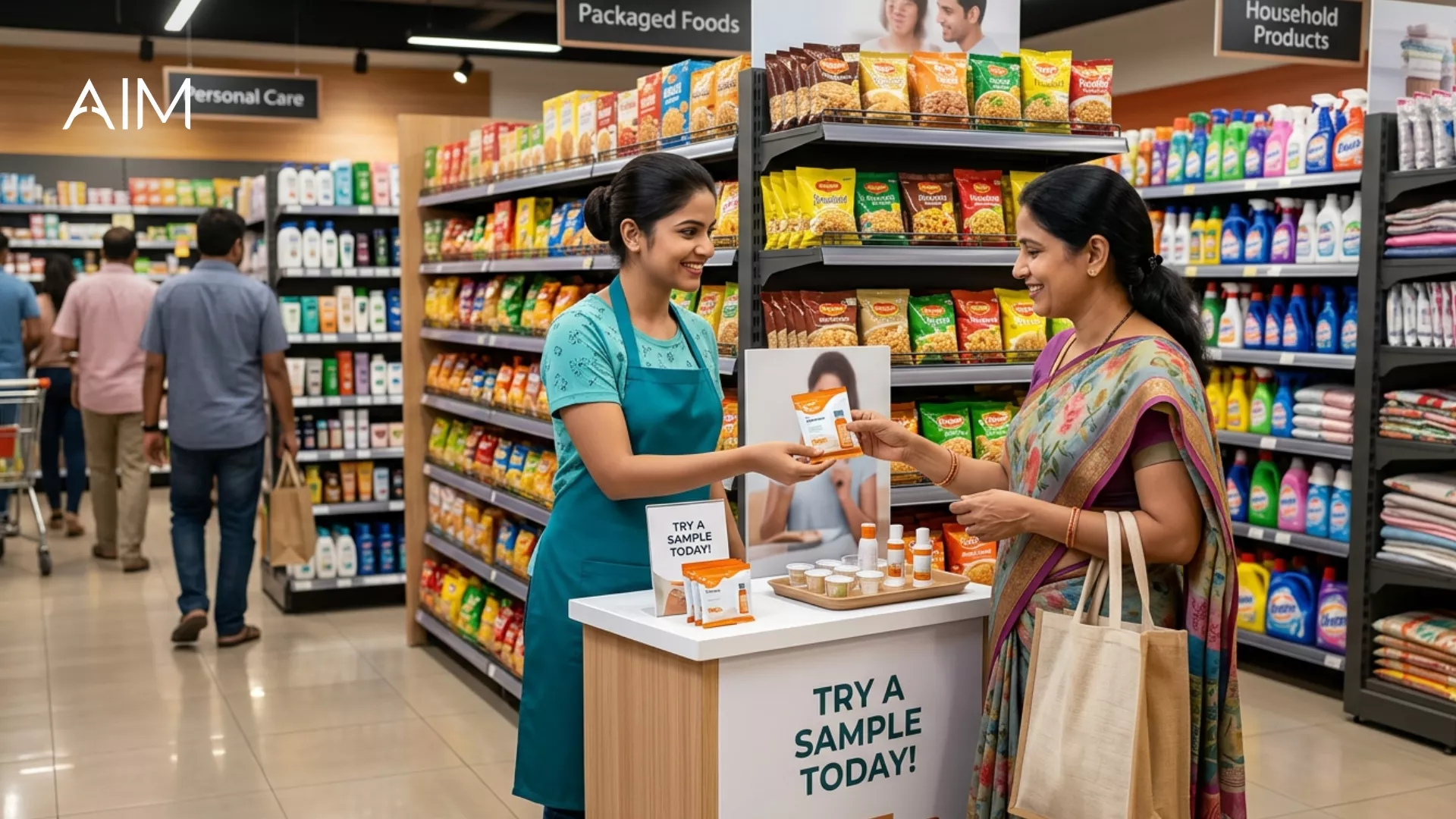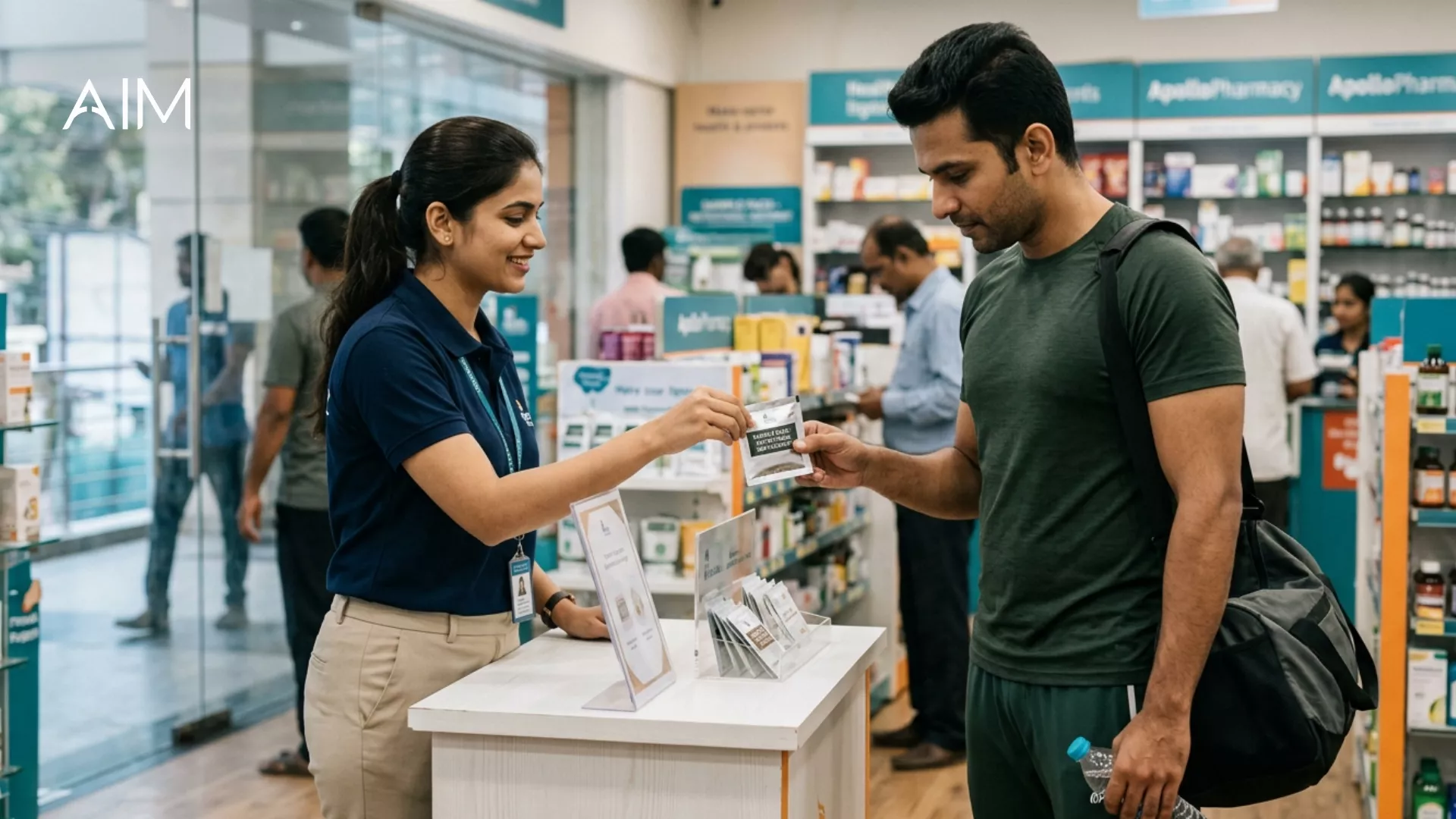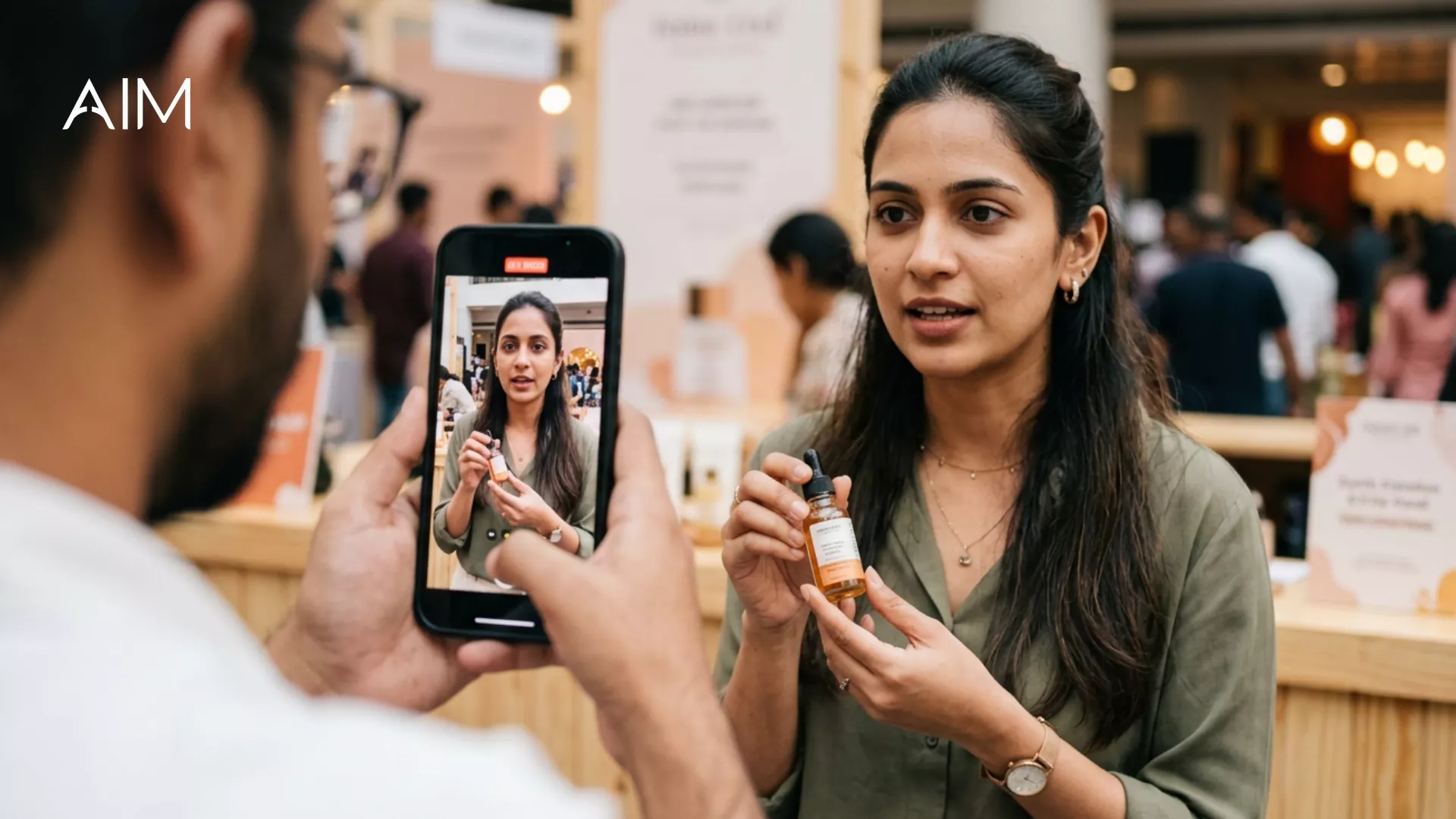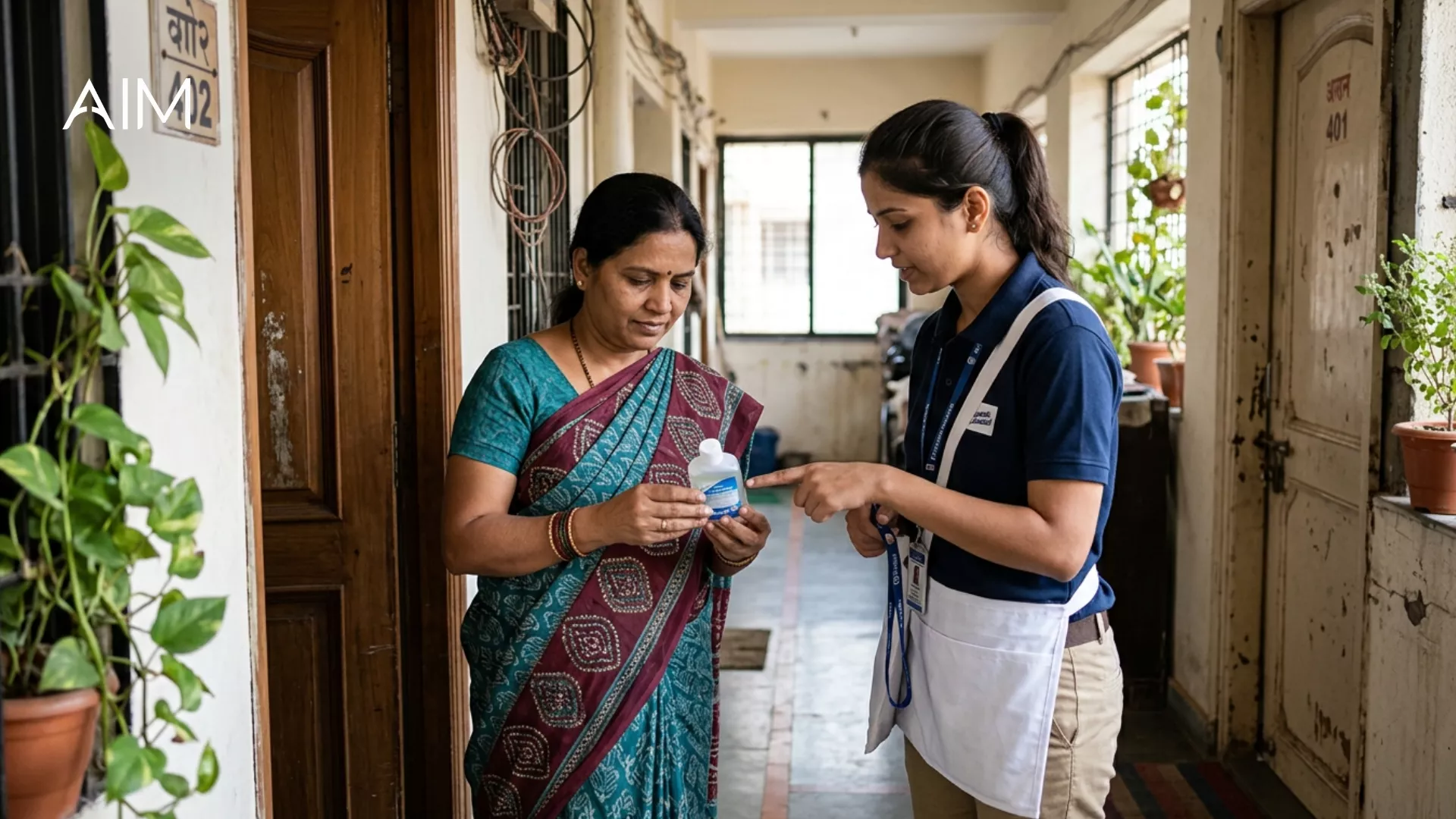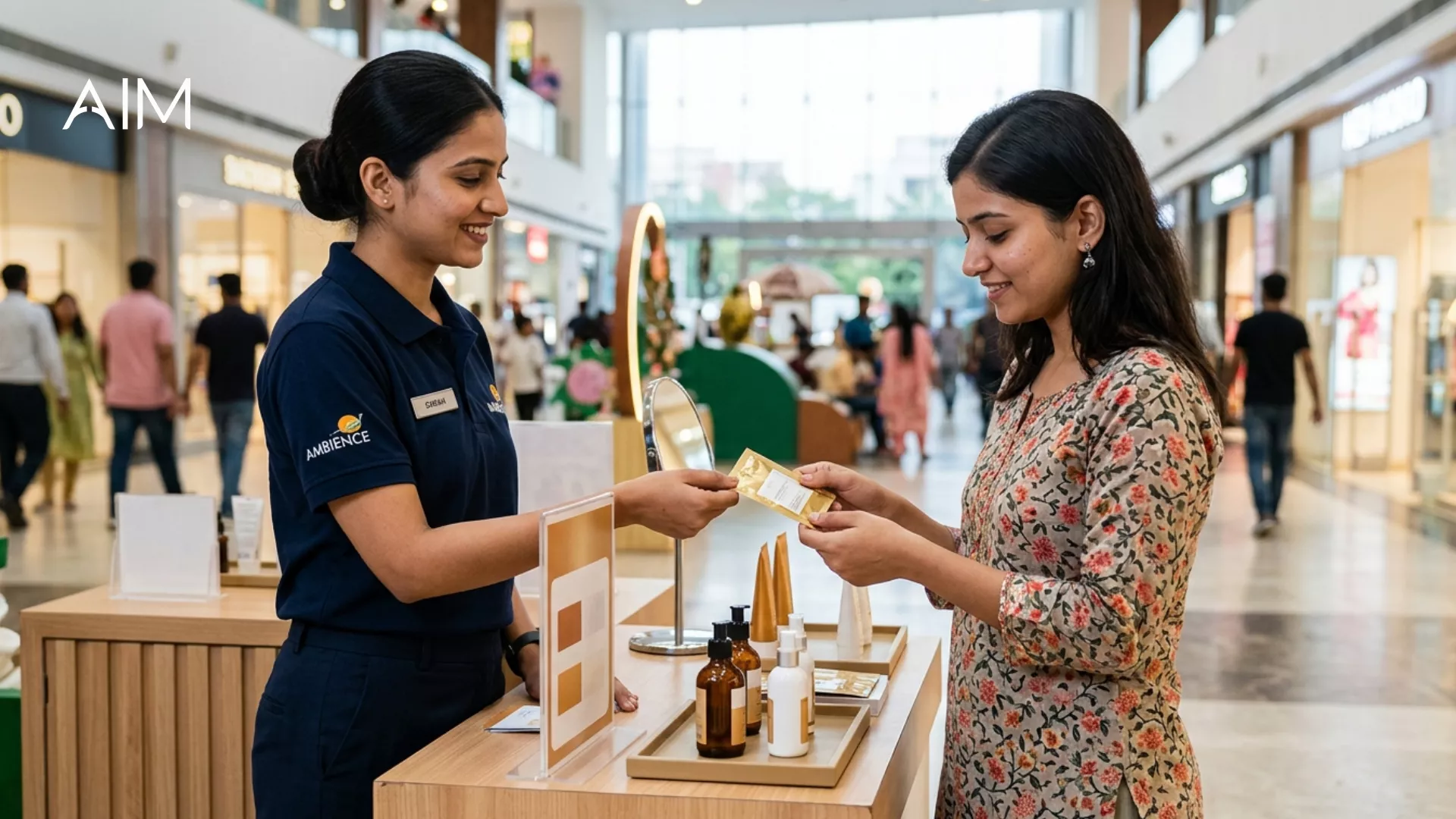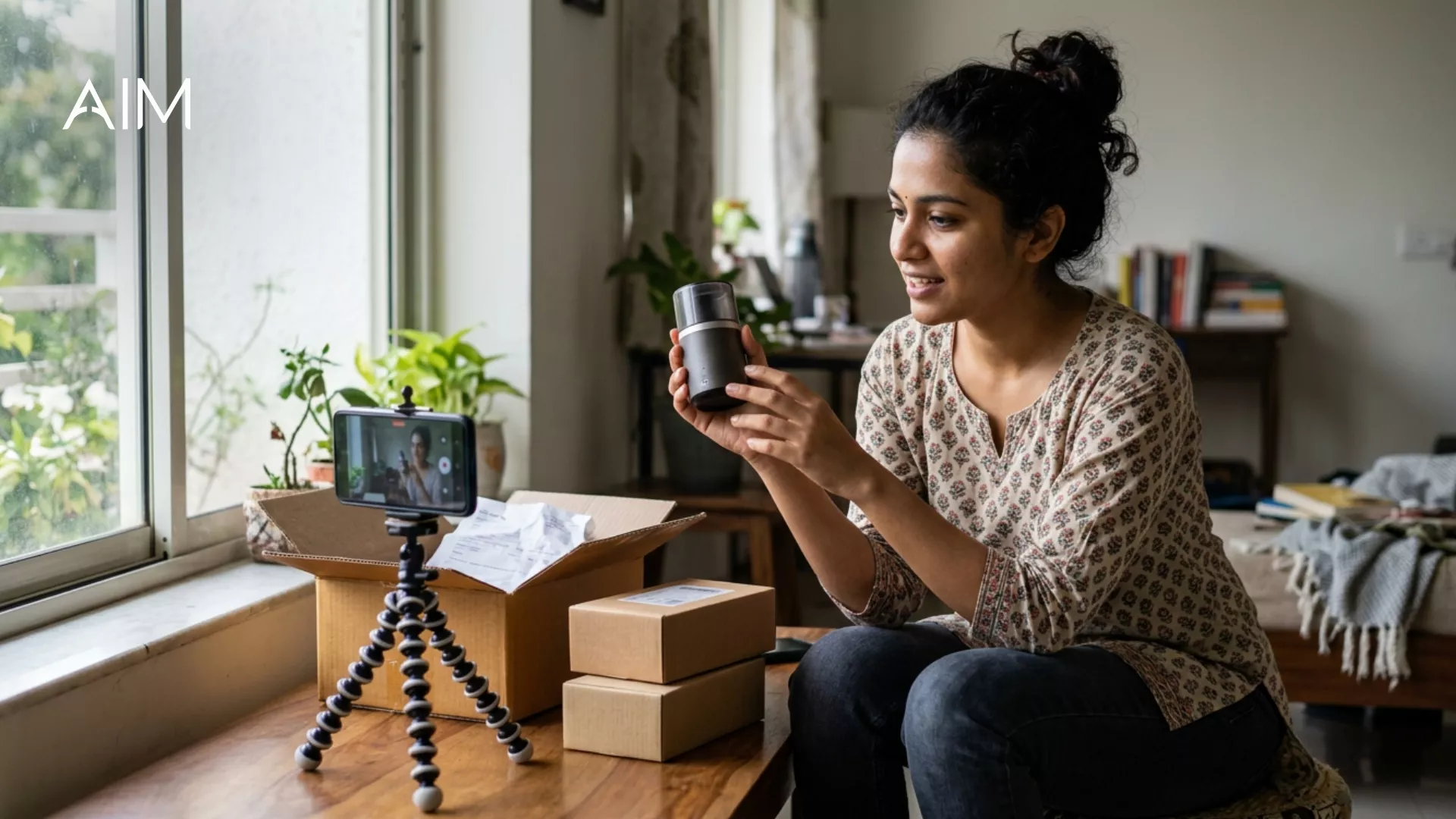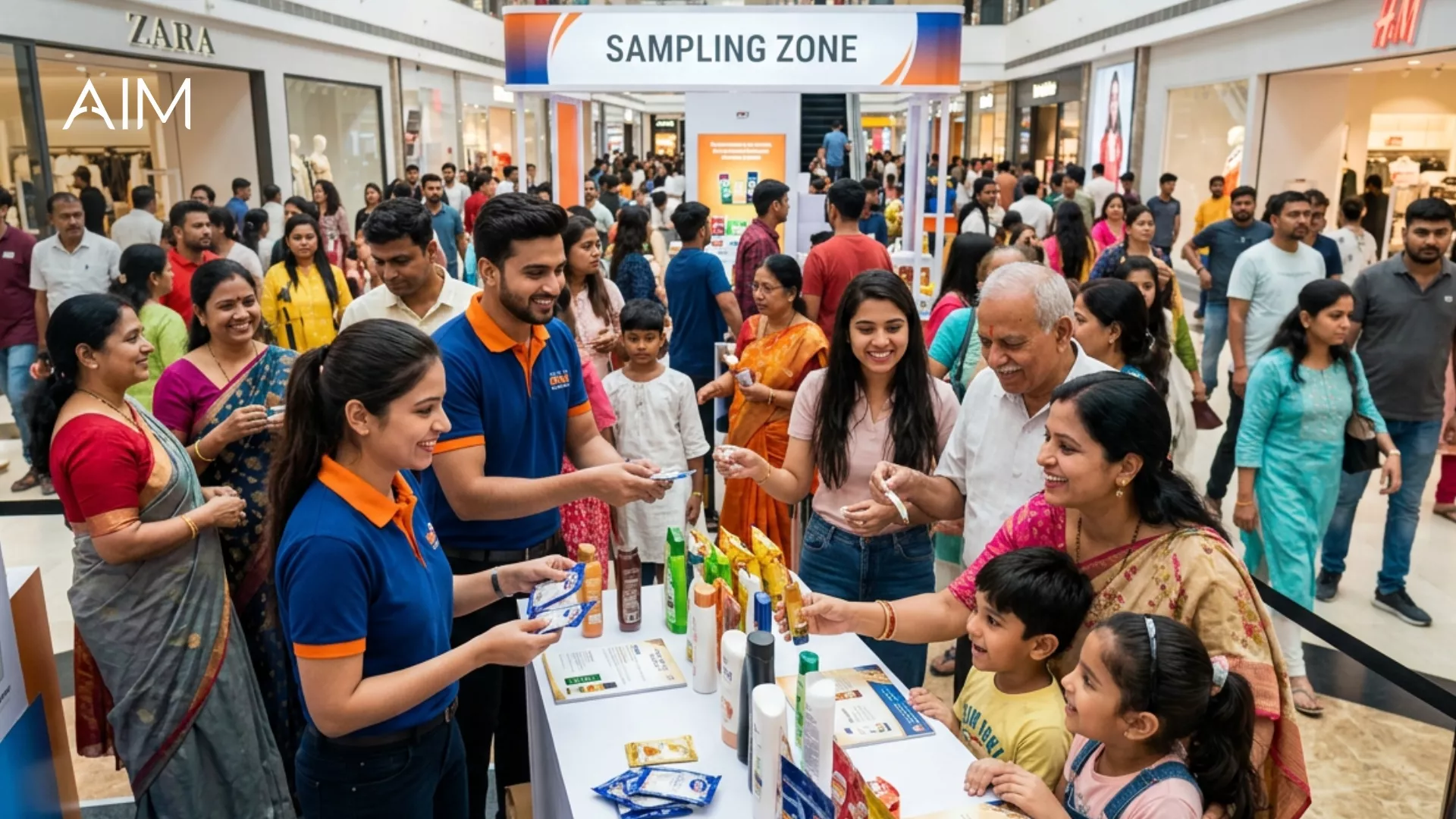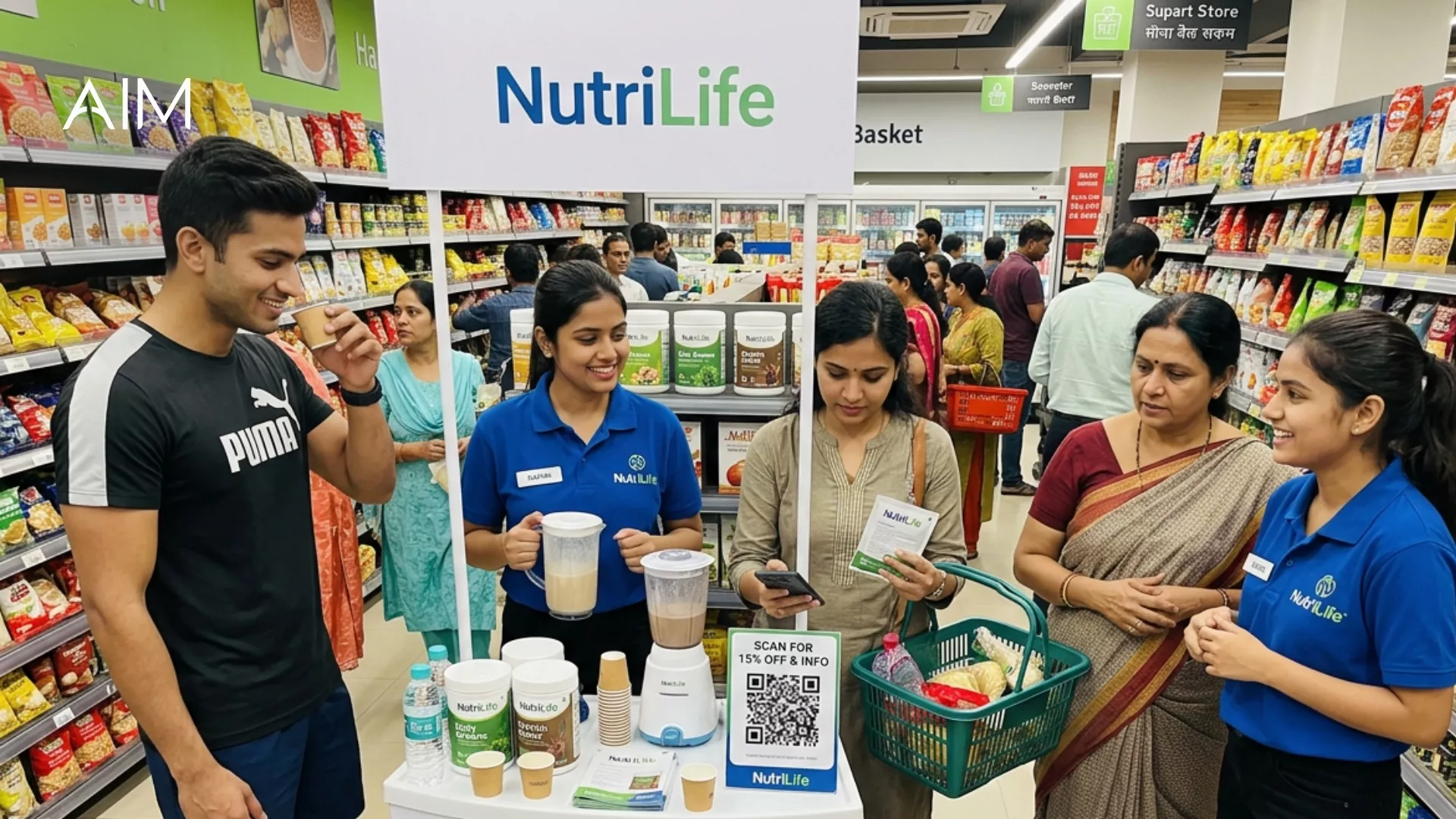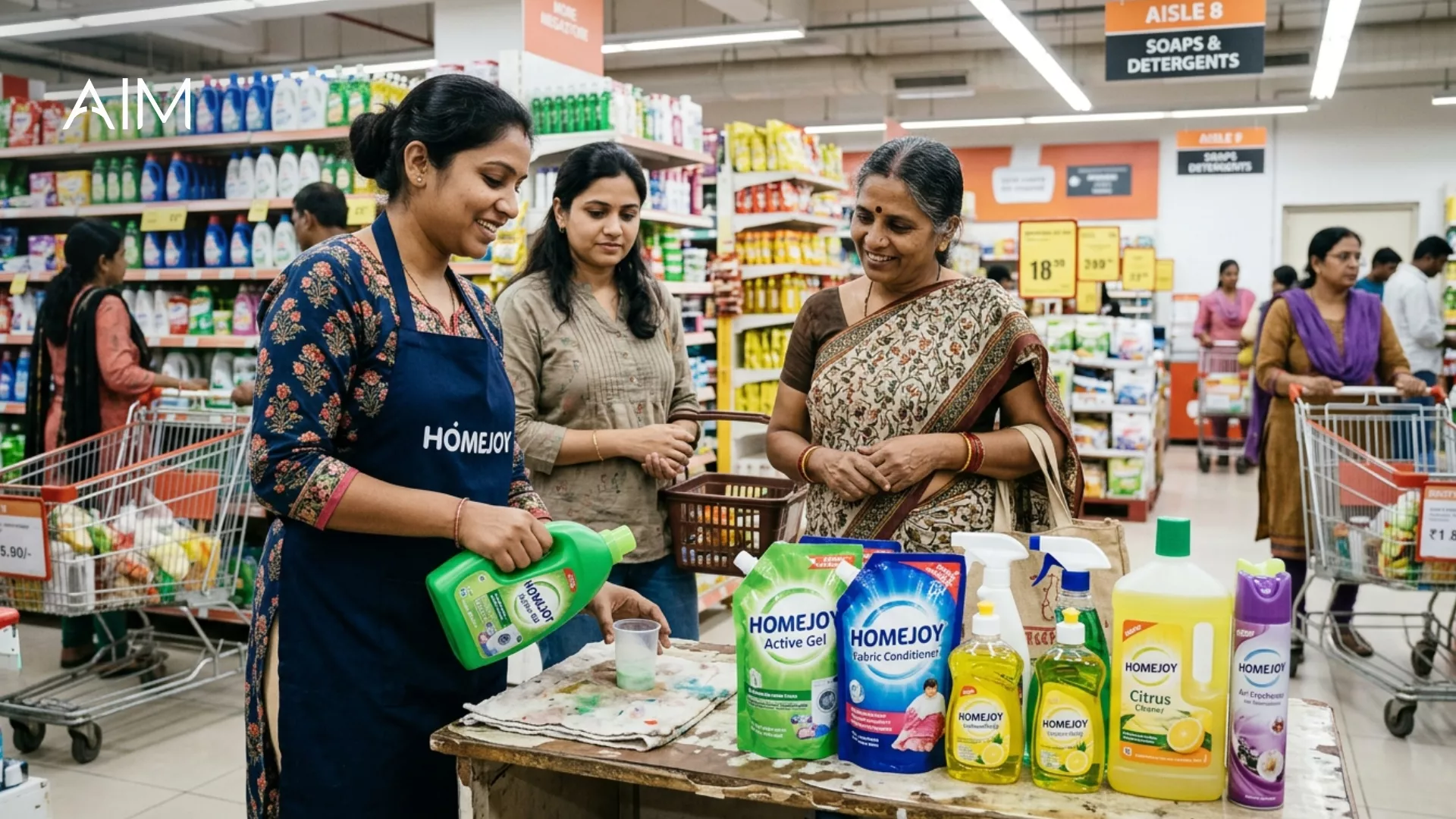


A sample does its obvious job the moment someone tries your product. But most brands stop there, treating the trial as the finish line, when it is actually the start of something more valuable. The person who just tried your product can do something no ad can: tell other people, in their own words, that it is worth buying. In a world where buyers trust other buyers far more than they trust brands, that voice is gold, and sampling is one of the few ways to manufacture it honestly. Here is how to turn a trial into the reviews, ratings, and user content that sell the next buyer.
Quick answer: how does sampling generate reviews and UGC?
Product sampling generates reviews and user-generated content by putting the product in the hands of real, relevant people and then giving them an easy, well-timed way to share their genuine experience. The trial creates the opinion; a simple prompt, a link, a QR code, a follow-up message, turns that opinion into a review, a rating, a photo, or a post. Done honestly, without buying fake praise, this converts a one-time trial into social proof that keeps selling long after the sample is gone. The key is to design the capture of feedback into the campaign from the start, reach people likely to have a good experience, and make sharing effortless and authentic.
Why reviews and UGC are worth more than the trial itself
A trial converts one person. A review from that person can convert many, because it reaches future buyers at the exact moment they are deciding, and it carries a credibility the brand cannot give itself. People discount what a brand says about its own product and trust what other buyers say, so a genuine rating or an honest post does persuasive work that paid messaging struggles to match. This is the quiet multiplier in sampling: the sample is spent once, but the content it produces keeps working, sitting on a product page, a marketplace listing, or a social feed, nudging the next buyer and the one after that. The trial is the cost. The content it generates is the compounding return.
Why sampling is the honest way to get reviews
Brands are under pressure to have reviews and ratings, and that pressure pushes some toward buying fake ones, which is both dishonest and increasingly punished by platforms and consumers who can smell it. Sampling offers the honest alternative: give real people the real product, and ask them to share their real opinion. The reviews that result are genuine, which means they are both ethical and more persuasive, because authenticity is exactly what makes social proof work. A brand that seeds trial and then invites honest feedback is building its reputation on real experiences, not purchased praise, and that foundation holds up under the scrutiny that fake reviews eventually fail. In the long run, real beats fake, and sampling is how you get real at scale.
How to turn a trial into a review
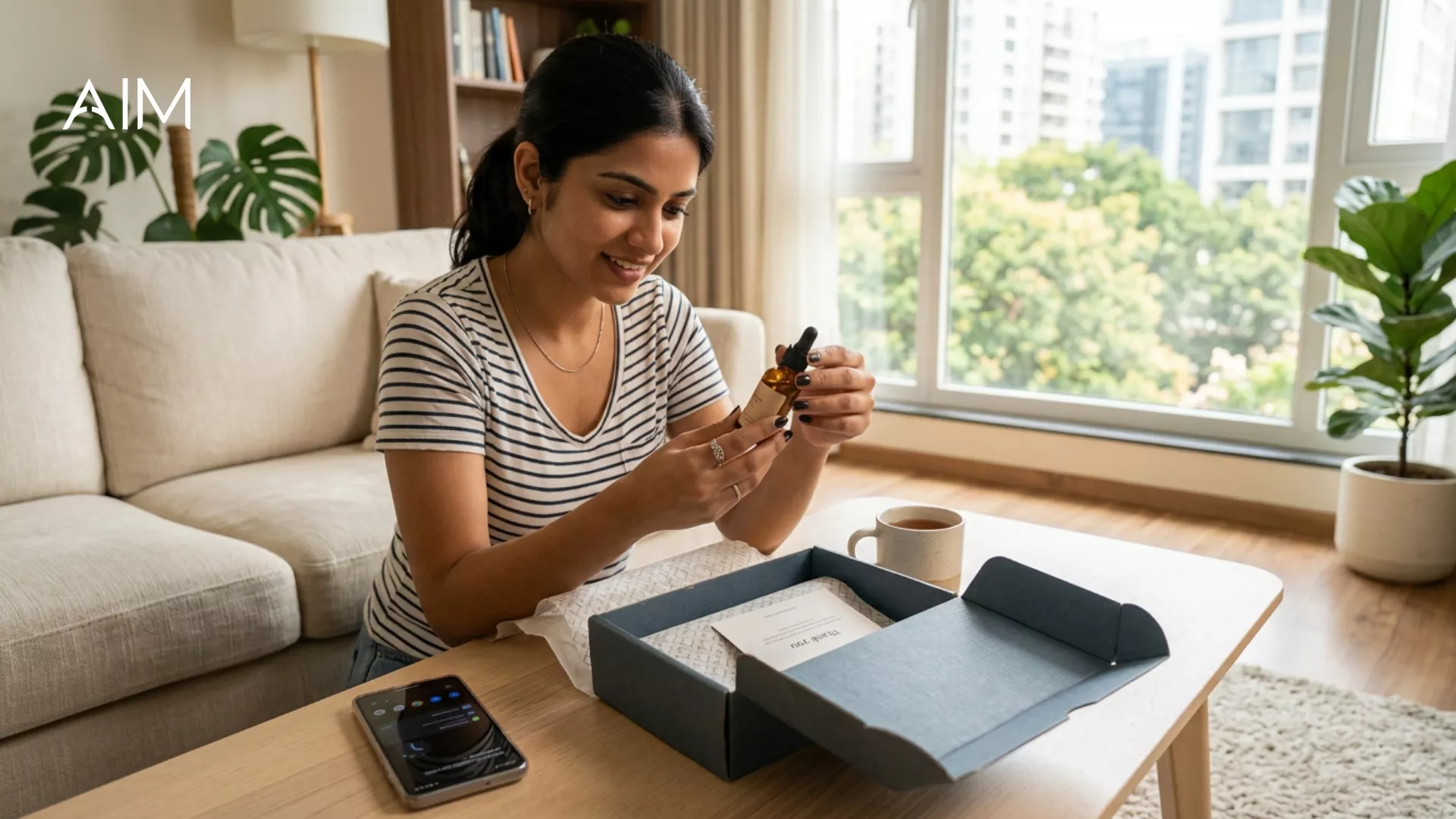
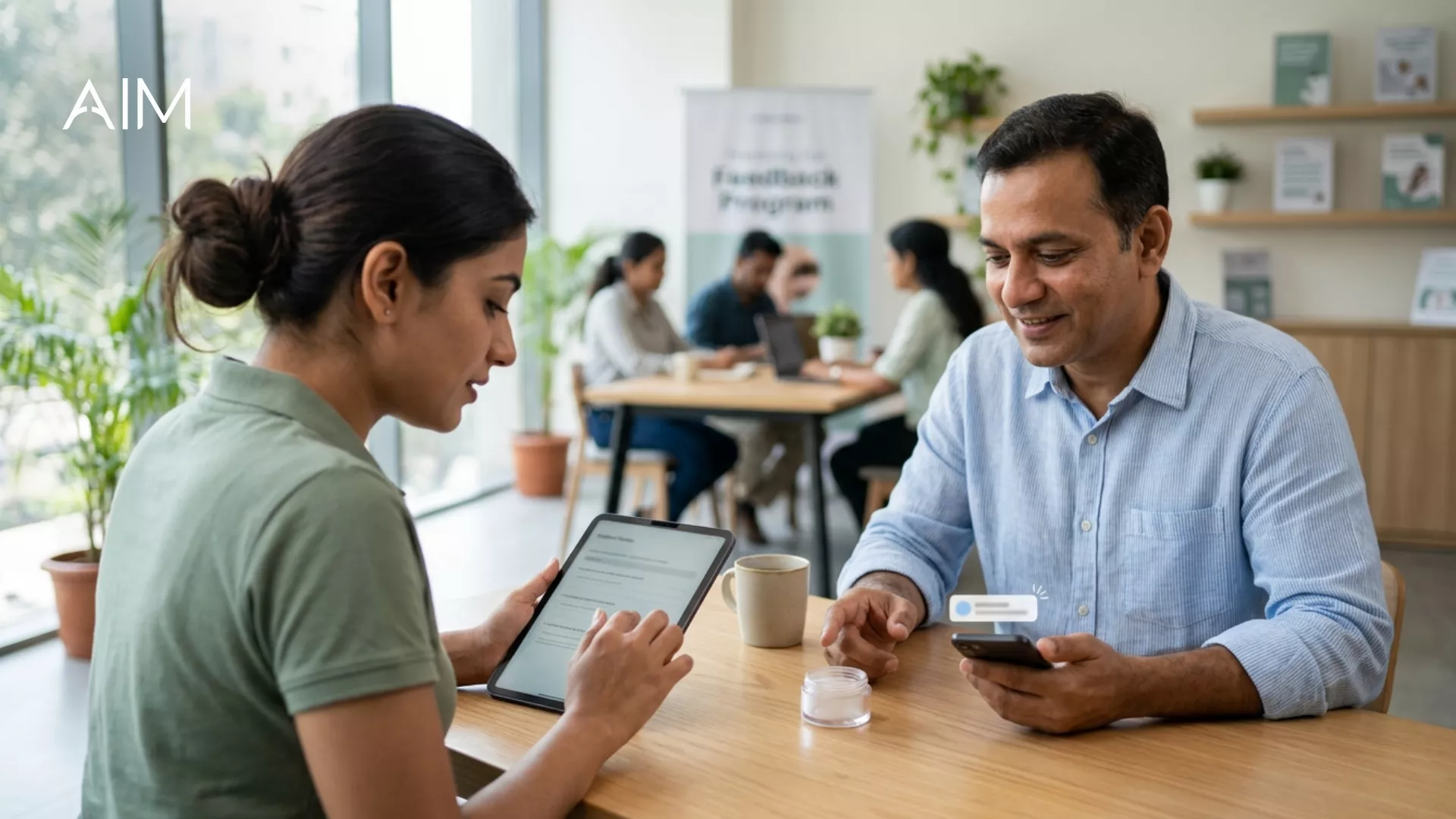
The content does not happen on its own, it has to be designed in. First, make sharing effortless: a QR code on the pack, a short link, a simple prompt that takes the trier straight to where they can leave a review or post, with as little friction as possible. Second, time the ask well: prompt after the person has had enough time to actually experience the product and form an opinion, not the instant they take the sample. Third, ask for the right thing in the right place: a rating on the marketplace where you sell, a photo or a post where your buyers browse, a written review where it will be read. And keep it honest, invite their genuine opinion rather than dictating praise, because a scripted rave reads as fake and a real reaction persuades. Capture the trier's details during sampling so you can follow up, and the path from trial to review becomes a system rather than a hope.
Why timing and ease decide whether people share
Most people are willing to share a genuine opinion, but only if it is easy and the moment is right, and most campaigns fail on both. Ask too early, before the product has been used, and there is no opinion to give. Ask in a clumsy way, a long form, a login wall, a confusing path, and even a happy customer gives up. The brands that get content from sampling remove every bit of friction and catch the person at the point where their experience is fresh and positive. A satisfied trier with a QR code and ten seconds will leave a review. The same trier facing a five-step process will not. The content you get is decided less by how good the product is and more by how easy you made it to talk about.
Which products and buyers produce the best content
Not every trial yields equal content, so it helps to aim the effort. Products that create a noticeable, shareable experience, a taste, a visible result, a genuine improvement, naturally produce more and better feedback than ones whose benefit is subtle. And the right triers matter: reaching people who are a true fit for the product means more of them have a good experience worth sharing, while scattering samples to the wrong audience produces indifference or bad reviews. This ties content generation back to targeting, the same discipline that drives conversion also drives better social proof, because happy, relevant triers are the ones who talk. Sampling the right people is how you get reviews you actually want, rather than a mix you have to manage.
How reviews from sampling feed the next campaign
There is a compounding loop here worth building deliberately. The reviews, ratings, and content from one round of sampling become assets the brand uses to sell to everyone who comes next, on product pages, in ads, on listings, as the social proof that lowers the next buyer's hesitation. That makes the following campaign work harder, because new prospects arrive to find real people already vouching for the product. Sampling, done this way, does more than acquire customers. It manufactures the credibility that makes acquiring the next ones easier. The brand that captures and uses the content closes the loop between trial and reputation, so each campaign leaves behind proof that strengthens the one after it.
How to turn trials into social proof
A trial is to be treated as the start of a relationship and a potential piece of content, not the end of an activity. That means capturing who tried the product, giving triers an easy, well-timed, honest way to rate, review, or share, aiming sampling at the right people so the experiences are genuine and positive, and helping the brand collect that content as an asset it can use in the next campaign. The honesty line holds throughout: the goal is real feedback from real triers, never purchased or scripted praise, because authentic social proof is the only kind that keeps working. The trial creates the opinion. The system AIM builds around social proof turns that opinion into proof that sells the next buyer.
The trial is where your reviews come from
Every brand wants reviews, ratings, and real content, and most go looking for them in the wrong place, chasing them after the sale or, worse, buying them. The honest and durable source is the trial itself. Put the product in the right hands, make sharing genuine and effortless, time the ask to a real experience, and a sampling campaign produces not only buyers but the social proof that sells future buyers. Treat the trial as the finish and you get a one-time conversion. Treat it as the beginning of a review, a rating, a post, and you get a customer and a voice that keeps selling for you. In a world that trusts other buyers over brands, that voice is the most valuable thing a sample can create.