
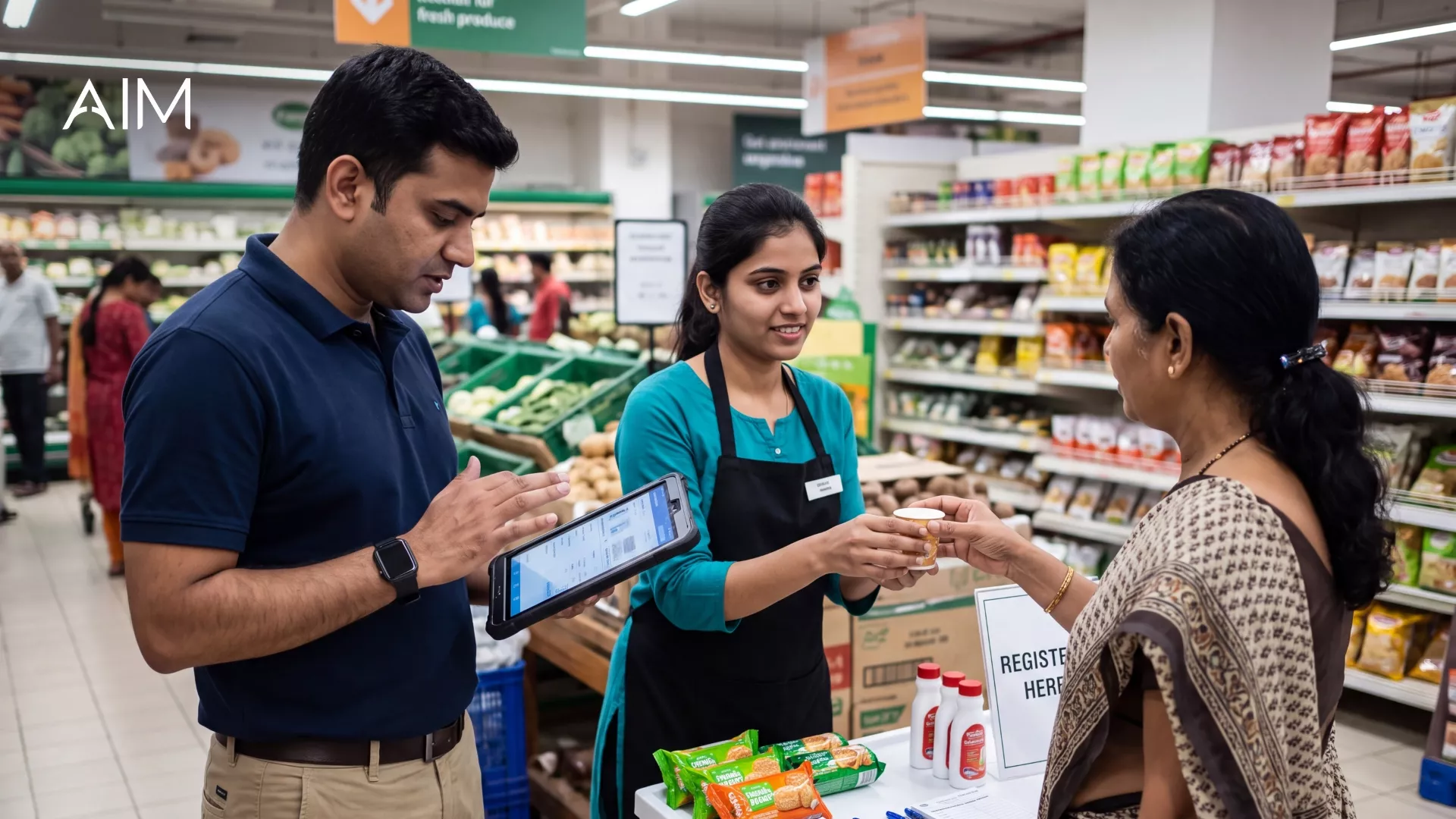


Most product sampling starts with a question about volume. How many samples can we hand out, and where is the biggest crowd? We start somewhere else. Before a single sample is printed, we ask who exactly should try this product, and how we will know if they bought. Everything else in an AIM product sampling campaign follows from those two questions. This is how a data-driven product sampling campaign actually runs, stage by stage, from the brief to the reorder.
Quick answer: AIM runs a data-driven product sampling campaign in a clear sequence. Define the exact buyer, map where that buyer gathers, run a measured pilot before scaling, qualify each person at the point of trial, capture them with a QR or opt-in, tie every sample to a coupon or code, track trial to purchase and repeat, then read the data to optimise the next wave. The result is sampling measured in buyers acquired, not samples handed out.
What makes a product sampling campaign data-driven?
A data-driven product sampling campaign is one where every sample is aimed using data and traced using data. It is planned around a defined buyer instead of raw footfall, and it is built so that each sample can be followed from trial to purchase. The difference is not that we use spreadsheets. It is that the campaign is designed, from the first step, to produce evidence, who tried the product, whether they fit the target, and what they did next. Traditional sampling produces a distribution number. A data-driven campaign produces a funnel.
Stage 1: Start with the buyer, not the samples
Every campaign begins with a sharp definition of who the sample is for. Not everyone, not a vague age band, but the real category buyer, the young mother, the acne-prone shopper, the lapsed user, whoever the brief actually names. We would rather put the product in front of the right two thousand people than the wrong twenty thousand. That single decision shapes the entire plan, because the buyer decides the channel, never the other way around.
Stage 2: Map where that buyer actually gathers
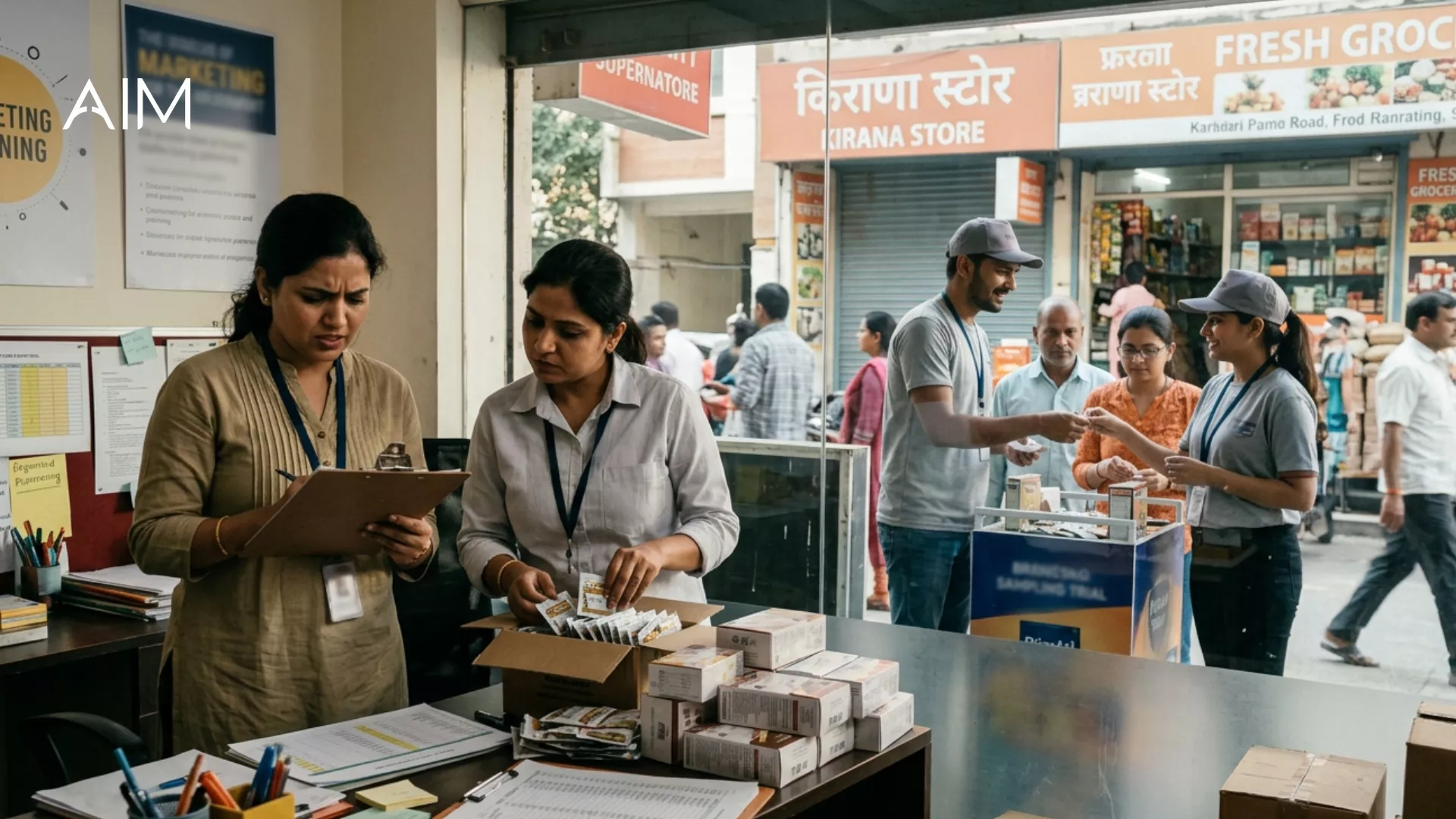
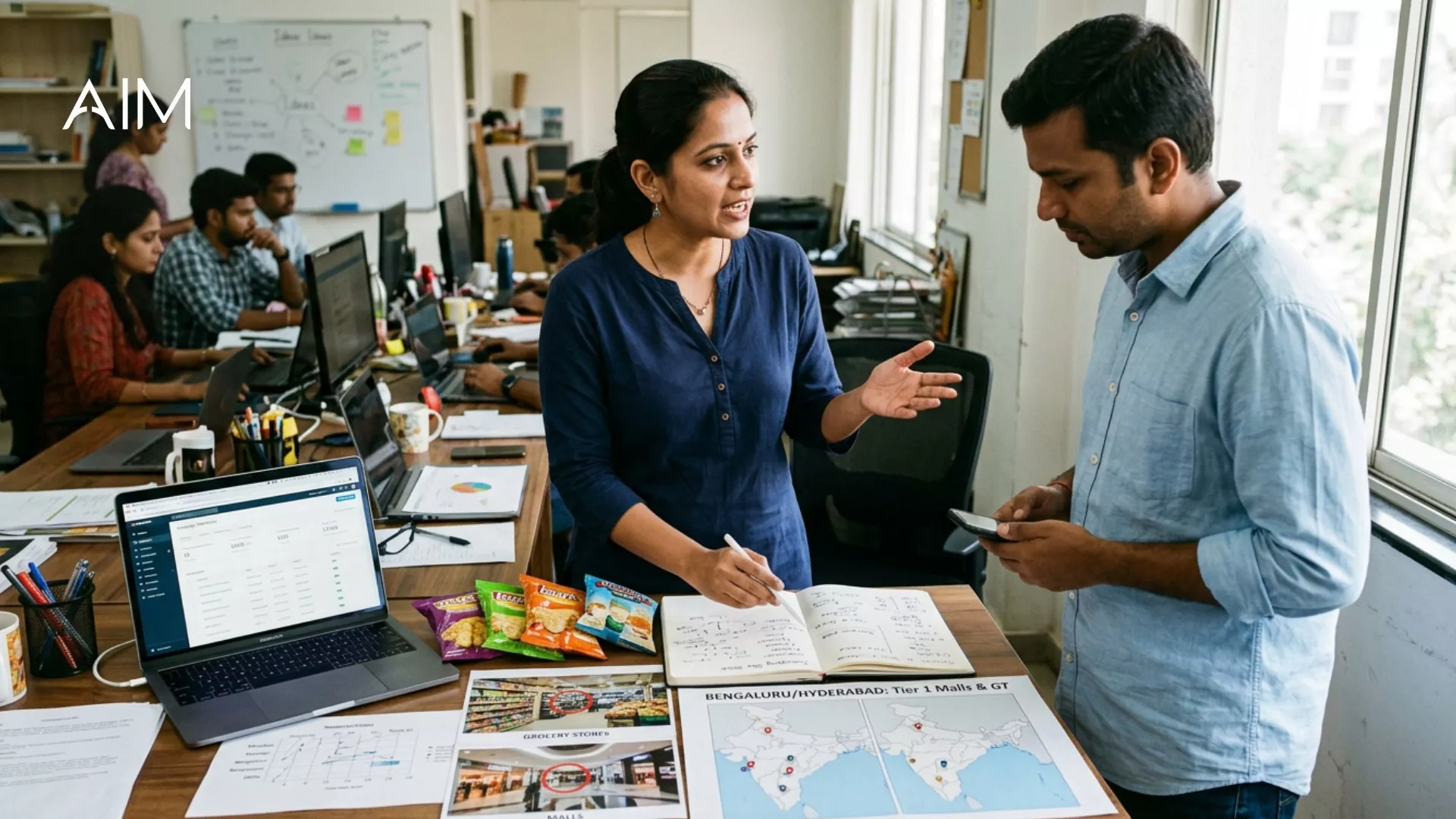
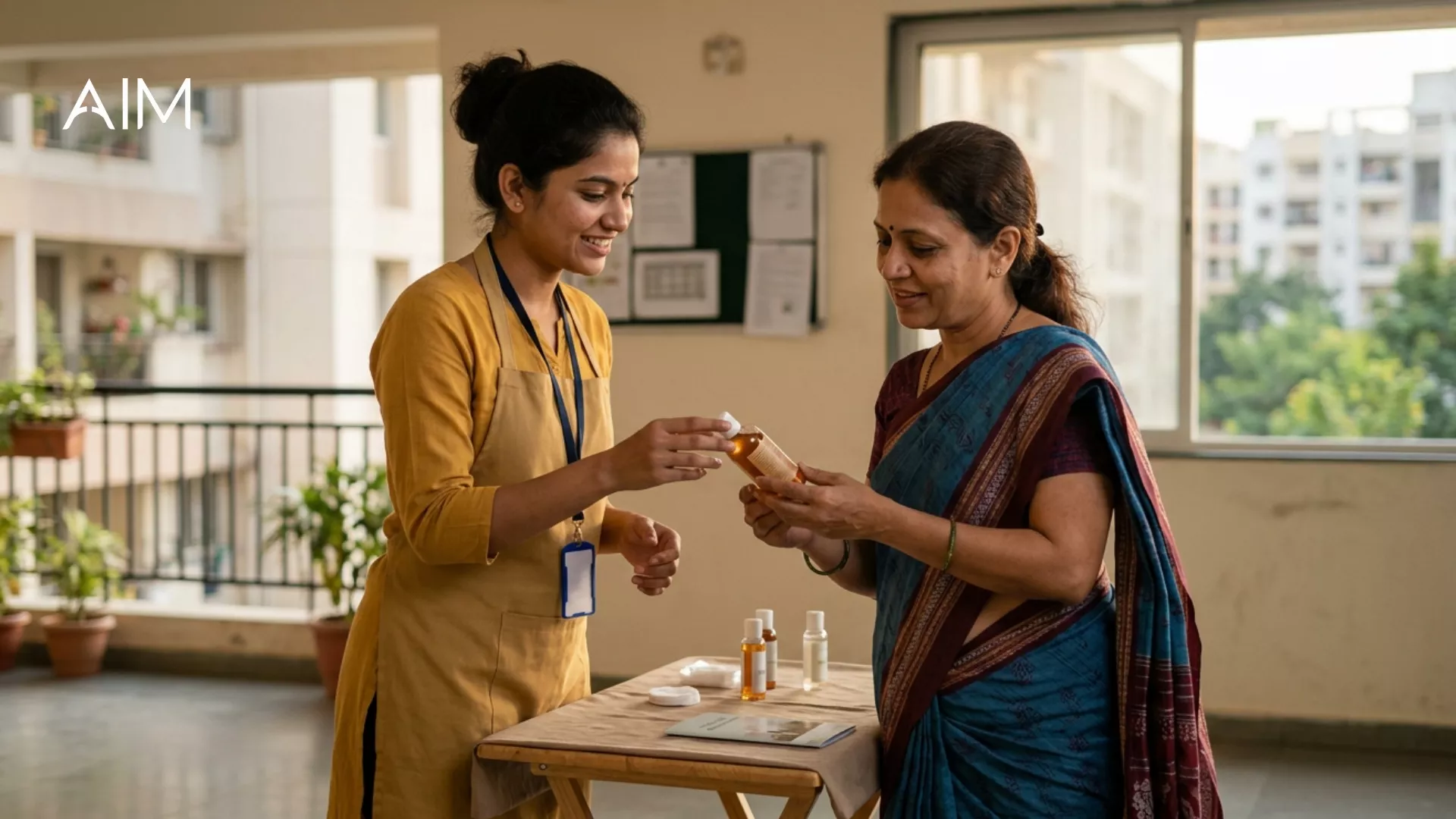
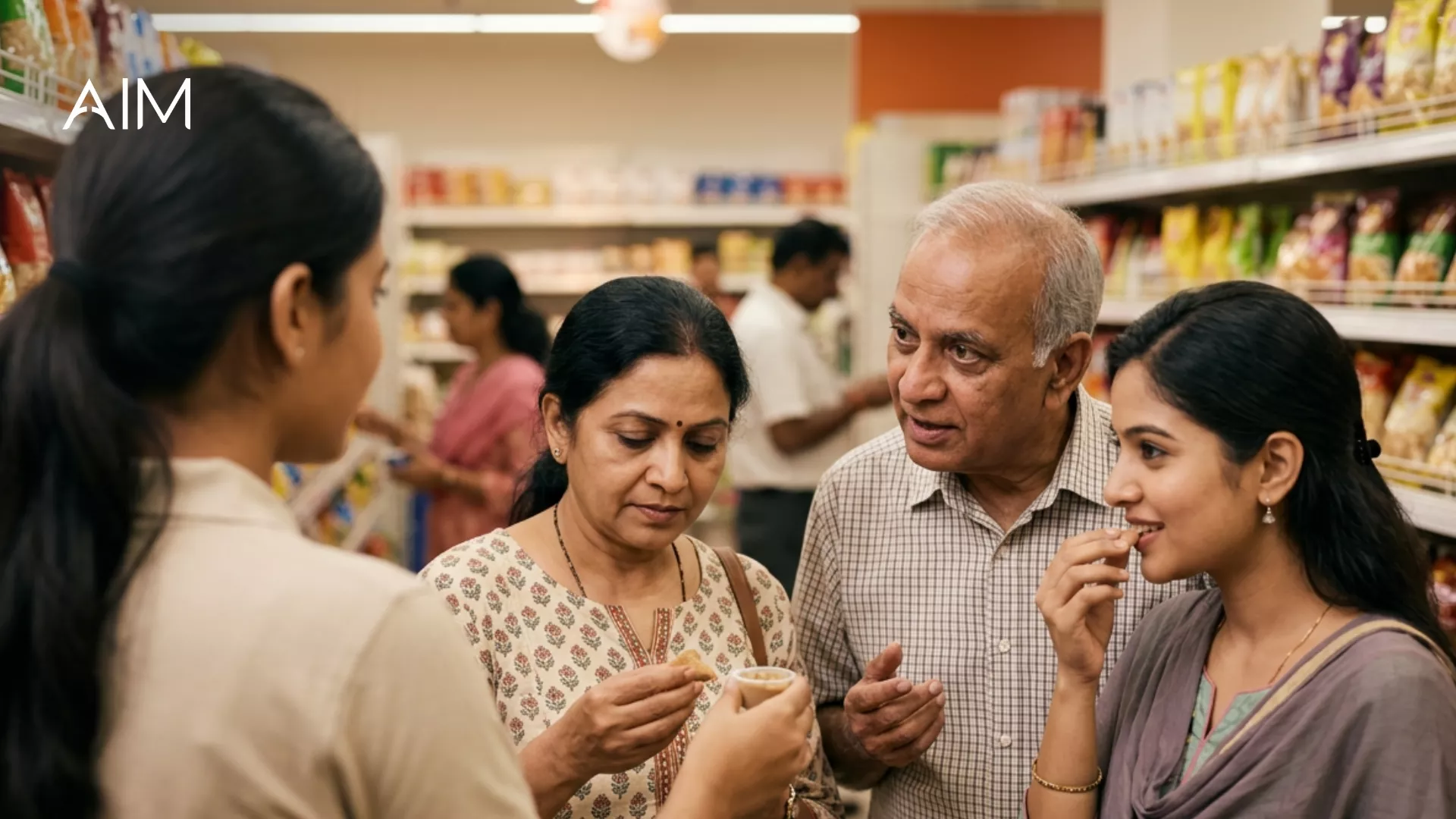
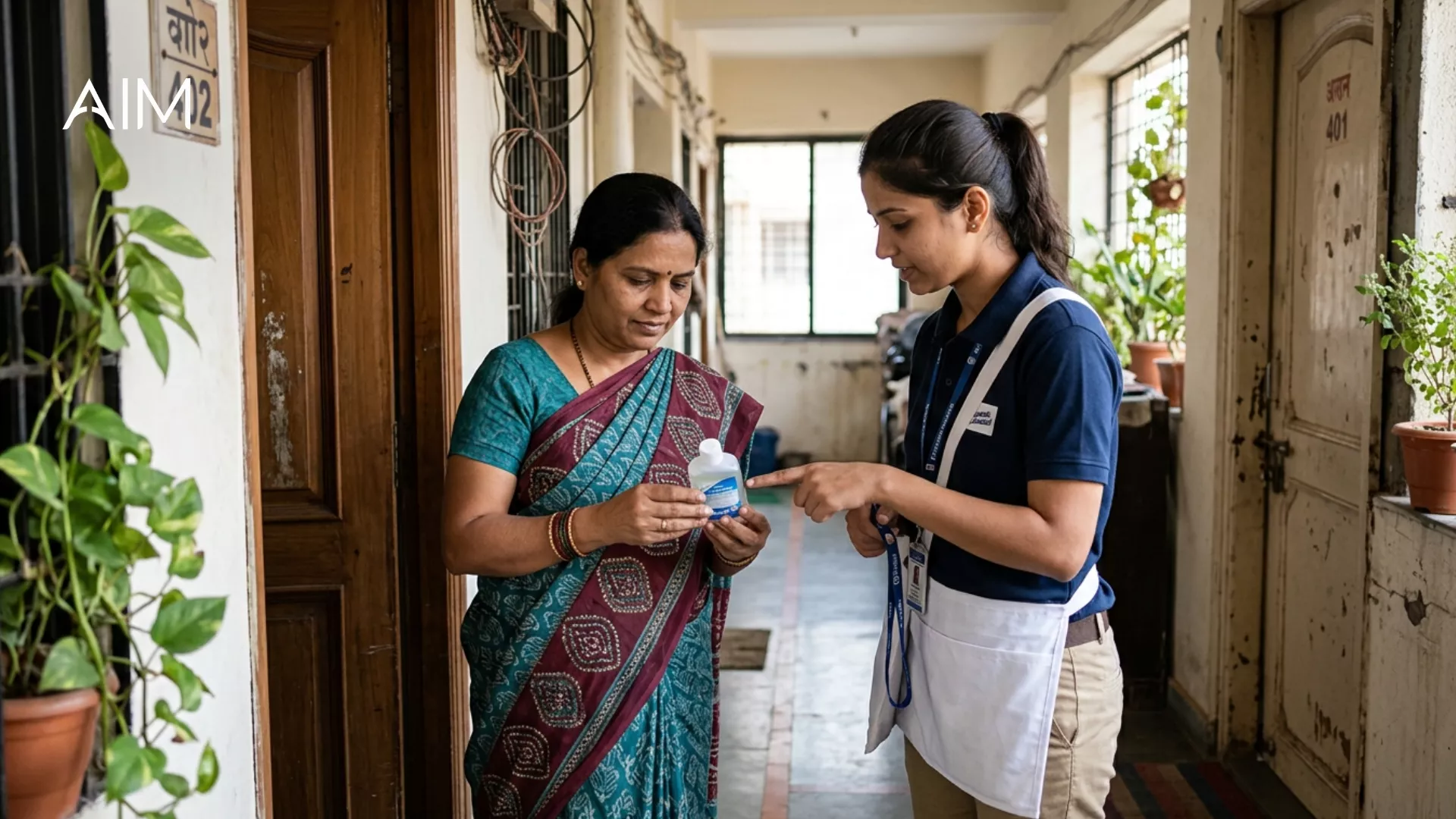
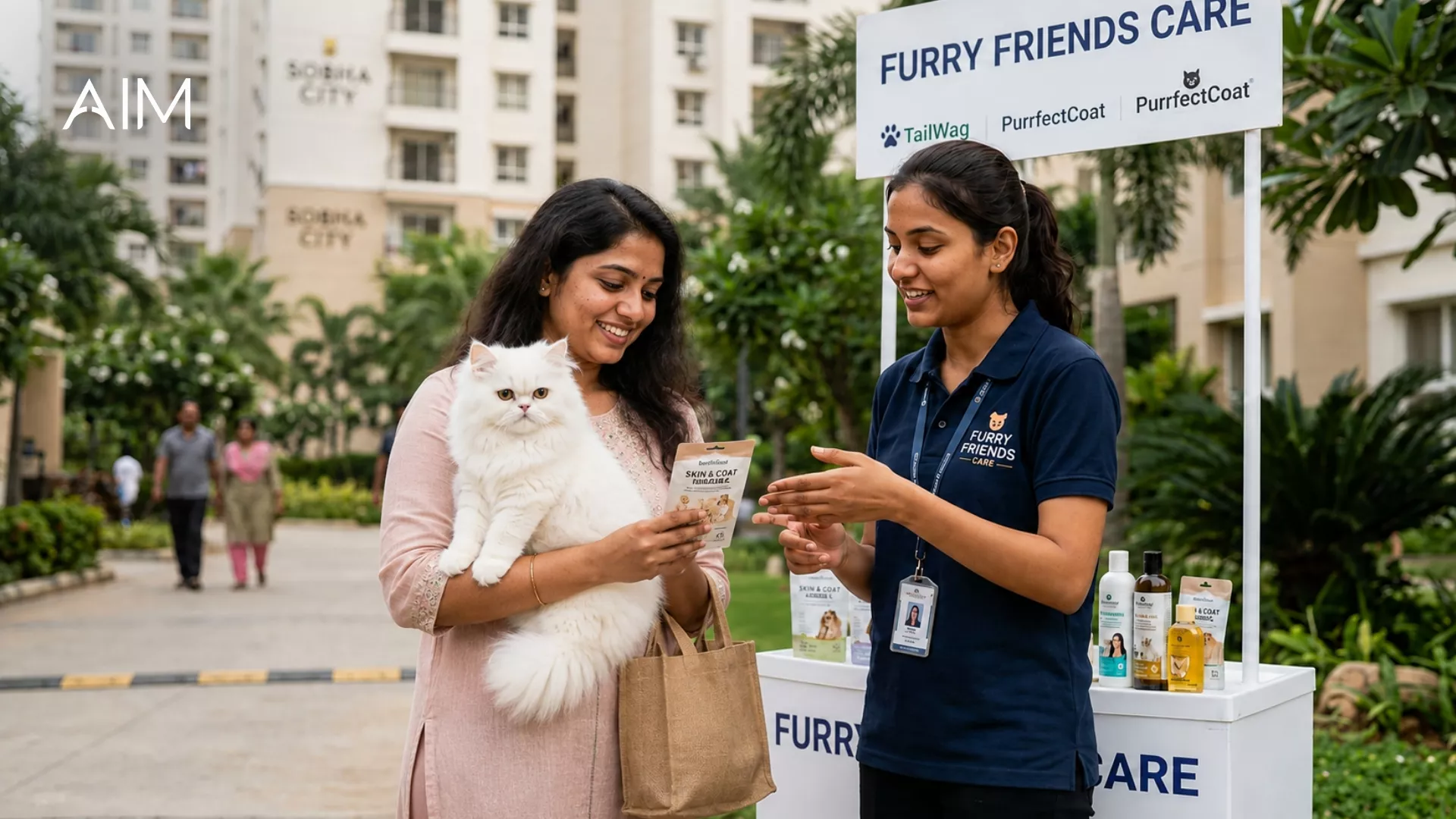
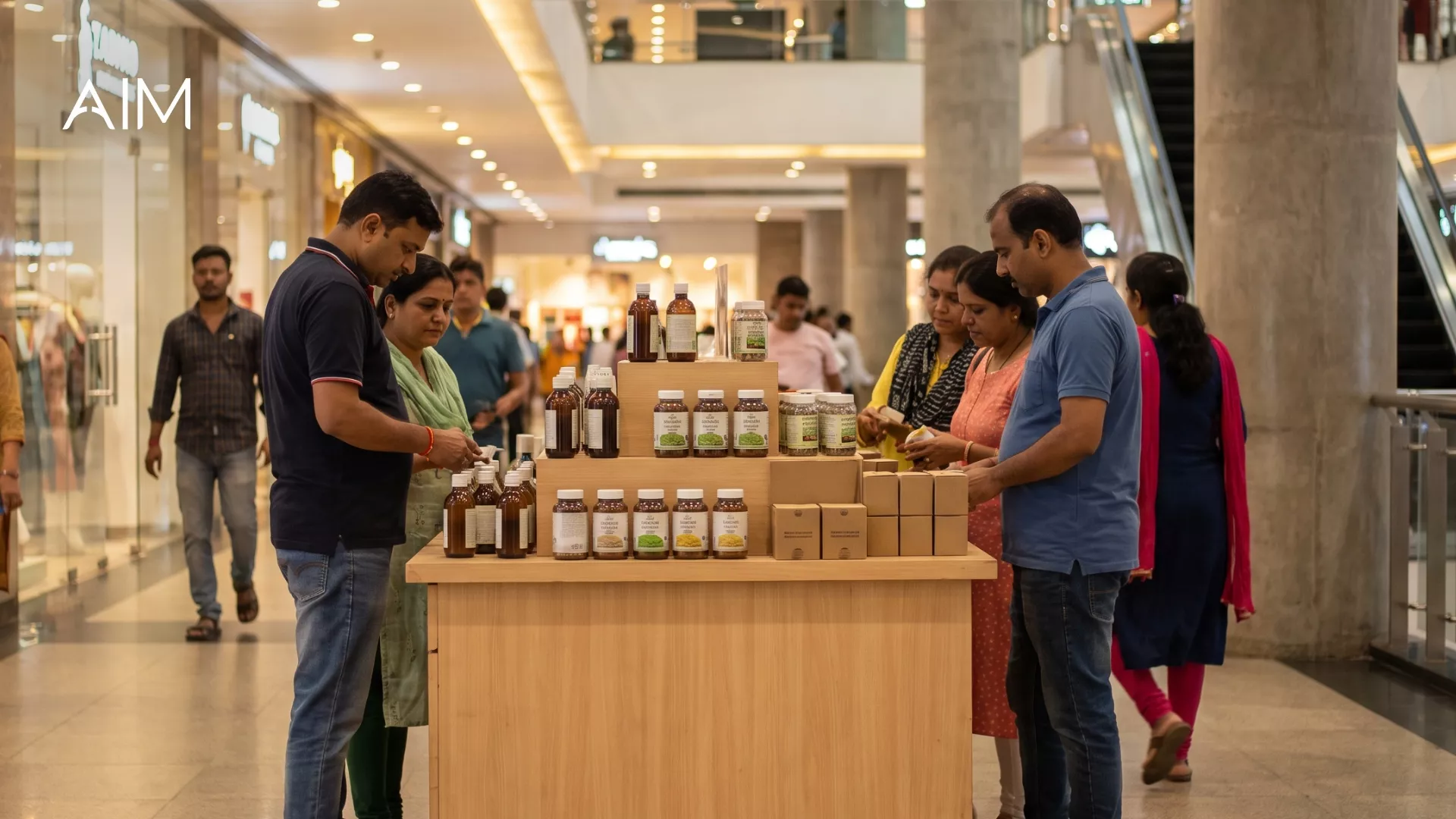
Once we know the buyer, we find where they cluster, using audience and location data instead of gut. That might be a specific set of residential societies, an office cluster, a set of beauty counters, a gym circuit, or an e-commerce basket profile. The point is to choose locations for fit, not for footfall. A crowded mall is worthless if your buyer does not shop there, and a quieter location full of the right people is worth far more.
Stage 3: Pilot before you scale
We almost always prefer a measured pilot over a blind large rollout. A pilot across a controlled set of locations tells us what actually converts before the full budget is committed. For a brand with a fixed quarterly budget, this is the difference between learning cheaply and losing expensively. Sampling is controlled market learning, and a pilot is how you buy that learning without betting the whole campaign on an untested assumption.
Stage 4: Qualify the person at the point of trial
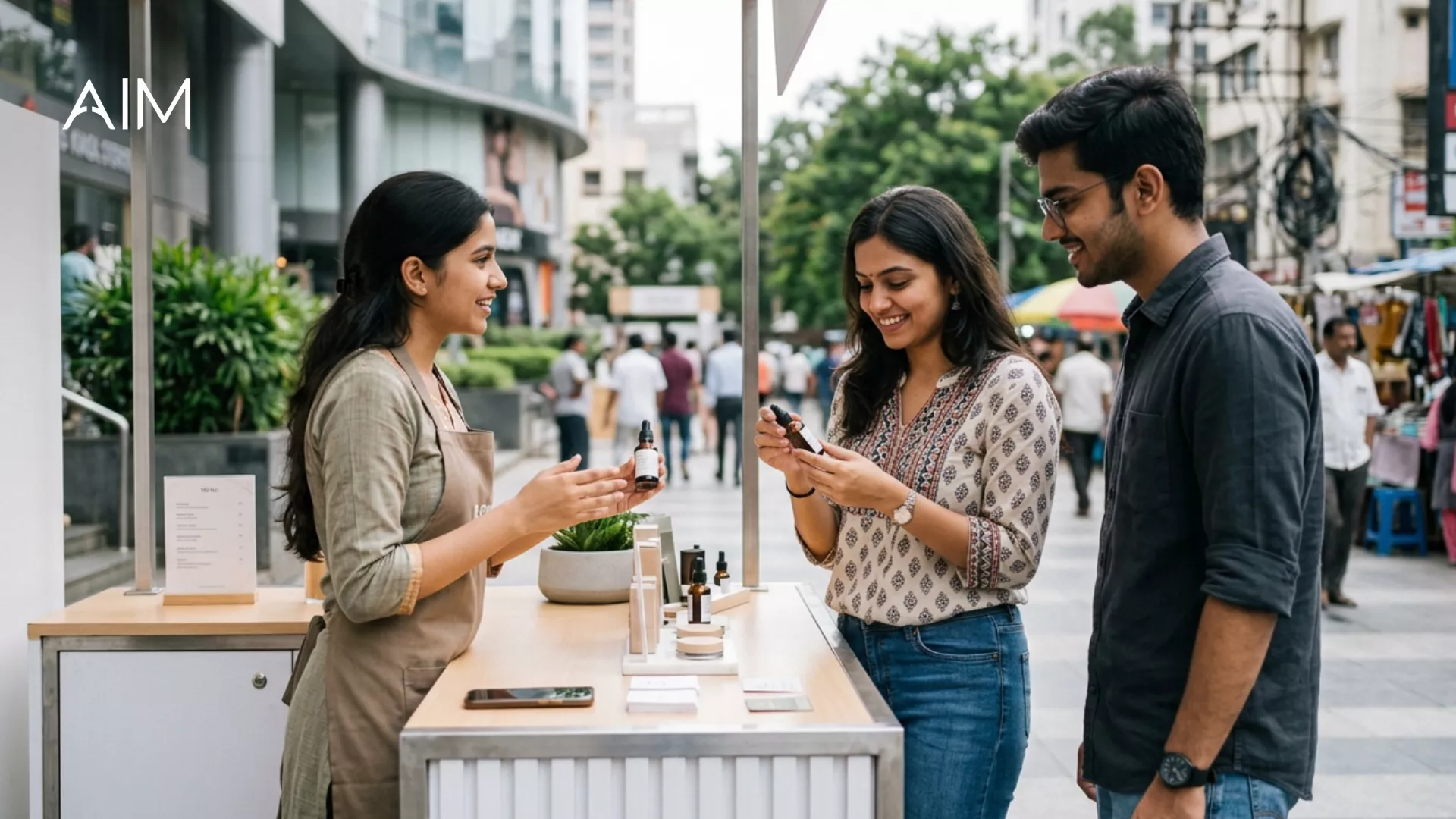
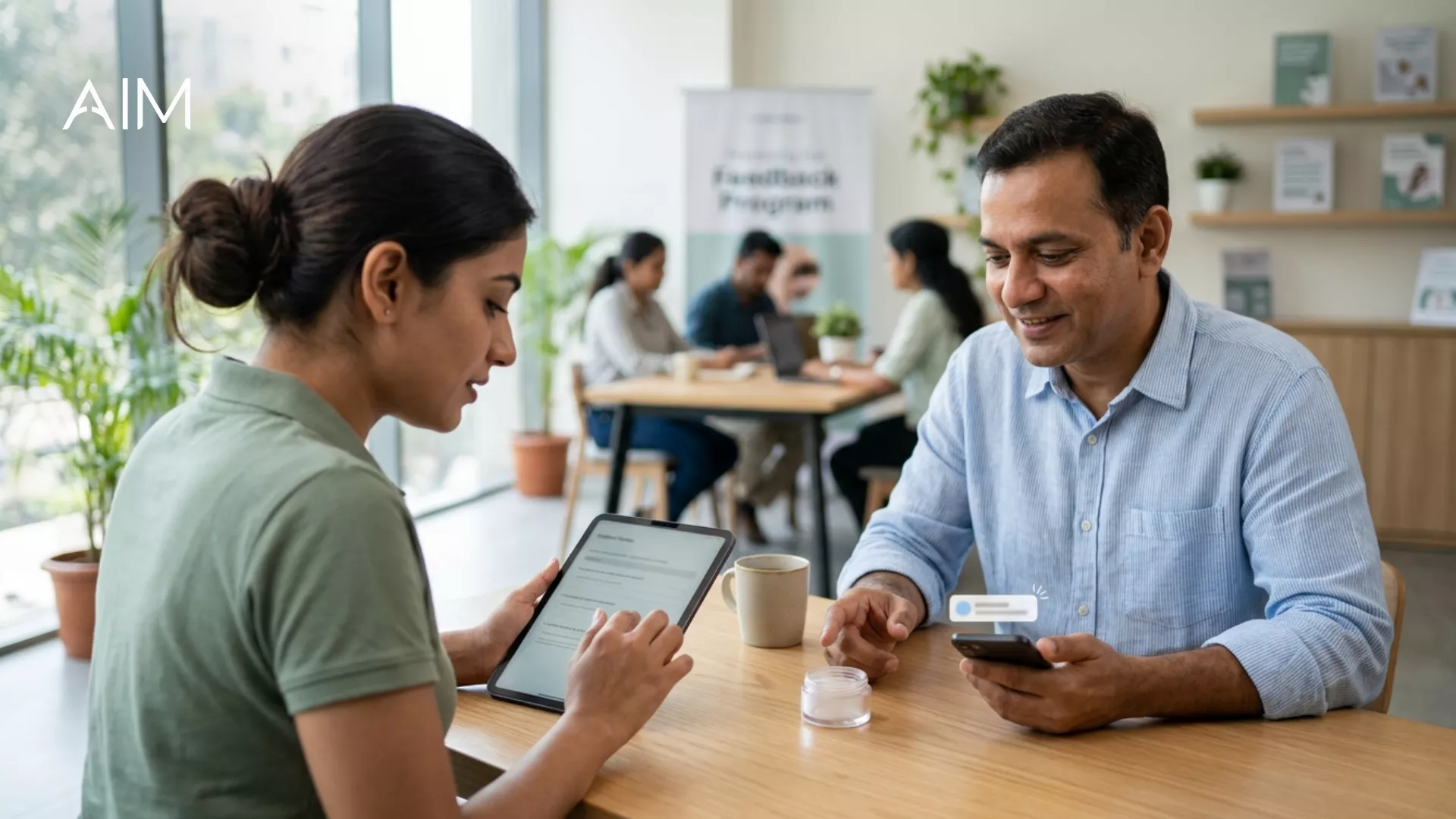
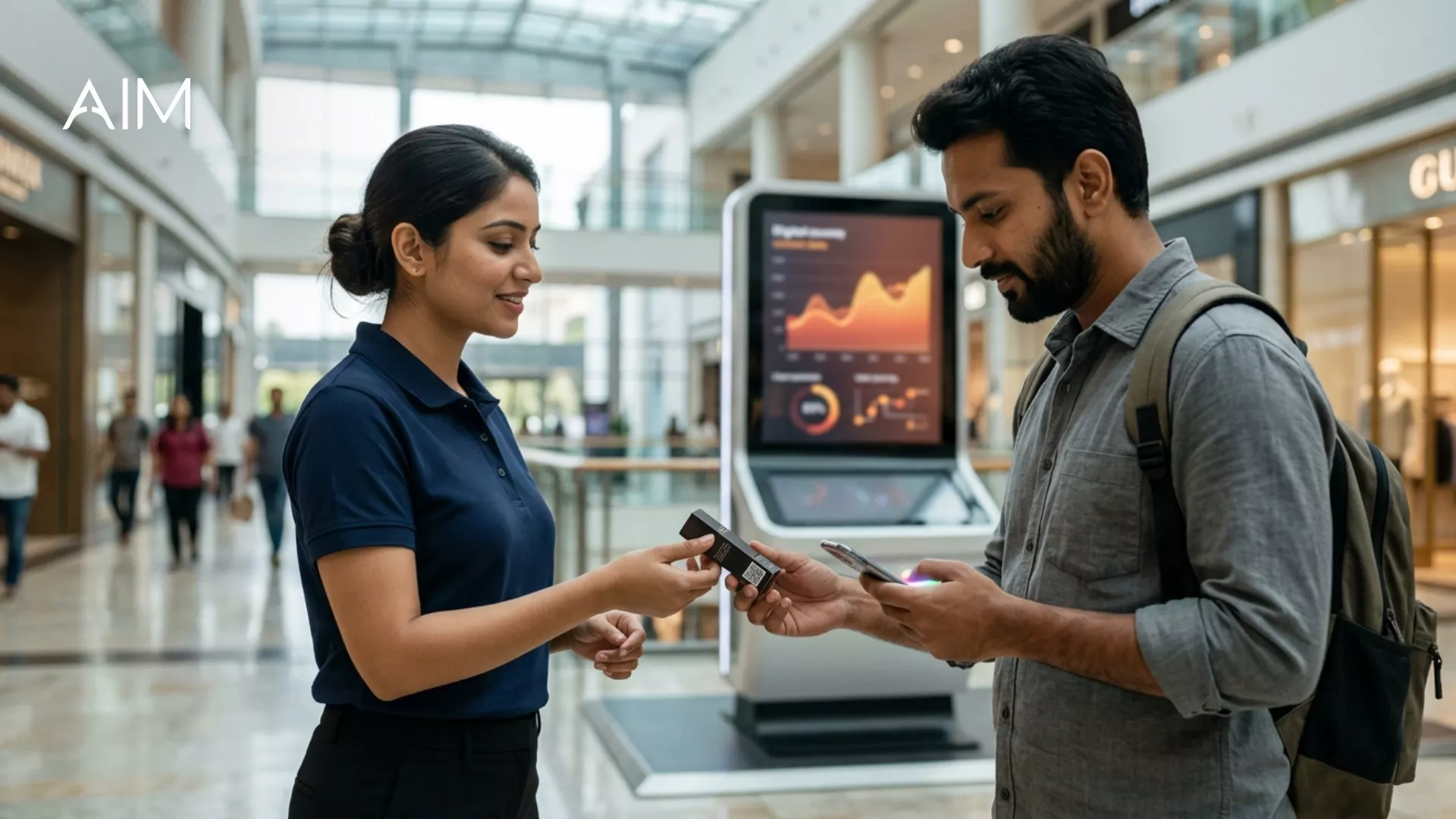
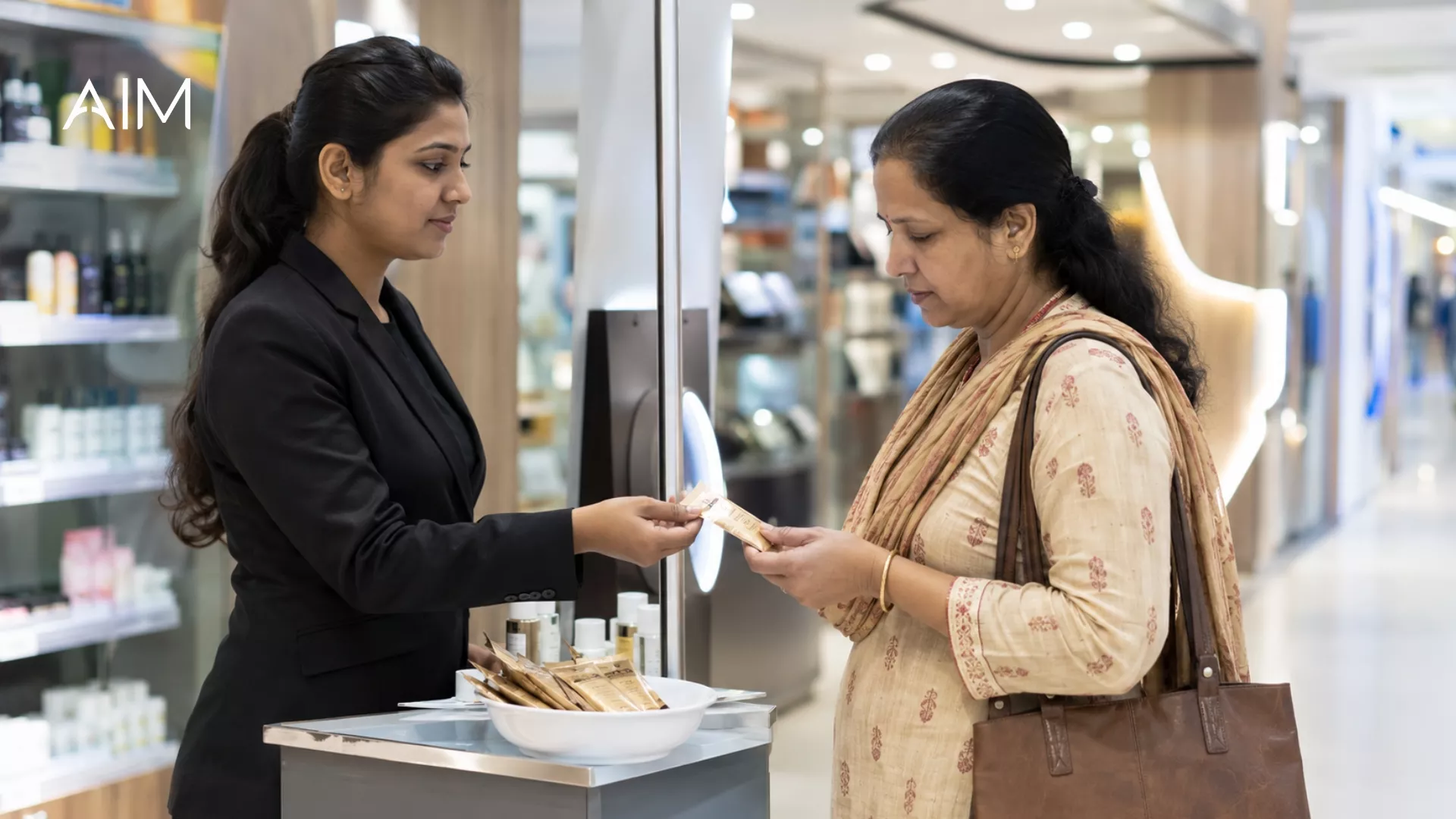
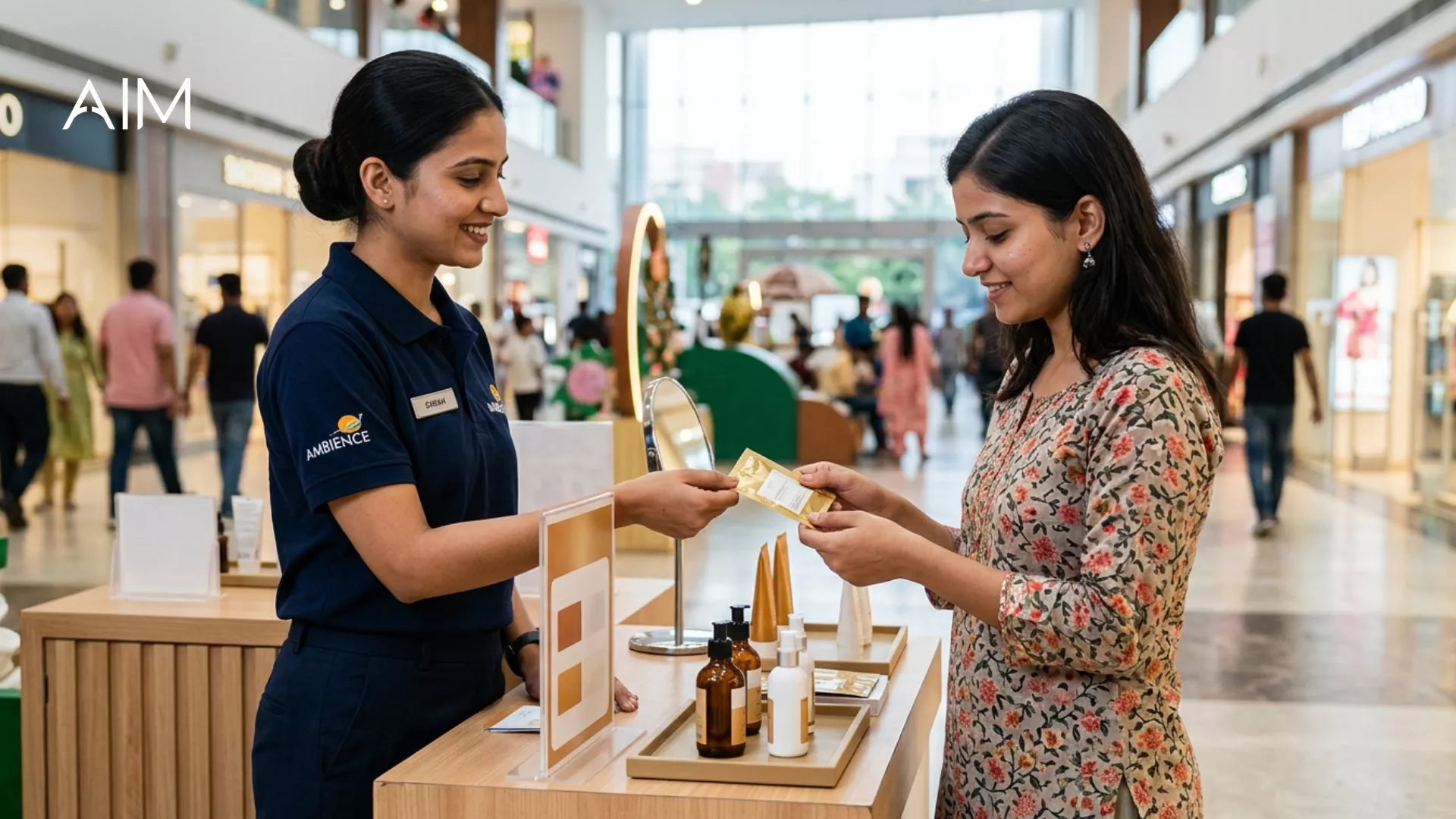
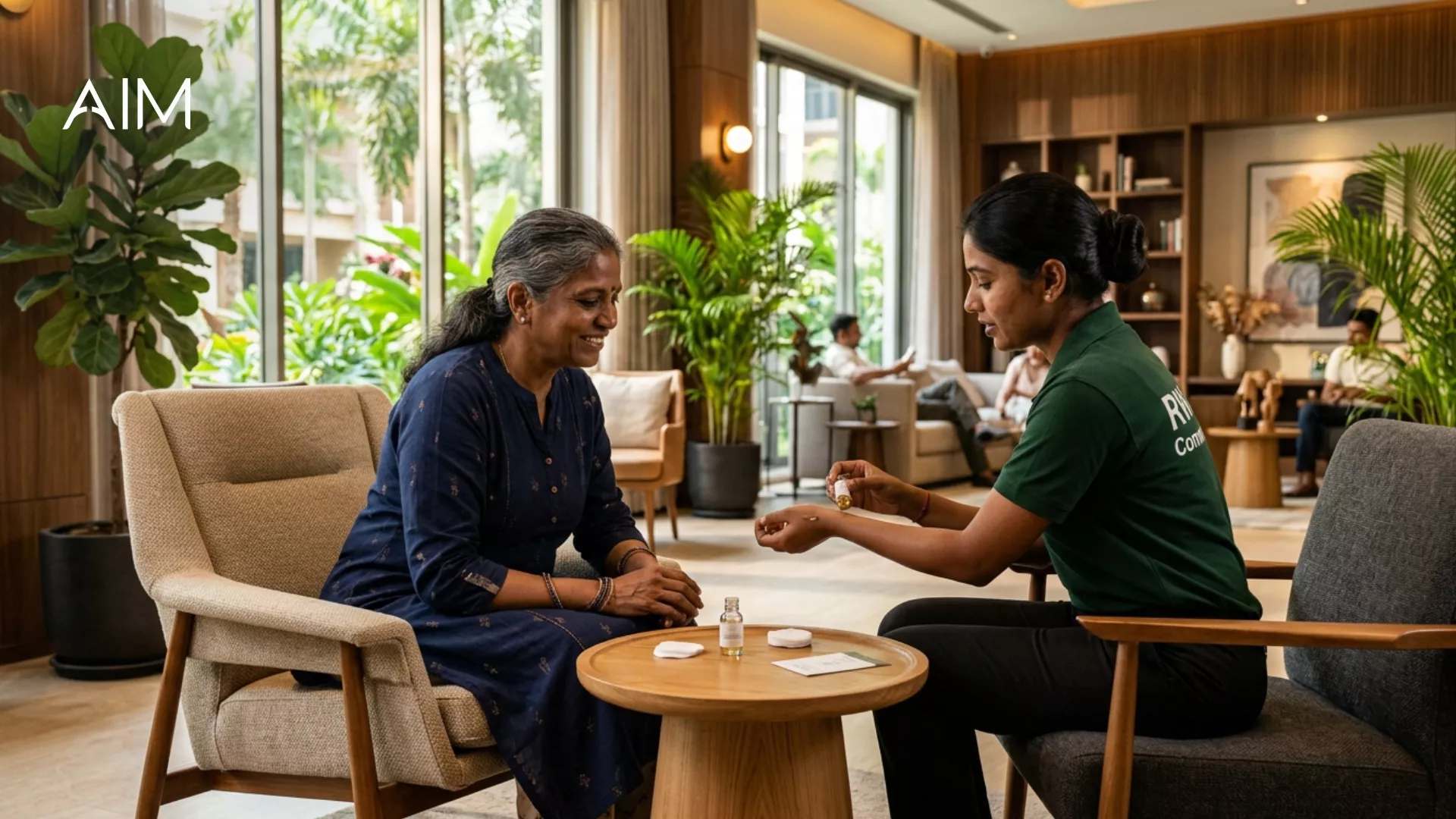
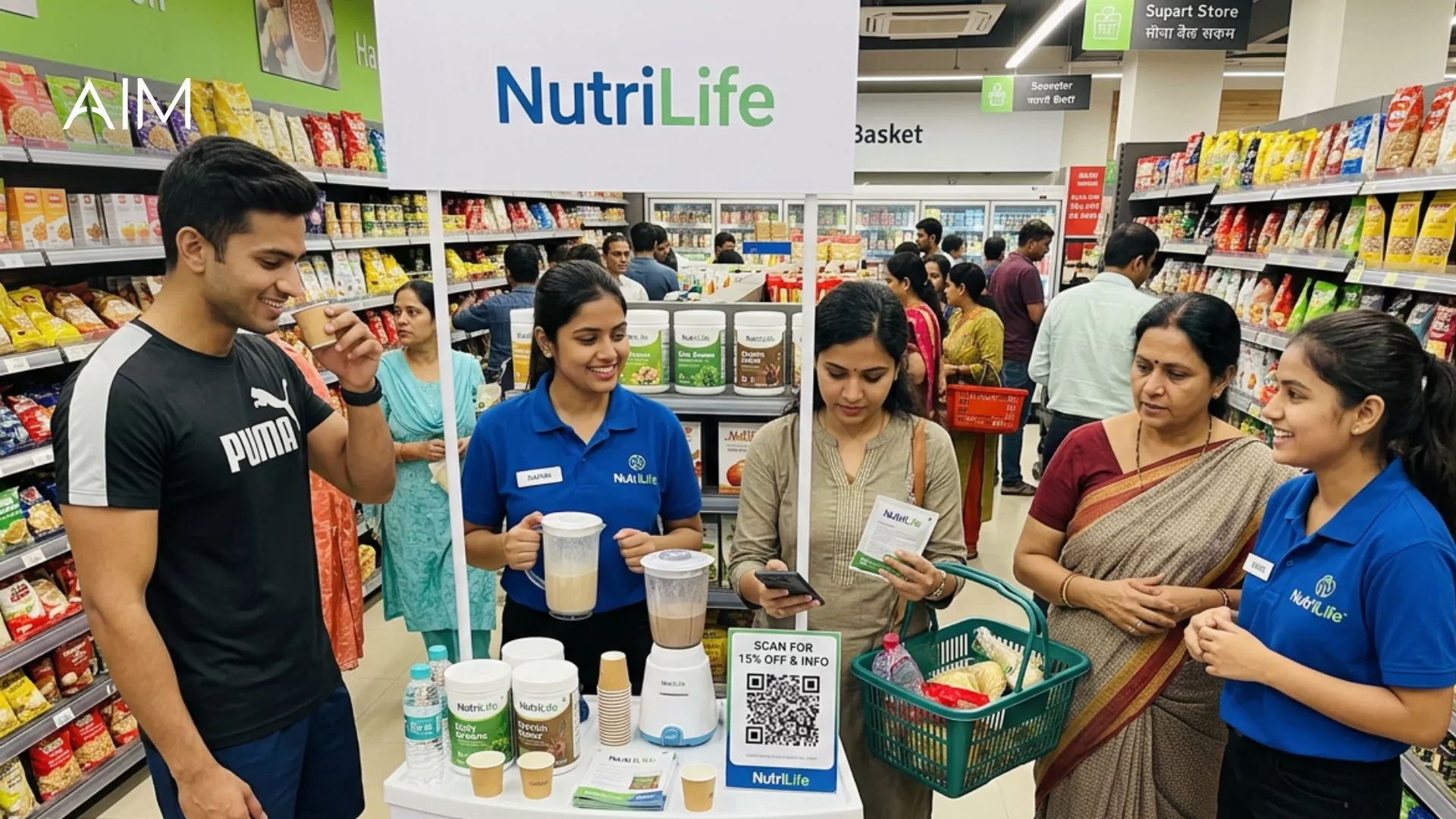
This is where a data-driven campaign separates itself from a giveaway. At the moment someone takes a sample, a quick opt-in or a QR scan and a question or two confirms whether this is a real category buyer in the target. It screens out the serial sample-grabber taking their sixth, and it makes sure the trial is landing on someone who could genuinely become a customer. The person just feels like they are getting a sample. We are quietly making sure it is the right person.
Stage 5: Capture first-party data
The qualification step does double duty. It also turns an anonymous handout into a known, profiled person the brand can reach again. Every qualified sample becomes a first-party record, a real potential buyer with a profile, not a face in a crowd. For most brands this is a genuinely new asset. The campaign that used to leave with photos now leaves with an audience.
Stage 6: Tie every sample to a coupon or code
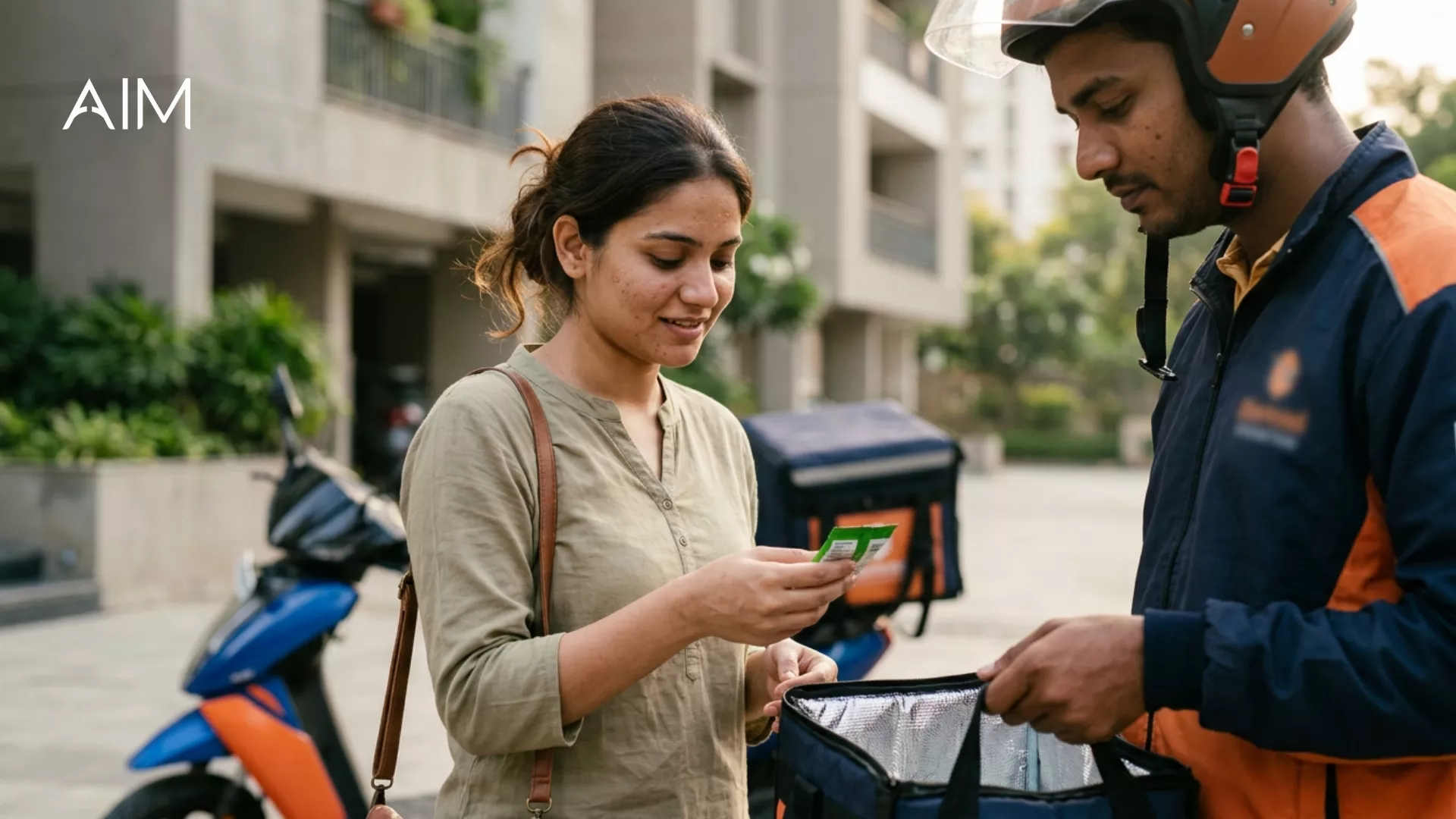
Each sample carries a unique coupon or code, redeemable in store or online. This does two things at once. It gives the person a reason to make that first purchase while the trial is fresh, and it gives us the thread that connects the sample to the sale. Without this link, there is no way to prove trial led to purchase, so it is built into every campaign from the start, never bolted on afterwards.
Stage 7: Track trial to purchase, and then to repeat
When a code is redeemed, we tie that purchase back to the exact sample, location, and audience segment it came from. This is sample-to-sale tracking, and it is the heart of the method. For repeat-driven categories, we keep tracking past the first purchase to the reorder, because in beverages, personal care, and supplements the second purchase is where the real value sits. The brand can finally see the full line, from a sample in a hand to a customer who came back.
Stage 8: Read the data and improve the next wave
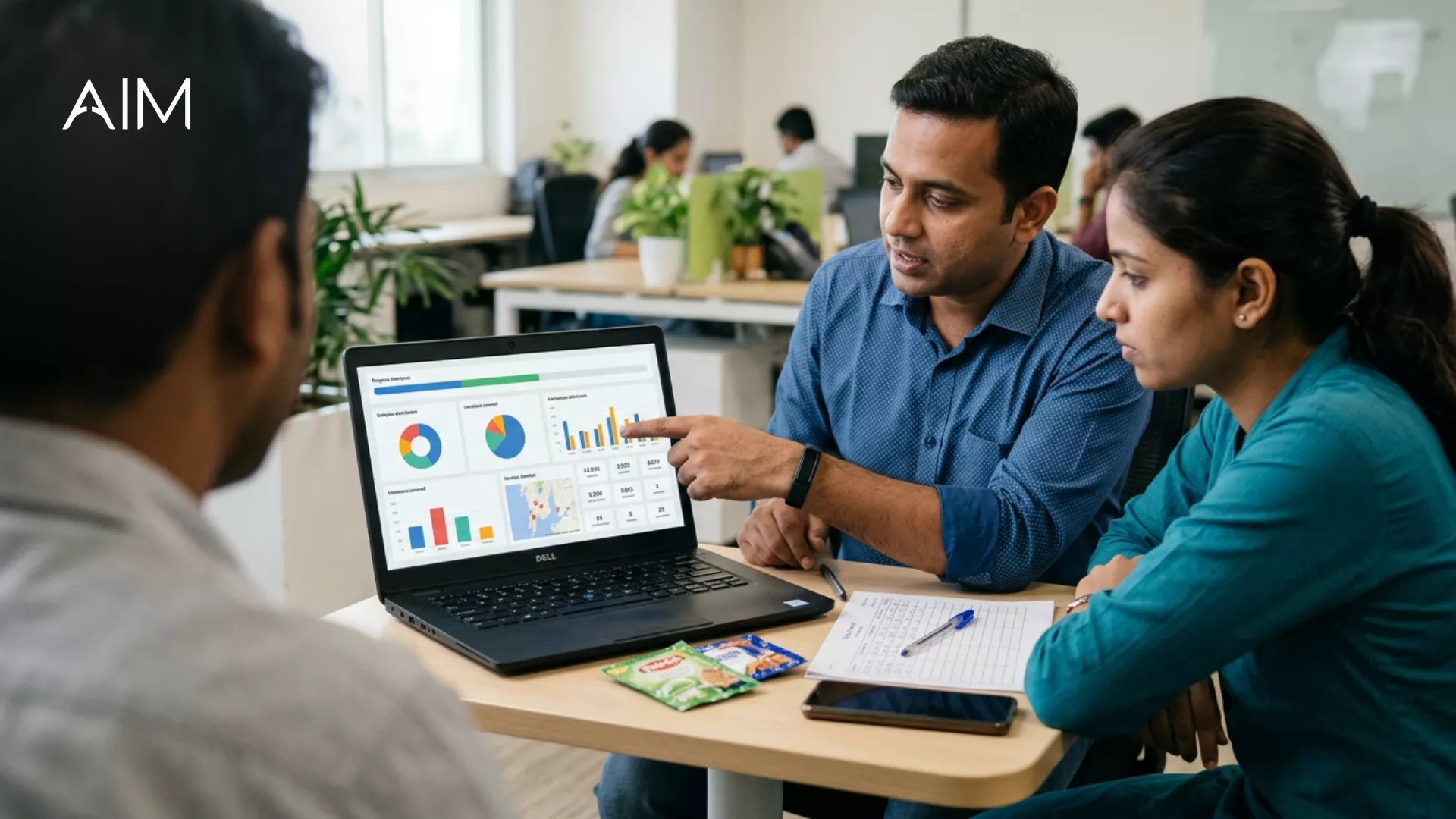
At the end, the campaign hands back a picture, not a headline. Which locations converted, which audiences responded, where the budget worked and where it leaked. We use that to retarget the people who bought, drop the segments that did not, and plan the next wave on evidence. A single campaign becomes the map for the next one, which is exactly what sampling should do and almost never does.
What does the brand actually get back?
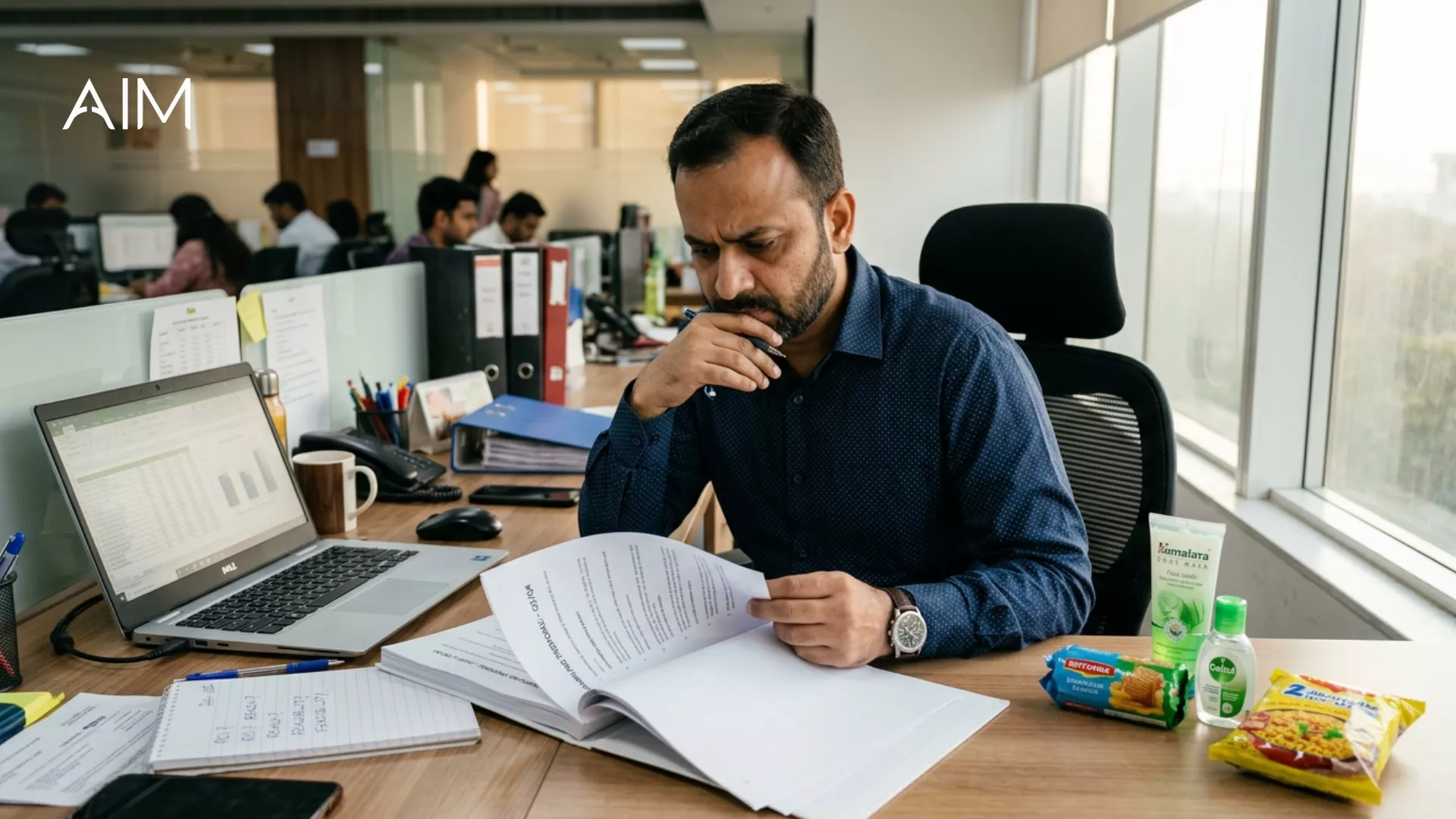
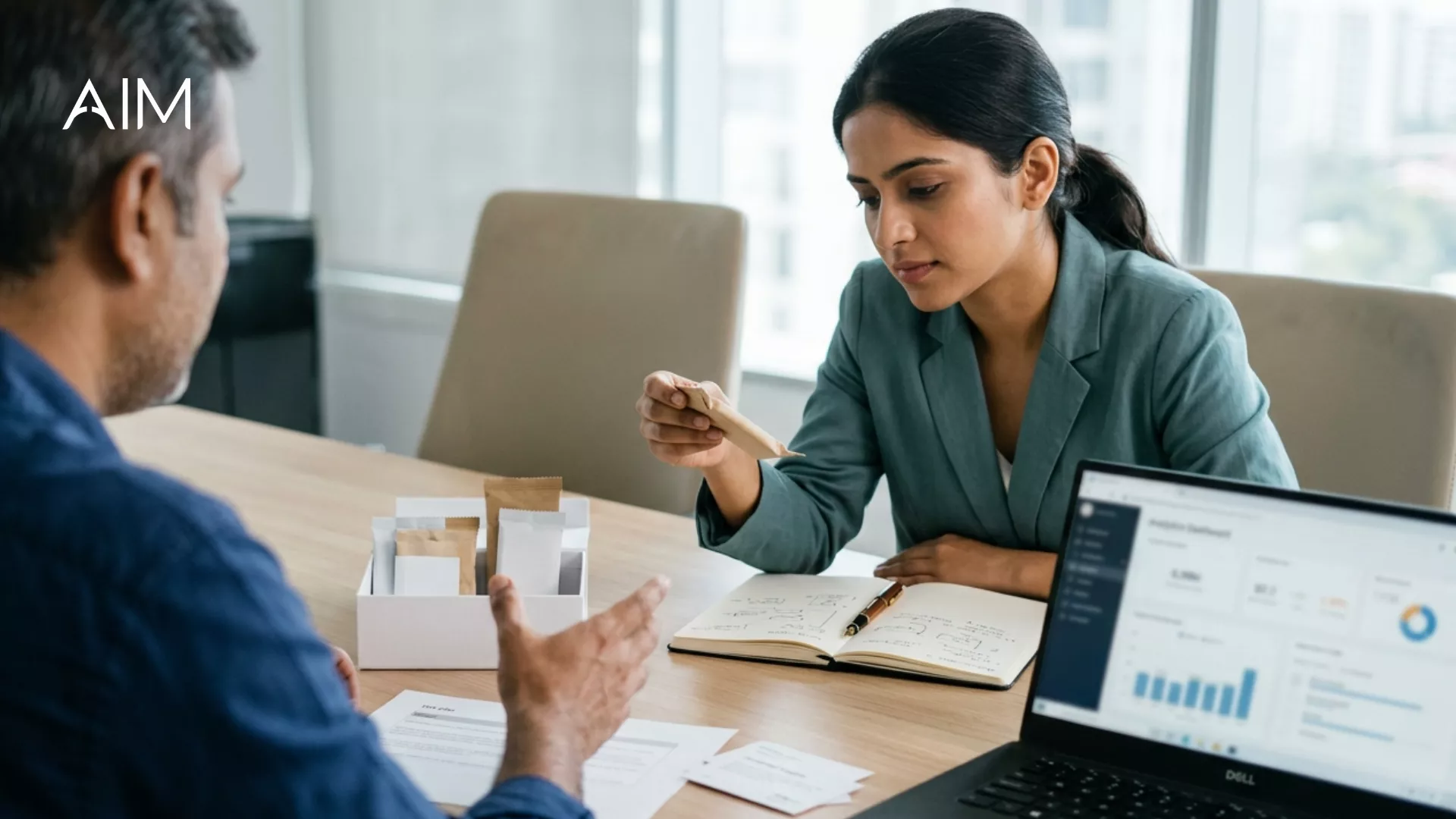
Instead of a folder of activation photos and a distribution number, an AIM campaign returns a clear report: how many samples reached people in the target profile, how many redeemed, how many bought, how many repeated, what they told us, and which locations and audiences performed best. That is a report you can take into a budget meeting and defend, and it is a product sampling ROI you can actually calculate. The photos were never the point. The buyers are.
How is this different from traditional sampling?
Traditional sampling optimises for the size of the crowd and reports what the team did. A data-driven campaign optimises for the fit of the buyer and reports what the buyer did. One hands product to whoever reaches the table first and hopes. The other decides who the sample is for, confirms it at the moment of trial, and follows the person to the sale. Same activity on the surface, completely different outcome underneath, and only one of them survives the question every CMO eventually asks: how many of them bought?
Where AIM runs data-driven product sampling
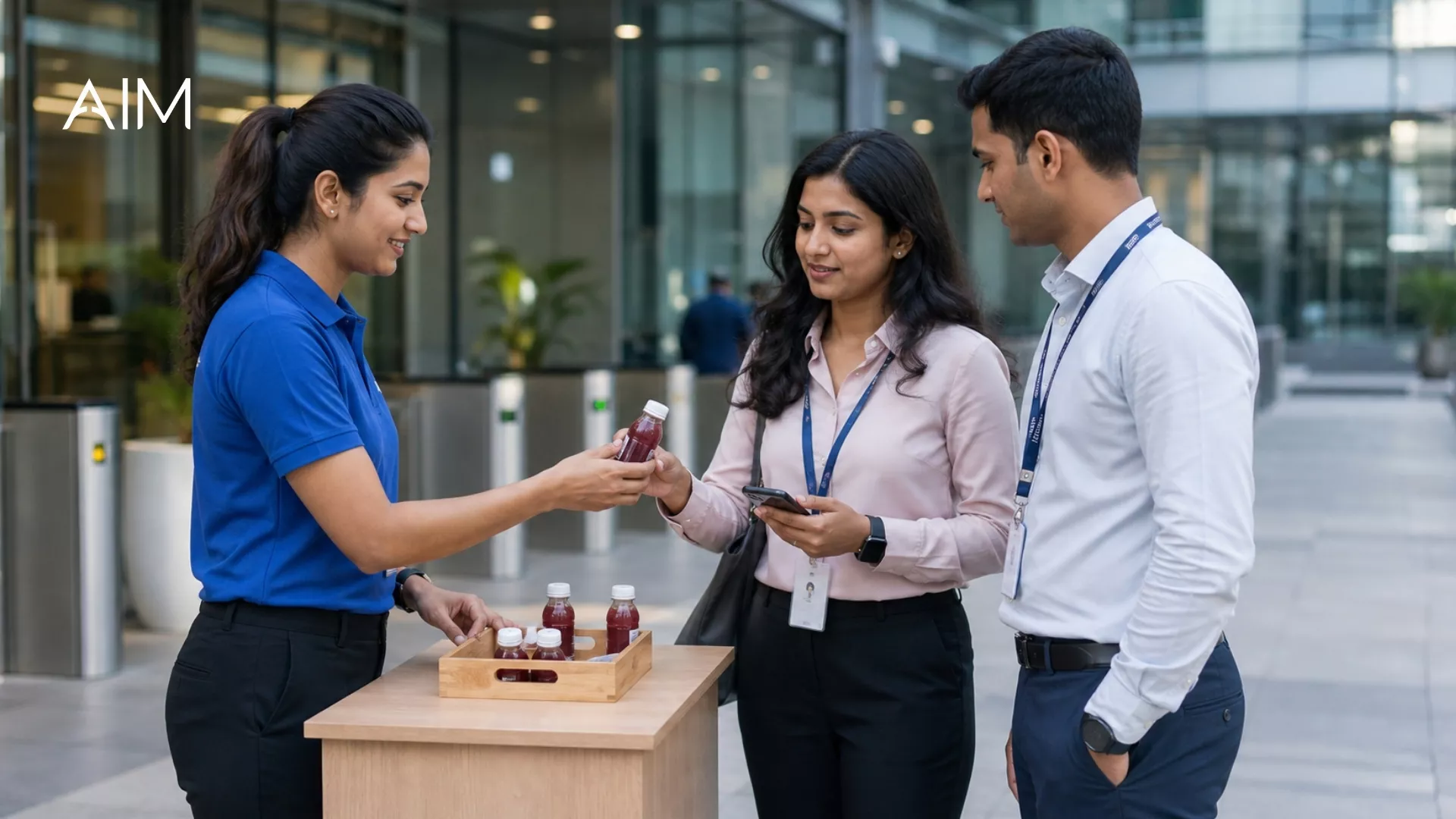
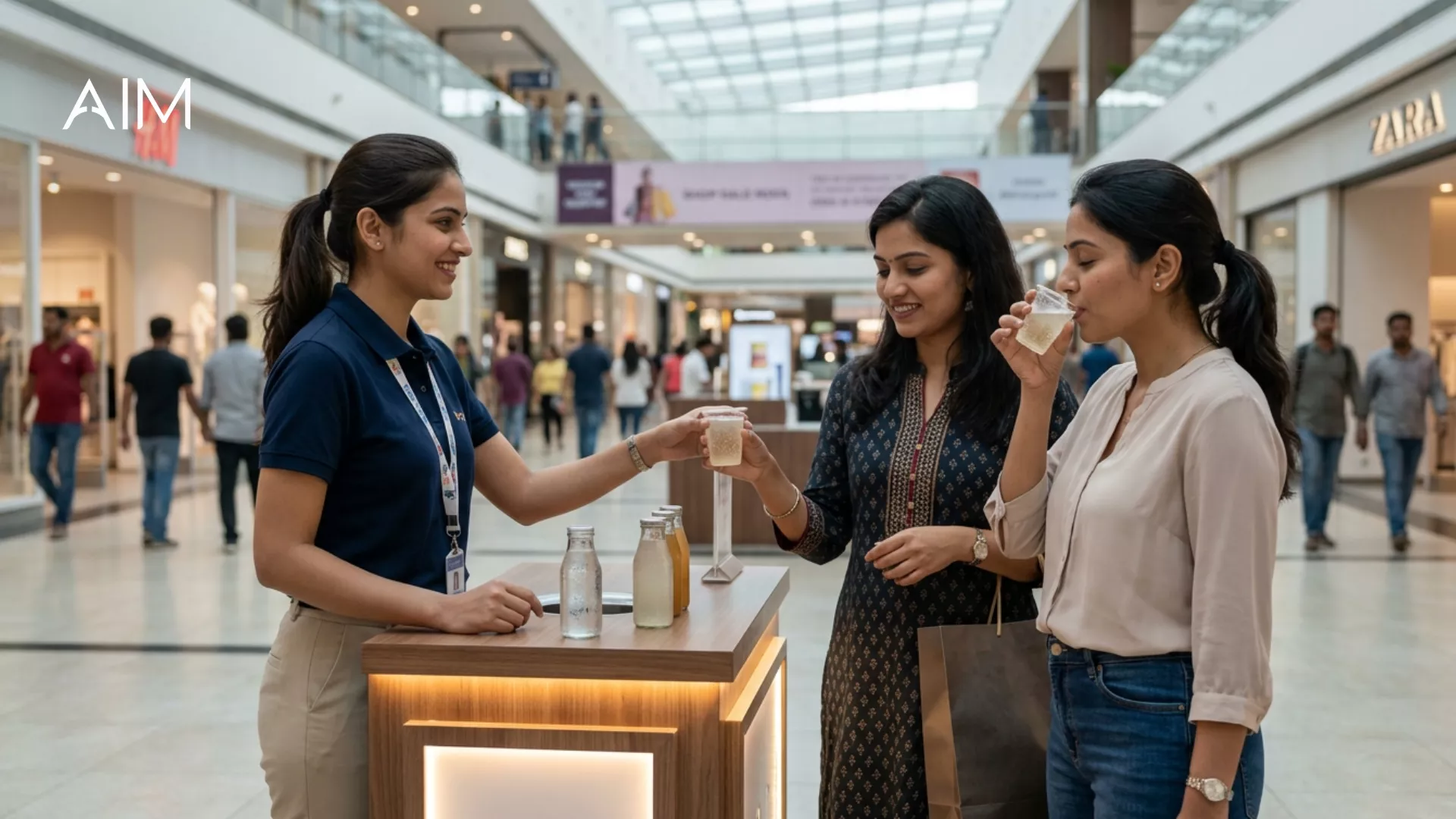
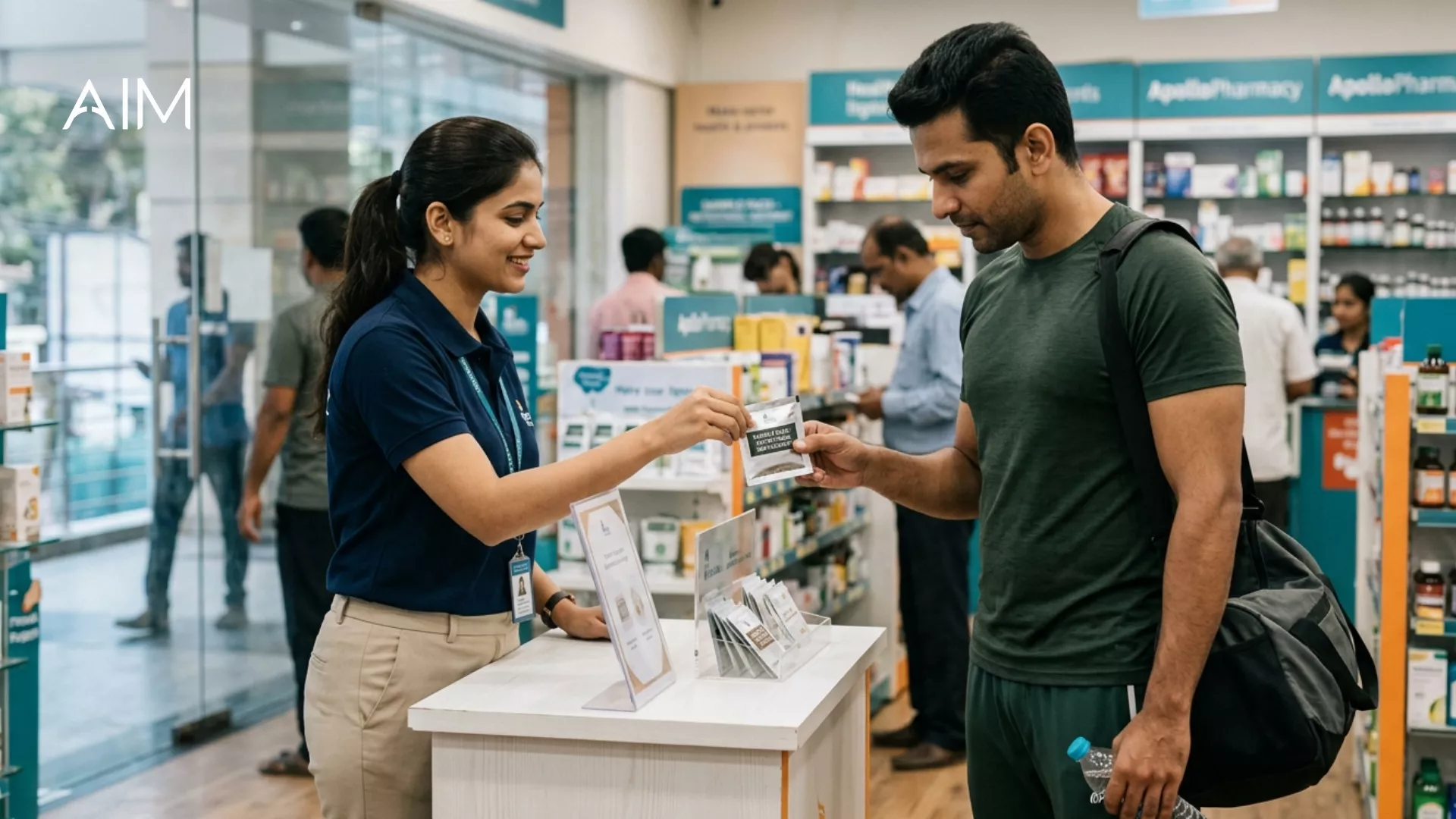
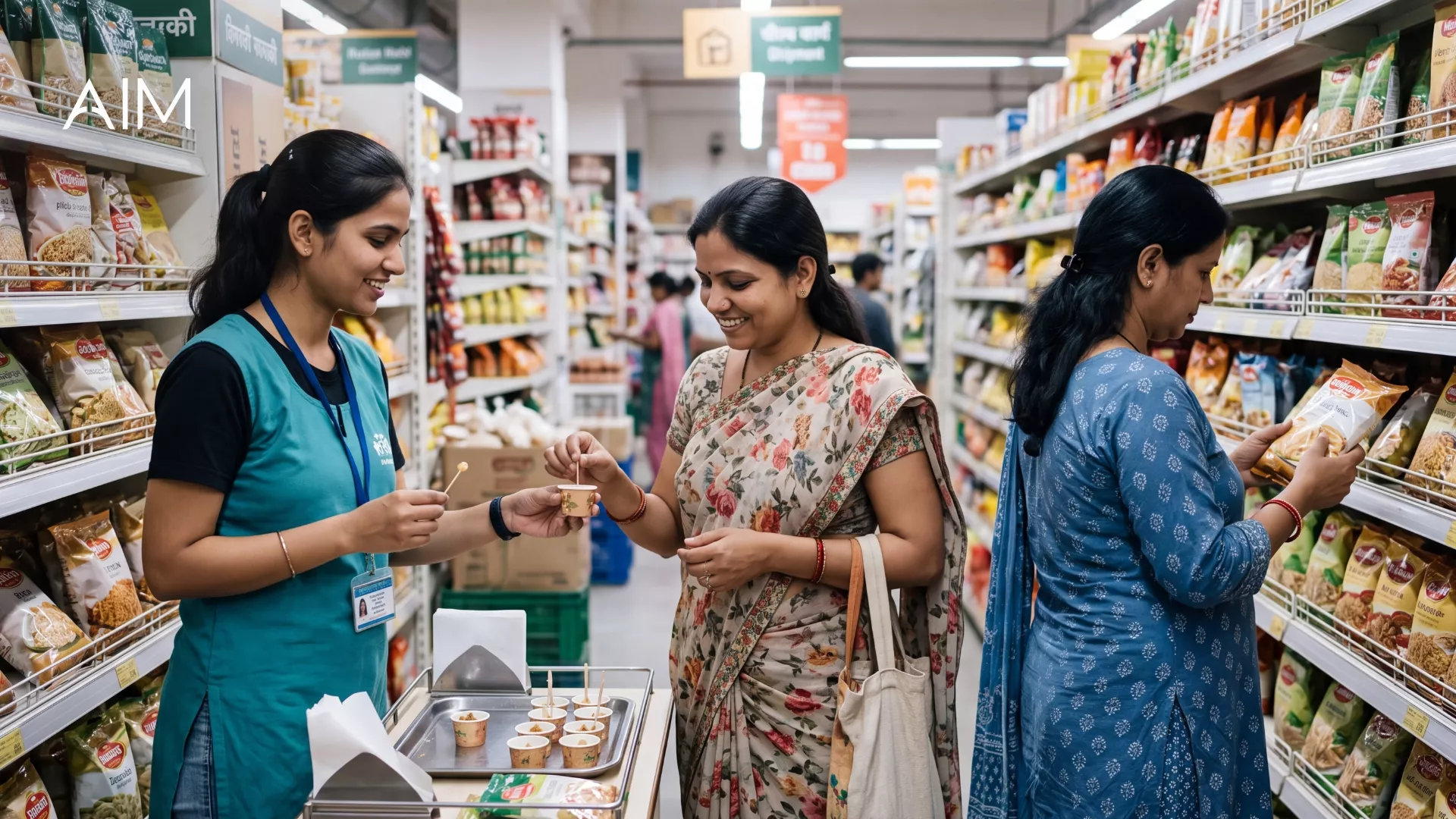
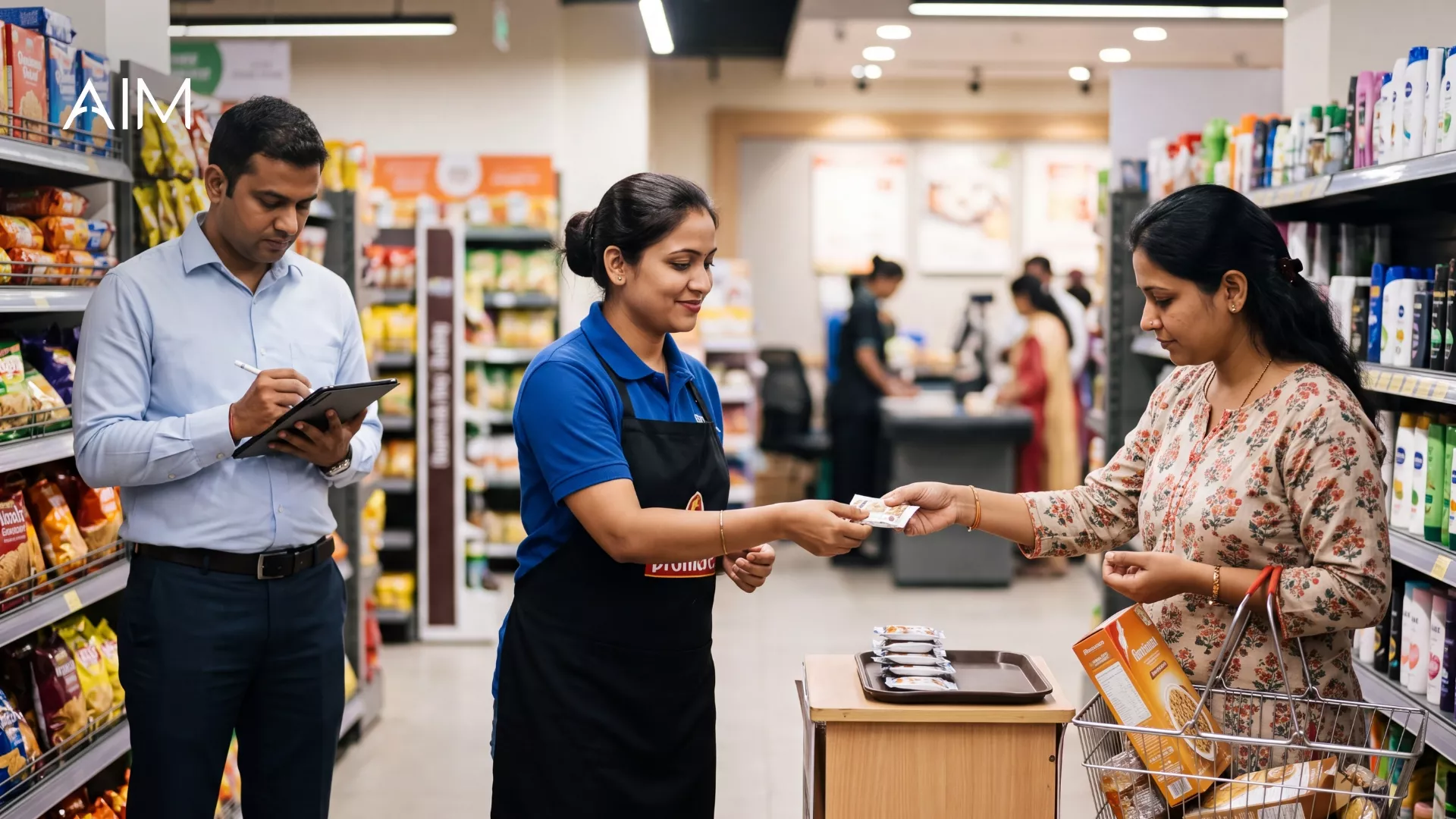
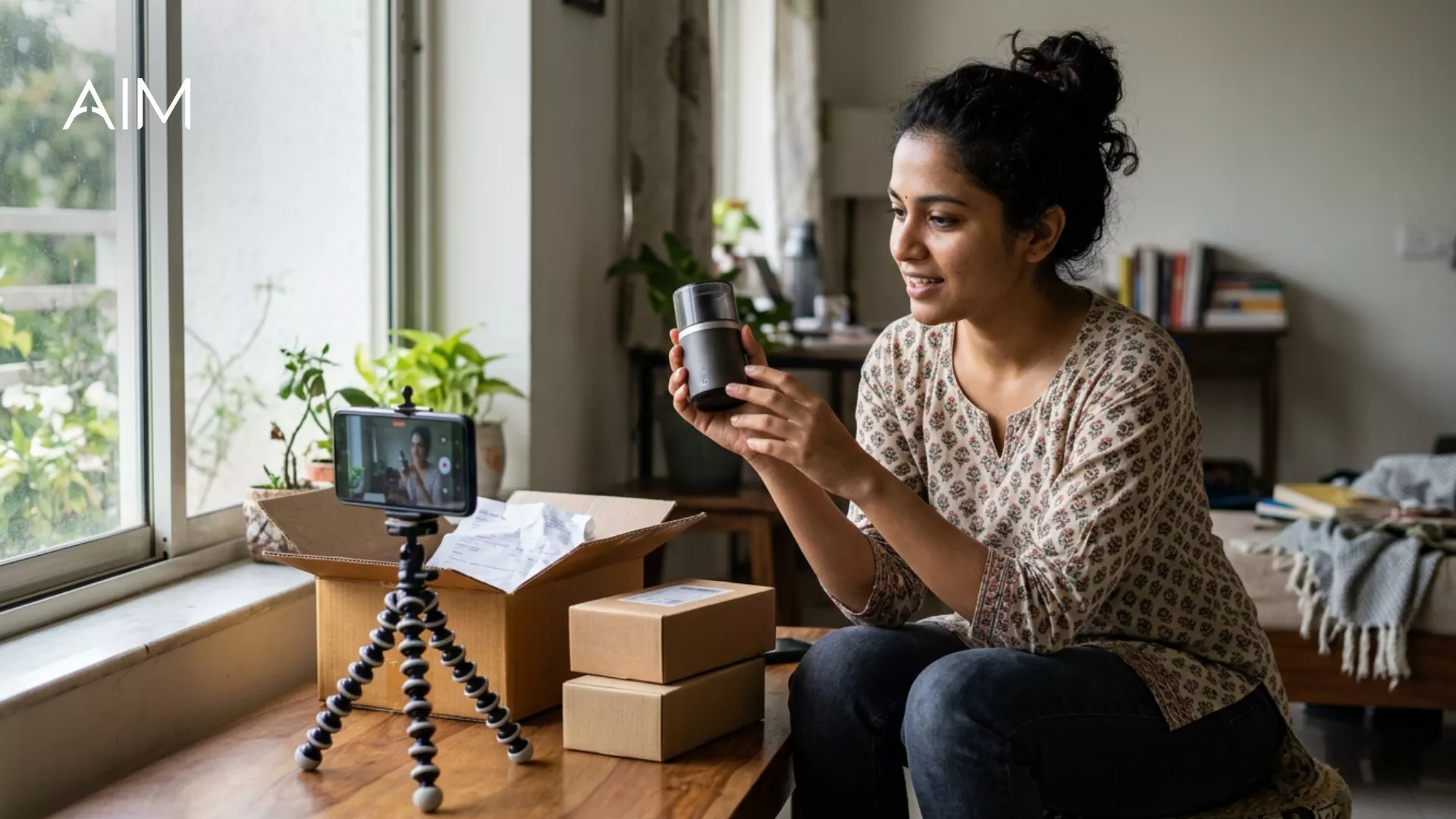
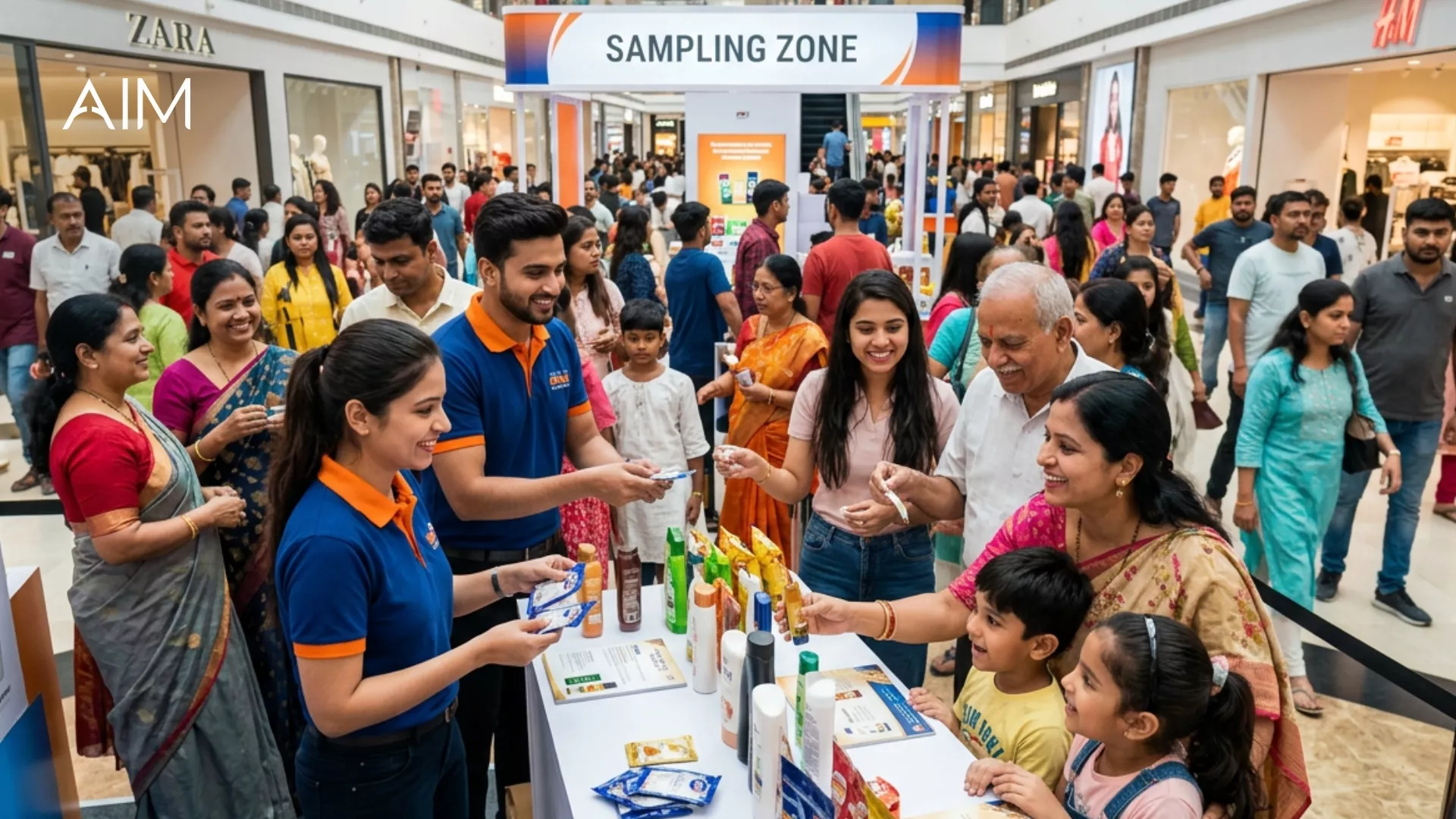
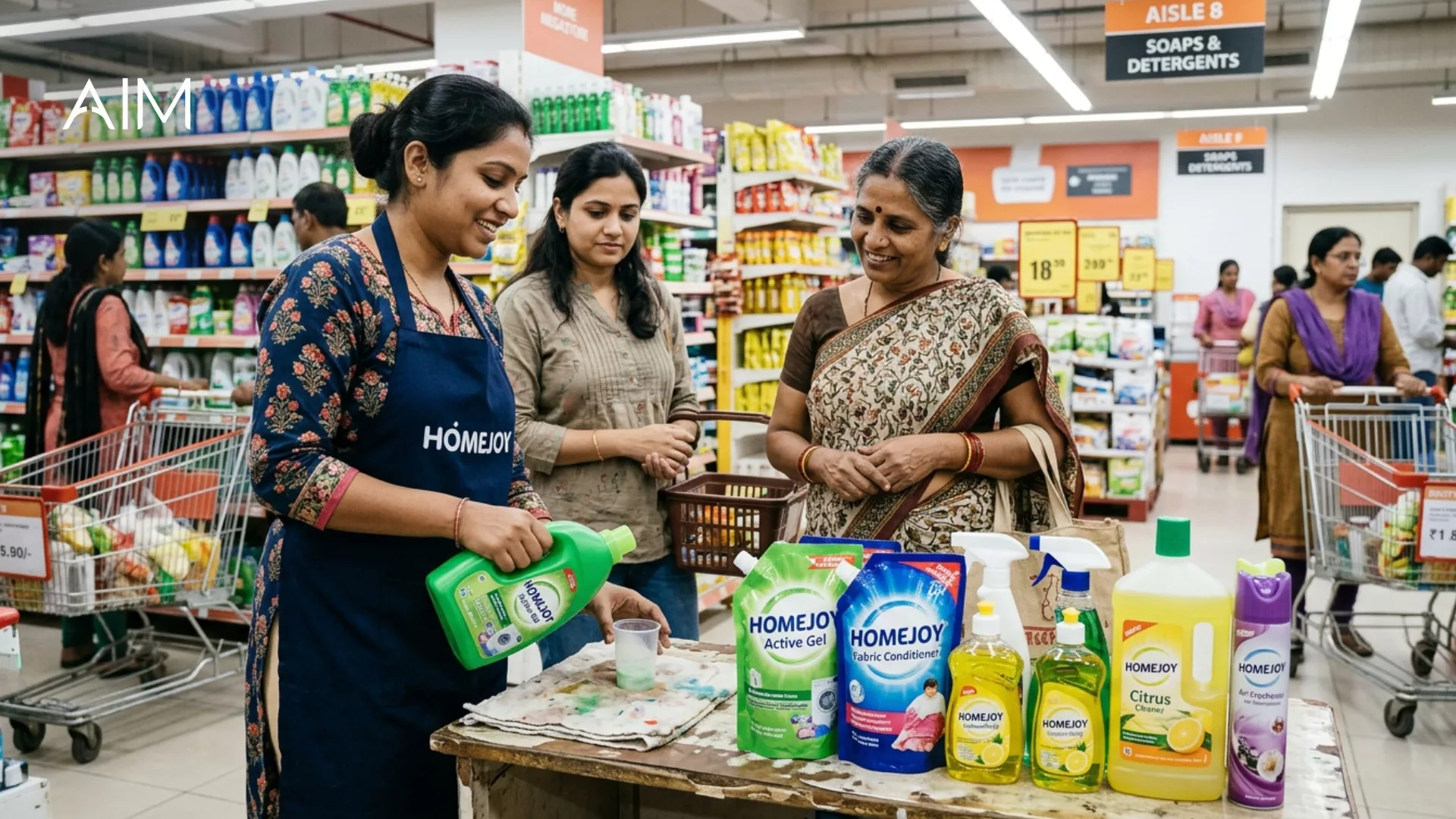
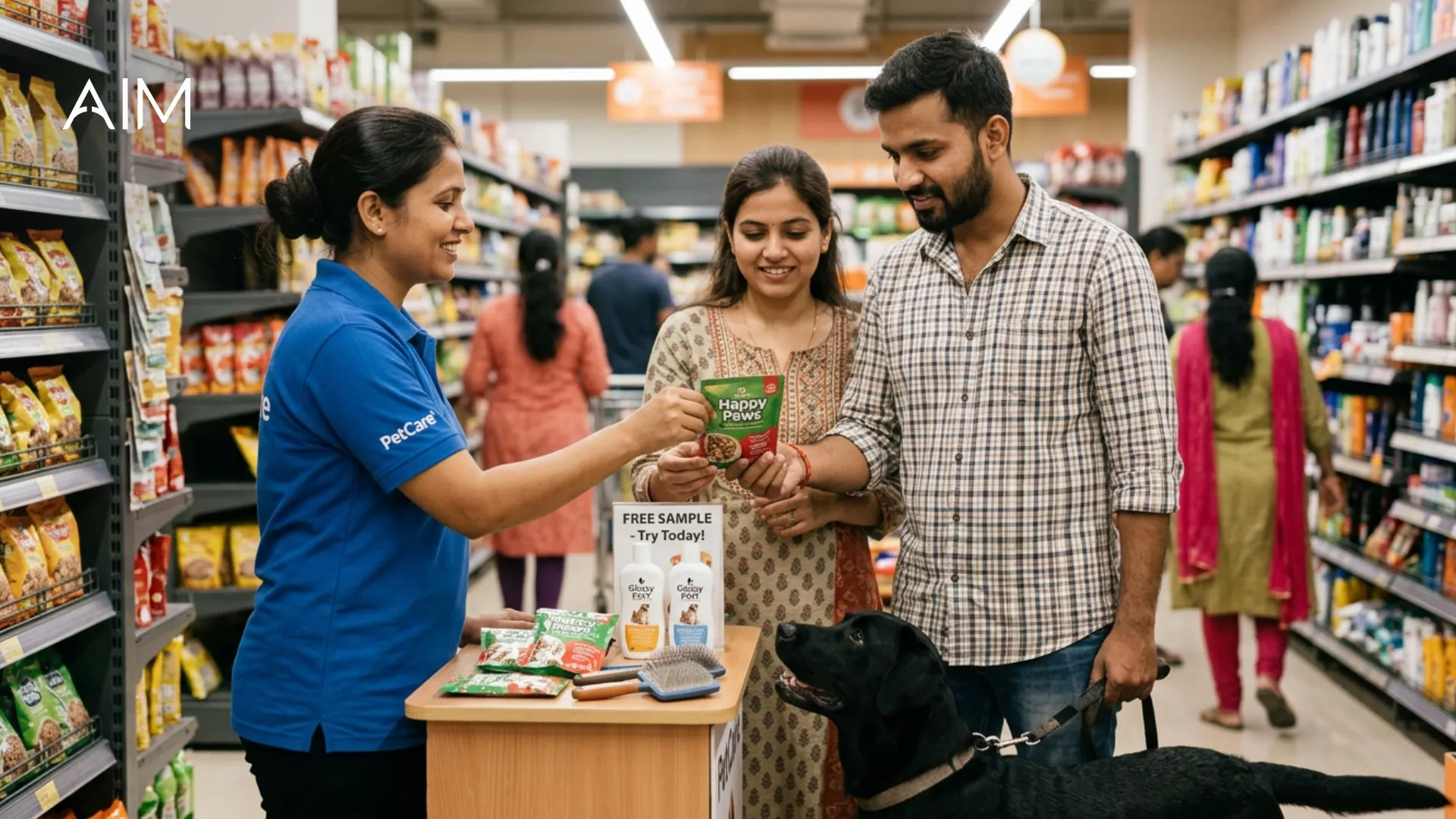
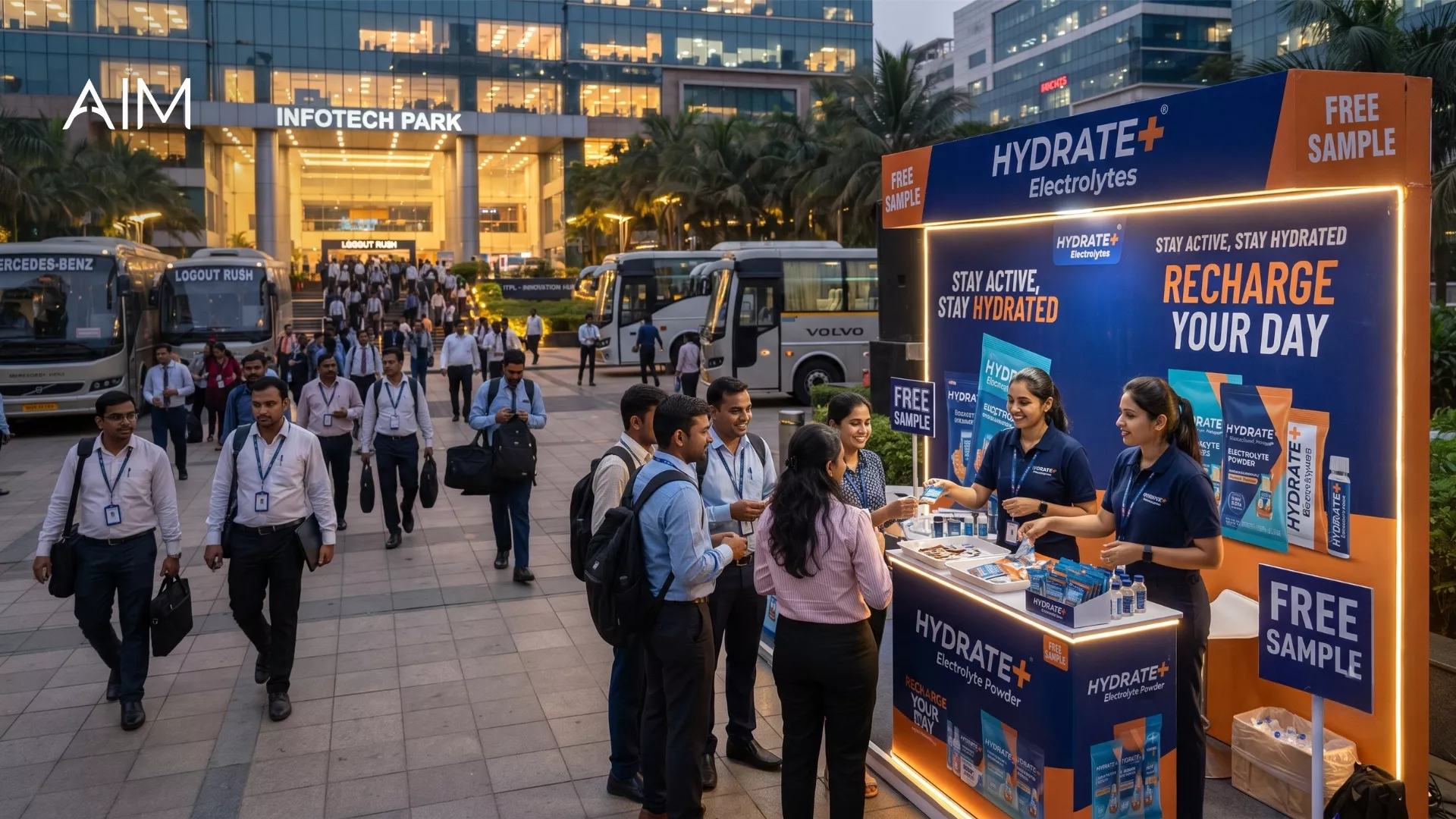
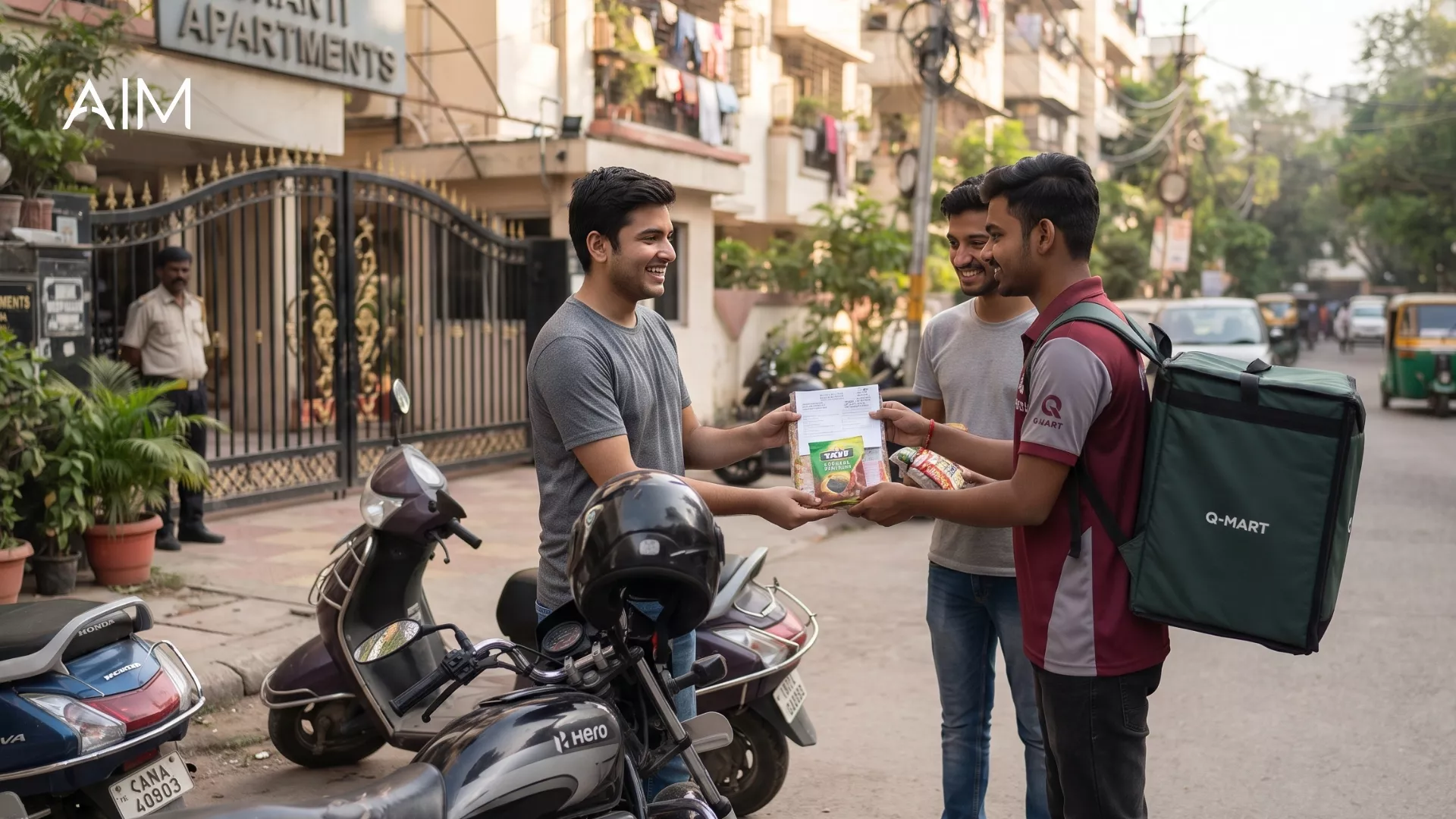
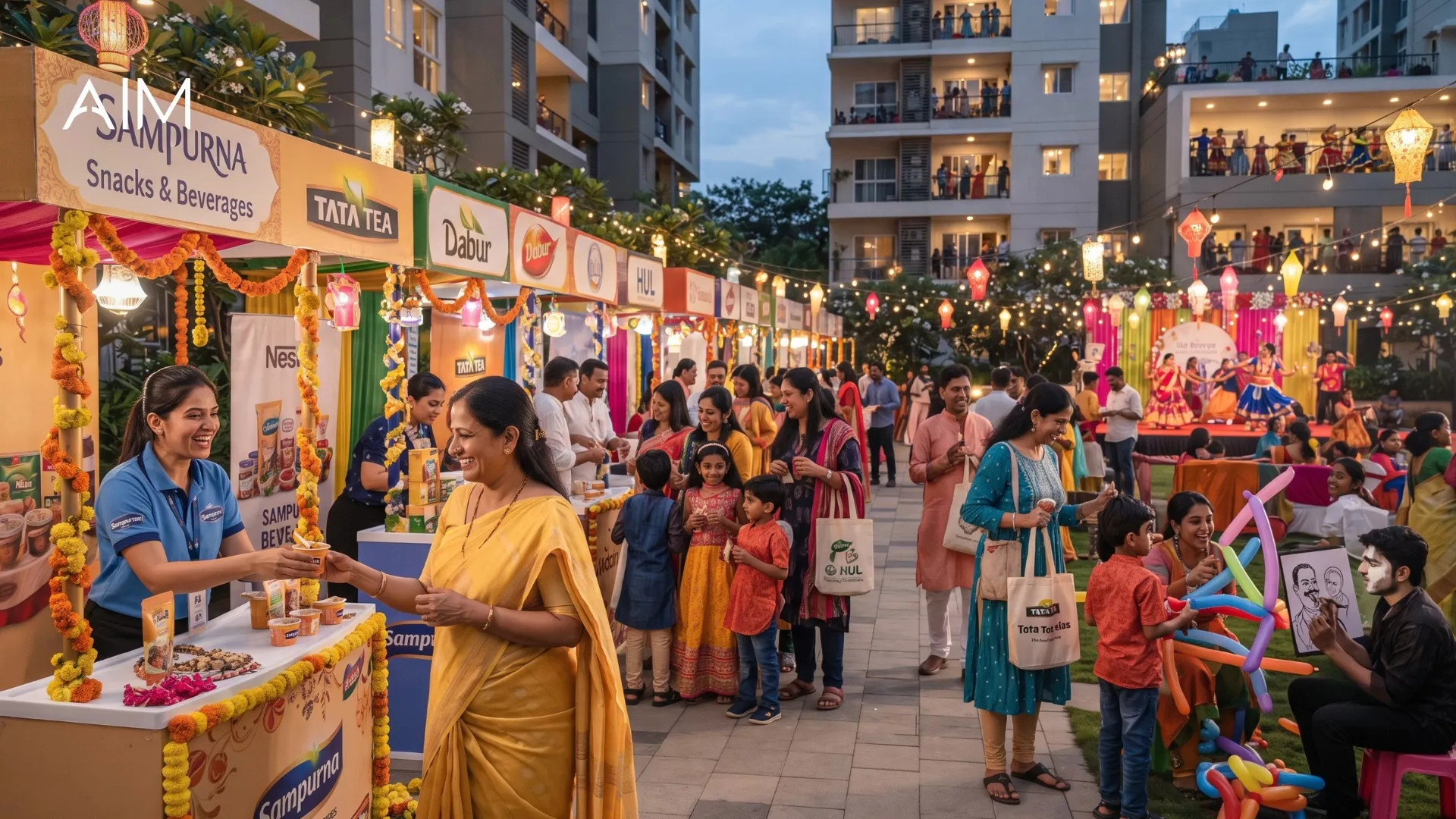
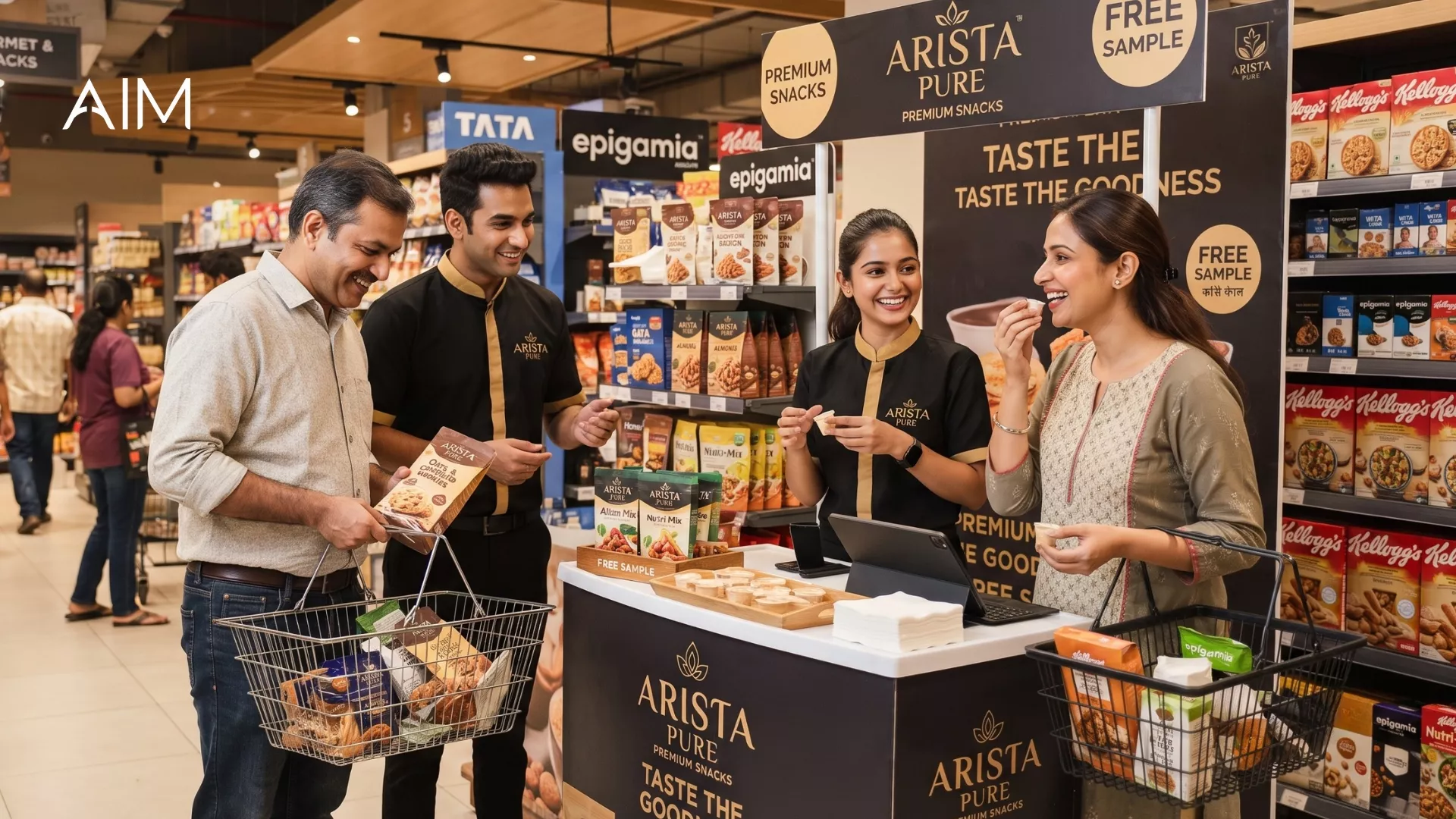
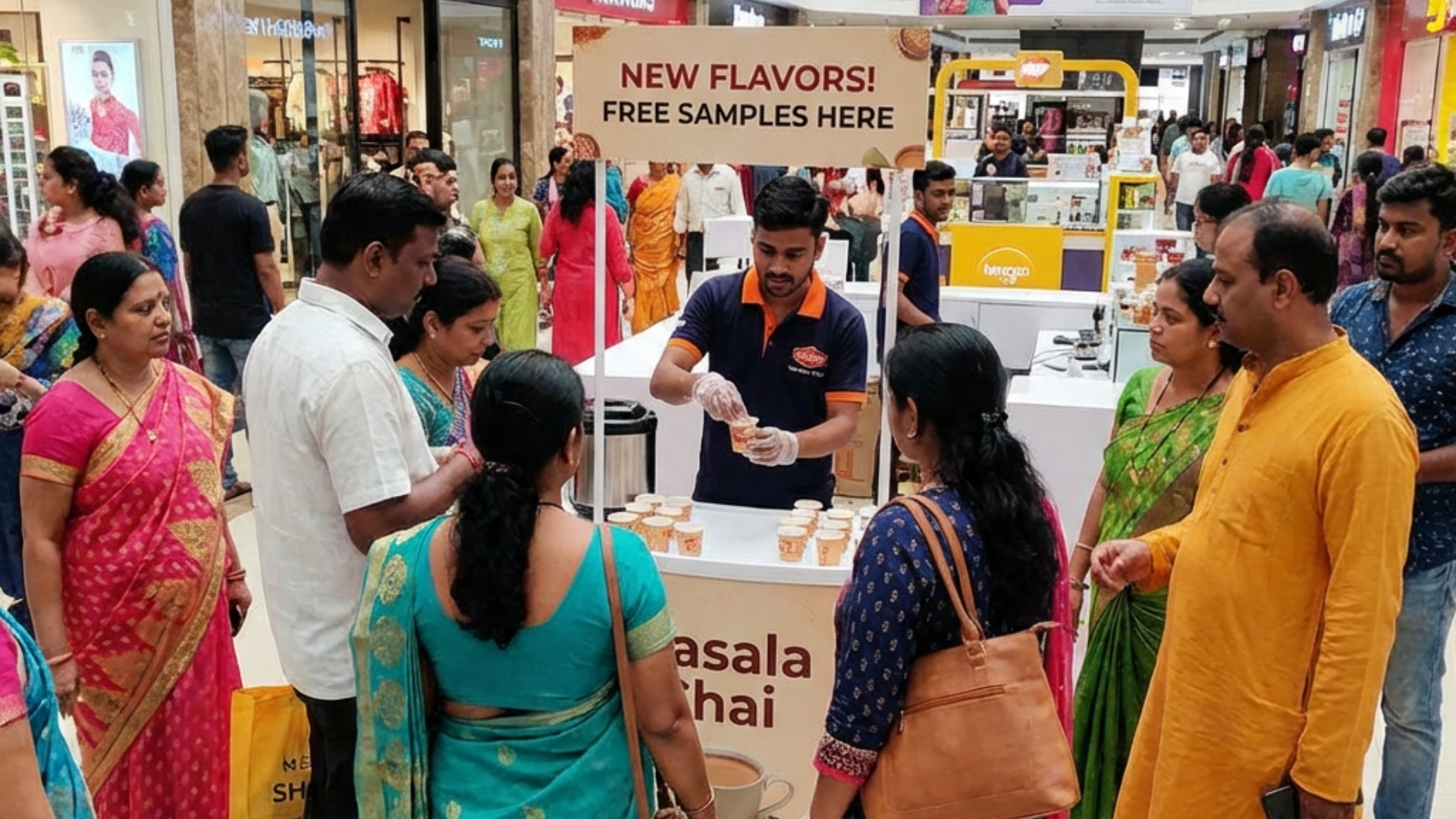
The method holds across channels, and we match the channel to the buyer. Residential and society sampling for household and family products. In-store sampling and modern trade for impulse and everyday categories. Corporate and IT parks for urban professionals. E-commerce and quick-commerce inserts for online buyers. Experiential and event sampling where a product needs a moment. Digital and influencer sampling where trust and reach live online. Whatever the channel, the spine is the same: target with data, qualify at trial, capture the person, and track to purchase.
That is the whole idea behind AIM's product sampling services. A sample is not a giveaway, it is a measured bet that the right person, given a real trial, becomes a buyer. Run it with data from the first step and you stop guessing whether sampling worked and start knowing, campaign after campaign. The brands that sample this way stop asking whether to do it and start asking how much more.




.webp)







.png)