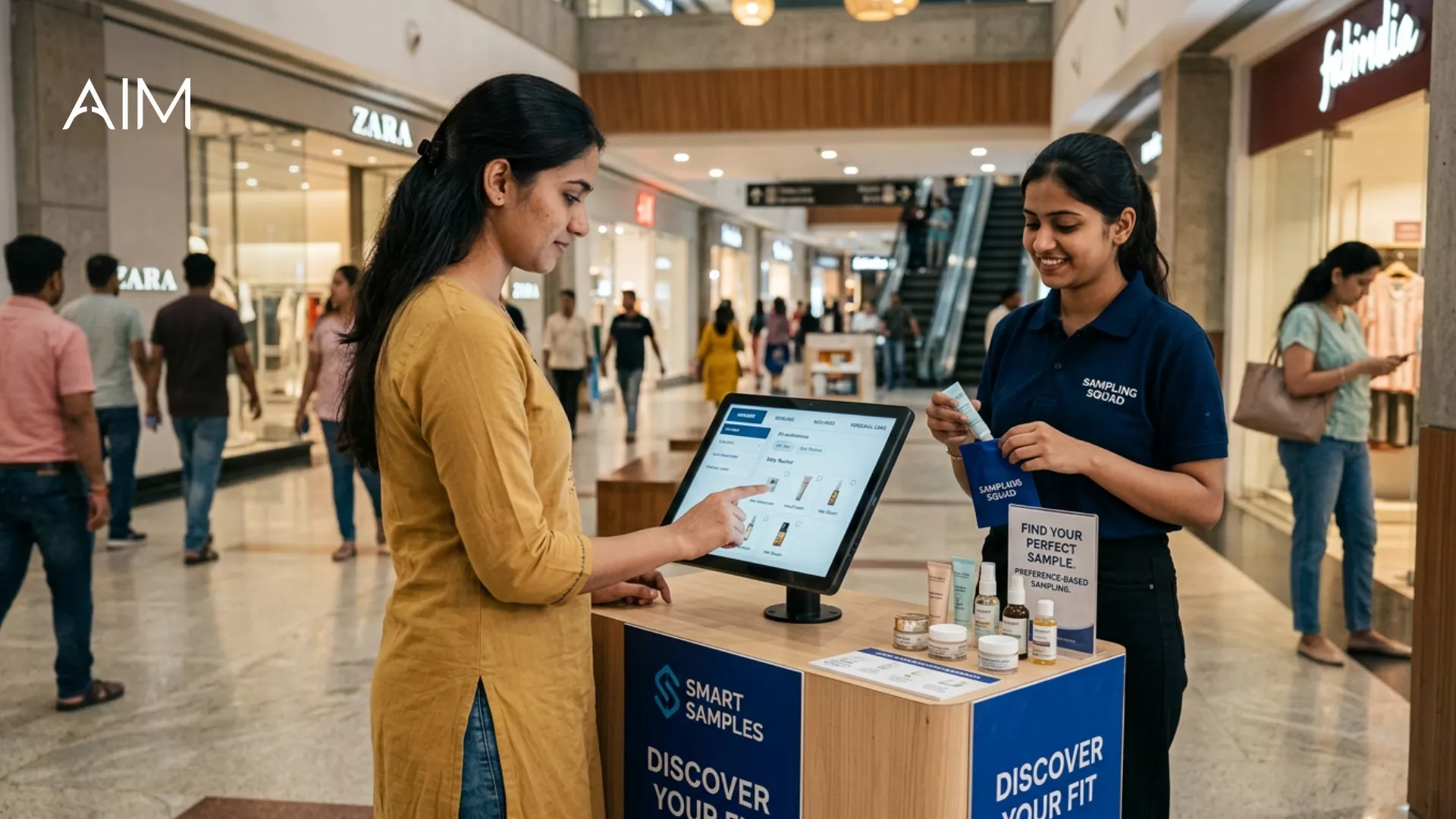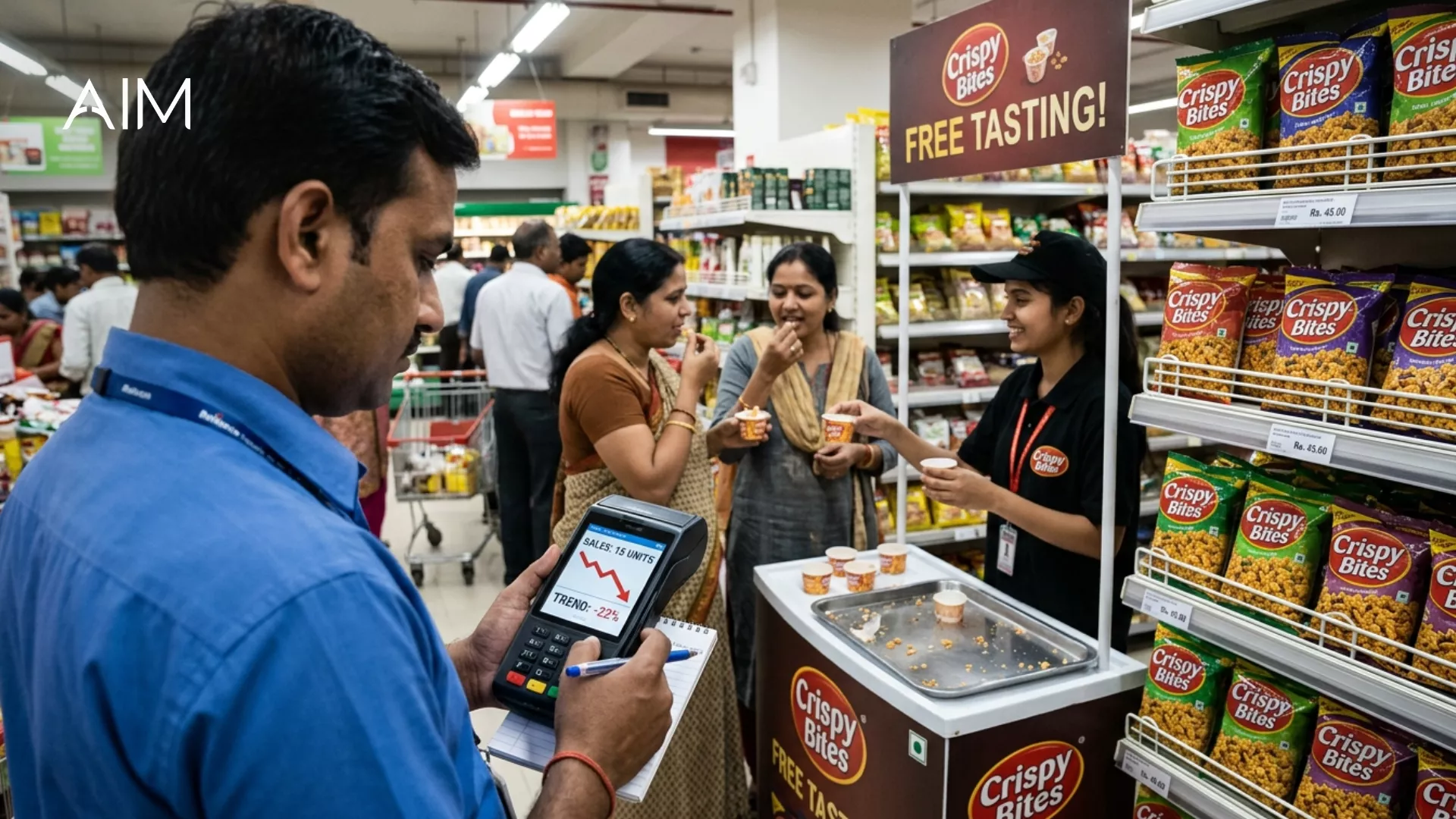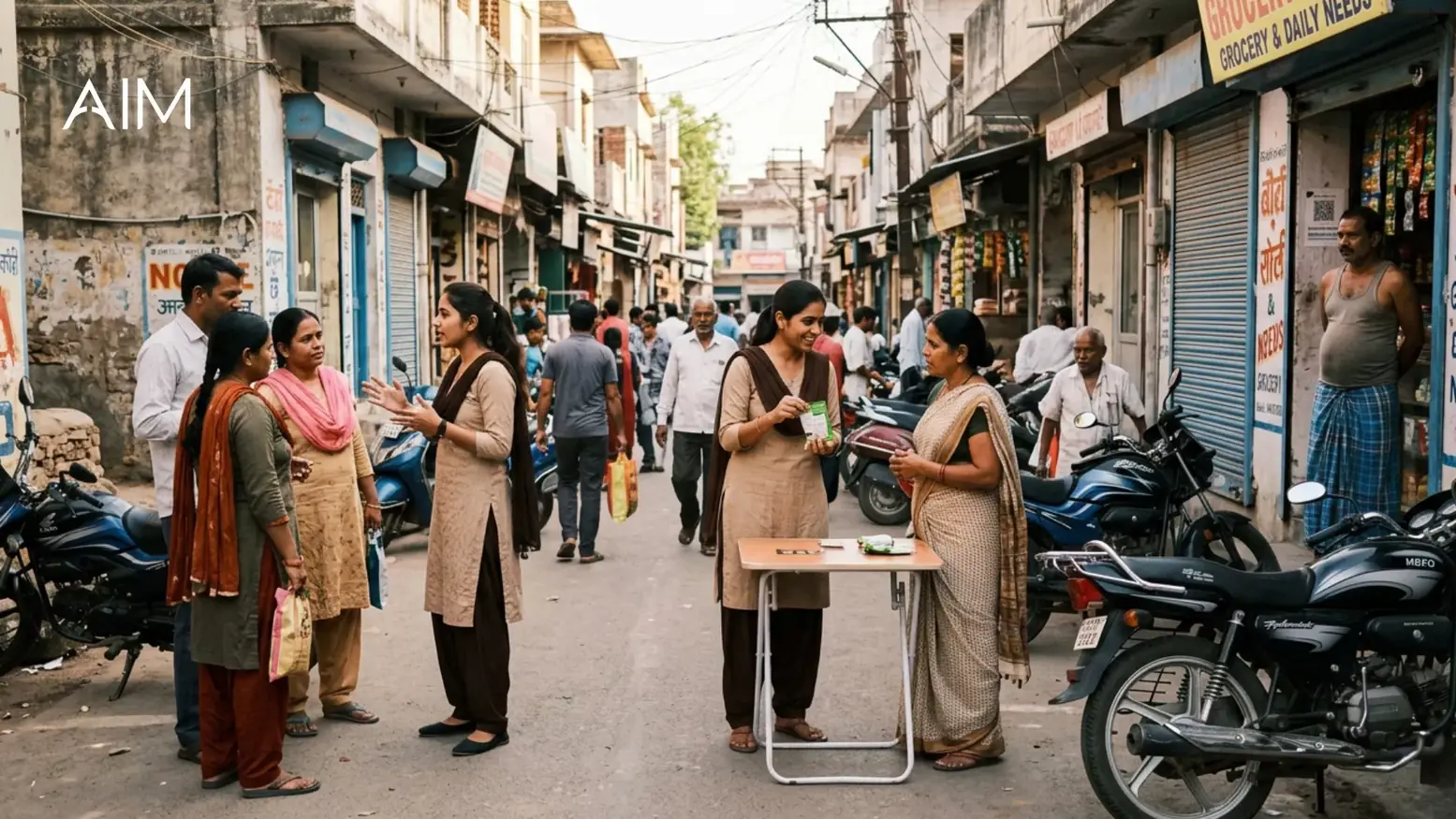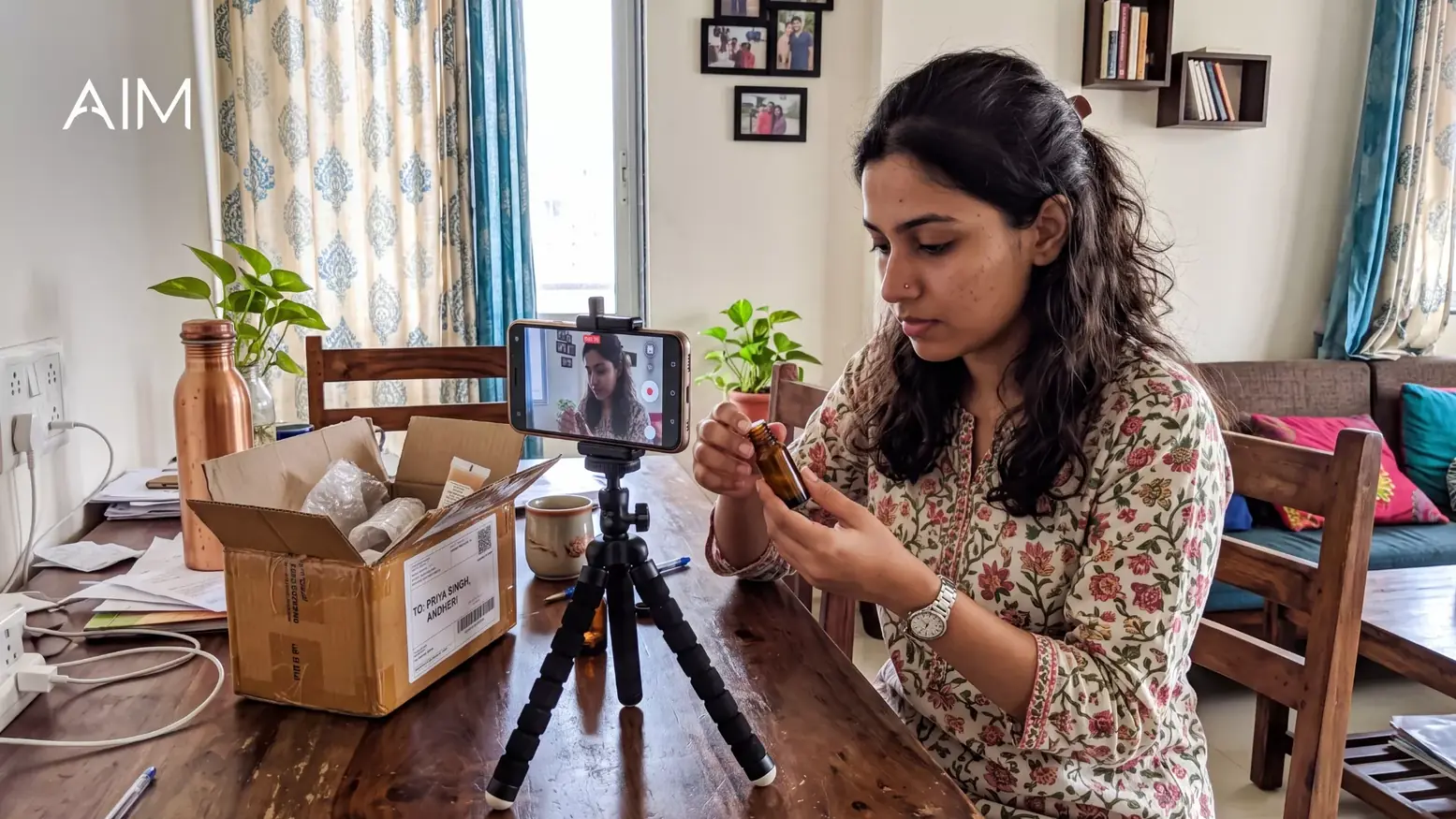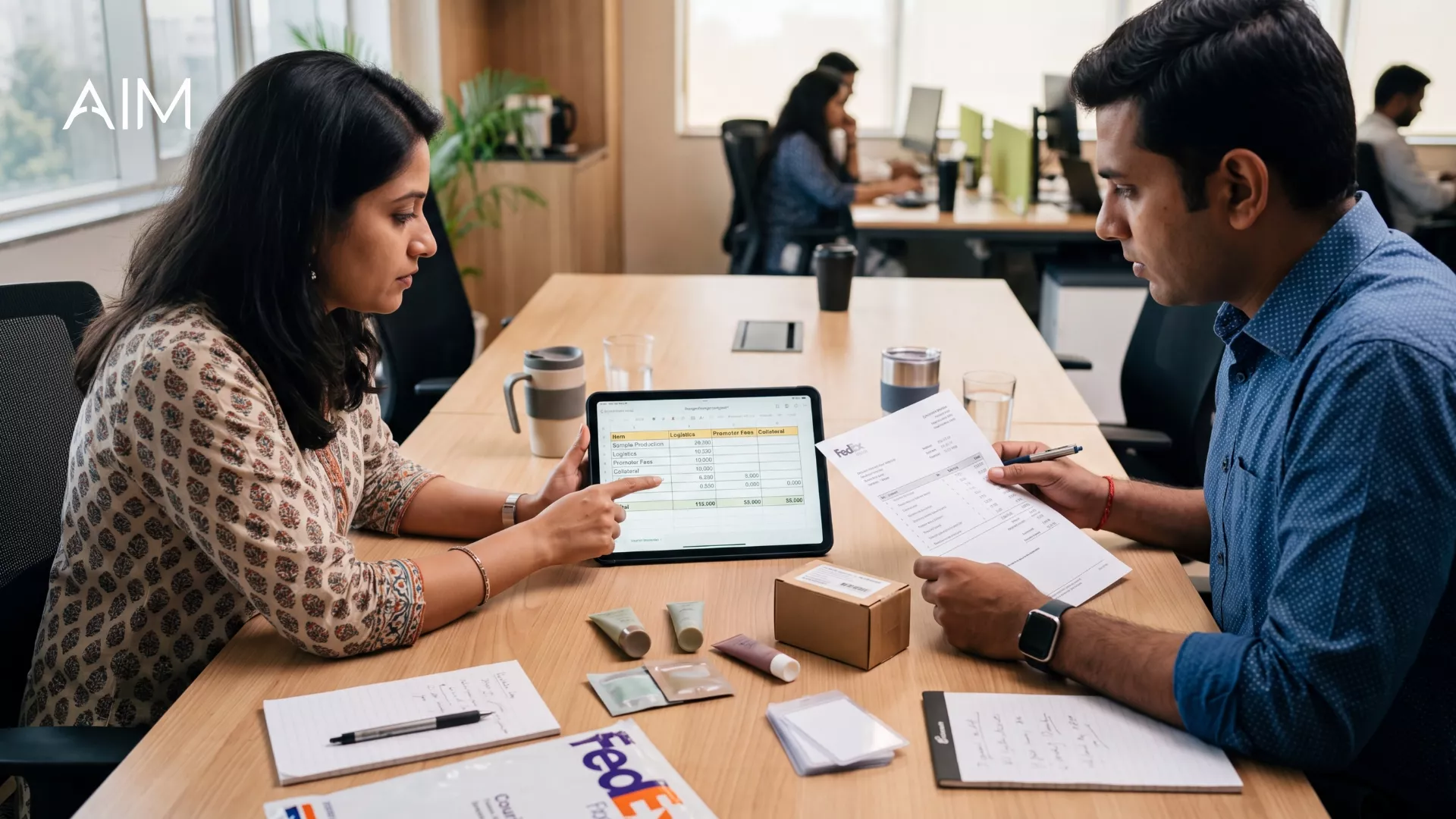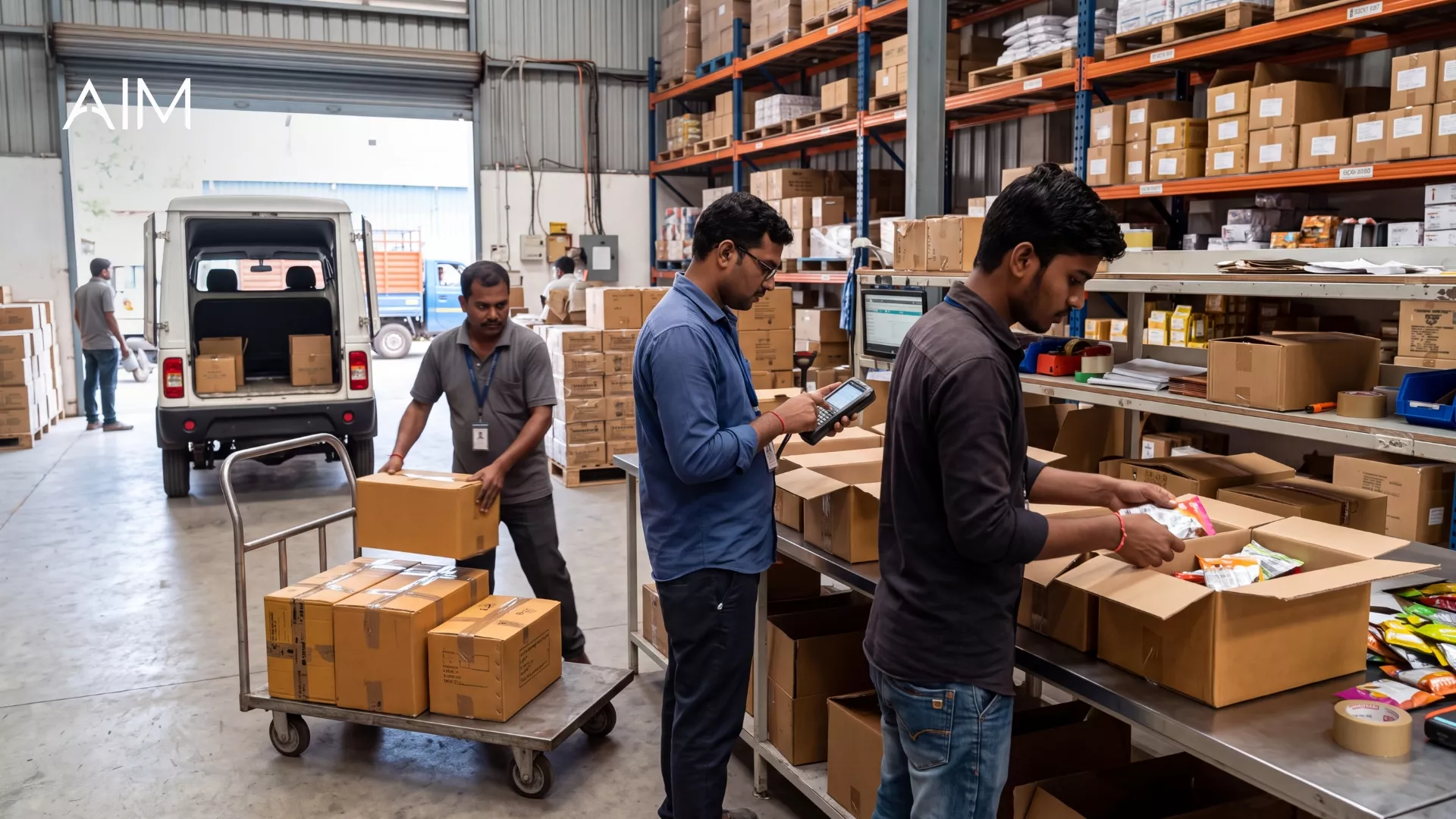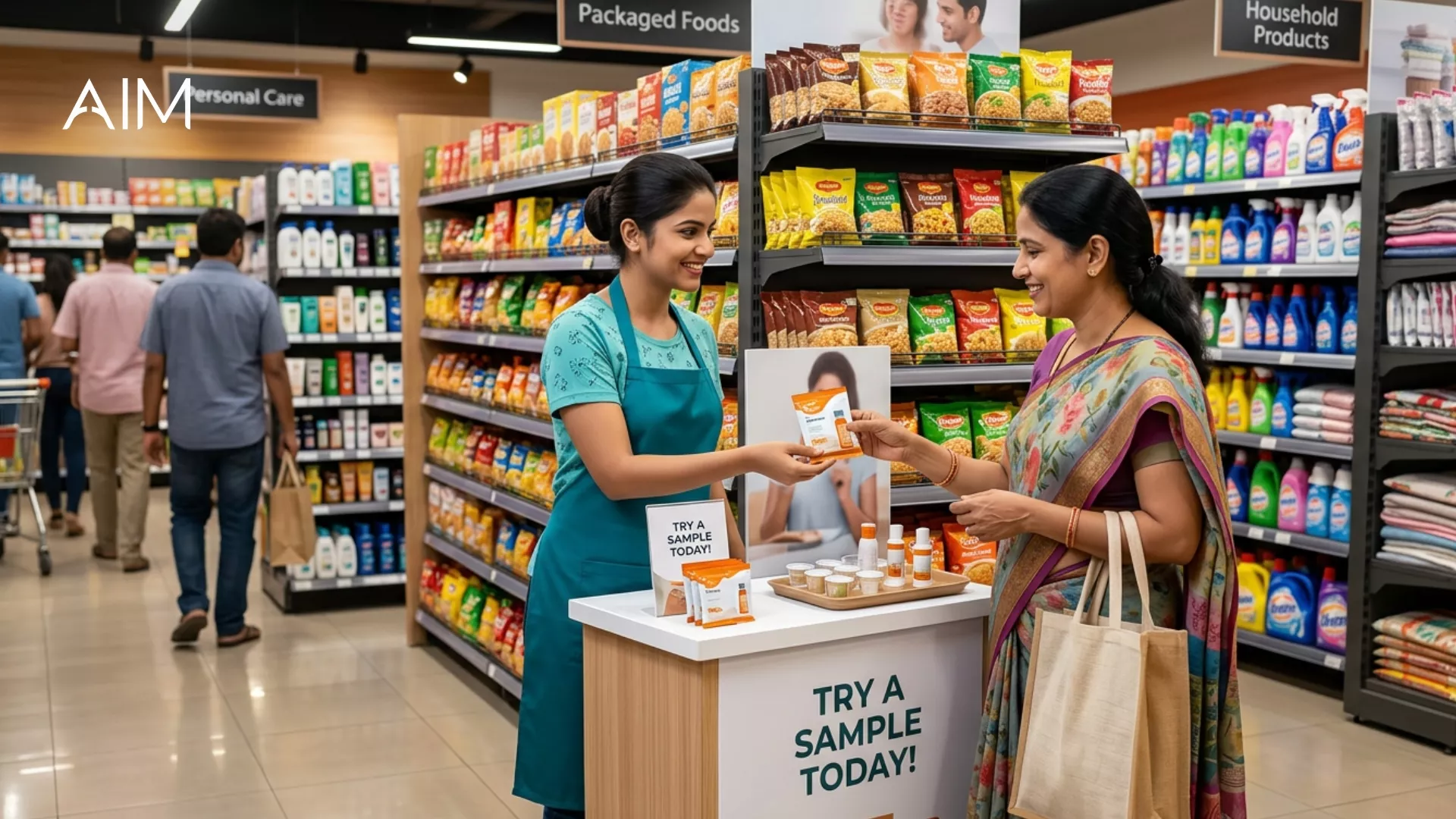



Corporate sampling has an obvious appeal. You reach working professionals, concentrated, with disposable income, in a setting you can plan around. But anyone who has actually run campaigns inside offices and tech parks knows a quiet truth: some products fly off the sampling table and some sit on desks, untouched, until they are thrown away. The audience is the same in both cases. What differs is the product, and whether it fits how a person behaves at work. Get the match right and corporate sampling is one of the most efficient channels going. Get it wrong and you have paid premium rates to hand out things people did not want in that moment.
The deciding factor is rarely the quality of the product. It is whether the product suits the headspace, the setting and the day of a working professional. Here is what tends to convert, what tends to get left behind, and why, so you can decide before you spend whether your product belongs in an office at all.
What products convert well in corporate sampling?
The winners share a pattern: they fit a need the person actually has during the working day, and they can be used or consumed on the spot or taken home without friction.
Food and beverages for the working moment
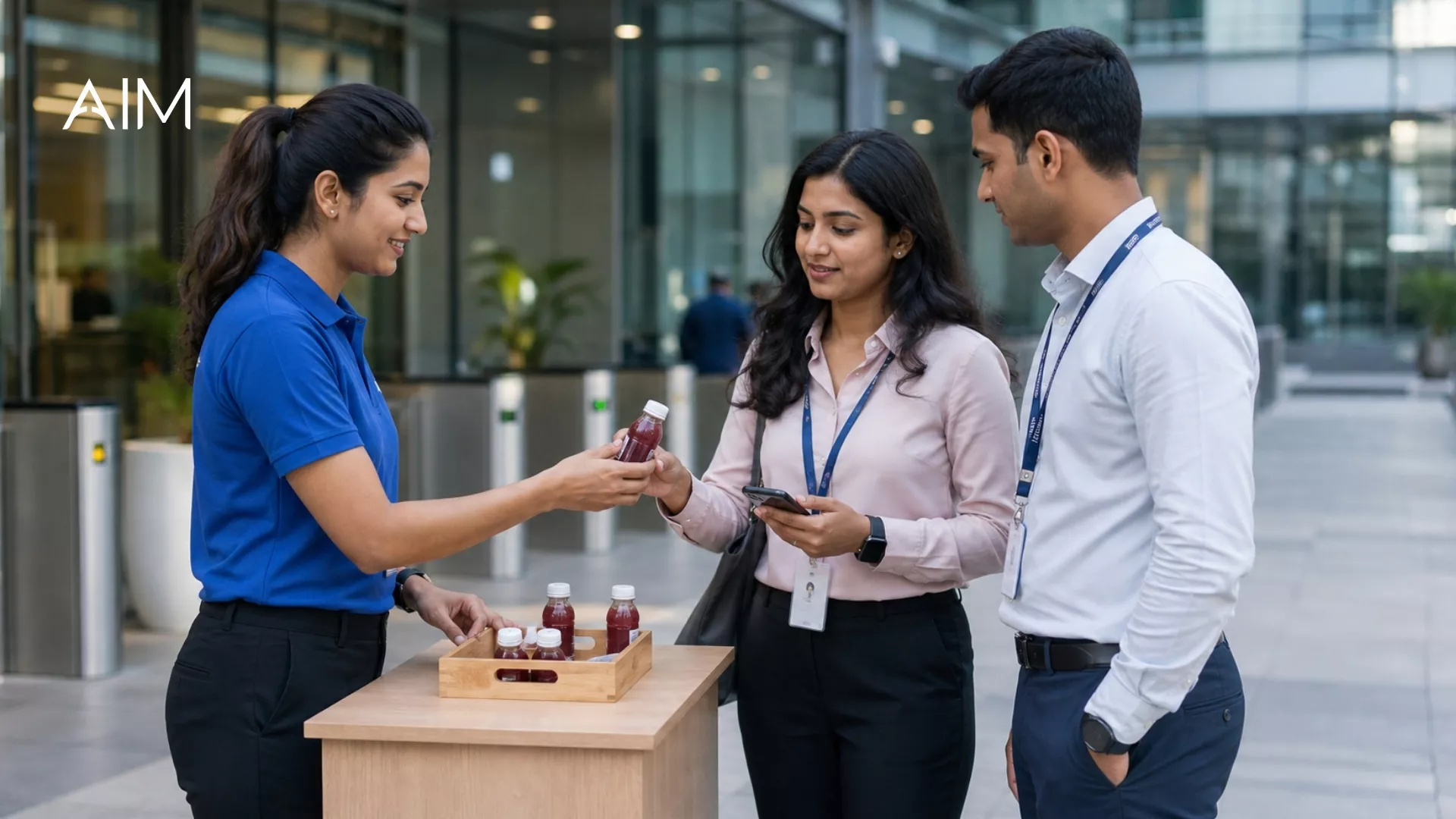
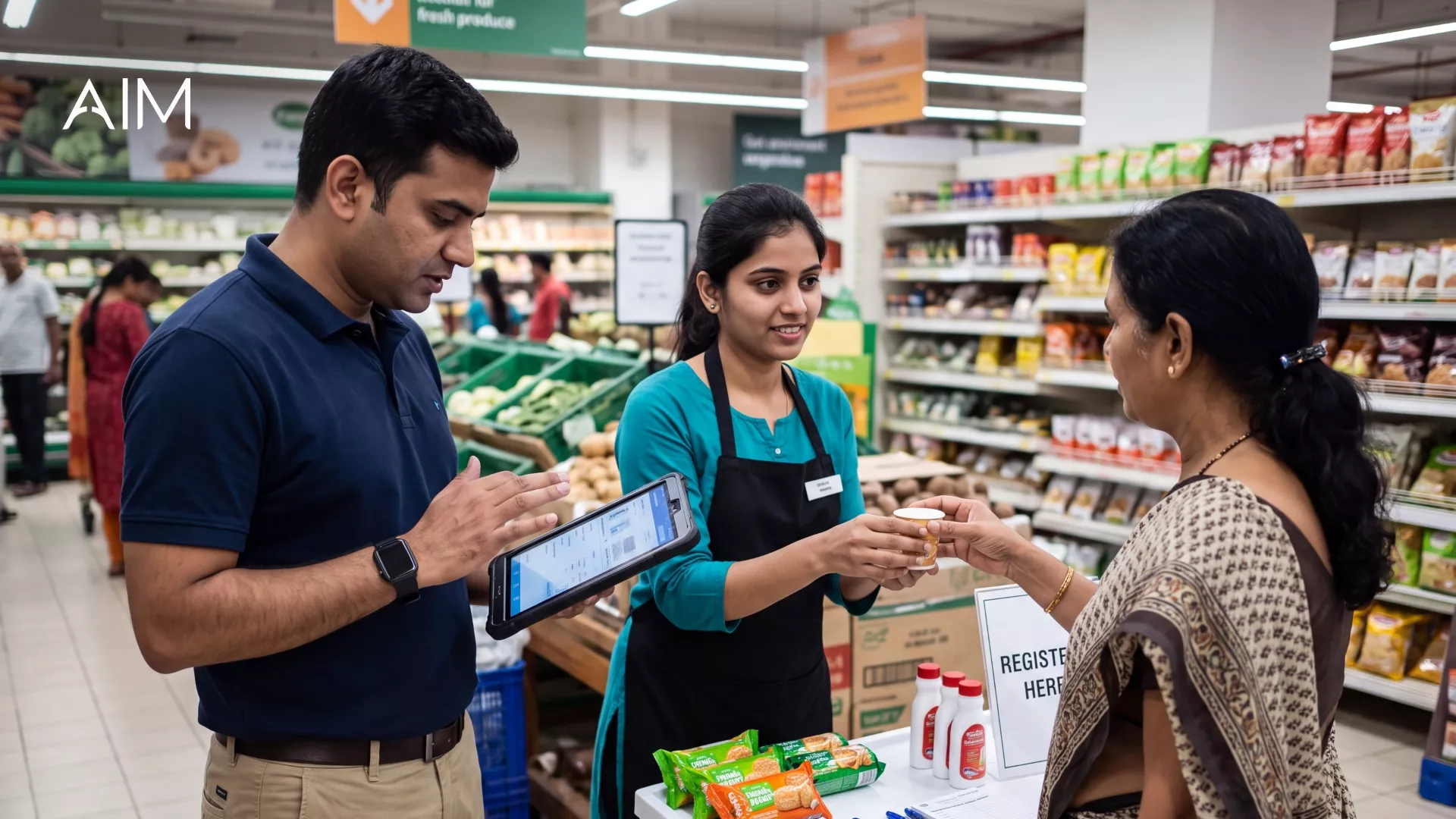
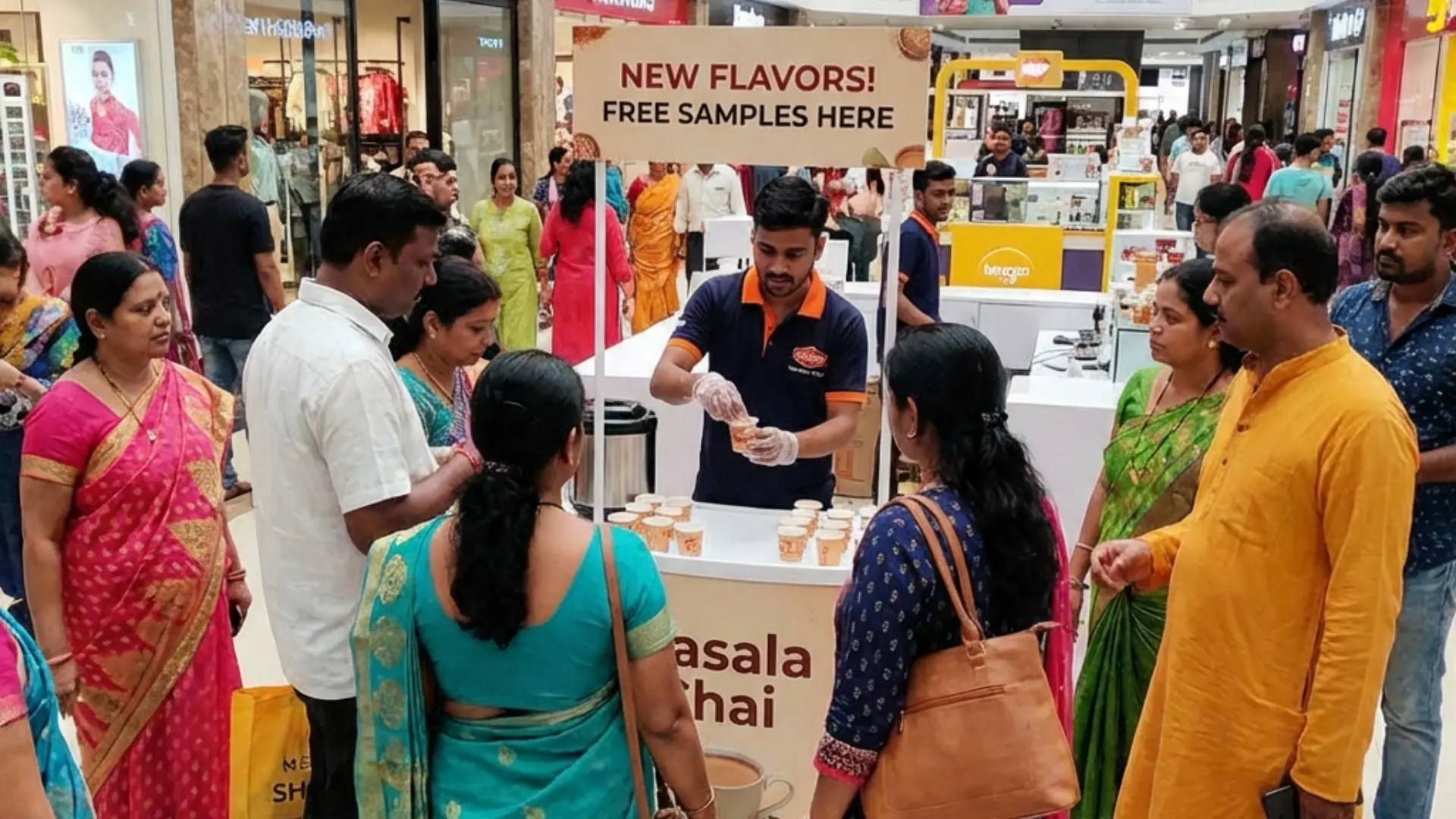
Snacks, healthy bites, coffee, energy drinks, functional beverages: these convert strongly because the need is immediate and real. A professional gets hungry, thirsty or tired during the day, and a sample that meets that exact moment is tried right away rather than deferred. Immediate relevance is the single biggest predictor of a corporate sample getting used. The person does not have to remember to try it later or carry it anywhere; the trial happens in the moment the sample is accepted, which is exactly what you want.
Convenience and on-the-go products
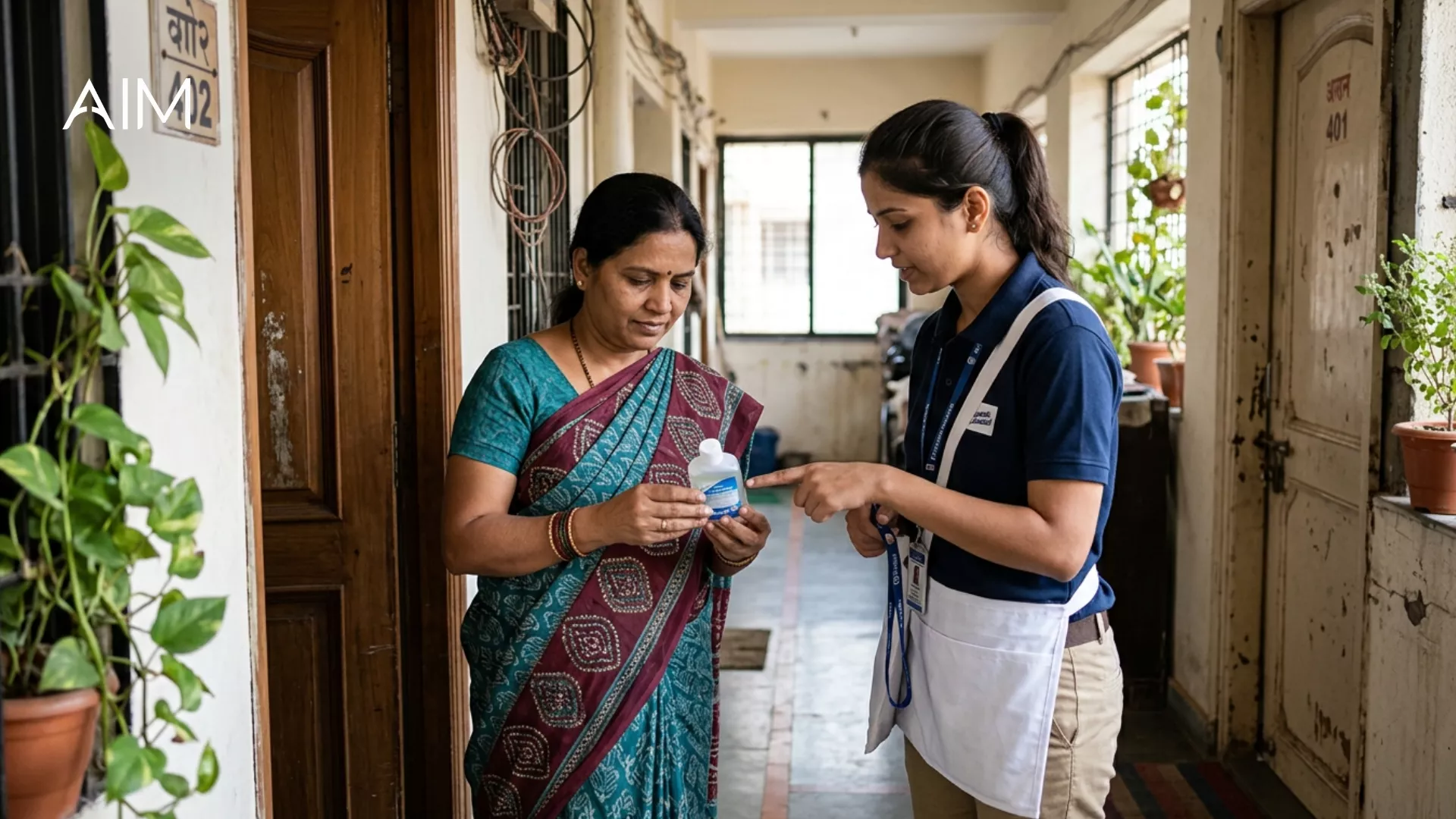
Anything that solves a small daily friction, a quick meal, a grooming touch-up product, a hand sanitiser, a wellness shot, does well because the office is exactly where those frictions show up. The product proves itself against a problem the person is having in that building, that day. When a sample solves something the professional was already mildly annoyed by, the trial does double duty: it demonstrates the product and earns gratitude at the same time.
Personal care people use at their desk or before a meeting
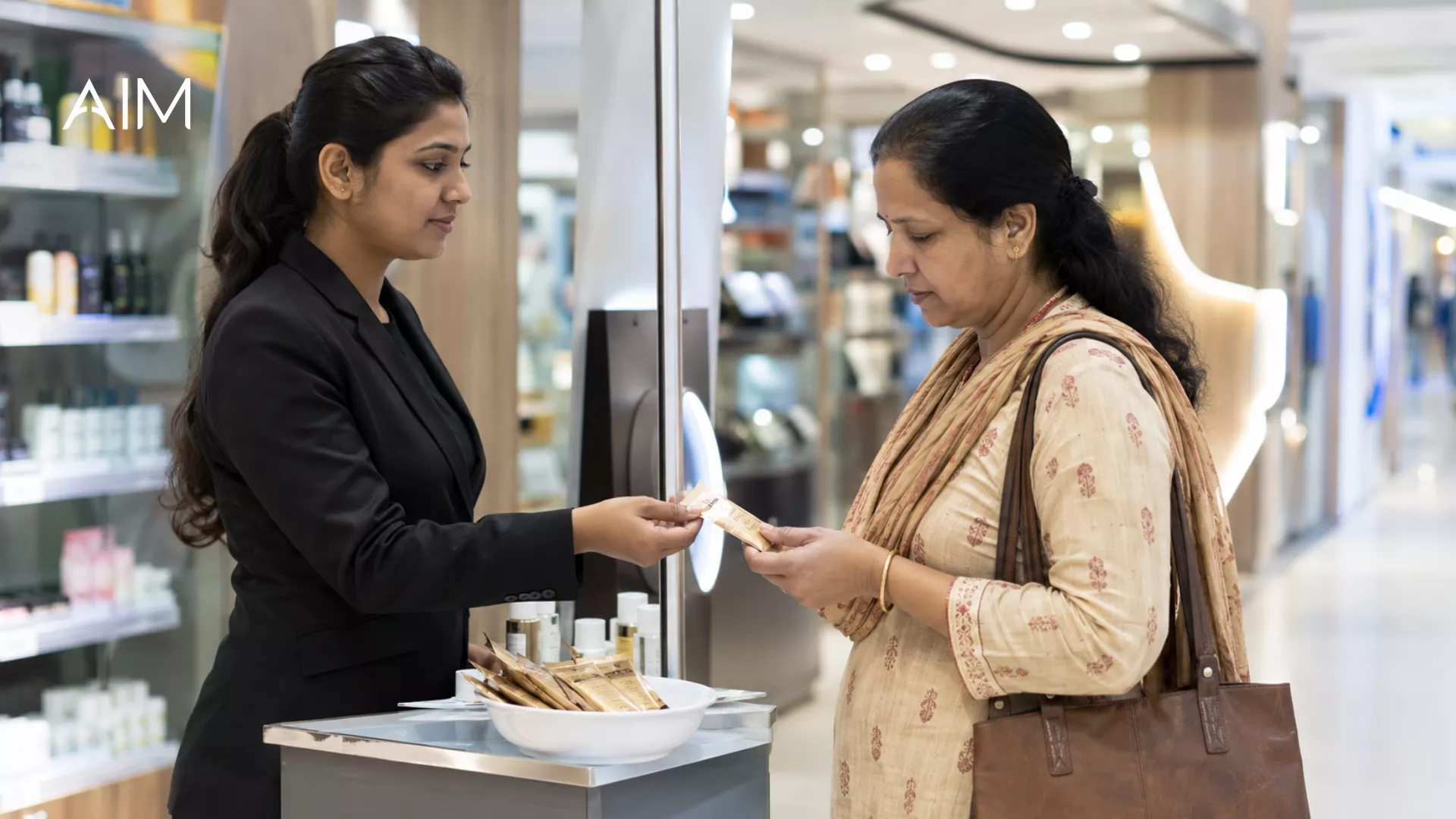
Deodorants, face wipes, lip care, hand cream, breath products: professionals care about how they present, and these get used because the workplace is where that need is felt most sharply. The sample is tried for a reason the setting itself creates. An afternoon meeting, a long day, the simple wish to look put-together at work, all of these generate real reasons to use a personal care sample on the spot.
Products with a strong take-home trigger
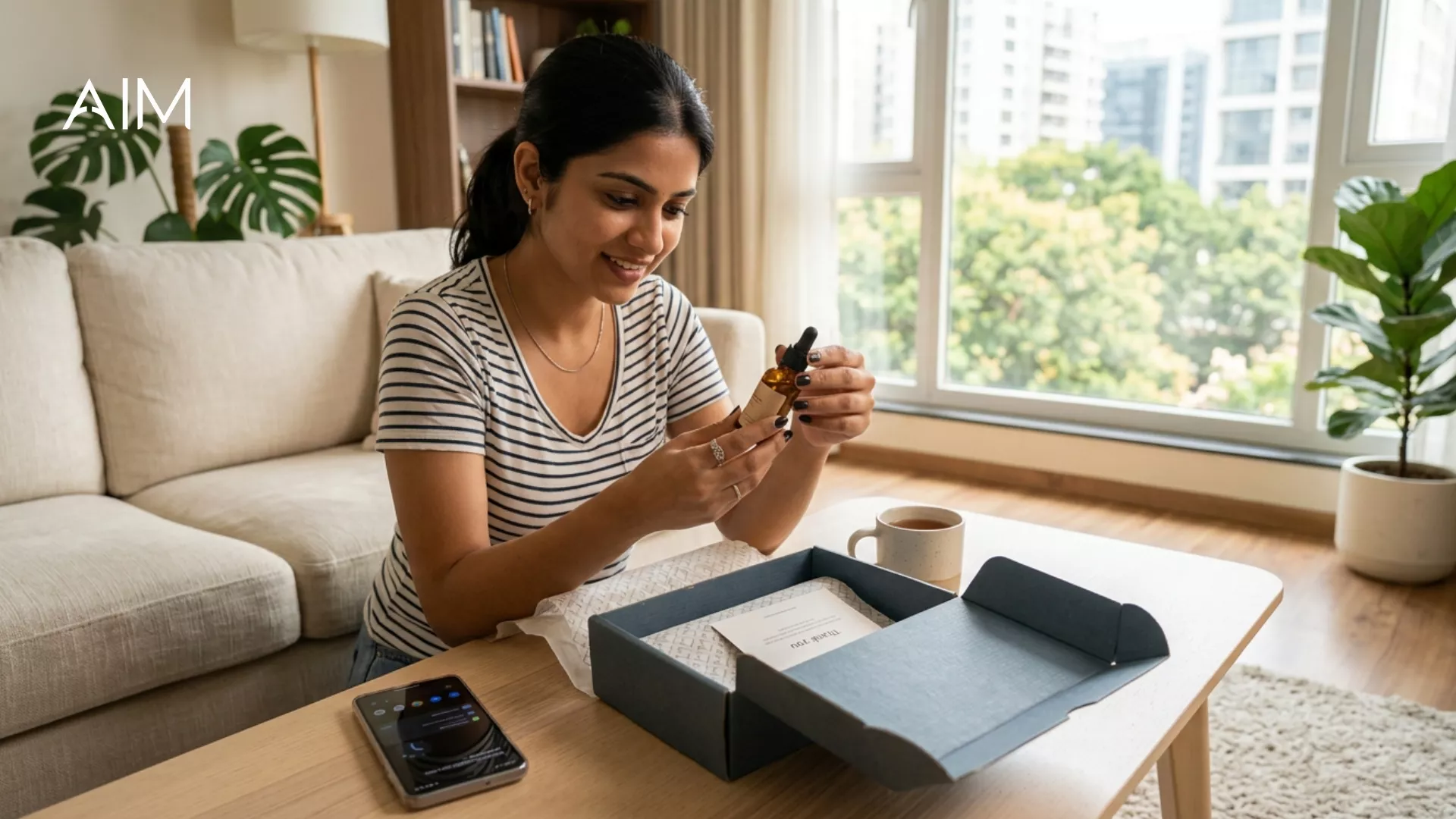
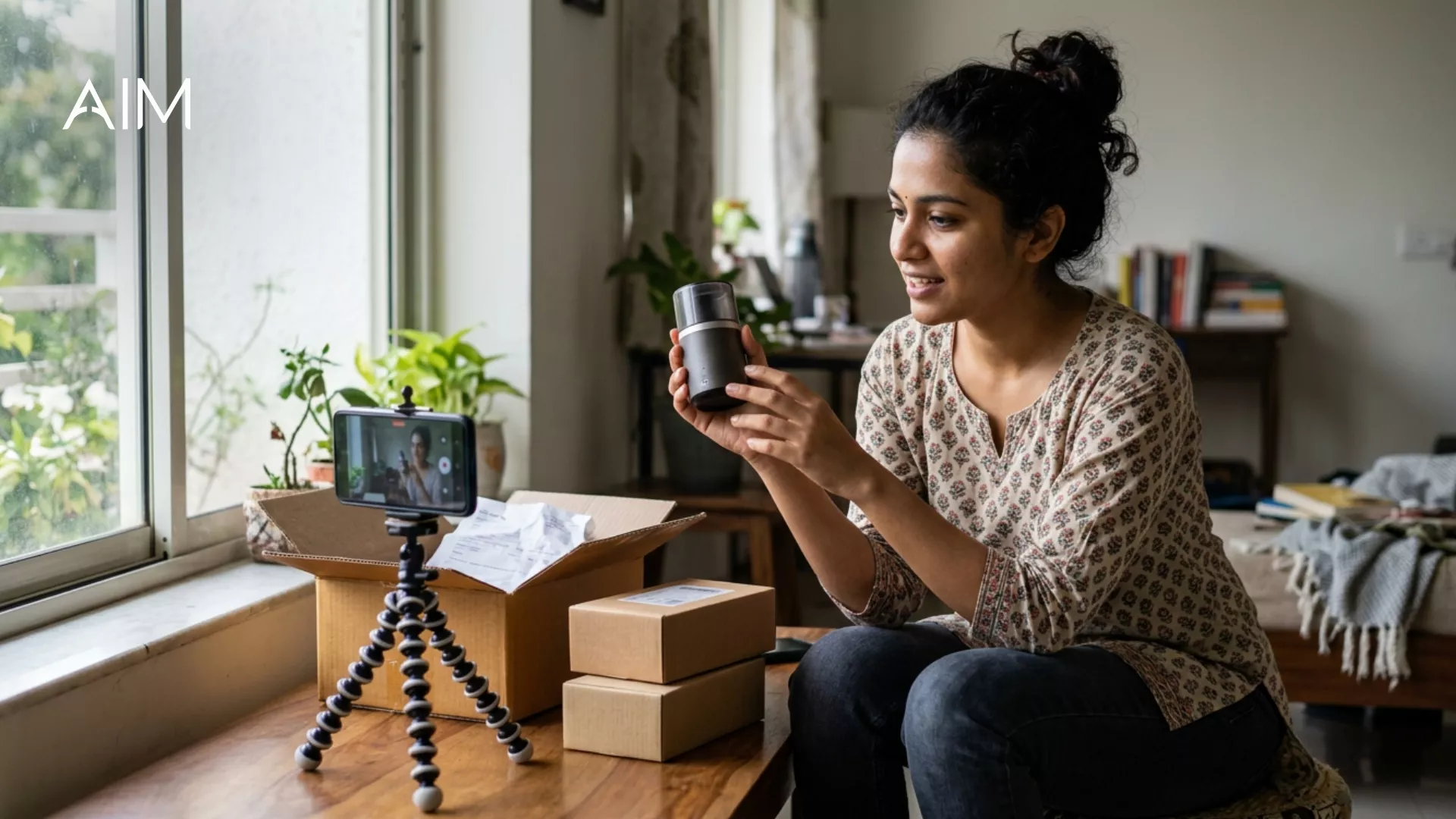
Some products are not used at the desk but travel home easily and have a clear reason to be tried that evening: a premium tea, a skincare trial, a new snack for the family. These convert when the sample makes the person want to take it home, and when there is a nudge to actually try it rather than let it disappear into a drawer. The take-home product lives or dies on that nudge: a reason to open it tonight, an offer that expires, a prompt that survives the commute. Without it, even a wanted product can quietly be forgotten by the time the person gets home.
What products get left on the desk?
The products that fail in corporate settings usually fail for one of a few predictable reasons, and none of them is about the product being bad.
Anything that needs time, space or privacy to try
A product that requires a proper setup, a bathroom, a kitchen, quiet, or more than a moment of attention cannot be tried at a desk. It gets accepted politely and set aside for a later that rarely comes. The office simply is not the place the trial can happen, so the sample stalls. These products are not failing on merit; they are failing on venue. The same sample handed out where its trial can actually happen would convert, which is why forcing it into a corporate setting wastes it.
Products with no immediate or personal relevance
Household items, cleaning products, baby or pet products given to people who may not have that need: these land on the desk of someone for whom the product is irrelevant in that moment. A professional at work is not thinking about floor cleaner. Even if they buy it at home, the office is the wrong moment to reach them with it. Reaching the right buyer at the wrong moment is still a miss, and corporate sampling makes that miss expensive because you paid for premium access to deliver a product the setting could not activate.
Samples too bulky or awkward to carry
A sample that is heavy, large or inconvenient to transport home becomes a burden rather than a gift. The professional with a full bag and a commute ahead quietly leaves it behind. Format and portability matter far more in a corporate setting than brands expect. A trial-size, pocketable version of the same product can convert where the full format fails, simply because it survives the journey home instead of being abandoned on the desk.
Anything that feels wrong for the setting
Products that feel too personal, too intimate or simply out of place in a professional environment create discomfort rather than interest. The person does not want to engage with them at their desk, in front of colleagues, and the sample is declined or ignored. The social context of an open office is part of the product's reception, and anything that makes a person self-conscious to accept it in front of colleagues is working against itself from the start.
Why does the same audience respond so differently?
The answer is that a person at work is in a specific mode. They are focused on tasks, surrounded by colleagues, short on time and privacy, and carrying a limited capacity for anything unrelated to the job. A sample succeeds when it slots into that mode, by meeting a need the workday creates, or when it offers a clean, appealing reason to be taken home. A sample fails when it asks the person to step outside that mode, to find time, space or a need that the office does not supply.
This is why the product matters more than the professionalism of the campaign. You can run a flawless corporate activation and still watch an ill-fitting product get left behind, because no amount of execution changes what a person can realistically try while they are at work. The best promoter, the best location inside the campus and the best timing still cannot make a floor cleaner relevant to someone in a meeting. Fit comes first, and everything else is built on top of it.
How do you choose what to sample in a corporate setting?
Before committing a product to corporate product sampling, ask three questions. Can it be tried or used in the setting itself, at a desk, in a short break, without special conditions? If not, does it have a strong, specific reason to be taken home and tried, with a nudge to make that happen? And does it fit a need a working professional actually has during the day, rather than one that belongs to their life at home? A product that answers yes to the first or second, and yes to the third, is a strong corporate candidate. A product that answers no to all three is better sampled somewhere its trial can actually take place, whether that is at home through a society or e-commerce channel, in-store at the point of purchase, or wherever the real need and the real moment line up.
The lesson is not that corporate sampling is good or bad. It is that the channel rewards products that fit the working moment and punishes those that do not, regardless of how good they are in their proper context.