
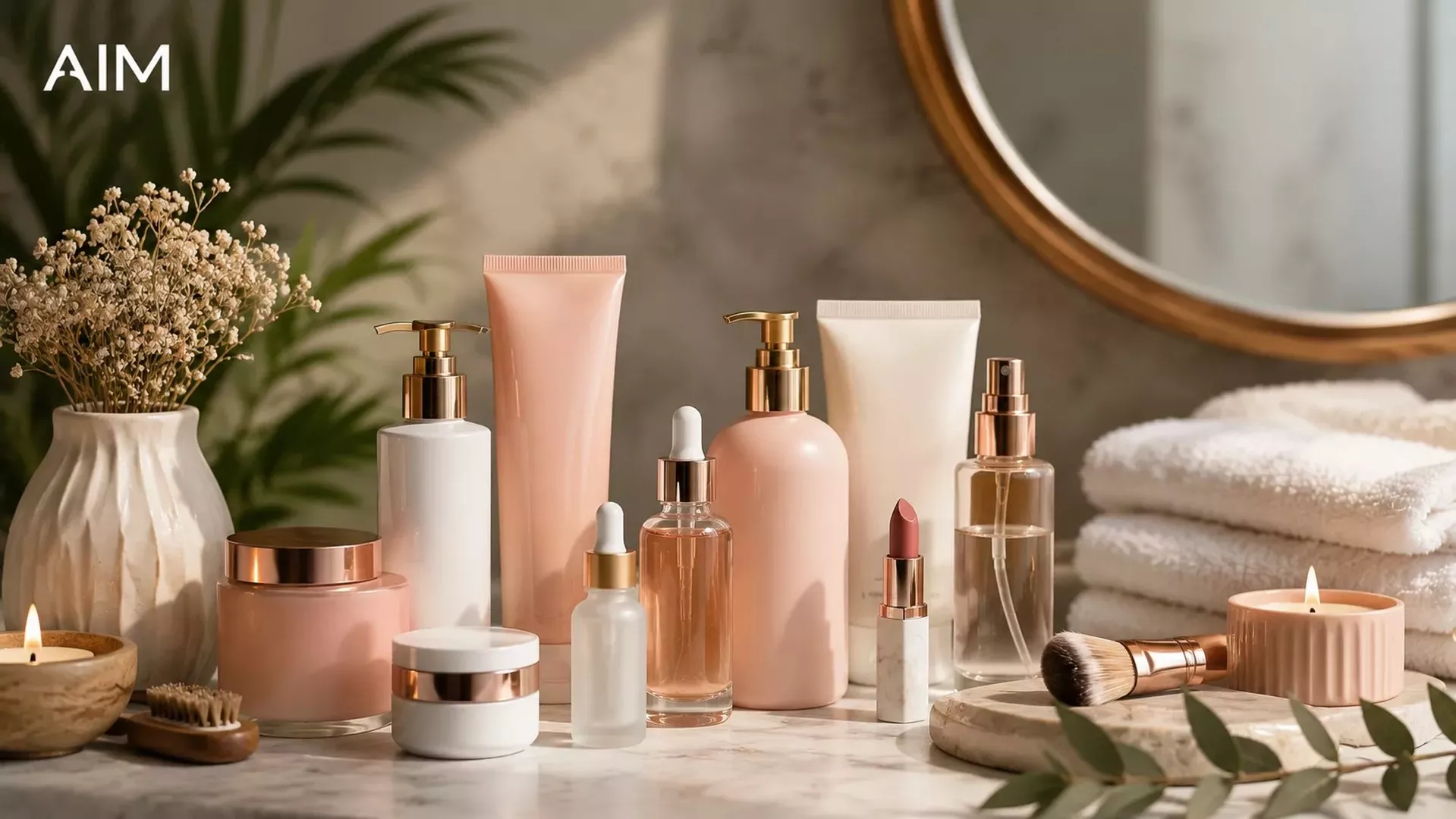


Open the bathroom drawer of anyone who shops beauty and you will find them: a dozen half-used sachets of face cream, shampoo, and serum, tried once, judged in a second, forgotten. That drawer is where most personal care product sampling goes to die. The brand paid to put the product in a hand, and the hand never gave it a fair chance, because the sample reached the wrong person, at the wrong size, with no way to follow what happened next. Real sampling looks nothing like that. Here is what it actually looks like when it is done right.
Quick answer: Real personal care product sampling reaches buyers of the right skin type and concern, gives them enough product to see a result, captures who tried it, tracks the trial through to a purchase, and turns happy triers into reviews. It is measured in buyers and repeat purchases, not sachets handed out. Everything short of that is distribution dressed up as sampling.
What is personal care product sampling?
Personal care product sampling is the practice of giving consumers a free trial of a beauty, skincare, haircare, or grooming product so they can experience it before they buy. In a category built on trust, texture, and results, that first-hand trial does what an ad cannot: it lets the product prove itself on real skin and hair. But the trial only works if it reaches someone the product actually suits, and if the brand can see what the trial led to. Those two conditions separate real sampling from a handout, and most campaigns get neither right.
Why does most personal care sampling fail?
The failure is rarely the product. It is the plan. Mass sampling ignores the one thing that defines a beauty buyer, their skin type, concern, and shade, and hands a rich night cream to oily skin, an anti-ageing serum to a twenty-year-old, and a shade that suits no one who took it. It gives single-use sachets in a category where the benefit shows over weeks, so the trier feels nothing on day one and moves on. It attracts freebie-seekers who collect and sometimes resell. And it captures nothing, so the brand cannot say who tried the product, whether they bought, or leave a single review behind. The report says twenty-five thousand samples distributed. It cannot say whose skin loved it, which is the only number that decides whether the launch worked. And in beauty that gap is brutal, because a launch that fails to convert its sampling budget rarely gets a second one.
What does real personal care product sampling look like?
Real sampling starts from the buyer and works backward. Six things change:
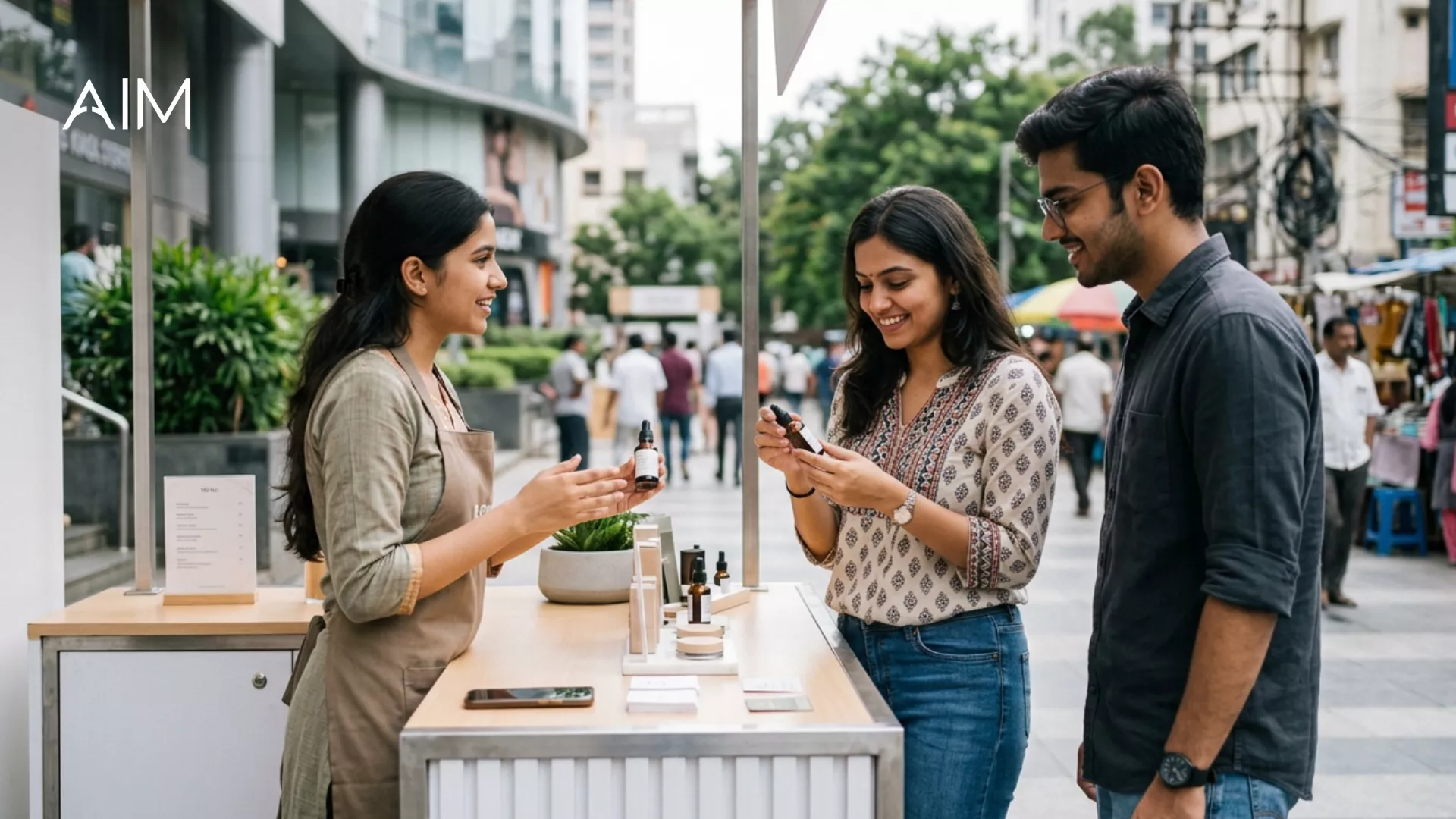
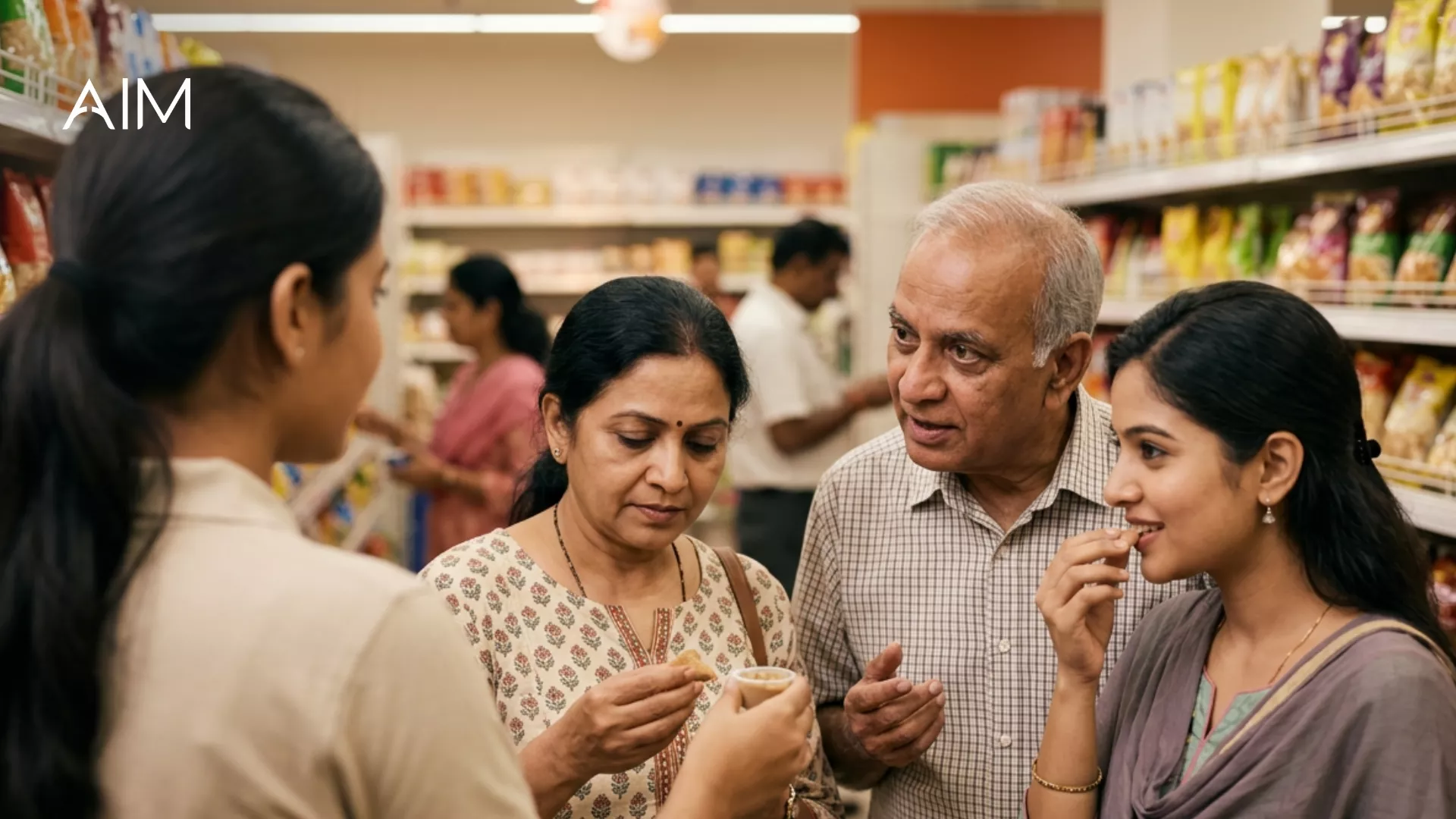
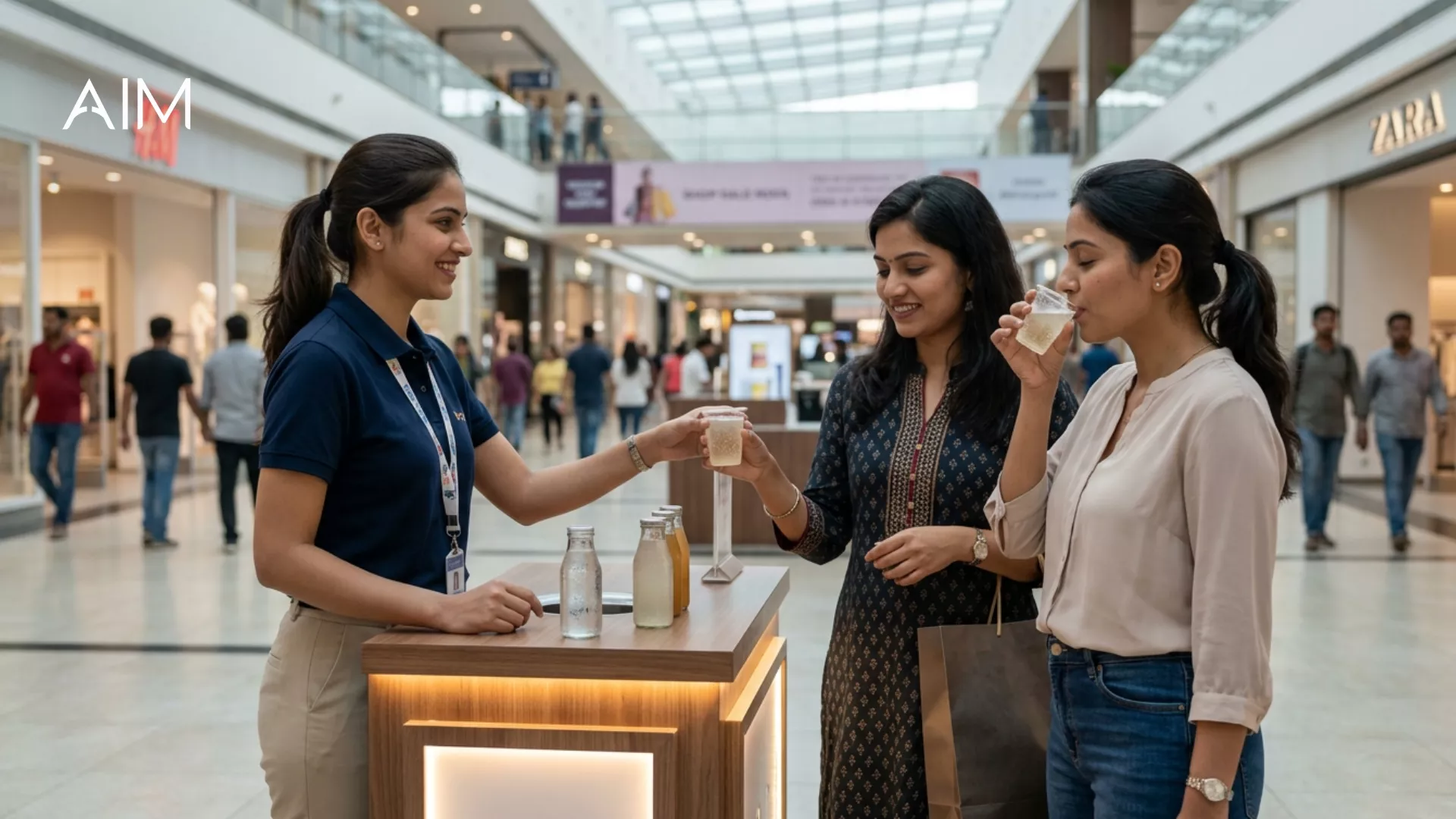
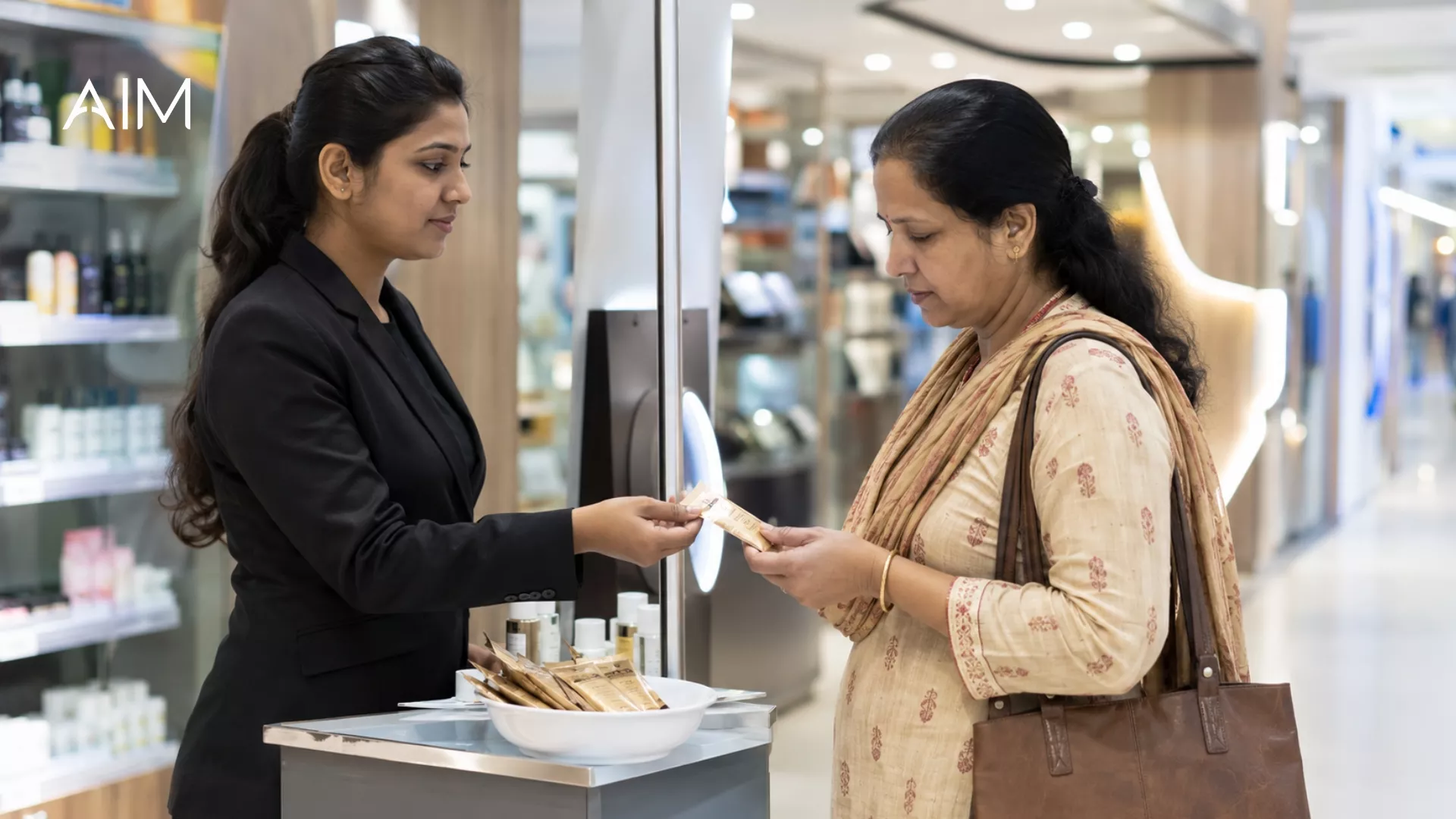
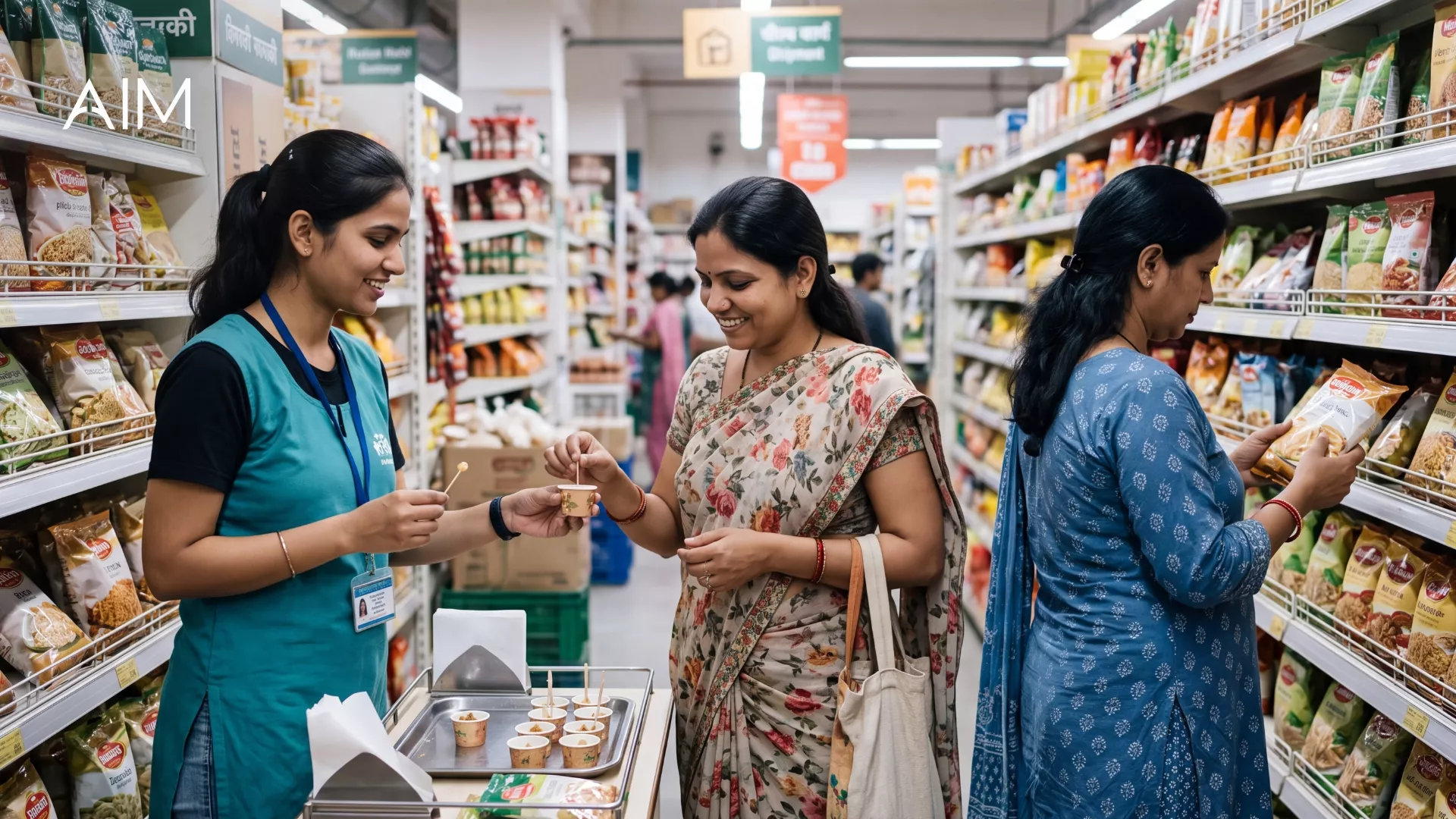
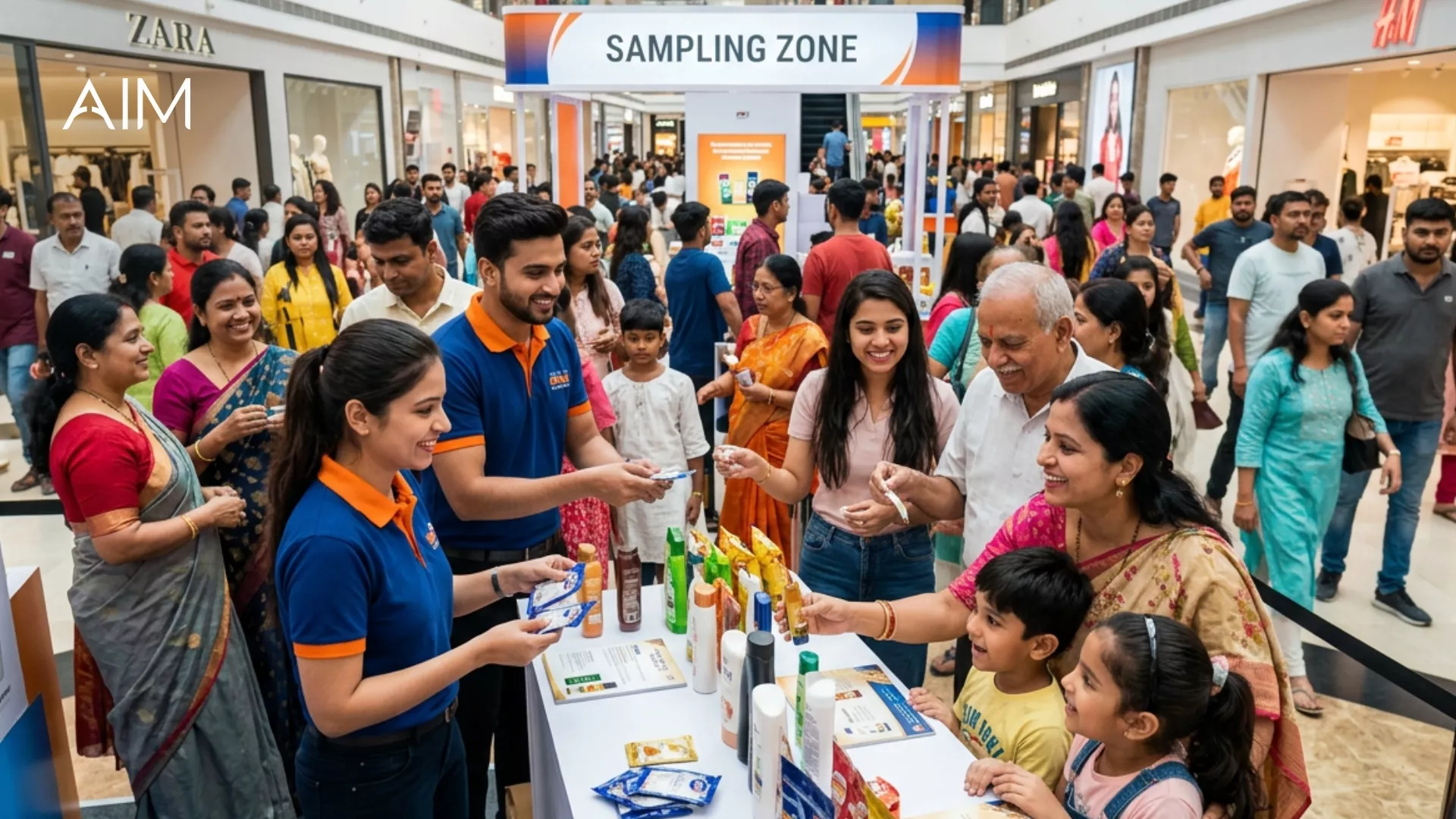
- It targets by skin and concern, not by footfall. The sample goes to the acne-prone shopper for the acne serum, the dry-skin buyer for the rich moisturiser, the right shade for the foundation. Beauty buyers are invisible in a crowd, so real sampling goes where a concern gathers, a beauty counter, a salon, a dermatology clinic, a skincare-heavy online basket, and confirms the person before handing anything over.
- It gives enough to see a result. A category whose benefit builds over weeks cannot be judged from one sachet. Real sampling sizes the trial to show something: a few uses, a mini routine, or a discount toward the full size, so the product gets a fair hearing instead of a one-second verdict in front of the mirror. Give people a real trial window and the same product that flopped as a sachet suddenly gets a fair chance.
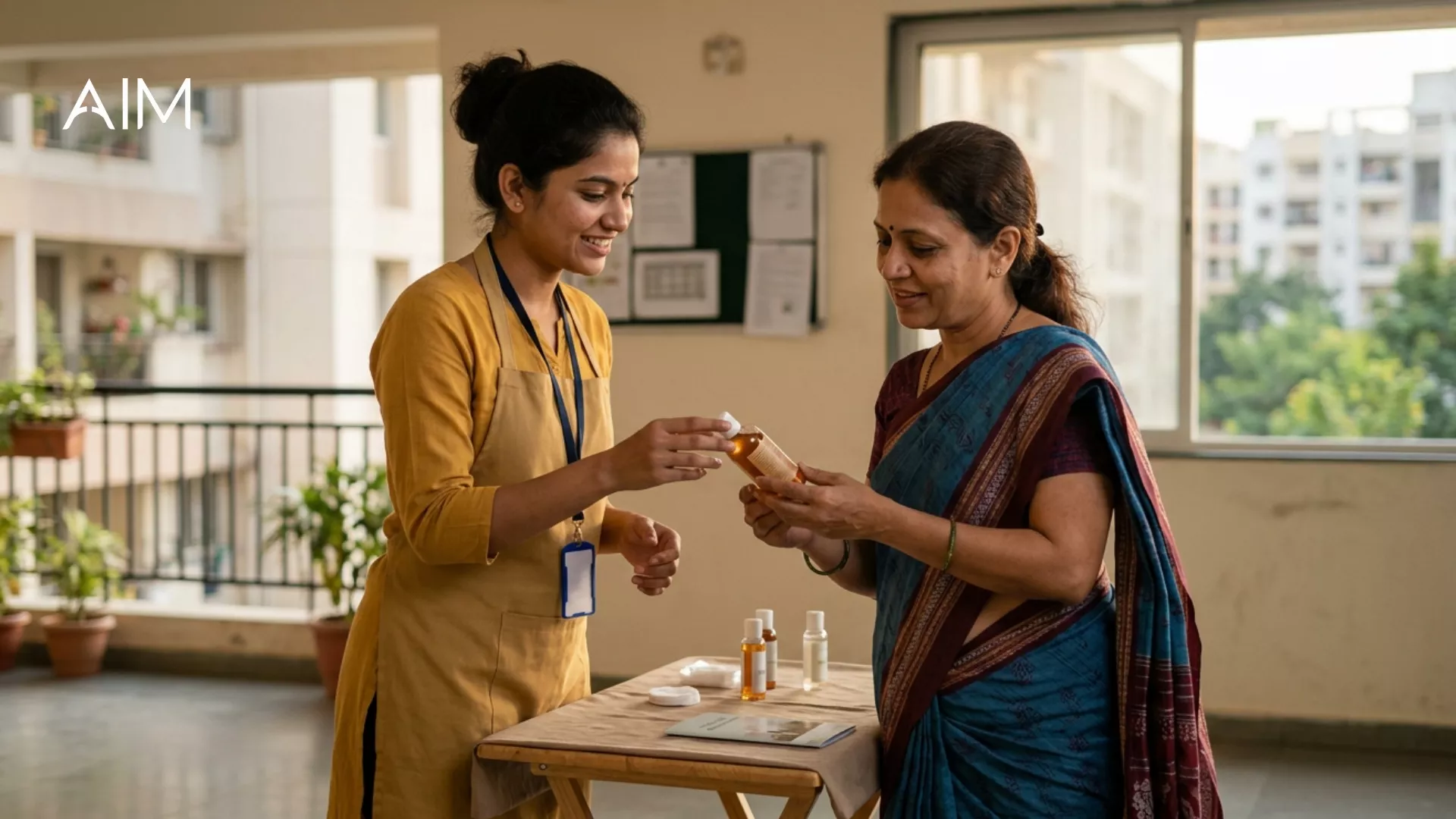
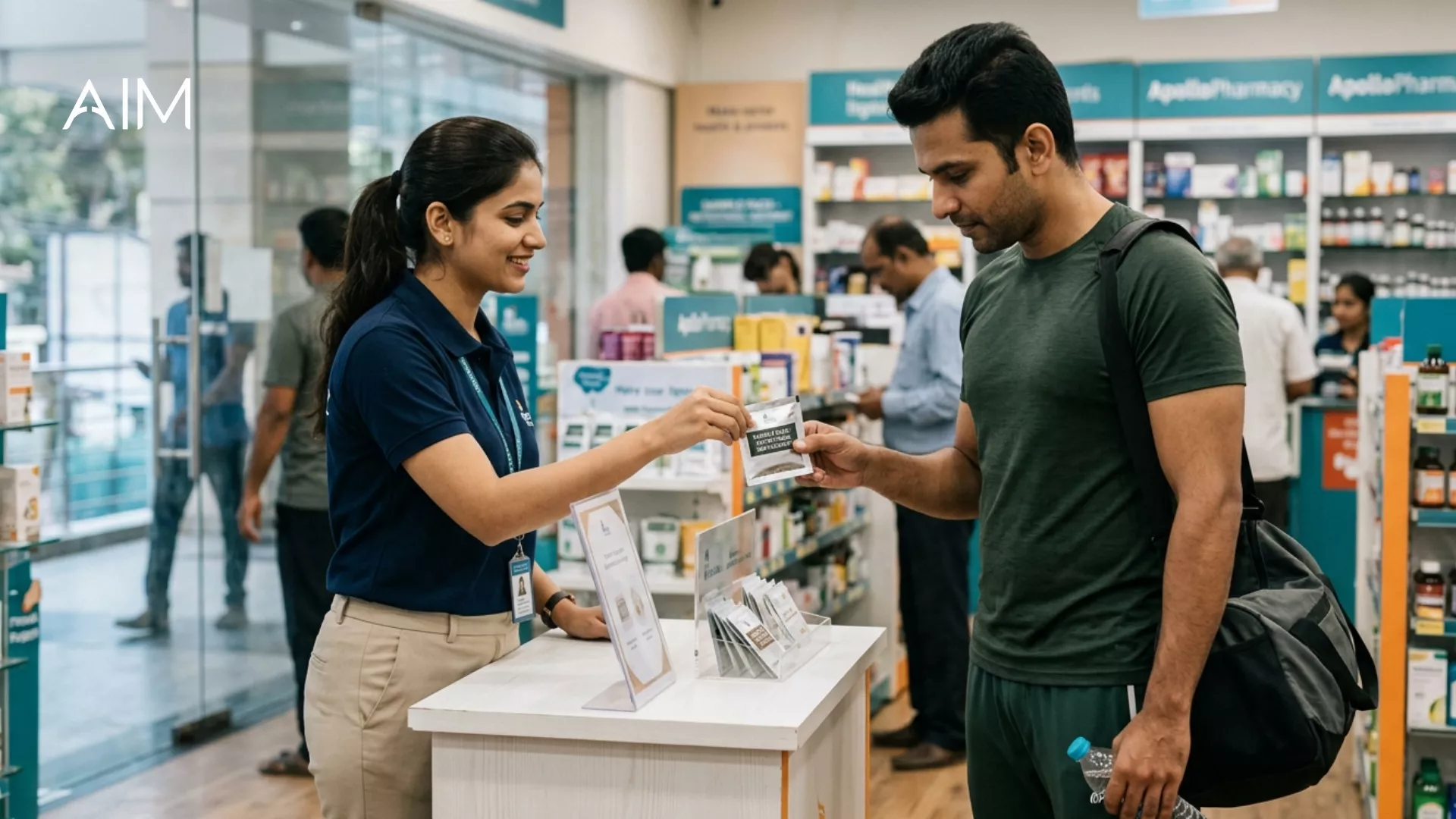
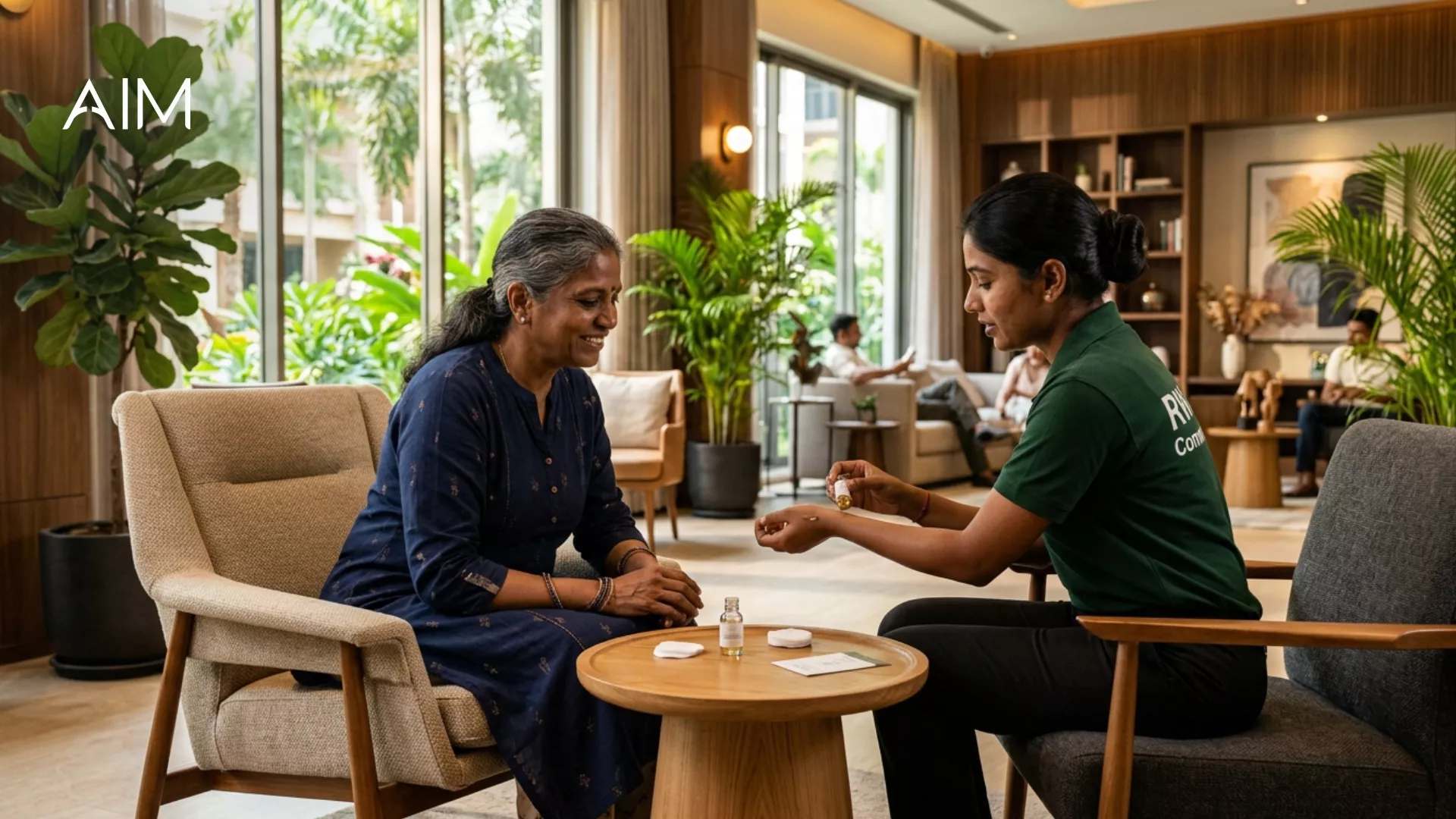
- It happens in a context that carries trust. People are careful about what they put on their face. The same sample lands very differently from a stranger at a mall table than from a beautician, a pharmacist, or a dermatologist's counter. Real sampling borrows the credibility of the place it happens, because in beauty, who hands you the product is part of the message. A dermatologist handing over a serum is worth a hundred strangers with a tray.
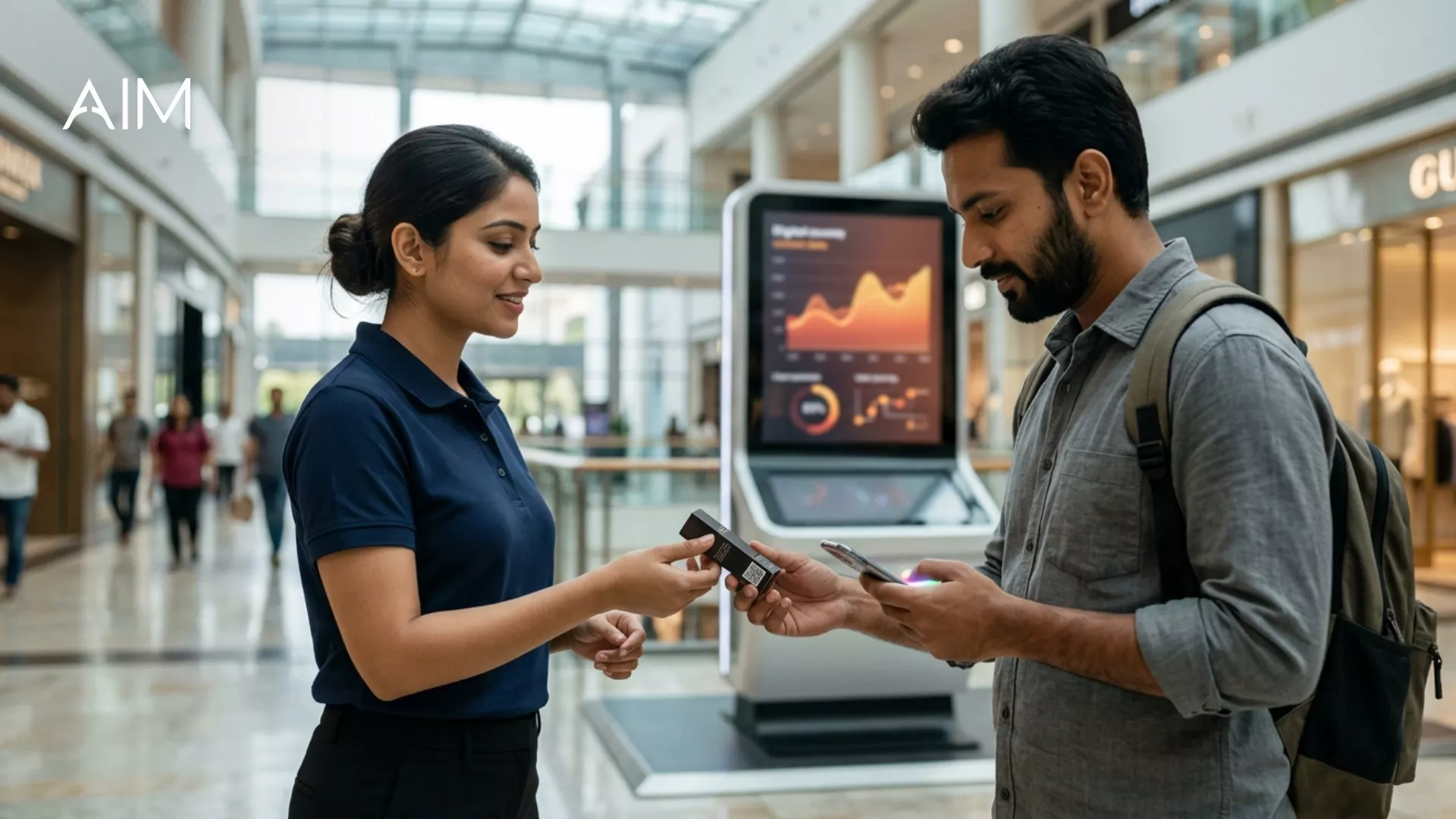
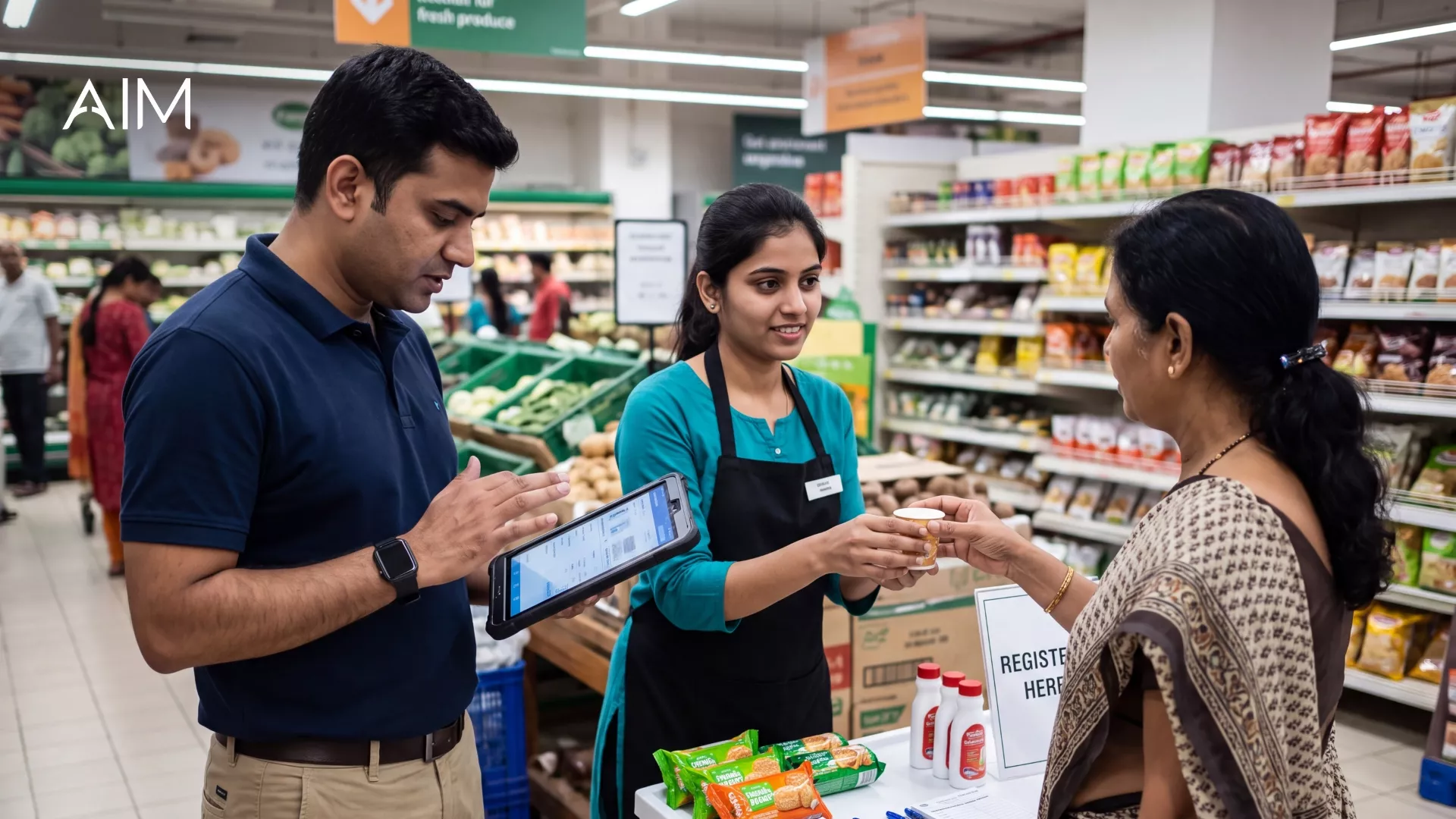
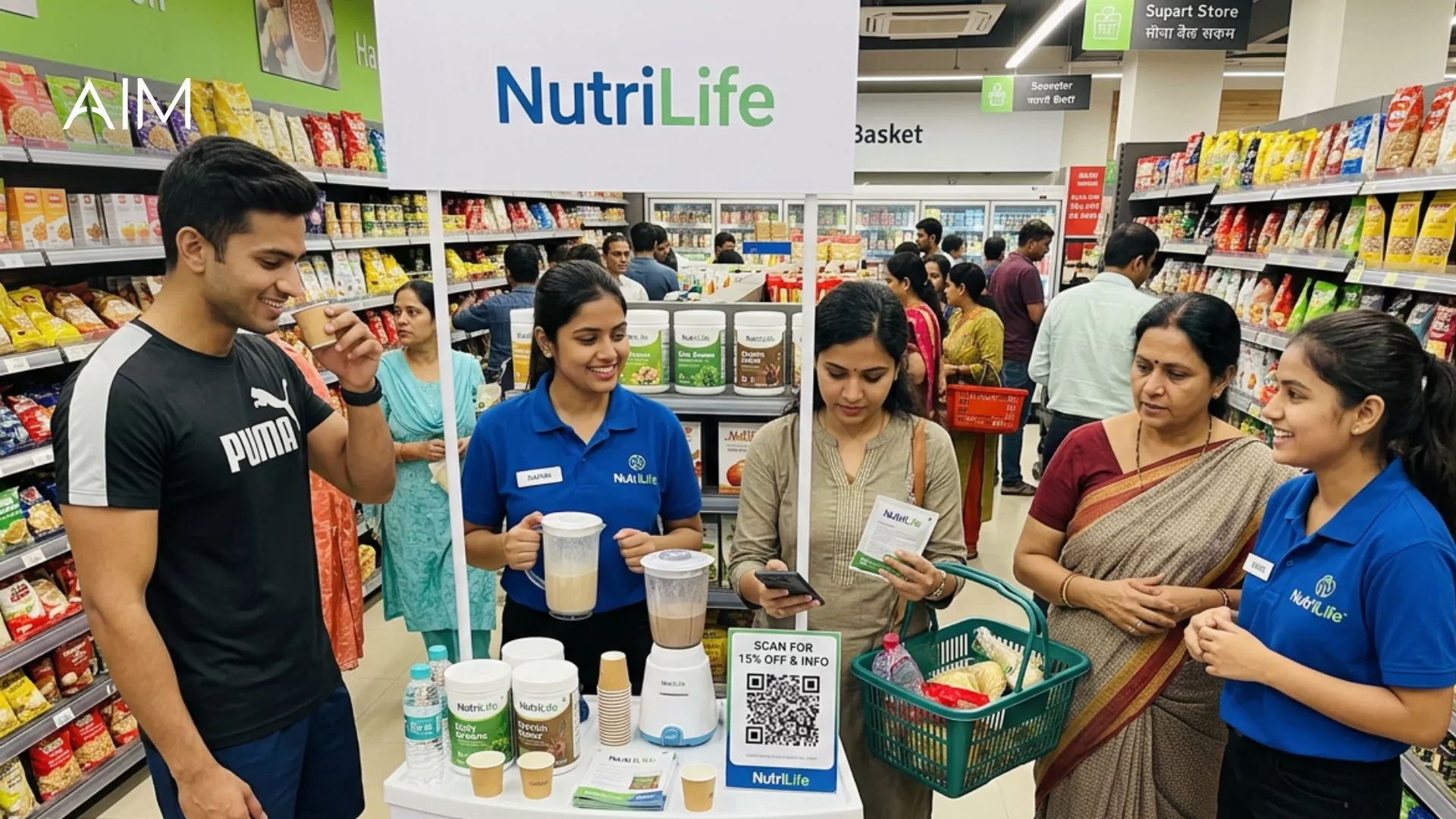
- It captures the person at the point of trial. A quick opt-in, a QR into a short form, records who tried it, their skin type, and their contact. That single step turns an anonymous handout into a known, profiled buyer the brand can follow and reach again, which is the whole reason to run the campaign in the first place. Without it, you are shipping product to ghosts.
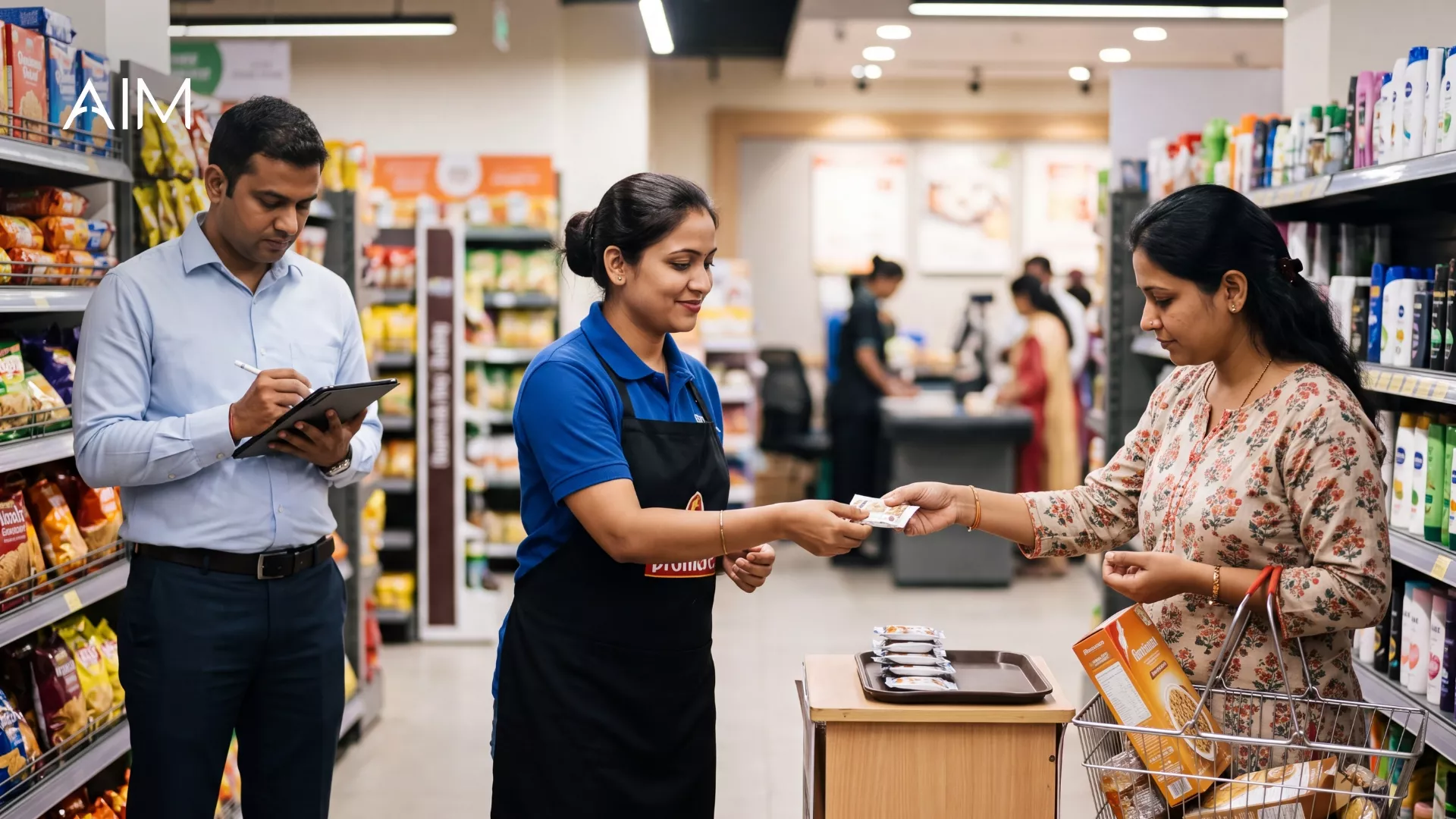
- It tracks the trial to a purchase. Every sample carries a coupon or code, redeemable in store and online, so the brand can see who moved from trial to first purchase and, in a repeat-driven category, who came back for the full size. This is the line between hoping sampling worked and knowing that it did.
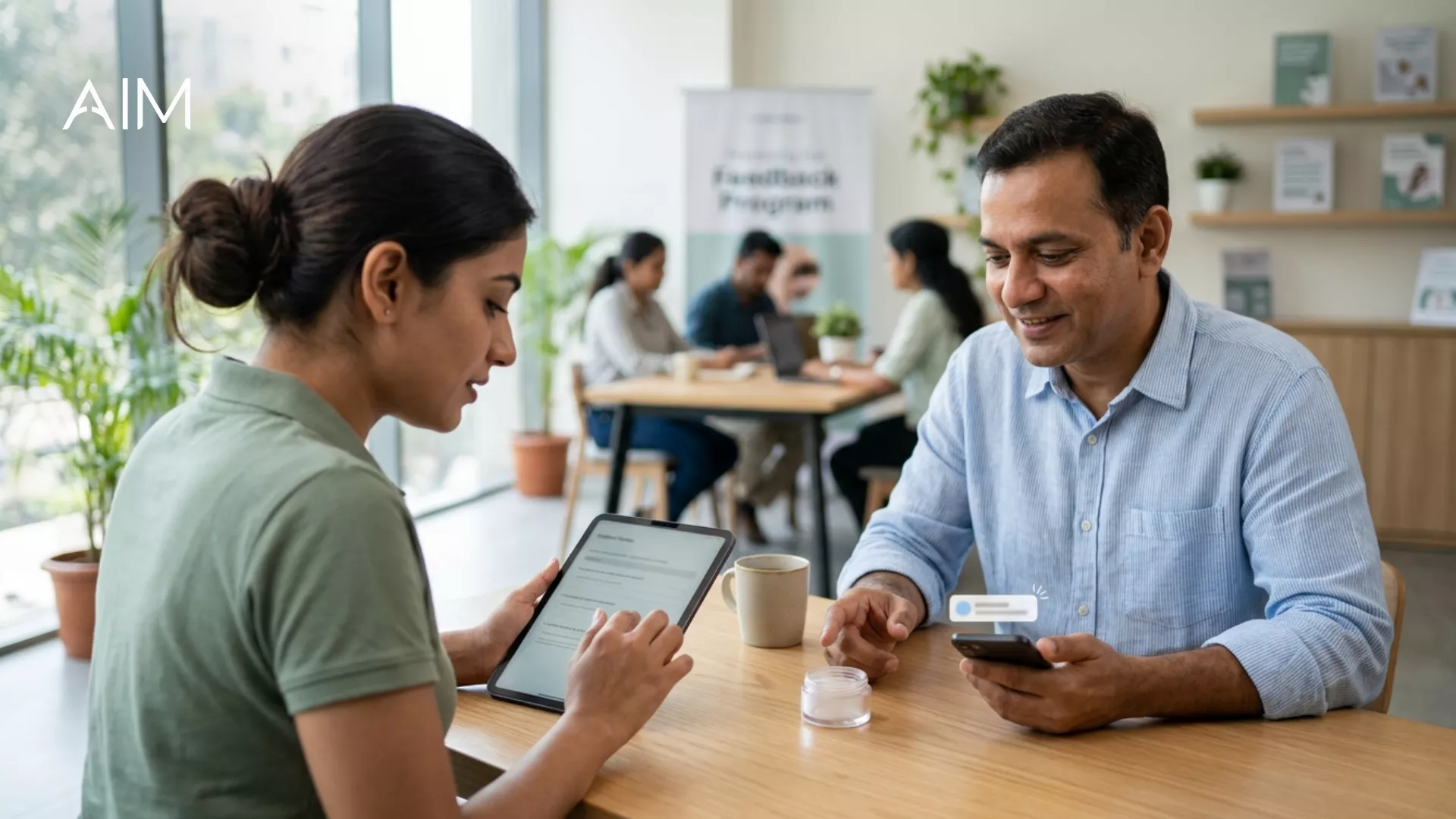
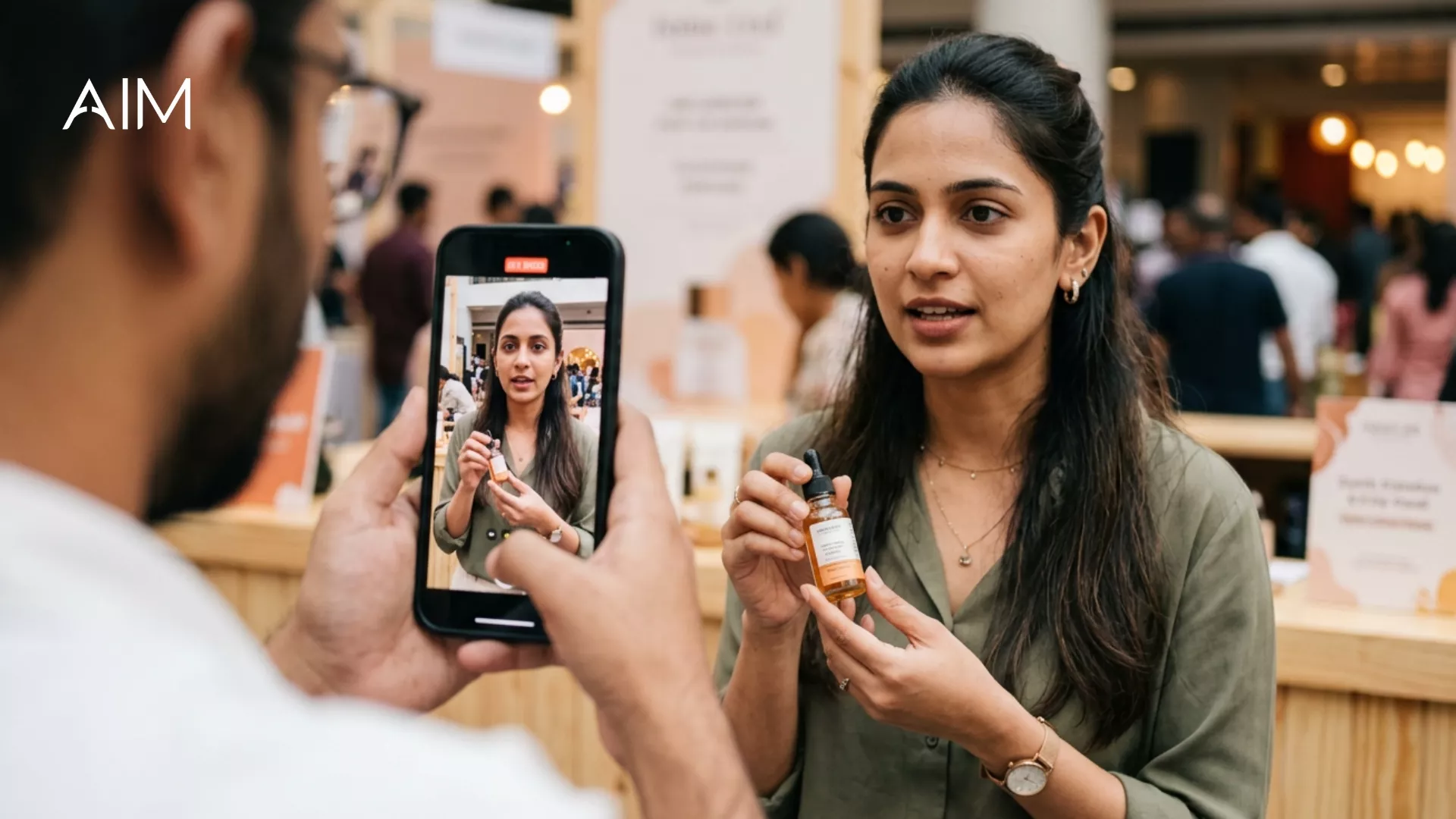
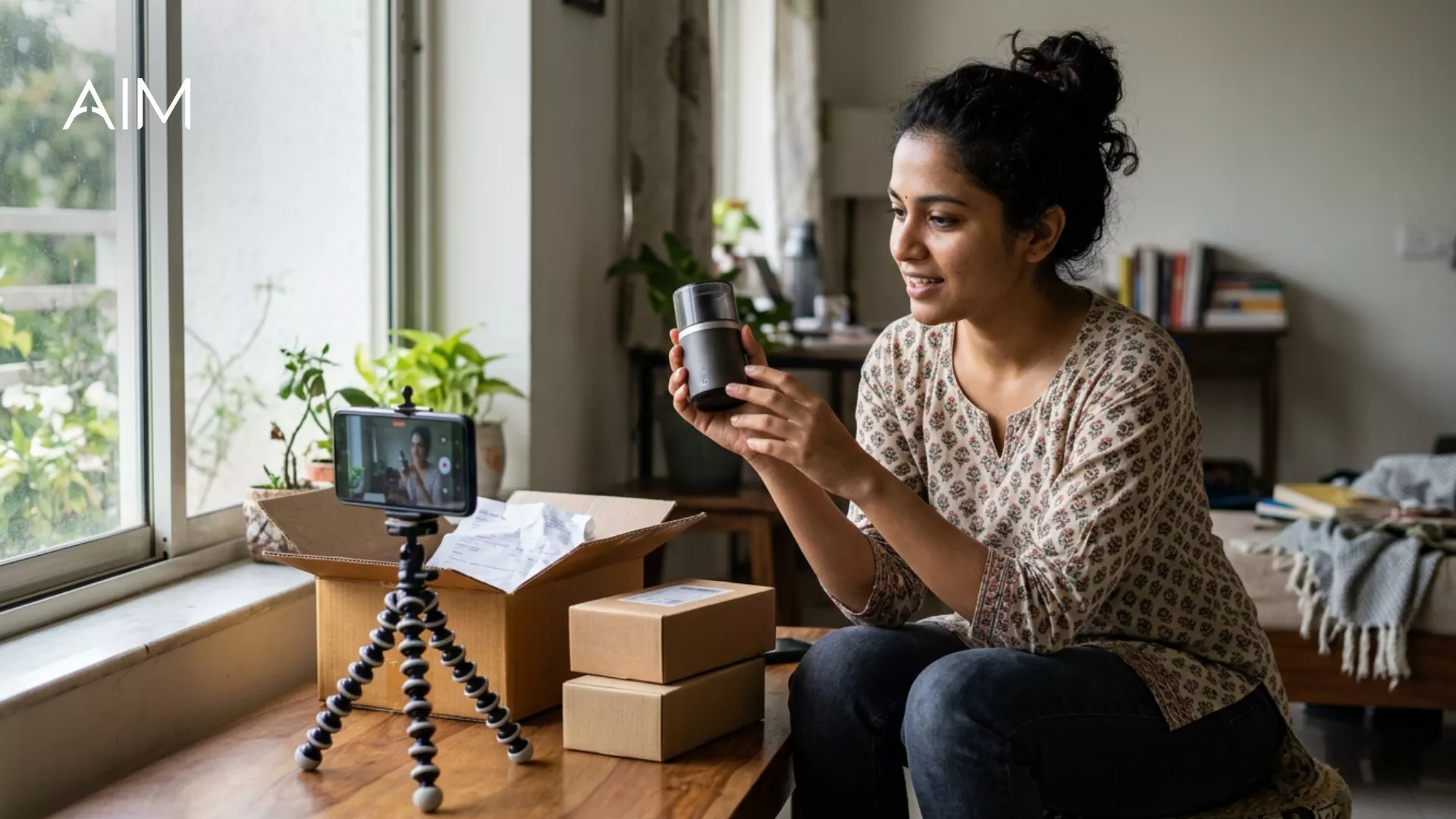
- It turns happy triers into reviews. In beauty, reviews are half the sale. Real sampling asks the satisfied trier for a rating and a photo while the result is fresh, seeding the product page with authentic reviews and user content that keep selling to strangers long after the campaign ends. One good sampling wave can leave a product page carrying itself for months, which no other trial format gives you.
How can you tell real sampling from a giveaway?
There is a simple test. After the campaign, ask three questions. Can you name the people who tried the product and reach them again? Can you see how many became buyers, and how many repeated? Did the trial leave reviews behind on your product page? If the answer to all three is yes, you ran real sampling. If the only number you have is how many sachets went out, you funded a giveaway with good intentions. Distribution flatters the room and proves nothing. Buyers, repeat rate, and reviews are what a real campaign leaves behind, and they are what you take into the next budget meeting. Everything else is a photo of a busy counter.
Where should personal care brands sample?
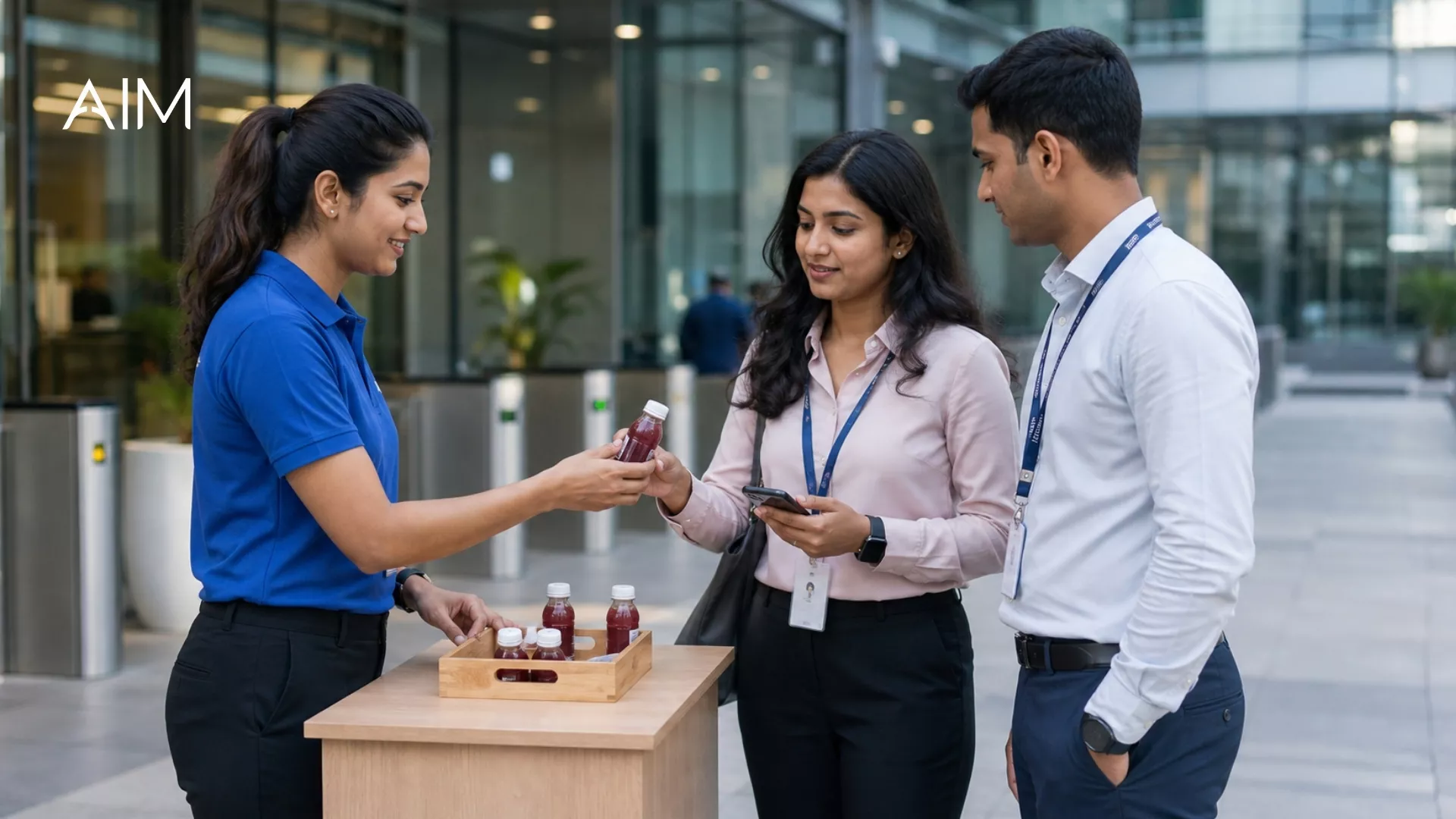
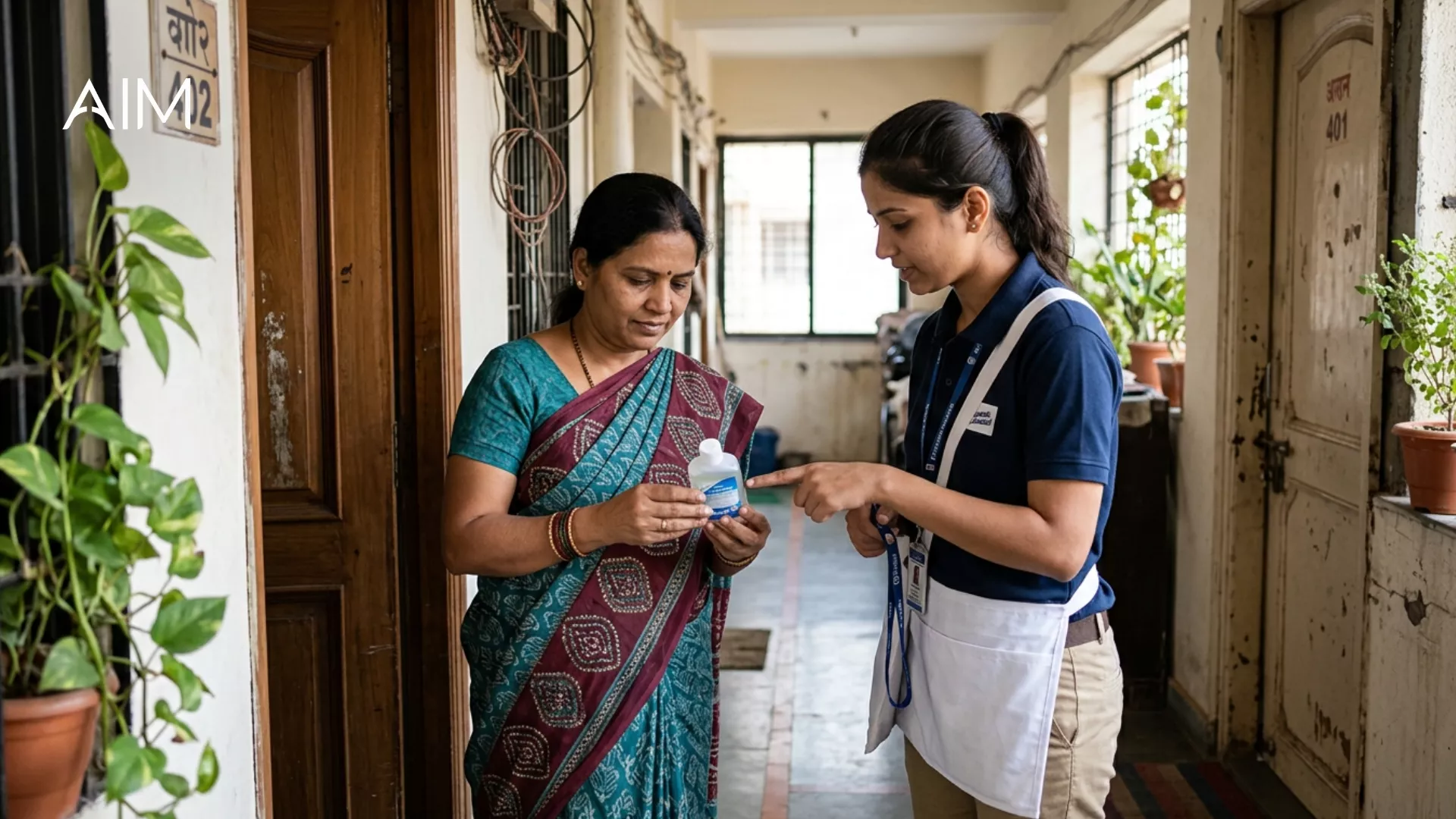
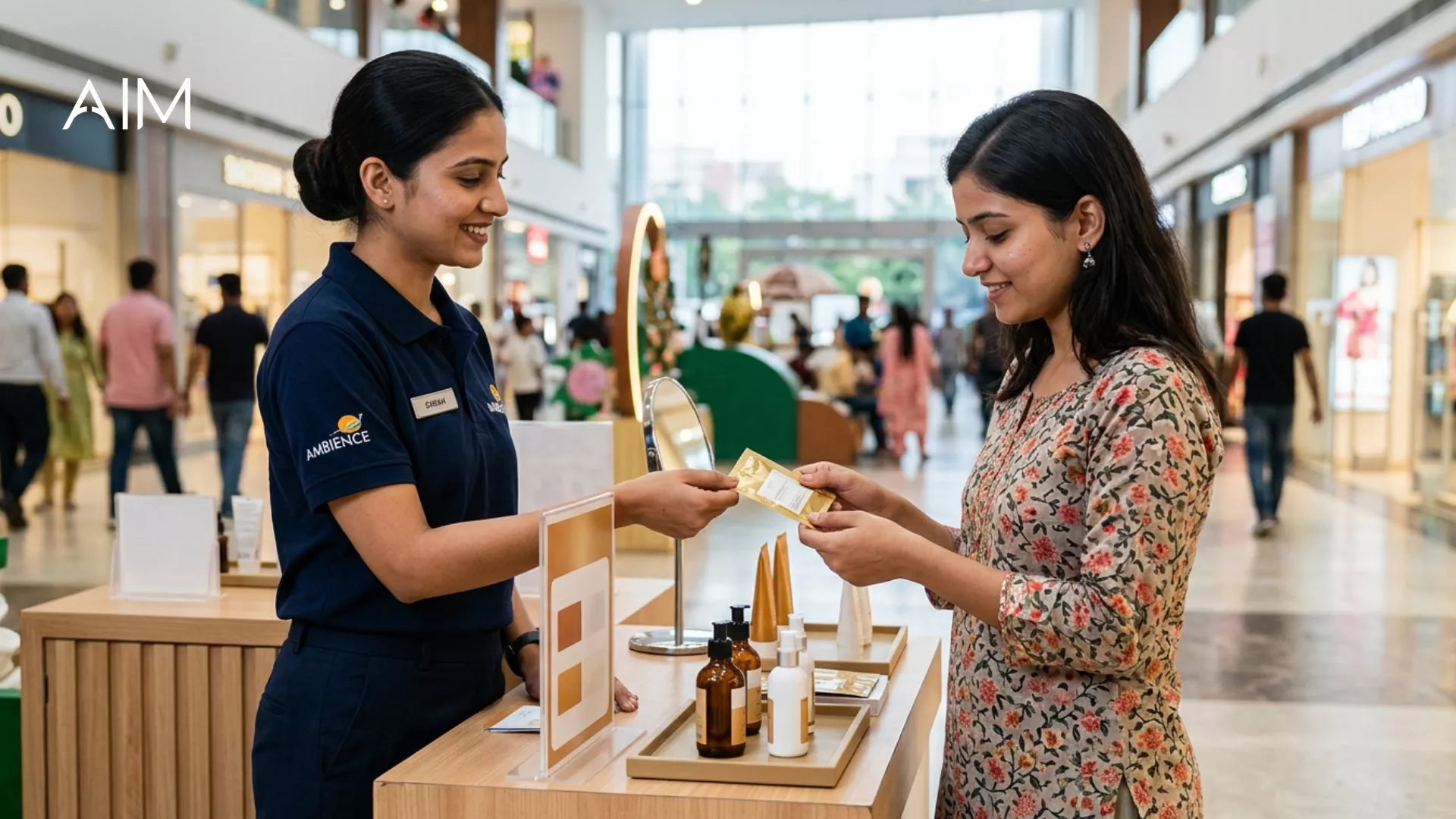
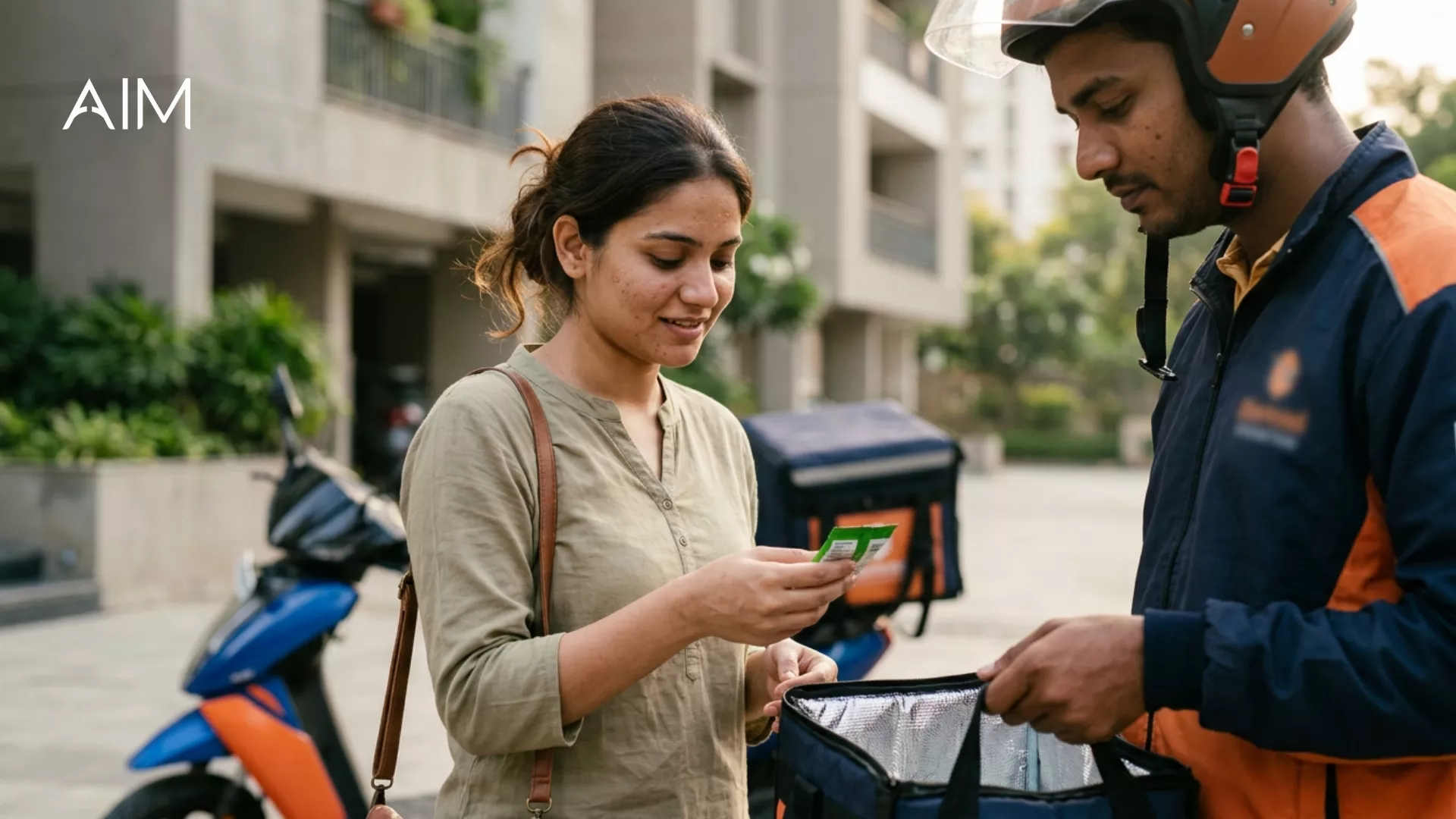
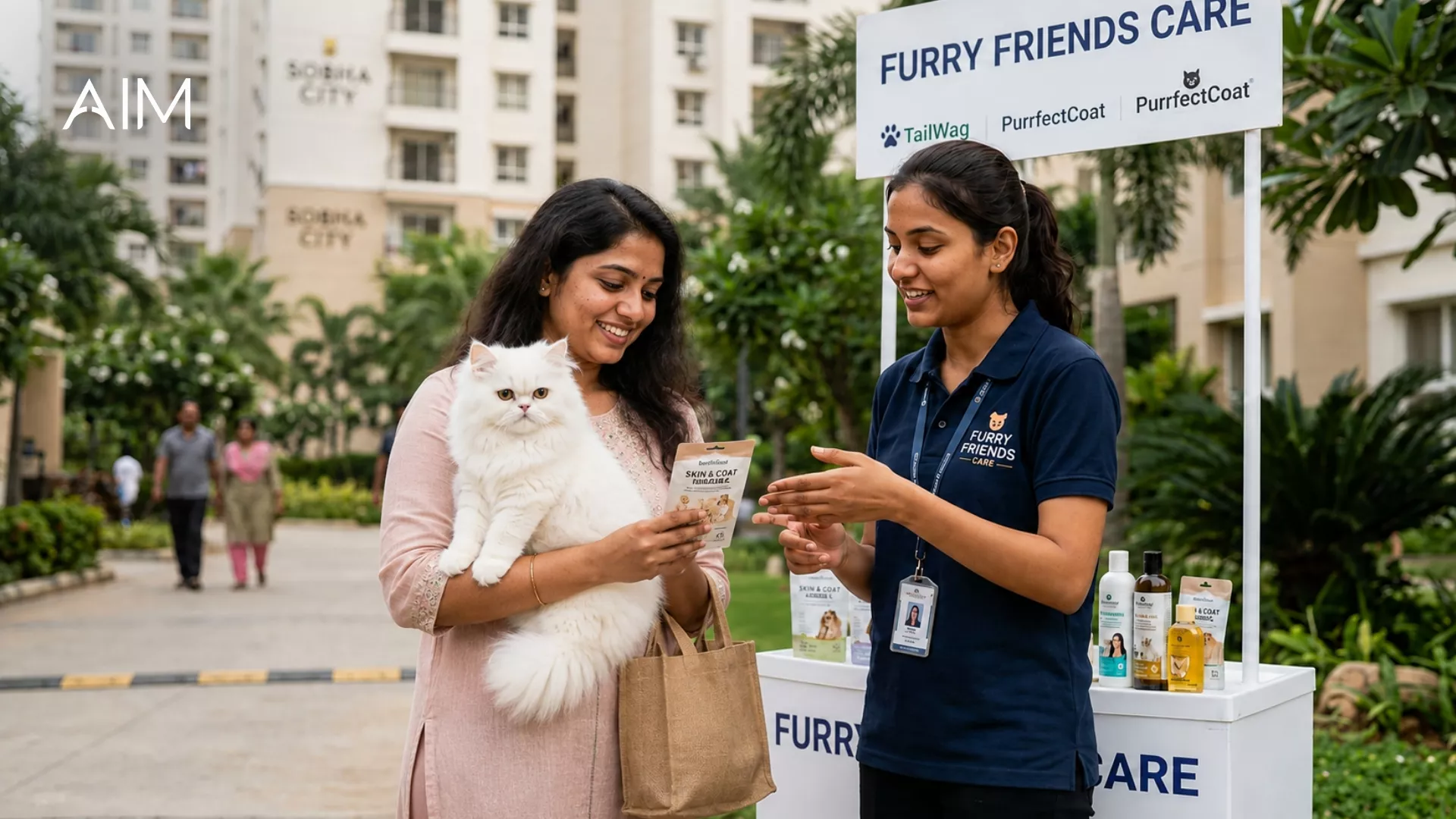
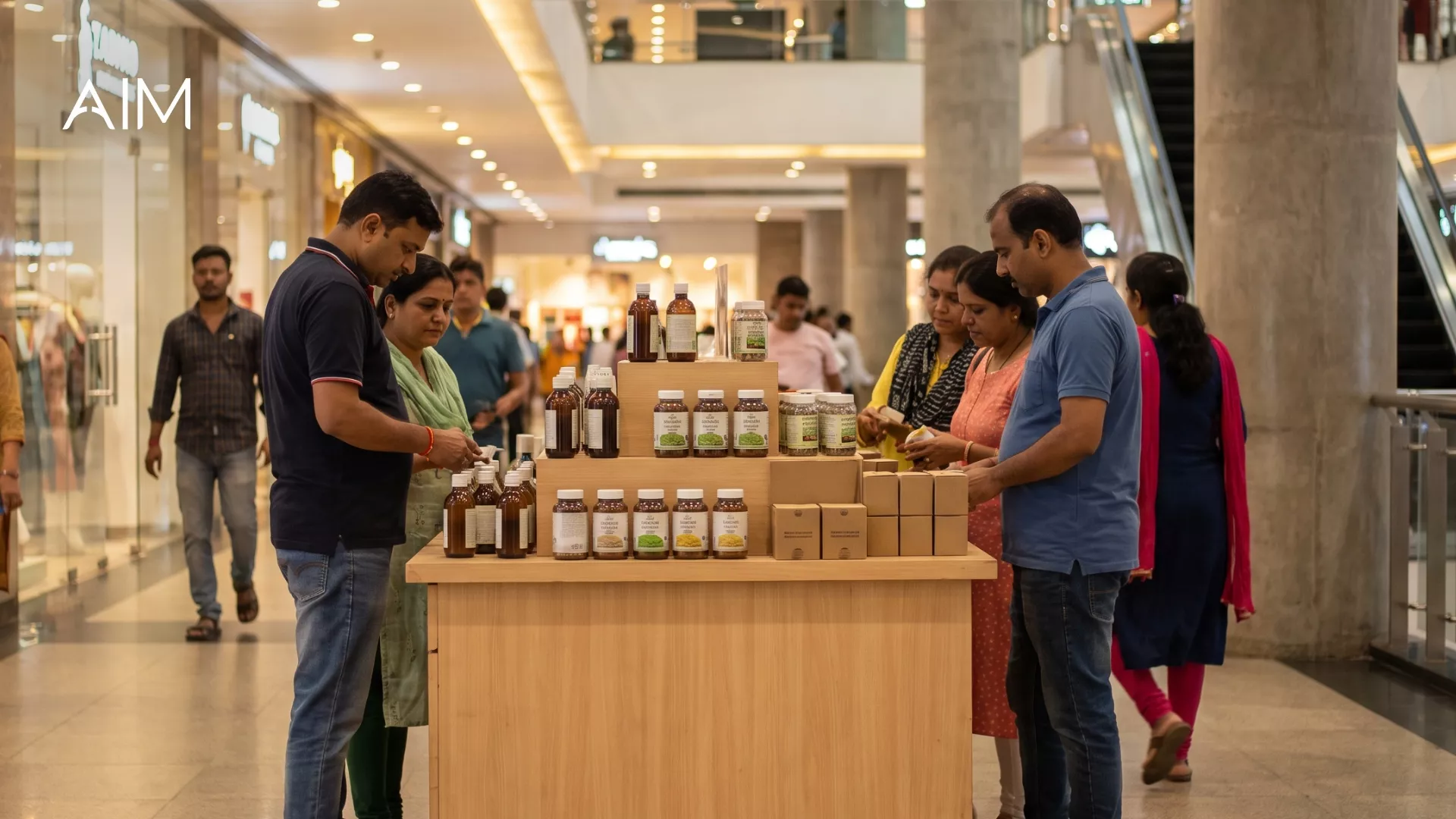
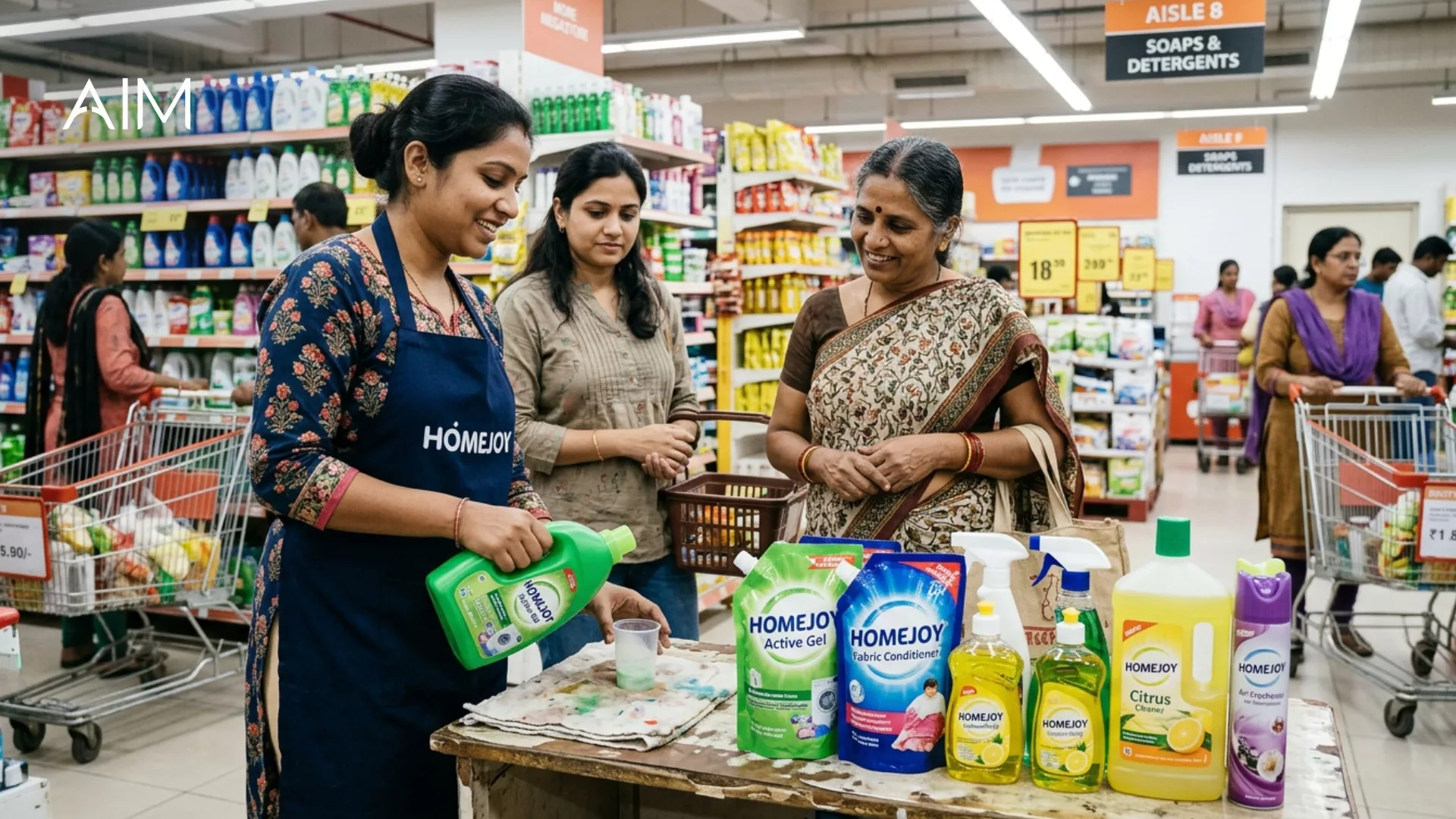
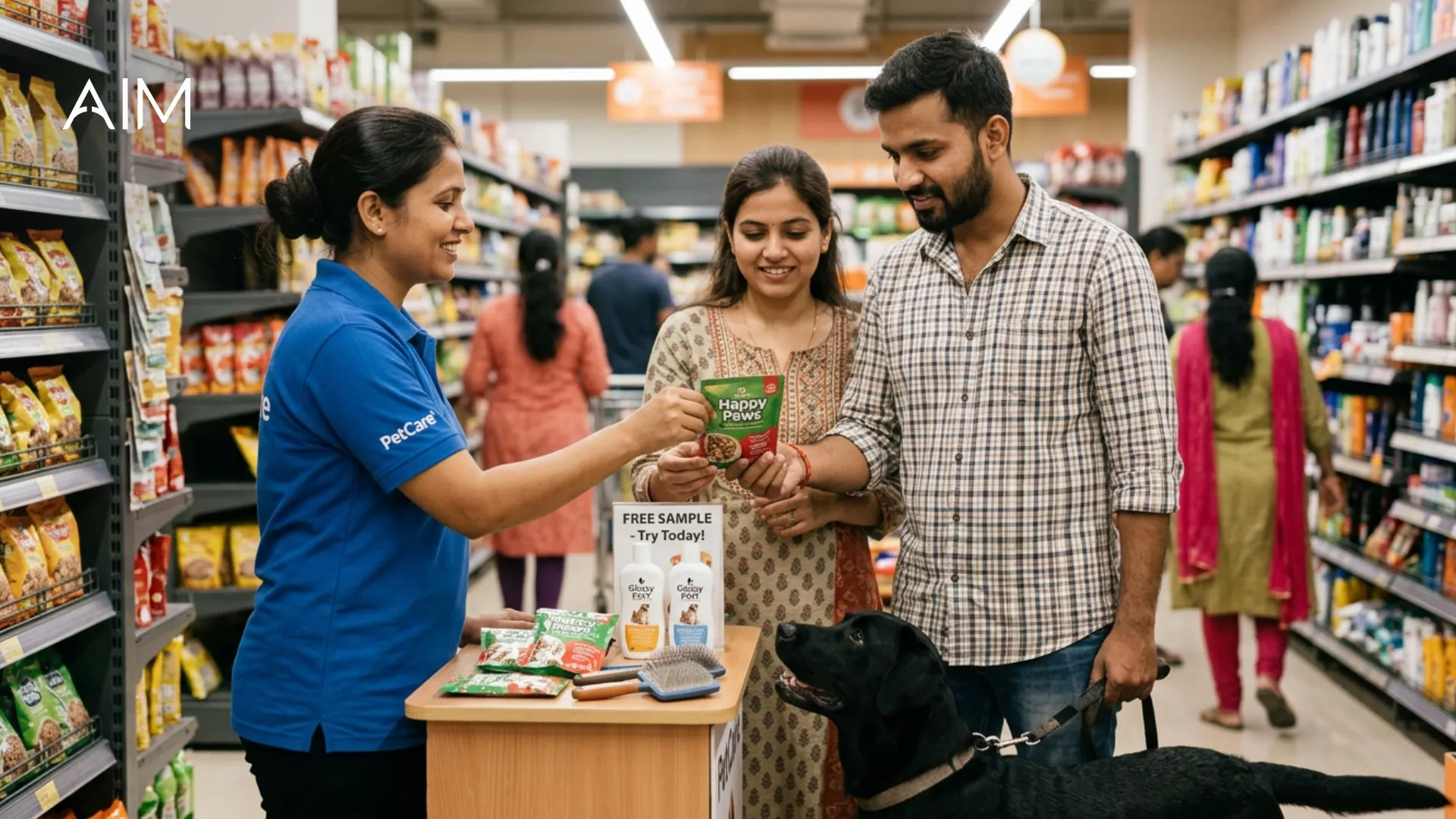
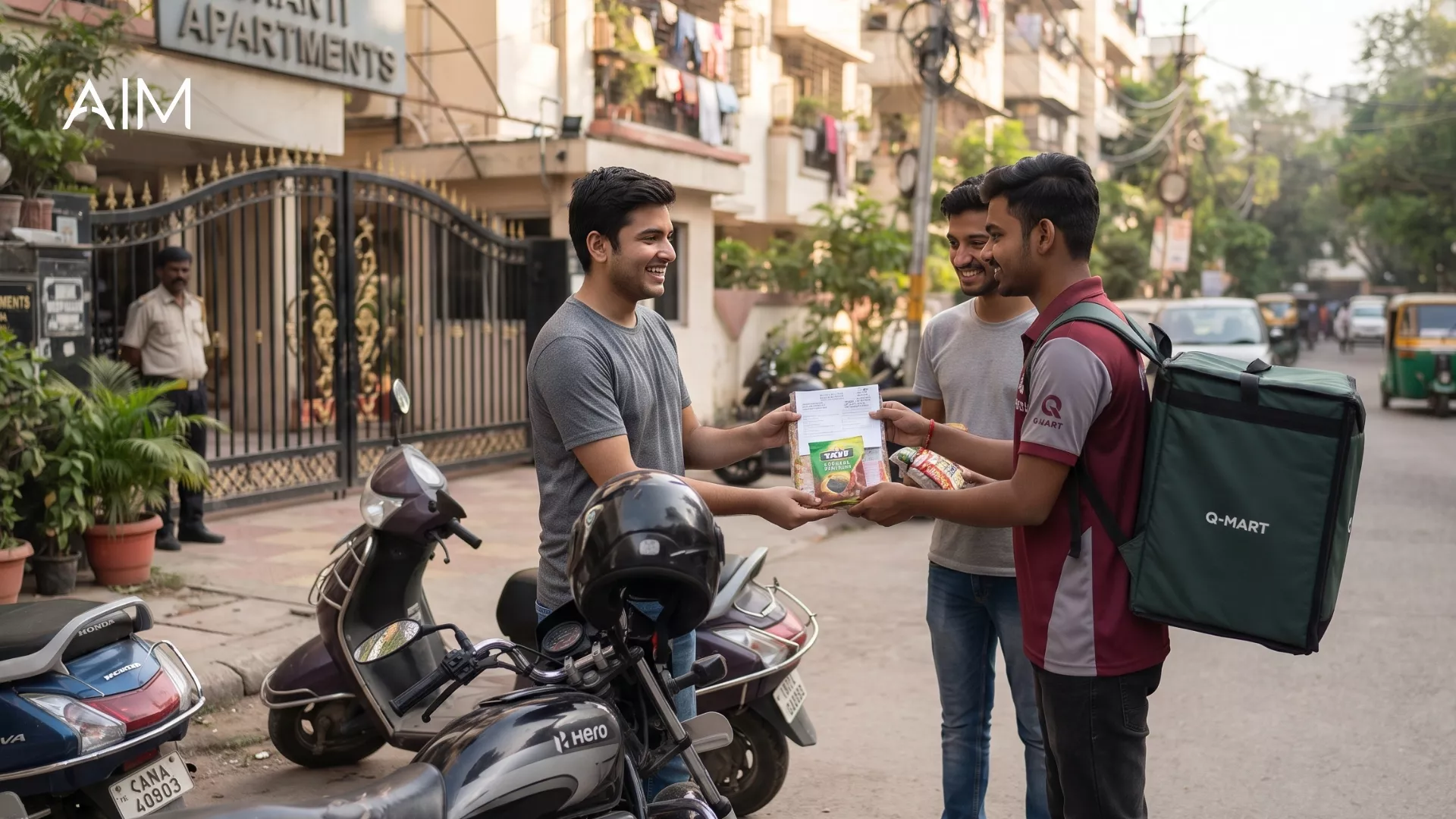
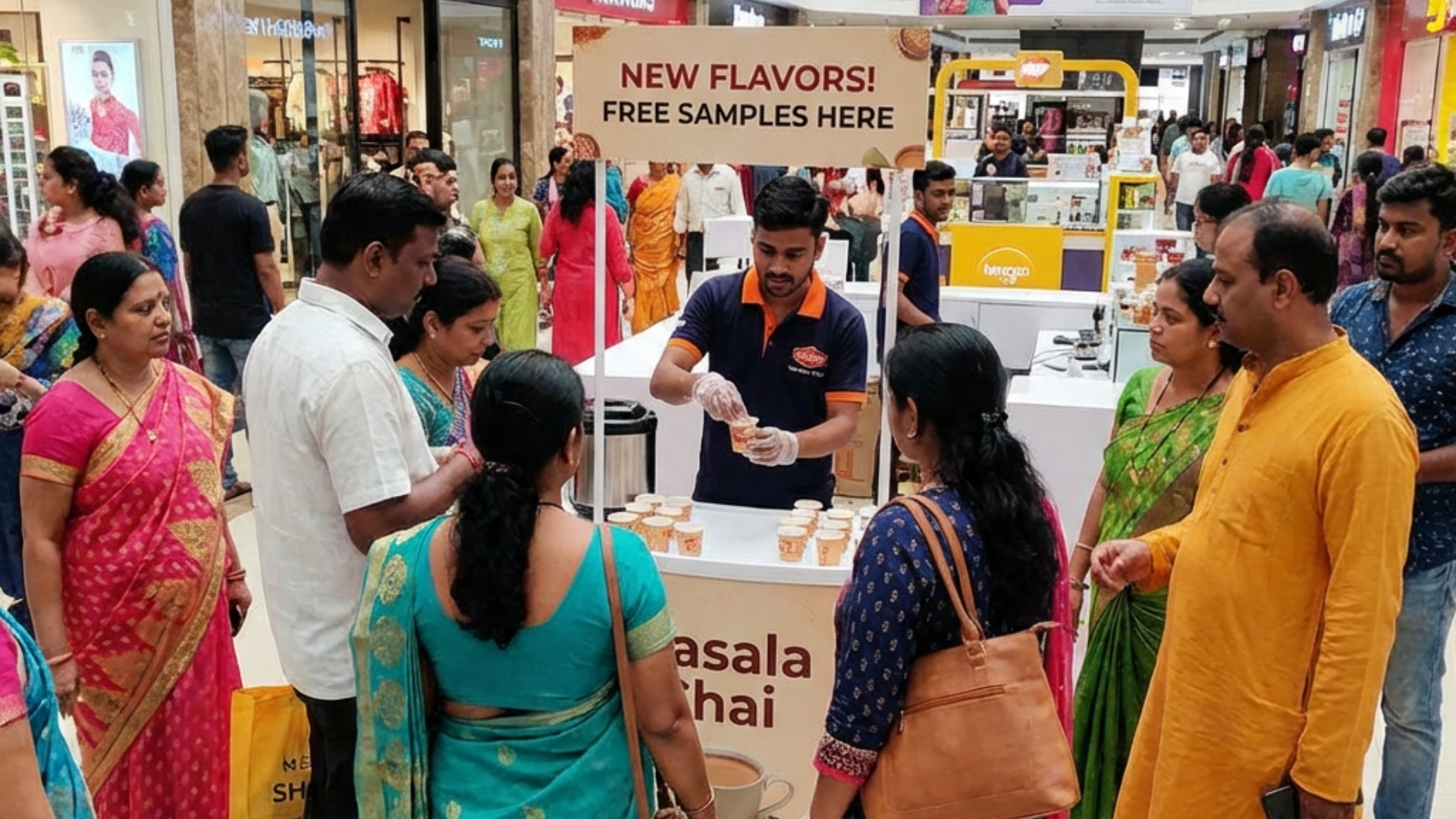
The channels that fit the category are the ones where a skin concern or a beauty routine already gathers. Beauty counters and pharmacies reach shoppers mid-decision. Salons and clinics reach people actively working on their hair or skin, with an expert lending trust. Malls and residential societies reach households by profile and life stage. And e-commerce and quick-commerce inserts drop a sample into the order of someone already buying the category, matched to their basket. A serum brand and a shampoo brand should not be sampling in the same rooms, and the good news is that they no longer have to guess which rooms are theirs. The right mix depends on your product and your buyer, but one rule holds across all of them: sample where the concern already is, capture who tries it, and track what they do next.
Does personal care sampling actually drive sales?
Yes, when it is targeted and tracked, and for a clear reason. A sample removes the two things stopping a beauty purchase: doubt about whether the product suits you, and the risk of spending on something you have not tried. Put the right product on the right skin and a good result does the selling, often faster than any other channel, because the proof is on the customer's own face. But the lift only appears if the campaign reached the right skin in the first place and was built to capture it. Sampling does not fail to drive sales because trial does not work. It fails when the trial went to the wrong person and nobody was counting.
Real personal care product sampling is not more expensive than the blind kind. It is the same product, aimed better and measured properly, so it stops filling drawers and starts filling carts. That is how AIM runs it: samples matched to skin type and concern, qualified at the point of trial, captured, and tracked from the first use to the reorder, with reviews gathered along the way. Done this way, sampling stops being a launch ritual you cannot defend and becomes the most honest trial channel a beauty brand has. The test never changes. Not how many samples you gave away, but whose skin loved it, and whether they came back for more. Get that right and a launch stops being a gamble and starts to compound.






.webp)











.png)