
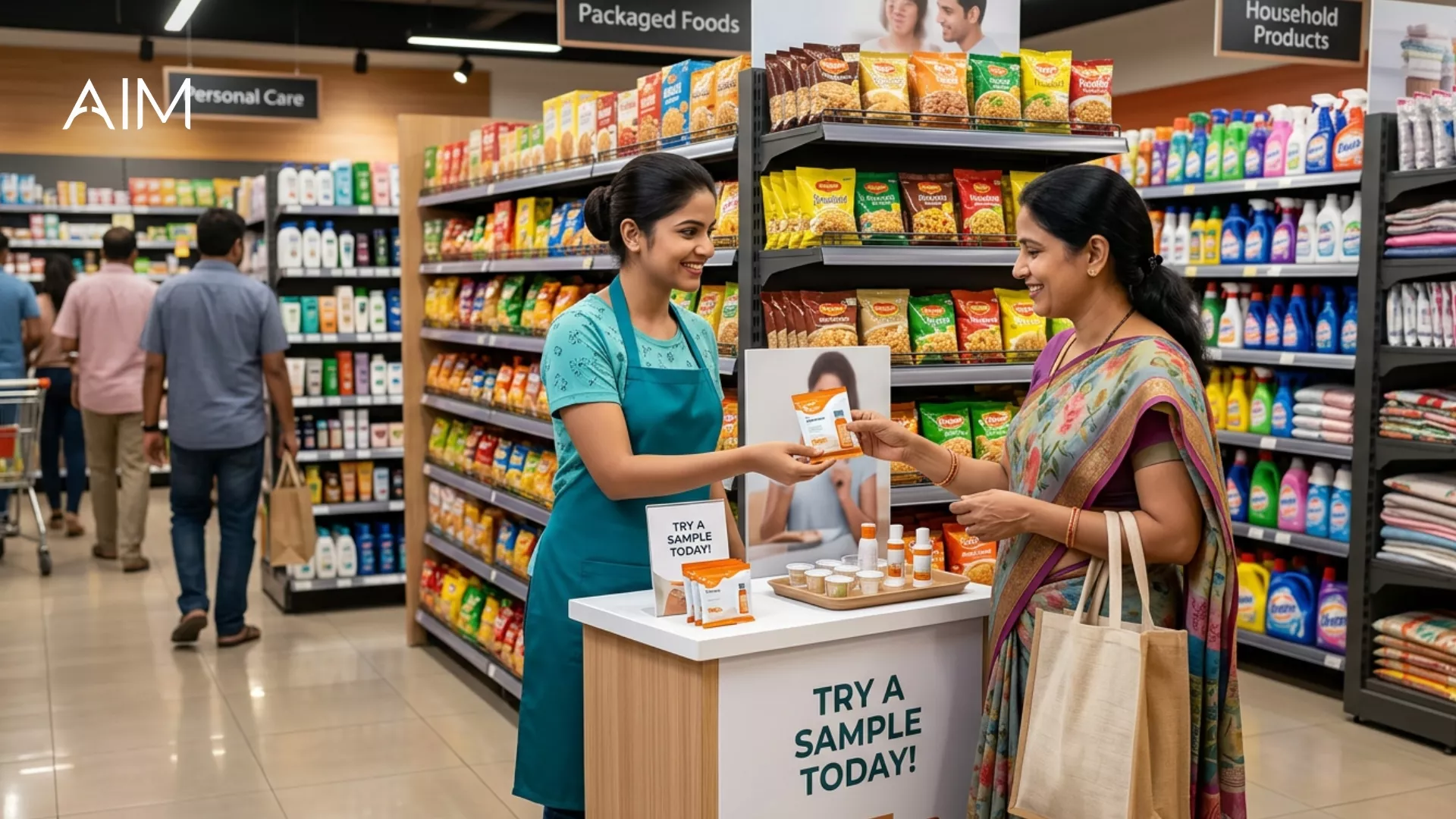


A new FMCG product has a problem nobody likes to say out loud: nobody is looking for it. There is no search demand, no shelf history, no reviews, no habit, and no reason for a shopper to reach past the brand they already trust. You can buy distribution and pay for shelf space, but a product sitting on a shelf that no one has heard of mostly gathers dust while the slotting fees run. This is exactly the gap sampling is built to close. Here is how to use product sampling to launch an FMCG product with no shelf history, and turn a cold start into real, trackable trial.
Why is launching an FMCG product with no shelf history so hard?
A new FMCG product launches into indifference. Shoppers buy on habit, grabbing the same pack they bought last time, and a brand with no history gives them no reason to break that habit. The product has no awareness, so nobody seeks it out; no trust, so nobody risks money on it; and no social proof, so nothing reassures them. Paid ads can build awareness but cannot deliver the one thing that actually sells a new FMCG product, which is the taste, the smell, the feel, the proof that it works. Until a shopper experiences the product, awareness is just noise. That is the wall every new launch hits, and it is why distribution alone rarely moves a new SKU.
Why is sampling the right launch tool for a new FMCG product?
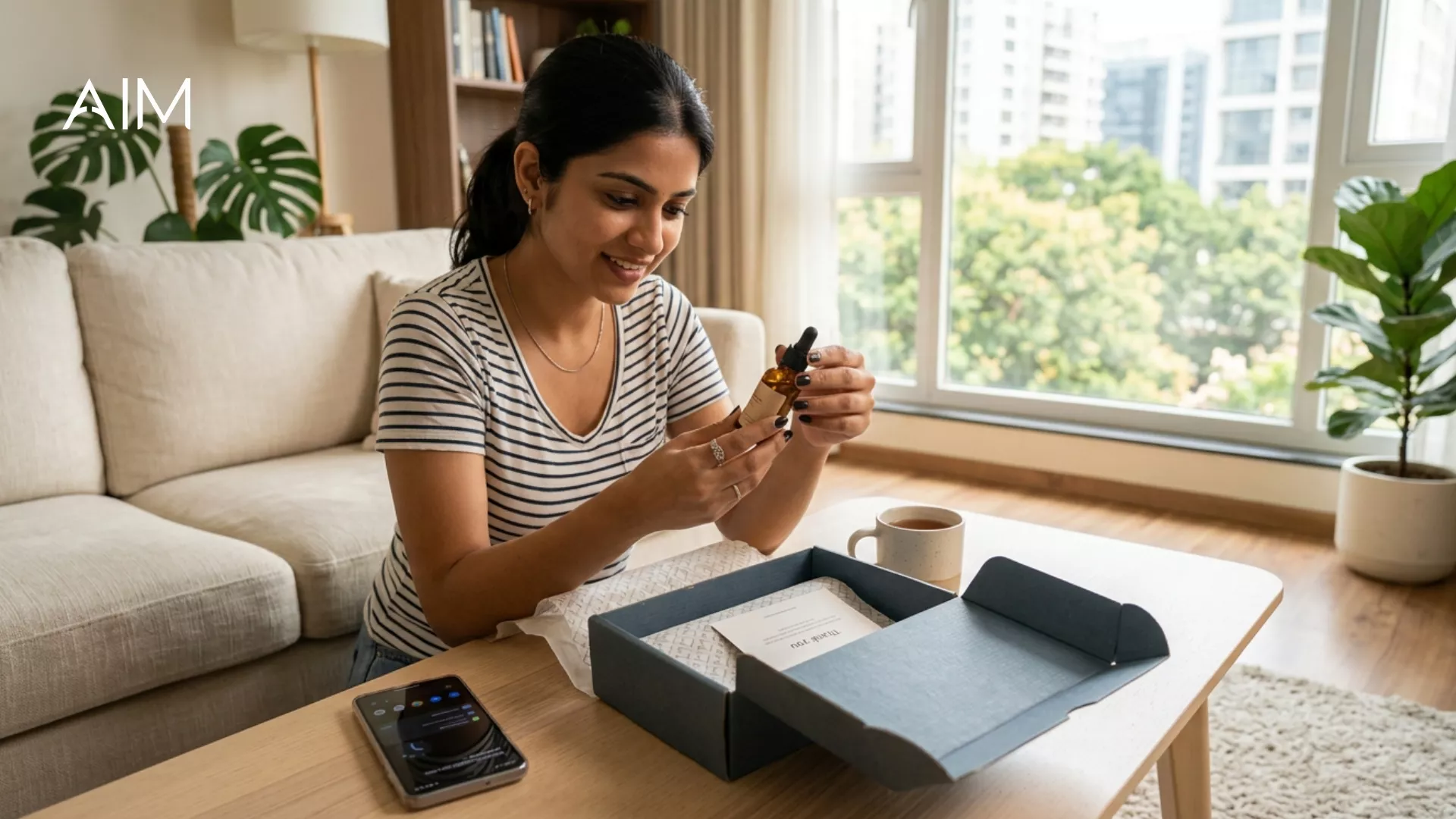
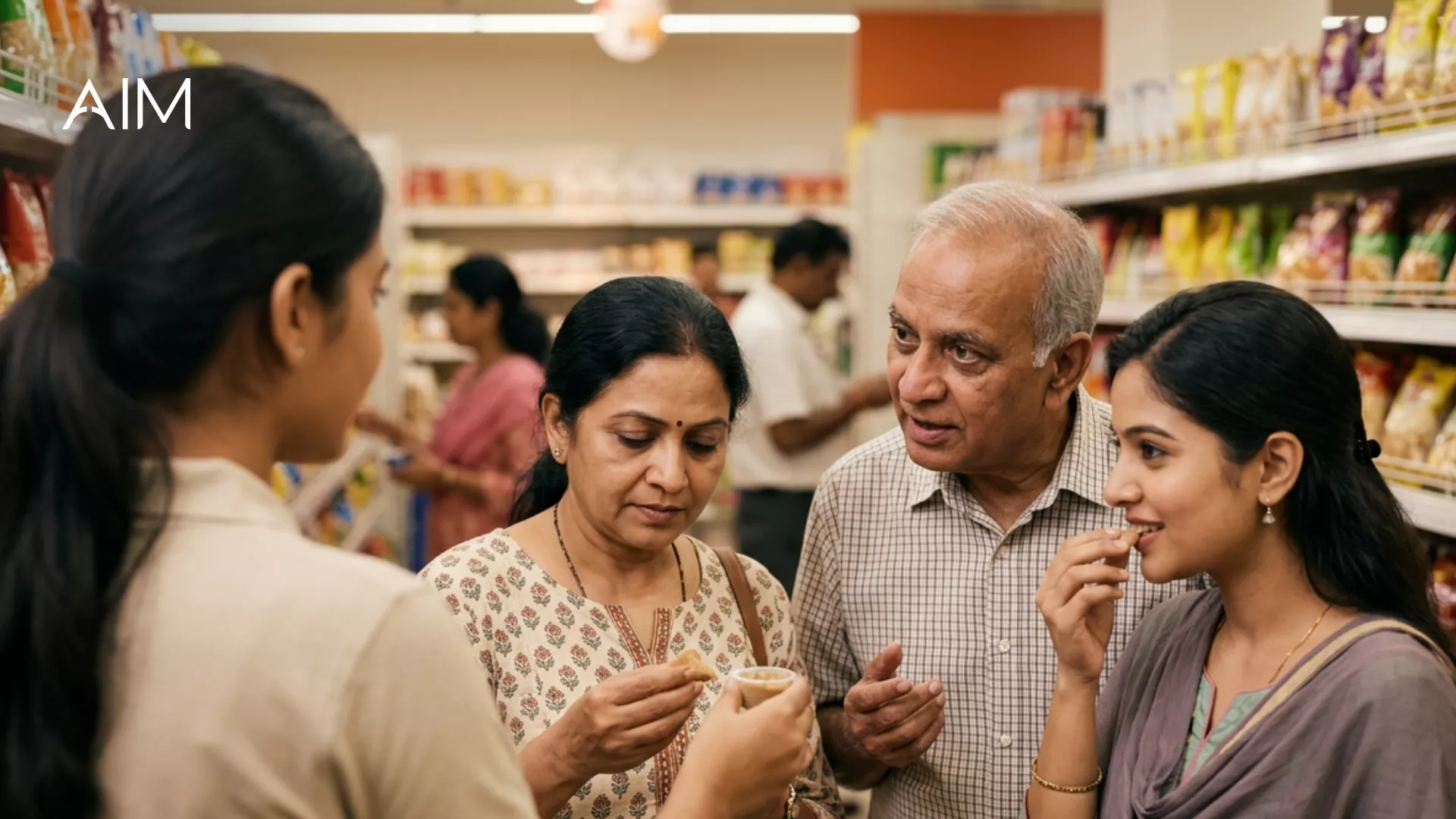
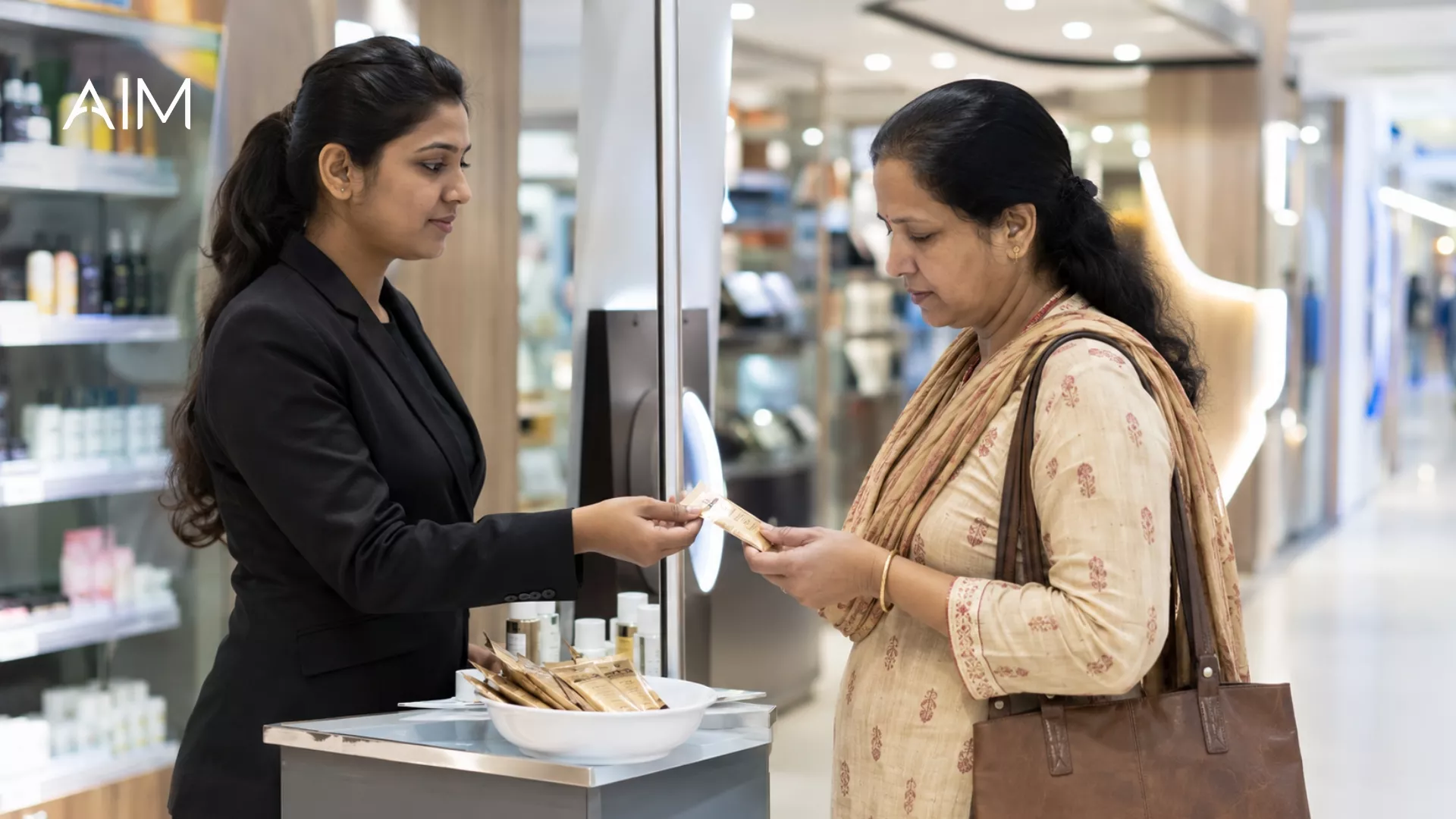
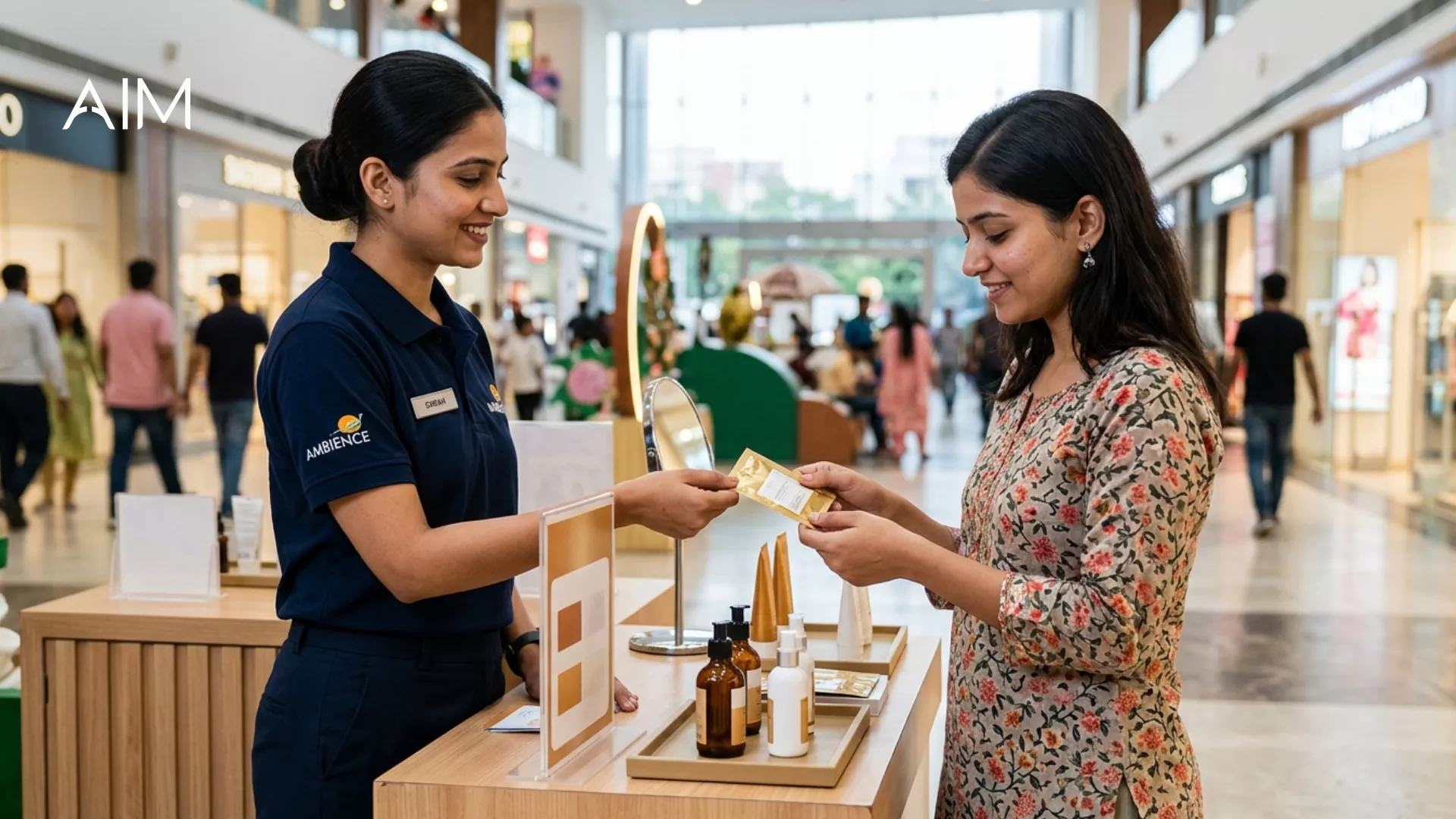
FMCG Sampling is the one tactic that attacks a cold launch at its root, because it removes the risk for the shopper instead of just shouting at them. An ad asks someone to buy an unknown product on faith. A sample lets them try it for nothing, form their own opinion, and decide from experience rather than a claim. For an FMCG product, where the whole proposition is sensory and the price is low enough that trial is the main barrier, that shift is decisive. Sampling converts a stranger into someone who has used the product, which is the single step a new brand cannot skip. It replaces the leap of faith a new launch demands with a low-risk first experience, and that experience is what a shelf full of unknown packs can never provide.
How do you use sampling to launch an FMCG product with no shelf history?
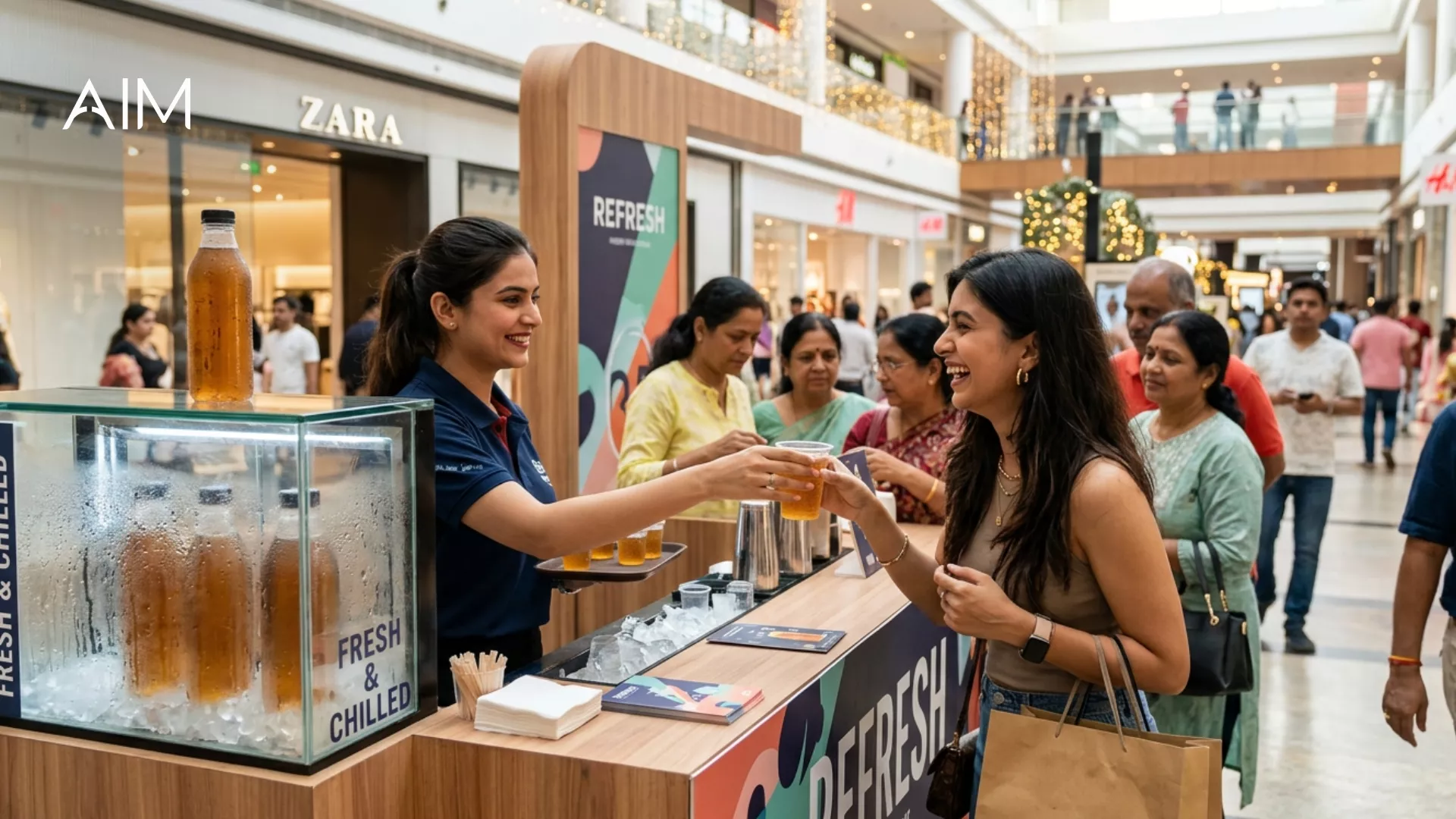
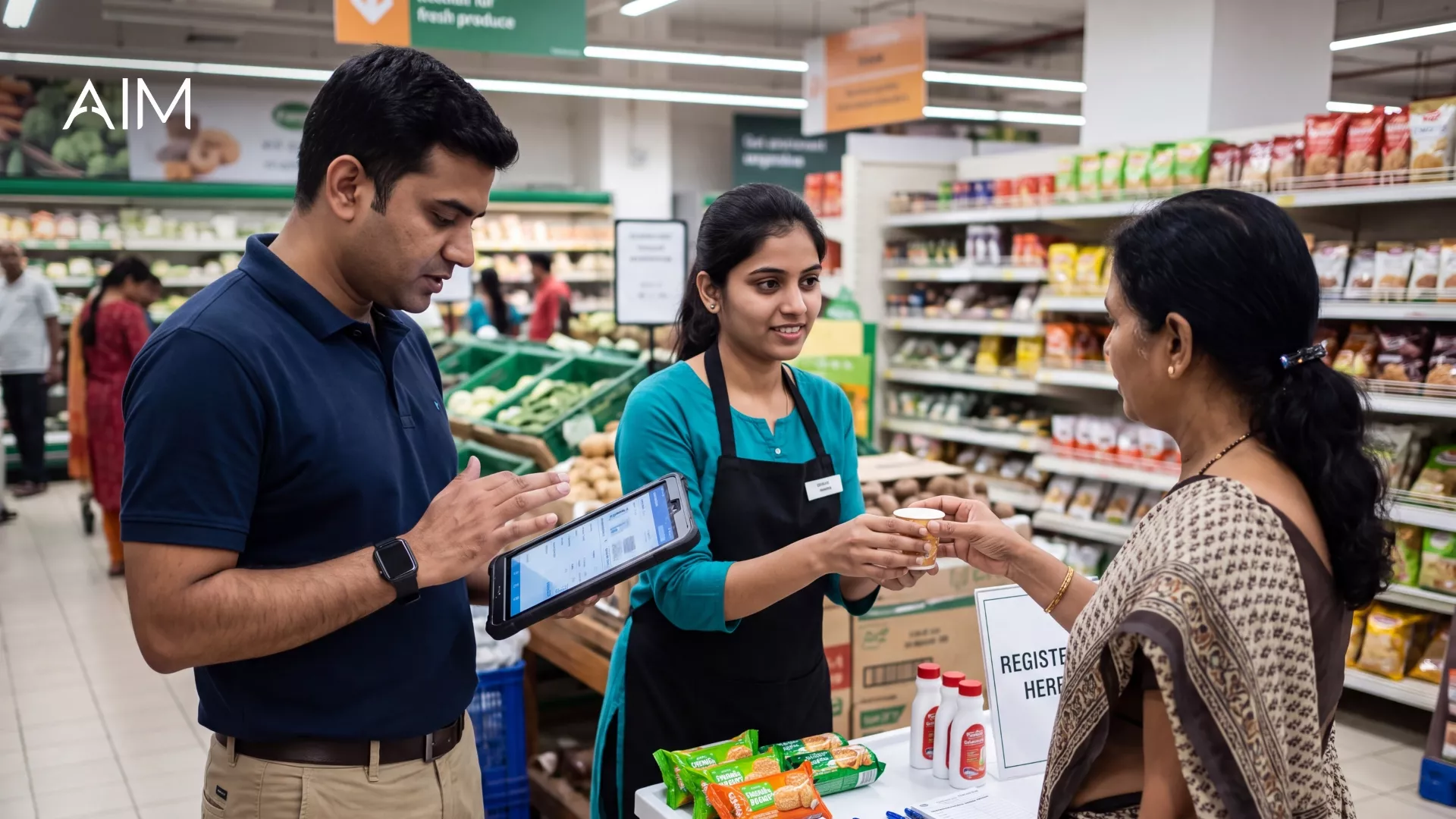
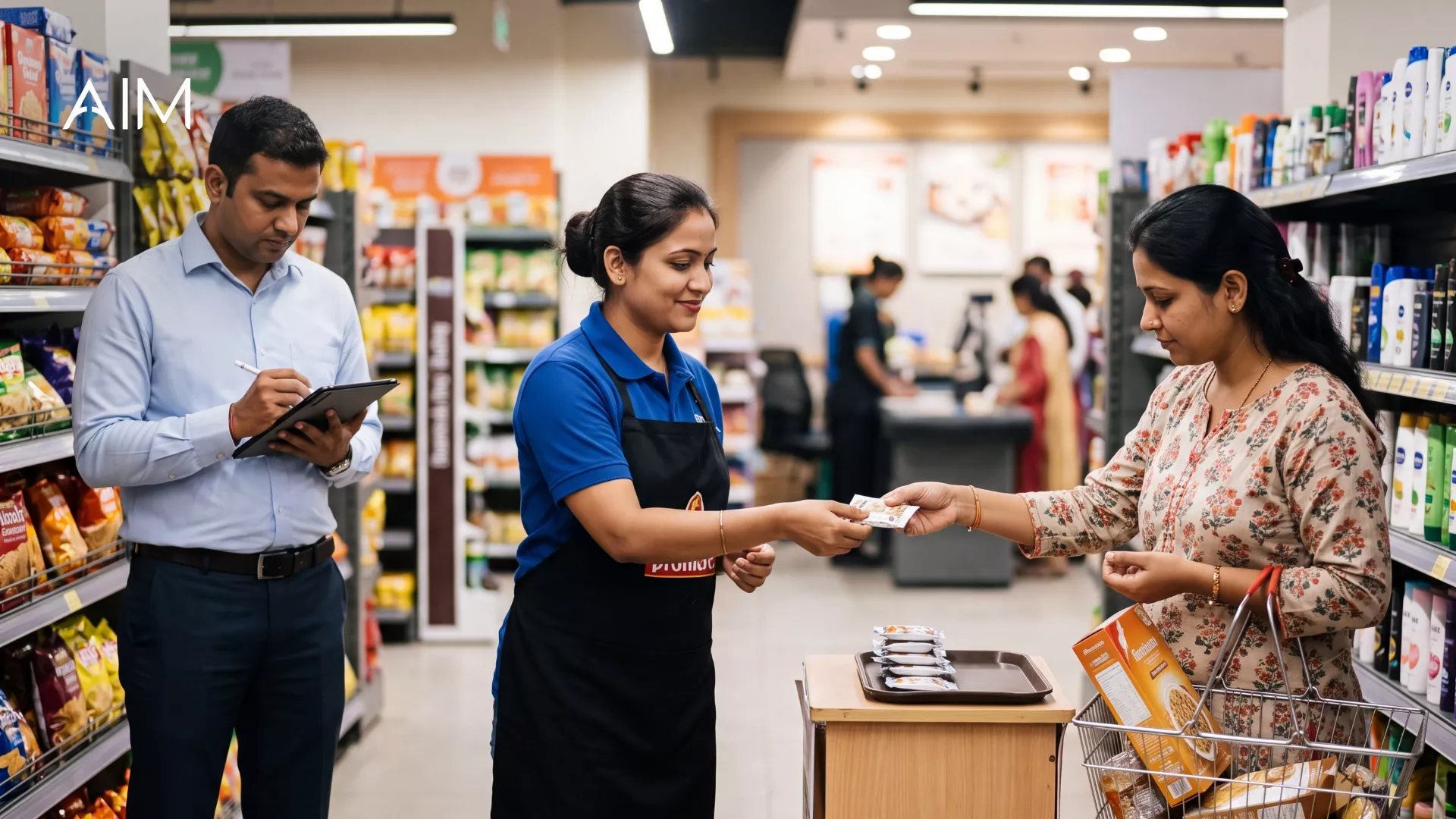
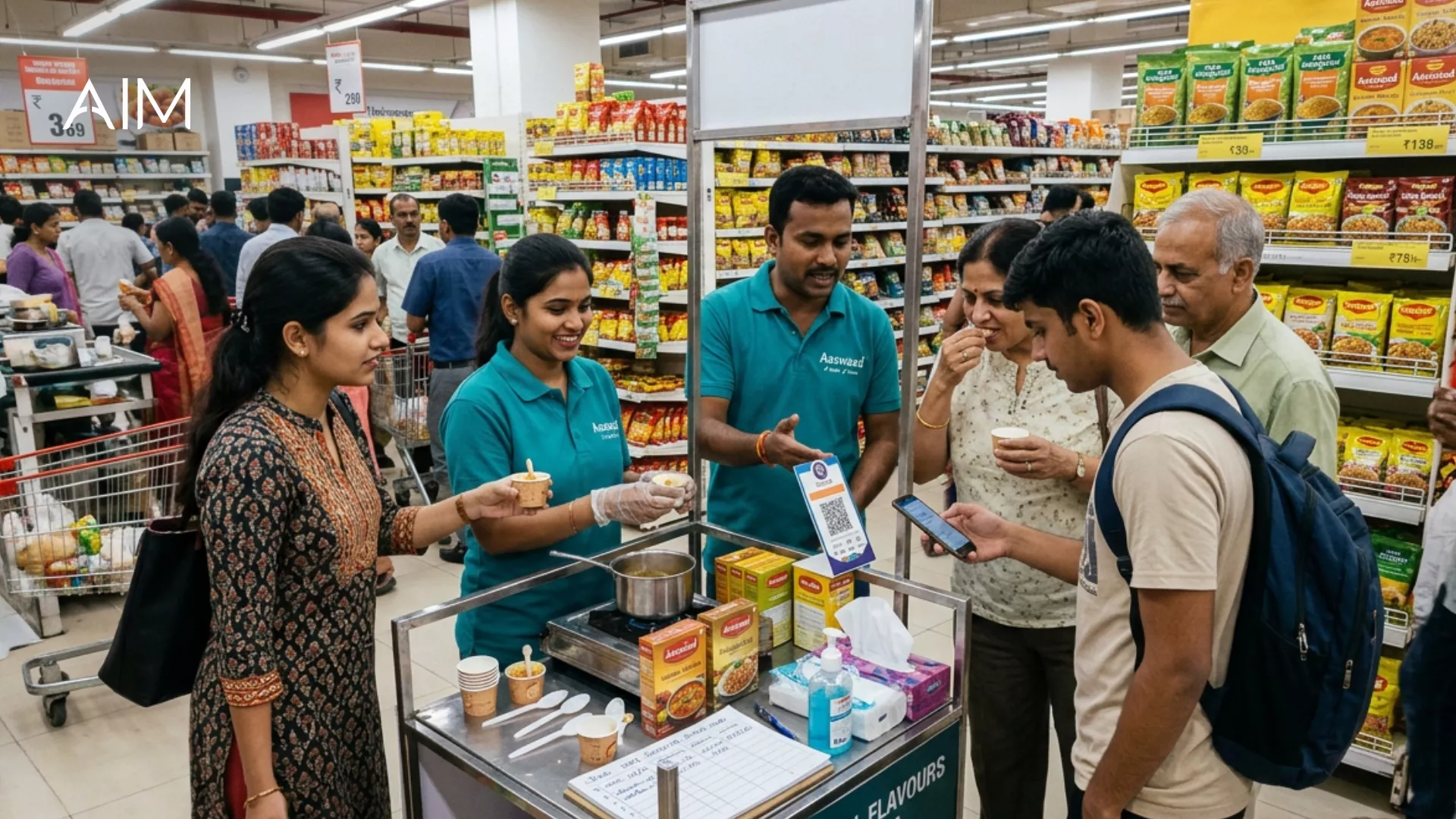
You use it to manufacture the trial, trust, and proof the product does not yet have, in a sequence. First, reach the right buyer with a real sample so the product is experienced rather than merely seen. Second, make sure the product is available to buy nearby at that moment, so the trial has somewhere to go. Third, give a clear reason to buy the first full pack now, usually an introductory offer. Fourth, capture who tried it, so the launch builds a list of real prospects instead of a crowd of strangers. And fifth, track who went on to buy, so you learn what is working while the launch is still live. Done in that order, sampling does not simply create awareness, it creates the first wave of actual customers a new product needs to get off the shelf.
Who should receive the first samples of a new FMCG launch?
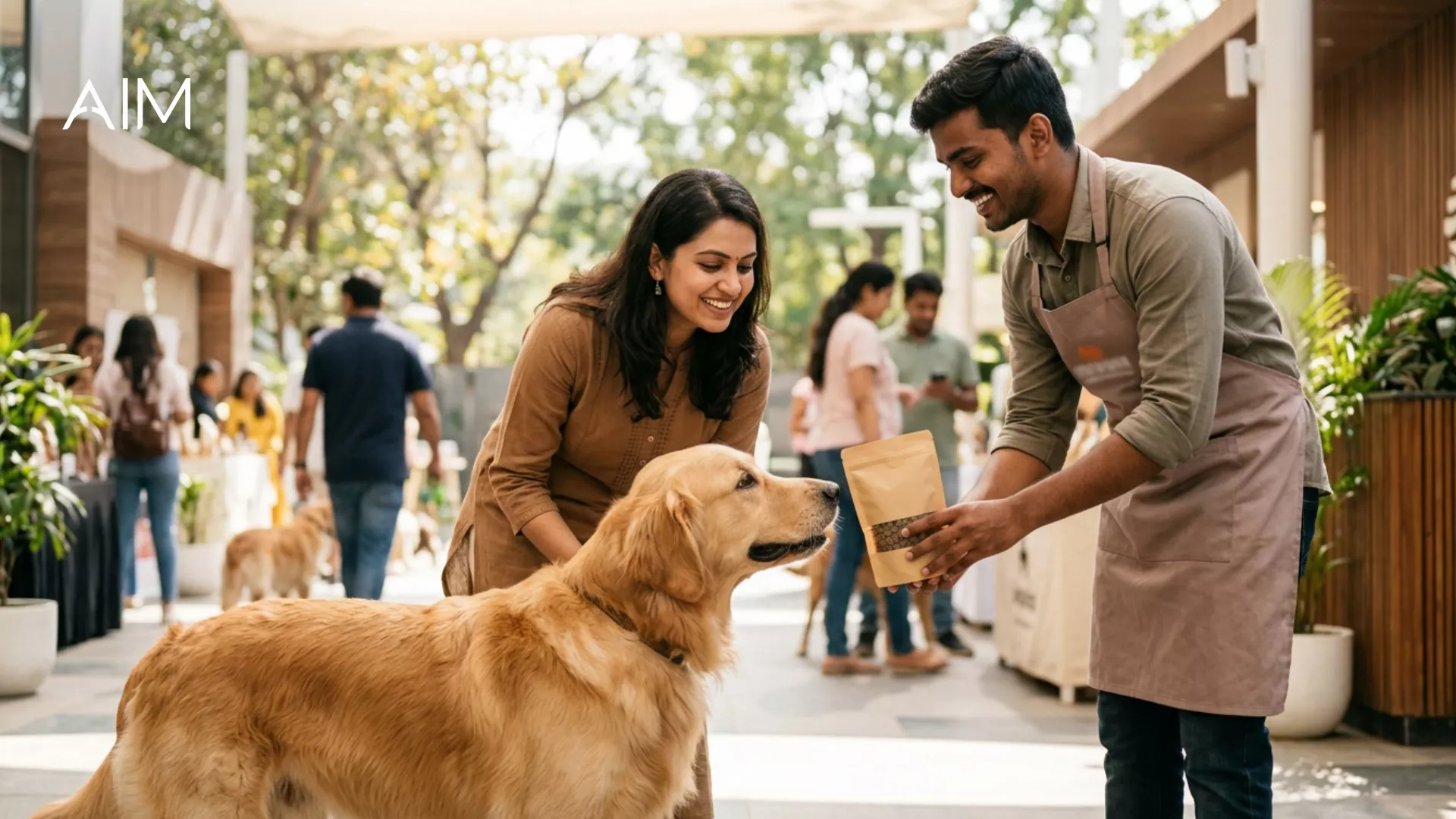
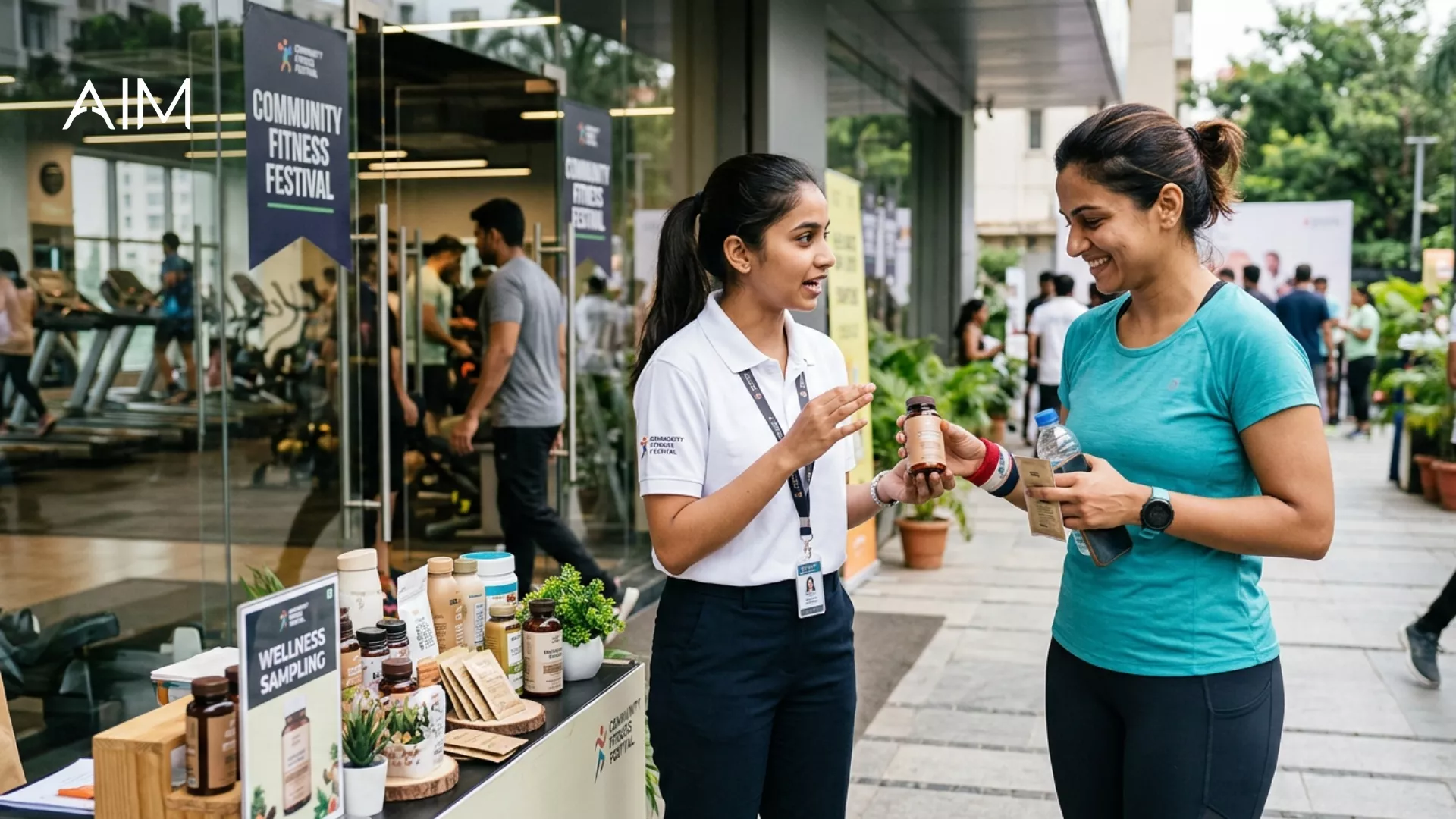
The instinct at launch is to sample as widely as possible, and it is usually a mistake. A new product has a limited sampling budget and one chance at a first impression, so the samples should go to the people most likely to become buyers and talkers, not to everyone with a free hand. That means defining the real target for the product, the specific buyer the launch is for, and concentrating sampling where that buyer actually is, rather than scattering it across a random crowd. Reaching a thousand right-fit prospects beats reaching ten thousand passers-by, because the right thousand convert, repeat, and tell others, while the random ten thousand mostly take the freebie and forget. For a launch, targeting is no refinement, it is the difference between a trial that compounds and one that evaporates.
Why must sampling be tied to availability at launch?
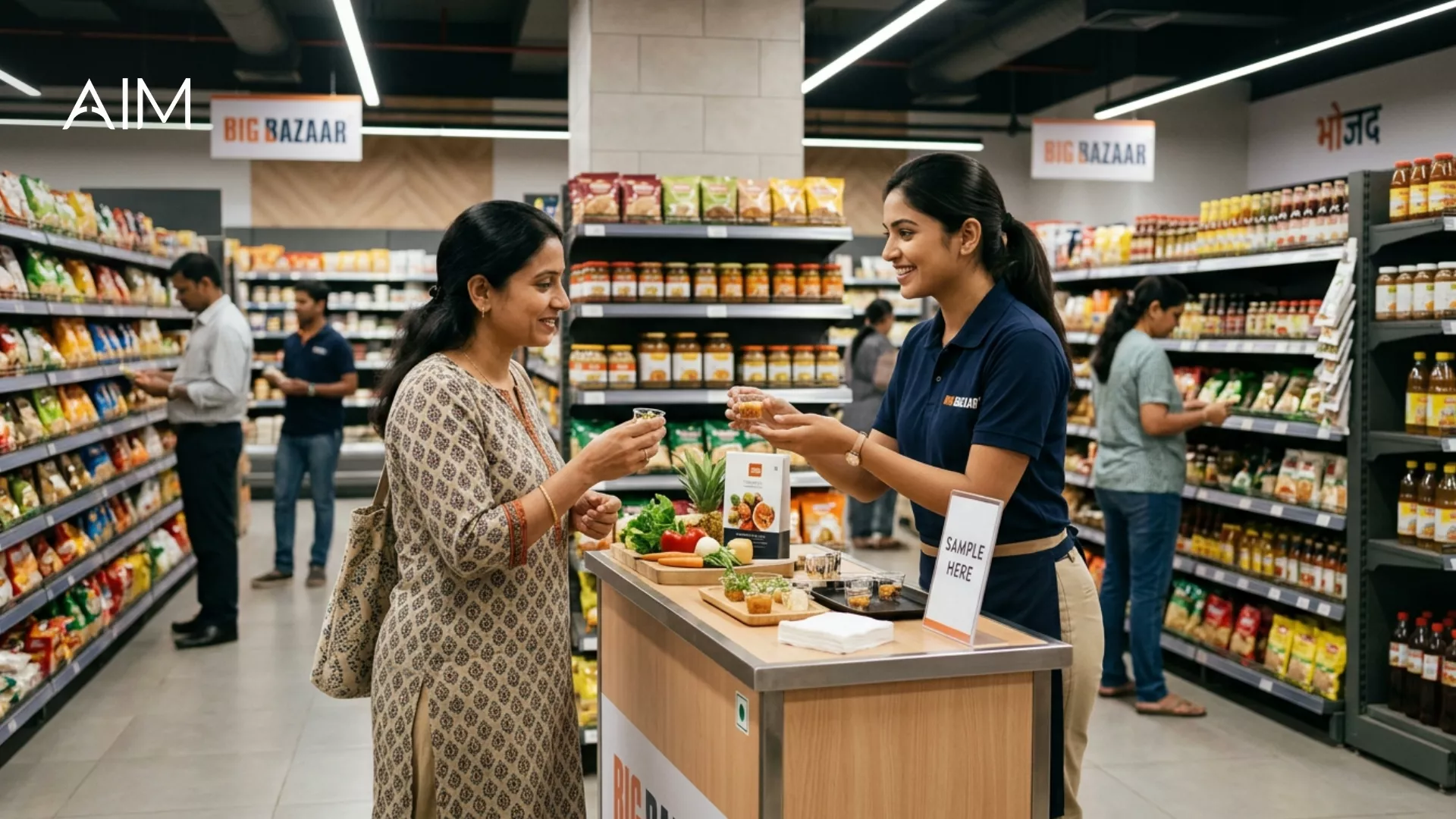
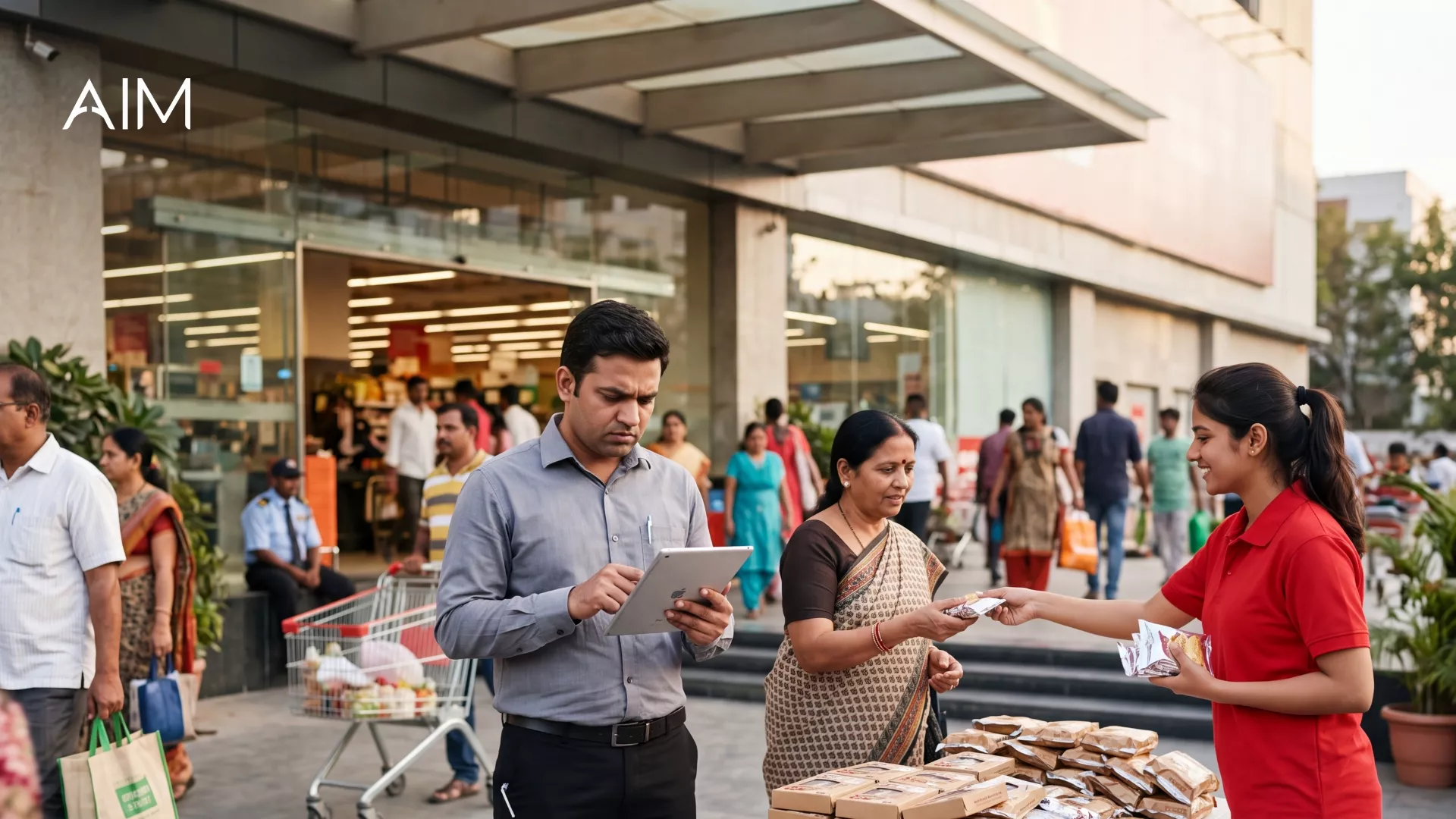
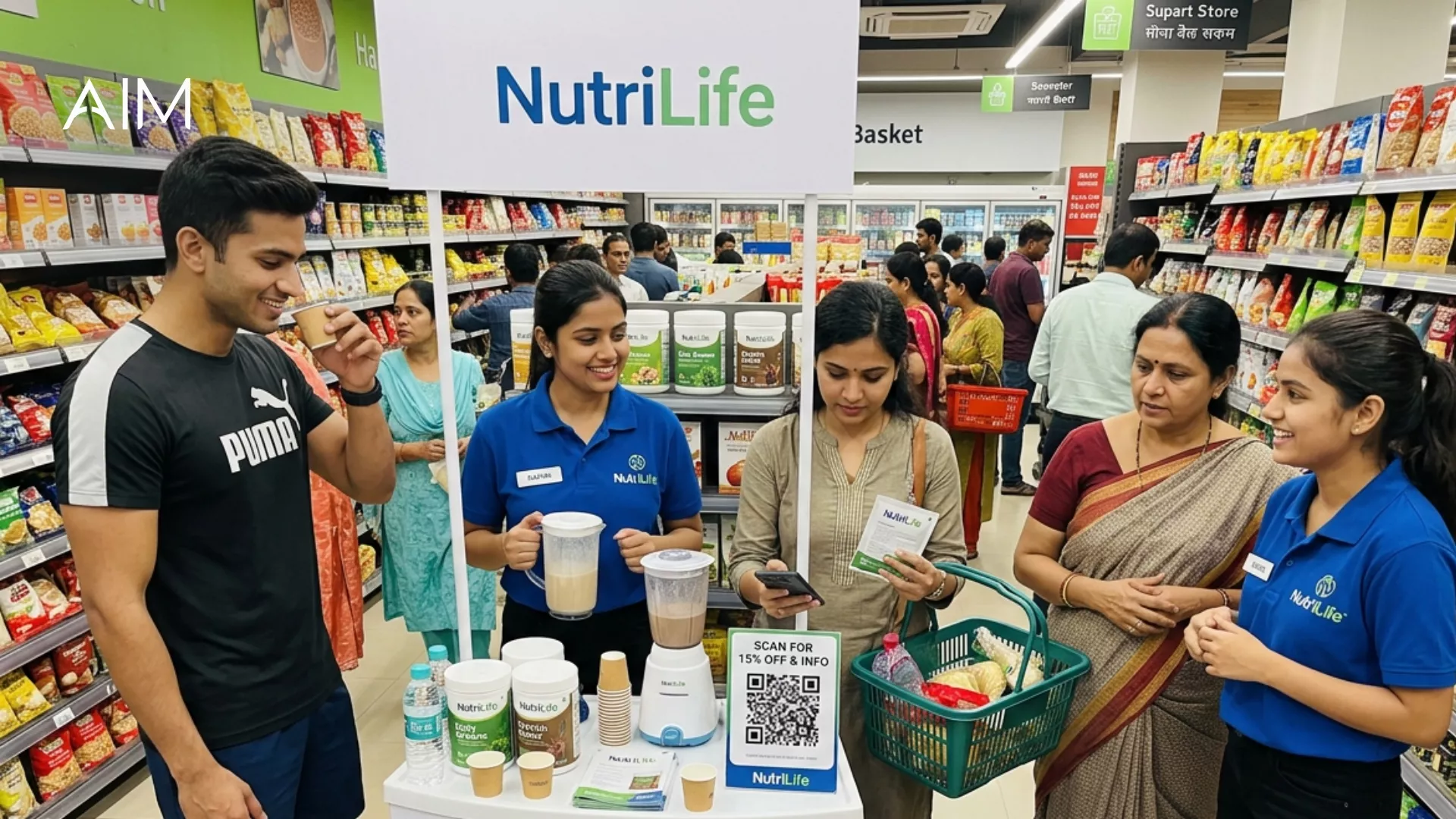
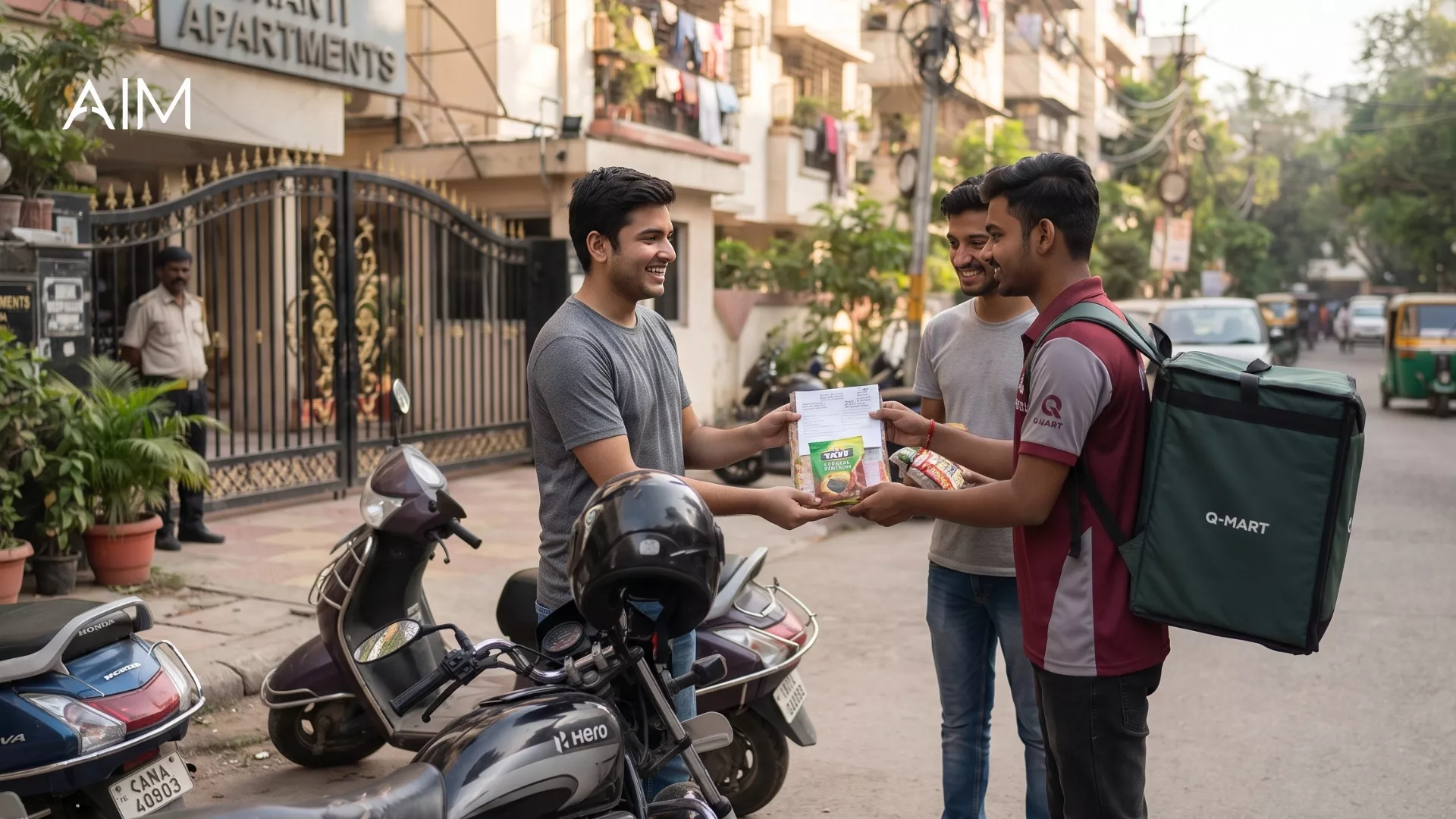
Here is the launch mistake that quietly wastes the whole budget: sampling a product the shopper then cannot find. When a new FMCG product has thin distribution, a sample creates a want with nowhere to go. The shopper likes it, looks for it, cannot find it on the nearby shelf or app, and the intent dies within a day. For a new launch especially, where the product is not yet everywhere, sampling has to be planned hand in hand with availability. Sample where the product is actually stocked and buyable, pair the trial with an easy way to purchase right then, and make sure the follow-up points the shopper to where they can get it. A sample that creates demand the shopper cannot act on is not a launch, it is a tease, and it trains the market to forget you.
How does sampling build the trust and proof a new brand lacks?
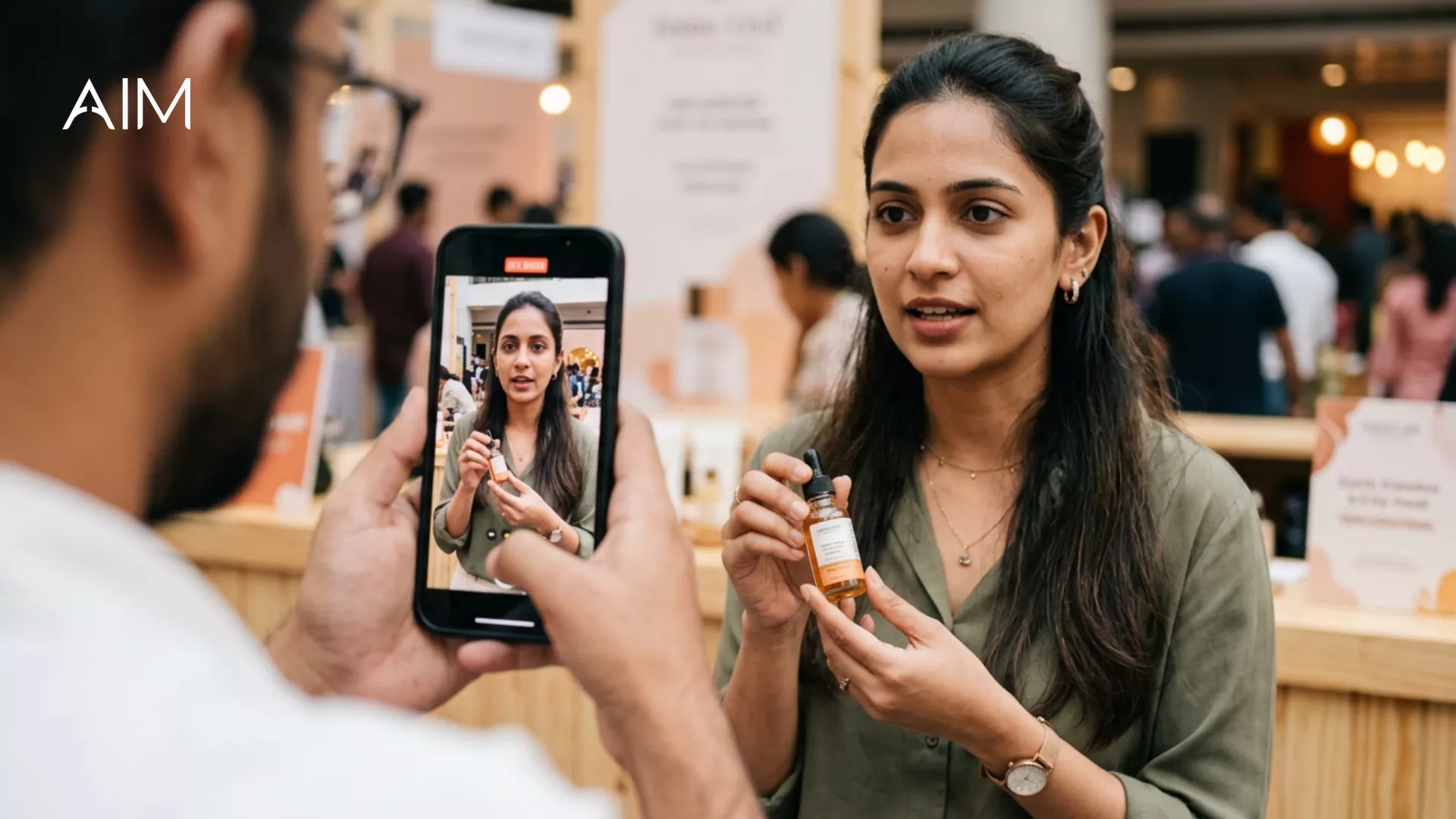
A new FMCG brand is missing two invisible assets that established brands take for granted: trust and social proof. Sampling builds both. The trial itself builds trust, because a shopper who has used the product and liked it no longer sees an unknown pack, they see something they know works. And a sampling campaign, run well, generates the early proof a launch needs: first reviews, first ratings, word of mouth in a neighbourhood or a workplace, user content a brand can show the next wave of shoppers. In a category where people lean on what others think before they buy, those first signals are worth more than any claim the brand can make about itself. Sampling is how a new product earns the credibility it has not had time to build.
How do you measure a sampling-led FMCG launch?
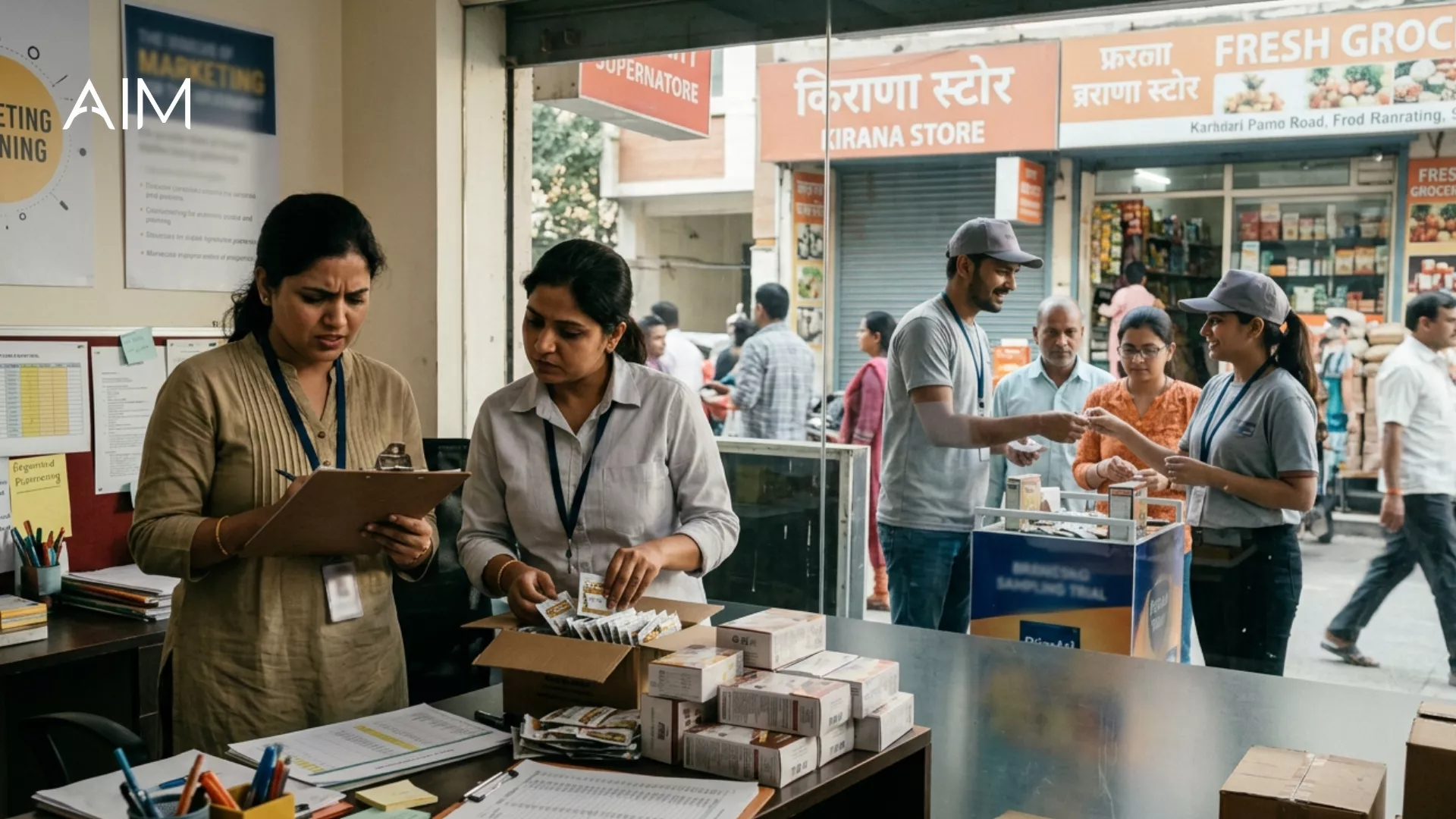
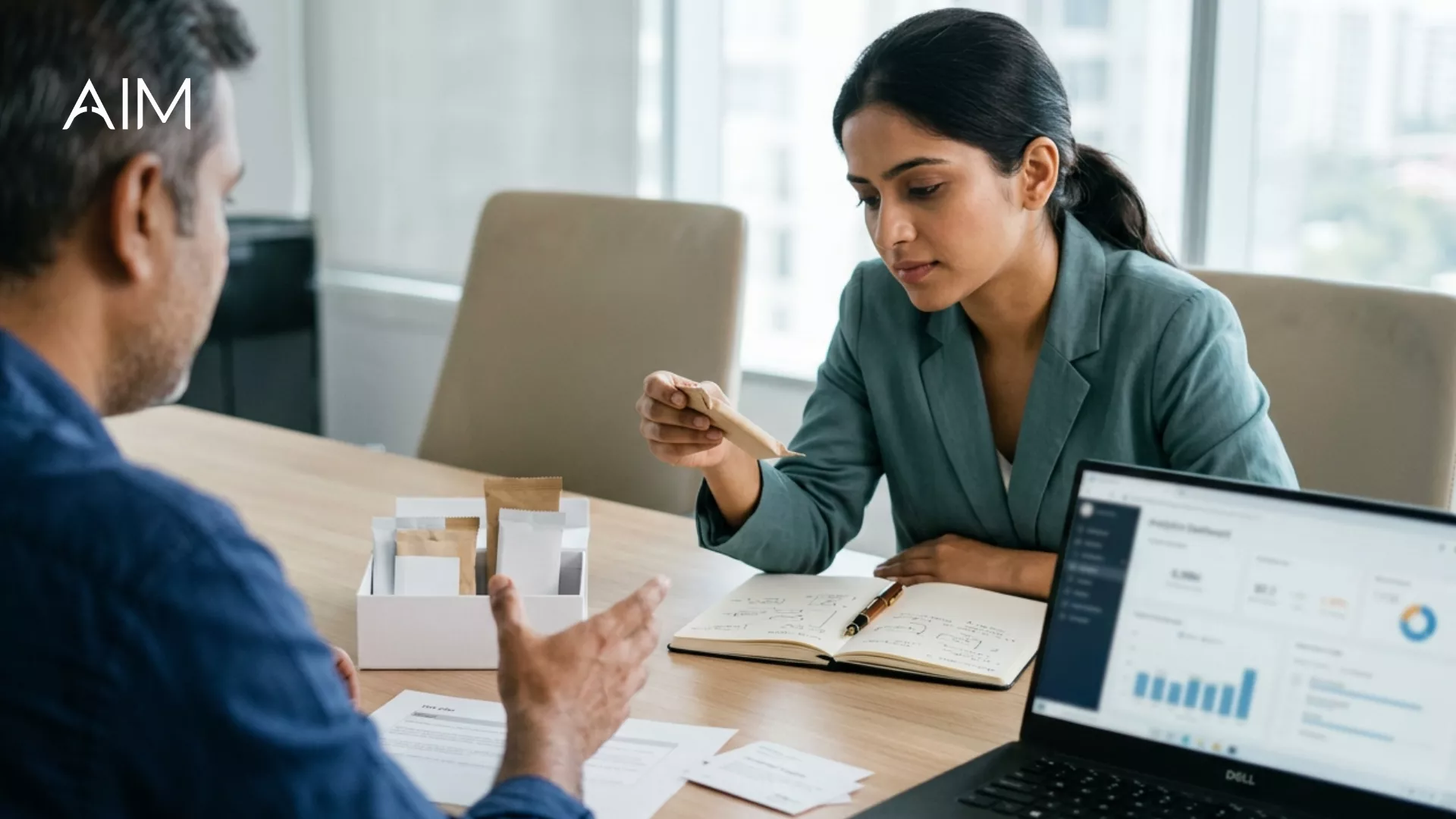
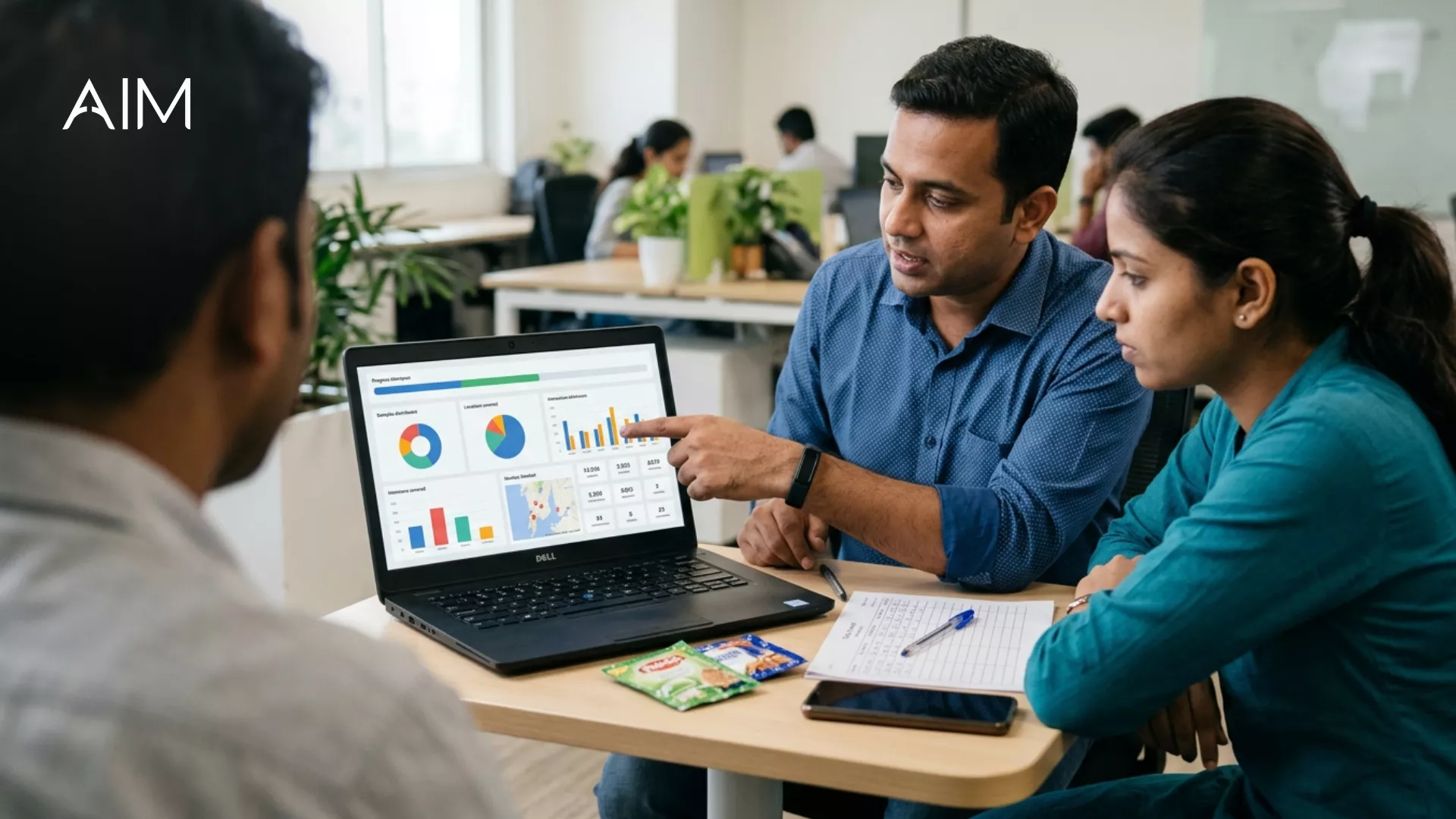
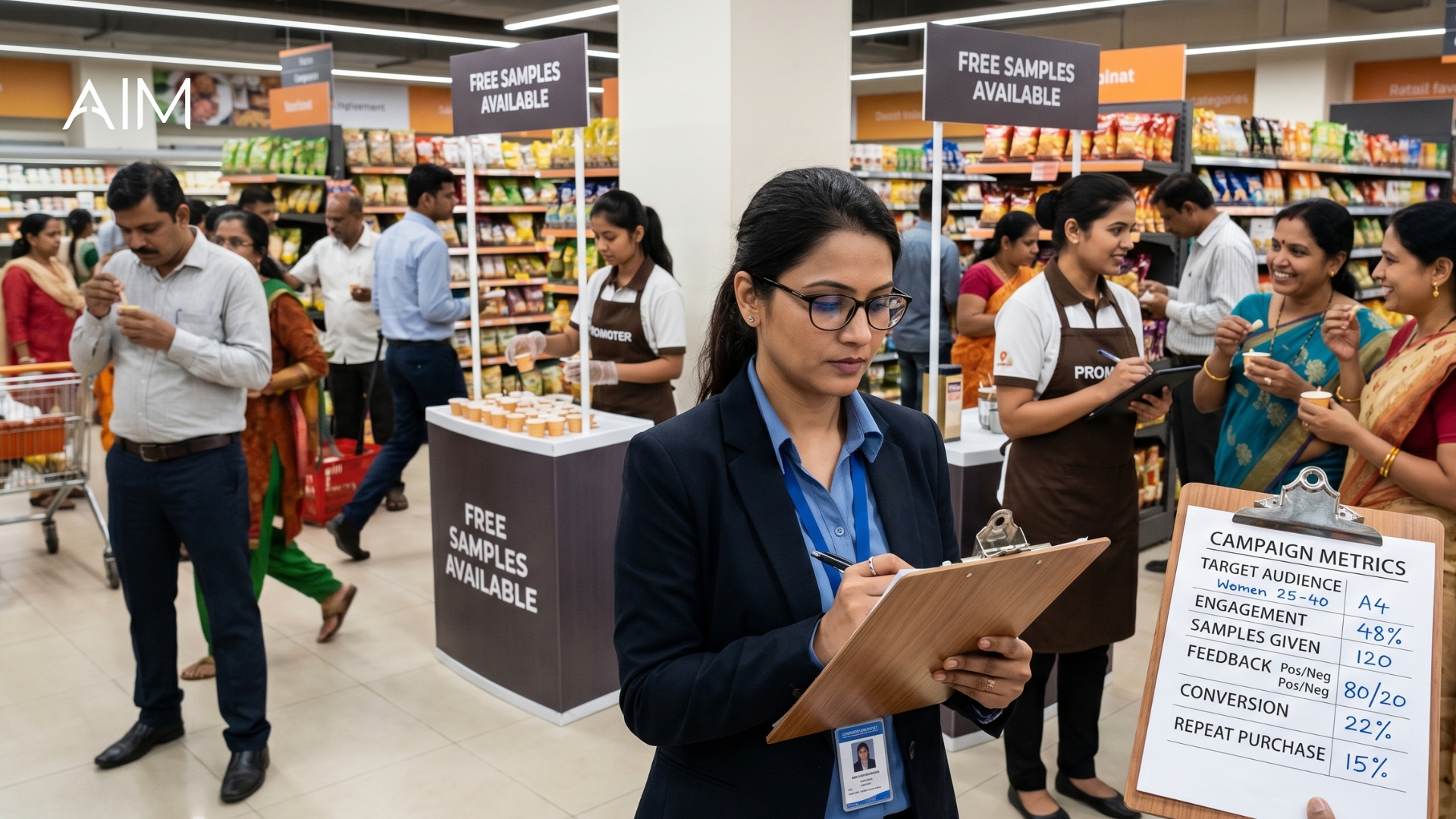
A launch is exactly when measurement matters most, because you are learning what works while you still have budget to act on it. Counting samples handed out tells you nothing useful. Measure the trial instead: capture who received and tried the product, track how many went on to buy the first full pack, and watch whether they came back for a second. Compare response across areas, buyer types, and channels, so the next wave of the launch concentrates where the first wave converted. Tie it together with sample-to-sale tracking, so the launch is judged on buyers created, not product given away. This is how AIM approaches a new FMCG launch: reach the right buyer, tie the trial to availability and an easy purchase, capture who tried, and track who bought, so a product with no shelf history starts building a real sales record from day one.
What does a strong FMCG launch sampling plan look like?
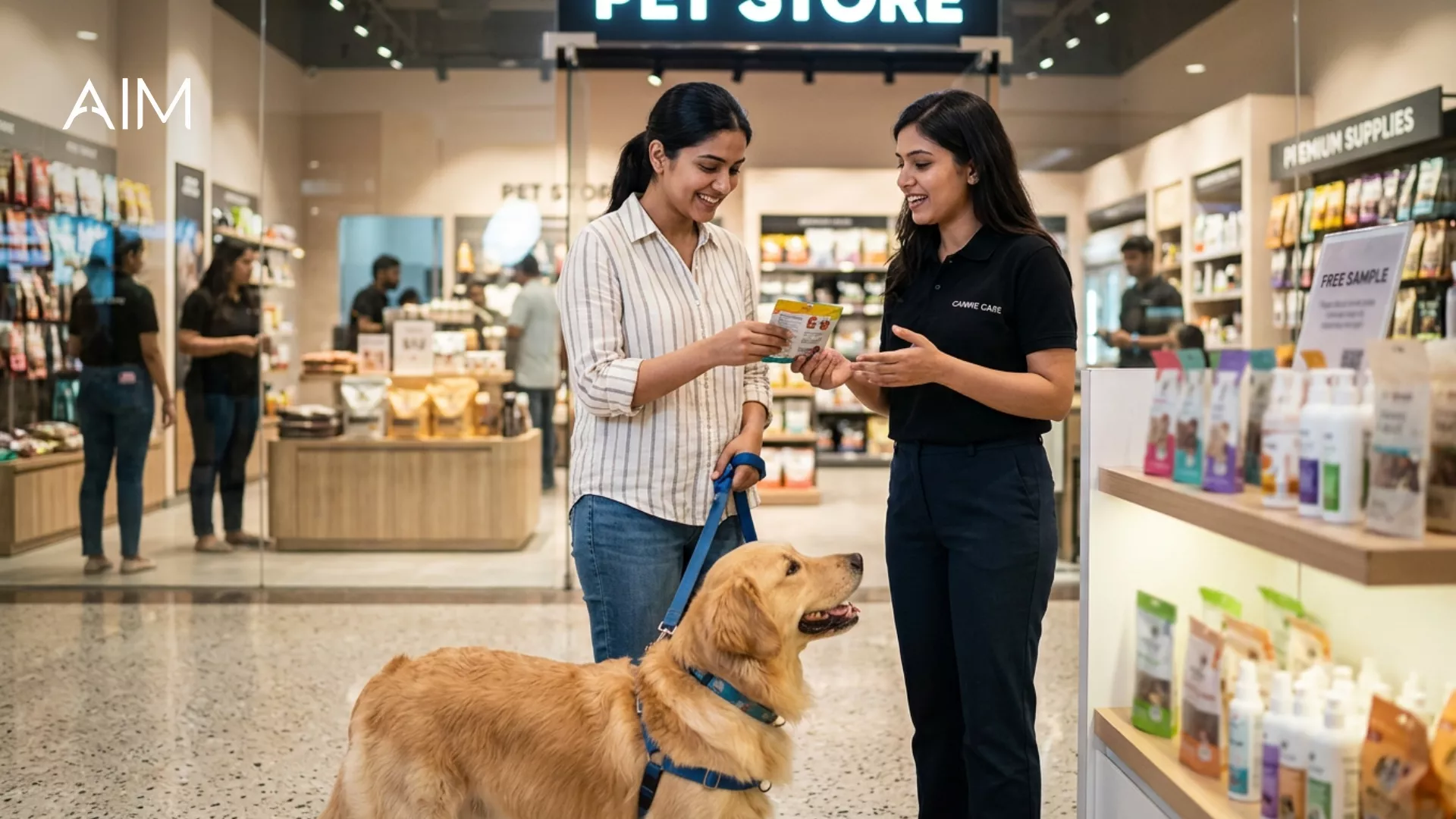
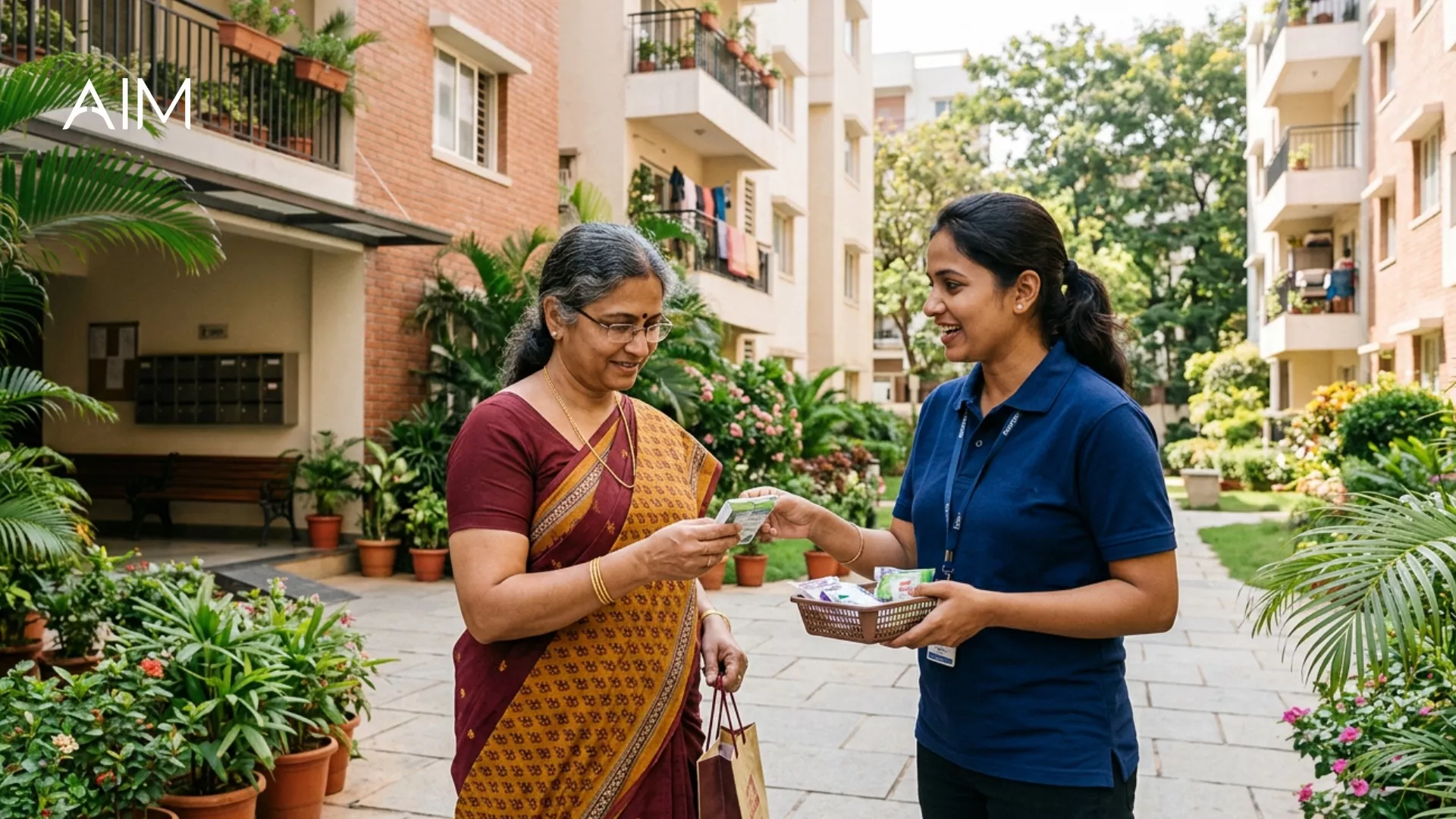
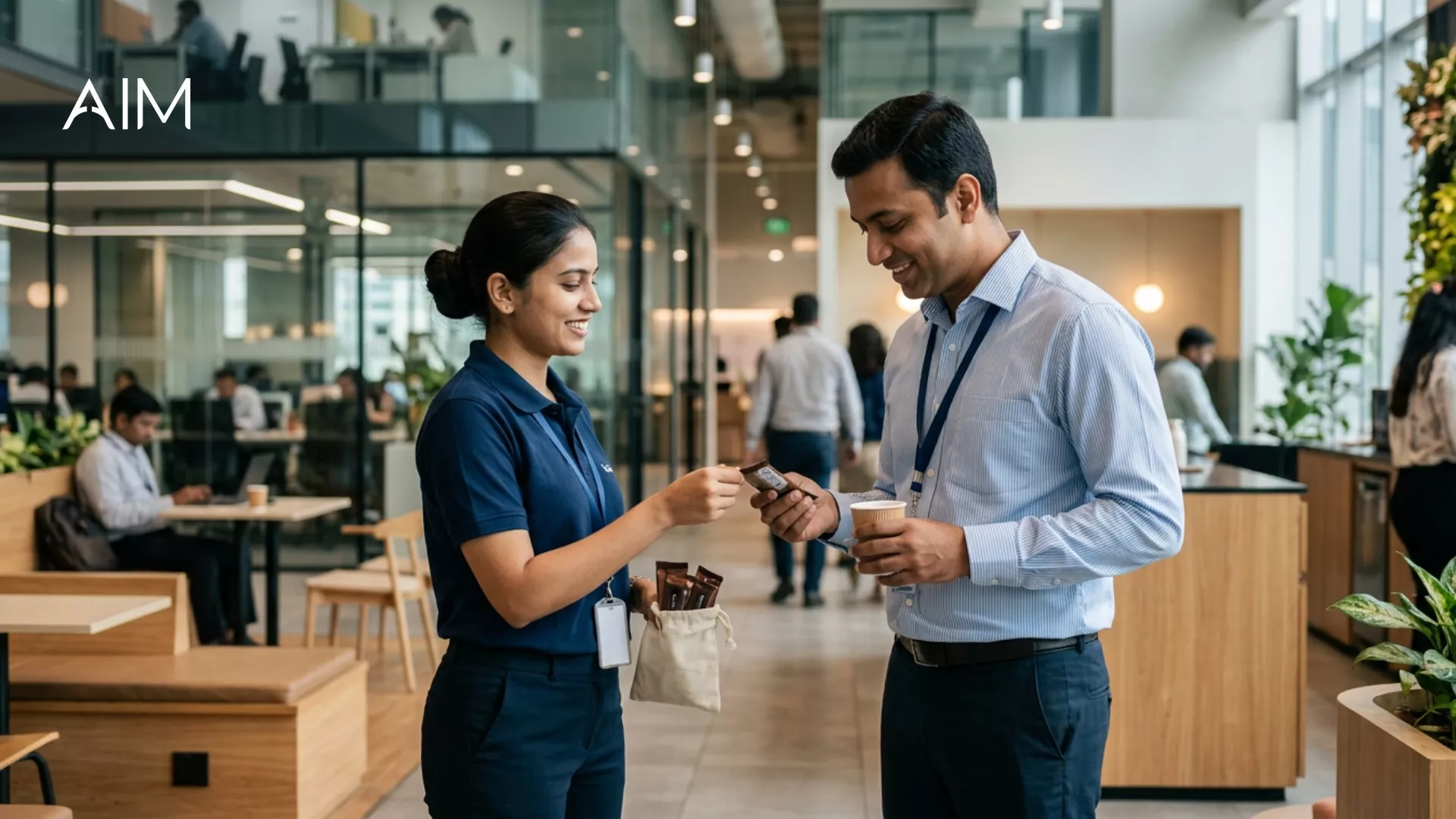
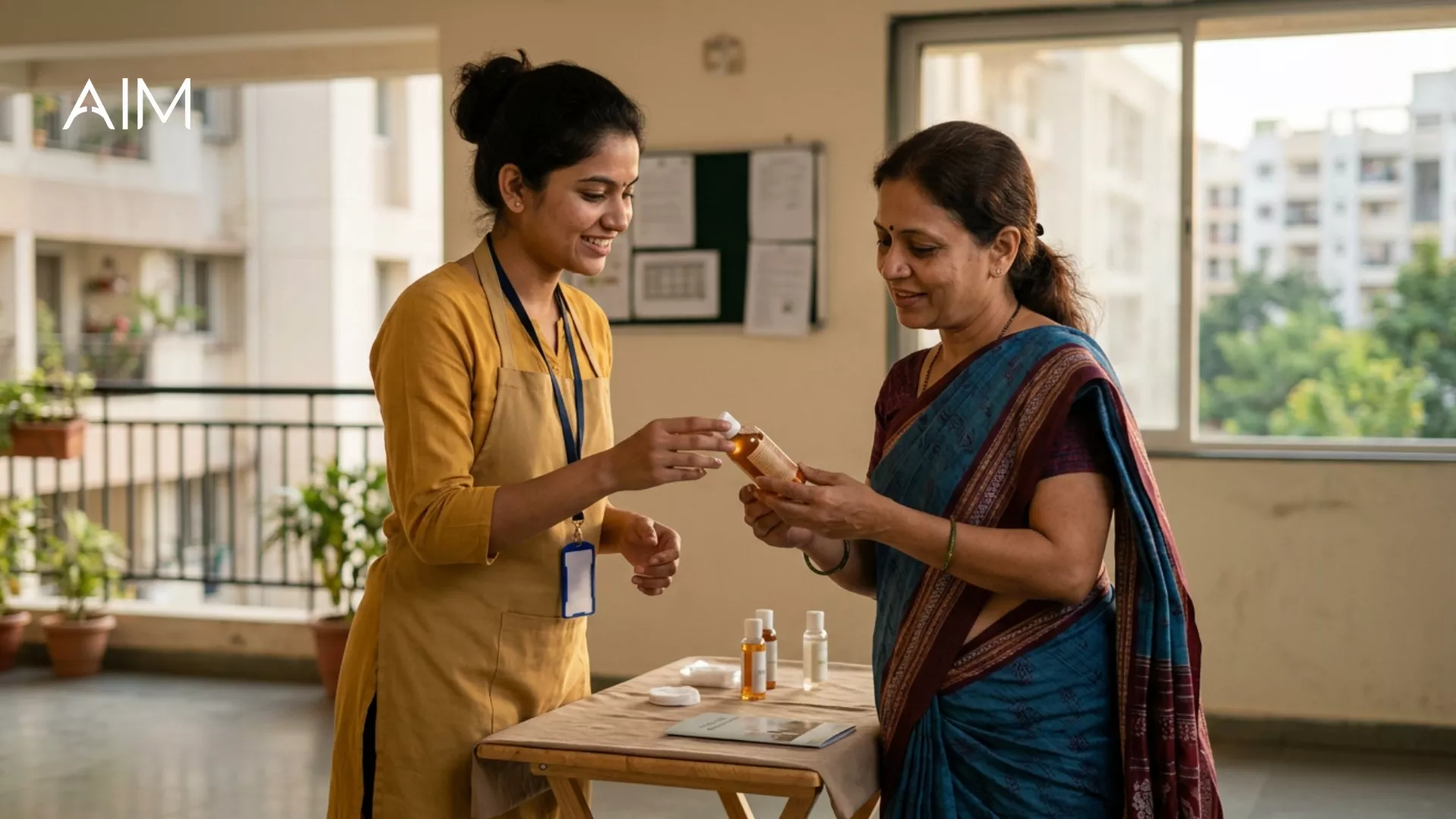
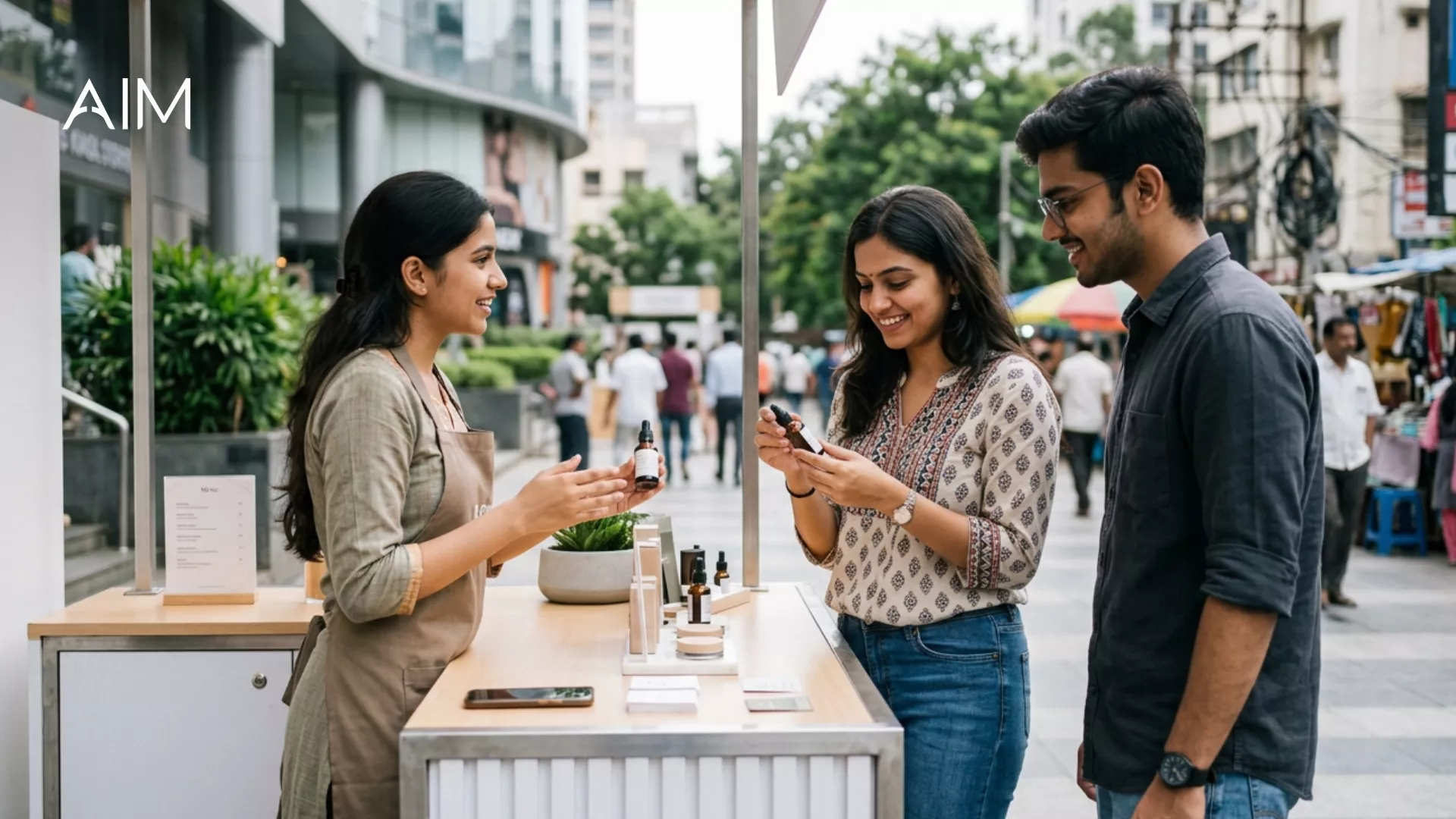
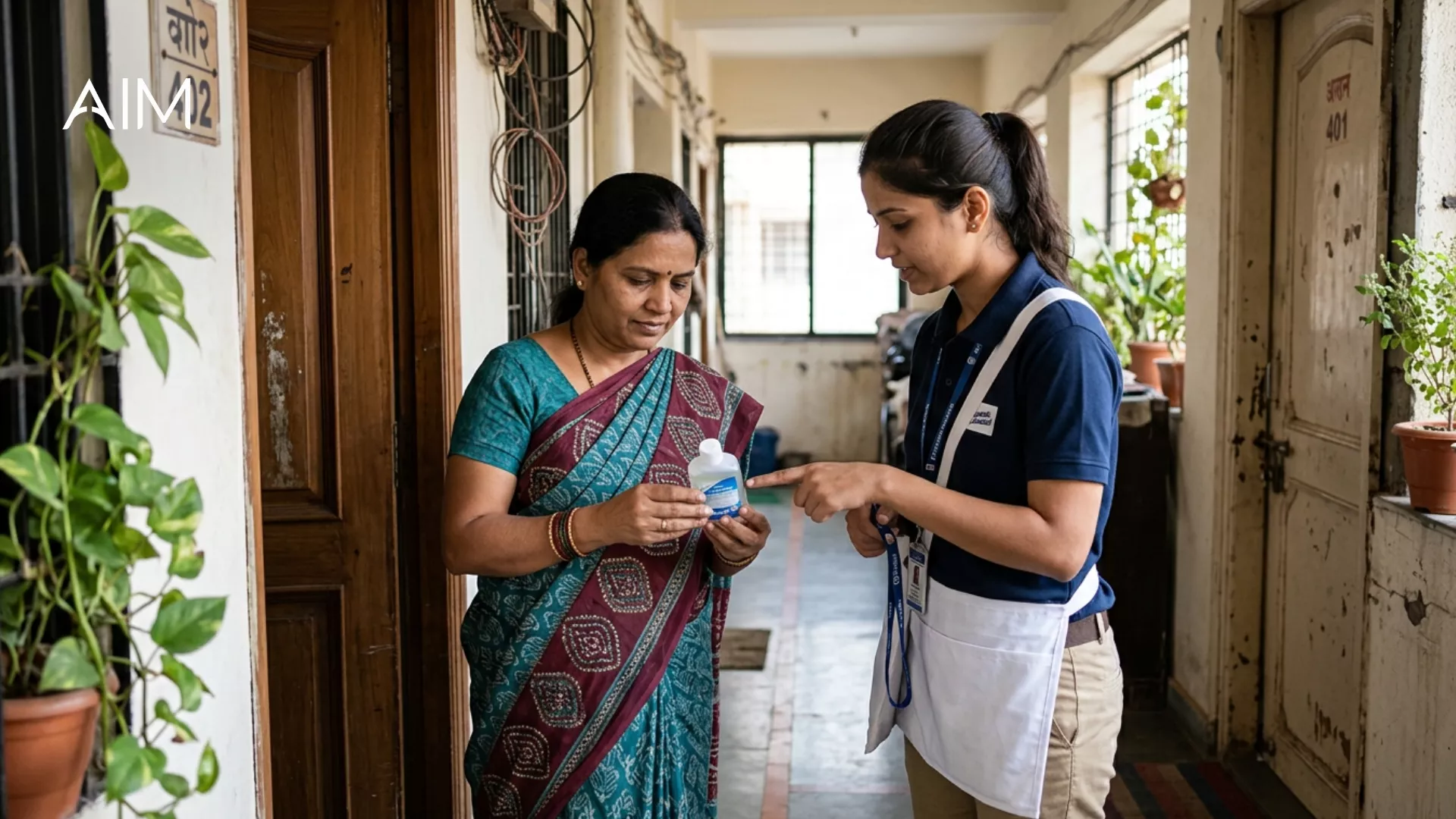
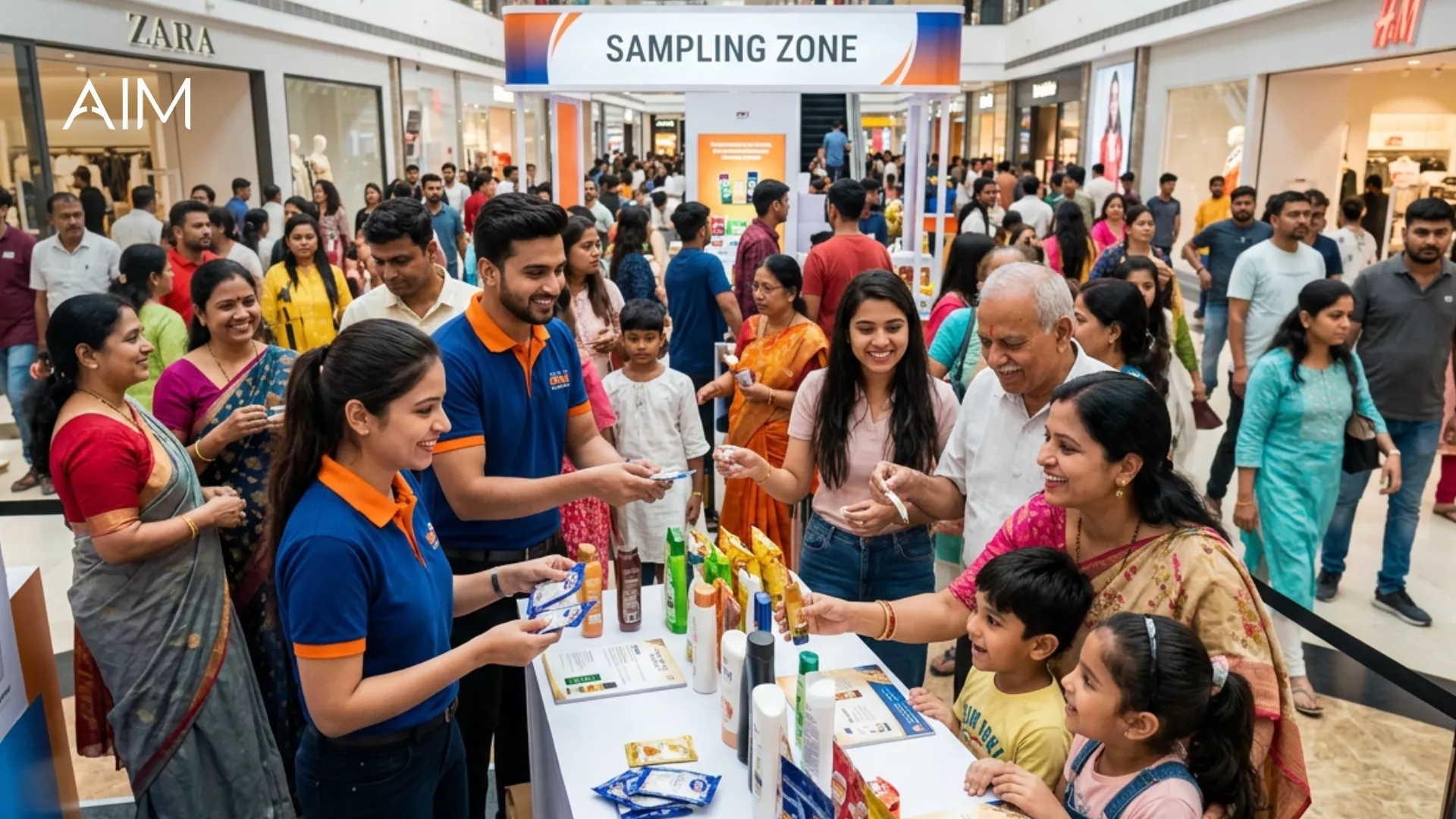
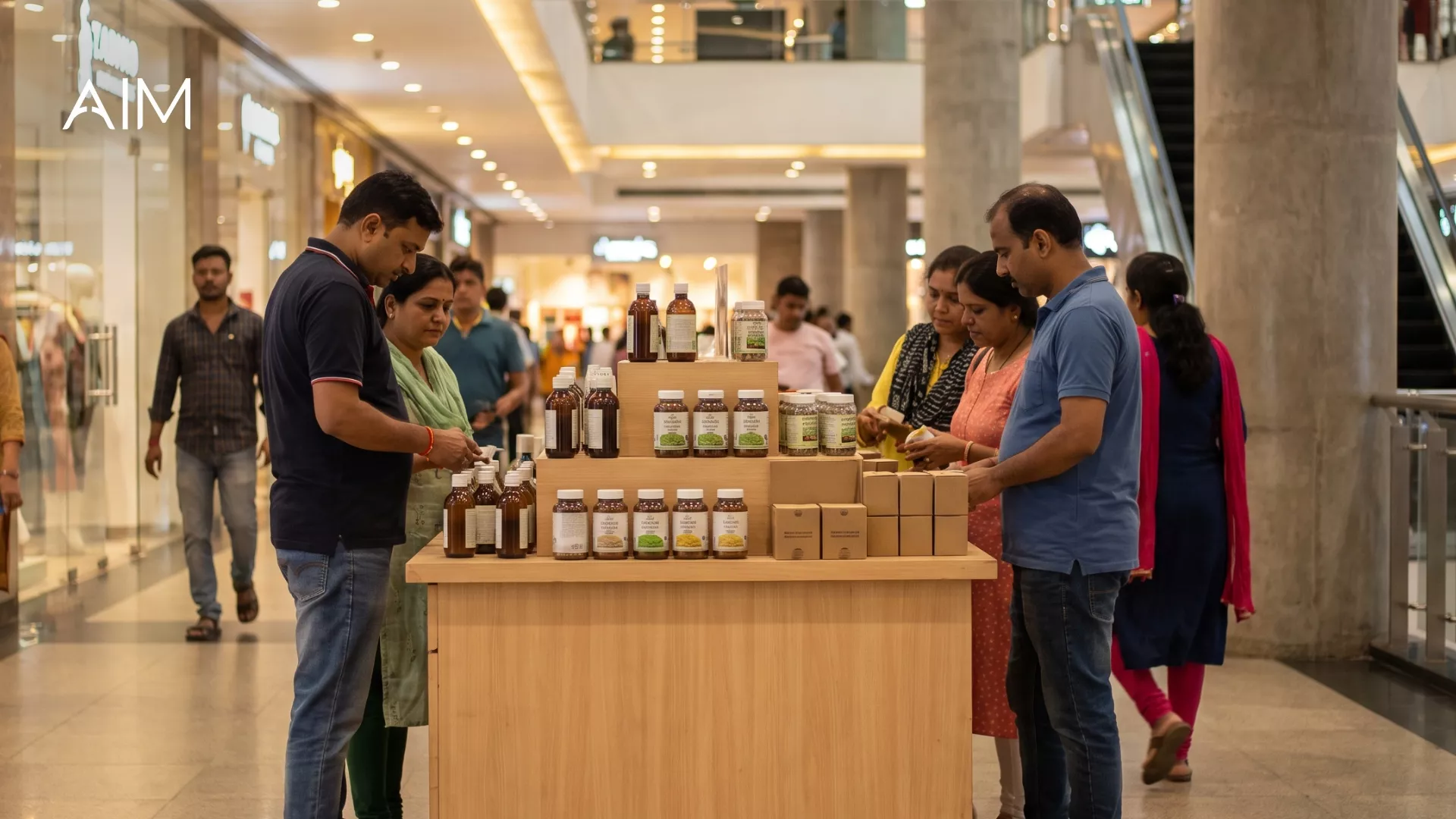
Put together, a launch sampling plan for a new FMCG product is deliberate from end to end. It targets the specific buyer the product is for, rather than sampling everyone. It reaches that buyer where they are, through the channels that fit the product, from stores and quick commerce to societies and workplaces. It pairs every sample with availability and a clear first-purchase offer, so trial turns into a bought pack. It captures who tried, building a base of real prospects. And it tracks trial through to sale and repeat, so the launch gets smarter as it runs. That is the difference between a launch that spends on awareness and hopes, and one that manufactures its first customers on purpose. A new FMCG product cannot wait for a habit to form on its own. Sampling is how you start that habit, in the right hands, with a way to prove it worked.
Which FMCG products benefit most from launch sampling?
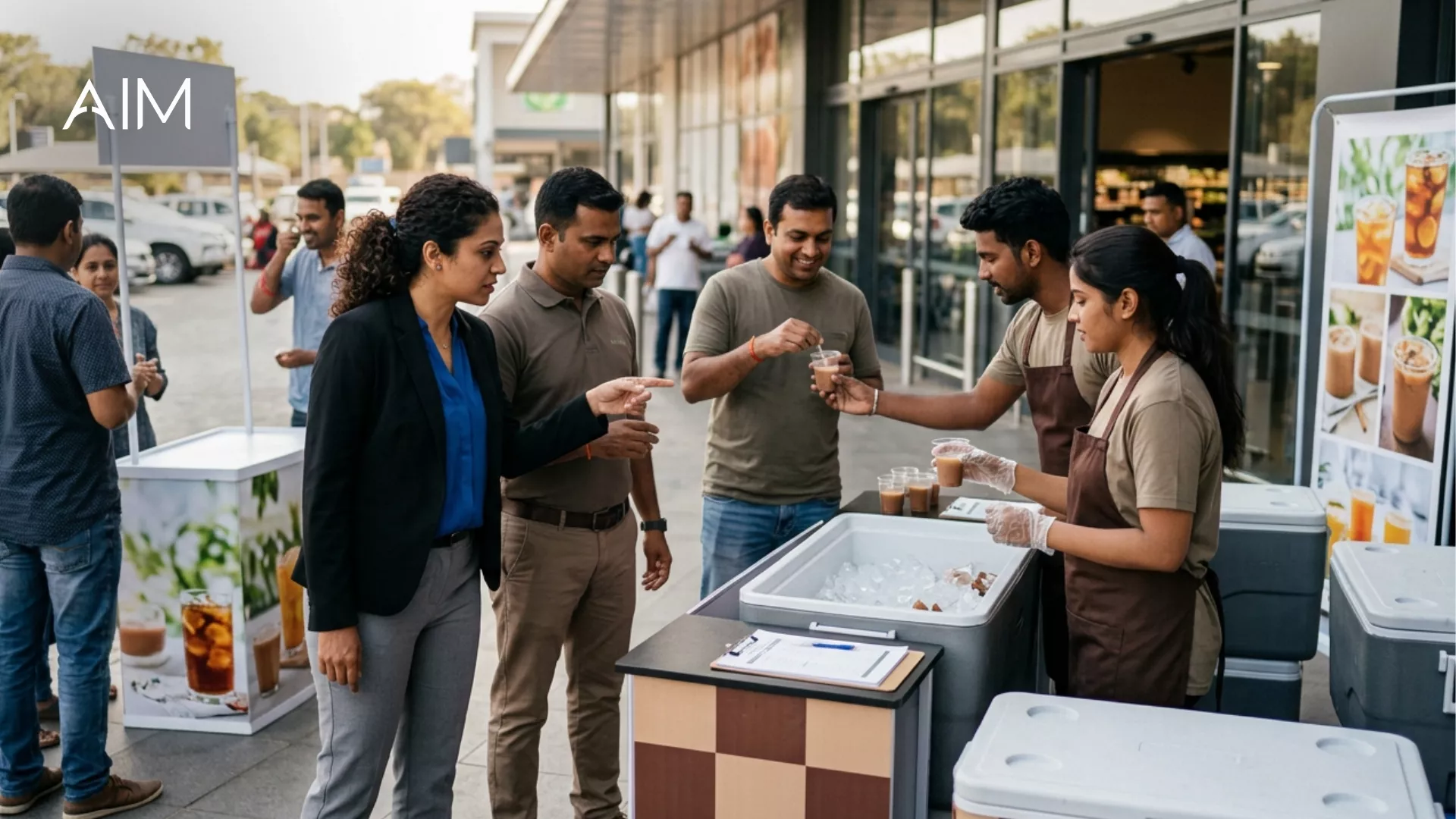
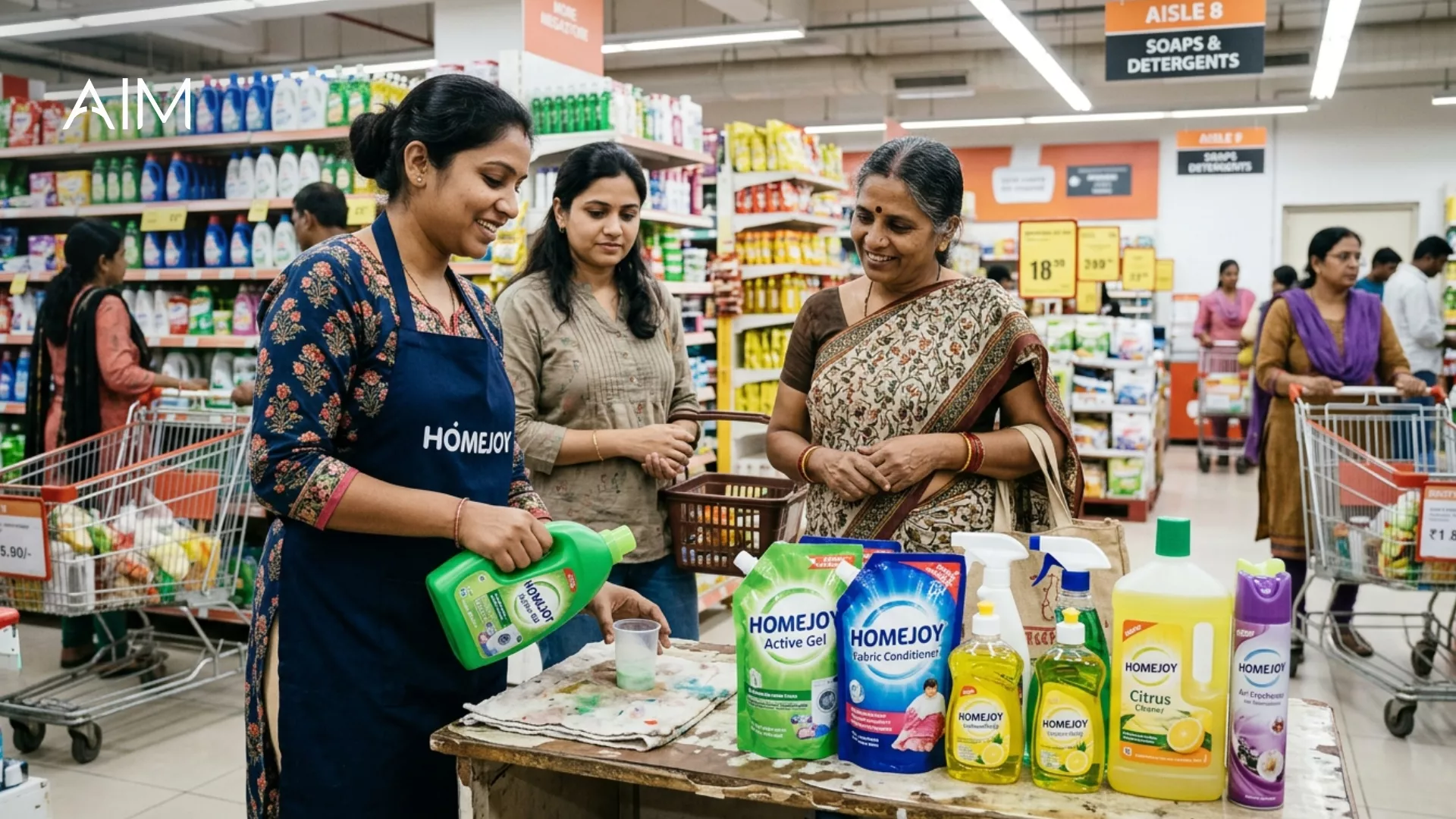
Sampling pays back hardest when the product has to be experienced to be believed, which covers most new FMCG. A new food or snack lives or dies on taste, and no pack claim sells it the way a bite does. A beverage needs the sip. A home or personal care product needs the shopper to feel the result, the scent, the clean, the texture. A product with a genuine point of difference the shopper cannot see on the label, a better formulation or a real improvement, needs the trial to prove it. If your new product is only chosen once someone has used it, sampling is not optional at launch, it is the launch.
The takeaway for a new FMCG launch
A product with no shelf history is not a marketing problem to be solved with more impressions. It is a trial problem. Shoppers will not buy what they have never experienced, and no amount of advertising substitutes for the first taste or use. Sampling is the tool that puts the product in the right hands, removes the risk of the first purchase, and generates the trust and proof a new brand has not had time to earn, all while you track exactly who tried and who bought. Launch with sampling built in from the start, tied to availability and measured to the sale, and a product nobody was looking for becomes one that real customers have tried, bought, and are ready to buy again.





.webp)




.png)