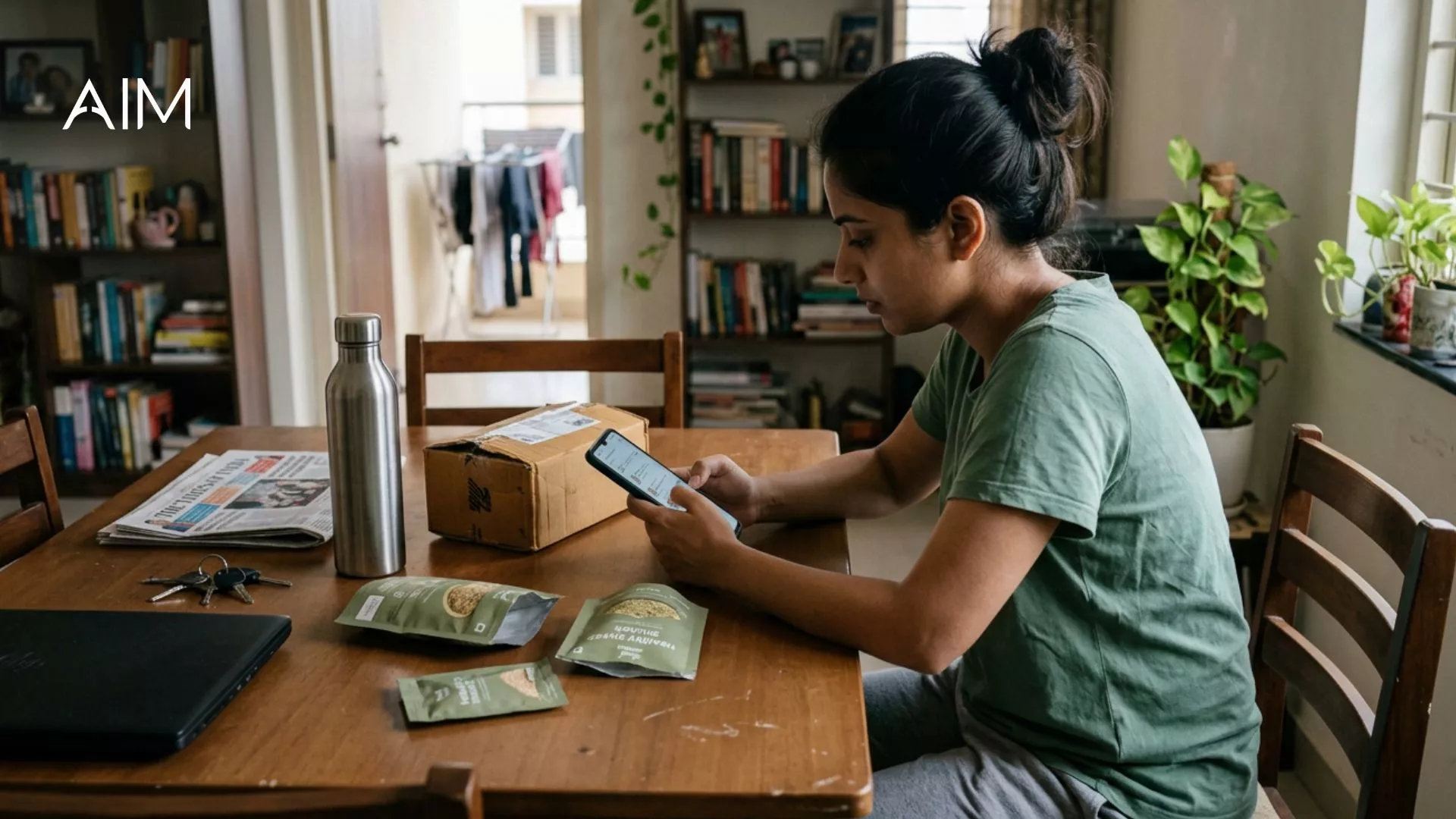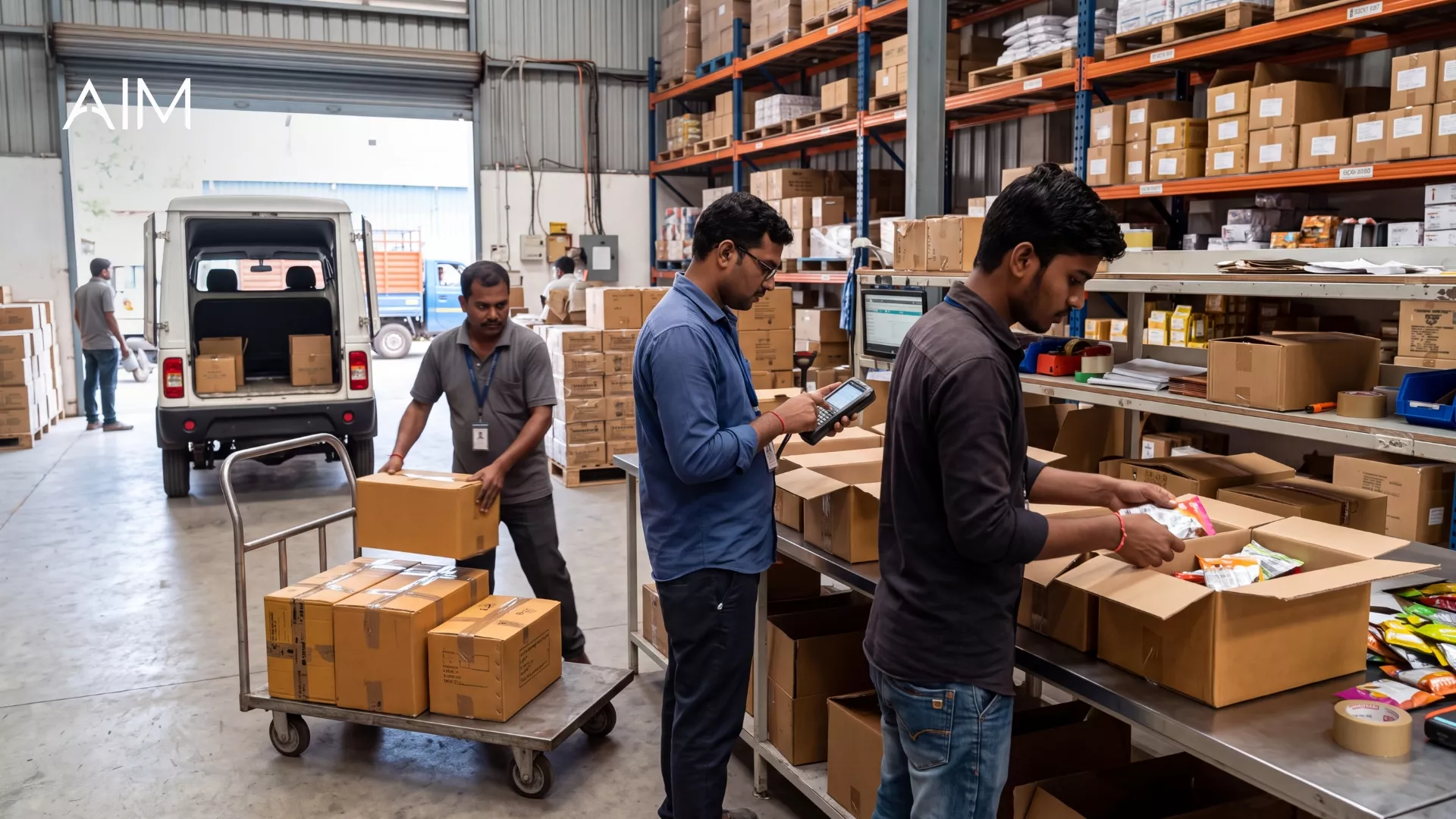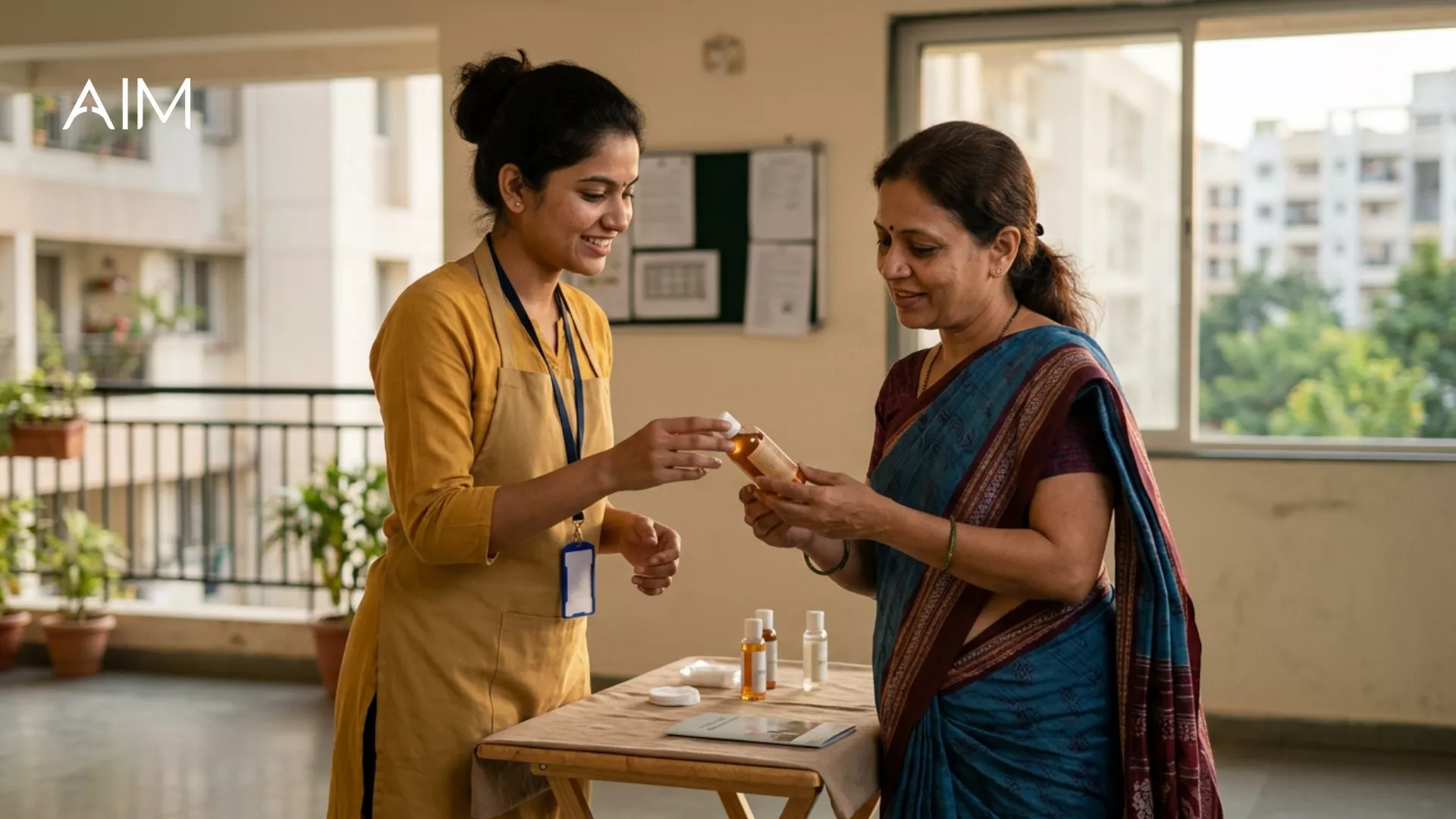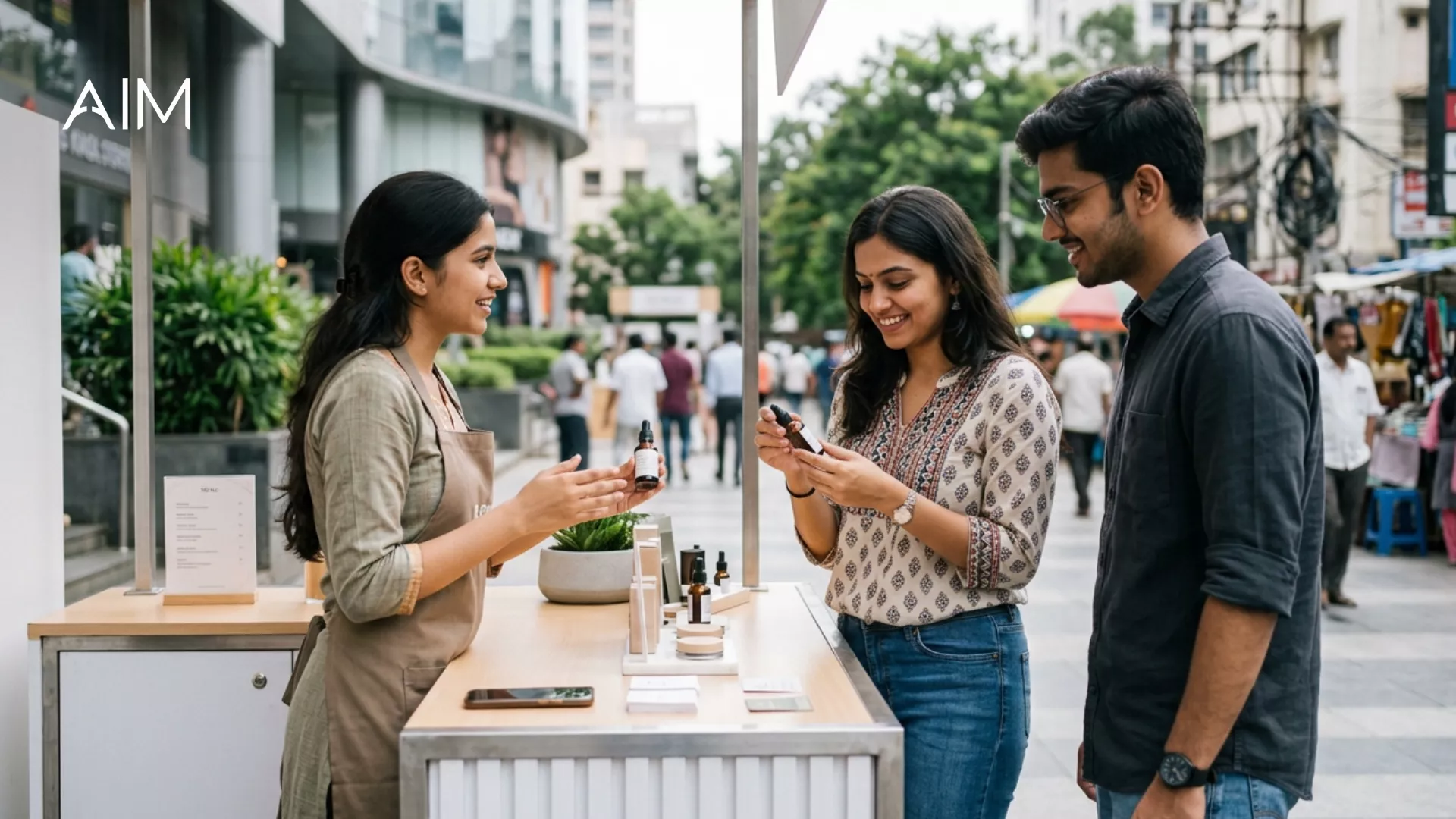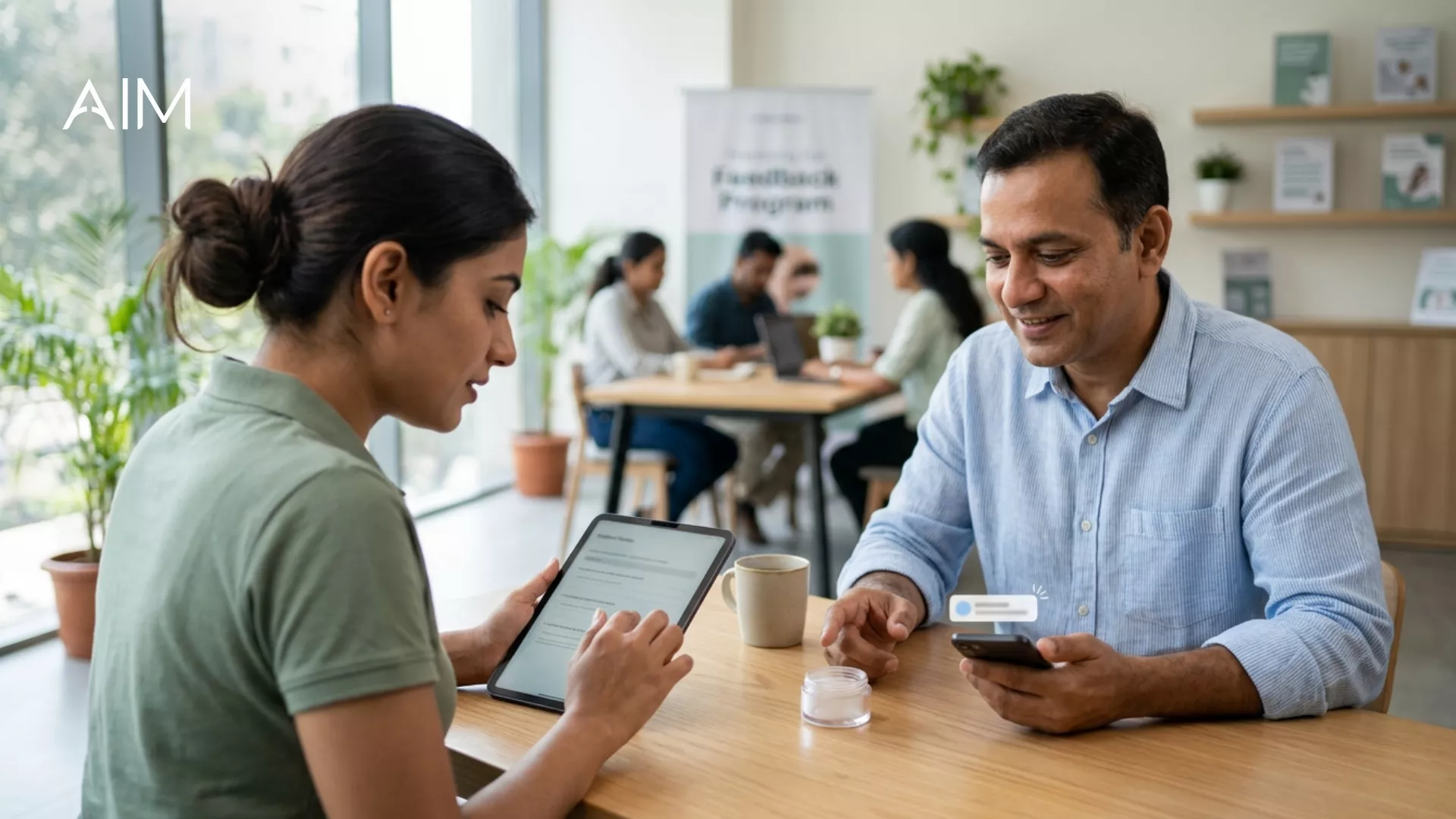


A brand ships a box of product to fifty creators, waits for the posts to roll in, and then watches most of them never appear. The samples went out, the money was spent, and the drop sank without a ripple. This happens constantly, and brands tend to blame the creators. The real reasons are almost always upstream, in how the drop was planned and sent, and nearly all of them are fixable. If your influencer sampling keeps getting ignored, it is worth looking at these before blaming the people who got the box.
The creator was the wrong fit
The most common reason a drop is ignored is that it went to the wrong person. A creator whose audience does not care about your category, or whose content has nothing to do with your product, has no natural way to feature it, so they do not. Reach is not fit. A big follower count means nothing if those followers would never buy what you sent. The fix is to choose creators by how well their audience and content match your product, not by size alone, and to send fewer boxes to better-matched people. Getting this right is the whole subject of how to seed the right creators, and it is where most ignored drops are actually lost.
The box arrived cold, with no relationship
A product that lands on a creator's doorstep from a brand they have never heard from is easy to ignore, because nothing connects them to it. No message, no context, no prior contact, just a box. Creators get many of these, and most go unopened or unused. The fix is to warm the contact first, a genuine message, a reason you chose them, an acknowledgement of their work, so the box arrives as part of a conversation rather than as junk mail. A little relationship before the drop changes how the drop is received.
There was no story, just a product
A creator needs something to say about your product, and if you give them only the product, you are asking them to do the hard part. A drop with no angle, no interesting reason to feature it, no hook that fits the creator's style, gives them nothing to build content around. The fix is to send the story with the sample, why the product is interesting, what makes it worth a mention, the angle that suits that creator's audience. You are not scripting them. You are giving them a reason to care enough to post.
The product was not genuinely interesting
Sometimes the honest problem is the product. If the sample is dull, ordinary, or indistinguishable from what the creator already features, there is no reason to show it. Influencer sampling amplifies something worth talking about, it does not manufacture interest that is not there. The fix is partly selection, sending the products that actually have a hook, and partly presentation, making even a familiar product feel worth a look through how it arrives and what it comes with. A genuinely interesting product in the right hands almost sends itself.
There was no clear ask or timing
A drop that leaves the creator guessing what you want, and when, often results in nothing. No sense of whether you hoped for a post, a story, a mention, a review, and no sense of timing, means the box slides down the pile. The fix is a clear, light ask, what you would love, with no heavy demands, and a sense of when, tied to a launch or a moment, so the creator has a reason to act now rather than someday. Clarity without pressure is the balance that works.
Nobody followed up
Many drops are ignored simply because the brand sent the box and went silent. A creator who was busy, or forgot, or was not sure what to do, never gets a nudge, so a post that might have happened never does. The fix is a light, friendly follow-up, a check that the box arrived, an offer to help, a gentle reminder. A warm creator who has not posted yet is often one message away from posting, and the brands that follow up convert drops the silent ones lose.
What a drop that works actually looks like
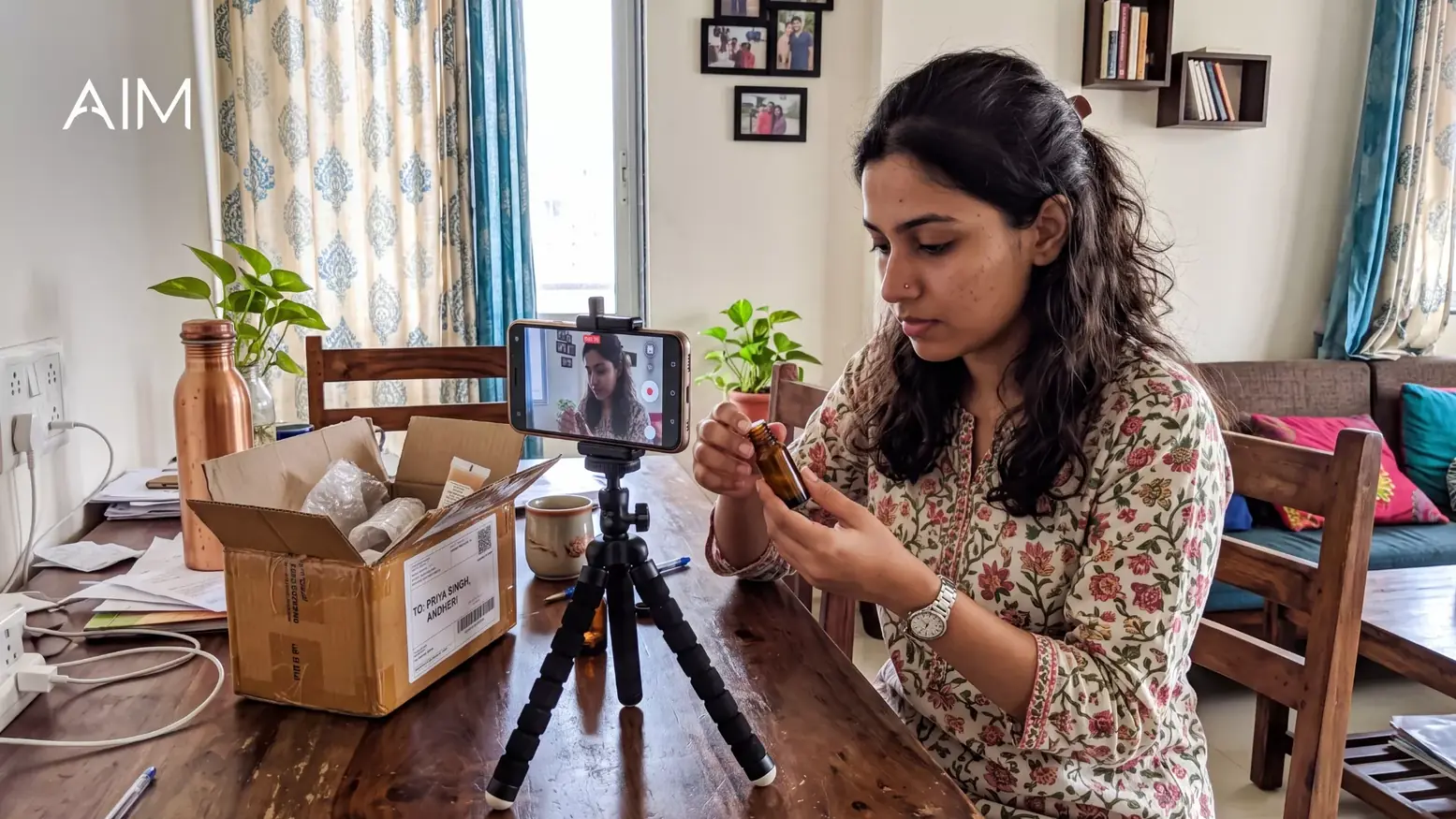
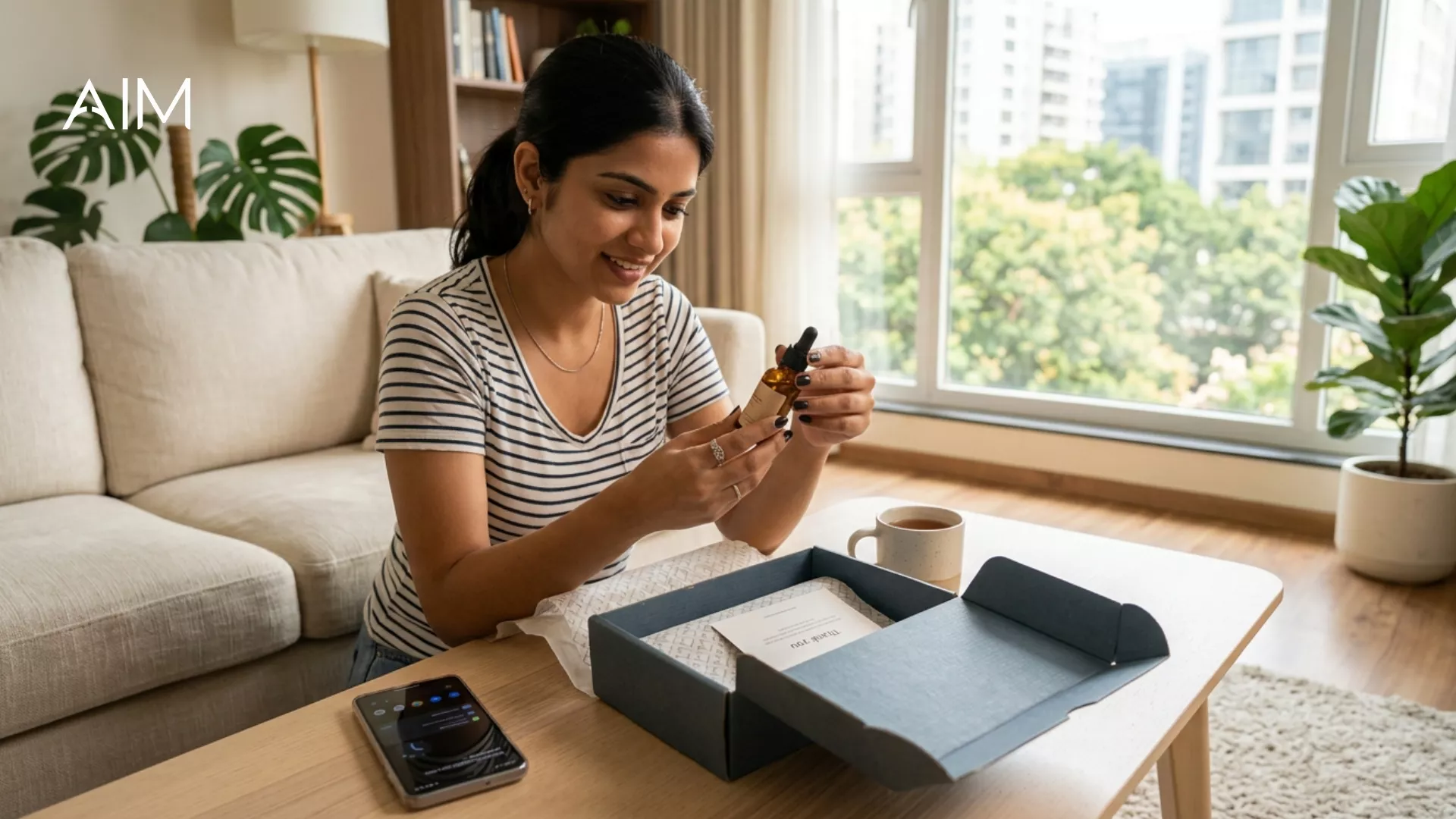
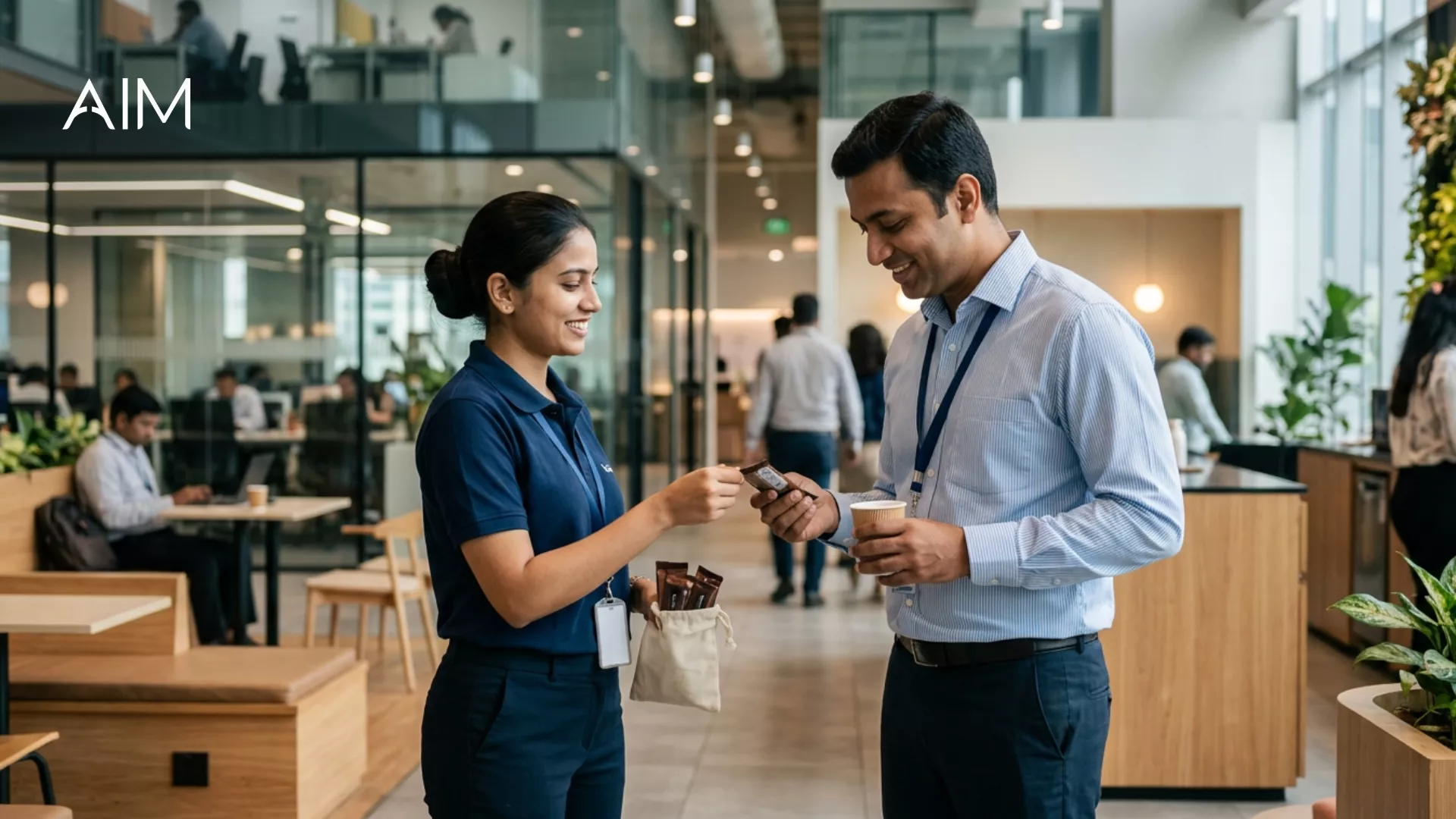
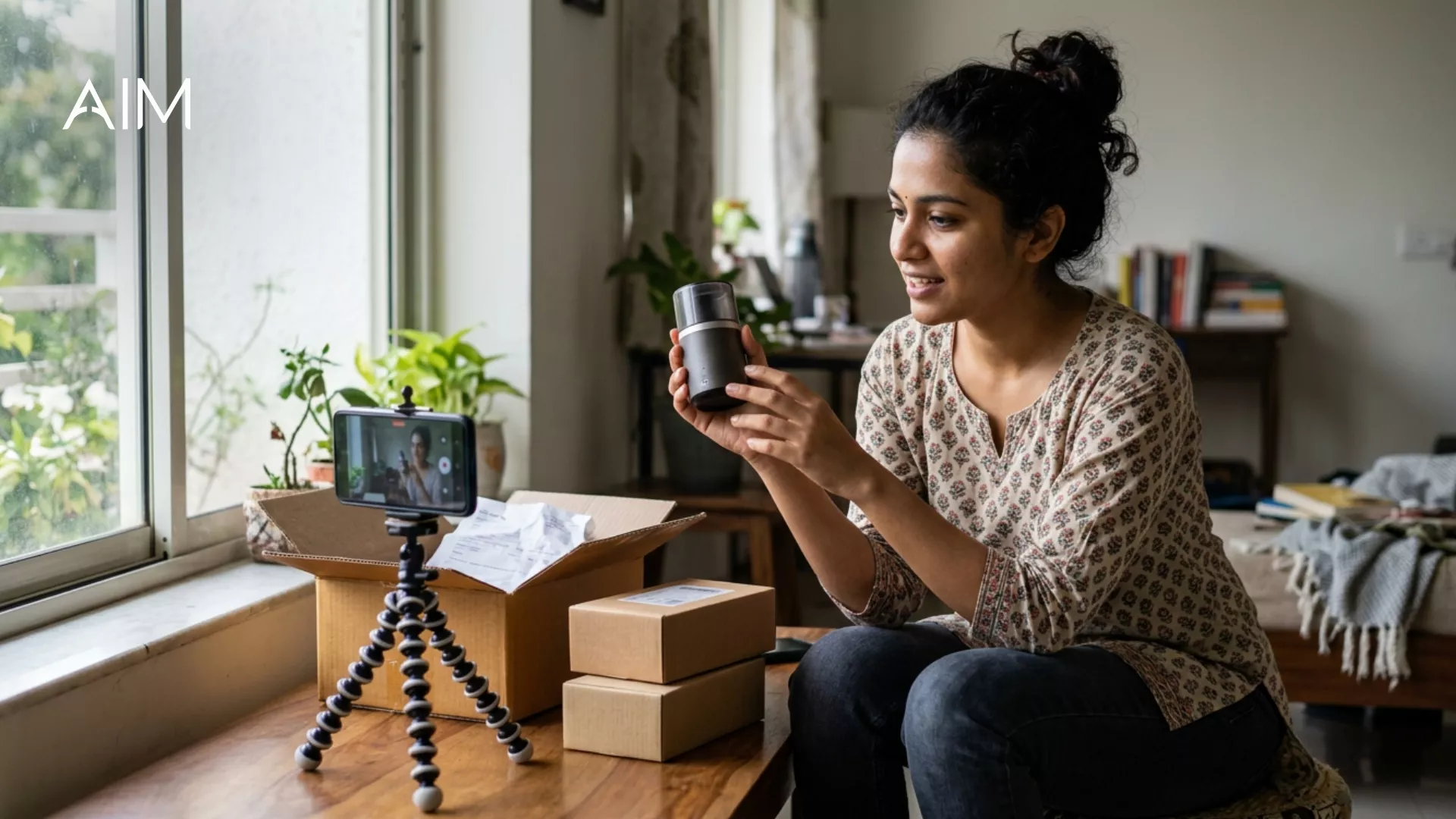
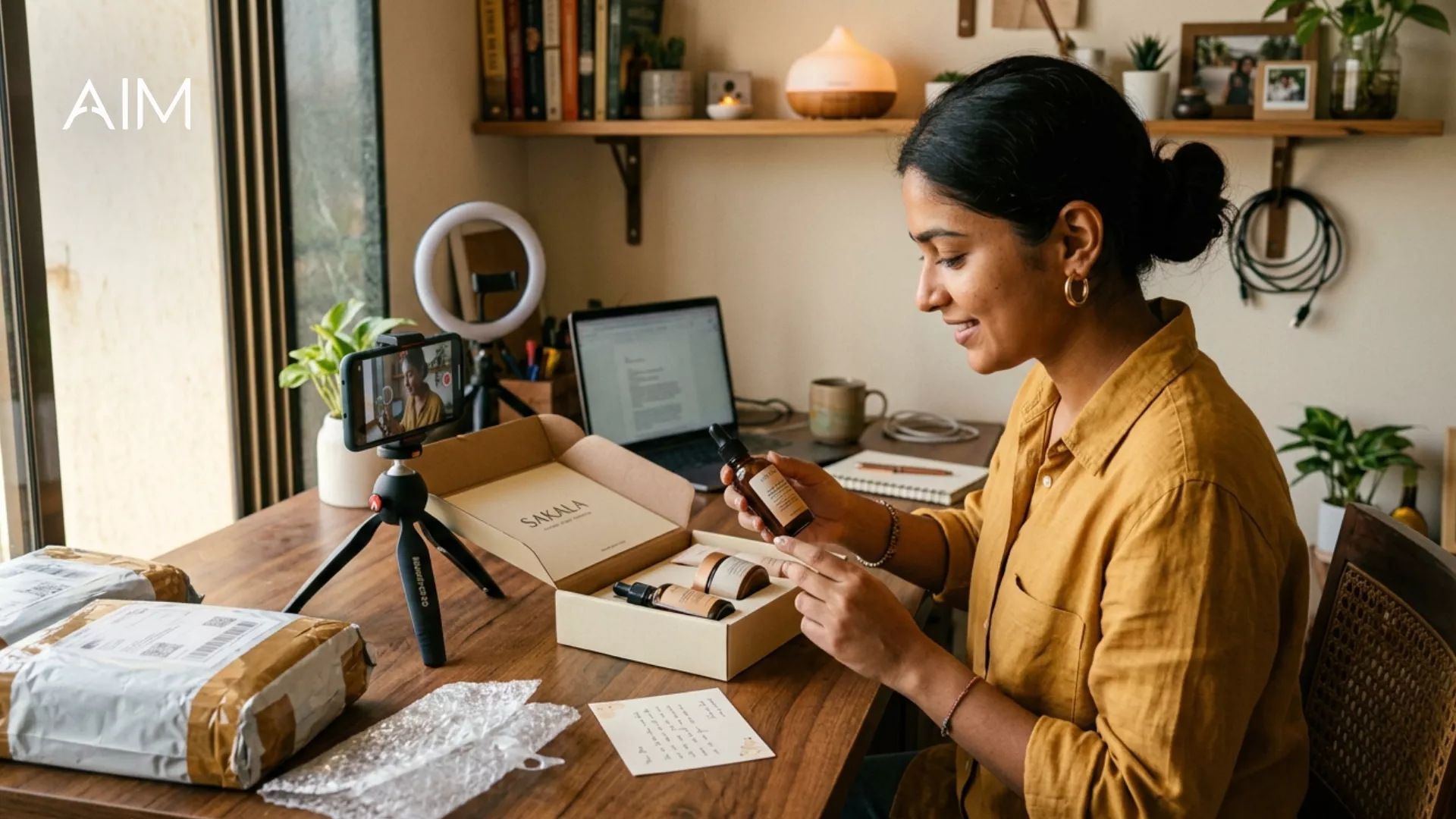
It helps to picture the opposite of an ignored drop. A creator who genuinely fits the category gets a warm message first, a real note that shows the brand knows their work and explains why the product suits their audience. The box arrives with the product and a clear, interesting story, the angle worth talking about, presented in a way that fits how that creator makes content. There is a light, specific ask and a sense of timing tied to a launch or a moment. A few days later, a friendly follow-up checks the box arrived and offers to help. None of this is heavy or scripted. It is just the difference between a box dropped on a stranger and a product handed to someone you have a reason to send it to, with everything they need to act. That version gets posted because every reason to ignore it was removed before it shipped.
Why fit matters more than follower count here
Brands often chase the biggest names and wonder why the drop underperformed. In seeding, fit beats size almost every time. A smaller creator whose audience is exactly your buyer, who actually uses and talks about products like yours, produces a mention that lands with people ready to act. A huge creator whose audience has no interest in your category produces, at best, a view and no intent. Sending more boxes to better-matched, often smaller creators usually returns more than a few expensive drops to mismatched big names. The question is never how large the following is. It is how closely that following looks like the people you want to reach, and how naturally the creator's content can carry your product.
Measuring whether the drop worked
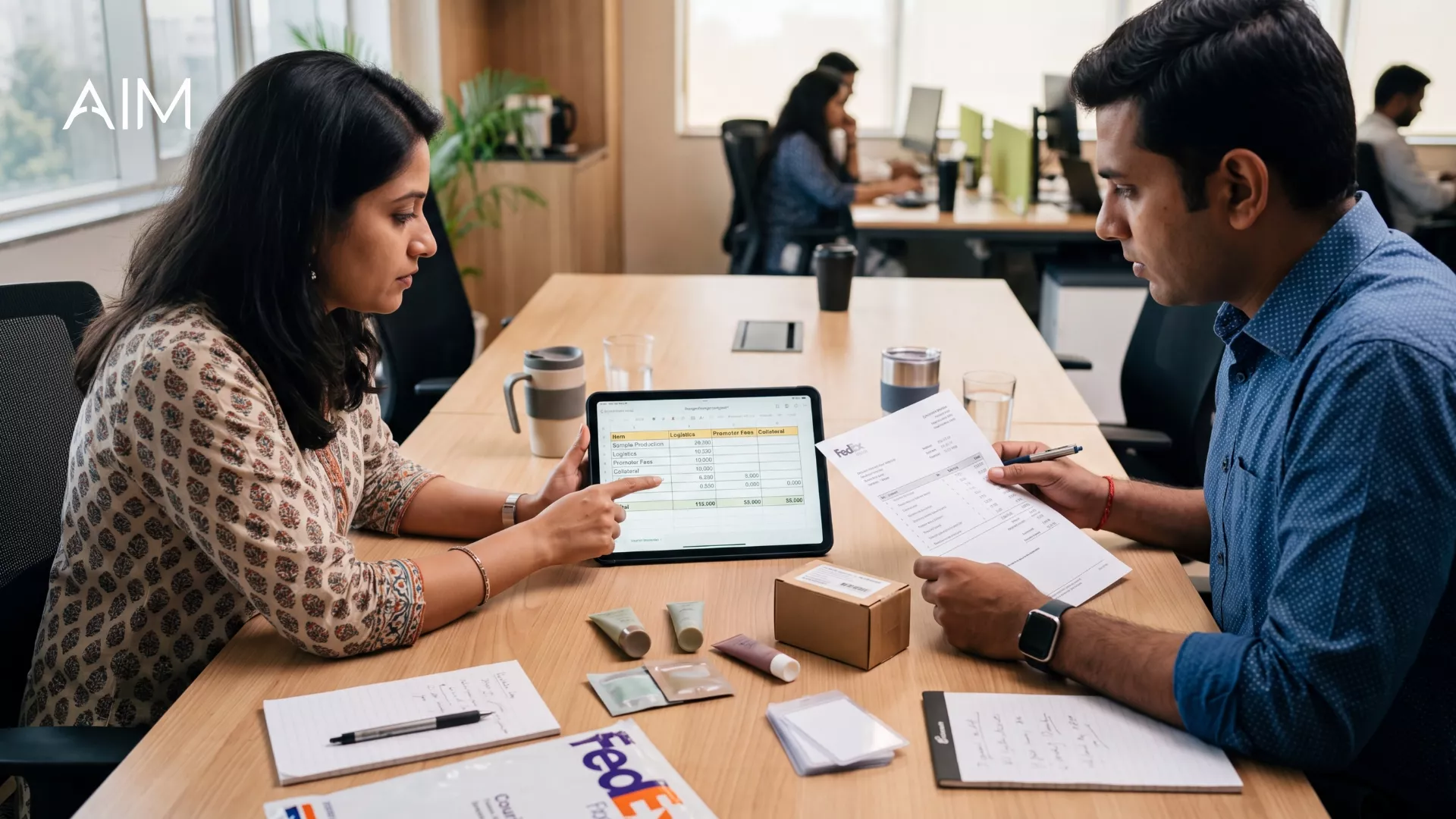
The last reason drops quietly fail is that nobody measured them, so the same mistakes repeat. A drop should be tracked past the post, to whether it drove anything, a code tied to the creator, a link, a way to see which seeding actually led to trials or sales. That tells you which creators and which angles worked, so the next drop goes to better-matched people with a better story, and the budget compounds instead of leaking. A seeding programme measured only by how many boxes went out learns nothing. One measured by what each box produced gets sharper every round, which is the whole point of running it deliberately rather than hopefully.
Why volume alone never fixes a drop
When a seeding campaign underperforms, the instinct is often to send more boxes, on the theory that enough drops will eventually produce enough posts. It rarely works, because volume multiplies whatever you were already doing, including the mistakes. If the creators were mismatched, more mismatched creators ignore you. If the boxes arrived cold with no story, more cold boxes get set aside. Scaling a broken drop just spends more to get the same silence. The campaigns that improve do the opposite, they send fewer, better boxes, to creators chosen for fit, with a warm approach, a real story, a clear ask, and a follow-up, and then they measure which of those produced anything and refine from there. Quality compounds in seeding and quantity does not, because a single well-matched creator with a reason to post is worth more than a dozen who never open the box. The fix is never more volume. It is removing the reasons each drop gets ignored, and then scaling only what is already working. A brand that learns this stops measuring a seeding campaign by how many boxes it shipped and starts measuring it by how many landed, which is the only number that ever mattered.
How to fix a drop before it goes out
Most of these failures are decided before the box ships, not after. Choose creators for fit, warm the contact, send a story and a clear light ask with the product, pick products that genuinely have a hook, and plan the follow-up from the start. Do that and the same budget that used to vanish starts producing posts, because you have removed the reasons a drop gets ignored before it has a chance to. That deliberate, matched, measured way of running a seeding campaign is the core of our digital and influencer product sampling work, and it is what separates a drop that lands from a box that disappears.
Influencer sampling is not a numbers game you win by shipping more boxes. It is a fit-and-relationship game you win by sending the right product, to the right creator, with the right reason, and then staying in touch. Get those right and the drops stop getting ignored. Keep shipping cold boxes to mismatched creators and no amount of volume will save the campaign.