
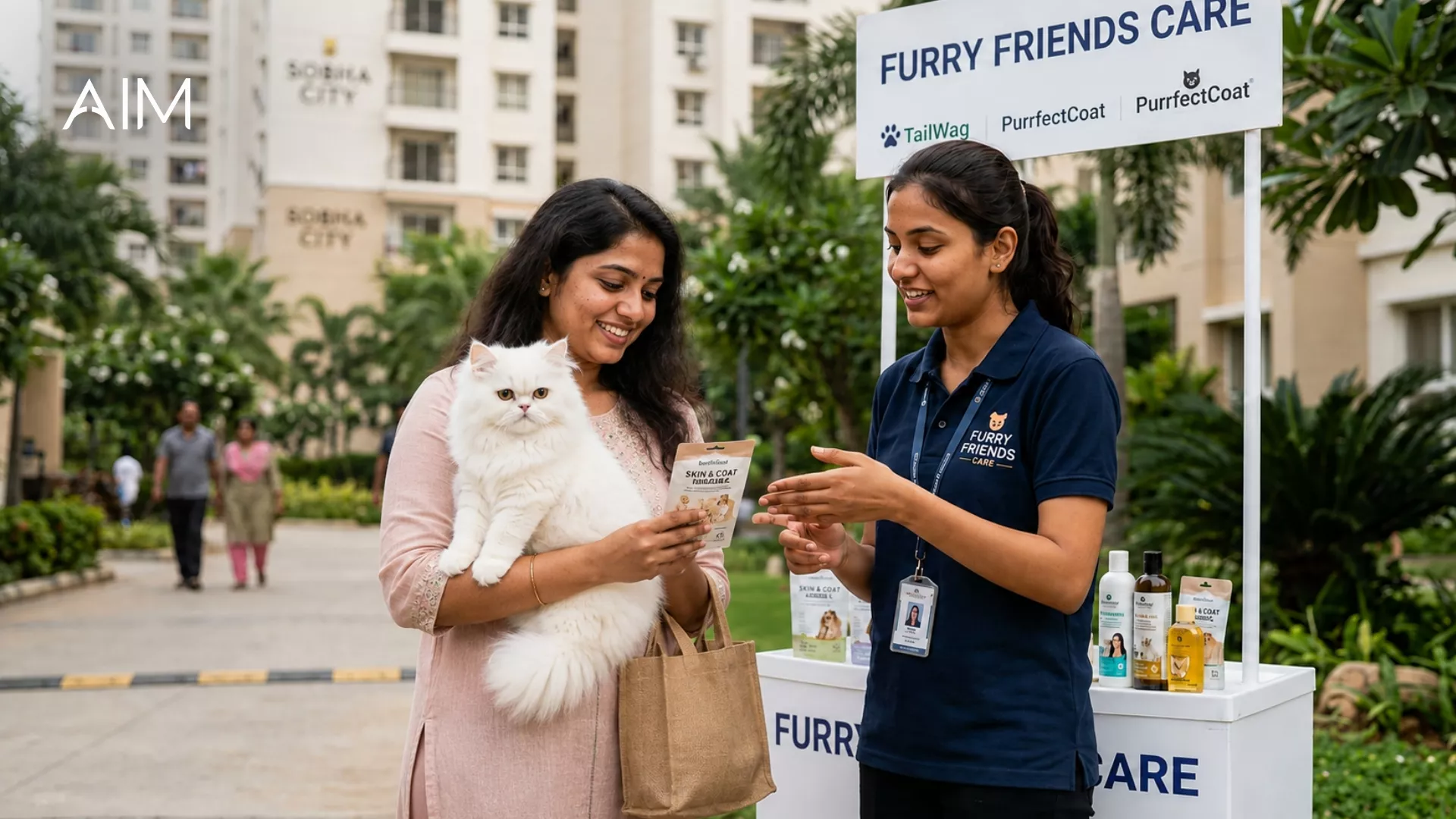


Here is the number most agencies will not put in writing, and the reason they will not is that there is no single number. Pet product sampling in India can cost a modest amount for a small, sharp pilot, or many times that for a large, multi-city push, and the difference is not padding. It is the sample itself, the channel, the volume, how tightly you target, and whether the campaign is built to be measured. So rather than a fake rate card, here is an honest guide to what pet care sampling actually costs, what drives the price up and down, and how to make sure you are paying for buyers and not for boxes handed out.
Quick answer: pet product sampling in India usually starts from around Rs 50,000 for a small, targeted single-city pilot and scales into lakhs for a full multi-location or multi-city campaign. The cost is driven by the sample itself (a wet food pouch costs more to sample than a dry treat), the channel used, the number of samples, how precisely you target pet parents, logistics, and whether capture and tracking are built in. There is no fixed rate card, only a cost shaped by what you are trying to achieve.
What is pet product sampling?
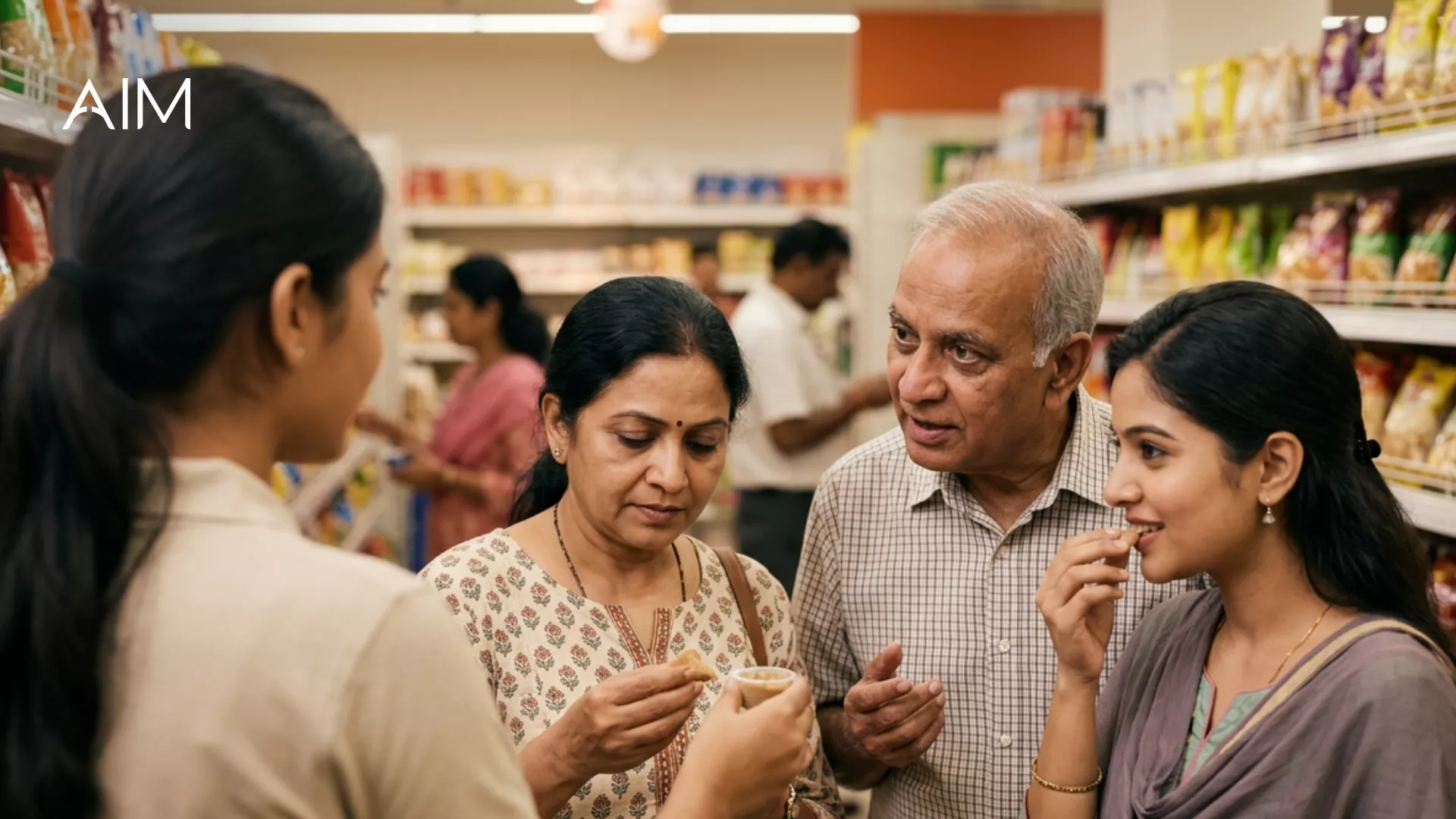
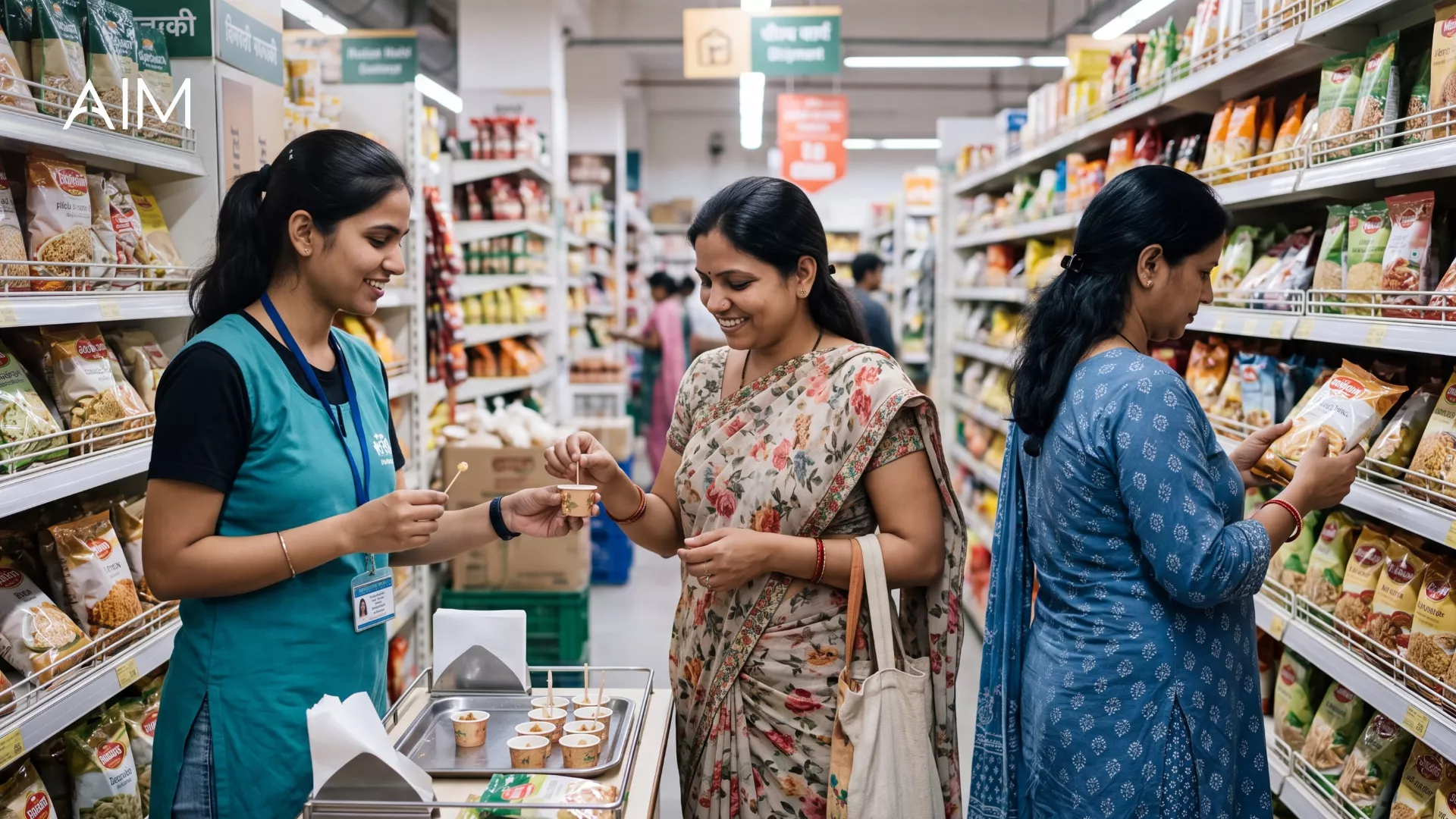
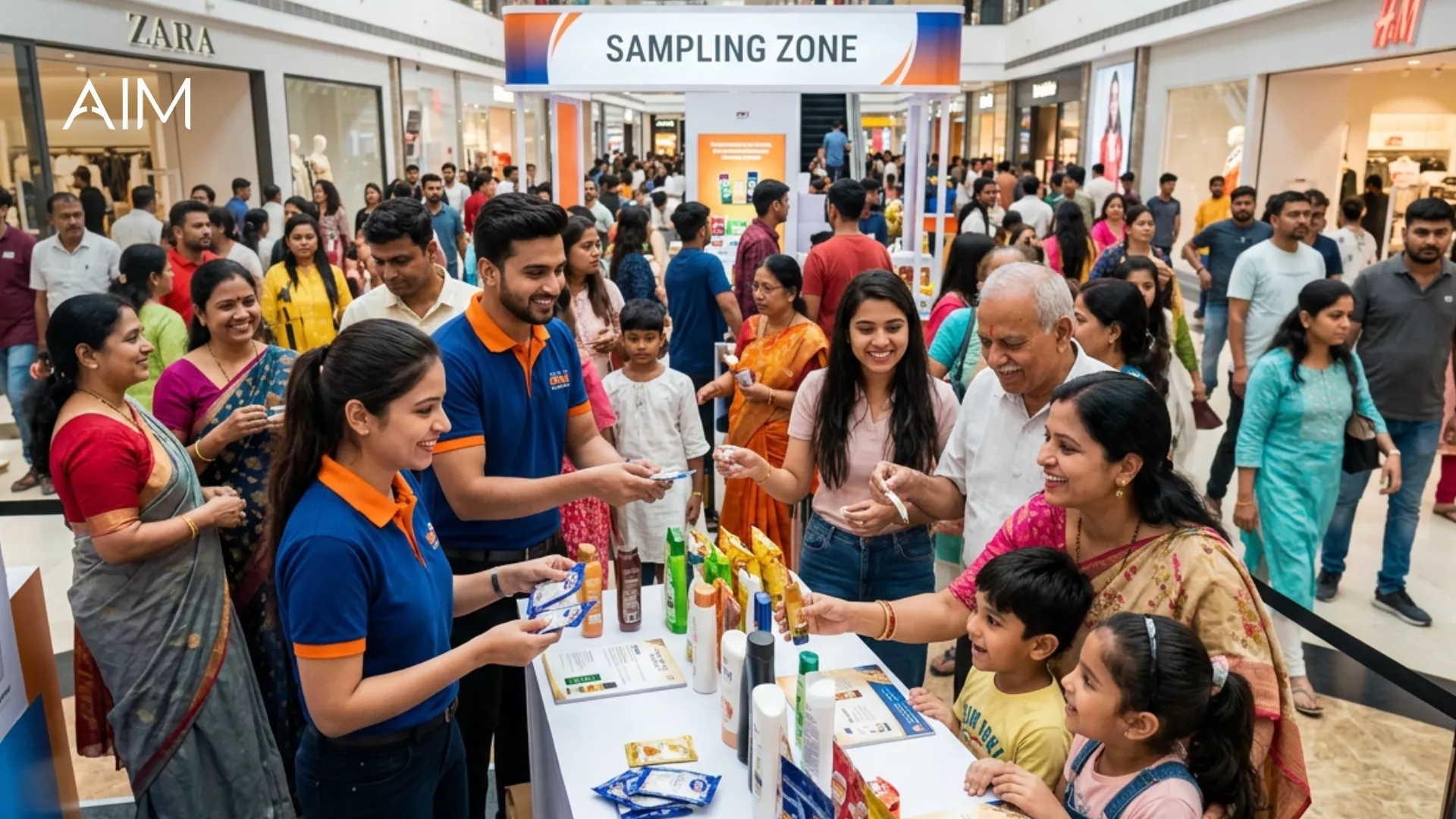
Pet product sampling is the practice of giving pet parents a free trial of a pet food, treat, supplement, or grooming product so they and their pet can experience it before buying. In a category built on trust and on a pet's actual acceptance of the product, that trial does what an ad cannot: it lets the food or treat prove itself with a real animal, in a real home. Because pet parents are careful and often loyal, sampling is one of the most effective ways to earn a first purchase, which is exactly why the question of what it costs, and what that cost should include, matters.
What drives the cost of pet product sampling?
Two campaigns with the same headline sample count can cost very differently, and these are the levers that explain why.
- The sample itself. This is often the biggest single variable. A single-use dry treat or kibble sachet is cheap to produce and easy to hand out. A wet food pouch, a supplement, or a grooming product costs more per unit and may need better packaging, which lifts the per-sample cost before any activity is even planned.
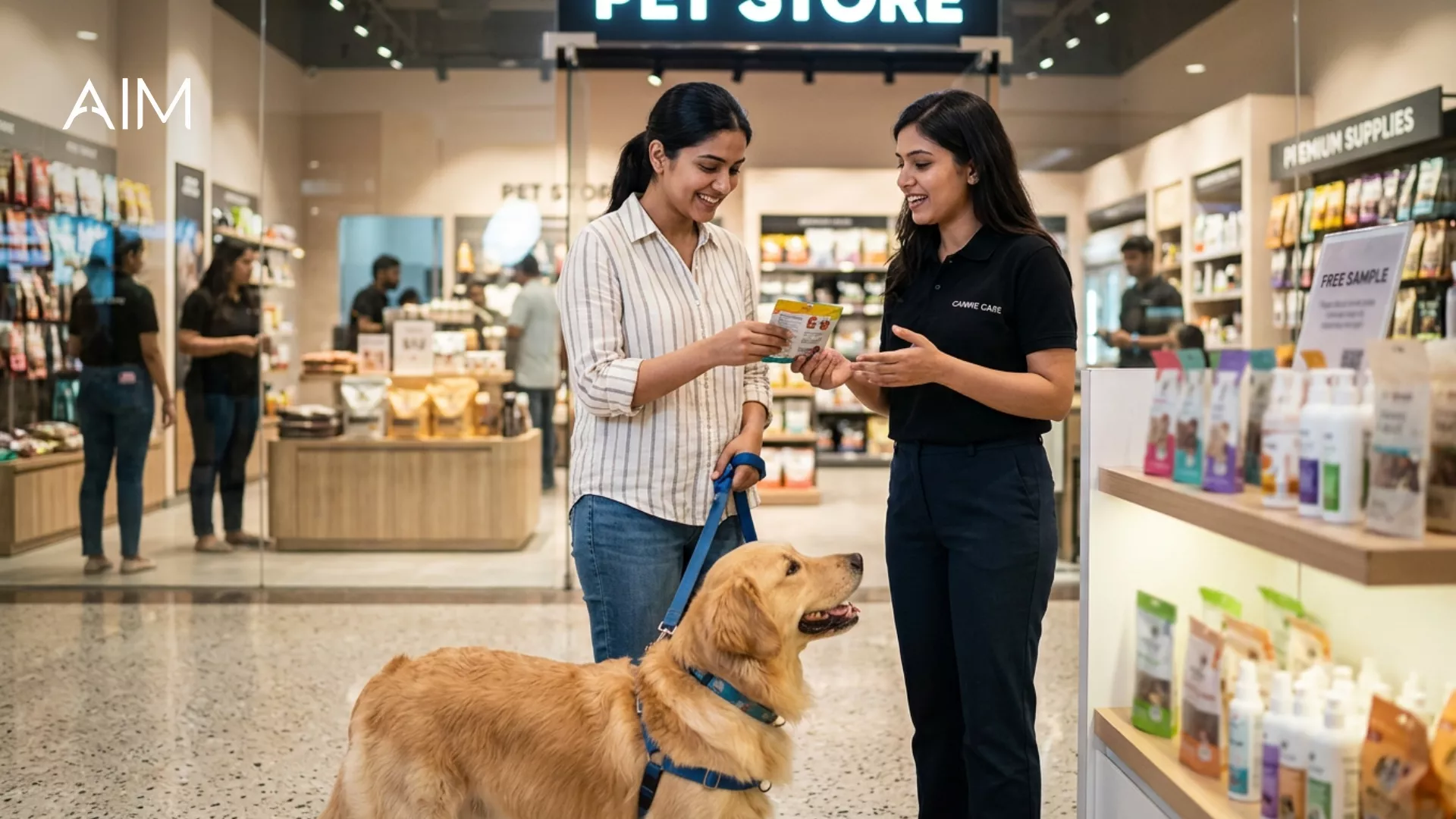
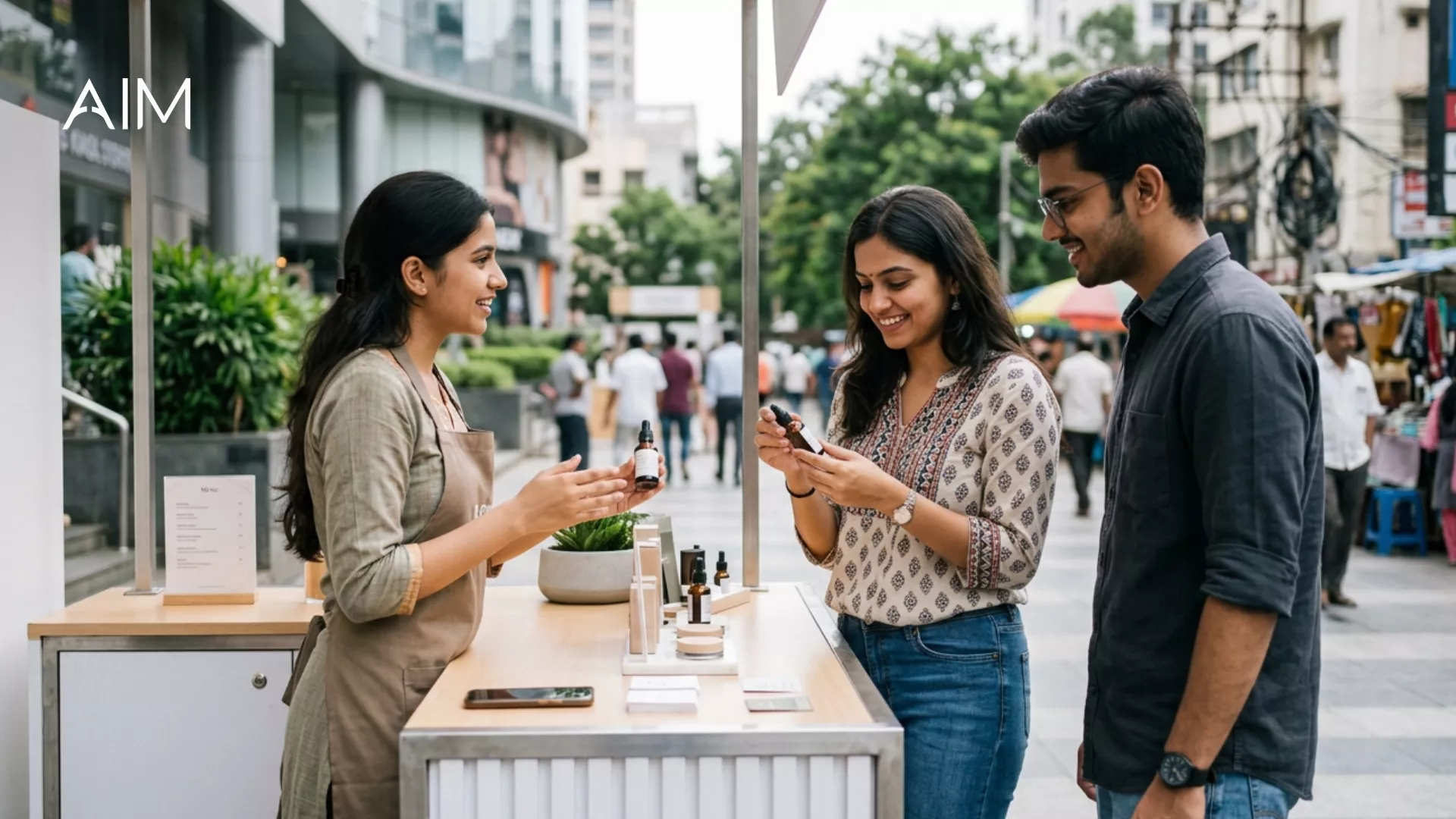
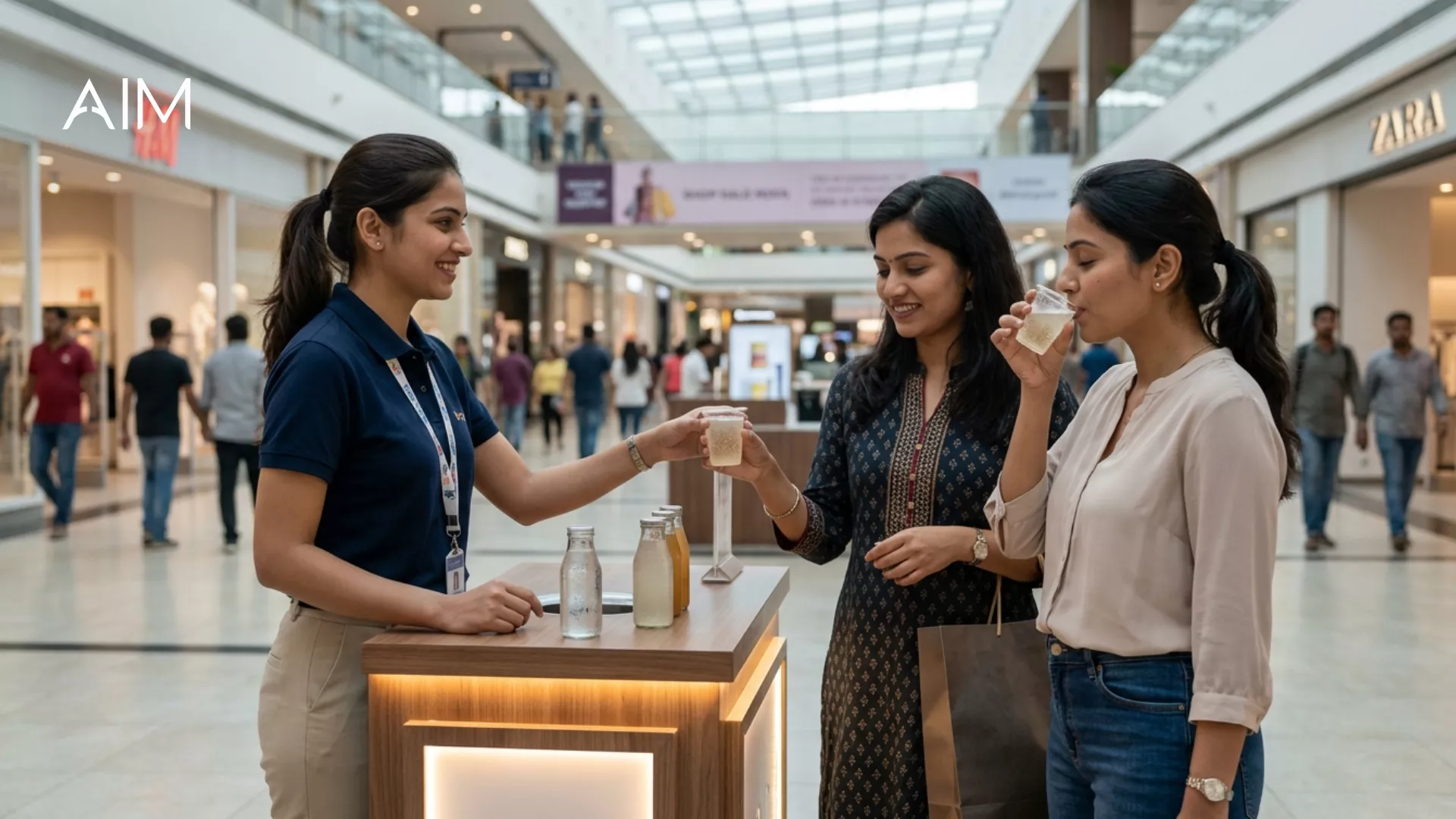
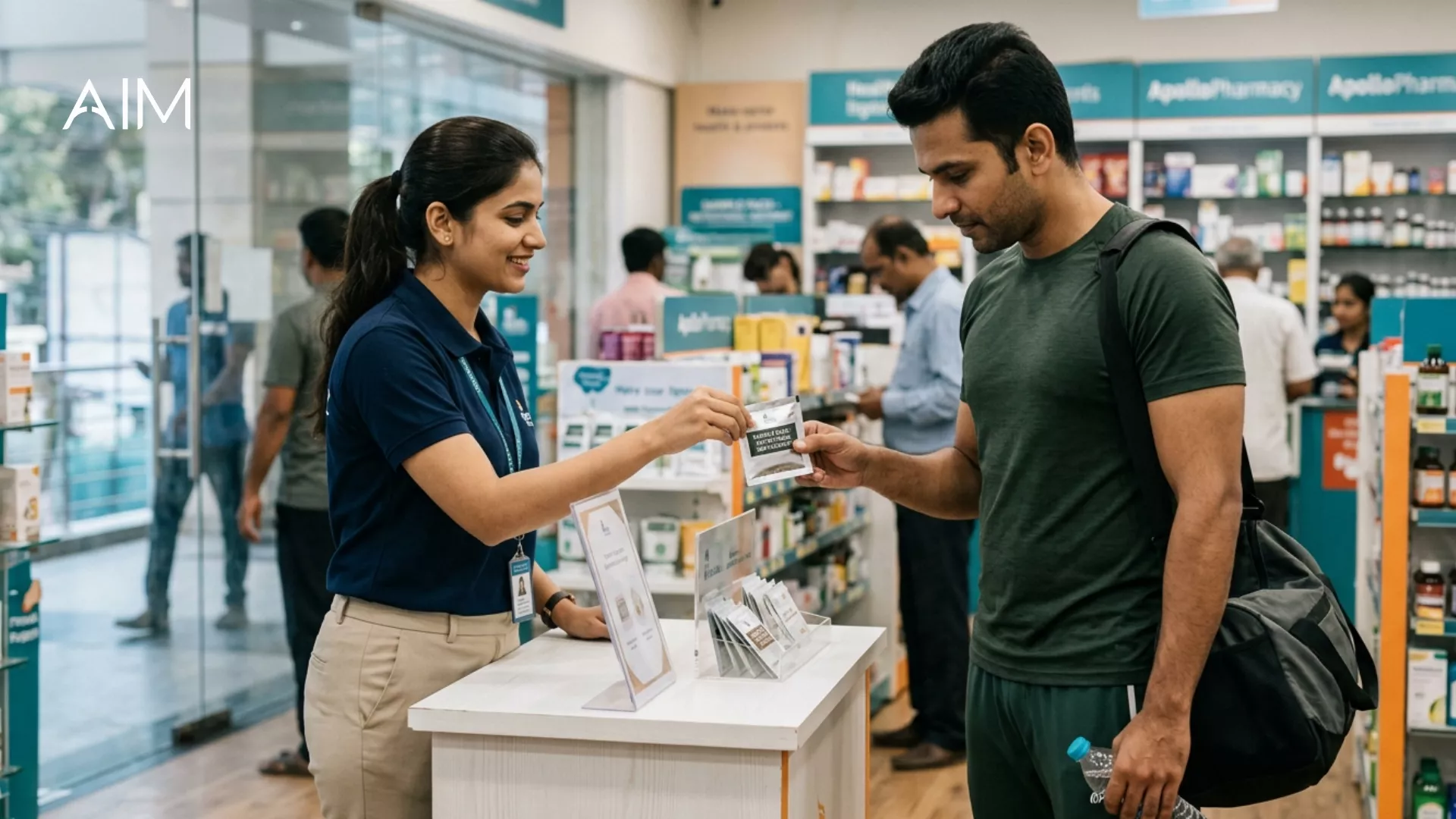
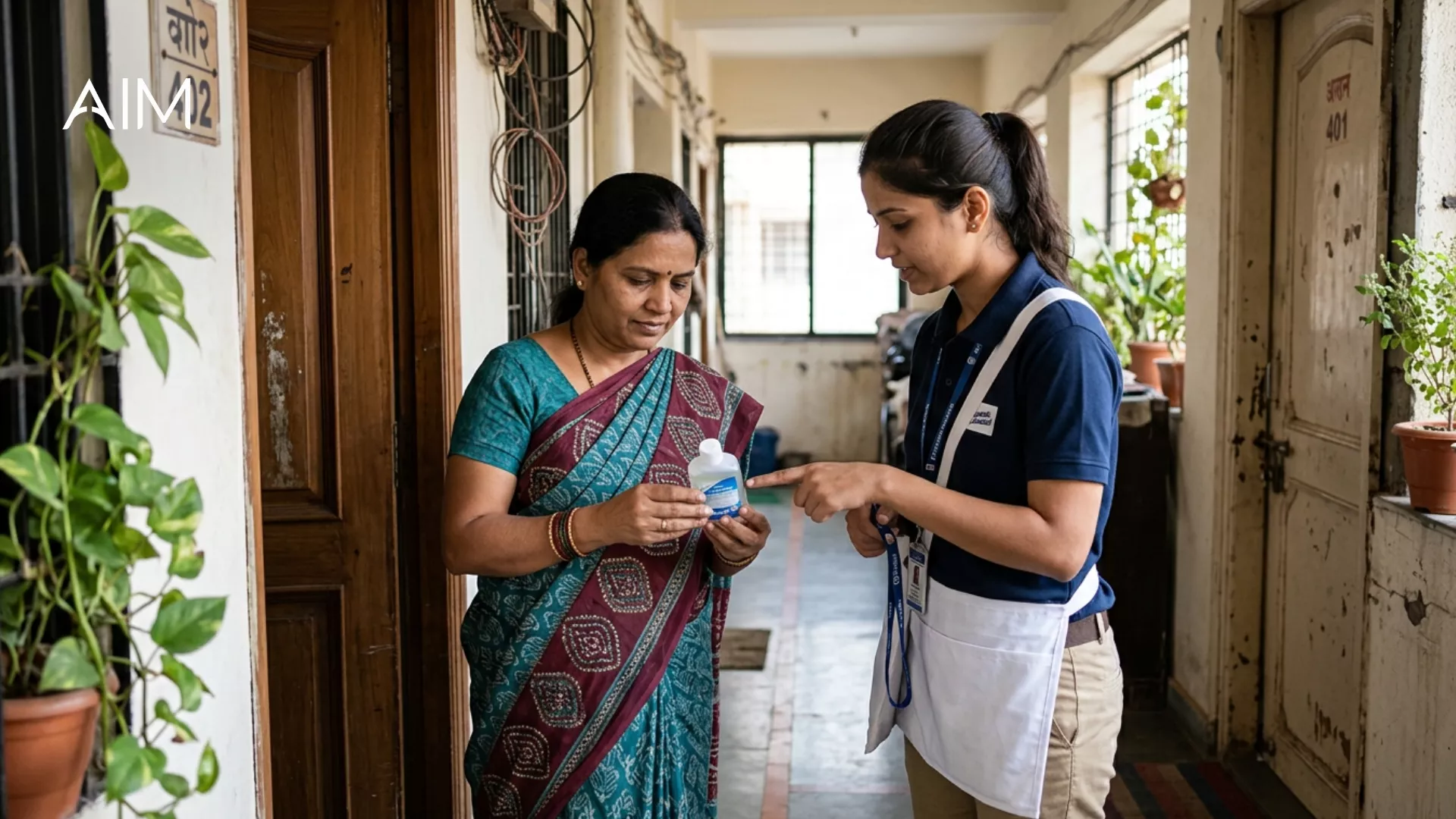
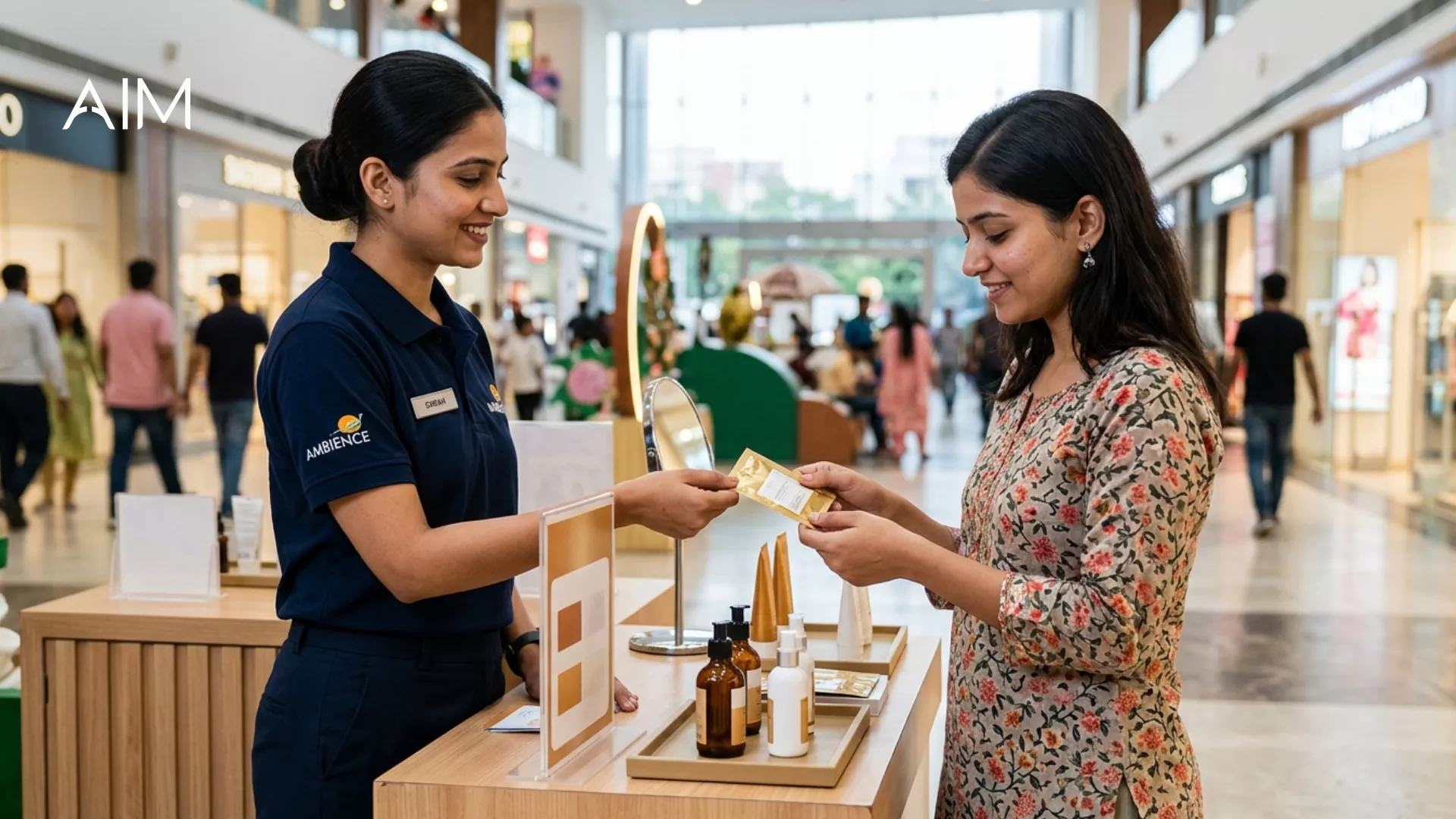
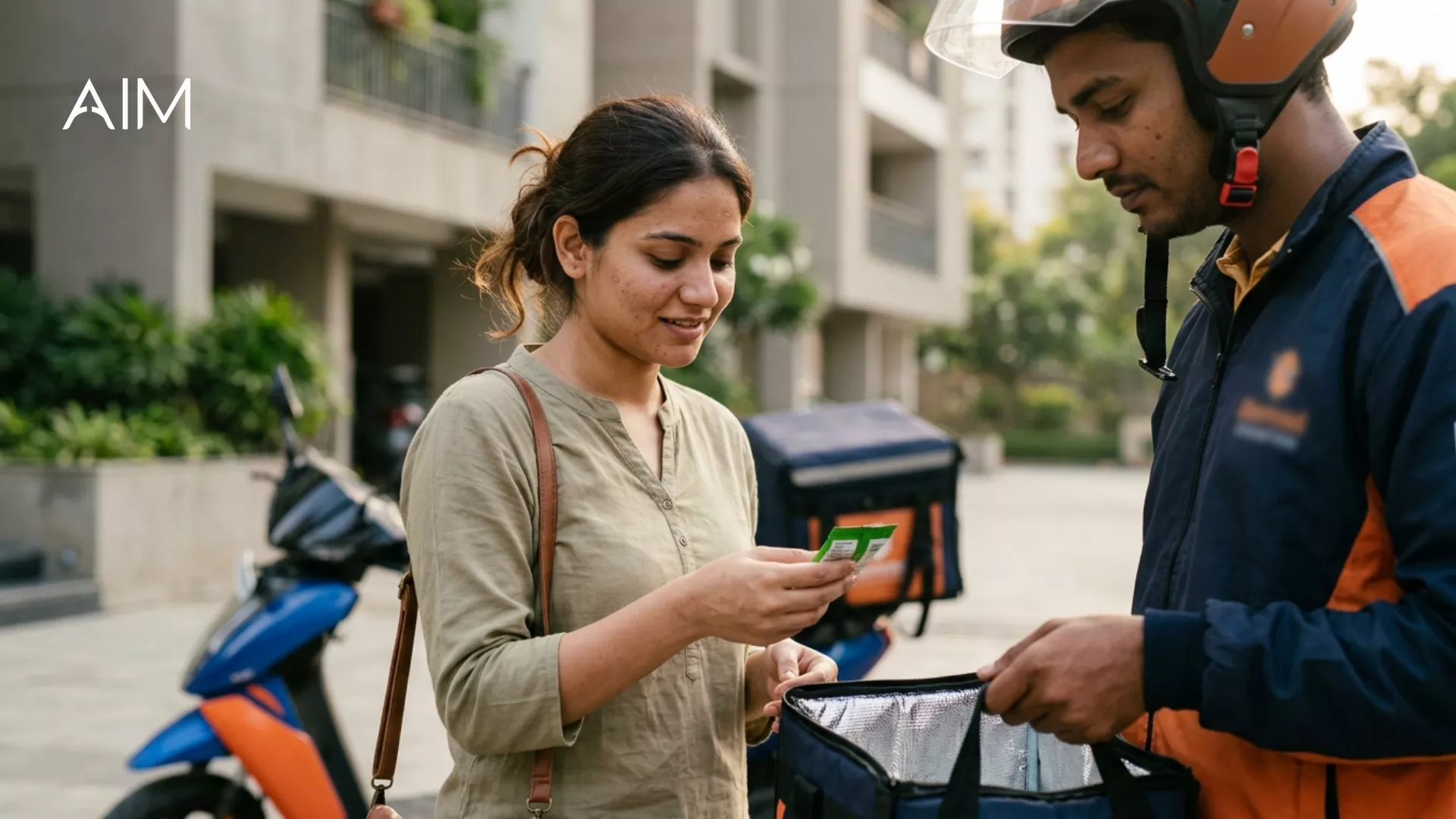
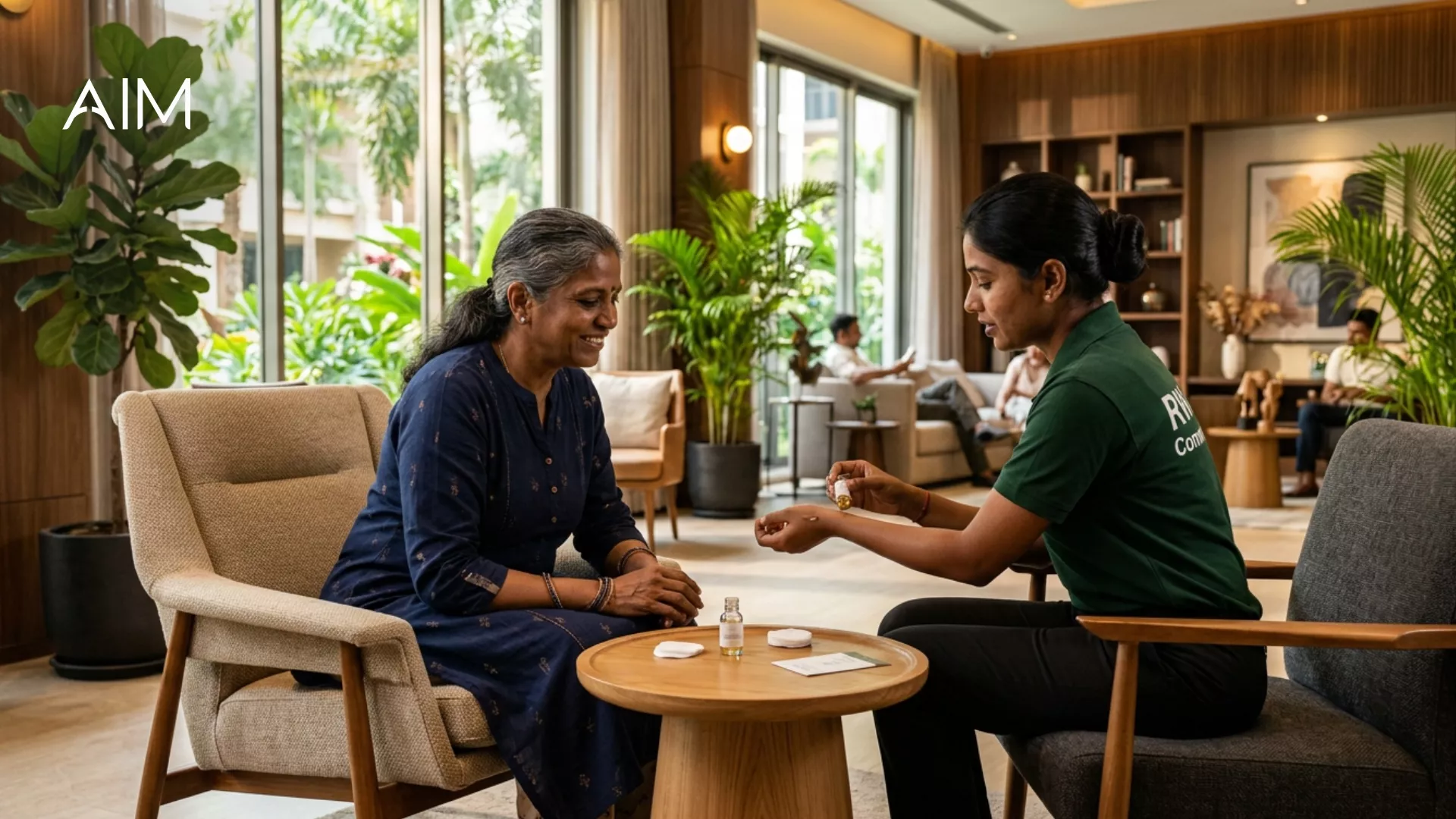
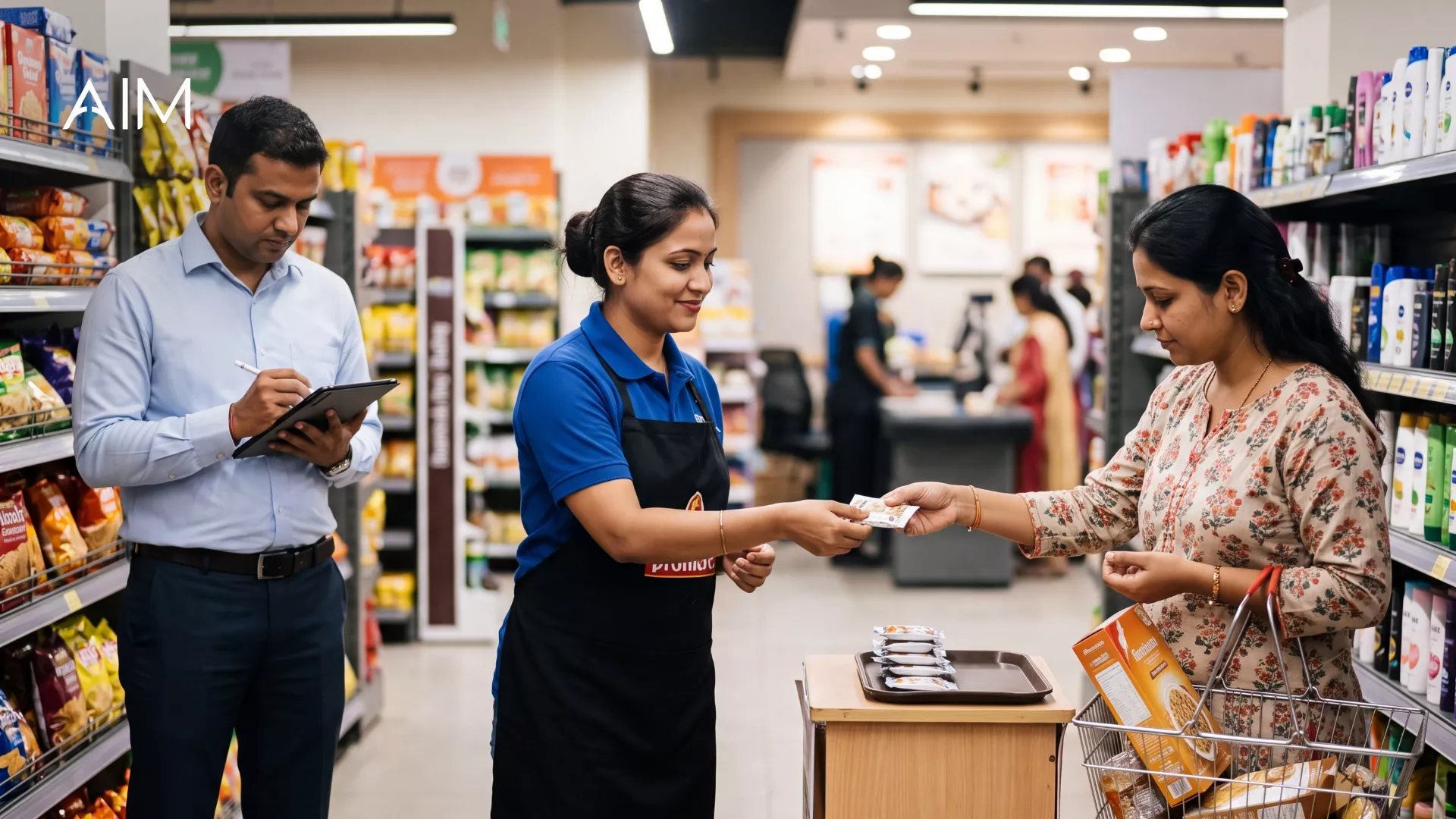
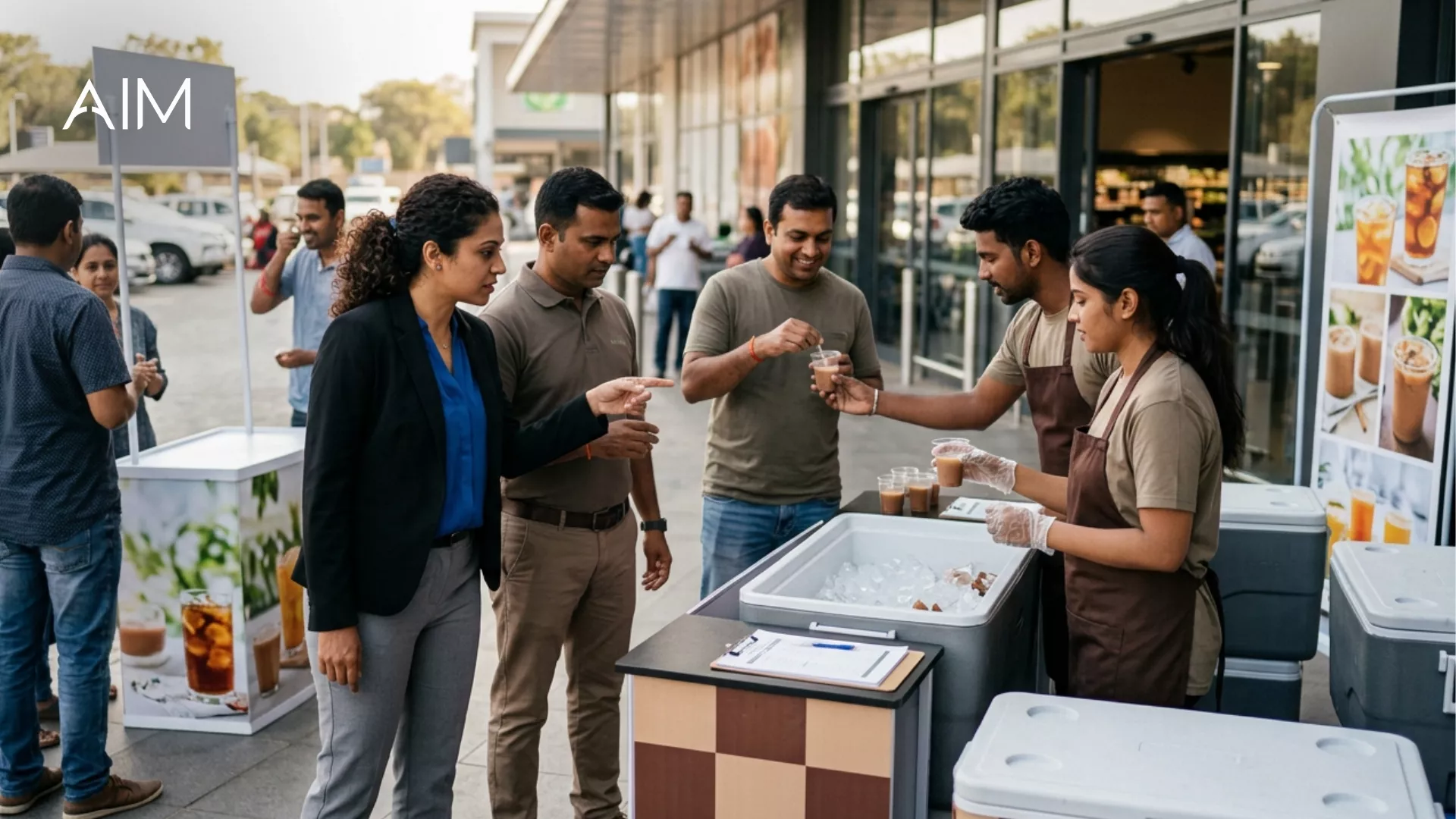
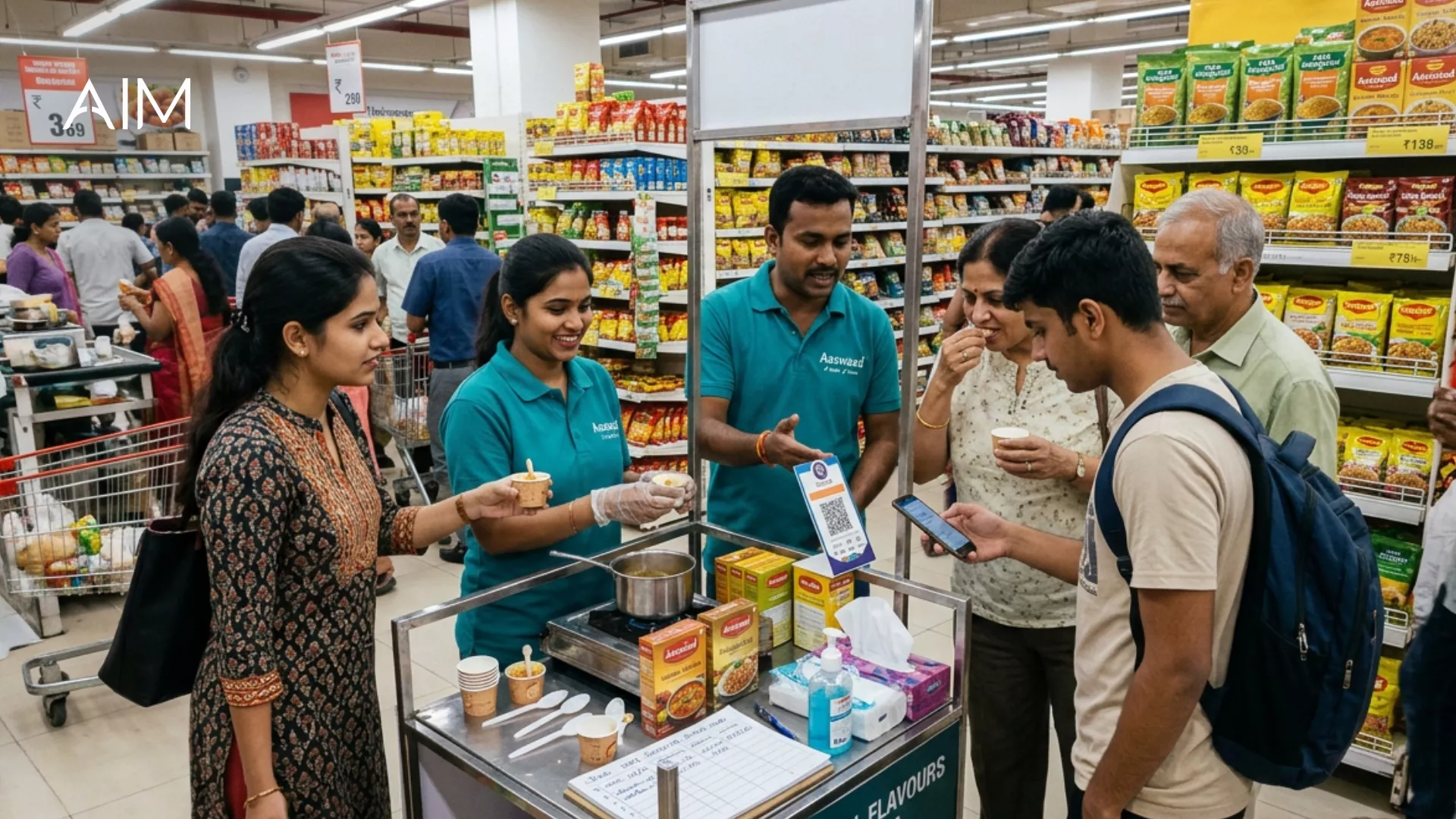
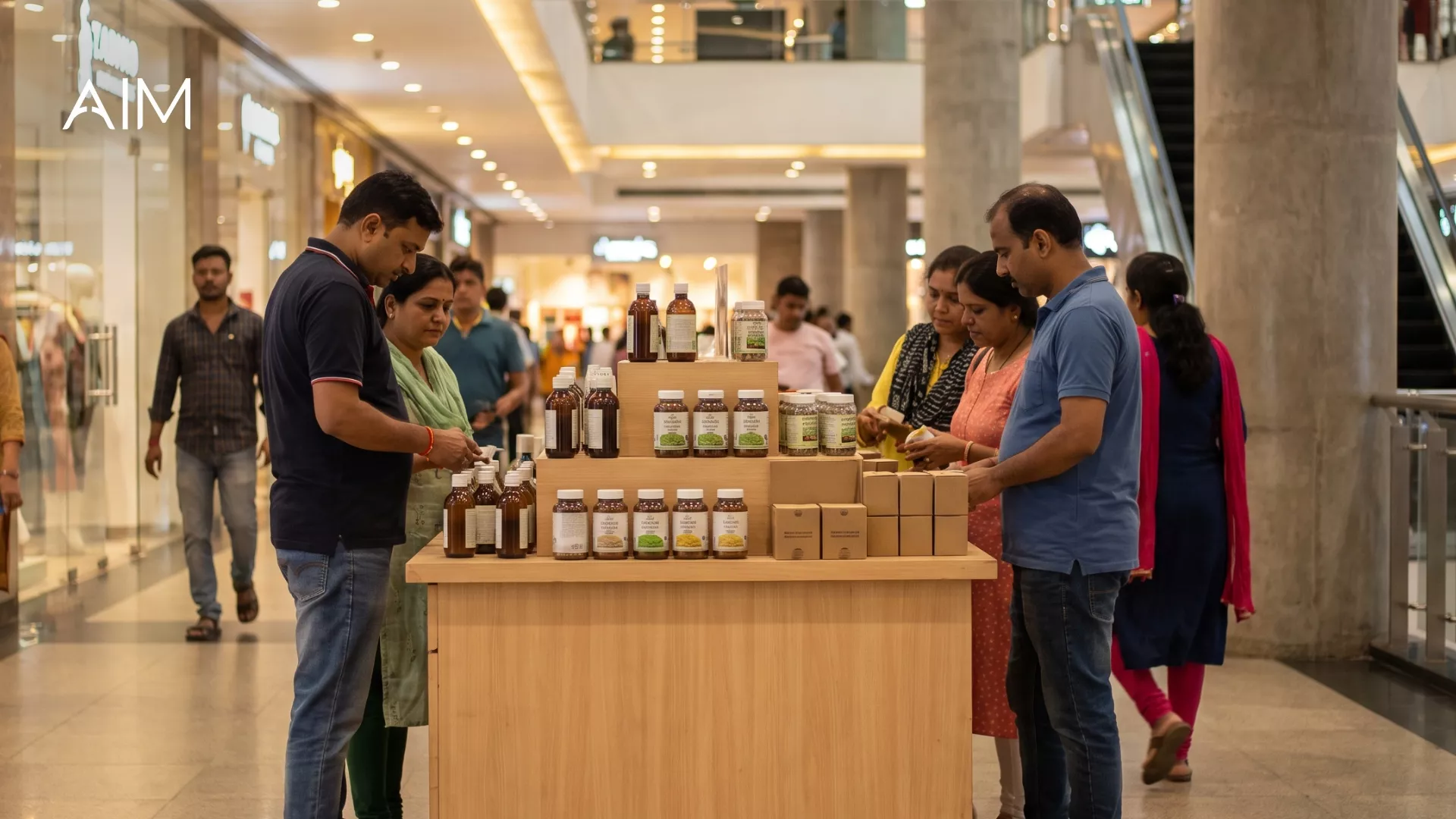
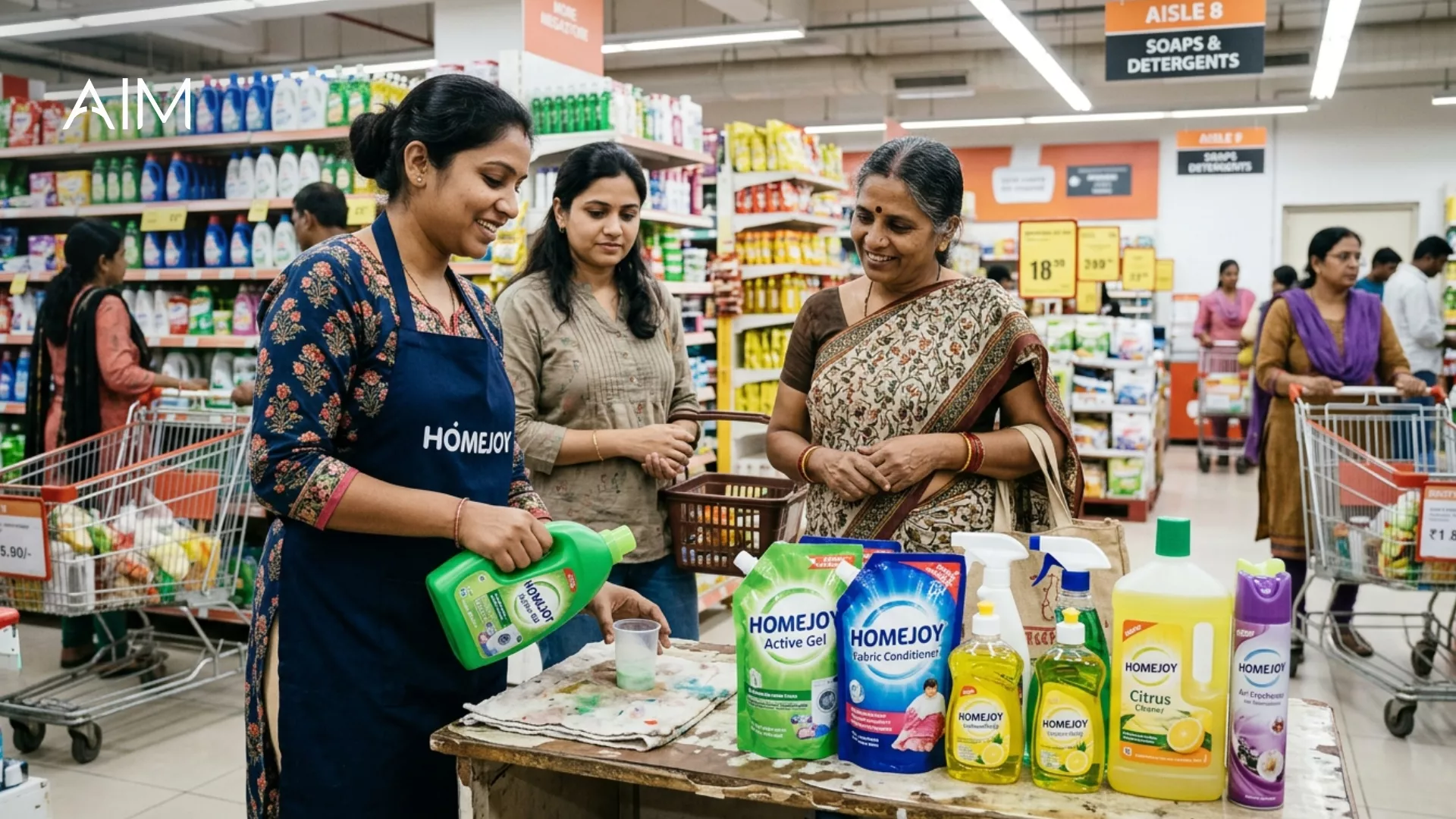
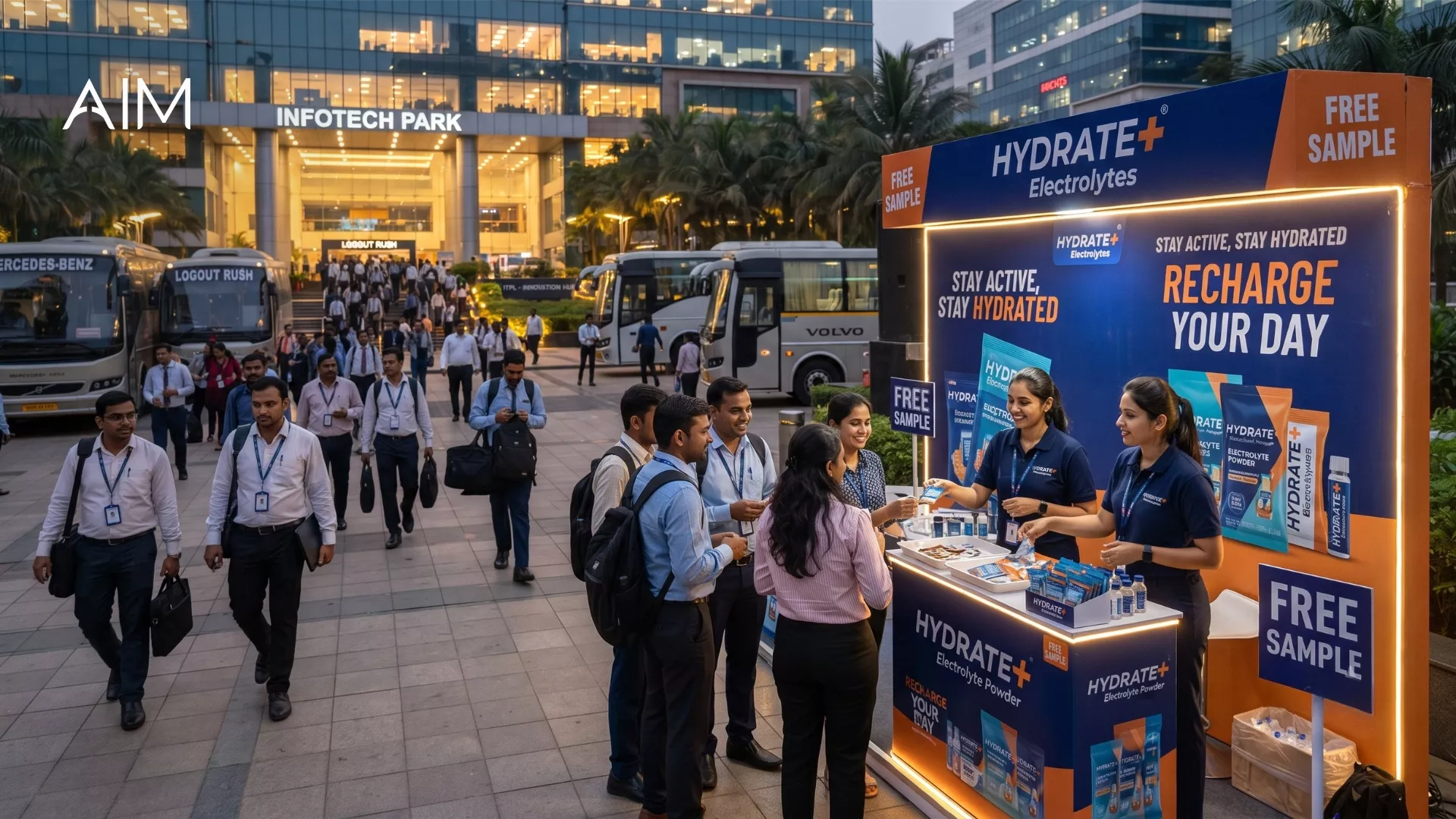
- The channel. Where you sample changes the price. Vet clinics, pet stores, dog parks, pet cafes, breed meet-ups, residential societies with pets, and e-commerce or quick-commerce inserts each carry different access, staffing, and placement costs. A qualified, high-trust channel like a vet clinic may cost more per sample but reach a far better pet parent.
- The volume. More samples cost more, but there are economies of scale. A larger run usually lowers the cost per sample while raising the total, so the trade-off is between depth of learning and total spend.
- How precisely you target. Reaching any pet owner is cheaper than reaching, say, only large-breed dog parents or only cat owners feeding premium food. Tighter targeting and qualification cost more per contact but waste far less product on the wrong pet, which usually makes them cheaper per real buyer.
- Logistics and perishability. Wet and fresh pet products need careful handling, storage, and sometimes cold chain, which adds cost. Dry products are simpler. Geography matters too, a single locality is cheaper to service than a spread across cities.
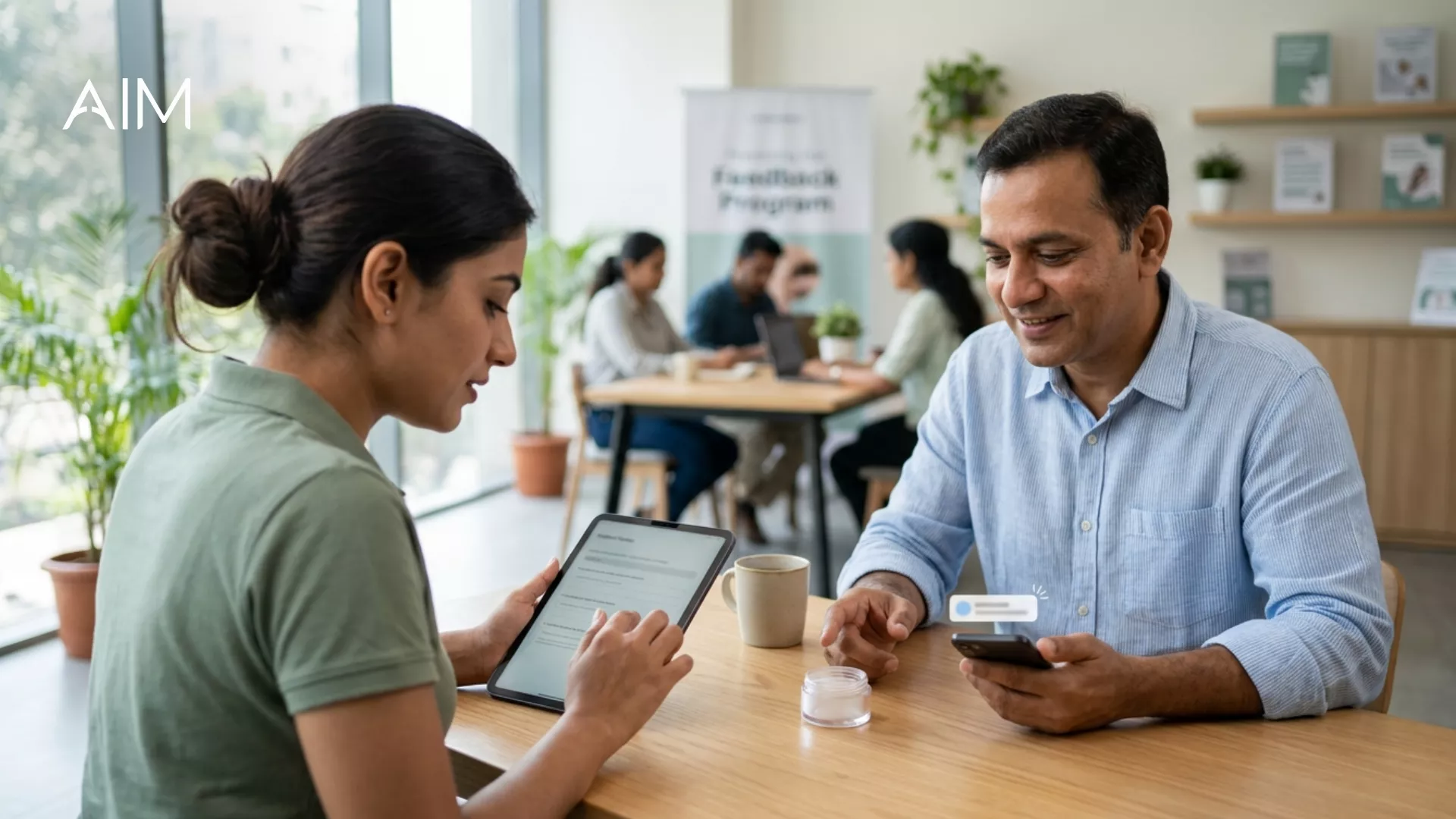
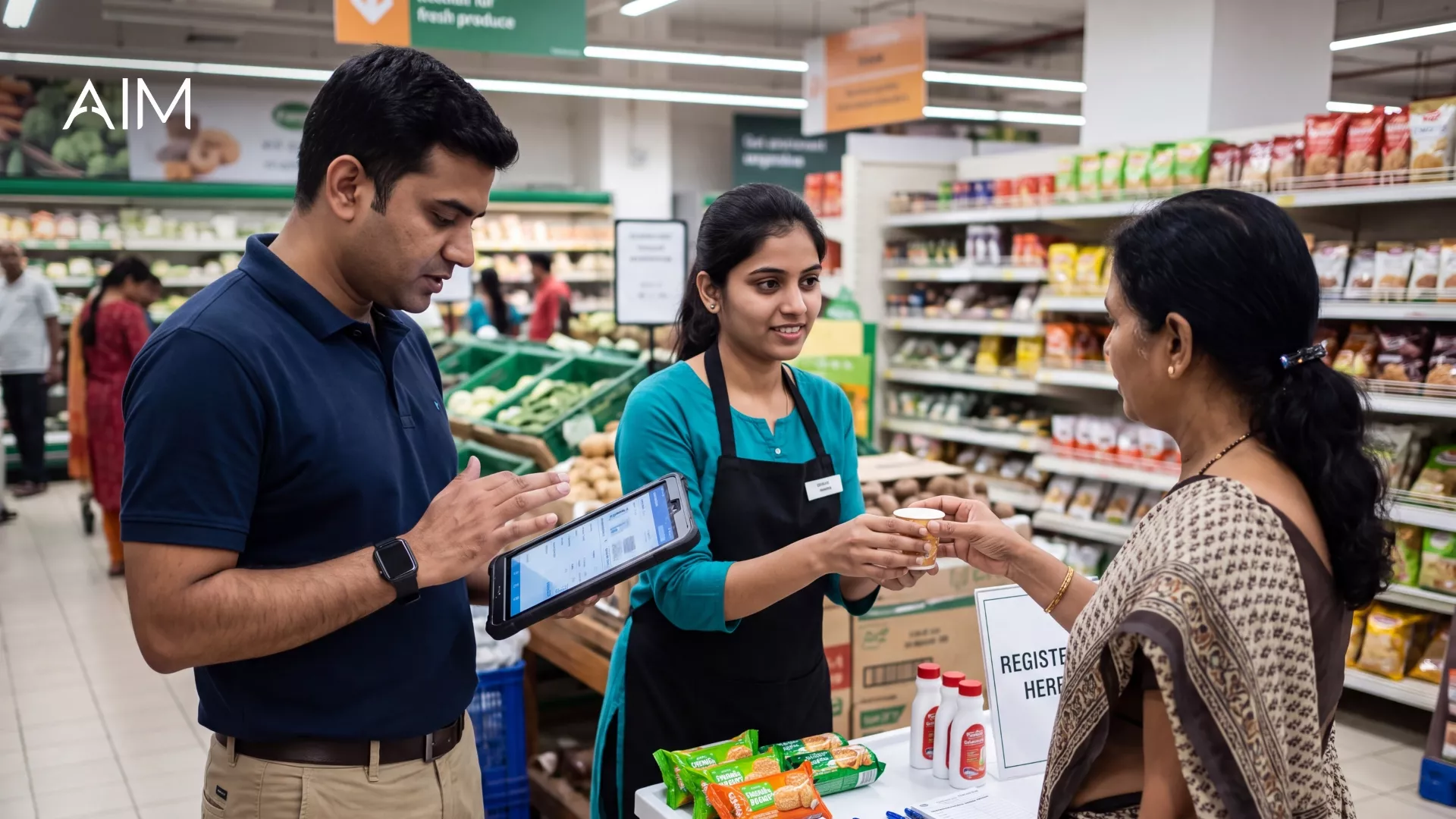
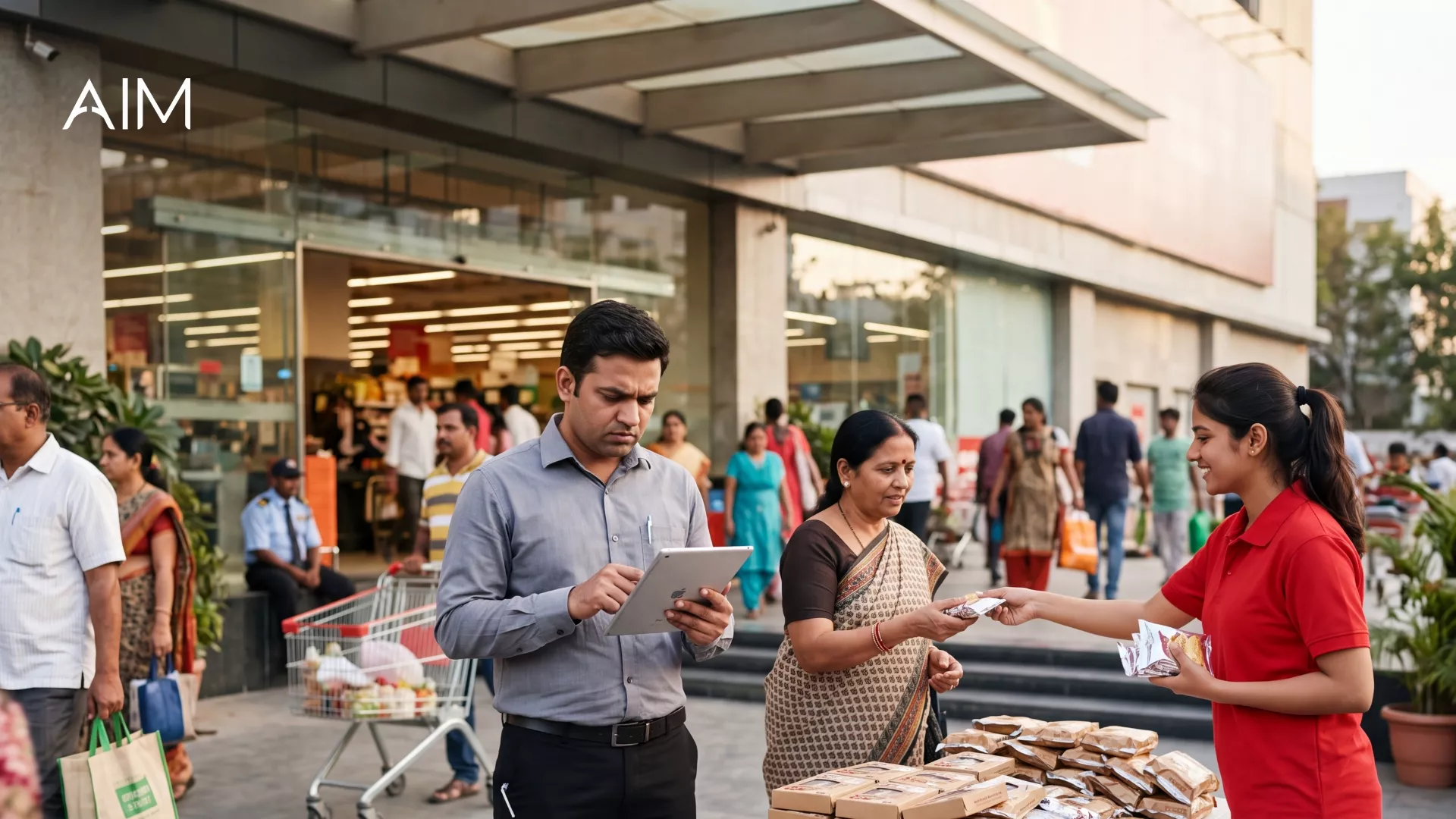
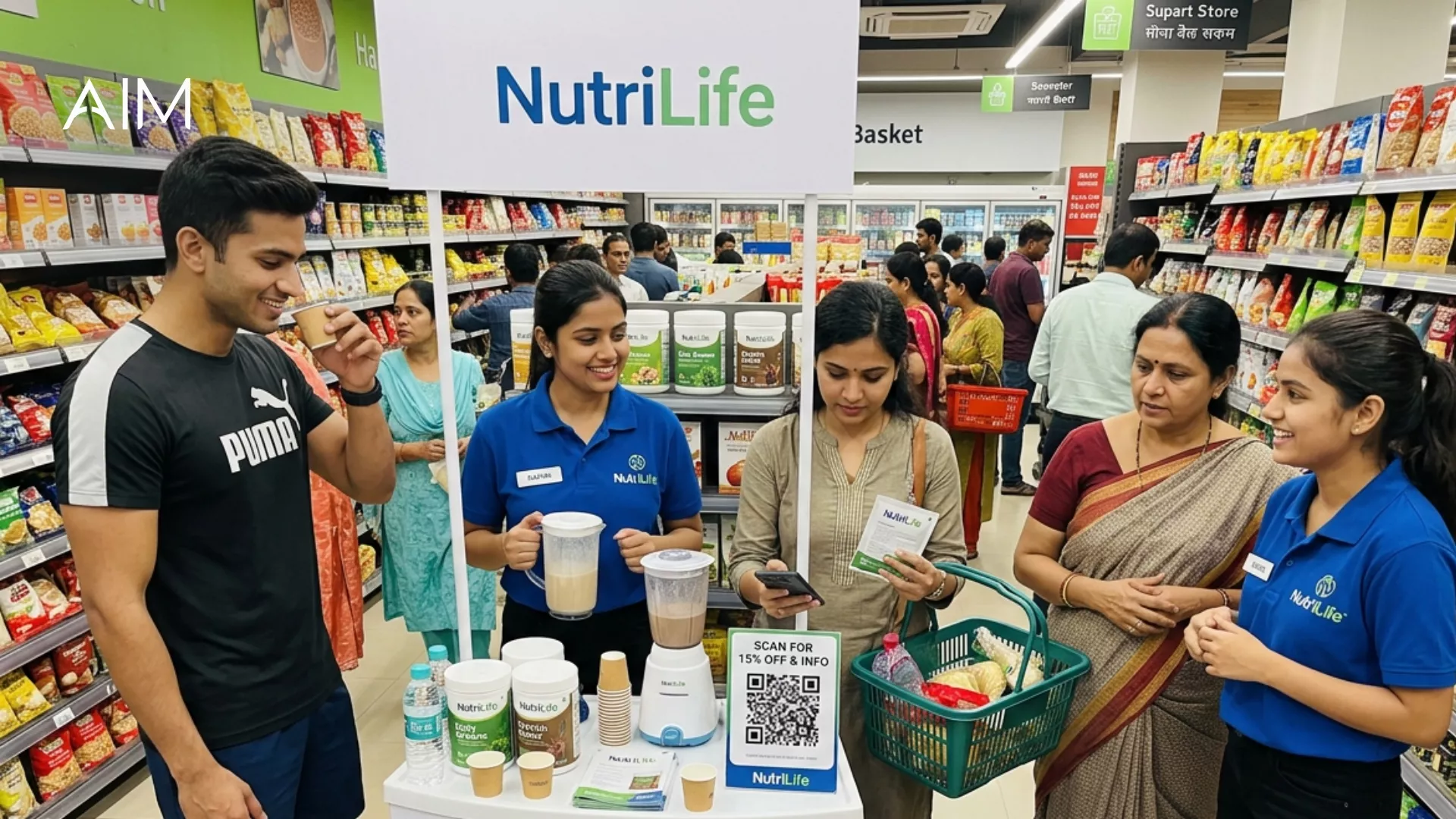
- Capture and tracking. This is the line most cheap quotes leave out. Building in a QR opt-in, a coupon, and tracking from trial to purchase adds a little to the cost and transforms what you get back, because it turns an untracked giveaway into a measured campaign. Paying slightly more to know what worked is almost always worth it.
How much does pet product sampling cost in India?
With those levers in mind, here is a directional picture of what different scales of pet sampling tend to cost. Treat these as starting points that move with your product, channel, and targeting, not as fixed prices.
- Small single-city pilot (test a channel and a target audience): from around Rs 50,000.
- City-level campaign (a proper trial across several locations): low lakhs, scaling with volume.
- Multi-city rollout (scale a proven pilot): higher, driven by cities and sample count.
Note: these figures are directional and illustrative, meant to help you budget, not a fixed rate card. Actual cost depends on your product, channel, sample volume, targeting, logistics, and whether capture and tracking are included. Ask any agency for a quote built around your specific brief.
The reason a small pilot can start modestly is that you are deliberately keeping it tight, a controlled channel, a defined target, a limited sample count, so you can learn cheaply before scaling. That is usually the smartest way to begin, especially for a newer pet brand. A blind, large rollout costs far more and teaches far less, so the goal is to spend enough to get a real read, then put the bigger budget where the pilot proved it converts.
How to spend a pet sampling budget well
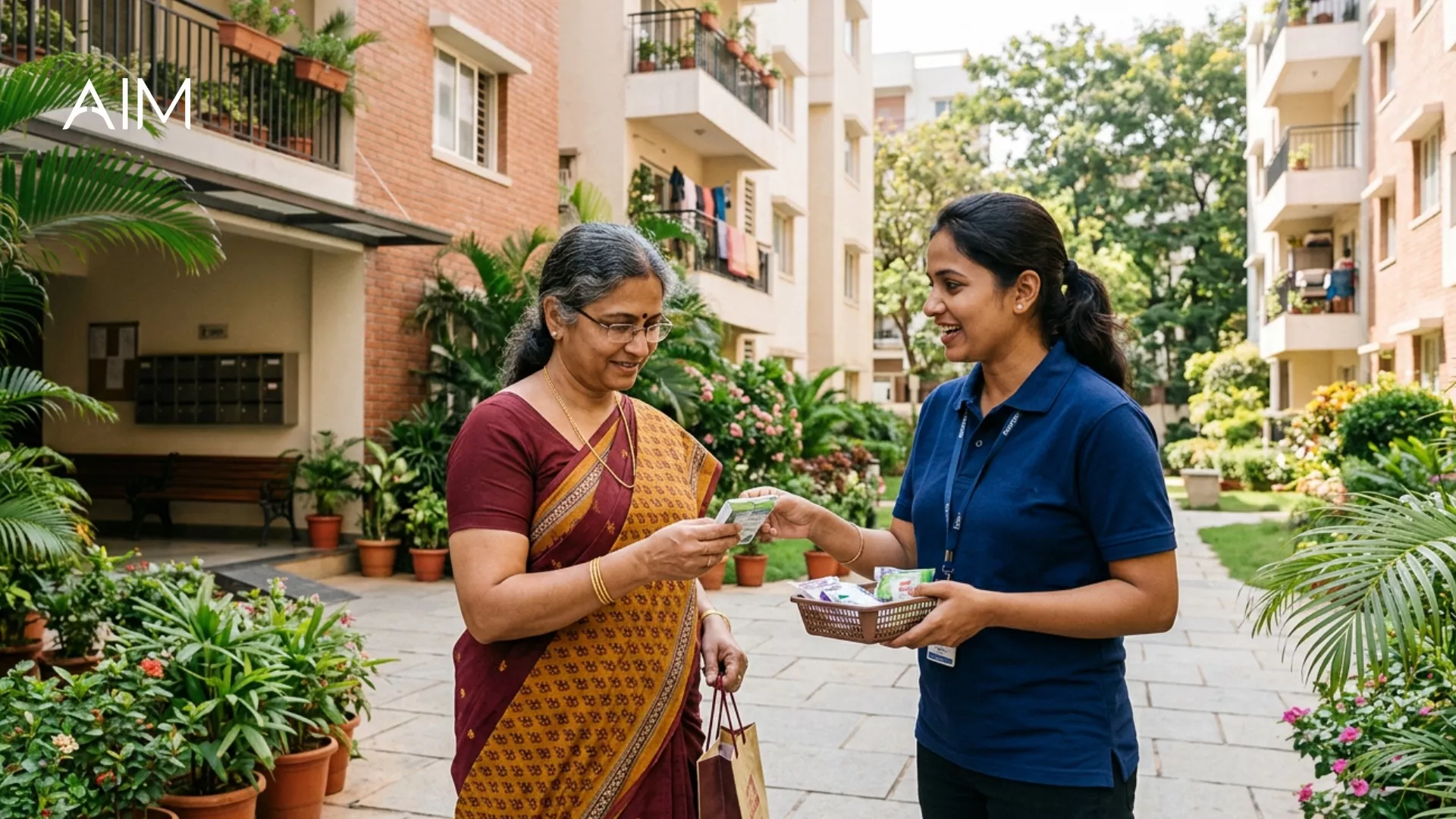
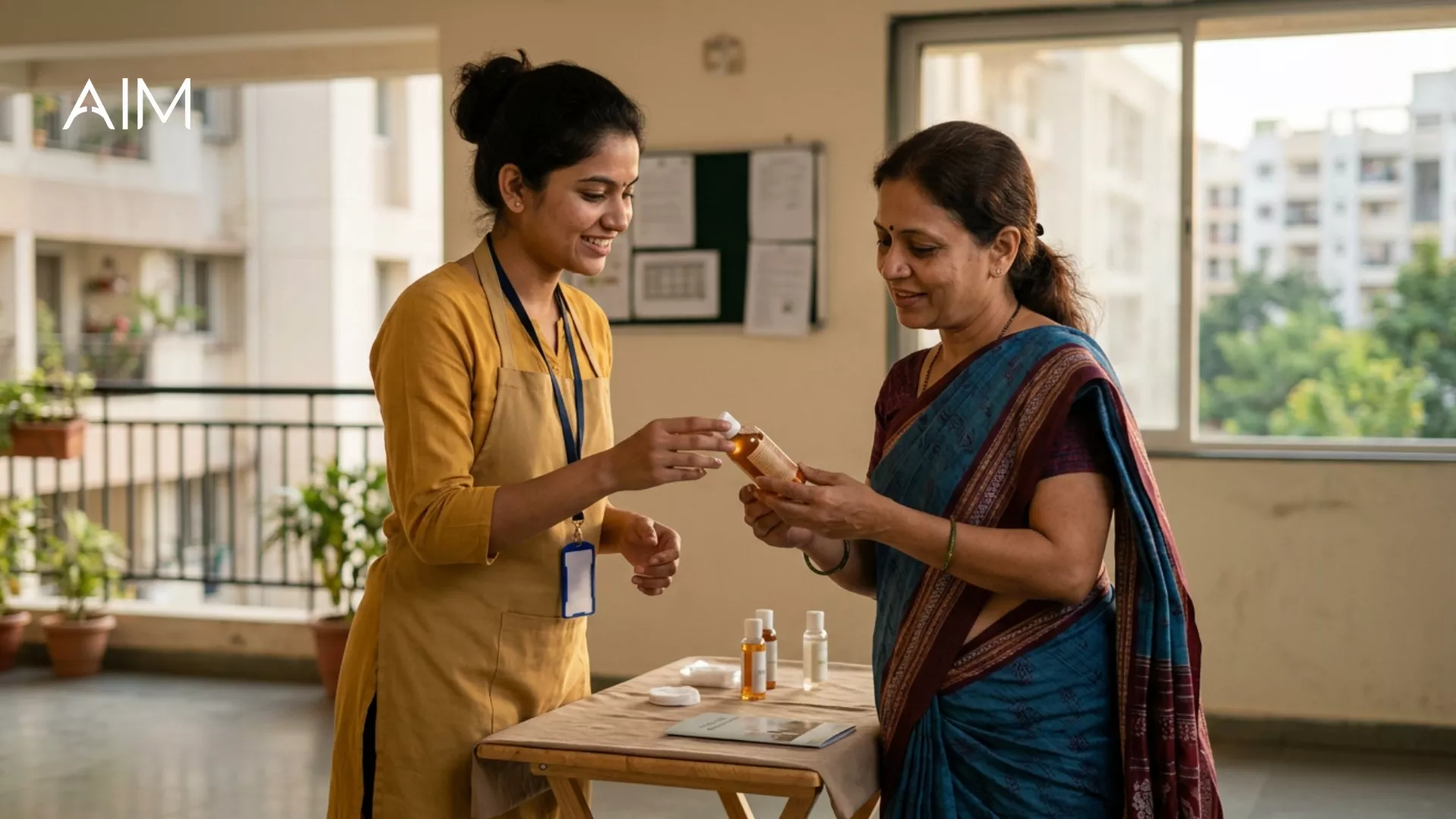
The same rupee goes much further in one channel than another, so where you sample is a cost decision as much as a targeting one. Vet clinics and pet stores cost more per contact but reach owners already spending on their pet, which usually lowers your cost per real buyer. Dog parks, pet cafes, and breed meet-ups reach engaged pet parents in a social, high-trust moment. Residential societies with pets reach owners at home, and e-commerce or quick-commerce inserts drop a sample into an order from someone already buying the category, matched to their basket. A cheaper channel that reaches the wrong owners is not a saving, it is waste at a lower unit price.
The other way to protect the budget is to size the trial to the product. A pet food or supplement proves itself over days, not one bowl, so a sample too small to show a result wastes the whole spend, however low the quote. Give enough to let the pet actually take to it, tie it to a coupon for the full size, and you convert far more of the samples you paid for. Cost per sample is the easy number to compare. Cost per pet parent who reordered is the number that decides whether the campaign was cheap or expensive.
What should the price actually include?
A cost line for pet sampling should cover more than the samples and the promoters. A complete quote includes the sample handling and logistics, the staffing and channel access, the targeting and qualification of pet parents, and, crucially, the capture and reporting, how you will know who took the sample and whether they bought. If a quote only covers making and handing out product, it is cheaper for a reason: it is a giveaway with no way to prove it worked. The extra spent on tracking is what tells you your real cost per acquired customer, which is the only number that lets you judge whether the campaign paid off.
Is pet product sampling worth the cost?
Yes, when it is targeted and tracked, and for a clear reason. A sample removes the two things that stop a pet purchase: doubt about whether the pet will actually eat or accept the product, and the risk of spending on something that ends up rejected. Put the right product in front of the right pet parent and a good reaction from the pet does the selling, often faster than any other channel. But the value only shows if the campaign reached real, qualified pet parents and was built to capture what happened next. Sampling does not fail to justify its cost because trial does not work for pet products. It fails when the samples went to the wrong owners and nobody was counting who bought.
So how much does pet product sampling cost in India? Enough to matter, and worth it when it is done right, from a modest single-city pilot to a larger multi-city campaign, shaped by your product, channel, and how precisely you target. The brands that get the most from the spend do not chase the lowest quote. They pay for the right pet parents, the right channel, and the tracking that proves it worked. That is how AIM approaches pet care sampling: sample the right pet parents, capture them at trial, and track from the first bowl to the reorder, so your budget buys buyers, not boxes handed out.




.webp)





.png)