


A founder asked me last week whether she should run mall sampling or just mail her product to people who signed up online. Good question, wrong first question. Because the honest answer is that neither one is right or wrong until you know who you are trying to reach and what you need the sample to prove.
That is the part most brands skip. They pick a sampling format the way they pick a restaurant, by what worked last time or what the vendor is pushing this quarter. Then they wonder why 20,000 samples went out and the sales line never moved.
Let me be very clear with you. There is no single best product sampling solution. There is only the one that fits your buyer, your product, and your goal. Get that match right and sampling becomes the cheapest honest trial you will ever run. Get it wrong and you have funded a giveaway with good photos.
So before you choose a format, sit with five questions.
Who is your buyer, and where do they already gather?
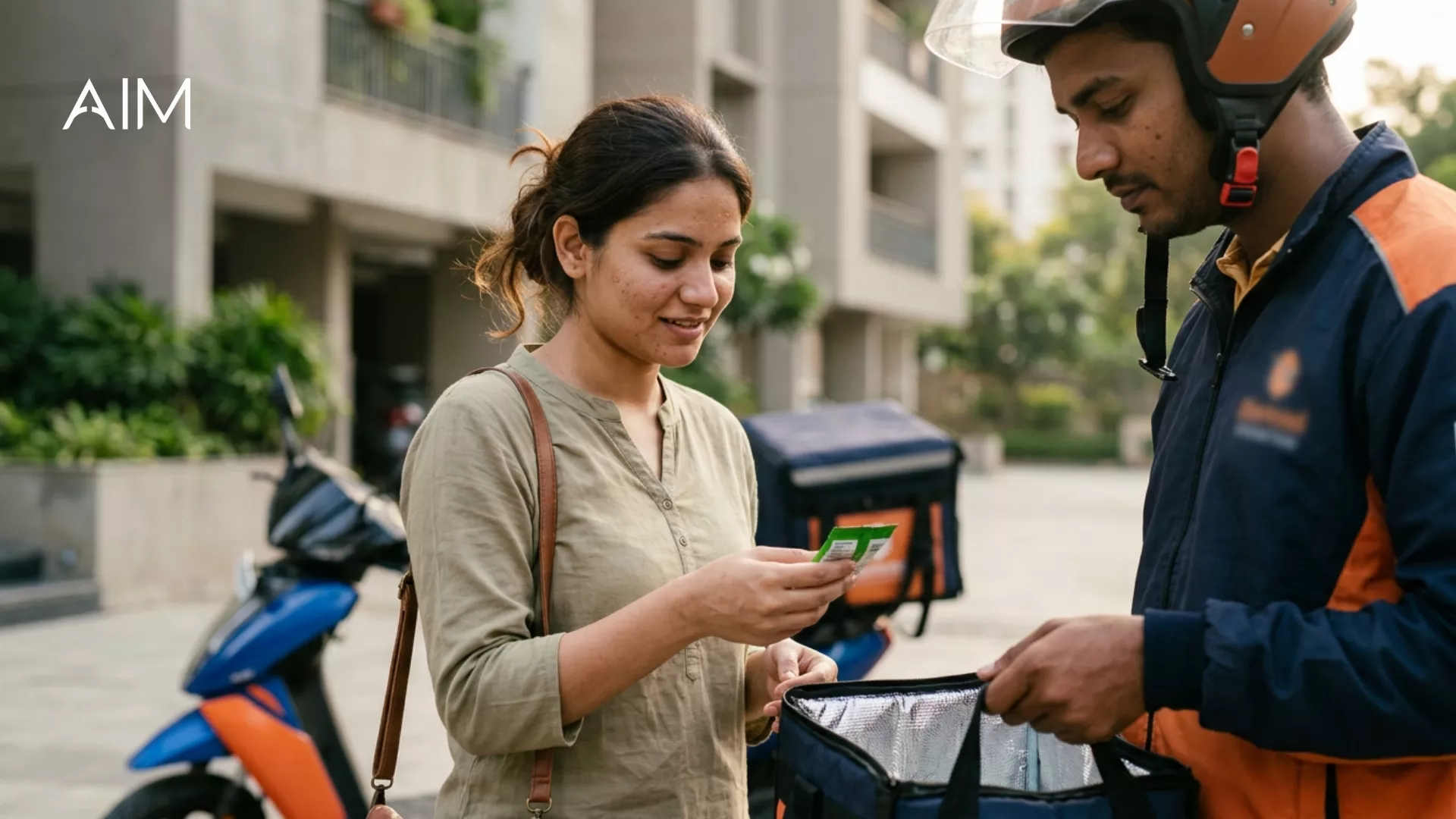
This is the one that decides everything else. A beauty buyer and a biscuit buyer do not stand in the same place. If your customer is a young mother in a gated society, residential sampling reaches her at her door. If she is a working professional who buys everything on Blinkit, a sample dropped into her order will beat any mall table. The format follows the buyer. It never leads.
Most wasted sampling money comes from one mistake: choosing a location for its footfall instead of its fit. A crowded mall is still the wrong place if your buyer does not shop there.
What does the product need to prove?
Some products sell on one taste. A cold drink, a namkeen, a chocolate. One good bite and the decision is made, so a high-traffic tasting works. Other products prove themselves over time. A face serum, a supplement, a detergent. Those cannot be judged from a single-use sachet, so the format has to give enough product, and enough days, to show a result. Match the trial size to how long the benefit takes to appear. This one rule kills more campaigns than any budget cut.
What are you actually trying to do?
Awareness, trial, and repeat purchase are three different goals, and they do not use the same format. If you want reach at a launch, an event or a roadshow makes sense. If you want qualified trial, targeted door-to-door or e-commerce inserts do the job. If you want repeat, you need a format that captures the person and follows them to a second purchase. Decide the goal first. The format is downstream of it.
Can you measure who took it?
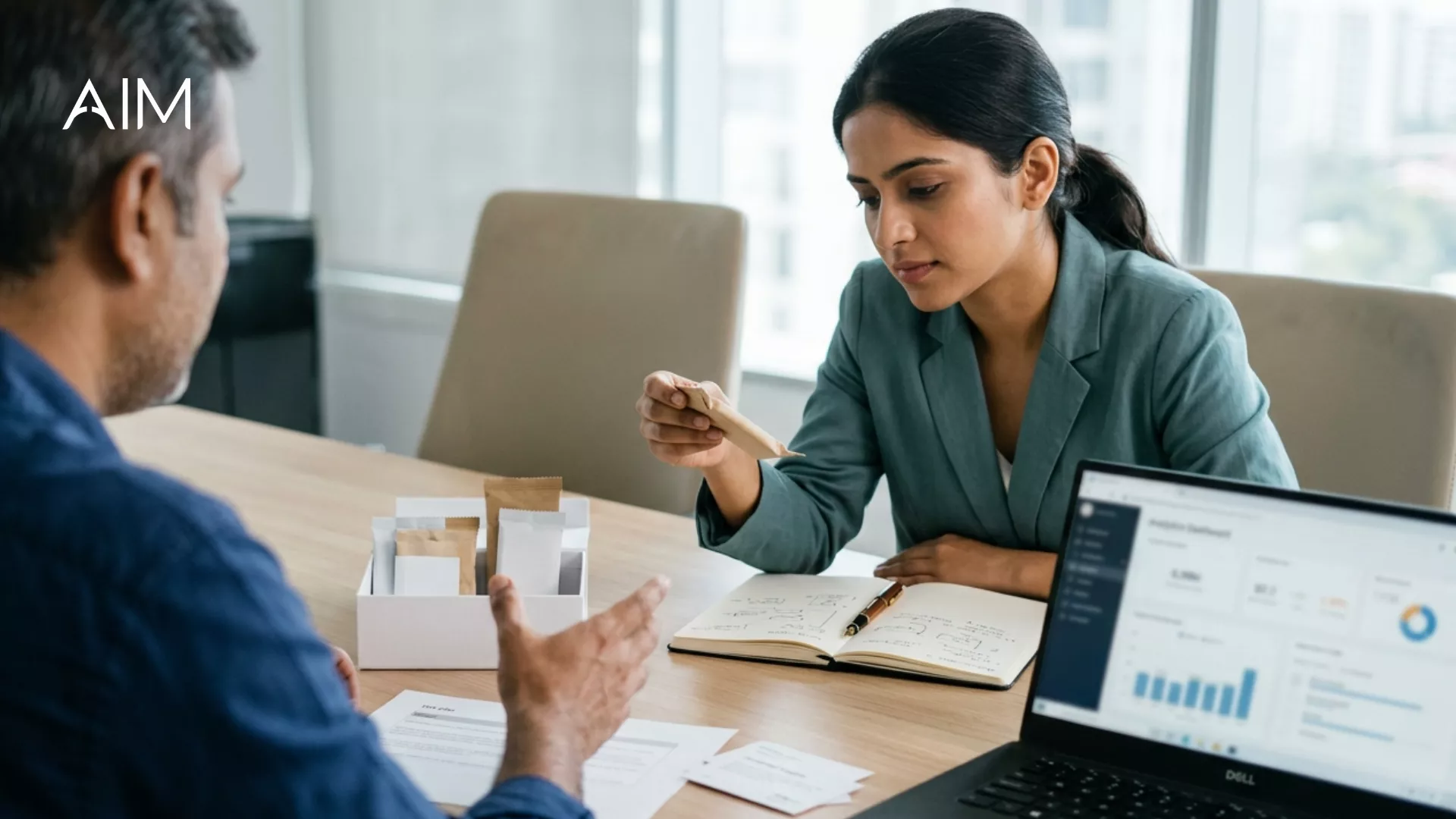
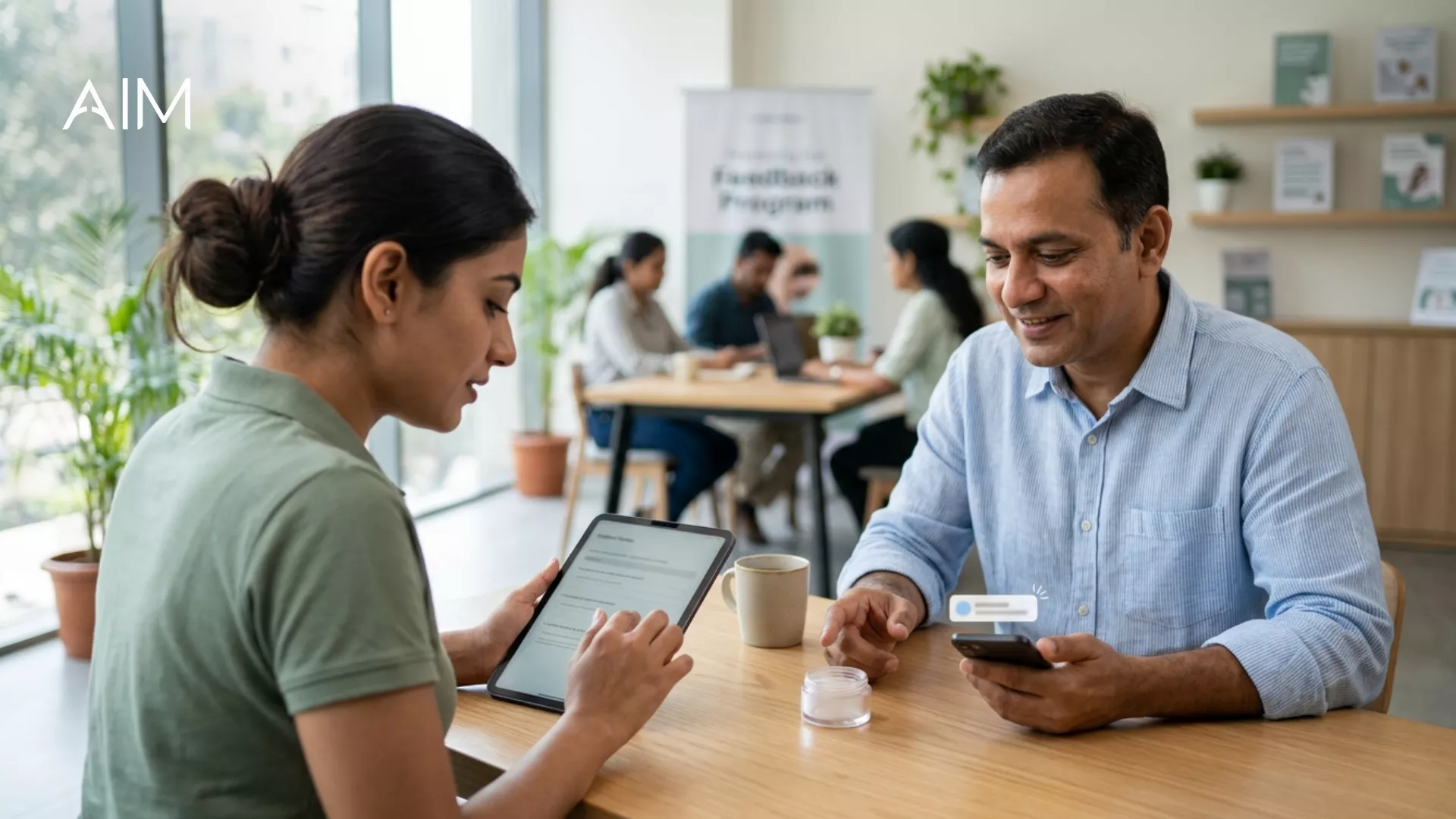
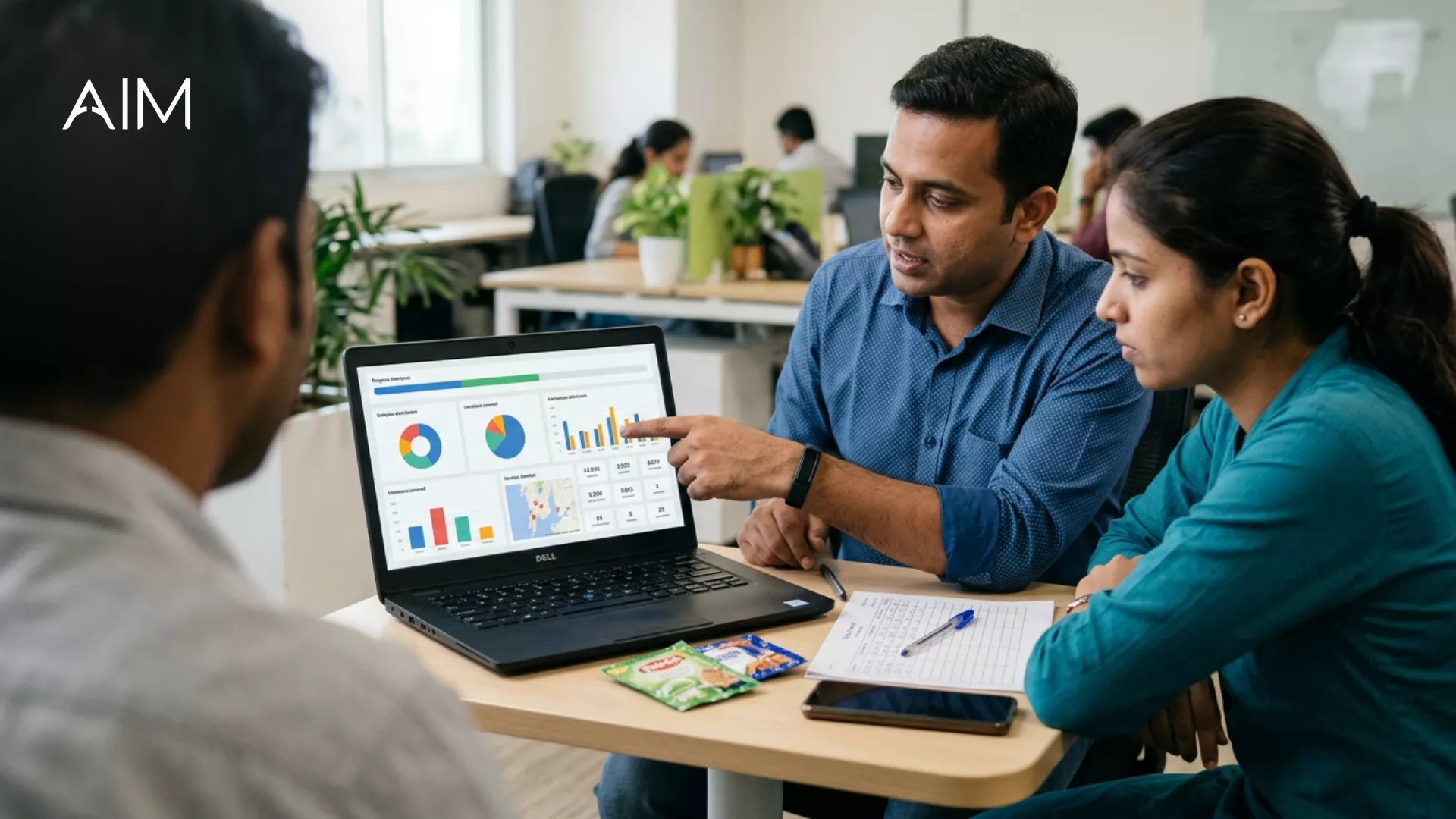
Here is where I get blunt with clients. If a sampling solution cannot tell you who took the sample and whether they bought, it is not a campaign, it is a donation. Every format can be built to capture. A QR opt-in at the point of trial, a coupon tied to the sample, a code that redeems online or in store. If the vendor cannot explain how you will know what happened after the sample left your hands, that is your answer about the vendor.
What is your budget, and can you afford to guess?
Most brands have a fixed sampling budget for the quarter. That changes the maths. When you cannot re-run, a smaller targeted pilot beats a large blind rollout every single time. I would rather put a brand in front of 2,000 of the right people and learn, than 20,000 of the wrong ones and hope. Sampling is controlled market learning. Treat the first run as an experiment that earns you the second one.
Now, with those five in hand, here is how the common solutions actually sort out.
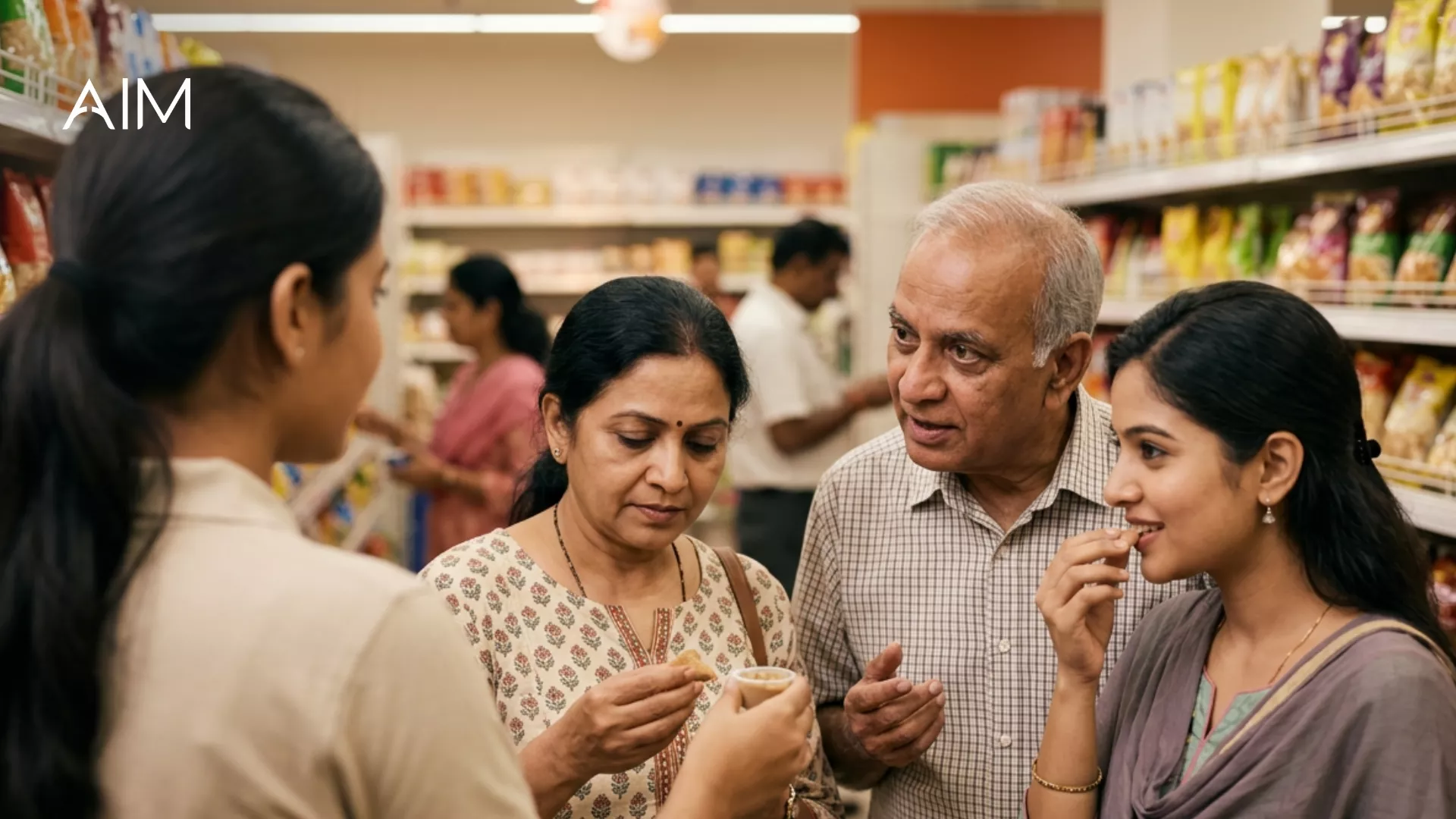
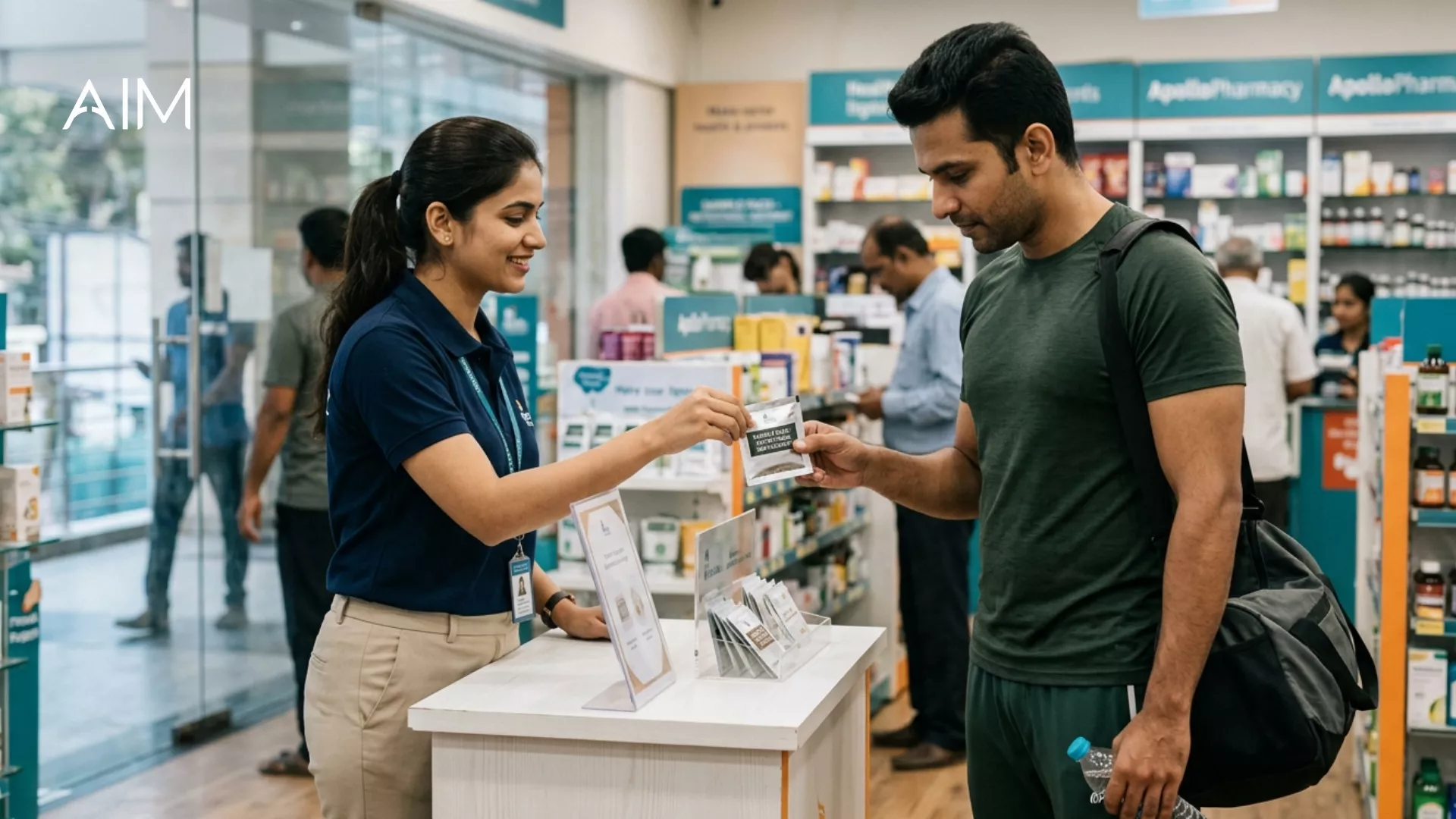
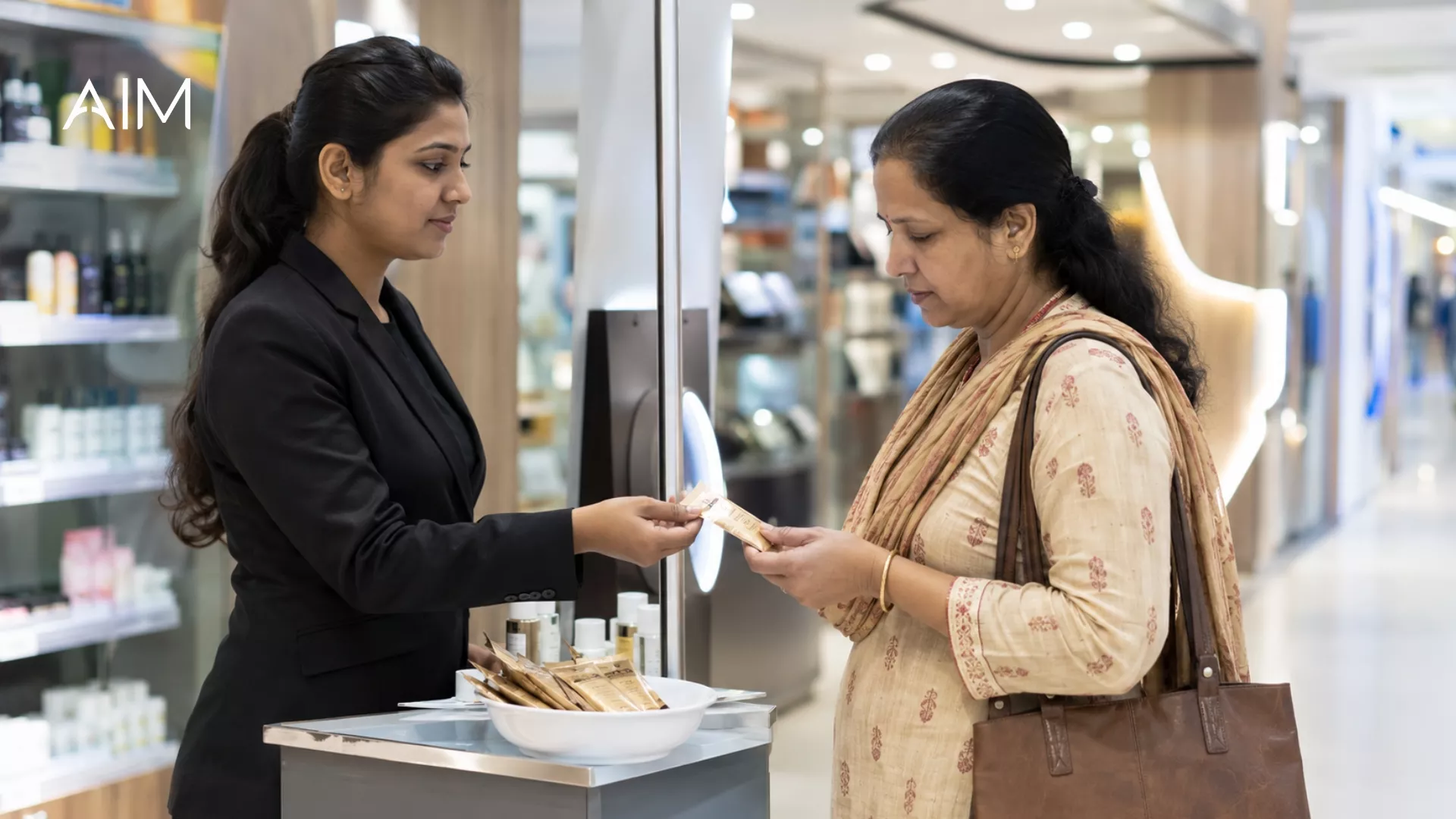
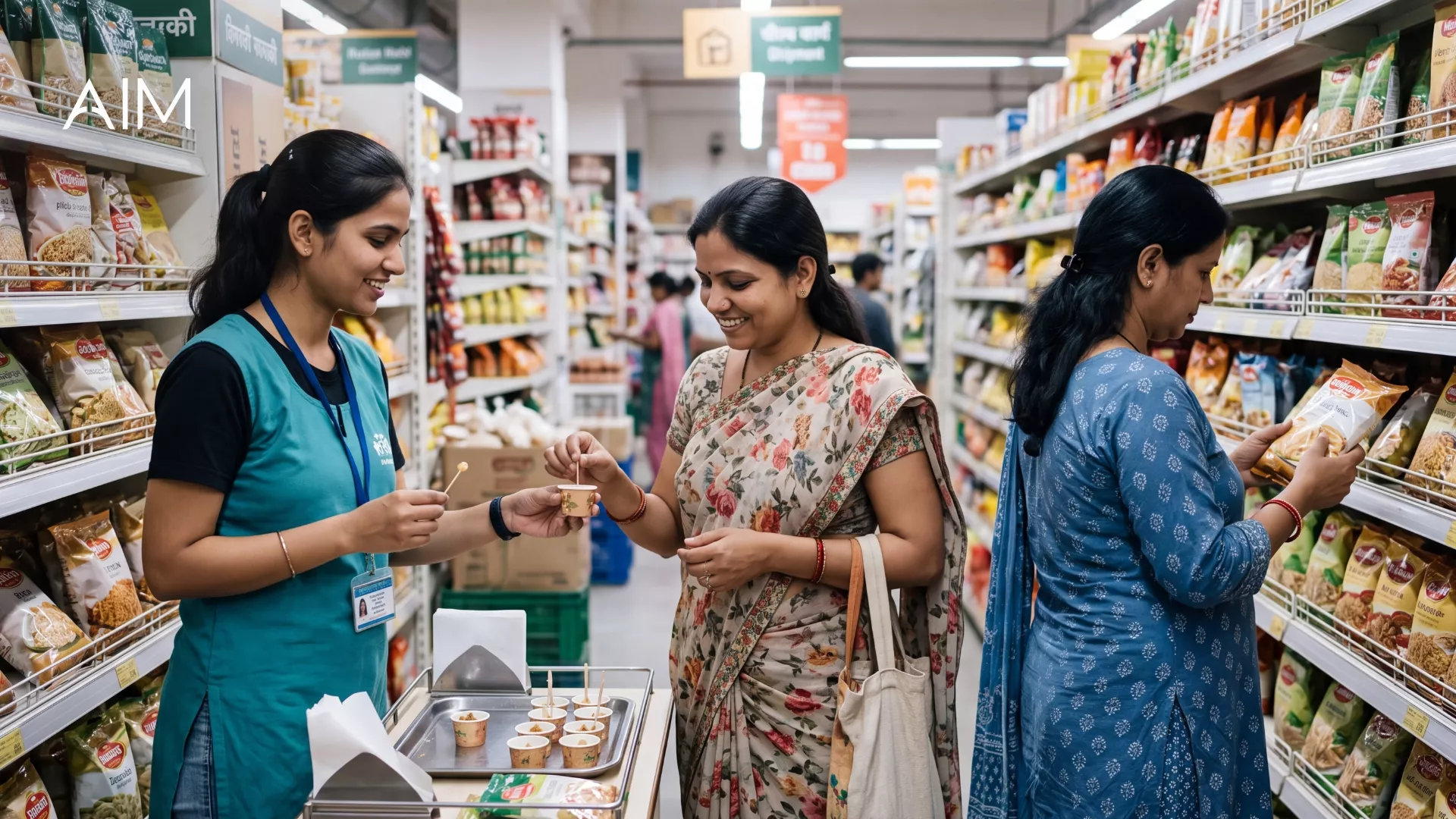
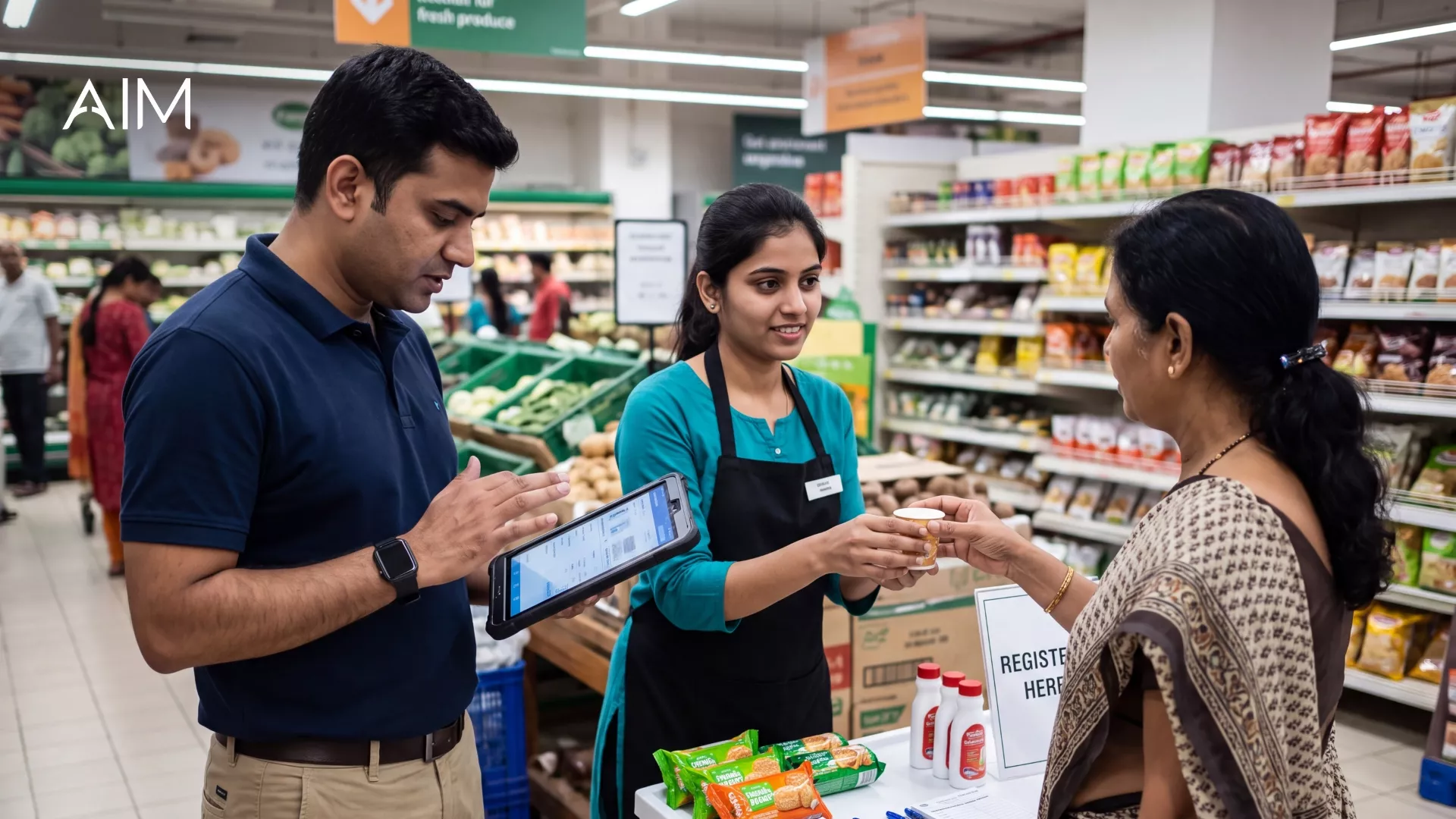
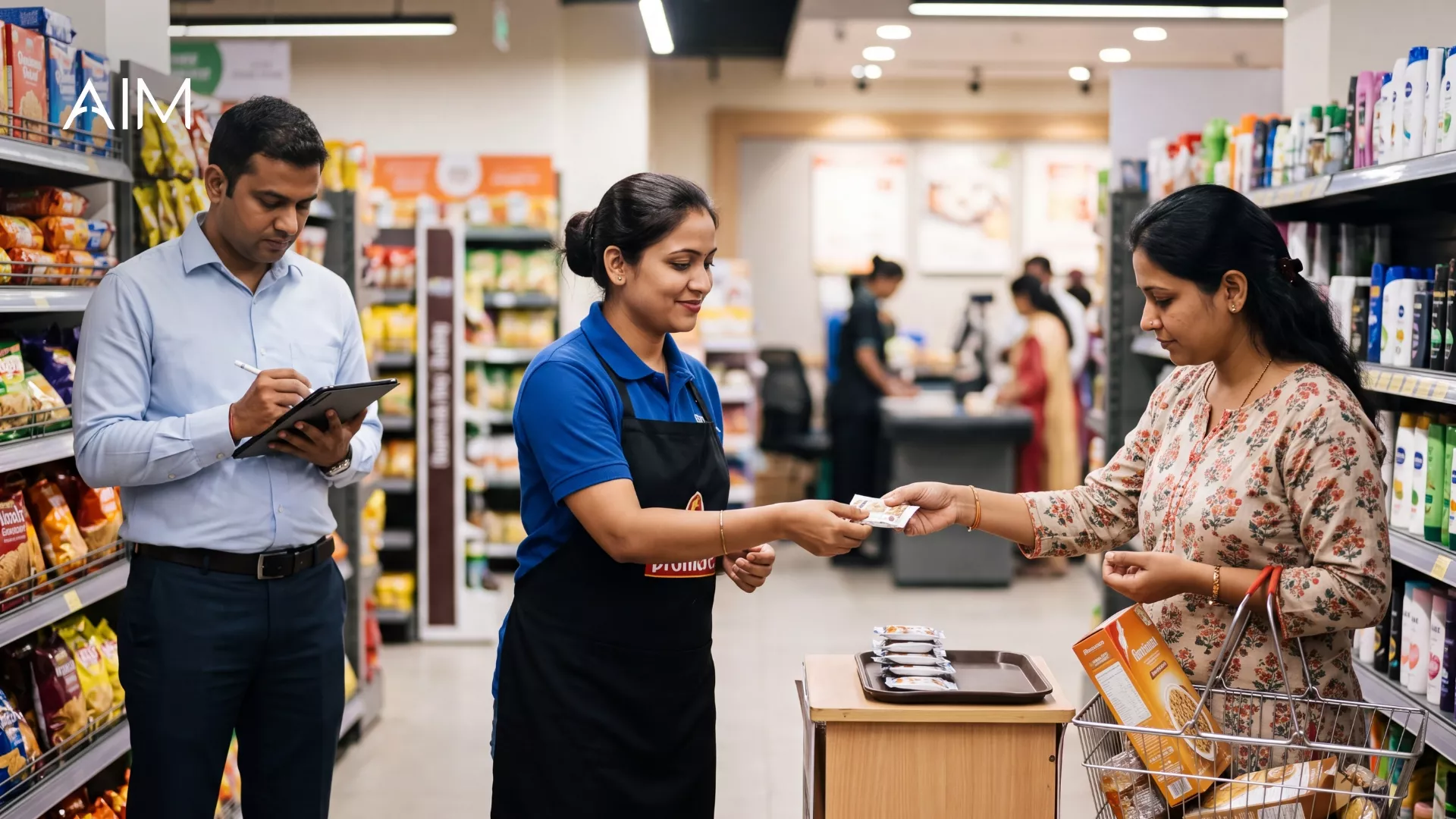
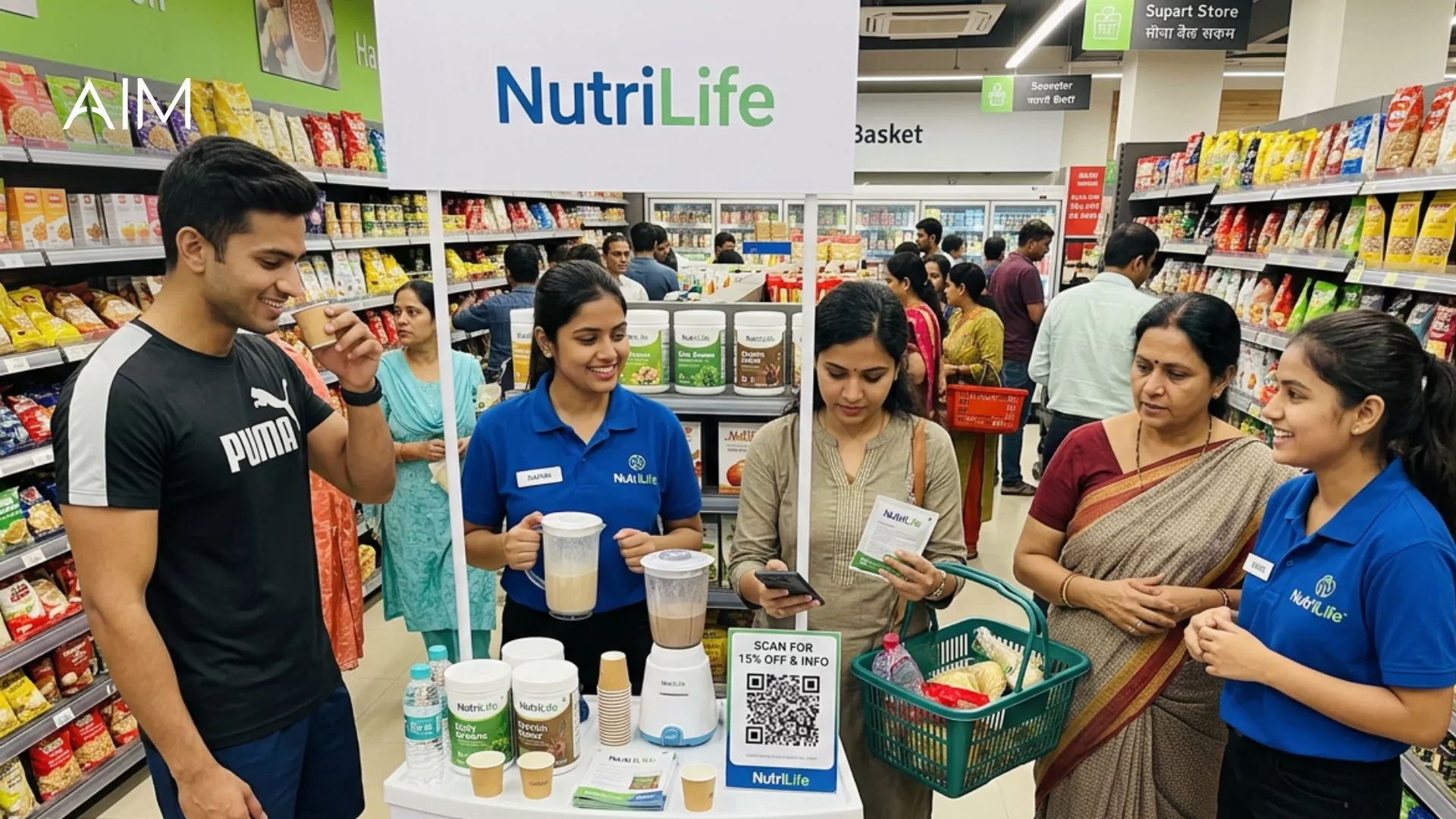
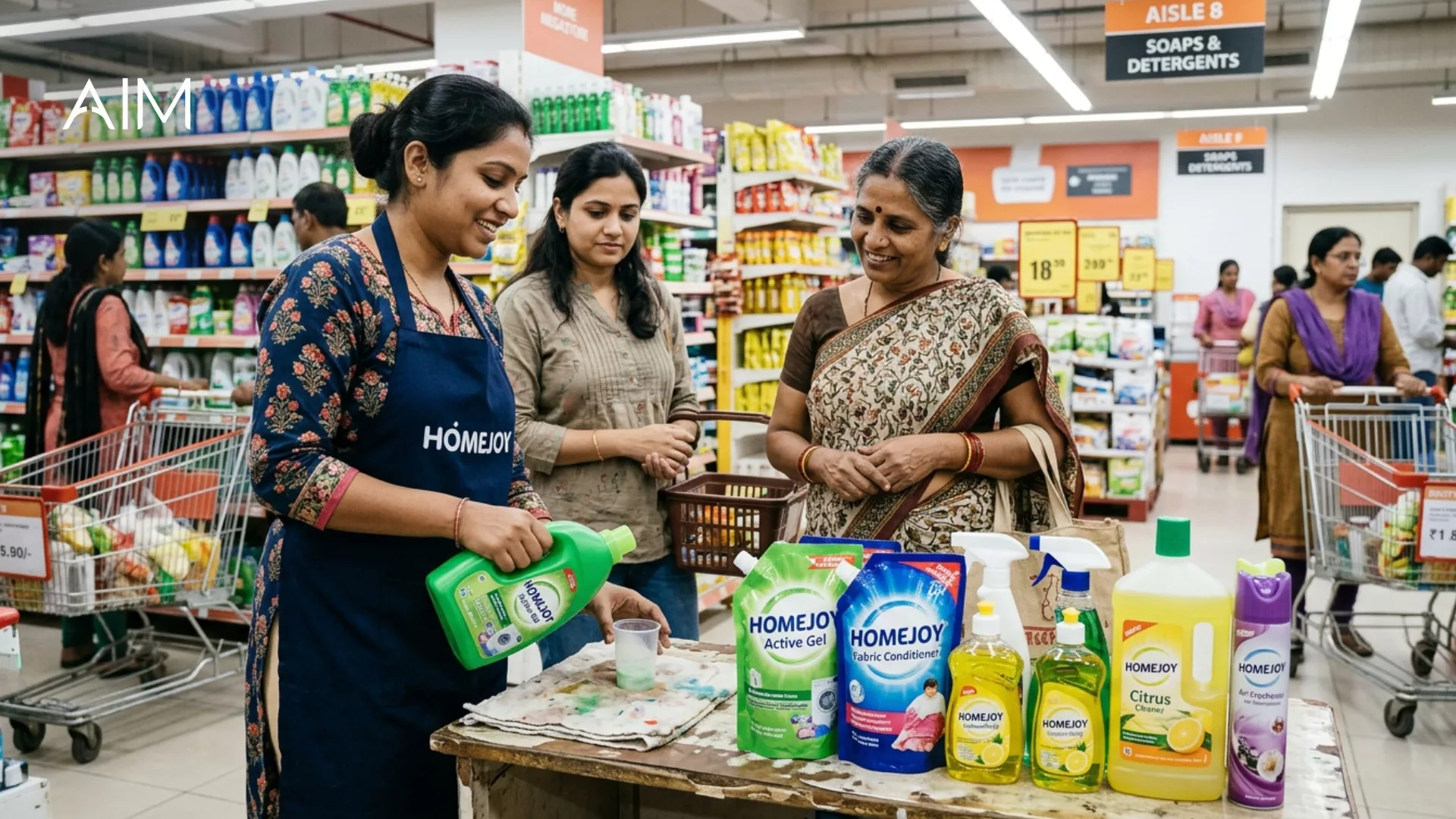
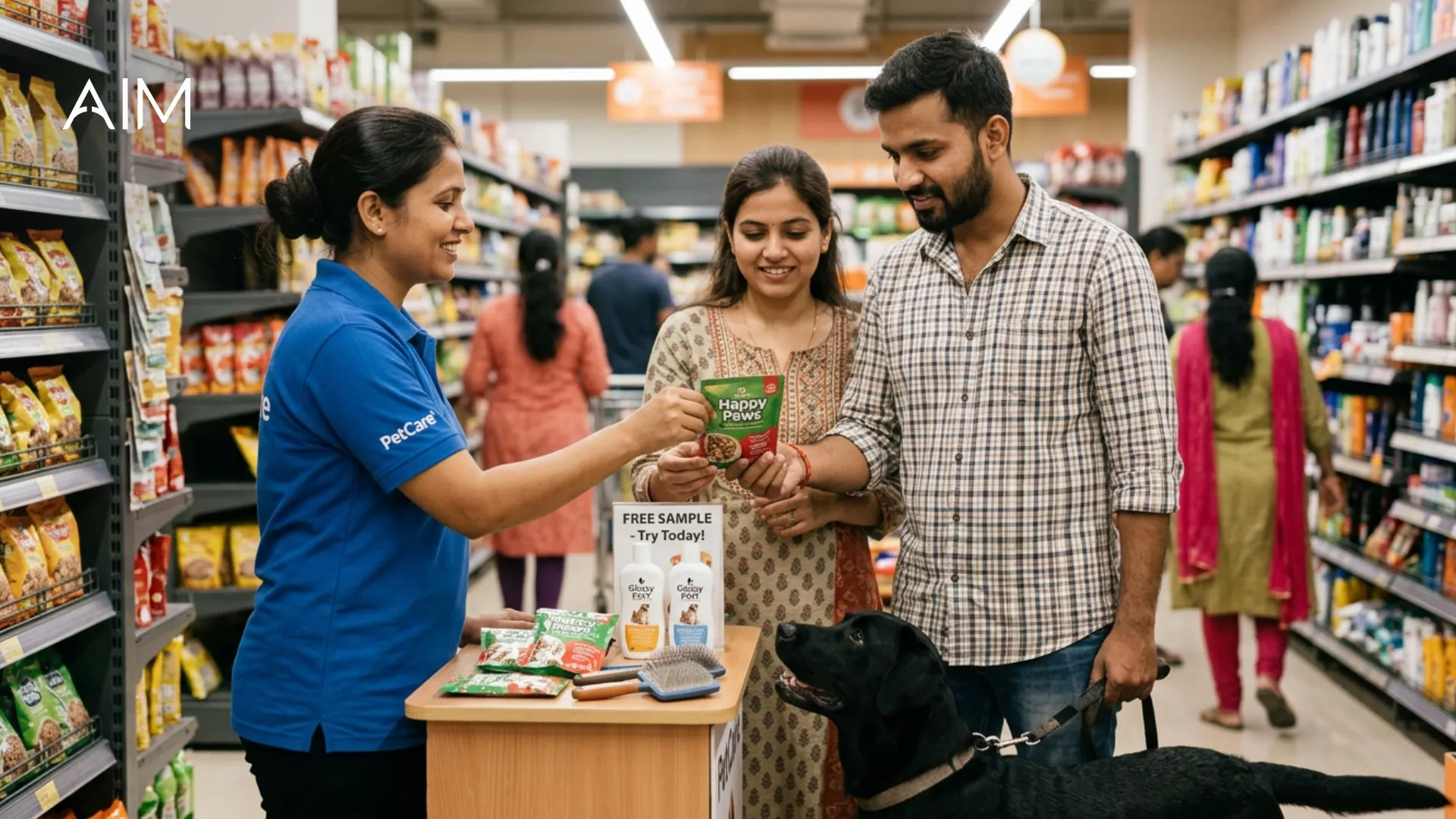
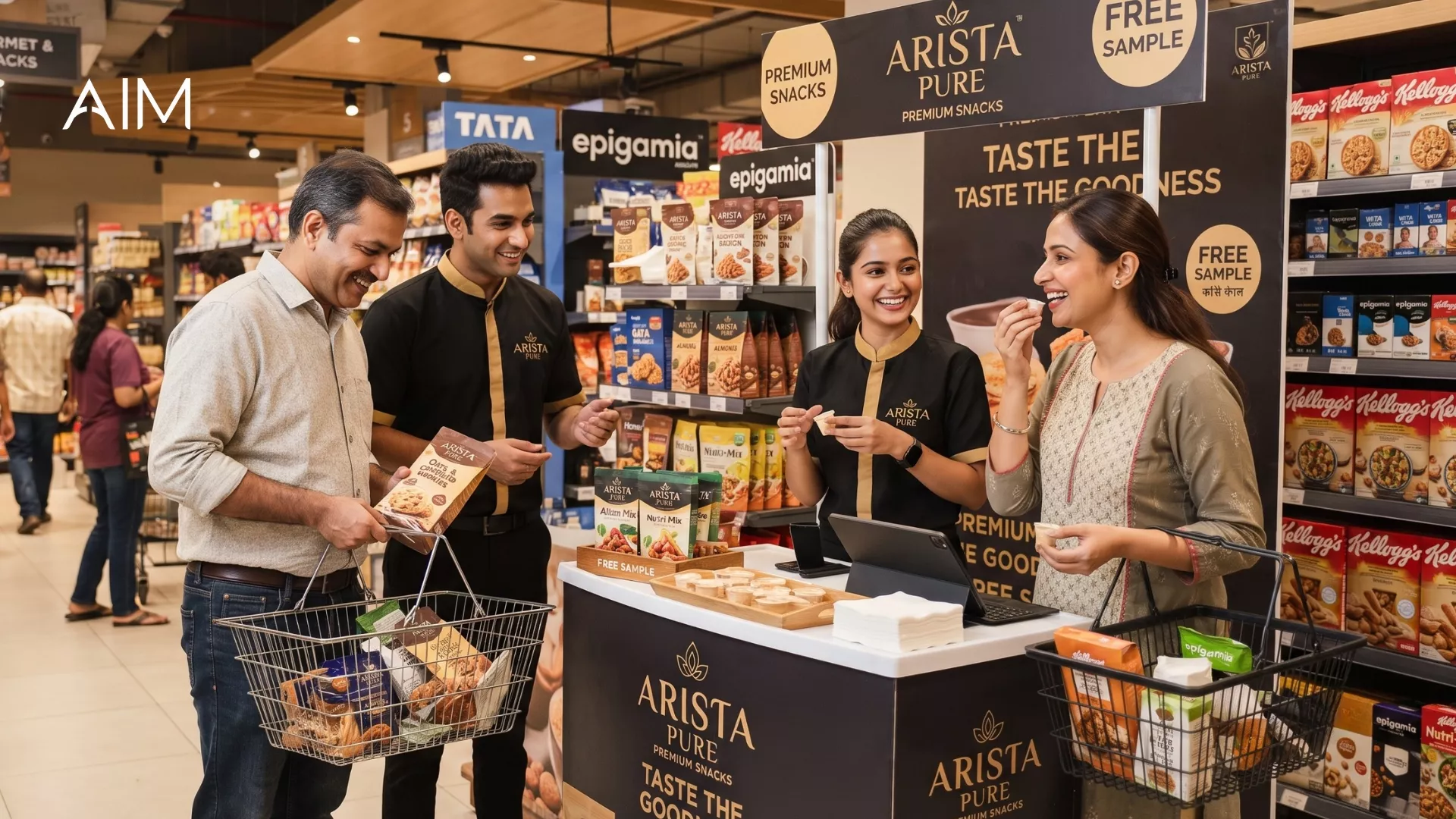
In-store and modern trade sampling fits impulse and everyday categories where the buyer decides at the shelf. Food, beverages, personal care. It works when your product travels well and the store's shopper matches your buyer. It struggles when the store's crowd is broad and you have no way to qualify who tasted it.
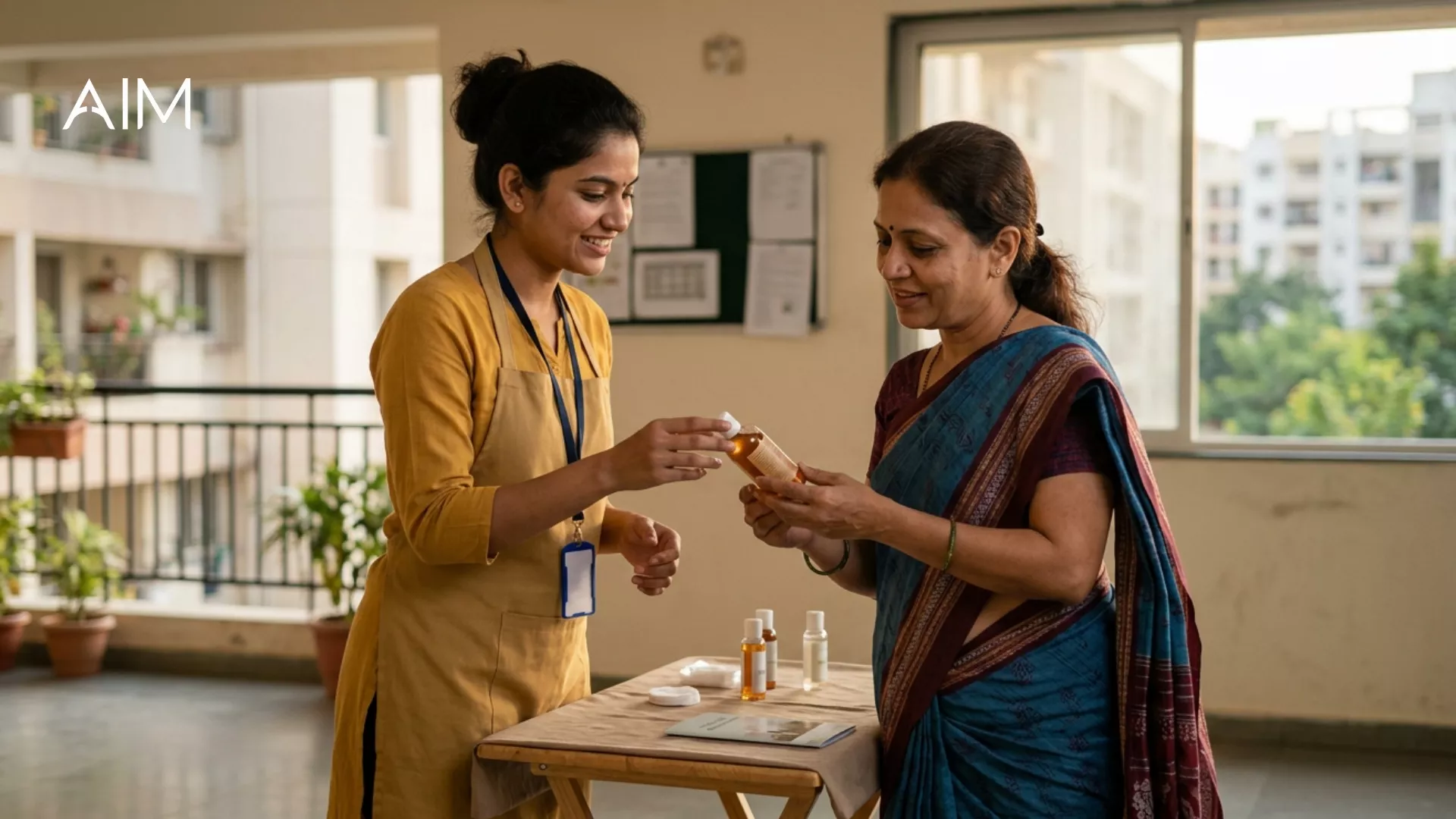
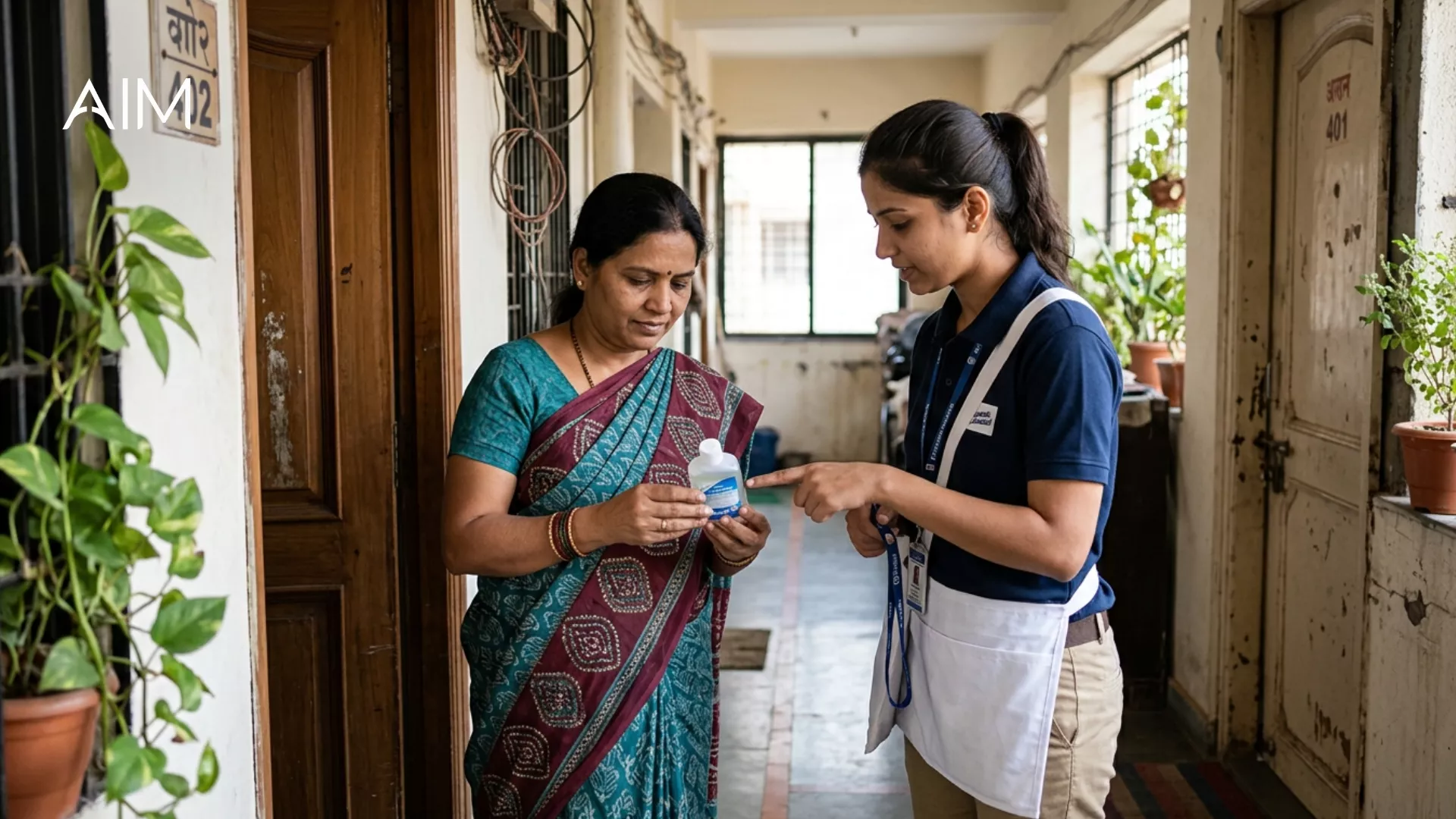
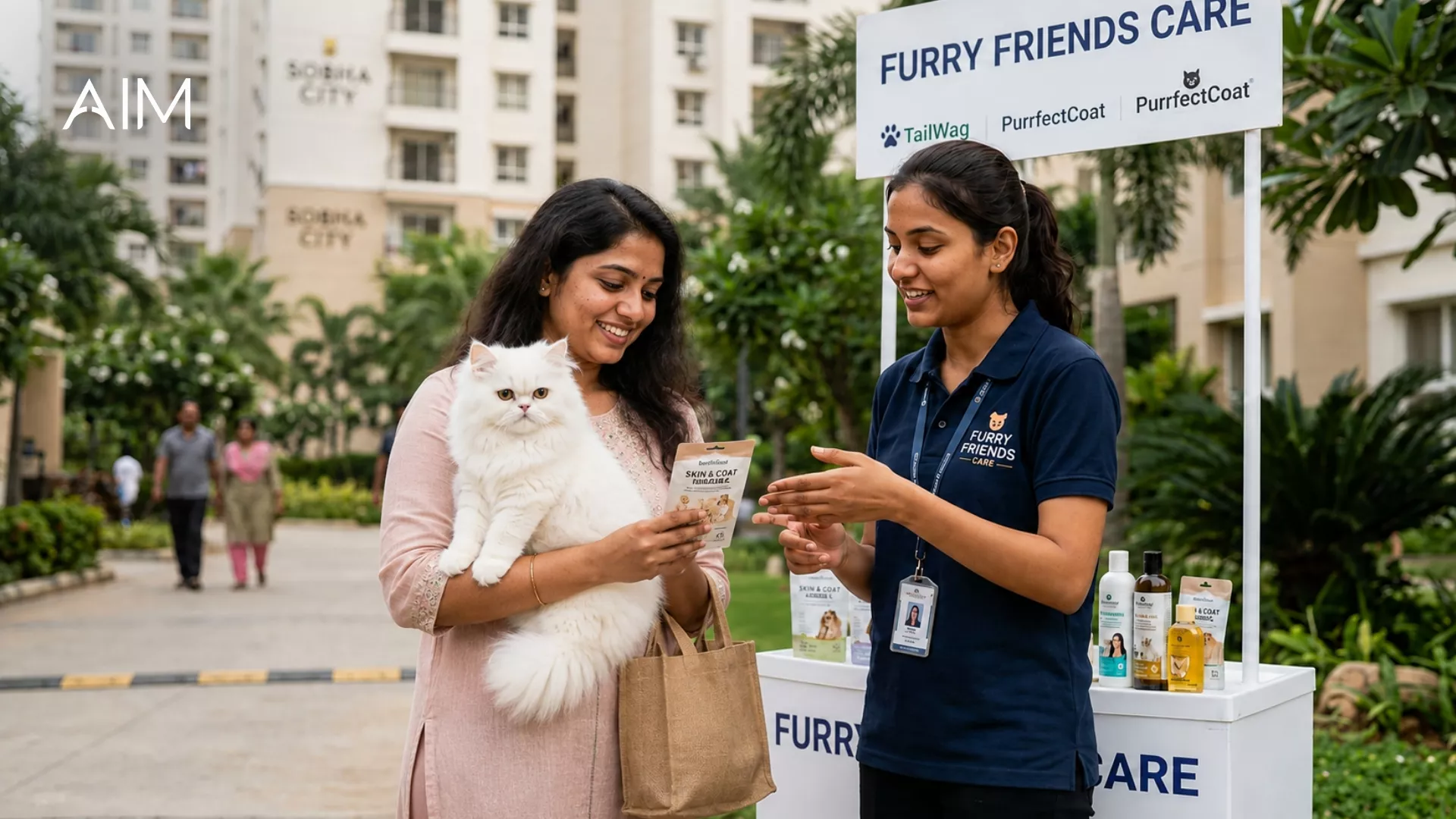
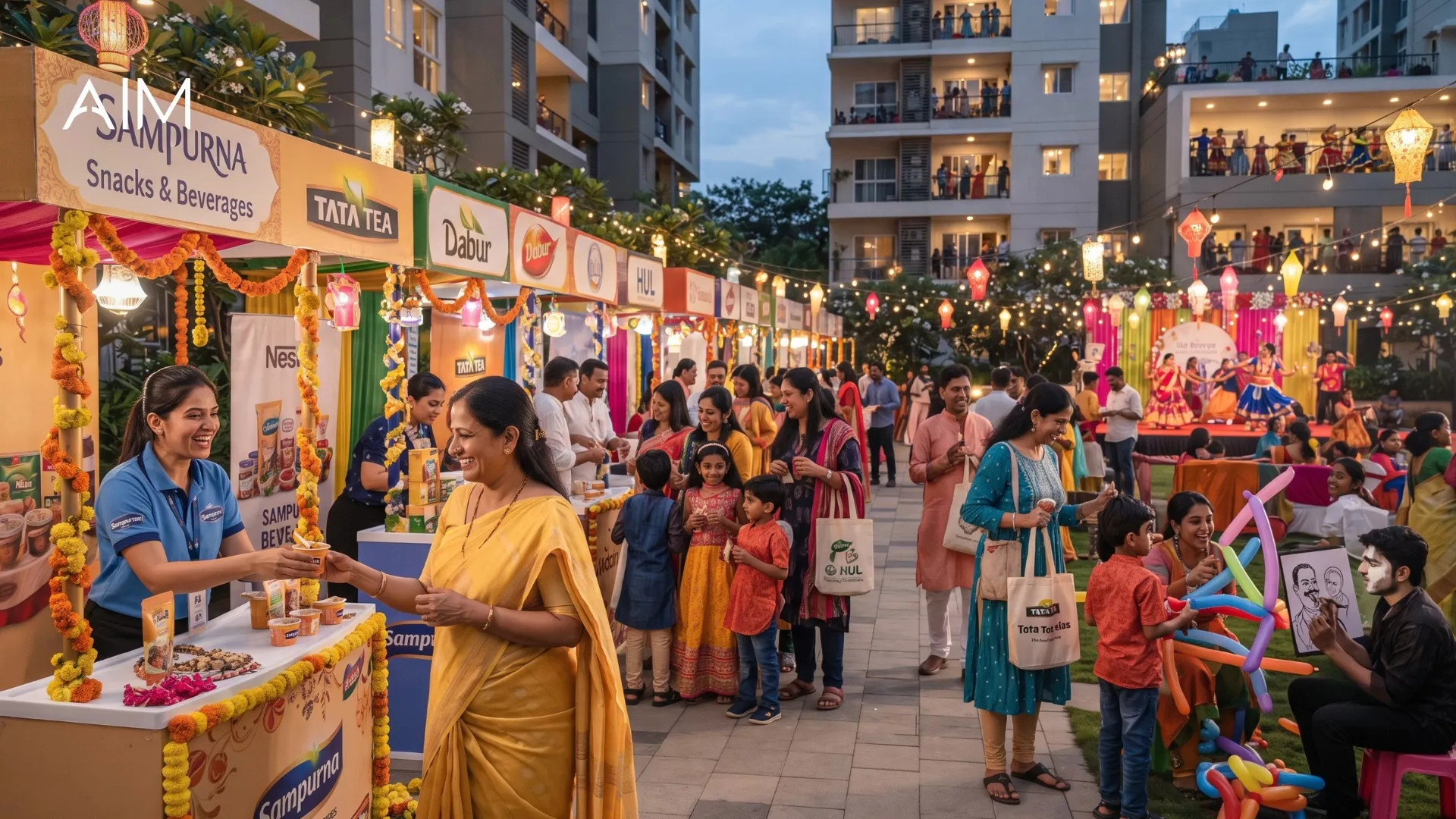
Residential and society sampling fits household products and anything bought by families. Home care, packaged food, baby care. You reach people by profile and life stage, at home, where they will actually use the product. It needs careful society selection, or you are just knocking on random doors.
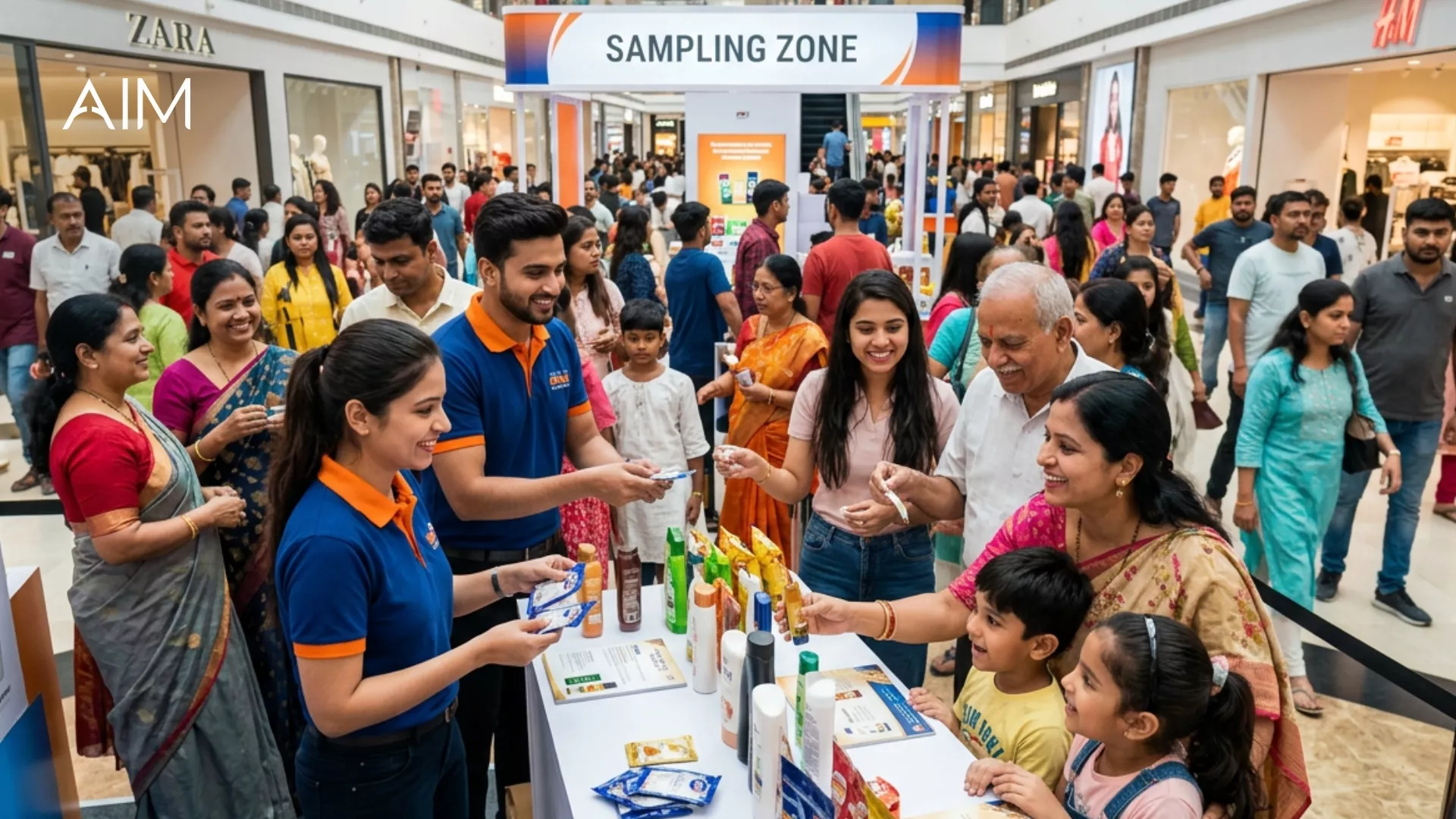
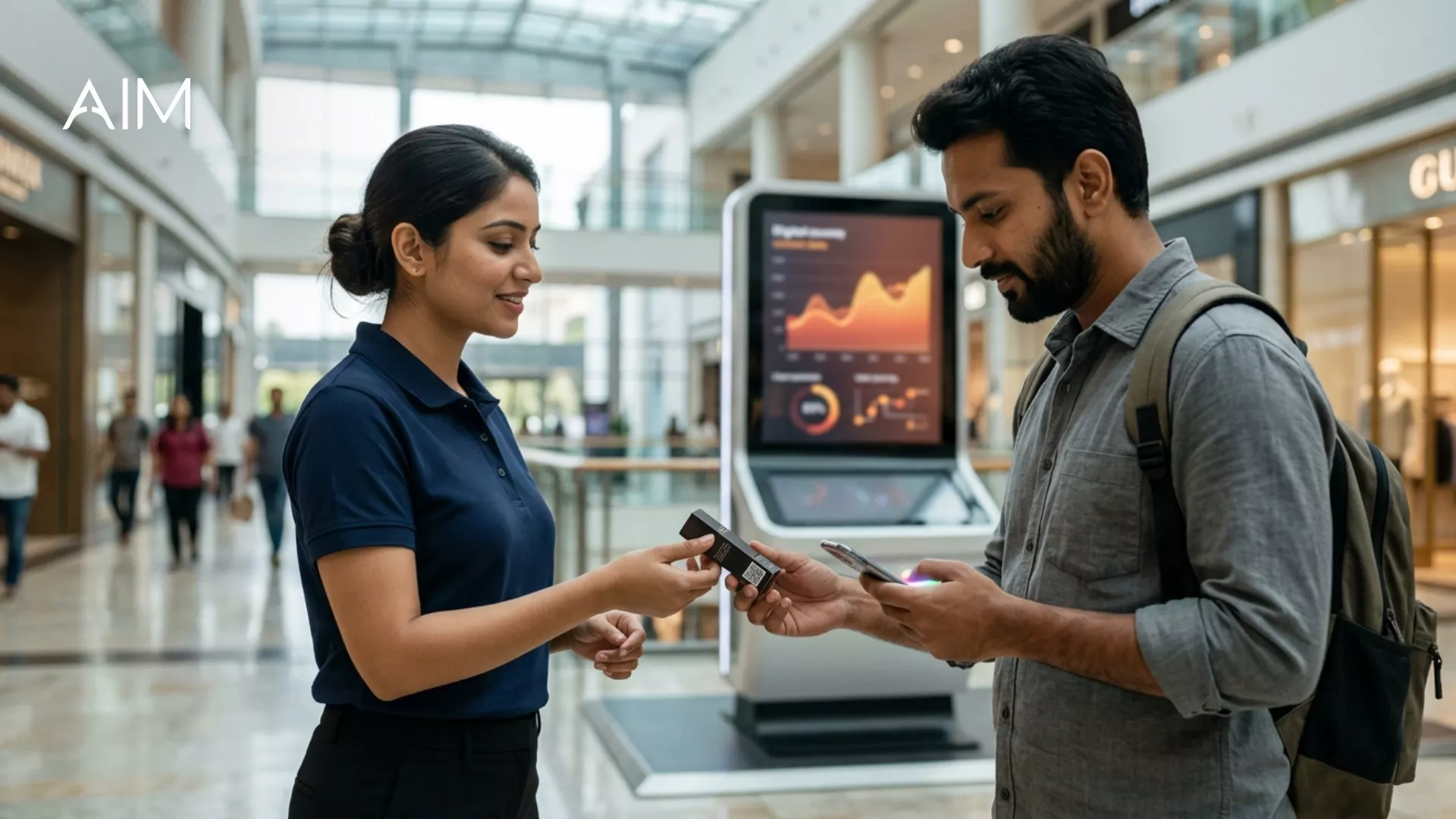
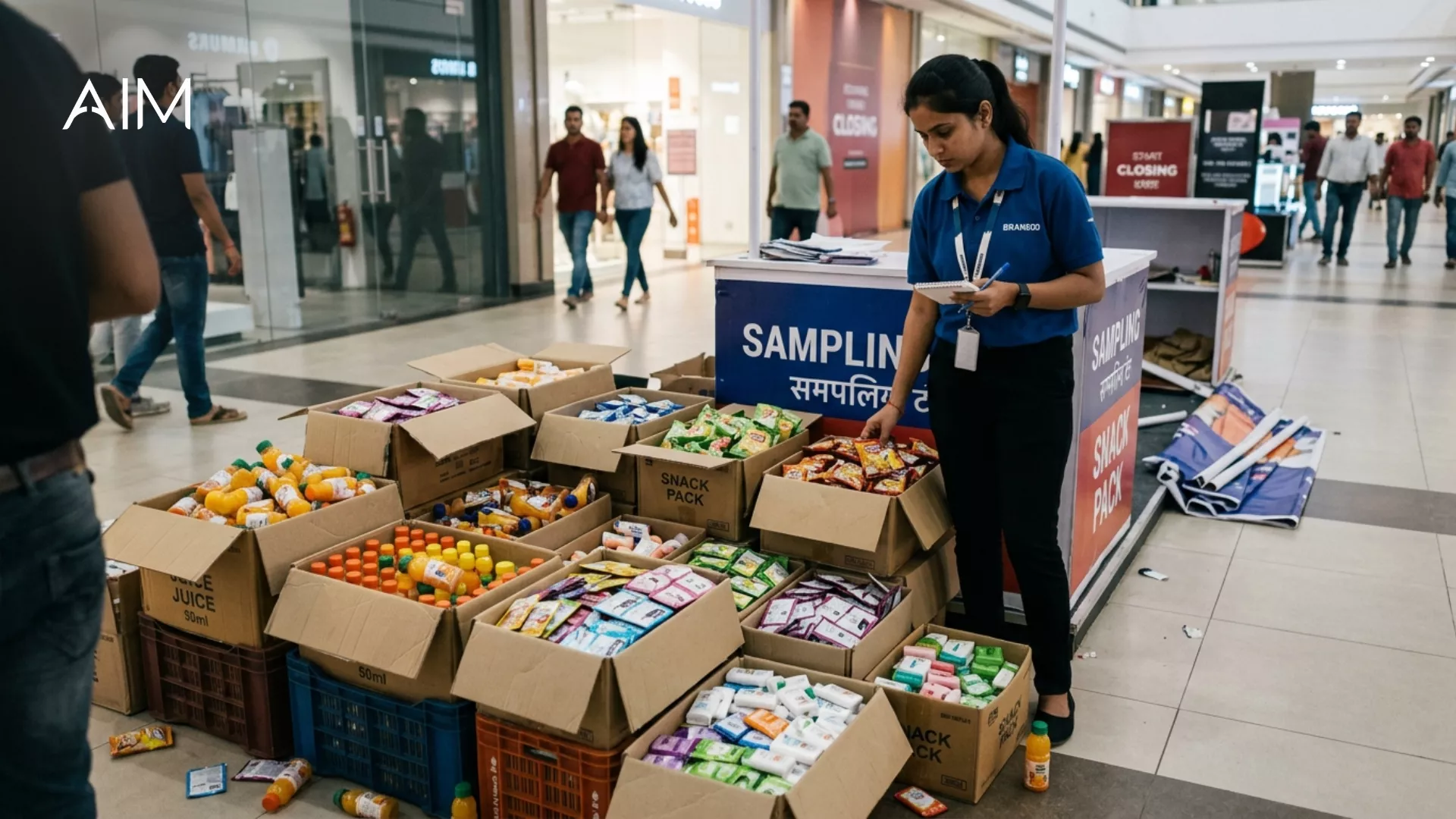
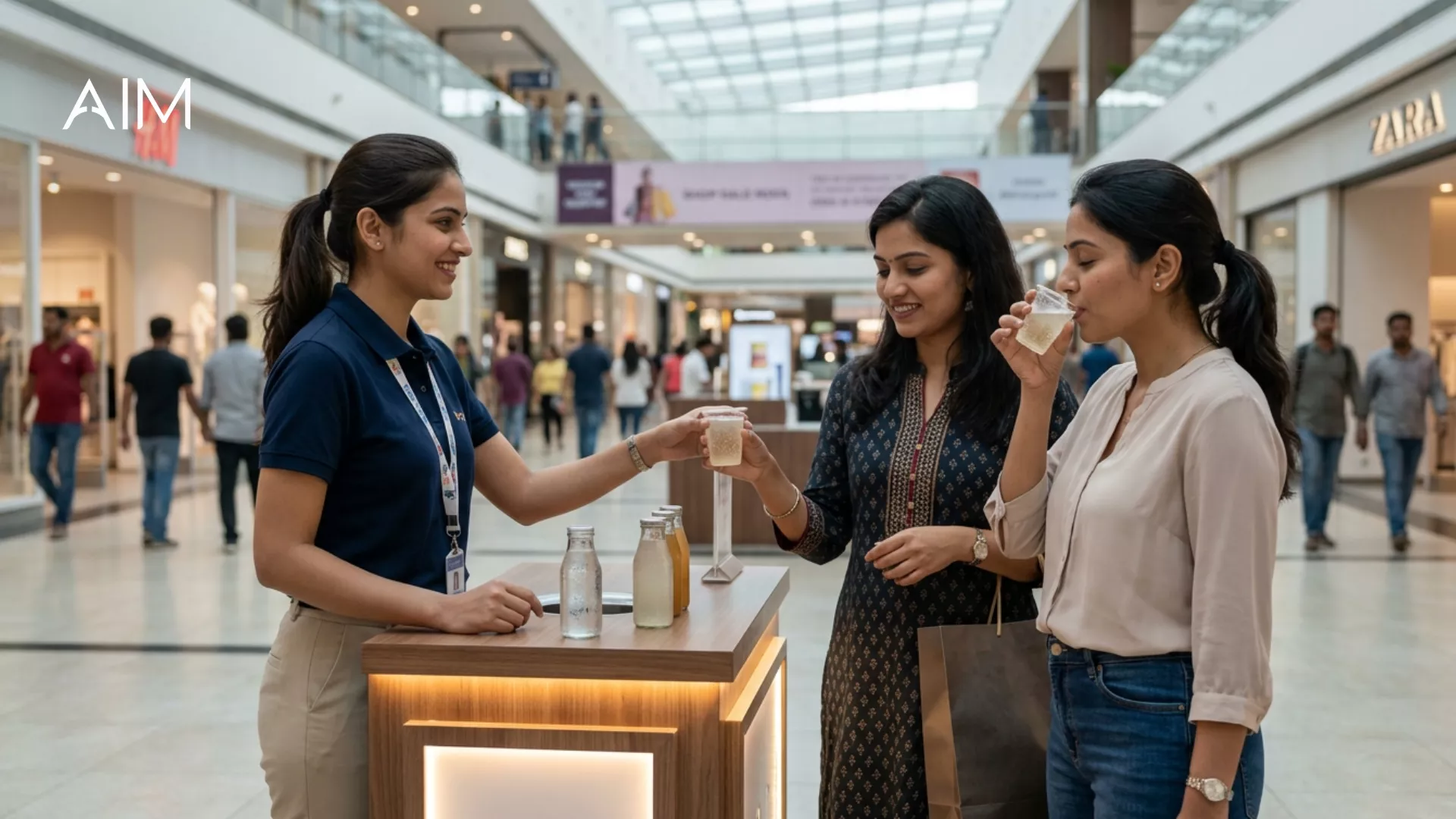
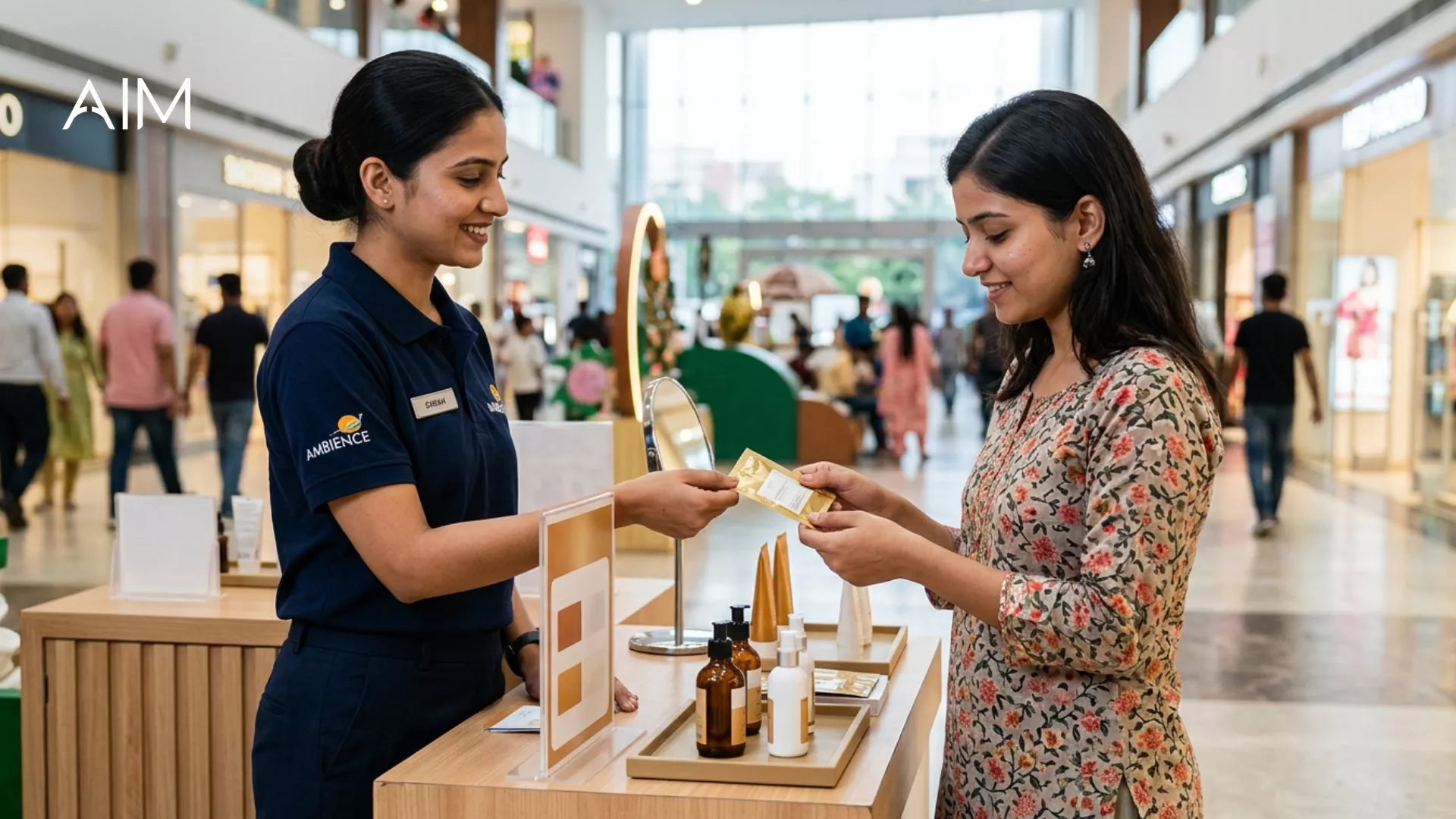
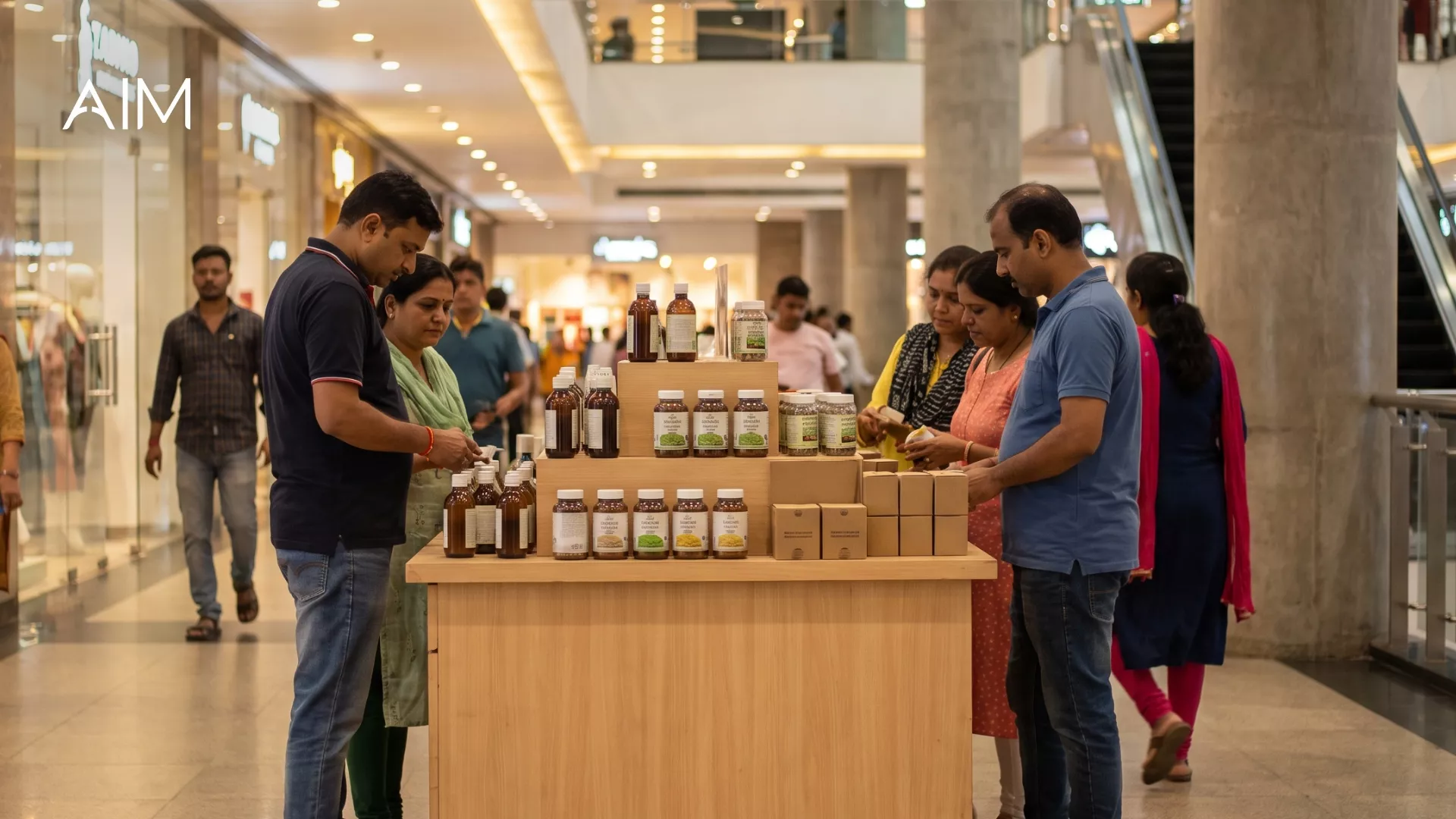
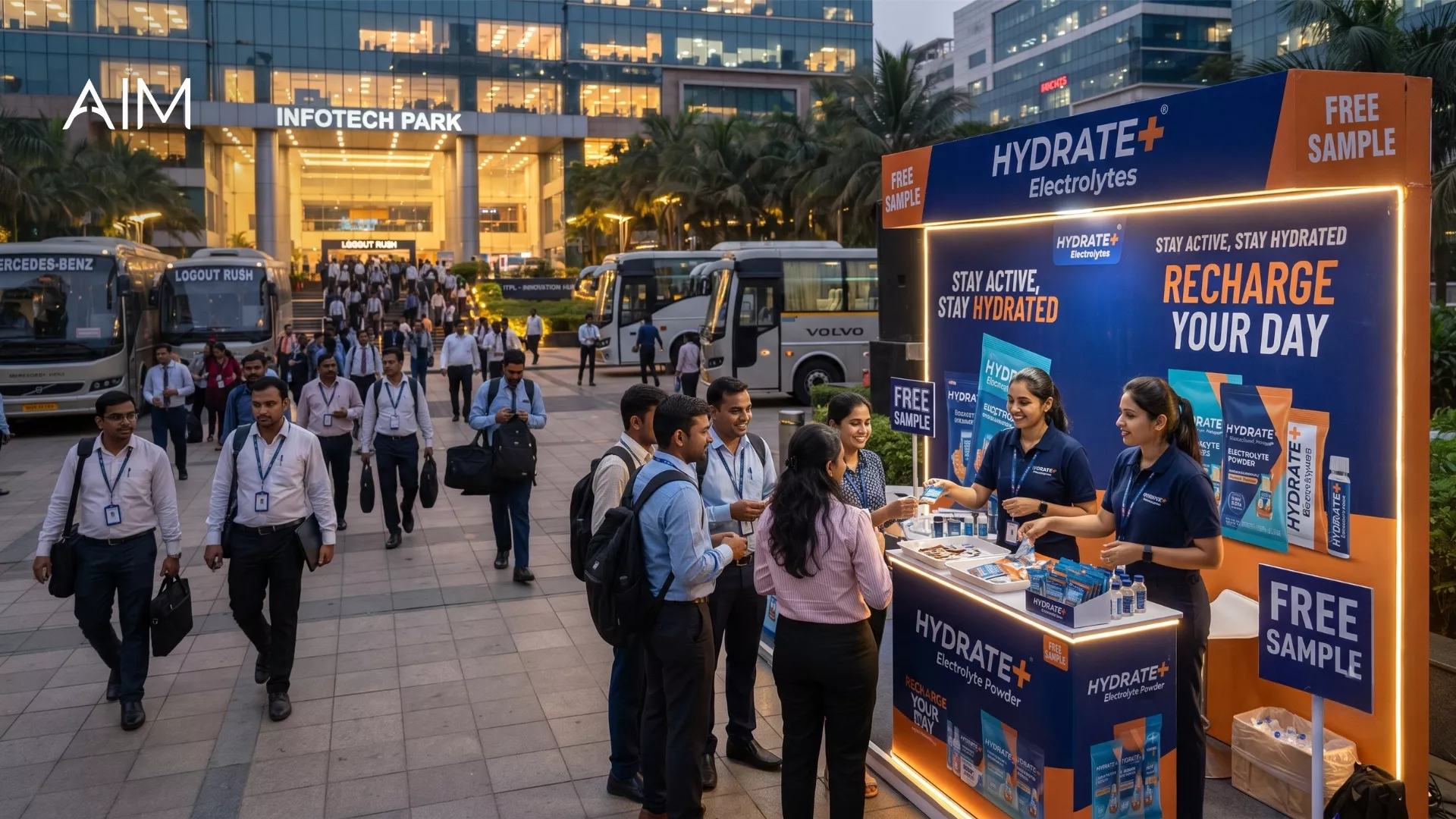
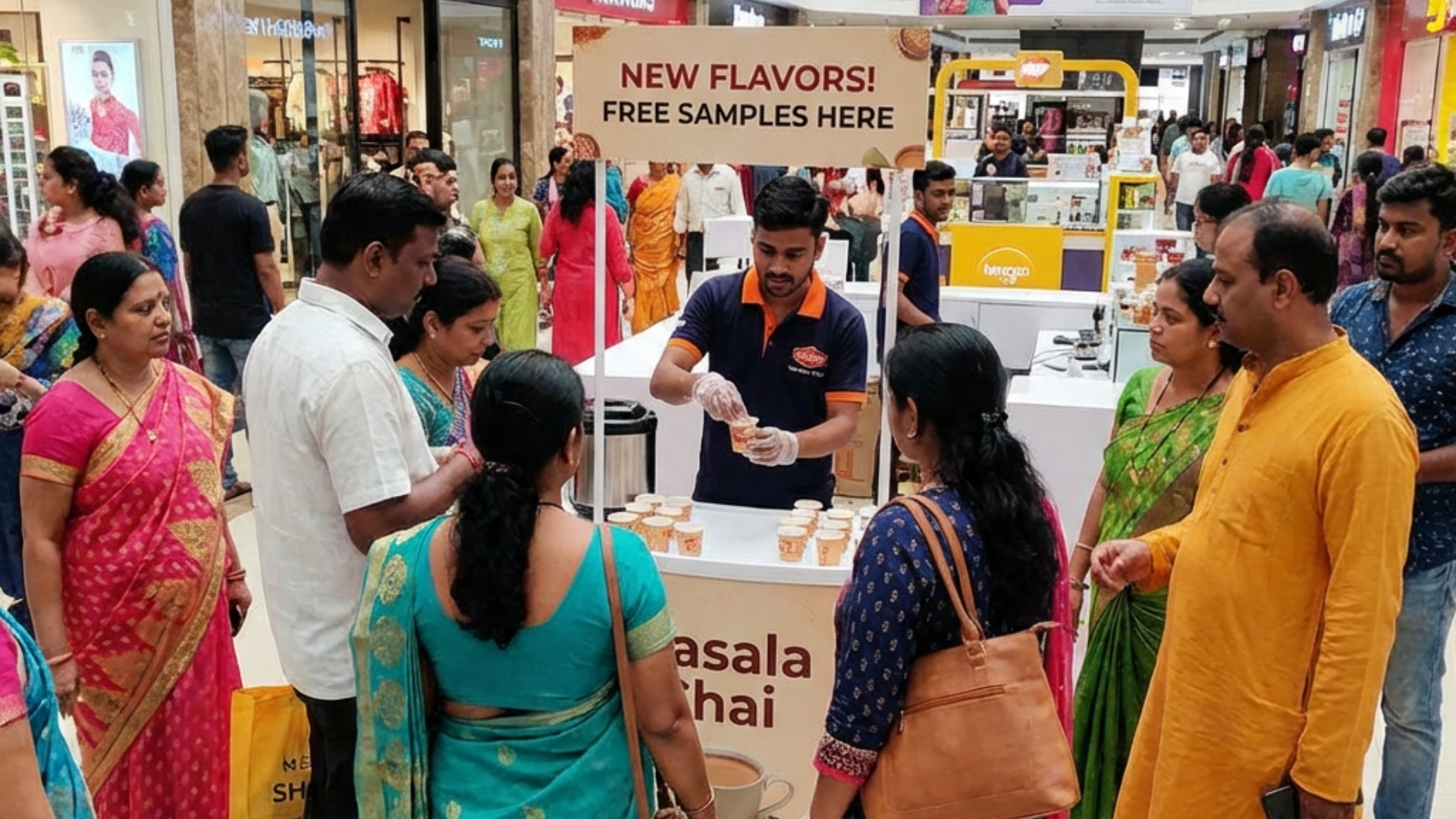
Experiential, canopy, and roadshow activation fits launches and categories that need a moment, a demo, or an explanation. It builds recall and reaches new towns. The risk is real: a crowd is easy to gather and easy to mistake for buyers. In one mall sampling run we did for a baby-care brand across two Lulu Mall locations, roughly a thousand samples in total, the value was never the footfall that passed the counter. It was the parents we captured and could follow afterward. If nobody records the person, that value walks away when the tent comes down.
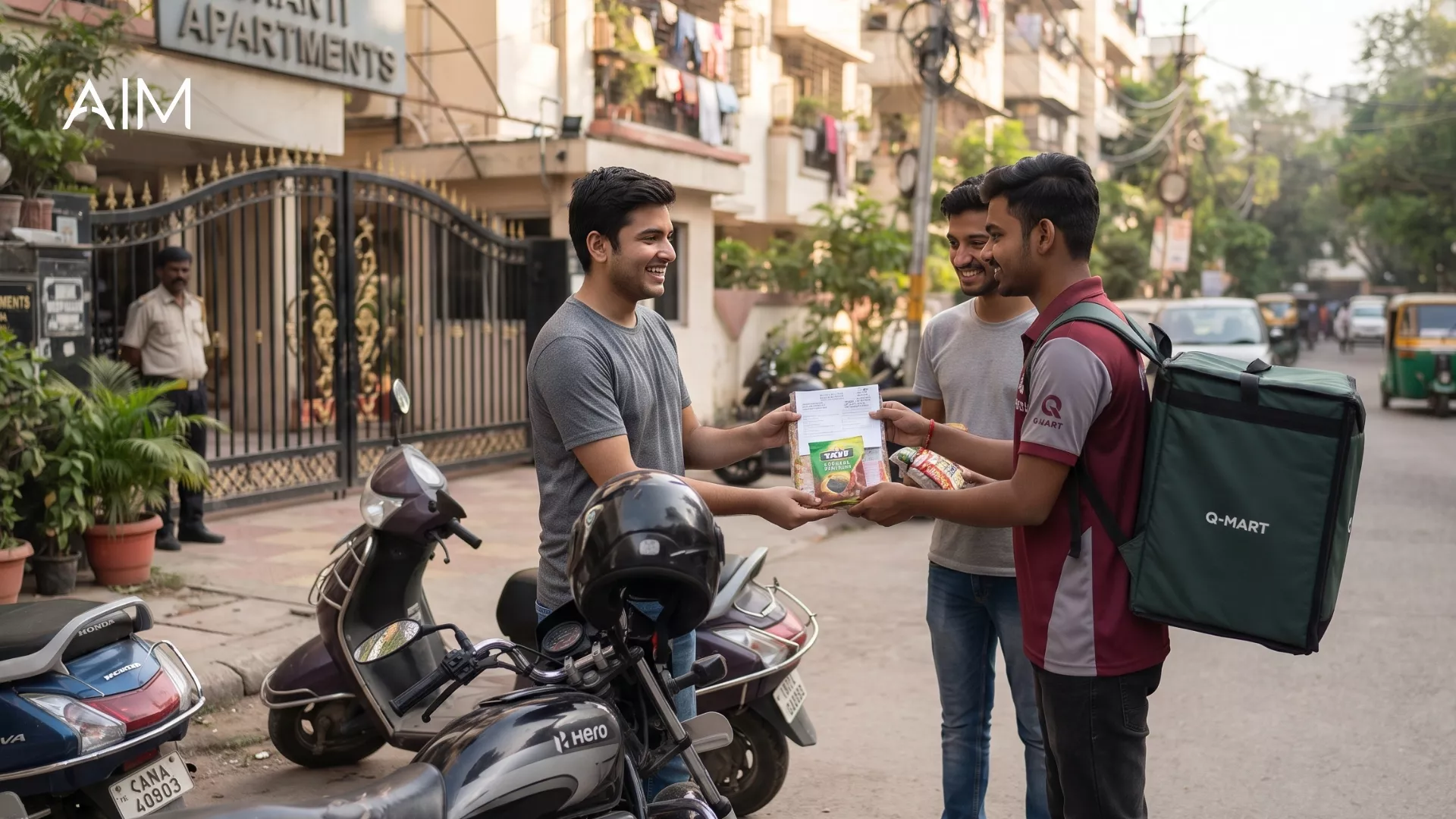
E-commerce and quick-commerce inserts fit brands whose buyer already shops online. A sample rides along in a relevant order, matched to the basket, delivered to a known address. It is about as targeted as sampling gets, and it captures the person by default. It does not fit if your category barely sells online yet.
Digital and D2C sampling, where a consumer requests a sample through a form or campaign, fits brands building first-party data. You learn who your buyer is while you sample. The catch is freebie-hunter accounts, so you need qualification, or you ship product to people who collect samples for sport.
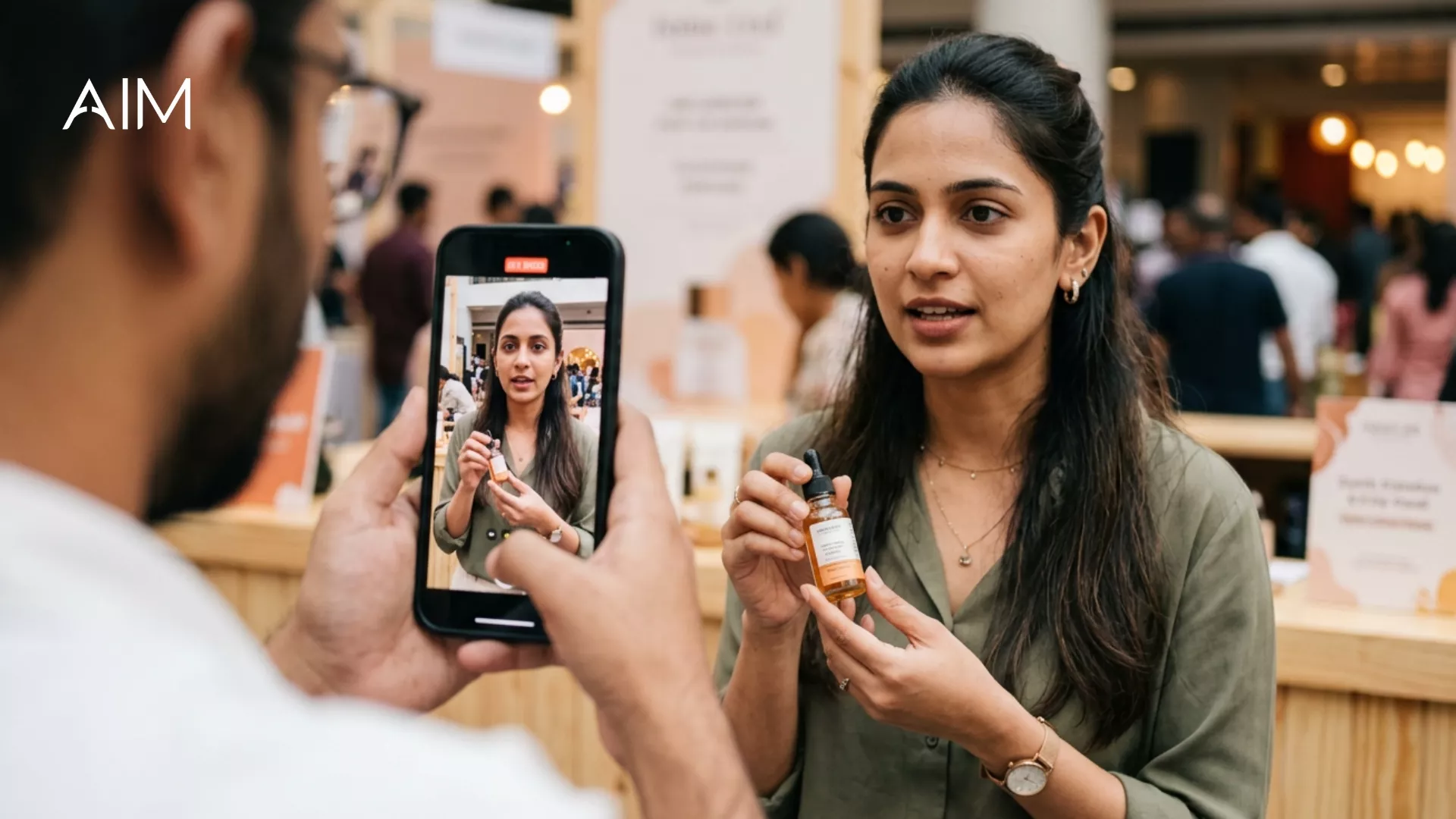
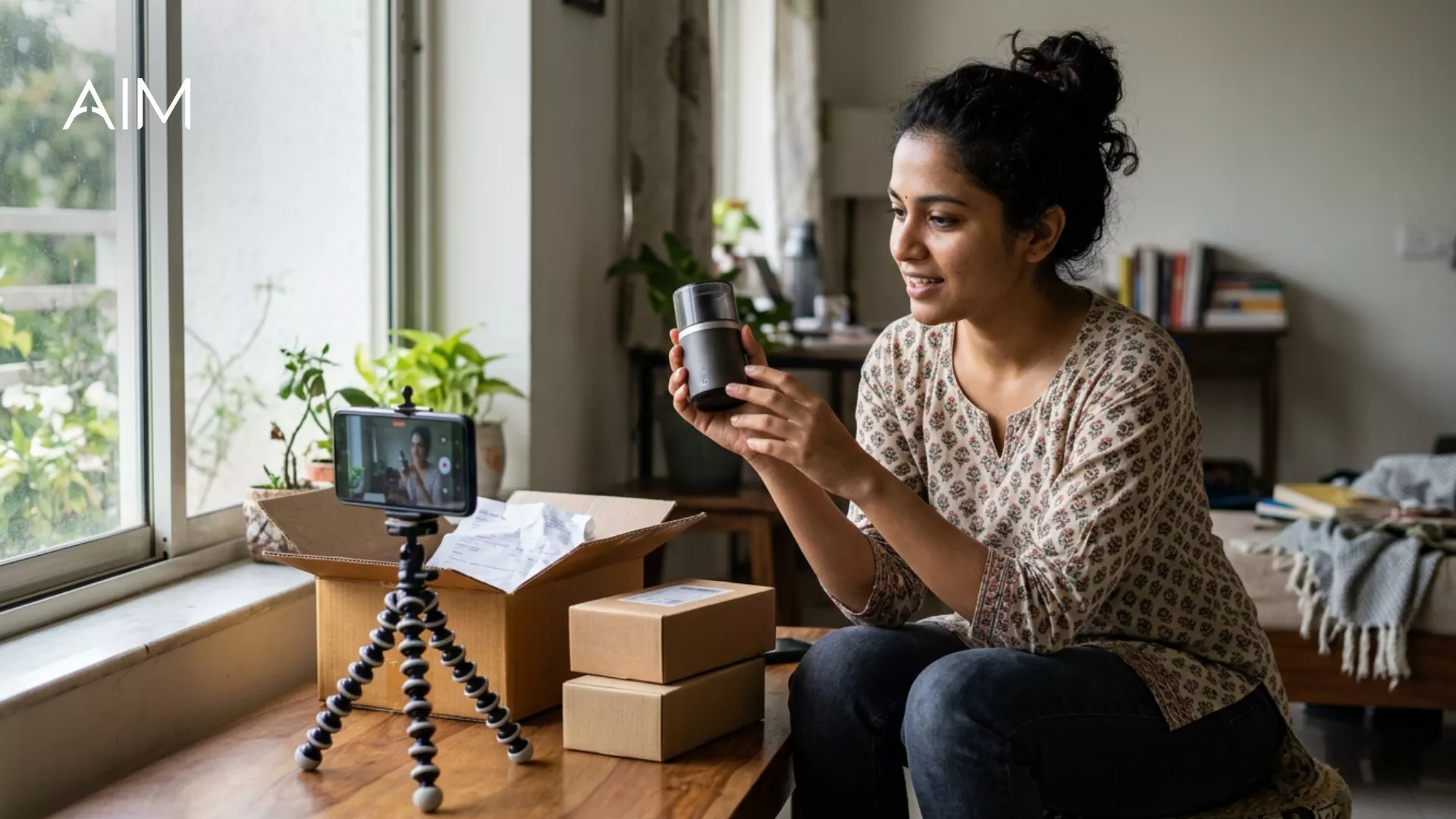
Influencer seeding fits brands that need social proof and reviews more than raw trial. Send the product to the right creators, in the right niche, and let real content do the selling. Follower count is a trap here. A micro-creator whose audience is your buyer beats a big name whose audience is nobody in particular.
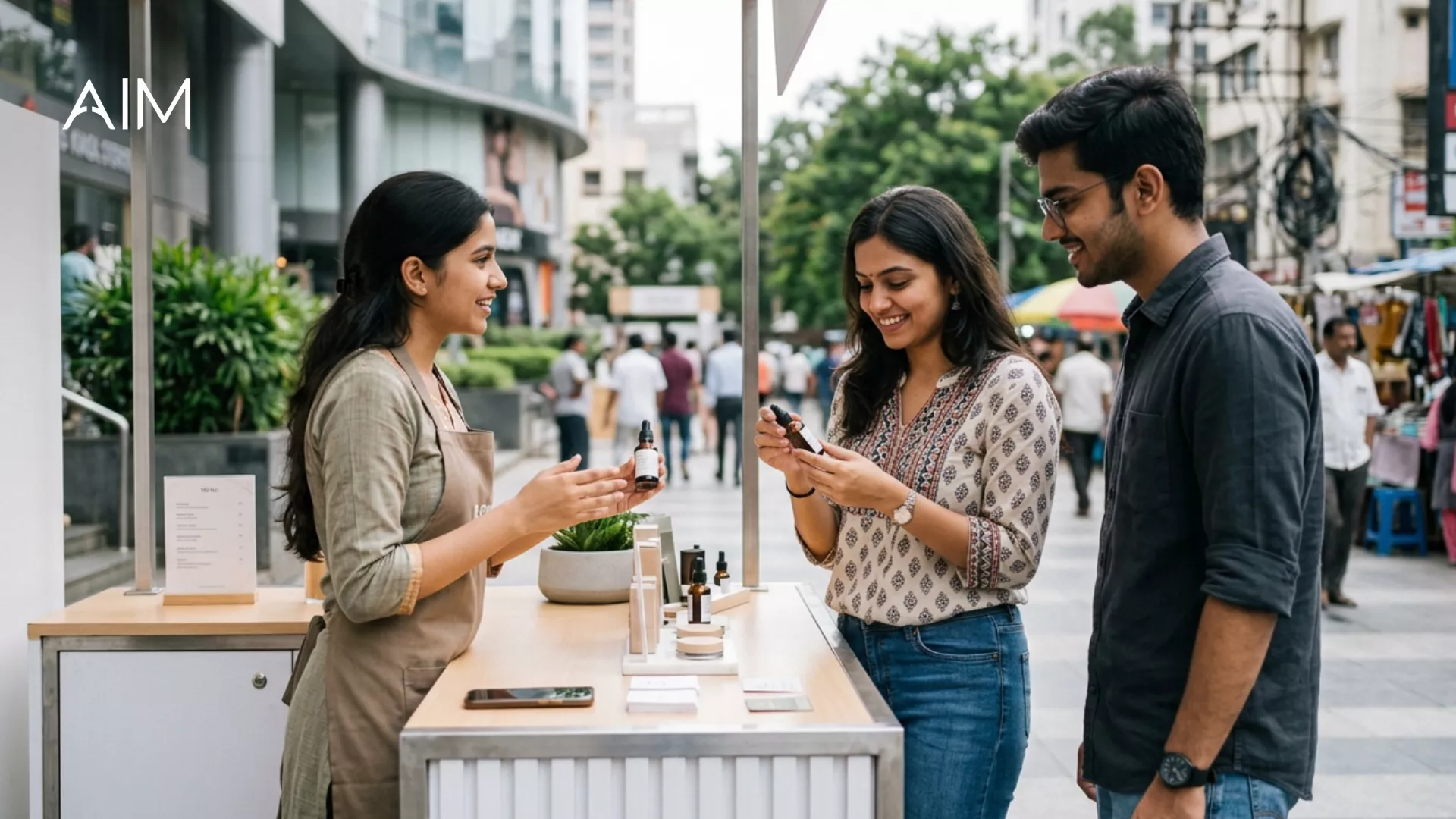
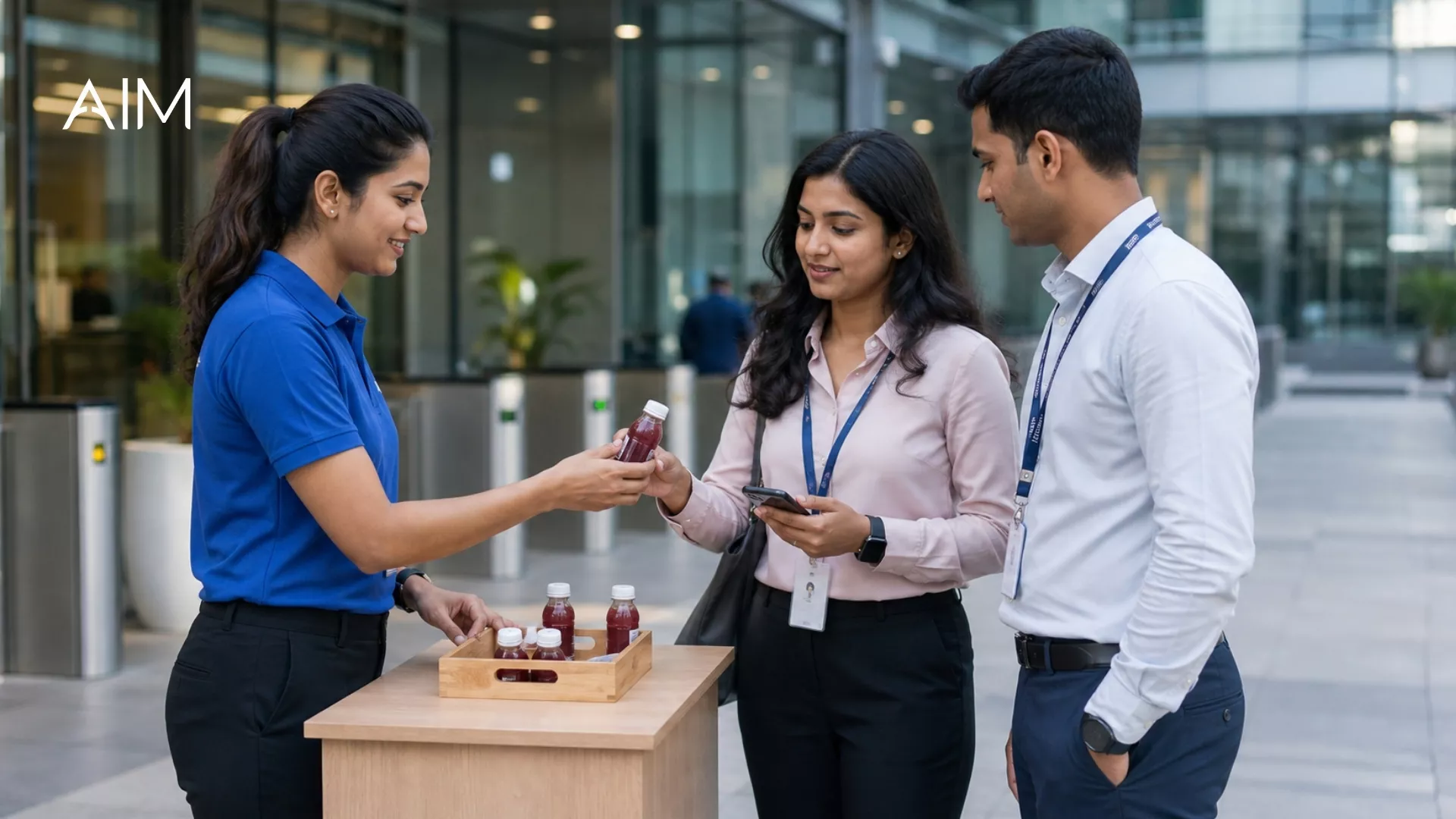
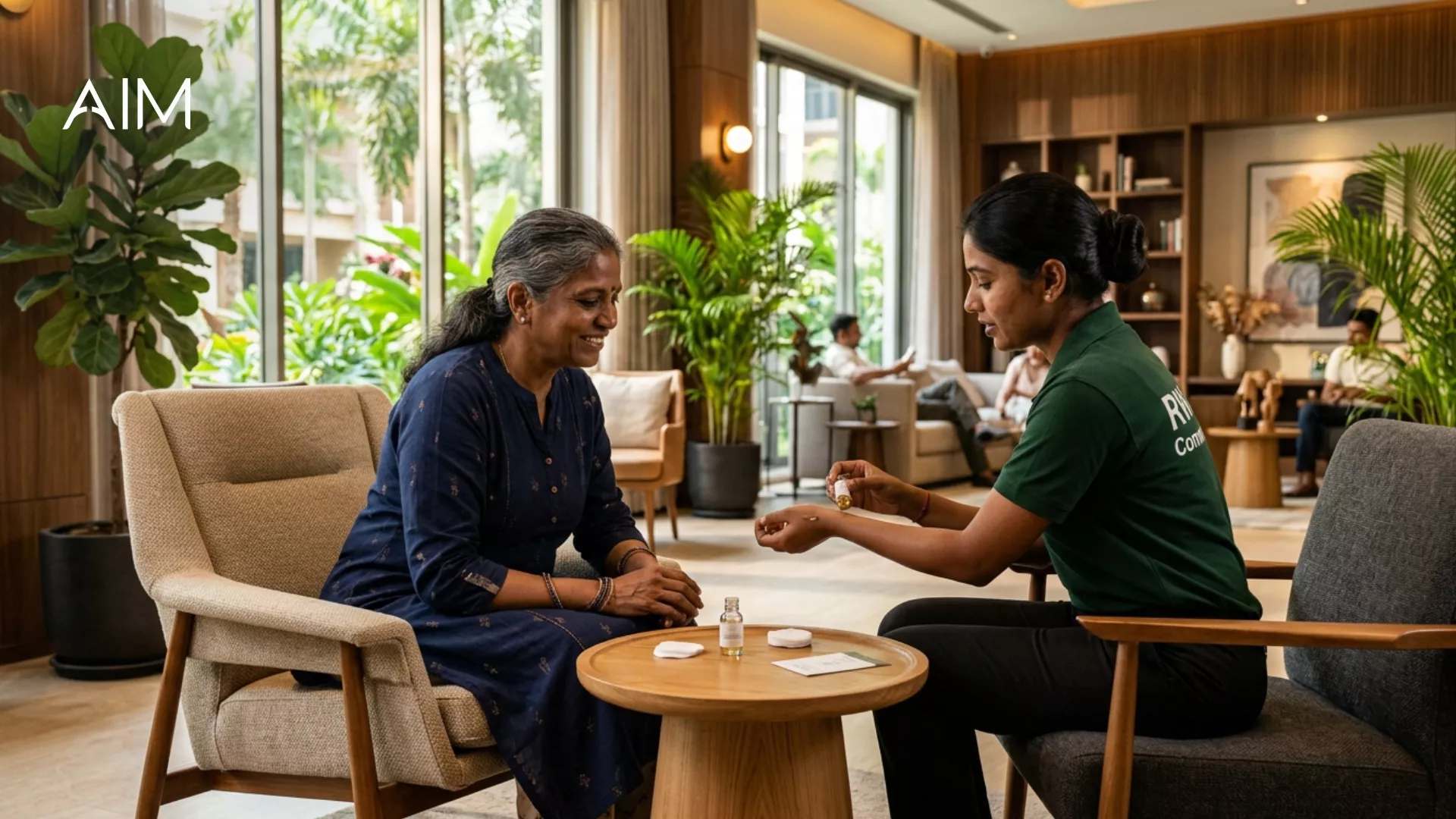
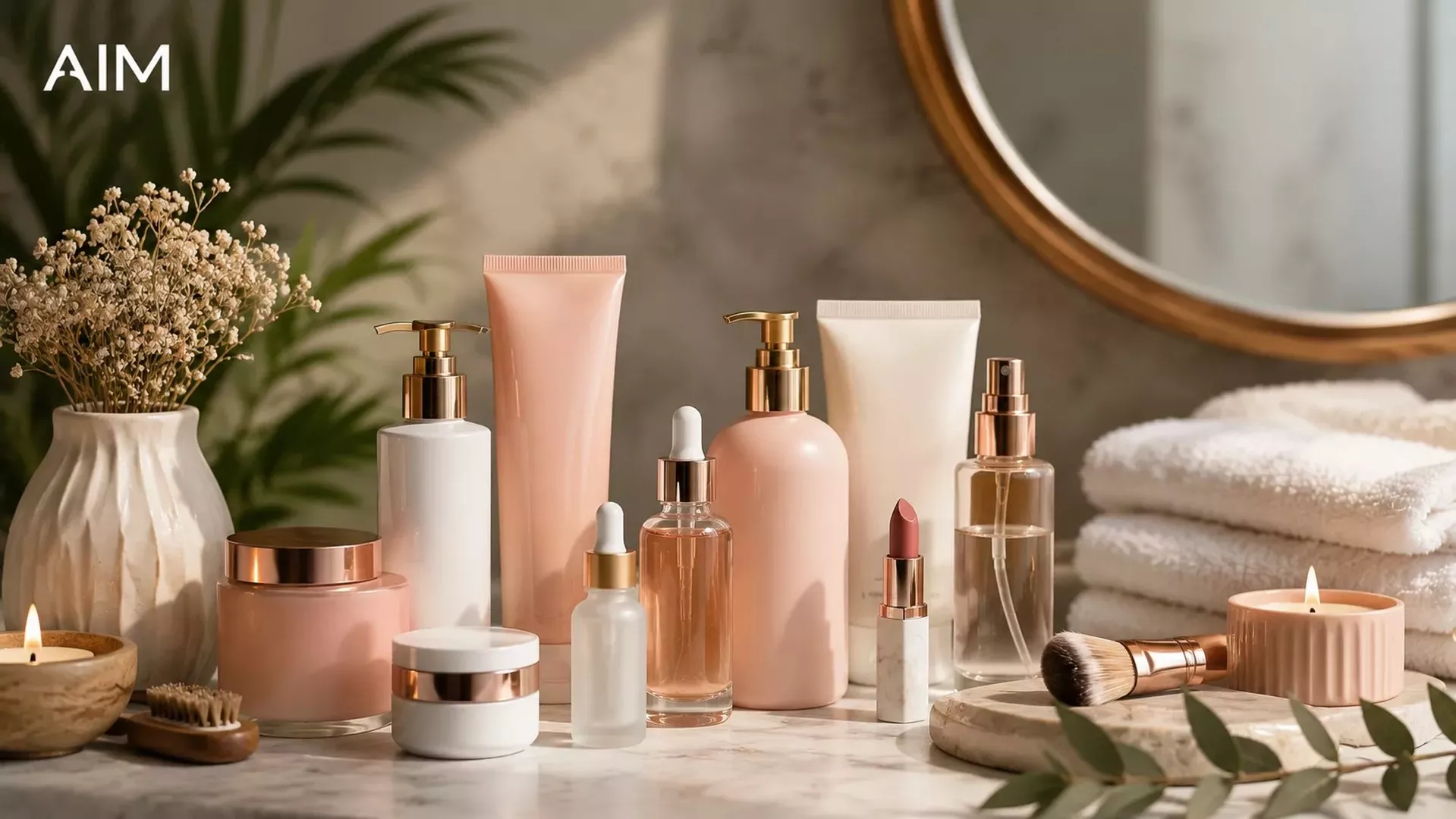
You will notice something. Most brands do not need one of these. They need two or three, weighted by where their buyer actually sits. A skincare launch might run a beauty-counter trial for the mid-decision shopper, e-commerce inserts for the online buyer, and a little influencer seeding to bring in reviews. Same product, three doors, one buyer reached in the places she already stands.
So which product sampling solution fits your brand? The one that reaches your specific buyer, gives the product a fair chance to prove itself, matches the goal you set, and lets you measure what happened. If a format fails any of those four, it does not fit, no matter how good the photos look.
Start with one change before your next campaign. Do not open the planning meeting with "how many samples can we hand out." Open it with "who exactly do we want to try this, and how will we know if they bought." Answer those two honestly and the right format usually picks itself.
Need expert sampling campaign planninga and execution? Contact AIM product sampling services.






.webp)






.png)