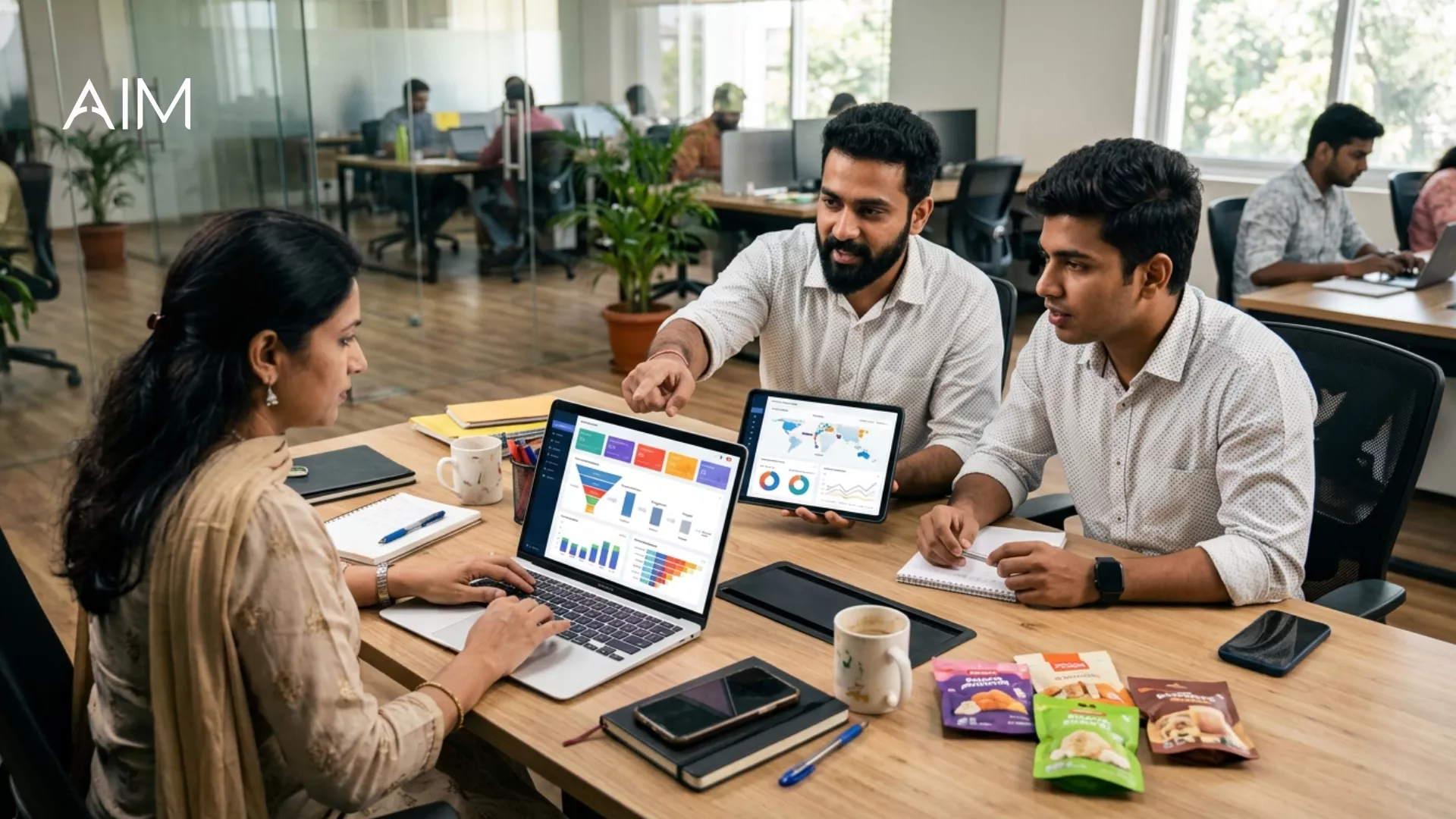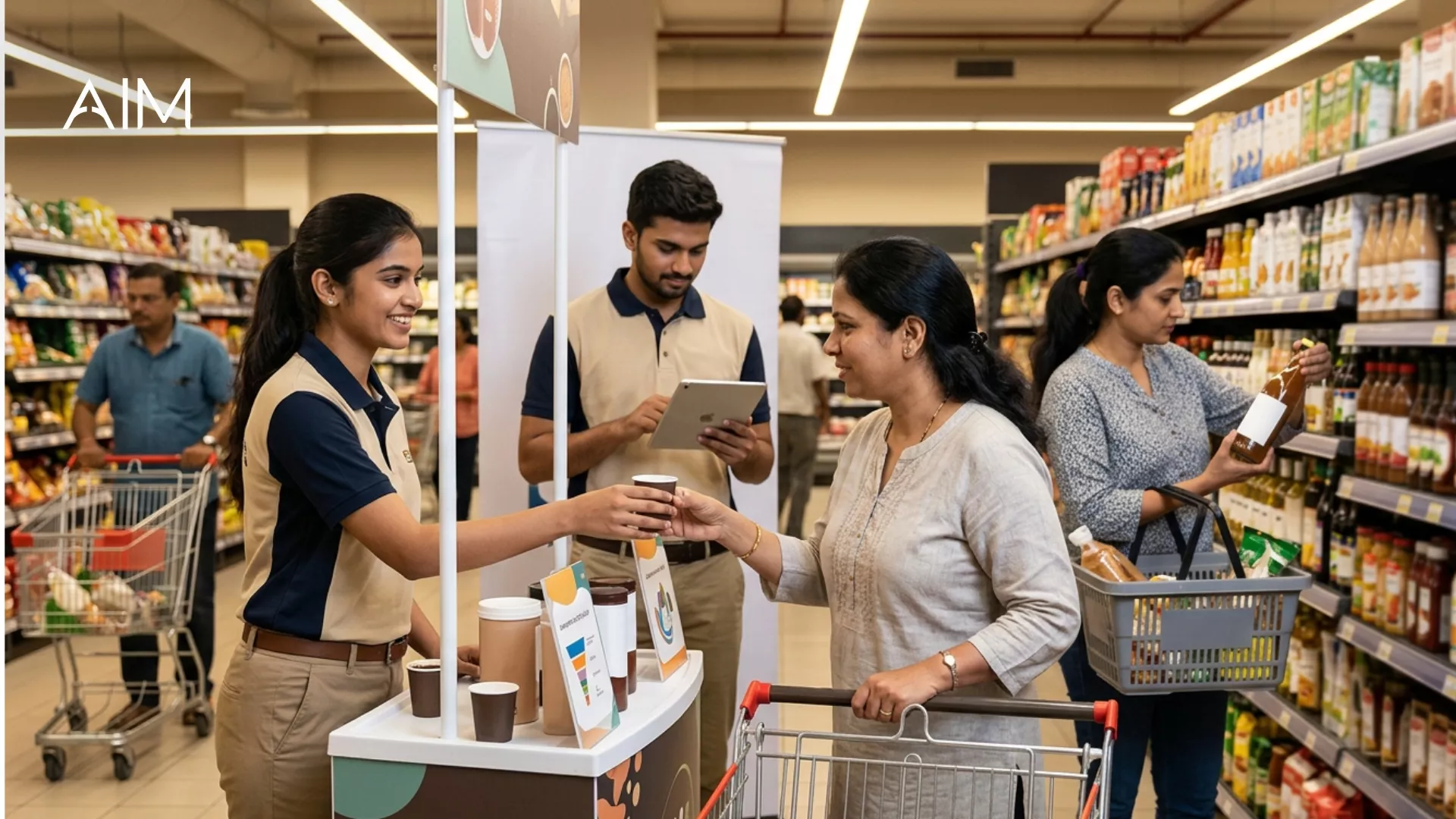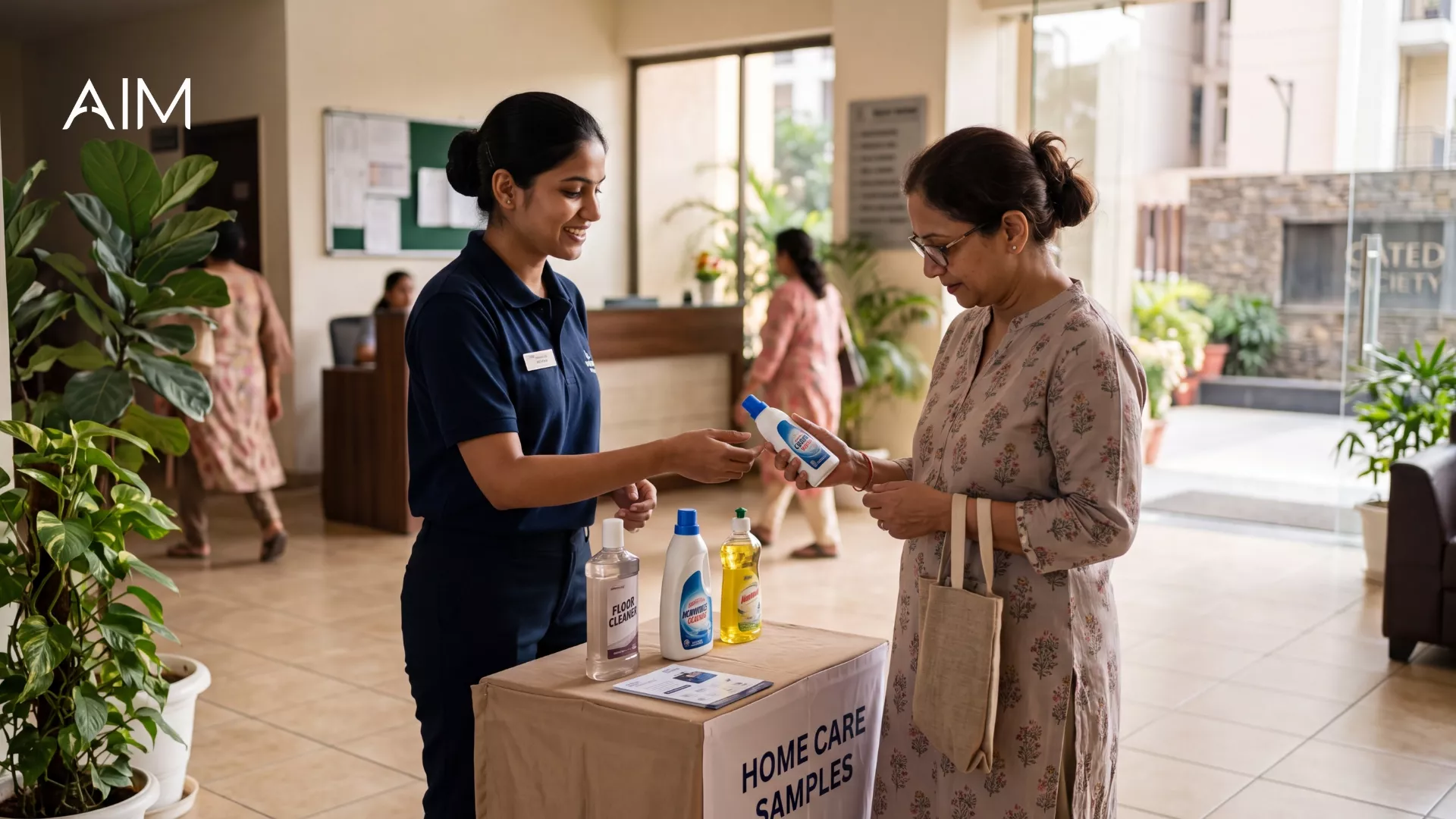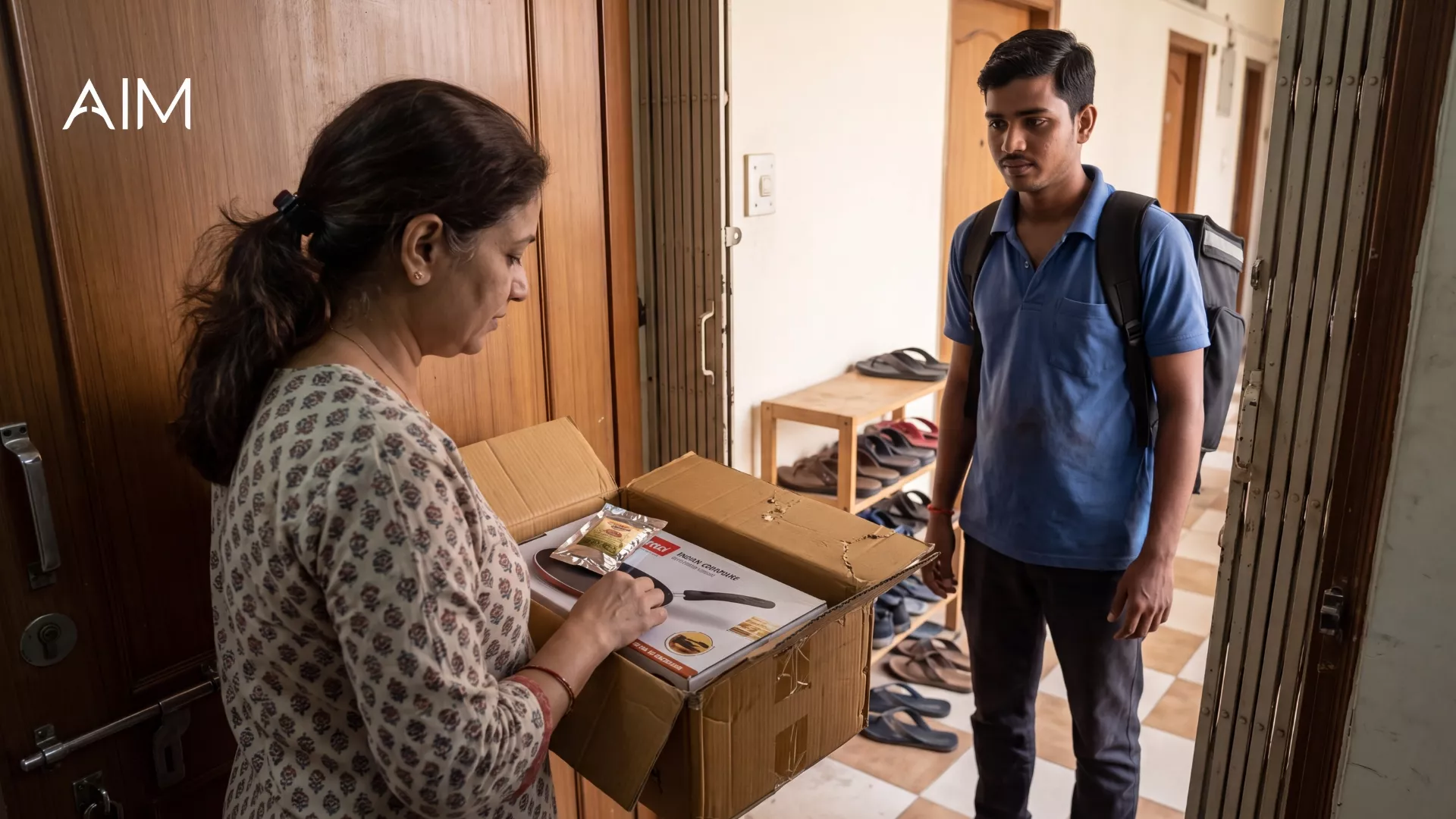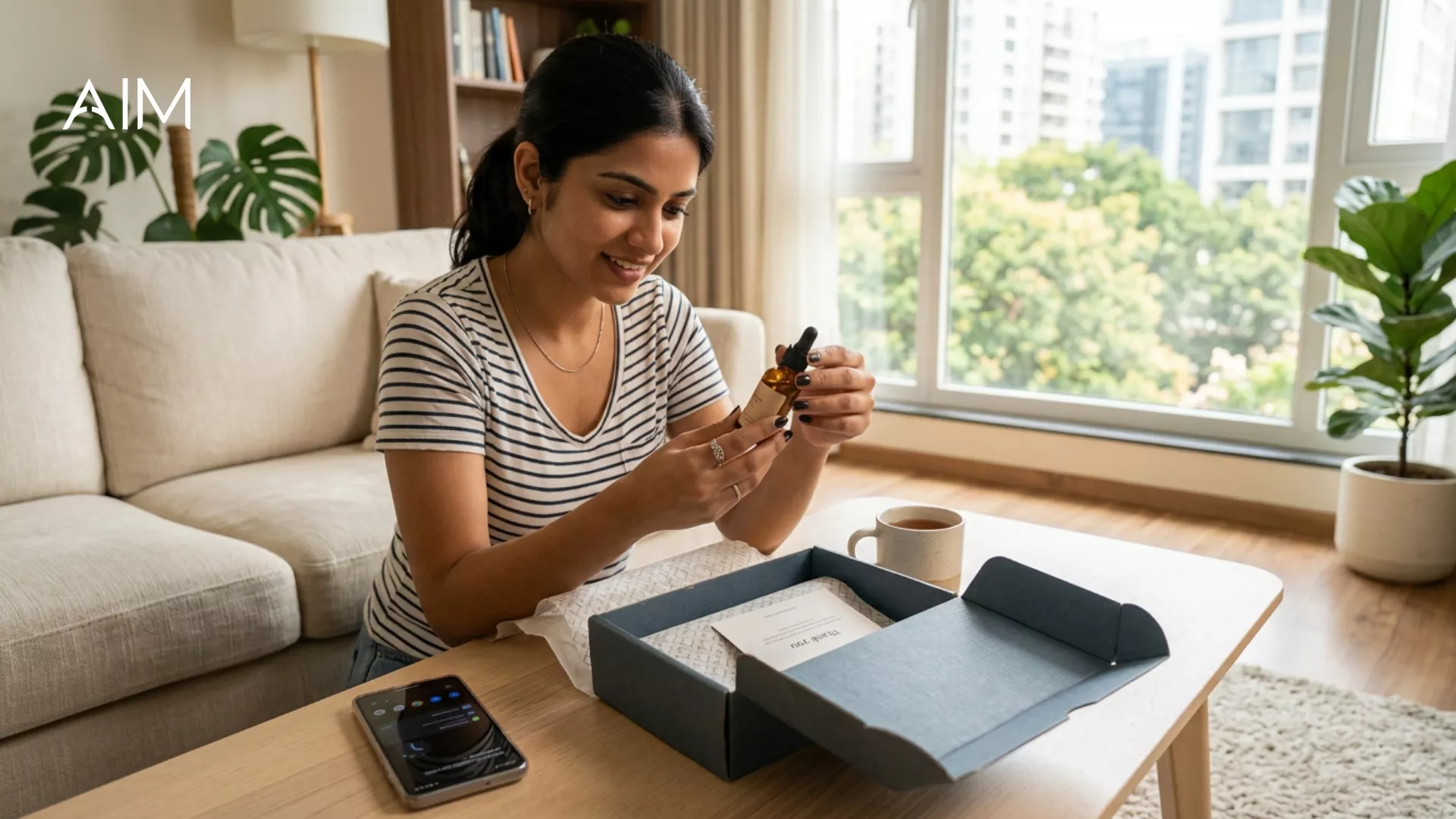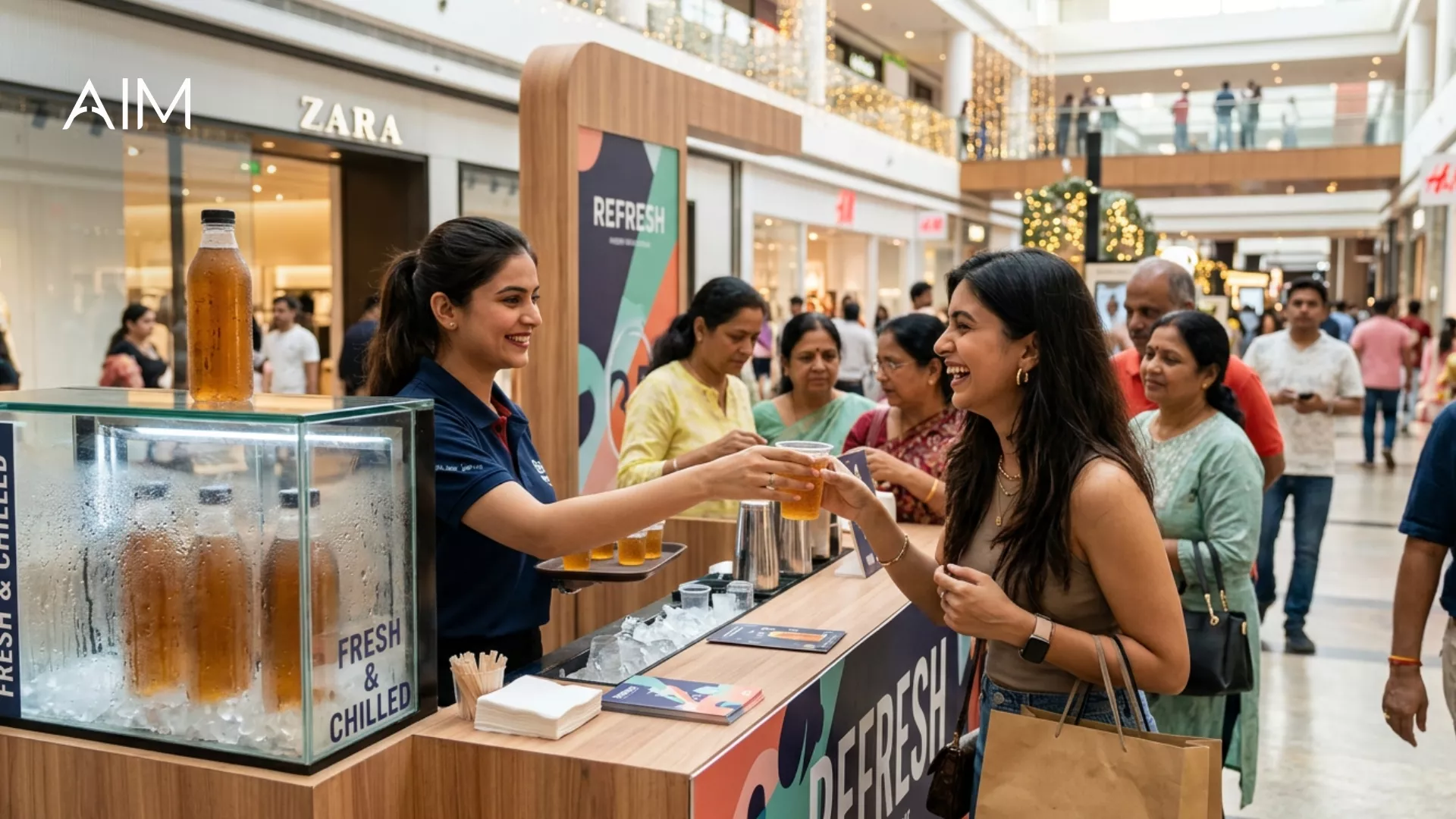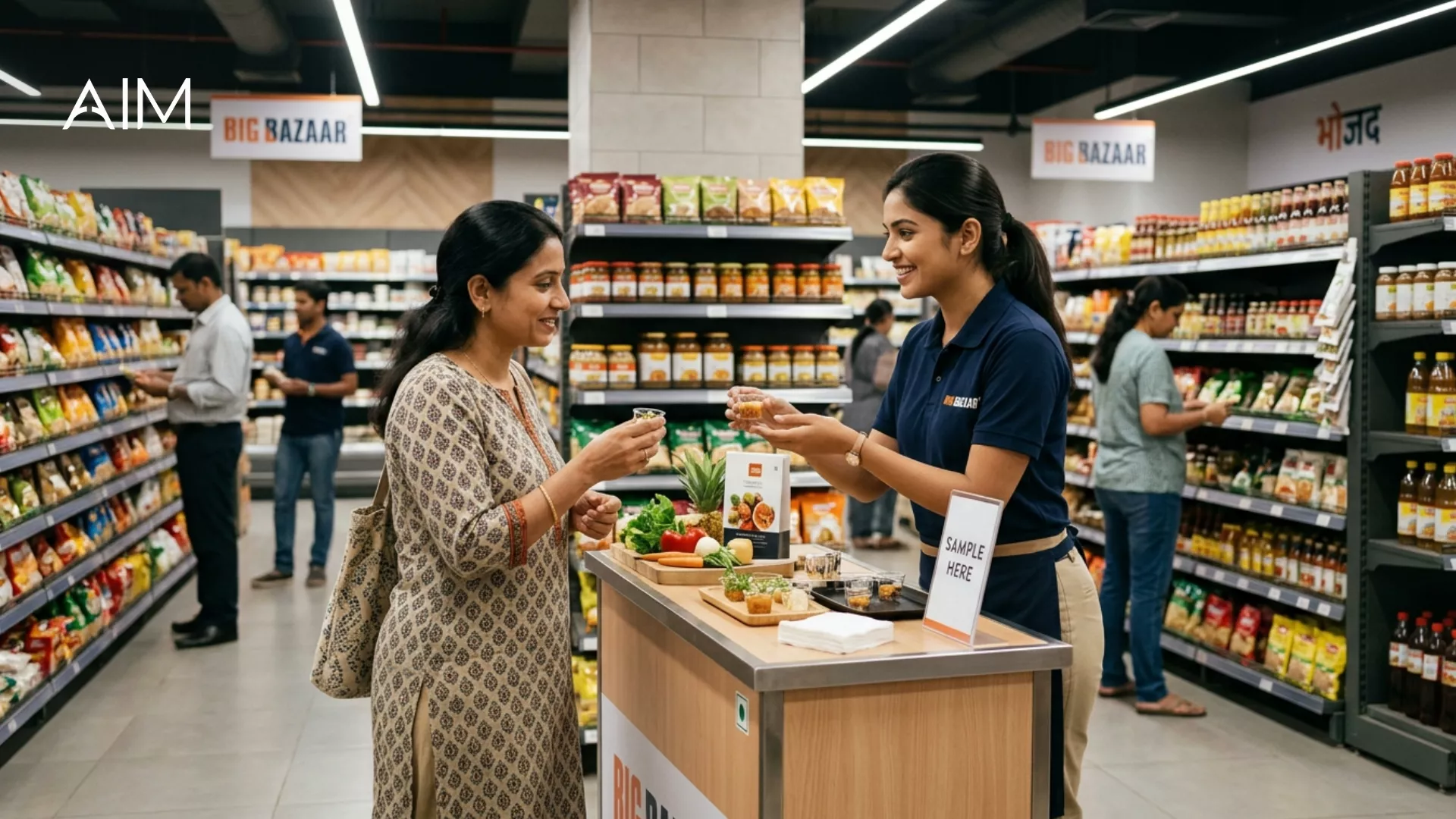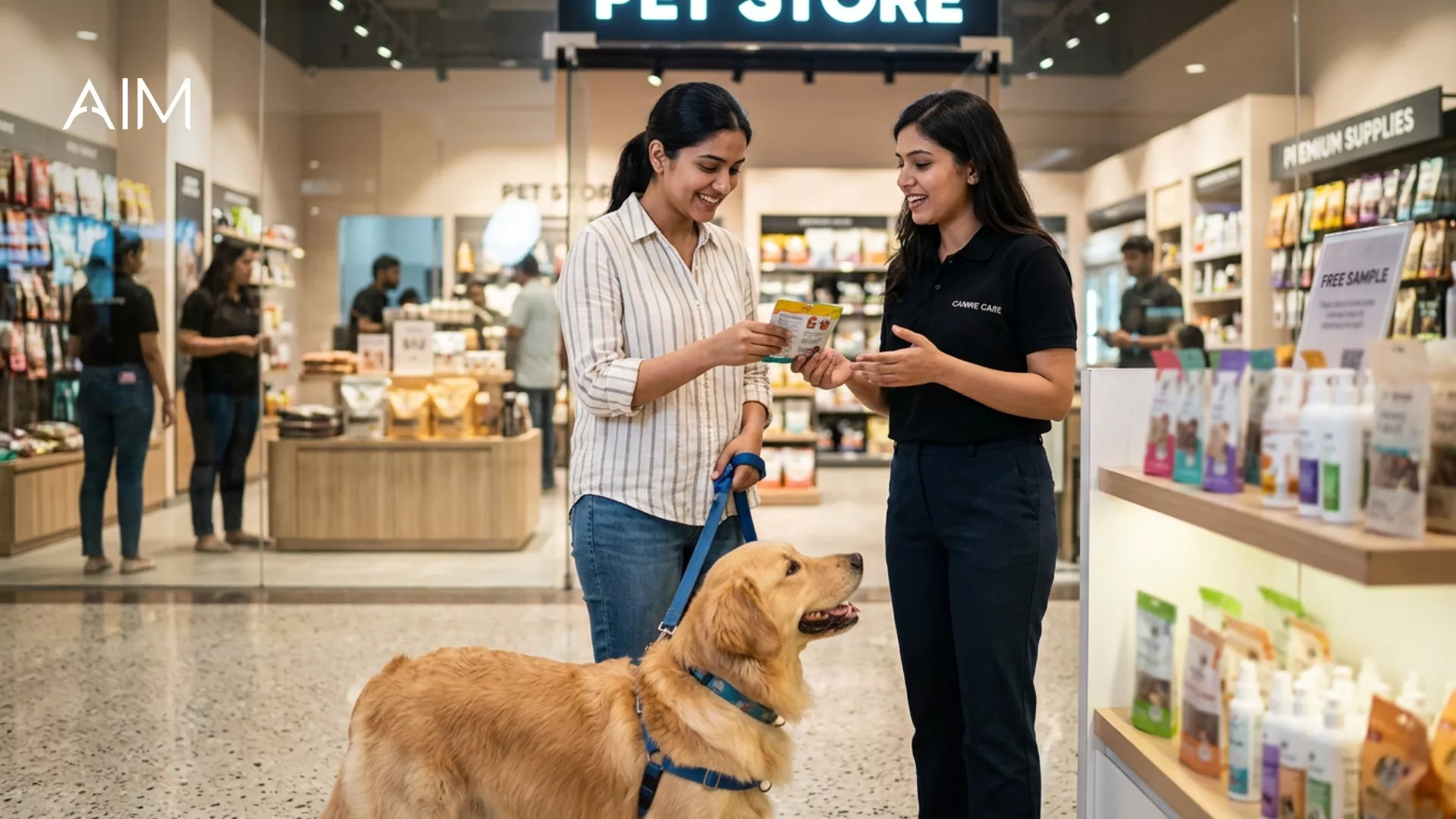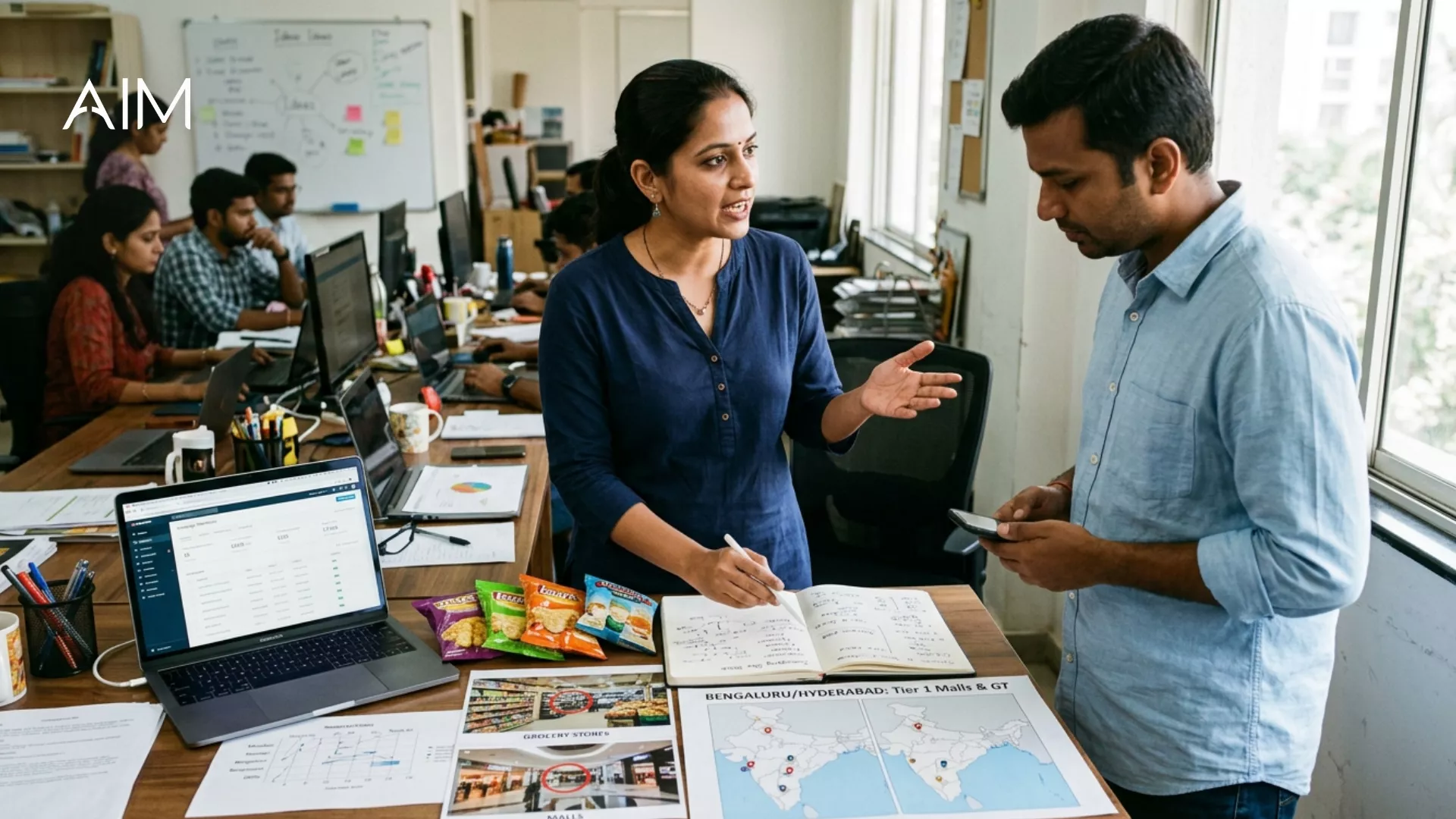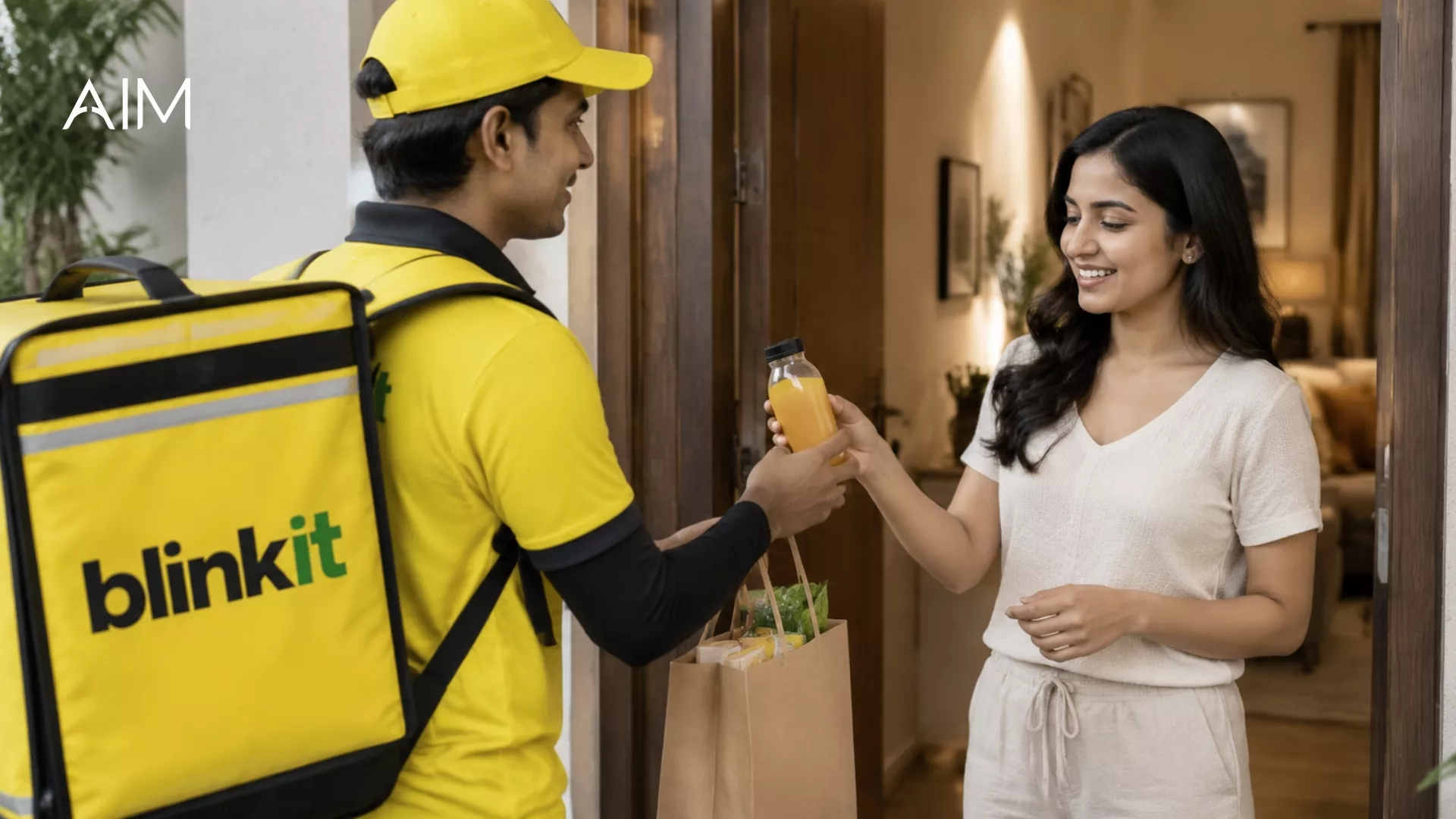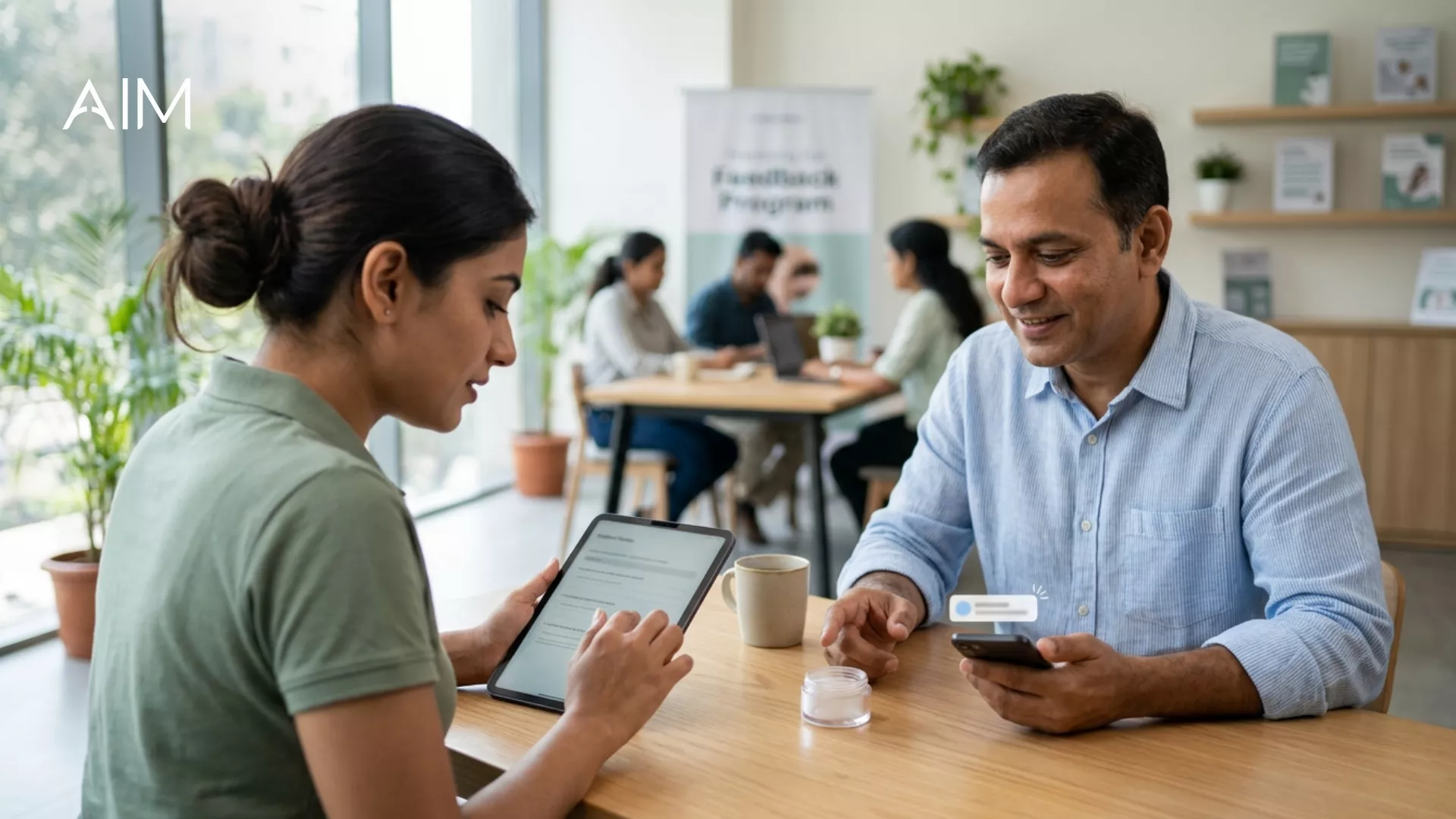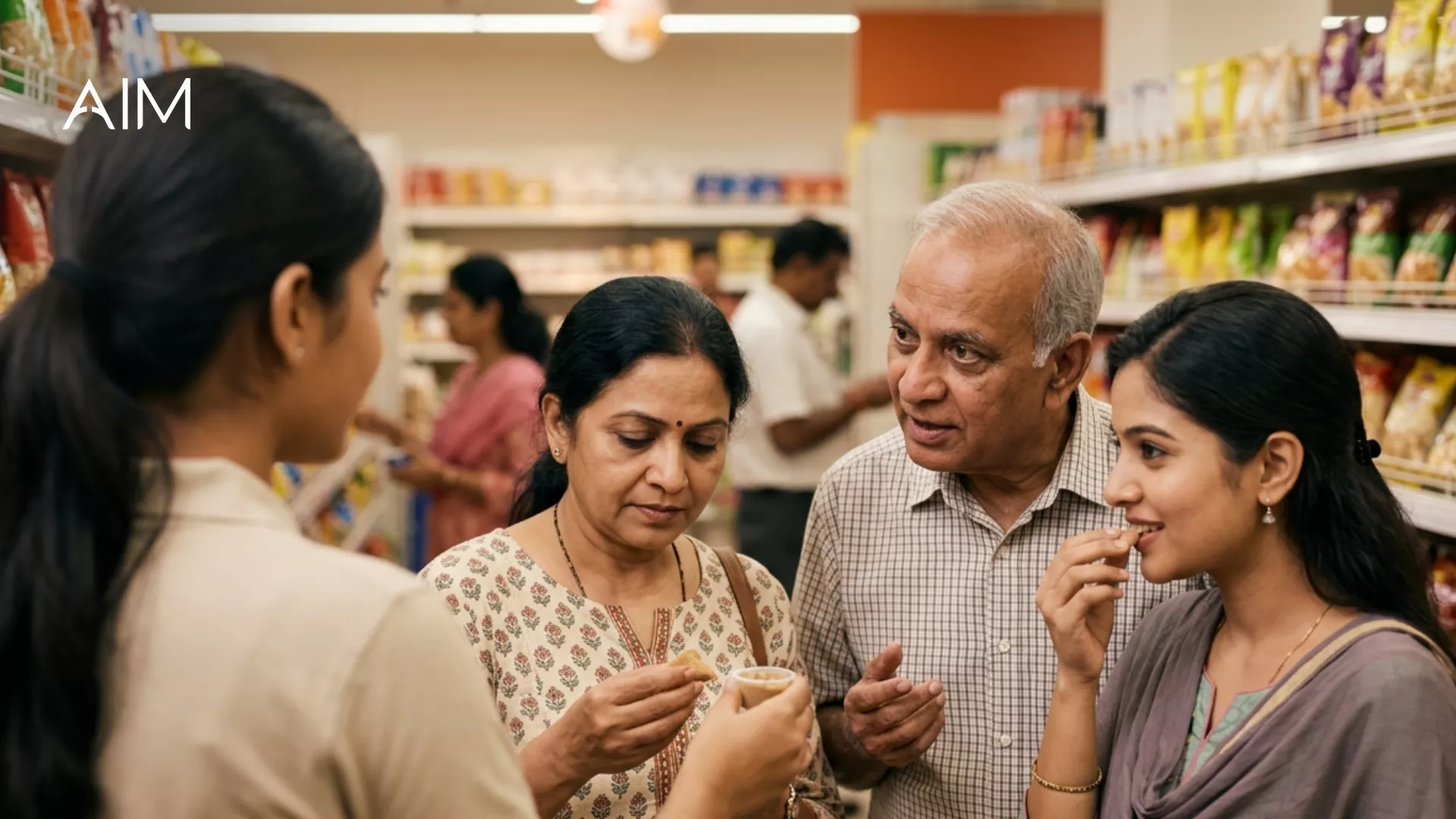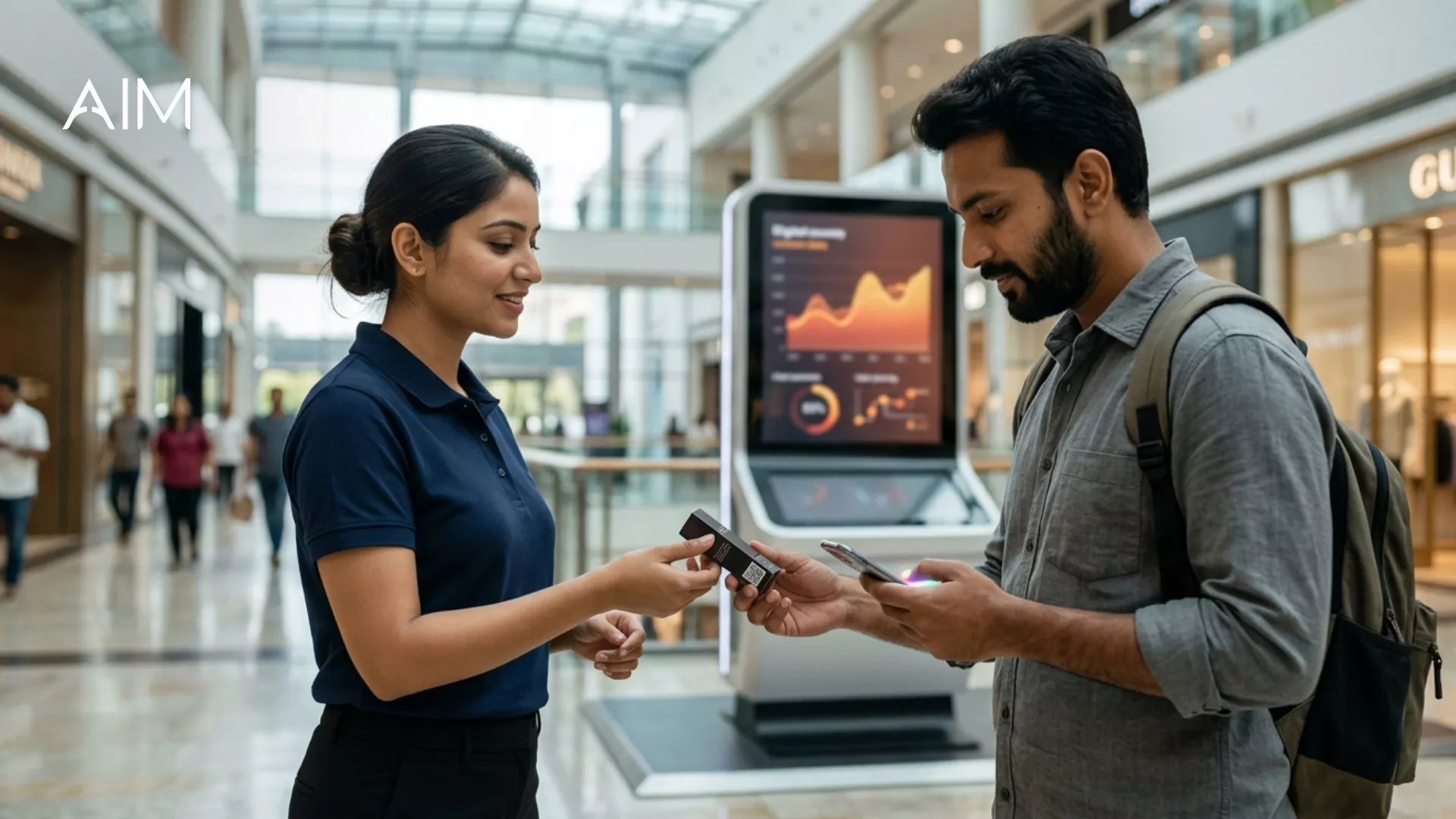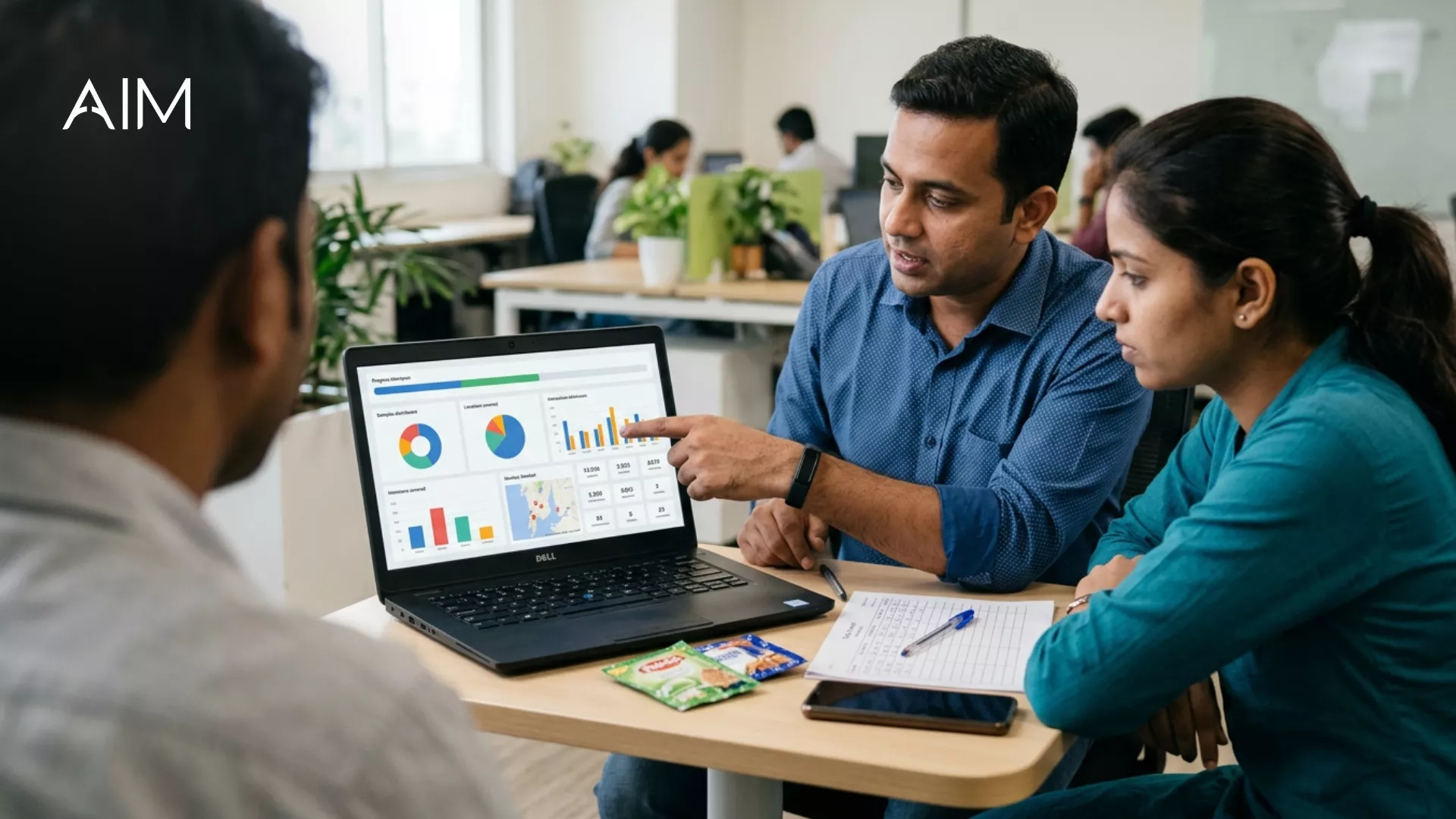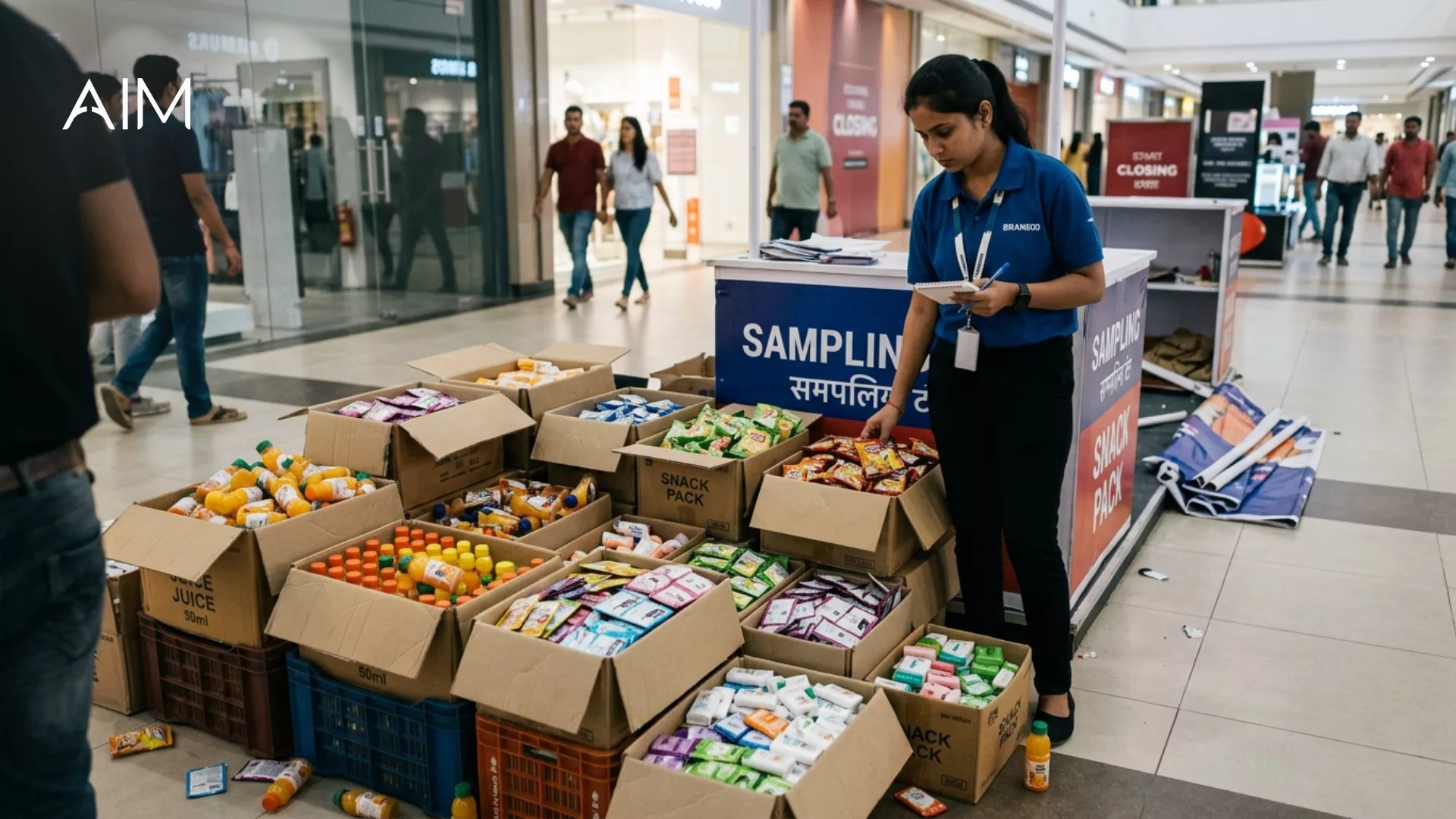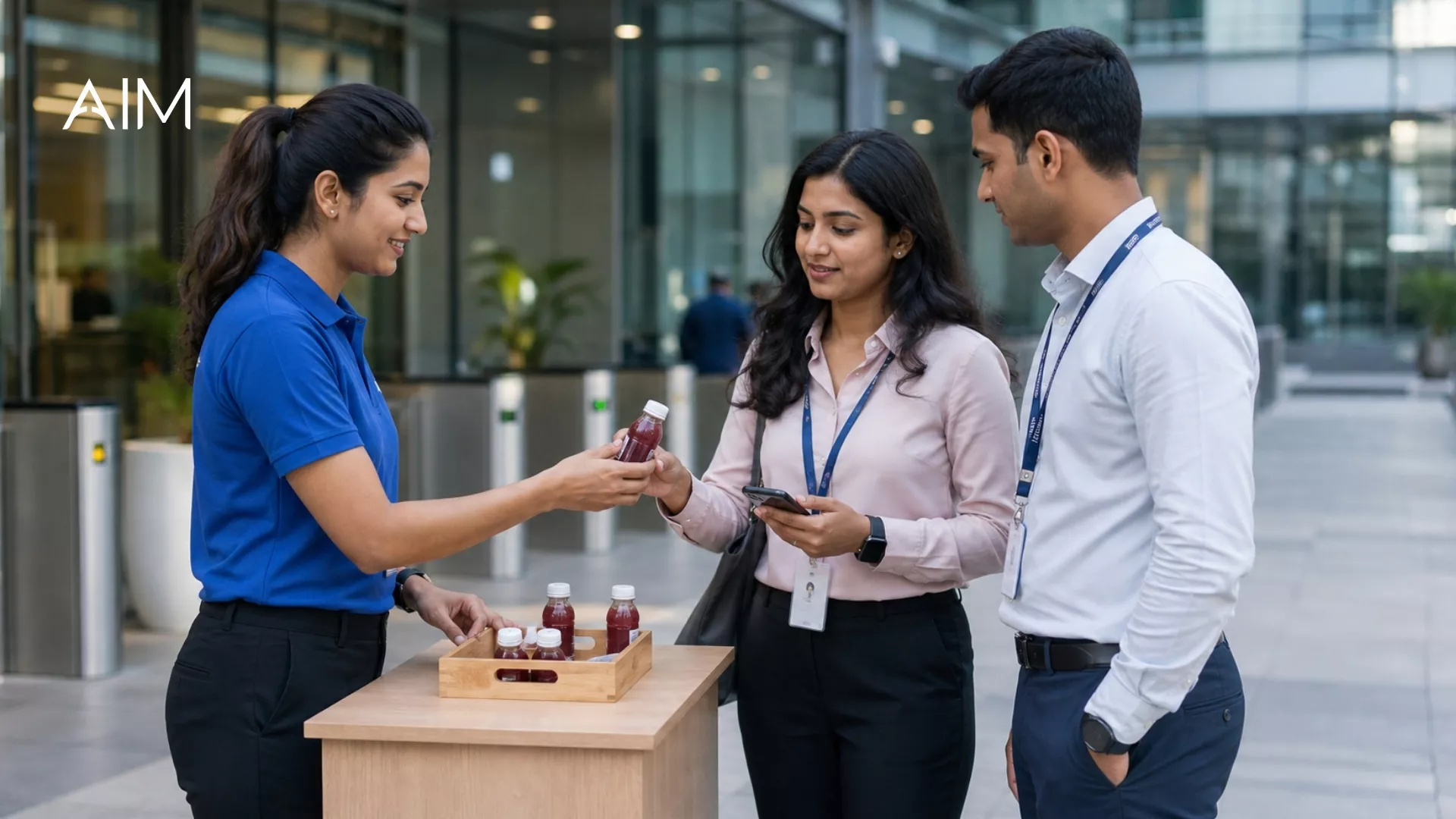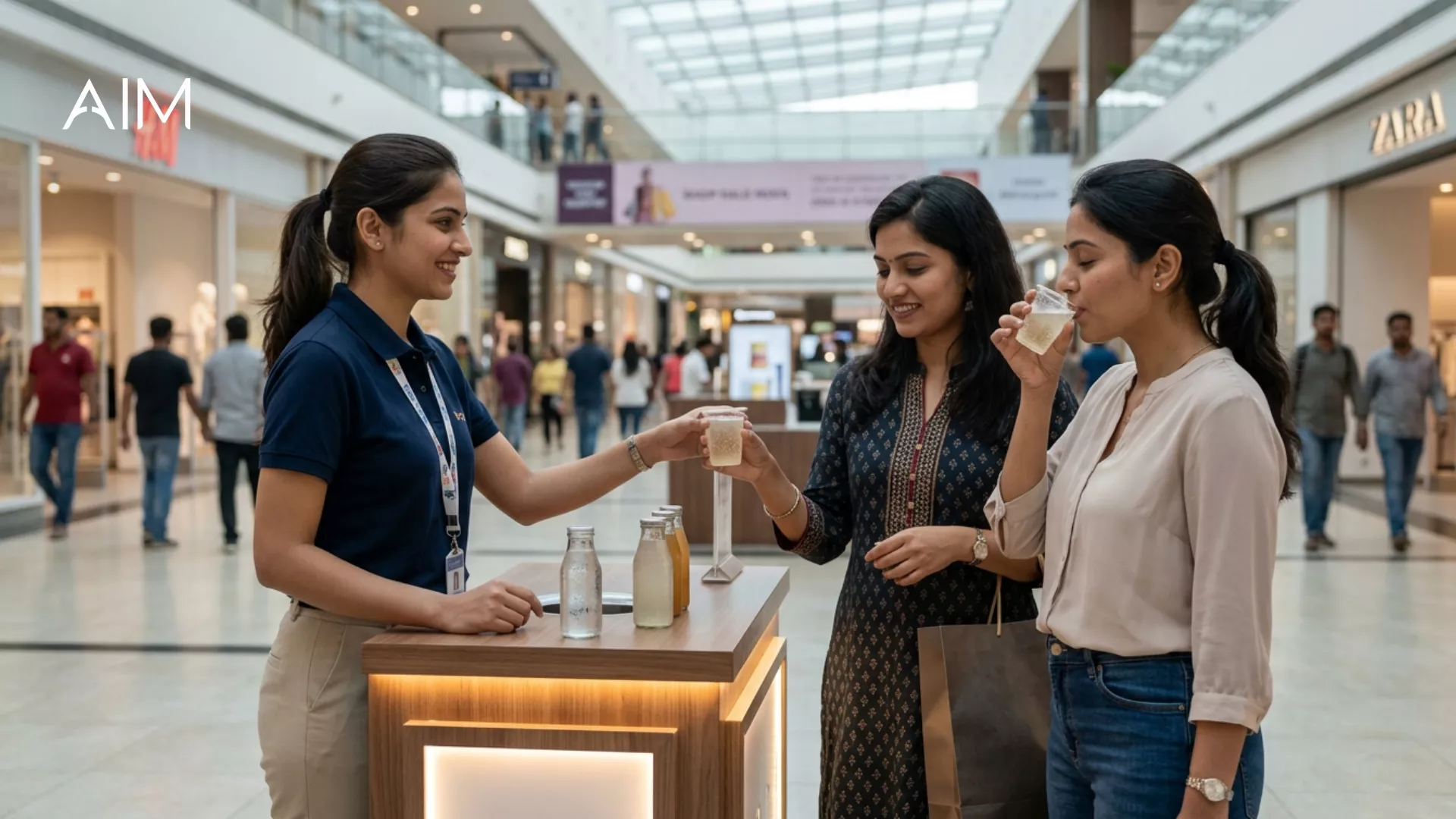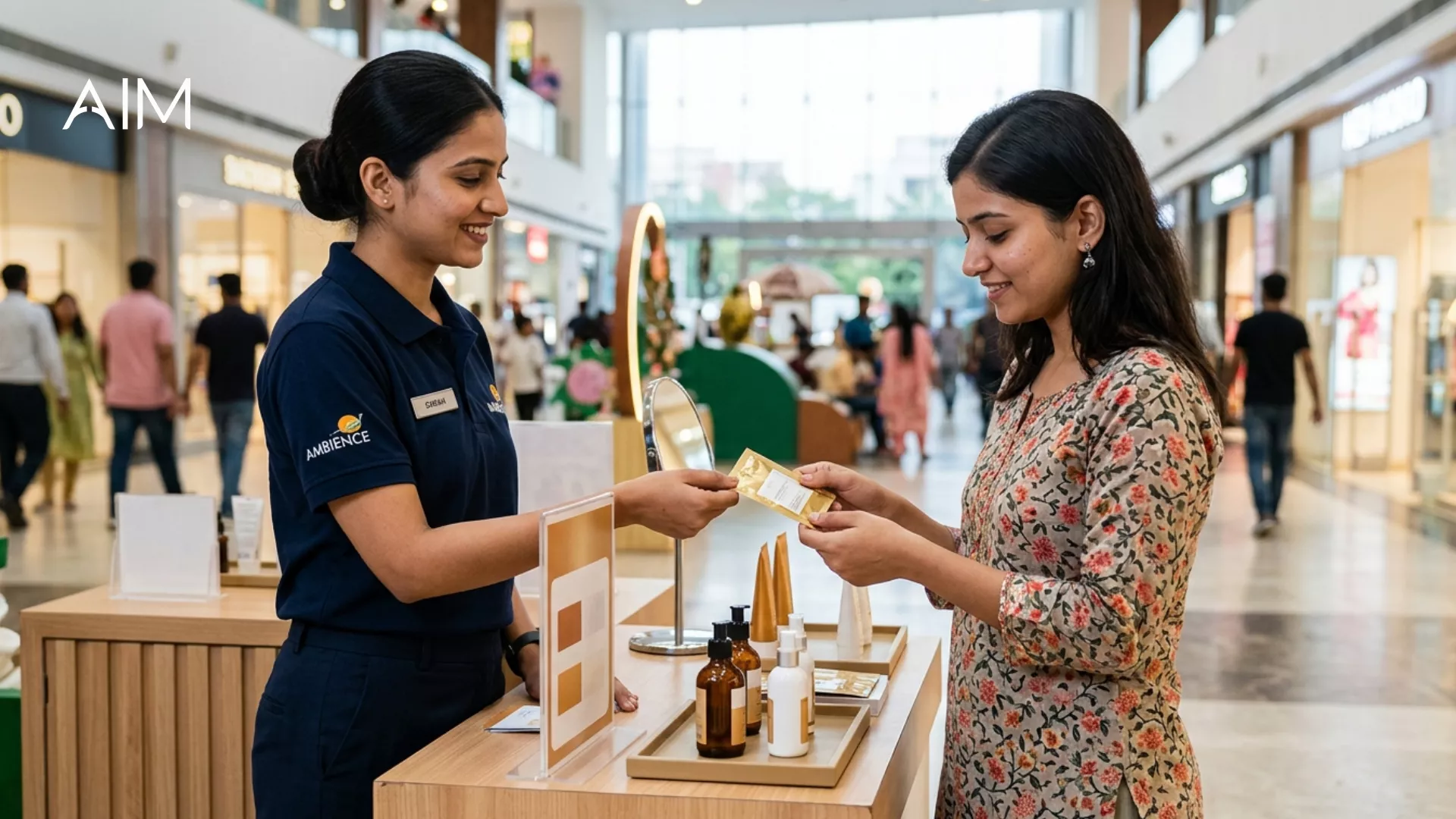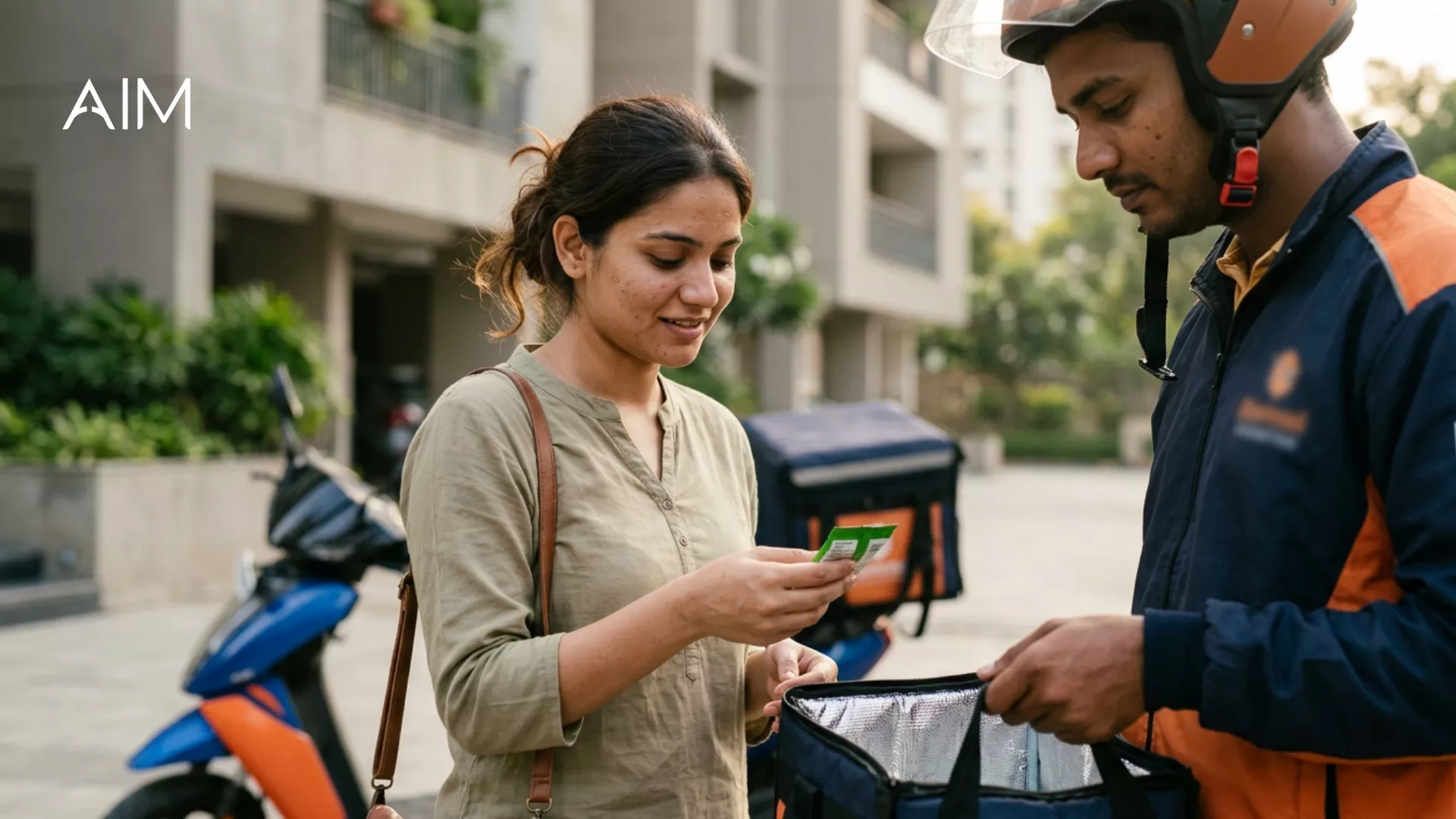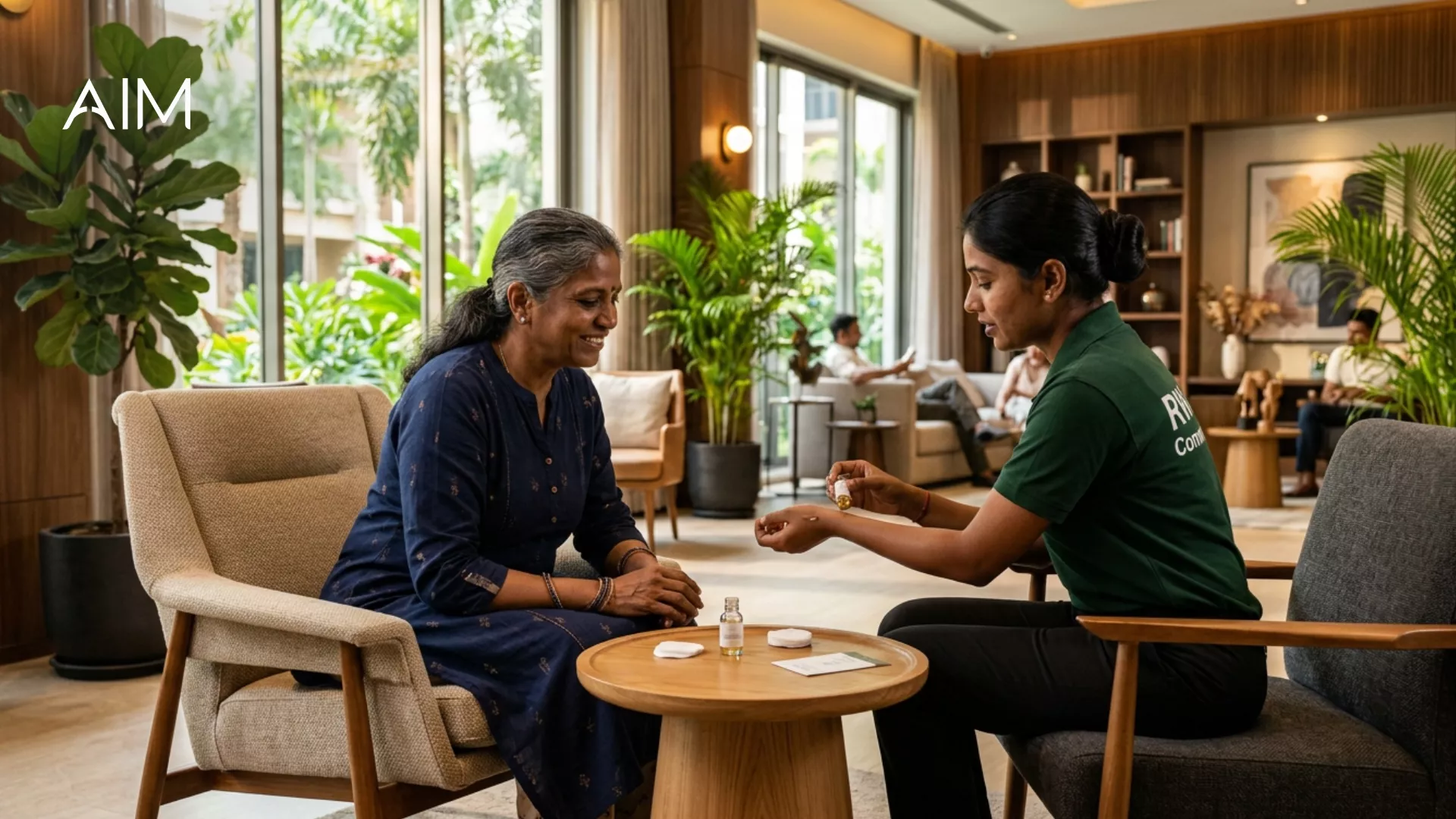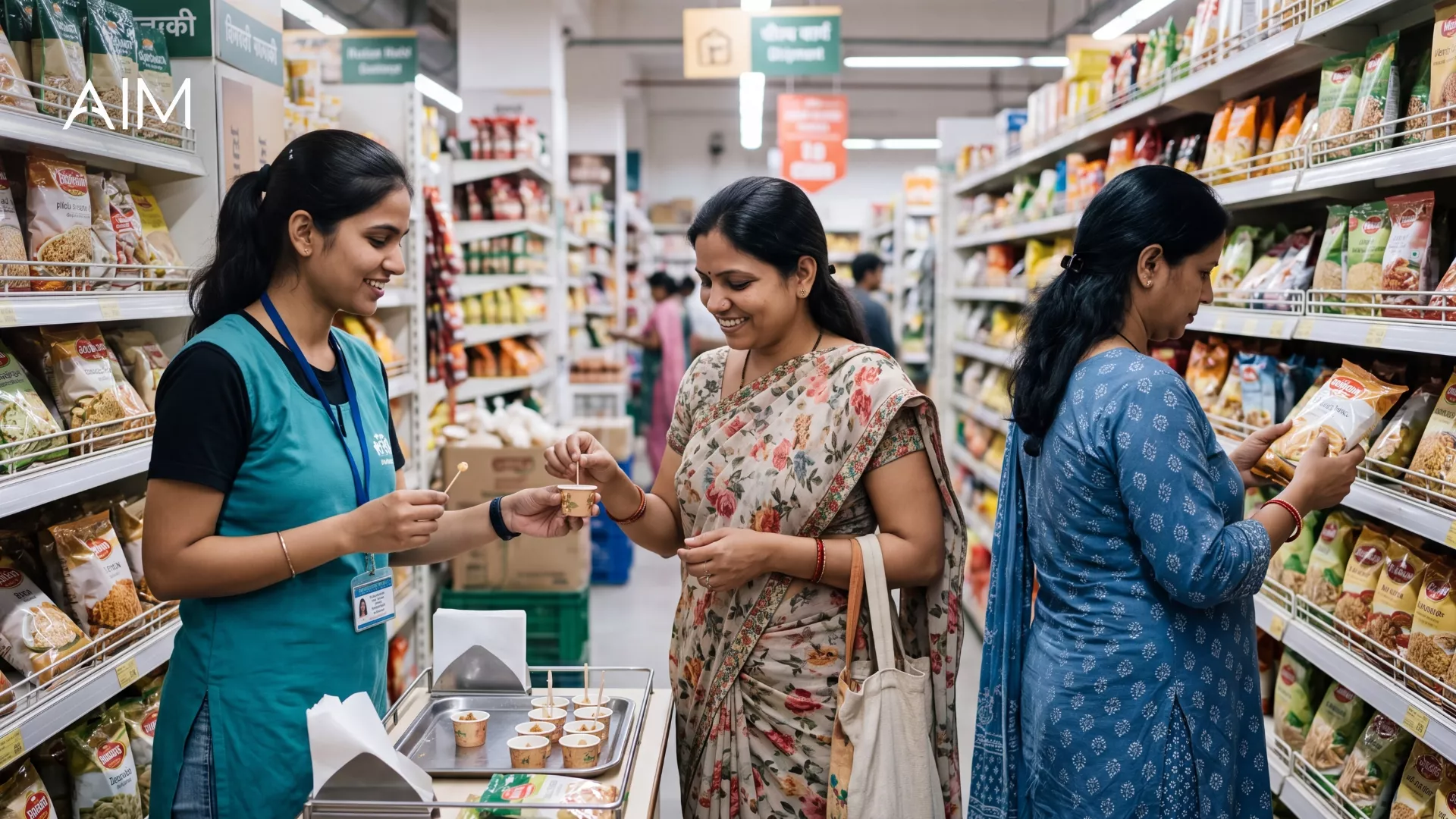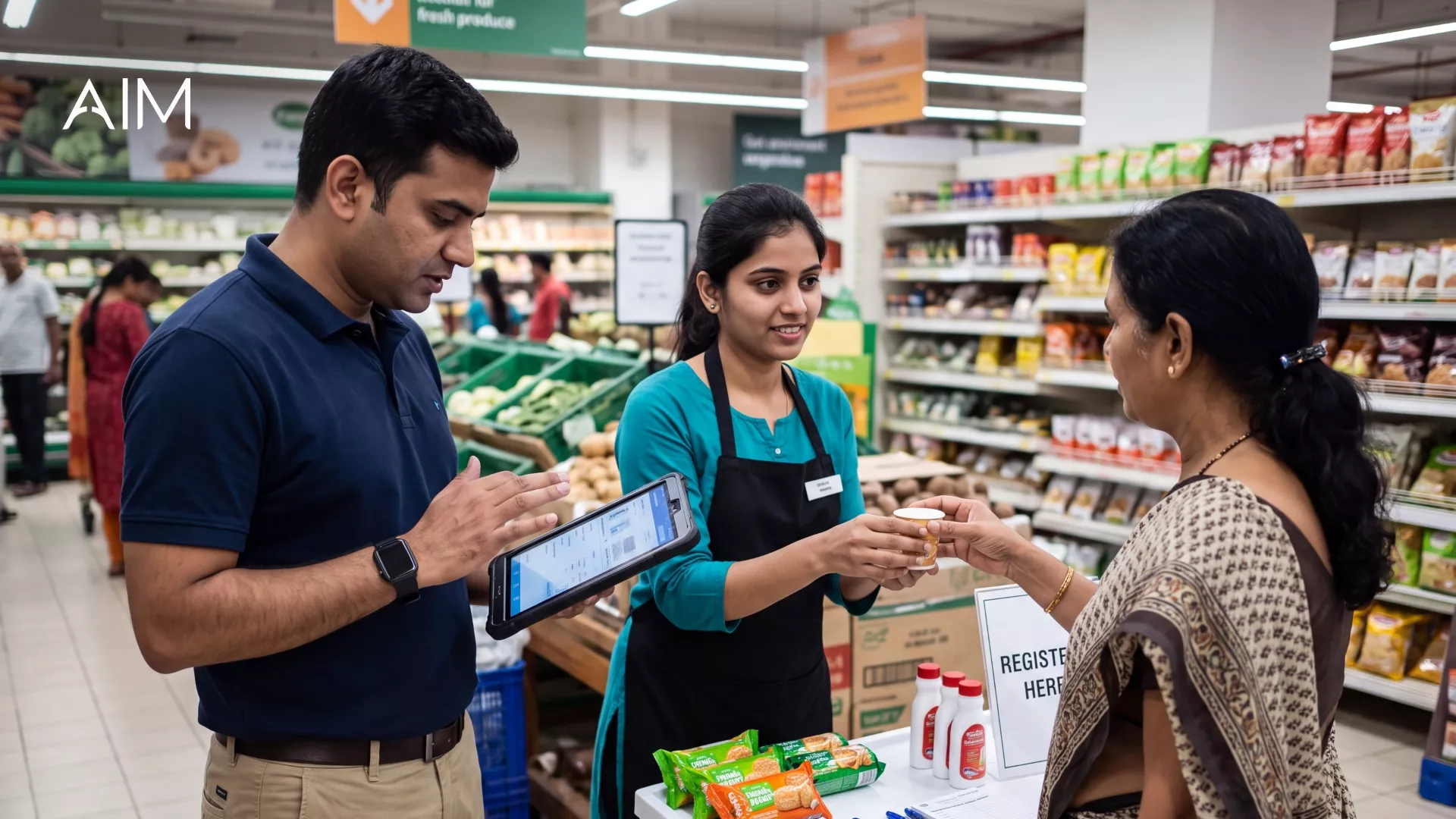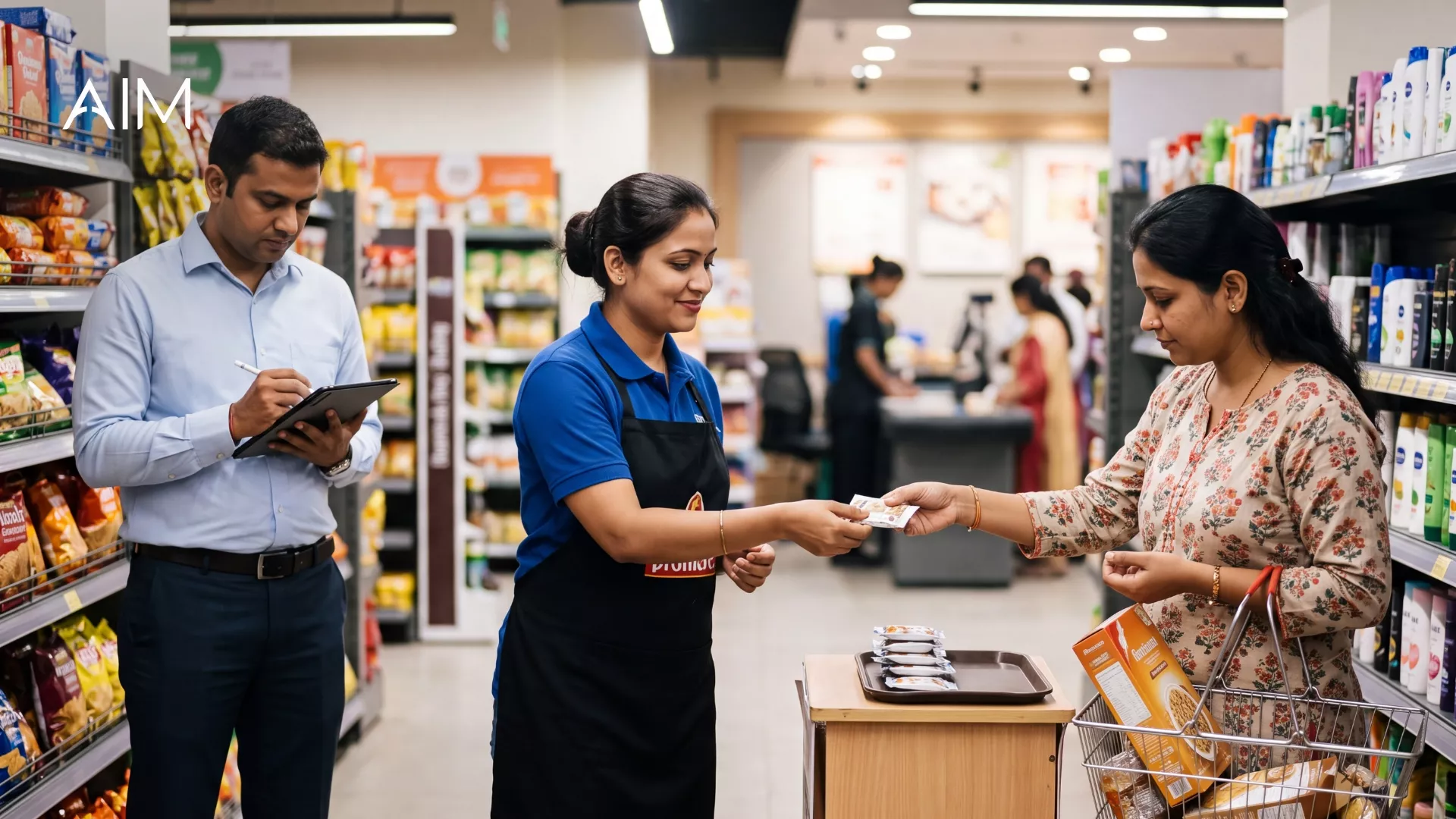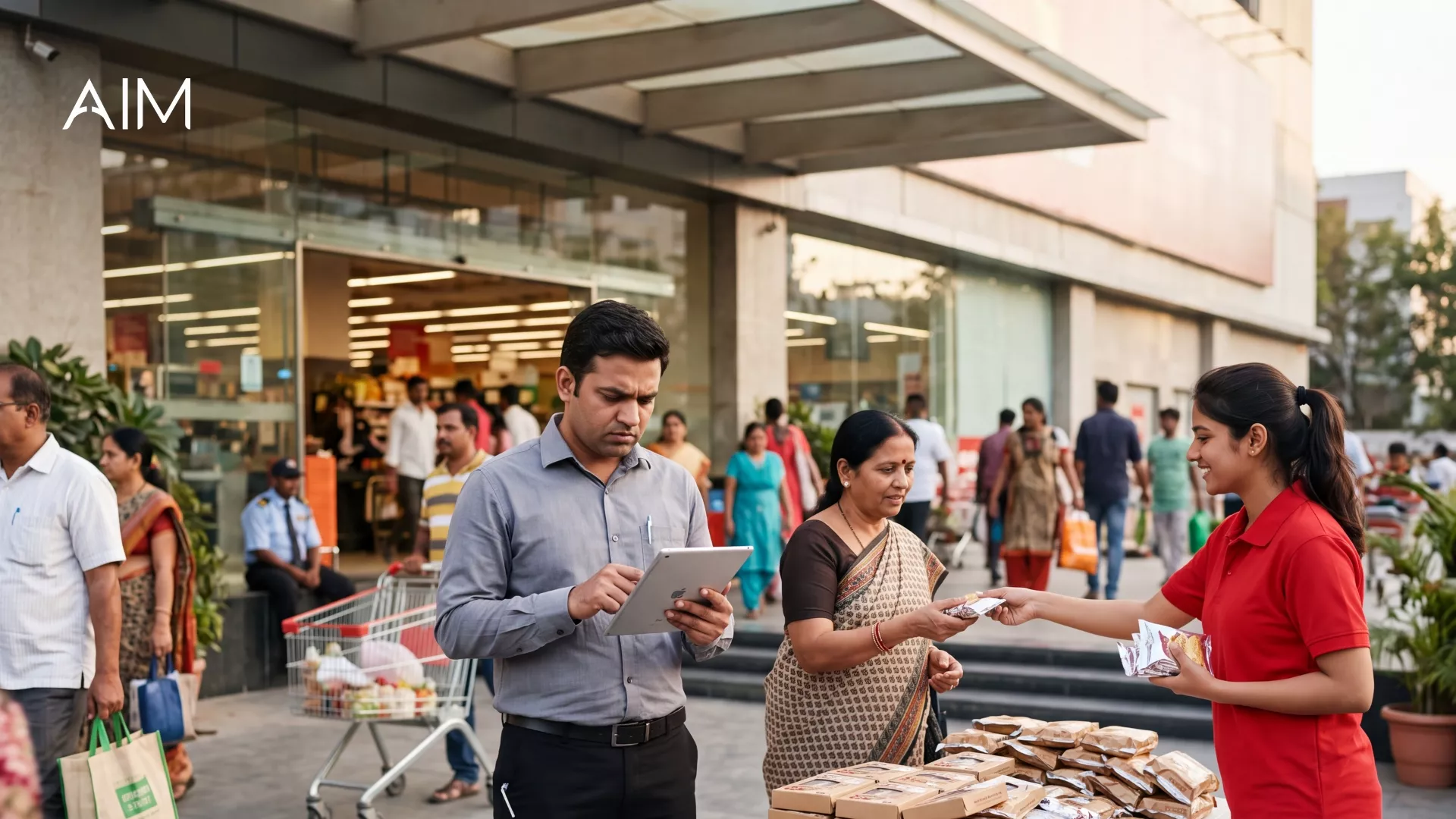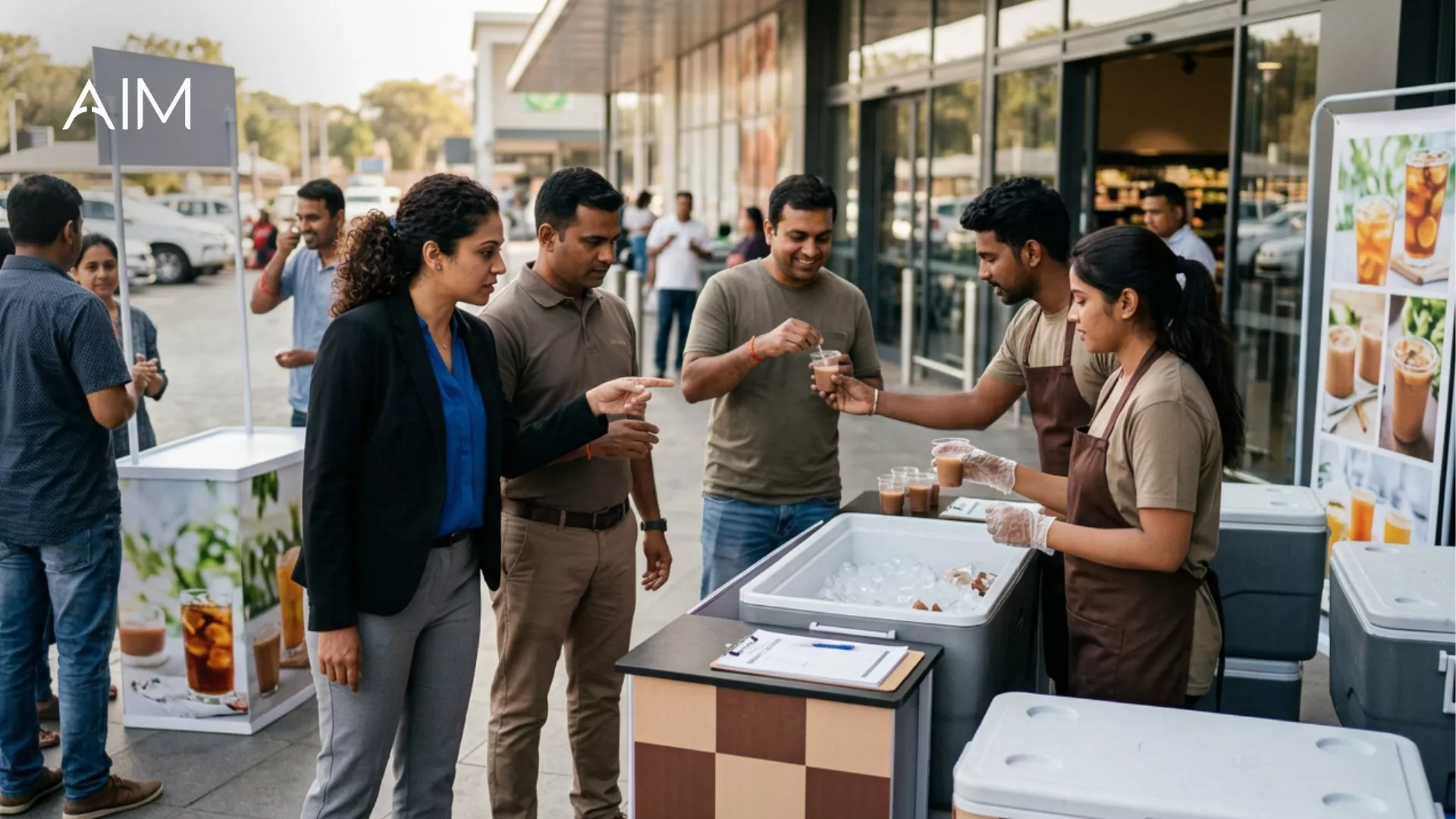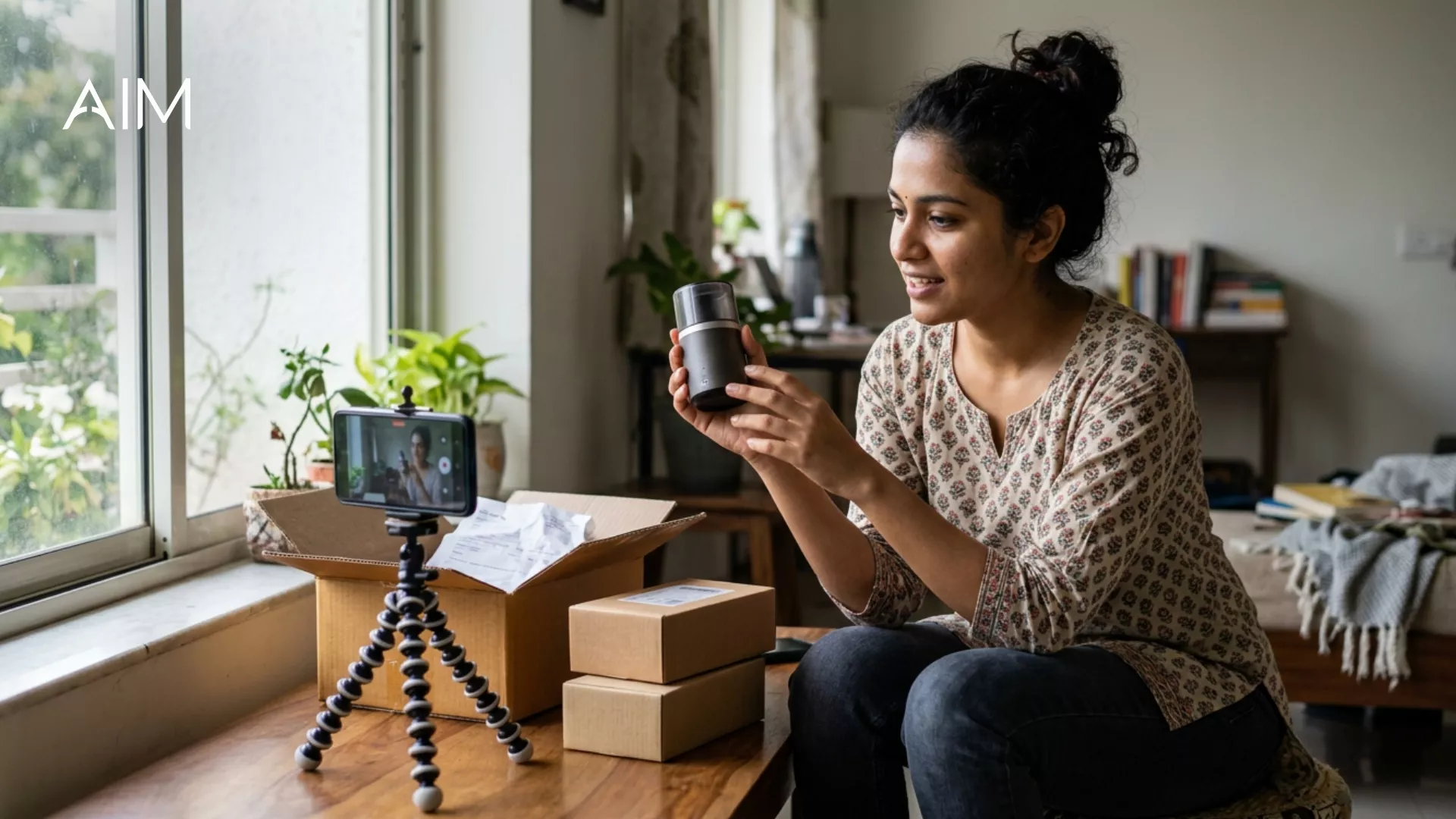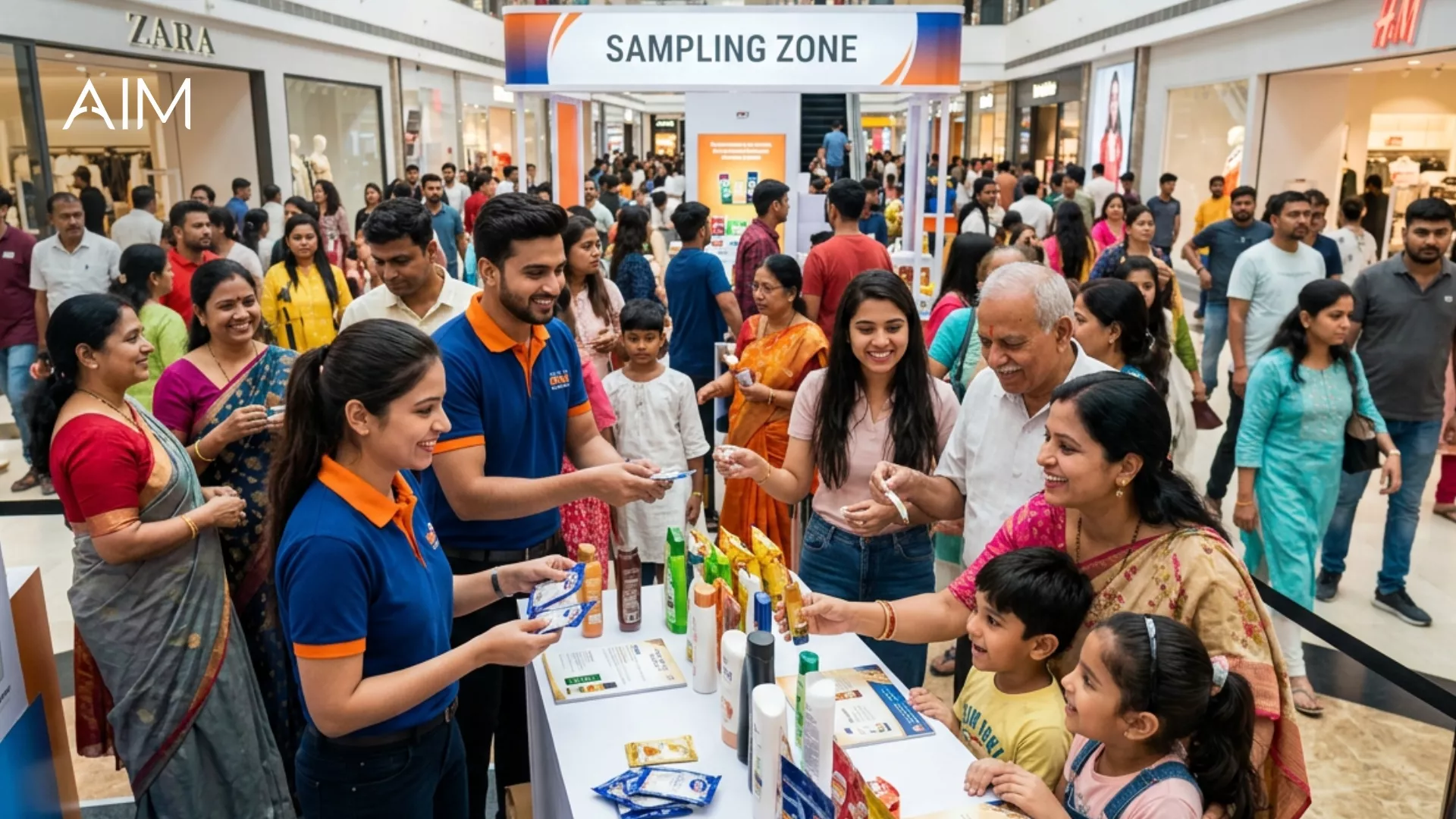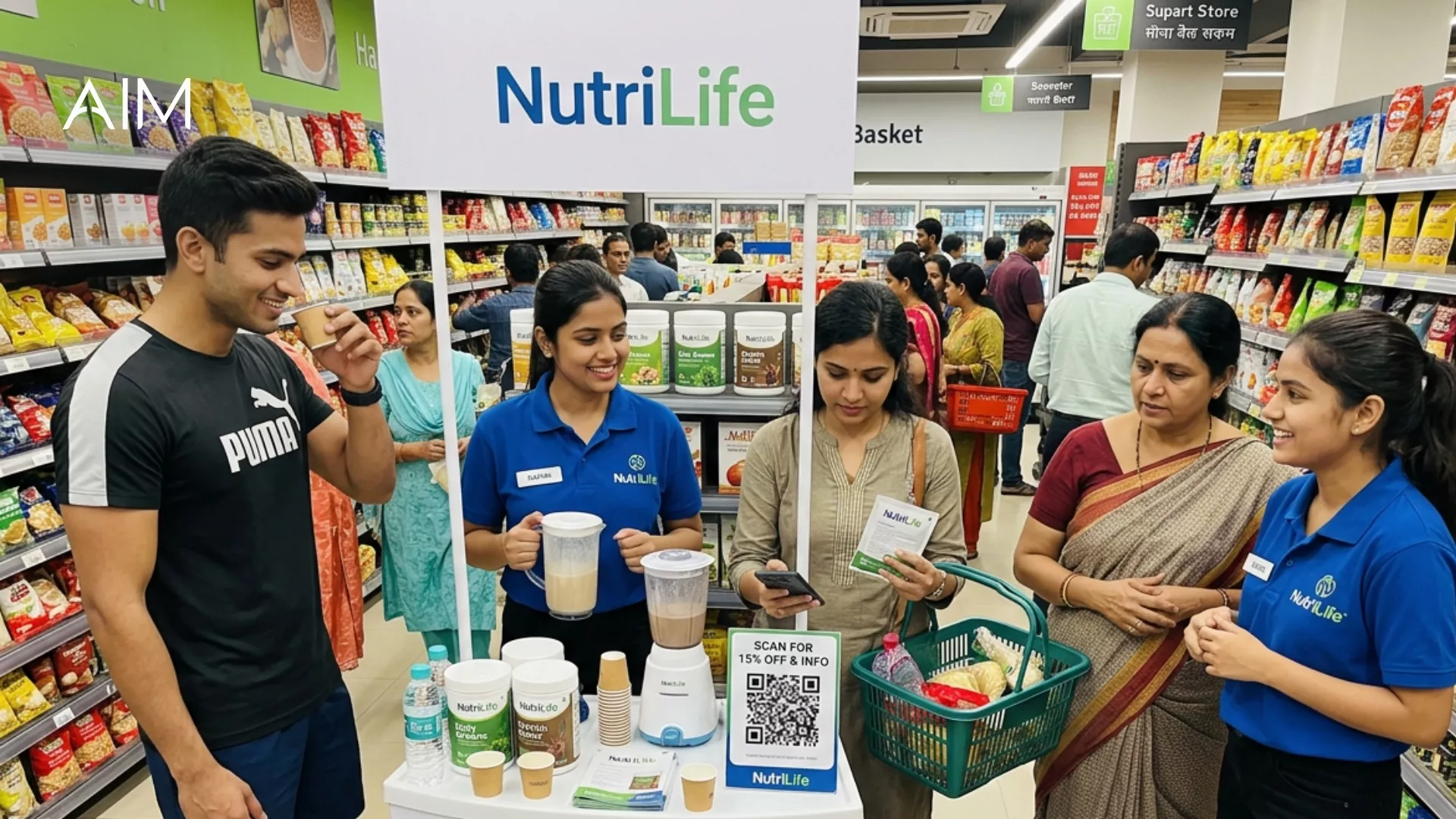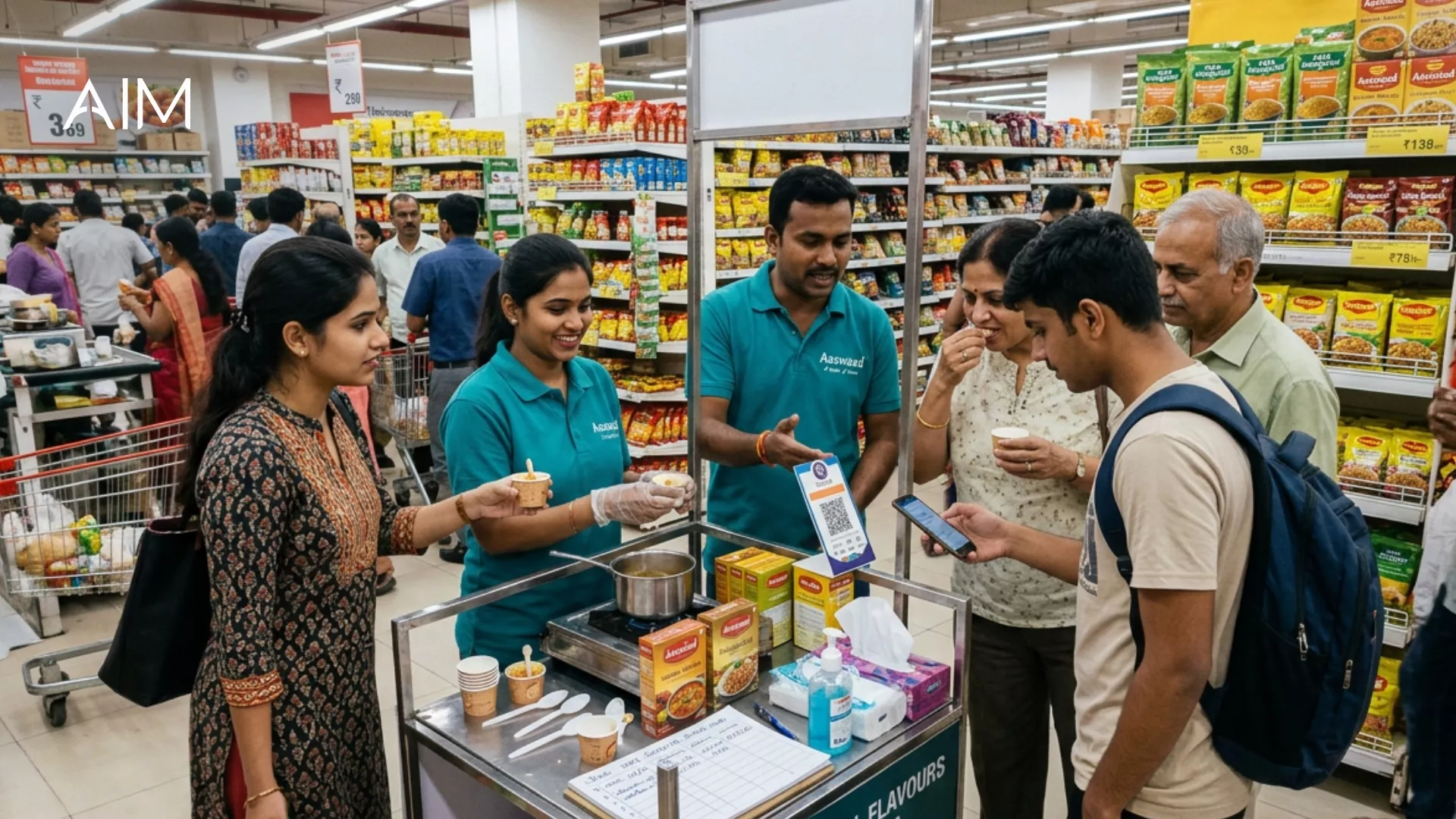
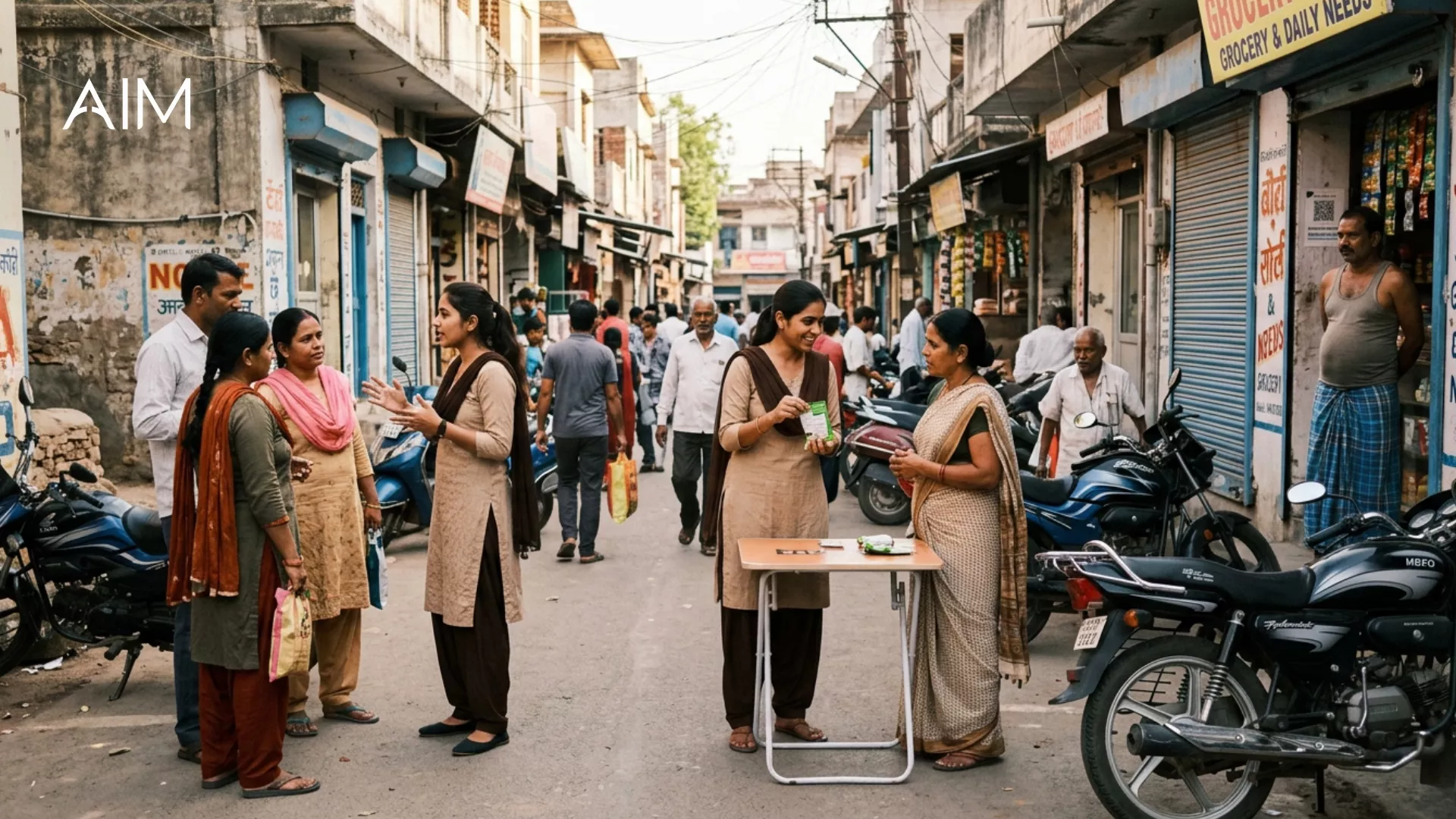


A brand runs a sampling campaign that works beautifully in Mumbai and Bangalore, then rolls the exact same plan out to smaller cities and watches it fall flat. The product is the same, the budget is similar, the agency is the same, and yet the response is nothing like the metros. The instinct is to blame execution. The real reason is that the smaller-city consumer, the retail landscape, and the way trust is built are genuinely different, and a metro playbook copied without change simply does not fit. Reaching the next hundred million consumers in tier 2 and tier 3 India needs its own approach. Here is why, and what changes.
Quick answer: why does tier 2 and tier 3 sampling need a different playbook?
Sampling in tier 2 and tier 3 India needs a different playbook because the consumer, the retail structure, and the trust dynamics differ from the metros. Smaller-city buyers are often more value-conscious and more influenced by local, personal recommendation; the retail mix leans more to neighbourhood kirana stores than large modern trade; brand familiarity cannot be assumed; and language, local context, and community trust matter more. A metro plan built around large-format retail, English-first messaging, and anonymous distribution underperforms there. The winning approach samples through trusted local channels, speaks the local language and context, respects the value mindset, and leans on community and word of mouth rather than scale alone.
Why the metro playbook fails beyond the metros
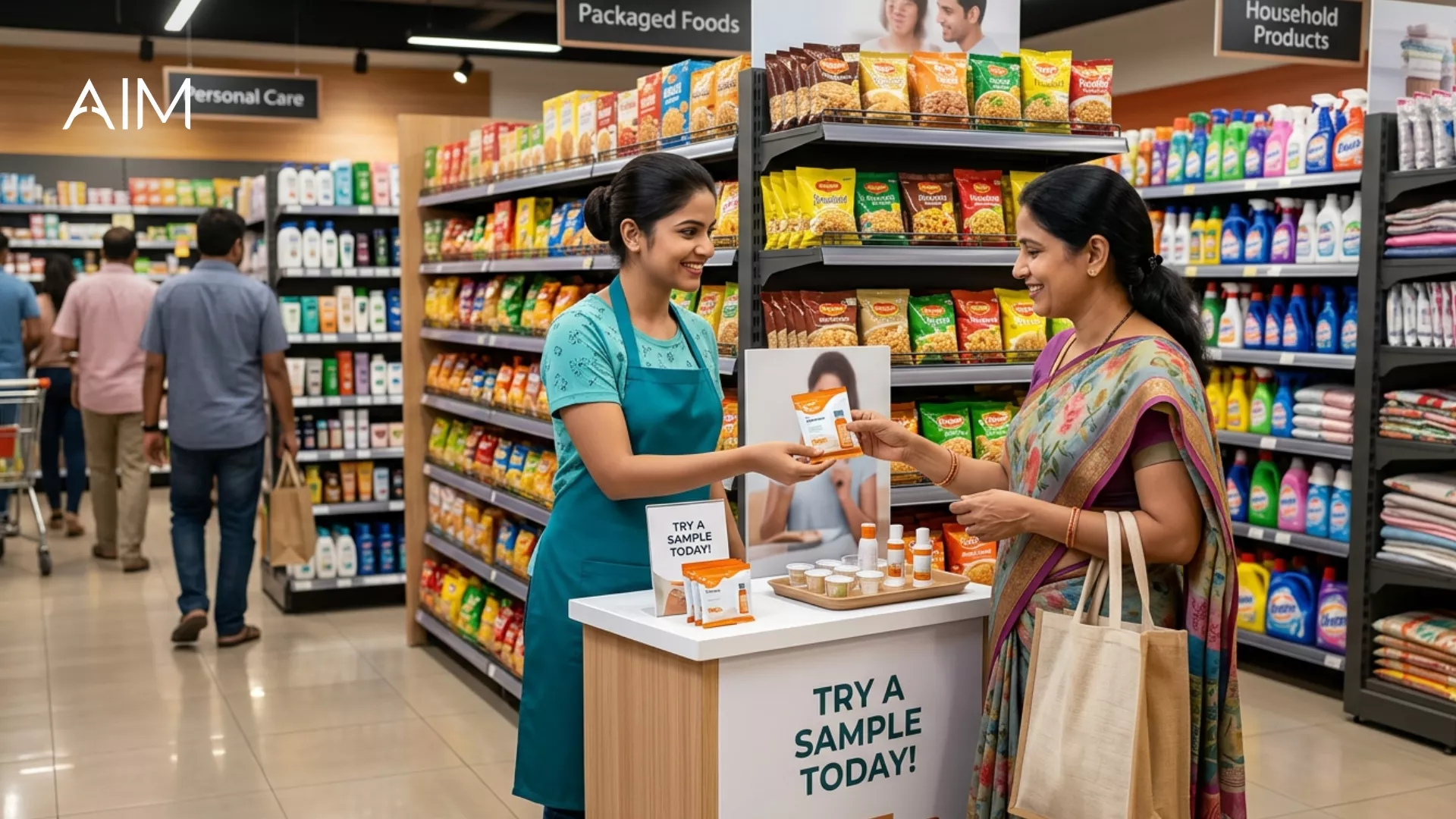
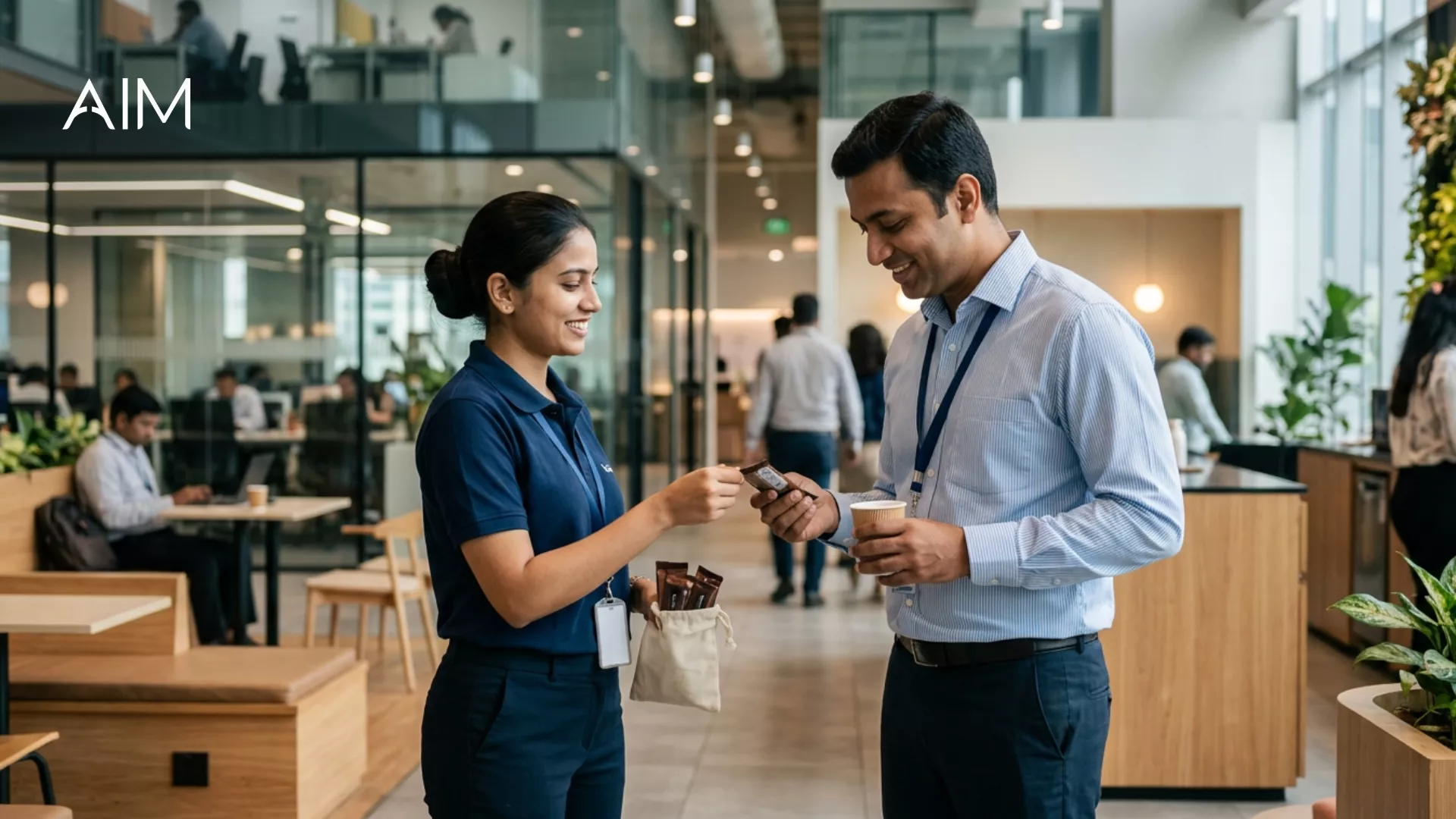
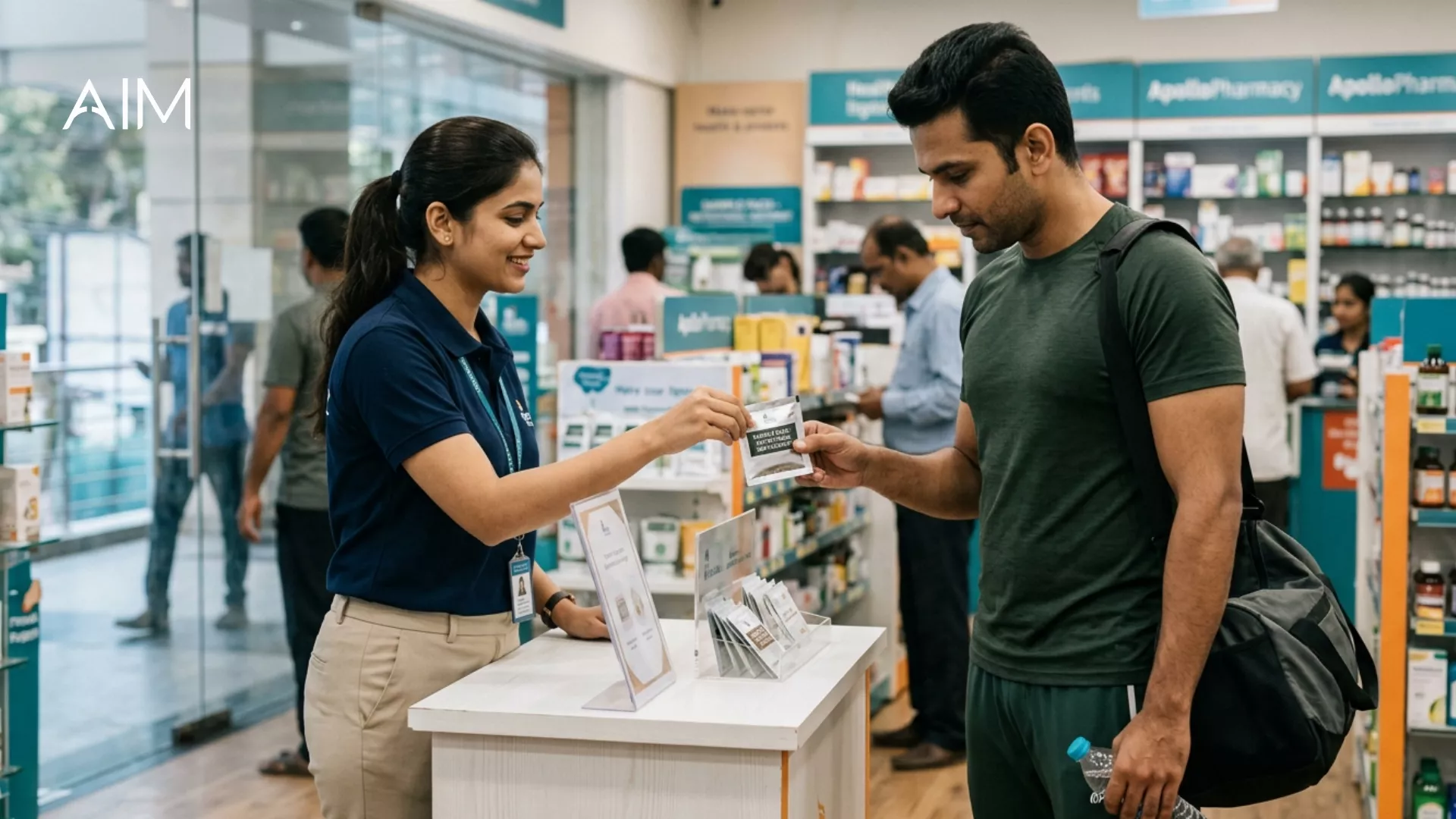
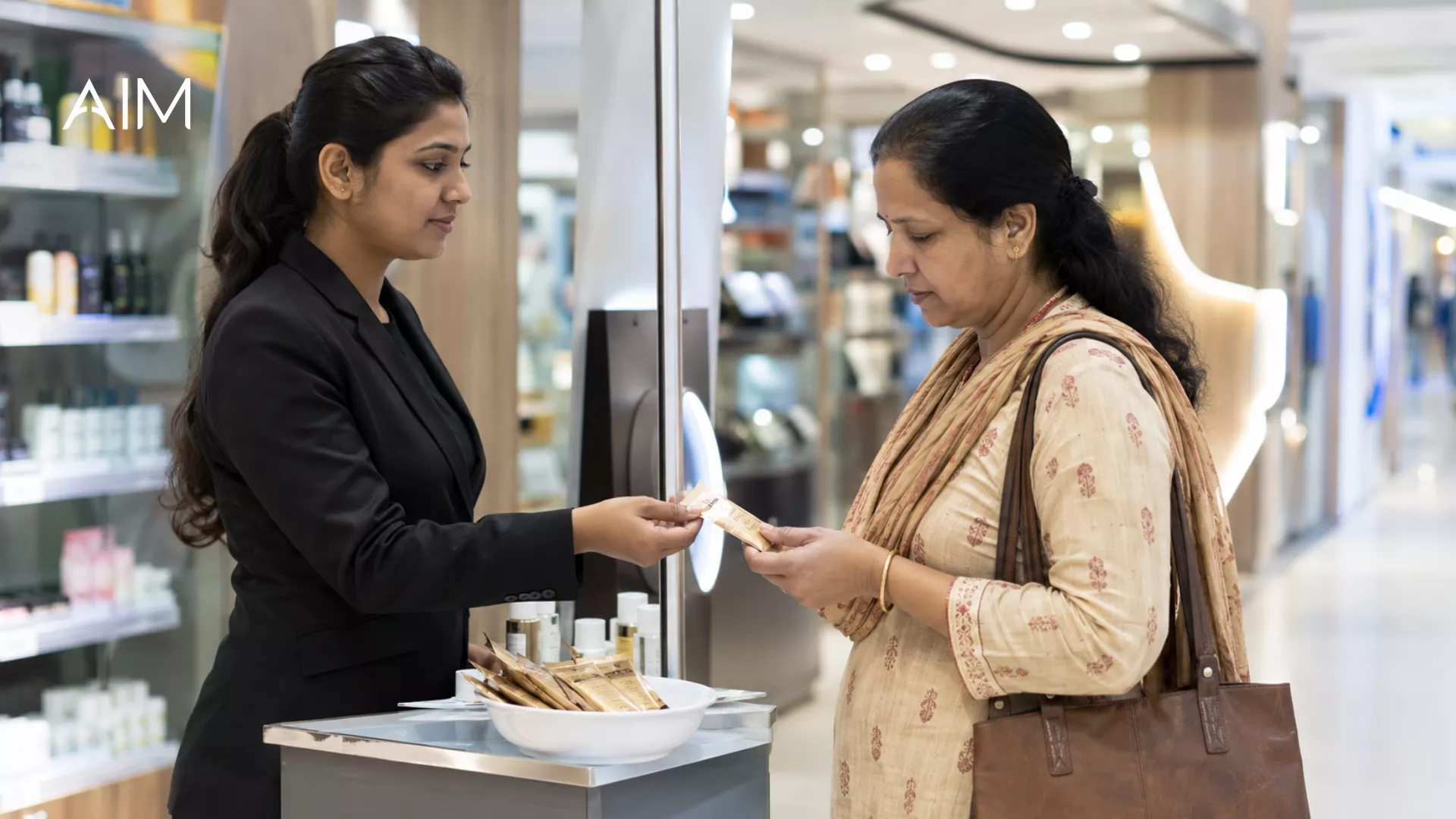
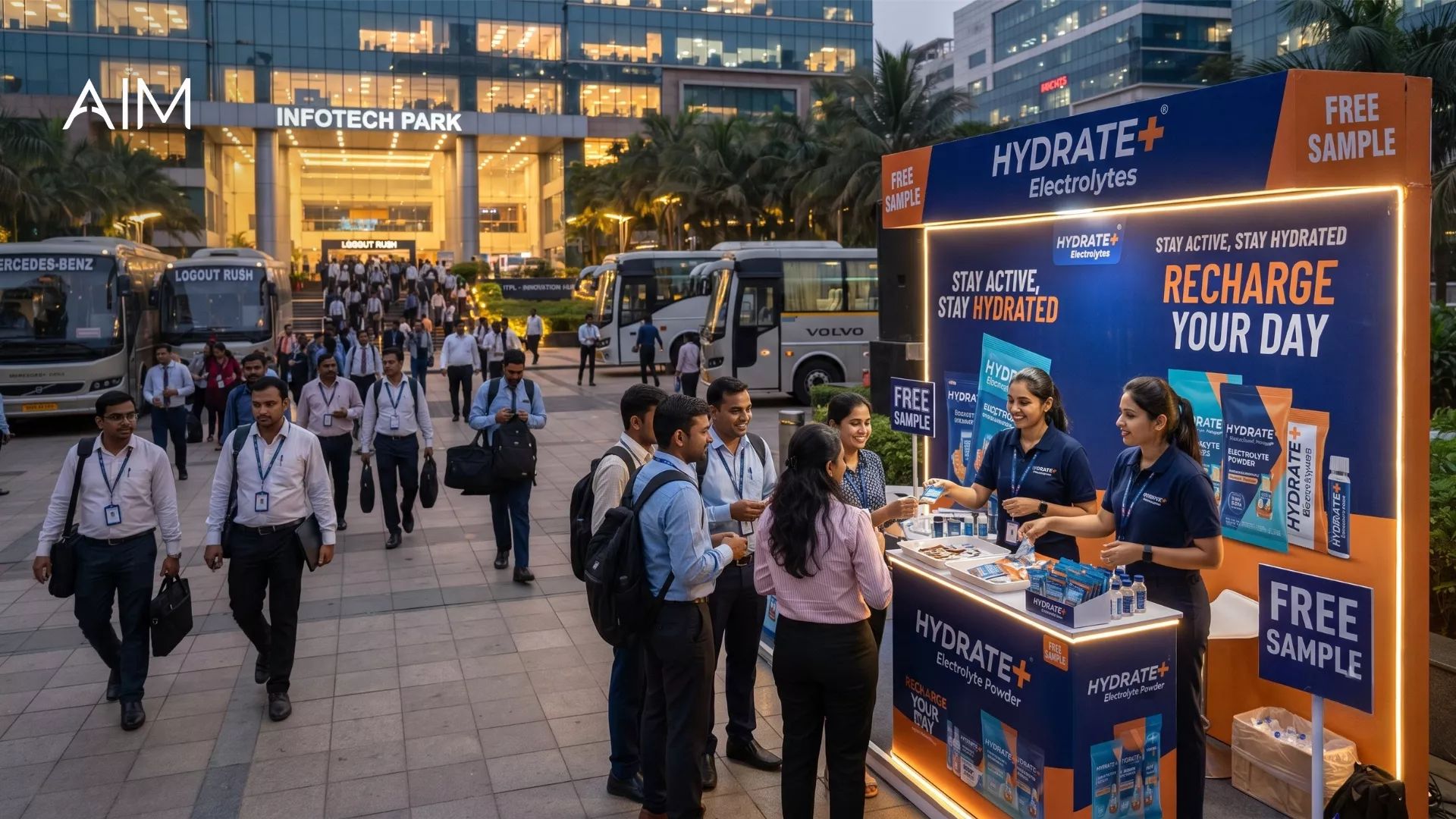
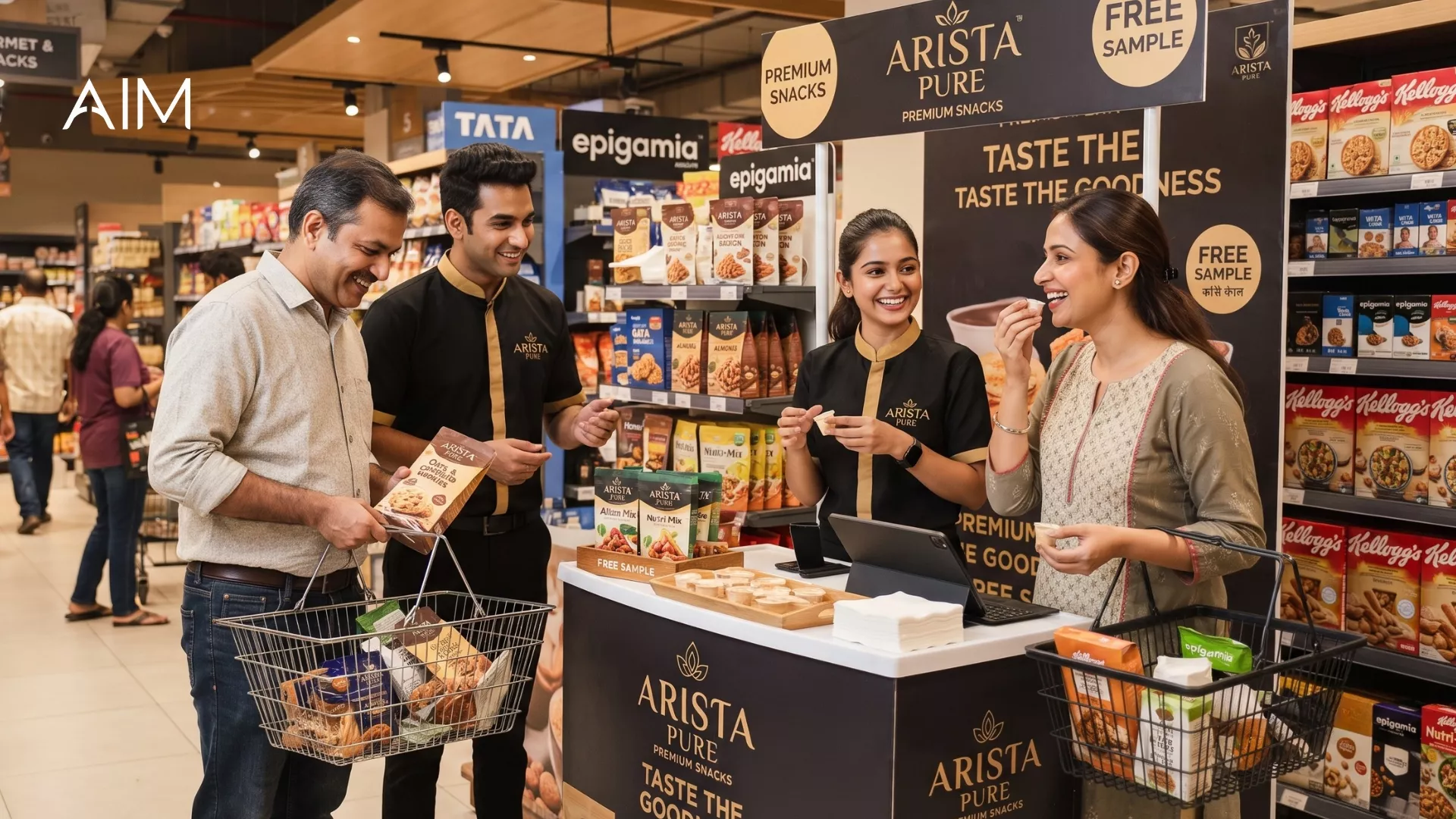
The metro sampling playbook is built on assumptions that quietly break in smaller cities. It assumes large-format retail where you can set up an organised sampling activity, but much of tier 2 and tier 3 shopping happens in small neighbourhood stores with no room for a stall. It assumes a consumer who already knows the category and the brand, when familiarity is often lower and the sample has more explaining to do. It assumes anonymity works, when smaller markets run on personal relationships and a stranger handing out product carries less trust than a familiar local face. And it assumes one language and one cultural frame, when the real India speaks many. Copy the metro plan unchanged and you are solving for a consumer who is not there.
How the tier 2 and tier 3 consumer is different
The differences are not about sophistication, they are about context. Buyers in smaller cities are frequently more value-conscious, weighing a purchase more carefully, which means a sample has to prove worth clearly rather than rely on brand aura. They are often more influenced by people they know and local figures they trust than by advertising, so a recommendation inside the community carries more weight than a campaign. Aspiration is strong, but it is filtered through practicality. And trust, once earned, tends to run deeper and produce more loyalty, which makes these markets valuable precisely because a well-earned trial can create a durable customer. The brand that understands this samples to persuade and to build trust, rather than only to create awareness.
Why local trust and word of mouth matter more
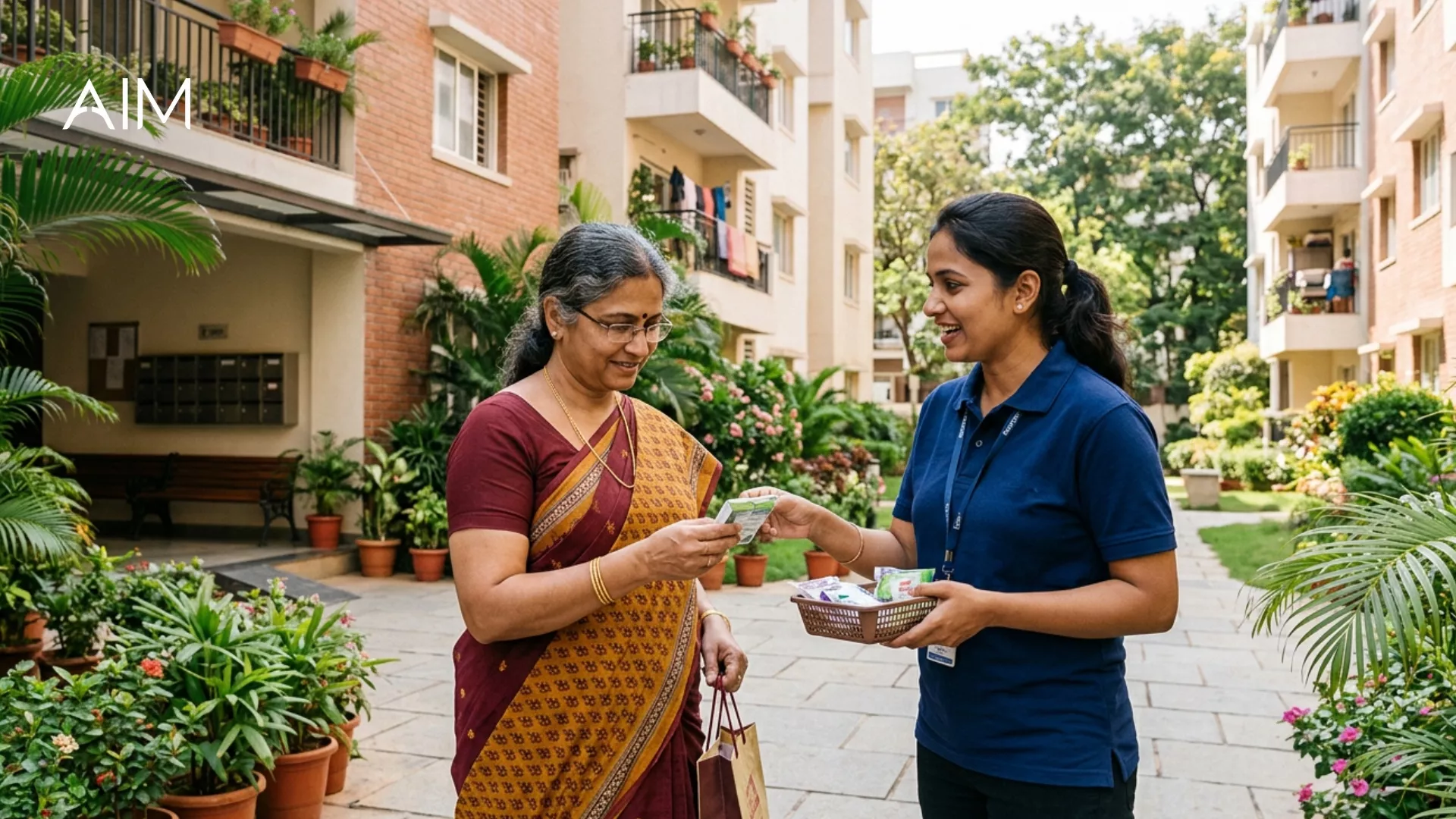
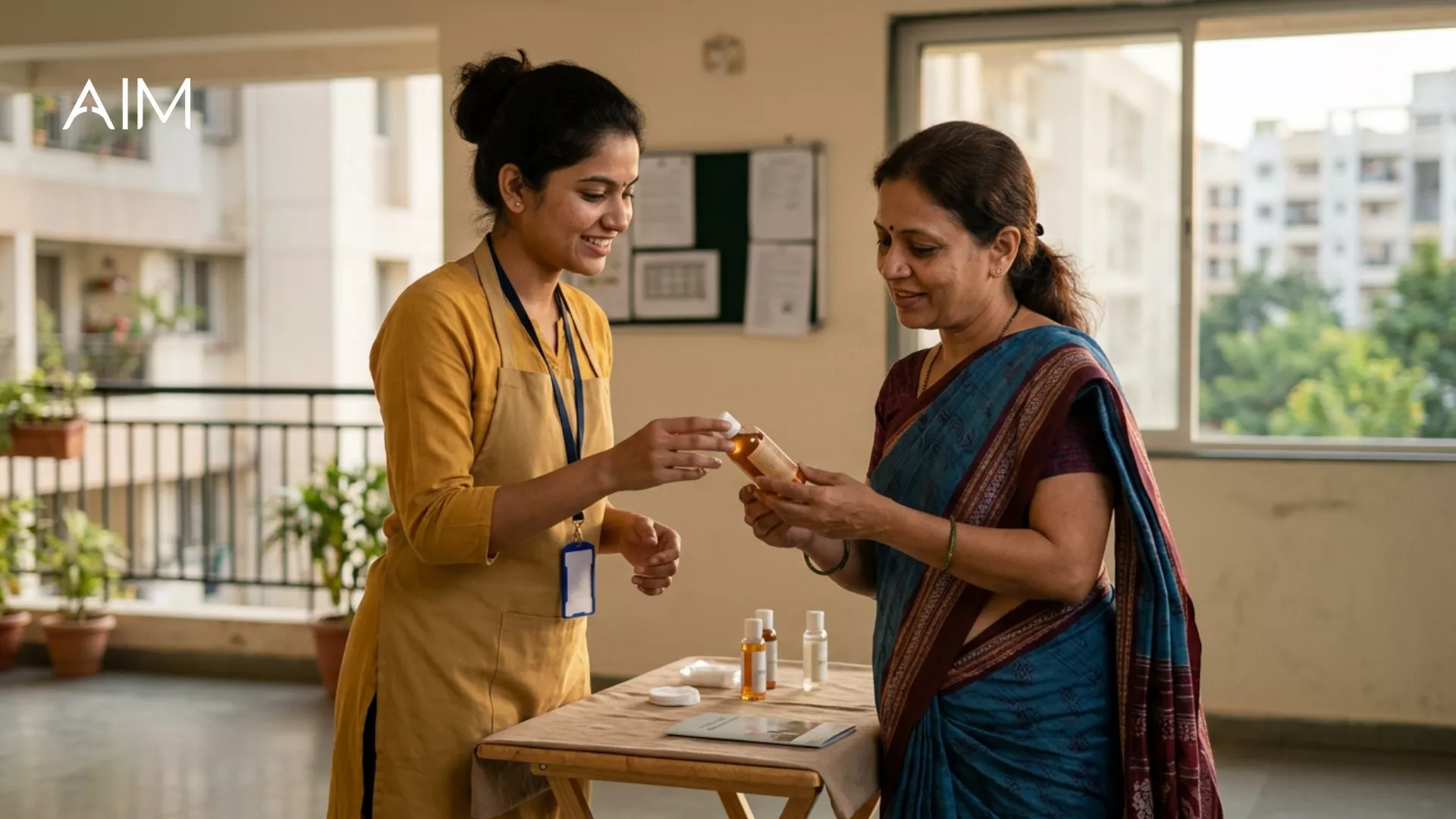
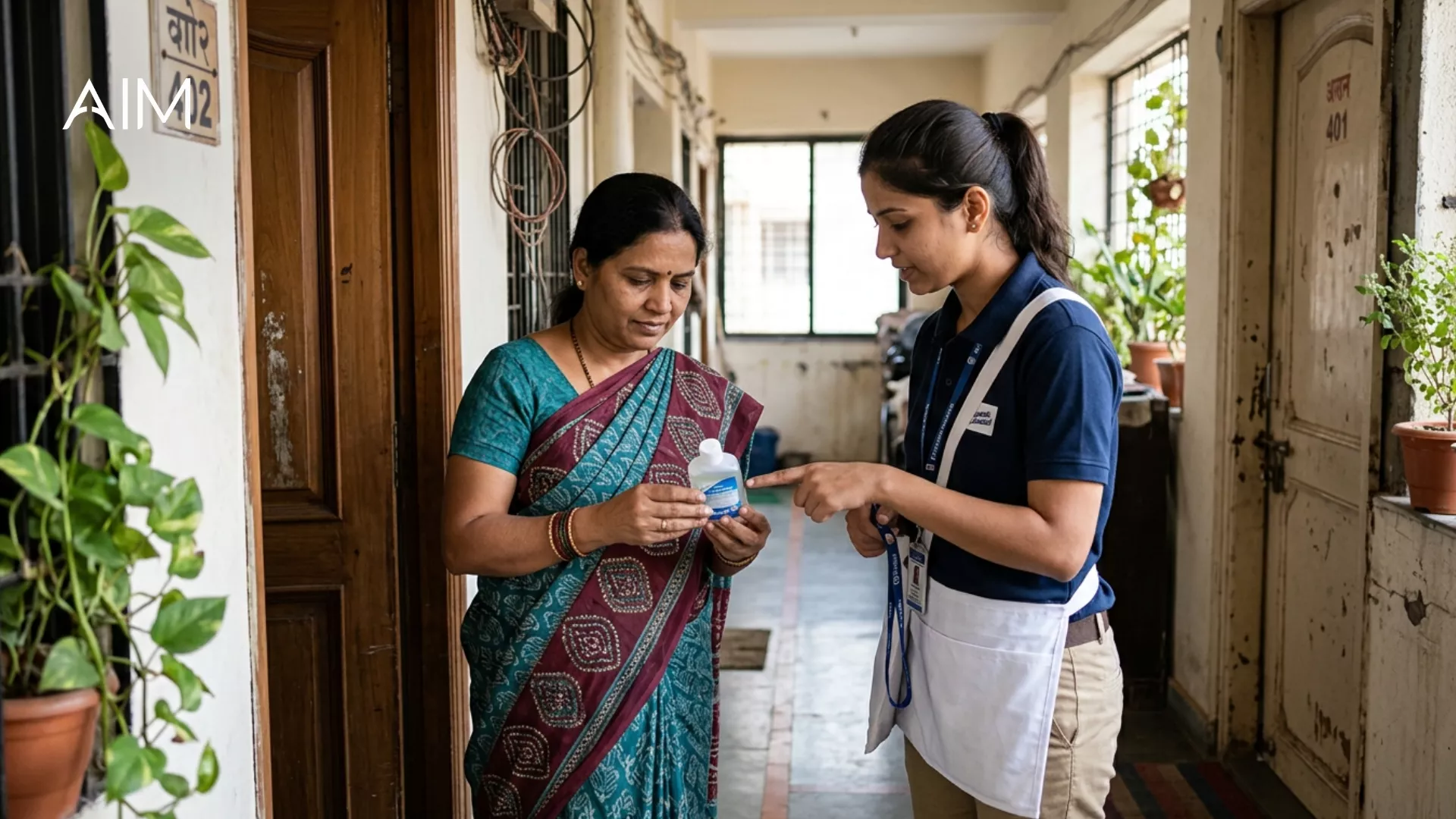
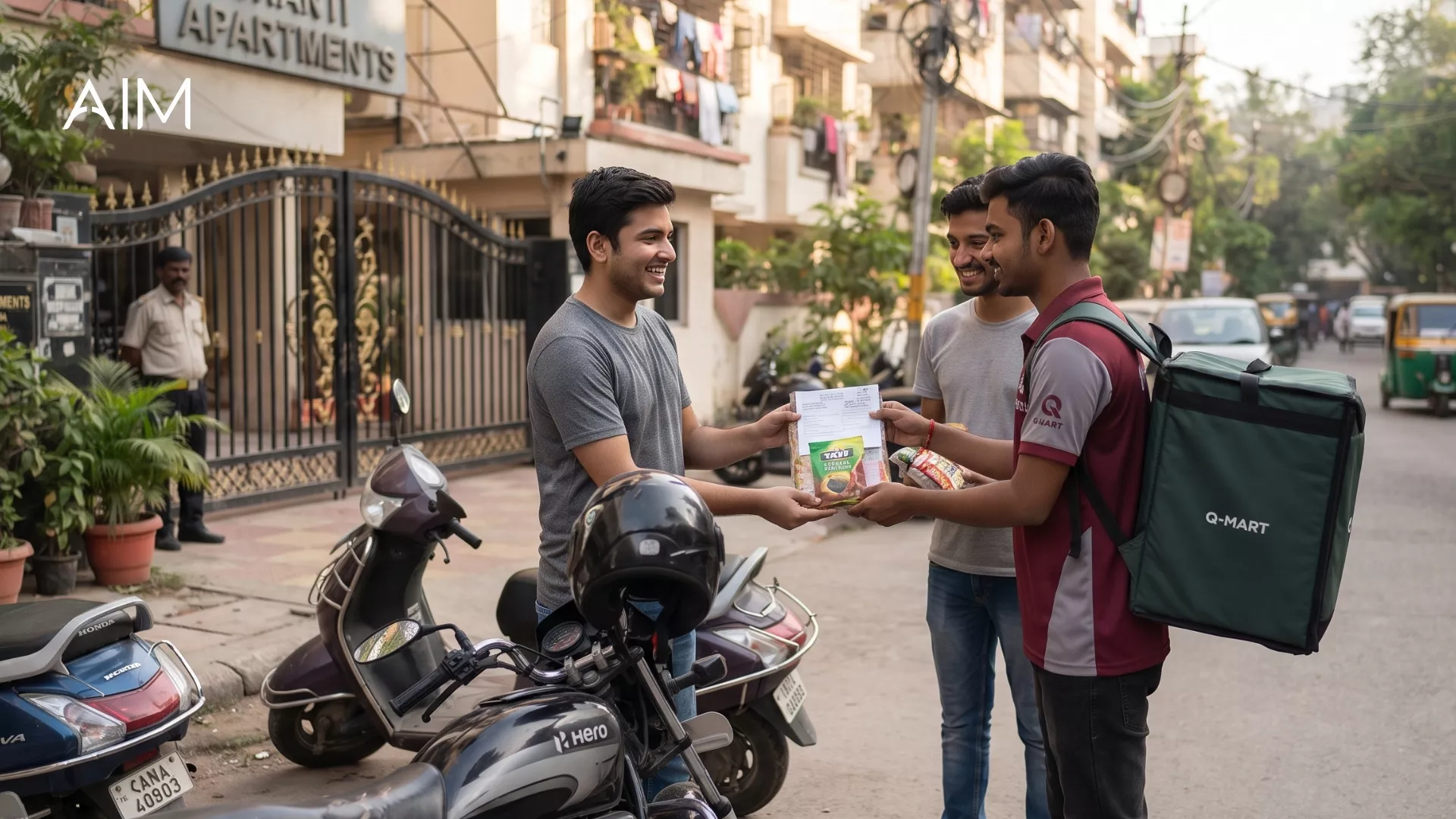
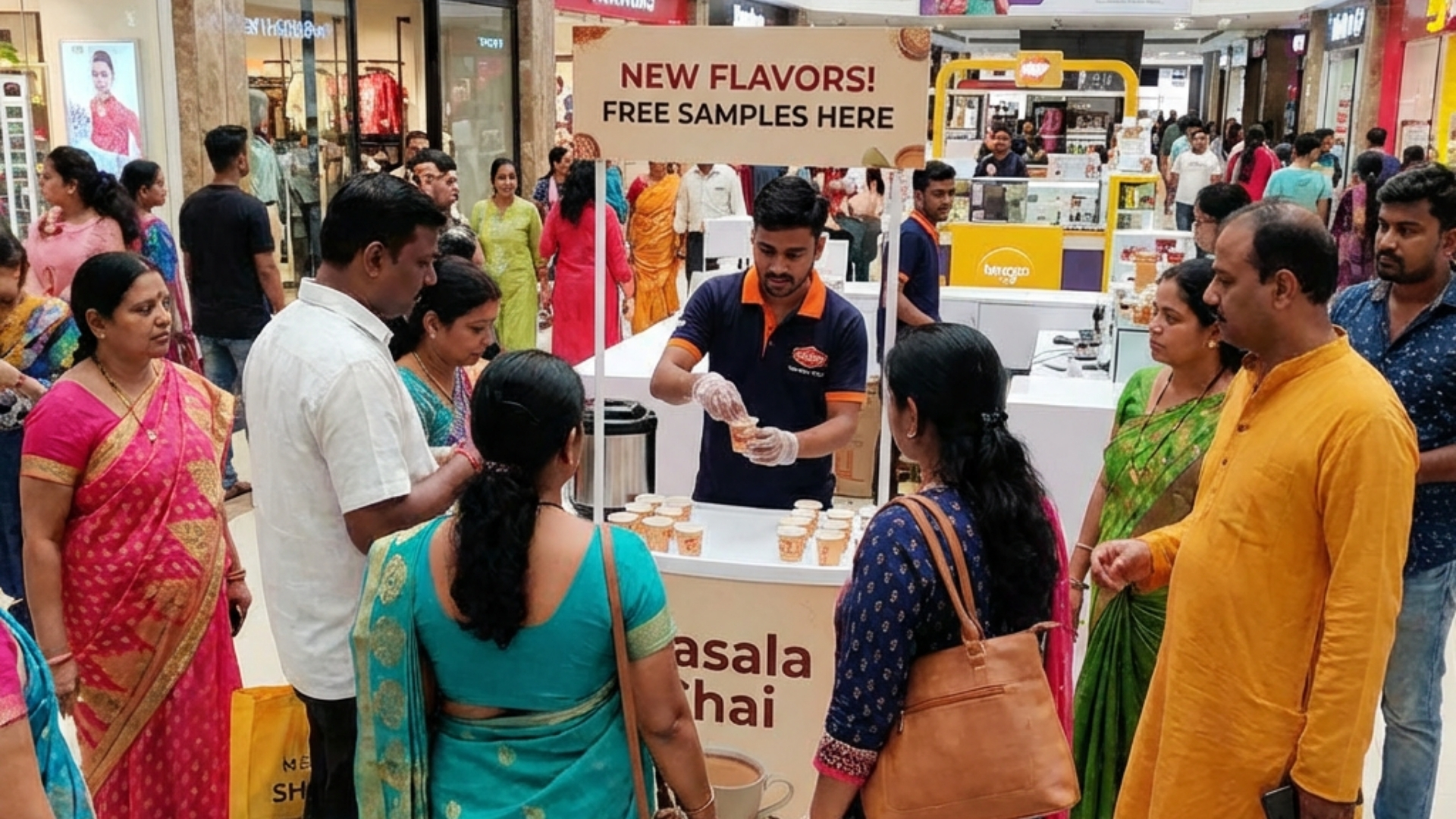
In a metro, a consumer might try a sample from a stranger and decide alone. In a smaller city, the decision is far more social, shaped by what family, neighbours, and trusted local voices think. This changes the whole logic of a campaign. A sample handed over by a familiar, local person, through a channel the community already trusts, carries credibility that an anonymous promoter never will. And a product that earns genuine approval spreads through word of mouth in a way that is both powerful and almost free, because these are communities where recommendation travels fast and is believed. The brand that plugs into local trust networks, rather than ignoring them, gets a multiplier the metros rarely offer. The brand that samples as if trust is irrelevant leaves that multiplier on the table.
How retail structure changes the sampling plan
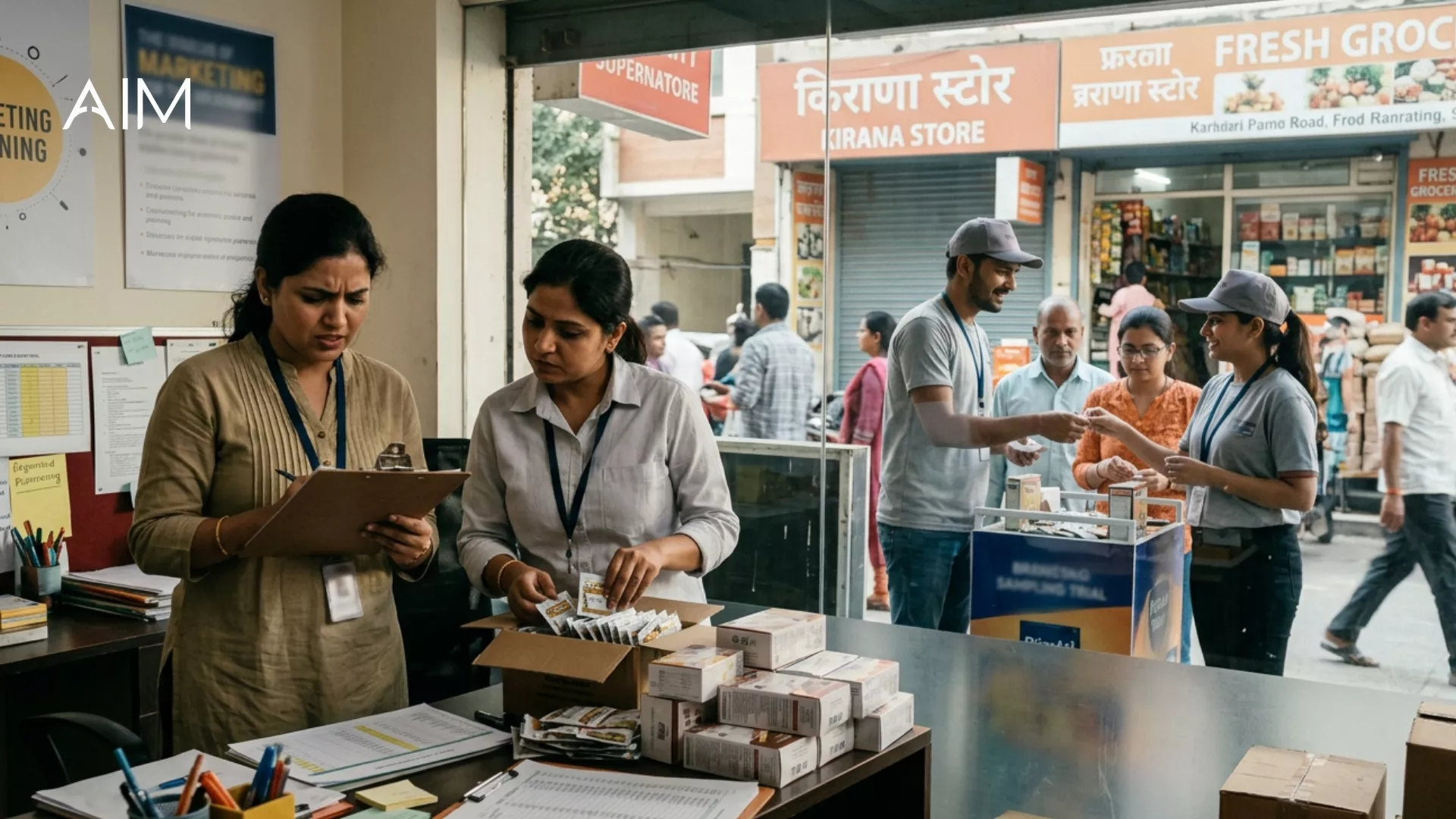
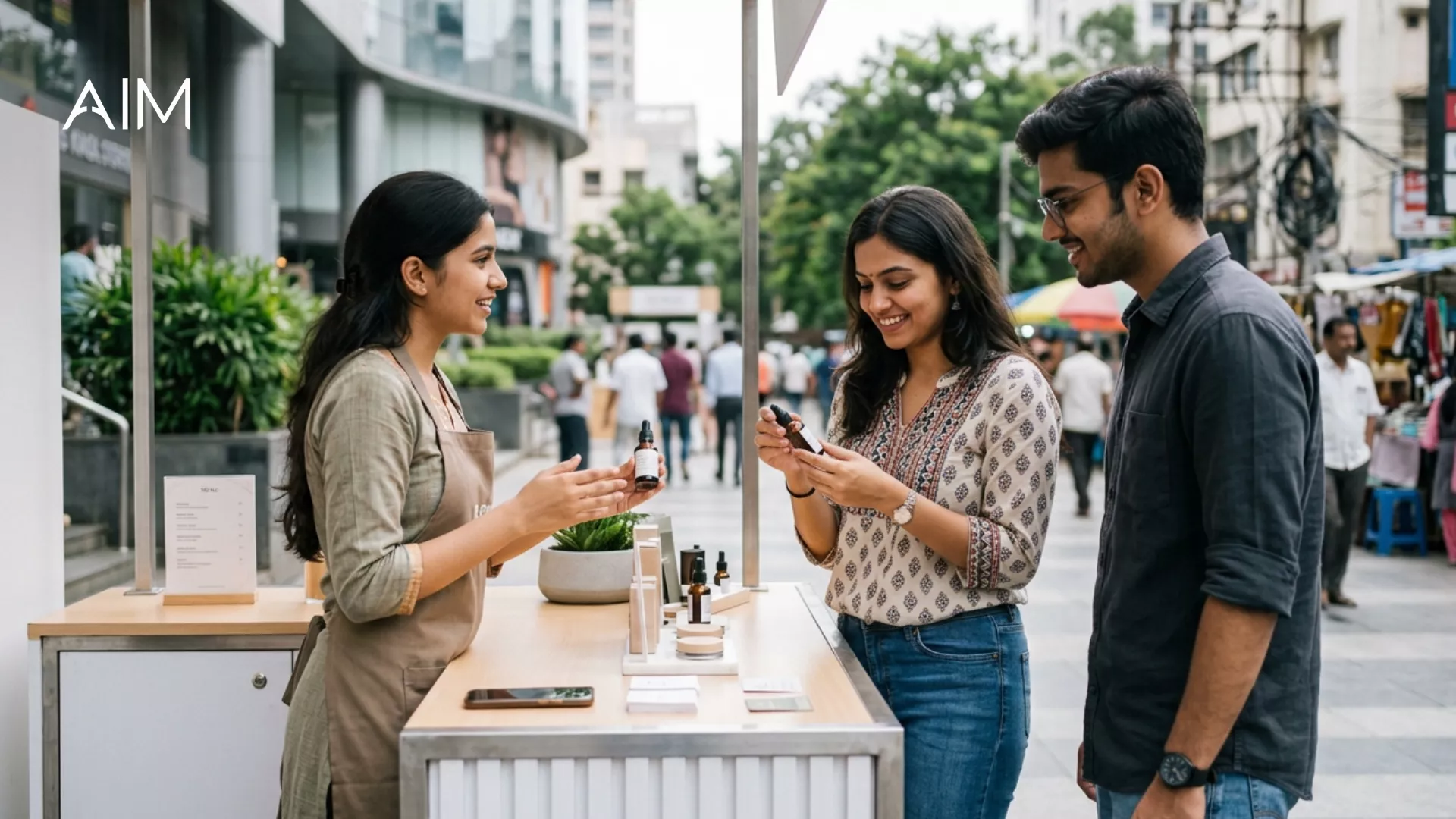
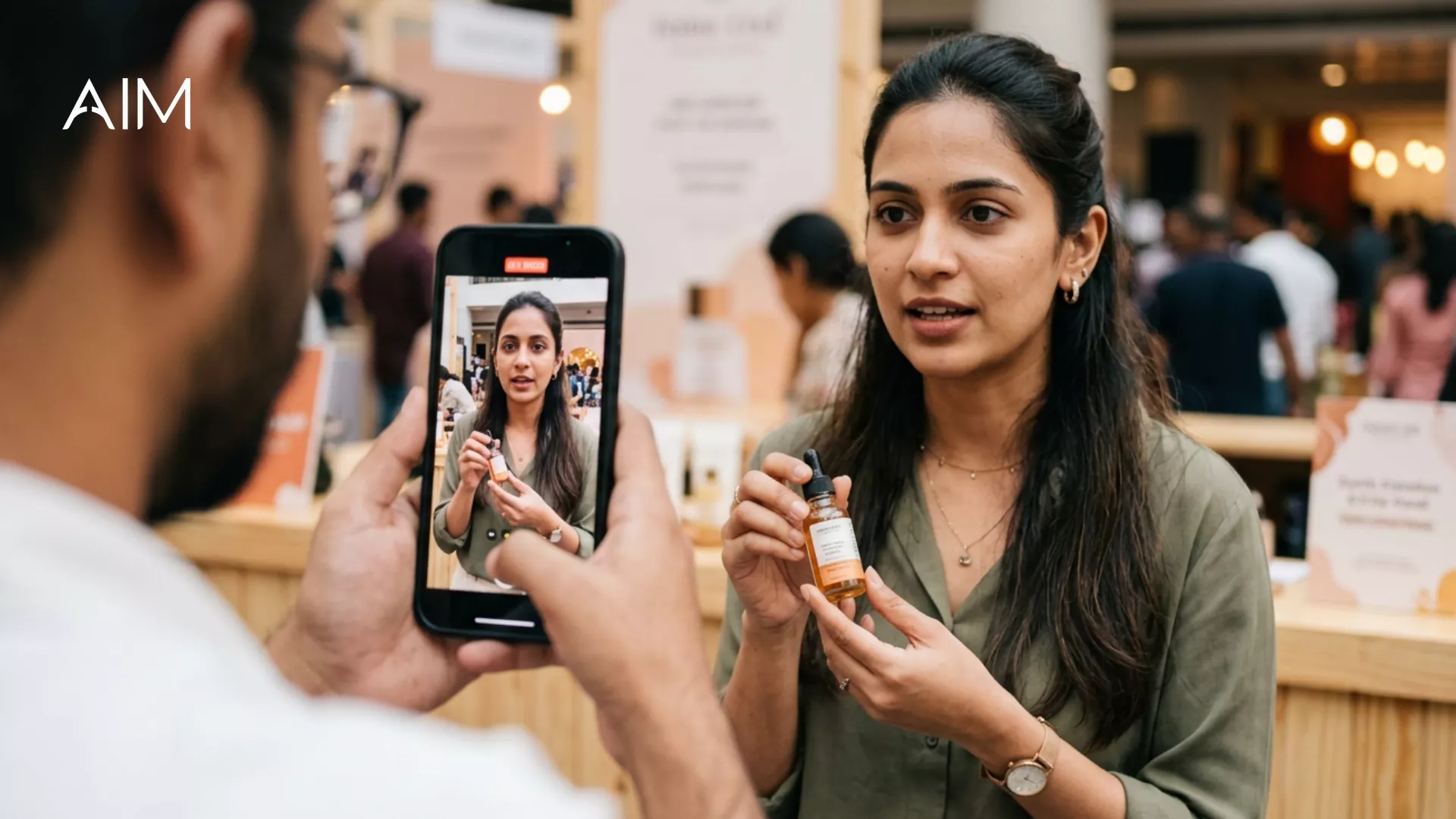
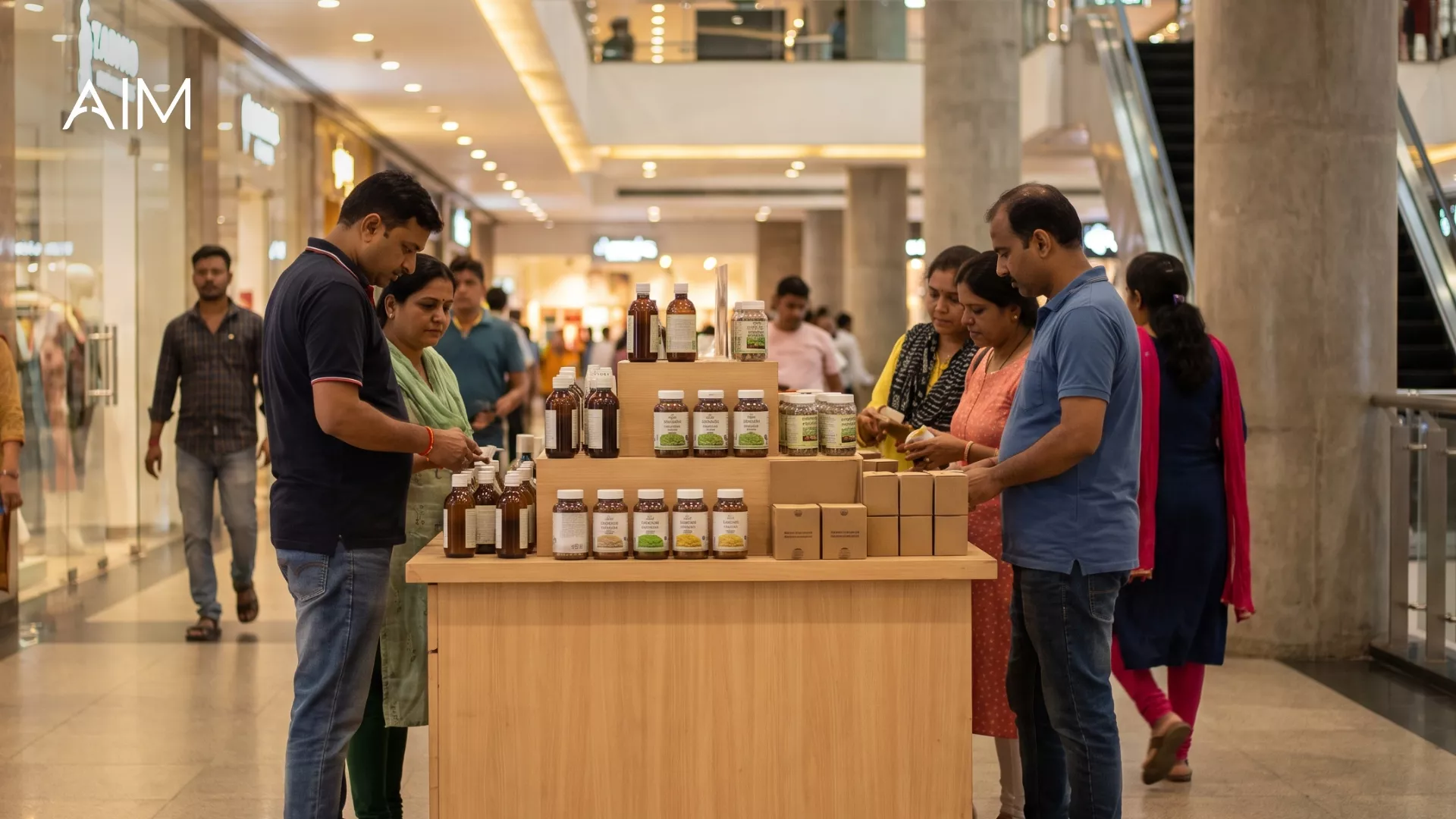
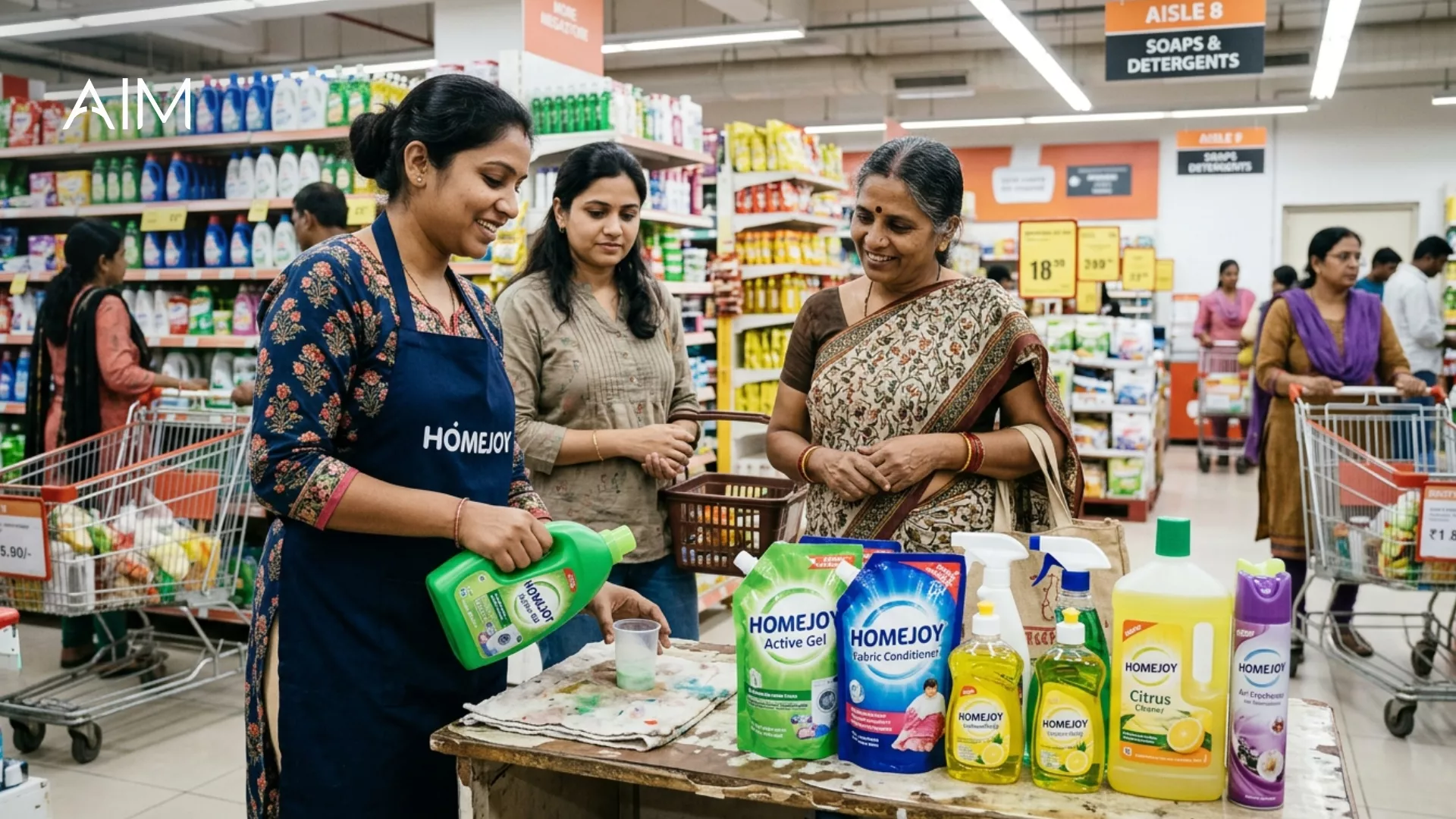
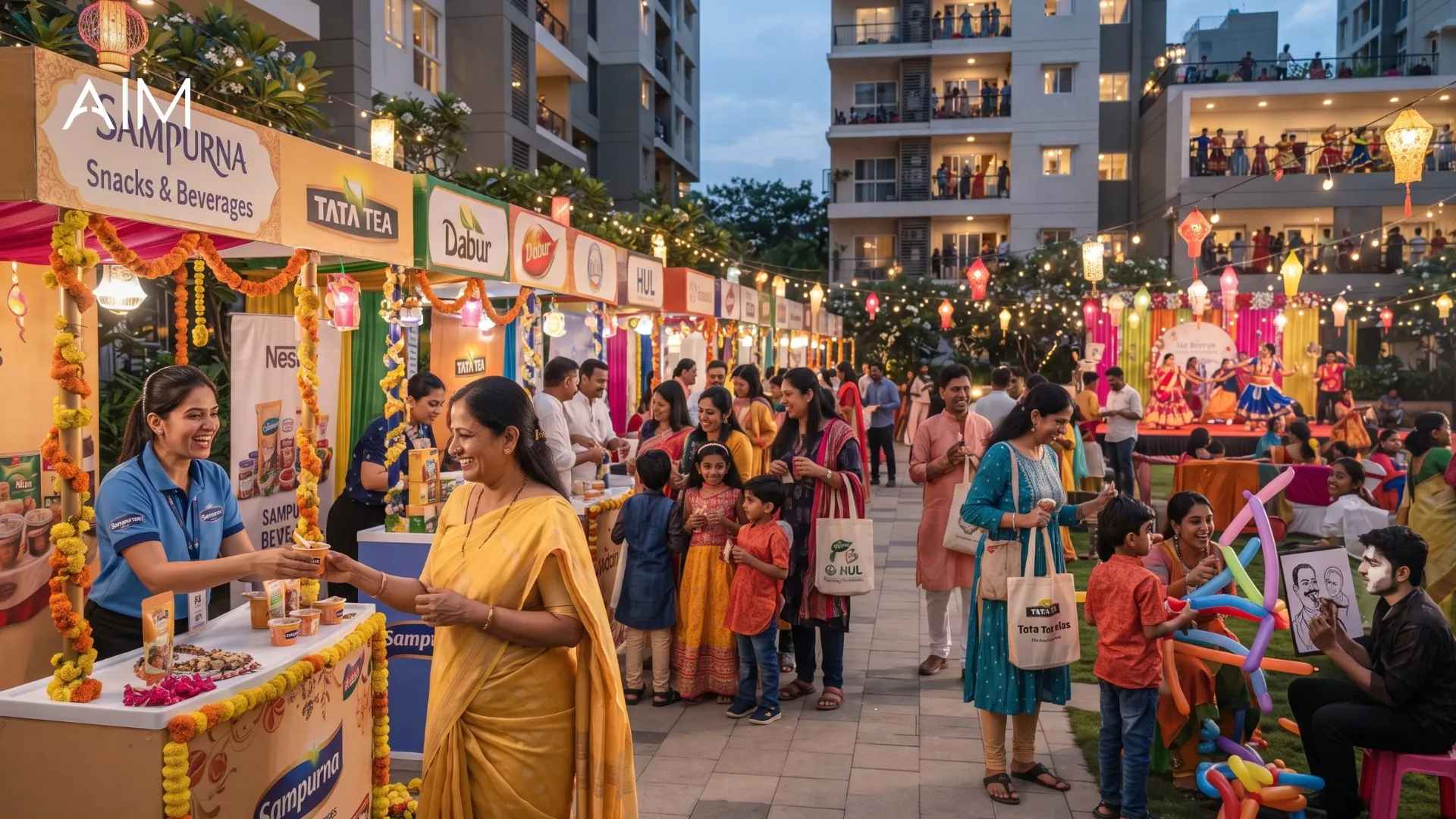
The physical shape of retail forces a different plan. Where modern trade thins out and the neighbourhood kirana dominates, you cannot rely on in-store sampling setups designed for supermarket aisles. The store owner becomes a far more important figure, because customers ask the owner what to buy, which means winning the retailer matters as much as reaching the shopper. Sampling has to reach people where they actually gather in smaller cities, which may be local markets, community spaces, events, and homes rather than malls. And distribution has to account for the product being genuinely available in those small stores afterward, because creating demand the local shop cannot fulfil wastes the trial. The plan bends to the retail reality on the ground, not the one on the metro template.
Why language and local context are not optional
A product sample campaign communicates, and in tier 2 and tier 3 India it has to communicate in the right language and the right cultural frame or it does not land. Messaging, promoter conversations, and any pack information need to be in the local language, not a default national or English one, because comprehension and comfort decide whether the sample is understood and trusted. Beyond language, local context shapes what resonates: the occasions, the concerns, the aspirations differ by region, and a message tuned to a metro mindset can feel irrelevant or alien. This is not a translation exercise bolted on at the end, it is part of designing a campaign that actually speaks to the person in front of it. Treat local language and context as central, not as a localisation afterthought.
Why targeting still matters, even here
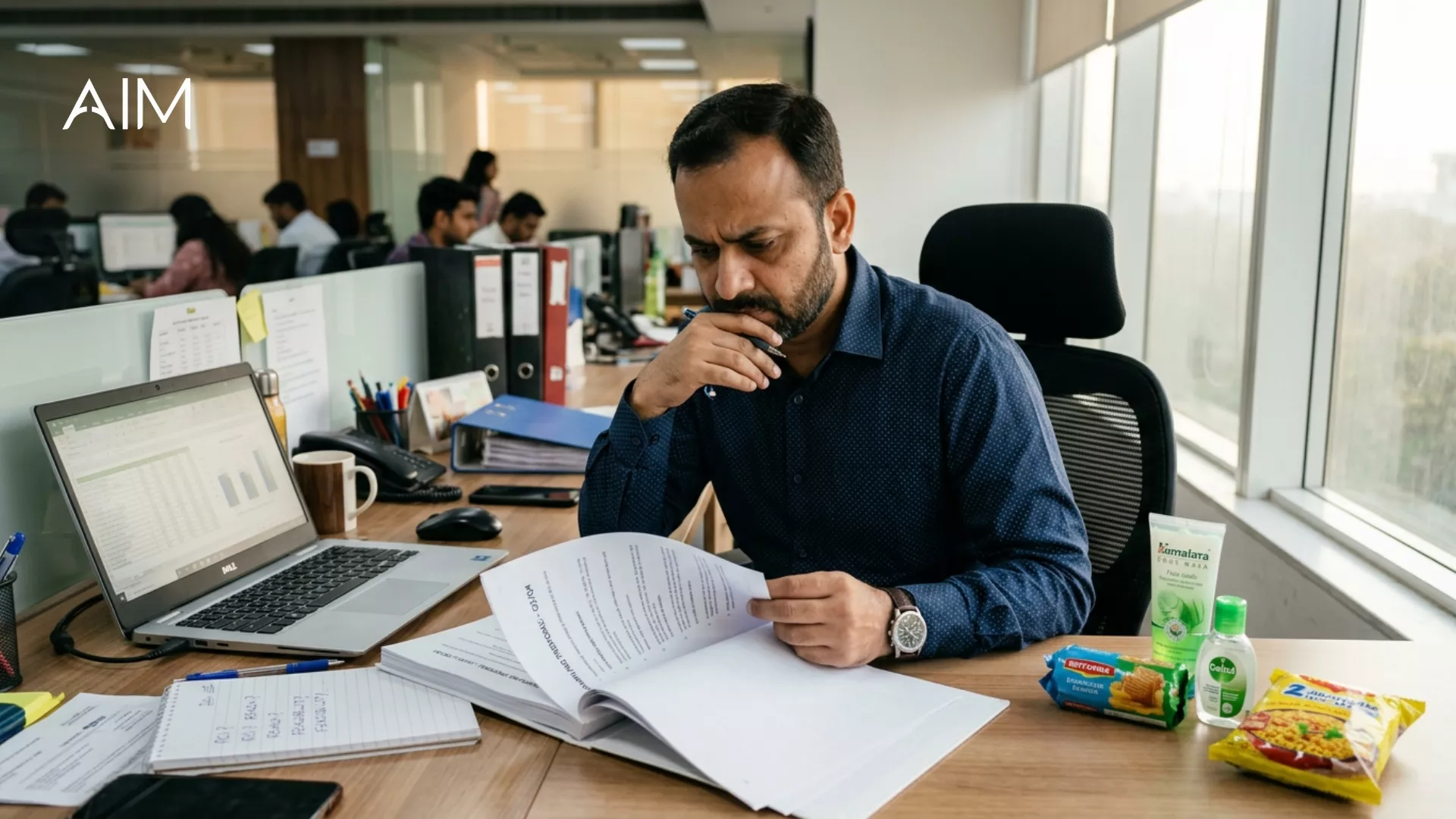
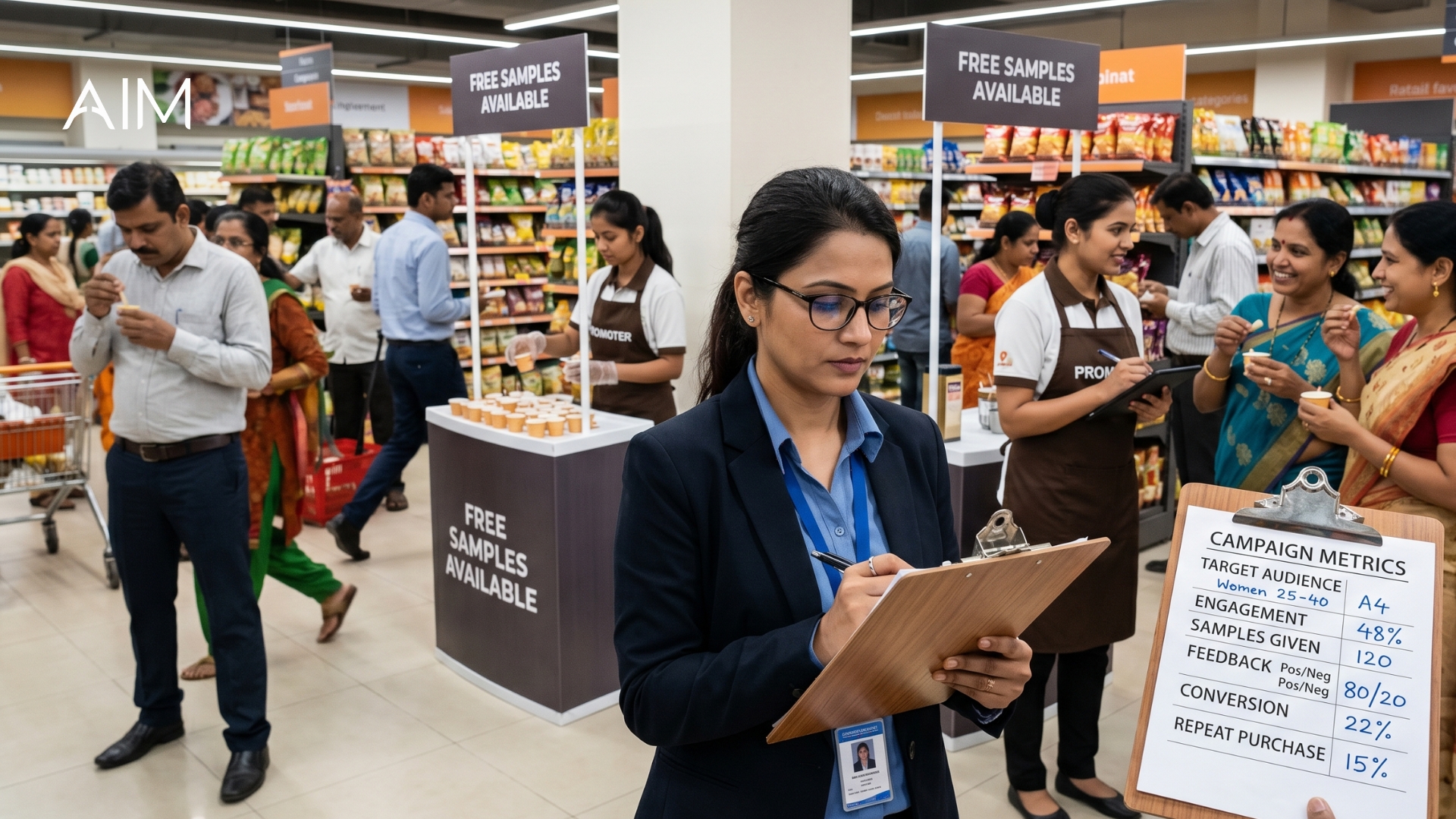
None of this means tier 2 and tier 3 sampling is about sheer reach. The temptation is to treat smaller cities as a volume play, flooding them with samples because the population is vast. That repeats the metro mistake of confusing distribution with results, just in a new geography. The same discipline applies: reach the right buyer, through the right trusted channel, and track what the trial produced. The difference is in who the right channel and the right trusted figure are, not in whether targeting matters. A precise, locally-rooted campaign beats a scattered flood in a smaller city just as surely as it does in a metro, and it wastes far less of a budget that usually has to stretch further.
How AIM approaches tier 2 and tier 3 sampling
AIM reaches smaller-city India starts from the admission that the metro plan does not simply scale down. That means sampling through channels and people the local community already trusts, communicating in the local language and context, respecting a more value-conscious and more socially-influenced buyer, accounting for a kirana-led retail structure and the availability behind it, and leaning on the word-of-mouth multiplier these markets offer. And it keeps the core discipline intact: target the right buyer, capture the trial, and track what it returned, because a locally-rooted campaign still has to be a measured one. The goal is a plan built for the consumer who is actually there, not the one the metro template assumes.
Build for the consumer who is actually there
The next wave of growth for most consumer brands is in tier 2 and tier 3 India, and sampling is one of the strongest ways to win it, because trial and trust are exactly what these markets reward. But the brand that copies its metro playbook will keep wondering why the response is thin. The one that rebuilds the plan around the real consumer, their value mindset, their trusted channels, their language, their community, and their retail reality, will find markets that are not only large but loyal. Sampling works in smaller-city India. With smart product sampling services, it just has to be designed for the India that is actually there, not the one that fits the existing template.