
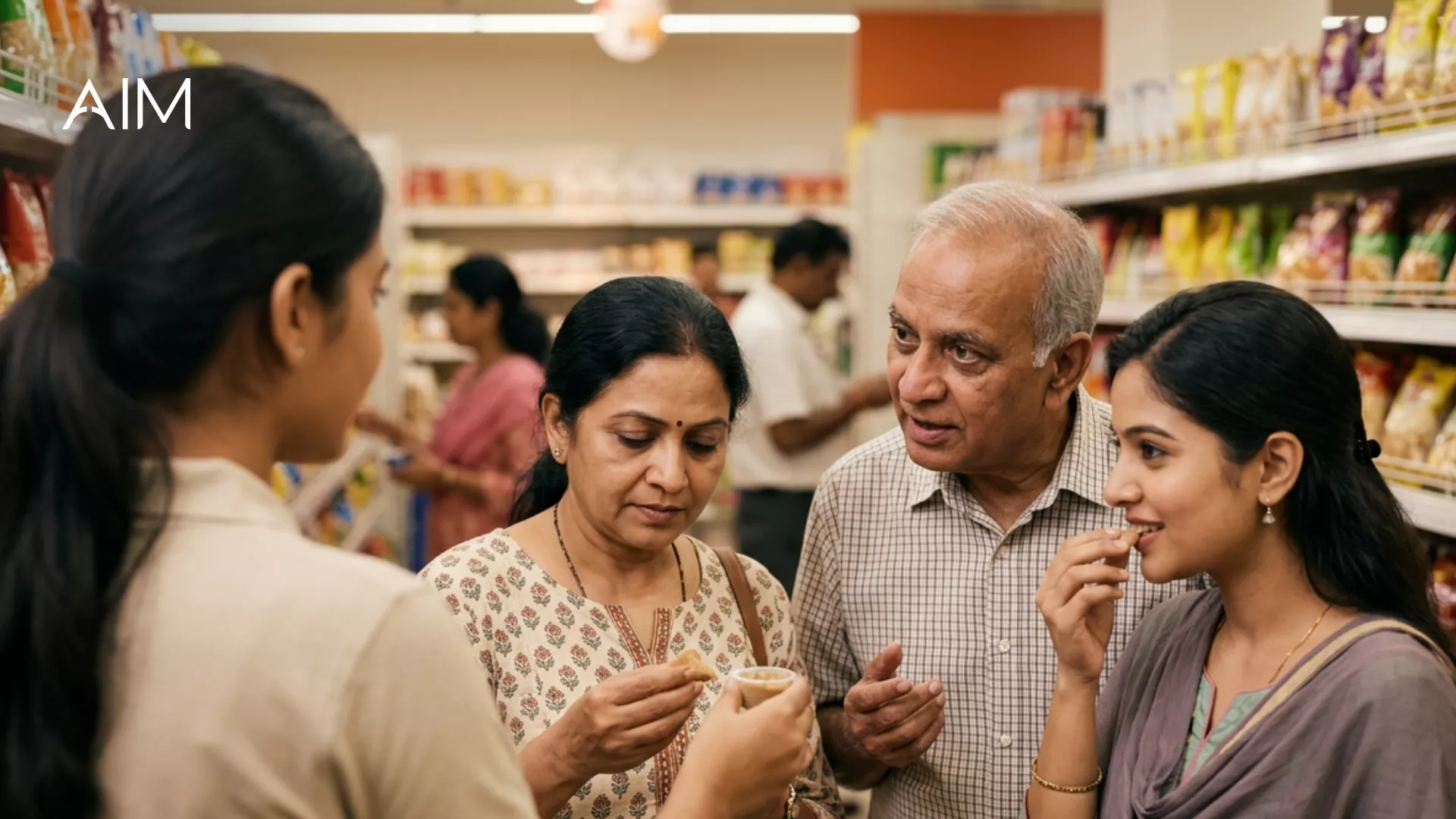


A sampling playbook that works beautifully in a London supermarket can fall flat outside a Chennai apartment, and the reason has almost nothing to do with logistics. It is psychology. The Indian consumer approaches a free sample with a very particular set of instincts, about value, about trust, about who in the family decides, and about what free really means, and a brand that samples here without understanding those instincts ends up handing out product that never converts. Product sampling in India is different not because the samples are different, but because the buyer is. Here is what actually shapes how an Indian consumer receives, judges, and acts on a sample.
The Indian buyer's complicated relationship with free
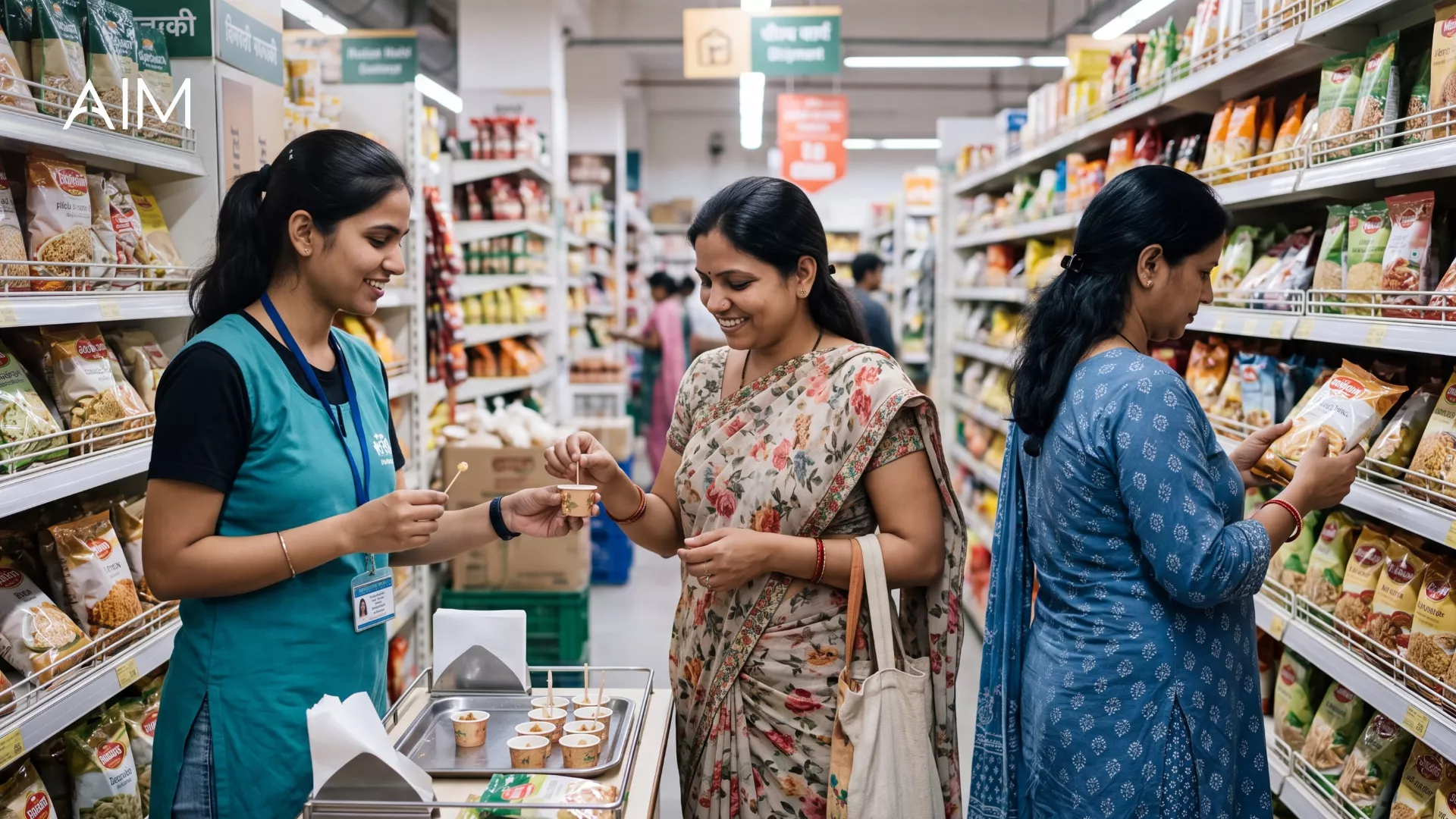
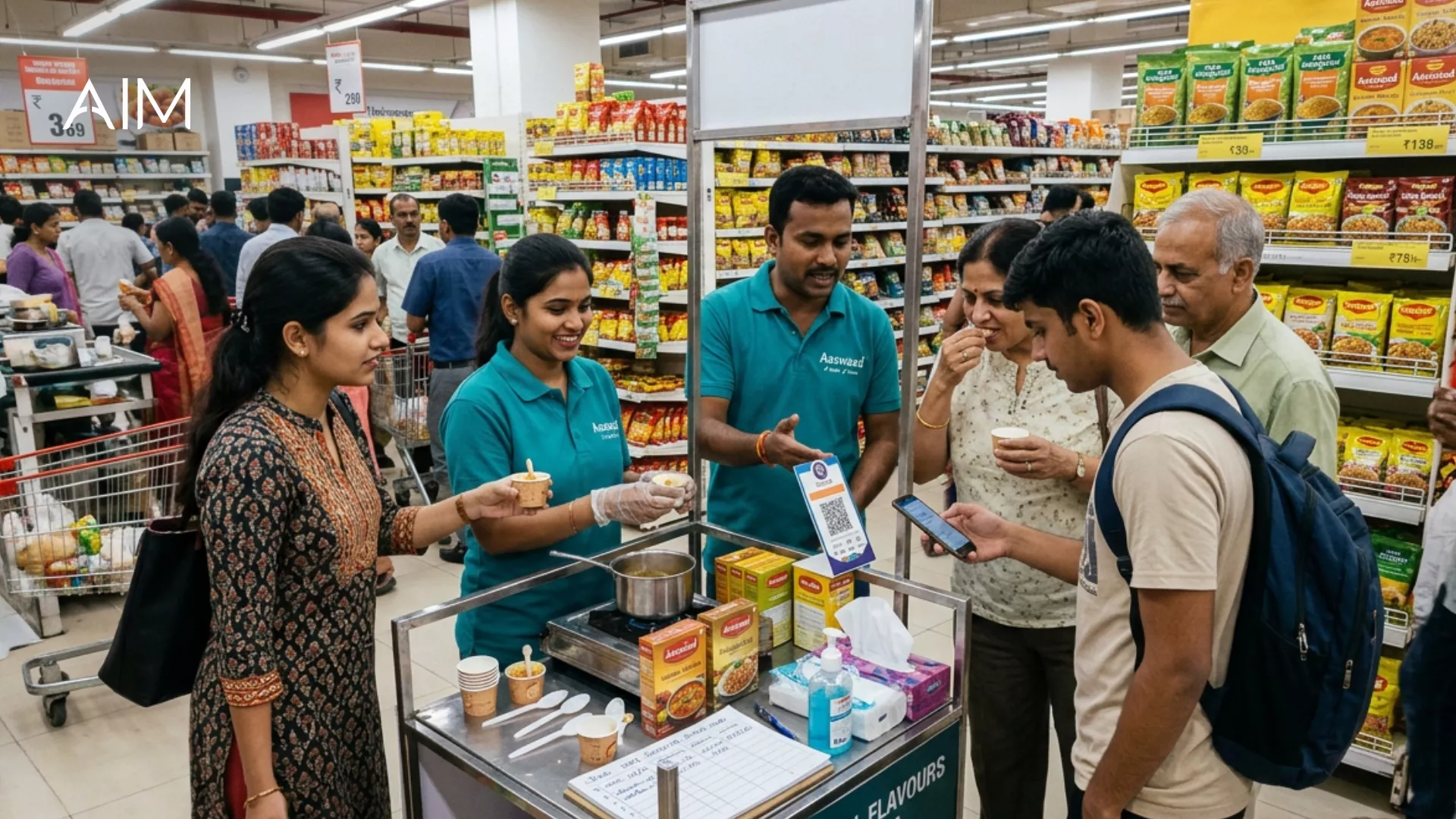
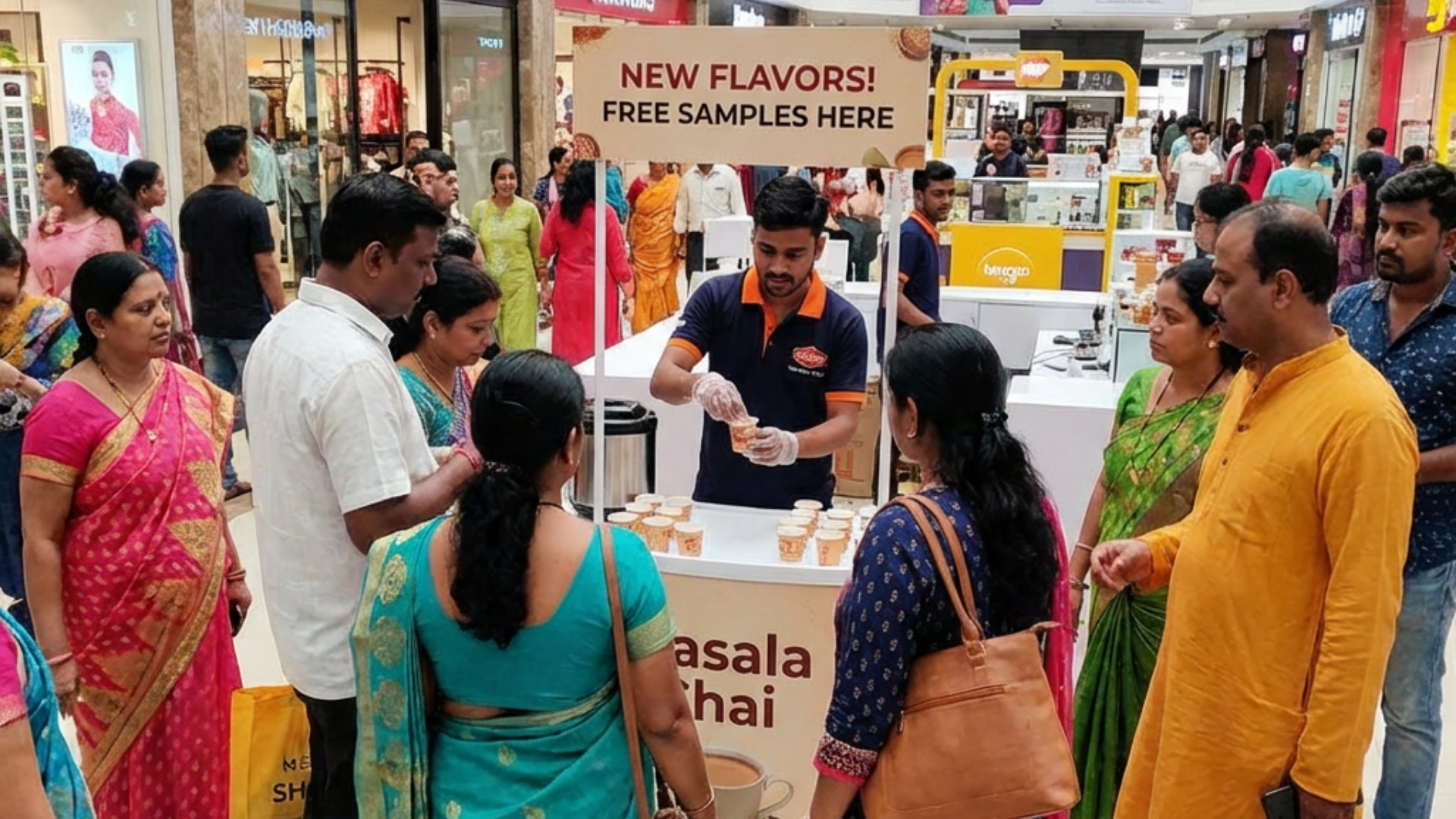
Indians love a good deal, and few things pull a crowd like the word free. But the same buyer who reaches eagerly for a free sample also carries a quiet suspicion, a reflexive what is the catch. Free can signal generosity, and it can just as easily signal that something is being offloaded, that the product did not sell, that a hook is coming. This double instinct means a sample has to feel genuinely valuable and genuinely given, not dumped. A trial pack that feels generous and confident is received as a gift and taken seriously. One that feels like clearance is taken and forgotten, or not trusted at all. In India, how a sample is given carries almost as much weight as what is given.
Trust here is personal, not transactional
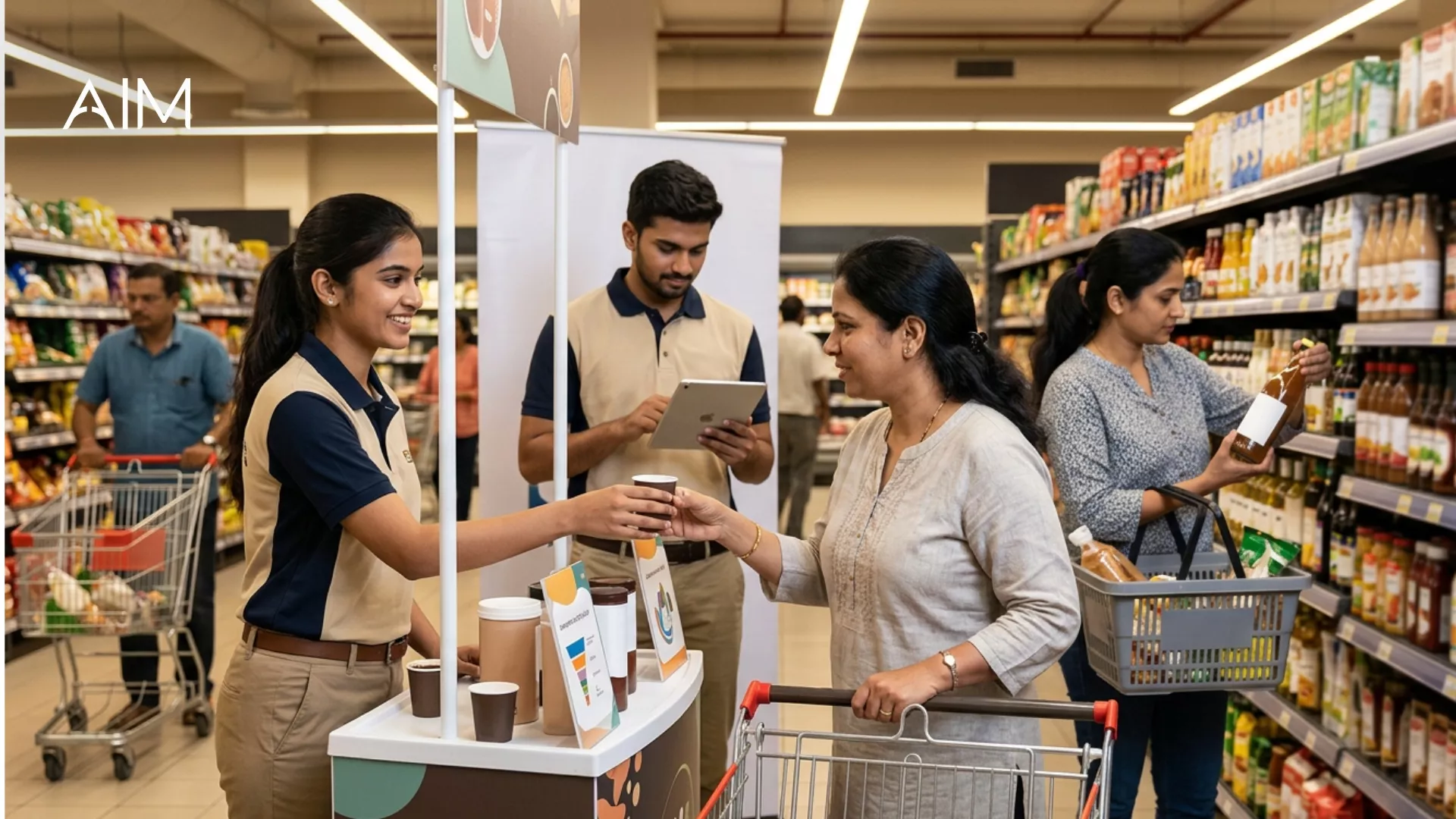
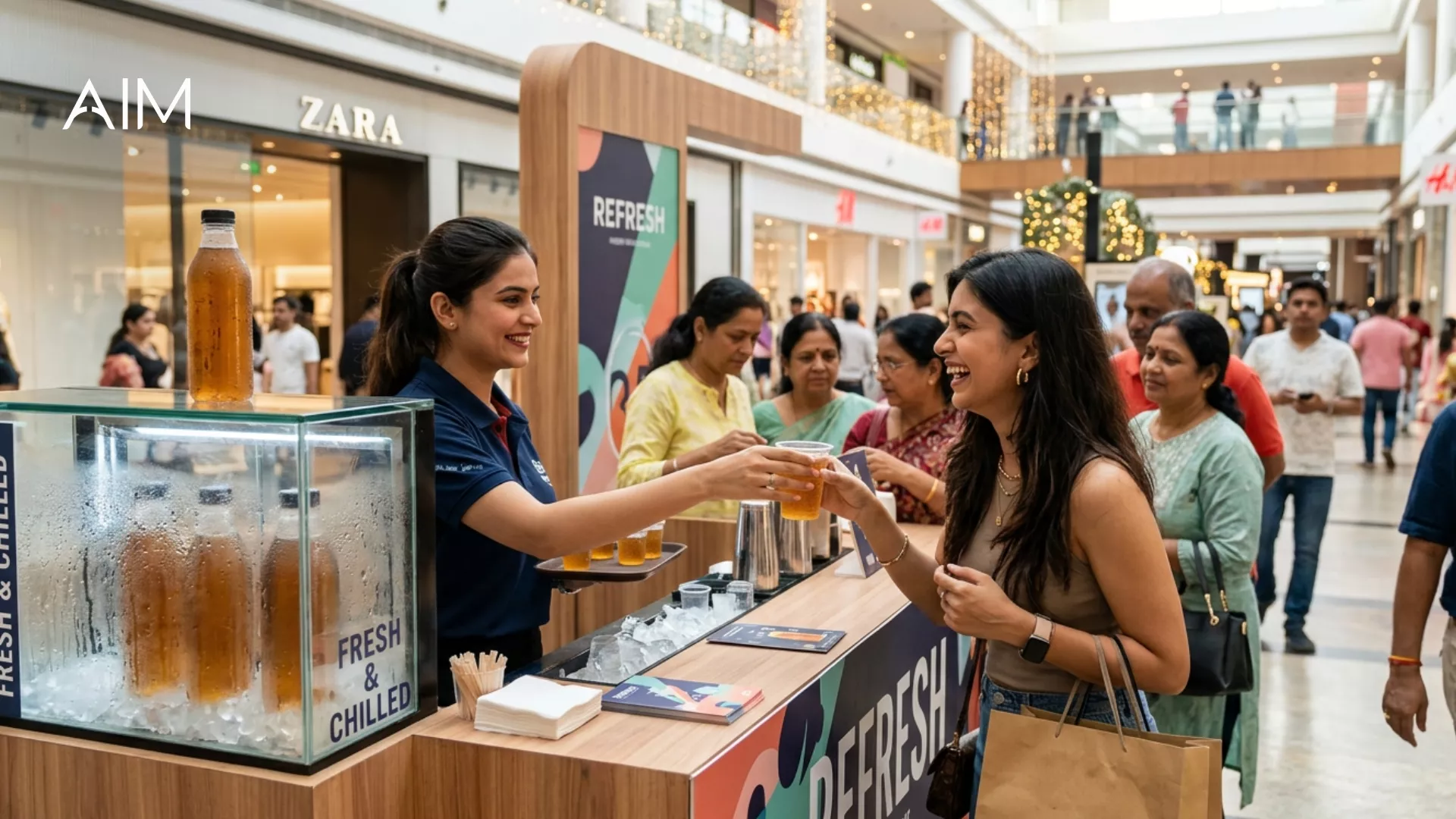
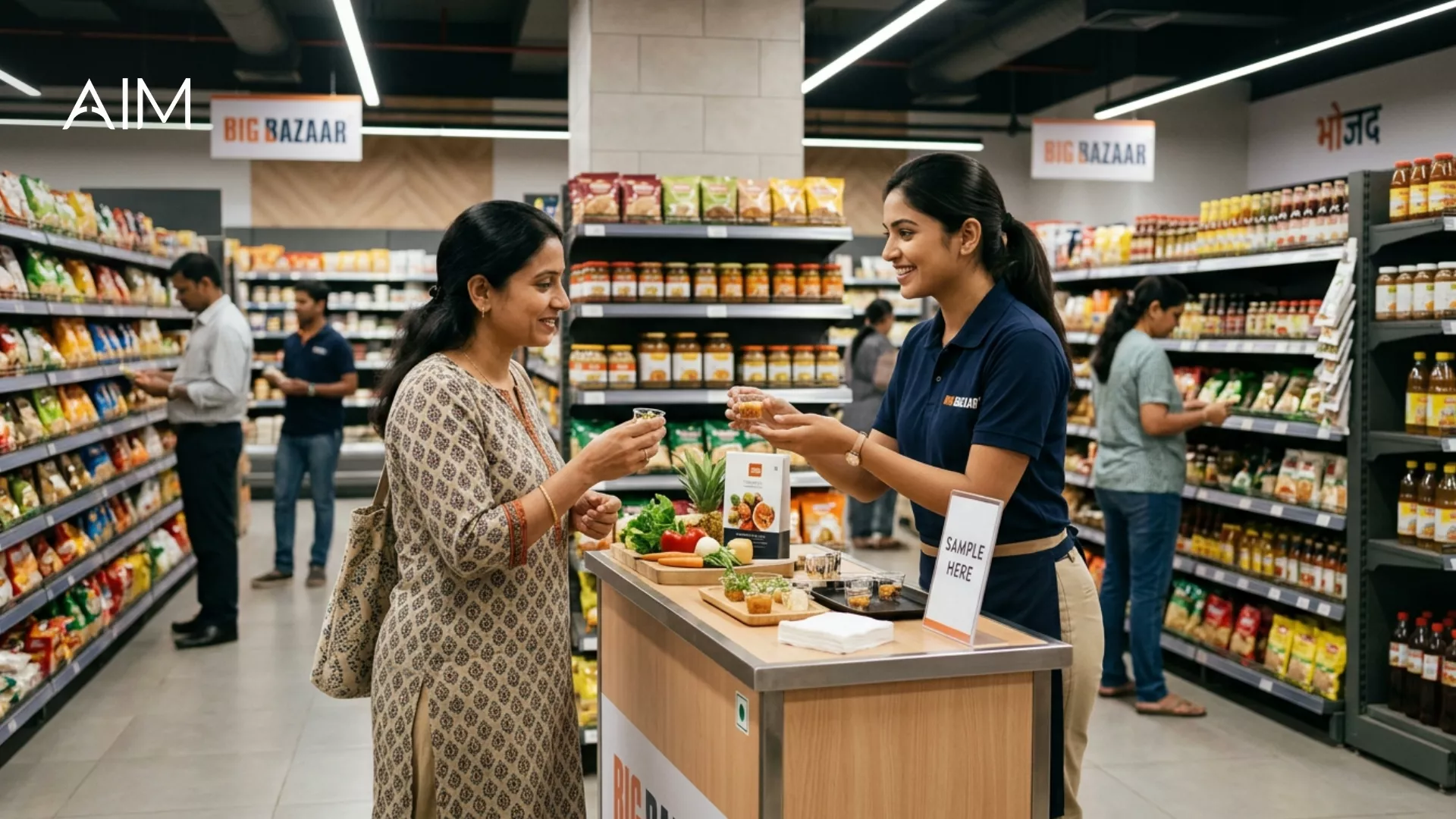
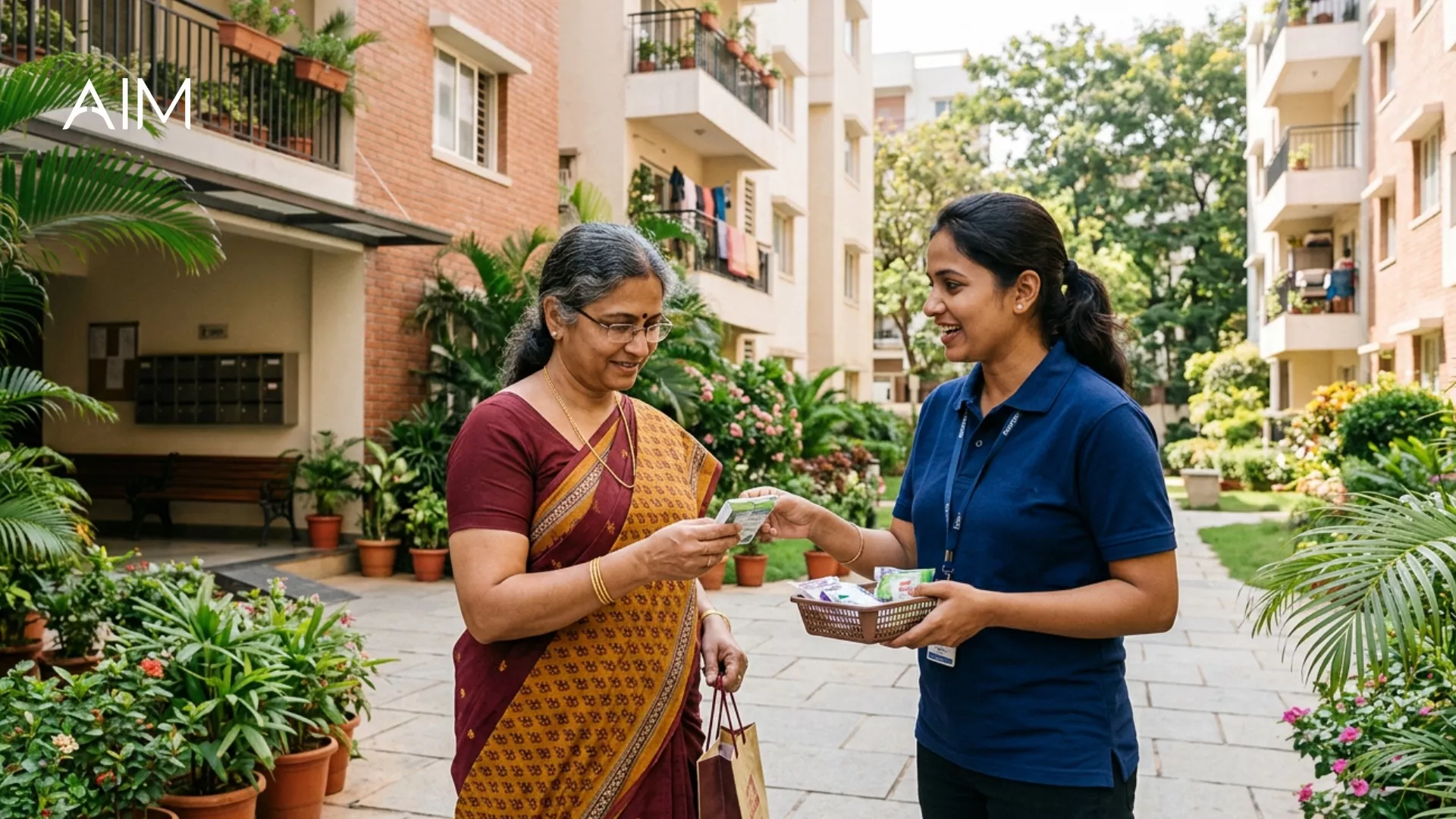
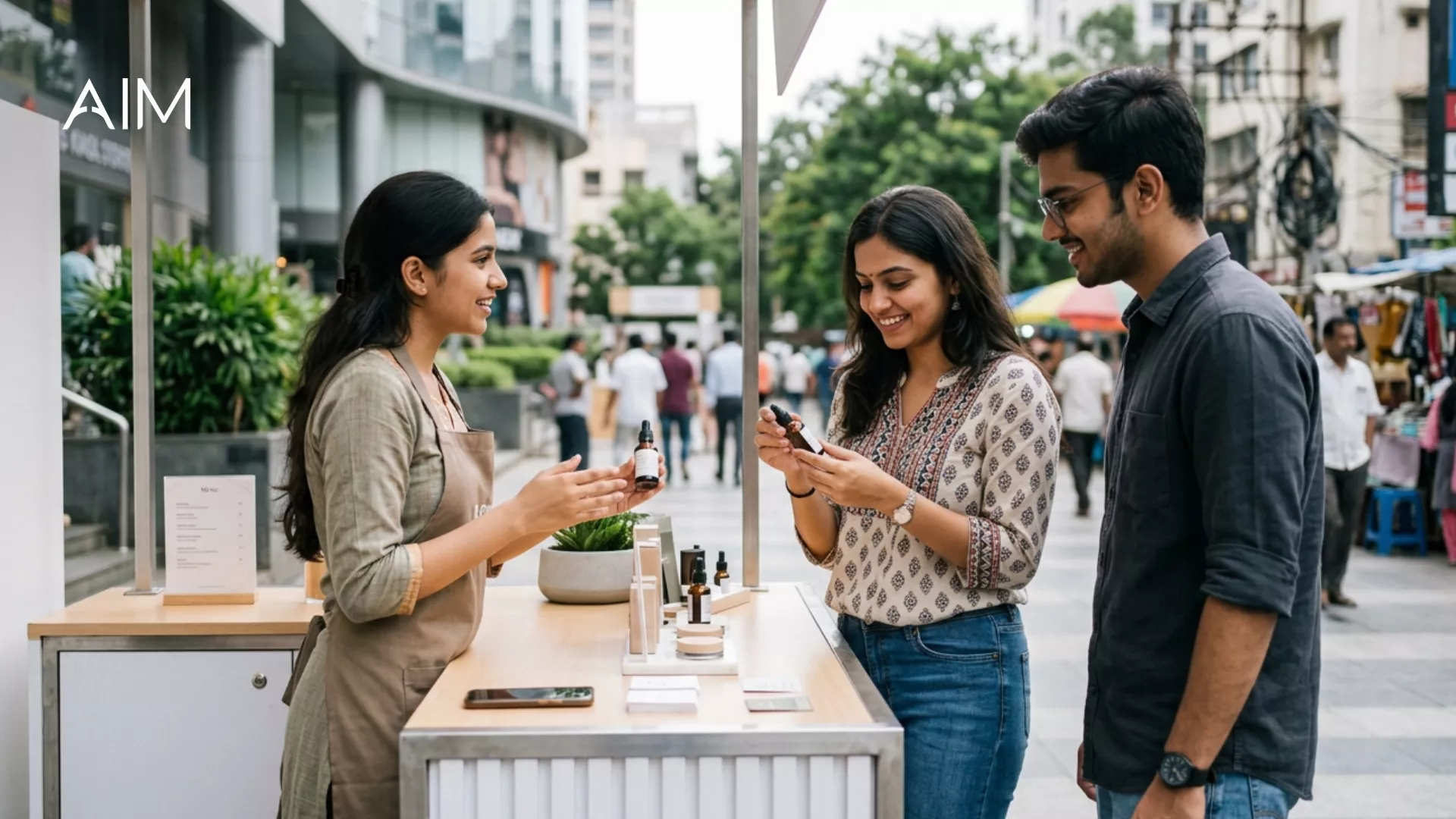
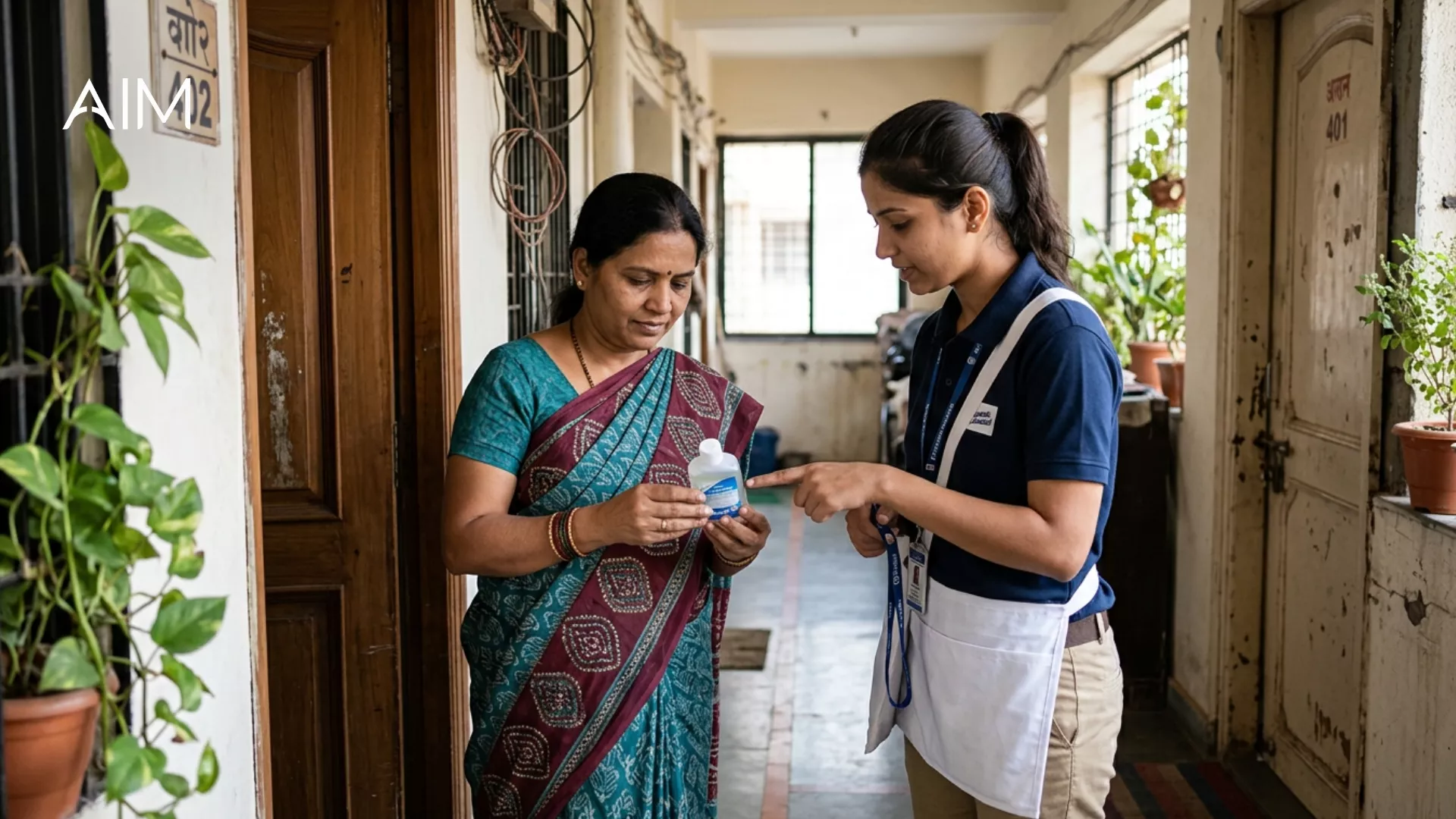
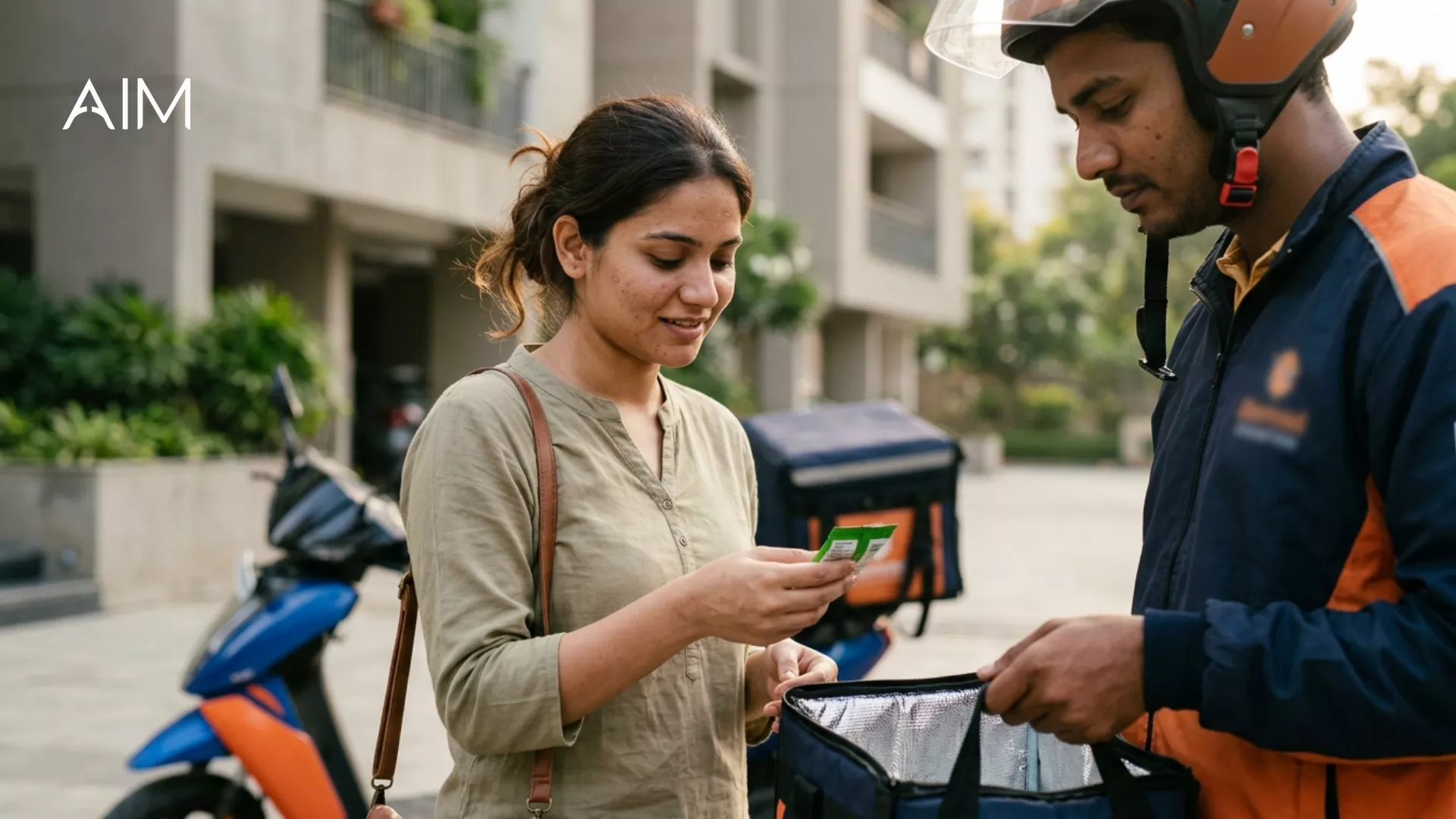
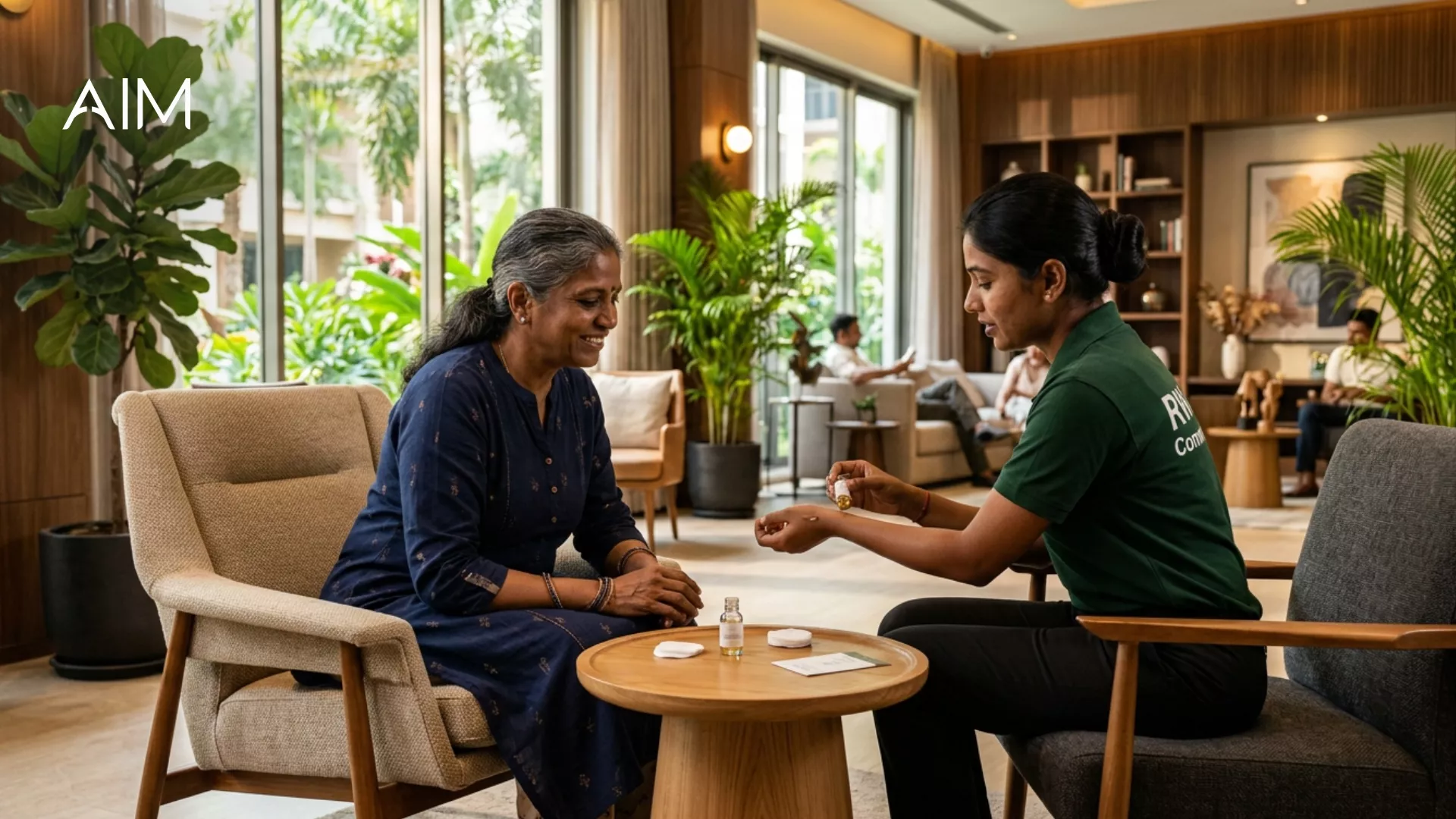
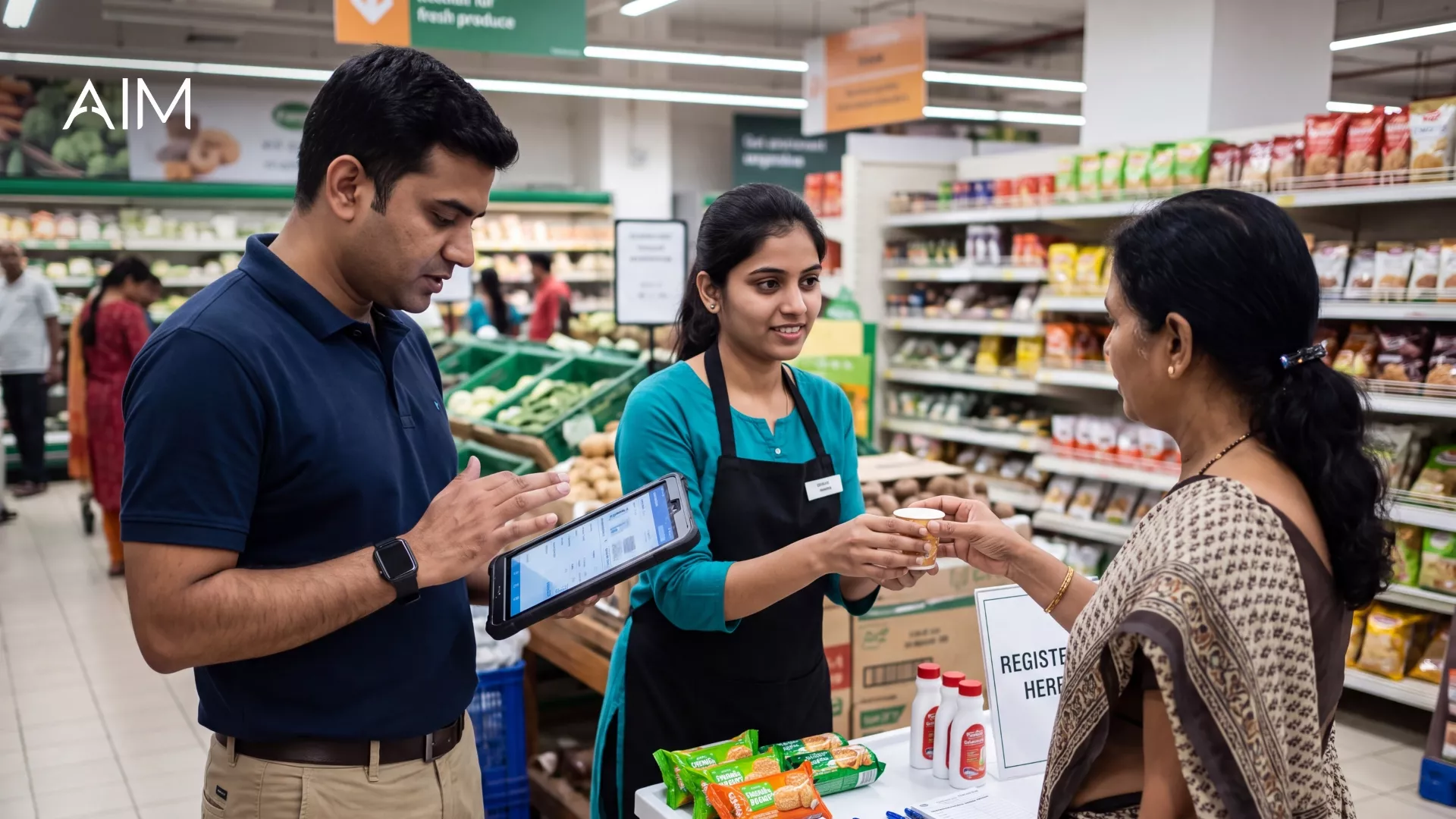
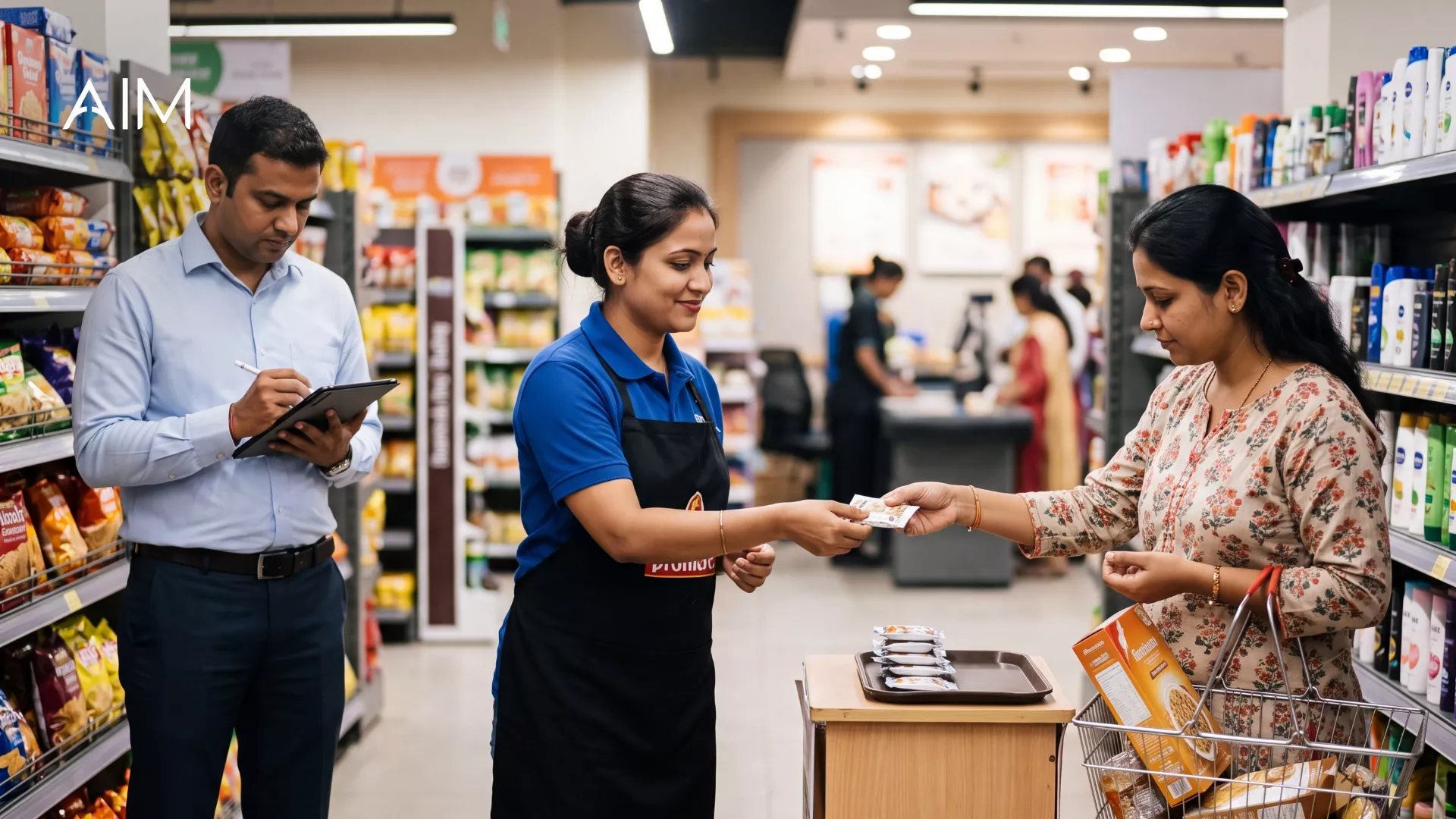
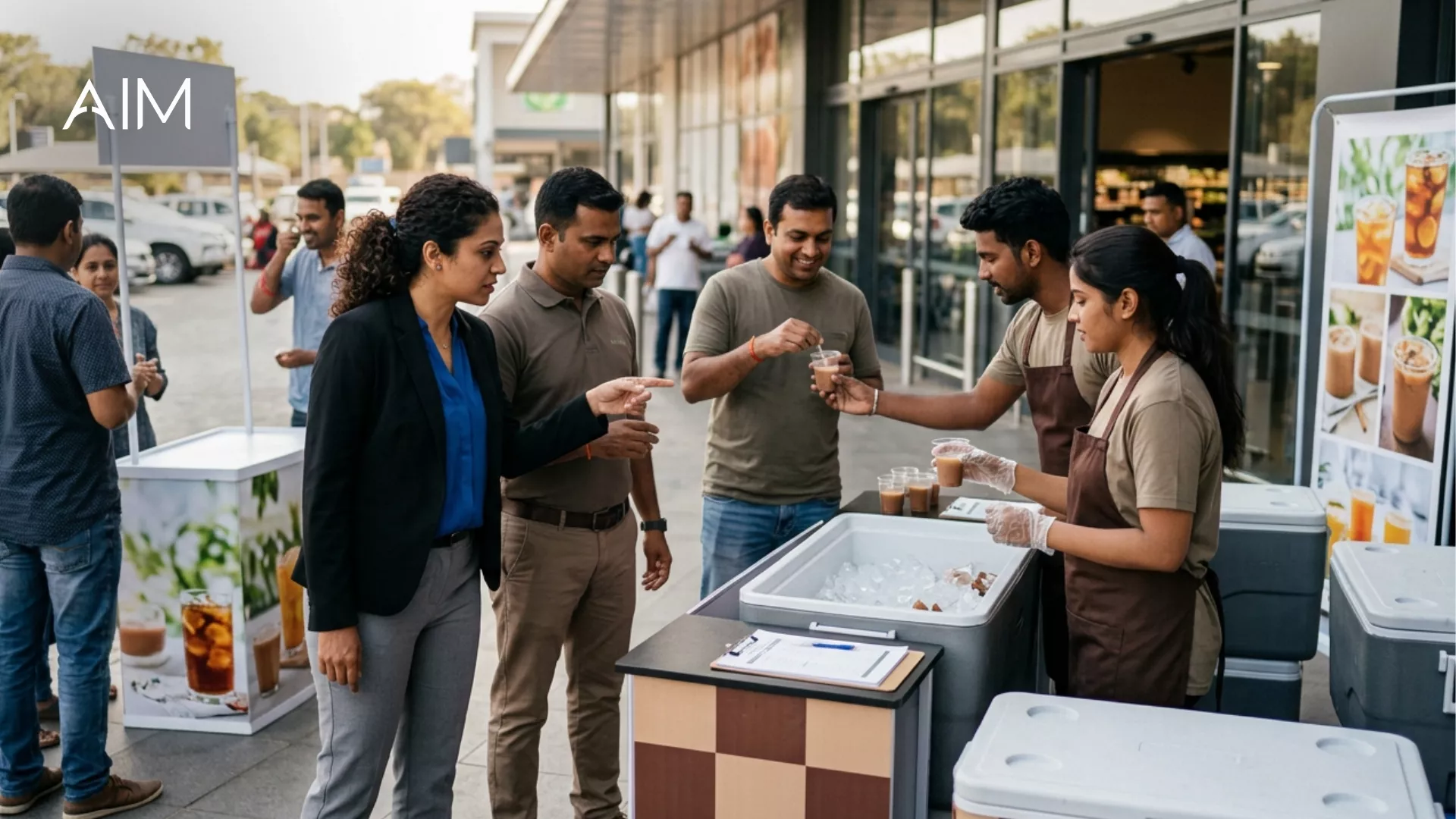
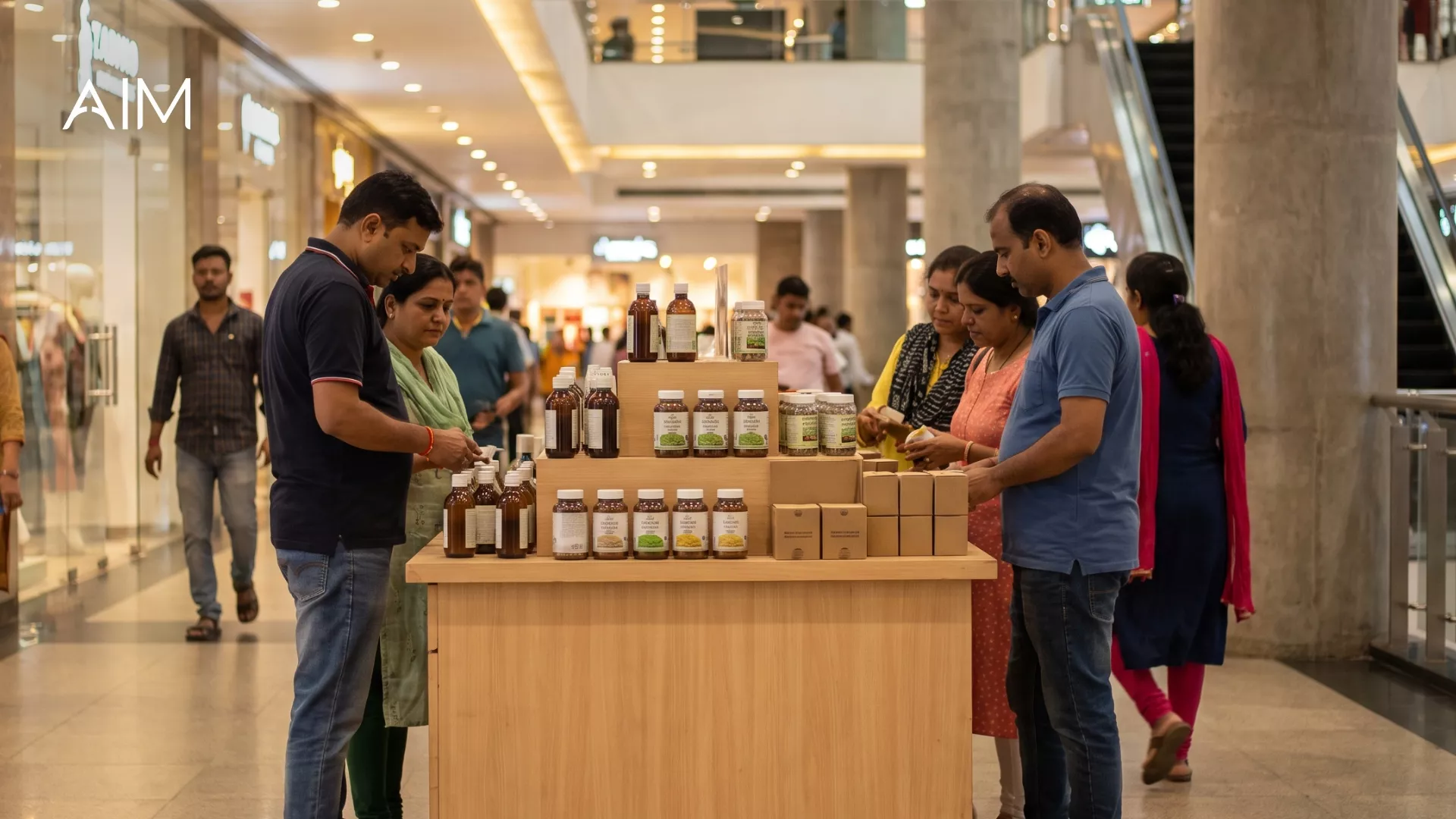
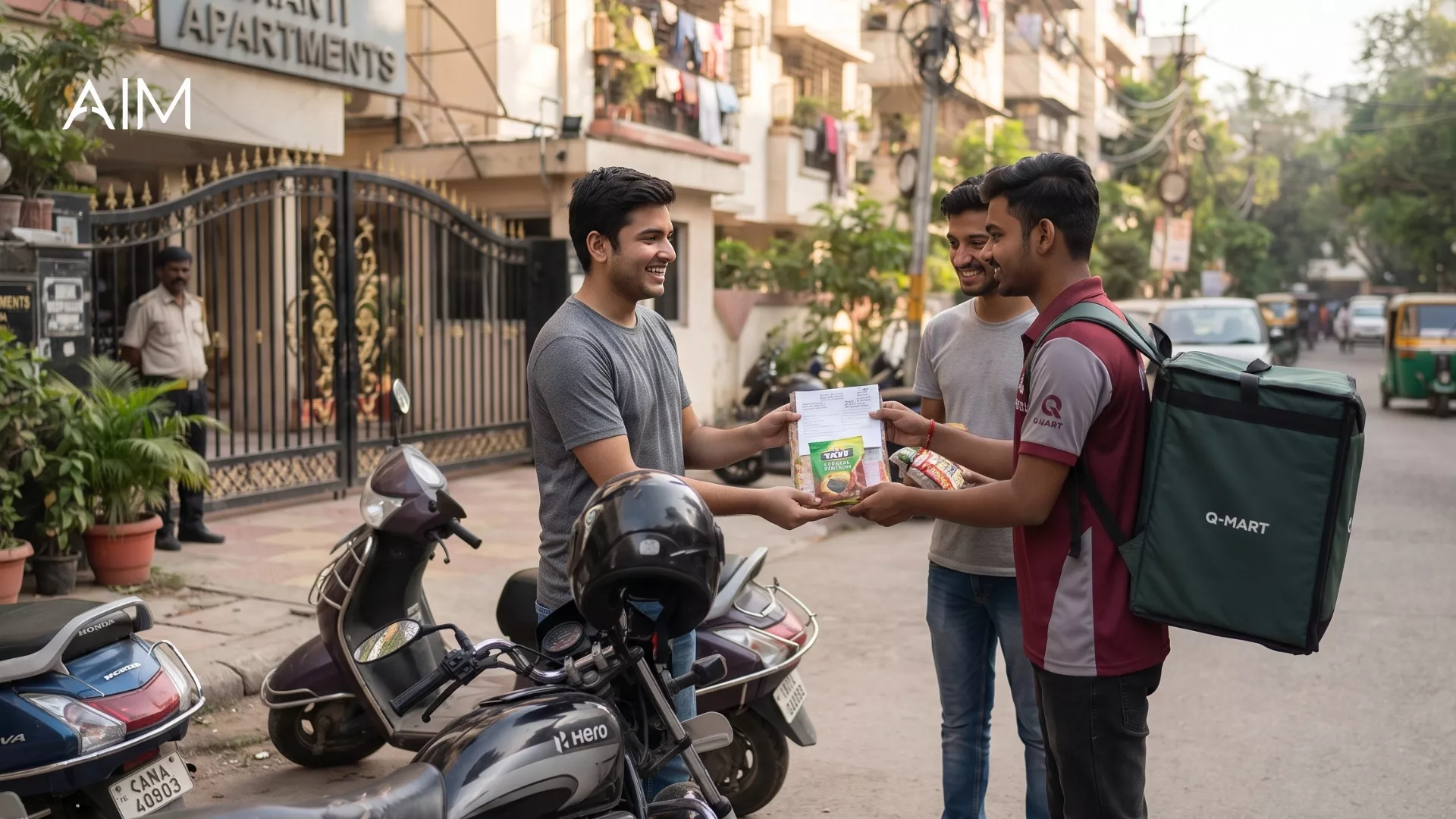
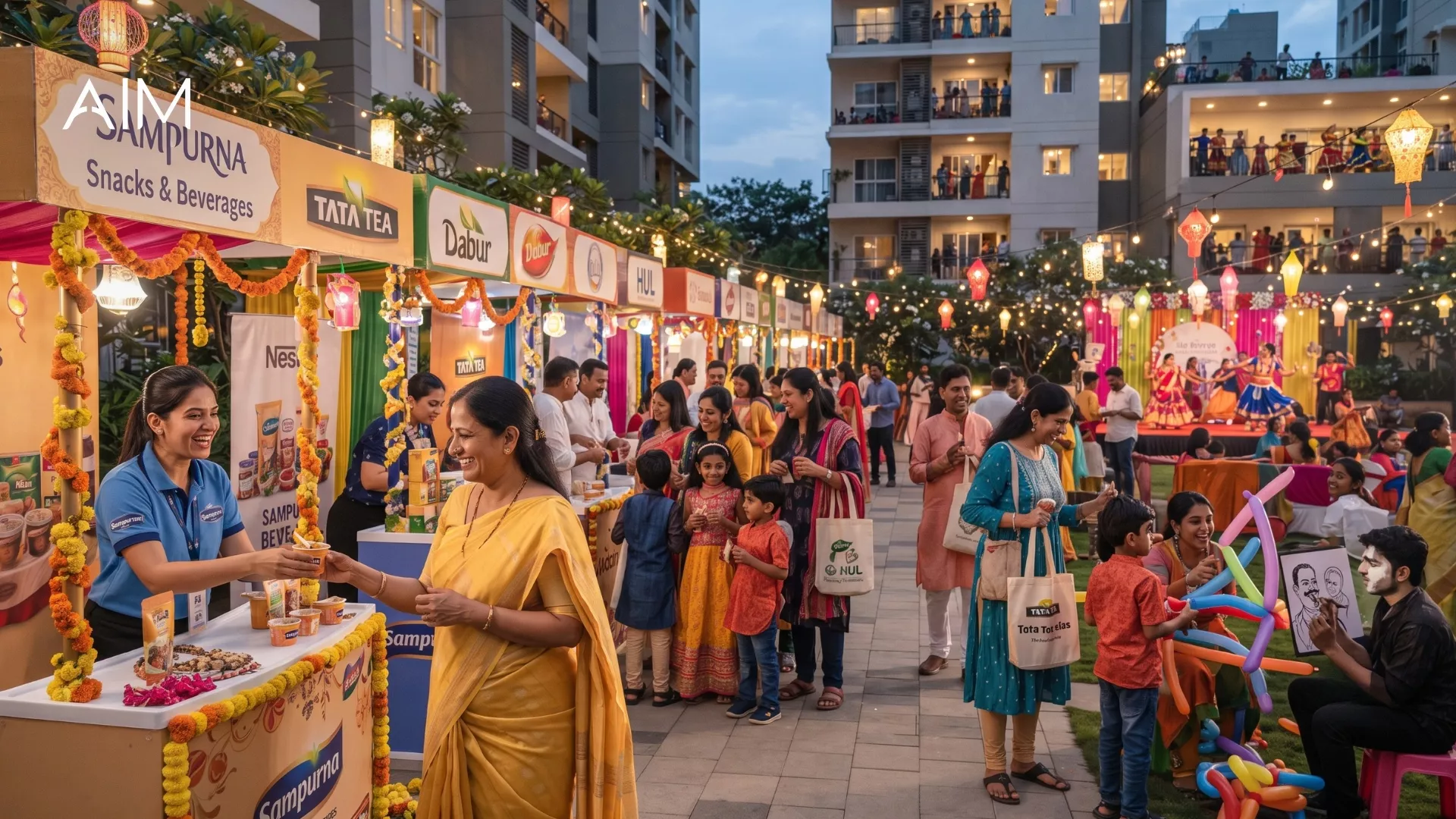
In much of the world a sample is judged on the sample. In India it is judged, heavily, on who hands it over. A trial pressed into your hand by a stranger at a mall table is one thing; the same product recommended by the kirana owner you have bought from for years, the beautician who knows your skin, or a neighbour in your society is something else entirely. Indian buying runs on personal trust and word of mouth to a degree that surprises brands used to more transactional markets. This is why the channel and the messenger matter so much here: a sample that borrows the credibility of a trusted local figure or a familiar community setting converts far better than the same sample handed out cold. Who vouches for the product is part of the product. This has a practical consequence brands often miss: in India, the choice of where to sample is really a choice of whose trust to borrow. A sample given inside a trusted society, through a familiar retailer, in a clinic, or by a known local figure inherits some of that trust before the product is even opened. A sample handed out by an anonymous crew in a place with no relationship to the buyer starts from zero and has to earn everything from scratch. Two identical products, sampled the same week, can perform completely differently for this reason alone. It is why the most effective Indian sampling rarely happens in the most crowded spot; it happens in the most trusted one, even if fewer people pass through, because a trial that arrives wrapped in existing trust converts at a rate a cold handout never will.
The household decides, not the individual
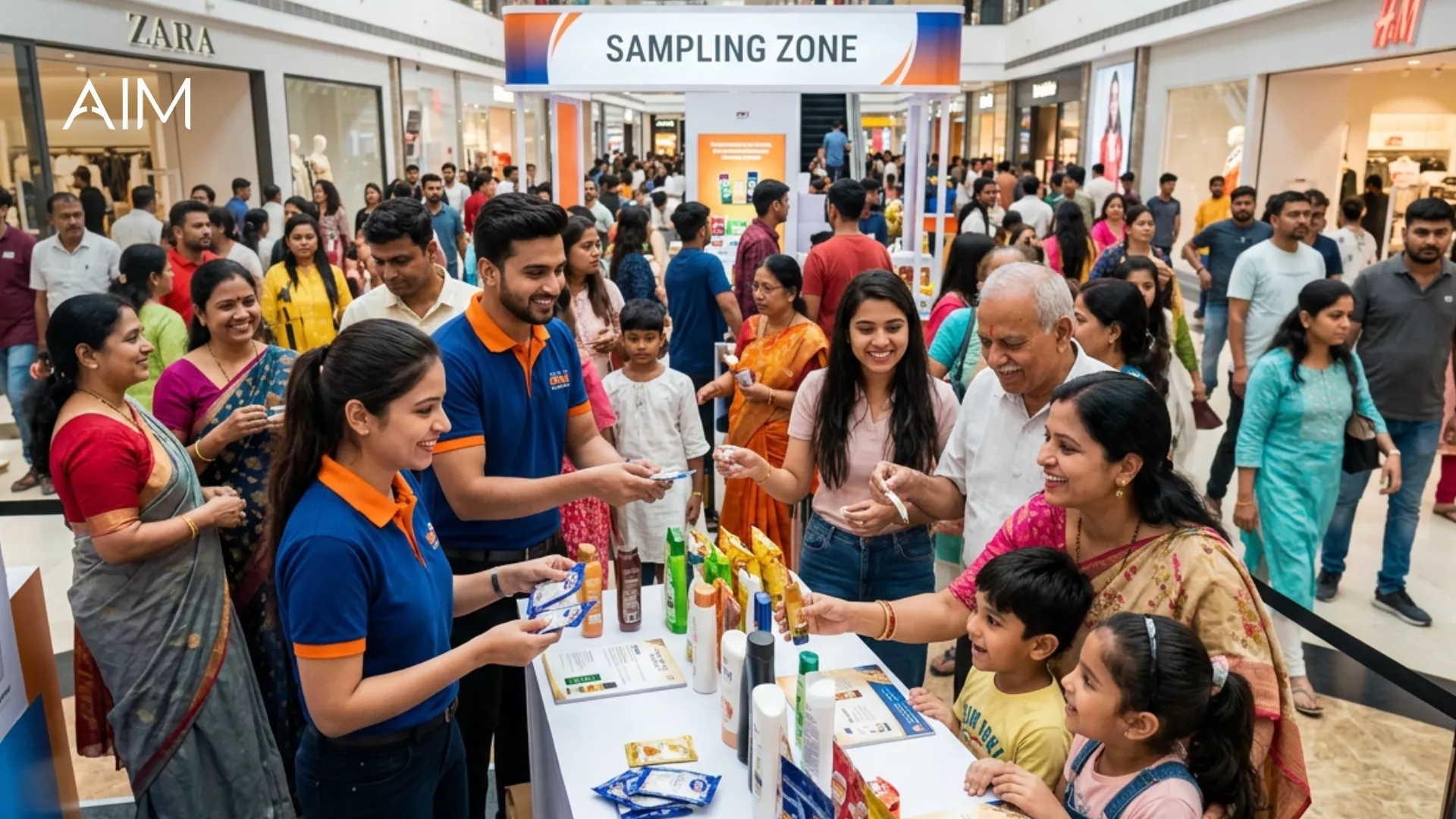
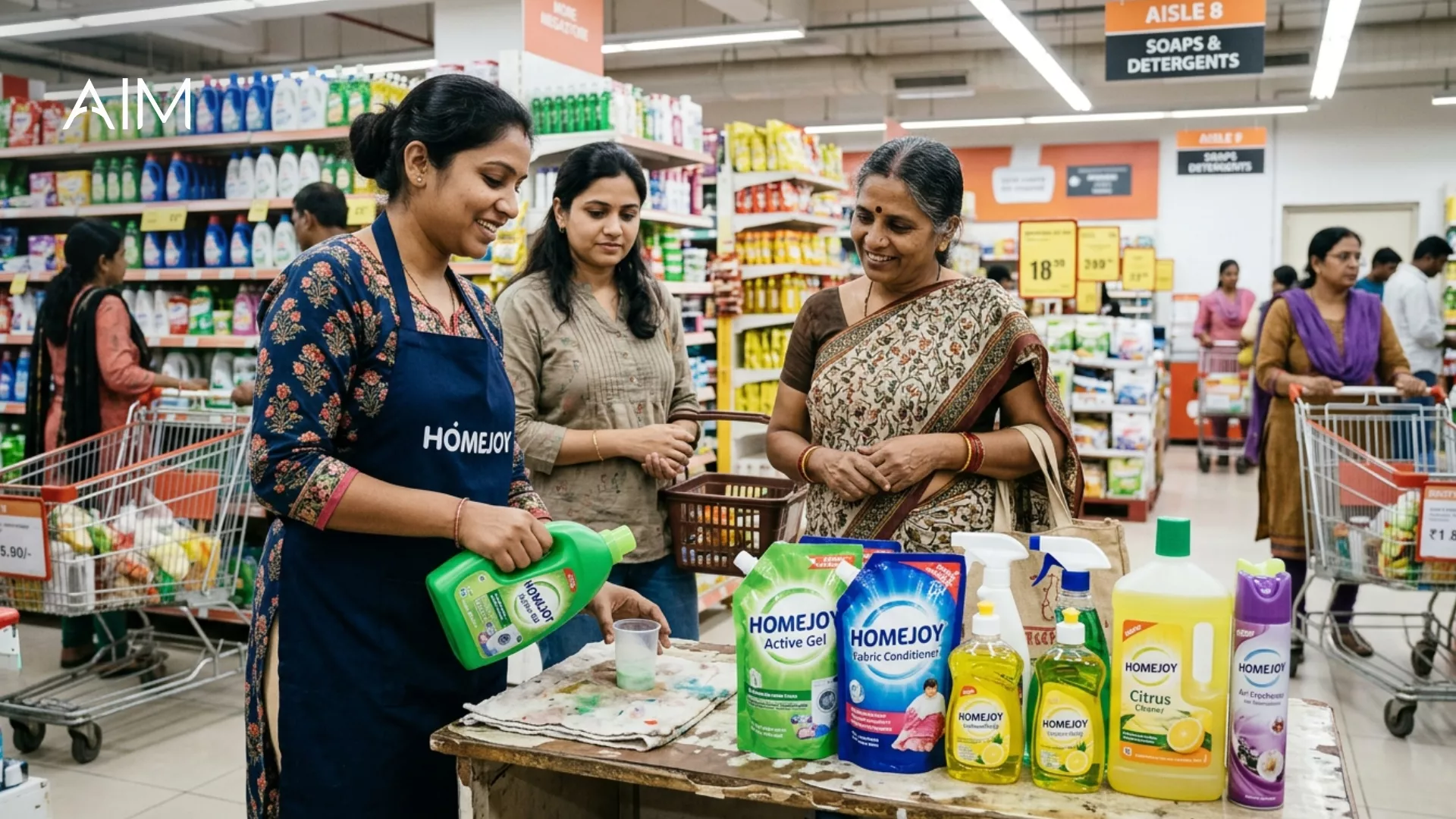
Western sampling often assumes an individual consumer making an individual choice. Indian consumption is more collective. A sample handed to one person is frequently judged by the whole household, the food tried by the family, the detergent assessed by whoever runs the home, the decision shaped by parents, spouses, and in-laws. The person who takes the sample is often not the person who decides to buy, and the product has to win a small committee rather than a single mind. This changes what a sample must do: it needs to survive being passed around, discussed, and evaluated against the family's habits and budget, which rewards trial sizes generous enough to be shared and messages that speak to the household, rather than only the individual holding the sachet.
Value has to be visible
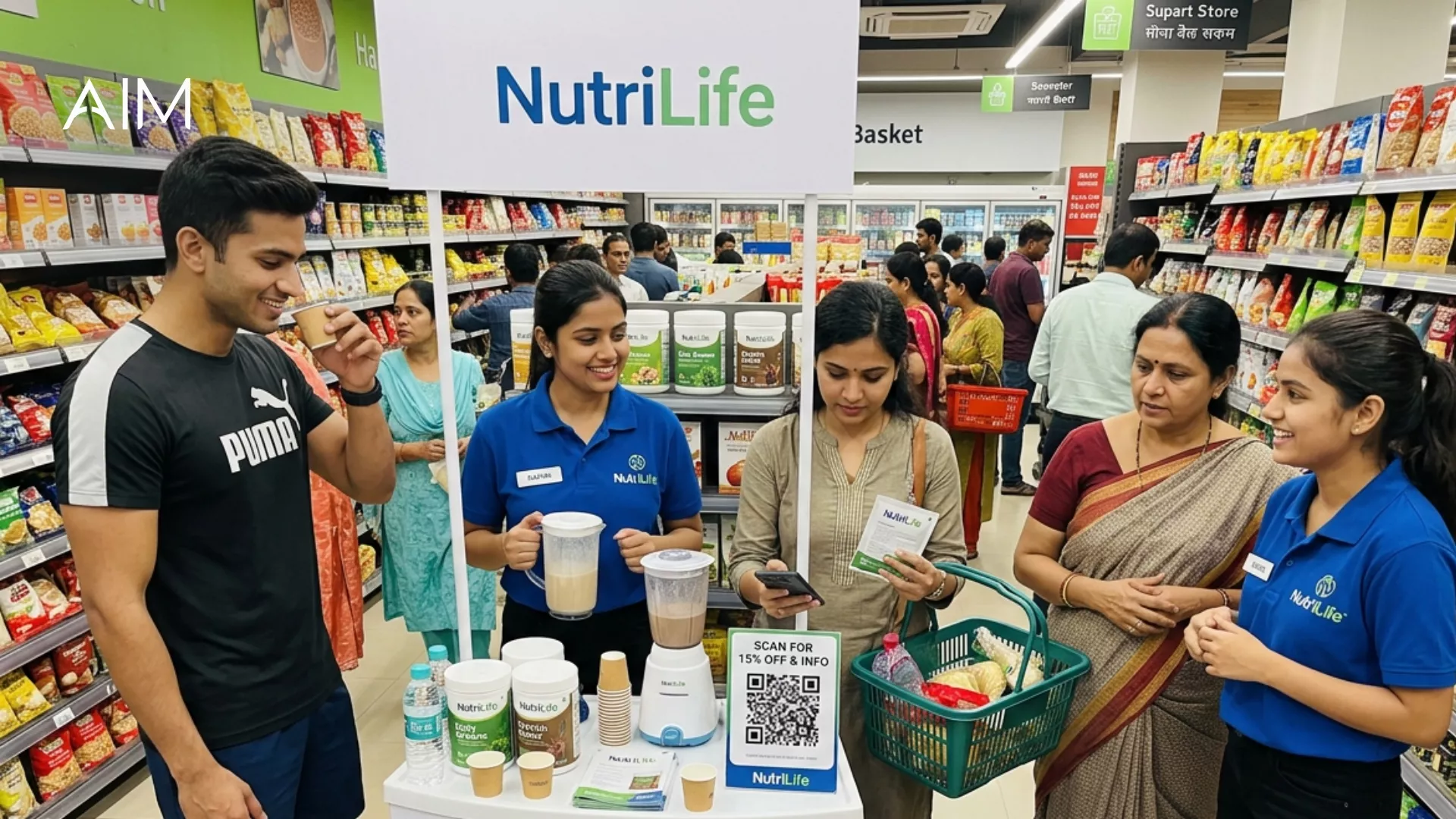
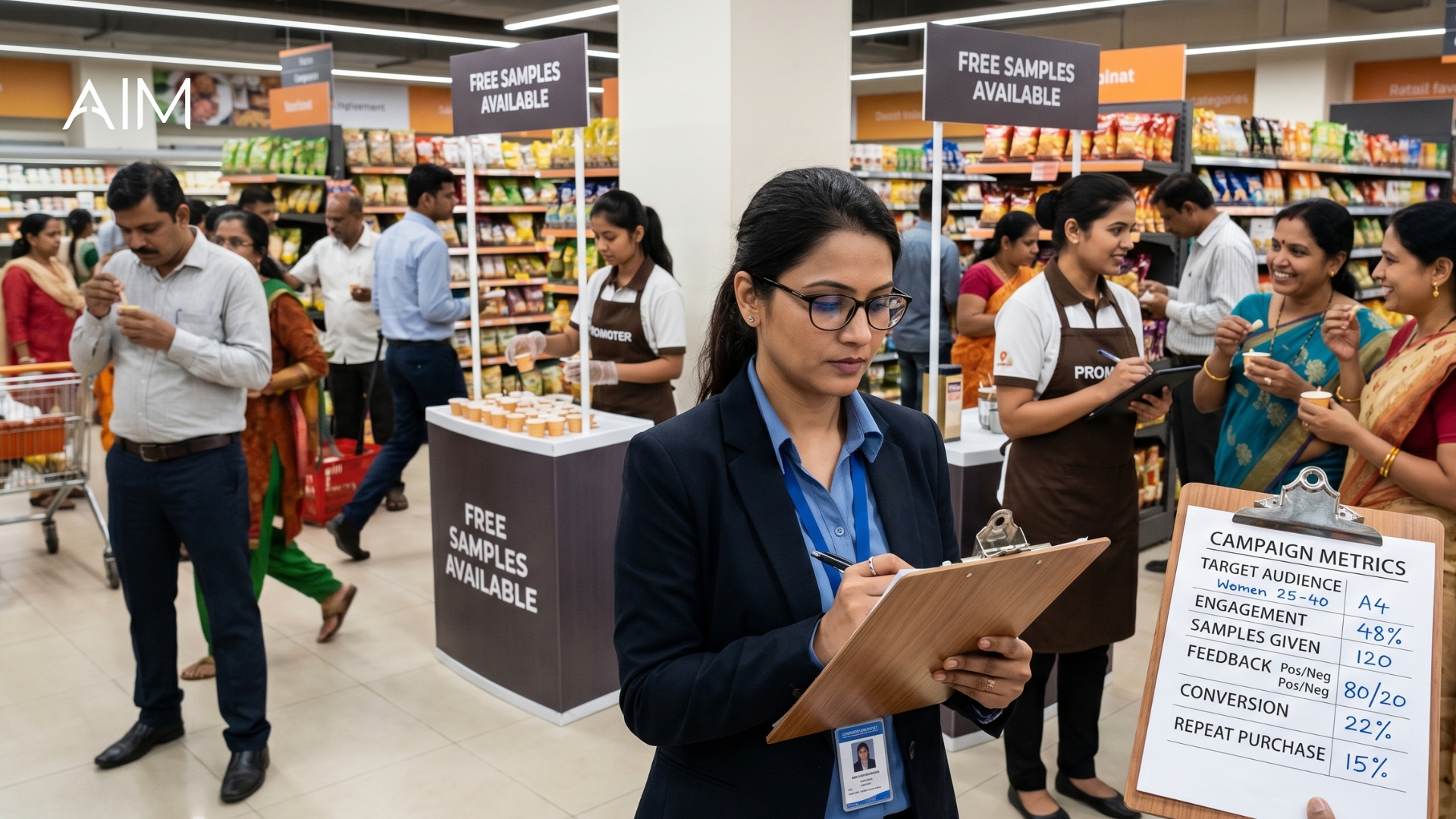
The Indian consumer is famously value-conscious, and that is not the same as cheap. It means worth must be visible and provable. This is the psychology that built the sachet economy, the instinct to try small, judge value, and only then commit. A sample plays directly into that instinct, but it also has to respect it: the buyer is mentally calculating whether the full-size product justifies its price, so the trial has to demonstrate real, tangible value, not simply exist. A sample that clearly shows why the product is worth paying for works with the grain of Indian buying psychology. One that is too small or too token to prove anything is judged, fairly, as not worth the shelf space. This is also why the size of an Indian sample carries a message: a trial too small to prove anything reads as a brand hedging, while one generous enough to demonstrate worth reads as confidence.
Timing runs on festivals and seasons
Indian consumption is deeply seasonal and occasion-driven in a way that shapes when sampling lands. Festivals bring spikes of buying, gifting, and openness to new brands; the monsoon and summer reshape what people want and how products behave; regional calendars vary across the country. A sample offered in the right seasonal moment, a new sweet before a festival, a cooling drink in peak summer, a home product during festive cleaning, meets a buyer already primed to purchase the category. The same sample offered out of season meets a buyer with no immediate reason to act. In India, when you sample can matter as much as what you sample.
Why the messenger and the moment matter more here
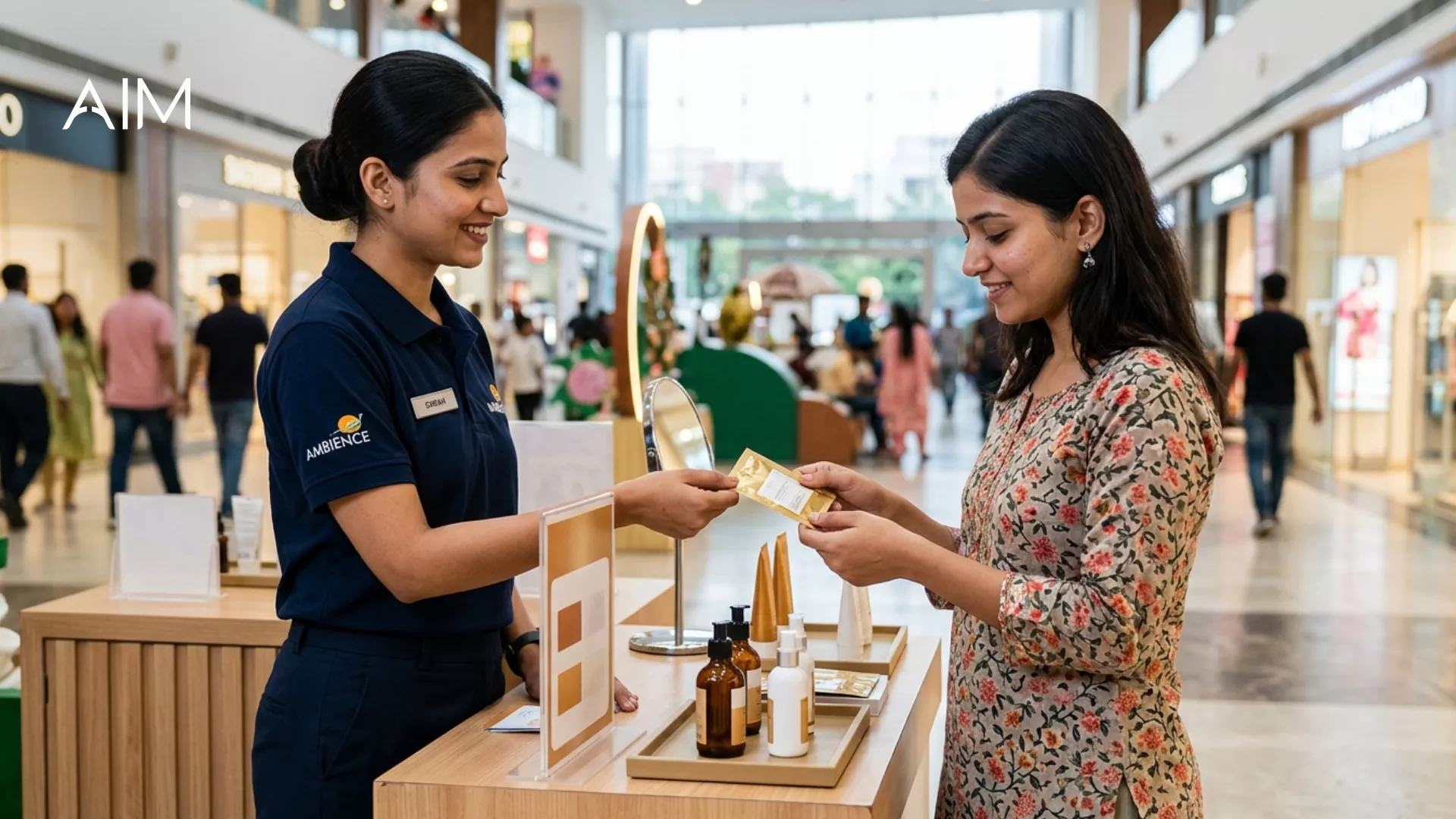
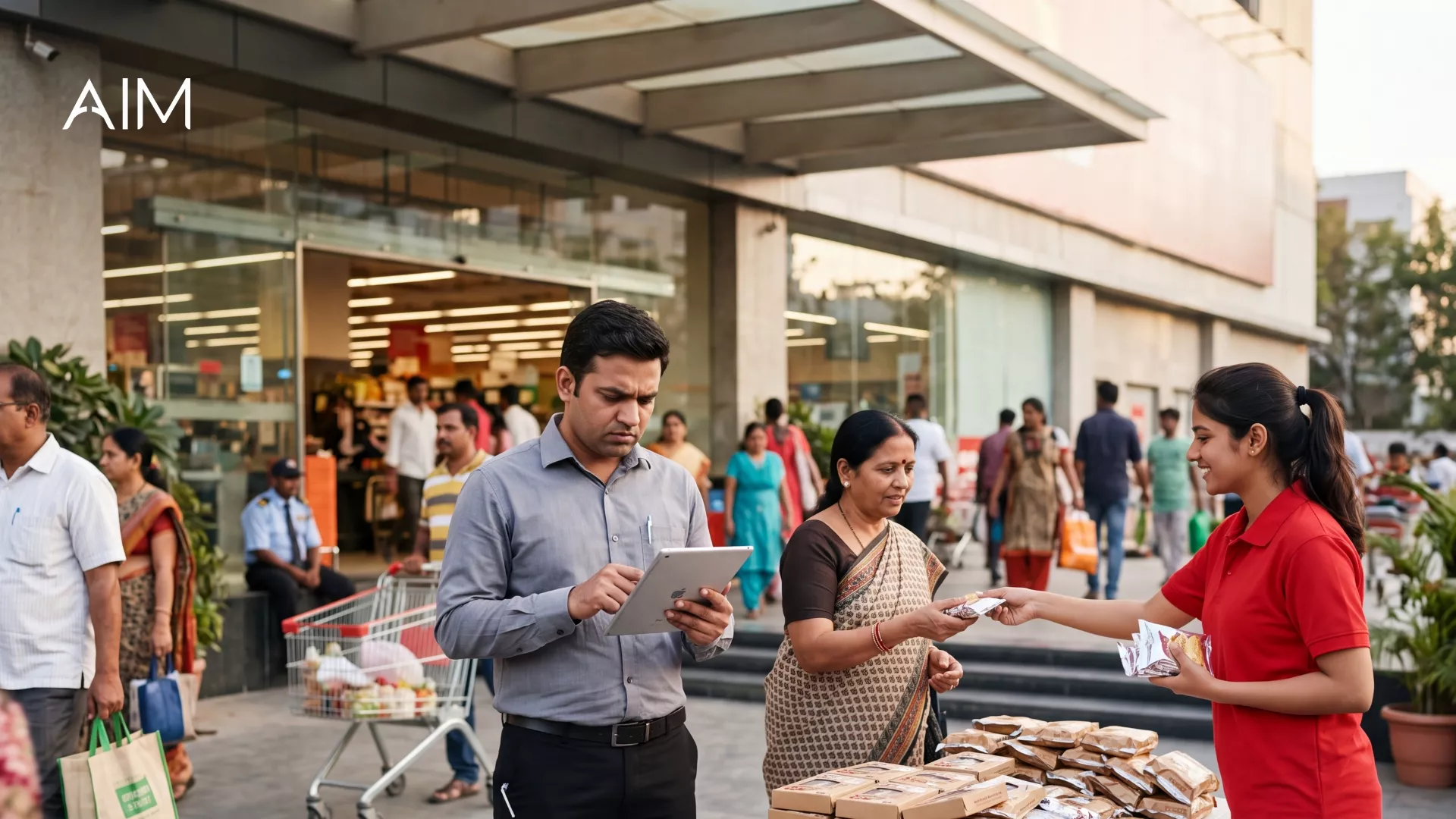
Put the trust instinct and the value instinct together and a distinctly Indian pattern emerges: the sample is judged less as a product and more as a gesture, and gestures depend on who makes them and when. The same trial pack means one thing pressed on a stranger under fluorescent mall light and something warmer entirely when it is offered by a familiar face, in a familiar place, at a moment that fits the buyer's life. This is why lifting a Western sampling calendar or channel plan straight into India so often underdelivers. It quietly ignores that here the credibility of the messenger and the fit of the moment are not finishing touches on the campaign, they are a large part of what the buyer is actually evaluating. A brand that gets the product right but the messenger and the moment wrong has, in the Indian buyer's mind, still got the important part wrong.
India is many markets, not one
Finally, the single biggest trap: treating India as one audience. The psychology, language, taste, and buying behaviour of a metro tier-one shopper, a tier-two family, and a rural buyer differ enormously, and so does what a sample must say and how it must be delivered. Language is not a translation exercise, it is a trust exercise, a sample that speaks the buyer's language signals that the brand belongs. Regional tastes, price sensitivities, and habits vary street by street, let alone state by state. A sampling campaign that assumes one national consumer will feel foreign in most of the country. One that respects India as many markets, each with its own psychology, is the one that actually converts.
This is why product sampling services in India cannot be lifted from a global playbook and dropped onto an Indian street. It has to be built around how the Indian buyer actually thinks: cautious about free, guided by personal trust, deciding as a household, demanding visible value, moving with the seasons, and living in a dozen different markets at once. That is the understanding AIM builds its sampling around, because in India the sample is never just a sample. It is a small, carefully judged conversation with a very particular consumer, and the brands that respect that are the ones whose samples turn into sales. Get the psychology right, the trust, the value, the household, the moment, the language, and the sample stops being a cost handed to a stranger and becomes the start of a relationship with a buyer who was ready to be won.















.webp)














.png)