



A sampling agency's pitch can be brilliant and its proposal still thin. The pitch is a performance; the proposal is the contract in waiting, and it is the document that decides whether your campaign runs smoothly or turns into a series of surprise invoices and quiet gaps. Most brands skim the proposal for the total and the timeline, sign, and then discover weeks later that permissions were never included, or that the reporting is a folder of photos. A good proposal removes those surprises by spelling everything out. Here is what a complete product sampling proposal should include, and the sections brands most often forget to check.
Why the proposal matters more than the pitch
The pitch tells you what a product sampling agency wants you to feel; the proposal tells you what you are actually buying. Everything that goes wrong in a sampling campaign -wrong audience, missing permissions, no way to measure, hidden charges — can be traced back to something that was never nailed down in the proposal. A vague proposal is not a formality to rush past, it is a warning. When an agency writes down exactly who it will reach, how, where, with what proof, and for what itemised cost, it is committing to a standard you can hold it to. When it leaves those things loose, it is leaving itself room, and that room becomes your risk. Read the proposal as the promise it is, because that is what you will be living with.
What a complete product sampling proposal includes
A proposal you can trust covers, in plain terms, all of the following.
Objectives and success metrics. What the campaign is trying to achieve — trial, conversion, data — and how success will be judged, in numbers you agreed rather than a vague sense of reach.
Target audience. A defined buyer, not everyone, so you know the samples are meant to reach a specific person the product suits.
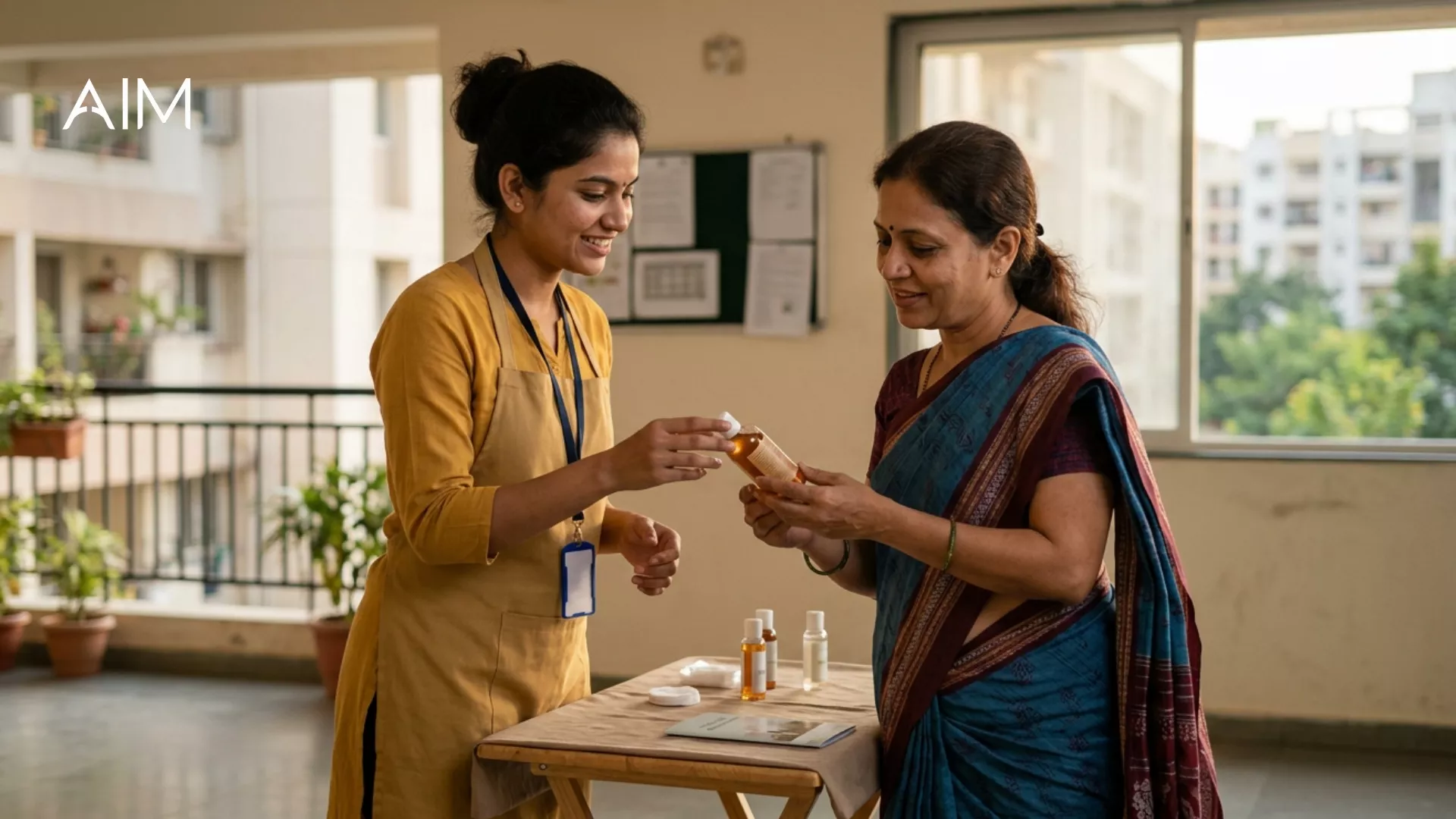
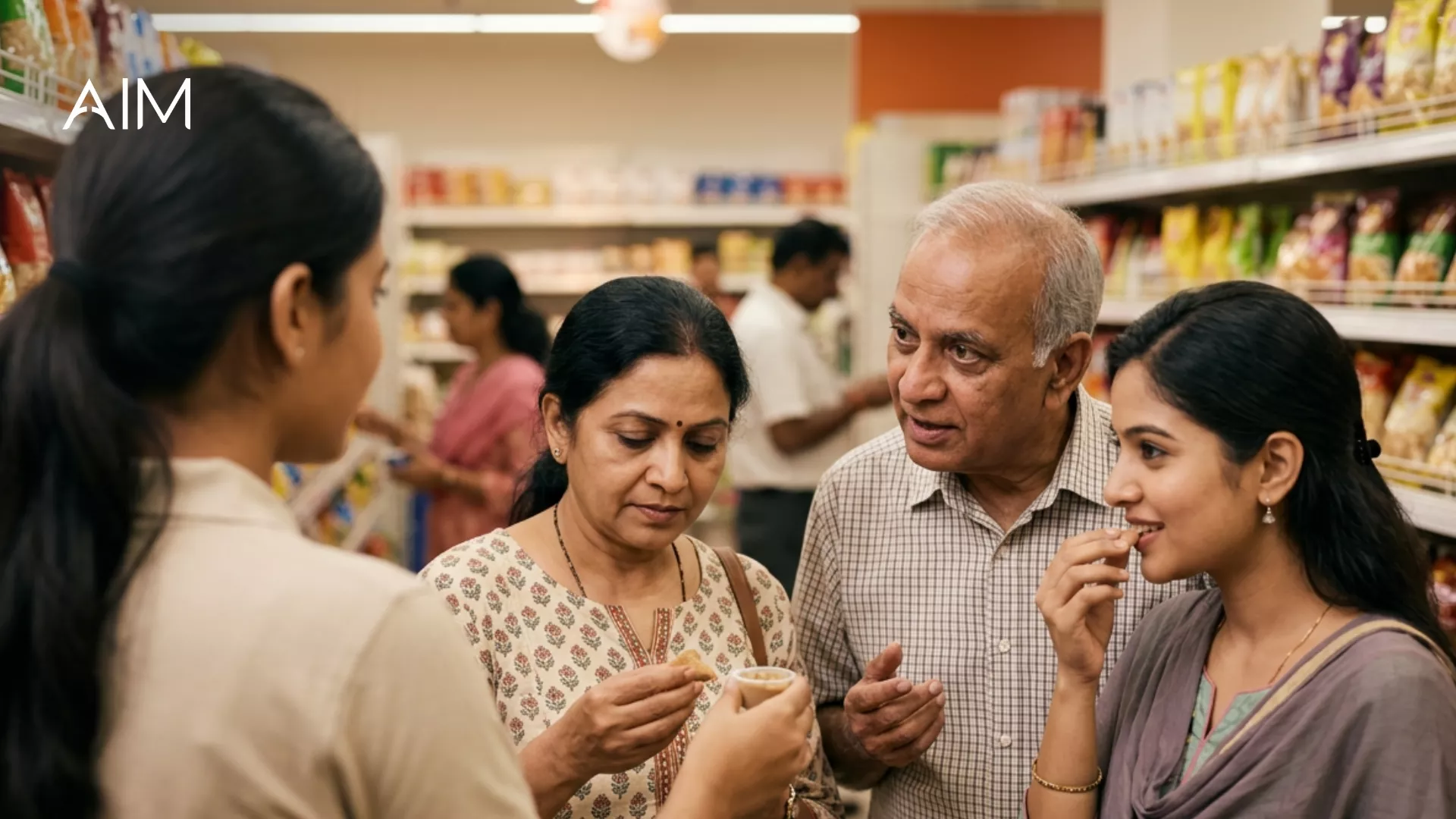
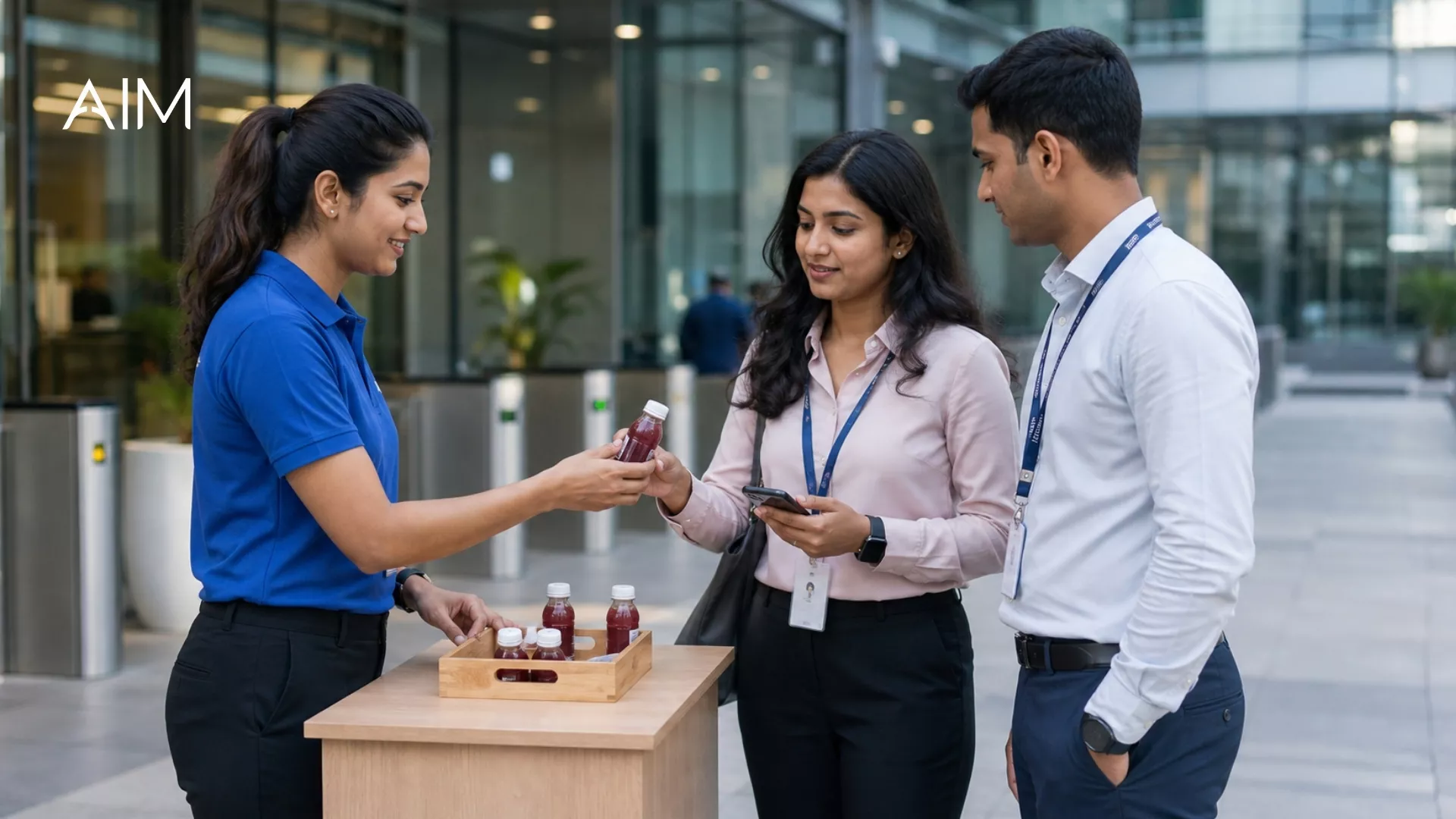
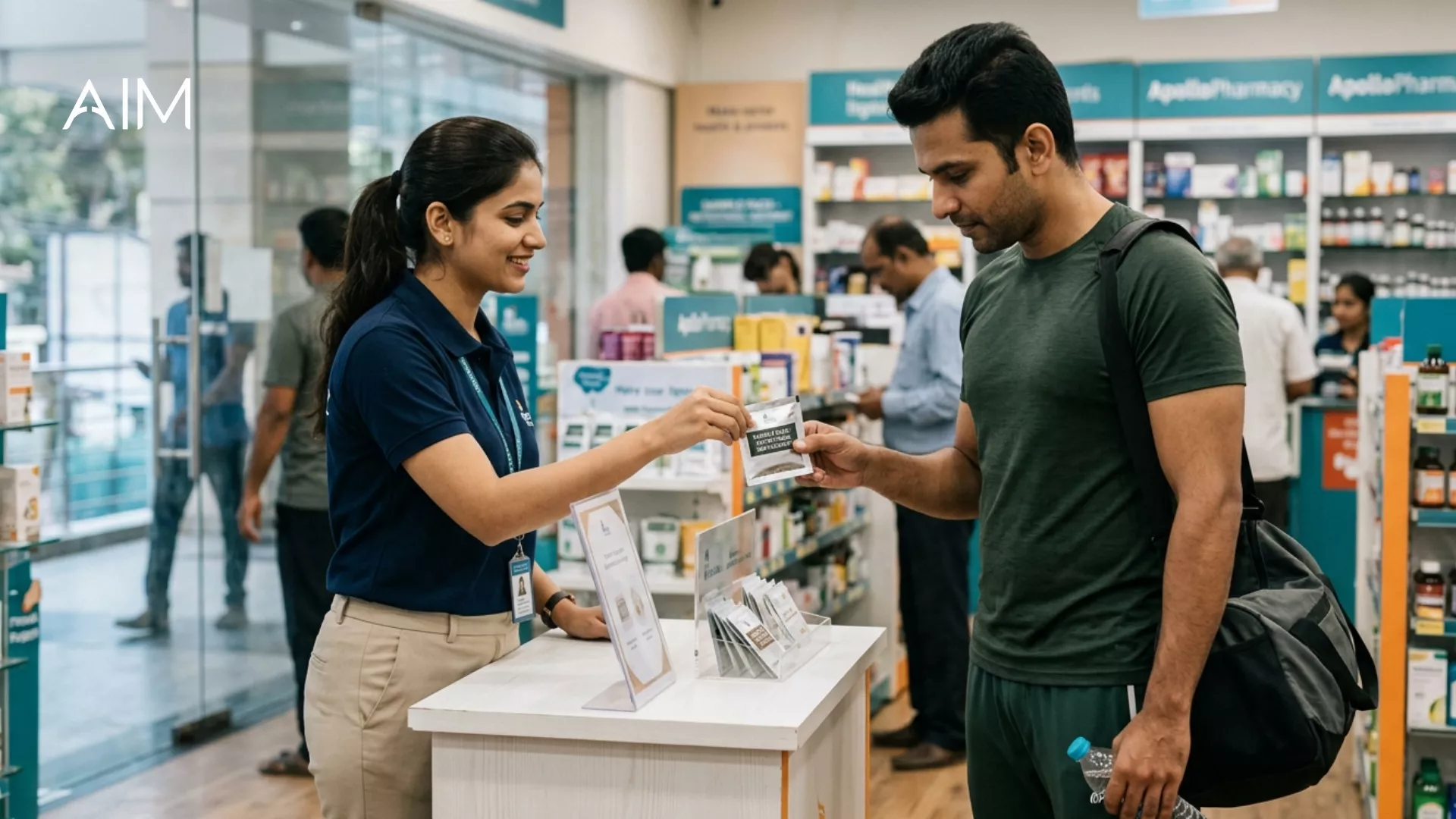
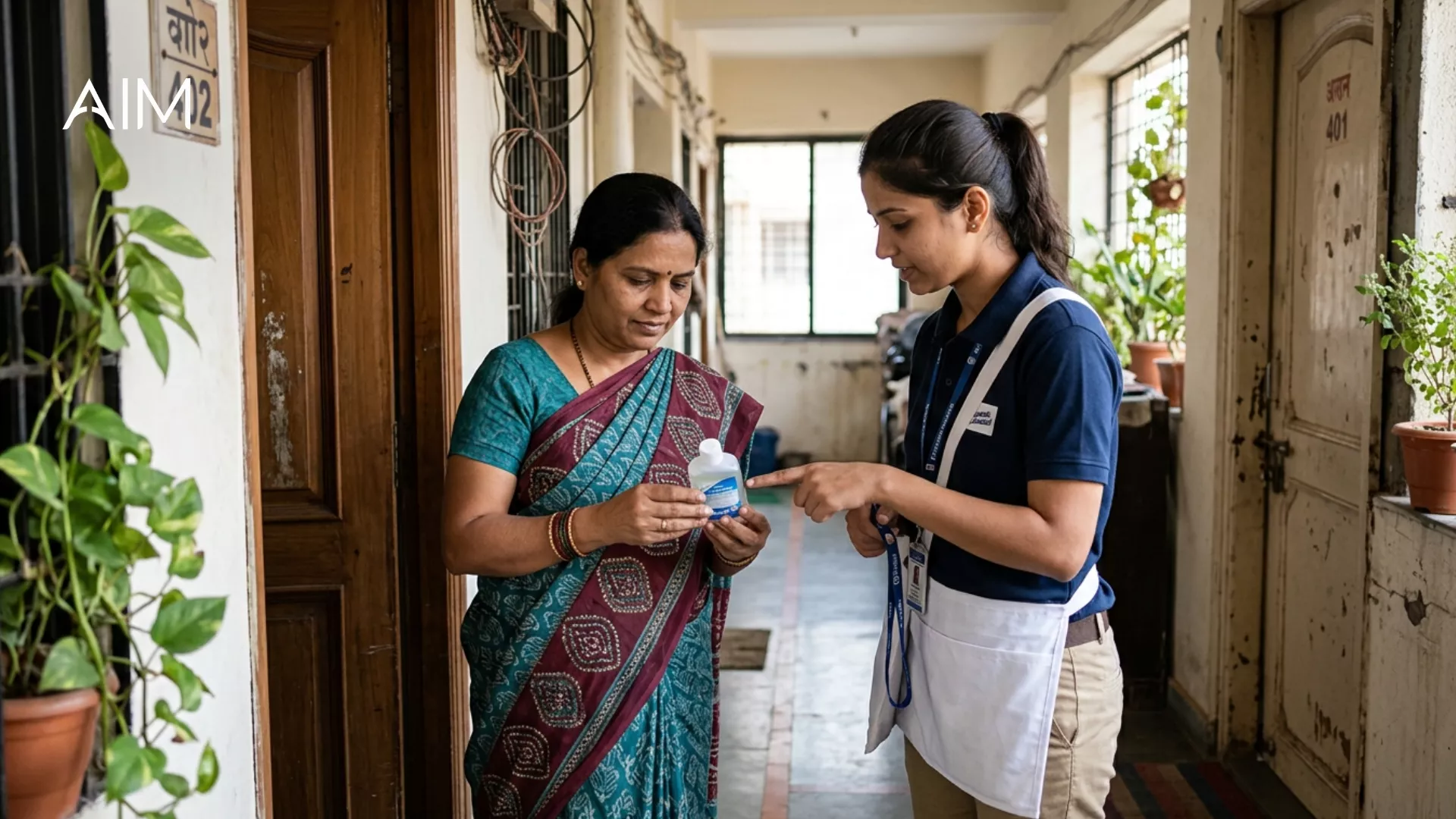
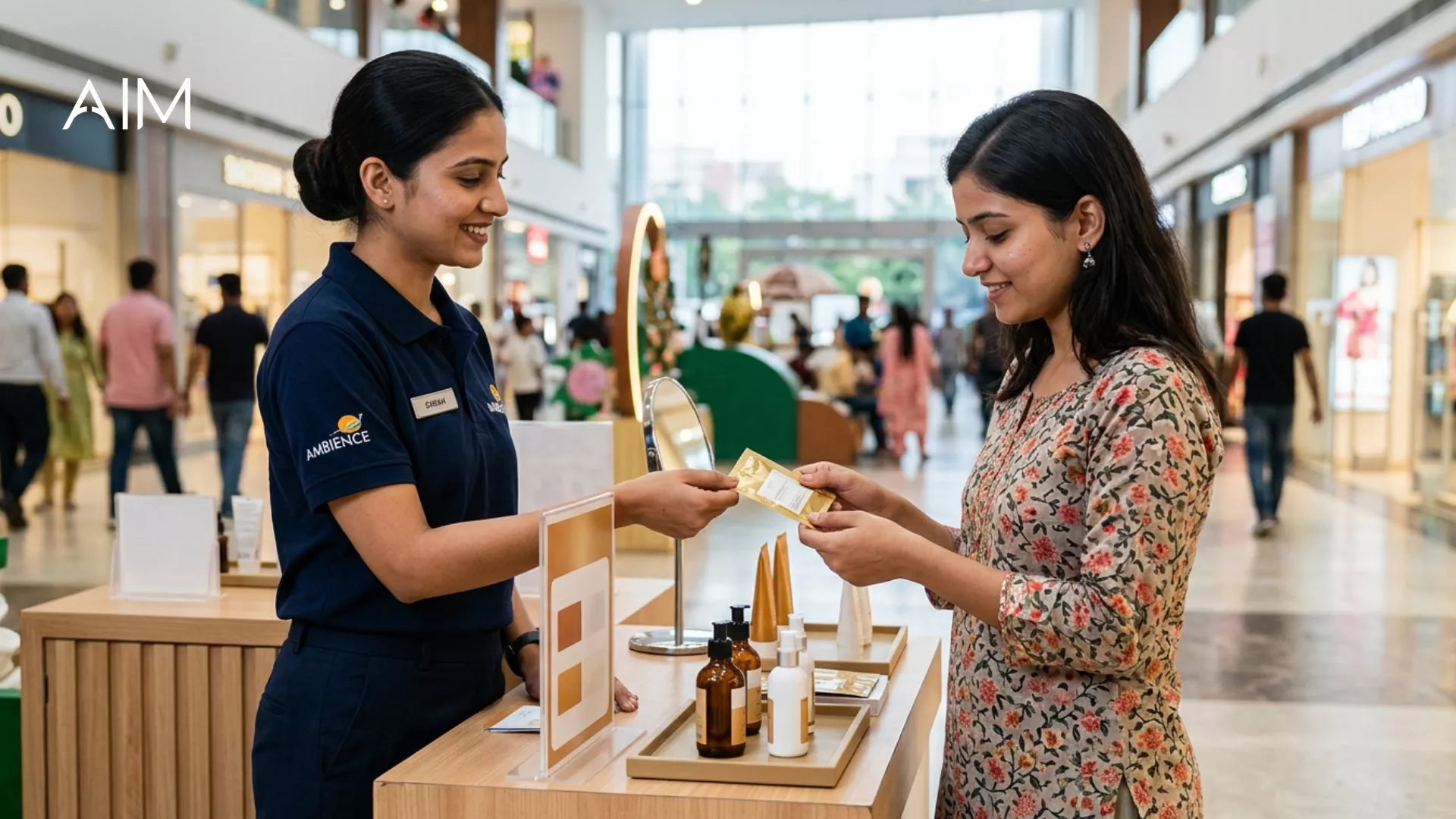
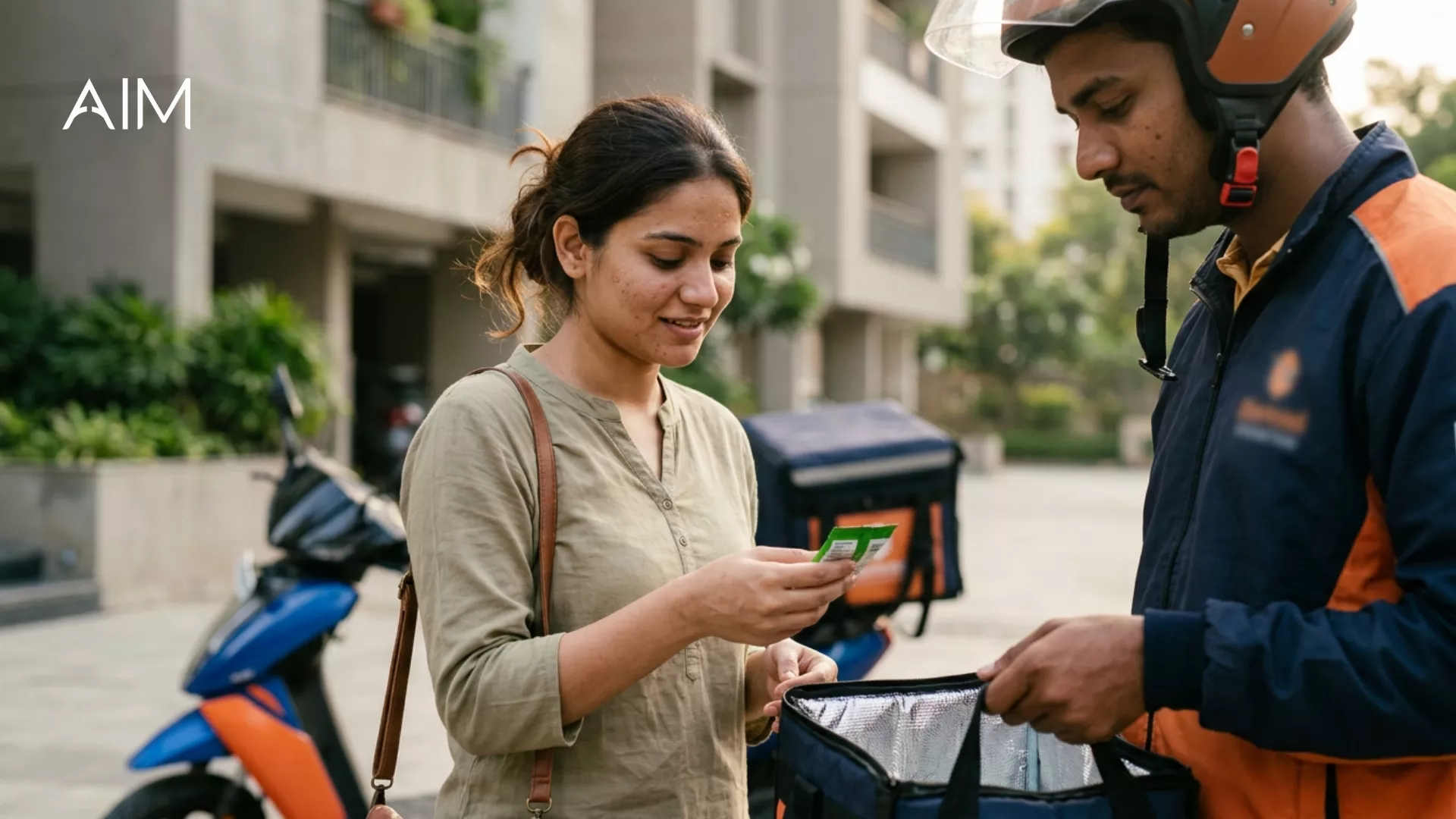
The sampling plan. The channels, cities, locations, and volumes, so you can see where your samples are going and to whom.
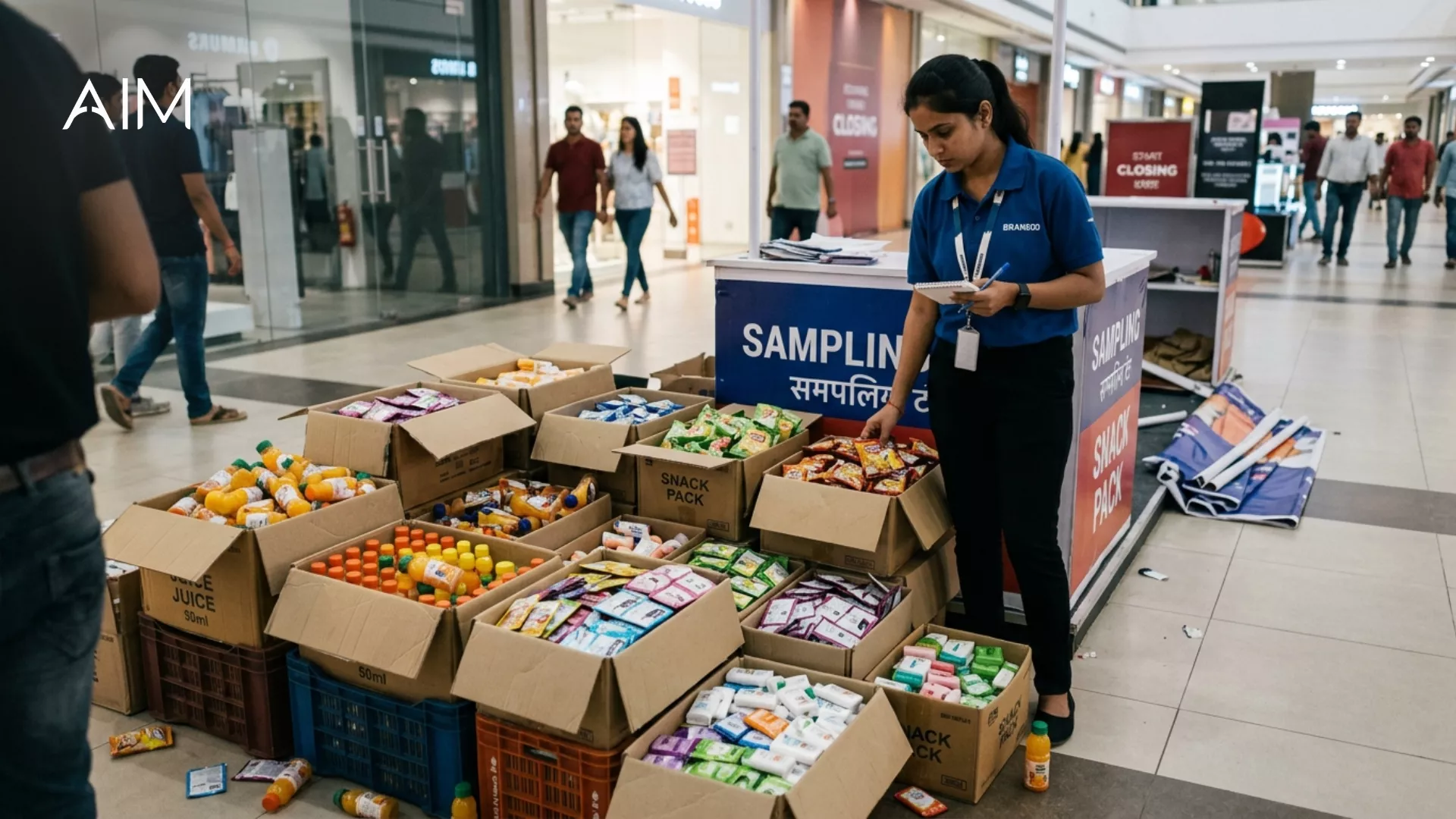
Sample handling and logistics. How samples are stored, transported, and protected, and who is responsible for wastage, which matters enormously for perishable or fragile products.
Field manpower. Who is on the ground, how they are trained and supervised, and how their work is verified.
Venue access and permissions. Who secures entry to societies, malls, offices, or other venues, and whether that cost and effort sit with the agency or with you.
Capture and tracking method. Exactly how the campaign records who tried the product and ties trial to a purchase, which is what makes it measurable at all.
Reporting. What the final report will contain, ideally a sample of it, so you know whether you will get a funnel or a photo album.
Timeline and cost. A realistic schedule and an itemised cost with every exclusion named, so there are no surprises after you sign.
If all nine are there, in detail, you are dealing with an agency that has run real campaigns. If several are missing, you are reading a brochure, not a plan.
The sections brands forget to check
Three sections get skipped again and again, and they are the three that cause the most pain later. The first is venue permissions: brands assume the agency will handle access, the agency assumes the brand will, and the gap only surfaces when a society or mall says no. Confirm in writing who owns permissions. The second is capture and tracking: it is easy to nod at reporting without asking how the data is actually collected, and a campaign that captures nothing cannot be measured no matter how nice the final deck looks. The third is exclusions: the most expensive words in any proposal are the ones that are not there, so insist that everything not included is named explicitly, because an unnamed exclusion is a future invoice.
What a vague proposal is hiding
When a proposal is thin on detail, it is usually hiding one of a few things: that permissions are not really arranged, that there is no plan to capture or track anyone, that the cost will grow once the work begins, or that the agency simply has not thought the campaign through. Vagueness is not neutral. A line like end-to-end execution with full reporting sounds reassuring and commits to nothing; a proposal that instead names the cities, the capture method, the permission owner, and the report format is committing to a lot. The more specific the proposal, the less room for unpleasant surprises, so treat detail as a feature and vagueness as a flag.
A strong proposal is not bureaucracy, it is protection, for both sides. It is how AIM sets up a sampling campaign: objectives and audience defined, the plan and cities named, permissions and logistics owned, capture and tracking built in, the report specified, and the cost itemised with exclusions on the page, so a brand knows exactly what it is buying before a single sample is produced. Ask for that proposal from anyone you are considering. The ones who can write it are the ones who can run it.







.webp)


















.png)