


Here is the conversation I have more often than I would like.
A brand manager calls. They want to run a product sampling campaign. They ask: "What is your rate per sample? What cities do you cover? How many promoters can you deploy?"
All reasonable questions. None of them are the right ones to start with.
The search for the best product sampling agency in India usually begins with logistics — how many samples, which cities, what is the cost per unit distributed. And that framing is exactly why so many sampling campaigns look perfectly fine on paper and produce almost nothing in terms of actual sales movement.
The rate card is not the problem. The brief is.
When a brand approaches sampling as a distribution exercise, every agency evaluation becomes a cost comparison. Agency A can do it for X. Agency B can do it for X minus 15 percent. Agency C throws in extra promoters. The brand picks whichever feels like the best deal.
What they have actually purchased is the ability to hand their product to a large number of strangers. Whether any of those strangers were the right people, in the right mindset, with any follow-up system to bring them back — those questions often never get asked.
The brief drives the outcome. If the brief says "distribute 5,000 samples at high footfall locations," any decent vendor can execute that. If the brief says "create qualified trials with 25–35 year old women currently using a competing skincare brand, collect feedback, and run a coupon redemption journey within 48 hours" — now you are looking for something entirely different. Most agencies cannot do the second thing. Many will not tell you they cannot.
A campaign that changed how we think about this
A home care brand came to us carrying exactly this kind of history. They had done sampling before. Reasonable volumes, reasonable cost. Their trial-to-purchase conversion was sitting at 18 percent — meaning for every hundred people who received and used the sample, only eighteen went on to buy.
They were not sure if the product was the problem.
It was not.
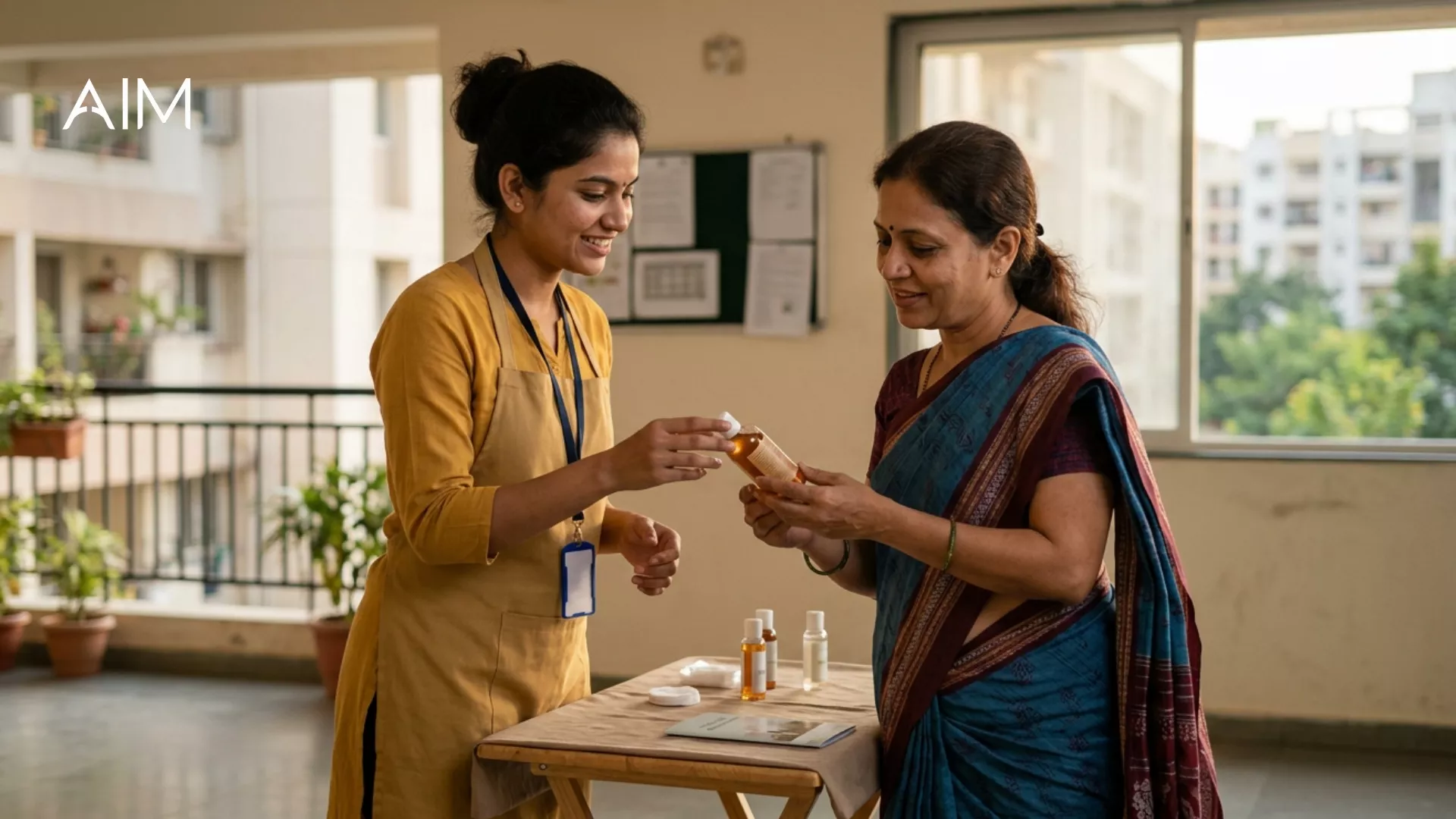
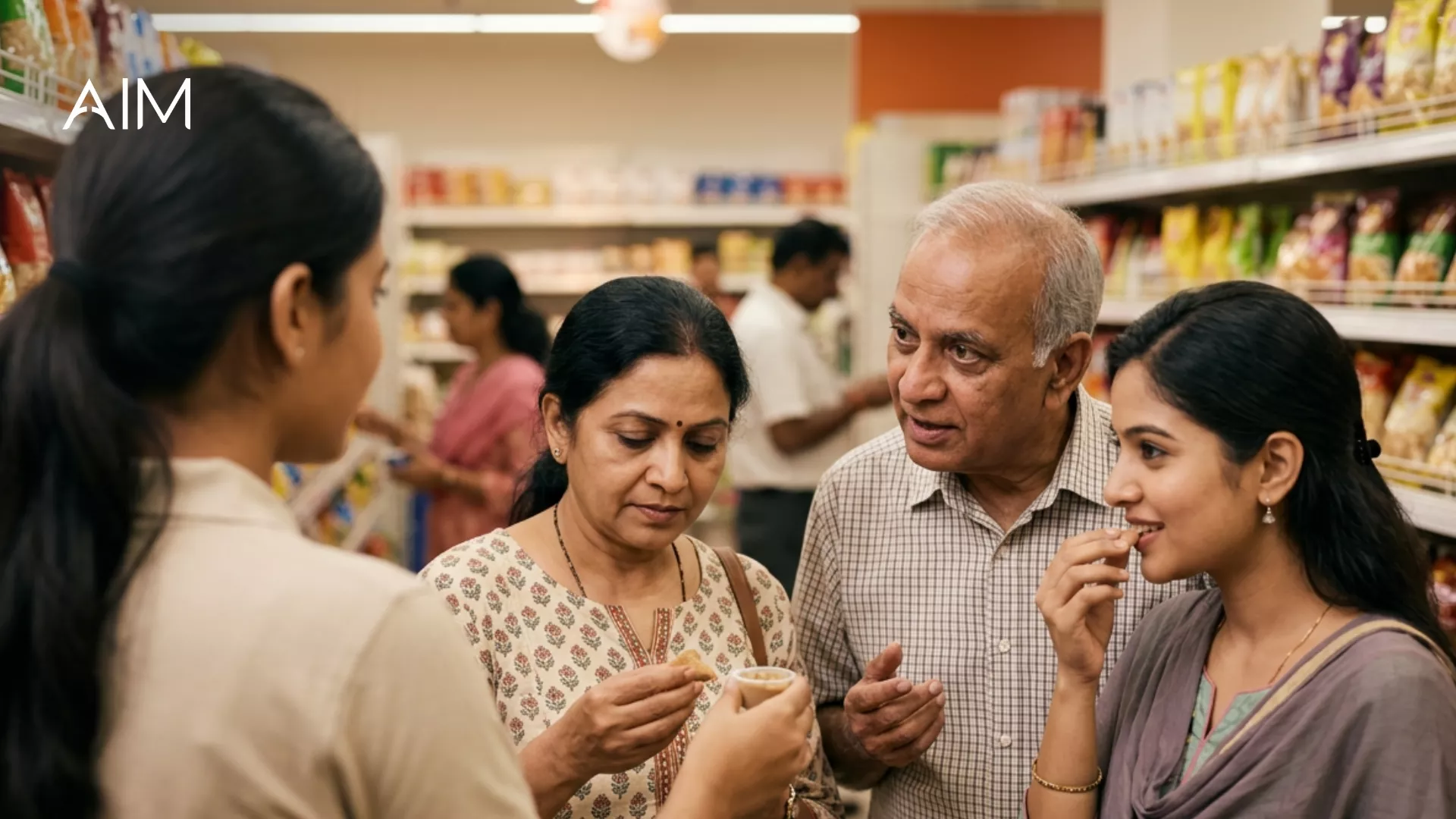
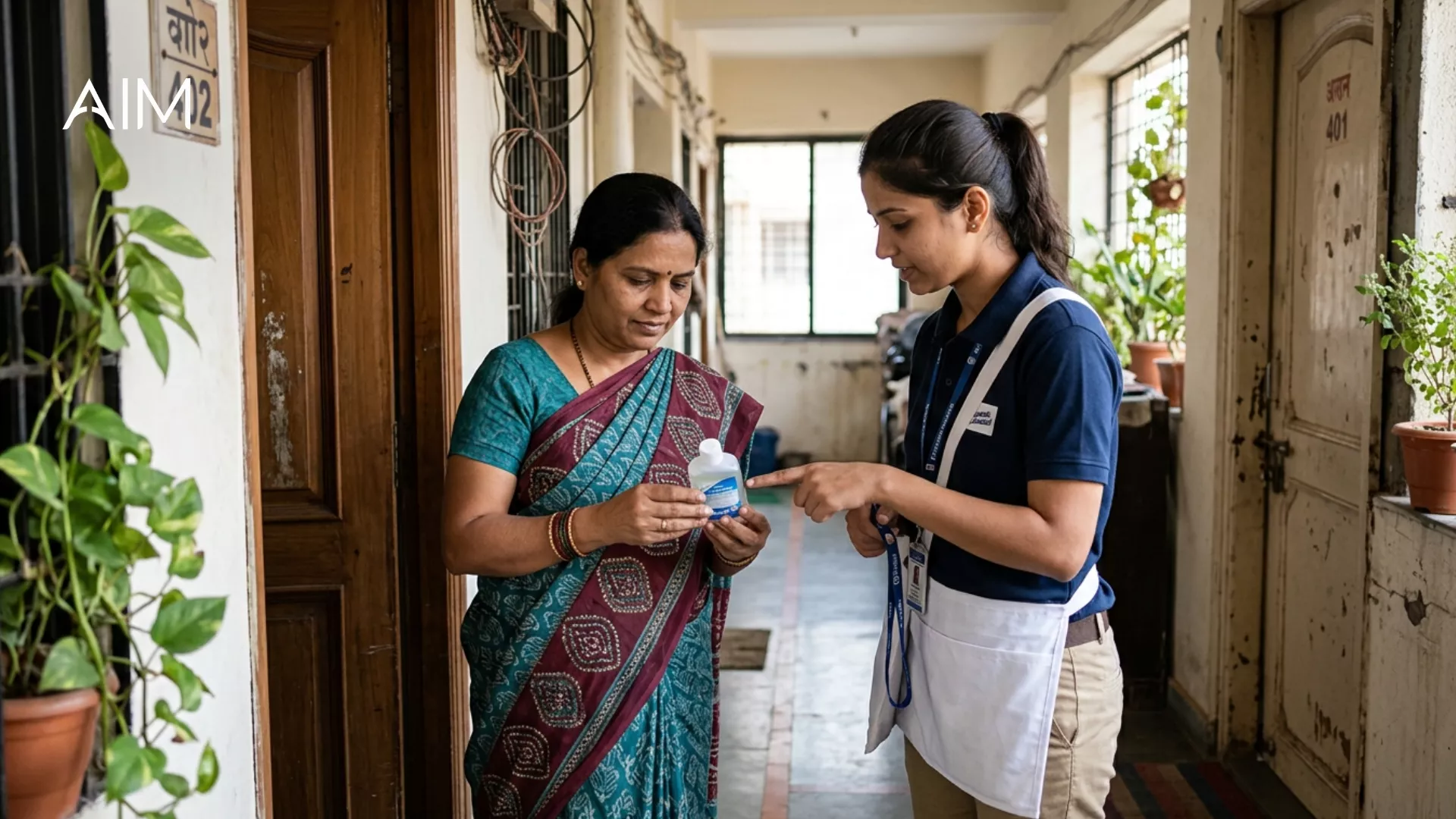
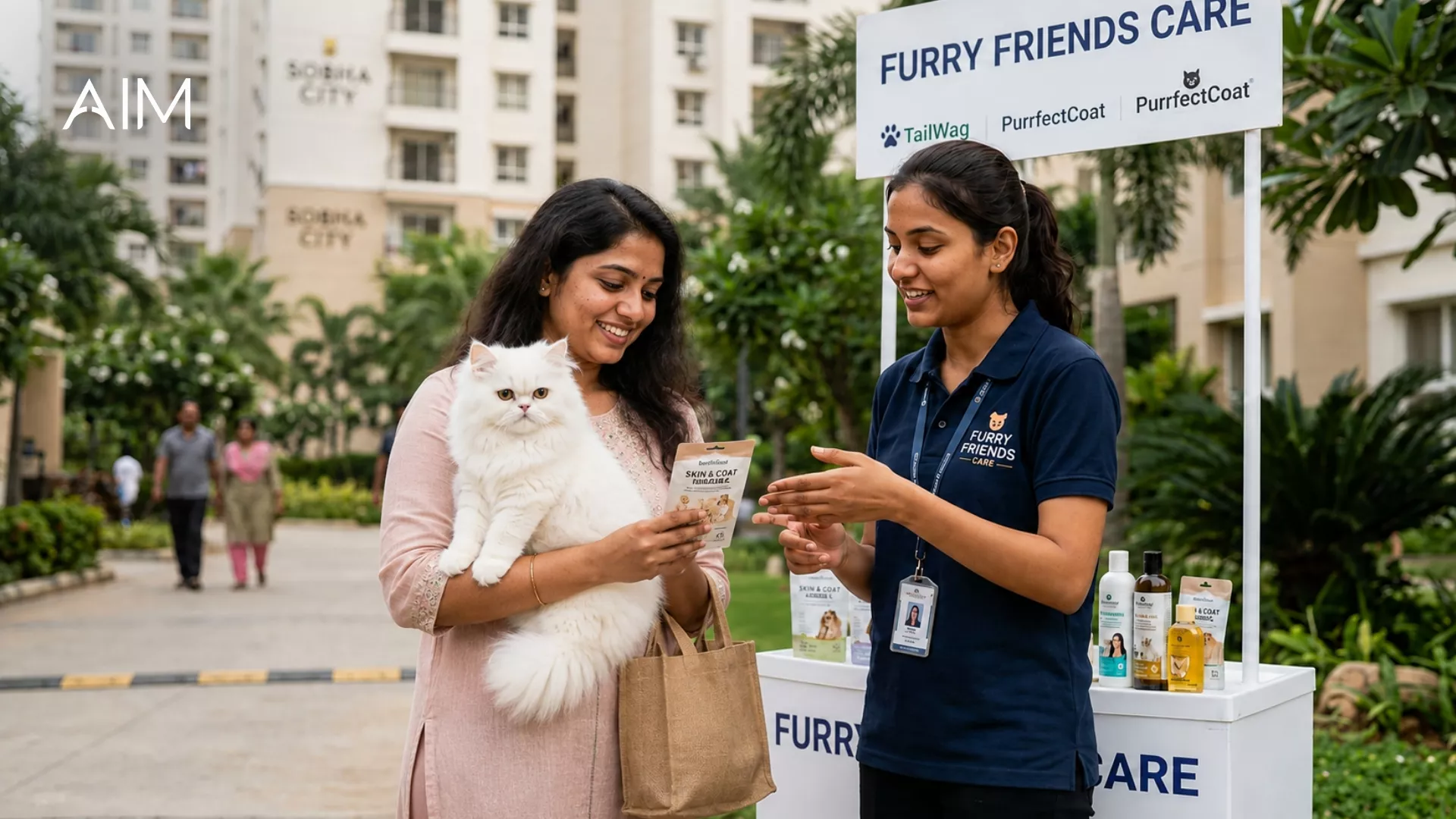
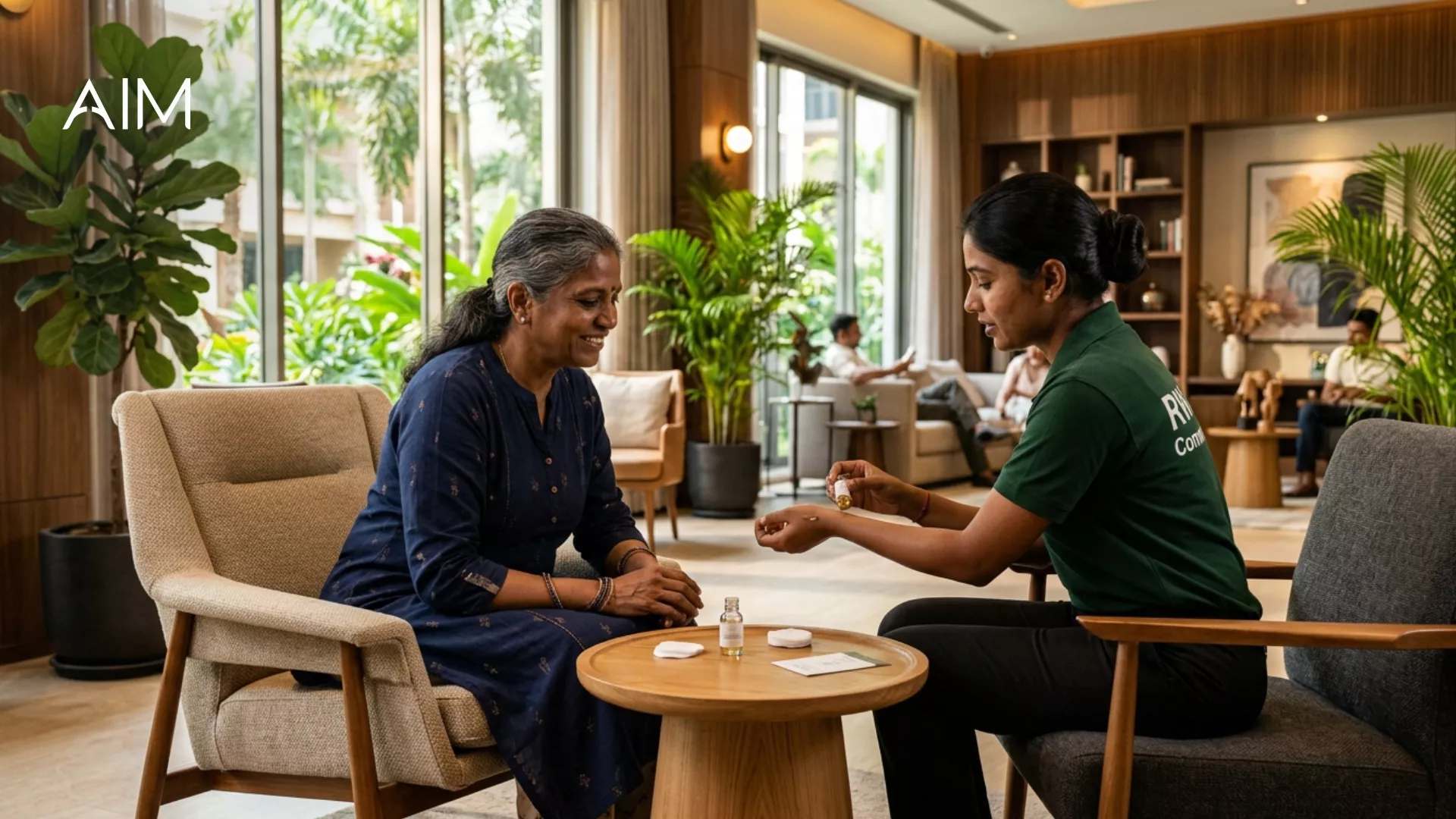
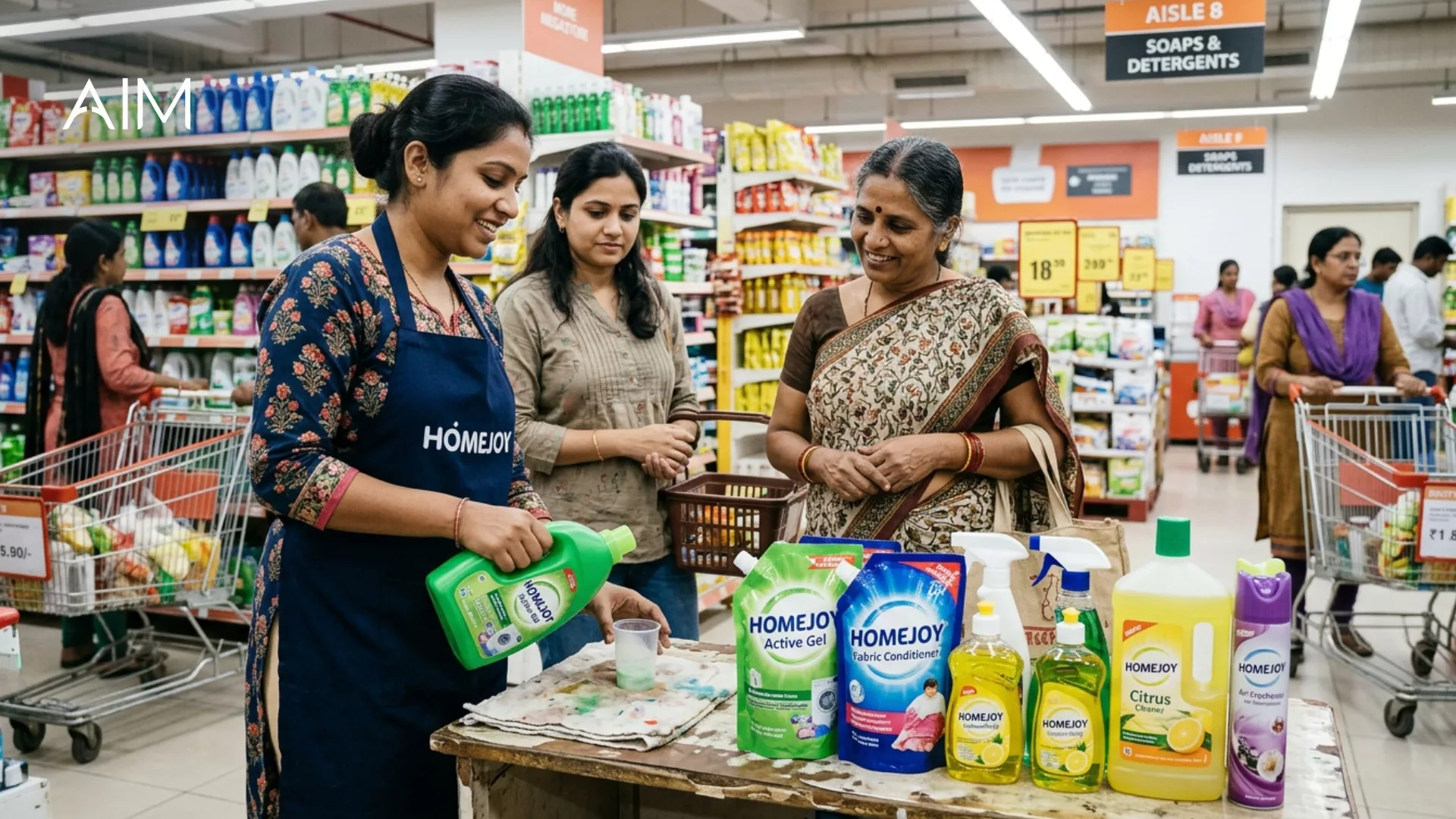
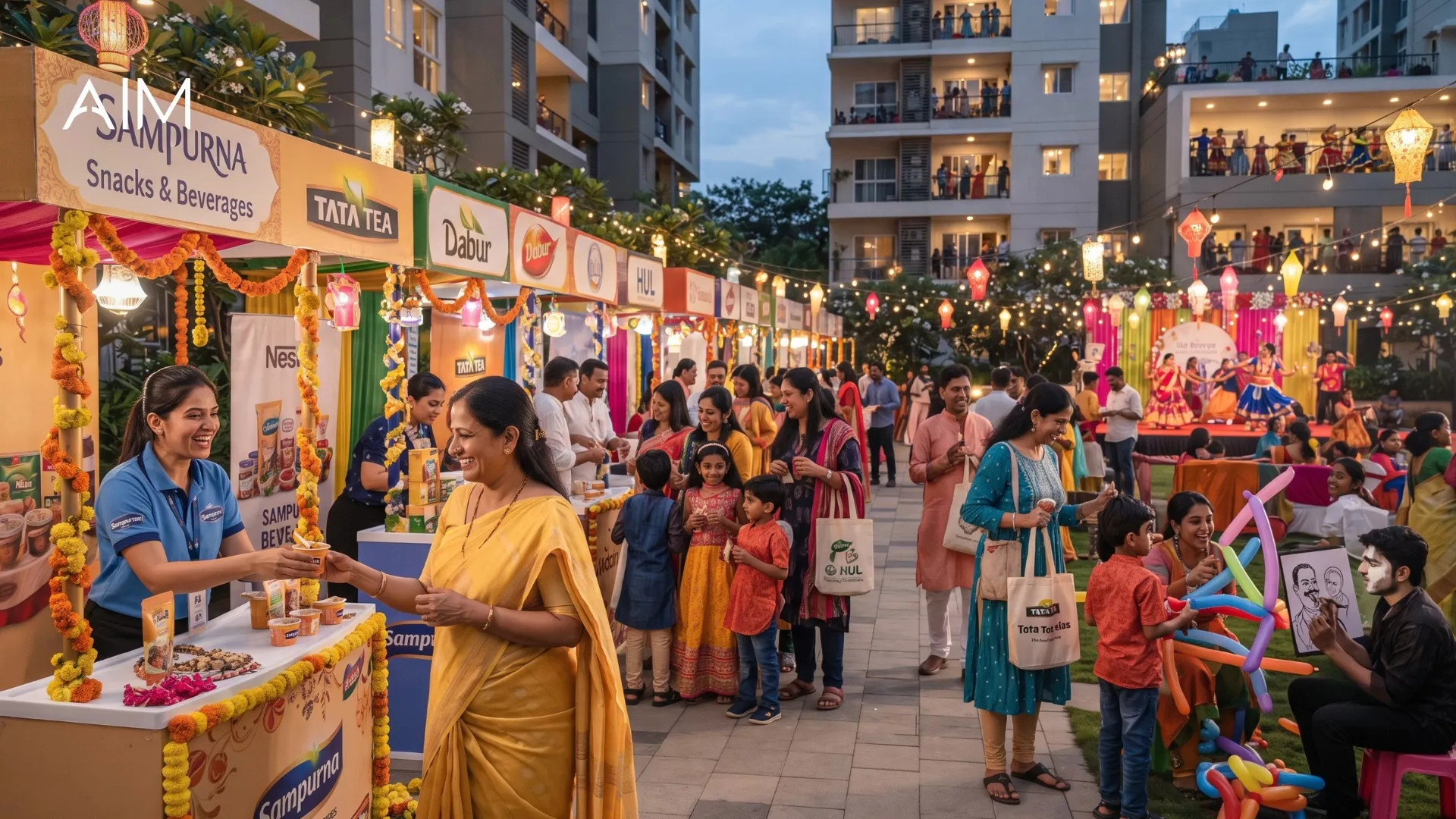
We ran a wet sampling activation across residential societies — 40 RWAs, door-to-door with trained brand ambassadors, QR-based feedback collection post-trial, and a coupon trigger at the point of first purchase. Six weeks later, that conversion number had moved to 50 percent. Same product. Same cities. Very different system.
What changed was not the promoter headcount or the sample quantity. It was the environment where the trial happened, the conversation built around it, and what we did with the consumer after the sample left our hand. Most sampling campaigns stop at that moment. That is where the real work starts.
Three kinds of product sampling agencies
There are roughly three types of product sampling agencies operating in India.
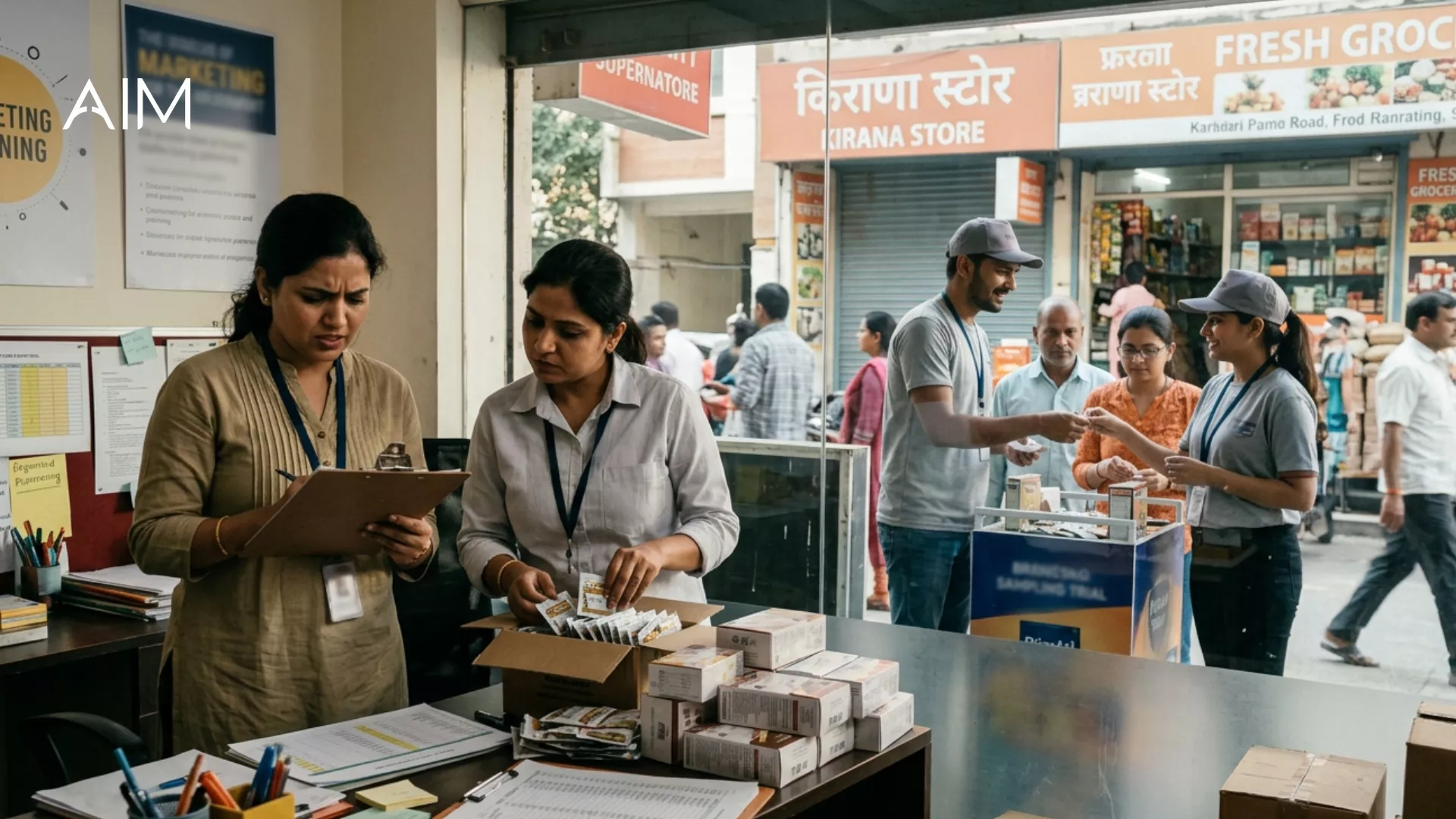
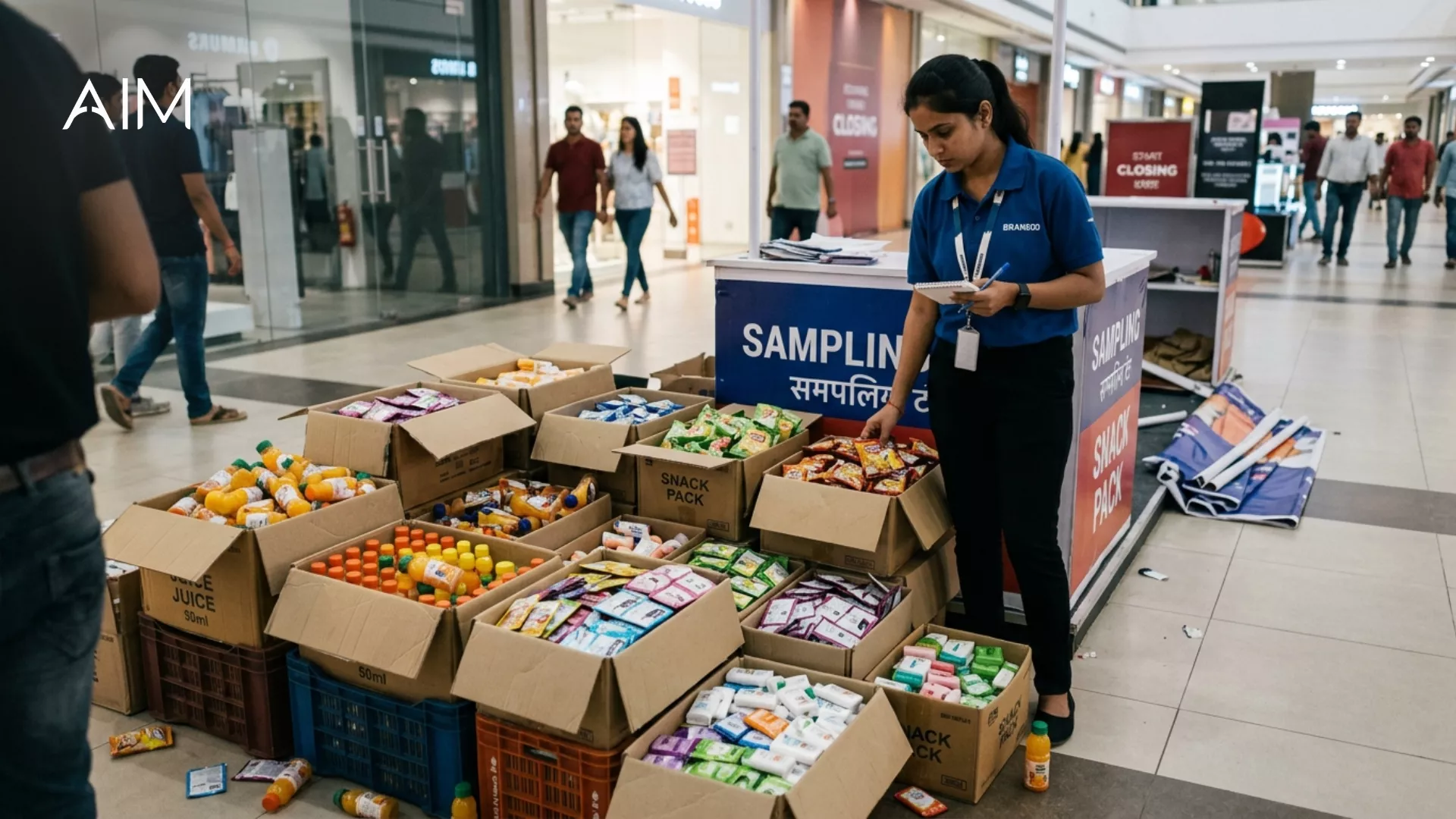
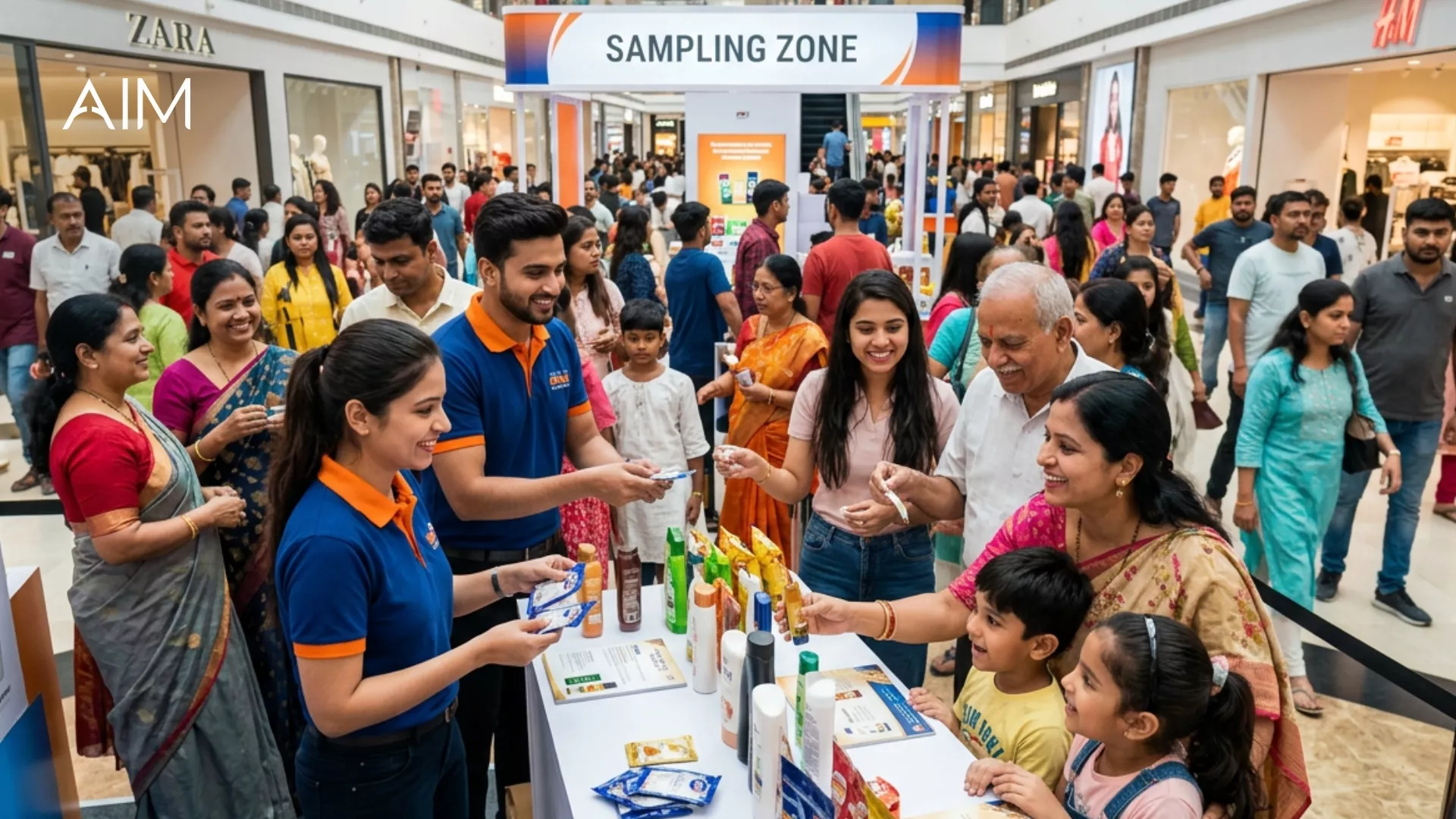
The first is primarily a manpower and logistics vendor. They deploy promoters, manage location permissions, and report on quantities distributed. Genuinely useful. But not a growth system.
The second type layers some targeting and reporting on top of the logistics. They can tell you what percentage of people reached were women, or what income bracket the location typically serves. Better — but the story still ends at distribution.
The third type, which is a much smaller group, approaches sampling as a full consumer acquisition loop. Qualification before the trial. Environment selection based on audience profile, not just footfall numbers. Feedback during and after. A conversion trigger. Retargeting. Purchase tracking. And then real learning that shapes the next phase of the campaign.
Most brands shopping for a product sampling agency in India do not ask which of these three types they are in conversation with. They compare rates.
The environment question
The location where a consumer first experiences your product changes how they experience it. Completely.
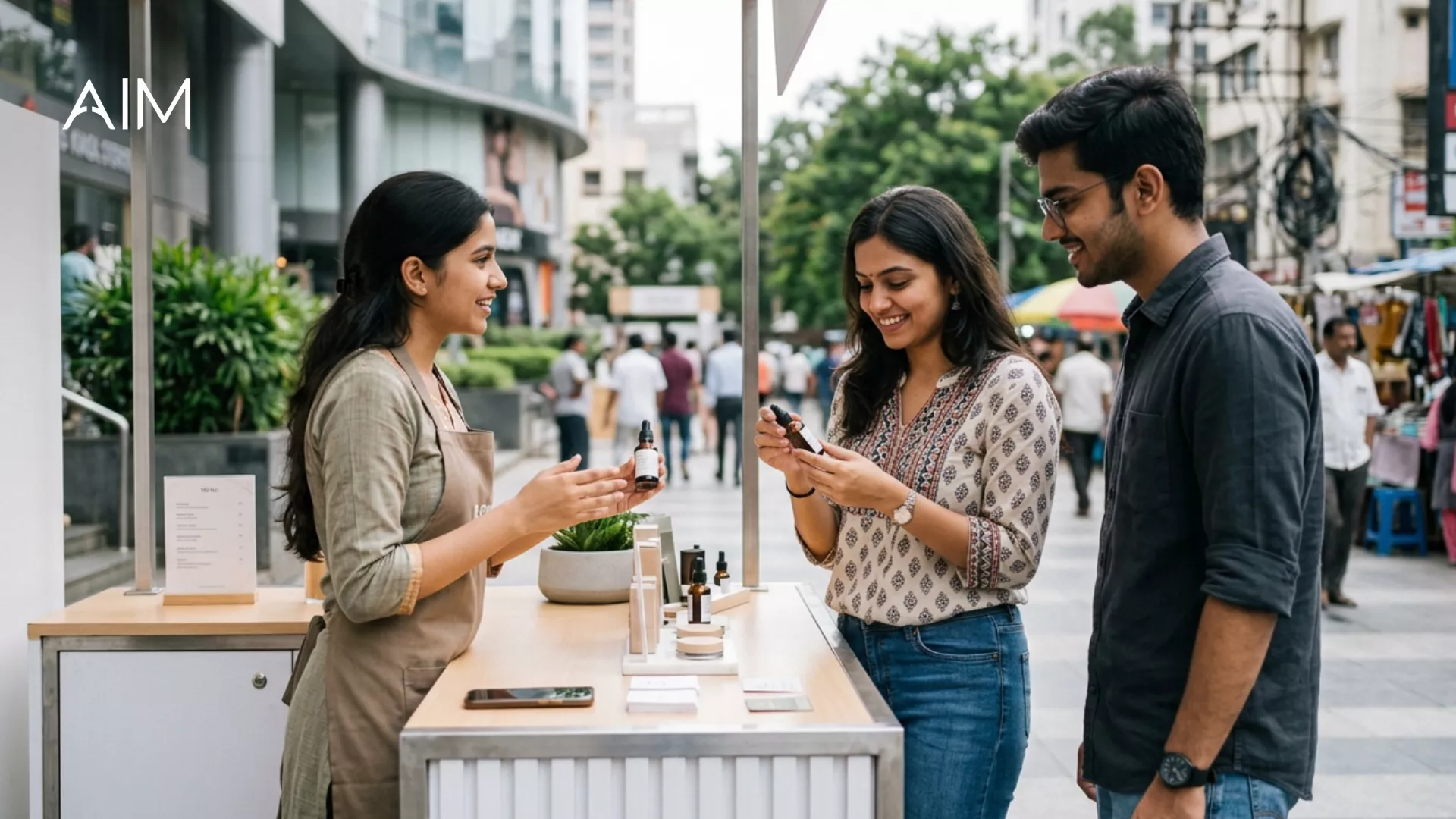
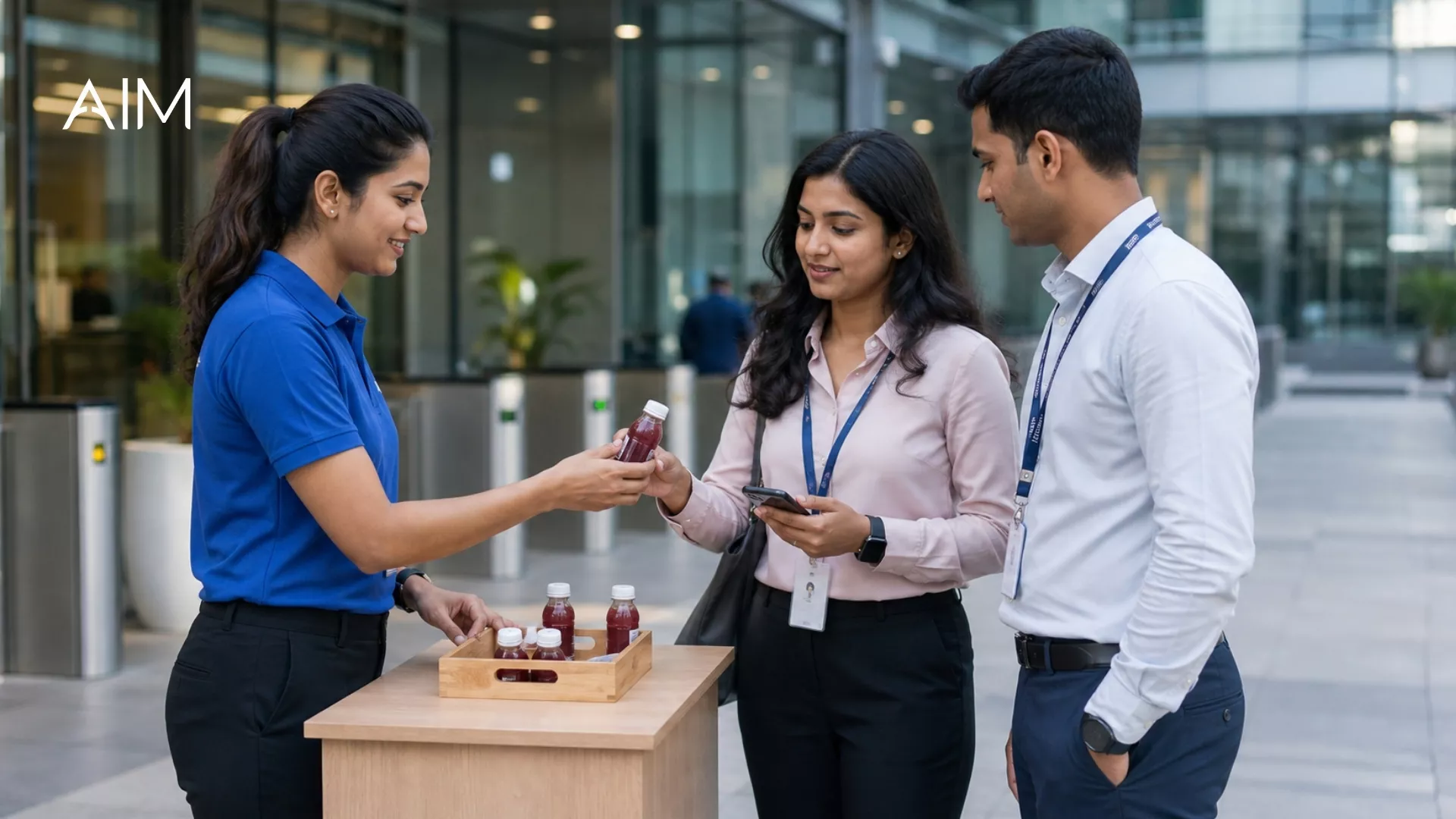
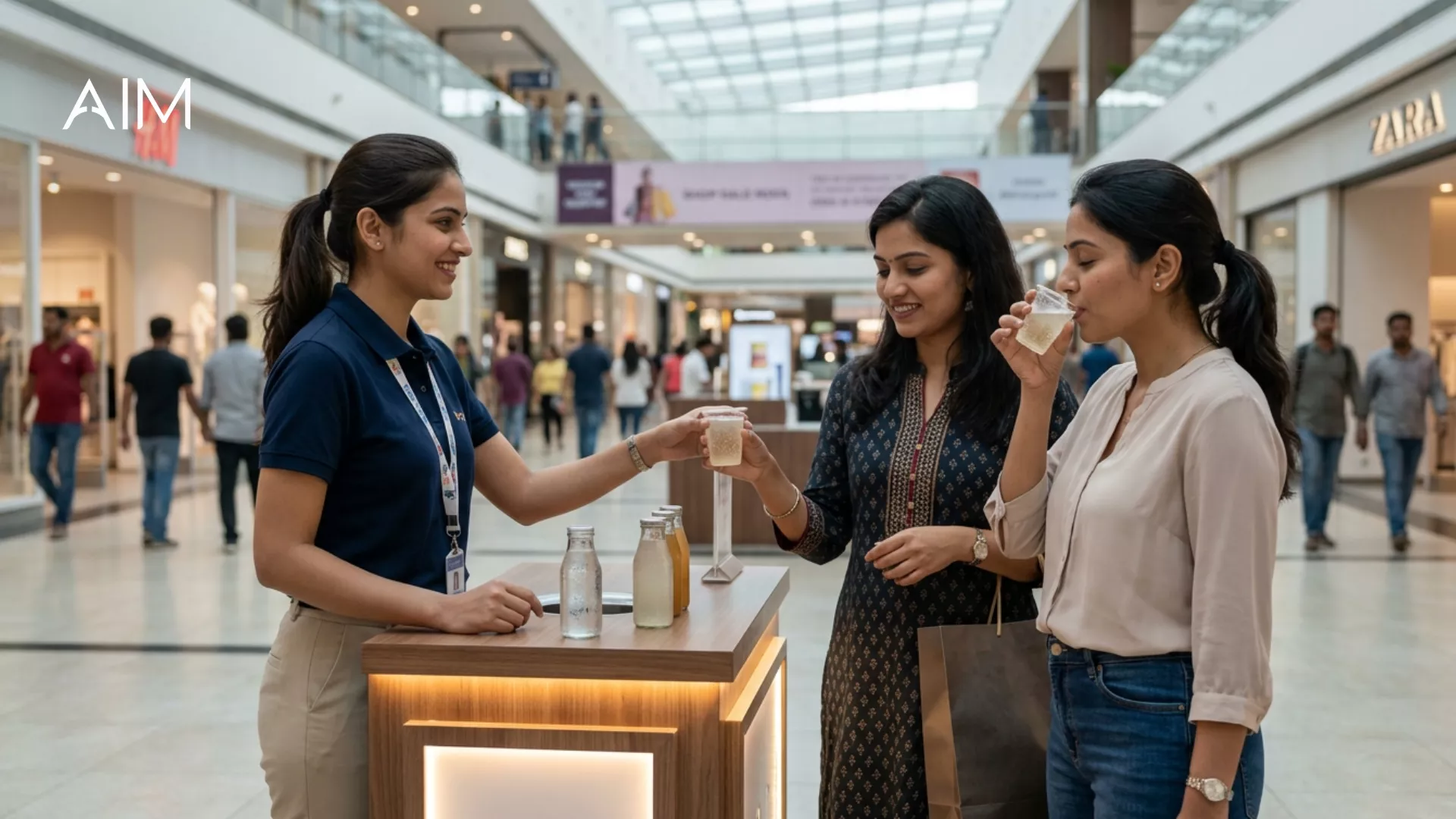
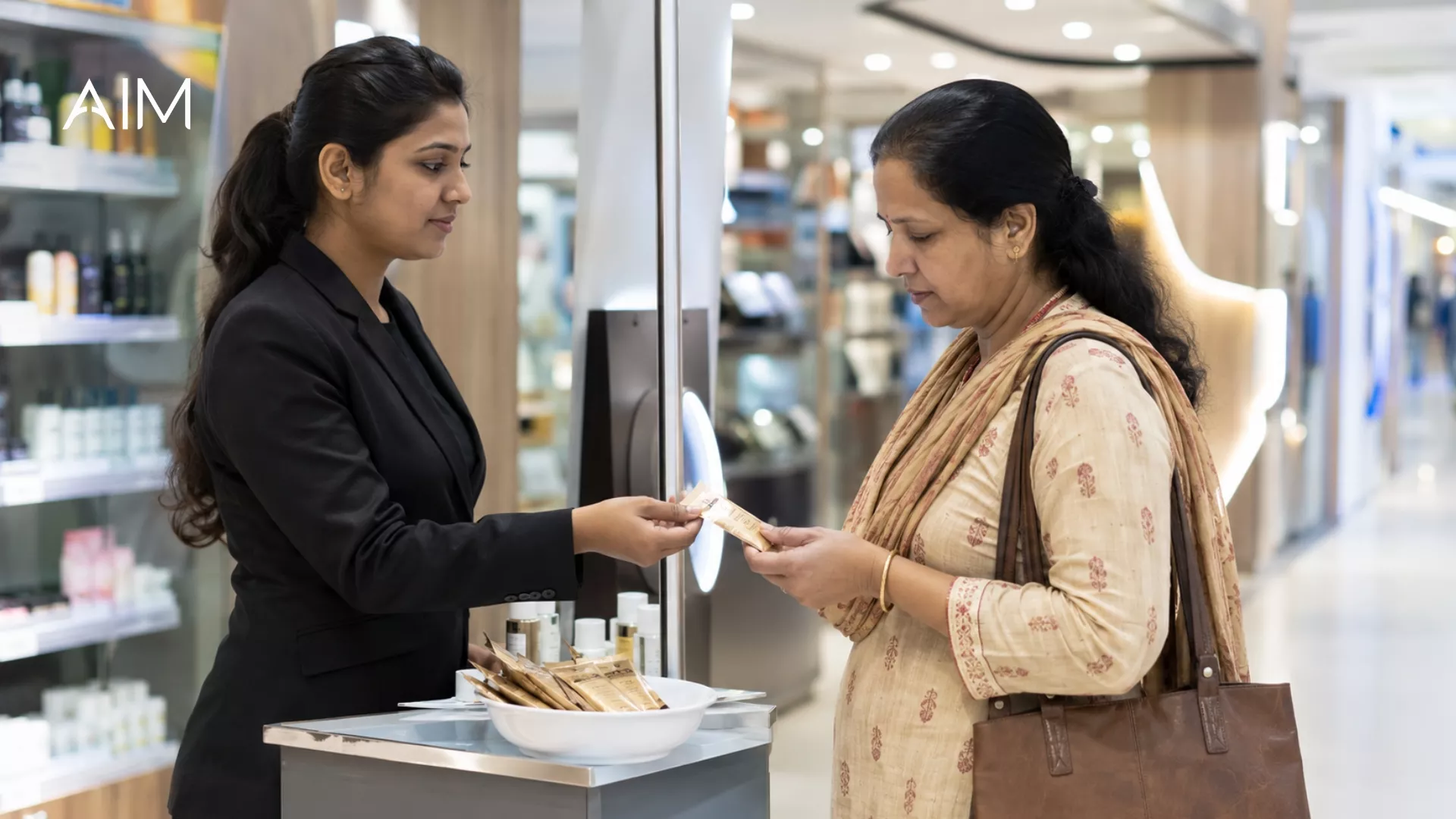
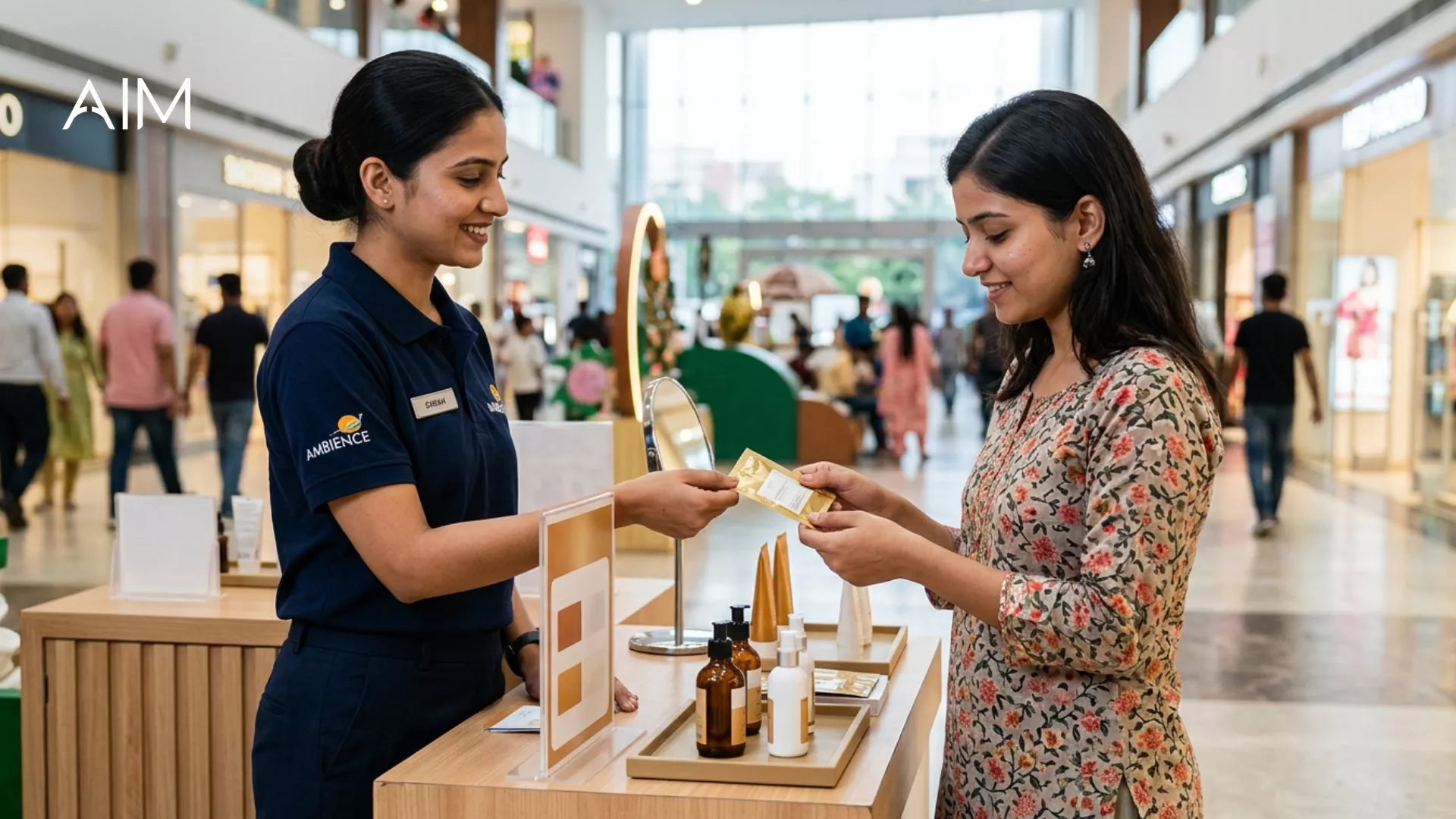
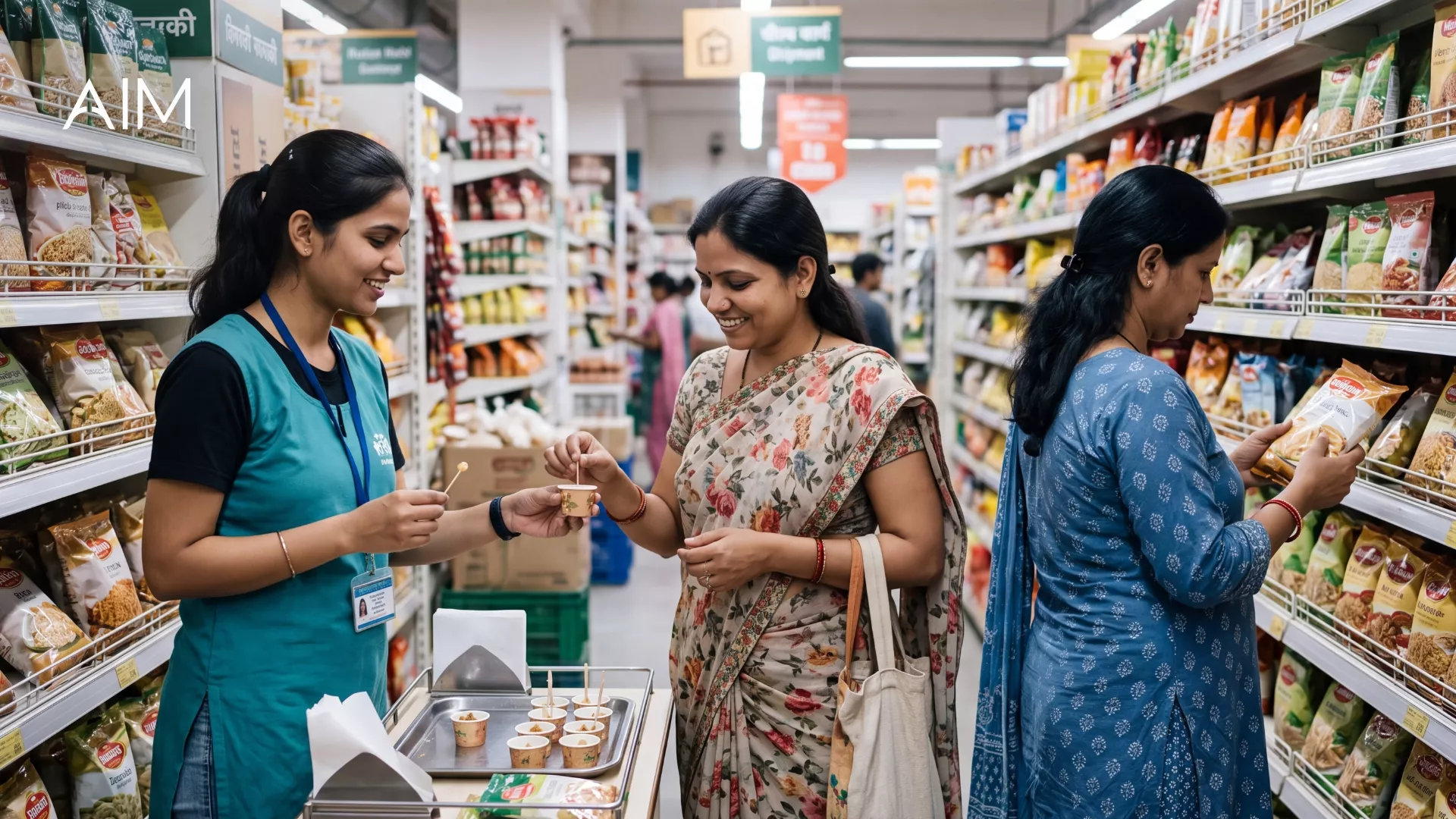
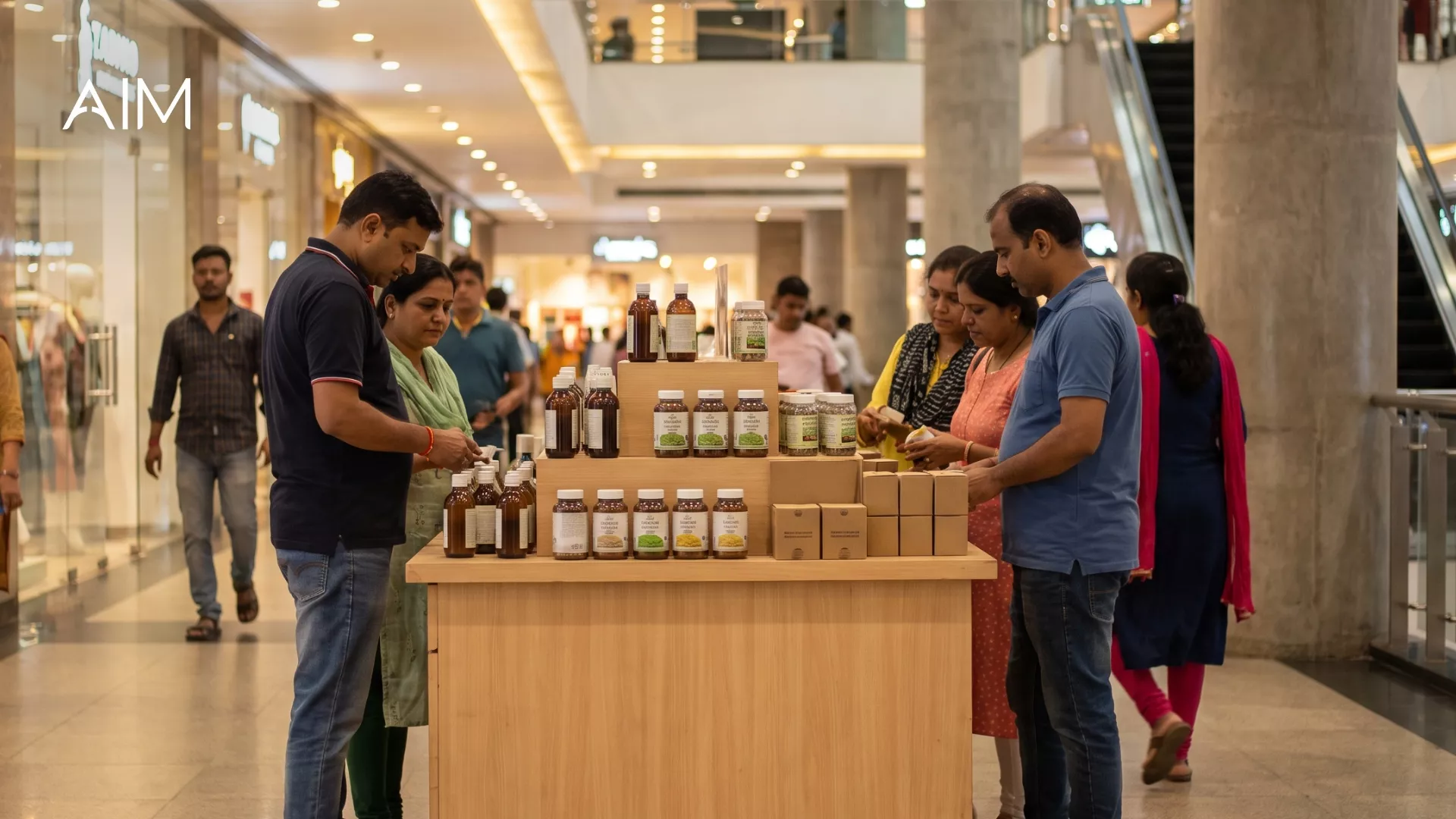
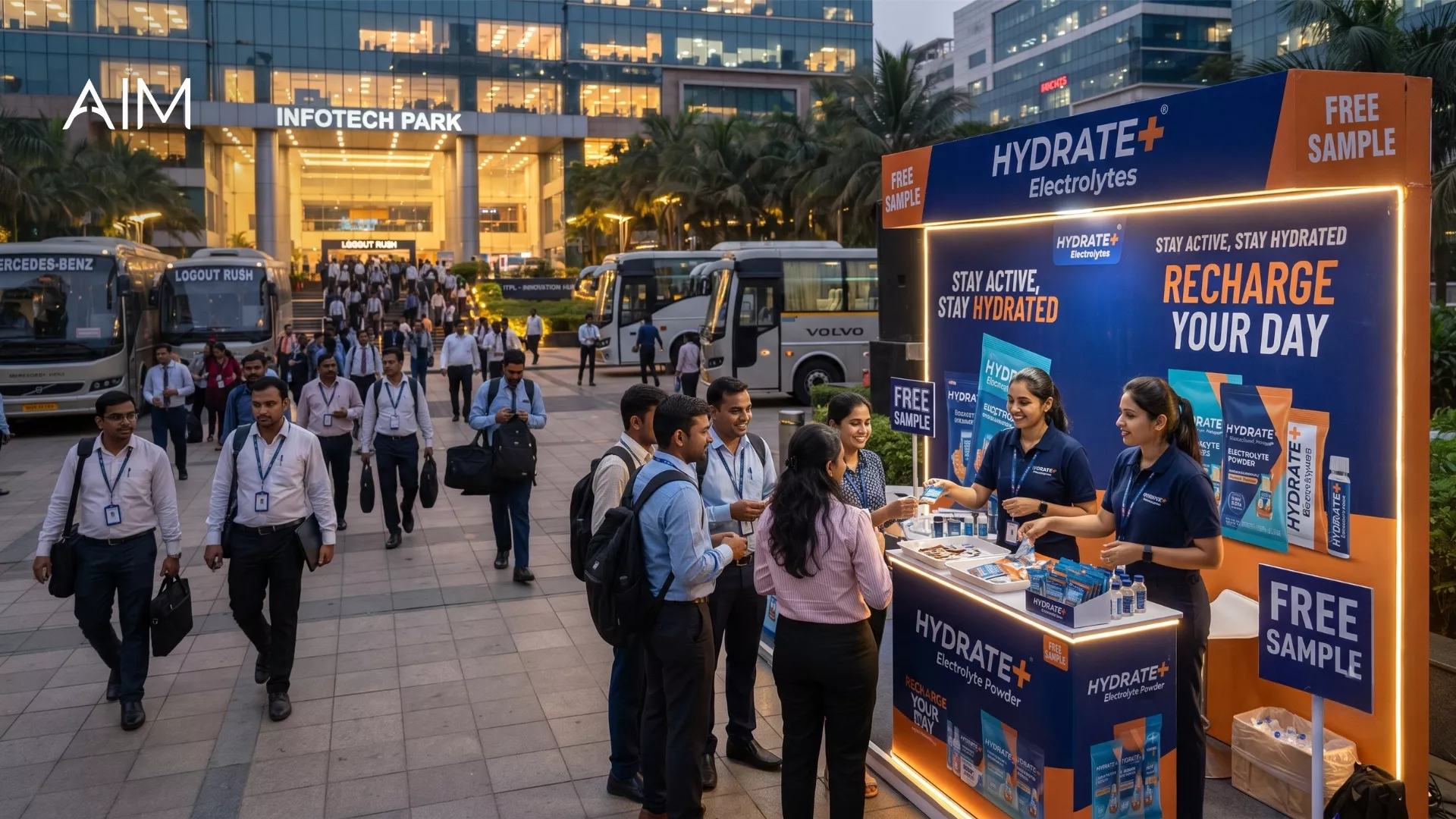
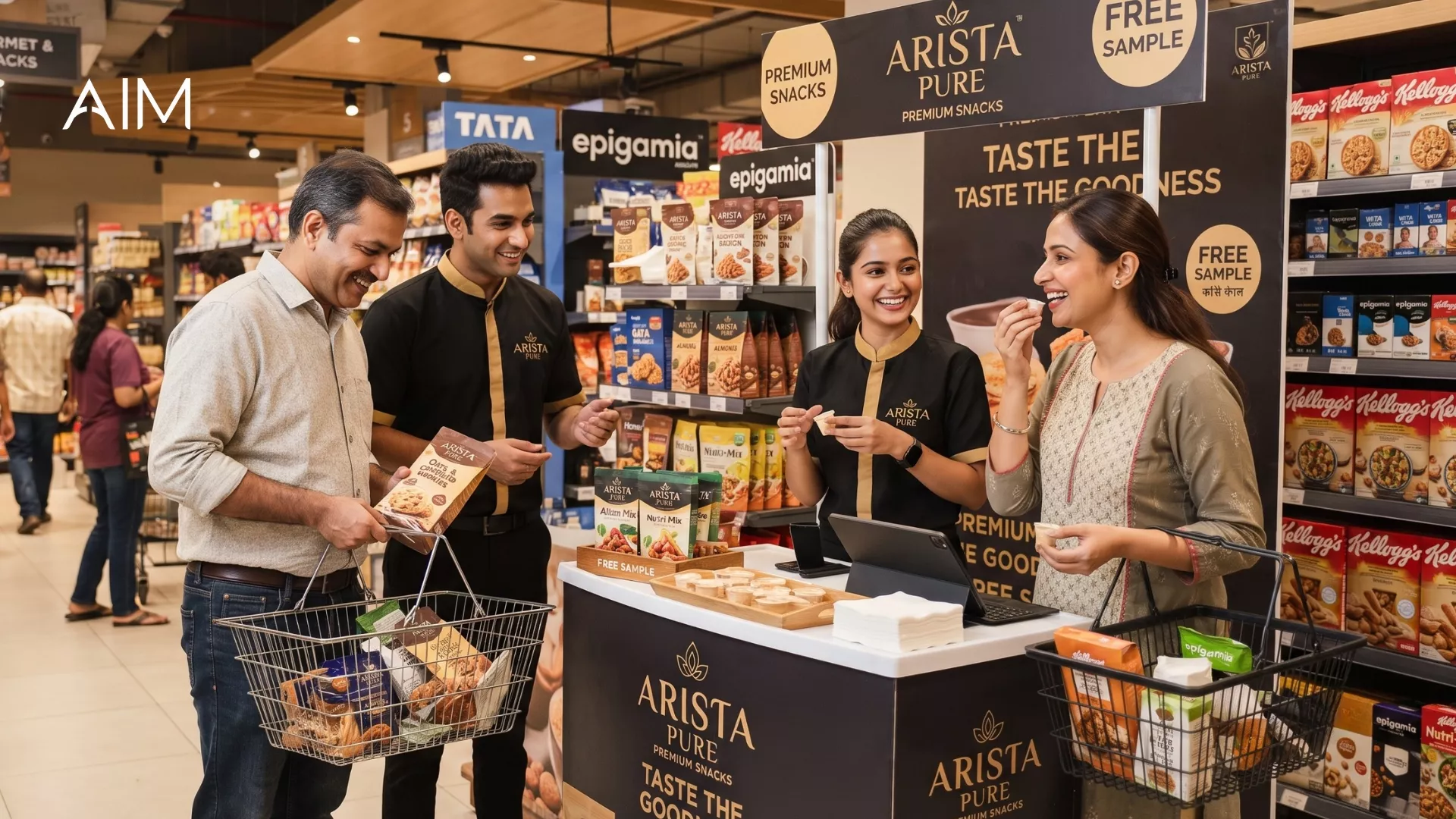
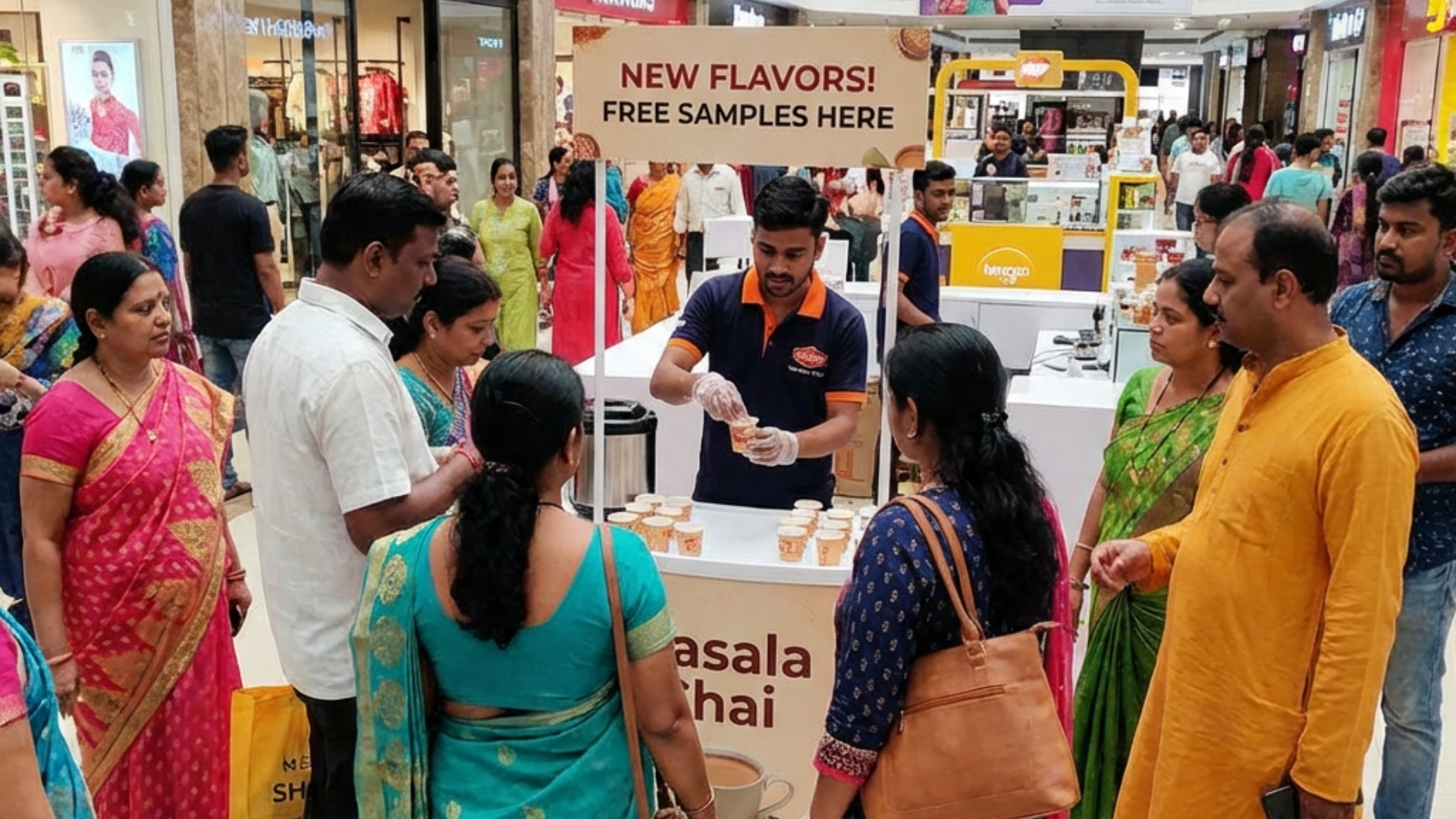
A nutrition supplement handed to someone at a mall entrance during peak weekend crowd traffic is not the same moment as the same supplement given to a working professional at a corporate campus during a mid-morning break. One person is distracted, slightly suspicious, and three steps away from wherever they were actually going. The other has a few minutes, is in a genuinely receptive state, and is far more likely to have a real conversation about what they are holding.
This is why channel selection is not a logistics question. It is an audience strategy question.
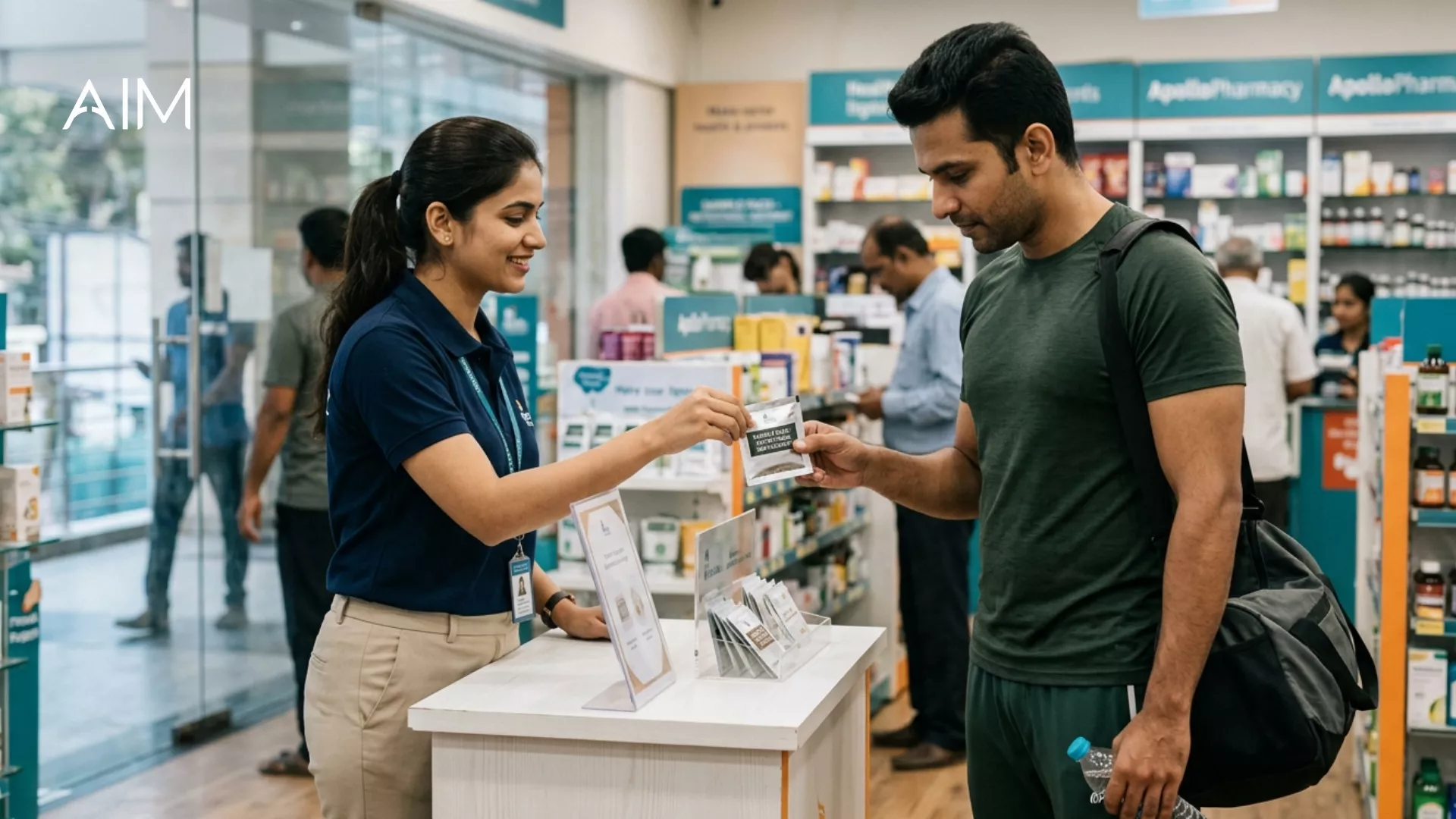
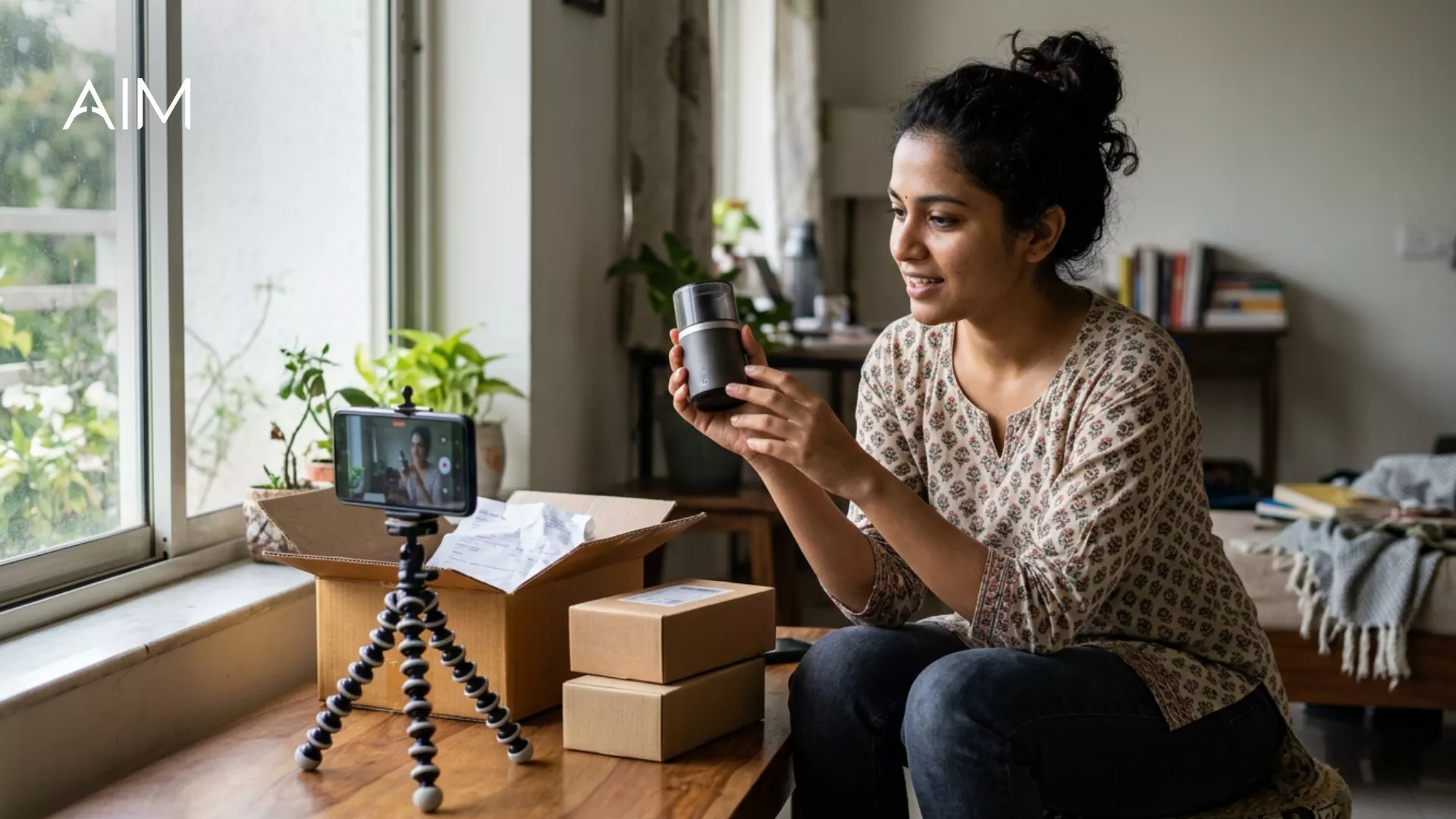
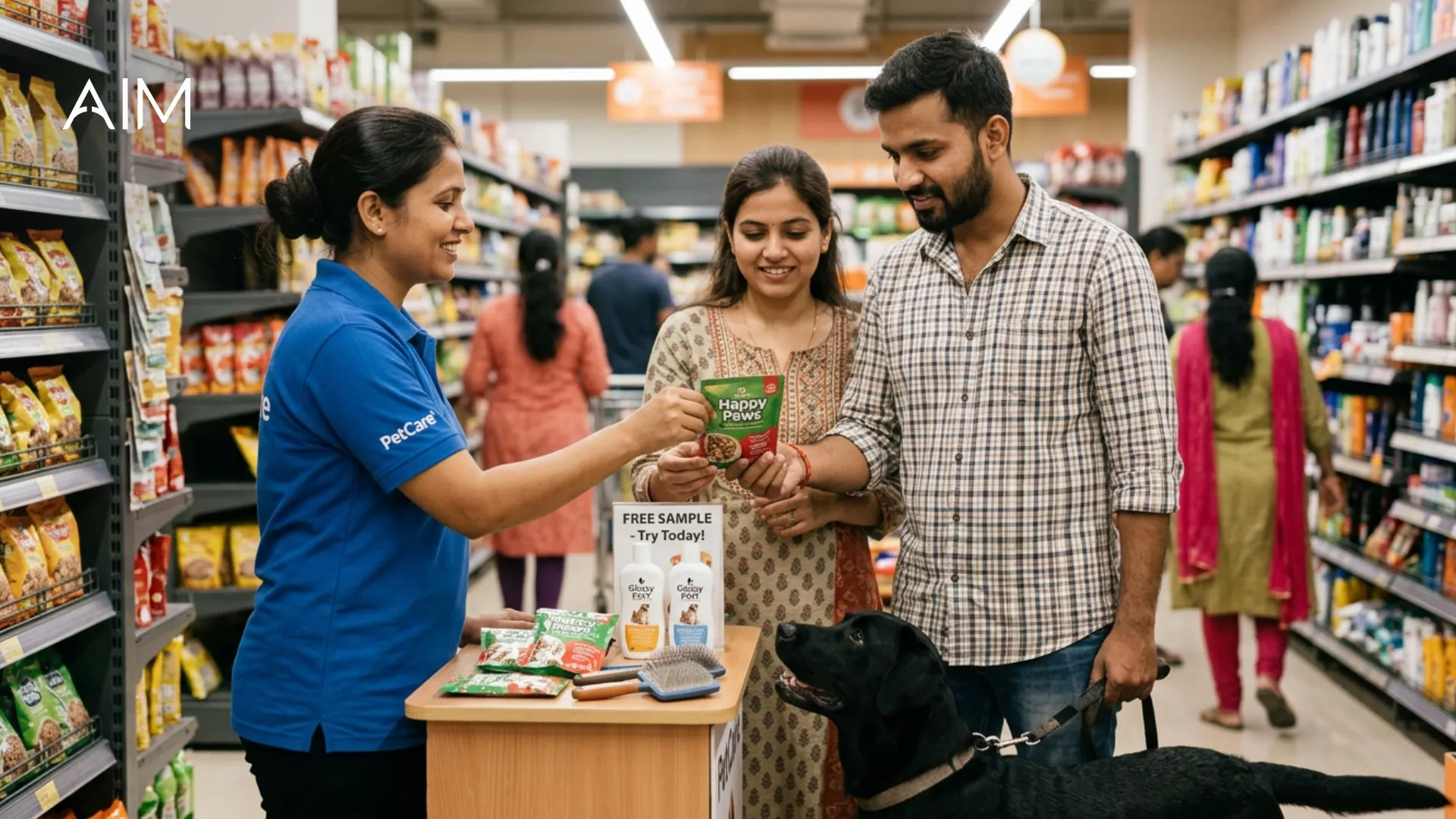
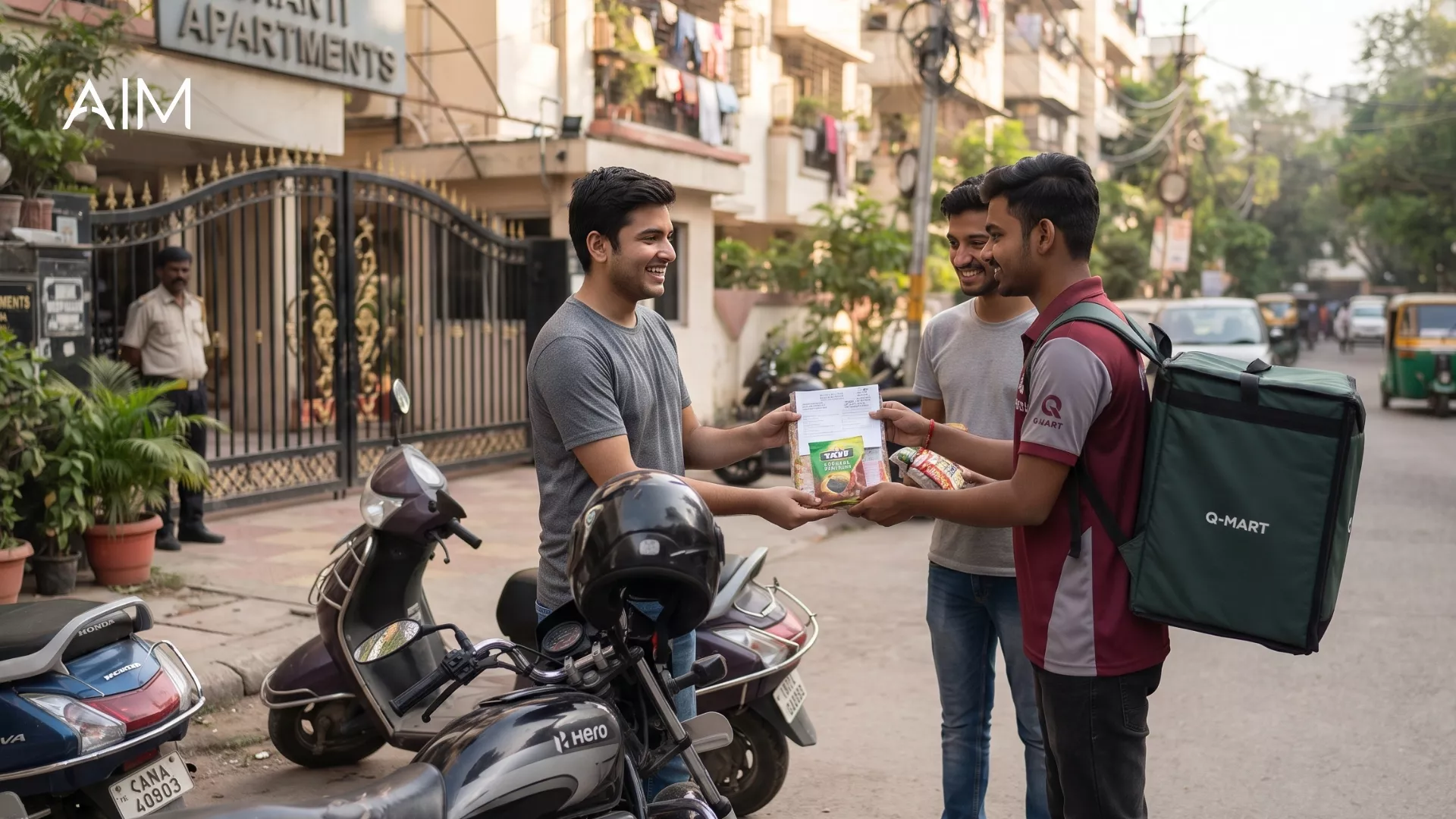
Whether your consumer is more naturally accessible in residential societies, IT parks, colleges, retail stores, pharmacies, or inside e-commerce packaging — that depends entirely on your product category, price point, and the consumer profile you are trying to reach. A good agency will tell you which environment gives your product its best chance at a real trial. A vendor will tell you which locations they already have permissions for.
There is a significant difference between those two answers.
On the numbers — honestly
Product sampling, when done with the right audience in the right environment, tends to convert somewhere between 35 and 50 percent of qualified trials into first purchases, at least in our experience across FMCG, personal care, and beverage categories. It varies. A product in a familiar category with strong packaging converts faster. A genuinely new format or a premium price point takes more follow-up, sometimes significantly more.
What consistently does not work is expecting those numbers from mass distribution to unqualified footfall. That conversion tends to be much lower. Sometimes it is in the single digits.
The question to ask any sampling agency is not "what conversion rate can you guarantee?" — no honest agency will give you a fixed number before understanding your product, your margin, and your target consumer. The question is: what happens after the sample is distributed? If the answer is "we collect a feedback form," ask what happens with that feedback. If the answer is nothing, that campaign ends at distribution.
What is worth asking in the room
Not a checklist. Just a few things.
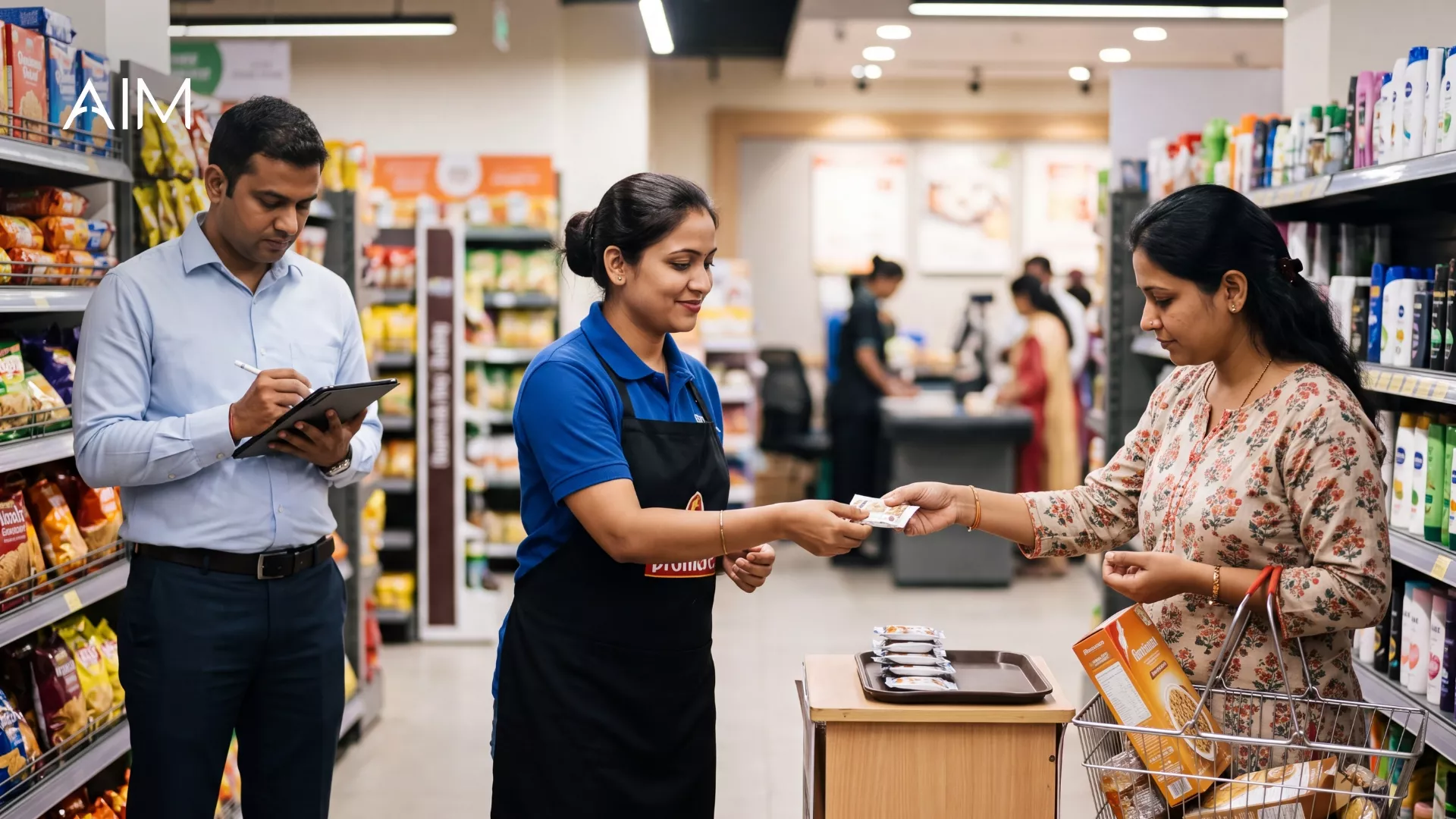
Ask the agency to show you a campaign — in a similar category, ideally — where they tracked what happened after distribution. Not just sample count. What the consumer did next. If they cannot show you post-trial conversion data, they have not been measuring the right thing.
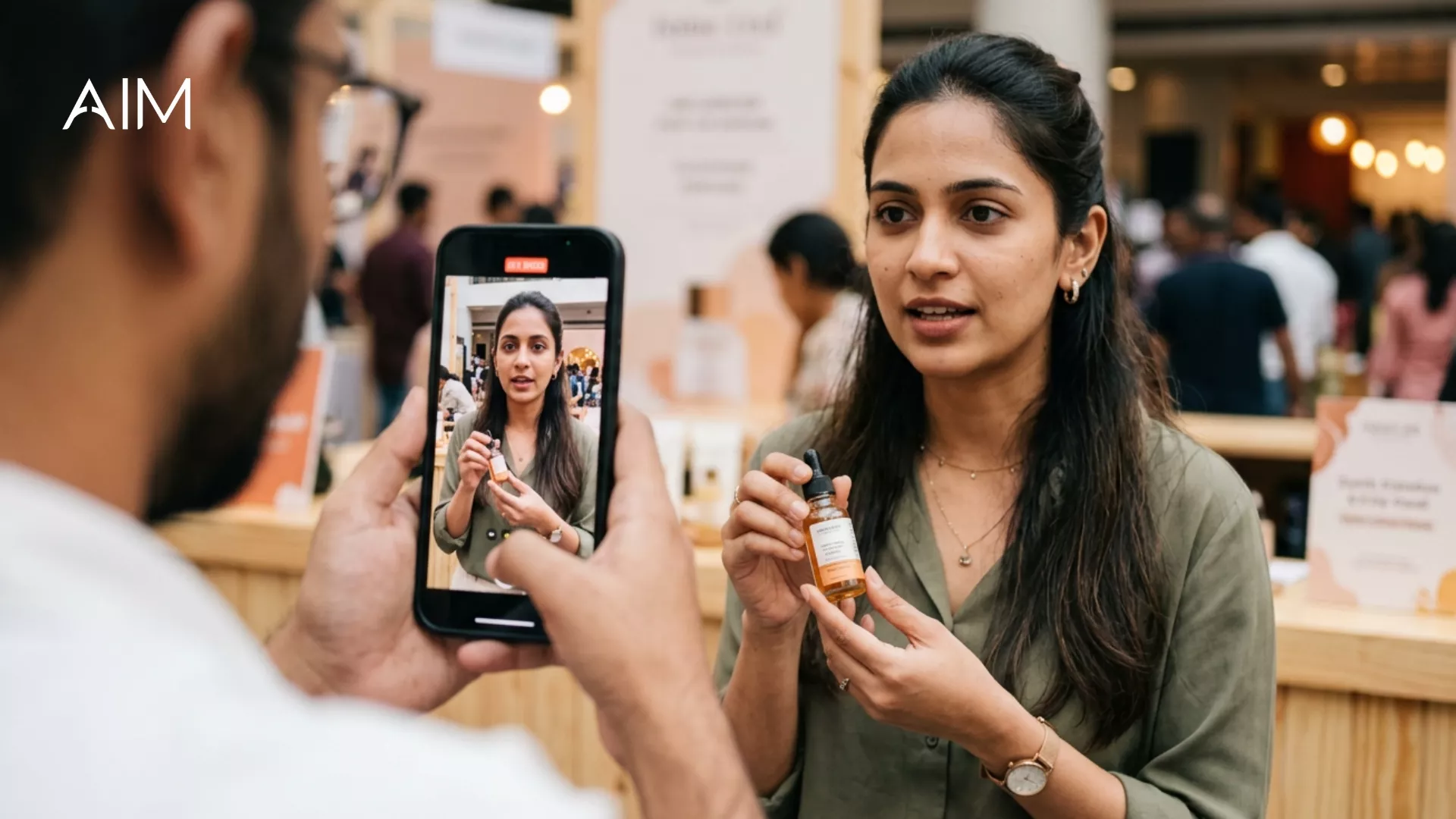
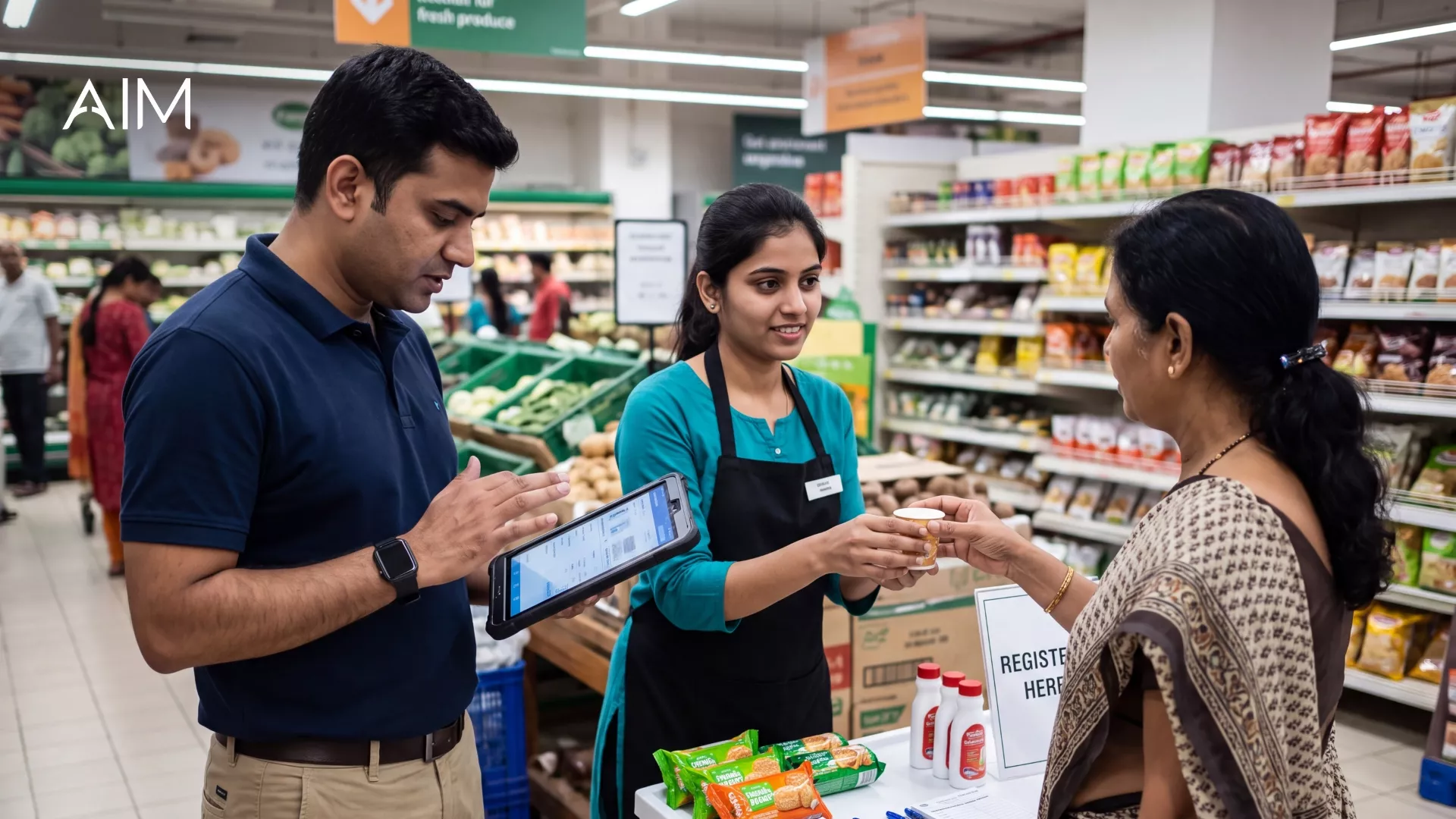
Ask how their promoters are briefed and supervised specifically for your product. Generic promoter training produces generic conversations. On the ground, the promoter is the brand. The way they explain the product, handle questions, and manage the trial moment directly shapes the consumer's first impression. A strong agency will have a specific answer to this. A vendor will say something like "we train all our promoters professionally."
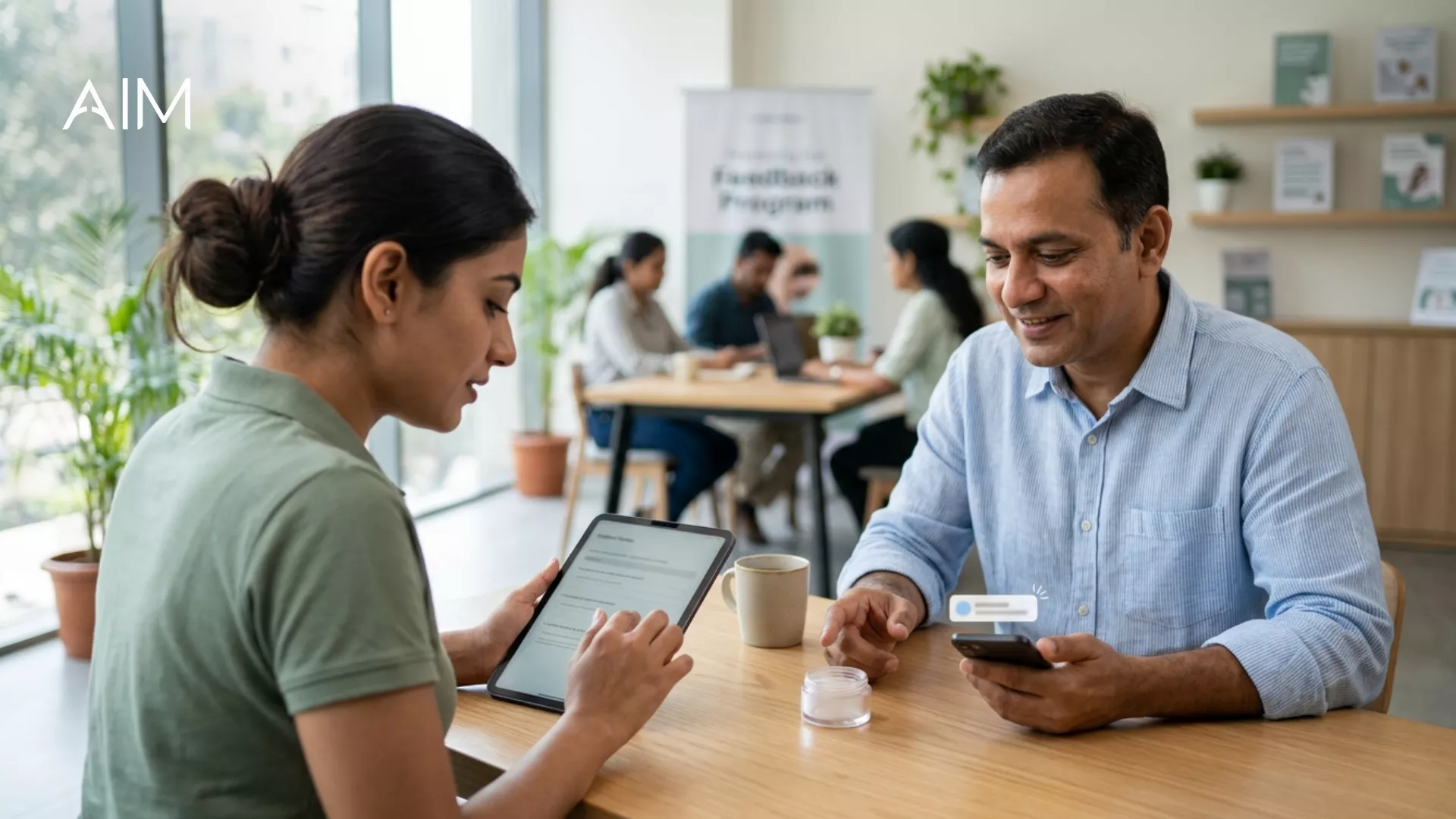
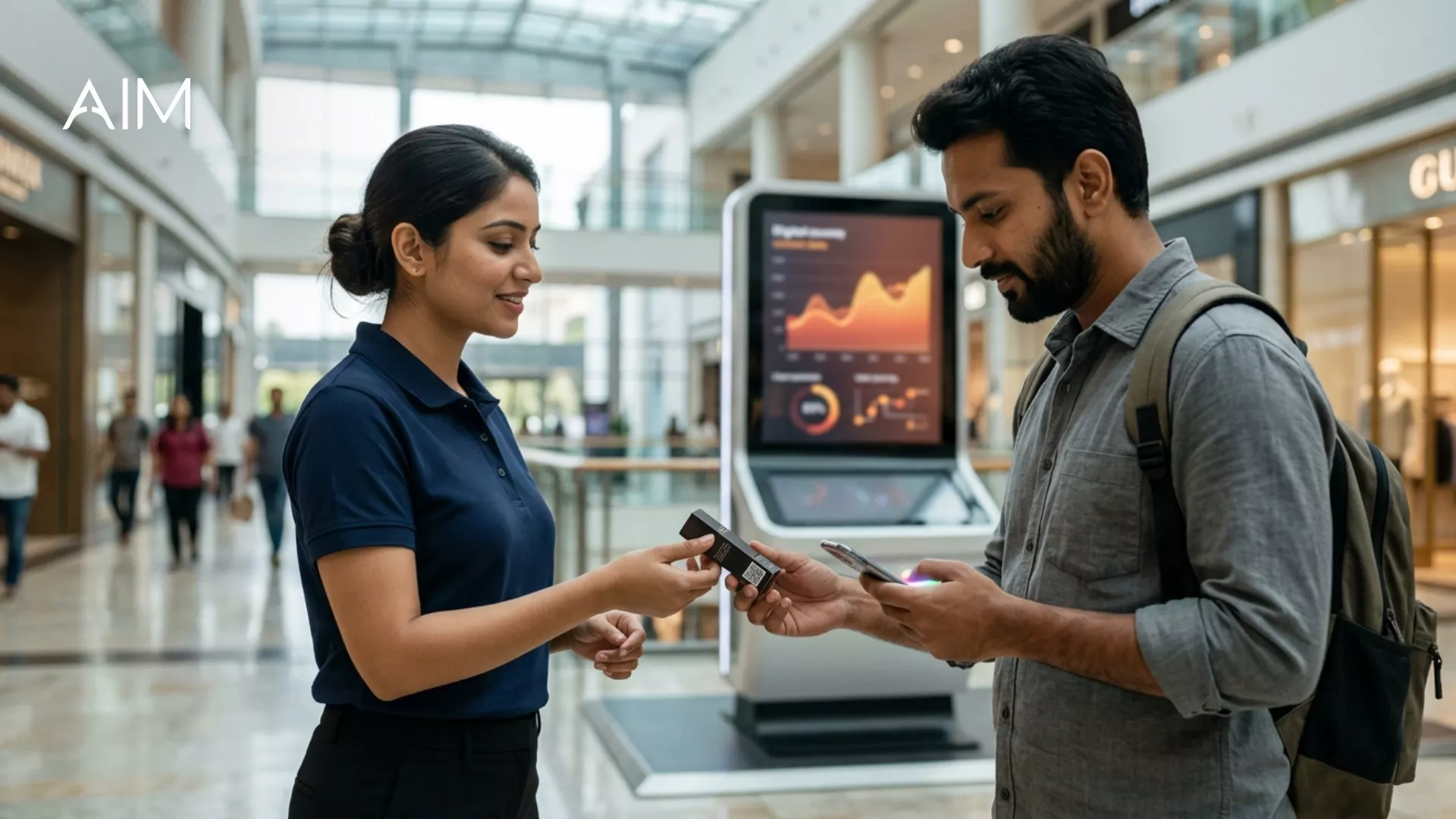
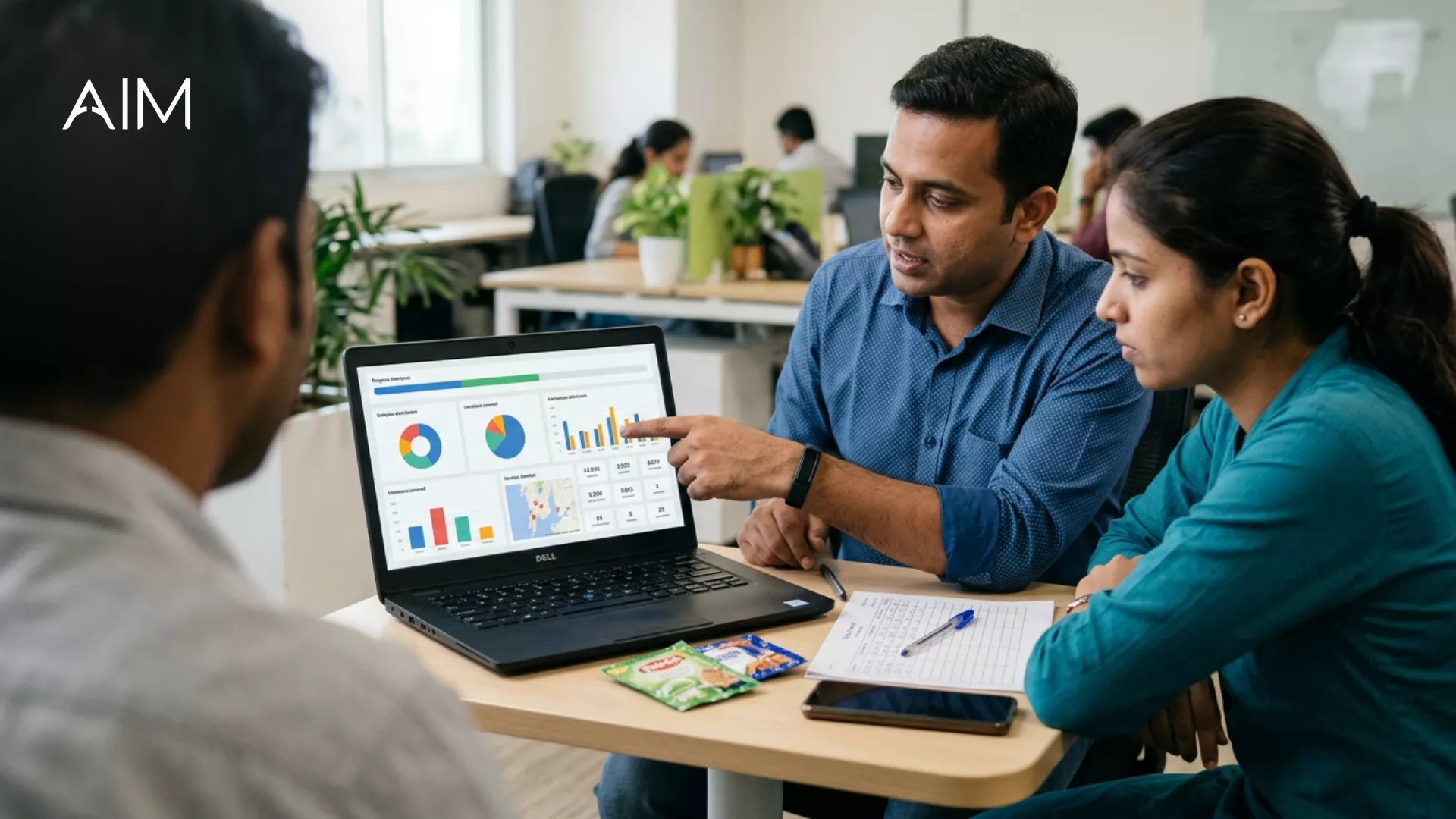
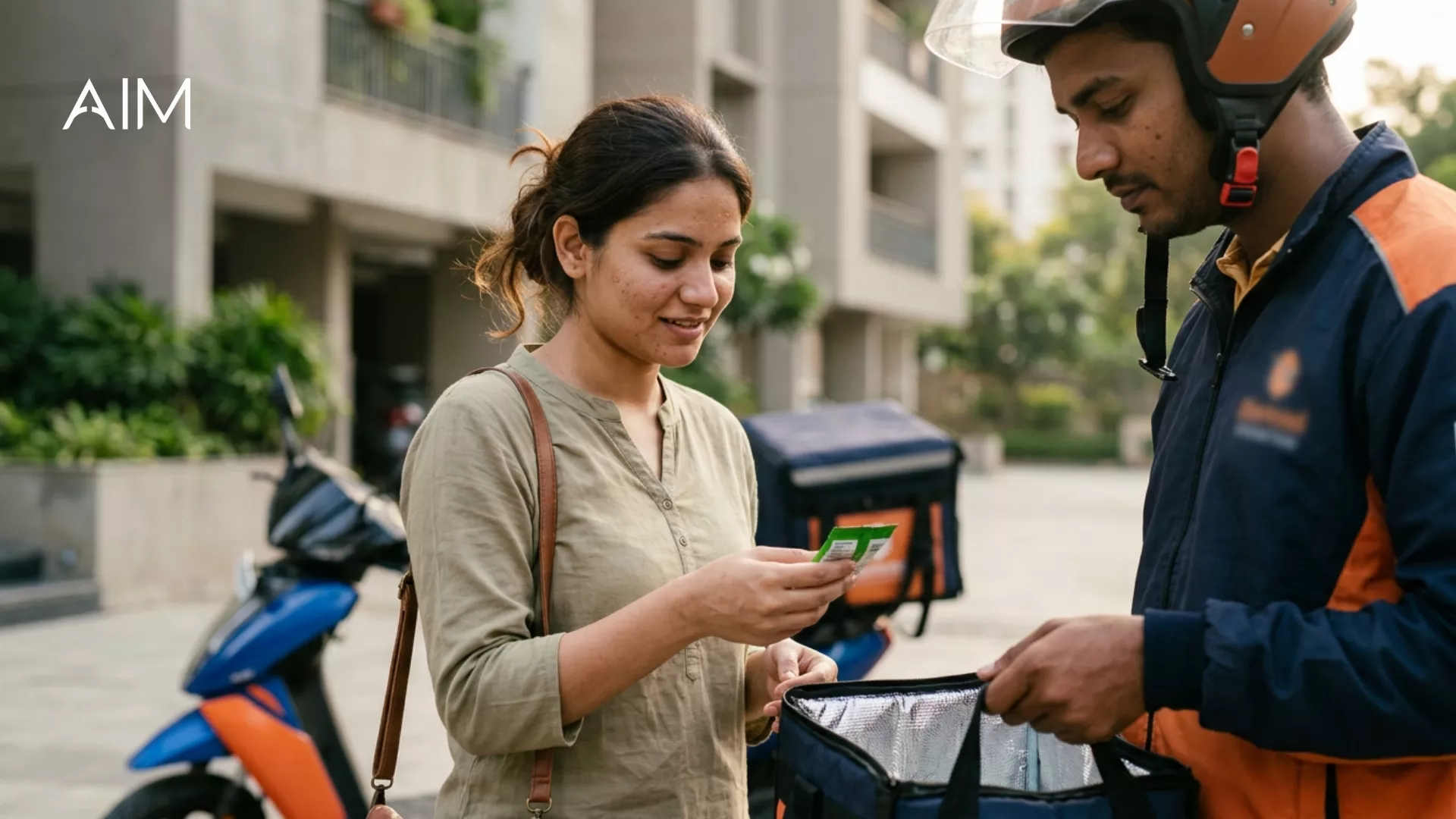
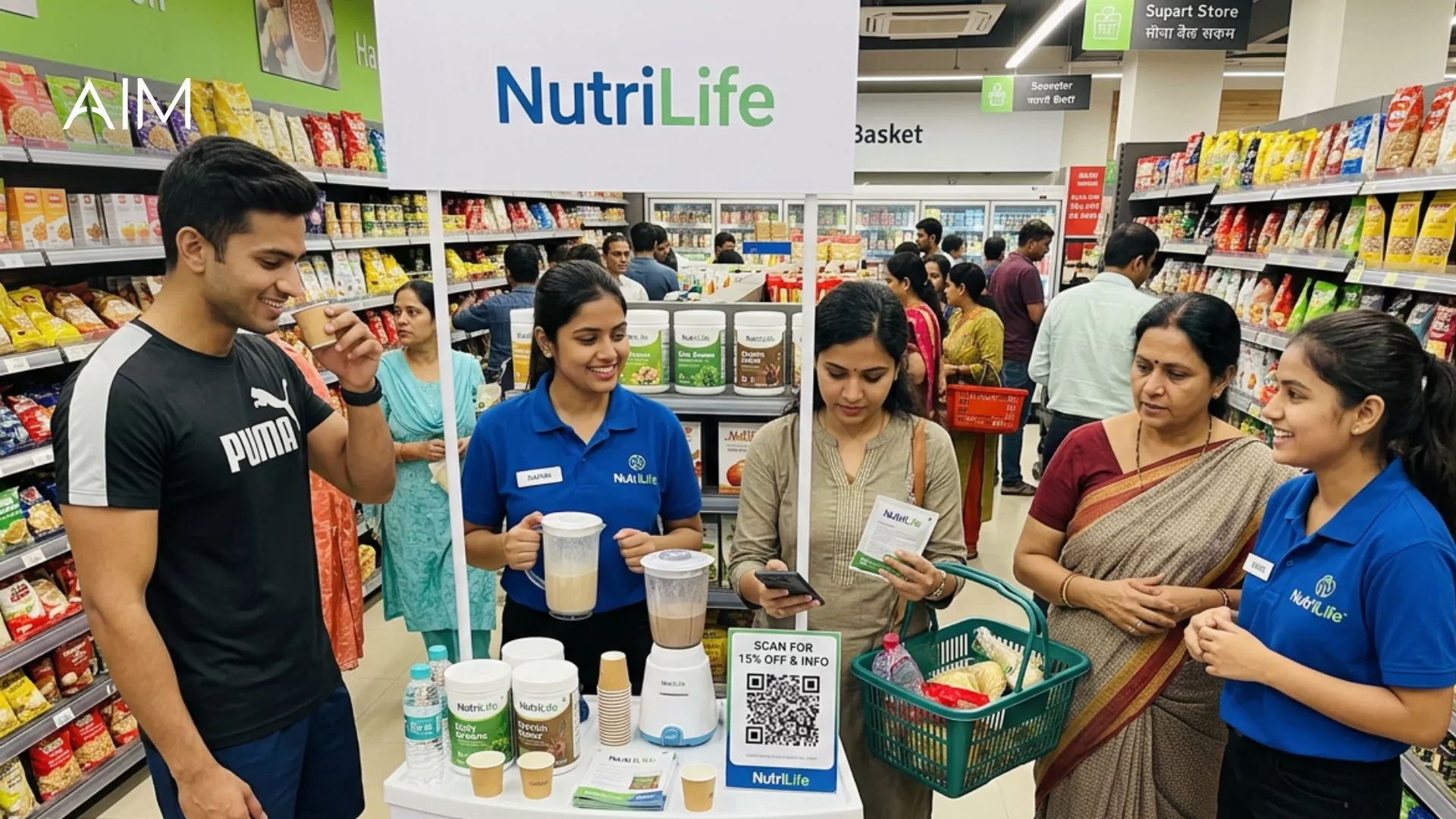
Ask what the feedback mechanism actually looks like. A QR code going to a static form is very different from a WhatsApp opt-in that lets you retarget the consumer with a personalised offer within 48 hours. Both can be described as feedback collection. Only one creates a commercial opportunity after the campaign ends.
What this actually comes down to
Finding the best product sampling agency in India is not about finding the largest network or the lowest cost per sample. It is about finding one that treats the sample as the beginning of a buyer relationship — and has built the systems, the channel depth, and the reporting infrastructure to actually follow that relationship through to a purchase.




.webp)







.png)