
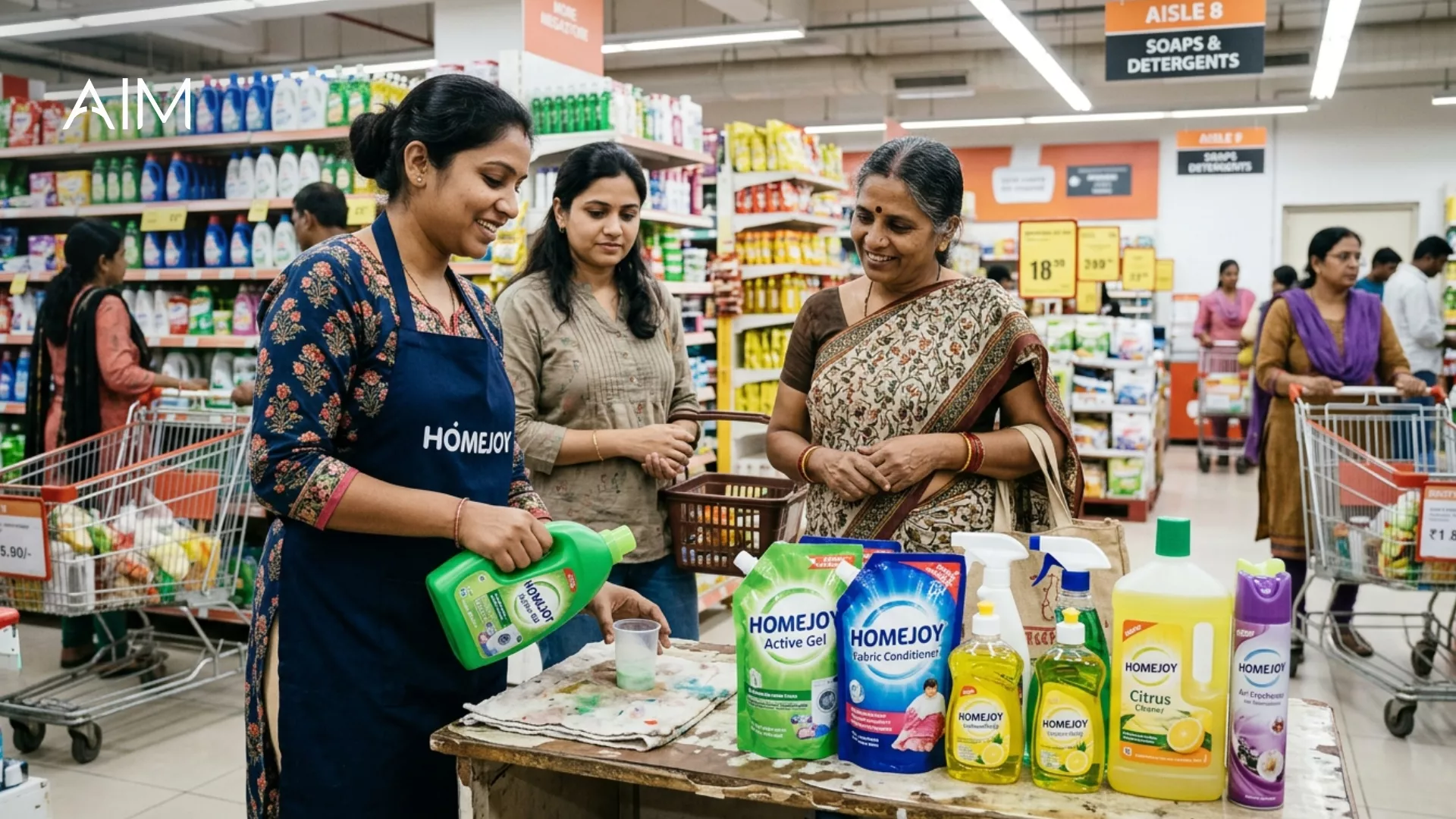


Every home care product sampling brief opens with a number. Thirty thousand households. Fifty thousand sachets. Forty societies.
Almost nobody opens with the harder question: which thirty thousand?
In home care, that is the whole campaign. The product is not the variable. The household is.
Why selection matters more in home care product sampling
Home care is the most habit-locked shelf in the basket. People buy the same detergent for a decade, often the one their mother used, and they stop thinking about it entirely. You are not slotting a product into an empty space. You are asking someone to break a ten-year routine on the strength of one sachet.
That only happens if the sample reaches the person who actually decides, and if they see the thing work. Everything below is how we get there.
How AIM works in home care product sampling
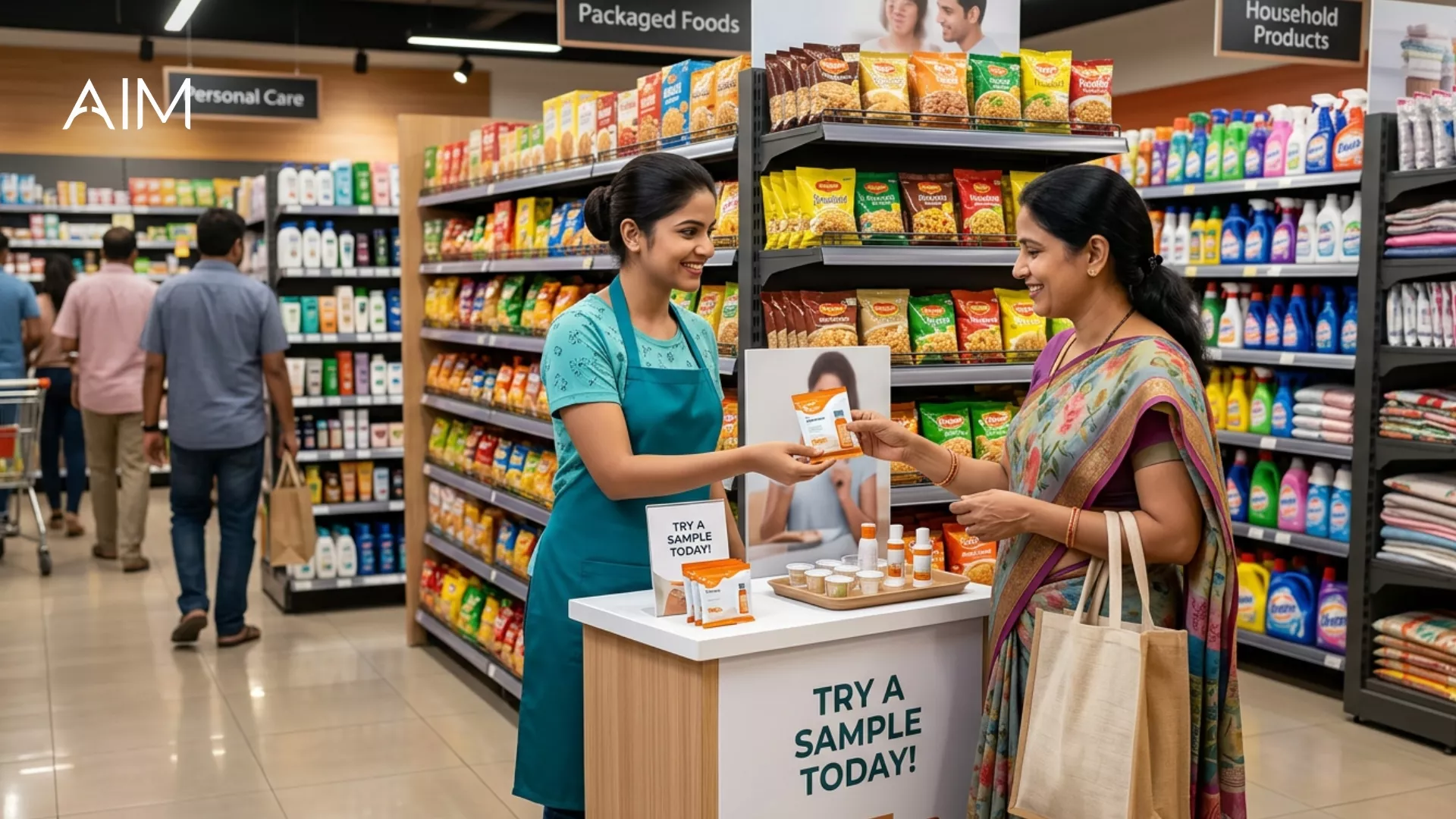
AIM’s home care product sampling is data-driven and we focus on sample relevance and not volume.
We start with the buyer, not the number
Before anyone talks volume, we want the profile. Who in this household buys and uses your product? Income band. Family stage. Does someone come in to help with the cleaning, and if so, who chooses the product, the employer or the helper? For a floor cleaner and a premium fabric conditioner, those are different households on the same street.
Brands ask for reach across a city. Often their buyer lives in about a fifth of it. That conversation is uncomfortable and it saves a lot of money.
Then we map, and then someone goes and looks
Societies are not interchangeable. Two gated complexes on the same road can hold entirely different households. One is full of young working couples who order in and barely use the kitchen. The other has three generations and a stove running all day. For a dishwash brand, those are not the same opportunity, and the address list will never tell you which is which.
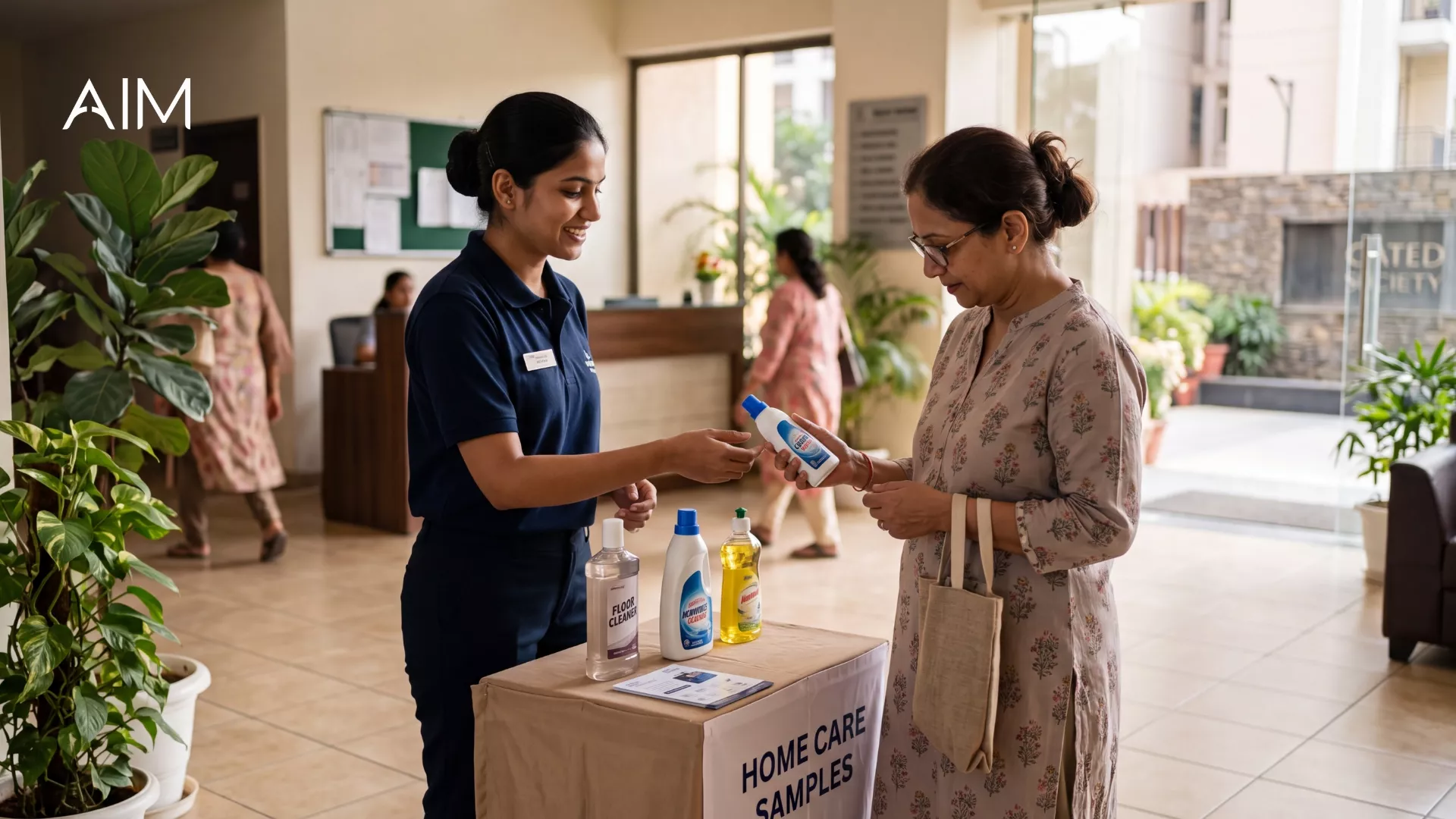
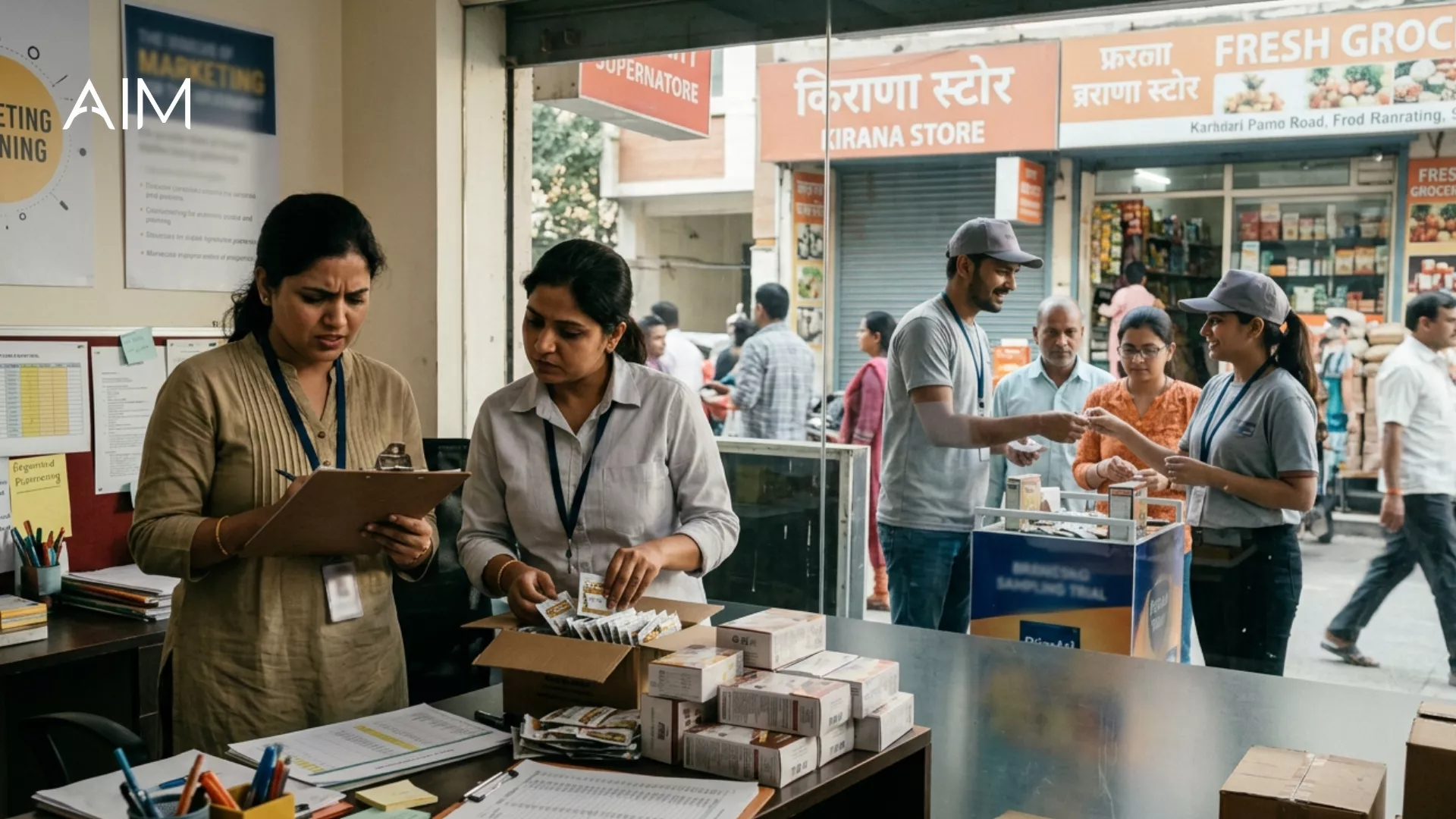
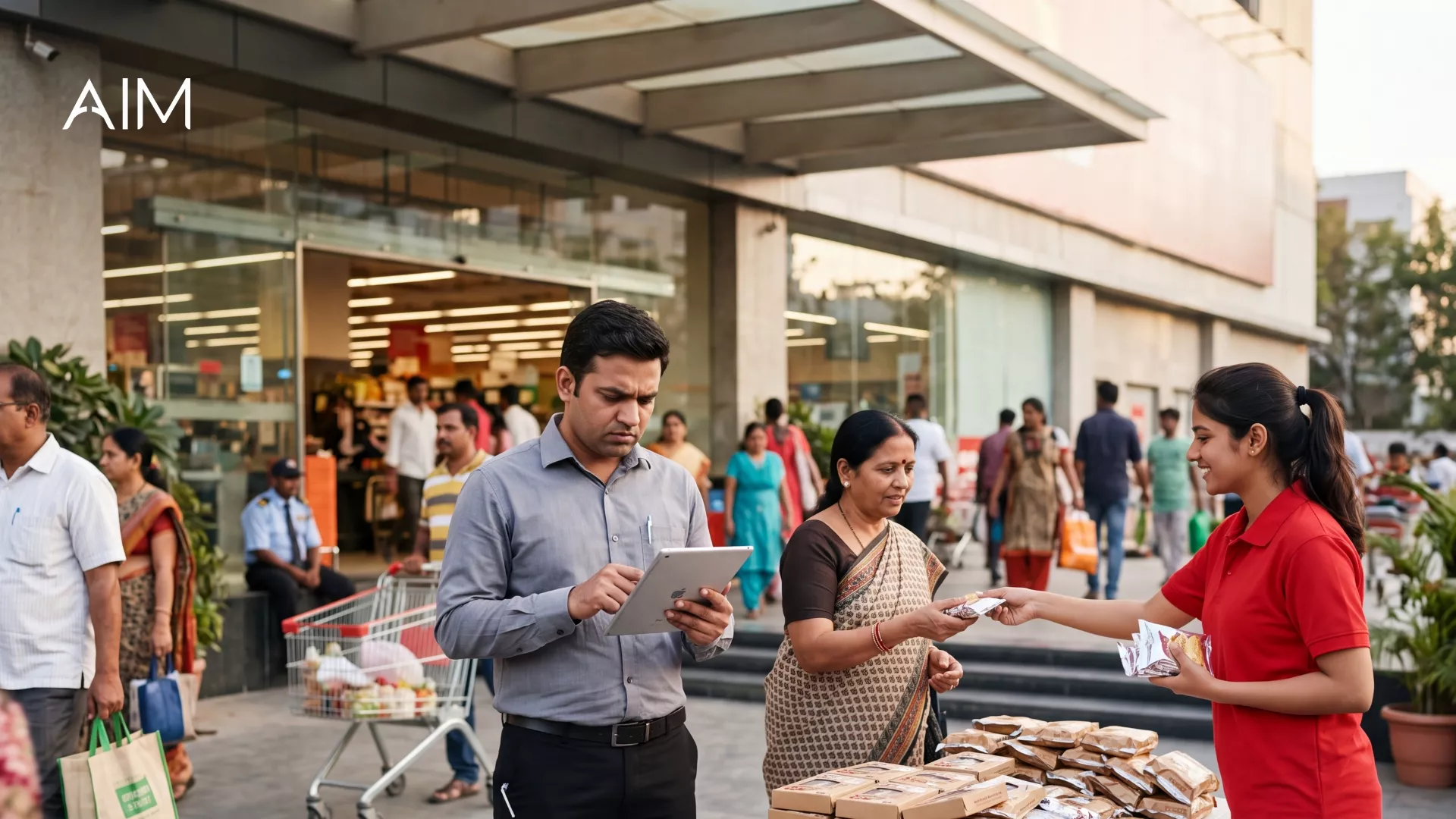
So we map by profile, then someone physically goes and stands there. A recce tells you what a spreadsheet cannot: the age of the buildings, owner-occupied or rented, whether helpers arrive at eight in the morning, whether the courtyard can even hold a demo.
Approvals, because the gate decides everything
None of it matters if you cannot get in. The RWA or the society committee controls access, so we go to them first, agree exactly what we will do, and budget for the permission. Trying to slip a team past a guard is how brands get themselves blacklisted from the very societies they wanted.
Then we pick the hour
This is the step brands skip and then blame the channel for. Run a weekday-morning drive in a society of working couples and your detergent goes to a domestic helper with no say in what gets bought, or to nobody at all.
So the clock follows the profile. Evenings and weekends where the deciders work. Mid-morning where the home runs on a homemaker's schedule. Same society, different hour, completely different campaign.
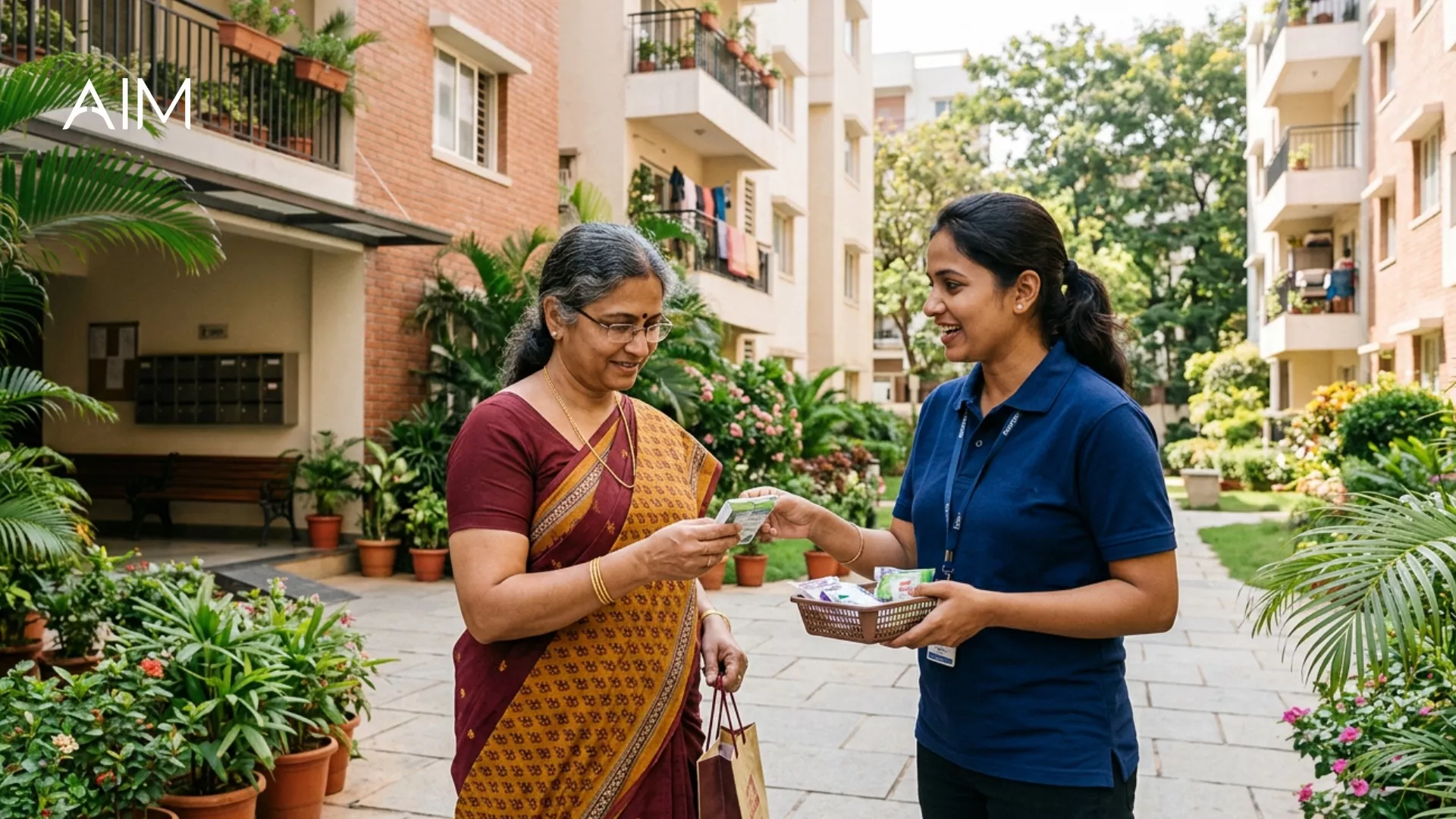
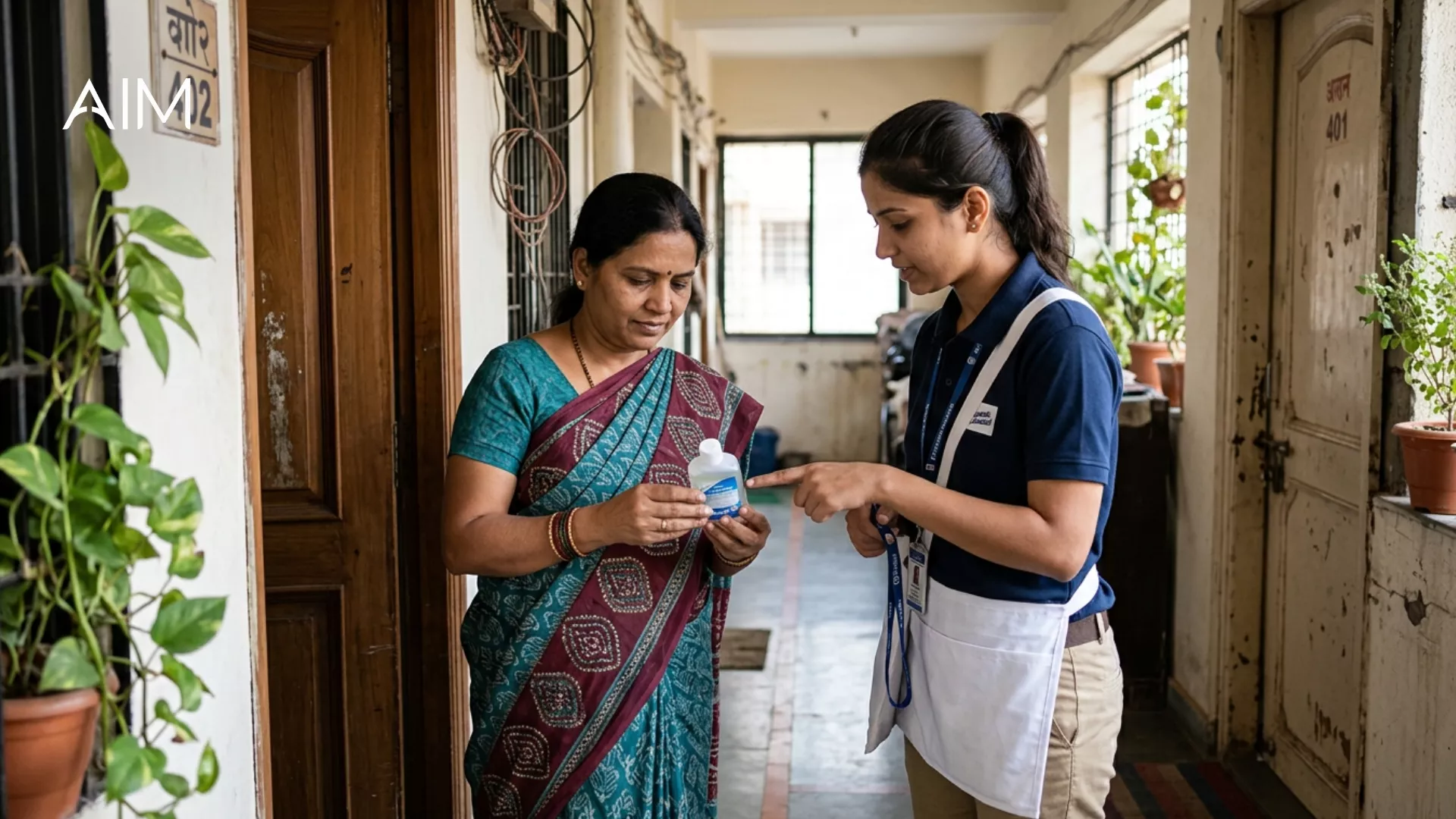
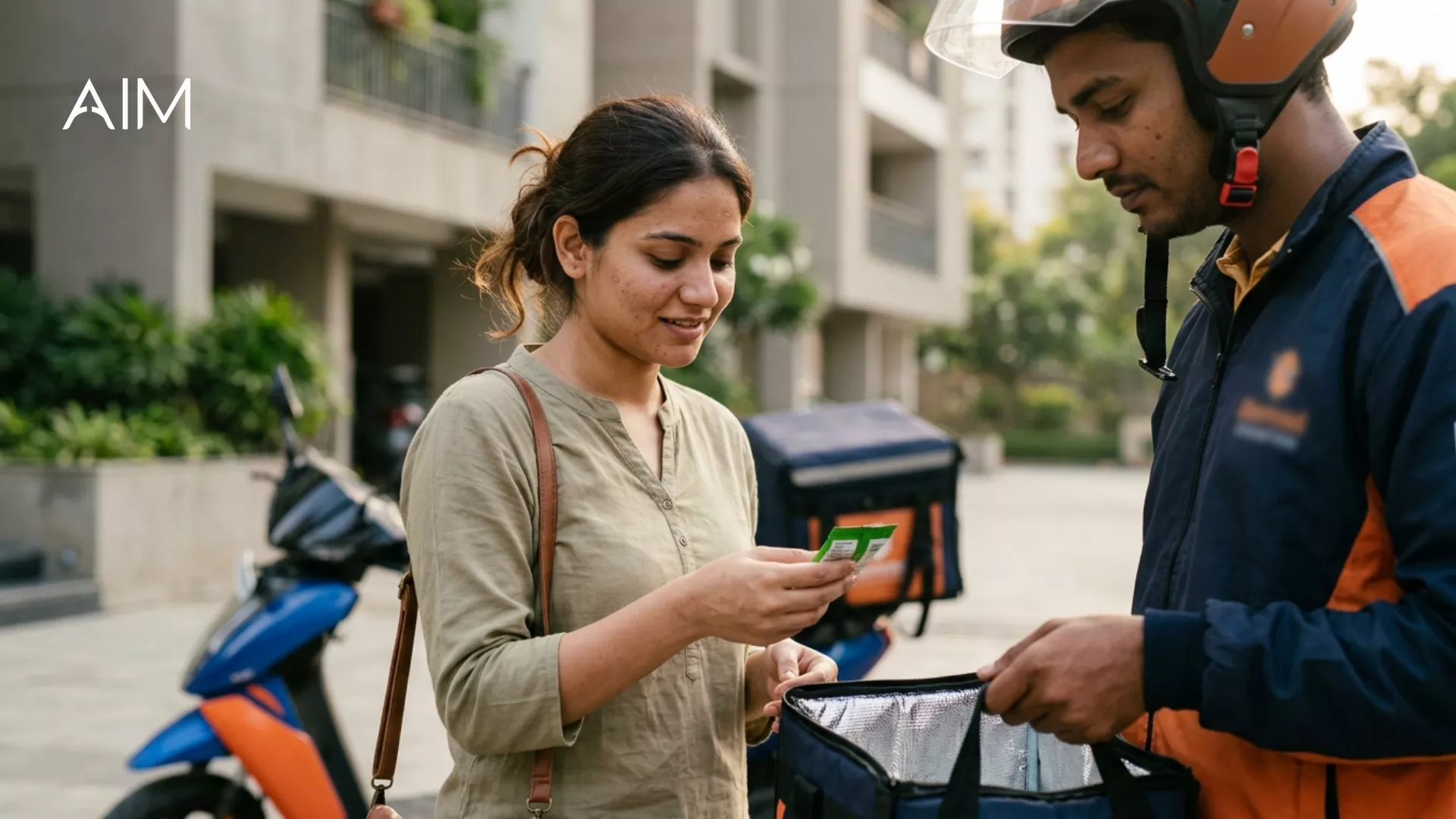
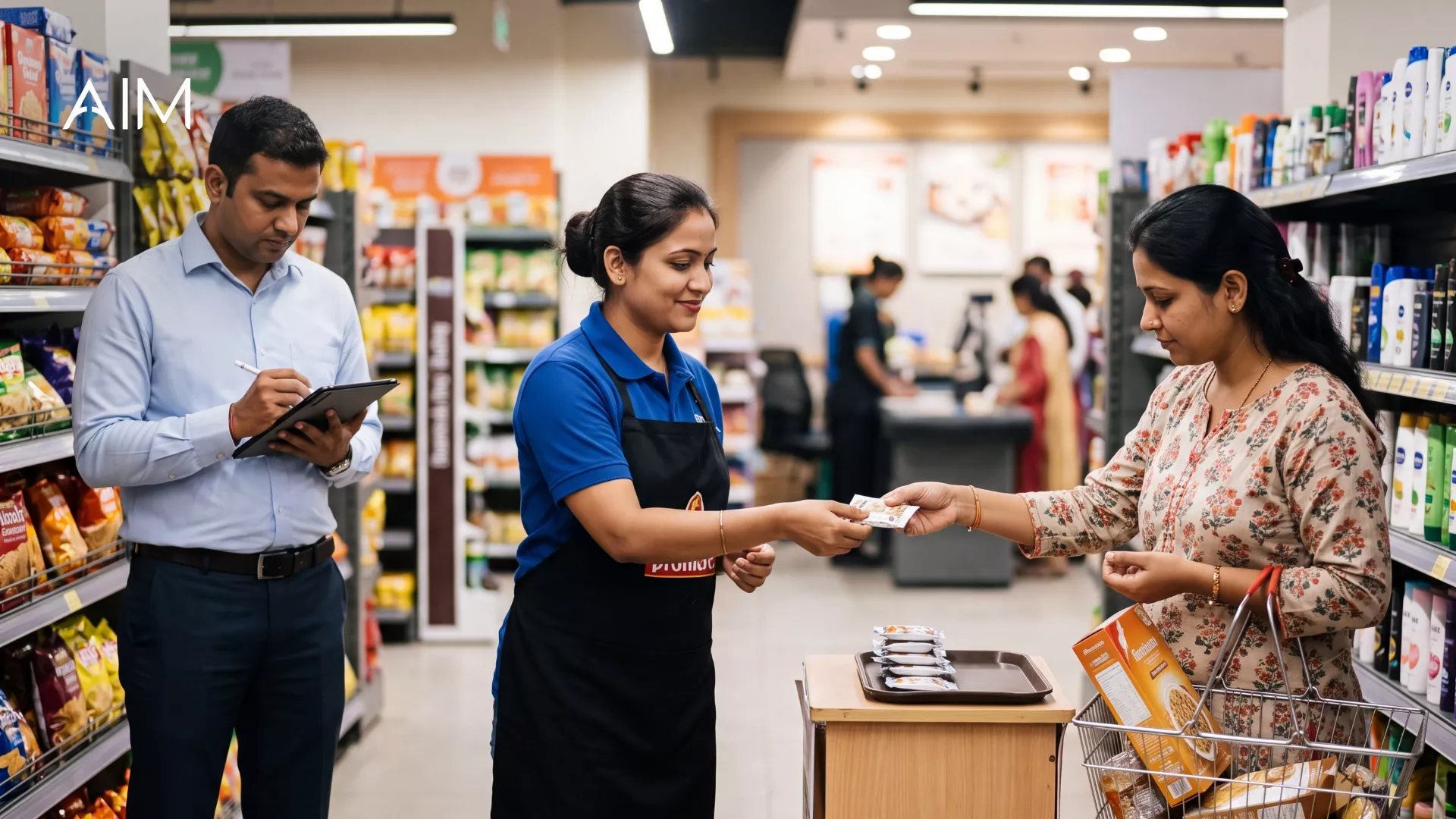
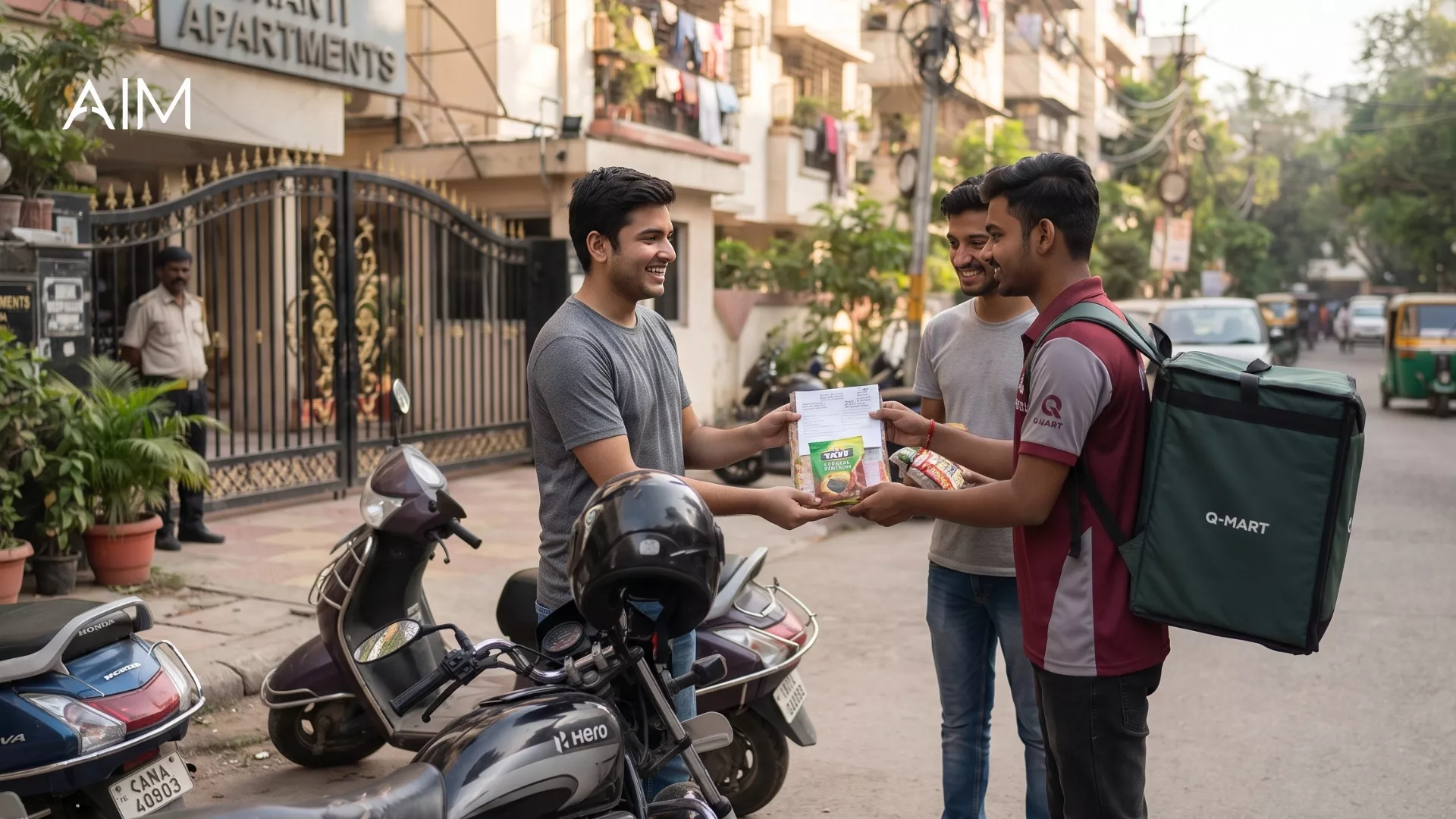
At the door, we ask before we give
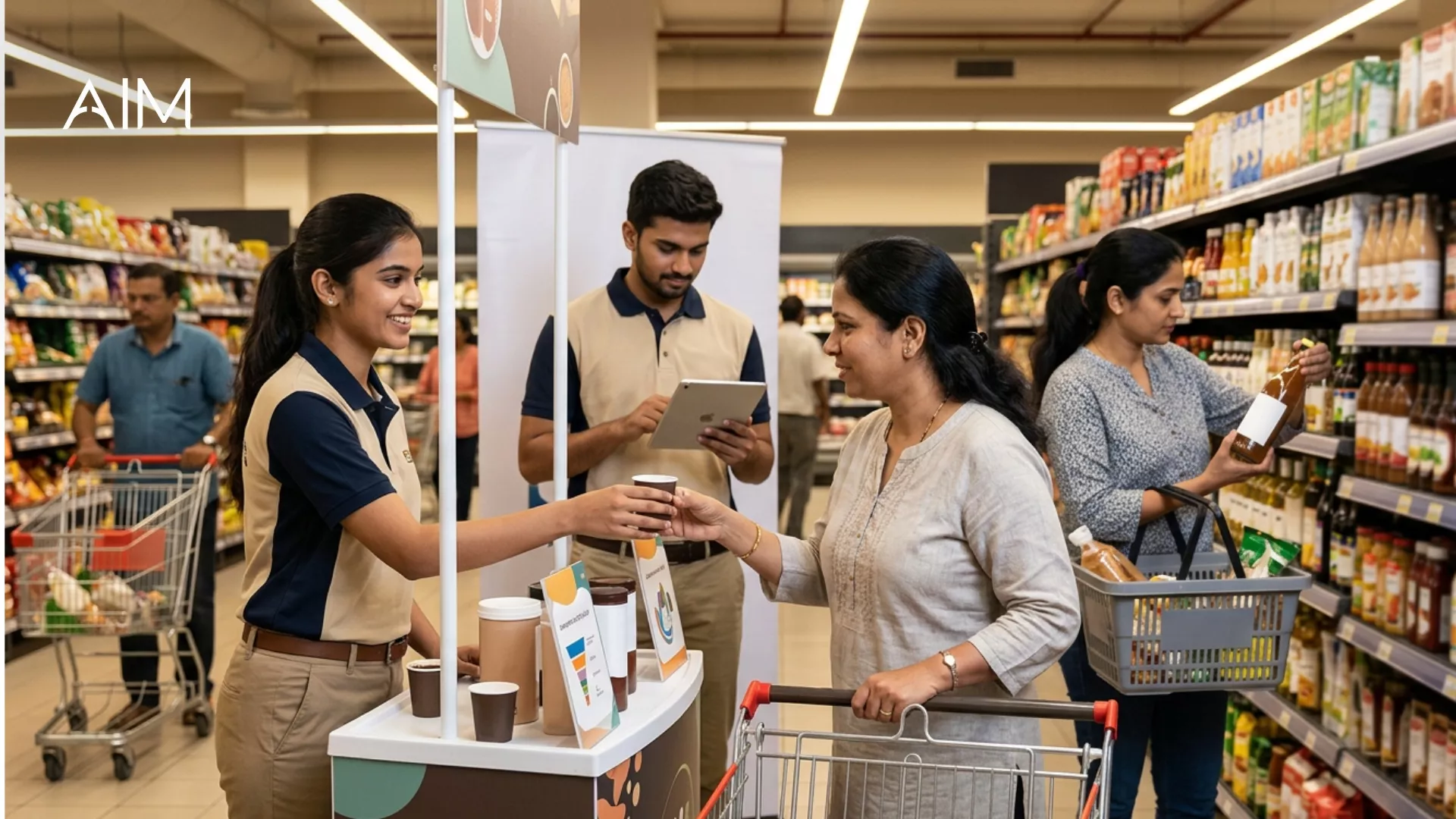
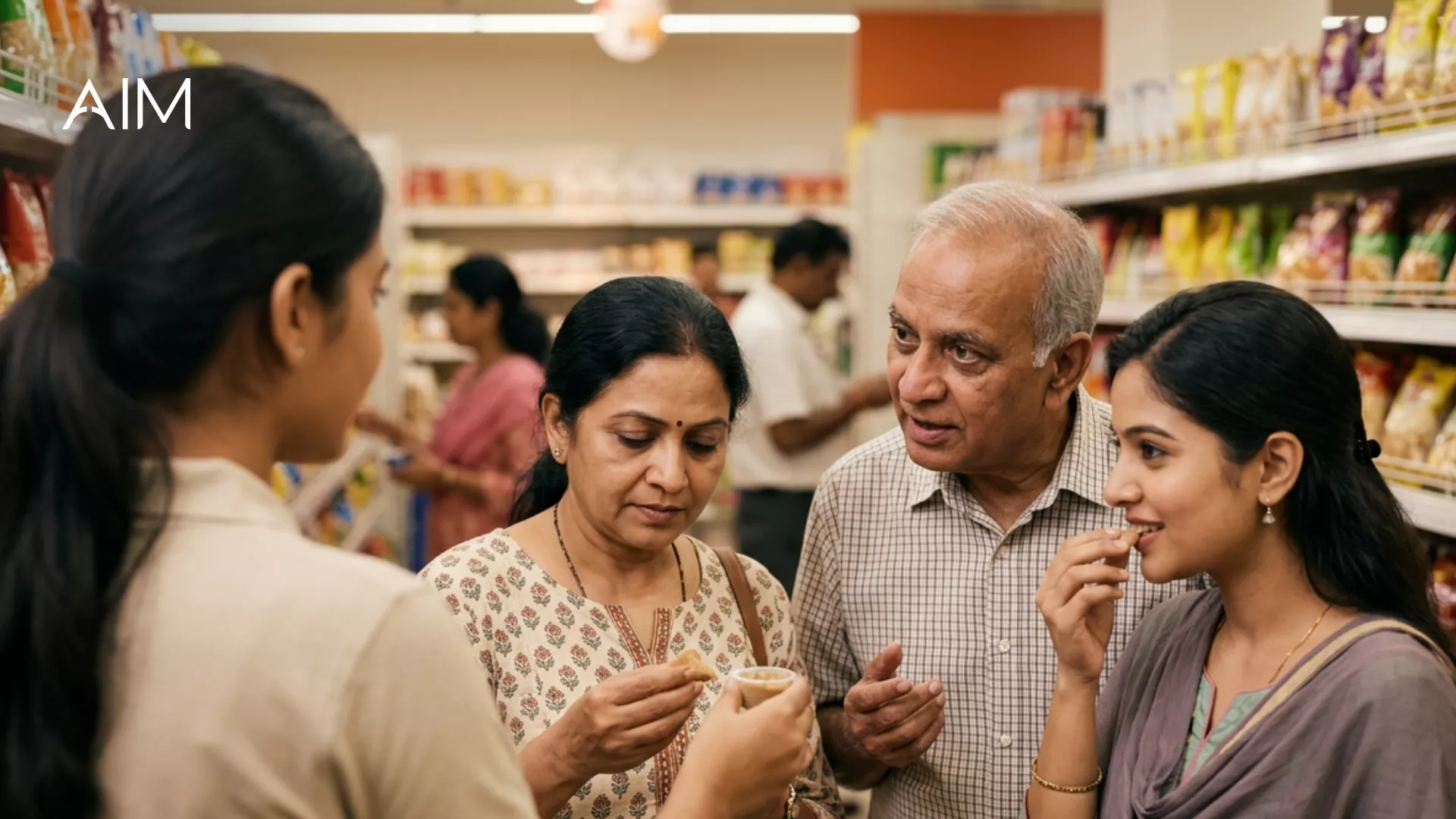
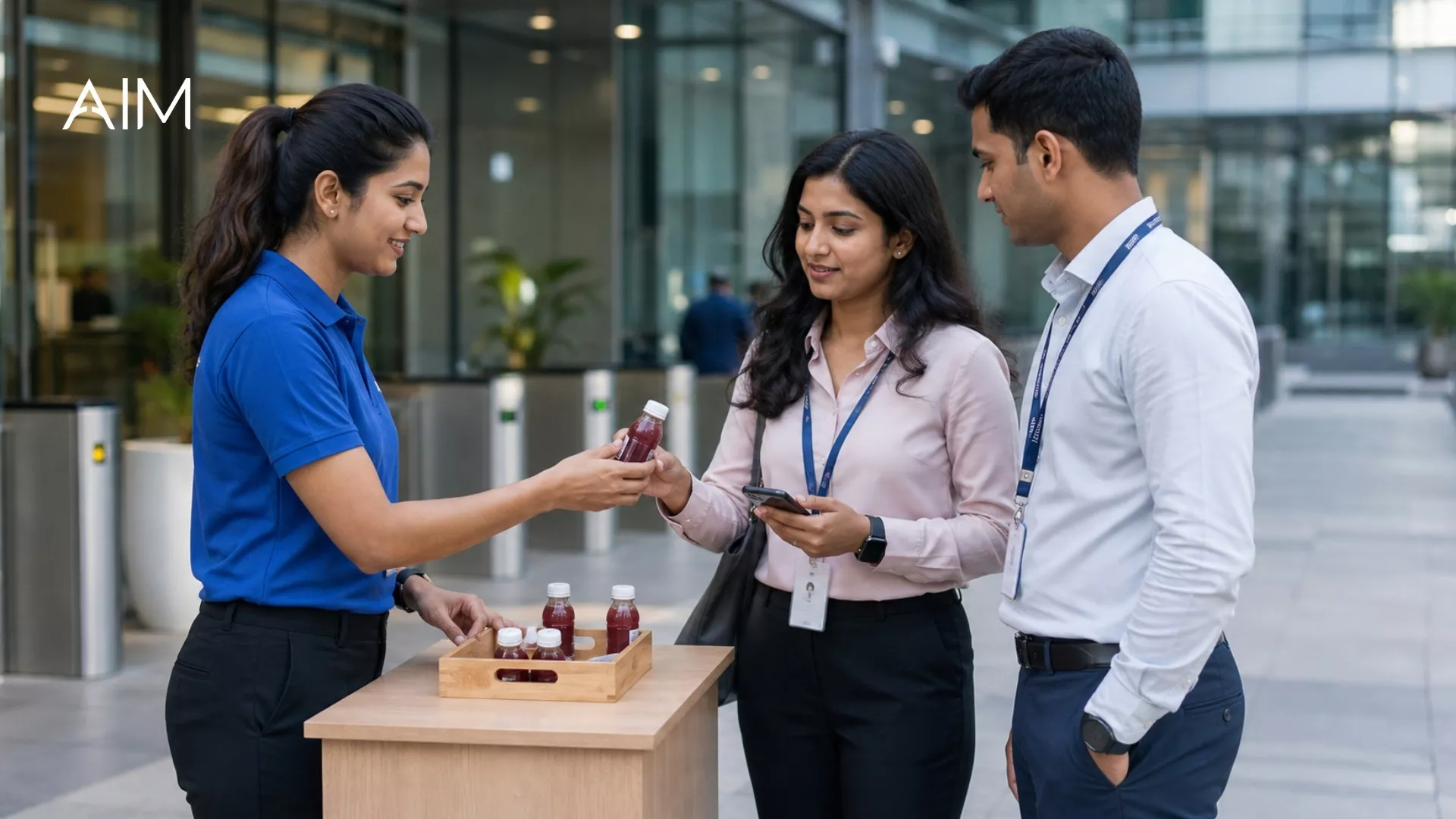
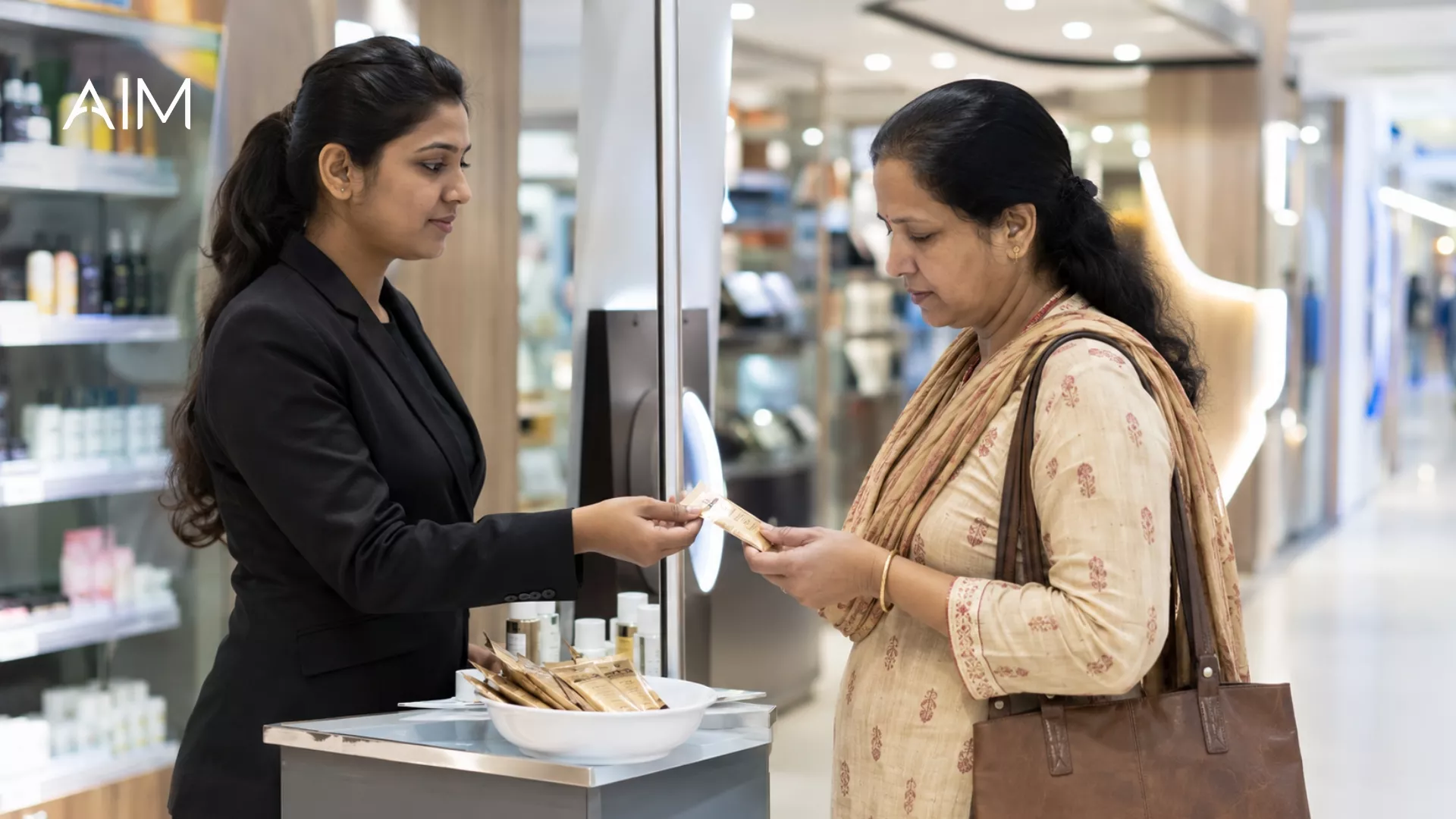
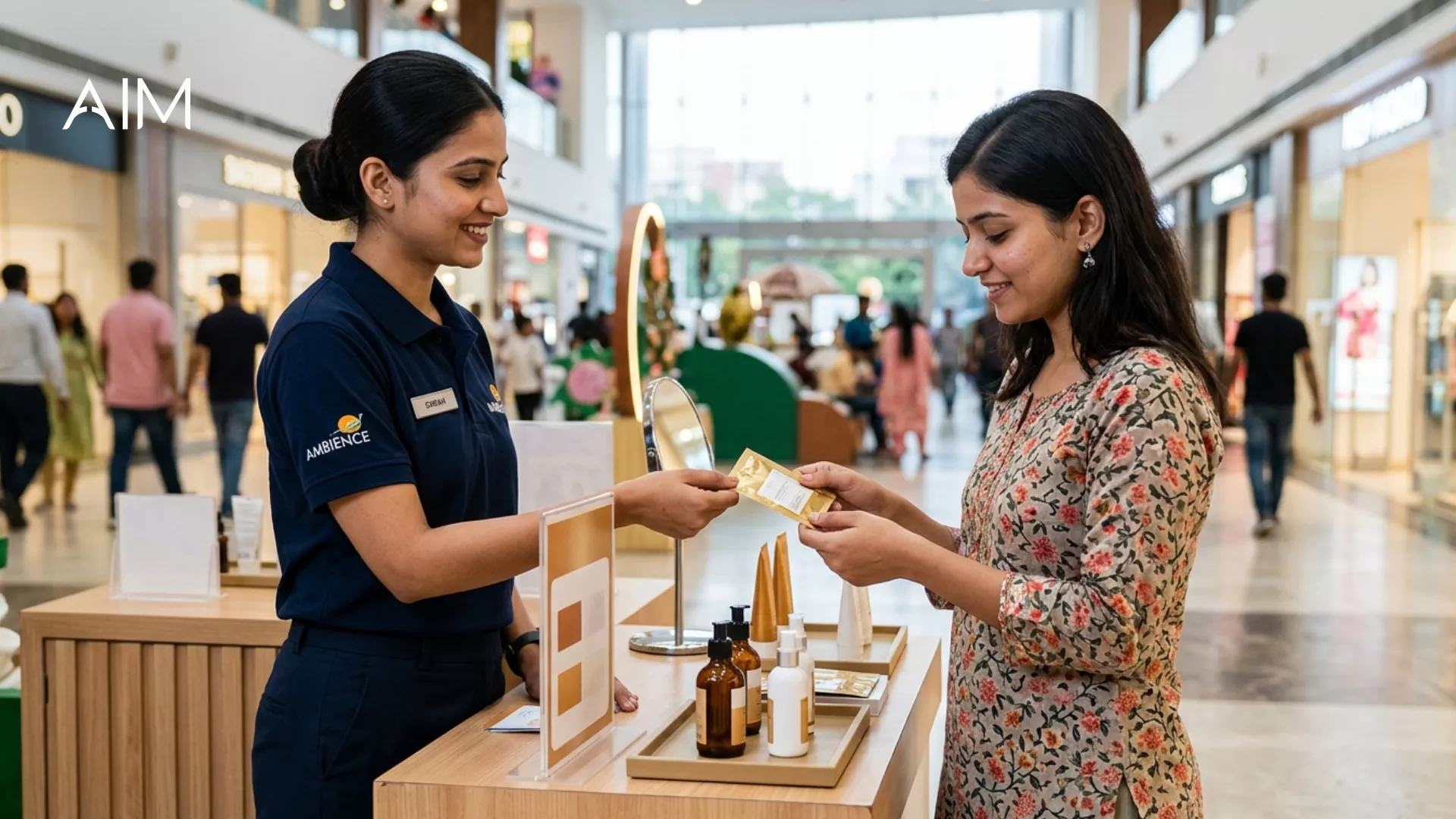
Ten seconds. Do you use this category, who buys it, who does the cleaning. Then the sample goes into that person's hands, not onto a pile by the shoe rack.
It sounds like a small thing. It is the difference between a trial and a donation. Those ten seconds also tell you something the brief never did: how many doors on that floor even use your category.
Sachet or demo? Usually demo
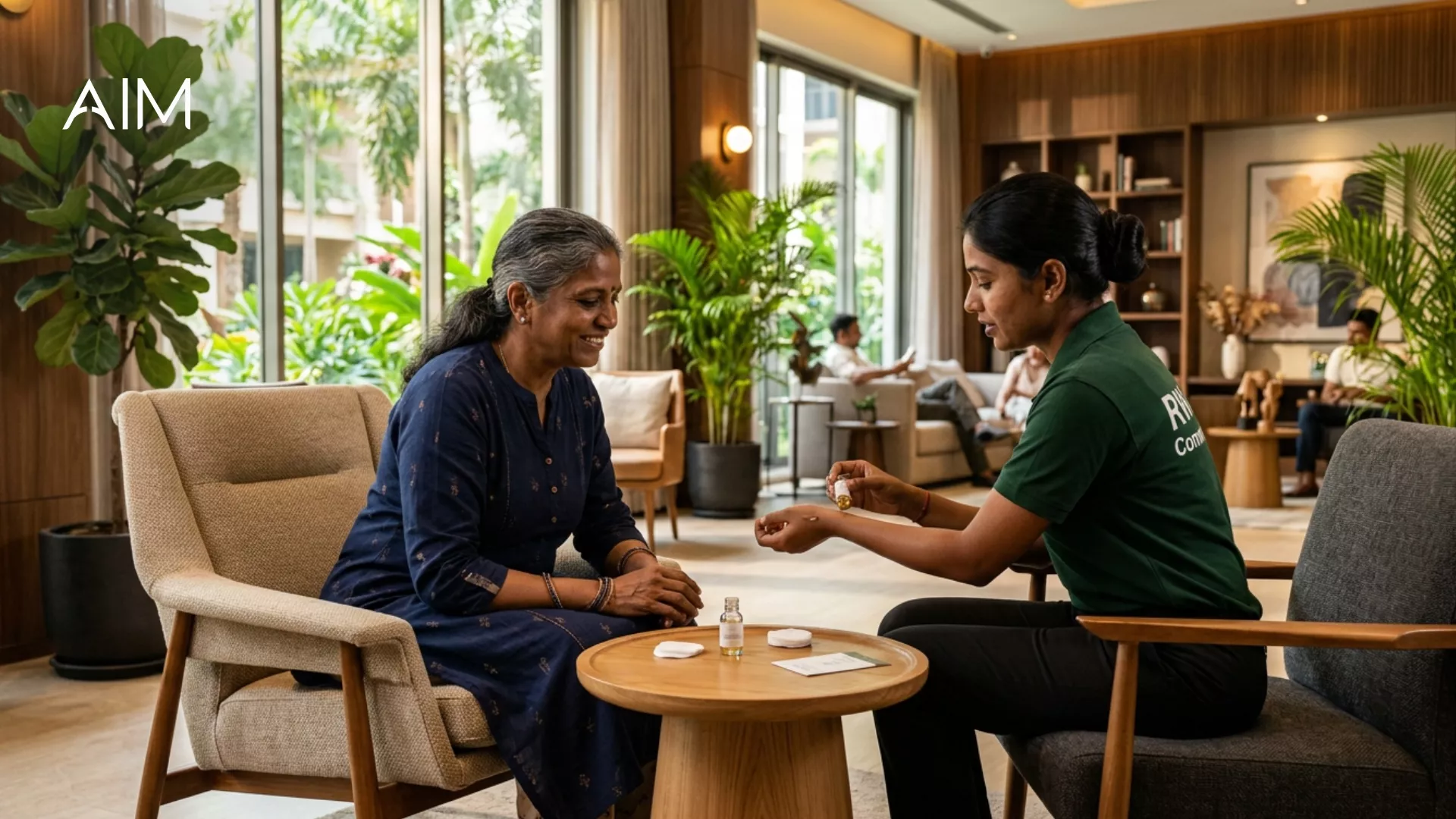
Home care is the one category where handing something over rarely works on its own, because your claim is a performance claim. A stain lifts or it does not. A floor dries clean or it dries streaky. You cannot prove that with a sachet in a drawer.
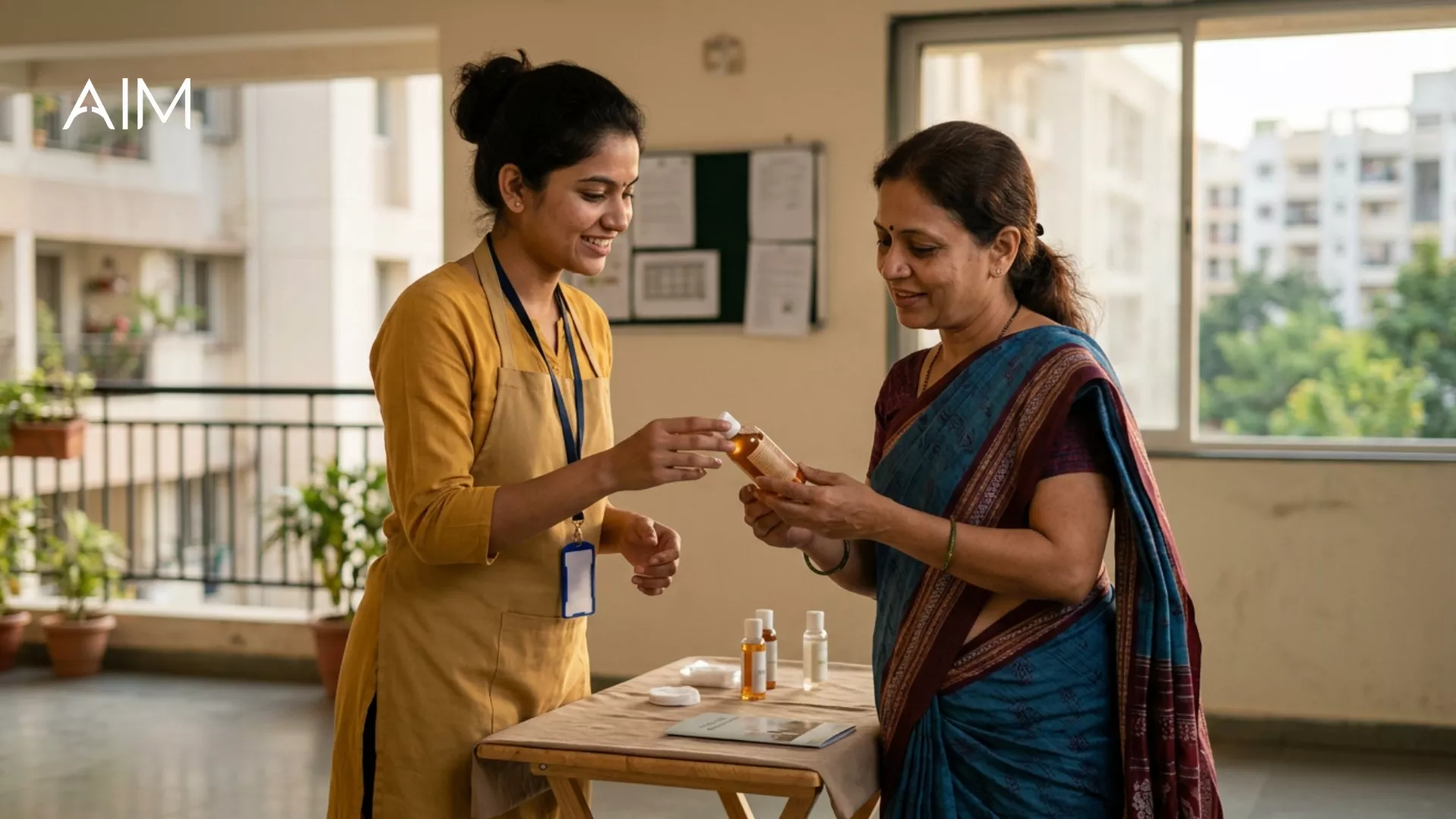
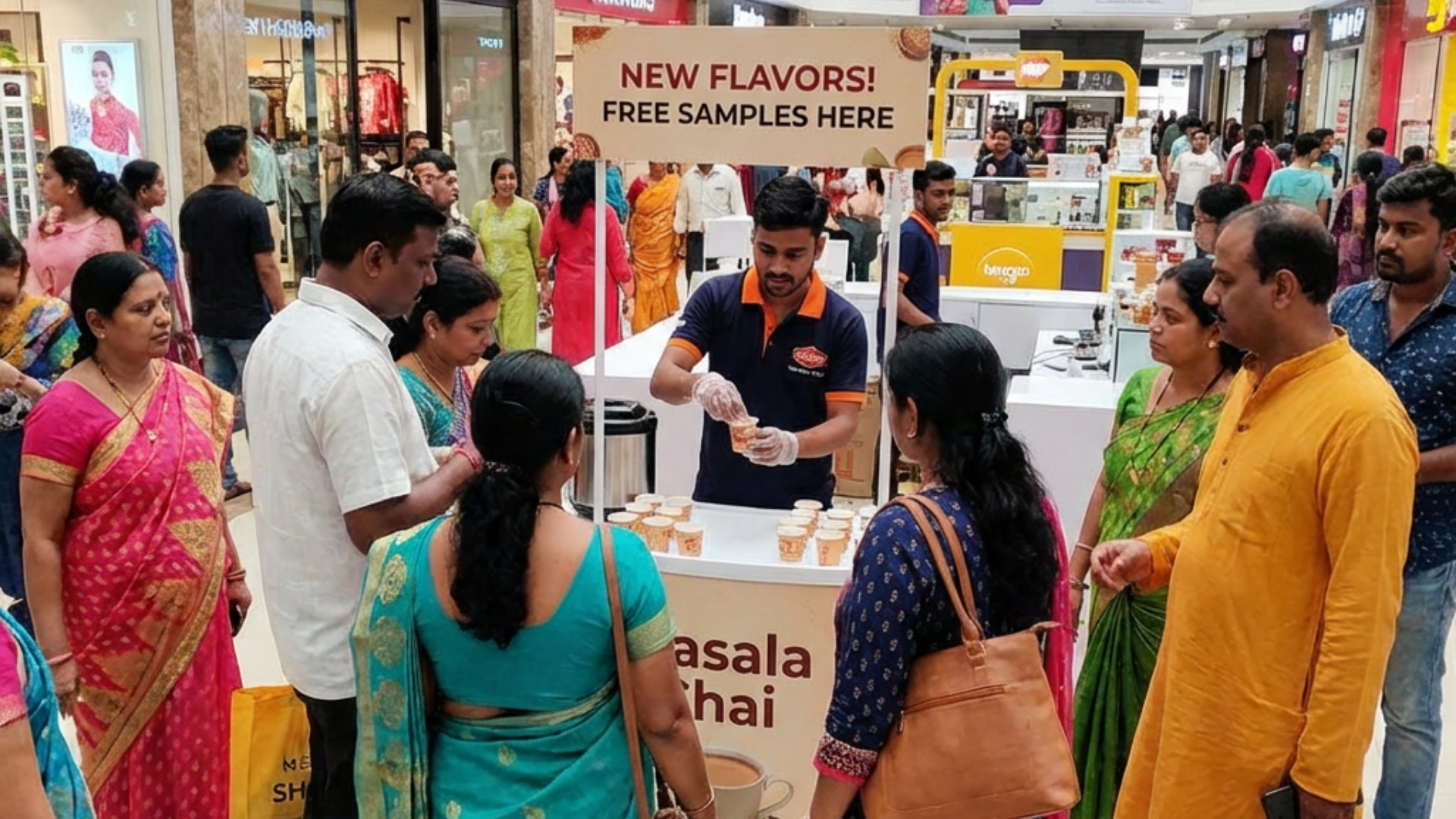
So where the product allows it, we demonstrate. A minute at the door or in the courtyard, on the surface they actually have, with the water they actually have. Hard water changes how a detergent behaves, and the household already knows that even if the lab did not.
And the usage instruction goes with it. A product used at the wrong dilution underperforms, and your brand takes the blame for a mistake the household made.
We capture the household, or we learn nothing
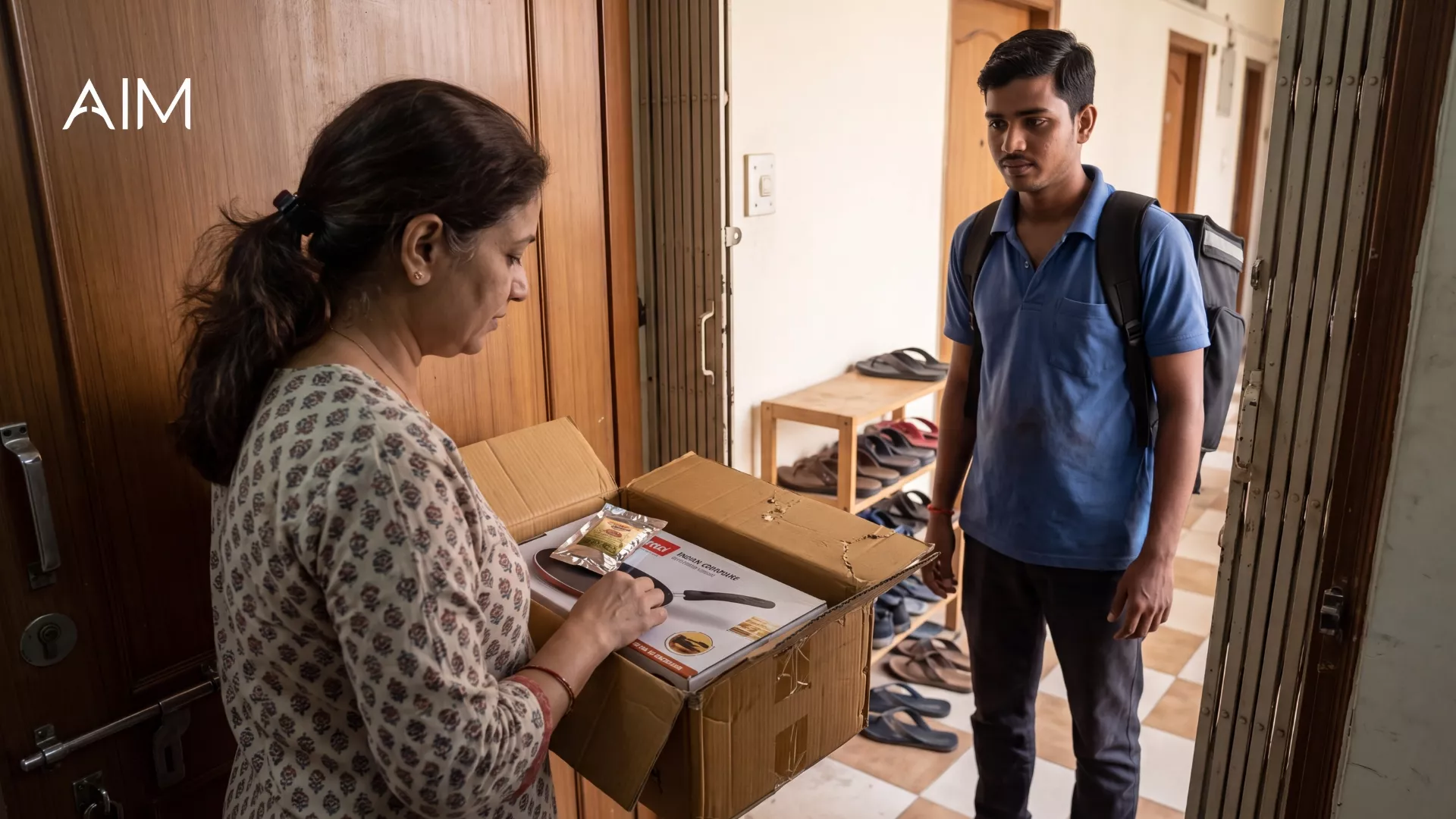
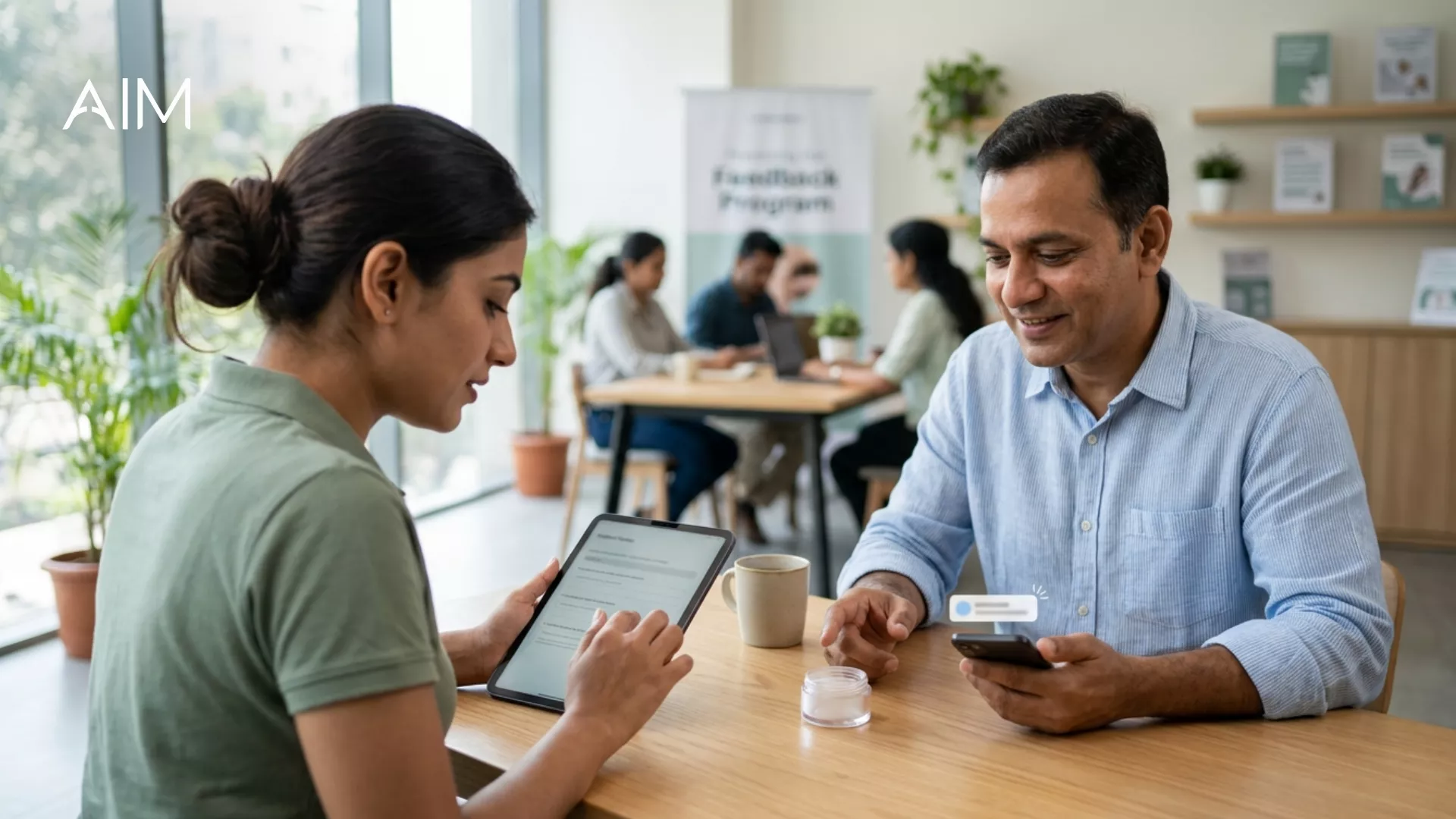
A QR at the door, a quick opt-in, and a trial becomes a contactable household with a profile attached. That is what lets you send the coupon while the memory is fresh, ask what actually happened, and see whether that home bought the full bottle. Skip it and you are left with a warm feeling and a headcount.
Then we watch the switch, not the drop
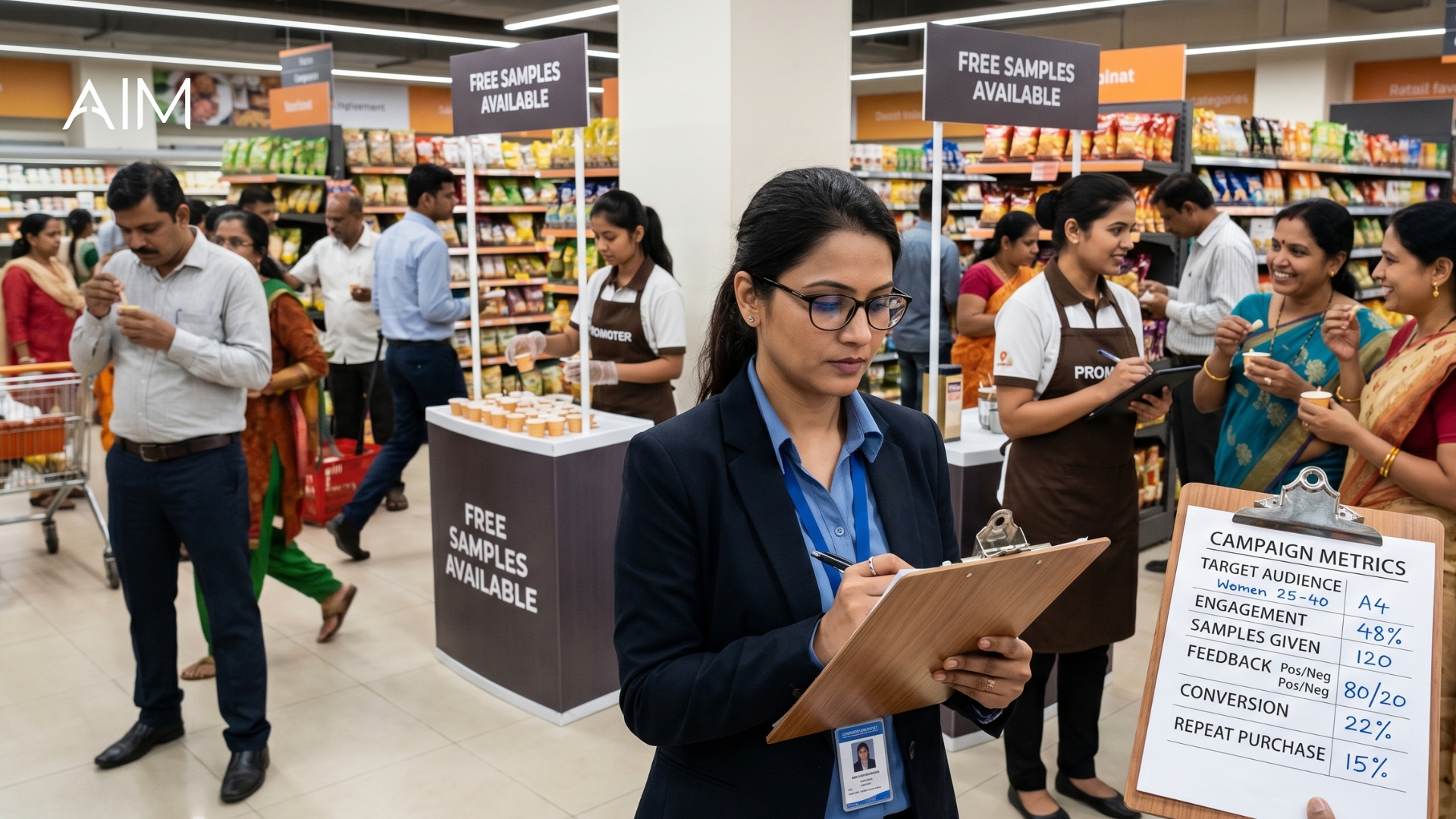
The number that matters in home care is the second purchase. In one home-care campaign run across about forty societies, the sample-to-purchase rate climbed from under a fifth to roughly half over six weeks. Nothing about the product changed in those six weeks. The selection did. The samples went to households that used the category, handed to the person who buys, with the trial tracked to the shelf. That is the whole difference, and it costs nothing extra to do it that way.
And sometimes we tell you the society is wrong
If your buyer does not live in the catchment you have your heart set on, we will say so before you pay for it. That conversation costs nothing. The campaign would have cost a lot. Pilot one cluster, read the switch, then scale the societies that moved.
Choosing which households get your sample is not the admin that happens after the strategy. It is the strategy. Get the profile, the society, the hour, the person at the door, and the demonstration right, and one sachet can move a decade-old habit. Get them wrong and you have funded a drawer full of unopened sachets across the city.
That is what AIM builds a home care campaign around: profile first, mapping and a real recce, approvals, timing, qualification at the door, demonstration where it counts, and tracking from the trial to the bottle.













.webp)













.png)