
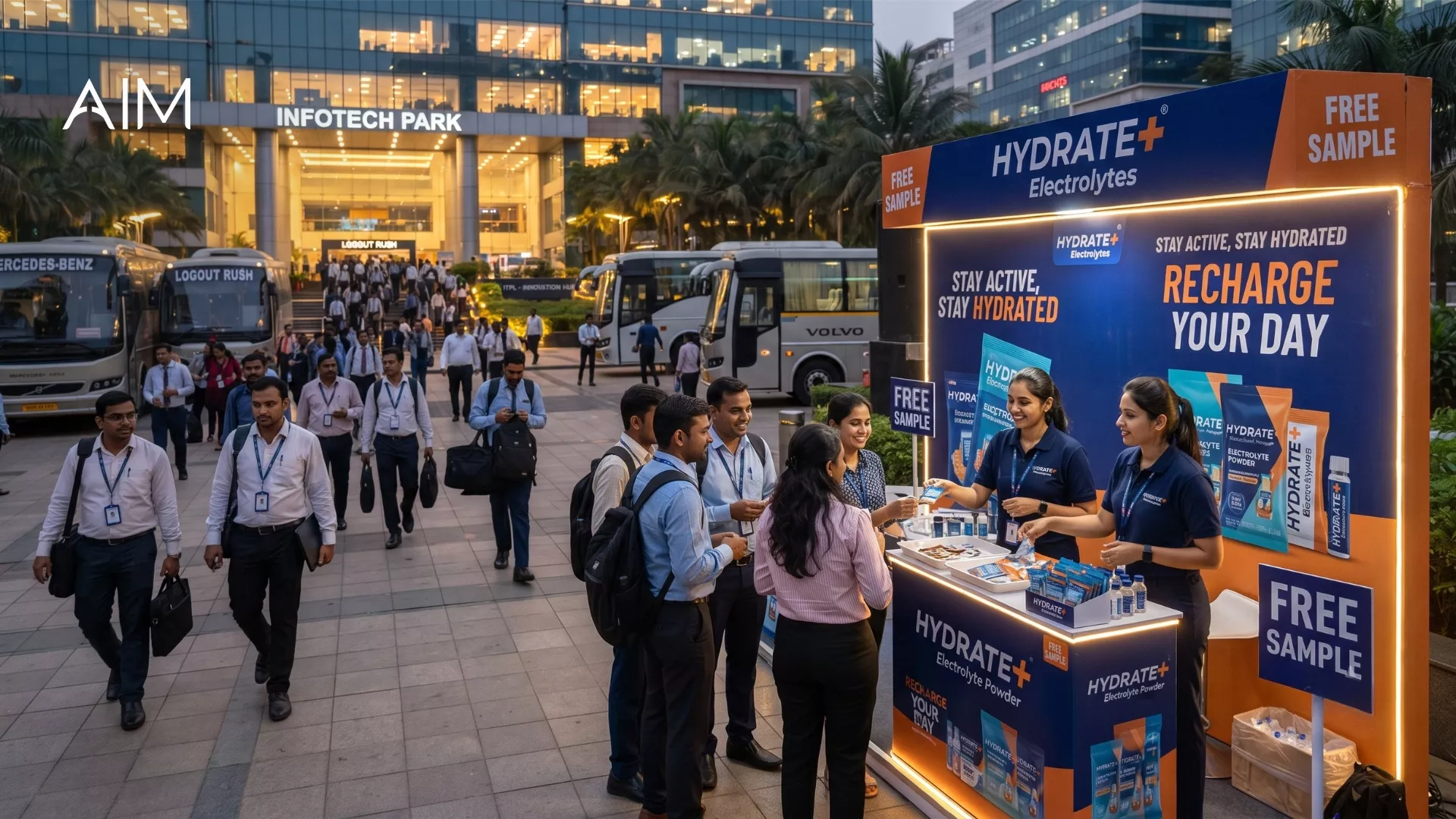


There is a captive audience that most consumer brands struggle to reach efficiently: urban professionals with disposable income, packed into IT parks and corporate campuses, spending most of their waking hours at a desk. They are hard to catch with street sampling because they are inside a building, and expensive to reach with ads because their attention is fragmented. Corporate product sampling solves this by taking the trial to where they already are. Done well, it puts your product in the hands of thousands of high-value professionals in a single campus, at the moment of day it fits their routine. Here is how to do it so it converts, rather than merely occupying a lobby.
Quick answer: how does corporate product sampling work?
Corporate and IT park product sampling places your product in the hands of working professionals inside their office campus, through desk drops, cafeteria and common-area sampling, or activations timed to their workday. It works because it reaches a dense, high-income, hard-to-reach audience in a setting where they are receptive, and because the right moment of day can be matched to the product. To convert rather than just occupy space, reach the professionals your product fits, time the sampling to the right part of the workday, give a fair trial, capture who tried, and measure who bought, so the campus becomes a scalable, trackable audience rather than a one-off lobby appearance.
Why are urban professionals worth reaching?
Urban professionals in IT parks and corporate campuses are a prize audience for consumer brands for three reasons. They have disposable income and a willingness to try new products. They are densely concentrated, thousands in a single building or cluster, so a campaign can reach a large, relevant audience in one place rather than chasing people across a city. And they are time-poor, which makes them receptive to products that offer convenience, energy, wellness, or a small daily pleasure, exactly the categories that sample well. The difficulty has always been access: these people are inside secured buildings all day. Corporate product sampling turns that difficulty into an advantage, because once you are inside, the concentration that made them hard to reach makes them efficient to reach at scale.
How do you reach them using corporate product sampling?
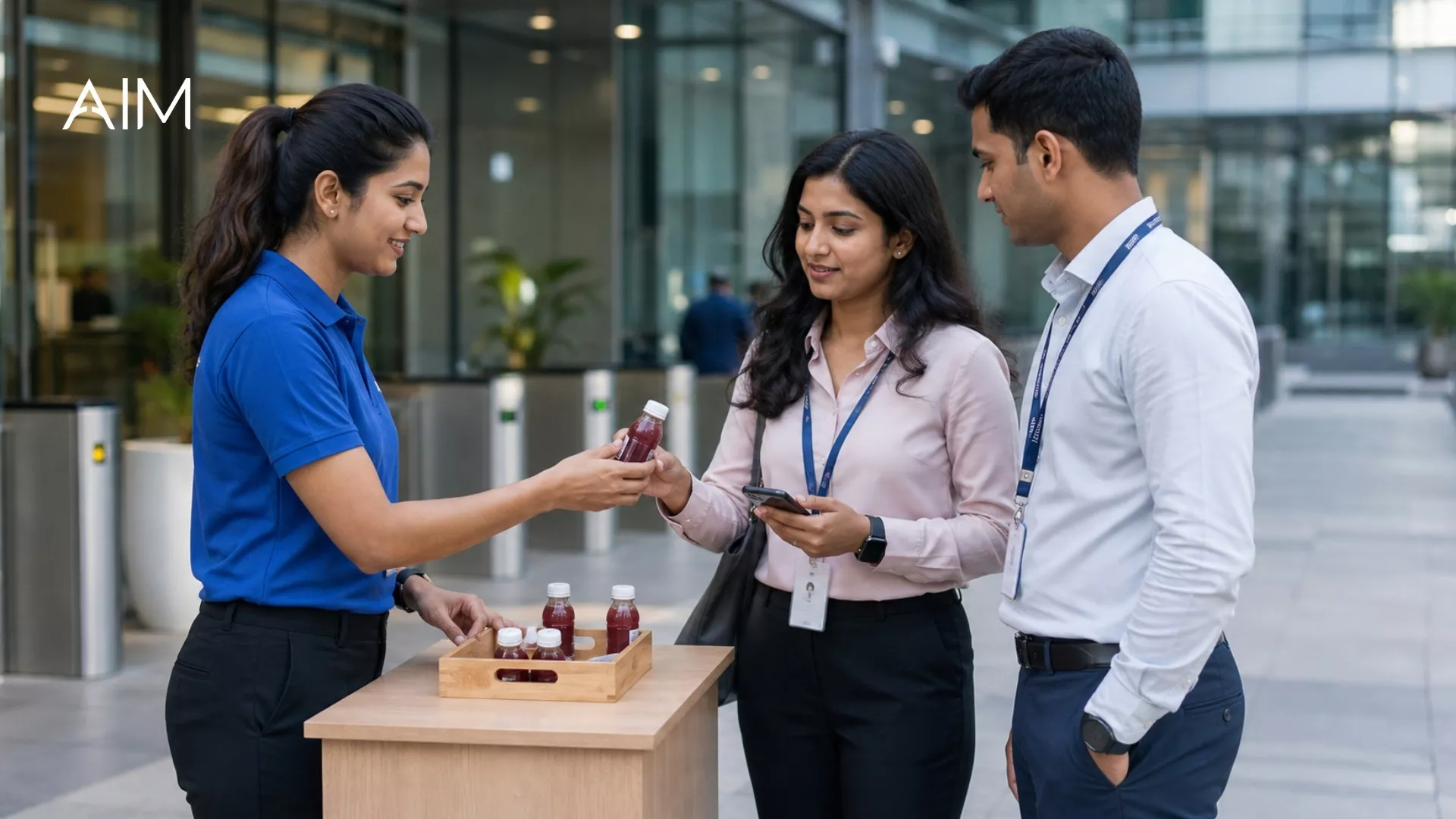
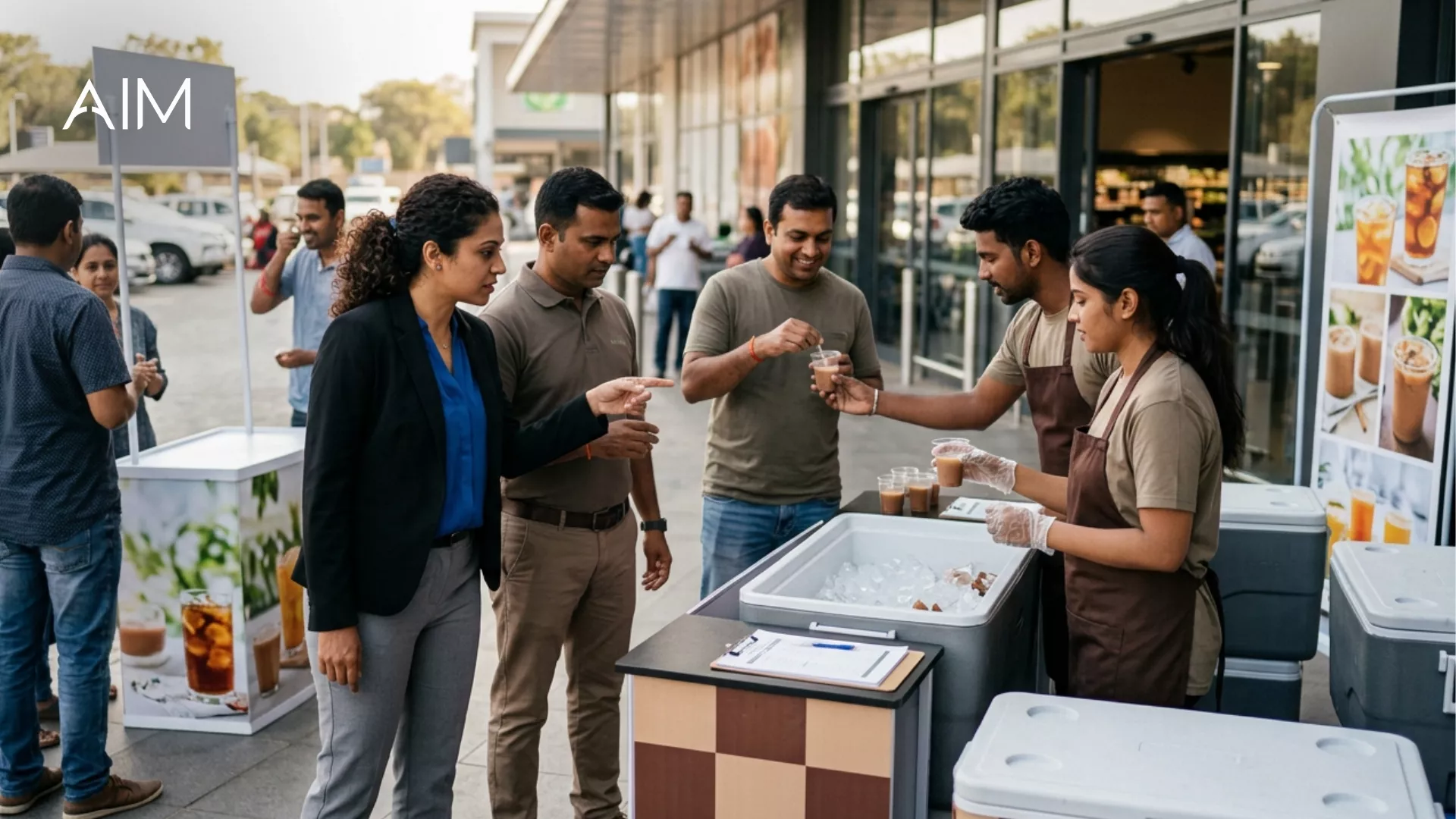
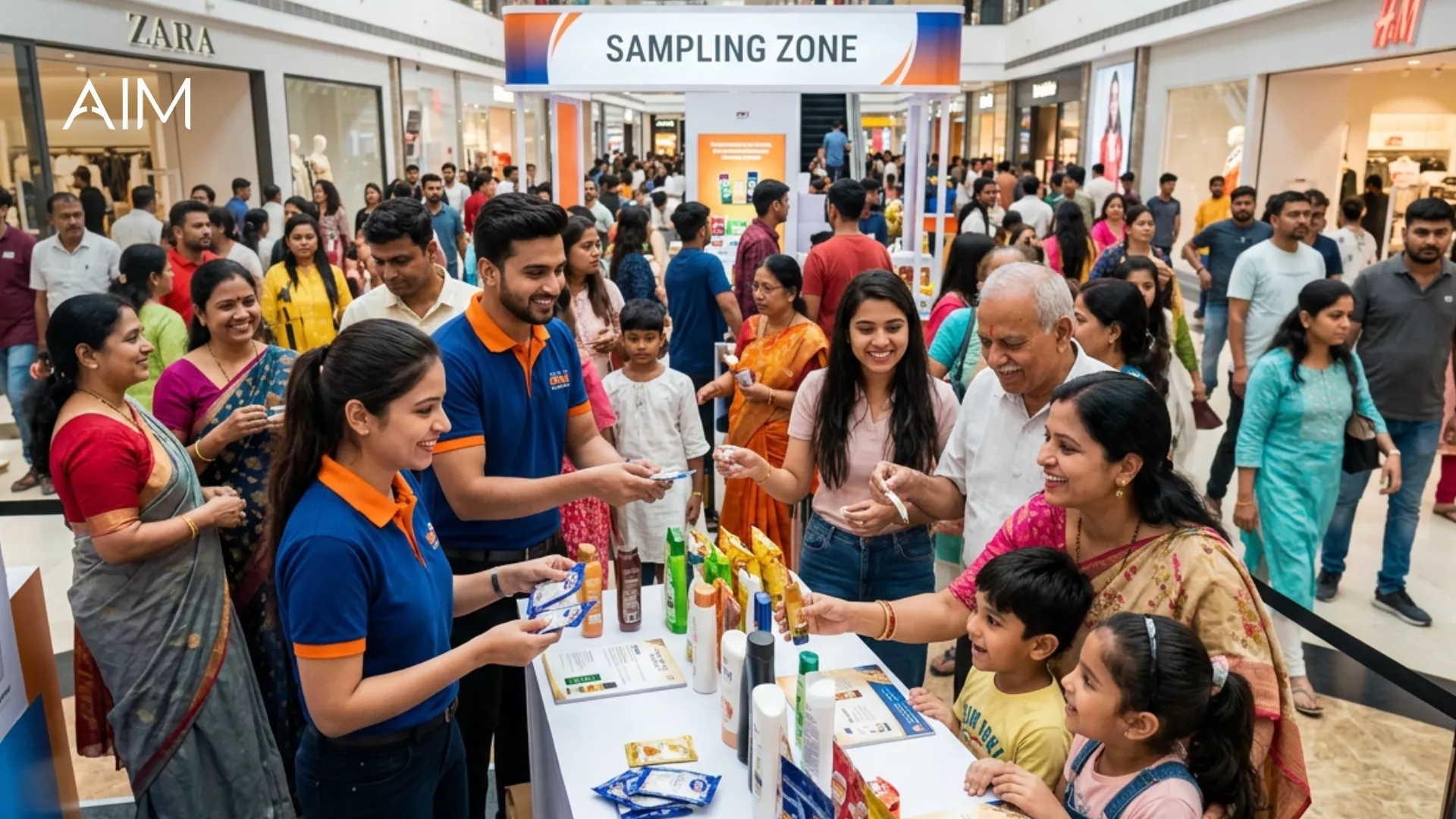
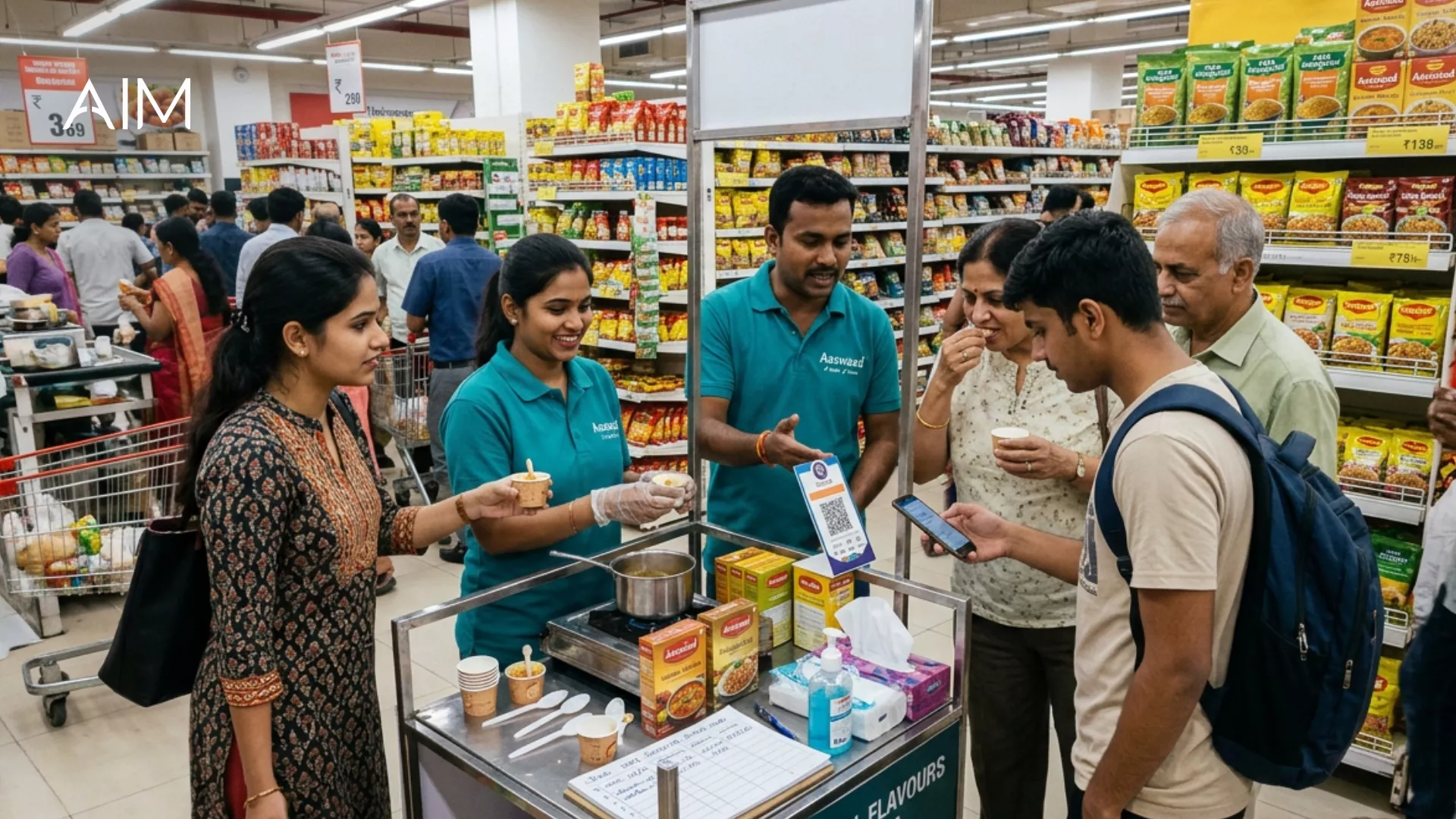
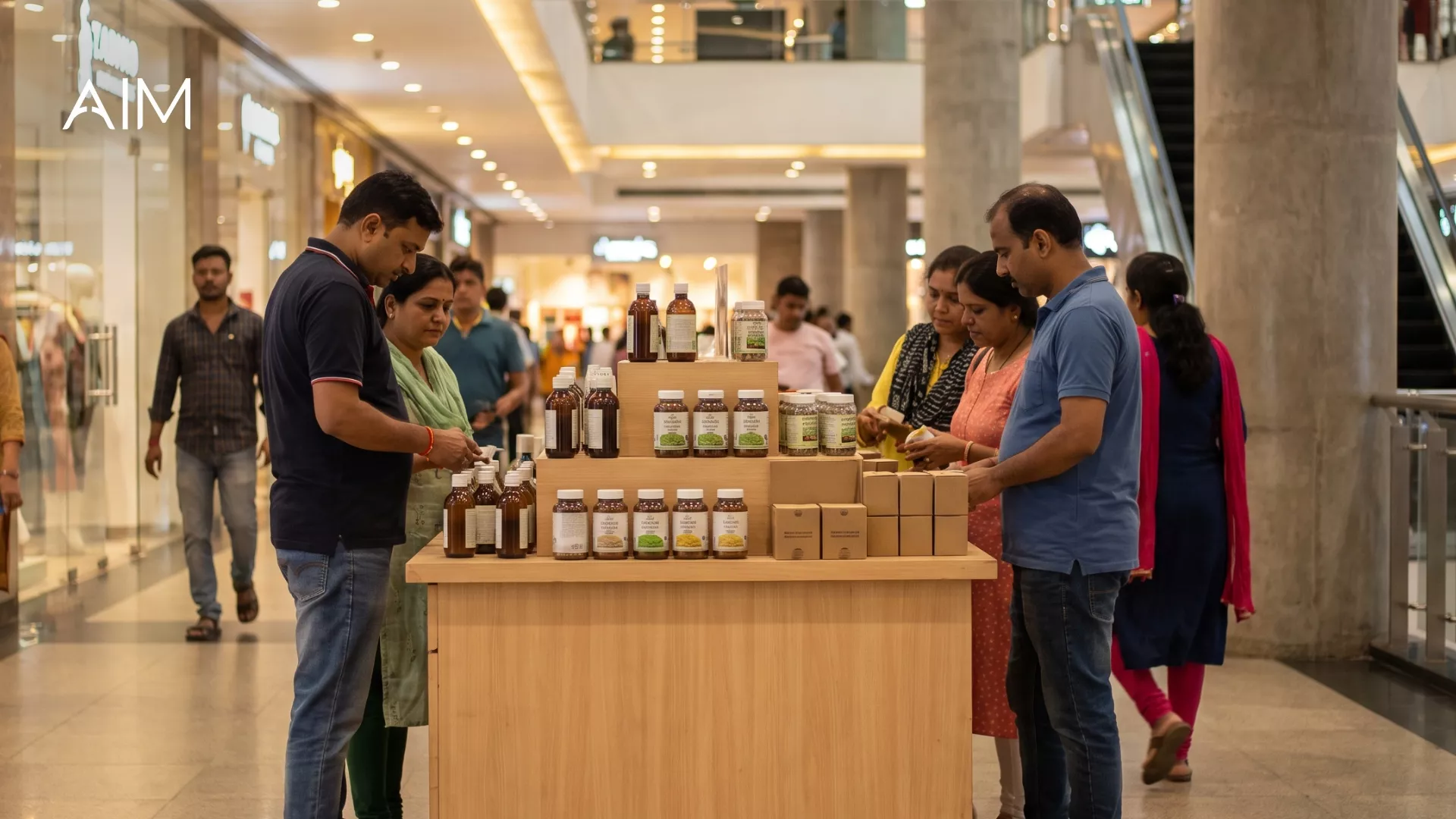
There are a few proven ways to sample inside a campus, and the best campaigns combine them. Desk drops place the product directly at the professional's workstation, which is personal and hard to ignore. Cafeteria and pantry sampling catches people during breaks, when they are relaxed and open, and suits food, beverage, and snack products especially well. Common-area and lobby activations create a moment of engagement and work for products that benefit from a demonstration or conversation. Timed activations, aligned to the morning rush, the lunch break, or the late-afternoon slump, match the product to the moment the need is live. Each method reaches the same audience differently, and the right mix depends on the product and the result you want.
Where inside the campus should you sample?
Location within the campus matters as much as getting in. The desk reaches the individual personally but needs the right permissions and a tidy execution. The cafeteria reaches people in a receptive, social moment and is ideal for anything consumed on a break. Entry and exit points catch people with something to take home or use on the commute. Wellness rooms, gyms, and break areas suit health and wellness products that fit those contexts. The principle is the same as all good sampling: place the trial where the professional will have the right moment for your specific product, rather than wherever a table was easy to set up. Matching the spot to the product is what turns a campus pass into conversions.
How do you make corporate sampling measurable?
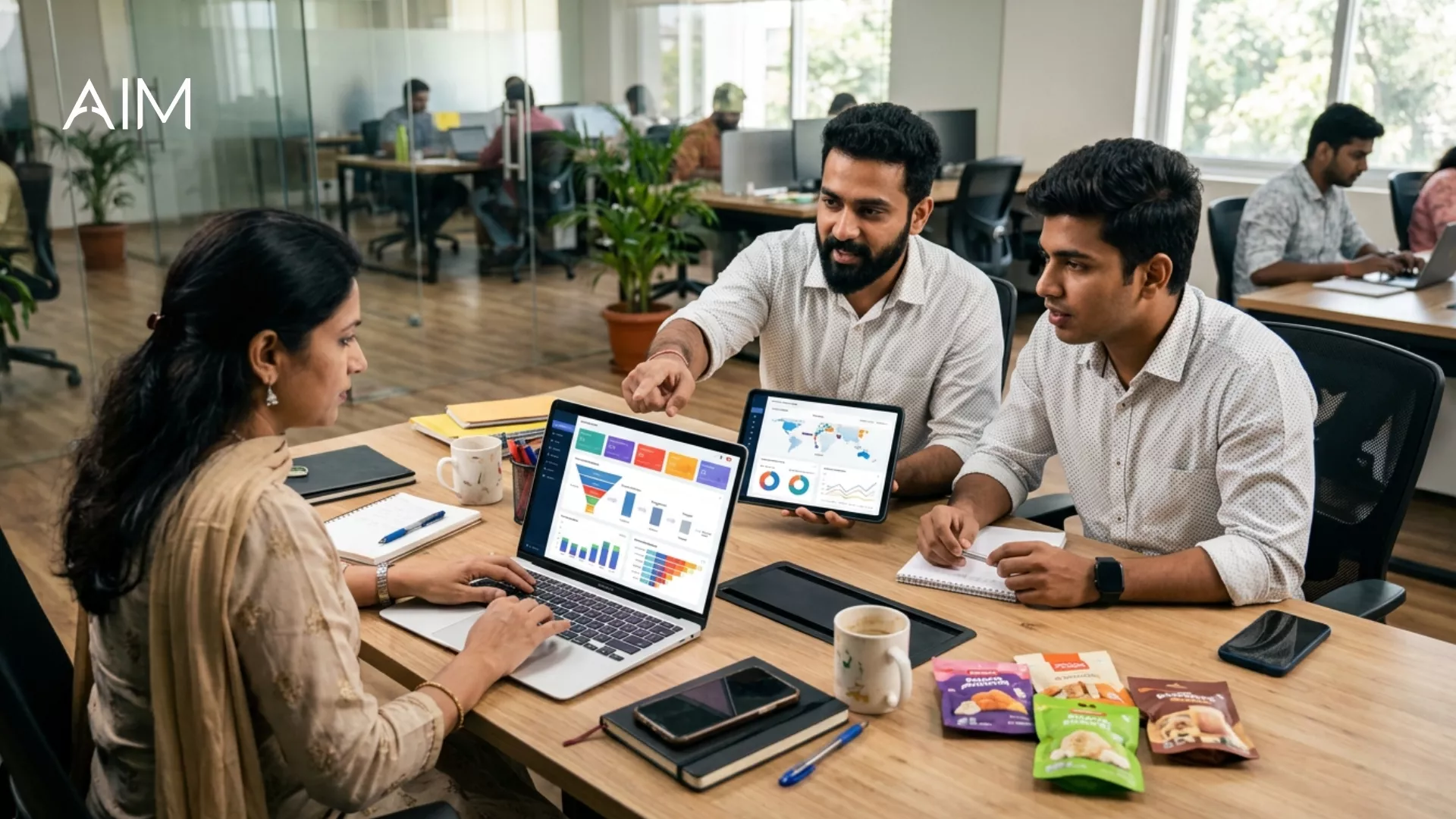
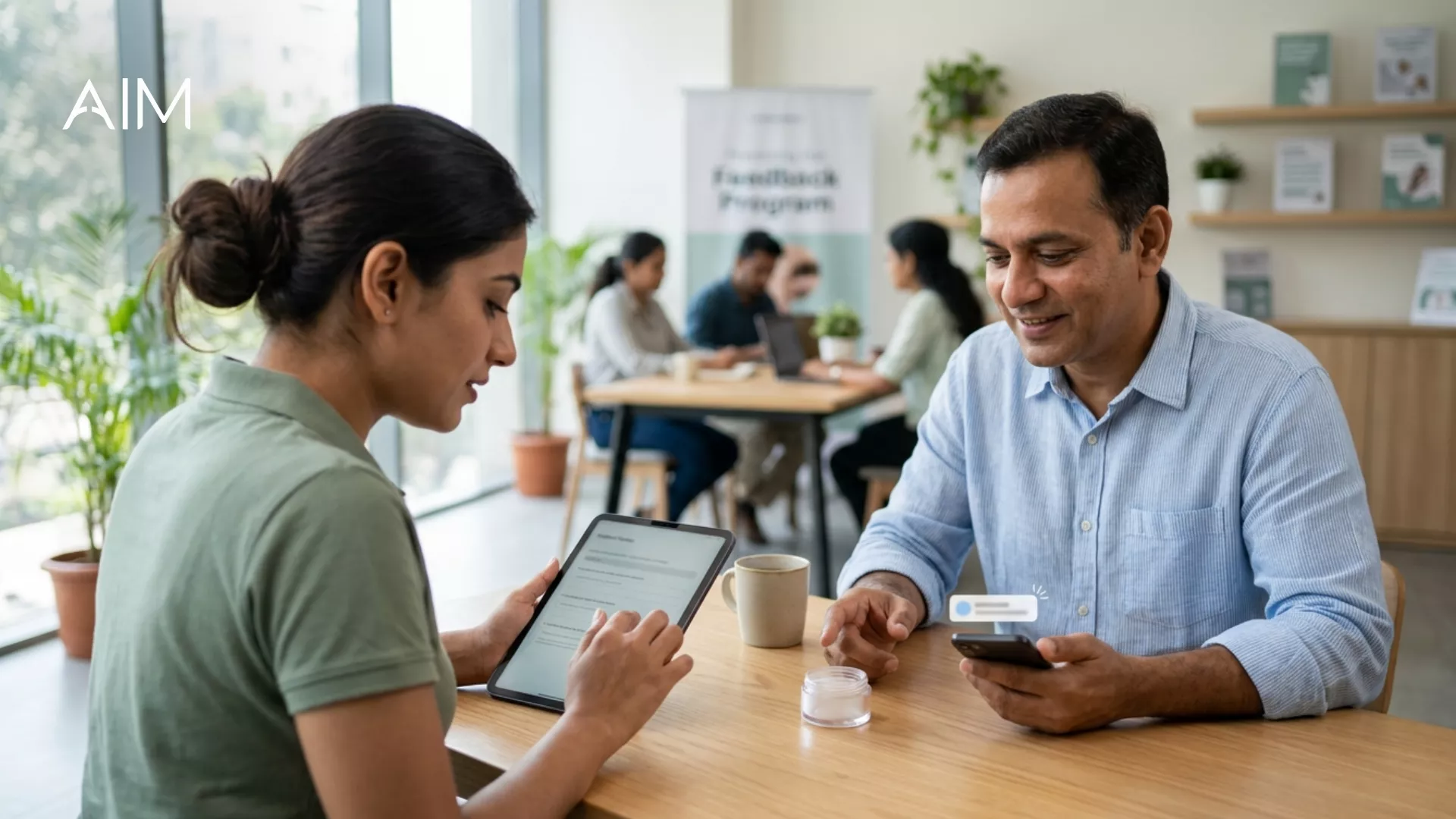
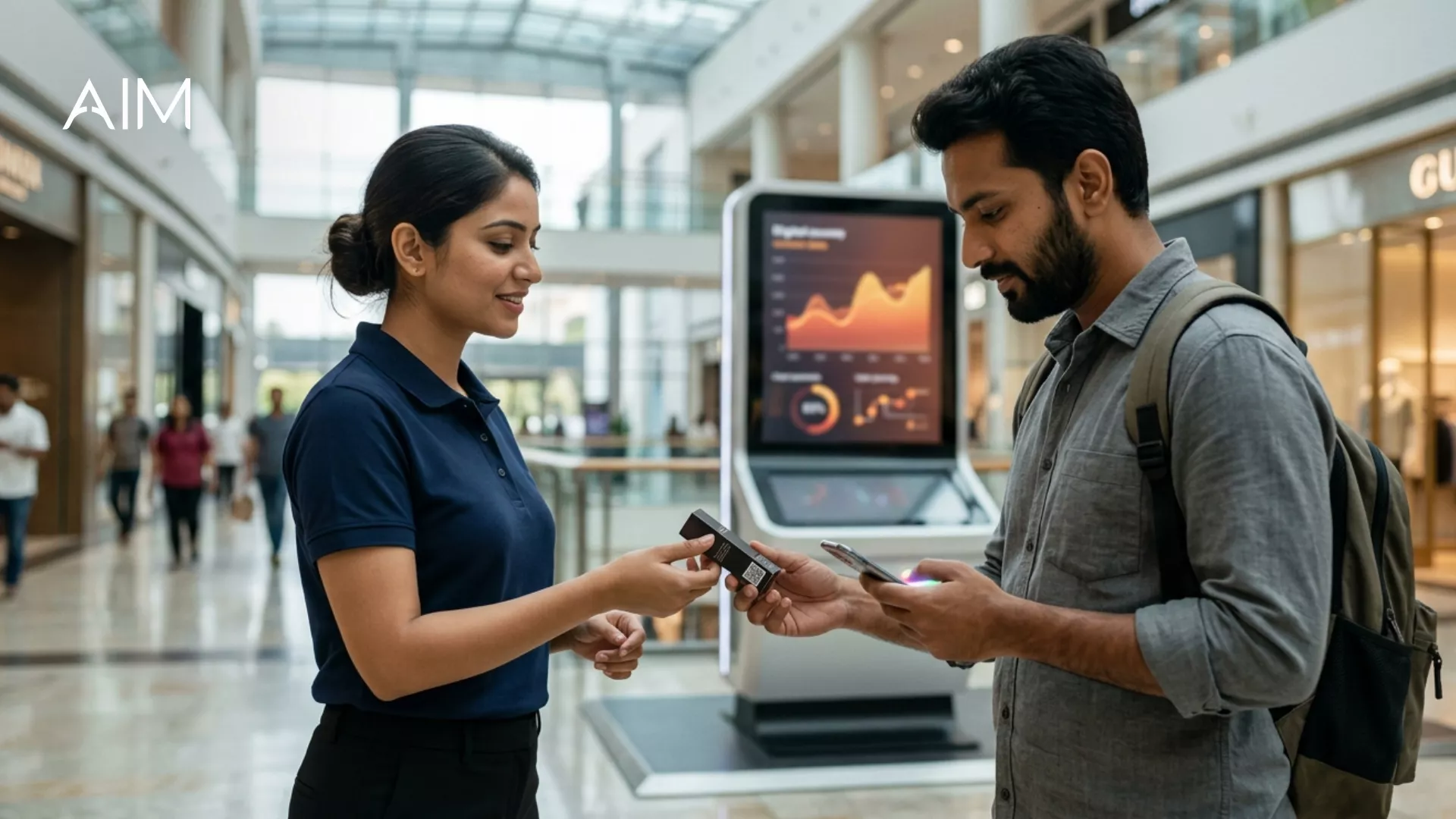
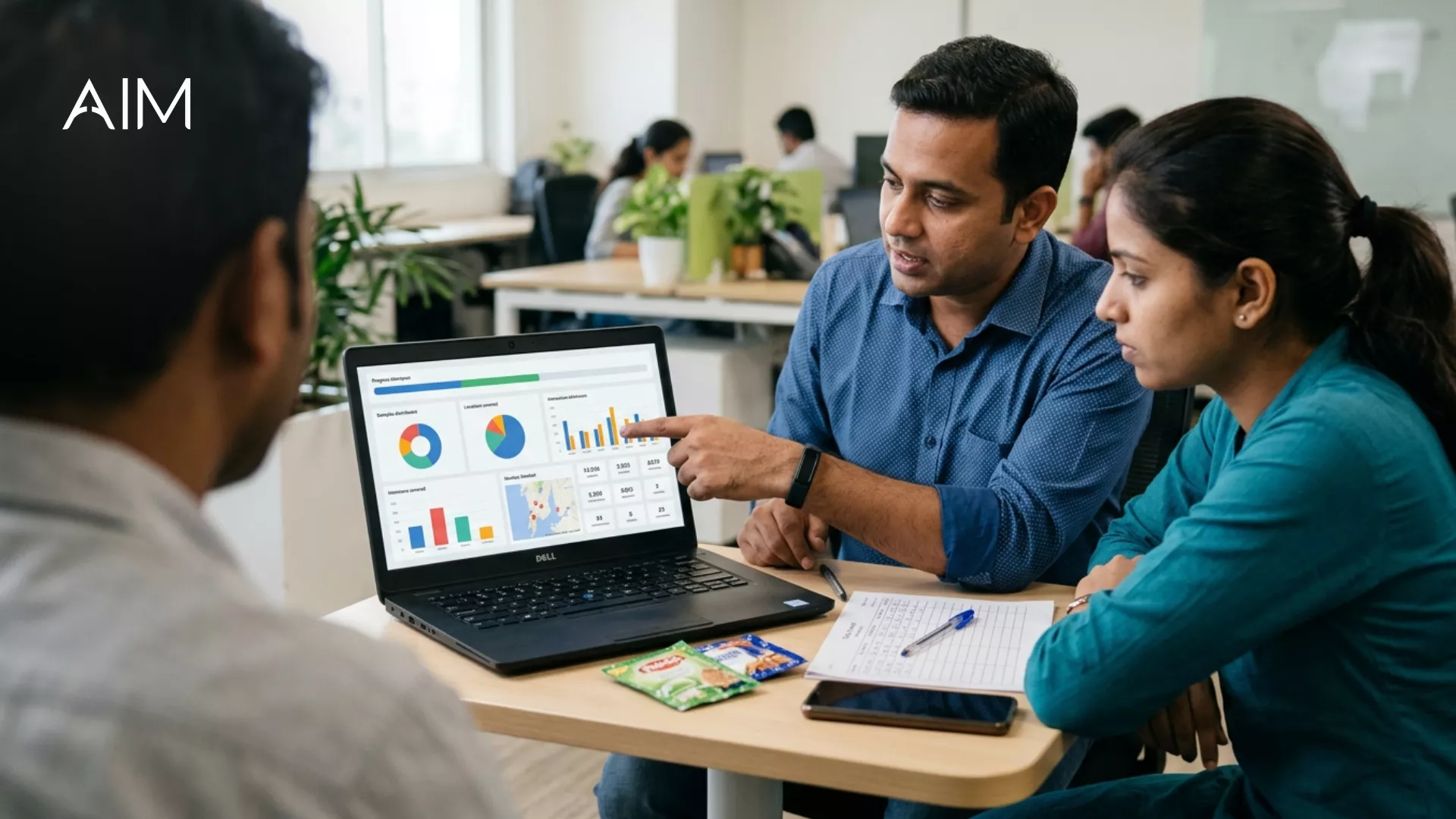
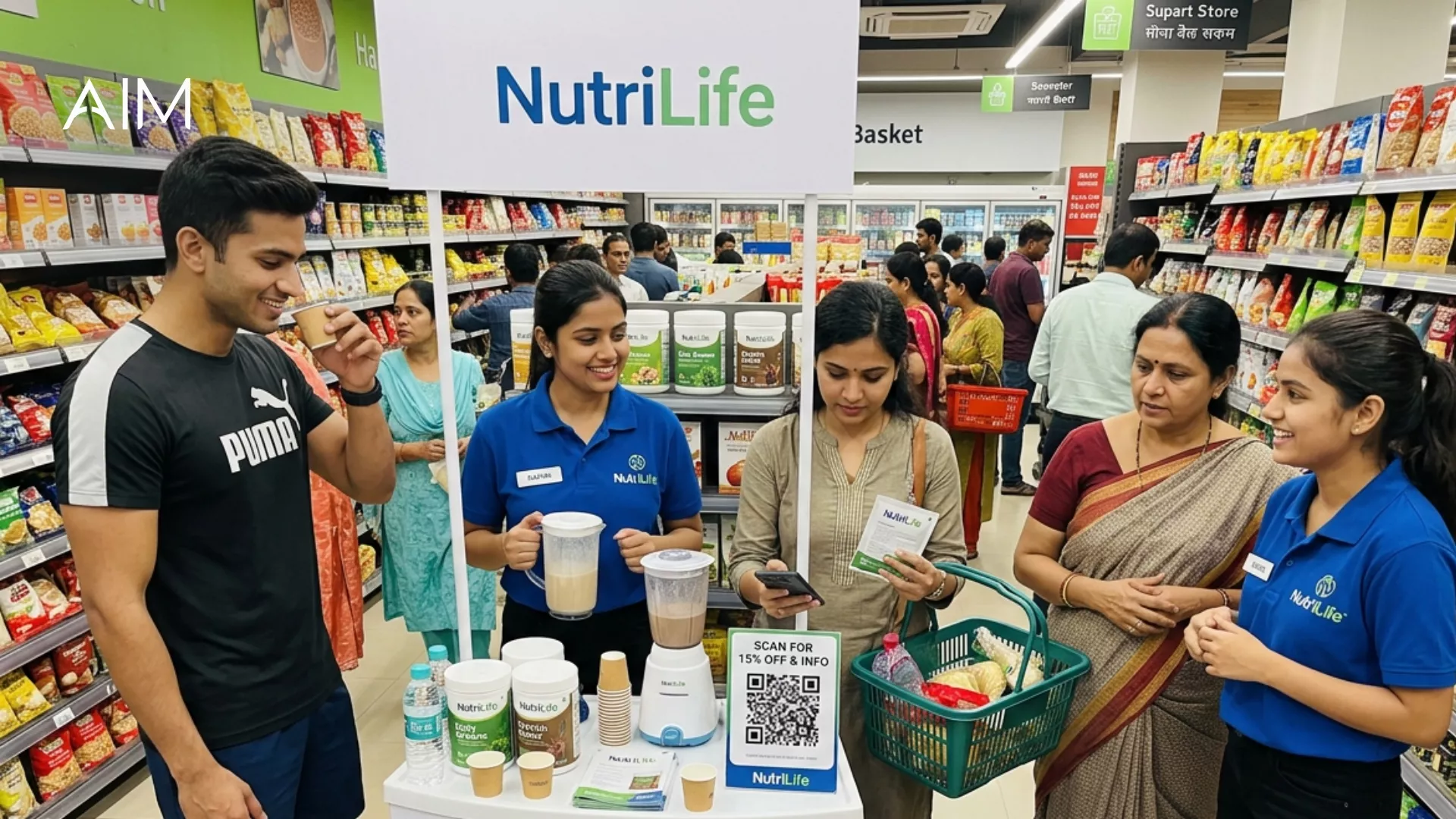
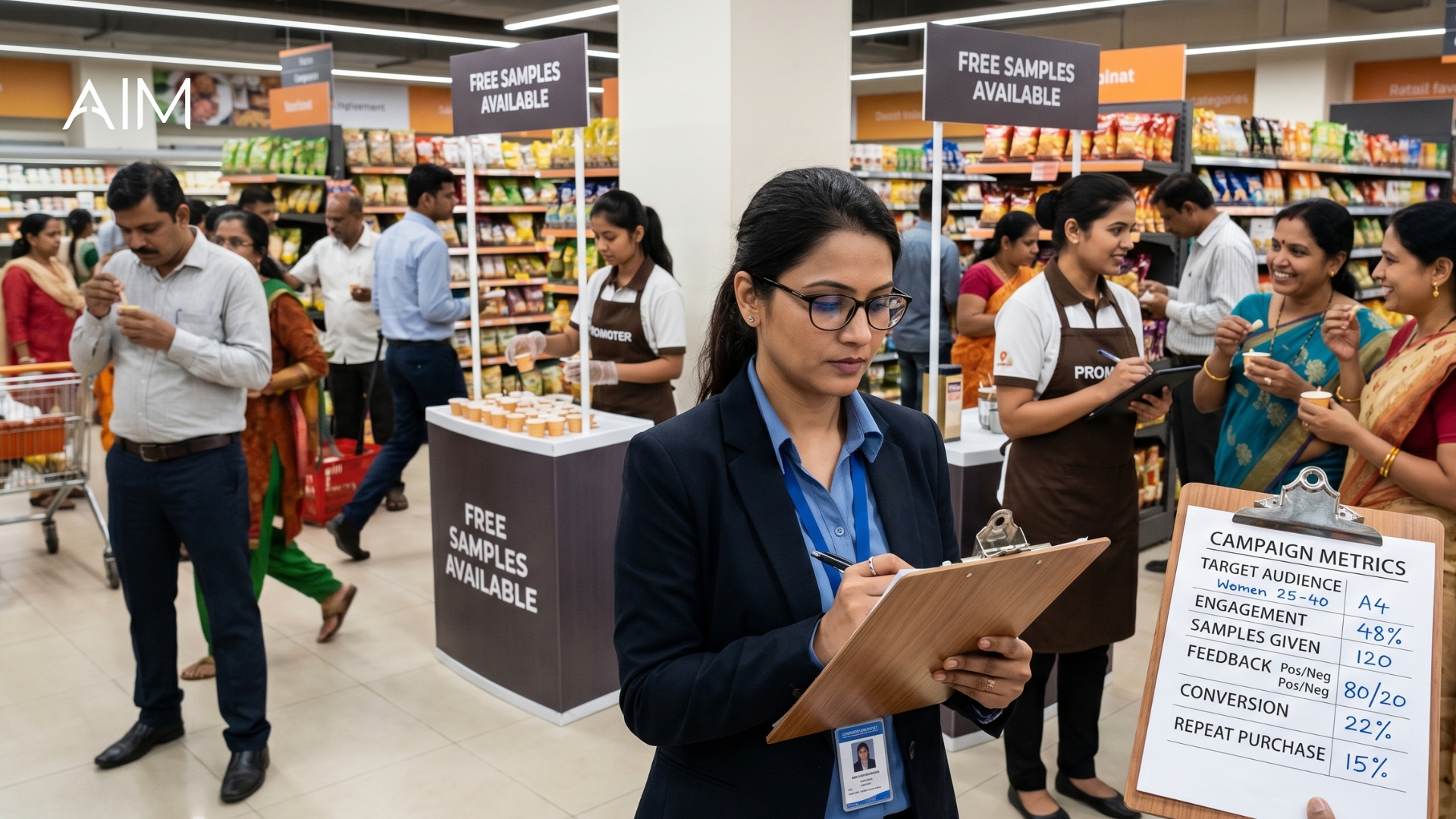
A campus campaign is only worth the access if it is measured beyond a booth headcount. That means capturing who tried, through an opt-in, a code, or an offer redeemed on an app or at a nearby store, and connecting that trial to a purchase. It means tracking how many professionals were reached, how many tried, how many bought, and what each buyer cost, so the campaign is judged on conversions rather than on the number of desks covered. And it means gathering the feedback that this audience, articulate and opinion-rich, is happy to give. Measured this way, corporate product sampling stops being a nice lobby presence and becomes a channel whose return the brand can read and repeat.
What does it cost, and how do you plan an IT park campaign?
The cost of corporate and IT park product sampling depends on the number of campuses, the sampling method, the permissions involved, the staffing, and the product, so pricing is directional and built from the plan rather than quoted as a flat rate. The biggest practical variable is access: campus and facility permissions, which take time and relationships to secure, often shape both the cost and the timeline more than the execution does. The sensible way to plan is to start with a measured pilot in one or a few campuses, learn what converts, and then scale to the clusters that worked. An experienced partner with existing campus access can move faster and avoid the permission delays that stall first-timers.
Which brands get the most from corporate sampling?
Corporate product sampling suits brands whose products fit the professional's day and budget. Food, beverages, and snacks that match break and energy moments. Wellness, nutrition, and personal care products aimed at busy, health-aware professionals. Convenience and lifestyle products that solve a time-poor person's small frictions. Premium and D2C brands looking for an affluent, trial-willing audience to acquire and capture as first-party data. The common thread is a product that a working professional would plausibly adopt into their routine and can experience meaningfully from a sample. For those brands, a campus is one of the most efficient concentrations of target buyers available anywhere.
How AIM approaches corporate and IT park product sampling
At AIM, corporate and IT park product sampling is planned to convert a high-value audience, rather than to appear in a lobby. That means reaching the professionals the product genuinely fits, choosing the method and the spot inside the campus that match the product and the moment, timing the sampling to the right part of the workday, capturing who tried, and measuring trials, buyers, and cost per buyer. The honesty line holds throughout: a campus is a privileged, trackable audience, so the campaign is built to learn and to convert, not to maximise desks covered, and pricing stays directional and tied to the actual plan.
Turn a campus into a scalable audience
IT parks and corporate campuses hold one of the densest concentrations of high-value, trial-willing consumers a brand will ever find, locked behind the very walls that make them hard to reach. Corporate product sampling is the key that gets your product past those walls and into their hands, at the moment of day it fits their lives. Reach the right professionals, choose the right method and moment, give a fair trial, and measure who bought, and a single campus becomes a scalable, repeatable audience you can convert and come back to. Treat it as a lobby appearance and you get footfall; treat it as a channel and you get customers.














.webp)












.png)