


Hand someone a chilled energy drink at 11 in the morning, in an air-conditioned mall, on a full stomach, and watch what happens. They take it to be polite, hold it for a while, and most of it goes in the bin. Hand the same drink to the same person at a bus stop in peak summer, or right after a gym session, and it disappears in seconds, followed by the question that matters: where can I buy this? Same product. Same person. Two completely different results. The only thing that changed was the moment.
That is the whole game with beverage sampling, and it is the part most campaigns get wrong. They obsess over how many samples went out and ignore the one thing that decides whether a sample turns into a sale: whether it reached the buyer at a moment their body actually wanted it.
Quick answer: Match a beverage sample to the buyer's moment by sampling where and when the need is already live, at the heat, the thirst, the break, or the occasion the drink is built for. Pick locations and times by that moment, serve the sample at the right size and temperature, capture the person with a QR or coupon, and track who came back. A drink sampled at the right moment sells itself. The same drink at the wrong moment is a giveaway.
What does the buyer's moment mean in beverage sampling?
A beverage is bought on impulse and on need, more than almost any other category. Nobody plans, on Monday, to buy a specific cold coffee on Thursday afternoon. They buy it because at that moment they are hot, tired, thirsty, bored, or celebrating, and the drink is right there. The buyer's moment is that window when the need and the product line up. Beverage product sampling works when it lands inside that window and fails when it lands outside it.
This is why a beverage cannot be sampled the way a shampoo or a snack is. A shampoo sample gets taken home and tried later. A drink has to be tried now, in context, when the taste and the temperature and the timing all agree. Miss the moment and even a great product tastes like an interruption.
Why does the moment matter more than footfall for beverages?
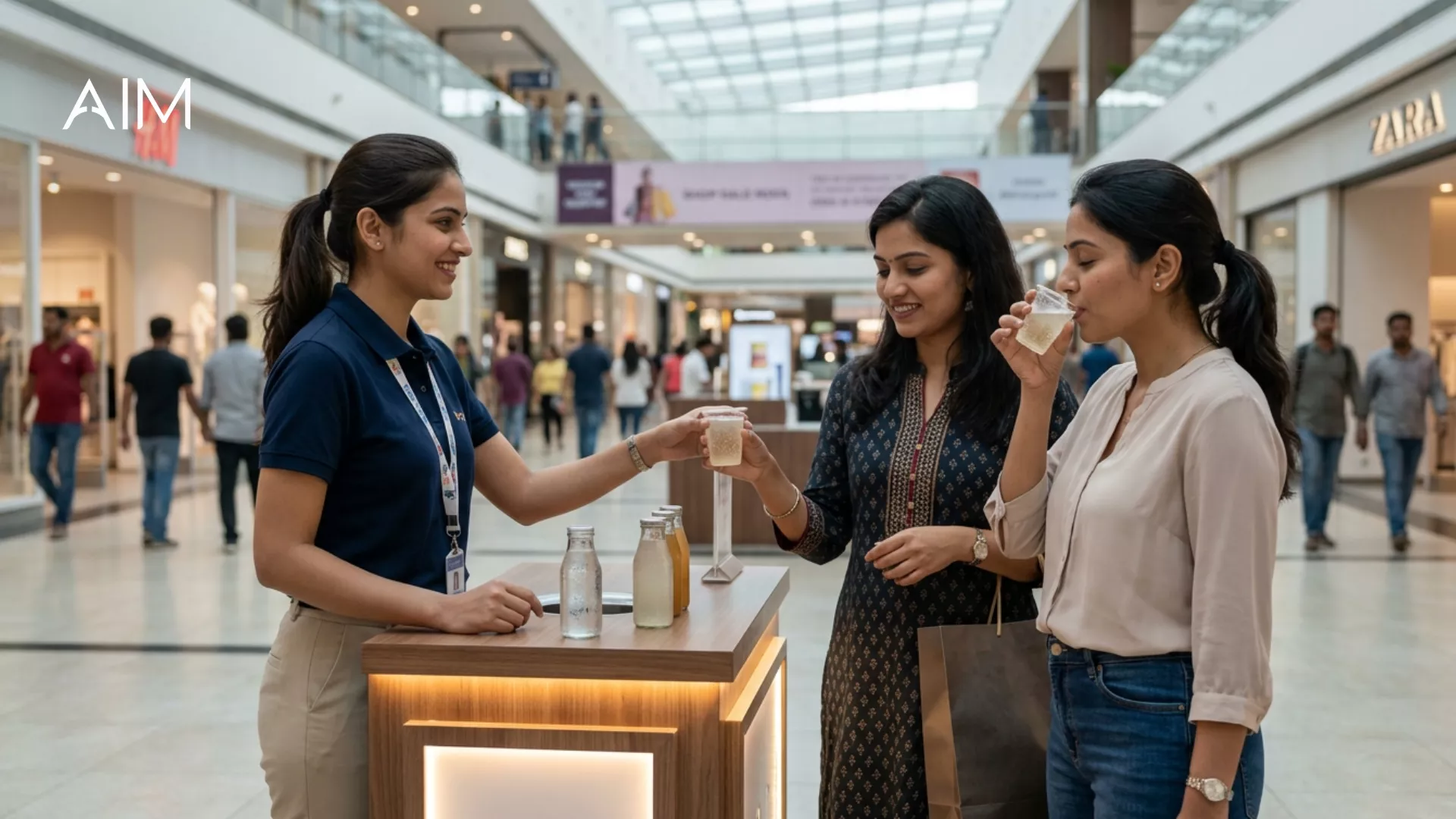
Footfall tells you how many people walked past. It says nothing about how many of them were thirsty. A busy mall atrium on a Sunday has huge footfall and very few people in a drinking moment, because they just ate, they are carrying shopping, and they are indoors and cool. A far smaller crowd leaving a cricket ground in the heat, or pouring out of a metro at the end of a workday, is worth more, because the need is already there. You are not creating demand, you are meeting it.
So the question for a beverage brand is never just where is the crowd. It is where the thirst is. Get that right and the sample does the selling on its own, because the proof is immediate and physical. Get it wrong and you are pouring good product into a moment that cannot use it.
Which moments actually sell a beverage?
Different drinks own different moments. The skill is knowing which moment belongs to your product and going there on purpose.
- Heat and outdoors. The oldest and strongest moment for any cold or refreshing drink. Markets, transit hubs, beaches, sports grounds, and street corners in peak summer. Thirst is real, immediate, and unmet. This is where a cold beverage converts fastest.
- Post-workout and active. Gyms, running tracks, sports complexes, and yoga studios are the natural home for energy drinks, electrolytes, protein shakes, and functional beverages. The body is primed for exactly what the product offers, and the person is already health-minded.
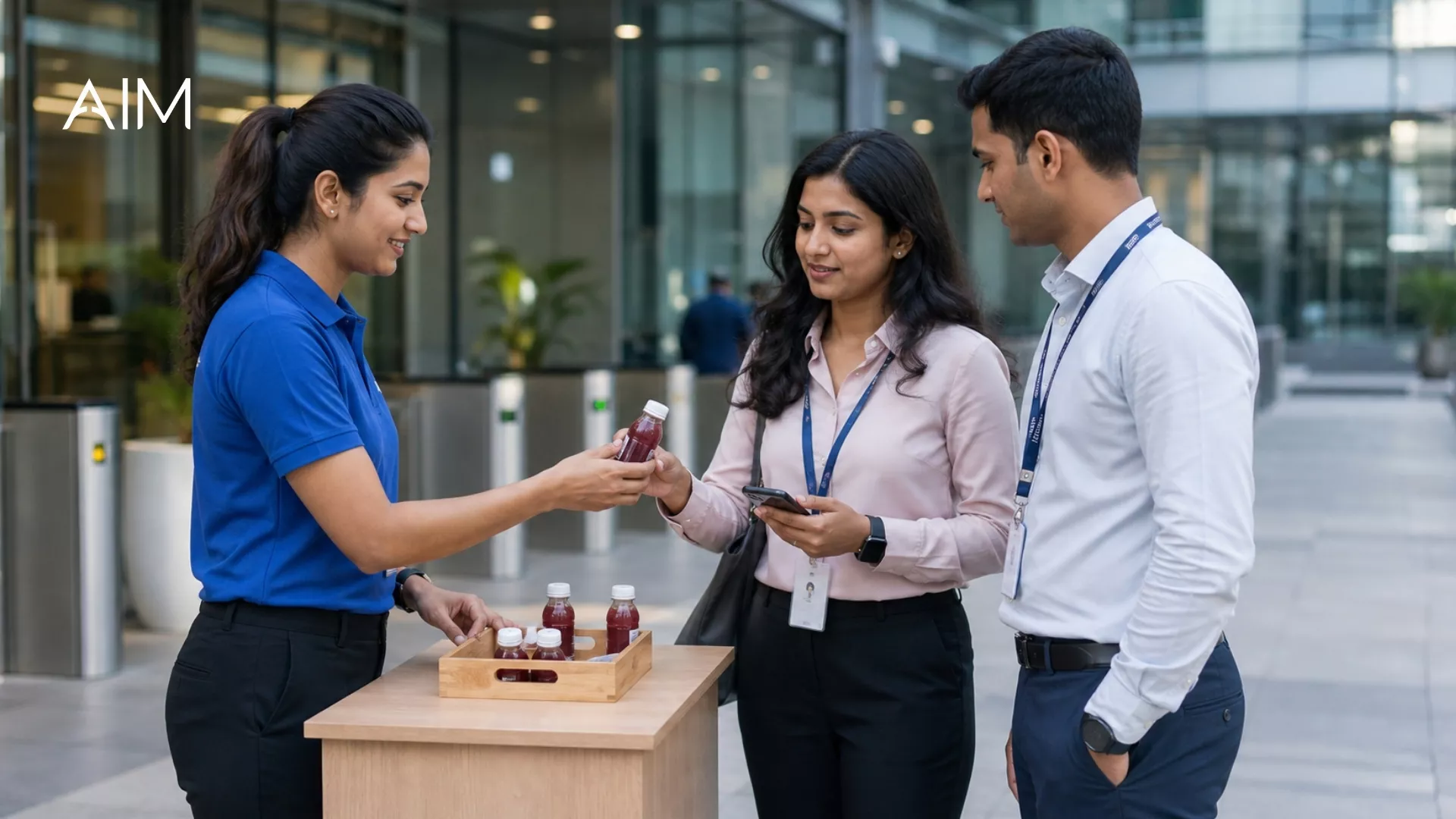
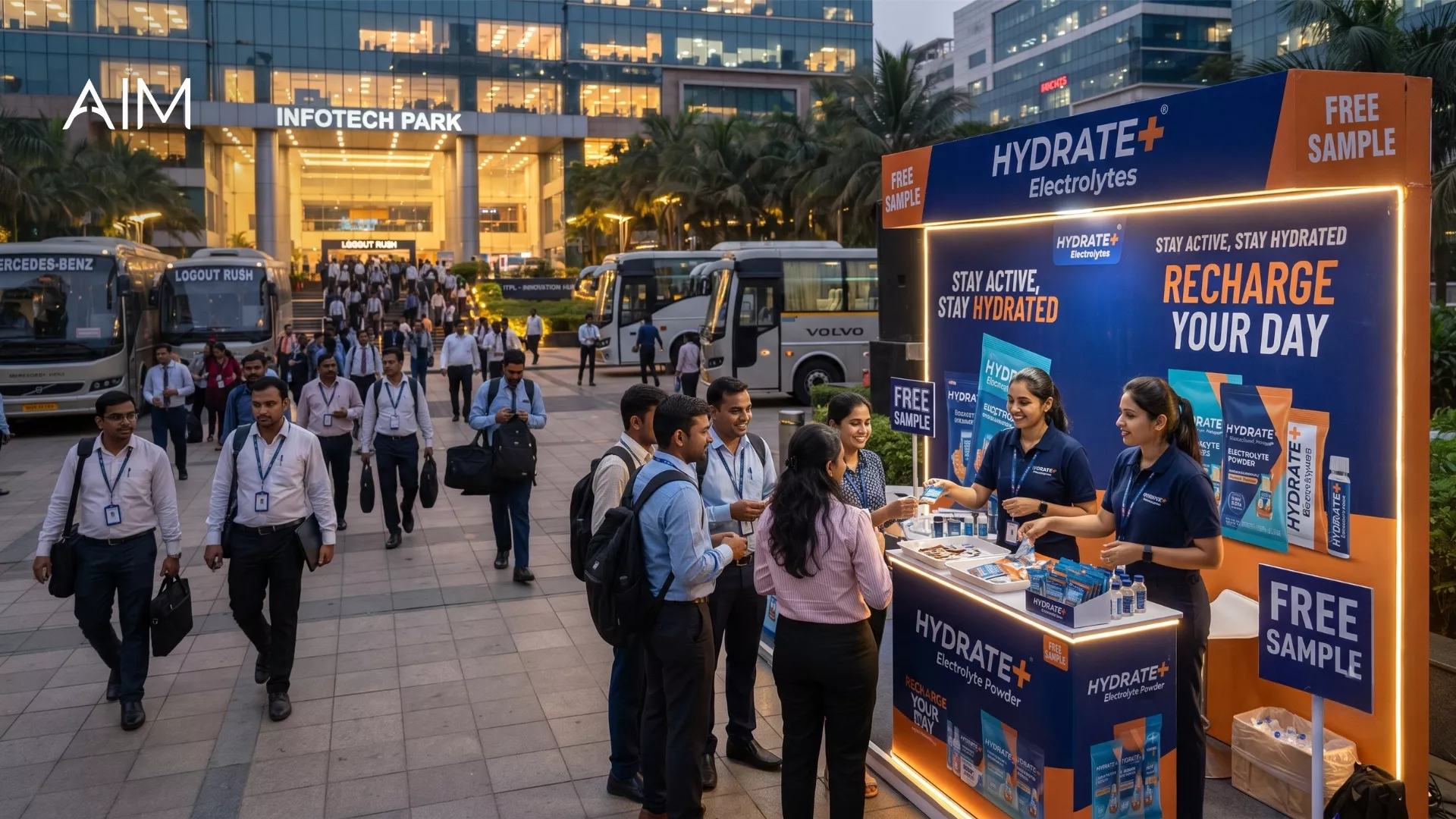
- The commute and the break. Metro stations, bus stops, and office districts at start of day and at the afternoon slump. Coffees, teas, and energy drinks fit the tired, on-the-move moment. The 4 pm office dip is one of the most reliable beverage moments there is.
- With food. Food courts, quick-service outlets, and cafeterias, where a drink pairs with a meal. Soft drinks, juices, and flavoured waters ride the eating occasion, when the buyer is already deciding what to drink alongside.
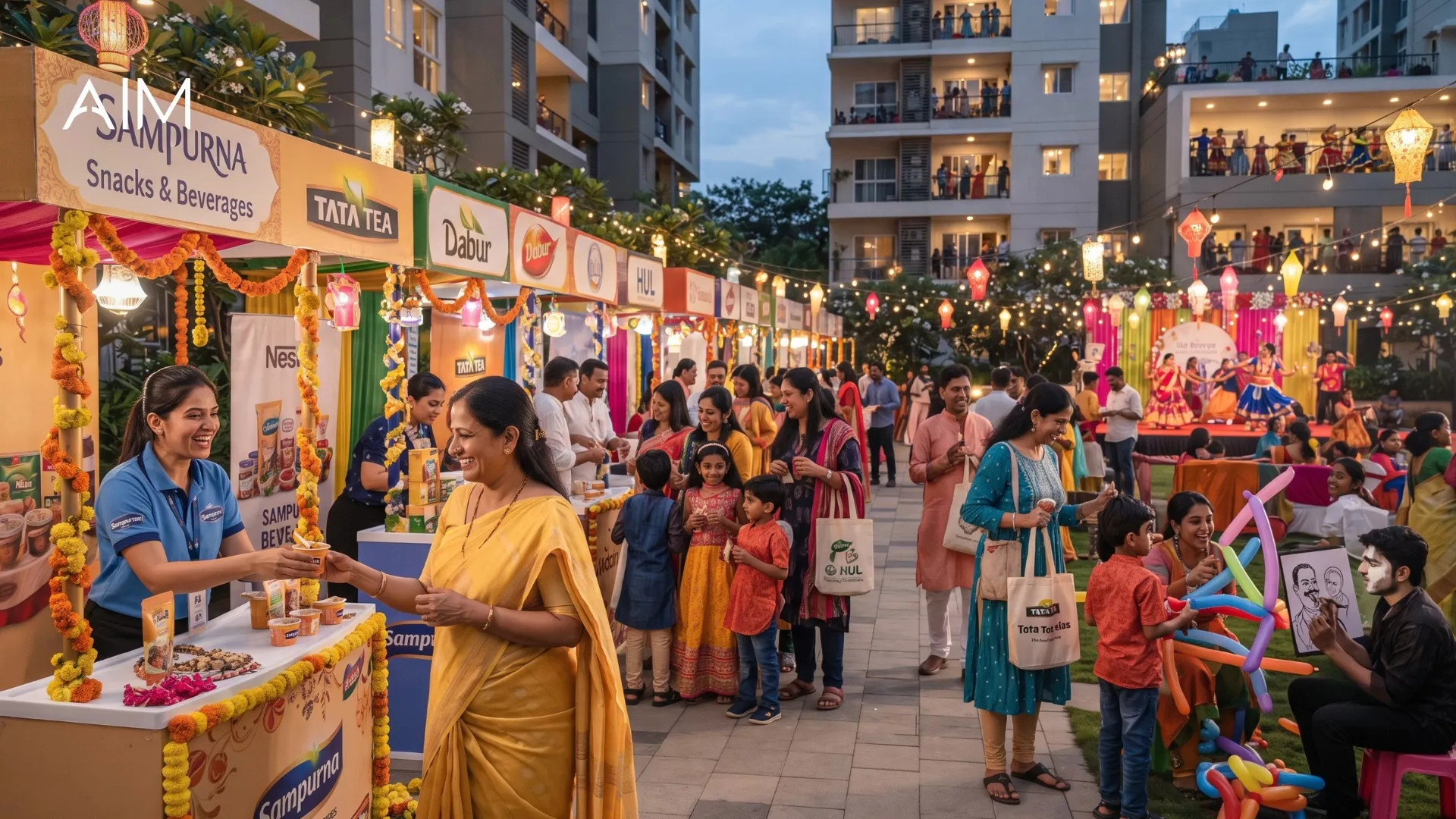
- Celebration and gathering. Festivals, concerts, college fests, and community events. This is the moment for premium sodas, mocktails, and anything social. People are relaxed, open to trying, and drinking together, which spreads the trial beyond the person who took it.
- Family and kids. Parks, family restaurants, and residential events for juices, health drinks, and dairy-based beverages, where a parent is choosing for a child. The decision-maker and the moment are both clear.
How do you match the sample to the moment?
Matching is a plan, not a lucky guess. It starts by naming the moment before picking a single location.
- Define the moment first. Decide the exact occasion your drink wins, then choose locations and times that hold that occasion. A summer cooler goes to the afternoon heat, not a 10 am mall. An energy drink goes to the gym at 7 am and 7 pm, not a lunch crowd.
- Get the serve right. Temperature and size decide the first impression. A warm sample of a drink meant to be cold has already lost. Chilled, at a size big enough to satisfy the moment but small enough to keep costs sane, is the sweet spot.
- Time it, do not only place it. The same spot works and fails at different hours. A metro exit is gold at 6 pm and dead at 2 pm. Sampling is as much about the clock as the map.
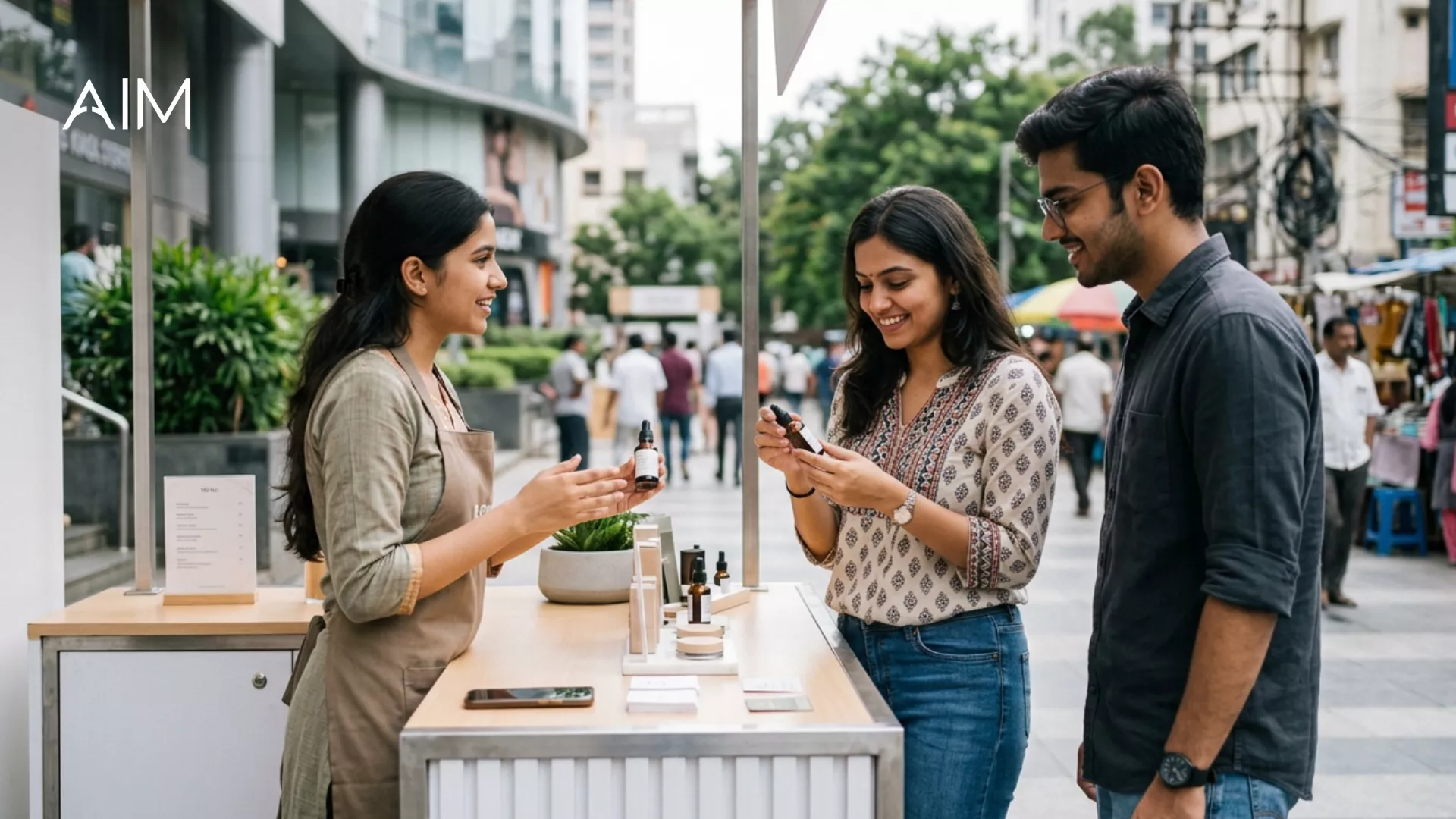
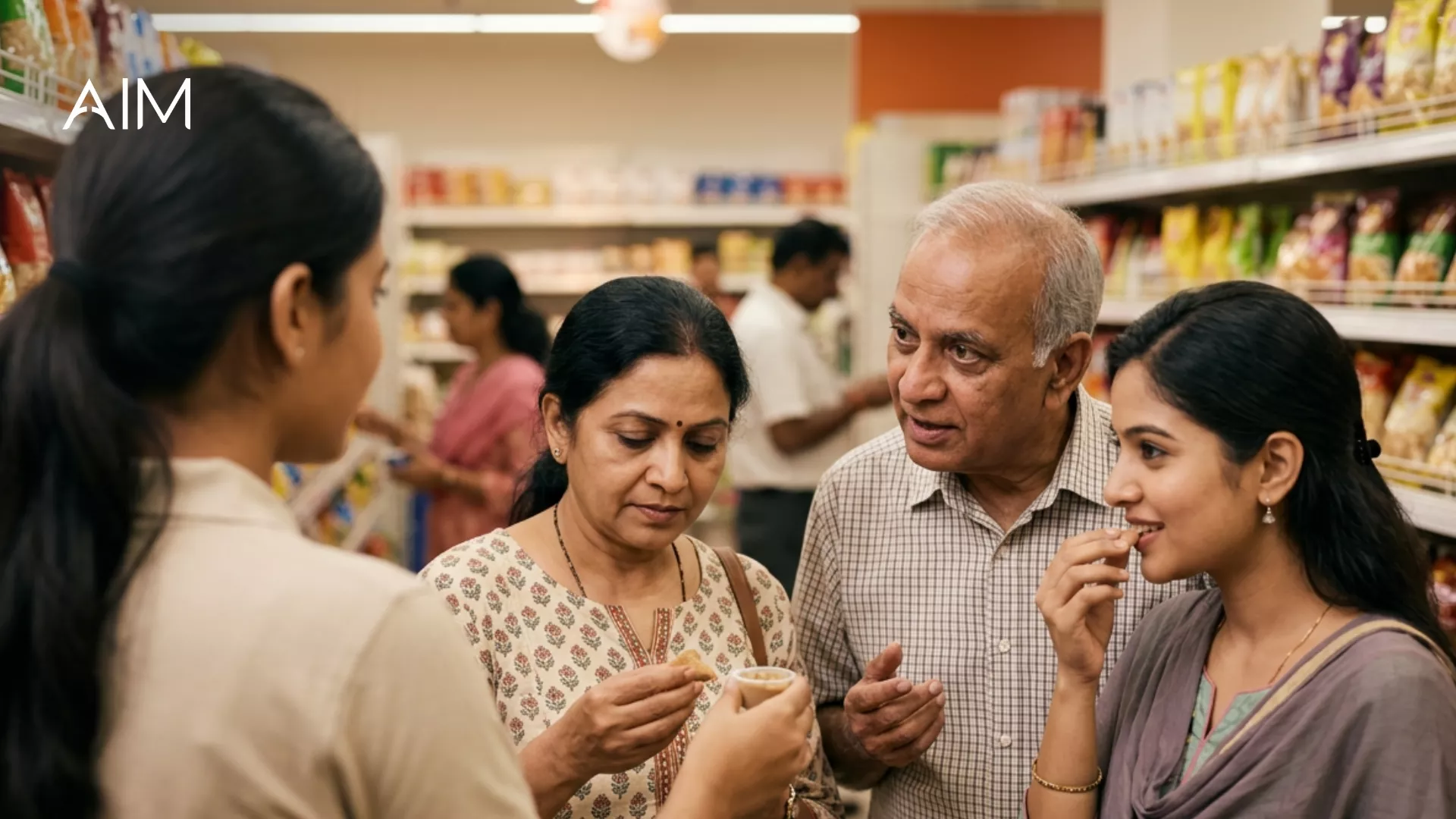
- Set up the ask. A promoter who simply pushes a cup gets a reflex no. One who reads the moment, offering a cold drink to someone visibly hot and tired, gets a yes and a smile. Brief the team to work the moment, not the count.
How do you capture and track beverage sampling?
Here is where beverage sampling usually leaks its whole value. The drink gets tasted, the person loves it, and then walks away as a stranger the brand can never reach again. A beverage lives on repeat purchase, so knowing who tried it and whether they came back is the entire point.
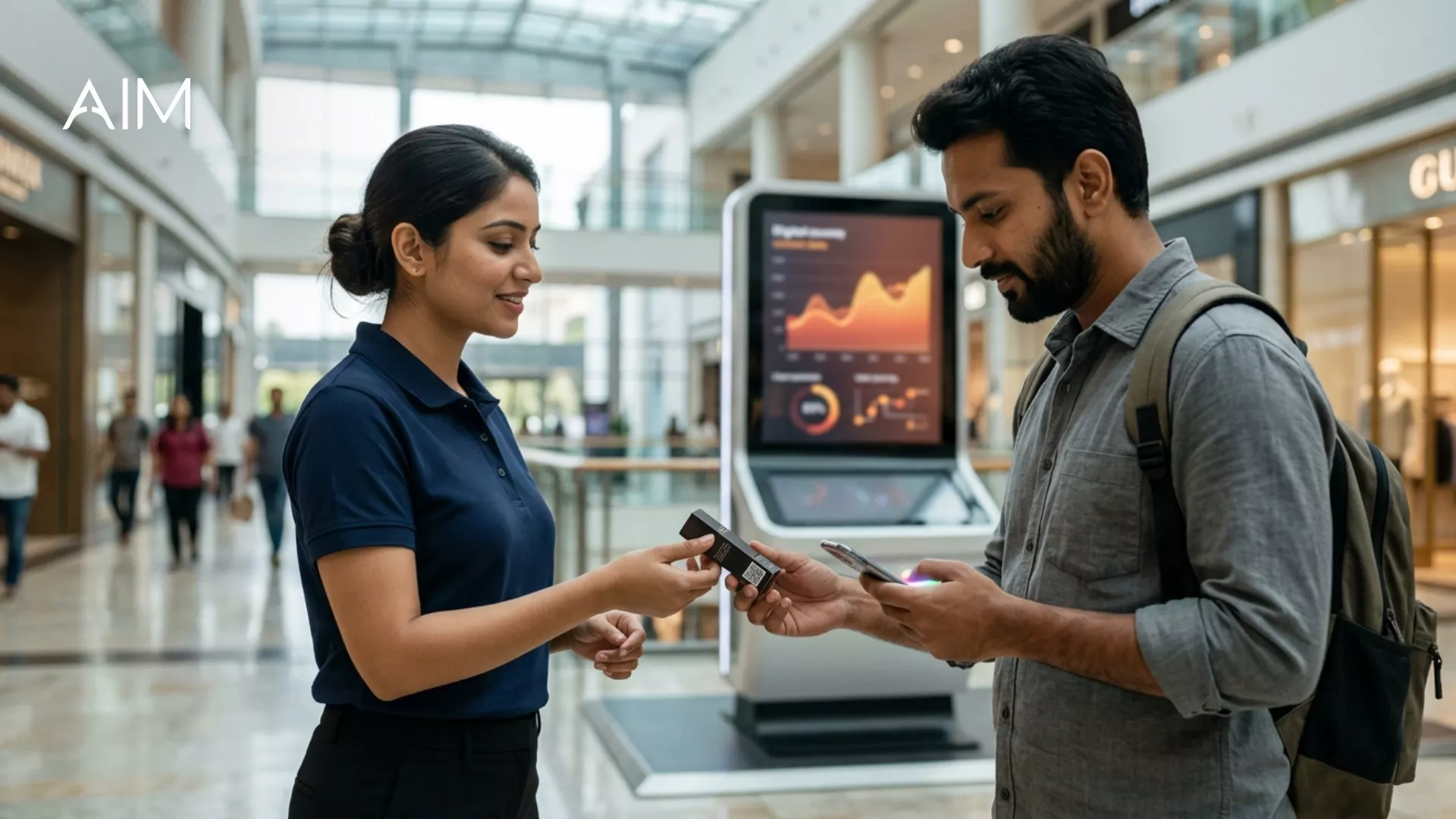
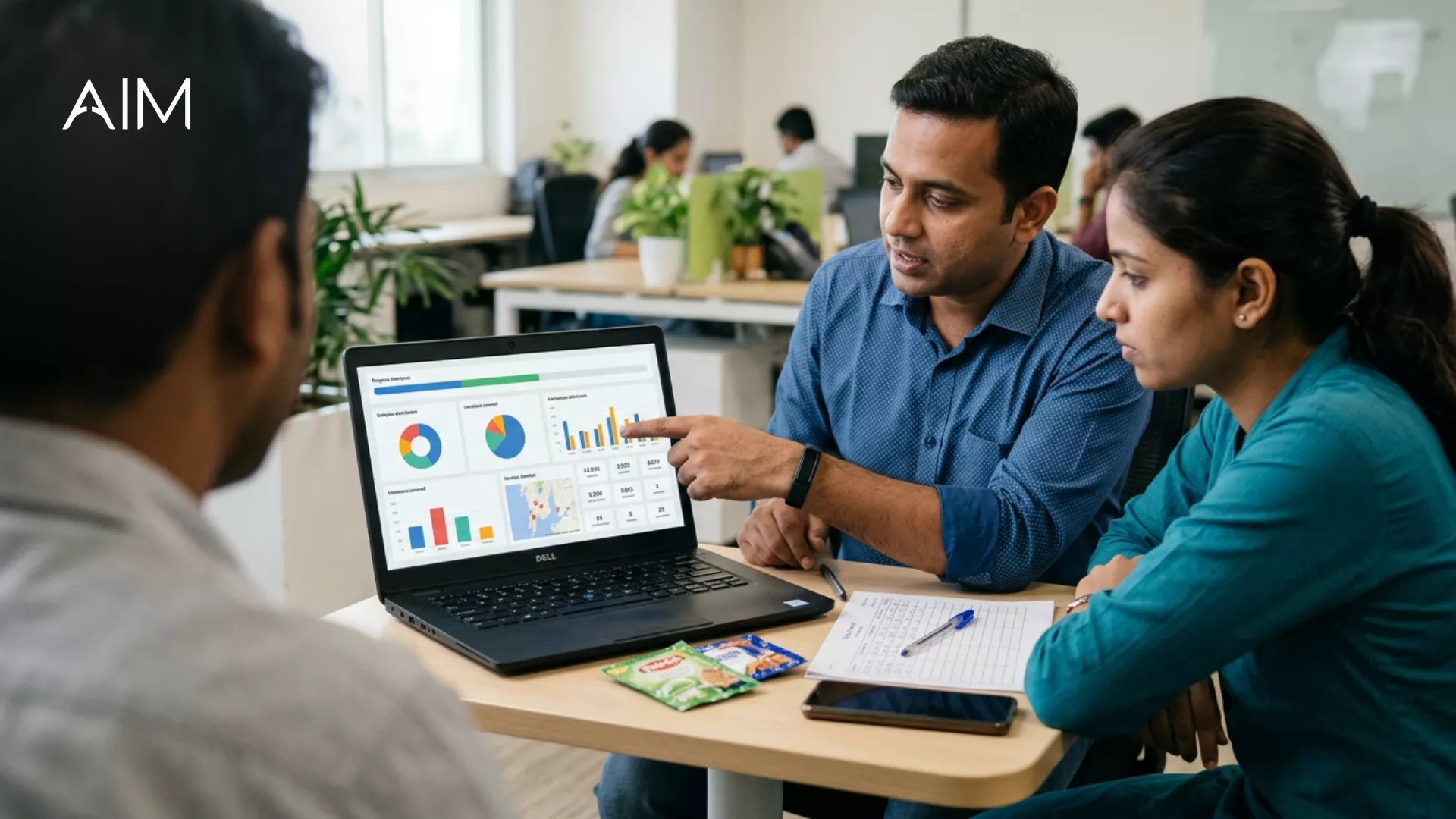
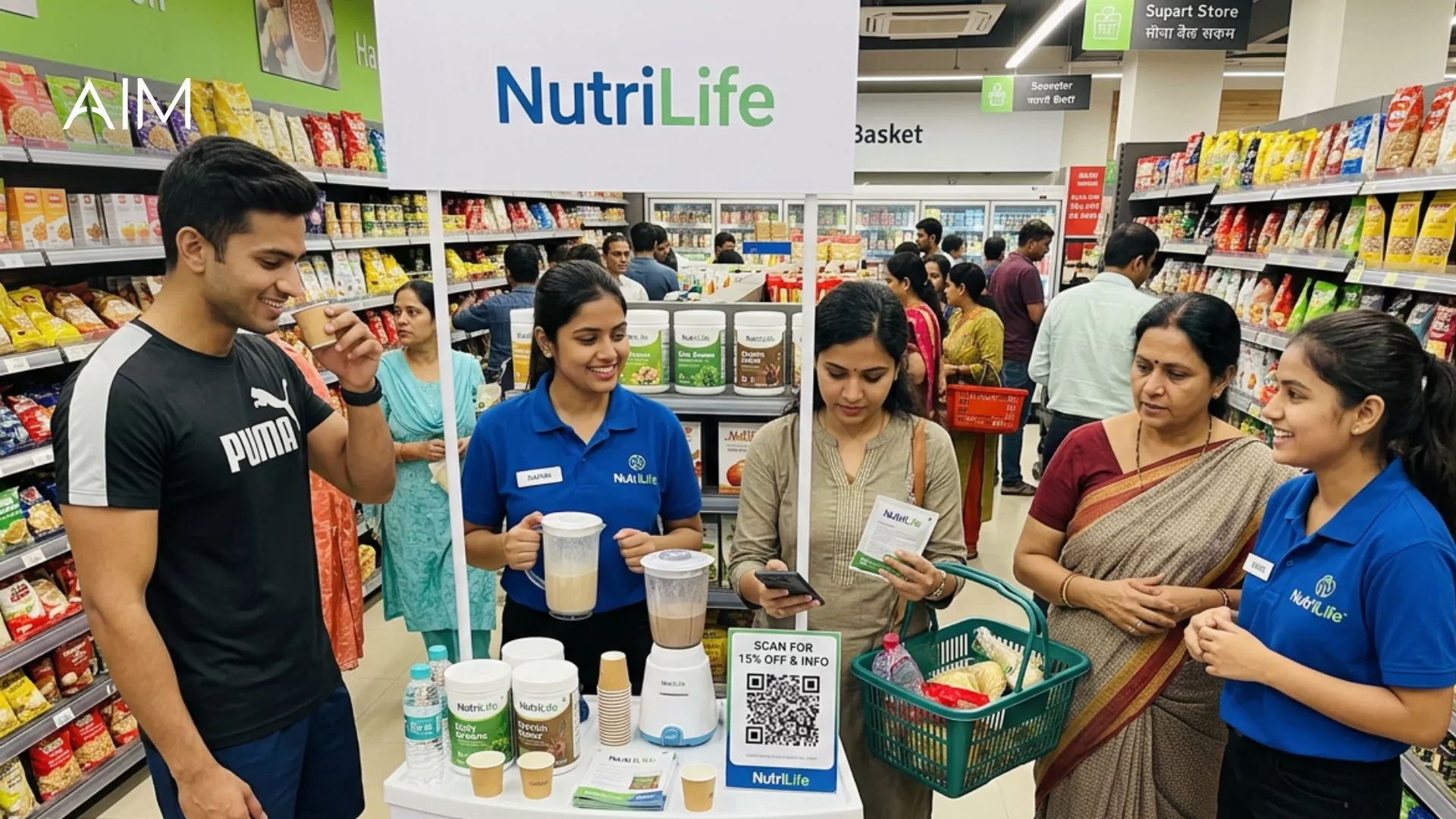
Build capture into the moment. A QR on the cup or a quick opt-in for a cold-drink token, tied to a small discount at the nearest store or a quick-commerce app, does two things at once. It tells you who tried the product, and it gives them a reason to buy it again while the taste is fresh. Then track the second purchase. For a drink, the number that matters is not the first sip, it is the reorder, because that is where the profit is. A sampling campaign that captures nobody and tracks nothing is only half a campaign, the loud half that makes photos.
What are the most common beverage sampling mistakes?
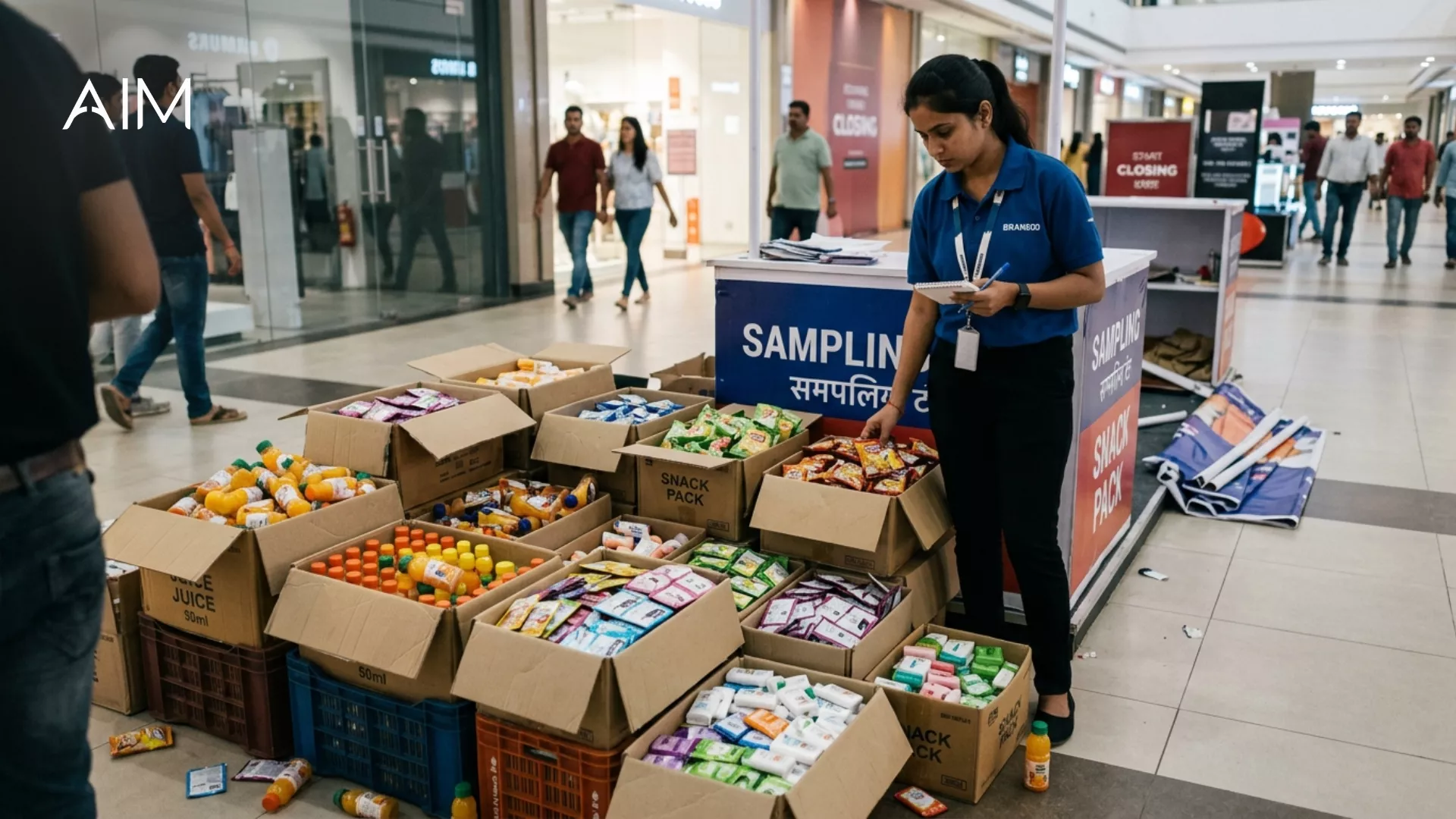
The biggest is sampling by footfall instead of by moment, chasing the busiest spot rather than the thirstiest crowd. Close behind is bad serve, a warm drink, a stingy pour, or a flavour tried on a full stomach that never had a chance. Then there is wrong timing, the right location worked at the wrong hour. Many brands also forget the follow-through, handing out thousands of tastes with no coupon and no capture, so a campaign that could have built a repeat base builds nothing. And the quiet one: ignoring who the drink is for. Sampling an energy drink to schoolchildren or a premium soda to a value-hunting crowd wastes both the product and the moment.
Does moment-matched beverage sampling drive sales?
Yes, and faster than almost any other trial channel, for one simple reason. A beverage proves itself in seconds. When the sample lands in the right moment, the buyer does not have to imagine whether they will like it, they already do, and the store or the app is right there to close the sale. The lift only fails to show when the sample missed the moment or nobody captured the buyer. Sampling does not fall short because trial does not work for drinks. It falls short when the trial reached a body that did not want it, and no one was counting who bought after.
The moment is the message
A beverage brand does not really sell a drink. It sells the relief of a cold sip in the heat, the lift of a coffee in the slump, the fun of a soda at a fest. Sampling is your one chance to deliver that feeling directly, in the moment it means the most. Spend less energy asking how many samples you can hand out and more asking when and where your buyer actually wants this drink. Go there, serve it right, capture the person, and track the reorder. Do that and a beverage sample stops being a cup someone politely holds and becomes the fastest yes in your whole marketing plan.




.webp)





.png)