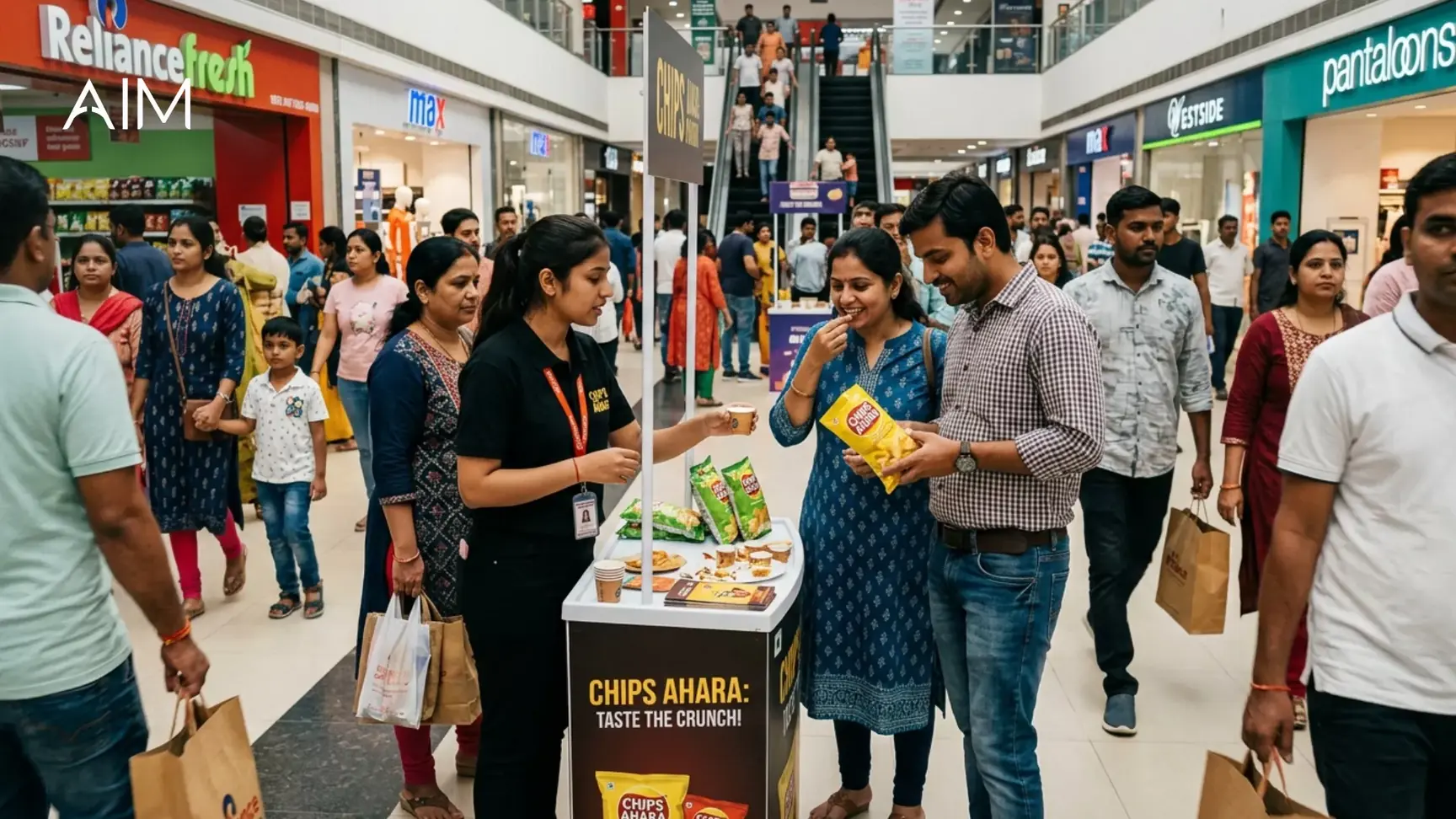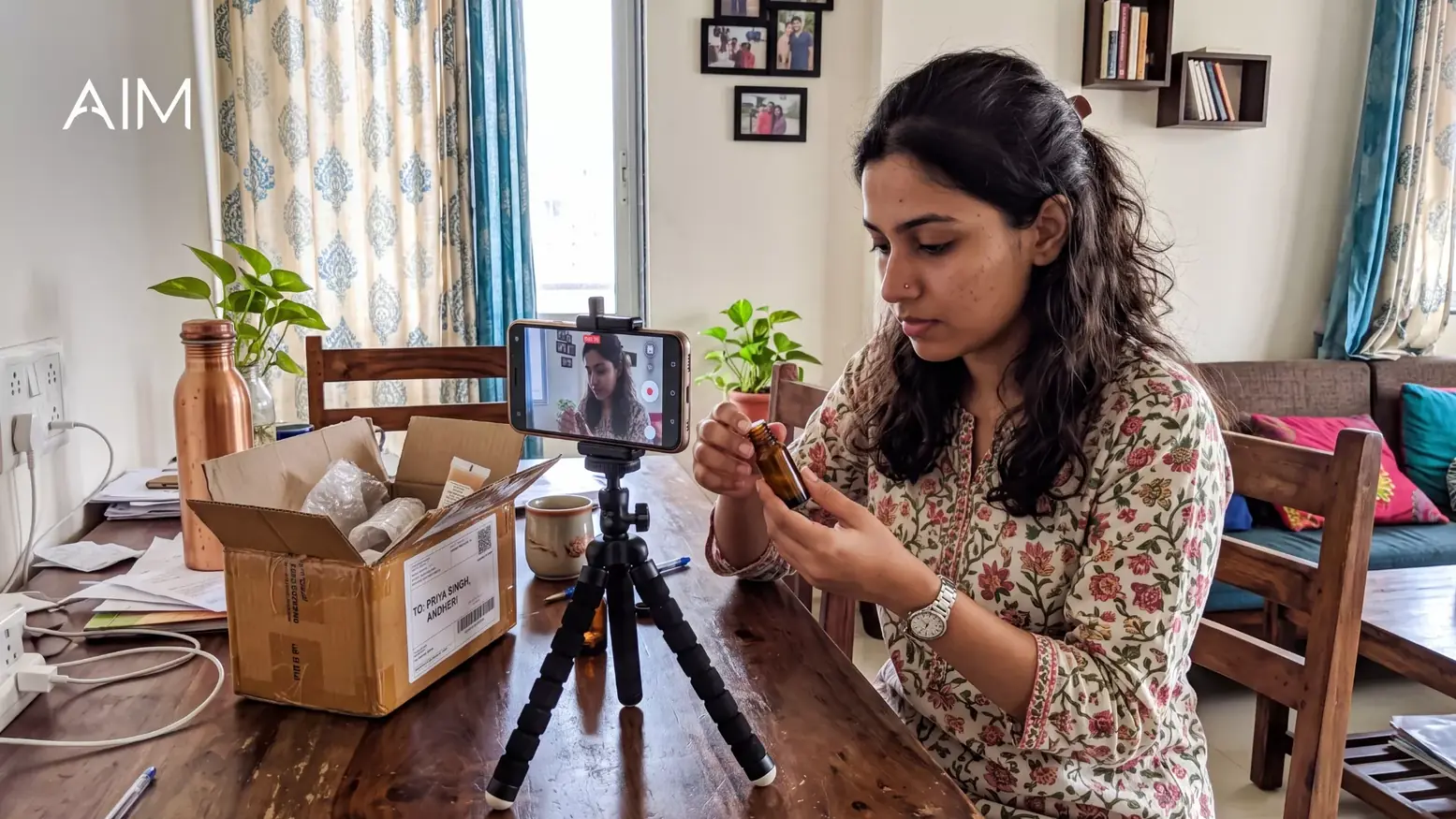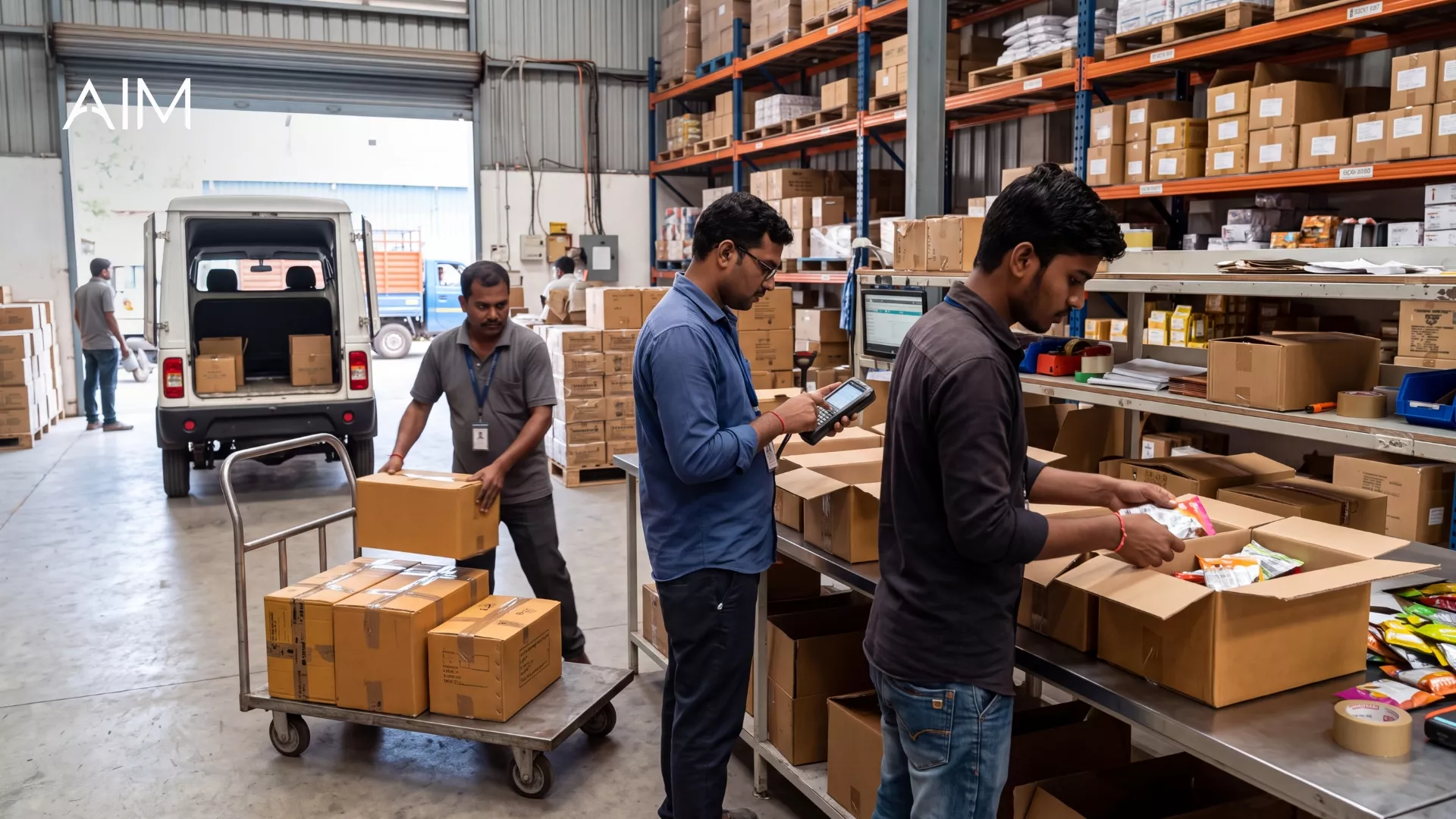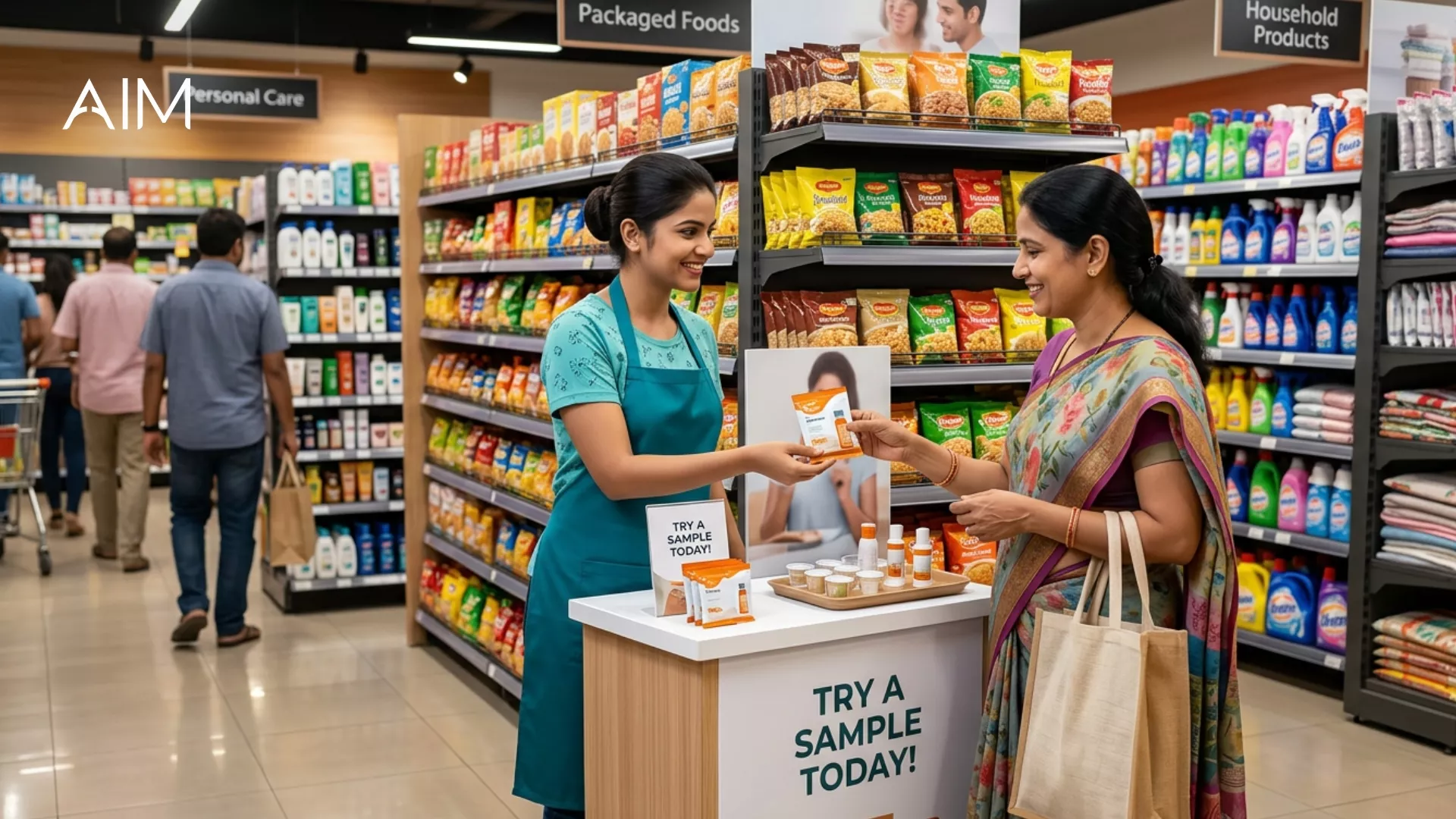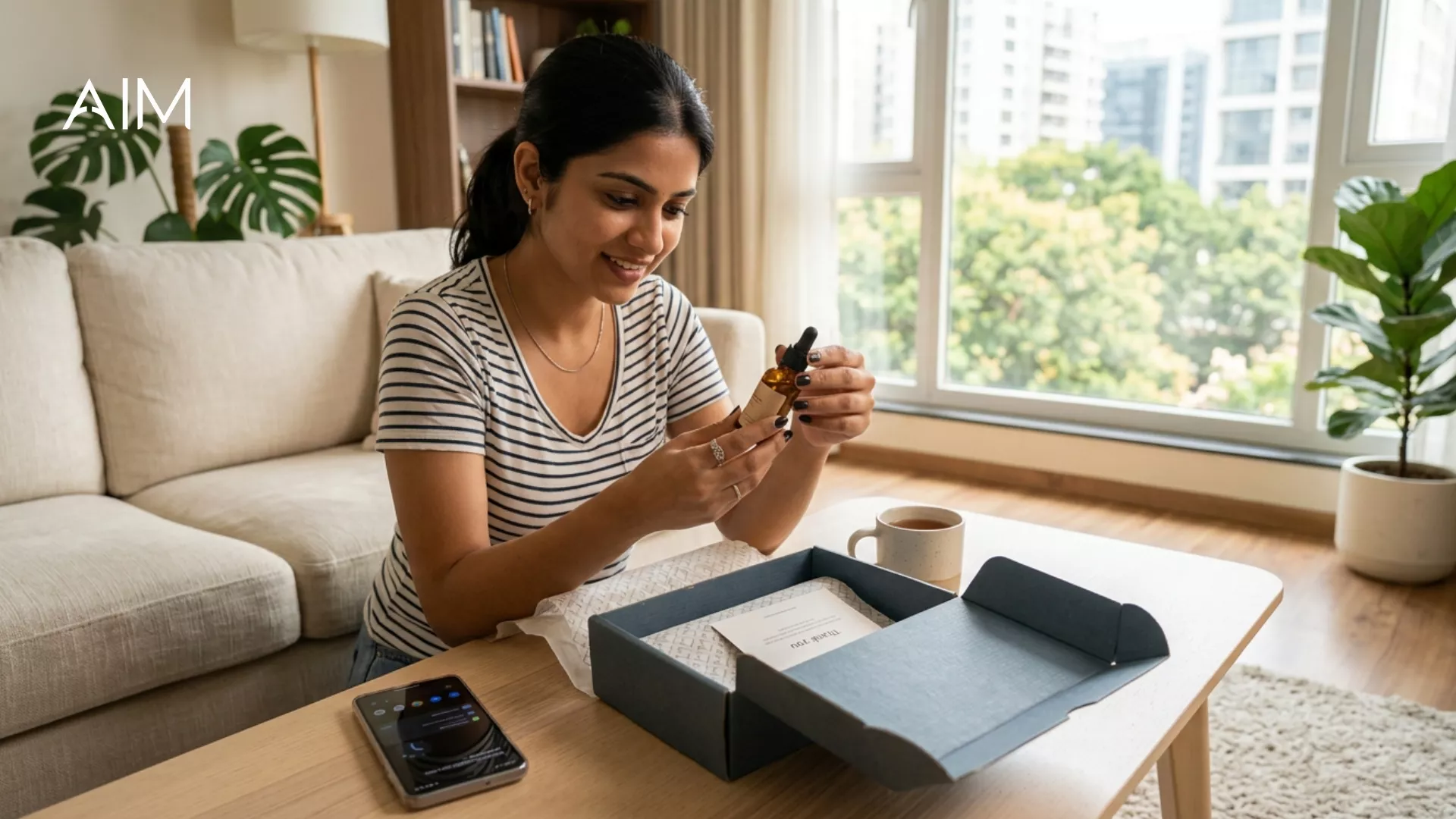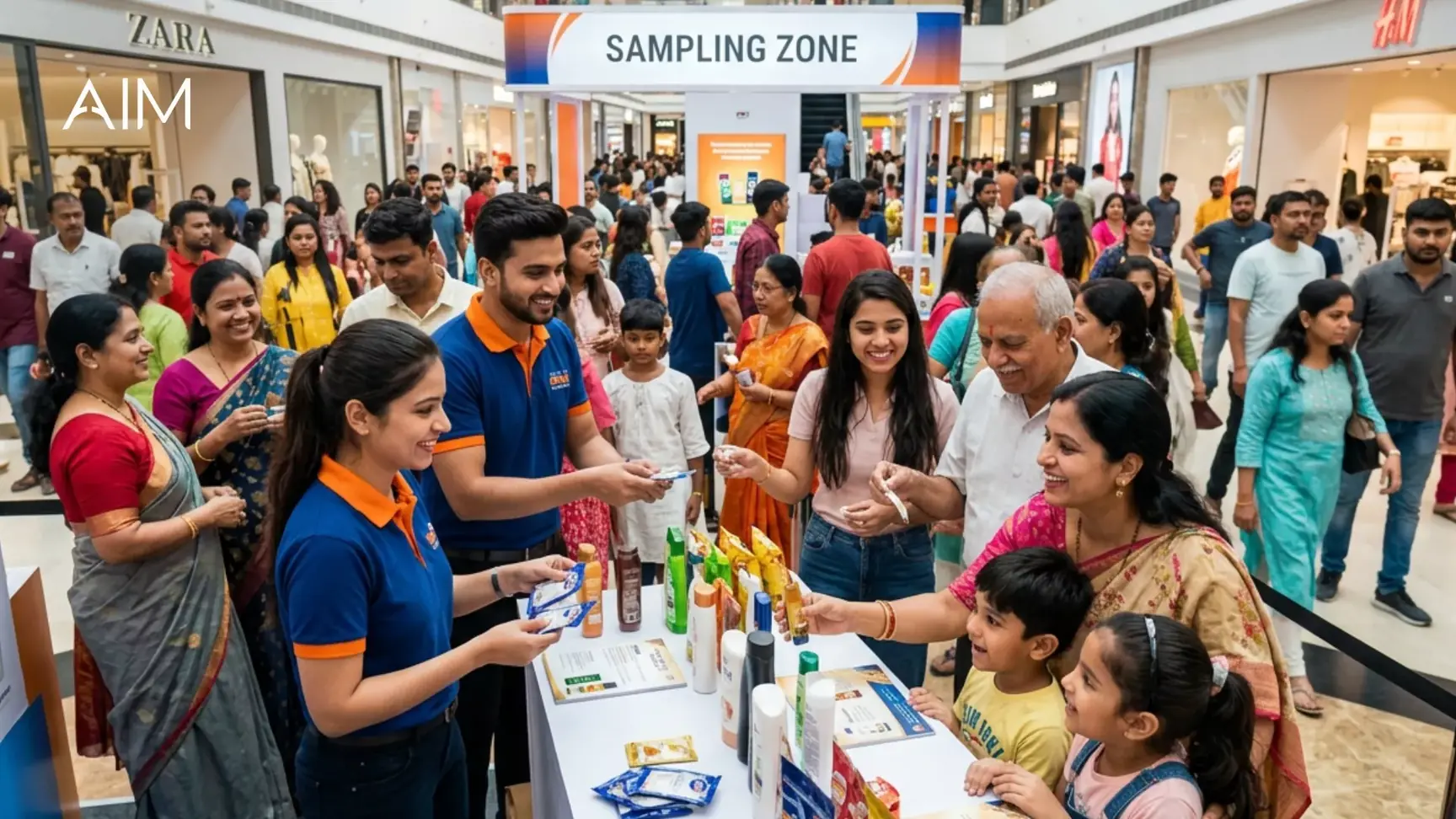


A brand runs a sampling campaign, sales go up that month, and everyone nods: the sampling worked. Maybe it did. But sales also go up for reasons that have nothing to do with the sampling, a festival, a price cut, a competitor stumble, a new listing, plain seasonality. If you cannot separate the sales the sampling caused from the sales that would have happened anyway, you do not actually know whether it worked. You just know the timing lined up. Proving a product sample caused a sale is a different and harder task than noticing sales rose, and it is the difference between a campaign you can defend and one you merely hope paid off.
Why sales after sampling are not proof of sampling
The core problem is correlation versus causation. A sale that follows a sample is correlated with it in time, but correlation is not cause. The person might have bought anyway. The uplift might be the season, not the sample. Other marketing might have done the real work. Attribution is the discipline of ruling out those alternatives so that what is left is genuinely down to the trial. Without it, a brand credits sampling for sales it did not create, or blames it for a flat month that had nothing to do with the trial. Both errors send the next budget in the wrong direction. Proving causation is not academic; it is how the money gets spent wisely next time.
Start by capturing who tried
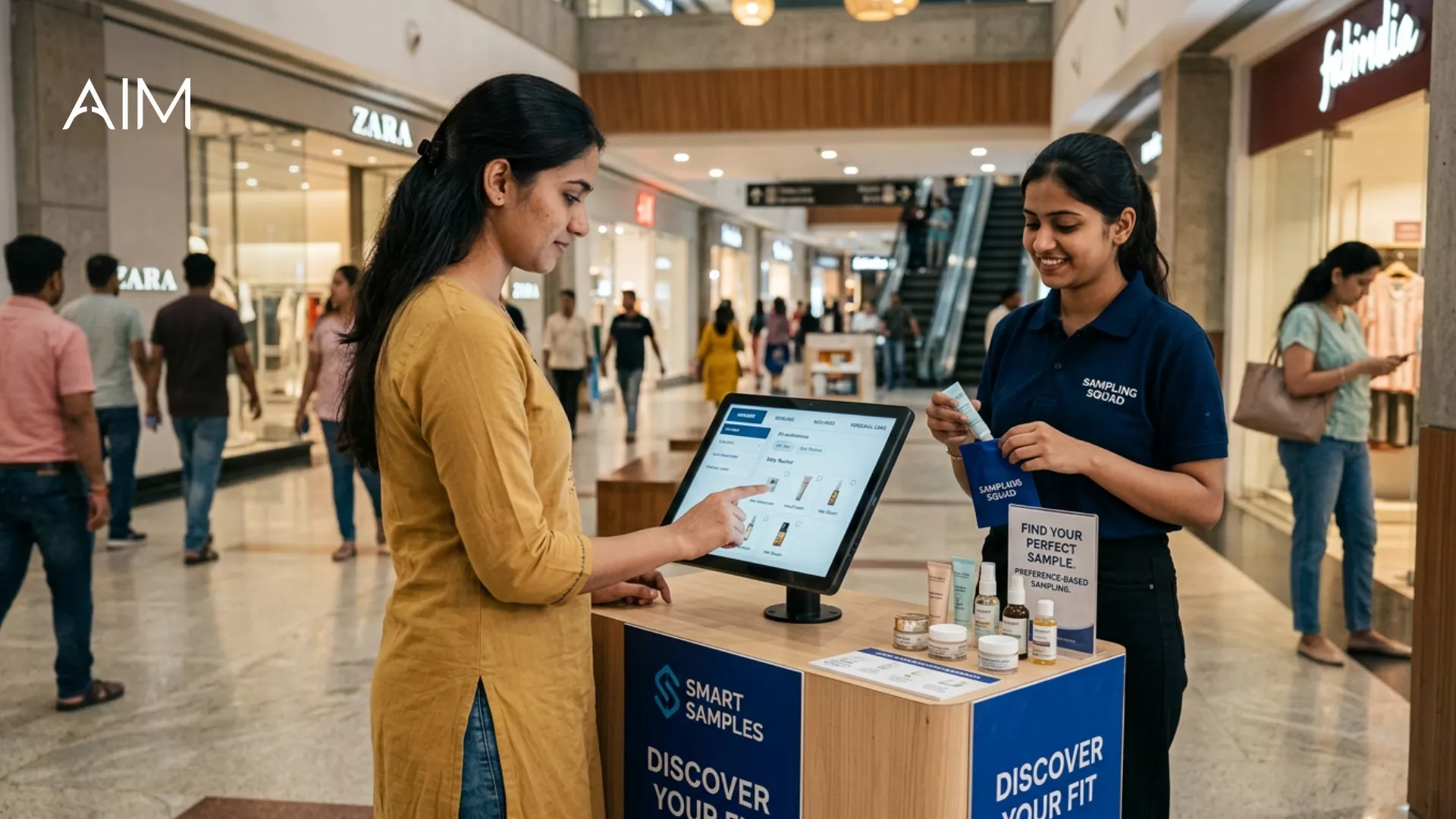
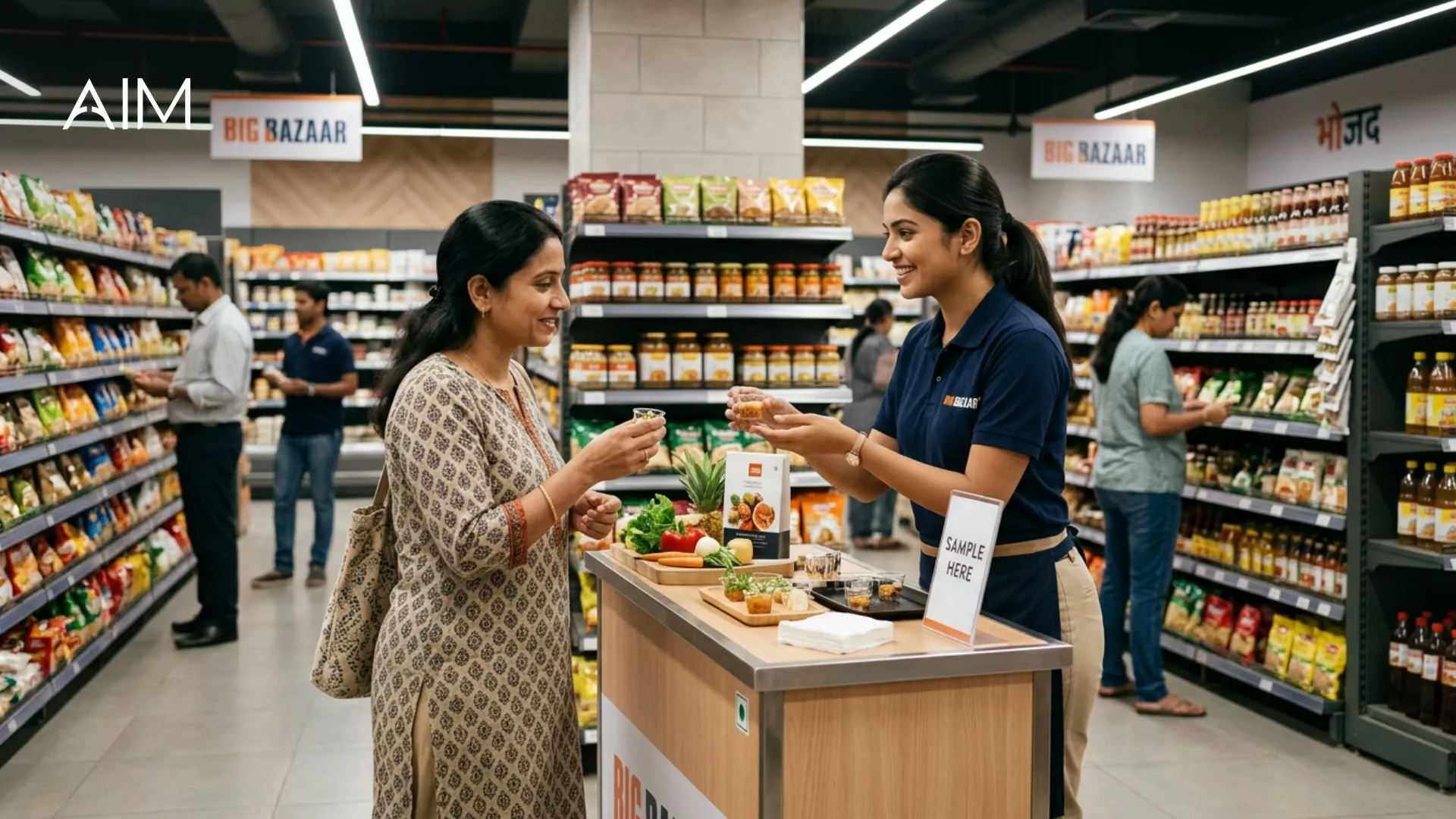
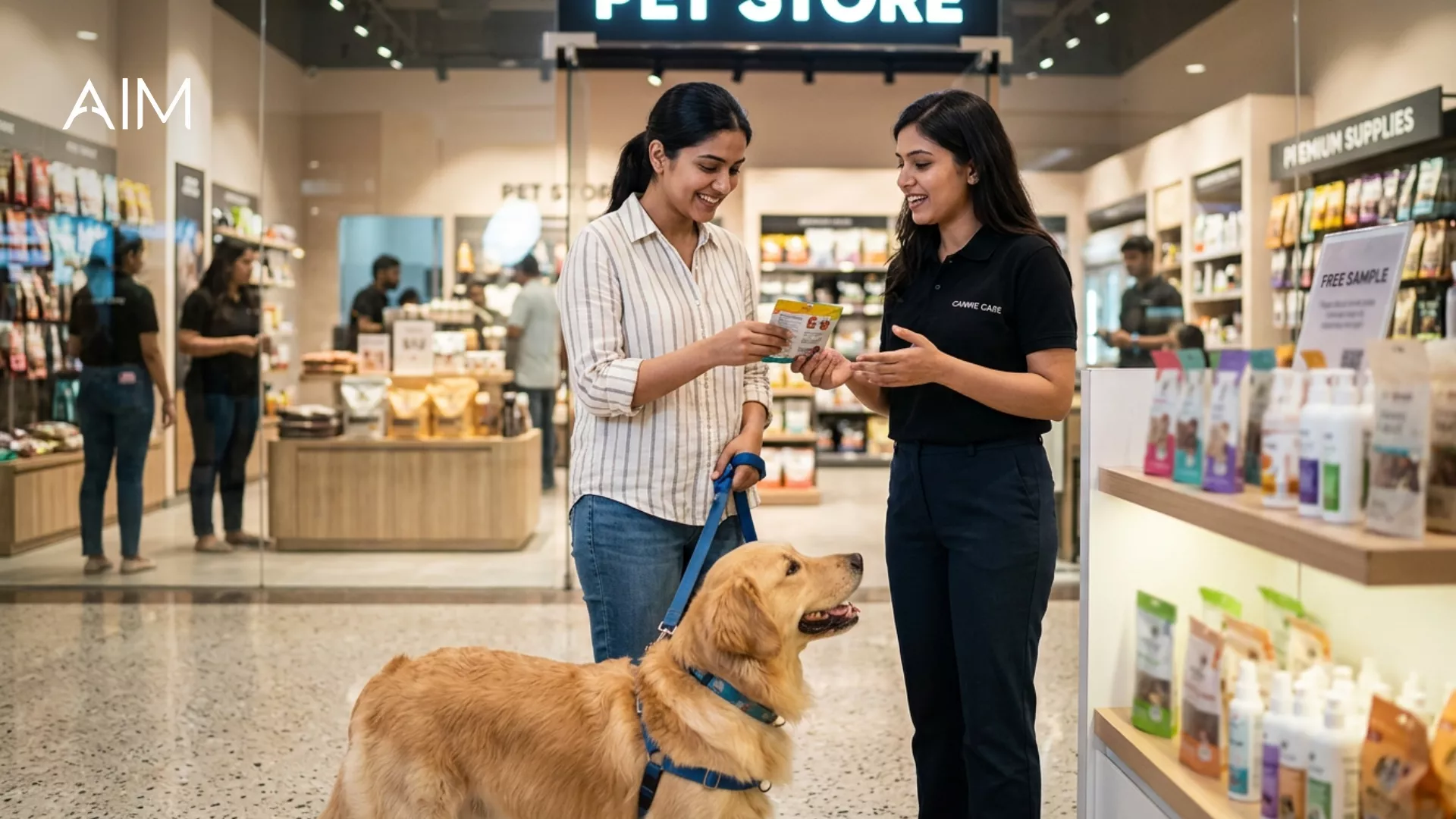
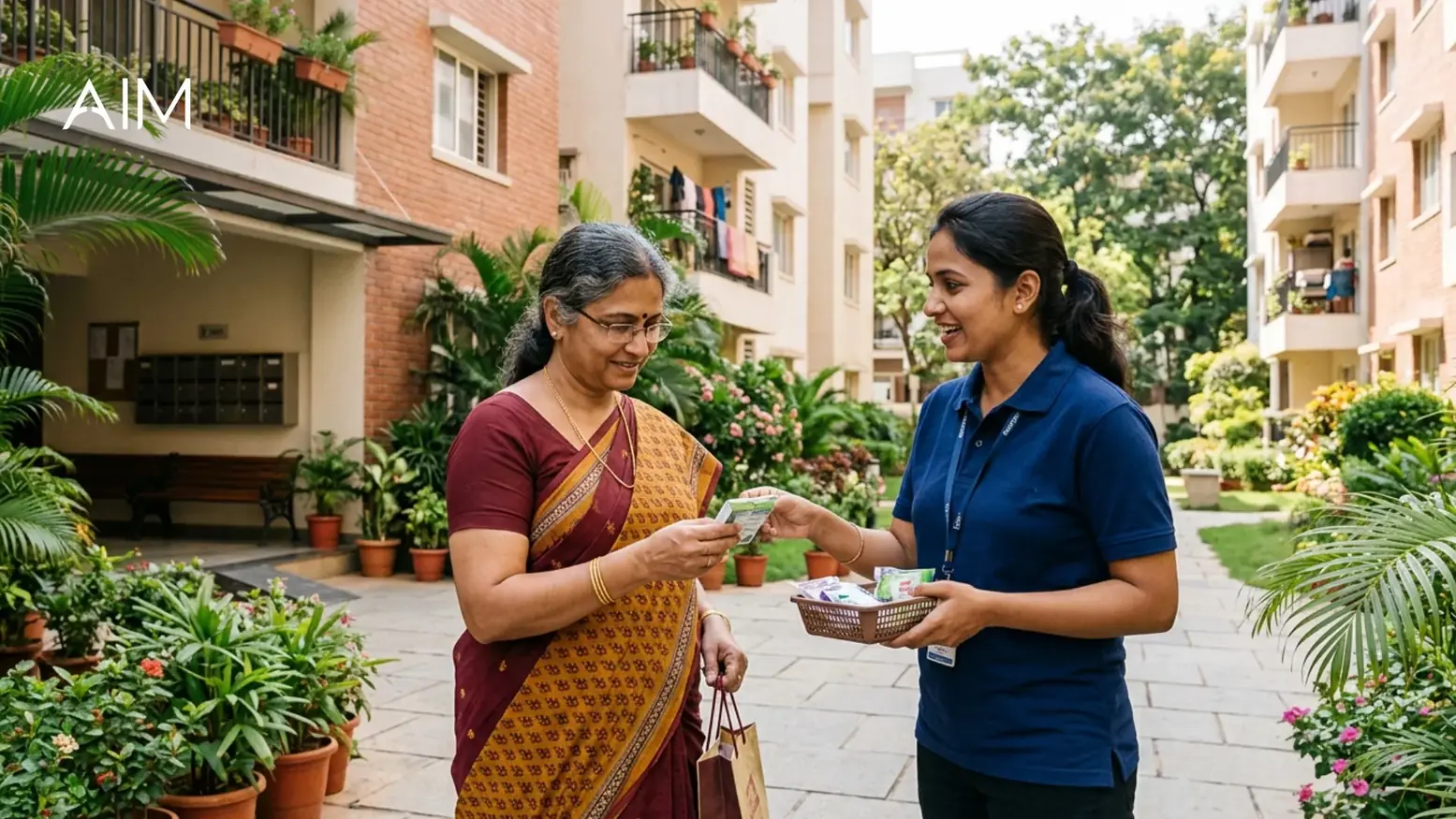
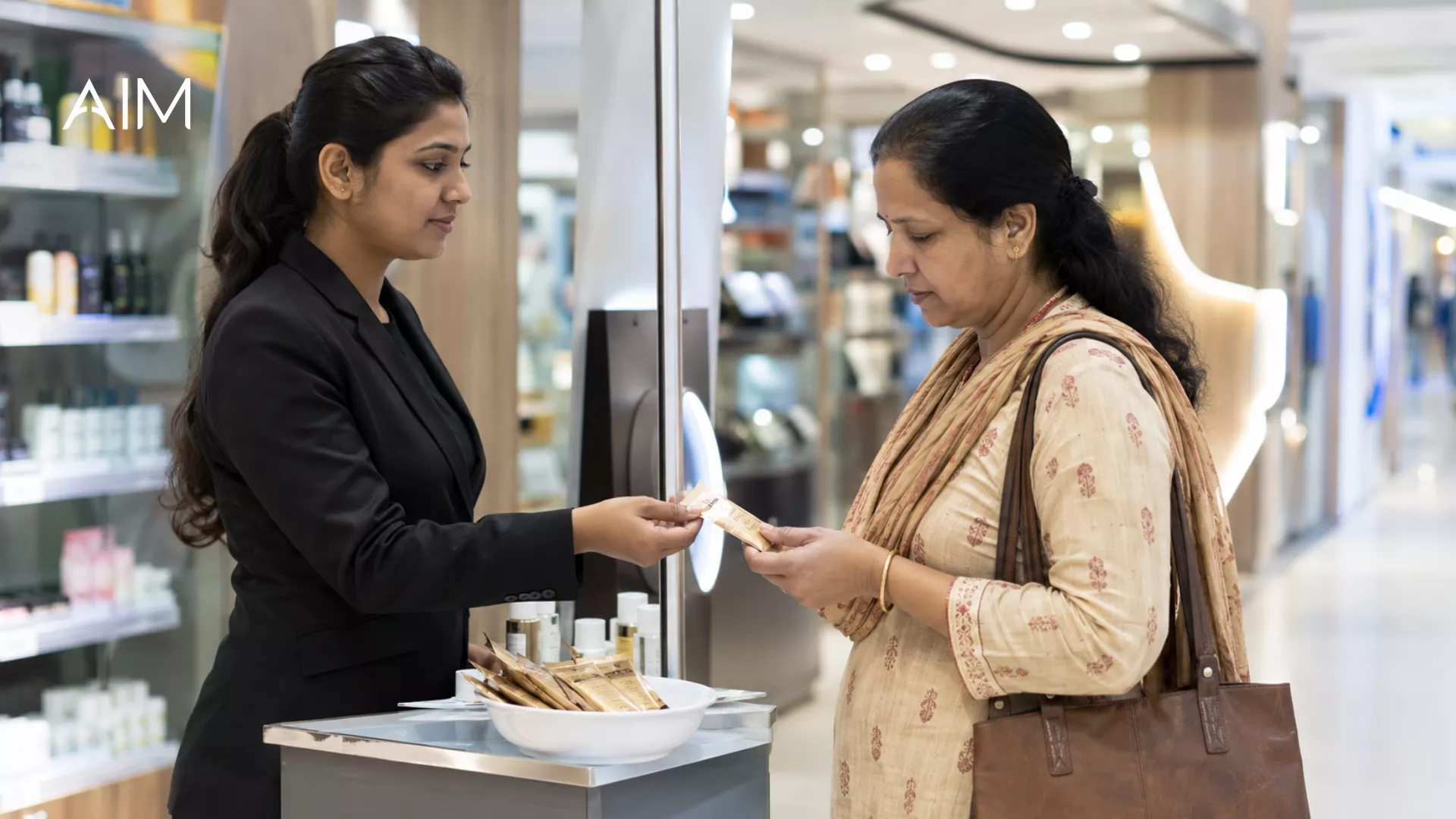
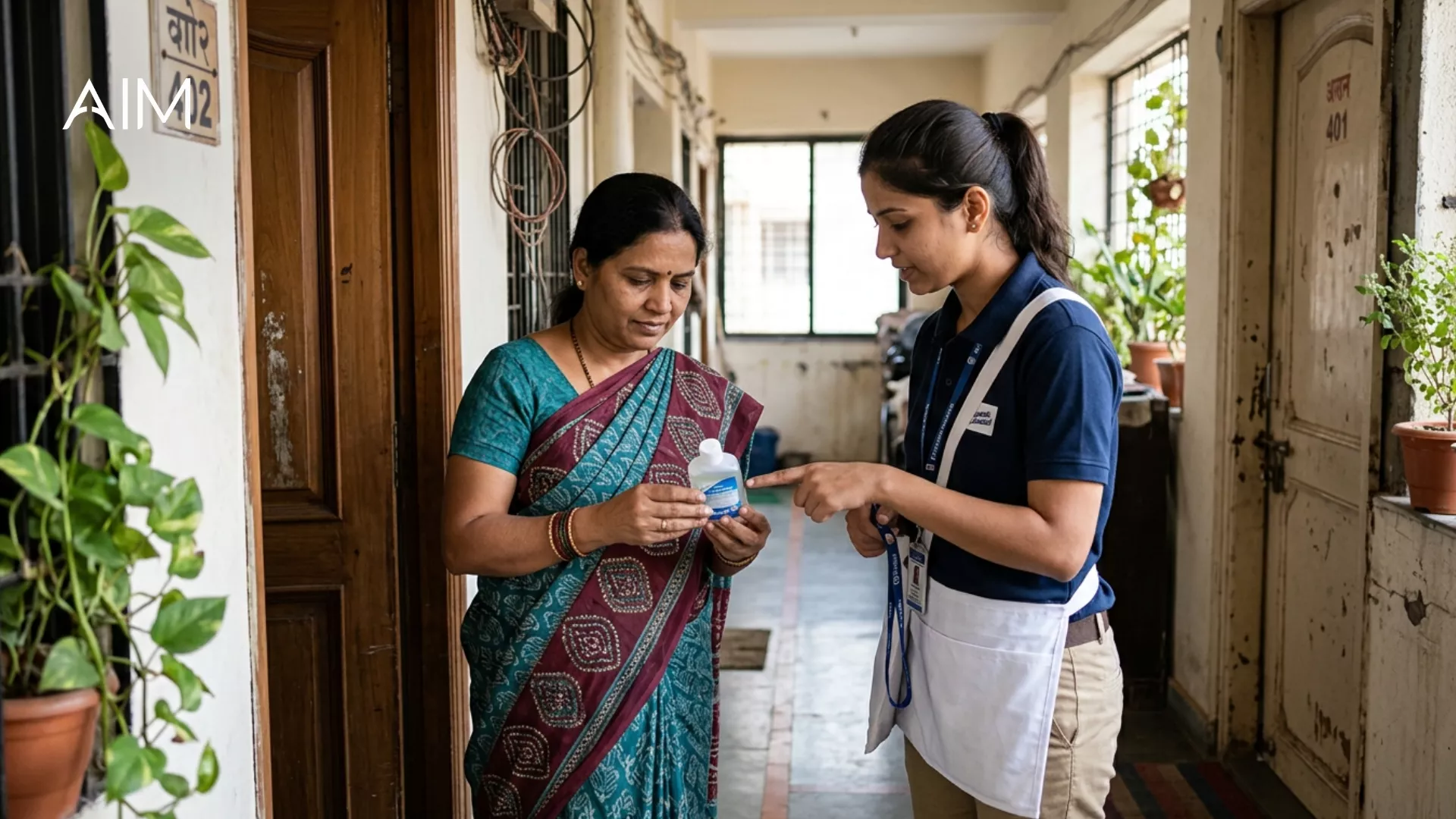
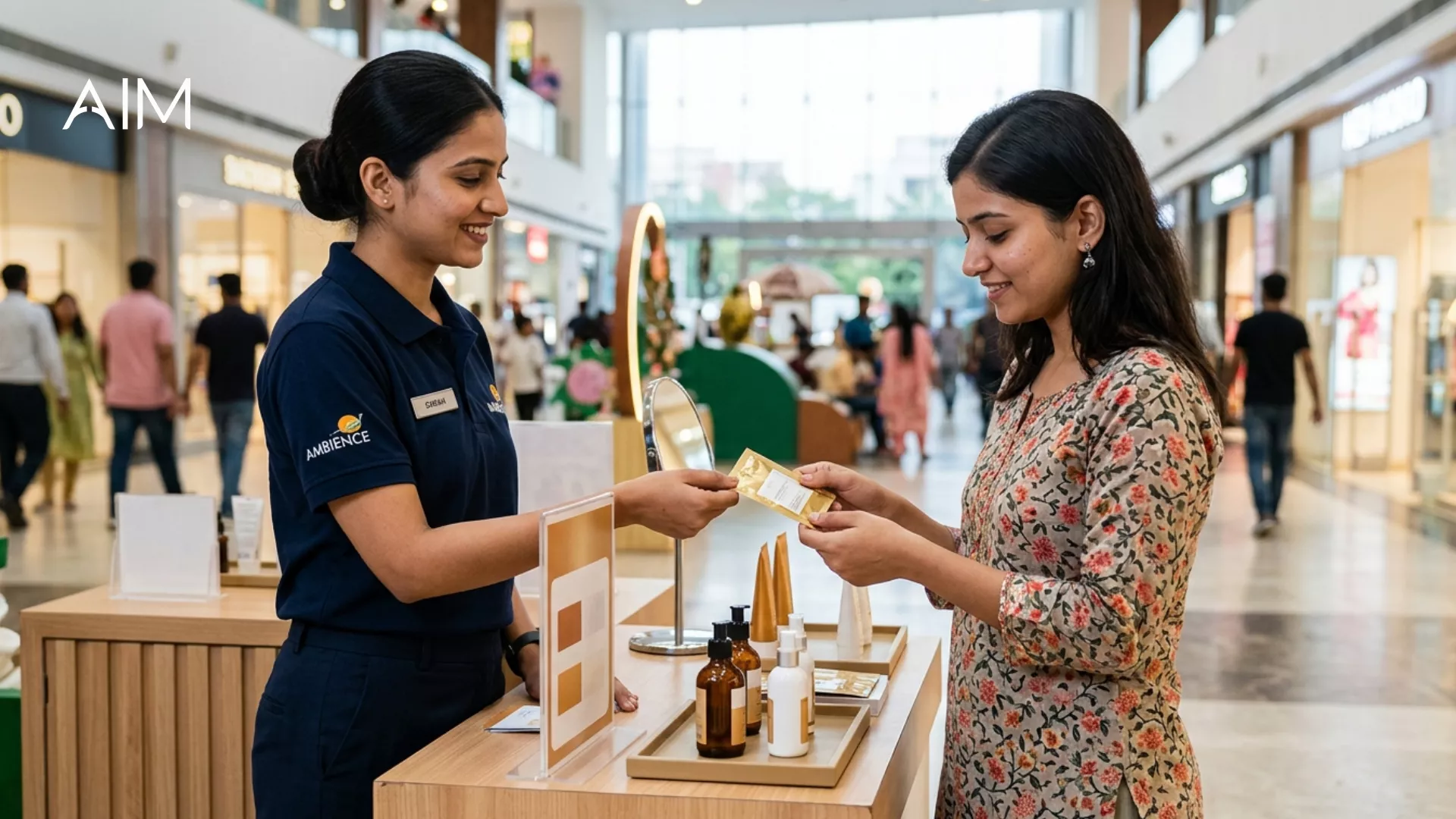
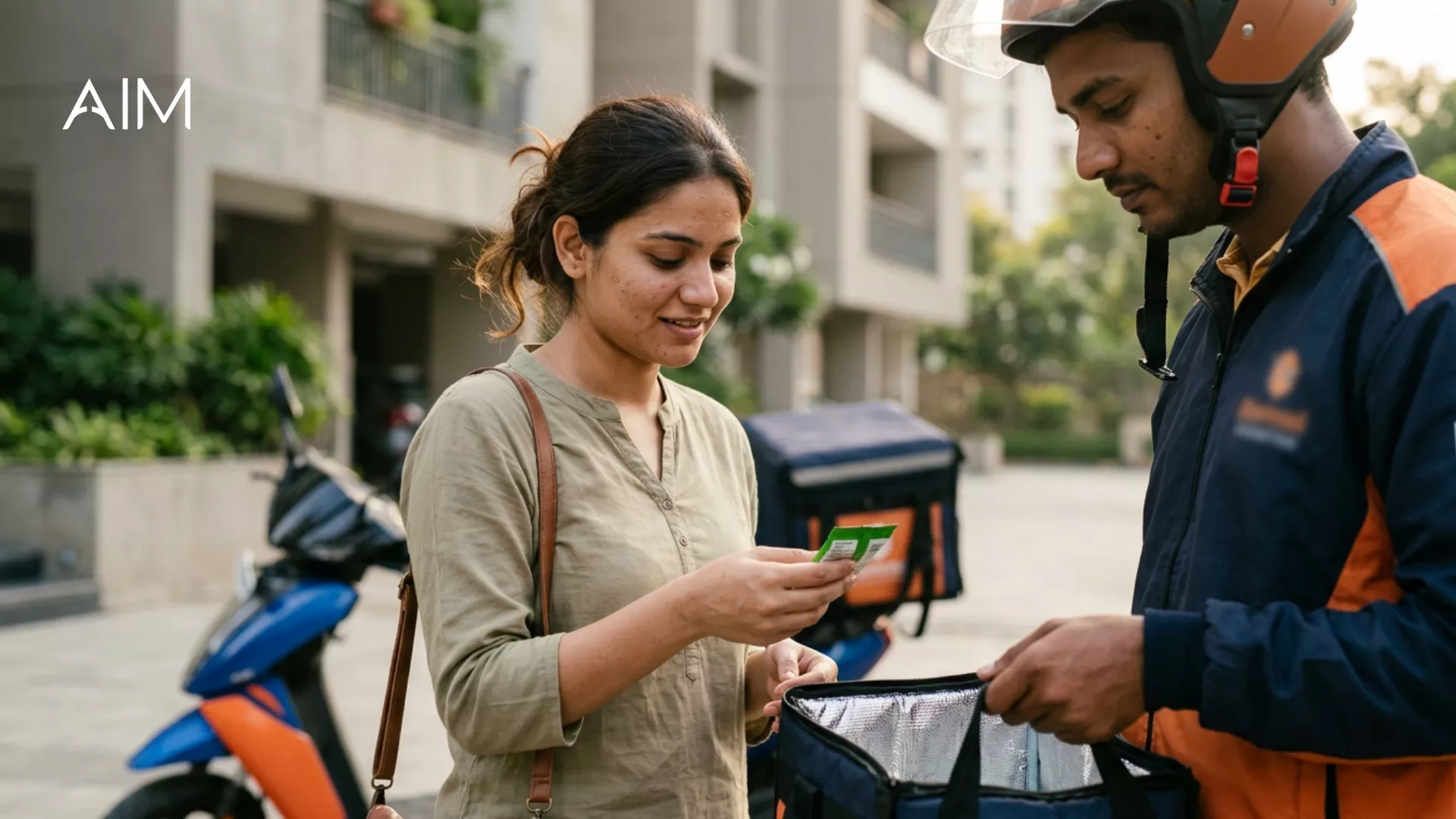
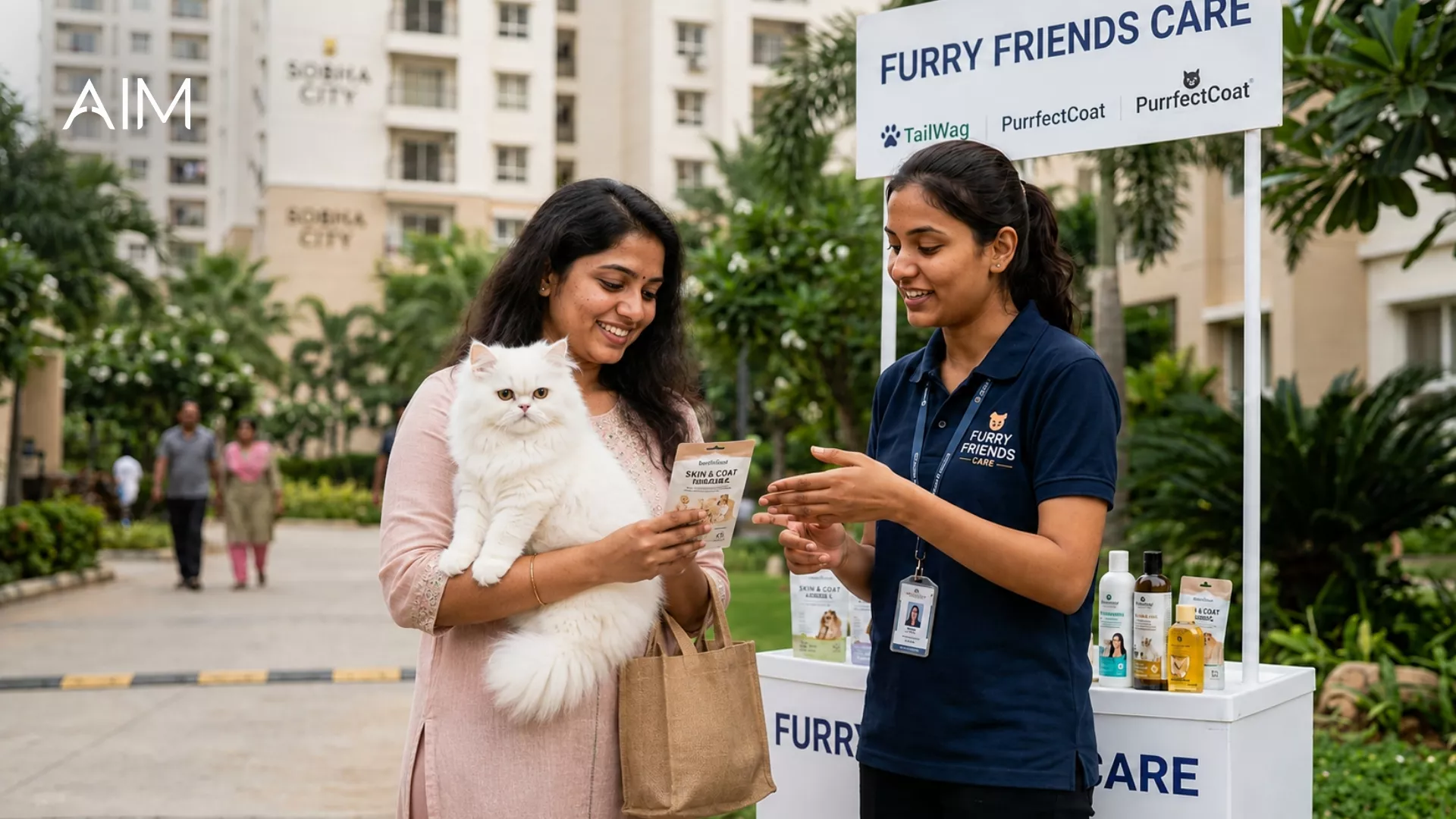
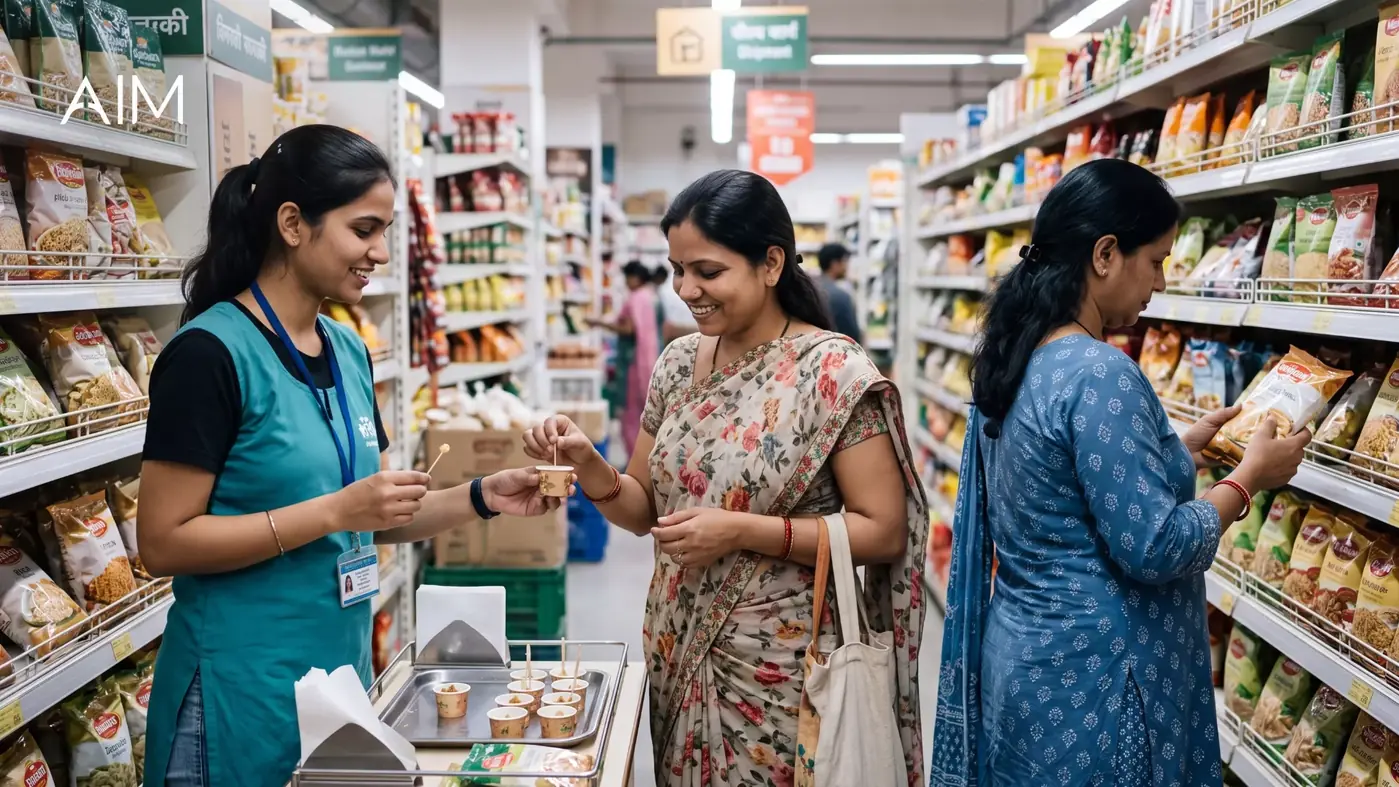
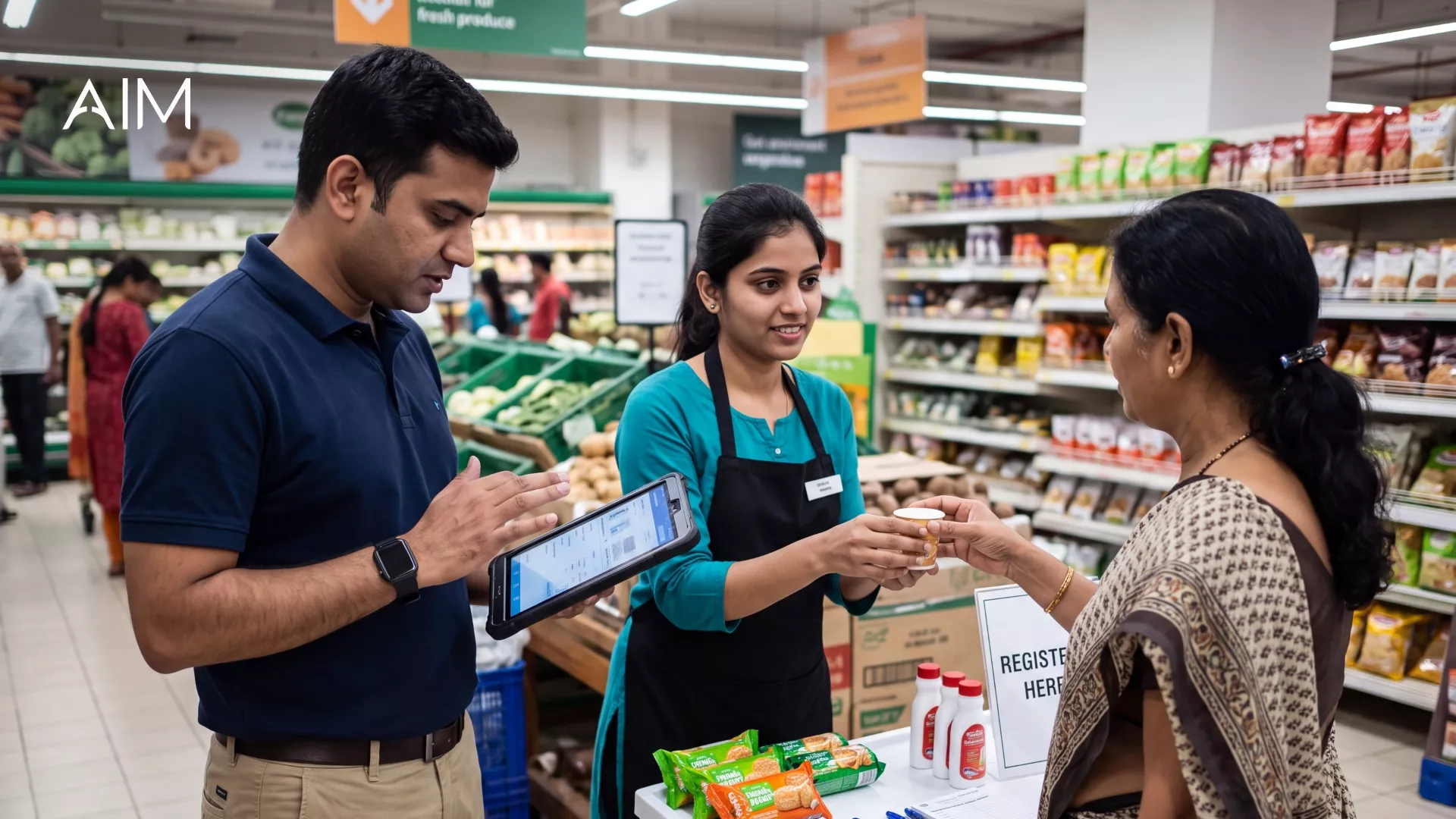
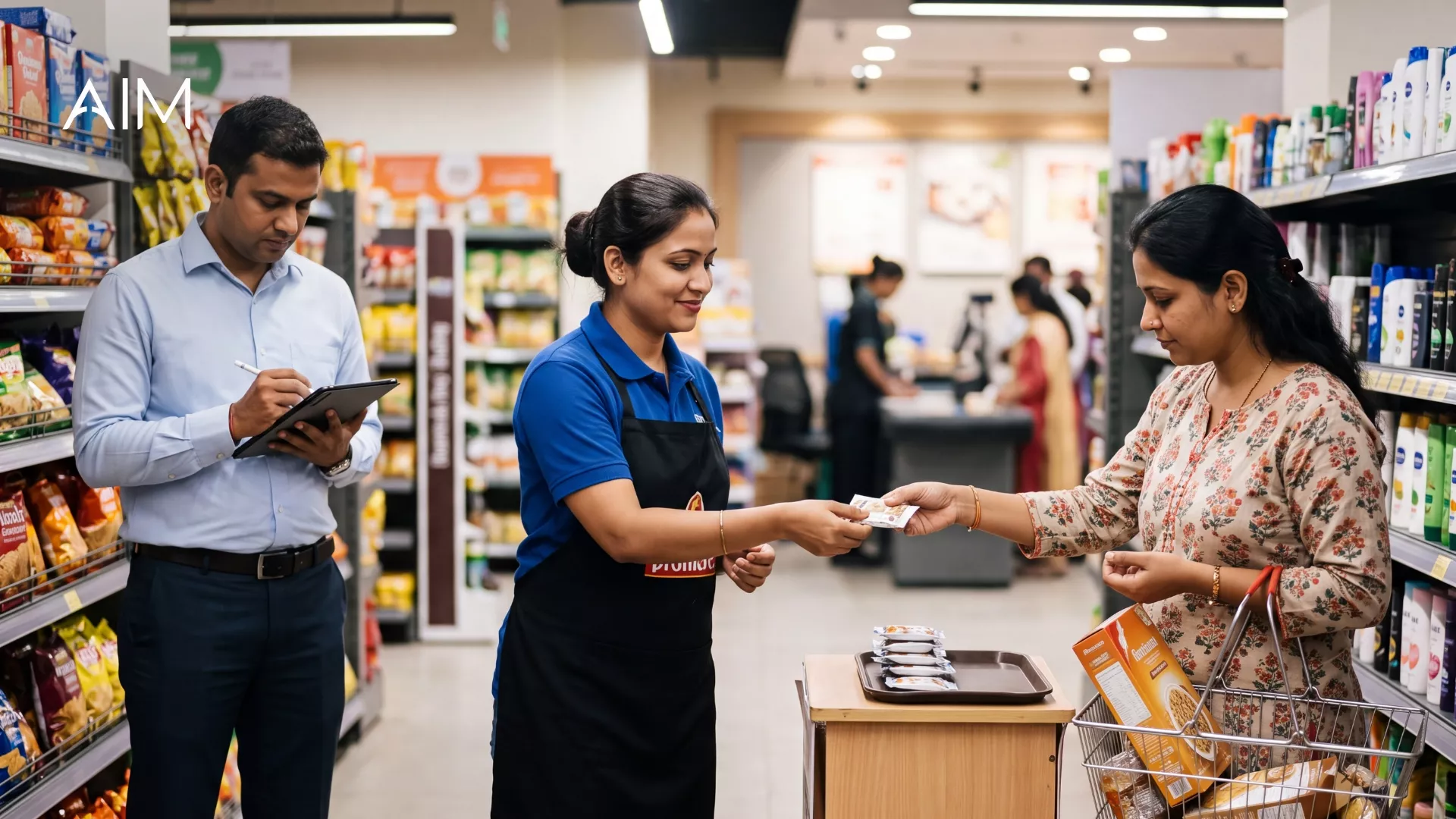
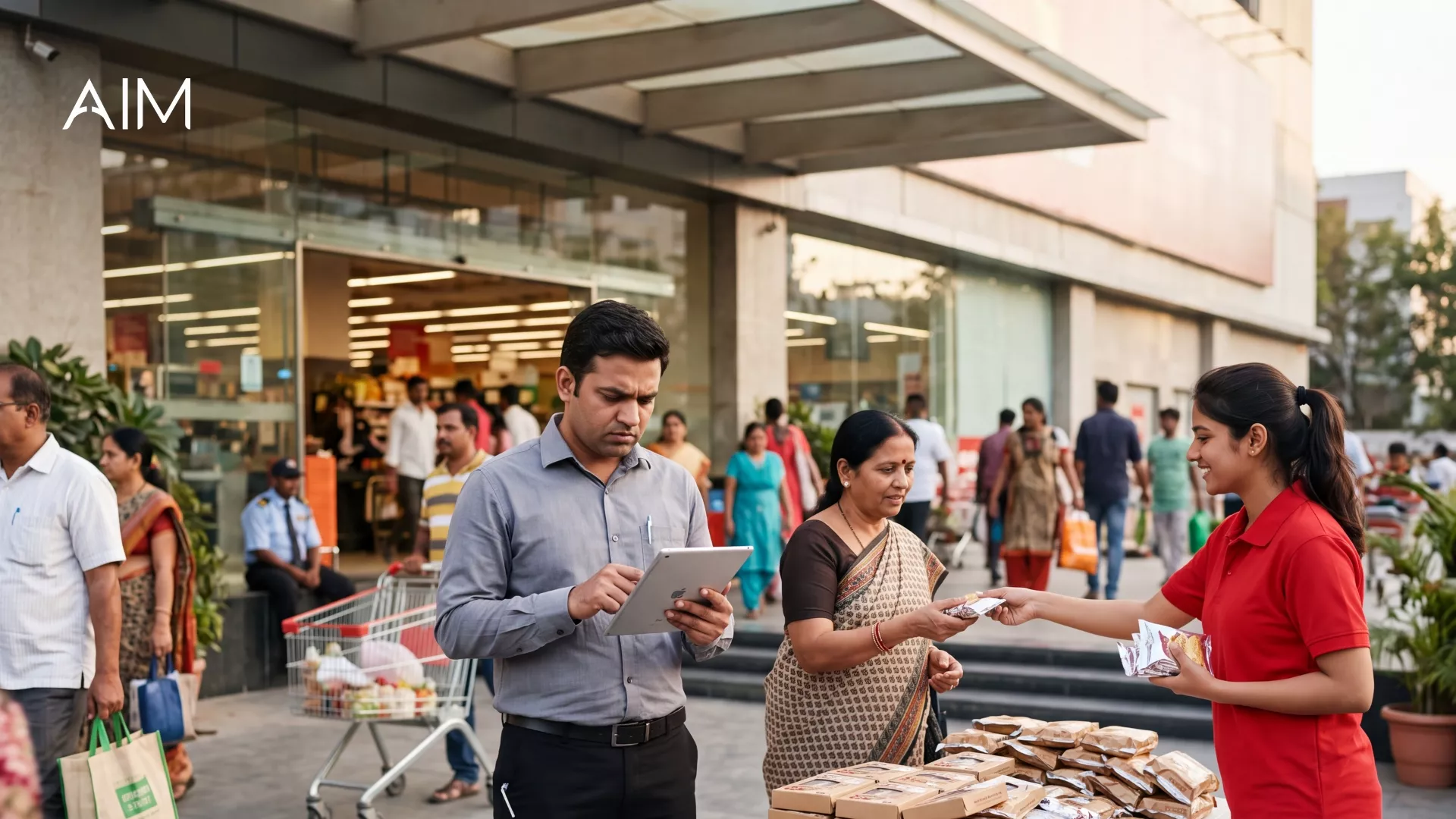
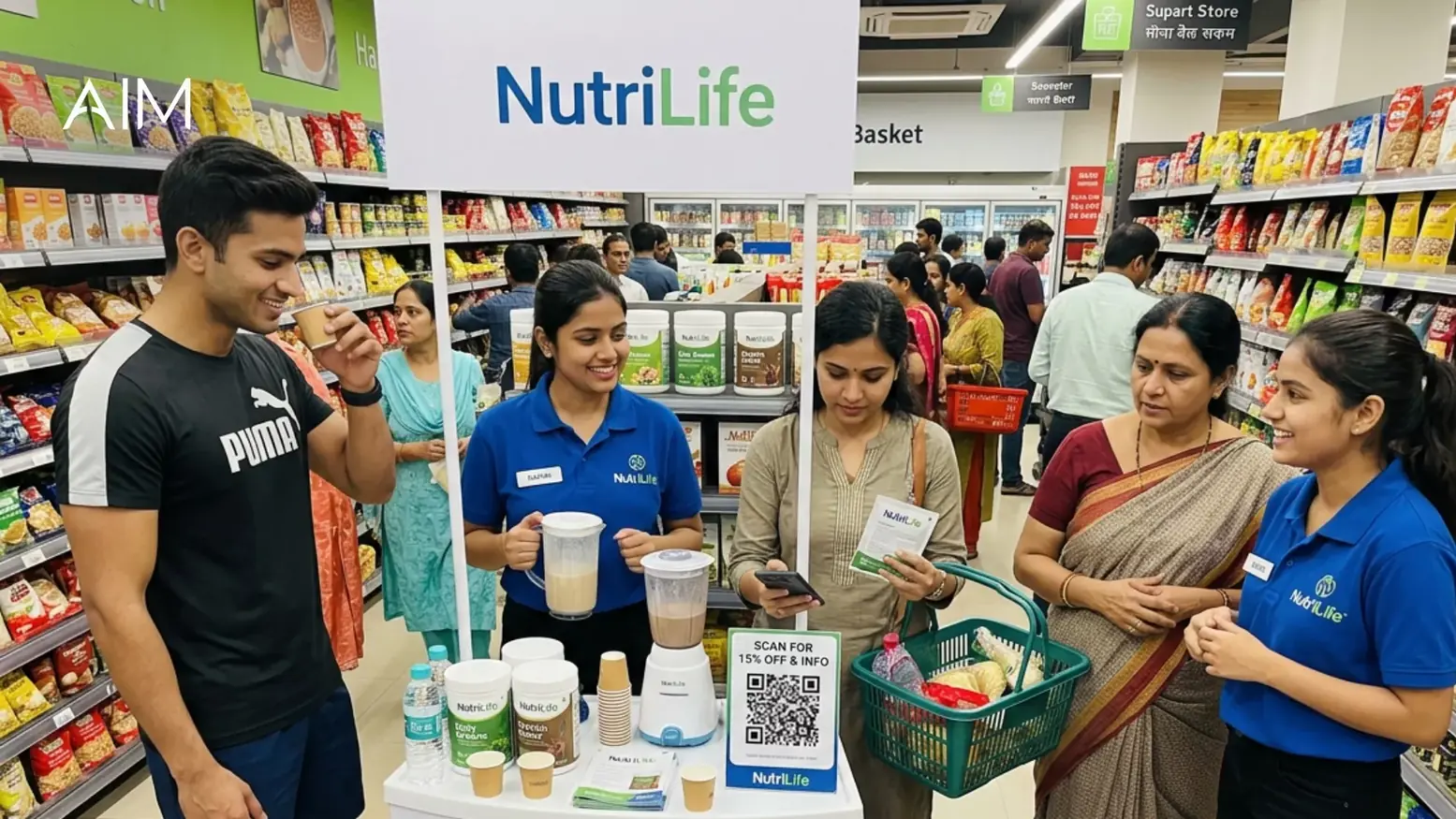
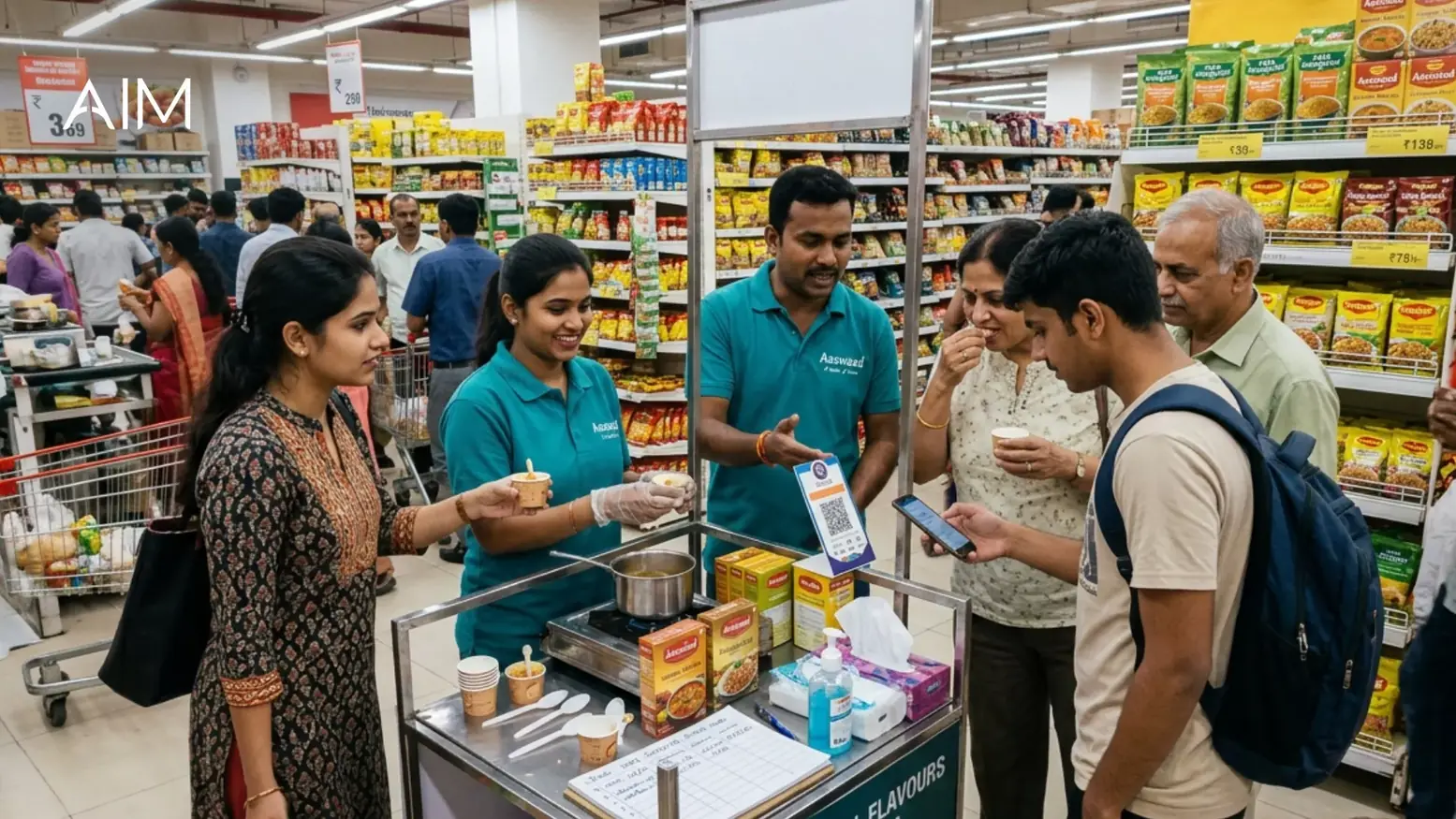
You cannot trace a trial to a purchase if the trial was anonymous, which is why attribution begins at the moment of product sampling, not after it. Capture an identifier from the person who tried: a phone number entered to redeem an offer, an opt-in, a scan, a code tied to them. The instant the trier is known rather than a faceless headcount, every later purchase by that person can be connected back to the sample. This is the foundation everything else rests on. A campaign that hands out product and captures nothing has thrown away the ability to prove anything before it even started, which is why so much sampling can never answer the causation question at all. The capture does not need to be heavy. Even a single reliable identifier per trier, collected cleanly at the point of trial, is enough to build everything else on. What cannot be recovered later is an identity that was never taken in the first place.
Use a code or offer that only the sample could produce
The cleanest way to tie a purchase to a sample is a redemption that could only have come from the trial. A unique discount code on the pack, a sample-specific offer, a coupon that routes the buyer to a tracked purchase: when that code is redeemed, you have a near-direct line from this sample to this sale. It is not perfect, because not every converted trier will use the code, but every redemption is a sale you can prove the sampling caused. Designing this mechanic in before the campaign, rather than wishing for it after, is what turns a vague uplift into a countable, defensible number.
Compare against a group that was not sampled
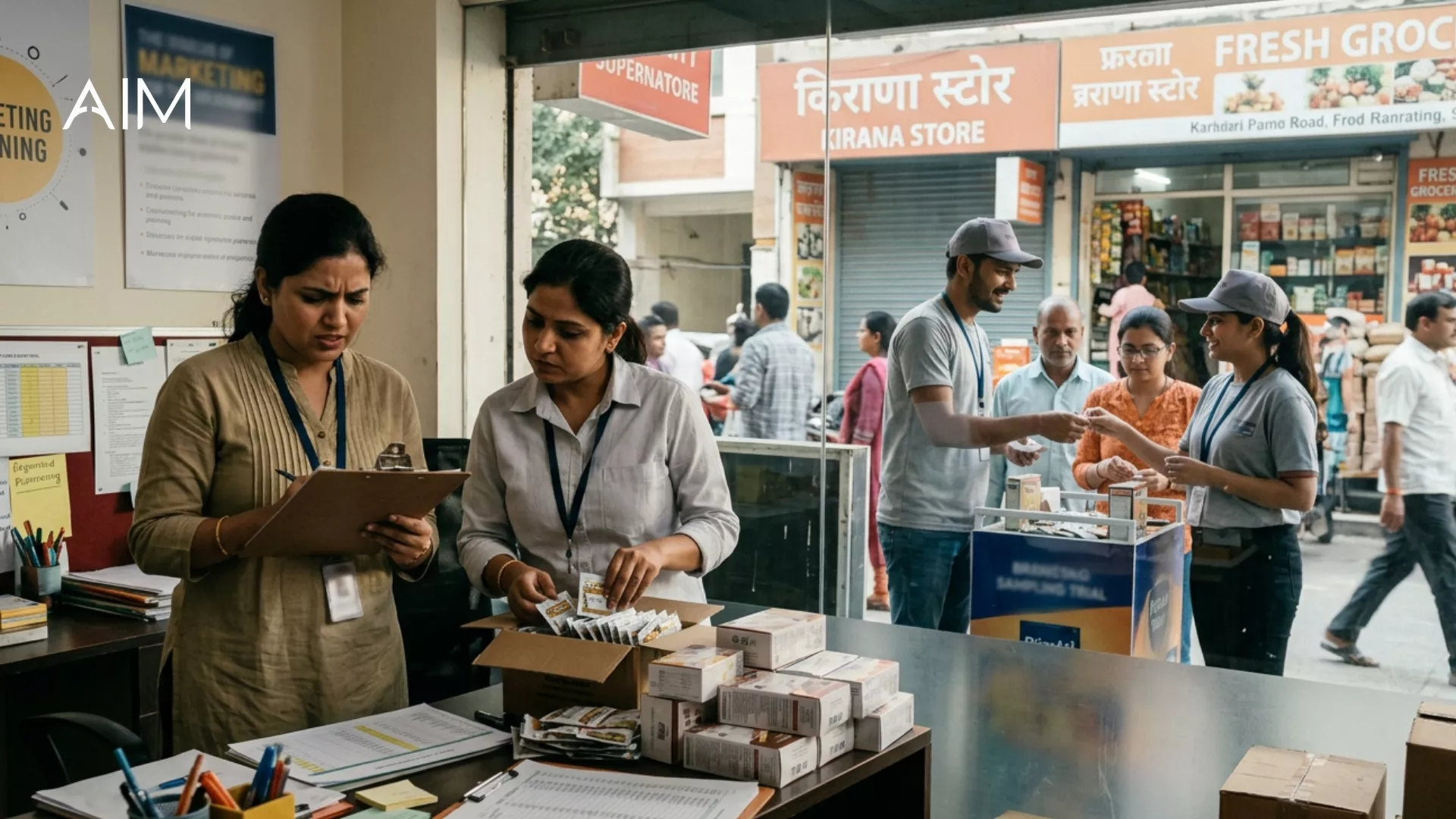
The strongest evidence of causation is a control. Run the sampling in some stores, areas or audiences and deliberately not in comparable ones, then compare. If the sampled group buys more than the matched unsampled group over the same period, the difference is attributable to the sampling, because everything else, the season, the pricing, the wider marketing, applied to both. This is how you separate the sample's effect from the noise that fooled the simple before-and-after read. A control group takes discipline to set up and the willingness to leave some ground unsampled, but it is the closest thing to proof that sampling has, and it is what moves a campaign from story to evidence. Even a rough control, a few matched stores held back, is far better than none, because it gives the uplift something honest to be measured against.
Track the trier through to repeat purchase
A single first purchase is only part of the story, and often not the most valuable part. Because you captured who tried, you can follow those people over the following weeks and months to see not only whether they bought once but whether they keep buying. This matters because the real return on a sample is often the repeat customer it created, and a campaign judged only on the first sale understates its true effect. Tracking the cohort of triers over time, against a comparable group who did not try, shows the full value the sampling caused, the first purchase and the ones after it, which is the number that actually justifies the spend.
Read the uplift honestly, including what it cannot claim
Good attribution is also honest about its limits. Code redemptions undercount, because some converts never use the code. Control groups are never perfectly matched. Some genuine sampling effect is always harder to see, like a trier who recommends the product to someone you never reached. The right posture is to report what you can prove, acknowledge what you cannot, and avoid both traps: claiming every post-campaign sale as sampling's doing, and dismissing the campaign because not every effect is visible. A brand that reports a measured, defensible uplift with its caveats is far more credible, to its own leadership and to itself, than one that claims a clean number it cannot stand behind.
What a defensible attribution setup looks like
Put together, proving a sample caused a sale rests on a few decisions made before the campaign runs. Capture the identity of every trier, so trials are not anonymous. Build in a code or offer that links a purchase back to the sample. Hold out a comparable control group, so the uplift can be isolated from everything else happening in the market. Track triers through to repeat purchase, so the full value shows. And set the success metric as proven conversions and cost per acquired buyer, not samples distributed. None of this requires exotic technology; it requires deciding to measure before you start, which is exactly the step most campaigns skip and then regret.
How AIM proves a sample caused the sale
At AIM's product sampling services, attribution is designed into a sampling campaign from the first plan, not bolted on at the end. That means capturing who tried, building redemption mechanics that connect a trial to a purchase, holding out control groups where the campaign allows so the uplift can be isolated, and tracking triers through to repeat purchase to show the real return. The reporting is honest about what the numbers prove and what they cannot, because a measured, defensible result is worth more than an inflated one. The goal is to answer the only question that matters about a sampling spend: not did sales rise, but did this sampling cause them, and by how much.
Prove it, do not assume it
Every brand wants to believe its sampling worked, and the easy evidence, sales went up afterward, is exactly the evidence that proves nothing. Causation has to be built in, not assumed after the fact: capture who tried, link purchases back with codes, compare against a group you did not sample, and follow triers over time. Do that, and you can say with confidence how many sales the sampling actually caused and what each one cost, which is the difference between a channel you can scale on evidence and one you keep funding on faith. In sampling, the sale that follows the trial is easy to see. The sale the trial caused is the one worth proving.