
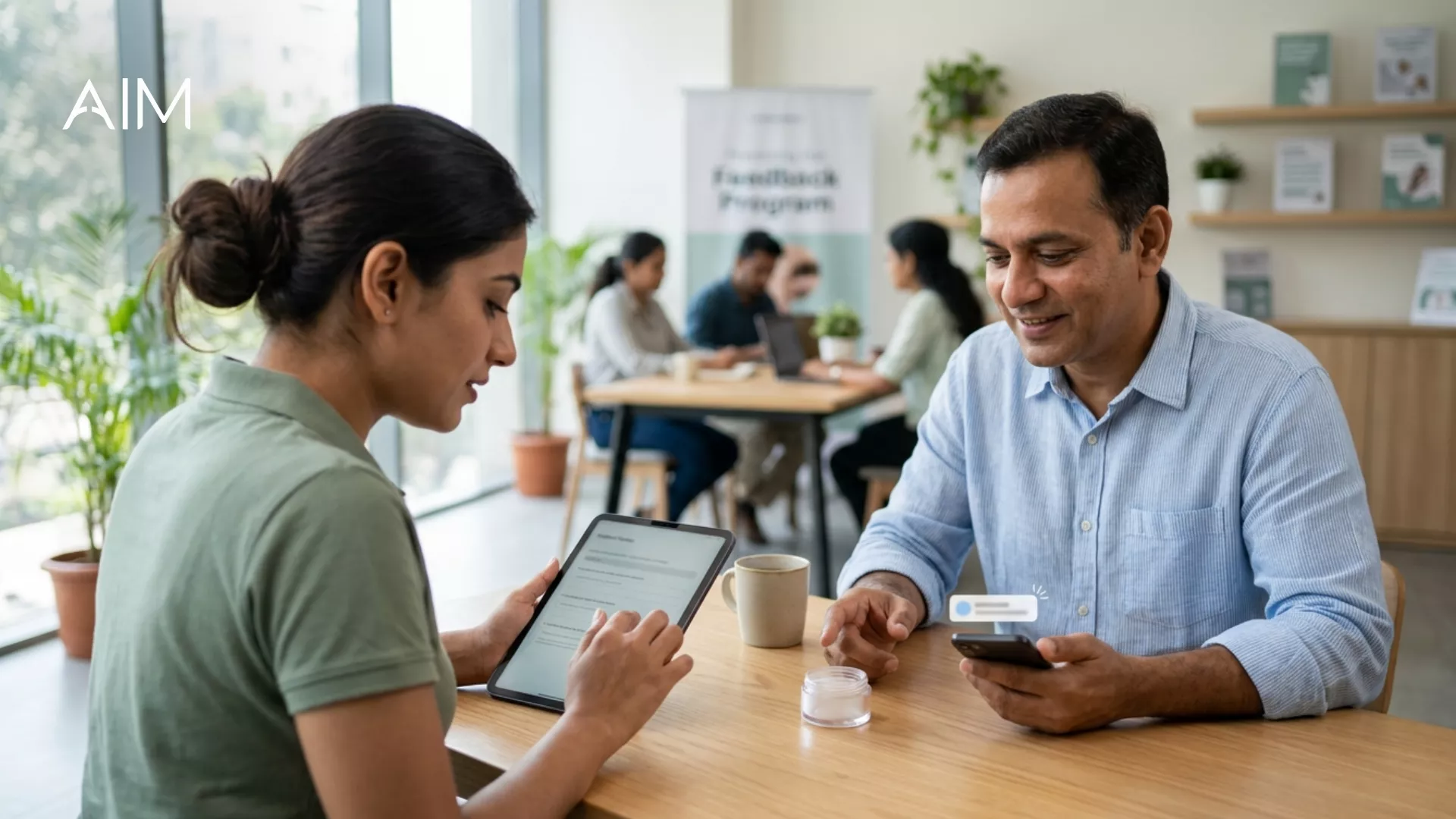


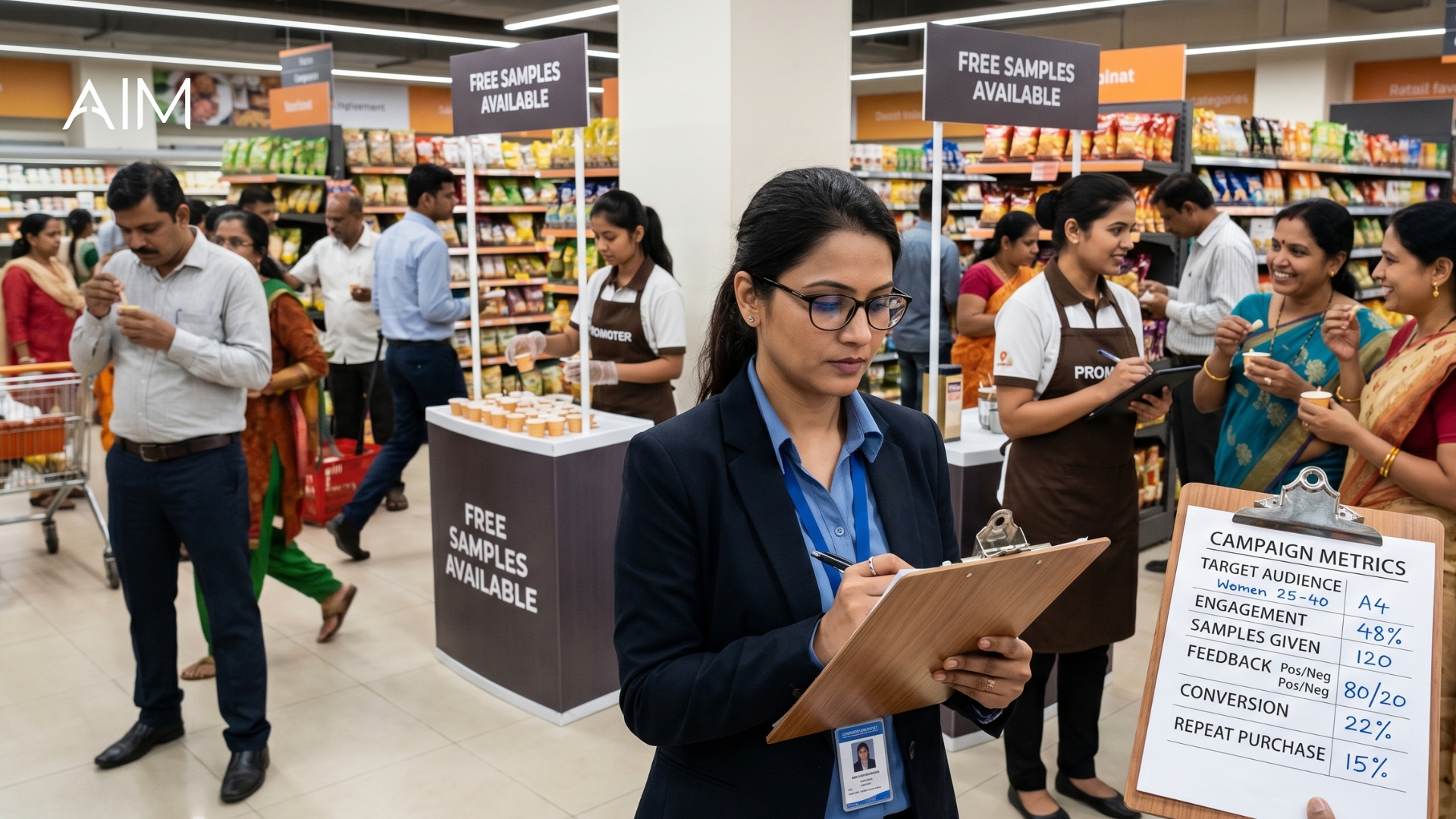
The promoter hands over the last sample, the table is packed up, the photos are filed, and in most brands, that is the end of it. The campaign is declared done at the exact moment its real work should be starting. Because a sample is not the finish line, it is an introduction, and what a brand does in the days after the sample decides whether that introduction turns into a customer or fades into nothing. The follow-up with the data in the product sampling report is the most valuable and the most skipped part of product sampling. Here is what should happen after the sample, and why so few brands do it.
Quick answer: After product sampling, the brand should confirm and thank the trier, give them a clear reason and an easy route to buy, ask for feedback, track who purchases, and re-engage those who do not, then turn happy buyers into reviews and referrals. All of it depends on one thing done during the campaign: capturing the trier. The sample is the start of a relationship, and the follow-up is how you convert it, yet most campaigns skip it entirely because they captured no one to follow up with.
Why the moment after the sample matters most
Trial creates a short, precious window. Someone has just experienced your product for the first time, with the impression fresh and their interest at its peak. That is the moment they are most likely to buy, and also the moment the memory starts fading. Every day that passes without a nudge, the impression dims and the buyer drifts back to their old habits. Traditional sampling ignores this window completely, treating the handover as the end, which means it does all the hard work of creating interest and then abandons it precisely when a small push would convert it. The follow-up matters most because it acts in the only window where trial is still warm.
Why brands skip the follow-up
The honest reason most brands skip the follow-up is not laziness, it is that they cannot do it. If the campaign captured no one, there is simply nobody to follow up with, the triers walked away anonymous and unreachable the moment they left the table. So the follow-up is not skipped as a choice at the end; it is made impossible by a decision at the start, the decision not to capture. This is why capture is the hinge of the whole thing. A brand that treats sampling as a distribution exercise ends with a number and no one to talk to. A brand that captures its triers ends with a list of warm, interested people, and the follow-up becomes not only possible but obvious. There is also a quieter reason brands skip it: the follow-up is invisible work. A busy sampling day looks and feels like a campaign, with crowds and photos and energy, while a follow-up sequence is a few quiet messages sent days later that nobody sees happening. It is easy to fund the visible part and forget the part that actually converts, precisely because the visible part feels like the achievement. The brands that win at sampling have simply learned to value the quiet week after the loud day, because that is where the trial they paid for turns into the sales they wanted.
The follow-up sequence that turns trial into sales
When you have captured your triers, a simple sequence does the converting. Seven steps, in order.
- Capture at trial. This is the precondition for everything else, a quick opt-in or QR that records who tried the product and how to reach them. Without it, the sequence cannot begin.
- Confirm and thank, quickly. A prompt, warm message soon after trial keeps the brand present while the experience is fresh and signals that this was a real relationship, not a giveaway.
- Give a reason and a route to buy. Pair the thank-you with a genuine reason to purchase now, an offer, a first-order discount, and make the path frictionless: exactly where to buy, in store or a direct link.
- Ask for feedback. A short ask, did you like it, what did you think, does double duty: it surfaces insight for the brand and deepens the trier's engagement with it.
- Track who buys. Follow the captured triers through to purchase with a code or link, so you know who converted and can see the campaign working rather than assuming it did.
- Re-engage those who did not buy. A trier who liked the product but has not purchased is a warm lead, not a lost one. A second, well-timed nudge recovers a meaningful share of them.
- Turn buyers into reviews and referrals. Ask satisfied buyers for a rating, a review, or a referral while they are happy, so each converted trier seeds more trust and more trial beyond themselves.
The cost of skipping it
It is worth being blunt about what skipping the follow-up actually costs, because it hides so well. Every sample you handed out was paid for, the product, the people, the logistics, in order to create exactly the interest a follow-up converts. Walk away at the handover and you have paid the full price of generating trial and then abandoned it at the one moment it could have become a sale. The cost never shows up as a line item. It shows up as a conversion rate lower than it should have been and a sampling budget that looks less effective than the product deserved. The brands that skip follow-up are not saving money, they are quietly wasting a share of everything they already spent, because interest that is never acted on decays to nothing, and decayed interest is indistinguishable, in the final numbers, from interest that was never created at all.
What good follow-up looks like in practice
In practice, good follow-up is quick, light, and genuinely useful, not a barrage. It reaches the trier within days, while the memory is warm, with one clear, friendly message that thanks them, invites feedback, and makes buying easy. It is paced, a thank-you, then a gentle reason to buy, then a light re-engagement for those who have not, rather than a flood. And it is measured, every step tied back to the captured trier so the brand can see how many moved from sample to purchase and where the sequence is losing people. Done well, the follow-up feels less like marketing and more like a brand that simply cared enough to check in, which is exactly why it converts. The tone matters as much as the timing here: a follow-up that reads as a genuine check-in from a brand that cared earns a reply, while one that reads as an automated sales push gets ignored like any other spam. The brands that do this best make the trier feel remembered, not marketed to, and that small human difference is often what separates a sequence that converts from one that annoys.
The payoff
The payoff for doing the part everyone skips is disproportionate, because you are converting interest you have already paid to create. The sampling budget was spent generating trial whether or not you follow up; the follow-up is what turns that spend into sales instead of letting it evaporate. Brands that build the sequence in consistently see more of their triers become buyers, more buyers become repeat customers, and more of them become sources of reviews and referrals, and they end each campaign with a growing, reusable base of people who know the product, rather than a one-time number. That is how AIM treats the end of a sampling campaign, not as the finish, but as the start of the follow-up that actually converts the trial. The sample opens the door. The follow-up walks the buyer through it, and in most campaigns it is the cheapest sale a brand will ever make, because the interest was already bought and paid for on the day of the sample.





.webp)





.png)