
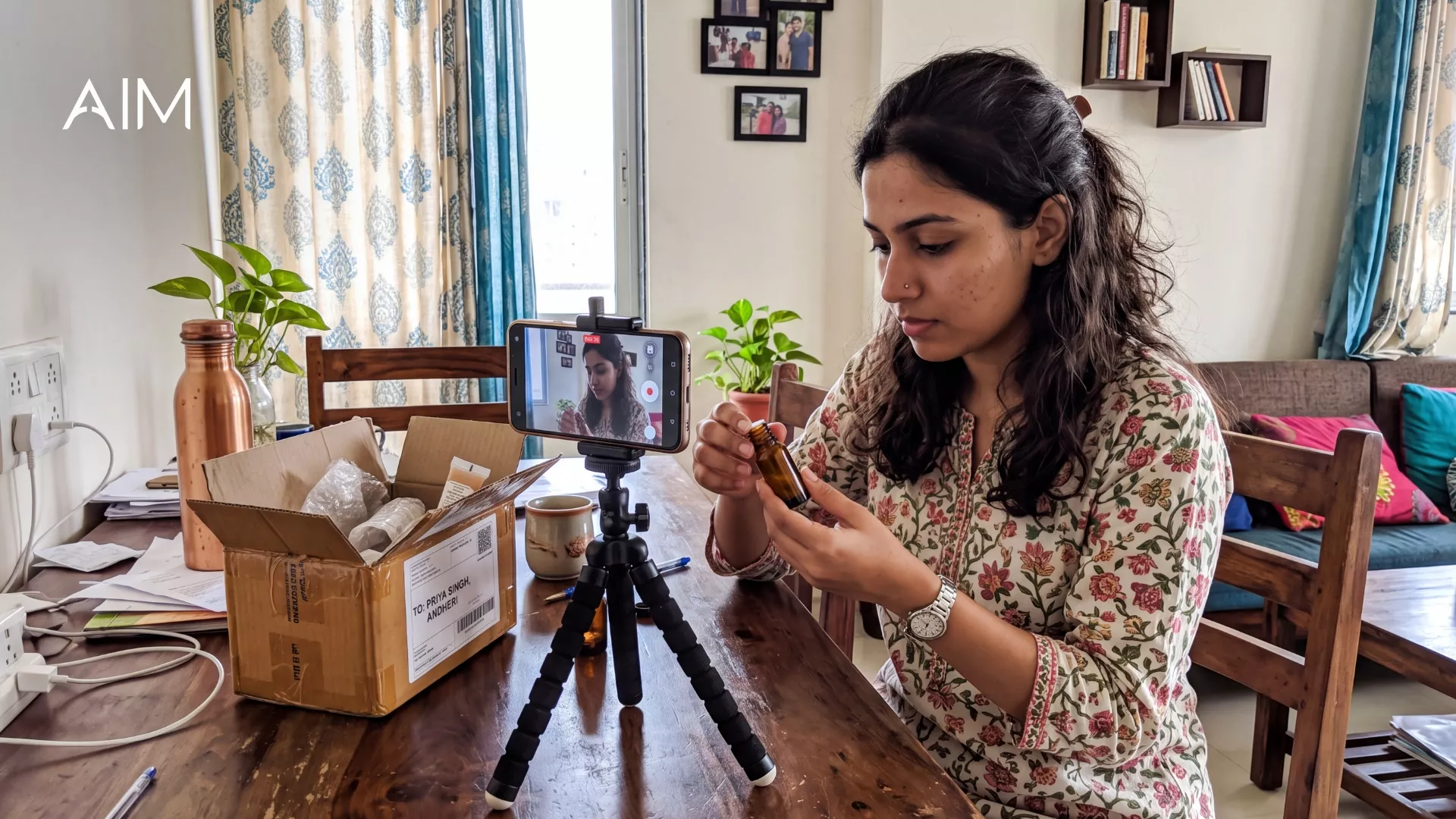


Every brand running influencer sampling eventually hits the same question: do we send our product to a few big names or a lot of small ones? It feels like a budget decision, and it is, but underneath it is a strategy decision that most brands get wrong by defaulting to whatever is cheapest or whatever name impresses the boss. The number of creators you seed, and the size of their audiences, shapes what the campaign can actually achieve. Here is how to decide how many creators to send samples to, and when micro beats macro.
What is the difference between micro and macro influencer sampling?
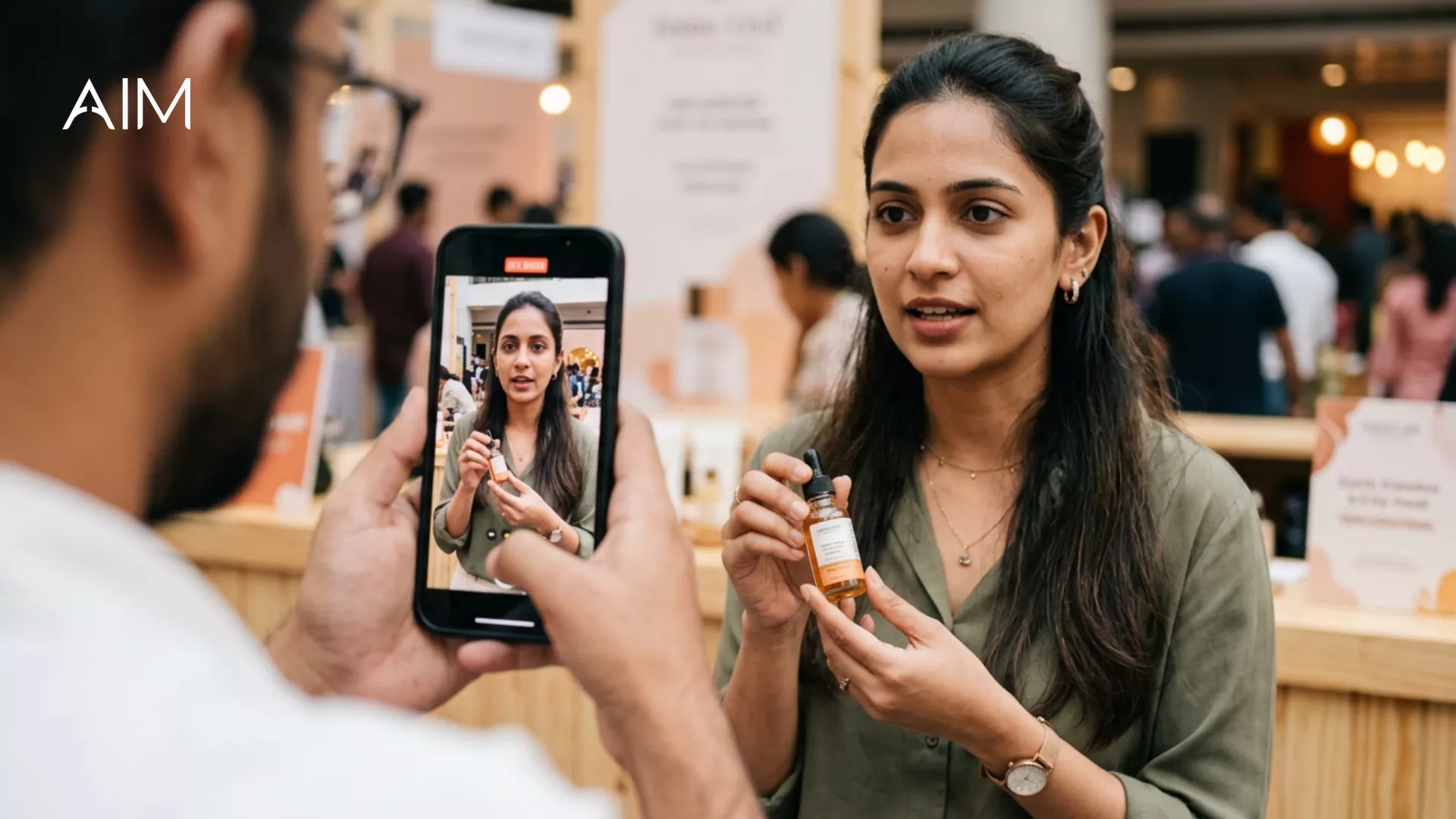
Macro influencer sampling means sending your product to a small number of creators with very large audiences, betting on reach and the credibility of a recognisable name. Micro influencer sampling means seeding a larger number of creators with smaller, tighter audiences, betting on relevance, trust, and volume of authentic mentions. The trade is straightforward to state and easy to get wrong: macro buys reach and prestige, micro buys relevance and believability. The right answer depends on what the campaign is actually for, which is the question brands skip when they pick by follower count alone.
When does macro influencer sampling make sense?
Macro seeding earns its place when the goal is broad awareness fast. If you are launching something and need a lot of people to know it exists in a short window, a few large creators put the product in front of huge audiences quickly, and a well-known face lends it instant visibility. The catch is that reach is not the same as trust. Large audiences are broad and mixed, so a smaller share of them are your actual buyer, and followers often read a big creator's post as paid, which softens its persuasive power. Macro is a reach and awareness tool, and it is strong at that job and weaker at driving considered trial.
When does micro influencer sampling work better?
Micro seeding wins when the goal is trust, relevance, and conversion rather than raw reach. A creator with a smaller, focused audience usually has a tighter relationship with their followers, and their recommendation reads as genuine rather than bought, which is exactly what moves people to try something. Seed many of them and you also get volume: a lot of authentic mentions across many relevant pockets, which looks less like one big ad and more like genuine word of mouth building. For most product sampling, where the aim is trial and belief, a spread of the right micro creators often outperforms a single macro name reaching far more people who trust the post far less.
How many creators should you send samples to?
The number should follow the goal, not the budget line. For awareness, a small set of larger creators concentrates reach. For trust and trial, a larger set of relevant micro creators spreads authentic mentions and increases the chance of reaching the right pockets of audience. The useful way to think about it is coverage of the right people rather than total followers: how many genuinely relevant audiences can you seed, and how many authentic mentions does it take to build a sense of momentum. A dozen tightly matched micro creators can create more real trial than one celebrity, for the same product cost, because every one of their audiences actually fits.
Why does audience fit matter more than follower count?
Because a sample sent to the wrong audience is wasted no matter how large that audience is. A creator with a million followers who do not fit your product will generate a big number and very few buyers, while a creator with a tight, relevant audience will convert a far higher share of a smaller reach. Follower count measures size, not match, and sampling works on match. The brands that get the most from influencer seeding start by asking who the creator's audience actually is and whether they are the buyer, then treat follower count as a secondary detail. A perfect-fit micro audience beats a mismatched macro one almost every time.
Should you mix micro and macro in one campaign?
Often yes, because they do different jobs and can support each other. A blended approach uses a few macro creators to create broad awareness and a larger base of micro creators to build the trust and trial underneath it, so the campaign has both reach and believability. The macro names make the product feel known, the micro voices make it feel worth trying, and together they resemble a product that is both visible and genuinely talked about. The mix should still be decided by the goal and the budget, but for many brands the strongest influencer sampling campaign is not purely one or the other, it is a deliberate combination weighted toward whichever job matters most.
What should you actually send a creator?
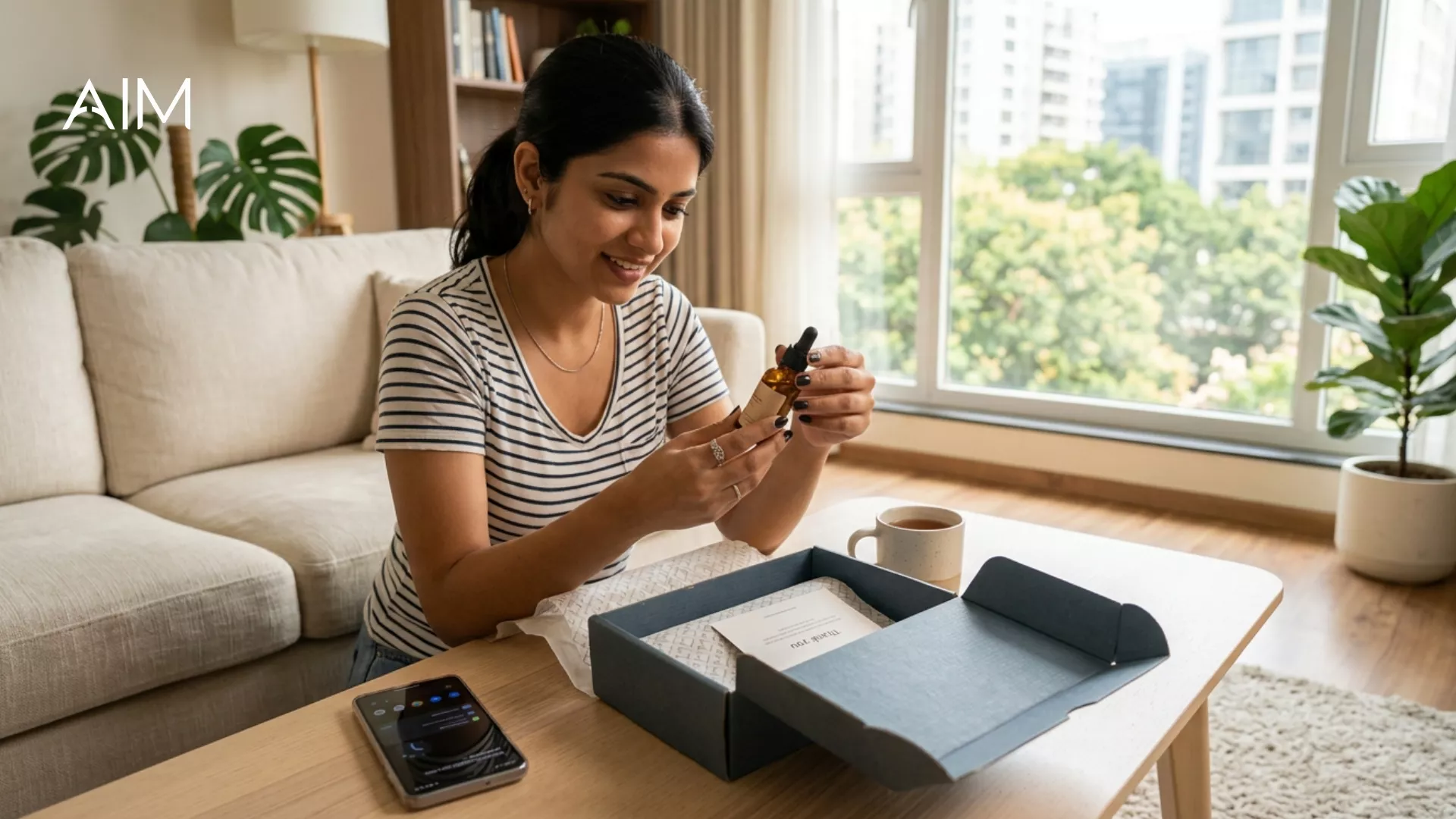
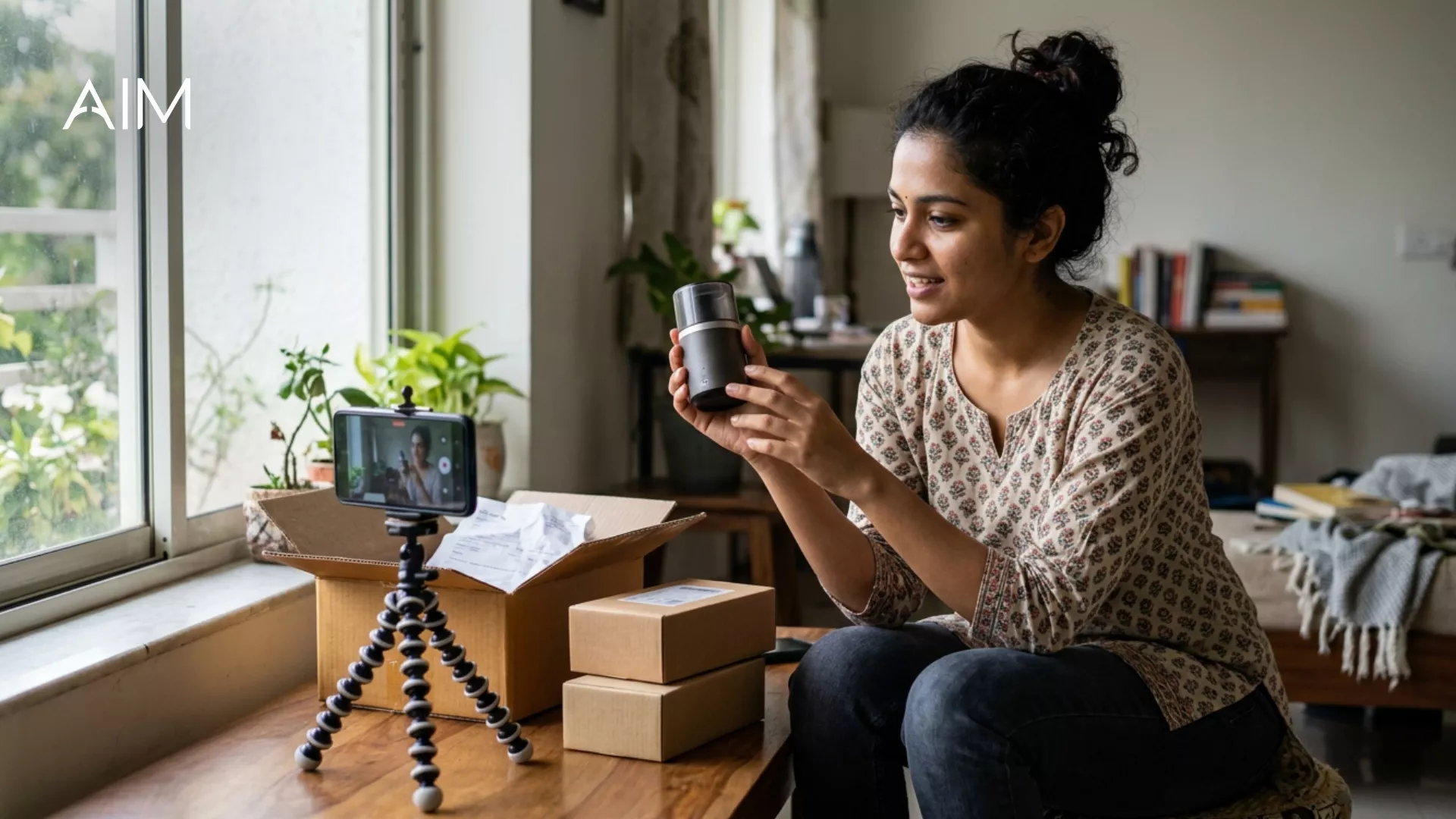
How many creators you seed matters, and so does what lands in the box, because a bare product posted alone rarely earns a genuine mention. A creator is far more likely to feature a sample that arrives with enough context to use it well: a clear note on what the product is and why it suits their audience, a reason it is worth trying now, and the room to form an honest opinion rather than a scripted plug. You are not buying a post, you are giving a relevant person a real reason to talk. The brands that get strong, believable mentions treat the seeding package as part of the campaign, not an afterthought wrapped around the product.
How do you make influencer sampling measurable?
Whatever the mix, the campaign is only worth the product it gives away if you can see what it produced, so measurement has to be built in before the samples ship. Give each creator a trackable code or link, so response can be attributed to specific creators and tiers. Watch which creators and which audience sizes actually drove trial and sales, rather than likes, so the next round concentrates on what worked. Compare the real cost per buyer of macro versus micro for your product, because the answer is often counterintuitive and specific to your category. Treated this way, the micro-versus-macro question stops being a guess and becomes something the data settles campaign after campaign.
How does AIM approach influencer sampling?
AIM approaches influencer seeding as an audience-fit and measurement exercise rather than a chase for big names. That means deciding the mix by the goal, awareness or trust and trial, matching creators to the product by who their audience actually is, seeding enough of the right ones to build genuine momentum, and tracking each creator and tier through to real response. The guiding idea is the same one AIM applies across sampling: reach the right people, not simply the most people, and measure the trial through to a sale so the spend is judged on buyers rather than follower counts. The number of creators and their size are means to that end, chosen deliberately, not by default.
Pick the number by the job, not the name
The micro-versus-macro decision is really a question about what you need the campaign to do. Need to be known quickly, lean macro. Need to be trusted and tried, lean micro, and seed enough of them to build momentum. Need both, blend them on purpose. What you should not do is pick by whichever follower count sounds most impressive, because reach without fit gives away product to people who will never buy. Start from the goal and the buyer, choose the number and the size of creators that serve them, and measure what each tier actually produced. Do that, and influencer sampling stops being a vanity exercise and starts being a channel that earns its product cost.



















.webp)
























.png)