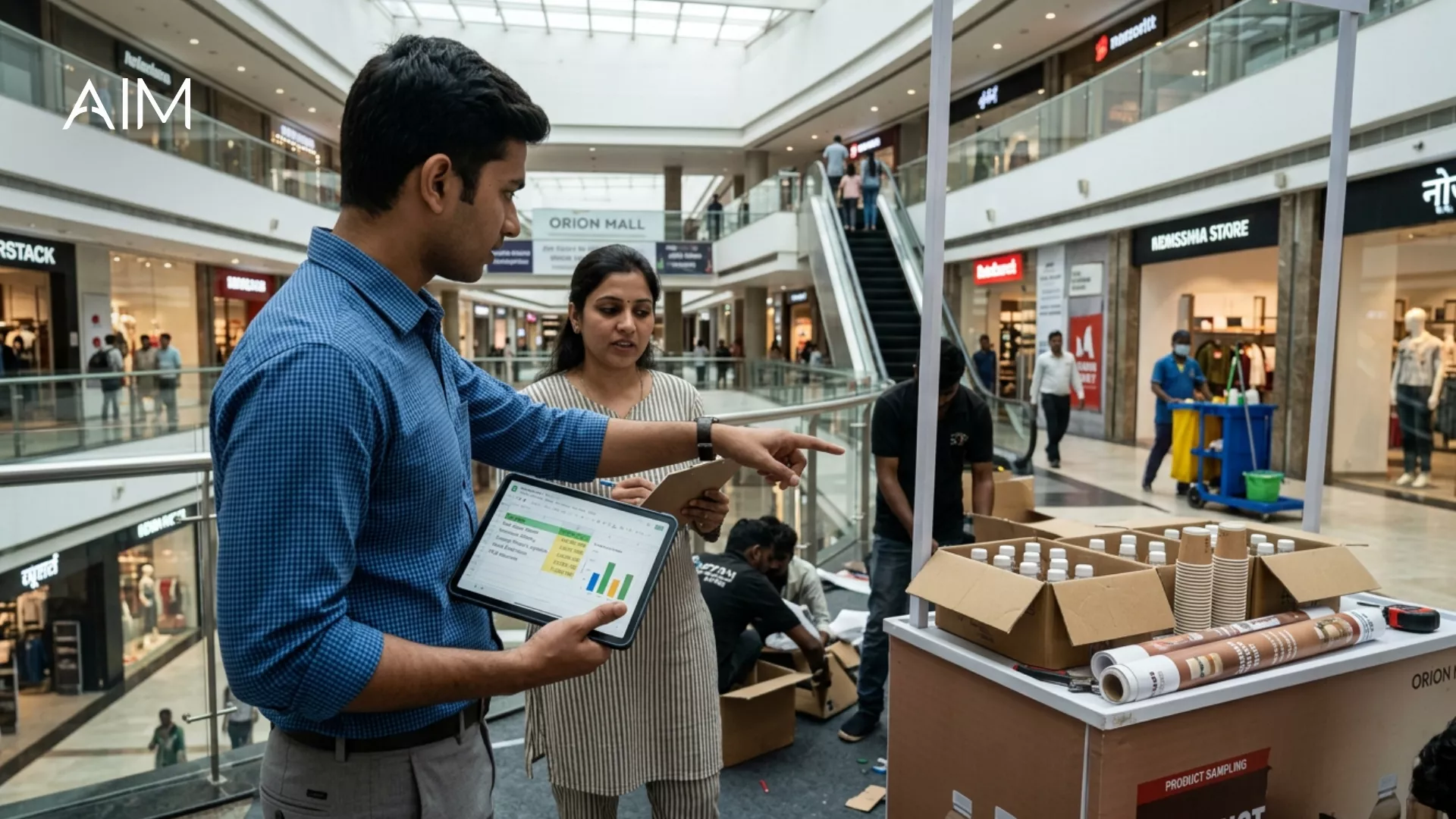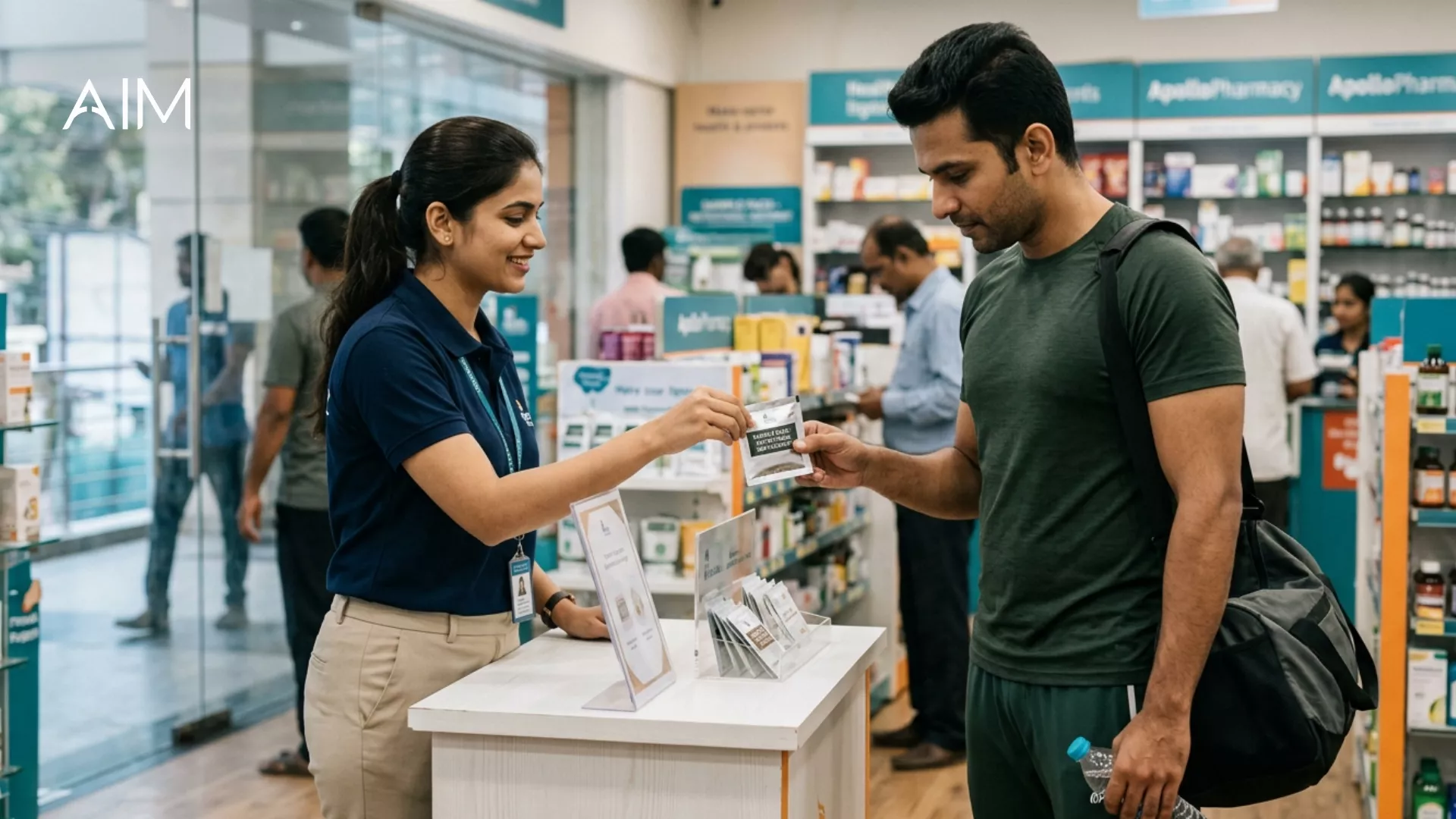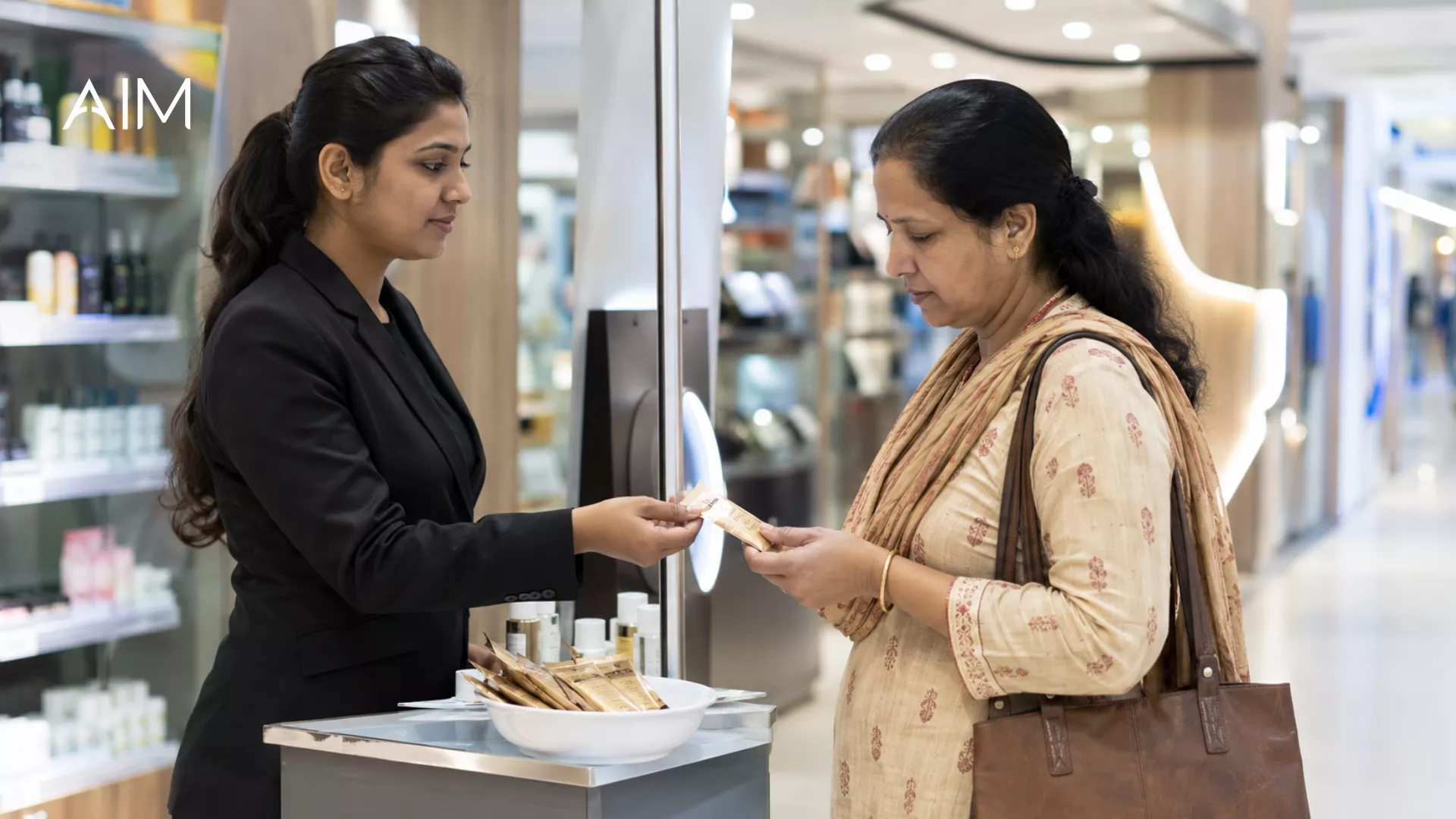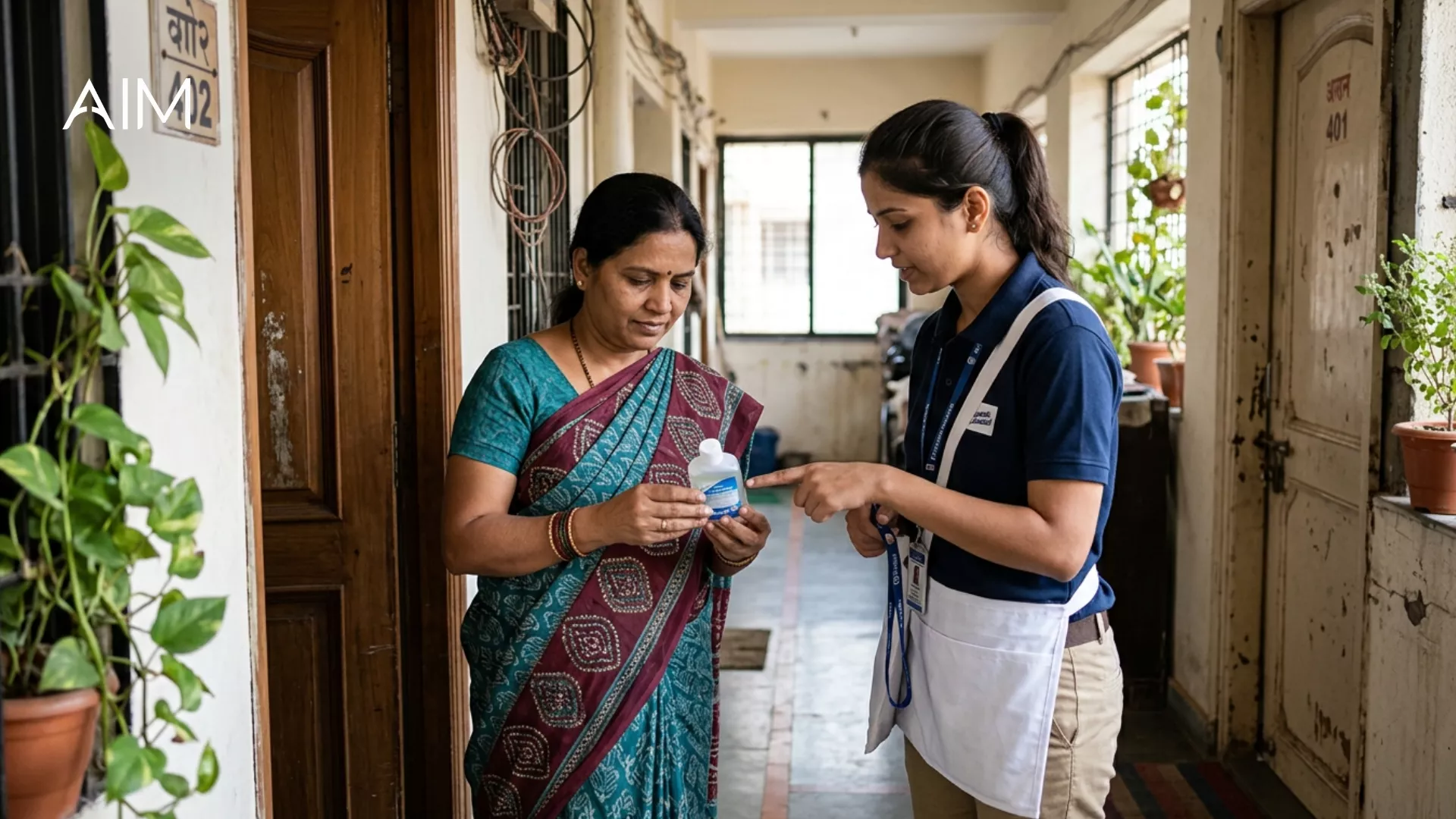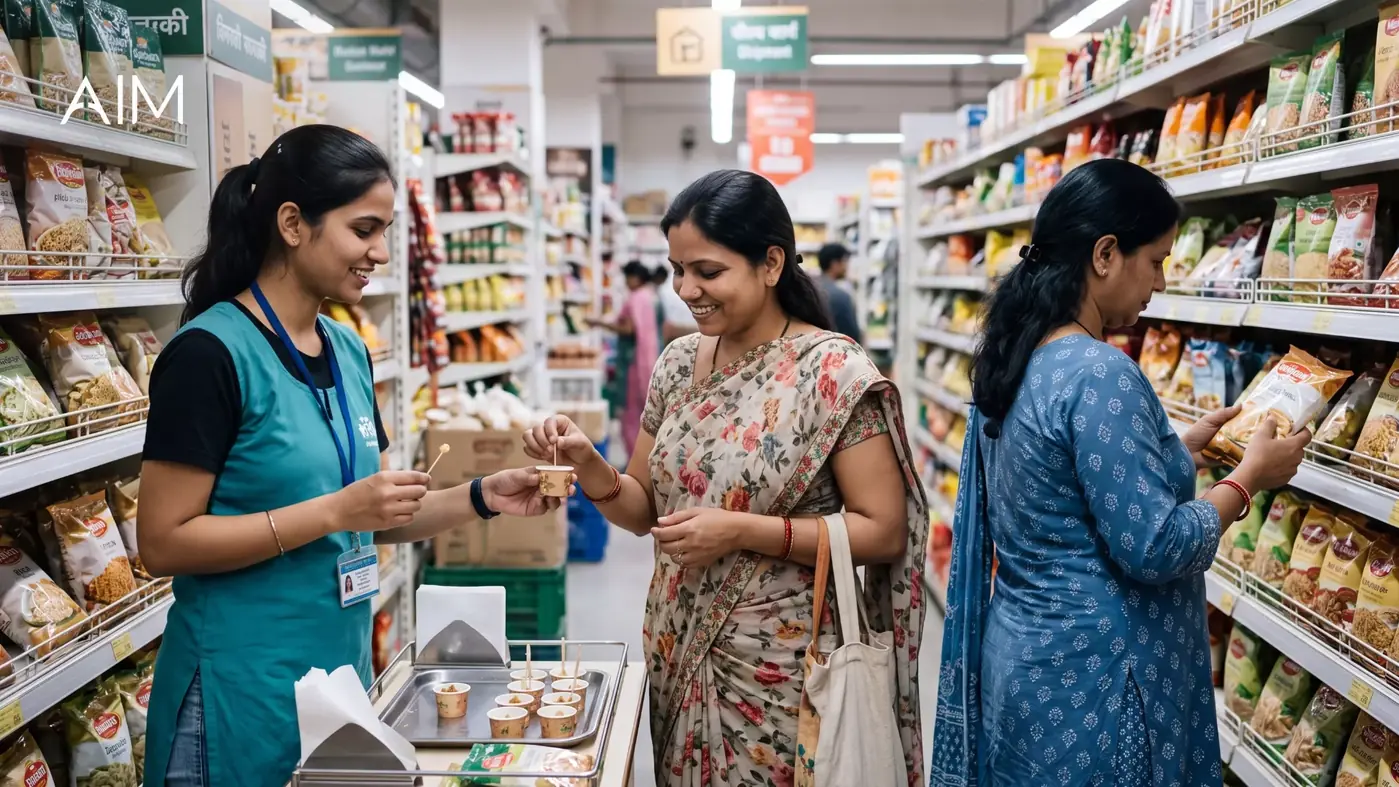


Once a brand decides to sample inside a residential society, a practical choice comes up fast. Do you send a team door to door, knocking on each flat, or do you set up a canopy in a central spot and let residents come to you? Both reach the same households, both are standard inside gated communities, and they produce very different campaigns. Picking the wrong one for your product wastes the access you worked to get. Picking the right one makes the same society deliver far more.
Quick answer: Door-to-door sampling reaches every home directly, in private, with higher trust and better coverage, but it is slower and costs more per contact. A canopy sets up in a central spot like the clubhouse or the main gate, reaching residents who pass by in a lighter, faster, cheaper way, but it only reaches those who come out and misses the rest. Door-to-door suits products that need a considered, private hand-over; a canopy suits products that sell on quick, broad trial.
What door-to-door does well
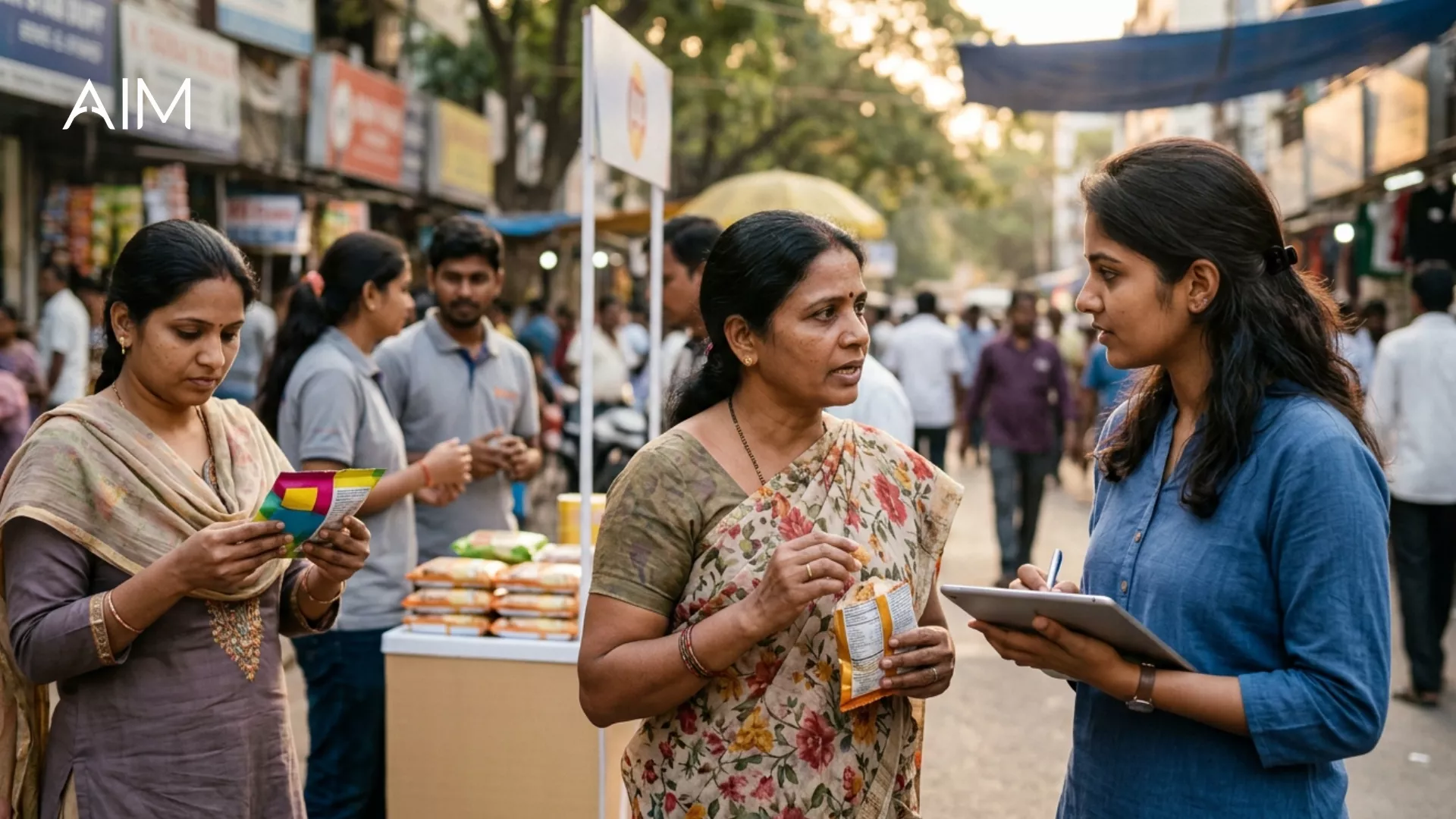
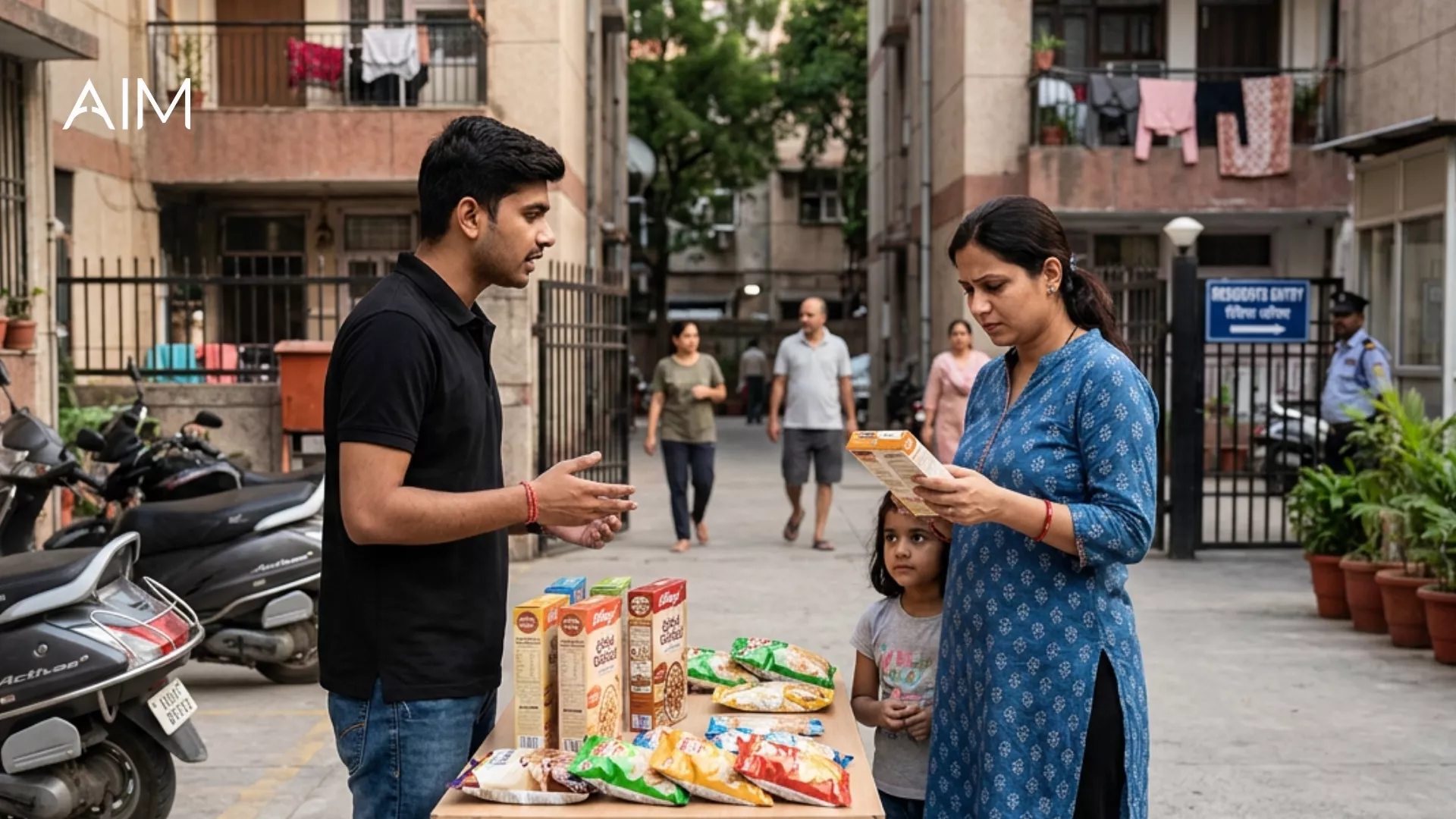
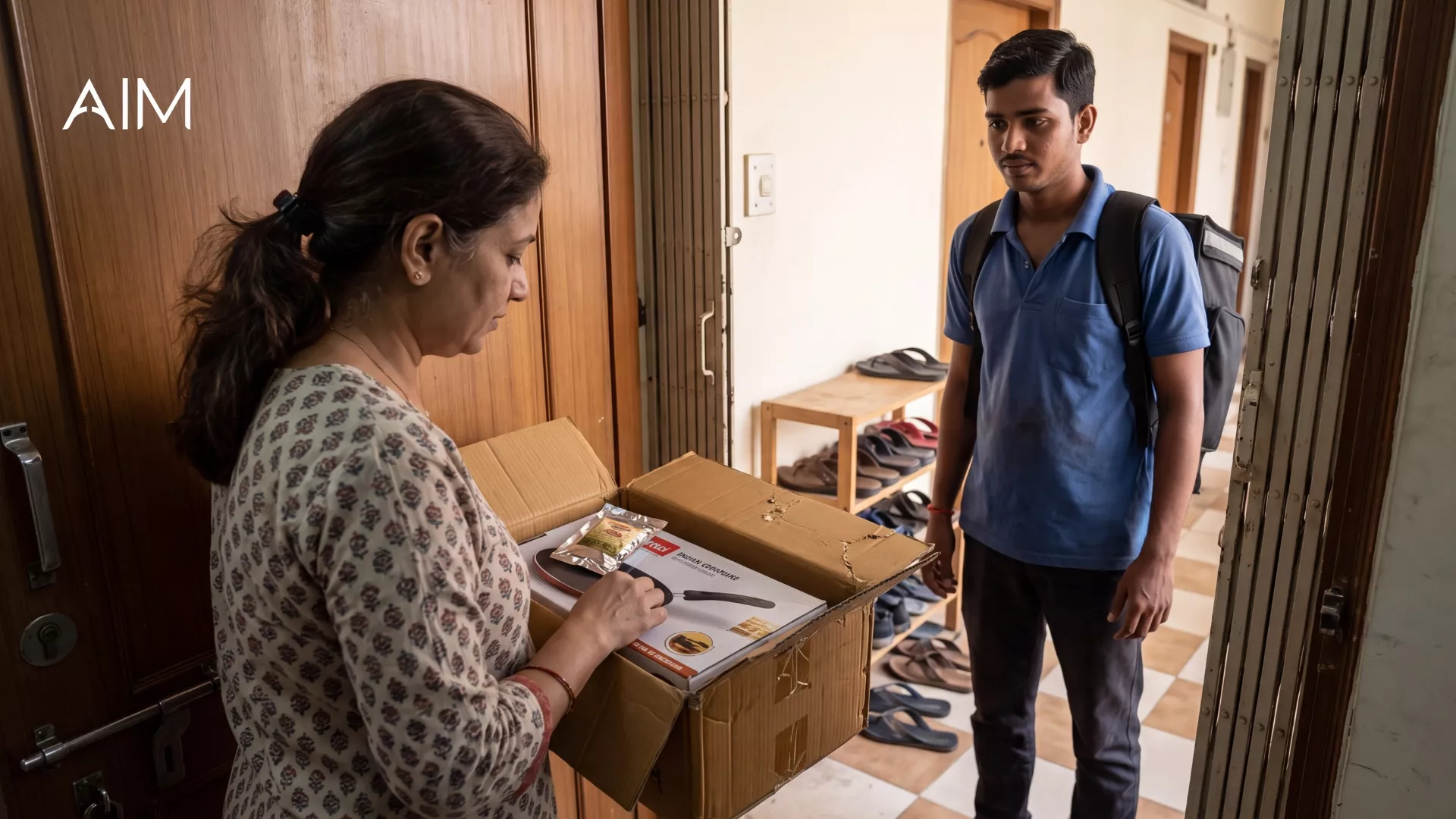
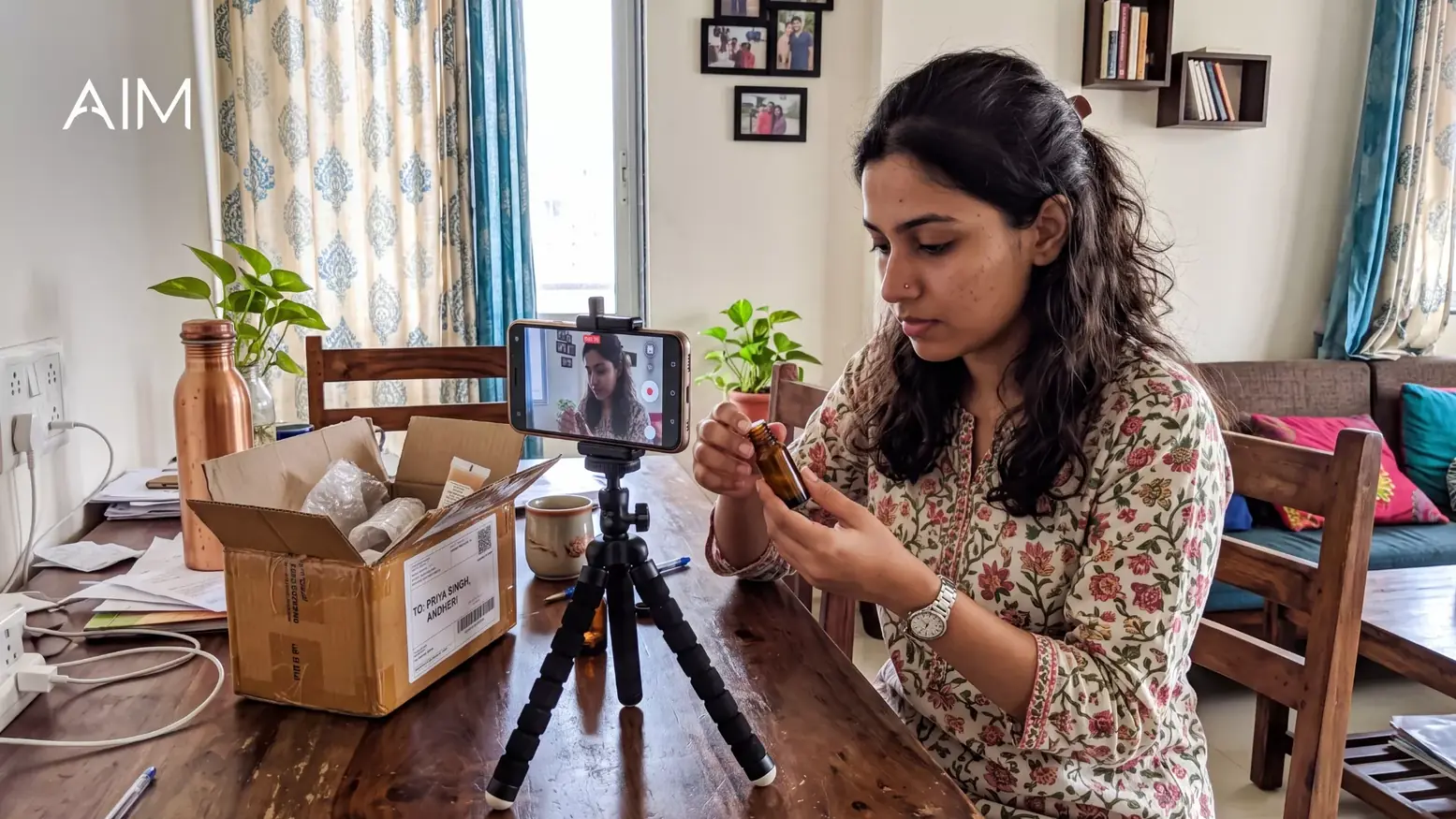
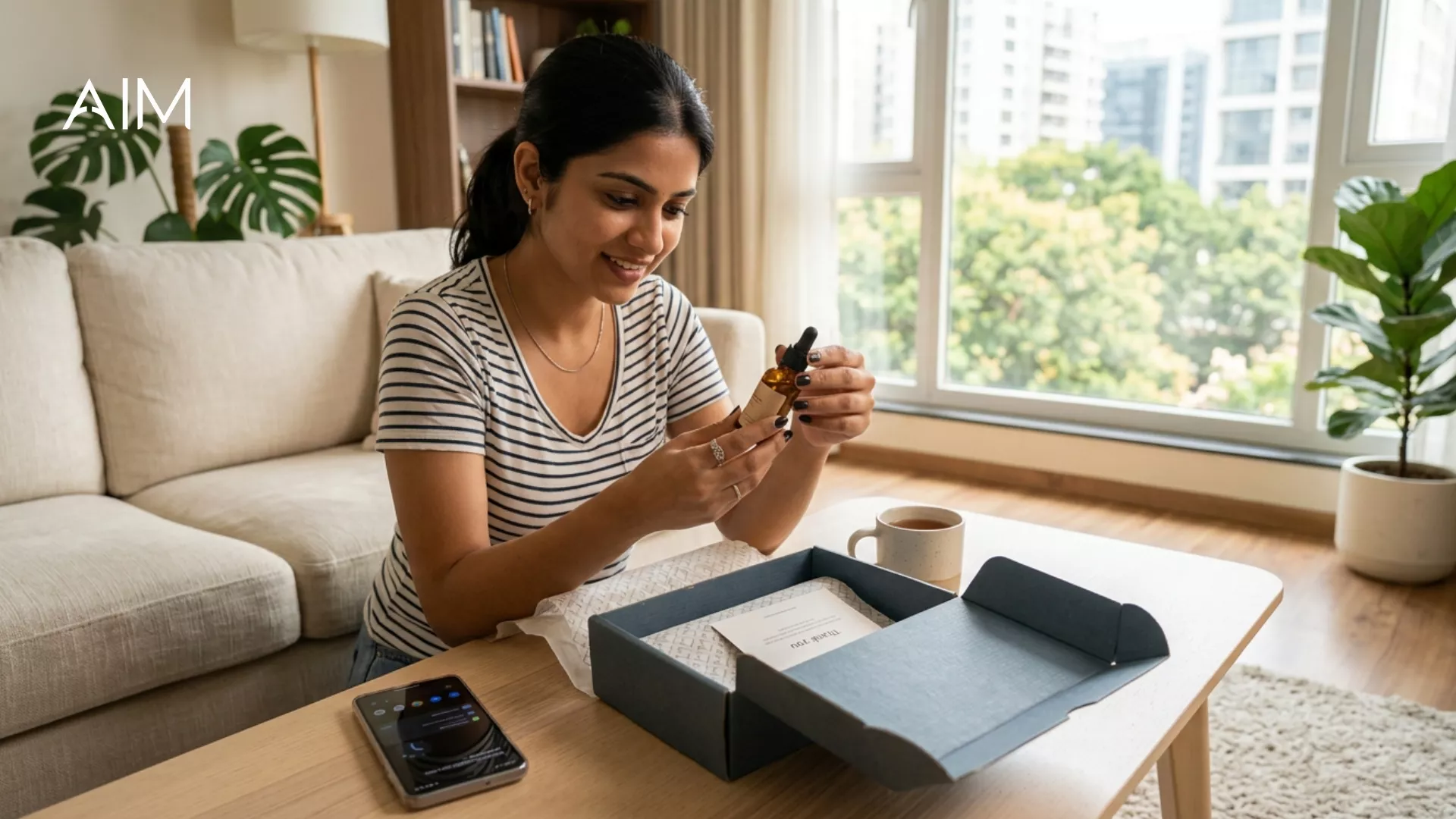
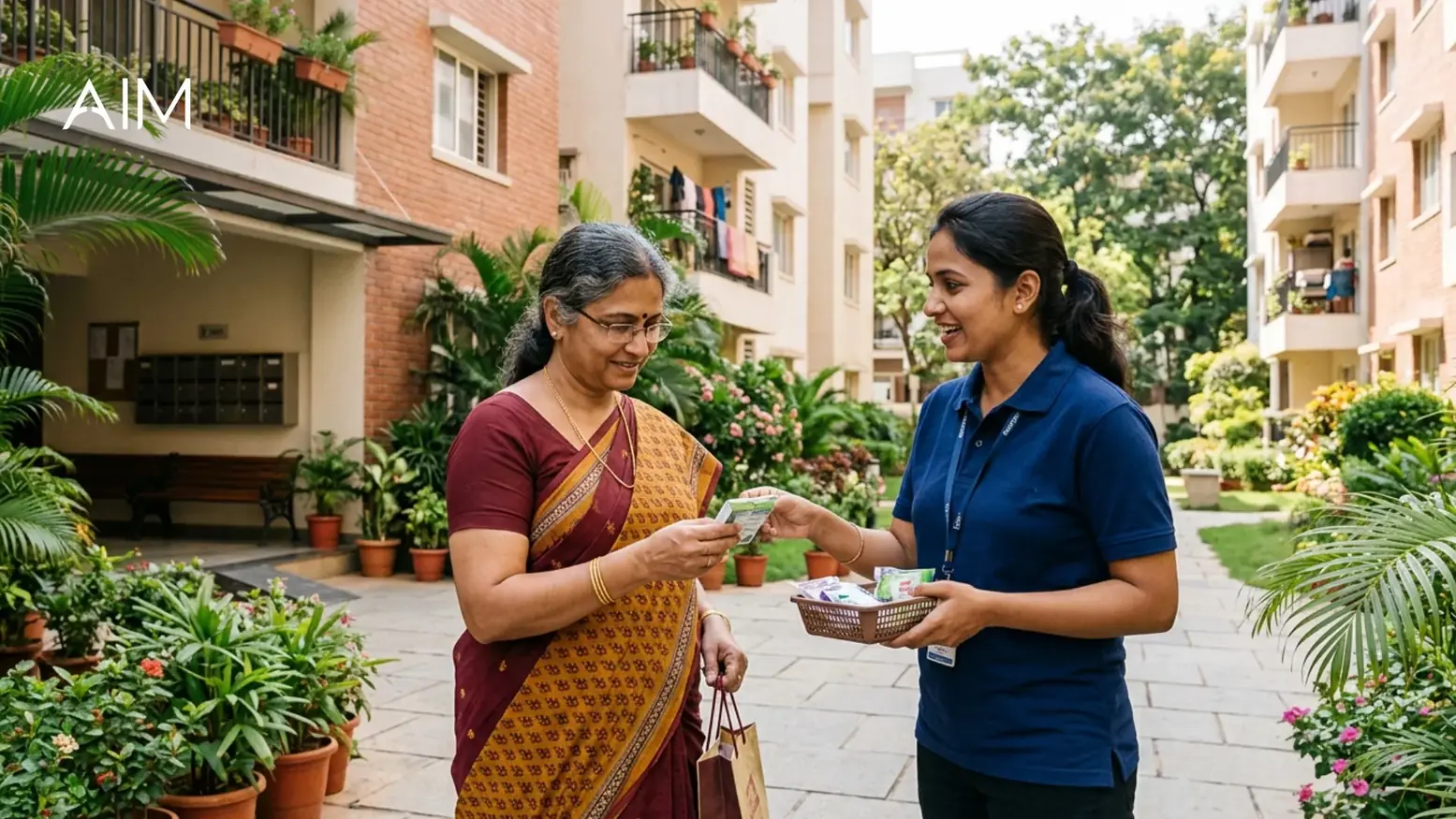
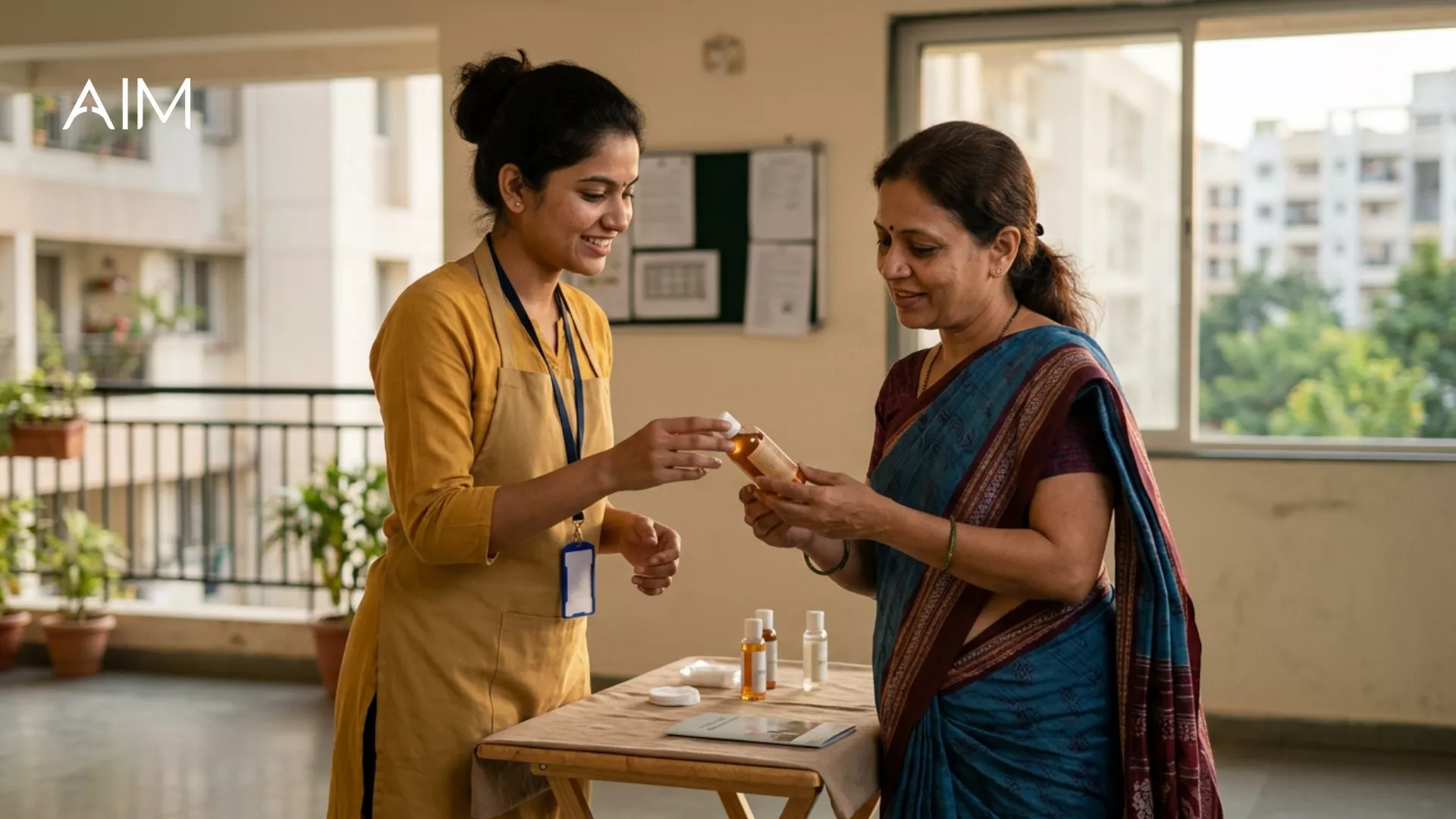
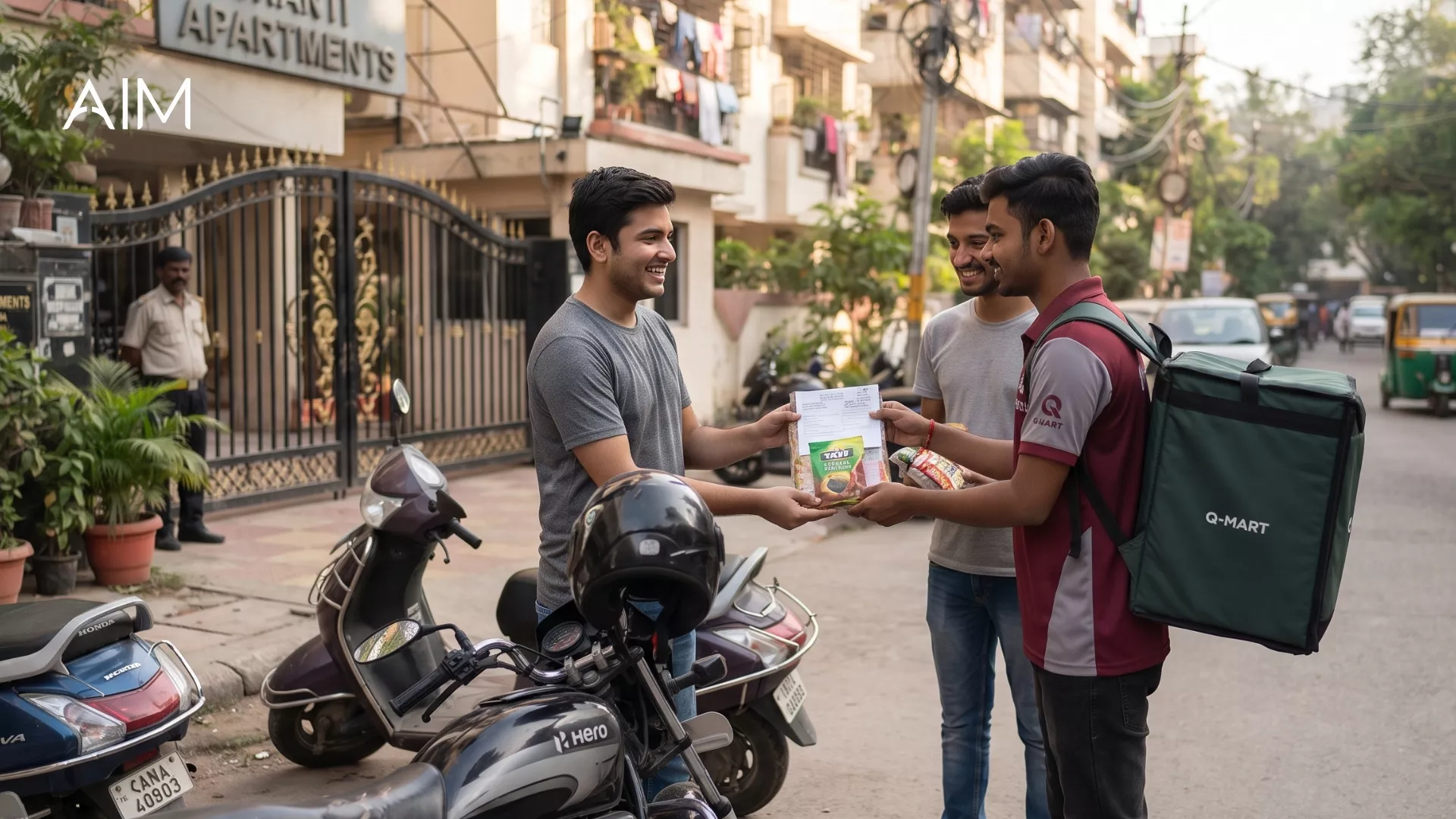
Door-to-door puts your sample in the hand of someone at their own front door, which is the highest-coverage and most personal way to sample a society. You reach every flat, not only the residents who happen to be out, so coverage is close to complete. The hand-over is private, unhurried, and one to one, which suits a product that needs a word of explanation or a little trust. For anything personal, considered, or new, the doorstep is a setting where a resident will actually listen, because it is their space and the interaction is just for them.
The trade is cost and speed. Reaching every door takes a team, time, and more manpower per contact, so door-to-door is slower and costs more per sample than a canopy. It also needs the right permission, because access to the floors and doors is more intrusive than a stall in a common area, and some societies allow one and not the other.
What a canopy does well
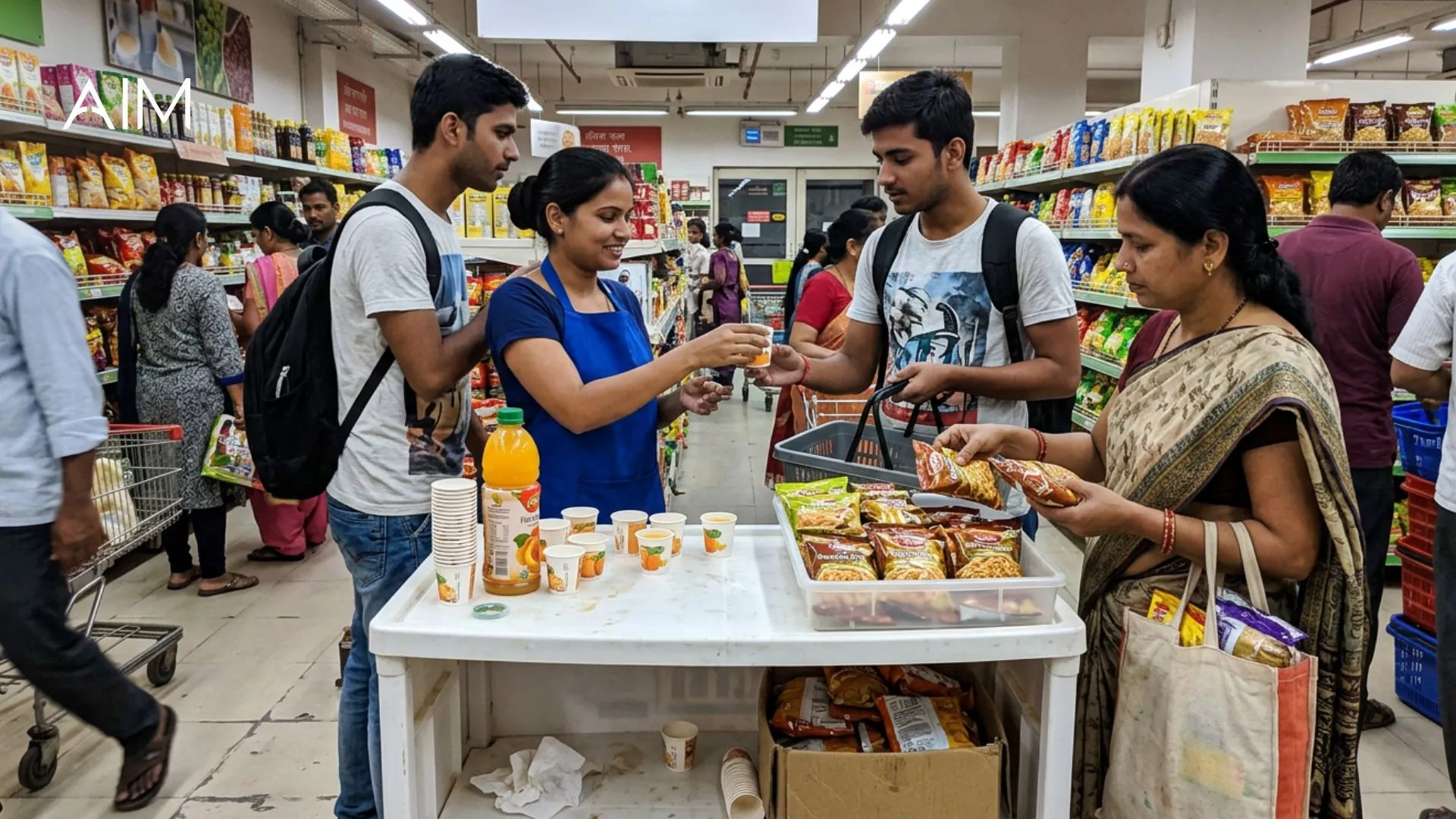
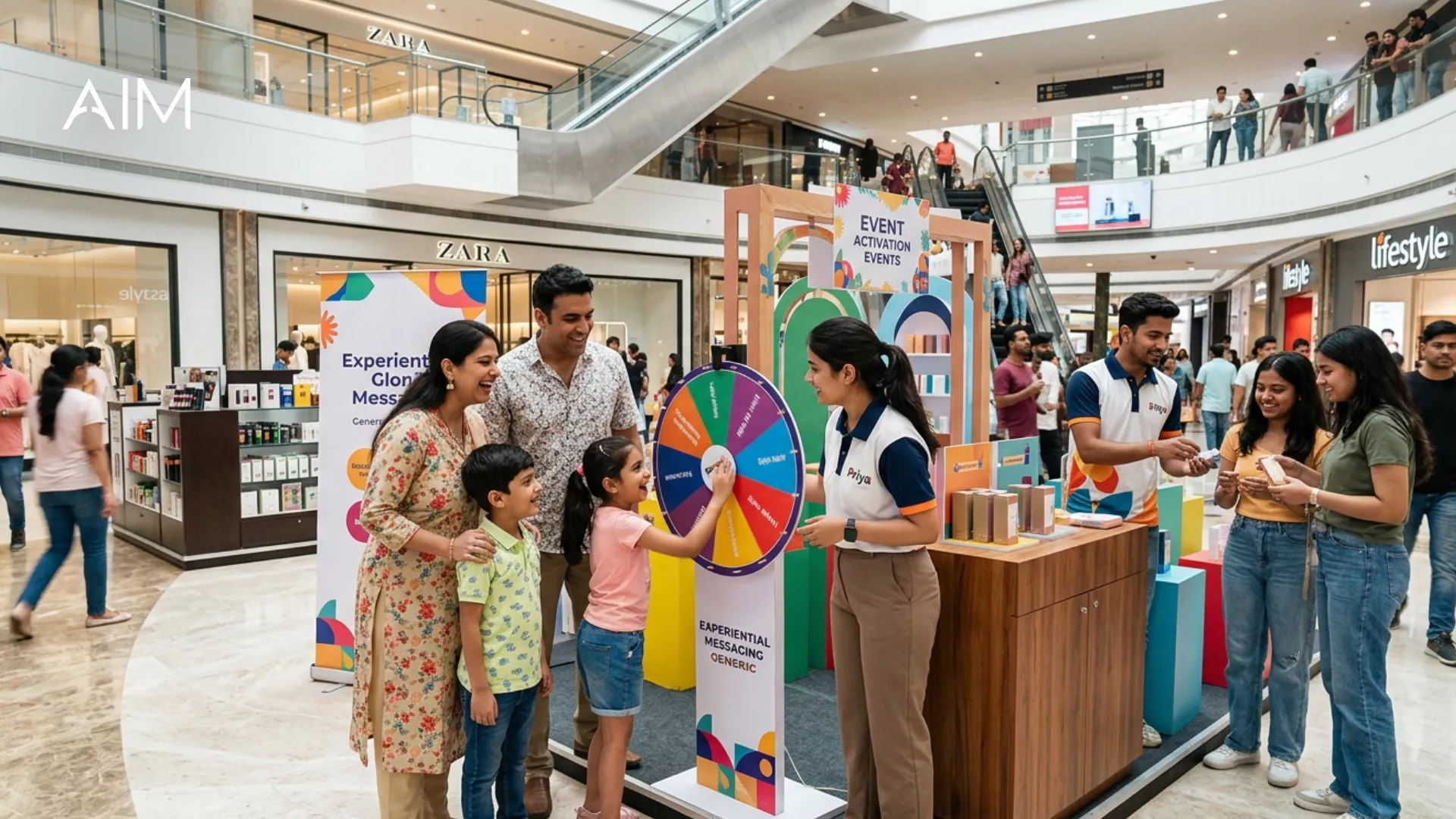
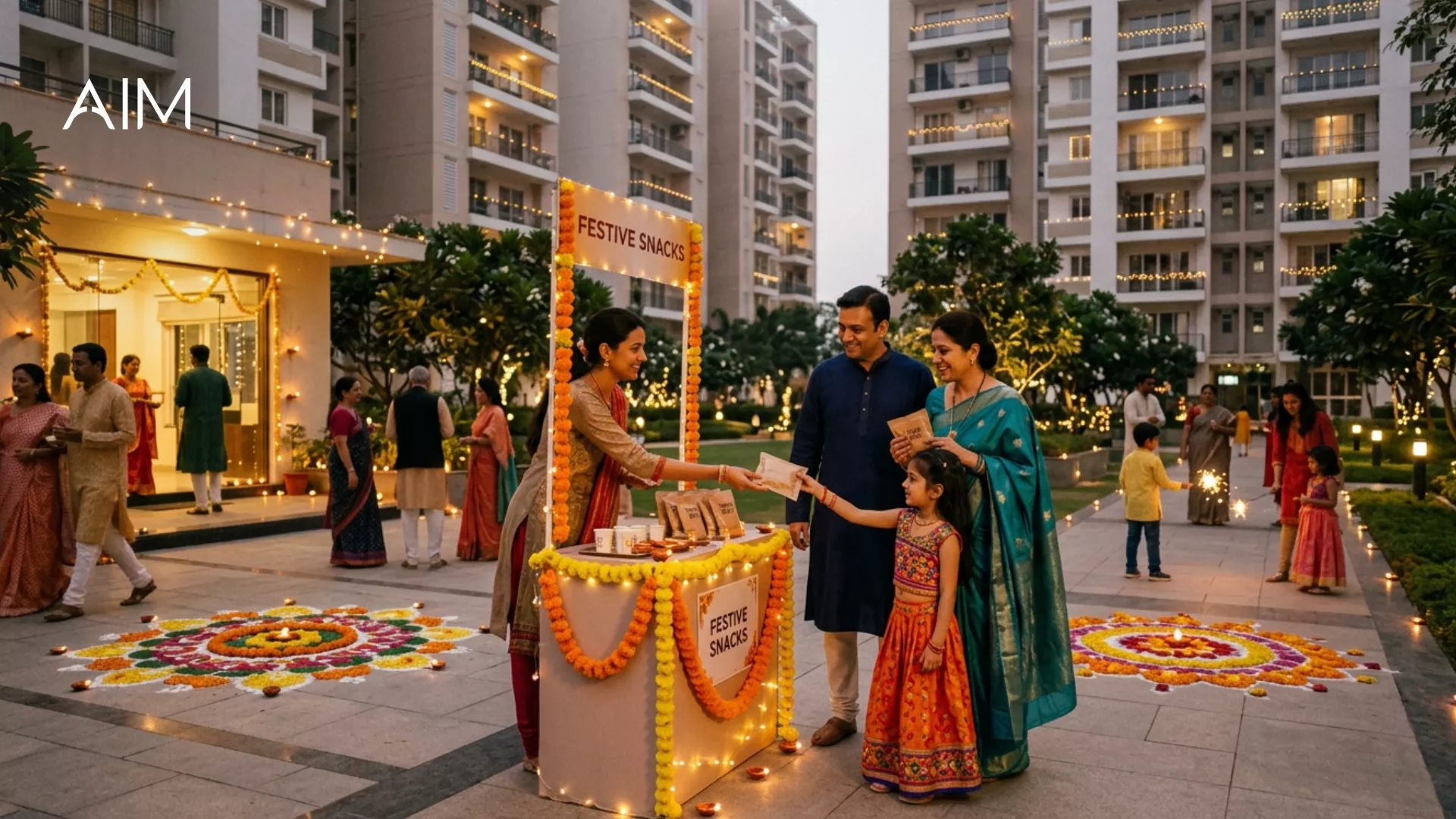
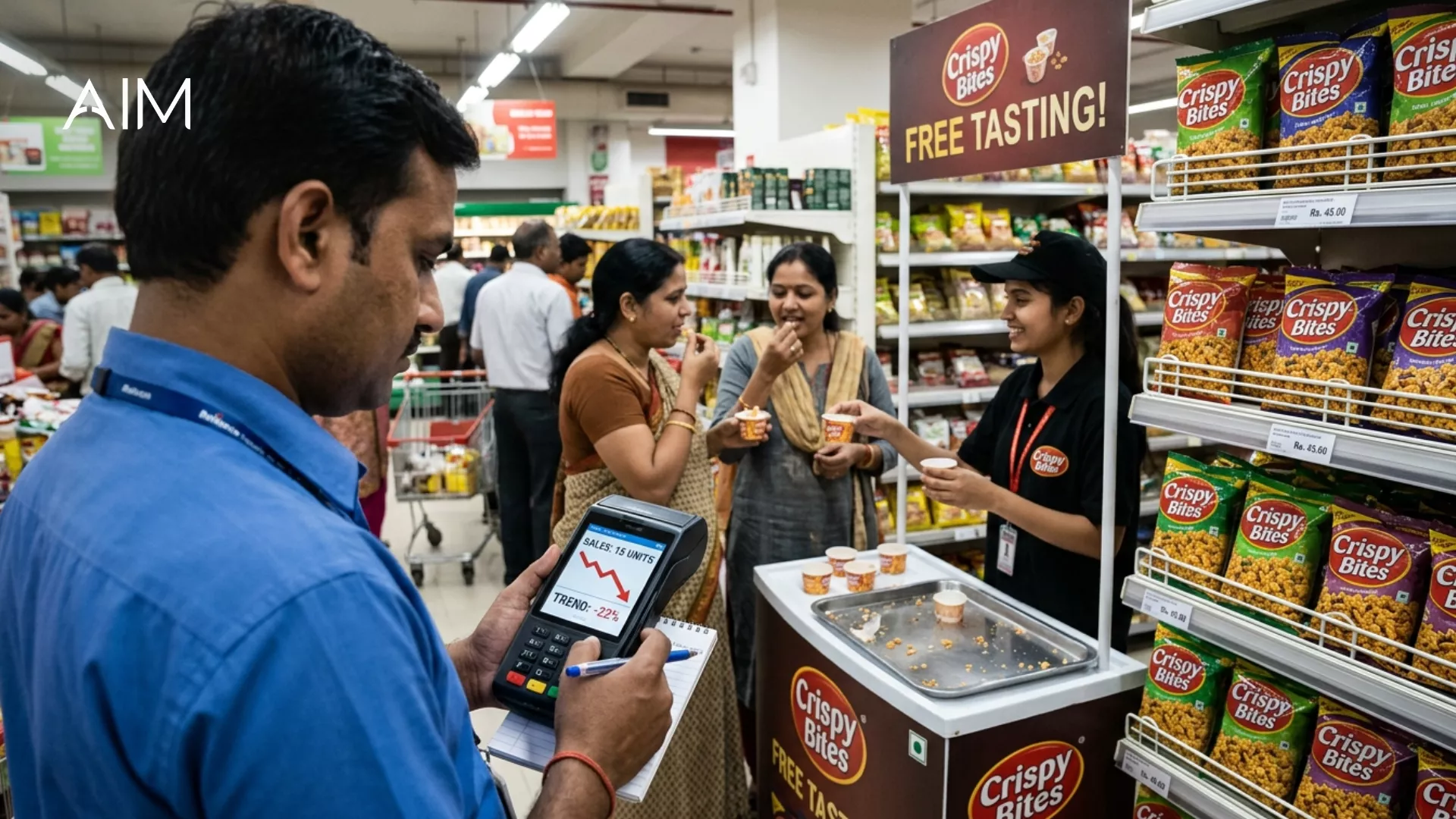
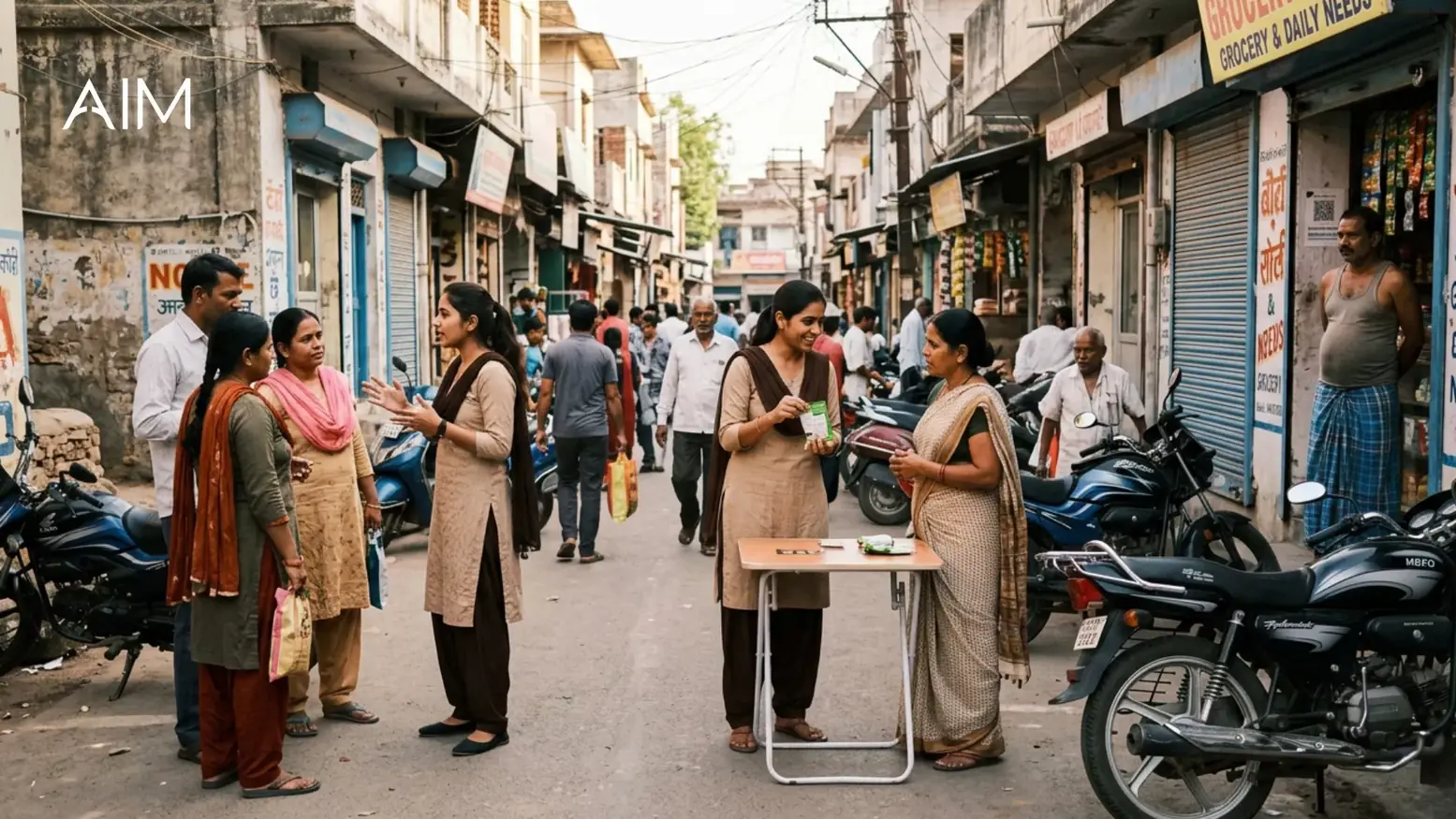
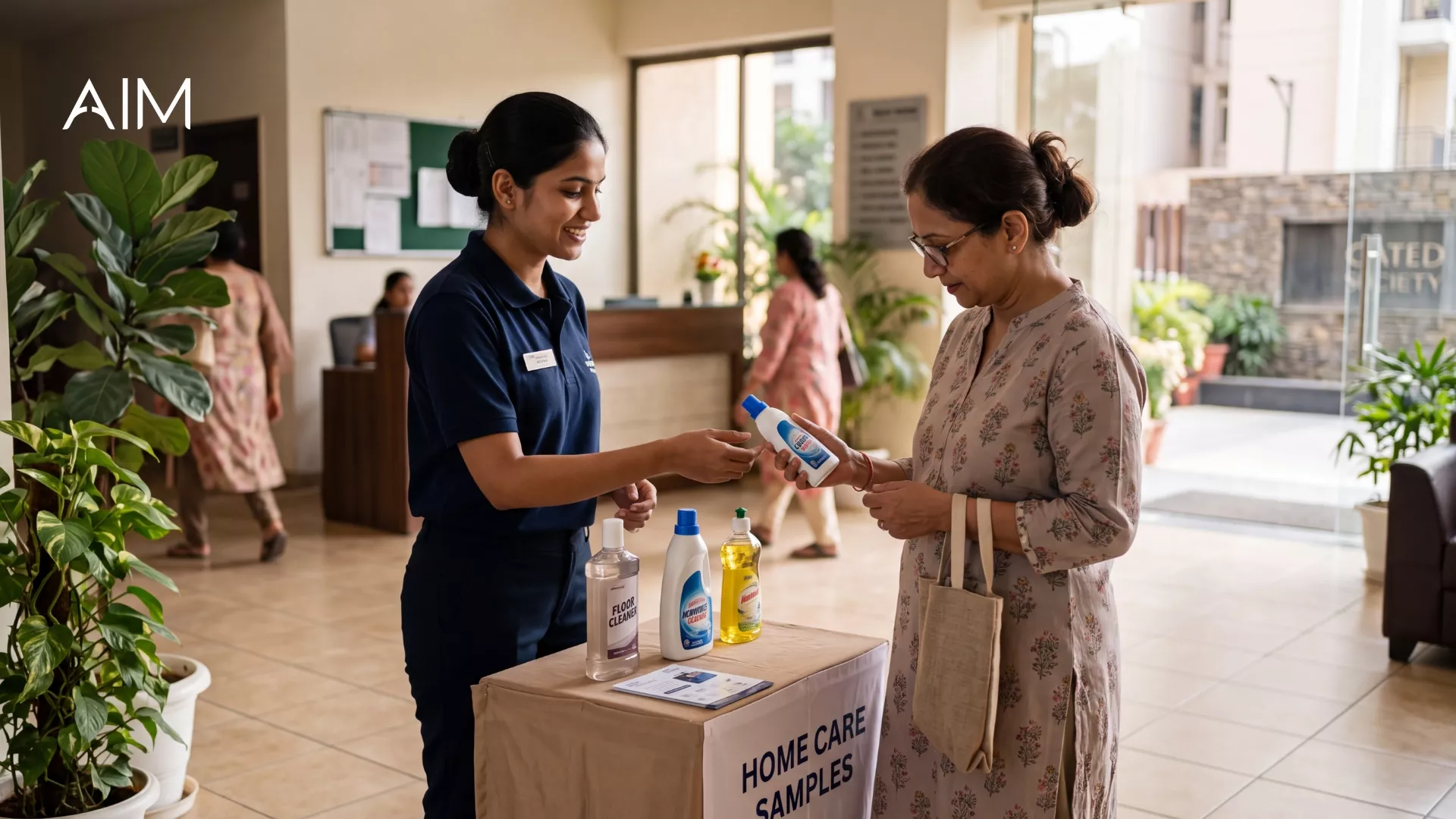
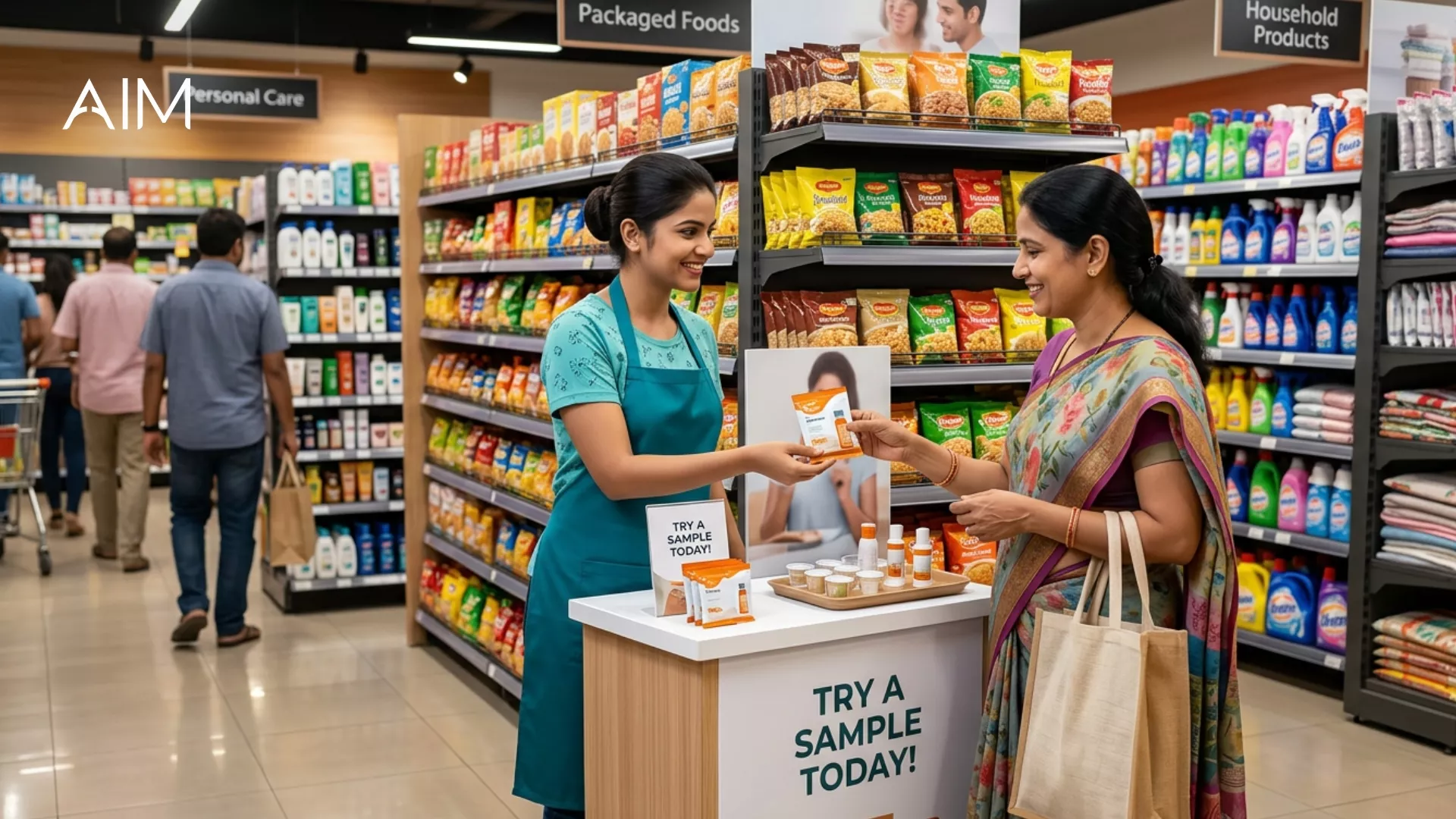
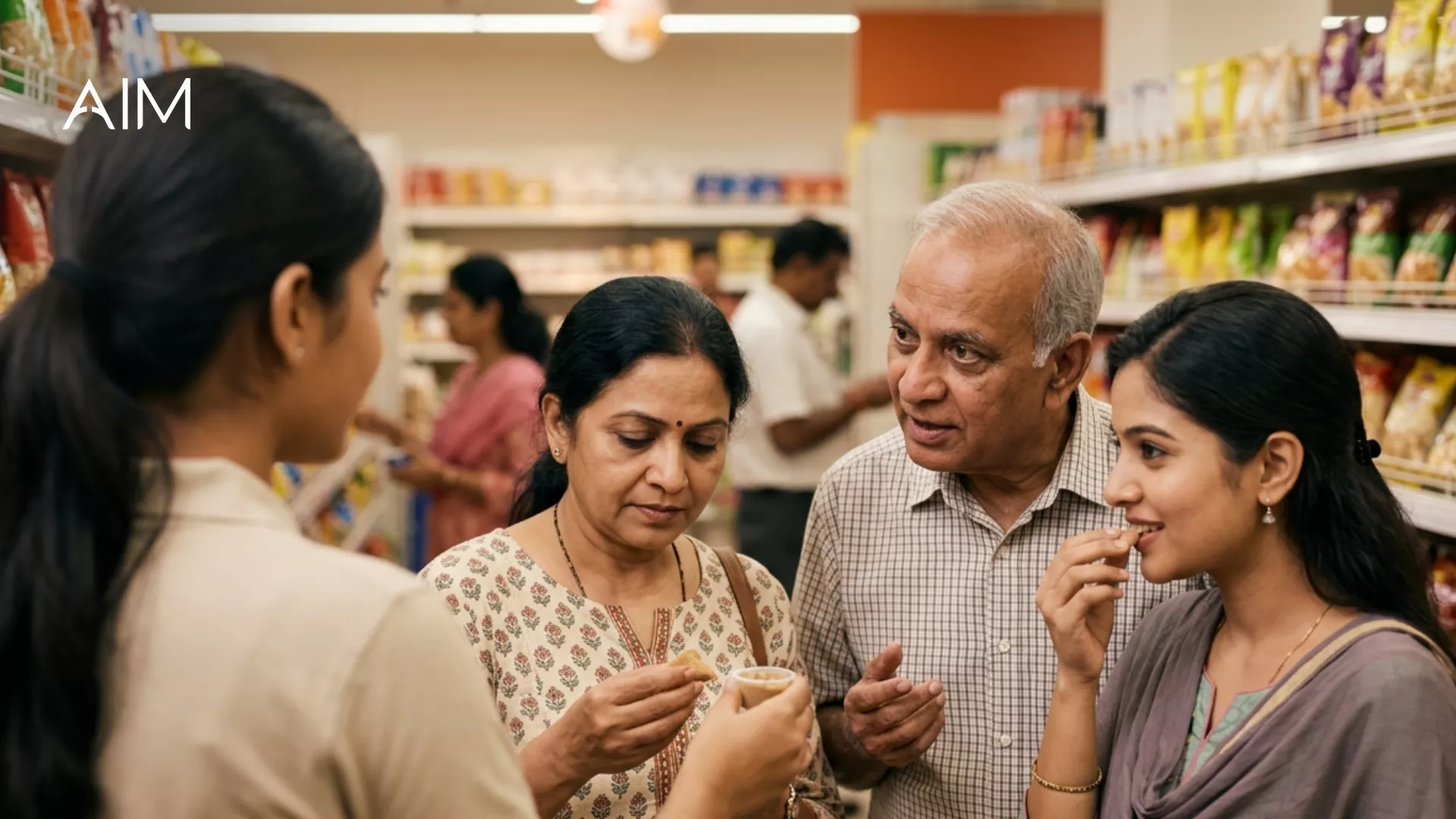
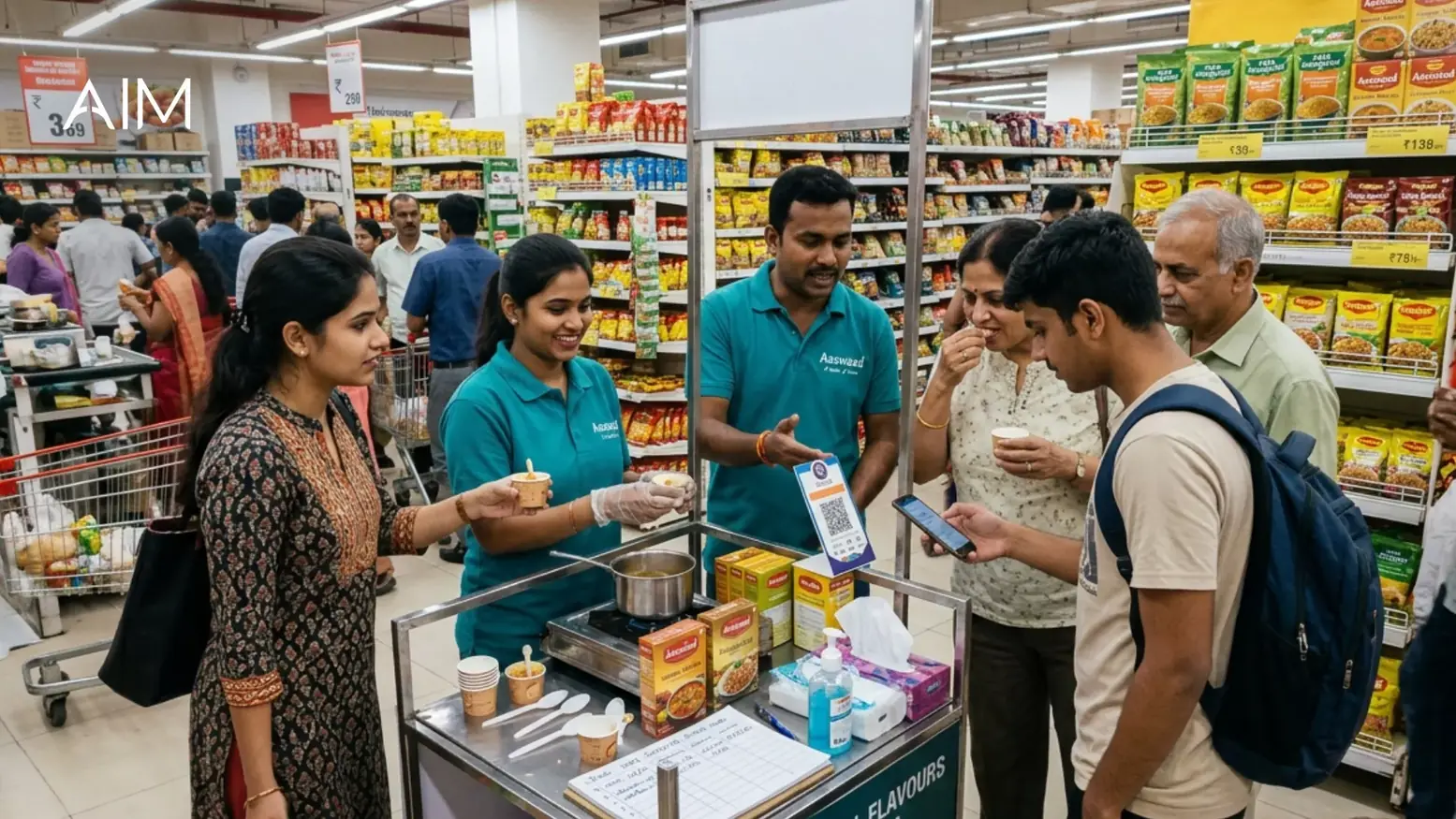
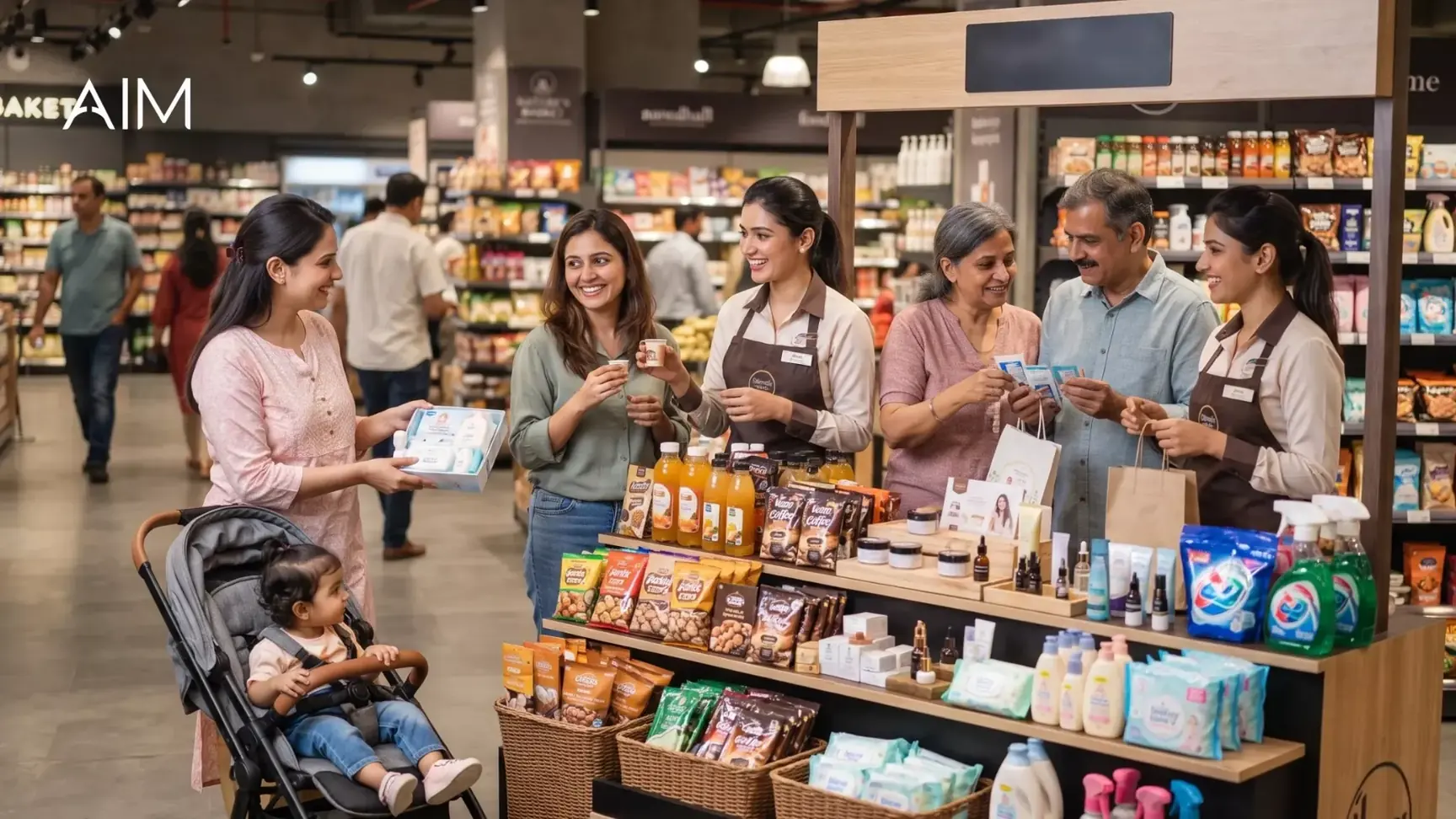
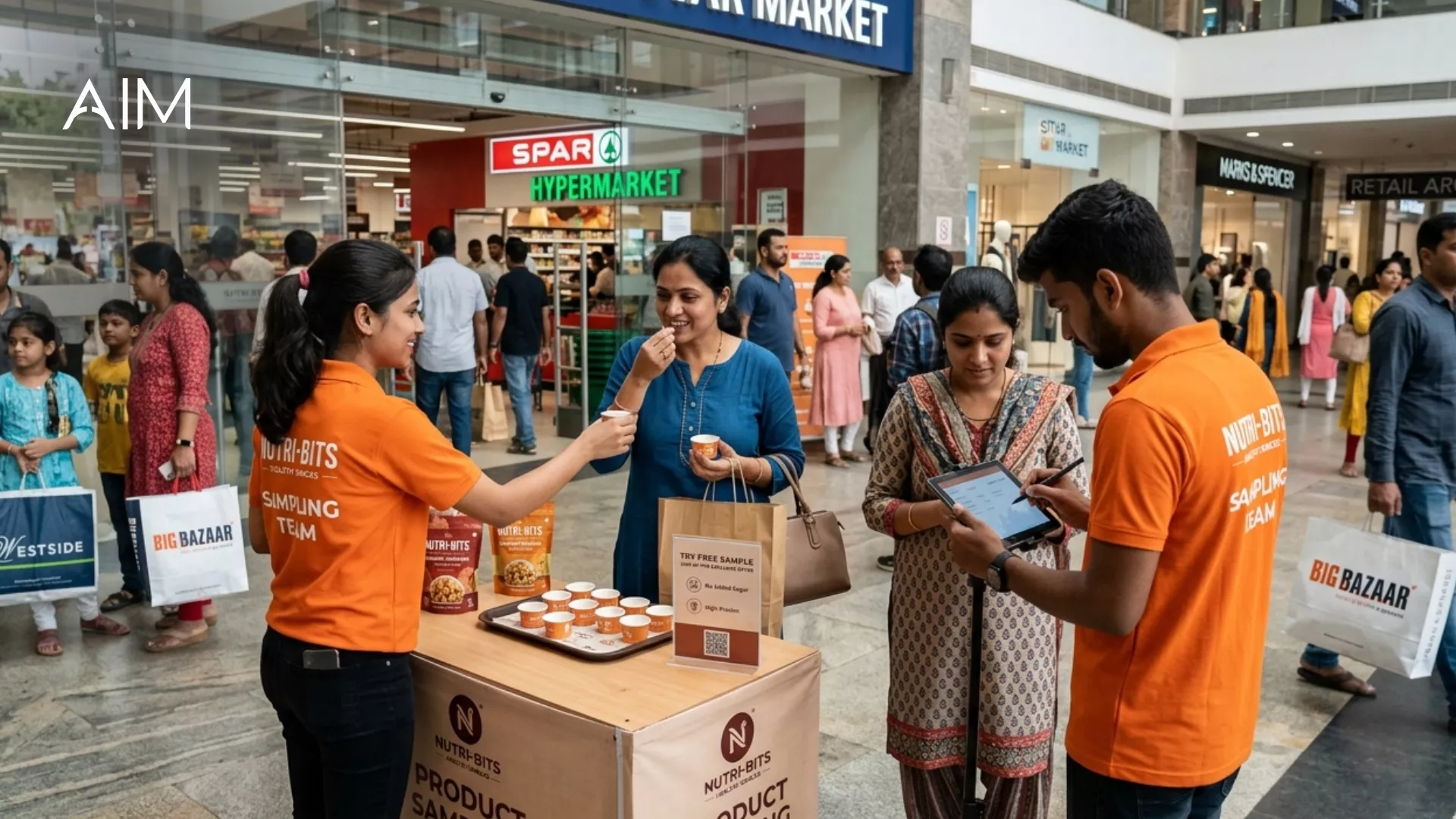
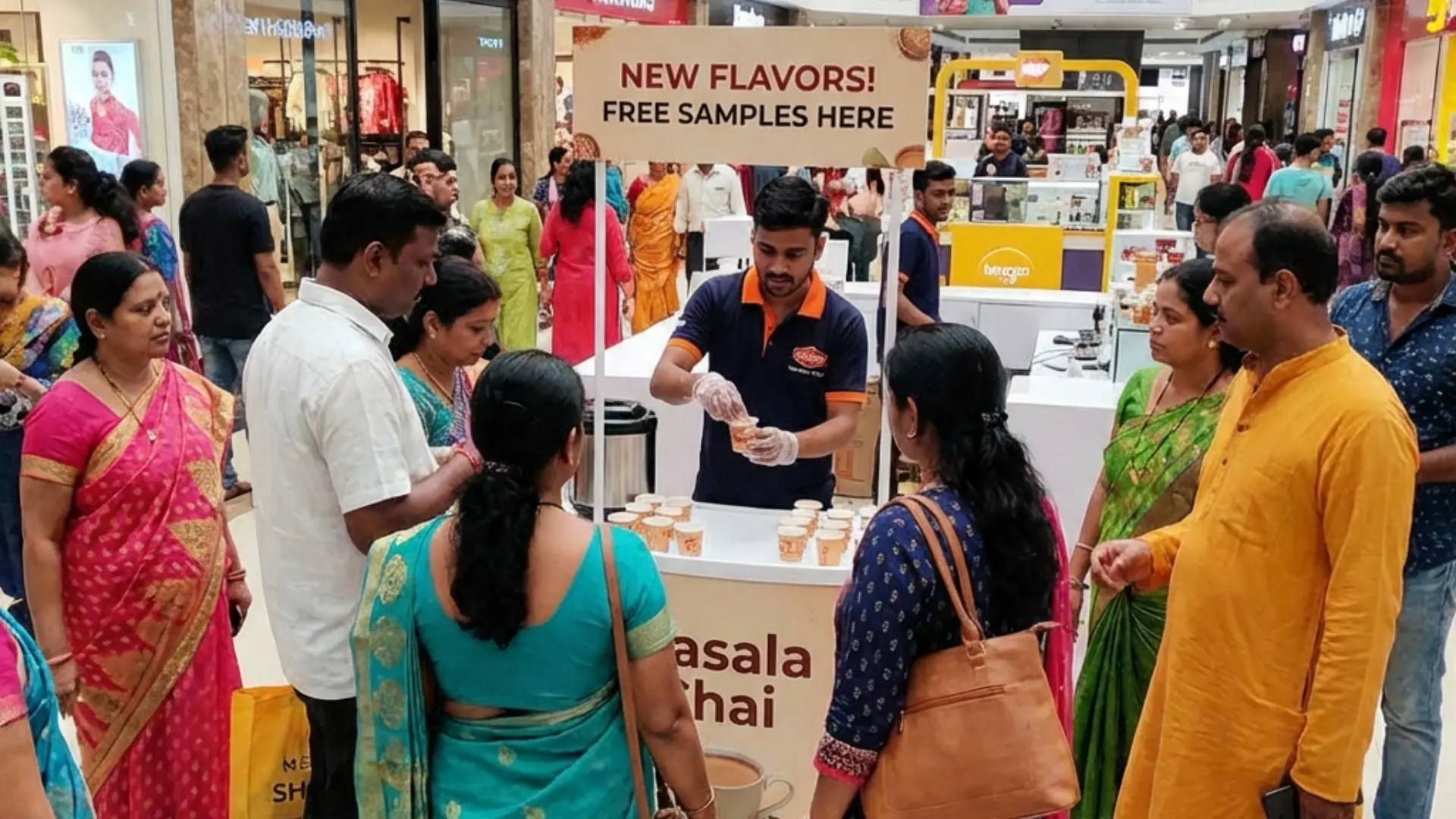
A canopy flips the model. Instead of going to every home, you set up in a spot residents pass, the main gate, the clubhouse, the park, the market area, and let them come to you. It is faster, cheaper per contact, and lighter to run, because a small team in one spot can sample a steady stream of residents over a few hours. It also creates a bit of visible activity, a presence in the community that a quiet door-knock does not.
The limit is who it reaches. A canopy only samples residents who come out and choose to stop, which means you miss the homes that never pass by and you self-select for the more social, less busy residents. Coverage is partial and somewhat skewed. For a product that sells on quick, broad trial to whoever is around, that is fine. For one that needs to reach specific households or a considered hand-over, it leaves gaps.
How the product decides
Match the format to what the product needs. A product that benefits from a private, explained hand-over, something personal, health-led, or new to the market, leans door-to-door, where the setting supports the conversation. A product that sells on a quick, low-explanation trial, an everyday food, a beverage, a familiar category, leans canopy, where speed and footfall matter more than private attention. The deeper trap in either case is choosing by convenience rather than by the household you are trying to reach, which is one of the RWA and society product sampling mistakes that quietly waste budgets.
How the goal decides
The two formats also serve different goals. If your aim is deep coverage of a specific set of societies, reaching as many of the right households as possible, door-to-door earns its higher cost. If your aim is broad, fast reach across many societies on a tighter budget, a canopy covers more ground for less. Many brands use both, door-to-door in the priority societies where coverage matters, a canopy in the wider set where speed and spread are enough.
Why the society and the permission still come first
Neither format matters if you have chosen the wrong society or cannot get the right access, and that is where a society campaign is really won or lost. The right communities, matched to your buyer, and a permission that allows the format you need are the groundwork both formats sit on. Getting that groundwork right, and then matching the format to the product and the goal, is the heart of how we run RWA and society sampling services, because the format is only as good as the household it reaches.
A closer look at coverage
The clearest difference between the two is who they reach. Door-to-door reaches households, every flat you are allowed to approach, whether or not anyone was planning to come out. That makes it the better tool when you need to reach a defined set of homes with near-complete coverage, because you are going to them. A canopy reaches individuals who happen to pass and choose to stop, which skews toward the more social, less time-pressed residents and misses the ones who stay in. Over a weekend a canopy can still touch a good number of homes, but it will never be the complete, even coverage that going door to door gives. If your product needs to reach specific households, that gap matters. If it just needs broad trial, it may not.
Cost and speed in practice
The two formats sit at opposite ends on cost and speed. A canopy concentrates a small team in one spot, so it is quick to set up, quick to run, and cheap per resident reached, which is why it covers more societies for a given budget. Door-to-door spreads a team across floors and flats, so it is slower, needs more people, and costs more per contact, but it buys coverage and a private hand-over the canopy cannot. Neither is wasteful on its own. A canopy spends less and reaches fewer homes less deeply. Door-to-door spends more and reaches more homes more personally. The right one depends on whether coverage or spread is worth more for your product and your budget.
Using both together
Many strong society campaigns do not choose one format for everything. They use door-to-door in the priority societies where deep coverage of the right households is worth the higher cost, and a canopy across the wider set of societies where fast, broad reach on a tighter budget is enough. Some even combine both in the same community, a canopy for presence and visible activity, with a door-to-door pass for the homes that never came out. Deciding which format does which job, rather than defaulting to one, is how a society budget is made to stretch across both depth and spread.
What to sample in each
The product mix also shifts by format. Door-to-door suits products that benefit from a word of explanation or a private hand-over, something personal, health-led, considered, or new enough that a resident needs a reason to try it. A canopy suits products that sell on quick, broad trial with little explanation, an everyday food, a snack, a familiar beverage, where speed and footfall matter more than a private pitch. Sending a product that needs explaining into a fast canopy queue undersells it, and routing a simple impulse product through slow door-to-door overspends on it. Match the product to the format, and both the cost and the conversion improve.
Permission shapes which format you can run
There is a practical constraint that often settles the choice before the product or the goal does, and that is what the society will actually allow. Access to a canopy in a common area, the clubhouse lawn or the space near the gate, is usually easier to secure, because it is contained and the committee can see exactly what will happen and where. Access that lets a team move floor to floor and knock on doors is more intrusive, and some societies simply will not grant it, or grant it only under tight conditions. So the format is not always a free choice. Sometimes the society permits a canopy and not a door-to-door pass, and the plan has to work within that. This is one more reason to settle the society and the permission early, before committing to a format, because there is no point designing a door-to-door campaign for a community that will only approve a stall by the gate. Knowing what each society will allow, and planning the format around it, is part of running a society campaign that actually happens rather than one that stalls at the committee. In the societies that allow both, you keep the full choice and can match the format to the product and the goal. In the ones that allow only a canopy, you plan the product and the message around a stall rather than a doorstep, and you accept the partial coverage that comes with it. Either way, the permission is not a detail to sort out at the end. It is the frame the whole format decision sits inside.